What Exactly Is a Landscape Painting? My Take on Nature's Canvas
Ever wondered what makes a landscape painting truly special? Join me as I explore its definition, fascinating history, core characteristics, and how nature continues to inspire artists, from classical masters to abstract creators.

Landscape Painting: My Take on Nature's Canvas – The Ultimate Guide to a Timeless Art Form
Let's be honest: we all have that inner longing, that deep-seated need to connect with the world beyond our immediate surroundings. Whether it's the awe-inspiring silence of an ancient forest, the vast, churning power of the sea, or the subtle beauty of a misty morning, nature speaks to us in a language that transcends words. For me, an artist who spends countless hours translating these feelings onto canvas, landscape painting is perhaps the most profound articulation of this universal dialogue. It’s not just about replicating a pretty scene; it's about channeling that raw emotion, that unique perspective, and inviting you, the viewer, into a conversation with the earth itself. It’s an art form that has captivated humanity for millennia, evolving from a mere backdrop to a powerful protagonist, and honestly, it’s one of the most enduring and fundamental dialogues in all of art history. That deep resonance you feel when you gaze upon a breathtaking vista? That instant, undeniable connection with the world around us? That's precisely what a landscape painting strives to capture. This isn't just a category of art; it's a timeless conversation between humanity and the earth, translated onto canvas. This comprehensive guide will explore the definition of landscape art, its rich history, diverse types, key elements, techniques, and profound symbolism, providing everything you need to deeply appreciate this essential genre.
Key Terms and Concepts in Landscape Painting: Your Quick Reference
Before we delve deeper, here’s a quick reference guide to some of the essential terms and concepts you’ll encounter when exploring landscape painting. This is like your personal glossary to help navigate the incredible breadth and depth of the genre:
Term/Concept  | Definition & Significance |
|---|---|
| Landscape Painting | An art genre where the primary subject is natural scenery, whether wild, cultivated, or urban, often reflecting human emotions or philosophical ideas. |
| Plein Air Painting | The practice of painting outdoors, directly from the subject, to capture the immediate effects of light and atmosphere. |
| Atmospheric Perspective | A technique creating an illusion of depth by depicting distant objects as lighter, hazier, and bluer. |
| Linear Perspective | A system for creating the illusion of depth on a flat surface using vanishing points and receding lines. |
| Impasto | A technique where paint is applied thickly to a surface, creating visible brushstrokes and a textured, three-dimensional effect. |
| Chiaroscuro | The use of strong contrasts between light and dark, usually bold contrasts affecting a whole composition, to create drama and volume. |
| Sfumato | A painting technique for softening the transition between colours and tones, producing a hazy, indefinite effect, particularly evident in backgrounds. |
| Sublime | An aesthetic concept, particularly important in Romanticism, evoking feelings of awe, terror, and overwhelming grandeur in the face of nature. |
| Shanshui (山水) | Literally "mountain-water," a style of traditional Chinese landscape painting that emphasizes philosophical and spiritual communion with nature. |
| Ukiyo-e (浮世絵) | "Pictures of the floating world," a genre of Japanese art (often woodblock prints) depicting landscapes, actors, and scenes from daily life. |
| Composition | The strategic arrangement of elements within an artwork to guide the viewer's eye and create visual harmony or narrative. |
| Fauvism | An early 20th-century art movement characterized by bold, non-naturalistic, and expressive use of color. |
| Expressionism | An art movement where artists distorted reality to express subjective emotions and inner experiences, often with vivid colors and strong forms. |
| Cubism | A revolutionary art movement that broke objects into geometric forms and reassembled them from multiple viewpoints simultaneously. |
| Surrealism | An art movement aiming to release the creative potential of the unconscious mind, typically by the irrational juxtaposition of images. |
| Land Art / Earth Art | Artworks created directly within the natural landscape, often using earth materials, blurring the lines between art and environment. |
More Than Just a Pretty View: Defining Landscape Painting
At its heart, a landscape painting is a work of art where the primary subject matter is, well, nature. We're talking mountains, valleys, trees, rivers, forests, and seascapes – the whole glorious, sprawling outdoors. But here’s the thing, it's rarely just a literal snapshot, a simple visual record. For me, that's where the magic lies. Artists, the truly compelling ones, aren't simply copying what they see with photographic precision. No, they are deeply interpreting it, infusing every brushstroke with their mood, their thoughts, their personal history, and their unique emotional perspective. It's less about the 'what' and more about the 'how it feels' to experience that particular slice of the world. This is where landscape painting truly blossomed from a mere background element, as it was in early art, to a powerful subject in its own right—a canvas for deep emotional and philosophical expression.
I’ve always been drawn to how a simple horizon line can evoke a profound sense of peace, or how a stormy, bruised sky can practically hum with an almost operatic drama. It's about capturing atmosphere, the ephemeral play of light, and the raw emotion a particular scene stirs within us. It's a dialogue, a profound exchange between the artist's inner world and the external majesty of the earth, translated onto canvas. And honestly, it's a conversation I never get tired of listening to, or, in my own abstract way, actively participating in. It’s an exercise in seeing, feeling, and then, ultimately, sharing that intimate connection, often exploring profound themes like humanity's place in the cosmos, the relentless passage of time, or the sublime power of nature.
Key Elements That Shape a Landscape
When I look at a landscape, I'm not just seeing the obvious. I'm actively engaging with the artist's deliberate choices, the underlying structure that gives the scene its power and resonance.
Composition: Guiding the Eye
For me, composition is everything. It's the artist's silent conversation, the way they strategically arrange elements within the frame to guide my eye, often using leading lines, framing techniques, and focal points to construct a compelling visual narrative. A strong composition isn't accidental; it's a carefully orchestrated dance that draws you in and directs your journey through the scene. It defines the flow, balance, and overall impact of the visual story the artist wants to tell, leveraging principles like the rule of thirds, the golden ratio, or the strategic placement of a single, striking element. Whether it's the deliberate use of negative space to create tension or the rhythm created by repeating forms, composition transforms a mere scene into a cohesive, engaging artwork, influencing the viewer's emotional response and narrative understanding. (If you want to truly master how elements play together, understanding understanding balance in art composition and the broader art of composition: guiding viewers eye is incredibly insightful).
Perspective: Crafting Illusion and Depth
Then there's perspective, that brilliant illusion of depth and space that makes me feel like I could step right into the painting. It’s a crucial element for conveying distance, scale, and the sheer vastness of a landscape. From atmospheric perspective, where distant objects appear hazier, lighter, and often bluer, to linear perspective with its vanishing points that create the illusion of receding space, these techniques create a believable, three-dimensional world on a two-dimensional surface. Artists might also employ aerial perspective to simulate the effects of distance on color and detail, or foreshortening to make objects appear shorter and recede dramatically. It's the artist's way of creating an immersive world, making the viewer feel like they are truly present within the scene, whether it's the expansive panorama of a mountain range or the winding path of a forest. (And if you’re curious about making things look truly three-dimensional, trust me, a definitive guide to perspective in art or even the definitive guide to understanding perspective in art: from renaissance to modern abstraction is an absolute game-changer).
Color: The Language of Emotion and Atmosphere
Oh, color—the language itself! It’s not just about what hue the artist chose, but how they employed it to evoke a mood, a specific time of day, or even a particular season. Warm tones can suggest intimacy and comfort, while cool tones might create a sense of distance or melancholy. The interplay of saturated and muted colors, the use of complementary, analogous, or triadic palettes – it’s a language all its own, speaking directly to our emotions and even influencing our psychological response to the scene. Think of the vibrant greens of a spring meadow contrasting with the fiery reds of an autumn forest; these choices are deliberate and powerful, often reflecting the artist's inner state or the philosophical message of the work. The subtle shifts in hue, saturation, and value can create a profound sense of atmosphere, making the air in the painting feel thick with mist or vibrant with sunlight. (Understanding how artists use color and the whole definitive guide to color theory in art or the definitive guide to understanding color harmonies in abstract art is an endless, fascinating rabbit hole, in the best way).
Light: The Soul of the Scene
And finally, light. This, to me, is the soul of a landscape. Is it the harsh, unforgiving glare of noon sun, the ethereal mist of dawn, or the soft, melancholic glow of twilight? The way light is captured can make or break the emotional impact of the entire piece, truly setting the atmosphere, revealing textures, and guiding the viewer's eye to what the artist deems most important. It breathes life into the scene, creating depth, volume, and that elusive sense of reality. Artists meticulously consider the direction, intensity, and color temperature of light to create specific effects, often using techniques like Chiaroscuro (strong contrasts between light and dark) to heighten drama or Tenebrism (a more dramatic form of chiaroscuro, often with violent contrasts) for intense psychological effect, or sfumato to create soft, hazy transitions. The Golden Hour, for instance, is a coveted time for landscape artists, bathing scenes in a warm, glowing light that can transform the ordinary into the magical. (For more on this, a definitive guide to understanding light in art is indispensable).
Texture and Brushwork: Adding Tactile Depth
Beyond these, I'm also keenly aware of texture and brushwork. The visible marks of the brush, the thickness of the paint (what we call impasto), or the smoothness of the surface all contribute to the tactile quality of the landscape. A rugged, heavily textured mountain range feels entirely different from a softly rendered, misty lake, conveying everything from the rough bark of a tree to the calm surface of water. Artists use a variety of tools, from brushes to palette knives, to create these effects, building up layers or creating expressive gestures. These choices add another layer of sensory experience, making the painting feel more 'real' or more expressive, truly allowing the viewer to 'feel' the artwork. (For a deeper dive into how texture transforms art, the definitive guide to understanding texture in art is a must-read).
Subjective Experience: The Artist's Inner World
And perhaps most importantly, there's the subjective experience the artist embeds. This isn't a measurable element like composition or color, but it's what makes a landscape truly unique. It’s the artist's personal response to the scene, their inner world projected onto the canvas, whether it's a sense of profound peace, overwhelming awe, or even a subtle anxiety. This is the unseen, yet deeply felt, element that transforms a mere depiction into a powerful work of art, allowing the viewer to connect with the artist's vision on an emotional and intellectual level, often through the choices of color, light, and composition that subtly convey a specific mood or message.
Form and Mass: Giving Weight to the World
This is about how the artist gives substance to the elements within the landscape. Form refers to the three-dimensional aspect of objects, while mass refers to their perceived weight and solidity. How does the artist render a mountain so it feels truly monumental and weighty, or a cloud so it feels voluminous and ethereal? It’s often through the interplay of light and shadow, the definition of edges, and the careful rendering of contours that forms take on their tangible presence within the scene, making you believe in their physical existence. It’s a delicate balance that gives the natural world its perceived solidity and depth on a flat surface. (For a deeper dive, exploring the definitive guide to understanding form in abstract art: beyond two dimensions or the definitive guide to understanding form and space in abstract art: principles, perception, and practice can offer new perspectives, even for representational art).
Scale and Proportion: Conveying Vastness and Intimacy
When I look at a landscape, I'm constantly assessing its scale – how big or small things appear in relation to each other, and to us. Proportion is the harmonious relationship between these elements. A tiny human figure against a towering mountain range immediately conveys a sense of awe and humanity's insignificance, a technique often used in Romantic and Hudson River School paintings. A close-up of a single flower, rendered with monumental scale, can evoke intimacy and delicate beauty, drawing the viewer into a micro-world. Artists manipulate these elements to create a sense of vastness, enclosure, or to emphasize certain details, carefully orchestrating the visual hierarchy of the scene to control the viewer's emotional and intellectual experience.
Movement and Rhythm: Guiding the Eye's Dance
Beyond static composition, I’m also attuned to the movement and rhythm an artist imbues in a landscape. This isn't literal motion, but the visual flow created by repeated shapes, directional lines, or the sweep of brushstrokes. A winding river, a path receding into the distance, the repetitive patterns of trees, or the dynamic interplay of light and shadow can all create a sense of journey, calm progression, or even a tumultuous energy. It's the visual heartbeat of the painting, guiding your eye through the scene and influencing your emotional tempo, often creating an illusion of life and dynamism even in a still image. The implied movement can evoke feelings of wind, water flow, or the gentle swaying of foliage.
Atmosphere: The Breath of the Scene
Beyond light, atmosphere is that pervasive feeling, the 'breath' of the scene that envelops everything. It's the misty haze of a damp morning, the shimmering heat of a desert afternoon, the crisp clarity after a rain, or the thick, oppressive air before a storm. Artists capture atmosphere through subtle color shifts, softened edges, textural variations, and the skillful use of atmospheric perspective, making the air itself feel palpable and contributing profoundly to the emotional resonance of the landscape, inviting the viewer to not just see, but feel the environment depicted. This often involves careful attention to how light interacts with particles in the air, creating fog, haze, or crystal-clear visibility.
Line: The Underlying Structure and Energy
Don't underestimate the power of line! In a landscape, lines aren't just for outlines; they're the silent conductors of energy and form. A horizon line anchors the scene, while the jagged lines of a mountain range convey rugged strength. The soft, flowing lines of a river suggest gentle movement, and the vertical lines of trees can evoke majesty or vulnerability. Artists use lines, whether visible or implied, to define shapes, create contours, and guide the eye, establishing rhythm, tension, or tranquility within the composition. They can be sharp and precise for realism, or gestural and abstract to convey raw emotion, truly acting as the skeleton upon which the landscape's flesh is built. (For a deep dive into this fundamental element, the definitive guide to understanding line in abstract art: from gestural marks to geometric forms explores its versatile power).
Value: The Spectrum of Light and Dark
And then there's value, the unsung hero of depth and drama. Value refers to the lightness or darkness of a color, independent of its hue. A wide range of values—from the deepest shadows to the brightest highlights—is absolutely essential for creating a believable illusion of three-dimensionality and form in a landscape. It's how artists model mountains, show the texture of a cloud, or indicate the intensity of sunlight. High contrast in value can create drama and intensity, while a limited, subtle range can evoke a sense of quietude or mystery. Mastering value allows the artist to sculpt the landscape, giving weight to forms and guiding the viewer's eye through shifts in light and shadow, profoundly impacting the mood and realism of the scene. (To truly understand how light and shadow shape perception, the definitive guide to understanding value in art: light, shadow, and form is invaluable).
These fundamental elements are the building blocks, the artist's toolkit for crafting a compelling and immersive landscape. Mastering them allows for the creation of scenes that resonate deeply, far beyond their mere visual appeal.
Diverse Views: Types of Landscape Painting
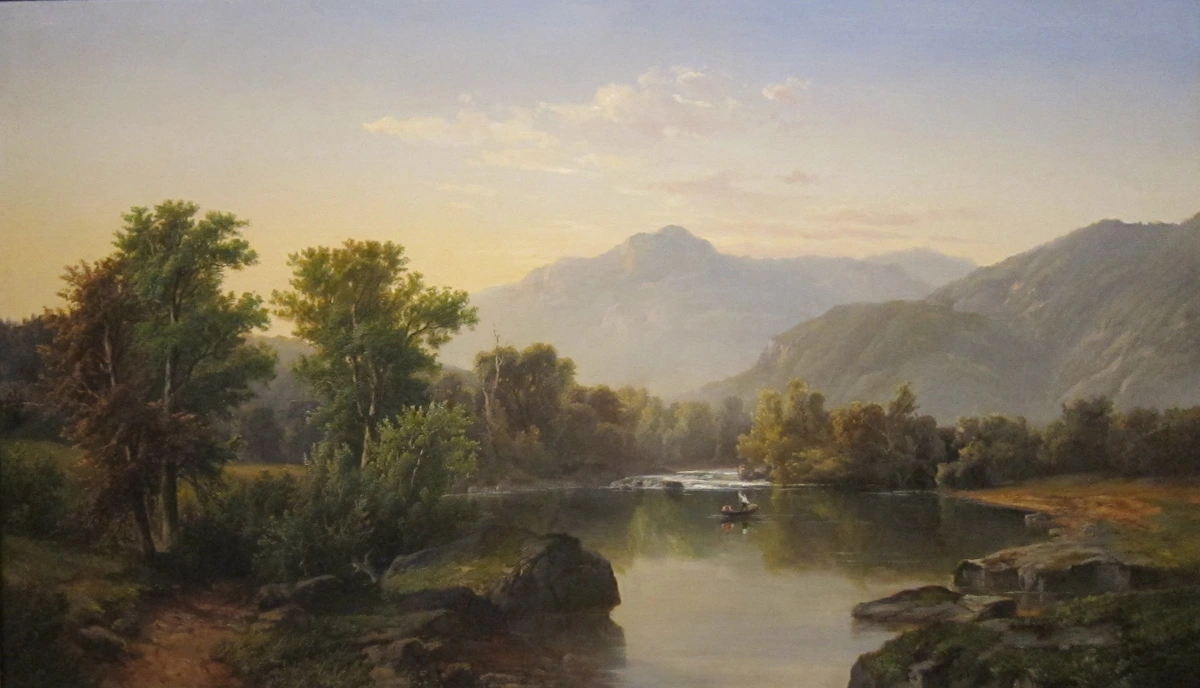
You know, not all landscapes are created equal, and that's precisely the beauty and enduring appeal of the genre. Artists throughout history, across vastly different cultures and philosophies, have found countless ways to frame and interpret nature, each approach revealing something unique about their time and their vision. This constant reinterpretation is what keeps the genre fresh and relevant, proving that the world itself offers an endless palette for expression. Before we dive into the history, here’s a comprehensive look at the diverse "flavors" of landscape art, showcasing its incredible breadth and versatility, often reflecting cultural values, artistic trends, and personal perspectives:
Type of Landscape | Description | Key Characteristics | Famous Examples |
|---|---|---|---|
| Pastoral Landscape | Idealized, tranquil scenes of rural life, often with shepherds or farmers, emphasizing humanity's harmonious relationship with nature. | Serenity, harmony, often nostalgic, soft, golden light, gentle topography, lush greenery. | Claude Lorrain, Landscape with Apollo Guarding the Herds of Admetus |
| Heroic Landscape | Grand, dramatic scenes, often featuring classical ruins, mythological figures, or biblical narratives, emphasizing human interaction with powerful, often untamed, nature. | Grandeur, awe-inspiring scale, often narrative elements, dramatic composition and lighting, sublime, vastness. | Nicolas Poussin, The Funeral of Phocion |
| Ideal Landscape | A constructed, perfected view of nature, often combining real and imagined elements to achieve aesthetic perfection, balance, and classical beauty. | Harmonious, balanced, often classical references, timeless beauty, often imagined rather than observed, serene. | Claude Lorrain, The Embarkation of the Queen of Sheba |
| Topographical Landscape | Accurate, detailed depictions of specific places, often for documentary purposes, scientific study, or to capture a recognizable vista. | Precision, recognizable landmarks, realistic representation, often commissioned, attention to geological or architectural detail, factual. | Canaletto, The Grand Canal and the Church of the Salute |
| Vedute | Highly detailed, large-scale cityscape views, popular in 18th-century Venice, often serving as souvenirs for Grand Tour travelers, focusing on urban architecture. | Architectural accuracy, panoramic views, often souvenir art, meticulous detail, emphasis on urban planning, bustling scenes. | Giovanni Antonio Canal (Canaletto), Francesco Guardi |
| Capriccio | An imaginary architectural fantasy, often mixing real and imaginary ruins or buildings in a fantastical landscape, blending reality and illusion. | Whimsical, imaginative, blends reality and fantasy, often dramatic lighting and contrasting elements, playful. | Giovanni Paolo Panini, Hubert Robert |
| Marine/Seascape | Focuses on oceans, seas, boats, and coastal scenes, capturing the power, majesty, and ever-changing nature of water. | Dynamic water, dramatic skies, often ships and maritime activity, emphasis on light on water, vast horizons, movement. | J.M.W. Turner, Willem van de Velde the Younger |
| Nocturne | Scenes set at night, emphasizing moonlight, artificial light, or the profound depth of darkness to evoke mood and atmosphere. | Moodiness, atmospheric effects, often serene or mysterious, subtle color palettes, exploration of light sources, dramatic contrast. | James McNeill Whistler, Nocturne in Black and Gold – The Falling Rocket |
| Urban Landscape/Cityscape | Depictions of cities, streets, buildings, and urban environments, exploring the human-made world and its interaction with natural elements. | Architectural focus, often bustling scenes or quiet urban moments, artificial light, reflections, human presence, modern life. | Edward Hopper, Nighthawks (while figure-focused, the urban setting is key) |
| Panoramic Landscape | Wide, expansive views designed to convey the vastness and grandeur of a scene, often from a high vantage point, emphasizing scale. | Sweeping vistas, sense of scale, detailed distant elements, often mountainous, dramatic skies, often a sense of discovery, immersive. | Albert Bierstadt, The Rocky Mountains, Lander's Peak |
| Romantic Landscape | Emphasizes emotion, awe, and the sublime in nature, often depicting dramatic natural events, ruins, or isolated figures. | Strong emotional content, dramatic lighting, wildness, reverence for nature, often expresses terror or awe, passion. | Caspar David Friedrich, J.M.W. Turner |
| Symbolist Landscape | Nature scenes imbued with symbolic meanings, often reflecting inner psychological states, dreams, or spiritual concepts rather than literal depiction. | Evocative, mysterious, often muted or unnatural colors, dreamlike quality, emphasis on inner meaning, psychological depth. | Arnold Böcklin, Edvard Munch |
| Digital Landscape | Landscapes created using digital software and tools, often exploring fantastical, imagined, or hyper-real environments. | Infinite possibilities, precise control, often surreal or futuristic, can mimic or transcend traditional media, innovative. | Contemporary digital artists, concept artists in gaming/film |
| Cloudscape | Focuses solely on the dramatic formations and changing light of clouds, often abstracting them to convey mood or meteorological phenomena. | Expansive skies, dynamic cloud formations, emphasis on light and shadow play, atmospheric effects, often abstract. | John Constable, Jacob van Ruisdael (many of his dramatic skies) |
| Firestorm/Apocalyptic Landscape | Depicts scenes of destruction, natural disasters, or the aftermath of conflict, often with dramatic lighting and a sense of impending doom or desolation. | Intense drama, chaotic elements, destructive forces, often vibrant, unnatural colors, strong emotional impact. | J.M.W. Turner, The Burning of the Houses of Lords and Commons |
| Lunar/Planetary Landscape | Imagined or scientifically accurate depictions of extraterrestrial environments, often exploring themes of exploration, isolation, or the unknown. | Otherworldly, stark contrasts, often monochromatic or unusual color palettes, emphasis on geological features of other worlds. | Science fiction art, contemporary digital artists |
| Industrial Landscape | Focuses on factories, mines, power plants, and other human-made structures that reshape the natural world, often commenting on progress or environmental impact. | Mechanical elements, often muted or stark colors, contrast between man-made and natural, sometimes bleak or imposing. | Charles Sheeler, Joseph Wright of Derby |
| Suburban Landscape | Depicts the in-between spaces of residential areas, often exploring themes of conformity, quiet life, or the blending of nature and human habitation. | Everyday scenes, often subtle narratives, blend of natural and artificial elements, quiet observation, sometimes nostalgic. | Edward Hopper (some of his lesser-known works), contemporary photographers |
| Art Brut/Outsider Landscape | Landscapes created by self-taught artists, often from the fringes of society, characterized by unconventional techniques, unique perspectives, and raw emotional power. | Unorthodox, highly personal, often symbolic, raw emotionality, disregard for academic conventions, unique visual language. | Henry Darger, Ferdinand Cheval (Palais Idéal) |
A Journey Through Time: How Landscapes Found Their Spotlight
It’s fascinating to think that for centuries, these grand vistas were merely a supporting act. Can you believe it? Like a beautiful backdrop for some epic play, rather than the main character itself. But oh, how things changed!
From Background to Star: Early Beginnings
It’s truly fascinating to consider that for centuries, these grand vistas we now celebrate were merely a supporting act, a beautiful backdrop for some epic human drama rather than the main character itself. But oh, how things changed!
If you peek back into antiquity, even before ancient Roman frescoes, hints of nature’s beauty appeared. Perhaps the earliest stirrings of landscape can be found in prehistoric cave paintings, where depictions of animals are often set within rudimentary but evocative renderings of their natural habitat—forests, mountains, and plains, hinting at the deep human connection to surroundings. For instance, in ancient Egyptian tomb paintings, you might find stylized depictions of the Nile or marshlands, often serving as a setting for hunting or daily life, though always with a clear purpose tied to the deceased's journey. Then, in ancient Roman frescoes, we find more developed idealized garden scenes, mythological settings, or sacro-idyllic landscapes – often rural shrines or pastoral villas – that certainly hinted at nature’s captivating beauty. Yet, even these were almost always subservient to human narratives, providing context for daily life or mythical tales rather than standing as subjects in their own right.
Similarly, medieval manuscripts and altarpieces featured stylized backgrounds – perhaps a golden sky, a few symbolic trees, or a simplified mountain range – primarily providing context for saints and biblical events. You really had to squint to appreciate the trees, if they weren't purely symbolic! The world, it seems, wasn't quite ready for the landscape to stand alone, to truly own the stage. But even then, you could sense the latent potential, couldn't you? The seeds were being sown for a dramatic shift in artistic focus, a gradual awakening to nature's inherent power and beauty. If you're curious about this fascinating evolution, there's a whole story about the evolution of landscape painting from classical to contemporary that's absolutely worth a read.
Beyond the West: A Parallel Evolution in Chinese and Japanese Landscape Painting
It’s crucial to remember that while European art slowly allowed landscape to emerge, other cultures had already established it as a paramount art form. Perhaps no tradition elevated landscape painting more profoundly or earlier than the masters of China. Beginning as early as the Tang Dynasty (7th-10th centuries) and truly flourishing during the Song Dynasty (10th-13th centuries), Chinese landscape painting, known as shanshui (literally "mountain-water" painting), wasn't just about depiction. It was a profound philosophical and spiritual exercise, a means for artists to express their harmony with the Daoist concept of nature and the vastness of the cosmos, often with subtle ink washes and calligraphic brushstrokes that conveyed deep spiritual meaning. Artists like Fan Kuan (Travellers Among Mountains and Streams) and Guo Xi (Early Spring) created monumental landscapes where human figures were tiny, almost insignificant, emphasizing humanity's humble place within a vast, sublime natural world. The paintings were meant for contemplation, for an immersive journey into a spiritualized landscape, a stark contrast to the European tradition's initial use of nature as a mere backdrop. This rich tradition continued to evolve for centuries, showcasing a deep reverence for nature as a source of wisdom and spiritual insight, long before the West fully embraced the genre, influencing later artistic movements globally.
A similar, yet distinct, reverence for nature blossomed in Japanese landscape painting. While heavily influenced by Chinese shanshui initially, Japanese artists developed unique aesthetic sensibilities. During the Edo period (17th-19th centuries), the Ukiyo-e woodblock print movement, spearheaded by masters like Katsushika Hokusai (The Great Wave off Kanagawa from his Thirty-six Views of Mount Fuji) and Ando Hiroshige (Fifty-three Stations of the Tōkaidō), revolutionized landscape representation. These prints captured dramatic vistas, iconic landmarks, and scenes from daily life, rendered with bold lines, vibrant colors, and dynamic compositions, often using innovative cropping and perspectives. Ukiyo-e landscapes were not primarily spiritual contemplation but rather celebrated the beauty of the "floating world"—fleeting moments of life, travel, and natural grandeur, influencing not just art but also popular culture. They had an immense influence on Western Impressionists and Post-Impressionists, demonstrating a different, equally powerful way to engage with and depict the natural world. (For a fascinating deep dive, explore the enduring legacy of ukiyo-e: japanese woodblock prints and their global impact).
The Renaissance and Beyond: Landscape Finds Its Voice
As Europe emerged into the Renaissance, a renewed interest in humanism, scientific inquiry, and the observable world meant artists became increasingly fascinated with the natural world itself. Think of Leonardo da Vinci's meticulous botanical studies, his almost scientific approach to depicting flora and geological formations, or the incredibly detailed, atmospheric backgrounds in works by early Netherlandish masters like Jan van Eyck (Ghent Altarpiece), where light, aerial perspective, and intricate details of nature began to truly sing. While still not the main event, these backgrounds hinted at a burgeoning, almost reverent appreciation for nature's intricacies and its capacity for symbolic meaning. Artists like Giorgione and Titian in Venice also incorporated lush, idyllic landscapes into their paintings, often setting mythological or allegorical scenes within these serene natural worlds. The Northern Renaissance, in particular, with artists like Pieter Bruegel the Elder and Joachim Patinir, truly pioneered the concept of the "world landscape"—vast, panoramic views seen from a high vantage point, often integrating biblical narratives into a sweeping natural panorama, making the human elements almost secondary to the grandeur of nature itself. These works laid critical groundwork for landscape to emerge as a distinct genre. (For a deeper dive into this transformative period, check out the ultimate guide to Renaissance art).
Then, around the 16th century, things really started to get interesting, particularly in Northern Europe. Artists like Albrecht Altdorfer in Germany, a key figure in the so-called 'Danube School,' began painting what are widely considered some of the earliest 'pure' landscapes, where human figures were tiny, secondary, or entirely absent, allowing the vastness and drama of the natural world to dominate. His Battle of Issus is a perfect example of a vast, dramatic, almost cosmic landscape dominating the narrative, making the human conflict almost secondary to the celestial and earthly spectacle. In the Netherlands, Pieter Bruegel the Elder brought us incredible scenes of peasant life interwoven with sweeping, detailed landscapes that tell a story all their own, like his iconic Hunters in the Snow, where the harsh beauty of winter and the rhythms of rural life are front and center. For me, these artists truly started chipping away at the idea that nature was merely a backdrop, boldly elevating it to a subject worthy of its own expansive canvas.
The Baroque era (roughly 17th century) continued this trend, albeit with a different, grander flair. Artists like Nicolas Poussin and Claude Lorrain in France created those idealized, harmonious landscapes I mentioned earlier—the pastoral and heroic ones. Their work wasn’t about replicating a specific spot; it was about constructing a poetic, often melancholic vision of nature, frequently imbued with classical ideals, mythological tales, or moral narratives, imbuing the scene with a sense of order, timeless beauty, and sometimes, a poignant reflection on human endeavors. You could almost hear a silent symphony playing in their canvases, a perfect counterpoint to the dramatic energy of other Baroque art. (If you're curious about the grandeur and dynamism of this period, the ultimate guide to Baroque art movement is a great resource).
The Whimsical Charm of Rococo and the Order of Neoclassicism
Following the grandeur of the Baroque, the 18th century ushered in the Rococo style, and with it, a delightful shift in landscape sensibilities. While not as overtly dramatic or morally charged as Baroque landscapes, Rococo scenes favored lightness, elegance, and a certain playful intimacy. Think of the French artist Antoine Watteau and his fêtes galantes—scenes of aristocratic couples frolicking and conversing in idealized, lush garden settings. These weren’t wild, untamed nature; rather, they were cultivated, dreamlike parklands, often featuring classical statuary, fountains, and soft, dappled light. Artists like Jean-Honoré Fragonard also contributed with his lush, romantic garden scenes, often with a hint of eroticism, where nature serves as an exquisite, verdant stage for human drama.
The focus was on pleasure, leisure, and romantic encounters, with the landscape acting as a delightful, almost theatrical, stage for human interaction. It was a more decorative and intimate approach, less about the sublime and more about charming aesthetic appeal, reflecting the refined tastes of the aristocracy. Think of Jean-Honoré Fragonard's lush gardens or Hubert Robert's atmospheric ruins, both contributing to this lighter, more picturesque vision of nature. (If you're curious about the elegance and playfulness of this period, the history of Rococo art: elegance, playfulness, and grandeur is a fascinating read).
As the century progressed, a counter-movement emerged: Neoclassicism. Reacting against Rococo's perceived frivolity, Neoclassical landscapes often returned to the idealized, structured beauty of classical antiquity. These works emphasized order, clarity, and moral virtue, often featuring classical ruins, clear light, and a sense of balanced rationality. While perhaps less 'about' pure nature and more 'about' ideal forms, these landscapes still presented a profound vision of humanity's relationship with a perfected, often historical, environment, aiming to uplift and instruct through their serene beauty.

The Golden Age of Dutch Landscape
Then came the 17th century, and bam! The Dutch Republic, newly independent and bolstered by a booming merchant class, decided enough was enough. They fell head over heels for their own flat, watery, cloud-filled landscapes, recognizing the beauty and unique character of their homeland. Artists like Jacob van Ruisdael (The Jewish Cemetery, View of Haarlem with Bleaching Fields), known for his dramatic, often brooding skies, powerful depictions of waterfalls, forests, and windswept coastlines, and Meindert Hobbema (The Avenue at Middelharnis), celebrated for his meticulously rendered rural scenes with windmills and country roads, truly defined this era. They, alongside other luminaries such as Jan van Goyen (known for his subtle, monochromatic river landscapes and atmospheric skies) and Aelbert Cuyp (famous for his golden, sun-drenched pastoral scenes with cows), didn’t just paint; they celebrated the ordinary Dutch countryside, its unique light, its expansive skies, and its industrious people. In doing so, they elevated landscape painting to a respected, highly sought-after genre all its own, proving that everyday beauty, rendered with precision and profound emotion, could be incredibly powerful art. This, to me, is where the genre truly found its footing, shifting from mythological or allegorical settings to a sincere appreciation of the specific local environment, a reflection of national pride and a burgeoning urban populace yearning for images of their homeland. Their influence on subsequent landscape painters, particularly the Romantics, was immense, demonstrating that national identity could be deeply intertwined with the depiction of one’s natural surroundings.
The Barbizon School: Nature's Intimate Glimpse
Before the Impressionists completely revolutionized outdoor painting, a quieter, yet profoundly influential movement emerged in mid-19th century France: the Barbizon School. Artists like Théodore Rousseau (a master of dramatic forest interiors), Jean-François Millet (known for his empathetic depictions of peasant laborers within the landscape), and Camille Corot (whose silvery, atmospheric landscapes evoke a profound sense of tranquility) gathered in the Forest of Fontainebleau, just outside of Paris. They rejected the academic traditions of idealized landscape. Instead, they embraced direct observation, painting en plein air to capture the intimate, often melancholic, beauty of the French countryside, focusing on the everyday reality of trees, streams, and rural life. Their palettes were often muted, emphasizing tonal harmonies over vibrant color, their brushwork looser than academic painters, and their subjects humble, preferring to depict specific, recognizable places rather than grand, imagined vistas. They sought to infuse their landscapes with a deep emotional sincerity and a sense of realism, bridging the gap between Romanticism's grandeur and Impressionism's fleeting light. The Barbizon painters profoundly influenced later artists by demonstrating the power of direct engagement with nature and paving the way for the radical shifts that would define modern landscape art, highlighting the beauty in the ordinary and the power of personal observation.
The American Grandeur: Hudson River School and Beyond
Across the Atlantic, a distinctly American voice was emerging in the 19th century. Imagine the vast, untamed wilderness of America at that time – the dramatic mountains, the expansive rivers, the pristine forests. It was an almost spiritual experience, and artists responded with canvases that captured this awe-inspiring grandeur. This was the birth of the Hudson River School, considered by many to be America's first true art movement. (And yes, there's a fascinating deep dive into the Hudson River School: America's First Art Movement that you simply have to read.)
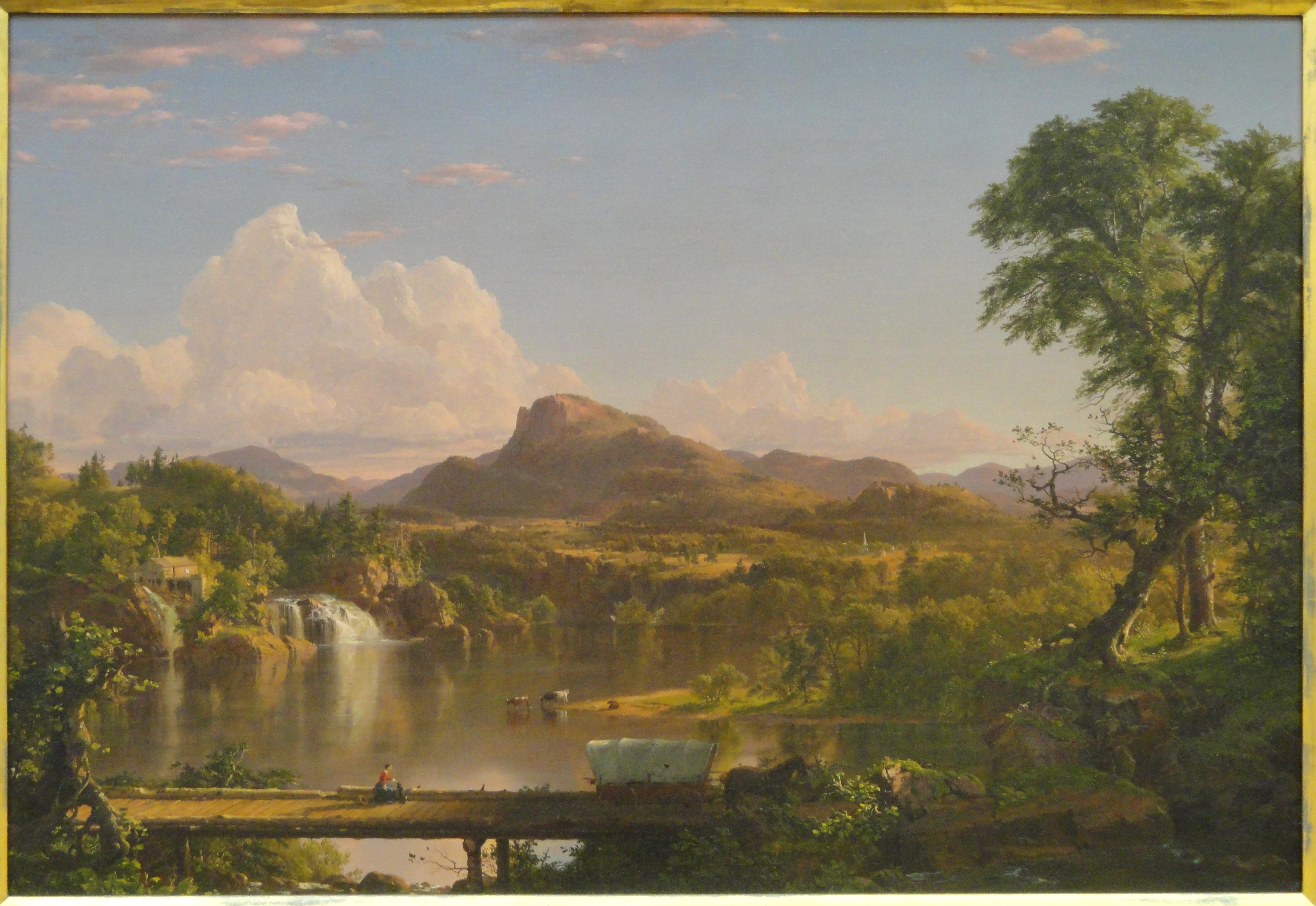
Artists like Thomas Cole, often regarded as the founder with his allegorical series like The Course of Empire and The Oxbow, and Frederic Edwin Church, known for his sweeping, panoramic views of untouched wilderness from the Arctic to the Andes (The Heart of the Andes), painted monumental landscapes. They were joined by other luminaries such as Asher B. Durand, celebrated for his more intimate, detailed forest scenes that emphasized nature’s quiet grandeur, and Albert Bierstadt, whose grandiose depictions of the American West captivated a nation. These weren't just about scenery; they were about the promise of a new nation, the divine beauty of the wilderness, and often, a profound sense of manifest destiny and spiritual renewal. Their works are characterized by meticulous detail, dramatic light – often featuring spectacular sunsets, atmospheric effects, and sublime vistas – and a profound sense of the sublime, similar in spirit to their European Romantic counterparts, but with a uniquely American flavor. They wanted you to feel the vastness, the purity, and the almost sacred quality of the American landscape, inviting contemplation on themes of exploration, expansion, and, significantly, conservation in the face of rapid industrialization. Their influence on how Americans perceived and valued their own natural heritage cannot be overstated, shaping a national identity deeply connected to the wilderness.
From this same period, another distinctly American sensibility emerged: Luminism. While often associated with the Hudson River School, Luminists like Fitz Hugh Lane and Martin Johnson Heade focused on an intense, almost spiritual stillness in their landscapes, characterized by meticulous detail, calm reflective water, and a breathtaking, ethereal quality of light. Their works often depicted coastal scenes and serene expanses, bathed in a soft, glowing light that seemed to emanate from within the canvas itself, creating a profound sense of peace and timelessness. This precise rendering of light and atmospheric effects created a pervasive sense of quietude and introspection, distinct from the dramatic grandeur of the Hudson River School.
Similarly, the Tonalist movement, later in the 19th century, with artists like George Inness and James McNeill Whistler (who famously coined the term "Nocturne"), moved towards a more muted palette and atmospheric, often melancholic, scenes, emphasizing mood and subjective emotion over crisp detail. These artists were deeply concerned with capturing the subtle, poetic essence of a landscape, rather than its literal topography, often using soft focus, a limited color range (often greens, grays, and browns), and simplified forms to evoke a profound sense of harmony and introspection, sometimes with an almost spiritual undertone.
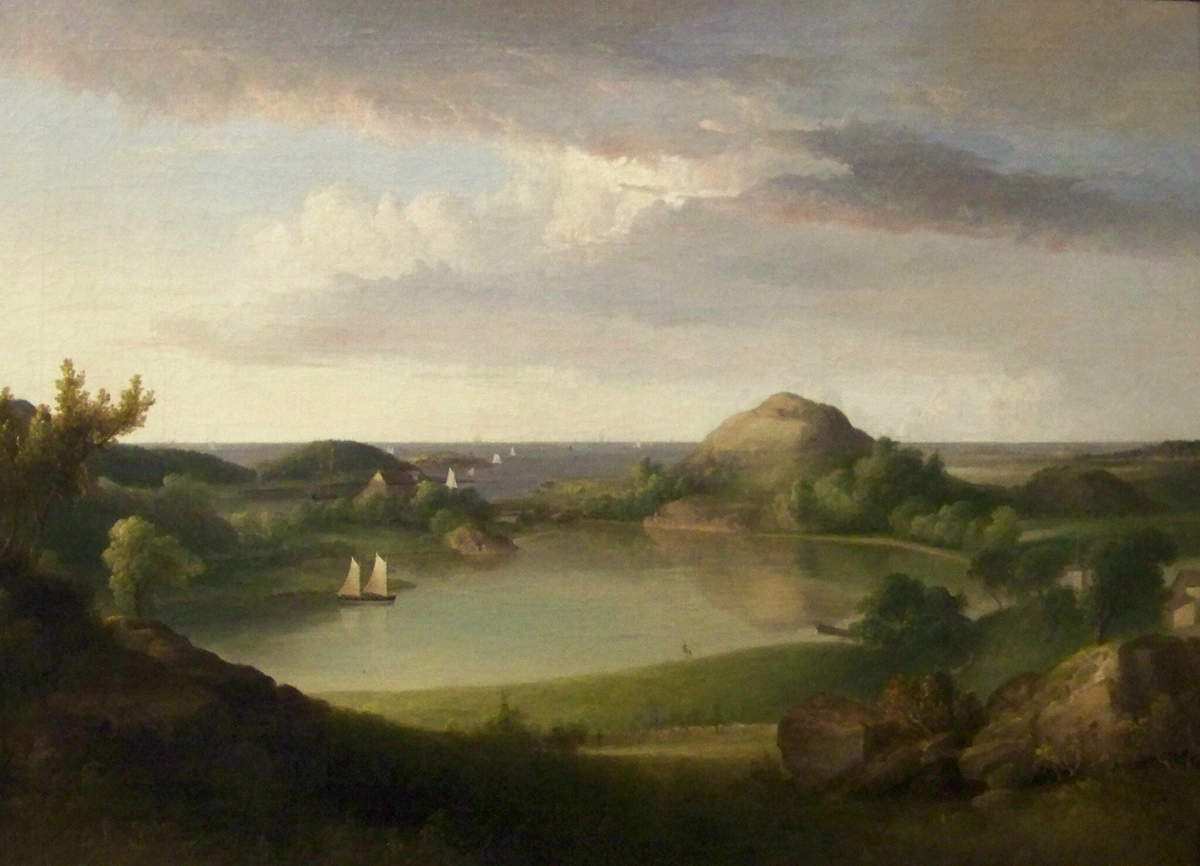

I’ve always felt a certain kinship with their desire to capture something beyond just the visual, a reflection of soul in the landscape.
Romantics and the Sublime: Nature's Raw Power
Fast forward to the late 18th and early 19th centuries, and things got wonderfully dramatic. The Romantic movement swept across Europe, and with it, a profound shift in how artists perceived nature. No longer merely a picturesque backdrop or an idealized setting, nature was now seen as sublime—wild, awe-inspiring, often terrifying, and deeply emotional. It evoked feelings of both wonder and terror, pushing humanity to confront its own smallness in the face of elemental power, a concept that resonated deeply with the era's philosophical and literary currents. The sublime offered an experience that transcended beauty, hinting at the infinite and the unknowable.
Artists like J.M.W. Turner (The Slave Ship, Rain, Steam and Speed – The Great Western Railway) in England, with his swirling vortexes of color and light, his dramatic snowstorms, and his intense marine scenes, wanted you to feel the wind and the spray, to experience the raw, untamed power of the elements, often blurring forms into a luminous haze to convey intense atmospheric effects. His contemporary, John Constable (Salisbury Cathedral from the Meadows), while perhaps gentler in his approach, still captured the dramatic skies and atmospheric shifts of the English countryside, imbued with a deep personal connection and reverence for the land, often making detailed cloud studies to achieve his realistic effects.
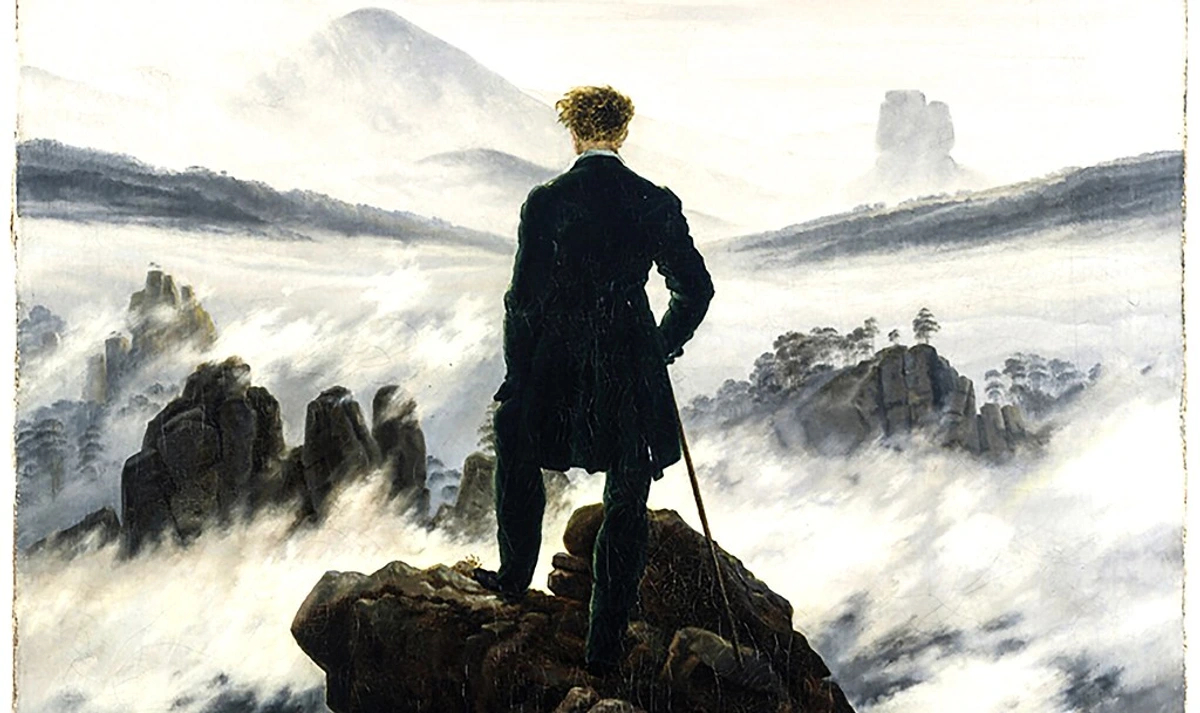
Across Germany, Caspar David Friedrich (Abbey in the Oakwood, The Sea of Ice) became the quintessential Romantic landscape painter, creating melancholic, often solitary scenes where lone figures contemplate vast, misty mountain ranges, ancient ruins, or stormy seas. His work wasn't just about the external landscape; it was a mirror to the soul, an exploration of spiritual longing, introspection, and humanity's yearning for the infinite, inviting viewers into an intensely personal, almost spiritual, encounter with nature's profound mystery. These artists weren't just painting scenes; they were painting emotions, philosophical ideas, and the raw, untamed power of the natural world.
Capturing Light: The Impressionists
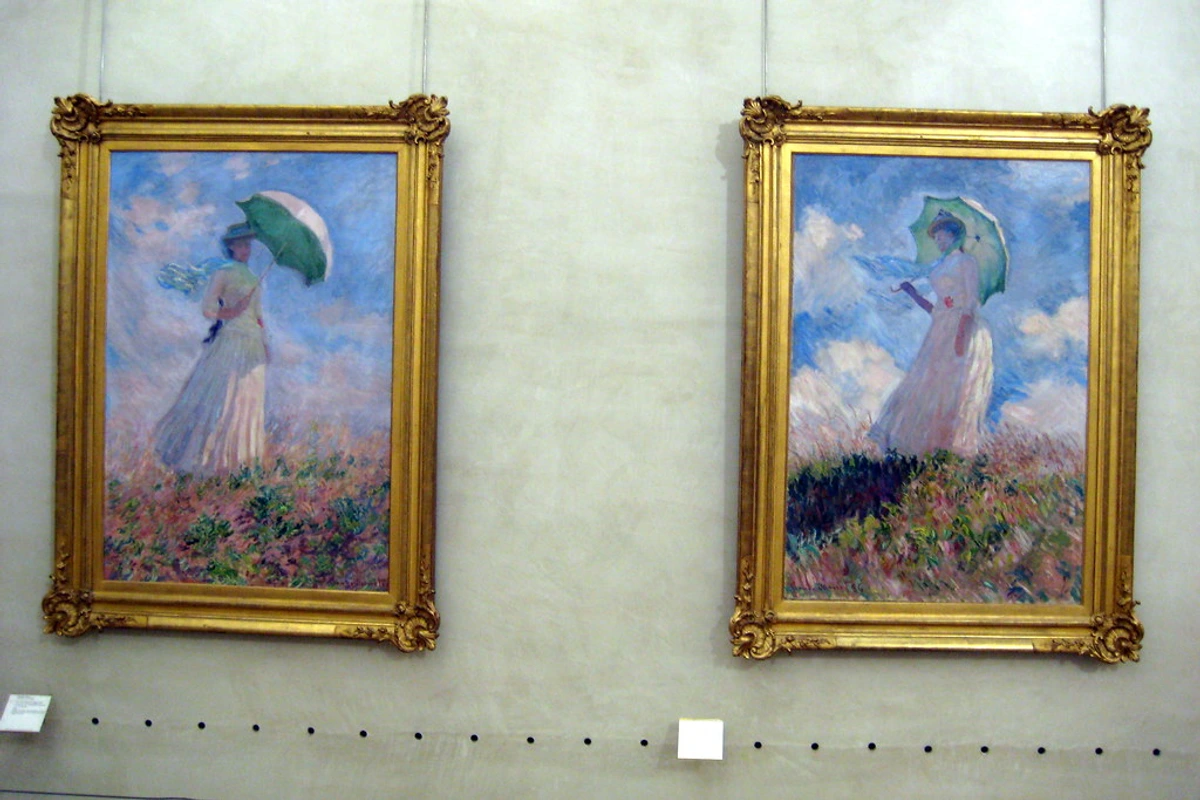
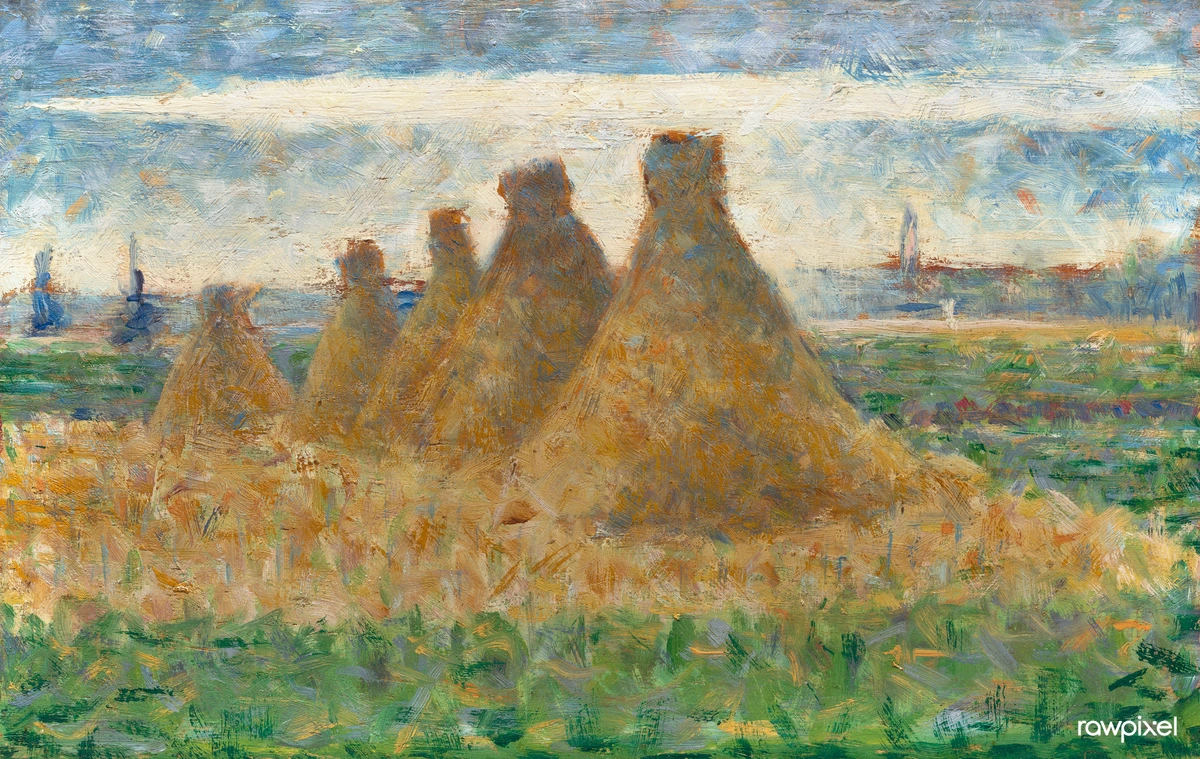
And then, my personal heroes, the Impressionists, arrived. Emerging in mid-19th century France, this movement radically shifted focus from historical narratives to capturing the fleeting effects of light and atmosphere. I mean, seriously, Claude Monet? The man practically invented chasing sunlight! His relentless series of haystacks, Rouen Cathedral façades, and water lilies demonstrate an obsession with how light transforms a scene minute by minute. If you haven't read about ultimate guide to Claude Monet, you're missing out. He and his contemporaries dragged their easels outdoors, embracing what we now call plein air painting—literally "open air" painting. They weren't just observing; they were experiencing the fleeting moments of light and color, trying to capture that immediate, sensory impression. It’s less about the object itself and more about the light on the object, the way it changes minute by minute. It’s a whole philosophy wrapped in a brushstroke, a quest for the ephemeral. (The ultimate guide to Impressionism covers this beautifully).
But it wasn’t just Monet. The Impressionist movement was a collective dance with light and color. Artists like Pierre-Auguste Renoir (Dance at Le Moulin de la Galette with its dappled light, or his many river scenes), while often celebrated for his figure paintings and vibrant social scenes, also infused his landscapes with that characteristic Impressionist sparkle and light, particularly in his scenes of Parisian life and seaside excursions, often capturing lively gatherings by the Seine. Camille Pissarro (L'Hermitage at Pontoise, Boulevard Montmartre, Spring), often considered the "dean" of Impressionism, meticulously documented the changing seasons and urban life of Paris and its surrounding countryside, showing a remarkable consistency in his dedication to capturing the nuances of light and working class life. And Alfred Sisley (Bridge at Argenteuil, The Flood at Port-Marly), lesser known but equally dedicated, produced exquisite, serene landscapes of the French countryside, focusing on the atmospheric effects of different weather conditions and times of day, making the fleeting quality of nature his central subject. Their shared goal was a radical one: to capture that fleeting moment, that initial "impression" before the light shifted or the scene changed, using broken brushstrokes and vibrant palettes. It's truly a dance with the sun, isn't it? A quest to freeze the ephemeral.

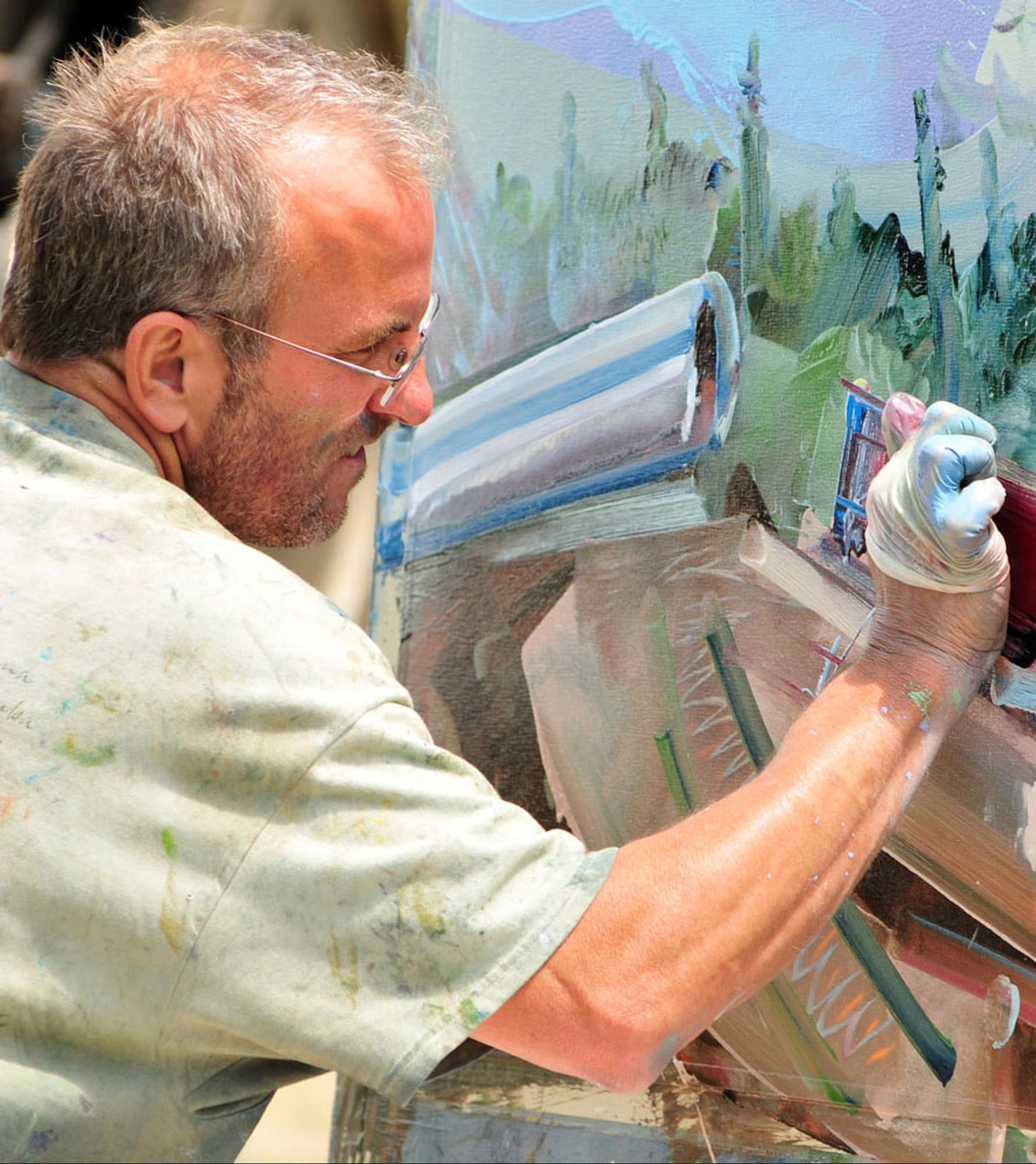
It’s this direct engagement with the environment that fascinates me. It's a testament to how artists kept pushing the boundaries of what a landscape could be, moving it further and further from a mere backdrop. If you're intrigued by painting outdoors, there's a fantastic dive into what is plein air painting that I highly recommend.

From the Real to the Abstract: Modern and Contemporary Landscapes
The 20th century, as you can imagine, blew the doors wide open. After the meticulous observations of the Impressionists, artists didn't just stop there. The profound changes in society, philosophy, and science propelled a generation of artists to ask: "What else can a landscape be? What about the internal landscape, the feeling, the idea, rather than just the visible?" This era saw a dramatic departure from literal representation, pushing the genre into realms of abstraction, symbolism, and psychological depth.
Bold Hues and Inner Worlds: Fauvism and Expressionism
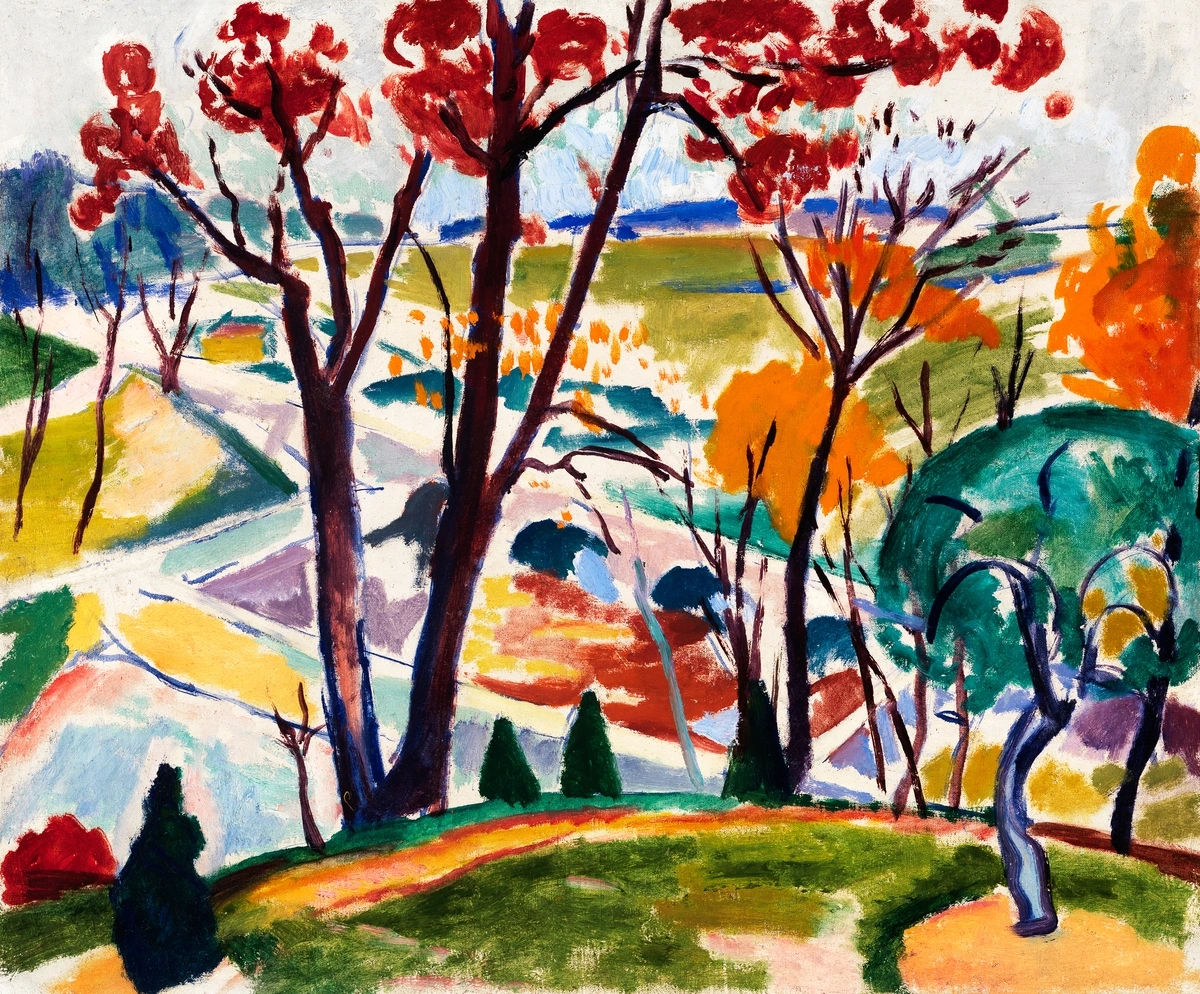
Around the turn of the 20th century, the doors truly blew open with movements like Fauvism and Expressionism. The Fauves (meaning "wild beasts") were a group of French artists who, for a brief but explosive period (roughly 1905-1908), used shockingly vivid, non-naturalistic colors not to depict reality, but to express raw emotion, joy, and a rebellious energy. Imagine a landscape by Henri Matisse (Luxe, Calme et Volupté, The Open Window) or André Derain (Charing Cross Bridge, The Pool of London) where the sky is bright red, the trees are electric blue, and figures are rendered in daring greens and oranges – it was revolutionary, liberating color from its descriptive function and allowing it to sing independently! This radical use of color directly influenced the Expressionists, particularly in Germany.
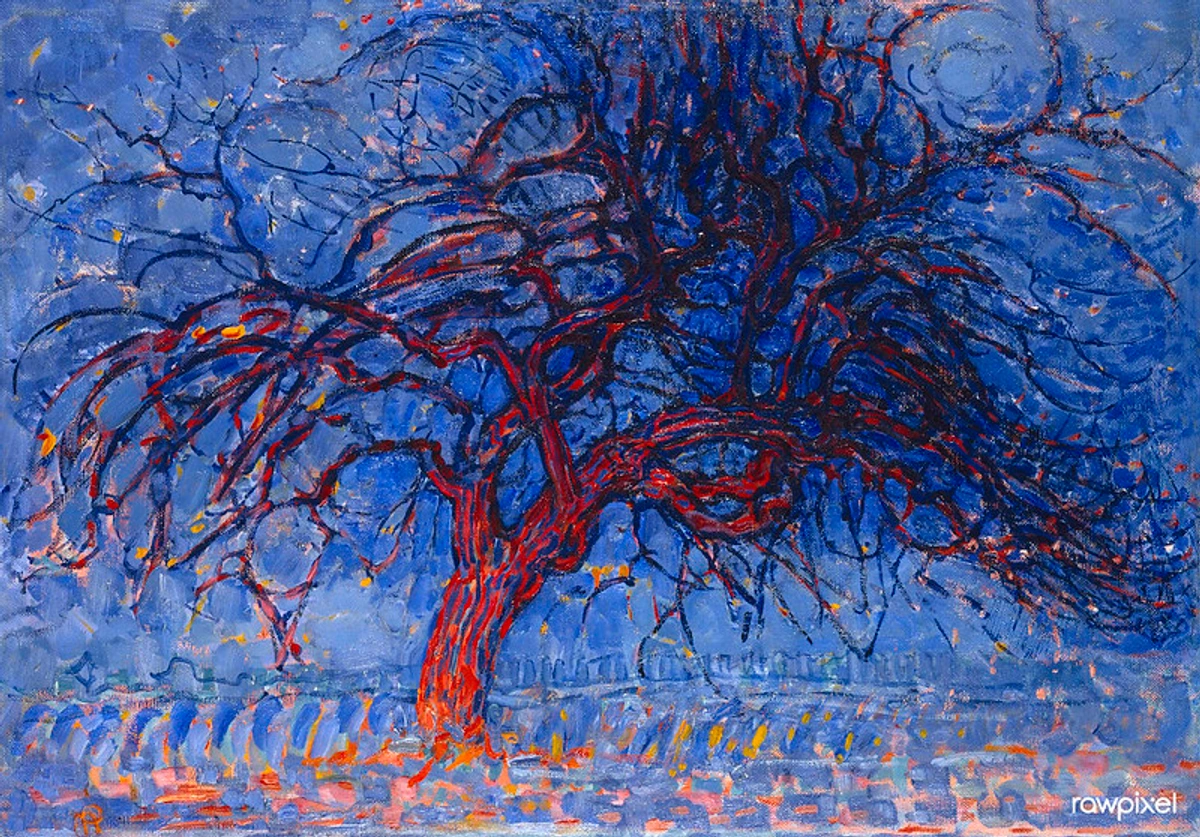
The Expressionists, emerging around the same time (roughly 1905-1920s), took this emotional intensity even further. Artists like Ernst Ludwig Kirchner (of The Bridge group, Street, Dresden, Bathing Women at Moritzburg) and Franz Marc (of The Blue Rider group, The Large Blue Horses, Blue Horse I) channeled their inner turmoil, anxieties, and spiritual longings into distorted, emotionally charged landscapes. They weren’t painting what they saw with their eyes, but what they felt about what they saw, often depicting nature as a mirror to human experience, raw and unfiltered. Artists like Emil Nolde also created powerful, vibrant landscapes, often depicting the wild, untamed nature of Northern Germany. It was a raw, visceral conversation between the artist's psyche and the external world, often resulting in jagged forms, bold outlines, and dissonant color harmonies to convey intense psychological states. If you want to dive deeper into this fascinating period, exploring the definitive guide to abstract art movements: from cubism to contemporary abstraction is an absolute must.
Cubism and Surrealism: Fragmented Realities and Dreamscapes
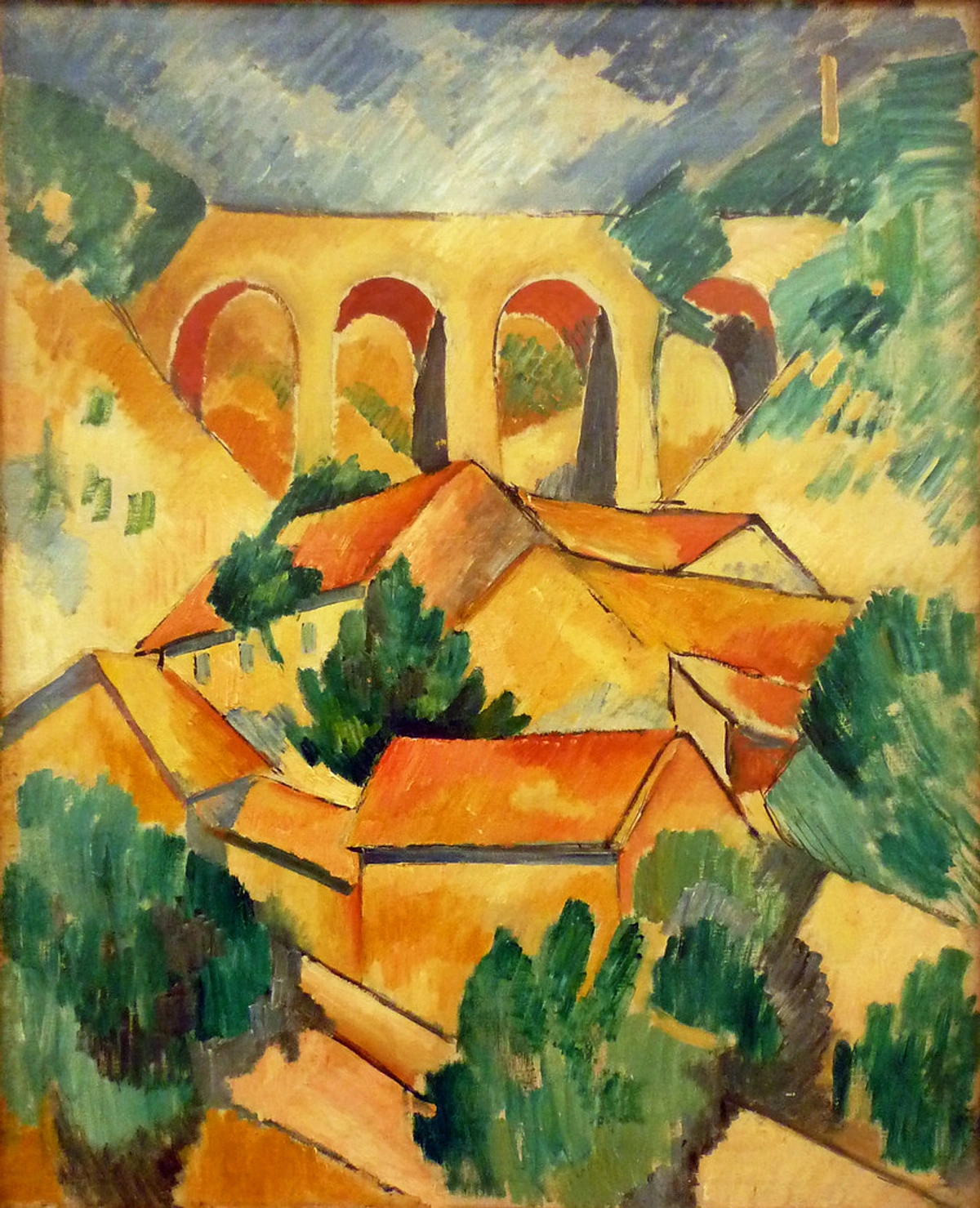
As the 20th century progressed, the very definition of a "landscape" was dramatically challenged. Cubism, pioneered by Pablo Picasso and Georges Braque around 1907, shattered traditional single-point perspective. In their early analytical Cubist landscapes, like Braque's Houses at L'Estaque, forms were broken down into geometric facets and reassembled, showing multiple viewpoints simultaneously. The landscape became a complex, intellectual puzzle, an exploration of form and space rather than a naturalistic depiction. It forced viewers to engage with the structure of vision itself. (If you're curious about this revolutionary approach, the ultimate guide to Cubism is essential reading).
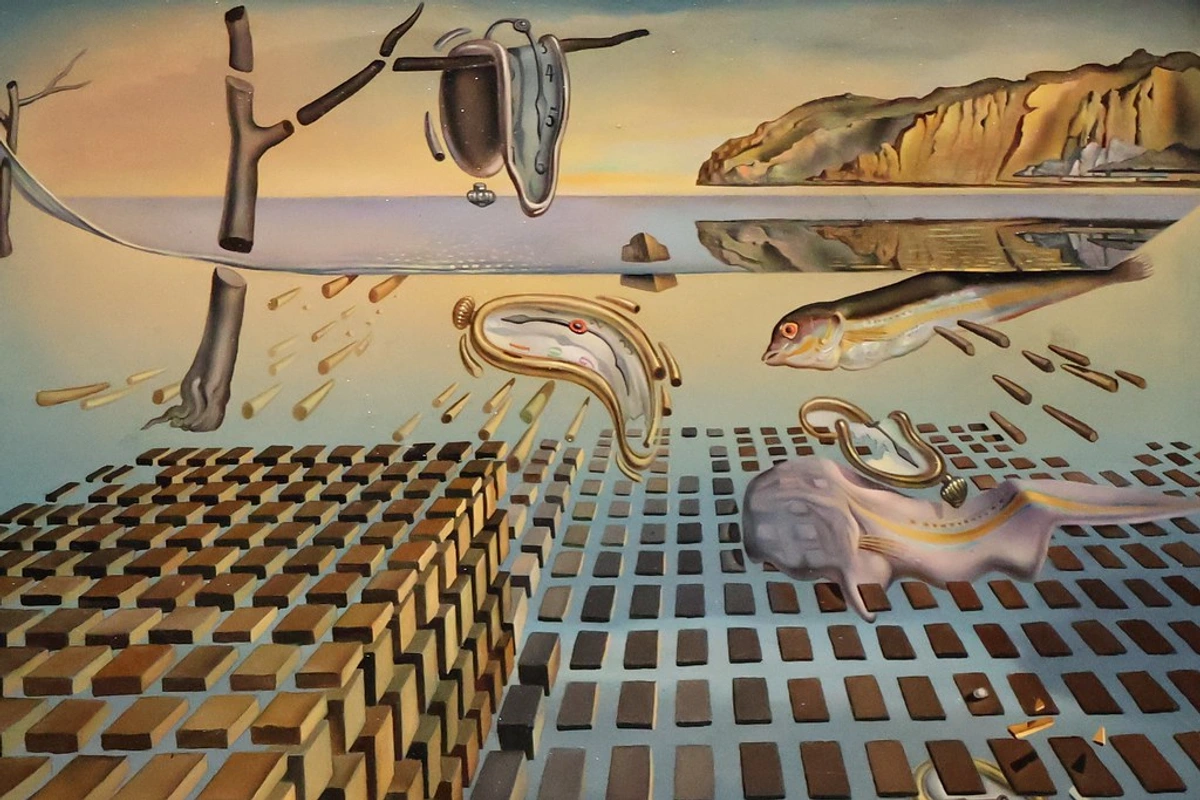
Then came Surrealism in the 1920s, which delved into the subconscious mind, dreams, and irrationality. For artists like Salvador Dalí (The Persistence of Memory) or René Magritte (The Empire of Light), landscapes became bizarre, often unsettling dreamscapes where familiar elements were placed in unexpected contexts, defying logic and physics. These were "inner landscapes" made visible, profound psychological terrains that invited introspection into the mysteries of the mind. Nature became a stage for the strange, the uncanny, and the deeply personal.
Breaking New Ground: Post-Impressionism's Diverse Landscapes
But, as with any good story in art history, the innovators themselves inspired the next wave, building upon, yet also reacting against, what came before. Following the Impressionists, artists often called Post-Impressionists (roughly 1886-1905) took the vibrant colors and personal expression but gave them new structure, symbolic meaning, and emotional depth. This was less a unified movement and more a collection of highly individual artists, each carving their own path in response to Impressionism's perceived lack of structure and emotional content.
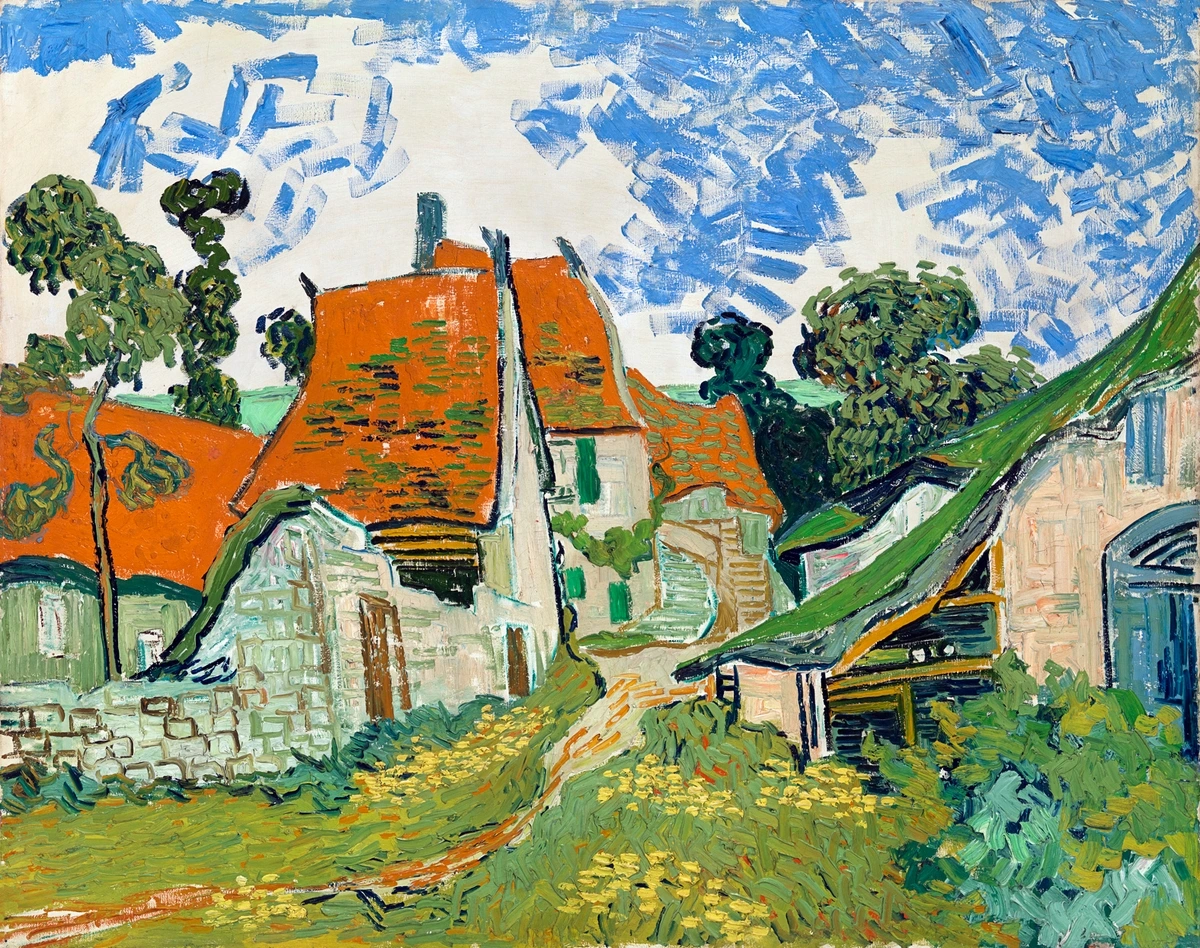
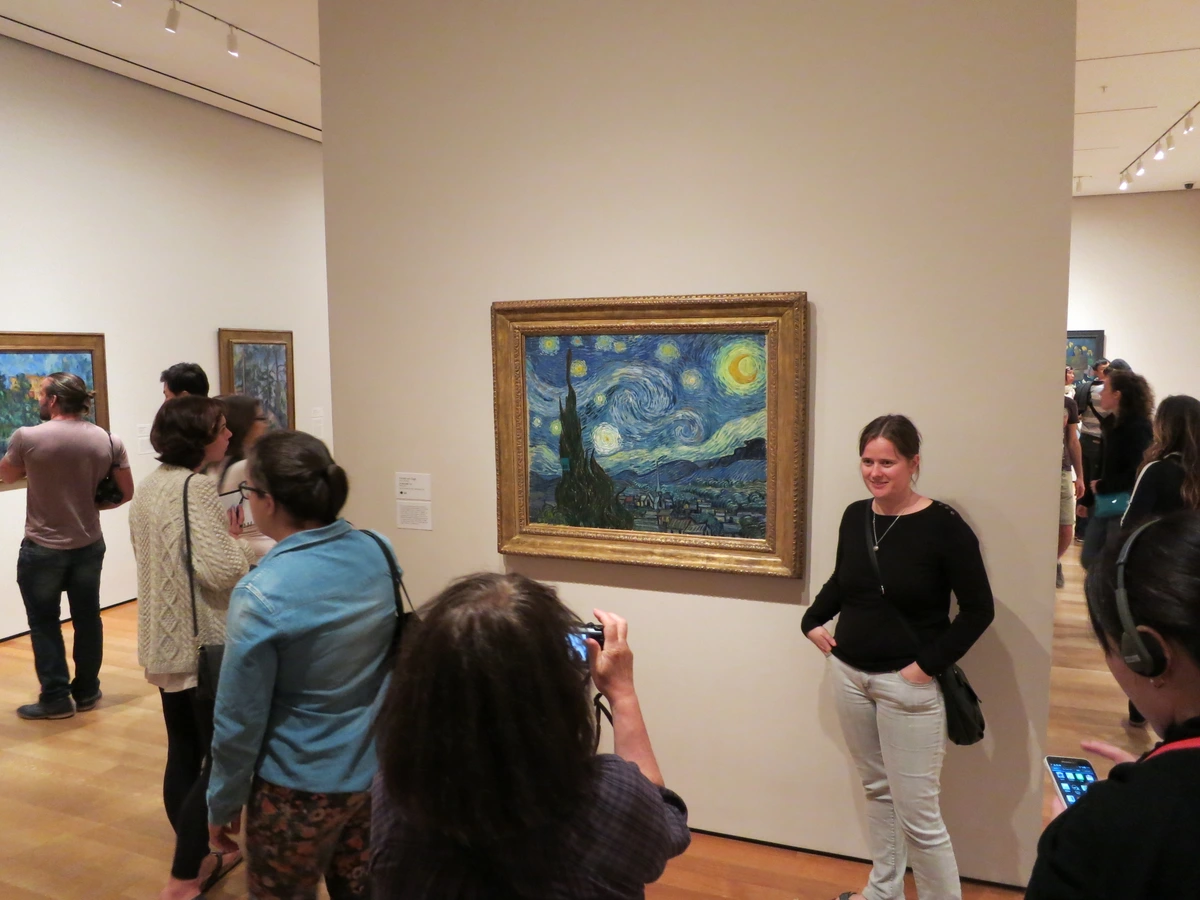
Think of Vincent van Gogh, whose swirling, heavily impastoed skies and fields in works like "The Starry Night" or "Olive Trees with Yellow Sky and Sun" feel less like a visual record and more like a visceral emotional landscape. His paintings are raw, energetic conversations with nature, filled with his inner turmoil, profound empathy, and an almost spiritual love for the world, expressed through bold, expressive brushstrokes and heightened color that seem to pulse with an inner life.
Then there’s Paul Cézanne, often considered the father of modern art, who sought to bring order and permanence to Impressionism's fleeting moments. He famously reduced landscapes to their geometric essentials—cylinders, spheres, cones—and meticulously analyzed form, space, and perspective in his iconic Mont Sainte-Victoire series. For Cézanne, the mountain wasn't just a mountain; it was a subject for rigorous optical and structural exploration, showing how a single subject could be endlessly reinterpreted and rendered with timeless solidity, influencing the birth of Cubism.
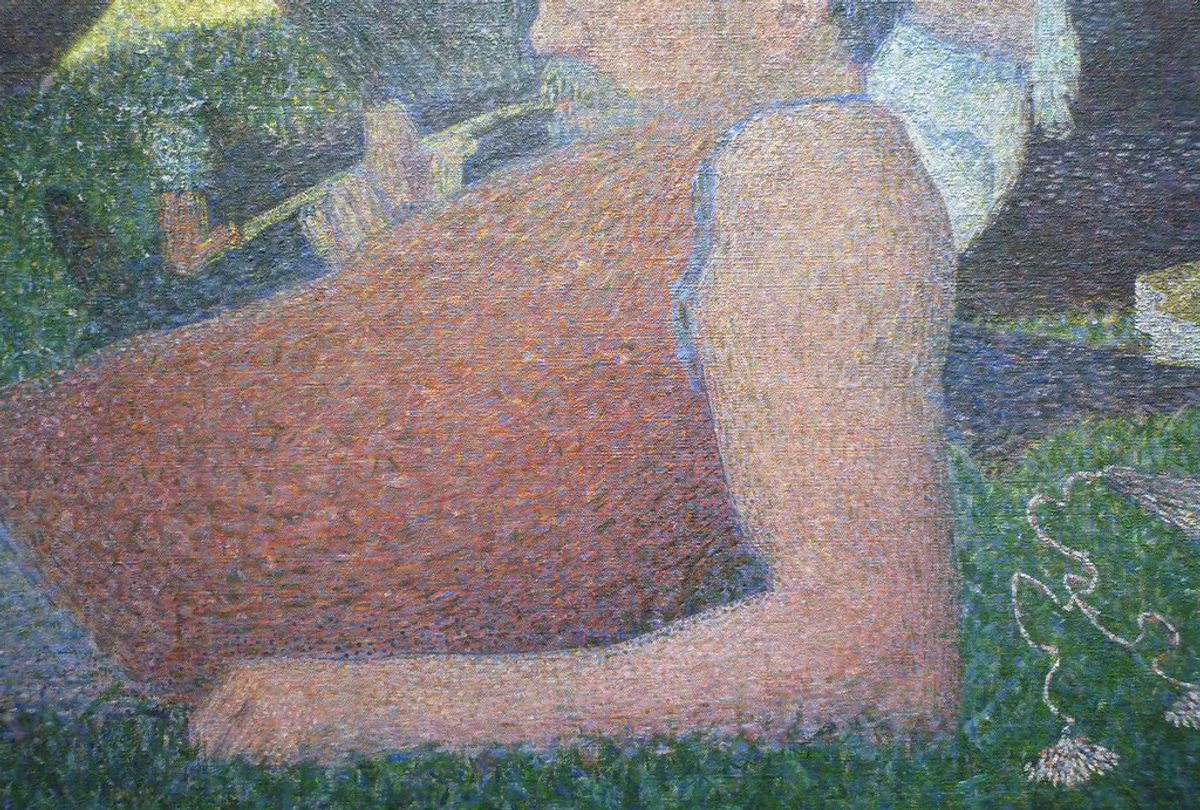
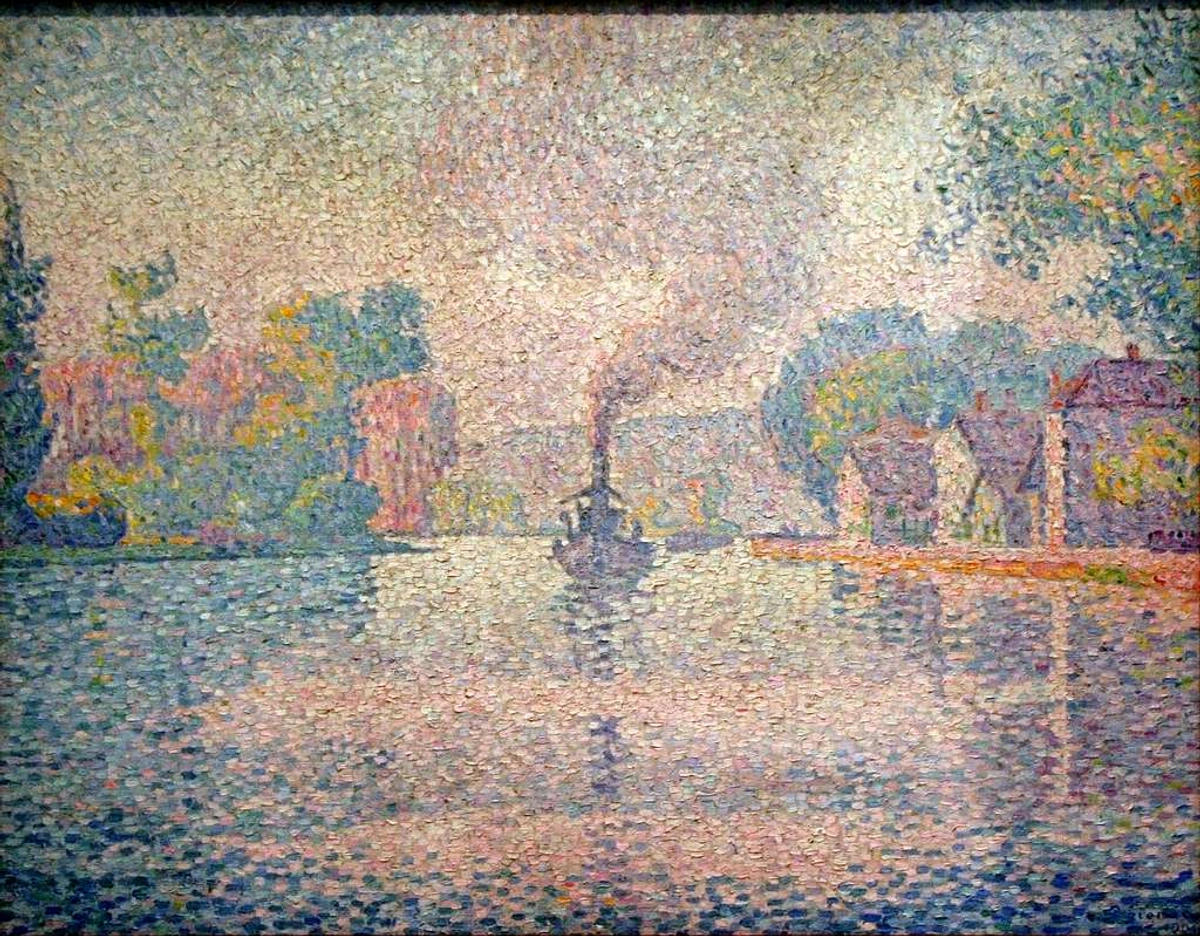
And Georges Seurat with his meticulous Pointillism (also known as Neo-Impressionism) broke light and color into tiny, distinct dots, creating landscapes that hummed with a different kind of vibrancy. His monumental A Sunday on La Grande Jatte is a masterclass in optical mixing and color theory, creating undeniably atmospheric scenes that, despite their scientific rigor, feel profoundly alive and bathed in a shimmering, optical light.
Finally, we cannot forget Paul Gauguin, who, frustrated with the perceived superficiality of Impressionism, retreated to Brittany and later Tahiti. His landscapes, often infused with vibrant, non-naturalistic colors and flattened forms, became vehicles for symbolic and spiritual meaning, reflecting his search for an uncorrupted, "primitive" paradise. Works like Tahitian Landscape used bold outlines and simplified forms to convey a powerful, almost mystical connection to nature, profoundly impacting Symbolism and later Expressionism. These diverse approaches truly show you how many ways there are to see, feel, and render the same natural world, transforming it through the lens of individual vision and intellectual inquiry.
Abstract Expressionism and the Landscape of the Soul
Mid-century saw the rise of Abstract Expressionism in America, a movement focused on raw emotion, gestural brushwork, and the artist's internal experience. While not always directly depicting external landscapes, many Abstract Expressionists certainly drew inspiration from nature, translating its forms and forces into abstract compositions. Artists like Willem de Kooning (Excavation series, or his Women series, which often contained landscapes of raw, visceral energy, transforming the figure-ground relationship into a turbulent terrain that pulsates with life), or Joan Mitchell (Champs series), with her expansive, energetic canvases, evoked lush fields, waterways, and trees through vibrant, sweeping brushstrokes that captured the sensation of a landscape rather than its literal appearance, almost forcing you to feel the wind and sun. Helen Frankenthaler, a pioneer of Color Field painting, created vast, luminous works that often evoked natural phenomena—mountains, seascapes, skies—through her revolutionary soak-stain technique, allowing thinned paint to seep into raw canvas, creating ethereal, atmospheric effects. Others, like Richard Diebenkorn in his Ocean Park series, bridged the gap between abstraction and representation, often hinting at aerial views of Californian landscapes through geometric planes and sun-drenched colors, imbued with a serene light.
Their works often felt like emotional landscapes, vast fields of color and powerful gestures that evoked feelings of immense space, primal energy, and the turbulent forces of the natural world, albeit in a non-representational way. It was less about painting a scene and more about embodying the feeling of a landscape, a direct transcription of the artist's internal world onto the canvas, inviting viewers into a profound, often sublime, emotional terrain. (If you want to delve into this profound shift in art, the definitive guide to abstract art movements: from cubism to contemporary abstraction is a great place to start).
Land Art: Nature as Medium and Message
Then came the late 1960s and 70s, and with it, an utterly radical reimagining of landscape art: Land Art (or Earth Art). Artists literally took their studios outdoors, using the earth itself as their canvas and medium. Figures like Robert Smithson (Spiral Jetty on the Great Salt Lake, Utah) and Christo and Jeanne-Claude (known for wrapping natural landmarks like Wrapped Coast in Australia or The Gates in Central Park) created monumental, ephemeral works directly within the natural landscape, often in remote locations, challenging traditional notions of the art object. Other notable artists include Nancy Holt (Sun Tunnels in the Utah desert), who created monumental sculptural works aligned with celestial events, and Andy Goldsworthy, known for his intricate, often ephemeral works made entirely from natural materials found on site (leaves, ice, stones, branches). These weren't paintings of landscapes; they were the landscape, modified by human intervention. Land Art often highlighted themes of time, entropy, environmental concerns, and humanity's impact on nature, forcing viewers to physically engage with vast, often untamed, natural spaces and reflecting on the impermanence of both art and nature itself. It was a complete blurring of the lines between art and environment, a powerful statement about our relationship with the planet.
The Ever-Evolving Canvas: Contemporary Landscape Art
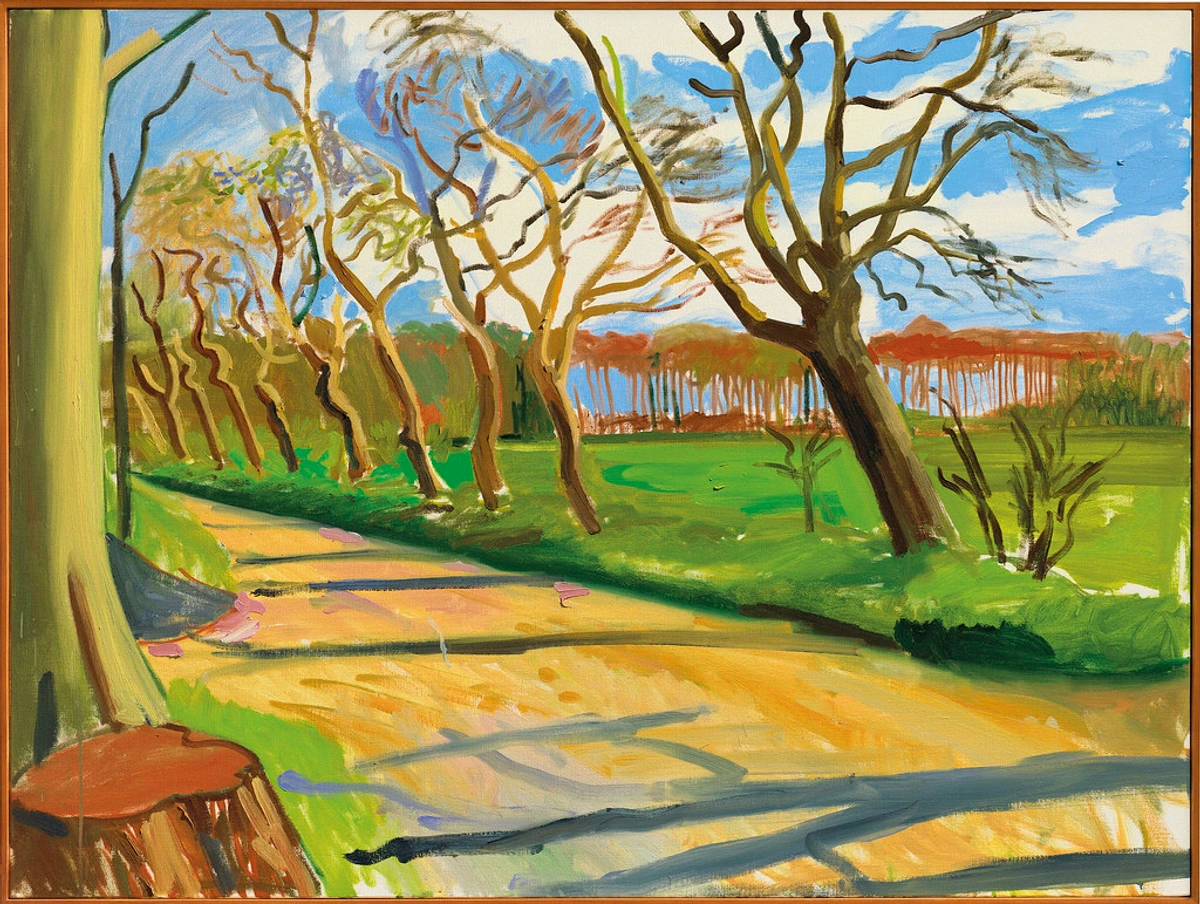
Today, landscape painting continues to evolve in countless directions, reflecting the dynamism and urgent concerns of our modern world. Artists are exploring pressing themes of environmentalism, urban decay, climate change, industrial impact, and our increasingly complex, often fraught, relationship with nature. We're seeing a rich interplay of traditional and innovative approaches. Some artists remain committed to traditional mediums, honing their craft with oils or watercolors to capture subtle shifts in light and atmosphere. Others experiment with cutting-edge digital art, photography, video, or even large-scale installations that interact directly with the actual landscape, blurring the lines between art and environment and often inviting viewer participation.
We see abstract expressions that aim to capture the essence or feeling of a place rather than its literal appearance, hyper-realist depictions that challenge the viewer to question reality, and conceptual pieces that push the boundaries of what a "landscape" can even be, often incorporating sound, performance, or found objects. The common thread, however, remains that profound human connection to the environment – whether natural, urban, or imagined – reinterpreted through contemporary lenses. It’s a genre that steadfastly refuses to stand still, always reflecting the pulse of its time. (To glimpse the cutting edge, explore art movements of the 21st century and for a deeper dive into abstract forms, consider the ultimate guide to abstract art movements: from early pioneers to contemporary trends).
It's a vibrant, ongoing conversation, and I think that’s what makes it so enduring. The landscape is a mirror, reflecting not just the world outside, but our inner selves, our history, and our hopes for the future.
Tools of the Trade: Techniques and Mediums in Landscape Painting – Crafting the Vision
You know, when you see a breathtaking landscape painting, it’s easy to get lost in the scene and forget all the countless decisions an artist made about how to bring that vision to life. The choice of medium and specific techniques aren’t just footnotes; they’re absolutely central to the emotional, visual, and even philosophical impact of the work, dictating everything from texture and luminosity to speed of execution and expressive quality. Each medium has its own distinct personality, its own strengths and challenges, and artists master these to speak their unique visual language, transforming raw materials into evocative landscapes.
The Classic Heavyweights: Oil and Acrylic
Oil painting has been the monarch of mediums for centuries, and for very good reason. Its inherent qualities allow for incredible versatility. The slow drying time is a blessing, enabling artists to achieve exquisite blending, subtle color transitions (think sfumato in backgrounds, where colors and tones subtly merge!), and the patient building up of rich, luscious layers. This layering can create remarkable depth, luminosity, and a truly tactile surface – what we call impasto for that thick, textured application that makes paint almost sculptural, adding physical dimension to a scene. Think of the dramatic, brooding Romantic landscapes of Turner or the detailed realism of the Dutch Masters; oil gave them the depth, glowing luminosity, and permanence they needed to capture such grand visions. The ability to glaze, applying thin, transparent layers of color, creates an unparalleled richness and jewel-like glow that seems to come from within the canvas itself, allowing for incredible atmospheric effects and depth of tone. Techniques like Chiaroscuro (strong contrasts between light and dark) and Tenebrism (dramatic, often violent chiaroscuro) also found powerful expression in oil, creating intense emotional impact in landscapes. Artists also employ scumbling (applying a thin, opaque layer of paint over a dry area to soften or vary color) and wet-on-wet (or alla prima) for direct, spontaneous effects.
Then came acrylics, a relative newcomer, bursting onto the scene in the mid-20th century. Fast-drying, incredibly versatile, and vibrant, acrylics offer a different kind of freedom and immediacy. You can use them thick like oils for bold impasto and textured effects (often using an alla prima or 'wet-on-wet' technique for spontaneous results, which what is alla prima painting can tell you more about!), or thin them down like watercolors for delicate washes and staining. Their quick drying time is an enormous boon for artists who work quickly and spontaneously, for building up layers rapidly without long waits, or for tackling large-scale murals. They're fantastic for bold, graphic landscapes, expressive gestures, and can even be used in mixed media applications due to their flexibility, durability, and ability to adhere to almost any surface. (For a deeper dive into this modern marvel, the history of acrylic painting: from industrial innovation to artistic medium is a great read), and they've become a staple for contemporary landscape artists due to their versatility.
Liquid Light: Watercolor and Gouache
There’s something truly magical, almost ephemeral, about watercolor. The way the finely ground pigment disperses in water, creating soft, luminous washes, delicate transparencies, and subtle granulations, is absolutely perfect for capturing ethereal light, misty mornings, the fleeting nuances of a sky, or the delicate texture of distant foliage. Techniques like wet-on-wet (applying wet paint to wet paper) for soft blends, lifting (removing paint to create highlights), washes (diluted paint for broad areas of color), and dry brush (using minimal water for texture) are all part of its expressive power. It demands a certain fluidity, spontaneity, and quick decision-making from the artist, an almost dance-like responsiveness to the drying paper, which is why I find it so captivating for those fleeting moments in nature. Its inherent portability also makes it an enduring favorite for plein air sketching, allowing artists to capture immediate impressions and studies quickly.
And if you like that watery feel but crave a bit more opacity and a flatter, more matte finish, gouache is watercolor's opaque cousin. It's still water-soluble but contains an added white pigment (often chalk) that makes it less transparent. This allows for rich, vibrant colors that can be layered and reworked more easily than traditional watercolor, making it fantastic for bold, graphic illustrations or for capturing strong, flat areas of color within a landscape without losing the luminosity of water-based media. Its versatility means it can achieve both painterly washes and crisp, defined lines, making it a favorite for illustrators and those who want more control than traditional watercolor, while retaining the quick-drying benefits of water-based paints.
Ancient Techniques: Tempera and Fresco
While less common for individual landscape paintings today, it's worth remembering the historical significance of mediums like tempera and fresco. Egg tempera, particularly prevalent before the advent of oil paint (e.g., in medieval and early Renaissance art), creates incredibly fine detail and crisp lines with a luminous, almost jewel-like quality, though its quick drying time and layering restrictions made sweeping landscapes challenging. Early Renaissance artists often used it for detailed backgrounds, building up tones and forms through fine cross-hatching and hatching techniques, requiring immense patience and a meticulous approach. Its quick-drying nature meant a slower, more deliberate layering process.
Fresco painting, famously used in ancient Rome and the Renaissance (e.g., Giotto, Michelangelo), involves applying pigment to wet plaster, allowing the color to become an integral part of the wall itself. Think of the incredible natural backgrounds in Roman villas or even the distant landscapes within grand narratives like Michelangelo’s Sistine Chapel ceiling or Giotto's frescoes at the Scrovegni Chapel. While primarily architectural, it offered a monumental way to integrate landscape elements into larger artistic schemes, demanding rapid execution and a mastery of the medium due to the quick drying time of the plaster, making it a true test of artistic skill. The resulting murals have a unique matte finish and incredible durability, making them enduring testaments to early landscape depictions and our ongoing fascination with embedding nature within human-made spaces.
Drawing with Color: Pastels and Charcoal
Pastels – whether soft, hard, or oil pastels – are truly like drawing and painting rolled into one, offering a unique bridge between the two. They deliver intense, pure color in a direct, tactile form, allowing artists to blend pigments directly on the surface to create incredibly soft, atmospheric effects, or to use them for sharp, energetic lines and intricate details. They're a fantastic choice for capturing the vibrant, often fleeting colors of a sunset, the delicate haze of a distant mountain, or the intricate texture of foliage, offering a unique immediacy of color and a luminous, almost velvety finish, without the need for drying time. Their expressive potential makes them ideal for capturing spontaneous natural scenes, making them a favorite of artists seeking immediacy and a rich color experience.
And for raw energy, expressive mark-making, and stark, dramatic contrasts, charcoal is absolutely unparalleled. From delicate washes of tone to bold, decisive lines, charcoal is capable of creating sweeping skies, dramatic shadows, nuanced tonal ranges, and profound depths in a monochrome landscape. It lends a timeless, powerful, and often primal feel to the scene, highlighting form and light in their purest essence, making it a favorite for conveying strong emotions or a sense of gravity, or for quick, atmospheric studies. (For a closer look at this versatile medium, expressive power of charcoal in abstract art offers some great insights into its capabilities).
Then there's the humble pencil and graphite, often overlooked but foundational. From precise academic studies of rock formations to expressive sketches of rolling hills, graphite allows for a vast range of tonal values, intricate detail, and subtle gradations, making it indispensable for observational drawing and preparatory studies. The simple act of drawing with a pencil can connect an artist directly to the forms and textures of the natural world with an immediate, tactile feedback, providing a strong foundation for more complex compositions. These drawing mediums are crucial for developing observational skills and understanding the underlying structure of a landscape.### Other Techniques and Mediums
Beyond these foundational tools, artists continually innovate. Ink painting, particularly in Asian traditions (e.g., traditional Chinese and Japanese ink wash painting), uses black ink and washes to create landscapes of incredible depth and spiritual resonance, often with a profound philosophical undertone, emphasizing the fluidity of nature and the ephemeral quality of life. Printmaking techniques like etching, lithography, woodcut (think of the dynamic lines in Ukiyo-e landscapes!), and screen printing have also been instrumental in disseminating landscape imagery, allowing for intricate detail, expressive mark-making, and the reproduction of powerful scenes on paper, making art more accessible and influencing graphic arts. Even photography, initially seen as a purely documentary medium, quickly evolved into an art form capable of capturing profound landscapes, from the grand, awe-inspiring vistas of Ansel Adams to the intimate, abstract forms of manipulated natural scenes, offering a new lens through which to interpret the world and influencing painting techniques. (For more on its artistic journey, consider the history of photography as fine art). Each medium offers a distinct set of capabilities, allowing artists to choose the perfect vehicle for their vision, contributing to the rich tapestry of landscape art.
Beyond the Brush: Digital and Mixed Media
In our rapidly evolving modern age, landscape painting isn't confined to traditional tools and canvases; it wholeheartedly embraces a vast array of contemporary approaches. Digital painting, utilizing specialized software and graphics tablets, allows for endless experimentation with color palettes, textures, and compositional arrangements. Artists can mimic traditional effects with astonishing realism or venture into entirely new visual territories, crafting fantastical or hyper-real landscapes that defy physical limitations. It offers unparalleled flexibility for revision, rapid prototyping, and exploration of complex ideas, even exploring abstract digital landscapes that challenge our perceptions. (For a glimpse into this exciting new realm, the rise of digital abstract art: a new frontier for collectors offers intriguing insights).
And then there's mixed media, a truly exciting frontier. Artists here combine various materials – collage elements, found objects, different paints (oils, acrylics, watercolors), inks, textiles, and even photographic transfers – to create complex, layered landscapes that push the boundaries of the genre. These works often add tactile dimensions, unexpected narratives, and a rich, multi-sensory experience for the viewer, allowing for a profound, multi-layered engagement with the natural or built environment. It's an approach that celebrates innovation and the boundless possibilities of artistic expression, reflecting an artist's desire to convey a personal vision using all available means, much like the diversity found in nature itself. (To truly understand the depth of this approach, the definitive guide to mixed media in abstract art: techniques, materials, and contemporary masters is an excellent resource).
More Than Meets the Eye: Symbolism in Landscape Painting – Decoding Nature's Deeper Meanings
You know, when an artist paints a landscape, they’re rarely just painting a pretty picture, a simple visual record. There's almost always a deeper layer, a whisper of meaning, a symbolic resonance woven into the very fabric of the scene. Throughout history, across diverse cultures and art movements, certain natural elements have carried profound significance, acting as silent storytellers. These symbols enrich the viewer's experience and offer layers of interpretation that extend far beyond the purely visual, inviting us into a deeper intellectual and emotional engagement with the artwork. It’s like discovering a secret language the artist has deliberately left for you to decipher, adding a profound richness to the conversation between viewer and canvas.
Decoding Nature's Language
When you're looking at a landscape painting, it’s not always about a direct, one-to-one translation of a symbol. Sometimes it’s the combination of elements, the overall mood, or even the historical context that hints at the deeper meaning. I always try to ask myself: What feeling does this element evoke? What associations do I have with it? And how does it relate to the other elements in the scene? This active questioning is part of the fun! Remember, artists are intentional, weaving layers of meaning into their work, often drawing upon universal human experiences and cultural associations.
- Mountains: Often represent permanence, challenge, ambition, transcendence, or the sublime. Their towering presence can symbolize overcoming obstacles, a spiritual journey, or the vastness of the cosmos, making human figures seem small and humble in comparison. Think of ancient Chinese landscape paintings where towering peaks suggest man's small, yet contemplative, place in the grand scheme.
- Water: Perhaps one of the most versatile symbols, embodying flux and constancy. Rivers can denote the passage of time, the flow of life, change, or a journey. Lakes might symbolize introspection, tranquility, hidden depths, or a mirror to the soul. The vastness of the ocean can represent the unknown, the unconscious, infinite possibility, danger, or primal power. Water, in all its forms, often speaks to the emotional currents of life itself. If you're interested in how deeply water permeates art, a read on the symbolism of water in art history is a must-do.
- Trees and Forests: These can represent life cycles, growth, wisdom, knowledge, shelter, or mystery. A lone tree might symbolize solitude, endurance, or a unique individual, while a dense forest can evoke feelings of enchantment, danger, the wild unknown, or even spiritual refuge, depending on its depiction. Think of a gnarled, ancient oak symbolizing resilience, or a vibrant spring forest representing renewal.
- Sky and Light: The sky often directly reflects mood and emotion. A stormy sky might foretell trouble, passion, or divine wrath, while a clear blue sky suggests peace, clarity, and serenity. The direction, quality, and intensity of light can symbolize hope, enlightenment, divine presence, or the fleeting nature of time, often dictating the entire emotional tone of a piece. The setting sun, for instance, can evoke melancholy or hope.
- Seasons: Each season carries its own weight of meaning – spring for new beginnings, rebirth, and fertility; summer for abundance, vibrancy, and full life; autumn for change, harvest, introspection, and decay; and winter for dormancy, death, purity, or the promise of renewal. These cyclical depictions can mirror human life cycles.
- Rocks and Caves: Symbolize solidity, endurance, mystery, shelter, or the subconscious mind. Caves, in particular, can represent introspection, transformation, hidden truths, or even the origins of life, often appearing as secluded, enigmatic spaces.
- Paths and Roads: Often symbolize journeys, life choices, destiny, or the passage from one state to another. A winding path suggests an uncertain future, while a straight road implies a clear, determined course. The presence or absence of a path can speak volumes about human interaction with nature.
- Animals: The inclusion of animals can add layers of meaning. A majestic eagle might symbolize freedom, while a humble sheep can represent innocence or pastoral life. Wild animals can evoke the untamed forces of nature, while domestic animals might speak to harmony with humanity. (For more on this, consider the symbolism of animals in Renaissance art).
- Human Figures/Structures: Even if not the main subject, figures can establish scale, provide a narrative focal point, or symbolize humanity's relationship with nature (e.g., a lone wanderer expressing awe or solitude). Structures like ruins speak to the passage of time, while churches might suggest spiritual significance. These elements provide points of connection and narrative anchors within the broader natural scene.
Symbolic Element | Common Meanings | Associated Emotions/Themes |
|---|---|---|
| Mountains | Permanence, challenge, aspiration, divine presence. | Awe, struggle, spiritual growth, insignificance of man. |
| Rivers | Passage of time, life's journey, change, flow. | Continuity, transformation, destiny, melancholy. |
| Lakes/Ponds | Reflection, tranquility, hidden depths, contemplation. | Peace, introspection, mystery, calm. |
| Ocean/Sea | The unknown, infinity, primal power, danger, unconscious. | Vastness, terror, wonder, freedom. |
| Trees | Life cycle, growth, wisdom, shelter, individuality. | Endurance, renewal, knowledge, solitude (lone tree). |
| Forests | Mystery, wildness, enchantment, danger, refuge. | Wonder, fear, protection, isolation. |
| Sky (Clear) | Peace, clarity, openness, divine presence. | Serenity, hope, truth, boundlessness. |
| Sky (Stormy) | Turmoil, passion, drama, divine wrath. | Fear, excitement, change, impending doom. |
| Sunlight | Hope, enlightenment, vitality, divine grace. | Joy, warmth, revelation, truth. |
| Moonlight | Mystery, dreams, intuition, melancholy. | Serenity, magic, hidden feelings, romance. |
| Spring | New beginnings, rebirth, fertility, hope. | Optimism, freshness, innocence. |
| Summer | Abundance, life, warmth, joy, maturity. | Prosperity, energy, relaxation. |
| Autumn | Change, harvest, decay, introspection. | Melancholy, beauty, transition, reflection. |
| Winter | Dormancy, death, purity, renewal, harshness. | Stillness, solemnity, endurance, introspection. |
| Rocks | Solidity, endurance, stability, age. | Strength, obstacle, foundation, timelessness. |
| Paths/Roads | Journey, choice, destiny, progress. | Exploration, uncertainty, direction, life's course. |
| Weather Phenomena | Change, power of nature, emotion, fate, transience. | Drama, awe, fragility, introspection (e.g., fog, rainbows, lightning). |
| Animals | Instinct, nature's balance, specific cultural meanings (e.g., deer for gentleness, eagle for freedom). | Connection to wildness, innocence, majesty, specific allegorical narratives. |
| Human Figures/Structures | Scale, narrative, presence of humanity, history, industry. | Solitude, awe, human impact, past glory, modern struggle. |
| Ruins | Decay, passage of time, historical memory, fragility of human endeavor. | Melancholy, reflection, romanticism, memento mori. |
Understanding these layers can transform your experience of a landscape painting, turning a simple view into a profound narrative. It’s like discovering a secret language the artist has left for you to decipher. And if you really want to unlock the deeper meanings in art, delving into the definitive guide to understanding symbolism in art will be an eye-opening journey.
Becoming a Viewer: How to Appreciate Landscape Painting – A Personal Invitation
So, now that we’ve journeyed through its rich history, diverse techniques, and fascinating hidden meanings, the question arises: how do you truly look at a landscape painting? For me, it’s far more than just a quick glance; it’s an active engagement, an invitation into a profound conversation between you and the canvas, and ultimately, between you and the artist's vision. It's about opening yourself to the experience.

Tips for a Deeper Connection
- Step Back, Then Lean In: This is my go-to. First, take a few steps back. Allow the entire scene to wash over you, without immediate judgment. What’s your initial gut feeling? What atmosphere does it create? What's the overall visual impact? Then, and only then, slowly move closer. Start noticing the exquisite details: the individual brushstrokes, the texture of the paint (is it thick and luscious, or thin and delicate?), the tiny elements you might have missed from afar, and how they collectively contribute to the whole. It's like listening to a symphony from a distance, then focusing on individual instruments.
- Follow the Artist's Eye: Every good composition is a journey. Where does your eye go first? How does the artist subtly or overtly lead you through the scene? Are there leading lines (a winding path, a river, a fence, the edge of a mountain), contrasts in color or light, or strategic placement of elements that guide your gaze from foreground to background and back again? Understanding the composition helps you appreciate the artist's storytelling and their mastery of visual flow. (A deep dive into understanding balance in art composition or the definitive guide to composition in art can be incredibly insightful here).
- Consider the Light: The way light is rendered is often the emotional core of a landscape. Pay close attention. Is it natural or artificial? Soft, diffused, or harsh and directional? Does it come from a visible source (like a sun, moon, or lantern) or is it mysteriously diffused throughout the scene? The play of light and shadow is paramount, dictating time of day, specific weather conditions, and the overarching mood. How does it reveal or obscure details, highlight textures, or create drama? Remember, light doesn't just illuminate; it defines form and creates atmosphere.
- Feel the Emotion: Don't just analyze; feel. This is perhaps the most crucial step. What mood does the painting evoke in you? Does it feel peaceful, dramatic, melancholic, joyful, awe-inspiring, or perhaps even unsettling? Remember, artists infuse their work with their own emotions, memories, and perspectives, and your authentic, personal response is a valid and crucial part of the experience. Allow yourself to connect emotionally; it's the artist's invitation to an internal dialogue.
- Think About the Context (But Don't Get Bogged Down): What do you know about the artist, the era, the art movement they belonged to, or the specific place depicted? While not strictly essential for initial appreciation, understanding the historical and cultural context can certainly deepen your understanding and reveal hidden layers of meaning and intent. It's like having a little extra background music to the visual symphony, adding depth without overshadowing your personal experience.
- Imagine Yourself There: For a truly immersive experience, close your eyes for a moment and then open them, imagining you are in the landscape. What would it smell like (pine needles, salt spray, damp earth)? What sounds would you hear (the rustle of leaves, the crash of waves, the distant city hum)? How would the air feel on your skin? This simple act can create a powerful, immersive, and incredibly personal connection to the scene, bringing it to life beyond the canvas.
- Consider the Artist's Intention: While your personal response is paramount, it can also be enriching to contemplate what the artist might have intended. Were they trying to document a place, convey a political message, explore a spiritual idea, or simply capture a moment of profound beauty? This thought process can open up new avenues of interpretation, prompting a deeper intellectual engagement. (You can also consider if there's an art of the artist statement: crafting your narrative that provides clues).
- Engage Your Senses: Even without imagining yourself in the painting, consider what senses it evokes. Does the texture of the paint suggest rough bark or smooth water? Do the colors feel warm and inviting, or cool and distant? How does the movement (or stillness) implied in the brushwork make you feel? These subtle cues are all part of the artistic dialogue, creating a multi-sensory experience from a purely visual one.
- Reflect on Personal Connection: What emotions, memories, or thoughts does the landscape spark in you? Does it remind you of a place you’ve been, a feeling you’ve had, or a dream you cherish? This personal resonance is a powerful indicator of the artwork's success and deepens your connection to it. Don't be afraid to let your own experiences inform your interpretation; it's part of what makes art so uniquely human.
- Consider the Unseen: Sometimes, what an artist chooses not to show is as important as what they do. Is there a sense of vastness beyond the frame? A story implied but not explicitly depicted? Pondering the unseen can open up new layers of meaning and invite your imagination to complete the narrative, extending the artwork beyond its physical boundaries.
- Understanding the Artist's Hand (Brushwork/Technique): Don't overlook the sheer craftsmanship! How has the artist applied the paint? Are the brushstrokes visible and energetic (like Van Gogh), or smooth and almost invisible (like many Renaissance masters)? Is there thick impasto, delicate glazing, or dry brush effects? These choices are not accidental; they reveal the artist's technique, convey specific textures, and imbue the painting with a unique character and energy, adding another layer to the visual language and allowing you to appreciate the artist's skill and intention. The very gesture of the brush can communicate emotion or movement.
Ultimately, appreciating landscape painting is a personal journey. There’s no right or wrong way, only your way of connecting with the artist’s vision and the timeless beauty of nature.
Your Burning Questions Answered: FAQ on Landscape Painting
I get a lot of questions about landscape painting, and it’s always fascinating to hear what sparks people’s curiosity, from foundational definitions to practical applications. So, I thought I’d tackle a few common ones here, providing quick insights into this ever-evolving genre:
What is the main purpose of landscape painting?
Well, the "main purpose" of landscape painting can be a bit tricky to pin down, as it’s evolved so dramatically over centuries! Initially, as we discussed, it was often a mere backdrop for religious narratives or historical scenes, adding context to human drama rather than being the focus. But as it developed and gained its own agency, the purpose shifted profoundly: to celebrate nature itself, to document the unique essence of a specific place (think topographical views), to express an artist's deeply personal emotion or spiritual connection to the natural world, or even to explore complex philosophical ideas about humanity's place within the environment (think Romanticism and the Sublime). It can serve as a historical record, a political statement, a spiritual journey, or simply an aesthetic pleasure. For me, at its core, it's always about fostering a sense of connection, offering an invitation to contemplation, and ultimately, providing a window into both the external grandeur of the world and our own intricate internal landscapes, reminding us of our profound connection to the earth.
What is the role of abstraction in landscape painting?
That’s a fantastic question, and one that highlights the genre's enduring vitality! Abstraction plays a hugely significant role in contemporary landscape painting. Instead of literally depicting a scene, abstract landscape artists aim to capture the essence, feeling, or underlying structure of a landscape. This might involve using color, line, and form to convey the vastness of a desert, the energy of a storm, or the tranquility of a forest, without any recognizable trees or mountains. It’s about distilling the experience of nature down to its most fundamental elements, often reflecting an inner psychological or emotional landscape, allowing for a more profound, less literal engagement with the natural world. It challenges viewers to engage with nature on a more intuitive, non-literal level, inviting a deeper, more personal interpretation and pushing the boundaries of what a "landscape" can be. (If you want to delve deeper into this, exploring the definitive guide to understanding abstract art styles or the definitive guide to understanding abstraction from early concepts to contemporary interpretations can be incredibly enlightening).
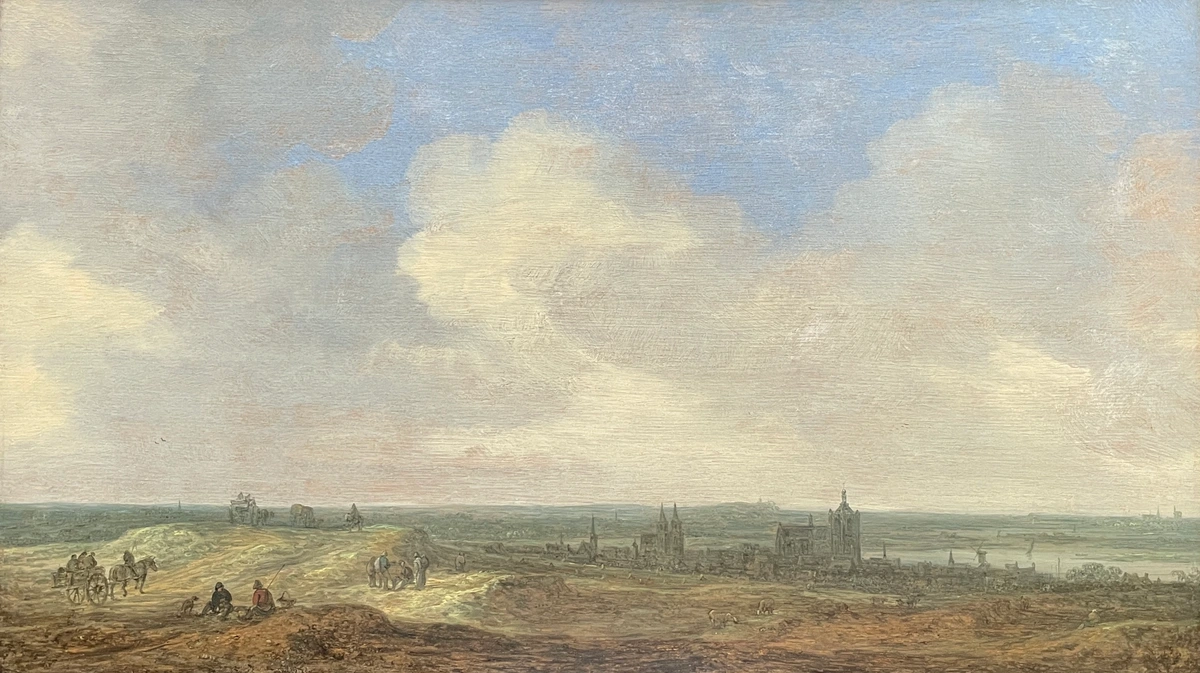
How does environmentalism influence contemporary landscape art?
This is a critically important and growing area within contemporary landscape art. As concerns about climate change, deforestation, pollution, and urban sprawl become more urgent, many artists are using the landscape as a powerful vehicle for environmental advocacy and commentary. This can manifest in various ways: hyper-realistic depictions of damaged ecosystems, abstract works that evoke the fragility of nature, large-scale Land Art installations that draw attention to specific environmental issues (like waste or changing coastlines), or even photographic series documenting ecological transformation. It’s no longer just about admiring nature's beauty; it's about raising awareness, provoking thought, inspiring action regarding our stewardship of the planet, and confronting the often harsh realities of human impact. The landscape, in this context, becomes a potent canvas for social, political, and ethical commentary.
What are common motifs and recurring elements in landscape painting beyond pure nature?
Beyond the obvious mountains and rivers, artists often weave in recurring motifs that enrich the narrative and add layers of interpretation. You'll frequently find human figures (often small, emphasizing nature's grandeur or acting as a point of relatable perspective), animals (wild or domesticated, contributing to the mood, symbolic meaning, or a sense of narrative), architectural elements (such as classical ruins for historical reflection, quaint cottages for pastoral charm, or towering cityscapes for urban commentary), and even specific weather phenomena (rainbows for hope, storms for drama, mist for mystery). Other motifs include paths and roads (symbolizing journeys or choices), bridges (connection or transition), and even symbolic plants or geological formations. These elements act as supporting characters, adding layers of meaning, fostering deeper contemplation, and engaging the viewer on multiple levels, transforming a mere scene into a profound statement.
What are the key characteristics of a good landscape painting?
A "good" painting is always, of course, subjective, as art inherently is. What resonates with one person might not with another. However, generally, when I’m drawn to a landscape, I look for several key characteristics. Firstly, a strong composition is paramount, one that effectively guides the viewer's eye through the scene with purpose and grace, often utilizing principles like the rule of thirds or leading lines. Secondly, a masterful use of light and color is essential to create a distinct mood, a palpable atmosphere, and to evoke a specific time of day or season, making the scene feel alive and dynamic. I also seek a convincing sense of depth and space, making the two-dimensional surface feel expansive and immersive, often achieved through perspective and atmospheric effects. And critically, there must be an emotional resonance or a unique, personal perspective from the artist – something that goes beyond mere literal depiction. A truly good landscape should feel like more than just a literal photograph; it should feel like an experience, an invitation into a conversation, a window into the artist's soul and their profound interaction with the natural world. It often possesses a timeless quality, inviting repeated contemplation and revealing new nuances with each viewing, and leaves a lasting emotional or intellectual impression.
How can I start painting landscapes myself?
If you're feeling inspired, the best way to start is... just start! Grab some basic supplies—a sketchpad, a pencil, or a small watercolor set—and head outdoors. Find a scene that genuinely resonates with you. Don't worry about perfection; focus on observing the light, the shapes, the colors, and most importantly, how the scene makes you feel. Try sketching quickly to capture the essence, or focus on a small detail. Consider trying what is plein air painting for that immediate, fresh perspective, which forces you to react directly to the changing light and atmosphere. There are countless online resources, local classes, and even YouTube tutorials to guide you. The journey itself is the masterpiece; it's about the process of seeing and interpreting, not just the final product.
How do cultural perspectives influence landscape painting?
Ah, this is a fascinating point! Cultural perspectives profoundly shape how landscapes are painted and interpreted. For instance, traditional Chinese shanshui painting emphasizes a philosophical and spiritual communion with nature, often depicting man as a tiny, contemplative figure within vast mountains and waters, reflecting Daoist and Buddhist ideals. European Romantic landscapes, on the other hand, often focused on the sublime power of nature, evoking awe and terror, a reflection of the era's individualistic spirit. Indigenous Australian art often features aerial-view landscapes, rich with symbolic patterns that depict ancestral journeys and sacred sites, a deep connection to the land itself as a living entity. These diverse approaches show that a landscape is never just a visual record; it's imbued with the cultural values, spiritual beliefs, and philosophical understandings of the society that creates it, offering a window into their worldview.
What are the challenges of painting en plein air?
Oh, the joys and challenges of plein air painting! While incredibly rewarding, it’s not for the faint of heart. The most significant challenge is the constantly changing light and weather. That perfect sunlight you started with can vanish in minutes, forcing rapid decisions or a complete shift in approach. Then there's the wind, which loves to knock over easels, and the bugs, who consider you their personal buffet. You also have to contend with curious onlookers (which can be lovely, but also distracting!), limited supplies, and the sheer effort of carrying all your gear to that perfect spot. But despite these hurdles, there's an undeniable magic to capturing the immediate energy of a scene directly from nature, a spontaneity and freshness that's hard to replicate in the studio. It forces you to be decisive, to simplify, and to truly see the essence of the moment before it disappears.
What is Plein Air painting?
Ah, Plein Air! It literally means "open air" in French. It's the practice of leaving the confines of the studio and painting outdoors, directly in front of the subject, observing the effects of natural light and atmosphere in real-time. The Impressionists, especially Monet, were huge proponents of this approach, driven by a desire to capture the fleeting, sensory impressions of a scene as they happened. It’s challenging, exhilarating, and incredibly rewarding because it forces you to react directly and spontaneously to the ever-changing environment, sharpening your observational skills and infusing your work with a unique immediacy. If you haven't yet, you absolutely need to read what is plein air painting – it's a game-changer for understanding this dynamic approach.
How has technology impacted landscape painting?
Technology has absolutely left its indelible mark on landscape painting, and in many exciting ways! While traditional mediums are still thriving and cherished, digital tools have opened up entirely new avenues for creating and conceptualizing landscapes. Digital painting, using advanced software and graphics tablets, allows for incredible experimentation with color palettes, textures, and compositional arrangements. Artists can mimic traditional effects with astonishing realism or venture into entirely new visual territories, crafting fantastical or hyper-real landscapes that defy physical limitations. It offers unparalleled flexibility for revision, rapid prototyping, and exploration of complex ideas, and has become especially prevalent in concept art for film, video games, and virtual reality, creating immersive new worlds.
Photography also plays a massive role, serving not only as inspiration and reference but often being directly integrated into mixed media landscape works or even becoming the primary medium for contemporary landscape artists, capturing specific moments of light, weather, or natural decay. The advent of satellite imagery and drone photography has further expanded artistic perspectives, influencing how artists compose and perceive landscapes from an aerial or unconventional viewpoint, often highlighting ecological patterns or urban sprawl or showcasing the immense scale of human impact on the planet. Moreover, advancements in printing technology, like giclée, allow for high-quality reproductions, making art more accessible and helping to preserve fragile digital works. However, the core essence – the artist's unique vision, their profound connection to nature, and the enduring desire to express something profound about the human experience within the environment – remains timeless, regardless of the tools employed. The tools may change, but the spirit of inquiry endures.
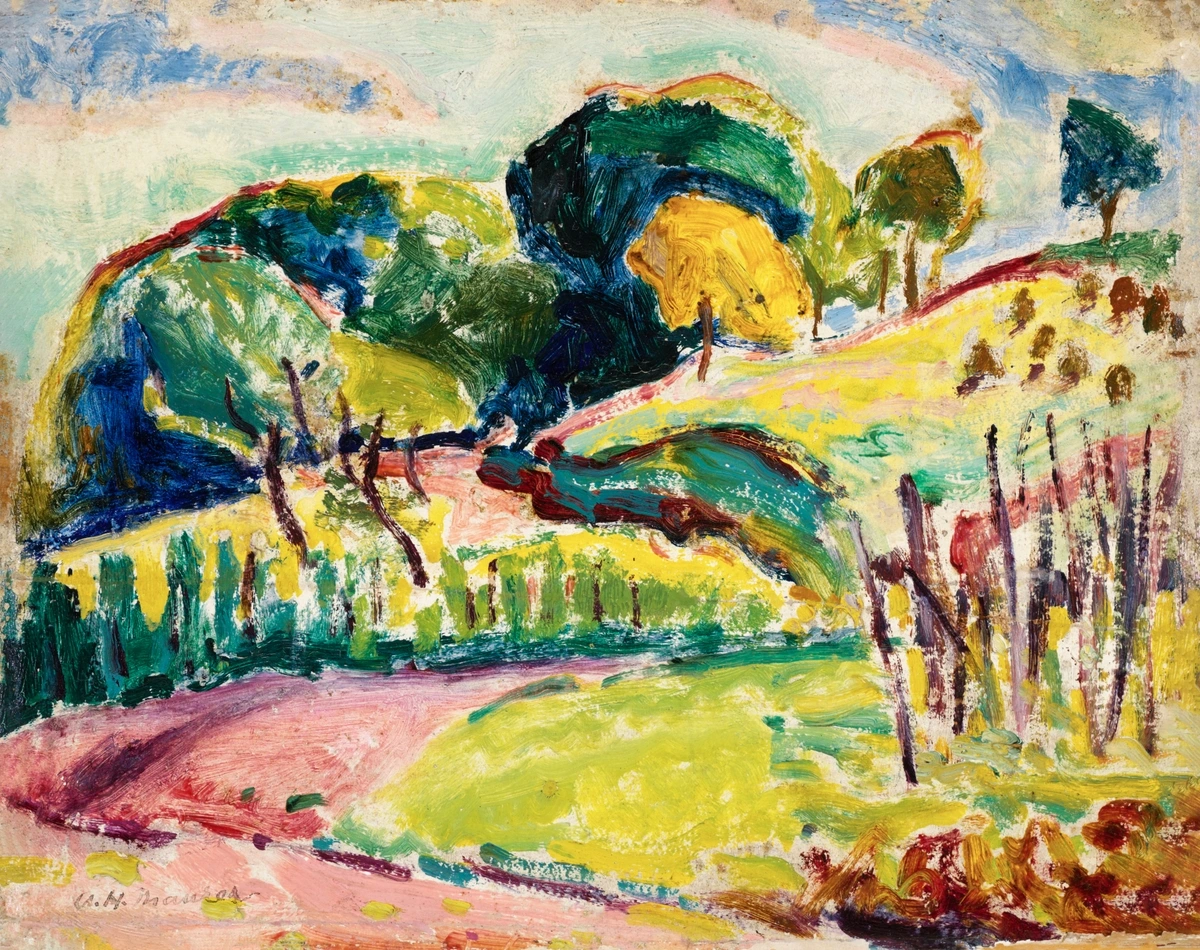
Are cityscapes considered landscape paintings?
That's a great question, and one that really highlights the genre's wonderful evolution and flexibility! Traditionally, "landscape" referred almost exclusively to natural scenery, pristine wilderness, or cultivated rural views. However, the definition has broadened considerably over time to encompass human-altered and entirely human-made environments. So, while a cityscape focuses specifically on urban environments – the intricate dance of buildings, bustling streets, iconic bridges, and the rhythms of city life – many contemporary art historians and artists absolutely consider them a vibrant sub-genre of landscape painting, often referred to as "urban landscapes." They explore the interaction of light, architectural forms, and space within a specific environment, much like a natural landscape, and often convey similar moods, narratives, and reflections on human existence within a constructed world. The "urban landscape" is a very real, thriving, and critically important part of the genre today, powerfully reflecting our increasingly urbanized global society and the diverse ways we interact with our built surroundings, from the bustling energy of a metropolis to the quiet solitude of urban alleys.
What are the different ways "nature" is depicted in landscape painting?
That’s a brilliant question, because "nature" is far from a monolithic entity! In landscape art, it's explored in myriad forms, each conveying a different facet of our relationship with the world. You’ll see wild, untamed wilderness (think Romanticism, evoking the sublime), cultivated gardens and pastoral scenes (Rococo or Classical landscapes, emphasizing harmony), rural farmlands and everyday countryside (Dutch Golden Age, Barbizon School, celebrating the mundane or the specific), suburban environments (the edge where human habitation meets nature, exploring domesticity or transition), and even urban landscapes or cityscapes where the built environment is paramount (reflecting modern life and human achievement). Beyond these, there are also depictions of damaged or transformed landscapes (often for environmental commentary), fantastical or imagined landscapes (digital art, surrealism), and abstract interpretations that capture the feeling rather than the literal appearance of nature. Each depiction reflects a different human relationship with the environment, from awe and reverence to control, interaction, and critical commentary.
What is the difference between landscape painting and genre painting?
This is indeed an important distinction, and one that helps clarify artistic intentions! Landscape painting, as we’ve discussed throughout this article, has nature – in all its diverse forms, from pristine wilderness to cultivated gardens or urban scenes – as its primary subject. The natural or built environment itself is the star of the show, often embodying the mood, narrative, or philosophical idea, inviting the viewer to engage with the natural world directly. Genre painting, on the other hand, depicts scenes from everyday life, often focusing on human activities, domestic settings, or social interactions. While a genre painting might frequently include a landscape background to set the scene (think of a peasant family working in a field, for example), the central focus, narrative, and emotional weight revolve around the human activity, not the natural setting itself. The figures and their actions are paramount, making the human element the primary subject of interest. If you're curious to know more about this rich category of art, what is genre painting: history and examples is an excellent resource.
The Healing Power of Landscape Art: Nature's Embrace for the Soul
You know, there's a reason we're so drawn to images of nature. Beyond aesthetics, landscape art often acts as a balm for the soul, a visual sanctuary in a bustling world. For me, both as an artist creating these worlds and as a viewer contemplating them, there's a profound sense of peace and psychological well-being that comes from engaging with a beautiful vista, whether real or painted. It's a connection to something fundamental, a reminder of the world's enduring beauty and our place within it.
This isn't just a personal observation; numerous studies suggest that exposure to natural scenes, even through art, can reduce stress, improve mood, and foster a sense of calm, acting as a form of visual therapy. A landscape painting can offer an escape, allowing us to mentally step into a serene forest, feel the mist of a waterfall, or gaze upon a boundless ocean, even from our living rooms. It connects us to something larger than ourselves, reminding us of the cyclical beauty of life, the resilience of nature, and our own inherent place within it. It's a quiet form of therapy, a visual meditation that allows our minds to wander and find solace, offering a moment of restorative contemplation in our often-chaotic lives. I often find that the most impactful landscapes are those that don't just depict beauty, but transmit a feeling of deep connection and restorative peace, speaking directly to our innate human need for nature.
My Final Brushstroke: The Enduring Allure of Landscape – A Timeless Dialogue
So, there you have it – my personal journey through the vast, ever-changing, and profoundly rich world of landscape painting. From those humble beginnings as a mere supporting backdrop to its current status as a boundless field of artistic and philosophical exploration, the genre has consistently captivated and challenged us. It serves as a powerful reminder that nature, in all its wild, cultivated, and even urban forms, is an inexhaustible source of wonder, raw emotion, and profound inspiration.
For us, as artists, it's an endless conversation, a persistent challenge to translate the immensity of the outdoors, the intimacy of a particular scene, or the complexities of our inner landscapes onto a two-dimensional surface. It’s about more than just rendering a view; it's about channeling an experience, a perspective, and a feeling. And for us, the viewers, it’s an invaluable invitation to pause, to reflect, to connect with something larger than ourselves, and perhaps even to rediscover a hidden piece of our own inner landscape—a true testament to art's enduring power.
Whether it’s the dramatic, awe-inspiring Romantic skies, the vibrant, sun-dappled fields of the Impressionists, the emotionally charged expressions of the Symbolists, or the challenging abstract interpretations of contemporary masters, landscape painting holds up a mirror to the world. And in so doing, it inevitably reveals a little more about ourselves, our history, and our evolving relationship with the planet. It’s a truly timeless genre, precisely because our connection to the earth, in all its wild, cultivated, and ever-changing beauty, is utterly timeless. So, next time you encounter a landscape painting, I hope you don't just look at it, but truly experience it. It’s a conversation worth having, every single time, and one that promises endless discovery. And if you're inspired to bring a piece of this enduring dialogue into your own space, perhaps take a moment to explore my collection of nature-inspired works, where I try to capture that very feeling, that unique invitation, for you. My aim is always to translate the raw energy and serene beauty of the natural world onto canvas, inviting you into that same profound dialogue.