Who Was Vincent van Gogh? The Complete Guide to the Man Behind the Myth
A deep dive into the life of Vincent van Gogh. Forget the tortured artist myth; let's explore the real man, his revolutionary art, and his enduring legacy.

Who Was Vincent van Gogh? More Than Just a Severed Ear and a Starry Night
Let's get one thing straight. When you hear the name Vincent van Gogh, your mind probably jumps to two things: a swirling, hypnotic blue and yellow sky, and the gruesome story about his ear. And that's fair. Those are the blockbuster hits, the stories that get passed around like folklore until they're polished smooth and stripped of their messy human context. But reducing one of the most emotionally raw and influential artists in history to just a couple of highlight-reel moments is like saying the ocean is just 'wet'. It misses the whole point. I've lost count of the times someone has asked me, 'So, Van Gogh, he was the crazy one, right?' And I always want to say, 'He was the honest one.' He painted feeling itself, not just its pretty parts.
I used to think of him as the archetypal 'mad artist'—a tragic figure, brilliant but broken. It’s a compelling story, but it’s also lazy. The real Vincent was so much more complex, more thoughtful, and, frankly, more relatable than the myth allows. He was a man who failed at multiple careers before ever picking up a brush in his late twenties. A man of intense faith, deep love for his brother, and a desperate, burning need to connect with the world around him through color and texture. He wasn't born a master; he clawed his way towards mastery through sheer obsessive will, studying the world around him and the art of others, driven by a profound yearning to articulate the inarticulable.
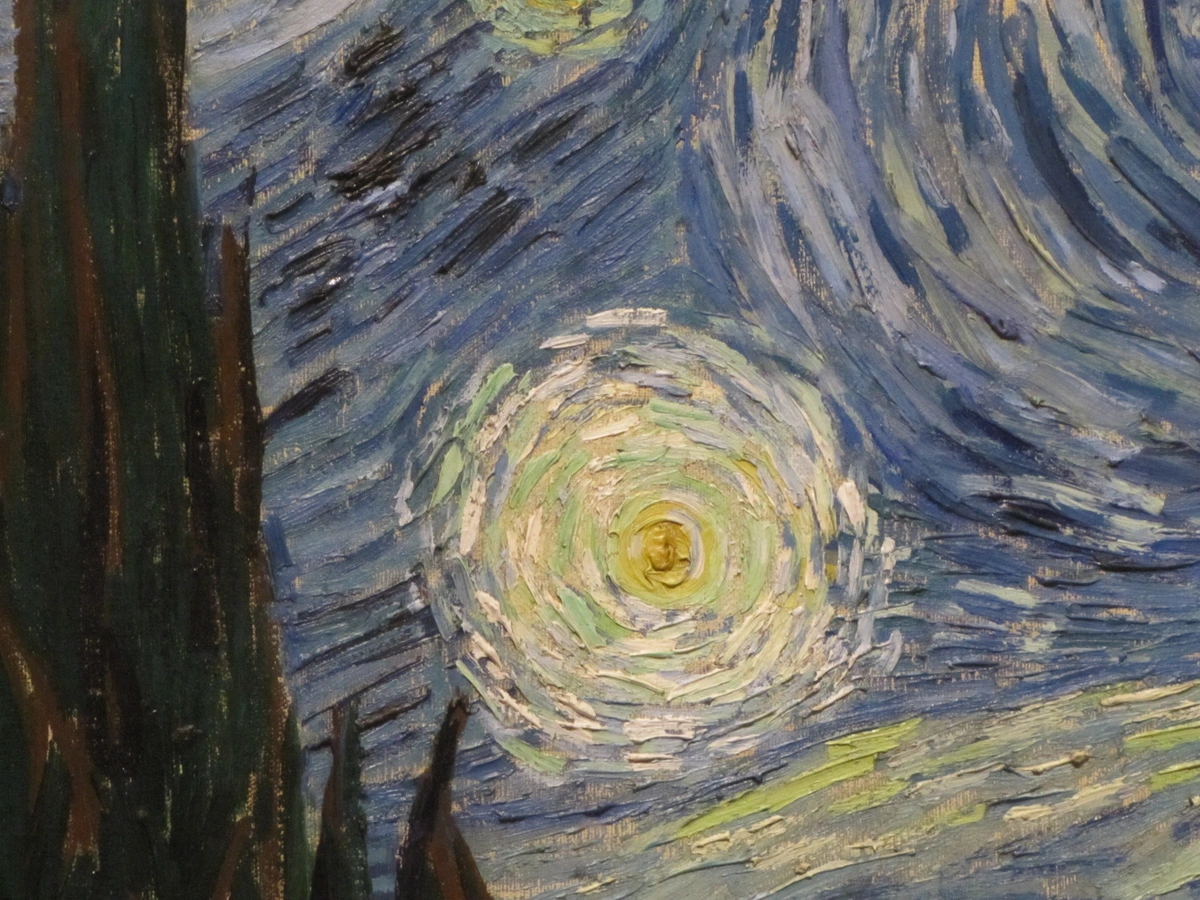
So, let’s peel back the layers of thick, impasto paint and get to know the man who saw the world not just as it was, but as he felt it. Because here’s the thing about Van Gogh that most biographies get wrong—they focus on the fire, the spectacular blaze of his final years, but they forget the long, slow gathering of tinder. Before the sunflowers and the starry nights, there was a man who consistently felt like he didn’t belong anywhere, a man who poured that profound sense of displacement directly onto the canvas.
The Early Days: A Preacher, a Salesman, an Artist in Waiting
Before he was Van Gogh the artist, Vincent was... well, a bit of a wanderer. I think we all know someone like that, or maybe we’ve been that person ourselves—trying on different lives like jackets, hoping one will eventually fit. He tried his hand at being an art dealer, a teacher in England, and even a lay preacher in a poor Belgian mining community, where he gave away his own clothes and sleeping mat to the miners. That last part always gets me. It’s easy to dismiss it as eccentricity, but I see it as pure, unfiltered empathy. He wasn’t just serving the poor; he was trying to become poor, to erase the distance between himself and the people he felt called to help. It was an intensity that would define his whole life, but in those early days, it was just bewildering to everyone around him. He was passionate about all of it, but his intensity, his single-minded devotion, often put him at odds with the institutions he served—he was too radical, too raw. Nothing quite stuck. He was often described as intense, socially awkward, and strangely magnetic in his sincerity. Can you imagine? The guy who would later paint the most vibrant sunflowers on earth started out in the somber, gray world of coal miners. To give you a better sense of this formative era, here's a quick breakdown of his life before he committed to art:
Period  | Occupation / Activity | Location(s) | Key Takeaway | |
|---|---|---|---|---|
| 1869-1876 | Art Dealer Apprentice & Clerk | The Hague, London, Paris | Exposure to the art market. Learned about everything from Rembrandt to the rising stars of the Barbizon school. Experienced crushing romantic rejection from his landlady’s daughter. | |
| 1876-1877 | Teacher & Bookstore Clerk | England, Dordrecht | Increasingly devout and solitary. Dismissed from teaching, worked briefly in a bookshop. | |
| 1877-1878 | Theology Studies & Lay Preacher | Amsterdam, Brussels | Briefly attempted formal religious studies, found them too academic. Moved to the Borinage mining region as a lay preacher. | |
| 1878-1880 | Missionary in the Borinage | Wasmes, Cuesmes, Belgium | A life-changing period. Lived in utter poverty, emulating the miners. The church dismissed him for his "excessive zeal." After this final failure, he embraced art. | I think about that timeline a lot. We’re taught that success is a straight line, but Vincent’s life was a series of dead ends. It’s a lesson for anyone in a creative rut: those years you think you're wasting might just be the soil where your real work is taking root. His failures in love, in faith, and in business weren't detours; they were the raw material. |
It wasn't until 1880, after being dismissed by the church, that a 27-year-old Vincent, at the suggestion and with the financial support of his brother Theo, made the monumental decision to become an artist. Theo was more than a brother; he was the anchor, the lifeline, the one person who never stopped believing, even when Vincent’s own faith in himself wavered. Their correspondence is one of the most moving records of brotherly love and creative support in history. And with this new purpose, a fire was lit.
His early work from his time in the Netherlands is a world away from what you see on posters. It was his laboratory. He moved back in with his parents, grappling with perspective, anatomy, and shading. He was methodical, almost academic, copying countless prints and studying the Dutch masters like Rembrandt and Millet, whom he deeply admired for their focus on humble subjects. Think of his masterpiece from this period, The Potato Eaters (1885). It's not pretty, and it's not supposed to be.
It’s a brutally honest depiction of peasant life, full of empathy and grit. He painted them with coarse, almost clumsy hands and gaunt faces, illuminated by the harsh light of a single oil lamp. He hadn't found his famous color palette yet, famously stating his goal was to learn to draw 'expressive' hands and heads before concerning himself with color, but the emotional intensity? That was there from day one. He later wrote of these early works that he wanted to "emphasize that those people, eating their potatoes in the lamplight, have dug the earth with those very hands they put in the dish... and so it speaks of manual labor and how they have honestly earned their food." He was already painting souls, not just surfaces.
Paris: Where Color Exploded
In 1886, Vincent moved to Paris, and it was like flipping a switch from black-and-white to Technicolor. He moved in with his brother Theo, who was managing an art gallery, and was suddenly thrown into the heart of the art world. I try to imagine that moment—to have your entire understanding of color be so completely and utterly dismantled. It must have been equal parts exhilarating and terrifying. The artist he was when he arrived was obsolete by the time he left. He met the Impressionists and the Post-Impressionists, absorbing the electric atmosphere of a city teeming with creative rebellion. I find myself thinking about that moment, him walking into a gallery or a café, seeing how painters like Monet were capturing light as it actually existed—fleeting, shimmering—and how artists like Seurat were treating light with scientific precision, as a series of tiny dots. It must have been like having a set of sun-bleached, grey scales fall from his eyes. The dark browns and ochres of his Dutch period suddenly felt like a foreign language he no longer needed to speak. The influence was staggering; his dark, muddy palette from his Dutch period virtually vanished overnight, replaced by the vibrant yellows of sun-drenched fields, the electric blues of Parisian skies, and the urgent reds of the city's nightlife. He started painting still lifes of flowers just to experiment with capturing intense, contrasting colors against each other. And it wasn't just French art; he became obsessed with Japanese woodblock prints, or ukiyo-e, which were all the rage in Paris. He bought hundreds, even curated an exhibition of them. Their flat planes of unmodulated color, unconventional cropping, and bold outlines would profoundly shape his own work, teaching him how to flatten space for emotional effect. You can see it most clearly in his portraits from this time.
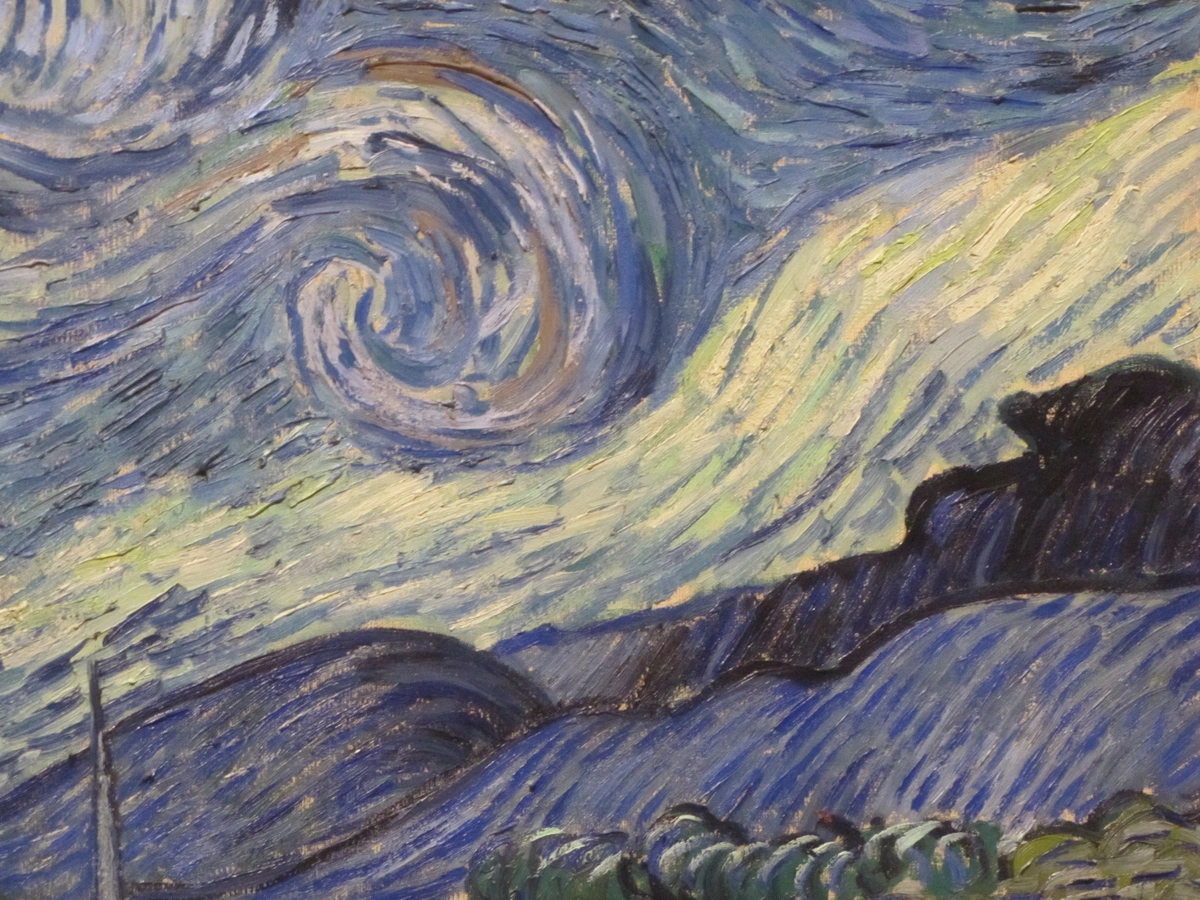
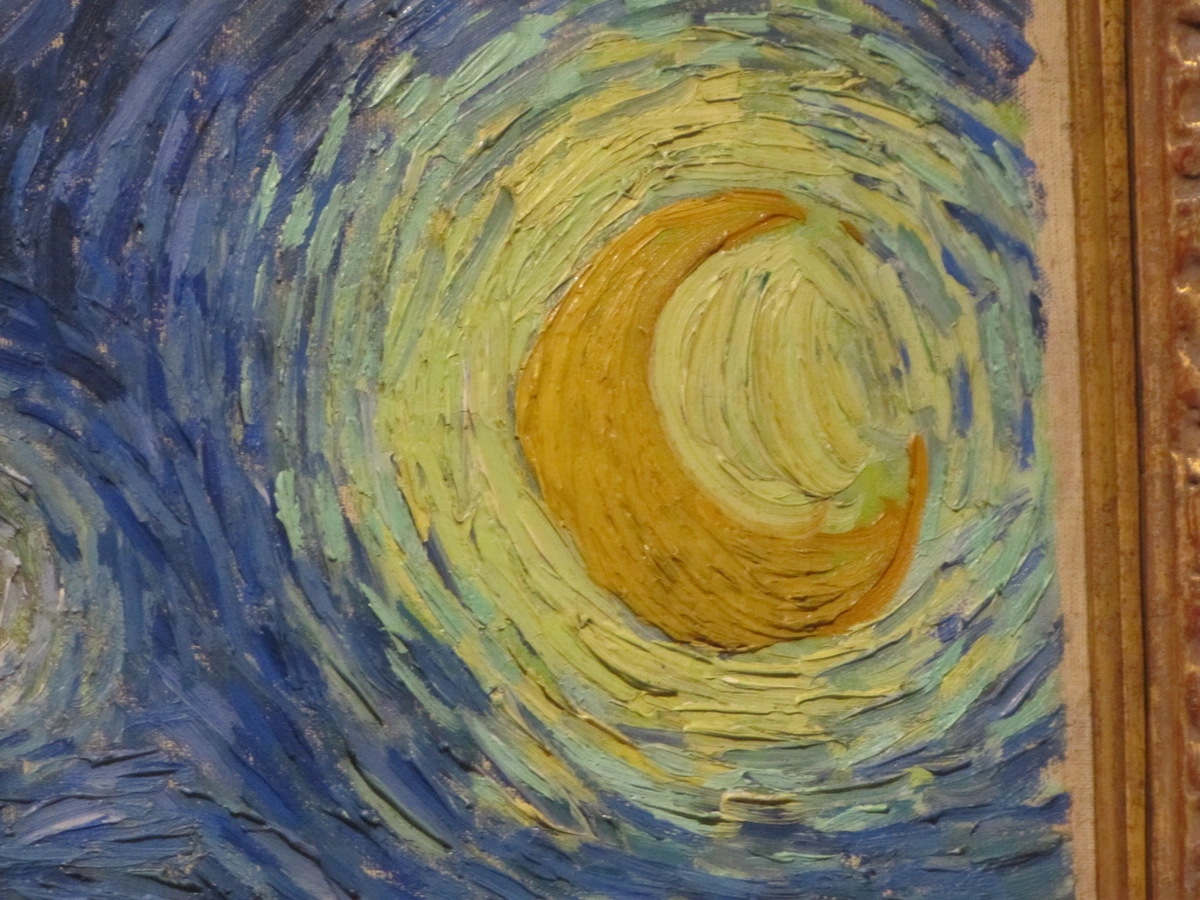
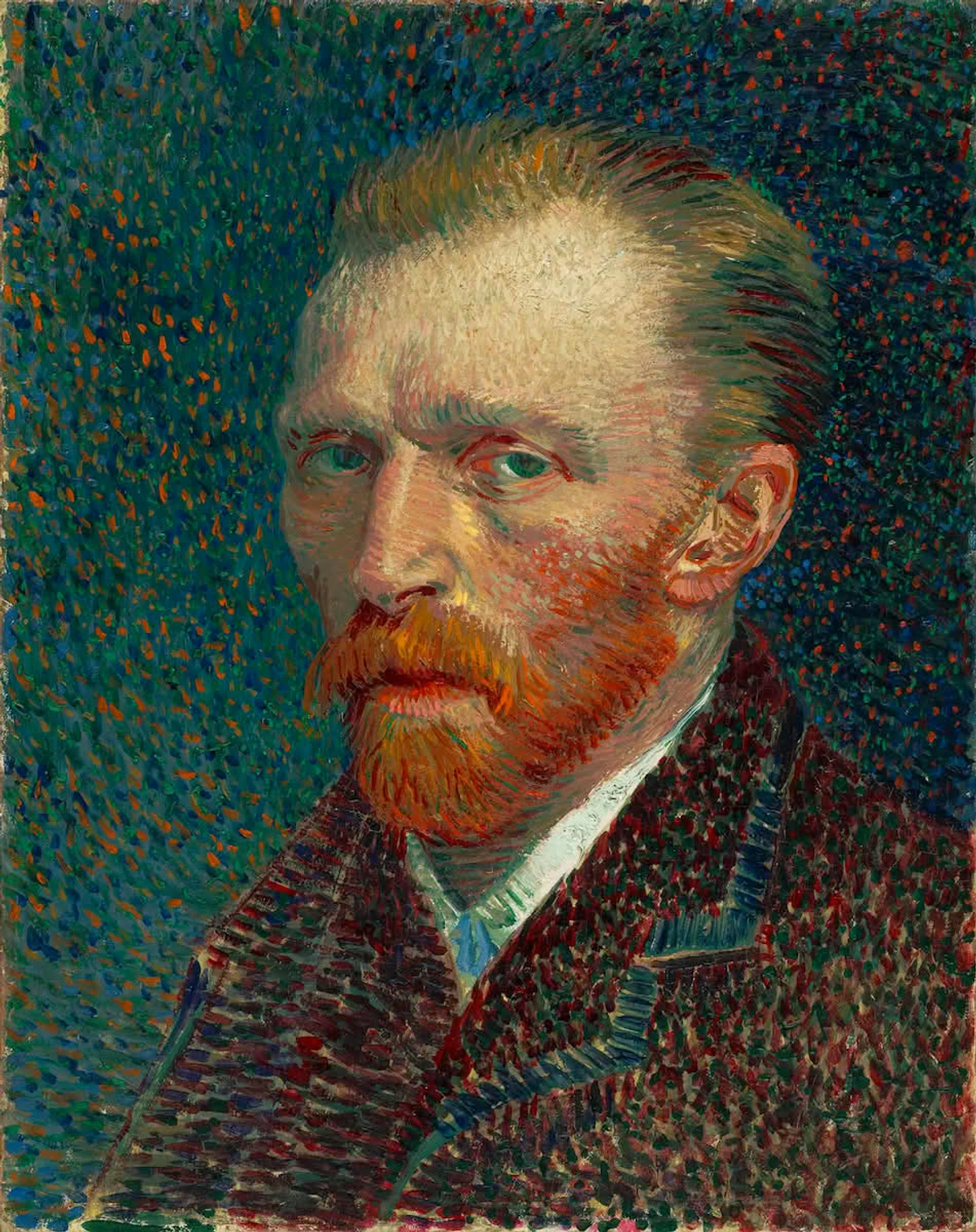
This Parisian period was a whirlwind of artistic evolution. He'd spend hours in the Louvre, sketching classical sculptures to master line and form, while simultaneously absorbing the radical new ideas of painters like Degas, Pissarro, and Gauguin, who were part of movements like Impressionism and Fauvism. He painted dozens of self-portraits during this time, not just because he was a willing and free model, but because he was grappling with identity, trying to understand his own face and presence in this whirlwind of change. This is where his style truly began to coalesce. He moved beyond simple influence and started experimenting with the short, thick, directional brushstrokes and the heavy application of paint (impasto) that would become his signature, loading his brush with pigment and sculpting the canvas with tactile energy. The paint was no longer just a medium to describe the world; it was becoming a physical manifestation of his own nervous energy, a kind of built-up handwriting you could almost touch with your eyes closed.
Period | Key Characteristics | Example Painting |
|---|---|---|
| Dutch | Dark, somber, earthy tones. Focus on peasant life. Emphasis on chiaroscuro. | The Potato Eaters |
| Parisian | Bright, vibrant colors. Influence of Impressionism and Japanese prints. | Self-Portrait with Straw Hat |
It was a period of incredible growth, a chaotic but necessary education in modern art, but the frenetic pace of the city, the constant intellectual arguments, and the overwhelming sensory input began to take its toll on his already sensitive temperament. He smoked constantly, drank too much absinthe, and ate poorly. He longed for the direct, unadulterated light of the sun, a warmth that could permeate his very soul, and a tranquility that Paris simply couldn't offer. He found what he was searching for in the sun-drenched landscapes of the south of France. It was time to make his own work, away from the pressure of the capital.
Arles: The Sun, The Studio, The Storm
Arles was where Van Gogh's genius truly ignited. In February 1888, he made the pivotal decision to head south, seeking a light that was 'high and yellow,' a constant source of 'gaiety.' I picture him stepping off that train, squinting into the astonishing sunlight, feeling like he'd finally found a landscape that matched his internal state.
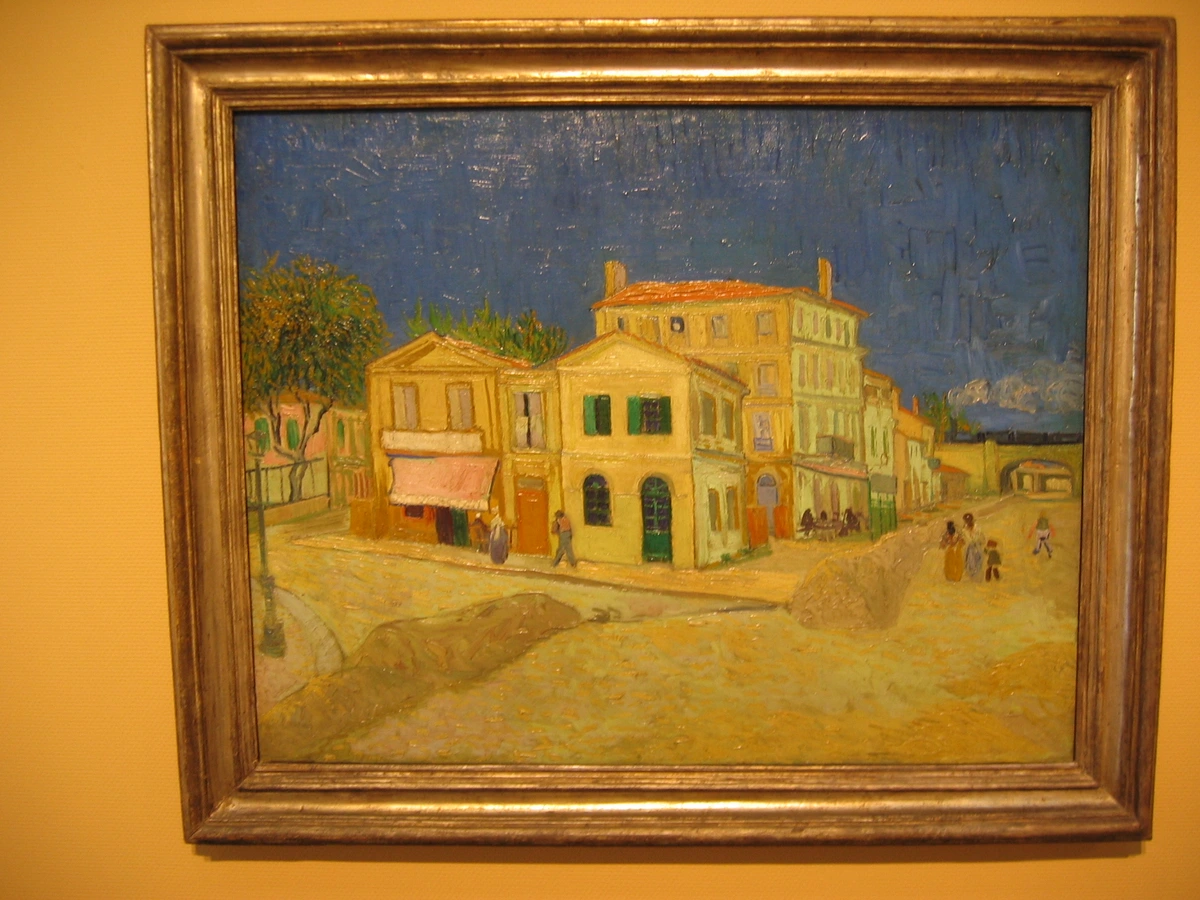
He arrived with a dream: to start an artist's community, a radical 'Studio of the South'. He found his headquarters in a little home he painted a brilliant yellow he called the 'Yellow House'. This was his laboratory of light and color. He worked at a feverish, almost compulsive pace, sometimes completing a painting each day. This wasn't just productivity; it felt like a man trying to pour a lifetime of seeing into a few short months.

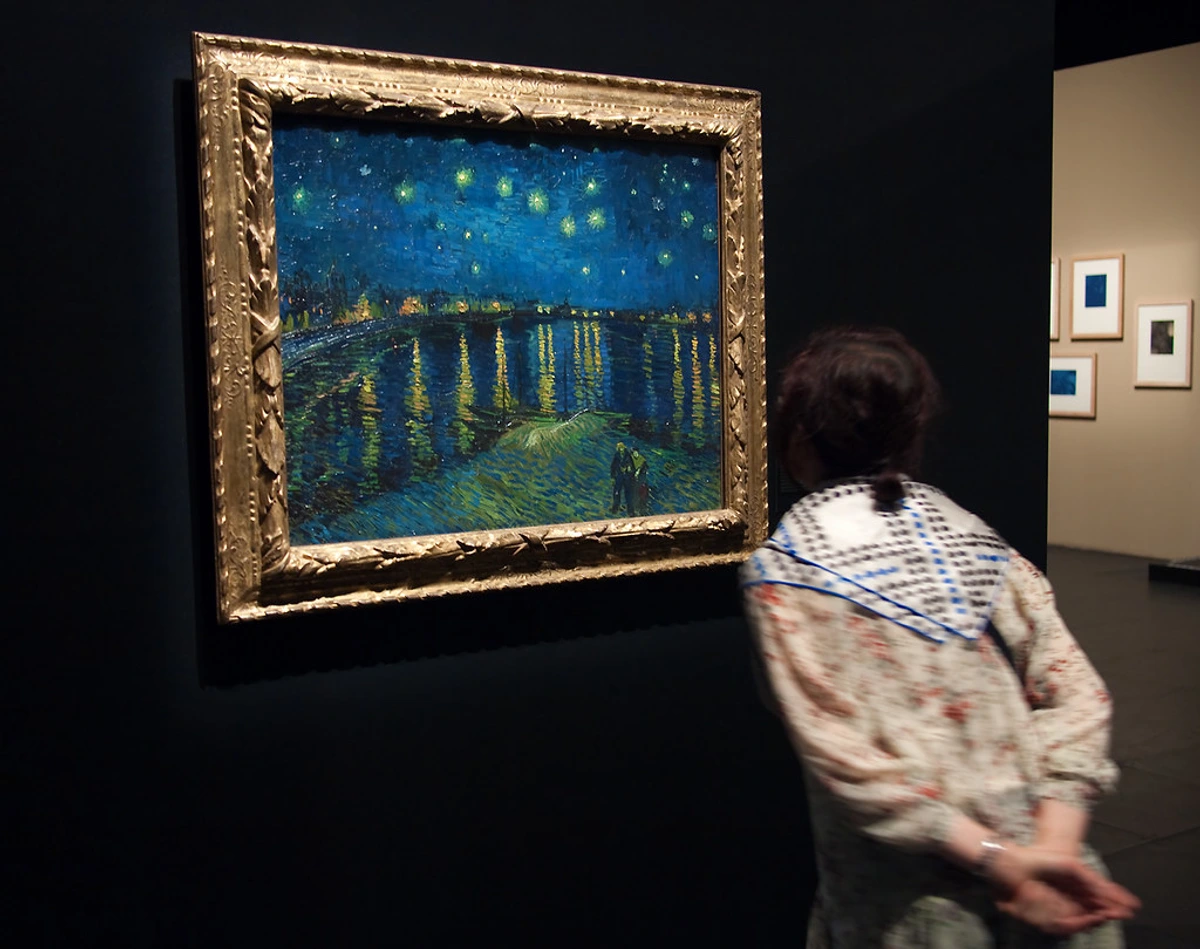
This is the period that gave us the Sunflowers series (intended as decorations to welcome his invited guests like Gauguin), The Café Terrace at Night, and Starry Night Over the Rhône.
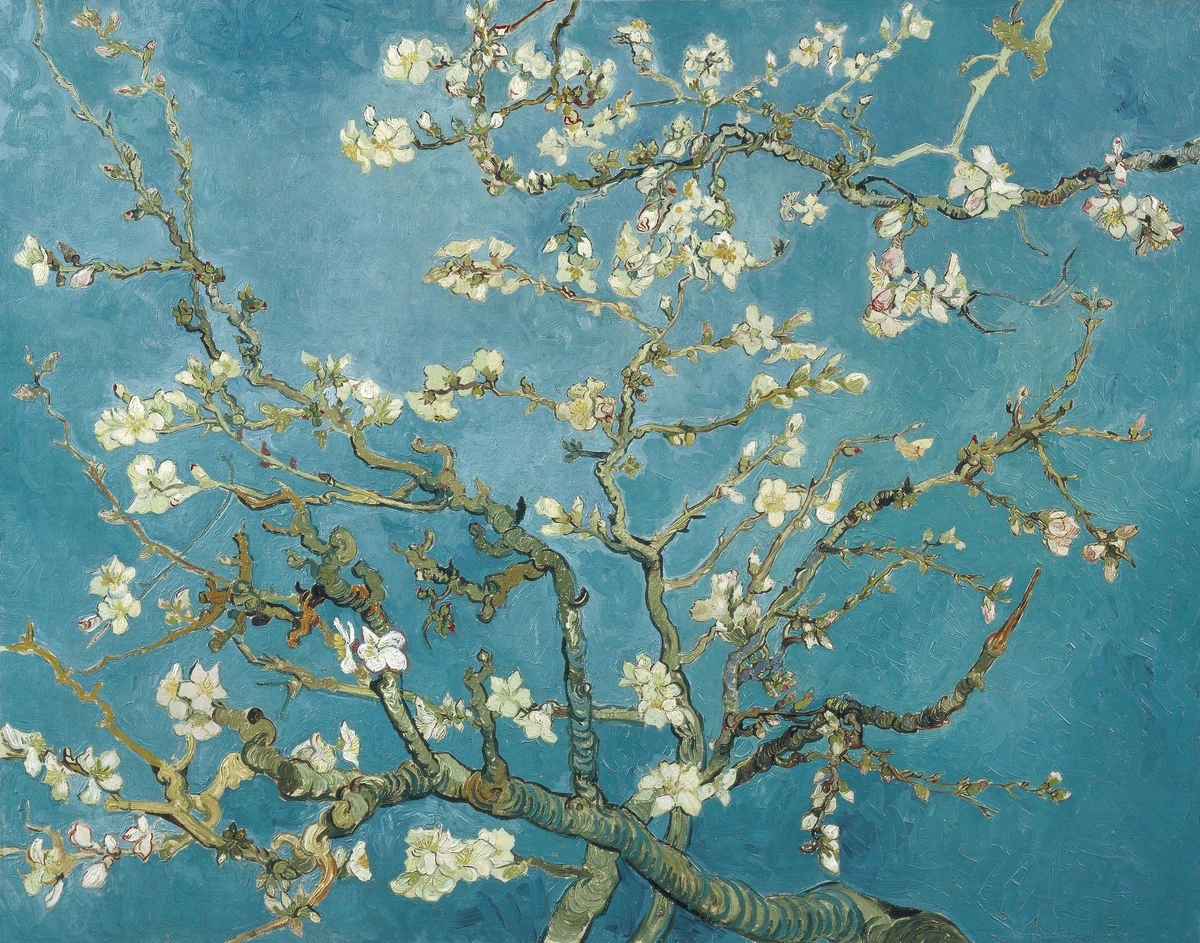
His paintings weren't just observations; they were emotional responses. He wasn't painting a sunflower; he was painting gratitude, life, and the power of the sun. He famously used three specific shades of yellow to achieve their vibrancy, a technique that still captivates painters today. He wasn't just painting a night sky; he was painting its 'terrible gaiety,' using complementary violet-blues and brilliant yellows to create a color harmony that feels alive with emotion. It was a symphony of feeling. Let's pause on some of his most crucial works from this time.
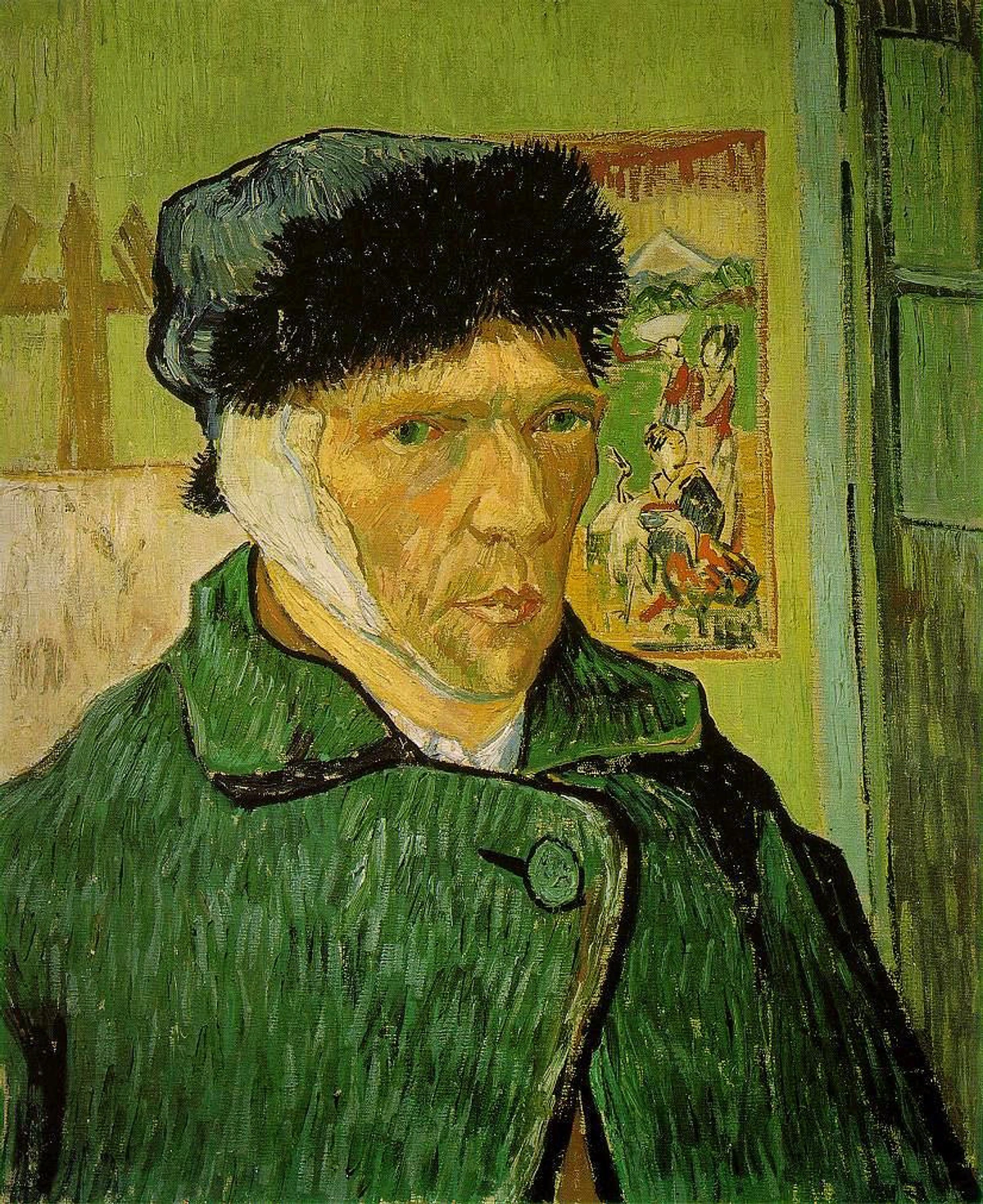
Of course, Arles is also where the dream began to unravel. He invited the artist Paul Gauguin to join him, a fraught collaboration fueled by mutual ambition but destined for disaster. The two men painted side-by-side for a time, but their artistic philosophies couldn't have been more different. Gauguin believed in painting from memory and imagination, distilling reality into symbolic forms, while Van Gogh insisted on painting from direct observation, capturing the immediate emotional truth of a subject as he felt it. Their personalities—Vincent's raw, earnest, and increasingly fragile intensity versus Gauguin's more detached, intellectually arrogant swagger—clashed violently, creating a conflict that mirrored a broader schism in modern art itself. After a heated argument on December 23rd, 1888, a distraught Vincent, in a state of profound psychological distress often linked to complex mental health conditions like bipolar disorder, temporal lobe epilepsy, or the toxic effects of absinthe and turpentine, infamously mutilated his own ear. The exact medical diagnosis remains a subject of intense debate among scholars, with some modern theories even suggesting a form of Meniere's disease, but what's clear is that it was a catastrophic breakdown born of physical exhaustion, mental illness, and the unbearable pressure of his failed artistic utopia. This wasn't an act of 'mad genius' or a mere eccentricity; it was a desperate, horrifying cry for help from a man teetering on the edge. Let's be very clear: the act itself, delivering the severed tissue to a woman at a nearby brothel, points to a mind in a state of acute psychosis. It's a deeply human and tragic story of a mental health crisis that would forever overshadow his artistic achievements in the public imagination, often reducing a complex human struggle to a sensationalist headline.
The Final Chapter: Saint-Rémy and Auvers-sur-Oise
Following the breakdown in Arles, a catastrophic event that shattered his dream of a 'Studio of the South,' Vincent voluntarily admitted himself to the Saint-Paul-de-Mausole asylum in Saint-Rémy-de-Provence in May 1889. He sought solace and structure, a place where he could paint without the crushing burdens of financial worry and social friction. You might think this confinement would be the end of his career, a stifling of his creative spirit, but it was anything but. Paradoxically, within these walls, his art reached its absolute zenith of emotional power and visionary imagination. It's a stark lesson that creativity doesn't always flourish in comfort; sometimes it needs the urgent pressure of confinement and inner turmoil to truly explode. He was given a small room and a second room to use as a painting studio, and crucially, he was allowed to leave the grounds to paint in the surrounding countryside, producing some of his most powerful landscapes. From his window, he painted what would become his most [famous work](/finder/page/famous abstract art) and one of the most recognized images in human history: The Starry Night.
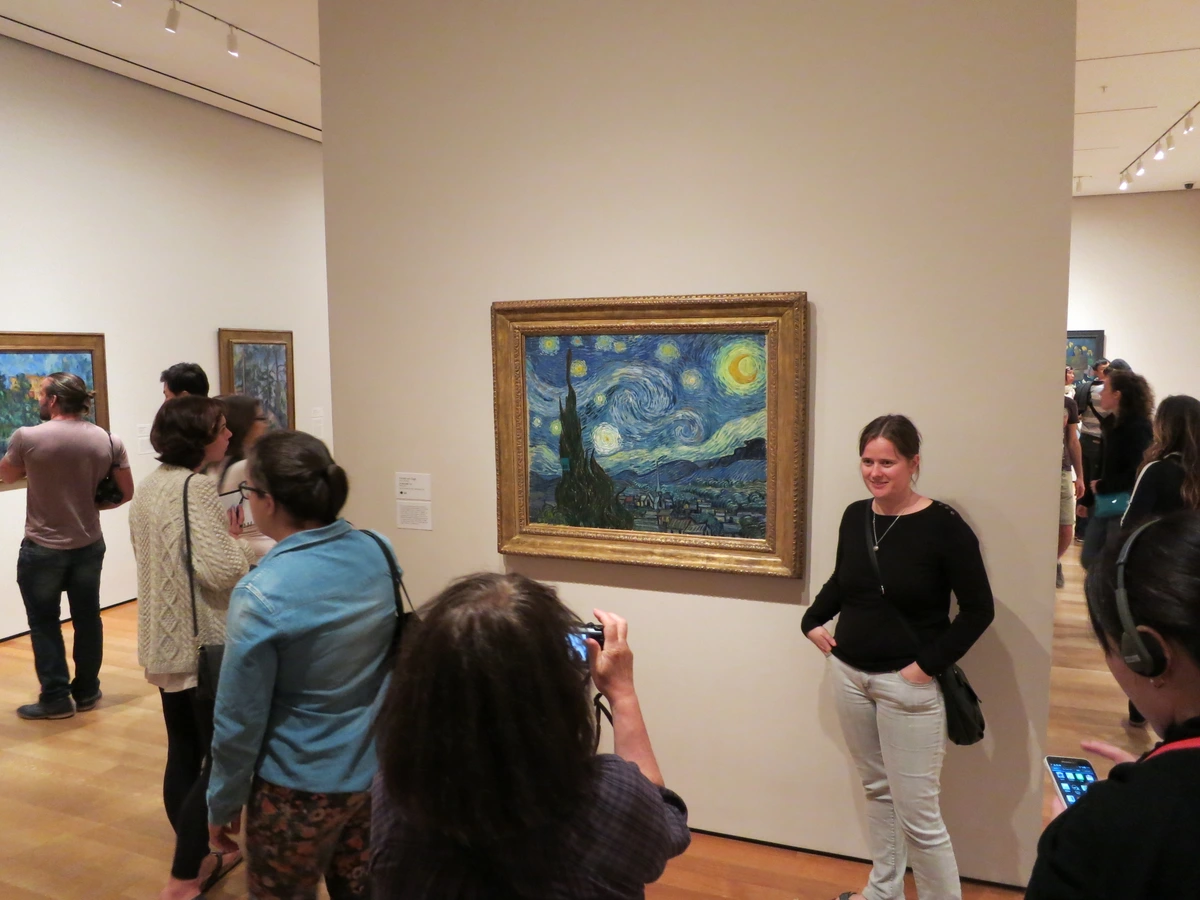
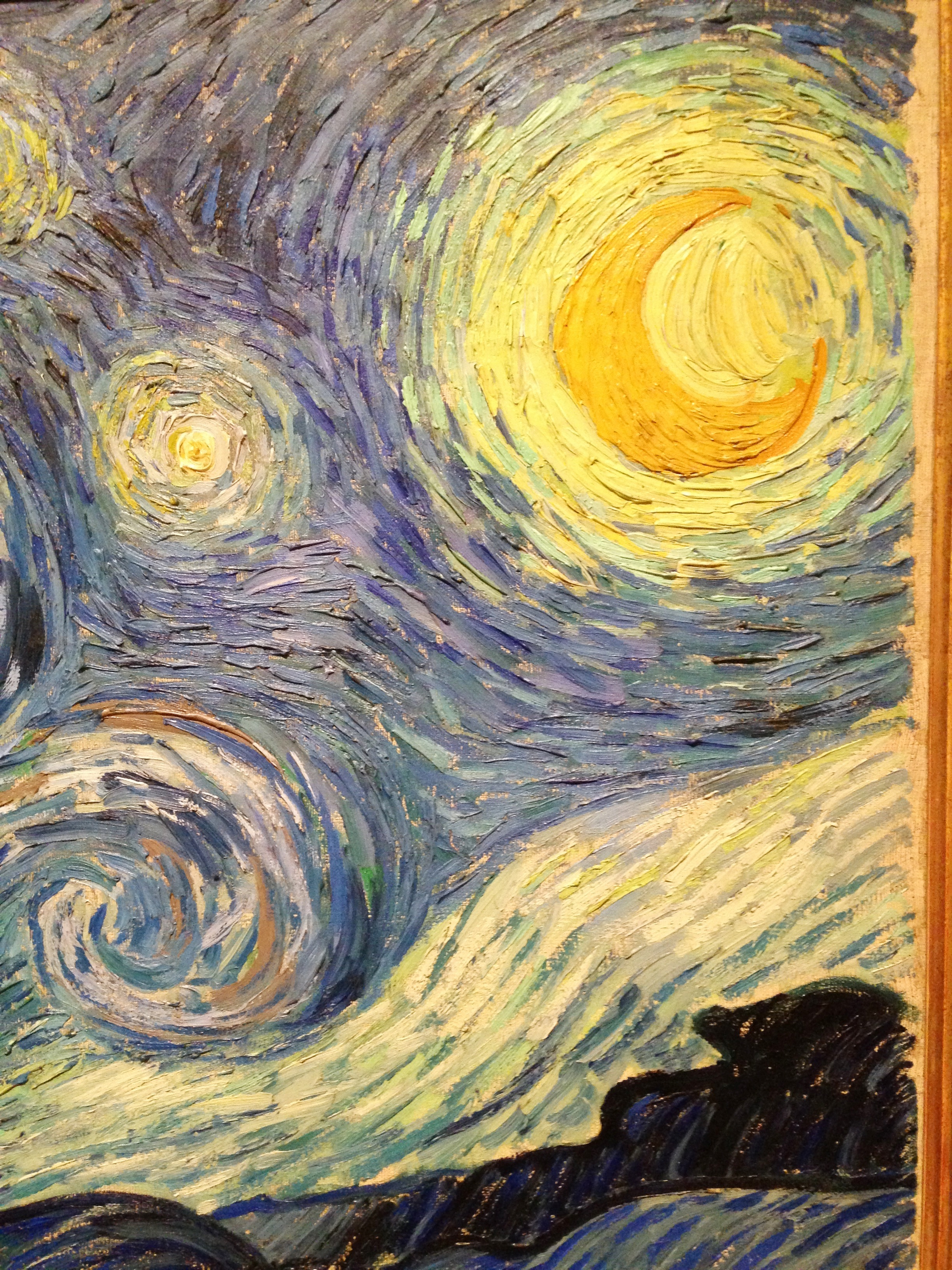
Look at that painting. It's a cosmic explosion of emotion. The cypress tree in the foreground, a tree he associated with death and eternity in this region of France, reaches for the heavens like a dark flame. The village below sleeps peacefully, a pocket of human tranquillity, perhaps a memory of a gentler world. And the sky is a turbulent, divine spectacle of swirling blues and yellows, with stars and a crescent moon that pulse with an almost hallucinatory energy. He was painting his inner turmoil, his spiritual yearning, and his awe of the natural world, all at once. It was art born not of a calm mind, but of a soul wrestling with the cosmos.
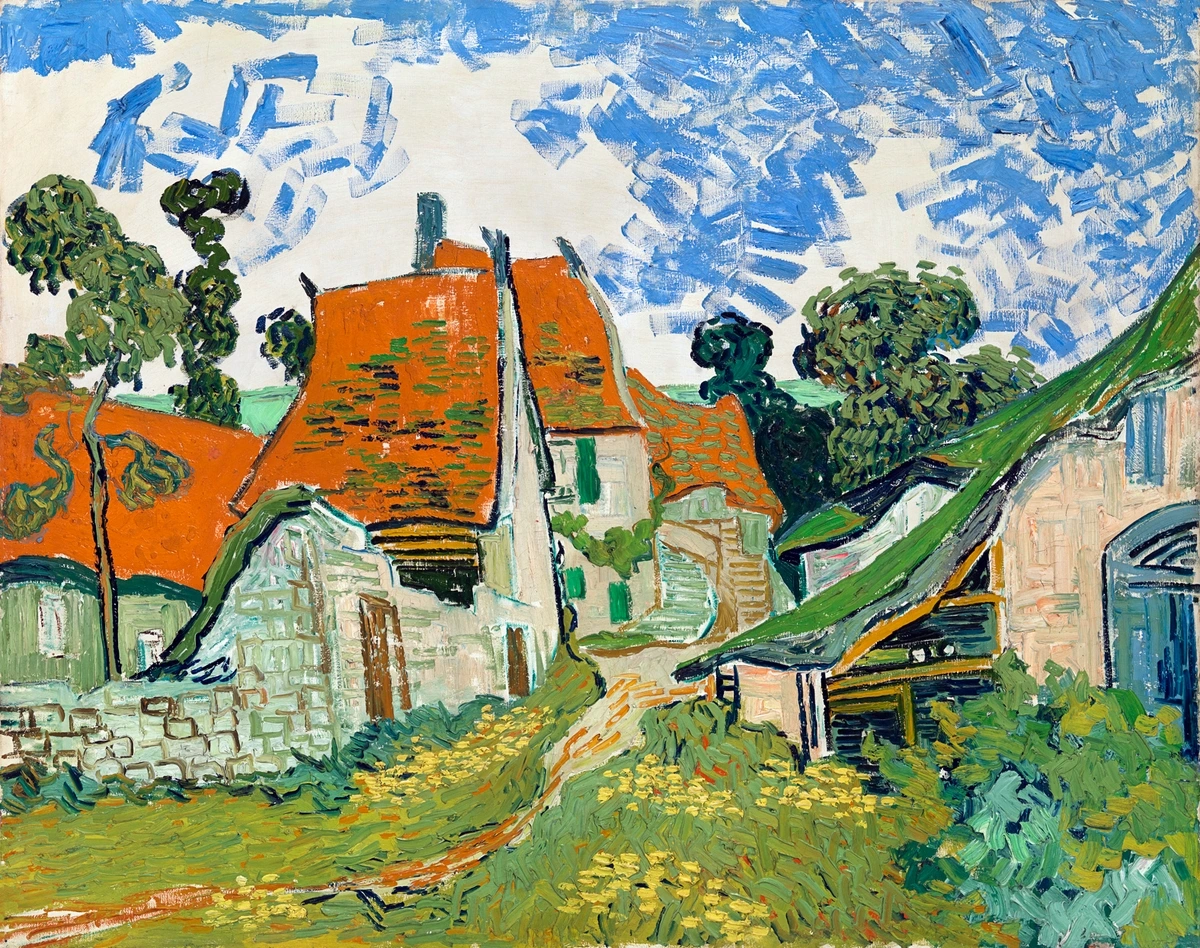
In May 1890, after a year in the asylum and feeling he was 'cured,' Vincent left Saint-Rémy for Auvers-sur-Oise, a small village north of Paris, upon the recommendation of Camille Pissarro, so he could be closer to Theo and under the care of Dr. Paul Gachet, a physician and amateur painter. He painted Gachet, capturing an expression of profound melancholy that perhaps reflected his own. His productivity was astonishing, a final, desperate outpouring of creation; he painted nearly 80 works in his final 70 days. His output included numerous landscapes, capturing the thatched roofs and winding paths of the village, and portraits of its inhabitants, each one a testament to his undiminished artistic vigor. But his inner turmoil remained relentless, a storm that even his art couldn't fully quell. A recent letter to Theo revealed renewed financial anxieties and a fear that his recovery was not to be. In July 1890, at the age of 37, after finishing a painting of swirling crows over a wheatfield—a scene that seems to pulse with a premonition of his own end—Vincent van Gogh shot himself in the chest in a wheatfield. He managed to stagger back to his room, where he died two days later with his beloved brother Theo by his side. His last words, according to Theo, were 'La tristesse durera toujours'—'The sadness will last forever.' He died two days later with his beloved brother Theo by his side.
The Legacy: Why We Can't Look Away
So, why does Van Gogh still grip our imagination over a century later? Because he made his paintings feel. He used color not to describe reality, but to express emotion. He wasn't illustrating the world; he was translating his internal state directly onto the canvas, and we recognize that authenticity on a primal level. His influence on later art movements is undeniable, paving the way for Expressionism and beyond. Artists like Edvard Munch owe a debt to his pioneering emotional honesty. Furthermore, his fearless use of color was revolutionary, influencing everything from Fauvism's wild hues to the Abstract Expressionists' focus on the act of painting itself.
I'm particularly drawn to his paintings of simple things—an empty chair by a simple wooden table, like the one he depicted for Gauguin; a pair of his own weathered old boots, caked in the mud of his long walks; a simple vase of sunflowers reaching for the light. He taught us that these objects are worthy subjects because they are infused with the presence of a human life. He was a master of imbuing the ordinary with an almost sacred significance. But perhaps more importantly, he reminds us that our struggles, our sorrows, our moments of profound isolation and inner chaos can be transformed, through the sheer force of will and vision, into something genuinely powerful and beautiful. His life story, though undeniably tragic, is also one of incredible resilience. It's a testament to the human spirit's capacity to create meaning and beauty even in the face of overwhelming despair, a relentless pursuit of purpose that burns bright even today. He was a man who failed consistently, who battled devastating mental illness, and yet never stopped reaching for something higher through his work. He proved that art can be an act of survival.
Frequently Asked Questions (FAQ)
Why did Van Gogh cut off his ear?
This is the million-dollar question that has sparked endless speculation, psychological diagnoses, and myth-making. The most accepted theory, rooted in the historical record and his own correspondence, is that it happened after a particularly fierce argument with fellow artist Paul Gauguin in Arles on December 23, 1888. The argument is said to have boiled over after Vincent supposedly threatened Gauguin with a razor. Gauguin, a talented fencer, fled into the night, at which point a distraught and likely psychotic Vincent turned the razor on himself. In a state of extreme emotional distress, possibly a seizure, a severe psychotic episode linked to his suspected mental health conditions like bipolar disorder or temporal lobe epilepsy, or the result of years of physical and mental exhaustion, he severed a portion of his left ear with a razor. It has been suggested that he chose this particular woman because she had once made a casual remark about liking his earlobes. The act itself, gifting a piece of his own body to a near-stranger, speaks to the depths of his psychological fragmentation and utter desperation. It was a cry for help that has since been sensationalized into a myth of artistic insanity. It was a manifestation of a severe and untreated mental health crisis, not a romanticized act of artistic passion or a deliberate 'performance'.
Was Van Gogh famous during his lifetime?
No, not in the way we understand fame today, without the global recognition or commercial success we associate with cultural icons. He was known and respected by a small, discerning circle of avant-garde artists and forward-thinking critics in Paris, those who could see the revolutionary power in his work, but he was a profound commercial failure. The common belief, supported by considerable evidence, is that he sold only one painting during his lifetime, The Red Vineyard at Arles, for the equivalent of about $1000 today, to the Belgian artist and collector Anna Boch in early 1890. However, some art historians suggest he may have sold a few drawings or other minor works, but never enough to cover his expenses. He was, by any measure, a commercial failure during his life. While some records suggest he may have sold a drawing or two earlier, he died with the profound, heartbreaking belief that his work was a failure. His fame is almost entirely posthumous, a monumental irony. His brother Theo, his unwavering supporter, whose financial and emotional sustenance was a lifeline, died just six months after him, his own health broken by a mix of grief and syphilis. The incredible task of preserving and promoting Vincent's work—and thereby shaping his entire legacy—fell to Theo's widow, Johanna van Gogh-Bonger. It's hard to overstate her role; she was a force of nature. When she was widowed, she was left with hundreds of Vincent's paintings, a mountain of his drawings, and the intimate letters exchanged between the brothers. She tirelessly organized exhibitions, strategically loaned works to major galleries across Europe, and, most importantly, published Vincent's overwhelmingly eloquent and revealing letters. Through her dedication, she essentially created the 'Van Gogh' mythos we know today, transforming him from an obscure, struggling painter into a global icon. Without her, we might have never known his name.
How many paintings did Van Gogh create?
In his short, agonizingly intense career, which lasted just over a decade from his late twenties until his death, he produced an incredible body of work. The official count, according to the Van Gogh Museum and scholarly research, stands at approximately 860 oil paintings and more than 1,300 works on paper, including watercolors, drawings (often preparatory sketches), and lithographs. That calculates to an astonishing rate of almost one new piece of art every 36 hours, a testament to the fierce, almost compulsive energy that drove him. What's even more mind-boggling is that this entire prolific output—the foundation of his entire legacy—was created in the last ten years of his life, a truly compressed and fiery period of creative energy, like a star going supernova. His most famous and influential works were crammed into the incredibly productive final two years, from his arrival in Arles in 1888 until his death in 1890. That's a staggering fact—nearly 900 paintings and over a thousand drawings, produced in less time than most people take to learn how to paint. It speaks to an almost supernatural sense of urgency.





Where can I see Van Gogh's paintings?
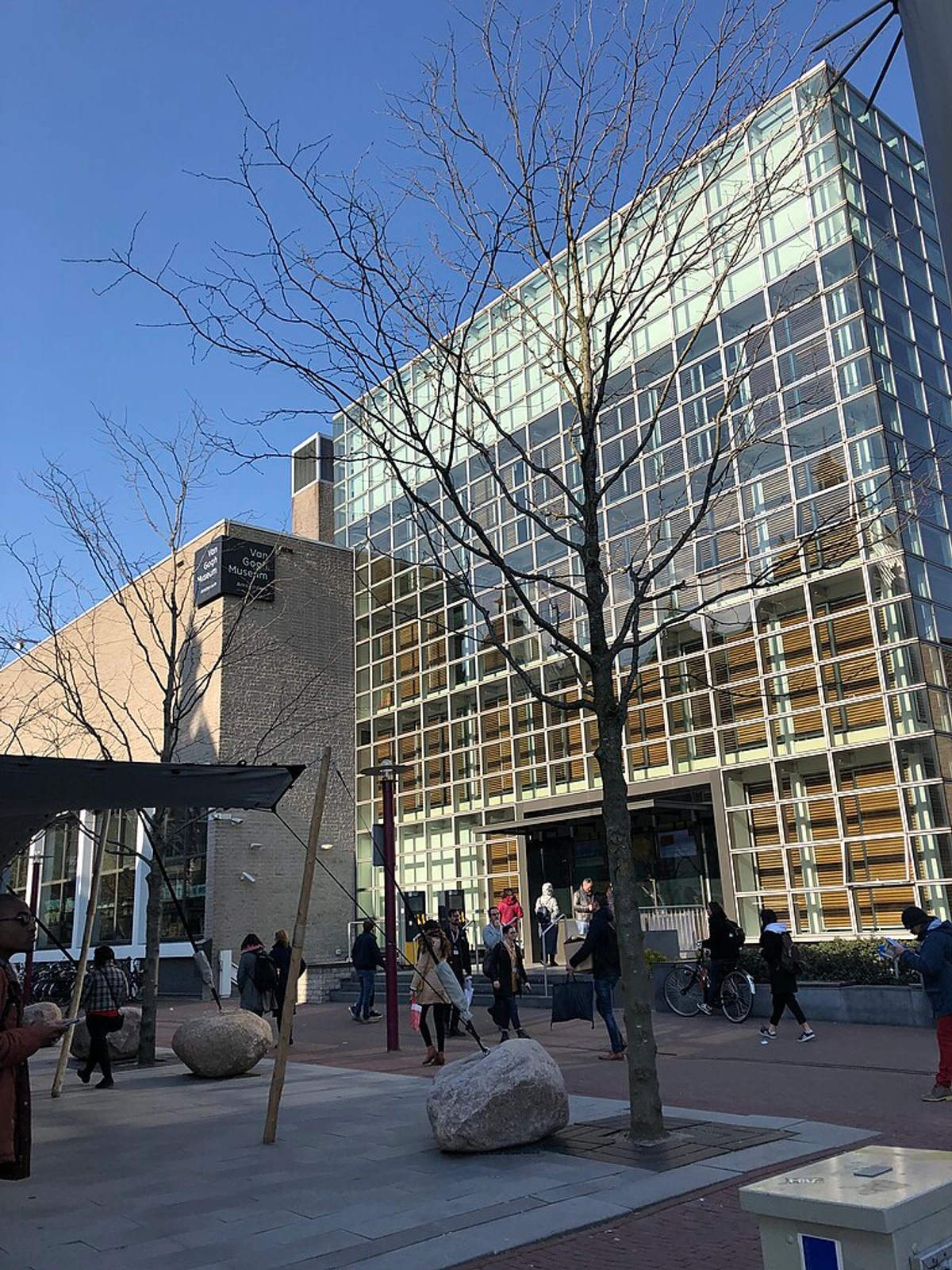
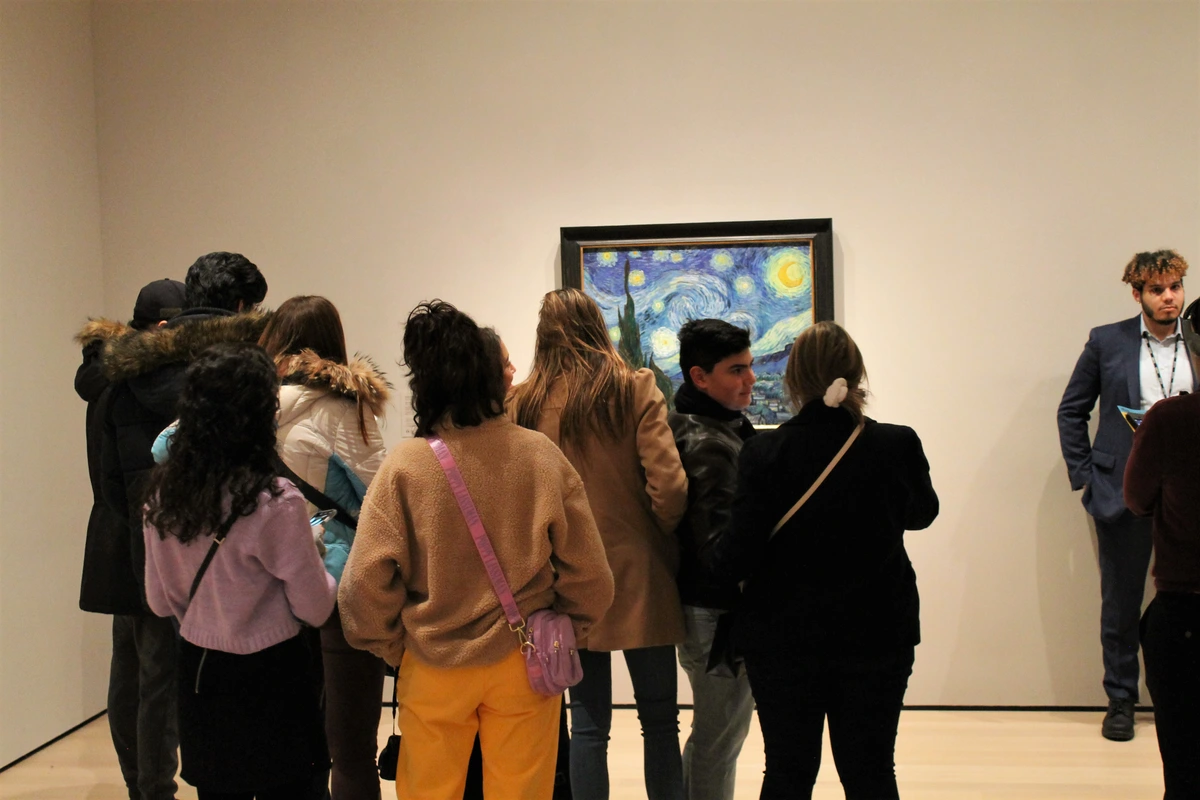
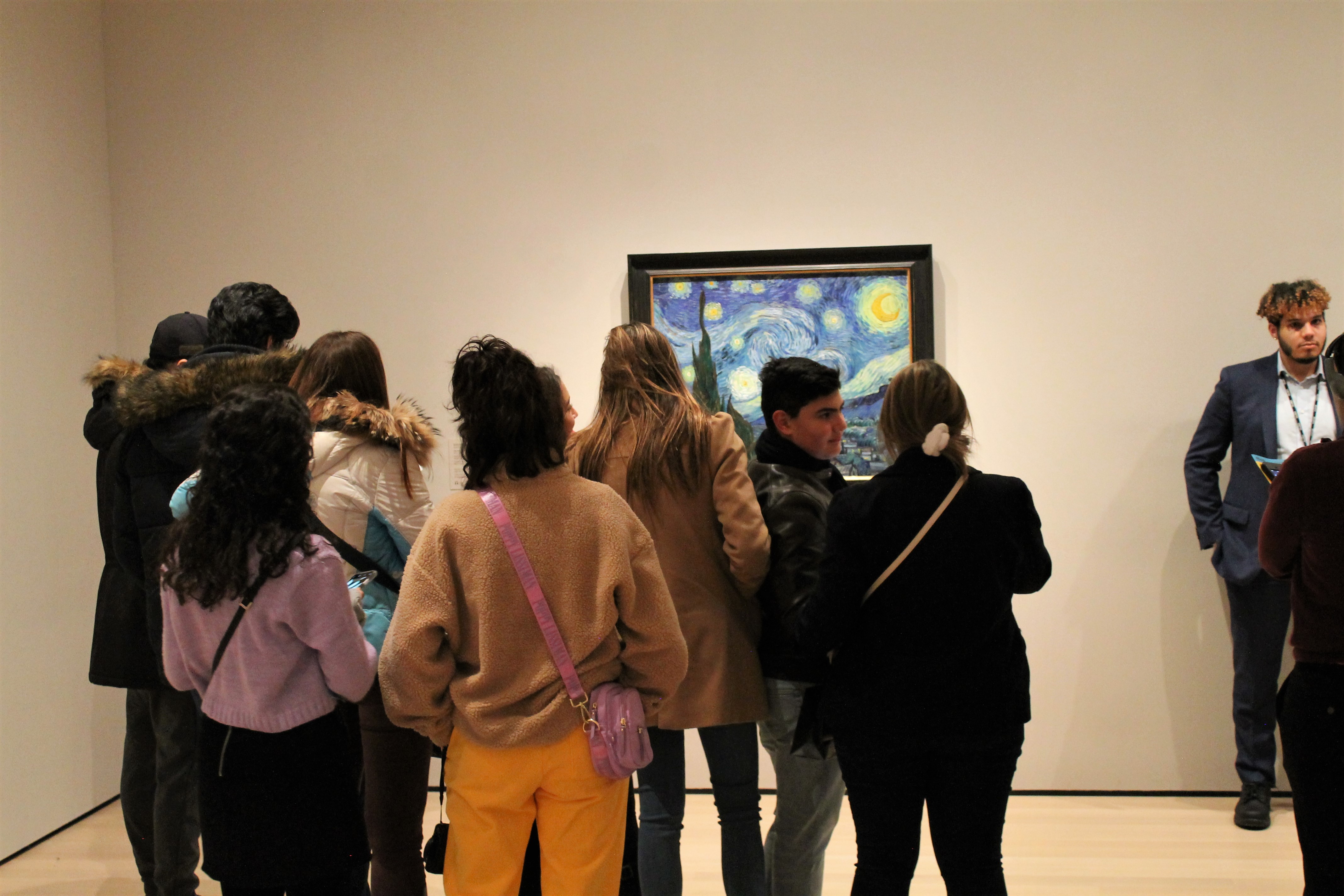
The largest collection of his work, by far, is fittingly housed at the Van Gogh Museum in Amsterdam, a pilgrimage site for any art lover. However, his masterpieces, thanks to the tireless efforts of his sister-in-law Johanna, are spread across the globe. You can find major works in the Musée d'Orsay in Paris (home to his Arles period), the Museum of Modern Art (MoMA) in New York, which displays The Starry Night, the National Gallery in London, the Kröller-Müller Museum in the Netherlands, and numerous other prestigious institutions. Experiencing them in person is an absolute must; a reproduction simply cannot capture the visceral texture and depth of his impasto brushstrokes, the sheer physicality of the paint on the canvas. Standing in front of a Van Gogh, you are acutely aware of the artist's hand, of the time and energy it took to push that paint across the surface. You see the layers, the tracks where the brush dragged, the clumps of pigment that catch the light. It's a profoundly different, and far richer, experience than seeing it on a screen. And if you are ever in the Netherlands, a visit to the Den Bosch Museum provides a wonderful immersion into the broader culture and artistic traditions that shaped him.

What is his most famous painting?
Without a doubt, The Starry Night (1889), an image that has transcended the boundaries of art to become a global cultural phenomenon. Painted from the window of his asylum room in Saint-Rémy, it has become one of the most recognized and reproduced images in the history of art, a ubiquitous symbol of turbulent creativity. It embodies his unique style, emotional intensity, and symbolic vision, a perfect synthesis of direct observation and feverish imagination. But the irony is so profound it almost hurts: Vincent himself considered it a "failure," telling Theo he had "no hope" for it and that "it does me good to do what is difficult; that doesn't stop me from having a terrible need of — shall I say the word — religion..." He preferred his other, more "realistic" starry night paintings like Starry Night Over the Rhône, which he felt better captured the actual night sky. Of course, the artist's least favorite version, the one that best articulated his inner cosmos, became his undisputed, defining masterpiece, a testament to the subjectivity of artistic success.
The Real Vincent
Who was Vincent van Gogh? He was a failure who became a master. He was a man of God who found his religion in nature. He was an artist who painted not what he saw, but what he felt with every fiber of his being. He was lonely, yet his art has connected with millions. He is a reminder that it's never too late to find your calling and that even in our darkest nights, there are always stars to be painted.