How to Network as an Artist: A Practical Guide for Creatives
Ditch the awkward handshakes. Discover authentic, practical strategies for networking as an artist. Learn how to build real connections and grow your career.

How to Network as an Artist (Without Feeling Like a Phony)
Let's be honest for a second. The word "networking" can make your skin crawl, right? It conjures images of stuffy corporate events, forced smiles, and people handing out business cards like they’re trying to deal a winning poker hand. For artists, who often spend hours in solitary creation, the whole idea can feel deeply inauthentic, even a little bit gross. I get it. I've been there, hidden in my studio, convinced that the sheer brilliance of my work would somehow magnetically pull patrons and opportunities to my doorstep. Spoiler alert: it doesn't work like that. The stark reality is that even the most profound art needs an audience, a community to appreciate and advocate for it. Without those connections, even a masterpiece can remain unseen, a silent scream in an empty room.
But here's the kicker: this isn't just about showing your art; it's about building the kind of supportive community that elevates your entire creative journey. It's about moving beyond the transactional fear and into the liberating realm of genuine connection. This isn't just a guide; it's the ultimate guide to networking for artists, designed to transform your mindset from dread to genuine enthusiasm. We're going to dive deep into strategies that actually work, ensuring your unique vision finds its deserved audience, without you ever having to feel like a corporate phony. What if networking wasn’t about selling, but about connecting? What if it was just finding your people—the other weirdos who get excited about the particular shade of blue you've been obsessing over for a week, or who understand the sheer frustration of a creative block? That’s the shift that changed everything for me. This isn't a guide on how to become a slick salesperson, trust me. It's about how to build a community, authentically and sustainably, that will support you and your work for years to come. It’s about creating an ecosystem around your art, a vibrant web of mutual support and shared passion, not just a sales funnel. This is the ultimate guide to artistic networking, a roadmap for finding your tribe and thriving creatively. Forget the cold calls; think warm conversations, serendipitous encounters, and deeply fulfilling collaborations. We're talking about finding your artistic soulmates.
My journey from studio isolation to active engagement with the art world taught me that visibility and community are as vital as the brushstrokes on the canvas itself, a personal timeline of discovery. And getting people in the room... well, that’s where the dreaded 'networking' comes in. It's about building bridges, not just walls around your studio. Think of it less as a climb to the top, and more as weaving a vibrant tapestry of shared passions and mutual support.
The Journey to Connection: A Roadmap for Artists
Building a vibrant artistic network isn't a singular event; it's a journey, a continuous unfolding of connections and opportunities. This roadmap will guide you through the essential mental shifts, practical strategies, and key places to cultivate your artistic ecosystem. We'll explore everything from re-framing your understanding of networking to actively seeking out and nurturing connections that truly matter. It's about moving from dread to genuine excitement, and recognizing that your most valuable asset is your community. This redefinition isn't just about semantics; it's about a profound recalibration of your approach, leading to more fulfilling interactions and a healthier creative life.
Why Artists Need to Network (Without the Dread)
I know what you're thinking: another task to add to the already overflowing plate of an artist. But here’s the truth I’ve learned: networking, when done authentically, isn't a chore; it’s essential for survival and flourishing. It’s not about selling your soul; it’s about nurturing the ecosystem that allows your art to breathe and grow. Without it, even the most profound work risks remaining unseen.
- Visibility & Opportunity: In a crowded art world, exposure is paramount. Connections lead to exhibition opportunities, commissions, collaborations, and even serendipitous discoveries by collectors. My own path, a personal timeline of discovery, has been shaped by these unexpected encounters.
- Feedback & Growth: Who better to offer constructive critique and fresh perspectives than fellow artists and informed enthusiasts? These interactions push your work forward and help you see your art through new eyes.
- Emotional Support & Community: The solitary nature of studio work can be isolating. A strong network provides a vital emotional lifeline, a community that understands your struggles and celebrates your triumphs. It's about finding your artistic family.
- Resource Sharing: From grant opportunities to studio space, materials suppliers to exhibition calls, your network can be a goldmine of information and shared resources that you might never find on your own.
- Inspiration & Collaboration: Diverse perspectives and chance encounters can spark entirely new creative directions, leading to exciting collaborations that push your artistic boundaries. This redefinition isn't just about semantics; it's about a profound recalibration of your approach, leading to more fulfilling interactions and a healthier creative life.
The most important thing to remember is that you're not trying to 'work the room' or 'land a deal.' You're simply seeking to connect with other human beings who share a passion for art, creativity, or the world in which your art exists. This fundamental shift in mindset is truly liberating, transforming a perceived burden into an exciting opportunity for discovery and mutual growth. It's about shared experiences, mutual appreciation, and the unexpected sparks that fly when creative minds truly engage, rather than a forced transaction. This is the cornerstone of effective and authentic artist networking.
The first step is a mental one, a quiet revolution in your own head. Stop thinking of it as networking (that cold, transactional word) and start thinking of it as building genuine connections—like weaving threads into a rich, supportive tapestry. Imagine the salons of 19th-century Paris, where artists, writers, and thinkers gathered not to pitch, but to converse, to argue, to inspire each other. They were building connections, fostering an intellectual and creative ecosystem that propelled movements like Impressionism. Or consider the dynamic collective spirit of early abstract movements, where artists were constantly in dialogue, pushing boundaries together, as explored in our guide to the history of abstract art. Even movements like the Harlem Renaissance, with its vibrant intellectual and artistic exchange in New York City, or the Bauhaus school in Germany, which fostered interdisciplinary collaboration, highlight the power of interconnectedness. You're not trying to conquer the art world in one night; you're just trying to have a good conversation with someone who shares your interests. That's it. Lower the stakes. Breathe. This historical lens reveals that the most impactful artistic movements were often fueled by robust communities, not isolated geniuses. You're simply tapping into a timeless truth about human and creative flourishing.
Every meaningful connection, no matter how small, is a seed planted. It's not about immediate gain, but the cumulative power of sustained, low-pressure engagement. Each conversation weaves another thread into that rich tapestry, slowly building a robust and resilient support system around your artistic practice. Think of it as cultivating a garden: consistent care and attention yield abundant blooms over time, far more effectively than sporadic, intense efforts.
Every significant opportunity I've ever had—a show, a commission, a collaboration, even a serendipitous studio visit that led to a major sale—came from a simple, human conversation. It rarely started with me pitching my work. Instead, it started with me being genuinely curious about someone else's world, their passion, their latest creative struggle or triumph, or even just their thoughts on the art currently on display. It's a subtle but powerful shift that transforms potential clients or collaborators into genuine connections. It's about building bridges of shared passion, rather than transactional pathways, and this approach has consistently yielded the most fruitful long-term relationships and opportunities in my artistic journey.
The Core Principles of Authentic Artistic Connection
When you strip away the awkwardness and the perceived pressure, a few simple truths emerge about how artists can truly connect. These aren't just rules; they're reflections of human nature, amplified in the creative sphere. Trust me, I've tried to shortcut these, and it never works. These principles are your compass, guiding you toward genuine interactions that foster mutual respect and long-term relationships, rather than fleeting encounters.
Principle  | Why It Matters for Artists | How to Apply It (with a personal touch) |
|---|---|---|
| Genuine Curiosity | It shifts focus from self to other, making you approachable, memorable, and truly interested in learning. This isn't just a tactic; it's a genuine desire to understand another creative mind. | Ask open-ended questions about their work, process, or influences – not just about the finished product, but the journey. What challenges are they grappling with? What makes their studio sing? It's about peeling back the layers to discover shared humanity. I once met a seasoned gallerist who spent an hour asking me about my abstract process, and that act of genuine curiosity made a lasting impression, far more than any pitch ever could. |
| Generosity of Spirit | Builds goodwill, fosters a supportive environment, and establishes you as a valuable community member. What you put out, you often get back. | Share resources, offer sincere compliments, amplify other artists' work on social media, or recommend them for opportunities you genuinely think they'd excel at. Be the rising tide that lifts all boats in your artistic harbor. I often find myself sending articles or exhibition calls to fellow artists, knowing that supporting their journey enriches mine too. |
| Patience & Persistence | Meaningful relationships aren't built overnight; they require consistent, low-pressure engagement. It's a slow burn, not a flash fire. | Don't expect immediate returns or sales. Focus on nurturing connections over months or even years. A brief, thoughtful check-in is more powerful than a desperate ask. Think of it as cultivating a garden, not a quick harvest. I've had connections blossom into significant opportunities years after our first meeting. |
| Authenticity | People can spot a phony a mile away, and artists, especially, value integrity. Being yourself builds trust and attracts people who resonate with your true artistic self. | Talk about your genuine struggles and triumphs, your artistic influences, your weird obsessions. Don't hide behind a polished facade. Your vulnerability is a strength, not a weakness, revealing the true artist beneath the surface. I once shared a creative block on social media, and the outpouring of support and shared stories was truly validating. |
| Reciprocity | A network is a two-way street; it's about mutual support and exchange. It's a circle, not a one-way conveyor belt. | Be ready to offer help, insights, or connections when you can. Think about how you can support their journey, not just how they can support yours. This builds lasting bonds and a truly sustainable community. I often make introductions between artists I think would connect, knowing that being a connector strengthens the entire web. |
| Preparedness (Your Toolkit) | While authenticity is key, being prepared shows respect for others' time and demonstrates professionalism when opportunities arise. | Have a clean website, a concise artist statement, and clear images of your work ready. You don't pitch it cold, but you have it accessible when asked. Consider even a simple one-pager outlining your work and bio. A well-organized digital portfolio is your quiet advocate. I always have a link to my latest work ready on my phone, not to push it, but to share if the conversation naturally leads there. |
| Active Listening | Truly hearing and understanding others is fundamental to deep connection and helps you identify genuine points of shared interest or potential collaboration. | Resist the urge to formulate your next statement while someone else is speaking. Focus entirely on their words, their tone, and the underlying message. Ask clarifying questions that show you've processed what they said. This isn't just good manners; it's how you uncover genuine common ground. I find that the best conversations are less about me talking and more about me truly listening to others' passions and challenges. |
| Integrity & Ethics | The art world is built on trust. Upholding your word, respecting intellectual property, and acting with honesty builds a reputation that will serve you throughout your career. | Always credit collaborators, respect confidentiality, and be transparent in your dealings. If you say you'll do something, do it. Your reputation is your most valuable currency, far more so than any fleeting gain from cutting corners. |
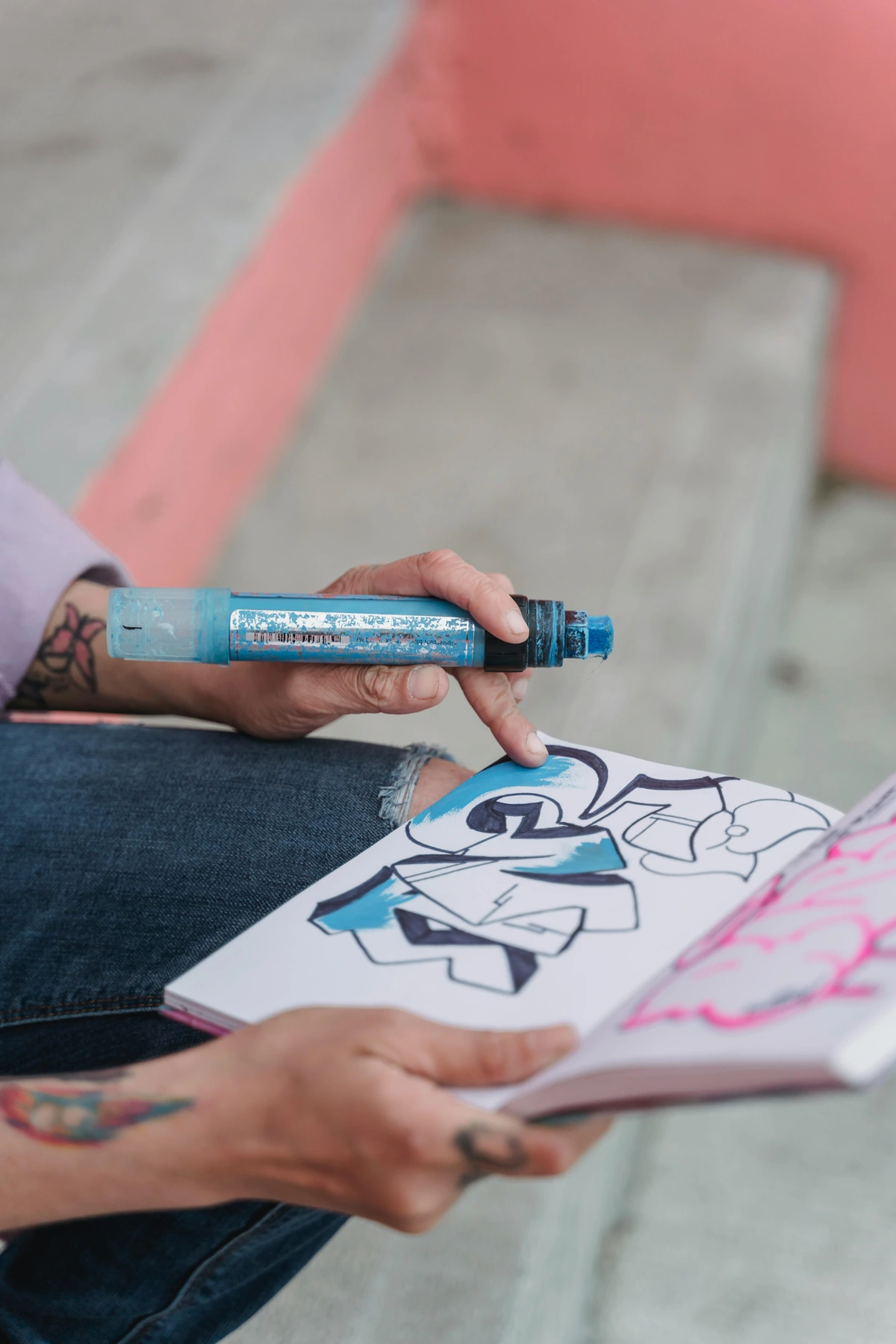
Where to Find Your People: Mapping Your Artistic Ecosystem
Okay, so you're ready to have these low-stakes, high-impact conversations. But where do you actually go? Your 'network' isn't some monolithic, intimidating entity; it's a vibrant, interconnected web of different communities, each with its own rhythm and personality. You don't have to be everywhere at once – that's a recipe for burnout. Instead, the trick is to identify the places and spaces that genuinely resonate with you and your unique artistic practice. It's about finding your specific corner of the art world, then expanding outwards. This strategic approach ensures your energy is directed effectively, leading to more authentic and productive connections. Think of it as carefully cultivating your artistic garden, choosing the right soil and light for each bloom, rather than scattering seeds indiscriminately.
Think of it as mapping your personal artistic ecosystem. It includes the obvious hubs, yes, but also the quiet corners, the digital hangouts, and even the unexpected detours. Let's explore some key territories. Remember, the goal isn't to infiltrate every nook and cranny of the art world, but to strategically cultivate relationships in places where you feel genuinely comfortable and inspired.
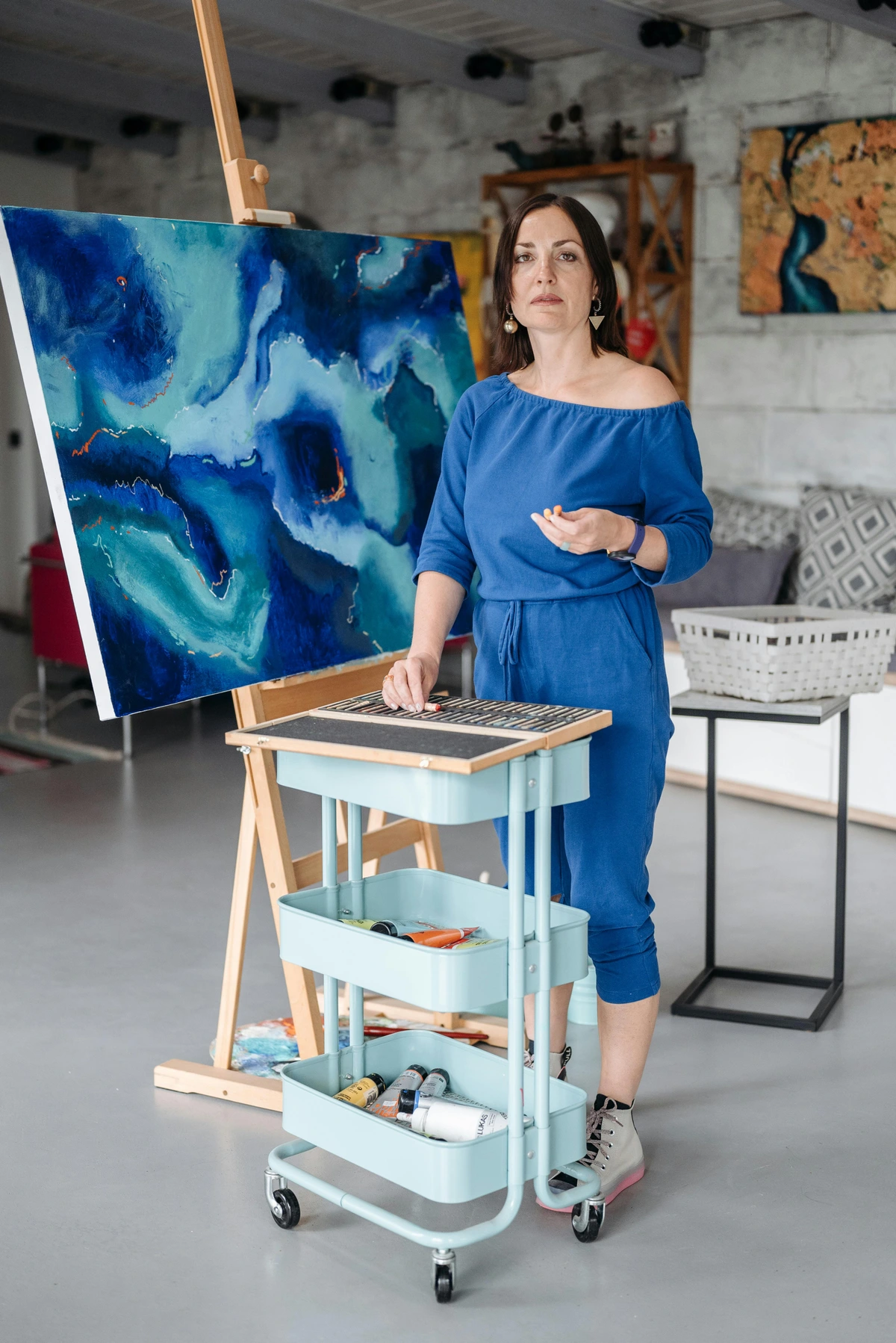
The Obvious Places: Galleries and Art Fairs
Yes, these can be intimidating. A big art fair can feel like a hurricane of commerce and air-kissing, a sea of suits and hushed negotiations. But here's the secret: beneath that polished surface, they are also dense concentrations of people who love art. You, gallerists, curators, collectors, and other artists are often there for the very same reason: to experience, to discover, to be moved. It’s a shared passion, a common ground waiting to be found. And remember, everyone, even the most established gallerist, started somewhere. I remember feeling like a tiny fish in a vast ocean at my first major fair; it was a lot to take in. Understanding the energy of these events, as outlined in guides like a first-timers guide to TEFAF Maastricht and understanding the role of art fairs, can help demystify them. Don't let the sheer scale or perceived exclusivity deter you; these are prime opportunities for observation and organic connection within the broader art market.
My advice for navigating these events, whether it's a local gallery opening or a massive international fair: Always prioritize genuine interaction over the pursuit of a specific outcome. Remember, the art world is smaller than you think, and your reputation for authenticity will precede you. The connections you make based on genuine interest will be far more impactful than any purely transactional encounter. Consider also researching the types of galleries you're attending – are they commercial, non-profit, artist-run, or focused on a particular style or medium? Knowing their focus will help you tailor your approach and ensure you're in a space that genuinely resonates with your work and values.
Do's | Don'ts |
|---|---|
| Do go to see the art and be inspired. Your genuine engagement is your best calling card. | Don't go explicitly to "network" or hand out business cards indiscriminately. It feels transactional. |
| Do ask open-ended questions about the art, the exhibition, or the gallery's program. | Don't immediately launch into a pitch about your own work. Patience is key. |
| Do engage respectfully with fellow artists, complimenting their work and asking about their process. | Don't see other artists as competition; view them as peers and potential collaborators. |
| Do attend artist talks and panels, and participate thoughtfully in Q&A sessions. | Don't monopolize a gallerist's or curator's time, especially if they're busy with collectors. |
| Do follow galleries and artists you admire on social media and join their mailing lists. | Don't bring your physical portfolio unsolicited to an opening. Your first impression should be interest in their space. |
| Do make yourself a familiar, friendly face over time. Building relationships takes consistent, low-pressure presence. | Don't expect immediate returns or a gallery contract after one conversation. |
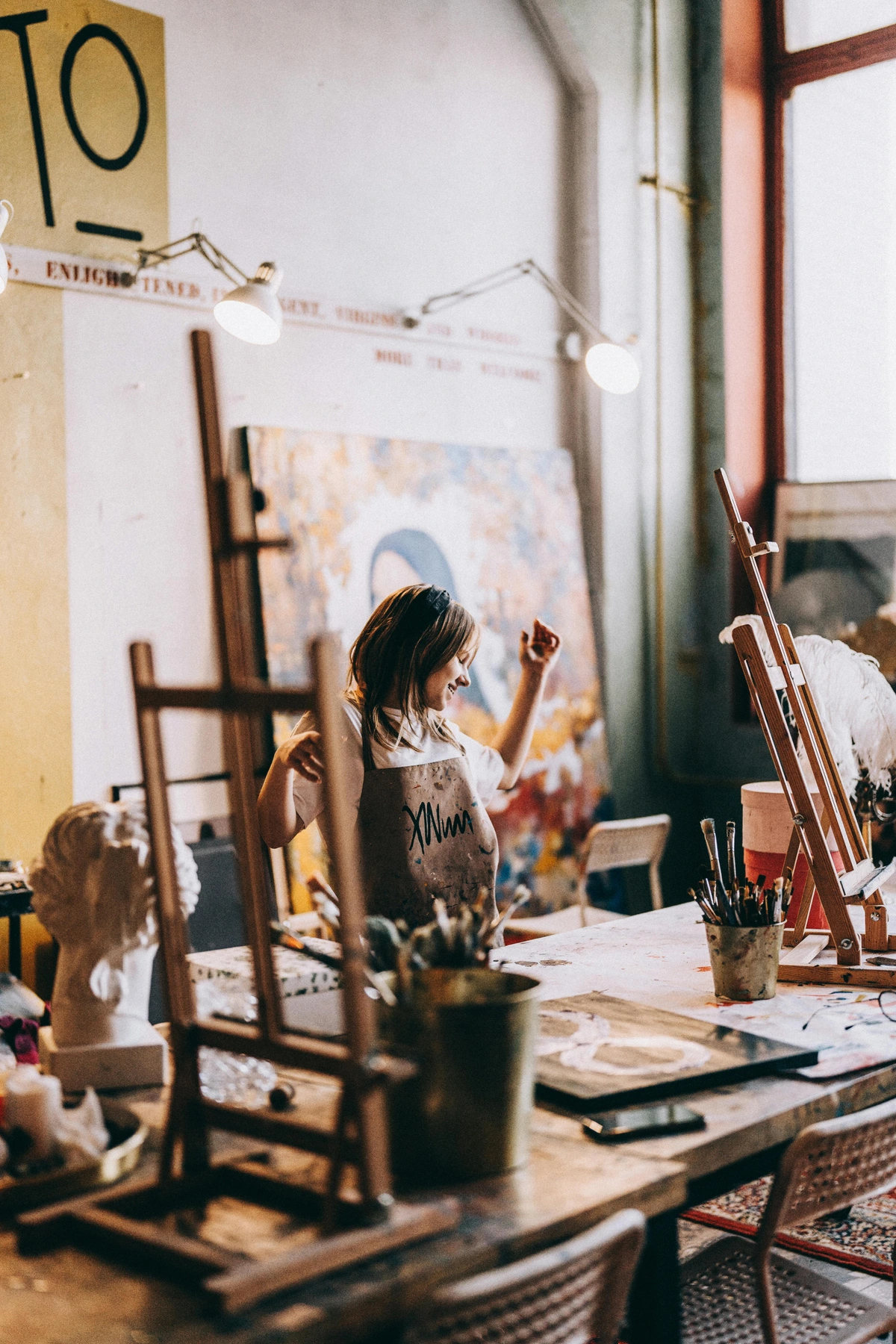
It's not about immediate gain; it's about slow, steady connection. Remember, these are busy people, constantly inundated with requests and information. Your goal is to be a pleasant, memorable presence, not a demanding one, leaving a positive impression that encourages them to remember you for the right reasons. Think of it as planting seeds for future growth, rather than demanding an immediate harvest.
Beyond the White Cube: Alternative Exhibition Spaces
Not every significant art showing happens in a traditional gallery. There's a whole world of unconventional spaces ripe for artistic connection and exhibition. These alternative venues often provide a more accessible and experimental platform for artists, allowing for diverse forms of engagement and exposure. Think beyond the pristine white walls and into community hubs, urban landscapes, and even digital realms. These spaces can be fantastic for connecting with different audiences and often foster a more laid-back, collaborative atmosphere. I've found some of my most exciting connections not in grand galleries, but in unexpected corners, where art is truly integrated into daily life.
Type of Space | Why It Matters | How to Engage |
|---|---|---|
| Pop-Up Shows and Temporary Installations | These foster urgency and excitement, creating unique, ephemeral experiences that generate buzz and attract diverse, experimental crowds. | Look for calls for artists in non-traditional venues – empty storefronts, warehouses, or even public parks. Participating or attending exposes you to different audiences and leads to unexpected collaborations. |
| Street Art & Murals | The urban canvas offers immense visibility and direct public connection. Your art becomes part of the city's fabric. | Look for local art commissions, community initiatives, or collaborate with businesses. This sparks conversations with thousands of daily commuters and residents. Explore the history of Mexican muralism for inspiration. |
| Coffee Shops, Restaurants, Boutiques | Excellent for local visibility, sales, and sparking conversations with everyday patrons. These businesses often eagerly support local talent. | Approach with professionalism and a clear proposal, highlighting how your art can benefit their space and clientele. Start small, build local rapport. |
| Online Art Marketplaces and Platforms | Digital galleries like Saatchi Art, Artsy, or even Etsy (for certain crafts) offer a storefront and broader audience, breaking down geographical barriers. | Research platforms that align with your work and audience, considering target demographic, fees, and curatorial support. Our guide to top online resources for emerging artists can help. |
| Public Art Opportunities | High visibility, allowing you to engage with broad audiences outside traditional art spaces. Can be a powerful way to make your art part of the city. | Look into local government programs or community initiatives that commission public artworks. These projects often foster deep community ties. |
| Artist Studios & Live/Work Spaces | Directly connect with artists in their creative environment, fostering direct dialogue about process and practice. | Attend open studio events or seek out residencies that offer communal studio experiences. These are intimate settings for genuine connection. |
| Cultural Centers & Libraries | Often overlooked, these community hubs frequently host arts programs, exhibitions, or maker-spaces, reaching diverse demographics. | Check their calendars for artist talks, poetry readings, or craft fairs. Consider offering to host a small workshop or art demo yourself to engage directly. |
The Grassroots Level: Your Local Scene
This is where the real magic often happens. Your local scene is your laboratory, your petri dish of possibility. It's less about grand gestures and more about consistent, authentic presence. This is where I've found some of my most enduring connections and unexpected opportunities, often leading to a truly supportive artistic 'family.' It's often the place where you can make the most tangible impact and build the deepest relationships, seeing your efforts directly contribute to a thriving community. Don't underestimate the power of proximity; these local bonds can become the bedrock of your long-term artistic career and a source of incredible resilience.
- Artist-Run Spaces & Collectives: These are often the most welcoming, experimental, and least intimidating places to start. They thrive on shared passion and volunteer energy. Offer to help hang a show, work a bar shift at an opening, or assist with a workshop. Consider even becoming a member if it aligns with your goals. You'll meet everyone from emerging artists to established community figures, and you'll be seen as a valuable contributor, not just someone 'looking for something.' These spaces often thrive on shared vision, making them fertile ground for true collaboration.
- Open Studios & Art Walks: Visiting other artists' studios during open studio tours or local art walks is a fantastic, low-pressure way to meet people and see how they work in their natural habitat. Pay attention to their process, their materials, their stories. And of course, once you feel ready, participate in them yourself! It’s a powerful way to invite people into your creative world. I remember my first open studio – the anxiety was immense, but the connections made were invaluable.
- Workshops and Classes: Taking a class in a new medium (even one you're terrible at, like I was with ceramics before I started to get the hang of it!) connects you with other creatives in a low-stakes learning environment. The shared vulnerability of trying something new forges bonds quickly. These are often the seeds of future collaborations or lifelong friendships. You're learning and networking simultaneously, creating a rich environment for both personal and professional development. These informal learning environments often lead to the most authentic connections.
- Local Non-Profits & Cultural Organizations: Many communities have arts councils, non-profit galleries, or cultural centers that are always looking for volunteers, board members, or project collaborators. Engaging with these organizations offers a fantastic way to meet a diverse range of art enthusiasts, patrons, and fellow artists, while also giving back to the community. It shows you're invested beyond your own work.
- Local Community Centers & Libraries: Many communities have arts programs, exhibition spaces, or even dedicated maker-spaces. Check their calendars for artist talks, poetry readings, or craft fairs. Even if it's not directly in your medium, showing up and being a supportive audience member makes you part of the larger creative fabric. These are often overlooked gems.
- Local Art Grants & Funding Bodies: Many cities and regions offer small grants or funding opportunities for artists and arts organizations. Research these, attend informational sessions, and introduce yourself to the program officers. This is a practical way to support your practice and connect with those who fund the arts. A good place to start is our guide on How to Write an Artist Grant Proposal. Understanding how funding works is a network in itself.
Your local scene can be just as vibrant as any historical artist group, fostering a community that feeds off each other's energy.
The Digital Realm: Not Just for Cat Videos (Though I Love a Good Cat Video)
For introverts (and let's face it, many of us are deep down, even if we occasionally enjoy a crowded opening), the internet can be a godsend. I remember feeling overwhelmed by large events, but the digital realm offered a quiet space to connect. It's not a replacement for the tactile, in-person connection, but it's a powerful, often essential, supplement. Think of it as a vast, interconnected studio where you can find your people without having to leave your actual studio. It democratizes access, allowing you to connect globally from your living room, breaking down geographical barriers and opening up new avenues for exposure and collaboration. It's truly a game-changer for building a diverse and expansive network, allowing you to curate your interactions and engage on your own terms. It’s a powerful tool for visual artists seeking to expand their reach and find their global tribe.
Platform/Strategy | Key Benefit for Artists | Actionable Tips |
|---|---|---|
| Instagram (and TikTok, Pinterest) | Visual narrative, process exposé, digital mood board. Connects visual work with broad audience. | Show your studio, influences, works-in-progress. Engage meaningfully with artists/galleries. Use Stories/Live streams for intimate connection. Leverage relevant hashtags (#abstractart, #artforsale). For deeper dives, check out Using Pinterest Effectively as an Artist. |
| Niche Online Communities & Forums | Sources of information, camaraderie, collaboration, critique, finding your specific tribe. | Explore Discord servers, Reddit communities, specialized Facebook groups, or professional artist forums (Behance, ArtStation). Participate in critique groups, virtual meet-ups, or challenges. These are often highlighted in our top online resources for emerging artists. |
| Virtual Studio Visits & Artist Talks | Low-pressure ways to learn from and connect with artists and curators globally. | Attend virtual programming from galleries/museums. Participate in Q&A, drop thoughtful comments in chat, follow up with presenters. Look for hybrid events with online and in-person elements. |
| LinkedIn for Artists? Absolutely. | Professional platform to connect with industry professionals, showcase expertise, and research collaborators. | Connect with gallerists, art consultants, interior designers. Share your work, write articles about your process. Publish articles on artistic insights. Position yourself as a thought leader and connect with art critics/journalists. |
| Email Newsletters (Your Direct Line) | Direct, unfiltered channel to most engaged supporters and collectors, bypassing algorithms. Intimate, consistent touchpoint. | Curate a newsletter sharing progress, new works, upcoming shows. Offer exclusive content or early access to work to incentivize sign-ups, like getting a first look at art available to buy. Segment lists for collectors, curators, or artists to tailor messages. |
| Online Portfolios (e.g., Behance, ArtStation, Saatchi Art) | Centralized hub for your work, acting as a digital gallery and storefront for broader exposure. | Maintain a clean, intuitive design with high-quality images. Include an artist statement and bio. Ensure easy contact information. Integrate e-commerce if selling work. |
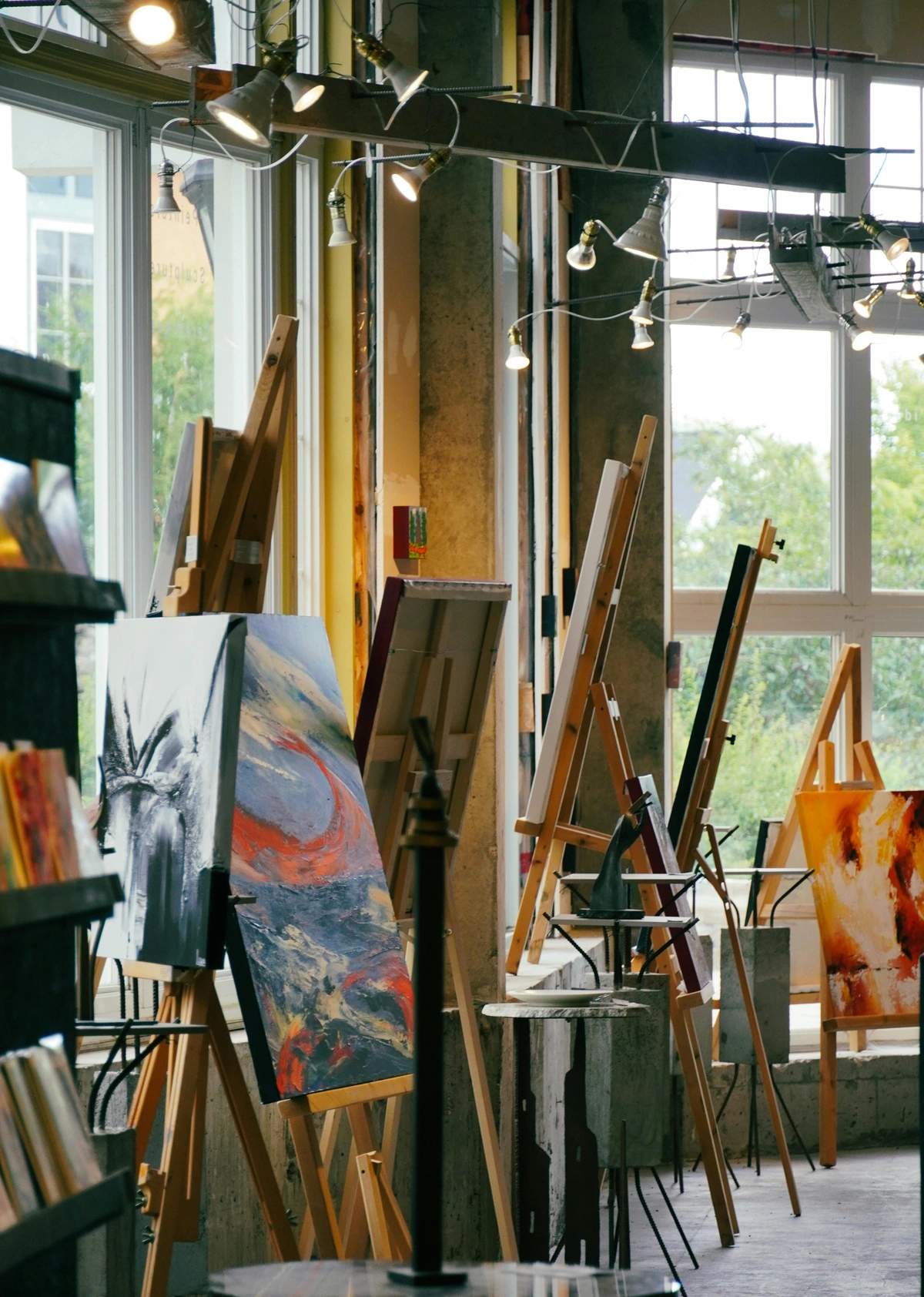
What matters is how you use these tools. The digital realm is a megaphone for your art, but it's also a bridge to human connection if wielded thoughtfully.
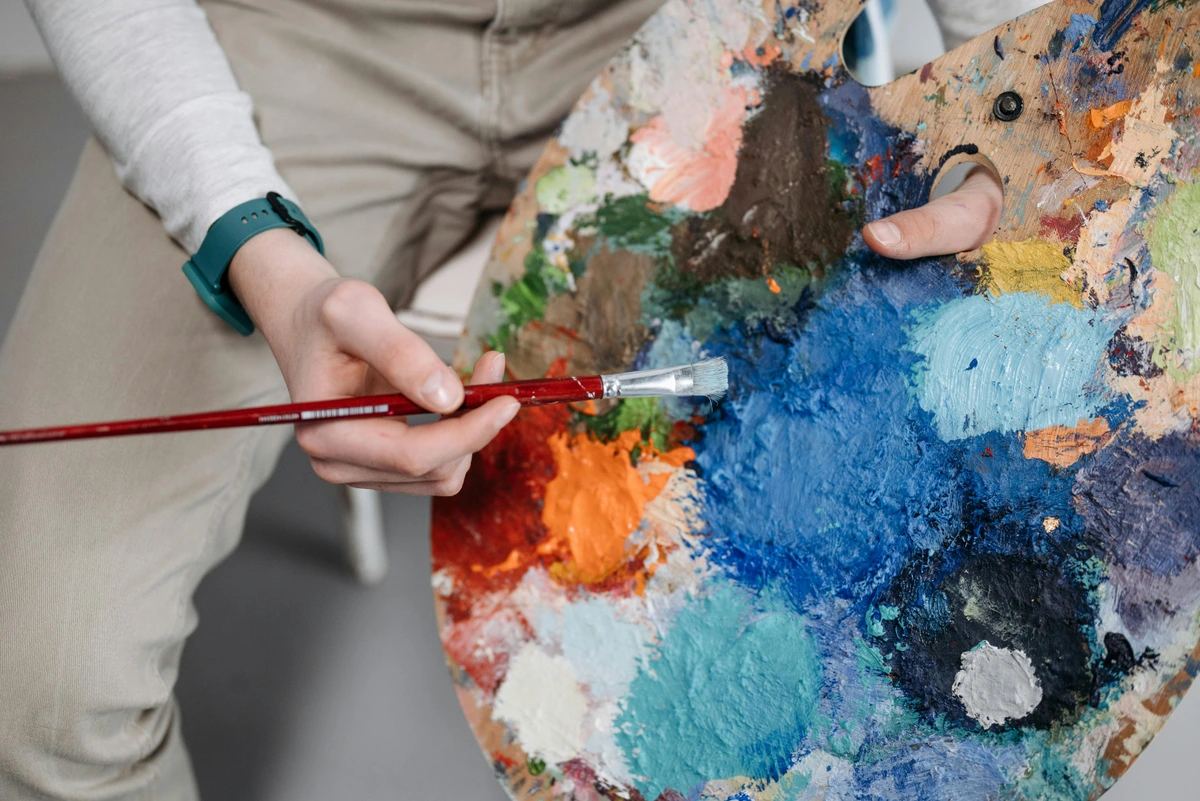
Mentorship & Guided Growth: Finding Your Compass
Beyond simply meeting people, one of the most transformative aspects of an artistic network is the potential for mentorship. I remember struggling endlessly with a particular painting technique, convinced I was hitting a wall. A chance conversation with a more experienced artist, who later became a mentor, opened my eyes to approaches I hadn't even considered. It felt like finding a secret map, a hidden passage through a creative labyrinth. Mentorship can provide that crucial guidance, offering insights that only experience can impart, and saving you countless hours of trial and error. It's not just about receiving advice; it's about gaining a trusted confidant and an advocate who understands the unique challenges and triumphs of an artistic career. Think of it as a personalized, accelerated learning curve, invaluable for navigating the often-complex art world.
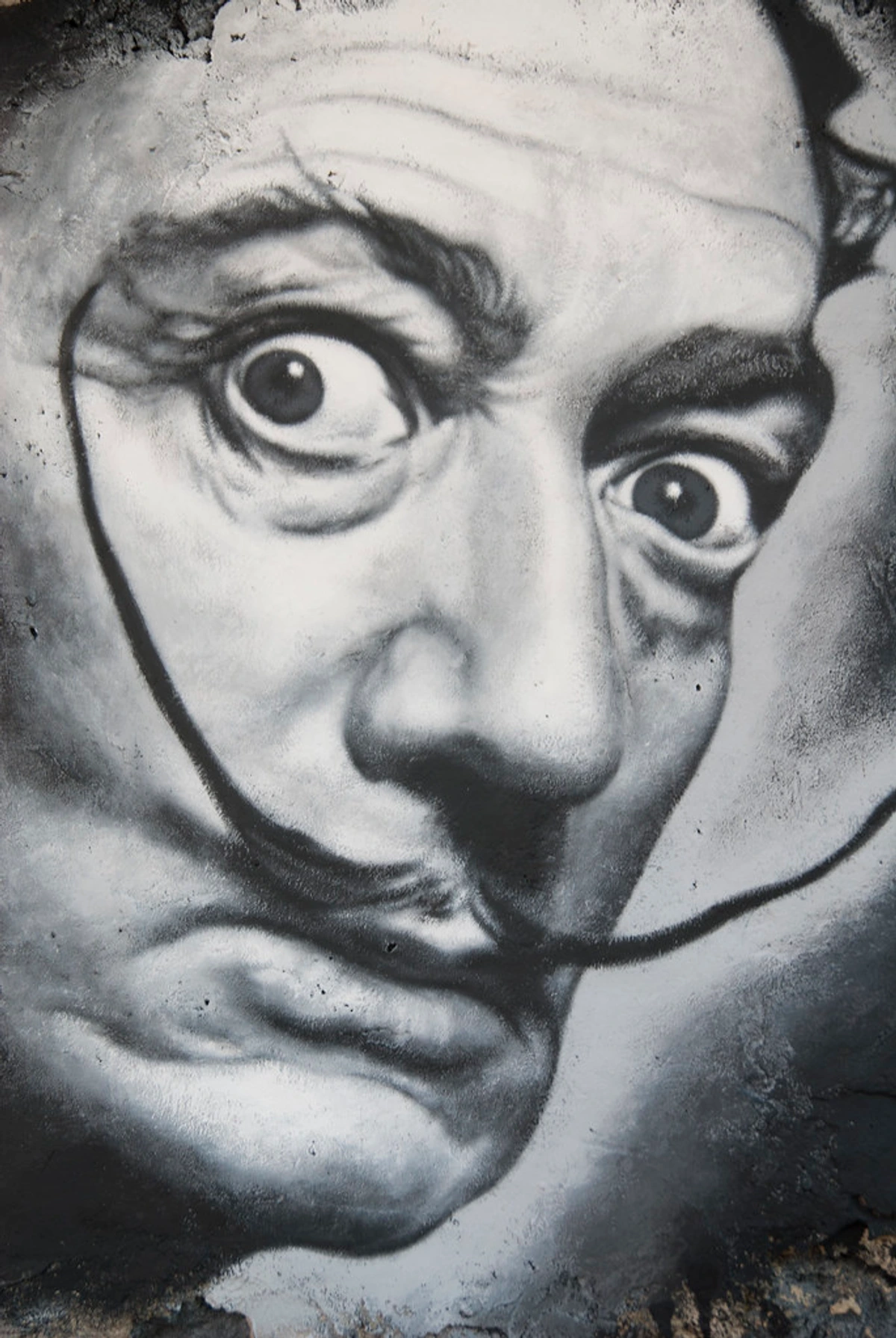
A mentor is more than just a teacher; they're a guide, a sounding board, a critical friend who has walked a similar path and can offer insights, wisdom, and sometimes, the gentle nudge you need. They are an invaluable resource, often providing a perspective that you simply can't gain from books or online tutorials alone. Think of them as experienced cartographers for the often-uncharted territory of an artistic career. Their guidance can be as profound as Michelangelo’s influence on subsequent generations, helping to shape your artistic "David" of a career. (No, I'm not comparing you to Michelangelo, but you get the idea.) They can help you navigate everything from refining your technique to understanding the complexities of the art market, even offering insights into how to find galleries accepting new artists.
Benefits of Having a Mentor:
Beyond simply imparting knowledge, a mentor can offer:
- Emotional Support: The art world can be tough. A mentor provides a safe space to share struggles, doubts, and celebrate successes, reducing feelings of isolation and fostering a sense of belonging. They can be that empathetic ear when you feel like your art isn't connecting. I've personally found a mentor's steady guidance invaluable during moments of self-doubt or creative frustration.
- Career Navigation: They've likely faced similar challenges – finding representation, pricing work, dealing with creative blocks, or even understanding how to price your original artwork. Their experience can illuminate potential pitfalls and effective strategies, helping you avoid common missteps, like which art capitals of the world to focus on.
- Expanded Network: A mentor can often introduce you to their own connections, opening doors you might not have found on your own. This can be invaluable for gaining access to curators, gallerists, or collectors who might otherwise be out of reach. These introductions often come with an implied endorsement, giving you a head start.
- Accountability: Knowing someone is invested in your growth can provide the gentle push needed to stay motivated and focused on your goals. They can help you set realistic objectives and celebrate milestones, keeping you on track for long-term artistic development. Sometimes, just having someone to report back to can make all the difference.
- Fresh Perspectives: A mentor can offer a completely new way of looking at your work or your career path, challenging assumptions and opening up unforeseen opportunities. They can help you see beyond your own immediate biases.
- Navigating the Art Market: Understanding the complexities of art sales, commissions, and appraisals can be daunting. A mentor can provide insights into understanding art appraisals: what every collector needs to know and help you make informed decisions.
credit, licence 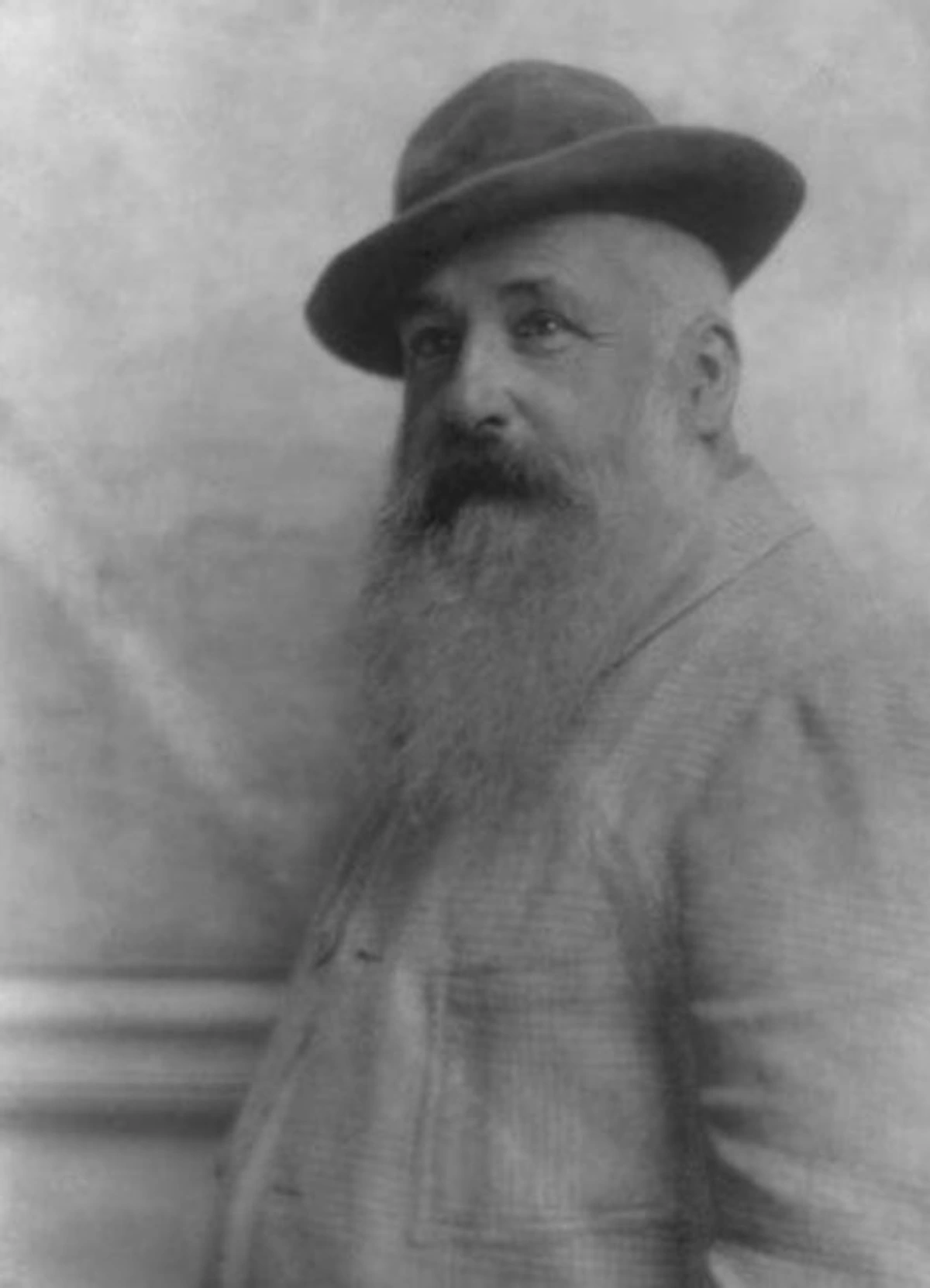 credit,
licence
credit,
licence
How to Find a Mentor:
- Look within your existing network: Is there an artist you admire locally? Someone whose career trajectory inspires you? Start by building a connection, expressing genuine admiration for their work. This is often the most organic and effective route, as a foundation of familiarity and shared passion already exists. Attend their shows, read their interviews, and genuinely engage with their journey before making any direct approach.
- Professional Organizations & Residencies: Many art organizations offer formal mentorship programs, specifically designed to pair emerging artists with established professionals. Artist residencies are also fantastic places to meet more experienced artists in an immersive setting, creating intense, focused connections through shared creative experiences. Some organizations also offer portfolio reviews which can be a gateway to mentorship, providing direct feedback and potential introductions. These structured environments can be incredibly fruitful for forging deep, meaningful bonds.
- Online Platforms: Platforms like LinkedIn, specialized art forums, or even dedicated mentorship matching services can connect you with artists who might be open to offering advice, even if it's not a formal mentorship. Look for communities that focus on professional development in the arts, not just casual sharing. You might even discover opportunities for reverse mentorship where you can share your unique digital skills or insights into new media, creating a mutually beneficial exchange. Consider platforms that facilitate direct messaging or virtual coffee chats to make initial contact less intimidating. Don't underestimate the power of a thoughtful, well-researched online approach.
- Professional Organizations & Residencies: Many art organizations offer formal mentorship programs, specifically designed to pair emerging artists with established professionals. Artist residencies are also fantastic places to meet more experienced artists in an immersive setting, creating intense, focused connections through shared creative experiences. Some organizations also offer portfolio reviews which can be a gateway to mentorship, providing direct feedback and potential introductions.
- Online Platforms: Platforms like LinkedIn, specialized art forums, or even dedicated mentorship matching services can connect you with artists who might be open to offering advice, even if it's not a formal mentorship. Look for communities that focus on professional development in the arts, not just casual sharing. You might even discover opportunities for reverse mentorship where you can share your unique digital skills or insights into new media, creating a mutually beneficial exchange. Consider platforms that facilitate direct messaging or virtual coffee chats to make initial contact less intimidating.
How to Approach a Potential Mentor:
- Be Respectful of Their Time: Understand that mentors are busy. Start with a simple, direct request for a brief coffee chat or a virtual Q&A, rather than a long-term commitment. "I deeply admire your work on [specific project] and would be incredibly grateful for 15 minutes of your time to ask about your experience with [specific challenge]." Always be flexible and offer to work around their schedule. Remember, you're asking for their most precious commodity: their time and expertise, so be mindful and appreciative.
- Have Specific Questions: Don't just ask "How do I succeed?" Have clear, concise questions about their process, career path, challenges, or specific advice on a topic relevant to you. "I'm currently struggling with [X technique] and noticed you excel at it; could you offer any insights into your approach?" This shows you've done your homework and value their specific insights, making the conversation productive and respectful of their time.
- Have Specific Questions: Don't just ask "How do I succeed?" Have clear, concise questions about their process, career path, challenges, or specific advice on a topic relevant to you. "I'm currently struggling with [X technique] and noticed you excel at it; could you offer any insights into your approach?" This shows you've done your homework.
- Be a Good Mentee: Listen actively, take notes, and follow through on any advice you receive. Report back on your progress. Show that their time and wisdom are valued. Your growth is their reward. Remember, the relationship isn't just about receiving; it's also about demonstrating your commitment to your artistic journey.
Reverse Mentorship: A Two-Way Street
Sometimes, the mentee can become the mentor, or at least offer valuable insights to their more experienced counterpart. This is often called reverse mentorship. I've found myself teaching older artists about Instagram algorithms or new digital tools, and they've in turn shared invaluable wisdom on gallery relationships or pricing. It's a beautiful exchange where both parties benefit, recognizing that knowledge flows in all directions, regardless of age or career stage. Don't be afraid to offer your own expertise, especially in areas where you might have an advantage, like digital marketing or new media. This reciprocal sharing strengthens the entire artistic ecosystem, fostering a dynamic environment where everyone is both a student and a teacher.
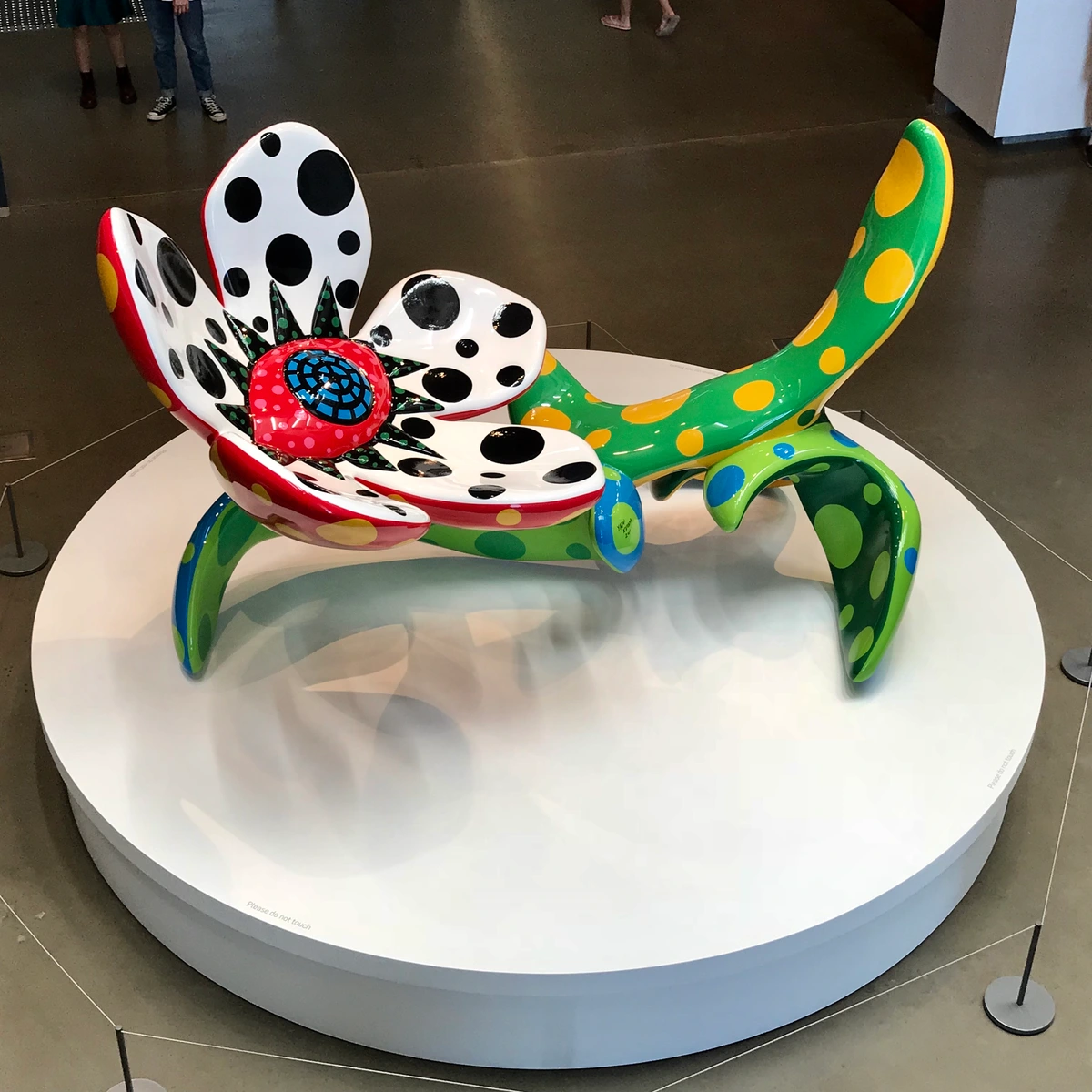
Mentorship can be a profound, non-transactional exchange. It's about learning, growing, and gaining perspective from someone who has navigated the often-turbulent waters of an artistic career. It's like having a wise, experienced companion on your artistic journey, helping you navigate the fog when you can't quite see the path ahead. The process of deep contemplation is essential here, much like Rodin's 'The Thinker' contemplating his next move. These relationships build a foundation of knowledge and resilience, far beyond any immediate career gain.
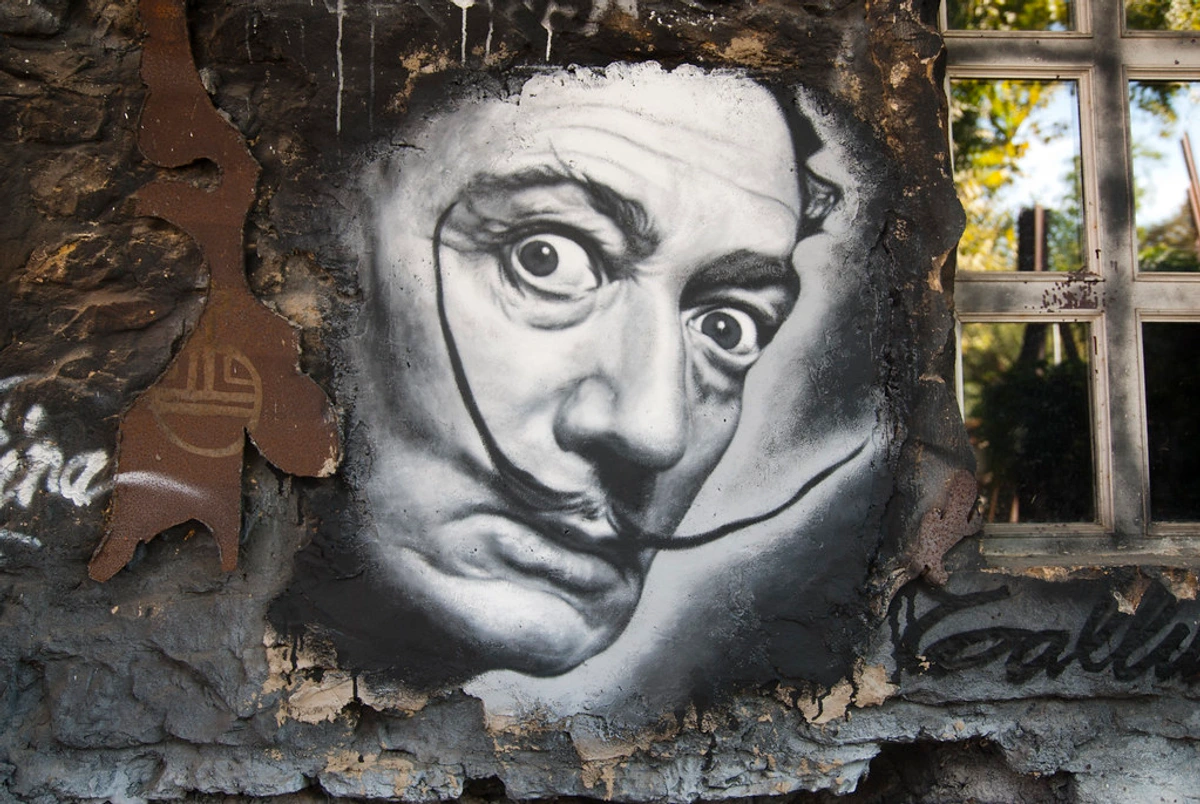
The Art of the Conversation: Mastering the Connection, Not the Pitch
This is where the rubber meets the road, so to speak. You've identified your people, you've understood the principles; now it's time to actually talk to them. This can feel daunting, but trust me, it gets easier with practice. Think of it less as a high-stakes performance and more as a dance where both parties are trying to find the rhythm. It's about genuine human interaction, a willingness to be present, and the courage to step outside your comfort zone, even if it's just a tiny step. Remember, every master of conversation started with their first awkward greeting.
So you're at an event, virtual or in-person, and you see someone interesting. Or maybe you've just clicked on their profile. What do you say? This is the part that trips most people up, that makes their palms sweat. The secret, I've found, is to completely get out of your own head and into theirs. This isn't a performance; it's an exploration.
Be more interested than interesting. Seriously, tattoo that on your brain. It's not about dazzling them with your brilliance (though I'm sure you have plenty); it's about making them feel seen and heard. I once met a seasoned gallerist who, despite her formidable reputation, spent an hour asking me about my abstract process. She didn't talk about her gallery or artists until I prompted her. That act of genuine curiosity made a lasting impression, far more than any pitch ever could.
Everyone's favorite topic is themselves. It's human nature. So, lean into it. Ask questions. And then, here's the crucial part: really listen to the answers. Don't just wait for your turn to talk. Hear what they're saying, and let that guide your next question. This isn't a strategy; it's just being a decent human being. Genuine curiosity is a rare and powerful commodity, and it will set you apart.
Here are some of my go-to, low-pressure conversation starters, tailored for different scenarios:
Scenario | Conversation Starter Examples | Why It Works |
|---|---|---|
| At an Art Opening/Fair | "What piece in this room has really caught your eye?" or "Is there a particular artist here that you've been following?" | Shifts focus to shared interest in the art itself, creating an instant, authentic connection. |
| Meeting Another Artist | "What are you most excited about in your studio right now?" | Gets straight to their passion, inviting vulnerability and excitement. Their eyes will light up, I guarantee it. |
| Interacting with a Gallerist/Curator (after observing) | "What was the most challenging or rewarding part of putting this show together?" or "I'm really struck by the narrative running through this exhibition; how did you arrive at the selection?" | Shows deep engagement with their vision and curatorial process, recognizing their expertise without pitching your own work. |
| At a Workshop or Class | "What brought you to this particular workshop? Have you worked with this medium before?" | Simple, relatable, and leverages the common ground of shared learning and new experiences. |
| Online, in a Community Group | Respond to a specific post with a thoughtful question or shared experience. "That's a fascinating technique; have you found it responds differently to [material X]?" or "I completely relate to that struggle; I once had [brief, relatable anecdote]." | These specific, empathetic responses stand out, initiate personal dialogue, and show you've truly listened. |
| With a Potential Collector | "What kind of art are you passionate about collecting?" or "Is there a particular style or period that resonates most with you?" | Focuses on their interests and preferences, allowing you to understand their taste before discussing your own work (if appropriate). |
And when they inevitably ask about you? This is where your Artist's Narrative comes in. Not an elevator pitch, which always feels a bit forced to me. Think of it as a simple, authentic, one-sentence description of your work that invites further inquiry. "I make large, colorful abstract paintings that explore memory," for example. Then stop talking. Let them ask the next question. You might even want to check out our guide on crafting your artist statement for a deeper dive.
Crafting Your Engaging Artist's Narrative
Your artist's narrative isn't just a statement; it's a story, a window into your world. It's how you communicate your unique vision and connect with people on an emotional level. This isn't about memorizing a script, but internalizing the essence of your 'why' and your 'what.' It's your unique selling proposition, not in a commercial sense, but in a human sense—what makes your creative journey compelling and distinct? A well-crafted narrative is a powerful tool for authentic connection, sparking curiosity and inviting deeper conversation.
What Makes a Good Artist's Narrative?
- Authenticity: It must genuinely reflect your passion and process. People can sense a forced or generic narrative a mile away.
- Clarity: While evocative, it should also be understandable. Avoid overly academic jargon unless your audience specifically warrants it.
- Conciseness: Get to the point. A brief, intriguing narrative leaves people wanting more, rather than overwhelming them.
- Emotional Resonance: Does it hint at a deeper meaning or a personal journey? Does it invite the listener to feel something?
Think of your narrative as the opening line of a compelling novel – it should immediately draw people in and make them curious about the rest of the story.
Your artist's narrative isn't just a statement; it's a story, a window into your world. Here's how to make it compelling:
- Start with the "Why": What drives you to create? What questions do you explore in your art? This is often more interesting than just the "what."
- Keep it Concise: Aim for one to three sentences that capture the essence of your practice. It's a hook, not a manifesto.
- Use Evocative Language: Instead of "I paint," try "I explore," "I investigate," "I construct." Words matter.
- Connect to a Broader Theme: Does your work touch on universal themes like memory, identity, nature, or social commentary? Highlighting these can make your art more relatable.
- Practice, Practice, Practice: Rehearse your narrative until it feels natural and authentic. You should be able to deliver it with confidence, even if you're an introvert.
Approach | Why It Works | Example |
|---|---|---|
| Lead with Curiosity | Shifts the focus off you and onto them, making it a genuine conversation. | "I'm fascinated by the curation here. How did you decide to pair these two artists?" |
| Offer a Specific Compliment | Shows you are paying attention and have a discerning eye, validating their work. | "The way you handled the light in that painting over there is incredible; it really drew me in." |
| Find Common Ground | Creates an immediate, personal connection beyond just the art, fostering relatability. | "I saw you're also based in the old textile mill. How are you finding the studio space? I'm always looking for creative communities." |
| Ask for Advice/Input | Positions them as an expert, making them feel valued and engaged. | "I'm experimenting with [technique X], and I'm curious if you've ever dealt with [challenge Y]?" |
| Share a Resource (Briefly!) | Shows generosity and offers value without asking for anything in return. | "I just read a great article on [topic] that reminded me of your work; I could send you the link if you're interested." |
And when they ask about you? Have a simple, one-sentence description of your work ready. Not an elevator pitch. Just a human description. "I make large, colorful abstract paintings that explore memory." Then stop talking and let them ask the next question.
Networking for Diverse Artistic Practices: Tailoring Your Approach
It’s a big art world out there, and what works for a painter might not be ideal for a performance artist, or a digital sculptor. While the core principles of genuine connection remain, the how of networking often benefits from a little customization. Different artistic practices naturally lead to different networking avenues and priorities. Understanding these distinctions is key to maximizing your efforts and finding your most relevant community. Here’s a quick overview of tailored approaches for diverse artistic practices:
Artistic Practice | Key Networking Focus | Best Venues & Strategies |
|---|---|---|
| Visual Artists (Painters, Sculptors, etc.) | Gallery representation, exhibition opportunities, commissions, peer feedback, acquisition by collectors. | Art fairs, gallery openings, open studios, artist residencies, art leagues, online portfolios (e.g., Behance, Saatchi Art). Consider connecting with interior designers for commissions for decorating with art in modern farmhouse interiors or decorating with art in a powder room. Attending private collection viewings or collector meetups can also be highly beneficial. |
| Performance Artists | Venues, collaborations, funding for projects, audience building, critical engagement, interdisciplinary opportunities. | Performance spaces, festivals, interdisciplinary art events, academic institutions, social media for event promotion, cultural grants. Look for collaborators in music, dance, or theater. Networking with producers and event organizers is crucial. |
| Digital/New Media Artists | Tech collaborations, grants, online platforms, virtual exhibitions, cross-sector partnerships, innovative showcases. | Online art communities, tech conferences (art & tech crossover), virtual reality/metaverse events, LinkedIn, specialized digital art platforms (e.g., ArtStation, DeviantArt). Consider exploring roles in the role of ai in art curation or understanding the ai art market. Engaging with game developers and animation studios can open unique avenues. |
| Textile/Fiber Artists | Craft fairs, artisan markets, specialized galleries, workshops, sustainable art initiatives, commissioned textiles. | Local craft guilds, artisan collectives, design markets, textile art workshops, Instagram (showcasing process and detail). Connect with designers for bespoke projects. See our Q&A with a Textile Artist for more. Consider collaborating with fashion designers or interior decorators. |
| Illustrators/Graphic Designers | Client connections, agency representation, licensing opportunities, collaborative projects, editorial work. | Industry conferences, design meetups, online portfolios (e.g., Dribbble, Adobe Behance), LinkedIn, networking with marketing/branding professionals, publishers. Look into how to license your art. Attending comic conventions or book fairs can also be valuable. |
| Interdisciplinary Artists | Cross-medium collaborations, unconventional venues, grants for experimental projects, critical discourse. | University arts departments, experimental art spaces, festivals that embrace hybrid forms, online platforms dedicated to new art forms, incubators for creative innovation. Your network might span scientists, performers, and technologists, as discussed in bio-art or AI art. Actively seek out residency programs that encourage interdisciplinary exploration. |
| Public Artists/Muralists | City commissions, community projects, architectural collaborations, grant funding for large-scale work. | Local government art commissions, community development organizations, architectural firms, urban planning events, public art conferences. These are often long-term, relationship-driven projects. Building relationships with community leaders and developers is key. |
| Sound Artists/Composers | Performance venues, film/game scoring, collaborations with visual artists, academic research, festivals. | Music festivals (especially experimental ones), film industry events, academic music departments, online sound art communities. Collaborate with filmmakers, dancers, or game developers. |
| Writers/Poets (Art-focused) | Publications, literary festivals, collaborations with visual artists, editorial work, art criticism. | Literary events, art magazines/journals (online & print), university writing programs, art history conferences. Pitching articles or reviews to art publications is a direct way to connect. |
Remember, these are just starting points. The most effective approach will always be one that feels authentic to you and your specific creative output. Don't force yourself into a mold that doesn't fit your art.
Collaborations & Community Projects: Amplifying Your Voice
Beyond the individual connections, the true power of a strong network often lies in its capacity to foster collaboration. Collaboration isn't just about efficiency; it's about synergy, where the combined efforts of multiple artists create something far greater than the sum of their individual parts. This can be a profound experience, pushing your creative boundaries and opening up entirely new artistic avenues. I've found that some of my most impactful works, the ones that truly felt revolutionary to me, emerged from collaborative endeavors where diverse perspectives converged to create something truly unexpected. It's about collective creativity, a shared vision that amplifies individual strengths.
While a strong network provides individual support and opportunities, true magic often happens when artists come together to collaborate. I remember working on a large-scale installation with another artist; our individual ideas fused into something far grander and more complex than either of us could have achieved alone. It's like two rivers merging to form a powerful, new current, enriching the landscape of creative possibility. This synergy is where true innovation often lies, pushing boundaries and challenging individual artistic comfort zones. The sheer joy of seeing your artistic vision coalesce with another's, creating something entirely new and resonant, is an unparalleled experience.
Collaborations aren't just about pooling resources; they're about cross-pollination of ideas, shared learning, expanding your audience, and often, pushing the boundaries of your own practice. They can be formal or informal, short-term or ongoing. It's about finding that shared spark that ignites something new and exciting. Think of it as a creative alchemy, where individual talents blend to form something entirely unique.
Benefits of Artistic Collaboration:
- Expanded Audience: When two or more artists collaborate, you instantly gain access to each other's networks, effectively doubling or tripling your reach. More eyeballs on your work mean more potential opportunities and collectors. This amplified visibility is invaluable for emerging artists, offering exposure far beyond what solo efforts might achieve. It's a fantastic way to reach new audiences who might not have discovered your individual work otherwise.
- New Perspectives & Skill-Sharing: Working with others forces you to think differently. You'll learn new techniques, conceptual approaches, and problem-solving strategies from your collaborators. It's like an informal, real-world workshop tailored to your project, pushing you out of your comfort zone, and often leading to unexpected breakthroughs. I've found some of my most exciting innovations came from observing how a collaborator tackled a problem I'd been struggling with.
- Shared Burden & Support: Large-scale projects can be daunting alone. Collaboration distributes the workload, the cost, and provides emotional support through shared challenges. It can make ambitious projects feasible, allowing for a broader scope and deeper impact, and providing a safety net during inevitable creative hurdles. This shared load makes big dreams feel much more achievable.
- Enhanced Creativity: The friction and synergy of different artistic minds can spark entirely new ideas and push your work in unexpected, exciting directions. It's often where true innovation happens, leading to groundbreaking results and a dynamic interplay of styles and concepts. The "magic" often lies in the unexpected collisions of individual styles.
- Novel Opportunities: Collaborative projects can open doors to new exhibition spaces, funding opportunities, or public art commissions that might be out of reach for a solo artist. Sometimes a joint proposal is far more compelling to grant-making bodies or curators, as it demonstrates a broader vision and collective impact. These opportunities can be a game-changer for your career timeline.
- Professional Development: Collaborating hones your communication, negotiation, and project management skills—all vital for a sustainable artistic career. It's a challenging but rewarding bootcamp, teaching you invaluable interpersonal and organizational skills that extend far beyond the studio. These are soft skills that become incredibly hard assets.
- Building a Collective Legacy: Beyond individual achievements, collaborations contribute to a shared artistic legacy, creating a richer, more diverse cultural landscape. It's about recognizing that art isn't always a solitary pursuit, but a collective human endeavor.
How to Initiate a Collaboration:
Collaborations aren't without their complexities, of course. I remember one project where my collaborator and I had wildly different ideas about the final presentation – it almost dissolved the whole thing! But navigating those challenges is part of the growth, and it often leads to a stronger, more refined outcome than if you had worked in isolation. Embracing the friction can lead to unexpected creative breakthroughs, much like the dynamic tension found in many abstract compositions. It's a dance of negotiation, compromise, and ultimately, shared vision.
Challenges of Collaboration (and how to overcome them):
Challenge | How to Overcome It (with a personal touch) |
|---|---|
| Differing Visions | Establish a shared vision early, and be prepared for open, honest dialogue. Compromise isn't a dirty word; it's the art of mutual creation. Sometimes, sketching out ideas together or creating a shared mood board can help align visions. I've found that articulating the why behind a vision often helps bridge gaps. |
| Communication Breakdown | Misunderstandings can derail a project quickly. Set clear communication channels and regular check-ins. Don't let assumptions fester. Regular, candid conversations are your best defense. I once had a project almost fall apart due to misread emails, teaching me the value of a quick video call. |
| Unequal Contribution | Ensure roles and responsibilities are clearly defined and agreed upon by all parties. Revisit these if needed to maintain balance. It's important to recognize and value all forms of contribution, not just the 'glamorous' ones. Sometimes, a simple task list and check-ins keep everyone accountable. |
| Credit & Compensation | Discuss how credit will be shared and any financial arrangements (grants, sales, etc.) upfront. Transparency prevents resentment. It's crucial to put this in writing, even for informal projects. Consider exploring understanding artist royalties and licensing as part of your discussions. I always advocate for a clear, written agreement to avoid any awkwardness down the line. |
| Artistic Differences | Sometimes, styles or approaches simply don't mesh. Be honest with each other and, if necessary, be prepared to respectfully part ways if the creative synergy isn't there. Not every collaboration is meant to be, and that's okay. Recognizing when it's not a good fit is a strength, not a failure. |
Steps to Initiate a Collaboration:
- Identify Complementary Practices: Look for artists whose work or approach complements yours, or perhaps challenges it in an interesting way. Think about shared values or aesthetic sensibilities. The most exciting collaborations often come from unexpected pairings, where different strengths converge to create something entirely new. Consider artists whose work you genuinely admire or whose creative process intrigues you.
- Start Small: Propose a low-stakes project first, like a shared exhibition, a themed art challenge, or even a public art piece for a local community event. This allows you to test the waters and build trust, assessing compatibility before committing to a larger endeavor. A small win can lead to bigger opportunities and a proven track record of successful teamwork.
- Define Roles & Expectations Clearly: Before you dive in, have an honest conversation about individual roles, responsibilities, timelines, and how decisions will be made. Clear communication prevents misunderstandings and ensures everyone is on the same page. A simple written agreement, even informal, can save a lot of headaches and keep the project running smoothly. Discussing expectations upfront is crucial for a successful partnership.
- Embrace Flexibility: Collaboration is inherently dynamic. Be open to compromise, unexpected detours, and the evolution of ideas. The final outcome might look very different from your initial vision, and that's often where the brilliance lies, as collective creativity reshapes and refines the original concept. Be prepared to adapt and innovate together.
- Cultivate Mutual Respect: At the heart of any successful collaboration is a deep respect for each other's artistic vision, skills, and working methods. This fosters a positive environment where constructive criticism is welcomed and individual contributions are valued. Treat your collaborators as treasured partners, not just resources.### Types of Artistic Collaborations:
Artistic collaboration can take many forms, from formal, institutional projects to informal, spontaneous creative exchanges:
- Cross-Medium Collaborations: A painter working with a sculptor, a musician with a visual artist, or a dancer with a digital artist. These collaborations push boundaries and create truly interdisciplinary works.
- Community-Led Projects: Artists working with local communities on murals, public installations, or workshops that address social issues and engage diverse participants. This is art as a catalyst for social change.
- Shared Exhibitions/Residencies: Multiple artists exhibiting together or sharing a studio during a residency, fostering dialogue, mutual critique, and sometimes leading to joint projects.
- Online/Digital Collaborations: Artists from different geographical locations working together on digital art, virtual reality experiences, or online performance pieces, leveraging technology to bridge distances.
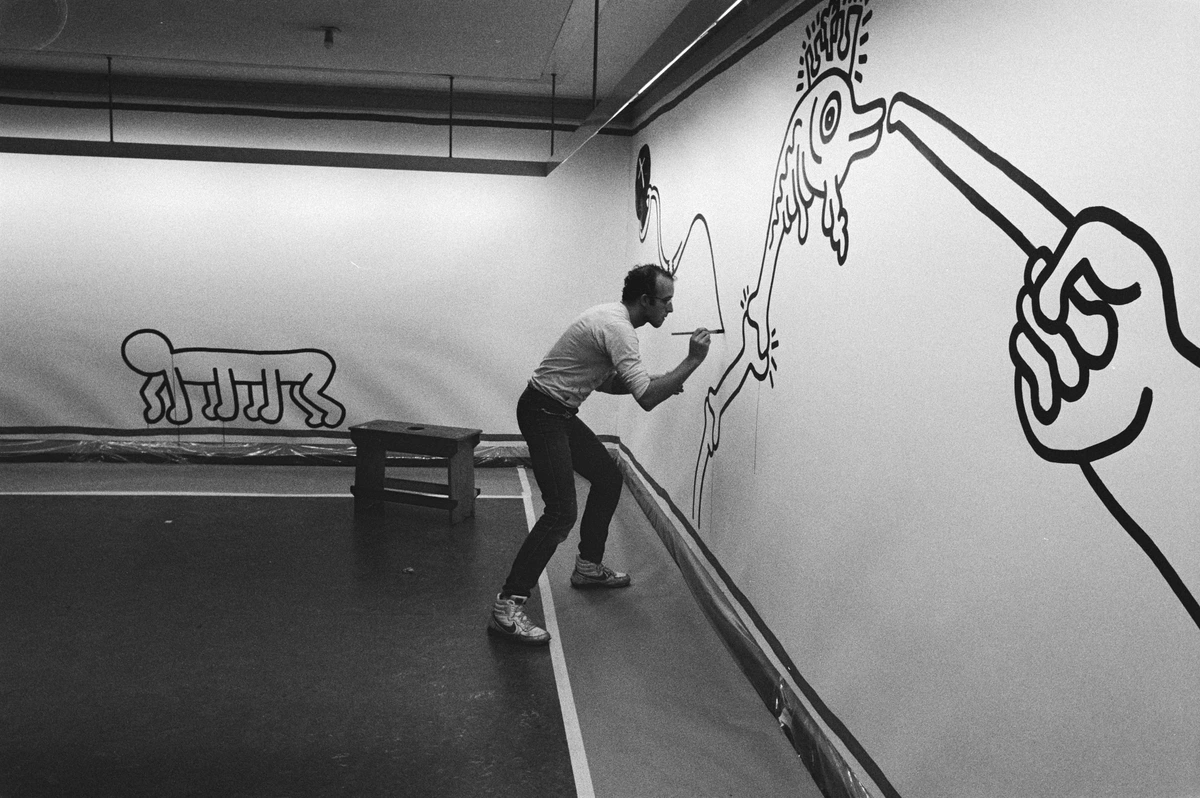
Collaborations are a powerful testament to the idea that the art world thrives on connection, not isolation. It's about realizing that sometimes, two (or more) creative heads are indeed better than one. It can be as hands-on as a screen-printing workshop, where multiple artists contribute to a shared vision, a truly communal effort.
Legal and Practical Considerations for Collaborations
While the romantic ideal of spontaneous collaboration is lovely, the practicalities are crucial for long-term success and avoiding future headaches. This isn't about stifling creativity; it's about protecting it, ensuring that the collaborative process remains joyful and productive rather than becoming a source of conflict. A little foresight can save a lot of heartache. Trust me, I've seen promising collaborations falter over misunderstandings that could have been easily avoided with clear communication and a few ground rules. It's about setting the stage for success, not just hoping for the best.
Consideration | Why It Matters | Actionable Steps |
|---|---|---|
| Written Agreements | Outlining ownership, responsibilities, credit, and revenue sharing upfront prevents major conflicts and demonstrates professionalism. | Create a simple, clear agreement. It doesn't need to be a complex legal document for every project, but for significant collaborations, a formal contract is wise. |
| Intellectual Property (IP) | Clarifies who owns the rights to the collaborative artwork, especially if it gains commercial success or is licensed. | Discuss joint ownership, or if one artist retains rights to their specific contribution. Refer to guides on how to license your art for further details and specify how royalties will be shared. |
| Budgeting & Resources | Clarity on how costs for materials, venues, marketing, and other resources will be shared avoids financial friction and resentment. | Discuss contributions (financial, in-kind, labor). Will you apply for grants together (How to Write an Artist Grant Proposal)? Keep detailed records of all expenses. |
| Project Management | Establishes a clear workflow for tracking progress, communication, and decision-making, vital for staying on track. | Agree on tools for communication (shared documents, messaging apps) and meeting schedules. Define clear roles and responsibilities to ensure balanced contributions. |
| Conflict Resolution | Anticipating potential disagreements and having a plan to address them can save the project and the relationship. | Agree on a respectful process for mediating disputes. Sometimes a neutral third party can help facilitate difficult conversations. |
| Exit Strategy | Knowing how to conclude the collaboration, whether successfully or if it needs to be dissolved, protects all parties. | Discuss how unfinished work will be handled, how shared assets will be divided, and how credit will be attributed in the event of dissolution. |
Remember, these considerations are not meant to stifle creativity but to provide a secure framework within which it can flourish. They allow you to focus on the art itself, knowing that the practicalities are handled.
The Follow-Up: Where 90% of People Fail (But You Won't!)
This is the most critical and, in my experience, the most overlooked step. You had a great conversation. You made a connection. Now what? This isn't about immediate transactional gain; it's about solidifying that initial spark into a sustained relationship. It's the difference between a fleeting encounter and a lasting presence in someone's artistic orbit. A thoughtful follow-up is your opportunity to reiterate genuine interest, reinforce shared connections, and lay the groundwork for future interactions. It's a subtle but powerful act of cultivation. Think of it as nurturing a seedling; consistent, gentle attention will allow it to grow into a strong, resilient plant, far more than a single deluge. This is where many artists drop the ball, but you won't.
A simple, personalized follow-up email or social media message the next day can do wonders. The golden rule: Do not ask for anything in the first follow-up. The goal is simply to reiterate your enjoyment of the conversation and to show you were truly listening. It’s about building a bridge, not a tollbooth. This simple act dramatically increases your chances of turning a fleeting encounter into a lasting relationship. It demonstrates professionalism, thoughtfulness, and a genuine desire to continue the dialogue, setting you apart from the vast majority who fail to follow through. A little effort here goes a very long way in cultivating meaningful bonds. Remember, consistency in these small, thoughtful gestures is far more impactful than a single grand overture.
Here are a few scenarios and examples:
Scenario | Timing | Example Follow-Up Message | Why It Works |
|---|---|---|---|
| After an Event | Within 24-48 hours | "Hi [Name], it was genuinely great chatting with you last night at the [Event Name] opening. I really enjoyed hearing about your upcoming project with [mention something specific they said] – I'm particularly interested in [specific detail]. Hope to see you around soon! Best, [Your Name]" | Personalizes the interaction, reminds them of the specific conversation, shows genuine interest, keeps the door open. Consider also adding a quick link to your website if it's relevant to your discussion. |
| After an Online Interaction | Within 24 hours | "Hi [Name], I really appreciated your insights on [topic] in the [Facebook group/Discord server] thread yesterday. Your point about [mention specific point] resonated with me. Looking forward to more of your contributions! Best, [Your Name]" | Acknowledges their online presence and specific value, fosters community. You might also suggest moving to a more direct form of communication if the rapport is strong. |
| After a Studio Visit (theirs or yours) | Within 24-48 hours | "Hi [Name], thanks again for inviting me to your studio/for visiting mine today. I'm still thinking about [specific piece/technique/discussion point]. It was truly inspiring. Hope to connect again soon! Best, [Your Name]" | Shows appreciation for their time and reinforces a memorable shared experience. If appropriate, offer to reciprocate with a resource or a small favor. |
| After a Workshop/Class | Within a week | "Hi [Name], really enjoyed the [Workshop Name] last [Day of week] and learned a lot from your [specific comment/contribution]. Hope your [project they mentioned] is coming along well!" | Reinforces shared experience, low-pressure, opens door for future artistic discussions. If you learned something specific from them, mention it to show genuine impact. |
| After a Mutual Connection Introduction | Within 24-48 hours | "Hi [Name], [Mutual Contact] suggested I reach out after our brief chat about [topic]. It was great to connect, and I was particularly intrigued by your work on [specific project/piece]. Would love to stay in touch. Best, [Your Name]" | Acknowledges the introduction, shows proactive follow-up, and identifies a specific shared interest to build upon. |
| After a Networking Call/Zoom | Within 24 hours | "Hi [Name], thanks so much for the insightful call today. I really valued our discussion about [specific topic]. I'll definitely check out [resource they recommended]. Let's keep in touch! Best, [Your Name]" | Reinforces the value of the virtual interaction and acts on any suggestions, showing you pay attention. |
| When Sharing Relevant Content | As relevant content arises | "Hi [Name], I just read this article on [topic] and it immediately made me think of our conversation about [related point]. Thought you might find it interesting!" | Provides value without asking for anything, keeps the connection warm, and shows you remember their interests. |
That's it. You've now moved from a random face in the crowd to a memorable human connection. You've planted a seed. The trick is to then occasionally water that seed. Share an article you think they'd find interesting, congratulate them on a new show, or simply check in with a brief, friendly message. It’s about building a consistent, respectful presence, not overwhelming them.
Managing Your Network: Tools and Strategies
As your network grows, keeping track of all these meaningful connections can become a challenge. I used to rely solely on my memory (a notoriously unreliable vault), but I quickly learned the value of a system. Think of it like organizing your studio inventory – you need a method to find what you need when you need it. Your network is a living, breathing asset, and like any valuable asset, it benefits from thoughtful management. A disorganized network is a missed opportunity, leading to forgotten connections and diluted potential.
Tool/Strategy | Description | How Artists Can Use It (with a personal touch) |
|---|---|---|
| Simple Spreadsheet | A basic Excel or Google Sheet to log contacts. Effective for smaller networks. | Track names, contact info, date met, key discussion points (e.g., "loves sci-fi art"), next follow-up date, and any shared resources. Categorize by "gallerist," "peer artist," "collector," "mentor." I keep mine color-coded! |
| CRM (Customer Relationship Management) Software | More robust tools (like HubSpot's free tier, or Trello) designed for sales/marketing, but highly adaptable for artists. | Track interactions, set reminders for follow-ups, segment contacts (e.g., "potential collaborators," "local patrons"), and analyze relationships over time. You can even attach notes about their artistic preferences. |
| Notes App on Your Phone | Quick, immediate capture of details while conversations are fresh in your mind. | Immediately after an interaction, jot down key takeaways, personal details (e.g., "struggling with resin casting," "just moved to a new studio"), or specific promises (e.g., "send link to that article"). |
| Calendar Reminders | Schedule follow-ups and check-ins directly in your digital calendar (Google Calendar, Outlook). | Set recurring reminders to touch base with key connections every few months. A simple "Check in with [Name]" can be enough. I often schedule a quick "network coffee" slot each week. |
| Social Media Lists/Groups | Utilize features on platforms like Twitter, Instagram, or LinkedIn to organize contacts. | Create private lists (e.g., "Art Critics to Follow," "Local Artist Colleagues") to organize contacts by interest, profession, or how you met. This helps you tailor your engagement and stay updated on their activities without missing anything. |
| Physical Journal/Notebook | For those who prefer analog, a dedicated notebook for networking notes. | Jot down names, dates, key conversation points, and a reminder for when to follow up. It’s a tactile way to process and remember connections, especially for us artists who love physical mediums. |
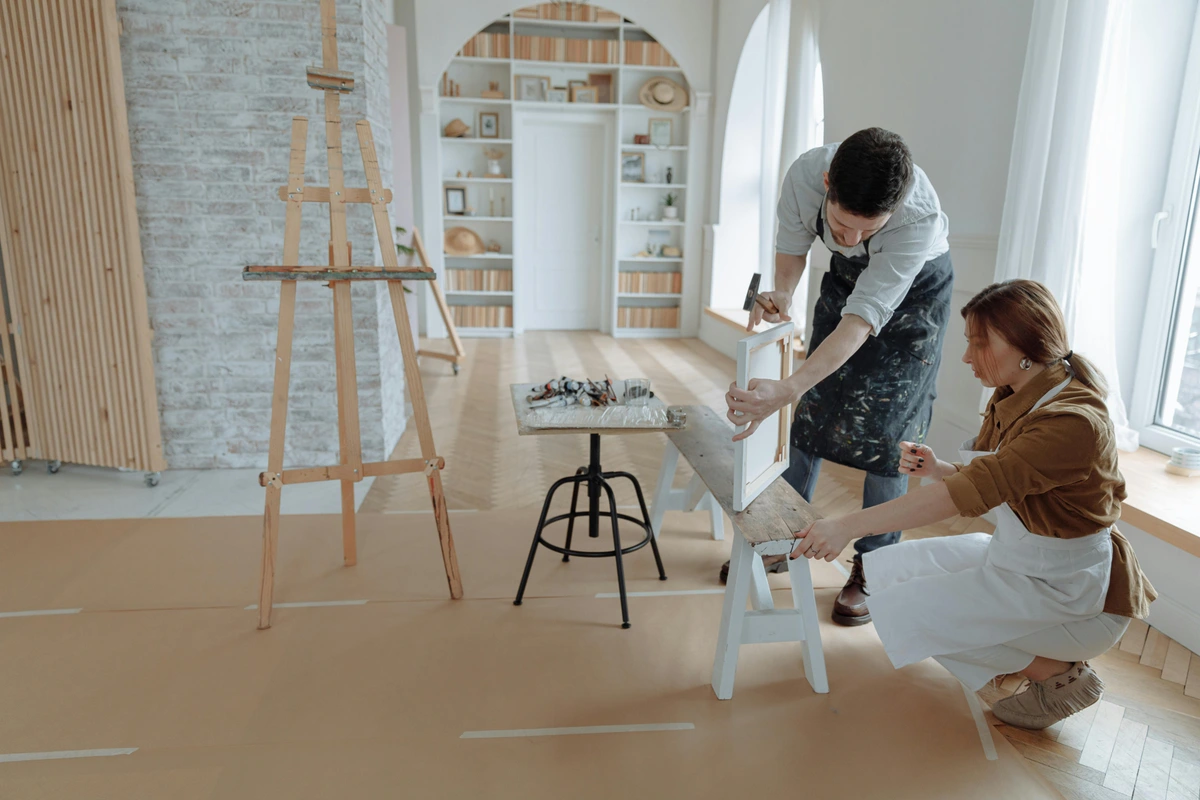
The goal isn't to create more administrative burden, but to create a system that supports your authentic connections. A well-managed network ensures no valuable connection slips through the cracks, transforming casual acquaintances into lasting relationships that can enrich your artistic life for years to come. Think of it as cultivating your most valuable professional asset.
The Reciprocal Network: Giving as Much as You Get
We've talked a lot about finding your people and making connections, but it's crucial to remember that a truly thriving artistic network is a two-way street. It's not about what you can extract from others, but what you can contribute to the collective well-being of the creative community. Think of it as a shared garden: everyone waters, everyone prunes, and everyone enjoys the blooms, creating a flourishing ecosystem where all artists can thrive. This spirit of mutual support is what truly differentiates a community from a mere collection of contacts. It's about generosity, reciprocity, and a genuine desire to see fellow artists succeed. This is where the real magic of artistic community building truly unfolds.
- Support Other Artists: Go to their openings (and truly engage with their work). Share their work on social media (with genuine enthusiasm). Buy their smaller pieces if you can (it means the world!). Leave thoughtful comments on their posts (not just emojis). Recommend them for opportunities you hear about. The more you champion others, the more likely that energy will boomerang back to you. Remember, a rising tide lifts all boats, and the art world benefits from collective success. Consider even writing a brief, positive review for their exhibition or online shop if you feel genuinely compelled.
- Share Your Knowledge: Don't hoard your techniques or your lessons learned. If someone asks for advice, share what you know generously (within reason, of course). Offer to co-host a workshop, or speak on a panel. Your experience has value, and sharing it can be a powerful way to mentor others informally.
- Be a Connector: If you know two artists who you think would genuinely benefit from meeting each other, introduce them! A simple email introduction can create incredible synergy and makes you an invaluable hub in the network. This is how strong communities are built, one thoughtful connection at a time. Being a bridge-builder positions you as a valuable resource within your community.
- Offer Your Skills: Can you help a fellow artist with their website? Offer a fresh pair of eyes on their artist statement? Volunteer your time for an art event you believe in? These acts of service deepen your bonds and demonstrate your commitment to the art world beyond your own studio. Sometimes, a small act of assistance can forge an incredibly strong bond, leading to unexpected future collaborations.
Actionable Ways to Support Other Artists
Beyond simply being present, actively supporting other artists is a cornerstone of a thriving reciprocal network. It's about demonstrating your commitment to the broader artistic community, not just your own endeavors. Here are some concrete ways to be a proactive supporter:
- Purchase Their Work: Even a small print or piece can make a huge difference, offering tangible support and showing profound appreciation. It's an investment not just in their art, but in their ability to continue creating.
- Amplify Their Voice: Share their social media posts, mention their work in conversations, or write a short positive review if they have an online presence. A simple shout-out can expose their art to new audiences and open doors.
- Attend Their Events: Show up to their gallery openings, artist talks, or performances. Your physical presence means a lot, especially to emerging artists, demonstrating solidarity and genuine interest. Be present, engage, and offer sincere compliments.
- Provide Constructive Feedback: If asked, offer thoughtful and honest critique, framed to help them grow. This should always be delivered with empathy and a focus on improvement, never judgment.
- Collaborate: As discussed earlier, joint projects can significantly expand reach and creative output for all involved. Propose a small project, share ideas, and explore how your practices might intertwine.
- Offer Testimonials/Reviews: If you've had a positive experience with their art or professionalism, offer to write a testimonial for their website or social media. Public praise is a powerful endorsement in the art world.
- Amplify Their Voice: Share their social media posts, mention their work in conversations, or write a short positive review if they have an online presence.
- Attend Their Events: Show up to their gallery openings, artist talks, or performances. Your physical presence means a lot, especially to emerging artists.
- Provide Constructive Feedback: If asked, offer thoughtful and honest critique, framed to help them grow.
- Collaborate: As discussed earlier, joint projects can significantly expand reach and creative output for all involved.
- Offer Testimonials/Reviews: If you've had a positive experience with their art or professionalism, offer to write a testimonial for their website or social media.
This principle of reciprocity isn't just good karma; it's a fundamental pillar of a sustainable and fulfilling artistic career. When you give freely, you create a ripple effect of goodwill and opportunity that extends far beyond your immediate interactions. I've found that the more I invested in supporting other artists and the broader community, the more opportunities seemed to find their way back to me, often from the most unexpected directions. It's a powerful and often underestimated force in the art world. I've found that the most unexpected and rewarding opportunities have often come from moments when I simply offered help or support without expecting anything in return. It's a powerful and often underestimated force in the art world.
FAQ: Your Networking Questions Answered
I've been asked a lot of questions over the years about artistic networking, from how to survive a crowded opening to what to say to a gallery owner without sounding like a desperate salesperson. It's a minefield of potential anxieties, but also a fertile ground for discovery. Here are some of the most common questions I get, along with my honest, battle-tested answers.
How do I network if I'm a massive introvert?
Oh, believe me, I feel you on this one. I am, at heart, a creature of habit and quiet contemplation in my studio. Big, loud openings are, for me, akin to facing a dragon – exhilarating, perhaps, but ultimately draining. The trick isn't to stop being an introvert; it's to change the environment and your strategy. It’s about quality over quantity, always. I've learned that small, intentional connections are far more valuable than dozens of superficial ones. It's about finding ways to engage that honor your natural energy levels and allow you to bring your authentic self to each interaction. Your quiet observation and thoughtful approach can actually be your superpower, leading to more profound and less draining interactions.
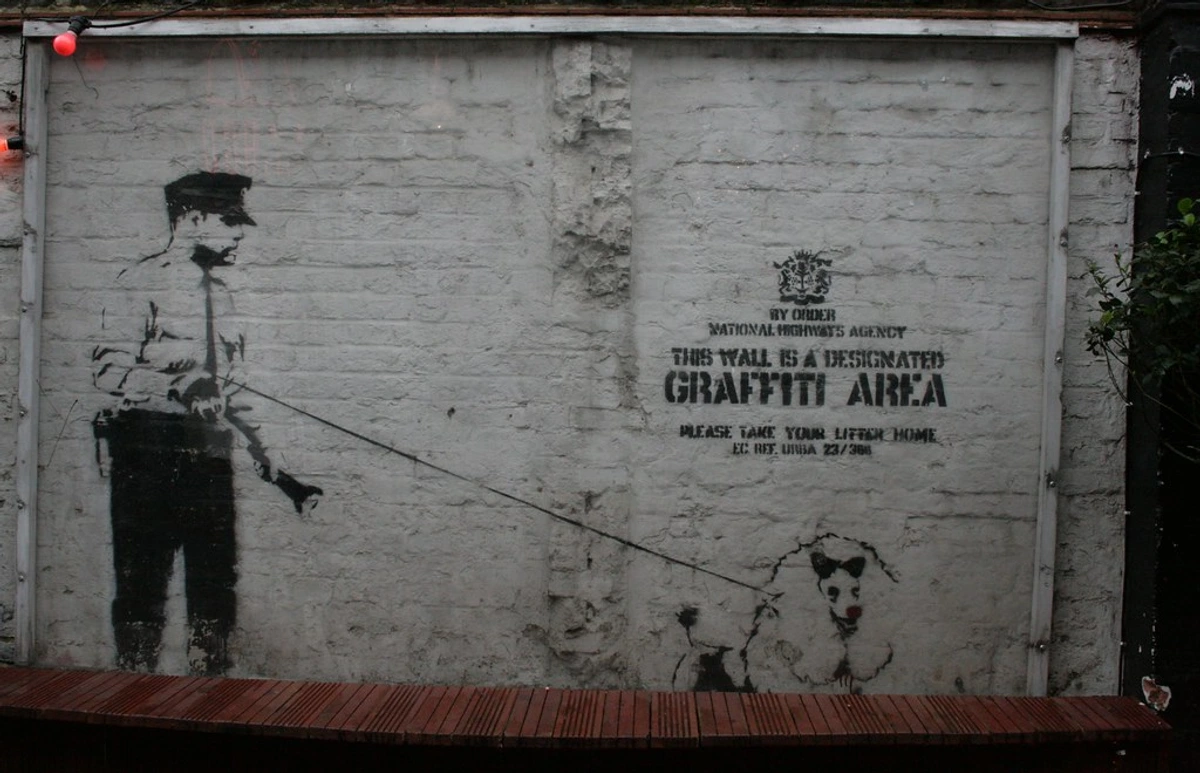
Here are some battle-tested strategies for the introverted artist:
Strategy | Description & Benefits | Personal Approach |
|---|---|---|
| Choose Your Arenas Wisely | Opt for quieter settings (weekday gallery visits, artist talks, one-on-one meetings) over crowded events. Allows for deeper conversations without sensory overload. | Skip the crowded Friday night opening. Instead, visit a gallery on a Tuesday afternoon, or schedule a coffee meeting with someone you've connected with online. |
| Pre-Plan & Research | Reduces anxiety by having specific questions or talking points ready. Provides a mental 'script' when your mind goes blank. | Before an event, research attending artists or the displayed art. Have 2-3 open-ended questions prepared. This helps me feel grounded and less overwhelmed. |
| Bring a Wing-Person | An outgoing friend can help break the ice or introduce you, taking pressure off initial interactions. | If you have an extroverted friend, ask them to come along. They can facilitate introductions, but always make sure to engage in your own conversations too. |
| Set a Time Limit & Exit Strategy | Knowing there's an end in sight makes events more manageable. Protects your mental energy. | Give yourself permission to leave after 60-90 minutes. Have a polite exit line ready ("It was lovely chatting, but I need to catch an early start tomorrow!"). |
| Focus on the Art | When all else fails, engage with the art. Your genuine appreciation is an authentic conversation starter and takes the focus off social performance. | Let your passion for the artwork lead. People connect with authentic enthusiasm. This is a natural, low-pressure way to initiate a conversation. |
| Micro-Networking | Aim for one or two genuinely meaningful conversations per event, rather than trying to meet everyone. | Quality over quantity. These deeper interactions are often more rewarding for introverts anyway, leading to stronger connections. |
| Online-to-Offline Transition | Use online platforms to identify people you'd like to meet in person, then suggest a low-pressure, one-on-one meeting. | Build rapport online first, then propose a coffee meeting or studio visit rather than a crowded event. This creates a more comfortable environment for connection. |
| Embrace Thoughtful Observation | Your natural inclination to observe and listen deeply can be a powerful asset, allowing you to offer more insightful contributions. | Instead of feeling pressured to talk, focus on truly hearing others. Your thoughtful responses will stand out and lead to more profound interactions. |
Remember, your unique perspective and thoughtful nature as an introvert are assets, not liabilities. You might make fewer connections, but they're likely to be deeper, more meaningful, and ultimately, more valuable.
How do I build a professional artist website?
Your website is your digital studio, gallery, and storefront all rolled into one. It's the central hub for your artistic practice. I used to think a simple Instagram feed was enough, but a dedicated website offers far more control and professionalism, acting as your 24/7 digital ambassador. Here’s what I've learned makes a difference, and why it's a non-negotiable for any serious artist:
- Clean, Intuitive Design: Make it easy for visitors to navigate. Your art should be the star, so avoid cluttered layouts or distracting animations. A minimalist approach often works best to let the art speak.
- High-Quality Images: This is non-negotiable. Professional photography of your work is crucial. No blurry phone shots! Show your work from multiple angles if it's 3D, and include detail shots. Consistency in image quality is key.
- Artist Statement & Bio: Clearly articulate your artistic vision, process, and background. This helps viewers connect with your work on a deeper level. (You might even want to check out our guide on crafting your artist statement for a deeper dive.) Your bio should tell your unique story, not just list achievements.
- Contact Information: Make it easy for people to reach you – email, social media links, and a contact form. Consider including a professional phone number if you're comfortable.
- Online Shop/Pricing (Optional but Recommended): If you're selling work, integrate an e-commerce solution. Even if prices aren't public, indicate if works are available or commissioned. Read our guide on What is an Art Commission to understand the process. Make pricing transparent where appropriate, or offer clear instructions for inquiries.
- Exhibitions & Press: Include a dedicated section for past and upcoming exhibitions, as well as any media mentions. This builds credibility and showcases your career progression.
- Blog/News Section: Share updates, behind-the-scenes glimpses, upcoming exhibitions, or thoughts on your creative journey. This keeps your site dynamic and gives people a reason to return. It also helps with SEO.
- SEO Basics: Learn a little about Search Engine Optimization (SEO) to help people find your site on Google. Simple things like good descriptions, relevant keywords (e.g., "abstract expressionist painter, New York"), and proper image alt-text can make a big difference. Think about what a potential collector or gallerist might search for. Your website isn't just a portfolio; it's a powerful networking tool that works for you 24/7, serving as your digital ambassador even when you're busy creating. It’s where serious connections will go to learn more about you and your work, often forming their first lasting impression of your artistic identity.
Do I still need business cards in 2024?
Oh, the perennial debate! My feelings on this are definitely mixed, and honestly, they evolve with technology. I think having a few simple, well-designed cards with your name, website, and Instagram handle is a good backup—like a spare tire for your networking journey. They're a nice tangible leave-behind, especially for older demographics or formal settings, and can serve as a subtle reminder of your interaction. However, the art of the business card has evolved, much like art itself, so a blended approach is often best.
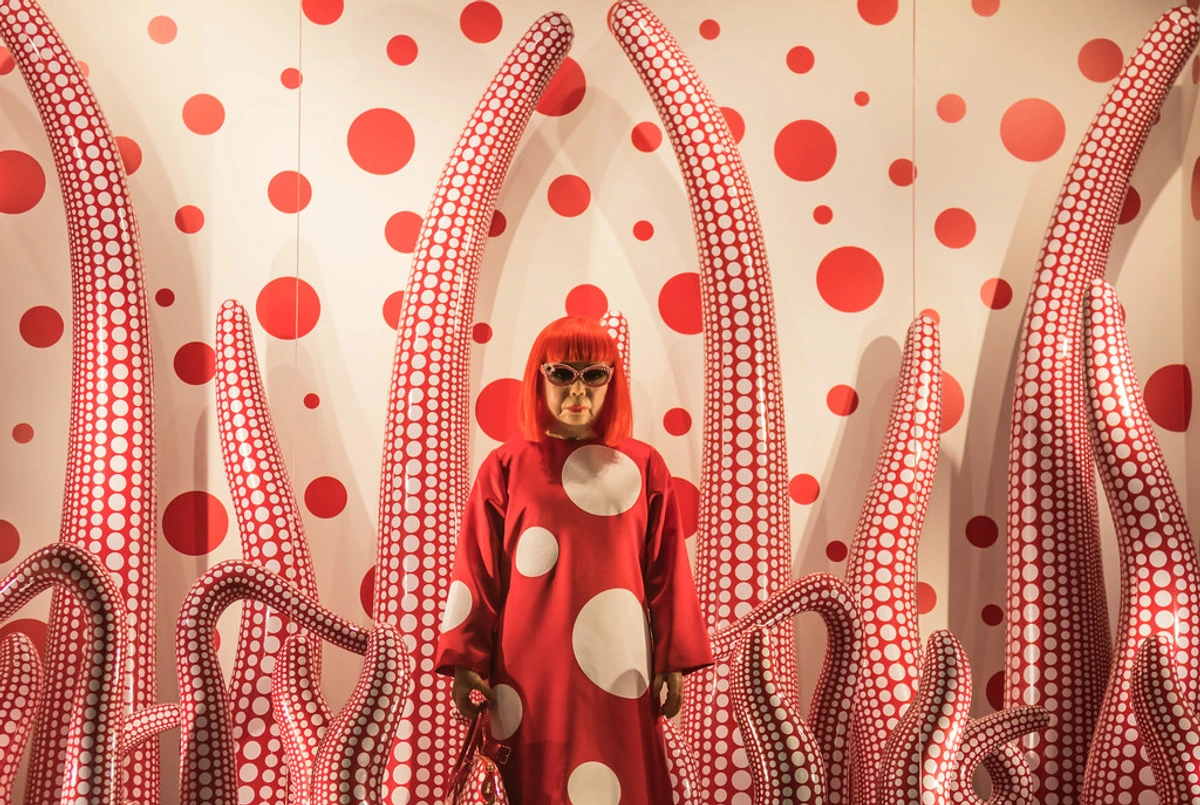
However, in today's digital-first world, I find it's often more effective, and certainly more personal, to just ask: "What's the best way for us to connect? Should I grab your Instagram, or is email better for you?" This approach empowers the other person to choose their preferred method, making the connection feel more organic and less transactional. Plus, it bypasses the inevitable pile of forgotten business cards.
Consider these modern alternatives:

Alternative | Description & Benefits | How to Use It (with a personal touch) |
|---|---|---|
| Digital Business Cards (NFC/QR Codes) | Sleek, environmentally friendly, and instantly shares all your contact info, website, and social media links via a tap or scan. | Use apps or services to create your card. Link directly to your portfolio, a specific piece of work, or your buy page. It's a memorable, high-tech leave-behind. |
| Social Media Handle Exchange | For many artists, Instagram is their primary portfolio. A quick exchange of handles is often the most efficient way to connect. | Ensure your profile is optimized for easy viewing and contact, with a clear link to your website. This offers an immediate visual introduction to your work, like a mini-gallery in their pocket. |
| Direct Email/Text Exchange | If the conversation flows well, asking for their preferred email or text for a resource creates an immediate, purposeful reason for follow-up. | "I'd love to drop you an email with that resource we discussed; what's the best address for you?" This bypasses a card and creates an immediate, concrete reason to reconnect. |
| QR Codes on Physical Art | Integrate a QR code into your physical artwork display or exhibition labels. | When scanned, it can lead directly to your website, a specific artwork's page, or your digital portfolio. This bridges the physical and digital, offering an interactive experience. |
Ultimately, the goal is to make it as easy as possible for someone to remember you and find your work. Choose the method that feels most comfortable and authentic for you, but be ready to adapt to their preference. Just like a signature on a painting signifies authorship and presence, your contact information ensures you're remembered.
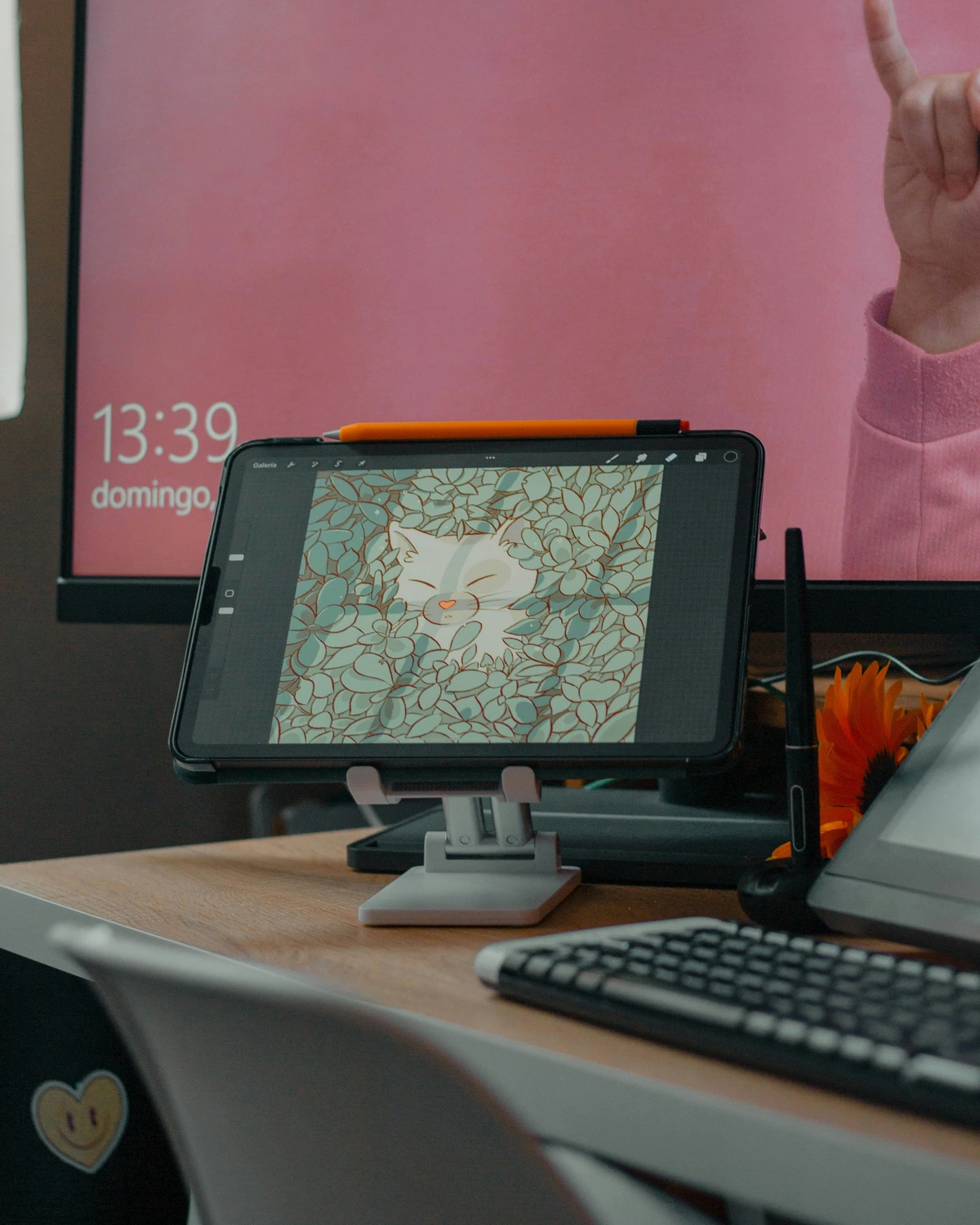
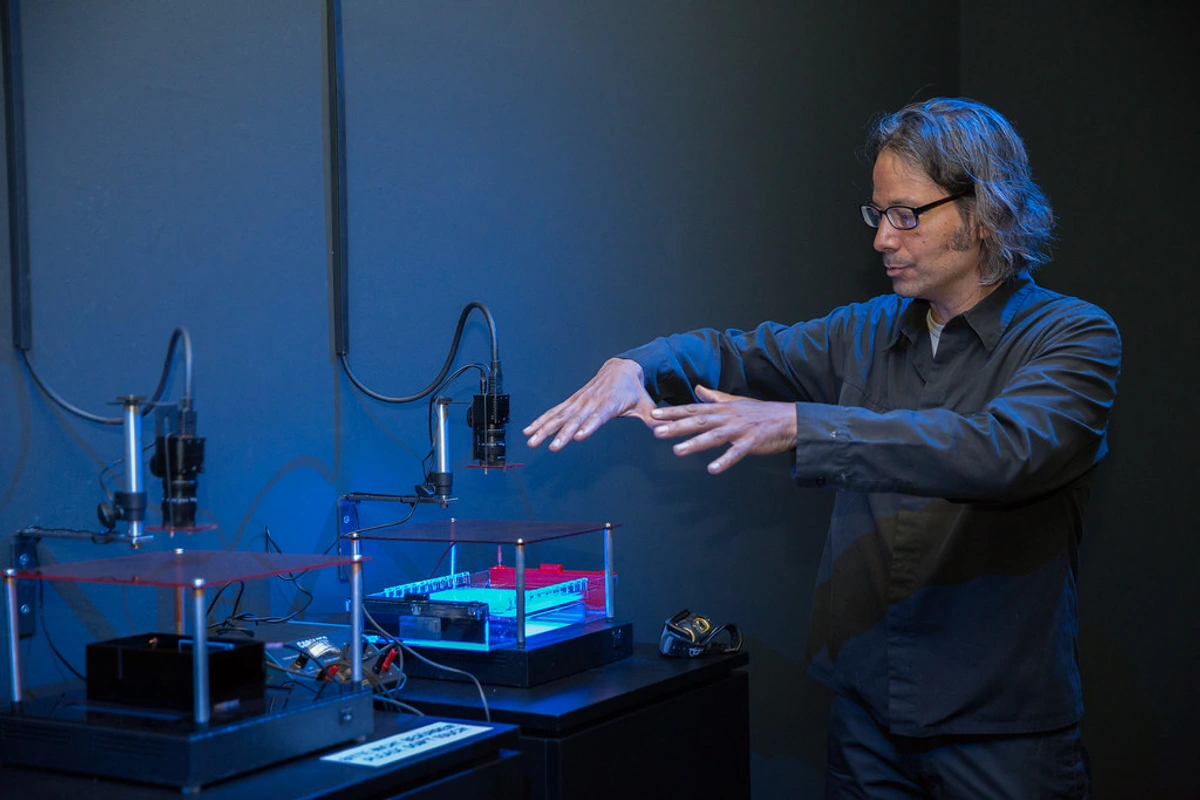
What about the role of social media metrics (likes, followers)?
Ah, the endless rabbit hole of social media metrics! I've spent countless hours agonizing over follower counts and engagement rates, only to realize something crucial: while they can be useful indicators, they are not the be-all and end-all of artistic success or networking. A high follower count can certainly boost visibility, but genuine connection and meaningful engagement are far more valuable than a million passive likes. It's the depth of interaction, not just the breadth, that truly matters in building a sustainable artistic career. Remember, true influence comes from authentic relationships, not just numbers on a screen. Don't fall into the trap of chasing vanity metrics; focus on cultivating a quality audience who genuinely resonates with your work, rather than a fleeting digital crowd.
Think of it this way: would you rather have 10,000 followers who scroll past your work without a second thought, or 100 dedicated fans, collectors, and fellow artists who actively engage, share, and support your journey? I'd take the latter every time. When I think back to how my own art timeline was shaped, it was never about virality, but about those deep, sustained connections. Focus on building a tribe, not just an audience.
Metric | Why It Can Be Misleading | How to Reframe Your Focus |
|---|---|---|
| Follower Count | Can be inflated by bots or inactive accounts. Doesn't guarantee genuine interest or engagement. | Focus on audience quality – are they active, relevant, and engaging meaningfully with your content? |
| Likes/Reactions | Easy to give, often passive. Doesn't indicate deep connection or appreciation. | Prioritize thoughtful comments, shares, and saves. These show deeper engagement and resonance with your work. |
| Reach/Impressions | Shows how many saw your content, but not how they felt or acted upon it. | Look at engagement rate (interactions per reach) and website clicks from social media. Are people moving from viewing to learning more? |
| Comments (Generic) | Short, generic comments ("Nice work!") can be flattering but offer little insight or opportunity for dialogue. | Value specific, insightful comments that demonstrate genuine thought or ask questions. These are opportunities for real conversation. |
Here are some actionable tips for navigating social media more effectively:
- Quality over Quantity: Focus on creating authentic content that resonates with your true audience. Don't chase trends or buy followers. Authenticity always wins in the long run. Show your process, your influences, and your personality.
- Engagement is King: Respond to comments, ask questions, and foster conversations. This builds community, which is the real goal of social media networking. Think of comments as mini-conversations, not just fleeting reactions.
- Analytics as Insights: Use platform analytics to understand who your audience is and what content they respond to, rather than just obsessing over the numbers themselves. This data can help you refine your content strategy and better understand your collectors (e.g., those collecting emerging abstract art).
- Diverse Channels: Don't put all your eggs in one social media basket. Different platforms serve different purposes and reach different demographics. Consider spreading your presence strategically, but don't overextend yourself. It's better to be strong in one or two places than weak in many.
- Genuine vs. Superficial Engagement: Differentiate between a quick 'like' and a thoughtful comment. Prioritize interactions that lead to real dialogue or further connection. A direct message often holds more weight than a public comment. I always respond to genuine inquiries, no matter how small.
Ultimately, metrics are a tool, not the objective. Your art, your voice, and your ability to connect authentically are your most powerful assets. The journey of building your timeline is about depth, not just reach.
What do I say to a gallery owner? (And What Not to Say)
This is a nuanced dance, and it's where many artists stumble. The absolute first rule: don't, under any circumstances, say, "Will you look at my portfolio?" at a first (or even second or third) encounter. It's the artistic equivalent of asking someone to marry you on a first date. Gallery owners, especially established ones, are constantly bombarded with unsolicited portfolios, and approaching them this way screams 'transactional' rather than 'connection.' Your goal should be to build rapport and demonstrate genuine interest in their program, not to immediately push your own agenda. This respectful approach is far more likely to lead to a meaningful interaction. It's about cultivating a relationship, not making a cold call for representation.
Instead, think long-term relationship building, like a slow-burning masterpiece. Here’s a more strategic approach:
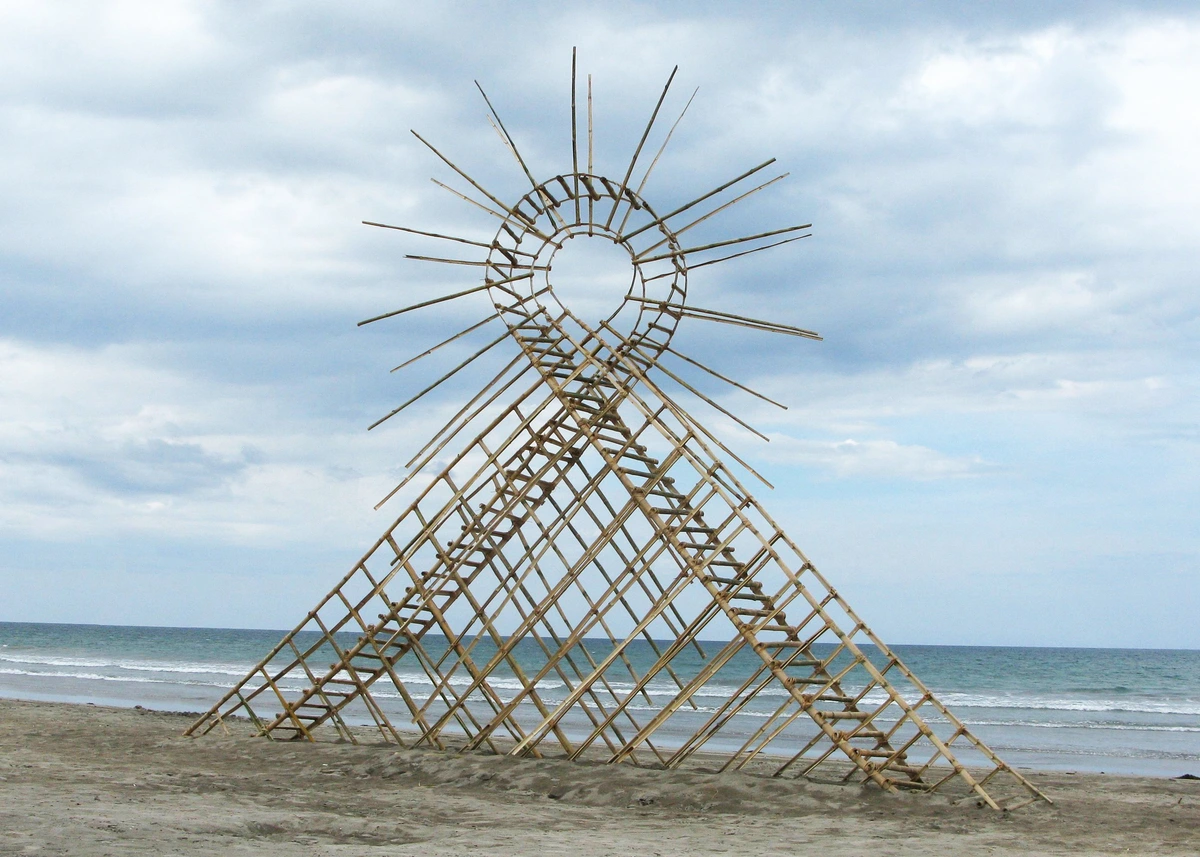
Do's | Don'ts |
|---|---|
| Do become a genuine admirer of their gallery. Attend openings, join mailing lists, follow on social media. Understand their program and aesthetic. | Don't immediately ask them to look at your portfolio. This is a premature and often unwelcome request. |
| Do engage thoughtfully. Comment on the art, curation, or exhibition concept. Ask intelligent questions about the show itself. | Don't monopolize their time with a lengthy explanation of your own work unless specifically asked. |
| Do establish a consistent presence over time. Become a familiar, friendly, and thoughtful face at multiple events. | Don't treat them as a means to an end. Focus on building genuine rapport and interest in their world. |
| Do wait for an organic introduction. Often, they will eventually ask, "So, what do you do?" | Don't bring physical artwork or an unsolicited portfolio to an opening. It creates an immediate barrier. |
| Do briefly describe your work with your refined artist's narrative when asked, and offer to send a link to your website with no pressure. | Don't be pushy or desperate. Confidence comes from valuing your work, not from forcing it on others. |
| Do research their model. Understand if they're commercial, non-profit, or focus on specific styles. | Don't assume all galleries operate the same way or that they're the only path to success. |
| Do explore diverse avenues for showing your work, such as artist-run spaces or applying for artist grants. | Don't get discouraged by initial lack of interest. The art world is about fit and timing. |
This approach requires patience, humility, and genuine interest. But it's far more likely to lead to a respectful, productive relationship than a cold pitch ever will.
What about unsolicited feedback or criticism?
This is the wild west of the art world, and it can feel like a minefield. Whether it's a casual comment at an opening or a blunt remark online, unsolicited feedback is inevitable. The trick is to develop a thick skin, but also a discerning ear. Not all feedback is created equal, and learning to filter constructive criticism from unhelpful noise is a vital skill for any artist. Remember, everyone has an opinion, but not all opinions are equally valuable to your growth. I've learned that a dismissive comment from a stranger often says more about them than about my art, while a thoughtful critique from a respected peer can be a game-changer. It's about discernment, not indifference.
- Listen, Don't React: Your first instinct might be defensiveness. Take a breath. Listen to what's being said without immediately formulating a rebuttal. Thank them for their input.
- Consider the Source: Is this person someone whose opinion you genuinely respect? Do they understand your artistic goals? Is their critique informed, or just a personal preference?
- Look for Patterns: If multiple people are offering similar feedback, even if unsolicited, it might be worth considering. One-off comments can often be dismissed.
- Set Boundaries (Politely): If someone is being overly critical or unhelpful, you can politely say, "Thank you for your thoughts. I'm currently focusing on [specific aspect of my work] and will keep that in mind." or "I appreciate you taking the time, but I'm not seeking feedback on this piece at the moment."
- Protect Your Energy: Ultimately, you are the steward of your creative vision. Absorb what's useful, discard what's not, and don't let external noise derail your internal compass.
Should I join an artist collective or guild?
Absolutely, but with intentionality. Artist collectives and guilds can be incredible forces for good, offering community, shared resources, exhibition opportunities, and peer support. They can be a powerful antidote to the isolation of the studio. But like any group, they have their dynamics and demands. When considering joining, ask yourself: Are you looking for a supportive community, shared exhibition space, or opportunities for collaborative projects? Understanding your own needs will guide your search, ensuring you find the right fit for your artistic journey.
- What are their values and mission? Do they align with your artistic practice and goals?
- What are the commitments? Do they require volunteer hours, dues, or specific participation?
- What are the benefits? Do they offer shared studio space, exhibition opportunities, marketing support, or educational programs?
- Who are the members? Do you resonate with the other artists? Is there a sense of mutual respect and support?
A good collective can be a launching pad for your career, a source of lifelong friendships, and a powerful antidote to the isolation of the studio. A bad fit, however, can be a drain on your time and energy. Choose wisely.

How do I approach international networking opportunities?
The digital age has flattened the world, making international connections more accessible than ever. But global networking has its own nuances and exciting possibilities, from showcasing your work in a new market to collaborating with artists across continents. It's a vast and often untapped frontier for expanding your artistic reach.
- Research Cultural Nuances: Understand communication styles, business etiquette, and art market norms in different regions. What's polite in one country might be off-putting in another.
- Leverage Online Platforms: Utilize international art forums, global artist directories, and platforms like Art Basel's online viewing rooms to connect with artists, galleries, and collectors worldwide.
- Attend Virtual Art Fairs & Residencies: Many international events now have a robust virtual component, allowing you to participate and connect without the expense of travel.
- Seek Out International Artist Residencies: These offer immersive experiences and an incredible opportunity to build deep connections with a diverse group of artists and local art communities.
- Language Considerations: While English is often a common language in the art world, being respectful of local languages and making an effort can go a long way.
- Time Zones: Be mindful of different time zones when scheduling virtual meetings or engaging in online discussions.
International networking can broaden your perspective, expose you to new artistic trends, and open up exciting global opportunities. It's a vast world out there, waiting for your art.

How can AI tools assist in artistic networking?
It's 2024, and AI is no longer a futuristic concept; it's part of our daily lives, even in the art world. While I'm a firm believer that genuine human connection is irreplaceable, AI tools can certainly act as powerful assistants in your networking efforts, freeing up time for your creative practice. I'm generally skeptical of anything that promises a quick fix, especially with technology like blockchain or NFTs that often overpromise and underdeliver, but for practical assistance, AI has its place. AI should be your assistant, not your ghostwriter, and its role should always be to augment, not replace, your authentic self. For deeper insights, you can explore discussions like Is AI Art Really Art or a Q&A with an AI Artist. Think of AI as your super-efficient studio assistant, handling the administrative tasks so you can focus on the brushstrokes.
- Content Creation & Brainstorming: AI can help you brainstorm ideas for social media posts, draft engaging captions, or even help refine your artist statement. It's like having a very efficient (if sometimes a bit literal) writing assistant. It can kickstart your creativity, but the final voice must be yours.
- Research & Discovery: Use AI-powered search tools to identify potential galleries, collaborators, or art organizations that align with your work. You can quickly find contact information or research their past exhibitions. This saves immense amounts of time in identifying potential connections.
- Personalized Outreach: While you should never use AI to write your entire personalized outreach message, it can help you structure a compelling email, suggest talking points based on someone's profile, or even summarize their work so you can tailor your approach more effectively. It can help you make a more thoughtful impression, without being disingenuous. The human touch remains paramount.
- Social Media Management: AI tools can assist with scheduling posts, analyzing engagement, and identifying optimal posting times, ensuring your digital presence is consistent and effective without constant manual effort. This frees you up for more studio time.
- Event Discovery: AI can sift through online event listings and suggest art fairs, workshops, or talks that match your interests and location, helping you identify relevant in-person networking opportunities. It's a smart filter for your time.
- Summarizing Information: AI can quickly process long articles or artist bios, pulling out key information you might need for a conversation or a follow-up. This helps you be better prepared.
Remember, AI is a tool to enhance your human efforts, not replace them. It's about augmenting your capacity to connect, allowing you to focus on the authentic interactions that truly build your artistic community. This idea of AI as a co-creator extends beyond networking into the very act of art-making, as explored in AI as Co-Creator: Exploring Collaborative Art Projects with Artificial Intelligence. For more on AI and art, check out our Q&A with an AI Artist or delve into Is AI Art Really Art. It's a new frontier, and understanding its ethical considerations is also important, as discussed in understanding the ai art market.
A Note on Over-Reliance on AI
While AI offers powerful assistance, remember its limitations. It cannot replicate genuine human empathy, intuition, or the nuanced understanding that comes from lived experience. Avoid using AI to completely automate your outreach or to generate content that lacks your unique voice. The goal is to enhance, not replace, your authentic self in the networking process. Your personality and passion are what truly make connections stick, acting as the magnetic force that draws genuine collaborators and collectors to your orbit. Always ensure your authentic artistic spirit shines through, even when leveraging technological assistance.
How do I balance networking with my studio time? (The Eternal Struggle)
Ah, the artist's eternal dilemma: the siren call of the studio versus the pragmatic necessity of showing up in the world. It is, indeed, a delicate balancing act, and one I grapple with constantly. My discipline is a mess on most days, but the one thing that works for me is intentionality. It's about making conscious choices about where and how you spend your valuable creative energy. This isn't about guilt; it's about strategic allocation of your most precious resource: your time and creative focus. Remember, your art is the engine, and networking is the fuel that helps it reach its destination. Without the work, there's nothing to network about – you'd be a salesperson with an empty storefront. Maintaining this balance is crucial for both your well-being and your career longevity, ensuring neither aspect suffers. It’s a rhythmic dance between intense focus and outward connection.
The goal isn't to be out schmoozing every night or glued to your phone all day. It's to plant seeds consistently and strategically, without letting it detract from the core of your practice. Your real work, the work that will define your timeline as an artist, happens in the studio. Networking just makes sure people get to see it, understand it, and connect with it. Without the work, there's nothing to network about – you'd be a salesperson with an empty storefront. Maintaining this balance is crucial for both your well-being and your career longevity.
Strategy | Description & Benefits | Personal Application |
|---|---|---|
| Time Blocking | Dedicate specific, non-negotiable blocks in your week or month solely to networking activities. | I schedule one gallery opening a week, 30 minutes a day for online engagement, and a half-day each month for artist coffee meetings. Treat these blocks like sacred studio time. |
| Batching Tasks | Group all administrative and networking tasks into a single session to minimize context-switching and maximize efficiency. | Instead of sending one follow-up here and another there, I respond to DMs, schedule social media posts, send follow-ups, and research upcoming events all at once. |
| Integrate, Don't Separate | Look for ways to blend networking organically into your existing life and artistic practice. | A coffee break with a fellow artist is both social and professional. Participating in an open studio event is exhibiting your work and meeting new people. Find opportunities where connection is a natural byproduct. |
| Quality Over Quantity | Be discerning about which events you attend and who you engage with. A single, meaningful conversation is more valuable than 20 superficial exchanges. | I prioritize events where I genuinely feel a connection to the art or the community. It's about finding resonance, not just presence. |
| Reframe "Networking" | Think of it as "community building" rather than a transactional activity. This shifts the mindset from chore to purpose. | When I view it as fostering a supportive ecosystem, it feels less like self-promotion and more like an extension of my artistic purpose. This makes it feel less draining. |
| Protect Core Studio Time | Identify your peak creative hours and guard them fiercely against interruptions, including networking. | If you're a morning person, dedicate those hours to your most intense creative work. Schedule outreach for later in the day. Your art is the engine; protect it. |
| Delegate/Automate When Possible | Use tools (like AI for content brainstorming or social media schedulers) to handle routine tasks, freeing up your time. | While I'm wary of over-reliance on AI, I use it for drafting outlines or scheduling posts. This frees up mental bandwidth for my actual art-making. |
It's a process of trial and error, finding what cadence works for your creative flow. The key is to keep showing up, both in your studio and in the world, in ways that feel sustainable and authentic to who you are as an artist. Don't let the pressure of "shoulds" dictate your schedule. If you're a night owl, schedule your online engagement for late. If you thrive on morning energy, dedicate that to your most intense creative work, and use the afternoon for outreach. Protect your core studio time fiercely; it's the engine of your entire artistic endeavor.



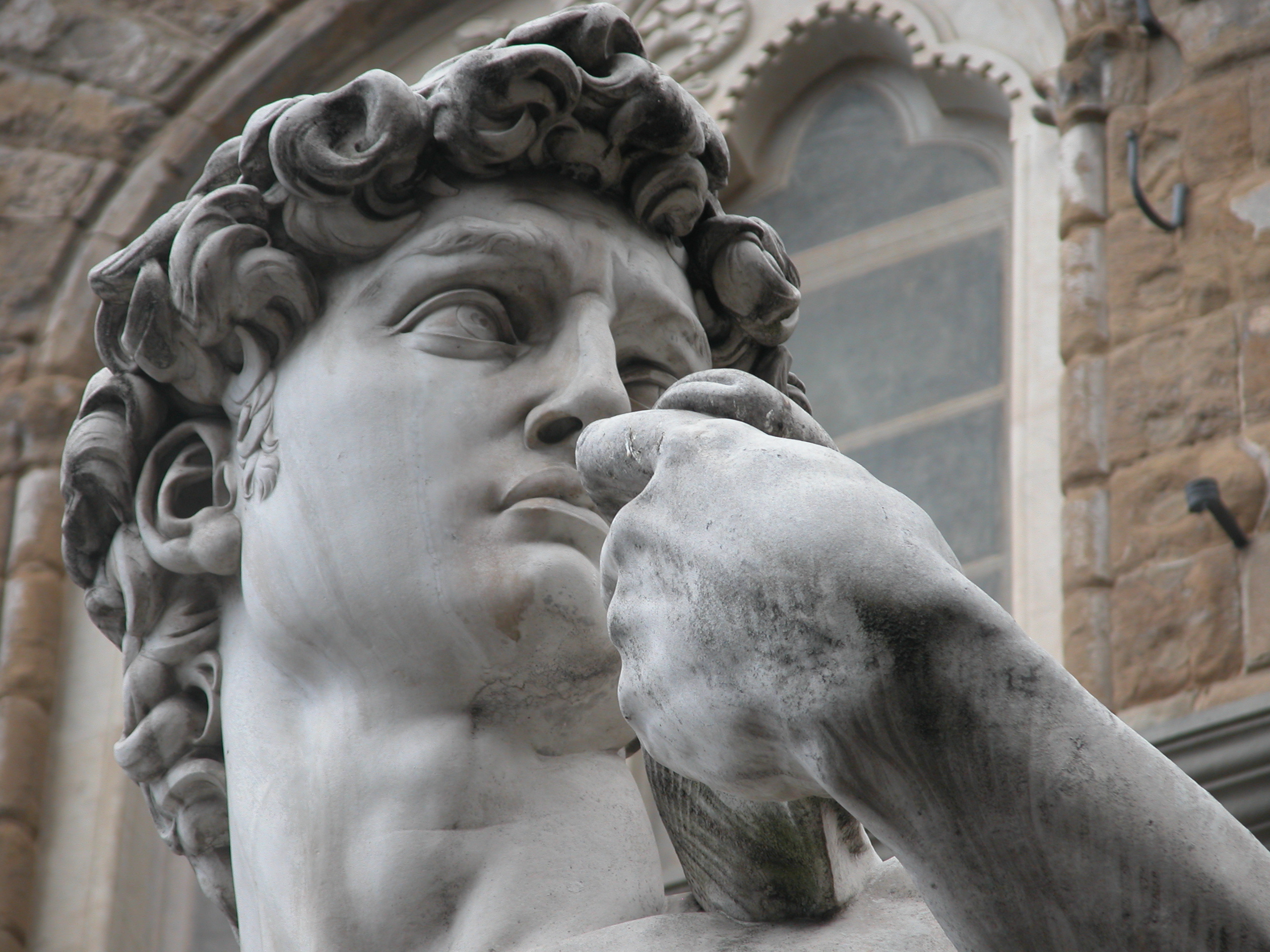



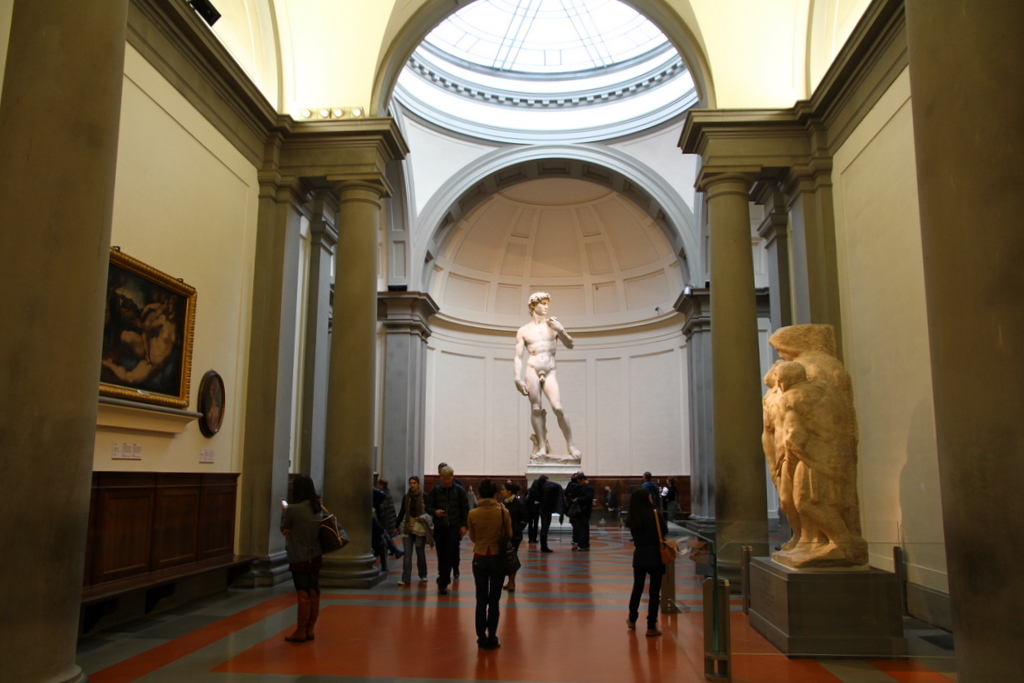


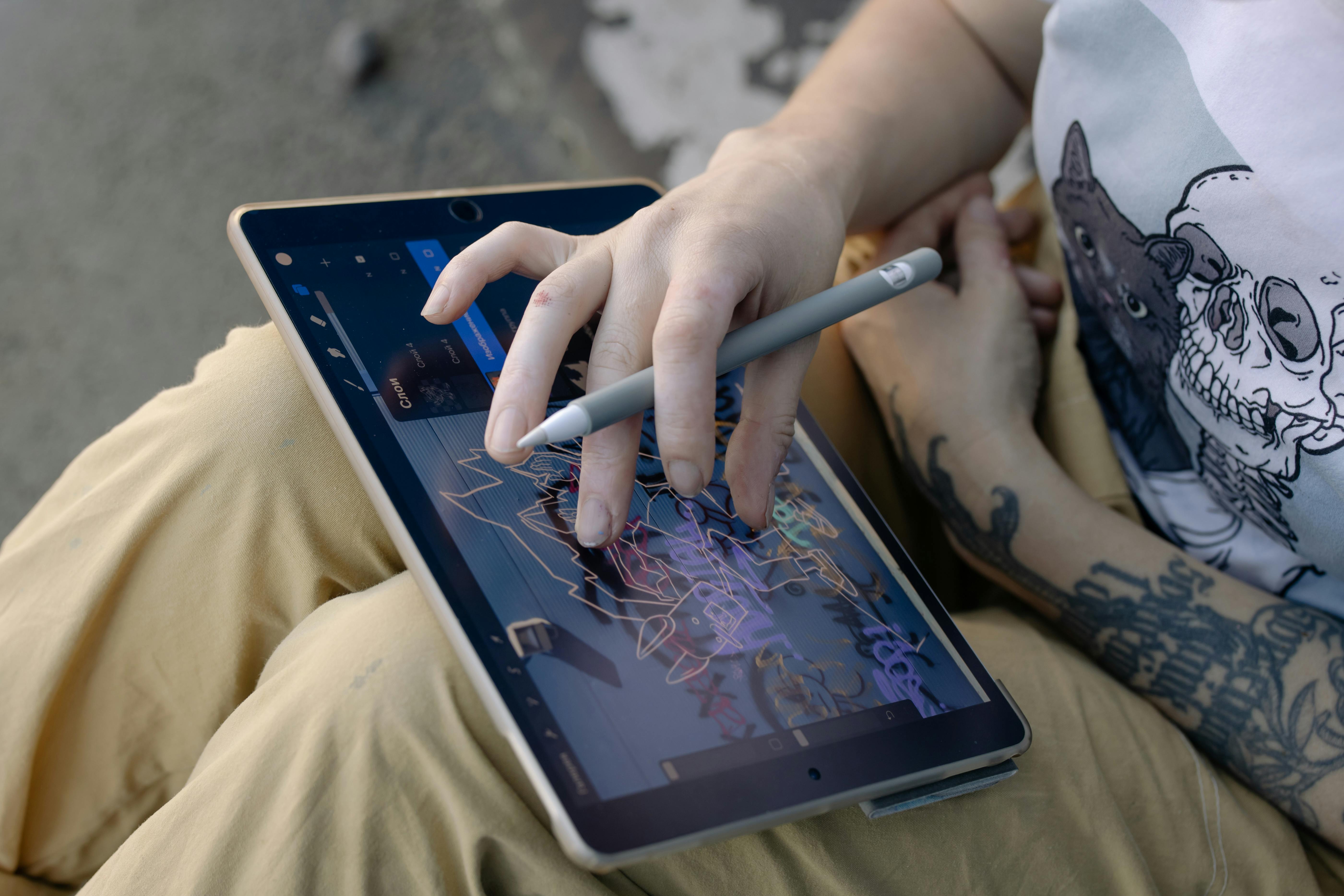

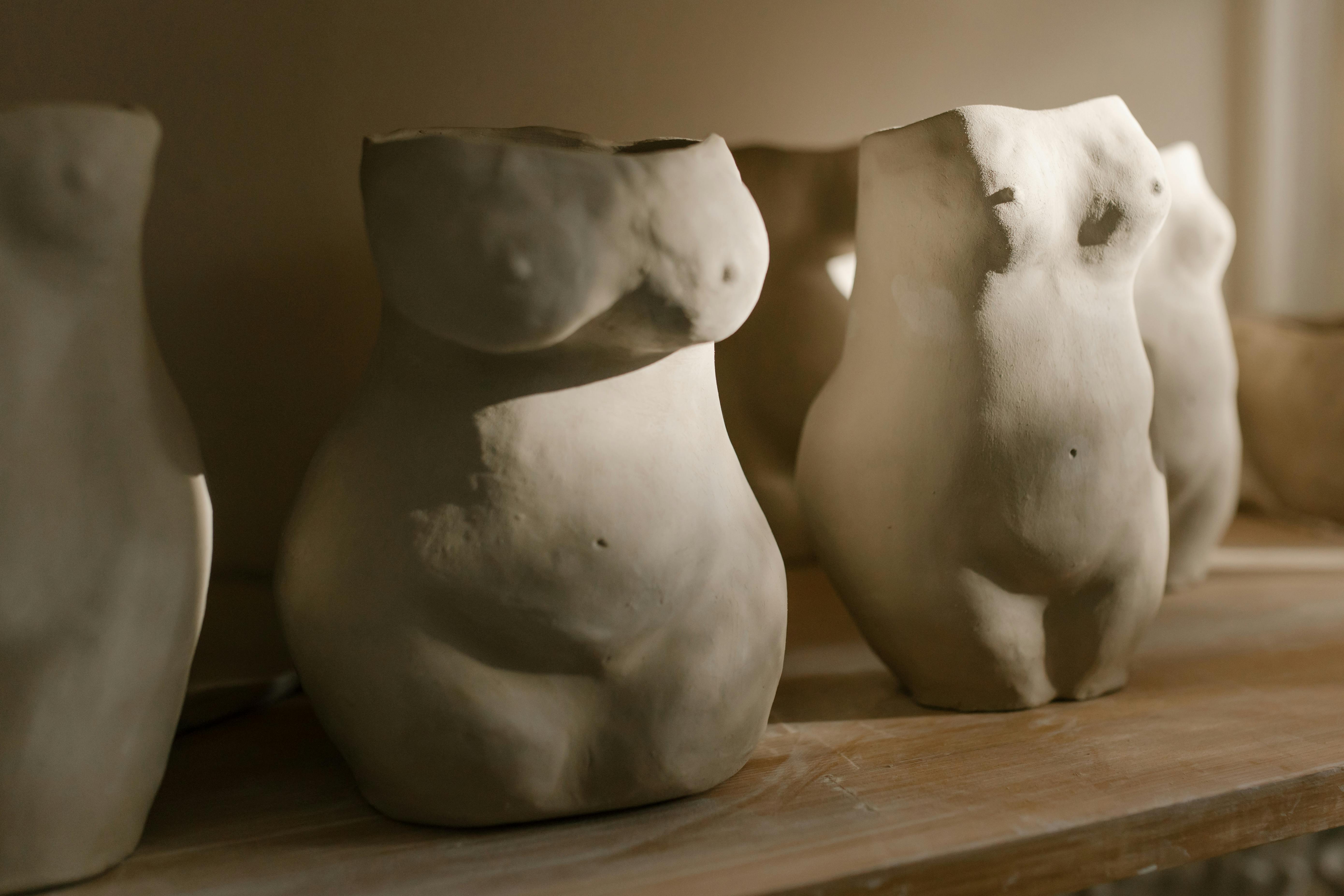

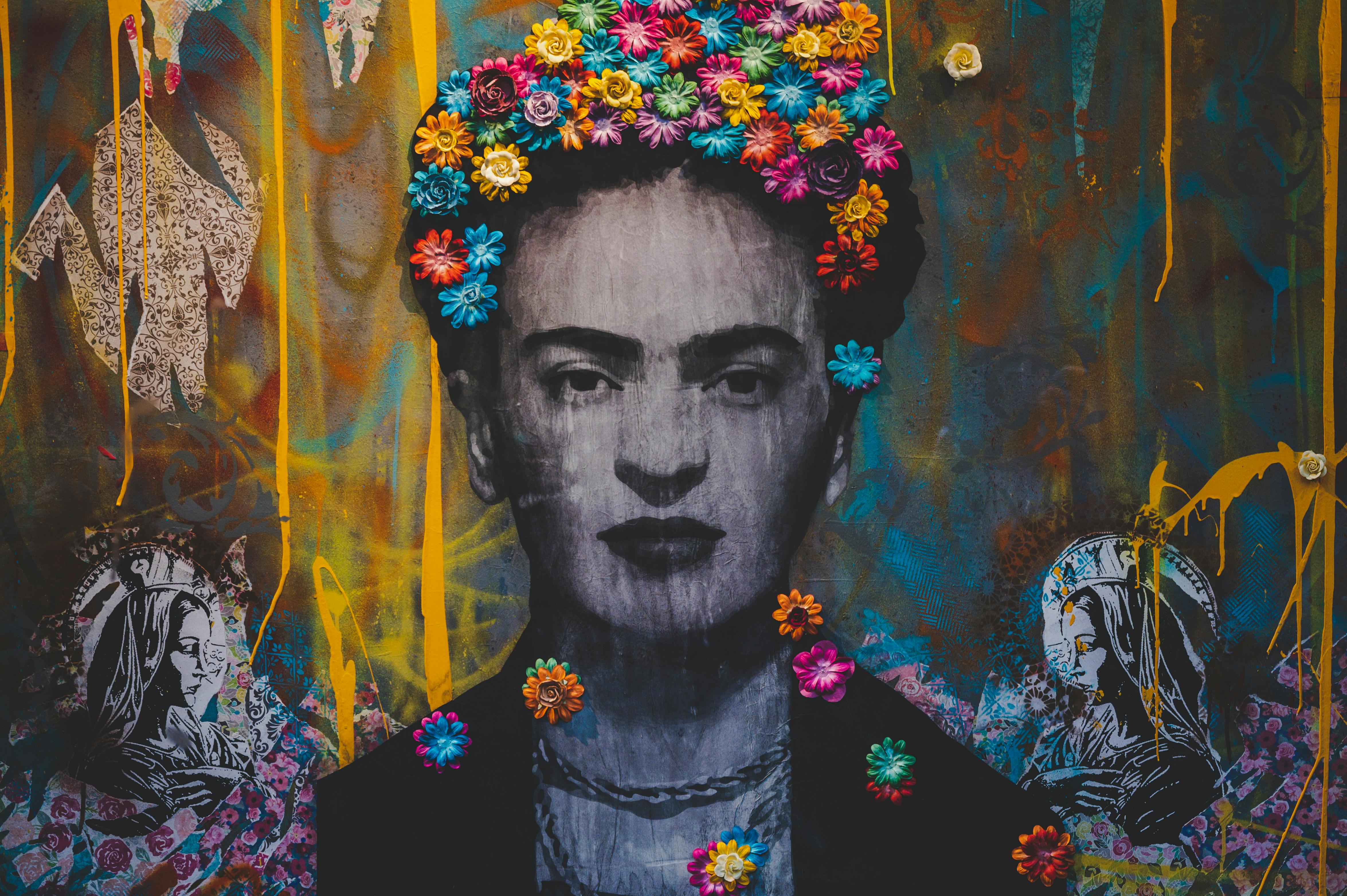


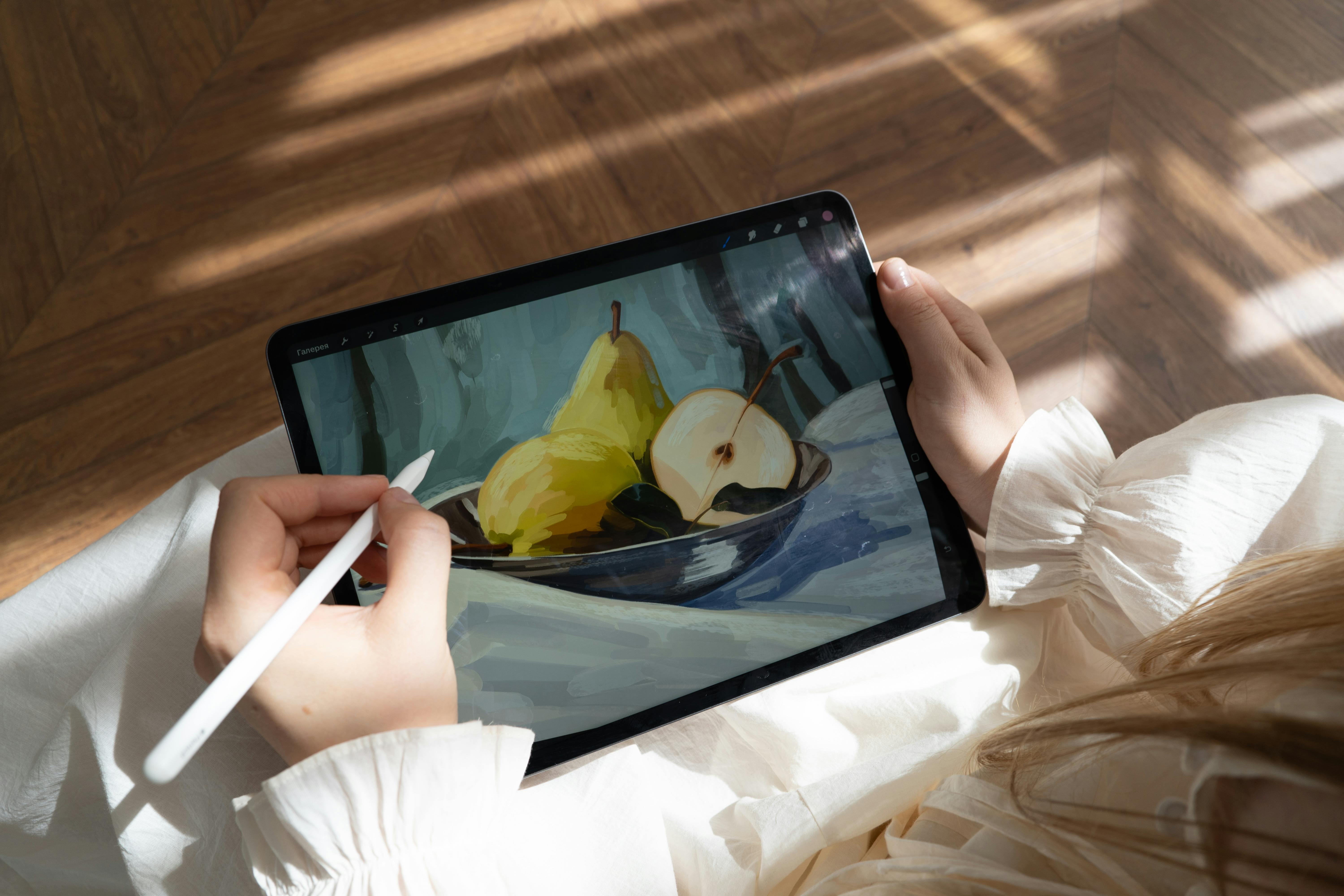
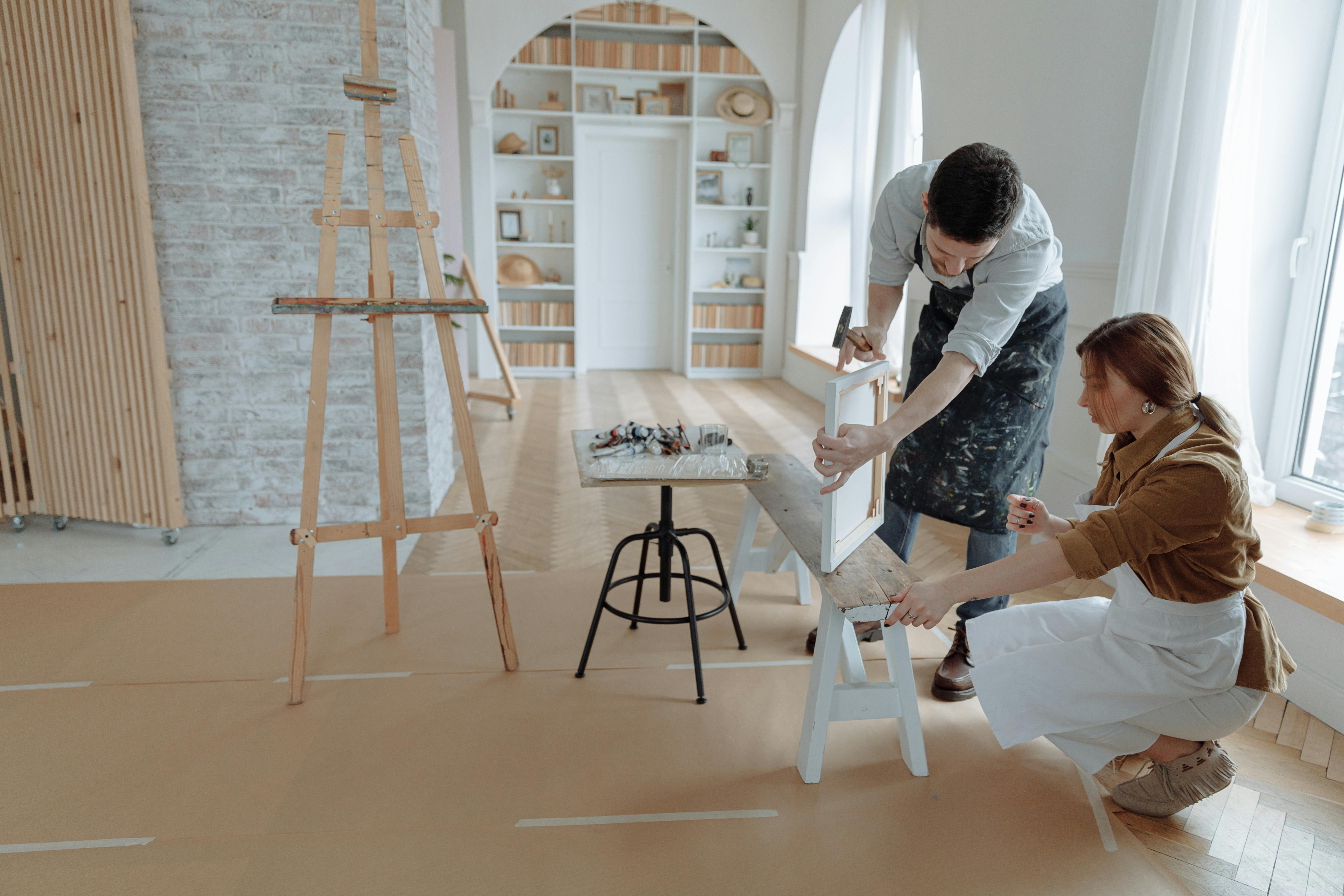

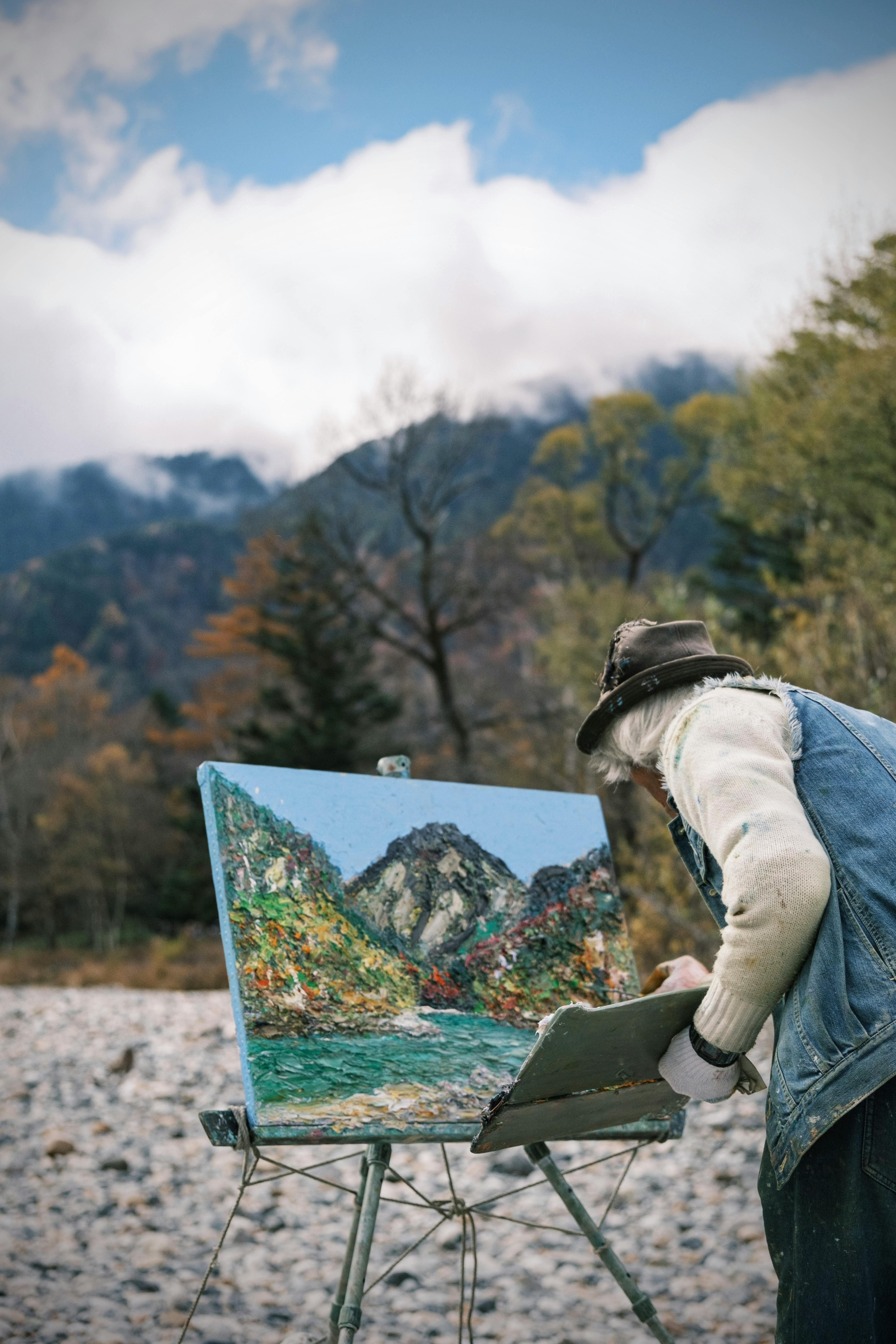




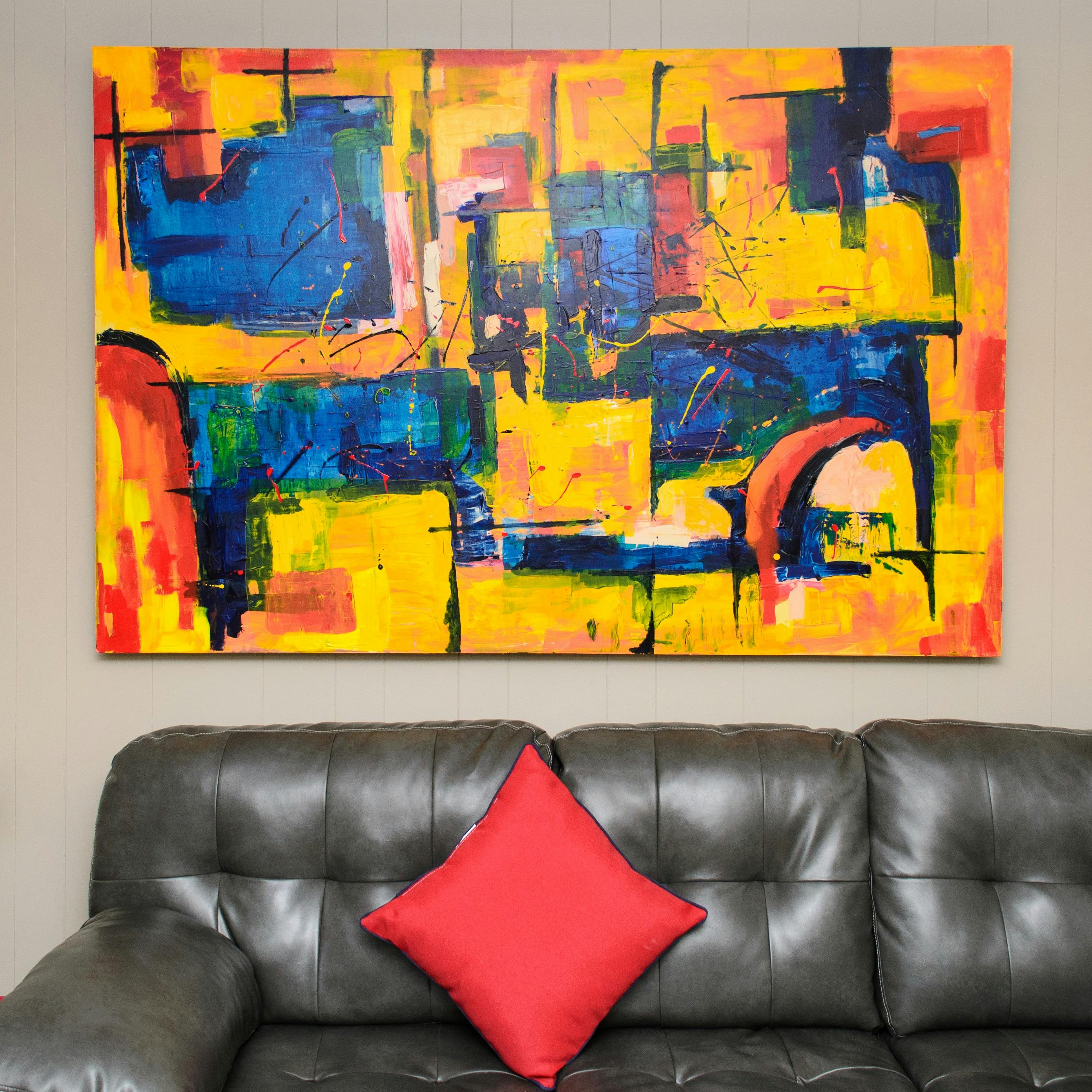


How do I maintain long-term connections?
Making an initial connection is just the first step; nurturing it over the long haul is where the real magic (and effort!) happens. I used to be terrible at this, letting promising contacts fade away because I felt awkward reaching out. But I learned that consistency, even in small doses, is key. It's like tending a garden – a little water regularly is better than a flood once a year. These sustained, low-pressure interactions build trust and familiarity, transforming casual acquaintances into cherished relationships over time. It's about being present and thoughtful, not overwhelming.
- The "Touch Base" Check-in: Every few months, send a quick, non-demanding email or message. "Hope you're well! Just saw [their recent news/work] and wanted to say congrats/how much I admired it." or "I was thinking of our conversation about [topic] the other day." Keep it brief and genuine. A well-timed, low-pressure check-in can rekindle a connection beautifully.
- Share Value: If you come across an article, exhibition, or opportunity that you genuinely think a connection would find interesting or useful, send it their way. This shows you remember them and value their interests, without asking for anything in return. It positions you as a helpful resource.
- Celebrate Their Wins: A quick message congratulating them on a new show, a successful project, or an award goes a long way. It demonstrates support and keeps you on their radar in a positive light. Authentic celebration fosters goodwill.
- Be Patient: Relationships grow organically. Don't force interactions or expect immediate returns. The goal is to build a foundation of mutual respect and genuine interest over time. Some of the best connections have taken years to blossom.
- Organize Your Contacts: Use a simple spreadsheet or a CRM tool to keep track of who you've met, when you last connected, and any relevant notes from your conversations. This makes consistent follow-up much easier and ensures you don't forget important details. Maintaining connections is less about grand gestures and more about consistent, thoughtful attention. It transforms fleeting encounters into a robust, supportive artistic community. Remember, these relationships enrich your life as an artist in myriad ways, far beyond any immediate professional gain.
What if I feel I have nothing to offer?
This is a surprisingly common feeling, especially among introverted or emerging artists. That little voice of imposter syndrome whispers, "Why would anyone want to talk to me?" The truth is, you have immense value to offer, even if it doesn't feel like a flashy portfolio or a list of gallery shows. I've been there, convinced my tiny studio practice was insignificant, feeling like a speck in a vast ocean of talent. But I learned that every artist, at every stage, has something unique, a perspective and a voice that no one else can replicate. Your individuality is your strength. Don't underestimate the power of your authentic self; it's your most compelling offering in any interaction.
Consider what you do have to offer:
Your Offering | Why It Matters | Personal Value |
|---|---|---|
| Your Unique Perspective | No one sees the world exactly like you do. Your artistic vision, inspirations, and creative process are fascinating. | What you might consider mundane about your studio practice (e.g., your process, your approach to how to find your art subject) could be a revelation to someone else. Your unique story is your most compelling offering. |
| Your Curiosity | Being genuinely curious is a superpower in networking. It's a gift you offer to others, making them feel seen and heard. | It shows respect and a willingness to learn. By asking thoughtful questions, you become memorable and open doors to deeper conversations. |
| Your Enthusiasm | When you talk about the art you love, or the techniques you're experimenting with, that passion is infectious and inspiring. | It's a vibrant energy you bring to any conversation, inspiring others and making you memorable. Genuine passion is always attractive, even if it's for something niche like what is alla prima painting. |
| Your Support | Offering a thoughtful compliment, sharing a relevant article, or simply showing up to another artist's event is a huge gift. | You offer validation and camaraderie, contributing to a positive and supportive artistic ecosystem. Remember, a rising tide lifts all boats – your support fuels others, which in turn strengthens the community. |
| Your Experience (Even Early On) | Every step of your artistic journey, including struggles, provides valuable insights for others on a similar path. | Even if you're an emerging artist, your fresh perspective on current trends, new materials, or challenges like how to overcome fear of the blank canvas can be incredibly helpful to others. |
| Your Time & Attention | In a fast-paced world, genuinely listening and engaging with someone is a rare and powerful gift. | Offering your full attention in a conversation makes others feel valued. It's a simple, yet profound, act of generosity. |
You don't need to arrive with a grand pitch or a list of accomplishments. You arrive with your authentic self, your passion for art, and your willingness to connect on a human level. That, my friend, is more than enough. You are a unique thread in the intricate tapestry of the art world; your presence alone adds value, and your willingness to engage genuinely is a powerful currency. Your story is worth sharing.

How do I handle rejection or awkward encounters?
Let's be real: not every conversation will be a masterpiece. You'll encounter awkward silences, people who aren't interested, or even outright rejections (especially if you're venturing into gallery pitches, which we already advised against in the early stages!). It stings, I know. But here’s the thing: every single artist I know, myself included, has faced these moments. It's not a reflection of your worth as an artist or a person; it's just part of the process, a necessary component of putting yourself out there. Rejection is rarely personal; it's usually about fit, timing, or external circumstances beyond your control. I once had a curator literally turn their back to me mid-sentence, and for a moment, I felt utterly deflated. But then I remembered: it's not about me, it's about their boundary, or their bad day, or their specific agenda. It doesn't diminish my art, nor does it diminish my potential for future, more meaningful connections. Resilience is key in this journey, much like an abstract painting that transforms its initial 'failures' into a richer composition. It’s about learning to dust yourself off, extract any lessons, and move forward with your head held high, knowing that every "no" brings you closer to a genuine "yes."
Strategy for Rejection/Awkwardness | Description & Benefits | Personal Application |
|---|---|---|
| Embrace the "No" | A "no" isn't a dead end; it's a redirection. It tells you that this particular connection, at this particular time, wasn't a fit, clearing the path for a "yes" that truly resonates. | I've learned to view a "no" as simply "not right now" or "not for me," rather than a judgment on my work. It's a filter, not a final verdict. |
| Learn, Don't Linger | After an awkward encounter or a rejection, do a quick, honest debrief with yourself (What could I have done differently? What did I learn?). Then, let it go. | Don't dwell on negative interactions. The art world is vast, and your energy is precious. Extract the lesson, then move on to more fertile ground. |
| Reframe Your Mindset | Instead of viewing these as failures, see them as data points. Each interaction, positive or negative, provides information that helps refine your approach. | It's like a scientific experiment; every "failed" attempt brings you closer to a breakthrough, refining your hypotheses and strengthening your methodology. It's all part of the timeline of growth. |
| Have a Sense of Humor | Sometimes, things are just genuinely funny in retrospect. A little self-deprecating humor can dissolve the sting of embarrassment. | I once tried to pitch my work to someone who turned out to be the janitor – a lovely man, but not a gallerist! A good laugh helps put things in perspective. |
| Lean on Your Inner Circle | Talk to your trusted artist friends about these experiences. They'll commiserate, offer advice, and remind you that you're not alone. | Shared experiences can build even stronger bonds, turning individual challenges into collective wisdom and reminding you that imposter syndrome is a shared experience. |
| Practice Detachment | Separate your self-worth from external validation or rejection. Your value as an artist is inherent, not contingent on others' opinions. | This is easier said than done, but remind yourself that one person's opinion doesn't define your art. Focus on your internal compass and creative purpose. |
Networking, like art-making, requires resilience. The ability to bounce back, to iterate, and to keep showing up is perhaps one of the most valuable skills you can cultivate. Don't let a few uncomfortable moments deter you from building the vibrant community your art deserves.
Beyond Selling: The Intrinsic Value of Connection
While networking often focuses on career advancement and opportunities, it's crucial to acknowledge the profound intrinsic value of genuine connection itself. I remember a period of intense creative isolation, feeling adrift in my studio. It wasn't a lack of sales that got to me, but a lack of shared understanding, a feeling that no one truly "got" the struggles or triumphs of my artistic path. Reconnecting with other artists during that time wasn't about making a sale; it was about sanity, validation, and rekindling my own passion. These are the intangible, yet invaluable, returns on your networking investment, forming the very bedrock of a resilient and fulfilling artistic life. It's the human element that breathes life into the often solitary act of creation, reminding you that your art exists within a vibrant, interconnected world.
Intrinsic Benefit | Why It's Invaluable | Personal Impact |
|---|---|---|
| Emotional Support | The art world can be tough. A network of peers provides invaluable emotional support, reduces isolation, and offers empathy during highs and lows. | Knowing you're not alone in the struggle is incredibly powerful. I've had countless conversations with fellow artists that felt like a lifeline during challenging creative periods. |
| Creative Inspiration | Dialogue with other artists, seeing their processes, or simply discussing ideas can spark new directions in your own work. It's a continuous wellspring of inspiration. | A different perspective can unlock a creative block. I've often found new approaches to my creative flow: embracing intuition in abstract painting just from a casual chat with a peer. |
| Sense of Belonging | Finding your "tribe" creates a powerful sense of belonging, reinforcing that you're part of a larger, vibrant community. | It's incredibly affirming for an often solitary profession, providing a feeling of being understood and accepted, akin to finding your artistic soulmates. |
| Shared Knowledge & Resources | Beyond formal mentorship, casual conversations can lead to discovering new techniques, materials, funding opportunities, or exhibition calls. | It's a collective intelligence that benefits everyone, building a stronger ecosystem for all. I've discovered amazing resources, from new art suppliers to grant opportunities, just through informal connections. |
| Accountability & Motivation | A supportive network can provide gentle pushes when you're procrastinating or celebrate your small victories, keeping you motivated. | Sometimes, a friendly check-in is all you need to get back in the studio. Knowing others are invested in your journey can be a huge motivator for maintaining your my creative journey: from concept to canvas in abstract art. |
| Validation & Affirmation | Hearing that your work resonates with others, even in small ways, can be incredibly validating and boost your confidence. | In moments of doubt, a genuine compliment or a thoughtful interpretation of my work from a peer or collector is priceless. It reminds me why I create. |
This deeper layer of connection, the one that nourishes your soul and fuels your creativity, is perhaps the most rewarding aspect of authentic artistic networking. It’s the difference between merely surviving as an artist and truly thriving, transforming a solitary pursuit into a shared, enriching journey. These intrinsic benefits are the true, lasting rewards of building a robust artistic community.
The Enduring Value: It’s a Marathon, Not a Sprint, Weaving Your Artistic Legacy
Ultimately, the journey of artistic networking is a profoundly personal one, inextricably intertwined with your unique creative path. It's about finding resonance, building bridges, and consciously contributing to a collective tapestry that enriches everyone involved. It's a continuous process, a slow burn that yields profound and lasting rewards, far beyond the immediate horizon or any fleeting success. It's a testament to the power of human connection in a world that often celebrates individual achievement, but truly thrives on collaboration and community.
Building a meaningful network—a true community, an intricate ecosystem of support and connection—takes time. It's not a transaction you complete; it's a practice you cultivate. It's about consistently showing up, being genuinely curious, and supporting other people's work as much as you hope they'll one day support yours. It's a marathon, yes, but it's a marathon where every mile marker is a new friend, a shared laugh, a moment of mutual understanding. This long-term perspective is crucial for sustained artistic growth, allowing you to build a foundation that can withstand the inevitable challenges of an artistic career. Think of it as an ongoing conversation, a dynamic process of growth and exchange.
Forget the idea of climbing a solitary ladder to artistic success. That narrative is isolating and, frankly, exhausting. Instead, think of it as weaving a magnificent, resilient web. Every thread, every conversation, every thoughtful follow-up, every act of reciprocity, every collaboration—each connection makes the whole structure stronger, more vibrant, and more capable of holding you and your art aloft, contributing to your unique timeline as an artist. Your legacy isn't just about the art you create, but the community you help build and nurture, leaving a lasting impact that extends far beyond your studio walls.
So, my fellow artist, go forth. Go have that conversation. Start small, be authentic, and remember your inherent value. I promise you, the journey of building your artistic community is less painful, and far more rewarding, than you think. It's how your art finds its audience, how your voice finds its echo, and how your creative spirit truly flourishes, leaving a legacy that extends far beyond the canvas or the sculpture, into the lives of those you've touched and inspired. Your network is not just a tool; it is a living, breathing testament to the power of human connection in the creative journey. It is, in essence, the very ecosystem that allows your artistic soul to breathe, expand, and leave an indelible mark on the world.
Call to Action: Start Weaving Your Network Today!
This guide has offered a roadmap, a set of principles, and actionable strategies for navigating the world of artistic networking without feeling like a phony. But reading is just the first step. The true transformation happens when you start doing. So, what's your first step? Is it attending a local gallery opening, sending a thoughtful message to an artist you admire online, or simply preparing your artist's narrative? The journey of a thousand miles begins with a single step, and the journey of building a vibrant artistic community begins with a single, genuine connection. Your art deserves an audience, and you deserve a supportive tribe. Go find them. Go create. Go connect. And remember, I'm here, cheering you on from my studio.