Who Is Edvard Munch? Beyond the Scream's Echoes
Dive deep into the life and art of Edvard Munch, from his early struggles to the iconic Scream. Discover his influence on Expressionism and why his powerful works still resonate today.

Who Is Edvard Munch? Beyond the Scream's Echoes
Edvard Munch is one of the most iconic figures in the history of modern art. His works, particularly The Scream, have transcended time and culture, resonating deeply with audiences across generations. This article aims to provide the most comprehensive and engaging source of information on Munch, exploring his life, influences, and enduring legacy.
I'm going to let you in on a little secret: when I first encountered Edvard Munch's work, I was captivated, yes, but also a little unnerved. His paintings, especially The Scream, have this incredible ability to crawl under your skin and stay there. They don't just depict emotion; they are emotion. So, when people ask, "Who is Edvard Munch?", I don't just think of a name; I think of a raw, almost visceral connection to the human condition. It’s a journey I invite you to take with me, exploring the man behind the iconic anguish.
Edvard Munch is one of the most iconic figures in the history of modern art. His works, particularly The Scream, have transcended time and culture, resonating deeply with audiences across generations. This article aims to provide the most comprehensive and engaging source of information on Munch, exploring his life, influences, and enduring legacy.
I'm going to let you in on a little secret: when I first encountered Edvard Munch's work, I was captivated, yes, but also a little unnerved. His paintings, especially The Scream, have this incredible ability to crawl under your skin and stay there. They don't just depict emotion; they are emotion. So, when people ask, "Who is Edvard Munch?", I don't just think of a name; I think of a raw, almost visceral connection to the human condition. It’s a journey I invite you to take with me, exploring the man behind the iconic anguish.
But who was Edvard Munch, really? To understand him, we need to delve into his life, his influences, and the broader context of his work. This article aims to provide the most comprehensive and engaging source of information on Munch, answering questions you might have and offering insights into his enduring legacy.
Why Munch's Art Resonates Today
Munch's work is not just a relic of the past; it speaks to the present with an uncanny relevance. His exploration of themes like anxiety, isolation, and existential dread feels eerily familiar in today's fast-paced, often isolating world. His ability to capture the essence of human emotion makes his art a timeless mirror to our own experiences. In this section, we'll explore why Munch's work continues to resonate with modern audiences and how it reflects the complexities of contemporary life.
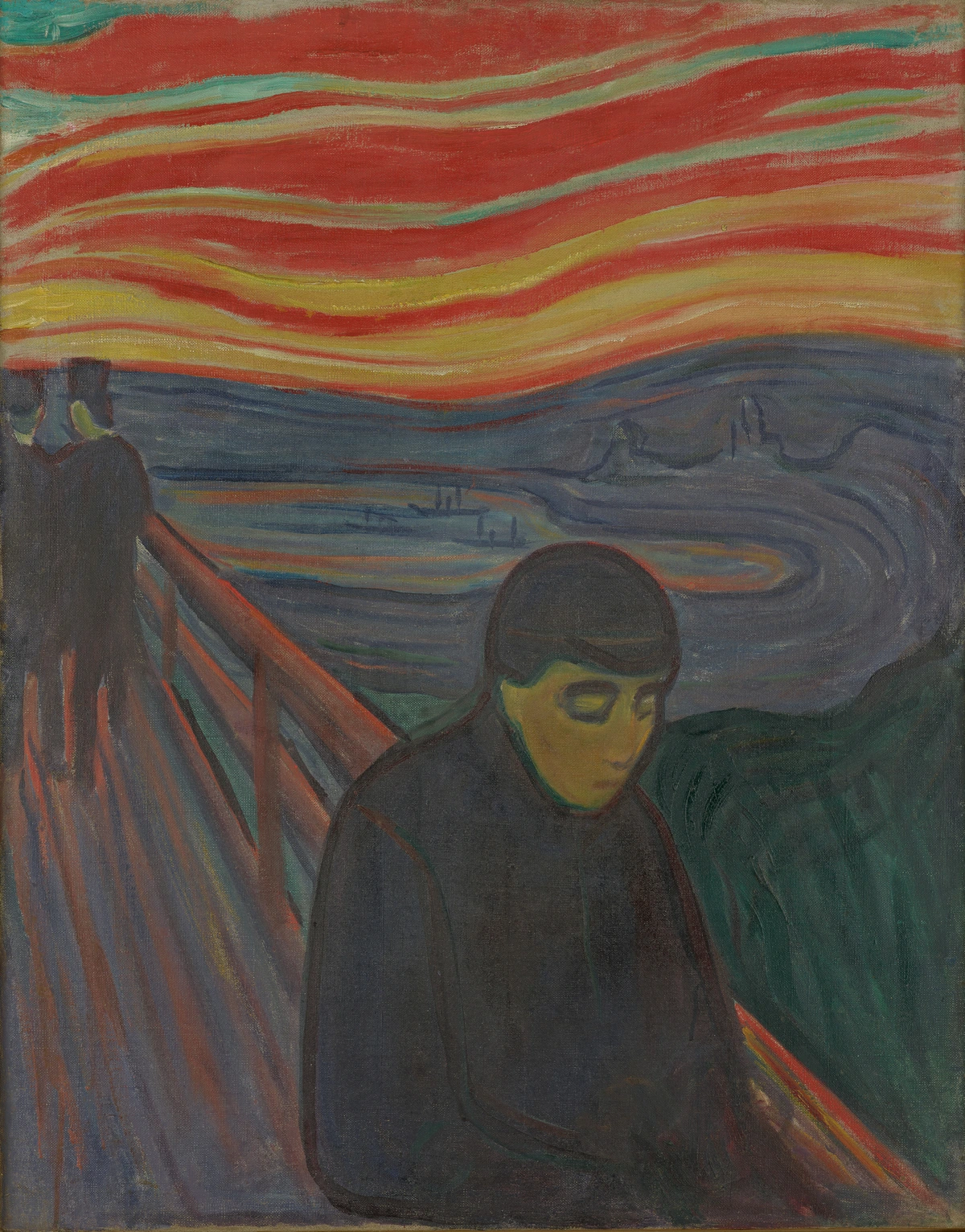
Munch's work is not just a relic of the past; it speaks to the present with an uncanny relevance. His exploration of themes like anxiety, isolation, and existential dread feels eerily familiar in today's fast-paced, often isolating world. His ability to capture the essence of human emotion makes his art a timeless mirror to our own experiences. In this section, we'll explore why Munch's work continues to resonate with modern audiences and how it reflects the complexities of contemporary life.
Early Life and Influences
Edvard Munch's early life was marked by tragedy and hardship, which profoundly shaped his artistic vision. Born in 1863 in a small Norwegian village, Munch experienced the loss of his mother and sister to tuberculosis at a young age. These early experiences of grief and suffering would later become central themes in his work. His father's strict religious beliefs and struggles with mental health added another layer of complexity to Munch's upbringing, influencing his exploration of themes such as sin, guilt, and redemption.
Edvard Munch's early life was marked by tragedy and hardship, which profoundly shaped his artistic vision. Born in 1863 in a small Norwegian village, Munch experienced the loss of his mother and sister to tuberculosis at a young age. These early experiences of grief and suffering would later become central themes in his work. His father's strict religious beliefs and struggles with mental health added another layer of complexity to Munch's upbringing, influencing his exploration of themes such as sin, guilt, and redemption.
The Role of Norwegian Culture
Munch's early life in Norway played a significant role in shaping his artistic sensibilities. The stark landscapes, long winters, and cultural traditions of Norway are reflected in his work. The melancholic beauty of the Norwegian countryside and the emotional depth of its people are themes that recur throughout his oeuvre. The isolation and harshness of the Norwegian environment also contributed to the introspective and often somber tone of his art.
Munch's early life in Norway played a significant role in shaping his artistic sensibilities. The stark landscapes, long winters, and cultural traditions of Norway are reflected in his work. The melancholic beauty of the Norwegian countryside and the emotional depth of its people are themes that recur throughout his oeuvre. The isolation and harshness of the Norwegian environment also contributed to the introspective and often somber tone of his art.
Why Munch Matters Today
Edvard Munch's work transcends time, resonating with modern audiences as much as it did with his contemporaries. His exploration of themes like anxiety, isolation, and existential dread feels eerily relevant in today's fast-paced, often isolating world. Munch's ability to capture the essence of human emotion makes his art a timeless mirror to our own experiences.
The Universal Language of Emotion
Munch's art speaks a universal language of emotion, transcending cultural and temporal boundaries. His ability to evoke deep emotional responses in viewers is a testament to his mastery of visual storytelling. Whether it's the raw anguish of The Scream or the tender intimacy of The Kiss, Munch's work invites us to explore the complexities of our own emotions and experiences.
Edvard Munch's work transcends time, resonating with modern audiences as much as it did with his contemporaries. His exploration of themes like anxiety, isolation, and existential dread feels eerily relevant in today's fast-paced, often isolating world. Munch's ability to capture the essence of human emotion makes his art a timeless mirror to our own experiences.
The Universal Language of Emotion
Munch's art speaks a universal language of emotion, transcending cultural and temporal boundaries. His ability to evoke deep emotional responses in viewers is a testament to his mastery of visual storytelling. Whether it's the raw anguish of The Scream or the tender intimacy of The Kiss, Munch's work invites us to explore the complexities of our own emotions and experiences.
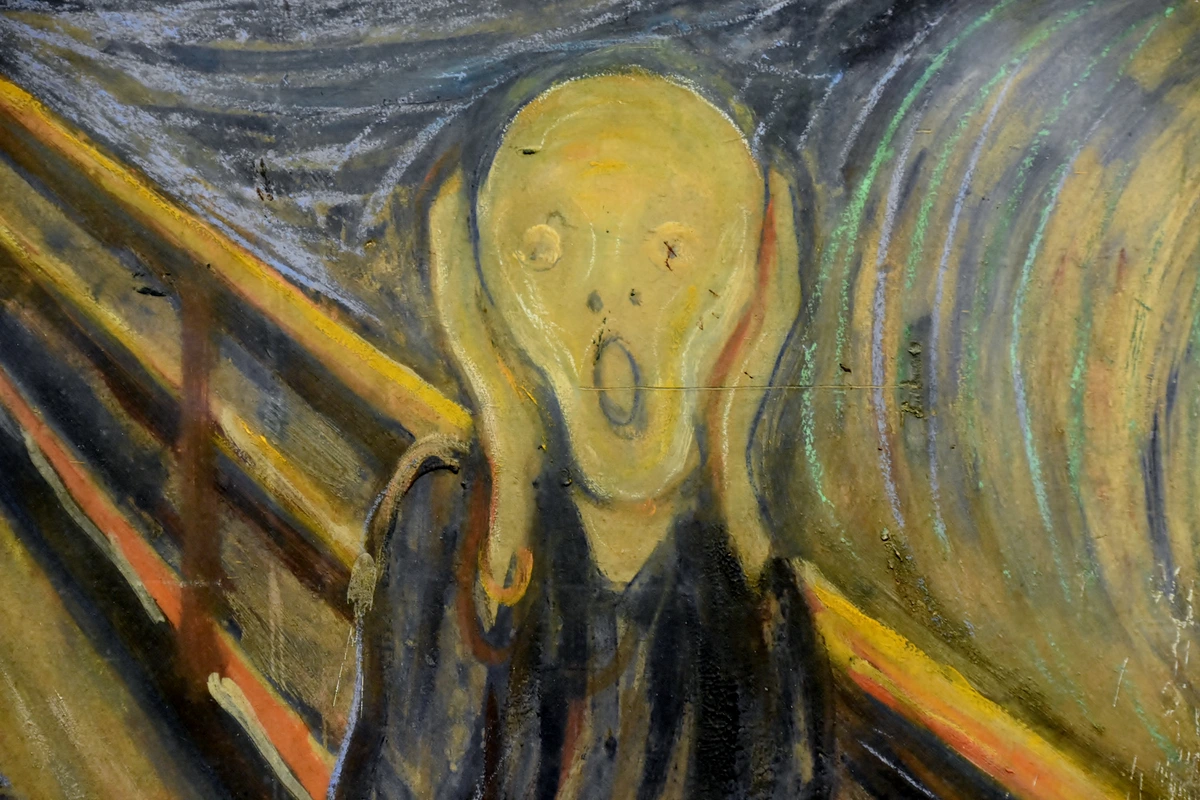
This iconic image is just one of many that Munch created, each telling a story of human emotion and experience. To truly appreciate Munch, we must explore his life, his influences, and the themes that defined his work.

The Shadow and the Spark: Munch's Early Life
Born in 1863 in a small Norwegian village, Edvard Munch's life was, to put it mildly, fraught with hardship. It's almost as if fate had a particularly cruel blueprint for him. His mother died of tuberculosis when he was just five, and his beloved older sister, Sophie, followed suit nine years later. His younger sister was later institutionalized for mental illness, and his father, a devout and often severe man, struggled with depression himself. Can you imagine growing up in such an environment? It's no wonder that themes of sickness, death, and melancholy became so deeply embedded in his artistic DNA. These aren't just abstract concepts in his work; they were lived realities.
He had a strong passion for art from an early age, but it wasn't a straightforward path. While initially studying engineering, he soon gravitated towards painting, enrolling in the Royal School of Art and Design in Oslo. It was here that the spark truly ignited, pushing against the heavy shadows of his past.
Born in 1863 in a small Norwegian village, Edvard Munch's life was, to put it mildly, fraught with hardship. It's almost as if fate had a particularly cruel blueprint for him. His mother died of tuberculosis when he was just five, and his beloved older sister, Sophie, followed suit nine years later. His younger sister was later institutionalized for mental illness, and his father, a devout and often severe man, struggled with depression himself. Can you imagine growing up in such an environment? It's no wonder that themes of sickness, death, and melancholy became so deeply embedded in his artistic DNA. These aren't just abstract concepts in his work; they were lived realities.
He had a strong passion for art from an early age, but it wasn't a straightforward path. While initially studying engineering, he soon gravitated towards painting, enrolling in the Royal School of Art and Design in Oslo. It was here that the spark truly ignited, pushing against the heavy shadows of his past.
The Role of Norwegian Culture
Munch's early life in Norway played a significant role in shaping his artistic sensibilities. The stark landscapes, long winters, and cultural traditions of Norway are reflected in his work. The melancholic beauty of the Norwegian countryside and the emotional depth of its people are themes that recur throughout his oeuvre.
The Influence of Norwegian Culture
Munch's early life in Norway played a significant role in shaping his artistic sensibilities. The stark landscapes, long winters, and cultural traditions of Norway are reflected in his work. The melancholic beauty of the Norwegian countryside and the emotional depth of its people are themes that recur throughout his oeuvre.
The Influence of Family and Tragedy
Munch's family life was marked by illness and loss, which profoundly shaped his worldview. His father's strict religious beliefs and struggles with mental health added another layer of complexity to Munch's upbringing. These experiences would later manifest in his art, where themes of suffering and existential dread are prevalent.
The Role of Religion in Munch's Work
Munch's father was a deeply religious man, and this religious upbringing left a lasting impression on the artist. Themes of sin, guilt, and redemption are woven into many of his works, reflecting the complex relationship he had with faith and spirituality. This tension between religious devotion and personal suffering is a recurring motif in his art.
Finding His Voice: Early Artistic Journeys
Munch’s early travels, particularly to Paris, were pivotal. This was the late 19th century, a crucible of artistic innovation. He absorbed the vibrant colors of Impressionism, the emotional depth of Symbolism, and the bold brushstrokes of Post-Impressionism. But he didn't just imitate; he synthesized. He took these influences and filtered them through his own unique, often tormented, perspective. I always see him as a sponge, soaking up everything, then wringing it out into something entirely new and profoundly personal.
The Role of Paris in Munch's Development
Paris was a hub of artistic experimentation, and Munch was deeply influenced by the city's vibrant art scene. He encountered the works of artists like Vincent van Gogh and Paul Gauguin, whose use of color and emotion left a lasting impression on him. This period was crucial in shaping Munch's artistic identity and setting the stage for his future masterpieces.
Munch’s early travels, particularly to Paris, were pivotal. This was the late 19th century, a crucible of artistic innovation. He absorbed the vibrant colors of Impressionism, the emotional depth of Symbolism, and the bold brushstrokes of Post-Impressionism. But he didn't just imitate; he synthesized. He took these influences and filtered them through his own unique, often tormented, perspective. I always see him as a sponge, soaking up everything, then wringing it out into something entirely new and profoundly personal.
The Role of Paris in Munch's Development
Paris was a hub of artistic experimentation, and Munch was deeply influenced by the city's vibrant art scene. He encountered the works of artists like Vincent van Gogh and Paul Gauguin, whose use of color and emotion left a lasting impression on him. This period was crucial in shaping Munch's artistic identity and setting the stage for his future masterpieces.
The Role of Paris in Munch's Development
Paris was a hub of artistic experimentation, and Munch was deeply influenced by the city's vibrant art scene. He encountered the works of artists like Vincent van Gogh and Paul Gauguin, whose use of color and emotion left a lasting impression on him. This period was crucial in shaping Munch's artistic identity and setting the stage for his future masterpieces.
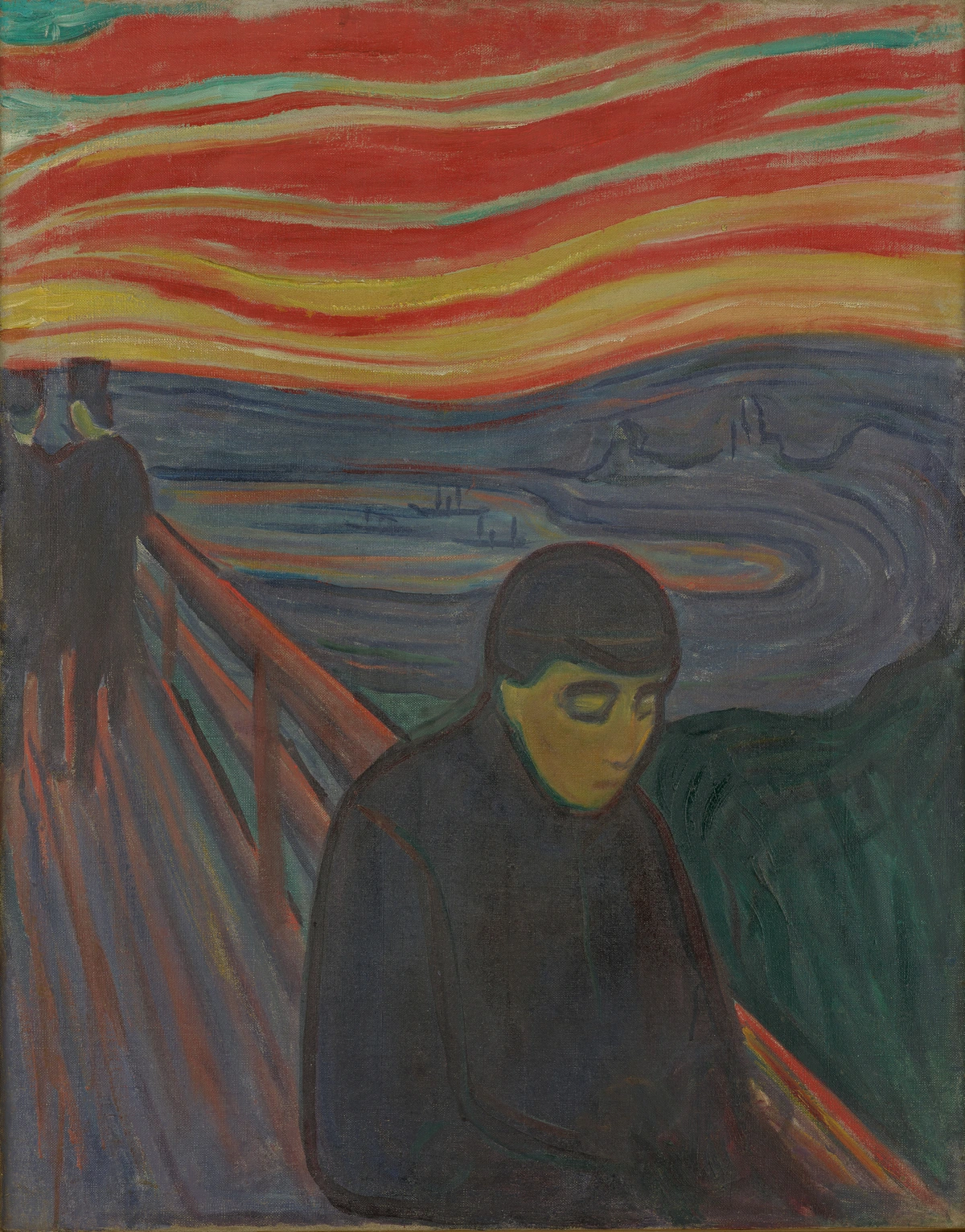
The Frieze of Life: A Thematic Exploration
Around the 1890s, Munch began developing what he called The Frieze of Life, a series of works exploring the fundamental stages of human existence: love, anxiety, despair, and death. He wasn’t just painting pretty pictures; he was mapping the landscape of the soul. This monumental undertaking included some of his most significant works and served as a conceptual backbone for his entire career. It’s a testament to his ambition and his unyielding focus on these universal, yet intensely personal, themes.
The Symbolism in The Frieze of Life
The Frieze of Life is rich in symbolism, with each piece representing a different facet of the human experience. Munch used recurring motifs such as the kiss, the dance, and the scream to explore the complexities of love, life, and death. These symbols are not just decorative elements but are deeply embedded in the emotional and psychological themes of his work.
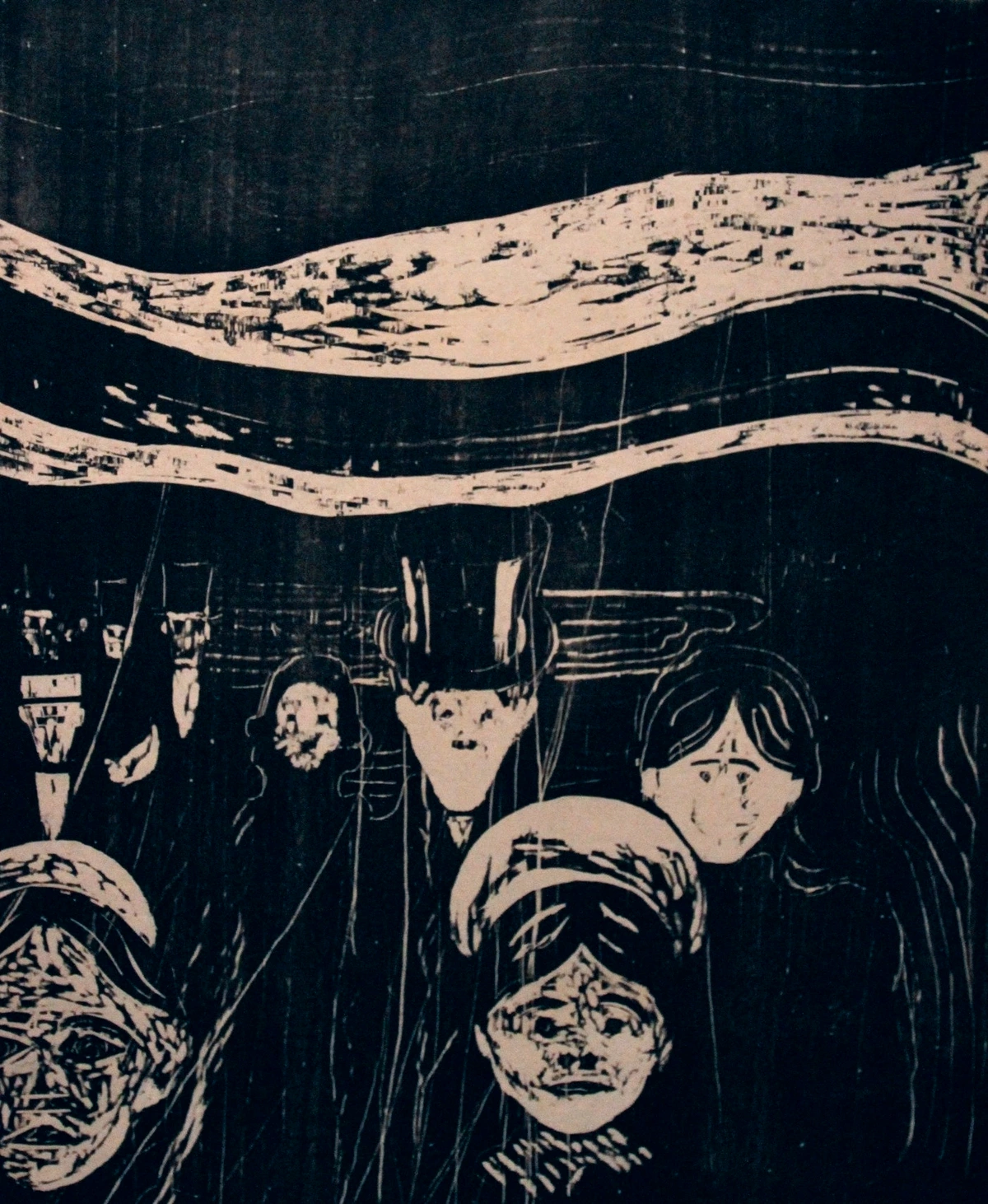
Key Works in the Frieze of Life
The Frieze of Life includes several notable works, each exploring different facets of human experience:
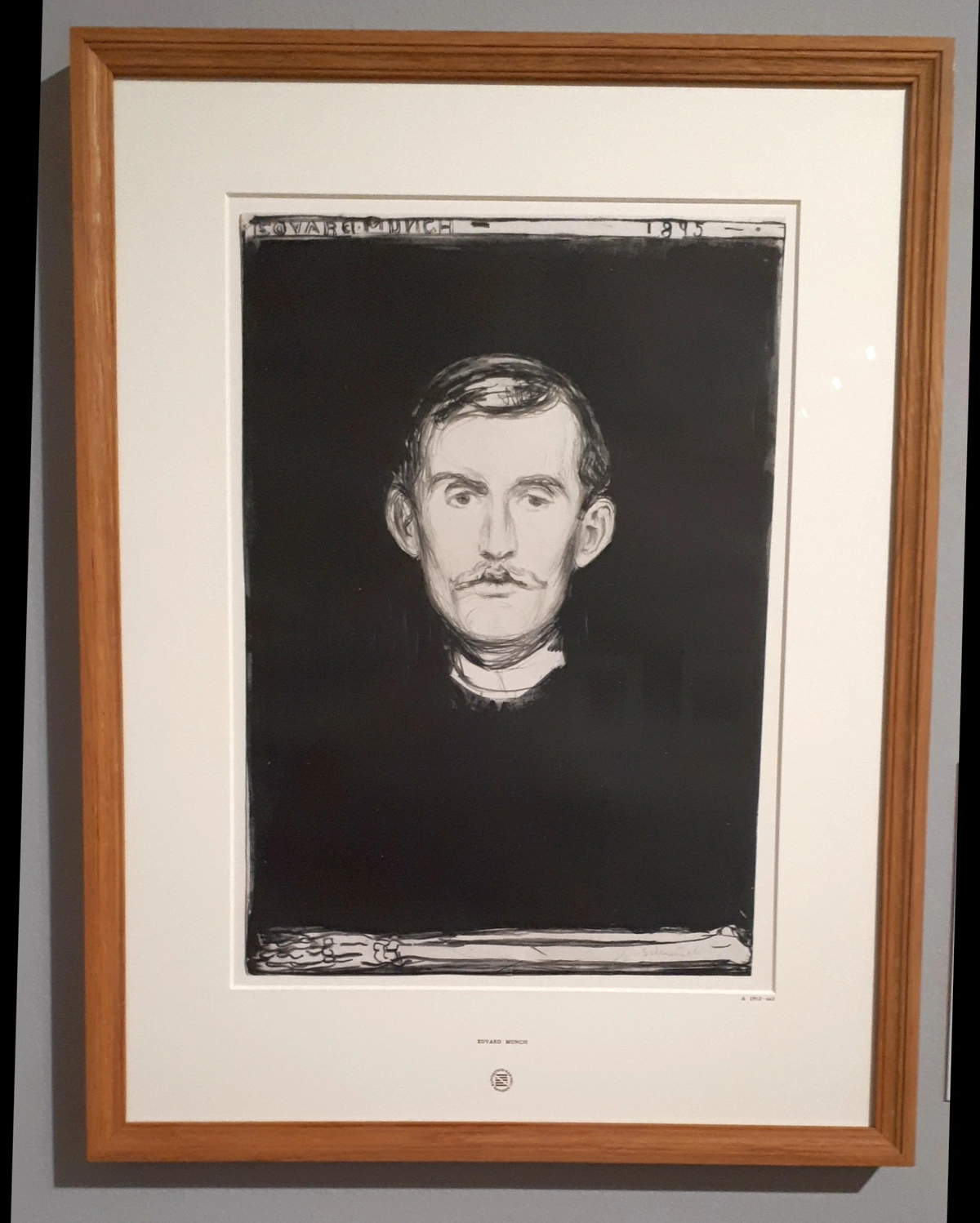
- The Kiss: A depiction of love and intimacy, but also the underlying tension and complexity of relationships.
- The Dance of Life: A portrayal of the stages of life, from youth to old age, and the emotions that accompany each phase.
- Ashes: A reflection on the fleeting nature of life and the inevitability of death.
These works collectively offer a profound exploration of the human condition, making Munch's Frieze of Life a cornerstone of his artistic legacy.
The Scream: A Resonance That Never Fades
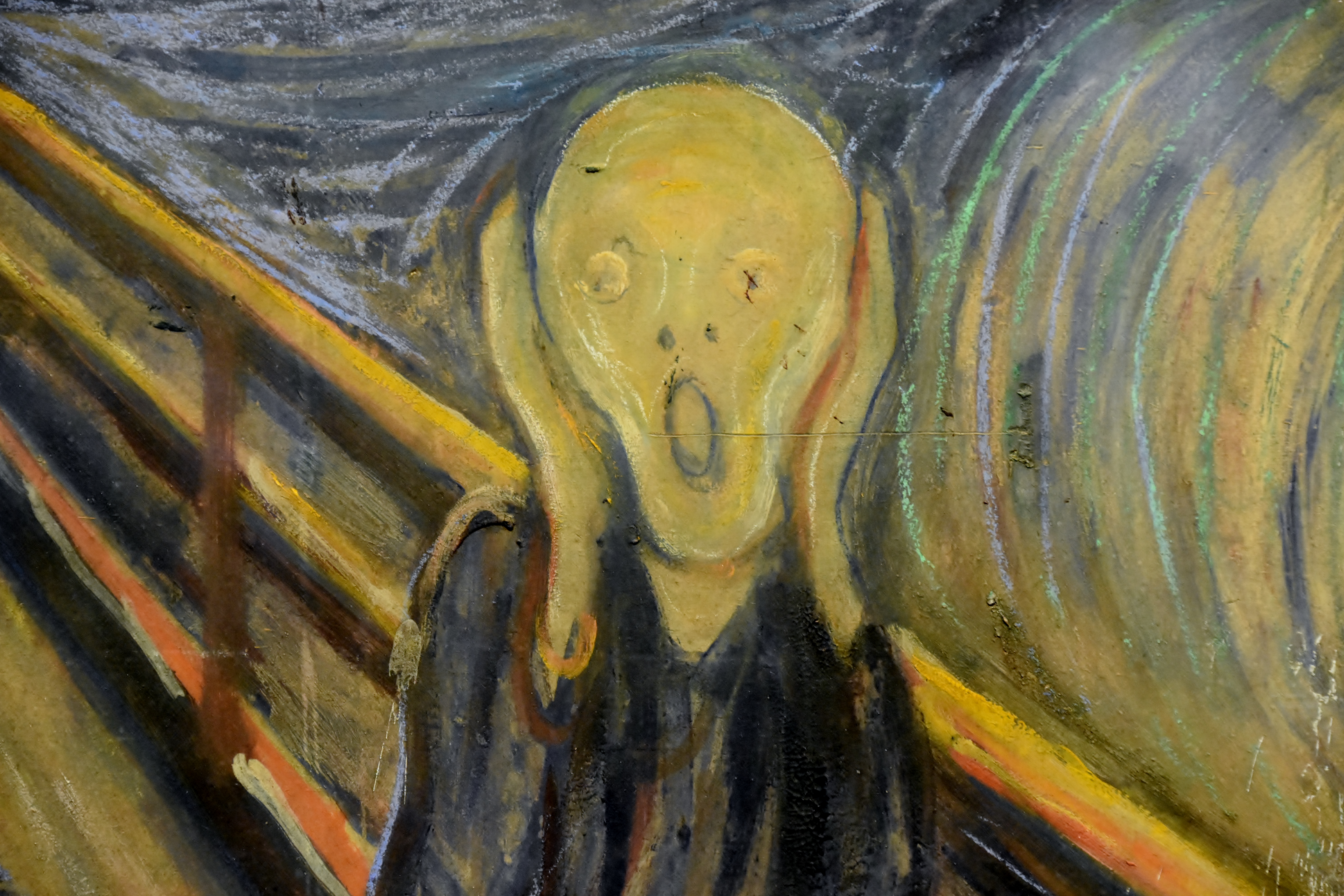
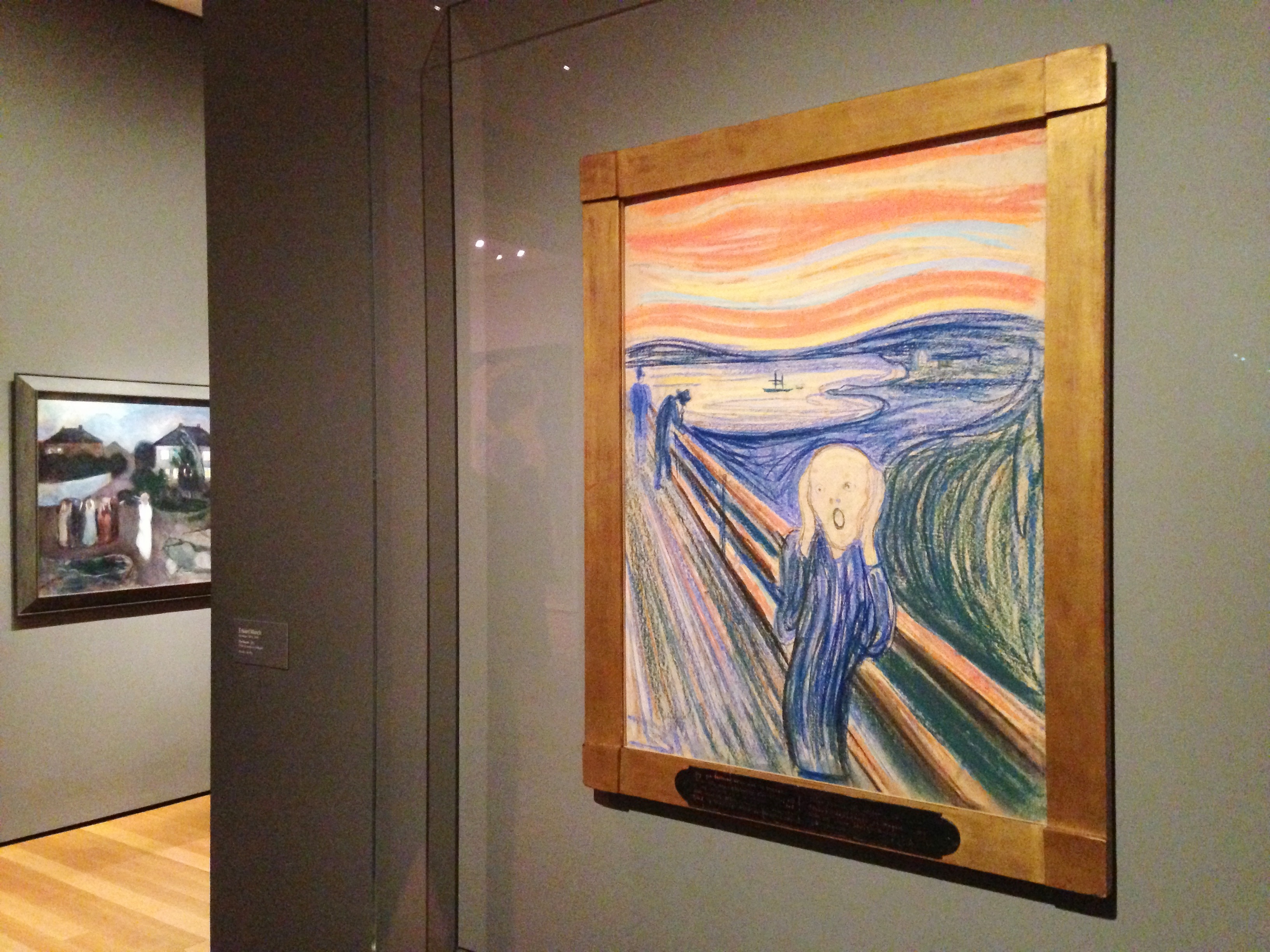
Ah, The Scream. It's probably why most of us know Edvard Munch. It's one of those rare artworks that has transcended the art world to become a universal symbol of modern anxiety and existential dread. I mean, who hasn't felt that raw, primal scream within them at some point? It's a feeling we all recognize, a common thread in our shared humanity. If you want a deeper dive, I've got a whole article on what is the meaning of The Scream by Edvard Munch that you might find compelling.
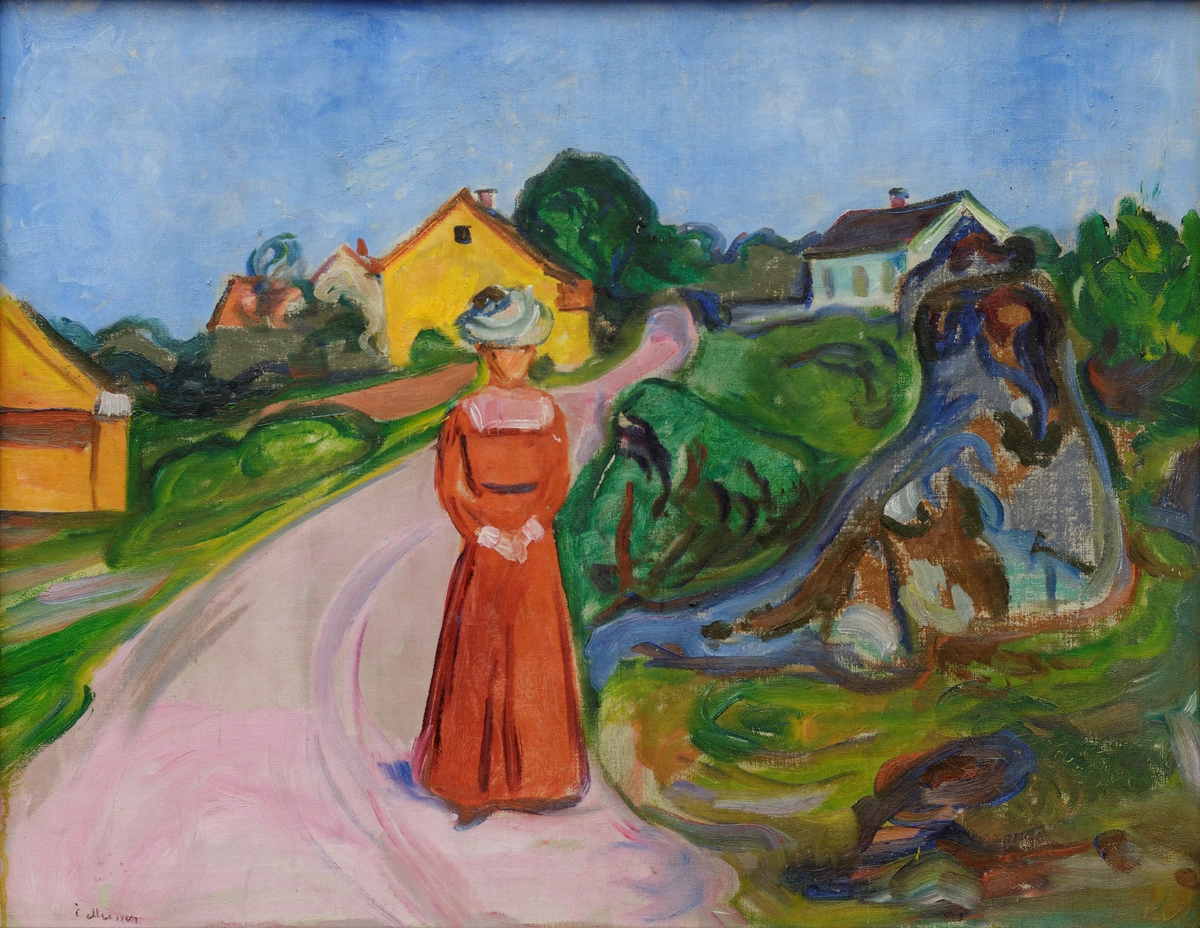
The Cultural Impact of The Scream
The Scream has permeated popular culture, appearing in films, literature, and even as a symbol of modern anxiety. Its haunting imagery has made it one of the most recognizable artworks in the world, transcending its origins to become a symbol of universal human experience. This cultural resonance speaks to Munch's ability to capture the essence of human emotion in a way that is both timeless and deeply personal.
The Cultural Impact of The Scream
The Scream has permeated popular culture, appearing in films, literature, and even as a symbol of modern anxiety. Its haunting imagery has made it one of the most recognizable artworks in the world, transcending its origins to become a symbol of universal human experience. This cultural resonance speaks to Munch's ability to capture the essence of human emotion in a way that is both timeless and deeply personal.
More Than Just a Scream: The Story Behind the Icon
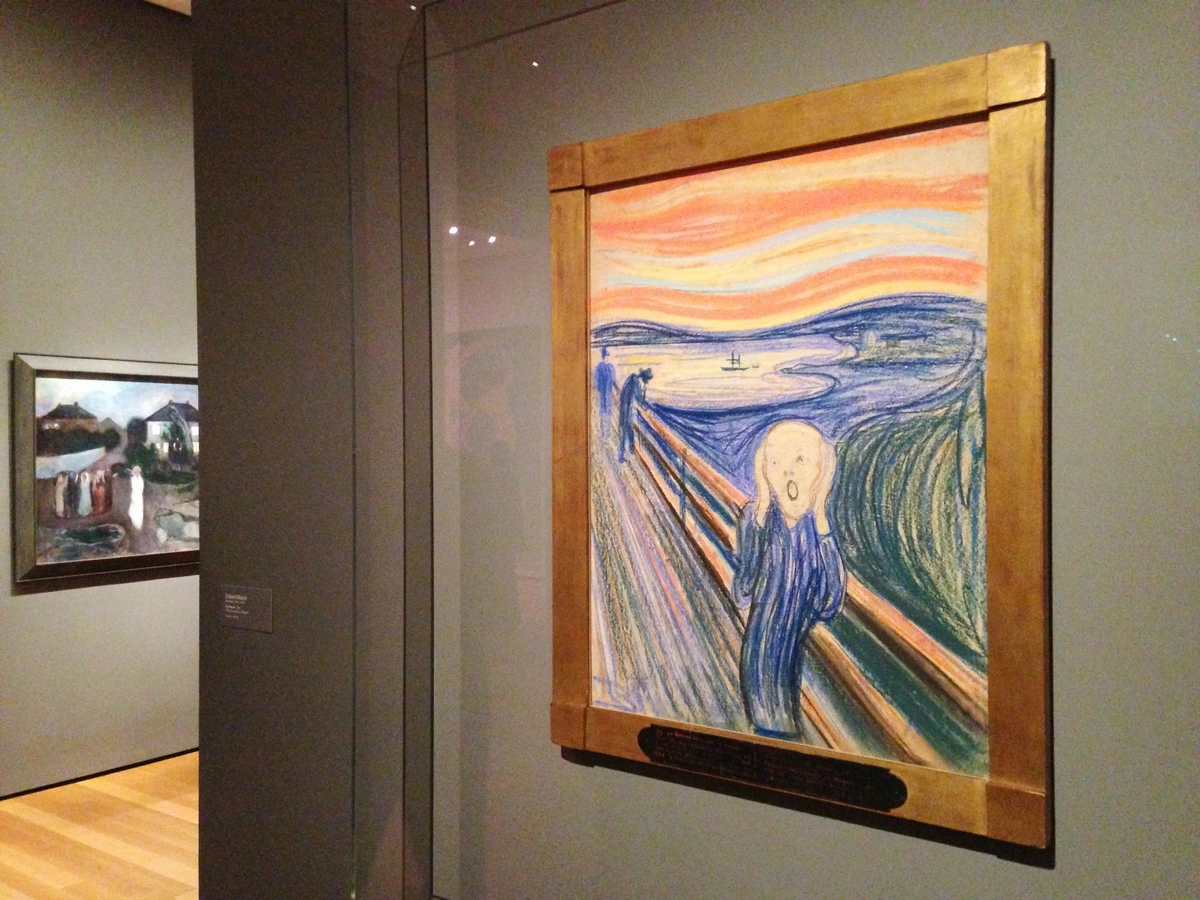
Munch himself described the inspiration for The Scream after a walk with friends: "I was walking along the road with two friends – the sun was setting – suddenly the sky turned a bloody red – I paused, feeling exhausted, and leaned on the fence – there was blood and tongues of fire above the blue-black fjord and the city – my friends walked on, and I stood there trembling with anxiety – and I sensed an infinite scream passing through nature." This wasn't a scream from the figure, but a scream through nature, felt by the artist. Mind-blowing, right?
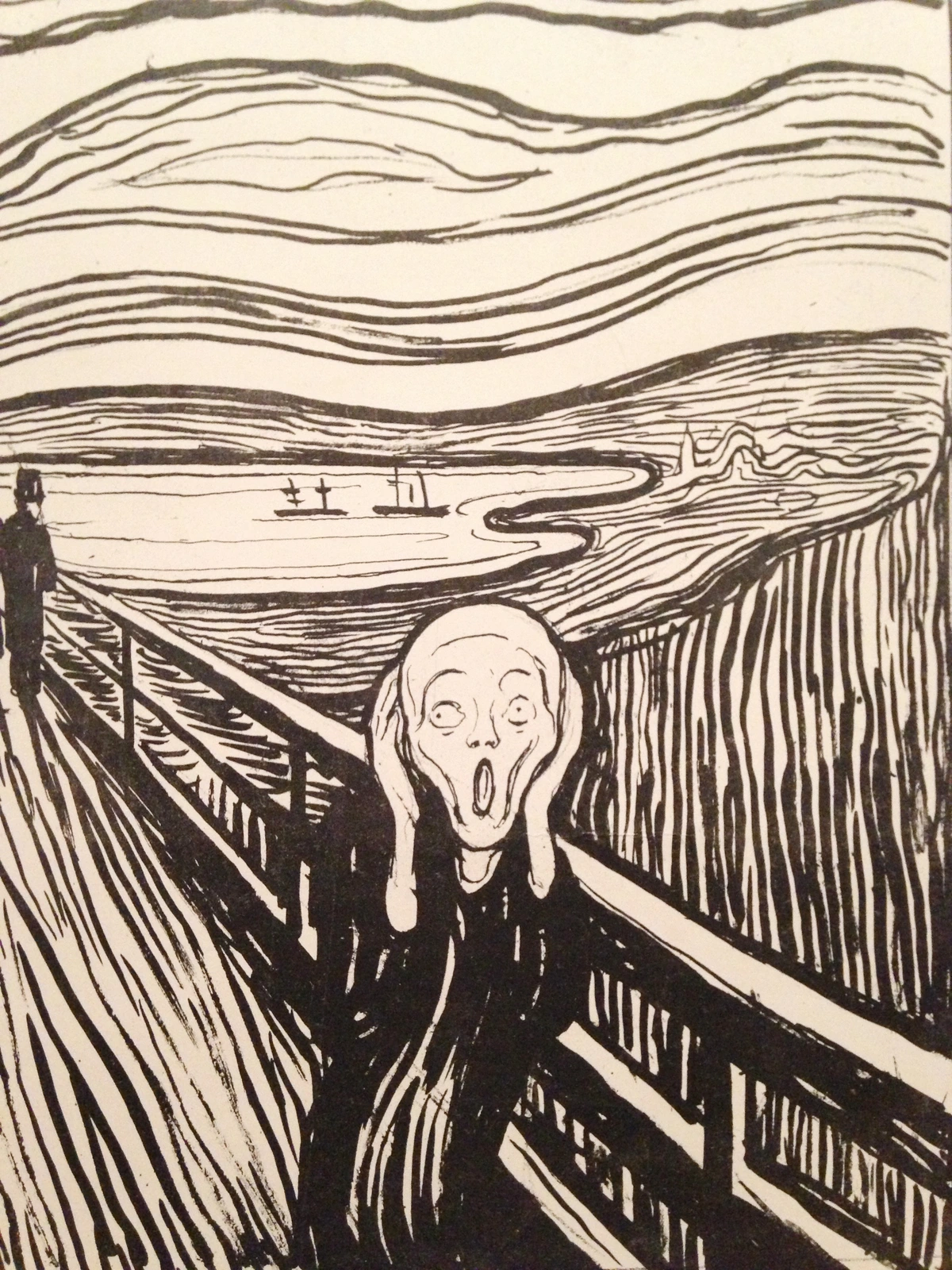
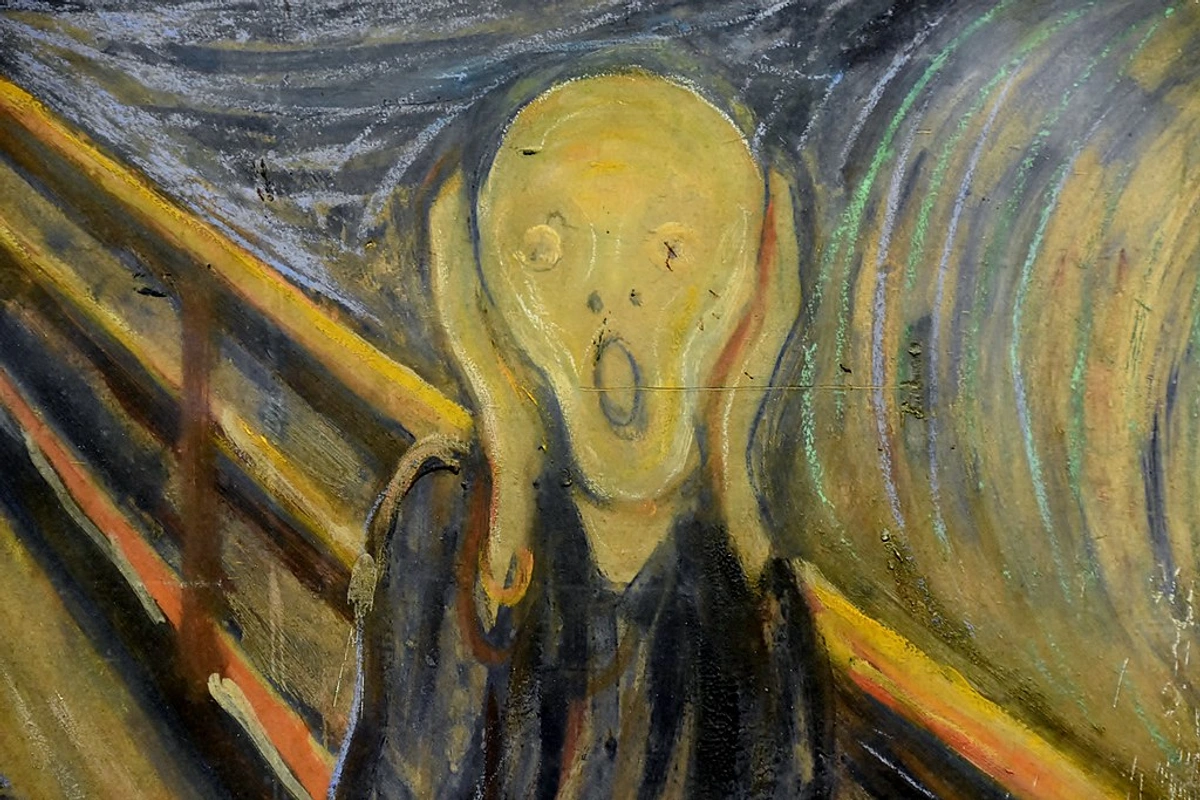
He actually created several versions of The Scream—paintings, pastels, and lithographs—between 1893 and 1910. Each one captures that same gut-wrenching moment but with subtle variations, almost like he was trying to perfect the articulation of pure terror. It reminds me of how an artist might revisit a theme, trying to extract every last drop of meaning from it. You can see some of these variations in the table below:
The Evolution of The Scream
Munch's multiple versions of The Scream highlight his obsession with capturing the essence of human emotion. Each iteration offers a unique perspective, allowing us to see the evolution of his artistic vision. This dedication to revisiting and refining his work is a testament to Munch's commitment to exploring the depths of human experience.
Version  | Year | Medium | Location (Primary) | Key Characteristic |
|---|---|---|---|---|
| Painting 1 | c. 1893 | Tempera & crayon on cardboard | National Gallery, Oslo | The most recognizable version, vibrant, intense. |
| Painting 2 | c. 1910 | Tempera on cardboard | Munch Museum, Oslo | Later version, slightly darker tones, inscription on frame. |
| Pastel 1 | 1893 | Pastel on cardboard | Munch Museum, Oslo | Known for a handwritten inscription by Munch. |
| Pastel 2 | 1895 | Pastel on cardboard | Private Collection | Sold for record price in 2012, more muted colors. |
| Lithograph | 1895 | Ink on paper | Various collections | Black and white print, allowed for wider distribution. |
Understanding the Anguish: Why It Still Speaks to Us
The enduring power of The Scream lies in its ability to tap into universal feelings of vulnerability, alienation, and existential dread. It’s not a literal portrait; it's a profound metaphor for the human condition in the face of an overwhelming, indifferent world. In our fast-paced, often isolating modern life, that feeling of being overwhelmed and unheard? It's incredibly relevant. It’s a work that asks you to look inward, and sometimes, that’s a terrifying prospect. But it also offers a strange comfort in knowing that someone else understood that feeling so profoundly.
The Psychological Depth of The Scream
Munch's ability to capture the essence of human emotion in The Scream is a testament to his deep understanding of the human psyche. The painting's haunting imagery and raw emotional power have made it a symbol of the struggles and anxieties that define the modern human experience. This psychological depth is what makes The Scream a timeless masterpiece, resonating with audiences across generations.
Beyond The Scream: Other Masterpieces and Themes
To only know Munch for The Scream is like only knowing a symphony for one movement. His body of work is vast and delves much deeper into his psyche and experiences. I think it’s crucial to explore these other pieces to truly understand the breadth of his vision.
Exploring Munch's Diverse Oeuvre
Munch's artistic output extends far beyond The Scream, encompassing a wide range of themes and styles. From his early works to his later experiments, Munch's art offers a rich tapestry of human emotion and experience. Exploring these works provides a deeper understanding of his artistic evolution and the themes that defined his career.
Love, Anxiety, and Isolation: Recurring Motives
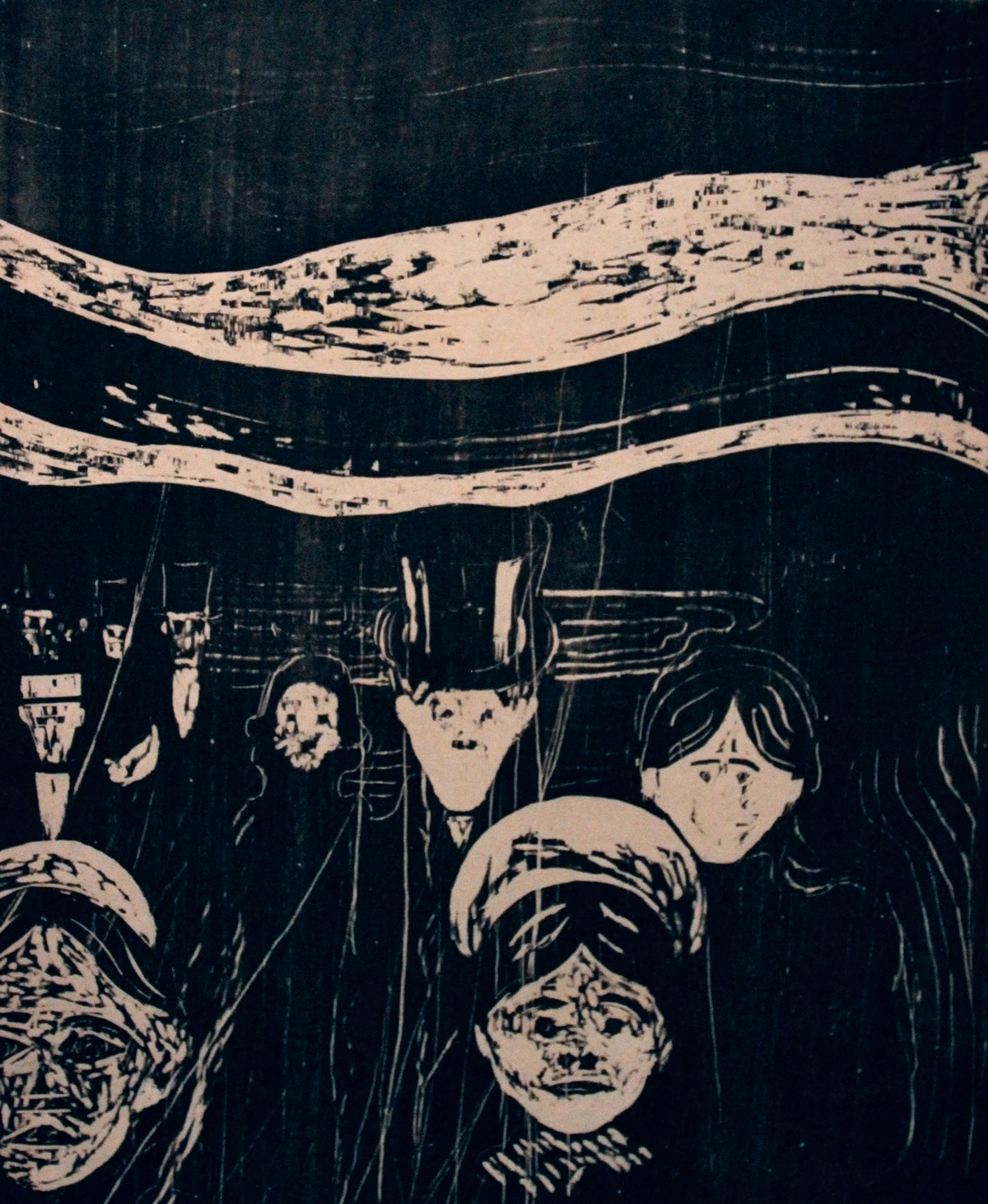
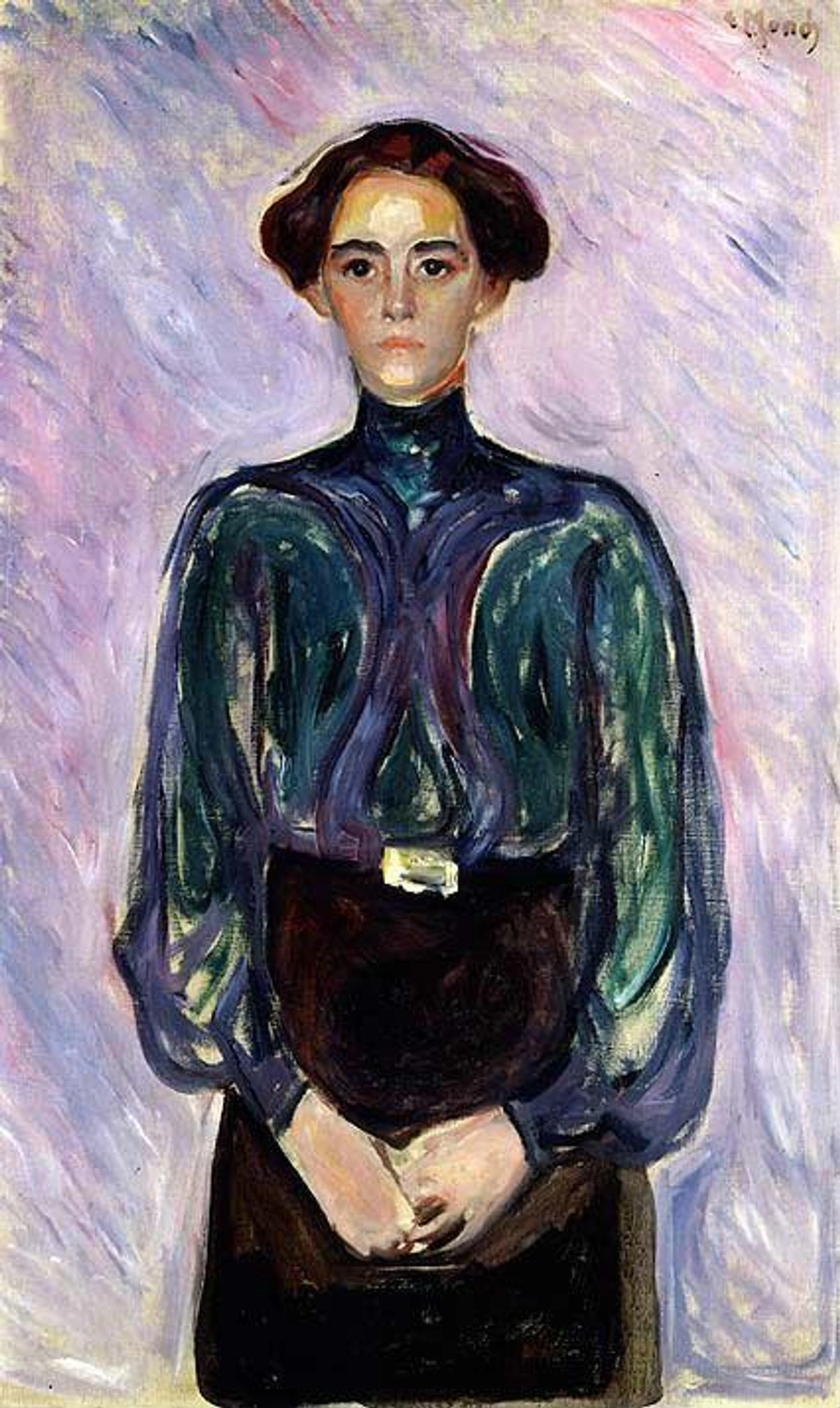
His works are often characterized by figures isolated or in emotional distress, vivid, symbolic colors, and undulating lines that seem to mirror psychological states. Paintings like Madonna, Vampire, and Anxiety (which, by the way, sometimes feels like The Scream's melancholic cousin) continue his exploration of the delicate, often terrifying, dance between love and fear, connection and solitude. These aren't just pretty pictures; they're emotional landscapes.

The Symbolism of Color and Form
Munch's use of color and form is deeply symbolic, reflecting the emotional states of his subjects. His bold, undulating lines and vivid hues create a sense of movement and intensity, drawing the viewer into the emotional world of his paintings. This symbolic use of color and form is a hallmark of Munch's style, setting his work apart from his contemporaries.

Printmaking and Experimentation
Munch was also a master printmaker, experimenting extensively with woodcuts, lithographs, and etchings. This wasn't just a side hustle; it was integral to his artistic practice. Printmaking allowed him to disseminate his powerful images more widely and to explore different textural and compositional possibilities. It’s fascinating how he could take the same powerful imagery and translate it across different mediums, each time adding a new layer of interpretation. It shows a restless, innovative mind, always pushing the boundaries of what art could be.
The Role of Printmaking in Munch's Art
Printmaking played a crucial role in Munch's artistic practice, allowing him to experiment with new techniques and reach a broader audience. His prints often feature the same themes and imagery as his paintings, but with a unique textural quality that sets them apart. This experimentation with printmaking highlights Munch's commitment to innovation and his desire to explore the full range of artistic possibilities.
Munch's Legacy: A Trailblazer of Modern Art
Edvard Munch didn't just paint; he fundamentally shifted the trajectory of modern art. He’s one of those artists whose influence you can see echoing through generations, a true trailblazer. His unflinching exploration of psychological states and subjective experience laid crucial groundwork for subsequent movements.
The Birth of Expressionism
Munch is widely considered a pioneer of Expressionism, an art movement that prioritized emotional expression over objective reality. His work, alongside that of artists like Egon Schiele and Wassily Kandinsky, helped define a new artistic language where inner feelings dictated form and color. This movement opened doors for artists to explore the depths of human emotion without compromise.
Munch's Influence on Contemporary Art
Munch's influence extends far beyond his own time, shaping the work of contemporary artists who continue to explore themes of isolation, identity, and the human psyche. His bold approach to composition and color has inspired generations of artists, making him a guiding light in the world of modern art. This enduring influence is a testament to Munch's status as a true trailblazer, whose work continues to resonate with audiences today.

The Birth of Expressionism
Munch is widely considered a pioneer of Expressionism, an art movement that prioritized emotional expression over objective reality. His work, alongside that of artists like Egon Schiele and Wassily Kandinsky, helped define a new artistic language where inner feelings dictated form and color. If you're curious about this fascinating movement, I highly recommend checking out our ultimate guide to Expressionism.
His impact was profound, especially on German Expressionist artists who admired his raw emotional power and his departure from traditional aesthetics. He opened doors for artists to explore the depths of human emotion without compromise. It's truly inspiring how one individual's personal struggles could inform such a universally resonant artistic movement.

Munch's Role in Shaping Expressionism
Munch's contributions to Expressionism were groundbreaking, setting the stage for a new era of artistic exploration. His emphasis on emotional expression and subjective experience challenged traditional notions of art, paving the way for future generations of artists. This legacy is a testament to Munch's enduring influence and his status as a pioneer of modern art.
Enduring Relevance in Contemporary Art
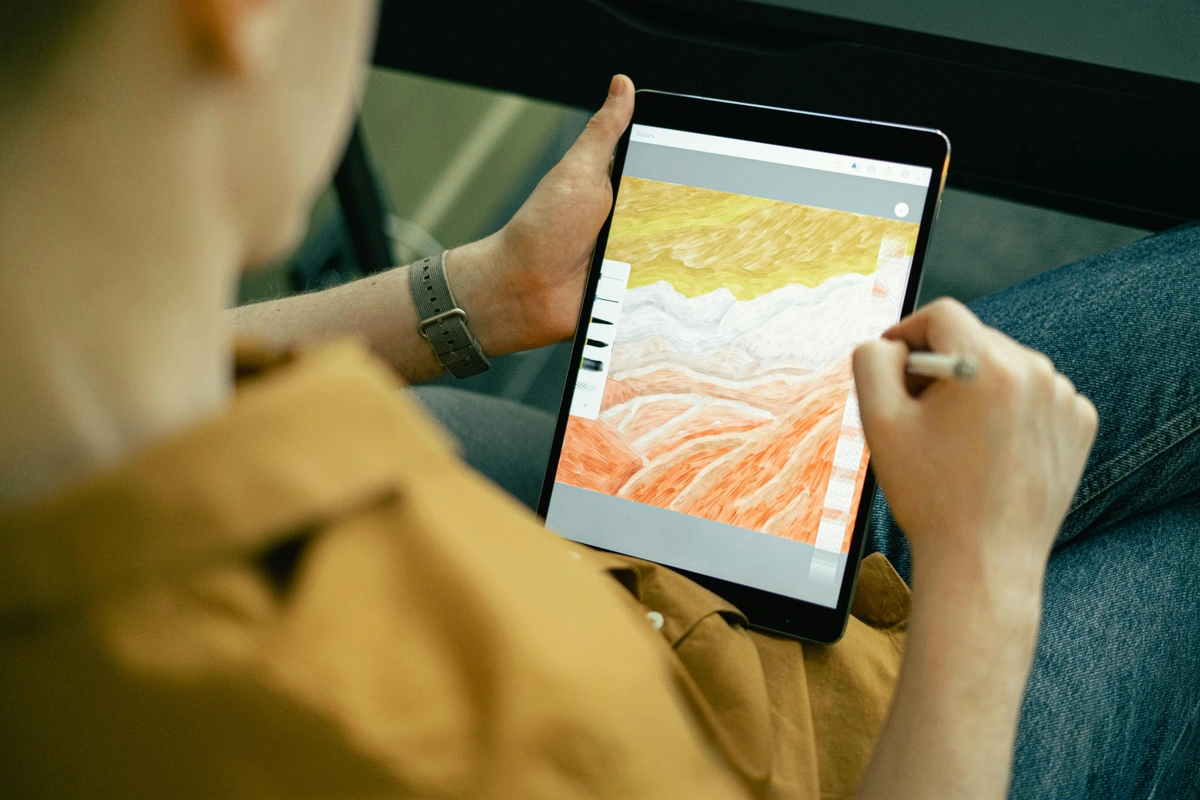
Even today, Munch’s influence persists. Artists continue to be drawn to his courage in confronting difficult emotions and his innovative approach to composition and color. I often see contemporary artists grappling with similar themes of isolation, identity, and the modern psyche, and I can't help but think of Munch as a guiding light. His work reminds us that art isn't just about beauty; it's about truth, even when that truth is unsettling. You can even find inspiration from his bold approach when looking at art inspirations in general, or even in my own work when I'm looking to buy some supplies.

Munch's Legacy in the Digital Age
In the digital age, Munch's work continues to inspire artists and audiences alike. His exploration of human emotion and the use of bold, symbolic imagery resonates with contemporary themes of identity and self-expression. This enduring relevance is a testament to Munch's status as a timeless artist, whose work continues to captivate and inspire.
Frequently Asked Questions About Edvard Munch
Got more questions swirling around your head? You're not alone! Here are some common queries about this fascinating artist:
Q: What is Edvard Munch most famous for? A: Edvard Munch is most famous for his iconic painting The Scream, which has become a universal symbol of anxiety and existential dread. However, his overall body of work also includes powerful explorations of love, death, and melancholy.
Q: What art movement is Edvard Munch associated with? A: Munch is primarily associated with Symbolism and is widely regarded as a key pioneer of Expressionism. His work laid much of the groundwork for the Expressionist movement, which emerged in the early 20th century.
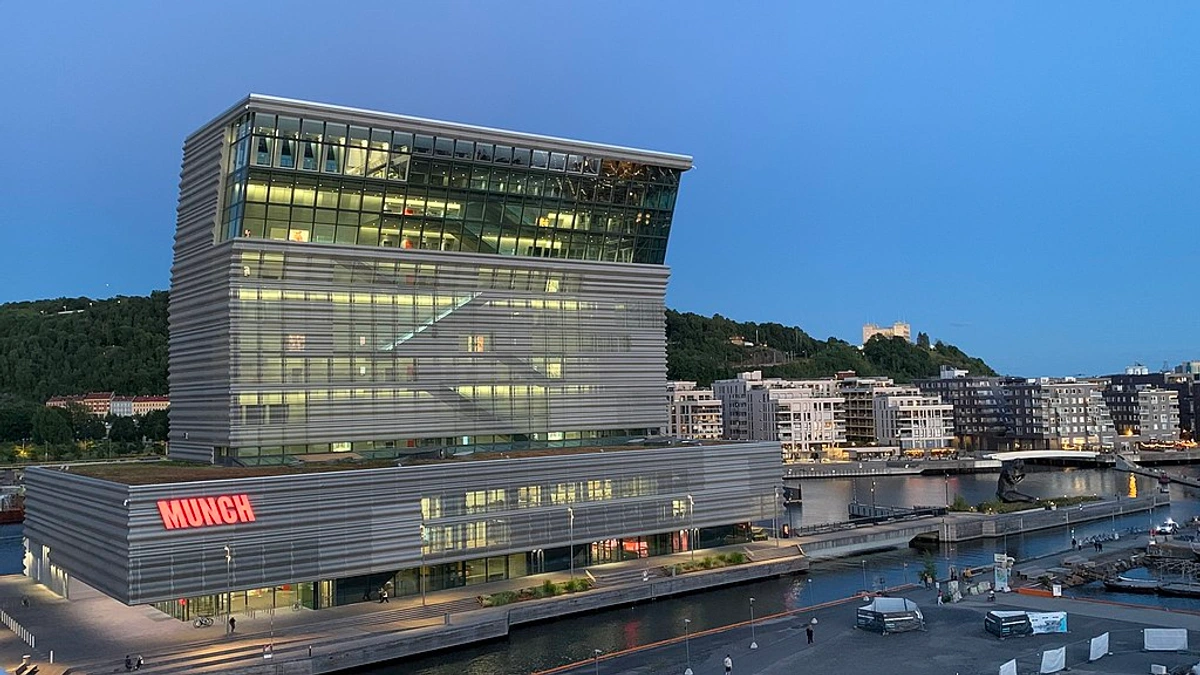
Q: Where can I see Edvard Munch's work? A: The largest collections of Edvard Munch's work are housed in Norway, primarily at the Munch Museum and the National Gallery in Oslo. Many of his prints and paintings are also found in major museums worldwide.
Q: Did Munch only paint The Scream? A: Absolutely not! While The Scream is his most famous piece, Munch produced a vast body of work throughout his career, including paintings like Madonna, Vampire, The Sick Child, Angst, and numerous self-portraits and landscapes. He also created an extensive collection of prints.
Q: What was Munch's personal life like? A: Munch's personal life was marked by significant tragedy and emotional turmoil. He experienced the loss of his mother and sister to tuberculosis at a young age, and his family history included mental illness. These profound personal experiences deeply influenced the dark, introspective, and emotional themes in his art.
Q: How did Munch's personal experiences influence his art? A: Munch's personal experiences, particularly the loss of his family members and his struggles with mental health, profoundly shaped his artistic vision. His works often reflect themes of suffering, isolation, and existential dread, drawing on his own lived experiences to create deeply emotional and introspective art.
Q: What is the significance of Munch's use of color and form? A: Munch's use of color and form is deeply symbolic, reflecting the emotional states of his subjects. His bold, undulating lines and vivid hues create a sense of movement and intensity, drawing the viewer into the emotional world of his paintings. This symbolic use of color and form is a hallmark of Munch's style, setting his work apart from his contemporaries.
Q: How did Munch's travels influence his art? A: Munch's travels, particularly to Paris, exposed him to a wide range of artistic styles and movements. These experiences broadened his artistic horizons and influenced his unique synthesis of Impressionism, Symbolism, and Post-Impressionism.
Q: What is the legacy of Edvard Munch? A: Edvard Munch's legacy lies in his pioneering role in the Expressionist movement and his profound influence on modern art. His unflinching exploration of human emotion and psychological states continues to inspire artists and resonate with audiences worldwide.
Q: What techniques did Munch use in his art? A: Munch employed a variety of techniques, including bold brushstrokes, vivid colors, and symbolic imagery. His use of undulating lines and intense hues created a sense of movement and emotional depth, drawing viewers into the psychological states of his subjects.
Q: How did Munch's art influence contemporary artists? A: Munch's exploration of human emotion and psychological states has had a lasting impact on contemporary artists. His bold approach to composition and color continues to inspire artists to explore themes of isolation, identity, and the human psyche in their work.
Q: What is the significance of Munch's printmaking? A: Munch's printmaking was integral to his artistic practice. It allowed him to disseminate his powerful images more widely and to explore different textural and compositional possibilities. His prints often feature the same themes and imagery as his paintings, but with a unique textural quality that sets them apart.
Q: How did Munch's work influence the Expressionist movement? A: Munch's emphasis on emotional expression and subjective experience challenged traditional notions of art, paving the way for future generations of artists. His work helped define a new artistic language where inner feelings dictated form and color, making him a guiding light in the world of modern art.
Q: What is the significance of Munch's role in shaping Expressionism? A: Munch's contributions to Expressionism were groundbreaking, setting the stage for a new era of artistic exploration. His emphasis on emotional expression and subjective experience challenged traditional notions of art, paving the way for future generations of artists. This legacy is a testament to Munch's enduring influence and his status as a pioneer of modern art.
Q: How did Munch's influence extend to contemporary art? A: Munch's influence extends far beyond his own time, shaping the work of contemporary artists who continue to explore themes of isolation, identity, and the human psyche. His bold approach to composition and color has inspired generations of artists, making him a guiding light in the world of modern art. This enduring influence is a testament to Munch's status as a true trailblazer, whose work continues to resonate with audiences today.
The Enduring Echoes
So, who is Edvard Munch? He was a man who dared to paint the invisible, to give form to the deepest anxieties and most profound emotions that reside within us all. He wasn't just an artist; he was a chronicler of the human soul, a fearless explorer of its darkest corners and most tender moments. His legacy isn't just in the masterpieces he left behind, but in the permission he gave future generations of artists (and indeed, all of us) to feel, to question, and to express the messy, beautiful, terrifying truth of being alive. And for that, I believe, he'll continue to echo through art history for centuries to come.
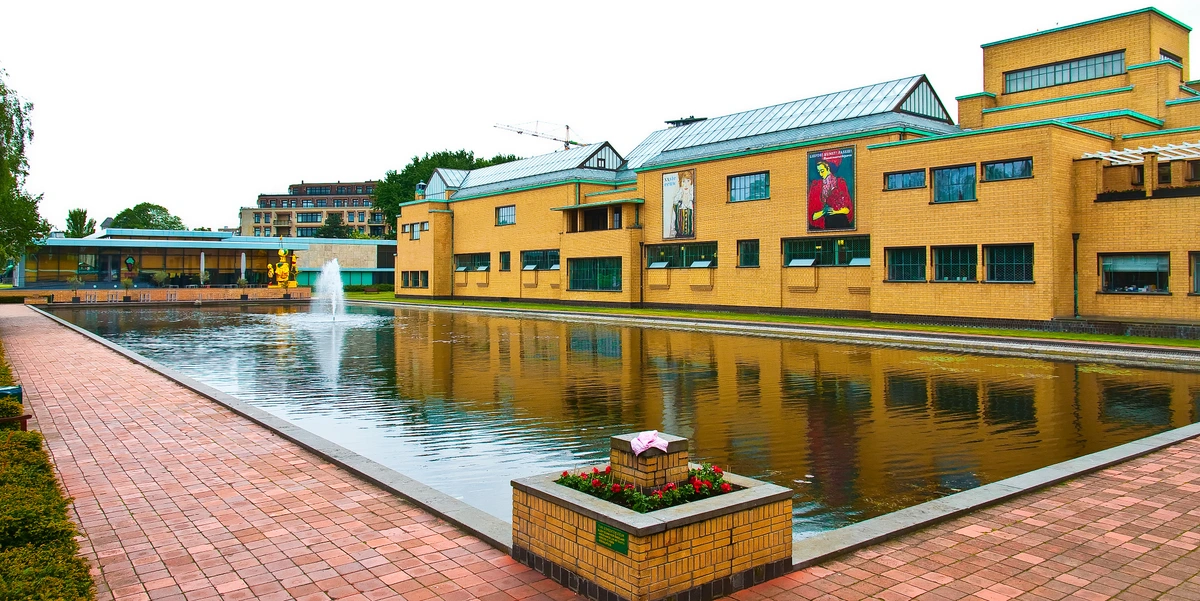
It makes me think about how we all process big emotions. Perhaps that’s why his work still holds such power for me, and hopefully, for you too. It’s a shared vulnerability, a silent understanding across time. You can learn more about art movements and their influence on the timeline of art, or even visit the Den Bosch Museum to experience art up close.














Final Thoughts on Munch's Legacy
Edvard Munch's work continues to resonate with audiences today, offering a profound exploration of the human condition. His ability to capture the essence of human emotion and his innovative approach to art have cemented his status as a true trailblazer. As we reflect on his legacy, we are reminded of the power of art to connect us to our shared humanity and to inspire us to explore the depths of our own emotions.