Universal Symbols in Contemporary Art: A Comprehensive Guide
Explore how universal symbols are used in contemporary art, their cultural meanings, and psychological impact in this engaging guide.

Universal Symbols in Contemporary Art: A Comprehensive Guide
I remember the first time I stood in front of a piece of contemporary art and felt utterly confused. It was a large canvas with bold, abstract shapes, and I had no idea what it meant. But then, something clicked. I noticed a small, almost hidden symbol—a circle, a line, a spiral—and suddenly, the entire piece made sense. That’s the power of universal symbols in contemporary art.
Art has always been a mirror to society, reflecting its values, fears, and aspirations. But contemporary art, with its bold abstractions and unconventional forms, can sometimes feel like a puzzle. Universal symbols act as the key to unlocking this puzzle, offering a shared language that transcends cultural and linguistic barriers. They are the silent storytellers of the art world, weaving narratives that resonate with viewers on a deeply personal level.
In this guide, we will explore the significance of universal symbols, their cultural meanings, and their psychological impact on viewers. We will also delve into how artists use these symbols to create powerful and emotionally resonant works of art. Additionally, we will examine the historical context of these symbols and their evolution over time.
Why Universal Symbols Matter in Art
Universal symbols are more than just visual elements; they are the building blocks of a shared human experience. They allow artists to communicate complex ideas and emotions without relying on words, making art accessible to a global audience. Whether it’s a circle representing unity or a line symbolizing movement, these symbols bridge the gap between diverse cultures and languages, creating a universal language of art.
Introduction to Universal Symbols
Universal symbols are visual elements that transcend cultural and linguistic barriers. They are the silent language of art, conveying complex ideas and emotions without the need for words. In contemporary art, these symbols are used to create a connection between the artist and the viewer, often evoking deep emotional responses.
But what makes a symbol truly universal? It’s not just about recognition; it’s about resonance. A universal symbol carries meaning that is instinctively understood, whether it’s the circle representing wholeness or the line symbolizing movement. These symbols are not just tools for artists; they are bridges that connect diverse audiences, allowing art to communicate across boundaries.
The Role of Symbols in Human Communication
Symbols have been a part of human communication since the dawn of civilization. From cave paintings to hieroglyphics, symbols have been used to convey stories, beliefs, and emotions. In contemporary art, symbols continue to evolve, taking on new meanings and interpretations that reflect the complexities of modern life. They serve as a visual shorthand, allowing artists to communicate ideas that might otherwise be lost in translation.
The Role of Symbols in Art History
Symbols have played a crucial role in art throughout history. From ancient cave paintings to Renaissance masterpieces, symbols have been used to convey stories, beliefs, and emotions. In contemporary art, symbols continue to evolve, taking on new meanings and interpretations that reflect the complexities of modern life.
Symbols in Ancient Art
Ancient civilizations used symbols to represent their gods, myths, and daily life. For example, the Egyptians used the ankh to symbolize life, while the Greeks used the olive branch to represent peace. These symbols were not just decorative; they were deeply embedded in the cultural and spiritual practices of these societies.
Symbols in Renaissance Art
During the Renaissance, symbols took on new meanings as artists explored humanism and the natural world. Symbols like the dove, representing the Holy Spirit, and the apple, symbolizing knowledge, became central to religious and secular art alike. Artists like Leonardo da Vinci and Michelangelo used symbols to convey complex theological and philosophical ideas.
What Are Universal Symbols?
Universal symbols are images or motifs that have a shared meaning across different cultures and time periods. They can be as simple as a circle or as complex as a mythological figure. These symbols often carry deep psychological and cultural significance, making them powerful tools in the hands of contemporary artists.
These symbols are not static; they evolve and adapt, taking on new meanings as they move through time and space. For example, the circle, which has been used for millennia to represent the sun, the moon, and the cycles of life, continues to inspire artists today. Its simplicity belies its depth, making it a timeless tool for artistic expression.
The Evolution of Symbols
Symbols are dynamic and adaptable. They change meaning based on context, culture, and the artist's intent. For instance, a symbol that represents peace in one culture might signify conflict in another. This fluidity allows artists to experiment and innovate, creating new layers of meaning in their work.
Why Are They Important in Contemporary Art?
In a world where art is increasingly diverse and global, universal symbols serve as a common language. They allow artists to communicate ideas that might otherwise be lost in translation. For viewers, these symbols provide a way to connect with the artwork on a personal level, regardless of their cultural background.
Moreover, universal symbols add layers of meaning to contemporary art. They invite viewers to explore not just the visual elements of a piece but also its emotional and intellectual depths. By tapping into shared human experiences, these symbols create a sense of unity and understanding, making art more accessible and impactful.
Symbols as a Tool for Social Commentary
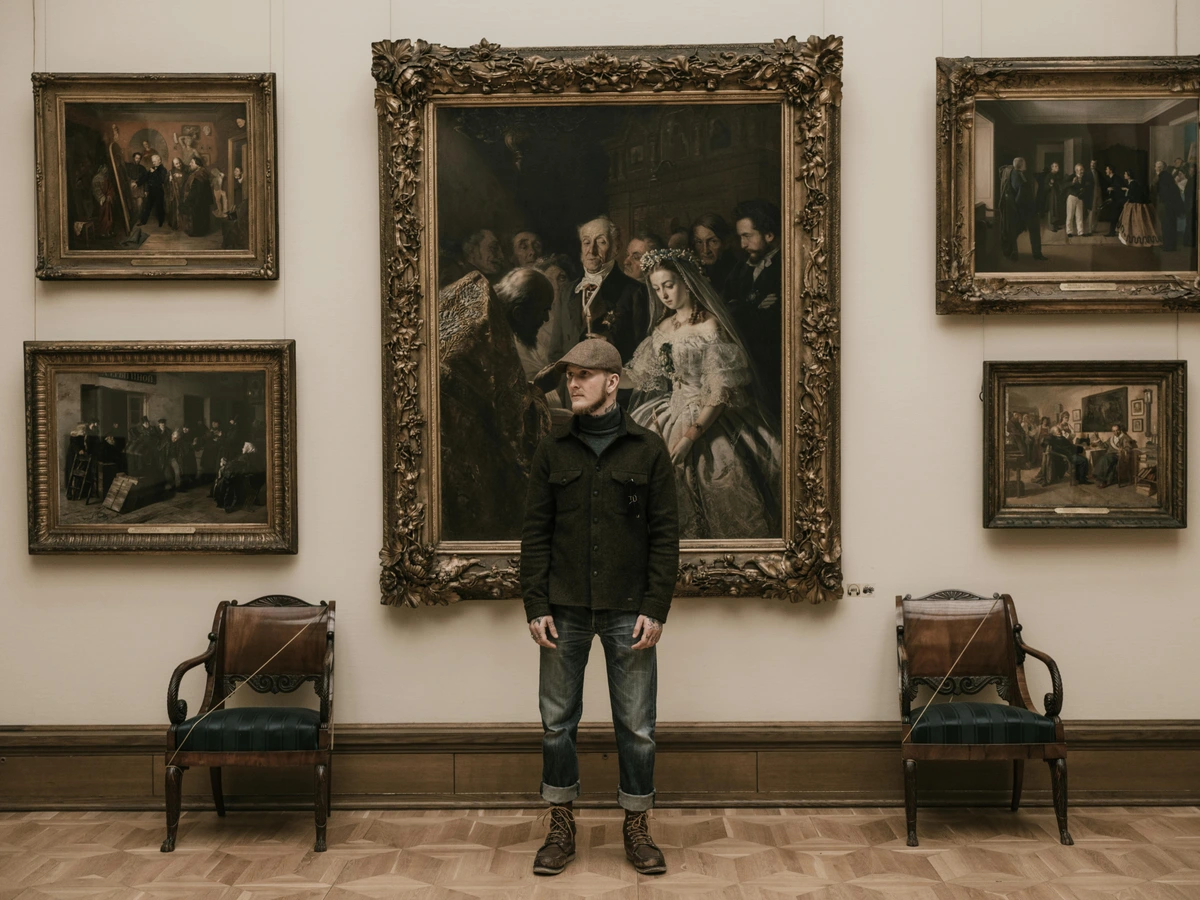
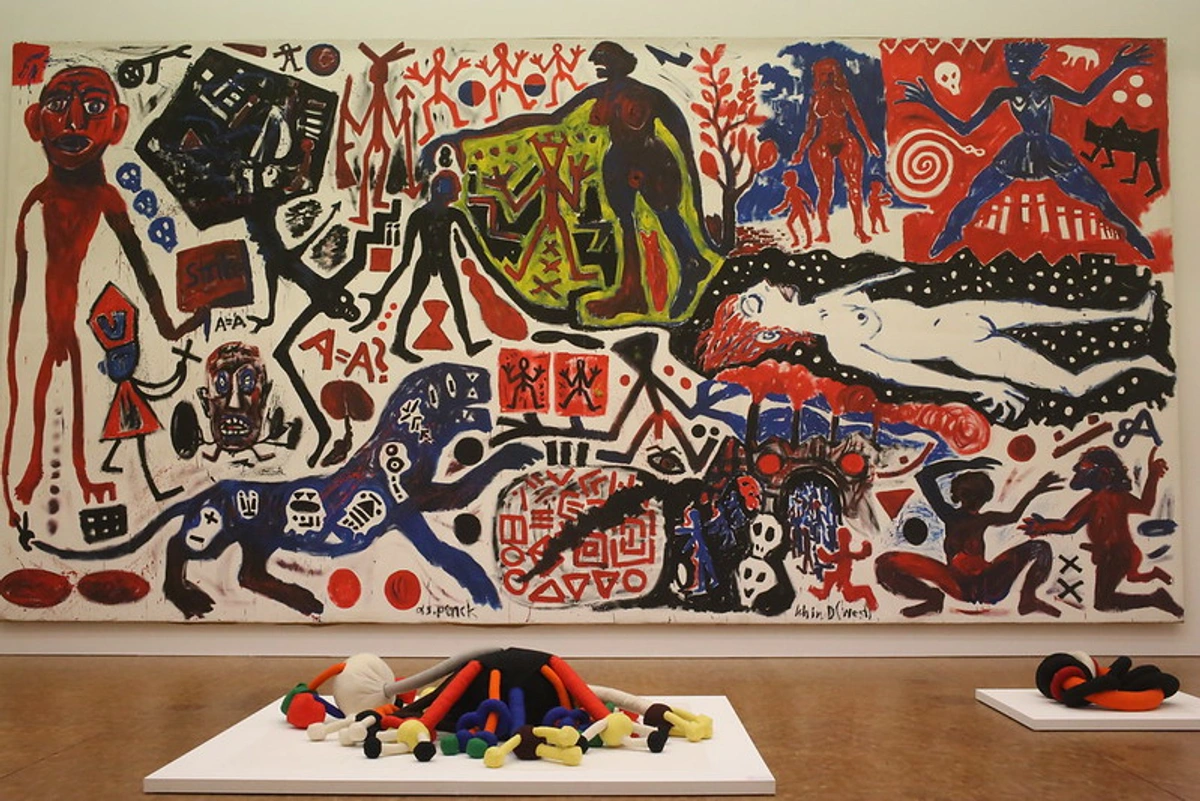
Artists often use universal symbols to comment on social and political issues. For example, a circle can represent unity and inclusivity, while a broken line might symbolize division or conflict. By incorporating these symbols into their work, artists can convey powerful messages about society and human nature.
Symbols in Activism
Symbols have long been used in activism to rally support and convey messages of change. From the peace sign to the raised fist, these symbols transcend language barriers and unite people under a common cause. In contemporary art, symbols continue to play a vital role in activism, allowing artists to address issues like climate change, social justice, and human rights.
Key Universal Symbols in Contemporary Art
The Circle
Credit, Licence
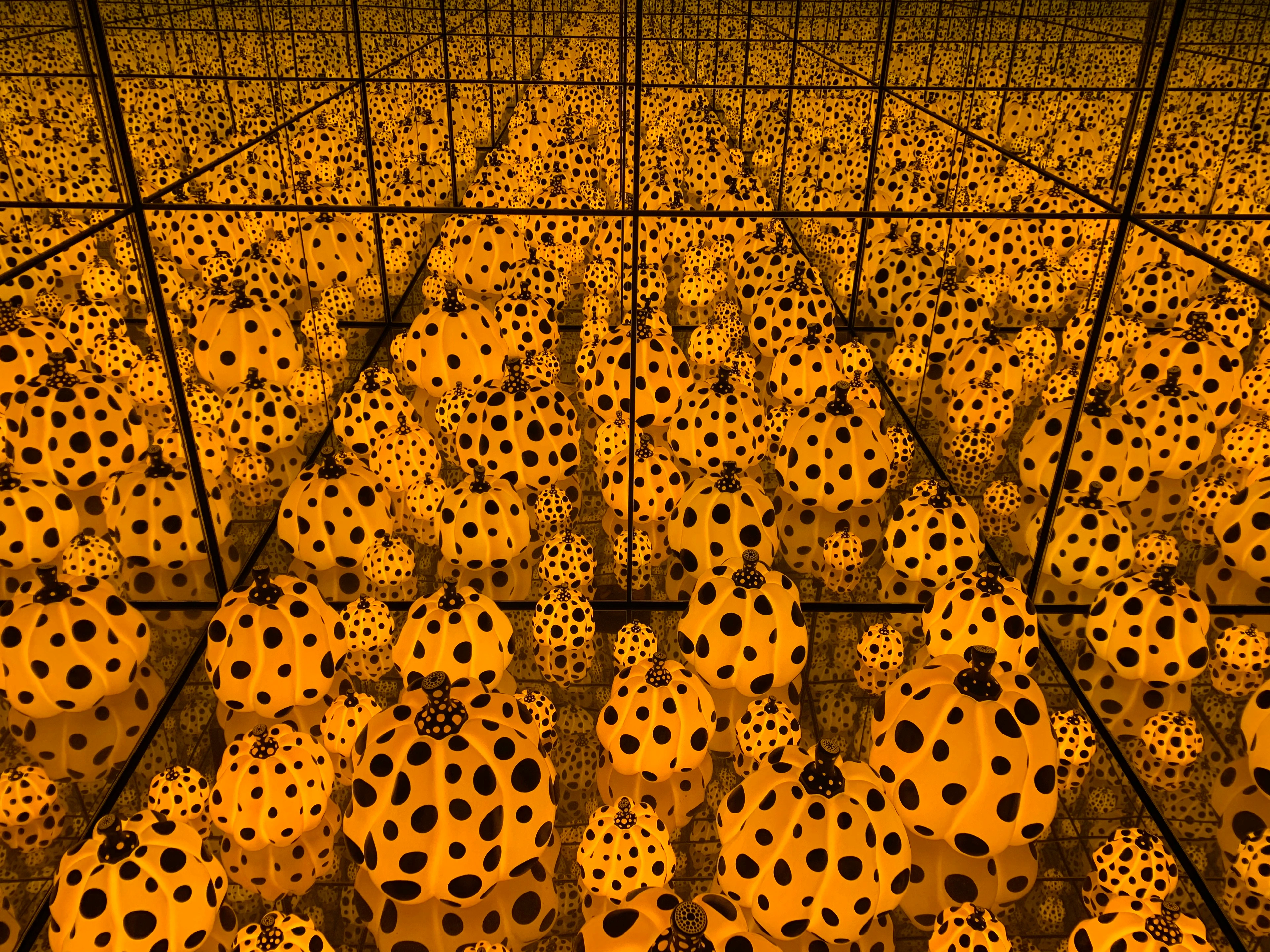
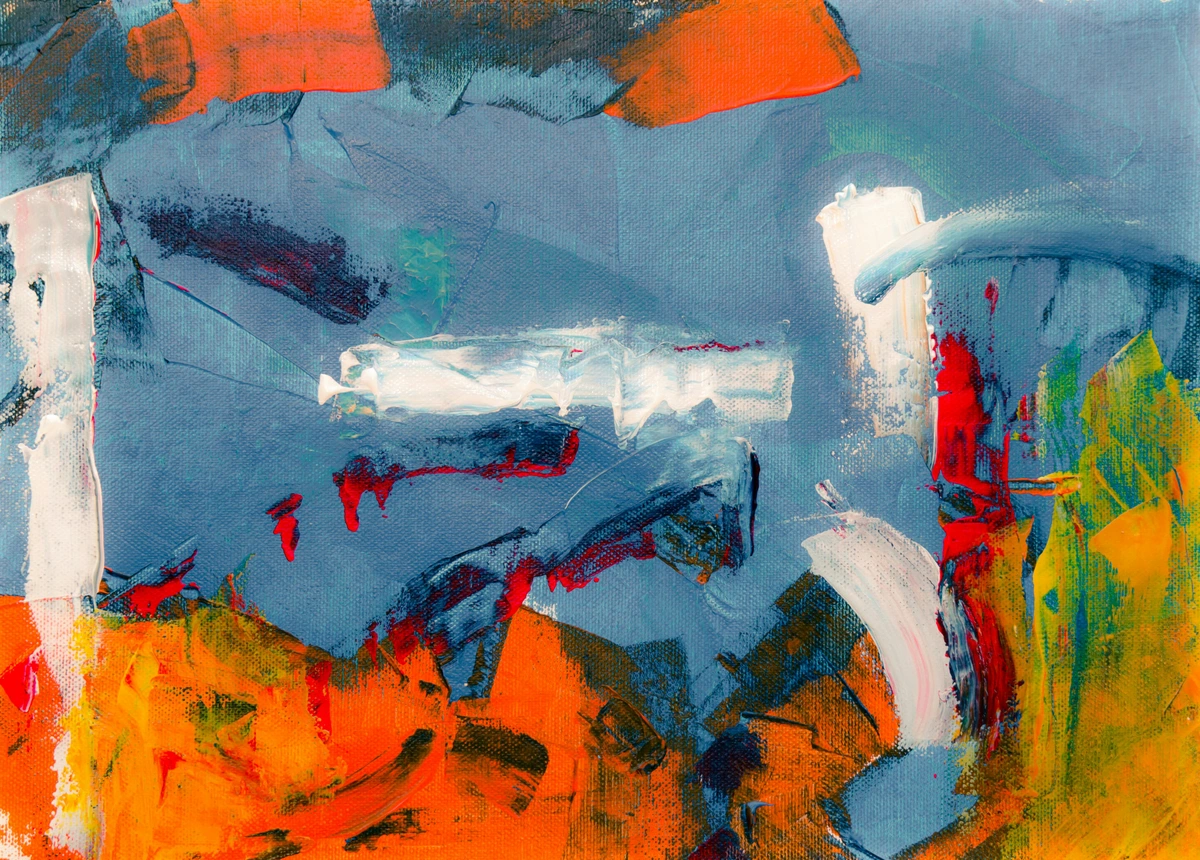
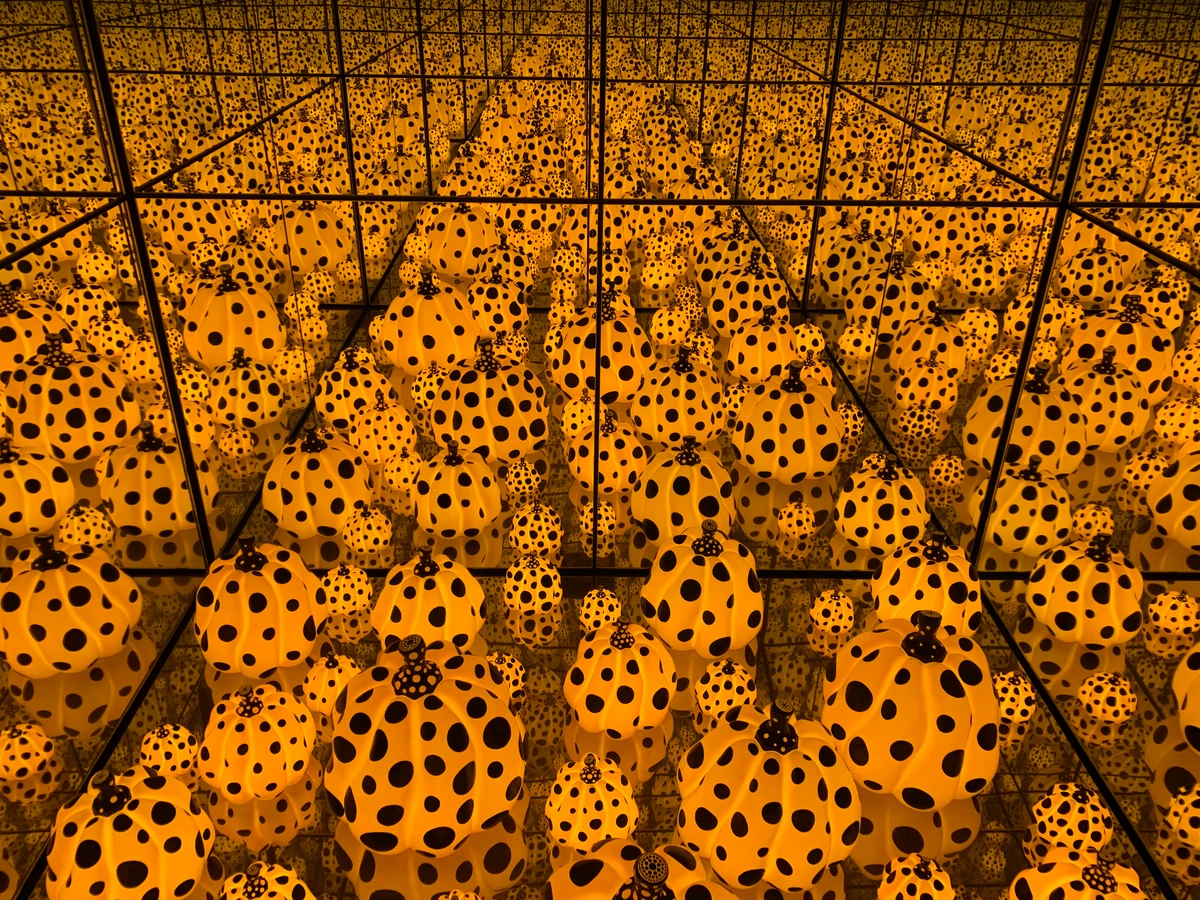
The circle is one of the most fundamental and universal symbols. It represents wholeness, unity, and infinity. In contemporary art, circles are often used to convey a sense of completeness or eternal cycles. Think of the works of artists like Yayoi Kusama, who uses circles to explore themes of infinity and the cosmos.
The Line
Credit, Licence
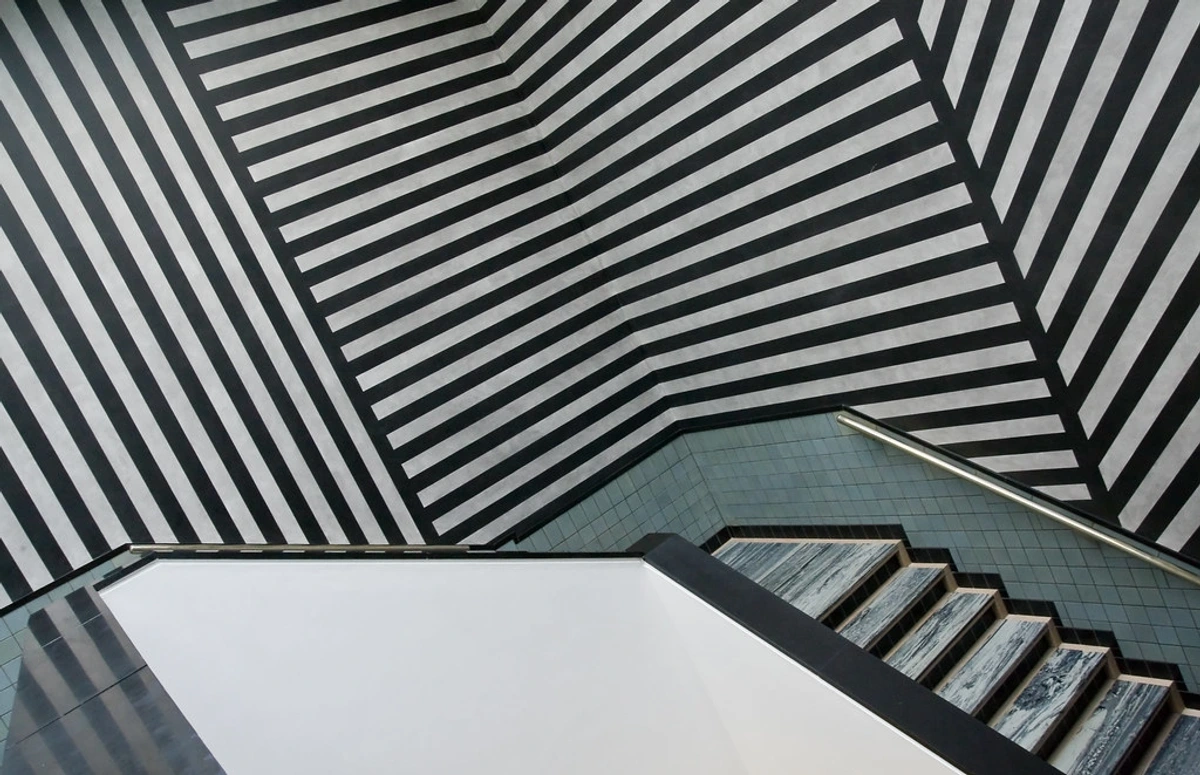
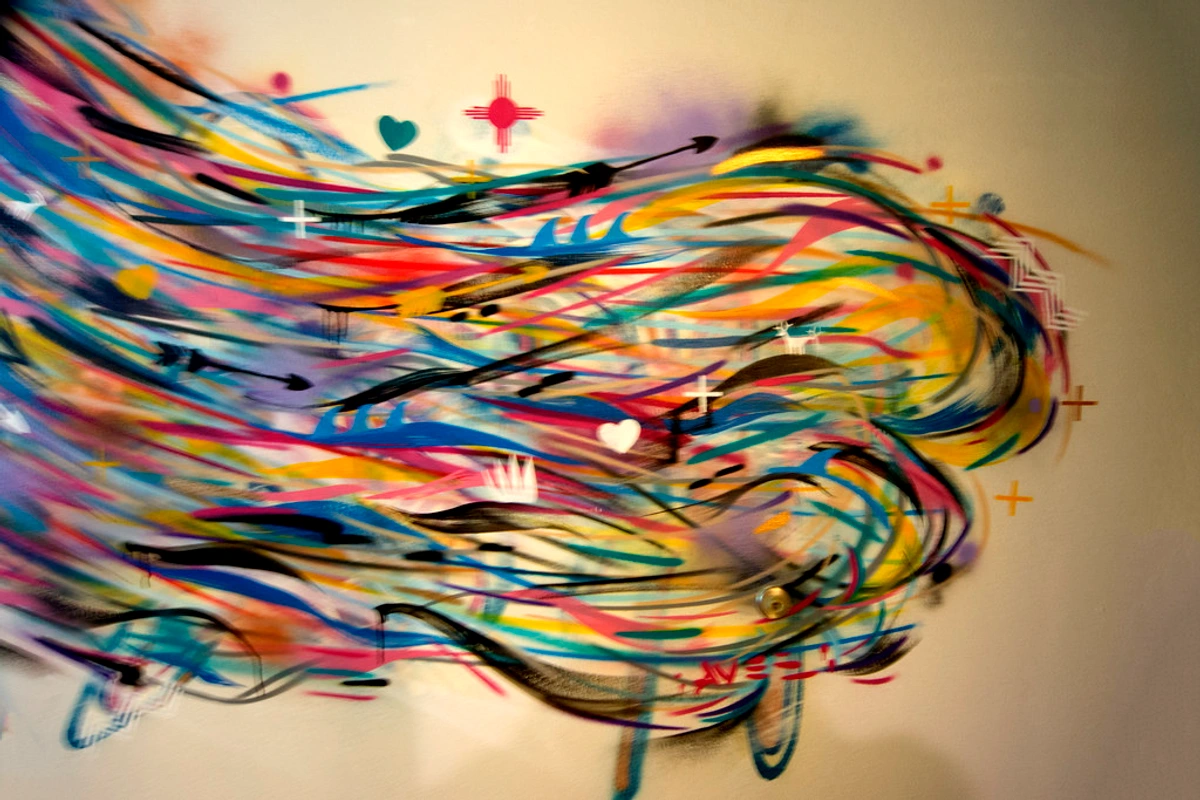
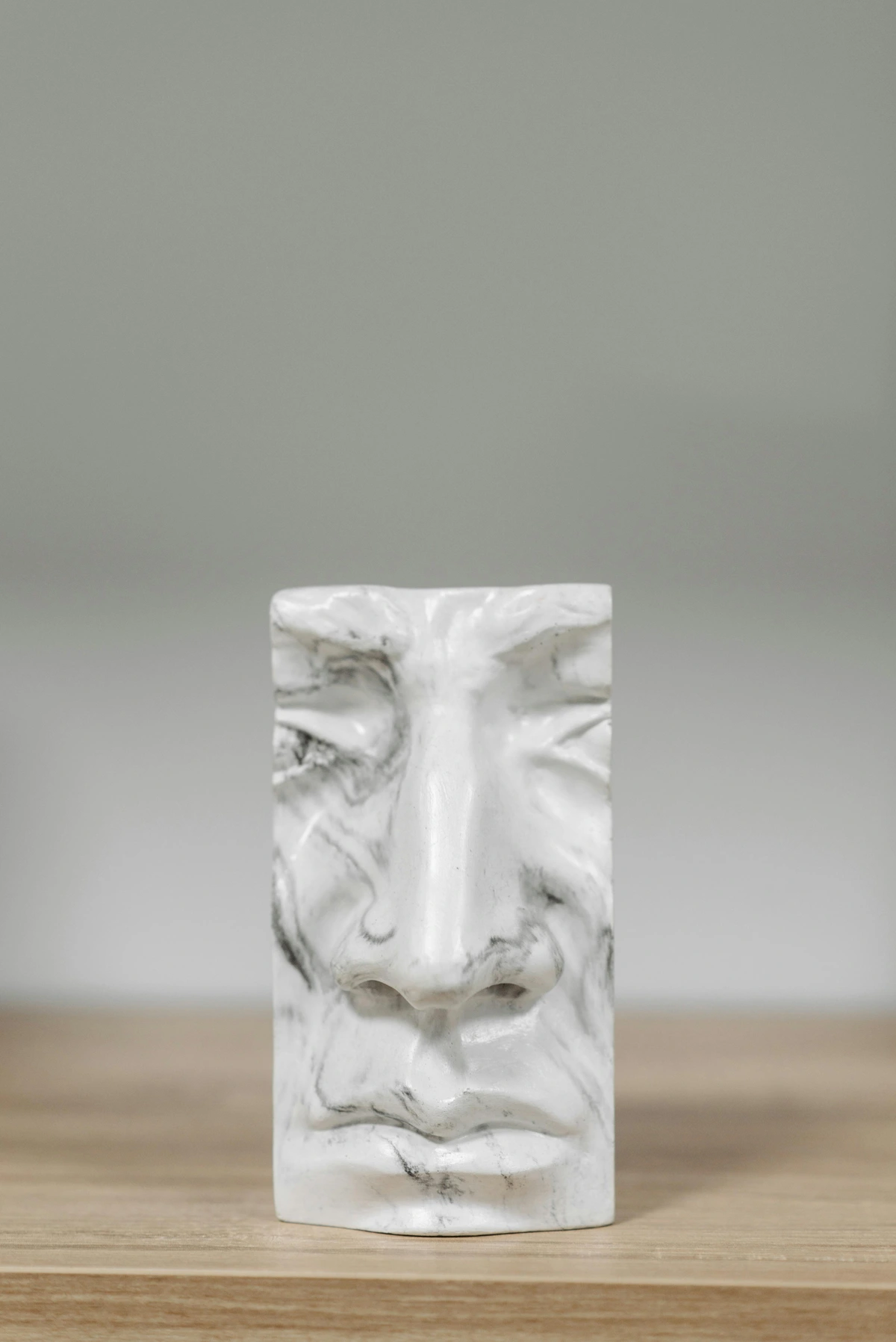
Lines can be straight, curved, zigzag, or spiral, each carrying its own meaning. A straight line might symbolize stability and order, while a spiral could represent growth and evolution. Contemporary artists use lines to guide the viewer’s eye and create a sense of movement within the artwork.
The Line in Nature
Lines are everywhere in nature, from the veins of a leaf to the horizon. Artists often draw on these natural lines to create a sense of organic movement and rhythm in their work. By mimicking the lines found in nature, artists can evoke a sense of familiarity and connection with the natural world.
The Line in Architecture
In architecture, lines define the structure and form of buildings. Straight lines create a sense of order and stability, while curved lines can evoke fluidity and grace. Contemporary artists often explore the interplay between these architectural lines to create dynamic and visually engaging compositions.
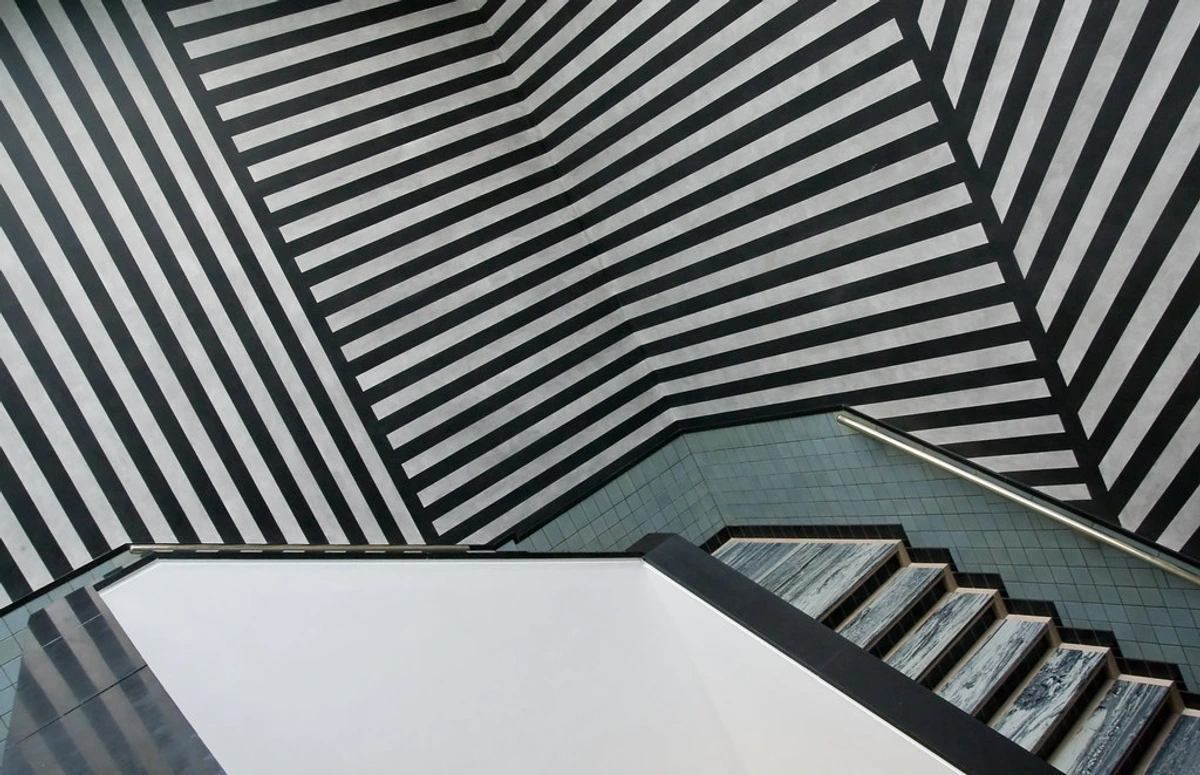
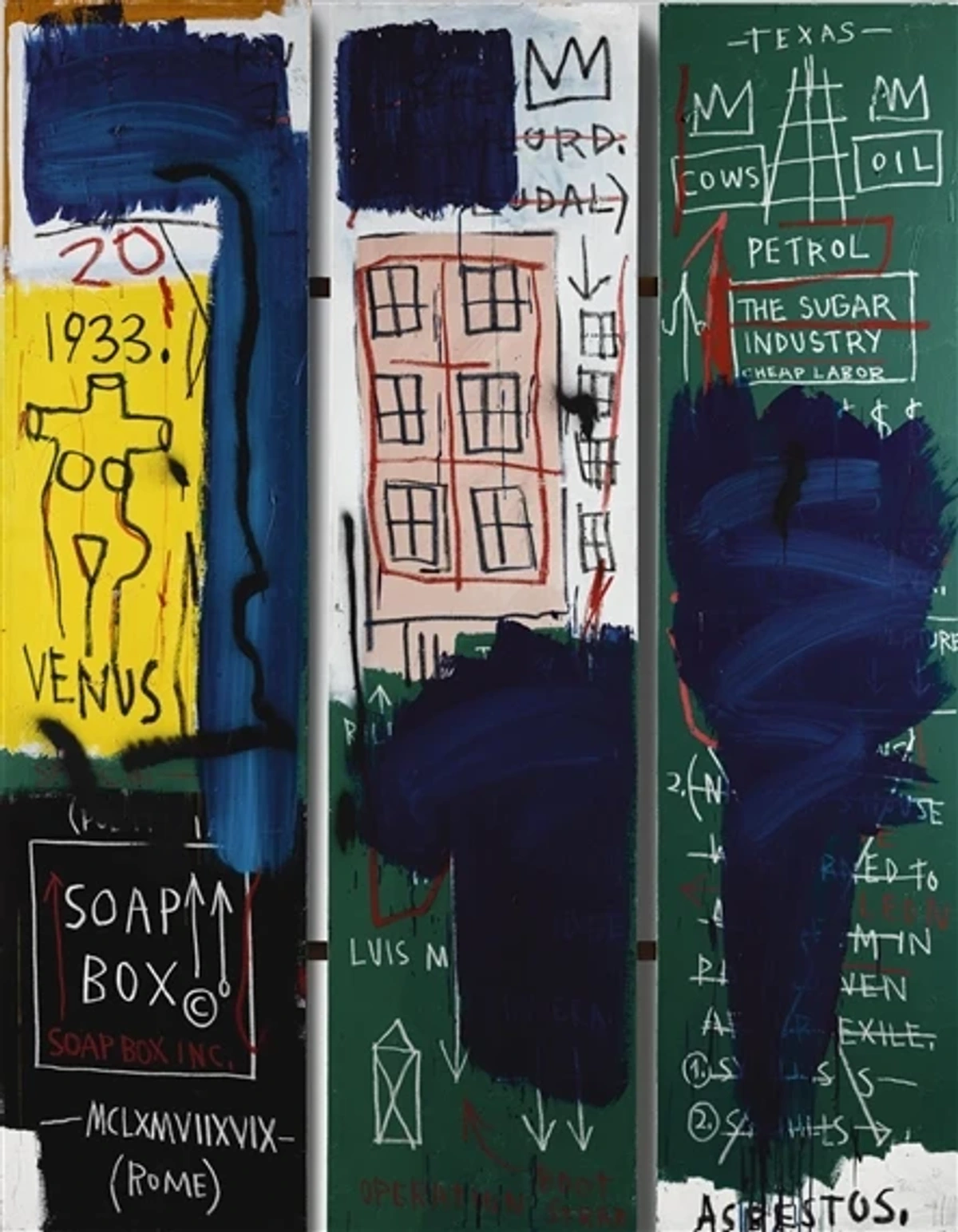
Lines are the building blocks of art, the most basic yet versatile element. They can define shapes, create textures, and even evoke emotions. For instance, the jagged lines in a piece might convey tension or chaos, while smooth, flowing lines can evoke tranquility and grace. Artists like Jean-Michel Basquiat have masterfully used lines to create dynamic, expressive works that resonate with viewers on multiple levels.
The Triangle
Credit, Licence
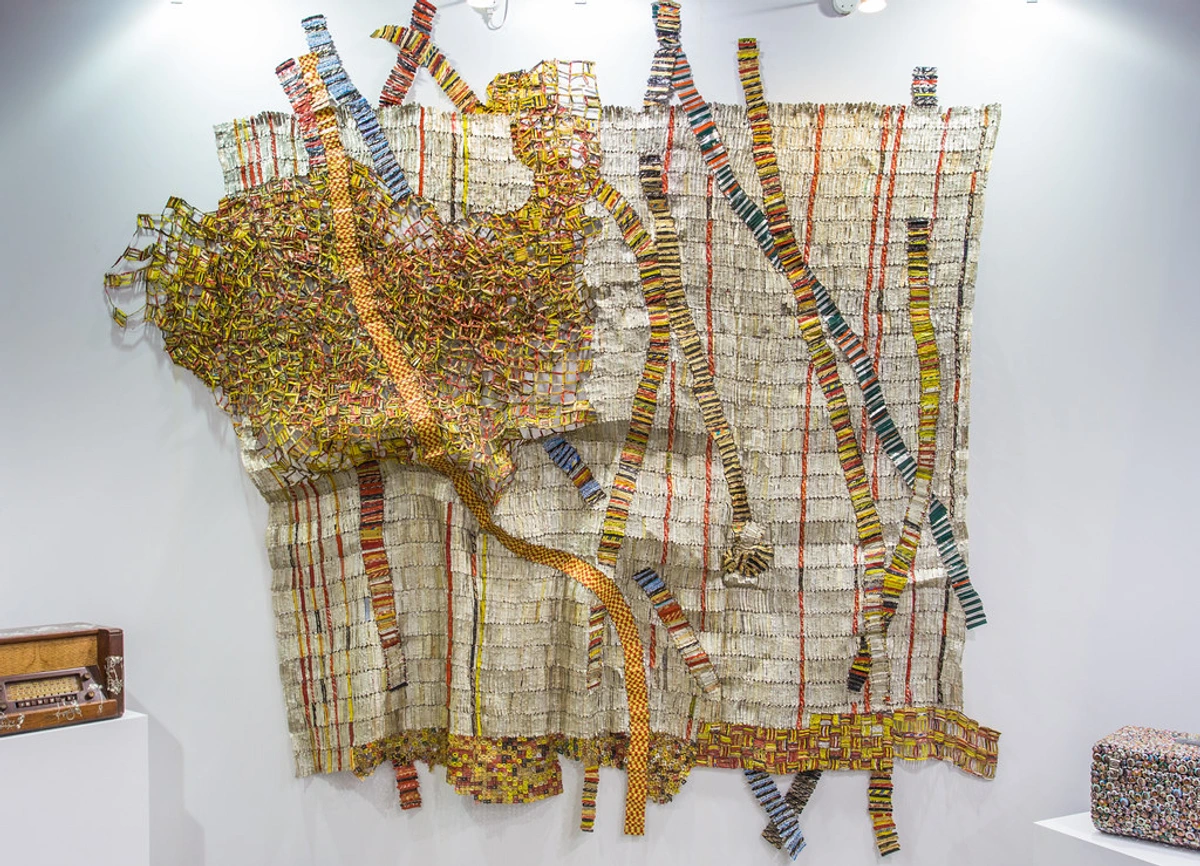
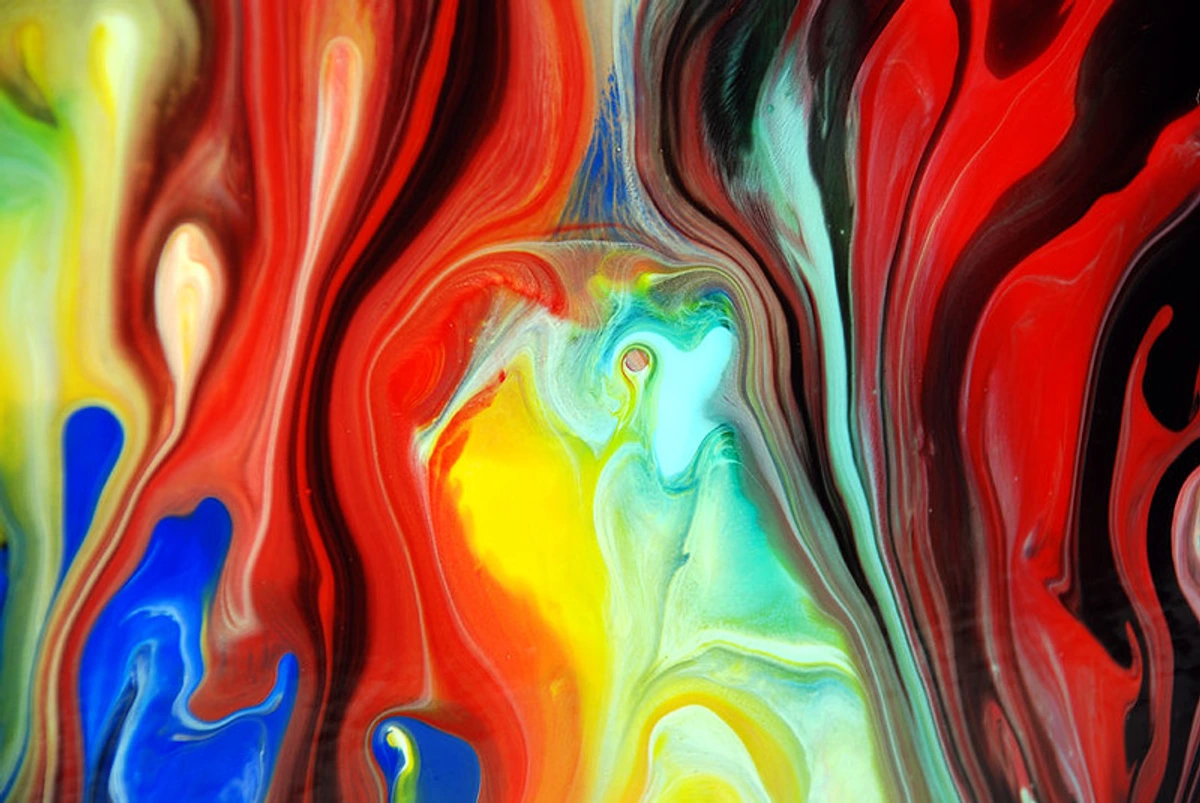
Triangles are often associated with balance and harmony. They can also symbolize conflict or tension, depending on their orientation. In contemporary art, triangles are used to create dynamic compositions and convey a sense of stability or instability.

The Square
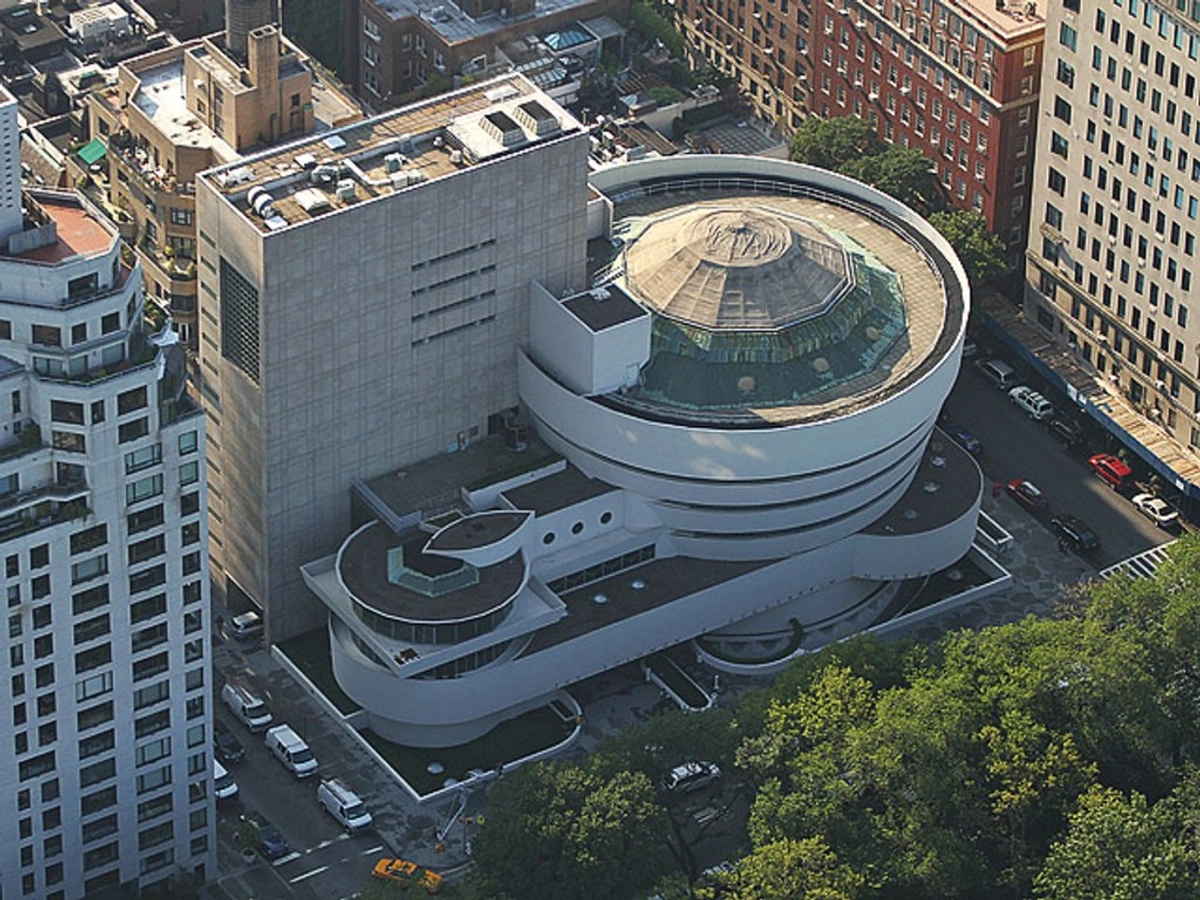
Credit, Licence
Squares represent stability, order, and the material world. They are often used in contemporary art to create a sense of structure and balance. Artists like Piet Mondrian have famously used squares to explore the relationship between form and color.
Cultural Meanings of Universal Symbols
Circles in Different Cultures
Culture  | Meaning |
|---|---|
| Western | Eternity, wholeness |
| Eastern | Enlightenment, perfection |
| Native American | Life cycles, unity |
| African | Community, continuity |
| Celtic | Protection, spiritual journey |
The circle’s meaning varies across cultures, but its essence as a symbol of unity and wholeness remains constant. In African cultures, circles often represent community and the interconnectedness of life, while in Celtic traditions, they symbolize protection and the cyclical nature of existence. This diversity of interpretation enriches the circle’s significance in contemporary art, allowing it to resonate with a global audience.
The Circle in Rituals and Traditions
Circles are deeply embedded in rituals and traditions around the world. From sacred mandalas in Eastern spirituality to the circular dances of indigenous cultures, circles are used to create a sense of unity and connection. These traditions inspire contemporary artists to explore the spiritual and communal aspects of the circle.

Lines in Different Cultures
Culture | Meaning |
|---|---|
| Western | Progress, direction |
| Eastern | Harmony, flow |
| African | Journey, path |
| Indigenous Australian | Dreamtime, ancestral connections |
| Native American | Life’s journey, spiritual path |
Lines are not just visual elements; they are narratives. In Indigenous Australian art, lines often represent the Dreamtime, the sacred era of creation, while in Native American traditions, they symbolize life’s journey and spiritual path. This cultural richness adds depth to the use of lines in contemporary art, making them a powerful tool for storytelling and emotional expression.
The Line in Storytelling
Lines are a fundamental element in storytelling. They can represent the journey of a character, the progression of a narrative, or the flow of time. In contemporary art, lines are used to create a sense of movement and direction, guiding the viewer through the artwork.
Triangles in Different Cultures
Culture | Meaning |
|---|---|
| Western | Stability, balance |
| Eastern | Conflict, tension |
| Native American | Connection, harmony |
| Egyptian | Pyramids, ascension to the gods |
| Hindu | Trinity, divine balance |
Triangles have been revered in various cultures for their symbolic power. In ancient Egypt, the pyramid—a triangular structure—represented ascension to the gods, while in Hindu traditions, the triangle symbolizes the trinity and divine balance. This cultural diversity allows contemporary artists to draw from a rich tapestry of meanings, creating works that are both visually and intellectually compelling.
The Triangle in Sacred Geometry
Triangles are a key element in sacred geometry, representing the balance of forces and the harmony of the universe. In contemporary art, triangles are used to explore themes of balance, tension, and spiritual connection. Artists often draw on these geometric principles to create works that resonate with viewers on a deeper level.
The Triangle in Sacred Geometry
Triangles are a key element in sacred geometry, representing the balance of forces and the harmony of the universe. In contemporary art, triangles are used to explore themes of balance, tension, and spiritual connection.

Squares in Different Cultures
Culture | Meaning |
|---|---|
| Western | Order, structure |
| Eastern | Earth, material world |
| African | Community, foundation |
| Islamic | Stability, divine order |
| Chinese | Earth, balance of elements |
Squares are deeply rooted in cultural symbolism, often representing stability and order. In Islamic art, squares are used to create intricate geometric patterns that symbolize divine order, while in Chinese culture, they represent the earth and the balance of elements. This cultural significance makes squares a versatile and meaningful symbol in contemporary art, allowing artists to explore themes of structure and harmony.
The Square in Modern Design
Squares are a fundamental element in modern design. They represent stability and order, but they can also be used to create tension and contrast. In contemporary art, squares are used to explore themes of structure, balance, and the material world. Artists often draw on the principles of modern design to create works that are both visually engaging and intellectually stimulating.
The Square in Modern Design
Squares are a fundamental element in modern design. They represent stability and order, but they can also be used to create tension and contrast. In contemporary art, squares are used to explore themes of structure, balance, and the material world.
Psychological Impact of Universal Symbols
The Power of the Circle
The circle is a powerful symbol that can evoke feelings of completeness and unity. In psychological terms, it represents the self and the wholeness of the individual. When used in contemporary art, circles can create a sense of calm and balance, drawing the viewer into a meditative state.
Psychologists often use the circle to represent the human psyche, with its center symbolizing the core self and its circumference representing the boundaries of the individual. This psychological resonance makes the circle a potent tool for artists seeking to explore themes of identity, unity, and self-discovery.
The Circle in Therapy and Healing
Circles are often used in therapy and healing practices to create a sense of unity and connection. In art therapy, circles can be used to explore themes of identity, self-discovery, and emotional healing. This therapeutic use of circles inspires contemporary artists to create works that resonate with viewers on a deeply personal level.
The Dynamics of the Line
Lines can have a profound impact on our emotions. A straight line might evoke feelings of stability and order, while a curved line can create a sense of movement and fluidity. In contemporary art, lines are used to guide the viewer’s eye and create a dynamic visual experience.
The psychological impact of lines is rooted in their ability to direct attention and evoke movement. Straight lines, with their rigid structure, can create a sense of discipline and control, while curved lines, with their fluidity, can evoke feelings of freedom and spontaneity. This duality allows artists to manipulate the viewer’s emotional response, creating works that are both visually engaging and psychologically resonant.
The Line in Cognitive Psychology
Lines are a fundamental element in cognitive psychology. They can influence perception, attention, and memory. In contemporary art, lines are used to create a sense of movement and direction, guiding the viewer's eye through the composition.

The Balance of the Triangle
Triangles can evoke feelings of balance and harmony, but they can also create a sense of tension and conflict. In contemporary art, triangles are used to create dynamic compositions and convey a range of emotions, from stability to instability.
The psychological impact of triangles lies in their inherent duality. An upward-pointing triangle can evoke feelings of aspiration and growth, while an inverted triangle might create a sense of instability or danger. This tension between stability and conflict makes triangles a powerful tool for artists seeking to explore complex emotional themes.
The Triangle in Emotional Expression
Triangles are a powerful tool for emotional expression. They can evoke feelings of balance and harmony, or create a sense of tension and conflict. In contemporary art, triangles are used to explore themes of aspiration, growth, and instability.
The Stability of the Square
Squares represent stability and order, evoking feelings of security and structure. In contemporary art, squares are used to create a sense of balance and harmony, providing a solid foundation for the artwork.
The psychological impact of squares is rooted in their symmetry and structure. Their rigid form can evoke feelings of reliability and permanence, making them a symbol of stability in an ever-changing world. This psychological resonance allows artists to use squares to create works that are both visually grounding and emotionally reassuring.
The Square in Perception and Cognition
Squares are a fundamental element in perception and cognition. They represent stability and order, but they can also be used to create tension and contrast. In contemporary art, squares are used to explore themes of structure, balance, and the material world.
Examples of Universal Symbols in Contemporary Art
Yayoi Kusama’s Infinity Mirrors
Credit, Licence
Yayoi Kusama’s Infinity Mirrors are a stunning example of how universal symbols can be used in contemporary art. The circles in her work represent infinity and the cosmos, creating a sense of endless space and time. Her use of circles draws the viewer into a meditative state, evoking feelings of unity and wholeness.
Piet Mondrian’s Composition with Red, Blue, and Yellow
Credit, Licence
Piet Mondrian’s Composition with Red, Blue, and Yellow is a classic example of how squares and lines can be used to create a sense of order and balance. The squares in his work represent stability and structure, while the lines guide the viewer’s eye through the composition.
Mark Rothko’s Color Field Paintings
Credit, Licence
Mark Rothko’s Color Field paintings are a powerful example of how universal symbols can evoke deep emotional responses. The rectangles in his work represent stability and order, but the soft edges and blending colors create a sense of movement and fluidity. His use of universal symbols draws the viewer into a meditative state, evoking feelings of calm and balance.
Rothko’s work is a masterclass in emotional resonance. His use of color and form creates an immersive experience that transcends the visual, tapping into the viewer’s subconscious. The rectangles in his paintings, though simple, carry a profound psychological weight, making his work a timeless exploration of human emotion.
How to Use Universal Symbols in Your Own Art
Step 1: Understand the Symbol
Before you can use a universal symbol in your art, you need to understand its meaning and significance. Research the symbol’s cultural and psychological associations to ensure you are using it effectively.
Understanding a symbol’s meaning is not just about knowing its definition; it’s about grasping its emotional and cultural resonance. For example, the circle’s association with wholeness and unity can be traced back to ancient civilizations, where it was used to represent the sun, the moon, and the cycles of life. This depth of meaning can inspire your artistic vision and help you create works that resonate with viewers.
Step 1.5: Explore the Symbol's History
Delve into the history of the symbol you are using. Understanding its origins and evolution can provide valuable insights into its meaning and significance. This historical context can enrich your artistic vision and help you create works that resonate with viewers.
Step 2: Choose the Right Symbol
Select a symbol that resonates with the message or emotion you want to convey. For example, if you want to evoke feelings of unity and wholeness, a circle might be the perfect choice.
Choosing the right symbol is about aligning your artistic vision with the symbol’s inherent meaning. If you’re exploring themes of conflict and tension, a triangle might be more appropriate. The key is to select a symbol that not only fits your artistic goals but also enhances the emotional impact of your work.
Step 2.5: Experiment with Symbol Combinations
Experiment with combining different symbols to create new meanings and interpretations. For example, a circle and a line can create a sense of movement and unity, while a triangle and a square can evoke feelings of tension and stability. This experimentation can lead to innovative and meaningful artistic expressions.

Step 3: Experiment with Composition
Play around with the placement and arrangement of the symbol in your artwork. Consider how the symbol interacts with other elements in the composition and how it guides the viewer’s eye.
Composition is where your artistic vision comes to life. Experiment with different arrangements of your chosen symbol, and observe how its placement affects the overall balance and flow of your artwork. For example, a centrally placed circle can create a sense of harmony, while an off-center triangle might evoke tension and dynamism.
Step 3.5: Use Negative Space
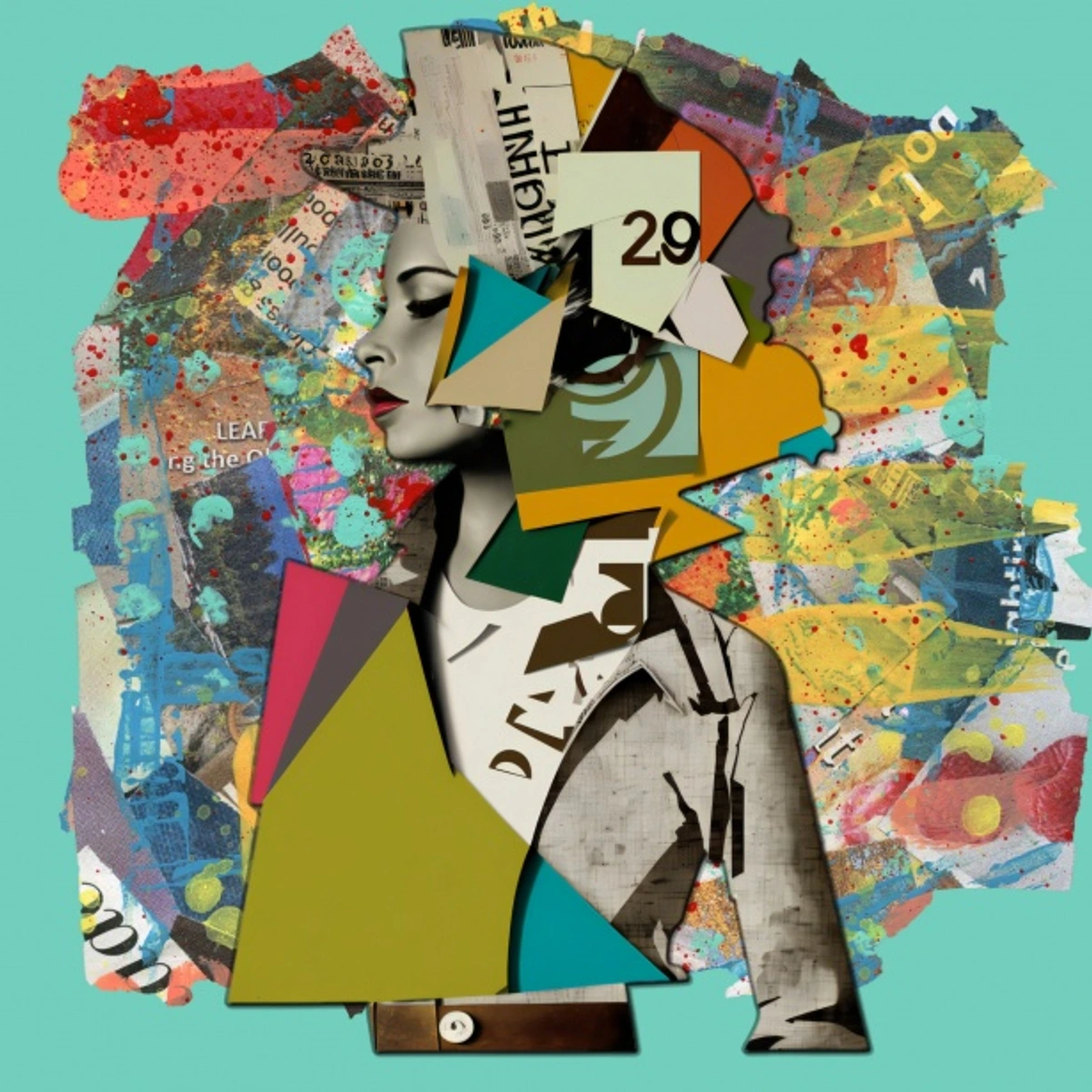
Experiment with using negative space to enhance the impact of your chosen symbol. Negative space can create a sense of balance and harmony, or it can be used to create tension and contrast. This use of negative space can add depth and dimension to your artwork.
Step 4: Use Color and Texture
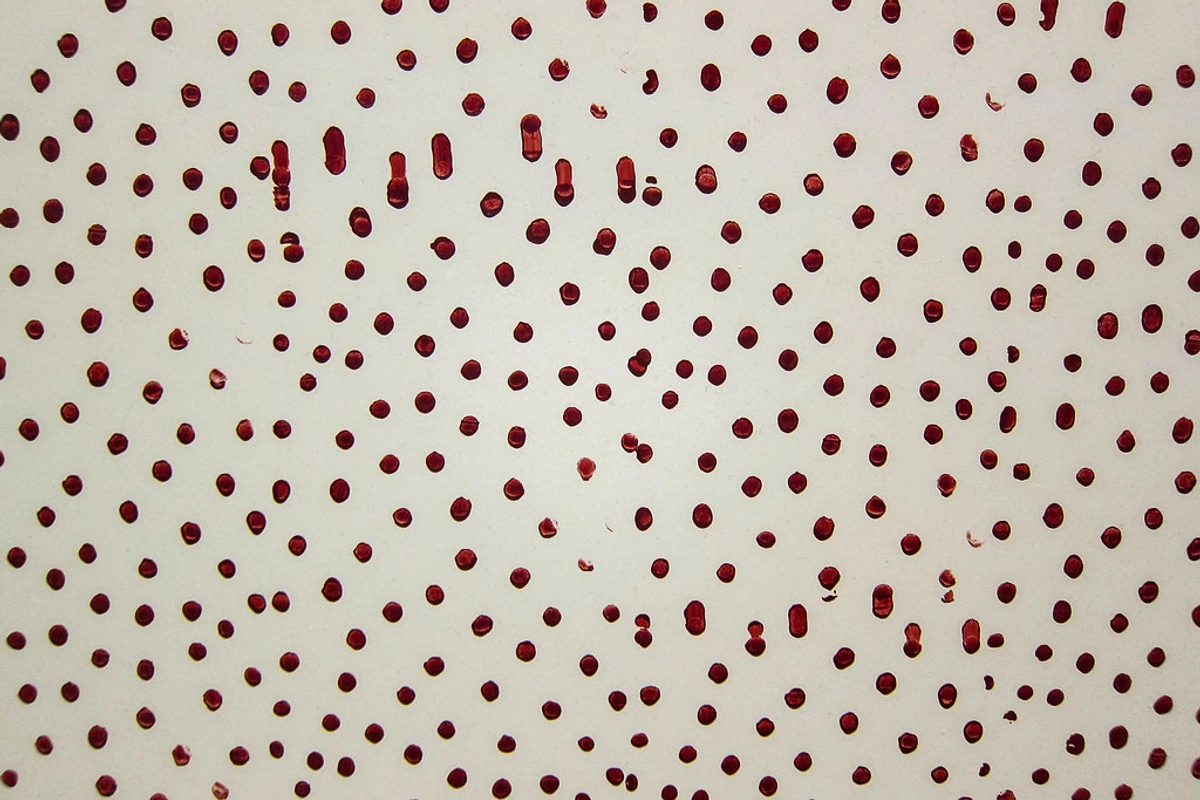
Enhance the impact of the symbol by using color and texture. For example, a circle in a vibrant color can evoke feelings of energy and vitality, while a circle in a muted tone can create a sense of calm and balance.
Color and texture can transform a simple symbol into a powerful visual statement. A vibrant red square might evoke passion and intensity, while a textured, earth-toned circle could create a sense of grounding and tranquility. These elements add depth and dimension to your artwork, making it more engaging and emotionally resonant.
Step 4.5: Experiment with Mixed Media
Experiment with using mixed media to enhance the impact of your chosen symbol. Mixed media can add depth and dimension to your artwork, creating a sense of texture and movement. This experimentation can lead to innovative and meaningful artistic expressions.
Step 5: Reflect on the Emotional Impact
Consider how the symbol affects the viewer’s emotions. Does it evoke feelings of stability and order, or does it create a sense of tension and conflict? Use this emotional impact to enhance the overall message of your artwork.
The emotional impact of your artwork is what makes it memorable. Reflect on how your chosen symbol interacts with the viewer’s psyche. Does it evoke a sense of calm, or does it challenge their perceptions? Use this emotional resonance to create a deeper connection between your artwork and its audience.
Step 5.5: Seek Feedback
Seek feedback from others to gain insights into the emotional impact of your artwork. This feedback can provide valuable insights into how your chosen symbol resonates with viewers. Use this feedback to refine and enhance your artistic vision.
Considerations When Using Universal Symbols
Cultural Sensitivity
Be mindful of the cultural significance of the symbols you use. Some symbols may have different meanings in different cultures, and it’s important to respect these differences. Research the symbol’s cultural associations to ensure you are using it appropriately.
Cultural sensitivity is not just about avoiding offense; it’s about honoring the diversity of human experience. By understanding the cultural context of a symbol, you can use it in a way that respects its origins and resonates with a global audience.
Cultural Appropriation vs. Appreciation
It is important to distinguish between cultural appropriation and appreciation. Cultural appropriation involves using symbols or elements from another culture without understanding or respecting their significance. Cultural appreciation, on the other hand, involves using symbols in a way that honors their origins and resonates with a global audience.
Personal Interpretation
While universal symbols have shared meanings, they can also be interpreted in unique and personal ways. Encourage viewers to bring their own experiences and emotions to the artwork, creating a deeper connection between the art and the viewer.
Personal interpretation is what makes art subjective and deeply meaningful. By inviting viewers to engage with your artwork on a personal level, you create a space for dialogue and reflection. This interaction enriches the viewing experience and makes your artwork more impactful.
The Role of Personal Experience
Personal experience plays a crucial role in the interpretation of universal symbols. Encourage viewers to bring their own experiences and emotions to the artwork, creating a deeper connection between the art and the viewer. This personal connection enriches the viewing experience and makes your artwork more impactful.
Avoiding Clichés
Be careful not to rely too heavily on clichéd symbols. While universal symbols can be powerful, they can also become overused and lose their impact. Experiment with new and innovative ways to use these symbols in your artwork.
Avoiding clichés is about pushing the boundaries of creativity. Instead of using a circle in a predictable way, consider how you can reimagine it to create something fresh and unexpected. This approach not only keeps your artwork original but also challenges viewers to see familiar symbols in a new light.
The Importance of Innovation
Innovation is key to avoiding clichés. Experiment with new and innovative ways to use universal symbols in your artwork. This experimentation can lead to fresh and unexpected interpretations, keeping your artwork original and engaging.
FAQ
What are universal symbols in art?
Universal symbols in art are visual elements that have a shared meaning across different cultures and time periods. They can be as simple as a circle or as complex as a mythological figure, and they often carry deep psychological and cultural significance.
These symbols act as a visual shorthand, allowing artists to communicate complex ideas and emotions without relying on words. Their universality makes them a powerful tool for connecting with audiences across diverse backgrounds.
Why are universal symbols important in art?
Universal symbols are important in art because they allow artists to communicate complex ideas and emotions without relying on words. They provide a common language that transcends cultural and linguistic barriers, making art more accessible and relatable to a global audience.
Why do artists use universal symbols?
Artists use universal symbols to communicate complex ideas and emotions without the need for words. These symbols allow artists to connect with viewers on a personal level, regardless of their cultural background.
Universal symbols provide a common language that transcends cultural and linguistic barriers. They enable artists to explore themes that are universally human, such as love, conflict, and spirituality, making their work more accessible and relatable to a global audience.
How do universal symbols enhance the viewer's experience?
Universal symbols enhance the viewer's experience by creating a sense of connection and understanding. They allow viewers to interpret the artwork through their own cultural and emotional lenses, making the artwork more engaging and emotionally resonant.
How can I use universal symbols in my own art?
To use universal symbols in your own art, start by understanding the symbol’s meaning and significance. Choose a symbol that resonates with the message or emotion you want to convey, and experiment with its placement and arrangement in your artwork. Use color and texture to enhance the symbol’s impact, and reflect on how it affects the viewer’s emotions.
Using universal symbols in your art is a journey of exploration and experimentation. Begin by researching the symbol’s cultural and psychological associations, then integrate it into your artwork in a way that aligns with your artistic vision. The key is to create a harmonious balance between the symbol’s inherent meaning and your personal expression.

What are some common universal symbols in contemporary art?
Some common universal symbols in contemporary art include circles, lines, triangles, and squares. Each of these symbols carries its own meaning and significance, and they are often used to create dynamic compositions and evoke deep emotional responses.
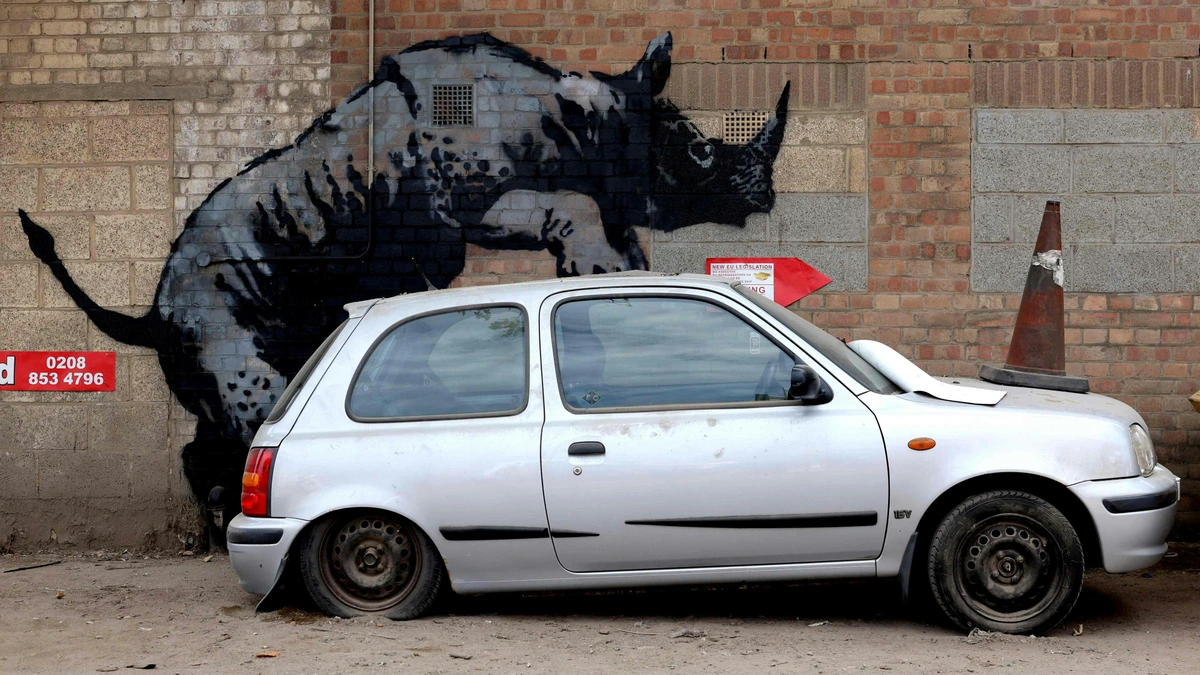
These symbols are foundational elements in art, each carrying a unique emotional and psychological weight. Circles evoke unity and wholeness, lines create movement and direction, triangles symbolize balance and tension, and squares represent stability and order. Their versatility makes them essential tools for contemporary artists.
How do universal symbols differ from cultural symbols?
Universal symbols differ from cultural symbols in that they have a shared meaning across different cultures and time periods. Cultural symbols, on the other hand, have specific meanings within a particular culture or context. Understanding the difference between these types of symbols can help you use them effectively in your artwork.
How do universal symbols affect the viewer’s emotions?
Universal symbols can have a profound impact on the viewer’s emotions. For example, a circle might evoke feelings of completeness and unity, while a triangle could create a sense of balance or tension. The emotional impact of these symbols can enhance the overall message of the artwork.
The emotional resonance of universal symbols lies in their ability to tap into shared human experiences. A circle’s smooth, continuous form can evoke a sense of calm and wholeness, while a triangle’s sharp angles might create tension or dynamism. By leveraging these emotional responses, artists can create works that are both visually striking and deeply meaningful.
What is the role of universal symbols in emotional expression?
The role of universal symbols in emotional expression is to create a sense of connection and understanding. They allow viewers to interpret the artwork through their own cultural and emotional lenses, making the artwork more engaging and emotionally resonant. This emotional connection enriches the viewing experience and makes your artwork more impactful.
How can I avoid clichés when using universal symbols?
To avoid clichés, experiment with new and innovative ways to use universal symbols in your artwork. Instead of using a circle in a predictable way, consider how you can reimagine it to create something fresh and unexpected. This approach not only keeps your artwork original but also challenges viewers to see familiar symbols in a new light.
Conclusion
Universal symbols are a powerful tool in the hands of contemporary artists. They allow artists to communicate complex ideas and emotions, creating a connection between the artwork and the viewer. By understanding the meaning and significance of these symbols, you can use them to enhance your own art and create a deeper emotional impact.
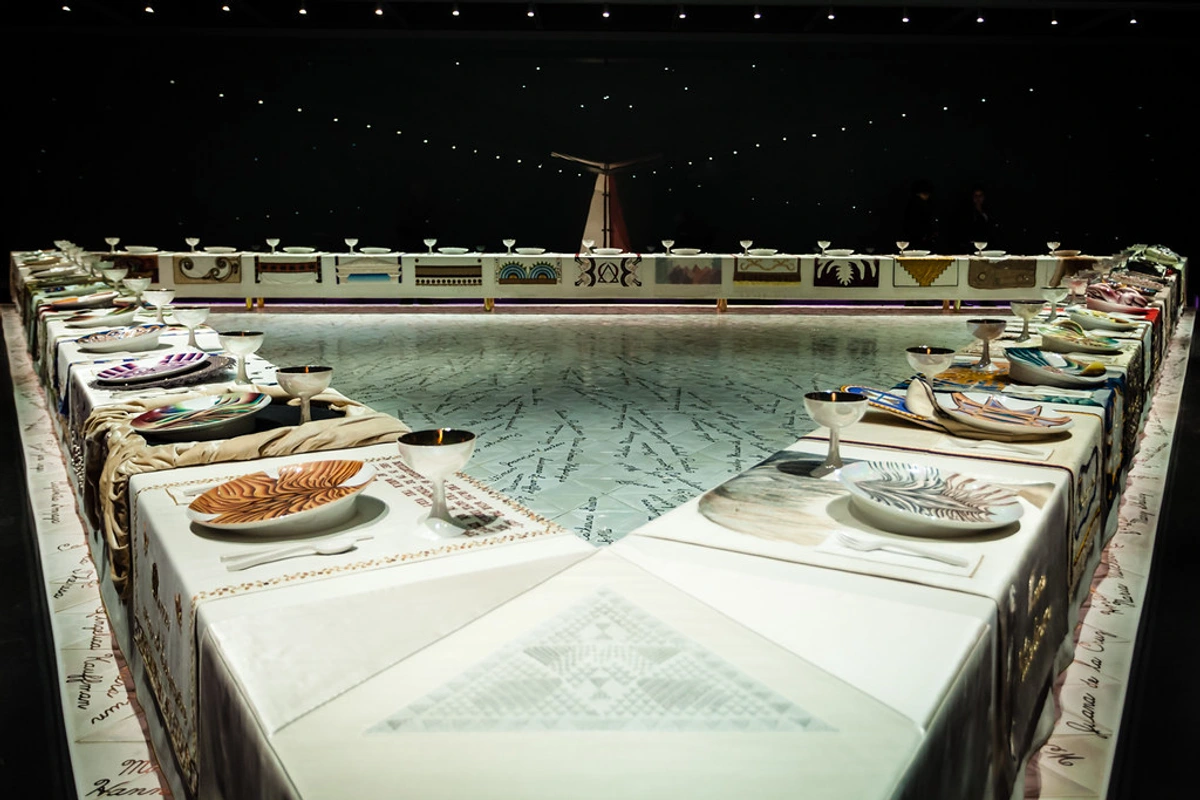























If you’re interested in exploring more about contemporary art and its symbols, check out our timeline of significant art movements and artists. And if you’re inspired to create your own art, visit our buy page to find the perfect materials and tools.
Remember, art is a universal language, and symbols are its words. Use them wisely, and let your creativity flow.
As you embark on your artistic journey, consider how universal symbols can enrich your work. Whether you’re drawn to the simplicity of a circle or the dynamism of a triangle, these symbols offer endless possibilities for creative expression. Embrace their power, and let them guide you in creating art that resonates with audiences around the world.