Why Did Van Gogh Cut Off His Ear? The Real Story Behind the Myth
Everyone knows the story of Van Gogh's ear, but the truth is far more complex and human than the myth. Let's explore the real reasons behind this infamous act.

Vincent van Gogh's Ear: Unpacking the Myth of the Mad Artist – The Ultimate Guide
I know what you're thinking. The ear. It’s almost always the first thing, isn't it? Before you even get to the swirling, electric beauty of The Starry Night or the vibrant warmth of his Sunflowers, there’s this sensational, gruesome little detail that's become a cornerstone of the "mad artist" myth. We've all heard it: Vincent van Gogh, the tortured genius, slashed off his own ear. It sounds like something ripped from a gothic novel, not the biography of a man who imbued his canvases with such incredible life and passionate color. But like so many captivating headlines, the real story – the full, deeply human, and far more complex narrative – is often lost. That's why I felt compelled to dive deep, beyond the surface-level sensationalism, to offer what I hope is the ultimate guide to Vincent van Gogh's ear, his profound mental health struggles, and the enduring impact of this pivotal, tragic moment in art history. We'll explore why Van Gogh cut off his ear, the true story behind the incident, how his immense suffering fueled an artistic output that redefined art itself, and ultimately, how his enduring spirit transformed profound suffering into transcendent beauty. This isn't just a grim anecdote; it's a window into the profound psychological struggles that shaped one of history's most iconic artists, and how his art became his most powerful lifeline. Consider this your definitive resource for understanding the man, the myth, and the masterpieces. I truly believe that by understanding the complexities of his life, we gain an even deeper appreciation for the extraordinary beauty he left behind.
Vincent van Gogh: Quick Facts – An Overview of a Brief, Intense Life
Before we delve deeper into the complexities surrounding his mental health and the infamous ear incident, it's helpful to have a clear, concise overview of the man himself. His life, though tragically short, was packed with immense passion, struggle, and an artistic output that defies belief. It’s a testament to the human spirit, I think, to achieve so much in such a compressed timeframe, all while battling profound internal demons. Here’s a quick snapshot:
Fact Category  | Detail |
|---|---|
| Full Name | Vincent Willem van Gogh |
| Birth | March 30, 1853, Groot Zundert, North Brabant, Netherlands |
| Death | July 29, 1890, Auvers-sur-Oise, France (age 37) |
| Nationality | Dutch |
| Art Movement | Post-Impressionism |
| Key Mediums | Oil on canvas, drawing, watercolor |
| Artistic Output | Approximately 2,100 artworks, including 860 oil paintings |
| Famous Works | The Starry Night, Sunflowers, The Potato Eaters, Irises, Self-Portrait with Bandaged Ear, Bedroom in Arles, Wheatfield with Cypresses |
| Defining Trait | Intense emotional expression, bold color, distinctive impasto brushwork, spiritual connection to nature |
| Influence | Precursor to Expressionism and Fauvism, profound impact on 20th-century art, inspired countless contemporary artists |
| Primary Support | His brother, Theo van Gogh (financially & emotionally) |
| Mental Health | Suffered from severe, recurring mental health crises, including psychotic episodes |
A Glimpse into the Timeline of a Tortured Genius
To put things into perspective, let’s quickly look at the key moments that shaped Vincent’s short but impactful life. It’s a whirlwind, a true journey of discovery and profound struggle. What truly astounds me, looking at these dates, is the sheer volume and emotional depth of work he produced in such a compressed timeframe, often amidst profound personal anguish. His relentless pursuit of artistic expression, despite all odds, is a testament to the human spirit.
Year | Key Event |
|---|---|
| 1853 | Born in Groot Zundert, Netherlands. |
| 1869 | Begins working as an art dealer at Goupil & Cie. |
| 1876 | Dismissed from Goupil & Cie; tries various other professions including teacher and bookseller. |
| 1879 | Becomes a missionary in the Borinage coal-mining region, deeply affected by the poverty. |
| 1880 | Decides to become an artist, at age 27, supported by his brother Theo. This marks the beginning of his intense, decade-long artistic career. |
| 1881-1885 | Dutch Period: Focuses on dark, earthy depictions of peasant life. |
| 1886 | Moves to Paris, influenced by Impressionism and Japanese prints. |
| 1888 | Moves to Arles, captivated by the southern light; dreams of establishing the "Studio of the South," an artists' commune. Later joined by Paul Gauguin, initiating a volatile collaboration. |
| December 1888 | The ear incident in Arles. |
| 1889-1890 | Saint-Rémy Period: Voluntarily admits himself to an asylum; prolific output. |
| May 1890 | Moves to Auvers-sur-Oise under Dr. Gachet's care. |
| July 1890 | Dies from a self-inflicted gunshot wound. |
Van Gogh's Early Life and Artistic Beginnings: The Search for Purpose
To truly understand the man behind the myth, we need to rewind a bit, much like rewinding a turbulent film. Vincent van Gogh's journey to becoming one of history's most celebrated artists was anything but straightforward. Born in 1853 in Groot Zundert, Netherlands, he was the eldest of six children to his father, Theodorus, a Protestant pastor, and his mother, Anna Carbentus. This deeply religious upbringing would profoundly influence his early life and his later artistic vision, instilling a strong sense of empathy and a desire to serve humanity. His early life was marked by a series of false starts and profound vocational searches – almost as if he was trying on different lives to find the one that truly fit his intense spirit. It was a search for purpose, a search for connection, and ultimately, a search for a way to express the immense world within him. It wasn't the predictable path of a burgeoning artistic prodigy; rather, it was a winding, often agonizing, quest for meaning and a way to serve humanity, which, I think, is a beautiful and often overlooked aspect of his character. He wasn't just chasing fame; he was chasing meaning.
Before dedicating himself fully to art in his late twenties, Vincent attempted several vocational paths, each marked by intense dedication but ultimate frustration. He worked for his uncle's prominent art firm, Goupil & Cie, in The Hague, London, and Paris. While this period sharpened his eye for art and exposed him to the art market, he grew increasingly disillusioned with its commercialism and the often-harsh realities faced by struggling artists. These early experiences profoundly shaped his empathy for the working class and solidified his commitment to an art of profound truth, one that transcended mere commodity. After leaving Goupil, he tried his hand as a teacher in England and even serving as a lay preacher. Most significantly, he became a passionate missionary preacher among the impoverished coal miners in the Borinage region of Belgium, sharing their arduous lives and suffering. This deeply immersive experience, fueled by his fervent religious convictions, profoundly shaped his empathy and artistic subject matter. He was drawn to depict the lives of ordinary people, their dignity, and the harsh realities of rural existence. This period was crucial; it instilled in him a profound sense of social justice and a desire to communicate the raw truth of human experience, seeing art as a means of solace and understanding. It was, in many ways, a precursor to the raw honesty and spiritual depth we see in his later paintings, particularly his Dutch period of somber, powerful realism, where he felt a deep, almost spiritual, connection to the plight of the common person.
It was only after these difficult, often heartbreaking, trials – and with the unwavering financial and emotional support of his younger brother, Theo, a bond that would become the cornerstone of his life – that he finally, irrevocably, committed himself to painting. He was largely self-taught, driven by an internal artistic compulsion that would consume him entirely, almost as if he had no other choice but to paint. His journey was meticulously documented in his prolific correspondence with Theo, providing an unparalleled autobiography of an artist's soul, struggling and soaring in equal measure. These letters are, in my opinion, as vital to understanding Van Gogh as his paintings themselves, offering a window into his restless mind and evolving artistic theories. I can't emphasize enough how much these letters reveal about the depth of his thought and feeling, acting almost as a secondary canvas for his thoughts and emotions.
The Bond with Theo: An Unwavering Anchor and Lifeline
For Vincent, Theo was more than just a brother; he was his anchor, his confidant, and his primary financial and emotional support. Without Theo's consistent monetary assistance – often at significant personal sacrifice, impacting Theo's own burgeoning family – Vincent's artistic career simply would not have been possible. Their correspondence, spanning hundreds of letters, reveals a deeply intimate and complex relationship, a lifeline for Vincent. Theo was Vincent's most ardent supporter, recognizing his brother's genius long before the world did, and providing not just money, but vital emotional encouragement and intellectual exchange during Vincent's darkest periods. This profound sibling bond is, to me, one of the most poignant aspects of Vincent's story, a testament to enduring loyalty and unconditional love in the face of immense struggle and societal rejection. It's a powerful reminder that even the most solitary artistic endeavors are often built on a foundation of profound human connection and unwavering belief.
The Power of the Pen: Van Gogh's Letters to Theo
I often think about the raw, unfiltered humanity laid bare in Van Gogh's letters, particularly those to his brother, Theo. More than 600 letters from Vincent to Theo survive, offering an unparalleled window into his mind, his struggles, his artistic theories, and his profound bond with his brother. These aren't just casual notes; they are passionate declarations, desperate pleas, profound artistic manifestos, and heartbreaking confessions that collectively form an extraordinary autobiography of an artist's soul. They reveal an artist relentlessly pursuing his vision, battling poverty, loneliness, and, most tragically, the demons of his deteriorating mental health. These weren't just letters; they were his confessionals, his sketchbooks, his emotional anchors, and his primary means of intellectual and emotional exchange. Reading them, you realize that for Vincent, painting wasn't merely a profession; it was a spiritual quest, an absolute necessity for his very existence, a way to connect with the divine and express his tumultuous inner world.
Through his letters, we see a brilliant, self-aware mind grappling with profound questions of art, life, and suffering. He articulated his theories on color, light, and brushwork with astonishing clarity, often detailing the emotional intent behind his choices. He meticulously described his daily life, his artistic ambitions, and the overwhelming financial anxieties that constantly plagued him. But perhaps most movingly, the letters lay bare his emotional vulnerability, his deep longing for love and acceptance, and his agonizing battle with mental illness. They are a testament to his resilience and his unwavering faith in the power of art, even when faced with rejection and profound personal despair. It’s truly a remarkable archive, offering insight into an artist's soul that few others can match.
His art was his lifeline, and these letters were the narrative of that struggle. It’s through them that we truly see the man behind the myth, the visionary Vincent van Gogh, grappling with profound internal tempests that the 19th century’s medical understanding was tragically ill-equipped to comprehend. The ear incident, as we'll see, wasn't just a single, impulsive act of 'madness,' but the gut-wrenching culmination of immense psychological pressure and fervent artistic aspirations.
The Scene: A Yellow House and a Powder Keg
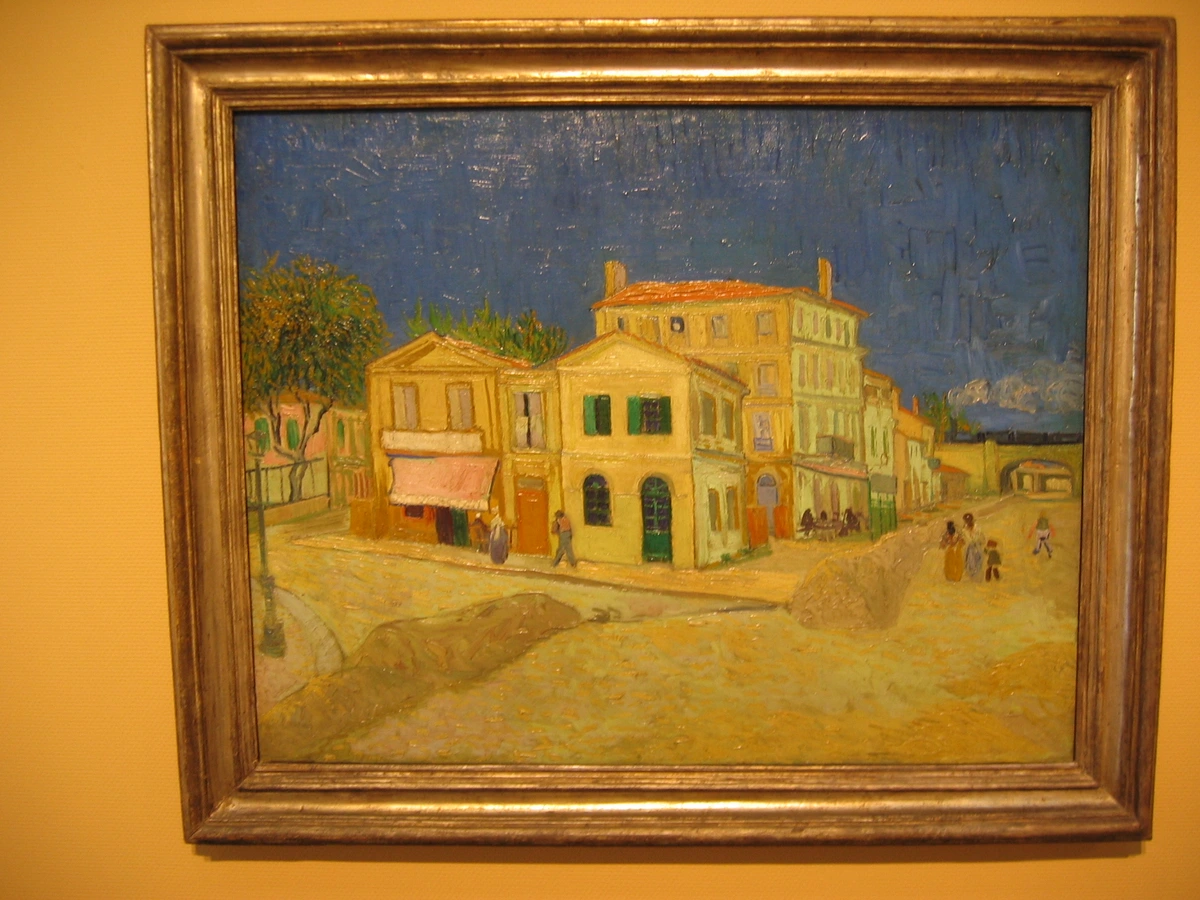
To really get it, you have to picture the scene. We're in Arles, a sun-drenched town in the south of France, in late 1888. Vincent had rented a few rooms in a bright yellow house on the Place Lamartine, which he famously depicted in his painting The Yellow House (1888). You've probably seen his painting of it, perhaps even felt the warmth emanating from the canvas. For him, this wasn't just a rental; it was the physical embodiment of his greatest dream: a "Studio of the South." He envisioned this as an artists' colony, a brotherhood where his friends could live, work, and forge a new path for art, away from the stuffy, commercial salons of Paris. It was meant to be a haven for creative collaboration that would revolutionize painting, a place where artists could find both artistic and emotional sustenance. He even started a series of paintings, including the famous Sunflowers, specifically to decorate Gauguin's room, dreaming of a truly shared artistic experience. Van Gogh had been captivated by the vibrant light and colors of Arles, believing it to be a "new Japan" – a haven, much like the Ukiyo-e prints he admired, where he could push the boundaries of his Post-Impressionist vision and forge a brighter, more optimistic art, infused with the warmth and intensity of the southern sun. The ambition was immense, the hope palpable, and frankly, a little naive, which makes the impending tragedy all the more poignant. It was a vision born of both artistic fervor and a desperate longing for companionship and belonging.
The Yellow House itself, with its vibrant facade, was meant to be a symbol of this hope, a beacon for a new artistic era – a true atelier du midi or "Studio of the South." Vincent filled it with simple, handcrafted furniture and his own art, eagerly awaiting the arrival of other artists to form his ideal artistic commune. He painted the famous Bedroom in Arles during this period, an image of quiet domesticity and humble comfort that starkly belied the storm brewing within him and the chaotic reality that would soon unfold. This intense idealization of a shared artistic life highlights his profound yearning for community, intellectual exchange, and a supportive brotherhood, a stark contrast to the deep isolation he often experienced throughout his life.
Arles: A New Japan and the Light of the South
Vincent was drawn to Arles for its intense light and vivid colors, seeing it as an artistic and spiritual refuge. He believed the clarity of the southern light would allow him to develop a new kind of art, one that was purer and more expressive than anything he had achieved in the grey skies of the Netherlands or the bustling art scene of Paris. He was particularly influenced by Japanese ukiyo-e woodblock prints, which he meticulously collected and admired for their flat planes of vibrant color, bold outlines, clear compositions, and profound, almost meditative, connection to nature. He saw Arles as his personal "Japan," a place where he could immerse himself in the serene beauty of the natural world and create a similar sense of harmony and vibrant intensity in his own work, hoping to imbue his art with the directness and spiritual purity he found in Japanese aesthetics. This fascination with Japanese art deeply informed his approach to composition, perspective, and color during this crucial period, offering both inspiration and a structural framework for his burgeoning expressive style. This dream of a vibrant artistic community in the South, infused with the spirit of Japan, was a driving force, a beacon of hope in his often-troubled life.
The first, and ultimately only, artist to join him was Paul Gauguin – a name that would forever be intertwined with Vincent's dramatic downfall. Theirs was a volatile partnership, a collision of two artistic titans that was always destined for an explosive end, I think.
Paul Gauguin: The Provocateur and Companion
Paul Gauguin was a complex figure, an artist of immense talent and equally immense ego, who had already carved out a reputation as a leading figure in the Symbolist movement. He arrived in Arles in October 1888, after much persuasion and crucial financial support from Theo van Gogh, who hoped his presence would stabilize and inspire Vincent. For Vincent, Gauguin's arrival was the realization of a cherished dream, a validation of his vision for the "Studio of the South" – a utopian haven for creative collaboration. He admired Gauguin's bold art and sophisticated intellect, initially seeing him as a mentor figure, a seasoned artist from whom he could learn. However, their personalities were a stark contrast. Gauguin was worldly, often cynical, assertive, and dismissive of Vincent's earnest, almost naive, approach to painting directly from nature, which he considered too simplistic. This inherent tension, coupled with their vastly different artistic philosophies and volatile temperaments, created a potent, combustible atmosphere within the small Yellow House, transforming a dream of brotherhood into a psychological pressure cooker. It was a friendship forged in intense artistic ambition but ultimately destined to be shattered by irreconcilable psychological and temperamental clashes.
Now, Gauguin was, in many ways, Vincent’s antithesis: confident, worldly, often arrogant, and seeking escape from civilization, where Vincent was insecure, intensely emotional, yearning for profound connection, and deeply rooted in the observable world. Gauguin, older and more experienced, often acted as a mentor, but also as a provocateur, challenging Vincent’s earnest approach to art. For nine intense weeks, these two colossal talents and clashing personalities were cooped up in that little house. They painted feverishly, often side-by-side, sharing ideas, but also clashing profoundly over fundamental artistic principles. Vincent famously favored painting directly from nature, capturing what he saw with visceral intensity, a technique known as plein air painting (meaning "in the open air"), while Gauguin preferred to work from memory and imagination, creating more symbolic, synthesized visions, a style he termed Synthetism. They drank, they debated art with a religious fervor, and pushed each other to their creative limits. It was an artistic pressure cooker, the heat amplified daily by their intense rivalry and vastly different temperaments, a collision of worlds destined for an explosive end. It's almost like watching a slow-motion car crash, knowing the personalities involved.
The Dynamics of a Doomed Partnership
The tension between Van Gogh and Gauguin was palpable, a complex mix of admiration, fervent rivalry, and profound psychological incompatibility. Vincent, with his intense need for validation, companionship, and a profound sense of belonging, often clung desperately to Gauguin, idealizing their shared artistic future and the dream of the "Studio of the South." Gauguin, however, a more independent and restless spirit, grew increasingly critical of Vincent's earnest approach to painting, his perceived lack of sophistication, and his increasingly erratic behavior. Their debates, fueled by alcohol, sleepless nights, and intense artistic passion, often escalated into bitter arguments, sometimes even physical altercations. Gauguin's sophisticated, often cynical, and symbolic worldview clashed fundamentally with Vincent's more fervent, almost spiritual, and direct approach to art and life. This intense dynamic, confined within the small Yellow House and exacerbated by prolonged rain that forced them indoors, gradually eroded Vincent's already fragile mental state, amplifying his deep-seated insecurities, paranoia, and fear of abandonment. It was a relationship that, while undeniably creatively stimulating for a time, ultimately proved too destructive for Vincent's sensitive and unstable psyche.
Artistic Philosophies: Van Gogh vs. Gauguin
The table above already gives you a great snapshot, but let's dive a little deeper into these fascinating differences, because they truly highlight the core of their creative conflict. It wasn't just personality clashes; it was a fundamental disagreement about the very purpose and method of art, a philosophical divide that ran deep. This clash of titans in the art world ultimately led to the tragic rupture we remember.
Aspect | Paul Gauguin | |
|---|---|---|
| Approach to Nature | Preferred painting en plein air, directly from life and observation. Believed in capturing the "truth" of nature, the raw, unfiltered reality. | Favored working from memory and imagination, synthesizing experiences into symbolic compositions. He believed art should be an intellectual creation, not a mere copy of reality. |
| Color Usage | Used color expressively to convey emotion and light, often employing complementary contrasts directly to create vibration and intensity. Color was a language of feeling. | Employed color more decoratively and symbolically, often flattened and less naturalistic, pushing towards a more decorative and abstract aesthetic (Cloisonnism). |
| Brushwork | Characterized by thick impasto, visible, energetic strokes that convey movement, texture, and emotional urgency. The paint itself was a medium for feeling. | Smoother, flatter planes of color, often with strong outlines reminiscent of stained glass (a style called Cloisonnism). His surfaces were often more serene and less agitated. |
| Subject Matter | Often depicted the working class, landscapes, still lifes, and portraits of ordinary people, finding dignity and spiritual resonance in the humble and everyday. | Sought out exotic, non-Western subjects, often depicting indigenous peoples and landscapes, particularly after his move to Tahiti, seeking a more "primitive" and authentic experience. |
| Temperament | Highly emotional, insecure, seeking profound connection, prone to intense highs and lows, deeply empathetic and often self-sacrificing. | Arrogant, confident, worldly, often detached and provocative, prone to intellectual sparring and a desire for independence. |
| Artistic Goals | To express inner feelings and the spiritual essence of his subjects through intense observation and vibrant color, connecting with humanity and the divine. | To evoke primal, symbolic, and exotic worlds, often seeking escape from modern civilization and conventional academic art, creating a new, more subjective reality. |
Their shared time, though fraught, propelled both artists to intense creative periods. Vincent's productivity surged, and he experimented with new stylistic elements, while Gauguin also produced significant works, often inspired by the vibrant southern light. However, the fundamental differences laid bare in this table meant their collaboration was ultimately unsustainable, a powerful reminder of how even artistic genius can be undermined by clashing visions and volatile personalities.

It’s clear, isn't it? These two were destined to either create something utterly revolutionary together or self-destruct. Unfortunately, the latter proved to be true, but not before their intense collaboration spurred both artists to new creative heights, if only for a brief, fiery period. For me, it's a powerful reminder of how friction can sometimes generate incredible creative energy, even if it comes at a great personal cost.
Gauguin's Departure Plans: The Inevitable Rupture
A major, and arguably the most direct, catalyst for the final breakdown was Paul Gauguin's increasing restlessness and his explicit intention to leave Arles. For Vincent, this wasn't just a friend moving on; it was the utter collapse of his cherished "Studio of the South" dream, a profound personal and artistic betrayal. Gauguin had found Arles uninspiring and Vincent's behavior increasingly erratic and difficult. He longed to return to Paris, or perhaps even further afield, to pursue his own artistic vision unhindered. This impending abandonment amplified Vincent's deep-seated fears of loneliness and rejection, particularly after Theo's engagement news further compounded his anxieties about losing his primary emotional and financial anchor. Gauguin's decision to leave was the final, devastating crack in Vincent's already fragile psychological dam, setting the stage for the catastrophic events that followed.
The Breaking Point
The story goes that on this fateful night, December 23, 1888, after weeks of relentless rain that forced them indoors – amplifying their already strained relationship and exacerbating Vincent's growing paranoia and emotional instability – they had a final, explosive argument. The exact subject of this ultimate confrontation remains debated by historians—perhaps it was about art, money (a constant source of stress for Vincent), their diverging artistic philosophies, or most likely, Gauguin’s explicit plans to leave Arles and abandon the "Studio of the South" dream that Vincent so desperately clung to. Whatever the trigger, it was the final, devastating straw. Gauguin, exasperated and perhaps genuinely fearing for his safety after Vincent reputedly threatened him with a razor, stormed out, saying he was going for a walk, leaving Vincent alone to grapple with his spiraling mental state and the crushing weight of impending abandonment. I can only imagine the utter despair and sense of betrayal Vincent must have felt, a feeling that plunged him into a terrifying mental abyss.
December 23, 1888: The Night of the Crisis
The hours leading up to the ear incident were a maelstrom of emotional intensity. Vincent, already prone to severe mood swings and paranoid delusions, was pushed to his absolute limit by Gauguin's imminent departure. The dream of their shared studio, his vision of an artistic brotherhood, was collapsing around him. For Vincent, who yearned desperately for connection and validation, Gauguin's departure wasn't just a friend leaving; it was the ultimate rejection, a betrayal of their shared artistic ideal. This profound sense of failure and abandonment, coupled with his untreated mental illness, particularly the symptoms aligning with Borderline Personality Disorder's intense fear of abandonment, plunged him into a state of extreme psychological distress. The internal storm, already brewing, intensified into a hurricane. It wasn't a sudden, unprovoked act of madness, but the horrifying culmination of weeks of escalating tension and internal torment, ignited by the rejection of the one artist he had sought to build a future with. The razor became a tragic instrument of self-harm, a desperate act in a moment of utter psychological breakdown.
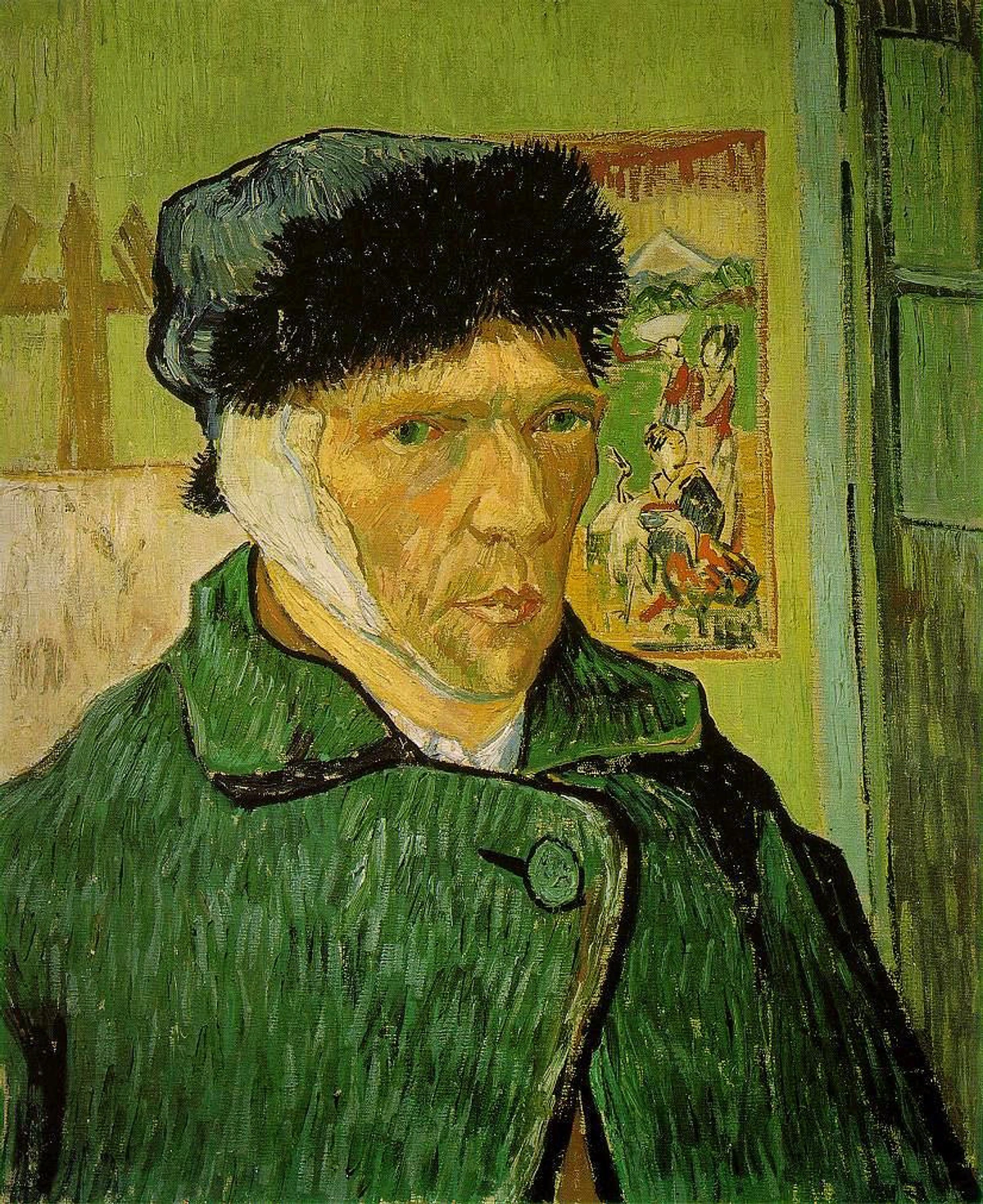
What happened next remains a blur of conflicting accounts and intense historical debate, pieced together from police reports, witness testimonies, and Vincent's own fragmented, often anguished, letters. The most widely accepted version is this: left alone in the Yellow House, overwhelmed by extreme emotional distress, a crushing fear of abandonment, and a likely severe psychotic break or temporal lobe seizure, Vincent took a razor. He didn't slice off his entire ear, as the popular, more sensational myth often suggests. Instead, he severed a significant portion of his left ear lobe, including part of the auricle (the external visible part of the ear) – an act of desperate self-harm born from profound mental anguish, not calculated intent. It's crucial to remember this detail, as the exaggeration of the "whole ear" only serves to amplify the 'mad artist' trope rather than illuminate his true suffering. This self-mutilation was a desperate, impulsive act, a physical manifestation of the immense psychological pain he was enduring.
In a gesture that remains chillingly inexplicable to this day, he then wrapped the severed piece of flesh in newspaper, walked to a nearby brothel he frequented, and presented it to a young woman named Gabrielle Berlatier (often mistakenly referred to as 'Rachel'), who was working as a maid there to pay off medical bills from a dog bite – a poignant detail that adds another layer of human tragedy to this already disturbing event. Vincent reportedly asked her to "keep this object carefully," a phrase that, in its chilling banality, underscores the depth of his psychological break. He then returned to the Yellow House and collapsed into bed. The following morning, concerned neighbors and police officers found him unconscious and gravely injured in his bed, covered in blood, leading to his immediate hospitalization in Arles. Gauguin, who had spent the night in a hotel, returned to find the scene of devastation, and it was he who alerted the authorities, though his own account of the preceding night remained vague and self-serving, leading to some historical speculation which we'll address later. This entire sequence of events, though horrific, is a critical piece of the puzzle in understanding Vincent's mental state.
The Aftermath in Arles: Public Shock and a Broken Dream
The discovery of Vincent in his blood-soaked bed on the morning of December 24th sent shockwaves through the quiet town of Arles. The police investigation that followed, though rudimentary by today's standards, pieced together the initial facts, largely from Gauguin's testimony and the horrified accounts of the brothel staff. The incident quickly became local gossip, cementing Vincent's image as the 'mad artist' in the public's mind. For the local community, it was a deeply disturbing event, confirming their fears about the eccentric Dutchman's erratic behavior. This public spectacle and the ensuing ostracization only exacerbated Vincent's profound sense of isolation, pushing him further into the depths of despair.
The citizens of Arles, understandably alarmed and disturbed, organized a petition to demand Vincent's confinement. This was not merely idle gossip; it was a formal plea to the mayor, highlighting their fear for public safety and their concern over Vincent's increasingly erratic and disturbing actions. This collective rejection from the very community he had sought to embrace deeply wounded Vincent, cementing his image as the 'mad artist' in their eyes and his own. It was a brutal public unraveling of a private torment, making his eventual voluntary admission to an asylum a desperate act of self-preservation.
Upon discovery, Vincent was immediately transported to the hospital in Arles. It was there that the young Dr. Félix Rey, whose crucial role we'll discuss further, provided the initial medical care and crucial documentation of the injury. For Vincent, this wasn't just a physical wound; it was the symbolic and devastating end of his cherished "Studio of the South" dream. The incident irrevocably shattered his hope of an artists' commune and directly led to his escalating isolation and subsequent voluntary admission to an asylum. It marked a point of no return, a profound rupture in his life and artistic journey, irrevocably altering his path.
Dr. Félix Rey: The Doctor Who Saw Beyond the Madness
Dr. Félix Rey, a young intern at the hospital in Arles, played a crucial, albeit often overlooked, role in documenting the incident. It was his detailed medical observations and subsequent drawings that provided the most accurate account of Vincent's injury, confirming it was a partial severance of the earlobe, not the entire ear. This detail is vital in dispelling the more sensational myths. Rey, despite the public's perception of Vincent, treated him with a degree of empathy and professionalism, acknowledging the severity of his mental distress. Vincent, in turn, painted a portrait of Dr. Rey, which, though initially unsettling to the doctor, later became a cherished possession, a poignant artifact of their unusual connection. Rey's clear-headed assessment offers a rare glimpse into the medical reality of the event, cutting through the layers of sensationalism. It's a reminder that compassion can be found even in the most tragic circumstances.
So, Why Did He Do It? The Theories – A Complex Web of Factors
This is the million-dollar question, isn't it? And frankly, there's no single, simple answer – and anyone who tells you there is, is selling you a neatly packaged myth, tidying up a chaotic human tragedy. I believe it was a perfect storm of factors, a tragic confluence of circumstances, genetic predisposition, and profoundly inadequate medical understanding. For years, the story was just that he was 'mad,' but that's a dangerously lazy, even harmful, explanation that strips away the nuance of his suffering. It was a catastrophic symptom of very real, agonizing struggles, both internal and external, that ultimately overwhelmed him. Let's delve into the leading theories, understanding that they likely intertwined to create the ultimate breaking point.
19th-Century Psychiatry: A World Away from Understanding the Mind
To truly grasp the horror of Vincent's mental health journey, you have to remember the profoundly limited context of 19th-century medicine. It was a world utterly devoid of sophisticated diagnostic tools, effective psychotropic medications, or certainly any nuanced understanding of complex mental illnesses like Bipolar Disorder, Temporal Lobe Epilepsy, or schizophrenia. What we now recognize as severe psychiatric conditions were then often dismissed as generalized 'madness,' 'melancholia,' or even attributed to moral failings or demonic possession. It's a sobering thought to consider how many individuals suffered without a glimmer of understanding or effective intervention, and how this lack of insight intensified their anguish. Treatments were rudimentary at best – prolonged bed rest, often solitary confinement, therapeutic baths (hydrotherapy), and often ineffective sedatives like bromide, or even dangerous practices like bloodletting or purging. Imagine trying to navigate a profound mental health crisis, feeling the storm rage inside you, only to be met with treatments that offered little genuine relief and a society that often labeled you as simply "insane," fearing rather than understanding. It's a sobering thought, isn't it? To suffer so profoundly with no real path to healing. He was, in essence, trapped in a body and mind wracked by storms, living in an era utterly unequipped to provide him with meaningful relief or understanding. This fundamental lack of comprehension only exacerbated his suffering, intensifying his isolation and despair, making his internal battle all the more agonizing and leaving him to confront his demons almost entirely alone.
The Stigma of "Madness" in the 19th Century
The societal perception of mental illness in the 19th century was harsh, often punitive, and deeply stigmatizing. Individuals like Vincent, who exhibited erratic or self-destructive behaviors, were frequently ostracized, feared, and institutionalized without genuine therapeutic intent. The concept of mental health as a treatable condition, distinct from moral failing or weakness, was still nascent. This pervasive stigma undoubtedly contributed to Vincent's internal struggles, as he was acutely aware of the societal judgment he faced. His frequent pleas in letters to Theo for understanding and acceptance underscore the immense psychological burden of living with a condition that society refused to acknowledge with empathy. It's a stark reminder of how far we've come, yet also a cautionary tale of the devastating impact of ignorance and fear.
The Elusive Diagnosis: What Ailed Vincent?
Modern medical professionals, looking back at Vincent's symptoms documented in his letters and by his doctors, have proposed several possible diagnoses. It's a complex puzzle, and a definitive answer remains elusive, but these theories offer a more empathetic and scientific lens than the simple label of "madness." It's important to remember that these are retrospective analyses, attempts to understand from afar a mind that was profoundly suffering in its own time.
Proposed Diagnosis | Description | Relevance to Symptoms |
|---|---|---|
| Bipolar Disorder | Characterized by extreme mood swings, including depressive lows and manic highs. | His periods of intense productivity, euphoria, followed by crushing despair, fits this well. Mania could explain his impulsive behavior. |
| Temporal Lobe Epilepsy | A neurological disorder causing seizures, often accompanied by hallucinations, paranoia, and memory loss. | Accounts mention seizures and periods of unresponsiveness. The smell of paint, a common trigger, was ever-present in his life. |
| Schizophrenia | A severe mental disorder affecting how a person thinks, feels, and behaves. | Symptoms like hallucinations, paranoia, and disorganized thought align with some of his documented "crises." |
| Borderline Personality Disorder | A mental health disorder impacting self-image, emotional regulation, and relationships. | His intense fear of abandonment, volatile relationships (especially with Gauguin and Theo), and acts of self-harm are consistent with BPD. |
| Absinthe Poisoning | Chronic consumption of absinthe, a potent alcoholic spirit, known to cause neurological and psychiatric symptoms. | Heavy drinking exacerbated his underlying conditions and likely contributed to his psychotic episodes. |
It’s important to remember that these are posthumous attempts to understand, and Vincent himself lived in a time that couldn't offer him these distinctions. What's clear is that he suffered immensely from a severe, multifaceted mental illness, and the ear incident was a desperate symptom of that suffering.
Let's quickly unpack some of these modern interpretations:
- Bipolar Disorder: Vincent's life was marked by dramatic swings between intense creative bursts (manic phases) and debilitating periods of despair and inactivity (depressive phases). This pattern, coupled with his impulsivity, fits many of the diagnostic criteria.
- Temporal Lobe Epilepsy: Accounts of his "fits" sometimes describe periods of confusion, memory loss, and even altered perception, which are consistent with temporal lobe seizures. Some scholars suggest the turpentine and paint fumes he was constantly exposed to could have been a trigger.
- Schizophrenia: While some symptoms like paranoia and hallucinations align, his continued ability to produce coherent, often brilliant, art even during crises makes this diagnosis less universally accepted than others, as schizophrenia typically involves more profound thought disorganization.
- Borderline Personality Disorder: His intense fear of abandonment, particularly evident in his relationship with Gauguin and his dependence on Theo, along with episodes of self-harm and volatile emotional regulation, strongly suggest BPD as a contributing factor.
- Absinthe Poisoning: Chronic use of absinthe, a popular drink of the era containing neurotoxic compounds, would have exacerbated any underlying mental health issues and likely contributed to the severity of his psychotic episodes.
Ultimately, pinpointing a single diagnosis for Vincent from afar is impossible. It's far more likely he suffered from a complex interplay of several conditions, perhaps compounded by nutritional deficiencies and the profound stresses of his life. His brain, I believe, was simply overloaded.
Theory | Description | Plausibility |
|---|---|---|
| The Fight with Gauguin | The immediate trigger. Gauguin, his idol and companion, was abandoning him and the dream of the Studio of the South. The act was a response to this profound sense of rejection and failure. | Very High. This is almost certainly the catalyst; the breaking point in a strained, intense relationship. The emotional impact of this abandonment cannot be overstated. |
| Mental Health Crisis | The underlying condition. It's crucial to understand that Van Gogh had a long history of mental health struggles, often referred to as his "crises" or "attacks." Historians and medical professionals have posthumously offered a range of diagnoses, including bipolar disorder, temporal lobe epilepsy, and borderline personality disorder, though a definitive diagnosis remains elusive. He experienced intense depressive episodes, hallucinations, paranoia, and severe anxiety. The ear incident was almost certainly a severe psychotic break, a catastrophic symptom of a mind overwhelmed by internal and external pressures. | Very High. This is the gunpowder. The fight was just the match that ignited the already volatile mixture of his fragile mental state and extreme stress, culminating in an act of profound self-harm. His brain, I believe, was simply overloaded. |
| News from His Brother Theo's Engagement | Just prior to the incident, Vincent had received news that his beloved younger brother and unwavering financial and emotional supporter, Theo, was engaged to Johanna Bonger. While Theo’s happiness should have been a source of joy, for Vincent, it became a profound trigger for fear. He may have perceived this new relationship as a direct threat to his singular bond with Theo, fearing the loss of his brother's emotional lifeline and, crucially, his ongoing financial support, which allowed him to pursue his art. | High. This added another layer of profound insecurity and vulnerability to an already volatile situation, exacerbating his sense of isolation and potential abandonment. The human need for connection, and the terror of losing it, can be a powerful driver, and for Vincent, Theo was his anchor. |
| A Symbolic Act | Some art historians, looking for deeper meaning beyond pure psychological breakdown, suggest it could be a symbolic gesture. They point to local customs in the bullfighting arenas of Arles, where a victorious matador is awarded the bull's ear as a trophy. Was this a desperate, albeit distorted, gesture of offering to Gauguin, perhaps as a sign of submission or shared sacrifice? Or could it have been a form of religious self-flagellation, echoing stories of saints and martyrs, a concept Vincent was familiar with from his religious upbringing? Another theory suggests a distorted act of Japanese hara-kiri, a form of honorable suicide, inspired by his admiration for Japanese culture and art. | Low to Medium. While intriguing and a testament to the layers of meaning people seek in art, this is likely an over-intellectualization of what was fundamentally a raw, psychologically shattered breakdown. Sometimes, a scream is just a scream, but the cultural context does add a layer of tragic possibility. |
| Absinthe Poisoning | Vincent was a heavy drinker, and absinthe was a popular (and potent) beverage at the time, known for its psychoactive properties and potential to cause hallucinations and mental instability due to thujone content. Some theories suggest chronic absinthe consumption contributed to his psychotic episodes. | Medium. While certainly not the sole cause, chronic alcohol consumption, particularly of a potent spirit like absinthe, would undoubtedly have exacerbated his pre-existing conditions and lowered his psychological defenses. It's a contributing factor, a fuel to the fire, rather than the spark itself, and likely made his existing struggles even harder to bear. |
| Sunstroke / Lead Poisoning | Arles, with its intense southern sun, could have led to sunstroke, exacerbating mental instability. Another theory suggests lead poisoning from the pigments in his paints, particularly lead white, contributed to his neurological symptoms, including seizures and hallucinations. | Low to Medium. Both could have been contributing factors, potentially worsening an already fragile state and adding to his physical discomfort, but unlikely to be the sole primary cause. It's hard to isolate these factors definitively, but they form part of the larger, complex picture of his environment and daily habits, adding to the overall stress on his system. |
| Syphilis | A less common but historically plausible theory suggests that late-stage syphilis, which was widespread and untreatable at the time, could have caused neurological symptoms like psychosis, seizures, and personality changes, contributing to his mental decline. | Low to Medium. While difficult to prove definitively posthumously, syphilis could explain some of his symptoms and was a common affliction. However, most scholars lean more towards the other primary mental health theories, as the specific pattern of his illness doesn't perfectly align. |
| The Burden of Unrecognized Genius | The relentless struggle for recognition, financial stability, and artistic validation, coupled with frequent rejection, created immense psychological pressure. This constant battle against a world that didn't understand him could have chipped away at his mental fortitude. | High. While not a direct medical cause, the immense stress and despair stemming from his lack of success and the burden of supporting his artistic ambition almost single-handedly certainly contributed significantly to his fragile mental state. It's a poignant reminder of the heavy price some artists pay for their vision. |
The Role of Diet and Environment: Hidden Contributors
Beyond the psychological and social factors, it's also worth considering the more mundane, yet potentially significant, physiological stressors Vincent experienced. His chronic poverty meant a diet often lacking in essential nutrients, which could have led to deficiencies that impacted his neurological and mental health. Additionally, his constant exposure to the fumes from turpentine and various pigments – some of which contained heavy metals like lead – could have contributed to his neurological symptoms, including seizures and hallucinations. While not primary causes, these environmental and dietary factors likely played a role in worsening his already fragile state and amplifying his physical discomfort, adding to the overall stress on his system. It’s a holistic picture of suffering, where no single factor operates in isolation.

My take? It wasn't one of these things in isolation; it was the tragic interplay of all of them. Imagine your greatest dream crumbling before your eyes, your hero and only companion walking out on you, and the terrifying fear of losing your only support system – all while your mind is already a tumultuous battlefield, a swirling abstract chaos. This potent cocktail of emotional trauma, personal rejection, and severe underlying mental illness was, unequivocally, a recipe for catastrophe. It's a poignant reminder of the fragility of the human mind and the immense pressures artists can face, especially when grappling with an illness so poorly understood by the medicine of their time. For me, understanding this complex web of factors doesn't diminish the tragedy; it deepens our empathy and appreciation for the sheer resilience of his creative spirit.
The Interplay of External and Internal Factors
The ear incident wasn't a singular, isolated act, but a catastrophic expression of a mind overwhelmed by both profound internal pathology and immense external stress. The confluence of his genetic predisposition to mental illness, the debilitating effects of probable absinthe use and poor nutrition, the intense pressure of artistic ambition, and the crushing weight of personal rejection created a perfect storm. It's like a complex equation where all variables aligned for a tragic outcome. This holistic view allows us to move beyond simplistic labels and appreciate the true depth of his struggle, transforming him from a 'mad artist' into a deeply human figure battling insurmountable odds.
To truly appreciate the arc of Vincent's career, it helps to understand the distinct periods of his artistic output, each shaped by his environment, personal struggles, and rapidly evolving style. It’s a remarkable journey of self-discovery and relentless artistic pursuit, compressed into a single, intense decade of painting. His life was tragically short, but his artistic output was monumental.
Vincent's Artistic Journey: A Chronicle of Periods and Evolution
To truly appreciate the arc of Vincent's career, it helps to understand the distinct periods of his artistic output, each profoundly shaped by his environment, his escalating personal struggles, and his rapidly evolving style. It’s like watching a painter transform right before your eyes, each canvas a journal entry, a visual diary of his inner and outer world. His life was tragically short, but his artistic output was monumental, compressed into an incredibly intense decade of painting – a period from roughly 1880 until his death in 1890. I often marvel at how much he accomplished in such a short time, each period building on the last, constantly experimenting and pushing boundaries. But before we break it down chronologically, let’s talk about what makes a "Van Gogh" unmistakably, uniquely a "Van Gogh." It’s a signature that speaks of both genius and suffering, joy and despair. It's a visual language I think we all intuitively recognize.
The Relentless Evolution of a Vision
Vincent's artistic journey was not linear; it was a constant, almost frantic, quest for new ways to express his inner world. He absorbed influences from Dutch Masters, Japanese prints, and the Impressionists, but always filtered them through his intensely personal vision. Each period marked a distinct stylistic development, driven by his changing surroundings and his escalating mental health struggles. From the somber realism and earthy tones of his Dutch period, characterized by works like The Potato Eaters, to the explosion of vibrant color and light in Arles (think Sunflowers and The Yellow House), and the swirling, emotionally charged landscapes of Saint-Rémy (like The Starry Night), his art directly mirrored his emotional landscape. It's this relentless experimentation and unwavering commitment to his unique vision, despite profound personal torment, that truly defines his genius and makes his work so compellingly human. He never stood still, always pushing the boundaries of what art could be, transforming his inner world into universal statements.
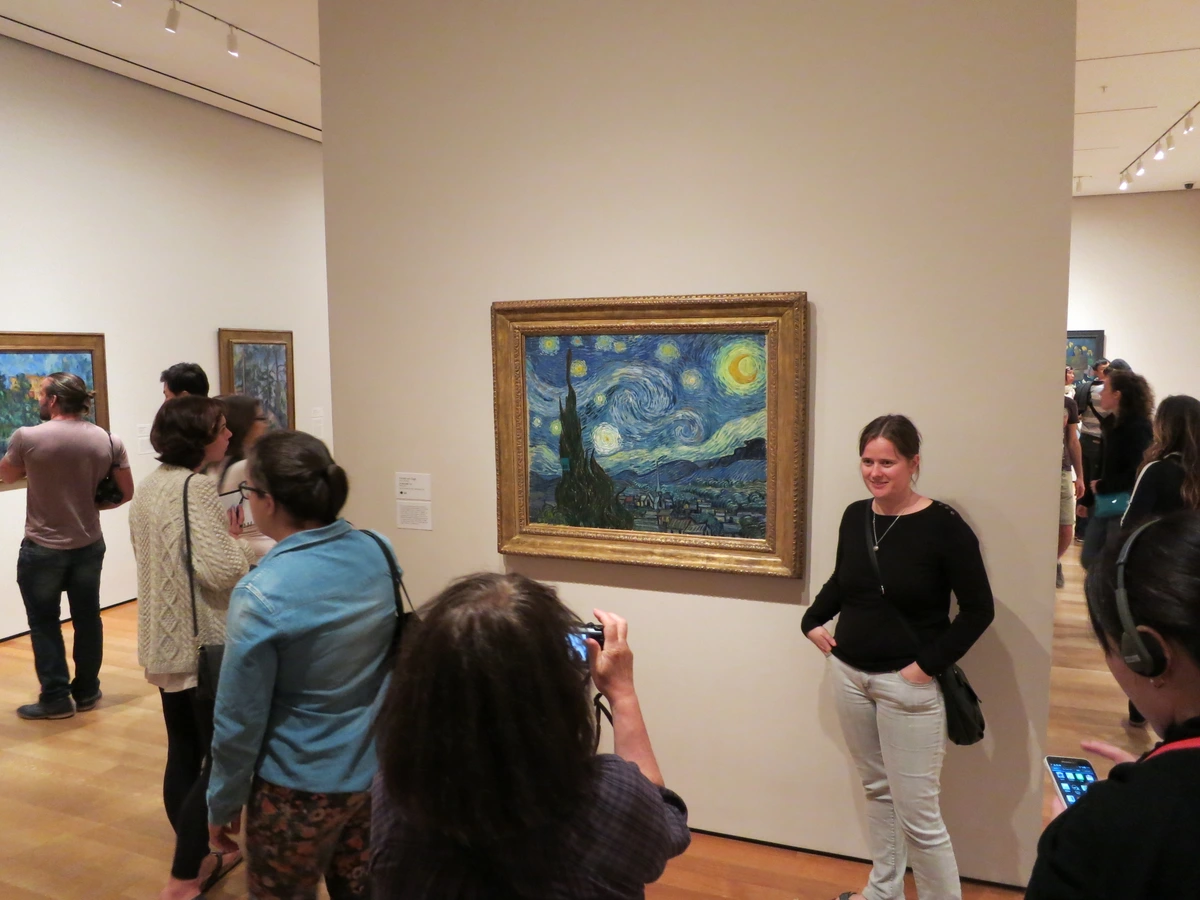
Signature Style: The Unmistakable Hand of Van Gogh
When you stand before a Van Gogh, there are certain elements that immediately grab you, a visual language that screams "Vincent!" It's a style so distinct, so powerfully expressive, that it’s instantly recognizable worldwide. His approach, while constantly evolving, held onto core principles throughout his most prolific years, principles that define his unique vision:
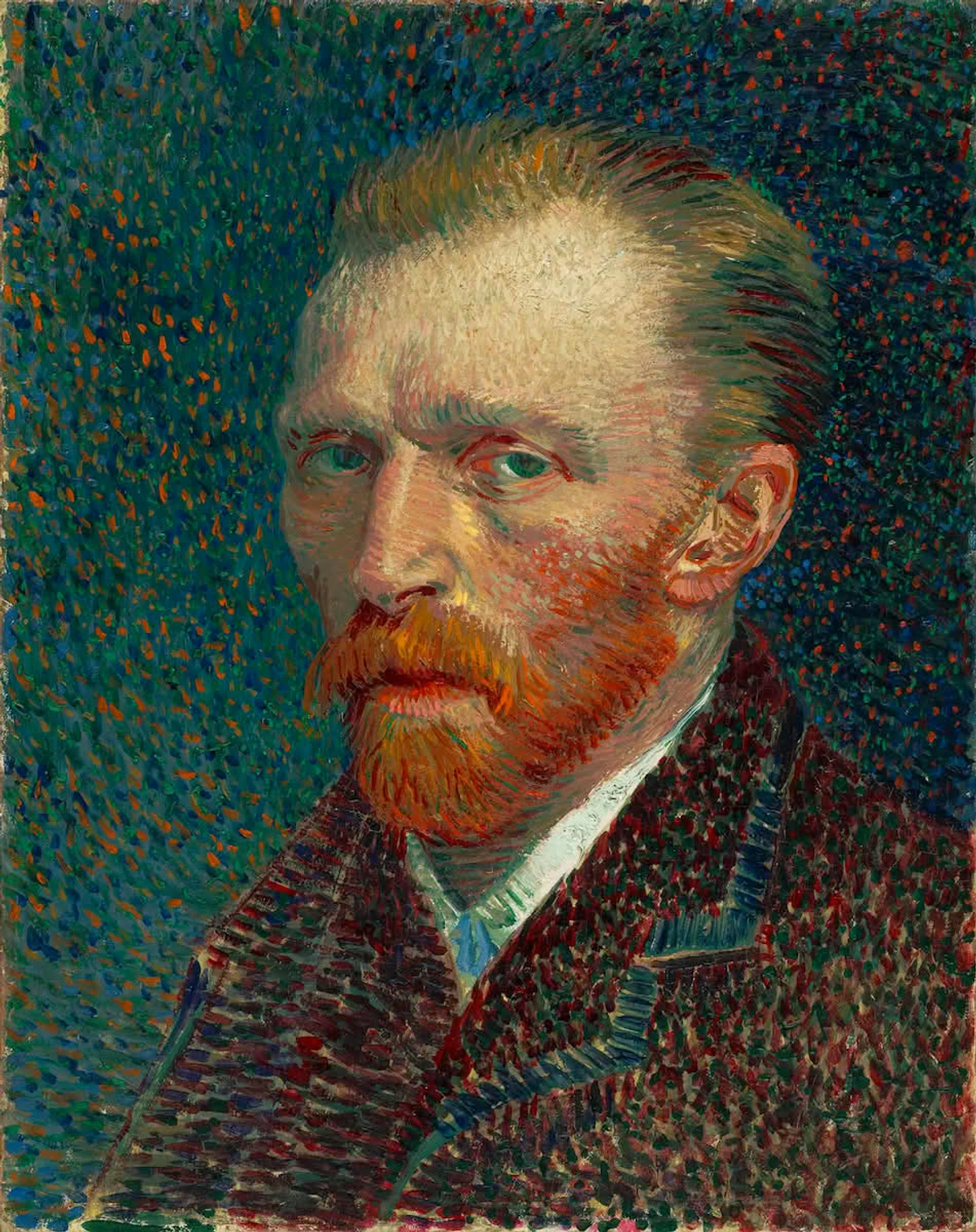
- Expressive Use of Light: Beyond just color, Van Gogh mastered light not as a scientific phenomenon, but as an emotional force. His suns radiate with an almost palpable heat, his stars pulse with cosmic energy, and the humble lamplight in his interiors glows with a profound, intimate warmth. Light, for Vincent, was a conduit for spiritual meaning, capable of transforming the mundane into the sacred, a reflection of his own yearning for illumination in the darkness. It’s an almost spiritual light, isn’t it?
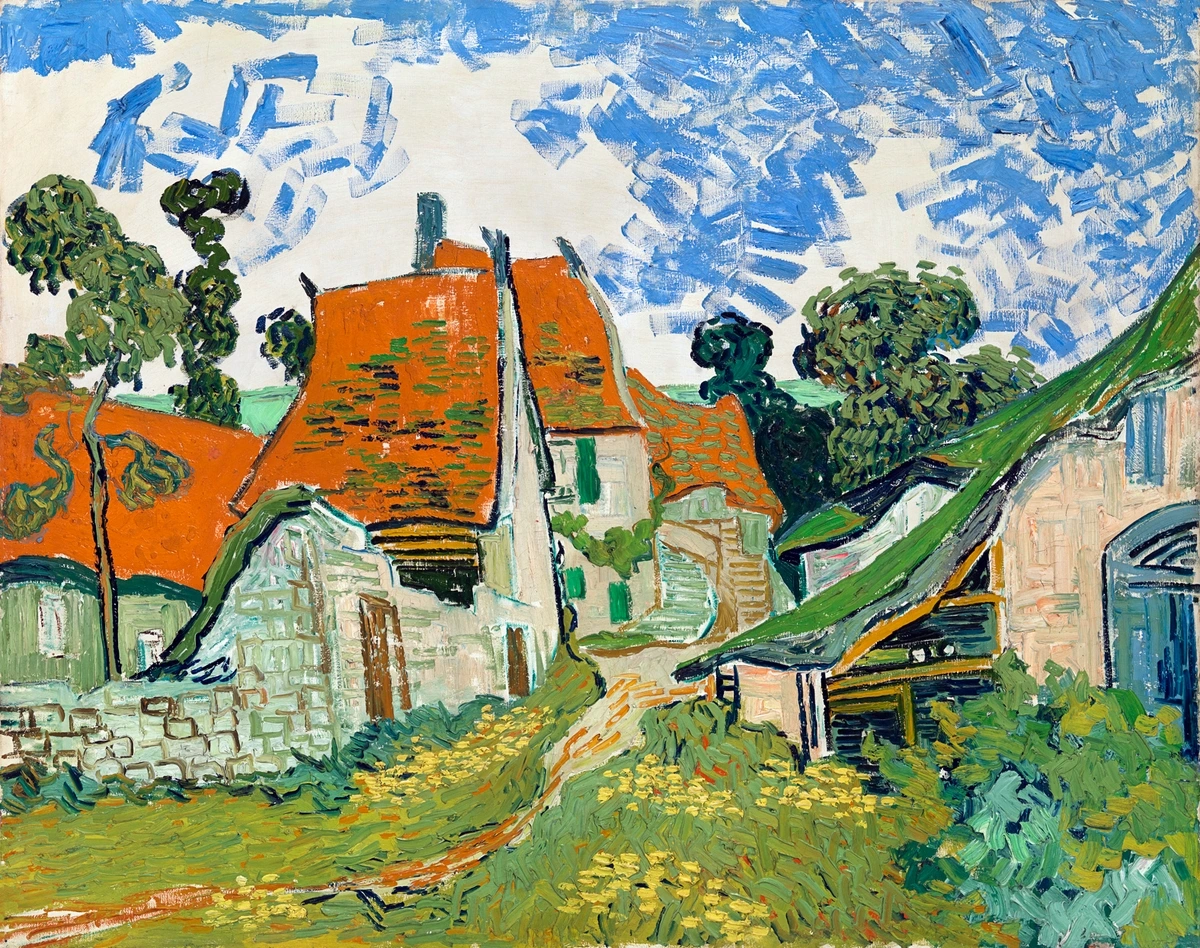
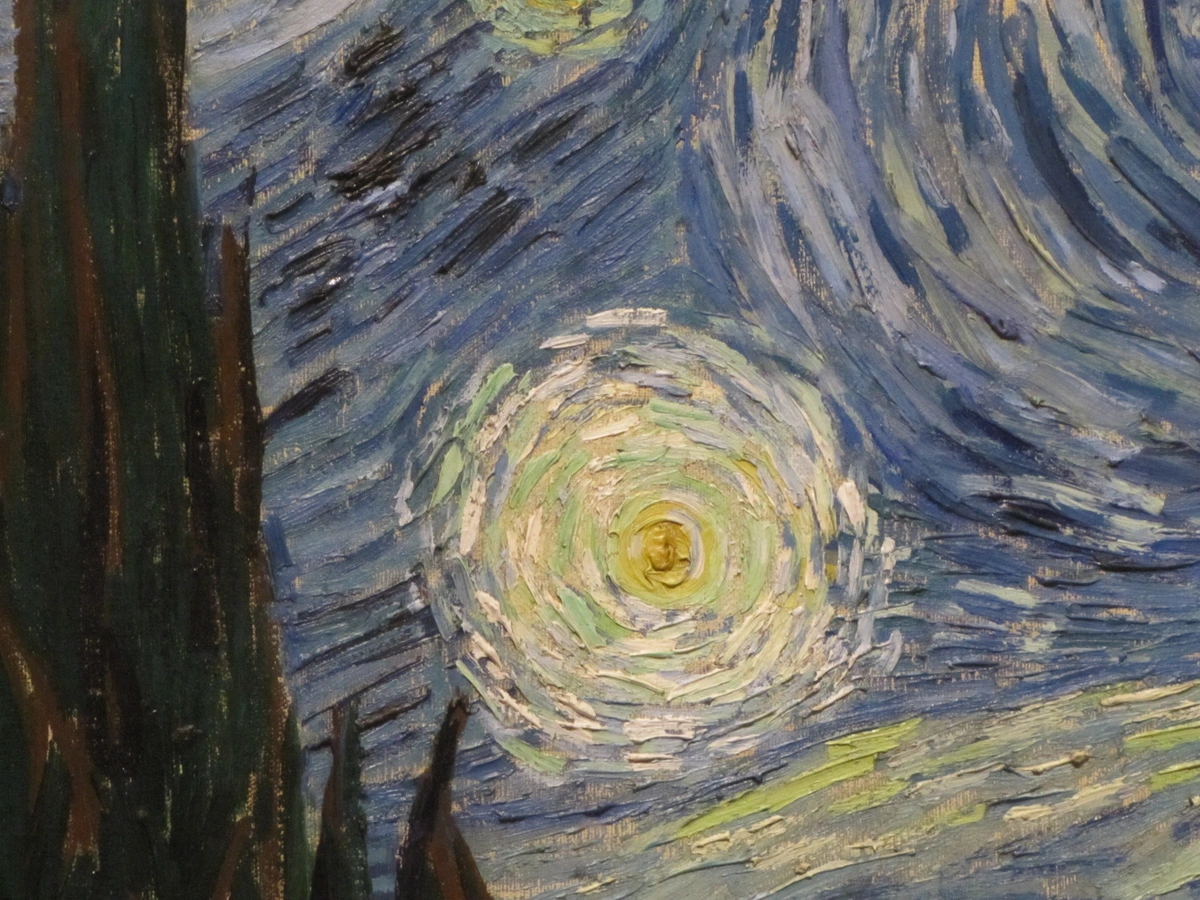
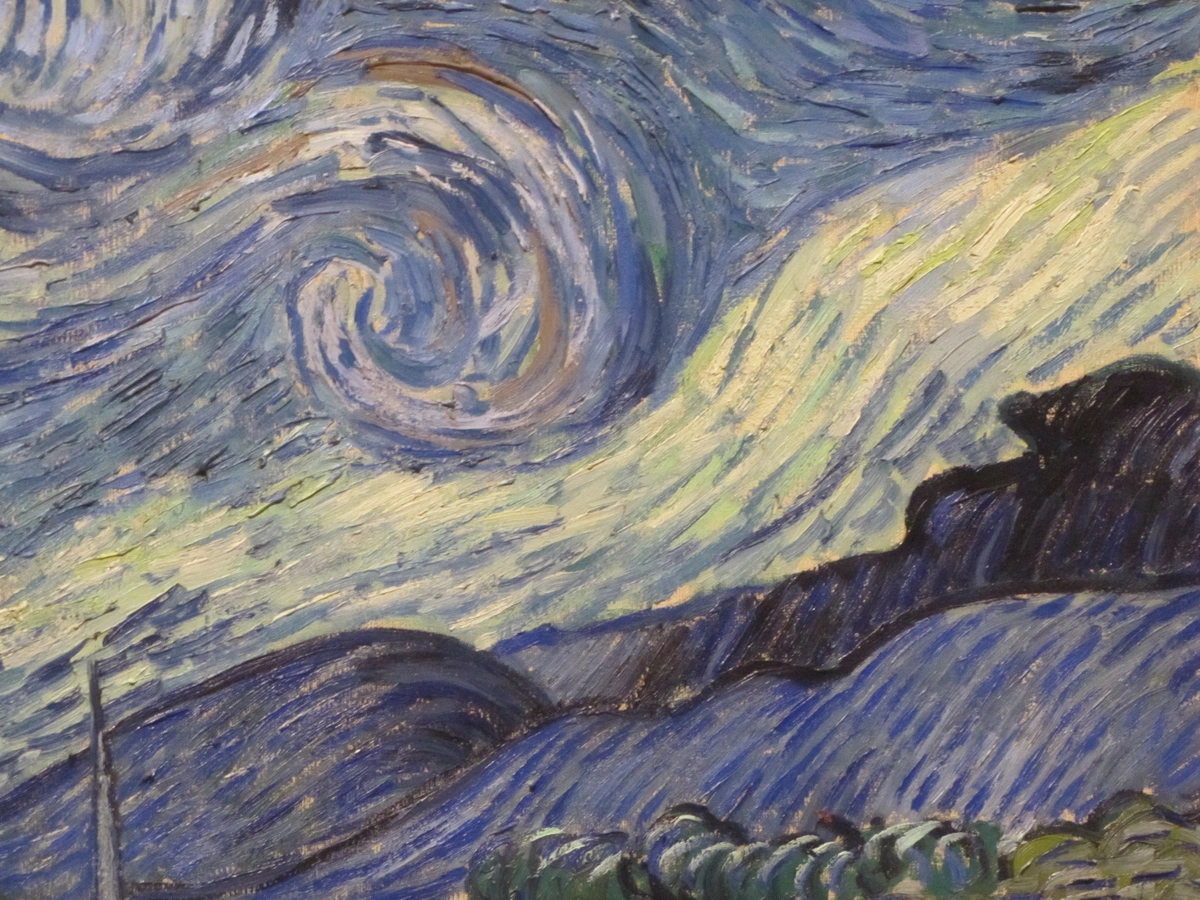
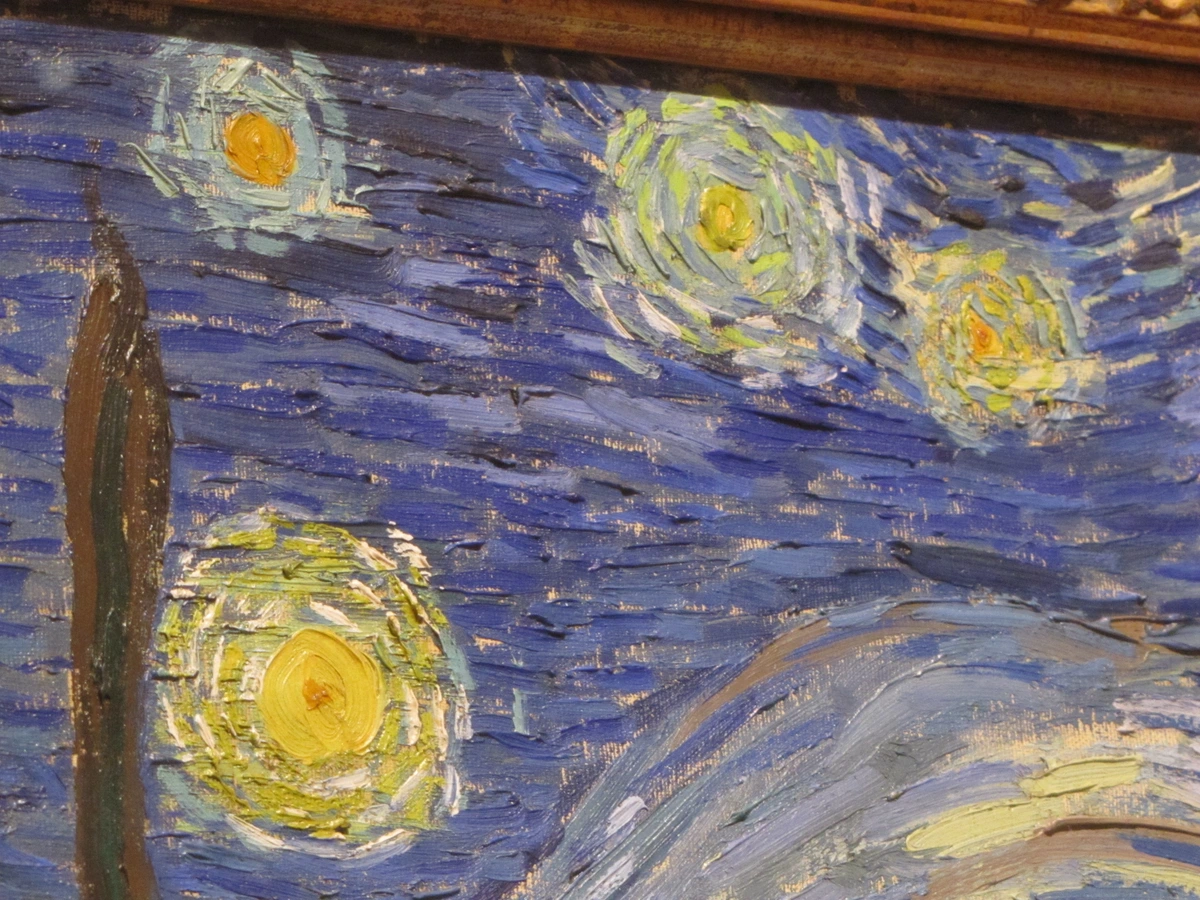
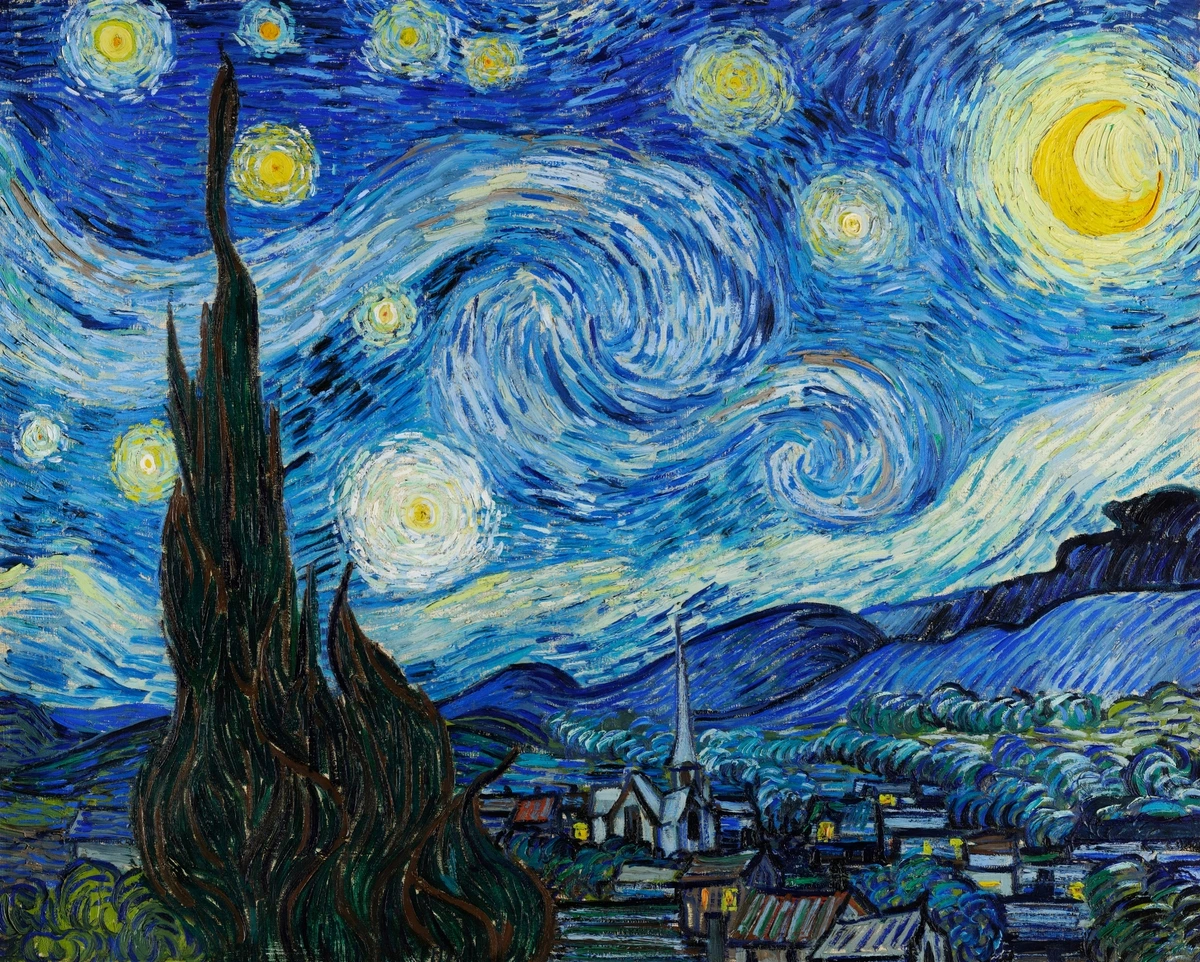
- Impassioned Brushwork: Those thick, swirling, almost sculptural brushstrokes – what we call impasto – aren't just decorative; they convey a sense of urgent, almost frenetic energy, of the artist wrestling with the paint, translating his intense emotional landscape directly onto the canvas. Think of the agitated sky in The Starry Night or the textured fields in Wheatfield with Cypresses – the paint itself feels alive, moving and breathing, as if infused with his very soul. This dynamic quality is a hallmark of his approach to oil painting. It’s a bold, almost aggressive, use of paint that speaks volumes. This tactile quality of his paint surfaces invites the viewer to feel the artist's hand, to connect with the raw physicality of his creative act, making each work an intimate encounter.
- Vibrancy Through Color: Vincent was a master of color theory, though largely self-taught and instinctively applied. He didn't just use bright colors; he used them in daring, often audacious combinations, often placing complementary colors (like his famous yellow and purple in The Bedroom in Arles, or blue and orange) side-by-side to create an almost vibrating intensity. He aimed to express the psychological rather than simply describe reality, using color as a direct conduit for emotion. For more on this, check out our guide on the psychology of color in abstract art. He made color feel something. This emotional manipulation of color, divorcing it from strict mimetic representation, was revolutionary and profoundly influential for future generations of artists. It’s almost as if he painted with pure feeling, channeled through pigment.
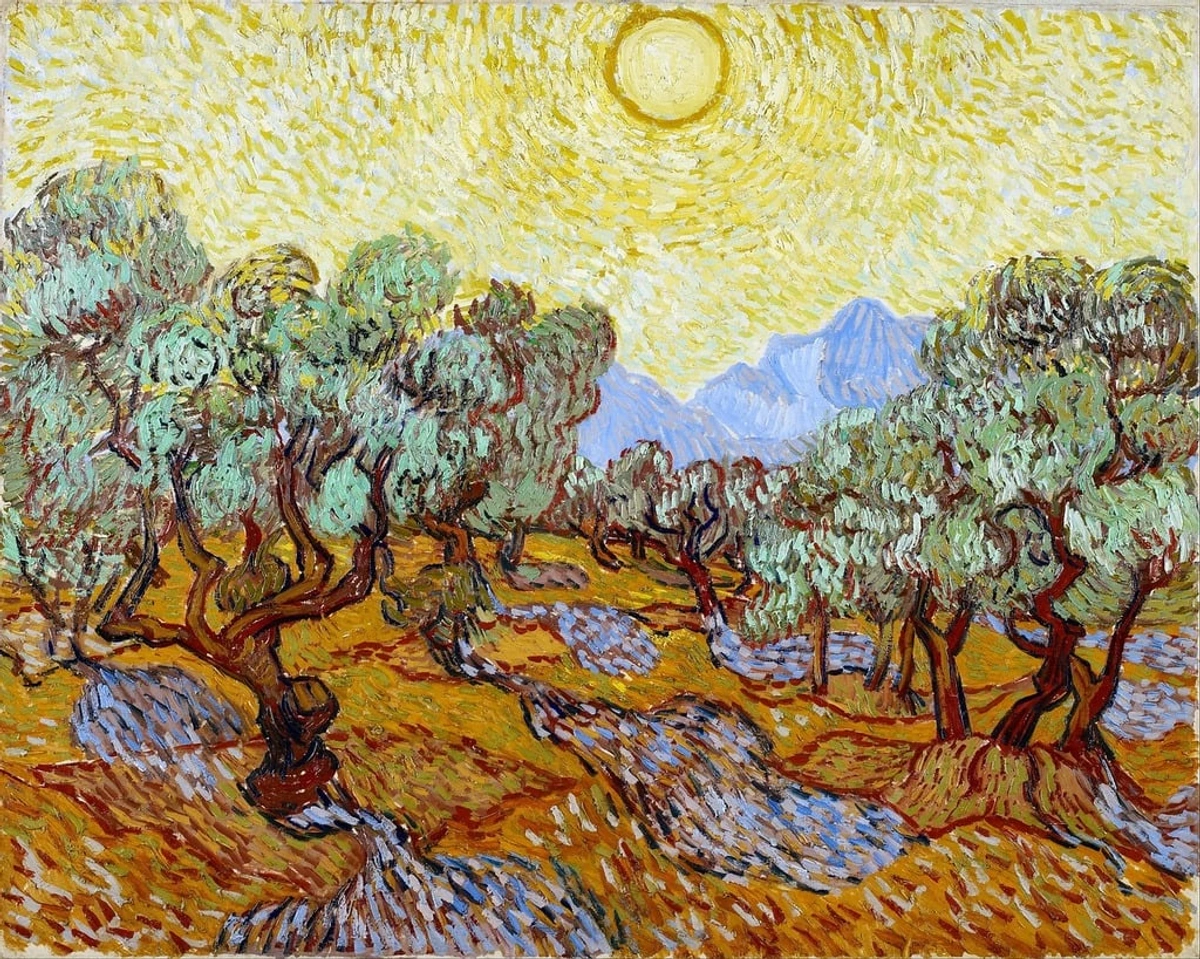
- Empathy for the Ordinary: From the somber, dignified potato eaters in his Dutch period to the gnarled olive groves and towering cypress trees of Saint-Rémy, Van Gogh consistently elevated the humble and the everyday. He found profound dignity and emotional resonance in peasants, laborers, and the simple, often overlooked, beauty of nature – a powerful reflection of his own deep empathy and identification with the struggles of ordinary people. He saw the sacred in the mundane. His ability to imbue everyday scenes with such profound emotional depth is, for me, one of his most powerful legacies, making his art accessible and relatable to all.
- Dynamic Composition & Innovative Perspective: His compositions often feature strong diagonals, leading lines, and a sense of dynamic movement that pulls the viewer into the scene, creating an immersive, almost dizzying experience. Think of the roads in his landscapes or the swirling sky in The Starry Night. He also frequently employed bold, sometimes distorted, perspectives that pull the viewer directly into the scene, using high horizons or dramatically cropped compositions to create immediacy and dynamic energy. He wanted you to feel the movement, to be in the painting, to experience the raw energy he poured onto the canvas.
These are the elements that, to me, make his work not just beautiful, but profoundly, unmistakably Vincent. He truly painted with his soul.
The Japanese Influence: A Source of Serenity and Structure
Beyond the raw emotion, Vincent was also deeply influenced by Japanese ukiyo-e woodblock prints. He collected them, studied their compositions, and even incorporated elements like flat planes of color, bold outlines, and cropped perspectives into his own work. He saw in Japanese art a serenity, a clarity, and a profound connection to nature that he longed for in his own tumultuous life. This influence helped to bring a sense of structure and decorative rhythm to his otherwise explosive compositions, acting as a counterpoint to his intensely emotional brushwork. It’s a fascinating synthesis of East and West, a testament to his openness to diverse artistic traditions.
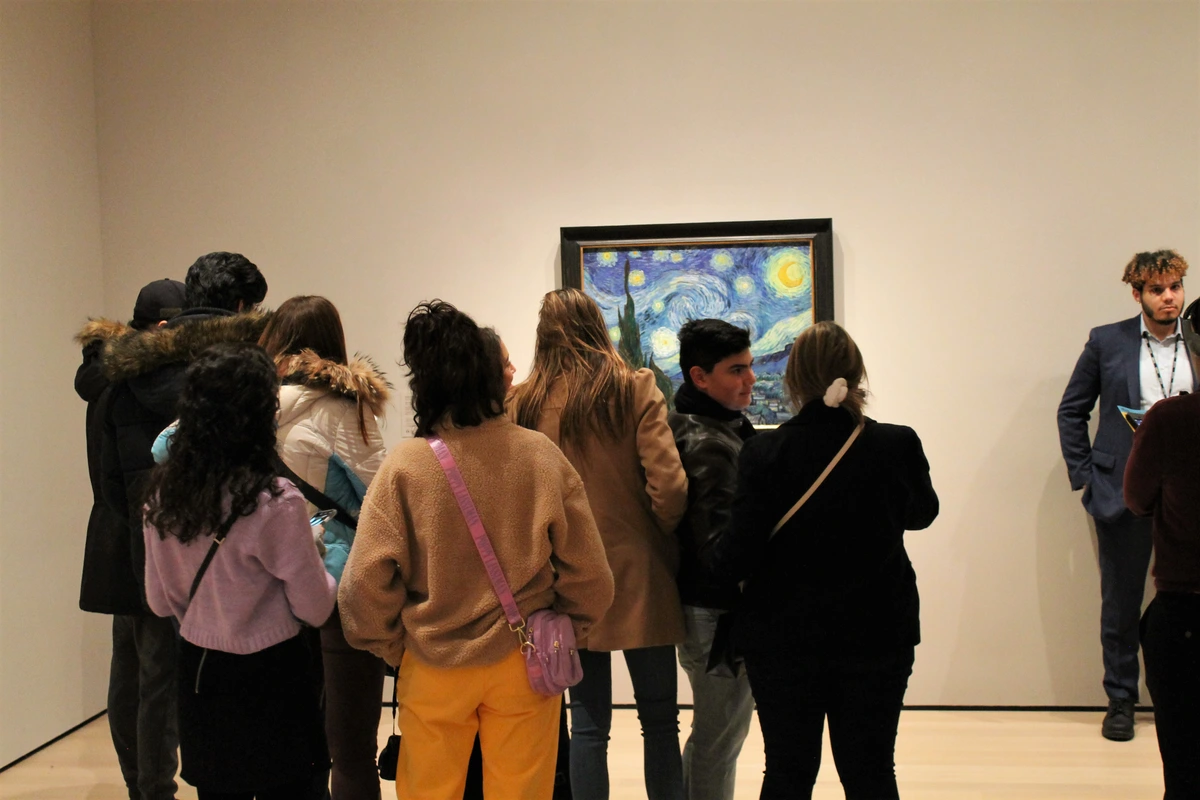
What is Post-Impressionism?
Before we dive into his specific periods, it’s worth a quick moment to understand Post-Impressionism, the broader movement with which Van Gogh is most closely associated. Emerging in the late 19th century, roughly between 1886 and 1905, it wasn't a single, unified style, but rather a diverse reaction against Impressionism's focus on objective, fleeting moments of light and color and its often academic, formal limitations. Post-Impressionist artists, including Cézanne, Gauguin, Seurat, and Van Gogh, sought to infuse their work with more personal meaning, symbolic content, and structured form. They moved beyond the fleeting impressions to explore lasting emotional and psychological realities. They maintained Impressionism's vibrant color palette but used it with greater purpose, often to express emotion, subjective vision, or to build solid, lasting forms, rather than just capturing momentary light effects. For Vincent, it was a vehicle to express his inner world, his spiritual yearnings, and the profound emotional truth he perceived in his subjects. He took the tools of Impressionism and bent them to his own, intensely personal will, transforming fleeting sensory experiences into powerful psychological statements.
Key Figures and Shared Ambitions
While diverse in their individual approaches, the Post-Impressionists shared a common ambition: to move beyond the purely optical concerns of Impressionism and imbue art with greater psychological depth, emotional resonance, and structural integrity. Cézanne sought to rebuild form through color, Seurat developed Pointillism for a scientific approach to color, and Gauguin explored symbolism and primitive forms. Vincent, in his unique way, focused on expressing raw emotion and spiritual connection through vibrant color and agitated brushwork. Together, these artists forged new paths, laying crucial groundwork for the revolutionary art movements of the 20th century. It’s a period of intense innovation and personal vision, a true crossroads in art history.
Period | Dates | Location | Key Characteristics | Notable Works |
|---|---|---|---|---|
| Dutch Period | 1880-1886 | Nuenen, Netherlands | Characterized by a somber, dark, earthy palette; profound, often melancholic, depictions of peasant life, laborers, still lifes, and rural scenes. Strong emphasis on social realism, human dignity, and emotional depth, deeply reflecting his missionary experiences and empathy for the working poor. | The Potato Eaters, The Weaver, Peasant Woman Digging |
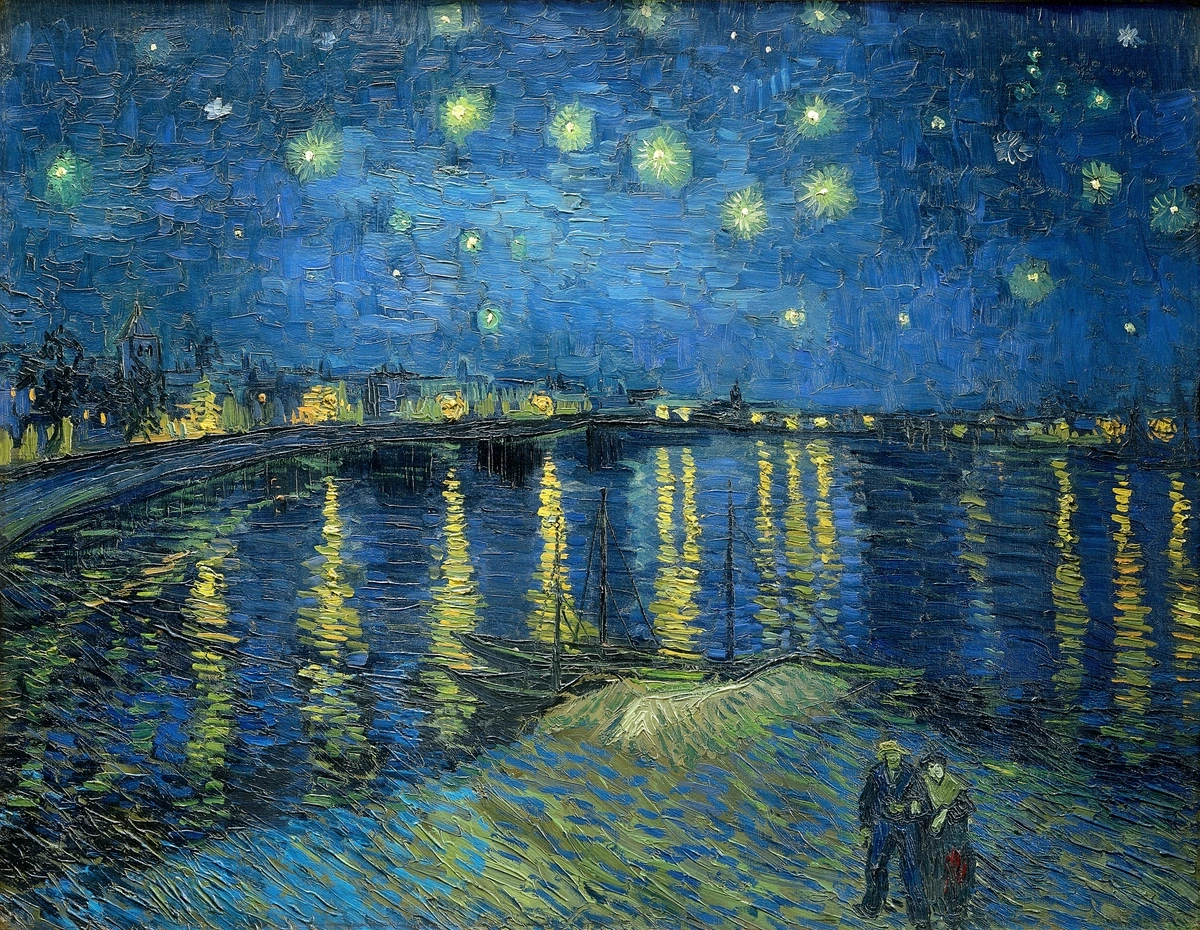
| Paris Period | 1886-1888 | Paris, France | A dramatic shift to a lighter, brighter palette, heavily influenced by Impressionism, Neo-Impressionism (Pointillism), and Japanese Ukiyo-e prints. Marked by intense artistic experimentation, an exploration of vibrant colors, and diverse subject matter including numerous self-portraits, Parisian cityscapes, and still lifes. A period of rapid stylistic growth and a significant loosening of brushwork. | Self-Portrait with a Straw Hat, Bridge of Trinquetaille, Café Terrace at Night |
| Arles Period | 1888-1889 | Arles, France | The explosive development of his unique, highly expressive, and intensely personal style. Characterized by brilliant, often pure, and audacious colors, dynamic impasto brushwork, and a fervent focus on sun-drenched nature, vibrant portraits, and the utopian "Studio of the South" dream. A period of intense creativity and profound emotional highs, culminating in the ear incident. | Sunflowers, The Night Cafe, The Yellow House, Bedroom in Arles, Café Terrace at Night |
| Saint-Rémy Period | 1889-1890 | Saint-Rémy-de-Provence, France | Marked by highly emotional, turbulent, and swirling landscapes, often featuring iconic cypress trees, gnarled olive groves, and vast wheat fields. Exhibited an increasing psychological intensity and visionary quality, directly reflecting his confinement and escalating mental struggles while voluntarily admitted to the asylum. | The Starry Night, Irises, Almond Blossoms, Wheatfield with Cypresses |
| Auvers-sur-Oise Period | 1890 | Auvers-sur-Oise, France | A final, fervent burst of prolific activity in a short three-month period (approximately 70 days), producing over 70 paintings. Characterized by brooding, intense landscapes, introspective portraits, and genre scenes, often imbued with a darker, more unsettling emotional tone reflecting his final struggles and burgeoning despair. Exhibited dynamic compositions and innovative, often elongated, formats. | Wheatfield with Crows, Portrait of Dr. Gachet, The Church at Auvers |
Each period represents a crucial chapter in Vincent’s artistic autobiography, a visual diary of his relentless pursuit of expression and his profound connection to the world around him. To me, it's a testament to the incredible growth an artist can achieve in a short time, under even the most challenging circumstances. His ability to adapt, evolve, and infuse each brushstroke with such raw emotion is nothing short of miraculous.
Van Gogh's Enduring Legacy: Fueling Modern Art – A Revolutionary Impact
You might not immediately connect Van Gogh's intense, swirling landscapes with, say, a wild contemporary abstract painting, but trust me, his impact is profound and undeniable. Vincent's radical approach to color, his visceral brushwork, and his unwavering commitment to expressing inner emotion rather than mere visual reality laid crucial groundwork for much of what came after him. He wasn't just a painter; he was a bridge, a seismic event that shook the foundations of traditional art and propelled it towards modernism. His spirit, too, fuels the art movements of the 21st century in unexpected ways. His influence is everywhere, if you know where to look. I often see echoes of his expressive power in the most unexpected places.
The Birth of Modern Art: From Post-Impressionism to Abstraction
Van Gogh's radical departure from academic conventions, particularly his subjective use of color and his tactile brushwork, acted as a powerful catalyst for the development of modern art. He, along with other Post-Impressionists, liberated art from its mimetic obligations, asserting the artist's right to interpret reality emotionally and symbolically. This shift was fundamental, paving the way for everything from Expressionism to pure abstraction. He demonstrated that art could be a direct conduit to the artist's inner world, a deeply personal statement that resonated universally. It's almost impossible to imagine the trajectory of 20th-century art without his foundational contributions.
A Pioneer of Expressionism
While he didn't explicitly found the movement, Van Gogh is widely considered a spiritual father of Expressionism. Artists like Ernst Ludwig Kirchner, Franz Marc, Wassily Kandinsky, and Edvard Munch (another artist who delved deep into psychological landscapes, as you can read in our ultimate guide to Edvard Munch) were deeply inspired by his fearless, often audacious, use of color to convey subjective experience rather than objective reality. They saw in Vincent's work a powerful precedent for using art as a vehicle for inner feeling, for distorting reality to express emotional truth. He showed them that art could be a raw, potent vehicle for feeling, not just a mere depiction of the world. He essentially gave permission for artists to paint their inner turmoil, their joys, their anxieties – a monumental shift, wouldn't you say? He opened up a whole new emotional vocabulary for art.
Expressionism, with its emphasis on emotional distortion and subjective reality, found its roots deeply intertwined with Van Gogh's intensely personal vision. His canvases were not just scenes; they were emotional landscapes, psychological portraits that conveyed the artist's internal state with unprecedented force. This powerful precedent allowed artists of the early 20th century to break free from the constraints of academic realism and delve into the depths of human emotion, making his influence truly transformative.
Influence on Fauvism and Beyond
Even before Expressionism fully bloomed, his bold, non-naturalistic, and intensely expressive use of color profoundly influenced the Fauves (like Henri Matisse and André Derain). These artists, known for their "wild beasts" approach to color, reveled in freeing color from its descriptive function, using it with wild, expressive abandon – often directly from the tube. Vincent's intense yellow fields or his vibrant blue skies weren't always "real" in a mimetic sense, but they were deeply emotionally true, a window into his subjective experience, and this audacious approach provided a direct lineage to Fauvist principles. His innovations continued to resonate through the 20th century, influencing movements from Expressionism to even some contemporary street art. His willingness to use color not just as a descriptive tool, but as a direct expression of inner feeling, truly paved the way for a more subjective and emotionally charged approach to painting. He essentially gave artists permission to be authentic, to be raw, to be deeply human in their chromatic choices. And that permission, to me, is his most profound gift to art history, demonstrating how a single, intensely personal vision can reshape the entire artistic landscape.
Impact on Later 20th Century Artists
Van Gogh's legacy didn't stop with the early modernists. His influence can be seen filtering through various 20th-century art movements, impacting artists far removed from his initial context. Abstract Expressionists, for example, with their emphasis on spontaneous, emotional brushwork and large-scale canvases, owe a debt to Vincent's pioneering use of impasto and his intensely personal approach to art-making. Even contemporary artists, working in diverse mediums, often cite Van Gogh's uncompromising vision and his ability to translate profound personal experience into universally resonant art as a key source of inspiration. His unyielding commitment to his artistic truth continues to empower and challenge artists today, reminding us that authenticity is often the most powerful form of expression.
The Commercial Legacy: From Unsold to Unattainable
It’s one of the great ironies of art history: a man who sold only one painting during his lifetime, The Red Vineyard, now commands some of the highest prices in the art market. His works are not just masterpieces; they are cultural touchstones, drawing millions to museums worldwide. This dramatic shift from obscurity to global phenomenon is a testament to the enduring power and universal appeal of his art. His paintings, once dismissed, are now celebrated, inspiring awe and profound emotional connection. It makes you wonder, doesn't it, about the value of art and how perception changes over time? His life was a struggle, but his posthumous triumph is undeniable.
The Enduring Market Value: A Price Beyond Measure
The astronomical prices Van Gogh's paintings fetch today—often tens or hundreds of millions of dollars—stand in stark contrast to his lifetime of poverty. This commercial legacy, though bittersweet, reflects the world's belated recognition of his genius. His works are not merely investments; they are cultural treasures, coveted by collectors and institutions for their profound emotional impact and their pivotal role in art history. The global fascination with his art continues unabated, ensuring that his canvases remain among the most valuable and celebrated works ever created. It's a powerful statement on how true artistic worth, though often unrecognized in its own time, eventually finds its undeniable place in the annals of history.

The Aftermath and the Art: A Creative Phoenix from the Ashes
The ear incident marked a definitive and tragic turning point in Vincent’s life and artistic career. It irrevocably ended the cherished dream of the Yellow House and the "Studio of the South" – a dream that had, in fact, become a living nightmare. He was hospitalized in Arles, a city that now viewed him with a mix of fear and pity. The local townspeople, understandably frightened and disturbed by his increasingly erratic behavior and this shocking act of self-mutilation, circulated a petition. They feared for their safety and, perhaps, for Vincent himself, leading the mayor to order his confinement. Facing this profound societal rejection and his own rapidly deteriorating mental state, in May 1889, he made the incredibly difficult decision to voluntarily admit himself to the Saint-Paul-de-Mausole asylum in nearby Saint-Rémy-de-Provence, desperately seeking respite and care – a poignant moment of self-awareness amidst his mental fog. It was an act of profound courage, a desperate attempt to find stability amidst chaos, a moment where, I think, he truly understood the severity of his condition, choosing confinement in a search for healing.

Saint-Paul-de-Mausole Asylum: A Sanctuary of Suffering and Creation
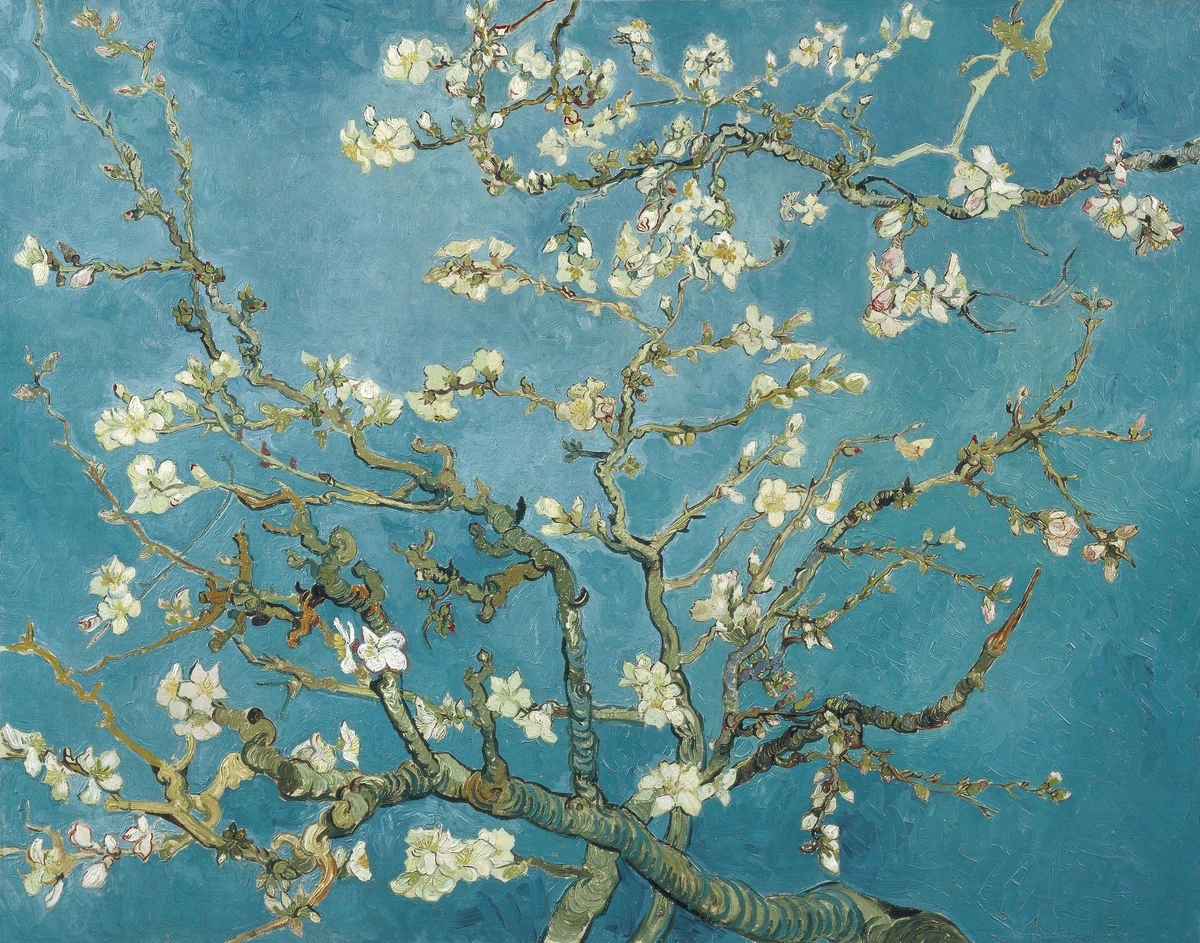
His year-long stay at the Saint-Paul-de-Mausole asylum was a period of intense paradox. While confined, he experienced recurring, severe attacks of his illness, often described as "fits" or "delirium," which left him disoriented and unable to paint for weeks at a time. These episodes were terrifying for him, involving hallucinations, extreme anxiety, and sometimes memory loss. Yet, in the intervals of lucidity, the structured routine and comparative peace of the asylum, along with the permission to paint in the grounds and surrounding areas, provided a strange kind of sanctuary. He found solace in depicting the immediate environment: the olive groves, the cypress trees, the wheat fields, and the view from his window. It was here, amidst the olive groves, wheat fields, and towering cypress trees, that he produced an astonishing number of masterpieces, often with a heightened emotional intensity. His canvases from this period, such as The Starry Night, Irises, and Almond Blossoms, are imbued with a visionary quality, reflecting both his inner turmoil and his profound connection to the natural world. It’s almost unbelievable, isn’t it, that such beauty could emerge from such suffering?
The Therapeutic Power of Art: Painting Through Pain
For Vincent, painting was not merely a profession; it was a psychological necessity, a means of confronting and channeling his profound inner turmoil. His time at Saint-Paul-de-Mausole is a powerful testament to the therapeutic power of art. When he was able to paint, he found a semblance of peace, a way to impose order on the chaos within his mind. The act of creation became a form of self-medication, a way to cope with the hallucinations and despair that plagued him. It's a poignant reminder that art can serve as a lifeline, offering a path to self-expression and resilience even in the darkest moments of human experience. He painted his way through hell, creating heaven on canvas.

But here's the incredible, almost incomprehensible part of this tragic story. In the year that followed this crisis, confined within the walls of the Saint-Paul-de-Mausole asylum, Vincent van Gogh continued to paint with a ferocious, almost desperate intensity. Despite recurring attacks and periods of deep despair, the structured solitude and routine of the asylum, paradoxically, allowed for stretches of remarkable artistic productivity. He was often granted permission to paint in the asylum grounds and surrounding fields, drawing inspiration from the olive trees, cypresses, and local landscapes. It was in this crucible of suffering and creation that he produced nearly 150 paintings and over 100 drawings, including some of the most iconic works of his career. It was here he painted the vibrant Irises, the hopeful Almond Blossoms (a gift for his newborn nephew, also named Vincent), and the cosmic masterpiece that has captivated the world: The Starry Night – a vision of the universe as seen through the lens of profound internal struggle. These works are not just beautiful; they are testaments to an unbreakable creative spirit, a man painting his way through hell. I find it truly astounding, the sheer force of will that allowed him to create under such duress.
It seems that in the wake of his breakdown, his art became an even more urgent, perhaps even therapeutic, outlet. The brushstrokes grew bolder, more swirling, the colors more electric, the emotion more raw and visceral. His profound pain and his extraordinary genius were not separate entities; they were inextricably fused, fueling a new, powerful form of Expressionism. If you're keen to dive deeper into this movement, our ultimate guide to Expressionism offers a comprehensive overview. It's a testament to the idea that even in the darkest moments, creativity can persist and even intensify, offering a unique form of resilience, almost as if the act of creation itself was a form of healing.
The 'Mad Artist' Trope: A Critical Look
The enduring fascination with Van Gogh's ear and his mental health has, unfortunately, often contributed to the romanticized and sometimes harmful "mad artist" trope. This pervasive narrative suggests that artistic genius is inextricably linked to mental illness, perpetuating a stereotype that can diminish the actual struggles faced by artists with mental health conditions, and dangerously idealize suffering. It often glosses over the debilitating aspects of illness – the profound confusion, despair, and functional impairment – focusing only on the perceived "inspiration" rather than the immense pain and hindrance it caused. This can discourage those battling similar conditions from seeking help, fearing it might stifle their creativity or that their struggles are merely a prerequisite for genius. While Vincent's illness undoubtedly influenced his art, providing a unique filter through which he experienced the world, it was not the source of his genius. Rather, his genius was his extraordinary ability to create despite his illness, to transform profound suffering into transcendent beauty and innovation through immense skill, dedication, and relentless effort. It’s paramount to distinguish between the artist's personal struggles and the intrinsic value and power of their creative output. Focusing solely on the sensationalized aspects risks overlooking the immense skill, dedication, and intellectual rigor that underpinned his revolutionary artistic vision. I think it's crucial for us, as art enthusiasts, to look beyond the myth and appreciate the full spectrum of his achievement, not just the sensational parts. It’s a disservice to both the artist and to those who grapple with mental health to perpetuate such a simplistic and often harmful narrative.
Deconstructing the Myth: Genius vs. Illness
The "mad artist" trope, while captivating, dangerously conflates mental illness with artistic genius. Vincent van Gogh's story is often cited as its prime example, yet this oversimplification obscures a more complex truth. His genius lay in his unparalleled ability to perceive and interpret the world with profound emotional intensity, and his extraordinary skill in translating that vision onto canvas. His illness, while undoubtedly shaping his life and sometimes informing the turbulent energy in his work, was a separate entity, a devastating affliction he battled daily. To suggest his madness created his art is to diminish his immense dedication, his intellectual engagement with color theory and composition, and his relentless pursuit of artistic mastery. His art is a triumph over his suffering, not a product of it. It’s a vital distinction to make if we are to truly honor his legacy.
Cultural Depictions of the Ear Incident: Myth vs. Reality
The dramatic and gruesome nature of Van Gogh’s ear incident has, without doubt, ensured its prominent, albeit often distorted, place in popular culture. It's almost become a shorthand for the 'mad artist' trope, often shaping the public's perception of the artist more profoundly than his actual, transcendent artwork. I sometimes wonder if the sheer shock value of the act has overshadowed the human story behind it. From biographies and novels to films, documentaries, and even songs, the severed ear is a recurring motif. It’s almost as if the gruesome detail becomes an entry point into the more profound story of the artist's struggle.
In many portrayals, the incident is sensationalized, often reinforcing the "mad artist" stereotype and, quite unfortunately, overshadowing the complex reality of his profound mental health struggles and his extraordinary artistic brilliance. It simplifies a deeply human tragedy into a macabre curiosity, something I hope this article helps to counteract.
Beyond the Canvas: Van Gogh in Popular Culture
Vincent van Gogh's image and story have permeated popular culture far beyond the art world, becoming a powerful, often romanticized, touchstone. From Doctor Who episodes ("Vincent and the Doctor" is a particularly poignant portrayal) and children's books to hit songs, films, and even advertising campaigns, elements of his life, especially the ear incident and his distinctive artistic style, are frequently referenced and reinterpreted. While this pervasive presence undoubtedly introduces his work and story to new, wider audiences, it often comes at the cost of nuance, perpetuating simplistic narratives and the "mad artist" trope. It highlights the complex challenge of balancing accessibility with historical accuracy and empathetic understanding when an artist's profound personal tragedy becomes such a dominant cultural motif. I think it's a constant battle to ensure the true depth of his contribution and the complexities of his suffering aren't lost in the shorthand of sensationalism.
Van Gogh on Screen: Dramatizing the Tragedy and Triumph
The inherent drama of Van Gogh's life and the ear incident has, predictably, made for compelling cinema, pulling audiences into his tormented world. Films like "Lust for Life" (1956), starring Kirk Douglas, and Julian Schnabel’s "At Eternity’s Gate" (2018), with a mesmerizing Willem Dafoe, have both attempted to dramatize the psychological turmoil leading to the act, each offering a different lens. "Lust for Life" offers a more romanticized, almost heroic, suffering, while "At Eternity’s Gate" provides a more intimate, subjective, and empathetic exploration of his fractured mental landscape, attempting to show the world through Vincent's eyes. These films, alongside documentaries like "Loving Vincent" (2017), which animated his paintings to tell his story, demonstrate our enduring fascination with his personal tragedy and artistic brilliance. Beyond the silver screen, Van Gogh's ear appears in countless novels, documentaries, and even musical tributes, ensuring his personal tragedy remains a subject of both artistic inspiration and public intrigue, forever woven into the fabric of our collective consciousness. It speaks to the enduring power of a dramatic story, but it also necessitates a deeper look, a more nuanced understanding, to truly honor the artist and the man.
Vincent in Music and Literature
The intensity of Van Gogh's life and art has also inspired a rich body of work in music and literature. Don McLean's iconic song "Vincent (Starry, Starry Night)" is perhaps the most famous musical tribute, offering a poignant and empathetic portrayal of the artist's suffering and genius. Novels, too, have explored his life, ranging from historical fiction to more speculative accounts of his mental state. These literary and musical interpretations, while not always strictly factual, contribute to the ongoing cultural conversation about Van Gogh, allowing new generations to connect with his story on an emotional level. They demonstrate how deeply his personal journey resonates across different artistic mediums, proving that his impact extends far beyond the visual arts.
FAQ: Unpacking the Details – Common Questions Answered
Let's clear up some common questions, because the myths often run wilder than the facts. I've heard these asked countless times, and getting to the truth is always more illuminating than clinging to sensational stories. These FAQs aim to provide clear, concise answers that cut through the sensationalism and get to the heart of the matter.
What was Vincent van Gogh's full name?
Vincent van Gogh's full name was Vincent Willem van Gogh. He was named after his grandfather and an older brother who was stillborn exactly one year before Vincent's birth, a detail that some biographers suggest may have had a subtle, perhaps melancholic, psychological impact on him throughout his life.

Was Van Gogh religious?
Yes, deeply so. Vincent came from a devout Protestant family; his father was a pastor, and his upbringing instilled in him a profound sense of spirituality and a desire to serve humanity. In his early adult life, before fully committing to art, he worked as a lay preacher and missionary among the impoverished coal miners in the Borinage region of Belgium. This period cemented his empathy for the working class and his belief that art could be a powerful tool for spiritual expression and connection. While he later moved away from conventional church doctrine, his art remained infused with a spiritual intensity, finding the divine in nature, in the labor of common people, and in the vibrant energy of the world around him. His desire to find meaning and solace was a lifelong spiritual quest, which, to me, makes his art even more resonant.
Did Van Gogh cut off his whole ear?
No, this is perhaps the most common and persistent misconception, and one that fuels the dramatic narrative. While still a horrific act of self-mutilation, he did not sever his entire left ear. Instead, he cut off a significant portion of his left earlobe and possibly part of the auricle (the outer visible part of the ear). Contemporary medical drawings by Dr. Félix Rey, who treated Van Gogh, and accounts from others, confirm this anatomical detail, dispelling the more sensationalized myth. It was a partial amputation, but devastating nonetheless, and a clear sign of profound mental distress. It’s a detail I think is important to get right, to avoid over-dramatizing an already tragic event.
What did Van Gogh think of his own art during his lifetime?
Vincent's self-perception as an artist was complex and often fraught with insecurity, though punctuated by moments of profound conviction in his vision. He desperately yearned for recognition and success, especially for Theo's sake, but he also often doubted himself, particularly during his periods of mental distress and when his work was rejected. However, his letters reveal an unwavering belief in the necessity of his art and a deep understanding of his own evolving style. He knew he was pushing boundaries and communicating something new, even if the public didn't yet grasp it. He often wrote about his artistic goals and theories with remarkable clarity, demonstrating a strong, if often besieged, confidence in the value of his unique contribution. It’s a testament to his resilience that he continued to create despite immense self-doubt and external rejection.
What was the name of the doctor who treated Van Gogh after the incident?
Dr. Félix Rey was the young intern doctor at the hospital in Arles who treated Van Gogh immediately after the self-mutilation incident. It’s a remarkable detail that this junior doctor, through his thorough documentation, provided crucial evidence against the prevailing myth. His detailed medical drawings, which he later shared with Van Gogh's biographer, play a crucial role in understanding the precise extent of the injury, confirming that it was a portion of the earlobe, not the entire ear. Rey actually kept a portrait Van Gogh painted of him, which he initially disliked due to its intensity, but later cherished, a testament to the artist's ability to capture the essence of a person, even in his own troubled state. I often wonder if Rey, in receiving that intense portrait, gained a deeper understanding of the man he was treating.

How many letters did Van Gogh write?
Vincent van Gogh was an incredibly prolific letter writer, especially to his beloved brother, Theo. Over 600 letters from Vincent to Theo survive, forming an invaluable, intimate autobiography of his artistic and personal journey. In total, counting letters to his other siblings, friends, and fellow artists, more than 800 letters from Vincent are known, and over 40 letters to Vincent also survive. This extensive correspondence provides an unparalleled window into his mind, his struggles, his artistic theories, and his profound emotional life, making it one of the most comprehensive and moving archives of any artist in history. They are truly an extraordinary gift, allowing us to connect with him across time.
Who did Van Gogh give his ear to?
He gave it to a young woman named Gabrielle Berlatier, who was working as a maid in a brothel to pay off medical bills from a dog bite. For a long time, she was only known to history as 'Rachel,' her nickname from the brothel, adding to the layers of anonymity surrounding the personal lives intertwined with Vincent's. The tragic irony of her receiving such a gruesome 'gift' from the artist underscores the chaotic and deeply disturbed nature of Vincent's breakdown, a moment of profound psychological distress rather than a romantic or symbolic gesture. It was a deeply unsettling act, and the details only amplify the sense of tragedy.
What was the role of women in Van Gogh's life?
Vincent van Gogh's relationships with women were often complicated, intense, and largely tragic, contributing to his lifelong sense of loneliness and longing for companionship. He sought deep emotional and intellectual connection, often idealizing women. Notable relationships included his unrequited love for his cousin Kee Vos, his involvement with a former prostitute named Sien Hoornik (who he tried to support and protect), and his brief infatuation with the daughter of his landlady in Arles, Eugénie Loyer. His brother Theo's wife, Johanna van Gogh-Bonger, played a monumental role in preserving and promoting his legacy after his death, becoming the guardian of his artistic output and letters. While he yearned for a partner and family, these desires remained largely unfulfilled, overshadowed by his artistic obsession and mental health struggles.
Did Van Gogh have any other siblings?
Yes, Vincent was the eldest of six children born to his parents, Theodorus and Anna Carbentus van Gogh, a fact that often gets lost in the focus on his singular persona. His siblings were Anna, Theo (his beloved brother and ultimate confidant), Elisabeth (Lies), Willemien (Wil), and Cor. The bond with Theo was particularly strong and absolutely crucial to Vincent's life and art, forming a bedrock of support that enabled his artistic pursuit. But he also corresponded with his sisters, offering glimpses into his broader family relationships, though none were as close or as impactful as his connection with Theo.

Did Paul Gauguin cut off Van Gogh's ear?
There is indeed a fringe theory, notably promoted by some German historians in the early 2000s, suggesting that Paul Gauguin, an accomplished fencer, actually sliced off Vincent's ear with his sword during their final, heated argument, and that the two artists subsequently made a pact of silence to protect Gauguin from legal repercussions. However, this theory is largely dismissed by the vast majority of Van Gogh scholars and art historians. The overwhelming body of evidence, including Vincent's own consistent accounts in his letters after the incident, points clearly and repeatedly to self-mutilation, fueled by his severe mental distress and fear of abandonment. There is no credible evidence to support Gauguin's direct involvement in the act itself, and it tends to distract from the deeper psychological complexities at play. I understand the appeal of a dramatic twist, but sometimes, the truth is already dramatic enough.
How many paintings did Van Gogh sell during his lifetime?
This is one of the most poignant facts of Van Gogh's career: he famously sold only one painting during his lifetime, The Red Vineyard (also known as The Red Vineyards at Arles). It was sold in 1890, just months before his death, to Anna Boch, a Belgian artist and collector. This stark reality underscores the immense struggle and lack of recognition he endured throughout his artistic life, especially in contrast to the posthumous global fame and astronomical prices his works command today. It’s a tragic testament to how ahead of his time his artistic vision truly was.
What was Theo van Gogh's profession?
Theo van Gogh was an art dealer, working for the prominent Parisian firm Goupil & Cie, and later managing a branch of the Boussod, Valadon & Cie gallery. His income from this profession was absolutely vital, as he consistently supported Vincent financially, allowing him to dedicate himself entirely to painting. Without Theo's unwavering belief, tireless advocacy, and crucial material assistance, it's genuinely unlikely Vincent would have been able to produce the extraordinary body of work we cherish today. Their relationship was one of profound mutual dependence and affection, a testament to brotherly love in the face of immense adversity. I can't stress enough how vital Theo was to Vincent's entire career; he was the unsung hero, the bedrock upon which Vincent's genius was built.
What was Dr. Gachet's role in Van Gogh's final months?
Dr. Paul Gachet was the homeopathic physician and amateur artist who took Vincent under his care during his final months in Auvers-sur-Oise. While Gachet provided a welcoming environment and some companionship, allowing Vincent to continue painting, his actual medical effectiveness as a psychiatrist is still debated by historians. He was somewhat unconventional, and his treatments might not have been what Vincent truly needed for his severe mental illness. Vincent painted several portraits of Dr. Gachet, capturing his melancholic and sensitive nature, most famously the "Portrait of Dr. Gachet" (1890), one of the most expensive paintings ever sold. For Vincent, Gachet represented a sympathetic figure, but ultimately, he couldn't prevent the tragic end.

Did Van Gogh ever paint self-portraits with a bandaged ear?
Yes, most famously, he painted two self-portraits with a bandaged ear in January 1889, shortly after the incident. These powerful and iconic works – Self-Portrait with Bandaged Ear and Self-Portrait with Bandaged Ear and Pipe – are remarkable for their raw honesty and psychological intensity. They show him directly confronting his trauma, almost as if using art as a means of processing his pain and asserting his identity despite his profound suffering. These paintings are not just records of a physical injury, but profound psychological studies, offering a window into his resilience and his use of art as a coping mechanism. To me, they are some of the most courageous self-portraits in art history.
What kind of treatments did Van Gogh receive in the asylum?
During his time at Saint-Paul-de-Mausole asylum, Van Gogh's treatments were typical for the late 19th century, which often amounted to little more than rest, therapeutic baths (hydrotherapy), and a regulated diet – often basic, institutional food. There was, of course, no effective psychiatric medication available, and the concept of mental health support as we understand it today simply didn't exist. Crucially, he was allowed to paint and draw, which he himself found incredibly therapeutic, and this freedom was a vital aspect of his recovery periods. However, during acute episodes, he would be confined to his room, sometimes for weeks, unable to work, plunging him into deeper despair. The understanding of mental illness was nascent, tragically rudimentary by modern standards, and often stigmatized, exacerbating the suffering of patients like Vincent.
What was the significance of sunflowers in Van Gogh's art?
Vincent van Gogh's Sunflowers series is one of his most iconic and emotionally resonant bodies of work. For him, sunflowers were more than just beautiful flowers; they symbolized gratitude, hope, and the vibrant life-affirming power of the Arles sun. He painted them in various stages of their life cycle – from budding to wilting – reflecting the cyclical nature of life and perhaps his own periods of hope and despair. He intended these paintings to decorate Gauguin's room in the Yellow House, a symbol of their hoped-for artistic camaraderie. The intense yellow, a color he deeply associated with warmth and happiness, vibrates with an almost feverish energy in these works, making them enduring symbols of his passionate spirit. They are, to me, pure joy, captured on canvas, a defiant splash of optimism.

Did Van Gogh ever marry or have children?
No, Vincent van Gogh never married or had children. While he experienced several intense romantic attachments and longed for companionship and a family life, these relationships were often unrequited or ended tragically, contributing to his profound sense of loneliness. His life was entirely consumed by his artistic mission and his struggles with mental illness. He often expressed a desire for a partner and family in his letters to Theo, but these dreams remained unfulfilled. His closest emotional bond, and indeed the most significant relationship of his life, remained with his brother, Theo.
How did Theo's engagement affect Van Gogh?
Theo’s engagement to Johanna Bonger in December 1888, just weeks before the ear incident, had a profound and complex impact on Vincent. While he expressed happiness for his brother, it also triggered deep-seated, almost primal fears of abandonment and insecurity. Vincent relied heavily on Theo's emotional and financial support, viewing their bond as unique, singular, and absolutely essential for his survival as an artist and a person. The prospect of Theo starting his own family likely amplified Vincent's existing anxieties about loneliness, his own financial precariousness, and the terrifying potential loss of his brother's singular focus on him and his art. This news is widely considered a significant contributing factor to his mental health crisis at the time, igniting an already volatile emotional landscape.
What was Vincent's relationship with Theo's wife, Johanna van Gogh-Bonger?
Johanna van Gogh-Bonger, Theo's wife, became the unsung hero of Vincent's posthumous fame. While Vincent's relationship with her was brief – he died shortly after their marriage – her dedication to his legacy was monumental. After Theo's own death just six months after Vincent's, Johanna inherited a vast collection of Vincent's paintings and letters. It was her tireless effort in organizing, cataloging, and exhibiting his work, along with publishing his correspondence with Theo, that brought Vincent's genius to the world. She fought against public indifference and critics, ensuring his art received the recognition it deserved. Without her extraordinary commitment, much of Vincent's work might have been lost to history. She was truly the guardian of his legacy.

What was the significance of cypress trees in Van Gogh's art?
Cypress trees held a powerful, almost spiritual, significance for Vincent van Gogh, especially during his time in Saint-Rémy. He saw them as majestic, expressive elements of nature, symbolizing a connection between heaven and earth. Their dark, flame-like forms, often towering against turbulent skies in paintings like Wheatfield with Cypresses or The Starry Night, conveyed a sense of aspiration, vitality, and even a brooding intensity. He considered them "beautiful as a column" and found them "always busy in a painting," often using their dramatic silhouette to add emotional weight and dynamic movement to his landscapes. For Vincent, these trees were more than just natural forms; they were living expressions of his tumultuous inner world and his spiritual yearning.
Did Van Gogh die insane?
While Vincent van Gogh suffered from severe, recurring mental illness throughout his adult life, culminating in several psychotic episodes, the idea that he died "insane" is an oversimplification. His mental state fluctuated dramatically; during periods of lucidity, he was remarkably articulate, intelligent, and productive. His final months in Auvers-sur-Oise were characterized by another intense burst of creativity, though often interspersed with deep despair and further attacks. His death by self-inflicted gunshot wound was a tragic outcome of his profound mental anguish, not a state of constant, unthinking madness. He was a man battling an illness far beyond the understanding of his time, and his suffering was real, but his artistic vision and capacity for thought remained potent until the very end. I believe it's more accurate to say he died from his illness, rather than simply 'insane'.
Did Van Gogh ever regret cutting off his ear? Or remember it clearly?
While Vincent's letters often reflect profound remorse for upsetting his brother Theo and causing distress to those around him, he rarely directly expressed regret over the act of self-mutilation itself. His writings from the period after the incident are more focused on his artistic output, his ongoing suffering, and his deep gratitude for Theo's unwavering support. It's incredibly difficult to ascertain a clear sense of regret for the act, perhaps due to the very nature of his psychotic breaks, during which rational thought and memory of the event itself would have been severely impaired. The immediate aftermath was characterized by confusion and a profound disconnect from the severity of his actions, almost as if it happened to someone else. I think it's vital to remember that in the throes of such severe mental illness, logical processing and clear memory are often compromised, making it unfair to expect a conventional sense of regret. His suffering was, I believe, too immense for such a simple emotional response.
Where is the severed ear now?
This is a common question, and the answer is both practical and a little grim: the severed portion of Vincent's earlobe was not preserved. After he presented it to Gabrielle Berlatier at the brothel, she fainted, and the ear was quickly disposed of, likely by the police or hospital staff. There is no historical record or physical evidence of its preservation. It exists only in the annals of medical reports, witness testimonies, and the enduring myth it created. The focus, I believe, should always remain on the profound human suffering and the artistic legacy, rather than the macabre detail of the ear itself.
What distinguished him from other Post-Impressionists?
While Vincent shared the Post-Impressionist ambition to move beyond mere optical representation, what truly distinguished him was his unparalleled emotional intensity and visceral use of paint. Cézanne sought structural solidity, Seurat explored scientific color theory, and Gauguin moved towards symbolic abstraction. Vincent, however, channeled his raw, often turbulent, inner world directly onto the canvas with an almost frenetic energy. His thick, palpable impasto, his daring use of complementary colors to create vibrating emotional effects, and his profound empathy for the humble and everyday, all set him apart. He didn't just interpret reality; he felt it with every fiber of his being, and his art became a direct, unfiltered expression of that intense inner experience. He painted with his soul, making his emotional connection his primary artistic tool.
What was the significance of the color yellow for Van Gogh?
Yellow held immense symbolic and emotional significance for Vincent van Gogh – a color that, for him, vibrated with life. He associated it with sunshine, happiness, life, warmth, and the vibrant South of France, a region he viewed as a haven of light and artistic inspiration. For him, yellow was the color of joy and hope, a stark and deliberate contrast to the darkness that often plagued his mental state. His famous Sunflowers paintings, the vibrant Yellow House (which he painted with such fervor), and the brilliant, almost feverish skies in many of his Arles landscapes are prime examples of his fervent, almost spiritual, use of this color to convey intense emotion and his vision of a vibrant, sun-drenched artistic paradise. You can explore more about the psychology of yellow in art to truly appreciate its depth, but for Vincent, it was nothing short of an obsession, a beacon of optimism, a defiant splash of light against the encroaching shadows. It’s a color that speaks of his profound desire for joy and connection.
Did Van Gogh's mental illness affect his artistic style?
Yes, absolutely, but not in a simplistic way. While his mental illness did not create his genius, it undoubtedly provided a unique lens through which he experienced and interpreted the world, and this filter informed his artistic style. During periods of heightened emotional distress, his brushstrokes often became more agitated, swirling, and intensely expressive, mirroring his internal turmoil. The vivid, sometimes almost hallucinatory, quality of his colors and compositions can be seen as a reflection of his inner psychological landscape. However, it's crucial to remember that this was not merely uncontrolled 'madness' on canvas; it was a deliberate artistic choice, a profound act of translation, where he channeled his suffering into innovative visual language. His illness was a profound influence, but his genius was his ability to transform that influence into enduring art.
How was Van Gogh recognized by critics during his lifetime?
While largely unappreciated by the broader public and commercial art market during his lifetime, Vincent van Gogh did receive some crucial, albeit limited, critical recognition towards the very end of his life. The most significant of these was a highly influential and glowing review published in January 1890 by the Symbolist art critic Albert Aurier in the journal Mercure de France. Aurier hailed Van Gogh as a true genius, an isolated pioneer, and a "colossus" of a painter, recognizing the intense emotional power and unique vision of his work. This review, along with a few exhibitions where his work was displayed alongside other avant-garde artists (such as the Salon des Indépendants), offered fleeting glimpses of his genius to a small, discerning group of artists and critics. However, this early recognition was tragically overshadowed by his ongoing mental health struggles and came too late to prevent his premature death. It was enough, however, to plant the seeds for his eventual posthumous fame.

Did Van Gogh ever exhibit his work during his lifetime?
Yes, though not extensively and with notoriously limited commercial success – a stark contrast to his posthumous fame. He did exhibit alongside the Impressionists and Symbolists in Paris, and his work was shown at the Salon des Indépendants, providing fleeting glimpses of his genius to a largely unreceptive public. Crucially, a small group of discerning artists and critics, including the influential critic Albert Aurier, recognized his genius towards the very end of his life. Aurier's glowing review in early 1890, though bittersweet given Vincent's declining health, was one of the first significant public acknowledgements of his unique artistic power. However, the tragic reality remains that during his lifetime, he only sold one painting, The Red Vineyard, making his journey a profound example of artistic sacrifice and delayed recognition. It’s a powerful reminder that true artistic worth isn't always recognized in its own time; sometimes, it takes generations for the world to catch up.
How did his art become famous after his death?
The story of Vincent's posthumous fame is largely thanks to the extraordinary dedication of his sister-in-law, Johanna van Gogh-Bonger, Theo's widow. After both Vincent and Theo died within six months of each other, Johanna inherited hundreds of paintings and all of their correspondence. Instead of selling them off or letting them gather dust, she tirelessly worked to organize, exhibit, and promote Vincent's art. She carefully cataloged his works, lent them to exhibitions, and, crucially, published the letters between Vincent and Theo. This monumental effort, driven by her unwavering belief in his genius, gradually brought his work to the attention of artists, critics, and eventually the wider public, transforming him from an obscure, struggling artist into a global icon. Without her, it's safe to say much of his legacy might have been lost to history.
What was the most expensive Van Gogh painting ever sold?
While precise figures for private sales can be difficult to confirm, Portrait of Dr. Gachet (1890) is widely reported to be one of the most expensive paintings ever sold, fetching an astonishing $82.5 million at auction in 1990 (equivalent to over $180 million today when adjusted for inflation). This was a record-breaking price at the time, highlighting the dramatic increase in the market value of his work decades after his death. Other paintings, like Irises and Wheatfield with Cypresses, have also commanded exceptionally high prices, underscoring the immense value placed on his masterpieces by collectors and institutions worldwide. It's a staggering posthumous triumph for an artist who struggled with poverty his entire life.
What happened to Van Gogh after the ear incident?
After the ear incident, he was hospitalized in Arles, then spent a year, from May 1889 to May 1890, voluntarily admitted to the Saint-Paul-de-Mausole asylum in Saint-Rémy-de-Provence. Despite his confinement and recurring severe mental health episodes, he continued to paint prolifically, creating some of his most iconic works. He was eventually discharged from the asylum and moved to Auvers-sur-Oise, a picturesque village near Paris, where he was placed under the care of Dr. Paul Gachet, a homeopathic physician and amateur artist. While Gachet offered some companionship and care, his effectiveness as a psychiatrist is still debated. Tragically, after only a few months of renewed intense painting – a period that produced some of his most brooding and powerful landscapes, reflecting a mind battling immense internal pressure – he died from a self-inflicted gunshot wound to the chest in July 1890, just over a year and a half after the ear incident. His death, a profound moment of art about loss and intense suffering, ended a life marked by both immense personal anguish and unparalleled creative output. It was a tragically short career, just a decade long, yet it birthed some of the most iconic and emotionally resonant works in art history. This immense loss also profoundly affected his brother Theo, who died just six months later, likely from grief and the strain of his own ill health. You can see the full sequence of events and his brief but impactful life on my personal timeline, a testament to how much one individual can accomplish even amidst profound personal struggle.
Where did Van Gogh live after leaving the asylum in Saint-Rémy?
After his voluntary discharge from the Saint-Paul-de-Mausole asylum in May 1890, Vincent van Gogh moved to Auvers-sur-Oise, a small, charming village just north of Paris. He chose Auvers due to its picturesque rural setting, its proximity to his brother Theo in Paris, and the presence of Dr. Paul Gachet, a homeopathic doctor and art lover who was recommended by Camille Pissarro. Vincent hoped that the new environment and Dr. Gachet's care would bring him a measure of peace and stability. This period, though tragically short – only about 70 days – was one of intense artistic activity, resulting in over 70 paintings, including masterpieces like Wheatfield with Crows and The Church at Auvers. It was a final, prolific burst of creative energy before his untimely death.
Van Gogh's Enduring Legacy: Beyond the Ear – A Triumph of Spirit
It's tempting, almost irresistible, to let the narrative of the "mad artist" and the severed ear overshadow everything else. But to do so would be to miss the profound, vibrant, and ultimately triumphant legacy of Vincent van Gogh. His art, far more than any single tragic incident, is what truly defines him and continues to resonate with generations of viewers, speaking a universal language of human experience. We do him a disservice, I believe, if we only remember the ear and not the unparalleled beauty he created. His true triumph lies in the canvases that sing with color and emotion, echoing themes of art about loss, art about anxiety, and even the quiet dignity of art about poverty.

The Human Story: Resilience and Vulnerability
Beyond the brushstrokes and vibrant colors, Vincent van Gogh's legacy is fundamentally a human story. It's a narrative of immense resilience in the face of relentless adversity, a testament to the power of the human spirit to create beauty even from profound suffering. His vulnerability, his struggles with mental illness, and his desperate yearning for connection make him deeply relatable. He was not a detached genius, but a deeply feeling individual who poured his entire being into his art. This raw honesty, this willingness to expose his soul on canvas, is what continues to connect with viewers across centuries, reminding us of our shared humanity and the enduring power of empathy.

The Power of Post-Impressionism
Vincent's work transcended the fleeting, often observational, impressions of Impressionism, pushing towards a deeper, more personal expression. His bold application of paint, his vibrant and often non-naturalistic color palette, and his emotive distortion of form laid the groundwork for Post-Impressionism and directly inspired subsequent art movements. He wasn't just painting what he saw; he was painting what he felt, imbuing every stroke with his inner world. This makes him a cornerstone figure in the transition from descriptive to expressive art. He essentially showed the world that art could be a direct conduit to the soul, an idea that continues to resonate with artists and viewers alike, including myself.
Universal Themes and Emotional Resonance
Beyond stylistic innovations, Van Gogh’s art speaks to universal human experiences: the beauty of nature, the dignity of labor, the solace of human connection, and the depths of despair. His landscapes, still lifes, and portraits are imbued with a raw honesty that captures the heart. Whether it's the quiet contemplation of the humble Potato Eaters or the cosmic wonder of The Starry Night, his works invite us into a world of intense feeling and profound beauty. He tackled art about anxiety and the struggle for meaning with unparalleled authenticity, making him a deeply relatable figure for generations of artists and viewers alike. His work, I believe, reminds us that even in profound suffering, there is still immense capacity for connection and profound expression.
The Enduring Power of a Painful Story: Why We Can't Look Away
So why does this one, gruesome story endure so powerfully in the public consciousness? I think it’s because it so starkly crystallizes the myth of the 'tortured artist' – the compelling, albeit often romanticized, idea that truly great art must spring from the deepest wells of human suffering. We are undeniably fascinated by the paradox of a man who could create such vibrant, life-affirming beauty and transcendent masterpieces while simultaneously living in such profound personal darkness and mental anguish. It’s a narrative that speaks to our deepest fears and our highest aspirations for creativity, and I confess, it's a story I find myself returning to again and again.
The severed ear has become far more than a mere historical fact; it's a potent, unsettling symbol. It stands as a stark, physical reminder that the very hands that painted the gentle Almond Blossoms and the serene Irises were the same hands that, in a moment of catastrophic breakdown, wielded the razor against himself. This act, more than any other, makes him tragically, undeniably, and painfully human, connecting his vulnerability directly to his genius – a genius that persisted even in the face of such profound torment. It also draws parallels to other artists who bravely explored their own psychological landscapes through their work, such as Edvard Munch, known for works like The Scream, or Frida Kahlo, whose self-portraits unflinchingly depicted her physical and emotional pain. These are artists who understood that true expression often requires confronting one's deepest inner struggles, transforming personal torment into universal artistic statements. It's a powerful and disturbing testament to the human condition, reminding us that art often flourishes in the crucible of profound experience.


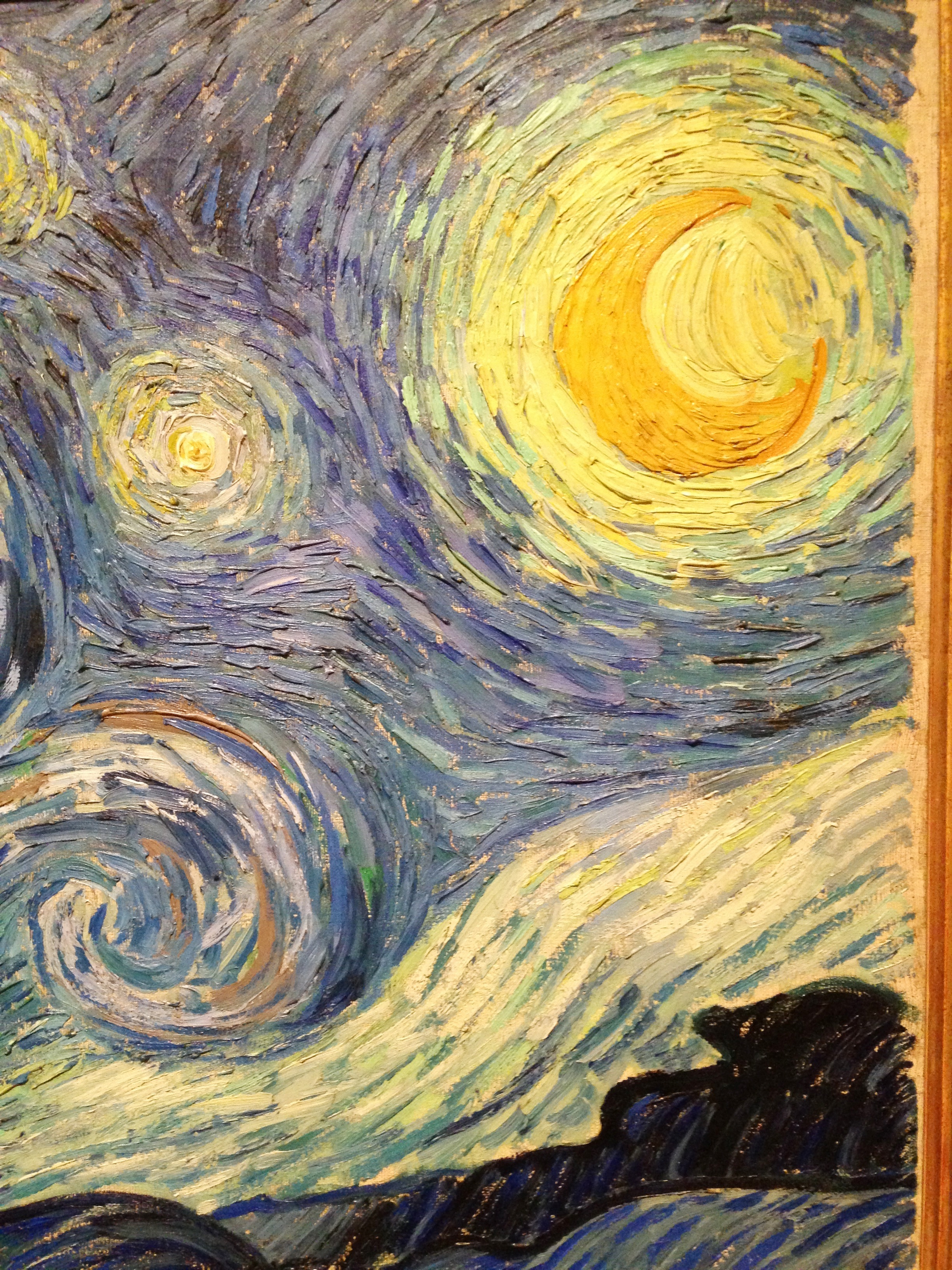


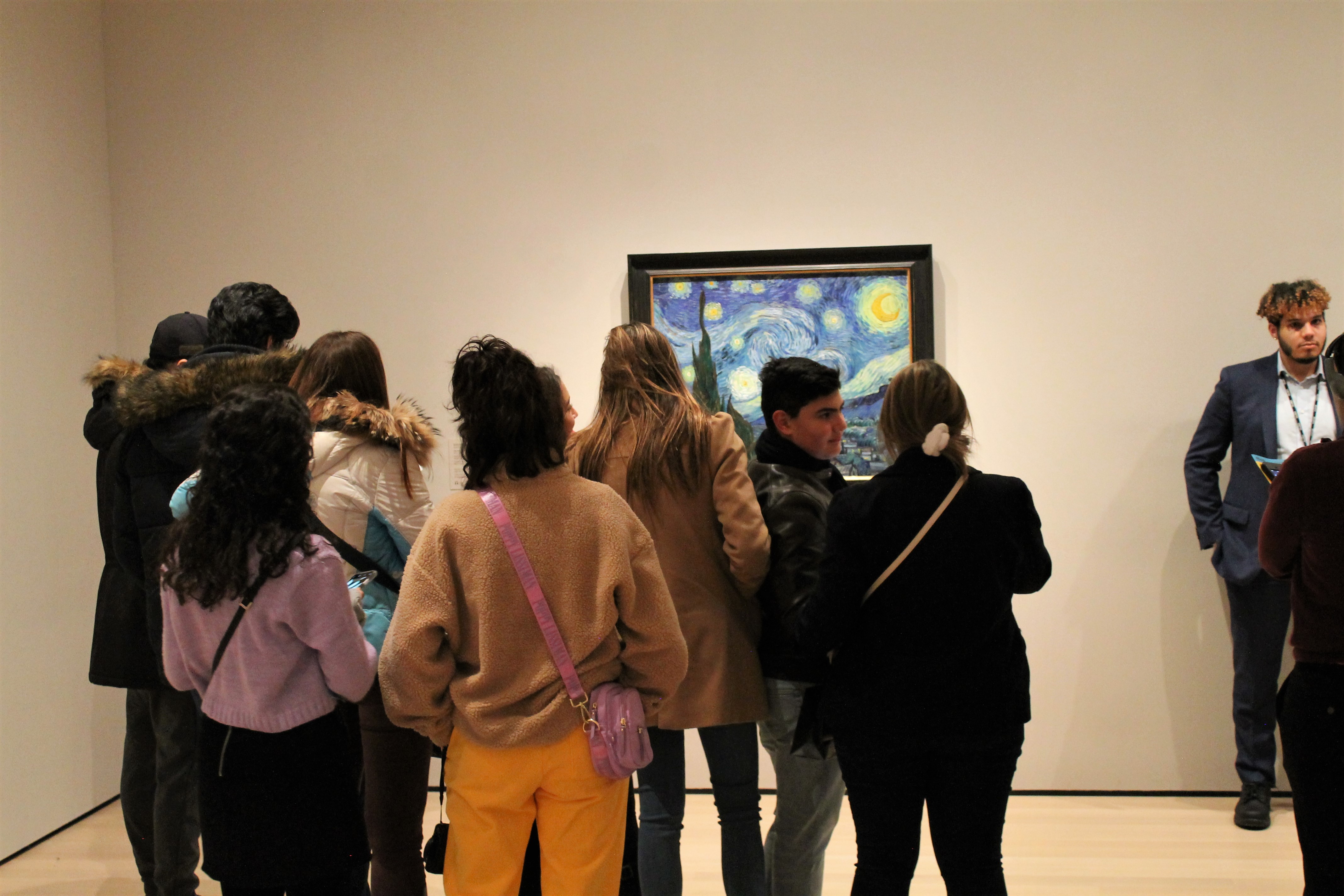












So, the next time you encounter a Van Gogh painting, whether it's at a world-class institution like the Metropolitan Museum of Art or perhaps even at the Den Bosch Museum, I urge you: look past the sensationalized myth of the 'mad artist.' See the man. See Vincent van Gogh: an individual who felt everything so intensely that it sometimes broke him, but who, even in his darkest moments of profound despair and illness, could look at an ordinary night sky and perceive a swirling, electric, almost divine universe, transforming his inner turmoil into universal beauty. The pain he endured was undeniably real, a human tragedy we can learn from. But the extraordinary, breathtaking magic he created from it – that is what truly lasts, forever enriching the human experience and reminding us of the profound connection between suffering, resilience, and transcendent beauty. His story is not just a cautionary tale of madness; it's a powerful, luminous testament to the enduring spirit of creativity, even in the face of unimaginable adversity, and a constant invitation to look deeper, feel more, and embrace the complex, beautiful, and sometimes heartbreaking tapestry of human existence. And if you're ever inspired to create your own art, remember that the journey, much like Vincent's, is its own reward. You can find unique pieces inspired by such emotional depth at the buy section of this site. I truly believe his legacy is an eternal flame, guiding us to find beauty even in the brokenness.
