The Red Tree in Art: Unveiling Symbolism, Emotion & Visual Language
Why do artists choose to paint trees red? Explore the profound symbolism of the red tree in art, from Mondrian's expressive journeys to universal meanings of vitality, emotion, and warning. Discover how artists use non-naturalistic color to evoke deep feelings and reshape our perception.

The Secret Language of the Red Tree: More Than Just a Color – Unveiling Its Profound Meanings in Art
Have you ever been stopped in your tracks by a painting? I mean, really stopped. Many of us have stood before a piece of art, a painting, a sculpture, and felt an inexplicable pull – a jolt of recognition, a whispered question, or even a shouted emotion. Art has a way of speaking a language beyond words, and sometimes, that language is painted in the most unexpected colors, immediately grabbing hold of something primal within us.
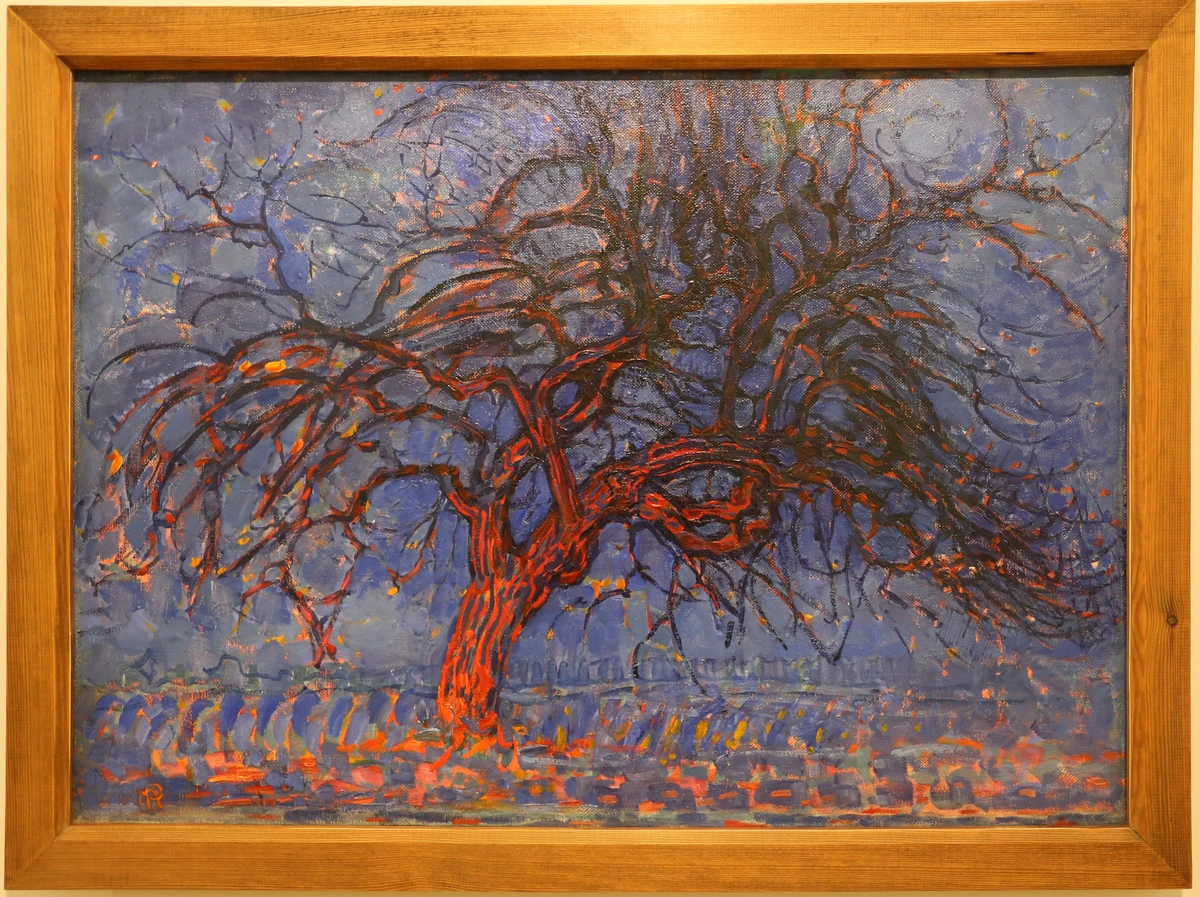
For me, one of those moments was seeing Piet Mondrian’s Evening; Red Tree. It’s not just a picture of a tree at dusk, all gentle and fading. No, this is different. It’s a tangle of raw energy, almost like a nervous system splayed out against a cobalt blue sky, its very branching structure and agitated, almost frenetic lines thrumming with an inner life and an undeniable tension. And it’s aggressively, unapologetically red. This isn't just a color choice; it's a statement, a direct jolt to the senses that bypasses the rational mind. Sometimes, I find myself thinking about it for days afterwards, wondering what truth it was trying to whisper or, perhaps, shout.
Let's be real, trees aren't usually bright crimson. Maybe in a spectacular autumn, sure, but this is a deliberate choice. When an artist paints a tree red, they're not just documenting reality; they're reaching for something deeper. They're shouting a feeling, tapping into a deep, ancient well of symbolism. Red, after all, is the color of blood, of fire, of raw passion, and immediate danger. It demands a reaction, and when it appears where it shouldn't, it forces us to look, to question, to feel. I think that's a conversation worth having, one that pulls us into the heart of expressive color in art and how it shapes our perception. We'll explore the iconic Mondrian, then delve into the universal symbolism, and finally consider how this powerful image resonates in art and our own lives.
The Famous One: Mondrian’s Intense Dialogue with a Tree
You can't talk about red trees in art without spending some serious time with Piet Mondrian. I mean, the man was obsessed for a while! For a period, he painted trees compulsively, almost as if he was trying to distill their essence, to understand the fundamental forces at play within them. They became a fascinating vehicle for his journey from realistic landscapes to pure abstraction, a search for universal harmony. His red trees are like crucial chapters in that story, showing us his mind at work as he grappled with what art truly meant beyond mere representation. For a deeper dive into his remarkable journey, you can check out his ultimate guide to Piet Mondrian.
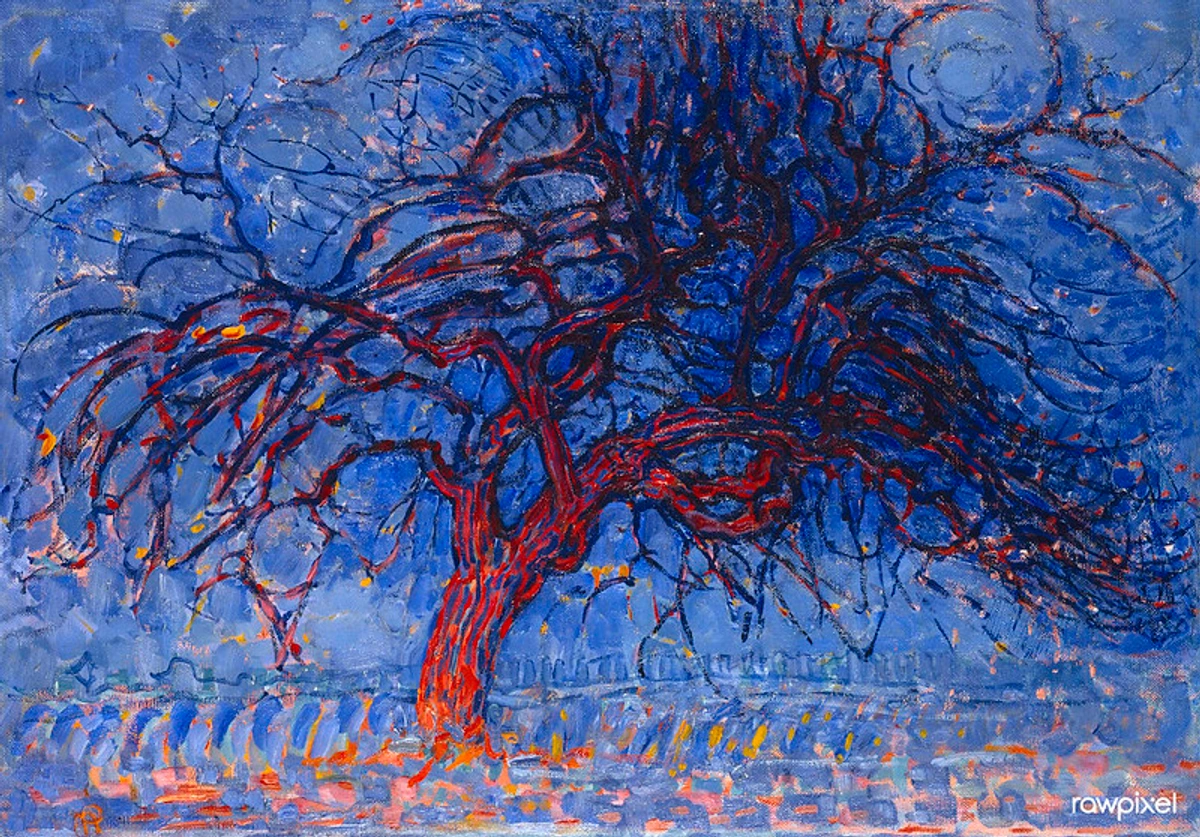
His 1908-1910 piece, The Red Tree (Avond; De rode boom), is a masterpiece of this transitional phase. It’s clearly a tree – you can see the trunk, the roots digging into the ground, the branches reaching out with an almost frenetic energy. But the raw, vibrant red color transforms it. This isn't just a tree; it's a living entity, pulsating with an inner fire, a deep vitality. The red feels like blood, like the very life force coursing through veins, or perhaps an intense, untamed emotion. The deep blue background, conversely, provides a somber, spiritual contrast, making the red pop even more dramatically. It's a perfect example of how artists can use color to show us the world not just as it is, but as it feels. This bold exploration of color and form was a huge step in the definitive guide to the history of abstract art.
What I love about Mondrian's tree series is that you can almost see his thinking on the canvas. He's wrestling with the physical form of the tree and its spiritual essence, trying to find the simplest, most powerful way to express it. That red tree wasn't just an object; it was a character in his own artistic story, a stepping stone on his path to a completely new visual language. For artists, understanding how artists use color is often a deeply personal and evolving journey.
Beyond Mondrian: Universal Symbols of the Red Tree
While Mondrian might be the most famous example, the red tree as a potent symbol pops up in various forms across cultures and time. Its enduring power lies in the fusion of two fundamental archetypes: the tree itself and the evocative color red.
- The Tree: Universally represents life, growth, deep roots, the connection between heaven and earth, stability, and enduring resilience. It's often seen as a cosmic axis or a repository of ancestral memory.
- The Color Red: One of the most primal and intense colors, it signifies passion, love, anger, life (blood), danger, power, and raw vitality. It grabs your attention and demands a reaction.
When you fuse them, you get a super-symbol, an image charged with immense significance. But what exactly does that mean? Analysis of the red tree symbol reveals several potent interpretations, each opening a door to deeper understanding of abstract art color theory and emotional impact of color:
Symbolism  | Meaning & Cultural Context | Examples/Artistic Manifestations |
|---|---|---|
| The Tree of Life | When depicted as red, it’s the Tree of Life at its most potent—emphasizing bloodlines, ancestry, and raw vitality. Think of ancient mythologies like the Norse Yggdrasil, sometimes associated with vital, life-giving sap, or mystical traditions where the Tree of Life represents a vibrant, interconnected flow of existence. A red tree here could signify an unyielding lineage or the fiery essence of creation itself. | In Kabbalistic traditions, a red tint might highlight the 'Tree of Sephiroth' as a conduit for raw, divine energy. Imagine ancient cave paintings (like those found in Altamira, though not red trees specifically) using earth reds to depict primal connections to life and fertility, or a tribal art piece emphasizing ancestral 'blood' lines with a vibrant red arboreal form. |
| Passion & Emotion | It can be a direct representation of intense human emotion—love, rage, spiritual fervor, or even profound sorrow—projected onto nature. Artists, particularly in Expressionist movements, use vivid, unnatural colors to convey inner states rather than external reality. A red tree in paintings can embody a landscape consumed by fierce passion or a soul aflame with feeling, a powerful statement in abstract art color theory. | Edvard Munch's The Scream (not a tree, but a relevant emotional landscape) uses a fiery, red sky to amplify existential angst. Similarly, a red tree in a contemporary piece could represent the artist's personal struggle with intense emotion, a visual metaphor for their inner turmoil, or a vibrant burst of joy. |
| Sacrifice/Mortality | The connection to blood is undeniable. A red tree can symbolize sacrifice, the shedding of life, or the raw cycle of life and decay. In some contexts, it might represent a sacred site where sacrifices were made, or metaphorically, the 'bleeding' of nature due to human actions, making it a poignant symbol of environmental concern or the costs of conflict. | Historically, a red tree could appear in religious iconography, hinting at the blood of martyrs or the suffering of Christ. In modern art, a stark red tree in a desolate landscape might speak to the devastation of deforestation or the scars left by war, a potent symbol of nature's vulnerability or humanity's impact. |
| Nature's Power | Think of the intensity of autumn leaves, the fiery glow of a sunset, or even the destructive beauty of a volcanic eruption or a wildfire. A red tree captures nature at its most dramatic, untamed, and awe-inspiring—a force to be reckoned with. It’s about the raw, elemental power that can both create and destroy, reminding us of nature's formidable presence. | Many Impressionists captured fiery sunsets, and while not red trees, they share the spirit of capturing nature's dramatic color. A red tree in a powerful storm painting, or one depicted erupting from the earth like lava, could speak to the earth's indomitable, sometimes terrifying, force. |
| A Warning Sign | In some contexts, particularly with stark, unnatural reds, it could be a symbol of danger, an omen, or something profoundly unnatural in the environment. A tree on fire, for instance, is a clear sign of impending disaster or a crisis. In folklore, red trees might mark cursed ground or boundaries to be feared, serving as visual alerts in a narrative. | A red tree in a dystopian landscape could act as a stark warning of climate disaster, a visual siren. In mythology, a lone red tree might mark a taboo place, a gateway to a perilous realm, or an area where ancient spirits lie restless, a clear indicator of impending doom or transgression. |
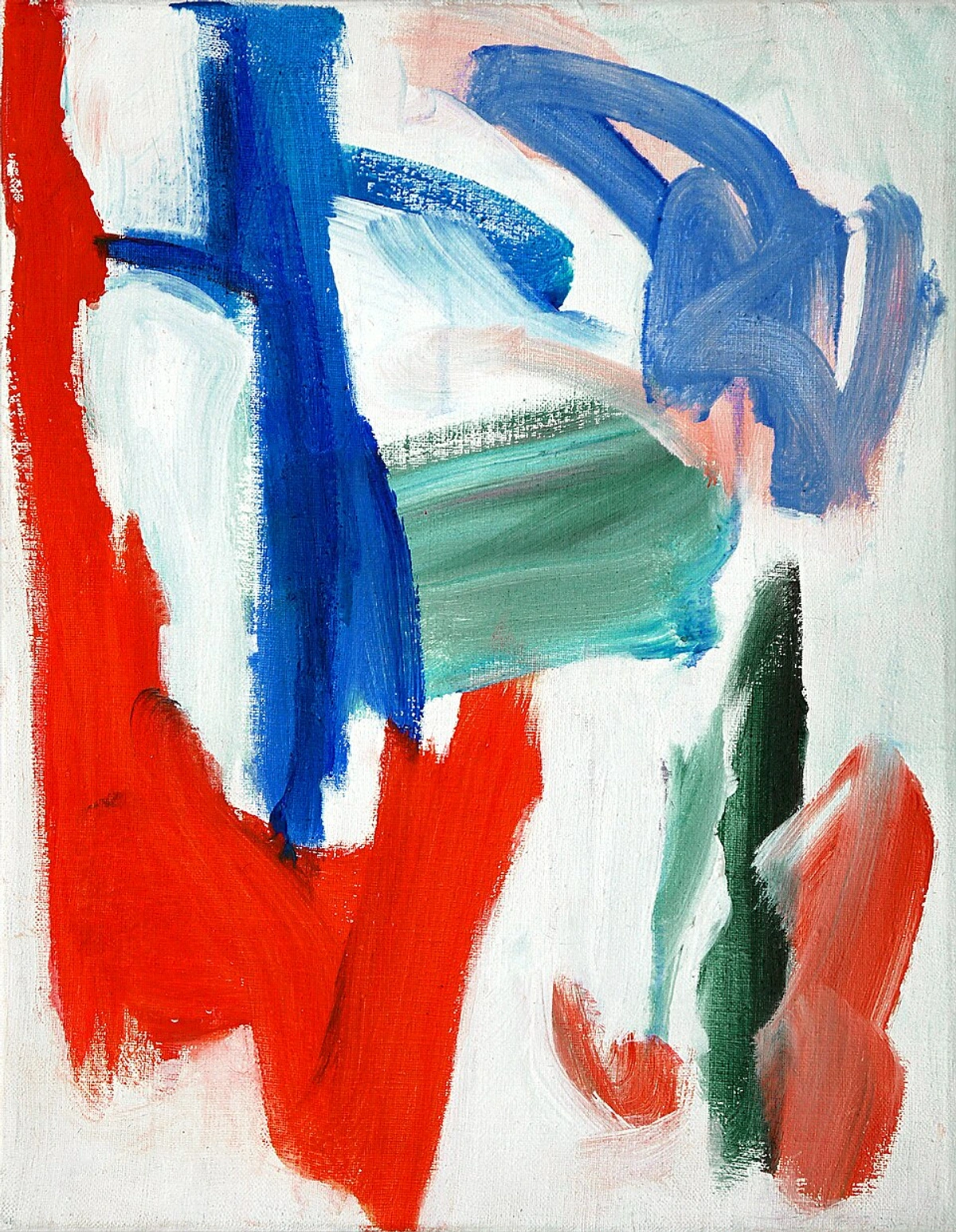
This is where the psychology of color in abstract art becomes crucial. Color is never just decorative; it's a language all its own, capable of stirring deep subconscious reactions. An artist chooses a color like red to make you feel something before you even have a chance to think, an emotional impact of color that bypasses the rational mind. For more on how emotion is translated into art, check out translating emotion into abstract art: my process of visual expression.
The Nuances of Red: From Crimson to Scarlet
It’s also worth considering that 'red' isn't just one color. The specific shade or tone an artist chooses can subtly, yet profoundly, alter the message. A deep, rich crimson, like the hue of aged wine or royal velvet, might evoke a sense of ancient power, sacrifice, or noble passion, leaning into a more spiritual or serious tone. This is the red you'd find in a solemn, historical painting. A brighter, almost aggressive scarlet, akin to freshly spilled blood or a warning beacon, could scream danger, raw energy, or vibrant, youthful passion. It’s a color that demands immediate attention. And then there’s the fiery intensity of vermilion, a brilliant, often orange-tinged red, which might suggest a more direct, perhaps even volatile, emotional outburst or the scorching heat of an untamed force. Each nuance adds another layer to the meaning of red tree art.
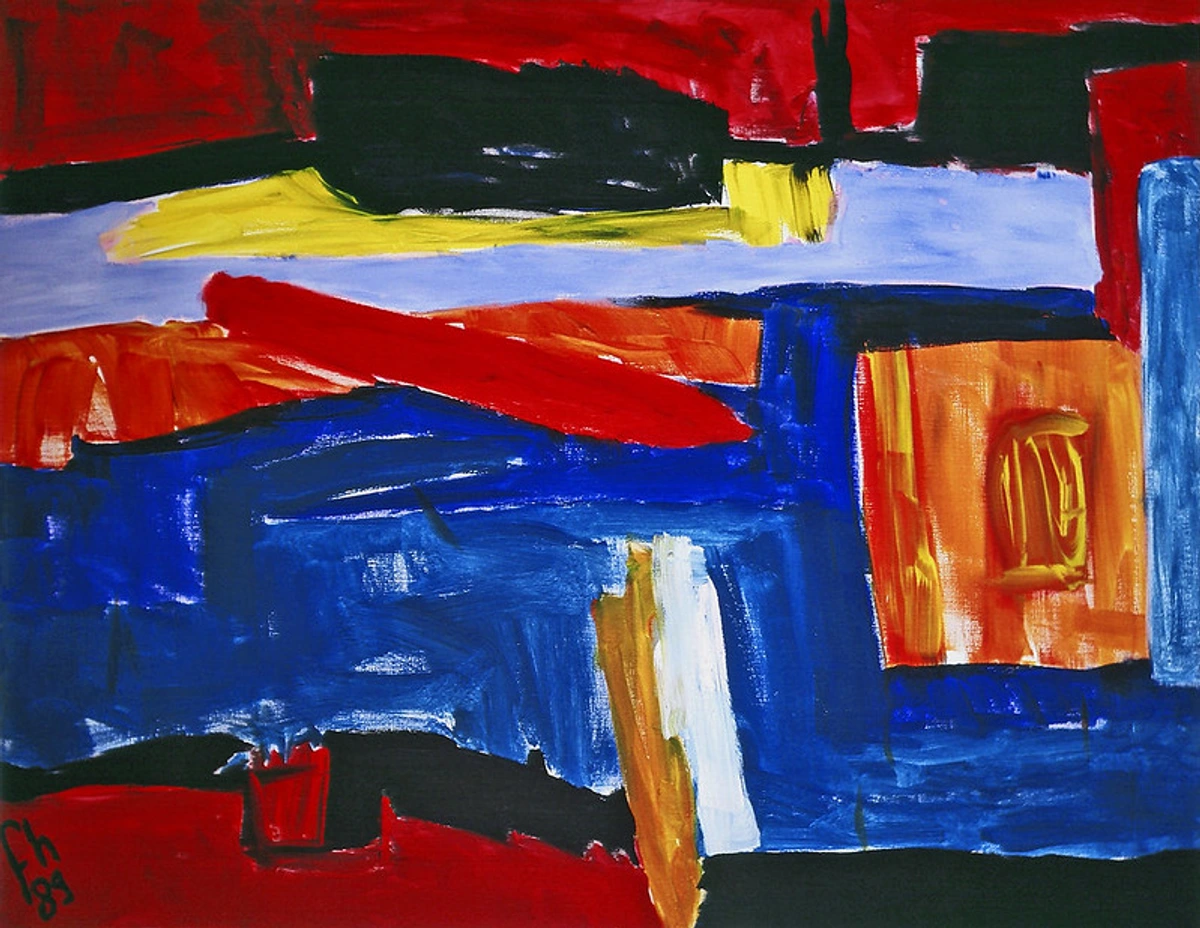
And it's not just the hue, but how the paint is applied. Think of the difference between thick, textured impasto that makes the tree feel tangible and almost alive, bleeding off the canvas, versus thin, luminous washes that hint at something ethereal or spectral. Thick, chaotic impasto in red could suggest a tree bursting with uncontrollable energy, perhaps a representation of raw, untamed passion or even a landscape caught in a fever dream, while delicate washes might hint at a spiritual essence, a tree existing on the ethereal plane. The texture and application of the paint become part of the story, part of the red tree's secret language.
Why Paint a Tree an 'Unreal' Color? It's About Feeling, Not Just Seeing
This gets to the heart of why I, and so many other artists, don't always stick to strict reality. My personal philosophy, often explored in why I paint abstract: my personal philosophy and artistic vision, is that art should reveal a deeper truth than a photograph can. Painting a tree green tells you what it looks like. Painting it red can tell you how it feels to stand before it on a cold evening, or what it represents in a dream, or the surge of emotion it ignites within the artist. It's about capturing an inner landscape, not just the external one. It's about accessing a profound truth that transcends mere visual accuracy, conveying the very essence or spirit of the subject.
Artists who famously broke from realism, like the Fauvists (think Henri Matisse and André Derain), were masters of this. Their bold embrace of non-naturalistic color was a direct precursor to the kind of emotional expression seen in Mondrian's red tree and laid the groundwork for abstract art's exploration of color as a primary expressive tool. They used color to express their immediate, raw, emotional response to a scene, not to replicate its true appearance. They weren't painting a purple sky because the sky was purple; they were painting it because the scene felt purple, or the joy it evoked demanded such a vibrant, unrestrained hue. A red tree is born from that same impulse – the desire to paint the feeling, not just the thing. Their bold approach paved the way for much of what is abstract art today.
The Red Tree in Other Mediums and Contemporary Contexts
The power of the red tree isn't confined to paint on canvas. Its symbolic resonance allows it to transcend mediums and adapt to new meanings in contemporary art.
In Sculpture and Three-Dimensional Art
Imagine a red tree sculpted from metal, wood, or even glass. Its three-dimensional form would amplify its presence, allowing it to literally occupy space and confront the viewer. A rough-hewn red wooden sculpture might emphasize raw, primal energy or the sacrifice of nature, while a smooth, polished red metal tree could suggest a modern, perhaps even sterile, warning. The material itself would add another layer to the narrative, a physical weight to its emotional or symbolic message. Even in ceramics, a red tree could be a powerful, tactile symbol, as explored in my journey with mixed media: blending materials for abstract expression.

In Textile and Fiber Art
A red tree woven into a tapestry or expressed through intricate fiber art would carry a different kind of authority. The slow, deliberate process of textile creation, often rooted in traditional craftsmanship, could lend the red tree a sense of ancient wisdom, ancestral connection, or enduring patience, even when conveying intensity. Its softness might contrast with the harshness of its message, or its intricate patterns could represent the complex interconnectedness of life and bloodlines, much like the narrative contained within historical textiles such as the Bayeux Tapestry.
Contemporary Interpretations
Today, artists continue to draw upon the powerful imagery of the red tree, often infusing it with new layers of meaning relevant to our current world. We might see red trees in digital art, glowing with a futuristic, almost apocalyptic light, symbolizing environmental crisis or the bleeding of our natural world due to technology. A red tree in a street art mural could become a bold statement on urban decay, a powerful symbol of protest, or a call for urgent action. Its vivid presence remains a tool for artists to make potent, often provocative, statements about society, politics, and the human condition.
The Red Tree in Your Own World: A Guide to Interpretation
The next time you see a red tree in a painting, whether in a museum, a gallery, or one of my own pieces you're considering for your home, I want you to pause. Don't just glance. I want you to ask yourself a few questions, to truly engage with the artistic interpretation of color:
- What's my immediate emotional reaction? Do I feel warmth, energy, alarm, excitement, or something else entirely? Let your gut tell you first. This immediate, visceral response is a direct line to the artist's intent.
- What could the red signify in this specific context? Is it passion? Is it the raw power of nature? Is it a poignant symbol of change or even a warning? Look for clues in the surrounding composition, other figures, or the overall mood of the piece.
- How does it interact with the other colors? Like in Mondrian’s work, the deep blue background is just as important as the red tree itself in creating that dynamic tension. Every color choice is deliberate, a silent dialogue with its neighbors on the canvas.
This simple act of questioning, of delving beyond the obvious, is what makes looking at art so rewarding. It’s a dialogue, not a lecture. And if you're looking to bring art that sparks such a dialogue into your own space, explore my collection at [/buy]. Actively seek out red trees in art, or even observe the fiery reds of autumn leaves or vibrant flowers in nature, and try to apply these interpretive questions to those real-world experiences. You might be surprised by what you discover.
Frequently Asked Questions (FAQ)
What is the most famous painting of a red tree?
Piet Mondrian's The Red Tree (Avond; De rode boom) from 1908-1910 is widely considered the most iconic and influential example. It's a pivotal work in his journey towards abstract art and a powerful instance of Mondrian art analysis.
Are there other artists known for depicting red trees?
While Mondrian's red trees are perhaps the most recognizable, other artists have also used the motif. Expressionists often employed bold, non-naturalistic colors, and a red tree could appear in works by artists like Edvard Munch to convey inner turmoil, or even in contemporary art where symbolism is often highly personal. Fauvists like Henri Matisse used expressive color freely, and while not always red trees, their approach to color significantly influenced the possibility of such imagery. To explore their techniques, you might look into the ultimate guide to expressionism.
What does the color red symbolize in art?
Red is one of the most powerful and multifaceted colors with a wide spectrum of meanings. It can symbolize love, passion, energy, and life (blood), but also anger, danger, war, and power. The specific context of the artwork is crucial for its interpretation, and understanding the symbolism of colors in different cultures can offer further insight. It truly represents the symbolism of red in paintings.
Can a red tree symbolize something negative?
Absolutely. Given red's strong association with danger, warning, blood, and even destruction (like fire), a red tree could easily represent something ominous. It might convey a dying forest, a battle-scarred landscape, a warning of environmental disaster, or a premonition of conflict. The viewer's emotional response to such imagery is often immediate and visceral. This makes it a powerful choice for artists exploring difficult themes, such as those found in famous paintings depicting inner turmoil.
Why would an artist paint a tree an unrealistic color?
Artists use non-realistic colors for many reasons: primarily to express emotion, to convey a specific symbolic meaning, to create a particular mood or atmosphere, or simply to explore the dynamic relationships between colors, shapes, and forms, thereby moving away from a literal representation of the world. It’s an act of interpretation, not mere replication. This freedom from literalism allows for a deeper exploration of the subject's essence and the artist's inner world.
What are common interpretations of a red tree in abstract art?
In abstract art, where forms are less defined, a red tree often becomes a pure embodiment of the symbolic meanings of red and tree archetypes. It might signify raw energy, the pulse of life, an explosive emotional state, or a warning of unseen forces. The lack of literal representation allows the viewer's subconscious to engage more directly with the pure emotional impact of color and form, making the interpretation highly personal yet universally resonant.
How did Piet Mondrian use color in his early work?
In his early, pre-abstract phase, Mondrian used color expressively but still within a representational framework. His series of trees, including The Red Tree, are a prime example. He applied vibrant, non-naturalistic colors not just to depict, but to interpret and distill the emotional and spiritual essence of his subjects. This intense color exploration was a key step in his evolution towards the pure, geometric abstraction he would later become famous for.
Examples of non-naturalistic color use in painting?
Beyond Mondrian, the Fauvists (Henri Matisse, André Derain) are perhaps the most famous for using color boldly and non-naturalistically to express emotion rather than reality. German Expressionists (Ernst Ludwig Kirchner, Franz Marc) also used vivid, often jarring colors to convey psychological states. Contemporary artists continue this tradition, often using unnatural hues to comment on environmental issues, social moods, or simply to explore the sheer beauty and power of color itself. The freedom to use color expressively is a cornerstone of much modern and abstract art.
The symbolic meaning of trees in different mythologies?
Across mythologies, trees are profound symbols. From the Norse Yggdrasil (the world tree connecting nine realms) to the Tree of Knowledge in Abrahamic religions, they represent life, wisdom, cosmic order, spiritual connection, fertility, and immortality. They often act as conduits between heaven and earth, repositories of ancestral memory, or symbols of resilience. When a tree is depicted as red, these deep-seated meanings are often amplified, infused with the primal intensity of the color.
How does color evoke emotion in art?
Color evokes emotion in art through a combination of universal psychological associations, cultural conditioning, and personal experience. Warm colors like red and orange tend to evoke feelings of energy, passion, and excitement, or conversely, anger and danger. Cool colors like blue and green often suggest calmness, serenity, or sadness. Artists manipulate these associations through hue, saturation, and contrast to create specific moods and psychological impacts, tapping into our subconscious before our conscious mind can process the image. This is a central aspect of the emotional resonance of my abstract art: how feelings guide my brushstrokes.






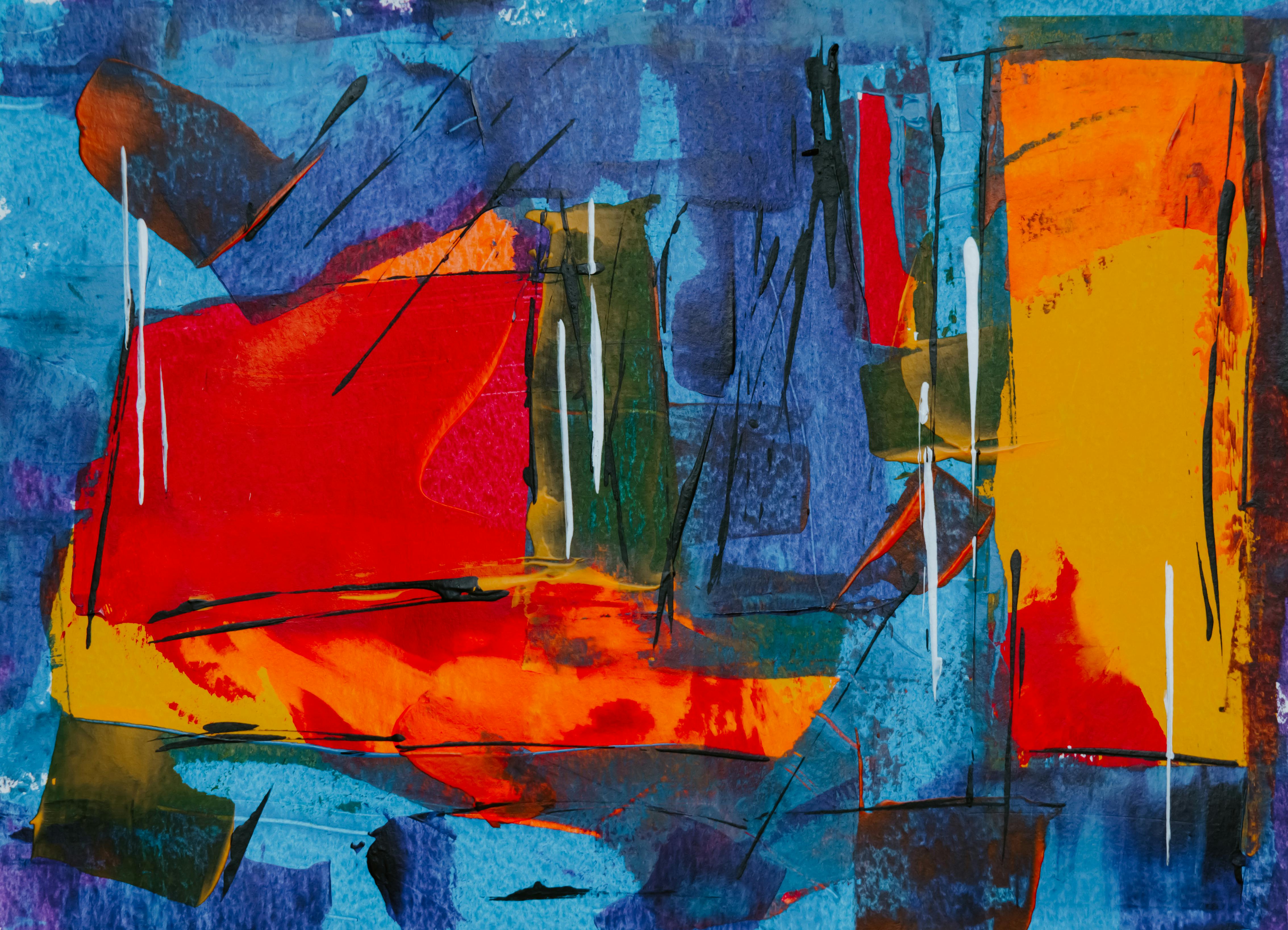


So, the red tree is not just a tree painted red. It’s a deliberate, powerful choice. It's a symbol packed with the intensity of life, the fire of emotion, the primal surge of danger, and the wild, untamed spirit of nature. It’s a reminder that artists aren't here to just show us the world as it is, but to invite us to see it as it could be—and as it truly feels deep within the human experience. The red tree, in its defiance of the ordinary, reminds us that art is a powerful dialogue. It invites us to look deeper, to feel more intensely, and to question what lies beneath the surface. As you explore the world of art, whether in museums or in your own home, dare to ask: what hidden truths are waiting to be revealed in a splash of unconventional color?