Ultimate Guide to Contemporary Fiber Art: Evolution, Artists & Impact
Dive deep into contemporary fiber art's journey from craft to fine art. Explore key movements, influential artists, innovative techniques, and its profound social, cultural, and environmental impact. Your definitive resource for modern textile art.

The Ultimate Guide to Contemporary Fiber Art: Weaving New Narratives, Challenging Traditions
What is contemporary fiber art, really? If you're like me, for a long time, the words "textile art" probably conjured images of cozy quilts or perhaps grand, ancient tapestries. I confess, it took a truly striking encounter – a massive sculpture crafted from discarded fishing nets, shimmering with an ethereal glow, making a profound statement about waste – to shatter my preconceived notions. That moment wasn't just beautiful; it was a revelation. It showed me that this vibrant, edgy art form is pushing boundaries in ways I never imagined, daring to be sculptural, conceptually deep, and profoundly socially relevant. Lately, I've been so fascinated by its unexpected artistry that I decided to unravel its threads, exploring its journey from ancient craft to a powerful, modern art form. This article is my deep dive into the world of contemporary textile artists, their materials, their processes, and how their intricate practice fits into our sometimes chaotic, always evolving art landscape. So, pull up a chair; let's explore this fascinating realm together and discover why it deserves a prominent place in your artistic consciousness.
The Roots: A Journey from Ancient Utility to Modern Artistry
To truly appreciate where contemporary fiber art stands today, we need to glance back. And honestly, it's a history far richer and more complex than most of us realize. Textile art isn't new; it's arguably one of humanity's oldest art forms, interwoven with our very survival and culture. What's truly fascinating to me is how these early textile traditions seamlessly blended utility with profound expression.
Ancient Origins and Global Traditions
From the intricate linen weaves of ancient Egypt, used for everything from pharaoh's garments to burial shrouds, to the vibrant storytelling tapestries of Mesopotamia, which often depicted epic narratives, religious ceremonies, and royal conquests, fibers have always been used for both practical purposes and deep symbolic meaning. It's a duality that still fascinates me today.
Across the globe, diverse Indigenous textile traditions further illustrate this profound connection. Consider:
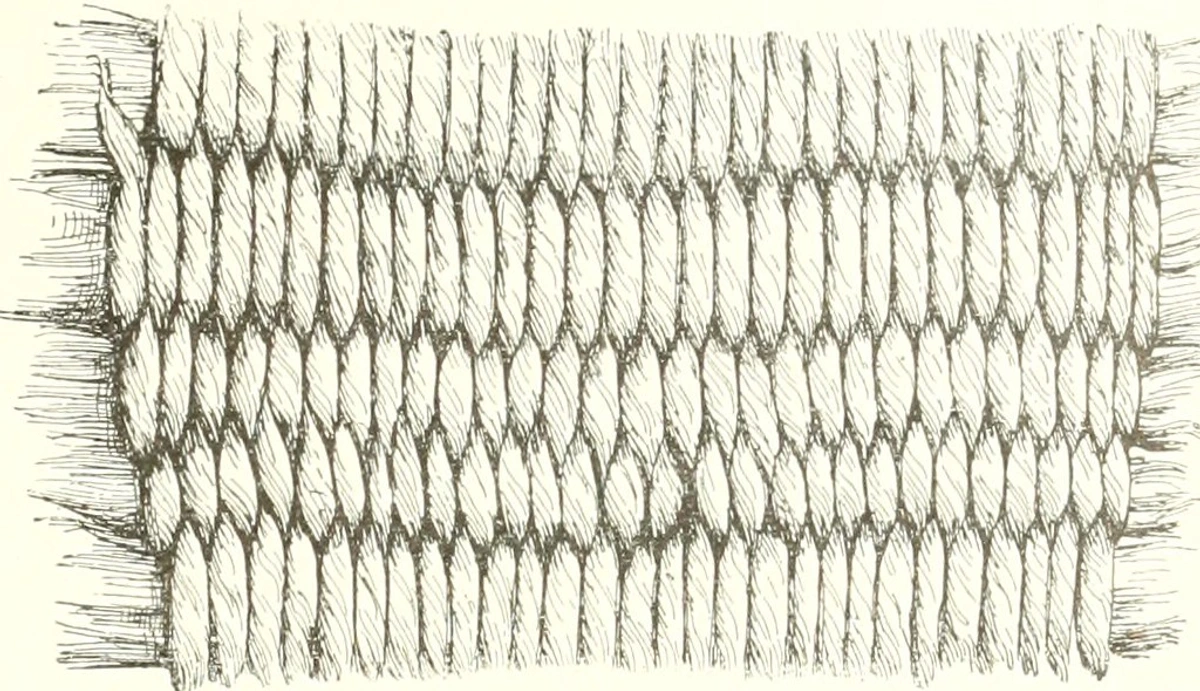
- The Navajo weavers of North America, whose intricate blankets and rugs are not merely decorative but embody cosmology, sacred stories, and a deep connection to the land, often reflecting the concept of "hoozho" (balance and harmony) through specific motifs and color palettes.
- The Andean textiles, particularly the sophisticated quipu (knotted strings) of the Inca, which served as a complex record-keeping system, demonstrating how fibers could convey not just imagery but intricate societal information and status through specific knot formations and cord colors.
- In West Africa, Kente cloth from the Ashanti and Ewe peoples, with its vivid colors and geometric patterns, communicates social status, political messages, and philosophical concepts.
- The grand silks of Byzantium, laden with Christian iconography, and the intricate geometric and calligraphic patterns of Islamic textiles on carpets and fabrics, show how fibers have universally been potent carriers of meaning, tradition, and belief systems.
- Japanese Boro textiles, where repeated mending and patching of indigo-dyed cotton not only extended the life of garments but created new aesthetic forms rich with the history of their wearers, a testament to resourcefulness and continuity.
- Indian textiles, boasting centuries of intricate block printing, embroidery, and dyeing techniques that tell regional stories and signify social roles.
- In the Arctic, Inuit textiles that utilize animal hides and furs, often intricately sewn and embellished with beadwork or embroidery, not just for warmth but to tell stories of hunting, community, and the spiritual world.
- Australian Aboriginal weaving traditions, using natural plant fibers, create baskets and dilly bags that are both utilitarian and deeply symbolic, often reflecting Dreaming stories and the land.
- In Central Asia, the exquisite suzani embroideries from Uzbekistan, with their vibrant floral motifs, were traditionally made by brides and mothers, acting as intricate dowry pieces that carried generational stories and wishes for prosperity.
The Persistent Shadow: Craft vs. Fine Art
Initially, textiles were primarily utilitarian—clothing, shelter, containers. Even when highly decorative, they were often categorized as craft rather than fine art, a distinction that has historically plagued the medium. And honestly, it’s a tired old narrative, isn't it? This old divide often stemmed from a deeply ingrained patriarchal view that, particularly from 19th-century European art academies (like the French Académie des Beaux-Arts) and influential critics of the time (such as John Ruskin, who despite championing craftsmanship, often reinforced hierarchies), valued intellectual, traditionally male-dominated practices (like painting and sculpture) over the perceived domestic, feminine labor of textile creation. Even institutions like the Royal Academy of Arts in London, for much of its history, prioritized painting and sculpture, implicitly sidelining textile arts.
This was often justified by arguing that textiles served a functional purpose, thus lacking the 'pure' intellectual or aesthetic intent of fine art. The Industrial Revolution further pushed textiles into the realm of mass production and away from individual artistic expression, which, unfortunately, cemented this perceived lower status, devaluing the inherent artistic merit of the unique, handmade touch. While this perception is fading, it still lingers in some corners, a stubborn ghost of outdated biases.
The Modern Breakthrough: Bauhaus and Studio Craft
Yet, the dawn of modernism and subsequent artistic movements began to dismantle these rigid hierarchies, paving the way for fiber's artistic recognition. The 20th century brought a significant shift. Movements like the Bauhaus in the early 1900s championed the integration of craft and fine art, with artists like Anni Albers elevating weaving to a modernist art form. Albers, working at the Bauhaus and later at Black Mountain College, used the loom to explore abstract composition, material experimentation, and structural principles, treating threads not merely as functional elements but as lines of force and color, blurring the lines between industrial design and pure artistic expression with her groundbreaking weavings that were both functional (e.g., for upholstery) and exhibited as autonomous artworks. Other influential Bauhaus textile artists like Lilly Reich explored material properties in architectural contexts, and Otti Berger focused on material innovation and textile design's intellectual rigor.
Later movements, such as Surrealism, with its fascination for found objects and unconventional materials, and Minimalism, with its focus on inherent material properties and stripped-down forms, also subtly paved the way for a broader acceptance of fiber's artistic potential. For example, Surrealism inspired textile artists to create assemblages from unexpected fabric scraps, found buttons, or antique lace, juxtaposing them in dreamlike narratives. Minimalism, in particular, with its emphasis on repetitive forms and the intrinsic qualities of materials, resonated with fiber artists who began to explore the structural integrity of threads and fabrics for their own sake, rather than solely for narrative or decorative purposes, focusing on warp and weft as pure elements of form.
Later, the Studio Craft Movement in the mid-20th century provided a crucial platform, emphasizing individual authorship and artistic intent over mere functionality. This period saw fiber artists actively challenging traditional perceptions, moving textiles off the loom and into sculptural, three-dimensional forms. This was particularly true with the Fiber as Art movement in the US during the 1960s and 70s, which truly championed the medium's artistic legitimacy. It was fueled by a desire to break from the confines of traditional weaving and embrace a broader, more expressive approach, often leaning into monumental scale, performance, and activism. Think of pioneers like Sheila Hicks, whose early 'sculptural textiles' in the 1960s and 70s transformed yarn into monumental, soft sculptures like her "Pillars" series that defied gravity and traditional textile formats. Alongside her, artists like Lenore Tawney experimented with open-warp weaving, creating ethereal forms that floated in space, further demonstrating fiber's sculptural potential. And figures like Claire Zeisler pushed the boundaries of knotting and wrapping to create imposing, totemic forms. These artists began to demand that their work be viewed not just for its technical skill, but for its conceptual depth and artistic merit, actively dismantling the perceived craft/art hierarchy.
Summary of Roots: From ancient utility and storytelling to 20th-century art movements, textile art has a rich, complex history. The push to elevate fiber from mere craft to fine art has been a long but ultimately successful journey, with pivotal artists and movements continually challenging established hierarchies, asserting that the medium itself does not dictate artistic merit. This historical evolution lays the groundwork for understanding the revolutionary spirit of contemporary fiber art.
What Exactly Is Contemporary Fiber Art Today? Breaking the Binary
Having understood the historical journey, let's now delve into what contemporary fiber art truly looks like today. So, beyond the history books, what does fiber art look like now? What boundaries are contemporary artists shattering with threads and textiles? Because, truly, the definition has exploded. It's no longer just about weaving or knitting, though those remain fundamental. Today, it encompasses a vast spectrum of techniques, pushing past traditional boundaries in thrilling ways:
Core Techniques in Contemporary Fiber Art
Contemporary fiber artists employ a broad palette of methods, often combining them or pushing them to new extremes:
- Weaving: From traditional loom-based works to free-hanging, sculptural, and off-loom constructions.
- Felting: Both needle felting (using barbed needles to entangle fibers) and wet felting (using water, soap, and agitation to bind wool fibers) to create dense, sculptural forms or two-dimensional fabric.
- Knotting (Macrame): Creating intricate patterns and structures by tying knots, often on a large scale for installations.
- Stitching (Embroidery): Hand or machine embroidery used for detailed pictorial effects, expressive mark-making, or monumental narratives.
- Dyeing (Resist Dyeing): Techniques like Shibori (Japanese resist dyeing) and Batik (Indonesian wax-resist dyeing) used not just for patterns but for painterly, abstract effects.
- Crochet & Knitting: Employed in unconventional scales to create soft sculptures, garments, or architectural interventions.
- Assemblage & Collage: Combining various textile scraps, found fabrics, and other materials into cohesive artworks.
- Digital Printing on Fabric: Transferring high-resolution digital imagery onto textile surfaces for large-scale pictorial works.
- 3D Printing with Fibers: Utilizing advanced technology to create complex, sculptural forms from fibrous materials.
- Smart Textiles: Integrating responsive materials that react to external stimuli like light or temperature.
The Material is the Message: Conceptual Depth
In contemporary fiber art, the material itself, its history, or the process of making becomes an integral part of the artwork's message, exploring themes often related to identity, memory, labor, gender, or environmental concerns. I find this endlessly fascinating, as it’s a direct conversation between the raw stuff and profound ideas. A piece might use unraveling fabric to symbolize decay, forgotten histories, or the unmaking of traditions – imagine a large, once-intact tapestry slowly pulled apart thread by thread, each fallen strand representing a lost memory, a fading cultural practice, or the unraveling of colonial narratives, almost as if history itself is slowly coming undone. The painstaking, repetitive nature of stitching might comment on time, patience, or traditional women's work, acknowledging unseen labor. Artists might even use discarded ocean plastic to weave a piece that directly confronts marine pollution, perhaps forming a beautiful, yet unsettling, 'net' that speaks to the dangers lurking in our waters, or a dense, suffocating mass mimicking the plastic islands in our oceans. The message is inseparable from the medium.
Beyond the Loom: Reimagined Traditional Techniques
Dyeing, felting, knotting, stitching, embroidery, and crochet are still central, but artists often employ them in unconventional scales or contexts, truly giving these ancient crafts a new voice. For instance, textile artists might use traditional dyeing techniques like Shibori or Batik or natural plant dyes not just for patterns on fabric, but to create abstract, painterly effects that convey emotion, such as deep, moody indigo washes evoking the melancholy of a twilight sea, or vibrant cochineal reds expressing the passionate intensity of a sunset. They might employ embroidery on a monumental scale to tell complex narratives, transcending mere decoration, perhaps using bold, oversized stitches to convey a sense of urgency or defiance in a protest piece, or meticulously microscopic stitching to map scientific data or family lineage, revealing hidden patterns. I've seen incredible works where massive felted structures become architectural elements, even serving as acoustic panels in public spaces, their soft, undulating surfaces absorbing sound and creating a sense of calm, or forming intricate, geological-like landscapes. Think also of artists using traditional weaving patterns, but with unexpected materials like optical fibers or recycled plastics, transforming ancient motifs into futuristic statements that comment on technology or sustainability.
Sculptural Forms and Immersive Spaces
Fiber is now widely used to create three-dimensional forms, from small delicate objects to monumental, room-filling installations that transform space and engage the viewer physically – an experience I find truly captivating. Artists like Ernesto Neto create organic, immersive environments from stretchy fabrics, inviting interaction and altering perception, making you feel almost inside a living organism, a soft, yielding world. Similarly, Chiharu Shiota weaves intricate webs of red or black thread, often incorporating found objects, to create haunting, memory-laden installations that fill entire exhibition spaces, making the viewer feel almost inside solidified thoughts or tangled webs of human connection. And then there's Do Ho Suh, who meticulously recreates architectural spaces from his memory using translucent fabric, blurring the lines between sculpture, memory, and dwelling, inviting us to walk through his past. We also see artists crafting more rigid, skeletal fiber structures, creating architectural interventions or public art that redefines how textiles interact with urban environments. Imagine massive knitted 'cocoons' suspended between city buildings, softening harsh concrete landscapes, or intricate woven screens providing dynamic shade and visual interest in public parks, sometimes even using fiber as a form of exoskeletal support for other materials, giving buildings a 'skin.'
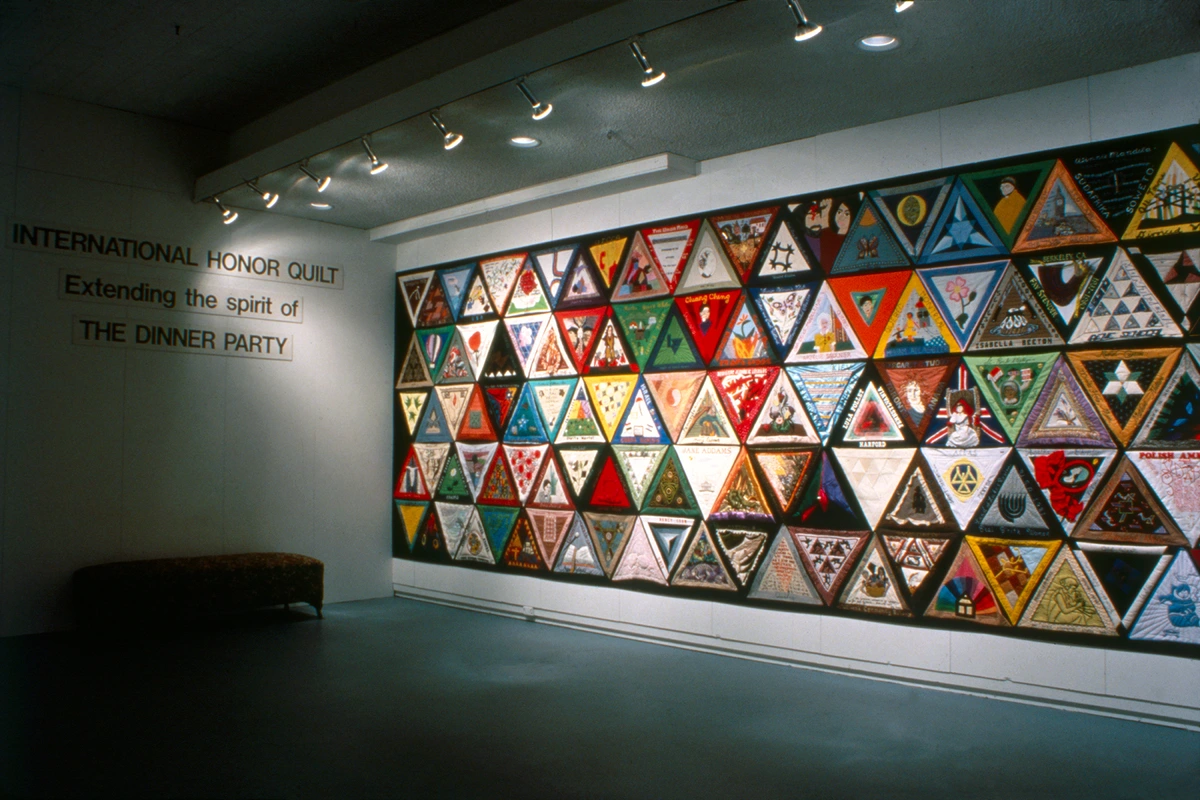
Threads as Paint: Pictorial Explorations
Artists use threads and fabric like paint, layering colors and textures to create visual depth and abstract compositions, much like a painter builds up an impasto surface. Think of intricate thread paintings by artists like Maurizio Anzeri, where vintage photographs are embroidered with intricate patterns that seem to emanate from the subject, almost giving them a new, ethereal dimension. These artists might lay down various colors of thread to blend optically, much like brushstrokes, creating impasto-like surfaces or delicate washes of color that form abstract expressions – artworks that focus on form, color, and texture rather than literal representation – truly elevating embroidery to pure artistic expression. This approach evolves from historical embroidery techniques, like the intricate crewelwork of the 17th century or the detailed Victorian embroidery, now used for profound artistic statements rather than mere decoration. We also see artists digitally printing complex imagery onto fabric, effectively creating large-scale paintings on a textile ground. This is done by transferring high-resolution images, sometimes created digitally or scanned from traditional artworks, directly onto rolls of specialized fabric using industrial inkjet printers, allowing for unprecedented detail and scale, adding another dimension to the medium and challenging traditional notions of canvas and brush.
Digital Threads: Weaving the Virtual and Tangible
This is a fascinating and rapidly evolving frontier that sometimes makes my head spin! Artists might use digital tools for pattern generation, algorithmic weaving (where computer programs design the weave structure), 3D printing with fibers, or even projecting digital imagery onto physical textile surfaces, truly blurring the lines between the tangible and the virtual. Imagine textiles that respond to light or sound, incorporating smart fibers that change color with temperature (using thermochromic inks) or light (photochromic dyes), or that are embedded with sensors for truly interactive, evolving experiences that respond to the viewer with haptic feedback (a gentle vibration or pressure), or even micro-projectors that display dynamic patterns directly onto the fabric surface, turning a static piece into a living, responsive artwork. For instance, a woven piece embedded with optical fibers might 'light up' in response to ambient sound, or energy-harvesting textiles could power small LED arrays. While digital art and ownership, such as NFTs (Non-Fungible Tokens – unique digital identifiers stored on a blockchain, used to certify ownership of digital assets), are explored by some for potential digital provenance or new forms of artistic commerce, environmental impact (significant energy consumption of blockchain) and speculative concerns (detachment from intrinsic artistic value, treating art purely as a commodity) lead many in the fiber art community to approach them with caution. Instead, they prioritize sustainable and tangible practices like using natural dyes, organic fibers, and engaging in zero-waste design, focusing on the physical interaction and enduring presence of the artwork.

Contemporary fiber art actively challenges our notions of what constitutes "fine art" vs. "craft." Historically, craft was often seen as inferior, associated with utilitarian objects, domestic labor, and often, with women. Fine art, typically painting and sculpture, was seen as intellectual and male-dominated. Fiber artists are actively erasing this binary, demonstrating that the intent and conceptual rigor behind a textile piece are what define its artistic status, not the medium itself. It's all about using natural or synthetic fibers and techniques related to textiles to create something that speaks, something that moves, often with profound social commentary – and that, I think, is truly powerful.
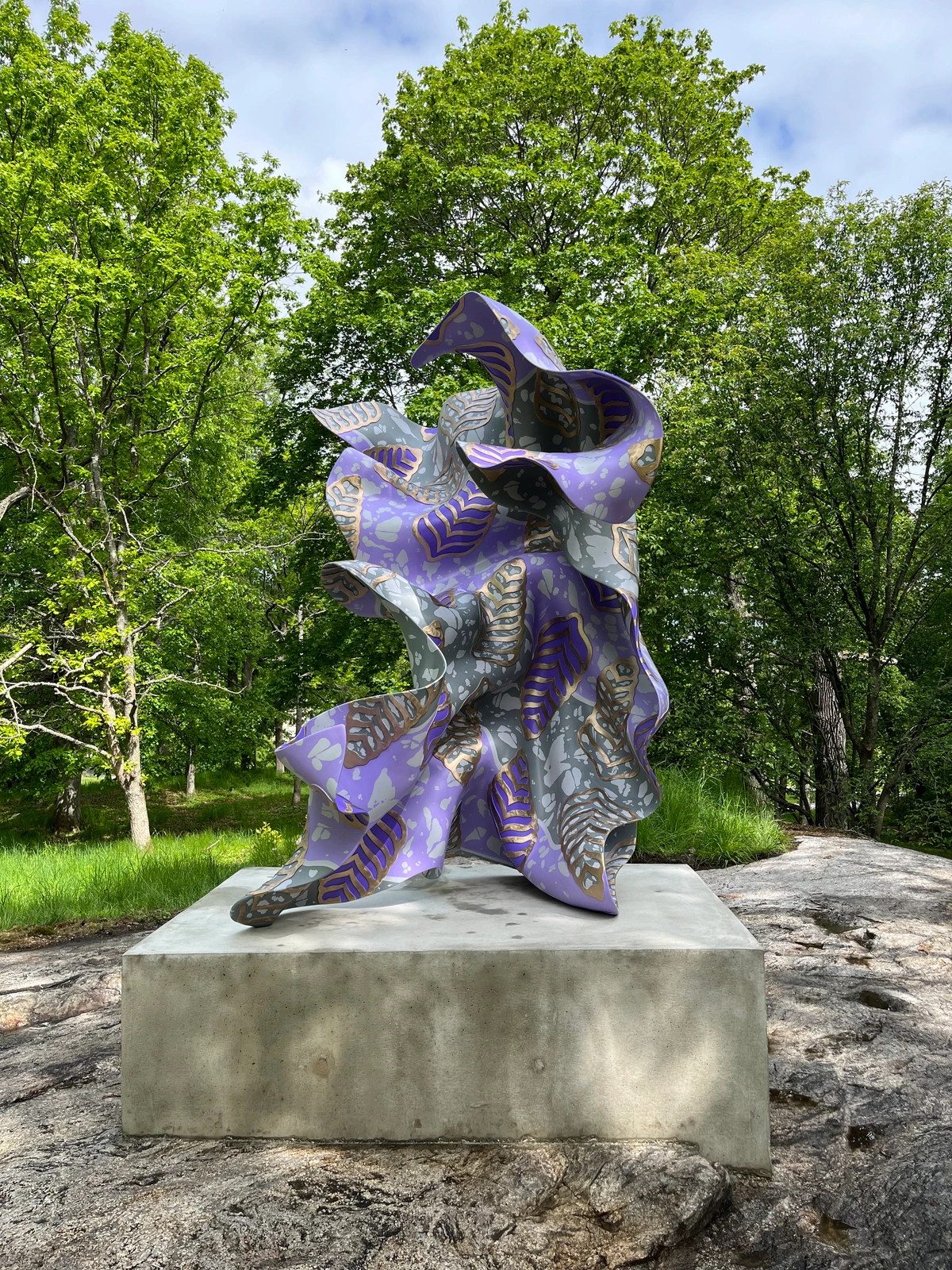
Summary of Contemporary Fiber Art: Today, fiber art is an expansive field, stretching far beyond traditional techniques to embrace sculpture, installation, painting, conceptual depth, and digital integration. It's defined by its innovative material use and conceptual rigor, consistently challenging the historic art/craft divide through its profound artistic intent, demonstrating that artistic merit is inherent in the vision, not the medium.
Conversations with the Threads: Insights from a Fiber Artist
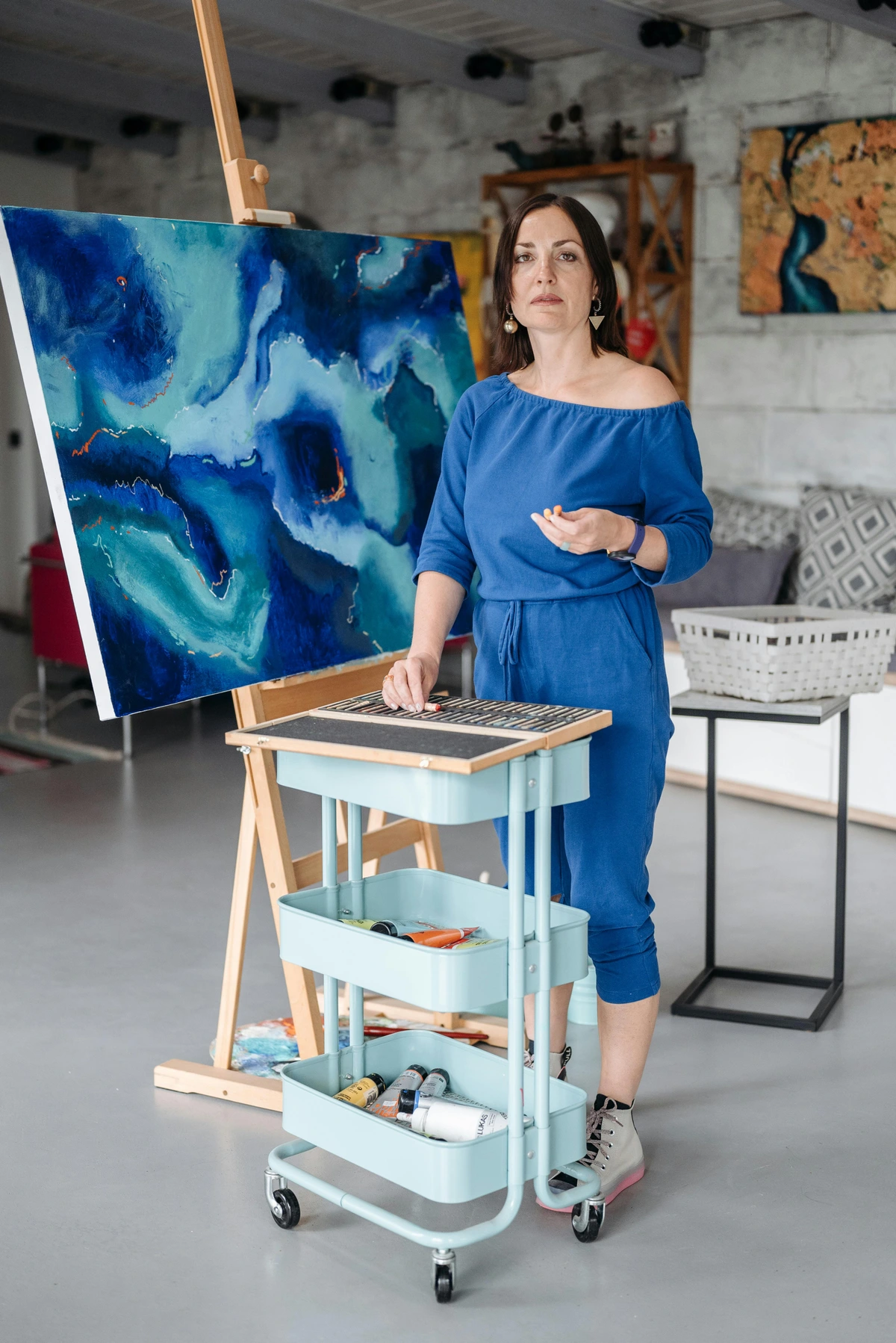
To truly grasp the heart of contemporary fiber art, let's step into the hypothetical studio of an artist who lives and breathes these materials. I've spent time distilling their thoughts on their process, materials, and place in the art world, grounded in my observations and the spirit of creative exploration. Here are some of the questions I've mentally posed and the answers that have emerged – a kind of internal dialogue with the creative spirit of fiber.
On the Allure of Fibers: More Than Just Material
Q: What first drew you to the world of fibers? Was it love at first touch?
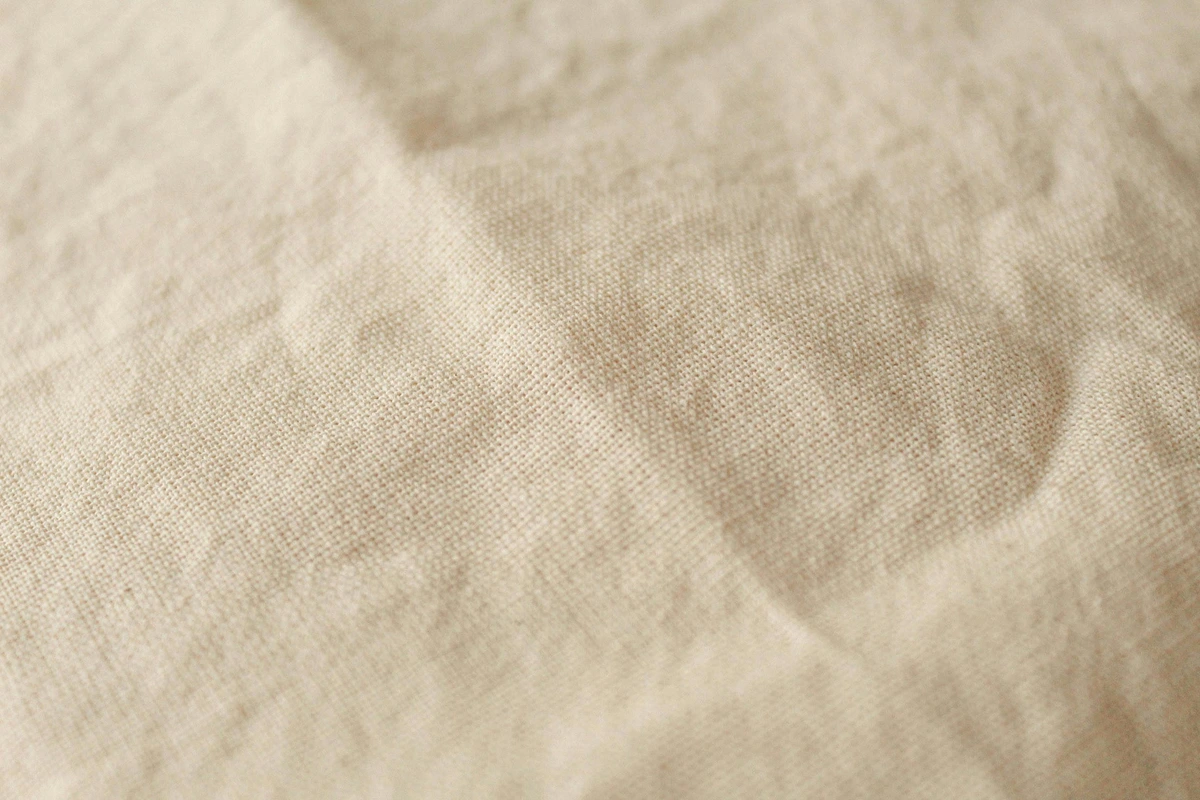
Reflecting on the artist's perspective, what came back to me was this profound sense of tactility. It’s not just visual; it’s an invitation to feel, to experience with more than just your eyes. The artist explained, "Honestly, it was the sheer, undeniable presence of the materials. The way a thread holds tension, the softness of wool, the stubbornness of linen. It's so different from a brush on canvas, where the material often seeks to disappear into the illusion. With fiber, the material is the message. The coarse strength of sisal might evoke struggle or resilience, while the delicate shimmer of silk could suggest vulnerability or transcendence. This tactility offers a warmth, a yielding quality, a grounding presence that you rarely get from the cool surfaces of stone sculpture or the slickness of digital art. This emphasis on tactility resonates deeply with my own abstract painting practice, where I often build up layers of paint or incorporate textured materials to create a palpable surface that invites exploration, much like the monumental textile installations of Sheila Hicks invite a physical, sensory engagement. That foundational conversation with the material itself is always there. It’s like the material itself is whispering secrets you have to touch to hear.'"
The Unexpected Palette: Materials in the Studio
Q: Beyond the obvious, what materials populate your studio? Are there any surprising favorites?
"'Oh, it's a glorious mess!' the artist laughed in my mind. 'Of course, traditional fibers are here – wool, cotton, silk, linen. But then you have industrial felts (chosen for their dense, sculptural potential), recycled plastics I’ve meticulously cut into strips (giving a surprising rigidity and light play), even found objects like bits of wire (woven to mimic delicate spiderwebs or intricate lace), dried plant matter, or discarded electronics components (used to create a dense, circuit-board-like texture) woven in. It's about questioning what a 'fiber' can truly be. I've seen artists like Mr. Finch create fantastical creatures entirely from repurposed vintage textiles – imagine whimsical woodland animals or eerie insects crafted from old lace and faded velvet – and Nick Cave build incredible, intricate 'landscapes' or sculptural objects from old computer cables, astonishing in their reimagining of waste and the sound they produce when moved! That search for unique materials and textures is a bit like an archaeologist digging for treasures. This approach to finding beauty in unexpected materials mirrors my own artistic journey with mixed media, where every found object or discarded fragment holds the potential for transformation and becomes a catalyst for abstract expression. Every scrap holds potential; the process of cleaning, preparing, and manipulating these unconventional materials to reveal their hidden beauty is half the fun. My current obsession? Probably a highly textured, hand-dyed nettle yarn. It has this incredible raw strength and subtle sheen, providing a unique resistance and natural variability to the final piece – it almost fights back a little, demanding attention, which I love – plus it's wonderfully sustainable!'"
credit, licence
The Creative Dance: From Concept to Tangible Piece
Q: Could you walk me through your creative process? How does an idea go from a spark to a tangible textile piece?
"'It's rarely linear,' they explained, which, honestly, felt like a huge relief – the best art often happens when plans go awry! 'There's an initial concept, often abstract – a feeling, a memory, or an observation I want to convey. This might begin in a sketchbook, with material samples, or even a digital mood board. Then comes the experimentation: dyeing, knotting, stitching, layering. Each step informs the next. It's a constant conversation with the material, a bit of a dance between intuition and intent, much like my own process of creating abstract layers. Sometimes it feels like pure intuition, almost like my creative flow takes over; other times it's a meticulous plan, almost architectural in its precision. I remember one time, a knot I tried repeatedly to perfect just wouldn't sit right. In frustration, I loosened it, and the resulting imperfection created a new, unexpected tension that became central to the piece. This allowance for imperfection resonates deeply with how a spontaneous brushstroke or an accidental paint drip can often become the most compelling element in an abstract canvas, influencing the subsequent layers and dictating the direction of the work. The beauty is in allowing both structure and spontaneity to exist. I find myself constantly documenting, taking notes, sketching, and photographing stages, because sometimes the best ideas emerge from what initially seemed like an 'accident.' It’s all part of the glorious, unpredictable journey of creation.'"
Carving Its Own Path: Fiber Art in the Contemporary Landscape
Q: Where do you see fiber art today? Is it still fighting for recognition against painting and sculpture, or is it carving its own path?
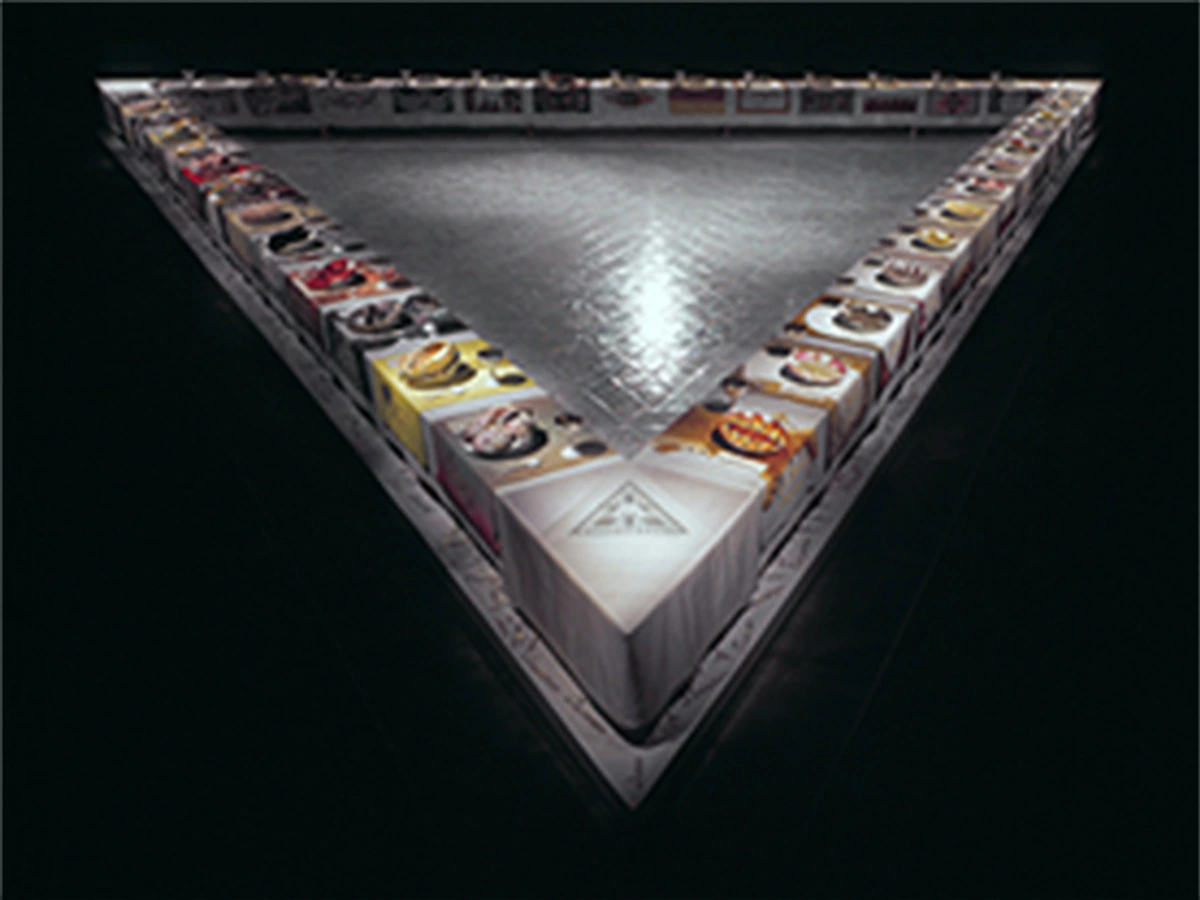
"'It's definitely still a fight in some corners, but honestly, fiber art is carving out such a powerful space for itself,' was the resounding answer. 'The boundaries are dissolving faster than ever. Fiber art is installation, it's performance, it's social commentary. Just as many abstract painters reject pure representation, forcing viewers to engage with form, color, and material for their own sake, fiber artists are doing the same, but with the added layers of tactility and historical resonance. Think of artists like Judy Chicago and her monumental 'The Dinner Party,' which used ceramics and textiles to give voice to overlooked women in history like Hypatia, Sojourner Truth, and Virginia Woolf. This piece wasn't just decorative; its immense scale and choice of mediums traditionally associated with women made it a powerful, groundbreaking statement that propelled feminist art forward. But also consider someone like Magdalena Abakanowicz, whose massive, woven 'Abakans' sculptures completely redefined what a textile could be – often dark, roughly textured, organic forms, sometimes headless and hollow – existing as powerful, often haunting, entities in space, dramatically breaking free from the wall. And Nick Cave with his incredible 'Soundsuits' – sculptural garments constructed from found materials that are part costume, part protest, part celebration, blurring the lines with performance art, often functioning as a form of armor against societal pressures, creating a new identity for the wearer.'"
"'There's a raw honesty in working with textiles – a profound connection to human history and labor, but also a fierce modernity. It's textural, it's sculptural, it's everything you want abstract art to be, often with a depth and exploration of texture that's simply unparalleled. Galleries and museums, like the Tate Modern with its vast installation spaces, are taking notice, frequently featuring large-scale fiber installations that highlight their monumental and immersive potential. This is fantastic to see. It’s a testament to the fact that art isn’t just about what you use, but how you use it to tell a story or provoke a feeling, often addressing pressing social and environmental issues, inviting deeper engagement with art.'"
Summary of Conversations: Through the lens of a hypothetical artist, we explored the alluring tactility of fibers, the surprising range of materials, the non-linear creative process, and how fiber art is powerfully carving its own path in the contemporary landscape, breaking boundaries and demanding recognition through its unique expressive potential. It's a field brimming with creative energy and profound dialogue.
Influential Voices: Key Artists Redefining Fiber Art
While the hypothetical artist helps us understand the spirit of fiber art, it's important to acknowledge the real pioneers and innovators who have carved this path. These artists have solidified fiber's place in contemporary fine art by challenging traditional material boundaries and hierarchical distinctions. A new generation is further expanding this by integrating technology and smart textiles, creating truly interactive and responsive experiences. Here are a few who have left an indelible mark:
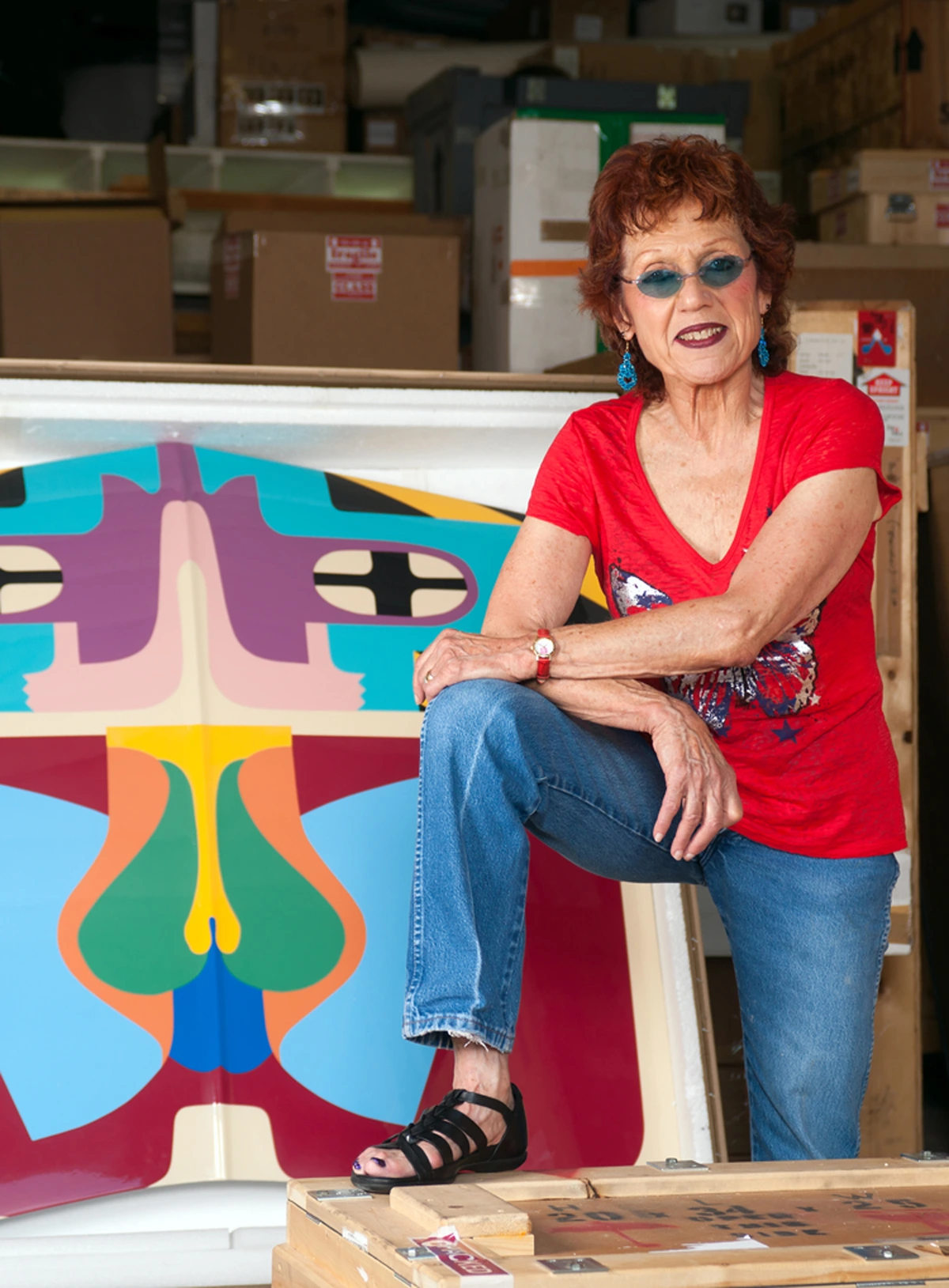
- Judy Chicago (American, b. 1939): A revolutionary figure whose monumental installation, 'The Dinner Party' (1974–79), fundamentally altered the conversation around craft and gender. With its intricate ceramic plates and embroidered runners, the work honored 1,038 women (39 on the table and 999 on the Heritage Floor) often erased from history, asserting the validity and power of mediums traditionally associated with women's work. Her approach opened doors for countless artists to explore personal and political narratives through fiber, driving feminist art forward.
- Magdalena Abakanowicz (Polish, 1930–2017): Known for her groundbreaking series of monumental, woven three-dimensional forms called 'Abakans.' These organic, often unsettling, human-like sculptures – massive, dark, roughly textured, sometimes headless and hollow – broke free from the wall, demanding to be experienced as powerful, often haunting, entities in space. They challenged the very definition of tapestry and sculpture, exploring profound themes of humanity, identity, and the individual within the crowd.
- Sheila Hicks (American, b. 1934): A global traveler and artist whose work ranges from delicate miniature weavings to massive, architectural installations like her "Pillars" series that explore color, texture, and light. Hicks is renowned for her innovative use of fiber, transforming it into dynamic, site-specific art that interacts with its environment, often spilling from ceilings or creating vibrant, cascading forms that defy gravity and traditional textile formats.
- Nick Cave (American, b. 1959): Best known for his "Soundsuits" – elaborate, sculptural garments constructed from discarded materials (like twigs, sequins, buttons, human hair, old computer cables) that rustle and chime when moved. These vibrant, politically charged works function as both costumes and sculptures, often used in performances to explore themes of race, identity, and social justice, offering protective camouflage while making powerful statements.
- El Anatsui (Ghanaian, b. 1944): Though often categorized more broadly as a sculptor, Anatsui's massive, shimmering installations made from discarded aluminum bottle caps and copper wire are quintessential fiber art in their assembly. He meticulously flattens, folds, and stitches thousands of bottle caps together with copper wire, creating vast, pliable sheets that drape and undulate like textiles, allowing for fluid installations. His "bottle-top tapestries" address themes of consumerism, waste, and the histories of trade and colonialism, transforming humble refuse into objects of immense beauty and cultural weight, demonstrating that even rigid, industrial materials can be manipulated with the textural and structural sensibility of fiber.
- Paola Pivi (Italian, b. 1971): While not exclusively a fiber artist, Pivi's fantastical, often monumental, installations frequently utilize materials like feathers, giving her works a distinct textile-like texture and visual impact. Her celebrated polar bears covered in brightly colored feathers, for instance, are meticulously constructed by individually adhering or stitching thousands of feathers to form a 'skin' of vibrant color and soft texture, evoking both the softness of fabric and the absurdity of hyper-reality, challenging our perceptions of natural forms and artificial constructions through careful, fiber-like assembly of individual elements.
- Louise Bourgeois (French-American, 1911–2010): While renowned for her sculptures in various mediums, Bourgeois extensively incorporated textiles, especially later in her career, using domestic fabrics, clothes, and sewing to explore themes of memory, the body, family, and gender. Her fabric works, often imbued with profound psychological depth, blur the lines between sculpture, assemblage, and personal narrative, offering a raw, intimate perspective on her life and experiences.
- Jiménez Lai (Taiwanese-American, b. 1979): An architect and artist, Lai often uses textiles in his installations to create immersive, architectural environments. His large-scale fabric structures challenge conventional notions of space and form by creating playful yet rigorous constructions, like inflated fabric "buildings" or draped textile landscapes, blurring the lines between art, architecture, and design, often creating whimsical and thought-provoking spaces.
- Carole Robert (French, contemporary): Known for her meticulous hand-stitched and embroidered works, Robert often uses traditional techniques to create intricate, narrative pieces that delve into personal histories, memory, and the hidden complexities of everyday life, exploring themes such as identity, domesticity, and the passage of time. She elevates the slow, contemplative act of stitching to a powerful artistic statement that resonates with themes of endurance and revelation.
We also see a growing number of contemporary artists exploring the intersection of fiber and technology. These pioneers are pushing boundaries by integrating 3D printing with fibers to create complex, sculptural forms, employing algorithmic design for intricate weave structures, or developing smart textiles that respond to external stimuli. Artists like Lauren Bowker are pioneering responsive materials that change color based on environmental factors (like temperature or UV light), blurring the lines between art, science, and interactive experience, creating truly living artworks.
What unites these diverse artists is a shared commitment to challenging conventional art historical hierarchies and exploring the unique expressive potential of fiber, proving its conceptual depth and artistic versatility. Their practices demonstrate that fiber art is not just a medium, but a powerful voice in the contemporary dialogue.
Beyond the Aesthetic: Social and Cultural Impact of Fiber Art
Contemporary fiber art is far more than just visually appealing; it often carries significant social and cultural weight. Because of its historical connection to domesticity, labor, and community, fiber art is uniquely positioned to address a multitude of themes, often with a directness that other mediums sometimes struggle to achieve:
Key Areas of Impact:
- Identity and Heritage: Artists use traditional techniques or culturally specific materials to explore personal and collective identities, ancestral stories, and cultural heritage. For example, contemporary Indigenous artists from the Pacific Northwest often blend ancient cedar weaving patterns with modern imagery and materials like fishing line or salvaged plastics to tell stories of resilience and sovereignty, preserving and evolving cultural practices while addressing present-day concerns like land rights or cultural appropriation – often creating powerful, multi-layered baskets or wall hangings. We also see artists using meticulous embroidery to reclaim narratives of domestic labor, perhaps by visually mapping generations of family history or celebrating the unseen work of women, literally stitching their legacies into existence. Artists exploring diasporic experiences often blend cultural motifs and new fabrics to express complex identities, while some use fiber to articulate LGBTQ+ narratives, employing specific symbols or colors in embroidered pieces or quilt works to convey belonging, defiance, and shared history.
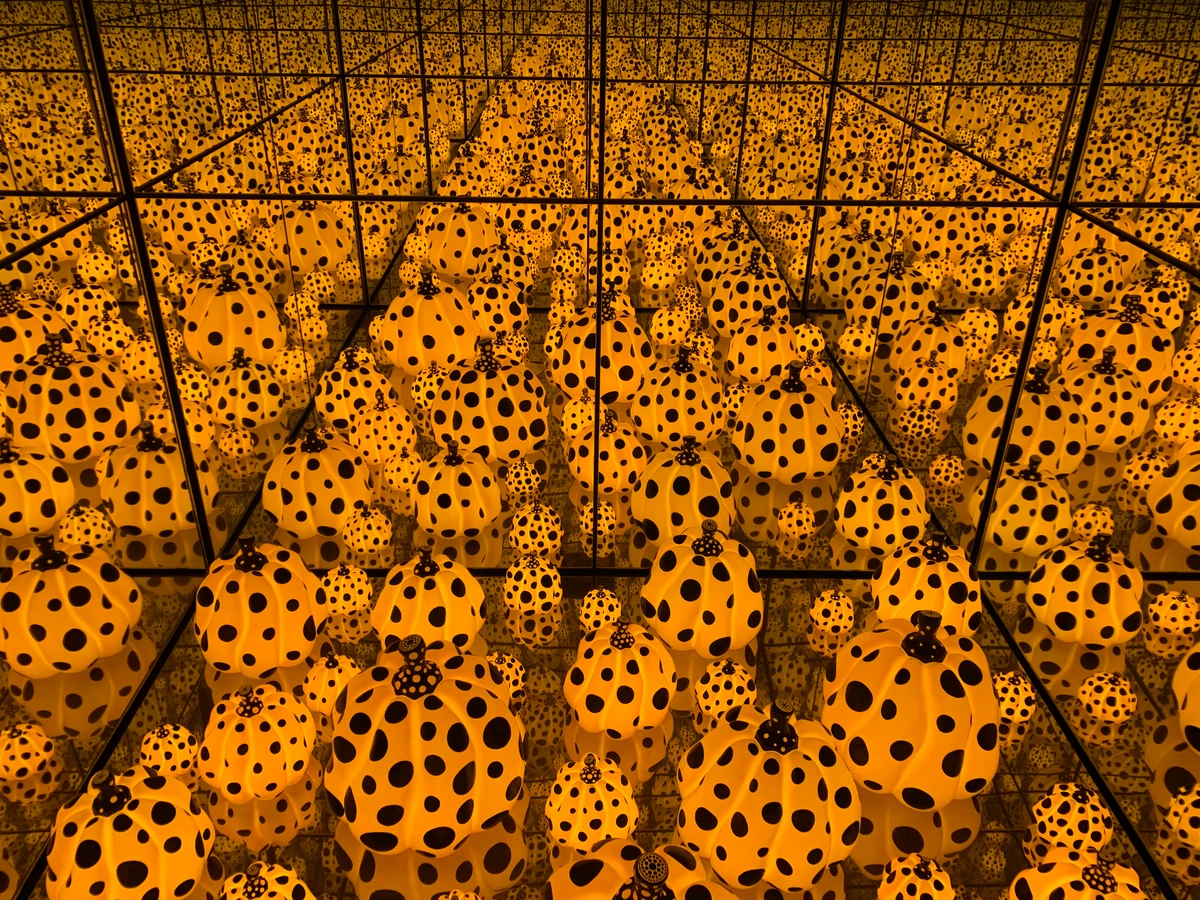
- Social Justice and Activism: Textiles can be powerful tools for protest, commentary on political issues, human rights, or marginalized voices. Think of the AIDS Memorial Quilt, a monumental, collaborative fiber art project of over 50,000 individual panels created by thousands of people. Its immense scale (covering acres) and deeply personal, collaborative, grassroots nature humanized the devastating impact of the AIDS epidemic, giving tangible voice and remembrance to countless lost lives, and galvanizing activism and public awareness in a way few other artworks have. The vibrant Guatemalan tejido (woven cloth) has also been powerfully used in protest art, embedding political messages within traditional patterns – perhaps through specific color combinations or repeated motifs representing resistance or indigenous symbols of defiance – to advocate for Indigenous rights and resist oppression. More recently, artists have used fiber to create protest banners for climate change rallies, or intricate embroidered works addressing the #MeToo movement or Black Lives Matter, often leveraging the medium's accessibility and tactile nature for public engagement and community-based healing projects.
- Environmental Concerns: Many fiber artists utilize recycled, upcycled, or sustainable materials, drawing attention to consumption, waste, and ecological impact. Artists like El Anatsui, for instance, transform discarded bottle caps into opulent wall hangings, forcing a reconsideration of waste products and their intrinsic value. Others engage with the circular economy through zero-waste design in fiber art, where artists plan their projects to produce minimal material off-cuts, or repurpose every scrap into new elements. The circular economy, in this context, means designing art with its end-of-life in mind, aiming for materials to be reused or reintegrated rather than discarded. For example, an artist might create intricate patchworks from fabric scraps, transforming what would be waste into a new, mended aesthetic object, or felt 'scraps' into new sculptural forms by compacting and shaping them. Similarly, art created from ocean plastics directly confronts our disposable culture and advocates for sustainability. Some artists even collaborate with scientists to develop and use new biomaterials like mycelium-based 'leather' (grown from mushrooms, offering a sustainable alternative to animal leather) or algae-based fibers that biodegrade naturally. These practices align with the broader 'slow fashion' movement, which critiques industrial production and exploitative labor practices by emphasizing longevity, repair, and artisanal creation over fast consumption.
- Mental Well-being: The repetitive and meditative nature of many fiber techniques can be a vehicle for exploring mental health, healing, and mindfulness, both for the artist and in the viewer's experience. The slow, deliberate process of stitching or weaving can be a profoundly therapeutic act, almost a form of active meditation, and the resulting art, often part of the 'slow art' movement, can evoke a sense of calm, introspection, or even catharsis in the viewer. The tactile engagement can be profoundly grounding, a quiet conversation between maker, material, and meaning.
- Labor and Value: By showcasing the intensive labor involved in textile creation, artists challenge perceptions of value, contrasting meticulously handmade works with mass-produced goods and questioning the economic structures of the art world. Historically, textile labor, especially by women, has been significantly undervalued. A meticulously hand-stitched piece, taking hundreds of hours, consciously elevates the value of human labor and skill in an age of instant gratification, often highlighting the unseen labor of women throughout history and demanding respect for their contributions. This also directly confronts the disparities in the art market, where 'craft' has often been undervalued in comparison to 'fine art' painting or sculpture, prompting a re-evaluation of artistic merit beyond traditional mediums and championing equity.
In this way, fiber art becomes a potent conduit for deeper conversations, using the familiar language of cloth to tell complex and often challenging stories, and truly embodies the idea of translating emotion into abstract art.
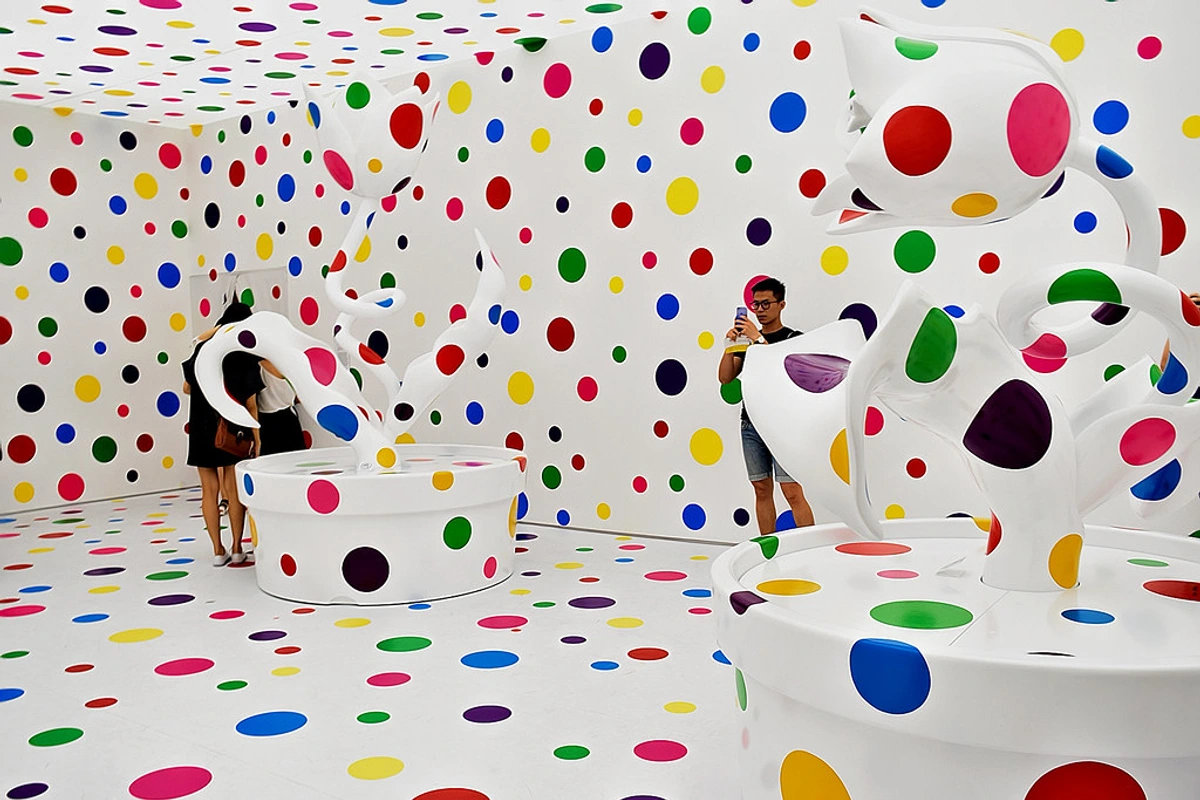
Summary of Social & Cultural Impact: Fiber art excels at addressing profound social and cultural themes, leveraging its historical ties to identity, labor, and community. It serves as a powerful medium for exploring heritage, advocating for social justice and environmental causes, promoting mental well-being, and re-evaluating the value of human labor and artistic worth in art.
My Own Unraveling: Reflections on the Textile Connection
This deep dive into the textile artist's mind has been incredibly inspiring. The fiber artist’s emphasis on the material itself as a storyteller, the multi-layered process, and the constant dialogue with the chosen medium – it all echoes so much of what I strive for in my own abstract painting practice. Whether it’s paint, collage, or fiber, the essence is about building depth, creating a narrative, and allowing the work to speak beyond the literal.
Just as a fiber artist meticulously layers threads to build tactile depth and visual complexity, I achieve a similar effect on my canvases through thick impasto paint applications or the strategic layering of collage elements, creating a rich, multifaceted surface. This exploration of finding potential in unconventional materials deeply informs my own mixed-media practice, where every found object or discarded fragment becomes a catalyst for transformation and abstract expression. The coarse strength of sisal to evoke struggle, for example, is akin to how I might use thick, gritty paint applications to convey a similar emotional intensity. In fact, this exploration of fiber art has made me consciously consider adding even more textural, tactile elements to some of my recent abstract pieces, directly influencing my creative direction and allowing me to push my own boundaries in abstract art.
It’s a beautiful reminder that inspiration comes from every corner of the art world. And the courage to break free from traditional labels? That’s something every artist, including me, can take to heart. The next time you encounter a textile piece, I encourage you to look beyond its surface to the stories it tells, the labor it embodies, and the profound questions it asks. If you're curious about seeing how these principles manifest in different mediums, why not explore some of my own abstract art for sale, or dive into more of my thoughts on my timeline? You might be surprised at the connections you find.
Demystifying Fiber Art: Your Questions Answered
Now, let's tackle some of those burning questions you might have about this ever-evolving art form. I've heard these asked countless times, and they're crucial for understanding fiber art's place today.
Q: Is contemporary fiber art considered 'fine art' or 'craft'?
A: This is a fantastic question and one that contemporary fiber artists are actively challenging and redefining! Historically, textiles were often relegated to the 'craft' category due to their utilitarian origins, labor intensity, and association with domestic work, often performed by women. However, in the last few decades, fiber art has firmly established itself within the realm of 'fine art,' being exhibited in major galleries and museums worldwide. Institutions like the Museum of Modern Art (MoMA) in New York, the Victoria and Albert Museum (V&A) in London, the San Francisco Museum of Modern Art (SFMOMA), The Metropolitan Museum of Art, and the Centre Pompidou in Paris showcase fiber art not just for its aesthetic appeal, but for its conceptual rigor, artistic intent, and innovation. They typically select works that push boundaries, employ materials in novel ways, or address complex themes, reflecting a shift in curatorial perspectives towards interdisciplinary practices. It is increasingly seen in major auction houses and featured in prominent art biennials like the Venice Biennale and the Whitney Biennial, a clear indicator of its elevated status. This shift is driven by the conceptual rigor, artistic intent, and innovation demonstrated by artists, not solely by the material. Art critics and curators play a vital role in recognizing the profound artistic expression and complex themes explored through fiber. The intent and the conceptual framework are key, not just the material. In truth, the distinction is becoming increasingly irrelevant as the art world embraces interdisciplinary practices, recognizing that a powerful artistic statement can be made with any medium.
Q: What types of materials are used in contemporary fiber art?
A: The range is incredibly diverse! While traditional materials like wool, cotton, silk, linen, and hemp are still widely used, contemporary artists often incorporate synthetic fibers (like nylon, rayon, acrylic), recycled materials (plastics, rubber, metal scraps, even electronic waste from old circuit boards), found objects (feathers, wood, wire), and even unconventional elements like human hair or digital projections onto fabric. We're even seeing the emergence of biomaterials like mycelium-based textiles (grown from mushrooms, offering a sustainable alternative to leather) and algae-based fibers, and smart fibers that respond to environmental stimuli. These might change color with temperature (using thermochromic inks) or light (photochromic dyes), be embedded with sensors for interactive experiences providing haptic feedback (a gentle vibration or pressure), or display dynamic patterns via micro-projectors, creating truly evolving, responsive artworks. The choice of material is often integral to the artwork's message and texture, serving a deliberate conceptual decision that allows for a rich exploration of texture and meaning. Each material choice carries its own history and symbolic weight, transforming humble or discarded elements into profound statements. For example, recycled plastics might be chosen for their environmental statement and visual rigidity, while human hair could be used for its visceral connection to the body and themes of identity or mortality.
Q: How is contemporary fiber art displayed?
A: Just as diverse as its materials and techniques! Fiber art can be presented as two-dimensional wall hangings (like tapestries or stitched canvases), three-dimensional sculptures, large-scale installations (filling entire rooms or outdoor spaces), wearable art, performance art, or even integrated into mixed-media pieces. Its tactile nature often invites unique display methods, sometimes encouraging interaction. For example, some installations might invite viewers to walk through them, touch certain elements (under supervision), or activate sensors that change the artwork. Due to the inherent fragility, significant weight, or structural complexity of many textile works, however, careful consideration is given to their preservation. Textile art can be sensitive to light, humidity, and pests, leading to specialized display solutions. This often involves specialized hanging systems (e.g., tension mounts or custom armatures for heavy pieces), climate-controlled environments to regulate temperature and moisture, or sometimes even display behind museum-grade, UV-protective glass or in sealed vitrines to shield them from environmental factors and handling, ensuring their longevity. Textile conservators employ specific techniques like custom-built supports, careful cleaning, and precise humidity control to stabilize and protect delicate fibers, ensuring these artworks can be appreciated for generations.
Q: What are the main differences between traditional tapestry and contemporary fiber art?
A: While contemporary fiber art owes much to traditional tapestry, there are distinct differences, primarily in intent, materials, form, and scale – a fascinating evolution if you ask me!
Feature  | Traditional Tapestry | Contemporary Fiber Art |
|---|---|---|
| Primary Goal | Narrative, historical depiction, decoration, insulation | Conceptual exploration, social commentary, aesthetic innovation, challenging norms |
| Materials | Predominantly wool, silk, linen | Any fiber, synthetic, recycled, found objects, biomaterials, digital |
| Technique | Weaving on a loom (often highly skilled, intricate) | Any textile technique (weaving, knotting, felting, stitching, digital, mixed media, performance) |
| Form | Primarily two-dimensional wall hanging | 2D, 3D sculpture, installation, performance, wearable |
| Context | Functional, decorative, status symbol (historical palaces, churches) | Fine art galleries, museums, public spaces, performance art, architectural interventions |
| Artist's Intent | Often commissioned, illustrative, decorative, status-affirming; focused on mastery of craft | Highly personal, conceptual, experimental, transformative, expressive beyond utility; pushing boundaries of medium |
| Conceptual Depth | Primarily focused on imagery, storytelling, or function; meaning derived from depicted narrative | Deep exploration of ideas; material, process, and form contribute intrinsically to meaning; often abstract or metaphorical |
| Scale | Often large, but generally within architectural constraints of a wall | Can be miniature or monumental, often site-specific installations that engulf space, sometimes extending beyond architectural limits |
| Audience Engagement | Primarily visual appreciation, narrative reading, admiring craftsmanship from a distance | Often immersive, tactile, interactive; invites deeper contemplation, emotional response, or physical engagement; challenges traditional viewing roles |









Q: How can someone begin exploring fiber art?
A: The best way to start is to experiment and engage! Don't overthink it, just dive in. Begin with accessible materials like embroidery floss, yarn, fabric scraps, or even paper. Explore basic techniques like stitching, weaving (even on a simple cardboard loom or a DIY frame loom), knotting, felting, or macrame. For instance, you could start with a simple embroidery sampler, experimenting with basic stitches like running stitch, backstitch, and French knots to create textures and lines on a piece of scrap fabric. Or try a small weaving project on a cardboard loom using different yarn remnants, focusing on color blending and simple patterns. A macrame plant hanger is also a fantastic beginner project, teaching foundational knotting techniques. Alternatively, try visible mending, where you repair clothing or textiles with decorative stitches, celebrating imperfection and extending an item's life. Look for local workshops, online tutorials (YouTube is a treasure trove!), or books. Many online communities, like Ravelry for knitters and crocheters, subreddits like r/fiberarts and r/textile on Reddit, or local textile guilds and craft associations, offer inspiration and learning. Follow specific fiber artists on Instagram for a daily dose of creative exploration and process insights – it's like a constant digital studio visit! Don't be afraid to just play with the materials and embrace what emerges; happy accidents are often the best teachers. Visit local galleries, museums with textile collections, or even public art installations to see fiber art in person. Engage with artists' statements and process videos to understand their conceptual approaches. The beauty of fiber art is its hands-on nature and the endless possibilities for expression, waiting for you to pick up a needle or a thread!
Q: Is contemporary fiber art eco-friendly?
A: This varies greatly by artist and practice, but many contemporary fiber artists are highly conscious of their environmental footprint and actively employ eco-friendly practices – something I deeply admire and try to emulate in my own studio. They are often at the forefront of sustainable art practices, such as:
- Using natural and organic fibers: Sourcing sustainable wool, organic cotton (often GOTS certified, meaning it meets global organic textile standards from raw materials to manufacturing), hemp, or linen, often locally to reduce carbon footprint.
- Natural dyeing: Utilizing plant-based dyes (like indigo, madder root, cochineal), eco-friendly mordants, or other environmentally benign coloring methods, sometimes even incorporating traditional resist dyeing techniques like Shibori or natural bundle dyeing to conserve water and reduce chemical waste.
- Upcycling and Recycling: Incorporating discarded textiles, plastics, metal scraps, or even electronic waste (like circuit boards and wires, transforming them into new textural elements) to reduce landfill impact. This is a common and powerful practice, transforming what would be refuse into valuable art.
- Minimizing waste: Designing processes that create minimal material off-cuts or repurposing scraps into new elements for future works. This aligns with "slow fiber" practices which consciously push back against the unsustainable, fast fashion industry by valuing longevity, repair, and artisanal production. An example is an artist who creates intricate patchworks from fabric scraps, transforming what would be waste into a new, mended aesthetic object, or felting small off-cuts into new, sculptural forms.
- Transparency: Actively communicating about sourcing and production methods, building trust and informing viewers about their sustainable choices.
However, like any art form, it can also involve synthetic materials or energy-intensive processes that are less eco-conscious, especially if not sourced or processed carefully. In such cases, these material choices often become part of the artwork's conceptual statement about industrialization, consumerism, or waste, contributing to an ongoing conversation within the field about sustainable art practices and the ethics of material use.
Weaving the Future, One Thread (and Brushstroke) at a Time
This deep dive into the world of contemporary fiber art has been incredibly illuminating. Fiber art isn't just art; it's a vibrant, evolving conversation across time, culture, and material, demonstrating how profoundly human creativity can transform humble threads into something extraordinary. It reminds me that art is always finding new ways to tell stories, to challenge perceptions, and to connect with us on a profoundly human level, just like a well-placed abstract composition or a powerful use of color. As galleries and the market increasingly recognize its value, fiber art's future looks as rich and varied as the materials it employs, actively shaping the contemporary art landscape and inspiring creators like myself to constantly seek new languages of expression, whether through fiber, paint, or other emergent forms.
I often find myself wondering what future innovations might bring – perhaps bio-integrated textiles that respond to our bodies' needs, offering a symbiotic connection between human and material (imagine fabrics that monitor health vitals or adapt their texture for comfort), or AI-designed weaves that generate complex, never-before-seen patterns in real-time, blurring the lines between nature, technology, and art. These advancements could lead to truly interactive art that evolves with its environment, or textile structures with inherent intelligence. This constant evolution in fiber art inspires me to continue pushing the boundaries in my own abstract work, seeking new languages of expression through paint, collage, and beyond. It makes me wonder what new boundaries you might see artists pushing, thread by thread, brushstroke by brushstroke, the next time you visit a museum, like my museum in 's-Hertogenbosch. It's a testament to the endless possibilities when we allow materials to speak and traditions to be reimagined, much like I strive to do in my own abstract creations.