The Royal Academy of Arts: An Art Lover's Guide to London's Unique Institution
Discover the Royal Academy of Arts with an insider's perspective. Explore its artist-led history, iconic Summer Exhibition, and vibrant role in shaping the art world, all from a fellow art enthusiast.

The Royal Academy of Arts: London's Enduring Heart of Art and Innovation
You know, sometimes I think about these grand old institutions, these formidable buildings that stand the test of time, and there's a part of me that feels a tiny bit intimidated. All that history, all that prestige! But then I walk through their doors, and it’s like a completely different world opens up, one that’s often surprisingly welcoming, full of stories, and, dare I say, a little bit quirky. The Royal Academy of Arts (RA) in London, for me, is definitely one of those places. It's so much more than just a gallery; it's practically a living, breathing entity in the art world, continually shaping the landscape of British art and engaging with global creative currents. As an artist myself, I find its unique model utterly fascinating. It’s not just a place to see art; it's a vital hub for its creation and understanding, nurturing talent and fostering dialogue across centuries of artistic innovation. It’s almost as if you can feel the echoes of Sir Joshua Reynolds's grand pronouncements on art theory still reverberating through its halls, blending seamlessly with the bold new statements of contemporary artists. This is where the past, present, and future of British art converge, a dynamic space that fosters creativity and critical discourse, making it an indispensable landmark for any art enthusiast. Whether you're a seasoned collector, an aspiring artist, or simply curious about London's vibrant art scene, the Royal Academy promises an enriching and inspiring experience. From groundbreaking exhibitions to its historic art school, the RA is a true pillar of cultural innovation.
This article aims to be your ultimate guide, delving deep into its history, unique structure, world-class exhibitions, and profound educational mission. We'll explore why this independent, artist-led institution stands apart, offering a rich tapestry of artistic endeavor from the classical grandeur of Neoclassical art to the bold experimentation of contemporary abstract painting. So, let's pull back the curtain on this extraordinary institution and discover what makes it so special, and why for me, it's an authority on its own terms, a truly unique model in the global art world.
More Than Just a Museum: The RA's Unique Spirit and Independent Ethos
What truly sets the Royal Academy apart, in my view, is its incredibly unique structure and fiercely independent spirit. Unlike many national museums and galleries, it’s not government-funded. This self-sufficiency is a profound point of pride, underpinning its artistic freedom and empowering the RA to make truly bold curatorial decisions and support artists without external political or financial pressures. This independence is sustained through exhibition tickets, membership fees, generous donations, and its endowments. It means the RA can truly champion art for art's sake, fostering creativity and innovation without compromise. Instead, it’s led by a community of up to 80 practising artists and architects, known as Royal Academicians (or RAs, as they’re often affectionately called). Imagine that – an institution run by artists, for artists and the public! It's a model that's over 250 years old, dating back to 1768, and honestly, it still feels remarkably radical in its own way. This artist-led ethos gives the RA a distinct pulse, a sort of creative energy you can feel from the moment you step into its magnificent courtyard. It means the programming is often daring, responsive to current artistic dialogues, and truly reflective of the practitioner's perspective. This independence also allows the RA to take risks, to champion underrepresented voices, and to explore cutting-edge art without the constraints that might come with state funding. It's a genuine privilege to see an institution so deeply embedded in the creative process itself, continually shaping the very definition of British art and influencing the broader timeline of art, from classical to contemporary forms like abstract art. This financial autonomy, quite frankly, is a superpower in the art world. It grants the Royal Academicians the freedom to pursue artistic merit above all else, often resulting in truly groundbreaking exhibitions that might be considered too niche or controversial for institutions reliant on direct state funding. I've seen them host shows that push the very limits of what art can be, from challenging political commentaries to deep dives into Bioart or even the philosophical implications of Artificial Intelligence in art. It's a fierce independence that allows for genuine experimentation and a fearless embrace of new artistic voices, from Neo-Expressionism to emerging digital art forms, and even explorations into Bioart. They don't have to play it safe, and that's something I deeply admire. This model fosters a direct, unfiltered connection between the artists, their work, and the public, creating a vibrant, responsive cultural dialogue that is uniquely the RA's own. It also means that the RA can often champion artistic voices and explore themes that might be deemed too challenging or unconventional for institutions bound by stricter public funding guidelines. This flexibility allows for an exhilarating artistic program that constantly pushes boundaries and reflects the cutting edge of contemporary practice, making it a truly dynamic force in the global art landscape, a true incubator of artistic innovation. This unique funding model, which dates back to the very foundation of the Academy, was a deliberate choice by its founders to ensure artistic freedom. It’s a testament to the belief that art, at its purest, thrives when unburdened by commercial or political directives, allowing the Academicians to define and pursue artistic excellence on their own terms, fostering a genuinely independent critical and creative environment. It's a delicate dance, this constant fundraising, but the rewards are evident in the bold and diverse programming they consistently deliver.
Aspect  | Royal Academy of Arts | State-Funded Institutions (e.g., Tate, National Gallery) |
|---|---|---|
| Funding Source | Self-generated (memberships, tickets, donations, endowments) | Primarily government grants, augmented by donations, shop sales, and tickets |
| Governance | Artist-led (Royal Academicians) | Governed by government-appointed boards and trusts |
| Curatorial Freedom | High; able to take artistic risks without political pressure | May have broader public accountability, potentially influencing programming choices |
| Mission Focus | Championing art and artists, education, fostering creativity | Preserving national heritage, public access, broader cultural education |
| Artistic Direction | Directly influenced by practicing artists and architects | Guided by art historians, curators, and institutional strategic goals |
The Power of the Practising Artist: Becoming a Royal Academician
So, how does one become a Royal Academician? It's a self-governing body, meaning existing Academicians confidentially elect new members from among the most distinguished artists and architects working in the UK. This peer-selection process isn't just a formality; it's a rigorous testament to a candidate's significant contribution to art and architecture, ensuring that the Academy remains relevant and vibrant, constantly bringing in fresh perspectives while upholding its long-standing commitment to artistic excellence. There's no application process; it's an invitation and recognition from your peers of your significant contribution to art or architecture. It’s not a popularity contest, but a recognition of profound artistic contribution, a genuine nod from the very top of the creative pyramid. I always imagine it’s a bit like getting a surprise Oscar for a lifetime’s work – an incredible validation!
Once elected, Academicians don't just get a title; they actively contribute to the governance of the institution, curate exhibitions, and mentor students in the RA Schools, creating a direct, continuous link between practising artists and the institution's mission. It’s a fascinating model, really, that keeps the creative pulse beating strong. If you're anything like me, you're probably wondering, what exactly does being a Royal Academician entail on a day-to-day basis? Beyond the formal meetings and curatorial duties, many RAs maintain active studio practices, often finding inspiration within the Academy's vibrant ecosystem. They might be sketching new ideas in a quiet corner, leading an impromptu critique for RA Schools students, or engaging in spirited debates with fellow Academicians about the direction of contemporary art. It’s quite a multifaceted role, blending artistic practice with institutional stewardship, making them true guardians of artistic integrity and innovation. Furthermore, RAs often serve as crucial advocates for the arts in broader national dialogues, lending their esteemed voices to championing creativity, arts education, and cultural funding, thereby extending the Academy's influence far beyond its physical walls. Their collective experience and diverse practices mean that the RA's artistic compass is always finely tuned to both historical legacies and emerging trends.
The Intricate Election Process: A Peer-Driven Meritocracy in Detail
The journey to becoming a Royal Academician is a testament to sustained artistic contribution and peer respect. The process begins with existing Academicians nominating artists and architects they believe have made significant and sustained contributions to British art and architecture. These nominations are then rigorously debated and refined through a series of confidential ballots and discussions within the General Assembly of Academicians. It’s a truly democratic yet discerning process, ensuring that new members not only possess exceptional talent but also embody the Academy's values and commitment to artistic excellence. The election is often seen as the pinnacle of an artist's career in the UK, offering not just prestige but a profound opportunity to shape the future of art in the nation. This peer-to-peer validation is, I think, what gives the title such gravitas – it's a testament to a lifetime of dedication and groundbreaking work, a true nod from the very top of the creative pyramid. The confidentiality of the process ensures that elections are based purely on artistic merit and contribution, free from public lobbying or external pressures, reinforcing the Academy's commitment to integrity and artistic autonomy.
Here’s a breakdown of the multifaceted responsibilities and impacts of Royal Academicians:
Role | Description | Daily Impact |
|---|---|---|
| Governance & Direction | Actively participate in the Academy's decision-making, shaping its strategic vision, exhibitions, and educational programs. | Direct influence on what art the public sees and how future artists are trained. |
| Curatorial Leadership | Many RAs take on the role of coordinating and curating major exhibitions, including the famed Summer Exhibition, infusing their artistic perspective into the public program. | Their unique vision shapes the narrative and selection of major shows, often sparking new artistic dialogues. |
| Educational Mentorship | Provide invaluable guidance and instruction to students at the prestigious RA Schools, passing on their knowledge and fostering the next generation of artistic talent. | Direct impact on the development of emerging artists, ensuring a living legacy of artistic practice. |
| Collection Development | Contribute a 'Diploma Work' upon election, enriching the RA's permanent collection with a piece representative of their unique artistic output. | Ensures the RA Collection remains a dynamic historical record of contemporary and influential British art. |
| Public Engagement | Represent the Academy, participate in public talks, and engage with wider audiences, advocating for the importance of art and culture. | Bridge the gap between the artistic community and the broader public, making art accessible and understood. |
| Advocacy for Art | Serve as prominent voices for the arts, lobbying for its importance in education, society, and public funding debates. | Elevate the status of art and artists within national discourse. |
A Storied History: From Humble Beginnings to Burlington House
The story of the RA began in 1768, an era of Enlightenment thought and burgeoning artistic ambition. London, at the time, was a rapidly growing global hub, but its art scene, while vibrant, lacked the formal structure and professional recognition found in continental Europe's academies. British artists often had to seek training abroad, and there wasn't a consistent public platform to showcase their work. This fragmentation meant that promising talents often went unrecognized, and public access to art was largely limited to private collections or commercial ventures. Founded by King George III (who, by the way, was also quite the art enthusiast – a fascinating detail, isn't it?), its initial aim was profoundly ambitious: to establish a professional academy of art in Britain. This meant providing rigorous training for artists, actively promoting British art, and, crucially, holding annual public exhibitions – a revolutionary concept for accessibility at the time. Think about that: a place to learn, to show, and to discuss art, all under one roof, at a time when formal art education was quite scattered and fragmented. It was a pioneering effort to professionalize the art world in Britain, giving artists a structured environment to flourish and the public a regular engagement with art. Its first home was a humble print shop on Pall Mall, a bustling street in central London, before moving to Old Somerset House and then to the east wing of the newly built National Gallery, always adapting to its growing needs and ambitions. This period saw London rapidly cementing its place as a global city, with a burgeoning middle class and an intellectual elite eager for cultural engagement, yet lacking a central, authoritative institution to rival the great academies of Paris or Rome. The RA stepped into that void, not just as a gallery, but as a foundational pillar for artistic development, ensuring that British artists had a voice and a platform on par with their continental counterparts. This was a crucial step in professionalizing the art world in Britain, providing stability and recognition for artists who previously often struggled for patronage and public display. The establishment of the RA was a direct response to this need, providing not only a venue for display but also a rigorous academic framework for artistic education, nurturing talent that would go on to define British art for centuries. It's truly fascinating to consider how much of London's artistic identity today was forged in these foundational years.
Early Academicians included giants like Sir Joshua Reynolds, its highly influential first president. Reynolds, a brilliant portrait painter and a profound thinker, didn't just lead the Academy; he articulated a vision for British art. He championed the 'Grand Style' of painting, an aesthetic that prioritized historical and mythological subjects, emphasizing noble themes and idealized forms over mere representation, principles echoed in Neoclassical art. Through his seminal Discourses on Art, delivered to students at the RA Schools, he laid down foundational texts in art theory, truly shaping generations of artists and elevating the professional and intellectual status of painting in Britain. His influence was immense, setting a high bar for artistic ambition and scholarly pursuit within the Academy. I always imagine him, a towering figure, delivering these pronouncements, shaping the very definition of artistic excellence for centuries to come. Then there was Angelica Kauffman, one of only two female founding members – a truly remarkable achievement for a woman artist in the 18th century, shattering significant societal barriers with her talent and resolve. Born in Switzerland, Kauffman was a true European sensation, celebrated across the continent for her elegant neoclassical history paintings, portraits, and decorative schemes. Her inclusion in the male-dominated founding body of the RA wasn't just symbolic; it was a clear statement of the Academy's intent to recognize artistic merit regardless of gender, a truly progressive stance for its time, and one that continues to inspire artists like myself to push boundaries and challenge expectations. I mean, imagine the sheer force of will and undeniable talent it must have taken for a woman to rise to such prominence in that era! Her role underscored the Academy's commitment to artistic merit, rather than societal convention. These early figures, often trained in the rich traditions of European academies, set the tone for an institution that would champion British art while also embracing international movements and ideas. They navigated the challenges of establishing a new artistic standard in a rapidly changing world, establishing connections that would later see the RA engage with movements from Art Nouveau to Cubism, and even beyond.
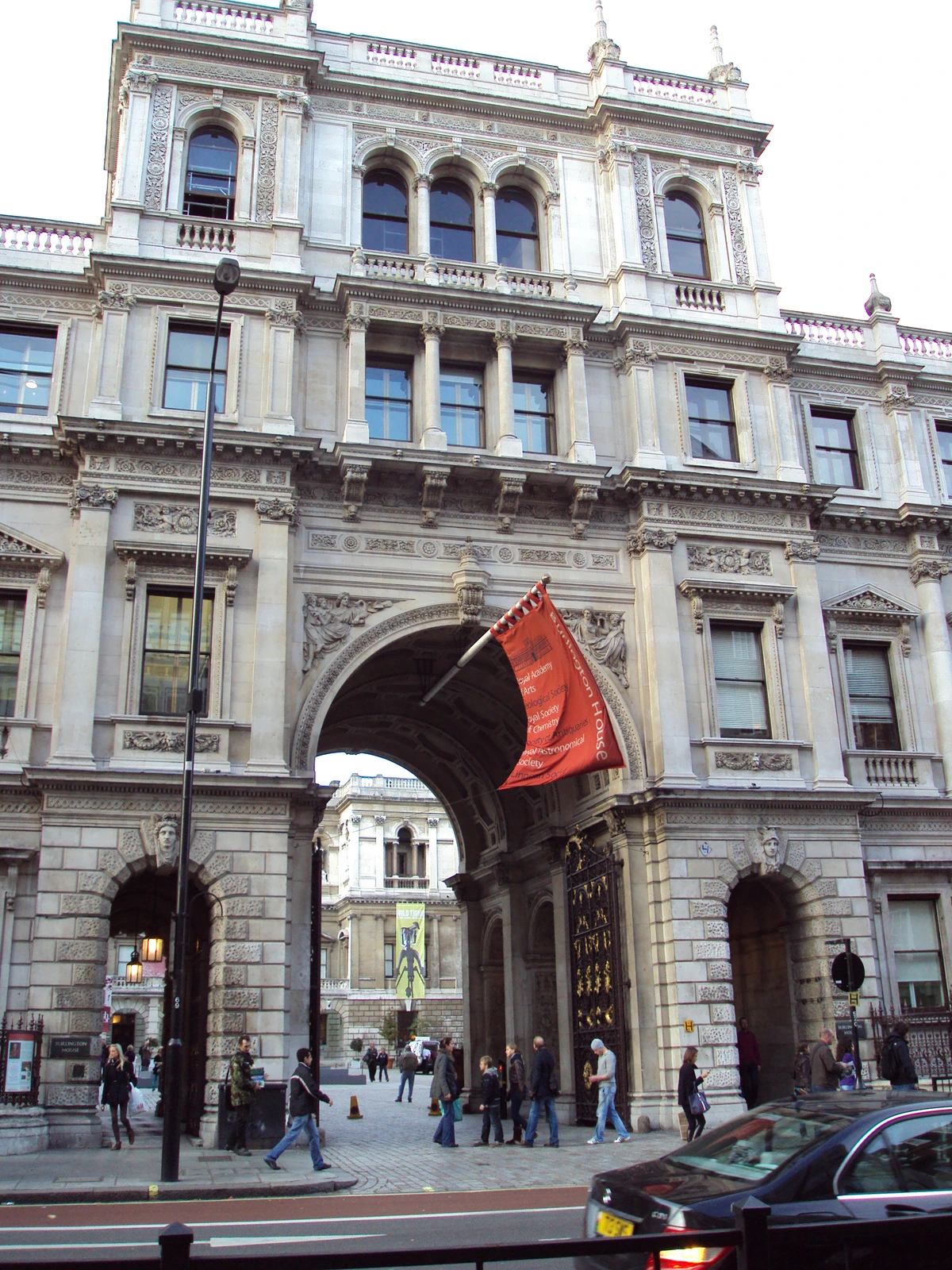
They've moved locations a few times, adapting to the needs of a growing institution, but since 1868, their iconic home has been Burlington House on Piccadilly. If you've ever walked past its grand archway, you've probably felt that sense of historical weight and artistic promise. Before the RA took up residence, Burlington House itself had a rich history, built in the 17th century for the Boyle family, later significantly remodelled in the Palladian style by the celebrated architect Colen Campbell in the 18th century. It served as a private mansion for some of London's most influential families, becoming a veritable hub for intellectual and social life, and even home to several distinguished 'Burlington House Societies,' including the Royal Society and the Society of Antiquaries – a testament to its long-standing connection with British intellectual and cultural life. It’s a building that whispers tales of countless artists, students, and visitors, all touched by the pursuit of beauty and expression, from the classical to the contemporary. It's a place where you can almost feel the echoes of art history, a palimpsest of London's rich cultural past.
Burlington House: A Grand Architectural Statement
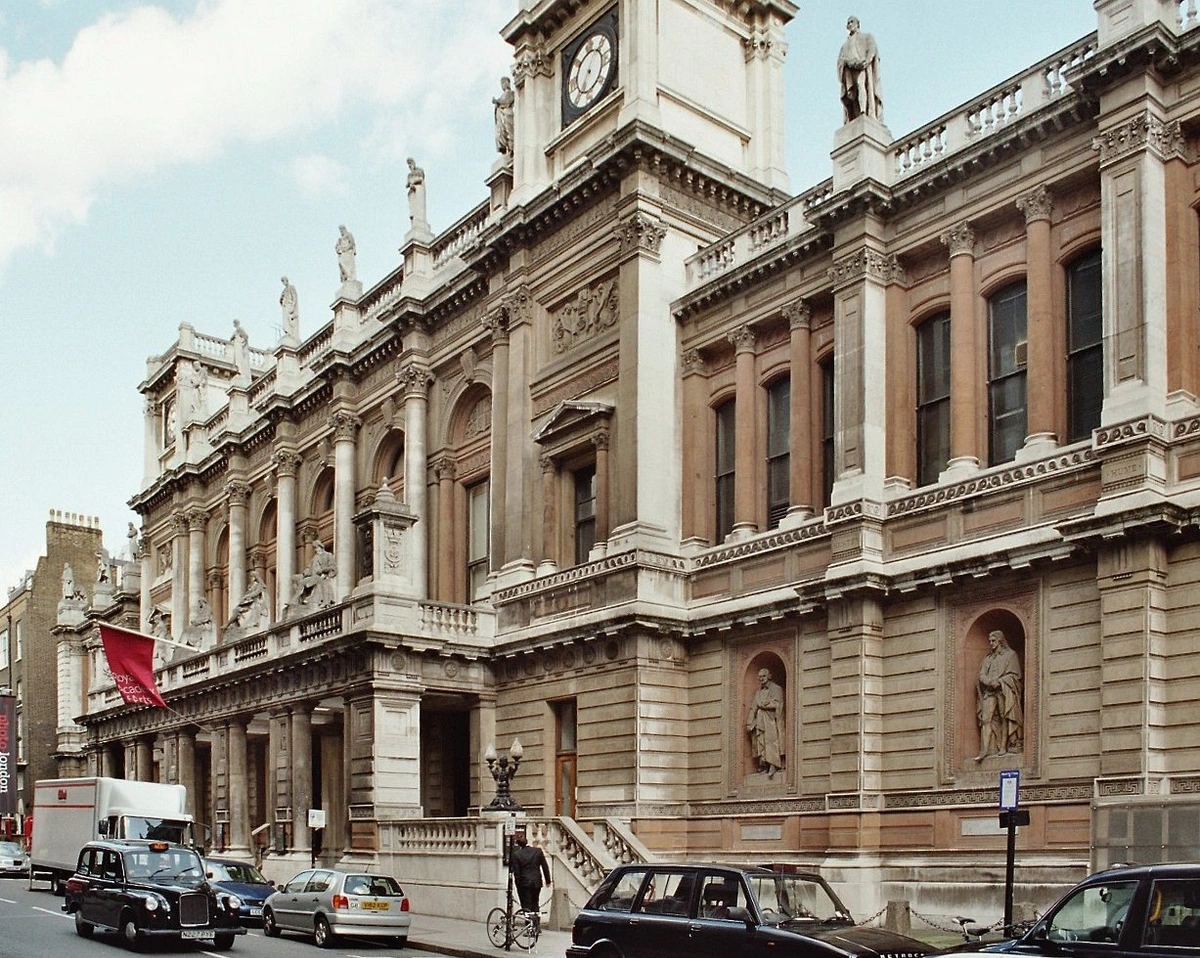
The move to Burlington House was more than just a change of address; it was a statement. This magnificent Palladian mansion, with its grand facade and spacious interiors, provided the Royal Academy with a permanent home befitting its growing stature and ambitious mission. The architectural grandeur of Burlington House itself is an integral part of the RA's identity, providing a majestic backdrop to its ever-evolving artistic mission. It's a building that has seen centuries of history unfold, serving as a silent witness to countless artistic debates, groundbreaking exhibitions, and the relentless pursuit of creativity. This physical setting undeniably enhances the visitor experience, making the act of engaging with art feel even more significant.
What's truly remarkable is how the RA has managed to stay relevant and dynamic through centuries of seismic shifts in the art world, from the Neoclassical period to the avant-garde movements of modernism and beyond. It hasn't just survived; it has continually adapted, challenging its own traditions while championing new forms of artistic expression. The architectural grandeur of Burlington House itself is an integral part of the RA's identity, providing a majestic backdrop to its ever-evolving artistic mission. This adaptability, I believe, is a cornerstone of its enduring appeal and relevance.
The Beating Heart: Exhibitions and the Summer Show
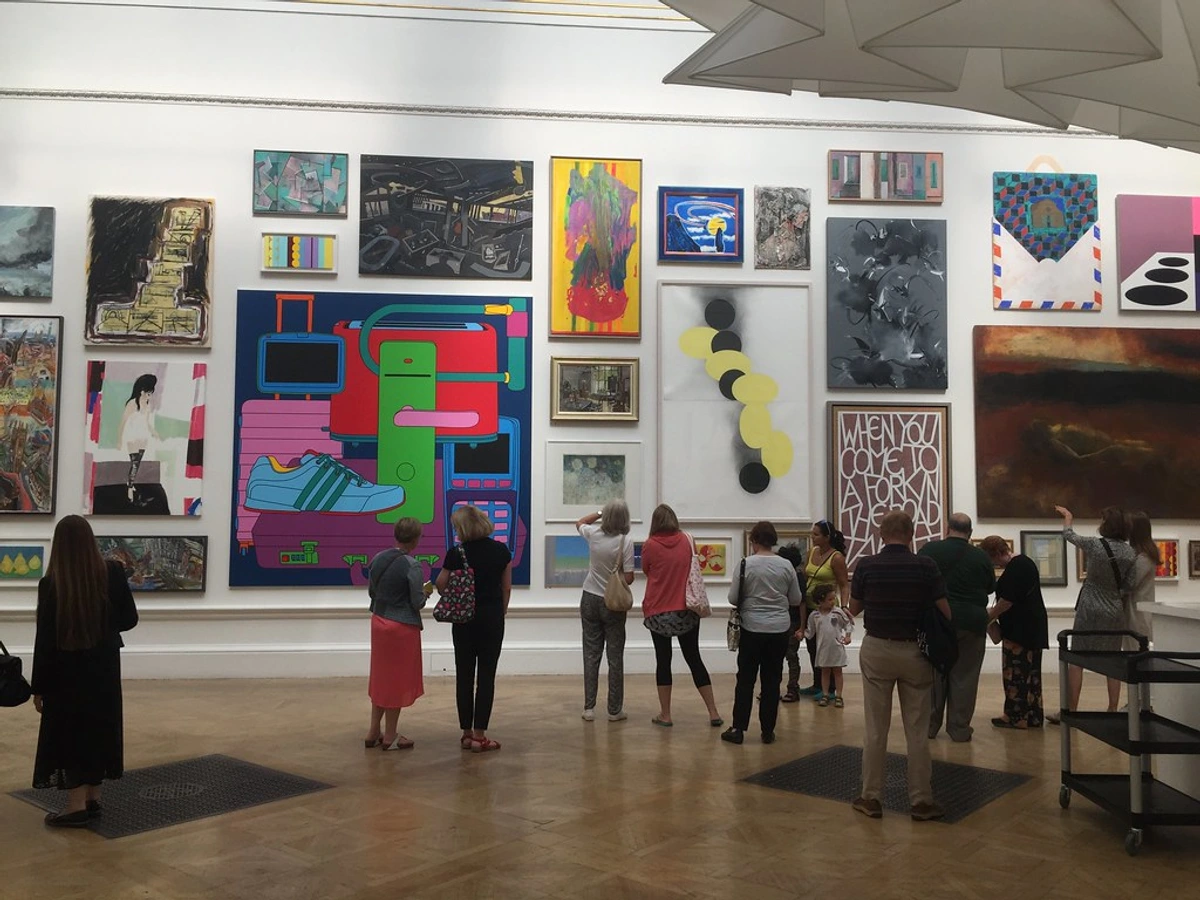
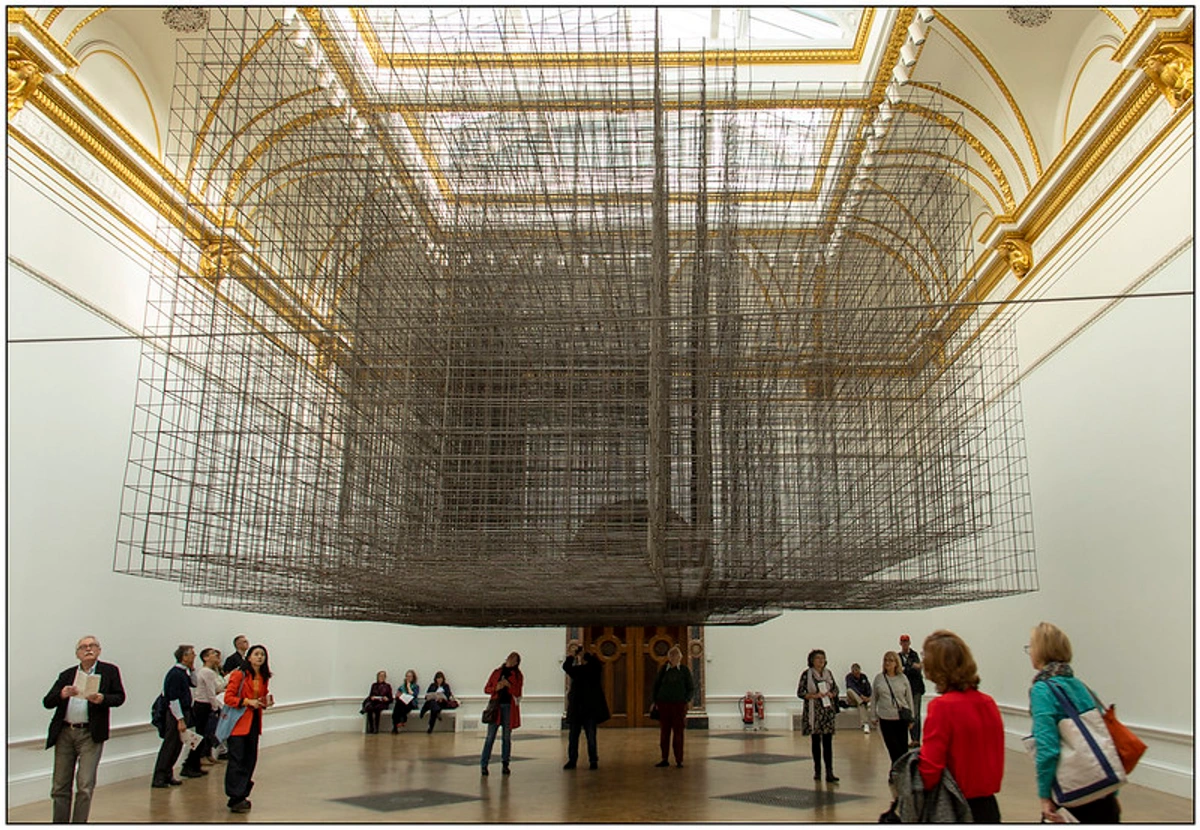
Now, let's talk about what most people associate with the RA: the exhibitions. And there's one that truly stands out – the Summer Exhibition. My goodness, what an event! It's been held every single year since 1769, making it the world's longest continuously running open-submission art show. This incredible longevity speaks volumes about its enduring appeal and its vital role in the British art calendar. This means anyone, from established artists to emerging talents, can submit their work for consideration. I find that absolutely thrilling. It's a vibrant, sometimes chaotic, always fascinating explosion of contemporary art, hung floor-to-ceiling in a joyous, democratic display, often referred to as a 'salon hang'. You'll see paintings, sculptures, prints, architecture, and even photography and digital art, all jostling for your attention. It’s a fantastic opportunity to discover new artists and perhaps even pick up an original piece for your own collection. (Speaking of picking up art, you can always check out some of my own colourful abstract pieces if you're looking for something unique at /buy) Each year, a Royal Academician coordinates the show, bringing their own unique vision to the curation, which makes every Summer Exhibition feel fresh and distinctive. It's truly a snapshot of the contemporary art scene, reflecting the current artistic climate in Britain and beyond. I've always admired the audacious curatorial choices involved, often juxtaposing established names with complete unknowns, and placing a landscape next to a conceptual piece. This bold approach fosters an exhilarating dialogue between diverse artistic voices, making each visit an unpredictable and richly rewarding experience. The selection process itself is a grand undertaking, with a committee of RAs meticulously reviewing thousands of submissions, a testament to the Academy's commitment to showcasing a truly diverse range of artistic voices, from seasoned professionals to burgeoning talents. It's a fantastic opportunity for both seasoned collectors and first-time art buyers to discover something truly unique, perhaps even spotting the next great Olafur Eliasson or Anish Kapoor! The Summer Exhibition is more than just a show; it's a cultural happening, a vibrant barometer of artistic trends, and a pivotal moment for many artists' careers, often attracting thousands of visitors and sparking lively public debate. It’s not just about visibility and validation; it’s about becoming part of a continuous artistic dialogue that spans centuries, connecting with a wide and diverse audience. The sheer volume of submissions, often tens of thousands, speaks volumes about its prestige and the desire of artists to connect with its unique, democratic platform. This unparalleled opportunity for both established and emerging artists to showcase their work on a global stage solidifies the RA's belief in democratic access to art and the transformative power of an open artistic platform. Historically, it has often served as a launchpad for careers, bringing artists from obscurity to national prominence, and I find that truly inspiring.
How the Summer Exhibition Selection Works
Stage | Description | Details |
|---|---|---|
| Open Submission | Artists from around the world submit their work online. | Thousands of entries are received annually, showcasing a vast array of styles and mediums. |
| Initial Review | A committee of Royal Academicians, led by the appointed coordinator, reviews all submissions. | This highly competitive stage sifts through works based on quality, originality, and artistic merit. |
| Physical Selection | Selected works are brought to the RA for a final in-person review and hanging. | RAs physically arrange the chosen pieces, creating the famous 'salon hang' often seen floor-to-ceiling. |
| Curatorial Vision | The coordinating Academician infuses their unique vision, creating thematic connections and juxtapositions. | This ensures each Summer Exhibition offers a fresh perspective and artistic dialogue. |
| Prize Awards | Various prizes are awarded for outstanding works, providing significant recognition and financial support to artists. | These prizes often highlight emerging talents or particularly impactful pieces. |

Summer Exhibition at a Glance
Aspect | Details |
|---|---|
| First Held | 1769 |
| Frequency | Annually (uninterrupted since its inception!) |
| Submission Type | Open-submission (anyone can apply, from anywhere in the world) |
| Curator | A Royal Academician coordinates each year |
| Art Forms | Paintings, sculptures, prints, photography, architecture, and more |
| Key Feature | Democratic display, often floor-to-ceiling, promoting new talent |
| Purpose | To promote British contemporary art and support the RA Schools |
| Unique Fact | Longest continuously running open-submission art show in the world |

Year-Round Exhibitions: A Diverse Calendar
Beyond the festive chaos of the Summer Exhibition, the RA maintains a truly fantastic and diverse year-round exhibition program. I've always found their curatorial vision to be incredibly broad and insightful, covering everything from monumental retrospectives of individual masters to deep dives into specific art historical movements or thematic explorations of contemporary issues. It's where you might see the intricate details of Renaissance art one season, and then be totally immersed in the bold statements of abstract expressionism the next. They often bring major international artists or historical movements to London, like profound retrospectives on figures such as Rembrandt van Rijn or explorations of movements like Cubism, Neo-Expressionism, and even the rich history of abstract art. You might stumble upon a master of Pop Art or discover the vibrant forms of Art Deco. This dynamic approach ensures there's always something new to ponder, something to challenge your perceptions, and something to expand your understanding of art's vast possibilities, making it a crucial destination for art lovers in London. Their commitment to presenting a broad historical and contemporary spectrum is genuinely impressive, often featuring works by global art giants like Salvador Dalí, immersive installations by figures such as Damien Hirst, or even focusing on lesser-known yet profoundly influential figures like Käthe Kollwitz or exploring the intricate patterns of Bridget Riley's Op Art. These exhibitions are meticulously curated, often involving years of research and collaboration with international institutions, bringing unparalleled artistic experiences to London, and truly cementing the RA's reputation as a global player in the art world. I sometimes find myself spending hours in these shows, lost in the sheer scale of the vision.
The Summer Exhibition: A Cultural Phenomenon
Beyond its democratic display, the Summer Exhibition has become a true cultural phenomenon in London, an annual pilgrimage for art lovers, critics, and casual visitors alike. It’s a place where you can often spot emerging trends, witness bold artistic statements, and even engage in lively debates about the nature of contemporary art. Many artists, myself included, dream of having their work hung in this historic show. It’s not just about sales; it’s about visibility, validation, and becoming part of a continuous artistic dialogue that spans centuries. This electrifying experience is a vibrant celebration of creativity that is genuinely unmatched anywhere else in the world, fostering a sense of community and collective artistic endeavor that is deeply inspiring, making it a crucial barometer for the contemporary art landscape.

Learning and Creating: The RA Schools and Beyond
Another crucial, perhaps lesser-known, aspect of the Royal Academy is its profound commitment to education. The RA Schools are, quite remarkably, the oldest art school in the UK, established concurrently with the Royal Academy itself in 1768. This institution offers a highly competitive, free, three-year postgraduate programme for aspiring artists. Can you imagine the immense freedom and relief that takes off young creatives, allowing them to truly focus on their practice without the burden of tuition fees? This unwavering dedication to nurturing new talent, irrespective of financial background, is something I deeply admire. Historically, the Schools provided foundational training in drawing from plaster casts and life models, adhering to academic traditions, much like early European academies. Today, the curriculum is intensely practice-based, encouraging students to develop their unique artistic voice while engaging with critical theory, art history, and contemporary discourse. Students are not only taught traditional techniques but are also challenged to explore new mediums, including digital art, installation, and performance art. The direct involvement of Royal Academicians in teaching means students benefit from invaluable insights and guidance from leading contemporary practitioners, fostering a unique master-apprentice dynamic. This intergenerational exchange of knowledge and experience is, I think, utterly crucial for artistic development. It's a stark reminder that art isn't just a product; it's a practice, a journey, a continuous learning process, a timeline of artistic growth and discovery, shaping future talents like Jean-Michel Basquiat or Kara Walker who pushed boundaries. It's a testament to the belief that the true heart of an art institution lies in fostering the creators of tomorrow, equipping them with the skills, critical thinking, and confidence to make their mark on the art world, ensuring a constant regeneration of artistic talent. The rigorous yet supportive environment encourages intellectual curiosity and bold experimentation, preparing artists not just for exhibition, but for a lifelong engagement with their craft and the broader cultural landscape.
Beyond the formal RA Schools, the Academy extends its educational reach through a comprehensive range of public courses, workshops, and lectures. These programs cater to all ages and skill levels, from beginners curious about drawing to experienced artists looking to refine techniques like mastering glazing techniques in oil painting or exploring visual storytelling techniques in narrative art. You might even find courses exploring the principles of Expressionism or the bold statements of Neo-Expressionism. The RA also supports emerging artists through various prizes, awards, and exhibition opportunities, particularly through the Summer Exhibition, providing significant recognition and financial backing. For many graduates, the RA Schools are not just a training ground but a springboard, launching careers and fostering a community of artists who go on to shape the art world, much like the impact the Bauhaus had on modern design. The alumni network itself is a powerful asset, connecting generations of artists and facilitating collaborations and mentorships long after graduation, creating a self-sustaining ecosystem of artistic excellence. It's incredible to think of the artistic giants who have honed their craft within these very walls, from J.M.W. Turner and John Constable in earlier centuries to contemporary figures who continue to push artistic boundaries. So, whether you're a seasoned artist, a student of art history, or just dipping your toes into the art world, there's always an opportunity to learn something new, engage with artistic ideas, and perhaps even discover your own creative path. I've always found that engaging with these kinds of opportunities can really ignite a fresh perspective on my own work, offering new techniques and conceptual frameworks. Here’s a quick overview of what you might find:
Program Type | Description | Target Audience |
|---|---|---|
| Public Courses | Structured classes often exploring specific techniques (e.g., painting, drawing, sculpture) or art historical periods. | All skill levels, from beginners to experienced artists |
| Workshops | Hands-on sessions focused on a particular medium, skill, or artistic concept, often led by practising artists. | All ages and experience levels, including family workshops |
| Lectures & Talks | Engaging discussions and presentations by artists, curators, and scholars on current exhibitions or broader art topics. | Art enthusiasts, students, and general public |
| Symposia & Conferences | In-depth academic events exploring specific themes, movements, or the work of particular artists. | Scholars, researchers, and dedicated art students |
| Family Activities | Specially designed events and workshops to introduce children and families to art in a fun, interactive way. | Children and their families |
| Student Support | Beyond the Schools, the RA occasionally offers bursaries and opportunities for emerging artists. | Art students and early-career artists |
| Continuing Professional Development | Advanced courses and masterclasses designed for established artists looking to refine skills or explore new disciplines. | Practising artists, mid-career professionals |
The RA Collection: A Curated Legacy and the Significance of Diploma Works
While the RA is famous for its temporary exhibitions and the Summer Show, it also houses a significant permanent collection – the RA Collection. This isn't just a dusty archive; it's a living record of the institution's history and the artistic talent of its Academicians. The collection includes a vast array of works accumulated since its founding, most notably the 'Diploma Works'. This unique tradition dictates that when an artist or architect is elected as a Royal Academician, they are invited to submit a representative work to the Academy's collection. This practice, dating back to the RA's very beginnings, ensures that the collection grows organically with the talents of its members, providing an unparalleled historical record of the evolving styles and preoccupations of leading British artists and architects over two and a half centuries. It’s like a living museum, constantly updated by the artists themselves, offering a direct insight into the creative spirit of each generation and often marking a pivotal moment in their careers.
Beyond these crucial Diploma Works, you can find everything from early portraits and landscapes to contemporary sculptures, architectural drawings, and even rare books and manuscripts. The collection offers a fascinating insight into the evolution of British art and the individual styles of some of the most prominent artists and architects over centuries, including masterpieces from artists who might have studied influences like those seen in Botticelli, admired the stark power of Michelangelo, or even anticipated the boldness of Jackson Pollock. These works not only document the artistic journeys of the Academicians but also provide a rich tapestry of British art history, including master drawings, prints, and even historical artefacts that shed light on the practices and influences that shaped artists through the centuries. These pieces often become key indicators of artistic trends, acting as benchmarks for future generations of artists and art historians alike, showing the progression from influences like the Renaissance to contemporary movements. The RA Collection is truly an unparalleled resource for understanding the continuous dialogue within British art, making it a critical asset for both scholars and the general public, and sometimes, I feel like I'm having a direct conversation with history itself when I explore it.
While not all of the vast RA Collection can be on permanent public display at any one time – it's just too big, and frankly, some pieces are quite delicate – highlights are regularly rotated and integrated into temporary exhibitions. More significantly for scholars and serious art enthusiasts, significant parts are accessible for scholarly research by appointment, offering a profound glimpse into the artistic lineage of the Academy. The RA also champions digital access, making parts of its collection and archives available online, ensuring that its treasures can be explored by a global audience. It's truly a treasure trove for anyone interested in the continuous dialogue between art and history. The collection also comprises the foundational tools and models used by students in the RA Schools, providing a tangible link to the historical methods of artistic training, allowing us to see the very objects that shaped generations of artists.

Diverse Holdings of the RA Collection
Collection Category | Description | Examples of Holdings |
|---|---|---|
| Diploma Works | Representative works submitted by newly elected Royal Academicians, capturing their style at a pivotal moment. | Paintings, sculptures, architectural models, prints, by RAs across centuries |
| Paintings | Historical and contemporary paintings by Academicians and other significant British artists. | Portraits by Reynolds, historical scenes, landscapes, modern works |
| Sculptures | From classical busts and figures used in academic training to contemporary sculptural forms. | Plaster casts of ancient sculptures, bronze works, conceptual pieces |
| Drawings & Prints | Extensive collection of master drawings, preparatory sketches, and prints, offering insights into artistic process. | Works by early Academicians, anatomical studies, landscape sketches |
| Architectural Models | Historical and contemporary models showcasing significant architectural projects and design thinking. | Models of unbuilt projects, competition entries, illustrative designs |
| Archives | Letters, diaries, exhibition catalogues, photographs, and institutional records documenting the RA's history. | Correspondence of presidents, minutes of meetings, student records |
| Foundational Art | Tools, plaster casts, and models used for instruction in the RA Schools, illustrating historical teaching methods. | Greek and Roman busts, anatomical figures, still life objects |
| Photographs & New Media | A growing collection reflecting the Academy's embrace of modern and contemporary artistic practices. | Early photographic experiments, contemporary digital prints, video art |
Accessing the Collection: Beyond the Display Walls
While not all of the vast RA Collection can be on permanent public display at any one time – it's just too big, and frankly, some pieces are quite delicate – highlights are regularly rotated and integrated into temporary exhibitions. More significantly for scholars and serious art enthusiasts, significant parts are accessible for scholarly research by appointment, offering a profound glimpse into the artistic lineage of the Academy. The RA also champions digital access, making parts of its collection and archives available online, ensuring that its treasures can be explored by a global audience. It's truly a treasure trove for anyone interested in the continuous dialogue between art and history. The collection also comprises the foundational tools and models used by students in the RA Schools, providing a tangible link to the historical methods of artistic training, and allowing us to see the very objects that shaped generations of artists. This commitment to both physical and digital accessibility ensures that the RA Collection remains a dynamic and vital resource for research, inspiration, and public engagement.
Why It Matters (To Me, Anyway): Its Enduring Legacy and Impact on British Art
Why does an institution like the Royal Academy still hold such weight in our fast-paced, digital world? For me, it’s about authenticity and continuity, a steady anchor in the ever-shifting tides of the art world. It's a place where tradition meets innovation, where the echoes of Old Masters mingle with the bold statements of contemporary artists. It's a testament to the enduring power of human creativity and the vital role art plays in society. The RA isn't just preserving art history; it's actively shaping its future, providing a platform, a voice, and a training ground for those who dare to create. It has played an unparalleled role in defining what 'British Art' means, fostering generations of talent and serving as a crucial forum for artistic debate and development. Its independent spirit allows it to champion new forms and challenge conventions, making it a truly dynamic force in the global art landscape, influencing contemporary practices and engaging with global artistic dialogues. Moreover, the RA contributes significantly to London's cultural tourism, drawing visitors from around the globe and reinforcing the city's status as a world-leading art capital. It's a key player in showcasing British artistic talent on an international stage and bringing global art to local audiences, enriching the national cultural discourse. It feels like a vital, beating heart, not just for art, but for the very soul of the city, acting as a crucial economic and cultural driver for the metropolis. This blend of historic gravitas and forward-looking vision is, I believe, what makes the RA so utterly unique and continually relevant in the 21st century.
It reminds me that while the art world can seem vast and intimidating, places like the RA offer a focal point – a constant, beating heart where art, in all its forms, is celebrated, debated, and developed. Its influence extends far beyond its walls, setting standards, inspiring artists, and engaging the public with the profound power of visual expression. It's a place where I've often found myself reflecting on the timeless questions art poses and the fresh answers contemporary artists offer, and frankly, it often influences my own abstract art explorations, connecting me to artists like Wassily Kandinsky, Piet Mondrian, or even Helen Frankenthaler. It's a constant source of inspiration, a wellspring of ideas that truly fuels creative practice, demonstrating how art truly matters.

Extending the Conversation: Publishing, Research, and Archives
Beyond its physical exhibitions, the Royal Academy also plays a significant role in art scholarship and dissemination through its robust publishing arm and extensive research initiatives. From comprehensive exhibition catalogues that become indispensable resources for art historians and enthusiasts alike, to academic journals, insightful digital content, and rich online archives, the RA contributes immensely to the ongoing dialogue and understanding of art history and contemporary practice. Their research often delves into archival studies, conservation science (exploring new materials and techniques for art preservation), and the re-evaluation of historical figures and movements, constantly uncovering new perspectives through meticulous scholarship. I’ve spent countless hours poring over their catalogues, finding new insights and perspectives that deepen my appreciation for the artists and movements they highlight. It's another crucial way the Academy extends its educational reach, ensuring that the conversations started within its walls resonate far beyond, fostering critical engagement and scholarly inquiry. The RA Library and Archive, a treasure trove of historical documents, letters, rare books, and institutional records, is an invaluable resource for scholars and artists, offering unparalleled access to the history of British art and the Academy itself. It's a place that continually challenges me, reminding me that the boundaries of art are always shifting, always expanding, and that historical context is crucial for contemporary understanding. Their commitment to making knowledge accessible is truly admirable, transforming academic discourse into engaging content for a broader audience and providing the raw material for new interpretations and research, solidifying its position as a leading center for art historical inquiry. This dedication to scholarly rigor and public dissemination truly differentiates the RA, ensuring its intellectual contributions are as profound as its artistic ones.
RA Publishing & Research Initiatives
Initiative Type | Description | Key Outputs/Focus Areas |
|---|---|---|
| Exhibition Catalogues | Lavishly illustrated books accompanying major exhibitions, featuring scholarly essays and artwork reproductions. | In-depth analyses of artists (e.g., Rembrandt van Rijn), movements (Cubism), or themes |
| Academic Journals | Peer-reviewed publications offering in-depth scholarly articles on art history, theory, and contemporary practice. | Research on British art, historical figures, conservation, and new artistic trends |
| Digital Content Hub | Online articles, videos, podcasts, and virtual tours designed to make art history and exhibitions accessible to a global audience. | Artist interviews, curatorial insights, educational resources, online archives |
| Archival Research | Dedicated initiatives to digitize, preserve, and make accessible the vast historical archives of the Royal Academy. | Historical documents, correspondence of RAs, exhibition records, student enrolment |
| Conservation Science | Research into material science, preservation techniques, and the ethical considerations of art conservation. | Studies on pigment degradation, restoration methods, environmental controls for artworks |
| Public Lectures Series | Regular talks by artists, curators, and scholars, often linked to current exhibitions or broader art historical topics. | Discussions on Renaissance art, the evolution of abstract art |
| Oral History Projects | Recording interviews with Royal Academicians, staff, and key figures to capture first-hand accounts of the Academy's history. | Personal narratives, behind-the-scenes insights, living memory of the institution |
A Global Nexus: The RA's International Reach
While deeply rooted in British art, the Royal Academy has always maintained an outward-looking perspective, embracing international artists and movements. Its exhibitions often bring global masterpieces to London, fostering cross-cultural dialogue and introducing new perspectives to British audiences. For example, they've hosted significant shows on artists like Frida Kahlo or explored movements like Surrealism with a global lens. The open-submission nature of the Summer Exhibition also means it's a truly international platform, where artists from all corners of the world can gain recognition. This global outlook ensures the RA remains a vibrant, relevant institution in an increasingly interconnected art world, proving that artistic excellence knows no borders. I mean, where else could you potentially see a burgeoning talent from, say, Tokyo, hanging their work next to a seasoned master from Berlin, all under one historic roof? This commitment to internationalism reflects a profound understanding that art's power transcends geographical boundaries, and the RA consistently brings a world of art to London, enriching the cultural landscape for everyone and fostering crucial cross-cultural dialogue and understanding. They also engage in active collaborations with leading international institutions, co-organizing exhibitions and facilitating artist exchanges that further global artistic understanding.
Strategic Partnerships and Collaborations
The Royal Academy's global reach is not just about bringing international art to London; it's also about actively fostering partnerships and collaborations with institutions and artists worldwide. These collaborations often result in groundbreaking co-curated exhibitions, artist-in-residence programs, and knowledge exchange initiatives. I've seen firsthand how these partnerships create vital bridges between cultures, allowing for a richer, more nuanced understanding of art's universal language. It’s a powerful testament to the RA's role as a cultural diplomat, actively shaping a more interconnected art world.
Engaging with Contemporary Issues and Social Dialogue
Beyond simply showcasing art, the Royal Academy often tackles pressing contemporary issues through its programming, solidifying its role as a significant cultural commentator and catalyst for change. Whether it's an exhibition exploring climate change, social justice, identity, or technological advancements, the RA uses art as a powerful lens to encourage dialogue and provoke thought. This commitment to engaging with the world beyond the gallery walls is truly inspiring. It's a reminder that art isn't just about beauty; it's about asking difficult questions and reflecting the complexities of our shared human experience, sometimes even influencing public policy or societal conversations. I remember seeing an exhibition once that explored the impact of technology on human connection, and it genuinely made me re-evaluate my own digital habits. That's the power of the RA – it doesn't just entertain; it makes you think. They often feature artists like Kara Walker whose work directly engages with historical and social narratives, or installations that challenge perceptions of societal norms, pushing the boundaries of what art can achieve in public discourse. It’s a space where art initiates crucial conversations, reflecting the pulse of our modern world and encouraging critical reflection among its diverse audience, solidifying the RA's role as a cultural commentator and catalyst for change. Recent exhibitions have explored themes such as the climate crisis, migration, and the role of art in protest, demonstrating the RA's commitment to being a platform for meaningful societal engagement.
Governance and Leadership: Steering the Artistic Ship
Behind the dazzling exhibitions and historic halls, the Royal Academy operates through a robust governance structure, firmly rooted in its artist-led ethos. The Royal Academicians themselves, currently numbering up to 80, are the ultimate decision-makers. They form a General Assembly, which is responsible for electing new members, approving major strategic directions, and ensuring the Academy stays true to its founding principles. This isn't just a symbolic role; it's a hands-on commitment to stewardship and artistic integrity. Imagine, a parliament of artists, debating the future of art and education – from curating the next blockbuster exhibition to shaping the curriculum for aspiring students – it’s quite a powerful image, and I find it incredibly inspiring! This unique structure ensures that the artist's voice remains central to all strategic decisions, preserving the integrity of the institution's creative mission.
Key to this structure is the President of the Royal Academy, who is elected by the Academicians and serves as both the artistic and executive head of the institution. Historically, figures like Sir Joshua Reynolds set the tone for this prestigious role, and subsequent presidents have continued to champion art and artists, navigating the RA through evolving cultural landscapes. Below the President, a complex network of committees, all largely composed of Academicians, oversees everything from exhibitions and education to finance and conservation. Each committee brings together diverse artistic and architectural expertise, ensuring a holistic approach to the Academy's operations. This ensures that artistic expertise and the practitioner's perspective are at the heart of every decision, from the curatorial vision of a major show to the curriculum of the RA Schools. This deeply embedded artist-led governance is truly what sets the RA apart, fostering a responsive and creatively driven institution that genuinely champions the arts from an insider's perspective. The Council, a smaller executive body of Academicians, plays a critical role in the day-to-day governance, financial oversight, and implementation of strategic decisions, acting as a vital link between the broader Assembly and the operational realities of a major cultural institution. I find this layered approach fascinating, a true testament to shared leadership within the artistic community.
Role/Body | Description | Impact on the RA |
|---|---|---|
| General Assembly | The collective body of all Royal Academicians, holding ultimate authority in decision-making, elections, and strategic direction. | Ensures the RA remains artist-led and its mission is upheld by its members. |
| President of the RA | Elected by Academicians, serves as the artistic and executive head, representing the Academy publicly and leading its vision. | Provides leadership, shapes the public profile, and guides artistic programming. |
| Council | A smaller executive body of Academicians, responsible for the day-to-day governance and financial oversight. | Oversees operational aspects, ensuring financial stability and effective management. |
| Exhibitions Committee | Academicians responsible for planning, approving, and overseeing the entire exhibition program, including the Summer Exhibition. | Defines the artistic content and direction of all public exhibitions. |
| Schools Committee | Oversees the curriculum, student selection, and educational philosophy of the prestigious RA Schools. | Shapes the training and development of future generations of artists. |
| Collections Committee | Responsible for the acquisition, care, display, and research of the RA's permanent collection and archives. | Safeguards and enhances the artistic legacy and historical resources of the Academy. |
| Development Committee | Focuses on fundraising, cultivating relationships with donors, and securing philanthropic support for the Academy's mission. | Ensures financial stability and enables ambitious artistic and educational programs. |
The Role of the President of the Royal Academy
The President of the Royal Academy is more than just a figurehead; they are the artistic and executive leader, elected by their fellow Academicians to guide the institution's vision and public presence. Historically, this role has been held by esteemed artists and architects who have shaped not only the RA but the broader landscape of British art. From Sir Joshua Reynolds setting the foundational aesthetic principles to contemporary presidents navigating the complexities of a global art market, their leadership is pivotal. They represent the Academy on national and international stages, champion its mission, and play a crucial role in curating its public identity and artistic direction. It's a demanding role, requiring both artistic vision and astute administrative skills, a true balancing act in the dynamic world of art.
Funding and Philanthropy: The Engine of Independence
The Royal Academy’s fiercely independent spirit, which I mentioned earlier, is directly powered by its unique funding model. Unlike many national galleries, the RA receives no regular government funding. This means that its ability to mount world-class exhibitions, provide free postgraduate art education, and maintain its historic home is entirely reliant on a diverse range of income streams. It's a constant balancing act, but one that ensures genuine artistic freedom. This independence allows for bold experimentation and curatorial risk-taking, free from external pressures that might influence publicly funded institutions. I've always thought of it as a testament to the power of community and shared passion for the arts – people truly believe in what the RA does, and they show it with their support!
The primary sources of revenue include ticket sales from its blockbuster exhibitions, income from its highly valued membership programs, generous donations from individuals, foundations, and corporate sponsors, and returns from its long-term endowments. Each of these streams is crucial, creating a robust financial ecosystem that champions artistic independence. This model, while challenging, allows the RA to remain agile, responsive, and truly innovative, investing directly in artists and art education without external political constraints. This diversified funding base is a testament to the strong belief in the RA's mission and its vital role in the cultural landscape, allowing it to pursue its artistic and educational objectives with integrity and freedom, often supporting groundbreaking research and outreach programs alongside its core activities. This financial resilience is paramount to the Academy's ability to plan long-term projects, embark on ambitious renovations, and secure its future as a leading cultural institution.

Funding Source | Description | Impact |
|---|---|---|
| Exhibition Tickets | Revenue generated from public admission to temporary exhibitions and the Summer Exhibition. | Primary income stream for major public programming. |
| Membership Fees | Annual fees from 'Friends of the RA' members, offering benefits like free entry and exclusive access. | Provides stable, recurring income and builds a loyal community of supporters. |
| Donations & Legacies | Gifts from individuals, philanthropists, and bequests, often supporting specific projects, acquisitions, or the Schools. | Crucial for capital projects, endowments, and sustaining long-term programs. |
| Corporate Sponsorship | Partnerships with businesses that provide funding in exchange for branding and corporate hospitality opportunities. | Supports specific exhibitions or initiatives, enhancing public engagement. |
| Endowment Funds | Capital investments that generate income, providing a stable, long-term financial foundation for the Academy. | Ensures long-term stability and resilience, protecting artistic independence. |
| Retail & Catering | Income from the RA Shop, cafes, and restaurants within Burlington House. | Contributes to operational costs and enhances the visitor experience. |
| Grants & Trusts | Project-specific funding secured from charitable trusts and arts organizations for particular initiatives. | Supports special projects, educational outreach, or specific conservation efforts. |
Conservation and Preservation: Guardians of Legacy
An institution as old and significant as the Royal Academy of Arts carries with it a profound responsibility for the past, present, and future of art. This commitment manifests strongly in its dedicated efforts towards conservation and preservation. It's not just about showcasing beautiful objects; it's about safeguarding them for generations to come, ensuring that the stories they tell and the techniques they embody continue to inspire and inform. I often think about the meticulous, almost detective-like work that goes into restoring a centuries-old painting, uncovering hidden details and bringing it back to life – it's art in itself! This delicate balance of scientific precision and artistic sensitivity is truly remarkable, reflecting a deep respect for both the material object and the original artist's intent.
The RA employs a team of expert conservators who work across various disciplines – paintings, sculpture, works on paper, and architectural models – to maintain the integrity of its priceless permanent collection, including the invaluable Diploma Works. This involves everything from routine cleaning and environmental monitoring (controlling light, temperature, and humidity to museum-grade standards) to complex restoration projects that can take years to complete, using both traditional techniques and cutting-edge scientific analysis. The challenges are immense, from preserving delicate 18th-century sketches to ensuring the longevity of contemporary installations made with ephemeral materials. Beyond the collection, the historic fabric of Burlington House itself requires constant care and attention. Preservation projects ensure that the building, a masterpiece in its own right, continues to provide a fitting home for art and education, blending historical grandeur with modern functionality and accessibility, always with an eye towards sustainable practices. These meticulous efforts are crucial, providing a silent but vital service to art history and ensuring the Academy's legacy endure for future generations, allowing future artists and scholars to engage with these masterpieces as they were intended. It’s a constant, evolving science, and I'm always impressed by the dedication of the teams involved.
Area of Focus | Description | Key Activities |
|---|---|---|
| Collection Conservation | The care and preservation of paintings, sculptures, drawings, prints, and architectural models in the RA Collection. | Environmental control (humidity, temperature), scientific analysis, damage repair, restoration treatments. |
| Architectural Preservation | Maintaining and restoring the historic fabric of Burlington House and its architectural features. | Facade cleaning, structural repairs, interior decoration restoration, accessibility adaptations. |
| Archival Preservation | Safeguarding the vast historical archives, including letters, documents, photographs, and records of the RA's history. | Digitization projects, specialized storage, pest control, condition reporting of historical documents. |
| Preventative Conservation | Proactive measures to prevent deterioration of artworks and the building through environmental controls and careful handling. | Light exposure management, security systems, handling guidelines for artworks, integrated pest management. |
| Research & Development | Investing in new scientific techniques and methodologies for art conservation and material analysis. | Collaborations with universities, development of new restoration materials, studies on pigment degradation, environmental controls for artworks |
Planning Your Visit: Practicalities, Tips, and What to Expect
So, if you’re planning a visit to the Royal Academy, what should you expect? Here's a little table to help you out, covering everything from location to how to make the most of your trip:
Aspect | What to Expect |
|---|---|
| Location | Right in the heart of London, Piccadilly. Very accessible via public transport. The building itself, Burlington House, is a masterpiece, and the interconnected Burlington Gardens offers even more space for discovery. |
| Vibe | Grand yet approachable, balancing historical gravitas with cutting-edge contemporary flair. There’s a wonderful mix of historical elegance and contemporary edge. During the Summer Exhibition, it’s buzzing with energy; other times, it can be more contemplative and serene, allowing for deeper engagement with the art. It’s like stepping into a vibrant conversation between centuries of artistic thought, and I always find myself energized by it. |
| Art on Display | Expect a truly diverse range! From classical sculptures and Old Master drawings in the historic rooms to cutting-edge contemporary installations in temporary exhibitions. The Summer Exhibition is a truly eclectic mix of all mediums and styles, often featuring artists you might associate with movements from Cubism to Neo-Expressionism, or even Pop Art. |
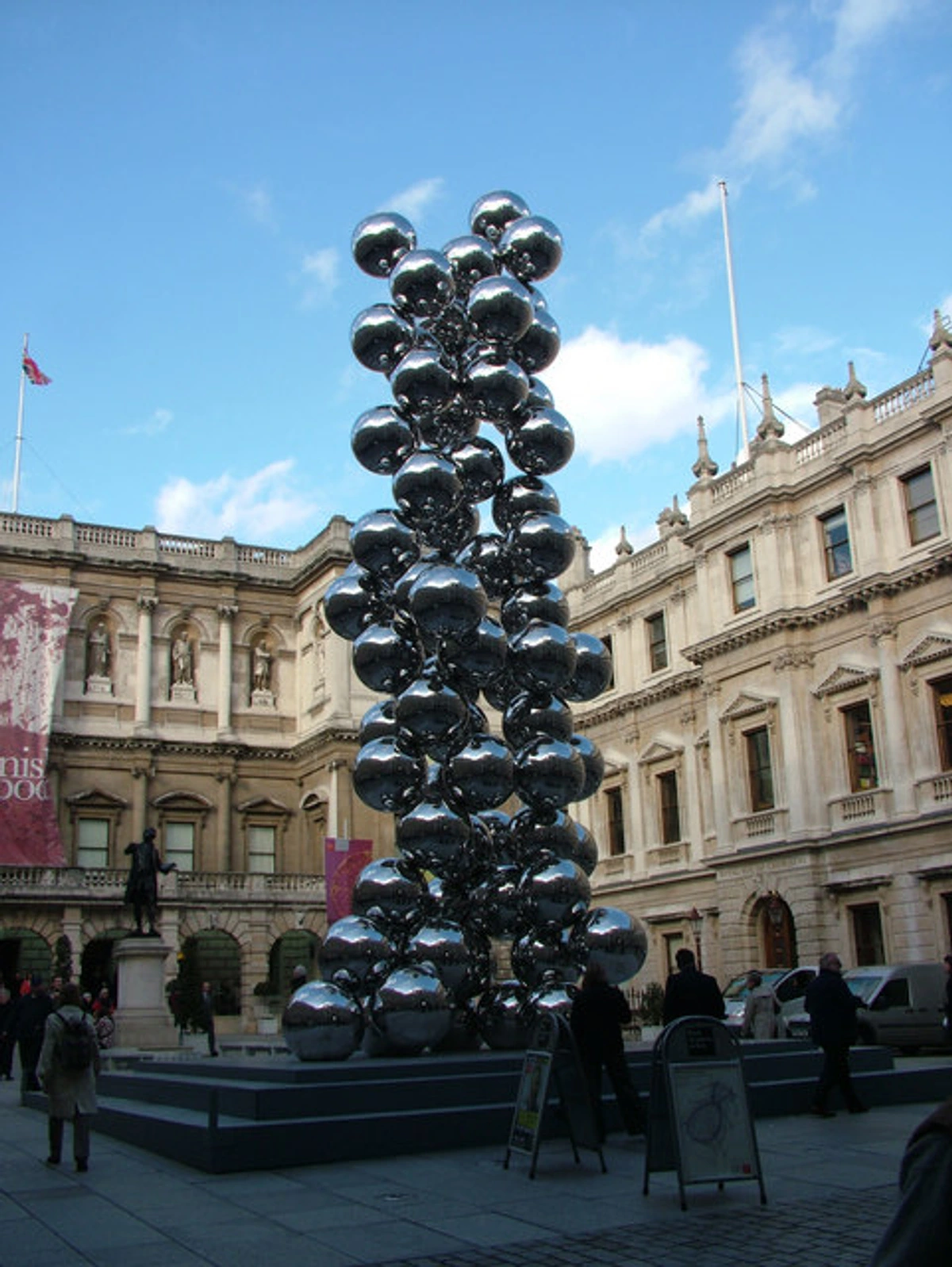
| Visitor Experience | Well-curated shows with clear signage and engaging interpretive materials. Friendly and knowledgeable staff are always on hand to assist. Don't forget to explore the magnificent courtyard (often hosts large-scale public sculptures!) and the RA Shop, which has some lovely art books, prints, and unique design pieces. Also, their restaurant and café are delightful spots to pause and reflect, making for a truly holistic cultural experience. I often find myself lingering in the shop for inspiration or enjoying a quiet moment in the café after an intense exhibition. |
| Accessibility | The RA is committed to being as welcoming and accessible as possible to all visitors. Burlington House, while historic, has been carefully adapted to ensure good accessibility, with lifts, ramps, and accessible toilets throughout the exhibition spaces. They also often provide resources like large-print guides, audio descriptions, and BSL-interpreted tours for specific exhibitions. Always check their official website for the most up-to-date information, as new initiatives are regularly introduced to enhance inclusivity. |
| Food & Drink | Delightful cafes and a restaurant offer everything from a quick coffee to a more leisurely meal – perfect for pausing and digesting all the art. The Burlington House café is particularly charming, offering light refreshments and a relaxed atmosphere, while the main restaurant provides a more substantial menu for a complete dining experience. |
| Children & Families | The RA is surprisingly welcoming to younger visitors, with family-friendly activities, creative workshops, and often engaging displays, particularly during school holidays. It's a wonderful place to introduce kids to the vast, exciting world of art, fostering creativity and curiosity from a young age. Look out for dedicated family trails and interactive exhibits that make art accessible and fun for all ages. |
| Best Time to Visit | If you thrive on energy and want to experience a truly unique art event, the Summer Exhibition (typically June to August) is an absolute must – just be prepared for crowds! For a more contemplative experience with temporary shows, I find visiting during off-peak hours (earlier in the morning or later in the afternoon on weekdays) or outside of school holidays can be wonderfully peaceful. The RA also occasionally hosts late-night openings, which offer a truly special atmosphere for art viewing, sometimes with DJs or talks, transforming the galleries. |
| Cost | Entrance fees typically apply for special exhibitions, but some parts (like the RA Collection displays or the courtyard) might be free or have specific free days/hours. Members (Friends of the RA) get unlimited free entry to all exhibitions, a fantastic value for regular visitors. Booking tickets in advance, especially for popular temporary exhibitions and the Summer Exhibition, is highly recommended to secure your preferred slot and avoid queues. |
| Guided Tours/Audio Guides | Many exhibitions offer guided tours by experts or informative audio guides to enrich your visit, providing deeper context and insights into the artworks and the artists' intentions. These can truly transform your understanding of a show. |
| Special Events & Talks | Beyond the exhibitions, the RA hosts a rich calendar of talks by artists and curators, workshops, and late-night openings. These events offer unique opportunities to deepen your engagement with art and often provide fresh perspectives on current exhibitions. I always keep an eye on their events calendar – you never know what gems you might find! |
| Photography | Generally, photography is permitted for personal, non-commercial use in the permanent collection displays and some temporary exhibitions, as long as you don't use a flash and respect other visitors' privacy. However, always look out for signage, or simply ask a member of staff if you're unsure, as rules can vary for specific loaned works or sensitive installations. |
Frequently Asked Questions About the Royal Academy of Arts
Q: What makes the RA Schools unique?
A: The RA Schools are unique because they are the UK's oldest art school, offering a highly competitive and, crucially, free three-year postgraduate program for aspiring artists. This eliminates the financial barrier to education, allowing students to focus purely on their artistic development. The curriculum is intensely practice-based, and students benefit from direct mentorship and guidance from the Royal Academicians themselves, fostering a unique intergenerational exchange of knowledge. It's truly a place where the next generation of artistic talent is nurtured without financial burden, which I think is absolutely vital in today's world. For more, refer to the 'Learning and Creating: The RA Schools and Beyond' section.
Q: What kind of art can I expect to see at the RA?
A: You'll encounter an incredible diversity, from historical masterpieces and foundational works of British art in its permanent collection to cutting-edge contemporary works in its temporary exhibitions and, of course, the ever-eclectic Summer Exhibition. It’s a dynamic mix that truly reflects the breadth of artistic practice, often juxtaposing historical influences with modern innovation. Expect to see Old Master drawings, classical sculptures, groundbreaking contemporary installations, and a vast array of paintings, prints, and architectural models. The RA's programming is renowned for its breadth, often covering everything from Renaissance art retrospectives to explorations of abstract art and emerging digital practices. For more detail, refer to the sections on 'The Beating Heart: Exhibitions and the Summer Show' and 'The RA Collection'.
Q: What is the RA's approach to contemporary art?
A: The Royal Academy has a remarkably dynamic approach to contemporary art. While respecting its rich history, it actively champions new and emerging artists, often taking risks with experimental and challenging works. The annual Summer Exhibition is a prime example, providing an open platform for artists worldwide. Its year-round program frequently features major contemporary artists and installations, fostering dialogue around current artistic trends and societal issues. As an artist myself, I find their willingness to embrace the cutting edge truly inspiring, always reflecting the pulse of the living art world.
Q: What's the main difference between the Royal Academy and other major London art museums like the Tate Modern or National Gallery?
A: The key distinction is that the Royal Academy is artist-led and independent, funded by its own activities and patrons rather than directly by the government. This unique, self-governing structure means its program has a distinctive, artist-driven feel, focusing on the ongoing conversation of art being made and reflecting the direct influence of practicing artists and architects. Unlike many state-funded institutions, the RA has greater curatorial freedom to take risks and champion artists without external pressures, often resulting in more experimental and responsive programming. For a comprehensive comparison, see the 'More Than Just a Museum: The RA's Unique Spirit and Independent Ethos' section.
Membership and Ways to Support the RA
Supporting the Royal Academy is a fantastic way to deepen your engagement with the arts and contribute to its enduring legacy. The "Friends of the RA" membership program is particularly brilliant, offering a wealth of benefits designed to enhance your experience and foster a closer connection with the institution. Members typically enjoy unlimited free entry to all exhibitions (including the hugely popular Summer Exhibition!), priority booking, exclusive members-only events, previews of exhibitions, and discounts in the RA shop and restaurants. It's a brilliant way to get more deeply involved in its vibrant art scene, especially if you plan on being a regular visitor. I always think that supporting these institutions is a little like investing in the future of creativity itself, ensuring its continued vitality and ensuring a vibrant platform for artists and art lovers alike. Beyond core memberships, there are also Patron and Benefactor programs offering even deeper engagement and exclusive access, tailored for those who wish to make a more significant philanthropic contribution, often supporting specific exhibitions or educational initiatives. The RA also welcomes volunteers who play a crucial role in its operations, from welcoming visitors to assisting with educational programs and archival work, offering a rewarding way to contribute to the art world and gain invaluable experience behind the scenes. It's a testament to the vibrant community that sustains this incredible institution, emphasizing that the RA is truly a collective endeavor.
Membership & Support Benefits at a Glance
Membership Level | Key Benefits | Ideal For |
|---|---|---|
| Friend of the RA | Unlimited free entry to all exhibitions, priority booking, exclusive previews, discounts in shop/cafes. | Regular visitors, art enthusiasts, those seeking year-round engagement. |
| Family & Guest Options | Extend 'Friend' benefits to a guest or family members for shared experiences. | Couples, families wanting to explore art together. |
| Patron / Benefactor | Enhanced access, exclusive events with artists/curators, recognition in publications, deeper philanthropic involvement. | Dedicated art patrons, significant donors, those seeking deeper engagement and influence. |
| Volunteer | Hands-on involvement in RA operations (front-of-house, events, education), gaining experience and contributing to the arts. | Students, retirees, community members passionate about art and culture. |
| Corporate Membership | Tailored packages for businesses, including corporate entertaining, staff benefits, and branding opportunities. | Companies looking for unique client entertainment or staff enrichment. |
Q: What is the best time to visit for a specific experience?
A: It depends on your preference! The Summer Exhibition (June-August) is vibrant but crowded. For a quieter visit to temporary shows, try off-peak weekdays. Check the 'Planning Your Visit' table for detailed recommendations.
Q: Are there resources for art researchers or scholars at the RA?
A: Absolutely! The Royal Academy offers an invaluable array of resources for researchers and scholars. Its extensive Library and Archive house historical documents, rare books, letters, and institutional records dating back to its founding. The RA also publishes comprehensive exhibition catalogues and academic journals, and much of its collection and archival material is being digitized for online access. Scholarly visits to the archives can often be arranged by appointment, making it a critical hub for British art historical research. For more details, explore the 'Extending the Conversation: Publishing, Research, and Archives' section.
Q: What is the Royal Academy's connection to the British Monarchy?
A: The Royal Academy was founded by King George III in 1768 and has maintained a close relationship with the British Monarchy ever since. The reigning monarch serves as the Academy's Patron, a symbolic but significant role that underscores the institution's historical importance and national standing. This royal patronage provides a prestigious imprimatur and highlights the RA's enduring legacy as a cornerstone of British art and culture, often involving royal visits to significant exhibitions and events, further cementing its national importance.
Q: Does the Royal Academy have a permanent collection?
A: Yes, absolutely! The RA Collection is a significant and dynamic body of art and archives, rather than a static display. It includes the unique 'Diploma Works' submitted by newly elected Royal Academicians, which form a living historical record of British art. Beyond these, you'll find an extensive collection of master drawings, prints, architectural models, and historical artefacts. While not always entirely on permanent display, highlights are regularly rotated into temporary exhibitions, and substantial parts are accessible for scholarly research by appointment. This collection offers a unique visual history of British art and the Academy itself, from its founding in 1768 to the present day, providing invaluable insights into artistic evolution. You can find more details in 'The RA Collection: A Curated Legacy and the Significance of Diploma Works' section.

Q: Can I take photos inside the Royal Academy?
A: Generally, photography is permitted for personal, non-commercial use, without flash, and respecting other visitors. Always check signage for specific exhibition restrictions, as some temporary shows may have specific rules to protect loaned artworks. More information is available in the 'Planning Your Visit' table.
Q: Is the Royal Academy suitable for families and children?
A: Absolutely! The RA offers a fantastic array of family-friendly activities, workshops, and engaging displays, particularly during school holidays. The vibrant Summer Exhibition is often a hit with younger visitors. See the 'Planning Your Visit' table for more details on family-specific offerings.
Q: What kind of events does the Royal Academy host?
A: Beyond its renowned exhibitions, the RA hosts a truly vibrant and diverse array of events throughout the year. These include engaging public lectures by leading artists, curators, and scholars, hands-on workshops for all skill levels, insightful film screenings, intimate artist talks, and exclusive 'Members' Evenings'. You might find anything from an in-depth academic symposium on Renaissance art to a practical masterclass in oil painting, or a lively debate on the future of abstract art. There's always something happening to deepen your engagement with art and culture, often providing unique opportunities to interact directly with the art world. For more, refer to the 'Learning and Creating: The RA Schools and Beyond' section and the 'Planning Your Visit' table.
Q: What kind of conservation work does the RA undertake?
A: The RA is deeply committed to the conservation and preservation of art and its historic building. Expert conservators work across various disciplines, from paintings and sculptures to works on paper and architectural models, ensuring the longevity of the permanent collection. This includes meticulous cleaning, environmental monitoring, scientific analysis, and complex restoration projects. They also preserve the historic fabric of Burlington House itself. These efforts ensure that future generations can experience these masterpieces as they were intended, a truly vital service to art history. For more, see the 'Conservation and Preservation: Guardians of Legacy' section.
Q: Are there volunteer opportunities at the RA?
A: Yes, absolutely! The Royal Academy values the contribution of its volunteers who play a crucial role across various departments, from welcoming visitors at exhibitions to assisting with educational programs and archival work. Volunteering is a fantastic way to gain invaluable experience in the art world, meet like-minded individuals, and contribute directly to the vibrant life of this historic institution. Details on how to apply and current opportunities can usually be found on the RA's official website under their 'Support Us' or 'Get Involved' sections.
Q: Who was the first President of the Royal Academy of Arts?
A: The esteemed portrait painter Sir Joshua Reynolds was the very first President of the Royal Academy of Arts. Elected at its founding in 1768, he played a pivotal role in establishing the Academy's principles, educational curriculum, and public standing. His discourses delivered to students at the RA Schools became fundamental texts in art theory, shaping generations of artists and influencing British art for centuries, advocating for the 'Grand Style' and elevating the professional status of artists. He set a high standard for leadership and artistic excellence, laying the ideological groundwork for the institution.
Q: How does the RA stay relevant in the 21st century?
A: The Royal Academy remains remarkably relevant by consistently adapting and innovating. Its artist-led model allows for bold, responsive programming that tackles contemporary issues and champions new artistic forms, from digital art to bio-art. They're expanding their digital presence, fostering global partnerships, and increasing accessibility and inclusivity. By continually engaging with both historical legacies and emerging trends, the RA ensures it remains a dynamic and indispensable force in the ever-evolving art world, actively shaping its future rather than just observing it. I see it as a powerful anchor in a fast-changing cultural landscape.
Q: How does the RA support contemporary artists?
A: The Royal Academy supports contemporary artists in numerous ways. Foremost is the annual Summer Exhibition, the world's largest open-submission show, providing a vital platform for artists to exhibit and sell their work, often leading to significant sales and critical recognition. The RA Schools offer a free, prestigious postgraduate program, nurturing the next generation of talent through unparalleled mentorship and a practice-based curriculum. Additionally, the Academy's year-round exhibition program often features major contemporary artists and installations, commissioning new works and providing a crucial public platform. Many Royal Academicians also actively mentor emerging artists, serve on selection panels, and contribute to critical discourse, ensuring a vibrant and supportive ecosystem for artistic creation and innovation.
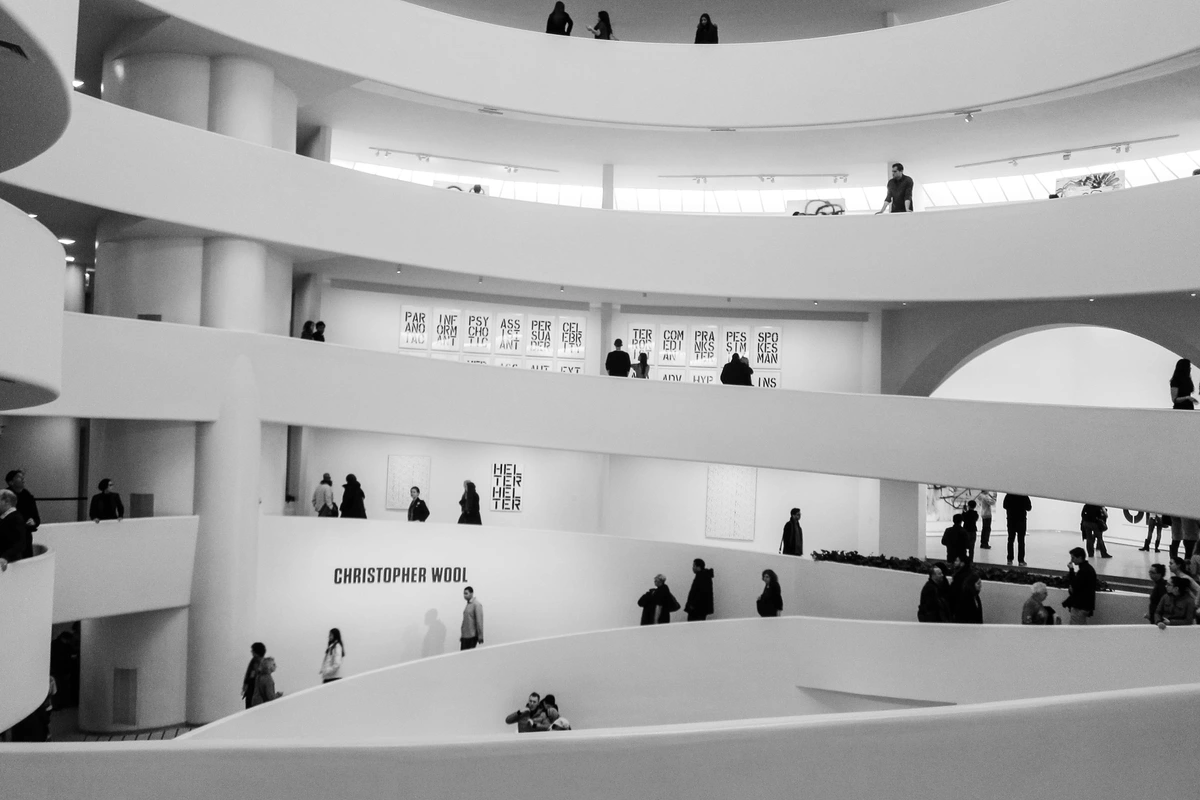
Q: Do I need to book tickets in advance for exhibitions?
A: For popular temporary exhibitions and especially the Summer Exhibition, I would highly recommend booking your tickets in advance. The RA can get very busy, and booking online usually secures your preferred time slot and can sometimes even offer a slight discount, saving you time and guaranteeing entry. For general entry or less popular displays, you might be able to purchase tickets on arrival, but checking the website beforehand is always the safest bet to avoid queues and disappointment, particularly on weekends or public holidays.

Q: What is the significance of the 'Diploma Works' in the RA Collection?
A: The 'Diploma Works' are cornerstone pieces submitted by newly elected Royal Academicians, forming a unique historical record of evolving British art. They are direct personal contributions to the Academy's legacy, offering an unparalleled insight into the artistic practices and concerns of leading artists and architects over centuries. Find out more in 'The RA Collection: A Curated Legacy and the Significance of Diploma Works' section.
Q: What is the role of the Royal Academicians?
A: Royal Academicians (RAs) are the heart of the institution – up to 80 practising artists and architects elected by their peers. They not only govern the RA and guide its artistic direction, but they also actively curate exhibitions, mentor students in the prestigious RA Schools, and contribute their own 'Diploma Works' to the permanent collection, ensuring a living link between contemporary practice and institutional legacy. Learn more in 'More Than Just a Museum: The RA's Unique Spirit and Independent Ethos' and 'The Power of the Practising Artist' sections.
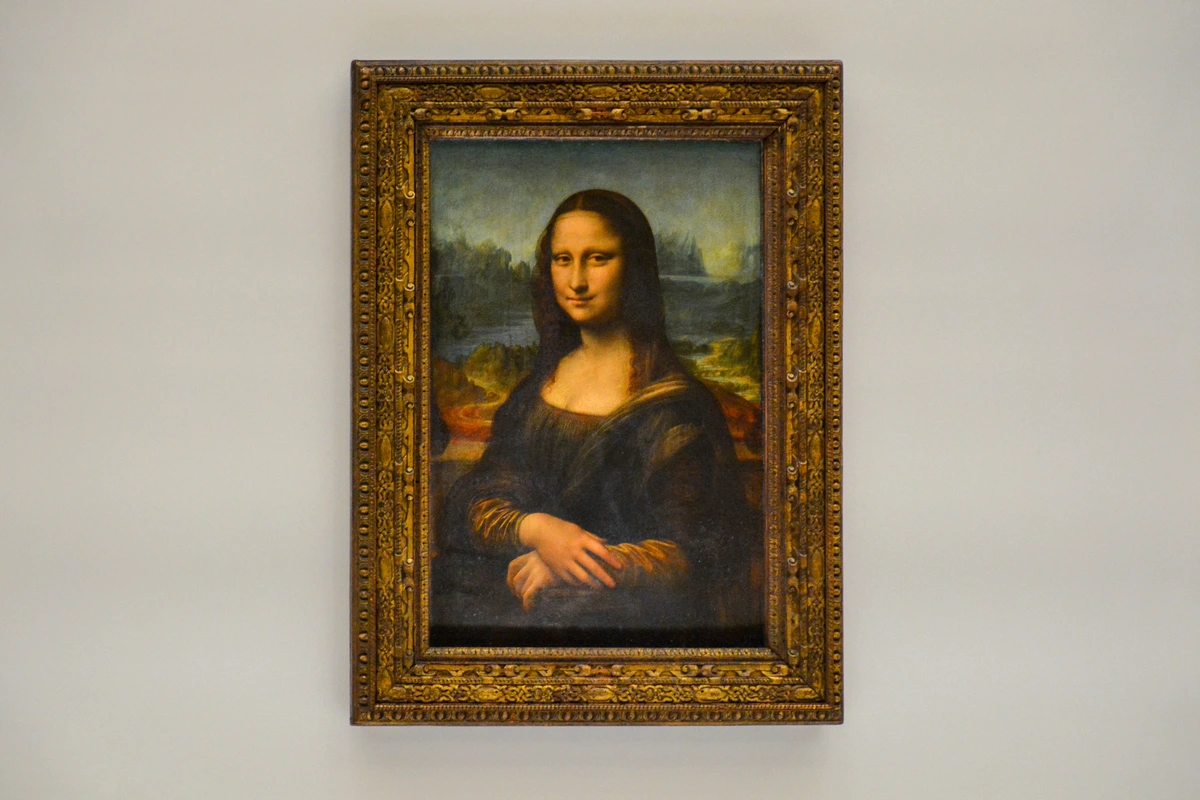
Q: What is the significance of Burlington House, beyond being the RA's home?
A: Burlington House is far more than just the Royal Academy's address; it's a historic architectural masterpiece and a unique intellectual hub in London. This magnificent Palladian mansion, built in the 17th century, is home not only to the RA but also several distinguished 'Burlington House Societies,' including leading scientific and historical organizations. This shared occupancy creates a vibrant intersection where art, science, and history converge, fostering cross-disciplinary dialogue. Its grandeur provides a fitting backdrop for the RA's artistic mission, and its very walls whisper tales of centuries of British cultural and intellectual life, making the courtyard a truly unique public space. Further details can be found in 'A Storied History: From Humble Beginnings to Burlington House' and 'Burlington House: A Grand Architectural Statement'.
Q: What is the Royal Academy's current strategic vision?
A: The RA's strategic vision centers on promoting art and artists, increasing public access, diversifying its programming and audience, supporting emerging artists, enhancing digital presence, and maintaining financial independence. It's about connecting its historic legacy with contemporary relevance, ensuring it remains a dynamic force in the art world, fostering a responsive and inclusive environment for artistic creation and appreciation.

Don't Miss These Highlights!
Before we wrap up, if you're planning a visit, here are a few things I'd personally recommend keeping an eye out for, to make your experience truly unforgettable:
- The Courtyard Sculptures: The grand courtyard of Burlington House often hosts large-scale contemporary sculptures, providing a striking contrast with the classical architecture. They're usually free to view and offer a fantastic photo opportunity, and I find them to be a wonderful visual conversation starter, right there in the heart of Piccadilly, challenging your perceptions before you even step inside.
- Architectural Drawings in the Collection: For architecture enthusiasts like myself, delving into the RA Collection's trove of architectural drawings and models is a revelation. They offer a unique insight into the history of design and urban planning, showcasing the creative process behind monumental structures and giving you a glimpse into the minds of visionary architects across centuries. It’s like peeking into the blueprints of history and future possibilities.
- The RA Library and Archives: For those with a deeper interest in art history or research, exploring the RA's Library and Archives can be a profoundly rewarding experience. While much is by appointment, their digital resources are extensive. It’s a treasure trove of historical documents, rare books, and the institutional memory of British art, offering unparalleled insights for scholars and curious minds alike. I've spent hours getting lost in its depths, connecting with the very foundations of British art.
- Late-Night Openings: If you prefer a quieter, more atmospheric visit, definitely check for their late-night openings. The galleries take on a different, often more contemplative, ambiance after dark, sometimes with special events, live music, or talks, making for a truly magical art-viewing experience that feels exclusive and intimate.
- The RA Shop: Seriously, it's not just a gift shop! It's a beautifully curated space with art books, exhibition catalogues, unique prints, artisan design pieces, and thoughtful gifts, often tied to current exhibitions or the Academy's rich history. I always find something inspiring there, a little piece of the RA to take home that often sparks new ideas for my own abstract art. It’s a place where you can extend the artistic experience into your home.
- The RA Cafés and Restaurant: Don't rush out! Take a moment to enjoy a coffee or a meal in their elegant settings. The Burlington House café is particularly charming, offering a tranquil escape for a quick refuel, while the more formal restaurant provides a refined dining experience perfect for a leisurely lunch or dinner, allowing you to digest all the art you've seen and reflect on the ideas it sparked in a beautiful environment.
- The Architecture of Burlington House: Take a moment to appreciate the building itself. From its imposing Palladian elements to the subtle later additions, the architecture tells a captivating story of London's history, the evolution of artistic spaces, and the enduring power of design. It's a masterpiece in its own right, continually adapting to new artistic needs and standing as a testament to enduring British heritage.
- Seasonal Displays from the Collection: Beyond the major exhibitions, keep an eye out for special seasonal installations or smaller, focused displays from the permanent collection. These often highlight hidden gems, lesser-known artists, or provide intimate insights into specific historical periods or artistic techniques that might not be widely advertised but offer profound rewards for the curious visitor, revealing new facets of the RA’s vast artistic treasure trove.
Concluding Thoughts: The Enduring Heartbeat of British Art
So there you have it: my comprehensive exploration into the vibrant heart of the Royal Academy of Arts. It's a place that continually fascinates me, a powerful reminder of how art institutions, when led with genuine passion and unwavering purpose, can truly enrich our lives, fostering creativity, education, and cultural dialogue. The RA stands as a formidable and yet surprisingly welcoming landmark that truly embodies the spirit of artistic endeavor, adapting through centuries while retaining its core mission. It's a testament to the fact that art isn't just something to be observed; it's a living, breathing force that constantly evolves, challenges, and inspires. For me, walking through its doors is always a potent reminder of the sheer audacity and beauty of human creativity – a force that connects us across time and culture, whether through the grandeur of Renaissance sculpture or the bold statements of abstract art. It’s a place where you can feel the pulse of artistic history and the thrilling uncertainty of what’s next, a truly indispensable institution.








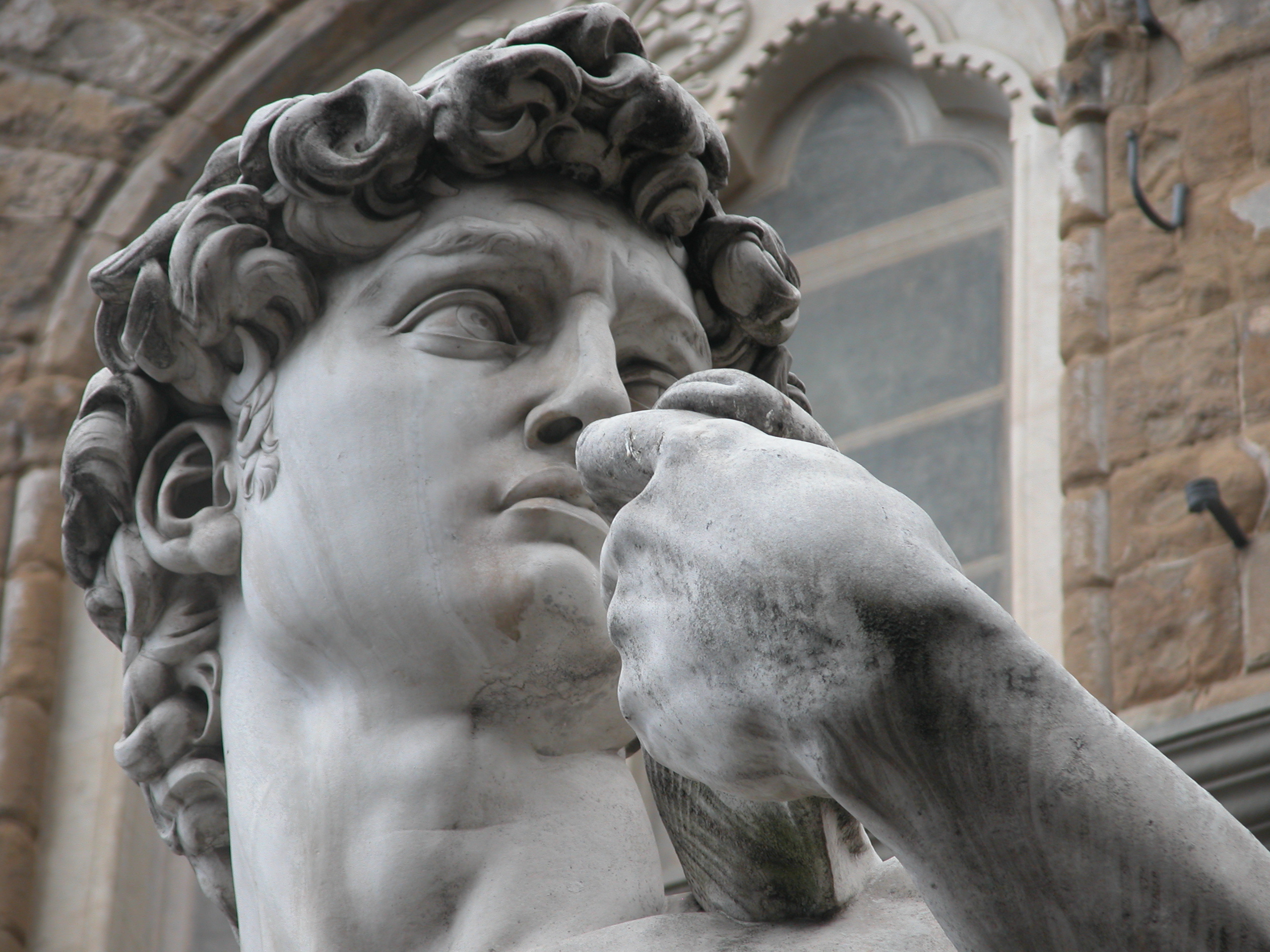






Whether you're an aspiring artist, a seasoned collector with a keen eye for new talent, a student of art history, or simply someone who appreciates a good dose of culture and beauty, the RA offers an unparalleled experience. Go, visit, immerse yourself in its unique energy, wander through its hallowed halls and dynamic exhibition spaces. You might just find your next big inspiration, a new favourite artist, or a fresh perspective on the world around you. It's a place where art truly lives and breathes, and I, for one, can't recommend it enough. It's where the past informs the present, and the present shapes the future of art, creating a vibrant, ever-evolving cultural legacy. And if you're feeling inspired to collect, don't forget to look at some of my own colorful abstract art over at /buy! It’s a space where you don’t just observe art; you become part of its ongoing story, a vital participant in the continuous dialogue of creativity. The Royal Academy truly is an enduring heartbeat of British art, a place that continues to surprise, challenge, and delight, affirming the timeless importance of human artistic expression, and ensuring that London remains a global epicenter for artistic innovation.