
Olafur Eliasson: A Personal Journey Through Experiential Art & Perception
Step into the world of Olafur Eliasson with this personal guide. Explore his immersive installations, understand his focus on perception, environment, collaboration, and social impact, and discover why his art feels so... real. Plus, tips for experiencing his work.

Olafur Eliasson: A Personal Journey Through Light, Perception, and the World Around Us
Okay, let's talk about an artist who really messes with your head – in the best possible way. Olafur Eliasson. If you've ever walked into a space and suddenly felt acutely aware of the air, the light, the temperature, or even just your own two feet, chances are you've had an Eliasson moment. He's not just making things to look at; he's creating experiences. And honestly, as an artist myself, that's something I deeply resonate with. It's about more than just the object; it's about the feeling, the interaction, the moment. This isn't just a factual overview; it's a personal exploration of why his work hits differently and how it makes you see the world anew.
Eliasson's art is a testament to the power of perception and the beauty of the natural world. His installations challenge our senses and invite us to engage with our surroundings in ways we never thought possible. Whether it's through light, water, or air, his work transforms ordinary spaces into extraordinary experiences.

Who is This Guy, Anyway? (And How Does He Do It?)
Born in Iceland and Denmark, Eliasson came onto the global scene by turning galleries and museums into places that feel... well, not like galleries and museums. Think giant indoor suns, waterfalls, fog-filled rooms you have to navigate by touch, or walkways over rivers of dye. His work is often large-scale, site-specific, and deeply engaged with natural phenomena and our perception of them. It's also worth noting that his background isn't solely in fine art; his mother was a dancer, and this early exposure to performance and the body's relationship with space undoubtedly influenced his later work, adding another layer to his interdisciplinary approach.
Eliasson's journey into the art world was not a conventional one. His early life was marked by a deep connection to nature, which later became a central theme in his work. His installations often blur the line between art and science, creating immersive experiences that challenge our understanding of reality. This unique blend of artistic vision and scientific curiosity sets him apart from his contemporaries.
He's not just an artist; he's almost like a scientist, an architect, and a philosopher rolled into one. He's constantly asking, "How do we see? How do we feel? How do we relate to the world and each other?" His art becomes a laboratory for these questions. The scale and complexity of his installations mean he doesn't work alone. His Berlin-based Studio Olafur Eliasson is a truly collaborative environment, bringing together architects, engineers, researchers, and technicians. This interdisciplinary approach allows him to tackle such ambitious projects, including significant architectural collaborations like the stunning Harpa Concert Hall in Reykjavik, where his facade design plays dramatically with light and geometry. They delve into the technical aspects of light, optics, and atmospheric conditions to engineer experiences that challenge our senses. It's this blend of artistic vision and scientific rigor that makes his work so impactful and, frankly, mind-bending. The logistics of transporting and installing these massive, often delicate, pieces across the globe are a feat in themselves, requiring immense planning and technical expertise – a testament to the studio's capabilities.
The Role of Collaboration
The collaborative nature of Eliasson's studio is not just about logistics; it's about fostering a space where ideas can be shared, challenged, and refined. This environment allows for the exploration of complex concepts and the creation of works that push the boundaries of what is possible in art. The studio's interdisciplinary approach ensures that each project benefits from a diverse range of perspectives, resulting in installations that are both innovative and deeply engaging.
Eliasson's studio is not just a workspace; it's a hub of innovation and creativity. The team's collaborative efforts have led to groundbreaking projects that push the boundaries of what art can achieve. Their work is a testament to the power of interdisciplinary collaboration, where art, science, and technology converge to create something truly extraordinary.
Key Projects and Innovations
Some of the studio's most notable projects include:
- Harpa Concert Hall: A stunning architectural marvel in Reykjavik, where Eliasson's facade design plays with light and geometry to create a dynamic and ever-changing visual experience.
- The Weather Project: An iconic installation at the Tate Modern that transformed the Turbine Hall into a space filled with a giant indoor sun and a hazy mist, creating a communal experience that challenged perceptions of light and space.
- Ice Watch: A powerful environmental statement that brought massive blocks of glacial ice from Greenland to public spaces, serving as a stark reminder of climate change.
Experiencing the Unseen: Key Works That Stick With You
Eliasson has created so many incredible installations, but a few really stand out in my mind, either because I've been lucky enough to experience them or because they're just iconic. Each one feels like a distinct invitation to pause and perceive.
Eliasson's installations are not just about visual spectacle; they are about creating moments of introspection and connection. His work invites us to slow down, to observe, and to engage with our surroundings in a way that is both profound and deeply personal.
The Evolution of Eliasson's Artistic Vision
Eliasson's work has evolved over the years, reflecting his growing interest in environmental issues and the role of art in addressing global challenges. His early works focused on the interplay of light and perception, while his more recent projects have taken on a more activist tone, addressing issues like climate change and sustainability. This evolution is a testament to his commitment to using art as a tool for social and environmental change.

The Weather Project (Tate Modern, 2003)
This one is legendary. He installed a massive sun (made of hundreds of mono-frequency lamps) and a hazy mist in the Turbine Hall of the Tate Modern. People would lie on the floor, looking up, basking in this artificial, yet strangely real, sun. It wasn't just a visual spectacle; it was a communal experience.
I remember feeling the unexpected warmth on my face, seeing my own slightly distorted reflection in the mirrored ceiling alongside countless others, and sharing this weird, beautiful, slightly disorienting moment with strangers. It made me think about the sun, about weather, about being indoors vs. outdoors in a way I hadn't before. It was simple, profound, and utterly unforgettable. It's a perfect example of how he uses basic elements – light, air, space – to create something monumental and deeply human.
The Impact of The Weather Project
The Weather Project was more than just an installation; it was a cultural phenomenon. It drew millions of visitors to the Tate Modern, many of whom had never set foot in an art gallery before. The installation challenged traditional notions of what art could be and how it could engage with the public. It also sparked conversations about the role of art in creating shared experiences and the ways in which art can bring people together.

The Weather Project is more than just an installation; it's a meditation on our relationship with nature and the elements. It challenges us to reconsider our place in the world and the ways in which we interact with our environment. The communal aspect of the experience underscores the shared human experience, making it a powerful and memorable piece of art.
Waterfalls and Rivers
He's brought waterfalls indoors and dyed rivers green (like the one in Stockholm). These interventions feel almost mischievous, like he's playing with the fabric of reality. They force you to look at something familiar – water, a river – in a completely new context. It's a jolt to the senses, a reminder that even the everyday can be extraordinary. The purpose feels like a gentle disruption, making us notice the natural elements we often take for granted in urban environments.
The Role of Water in Eliasson's Work
Water is a recurring theme in Eliasson's work, symbolizing both the beauty and the fragility of the natural world. His water installations challenge us to reconsider our relationship with this essential element and the ways in which we interact with it. Whether it's through the creation of indoor waterfalls or the dyeing of rivers, Eliasson's work with water is a powerful reminder of the interconnectedness of all things.
Eliasson's water installations are a testament to his ability to transform the mundane into the extraordinary. By bringing natural elements into urban spaces, he challenges us to reconsider our relationship with nature and the ways in which we interact with our environment. These installations are not just about aesthetics; they are about creating moments of reflection and connection.
Beauty (1993)
An earlier, yet enduring, work is Beauty. This installation consists of a fine mist of water falling in a darkened room, illuminated by a single spotlight. As you walk through it, you might catch a glimpse of a rainbow, depending on your position and the angle of the light. It's a simple setup, yet incredibly effective at highlighting how our perception creates the phenomenon. The rainbow isn't a fixed object; it's an experience that exists only in the interaction between the light, the water, and your eye. It's a beautiful, fleeting moment that makes you acutely aware of your own role in seeing.
Beauty is a masterclass in the art of perception. It invites us to explore the ways in which we see and interpret the world around us. The installation is a reminder that beauty is not just something we observe; it is something we create through our own perception and interaction with the environment.
The Philosophy Behind Beauty
The Beauty installation is deeply rooted in the philosophy of phenomenology, which emphasizes the importance of direct experience and perception. Eliasson's work challenges us to engage with the world in a way that is both immediate and profound. By creating immersive experiences that engage all our senses, he invites us to explore the ways in which we perceive and interact with our environment.
Ice Watch
Bringing massive blocks of glacial ice from Greenland to public spaces in cities like London and Copenhagen. This isn't just art; it's a stark, tangible reminder of climate change. You could touch the ice, watch it melt, feel the cold. I remember the sheer scale of the melting ice, the sound of the water dripping, and the collective hush of the crowd. It was a powerful, emotional experience that bypassed intellectual debate and hit you right in the gut. It's art as activism, art as a wake-up call, making the abstract concept of melting glaciers physically present.
Ice Watch is a powerful example of how art can be used to raise awareness about pressing global issues. By bringing the reality of climate change into public spaces, Eliasson challenges us to confront the urgency of the situation and to take action. The installation is a stark reminder of the impact of human activity on the environment and the need for collective action to address climate change.
The Environmental Impact of Ice Watch
Ice Watch is more than just an installation; it's a call to action. By bringing the reality of climate change into public spaces, Eliasson challenges us to confront the urgency of the situation and to take action. The installation is a stark reminder of the impact of human activity on the environment and the need for collective action to address climate change. It also serves as a powerful example of how art can be used to raise awareness about pressing global issues and inspire change.
Little Sun
Beyond large-scale installations, Eliasson also engages with social impact through projects like Little Sun. This initiative provides portable solar lamps to communities without access to electricity, particularly in sub-Saharan Africa. It's a beautiful example of how his interest in light extends beyond the gallery walls and into practical, sustainable solutions that empower people. It's art that literally brings light into lives, connecting his aesthetic concerns with urgent global issues like energy access and climate action.
Little Sun is a testament to Eliasson's commitment to using art as a force for good. By providing sustainable energy solutions to communities in need, he is not only addressing the issue of energy access but also empowering people to take control of their own futures. The project is a powerful example of how art can be used to create positive change in the world.

The Social Impact of Little Sun
Little Sun is more than just a project; it's a movement. By providing sustainable energy solutions to communities in need, Eliasson is addressing the issue of energy access and empowering people to take control of their own futures. The project is a powerful example of how art can be used to create positive change in the world and inspire others to take action.

Why His Art Resonates (And Why It Can Be Tricky)
So, why does Eliasson's work stick with us? It resonates because it taps into fundamental aspects of being human: our senses, our bodies, our relationship with the natural world, and our shared experience. It's not about decoding complex symbols (though there are layers if you want to go there); it's about feeling. It's about being present. His work often plays with phenomenology – the philosophical study of experience and consciousness – making you acutely aware of your own presence and perception within a space. Think of phenomenology as simply the study of how things appear to us, how we experience the world directly through our senses and consciousness, before we even start thinking about it. Eliasson's art forces you into that raw state of just experiencing.
Eliasson's work is deeply rooted in the philosophy of phenomenology, which emphasizes the importance of direct experience and perception. His installations challenge us to engage with the world in a way that is both immediate and profound. By creating immersive experiences that engage all our senses, he invites us to explore the ways in which we perceive and interact with our environment.
The Role of Phenomenology in Eliasson's Work
Phenomenology is a central theme in Eliasson's work, influencing the way he creates immersive experiences that challenge our perceptions. By focusing on the direct experience of the viewer, Eliasson's installations invite us to engage with the world in a way that is both immediate and profound. This approach is a powerful reminder of the importance of being present and the ways in which our perceptions shape our understanding of the world.
It's less about what you see and more about how you see and what it feels like to be seeing. It challenges your assumptions about what art can be and how it should function. It makes you question your own senses and how reliable they are. How do you perceive the world around you? Does his art make you think about that?
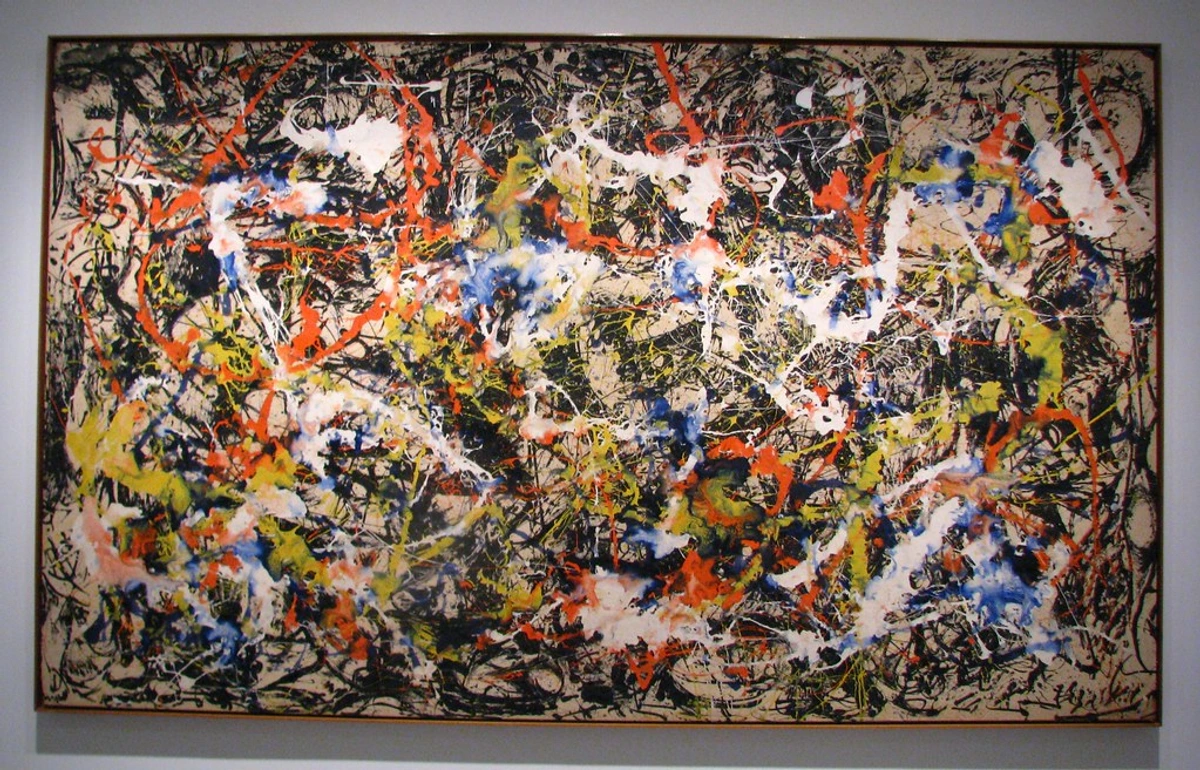
Now, I'll admit, sometimes it can feel a bit... conceptual. You might walk into a room and think, "Okay, it's just fog." Or "It's just a light." And that's okay! This is where some critics might argue his work is more spectacle than substance, prioritizing the 'wow' factor over deeper meaning. But I think that misses the point. The beauty is often in the interaction and the reflection it prompts. It's less about the object itself and more about what happens between you and the object, and what happens inside you. It requires your active participation, your willingness to be open to the experience, even if it feels a bit silly or simple at first. It reminds me a bit of abstract art. Some people look at a Rothko and just see colored rectangles. Others feel a profound emotional response. It's about being open to the experience. If you're curious about why abstract art can be so compelling, I wrote a guide about why abstract art is compelling that might resonate.

The Role of the Viewer in Eliasson's Work
Eliasson's work challenges us to engage with art in a way that is both personal and profound. It invites us to explore the ways in which we perceive and interact with the world around us. By creating immersive experiences that engage all our senses, he challenges us to reconsider our assumptions about what art can be and how it can function. This approach is a powerful reminder of the importance of being present and the ways in which our perceptions shape our understanding of the world.
Eliasson's work challenges us to engage with art in a way that is both personal and profound. It invites us to explore the ways in which we perceive and interact with the world around us. By creating immersive experiences that engage all our senses, he challenges us to reconsider our assumptions about what art can be and how it can function.
Experiencing Eliasson's Work: Tips from Someone Who Loves Art (and Sometimes Feels Awkward in Galleries)
Okay, so you're heading to an Eliasson show, maybe feeling a little unsure what to expect. Been there! Here are a few personal tips from someone who's navigated a few fog rooms and stared awkwardly at light installations – think of these as practical notes for engaging with art that's designed to make you feel and perceive:

- Go In With an Open Mind: Leave expectations at the door. Just be ready to feel and perceive. Don't worry about "getting it" right away. Let the experience wash over you. It's less about understanding and more about experiencing.
- Use All Your Senses: Don't just look. How does the air feel? What do you hear? Is there a temperature change? Engage everything. His work is designed for the full body.
- Move Around: His installations are often designed to be walked through, around, or even lain under. Your perspective changes everything. Don't be afraid to explore the space fully. Seriously, walk slowly, change your angle, see what happens.
- Don't Be Afraid to Look Silly: Seriously. Lie on the floor if others are doing it (The Weather Project!). Walk slowly through the fog (and maybe bump into someone, oops). Stare intently at a light source. You're there to have an experience, not look cool. Embrace the potential awkwardness.
- Talk (Quietly) to Others: If you're with someone, share what you're experiencing. Sometimes articulating it helps, or hearing someone else's perspective opens your eyes (or other senses) to something new. You might even strike up a conversation with a stranger – art can be a great icebreaker!
- Take Your Time: These aren't quick glances. Linger. Let your eyes adjust. Notice the subtle shifts in light or your own balance. The longer you stay, the deeper the experience can become. Resist the urge to rush to the next piece.
Eliasson's installations are designed to be experienced, not just observed. By engaging with his work in a way that is open and immersive, you can fully appreciate the depth and complexity of his art. It's about being present, being open, and being willing to explore the world in a new way.
The Importance of Being Present
Eliasson's work is a powerful reminder of the importance of being present and engaging with the world around us. By creating immersive experiences that challenge our perceptions, he invites us to explore the ways in which we perceive and interact with our environment. This approach is a powerful reminder of the importance of being present and the ways in which our perceptions shape our understanding of the world.

A Personal Reflection
Eliasson's work, for me, is a powerful reminder that art isn't confined to a canvas or a pedestal. It's an experience, a question, a feeling. It pushes the boundaries of what art can be and how it can interact with us and the world. It makes me think about my own creative process – how can I create work that doesn't just sit on a wall but actively engages the viewer, making them feel something, making them aware? It's a high bar, for sure, but his fearless exploration of perception and environment is incredibly inspiring. It reminds me that even in my own abstract art, the goal isn't just a pretty picture, but something that resonates, something that makes you pause and feel. His focus on the viewer's experience directly influences how I approach composition, color, and texture, always asking how the painting can create a moment of heightened perception for the person looking at it.
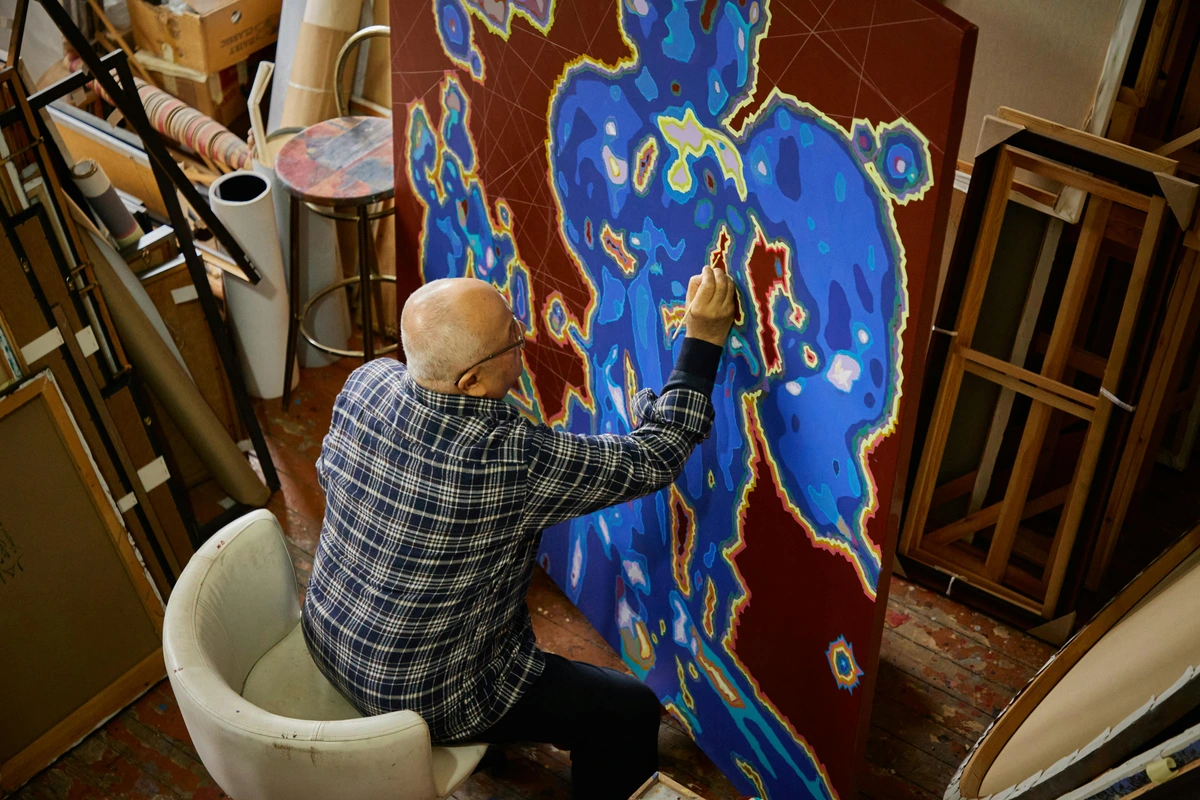
If you're interested in my own work, you can buy art directly from my site, or learn more about my journey on my timeline. And if you're ever near 's-Hertogenbosch, feel free to visit my museum!
Ultimately, Eliasson's art is a gift – a chance to pause, to feel, and to see the world, and ourselves within it, just a little bit differently. And isn't that what the best art does?
Eliasson's work has had a profound impact on my own artistic journey. It has challenged me to think differently about the role of art and the ways in which it can engage with the world. His fearless exploration of perception and environment has inspired me to push the boundaries of my own work, to create art that is not just visually appealing but also deeply meaningful and engaging.
The Legacy of Olafur Eliasson
Olafur Eliasson's work is a testament to the power of art to challenge, inspire, and transform. His installations invite us to engage with the world in a way that is both immediate and profound, reminding us of the importance of being present and the ways in which our perceptions shape our understanding of the world. His legacy is one of innovation, collaboration, and a deep commitment to using art as a force for good.
FAQ
What is Olafur Eliasson known for?
Olafur Eliasson is known for his large-scale installations that explore the relationship between art, nature, and perception. His work often involves natural elements like light, water, and air, creating immersive experiences that challenge our senses and perceptions.
Where can I see Olafur Eliasson's work?
Eliasson's work has been exhibited in major museums and galleries around the world, including the Tate Modern in London, the Museum of Modern Art in New York, and the Harpa Concert Hall in Reykjavik. His installations are often site-specific and can be found in public spaces as well.















What is the significance of The Weather Project?
The Weather Project is one of Eliasson's most iconic installations. It transformed the Turbine Hall of the Tate Modern into a space filled with a giant indoor sun and a hazy mist, creating a communal experience that challenged perceptions of light and space. It drew millions of visitors and sparked conversations about the role of art in creating shared experiences.
How does Olafur Eliasson use collaboration in his work?
Eliasson's Berlin-based studio is a collaborative environment that brings together architects, engineers, researchers, and technicians. This interdisciplinary approach allows him to tackle ambitious projects and create installations that push the boundaries of what is possible in art.
What is the environmental message behind Ice Watch?
Ice Watch is a powerful environmental statement that brought massive blocks of glacial ice from Greenland to public spaces. It serves as a stark reminder of climate change, making the abstract concept of melting glaciers physically present and challenging us to confront the urgency of the situation.
How does Eliasson's work engage with phenomenology?
Eliasson's work is deeply rooted in phenomenology, a philosophical approach that emphasizes the importance of direct experience and perception. His installations challenge us to engage with the world in a way that is both immediate and profound, making us acutely aware of our own presence and perception within a space.