What Is Found Object Art? (Exploring the Beauty of the Everyday)
Explore the world of Found Object Art in this comprehensive guide. Discover how everyday items are transformed into meaningful masterpieces and why artists, from Duchamp to today, embrace the ordinary.

What Is Found Object Art? The Thrill of Discovering Masterpieces in the Mundane
Have you ever stared at a rusty bolt, a piece of driftwood, or a discarded bottle cap and seen something more? I have. I’ll admit, my studio is part workshop and part treasure trove of what most people would politely call junk. There’s a shelf dedicated to interestingly shaped rocks, a drawer for fragments of faded fabric, and a jar filled with buttons that have lost their shirts. It’s not hoarding; it’s the essential first step in the incredible, transformative world of Found Object Art.
You might call me a visual hoarder, and I’d probably just laugh and point you to the box of vintage watch parts under my workbench. There’s a certain thrill in the hunt, a kind of low-grade treasure seeking that turns a simple walk into a mission. Every object you find feels like a collaborator that’s been waiting for you. It’s a secret language of texture and memory, and once you learn to speak it, the whole world starts whispering ideas.
So, what exactly is it? At its heart, found object art is the practice of taking an object that already exists in the world—man-made or natural, whole or broken—and giving it a new life and meaning by placing it into an artwork. The artist doesn't create the object from scratch; they find it. Their skill lies in seeing the potential for a wrench to become a woman's torso, for a collection of bottle caps to become a shimmering mosaic, or for a old dictionary to become a haunting sculpture about the loss of language. This act of reclamation is fundamentally optimistic; it’s a belief that nothing is ever truly finished or without value, that every discarded thing holds a potential future.

It’s a practice that asks a simple but profound question: where does the art truly reside? Is it in the object itself, the artist's decision to elevate it, the context in which it's placed, or the meaning it accrues over time? The answer, I’ve learned, is a complex interplay of all these factors. Philosophers and artists have debated this for over a century, and it’s this very ambiguity—the refusal to be easily defined—that makes found object art so intellectually thrilling and creatively fertile. It forces us to confront our assumptions about authorship, skill, and beauty. If beauty can be found in a rusted can, what does that say about all the other rusted cans, and all the other things we've been trained to ignore?
A Brief History of Finding Art in the Unlikeliest Places
The story of found object art is a rebellion against the idea that art must be made from “noble” materials like marble or oil paint. It’s a story of artists looking beyond the studio and into the streets, the junkyards, and their own kitchens for inspiration.
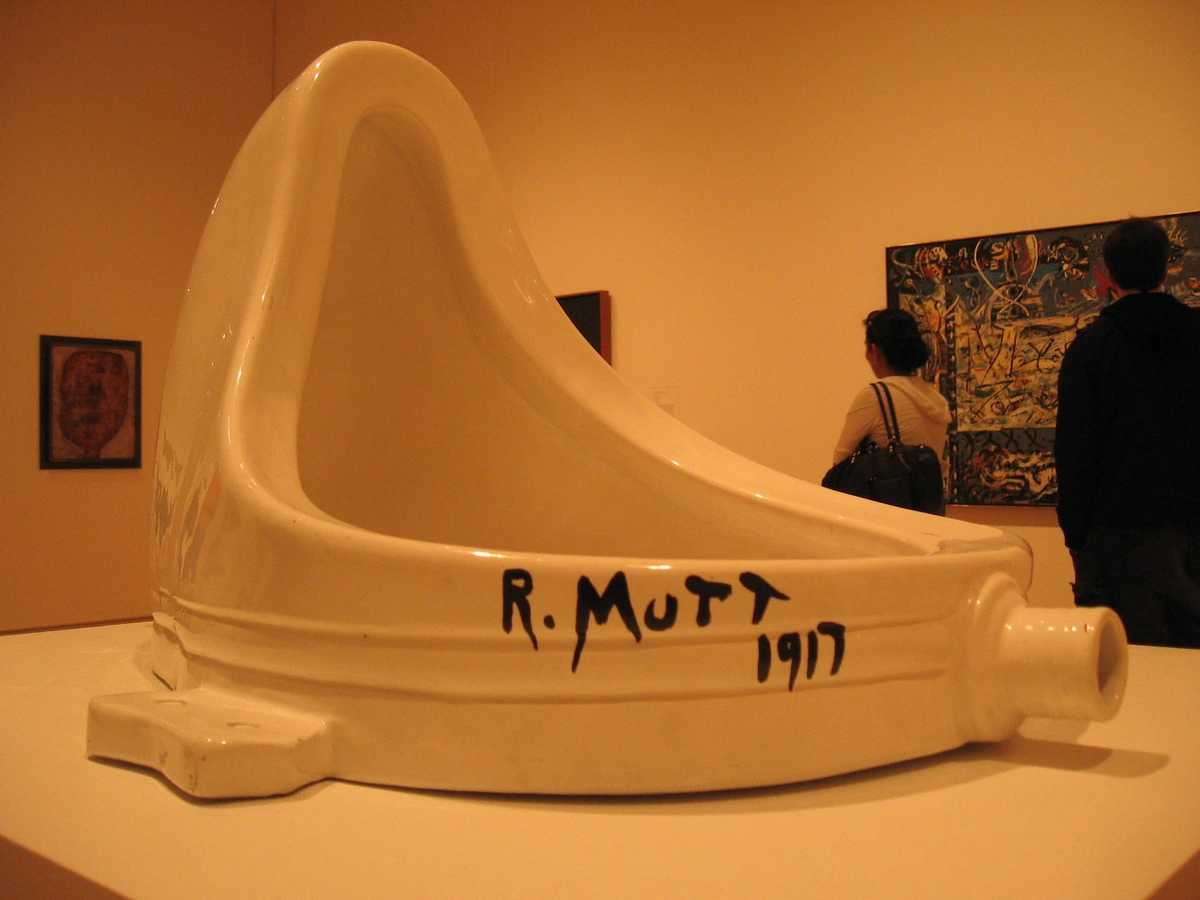
It’s impossible to talk about this without mentioning Marcel Duchamp. In 1917, this bold provocateur did something that shocked the art world: he purchased a standard porcelain urinal, signed it “R. Mutt,” titled it Fountain, and submitted it to an exhibition. The art establishment was outraged. But Duchamp’s point was brilliant. By choosing a mass-produced object, he declared that the artist’s idea and context—what he called the “readymade”—were more important than technical skill. He shifted the power from the hand of the maker to the mind of the conceptualizer.
The baton was then picked up by the Surrealists, who were fascinated by the psychology of objects. Artists like Meret Oppenheim took familiar items and transformed them into something unsettling and dreamlike. Her 1936 work, Object (Le Déjeuner en fourrure), is a cup, saucer, and spoon covered in the fur of a gazelle. Holding it would be a bizarre sensory experience, turning the comforting act of drinking tea into something strange. It forces you to re-evaluate your relationship with everyday things. The domestic is rendered wild, the comforting made uncomfortable, tapping directly into the logic of dreams where a teacup might very well be furry.
Later movements like Neo-Dada and Pop Art ran with this idea, filling their work with the cast-offs and icons of consumer culture. Robert Rauschenberg created what he called “combines,” sprawling works that blended painting with real-world objects like tires, stuffed animals, and furniture. His piece Monogram, featuring a stuffed angora goat with a tire around its middle, is a landmark of this style. In doing so, he broke down the barrier between art and life, suggesting that our lived experience is a rich enough source material on its own. But artists weren't just looking at the cast-offs; they were also looking at the new icons of American life. Claes Oldenburg took this a step further by creating soft sculptures of everyday objects like hamburgers and light switches, deflating their industrial seriousness with a goofy, charming malleability, questioning the solidity of our world.
This legacy continued to evolve. The Arte Povera movement in Italy during the 1960s and 70s explicitly celebrated "poor" or everyday materials like earth, rocks, clothing, and newspapers to challenge the commercialization of the art world. Artists like Michelangelo Pistoletto created works that felt both humble and profound. Meanwhile, the Fluxus movement embraced ephemeral, often performative acts with ordinary objects, focusing on the event or the concept rather than creating a static, valuable art commodity. I love the Fluxus mindset because it's so playful; a simple performance of sweeping the street could become a meditative art piece, suggesting that a change in attention, not a change in materials, is all it takes to create art.
Key Concepts That Make Found Objects Sing
Not every object pulled from a trash heap is destined for a museum. The magic happens when the choice is intentional. Here are the core concepts that turn a piece of junk into a statement of art. Think of these not as rigid rules, but as the invisible threads that connect an artist's eye to an object's hidden potential. They are the tools for a kind of alchemy, turning the lead of the everyday into the gold of artistic meaning.
1. Recontextualization: Seeing with New Eyes
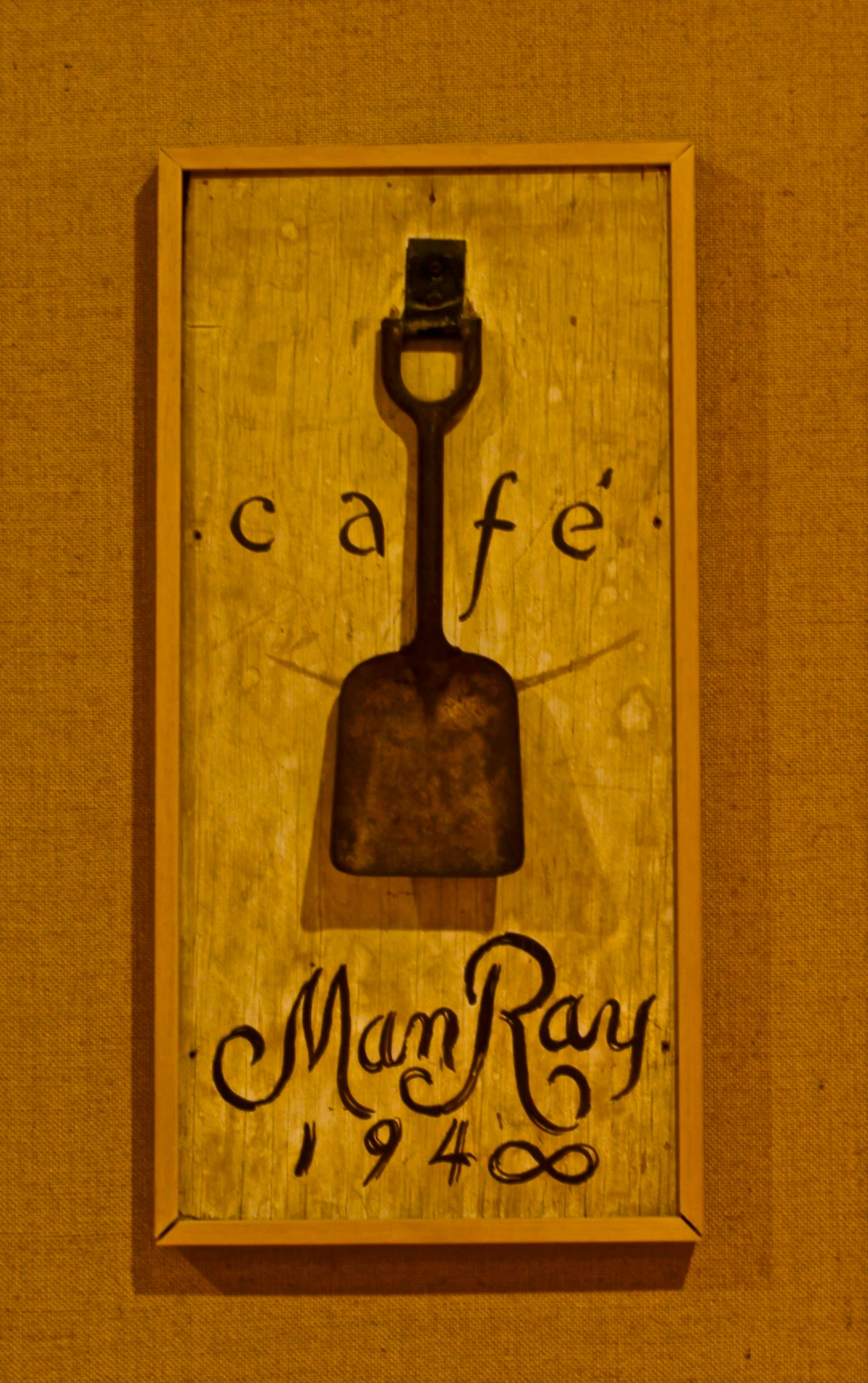
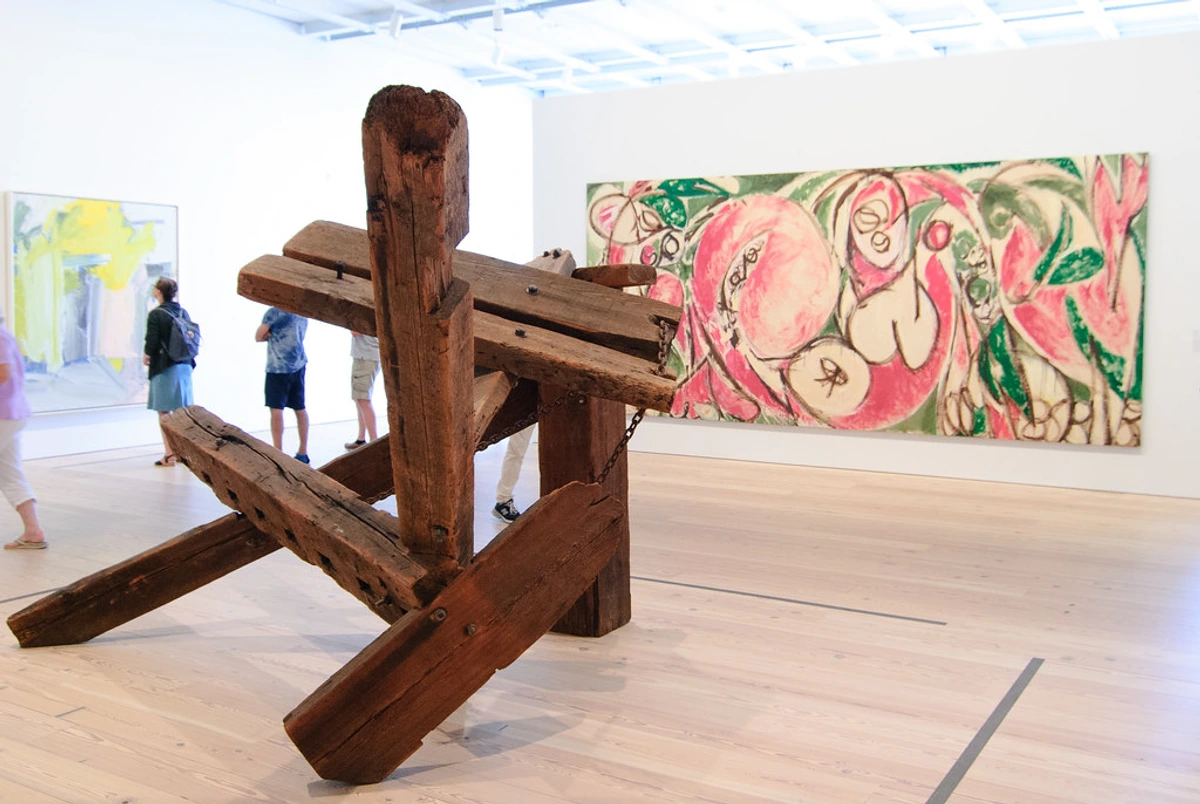
This is the soul of found object art. Recontextualization simply means taking an object out of its original environment and placing it in a new one. A wine cork is functional in a bottle, but what does it become when a thousand of them are glued together to form a textured wall relief? Its original purpose is erased, and its form, color, and texture are suddenly the most important things about it. We are forced to see the object not for what it does, but for what it is. This act disrupts our automatic, utilitarian way of looking at the world and invites us into a more contemplative, aesthetic mode of perception. It’s the artistic equivalent of picking up a word from a technical manual and placing it in a love poem. A friend once showed me a piece they made from a single, salvaged antique doorknob placed on a simple black pedestal. I couldn’t stop thinking about all the hands that must have touched it. That’s recontextualization at its best—a simple object transformed into a vessel for countless stories.
2. Assemblage: The Art of Putting Things Together
If recontextualization is about changing an object's meaning, assemblage is its physical counterpart. It’s the act of assembling or piecing together different found objects to create a new, cohesive whole.
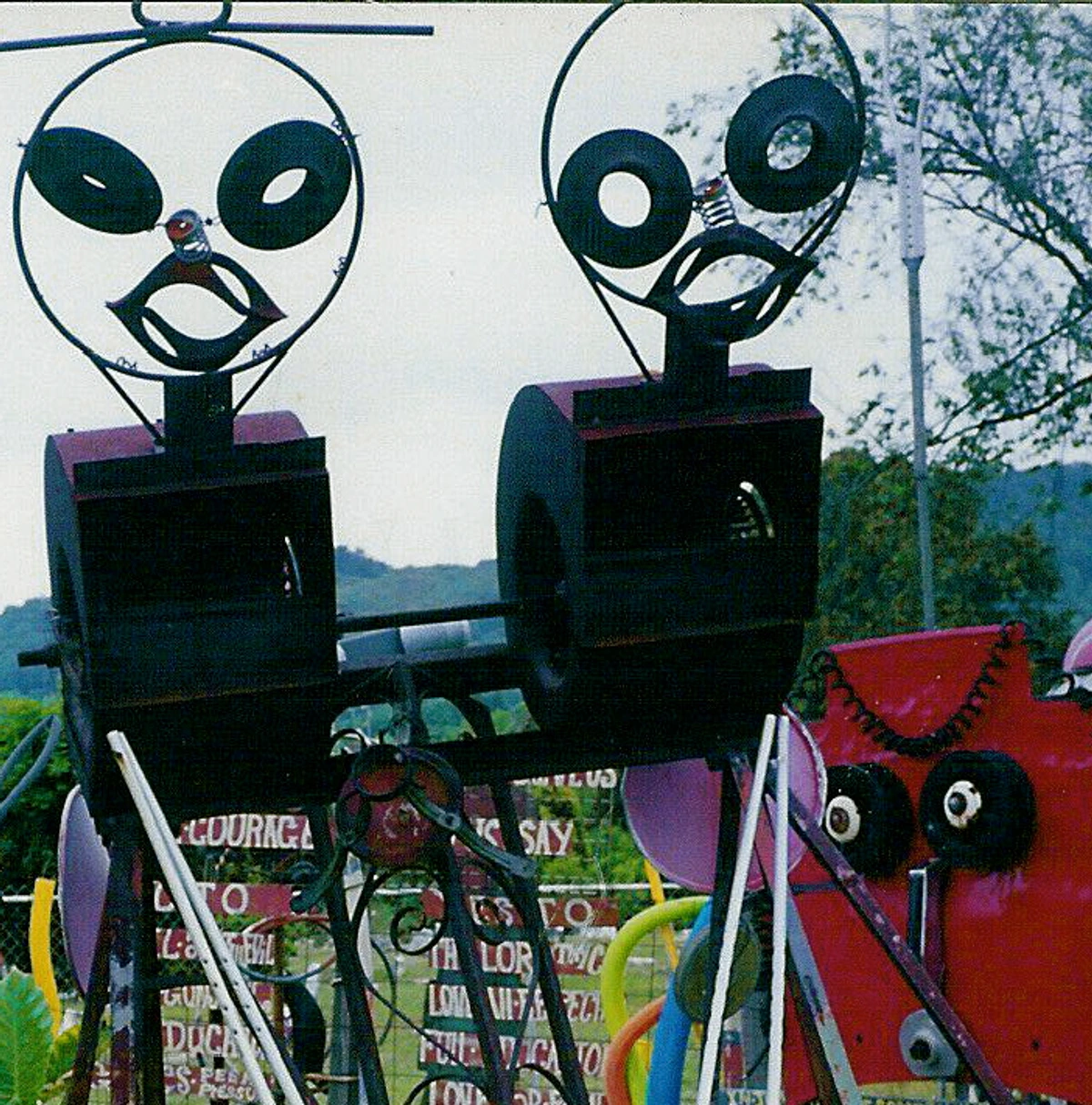
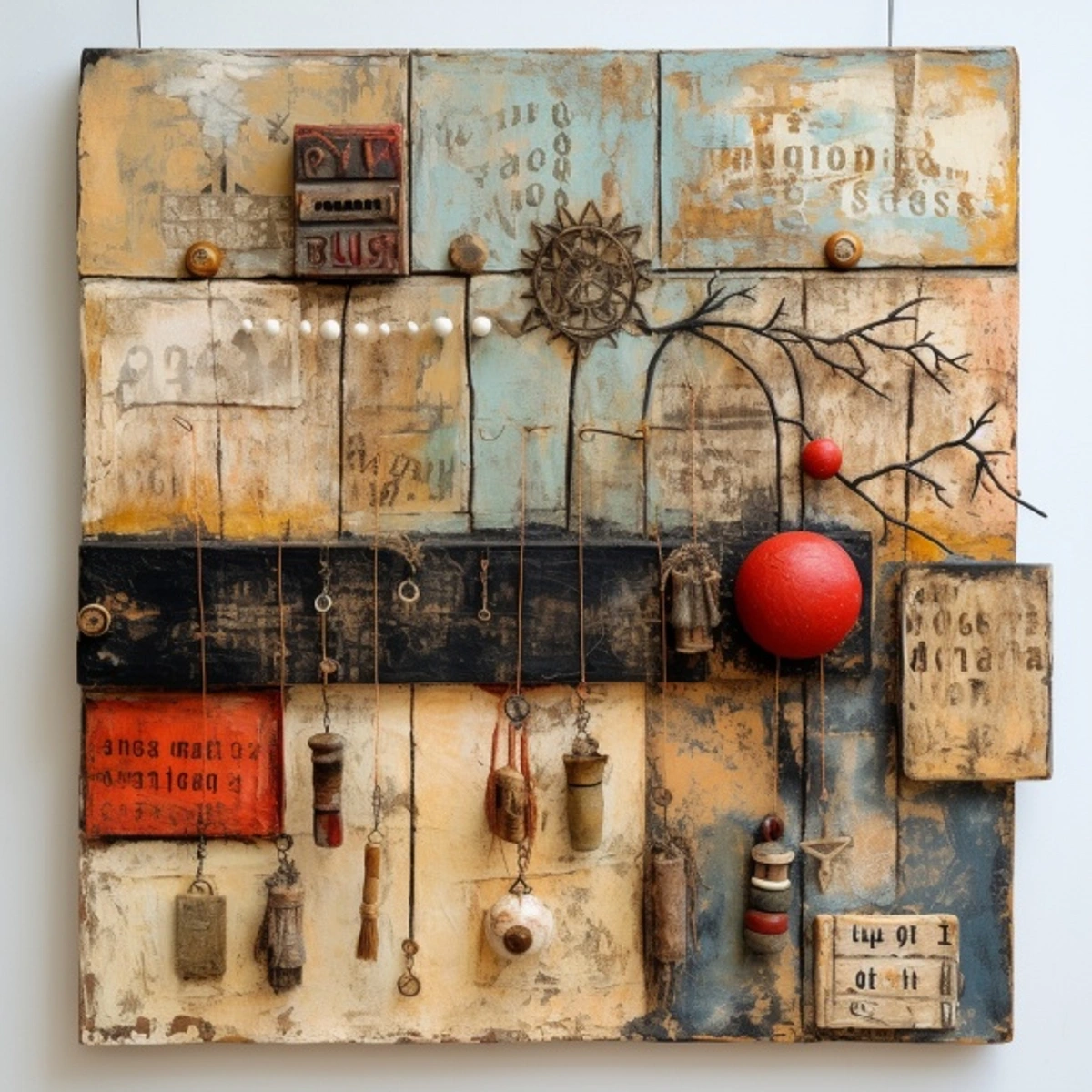
Think of it like three-dimensional collage. Artists like Louise Nevelson created monumental, monochromatic wooden walls filled with fragments of chairs, spindles, and moldings she gathered from New York City's streets. While each piece was once part of something else, together they formed a new, powerful composition. The artist becomes a composer, orchestrating a symphony of discarded parts. The final work is greater than the sum of its parts, with the negative spaces and relationships between objects becoming as important as the objects themselves. Seeing a Nevelson in person is a profound experience; the sheer scale of these wooden monoliths, painted a single, unifying color, makes you feel like you're looking at a city skyline or an ancient, forgotten temple built from the ghosts of forgotten furniture.
3. Juxtaposition: The Power of Unexpected Combinations
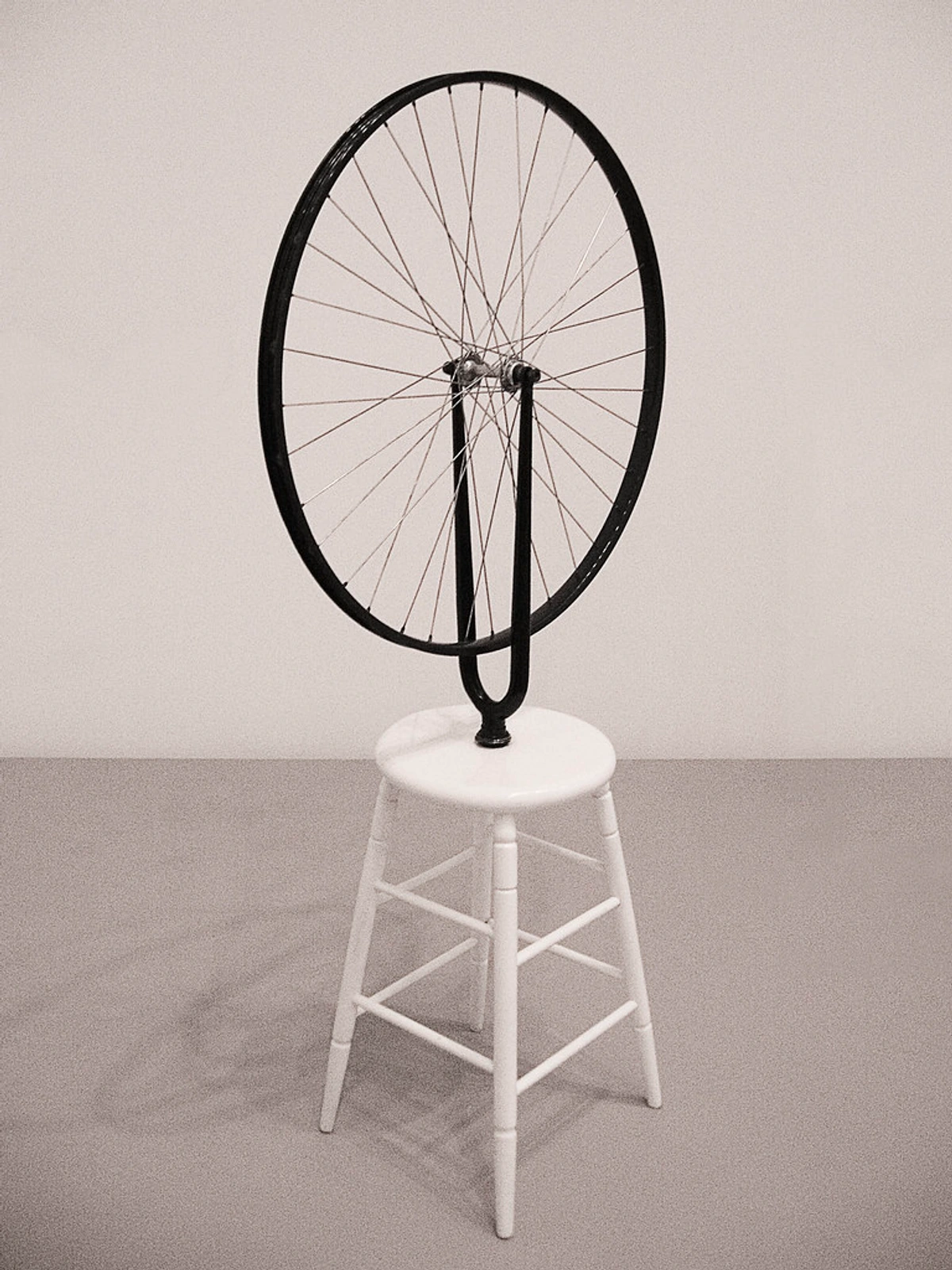
Sometimes, the greatest meaning comes from placing two unrelated things side-by-side. This is juxtaposition. The goal is to create a cognitive spark—that 'Aha!' moment where the combination of two disparate elements generates a new, third idea. Imagine a fragile, antique doll's head attached to the mechanical body of a toy robot. The contrast between the old and the new, the delicate and the industrial, the organic and the machine-like creates a powerful narrative tension. It immediately sparks a story in the viewer's mind about innocence lost, the march of technology, or the collision of time periods, without a single word being written.
4. Medium and Concept Unite: The Message in the Material
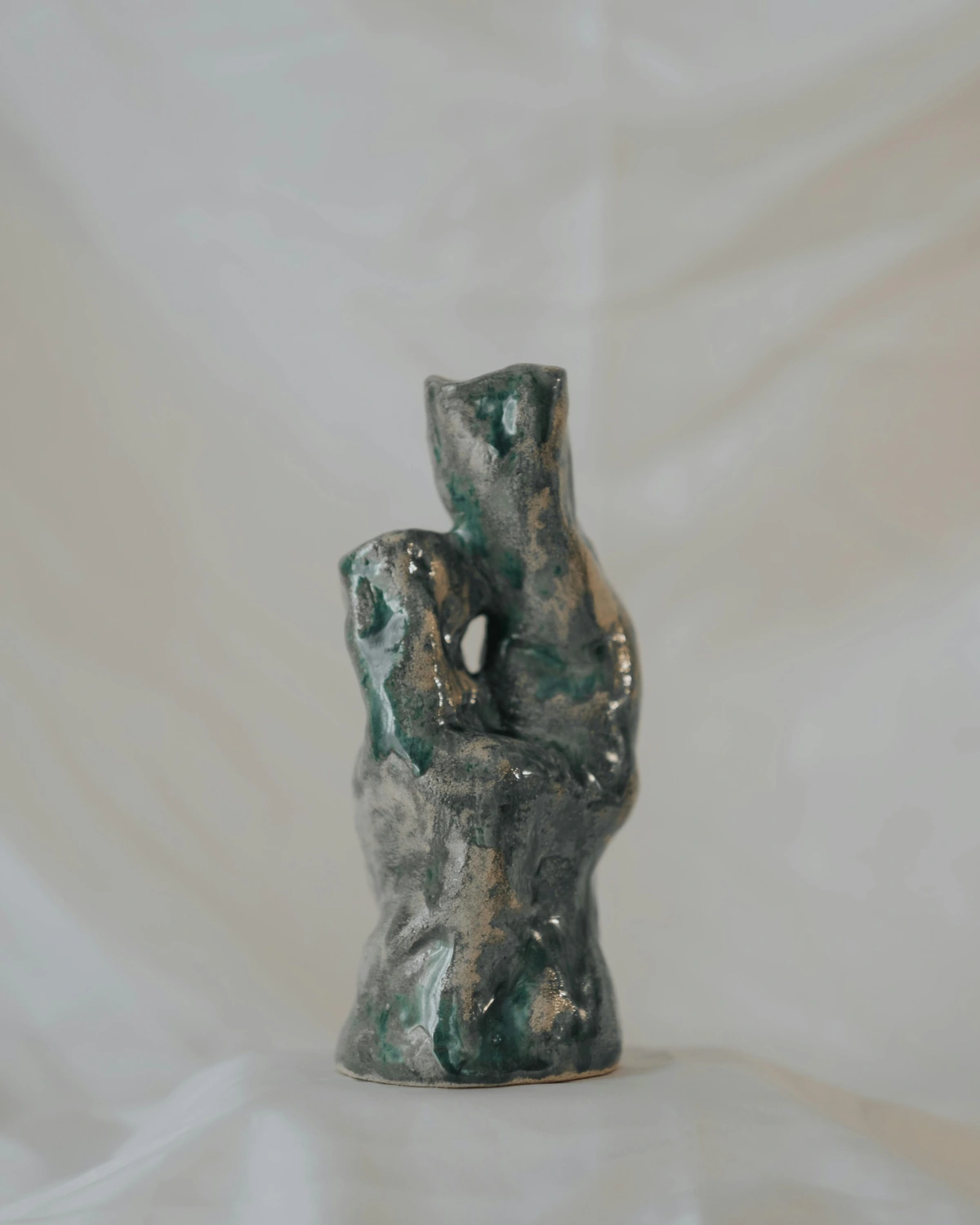
The object itself is never just a neutral piece of matter. Its history and original purpose bring their own story, or what we can call its 'embedded narrative.' An artist using shattered safety glass to create a portrait is making a powerful statement about vulnerability or protection. An artwork built from weathered driftwood carries the story of the sea, time, and erosion within its very fibers. An assemblage made from old clock parts is inherently about time. I once encountered an artwork made entirely from rusted sardine cans. The artist wasn't just using metal; they were using the smell of the sea, the memory of a factory, and the echo of a thousand forgotten lunches. The material chose the story as much as the artist did.
In found object art, the medium and the message are inseparable. The choice of a specific object over any other is a critical decision. Using a rusted child's toy versus a polished corporate logo carries profoundly different connotations, even if the overall shape of the artwork is the same. The material is the meaning.
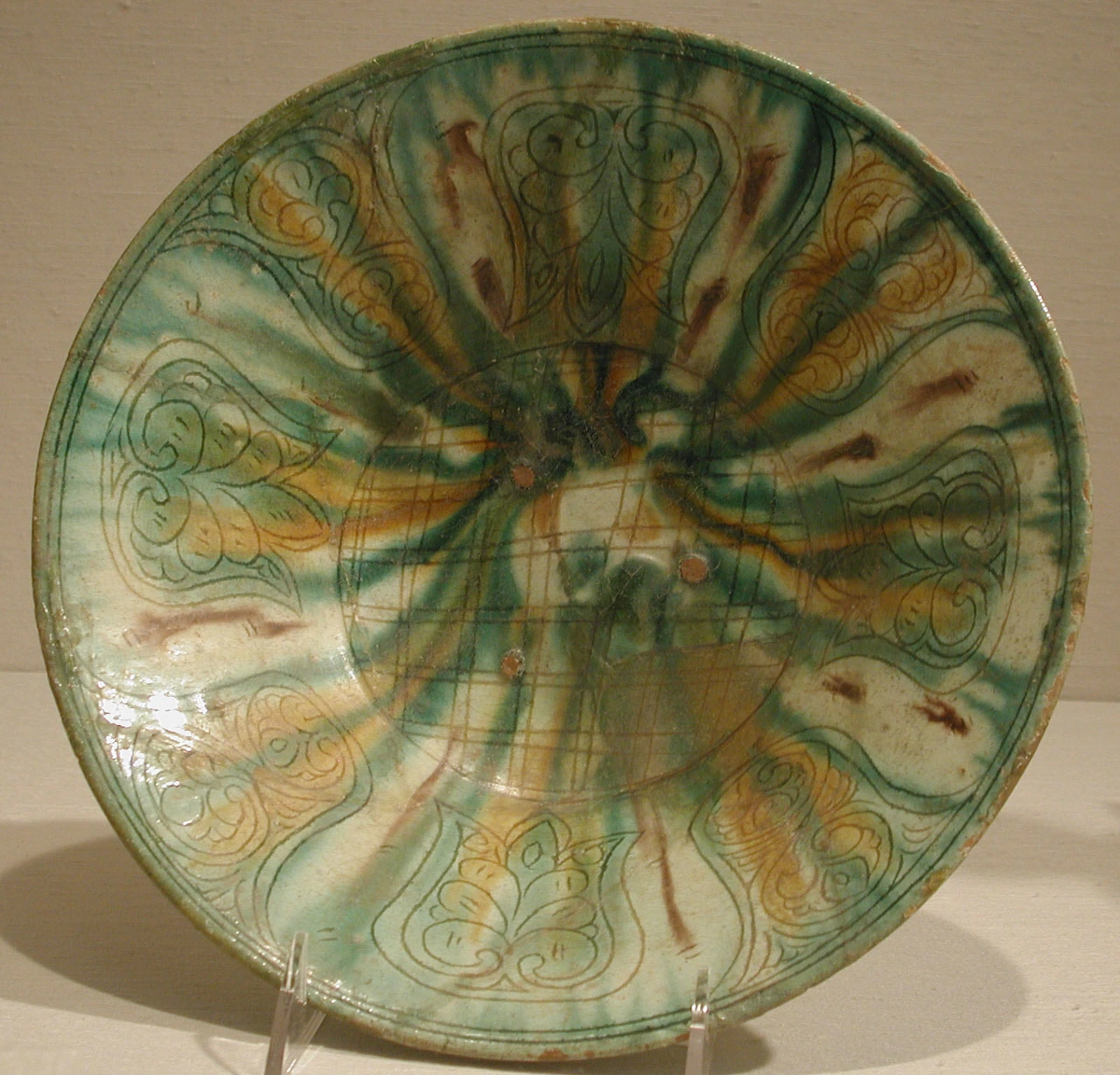
In found object art, the medium and the message are inseparable. The choice of a specific object over any other is a critical decision. Using a rusted child's toy versus a polished corporate logo carries profoundly different connotations, even if the overall shape of the artwork is the same. The material is the meaning.
How Artists Transform the Ordinary into the Extraordinary
So how does an artist actually work with these materials? The approaches are as varied as the objects themselves. It's a process that blends chance, intention, and a deep engagement with the material's history. To truly understand it, we have to look at the distinct stages and methods that artists employ to coax new life from old forms. Beyond the grand 'how,' there are specific, repeatable strategies that turn a pile of scraps into a coherent statement. It's a constant back-and-forth between what you want to make and what your materials suggest they can become.
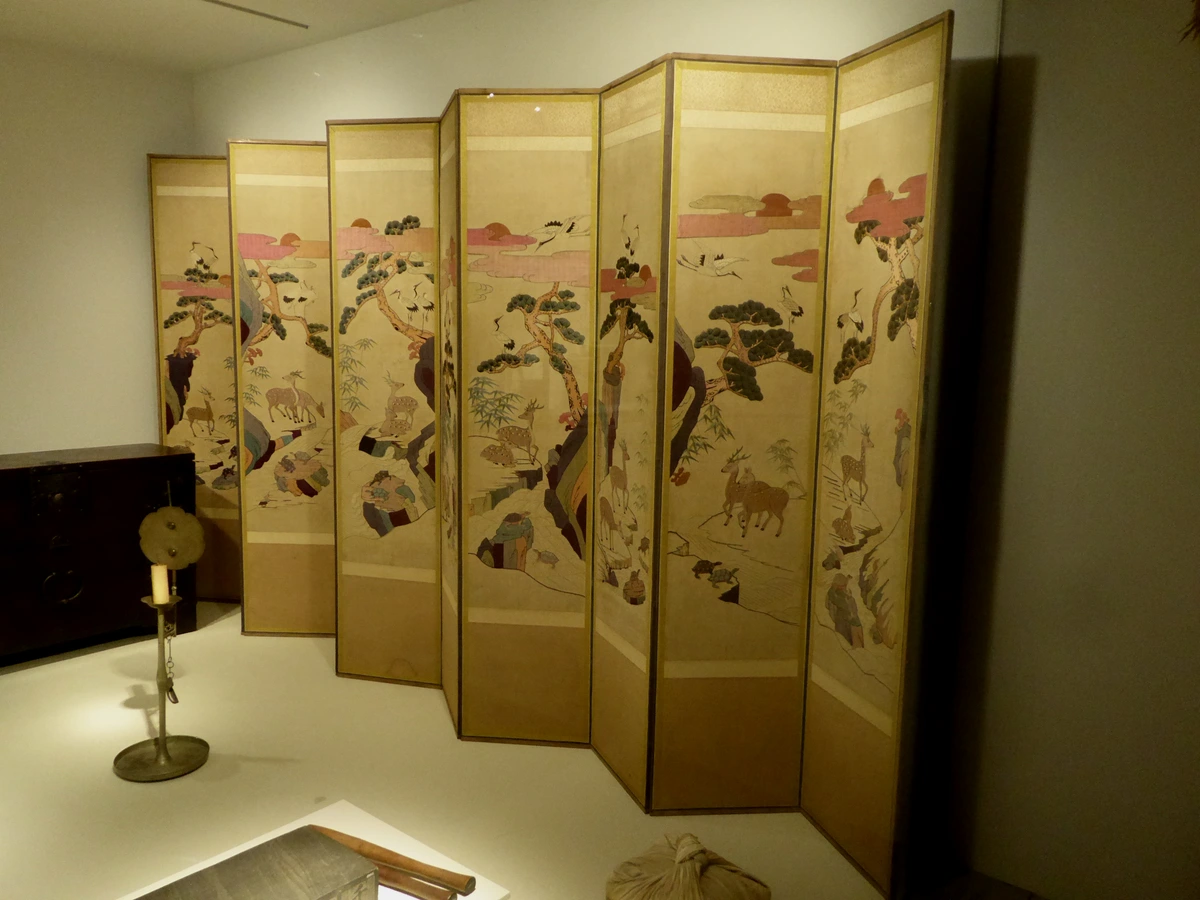
- Minimal Intervention: Sometimes, the artist does very little. Duchamp’s Fountain is the prime example. The urinal is simply signed and placed on a pedestal. The art is the idea, the gesture of selection. For you at home, this might mean taking a single, beautifully rusted gear and placing it in a simple glass vitrine. Its isolation forces us to admire its intricate, forgotten beauty.
- Assemblage and Sculpture: This is the most hands-on method. It involves physically joining objects—through welding, gluing, nailing, or wiring—to build a new form. This is where you connect the wrench to the spoon, or build a cityscape from old circuit boards. The joy is in the physical construction and problem-solving.
- Integration with Traditional Media: Found objects often don't exist in a vacuum. They are glued onto canvases, embedded into paintings, or used as printing blocks. It’s a way of grounding more traditional art forms in the texture and reality of the everyday world. An artist might layer paint over a rusted metal surface, allowing the organic decay to interact with the deliberate brushstrokes, creating a dialogue between natural process and human control.
- Transformation through Modification: Beyond simply assembling, artists can physically alter found objects. This involves cutting, melting, painting, sanding, or assembling. A clear plastic bottle can be melted and reshaped into an organic, almost cellular form, completely divorcing it from its original purpose. Pages from a book can be carefully folded using techniques like origami to create intricate patterns or sculptural bas-reliefs. This approach grants the artist more control over the final form while retaining the history embedded in the material. The process itself—melting, cutting, folding—can become a metaphor for the transformation the artist is trying to evoke. I find this method deeply satisfying because you become a surgeon to the object, revealing its hidden anatomy.
- Conceptual and Installation Art: In these practices, the idea behind the object's arrangement is paramount. An artist might collect hundreds of discarded pairs of shoes and arrange them in a vast grid on a gallery floor. The power comes not from altering the shoes, but from the sheer volume and pattern of their presentation. The objects become data points in a larger statement about consumption, individuality, or collective memory. The focus shifts from the individuality of a single shoe to the overwhelming pattern of a thousand journeys, finished.
Why Found Object Art Endures: It’s Not Just About Recycling
You might think this all sounds like a fancy way to avoid buying art supplies, and on some level, it is! But the appeal of found object art goes much deeper.
It’s a deeply democratic practice. It suggests that you don’t need expensive materials to make valid art. Inspiration is all around you, often for free. It encourages a resourceful and observant way of living. This inherent accessibility dismantles the elitist barriers that often surround the art world, making creative expression available to anyone with a curious mind and a willingness to look. It proves that the most potent art supply isn't in a store; it's in the alleyway, the thrift shop, or even your own kitchen junk drawer. It's a philosophy that empowers you to create, not just consume.
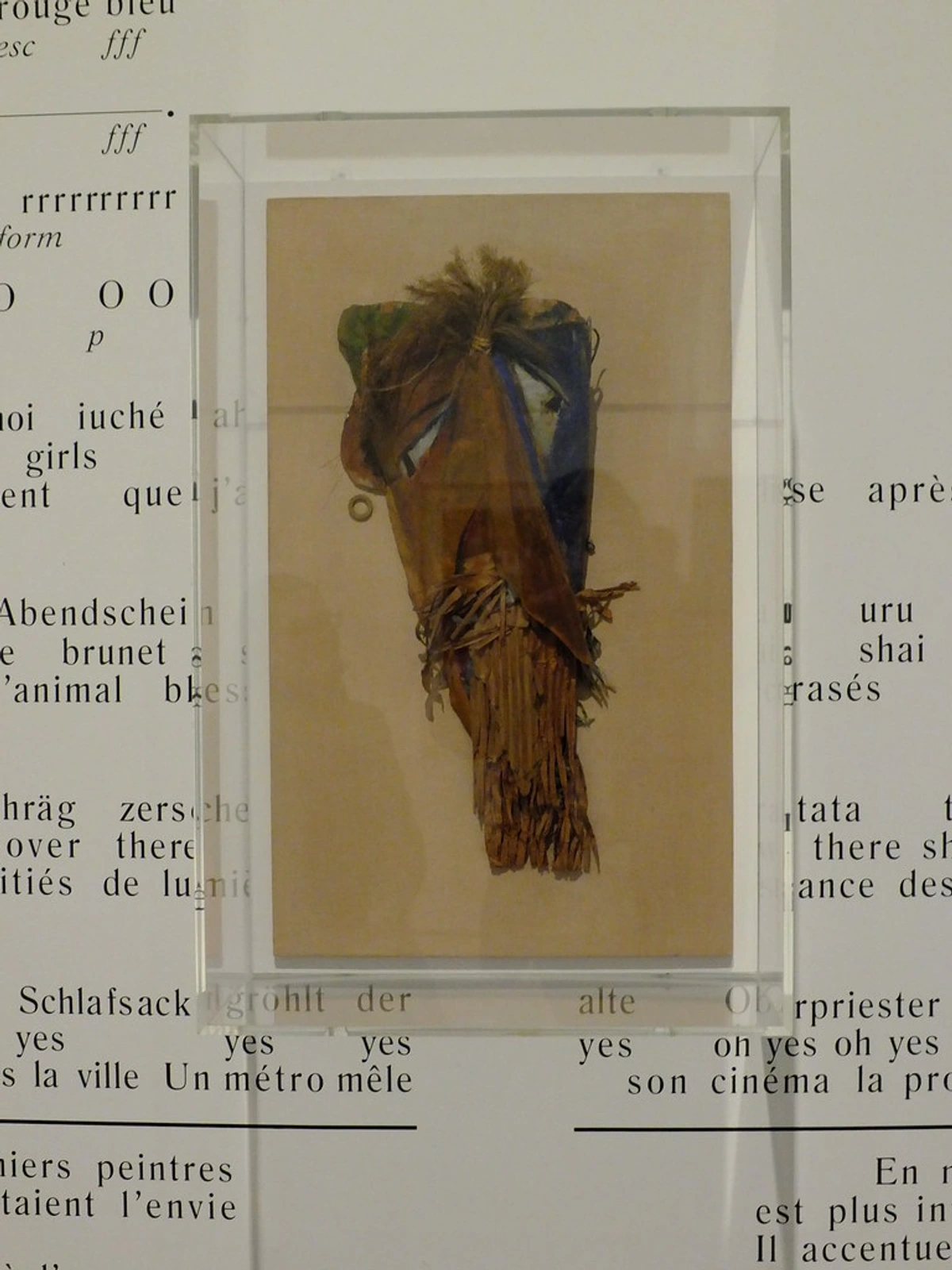
It’s also an art of resilience and memory. By giving a forgotten object a new purpose, the artist preserves a piece of history. A chipped plate in a mosaic tells the story of a thousand family dinners. A rusted farm tool in a sculpture speaks to a bygone era of labor. This art doesn’t erase history; it honors it by transforming it. The object becomes a vessel for collective and personal memory, a tangible link to the past that speaks to the present.
Crucially, it challenges our definition of value. In a culture obsessed with the new, the pristine, and the perfect, found object art insists that beauty, meaning, and worth can be found in the imperfect, the overlooked, and the discarded. It proposes a radical alternative to consumerism, suggesting that the most powerful materials are not those we purchase, but those we rescue from oblivion. This art asks us to divorce an object's value from its price tag and re-evaluate it based on its form, its history, its texture—its soul. It's an argument against disposability, making every scar a story and every imperfection a signature of character.
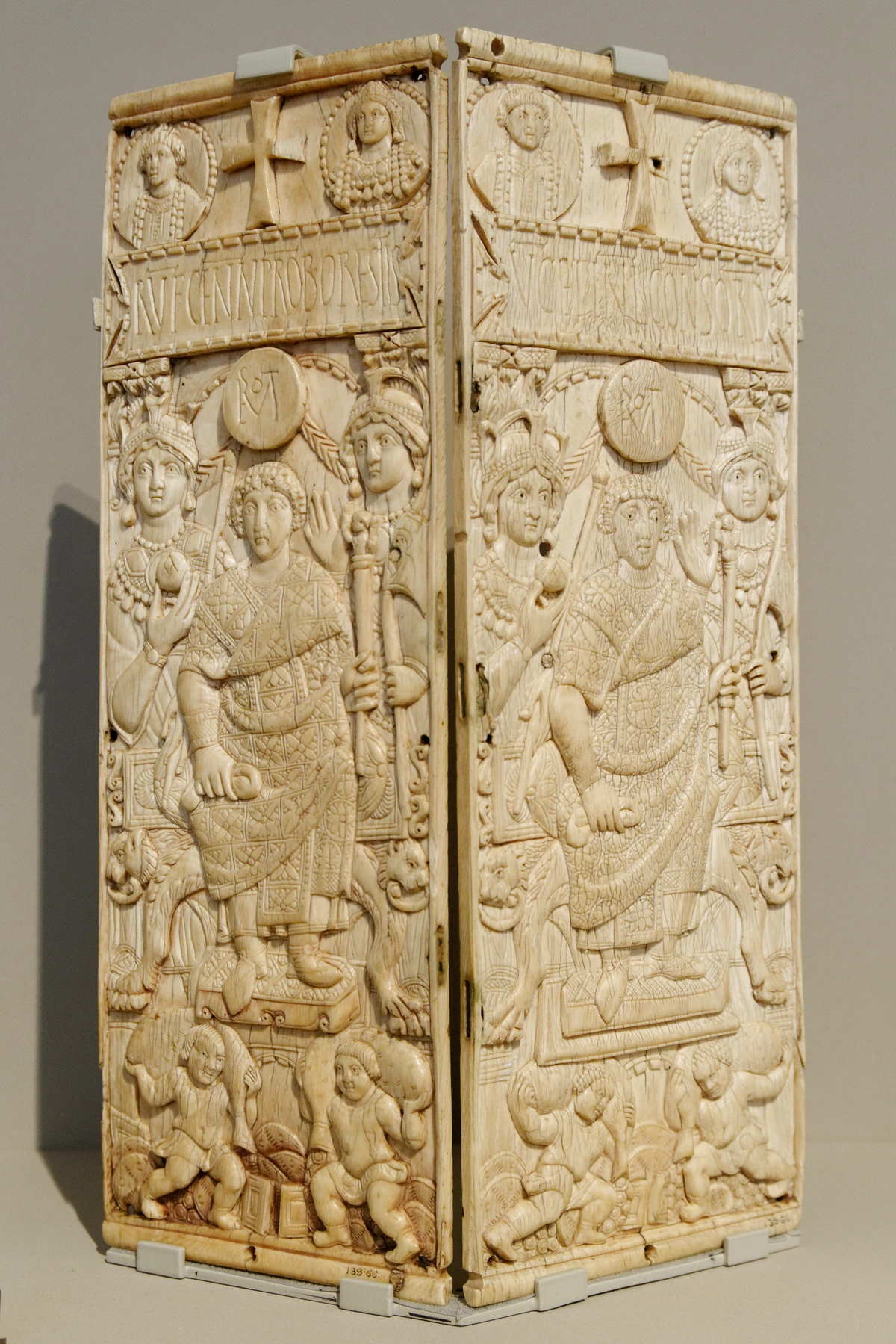
In our throwaway culture, this practice is a quiet act of rebellion. It's a philosophy that encourages us to see the world not as a catalogue of products, but as an endless source of raw material and latent poetry. Found object art insists that beauty, meaning, and worth are not assigned by a price tag, but discovered and created through attention and intention.
An Artist's Toolkit: How to Start Your Own Found Object Practice
Feeling inspired to look at your own surroundings a little differently? Here’s how you can begin. Starting can feel intimidating, but the beauty of this practice is that you likely already have everything you need to take the first step. Forget the expensive art store; your most valuable resource is a shift in perspective.
Step 1: Become a Noticer.
Slow down. This is the most important step, and it costs nothing. Instead of listening to a podcast on your next walk, try walking in silence. Notice the shapes, textures, and patinas of the objects you encounter. Look at the dead leaves on the ground, the pattern on a manhole cover, the way water has stained a piece of paper. Observe the way light reflects off a discarded piece of foil or how rust has created an intricate pattern on an old can. Start questioning the 'why' behind your impulse to ignore certain things. Why do we overlook a crumpled piece of paper but admire a crumpled sculpture?
Start carrying a small bag or dedicating a pocket to your finds. A curated collection of intriguing objects is your most important tool, and it begins with this simple act of observation. The Japanese aesthetic of wabi-sabi, which finds beauty in imperfection and transience, is a useful lens here. You're not just collecting things; you're gathering fragments of time, evidence of life and decay, and potential for rebirth. Think of it like a visual diary where the entries are things you pick up. I keep a dedicated 'maybe' box in my studio. It's filled with all the things I couldn't leave behind. Most of it will stay there, but one or two will tell me what they want to become.
Step 2: Ask Questions, Don't Make Statements.
When you find an object, don’t immediately ask, “What can I make with this?” That question forces you to invent an answer and can lead to creative blocks. Instead, ask open-ended questions that cultivate curiosity: “What does this remind me of? What was its life before I found it? What stories does its shape suggest? How does its texture feel? If this object could speak, what would it say?” Let the object guide you. Often, the object itself contains the blueprint for what it wants to become. I've had pieces sit on my shelf for months before their purpose finally revealed itself. This waiting, this period of non-action, is an active part of the creative process. It's a conversation where you keep asking and waiting for the object to whisper back an answer.
Step 3: Gather and Group.
Collect your finds. A shoebox or a dedicated drawer is a good start. From time to time, empty your collection onto a table. See how the objects relate to one another. Do they clash? Do they harmonize? Groupings of three or five objects can often create a compelling little narrative scene or a balanced composition.
This is where you move from collecting to composing. It's like arranging words into a sentence. The relationship between objects—their scale, color, texture, and history—is where the meaning starts to emerge. A smooth, water-worn stone next to a jagged piece of broken ceramic immediately creates a story of nature versus industry, of erosion versus sudden violence. You don't need to be an expert in formal composition; just trust your eye and pay attention to which combinations feel right and which ones feel inert. Don't be afraid to play. Set things up, knock them down, and start again. The perfect combination often reveals itself through a process of trial and error, and the 'error' part is just as important.
Step 4: Don't Just Glue, Think.
Before you start assembling, think about the concept. What are you trying to say? Is your piece about the passage of time? The absurdity of consumerism? The hidden beauty in decay? Use your objects to explore that theme. The best found object art feels intentional, not random. There's a huge difference between a pile of junk and an assemblage that resonates.
However, 'thinking' doesn't mean you need a fully formed Ph.D. thesis before you touch a drop of glue. Often, the concept reveals itself during the process of arranging and rearranging. It's a dialogue between your idea and the physical reality of the objects you've chosen. Be willing to let the concept evolve as the piece takes shape. The trick is to have one foot in structure and the other in chaos. Be disciplined enough to have an intention, but flexible enough to abandon it when the materials show you a better way.
Frequently Asked Questions about Found Object Art
Is found object art the same as collage? They're cousins! Collage is typically associated with creating a two-dimensional image by gluing paper, photographs, or fabric onto a surface. Found object art is broader and more often (though not always) three-dimensional, involving the assemblage of various objects to create sculptures or installations. Think of collage as the 2D branch of the wider assemblage family tree.
What is the difference between a found object, a readymade, and an objet trouvé? These terms are often used interchangeably, but purists draw distinctions. A found object is the general, umbrella term for any pre-existing object used in art. Objet trouvé is simply the French term for the same thing. A readymade, coined by Marcel Duchamp, is a more specific concept. It's a mass-produced object that is selected by the artist, minimally altered, and designated as an artwork. The crucial element of the readymade is that its status as art is conferred almost entirely by the artist's intellectual and contextual choice, not by their manual skill or the object's aesthetic qualities. So, all readymades involve found objects, but not all found object art qualifies as a pure readymade.
Aren't artists who use found objects just cheating if they don't make the object themselves? This is a classic and understandable question! It gets to the heart of what art is. Found object art shifts the skill from purely technical craftsmanship (modeling clay, carving marble) to intellectual and conceptual work. The "art" lies in the choice, the context, the eye of the artist, and the new meaning they create. It’s a different kind of creativity—one of recognition and connection rather than construction from nothing. It values the mind's ability to see relationships and propose new realities over the hand's ability to execute a predetermined plan.
Do I need to be an artist to create found object art? Absolutely not. Found object art is one of the most accessible art forms. It requires no specialized tools or training to begin. All you need is curiosity and the willingness to look at the world around you as a potential source of artistic material. It's a fantastic way to explore your creativity without any pressure.
What kinds of materials can be used? Anything! Seriously.
Category  | Examples |
|---|---|
| Natural Objects | Driftwood, stones, shells, bones, seed pods, feathers, pressed flowers. |
| Discarded Manufactured Goods | Bottle caps, broken machinery, torn book pages, old keys, defunct tools, plastic fragments, rusted metal, fabric scraps. |
| Personal & Domestic Items | Old toys, broken jewelry, chipped china, vintage photographs, postage stamps, silverware. |
The only limit is your imagination and the structural integrity of the materials you've chosen.
How do you preserve found object art? This is the practical reality check! The durability of your artwork depends entirely on the materials. A sculpture made from untreated driftwood and rusty metal will continue to change and decay over time—which can be part of the artistic statement. If you want to preserve it, you can use fixatives (like clear acrylic spray for papers), wood sealants, or metal protectors. Consider the ephemeral nature of your materials and decide whether to fight it or embrace it.
Finding the Masterpiece in Your Own Backyard
Found object art is more than an art movement; it's a way of seeing. It’s a lens that transforms a cluttered garage into a cabinet of curiosities and a simple walk down the street into a treasure hunt. It reminds us that creativity isn't just about what we can imagine in our minds, but what we can discover with our eyes.
The next time you're about to throw something away, I encourage you to pause. Hold it for a moment. Turn it over in your hands. Ask it what it used to be and what it might become next. You might just be holding the start of your next great masterpiece. The world is full of ready-made art supplies, waiting for someone with the eyes to see them. The most profound discovery you might make isn't a new object; it's a new way of looking at everything that was already there.





If you’ve enjoyed this exploration of art, I invite you to take a look at my own work. Every piece is an exploration of how different concepts come together to form a whole, and I hope it might inspire you on your own artistic journey. You can see what's currently available on my /buy page. If you're ever in the area, the /den-bosch-museum is also a fantastic place to see how artists across history have grappled with these ideas.
Remember, the tools to be an artist are already all around you. You just have to learn how to see them.