Claude Monet: Master of Light, Impressionism & The Visionary Who Revolutionized Art
Explore Claude Monet's complete journey: from rebellious caricaturist to Impressionism's founder, his revolutionary techniques, Giverny's artistic sanctuary, iconic series paintings, and profound legacy that reshaped how we see light, color, and perception itself.

Claude Monet: The Master of Light, Perception, and Artistic Revolution
Have you ever stood before a canvas and felt the light radiating from it, not just depicted, but truly alive? That, for me, is the undeniable magic of Claude Monet. His paintings aren't merely beautiful landscapes; they’re raw, sensory experiences, capturing moments so fleeting you can almost feel the air shift and the sun move. He didn’t just paint what he saw; he painted how it felt, how it breathed in that exact instant. And honestly, that’s why I find his story so utterly captivating. It’s not just about pretty pictures; it’s about a man who, against all odds and rigid academic dogma, completely upended the art world. He didn't just lead a revolution; he fundamentally changed the way we all look at light, color, and even perception itself.
I’ve spent countless hours wandering through galleries, mesmerized by his canvases, always trying to figure out his magic. What I’ve realized is that understanding Monet isn't just about the finished artworks, but about the tenacious, rebellious spirit behind the brush – his early struggles, his relentless artistic obsessions, and his incredible, singular vision. In this exploration, we'll journey from his sharp-witted beginnings as a caricaturist in Le Havre, to the audacious "Impression, Sunrise" that literally named an entire movement, and the serene, ever-changing world of his Giverny gardens. We'll explore his unexpected beginnings, the groundbreaking birth of Impressionism, his revolutionary techniques for capturing light, his lifelong obsession with light through his iconic series paintings, the personal joys and sorrows that shaped his vision, his poignant battle with cataracts, and the colossal legacy he left behind. Get ready to peel back the layers and discover why his influence still pulses through every brushstroke of modern art.
A Brush with Destiny: Monet's Formative Years and the Seeds of Rebellion
Born Oscar-Claude Monet in Paris in 1840, it’s pretty wild to think he actually started out as a caricaturist, isn't it? The future master of subtle light and shadow sketching funny faces for a few francs – it’s a fascinating paradox. But these weren't just silly doodles. These were sharp, witty observations of Parisian society, honing his eye for essential forms and character, skills that would later translate directly into capturing the character of light itself. Even in those early sketches, you can see the nascent spark of a keen observer, someone who saw beyond the surface to the essence of a subject.
It was in Le Havre, where his family moved, that the true seeds of rebellion were sown. There, he met Eugène Boudin. Boudin, a seasoned landscape painter, saw something special in the young Monet and became his first true mentor, encouraging him to paint en plein air – outside, directly from nature. I mean, can you imagine the sheer audacity of this? This wasn't just a stylistic preference; it was a radical, almost defiant act against the stuffy traditions of the time, where artists were expected to meticulously finish paintings in the controlled, artificial environment of a studio. Painting outdoors meant battling unpredictable wind, rapidly changing light, curious onlookers, and the sheer speed at which a natural scene transforms. It sounds exhausting, right? But for Monet and his burgeoning group of fellow rebels, this wasn't a hindrance; it was the very essence of what they wanted to capture: the instantaneous moment, the shifting light, the raw, fleeting impression. You can explore this revolutionary approach further by delving into what is plein air painting.
Monet also briefly encountered Johan Barthold Jongkind, another influential landscape painter who reinforced Boudin's lessons. Jongkind further encouraged Monet's en plein air practice, showing him how to capture the fleeting effects of atmosphere and light with quick, spontaneous brushstrokes. These early encounters, far from the formal academies, planted the crucial seeds for his later revolution. While he did briefly enroll at the Académie Suisse and the studio of Charles Gleyre, where he met future Impressionist compatriots, he quickly developed a distaste for their rigid, traditional teaching methods. At these institutions, the emphasis was on meticulous drawing, classical subjects (history, mythology), and achieving a polished, idealized finish in the studio. Monet, with his burgeoning desire for spontaneity and truth to observed nature, found more kinship in lively discussions with artists like Gustave Courbet, a leading figure in Realism, whose commitment to depicting contemporary life and unidealized, gritty reality surely resonated with Monet's desire for authenticity, even if their artistic approaches would ultimately diverge significantly.
This rebellious spirit defined him and his peers. Rather than conforming to the Salon's strictures (the official, conservative art exhibition of the Académie des Beaux-Arts in Paris, which championed historical subjects, mythological scenes, and highly polished finishes), Monet much preferred hanging out with fellow artistic renegades. This included luminaries like Pierre-Auguste Renoir, Alfred Sisley, Frédéric Bazille, Camille Pissarro, and Berthe Morisot. This group, often struggling financially, shared meals, rented studios collectively, and supported each other through constant rejections from the powerful Salon. Their shared dissatisfaction with the old ways drove a fervent search for something new – something that truly reflected the modern world they lived in: a world of bustling cityscapes, new leisure activities, rapidly changing social fabric, and the fleeting moments of everyday life. They were a tight-knit crew, constantly questioning, experimenting, and ultimately, preparing to shake the foundations of art. For instance, Renoir, much like Monet, aimed to capture the essence of life's fleeting moments, particularly in his depictions of figures, as seen in works like 'By the Seashore'. Artists like Edgar Degas, with his focus on urban ballet dancers and café scenes, brought a different but equally modern perspective, capturing life's candid moments with a photographer's eye.
The Birth of a Movement: "Impression, Sunrise" and a New Visual Language
So, what exactly is Impressionism, beyond a fancy name? Well, it wasn't a formal manifesto or a grand declaration delivered from a podium. It quite literally started with a painting – Monet’s audacious "Impression, Sunrise" (Impression, soleil levant) from 1872. This painting, depicting the hazy port of Le Havre at dawn with orange and blue hues blurring the distinction between sky and water, exemplified everything the art establishment loathed. Its visible brushstrokes, seemingly unfinished quality, and focus on a mundane, industrialized scene were a direct challenge to academic norms.
When this work was exhibited in 1874, at their first independent exhibition, organized by the Société anonyme des artistes peintres, sculpteurs et graveurs (a mouthful, I know, but essentially a cooperative of artists), it was a truly brave move. This cooperative, formed by a determined core group including Monet, Renoir, Degas, and Pissarro, was a direct challenge to the Salon's restrictive grip. It offered artists a platform to show their work directly to the public without traditional censorship or jury approval. This was a declaration of artistic independence and a revolutionary act in itself, bypassing the powerful, conservative official Salon which had repeatedly rejected their work and stifled innovation.
And what a moment that was. A critic named Louis Leroy, intending to insult, sarcastically called the paintings mere "impressions" and dubbed the artists "Impressionists" after Monet's painting title. He meant it to suggest the works were unfinished sketches, lacking academic rigor. But oh, the irony! What an incredible twist of fate, right? The name stuck, and it perfectly encapsulated their goal: to capture a subjective "impression" of a scene, the fleeting visual sensation, rather than a perfectly rendered, idealized reality. This wasn't just a new style; it was a whole new way of seeing the world, and indeed, a new visual language focused on the raw, sensory experience of light and atmosphere.
The world around them was changing rapidly with industrialization, burgeoning urban centers, and a rising middle class demanding art that reflected their lives, not ancient myths. People were enjoying new leisure activities like boating, picnics in parks, and café outings, and Impressionism rose to meet that demand, depicting these accessible moments of modern life. If you're curious to dive deeper into this pivotal moment, I highly recommend exploring what is Impressionism as an art movement and our ultimate guide to Impressionism.
Influences on the Impressionist Vision
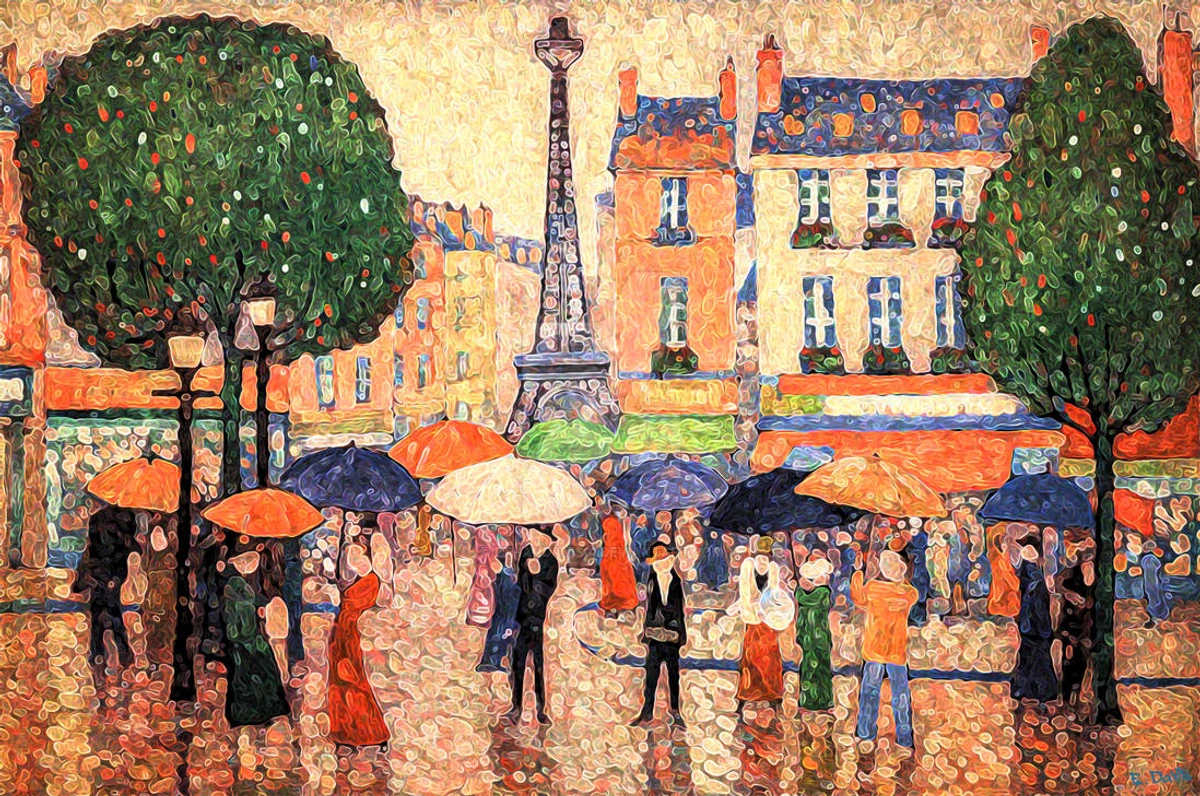
This new visual language also drew profound inspiration from the emerging art of photography, which offered new perspectives through its cropped compositions, candid 'snapshot' moments, and ability to capture the fleeting blur of movement. Photographers like Edgar Degas and Gustave Caillebotte (who was also a key Impressionist painter and patron, known for his unique perspectives on urban life like in "Paris Street; Rainy Day") experimented with compositional techniques borrowed from photography, such as high vantage points or off-center subjects, lending a fresh, immediate quality to their canvases. The instantaneous nature of a photograph, capturing a moment frozen in time, deeply resonated with the Impressionists' desire to depict the fleeting effects of light and atmosphere.
It’s also crucial to remember the profound influence of Japanese Ukiyo-e prints, which were flooding Europe at the time. Their flattened forms, bold outlines, asymmetrical compositions (think of Hokusai's 'The Great Wave off Kanagawa' with its dramatic, off-center focal point and simplified shapes), and focus on everyday life profoundly inspired Monet and his peers. These elements offered a powerful alternative to Western academic traditions and helped artists break free from rigid Western compositional rules, encouraging new ways to frame a scene and arrange elements, often leading to more dynamic and unconventional canvases. You can dive deeper into this fascinating connection with our guide to the enduring legacy of Ukiyo-e: Japanese woodblock prints and their global impact.
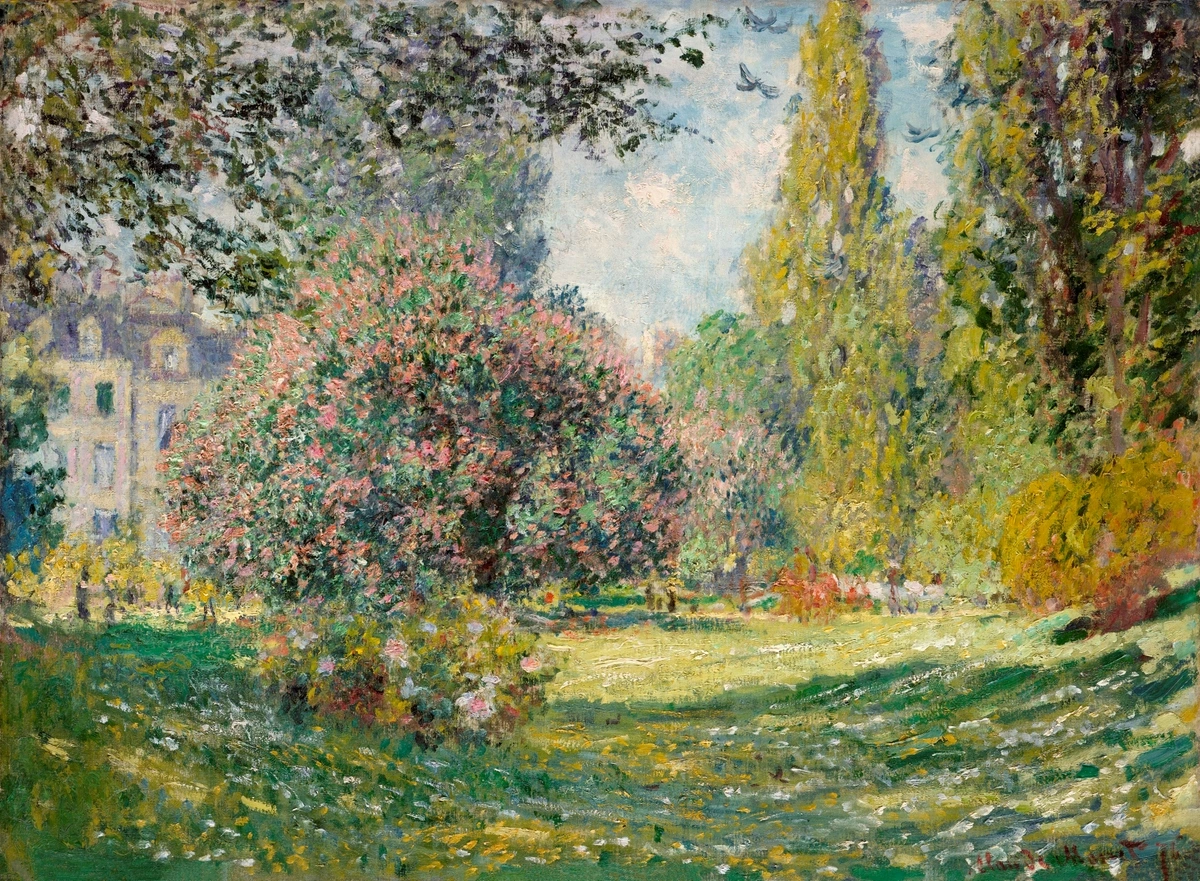
This exhibition was nothing short of a seismic shift in the art world. Instead of the expected grand historical narratives, stoic mythological scenes, or polished portraits, these artists – Monet, Renoir, Degas, Pissarro, Morisot, and Sisley among them – presented vibrant landscapes, bustling cityscapes, and intimate scenes of everyday life. Their canvases often glowed with visible, broken brushstrokes and a vibrant palette that seemed to shimmer with natural, often dappled, light. They fundamentally rejected the dark interiors, rigid compositions, and somber themes of the past, embracing the bright, changing, modern world outside.
Impressionism vs. Academic Art: The Battle for Artistic Truth
To truly grasp the radical nature of the Impressionist revolution, it really helps to see what they were so vehemently rebelling against. Imagine a world where art was dictated by strict rules, where innovation was often seen as heresy, and artists were expected to conform to centuries-old aesthetics of the Salon. They valued meticulous detail, idealized forms, and subjects that reinforced classical history or morality, often exemplified by artists like Jean-Léon Gérôme or Alexandre Cabanel. This comparison table, I think, lays out the core differences pretty clearly:
Feature  | Impressionism | Traditional Academic Art | What It Meant for Art |
|---|---|---|---|
| Subject Matter | Landscapes, cityscapes, daily life, portraits, fleeting moments | Historical scenes, mythology, religious subjects, allegories, moral narratives | Celebrated the ordinary, everyday world, making art relatable and immediate. |
| Technique | Visible, broken brushstrokes; alla prima (wet-on-wet); emphasis on texture (impasto) | Smooth, blended brushstrokes; detailed finish, idealization, invisible brushwork | Emphasized the act of painting and the artist's subjective experience, creating immediacy and palpable texture. |
| Light & Color | Focus on fleeting natural light, vibrant colors, optical mixing, colored shadows | Studio light, muted tones, chiaroscuro (strong contrasts of light and shadow), precise rendering | Revolutionized how light and color were depicted, seeing shadows as full of reflected hues, not just darkness. |
| Color Theory | Optical blending of pure colors; use of complementary colors to create vibrancy and depth; often avoided black. | Direct mixing on palette; reliance on tonal gradations; black often used for outlines and deep shadows. | Shifted from pre-mixed, static color to dynamic, interactive color perception, enhancing luminosity and vibrance through the viewer's eye. |
| Composition | Often informal, cropped, asymmetrical, influenced by photography and Japanese prints | Formal, balanced, classical perspective, carefully arranged elements | Reflected the randomness of real life, breaking free from rigid classical structures. |
| Goal/Philosophy | Capture a momentary "impression," sensory experience, subjective perception | Moral instruction, narrative clarity, idealized beauty, timelessness | Prioritized subjective experience and sensory world, focusing on how we see, rather than what we see. |
This new approach wasn't just about painting pretty pictures; it was about how we perceive the world. It was about seeing light's true color – the blues and purples in shadows, the surprising pinks and yellows in snow – and understanding how that light changed everything in an instant. It’s a profound lesson in truly seeing, isn't it? You can learn so much more about this in our definitive guide to understanding light in art.
Monet's Revolutionary Techniques: How He Painted Light Itself
Even as his vision changed and challenged him in his later years, the core of Monet's genius lay in his revolutionary techniques – a new way to apply paint and, crucially, to perceive and render color and light. His approaches were absolutely central to the Impressionist movement, and honestly, they still feel fresh and innovative today, influencing contemporary artists even now. They were the how behind the Impressionist revolution.
Let's break down some of his key approaches:
Broken Color (Optical Blending)
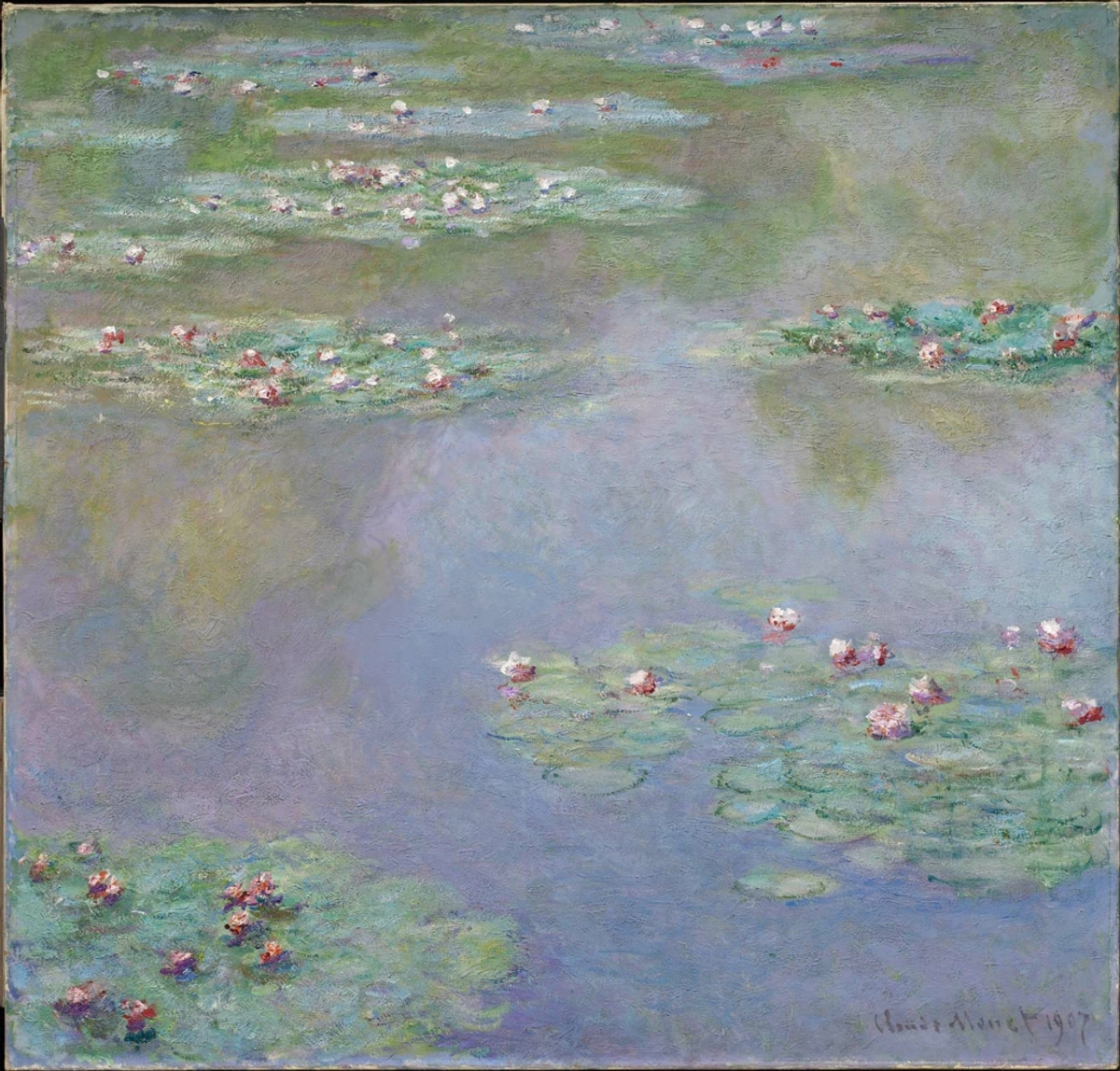
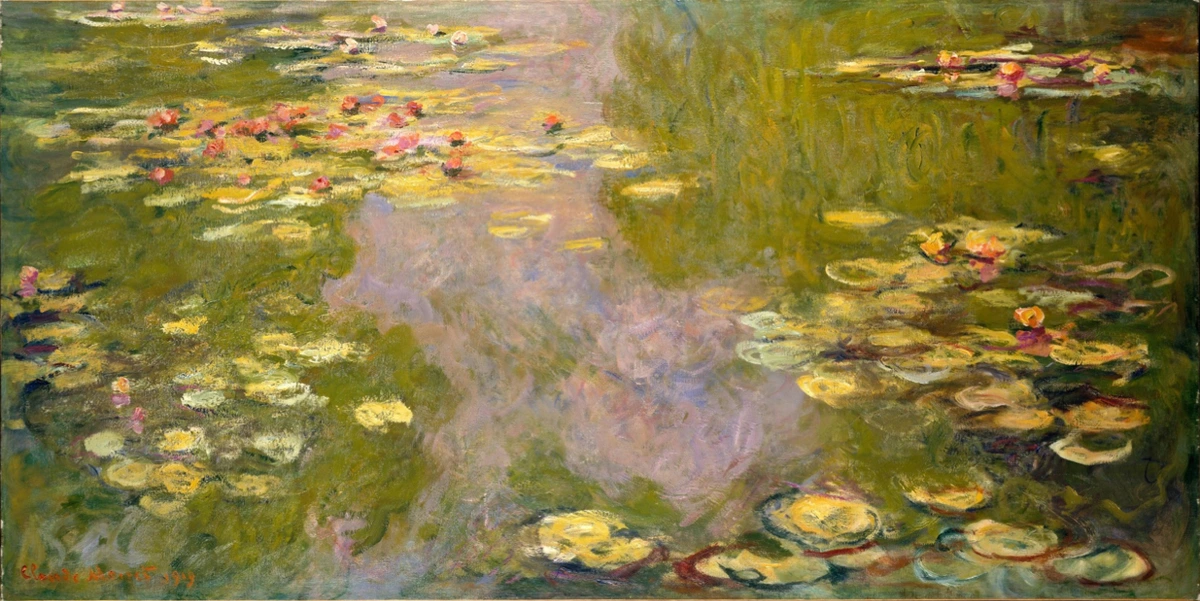
Instead of mixing colors thoroughly on his palette to achieve a smooth, blended hue (the academic approach), Monet often applied small dabs or distinct strokes of pure, unmixed color directly onto the canvas. From a distance, these individual colors would then optically blend in the viewer's eye. Think of it like this: if you look at a pointillist painting or even a TV screen, the individual dots of color merge to create a full image. Or imagine a mosaic – tiny pieces of colored tile creating a unified image when seen from afar. Monet applied this concept with paint, creating a far more vibrant, luminous, and shimmering effect than any pre-mixed color could achieve, simply because the purity of each hue is preserved until it hits your retina. It was a revolutionary understanding of how human vision works – letting the eye do the mixing! Look closely at the surface of his water lilies, for example, and you'll see a tapestry of individual blues, greens, and purples that merge into a single, shimmering reflection, full of life and movement. This technique allowed him to capture the vibrating quality of light and air.
Visible Brushstrokes (Impasto)
His brushwork was distinct, immediate, and often quite chunky or textured (impasto), emphasizing the painter's hand and the spontaneous act of painting itself. Impasto means applying paint thickly, often so that it stands out from the surface, creating a palpable, almost sculptural quality. This contrasted sharply with academic art, where brushstrokes were meticulously blended to create a smooth, 'invisible' surface, almost as if the painting had appeared magically. For Monet, the thick, buttery texture and direction of the brushstrokes became part of the painting's energy, conveying movement, the transient nature of light, and the raw feeling of the scene. This isn't just paint on a canvas; it's a physical record of the artist's engagement with the moment. In his depiction of the Rouen Cathedral, for example, the heavily textured paint on the facade seems to absorb and reflect light in a way that smooth paint could never achieve, making the stone itself feel alive with atmospheric changes. If you're looking to understand basic brushstrokes, our guide on basic brushstrokes for acrylic painting provides a great foundation.
Alla Prima (Wet-on-Wet)
Monet frequently applied wet paint onto wet paint. This technique, literally meaning "at first attempt," allowed for incredibly soft edges, spontaneous blending, and a powerful sense of immediacy. For a painter chasing rapidly changing light – like the shifting colors of a sunset over the Seine or the quick passage of clouds – this was essential. You couldn't wait for layers to dry when the atmosphere was shifting every minute! It allowed him to work quickly, laying down pure, vibrant color directly and capturing the instantaneous impression before it vanished, perfectly embodying the movement's name.
Focus on Light and Shadow as Color
This is one of the aspects I find most profoundly insightful about Monet. He understood that shadows aren't merely shades of grey or black, but are always filled with reflected light and complementary colors. Academic artists often used black or brown to darken areas, creating heavy, opaque shadows. Monet, however, observed that shadows in nature are alive with color. Look closely at a Monet shadow, for instance in the deep blues and purples in the water of "Impression, Sunrise," or the luminous greens and oranges in the shaded side of a haystack. You won't find flat darkness; you'll discover rich purples, deep blues, and subtle greens. This creates a richness, depth, and vibrancy that goes far beyond simple darkness, making the entire landscape shimmer with an almost palpable energy. It's a striking contrast to the often dark, opaque shadows typical of academic realism, which could feel heavy and lifeless in comparison.
Specific Palettes and Materials: The Role of Innovation
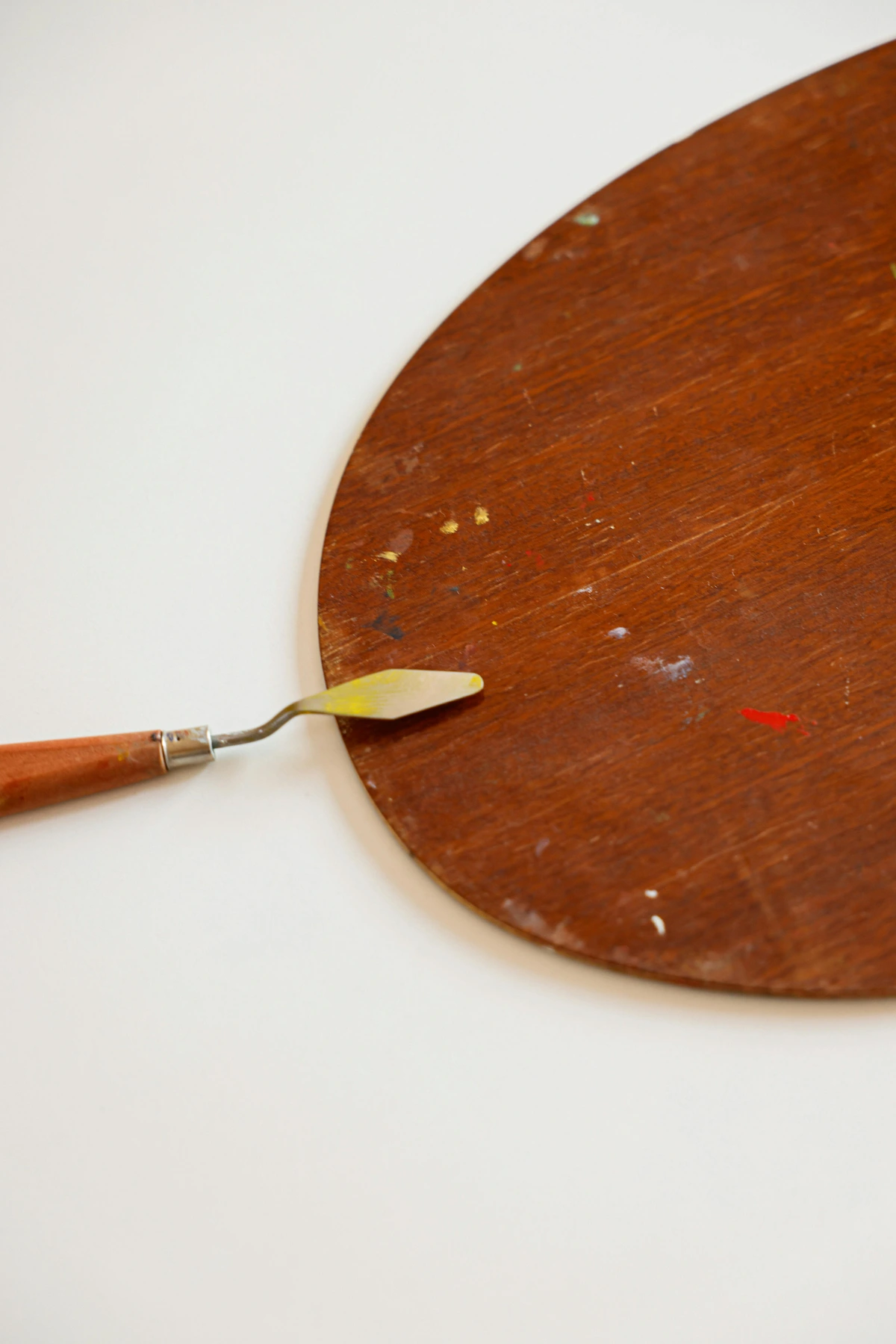
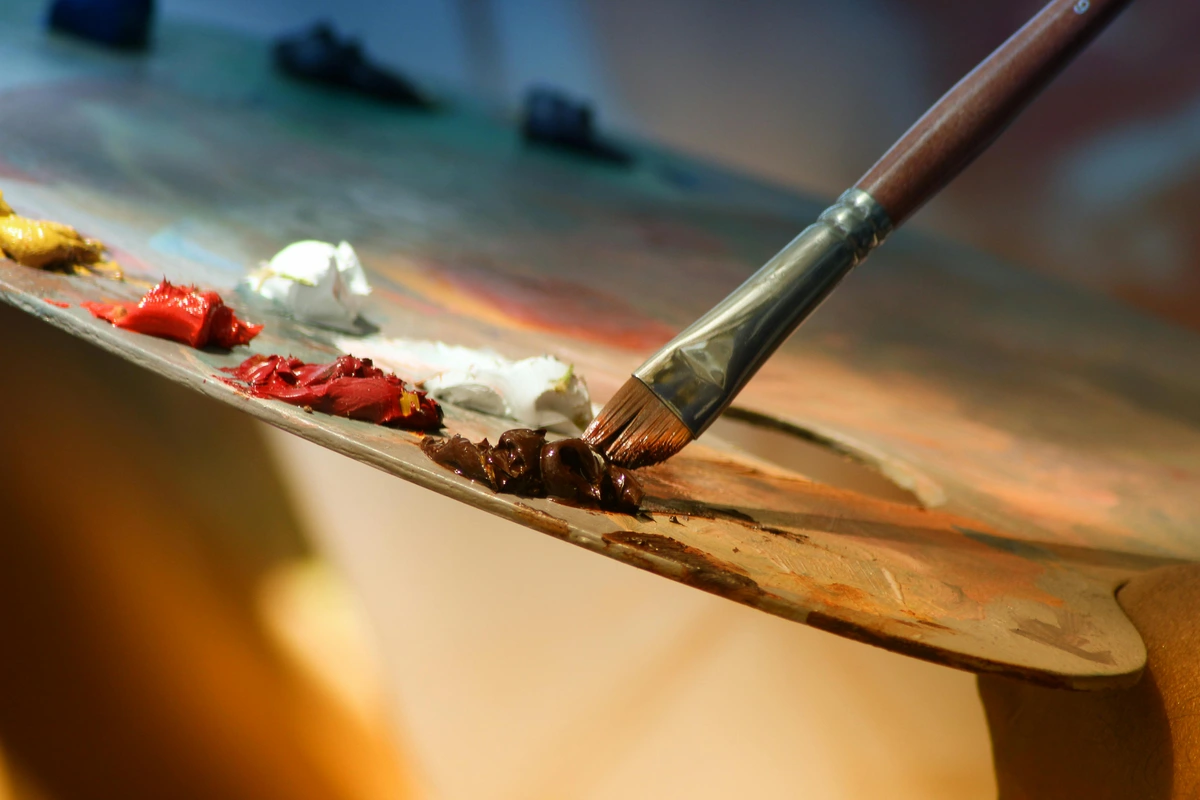
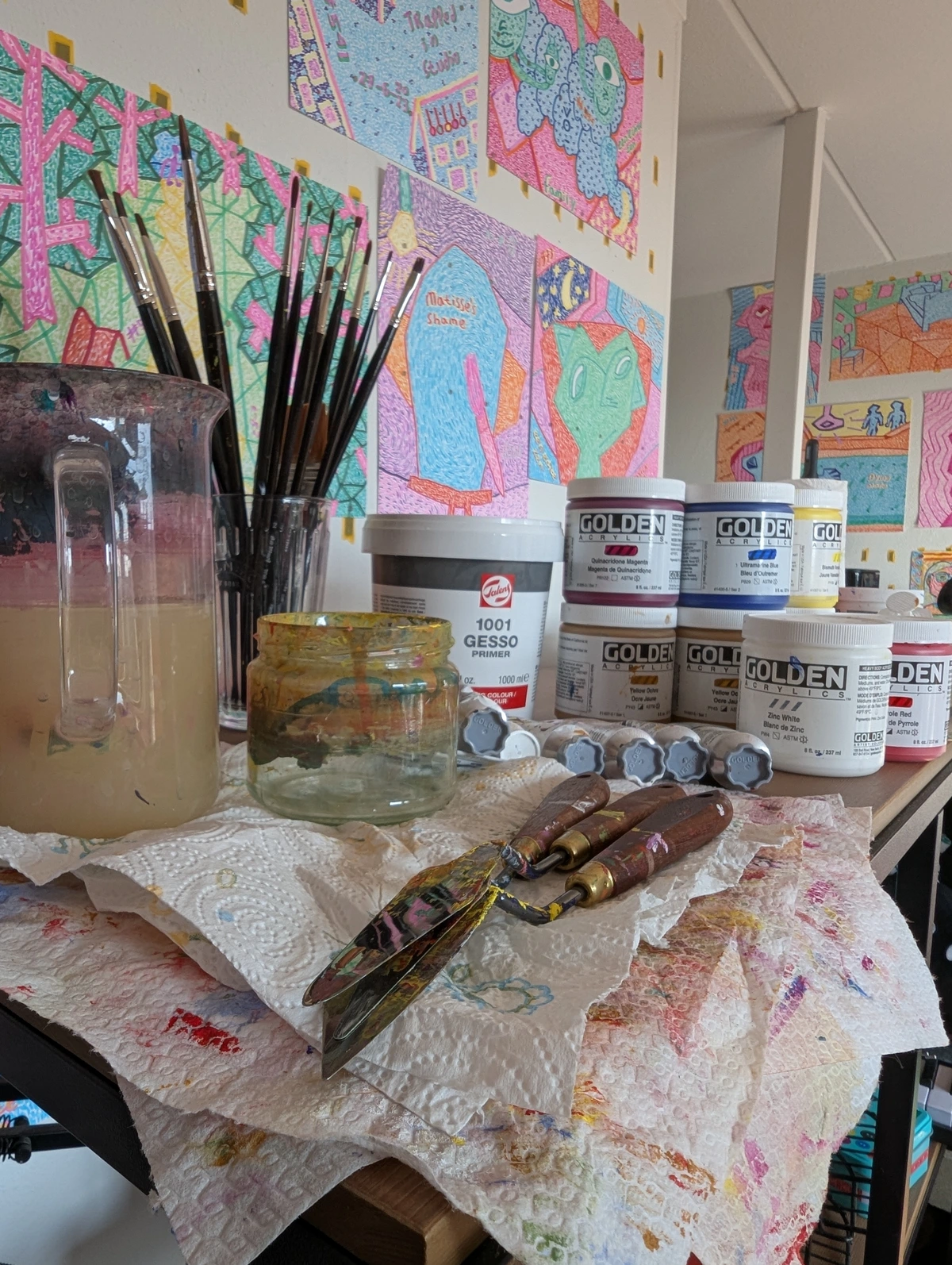
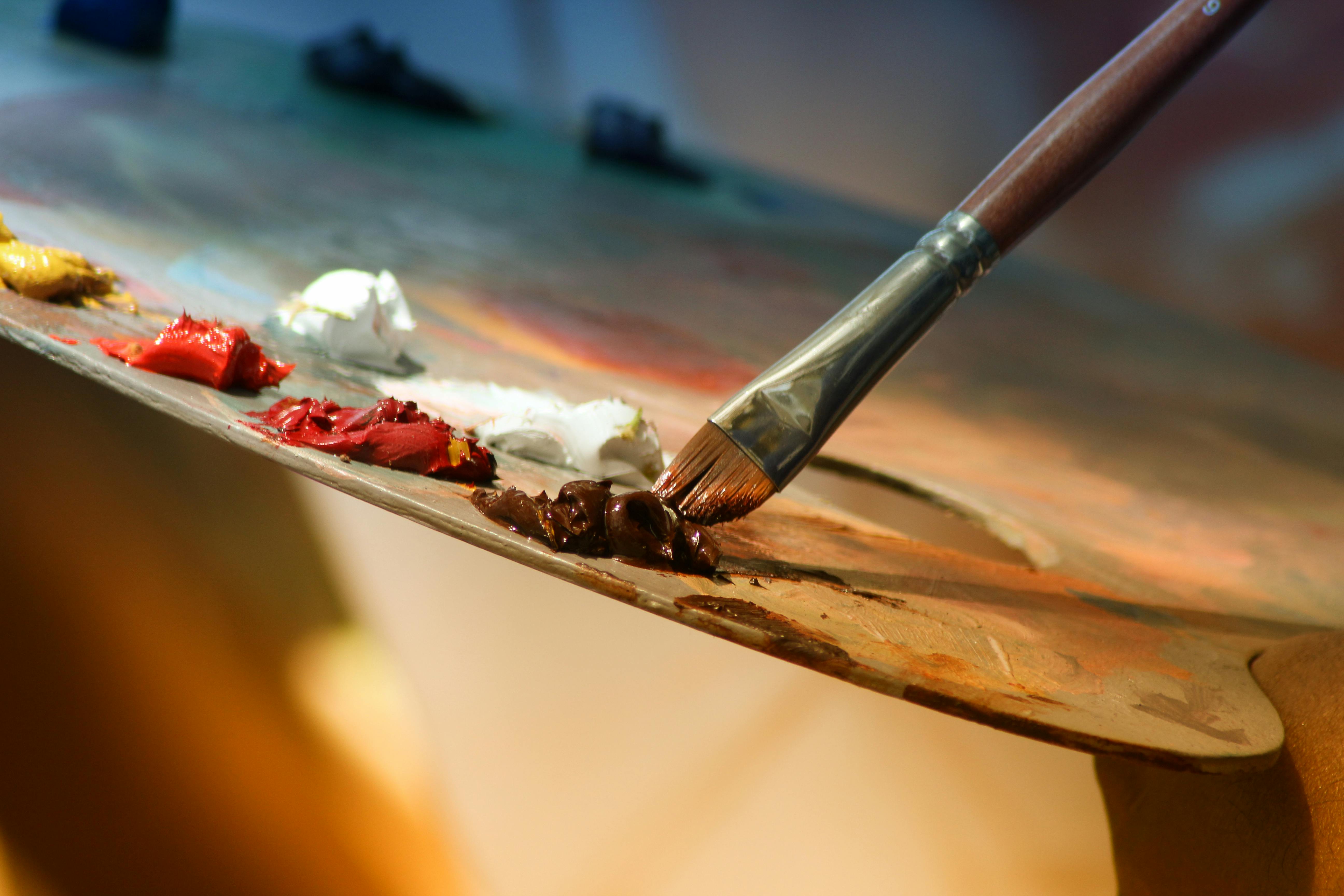
While his exact palette evolved over his career, he generally favored a bright array of pigments, notably often avoiding black. This was a radical break from academic tradition, which frequently relied on black for outlines and deep shadows. Instead, Monet preferred to create darker tones and shadows by mixing complementary colors (colors opposite each other on the color wheel, like blue and orange, or red and green). When mixed, these create rich, complex darks that are far more luminous and "colorful" than pure black ever could be. Black paint, he felt, absorbed light rather than reflecting it, thus dulling the overall vibrancy he sought. It’s also worth noting the profound impact of new technologies. The increasing availability of pre-mixed paint in tubes, invented in the mid-19th century, made en plein air painting far more practical. Artists were freed from the laborious task of grinding their own pigments, allowing them to work with unprecedented speed and spontaneity outdoors. Moreover, the development of new, brighter synthetic pigments during this era, such as vibrant cadmiums (like cadmium yellow and red) and cobalts (like cobalt blue), expanded the Impressionist palette, enabling the intense and luminous colors we associate with the movement. He also employed a variety of brushes, from broad flat ones for large sweeps of color to smaller, rounder ones for details, always choosing the tool that best captured the texture and movement he observed. For more on the tools artists use, check out our guide on what is a palette knife and how to use it. And to understand different painting mediums, our definitive guide to paint types for artists is invaluable.
The Relentless Pursuit of Light: Monet's Obsessive Series Paintings
After understanding the revolutionary spirit and technical foundations of Impressionism, the next logical step, for Monet, was to push its core principle – the capture of fleeting light – to its absolute limit. Perhaps the most iconic testament to his lifelong, almost scientific, obsession with light is his incredible series paintings. Think about it: painting the exact same subject – whether it was haystacks (Meules), Poplars (Peupliers), Rouen Cathedral (Cathédrale de Rouen), or his beloved water lilies (Nymphéas) – dozens, sometimes hundreds, of times. Why this relentless repetition? Because for Monet, the subject itself wasn't the main event; it was the light on the subject, and how that ephemeral light completely transformed its appearance from one fleeting moment to the next. He often chose subjects near his homes or travel destinations, allowing him sustained, intimate observation of their changing atmospheric conditions.
I mean, can you imagine that dedication? His Haystacks series (Les Meules), painted between 1890 and 1891, comprises about 25 canvases. Monet chose haystacks for their sturdy, almost sculptural form, which provided a stable anchor against the ever-changing play of light and shadow. Look at "Haystack, Sunlight in Winter" (1890-91) and compare it to "Haystack at Sunset, Giverny" (1891) – the forms are the same, but the entire mood, the perceived color, the very texture of the light is radically different. Following this, his Poplars series (Les Peupliers, 1891-1892) features around 24 distinct views, often depicting trees along the Epte river. Here, he was drawn to their verticality and the way they interacted with reflections on the water, creating complex patterns of light. And for his magnificent Rouen Cathedral series, painted between 1892 and 1894, he famously rented rooms opposite the cathedral facade, working on over 30 canvases simultaneously. He was captivated by the cathedral's ornate Gothic facade, which, like the haystacks, offered a rich, textured surface for light to play upon, changing its perceived color and form from hour to hour. He would move from one canvas to another as the light shifted throughout the day, capturing the precise changes from sunrise to sunset, under varying weather conditions – a foggy morning, a bright afternoon, a stormy evening.
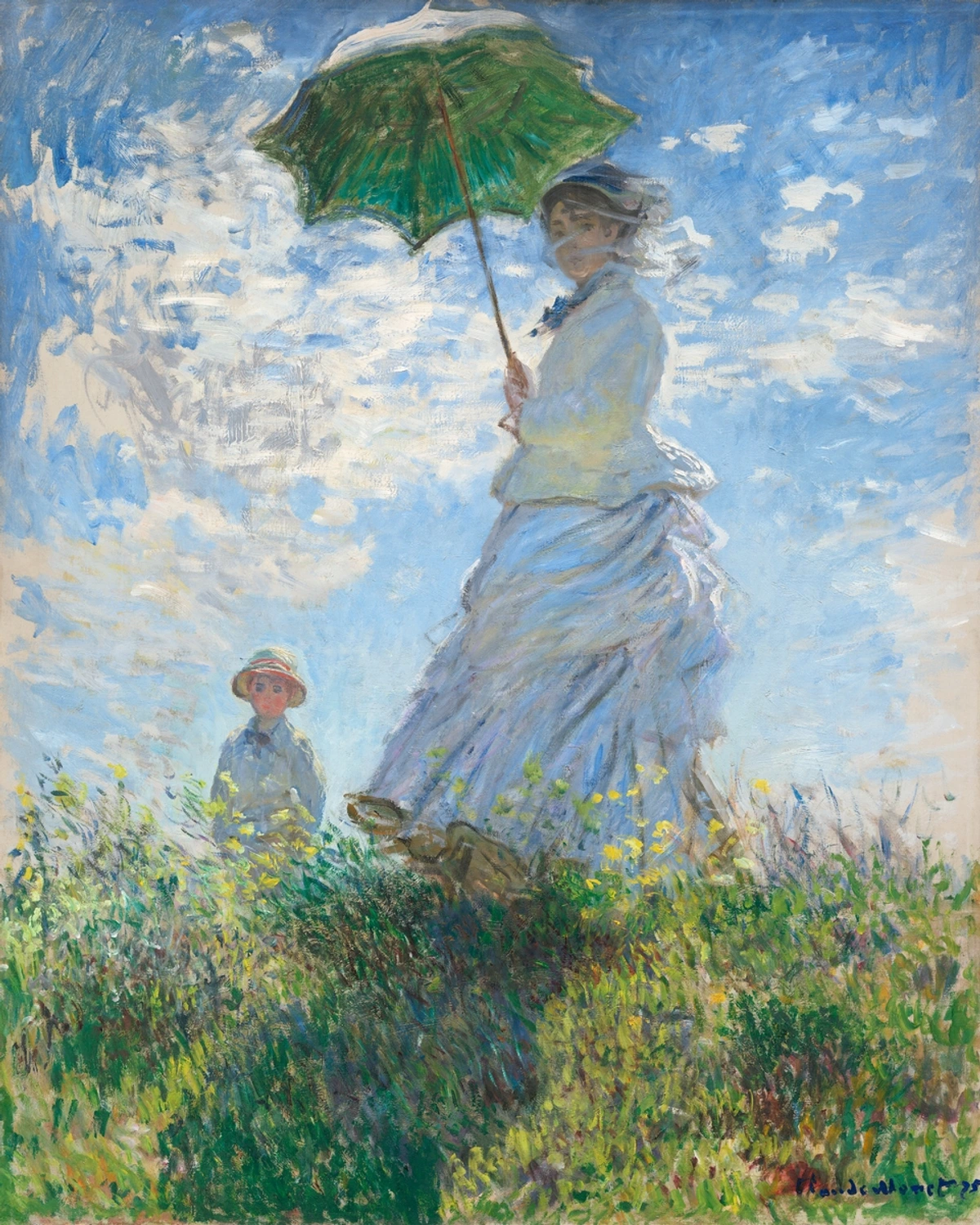
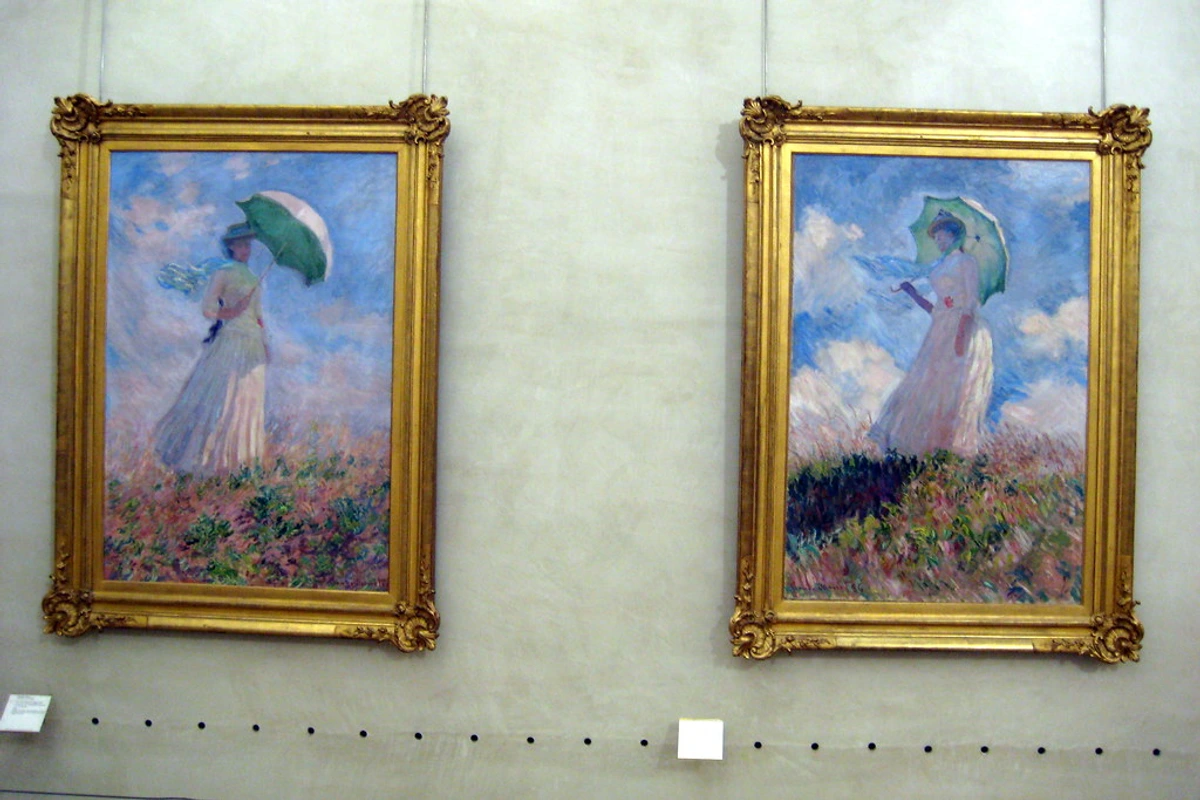
He wasn't just painting a haystack; he was painting a haystack at dawn, a haystack at noon, a haystack in winter snow, a haystack at sunset. Each one a unique study of atmospheric conditions and temporal shifts. He’d set up multiple canvases, sometimes a dozen or more, moving from one to another as the light shifted throughout the day, or across different seasons. It was an almost scientific endeavor, a painterly investigation into the ephemeral nature of perception, a quest to document every conceivable nuance of light and shadow. Even earlier, in works like "Woman with a Parasol - Madame Monet and Her Son" (1875), while not a formal series, he explored the variations of light and atmosphere on a single figure in an outdoor setting, showcasing his early preoccupation with transient effects.

He wasn't just observing; he was experiencing the subtle dance of light and shadow with an intensity that few artists have ever matched, and then translating that direct, raw experience onto canvas with incredible fidelity. It’s a powerful lesson in how to truly see your surroundings, not just glance at them. This concept, of how light and color shape our experience, is beautifully explored in how artists use color and the fascinating psychology of color in Impressionist painting.
His serial paintings weren't about depicting a static object; they were about painting time itself, about capturing the uncatchable. Each canvas in a series, while depicting the same physical form, becomes a unique emotional and sensory record of a particular moment. They stand as a profound statement on the fleeting nature of reality and the subjective experience of perception – a true obsession, if you ask me.
credit, licence
Beyond the Canvas: Monet's Personal Journey and the Sanctuary of Giverny
Monet's art was, as is often the case with great artists, deeply intertwined with his life. His early career was often a brutal struggle with poverty. He moved frequently, often hounded by creditors, even attempting suicide at one point due to despair. His first wife, Camille Doncieux, was not just his muse, famously modeling for him in masterpieces like "Woman with a Parasol – Madame Monet and Her Son" (1875) and "La Japonaise" (1876), but also a source of steadfast emotional support during these lean years. Her premature death from illness in 1879, leaving him with two young sons, Jean and Michel, was a devastating blow that plunged him into deep grief. I remember seeing some of his paintings from this period, like "Camille on Her Deathbed" (1879); they carry a haunting, subdued quality, a visible departure from his usual luminosity, that speaks volumes of his personal sorrow. It was a dark period, indeed.
Later, he found companionship and a new family with Alice Hoschedé, a patron who had also lost her husband. Their blended family, with Alice's six children and Monet's two (Jean and Michel), created a lively, if often complicated, household in Giverny. Alice’s organizational skills provided much-needed stability, a stark contrast to his earlier bohemian struggles. Their eventual marriage in 1892 brought a period of greater domestic calm and artistic flourishing.
The Crucial Role of Supporters: Caillebotte and the Impressionist Collective
Crucially, Monet and his fellow struggling Impressionists also found unwavering support from figures like Gustave Caillebotte. Caillebotte was not just a fellow Impressionist painter with a keen interest in modern urban life and candid photography-influenced compositions (think of his famous "Paris Street; Rainy Day" or "The Floor Scrapers"); he was also a wealthy patron who dedicated his resources to supporting his contemporaries. He didn't just buy their works, often literally keeping them afloat financially, but also played a pivotal role in organizing several crucial independent Impressionist exhibitions. His commitment, along with the collective effort of the artists themselves, was essential to challenging the established Salon and bringing their new vision to the public, despite constant rejections and financial precarity. It was a testament to the power of a shared artistic vision and mutual support against a rigid art establishment.
Giverny: Monet's Living Canvas
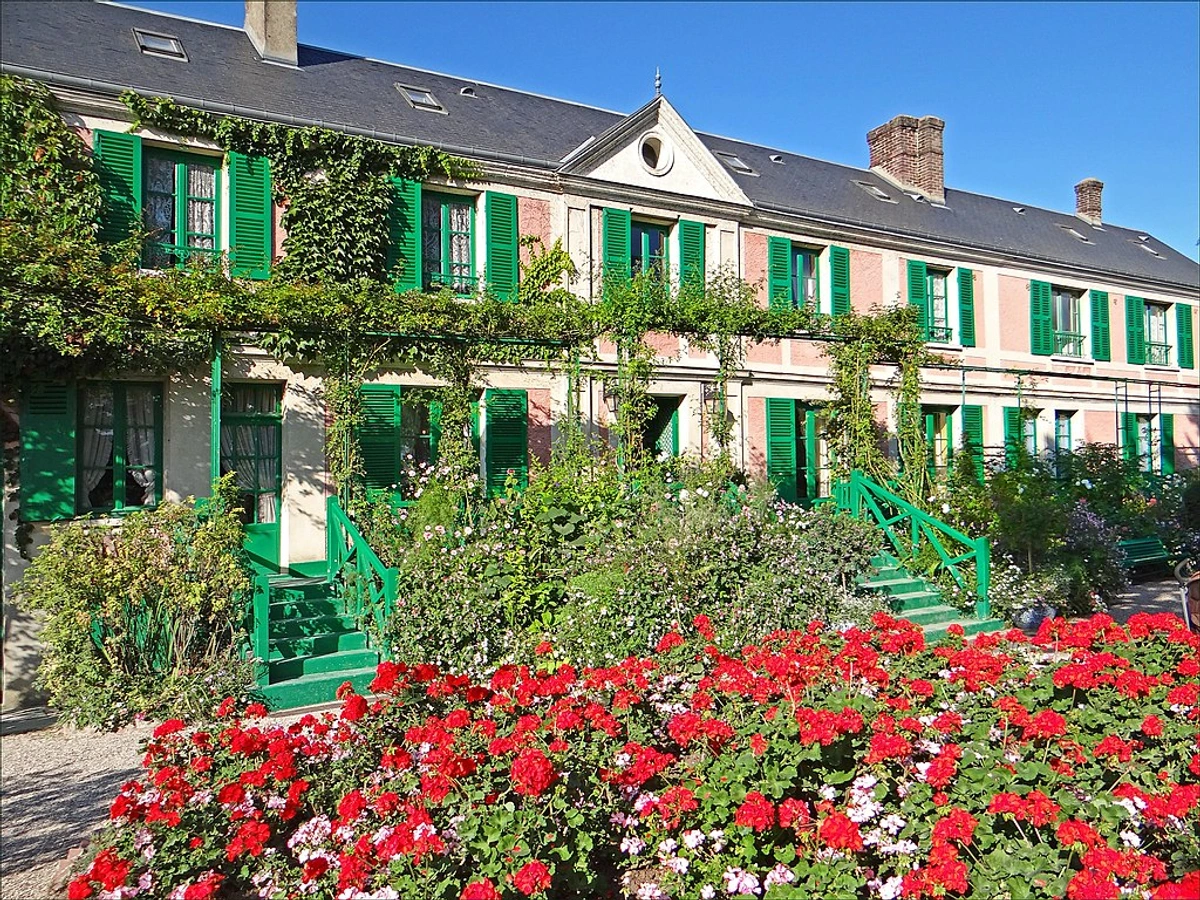
But if there's one place that truly became synonymous with Monet's creative spirit, a sanctuary he almost literally painted into existence, it's Giverny. In 1883, he settled in this small village in Normandy, France, and spent decades meticulously transforming his home and garden into a living masterpiece. He purchased the property and, over time, acquired adjacent land to divert a stream, constructing his famous water garden, complete with its iconic Japanese bridge, weeping willows, bamboo groves, and countless water lilies (Nymphéas). This was no casual garden; it was a deliberate, controlled environment for his artistic "experiments," a personal universe designed to provide endless variations of light, reflection, and natural forms. He would strategically plant different flowers to ensure a continuous bloom and carefully manage the water flow to create the perfect reflective surfaces. The tranquil surface of the pond, with its shifting reflections of sky and surrounding foliage, became an inexhaustible source of inspiration, allowing him to explore color and light with unparalleled intensity without ever leaving his home. It became his ultimate muse, especially in his later years. Giverny wasn't just a home; it was a carefully constructed artistic laboratory, a place where he could control the very conditions of the light and subject he sought to capture. It became an extension of his artistic vision, a place where the line between art and life completely blurred.
The Battle with Light: Later Years and the Poignant Challenge of Cataracts
As Monet aged, he faced a particularly cruel irony for a painter whose entire life's work revolved around light: severe cataracts. By the 1910s, his vision deteriorated dramatically, causing him to perceive colors differently – reds and yellows became muddied and brownish, while blues and greens, though appearing clearer, were often distorted or tinged with purple. Imagine looking through a yellowed, fogged-up window that constantly shifts its tint; that's roughly what cataracts can do to perception. Can you imagine dedicating your entire life to seeing and depicting the nuances of color, only for your own eyes to betray you so profoundly? It's almost heartbreaking to consider.
These physical limitations dramatically impacted his artistic process. His brushwork became broader, bolder, and less precise, a direct consequence of his inability to discern fine details. Forms blurred into powerful abstractions, and the once delicate blues often took on a murky, sometimes violent, purple hue, clearly visible in later works such as "The Japanese Bridge" series (around 1918-1924). He often relied more on memory or his intrinsic understanding of light rather than direct observation. While there's no firm evidence of assistants significantly impacting his actual painting (he remained fiercely independent), his approach to color mixing and application certainly changed, adapting to his altered perception.
Despite the pain, the frustration, and the profound disorientation, he continued to paint, driven by an indomitable spirit. He famously painted his monumental water lilies even through his impaired vision, leading to some of his most powerfully abstract and expressive works. These are often characterized by broader strokes and sometimes bolder, more unexpected color combinations, and are a testament to his sheer will. After two cataract surgeries in 1923, he even reworked some earlier paintings, trying to "correct" the colors he now saw differently, demonstrating his relentless pursuit of his vision even in the face of physical decline. This period showcases a remarkable resilience and an artist still pushing boundaries, even as his physical abilities waned. I often think about what it means to keep creating when your most vital tool is failing – it's a powerful lesson in artistic persistence, isn't it?
The Enduring Legacy of the Master of Light: How Monet Still Dazzles
Claude Monet’s impact on art history is quite simply immeasurable. He didn't just found a movement; he demonstrated a radically new way of seeing, interpreting, and feeling the world around us. His insistence on personal perception, the fleeting nature of light and color, and the beauty found in the ordinary opened the door for countless subsequent artists, literally reshaping the trajectory of modern art.
Key Figures of the Impressionist Movement
Artist | Noteworthy Contribution |
|---|---|
| Pierre-Auguste Renoir | Celebrated for his vibrant depictions of figures, social gatherings, and the joys of modern Parisian life, often focusing on human interaction and soft, luminous forms. |
| Edgar Degas | Known for his unique compositions and focus on urban scenes, especially ballet dancers and café life, influenced by candid photography and Japanese prints, capturing moments with dynamic realism. |
| Camille Pissarro | A pivotal figure, known for his consistent exploration of rural and urban landscapes, particularly his meticulous studies of changing light and atmospheric effects across seasons. |
| Alfred Sisley | Often considered the most 'pure' Impressionist landscape painter, celebrated for his serene, atmospheric river scenes and snowscapes, capturing subtle variations of light and sky. |
| Berthe Morisot | One of the few female Impressionists, her work brought an intimate, domestic perspective to Impressionist themes, often depicting women and children in everyday settings with delicate brushwork and luminous color. |
| Gustave Caillebotte | An Impressionist painter and crucial patron, known for his unique perspectives on urban life (e.g., "Paris Street; Rainy Day") and candid, photography-influenced compositions, providing vital financial support to his peers. |
Paving the Way for Modern and Contemporary Art
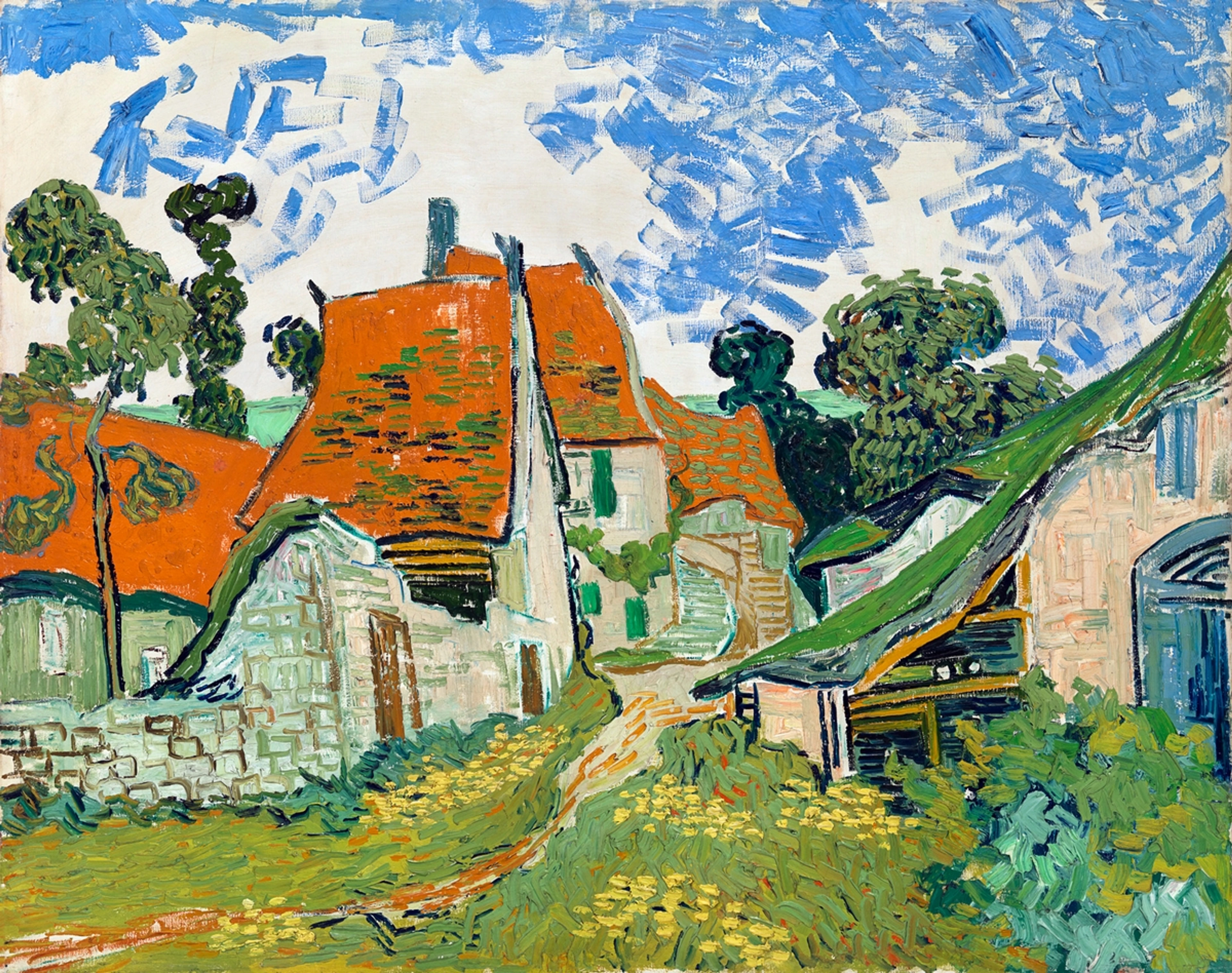
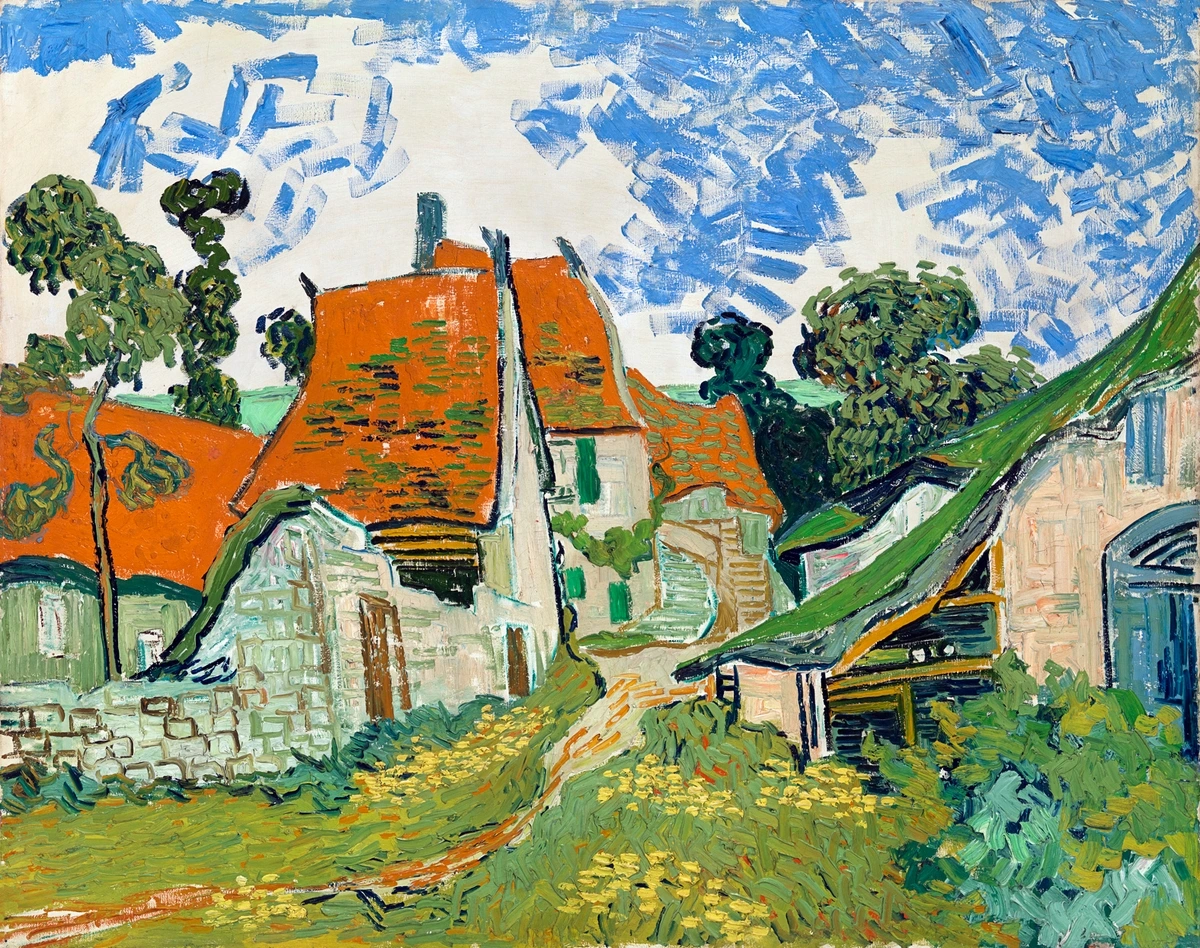
Monet's influence extended far beyond the immediate circle of Impressionism. Think about how his fragmented brushstrokes and vibrant palettes directly paved the way for the expressive colors of the Post-Impressionists. Vincent van Gogh, for instance, imbued his landscapes with intense personal feeling through bold, distinct, and highly visible strokes, a direct descendant of Monet's emphasis on the artist's subjective experience, though pushing it into new emotional territory. Or consider the structural explorations of Paul Cézanne, whose investigations into form and light, particularly in his later works, built upon Impressionist principles to forge a new path towards Cubism by simplifying natural forms into geometric components. Even the Fauves, with their wild, non-naturalistic use of color, owe a profound debt to Monet's liberation of color from its strictly descriptive role, demonstrating that color could convey emotion and form independently. And in his late, monumental Water Lilies, one can easily detect a powerful precursor to abstract art and later movements like Abstract Expressionism and Color Field painting, where the subject dissolves into pure color, light, and texture – a truly revolutionary step towards the art we see today. The very concept of seriality, of exploring a single subject through a sequence of works, became a significant idea in 20th-century art, directly influenced by Monet's series. If you're fascinated by this evolution, our ultimate guide to abstract art movements offers a deeper dive into these connections.
Monet's compositions, particularly the cropped, snapshot-like quality influenced by photography, also quietly impacted early film composition, influencing how filmmakers framed scenes and captured candid moments, bringing a sense of immediacy to the nascent medium.
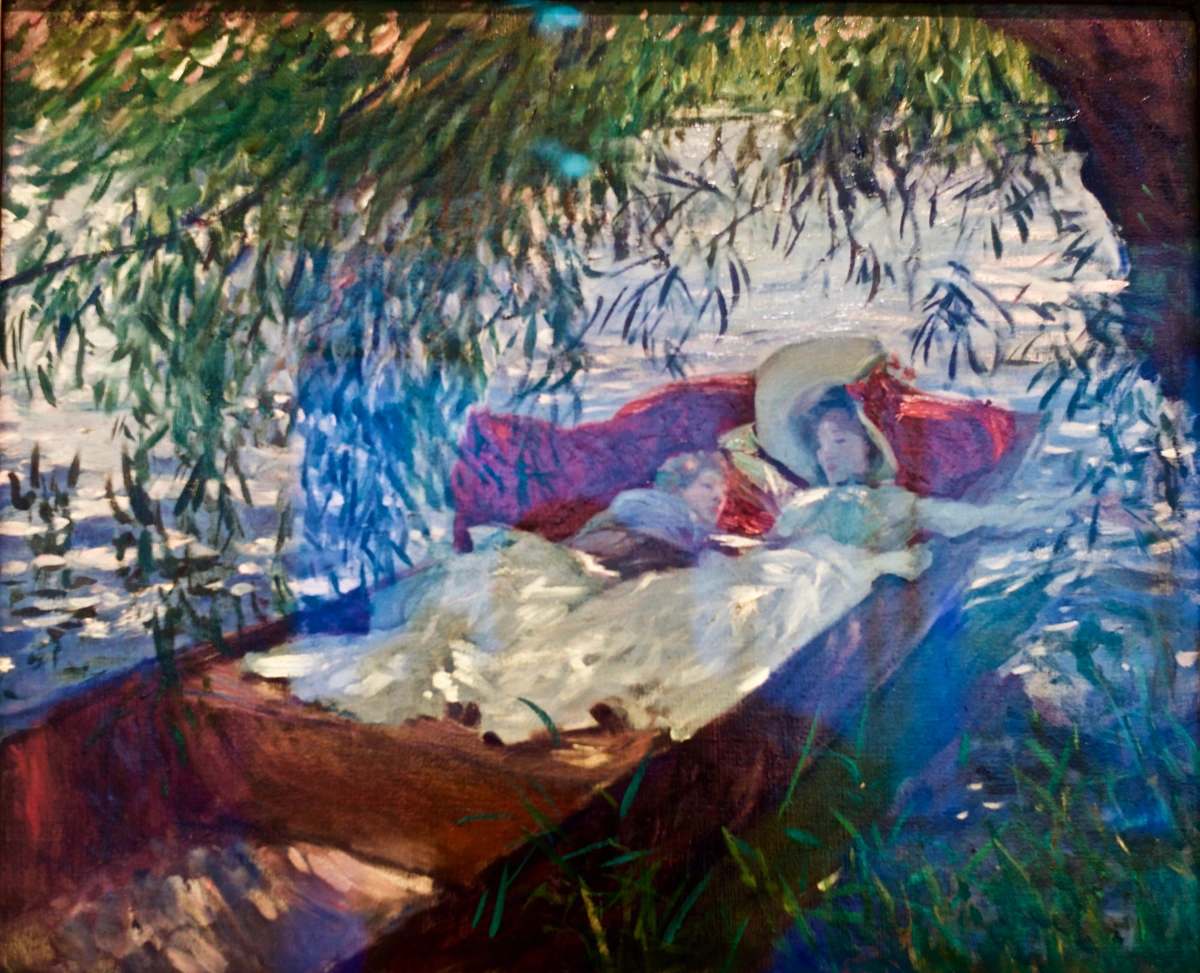
He taught generations of artists and art lovers to truly appreciate the beauty in the ordinary, the profound in the fleeting. His legacy reminds us that art isn't just about depicting reality, but about expressing an experience, a feeling, and the eternal, captivating dance between light and observation. Monet didn't just show us what to look at; he showed us how to see.

The Visionary Dealers: Paul Durand-Ruel
And I can't talk about Monet and the Impressionists without giving immense credit to dedicated art dealers like Paul Durand-Ruel. This visionary patron championed Monet and the Impressionists when the official art world scoffed, consistently buying their works even when others wouldn't, and organizing crucial independent exhibitions. His strategies were groundbreaking: he often bought entire collections, organized solo shows for artists, and critically, took their works to America. There, a more open-minded public and emerging collectors provided a receptive audience, ensuring their financial survival and global recognition long before Europe truly embraced them. Without such unwavering patronage and shrewd business acumen, their revolutionary works might well have faded into obscurity. It’s a powerful reminder of how vision, persistence, and a little bit of rebellion, backed by crucial support, can truly reshape an entire world.










credit, licence
Key Artworks by Claude Monet
Artwork Title | Date | Significance |
|---|---|---|
| Impression, Sunrise (Impression, soleil levant) | 1872 | The painting that famously gave Impressionism its name, it captures the hazy atmosphere of Le Havre port at dawn, with loose brushstrokes and a focus on fleeting light rather than precise detail, challenging academic norms. |
| Woman with a Parasol - Madame Monet and Her Son | 1875 | A beautiful example of his early en plein air figure painting, depicting his first wife, Camille, and son Jean, capturing the effects of sunlight and wind in an outdoor setting, full of life and movement. |
| Haystacks Series (Les Meules) | 1890-1891 | This series of around 25 canvases demonstrates Monet's obsession with light, depicting the same subject (haystacks) at different times of day, seasons, and weather conditions, revealing how light transforms perception. |
| Poplars Series (Les Peupliers) | 1891-1892 | Featuring trees along the Epte river, this series explores the verticality of the trees and their reflections in the water, further documenting the subtle shifts in light and atmosphere, often under changing skies. |
| Rouen Cathedral Series (Cathédrale de Rouen) | 1892-1894 | One of his most ambitious series, consisting of over 30 canvases, where Monet meticulously studied the cathedral's facade from a rented room, capturing its appearance under various light conditions from sunrise to sunset, and in different weather. |
| Water Lilies Series (Nymphéas) | c. 1897–1926 | His most iconic and extensive series, spanning almost 30 years and hundreds of paintings, entirely dedicated to the water lilies and reflections in his garden pond at Giverny. These late works push towards abstraction, focusing purely on color, light, and surface texture. |
Frequently Asked Questions About Claude Monet
To help answer your most pressing questions about the master of light and perception, here are some of the most common inquiries I receive:
Q: What is Claude Monet most famous for?
A: Claude Monet is most famous for co-founding French Impressionist painting, particularly for his groundbreaking work "Impression, Sunrise" (Impression, soleil levant, 1872), which not only gave the movement its name but fundamentally shifted artistic perception. He is also renowned for his extensive series paintings, where he repeatedly depicted the same subject (like Haystacks (Meules), Rouen Cathedral (Cathédrale de Rouen), or his beloved Water Lilies (Nymphéas)) at different times of day and in varying light conditions, demonstrating his profound, almost scientific, obsession with capturing the fleeting effects of light and atmosphere.
Q: What were Monet's main techniques?
A: Monet's main techniques included using broken color (applying small dabs of pure color that blend optically in the viewer's eye, creating greater luminosity and shimmer), visible brushstrokes (emphasizing the painter's hand and the immediacy of the moment through textured paint, or impasto), and painting alla prima (wet-on-wet) to capture rapidly changing light before it shifted. He also revolutionized the depiction of light and shadow, understanding them not as mere shades of grey but as being full of reflected colors, leading to a much more vibrant and lifelike portrayal of the natural world. He notably often avoided black paint, opting for mixed darks composed of complementary colors.
Q: Why did Monet paint the same subject repeatedly?
A: Monet painted the same subject repeatedly in his series paintings (e.g., "Haystacks," "Rouen Cathedral," "Water Lilies") to explore and document the ephemeral nature of light, atmosphere, and time. For him, the physical subject was secondary; it was a canvas upon which light played, constantly changing its appearance. By painting the same scene at different times of day, seasons, and weather conditions, he aimed to capture the entire spectrum of sensory experience and illustrate how light transforms our perception of reality. It was a rigorous, almost scientific, artistic experiment.
Q: How did his Giverny garden influence Monet's later works?
A: Monet's meticulously cultivated water garden at Giverny, France, became his ultimate muse and a living laboratory in his later years. It wasn't just a subject; it was an environment he designed to control light and reflection, allowing him to endlessly explore the nuances of color and light. He strategically planted diverse flora and managed the water flow to create perfect conditions. The water lilies, in particular, provided an inexhaustible source of inspiration, transitioning from representational works to increasingly abstract compositions as he focused on the interplay of water, reflections, and light, making the garden an extension of his artistic vision.
Q: What inspired Monet's Water Lilies paintings?
A: Monet's iconic Water Lilies (Nymphéas) were primarily inspired by the magnificent water garden he meticulously cultivated at his home in Giverny, France. He spent decades designing and tending this garden, which featured a Japanese bridge, weeping willows, bamboo groves, and countless water lilies. The tranquil surface of the pond became his ultimate muse and virtually his sole focus in his later years, allowing him to endlessly explore reflections, light effects, and the increasingly abstract qualities of the water's surface, creating a personal, controlled universe for his artistic vision.
Q: How did Monet's vision problems affect his art?
A: In his later life, Claude Monet developed severe cataracts, which significantly impaired his vision. This caused him to perceive colors differently – often seeing reds and yellows as muddied browns and experiencing distortions in blues and greens. Despite the immense challenges, he continued to paint, and these altered perceptions led to some of his most powerfully abstract and expressive water lily compositions. These late works, characterized by broader strokes and sometimes bolder, more unexpected color combinations, are a poignant testament to his incredible resilience and continued artistic evolution, even in physical decline. He even underwent two cataract surgeries in 1923 and subsequently attempted to "correct" colors in some earlier works, demonstrating his relentless pursuit of his vision even in the face of physical decline.
Q: What was the Salon, and why did the Impressionists rebel against it?
A: The Salon was the official art exhibition of the Académie des Beaux-Arts in Paris, holding immense power over artists' careers and public taste in 19th-century France. It favored traditional historical, mythological, and religious subjects, precise academic drawing, and polished techniques. The Impressionists, including Monet, rebelled against the Salon's rigid rules because they sought to depict modern life, everyday subjects, and the transient effects of light and atmosphere with spontaneous, visible brushstrokes. Their work was repeatedly rejected, leading them to organize their own independent exhibitions, starting in 1874 with the Société anonyme des artistes peintres, sculpteurs et graveurs, to present their radical new visual language directly to the public without traditional censorship.
Q: What were the economic realities for Impressionist artists like Monet?
A: The early years were often marked by brutal financial struggle for Monet and many of his Impressionist contemporaries. Repeated rejections from the official Salon meant limited opportunities to sell their work, leading to poverty, debt, and constant precarity. They often relied on loans from friends and the support of visionary dealers and patrons like Paul Durand-Ruel and Gustave Caillebotte, who purchased their works and organized independent exhibitions, which were crucial for their survival and eventual recognition. It was a long, arduous path to financial stability, only achieved much later in their careers.
Q: How did Monet's personal relationships, especially with his family, influence his art?
A: Monet's personal life deeply intertwined with his art. His first wife, Camille Doncieux, was not only a beloved muse but also a steadfast emotional support during their years of poverty, her presence evident in many early portraits. Her premature death plunged him into profound grief, reflected in the subdued tones of some works from that period, such as "Camille on Her Deathbed." Later, his second wife, Alice Hoschedé, brought much-needed domestic stability to his home in Giverny, creating a large, blended family with Monet's sons, Jean and Michel, and her own six children. This calmer environment at Giverny allowed him the peace and focus to fully immerse himself in his garden, which became the central theme of his later, most iconic series of water lily paintings. His personal joys and sorrows are subtly, yet profoundly, woven into the fabric of his artistic output.
Conclusion: A Vision That Continues to Dazzle and Inspire
Standing before a Monet painting, I often feel a profound connection not just to the scene, but to the artist's boundless curiosity and relentless pursuit of beauty. His journey from a spirited caricaturist to the undisputed master of Impressionism is a testament to the power of seeing the world differently, of challenging conventions, and of an unyielding, almost stubborn, dedication to one's unique vision.

Monet didn't just paint what he saw; he painted what he felt, how the light shimmered, how the atmosphere changed, how a moment truly impressed itself upon his senses. And in doing so, he opened our eyes to a richer, more vibrant world. His legacy lives on, not just in prestigious museum halls, but every time we pause to notice the way sunlight dapples through leaves, or the subtle shift in color at dusk, or the shimmering reflections on water. It's an appreciation for art that continues to inspire contemporary artists to explore light, color, and abstract forms in their own unique ways, echoing Monet's spirit of observation and emotional expression. So next time you encounter a fleeting moment of beauty in your own surroundings, take a page from Monet's book: truly see it, feel it, and maybe, just maybe, let that profound act of observation inspire your own unique way of experiencing and shaping the world. Whether you're looking to explore more masterpieces at a physical location like the den-bosch-museum, deepen your understanding of the history of color and light in art, or consider a piece for your own collection that speaks to you, like the contemporary works available to buy, remember that art is a journey of perception and feeling. Monet's revolution reminds us that the way we see the world can be the most powerful art of all.