The Ultimate Guide to Art Galleries: Visit, Buy, and Start Your Collection with Confidence
Feeling intimidated by art galleries? This comprehensive guide demystifies visiting, engaging gallerists, understanding prices, building your collection, and appreciating the physical art experience for new collectors. Transform daunting visits into delightful discoveries.

The Ultimate Guide to Art Galleries: Visit, Buy, and Start Your Collection with Confidence
I remember the first time I walked into a serious art gallery. It was in a bustling city, but inside, a profound silence enveloped me, amplifying the click of my worn sneakers on the polished concrete floor. White walls stretched to an almost invisible ceiling, and a single, immense painting dominated the far wall. A person in crisp, dark attire sat behind a minimalist desk, radiating an aura of impenetrable cool. I immediately felt out of place, probably had a smudge of paint on my jeans from a studio session, and frankly, I scurried out after about thirty seconds, retreating to the comforting noise of the street. Sound familiar? That initial intimidation is completely normal, and you are absolutely not alone.
This guide is for anyone who's ever felt like the art world is an exclusive club with unwritten rules. Maybe you worried about saying the wrong thing, or thought you needed to understand every piece, or worse, felt pressured to buy. But here’s the truth, based on my own fumbling journey and countless conversations with artists and gallerists: it’s not an exclusive club. At its heart, a gallery is a place where art lives and finds new homes – a beautiful, sometimes strange, but ultimately accessible space for discovery. My goal is to give you a game plan, a sort of mental map to navigate this world with genuine confidence, and perhaps even have some fun with it. This isn't just a basic overview; this is the comprehensive, no-holds-barred resource designed to transform art gallery visits from daunting to delightful, equipping you to not just look, but truly engage, make informed decisions, and perhaps even embark on the rewarding journey of collecting your own art. We’ll dive into the what, why, and how of engaging with art galleries, from the simple act of visiting to confidently buying and strategically building your collection. Because you, a person who loves art, absolutely belong there. And that first step often feels like it leads directly to the terrifying 'money talk' – but trust me, we'll demystify that too.
Why Visit a Physical Art Gallery? The Unseen Magic
In an age where you can buy literally anything online, from a vintage T-shirt to a car, why trek to a physical gallery? I get it. It’s tempting to just scroll through images from the comfort of your sofa. And you can! Online galleries and virtual viewing rooms have certainly made art more accessible, acting as a fantastic complementary tool for discovery and preliminary browsing. But you’d be missing out on the magic, the subtle interplay of senses that only a physical space can offer. So, what's the real draw of stepping away from the screen? What is it about this physical encounter that transcends a flat image, giving art its true power?
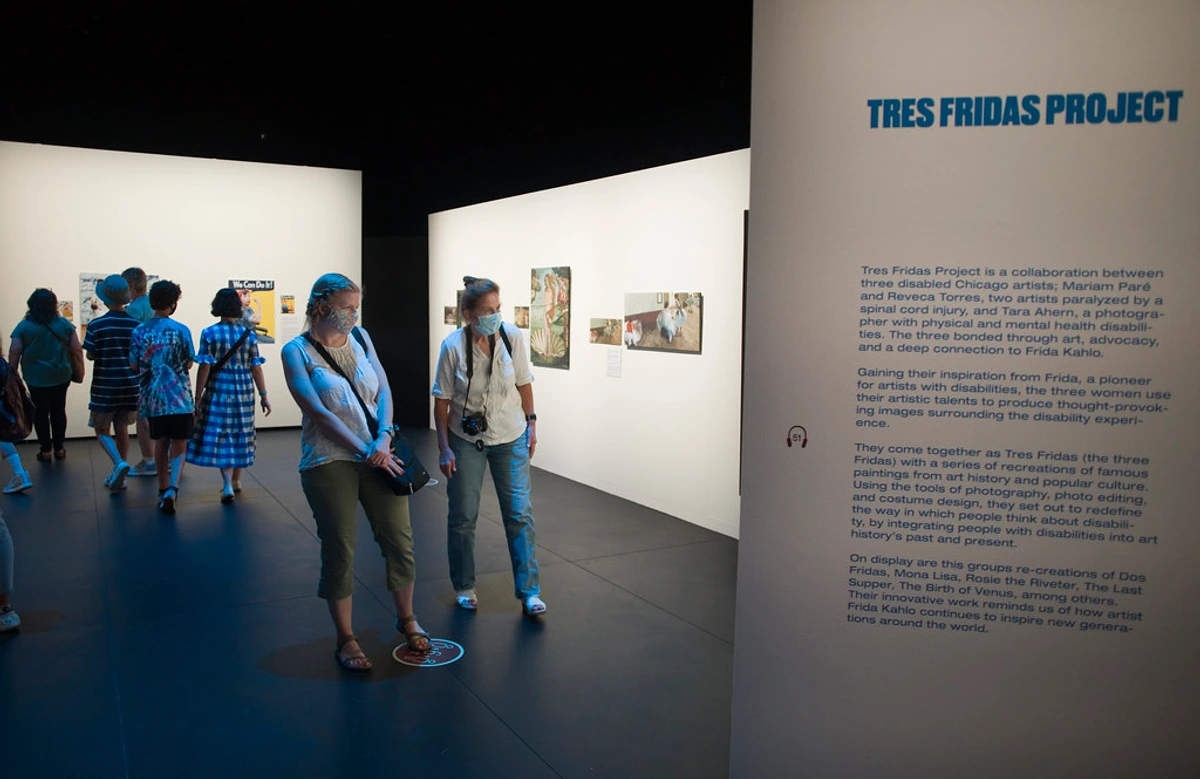
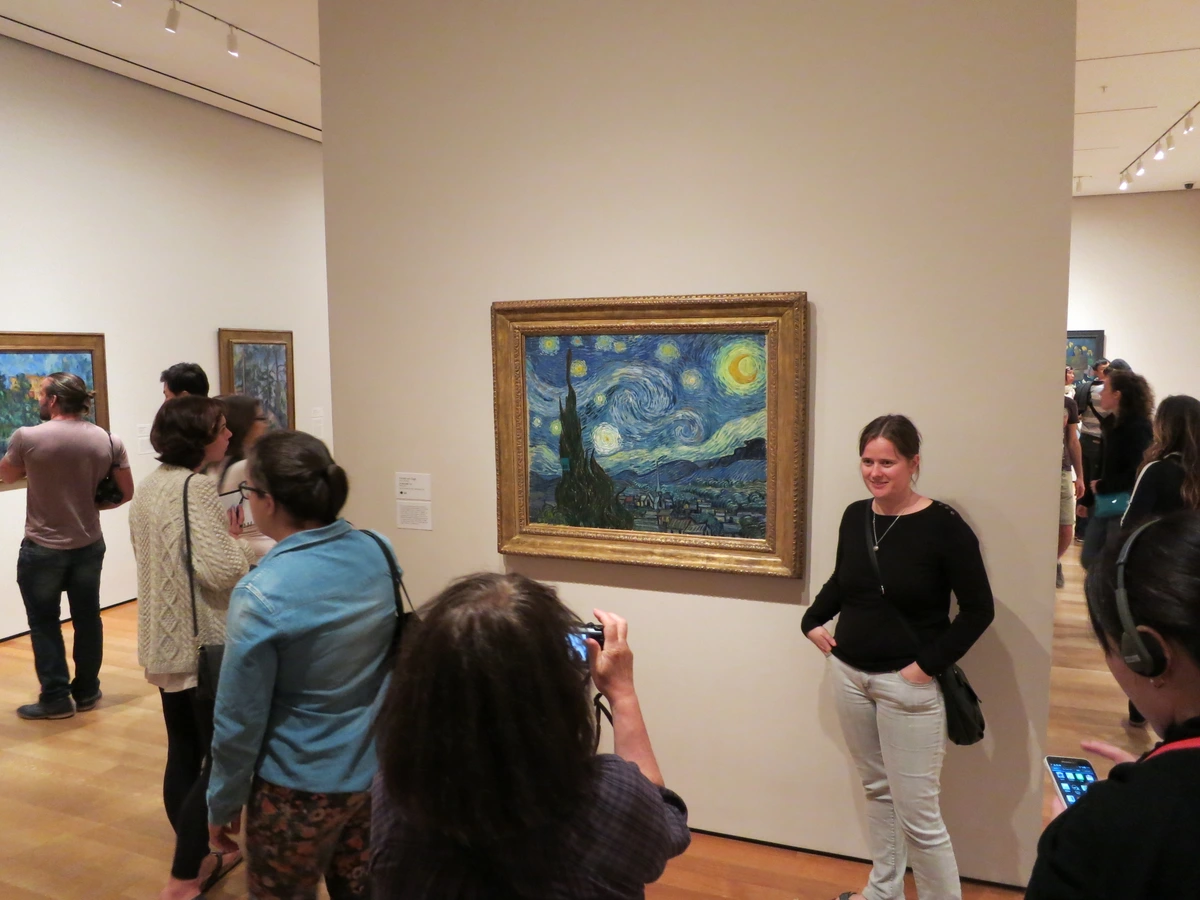
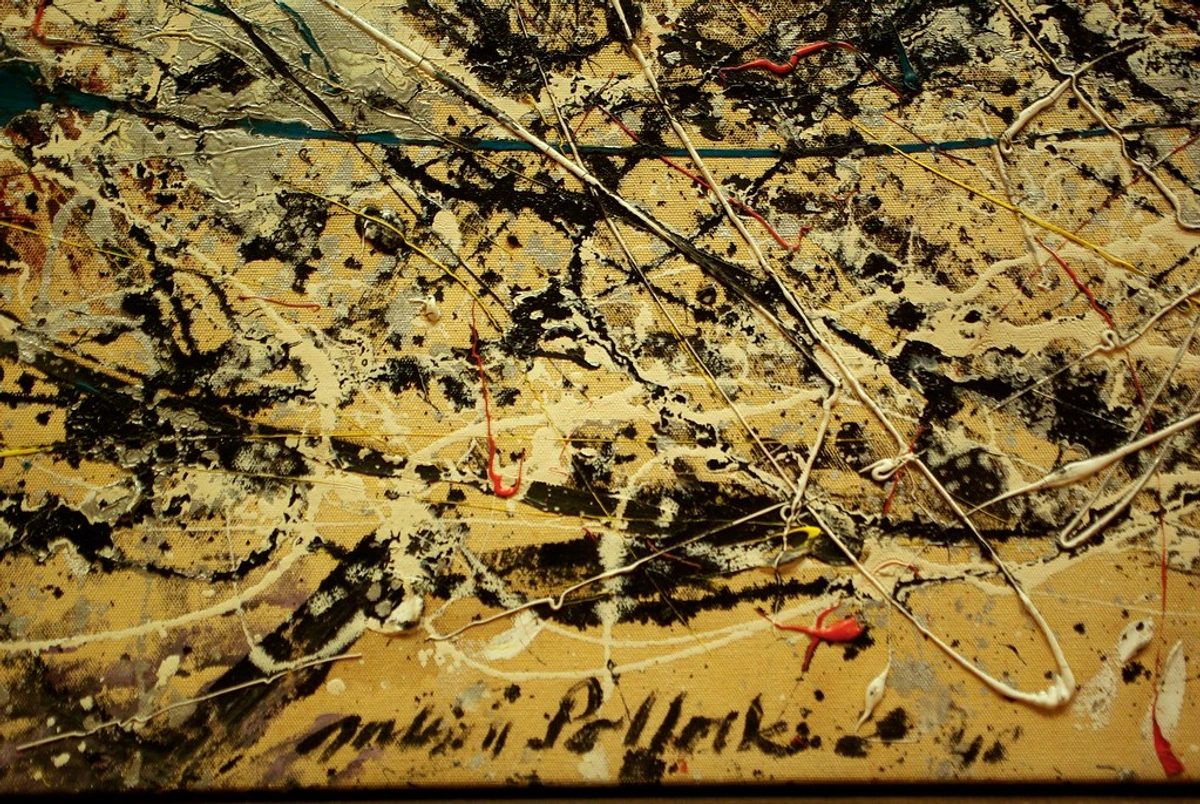
Art has a physical presence that a screen can never capture. I'm talking about the palpable texture of a Gerhard Richter squeegee pull, where layers of paint create a rich, almost geological surface; or the raw, visceral energy in a Jean-Michel Basquiat canvas, which truly comes alive with the immediacy of his brushstrokes. Think too of the subtle color shifts in a minimalist piece—these need to be experienced as light plays across them, revealing nuances impossible on a backlit screen. I remember standing before a massive abstract painting once, the kind that online just looks like a splash of color. But in person, I could see the minute variations in the paint's thickness, how the light played off the surface, the almost sculptural quality of the brushstrokes. It completely changed my perception; it was a conversation, not just an image. Or consider the quiet luminosity of watercolors on archival paper, where the pigment seems to glow from within, a delicate dance of transparency and depth that’s lost on a glossy screen. The subtle sheen of a bronze sculpture versus the earthy matte of a clay piece—these are tangible qualities only felt firsthand. The thick impasto of an Impressionist painting, where the brushstrokes themselves capture the fleeting quality of light, demands to be seen in person to truly appreciate its textural dance and vibrant immediacy. Similarly, the dramatic chiaroscuro of a Baroque masterpiece, with its stark contrasts between light and shadow, creates an emotional intensity that a digital reproduction simply flattens.
The scale of an artwork, too, is transformative. A monumental canvas can dominate your entire field of vision, forcing a different kind of engagement than a thumbnail on a screen. Compare that to the intricate details of a delicate miniature, which requires you to lean in close, creating an intimacy a digital image can't replicate. It's the difference between listening to a low-quality MP3 and hearing a band play live, or simply reading a recipe versus tasting a master chef's dish.
Beyond the visual, there’s a quiet hum from the ventilation system in a hushed gallery, a unique scent of oil paints or solvents, or the distant echo of footsteps—all subtle cues that immerse you in the art. This is also where serendipity thrives, allowing you to stumble upon artworks or artists you'd likely never find scrolling online. Plus, galleries are where you discover artists you’ve never heard of, where you can build a relationship with the people who champion them, and where you can train your own eye. I’ve seen gallerists genuinely invest in an artist’s journey, connecting them with collectors who truly resonate with their vision. They're also crucial validation points for an artist's career, giving a stamp of market and curatorial approval that online-only platforms often can't match. Visiting openings or special events also offers a wonderful community aspect, allowing you to connect with fellow art lovers. It’s an immersive, multi-sensory experience that builds a deeper connection to the work and its creator.
Take Francis Bacon's 'Head VI', for example. Seeing it online, you get the shock, the distorted scream. But in person, the thick impasto, the claustrophobic confines of the glass cage, and the unsettling purple hues envelop you in a way a screen simply cannot. The raw, guttural power of that painting is magnified by its physical presence, making the scream almost audible, and the isolated figure profoundly disquieting. Historically, the shift from private viewing in aristocratic salons to public engagement, greatly accelerated in the 19th century with figures like Paul Durand-Ruel, democratized access and fostered the diverse gallery ecosystem we navigate today. Understanding this immersive magic is the first step; next, let's explore the diverse landscapes where this magic unfolds.
A Field Guide to Gallery Types: Knowing Your Habitat
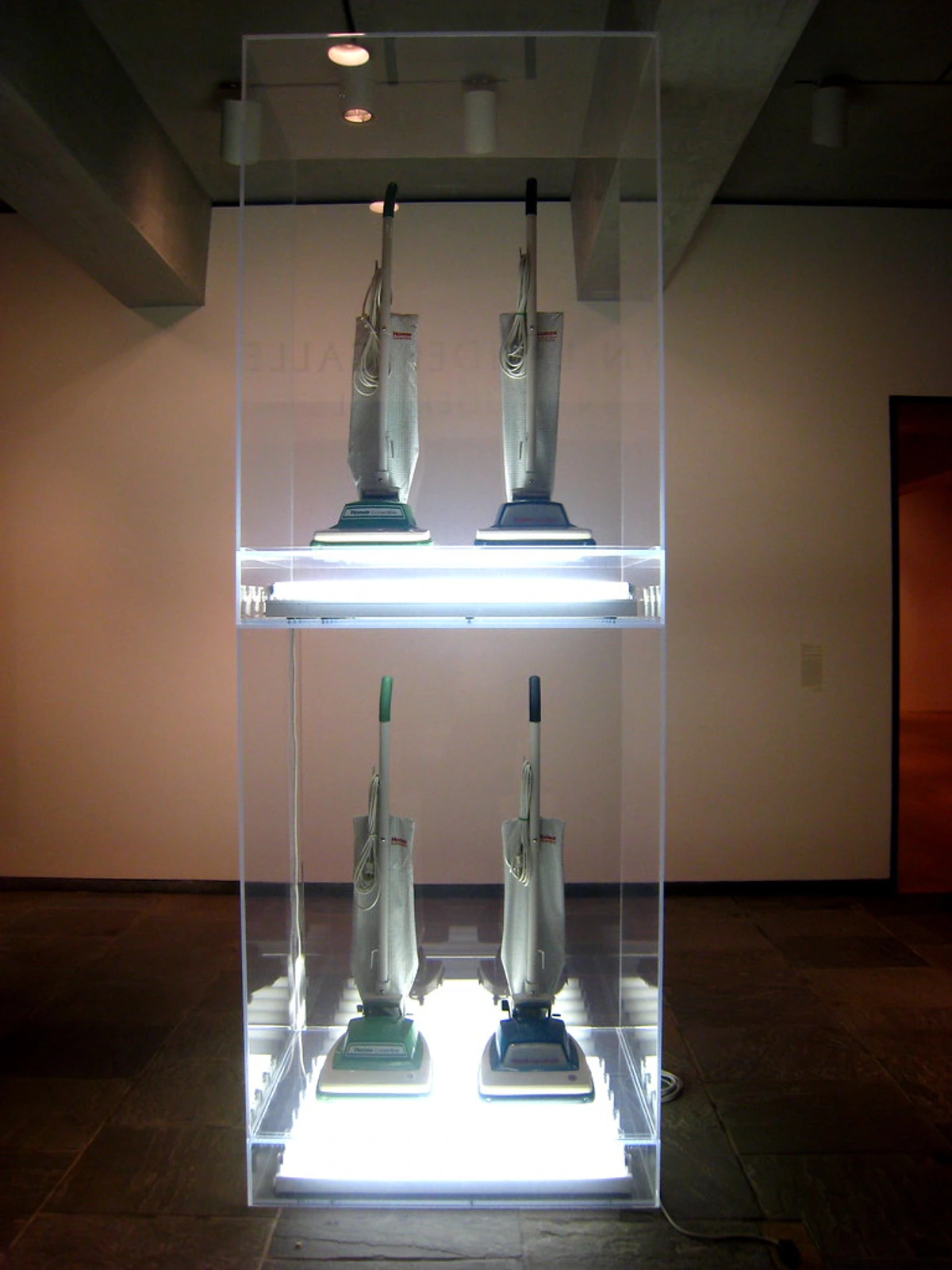
Now that we understand the intrinsic, tactile value of the physical gallery experience, let's explore the diverse landscape of these spaces. To navigate these effectively, understanding the different 'habitats' within the art world is crucial. Not all galleries are created equal. Knowing what kind of 'habitat' you're walking into can change the entire experience. When I first started navigating the art world, these categories really helped me orient myself and saved me a lot of initial awkwardness. For a deeper dive, you might even explore specific types of art galleries in more detail. Historically, the idea of a public 'art gallery' evolved significantly from the private salons of the 17th and 18th centuries, where art was largely for the church or the aristocracy. The concept shifted dramatically with figures like Paul Durand-Ruel, who championed Impressionism and established the commercial gallery model we recognize today. The 19th century saw the rise of commercial galleries becoming vital intermediaries between artists and a growing middle-class of collectors. This shift led to the diverse ecosystem of galleries we see today, from community-focused artist cooperatives to the stark, serious blue-chip spaces.
credit, licence
Gallery Type  | The Vibe | What They Sell | Pro-Tip for New Collectors |
|---|---|---|---|
| The Artist-Run Cooperative | Casual, sometimes chaotic, full of passion. Expect direct interaction with artists and a strong community feel. These are often grassroots, local initiatives focused on mutual support and direct artist-to-collector sales. | Art made by the members of the co-op themselves, often with a diverse range of styles and media, from experimental installations to intimate drawings. The focus is on mutual support and direct artist-to-collector sales. | A fantastic way to meet artists directly and hear their stories. The quality can vary, but you might find a hidden gem you truly connect with. Look for well-curated displays, cohesive artist statements, and clear pricing, which can indicate serious intent. Supporting these galleries means you're directly investing in artists' careers and fostering genuine, long-term relationships. |
| The Contemporary Up-and-Comer | Trendy, energetic, often more social during openings. Focus on discovery and fresh perspectives. These galleries are often located in burgeoning art districts, championing the avant-garde. This is also where you'll often see mid-career artists finding their footing, building their resumes towards more blue-chip representation. | Mid-career and emerging artists. A mix of styles from Pop Art (known for bold imagery and commercial themes), Neo-Expressionism (characterized by intense emotions and gestural brushwork), to contemporary abstract painters, sculptors pushing material boundaries, digital artists, or photographers. You'll find a wide array, often pushing conceptual or stylistic boundaries. | This is often the sweet spot for new collectors. Prices are more accessible, and you can start a genuine conversation with the gallerist about an artist's journey, influences, and future potential. This is where I found some of my favorite early pieces, works that spoke to me beyond their immediate aesthetic. Investing here means investing in an artist's future, and you get to grow with them. Also, consider exploring "collecting emerging abstract art: a guide to discovering tomorrow's masters" for more specific advice. |
| The Commercial / Decorator Gallery | Approachable, often found in high-traffic areas or design districts. Emphasis on aesthetics and fitting into interiors. | A broad range of art, often focusing on aesthetics that fit well in a home or office. Quality can vary widely; sometimes it's about decorative appeal more than artistic innovation or long-term investment. You'll find a lot of landscapes, still lifes, and general abstract works. | Be clear about what you're looking for – whether it's an investment piece or something beautiful for your living room. It's a lower-pressure environment, but remember the focus might be more on decoration. Sometimes, you can find surprisingly good art here, or support an artist before they move to larger galleries. Look for pieces with a unique twist, a strong artistic voice, or an interesting story beyond just decorative appeal. Also, keep an eye out for artists who might be showing here but also have group show appearances in more established contemporary spaces or even dual representation – that's often a good sign. |
| The Pop-Up Show | Ephemeral, exciting, can be anywhere from an empty shop to a warehouse. High energy and often experimental. | Usually emerging artists or a specific themed show. These are often temporary showcases, creating a sense of urgency and discovery. While often experimental, they can be very professionally curated, offering a raw, immediate experience. | Follow local art blogs or artists on social media to find these. They're fleeting, so if you see something you love, act fast. Look for clear labeling, good lighting, and professional marketing materials, even in temporary settings, to gauge the organization and the organizers' track record. It's a fantastic way to experience art outside traditional settings and support very new talent, but also be aware that they can be a higher risk/reward venture. |
| The "White Cube" / Blue-Chip | Minimalist, quiet, serious, and sometimes intimidating. Often in major art districts, these spaces exude an almost museum-like solemnity, a stylistic choice that became prominent in the mid-20th century to emphasize the art itself, free from distraction. | Established, high-value artists (think Damien Hirst, Jeff Koons, or names from art history). These often represent artists with museum presence and extensive auction records. The art here is often at the pinnacle of market value and critical acclaim. | Don't be intimidated. The staff are professionals and often passionate. This is a great place to look and learn, even if you're not buying. Ask for the artist's CV (Curriculum Vitae) or exhibition history. It's like visiting a high-end showroom – you're there to observe, absorb, and understand what happens at the top tier of the art market. To gain insight without feeling like you're shopping, you could ask, "What has been the critical reception of this artist's recent work?" or "What are the key conceptual themes the artist explores?" |
| University Galleries / Non-Profit Spaces | Often academic, experimental, and community-focused. Less about direct sales, more about education, research, and showcasing new ideas or underrepresented artists. | A diverse range, from student work and faculty exhibitions to cutting-edge experimental art, historical surveys, or community-engaged projects. They might focus on particular themes or mediums. | These are fantastic for seeing art that pushes boundaries without the pressure of a commercial sale. You might discover truly groundbreaking work or artists early in their careers. Engage with the educational materials and talks; it’s a great place for intellectual engagement with art and broadening your perspective. |
Your Gallery Visit: A Step-by-Step Guide to Confidence
Alright, let's break down the actual act of going to a gallery. No secret handshake required, just a bit of preparation and an open mind. My first few visits were a comedy of errors – I once walked into an opening dressed like I'd just rolled out of bed (which I probably had) – but I learned that the most important thing is to simply show up and be curious.
Step 1: Do a Little Online Reconnaissance
Before you go, check out the gallery's website or Instagram. Who are they showing right now? Do you like the style? This pre-visit peek helps you walk in with a bit of context and saves you from visiting a show you have zero interest in. Look for their current exhibition details, artist roster, any press releases, and importantly, any artist talks or special events advertised. These can be excellent opportunities for deeper engagement. Sometimes, they even list prices online. It's like checking the menu before you go to a restaurant, only here you're scouting for artistic sustenance. I remember one time I almost walked into a show of taxidermy art (not my thing), but a quick website check saved me the awkward hurried exit. I also almost made the mistake of thinking a gallery showing intricate textile art was presenting minimalist conceptual sculptures – a quick online check saved me from a very different, and probably confusing, conversation! Ask yourself: Does the gallery's stated mission resonate with my interests? Are the artists they represent creating work that genuinely excites me?
Step 2: Walk In (and Breathe)
This is it. Take a deep breath and walk through the door. No one is going to tackle you. Most likely, the person at the desk will glance up, maybe offer a quiet "hello," and then go back to their computer. They're likely engrossed in their own tasks, and your presence is most likely welcomed with polite neutrality. Your mission, should you choose to accept it, is to simply look at the art. Dress comfortably – there's no dress code for art appreciation! Bring a notebook (or phone) for jotting down thoughts, artists, or pieces that catch your eye. Remember to be open and curious, letting the art speak to you.
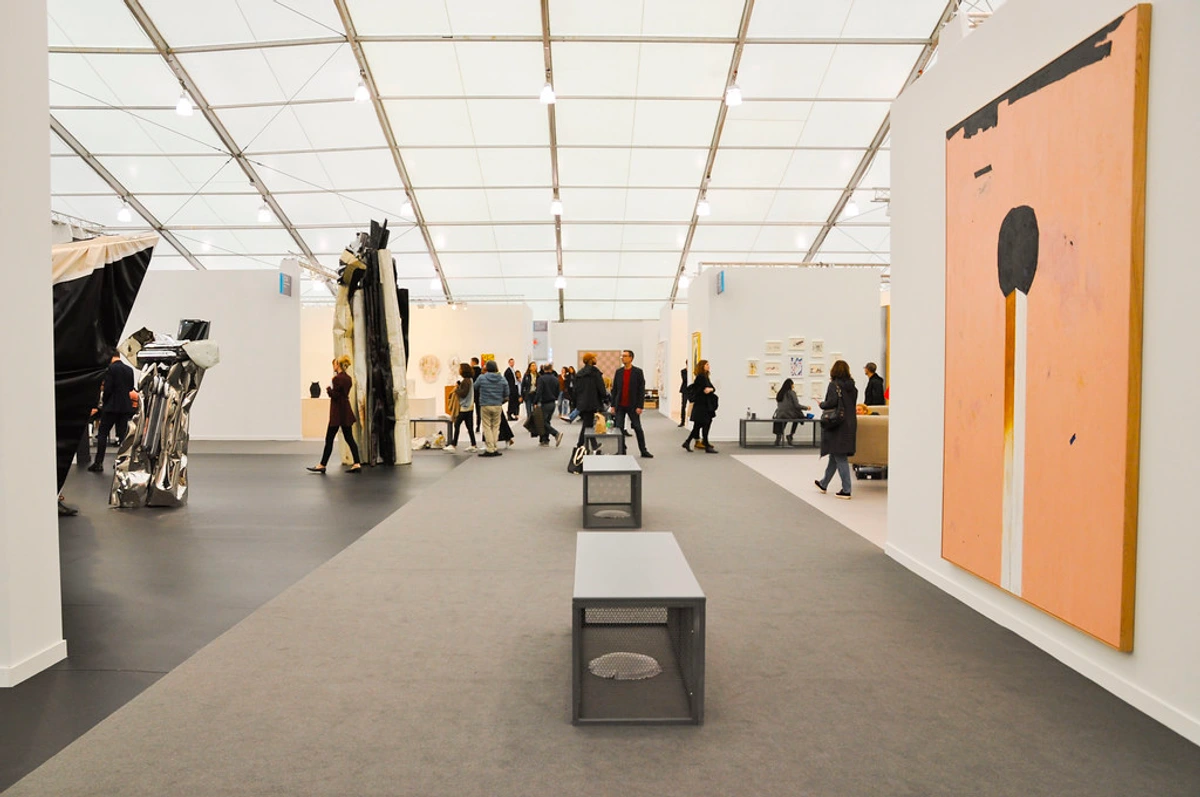
Step 3: Just Look at the Art (and Listen to Yourself)
Give each piece a moment. Walk up close. Step back. Notice the details. What do you feel? What does it remind you of? There are no right or wrong answers. It's perfectly fine to dislike something (and I promise, most of us do, even experts). The goal is to figure out what you respond to. This is how you build your own taste and your own personal "art vocabulary" – words, feelings, and visual cues that help you understand what resonates with you. It's also perfectly valid if an artwork evokes no immediate personal connection or memory; focus on its visual elements, composition, and craftsmanship. After your visit, maybe jot down some notes. I always find it helpful to record:

- My initial emotional response (e.g., excitement, confusion, calm).
- The dominant colors and forms, and how they make me feel.
- How the artist uses line, color, form, and texture to create mood.
- Any perceived themes or narratives.
- Questions that arise (e.g., "How was this made?" "What was the artist thinking?").
- How the artwork interacts with the surrounding space and light.
Later, you can research the artists whose work caught your eye. It’s helpful to grab the press release or checklist, usually available at the front desk. It will have the artist's name, titles of the works, materials, and (sometimes) prices. It’s your cheat sheet for deeper understanding. Also, pay attention to any wall text or artist statements – these are often direct insights into the artist's intent and influences.
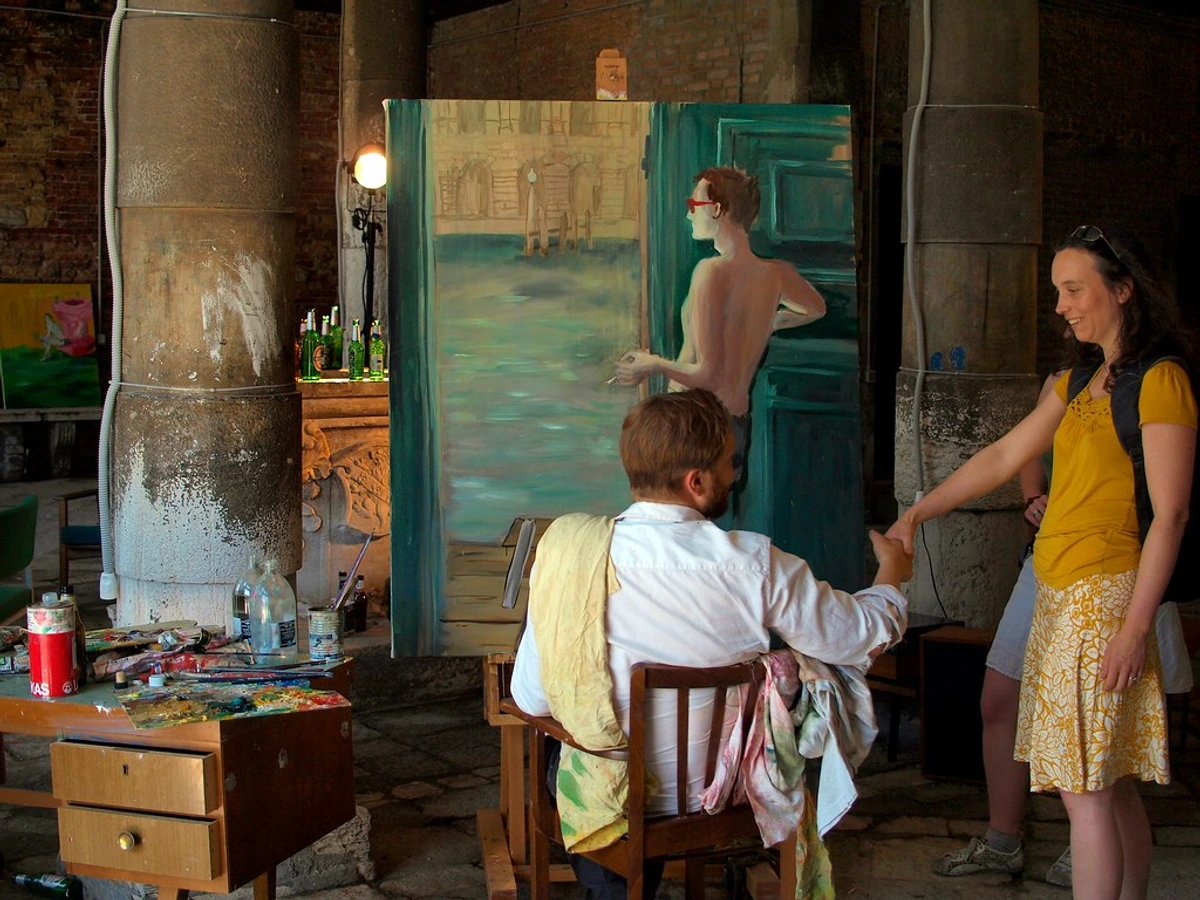
Exhibition Design & The Artistic Journey
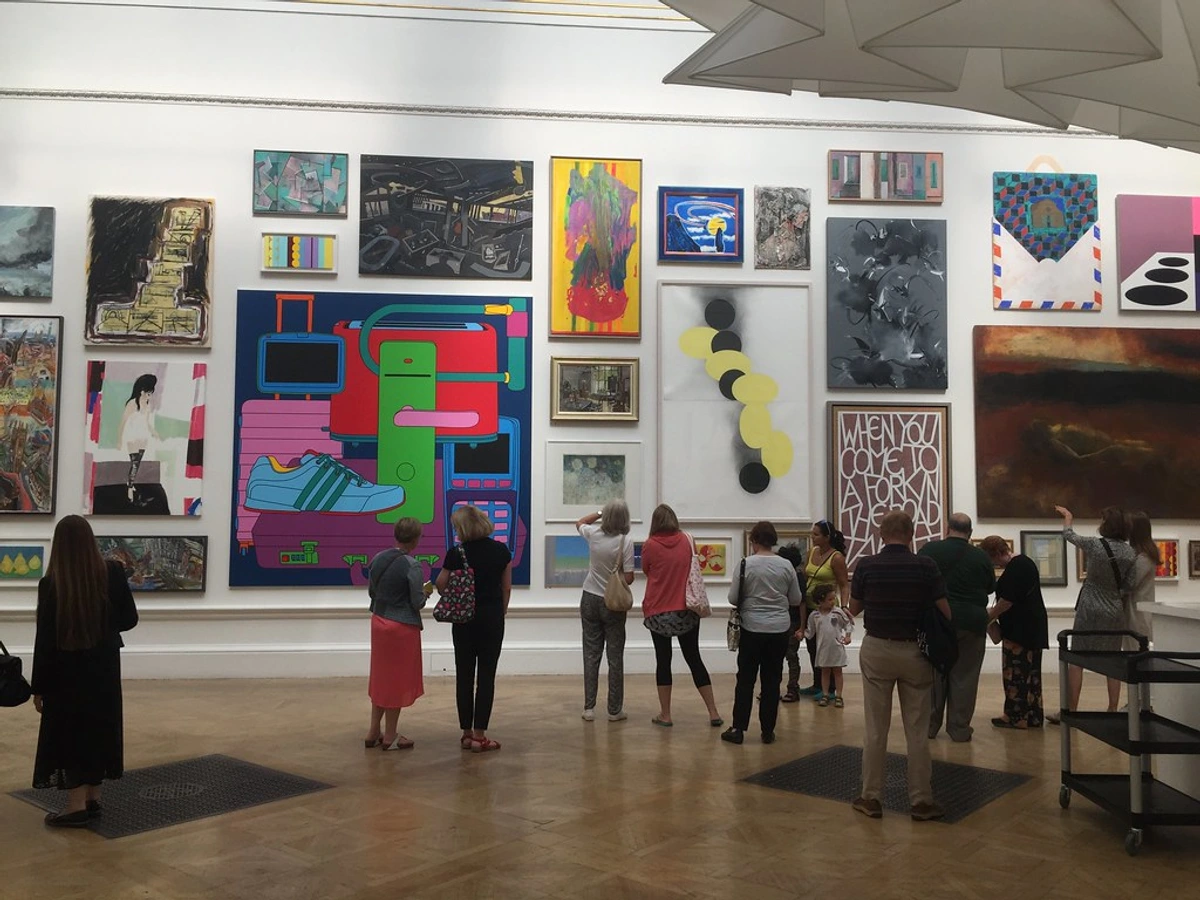
When you enter a gallery, you're not just looking at individual pieces; you're often walking through a carefully constructed experience. Curators spend a lot of time thinking about how artworks are arranged, how they interact with each other, and how the overall flow of the space guides your eye and shapes your understanding. The exhibition design—the placement of walls, the use of lighting (spotlights highlighting details, diffuse light for an overall mood), and even the building's architecture—all contribute to this narrative. A particularly impactful piece might be given its own wall, while a series might be arranged to show progression or contrast. This thoughtful arrangement is designed to take you on an artistic journey, encouraging connections and deeper reflections than if the works were simply scattered randomly. Pay attention to these subtle cues; they can enhance your appreciation of the curator's vision and the artist's intent.
Gallery Etiquette: Showing Respect for Art and Space
I once watched a person accidentally brush against a fragile sculpture, and the collective gasp in the room was palpable. It happens, but it’s best avoided! I've seen firsthand how easily even a gentle touch can mar a surface, and it’s a stark reminder that this art is here for everyone, across generations. If you're ever given the opportunity to handle unframed prints or photographs, always ask for cotton gloves. The oils from your fingers can damage delicate surfaces, leaving irreversible marks. For framed pieces, always lift them by the frame, never by the hanging wire, which could snap or damage the artwork. When looking at delicate works on paper, like watercolors or pastels, maintain a respectful distance; even a breath too close can disturb fine pigments. If you feel uncomfortable handling a piece, or are unsure, it is always okay to politely decline and ask for assistance. If an accident does happen, resist the urge to "fix" it yourself; inform the gallerist immediately and let them handle it. Remember, the goal is preservation for everyone to enjoy.
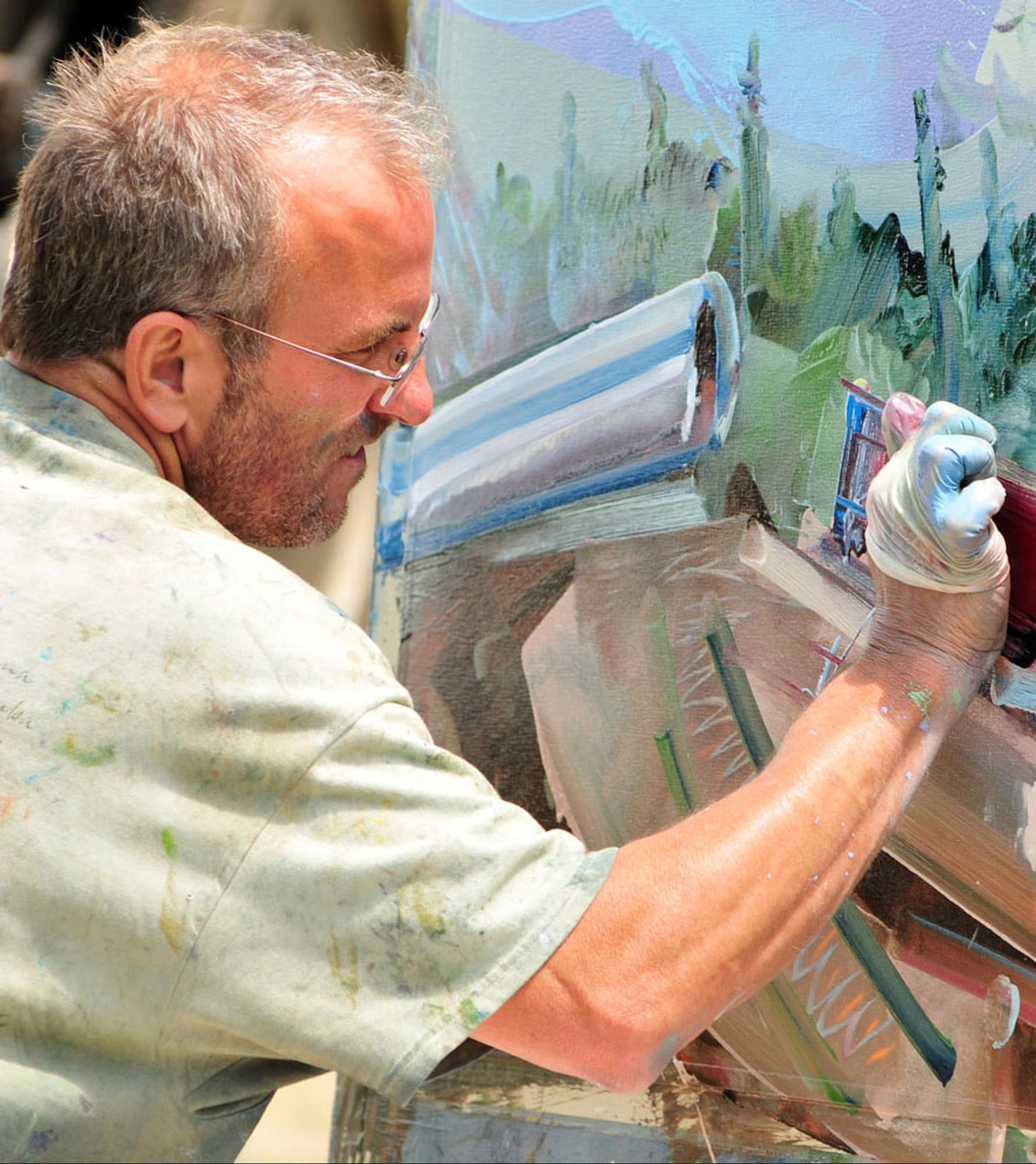
How to Research Artists Further
Beyond the gallery's immediate information, delve deeper. Online art databases like Artsy or Artnet, reputable art magazines, artist interviews, and exhibition reviews can provide a richer context for an artist's work and career trajectory. For more established artists, museum websites and auction house archives offer scholarly context and valuable market insights. Understanding an artist's CV (Curriculum Vitae) or exhibition history is crucial because it showcases their track record, dedication, and institutional recognition, which are all vital for assessing their seriousness and potential. A strong CV might list significant gallery representation, museum acquisitions, major awards, and academic publications, painting a clear picture of their artistic journey. For instance, knowing that an artist has shown at several respected institutions or been acquired by a major museum signals significant validation. Also, look for reviews from respected art critics; their insights can help you understand how an artist's work is positioned within contemporary discourse.
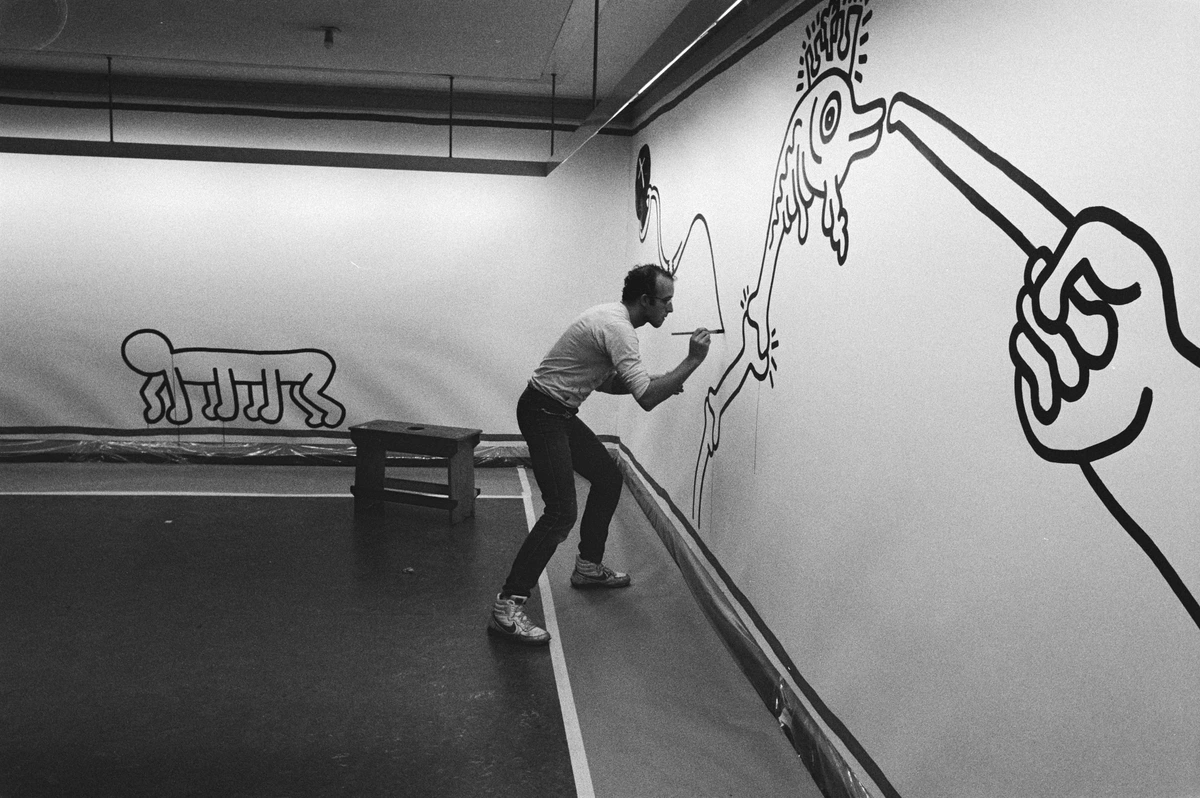
Step 4: Talking to the Gallerist (Your New Art World Ally)
This can be the most intimidating part, but it's also the most valuable. Gallerists (the people who run the gallery) are passionate about their artists. They are storehouses of information and literally make it their business to connect art with people. You don't have to pretend to be an expert. Just be genuinely curious. My first few times, I'd just hover nervously, mumbling questions in my head, but I learned that a polite approach is always welcomed. Wait for a moment when they aren't busy with another client or clearly engrossed in a task. Make eye contact, and then... just speak! The worst that happens is you learn something new – and maybe make a new connection. (I once spent ten minutes admiring a blank wall, convinced it was conceptual art, before realizing the artist was still setting up. Don't be like me. Ask questions!)
Easy conversation starters:
- "This is my first time seeing this artist's work. Could you tell me a bit about them?"
- "I'm really drawn to this piece. What's the story behind it, or what materials is the artist using here?"
- "What's the artist's background or education? Do they have other upcoming shows?"
- "I'm just starting to explore galleries, and I found your current exhibition really interesting. Do you focus on a particular style or type of artist here?"
If you’re interested in purchasing:
- "Could you tell me more about the provenance or exhibition history of this piece?"
- "Are there other works by this artist currently available or upcoming?"
- "What is the gallery's policy on returns or exchanges?"
They'd much rather talk to an enthusiastic, curious newcomer than a jaded know-it-all. And who knows, you might even discover a new favourite piece, or a new favourite gallerist! For more insights, a "Q&A with a gallerist on discovering new talent" can offer valuable perspectives.
The Money Talk: Prices, Dots, and Smart Buying
Once you've connected with a piece and perhaps the artist's story through the gallerist, the natural next question often turns to the financial aspect. Let's demystify the numbers. While it might seem like a secret handshake, understanding art pricing is more about informed curiosity than ancient riddles. The financial aspect of art can seem daunting, but pulling back the curtain is key to confident collecting. Trust me, I've had my moments of awkward fumbling when asking about price, feeling like I was breaking some unwritten rule. (Spoiler: you're not!)
Understanding the Price
If prices aren't listed, simply ask for a price list. "Could I see a price list for the show, please?" is a completely normal and expected request. No need to feel shy. Most galleries are happy to provide this; it's part of their business.
Artist Fees & Gallery Commissions
When you see a price tag, it covers more than just the artist's time and materials. Galleries typically operate on a commission model, taking a percentage of the sale price (often around 50%, though this percentage can fluctuate significantly based on factors like the artist's career stage, the gallery's overhead, and specific agreements, sometimes less for direct studio sales or very high-value works). This commission covers the gallery's overheads—rent, staff, marketing, exhibition production, shipping, and the significant investment they make in nurturing and promoting an "emerging artist"s career. So, part of the price reflects the ecosystem that brings that art to you, the valuable work of the gallerist in bringing art to the world. It’s also worth noting the concept of artist royalties or droit de suite in some jurisdictions, where artists receive a percentage of the resale price on the secondary market. While not universal, some galleries champion this for their artists, an important ethical consideration that directly supports an artist's long-term career.
The Red Dot Explained
A red dot next to a piece of art on the wall label or price list means it has been sold. It's a simple system. Sometimes you'll see a half-red dot, which often means it's on hold or reserved for a client who is still deciding or arranging payment.
To Haggle or Not to Haggle?
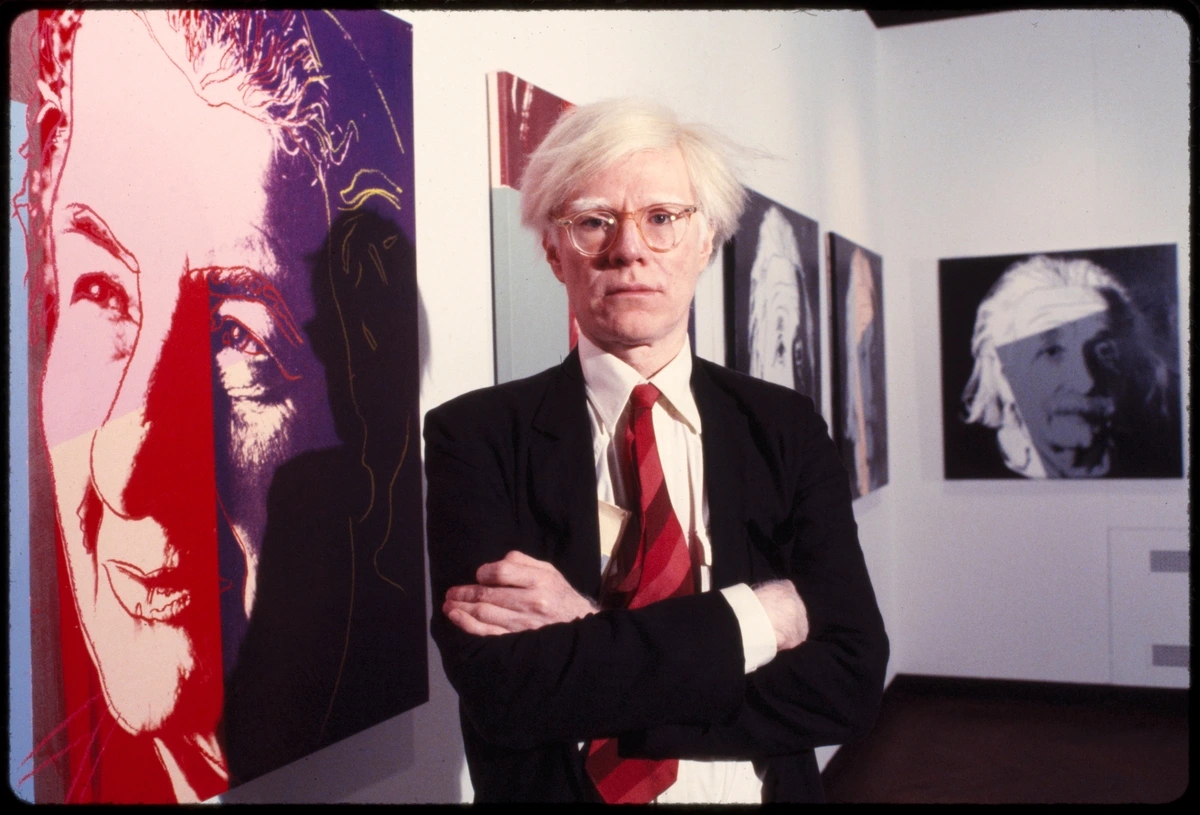
Once you understand the pricing structure and the gallery's investment in the artist, you might wonder if there's room for negotiation. Sometimes, yes. For emerging and mid-career artists, established galleries will often offer a small discount (usually 5-10%) to known collectors, especially those who have bought from them before. As a new buyer, you might not get one on your first purchase, but it never hurts to politely ask, "Is there any flexibility on the price?" or "Is this price firm?" The worst they can say is no, and you've lost nothing. They might even offer a discount if you're buying multiple pieces, or if a particular work has been in the gallery for a while. However, in some very high-end or blue-chip galleries, for extremely sought-after works by artists like Andy Warhol, haggling might be perceived as unprofessional or inappropriate. Here, the focus is more on building a long-term relationship, and sometimes an initial purchase is seen as an entry point. Politeness and genuine interest are always your best approach.

Beyond the Price Tag: Hidden Costs & Payment Plans
Don't forget to ask about framing (is it included, or is it an additional cost? Does "framing" mean basic matting and glass, or a custom design with archival-quality, UV-protective materials?), shipping, and installation. These can add significantly to the final cost. Always get these details clarified upfront. Also, some galleries offer payment plans or layaway options for higher-priced works, so don't hesitate to inquire if that makes a purchase more feasible. This shows genuine interest and commitment to the piece.
Originals vs. Editions: What's the Difference?
For prints, photographs, or sculptures, you'll often see an "edition number" (e.g., 3/50). This means it's the 3rd piece out of a total of 50 identical copies. Lower edition numbers, or pieces from smaller editions, can sometimes command higher values. Always clarify if a work is an original (unique, one-of-a-kind) or an edition (one of many produced). You might also encounter an "Artist Proof (AP)," which is a print set aside for the artist, outside of the main numbered edition. Typically limited to a very small number, APs can sometimes carry a slightly higher value due to their direct connection to the artist, though they are not inherently "better" than a numbered edition. Unique pieces by renowned sculptors like Auguste Rodin would be considered originals, while bronze casts from a master mold might be editions. There are also monoprints, which are unique prints that cannot be reproduced exactly, offering a hybrid between an original and an edition. Different printmaking techniques (like lithography, etching, and screenprint) can also influence value and aesthetic. It's crucial to distinguish these from a giclée, which is a high-quality reproduction of an original artwork, printed digitally, usually with pigment inks. While often signed and numbered by the artist, a giclée is fundamentally a printed copy, not an original work in itself or a unique print created through traditional printmaking processes, and is generally valued differently.
Assessing Fair Value: The Million-Dollar Question
A gallery price is based on many factors. For new collectors, the best way to gauge this is to trust the gallery's reputation and their long-term commitment to their artists. They are investing in the artist's future, which adds value by actively building their market. Factors influencing price include:
- Artist's Career Stage: Emerging, mid-career, or established (blue-chip).
- Artist's Sales & Exhibition History: A track record of successful sales and significant shows increases value.
- Material Costs & Scale: Larger, more complex works using expensive materials naturally cost more.
- Provenance: A documented history of ownership adds to authenticity and value. A work with a pristine, well-documented provenance, especially from a notable collection, will typically fetch a higher price than one with an unclear or incomplete history.
- Condition: The physical state of the artwork. A print from an edition in perfect condition will be valued higher than one with fading, tears, or other damage, even if they are from the same edition.
- Market Demand: How sought-after the artist's work currently is.
- Gallery Reputation: Established galleries tend to represent artists whose work holds or appreciates in value.
- Rarity: Unique pieces or very small editions typically command higher prices.
While for emerging artists, checking recent sales at other galleries or smaller art fairs can provide some comparative data, this information isn't always publicly accessible. For blue-chip artists like Edgar Degas with extensive auction records and museum acquisitions, market value is more transparent. For new collectors, a good starting point is to research the gallery's existing stable of artists and look at their exhibition history and any available press mentions to gauge their commitment to building an artist's career. You can also compare prices for works by artists of similar career stages and exhibition histories at different reputable galleries. Ultimately, if a piece speaks to you and you can afford it, and the gallery has a good reputation, that's often the best indicator. For a deeper dive into valuation, consider "understanding art appraisals: what every collector needs to know".

Art Investment vs. Enjoyment: Your Primary Motivation
While art can appreciate in value, the primary motivation for most collectors, especially new ones, should be personal connection and enjoyment. Buy what you love and what speaks to you, first and foremost. It's crucial to understand that art as an investment is speculative; it's not akin to traditional financial markets like stocks or real estate. While a piece might appreciate, it's not guaranteed, and the value is deeply tied to an artist's career trajectory and often subjective market forces. My own path has been full of twists and turns, which you can see a bit of on my /timeline. It's about finding pieces that will mean something to you for years to come, that enrich your daily life, regardless of their market performance. Ultimately, a piece like Still Life with Rayfish might simply be a delight to behold for its artistry, not its market value.
Digital Art and NFTs: A Cautious Note
While the art world is seeing exploration into digital ownership via NFTs (Non-Fungible Tokens), the traditional gallery model remains the cornerstone for experiencing and acquiring physical artworks. From a collector's perspective, this digital realm is still nascent and highly speculative. It's fraught with unique challenges regarding long-term preservation, display, market volatility, and environmental concerns. While it's an interesting development to observe, I recommend new collectors prioritize tangible art acquired through established channels, which offer a proven framework for authenticity, provenance, and physical enjoyment. For digital art without the NFT component, consider the practicalities of file preservation (redundant backups, secure storage) and display (high-quality screens, stable software) to ensure its longevity.

Starting Your Art Collection: Foundational Principles and Common Pitfalls
Once you've made that first purchase, or even before, thinking strategically about your collection can enhance the experience. My own early purchases were a bit scattered, driven by impulse. I remember buying a minimalist sculpture, then a vibrant abstract, then a small landscape – lovely pieces all, but my wall started looking like a rummage sale rather than a cohesive statement. It taught me the value of thoughtful curation early on. Here are some principles to guide you on your journey to building an abstract art collection: a beginner's guide or any other focus:
Foundational Principles for Collecting:
- Focus Your Vision: Instead of buying disparate pieces, consider focusing on a particular period, medium (like abstract art or photography), theme, or even a specific group of artists. A cohesive collection tells a story, whether through thematic connections, chronological progression, or an exploration of a particular technique. For instance, you could build a collection centered on nocturnal cityscapes, or perhaps portraits of musicians, or even ceramic sculptures that explore organic forms. Consider too, where you envision this art living – a large statement piece for a living room, or a series of smaller works for a home office? This can influence your choices in scale and style.
- Curating for Your Space: When I first started collecting, I just bought what I liked and tried to fit it in. Big mistake. Thinking about how art interacts with your living space is crucial. Consider the scale of the artwork in relation to your room, the lighting (natural and artificial), and the existing aesthetics of your home. A monumental abstract piece might anchor a living room, while a series of smaller, delicate works could create an intimate narrative in a study. Don't just fill empty walls; make your art a conversation with your environment. This might even lead you to explore topics like "collecting art for small apartments: maximizing impact in limited spaces" or how to approach "decorating with art in modern farmhouse interiors". For smaller spaces, consider diptychs or triptychs (artworks in two or three panels) that can be arranged vertically or horizontally to fit unique wall dimensions, or even smaller, impactful pieces that draw the eye without overwhelming the room.
- Research Authenticity and Provenance: Always ensure you have documentation for your art. A clear provenance confirms the work's history and authenticity, especially vital for works by established masters like Michelangelo. This includes bills of sale, certificates of authenticity, exhibition histories, and even any documented correspondence about the artwork. For historically significant pieces, provenance research often involves scholarly expertise, and a lack of clear provenance can significantly decrease an artwork's value and raise authenticity concerns. You can think of provenance as the artwork's "biography" or "chain of ownership."
- Develop Your Eye: Continuously visit galleries and museums. The more art you see, the more refined your taste and understanding will become. Actively engage with art criticism and artist interviews to broaden your perspective and deepen your appreciation.
Common Pitfalls to Avoid:
- Buying for Investment Alone: While appreciation can happen, don't let it be your sole driver. Art markets are unpredictable and speculative. Buy what you genuinely love and what speaks to you, first and foremost.
- Following Trends Blindly: Fads come and go. Develop your own taste rather than chasing the latest "hot" artist or market darling.
- Overlooking Emerging Talent: Some of the most exciting (and accessible) opportunities lie with emerging artists whose careers are just beginning to flourish. They offer often more accessible price points, the chance to build a genuine, long-term relationship with an artist as their career blossoms, and the excitement of discovering future masters.
- Neglecting Documentation: Forgetting to keep meticulous records of your purchases can complicate future appraisals, insurance claims, or sales. Treat your art like any other valuable asset with proper paperwork.
- Selling Too Quickly: The temptation to flip a piece for a quick profit can lead to missing out on the long-term enjoyment and intrinsic value of the artwork, not to mention potentially harming an artist's nascent market if done without careful consideration.
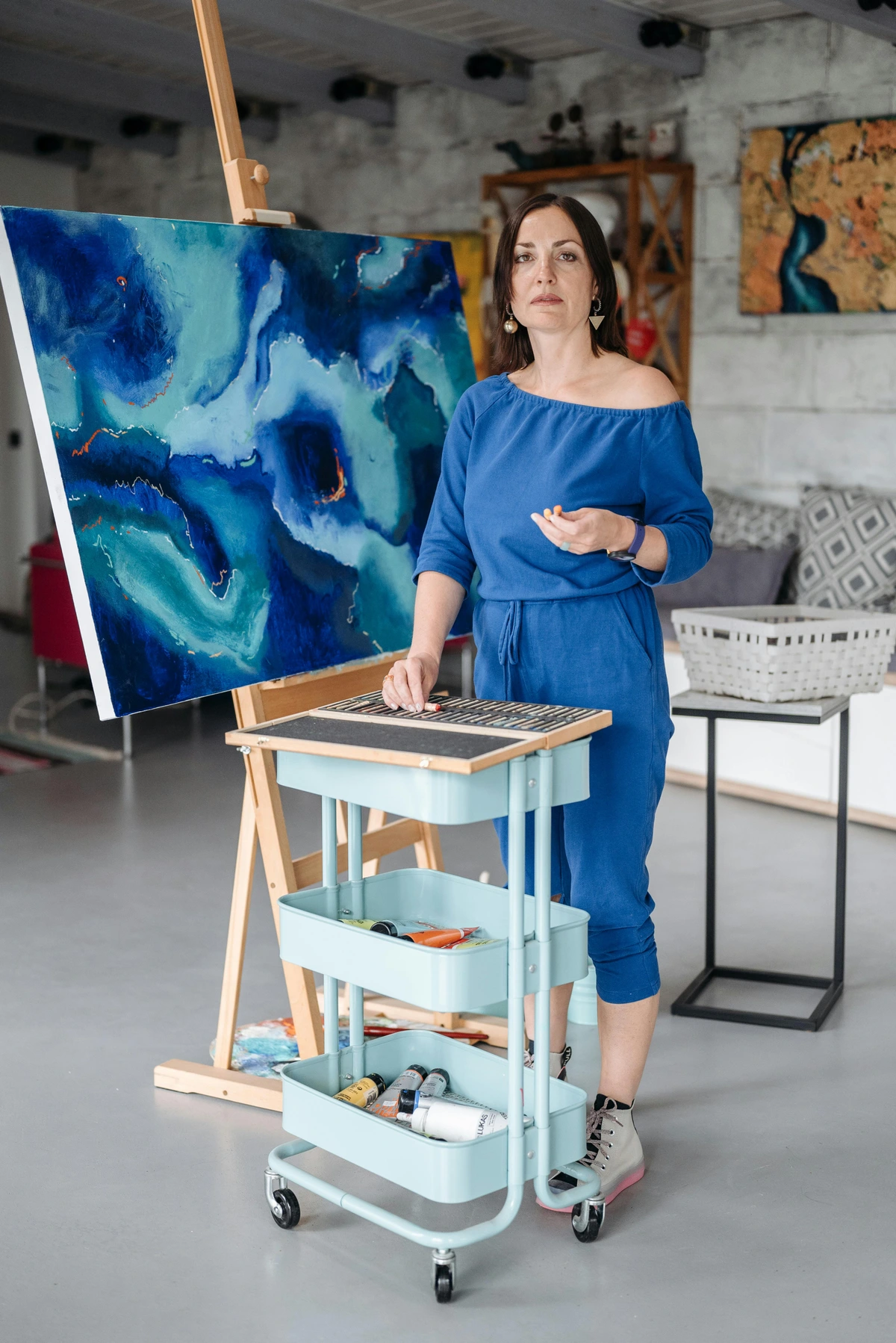
Art Conservation and Care for Longevity
Neglecting proper care is a common pitfall. Once you own art, proper conservation and display are crucial for its longevity and value. Always display your art away from direct sunlight, which can fade pigments and degrade materials, especially vulnerable works on paper or textiles. Maintain stable temperature and humidity levels, as fluctuations can cause cracking, warping, or mold. For works on paper, such as watercolors or drawings, always use archival-quality framing materials (acid-free mats, UV-protective glass or acrylic) to prevent degradation and fading. Professional framing is an investment that protects your art, ensuring proper hinging, matting, and glazing. Don't underestimate the role of a good frame; it's both presentation and preservation. Canvases should be properly stretched and kept free from punctures. Delicate sculptures should be protected from dust with covers or display cases and handled only with clean, gloved hands to prevent the transfer of oils. For valuable pieces, consider professional conservation advice or specialized art insurance. If a piece is damaged, always consult a professional art conservator; never attempt to "fix" it yourself. Basic care extends the life and value of your collection, ensuring future generations can also appreciate it.
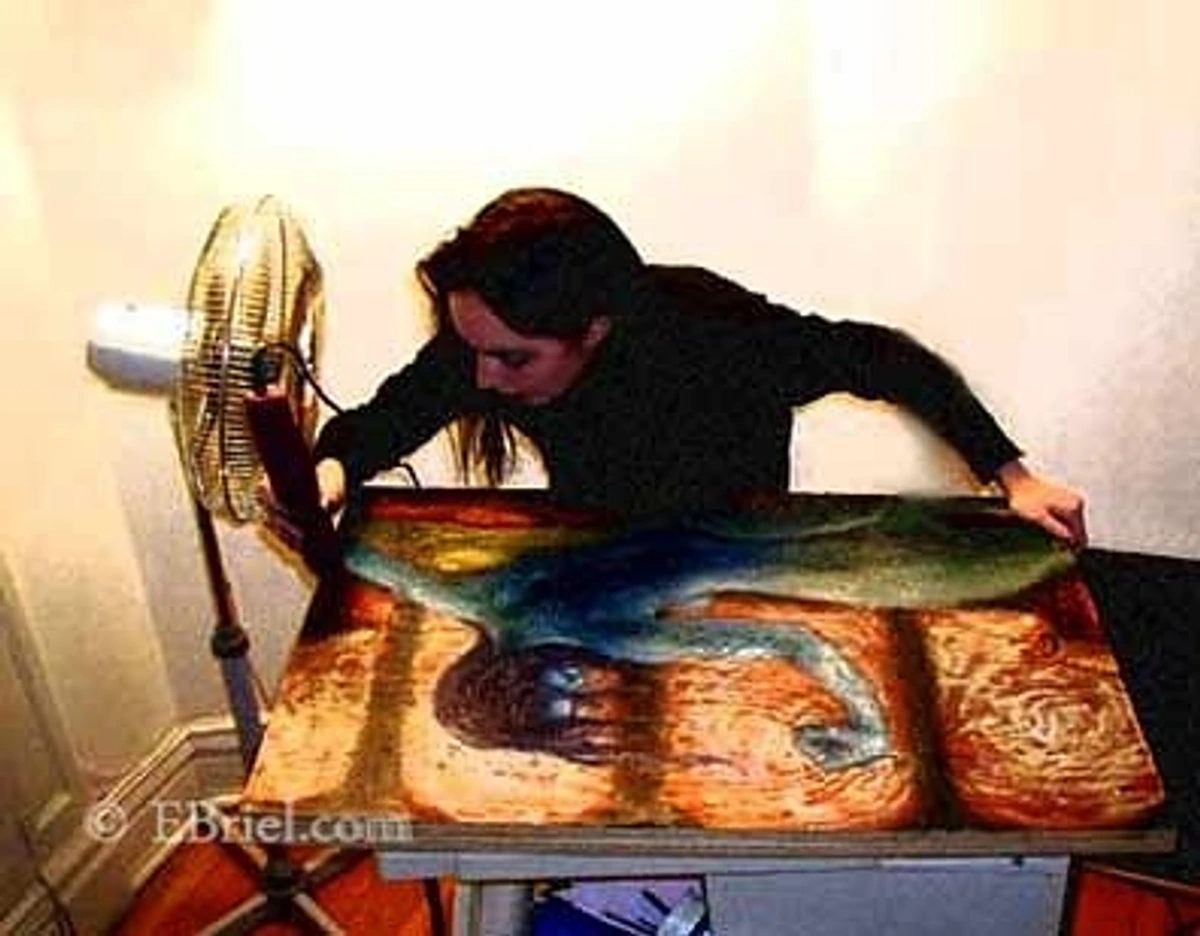
Art Documentation and Record-Keeping
Think of your art collection as a small museum; it needs its own archive! Meticulous record-keeping is vital for provenance, insurance, and future liquidity. For each artwork, keep a dedicated file that includes:
- Proof of Purchase: Original invoice, bill of sale, or receipt.
- Certificate of Authenticity (COA): Especially for prints and editions.
- Provenance History: Any documented ownership history (the artwork's "chain of ownership").
- Artist Information: CV, artist statement, exhibition history, press clippings.
- Condition Reports: Documentation of the artwork's state at the time of purchase, any past restoration work, and recommendations for future care.
- Appraisals: Regular valuations for insurance purposes.
- Photographs: High-resolution images of the artwork, front and back, and details of any signatures or inscriptions.
This paper trail is your artwork's story and its best defense against questions of authenticity or value. It's a bit of work upfront, but it pays dividends down the line. Consider using digital tools like Artlogic, Artsy's Collector tools, or even dedicated spreadsheet software combined with cloud storage for easier organization and access. There are even apps designed specifically for art collectors to manage their inventory and insurance details.
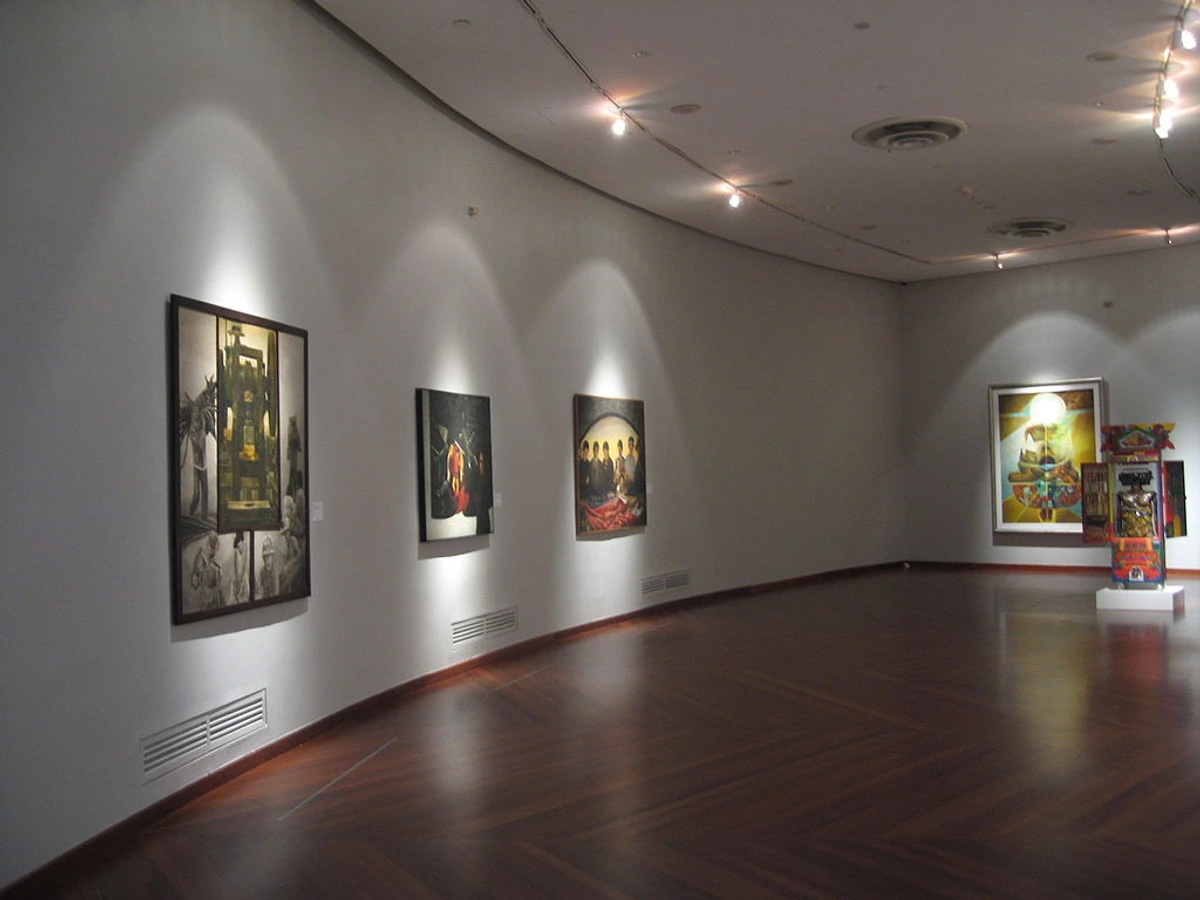
Practicalities of Art Storage
As your collection grows, where do you put it all? For works not currently on display, proper storage is paramount. Consider archival boxes for prints and documents, and ensure any storage space is climate-controlled and secure, free from extreme humidity that can lead to mold or temperature fluctuations that cause materials to expand and contract. Use specific archival materials like acid-free boxes, Mylar sleeves, and archival tissue paper to protect delicate surfaces. Professional art handlers and specialized storage facilities are excellent options for larger or particularly valuable pieces. For smaller collections or budgets, exploring options like portfolio cases for prints or investing in climate-controlled storage units can be a more affordable alternative. Exploring "art storage solutions for collectors" becomes a practical next step to protect your investments.
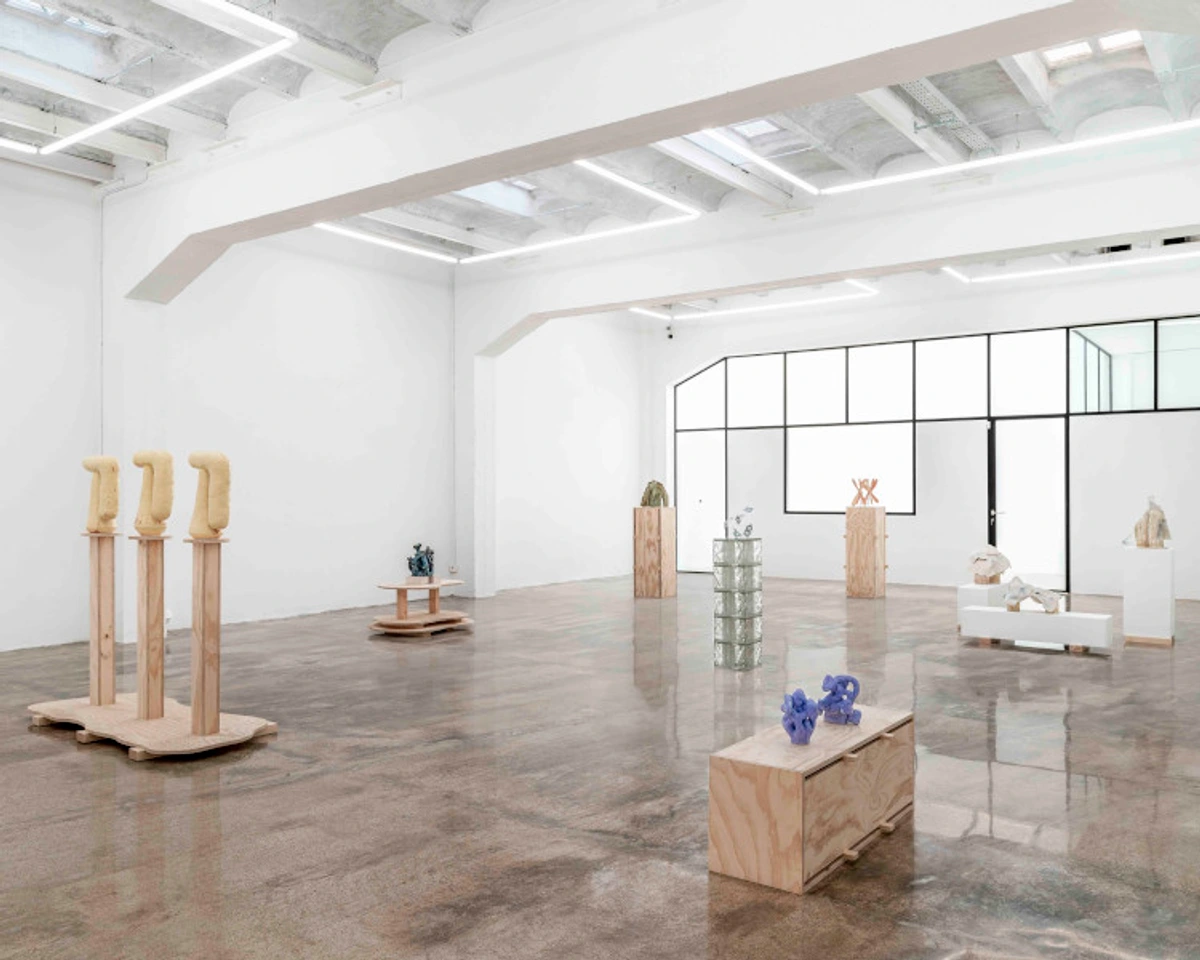
A Quick Word on Art Fairs: Speed-Dating the Art World
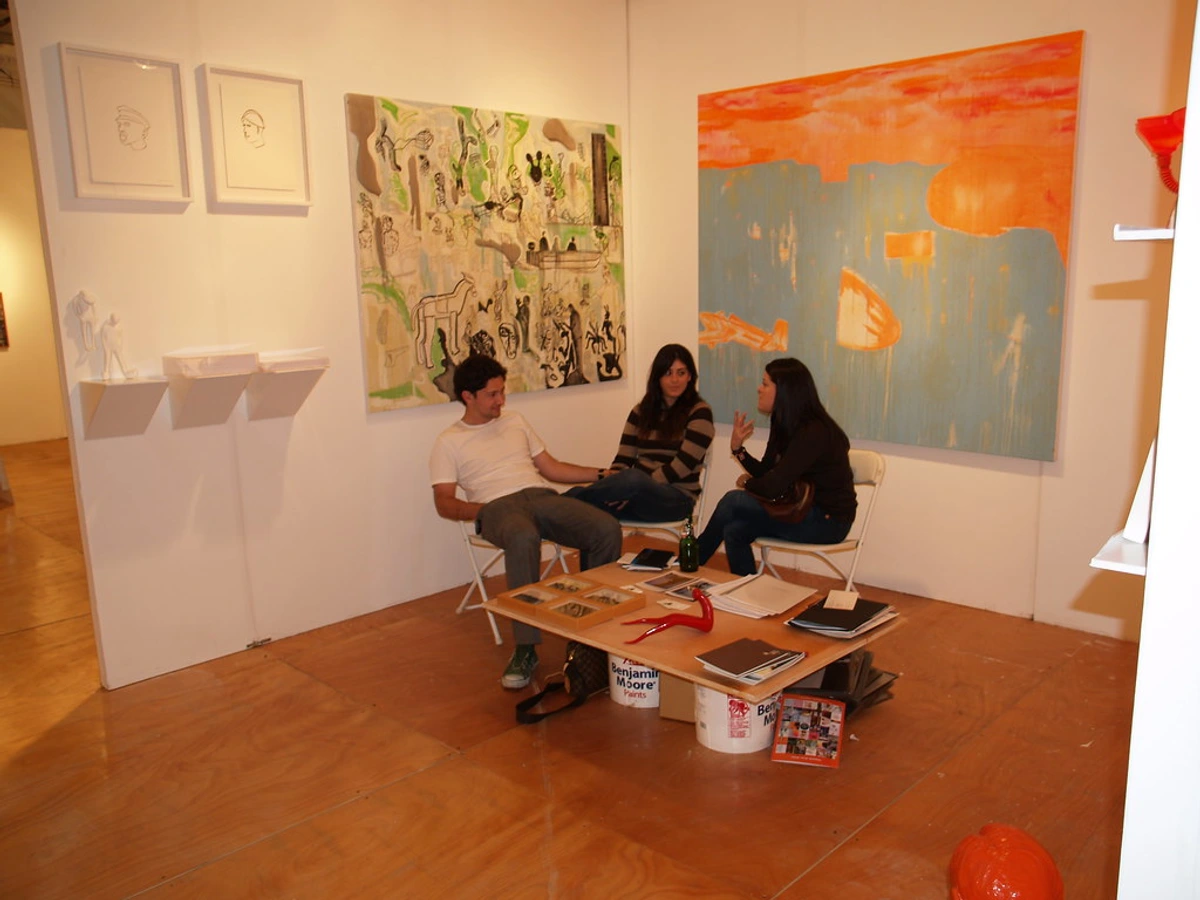
As you refine your vision and perhaps even make your first purchase, you might wonder about the quickest way to see more art and discover more artists. Art fairs are like hundreds of galleries packed into one giant, overwhelming space. They are an incredibly efficient way to see a massive amount of art from all over the world in a single weekend. For a new collector, they can be a sensory overload, but also an amazing educational experience. Think of it as speed-dating the art world.
My personal advice? Go with comfortable shoes, grab a map, and don't try to see everything. Research the specific art fairs beforehand to see which galleries will be present and which artists are being highlighted, or if there are specific themes to the fair. This helps you prioritize your visits. Pick a few aisles or galleries you're particularly interested in (check the exhibitor list beforehand!), and just absorb. Look for any talks, panels, or artist studio visits that might be happening concurrently, as these can offer additional insights. Art fairs are also excellent for understanding current trends and the overall health of the art market. It’s a great place to begin forming your own opinions on what's 'current' in the art world. Plus, they can be a great way to see works by artists represented by multiple galleries simultaneously, allowing for easy comparisons. While the high energy and sheer volume can tempt impulse purchases, try to stick to your research plan or at least make detailed notes before committing. If you have a great conversation with a gallerist but forget their details, most fairs have information desks or online directories where you can easily retrieve their contact information. It's an intense but rewarding experience, a real crash course in contemporary art market dynamics. For a specific example, consider a "first-timer's guide to TEFAF Maastricht". Ultimately, art fairs offer a dynamic snapshot of the global art market and are invaluable for discovery.
Building Your Collection: Beyond the First Purchase
So you've bought your first piece, or maybe you're just dreaming of it. What's next? Building a lasting relationship with a gallery can be one of the most rewarding parts of becoming an art collector. When you become a known client, galleries will often offer you benefits like:
- Early Access: Invitations to private views or previews before a new show opens to the public. This gives you first pick of new works.
- Personalized Recommendations: Gallerists learn your tastes and can suggest artists or pieces they think you'll love, often even before they're publicly exhibited. They might even notify you of new acquisitions by artists you admire that perfectly fit your collection's trajectory.
- Information and Context: Deeper insights into artists' practices, career trajectories, and the stories behind their works.
- Trust and Support: A good gallery acts as an advisor, guiding you through potential purchases and ensuring your collection develops thoughtfully. They also value clear communication and responsiveness from their clients.
The key here is sincerity. Engage, ask questions, visit regularly, and express your genuine interest. Even if you're not buying every time, showing consistent engagement builds rapport.
Considering an Art Advisor? Your Strategic Partner
For many new collectors, navigating the art world alone is part of the fun. But as your collection grows, or if you're considering more significant purchases, you might wonder about the role of an art advisor or consultant. An art advisor is a professional who helps clients buy and sell art. They can:
- Offer Expert Guidance: Provide market knowledge, research provenance (the history of ownership of a work of art, crucial for authenticity), and help with due diligence.
- Source Works: Find specific pieces or artists based on your preferences and budget, often with access to private collections or unlisted works.
- Negotiate Prices: Leverage their relationships and market expertise to secure the best possible price on your behalf.
- Manage Logistics: Oversee framing, shipping, installation, and insurance, and even assist with the deaccessioning (selling) of works from your collection.
While they come with a fee, an advisor can be invaluable, especially for larger investments or when you're looking to build a more strategic collection. It's akin to having a financial planner for your art acquisitions. Reputable advisors also have strong networks within galleries, auction houses, and private dealer circles, giving them access to a broader range of opportunities. Their fee structure can vary (e.g., a percentage of the purchase price, a flat fee, or a retainer), so always clarify this upfront. It’s also crucial to vet an art advisor thoroughly, checking their credentials, references, and ethical standards. For more details, consider a "Q&A with an art advisor on navigating the contemporary art market for new collectors".
Key Art World Terms to Know: Deciphering the Jargon
The art world has its own jargon, which can feel like a secret language. Here are a few terms I've found helpful to grasp, because knowing the lingo can seriously boost your confidence. Understanding these terms is a step towards understanding art itself, whether it's abstract or figurative.
Term | Definition and Why It Matters |
|---|---|
| Gallerist | The owner or director of an art gallery. They represent artists, curate exhibitions, and facilitate sales, acting as crucial intermediaries between artists and collectors. They are your primary point of contact and potential ally, and their passion often fuels the gallery's mission. |
| Art Consultant / Art Advisor | A professional who advises clients on buying, selling, and managing art. They offer market knowledge, due diligence, and logistical support, often working independently of a single gallery. |
| Artist Liaison | A gallery staff member responsible for managing relationships with the artists the gallery represents. They act as a bridge between the artist and the gallery, facilitating communication and support. |
| Provenance | This is the history of ownership for a work of art. It's essentially the artwork's resume and legal record, proving its authenticity and often significantly impacting its value. A strong, documented provenance is vital for all art, from emerging to established artists, as it builds foundational trust, confirms authenticity, and significantly impacts its long-term value. You can think of it as the artwork's "chain of ownership." |
| Edition | Refers to a limited number of identical prints, photographs, or sculptures produced from a master plate or mold, authorized by the artist. Each piece is numbered (e.g., 1/100). The smaller the edition, often the higher the value per piece due to rarity. Knowing the edition size helps you understand the rarity. |
| Monoprint | A unique print made by drawing or painting on a smooth surface, then transferring the image onto paper or another material, typically using a press. Each monoprint is distinct, unlike an edition, offering a one-of-a-kind original print. |
| Artist Proof (AP) | A print reserved for the artist, outside of the main numbered edition. Typically a small percentage of the total edition, these are sometimes sold and can be highly collectible, though they are not inherently "better" than a numbered edition. Their value can sometimes be slightly higher due to their direct connection to the artist and limited availability. |
| Original | A unique, one-of-a-kind artwork, not a reproduction or part of an edition. This includes paintings, unique sculptures, or drawings. These generally hold higher value than editions due to their singular nature. |
| Giclée | A high-resolution, pigment-based inkjet print, typically on archival paper or canvas, using pigment-based inks for enhanced longevity and color accuracy. While produced with high-end equipment and often signed/numbered, it's crucial to understand giclées are reproductions of an original artwork, unlike unique prints made through techniques like etching or lithography. A giclée is a printing method, not an original artwork. They are generally valued differently than original unique works or traditional limited edition prints. |
| Mixed Media | An artwork created using two or more different materials or mediums. Think a painting with collage elements, or a sculpture incorporating textiles and metal. This demonstrates an artist's versatility and often adds textural depth and conceptual complexity. |
| Installation | An art piece, often large-scale, created for a specific site or gallery space. It transforms the viewer's experience of that space, often making the viewer a part of the artwork itself, and is frequently temporary. These are usually experienced in museums or large commercial galleries. |
| Diptych | An artwork consisting of two panels or pieces, usually hinged or presented together. Often, the two panels create a cohesive narrative or visual statement, making them versatile for display in varying spatial configurations. |
| Triptych | An artwork composed of three panels, typically joined or displayed side-by-side. Like diptychs, they can tell a story, show a sequence, or offer different perspectives, often creating a more expansive visual experience. |
| Polyptych | An artwork consisting of four or more panels. These multi-panel pieces are generally larger and more complex, allowing for extensive narratives or grander thematic explorations. |
| Artist Residency | A program that offers artists time and space, often in a new environment, to develop their work away from daily distractions. It's crucial for an artist's growth, offering opportunities for experimentation, networking, and focused creative output. |
| Curator | A professional who selects, organizes, and presents artworks for exhibitions or collections. They often write accompanying texts and shape the narrative of a show. Understanding a curator's vision can deepen your appreciation of an exhibition and its underlying themes. While both are pivotal to the art world, a gallerist primarily operates a commercial space to represent and sell artists' work, acting as a market intermediary. A curator, on the other hand, works within institutions (or independently) to select, organize, and interpret artworks for exhibitions, focusing on thematic narratives and public education rather than direct sales. For further reading, check out the guide to "curator vs gallerist: understanding the key differences". |
| Curatorial Statement / Exhibition Statement | A text written by the curator (or artist) that provides context, themes, and insights into an exhibition or specific artworks. Always read this! It's your guide to the artist's or curator's intent, offering invaluable context for what you're seeing, especially with conceptual or abstract works. It's often a window into the artist's thought process. |
| Artist Statement | A written explanation by the artist about their work, process, and intentions. This document is invaluable for understanding the artist's perspective and the conceptual underpinnings of their art. |
| Art Historian | An academic who studies the history of art, analyzing works within their cultural, social, and historical contexts. They often contribute to exhibition catalogs and scholarly publications, providing critical background and deepening our understanding of art's place in history. |
| Art Critic | A professional who analyzes, interprets, and evaluates artworks and exhibitions, often publishing their insights in newspapers, magazines, or online platforms. They help shape public discourse around art and can influence an artist's career trajectory and market perception. |
| Art Broker | An independent agent who facilitates the buying and selling of art, often working with private collections or sourcing works not publicly exhibited. Distinct from a gallerist who primarily represents artists and runs a physical space. Brokers can be useful for finding specific pieces off-market, offering a more discreet service. |
| Art Fair | A temporary event where numerous art galleries or dealers showcase and sell artworks from various artists, often in a large exhibition hall. They offer a condensed view of the art market. |
| Blue-Chip Artist | An artist with a well-established, long-term market record, high prices, and often museum representation. Think "safe investment" in the art world, though no art purchase is ever truly "safe." These are the household names of the art market, whose value is influenced by consistent critical acclaim, strong auction records, and museum acquisitions. |
| Emerging Artist | An artist who is early in their career, gaining recognition, but whose market is still developing. This is often where the most exciting discoveries (and accessible prices) for new collectors happen. It's also where your personal taste can make the biggest impact, as you help shape an artist's trajectory. |
| Exhibition History / CV (Curriculum Vitae) | A professional document listing an artist's past shows, awards, education, publications, and collections. Essential for understanding an artist's career trajectory and assessing their seriousness and potential, giving you a roadmap of their accomplishments and institutional recognition. |
| Vernissage / Opening Reception | An opening event for an art exhibition, often with the artist present, offering a chance for collectors, critics, and art lovers to view the work and socialize. A great opportunity for networking and community engagement. |
| Primary Market | The market for artworks being sold for the first time, typically directly from the artist or through their representing gallery. This is where you acquire new works. |
| Secondary Market | The market for artworks that have been previously sold, often through auction houses, art dealers, or private sales. This is where artworks are resold. |
| Deaccessioning | The formal process of removing an artwork from a collection by sale, exchange, or gift. Collectors might deaccession works as their tastes change or their collection focus evolves, sometimes with the help of an art advisor. For museums, this is a complex process often governed by strict ethical guidelines, typically to fund acquisitions or conservation, rather than for profit. |
| Art Movement | A tendency or style in art with a specific common philosophy or goal, followed by a group of artists during a restricted period of time, e.g., Impressionism, Cubism, Abstract Expressionism, Surrealism, Dadaism, Pop Art. These movements provide crucial context for understanding the evolution of art. |
| Critique | A formal assessment and evaluation of an artwork, often involving detailed analysis of its aesthetic, conceptual, and technical merits. This can be a valuable tool for deepening your understanding. |
| Retrospective | An exhibition of an artist's work covering their entire career or a significant portion of it, providing a comprehensive overview of their artistic development. These are often major museum shows. |
| Statement Piece | An artwork chosen to be a focal point in a space, often large or visually striking, intended to express a collector's taste or make a strong artistic impression. This is the art that starts conversations. |
Art Restitution and Repatriation: An Ethical Consideration
As you delve deeper into art and its history, you might encounter discussions around art restitution and repatriation. This refers to the return of artworks or cultural artifacts to their original owners or countries of origin, especially those acquired through colonial conquest, theft during wartime, or illicit trafficking. Historically, cases like the Elgin Marbles or the Benin Bronzes highlight the complex ethical dilemmas surrounding cultural heritage. For collectors, understanding the provenance of a piece, particularly older or culturally significant works, isn't just about value; it's also about ethical ownership. Always ensure your acquisitions have clear, legal, and ethical histories. If a work's provenance is unclear or raises red flags, it's best to proceed with extreme caution or consult an expert. Resources like the Art Loss Register can help verify provenance. It’s a complex but increasingly important aspect of responsible collecting in the 21st century.
FAQ: Your Burning Gallery Questions Answered
What's the difference between a gallery and a museum?
A museum's primary role is to preserve and exhibit art for the public good (like the amazing works at the /den-bosch-museum or even the Art Institute of Chicago). They often have permanent collections, educational programs, and are typically non-profit. A gallery's primary role is to represent artists and sell their work, acting as a commercial enterprise. Think of a museum as a public library of art and a gallery as a specialized bookstore. Both are vital to the art ecosystem, but with different missions focused on either education and preservation or commerce and artist representation. I always suggest visiting both to get a full picture of the art world, and to understand "what is an art gallery" in more detail.
Do I need to dress up to go to an art gallery?
Absolutely not. Wear whatever makes you comfortable. The art doesn't care if you're in a suit or sneakers, and neither should you. Seriously. I've gone in paint-splattered jeans and felt just as valid as someone in a bespoke suit. It's about the art, not the attire. My personal uniform is usually a t-shirt and well-worn jeans, and I've never felt out of place.
Is it rude to take photos?
Generally, it's fine to take photos for personal use (like remembering a piece you liked). It's always polite to ask first, especially if you're taking a photo of a specific artwork up close, or if you're trying to capture the whole room. Avoid using a flash – it can damage art and is disruptive to other visitors. When in doubt, just ask the gallerist or staff; they'll usually be happy to clarify. Sometimes, specific exhibitions (especially traveling ones) have strict no-photography rules, so always check signage. The gallery or artist might prefer the work to be experienced directly without the distraction of a camera.
What if I don't "get" the art?
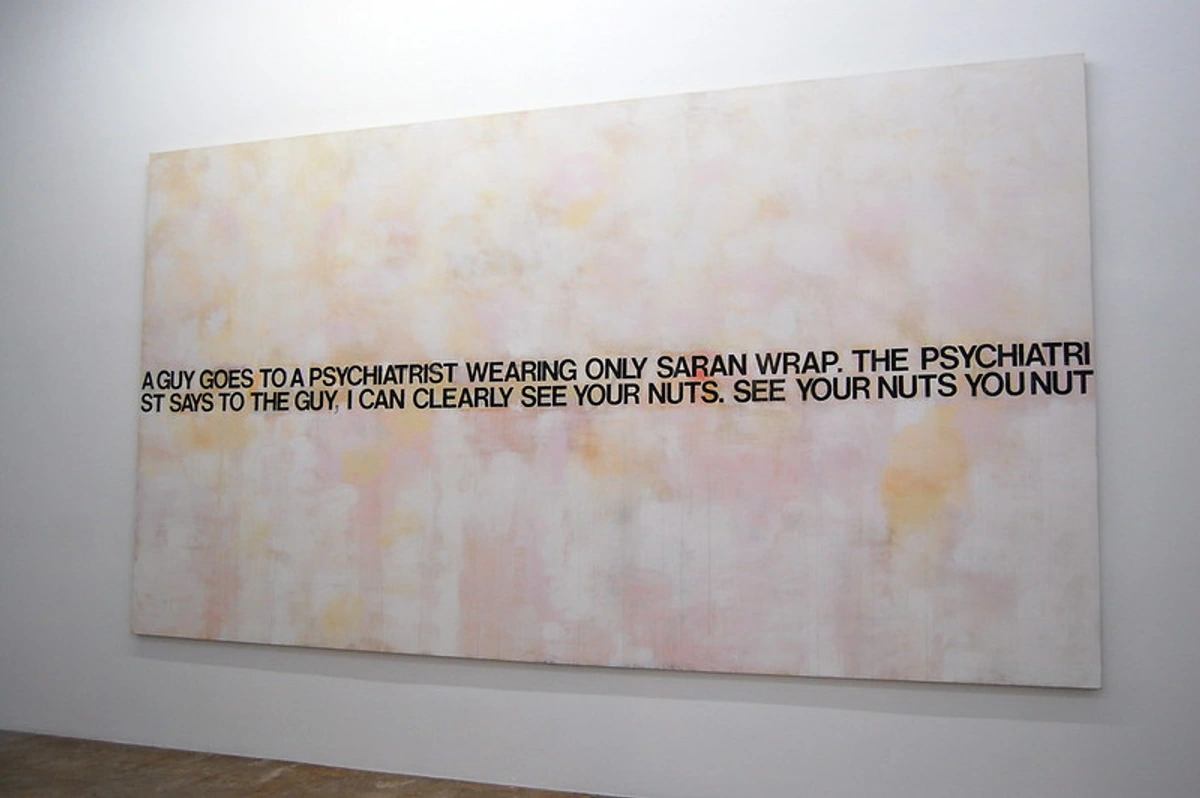
That's completely okay! Art is subjective. Not every piece will speak to you, and some art, especially conceptual art or dense abstract art, might require a bit of context. Read the press release or ask the gallerist. Sometimes, understanding the idea behind it makes all the difference. Consider the artist's background, their intentions, and the historical context. Other times, you just won't like it, and that's fine too. Some art is even designed to provoke discomfort or challenge your perceptions, and acknowledging that reaction is a valid form of engagement. You don't always need an intellectual explanation to appreciate (or dislike) something. Art appreciation is a skill that develops over time, like any other. The "aha!" moment often comes with repeated exposure and reflection. If you want to dive deeper into understanding different art movements, a "guide to the evolution of abstract art: key movements and their collectible value" can be very helpful. Remember, your personal taste is valid and constantly evolving with more exposure. You're bringing your own unique perspective to the conversation!
How do I know if the price is fair?
As I mentioned earlier, a gallery price is based on many factors: the artist's sales history, their exhibition record, the cost of materials, the scale of the work, and where they are in their career. For a new collector, the best way to gauge this is to trust the gallery's reputation and their long-term commitment to their artists. They are investing in the artist's future, which adds value by actively building their market. While for emerging artists, checking recent sales at other galleries or smaller art fairs can provide some comparative data, this information isn't always publicly accessible. For new collectors, a good starting point is to research the gallery's existing stable of artists and look at their exhibition history and any available press mentions to gauge their commitment to building an artist's career. You can also compare prices for works by artists of similar career stages and exhibition histories at different reputable galleries. Ultimately, if a piece speaks to you and you can afford it, and the gallery has a good reputation, that's often the best indicator. For more in-depth knowledge, consider reading "understanding art appraisals: what every collector needs to know".
What if I want to buy a piece of art but don't have the full amount up front?
Don't be afraid to ask about payment plans or layaway options. Many galleries are open to discussing these, especially for higher-priced works, to make art more accessible to collectors. It shows genuine interest and commitment to acquiring the piece. This is a common practice and a good way to make art collecting feasible.








What about insuring my art?
Art insurance is a specialized field. While some homeowner's policies might offer limited coverage (e.g., often only up to $10,000 for artwork), for valuable pieces, it's highly recommended to get a dedicated art insurance policy. These policies often cover specific risks like damage during transit, theft, or natural disasters, and can be tailored to your collection's needs. Always discuss this with your gallery or an art advisor, and consider contacting a specialized art insurance broker. It’s an essential step in protecting your investment and peace of mind. Some high-end homeowner's policies can be upgraded with specialized art riders, but a dedicated fine art insurance policy is generally more comprehensive and tailored to the unique risks associated with art. Regular appraisals are also crucial for accurate insurance valuation.
What are the ethical considerations when buying art?
This is a fantastic question that shows you're thinking beyond just aesthetics and investment. Ethical considerations in art buying often revolve around provenance (ensuring the work wasn't looted or illegally trafficked), fair compensation for artists (especially in primary market sales), and transparency in transactions. Support galleries and artists who are committed to ethical practices. If a deal seems too good to be true, or the provenance is murky, it's always wise to proceed with extreme caution or seek expert advice, perhaps even using resources like the Art Loss Register. Additionally, if considering art from developing nations or indigenous communities, it's paramount to understand the cultural context, ensure fair trade practices, and verify that the work was acquired ethically, respecting cultural heritage and intellectual property rights. Responsible collecting contributes to a healthier art ecosystem and supports the integrity of the art world. You might also find "ethical considerations when buying cultural art" insightful.
What is an art fair?
Art fairs are temporary, large-scale events where many galleries and dealers convene to showcase and sell art, acting like a concentrated marketplace for the art world. You can think of them as an intense, exhilarating "speed-dating" experience with hundreds of galleries and thousands of artworks all under one roof. They are fantastic for seeing a vast amount of art quickly, spotting trends, making initial connections, and comparing works by multiple artists or galleries simultaneously, as discussed in more detail in our section on Art Fairs and a "first-timer's guide to TEFAF Maastricht".
Can I bring a friend/family member to a gallery?
Absolutely! Visiting with others can be a wonderful way to share the experience, spark discussions, and see art through different eyes. Just remember to be mindful of other visitors, avoid loud conversations, and ensure everyone respects the artwork and the quiet atmosphere. It’s a shared experience, not a private party!
What if the artwork is too expensive for me? Can I still engage with it?
Of course! The vast majority of people visiting galleries aren't there to buy. Your primary goal is to engage, discover, and build your appreciation for art. You can still admire, learn about the artist, talk to the gallerist, and deepen your understanding without any expectation of purchase. Many galleries are happy for visitors to simply enjoy the art. Remember, art appreciation is a journey, not just a transaction. The knowledge and joy you gain from engaging with art are priceless, regardless of whether you take a piece home.
What are the specific considerations for collecting photography?
Collecting photography has unique nuances compared to paintings or sculptures. Key aspects include understanding edition sizes (photographs are often produced in limited editions, but open editions also exist), the print type (e.g., gelatin silver print, C-print, inkjet print, albumen print), and the size of the print, all of which significantly impact value. The artist's signature and the presence of an artist's stamp or studio seal are also vital for authenticity. Provenance is just as crucial. Display and conservation require attention too; photography can be highly susceptible to light and environmental damage, so archival framing and proper lighting are paramount. Always inquire about the edition size, the printing process, and the condition report specific to photographic prints.
Your Journey Starts Now
Stepping into the art world, whether as a casual visitor or a budding collector, is a journey of discovery. It can feel intimidating at first, I know, but armed with a little knowledge, a dash of curiosity, and the confidence to simply be there, you’ll unlock a world of beauty, conversation, and personal connection. Remember, art is meant to be experienced, to provoke, and to delight. So go forth, explore these fascinating spaces, start researching that artist whose work caught your eye, or even consider visiting a local gallery this week. The ultimate piece that speaks directly to your soul, transforming your space and enriching your daily life, might just be waiting for you. Happy exploring! What gallery will you visit first? Discover your next piece or simply enjoy the conversation art sparks within you. You absolutely belong here.