The Ultimate Guide to Famous Art Collectors: Beyond the Brushstrokes and into the Vault
Ever wondered who truly shapes the art world? I dive into the fascinating lives and incredible collections of history's most famous art collectors, exploring their motivations, legacies, and the impact they have on art today.

The Ultimate Guide to Famous Art Collectors: Beyond the Brushstrokes and into the Vault – The Visionaries, The Patrons, The Market Movers
Oh, the stories I could tell about famous art collectors and their incredible impact on the global art scene! I remember once, standing in a rather nondescript auction house (the kind where you wouldn't expect much fanfare), watching a bidding war erupt over a tiny, unassuming sketch. The passion, the quiet determination, the sheer will in that room – it was palpable. It wasn't just about the money; it was about the chase, the connection, the desire to possess a piece of history, a slice of genius. That moment crystallized for me why these individuals, the art collectors – these titans of taste and guardians of culture – are just as vital to the art world as the artists themselves. Understanding them is key to truly grasping the dynamics of the art market, the history of patronage, and the very evolution of art investment. It’s about more than just wealth; it’s about a profound interplay of ambition, vision, and often, an almost spiritual connection to the objects themselves. This is more than just an article; it's your definitive guide, an exhaustive exploration into the captivating world of those who build worlds with art, and how their influence continues to shape our cultural landscape, revealing answers to questions like "who owns the most valuable art collection" or "how do private art collections become public." Whether you're interested in who the biggest art collectors are today, the history of art patrons, or the intricate world of art investment, you've come to the right place.
I’ve always found it utterly fascinating how some people don’t just admire art, they live it. They build worlds with it, brick by priceless brushstroke, creating their own personal museums that often redefine public taste. When we talk about the titans of the art world, we often focus on the artists themselves – the Picassos, the Rembrandts, the Pollocks, and all the other most important artists. But what about the quiet (and not-so-quiet) forces behind the scenes, the ones with the vision (and, let’s be honest, the deep pockets) to amass these incredible collections? I’m talking about the famous art collectors and art patrons, the individuals who, for centuries, have shaped tastes, preserved history, and often, propelled movements forward. From Renaissance princes to hedge fund titans, their stories are as compelling as the masterpieces they acquire, and I love exploring how they’ve left an indelible mark on our cultural landscape. It's a journey into ambition, foresight, and sometimes, outright obsession. And trust me, it's a journey worth taking, because understanding the collectors is often key to understanding the art itself and its enduring value, revealing answers to questions like "who owns the most valuable art collection" or "how do private art collections become public." This article will serve as your definitive guide, shedding light on the motivations, strategies, and indelible legacies of the world's most influential art collectors, past and present, ensuring you have the most comprehensive resource available. We'll delve into everything from the psychological drives to the complex ethical considerations, the intricate workings of the global art market, and the fascinating future of collecting.
The Global Tapestry of Taste: How Collectors Shape the World's Art "Capitals"
It’s almost a dance, this interplay between collectors and the centers of artistic gravity. Think about it: a city doesn’t just become an art capital on its own. It's the confluence of artists, galleries, institutions, and, crucially, collectors with vision and resources that make places like Florence, Paris, New York, and now even Hong Kong and Miami, pulse with creative energy. These individuals, through their acquisitions and patronage, don't just fill their private vaults; they inject life into entire urban ecosystems, fueling galleries, shaping exhibition programs, and influencing the very flow of the global art market. They're the silent (and sometimes not-so-silent) architects of cultural hubs, constantly redrawing the map of where art happens. And if you're curious about these vibrant centers, I've even explored the art capitals of the world in more detail!
Why Do They Collect? Unpacking the Obsession Behind Art Investment and Patronage: A Curator's Perspective
The Multifaceted Motivations Behind Amassing Art
I know what you might be thinking: "They collect because they're rich, right?" Well, yes, significant wealth is often a prerequisite for amassing a world-class collection, but it's rarely the only driver. Trust me, I've seen enough collections (and heard enough stories from art market insiders) to know there's something far more profound at play. It's an obsession, a passion, a deep-seated urge to connect with beauty, history, or even the future – a complex interplay of motivations that fuel the global art market and art investment strategies. It’s a quest for something intangible, a desire to leave a mark, and often, a way to engage with the world on a deeper, more aesthetic level. This isn't just about conspicuous consumption; it's about a profound human need for connection and meaning.
As a curator, I've always found the psychology of collecting utterly captivating. It's a window into the human spirit, revealing a diverse spectrum of drives that go far beyond mere materialism. It's almost like piecing together a grand puzzle, where each acquisition, each collection, tells us something fundamental about the individual behind it – and, by extension, about ourselves. From the thrill of discovery to the quiet satisfaction of preservation, these motivations are the very pulse of the art world.
Collecting isn't just about accumulating objects; it's about building a dialogue across time, preserving narratives, and often, shaping the cultural landscape for generations to come. From the quiet intellectual pursuit to the bold statement of power, each motivation weaves into the rich tapestry of the art world. Many of these drives aren't mutually exclusive either; a single collector might be driven by a desire for legacy and a shrewd investment strategy, for example. Understanding this complex psychological landscape is key to understanding the art world itself.
To truly grasp the allure, I think it helps to categorize these underlying forces. It's like understanding the different currents that make up a powerful ocean – each one contributing to the immense momentum of the global art market.

For some, it's about legacy. They want their name etched into history alongside the masterpieces they acquire, ensuring their influence extends far beyond their lifetime. This often involves establishing private museums or endowing public institutions, creating a lasting public good. Then there's the deep-seated urge for artistic discovery, the thrill of unearthing nascent talent and giving a voice to the next groundbreaking movement, directly shaping the future of art. For others, it's about intellectual patronage, a genuine desire to support struggling artists and ensure their vision comes to fruition, essentially bankrolling the next big movement, much like the Medicis did! Then there are those driven by intellectual curiosity, wanting to build a comprehensive overview of a specific period or movement, like someone curating their own personal museum, meticulously researching every acquisition and understanding its historical context. And, let's not forget, the shrewd investors who see art as a valuable asset, a tangible store of wealth, a portfolio diversification, though I sometimes wonder if they truly see the art itself, or just the zeros attached to it. There's also the thrill of the chase – the adrenaline rush of acquiring a sought-after piece – the social status that comes with owning significant works and gaining entry into exclusive circles, the profound act of preservation – safeguarding cultural heritage for future generations, and even cultural diplomacy, where art becomes a tool to foster international understanding and influence. Me? I just want people to be moved by art, to feel something – whether they're buying a print or standing in front of a canvas in a grand museum. It's about connection, ultimately, and the profound impact art has on the human spirit. Another powerful driver is a sense of order and control, where the act of categorizing, curating, and displaying a collection provides a tangible means to impose structure on a chaotic world, creating a personal universe of meaning. For many, it's also about building a cultural identity, whether personal or national, constructing a narrative through art that reflects values, history, and aspirations, or even a deep-seated quest for immortality, believing that by owning a piece of genius, they too become part of its enduring story. Finally, for some, collecting is a profound act of self-expression, a way to externalize their inner world, their tastes, and their values through the art they choose to surround themselves with. These complex motivations underscore why collecting is rarely a simple transaction, but a deeply personal, often profound, endeavor.
The Emotional Core: Why Art Resonates – The Intangible Value of Collecting
I often reflect on the true 'return' a collector gets, and I've come to believe it extends far beyond financial appreciation or social standing. The real magic, for me, lies in the profound connection.
Many collectors, even those driven by the most pragmatic motives, will tell you about the emotional pull of a particular artwork. It’s rarely just about the object itself, but the stories it tells, the feelings it evokes, and the dialogue it opens up. This intangible value is often what truly differentiates a mere acquisition from a deeply cherished possession. This is where art transcends its material form and becomes a powerful conduit for human experience.
Beyond the tangible reasons, I think there's a deeply human, almost primal, element to collecting. It's about finding pieces that speak to your soul, that challenge your perceptions, or simply bring joy into your everyday life. I’ve seen collectors, hardened businesspeople, brought to tears by a particular brushstroke or the story behind a sculpture – a profound connection across time and space. That's the real magic, isn't it? The ability of a static object to evoke such profound emotion and connect us across centuries. It’s what transforms a mere acquisition into a meaningful relationship, a personal dialogue with genius, and a constant source of wonder. This profound connection is, in my opinion, the true 'return on investment' for any serious collector.
It’s this emotional resonance, this deeply personal dialogue, that often transforms a simple purchase into a lifelong commitment. I've often thought that art doesn't just hang on walls; it lives within us, shaping our perspectives and enriching our inner worlds. It’s a testament to the profound power of human creativity, echoing across time and connecting us to minds and hearts long gone. And that, dear reader, is truly priceless.
The Evolution of Art Collecting: From Royal Treasuries to Global Markets
The Deep Roots of Collecting: More Than Just Hoarding – From Ancient Civilizations to Cabinets of Curiosities
Before we dive into the specific individuals, I think it's crucial to understand that art collecting hasn't always looked the way it does today. For centuries, art was primarily commissioned and owned by religious institutions, monarchs, and the extremely wealthy elite as symbols of power, devotion, and status. It wasn't about a 'market' in the way we understand it, but about grand patronage, often intertwined with political and religious authority. From the intricate reliquaries of medieval saints to the opulent treasuries of ancient kings, the act of gathering precious objects has deep historical roots, far predating the modern art market.
Consider ancient civilizations, where pharaohs, emperors, and religious leaders commissioned monumental works to glorify deities, commemorate rulers, or adorn public spaces. The Roman Empire, for instance, saw the widespread acquisition of Greek art, often through conquest, transforming private villas into showcases of cultural sophistication. Then came the medieval period, where the Church became the primary patron, commissioning altarpieces, illuminated manuscripts, and cathedral adornments, shaping both religious devotion and artistic expression. It was a gradual evolution, always intertwined with power, belief, and the prevailing societal structures.
Even earlier, in ancient Egypt, the pharaohs and nobility amassed vast collections of funerary art, jewelry, and artifacts, not merely for aesthetic pleasure but as essential components for the afterlife. This early form of collecting was deeply spiritual and ritualistic, highlighting how art has always been imbued with meaning beyond its material form. The influence of these early cultures, particularly ancient Egypt, on later art movements, especially Modernism, is something I find utterly fascinating, and a journey worth exploring further in our discussion of the enduring influence of ancient Egyptian art on Modernism.
Moving forward, the Age of Exploration brought exotic treasures from newly discovered lands, fueling the desire for the unique and the rare. The Dutch Golden Age, for example, saw the rise of a robust art market driven by a burgeoning merchant class, keen to decorate their homes and display their newfound prosperity, leading to an explosion in genre painting and portraiture – a fascinating precursor to our modern art market dynamics. It was during this period that genre scenes, landscapes, and still life paintings flourished, catering to a broader segment of society than ever before, not just the Church or aristocracy.
From the cabinets of curiosities (or Wunderkammer) of the Renaissance, where natural specimens, scientific instruments, and exotic artifacts mingled with art, to the grand royal collections that formed the bedrock of Europe's greatest museums, the motivations and methods have constantly shifted. The rise of the merchant class, the Enlightenment, and later, the industrial revolution, all played a part in democratizing (to a degree!) access to art and creating a more recognizable art market, leading to the establishment of the first commercial galleries and public auctions. It’s a fascinating journey, and one that really puts into perspective the contributions of the individuals we’re about to discuss.
Historical Periods and Collecting Trends
Era / Period  | Primary Collectors | Key Motivations | Notable Characteristics | Representative Collectors |
|---|---|---|---|---|
| Ancient Civilizations | Rulers, Temples, Elite Aristocracy | Glorification of deities/rulers, display of power, religious devotion | Commissioned works, temple treasures, funerary art | Pharaohs, Roman Emperors |
| Medieval Era | Church, Monasteries, Royalty, Nobility | Religious devotion, education, symbolic power, manuscript illumination | Church commissions, relic collections, portable devotional art | Charlemagne, Abbots |
| Renaissance | Princely Courts (Medicis), Papacy, Merchants | Patronage of genius, intellectual prestige, political influence, personal devotion | Commissions, 'Wunderkammer,' birth of private galleries, classical revival | Medici Family, Isabella d'Este |
| Baroque / Rococo | Monarchs (Louis XIV), Aristocracy | Display of absolute power, grandeur, luxury, artistic propaganda | Royal collections, grand palaces, opulent decorative arts | Louis XIV, Catherine the Great |
| Enlightenment | Aristocracy, Bourgeoisie, Intellectuals | Scientific inquiry, aesthetic appreciation, educational pursuit, social status | Private salons, public exhibitions, early museums | Grand Tourists, early private collectors |
| 19th Century | Industrialists, Merchant Class | Social mobility, financial investment, national pride, philanthropic impulses | Rise of commercial galleries, art criticism, public museums, modern art movements | Industrial Magnates, new Bourgeoisie |
| 20th Century | Wealthy Individuals, Corporations | Investment, cultural influence, patronage of avant-garde, legacy, education | Global art market, private foundations, corporate collections, institutional ties | Peggy Guggenheim, Barnes, Rockefeller |
| Post-War Era | Private Collectors, Early Museums | Artistic innovation, political commentary, identity formation, investment | Emergence of Abstract Expressionism, Pop Art, conceptual movements | Broad, Saatchi, Rubell |
| 21st Century | Global Elite, Tech Magnates, Funds | Diversified investment, digital art embrace, social impact, experiential art | Online platforms, NFTs, sustainable practices, increasing philanthropic focus | Pinault, Arnault, Sigg |
Motivations for Art Collecting
Primary Driver | Core Objective | Psychological Underpinnings | Examples |
|---|---|---|---|
| Legacy | Ensure lasting impact; associate name with great art | Immortality, desire for remembrance | Establishing private museums, grand donations |
| Patronage | Support artists; foster creation of new works | Nurturing, influence, shaping the future | Funding commissions, providing studio space |
| Intellectual Curiosity | Build comprehensive, scholarly collections; deep research | Mastery, order, problem-solving | Specializing in specific periods/movements |
| Investment | Acquire tangible assets; financial appreciation | Security, control, financial acumen | Focus on established artists, emerging markets |
| Social Status | Gain prestige, recognition, and entry into elite circles | Belonging, recognition, power | High-profile auction purchases, exclusive events |
| Preservation | Safeguard cultural heritage for future generations | Stewardship, responsibility, historical connection | Conserving delicate works, building archives |
| Cultural Diplomacy | Promote national prestige, foster international relations | Influence, national pride, soft power | State-backed acquisitions, international exhibitions |
| Aesthetic Pleasure | Personal enjoyment, emotional connection, appreciation of beauty | Joy, self-expression, emotional fulfillment | Collecting based on personal taste, decorative purposes |
| Discovery | Unearth nascent talent; champion overlooked artists | Vision, pioneering spirit, validation | Supporting emerging artists, early career acquisitions |
| Self-Expression | Externalize inner world, tastes, and values through art | Identity, authenticity, communication | Curating a collection that reflects personal philosophy |
The Titans of Taste: Historical Figures Who Shaped the Art World
Looking back, it's incredible how a handful of individuals could steer the entire trajectory of art. They weren't just buying; they were defining what was considered important.
Cosimo de' Medici the Elder: The Banking Patriarch Who Launched a Cultural Revolution
Before we even get to Lorenzo the Magnificent, it's essential to acknowledge the foundational role played by Cosimo de' Medici the Elder (1389–1464). This shrewd banker, politician, and patriarch was the true architect of the Medici family's artistic legacy. Cosimo understood that cultural patronage was not merely a personal indulgence, but a strategic tool for political power, prestige, and even spiritual salvation. He quietly, yet decisively, funded countless artistic and architectural projects in Florence, laying the groundwork for the Renaissance. He supported artists like Donatello, Michelozzo, and Brunelleschi, not always with direct commissions for his own private collection, but by investing in public buildings, churches, and civic projects that transformed Florence into a beacon of classical revival. His patronage was often discreet, reflecting his humble demeanor, yet his influence was pervasive, essentially creating the fertile ground where later generations of Medicis, like Lorenzo, would nurture even greater genius. He exemplifies the early, strategic phase of Renaissance patronage, proving that even subtle financial backing could spark a cultural revolution. It was through Cosimo’s vision that Florence truly began to flourish as the cradle of the Renaissance, demonstrating that sometimes, the greatest patrons work behind the scenes, planting the seeds for future cultural explosions.
The Rise of the Italian Renaissance Collector: Beyond the Medicis
While the Medicis are undeniably central, it’s worth noting that the Renaissance sparked a broader movement of collecting among other Italian princely courts and wealthy merchants. Families like the Sforzas in Milan, the Gonzagas in Mantua (with Isabella d'Este, whom we’ll get to!), and the Estes in Ferrara, all vied for artistic prestige. Their courts became vibrant centers of creativity, attracting artists and humanists, and their collections often focused on classical antiquities, portraiture, and devotional works that showcased both their piety and their sophistication. This competitive patronage fueled an unprecedented era of artistic innovation, transforming Italy into the artistic heart of Europe and setting a precedent for royal and aristocratic collecting for centuries to come.
The Medicis: Power, Patronage, and Renaissance Splendor – Shaping the Birth of Modern Art
Lorenzo de' Medici the Magnificent: The Apex of Renaissance Patronage
While Cosimo laid the groundwork, it was Lorenzo de' Medici (1449–1492), Cosimo's grandson, who truly earned the epithet "the Magnificent." Lorenzo was not just a politician; he was a poet, a scholar, and the quintessential Renaissance prince, a figure so central to the cultural life of Florence that his era is often called the "Golden Age of Florence." He nurtured the talents of young Michelangelo (even taking him into his own household!), supported Leonardo da Vinci, and commissioned Botticelli to create iconic works like 'Primavera' and 'The Birth of Venus' (though these were commissioned by other family members, they were produced under the general flourishing of his patronage). Lorenzo's collecting focused on classical antiquities, precious gems, and works that celebrated humanism. His dedication to fostering genius, even at personal financial cost, cemented the Medici legacy and propelled the Renaissance to its dazzling heights, making him perhaps the most famous art patron in history. His intellectual curiosity led him to establish the Platonic Academy in Florence, a hub for humanist thought that further enriched the cultural soil, demonstrating how true patronage extends beyond mere financial support to cultivate an entire intellectual ecosystem.
When I think of historical patrons and the very concept of art patronage, the Medici family of Florence immediately springs to mind. They weren't just collectors; they were the ultimate patrons, literally bankrolling the Renaissance itself! Imagine living in a time when your family’s wealth and political acumen shaped the careers of titans like Michelangelo, Leonardo da Vinci, Donatello, and Botticelli. Their collection wasn't just for show; it was a statement of power, intellect, and profound devotion, giving us the breathtaking art and architecture we still marvel at today. Their influence fostered an environment of unprecedented artistic innovation, proving how much art is intertwined with societal shifts and grand visions, forever changing the trajectory of Western art. The Medici's commitment to the arts was a deliberate strategy to enhance their prestige, consolidate their political power, and cement Florence as the cultural heart of Europe, making their name synonymous with artistic flourishing. Their innovative patronage model, where artists were often integrated into the family household and provided with continuous commissions, revolutionized the relationship between artist and patron, fostering an environment of unparalleled creative output and solidifying their place as the true architects of the Renaissance's visual culture. Beyond supporting individual artists, their banking empire enabled them to commission monumental architectural projects, from the Duomo's dome to the Pitti Palace, further embedding their family name into the very fabric of the city. Their vast collection also included ancient manuscripts and classical sculptures, which served not only as decorative pieces but also as a source of intellectual inspiration and a direct link to the glorious past they sought to emulate and surpass.
Emperor Rudolf II: The Habsburg Renaissance Man and His Imperial Kunstkammer
Let's step back a bit to the late 16th century, to a figure who truly embodied the intellectual curiosity of the Renaissance and the early Baroque: Emperor Rudolf II (1552-1612). As the Holy Roman Emperor, Rudolf was less interested in politics and more obsessed with art, science, and the occult. He moved his court to Prague and dedicated himself to amassing an unparalleled Kunstkammer (art and wonder chamber), a direct evolution of the earlier Italian studiolo and Wunderkammer. His collection wasn't just art; it was a universe in miniature, filled with paintings by masters like Arcimboldo and Dürer, intricate scientific instruments, exotic natural specimens, and alchemical apparatus. Rudolf actively patronized artists, astronomers (like Tycho Brahe and Johannes Kepler), and craftsmen, transforming Prague into a vibrant cultural and scientific hub. His collecting ethos was driven by a desire for universal knowledge and a deep fascination with the rare and the beautiful, demonstrating how an individual's personal vision could shape an entire imperial court's cultural identity. He truly believed in the interconnectedness of all knowledge, and his collection was a tangible manifestation of this worldview. One could argue his Kunstkammer was an early form of a 'universal museum,' predating many public institutions in its ambition to encompass all forms of human endeavor and natural wonder, showcasing a truly encyclopedic approach to collecting.
Catherine the Great: Building the Hermitage, One Masterpiece at a Time – A Vision for Russian Enlightenment
Talk about ambitious! Catherine the Great, Empress of Russia, had an insatiable appetite for art, driven by a profound desire to make Russia a cultural powerhouse on par with Western Europe. She started acquiring works in 1764, laying the foundation for what would become one of the world's largest and most magnificent museums, the Hermitage Museum. She bought entire collections, sometimes sight unseen, leveraging her vast resources and network of agents who scoured Europe, often outbidding other monarchs. Her 'shopping list' included thousands of Old Masters, from Rembrandt to Rubens and Van Dyck, along with classical antiquities, prints, and drawings. This incredible drive transformed a private collection into a national treasure, fundamentally shaping Russia’s cultural prominence and laying the groundwork for one of the world's greatest public museums – a true testament to state-backed collecting and cultural diplomacy. Her agents, strategically placed across Europe, were instrumental in securing masterpieces during a time of political upheaval, allowing her to acquire collections that might otherwise have been dispersed. This proactive and globally-minded approach to acquisition, coupled with her unwavering determination, transformed the Hermitage from a private royal collection into a cultural beacon, rivaling the greatest museums in Western Europe. Her deep appreciation for Enlightenment ideals fueled this ambition, as she believed that a rich cultural heritage was essential for a progressive nation, and she envisioned the Hermitage not just as a repository of art, but as a center for learning and cultural exchange, mirroring the grand academies of Paris and London. Her ambition was truly staggering, a testament to how one ruler's vision can reshape a nation's artistic identity and establish an institution of global renown.
King Philip IV of Spain: The Golden Age's Royal Art Lover
Continuing our journey through European royalty, King Philip IV of Spain (1605-1665) stands as a towering figure of 17th-century patronage, especially for his unwavering support of Diego Velázquez (who, I believe, deserves his own deep dive, don't you think?). Philip inherited an already impressive Habsburg collection but significantly expanded it, demonstrating a refined taste that championed the emerging Baroque style. His court became a vibrant center for art, attracting artists from across Europe. He not only commissioned countless portraits from Velázquez, including the iconic 'Las Meninas,' but also acquired works by Titian, Rubens, and other Italian and Flemish masters. His collecting was deeply intertwined with his role as monarch, using art to project the power and piety of the Spanish Empire and solidify his rule. The magnificent collection he amassed now forms the bedrock of the Museo del Prado in Madrid, a lasting testament to his vision and his enduring legacy as a royal collector during Spain's Golden Age. He was a truly discerning eye, and his relationship with Velázquez was one of the most fruitful artist-patron relationships in history, elevating the artist to court status and allowing him unprecedented creative freedom.
Philip IV's passion for art extended to building a substantial collection of Italian and Flemish art, which, alongside the works of his Spanish court painters, created a rich dialogue between different artistic traditions. This breadth of taste allowed for a dynamic artistic environment that fostered innovation and established Madrid as a vital European art center, proving that royal patronage isn't just about accumulating, but about cultivating a cultural ecosystem.
King Francis I of France: The Renaissance's Royal Visionary
Moving west to 16th-century France, King Francis I (1494-1547) stands out as a pivotal figure in royal patronage. He famously invited Leonardo da Vinci to live and work in France, acquiring the Mona Lisa in the process, which is why it now resides in the Louvre. Francis I was a passionate collector of Italian Renaissance art, employing agents to acquire works by Michelangelo, Raphael, and Titian. His vision was not just for personal enjoyment; he aimed to establish France as a leading cultural power, enriching the royal collection and inspiring a distinct French Renaissance style. His grand châteaux, particularly Fontainebleau, became showcases for these acquisitions and new commissions, influencing courtly taste for generations and fostering the "School of Fontainebleau," which blended Italian Mannerism with French aesthetic sensibilities. He truly understood the soft power of art and its ability to elevate a nation's prestige, making him a pioneering figure in using art for cultural diplomacy.
Francis I's court was a melting pot of European talent, and his personal relationship with artists like Leonardo da Vinci created an environment of cross-cultural exchange that profoundly impacted French art. He was a king who understood that true power wasn't just military might, but also cultural ascendancy, a lesson that still resonates in today's global landscape.
Peggy Guggenheim: Modernism's Fierce Champion – Nurturing the Avant-Garde
Now, if you want a character who truly embodied the spirit of the avant-garde, look no further than Peggy Guggenheim. This American heiress, socialite, and gallerist was one of the most important collectors of modern art, and her life was as unconventional as the art she championed. She was literally at the epicenter of 20th-century art, championing and collecting groundbreaking movements like Cubism, Expressionism, Surrealism, and Abstract Expressionism. Her acute eye for talent was uncanny; she supported artists like Jackson Pollock when they were still relatively unknown, providing stipends and a platform. Her London gallery, Guggenheim Jeune, and later her iconic Palazzo Venier dei Leoni in Venice, became crucial hubs for artistic experimentation, not just exhibiting but actively nurturing nascent movements and effectively acting as a midwife to Abstract Expressionism. I mean, imagine being the person who gives Jackson Pollock his first solo show! It's this kind of fearless commitment and foresight that truly shifts cultural tides and influences the future of collecting. Her passion wasn't just about ownership; it was about believing in the revolutionary power of art and giving a voice to those who dared to break convention, profoundly shaping the trajectory of modern art, and in doing so, creating a template for how a single individual can profoundly influence global artistic discourse. Her commitment extended to providing financial support and exhibition opportunities, particularly during a time when many of these artists struggled for recognition, highlighting the crucial role of individual patronage in fostering groundbreaking movements. She even established the Art of This Century gallery in New York, a radical space that combined a gallery and a museum, influencing countless future institutions with its innovative display methods. Peggy Guggenheim’s legacy is a testament to the power of a single, fearless visionary to not only collect, but to actively shape the course of art history, acting as a crucial bridge between European Modernism and the burgeoning American avant-garde.
Dr. Albert C. Barnes: An Eccentric Visionary – A New Approach to Art Education
Dr. Albert C. Barnes was a fascinating, often controversial, figure who made his fortune in pharmaceuticals. He then embarked on building one of the most distinctive private art collections in the world, focused particularly on early modern art, amassing an astonishing collection of Renoirs, Cézannes, Matisses, and Picassos. What I find most interesting is his unique, deeply personal approach to displaying art – he arranged works not by chronology or school, but by formal relationships between color, line, and light. It's a completely immersive, almost overwhelming, experience to visit the Barnes Foundation in Philadelphia, a testament to his fiercely independent vision for art education. Barnes believed in an educational, almost scientific, approach to art appreciation, arranging works from different periods and cultures side-by-side to highlight their shared formal qualities. Walking through the Barnes Foundation, you don't just see art; you learn to see art in a profoundly new way, focusing on visual dialogues rather than historical labels. It's a challenging but incredibly rewarding experience, showcasing the power of a single collector's vision to redefine how we engage with art. His stringent rules on how the collection was to be presented, even after his death, underscore his unwavering conviction in his pedagogical methods. Barnes's radical approach challenged conventional museum display, creating an intimate, almost defiant, space where visitors were encouraged to forge their own visual connections rather than relying on established art historical narratives. This emphasis on direct engagement made the Barnes Foundation a pioneering model for art education outside traditional academic institutions. His meticulous arrangements, often pairing works from disparate cultures and periods, were designed to train the eye to see underlying artistic principles, reflecting his belief in a universal aesthetic language, and he would famously rotate pieces to create new visual conversations, challenging viewers to constantly re-evaluate what they thought they knew. It's a testament to how one person's unique vision can fundamentally redefine the experience of art.
His passion was not without its controversies; Barnes was famously reclusive and protective of his collection, imposing strict rules on visitation and study. Yet, it's precisely this uncompromising vision that makes the Barnes Foundation such a unique and invaluable cultural treasure, a living testament to a singular curatorial mind.
Pope Julius II: The Warrior Pope and the Apex of Papal Patronage
When we talk about formidable patrons, few can rival Pope Julius II (1443-1513), often dubbed the "Warrior Pope" for his military campaigns, but equally a titan of artistic patronage. It was Julius who commissioned Michelangelo to paint the Sistine Chapel ceiling (a project Michelangelo famously resisted but ultimately immortalized), sculpt his tomb (including the iconic Moses), and work on St. Peter's Basilica. He also brought Raphael to Rome to decorate the Vatican Stanze, giving us masterpieces like 'The School of Athens'. Julius II's ambition was to restore Rome to its ancient glory and make it the undisputed artistic capital of the world. His patronage wasn't about personal collecting in the modern sense, but about monumental commissions that defined the High Renaissance and solidified the spiritual and temporal power of the Papacy. He was a force of nature, driven by an immense vision for art's role in projecting authority and divine right, and his projects continue to awe us centuries later. His patronage not only enriched Rome but also set the standard for future papal commissions and firmly established the High Renaissance as an era of unparalleled artistic achievement. Julius II’s fiery determination and profound artistic vision made him a monumental figure, proving that even a "Warrior Pope" could be an unparalleled patron, whose commissions continue to inspire awe centuries later.
Charles II of Spain: The Last Habsburg and His Artistic Legacy
In the late 17th century, King Charles II of Spain (1661-1700), the last Habsburg ruler of Spain, inherited an already magnificent royal collection and continued to expand it, despite his frail health. Though often overshadowed by his powerful predecessors, Charles II was a discerning patron and collector, commissioning works from contemporary Spanish and European artists. His court continued to be a center for artistic patronage, consolidating a collection that would eventually form the core of the Museo del Prado. His collecting efforts, though often driven by political and dynastic imperatives, helped preserve and enhance Spain's rich artistic heritage during a period of significant geopolitical change. He continued the tradition of Habsburg patronage, ensuring a steady stream of masterworks continued to enter the royal collections, which would eventually form the basis of the renowned Museo del Prado. Though his reign marked a period of decline for the Spanish Empire politically, his artistic patronage helped to maintain the cultural splendor of the court, leaving a valuable legacy that enriched future generations.
J. Pierpont Morgan: The American Magnate's Grand Vision
Moving across the Atlantic and several centuries forward, J. Pierpont Morgan stands as a colossus of American collecting, a true magnate of culture. This titan of finance had an almost insatiable appetite for art, rare books, manuscripts, and decorative arts, essentially building a personal empire of cultural treasures. His acquisitions spanned entire civilizations, from ancient Mesopotamian cylinder seals to Renaissance masterpieces and Rococo furniture. What's striking is the sheer scale and quality of his holdings, often acquired through aggressive means, driven by a desire to establish American cultural institutions on par with Europe's grandest. Though many pieces ended up in public institutions like the Metropolitan Museum of Art (where he was a major benefactor and president), his private library in New York, now the Morgan Library & Museum, remains a testament to his ambition and scholarly approach – a model of a private collection turned public institution. Morgan's influence extended beyond mere acquisition; he also played a pivotal role in shaping the governance and collecting strategies of some of America's most important museums, including the Metropolitan Museum of Art. His collection of rare books and illuminated manuscripts, in particular, was unparalleled, forming the bedrock of the Pierpont Morgan Library, which stands today as a testament to his scholarly interests and grand vision for cultural preservation. His meticulous approach to acquiring and documenting these treasures established new benchmarks for institutional collecting in the United States, cementing his legacy as a titan who brought European cultural sophistication to America. It's truly remarkable how one individual could so profoundly impact a nation's cultural landscape. Morgan's unwavering belief in the importance of cultural institutions laid the groundwork for many of America's leading museums and libraries, shaping the nation's cultural identity for generations to come.
Morgan's voracious appetite for collecting was matched only by his drive to organize and catalog his acquisitions, demonstrating an almost scholarly rigor. He truly embodied the Gilded Age's blend of immense wealth and a profound, sometimes fiercely possessive, dedication to culture.
Isabella Stewart Gardner: A Fiercely Independent Visionary and Her Venetian Palace in Boston
Moving to America, Isabella Stewart Gardner (1840-1924) was a collector whose personal taste and unique vision created one of the most idiosyncratic and beloved museums in the world. Often described as a socialite, she was far more: a passionate patron, a discerning collector, and a woman who truly lived for art. She traveled extensively, amassing an extraordinary collection of European, Asian, and American art – paintings, sculptures, textiles, and rare books – from Old Masters like Vermeer and Rembrandt to Sargent. Her masterpiece, however, was the Isabella Stewart Gardner Museum in Boston, modeled after a Venetian palace. She meticulously arranged every piece, creating an immersive, deeply personal experience, with strict instructions that her collection should be maintained "for the education and enjoyment of the public forever" and that the arrangement should never be altered. Her legacy is not just the art she collected, but the architectural and aesthetic experience she curated, a profound testament to an individual's power to shape a lasting cultural monument. She didn't just buy art; she built a world with it. Her famous stipulation that the collection's arrangement should never be altered has created a unique time capsule, allowing visitors to experience her precise aesthetic vision exactly as she intended, making it a powerful example of curatorial collecting.
Walking through the Isabella Stewart Gardner Museum, you don't just see art; you step into Isabella's world, a meticulously crafted environment where every object, every plant, every ray of light feels intentional. It's a reminder that a collection can be far more than a sum of its parts; it can be a deeply personal, living narrative.
Henry Clay Frick: The Industrialist's Aesthetic Empire
Across the pond, in the early 20th century, Henry Clay Frick (1849-1919), the American industrialist and financier, built one of the most remarkable private collections of Old Master paintings, European sculpture, and decorative arts. Driven by a passion for classical beauty and an ambition to rival European aristocracy, Frick's acquisitions were of unparalleled quality. His former mansion in New York City now houses the renowned Frick Collection, a meticulously preserved Gilded Age residence that offers an intimate viewing experience of masterpieces by artists like Rembrandt, Vermeer, Goya, Bellini, and El Greco. Frick's precise vision and philanthropic intent ensured his personal passion would become a permanent public treasure, providing a window into the refined tastes of a bygone era and establishing a formidable legacy in American art patronage. The museum, with its serene garden court and elegantly appointed rooms, truly feels like stepping back in time, offering a personal encounter with masterpieces. Frick's legacy is one of unwavering quality and a timeless vision for sharing the beauty of Old Masters with the public.
Frick's collecting was characterized by a relentless pursuit of excellence, often focusing on seminal works by canonical artists. His commitment to creating a public legacy from his private passion ensures that future generations can experience art of the highest caliber in a truly intimate setting, a model of philanthropic foresight.
Charles I of England: A Royal Collection and Its Downfall – The Fragility of Power and Art
Stepping further back in time, King Charles I of England was one of the most significant collectors of the 17th century. His passion for art was immense, driven by a desire to elevate the cultural standing of the English court. He acquired works by Titian, Raphael, and especially Rubens and Van Dyck, commissioning many new pieces, cultivating what was arguably the finest collection in Northern Europe. His collection was renowned across Europe, a true statement of royal power and aesthetic sophistication. Tragically, after his execution during the English Civil War, his unparalleled collection was dispersed and sold off, a stark reminder of how political upheaval can impact cultural heritage. It’s a sad story, but one that highlights the fragility of even the grandest private collections. The sale, known as the Commonwealth Sale, saw pieces by Mantegna, Titian, and Raphael dispersed across Europe, fundamentally reshaping royal collections and establishing a precedent for the liquidity of art as an asset, even in times of political turmoil. It’s a stark reminder that even the most powerful visions can be undone by the tides of history, underscoring the vital role of art preservation in safeguarding our shared past. The scattering of his collection dramatically influenced the art market, as many European monarchs and aristocrats vied for these coveted masterpieces, effectively redistributing some of the era's most important artworks. This tragic event underscores the vulnerability of private collections to political turmoil, yet also highlights the enduring desirability of great art, which finds new homes and continues to shape cultural narratives across borders. It's a somber reminder of how war and political upheaval can irrevocably alter the course of cultural heritage, making the act of preservation all the more vital, and leaving a hole in Britain's artistic patrimony that was never truly filled. His collection also included significant classical antiquities, reflecting the burgeoning interest in classical revival during the Renaissance and Baroque periods.
What makes Charles I's story so poignant is that his collection was not just a symbol of personal taste, but of royal power and legitimacy. Its forced dispersal was a deliberate act by his political opponents to dismantle that very symbolism, highlighting the deep connection between art, power, and national identity throughout history.
Isabella d'Este: The Renaissance's 'First Lady of the World'
If we're talking about historical figures who profoundly influenced the arts, we can't skip Isabella d'Este (1474-1539), Marchioness of Mantua. She was a true force of nature, a brilliant diplomat, and arguably the most prominent female patron of the Renaissance. Her court was a beacon for artists, writers, and musicians, and her exquisite 'studiolo' (a small, private study) was filled with commissioned works by the likes of Leonardo da Vinci, Titian, Giovanni Bellini, and Andrea Mantegna. She actively sought out the best artists, often through persistent negotiation, and she truly understood the power of art to elevate personal and political standing. Her collecting wasn't about hoarding; it was about curating a personal Pantheon of beauty and intellect, influencing taste across Europe and leaving an enduring legacy of Renaissance splendor. Her tenacity in securing works from the greatest artists of her time, even against papal opposition, reveals a deep personal conviction and a sophisticated understanding of art's role in political and social life. Isabella’s 'studiolo' was more than just a private room; it was a curated intellectual space reflecting her profound engagement with humanist ideals and her desire to be recognized as a leading cultural figure in Renaissance Italy, often hosting scholars, poets, and musicians alongside artists. Her correspondence with artists, meticulously preserved, offers invaluable insights into the commissioning process and the high regard in which she held intellectual and artistic pursuits. Isabella d'Este truly stands as a monument to the power of female patronage in shaping a pivotal cultural era.
Hans Heinrich Thyssen-Bornemisza: Building a Spanning European Private Collection
Transitioning to a more recent, yet undeniably historical, figure, Hans Heinrich Thyssen-Bornemisza (1921–2002) inherited and greatly expanded one of the most significant private art collections in the world. The Thyssen-Bornemisza Collection, initially built by his father, was meticulously curated to cover a vast span of Western art history, from early Italian Primitives and Renaissance masterpieces to 19th and 20th-century movements like Impressionism, Expressionism, and Pop Art. What makes his collecting unique is the emphasis on filling gaps in public collections, often acquiring works that represented underrepresented artists or periods. His vision was not to compete, but to complement. Eventually, the majority of his collection was acquired by the Spanish state, forming the core of the Thyssen-Bornemisza Museum in Madrid, a prime example of a private collection turned public treasure and a masterclass in comprehensive, historical collecting. His passion was truly encyclopedic, aiming to represent the entire trajectory of art. The Thyssen-Bornemisza Museum now provides a unique complement to Madrid's other great museums, the Prado and the Reina Sofía, offering a comprehensive overview of art history often missing in single-focus institutions.
Hans Heinrich's vision was one of cultural responsibility, ensuring that his family's extraordinary collection, which had been assembled over generations, would eventually become a public asset for the Spanish nation and the world. It’s a powerful example of how private wealth can, through thoughtful planning, enrich collective heritage on a grand scale.
Cardinal Mazarin: Architect of a Nation's Taste
Moving to 17th-century France, we encounter Cardinal Jules Mazarin (1602-1661), chief minister to Louis XIII and Louis XIV, and one of the most prodigious collectors of his era. Mazarin's collection was legendary, comprising thousands of paintings, ancient sculptures, precious jewels, tapestries, and a library of over 40,000 books. His acquisitions were not merely for personal enjoyment; they were a strategic tool of statecraft, designed to enhance the prestige of the French monarchy and rival the great princely collections of Italy. Mazarin's passion for art, particularly Italian Baroque masterpieces, profoundly shaped French taste and laid the groundwork for the royal collections that would eventually enrich the Louvre. His vision demonstrates how state-backed collecting can serve as a powerful instrument of cultural diplomacy and national assertion. He understood that a magnificent collection not only enhanced royal prestige but also served as a tool to project power and sophistication on the international stage. Though much of his private collection was dispersed after his death, many pieces ultimately found their way into the French royal collections, securing their place in France's national heritage. Mazarin's legacy lies not just in his acquisitions, but in his astute understanding of art as a political and cultural instrument, profoundly influencing the trajectory of French art and collecting for centuries.
His magnificent library, one of the largest and most important of its time, was also a testament to his intellectual breadth and became the foundation for the Bibliothèque Mazarine, France's oldest public library. This dual commitment to visual art and intellectual treasures highlights Mazarin's profound impact on French cultural infrastructure.
King Philip II of Spain: A Patron of Profound Piety and Artistic Grandeur
Across the Pyrenees, King Philip II of Spain (1527-1598) stands as a monumental figure in art patronage, driven by both a profound religious devotion and a keen aesthetic sense. His most significant commissions were for the Escorial, a vast monastery-palace-mausoleum complex, which he envisioned as a spiritual and temporal center for his empire. Philip was a key patron of artists like Titian, Hieronymus Bosch, El Greco, and Pieter Bruegel the Elder, commissioning religious works, portraits, and allegories. His meticulous involvement in the design and decoration of the Escorial reflects a collector who was deeply invested in the ideological and artistic impact of his acquisitions, shaping a collection that merged spiritual gravitas with artistic splendor. His discerning eye and unwavering commitment to quality profoundly influenced the Spanish Golden Age of painting and solidified his legacy as a patron of enduring masterpieces. Philip II’s collection was deeply personal and reflected his austere yet profound spiritual convictions, manifesting in a vast array of religious art that adorned the numerous chapels and altars of the Escorial. Unlike some of his contemporaries who favored grand display, Philip's collecting was often driven by a desire for contemplation and spiritual nourishment, creating a powerful devotional atmosphere within his secluded palace. His deep theological understanding and personal piety infused his patronage with a unique gravitas, shaping an aesthetic that remains powerfully evident in the Escorial today.
Philip II’s collecting was a deeply personal reflection of his worldview, a meticulous orchestration of art, architecture, and religious devotion designed to serve both his spiritual convictions and his imperial ambitions. He created a truly immersive environment where art and faith were inextricably linked, a powerful example of how personal beliefs can profoundly shape a collector's entire artistic output.
Archduke Leopold Wilhelm of Austria: The Art-Loving Governor
Another fascinating figure from history is Archduke Leopold Wilhelm of Austria (1614-1662), who served as the Governor of the Spanish Netherlands. While in Brussels, he amassed an extraordinary collection of paintings, particularly by Italian masters and the flourishing Flemish school. What makes his story compelling is that his collection was meticulously documented and cataloged, even inspiring famous paintings by David Teniers the Younger, which depict the Archduke in his gallery. He acquired works by Titian, Giorgione, Veronese, and many more, often leveraging his position to secure pieces during the upheaval of the Thirty Years' War. His discerning eye and systematic approach to collecting, meticulously documented by artists like David Teniers the Younger in his famous gallery paintings, helped preserve countless masterpieces and form the core of what would become the Kunsthistorisches Museum in Vienna. These paintings offer a unique historical record, showing us how these vast collections were displayed and perceived in their own time. Leopold Wilhelm's dedication to cataloging and displaying his collection systematically was groundbreaking, setting a precedent for modern museum practices and highlighting his commitment to both art and scholarship.
His famous gallery paintings by David Teniers the Younger offer a rare and invaluable glimpse into how these grand private collections were displayed and experienced in the 17th century. They serve as both artistic works in themselves and as historical documents, revealing the evolving aesthetics of art presentation.
Modern Maestros: Contemporary Collectors Who Still Make Waves
The game of collecting hasn't stopped, it's just evolved. Today's collectors operate on a global stage, with even bigger stakes and often, a more public profile. They navigate a complex world of global art fairs, digital platforms, and shifting market trends.
David Rockefeller: A Philanthropic Legacy of Masterpieces
David Rockefeller (1915-2017), the scion of the legendary Rockefeller family, was not only a prominent banker and philanthropist but also a lifelong art collector whose discerning eye shaped one of the most significant private collections of the 20th century. His collection, assembled with his wife Peggy, spanned Impressionist, Post-Impressionist, and Modernist masterpieces, including iconic works by Picasso, Matisse, Monet, and Cézanne. While a significant portion of his holdings remained private, the Rockefellers were also prodigious benefactors to museums like the Museum of Modern Art (MoMA) in New York, where David served as chairman. Following his death, the highly anticipated "Art of the Americas" sale of his collection set new records, demonstrating both the immense value of his acquisitions and his family's enduring commitment to philanthropy, with proceeds benefiting charitable causes. His collecting strategy was a blend of aesthetic appreciation, historical significance, and a deep sense of civic responsibility, leaving an indelible mark on both the art market and public institutions. The sale of his collection, particularly the impressionist and modern works, truly reshaped market benchmarks and proved the enduring value of a meticulously curated collection.
David Rockefeller was not just a collector; he was a custodian of cultural heritage, whose philanthropic spirit ensured that many of his masterpieces would continue to inspire and educate the public through major institutional donations. His legacy is a powerful blend of discerning taste and profound civic responsibility.
The Getty Family: Building a Cultural Behemoth – A Philanthropic Legacy in Los Angeles
For a truly monumental testament to private collecting turned public institution, one can't overlook the legacy of J. Paul Getty and his family. Getty, an oil magnate, began collecting in earnest in the 1930s, focusing initially on Old Master paintings, European sculpture, and French decorative arts. His unique vision culminated in the establishment of the J. Paul Getty Museum, which eventually moved to its iconic Getty Center and Getty Villa locations in Los Angeles. His approach was meticulous, sometimes controversial, yet his enormous endowment ensured the creation of a world-class institution dedicated to the visual arts, archaeology, and conservation. It's a prime example of how immense personal wealth, coupled with a profound philanthropic spirit, can create an enduring cultural resource for millions, making art accessible and fostering scholarship for generations. The Getty Center, with its stunning architecture and panoramic views, and the Getty Villa, meticulously recreating an ancient Roman country house, offer distinct experiences, reflecting the breadth of the family's collecting interests. The J. Paul Getty Trust, one of the wealthiest art institutions in the world, ensures that conservation, research, and public engagement remain at the forefront of their mission, embodying a truly transformative philanthropic legacy. This comprehensive approach, spanning from ancient artifacts to modern research, positions the Getty as a global leader in cultural stewardship and accessibility, influencing countless scholars and visitors alike, and acting as a vital center for global art historical studies and advanced conservation techniques. It stands as a testament to the immense power of philanthropy to create an enduring cultural legacy.
What I find most remarkable about the Getty is its holistic vision: it's not just a museum, but a research institute, a conservation center, and a grant-making foundation. This integrated approach elevates its impact beyond mere display, actively shaping the future of art history and preservation on a global scale.
Uli Sigg: The Definitive Collector of Chinese Contemporary Art
Now, if you want to talk about a collector who not only amassed a historically significant body of work but also single-handedly established a new field of art history, you have to talk about Uli Sigg. This Swiss businessman and former diplomat began collecting Chinese contemporary art in the late 1980s, at a time when it was largely overlooked by the international art market. He acted as a cultural anthropologist, systematically acquiring works by hundreds of artists, often traveling directly to their studios in China. His collection, spanning painting, sculpture, photography, and installation, became the most comprehensive survey of Chinese art from the 1980s to the present day. Sigg's ultimate philanthropic gesture was donating a significant portion of his collection to the M+ Museum in Hong Kong, ensuring global public access and cementing the legacy of a generation of Chinese artists. He didn't just collect art; he documented a movement, providing an invaluable historical archive for future generations and effectively placing Chinese contemporary art on the global stage. It’s an incredible story of foresight and cultural impact. Sigg's collection, now largely in public hands, serves as an invaluable archive, enabling scholars and the public to trace the development of Chinese contemporary art from its nascent stages to its global prominence, a true act of cultural preservation and promotion.
Uli Sigg didn't just collect; he pioneered a field. His systematic and exhaustive approach to documenting Chinese contemporary art when others ignored it is a testament to extraordinary foresight and a deep belief in the cultural significance of an emerging movement. He truly wrote the first draft of its history.
Charles Saatchi: The Provocateur and the YBAs – Master of the Art Market Buzz
Charles Saatchi, the advertising magnate, is a name synonymous with contemporary art, particularly the Young British Artists (YBAs) movement of the late 20th century. He was the force behind launching the careers of Damien Hirst, Tracey Emin, and others. His collection is often provocative, sometimes shocking, but always pushes boundaries. He truly knows how to make an impact, and I admire his willingness to take risks and champion new talent, even if some of it makes me raise an eyebrow. You can imagine the conversations those pieces sparked! Saatchi’s genius wasn't just in buying; it was in spotlighting and marketing the art, often with a flair reminiscent of his advertising background. He gave the Young British Artists a platform, pushing them into the global spotlight and cementing their controversial, boundary-pushing style in art history. His exhibitions, like 'Sensation' (which featured Damien Hirst's pickled shark), were cultural events that challenged perceptions and sparked heated debate, fundamentally altering the landscape of contemporary art. His ability to identify and amplify emerging talent demonstrates the immense power a single collector can wield in shaping public taste and market trends, often acting as a provocateur to challenge established norms and ignite new dialogues within the art world. Saatchi's collection, though controversial at times, was always a pulse point for the cutting edge, defining a generation of British artists and influencing global contemporary art discourse. His daring acquisitions and high-profile exhibitions, often challenging traditional notions of taste and value, fundamentally altered how contemporary art was perceived and consumed by the public. Saatchi's influence extended beyond collecting; he was a master showman, using his advertising prowess to create genuine cultural events around the YBAs, firmly establishing their place in art history.
His impact demonstrates the potent combination of wealth, media savvy, and a willingness to provoke. Saatchi wasn't just acquiring art; he was staging a cultural intervention, pushing boundaries and forcing conversations that profoundly shaped the landscape of contemporary art.
Don and Mera Rubell: Nurturing the Next Generation of Art Stars
In the vibrant American contemporary art scene, Don and Mera Rubell stand as perennial tastemakers, renowned for their uncanny ability to spot emerging talent long before the mainstream. For over five decades, this husband-and-wife duo have amassed one of the world's largest and most important collections of contemporary art, often buying directly from artists' studios and forging deep relationships with them. Their collection is an incredible archive of art history in the making, featuring early works by artists who would go on to become global icons. In 1993, they founded the Rubell Museum in Miami, a sprawling institution that showcases their vast holdings and actively supports artist residencies and educational programs. Their influence stems not just from their acquisitions, but from their profound commitment to nurturing artistic careers and making challenging contemporary art accessible to a wide public, particularly during Miami Art Week. They truly have a nose for what's next, and their collection is a testament to fearless, passionate collecting. The Rubell Museum in Miami is a dynamic, constantly evolving space that offers a unique snapshot of contemporary art, often providing artists with their first major institutional exposure and solidifying the Rubells' reputation as unparalleled talent scouts.
What sets Don and Mera Rubell apart is their unwavering commitment to supporting artists directly, often buying works fresh from the studio. This hands-on, deeply personal approach has allowed them to build a collection that is not only historically significant but also imbued with a palpable sense of connection and discovery.
Eli and Edythe Broad: A Public Legacy – Champions of Free Access to Contemporary Art
Eli and Edythe Broad were absolute powerhouses in the contemporary art world. Their collection, spanning from the 1950s to today, includes works by titans like Jeff Koons, Cindy Sherman, and Jasper Johns. What's truly remarkable is their commitment to public access. They built The Broad museum in Los Angeles, which houses their collection and offers free admission. To me, that's the ultimate act of generosity – making art accessible to everyone. That's a legacy I can truly get behind, transforming private passion into public good. The Broads, through their foundation, were pioneers in making significant contemporary art accessible, featuring a rotating selection of works from their collection alongside special exhibitions. Their collection is particularly strong in Post-War and Pop Art, with iconic pieces by Jeff Koons, Roy Lichtenstein, Cindy Sherman, Jean-Michel Basquiat, and Keith Haring, creating a vibrant cultural beacon in downtown Los Angeles. Their dedication to public engagement has made The Broad one of the most visited contemporary art museums in the world. The Broads' approach underscores a modern philanthropic model: not just acquiring, but building a purpose-built home for their collection, ensuring its accessibility and impact for generations, and actively contributing to the cultural vitality of Los Angeles. Their dedication to public education and engagement through free admission has made The Broad an exemplary model for how private passion can translate into profound public good, inspiring a new generation of museum-goers and art enthusiasts.
Eli and Edythe Broad weren't just collecting art; they were investing in the cultural future of Los Angeles, recognizing the transformative power of art to engage communities and foster intellectual curiosity. Their vision serves as a blueprint for contemporary art philanthropy.
François Pinault: Luxury, Fashion, and Contemporary Art – A Global Visionary
François Pinault, the French luxury goods billionaire, is another major player. His collection of contemporary art is vast and incredibly significant, with a strong focus on minimal and conceptual art. He owns two spectacular museums in Venice – the Palazzo Grassi and Punta della Dogana – showcasing parts of his extensive holdings. It's fascinating how these luxury titans often become central figures in the art world, merging business acumen with an eye for groundbreaking creativity, shaping not just fashion but also the direction of contemporary art. Pinault's company, Kering (owner of Gucci, Yves Saint Laurent, etc.), underpins his ability to acquire high-value works. His Venice venues, in addition to his private collection in Paris, are meticulously curated spaces that host some of the most talked-about contemporary art exhibitions, solidifying his position as a tastemaker with global reach. His commitment to engaging with contemporary artists and commissioning new works further cements his legacy as a true visionary in the global art scene, demonstrating how a powerful conglomerate can also be a significant cultural force, shaping taste and sponsoring artistic innovation on a global scale. Pinault's art initiatives, particularly in Venice, have transformed historic sites into vibrant contemporary art venues, attracting millions of visitors and solidifying his role as a key player in the international art world. His collection, which encompasses a vast array of genres from Minimalism to Conceptual Art, reflects a deep commitment to the avant-garde and a desire to challenge conventional aesthetic boundaries, establishing him as a global tastemaker. This strategic cultural engagement, integrated with his luxury empire, highlights a growing trend of corporate titans becoming leading cultural philanthropists. Pinault's ability to seamlessly blend the worlds of high fashion and high art has set a new standard for corporate cultural engagement, demonstrating the immense influence a single individual can wield in shaping global artistic discourse.
Pinault's commitment extends to commissioning new works and fostering a vibrant dialogue between historical venues and contemporary artistic expressions. His impact showcases how a global business empire can also be a powerful engine for cultural innovation and exchange.
Maja Hoffmann: The Arles Visionary – Building a Cultural Ecosystem
In Europe, Maja Hoffmann stands out as a visionary patron with a profound commitment to contemporary art and a focus on institutional building. The Swiss heiress and philanthropist is the driving force behind Luma Arles, a sprawling cultural complex in Arles, France, designed by Frank Gehry. Her collection, which spans photography, contemporary art, and documentary film, is deeply engaged with social and environmental issues. Hoffmann's approach extends beyond mere acquisition; she actively commissions new works, supports artist residencies, and fosters interdisciplinary projects, transforming an entire region into a vibrant hub for artistic creation and critical thought. Her work embodies a modern model of patronage that seeks to create sustainable cultural ecosystems rather than just private showcases, emphasizing cross-disciplinary collaboration between artists, scientists, and environmentalists. Luma Arles, with its iconic shimmering tower designed by Frank Gehry, is a physical manifestation of this visionary approach, creating a dynamic new hub for cultural production in southern France. Hoffmann's commitment to social and environmental issues through art sets her apart, positioning her as a leading figure in ethically conscious contemporary patronage.
Maja Hoffmann embodies a visionary approach to patronage, one that recognizes art's potential as a catalyst for broader societal change. Her work at Luma Arles isn't just about displaying art; it's about creating a living laboratory for creative and critical thought, integrating art with urgent global challenges.
Patrizia Sandretto Re Rebaudengo: Championing Emerging Italian Art
From Italy, Patrizia Sandretto Re Rebaudengo is a prominent contemporary art collector and philanthropist known for her unwavering support of emerging artists, particularly from Italy. She established the Fondazione Sandretto Re Rebaudengo in Turin, a private institution dedicated to promoting contemporary art through exhibitions, educational programs, and artist residencies. Her collection is characterized by a keen eye for nascent talent and a focus on challenging, thought-provoking works across various mediums, including video art and large-scale installations. Sandretto Re Rebaudengo's commitment to nurturing young artists and making contemporary art accessible to a broader public has made her a vital force in the European art scene, demonstrating how private initiative can significantly contribute to the vitality of the arts and fostering international dialogues through collaborations with global institutions. Her foundation actively supports educational programs and research, ensuring that contemporary art engages with a wide audience and fosters critical thinking.
Patrizia Sandretto Re Rebaudengo's tireless advocacy for emerging artists, particularly from Italy, has made her a pivotal figure in shaping contemporary European taste. She demonstrates how a dedicated individual can not only build an impressive collection but also create an institutional framework to nurture the next generation of artistic talent.
Steven A. Cohen: The High-Stakes Player
Steven A. Cohen, the hedge fund manager, is known for his aggressive and high-stakes approach to collecting. He's reportedly spent well over a billion dollars on art, acquiring masterpieces from a wide range of artists, including Picassos, Pollocks, and even more contemporary pieces by artists like Christopher Wool. He represents a new breed of super-collector, operating with immense financial power and a very clear vision for what he wants. It’s a very different kind of journey than, say, Peggy Guggenheim's, but just as impactful on market dynamics and artist careers. Cohen's collection is renowned for its breadth, spanning Impressionist masterpieces to Abstract Expressionism (Pollocks, de Koonings) and cutting-edge contemporary art. His aggressive bidding at auctions and private sales often sets new market benchmarks, underscoring the immense financial power and discerning eye required to operate at this level, where collecting sometimes blurs with high finance. His passion for art is evident in his willingness to pursue rare and significant works, making him a dominant force in today's global art market, and often setting new benchmarks for artist prices. Cohen's collection is renowned for its sheer scale and value, often including multiple iconic works by the same artist, reflecting a deep engagement with art history and a strategic eye for market opportunities. His influence on the contemporary art market cannot be overstated. From Picassos and Pollocks to de Koonings, Warhols, and even works by Cy Twombly and Gerhard Richter, his acquisitions consistently set new benchmarks, underscoring his position as a dominant force in the high-stakes world of fine art.
Agnes Gund: A Philanthropist's Impact – Art for Social Justice
Agnes Gund, a name synonymous with philanthropic collecting, represents another powerful force in the art world. Her collection focuses on modern and contemporary art, but it's her unwavering commitment to social justice and arts education that truly sets her apart. Gund famously sold Roy Lichtenstein’s 'Masterpiece' for $165 million to establish the Art for Justice Fund, dedicated to ending mass incarceration. This act wasn't just about moving a painting; it was a profound statement about the social responsibility of wealth and the potential of art to effect meaningful change. Her dedication proves that collecting can be far more than personal acquisition; it can be a potent catalyst for good. This courageous move highlighted the transformative power of art and wealth when directed towards pressing societal issues, inspiring a new generation of philanthropists. Gund's philanthropic vision extends beyond the Art for Justice Fund; she has also been a tireless advocate for diversity and inclusion within the art world, using her platform to promote underrepresented artists and ensure a more equitable cultural landscape. Her legacy is one of profound social impact, demonstrating art's potential as a catalyst for meaningful change, proving that a collection can be a powerful instrument for social justice and art as catalyst for social change. I truly admire her courage to put her resources towards such critical societal issues.
Agnes Gund's commitment to leveraging the power of art for social good sets a powerful example for collectors worldwide. She truly embodies the idea that significant wealth carries significant responsibility, transforming her passion for art into a force for positive societal change.
Roman Abramovich and Dasha Zhukova: Russian Power Couple and Art Patrons
From Russia, the collecting activities of billionaire Roman Abramovich and his former wife, Dasha Zhukova, have made significant waves in the global art market. Known for their high-profile acquisitions of works by artists like Francis Bacon and Lucian Freud, their collection also has a strong focus on contemporary art. Zhukova, a prominent figure in the international art scene, founded the Garage Museum of Contemporary Art in Moscow, a leading institution dedicated to showcasing and promoting contemporary Russian and international art. Their collecting reflects a blend of personal passion, cultural investment, and a desire to elevate Russia's profile in the global art world, demonstrating how individual wealth can catalyze major cultural initiatives on a national scale. The Garage Museum, housed in a renovated Soviet-era bus garage, has become a dynamic platform for exhibitions, educational programs, and research, significantly impacting Moscow's contemporary art scene.
Roman Abramovich and Dasha Zhukova's collecting has not only brought international masterpieces to Russia but also actively fostered a vibrant contemporary art scene within Moscow, demonstrating the power of individual initiative to catalyze cultural transformation on a national scale.
Sheikh Saud Al-Thani: The Royal Acquisitor – Building a Nation's Cultural Infrastructure
In the realm of global collecting, Sheikh Saud Al-Thani of Qatar stands out as an extraordinary figure. During the late 20th and early 21st centuries, he became one of the world's most prolific buyers, amassing an astonishing array of art and artifacts across virtually every category imaginable – from Old Master paintings and Islamic manuscripts to natural history specimens and antique jewelry. His acquisitions were driven by a national vision to build a world-class cultural infrastructure for Qatar, culminating in institutions like the Museum of Islamic Art. His approach showcased the immense resources and ambition of state-backed collecting, capable of transforming a nation's cultural landscape almost overnight. His collection was astonishingly diverse, encompassing everything from classical Islamic manuscripts and ancient Greek coinage to vintage automobiles and contemporary photography. The Museum of Islamic Art, designed by I. M. Pei, is a direct result of his vision, housing a fraction of the treasures he amassed and cementing Qatar's position as a major cultural destination. His tireless efforts dramatically elevated Qatar's global cultural profile, demonstrating the profound impact of state-sponsored art initiatives, and illustrating how quickly a nation can build a world-class cultural infrastructure with focused resources. His acquisitions spanned areas as diverse as manuscripts, scientific instruments, Old Master paintings, antique jewelry, and natural history specimens, truly aiming for a universal collection, and showcasing an almost unprecedented speed and scale of cultural development.
Sheikh Saud Al-Thani's ambitious collecting program was a deliberate strategy to rapidly build a world-class cultural infrastructure for Qatar, demonstrating an extraordinary commitment to cultural development and the transformative power of state-backed patronage on a global stage.
Eugenio López Alonso: Contemporary Mexican Art Visionary
In Mexico, Eugenio López Alonso, heir to a juice empire, has emerged as a leading collector of contemporary art with a particular focus on Latin American and international artists. He established the Museo Jumex in Mexico City, a private institution that houses his extensive collection and offers a dynamic program of exhibitions and educational initiatives. López Alonso's collecting philosophy is deeply rooted in fostering a dialogue between local and global art scenes, actively supporting emerging artists and integrating contemporary art into the cultural fabric of Mexico. His commitment to making cutting-edge art accessible to a broad public underscores a modern philanthropic model that blends personal passion with a profound dedication to public engagement and cultural exchange. The Museo Jumex, with its dynamic exhibition schedule and educational initiatives, serves as a crucial platform for both established and emerging voices in contemporary art from Mexico and beyond.
Eugenio López Alonso's vision for Museo Jumex extends beyond mere display; it aims to foster a dynamic dialogue between local and international contemporary art, positioning Mexico City as a vital hub in the global art conversation and actively supporting the next generation of artists.
Ronald S. Lauder: A Champion of German and Austrian Expressionism
Ronald S. Lauder, the American businessman, philanthropist, and art collector, has dedicated much of his collecting life to a highly focused passion: German and Austrian Expressionism and Secessionist art. His commitment to this often-overlooked period has resulted in an unparalleled collection, much of which is housed in the Neue Galerie in New York, a museum he co-founded. Lauder's rigorous approach to provenance and authenticity, coupled with his deep art historical knowledge, has allowed him to acquire masterpieces by artists like Gustav Klimt, Egon Schiele, Oskar Kokoschka, and Erich Heckel, including Klimt's iconic 'Adele Bloch-Bauer I'. His work not only preserves this crucial segment of art history but also presents it to the public with scholarly integrity, influencing the appreciation of these artists globally and underscoring the power of specialized collecting to shape academic discourse. The Neue Galerie is a jewel box of a museum, offering an intimate yet profound experience of German and Austrian art from the early 20th century, a testament to Lauder's focused and passionate vision.
Ronald S. Lauder's deep commitment to German and Austrian Expressionism has not only preserved an invaluable segment of art history but also elevated its global appreciation, demonstrating how highly focused collecting can shape academic discourse and public understanding.
Alice Walton: Building an American Art Home in the Heartland
Alice Walton, heir to the Walmart fortune, has made an indelible mark on the American art landscape through her visionary creation of Crystal Bridges Museum of American Art in Bentonville, Arkansas. Driven by a desire to bring world-class art to her home state and make it accessible to a broader audience, Walton amassed an extraordinary collection spanning five centuries of American art, from colonial portraits to contemporary masterpieces. The museum itself, designed by Moshe Safdie, is a stunning architectural achievement nestled within a natural landscape, reflecting her commitment to integrating art with nature. Crystal Bridges, which offers free admission, has not only transformed the cultural profile of Arkansas but has also become a model for regional museums dedicated to showcasing the breadth and depth of American artistic heritage. Her philanthropy underscores a powerful belief in the democratizing power of art and its ability to inspire communities beyond major urban centers, proving that world-class art can thrive outside of traditional urban hubs. Crystal Bridges, with its unique blend of art, architecture, and nature, has become a destination that actively challenges the traditional art world's geographic focus, proving that cultural vibrancy can flourish anywhere with vision and commitment.
Alice Walton's philanthropic endeavor with Crystal Bridges is a powerful testament to the democratizing potential of art, bringing world-class American masterpieces to a broad audience and creating a cultural landmark that defies geographical expectations.
David and Anna-Lisa Kordansky: Nurturing the Contemporary Los Angeles Scene
In the vibrant contemporary art scene of Los Angeles, David and Anna-Lisa Kordansky stand out not only as influential gallerists but also as discerning collectors themselves. Their personal collection reflects their deep engagement with the artists they represent and champion, showcasing a keen eye for emerging talent and a commitment to the evolving narratives of contemporary art. While their primary impact is often felt through the success of their eponymous gallery, their private acquisitions contribute to a broader ecosystem of support for artists, often acquiring works from their peers and fellow gallerists. Their role highlights the interconnectedness of collecting, dealing, and nurturing an artistic community, particularly in a dynamic art hub like Los Angeles. It's a reminder that influential collecting can arise from within the very fabric of the commercial art world itself, driven by genuine passion and a profound understanding of current artistic trends. Their gallery, Kordansky Gallery, is a crucible for new talent, demonstrating how gallerists can also be powerful collectors and cultural architects, often shaping the careers of artists from their very first exhibition. Their influence is truly a testament to the symbiotic relationship between dealers and collectors.
David and Anna-Lisa Kordansky represent the influential nexus where gallery ownership and personal collecting intertwine, allowing them to nurture the careers of artists from their earliest stages and profoundly shape the vibrant contemporary art scene in Los Angeles.
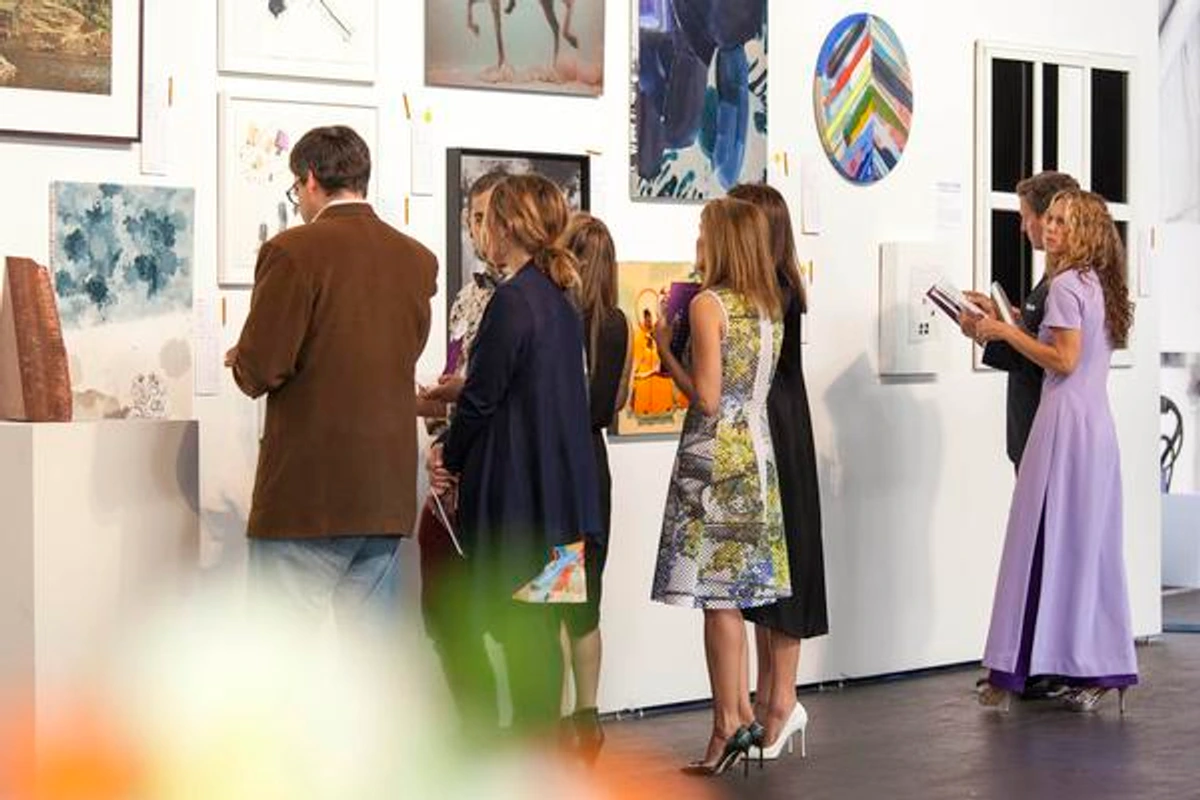
### David Geffen: Hollywood Mogul and Art Maverick – The Business of Post-War Masterpieces
From the worlds of music and film, David Geffen carved out a path as one of the most influential American collectors of post-war art. Known for his keen eye and shrewd market timing, Geffen amassed an unparalleled collection of Abstract Expressionist works, including masterpieces by Jackson Pollock, Mark Rothko, and Willem de Kooning. He has made headlines not only for his significant acquisitions but also for his record-breaking sales, which have profoundly impacted the value of American art. What's compelling about Geffen is his ability to blend a deep personal passion for art with an undeniable business savvy, proving that the worlds of culture and commerce can, and often do, intertwine at the highest levels. His donations, particularly to institutions like MoMA and LACMA, further underscore his enduring impact. Geffen's strategic sales have also been pivotal, shaping market values and allowing for significant philanthropic endeavors, reinforcing his status as a titan of both culture and commerce. His unparalleled collection, featuring seminal works by Jackson Pollock, Mark Rothko, and Willem de Kooning, has fundamentally shaped the market for Post-War American art and solidified his place as a visionary collector. Geffen's strategic philanthropic donations to major institutions have also ensured public access to significant portions of his collection, leaving a lasting impact on American cultural heritage.
David Geffen's journey from music mogul to art maverick highlights the evolving landscape of collecting, where a keen business acumen can translate into an unparalleled eye for post-war masterpieces, profoundly shaping market values and institutional collections.
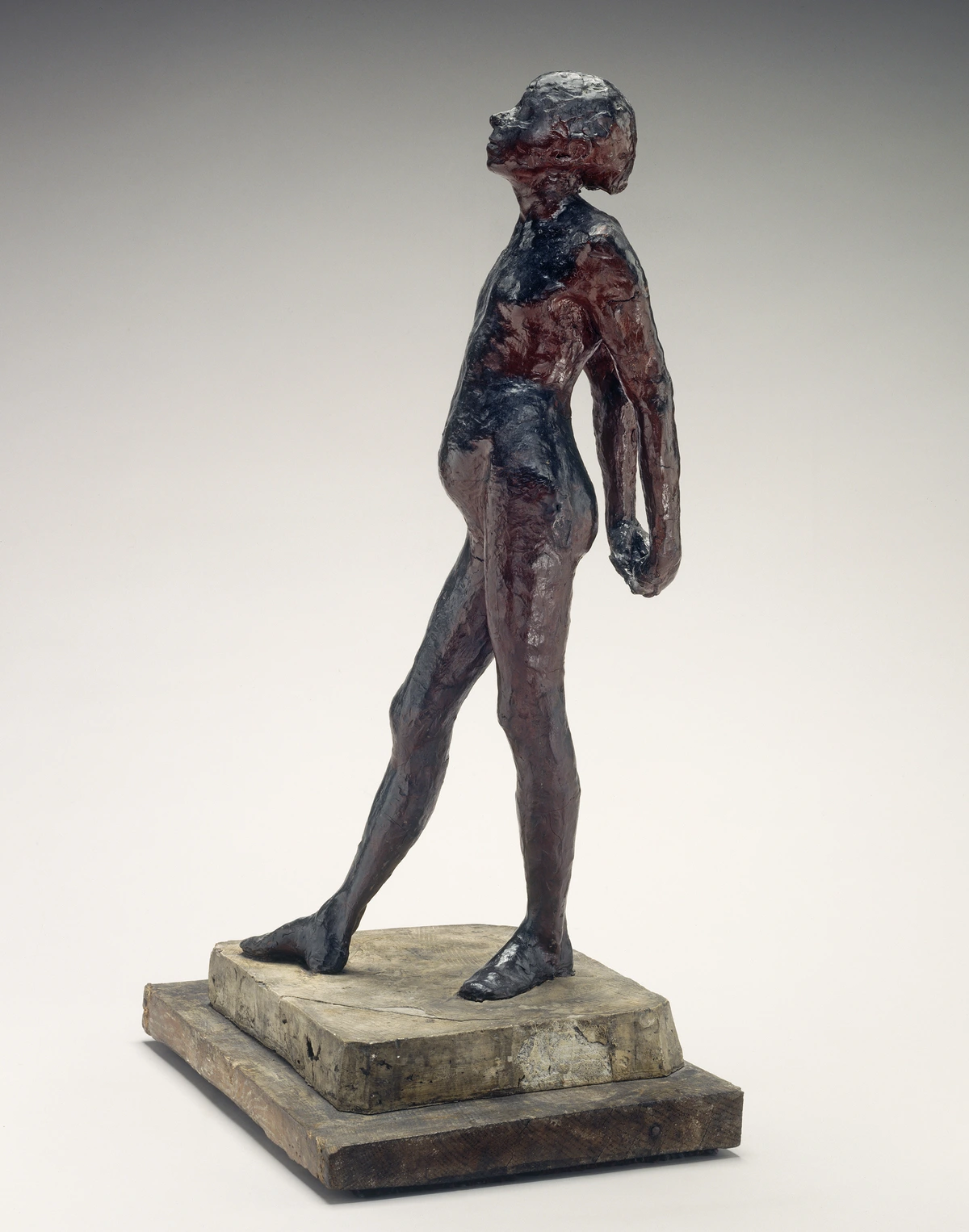
Hélène and Bernard Arnault: The Luxury Conglomerate's Vision
Bernard Arnault, chairman and CEO of LVMH Moët Hennessy Louis Vuitton, and his wife Hélène, are among the most powerful figures in the contemporary art world. Their collection is an impressive testament to their discerning taste, spanning modern masters to cutting-edge contemporary art. Arnault has transformed luxury brands into cultural patrons, most notably through the Fondation Louis Vuitton in Paris, a stunning Frank Gehry-designed building that houses part of their collection and hosts significant exhibitions. This demonstrates a strategic blend of corporate philanthropy and personal passion, positioning LVMH at the intersection of high fashion and high art, and further solidifying Paris as a global art capital. Their commitment extends to nurturing young talent and supporting established artists, creating a vibrant ecosystem around their brand. The Fondation Louis Vuitton, a marvel of contemporary architecture designed by Frank Gehry, serves as a powerful symbol of luxury's engagement with high art, demonstrating a sophisticated strategy of cultural patronage that enhances brand prestige while offering significant public access to world-class exhibitions and a dynamic contemporary collection. The Arnaults' vision extends to nurturing young talent and supporting established artists, creating a vibrant ecosystem around their global brand. Their keen eye for both established masters and cutting-edge contemporary art positions the Fondation Louis Vuitton as a dynamic force in the global art world, bridging diverse artistic traditions.
Hélène and Bernard Arnault exemplify how luxury conglomerates are becoming central patrons of the arts, leveraging their brands to support contemporary artists and establish world-class cultural institutions that enrich global art discourse.
Dimitris Daskalopoulos: A Conceptual Collection with Public Purpose
Dimitris Daskalopoulos, a Greek entrepreneur, has built one of the most significant collections of contemporary art, with a particular focus on large-scale sculpture and conceptual works. What truly distinguishes his approach is his deep engagement with the philosophical underpinnings of art. His collection isn't just about acquiring objects; it's about forming a coherent narrative and exploring profound questions about the human condition. Importantly, Daskalopoulos has always emphasized the public dimension of his private collection. He has gifted substantial portions of his holdings to major institutions like Tate, the Solomon R. Guggenheim Museum, and the Museum of Contemporary Art Athens, ensuring widespread public access and scholarly engagement. This act of strategic philanthropy ensures his collection will continue to inspire and challenge audiences for generations, transforming private passion into a shared cultural asset. Daskalopoulos's emphasis on art as a tool for intellectual inquiry and social commentary, rather than merely aesthetic appreciation, highlights a growing trend among contemporary collectors to engage deeply with the philosophical and societal implications of the art they acquire. His donations represent a profound commitment to making challenging art publicly accessible, fostering critical dialogue and inspiring new perspectives, embodying a truly public-spirited approach to collecting. His collection focuses on large-scale sculpture and conceptual works, often exploring themes of identity, humanity, and political discourse.
T. J. and Emilia Chell: Navigating the Digital Frontier
In the rapidly evolving landscape of digital art and NFTs, T. J. and Emilia Chell represent a new generation of collectors. While the NFT market is often viewed with skepticism (and rightly so, in my opinion, given the speculative bubbles), the Chells are notable for their discerning approach, focusing on digital art with genuine artistic merit and conceptual depth, rather than purely speculative value. They are champions of artists exploring new mediums and challenging traditional notions of ownership and creation. Their collection, which often includes works in virtual reality and generative art, represents an intriguing foray into the future of collecting, demonstrating that even digital assets, when chosen with care, can hold significant cultural weight and artistic value, albeit with their own unique set of complexities regarding authenticity and long-term preservation.
The Psychology of the Collector: Drives and Personalities
I’ve always been intrigued by who these collectors are, beyond their immense wealth. What kind of person dedicates their life, their fortune, and often their very identity to assembling a collection? It's a blend of personality traits, I think – a certain obsessive quality, yes, but also a profound aesthetic sensibility, an analytical mind, and often, an undeniable streak of megalomania (in the best possible sense!). Some are introverted scholars, meticulously building a narrative through objects, driven by intellectual pursuit. Others are flamboyant socialites, using their collections as a stage, driven by social status. But at their core, I believe there's a deep-seated need to connect, to control, and to leave an indelible mark – a desire to create a personal universe that mirrors their inner world. It’s a very human story, played out on a grand scale, reflecting individual desires and the societal value placed on art.
The Inner Workings: What Makes a Collector Tick?
I've often wondered about the deep-seated psychological currents that propel these individuals. Is it a primal urge to gather? A response to a childhood void? Or simply an innate appreciation for beauty combined with the means to pursue it? I suspect it's a complex cocktail, unique to each person, yet with fascinating common threads that weave through centuries of collecting.
This fascination with acquisition and curation often stems from a complex mix of psychological drivers. For some, it's about the intellectual challenge of discerning value and authenticity, a constant puzzle to solve – like a lifelong detective story, but with more beautiful clues. For others, it's a form of self-expression, a way to build a personal universe that reflects their inner world and values. There's also the thrill of the hunt, the adrenaline rush of securing a coveted piece, which can be as addictive as any game, often involving late nights and fierce competition. Ultimately, the act of collecting often becomes an extension of the self, a tangible legacy of one's passions and intellect.
It's useful, I think, to consider the broad archetypes of collectors. While no one fits perfectly into a box, these categories help us understand the dominant psychological forces at play.
Types of Collectors and Their Psychological Drivers
Collector Type | Primary Psychological Drive | Key Characteristics | Typical Focus |
|---|---|---|---|
| The Connoisseur/Scholar | Intellectual Pursuit, Aesthetic Appreciation | Deep knowledge, meticulous research, focus on provenance and historical context | Specific periods, movements, or artists; building a comprehensive narrative |
| The Visionary Patron | Legacy, Influence, Support for Creativity | Desire to shape art history, empower artists, contribute to cultural discourse | Commissioning new works, establishing foundations, fostering artistic communities |
| The Investor/Asset Manager | Financial Gain, Portfolio Diversification | Strategic acquisitions, market analysis, focus on blue-chip artists and emerging markets | Established masters, high-value contemporary art, market trends |
| The Socialite/Status Seeker | Prestige, Recognition, Exclusive Access | High-profile acquisitions, engagement with elite art circles, public display | Iconic works, trendy artists, entry into exclusive events and networks |
| The Emotional Collector | Personal Connection, Joy, Self-Expression | Buys what they love, irrespective of market trends, seeks profound resonance | Diverse, often eclectic collections reflecting personal taste and experiences |
| The Archivist/Preservationist | Safeguarding Heritage, Historical Record | Focus on conservation, documentation, ensuring long-term survival of cultural artifacts | Fragile works, historical documents, national treasures, ethical collecting practices |
The Art of Acquiring: How Collections Come Together (and Why it Matters) – Navigating the Art Market Ecosystem
It’s not just about pointing and buying. Building a significant collection is an art in itself. It involves years of dedicated research, expert guidance, relationship-building, and sometimes, a bit of luck. Beyond the personal passion, there's a highly sophisticated ecosystem that underpins every major acquisition, involving a cast of specialized professionals. Understanding this intricate web is key to navigating the modern art market successfully, a market that is at once exhilaratingly dynamic and notoriously opaque. It’s a world where trust, expertise, and discretion are paramount, and where the value of a piece is often determined by a confluence of critical acclaim, historical context, market demand, and even the "story" behind its discovery or previous ownership.
The Intricate Dance of Acquisition: Navigating the Art World's Hidden Pathways
I've often thought of the art market as a grand, intricate dance – a delicate choreography of money, power, and passion. It's a world built on relationships, whispers, and often, an almost uncanny ability to predict the next big thing. For aspiring collectors, it can seem daunting, but once you understand the key players, the rhythm becomes clearer.
Key Players in the Art Market Ecosystem
Role | Primary Function | Key Activities | Impact on Collection |
|---|---|---|---|
| Art Advisor | Guides collectors; provides expertise and market access | Valuation, authenticity, provenance research, discreet sourcing | Shapes collection focus, ensures informed decisions |
| Gallerist | Represents artists; connects them with collectors | Curating exhibitions, primary market sales, artist development | Introduces new artists, builds artist relationships |
| Auction House Specialist | Facilitates secondary market sales; provides valuation and market analysis | Consigning, appraising, cataloging, conducting auctions | Access to established works, market benchmarks |
| Conservator | Preserves and restores artworks | Condition reports, cleaning, restoration, environmental advice | Ensures longevity and integrity of artworks |
| Art Lawyer | Advises on legal aspects of transactions, intellectual property | Contracts, authenticity disputes, import/export regulations | Safeguards legal ownership, mitigates risks |
| Registrar/Art Handler | Manages logistics, installation, and safe transport of art | Packing, shipping, installation, inventory management | Ensures safe transport and proper display |
| Appraiser | Provides professional valuation for insurance, sales, or donations | Market analysis, comparable sales research, official reports | Determines financial value for various purposes |
| Art Critic/Historian | Shapes discourse, provides context, influences public perception | Reviews, academic writing, lectures, curatorial input | Influences market trends, contextualizes artworks |
| Private Dealer | Operates discreetly, often specializing in specific areas; offers exclusivity | Off-market sales, sourcing rare works, cultivating long-term client relationships | Provides unique access, specialized expertise |
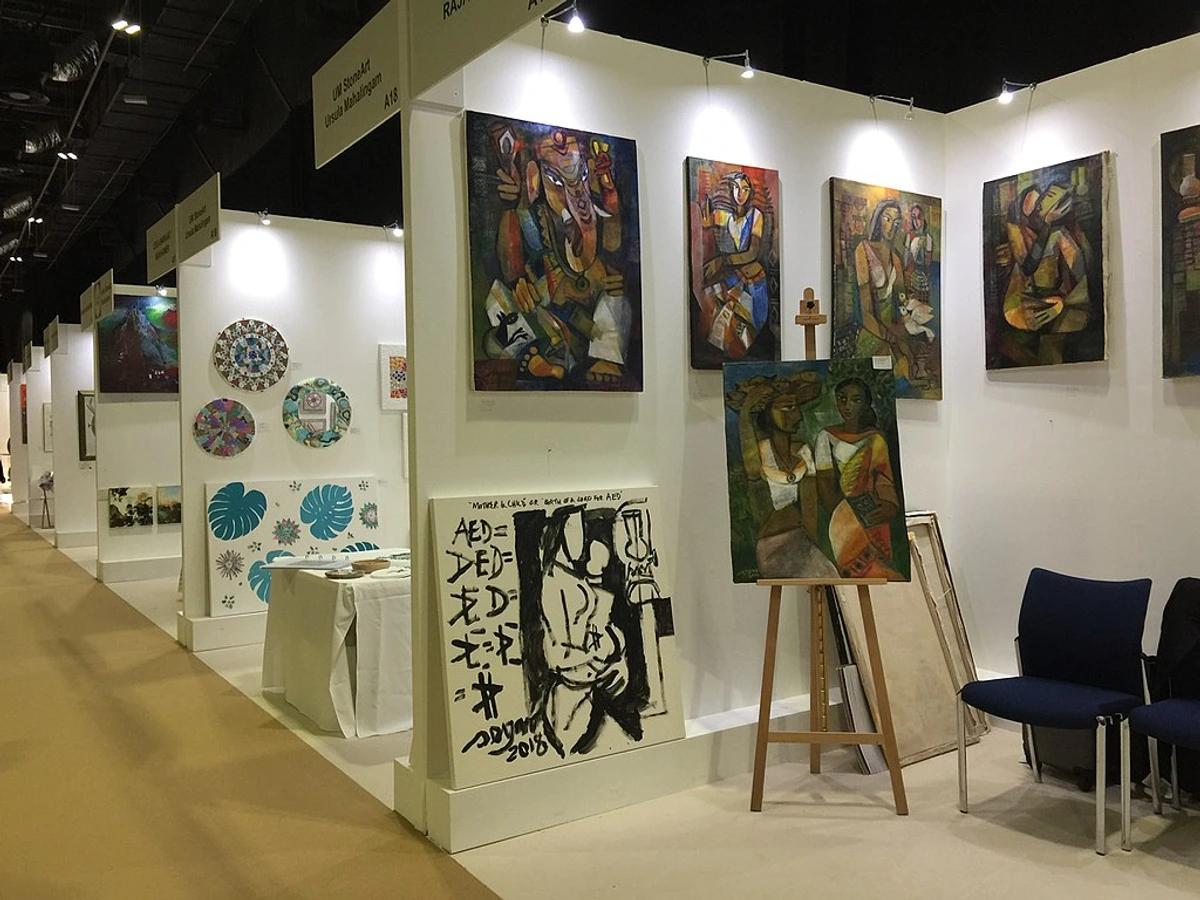
Often, art collectors work closely with art advisors and curators who possess encyclopedic knowledge and access to works not publicly available. These experts navigate the intricate networks of the art world, providing invaluable insights into authenticity, provenance, and market trends. They scour galleries, attend exclusive art fairs (like Art Basel, Frieze, and TEFAF Maastricht, which I’ve written about, though I don’t mention them here by name, they're always a whirlwind!), and fiercely compete at high-stakes auctions. But it's also about private sales, direct from artist studios or through a discreet network of dealers, often involving a level of trust and relationship that can take years to build. The journey of a masterpiece from one vault to another is rarely simple, often a complex dance of negotiation, valuation, and due diligence. This intricate dance involves not just monetary value, but often intense negotiations, stringent due diligence, and an understanding of the subtle codes and relationships that govern the art world. Transparency, while improving, is still a challenge in many corners of the market, making reliable expert advice all the more crucial for both new and seasoned collectors. And let's not forget the crucial role of appraisers who provide independent valuations, and art lawyers who navigate the legal minefield of contracts and ownership disputes – it really is a whole ecosystem!
These activities, the buying and selling, create the very fabric of the art market, a complex ecosystem of dealers, advisors, and institutions. Collectors’ choices directly influence an artist’s career, the value of their work, and even the direction of future art trends. It’s a powerful position, and one that carries a lot of responsibility – a single acquisition can catapult an artist into global recognition. I mean, if a major collector buys a piece, it’s not just a purchase; it’s an endorsement that can literally change an artist's trajectory, shaping their legacy and often, the art historical narrative itself. This immense power also comes with significant ethical responsibilities, which I believe are becoming increasingly important in today's art world.
The Ethical Imperative: Beyond Acquisition – Ensuring Responsible Collecting in the 21st Century
In this high-stakes world, ethical considerations are paramount, and rightly so. Collectors and their advisors must engage in rigorous due diligence to ensure that artworks have clear provenance (a detailed history of ownership), are not stolen, looted, or illegally exported, and comply with international heritage laws and conventions, such as the UNESCO 1970 Convention. The fight against illicit trafficking in art and antiquities is a significant and ongoing challenge, requiring transparency and accountability from all market participants. It's a complex landscape, one where the thrill of the chase must always be tempered by a deep respect for cultural heritage and legal rectitude. Furthermore, discussions around repatriation and the equitable return of cultural artifacts to their countries of origin are increasingly important, pushing collectors and institutions to re-evaluate historical acquisitions and confront the colonial legacies of many museum collections. This is a complex but necessary dialogue, ensuring that art can truly serve as a bridge, not a barrier, between cultures. For more, I've delved into ethical considerations when buying cultural art and ethics of art collecting.
Key Ethical Pillars in Art Collecting
Beyond the headline issues, ethical collecting encompasses several vital pillars that every responsible collector should embrace:
- Transparency and Accountability: The art market has traditionally been opaque, but there's a growing demand for greater transparency in transactions, pricing, and provenance documentation. This is crucial for building trust and combating illicit trade.
- Fair Dealings with Artists: This means ensuring artists are properly compensated, respecting their intellectual property rights (including moral rights), and providing fair contracts. It's about fostering a sustainable and equitable ecosystem for creators.
- Sustainability: The art world has a significant environmental footprint, from shipping and exhibition design to climate-controlled storage. Responsible collecting increasingly considers eco-friendly practices throughout the art's lifecycle.
- Diversity and Inclusion: Actively seeking out and promoting works by underrepresented artists – women artists, artists of color, LGBTQ+ artists, and those from marginalized communities – is essential for a truly representative and vibrant art historical narrative. It's about consciously broadening the canon.
I truly believe that for art collecting to remain relevant and respected in the 21st century, these ethical considerations must move from being optional extras to fundamental principles. It’s about being a conscientious custodian, not just a consumer.
Beyond Investment: Social Impact and Philanthropy – Art as a Catalyst for Good
While we've touched on legacy and patronage, I think it's worth dedicating a moment to the profound philanthropic impact of art collecting. Many collectors view themselves as temporary custodians of cultural heritage, with a moral obligation to ensure their treasures benefit the wider public. This isn't just about monetary donations; it's about active engagement in art education, supporting emerging artists, funding conservation efforts, and opening private collections for public viewing. The truly great collections often evolve into foundations and museums, reflecting a commitment to shared cultural enrichment that transcends personal gain. It's this spirit of generosity that transforms private passion into a collective legacy, fostering public engagement and enriching our shared cultural landscape. Frankly, it’s one of the most beautiful aspects of the art world, proving art’s power as a catalyst for good. Think of the crucial funding provided for art therapy programs that aid recovery and mental well-being, artist residencies that foster groundbreaking new work, initiatives that bring art education to underserved communities, or even the direct support for initiatives like art as catalyst for social change and the role of art in diplomacy and cultural exchange. This active involvement amplifies art's inherent ability to heal, inspire, and educate, transforming lives far beyond the gallery walls.
Diverse Avenues of Artistic Philanthropy
Philanthropy in the art world takes many forms, each with its unique impact:
- Direct Funding for Artists: Grants, stipends, and residencies enable artists to create without financial pressure, fostering experimentation and innovation.
- Art Education Programs: Funding initiatives that bring art to schools, underserved communities, and adult learners, democratizing access and nurturing future generations of art lovers and creators.
- Conservation Efforts: Supporting the meticulous work of conservators ensures that artworks are preserved for centuries, safeguarding cultural heritage against the ravages of time and environment.
- Establishment of New Institutions: Creating private museums, foundations, or cultural centers that serve the public, transforming personal collections into shared cultural assets.
- Support for Art Therapy and Social Justice Initiatives: Leveraging art as a tool for healing, mental well-being, and advocating for social change, such as the Art for Justice Fund championed by Agnes Gund, or exploring art as catalyst for social change.
- Cultural Diplomacy and Exchange: Funding international exhibitions and exchange programs, using art to foster understanding and dialogue across borders, a topic I’ve explored in the role of art in diplomacy and cultural exchange.
These varied approaches underscore that art, when combined with philanthropic vision, possesses an incredible capacity to enrich society in myriad ways, extending its influence far beyond aesthetic enjoyment.
More Than Just Walls: The Public Impact of Private Collections – Transforming Personal Passion into Shared Heritage
One of the most beautiful outcomes of private collecting is when these treasures eventually become accessible to the public. Many famous collectors establish their own private museums, like The Broad or the Barnes Foundation, ensuring their unique vision and their incredible art can be shared widely. Others generously donate significant portions of their collections to existing institutions, enriching public museums like The Metropolitan Museum of Art (a truly iconic place, I've spent hours there!). Still others facilitate long-term loans, allowing their works to be exhibited publicly without relinquishing ownership. This generosity doesn't just enrich museum collections; it provides invaluable opportunities for scholars, researchers, and students to engage with rare and significant works, fueling new academic insights and fostering deeper public understanding of art history. Many famous institutions, like the Metropolitan Museum of Art (a truly iconic place, I've spent hours there!) have entire wings or galleries made possible by the foresight and generosity of private collectors. These gifts dramatically expand the public's access to masterpieces and enrich the institution's capacity for research and education, truly transforming personal passion into shared cultural heritage. Beyond the Met, institutions like the Frick Collection in New York or the Isabella Stewart Gardner Museum in Boston stand as direct testaments to private visions becoming public treasures, meticulously preserving not just art, but also the unique domestic environments in which they were originally displayed, offering an intimate glimpse into the world of the collector.
This act of transfiguration – from private sanctuary to public good – is, to me, one of the most beautiful aspects of the art world. It’s where personal passion meets collective enrichment, leaving an enduring legacy for generations.

This act of sharing is crucial. It means that what started as a personal passion, often nurtured in private, can educate, inspire, and provoke countless individuals for generations. It contributes directly to our collective cultural heritage, allowing anyone to engage with masterpieces that might otherwise remain hidden away in climate-controlled vaults (which, don't get me wrong, are vital for preservation!). It's a reminder that art, ultimately, is meant to be seen and experienced, fostering dialogue and connection across time and space. The foresight of these collectors to make their treasures publicly accessible ensures that their vision continues to resonate, shaping future artistic discourse and public appreciation.

Here’s a quick overview of some of the legendary collectors we've discussed:
Collector Name | Era / Focus | Key Contribution |
|---|---|---|
| Medici Family | Renaissance / Italian Old Masters | Primary patrons of Michelangelo, Leonardo da Vinci, Botticelli; shaped Florence's artistic zenith |
| Isabella d'Este | Renaissance / Italian Masters | Influential female patron, curated a renowned studiolo with works by Leonardo, Titian, and Mantegna |
| Archduke Leopold Wilhelm | 17th Century / European Old Masters | Amassed a vast collection documented in famous gallery paintings, forming the core of the Kunsthistorisches Museum |
| Catherine the Great | 18th Century / European Old Masters | Founded the Hermitage Museum, bringing Enlightenment culture to Russia |
| J. Pierpont Morgan | Late 19th - Early 20th C. / Eclectic | Amassed vast collections for public institutions like the Met; founded the Morgan Library |
| Charles I of England | 17th Century / European Old Masters | Assembled a renowned royal collection, tragically dispersed after his execution |
| The Getty Family | Mid-20th C. - Present / Diverse | Established the J. Paul Getty Museum, a world-class institution |
| Peggy Guggenheim | 20th Century / Modernism | Fiercely championed Cubism, Expressionism, Surrealism; supported Jackson Pollock |
| Dr. Albert C. Barnes | Early Modern Art | Developed unique installation philosophy for Renoir, Cézanne, Matisse at the Barnes Foundation |
| Charles Saatchi | Late 20th Century / Contemporary | Key promoter of Young British Artists (YBAs), master of provocative exhibitions |
| Eli & Edythe Broad | Mid-20th C. to Present / Contemporary | Established The Broad museum with free admission; known for Pop and Conceptual Art |
| François Pinault | Late 20th C. to Present / Contemporary | Luxury titan with significant contemporary holdings, exhibited in Venice's Palazzo Grassi |
| Hélène & Bernard Arnault | Late 20th C. to Present / Contemporary | Founders of Fondation Louis Vuitton, blending luxury with a major contemporary art collection |
| Steven A. Cohen | Late 20th C. to Present / Broad Modern & Contemporary | High-stakes player impacting market values; diverse collection of masters and contemporary works |
| Agnes Gund | Late 20th C. to Present / Contemporary & Philanthropic | Founded Art for Justice Fund; dedicated to social impact through art |
| Sheikh Saud Al-Thani | Late 20th C. to Early 21st C. / Eclectic | Built Qatar's national cultural institutions, amassed diverse global treasures |
| Ronald S. Lauder | Late 20th C. to Present / German & Austrian Expressionism | Co-founded Neue Galerie; amassed unparalleled collection of Expressionist masterpieces |
| Alice Walton | Late 20th C. to Present / American Art | Established Crystal Bridges Museum of American Art, democratizing access to American art |
| David and Anna-Lisa Kordansky | Late 20th C. to Present / Contemporary LA Art | Influential gallerists and collectors; champions of the contemporary Los Angeles art scene |
| Dimitris Daskalopoulos | Late 20th C. to Present / Conceptual | Greek entrepreneur, public-minded collector focused on large-scale conceptual works; significant institutional gifts |
| David Geffen | Mid-20th C. to Present / Post-War American | Hollywood mogul, known for Abstract Expressionist collection and record sales |
FAQ: Your Burning Questions About Art Collecting Answered
I get a lot of questions about art collecting, and I'm always happy to share what I know. Here are a few common ones:
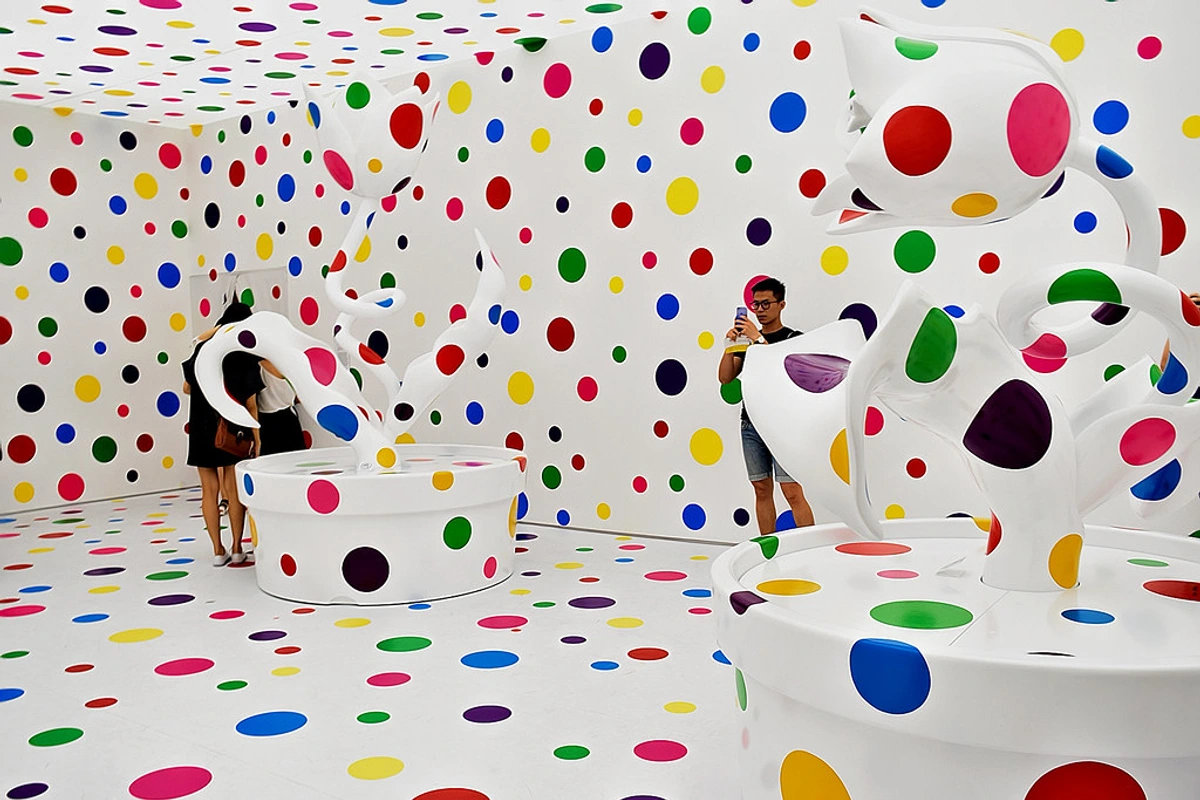
What's the role of technology in modern collecting? – Innovation and Accessibility and the Digital Frontier
It's impossible to talk about modern collecting without delving into the transformative power of technology. It's not just a fancy add-on; it's fundamentally reshaping how we discover, authenticate, preserve, and even own art.
It's huge! Beyond online art platforms and digital art, technology plays an ever-increasing role in art authentication through forensic analysis and AI-driven imaging, in conservation science with advanced climate control and restoration techniques, and even in virtual and augmented reality for showcasing collections globally. While I'm still weighing the long-term impact of purely digital assets (and often approach NFTs with a healthy dose of skepticism), the integration of technology into the traditional art world is undeniably making collecting more dynamic, transparent, and accessible – though not without its own set of complexities and challenges. You can explore more about this in articles discussing understanding the AI art market and AI as co-creator: exploring collaborative art projects with artificial intelligence. The advent of blockchain technology, for instance, offers new ways to record provenance, offering a distributed ledger for ownership, though its application in the art world is still evolving and faces significant hurdles regarding scalability, energy consumption, and long-term data integrity. Beyond this, advanced digital imaging techniques are aiding in condition assessments and historical documentation, creating a more robust framework for understanding and preserving artworks in the digital age.
The Cutting Edge: Tech's Impact on Art Collecting
- Online Art Platforms and Virtual Exhibitions: These platforms have democratized access, allowing collectors from anywhere in the world to discover and acquire art, bypassing geographical limitations. Virtual reality and augmented reality tours also offer immersive ways to experience collections remotely.
- Art Authentication and Forensics: Advanced scientific techniques, including multispectral imaging, X-ray fluorescence, and AI-driven analysis, are revolutionizing how we verify authenticity and detect forgeries, offering new levels of security for collectors.
- Conservation Science: Climate control systems, advanced materials science for restoration, and digital archiving are ensuring the long-term preservation of delicate artworks, protecting them from environmental degradation.
- Blockchain and NFTs: While still a nascent and sometimes controversial area, blockchain technology offers the potential for secure, immutable records of ownership and provenance, particularly for digital art, and even for physical works, though the practical implementation is still evolving.
Technology, then, isn't just a tool; it's a new frontier, constantly redefining the boundaries of what's possible in the art world, and certainly impacting the future of how collections are built and maintained.

How does the art market work? – Understanding the Ecosystem
The art market is a fascinating, often opaque, ecosystem driven by supply, demand, taste, and influence. It operates through various channels: the primary market sales directly from artists or galleries representing them (where new art enters the market), and the secondary market, which involves resales at auctions or through private dealers (where ownership of existing art changes hands). Prices are influenced by an artist's reputation, provenance, condition of the artwork, and current trends, but also by critical reception, exhibition history, the perceived 'buzz' around an artist, and even their social media presence in today's digital age. It's a high-stakes game where information and relationships are often as valuable as the art itself, and navigating it successfully requires a keen eye, expert advice, and sometimes a bit of daring. For a deeper dive, consider resources on understanding art appraisals.
Navigating the Market's Currents: Primary vs. Secondary
The distinction between these two markets is crucial. In the primary market, you're often engaging directly with the artist's vision, supporting their current practice, and perhaps acquiring a piece that will one day be historically significant. In the secondary market, you're participating in the legacy of an artwork, with prices often reflecting established reputations and proven historical value. Both offer unique thrills and challenges, and understanding their dynamics is key to any successful collecting strategy.
What makes a collection famous?
Typically, a collection becomes famous due to several factors: the rarity and quality of the pieces, often including canonical works by undisputed masters; the historical significance of the collector, whose vision shapes taste; the impact it has on art history or public discourse, sometimes launching entirely new movements; and often, its eventual accessibility to the public through museums or foundations. Scarcity and market value certainly play a role, but true fame often comes from cultural influence, the narrative built around the collection, and the media attention it garners. A unique 'curatorial vision' – the way a collector sees and connects disparate works – can also elevate a collection's profile, revealing new dialogues and interpretations within art history. The compelling stories behind the acquisitions, the dramatic tales of discovery or intense bidding wars, also contribute significantly to a collection's allure and public recognition, often captivating the public imagination.
Ultimately, a collection becomes famous not just for the objects it contains, but for the narrative it tells, the vision it embodies, and the impact it has on the cultural conversation. It's about being more than a mere custodian; it's about being a storyteller through art.
Is art collecting only for the super-rich? – Dispelling a Common Myth
While major collections often require immense wealth, collecting art is absolutely not exclusive to the super-rich. I mean, I certainly don't have a Medici-level budget (though I do dream of it sometimes!). Many people collect prints, photography, works by emerging artists, or pieces with sentimental value. It's about finding what you love and what resonates with you, building a personal connection. You can start small, even with pieces that are beautiful and affordable, perhaps like some of the works available to buy right now, or by exploring local talent as suggested in ' buying art from local artists'. The joy of collecting isn't tied to the price tag; it's about the journey of discovery and connection. For guidance, check out ' top online resources for emerging artists' and ' collecting emerging abstract art'. Remember, even a single meaningful piece can be the start of a lifelong passion. Many fantastic and affordable entry points exist, from artist open studios and online platforms specializing in editions to university art sales and local art fairs. The key is to be curious, research, and buy what genuinely moves you, regardless of its perceived market value. I always tell aspiring collectors to trust their gut and develop their own eye – that's truly priceless.
Are there ethical considerations in collecting? – Beyond the Purchase
Absolutely, and they're becoming more prominent than ever. Ethical collecting means rigorously researching provenance to avoid acquiring looted, stolen, or illegally exported cultural heritage. It involves ensuring fair dealings with artists and respecting their intellectual property, including moral rights and reproduction rights. It also extends to issues of sustainability in the art market (e.g., eco-friendly exhibition design, carbon-neutral shipping, responsible packaging practices) and promoting diversity and inclusion in the artists represented in a collection, actively seeking out underrepresented voices. A truly responsible collector acts not just as an owner, but as a thoughtful custodian of culture and a steward of the art ecosystem. This is a topic I feel strongly about, and I've explored it further in ' ethical considerations when buying cultural art'. The art world is increasingly scrutinizing its own practices, and collectors are expected to lead by example in upholding these crucial standards. This commitment to ethical practices ensures that collecting remains a force for good, preserving cultural heritage responsibly and fostering an equitable creative environment.
The Shifting Sands of Responsibility
I believe the conversation around ethics in art collecting is becoming more sophisticated and urgent. It’s no longer enough to simply not acquire stolen art; it's about actively promoting social justice, environmental sustainability, and a truly inclusive art world. This shift reflects a broader societal expectation that wealth and influence come with a profound responsibility to contribute positively to the world, not just to one's personal sphere.
How do famous collectors decide what to buy? – A Mix of Passion, Intellect, and Strategy
It varies wildly, and often it's a blend of strategies! Some are highly academic, focusing on a specific period or artist with scholarly rigor, almost like a research project. Others are driven by gut instinct, buying what they love, sometimes even before it's recognized by the wider art world (think Peggy Guggenheim with Jackson Pollock – what a visionary!). Still others rely heavily on trusted art advisors to guide their acquisitions, especially in today's complex, fast-moving market. It's rarely a purely financial decision; passion usually plays a significant role. The most successful collectors often have a clear vision and an astute understanding of both artistic merit and market dynamics. Ultimately, it's about forming a cohesive narrative within their collection, whether that narrative is historical, thematic, purely aesthetic, or even a bold statement about contemporary society. The most compelling collections often tell us as much about the collector as they do about the art itself.
The Curator's Eye: Developing a Personal Vision
I often think that the truly great collectors are, in a sense, curators of their own universe. They don't just accumulate; they connect, they juxtapose, they create dialogues between disparate works and periods. This curatorial vision is what elevates a collection from a mere accumulation of valuable objects to a coherent, meaningful statement that offers unique insights into art history and the collector's own sensibility. It's an active, creative process, akin to authorship, where the collector's choices craft a unique narrative that informs and inspires.
I often think that the truly great collectors are, in a sense, curators of their own universe. They don't just accumulate; they connect, they juxtapose, they create dialogues between disparate works and periods. This curatorial vision is what elevates a collection from a mere accumulation of valuable objects to a coherent, meaningful statement that offers unique insights into art history and the collector's own sensibility.

What's the difference between a collector and a patron?
It's a blurry line sometimes, almost like overlapping circles in a Venn diagram, but generally, a collector primarily acquires existing art for personal ownership, aiming to build a significant personal holding, whether for display, investment, or scholarly study. A patron, on the other hand, actively commissions or financially supports artists to create new work, often with a specific vision or project in mind, directly shaping artistic output. The Medicis were prime examples of patrons, enabling artists like Michelangelo to produce masterpieces that might never have existed otherwise. Of course, many do both, evolving from collectors to patrons as their influence grows! Many modern collectors, for instance, become patrons by establishing foundations that offer grants or residencies to contemporary artists, thereby actively shaping the future of art. Think of a collector as someone who primarily acquires and curates history, while a patron actively helps write its next chapter through direct support and commissions. It's a distinction with significant impact on the creative landscape, as patronage directly fuels the creation of new works.
The Evolving Interplay: Blurring the Lines
In today's art world, I see these roles increasingly intertwined. Many collectors transition into patronage as their influence and resources grow, recognizing the importance of nurturing contemporary talent. Conversely, some patrons, like historical figures such as the Medicis, were also formidable collectors, demonstrating that these roles are often two sides of the same coin – both essential for the vitality and evolution of art.
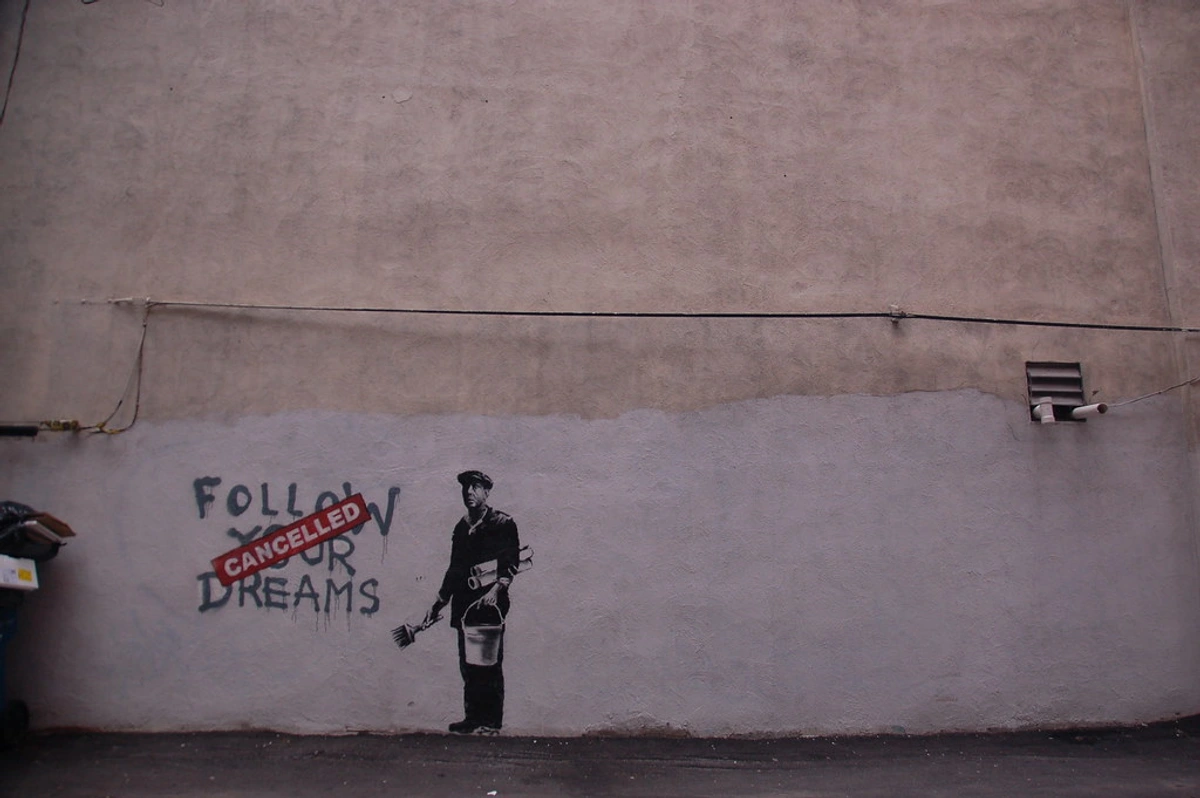
How can I start my own collection (even on a budget)? – Practical Steps for Aspiring Collectors
Starting your own collection is a fantastic journey, and it's far more accessible than you might think! My best advice? First, look, look, look! Visit galleries, museums, online art platforms, even local art markets. Figure out what styles and artists truly speak to you – what makes your heart sing? Second, educate yourself. Read books (there are some truly amazing ones, like the ones I've listed in my guide to art history books for beginners), attend talks, follow artists you admire on social media. Understand the language of art. Third, start small. Prints, limited editions, works by emerging artists, or even smaller original pieces are all fantastic entry points. Don't feel pressured to buy expensive pieces; buy what you love, what you'll enjoy living with. It’s about building a relationship with art, not just an asset sheet. Look for local art fairs, student exhibitions, and artist open studios – these are incredible places to discover emerging talent and acquire unique pieces directly. Online platforms specifically for prints and limited editions are also fantastic entry points. Consider focusing on a specific medium you love, like photography or sculpture, or a particular thematic interest. The most important thing is to engage, learn, and buy what genuinely moves you, regardless of its perceived market value. Remember, every major collector started with their first piece! For more specific guidance, I recommend checking out our articles on ' buying art from local artists' and ' top online resources for emerging artists'. And don't forget the power of public libraries and university resources; they offer a wealth of knowledge on art history and collecting without costing a fortune. Starting a collection is a personal adventure, and the true value lies in the joy it brings and the stories it allows you to tell.
What is the role of an art advisor? – Guiding the Collecting Journey
An art advisor is a professional who guides collectors through the complexities of the art market. They offer expertise on valuation, authenticity, market trends, and provenance, helping clients make informed acquisition decisions. They often have extensive networks within galleries, auction houses, and private collections, providing access to exclusive works. Their role is to act as a trusted confidant, helping to define a collection's vision and navigate the often-opaque world of art buying, ensuring both aesthetic and financial objectives are met. A good advisor becomes an invaluable partner on the collecting journey, helping to avoid common pitfalls and maximize the potential of a collection. They can be particularly crucial for new collectors, demystifying the market and providing a strategic roadmap for building a cohesive and significant collection. A good art advisor also acts as a bridge, connecting clients to artists, gallerists, and other key players in the art world, offering a level of access and insight that would be difficult for an individual to cultivate alone. They are truly the unsung heroes behind many famous collections, guiding decisions that can shape legacies.
How do artists benefit from collectors? – Fostering Creativity and Sustaining Careers
This is a fundamental question! Artists benefit immensely from collectors, who provide crucial financial support, allowing them to dedicate themselves to their craft. Collectors' purchases, whether directly from the studio or through galleries, validate an artist's work, enhance their reputation, and often fund future projects. Beyond monetary gain, collectors offer visibility by displaying works, lending them to exhibitions, and advocating for artists within the broader art world. They become champions, amplifying an artist's voice and expanding their reach. It's a symbiotic relationship: collectors acquire beauty and meaning, and in return, they empower artists to continue creating, shaping the trajectory of contemporary art. For a deeper dive into the artist's perspective, consider resources like our guide on the art of the artist statement. It's a beautiful, reciprocal relationship that fuels creativity and sustains the art world.
The Symbiotic Relationship: A Lifeline for Artists
I've often heard artists speak about the profound impact a supportive collector can have on their career. It's more than just a sale; it's an affirmation, a belief in their vision, and often, the financial freedom to pursue ambitious projects. Collectors become partners in the creative process, enabling the art world to thrive and evolve.
What are the legal aspects of art collecting? – Navigating the Complexities of Ownership
Collecting art involves a surprising number of legal considerations. Beyond ensuring clear provenance to avoid looted or stolen art, collectors must grapple with issues like ownership titles, import/export regulations (especially for cultural heritage items), copyright and intellectual property rights, and sales contracts. Authenticity disputes can lead to complex legal battles, and inheritance laws impact how collections are passed down. For significant acquisitions, engaging an art lawyer is often indispensable to navigate these complexities, ensuring compliance and protecting the collector's investment. This includes drafting purchase agreements, advising on import/export restrictions, resolving disputes over authenticity or ownership, and structuring philanthropic donations, all of which are vital to responsible collecting. It's a realm where diligence is key to avoiding costly pitfalls, and where neglecting legal nuances can have significant financial and ethical repercussions. Furthermore, art lawyers also advise on issues like artist's resale rights (droit de suite), which are increasingly important in many jurisdictions, ensuring artists receive a percentage of future sales of their work.
Legal Pillars of Responsible Collecting
I always tell collectors that understanding the legal landscape is as important as understanding art history. It's the framework that protects your investment, ensures ethical practice, and avoids unwitting participation in illicit trade. From intellectual property to international heritage laws, the legal aspects are multifaceted and require careful attention.
What is art insurance and why is it essential? – Protecting Your Priceless Assets
Just like any valuable asset, art requires protection. Art insurance is specialized coverage designed to safeguard collections against loss, damage, or theft. It's distinct from standard home insurance, often offering broader coverage for perils unique to fine art, such as in-transit damage during shipping or professional handling errors during installation. Insurers often require detailed appraisals and inventory lists, along with stringent storage and display conditions, such as specific temperature and humidity controls. For serious collectors, art insurance isn't merely an option; it's an essential component of responsible stewardship, ensuring the long-term preservation and financial security of their cherished pieces against unforeseen circumstances like theft, fire, or accidental damage. It allows peace of mind in a world of valuable, often delicate, objects, ensuring that a collection, often built over a lifetime, is protected against unforeseen circumstances. Regular appraisals are a crucial part of maintaining adequate art insurance, as market values can fluctuate significantly, necessitating adjustments to coverage to reflect the true worth of the collection.
The Imperative of Protection
I've seen firsthand the devastating impact of unexpected damage or theft on a cherished collection. Art insurance isn't a luxury; it's a necessity for any serious collector. It's about safeguarding not just financial value, but also the cultural and emotional significance of these irreplaceable objects.
How does an art gallery differ from a museum? – Distinct Roles in the Art Ecosystem
While both display art, art galleries and museums serve fundamentally different functions. A gallery is primarily a commercial enterprise; its main purpose is to sell art and represent artists. It operates within the primary market, introducing new works and fostering artists' careers. A museum, on the other hand, is a non-profit institution dedicated to collecting, preserving, researching, and exhibiting art for public education and enjoyment. Museums operate primarily in the secondary market for acquisitions (though they do accept donations), focusing on historical and cultural significance rather than sales. Think of a gallery as a launching pad for artists and a direct sales point for collectors, actively shaping contemporary trends, while a museum is a permanent repository and educational resource for shared cultural heritage, preserving the past and informing the future.
Distinct Roles, Shared Passion
While their missions differ, both galleries and museums are vital cogs in the art world machine, contributing to its dynamism and accessibility. Galleries, through their commercial imperative, identify and promote new talent, while museums, with their public mandate, preserve the canon and educate the masses. Both are essential for art to thrive and evolve.
What's the difference between private and public collections?
This is a great question, and sometimes the lines can blur! A private collection is owned by an individual or family, typically for personal enjoyment, investment, or scholarly study. While they may loan works to museums, their primary purpose is personal. A public collection, on the other hand, is owned by an institution (like a museum or university) and is established with a mandate for public access, education, and research. Famous collectors often bridge this gap by eventually donating their private collections to public institutions or by establishing their own private museums that are open to the public, transforming personal passion into a shared cultural resource. The key differentiator is the mandate for accessibility and the institutional framework that governs public collections, which are held in trust for the public good, rather than private enjoyment. For instance, public collections are often subject to strict governance by boards of trustees and legal mandates to ensure their longevity and educational mission, whereas private collections are typically under the sole discretion of the owner.
The Bridge to Public Enrichment
I always find it inspiring when a private collection, born of personal passion, ultimately transcends its origins to become a public treasure. This transformation, whether through donation or the establishment of a private museum, ensures that the collector's vision and the artworks they cherished continue to educate, inspire, and provoke new generations. It's a profound act of cultural generosity.
What is provenance and why is it important? – The Artwork's Biography and Guarantee
Provenance refers to the documented history of ownership of an artwork. Think of it as an artwork's autobiography, tracing its journey from the artist's studio to its current owner. It's incredibly important because it helps establish authenticity (proving it's not a fake), determines legal ownership, and can significantly impact the value of a piece. A solid, unbroken chain of provenance provides confidence to buyers and helps deter the trade in stolen or illicit art. If you're ever considering a significant acquisition, always ask for the provenance documentation – it's your best friend in the art market! Without a clear, documented chain of ownership, an artwork's legitimacy, and thus its market value, can be severely compromised. In a world increasingly concerned with restitution and cultural heritage, a robust provenance is not just a commercial necessity but an ethical one, protecting buyers from unwittingly supporting illicit trade and ensuring the object’s journey is honorable. This is especially critical for antiquities and cultural artifacts, where the risk of illicit trade is higher, and where the moral imperative to ensure ethical acquisition is paramount. A strong provenance also provides valuable historical and art historical context, enriching our understanding of the artwork's journey and significance. It's the artwork's complete biography, if you will, and a good one makes all the difference.
The Unseen Story: Why Provenance Matters Beyond Price
I often think of provenance as the soul of an artwork, its unique journey through time. It's more than just a legal document; it's a narrative that imbues the object with history, context, and ethical integrity. For any serious collector, understanding and verifying provenance is paramount – it's the ultimate guarantee of an artwork's legitimacy and its place in history.
How do collectors preserve their art? – The Science of Stewardship
Preservation is a huge part of responsible collecting. It's not just about owning; it's about being a temporary custodian. Collectors often employ professional art handlers and conservators to ensure their works are properly stored, displayed, and maintained. This involves controlling temperature and humidity, protecting pieces from direct sunlight and pollutants, and using acid-free materials for framing and storage. For larger collections, specialized art storage facilities (sometimes climate-controlled bunkers!) are used, as explored in articles like ' art storage solutions for collectors'. It’s a dedicated science, ensuring these treasures last for generations, reminding me of how delicate and resilient art can be. This includes specialized climate control to maintain precise temperature and humidity levels, protection from UV light, meticulous handling by trained art technicians, and regular condition checks by conservators who can perform intricate restoration work when necessary. For priceless masterpieces, this dedicated care ensures their survival for countless future generations, a quiet act of long-term stewardship. Advances in materials science and digital archiving also play a growing role, ensuring both the physical integrity and accessible documentation of artworks for scholars and future generations. Collectors often collaborate closely with museums and conservation institutes to ensure best practices are applied, recognizing their shared responsibility in preserving cultural heritage.
The Science and Art of Preservation
I always emphasize that owning art comes with the profound responsibility of preserving it. It’s a delicate balance between scientific precision and artistic sensitivity, ensuring that masterpieces endure for generations to come. From custom-built storage solutions to cutting-edge restoration techniques, the art of preservation is a crucial, often unseen, aspect of collecting. For those interested in the practicalities, I recommend exploring articles on ' art storage solutions for collectors'.
How do art foundations contribute to the art world?
Art foundations, often established by collectors or artists, play a crucial role in supporting the arts beyond direct acquisition. They typically focus on philanthropy, providing grants to artists, funding educational programs, supporting conservation efforts, and sometimes operating their own museums or exhibition spaces. Foundations ensure the long-term impact of a collector's vision, turning personal wealth into a sustainable resource for artistic creation and public engagement. Think of them as dedicated engines for cultural enrichment, driving innovation and access. Many foundations also play a crucial role in conservation and scholarly research, ensuring that artworks are preserved and their historical contexts thoroughly understood for future generations. They often provide grants for art historical publications, host conferences, and support curatorial initiatives, acting as vital intellectual hubs within the art world.
Engines of Cultural Enrichment
I view art foundations as the dedicated engines driving cultural enrichment beyond the marketplace. They embody the highest ideals of philanthropy, transforming personal wealth into a sustainable resource for artistic creation, scholarly inquiry, and public engagement. They're vital for nurturing a thriving, intellectually vibrant art world.
What about corporate art collections?
Corporate art collections are becoming increasingly significant, blurring the lines between private and institutional collecting. Companies often amass art for various reasons: enhancing their brand image, supporting emerging artists, providing an inspiring work environment for employees, or as a long-term investment. These collections can range from highly focused acquisitions in a specific style or period to broad surveys of contemporary art. Many corporations actively loan works to museums or open their collections to the public, contributing to the broader cultural landscape, though their primary motivations often remain distinct from those of individual collectors. These collections can also serve as a unique form of brand building, projecting an image of sophistication and cultural engagement that resonates with clients and stakeholders. Corporate collections can be powerful tools for demonstrating a company's commitment to culture, fostering creativity among employees, and even making a statement about their values and vision in the wider world.
The Boardroom and Beyond: Strategic Collecting
I find corporate collections fascinating because they represent a different facet of collecting motivation, often blending business strategy with cultural appreciation. They demonstrate how art can be integrated into a company's identity, influencing its internal culture and external perception, and sometimes even contributing to a broader public good through loans and exhibitions.
Conclusion: The Enduring Legacy and Evolving Future of Art Collecting
Reflecting on these legendary art collectors and patrons, I'm always struck by the sheer audacity and vision it takes to build something truly monumental. It’s more than just accumulating objects; it's about shaping culture, preserving beauty, and often, revealing a unique perspective on the world. Whether driven by passion, intellect, or a desire for legacy, these individuals have left an indelible mark on art history. And in a way, every time we visit a museum, every time we encounter a masterpiece, we're benefiting from their lifelong dedication. It’s a beautiful thought, isn’t it?
The art world, like everything else, is constantly evolving, and collecting is no exception. We’re seeing a significant shift towards online art platforms, which democratize access and allow new collectors to discover art globally, something I find incredibly exciting. The rise of digital art and, yes, even NFTs (non-fungible tokens) has introduced a whole new dimension, challenging traditional notions of ownership and scarcity. While I approach NFTs with a healthy dose of skepticism, focusing on the underlying artistic value rather than speculative bubbles, it’s clear they represent a technological frontier. This new digital realm presents unique challenges regarding long-term preservation and the very definition of a "physical" collection, prompting fascinating debates within the art community. These developments mean that the 'vault' of the collector is no longer just physical; it's becoming increasingly digital, bringing both incredible opportunities and complex new questions about authenticity and preservation.
The Future is Now: Emerging Trends in Collecting
I'm constantly looking at the horizon of the art world, and what I see is a dynamic, shifting landscape. Beyond the digital revolution, several other trends are reshaping the future of collecting:
- Experiential Art: The rise of immersive installations and performance art challenges traditional notions of collecting permanent, tangible objects, focusing instead on ephemeral experiences and their documentation.
- Sustainability and Eco-Conscious Collecting: There's a growing awareness of the environmental impact of the art industry, leading to demand for eco-friendly practices in everything from art production to shipping and exhibition design.
- Diversity and Inclusion: Collectors are actively seeking out and championing artists from underrepresented backgrounds, leading to a more inclusive and equitable art historical narrative.
- Art for Social Impact: The increasing alignment of collecting with philanthropic and social justice causes, leveraging art as a powerful tool for positive change.
It's a brave new world, and I'm always curious to see where it leads. I think it makes me want to spend more time with art, and perhaps even inspire a few more people to start their own journey into this captivating world, recognizing that art collecting is a vibrant, evolving narrative, continuously shaped by new technologies and changing societal values.
It's a brave new world, and I'm always curious to see where it leads. Beyond digital, I'm seeing a growing emphasis on sustainability within the art world, from eco-friendly exhibition design to carbon-neutral shipping. There's also an overdue push for greater diversity and inclusion, with collectors actively seeking out works by underrepresented artists. Furthermore, the rise of experiential art and immersive installations challenges traditional notions of collecting, focusing on temporary experiences rather than permanent objects. These shifts suggest a future where collecting is not just about ownership, but about engagement, ethics, and a broader understanding of art's role in society. It's a truly exciting time to be an art lover. It certainly makes me want to spend more time with art, and perhaps even inspire a few more people to start their own journey into this captivating world, recognizing that art collecting is a vibrant, evolving narrative, continuously shaped by new technologies and changing societal values. Ultimately, the story of art is incomplete without the stories of those who dared to collect it, to cherish it, and often, to share it with the world. Their vision, passion, and sometimes their eccentricities, have given us the cultural landscape we inhabit today, and for that, I am eternally grateful. Maybe, just maybe, you'll be the next name etched into this fascinating history, embarking on your own unique journey into the captivating world of art collecting.