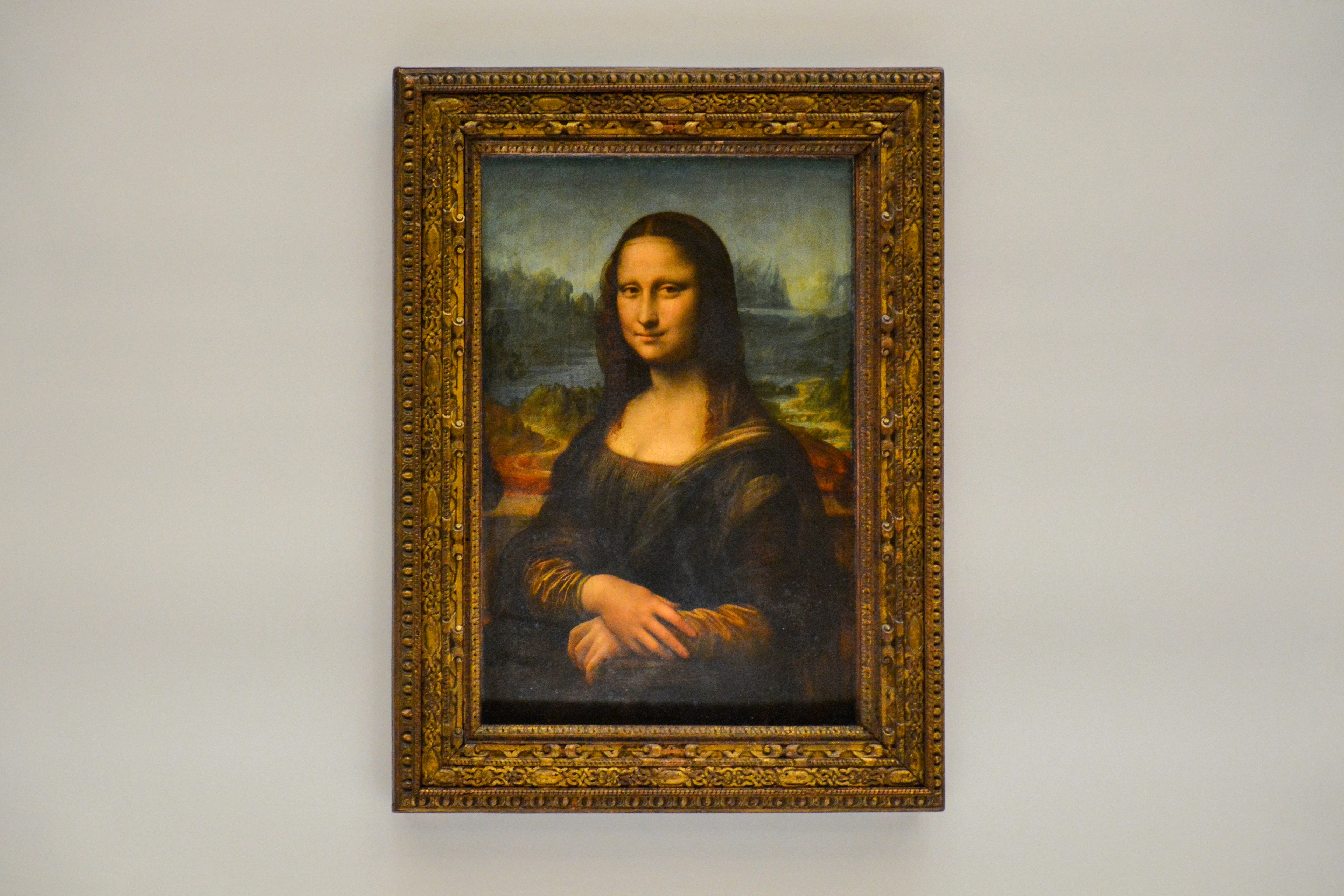
Your Ultimate Guide to Art Galleries: Unlocking Types, Etiquette, and the Art World's Hidden Depths
Navigate the art world with confidence! This ultimate guide explores commercial, non-profit, co-op, online, and emerging gallery types, offering essential etiquette, comprehensive FAQs, and deep insights into artistic intent, market dynamics, and curatorial choices. Discover the ecosystem that brings art to life.

Your Ultimate Guide to Art Galleries: Unlocking Types, Etiquette, and the Art World's Hidden Depths! Mimicking a thoughtful monologue
I remember the first time I walked into a really slick, high-end art gallery in a big city. The floors were polished concrete, the walls an almost offensively perfect white, and the silence was... loud. You know that silence? The kind that makes you suddenly aware of your own breathing, your shoes squeaking a little too much, your wallet feeling suspiciously light. I did the slow, thoughtful walk, head tilted, hand on chin, trying to look like I belonged, while internally I was mostly just terrified I'd accidentally breathe on a million-dollar painting and get arrested. My inner monologue often goes something like, "Is that a smudge, or is that... intentional?"
If you've ever felt that little knot of intimidation, you're absolutely not alone. The art world can feel like a club with secret rules, but most of that is just packaging designed to make you feel like an outsider. The core, however, is the art itself – the real magic. Once you understand what kind of space you're in, the whole experience opens up, unlocking a deeper appreciation not just for the building, but for the very art within its walls. A gallery isn't just a gallery; they come in several distinct flavors, each with its own mission and a subtle way of inviting you to interact with the art on display. We'll explore these types, from traditional brick-and-mortar spaces to the more transient and digital, alongside the unspoken rules of etiquette, and answer your most pressing questions. It’s a journey into understanding not just the art, but the entire ecosystem that brings it to us, and how you can confidently step into it.
Historical Roots: From Exclusive Salons to Public Access
Historically, the idea of an "art gallery" has evolved dramatically, shifting from exclusive private showings to more accessible public spaces. Their journey began in the private collections and aristocratic salons of the Renaissance and Enlightenment. Imagine being part of the elite in 17th-century Paris, invited to a grand salon where art was displayed for a select few, often arranged floor-to-ceiling, a testament to personal wealth and status. Think of influential patrons like the Medici family in Florence or the French monarchy, whose vast collections were symbols of power and cultural sophistication, viewable only by invitation. These were intimate, curated gatherings, but far from public, where art was primarily a commodity for the elite, serving to demonstrate power and prestige.
Then came the 18th century, and with it, the rise of institutions like the Académie Royale de Peinture et de Sculpture in France and the Royal Academy in London. These academies began organizing public exhibitions (the famous Salons in Paris!) where artists could showcase their work to a broader, albeit still somewhat exclusive, audience. This marked a crucial shift towards public display and critical discourse, democratizing art viewing by exposing it to a wider public sphere beyond royal courts and private residences. The 19th century further witnessed the rise of the modern art dealer and the commercial gallery model, driven by a growing middle class eager to acquire art and support artists directly. This evolution reflects a continuous adaptation to new art forms, changing audiences, and shifting economic landscapes, leading to the diverse array of spaces we see today. It’s a story of art steadily making its way from hidden chambers to vibrant public arenas, laying the groundwork for the dynamic commercial art world we know today.
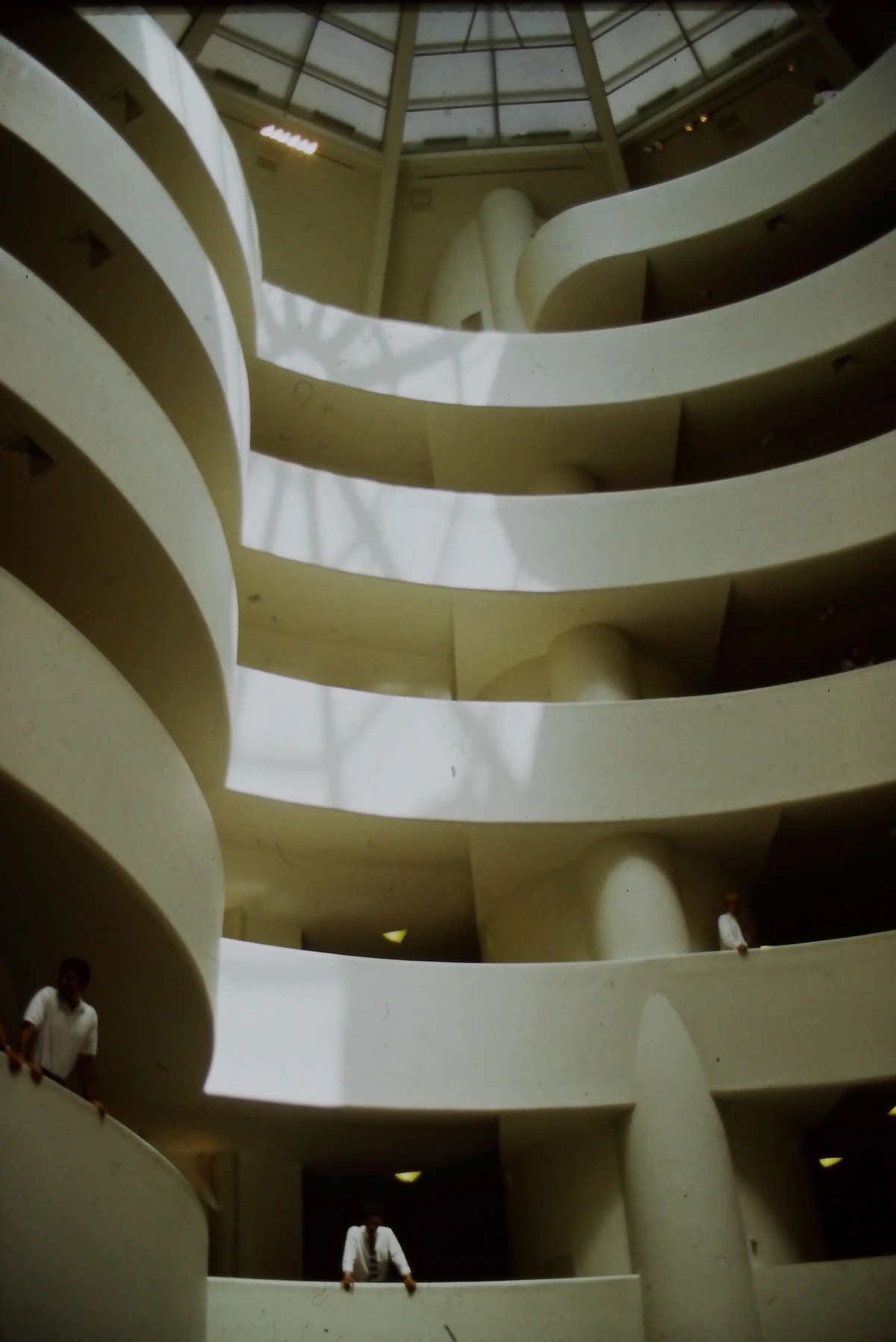
The Commercial Gallery: Engine of the Art Market
This is the type of gallery most people picture when they think of the art world. Think of them as the talent agents or record labels of the art world. Their primary goal is to sell art and build the careers of the artists they represent, operating in the primary market where artworks are sold for the first time. These are for-profit businesses, actively working to discover and nurture artists by scouting emerging talent, conducting studio visits, and reviewing portfolios – sometimes even collaborating with art schools to spot new voices. They give artists solo shows, take their work to international art fairs, and strategically place their pieces in museum collections and with important private collectors.
Their network often includes art consultants or art advisors, who act as crucial intermediaries between the gallery's roster and private collectors, ensuring the right art finds its way to the right home. These advisors provide expert guidance, often helping collectors build coherent and valuable collections, and can be key in negotiating sales. The influence of art critics and major publications can also significantly impact an artist's trajectory and an artwork's perceived value within this ecosystem, often determining whether an artist's work gains traction and prestige.
In return, the gallery takes a significant cut of the sales, typically ranging from 40% to 60%, to cover substantial operational costs. This includes rent on prime locations, marketing campaigns, secure shipping, comprehensive insurance, and the extensive relationship-building (the "schmoozing," as I like to call it) that goes into cultivating an artist's reputation. It's a high-stakes game where price often reflects not just market demand, but also an artist's established career, exhibition history, and the overall market value the gallery helps to build. This investment in an artist by a commercial gallery fundamentally influences an artwork's perceived value and an artist’s standing in the global art market, making the gallery a vital, albeit demanding, partner. You can learn more about how new talent is discovered in the commercial world by checking out this Q&A with a gallerist.
When you walk into a top-tier commercial gallery showing artists like Jean-Michel Basquiat or Damien Hirst, you're walking into the sharp end of the art market. It's about commerce as much as it is about culture. Even seasoned visitors might feel a slight shiver of admiration (and perhaps a quick check of their wallet!) when encountering such celebrated works. My own reaction is often a mix of awe and a slightly guilty whisper, "Could I get away with just touching it? No? Okay, deep breaths, Zen." The intense energy of buying and selling often culminates at major international art fairs, which act as colossal showcases and trading floors for commercial galleries worldwide, connecting them with collectors and institutions on a grand scale. We'll dive deeper into art fairs later in this article, but for now, just remember they're a key engine for commercial success.
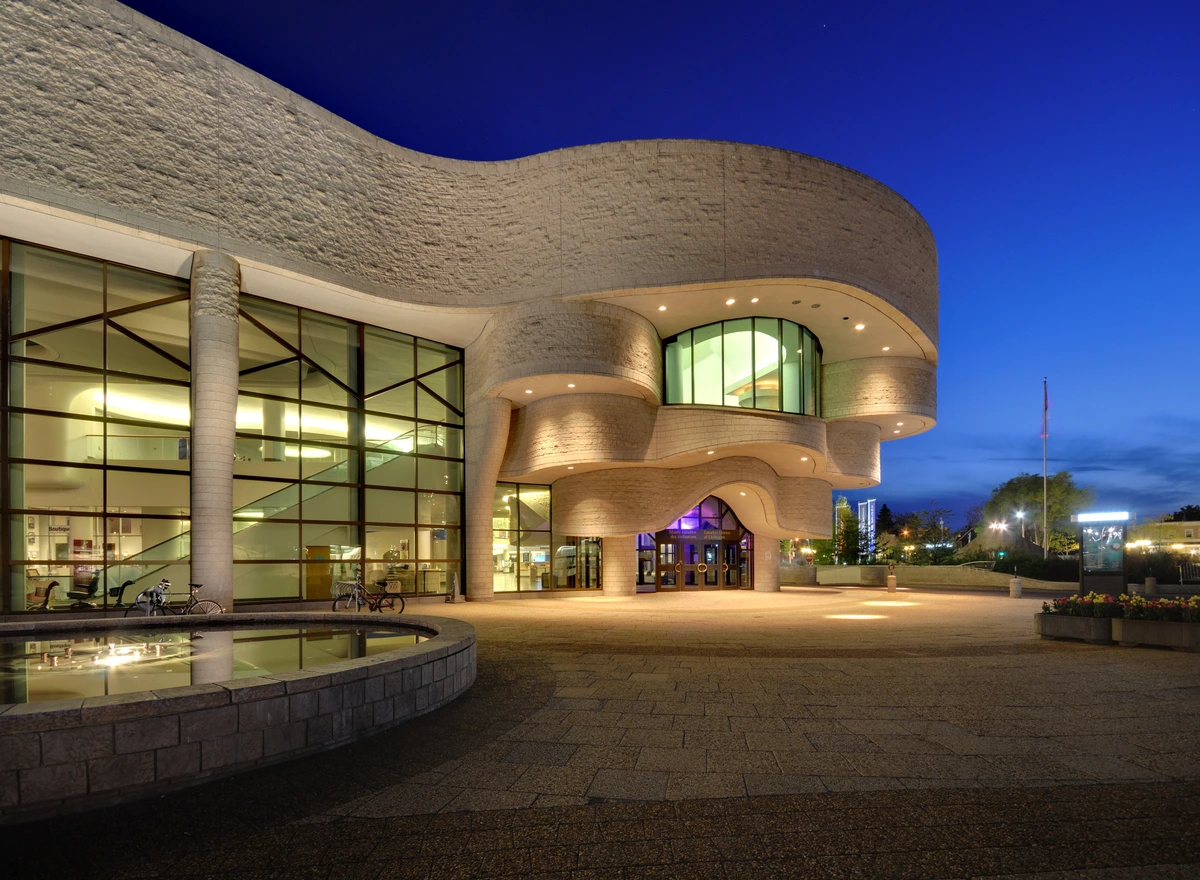
Key takeaway: Commercial galleries represent a curated roster of artists, and their main job is to sell art and build careers within the primary market. Their curatorial choices are driven by marketability and long-term artist development, significantly impacting an artwork's market value and the artist's standing in the art world. Does the high-stakes, commercial side of the art world intrigue you, or does it feel a bit too much like a marketplace?
This focus on marketability distinguishes commercial spaces from their non-profit counterparts, which we'll explore next.
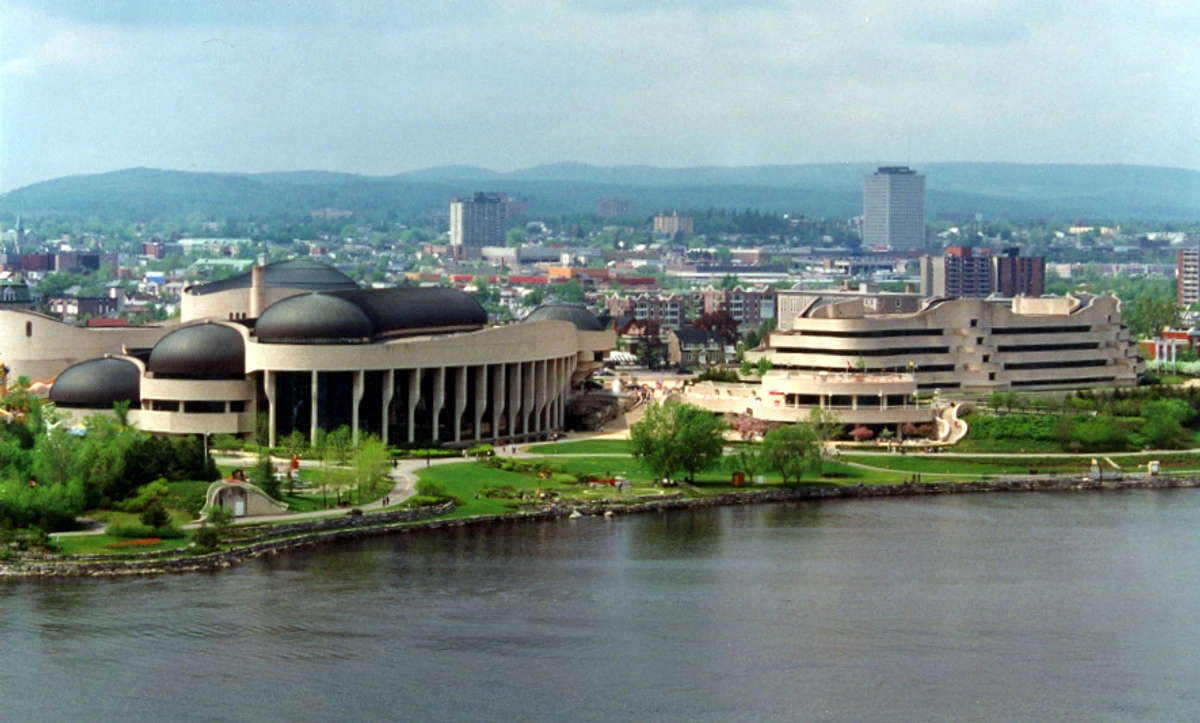
The Pulse of the Scene: Non-Profit & Public Galleries
While commercial galleries focus on market success, a completely different kind of space prioritizes exploration and public engagement. Non-profit or publicly funded galleries are mission-driven, not market-driven. Their goal is education, experimentation, and community engagement, aiming to enrich public understanding and foster artistic innovation.
Think of them as the public libraries or research labs of the art world. They often show more experimental, less commercially viable art that challenges perceptions or pushes boundaries. This might include retrospectives of overlooked artists, group shows based on a challenging social or philosophical theme, or work by local community members. I remember one exhibit that initially baffled me—a truly challenging sound installation that seemed to be... well, just noise. But after sitting with it, reading the accompanying text, and understanding the artist's intent to explore urban decay through ambient soundscapes, it completely reoriented my thinking about what art could be. That's the magic these spaces can unlock.
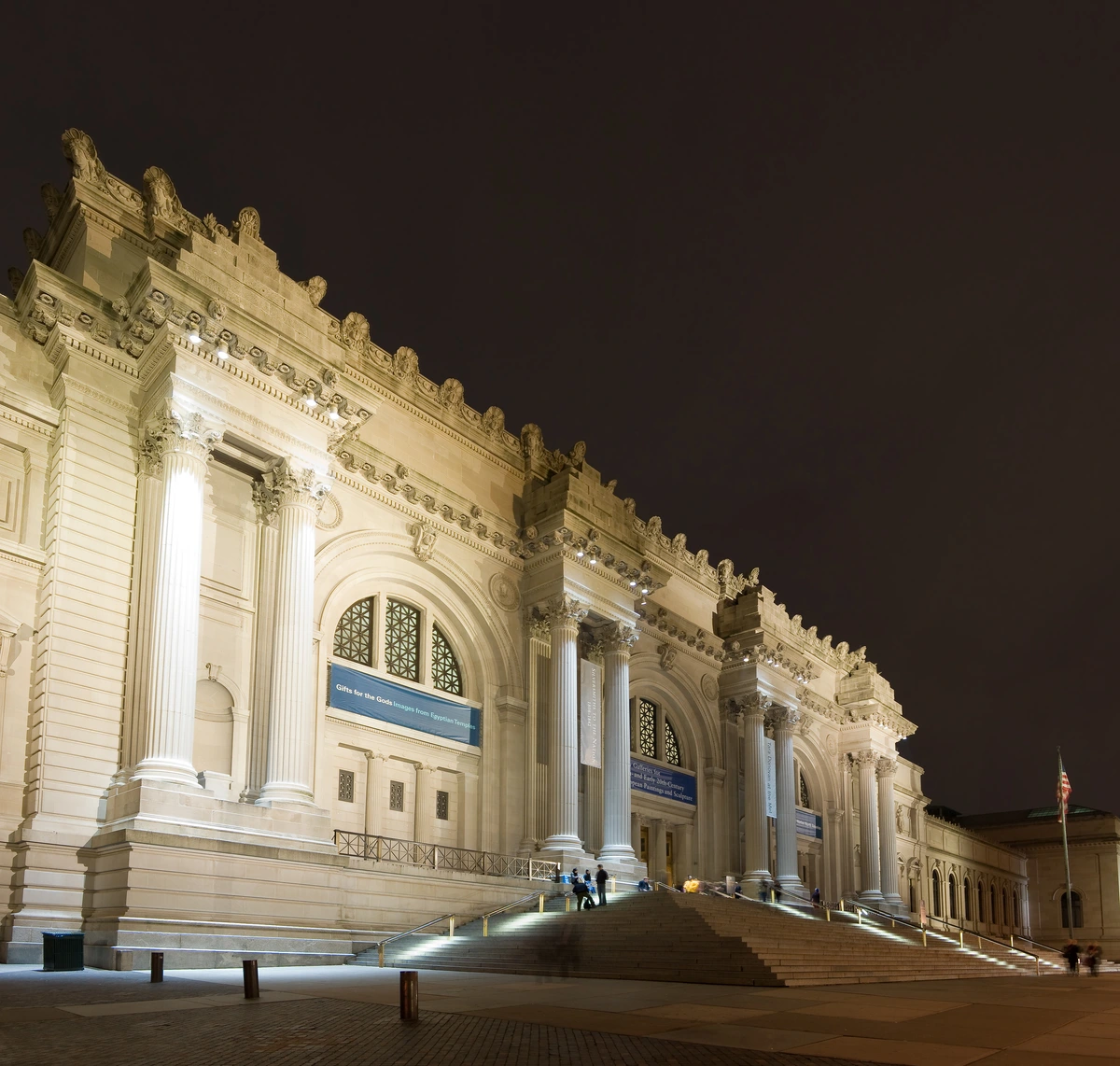
University galleries also fall into this category, often showcasing student work, faculty projects, and exhibitions that bridge academic research with artistic practice, sometimes delving into areas like bio-art or data visualization. These institutions are typically funded by a combination of government grants (like the National Endowment for the Arts in the US or national arts councils in Europe), public donations, memberships, foundation grants (from large arts organizations or philanthropic entities), and corporate sponsorships, giving them the freedom to take risks and explore diverse art mediums and art movements without direct commercial pressure. They’re less concerned with sales and more with fostering dialogue, pushing boundaries, and making art accessible to everyone.
Community engagement often takes the form of workshops for all ages, artist talks, educational programs for schools, and collaborative community art projects, fostering a sense of shared ownership and appreciation. Here, the most 'valuable' currency is often your engagement, not your credit card. You’ll often find art here that’s meant to provoke thought rather than simply be beautiful.

You'll often find more challenging, political, conceptual, or installation-based work here. The vibe is usually more relaxed and educational. They want you to come in, learn something, and feel a part of the conversation. These spaces might spotlight diverse art mediums, from sound installations to performance art or video art, and often delve into specific art movements or contemporary styles that push boundaries. For example, they are a fantastic place to encounter challenging abstract art that sparks dialogue. Their artistic intent is often about social commentary, intellectual inquiry, or pure aesthetic exploration, unburdened by commercial pressure. What kind of challenging art have you encountered that shifted your perspective?

Key takeaway: Their focus is on art for the public good, not for profit. A great place to see challenging work, explore diverse art mediums like conceptual or performance art, and learn something new, often showcasing artistic intent beyond mere aesthetics. They are vital for artistic experimentation and community connection. How do these spaces encourage you to think differently about art?
Art for the Artists, By the Artists: Co-op Galleries and Studios
Co-op Galleries: The Collective Effort
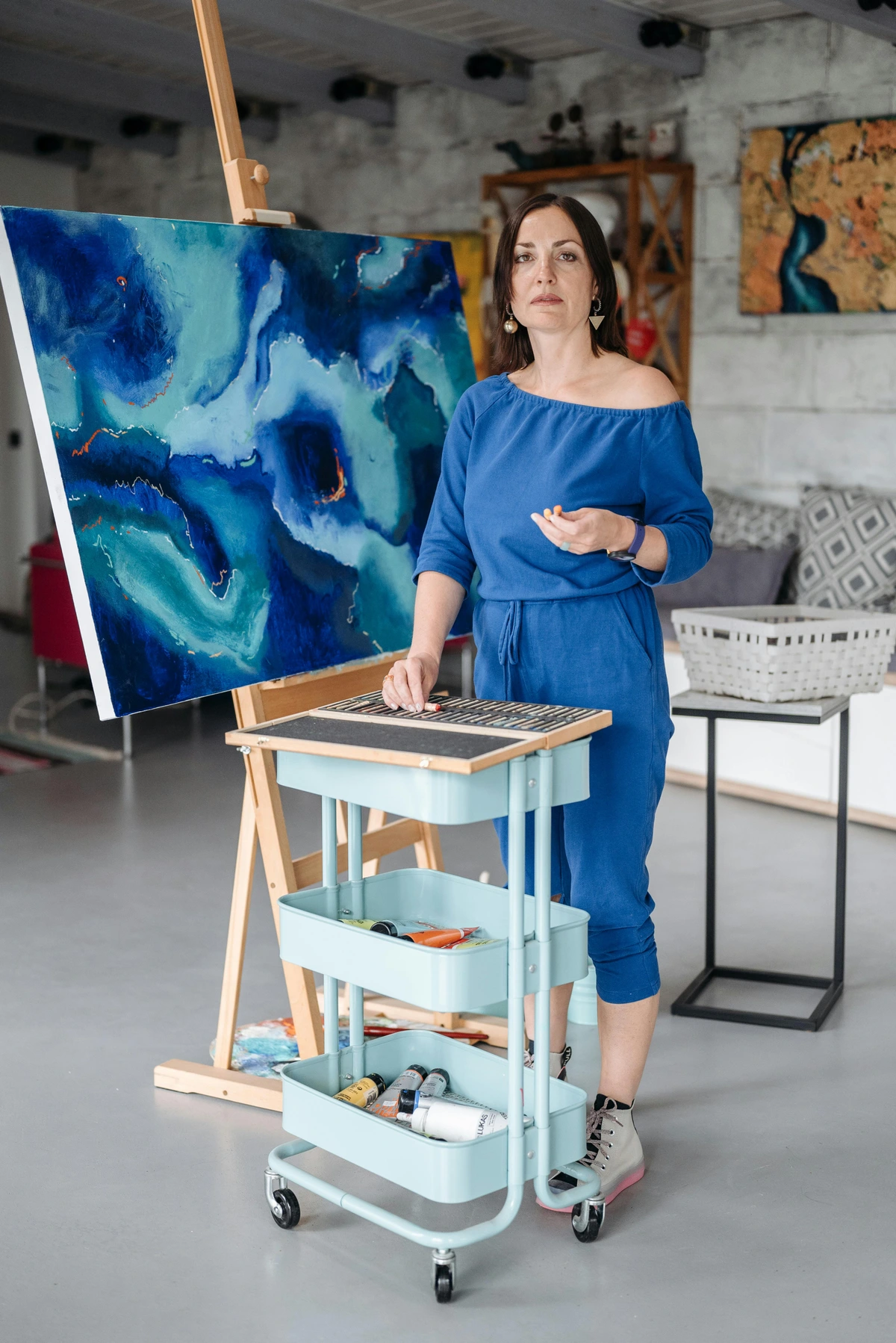
Artist cooperatives, or co-ops, are exactly what they sound like: galleries run by a group of artists who pool their resources to show their work. It's a DIY (Do It Yourself) approach to the gallery system. Artists pay membership fees, and in return, they get to exhibit their work regularly, often in a yearly group show and a solo show every couple of years. The big difference? The artists themselves do all the work. They take turns staffing the gallery, handling sales, installing exhibitions, managing social media, and sending out press releases. It’s a collective effort, fostering a strong sense of community and peer review where constructive feedback and shared learning are common. Decisions are often made democratically, providing artists with significant control over their exhibition opportunities. While it offers incredible artistic freedom and a supportive environment, the extensive workload can sometimes lead to artist burnout, or even internal conflicts regarding curatorial direction or shared responsibilities. It's a true labor of love, but one with its unique challenges. I've often stumbled upon fantastic local talent at co-ops – there's a real sense of camaraderie and direct connection to the creator. I remember finding this incredible painter at a co-op once, whose vivid abstract landscapes just pulled me in. We chatted for ages, and hearing about their process directly was far more enriching than just reading a wall text. It's a wonderful way to discover local artists.

This model gives artists a ton of freedom and a supportive community. The quality of work can vary more than in a highly curated commercial gallery, but you can also discover amazing local talent and buy art directly from the person who made it. The atmosphere is usually very welcoming and down-to-earth, offering a raw glimpse into different artistic styles and mediums without the commercial pressure. Have you ever visited a co-op and felt that unique sense of direct connection to the artist?
Key takeaway: Run by artists for artists. A fantastic way to support local creators directly, experience a strong sense of community, and engage with art that reflects immediate artistic intent and diverse artistic styles. Offers valuable exhibition experience for members.
Artist Studios: Informal Exhibition Spaces
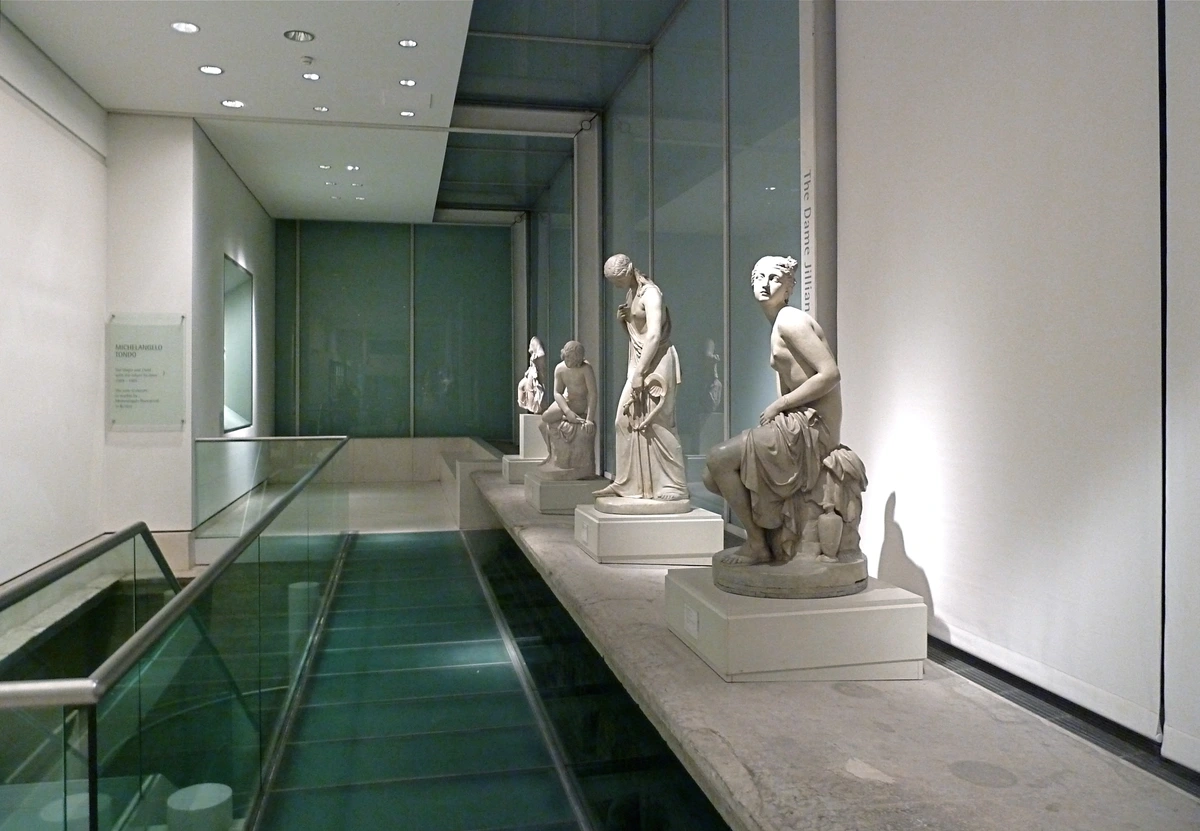
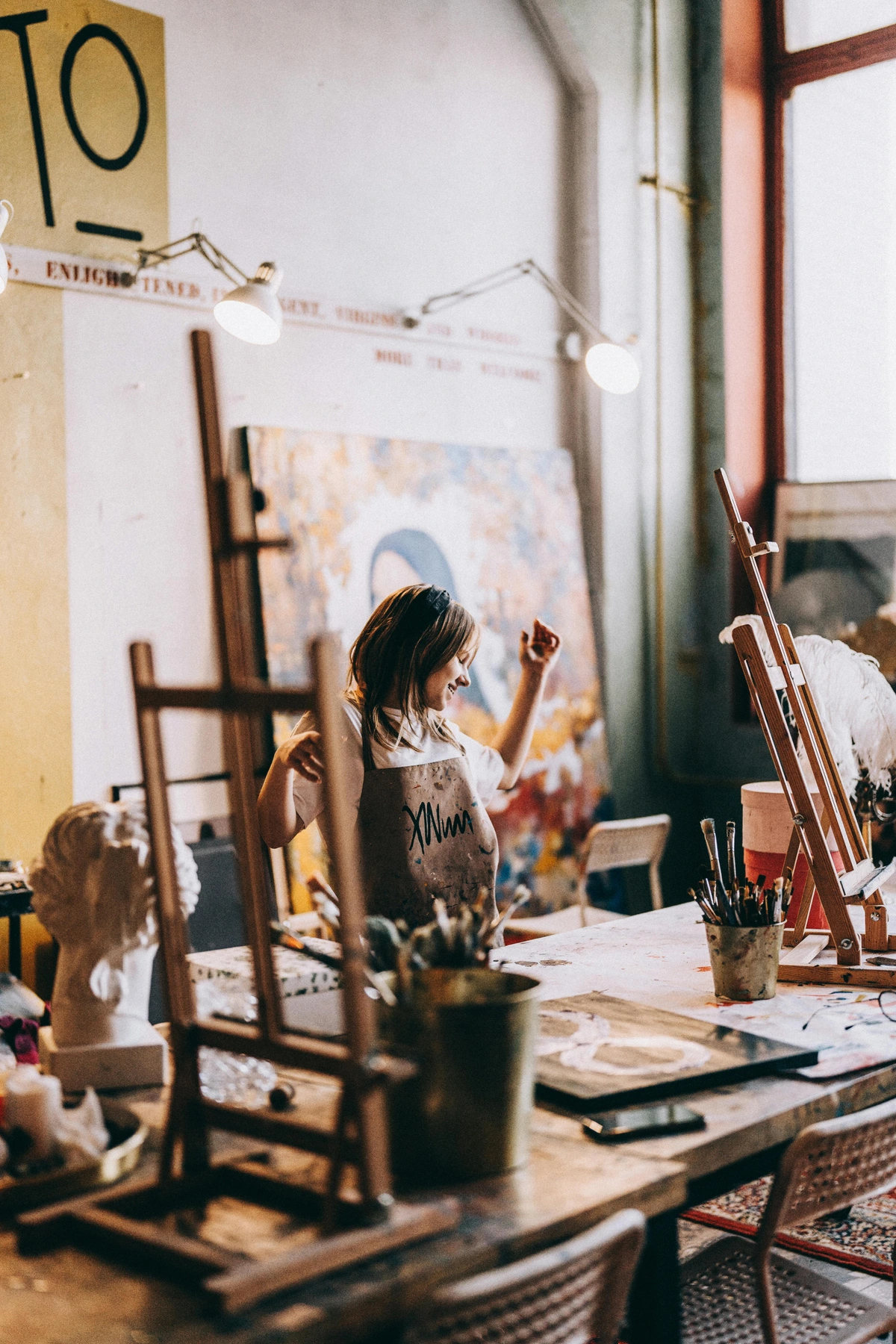
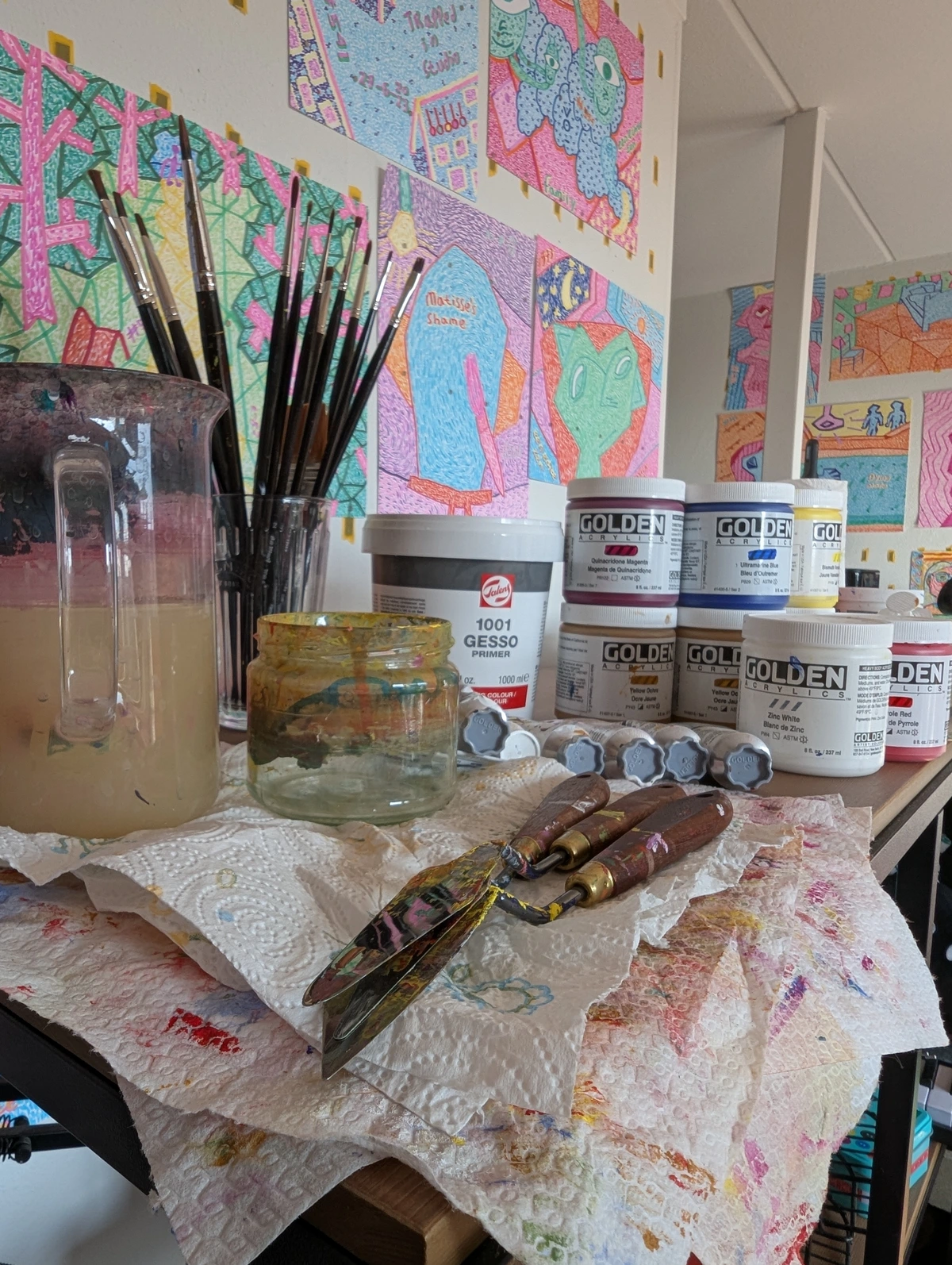
Sometimes the best galleries aren't labeled as such at all. Many artists open their own studios to the public, especially during open studio events or local "art walks," or simply by appointment. These informal spaces offer an incredibly direct connection to the artist and their creative process. You get to see where the magic happens, smell the paint (or whatever medium they're using), and often discuss the work with the creator in an unpretentious environment. It's an intimate way to experience art, often preceding or running parallel to formal gallery representation. Many artists use online platforms to announce open studio dates or allow booking for private visits, making these valuable, direct-to-artist opportunities more accessible than ever. This is often where true creative purpose is most visible, unadulterated by external pressures. It’s a fantastic way to acquire art directly from the source, building a personal relationship with the artist and their work. I, for instance, often connect with collectors directly through my own website, where you can see my work and even buy a piece that speaks to you.
Key takeaway: Direct access to the artist and their creative environment. Offers an unmediated understanding of artistic intent, creative purpose, and process, often allowing for direct sales and personal connection. What an amazing way to truly feel the art!
The Pay-to-Play Model: Vanity Galleries
While co-ops and studios offer artist-led initiatives based on mutual investment or direct connection, not all artist-driven spaces operate on these principles. This leads us to a more controversial model: vanity galleries. Vanity galleries, sometimes called rental galleries, operate on a model where the artist pays for the exhibition space. Instead of the gallery investing in the artist, the artist invests in the gallery. It's a model that often exists to fill a gap for emerging artists who lack connections or aren't yet represented by established galleries.
On one hand, it can be a way for an emerging artist to get their work on a wall and have a show to put on their resume. Services often included in the rental fees might be basic marketing (e.g., printing brochures, a mention on their website), providing an opening reception, and installation support. On the other hand, because the art isn't selected based on a curator's vision but on who can pay the rent, these galleries don't carry the same prestige. A show at a vanity gallery doesn't signal to the art world that you've been 'chosen' or vetted by a discerning eye. It's essentially a paid advertisement, an exhibition of convenience rather than a stamp of market validation. For artists, navigating the economic realities of the art world is incredibly tough, and I completely understand the desire to just get your work seen. However, it's crucial for both artists and visitors to understand this model.
There's a potential for exploitation, so artists considering such a route should thoroughly research the gallery's reputation, read exhibitor testimonials, and be clear on what they're actually paying for. Red flags might include galleries that: promise guaranteed sales; aggressively cold-call artists; have a revolving door of artists with no consistent curatorial theme; or lack transparency regarding fees and what services are actually included (e.g., comprehensive marketing, secure shipping, professional installation support). It's the self-publishing of the art world – you can get your work out there, but you're paying for the service, and it lacks the independent curatorial stamp of approval that genuinely helps establish an artist's market value. This is distinctly different from legitimate emerging artist spaces that might charge a modest submission fee but still employ a rigorous curatorial vetting process based purely on artistic merit, where a panel of experts selects work for exhibition. Do you think such a model can ever truly benefit the art world?
Key takeaway: The artist pays to show. Lacks the independent curatorial stamp of approval and market validation that other gallery types offer, primarily focused on exhibition space rental rather than vetting artistic merit. Proceed with extreme caution if considering this route as an artist.
Beyond the Bricks and Mortar: Diverse Art Spaces and Market Dynamics
The art world is always adapting, and physical galleries are just one piece of the puzzle. Here are some other significant spaces and concepts that shape how art is created, shown, and valued today:
Pop-Up Galleries: Fleeting Impressions and Strategic Impact
These are temporary shows in unexpected places. They're often used to test new markets, create buzz around an artist or theme, or present a specific collection outside traditional gallery constraints. You might find them in abandoned storefronts, old warehouses, vacant office buildings, or even cafes and laundromats. They often involve collaborations with existing businesses or specific urban revitalization initiatives, breathing temporary life and culture into underutilized spaces. They pop up, make an impact, and disappear, adding an element of fleeting excitement to the art scene and often showcasing art that is site-specific or highly experimental. I love the spontaneity of pop-ups; you never know what hidden gem you might stumble upon!

Online Galleries: The Digital Frontier and Virtual Realities
Digital-only spaces have exploded in recent years. Their advantages include incredible accessibility, a wider global reach for artists and collectors, and often lower overheads. The main disadvantage? It can be harder to truly judge the scale, texture, and physical presence of a piece online, though high-quality photography, 3D scans, and detailed video walkthroughs help bridge this gap. Emerging technologies like virtual reality (VR) galleries and augmented reality (AR) viewing apps aim to immerse viewers, allowing you to 'walk through' a simulated gallery space or even preview art on your own walls. Beyond dedicated online platforms, social media, particularly Instagram, Pinterest, and even TikTok, has become a de facto gallery for many artists, offering incredible discovery potential for various artistic styles and art mediums like digital painting, generative art, and photography. You also have large online art marketplaces like Saatchi Art or Artsy, which aggregate works from many artists and galleries, providing vast selections. While some online platforms are exploring or integrating technologies like NFTs and blockchain for digital art sales, skepticism remains around their long-term viability and environmental impact, and I personally maintain a cautious distance from this market segment. In a way, my own website functions as a direct-to-collector gallery where you can see my work and even buy a piece that speaks to you.
Art Fairs: The Global Showcase and Market Hub
These are huge events where dozens or hundreds of commercial galleries gather under one roof to sell, sell, sell. It's the art world's version of a trade show, but with a vibrant, often overwhelming, sensory experience. Imagine acres of art, bustling crowds, and a palpable energy of commerce and culture colliding. Major international examples include Art Basel, Frieze, and TEFAF, each known for specific focuses (e.g., contemporary art, old masters) or levels of market prestige. There are also smaller, regional fairs that spotlight local talent or specific movements. They're fantastic for seeing a vast amount of work in one go, feeling the pulse of the primary market, and for commercial galleries to expand their artist rosters and collector base. Art fairs also serve as important market indicators, reflecting trends in contemporary art and shifts in collector interests, offering valuable insights into the broader art economy. Visitors can expect to find a wide range of artistic styles, from established masters to emerging talent, and a diverse array of art mediums, including painting, sculpture, photography, and mixed media. Navigating a fair can be overwhelming, so my advice is usually to pick a few galleries or artists you want to see, and then allow yourself to wander and get wonderfully lost in between. Attending preview events, if possible, can offer a more focused experience before the general crowds descend. It's also a great opportunity to explore different artistic styles and art movements from around the globe. Have you ever felt lost (in a good way) at an art fair? You can gain a deeper understanding of the logistics behind these massive events by checking out our guide for emerging artists.
Auction Houses: The Secondary Market and the Power of Provenance
While not strictly galleries, auction houses like Sotheby's or Christie's are significant players in the art market, representing the secondary market where art is resold after its initial sale by a gallery or artist. Works that once hung in a commercial gallery, or even an artist's studio, might eventually end up here. They host public sales, often for high-value pieces, and offer a different kind of viewing experience. While their primary function is to facilitate sales, their pre-sale exhibitions can function as temporary, high-caliber galleries, offering a glimpse of important historical and contemporary works before they find new owners.
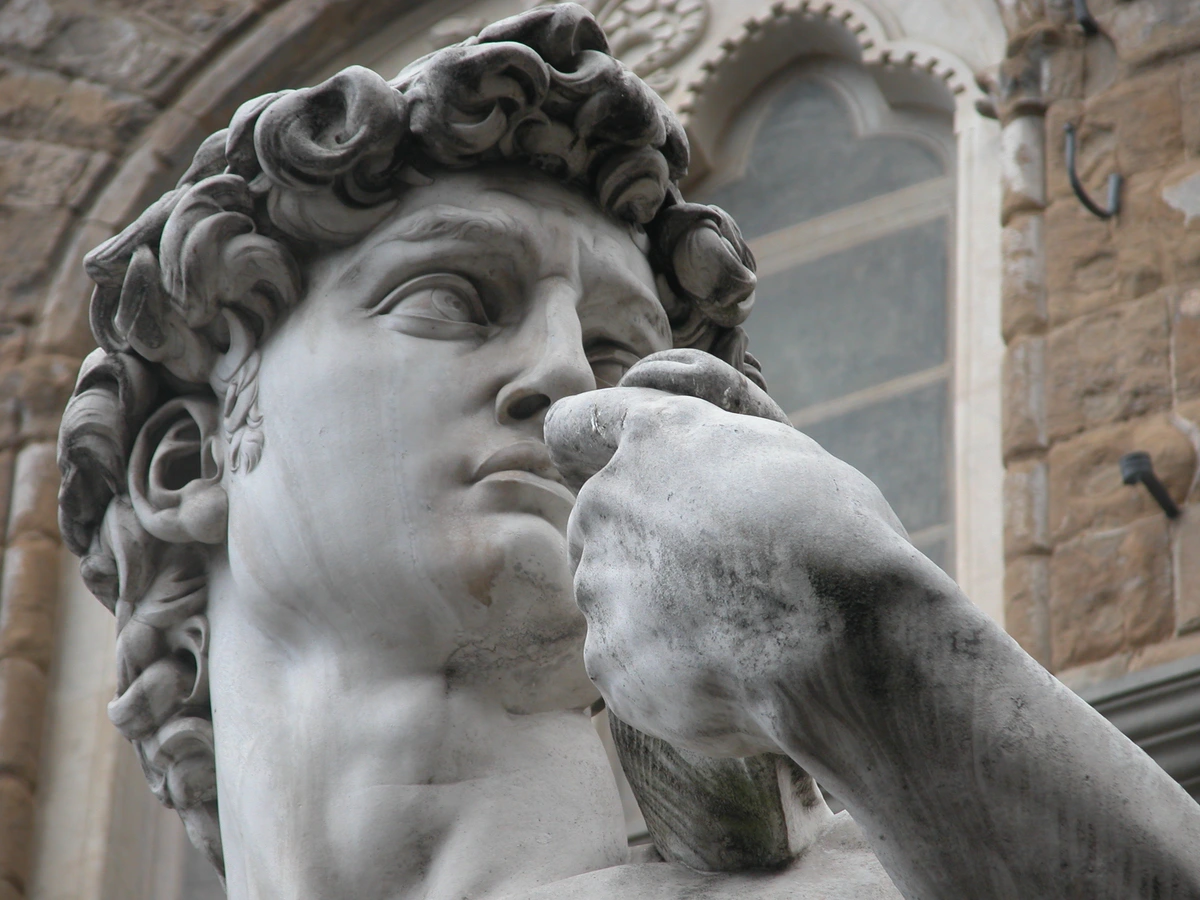
Understanding provenance – the documented history of ownership of a work of art – is absolutely crucial in this market, as it authenticates the work, tracks its movement, and significantly influences its value. A strong, unbroken chain of ownership from the artist to the present owner, especially if it includes notable collectors or exhibitions, can add immense value and credibility. Imagine a painting that was once owned by a famous historical figure or featured in a seminal museum show – its provenance adds layers of historical and cultural significance, increasing its desirability and price. The process of consigning art to an auction house involves specialist evaluations, establishing an "estimate" (a price range the artwork is expected to fetch) and a "reserve price" (the minimum price at which the seller is willing to part with the artwork). Sometimes, guaranteed bids or irrevocable bids are used, where a third party (or the auction house itself) commits to buying a lot for a minimum price, regardless of other bids, to reduce risk for the consignor. A commission structure, typically shared between the buyer and seller, covers the auction house's services. It's a fascinating, high-stakes segment of the art world where history, connoisseurship, and market forces dramatically converge.
Artist Residencies with Exhibition Components: Growth and Showcase
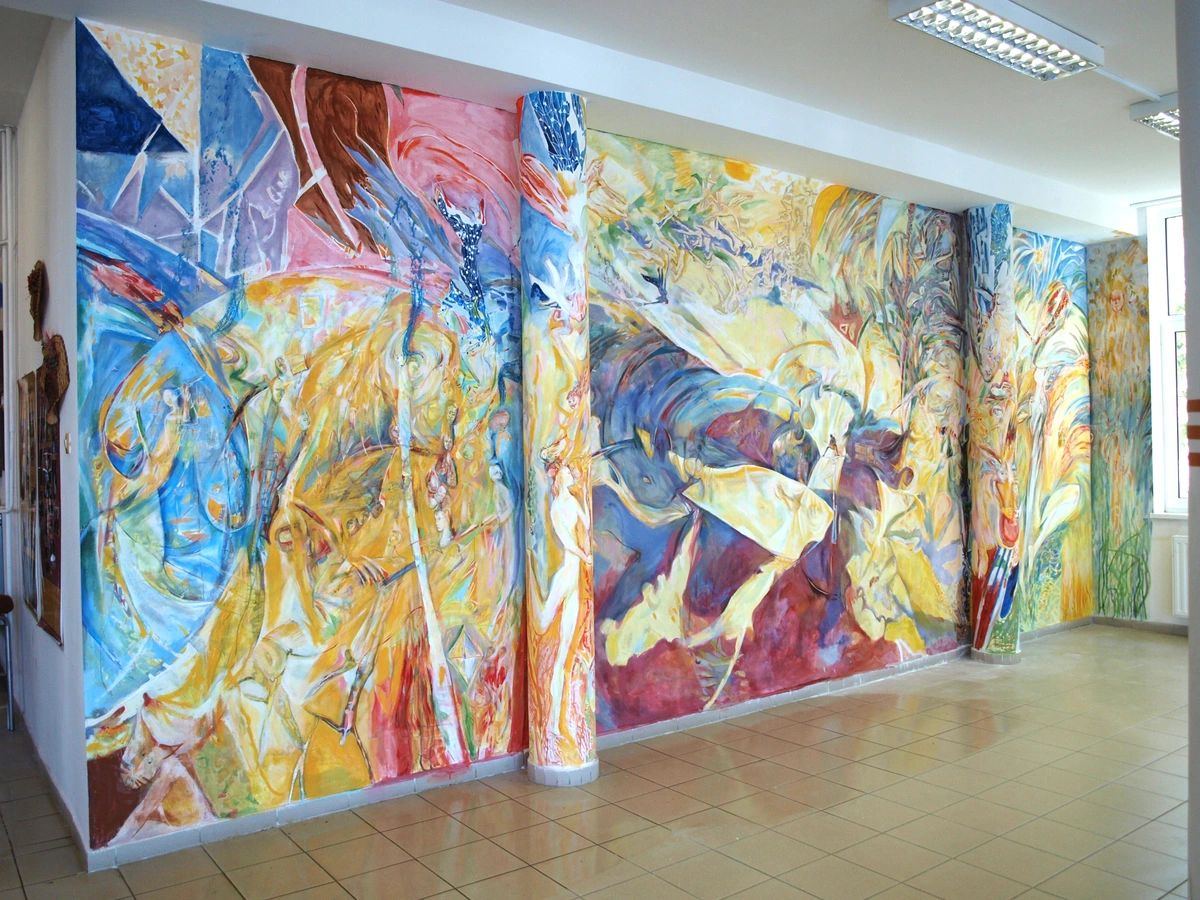
Beyond traditional gallery models, artist residencies are becoming increasingly important. These programs offer artists dedicated time and space to create, often in new environments, fostering intense periods of creative output. Residencies can be short or long-term, domestic or international, and often focus on specific mediums or thematic explorations. Many culminate in open studios or formal exhibitions, allowing the public to engage with work created during the program. This model bridges the gap between private studio practice and public display, offering a unique window into an artist's evolving creative purpose and artistic intent, often leading to significant breakthroughs in their practice. These artist-in-residence exhibitions function much like temporary gallery shows, highlighting new bodies of work developed during the residency period, complete with curatorial texts and public programming.
Understanding Artwork Value: Beyond the Price Tag
When we talk about art, especially in commercial or auction settings, the conversation invariably turns to value. But what actually determines an artwork's price? It's far more complex than a simple material cost. Here's a breakdown of the key factors that contribute to an artwork's market value and overall significance:
- Provenance: As discussed with auction houses, an unbroken, well-documented history of ownership is paramount. It verifies authenticity and can add historical weight. Imagine buying a piece knowing it passed through the hands of a famous collector or graced a prestigious exhibition – that adds considerable value beyond aesthetics.
- Condition: The physical state of the artwork is crucial. Damage, repairs, or deterioration can significantly impact value. Art conservation is vital here, ensuring the longevity and integrity of the piece.
- Artist Reputation and Career Stage: Established artists with long, consistent careers, strong critical reception, and institutional recognition (museum shows, significant publications) command higher prices than emerging artists, though emerging artists with strong early careers can see rapid appreciation.
- Exhibition History: Works that have been shown in important galleries, museums, or major international exhibitions often carry greater prestige and value than those that haven't been widely exhibited.
- Critical Reception: Positive reviews from influential art critics and features in major art publications significantly boost an artist's profile and the perceived importance of their work.
- Market Demand and Trends: Like any market, supply and demand play a role. Certain styles, periods, or artists may be highly fashionable, leading to increased demand and competitive bidding.
- Rarity and Significance: Is it a unique piece, or part of a limited edition? Is it considered a seminal work in the artist's oeuvre or a representative example of an important art movement? Such factors greatly influence value.
The Influential Voices: Art Critics, Journalists, and Artist Statements
Beyond the physical spaces, the art world is shaped by influential voices that help contextualize, interpret, and sometimes even elevate the art we see. These figures act as guides and gatekeepers, influencing public perception and market value.
The Role of Art Critics and Journalists
Art critics and journalists play a crucial role in shaping the discourse around art. Their reviews, essays, and articles in publications (from major newspapers to specialized art magazines and online journals) offer informed perspectives, interpret artistic intent, analyze artistic styles, and place works within broader art historical or social contexts. A glowing review from a respected critic can significantly boost an artist's career, attracting collectors and institutional interest, while a critical analysis can spark important dialogue. They help bridge the gap between the artist's creation and the audience's understanding, often highlighting emerging trends or bringing overlooked artists to the forefront. I often find their insights invaluable, even when I don't entirely agree; they push me to consider new angles.
Artist Statements: Unlocking Intent
Ever stood in front of a perplexing artwork and wished the artist could just tell you what it means? That's where the artist statement comes in. It's a brief text, usually written by the artist, that explains their creative purpose, their artistic intent, the themes they explore, the materials they use, and often, their process or philosophical approach. These statements are vital for understanding the deeper meaning behind a work, especially for conceptual or abstract pieces. You'll often find them printed on gallery wall labels, in exhibition catalogs, or on an artist's website. They offer a direct window into the artist's mind, helping viewers connect with the work on a more intellectual or emotional level, moving beyond mere aesthetic judgment. I always make a point of reading them; sometimes, they're the key to unlocking a piece I might otherwise have walked past.
The Role of the Curator: Weaving Narratives and Shaping Experience
Often a quiet force behind the scenes, the curator plays a pivotal role, especially in non-profit, public, and museum settings. A curator is essentially the storyteller of an exhibition. They conceptualize the theme, select the artworks, research the artists, write exhibition texts (including wall labels and catalogs), and oversee the installation of the show. Their curatorial choices shape your entire experience, guiding you through a narrative and offering fresh perspectives on art historical periods, contemporary issues, or specific artistic styles and mediums. A good curator can transform a collection of individual pieces into a cohesive, thought-provoking journey; they might, for instance, juxtapose a classical sculpture with a contemporary video installation to spark dialogue about enduring human themes. This job is a blend of art history, critical theory, and project management, essential for creating meaningful and impactful art experiences. While institutional curators prioritize education and cultural discourse, commercial gallery curators often focus on building an artist's market presence through strategic exhibitions. Independent curators also play a crucial role, bringing fresh perspectives to diverse spaces, and many also engage in art criticism and scholarship through their writing and research. Without them, our understanding of art would be significantly poorer.
A Quick Guide to Gallery Etiquette: Your Confidence Booster
So, you've got a grasp of the different spaces. Now, how do you actually be in one without feeling like you’re doing something wrong? Navigating the gallery space can feel like a delicate dance, but the rules are simpler than you think. Here's a simplified guide to ensure you're both respectful and comfortable, framed as personal advice from me to you. You've got this!
Do ✅  | Don't ❌ |
|---|---|
| Ask questions. The gallerist (or person at the desk) is there to help and is a fantastic source of information. Inquire about the artist's inspiration, techniques, or journey, or the gallery's focus. | Touch the art. Ever. Unless it's explicitly interactive, assume it's fragile. Your fingerprints contain oils and acids that are a nightmare for conservators. |
| Take your time. Look at what you like, skip what you don't. Allow yourself to form an opinion. Let the art breathe, and let you breathe with it. | Be loud. It's a space for quiet contemplation for many, not a concert hall. Keep conversations hushed and phones on silent. |
| Ask for a price list. It's not rude! It's their job, and shows genuine interest. Most of the time, I'm just curious, and that's perfectly okay. | Feel pressured to buy. Most visitors are just looking and appreciating. You're there to experience art, not necessarily to acquire it. |
| Sign the guestbook. It helps them with funding, outreach, and knowing who visits. It's a small gesture that makes a big difference. | Worry about what you're wearing. Just be respectful and comfortable. Nobody is judging your sneakers. |
| Take photos (usually). Check for a 'no photos' sign first, but many galleries are happy for you to capture the moment. | Bring in food or drink. Spills are a nightmare for priceless art. Keep your coffee outside! |
| Ask about the artist's background or process. It deepens your understanding and shows genuine engagement with their artistic intent or creative purpose. | Ignore the curator's notes. They often provide crucial context to the artistic intent, artistic style, and curatorial choices. |
| Respect installation components. Don't lean on pedestals or display cases; they are part of the careful presentation. | Bring large bags/backpacks if possible. Many galleries request you check them to prevent accidental bumps. |
| Consider the context of the exhibition. Understanding the curator's theme can enrich your experience. | Interrupt gallery staff who are already speaking with another visitor or client. |
| Observe gallery hours. Respect their opening and closing times. | Block artwork with your body. Be mindful of other viewers and step aside to let others see. |
FAQ: Your Most Pressing Gallery Questions Answered
Let's tackle some of the common thoughts that might bubble up when you're contemplating a gallery visit. No question is too silly here; we've all wondered these things. Think of this as your personal cheat sheet for confident art exploration.
Do I have to pay to enter an art gallery?
Almost never! The vast majority of dedicated commercial and non-profit art galleries are free to enter. Their business model is based on selling art or securing funding to support the artists and the gallery itself, not on admission fees. Museums often charge admission, and some special exhibitions, even in galleries, might have a small fee, but generally, walk right in and enjoy the art! My advice: always check their website beforehand if you're unsure.
Is it okay to talk to the gallerist or the person at the front desk?
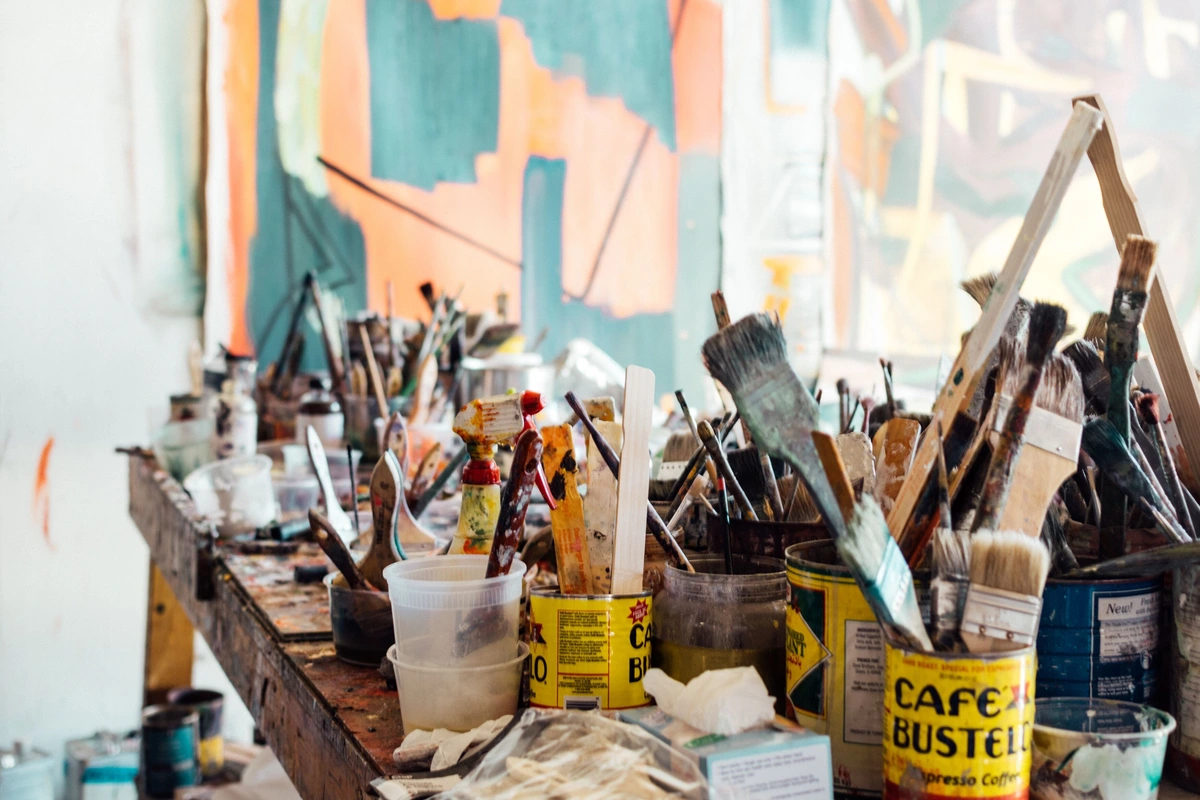
Absolutely! The gallerist (the person who owns or runs the gallery) or staff are a fantastic source of information about the artist, the work, and the gallery's mission. Don't be shy; they want to engage with interested visitors. You can inquire about the artist's process, what a specific work is about, upcoming exhibitions, or the gallery's overall artistic focus. It's part of their job, and frankly, I love hearing them talk about the art they're passionate about. It's an opportunity to gain deeper insight directly from an expert. Just remember not to interrupt if they're already deep in conversation with another client.
How do I find out the price of an artwork?
Just ask for the price list or checklist. It's a completely normal part of the gallery experience, and it shows genuine interest! Most galleries will have a printed or digital list with a thumbnail of each piece, its title, dimensions, medium, and the price. Sometimes you have to ask, "Can I see a price list for the show?" Prices are often not displayed publicly to encourage dialogue, but asking is standard procedure. Prepare yourself for the numbers, as they can sometimes surprise you, but remember that the curatorial choices, the artist's reputation, market demand, and their established market value heavily influence these figures. Don't be afraid to ask; it's a completely normal part of the gallery experience, and it shows genuine interest!
What's the difference between a gallery and a museum?
This is a crucial distinction! A simple way to think about it: a gallery's primary purpose is to sell art and ensure its circulation, thereby supporting artists and the gallery's operations. Galleries typically deal in the primary market (first-time sales) and have rotating exhibitions of work that is for sale. They are often privately owned, for-profit entities. A museum's primary purpose, on the other hand, is to collect, preserve, research, and display art for public education and perpetuity. Museums typically have permanent collections (though they also host temporary exhibitions), and are generally publicly funded or non-profit institutions. A local spot like the Design Museum Den Bosch is a great example of a public-facing institution focused on preservation and education rather than direct sales. While some museums might have gift shops selling art-related items or even occasionally host sales exhibitions (of reproductions, not their core collection), their core mission remains cultural heritage, not commerce.
What if I don't 'get' a piece of art?
This is a common and perfectly normal feeling! Art isn't always meant to be immediately understood or even liked. Instead of feeling frustrated, try to approach it with curiosity. Ask yourself: What colors am I seeing? What shapes? How does it make me feel? Does it evoke a memory or a sensation? What do the curatorial notes say about the artist's intent or the artistic style, and what context do they provide? If the conceptual aspect is confusing, try focusing on the artwork's physical properties: its texture, scale, materials, and how it interacts with the space. For instance, when looking at Christopher Wool's work, which often uses text and industrial aesthetics, you might initially feel perplexed. But understanding his creative purpose to explore language, repetition, and urban decay transforms the experience. Not every piece will resonate, and that's okay. The beauty is in the exploration and the questions it sparks. Sometimes, simply sitting with a challenging piece, even if it frustrates you, is a valid and valuable experience. My advice: don't dismiss it, just observe and let your mind wander, looking for patterns, textures, or even the scale of the work.

How do I approach collecting art, especially from emerging artists?
This is a fantastic question! If you're interested in collecting, especially from emerging artists, co-op galleries and artist studios are brilliant starting points. The key is to buy what you genuinely love and what resonates with you personally, regardless of its perceived 'investment value.' Talk to the artists, ask about their process and artistic intent, and understand the story behind the work. Research the artist's exhibition history and any gallery representation they might have. Begin modestly, perhaps with prints or smaller pieces, and slowly build your collection based on your passion. It's a journey, not a race. Always prioritize art that speaks to your soul. For larger investments, consider working with an art advisor who can guide you through the complexities of the market, help with provenance checks, and identify reputable sources. Remember, provenance is critical even for emerging artists – always keep receipts, artist statements, and any documentation to establish the history and authenticity of the artwork. Your personal connection to the art will always be its greatest value.
What is the role of an art advisor or consultant?
An art advisor or consultant acts as an expert guide for collectors, whether private individuals, corporations, or institutions. They help clients navigate the complex art market, identify artists and artworks that align with their taste and budget, facilitate purchases (often negotiating on behalf of the client), and advise on everything from framing and installation to insurance and collection management. They bring market knowledge, curatorial insight, and a network of contacts to help you make informed decisions, especially in commercial galleries and auction houses. Advisors often charge a commission on purchases, a retainer, or an hourly fee. They can also assist with deaccessioning artworks – selling pieces from an existing collection. While they can be a great asset, choosing a reputable advisor who works transparently and discloses any potential conflicts of interest is crucial.
How do I find art for my home or office?
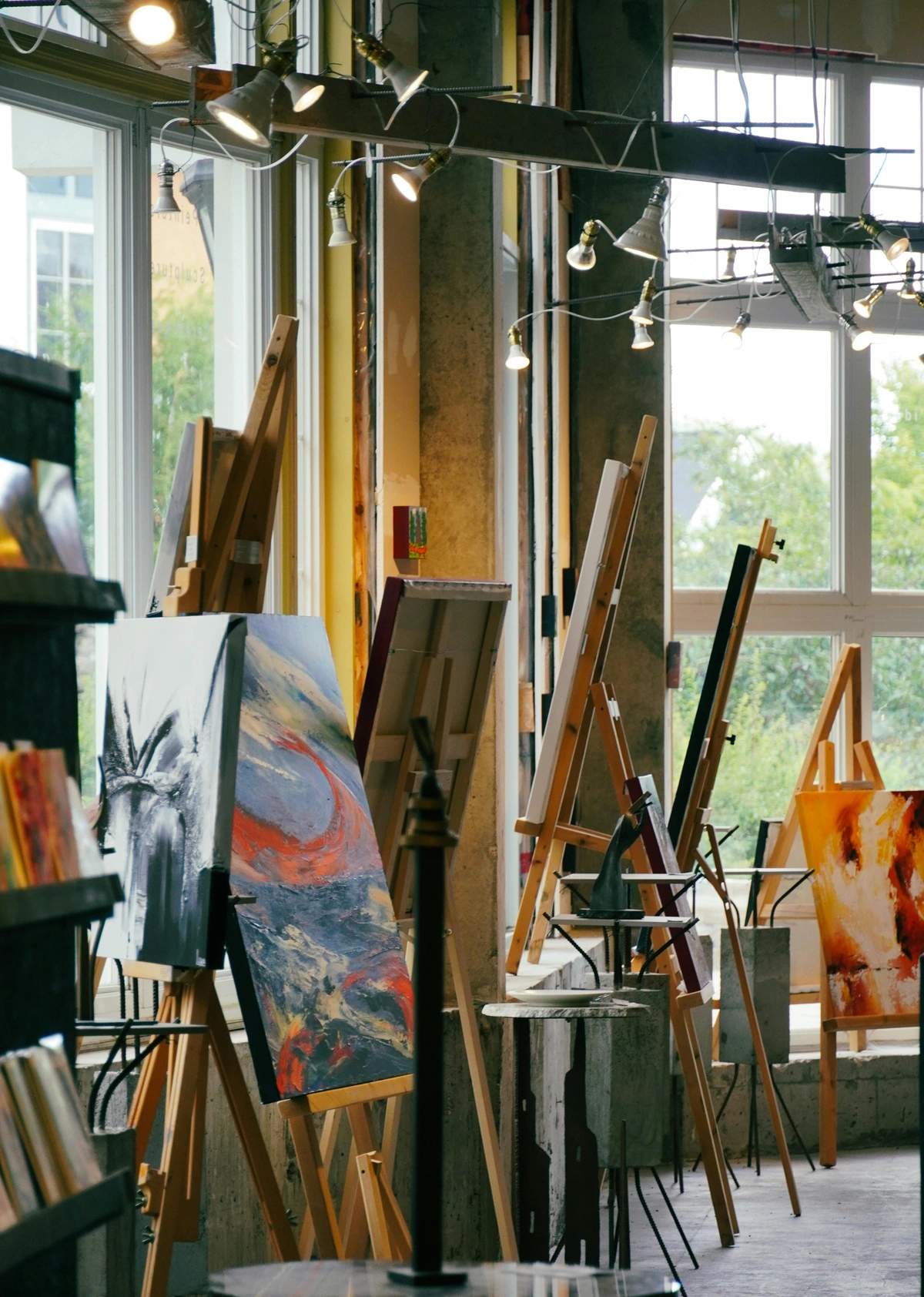
This is a wonderful personal quest! Start by considering the atmosphere you want to create. Do you prefer calming landscapes, vibrant abstracts, thought-provoking conceptual pieces, or a mix? Visit different types of galleries (commercial for established names, co-ops for local talent, online for global reach) to see what resonates. Browse online galleries and artist websites, including my own, to discover various artistic styles and mediums. Don't feel you need to break the bank; many artists offer prints or smaller works that are perfect for starting a collection. Consider the scale and proportion of the artwork relative to your space, and how lighting will impact its presentation. Be sure to visit local art festivals and art fairs – they're fantastic for finding unique pieces and connecting directly with artists. For larger spaces or corporate settings, an art advisor can help source pieces that align with your brand or aesthetic goals. Ultimately, choose art that makes you feel good and reflects your personality – it's an extension of you!
What are the 'primary market' and 'secondary market' in art?
Understanding these terms is key to grasping the art economy. The primary market refers to the first sale of an artwork directly from the artist, typically through a commercial gallery. This is where an artist's career is built and their initial market value is established. The secondary market, on the other hand, deals with the resale of artworks that have already been sold at least once. This usually happens through auction houses or private dealers, and it's where an artwork's long-term value and historical significance are often solidified. Commercial galleries primarily operate in the primary market, while auction houses define the secondary market, though there's often overlap as some galleries may also engage in the secondary market by reselling works by artists they don't exclusively represent.
How do I understand art terminology like 'medium,' 'series,' or 'edition'?
No need to feel lost in jargon! Let's break down some common terms:
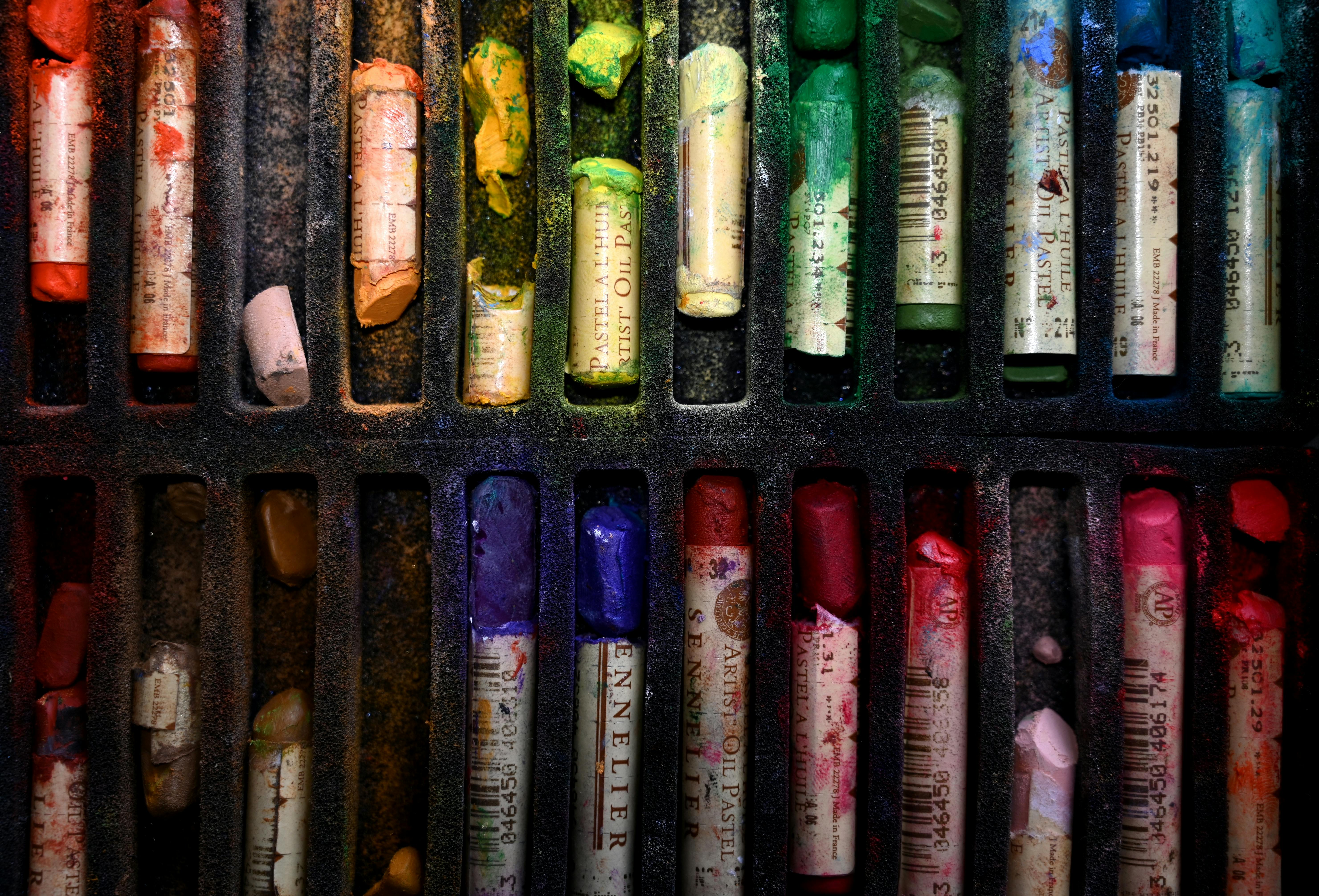
- Medium: This refers to the materials and techniques an artist uses to create a work. Examples include oil on canvas, bronze sculpture, watercolor on paper, mixed media, digital print, or video installation. Understanding the medium helps you appreciate the artist's skill and choices.
- Series: When an artist creates a group of related artworks that share a common theme, concept, or style over a period, it's called a series. These works are often meant to be seen together to fully grasp the artist's exploration of an idea.
- Edition: This term is primarily used for works that can be reproduced, such as prints (lithographs, etchings, screenprints), photographs, or sculptures cast from a mold. An edition is a limited number of identical copies of an artwork, signed and numbered by the artist (e.g., 1/50 means the first print out of 50).
- Edition Size: This specifies the total number of prints or multiples in a limited edition. Once the edition size is reached, no more identical copies are produced, ensuring rarity.
- Artist Proof (AP): These are prints pulled apart from the main edition, often reserved for the artist. They are typically numbered (e.g., AP 1/10) and can hold similar value to edition prints.
- Publisher: The entity (individual or company) responsible for producing and distributing a limited edition print or multiple. They often collaborate closely with the artist.
This ensures rarity and influences value.













What is 'art conservation' and why is it important for galleries and museums?
Art conservation is the practice of preserving and protecting artworks from damage and deterioration, ensuring they can be enjoyed for generations to come. This involves scientific analysis, ethical interventions, and meticulous documentation. Conservators are highly trained specialists who work to stabilize artworks, repair damage, and prevent future decay caused by factors like light, humidity, temperature fluctuations, and pollutants. For both galleries and museums, conservation is vital: it maintains the aesthetic and historical integrity of the art, safeguards financial investments, and ensures that cultural heritage remains accessible for research, education, and public appreciation. Galleries, especially, must maintain strict environmental conditions (temperature, humidity, light levels) in their exhibition and storage spaces to prevent damage to the valuable artworks they house. It's a silent, essential act of stewardship.


A Final Reflection: Step In with Confidence
At the end of the day, no matter the type, a gallery is just a room with some stuff on the walls. The real purpose of any of them is to get you to stop for a minute and really look at something. To have a reaction, a thought, a feeling. Understanding the 'flavor' of a gallery can unlock a deeper appreciation for the art within its walls, revealing insights into the artist's intent, the mediums used, and the curatorial choices that bring it all together. From the commercial engine of the market to the community-driven non-profits and the intimate artist studios, each space offers a unique lens through which to engage with the power of art. What kind of gallery speaks to your soul, and what new perspectives are you eager to discover? This is just the beginning of understanding the vibrant world of art spaces. Explore further on our site to deepen your appreciation for contemporary abstract art and more.
So, the next time you're wandering, don't just peer through the glass. Step inside, armed with this guide, knowing that your curiosity is your best asset. You might just discover your next favorite artist, or a new way of seeing the world – and hopefully, you won't be quite so terrified of breathing on a masterpiece. Your journey into experiencing art has truly begun. Armed with this knowledge, step into your next gallery experience with confidence and curiosity. The art world awaits your discovery.