The Ultimate Guide to Art Auctions: Unpacking the Thrill, Mechanics, and Value of the Art Market
Demystify art auctions with our ultimate guide. Explore consignment, bidding, buyer's premium, hidden costs, expert tips, and the evolving digital art market. Your authoritative handbook for collectors.

The Ultimate Guide to Art Auctions: Unpacking the Thrill, Mechanics, and Value of the Art Market
I remember the first time I truly stepped into the world of an art auction. It wasn't just walking into a room; it was like entering a vibrant, hushed ecosystem. There were hushed conversations, the clinking of glasses, and, most importantly, art everywhere. Paintings, sculptures, even some truly peculiar installations – each piece waiting for its dramatic reveal. Honestly, I felt a whirlwind of excitement mixed with utter bewilderment. What was actually unfolding here? How did anyone decide what anything was genuinely worth? And how, for the love of all that's sacred, did one even buy something without accidentally bidding their life savings on a teapot? (Believe me, the thought crossed my mind more than once).
It's incredibly easy to feel a bit intimidated by the art auction scene. It often conjures mental images of grand, stuffy rooms, million-dollar bids, and sharp-suited collectors with seemingly bottomless pockets. But, having spent time peering behind the curtain, I've found it's far more accessible and, dare I say, fascinating than you might initially think. Understanding the mechanics of an auction has been like decoding an intricate dance that not only gives art its public value but also guides it to a new home. If you're anything like me – curious, maybe a little overwhelmed, but deeply drawn to the art world – let’s pull back that curtain completely and demystify it together. My hope is that by the end of this guide, you’ll not only understand the process but also feel empowered to engage with this thrilling market, whether you're observing, selling, or even making your first bid. From the hushed anticipation of a preview to the electrifying final bid, we'll unpack every facet of this fascinating market.
The Art Auction Unpacked: More Than Just a Gavel Drop
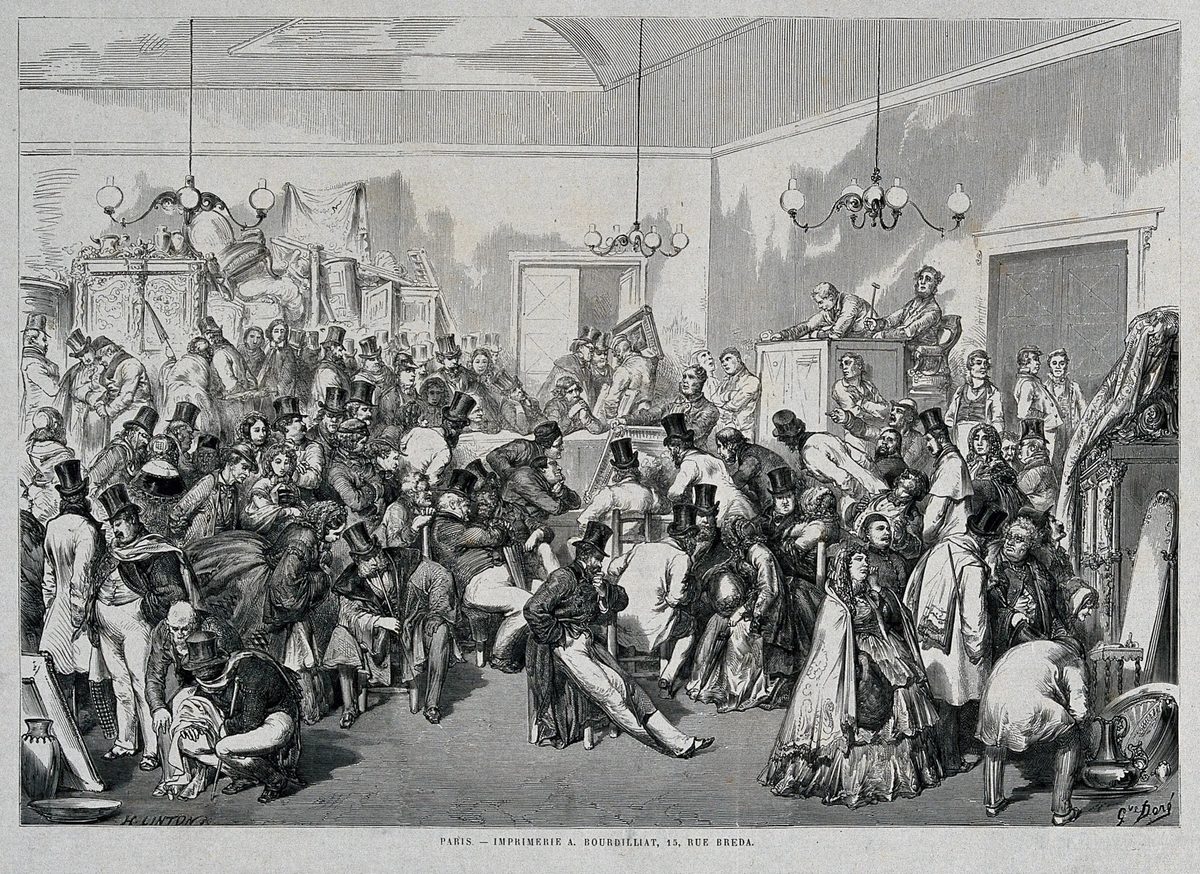
At its simplest, an art auction is a public sale where artworks are sold to the highest bidder. Sounds straightforward, right? But beneath the surface glamour lies a sophisticated system designed to do far more than simply drop a gavel. It’s a meticulously choreographed event designed to generate excitement, establish market value, and efficiently transfer ownership. Think of it as a highly sophisticated marketplace, rich in tradition, yet increasingly embracing cutting-edge technology. This isn't just about the art in isolation; it’s about the art market, a complex ecosystem driven by supply, demand, historical context, and human emotion. Understanding these underlying currents is key to navigating the auction world.
For me, an art auction is where the tangible meets the intangible: where demand publicly and competitively embraces supply. It’s a dynamic process fueled by both logic and emotion, where potential buyers vie by offering progressively higher prices for a coveted piece. The individual who offers the most, and whose bid receives the final acceptance from the auctioneer, earns the privilege of taking that artwork home. This fundamental concept, this competitive edge, has been around for centuries, constantly evolving but always retaining its core thrill. Beyond the physical object, an auction also places a public value on the artist's legacy, their contribution to art history, and the emotional connection a piece can forge – these are the intangible elements that drive bids beyond mere material worth.
Different Flavors: Types of Art Auctions
Not all auctions are created equal. Knowing the different formats can help you choose the best way to participate:
- Live Auctions: The traditional, in-person event, often held in a saleroom with an auctioneer, bidders with paddles, and sometimes phone and online bidders participating simultaneously. This is the classic theatrical experience.
- Online-Only Auctions (Timed Auctions): These run entirely online over a set period (days or weeks), without a live auctioneer. Bidders place bids digitally, and the highest bid at the closing time wins. They're incredibly convenient and often feature a wider range of price points.
- Hybrid Auctions: A blend of live and online, where a physical auction is streamed in real-time, allowing online participants to bid alongside those in the room or on the phone. This offers the best of both worlds – the energy of a live sale with global accessibility.
- Benefit or Charity Auctions: Often run live or online, these events raise money for a cause. While the art is the focus, the primary goal is fundraising, and buyer's premiums might be lower or waived or even partially tax-deductible depending on local regulations.
- Estate Auctions: Sales held to dispose of assets from an estate, often featuring a broad array of items beyond just art, but can be a treasure trove for collectors seeking specific categories like fine art, antiques, or decorative arts from a single collection. These can reveal unexpected gems from a lifetime of collecting.
A Brief Trip Down Memory Lane: Tracing the Auction's Roots
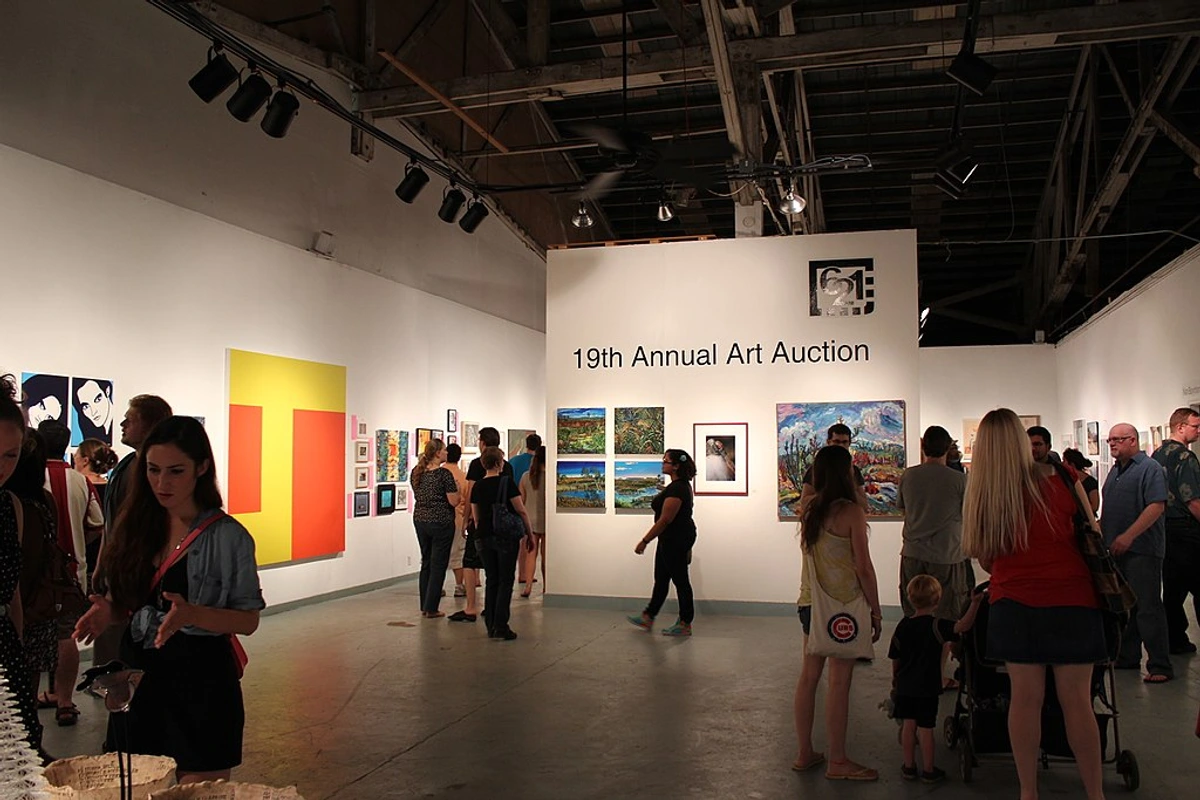
Art auctions are hardly a modern invention. Their roots stretch back hundreds, even thousands, of years, with records of auction-like sales found in ancient Babylon and Rome. But it was the Dutch, with their innovative spirit and burgeoning merchant class in the 17th century, who truly began to formalize the modern auction system we recognize today. They refined practices around public sales, catalogs, and competitive bidding. The British, ever keen on commerce, then took these foundations and expanded upon them dramatically, establishing iconic auction houses like Sotheby's (founded 1744) and Christie's (founded 1766) that remain titans of the global art market. This rich and continuous history underscores how deeply ingrained this system is in our collective appreciation, valuation, and transition of art across generations.
The Pre-Auction Dance: From Consignment to Catalog
Before any gavel has a chance to fall, a monumental amount of activity unfolds behind the scenes. This isn't just a spontaneous gathering of wealthy individuals; oh no, it's a meticulously planned and orchestrated operation.
Consignment: When an Artwork Leaves Home
It all begins when an owner decides to sell their art through an auction house. This process is called consignment. The consignor – be it a private collector, an estate, a gallery, or even the artist themselves – approaches an auction house, usually with an initial idea of what their piece might be worth. From an artist's perspective, this is a profound moment; it’s when a piece, once a solitary conversation in the studio, prepares for its public life, its next chapter in someone else's story. Sometimes, an experienced art advisor might facilitate this initial contact, guiding the consignor through the process and helping to set realistic expectations.
Expert Evaluation: Decoding Value
Once contacted, the auction house deploys its experts, often referred to as specialists or appraisers. These seasoned professionals meticulously evaluate the artwork based on several critical factors:

- Artist's Reputation and Market Demand: Is it a well-known name? How have their other works sold recently, and are there current trends or museum exhibitions (like a retrospective) that might be increasing their market visibility and demand? A surge in institutional interest, for example, often translates to higher auction estimates. For a living artist, a strong auction result can significantly validate their market standing, increasing the value of their other works and reinforcing their position in art history. For deceased artists, the role of their estate foundations and ongoing scholarly research can significantly influence demand and prices, as they ensure the artist's legacy remains relevant and authenticated. Sometimes I wish I had the eagle eye of an appraiser, able to spot a hidden masterwork from across a crowded room – alas, my own artistic eye is usually too busy trying to figure out how I'll finish my next canvas!
- Provenance: This is absolutely paramount! Provenance refers to the documented history of ownership of a piece of art. A robust, verifiable provenance – supported by gallery invoices, exhibition catalogs, previous sale records, or even direct correspondence – not only confirms authenticity but can significantly elevate an artwork's value by tracing its journey and ensuring its legitimacy. Think of it as the artwork's verifiable pedigree. Without clear provenance, even a genuine piece might struggle to find a buyer or fetch its true value, as it raises questions about authenticity and legal ownership. For example, a painting with a documented history tracing back to the artist's studio, then through a renowned collector's estate, and subsequently a major museum exhibition, commands far greater trust and value than a piece with a vague ownership history or missing gaps. Conversely, a piece owned by a renowned collector or exhibited in a landmark show often sees its value soar.
- Condition: The physical state of the artwork is crucial. Is it damaged? Has it been restored, and if so, how extensively and by whom? Detailed condition reports are vital, as even minor flaws can impact value. A piece in its original, untouched state (or with minimal, expert conservation) typically commands a higher price.
- Rarity and Significance: Is it a unique piece or part of a limited series? Does it represent a pivotal moment in the artist's career, a specific historical period, or a key development in art history? The more unique and impactful, the higher its potential value. This also touches on the concept of scarcity, which inherently drives demand in a finite market like art.
- Authentication: Closely related to provenance, authentication is the process of verifying that an artwork is indeed by the artist to whom it is attributed. This often involves forensic analysis, stylistic comparison, and consultation with artist foundations or recognized experts. Given the unfortunate reality of art forgery, robust authentication is a cornerstone of an auction house's due diligence and provides critical reassurance to buyers.
Condition Reporting Terminology: A Mini-Glossary
When you delve into a condition report, you'll encounter specific jargon designed to precisely describe an artwork's physical integrity. Here are a few common terms you might see:
- Craquelure: Fine web-like cracks on the surface of a painting, especially common in older oil paintings, due to the natural aging and drying of the paint layers. It's often a sign of age, not necessarily damage, but excessive or unusual craquelure can be an issue.
- Retouching / In-painting: Areas where paint has been applied by a conservator to repair losses or abrasions in the original paint layer. The extent and quality of retouching can significantly impact value.
- Loss: An area where original material (paint, canvas, paper, etc.) is missing.
- Tear / Puncture: Physical damage to the support (e.g., canvas or paper).
- Conservation Treatment: Any professional intervention undertaken to stabilize, preserve, or restore an artwork. This can range from cleaning to structural repairs.
- Patina: A surface layer that develops on objects (especially bronze sculptures or certain metals) over time due to age, wear, and exposure, often highly valued for its aesthetic qualities and evidence of age.
Once both parties – consignor and auction house – agree on the terms (including the auction house's commission and a potential reserve price, which is the confidential minimum price the seller is willing to accept, below which the art will not sell), the artwork is officially consigned. This agreement often includes detailed plans for photography, cataloging, and marketing strategies. Sometimes, specialists might even offer conservation and restoration advice if they believe an artwork would benefit from treatment to enhance its presentation or stability before sale.

The Pre-Auction Buzz: Vetting, Promotion, and Preview
With the artwork now securely in their care, the auction house embarks on its meticulous preparation. This is where the magic of presentation truly happens, transforming a consigned piece into an object of intense desire and informed interest.
- Research & Vetting: The specialists dive deep. They rigorously verify provenance, author detailed descriptions, and compile comprehensive condition reports. This stage is absolutely critical for establishing credibility and providing potential buyers with all necessary information. It’s the auction house's due diligence, safeguarding both buyer and seller. This is where, for example, they might scrutinize an obscure signature or trace an artwork's journey through multiple historical exhibitions to confirm its significance.
- Photography & Marketing: High-quality images are taken – these are indispensable for the auction catalogue and extensive online promotion. The marketing team then strategically plans how to promote the piece, often reaching out directly to specific collectors and institutions globally whom they know might have a particular interest. This global reach is one of the auction house's most powerful assets for sellers.
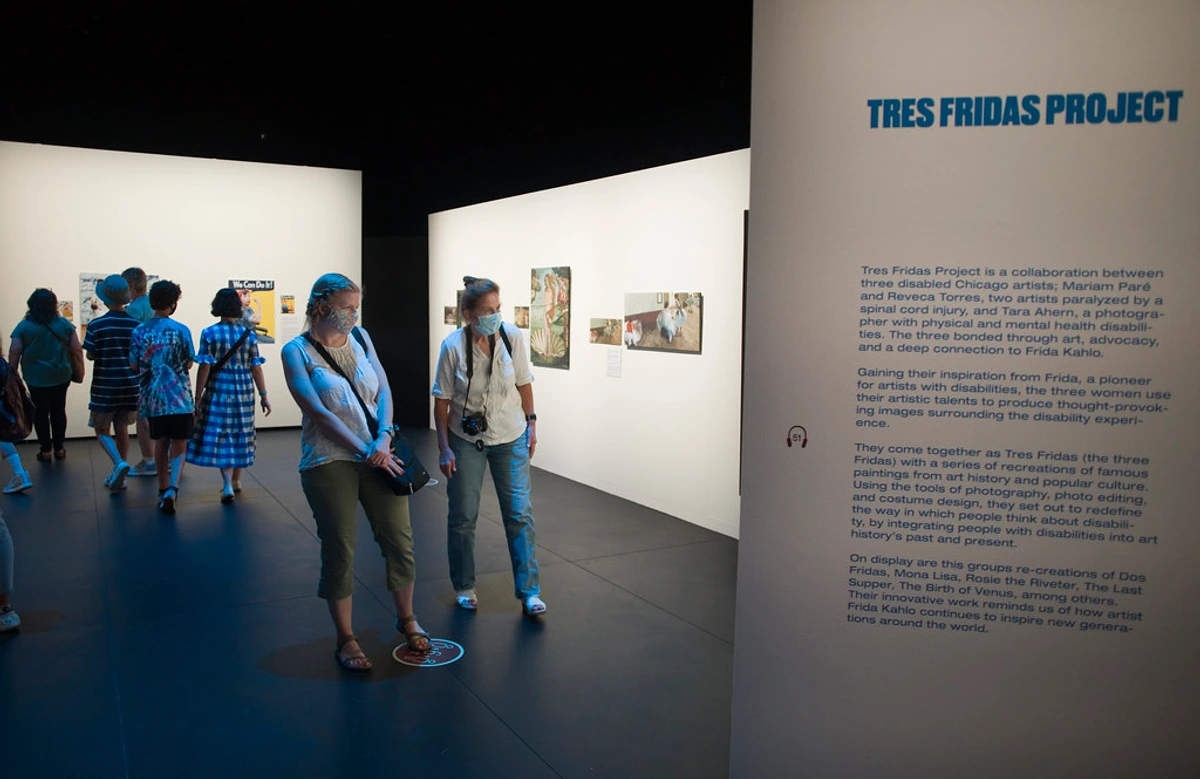
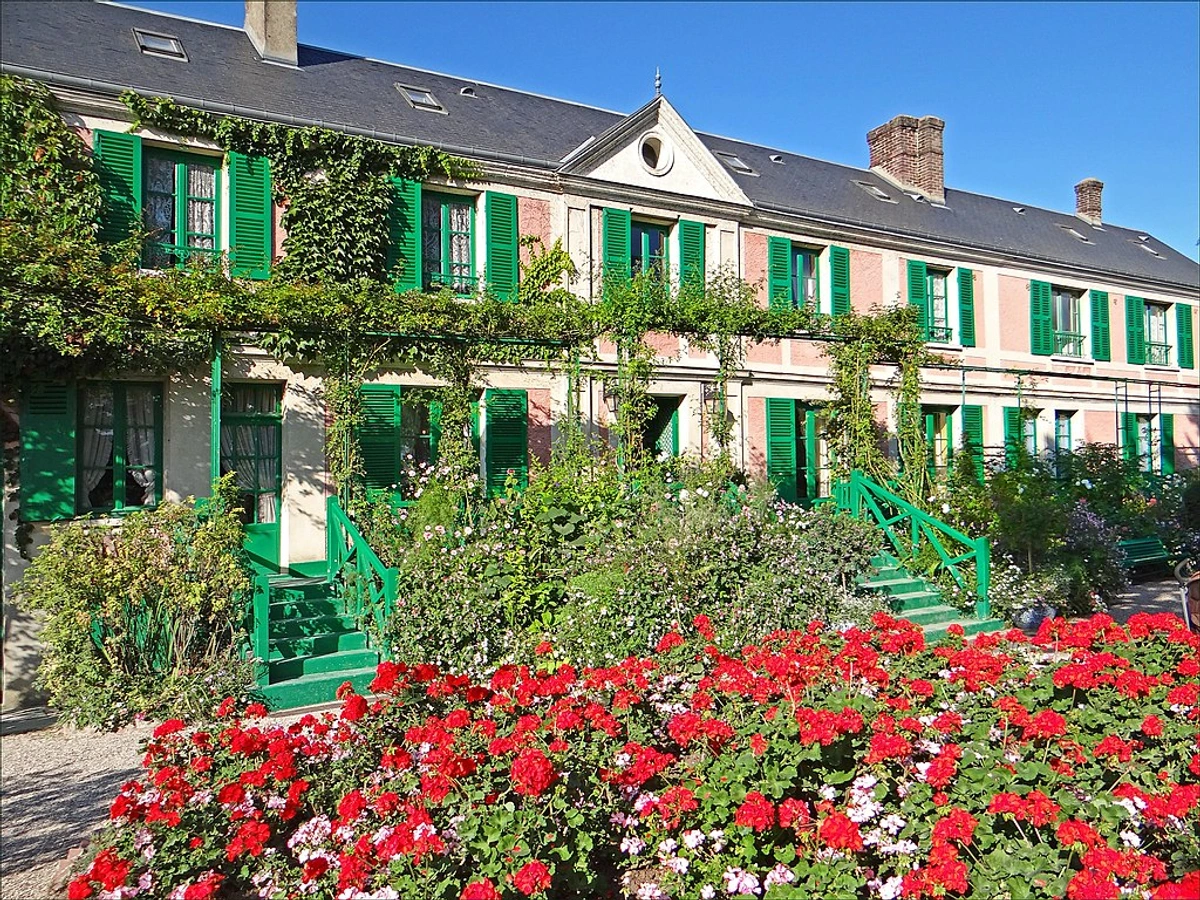
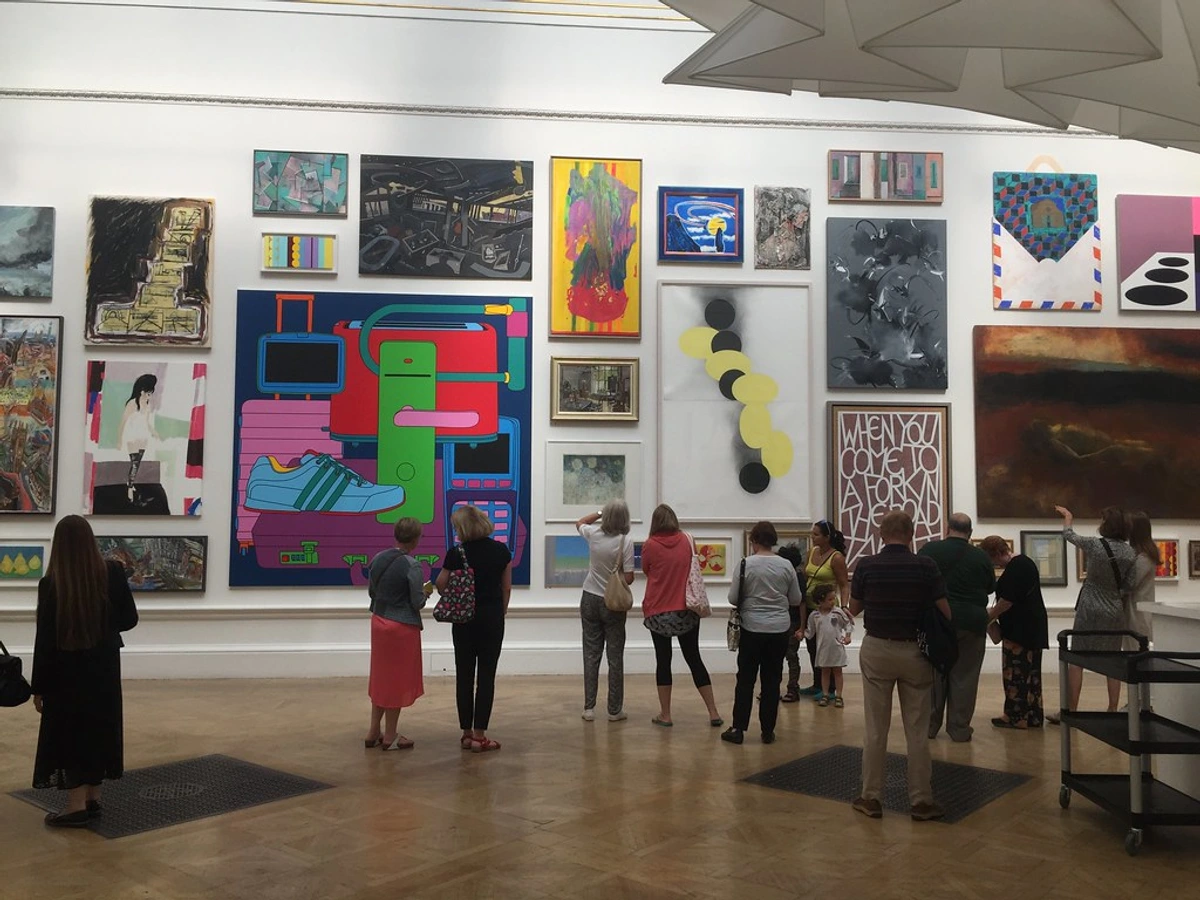
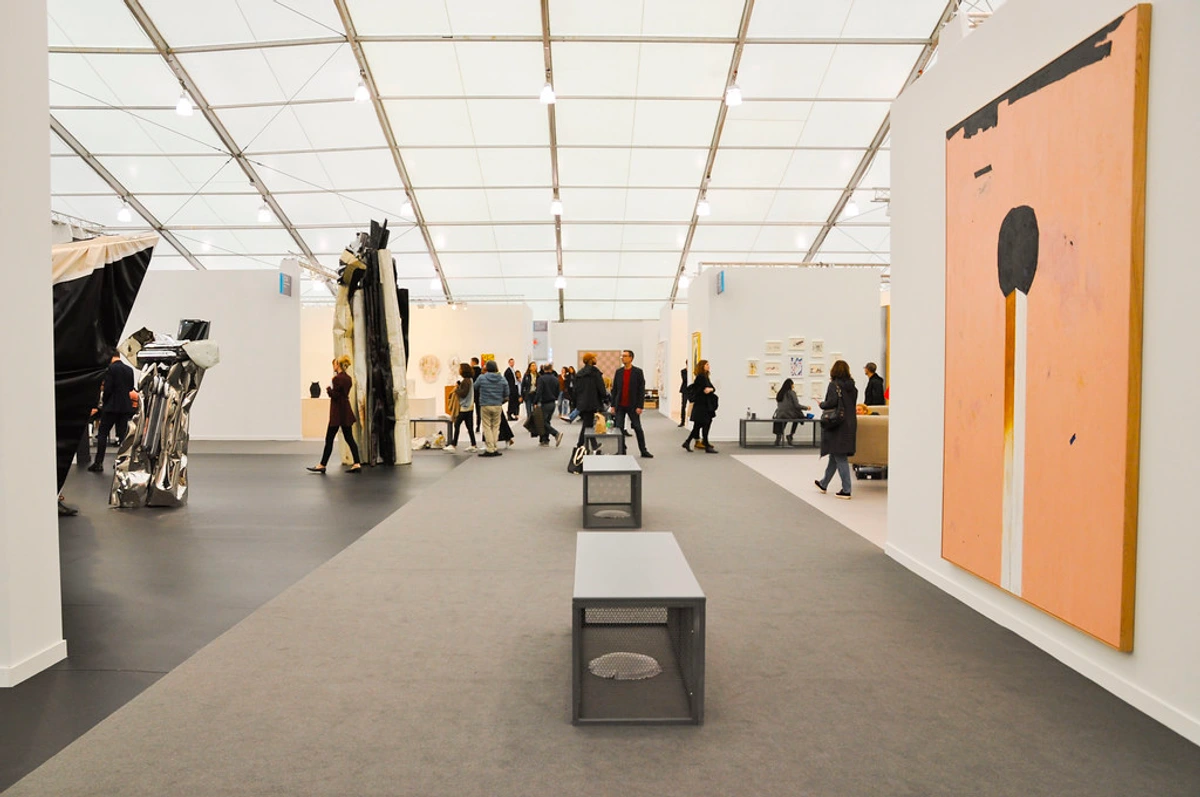
- Exhibition & Preview: Weeks, sometimes days, before the actual auction, the artworks are put on public display in what's known as a preview exhibition. This, honestly, is my favorite part of the entire process. It’s an invaluable opportunity for potential buyers – and just curious art lovers like myself – to see the art in person, inspect its condition firsthand, and even chat with specialists about its nuances. It’s essentially a free, temporary art gallery, often buzzing with palpable anticipation! This is also where you might see the actual scale and texture that a photograph simply can't capture, which can make all the difference. I remember once being captivated by the subtle brushstrokes of a painting in a catalogue, but it wasn't until I saw it under gallery lights that I truly grasped its depth and luminosity. That in-person connection is irreplaceable.

The Auction Catalogue: Your Insider's Guide to Value
Every significant auction produces a comprehensive catalogue, available both in print and online. This isn't merely a picture book; it's a critical, forensic resource for serious consideration and a blueprint for understanding the artwork's market value. Each entry typically includes:
- Lot number: A unique identifier for the artwork, linking it to its specific place in the auction.
- Artist's name and dates: Essential biographical information.
- Title and date of the artwork: Key details for identification.
- Medium and dimensions: What it's made of (e.g., oil on canvas, bronze sculpture) and its physical size.
- Estimated selling price: A projected range the auction house believes the artwork will fetch. (Crucially, this is an estimate, not a guarantee, and should be taken as guidance, not gospel! The final hammer price can fall below, within, or above this range, often significantly. Treat estimates as a starting point for your own research, not a firm valuation).
- Provenance: The detailed history of ownership, often with names of significant past collectors or institutions. This is the artwork's resume.
- Exhibition history and bibliography: A list of where the artwork has been publicly shown or referenced in scholarly publications, adding to its prestige and verified history.
- A detailed description and often a condition report summary: This summary might highlight any significant repairs, losses, or alterations, but remember that for complete clarity and to understand every nuance, serious bidders should always request the full, comprehensive condition report from the auction house. This is where you understand the physical integrity of the piece. (For a deeper dive into evaluating art, consider articles like understanding art appraisals: what every collector needs to know).
I truly can't stress this enough: read the catalogue, thoroughly. It's where you'll unearth the nitty-gritty details, the hidden gems of information that can make all the difference in an informed decision. It's like having a curator whisper invaluable secrets in your ear, empowering you before the main event.

The Main Event: Bidding, Buying, and the Thrill of the Chase
Now, we arrive at the part everyone imagines: the actual auction itself. The meticulous preparation, the careful vetting, the marketing buzz – it all culminates in this truly unique spectacle. It’s a captivating blend of theatre, high-stakes commerce, and human psychology, where the fate of an artwork is decided in a matter of minutes, sometimes even seconds.
The Art of the Bid: How to Play the Game
When the auctioneer takes the podium, the energy in the room (or online session) shifts. It’s showtime. They introduce each artwork, or "lot," and skillfully invite bids. An auctioneer is more than just a fast talker; they are a master of pacing and psychology, controlling the flow, reading the room (or the online screen), encouraging higher bids with a rhythmic chant, and maintaining the dynamic momentum of the sale. As a potential bidder, you have several primary avenues to participate:
- In Person: This is the classic, most dramatic way. You register beforehand, receive a paddle (a numbered card), and raise it to clearly signal your bid to the auctioneer. The thrill of the live competition is palpable.
- By Phone: An auction house representative will call you, acting as your proxy, relaying the auctioneer's current price and communicating your bids back instantly. This allows for real-time participation without physical presence.
- Online: Many major auctions now feature real-time bidding through their dedicated websites or specialized platforms. This is how I’ve mostly experienced it, often from the quiet comfort of my studio – surprisingly effective, though it lacks some of the in-person atmosphere. It's easy to get swept up, even virtually, by the escalating numbers! Some online platforms also include anti-sniping features, which automatically extend the bidding time by a few minutes if a bid is placed in the final moments, preventing last-second bids from prematurely ending the competition and giving all interested parties a fair chance to respond.
- Absentee (or "Commission") Bid: You submit your absolute maximum bid in advance, and the auction house's representative will bid on your behalf, discreetly, only up to that predetermined amount, trying to secure the lot for the lowest possible price below your maximum. This is ideal if you can't attend live.
- Via an Art Advisor: For significant purchases or for collectors new to the market, an art advisor can place bids on your behalf. They act as your expert agent, often offering objective advice and negotiating strategy, and maintaining your anonymity if desired.

Hammer Time: When the Gavel Falls
The moment the gavel (that iconic little wooden hammer) comes down, it's definitive. "Sold!" declares the auctioneer. The price at which the artwork is sold is known as the hammer price. It's final, binding, and can be utterly exhilarating if you're the winner (or, let's be honest, sometimes devastating if you were the underbidder who missed out by a single increment!). If the bidding does not reach the confidential reserve price (the minimum the seller agreed to accept), the artwork will be "bought in" or "passed," meaning it remains unsold and is returned to the consignor.

Beyond the Hammer: Understanding the Buyer's Premium
Okay, this is where many first-timers often encounter a surprise, and it's absolutely crucial to understand: the hammer price is not the total amount you will ultimately pay. You must also factor in the buyer's premium. This is a commission charged by the auction house directly to the buyer, typically calculated as a percentage of the hammer price. It constitutes a significant portion of how auction houses generate their revenue. I've heard stories, and almost experienced it myself, where the sheer excitement of winning led to a brief amnesia about this extra cost – always account for it! Imagine the mild panic realizing your dream piece just cost 25% more than you excitedly shouted for!
It's important to note that the buyer's premium percentage usually operates on a tiered structure, meaning different rates apply to different price brackets of a single purchase. This often means the percentage decreases as the hammer price goes up, theoretically incentivizing higher bids on more valuable pieces. Always, always check the specific terms of sale for each individual auction house and particular sale type before you bid. There's nothing worse than the sting of an unexpected surcharge after the thrill of a win.
Here's a simplified illustrative example of how a tiered buyer's premium might work for a hammer price of €3,000,000:
Hammer Price Tier  | Buyer's Premium Rate | Calculation for Hammer Price of €3,000,000 | Premium for This Tier | Cumulative Premium | Cumulative Total (Hammer + Premium) |
|---|---|---|---|---|---|
| Up to €200,000 | 25% | 25% of €200,000 | €50,000 | €50,000 | €250,000 |
| Next €1,800,000 | 20% | 20% of €1,800,000 | €360,000 | €410,000 | €2,210,000 |
| Above €2,000,000 | 15% | 15% of remaining €1,000,000 | €150,000 | €560,000 | €3,560,000 |
Note: These percentages and tiers are purely illustrative and can vary widely between auction houses, sale categories (e.g., Old Masters vs. Contemporary), and geographical locations. Always consult the specific auction house's conditions of sale. The key takeaway is: your final payment will be significantly higher than the hammer price.
Other Costs: Don't Forget the Taxes and Logistics!
Beyond the buyer's premium, there are often other costs that can quickly add up. Depending on where the auction takes place, the item's origin, and your shipping destination, you could be looking at:
- Value Added Tax (VAT) or Sales Tax: This can be applied to the hammer price, the buyer's premium, or sometimes both. It varies significantly by jurisdiction and the type of artwork. For example, some jurisdictions might have a lower VAT rate for art or specific conditions for export/import.
- Shipping and Insurance: Getting your new artwork safely from the auction house to your home is a major logistical and financial consideration. This often includes specialized packing, crating, and robust insurance coverage. For valuable pieces, this can be a complex and costly undertaking, requiring specialist art shippers.
- Customs Duties and Brokerage Fees: If you're buying internationally, expect customs duties upon import, along with potential fees for a customs broker to manage the paperwork. These can be substantial and caught many a first-time international buyer off guard.
- Storage Fees: If you cannot arrange immediate pickup or shipping, auction houses may charge daily storage fees after a certain grace period (typically a few days to a week). These fees can add up surprisingly quickly, especially for larger or more valuable pieces, so plan your logistics in advance.
- Illiquidity: While not a direct fee, art is an illiquid asset. This means converting it back into cash can take time and incur additional costs (like selling commissions if you send it back to auction). Factor this into your long-term financial planning – it's not like selling stocks with a click of a button.
My advice? Always factor these potential costs into your maximum bid calculation before you even raise your paddle. Trust me, nobody wants a nasty surprise bill dampening the exhilaration of winning a piece! It’s far better to be over-prepared than under-budgeted.
Why Participate? The Allure of the Art Auction
So, with all these complexities, fees, and due diligence requirements, why do people bother? The truth is, art auctions offer compelling, unique advantages for both buyers and sellers that other market channels simply can't match.
While the financial aspects of art auctions are undeniable, for me, and for many collectors, the appeal goes deeper. It's the thrill of discovering something truly unique, the emotional resonance of owning a piece of history, and the profound connection to an artist's vision. The auction house, at its best, becomes a custodian of culture, guiding masterpieces and intriguing works to new homes where their stories can continue. This blend of objective market forces and subjective passion is what makes the art world so endlessly fascinating.
For the Buyer: The Hunt for Treasure and Transparency
For me, as an artist and a perpetual collector (of inspiration, mostly, but also of a few cherished pieces!), the auction house is a place where truly incredible, unique pieces can be discovered.
- Access to Unique Works: Auctions frequently feature works that are unavailable on the primary market (directly from artists or galleries). You might stumble upon a rare historical masterpiece, a significant early work by a renowned artist, or a piece fresh from a prominent private collection. It's a true treasure hunt, offering access to art that has transcended time.
- Market Transparency: While complex, the auction system offers a degree of transparency in pricing that other art market segments often lack. You can publicly track what comparable works by the same artist have sold for, which provides invaluable data to inform your own bidding strategies and valuations. This public record helps establish a clear market value.
- Investment Potential (with a significant caveat): Many view art as an investment. A well-chosen piece by an artist with a strong market trajectory can indeed appreciate in value over time, becoming both a source of aesthetic pleasure and a financial asset. However, a crucial personal note: always, always buy what you love first. The art market has its inherent risks and volatilities, is often illiquid, and pure financial returns are never guaranteed. Passion should always be your primary driver, with investment potential as a welcome bonus.
- Building a Collection: Auctions are a fantastic, dynamic way to acquire diverse pieces, allowing you to build a collection with depth, narrative, and unique character, reflecting your personal taste and vision. It's an active, engaging process.
- The Spectacle and Thrill: Beyond the practicalities, there's an undeniable allure to the auction itself. The atmosphere, the rapid-fire bidding, the theatricality of the auctioneer, and the sheer thrill of the chase make it an experience in itself, even if you're just observing. I find it just as captivating to watch a bidding war unfold as it is to participate.
Imagine finding a Basquiat at auction! It's the dream of many, myself included. His energetic lines and powerful compositions always speak to me. You can read more about his fascinating work and the movement he helped define in our ultimate guide to neo-expressionism.
For the Seller: Liquidity, Exposure, and Professionalism
Sellers, too, benefit immensely from the auction model, finding an efficient and professional channel for deaccessioning art.
- Global Reach: Major auction houses command an unparalleled global network of clients, exposing an artwork to a truly vast and international audience of potential buyers from every corner of the world. This maximizes the chances of achieving a strong sale price, often reaching buyers that a private sale simply couldn't.
- Professional Expertise and Logistics: The auction house manages virtually all the complexities and logistics: from expert appraisal, authentication, conservation advice, and professional marketing to secure storage, insurance, shipping, and payment collection. This takes a huge administrative and practical burden off the seller's shoulders, ensuring a smooth, secure transaction.
- Market Validation and Artist Legacy: A strong, publicly recorded result at auction can significantly validate an artist's market standing, potentially increasing the value of their other works and reinforcing their position in art history. For artist estates, auctions are a critical tool for managing legacies, ensuring the continued visibility, scholarship, and value of their work across generations.
A Few Things I've Learned: Tips for Navigating the Auction World
Having dipped my toes into the auction waters (mostly for deep research and boundless admiration, I confess, with a few small bids along the way), I've picked up a few pointers that I believe are universally helpful. These aren't just theoretical; they're the hard-won wisdom from navigating the exhilarating, sometimes bewildering, currents of the art market.
1. Do Your Homework (and then some!)
This is, without a doubt, the most crucial piece of advice I can offer. Never, ever bid blindly. Trust me, it's a recipe for regret. Thorough research is your superpower in this world.

- Research the Artist: Dive deep into their career, their artistic style, their unique vision, and their overall market trajectory. Are there specific periods, mediums, or themes that are particularly sought after or represent peak value? For artists exploring abstract forms, understanding their inspirations can be key. (Consider exploring articles on what is design in art or the psychology of color in abstract art to sharpen your contextual eye).
- Study the Provenance and Condition Report: These documents are your absolute best friends. They tell you the artwork's full life story and its current physical state. If a condition report isn't detailed enough for your comfort, always ask for more information. A reputable auction house will be transparent. If an artwork's physical medium is crucial, like for charcoal or pastel, understanding its specific condition and how it's been handled is paramount. Or if it's a print, understanding the printing technique is key. (For example, how to apply gesso to canvas: a beginner's guide helps understand painting foundations, while knowledge of screen printing is essential for appreciating Warhol's works).
- Look at Past Sales Results: Websites like Artnet or Artprice (often subscription-based, but invaluable) track past auction results globally. This data gives you an essential sense of what similar works by the artist have fetched, helping you manage expectations and avoid both overpaying and underestimating value.
- Understand the Specific Auction House: Research the auction house itself. Do they specialize in the type of art you're interested in? What are their general terms, their reputation for due diligence, and their track record for similar sales? Each house has its own culture and policies.
- Consider Authentication Services: For high-value or historically significant pieces, consider engaging an independent authentication service. While auction houses perform their own due diligence, an external expert can provide an additional layer of verification and peace of mind, especially given the ongoing challenge of art forgeries.

2. Know Your Budget (and Stick to It Like Glue!)
This might sound incredibly obvious, but in the thrilling, often hypnotic cadence of the auctioneer, it is remarkably easy to get swept away in the moment. Decide on your absolute maximum bid before the auction starts, and crucially, make sure that figure includes the buyer's premium and your estimated taxes, shipping costs, and any other potential fees. Write it down. Then, I implore you, stick to it like glue! There will always be another auction, another artwork; chasing a piece beyond your means is a fast track to buyer's remorse. I've seen it happen, and I've felt the almost irresistible pull myself – resisting is a superpower in this environment. Trust me, the temporary high of winning isn't worth the long-term sting of an overspend.
3. Attend Previews (It's Free Art Appreciation!)
Seriously, if there's an auction house near you, or if you're traveling, make a point to attend their public previews. It’s an absolutely amazing opportunity to see incredible art up close, for free, and completely without any pressure to buy. You can soak in the atmosphere, learn from observing other collectors (and the specialists!), and maybe even discover a new artist to love. Crucially, it's the only way to truly assess an artwork's physical presence – its texture, scale, subtle nuances, and how light interacts with it – details a photograph, however high-quality, simply cannot capture. It's an education in itself, and a fantastic way to sharpen your eye for quality and condition. Don't underestimate the power of seeing a piece in person; it can fundamentally change your perception of it.
4. Don't Be Afraid to Ask Questions
Auction houses, despite their sometimes grand and formidable reputation, employ people who are generally deeply passionate about art and genuinely happy to help. If you're unsure about anything – a specific detail in a condition report, the bidding process for online participants, the terms of sale, or even just general advice on collecting – ask a specialist. It's always, always better to clarify every last doubt than to make an uninformed or potentially costly decision. Remember, you're investing in something unique and valuable, and you deserve to have all your questions answered. A reputable house will welcome your inquiries.

What About the Digital Realm? Online Auctions and Beyond
The digital age has profoundly transformed the art market, effectively bringing auctions from exclusive physical rooms to screens around the world. Online bidding platforms have democratized access, making it easier than ever for anyone, anywhere, to participate. This dramatically increased accessibility means more global competition for highly sought-after pieces, but also a wealth of new opportunities to discover hidden gems that might otherwise have remained out of reach. While the core principles remain steadfast – consignment, meticulous vetting, competitive bidding, and the buyer's premium – the sheer convenience and global reach of online platforms have reshaped participation.
While some proponents initially explored blockchain for digital art provenance (NFTs), its real-world integration in established physical art auctions remains limited due to concerns about environmental impact, regulatory challenges, and the speculative nature of the NFT market itself. The core principles of traditional art authentication and valuation continue to govern the market, focusing on verified physical history and expert human judgment. The art world, like all vibrant ecosystems, is constantly evolving, and its digital frontier, particularly in its capacity for global connection and discovery, is perhaps its most exciting current chapter.
Frequently Asked Questions About Art Auctions
What is a reserve price?
A reserve price is the confidential minimum price that a seller is willing to accept for their artwork. If bidding doesn't reach or exceed this predetermined reserve, the artwork will not be sold and will be "bought in" (returned to the seller). It serves as a crucial protection for the seller, preventing their piece from being sold for an unsatisfactory amount. Auction houses typically advise on an appropriate reserve based on market conditions and the artwork's value.
What is a paddle?
A paddle is a numbered card or sign that bidders registered to participate in an in-person auction use to signal their bids to the auctioneer. Think of it as your official "I'm in!" or "I'll take it at that price!" signal during the live sale. Each paddle corresponds to a unique bidder registration, ensuring accountability.
Can I return an artwork bought at auction?
Generally, no. Most auction sales are conducted on an "as is, where is" basis and are considered final once the gavel falls. This is precisely why thorough due diligence – meticulously researching the piece, inspecting it personally at a preview, and exhaustively reading the condition report and terms of sale – is absolutely critical before placing a bid. While rare, a return might be possible in very specific, legally defined circumstances, such as if the artwork is definitively proven to be a counterfeit or was significantly misrepresented (e.g., major undisclosed condition issues or fraudulent provenance). However, such claims are exceptionally difficult to prove, are subject to very strict timeframes (often only a few weeks post-sale), and require robust, independent expert verification. It's truly an exception to a very strict rule.
How do auction houses make money?
Auction houses primarily generate revenue through two main channels: buyer's premiums (a percentage charged to the buyer on top of the hammer price) and seller's commissions (a percentage deducted from the hammer price paid to the seller, agreed upon during consignment). Additionally, they might charge for various ancillary services such as shipping, insurance, specialized marketing, catalog photography, storage fees, and sometimes, withdrawal fees if a consigned item doesn't sell.
Is it only for expensive art?
Absolutely not! While the headline-grabbing sales of masterpieces dominate the news, many auction houses hold a vast array of sales for art across a wide spectrum of price points. This includes prints, photographs, works by emerging artists, decorative arts, and collectibles. You can find captivating pieces starting from just a few hundred euros, making auctions accessible to a broad range of budgets and collectors. It's definitely worth exploring if you're looking to acquire art at various budgets, as there's a world beyond the seven-figure lots.







What is an art advisor?
An art advisor or art consultant is a professional who offers expert guidance to individuals or institutions on buying, selling, and managing art collections. They can assist with everything from identifying suitable artworks, negotiating prices, vetting authenticity, handling logistics, and navigating the complexities of the auction market. They act as an informed advocate for their client, leveraging their market knowledge and network.
What does "bought in" mean?
When an artwork is "bought in" or "passed," it means that during the auction, the bidding did not reach the confidential reserve price (the minimum amount the seller agreed to accept). In such a scenario, the artwork remains unsold and is returned to the consignor. It does not mean the auction house bought the item; rather, it was withdrawn from sale because the seller's minimum expectation was not met by the market.
What is a collector's exhibition?
A collector's exhibition is typically a curated display of artworks from a private collection, usually organized by a museum, gallery, or the collector themselves. Unlike an auction preview, which is solely focused on selling specific lots, a collector's exhibition aims to showcase a collector's unique taste, contribute to art historical scholarship, or introduce the public to works not usually on view. While not directly part of an auction, such exhibitions can significantly enhance an artist's profile and, by extension, the market value of their work, potentially influencing future auction results.
My Final Thoughts: The Enduring Thrill and the Art of Connection
Participating in an art auction, even simply as an informed observer, is an experience that connects you directly to the vibrant, beating pulse of the global art world. It’s a fascinating arena where history, commerce, human psychology, and raw passion intertwine, and where artworks embark on their next compelling chapter. For me, it has taught me a tremendous amount about perceived value, about the unspoken stories embedded within each piece, and about the sheer, unadulterated joy of discovery. It’s a journey I genuinely encourage every art enthusiast to embark on, whether you're building a collection or simply observing the fascinating dance of the market.
Whether you're there to bid on a potential masterpiece, to explore works by artists like me, or simply to soak in the incredible atmosphere, I genuinely hope this comprehensive guide helps to demystify the process for you. The art world, in all its fascinating forms, truly is for everyone who dares to look closer and ask questions. Perhaps you'll find your next favorite piece, or simply leave with a deeper appreciation for the profound journey an artwork undertakes, and the meticulous process that brings it to its new home. And who knows, perhaps my own colorful and abstract work might one day grace an auction block, finding its way to a new home where it can continue its story. If you're looking for something unique and expressive right now, feel free to explore my collection here.