Art Auctions Demystified: Your Ultimate Guide to Smart & Confident Collecting
Unlock the secrets of art auctions with this comprehensive guide for beginners and seasoned collectors alike. Learn how to research, budget, bid strategically, and confidently acquire art while avoiding common pitfalls.

Art Auctions Demystified: Your Ultimate Guide to Smart & Confident Collecting
I remember the first time I ever stepped into an auction house. It was a potent cocktail of exhilarating possibility and utter intimidation. The hushed reverence, the rapid-fire cadence of the auctioneer, the subtle flick of a paddle—it all felt like a secret society I hadn't been initiated into. Maybe you've felt that too, standing on the outside looking in, wondering how on earth people actually buy art there. Or perhaps you're just curious, looking for a new adventure in collecting. Well, let me tell you, it's not nearly as complicated as it seems from the bleachers, and it's an incredible avenue for discovering pieces that truly resonate with you. This isn't just a how-to; it's a journey into understanding the allure, mastering the preparation, executing smart bidding strategies, and confidently bringing your new treasure home. From understanding the market's pulse to navigating post-purchase logistics, this guide will empower you to become a savvy art auction buyer.
Why Even Bother with Auctions? The Allure, the History, and the Smart Collectible
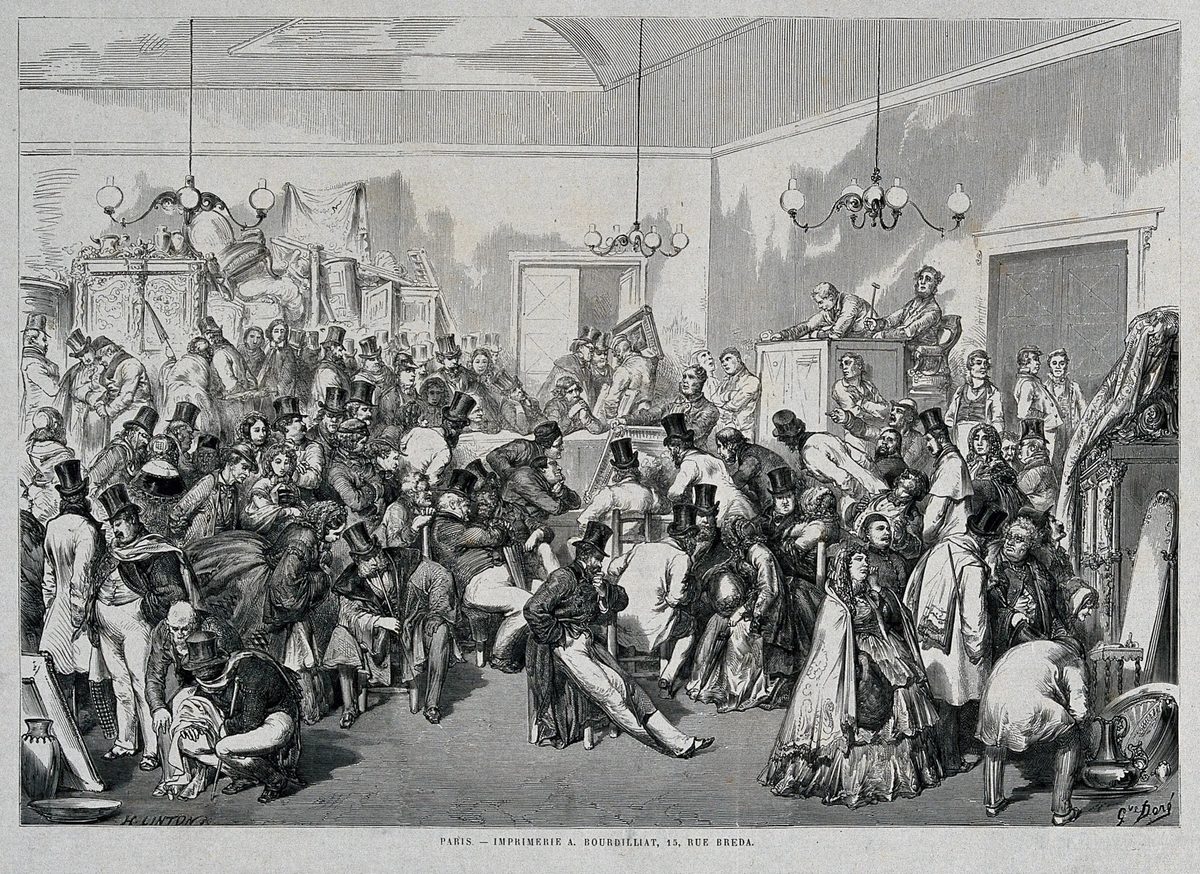
Honestly, why put yourself through the apparent stress of an auction when you could just buy a piece directly from an artist's studio or a gallery? (And, incidentally, there's a lot to love about buying art directly, don't get me wrong!) The truth is, auctions offer something utterly unique, something deeply rooted in history. From the Roman Empire's slave auctions to the Dutch Golden Age's tulip mania, the act of public bidding has long been a part of commerce. But in the Renaissance, particularly in Italy, the concept of dedicated art auctions began to formalize, moving from informal sales to structured events where important works of art by masters like Donatello and Botticelli found new patrons. Art auctions, as we know them, truly took hold in the 17th and 18th centuries in Europe, with houses like Sotheby's (established 1744) laying the groundwork for the global phenomenon we see today. They’re a thrilling hunt, a chance to acquire a piece of history, an established name (think a Michelangelo sketch, a Dutch Master still life, or a Banksy print), or even an emerging gem at a price you might not find elsewhere. There's an undeniable buzz in the air, a sense of competition, that delicious fear of missing out (FOMO) when a piece you've eyed starts climbing, and the sweet satisfaction when the gavel finally drops in your favor. It's a bit like a treasure hunt, but with more refined objects and, thankfully, far less mud. Even with the rise of digital art and NFTs, which have made a splash in recent years, I've found that the traditional auction model, with its robust vetting and established markets, still offers a more tangible and often more reliable path for building a meaningful collection, even if you remain healthily skeptical of the digital realm's long-term stability.
Beyond the excitement, auctions provide unique advantages for the discerning collector:
- Access to Rarities: They are often the primary market for acquiring rare, historical, or otherwise unobtainable works that are no longer available directly from artists or galleries. Think of it as a second life for art, where hidden gems resurface.
- Potential for Value: While not a guaranteed investment, art acquired at auction, especially from established or rising artists, can appreciate in value. It’s a strategic way to build a collection with an eye on both aesthetic pleasure and long-term potential. This is often where the line between collector and investor blurs, but I'll tell you this: always buy what you love first.
- Expert Vetting and Provenance: Reputable auction houses invest heavily in authenticating works and documenting their history of ownership (provenance). This research and vetting provide a layer of confidence that can be harder to achieve in private sales.
Navigating the Diverse Auction Landscapes: Finding Your Perfect Fit
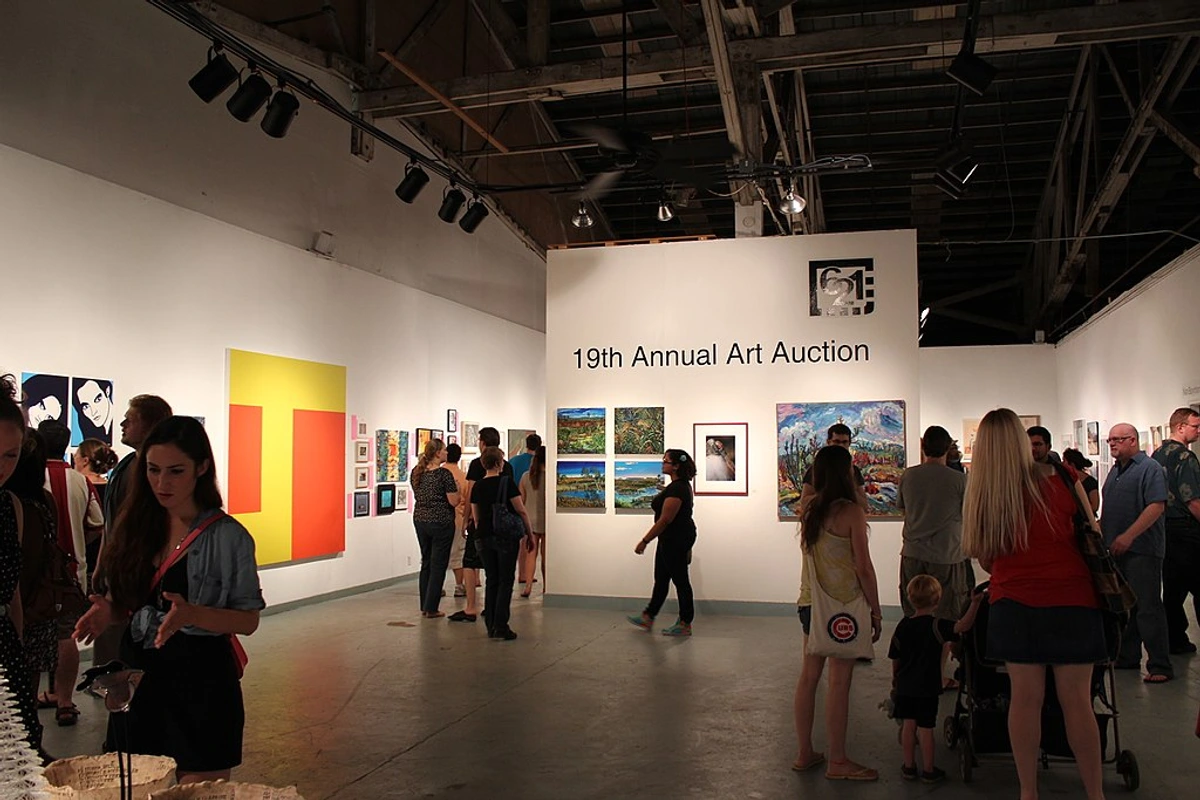
Before you even think about bidding, it's worth understanding that not all auctions are created equal. The landscape of art auctions is wonderfully diverse, offering different experiences and opportunities. Knowing the lay of the land will help you choose your battlefield wisely. After all, you wouldn't go to a classical music concert expecting punk rock, right? The same applies here – understanding the vibe is key.
Types of Auctions and What They Mean for You
Let’s break down the common types you’ll encounter. Each has its own rhythm and benefits, so consider what suits your personality and your schedule:
Auction Type  | Description | Pros | Cons | Ideal For |
|---|---|---|---|---|
| Live (In-Person) | The classic, cinematic version. You're physically present, with an auctioneer. | Immersive, exciting, immediate art inspection, can "read the room." | Can be intimidating, geographically limited, easy to get caught up emotionally. | Traditionalists, those wanting the full experience. |
| Online-Only | Held entirely on a digital platform, often with a live auctioneer online. | Unparalleled convenience, global reach, often lower buyer's premiums. | Can't see art in person (relying on images/reports), potential technical glitches, less personal. | Global bidders, convenience-seekers, digital natives. |
| Timed Online | Bids placed over days/weeks, highest bid at end wins; no live auctioneer. | No rapid-fire pressure, convenient, more time to research. | Can still get caught in last-minute bidding wars, no live expert interaction. | Cautious bidders, busy individuals, remote buyers. |
| Hybrid Auctions | A combination of live and online bidding, run simultaneously. | Combines the excitement of live with the reach of online, broader participation. | Can be fast-paced, requires simultaneous attention, potential for technical hiccups for remote bidders. | Most common for major sales, offers flexibility. |
| Silent Auctions | Bids written on a sheet next to the item; often for charity or local events. | Relaxed atmosphere, good for discovering local talent. | Less competitive, usually for lower-value items, not traditional fine art. | Community engagement, entry-level collecting. |
My advice? For your first foray, especially if you’re a bit nervous, explore online timed auctions or smaller regional houses. They tend to be less daunting and offer a gentler introduction to the rhythm of bidding without the intense pressure of a live event. It's about easing yourself in, not diving headfirst into the deep end.

Before the Gavel Drops: Your Essential Pre-Auction Playbook
This is where confident collecting truly begins. Your homework here will save you headaches and potentially thousands later. Trust me, a little preparation goes a long way. Think of it as mapping your treasure hunt before you even leave the house.
Finding Your Treasure Trove: Choosing the Right Art and Auction House
Before you pick a house, you need to decide what kind of art makes your heart sing. Are you drawn to Old Masters, modern abstracts, contemporary photography, or something like local art, as discussed in buying art local artists? Once you have a general idea, you can find a house that specializes in that area. Not all auction houses are created equal, and that's a good thing. You've got your major international players like Sotheby's and Christie's, famous for their record-breaking sales of Picassos and Basquiats. But then there are regional houses, specialist auctions (think photography, prints, or modern design), and even online-only platforms that can be incredibly accessible. My advice? Start local or niche. Their experts will be more knowledgeable, and the environment might feel less daunting than the grand halls of a global giant. It’s about finding your comfort zone, much like finding the right piece of art for decorating your home.
It's also worth remembering that auctions aren't the only route. Art fairs, private dealers, and direct gallery representation (where you can find artists like me!) offer different experiences and can often provide more direct engagement with the artwork and artist. However, for established secondary market works, auctions often hold the key.
When vetting a house, don't just go by reputation alone. Look at their past sales results in your area of interest, read online reviews, and see how transparent they are with their condition reports and provenance information. A good house wants to build trust with you. For high-value items, don't hesitate to seek independent external authentication services or additional expert opinions beyond the auction house's own specialists. Here are a few questions I'd always suggest asking a potential auction house:
- What is your standard buyer's premium and are there any variations?
- What are your payment terms and accepted methods?
- What are the collection deadlines and do you offer shipping assistance?
- Can I view the artwork in person, and how comprehensive are your condition reports?
- Do you have specialists available to discuss specific lots?

The Bible of the Bid: Deciphering the Auction Catalog
This, my friend, is where the real work begins. The auction catalog is your best friend—your blueprint for the hunt. Don't just skim the pretty pictures; dive deep into the details for each lot (that's what individual items are called). I always bring a notebook to jot down my observations and questions. Here's what I'm always looking for:
Key Catalog Information to Scrutinize
Term | What to Look For & Why It Matters |
|---|---|
| Lot Number & Title | Basic identification. Sounds simple, but it's your primary reference point throughout the auction. |
| Artist & Dates | Crucial for context. Note the birth/death dates to understand the period. |
| Attribution | This is where it gets nuanced. Carefully read descriptors like "Attributed to," "Circle of," "School of," or "Workshop of." These are expert opinions on authorship, and they significantly impact value and authenticity. If it’s not "By" the artist, it’s not considered a definitive work. |
| Estimates | A price range (e.g., $5,000 - $7,000). This is the auction house's educated guess. Remember, it's just a guide, often set to encourage bidding, and a piece can sell above or below it. Don't treat it as a ceiling or floor, but rather a starting point for your research. |
| Provenance | The history of ownership – the art's "life story." A strong, well-documented provenance can significantly increase value and authenticate a work. Look for a history that goes back to the artist's studio or reputable galleries. Gaps or questionable histories are red flags, and trust me, some histories can be fabricated to inflate value. |
| Exhibition History | If the work has been displayed in notable exhibitions, it adds to its prestige and importance. This demonstrates its recognized significance within the art world. |
| Literature | References to the artwork in scholarly books, catalogs, or publications. This confirms its academic study and often reinforces authenticity and provenance. |
Let's clarify those tricky attribution terms, because this is where many new collectors stumble. This is the difference between acquiring a certified masterpiece and a piece in the style of one:
Attribution Term | Meaning | Impact on Value |
|---|---|---|
| By | Definitely by the artist. This is the gold standard. | Highest value. |
| Attributed to | Auction house believes it is likely by the artist, but no definitive proof. | Significant value, but less than "By"; requires more buyer due diligence. |
| Circle of | By an unidentified artist from the artist's immediate studio or close followers, showing similar style. | Lower value than "Attributed to"; implies proximity but not direct authorship. |
| School of | By an artist working in the style of the named artist or period, but not necessarily a direct follower. | Lower value; implies influence but less direct connection. |
| Workshop of | Produced in the artist's studio, possibly with the master's supervision or design, but executed by assistants. | Value depends on the master's involvement; typically less than "By." |
Always read these descriptors carefully! This is where an art historian's eye really comes in handy, and honestly, it’s where I’ve learned the most about the nuances of art authentication.

Condition Report: No Surprises, Please!
Absolutely, positively do not skip this. This document details any damage, repairs, or restorations. A piece in pristine condition will always be more valuable, but sometimes a small repair isn't a deal-breaker if you truly love the work. It's all about managing expectations. Reputable auction houses employ skilled conservators or condition experts, whose sole job is to meticulously document the physical state of the artwork. These are the people whose reports you're relying on, so understand their terminology.
Look out for terms like: craquelure (natural cracking of paint, sometimes extensive), tears, punctures, foxing (brown spots on paper, often due to humidity or impurities), re-lining (canvas backed with new material, a common historical repair), over-painting (new paint applied to original), or cleaning (can sometimes remove original patina or cause damage). For works on paper, specifically look for water staining, fading from light exposure, or signs of acidity which can cause brittleness. Each of these can impact value, but knowing them upfront allows you to bid with open eyes. Understanding these elements is also key when you're looking into understanding art appraisals: what every collector needs to know.
My personal rule: if a piece looks suspiciously pristine for its age, I become extra vigilant and ask more questions. Original patina, even with some wear, often tells a more honest story. Extensive restoration, while sometimes necessary, can fundamentally alter a piece's integrity. Ask yourself: Does this change the aesthetic or the historical 'truth' of the artwork for me?

The Golden Rule: Setting Your Budget (and Sticking to It!)
I know, I know, the excitement can make you forget numbers. But this is where discipline comes in. Your budget isn't just the hammer price (the price the item sells for at auction). Oh no, there are sneaky extras. I once got carried away and ended up paying a little too much for a piece I only liked, not loved, simply because I hadn't calculated my absolute maximum beforehand. My wallet still winces at the memory! Lesson learned: the all-in price is what truly matters.
Here's the full financial picture you need to consider for your all-in price:
Cost Factor | Description | Typical % or Type |
|---|---|---|
| Hammer Price | The winning bid price. | 100% of your bid |
| Buyer's Premium | A percentage added by the auction house to the hammer price. This is their fee for facilitating the sale. Rates vary, sometimes by price tier. | 15-30% of hammer price |
| Sales Tax / VAT | Applicable government tax on the total (hammer + premium). Varies significantly by location and specific item type (e.g., if it's imported). | Varies by location |
| Artist's Resale Right (ARR) | A small royalty paid to the artist (or their estate) on certain sales. This applies in many European countries and the UK for works by living artists or those deceased within 70 years, above a certain price threshold. Think of it like a musician's royalty; it’s a legal requirement in specific markets. | Low percentage (EU, UK) |
| Shipping/Insurance | Cost to get the art from the auction house to you, safely. This can be surprisingly high, especially for large, fragile, or international shipments. Remember, if you’re buying internationally, factor in currency exchange rates and potential import/export duties. | Variable, sometimes high |
| Post-Purchase Costs | Professional framing, specialized lighting, climate-controlled installation, or future conservation/restoration. These can add hundreds, even thousands, to your investment. | Variable, significant |
So, if an artwork has an estimate of $5,000 - $7,000, and you win it with a hammer price of $6,000, your actual total could look something like this:
- Hammer Price: $6,000
- Buyer's Premium (e.g., 25%): $1,500
- Subtotal: $7,500
- Sales Tax (e.g., 8%): $600
- Estimated Total (before shipping/ARR/framing): $8,100
That's a significant jump from the hammer price! Always calculate your absolute maximum, all-in price, and then—here's the hard part—stick to it. Discipline is your best friend here. Your future self (and your bank account) will thank you.
Get Up Close and Personal: The Preview Exhibition
Before the auction, there's always a public viewing period. This is your chance to see the art in person. Photographs in a catalog, no matter how good, can never fully convey texture, scale, or subtle flaws. This is like visiting a gallery or a museum, like the den-bosch-museum, but with a clear intent to potentially acquire. Touch (gently!), examine, and inspect. Bring a small flashlight to check for repairs, a magnifying glass for details, and even a friend for a second opinion. I always bring a small notebook to jot down observations and comparisons. Don't be shy about asking staff to see the back of canvases or to remove a work from a display case for closer inspection—it’s expected due diligence.
While inspecting, consider not just the artwork's condition, but also how it might look in your home. Gallery lighting is often specialized; how will the colors and textures appear under natural light or your own interior lights? Taking a moment to visualize the piece in its potential new home can save you from post-purchase regret. Ask staff specific questions if you have them, such as "Has this piece been recently cleaned?" or "Are there any known issues not fully detailed in the report?" This is your chance to truly connect with a piece, to see if it whispers to your soul before you consider making it your own.
The Heat of the Moment: Bidding Day Strategies
Okay, you've done your homework, set your budget, and you're ready. Bidding day can be electrifying, but a clear head and a few strategies can keep you confident. This is where the preparation really pays off, believe me.

Registering to Bid: Don't Be a Wallflower!
You can't just walk in and start waving your arms. You'll need to register with the auction house before the sale. This usually involves showing ID and providing payment details. Once registered, you'll get a paddle with a number. That's your ticket to the show! For online auctions, it's about setting up an account and getting approved to bid – always do this well in advance of the sale, as approval can sometimes take a day or two. Don't let a last-minute scramble ruin your chance.
Your Arsenal of Bidding Methods
There's more than one way to participate. Choose the one that best suits your comfort level and circumstances:
Bidding Method | Description | Pros | Cons | Consideration for Beginners |
|---|---|---|---|---|
| In Person | Physically present, raising your paddle. | Exciting, immediate, can read the room. | Can get caught up in the emotion, time-consuming. | Great for atmosphere, but easy to overbid. |
| By Phone | An auction house representative bids on your behalf, live on the phone. | Convenient if you can't be there, direct involvement. | Relies on rep's attention, phone connection issues. | Less intense than in-person, but still fast-paced. |
| Absentee (or Written) Bid | You submit your maximum bid in advance; auctioneer bids for you up to that limit. | Set it and forget it, good for shy bidders. | No flexibility, might miss out if your max is too low. | Good for strict budget control, but less dynamic. |
| Online Live | Bidding through the auction house's website or a third-party platform. | Most convenient, remote access, often visual tracking. | Technical glitches, can feel less immediate or personal. | Good balance of convenience and real-time involvement. |

The Art of the Auction: Understanding the Dance
There's a subtle choreography to the auction floor. The auctioneer isn't just calling numbers; they're reading the room, encouraging participation, and, frankly, playing a bit of a psychological game. You might notice phrases like "passed in" or "bought in"—this means the lot didn't reach its undisclosed reserve price, the confidential minimum amount the seller agreed to accept. If it's "passed in," it didn't sell; if it's "bought in," it often means the seller (or someone acting on their behalf) placed the final bid to prevent it from selling below the reserve. Sometimes, a piece that's passed in can still be acquired post-auction through negotiation, so don't dismiss it entirely!
Be aware of "ramp-up bidding," where an auctioneer might quickly push bids up to an expected level, or even take bids from the ceiling or a colleague to create momentum. It's all part of the game to ensure the best price for the seller. Your job is to stay focused on your pre-determined maximum and not get swept away by the theatre. This is where understanding bidding psychology comes in. Concepts like the winner's curse (overpaying due to competitive pressure), anchor bias (being overly influenced by the initial estimate), and herd mentality (bidding just because others are) are very real. I've seen it happen, and I've almost fallen victim to it myself. Stick to your research, trust your budget, and don't let the heat of the moment dictate your decisions.
When the Gavel Falls: What Happens Next?
The moment of truth has arrived! You've won a lot, the gavel has fallen, and the auctioneer has called out your paddle number. Congratulations! That sweet rush of victory is unparalleled. But the process isn't quite over yet. Here's what typically happens next, because bringing your new treasure home involves a few more steps.

Payment and Collection
Most auction houses require full payment within a few days of the sale—typically 7-10 business days. You'll usually be able to pay via bank transfer (wire transfer is common for larger sums), credit card (though often with a surcharge of 2-3%), or sometimes even a personal check for established clients. Make sure you understand their accepted methods and deadlines. Once payment is cleared, you'll need to arrange for collection. This might involve picking up the artwork yourself if it's local, or, more often, arranging for a professional art shipper. Never underestimate the cost or complexity of safely transporting artwork, especially larger, fragile, or international pieces. I always get shipping quotes before the auction, just to avoid any post-win surprises. It’s a small step that saves big headaches.
Storage and Insurance
If you can't collect your item immediately, most auction houses offer a short period of complimentary storage. Beyond that, storage fees can apply and can add up quickly. It's crucial to ensure your new acquisition is insured from the moment it leaves the auction house. This might be under your existing home insurance policy (after checking coverage limits and ensuring art-specific riders are in place) or a specialized art insurance policy. Protecting your art is an important part of collecting, and you can learn more about securing your pieces in art storage solutions for collectors. You don't want to finally win that perfect piece only to have something happen to it on the way home!
Avoiding Common Pitfalls: Wisdom for the Savvy Collector
My personal journey through auctions hasn't been without its bumps. There's a learning curve for everyone, and sometimes it's best to learn from others' mistakes. Here are some of the common traps I've either fallen into or seen others stumble over, and how you can avoid them:

- Emotional Bidding (The FOMO Trap): This is the biggest one. The adrenaline can make you overbid past your budget, or get caught in a bidding war for a piece you don't truly love. Remind yourself of your maximum, all-in bid. Step away if you need to. It's okay to lose a bid if it means sticking to your financial boundaries and collecting something you truly cherish.
- Impulse Buying vs. Strategic Acquisition: Don't just buy a piece because it's a "good deal" or because you feel pressured to acquire something after attending the auction. Approach collecting with a clear vision, whether that's building a coherent collection, supporting certain artists, or acquiring for potential investment. For me, it's always been about connecting with the art first, and any investment potential is a happy bonus. If you're purely looking for investment, understand the market deeply, consult financial advisors, and be prepared for volatility – art is not a guaranteed return!
- Neglecting Due Diligence: Skipping the condition report, not verifying provenance, or ignoring the buyer's premium will always come back to bite you. The time you invest upfront in research is priceless.
- Ignoring Post-Purchase Logistics: Forgetting about shipping costs, insurance, or framing expenses can turn a winning bid into a financial headache. Always factor these in.
- Lack of Patience: The art market, especially auctions, rewards patience. You won't find your dream piece every time, and that's perfectly fine. There will always be another auction, another opportunity. Don't rush into a purchase you'll regret.
In the end, art auctions are a unique, exhilarating, and deeply rewarding way to build a collection that reflects your passions and tells your story. It takes preparation, discipline, and a little courage, but the thrill of discovering a piece, seeing it through the bidding dance, and finally bringing it home is unmatched. So, go forth, explore, learn from every experience, and let your journey as a confident art collector begin! Happy hunting!