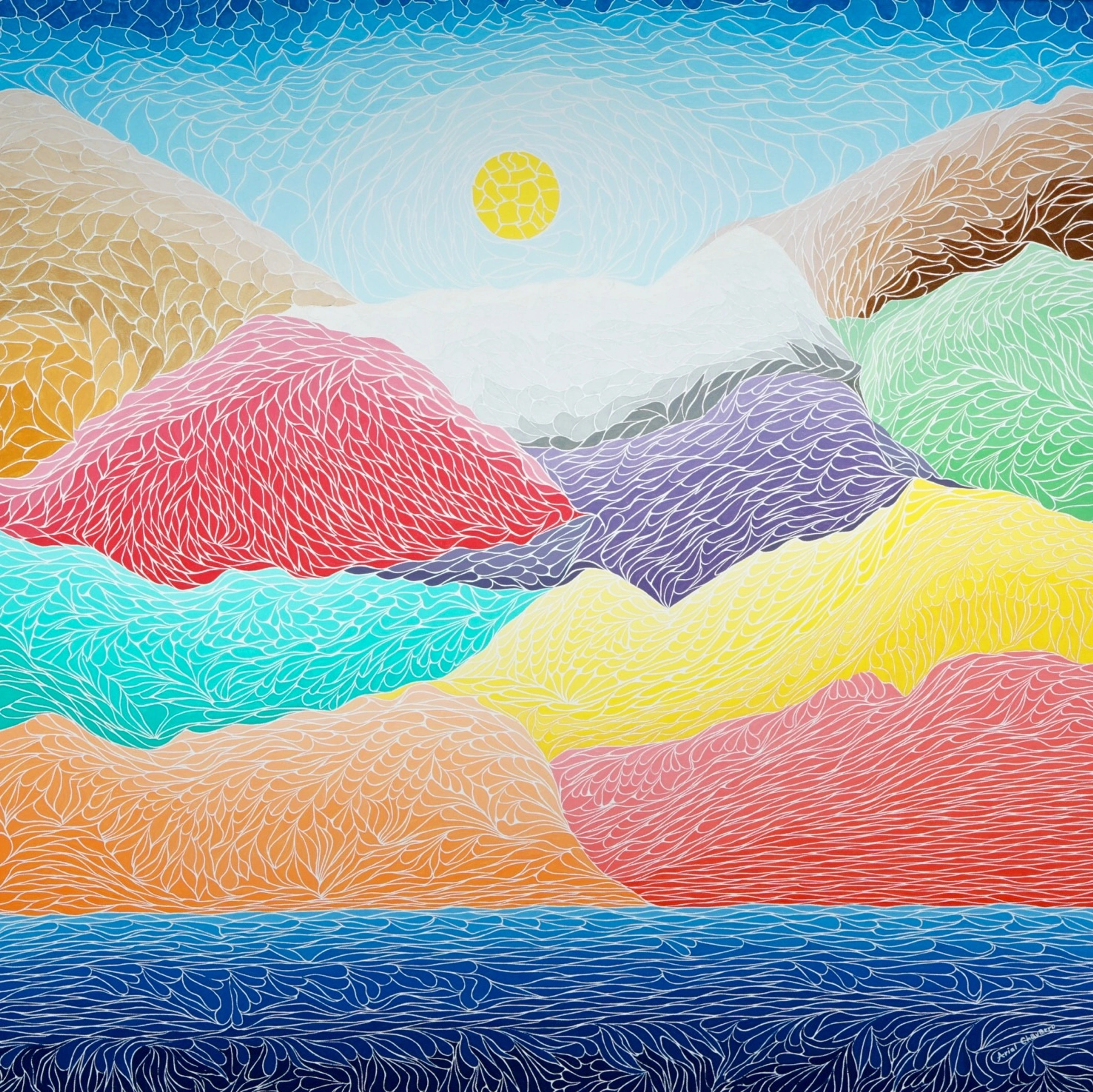
The Profound Investment: Why Original Abstract Art Transforms Your Soul & Space
Uncover the intrinsic value of original abstract art. Explore the artist's unique journey, emotional connection, and how these one-of-a-kind pieces offer a profound, ethical investment for your life and home.

The Profound Investment: Why Truly Original Abstract Art Transforms Your Soul and Space
I often find myself staring at a blank canvas, or perhaps a piece I finished months ago, and I ask myself: What truly makes this mine? What makes it original? And, more importantly, what gives it lasting value beyond just the pigment and the linen? It’s a question that’s probably crossed your mind too, especially if you’ve ever considered bringing a piece of abstract art into your home. It’s a bit like asking, “Why bother cooking from scratch when there are perfectly good ready meals?” It’s about more than just sustenance; it’s about soul. Today, I want to delve into that very soul, exploring the multifaceted value that truly original abstract art brings to our lives and spaces. Just to be clear, when I talk about abstract art, I'm referring to art that doesn't attempt to represent an accurate depiction of a visual reality but rather uses shapes, colors, forms, and gestural marks to achieve its effect. It burst forth in the early 20th century as artists like Wassily Kandinsky sought to express an inner reality, breaking free from the constraints of literal representation, creating new visual languages. We’ll look at what defines originality, the artist's personal journey, the unique investment it represents, and how you can find a piece that truly speaks to you—a piece that’s more than just décor, but a dialogue.
The Unmistakable Mark: What Truly Defines Originality
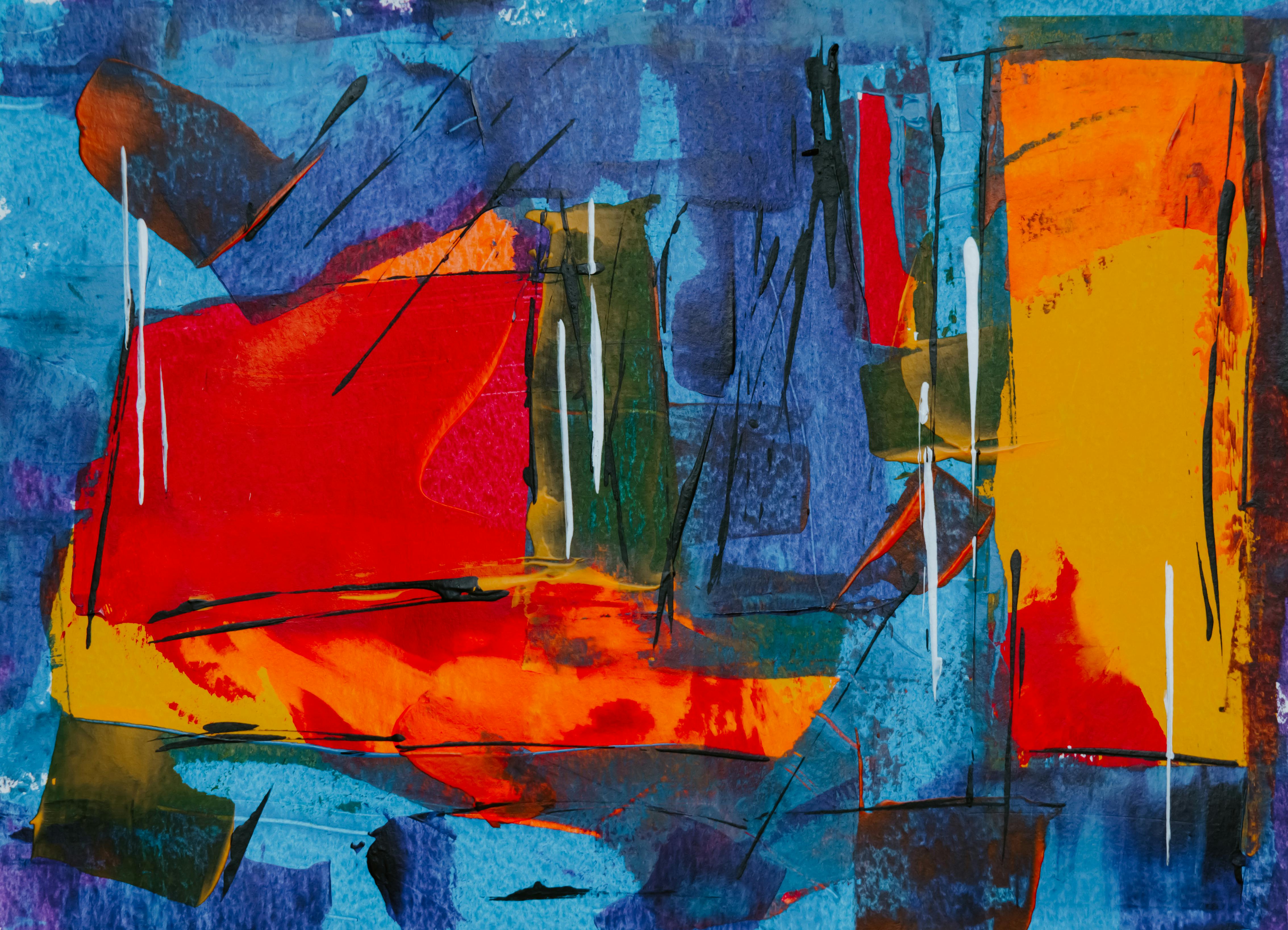
I think we sometimes confuse "originality" with just "being new" or "never seen before." But for me, in abstract art, it's something deeper: it's the tangible, undeniable evidence of a moment, a thought, an emotion, transferred directly from the artist's hand to the medium. It's the unique texture, the brushstroke that can't be perfectly replicated, the accidental drip that became part of the story. In a world increasingly populated by digital creations and AI-generated imagery, the concept of originality in physical art takes on a renewed significance. While algorithms can mimic styles, they can't replicate the unique, unrepeatable physical act of creation. This journey often culminates in a distinctive 'signature style' – a unique interplay of techniques, recurring motifs, and emotional undertones that renders their work instantly recognizable and profoundly personal. It's this inimitable touch that sets truly original work apart.
Think of early pioneers like Wassily Kandinsky, who broke away from representational forms to express inner spiritual states, or Jackson Pollock, whose action paintings were a direct, visceral record of his movements and energy. They weren't alone; think of Mark Rothko's luminous color fields expressing profound emotions or Willem de Kooning's raw, gestural brushwork capturing visceral energy. Even the stark simplicity of Minimalism pushes the boundaries of 'originality' by focusing on purity of form and material presence. They weren't just making something 'new,' but something profoundly personal and unique to their inner experience and physical process. This is why it’s so much more than just a picture; it’s a personal confession on canvas, a direct dialogue between artist and medium, or perhaps a visual poem whispered directly from soul to surface.
It’s easy to dismiss abstract art as something anyone could do, but I challenge you to try it yourself. To stand there, with all your experiences, anxieties, and aspirations, and distill them into colors and forms in a way that resonates. That, my friend, is where the magic lies. What "moment" or "emotion" do you think a truly original piece of art could capture for you?
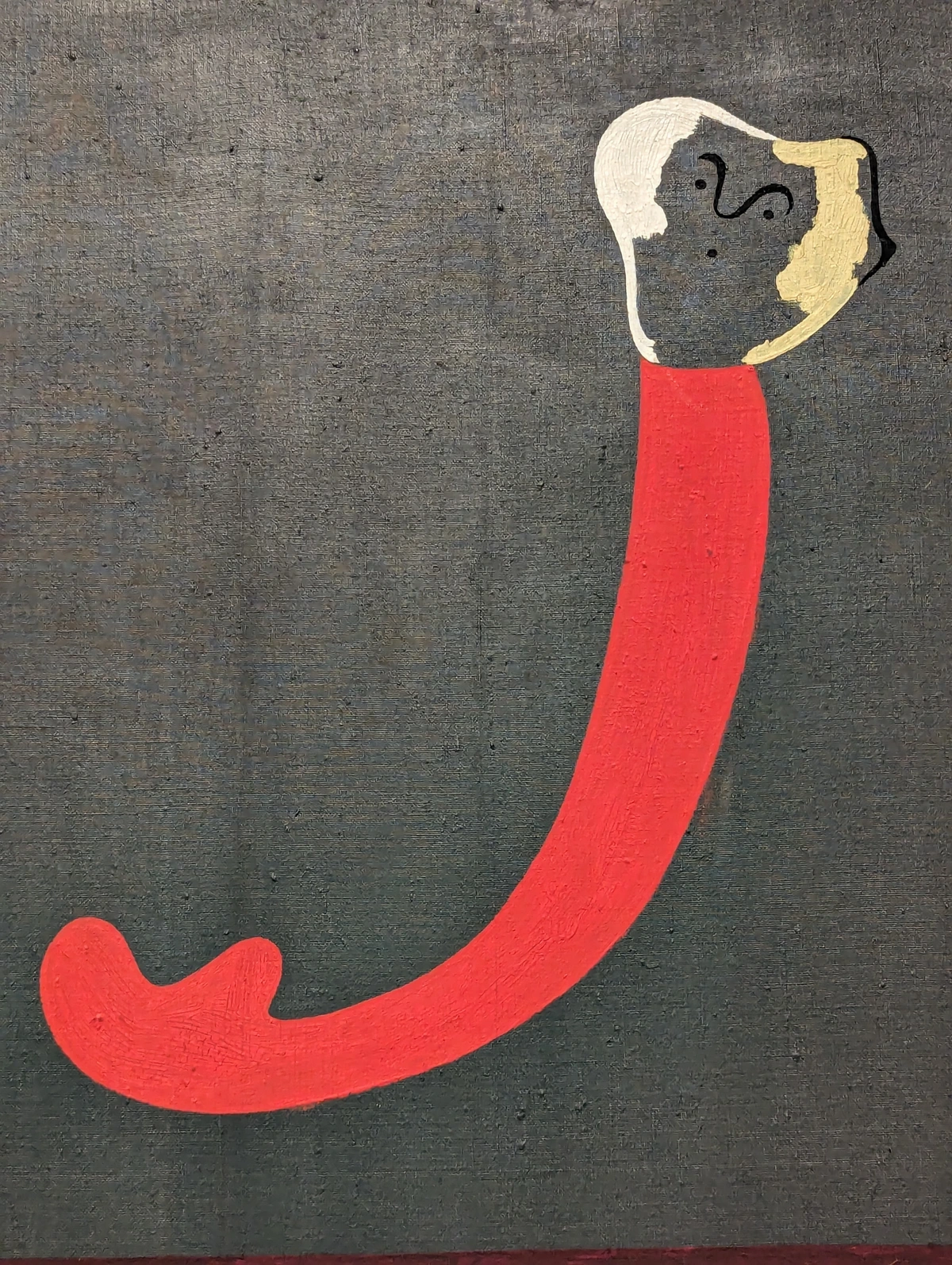
The Artist's Winding Path: My Journey to a Signature Voice
This pursuit of originality isn't just an abstract concept whispered in gallery halls; for me, it's been a deeply personal, often messy, journey, full of self-doubt and exhilarating breakthroughs. It's not a straight line, let me tell you. It’s a messy, beautiful, iterative process that often involves embracing the unexpected.
I remember countless hours just experimenting, making what felt like 'fouten,' which later proved to be crucial stepping stones. Like that one time I accidentally spilled a whole cup of coffee on a fresh canvas – felt like a disaster, but the resulting golden-brown stain became the foundational texture and color palette for an entire series, prompting me to explore organic layering. It taught me to lean into serendipity. Another time, I spent days layering glazes, trying to achieve a specific luminosity, only to find the piece felt flat. In a moment of frustration (which, let's be honest, happens more often than I'd like to admit), I impulsively scratched into the wet paint with the back of my brush, revealing the vibrant underlayers. It was an 'oops' that became a 'eureka,' teaching me that sometimes destruction is a path to depth. My discipline is a mess on most days, but the one thing that works is letting happy accidents guide me, and occasionally, giving myself permission to just make a glorious mess.
This personal journey, the development of a unique signature artistic style – perhaps through expressive brushwork, intricate layering, or specific material choices – is precisely what imbues an original artwork with its enduring power. It’s a testament to persistence, vision, and the courage to put something truly personal out into the world. Each piece becomes a distinct chapter in an ongoing story, reflecting the artist's evolution and unique perspective. If you're curious about the twists and turns of that path, you might find my artist's timeline interesting – it certainly wasn't linear! Want to dive deeper into this process? Take a look at the power of imperfection: embracing accidents and evolution in my abstract art.
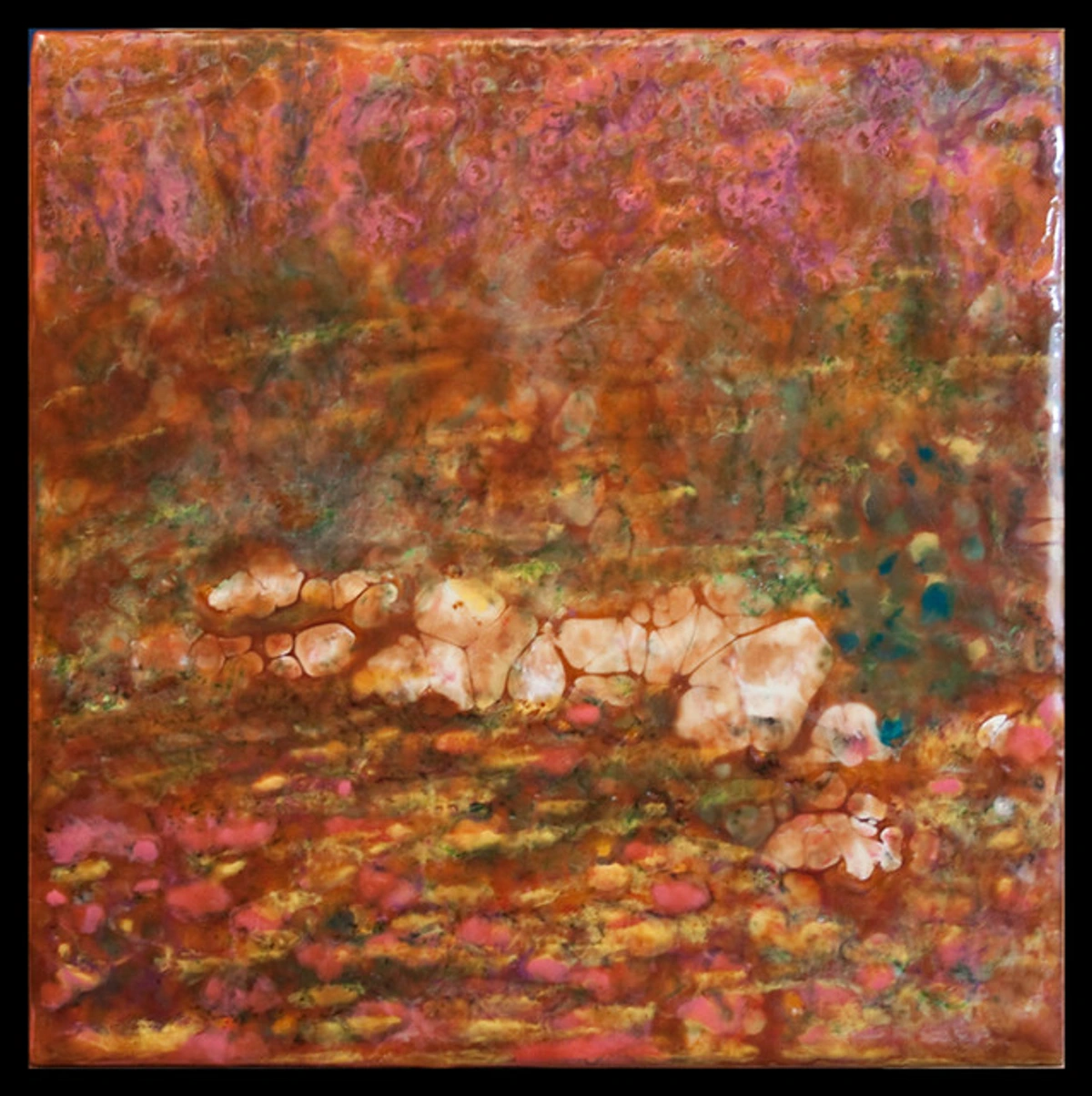
Beyond Aesthetics: The Profound Investment in Abstract Art
This painstaking, deeply personal journey of creation is what ultimately imbues an original piece with its profound worth, taking us beyond mere aesthetics. For me, the real investment is deeply personal—an emotional connection to a slice of human endeavor that feeds your soul. Imagine walking into your living room after a long day, and your eyes land on that painting. The colors shift subtly with the evening light, and suddenly, the whole room feels different, imbued with a quiet energy that sparks a thought or simply calms your mind. This isn't just a splash of color to match your sofa (though it can certainly do that beautifully!). It's a conversation starter, a mood setter, a quiet companion in your space. It holds energy. It has a story. And you get to be part of that story, allowing the artwork to evolve with you and reflect your own changing experiences.
Of course, there are also tangible, practical aspects to this 'investment' that are worth considering, though I'd always suggest emotional resonance leads the way. While I'm no financial advisor, and art should rarely be bought purely for speculation (it's a tricky, often heart-wrenching game!), understanding a few market dynamics can offer peace of mind. Reputable galleries and art advisors play a crucial role, often guiding collectors through market trends and ensuring authenticity, but your own eye and heart should always be your primary compass.
Firstly, there's the scarcity factor. By its very definition, an original piece is unique. There's only one. This inherent scarcity naturally contributes to its long-term monetary value, especially as an artist's career develops and their reputation grows. It’s like owning the first draft of a beloved novel – it tells a deeper story. Connected to this is provenance, the documented history of ownership. A clear provenance not only verifies authenticity but also adds to a piece's desirability and value by connecting it to significant art historical moments, prestigious previous owners, or even compelling exhibition histories, weaving a richer narrative around the artwork. Always ask for a Certificate of Authenticity (COA) and details on provenance when purchasing an original work.
How would a piece of art that truly resonates with your story transform your everyday space? If you're pondering which unique piece might speak to you, perhaps take a look at what's currently available for sale. You might also be interested in learning about collecting emerging abstract art: a guide to discovering tomorrow's masters.
Aspect  | Emotional Investment | Monetary Investment |
|---|---|---|
| Focus | Personal connection, soul nourishment, aesthetic pleasure, dialogue. | Scarcity, provenance, artist's reputation, market trends, appreciation. |
| Return | Daily inspiration, mood enhancement, conversation starter, personal growth. | Potential long-term value appreciation, asset diversification. |
| Key Value | Unique, evolving relationship with the artwork. | Tangible asset, verified authenticity, historical significance. |
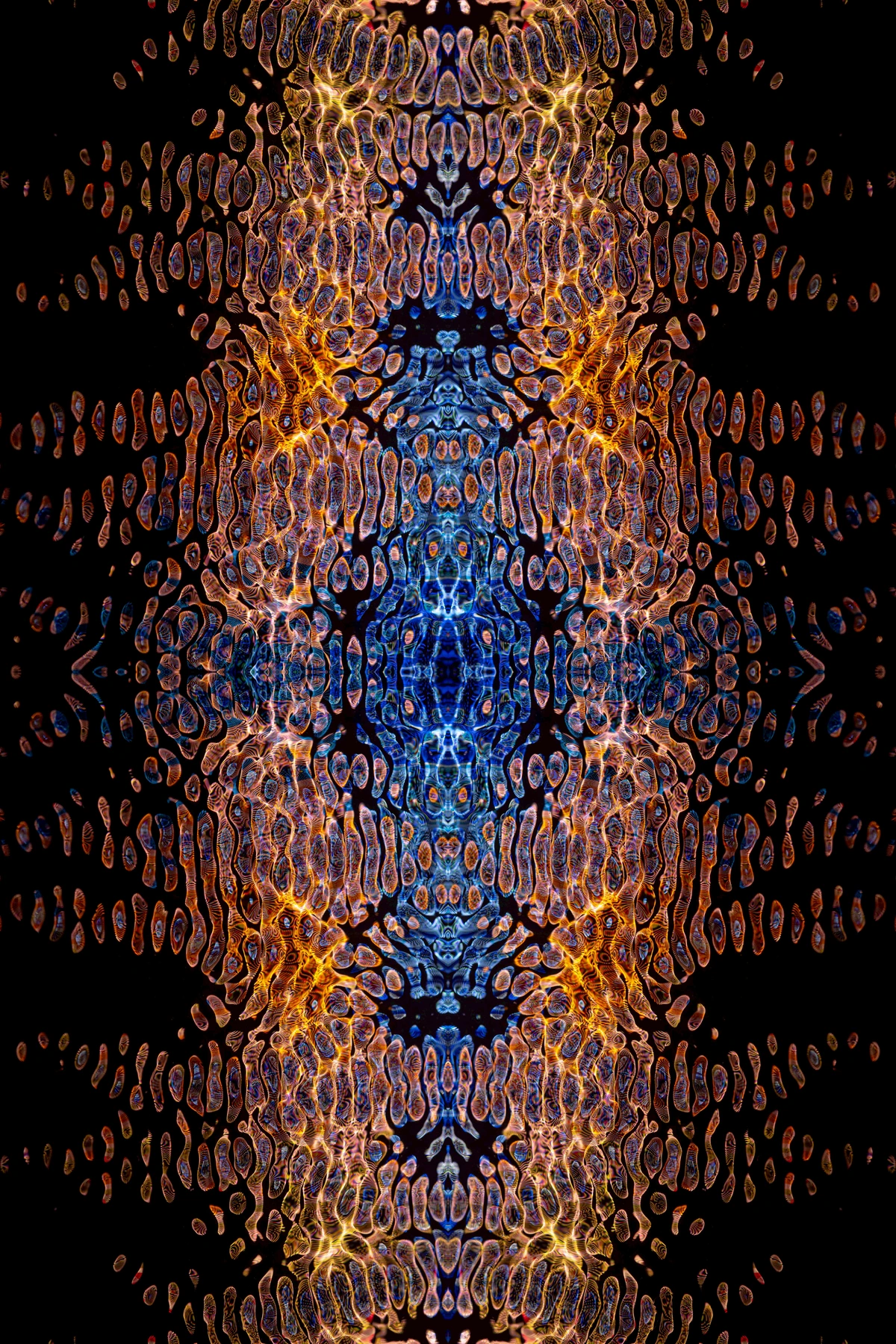
The Art of Connection: Navigating the Abstract World to Find Your Piece
So, how do you, as a potential collector or simply someone drawn to abstract art, find your original? My advice is always to engage your senses and your gut feeling. Don't just look; feel. I remember walking into a gallery once, completely exhausted after a tough week. My eyes scanned the room, but then I stopped dead in front of a vibrant abstract piece, and it was like a jolt of pure joy. It had this unruly, beautiful energy that mirrored how I felt inside, but also offered a chaotic kind of comfort. That's the feeling you're looking for.
Walk into a gallery, scroll through online collections, or even better, visit a museum like ours in 's-Hertogenbosch and spend time with the art. Beyond physical spaces, dive into the online world: follow artists on social media, explore reputable online galleries, or even seek out virtual studio visits. Understanding an artist’s process and philosophy can deepen your connection to their work. While your personal connection is paramount, engaging with abstract art with a critical eye can deepen your appreciation. Consider elements like composition, color theory, or even the artist’s stated intentions, if available. And don't underestimate the power of presentation. The right framing and display can profoundly enhance how an abstract piece interacts with your space and its perceived value. The beauty of abstract art is that its meaning isn't always prescribed; it invites your own interpretation, allowing you to project your feelings and experiences onto the canvas, forming a truly personal connection. This subjective interaction is part of its profound value. While the terms 'abstract' and 'non-representational' are often used interchangeably, it's worth noting a subtle difference: abstract art often takes inspiration from a recognizable subject and then simplifies or distorts it, while non-representational art has no discernible reference to the external world, focusing purely on form, color, and gesture. Either way, the invitation to interpret is yours. For more on this, consider exploring decoding abstract art: a guide to finding meaning in non-representational works.
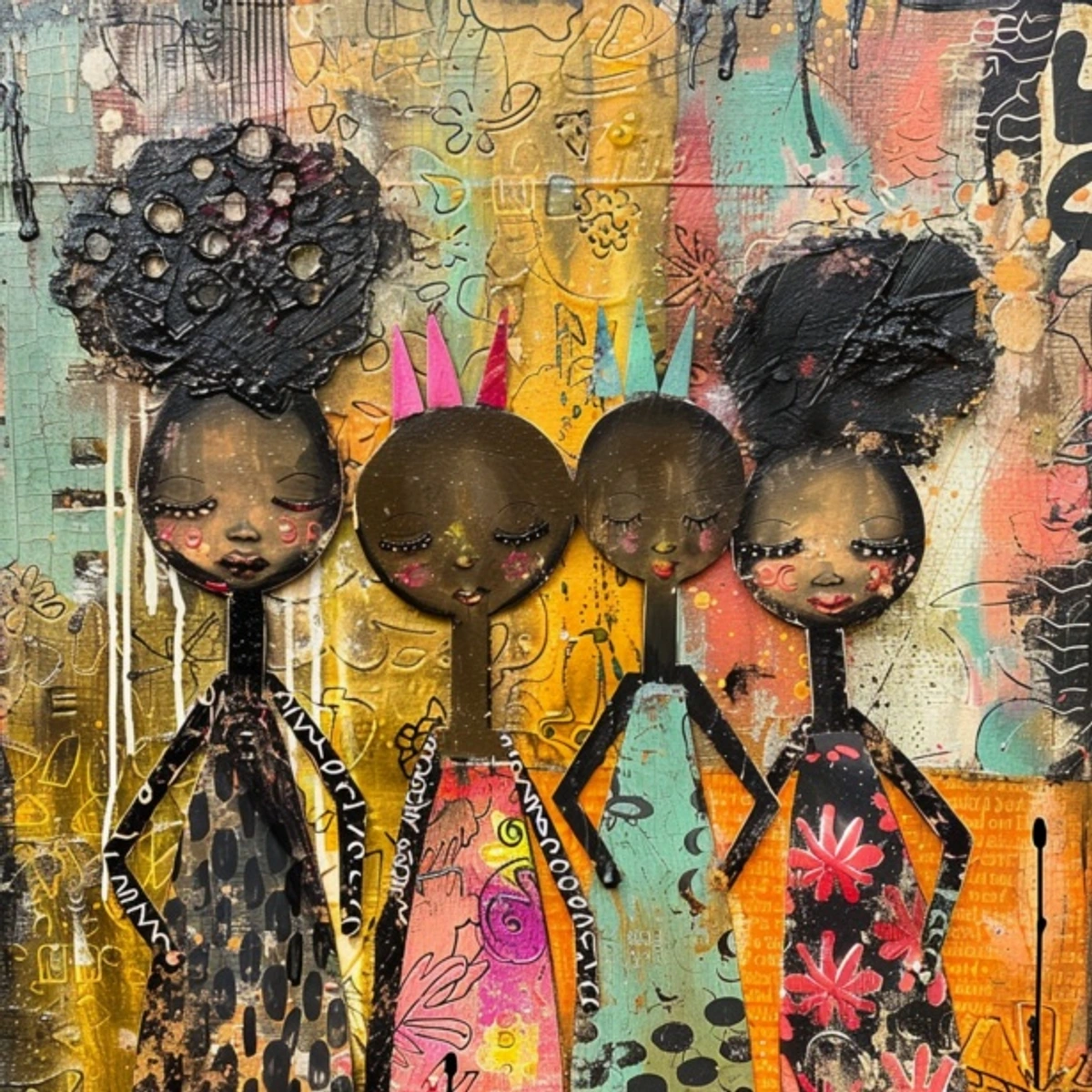
credit, licence
Caring for Your Original: A Brief Guide
Bringing an original piece of abstract art into your home is just the beginning of your journey with it. To ensure its longevity and preserve its value, a little care goes a long way. Always handle your artwork with clean hands, ideally wearing cotton gloves, and avoid touching the painted surface directly. Display it away from direct sunlight, extreme temperature changes, and high humidity to prevent fading, cracking, or warping. If you need to clean it, a soft, dry brush or cloth is usually sufficient for dusting; never use harsh chemicals. For more significant concerns, consider consulting a professional art conservator – they’re the doctors of the art world!
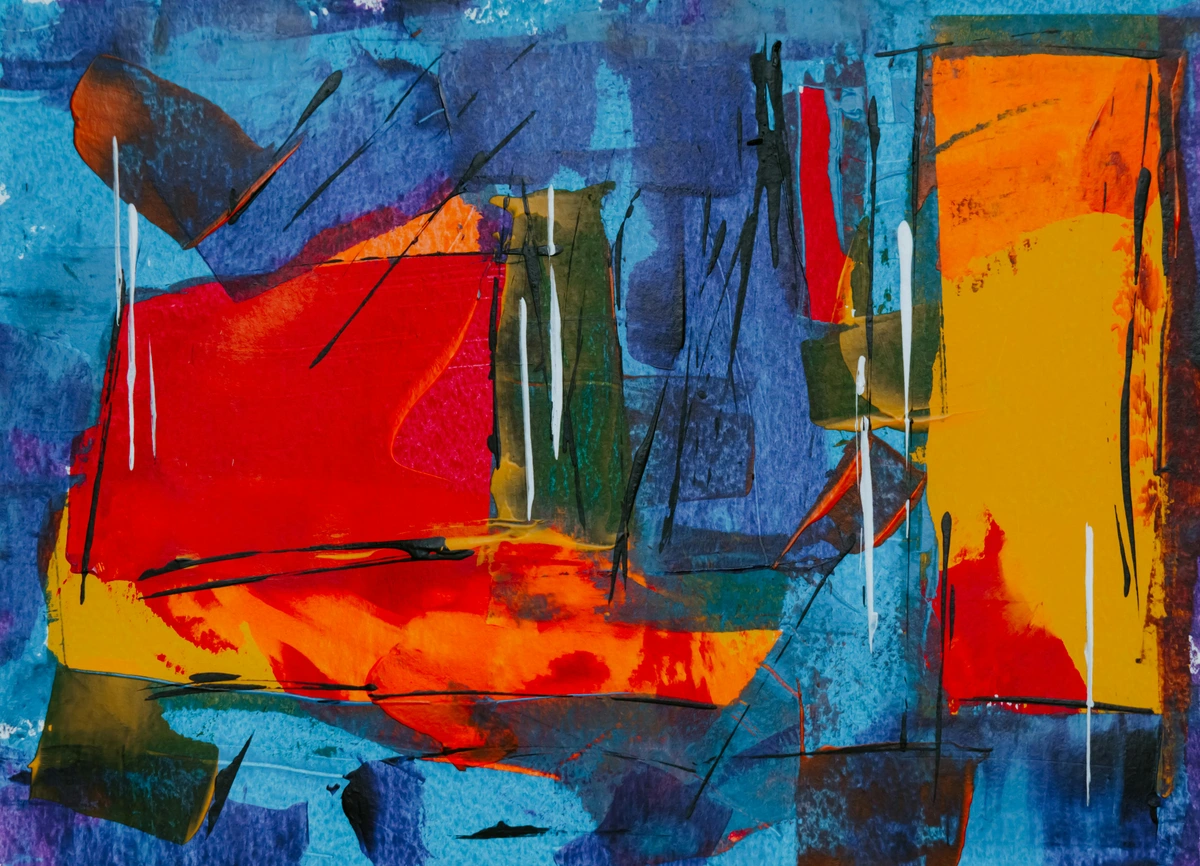
An original abstract painting isn't just something to hang on a wall; it's an experience. It changes with the light, with your mood, with the time of day. It invites contemplation and reflection. You’re not just buying a painting; you're acquiring a piece of an artist's soul, a unique moment in time captured forever, and a lasting conversation partner for your own space. And on a more contemporary note, choosing original art often means supporting artists who are mindful of their materials and practices. Many contemporary artists, myself included, are striving for more sustainable approaches in their studios, making your investment not just artistic, but ethical too. It's about consciously contributing to a vibrant, responsible artistic ecosystem. What narratives or emotions are you hoping to discover or amplify in your own living narrative through art?
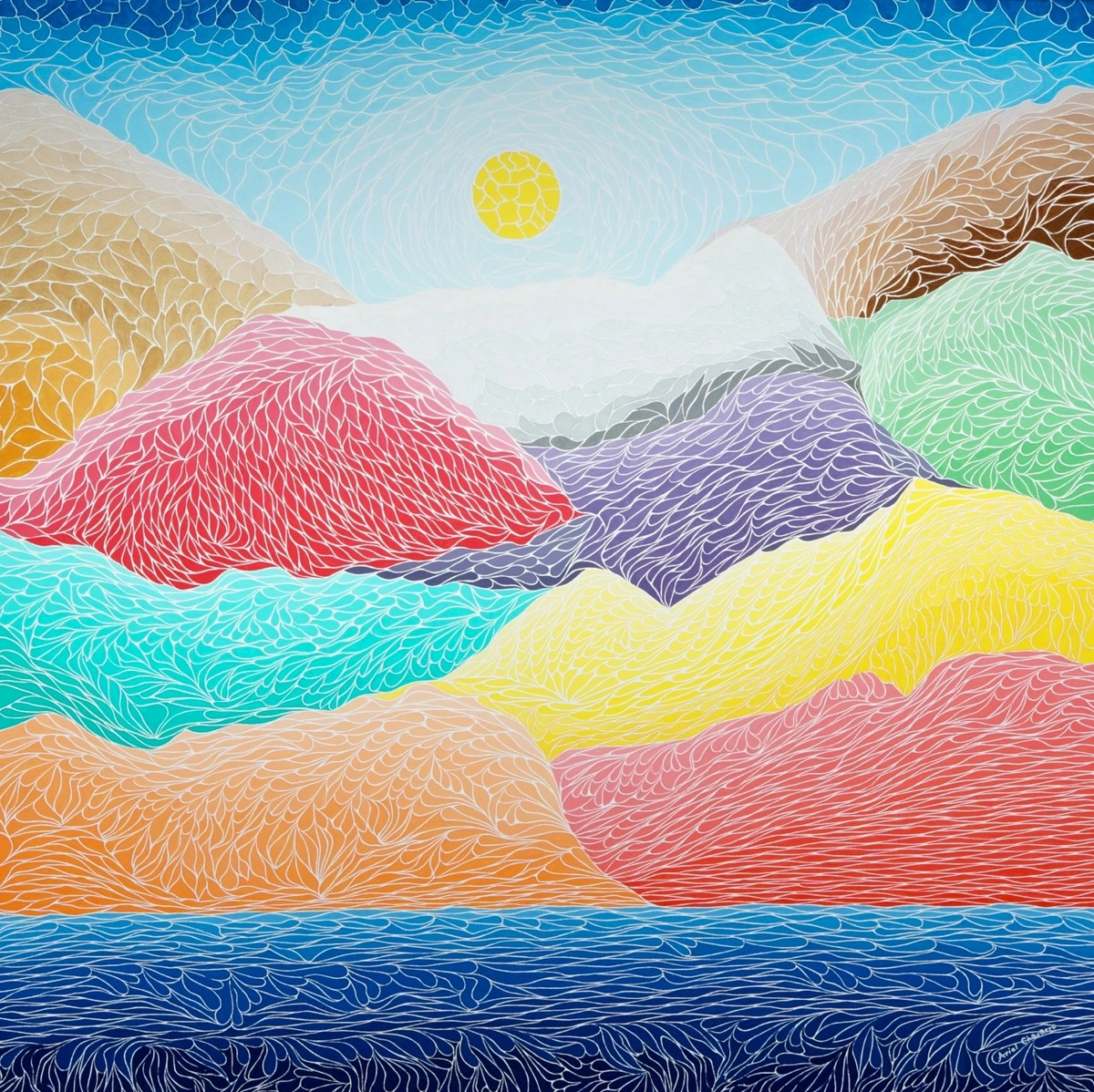





Frequently Asked Questions About Original Abstract Art
How can I verify the originality and provenance of an abstract artwork?
Good question! For an original painting or sculpture, look for signs of direct artistic creation: unique brushstrokes, texture, layers of paint, or other material evidence. Reputable galleries and artists will provide a Certificate of Authenticity (COA), which is a document proving the artwork is genuine and created by the stated artist. If you're ever in doubt, don't hesitate to ask the artist or gallery for details on the piece's provenance (its documented history of ownership, including past exhibitions or collectors). This documentation is key to confirming both originality and value.
Is all abstract art "original" in the sense of being a unique, one-of-a-kind artwork?
No, that's a common misconception! While the concept or style might be abstract, an "original" artwork refers to a one-of-a-kind creation, directly made by the artist's hand. This could be a unique painting, a one-off sculpture, or a singular mixed-media piece. Many artists also produce limited edition prints or open edition prints of their abstract work, which are reproductions of an original. These still carry the artist's vision and are considered original works from the artist, but aren't unique in the same physical sense as the initial, singular creation. Here's a quick comparison:
Feature | Original Artwork | Limited Edition Print |
|---|---|---|
| Creation | One-of-a-kind, hand-made by artist. | Reproduction of original, artist-supervised, numbered series. |
| Uniqueness | Truly singular, no exact duplicates exist. | Part of a finite, numbered series. |
| Materiality | Unique textures, brushstrokes, physical presence. | Consistent appearance across the edition, typically flat surface. |
| Value | Often higher due to scarcity and direct artist touch. | More accessible price point, still retains artistic value. |
What's the relationship between originality and price in abstract art?
Not necessarily a direct one where "original" always means "expensive"! While scarcity, an artist's reputation, and exhibition history often correlate with higher prices, many emerging abstract artists offer original works at accessible price points. It's a wonderful way to start collecting truly unique pieces and support artists at the beginning of their careers. The emotional and aesthetic value you derive from an original piece isn't always directly tied to its monetary cost. It’s about finding the right piece that resonates with you.
What is an artist's 'signature style' and how does it relate to originality?
An artist's signature style is their distinctive artistic voice, a unique combination of techniques, recurring motifs, color palettes, or emotional undertones that makes their work instantly recognizable. It develops over time through experimentation and personal journey. This unique stylistic fingerprint is a crucial component of originality because it represents the artist's inimitable personal touch, making their work truly one-of-a-kind and adding significant depth to its artistic and market value.
How do I care for my original abstract artwork?
To protect your investment and ensure its beauty for years, display your art away from direct sunlight, extreme temperatures, and high humidity. Handle it minimally, ideally with gloves, and avoid touching the painted surface directly. For cleaning, a soft, dry brush is usually enough for dusting. For anything more serious, a professional art conservator is your best friend.
Final Thoughts: The Enduring Resonance of the Unique
So, why invite unique abstract art into your life? Because it’s an invitation to a deeper conversation – with the artist, with the artwork, and ultimately, with yourself. It’s an investment in beauty, emotion, and a piece of yourself that reflects and enriches your evolving tastes and experiences. It's a tangible echo of a human spirit that allows for your own evolving interpretation, a truly singular story that continues to unfold with you, every single day. Why not take a moment to explore what unique piece might be waiting to connect with you, becoming a part of your own unfolding story, today? Perhaps that next echo of a human spirit is closer than you think.