My Impressionist Journey: Light, Color & Art's Revolution
Join me on a personal journey through Impressionism. Discover how artists captured fleeting light, defied the art world, and sparked modern art, all through my eyes and artistic practice.

My Impressionist Journey: Chasing Light, Color, and Art's Revolution
What if the most profound art isn't about perfection, but about a fleeting feeling? I remember the first time I truly got Impressionism. It wasn't in some hushed, reverent gallery, staring intently at a masterpiece. No, it was simpler, more immediate than that. I was outside, on a slightly misty morning after a sudden shower, and the way the light hit the puddles, reflecting everything around in a shimmering, broken kaleidoscope of color... it wasn't a perfect mirror, but an impression. And in that fleeting moment, the core of Impressionism clicked for me. This intensely personal, ephemeral experience is precisely what a whole generation of artists was striving to capture and define, shaking up the art world along the way. It felt less like a rigid school of painting with strict rules and more like a vibrant, shimmering sensation, an emotion caught before it vanished. This quest for understanding how light shapes our perception, and how art can capture that subjective experience, became the driving force for a revolutionary art movement that I'm still obsessed with exploring, both historically and in my own work. In this journey, we'll uncover what truly defined Impressionism, meet the artists who dared to defy convention, explore their radical techniques, and trace its incredible legacy right up to how it shapes my own brushes today.
It’s about seeing the world not as it is in precise, objective detail – the kind you might find in a photograph – but as it appears to the subjective eye, bathed in ever-changing light and atmosphere. Think about when you squint at something far away, or glimpse a reflection in a window; it's less about the 'thing' itself and more about the vivid blur of light and color, the ephemeral sensation. We've all done that, right? That's the visual language Impressionists spoke. My own art, a reflection of my personal journey, often seeks to capture these same elusive, fleeting sensations, transforming them into vibrant, tangible pieces you can explore in my gallery.
The Spark of a Revolution: What Exactly Is Impressionism?
Before Impressionism burst onto the scene in the late 19th century, art, to put it mildly, felt less like creativity and more like a stuffy set of rules. The established art world, particularly the powerful French Salon in Paris, dictated what was considered "good" art. This centuries-old institution controlled art education, awarded prizes, and determined an's success through its annual juried exhibition. The Salon valued grand historical and mythological scenes, pristine finishes, and a photographic realism achieved with invisible brushstrokes. Painters were expected to construct elaborate narratives, often serious and moralistic, adhering to classical ideals like Neoclassicism and Romanticism. Frankly, for me, it felt less like art and more like a rigid set of instructions, demanding a certain 'perfection' that left little room for spontaneity or individual interpretation. They celebrated narratives, moral lessons, and historical grandeur, meticulously rendered with a polished surface.
So, how did this "impression" become a whole art movement, and what exactly were these artists rebelling against? The Impressionists, by contrast, were obsessed with the present, the immediate sensory experience, the transient beauty of light on a modern street or a quiet landscape. This wasn't just a stylistic difference; it was a philosophical clash – objective idealization versus subjective, fleeting reality. They questioned the very foundation of art education and public taste, moving away from objective representation towards a more subjective experience of reality. They even began to bypass the traditional Salon system, organizing their own independent exhibitions, starting with the famous (or infamous, depending on who you asked!) show in 1874. This move was revolutionary in itself, creating a parallel art world that championed their new vision, even as critics hurled insults, calling their work "unfinished" and "sloppy." I mean, honestly, imagine being told your masterpiece was "an insult to art!" (More on that soon.)
And they had a few new tools to help them along.
First, the invention of photography meant painting no longer had to be the sole recorder of objective reality. This was a massive turning point. It freed artists from the pressure of mere documentation, allowing them to explore how they saw things, to capture the subjective emotional impact and the ephemeral qualities of light and atmosphere that a camera, at the time, couldn't fully convey. Photography also profoundly influenced composition, inspiring artists to experiment with unconventional cropping, asymmetrical arrangements, and unusual perspectives that mimicked the seemingly random "snapshots" of life a camera could capture, even hinting at the depiction of motion.
Next, the advent of pre-mixed paint in tubes made it infinitely easier for them to leave the studio and work outdoors. No more grinding pigments! This meant greater portability, consistency, and spontaneity. And crucially, new scientific advancements in pigment manufacturing provided them with brighter, more stable, and more vibrant colors – think brilliant cadmium yellows, cobalt blues, and emerald greens – colors that shimmered with an intensity older, naturally derived pigments simply couldn't achieve. These new synthetic pigments offered unprecedented purity and luminosity, allowing artists to achieve bolder, more immediate color effects that captured the dazzling array of natural light. Coupled with the introduction of portable easels and pre-primed canvases, en plein air painting became a practical reality, allowing for direct observation of nature's fleeting effects.
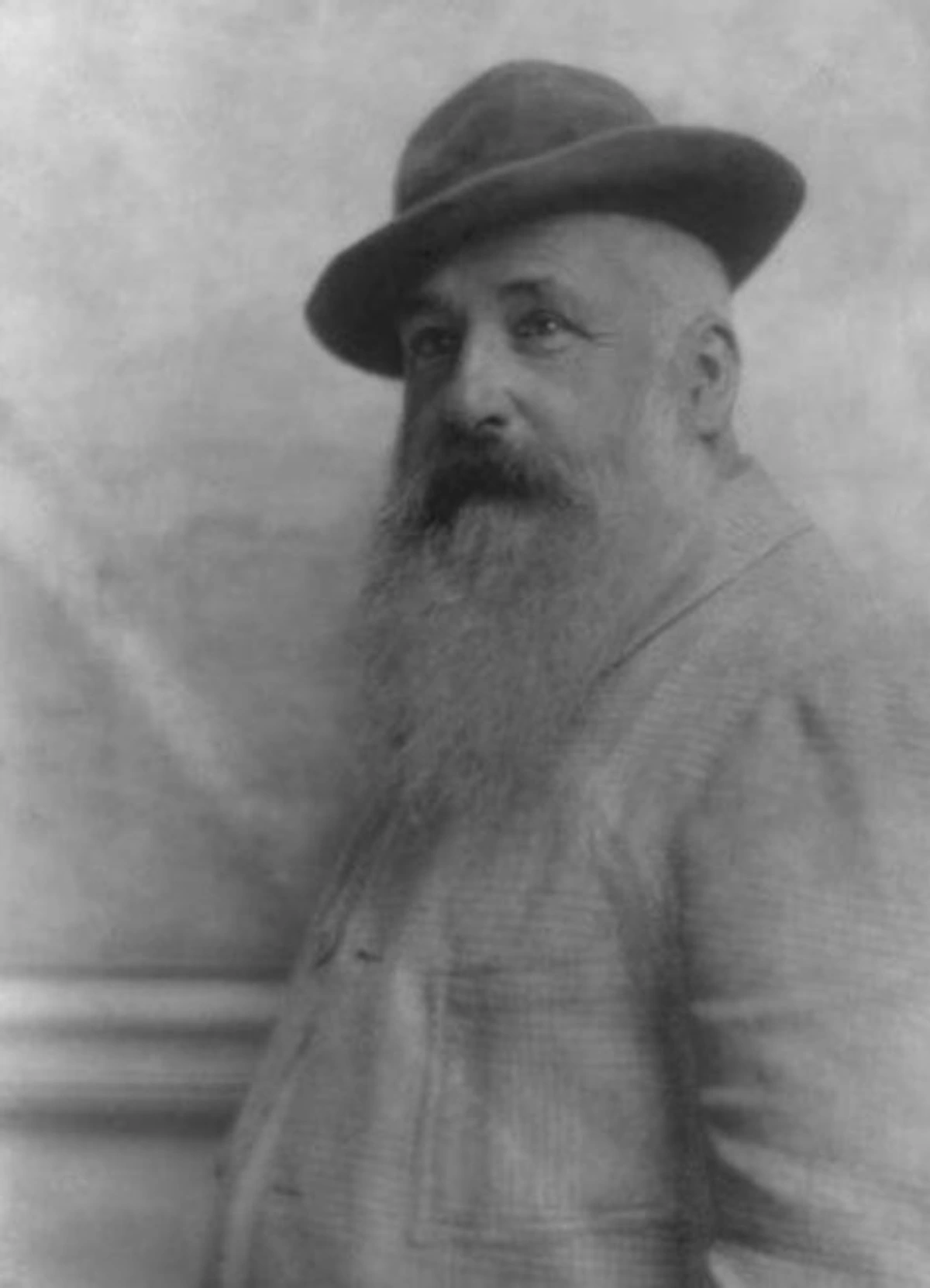
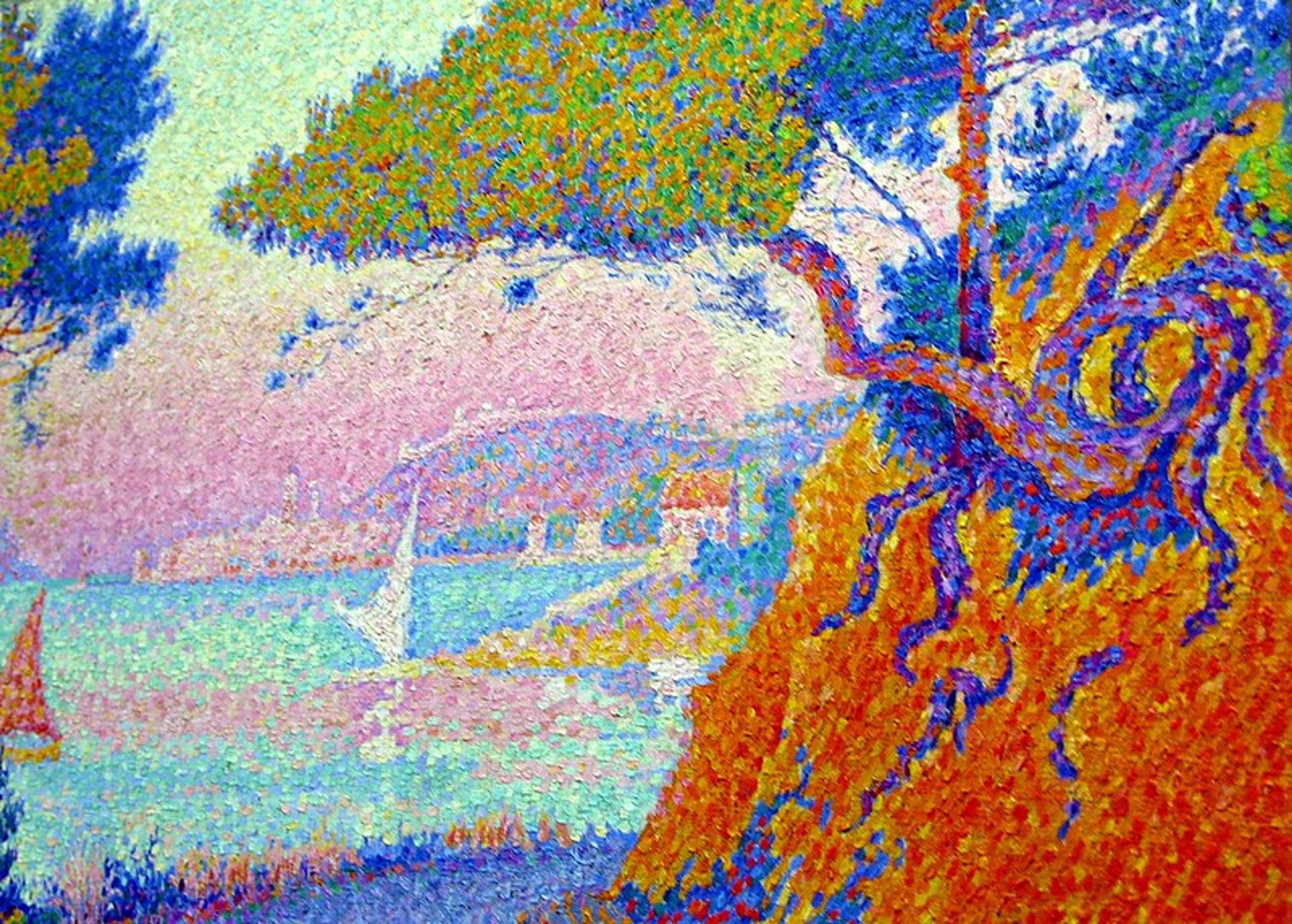
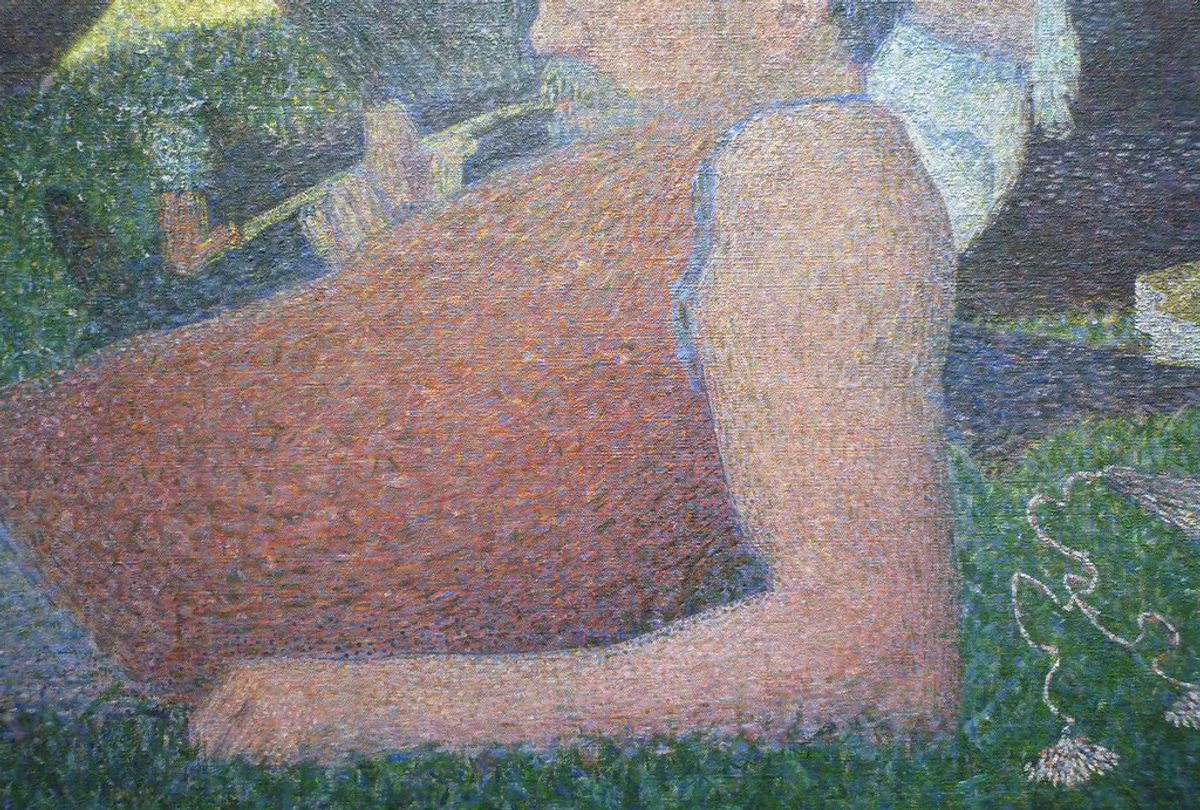
This image, with its pointillist and Neo-Impressionist influences, beautifully illustrates how the initial Impressionist focus on light and color evolved. It shows how artists continued to experiment with brushwork and color theory, pushing the boundaries of perception even further, creating a direct lineage from Impressionist principles to contemporary interpretations of light and form.
Capturing a Fleeting Moment: The Impressionist Manifesto
So, what were the core tenets that guided these revolutionary artists? They focused on:
Principle  | Description | Impact |
|---|---|---|
| Light and Color | Primary subject, capturing changing effects at different times and conditions. | Created vibrancy through optical mixing, making paintings feel more alive. |
| Visible Brushstrokes | Short, thick, choppy strokes, clearly visible. | Conveyed immediacy, spontaneity, movement, and the artist's subjective perception. |
| En Plein Air | Painting outdoors directly from nature. | Allowed accurate observation of natural light and atmosphere, capturing transient effects. |
| Everyday Life | Depicting landscapes, cityscapes, portraits, and leisure scenes. | Made art relatable, accessible, and reflected contemporary society. |
Let's delve into these a bit more:
- Light and Color as the True Subject: This was their absolute obsession. Instead of just depicting objects, they aimed to capture the changing effects of light at different times of day, in various seasons, and under diverse weather conditions. This wasn't merely observational; it was profoundly influenced by emerging scientific understandings of optics and color theory. Take Michel Eugène Chevreul's theory of simultaneous contrast, for example. He showed how colors placed next to each other affect our perception – a gray square, for instance, looks different on a yellow background than on a blue one. Impressionists applied this by placing unblended, often complementary, colors side-by-side on the canvas. Instead of mixing yellow and blue to get green, they might place flecks of yellow next to flecks of blue, allowing the viewer's eye to do the blending from a distance. This technique, known as broken color or optical mixing, resulted in a far more vibrant and "alive" green than a pre-mixed pigment could offer, creating a shimmering, vibrating quality that evoked natural light itself. For them, light wasn't just illumination; it was the subject itself, a fleeting phenomenon they sought to capture with fresh intensity. For a deeper dive, check out how artists use color and the psychology of color in Impressionist painting.
- Visible Brushstrokes: A Mark of Life and Movement: Gone were the smooth, blended surfaces of academic painting. Impressionists used short, thick, often choppy strokes of paint that were clearly visible, creating a textured, almost vibrating surface. This wasn't a sign of laziness but a deliberate choice to convey the sense of immediacy, spontaneity, and the fleeting nature of the visual moment, including the dynamism and movement of modern life itself. It was a revolutionary way to show the artist's hand, a direct transcription of their sensory experience.
- En Plein Air: Painting in the Open Air: This fancy French term, meaning 'in the open air,' was a radical departure. Artists left the confines of their studios, taking their canvases, portable easels, and those newly available tubes of paint directly into nature and bustling cityscapes. It allowed them to directly observe and capture the natural light and atmosphere more accurately. Honestly, I can only imagine the logistical challenges – battling wind, sudden rain showers, changing light, and curious onlookers. I picture Monet, easel flapping, trying to capture a fleeting sunset before a gust sends his canvas into a pond. Myself, I've had my share of impromptu outdoor sketches ruined by unexpected downpours – a true test of artistic mettle, I'm sure! One time, I was trying to capture the morning mist over the river here in my hometown, Den Bosch, and before I knew it, the light had completely shifted, leaving my canvas a half-finished testament to a moment that was already gone. It's a humbling experience, and a direct link to the Impressionists' own struggles. Learn more about what is plein air painting.
- Everyday Life: Art for Everyone: Instead of biblical heroes or mythological gods, they painted landscapes, bustling city streets, portraits of ordinary people, and scenes of contemporary leisure – think of Renoir's joyful dancers at the Bal du moulin de la Galette, or Monet's tranquil moments by the Seine, or Pissarro's vibrant Parisian boulevards like in his series depicting the Boulevard Montmartre, with a keen eye for peasant life and the subtle changes of the seasons. It was art for and about the contemporary world, reflecting the changing social fabric of their time and making it accessible and relatable to a broader audience.
So, these were the guiding principles. But who were the individuals brave enough to embody these revolutionary ideas, to face ridicule and forge a new path? Who were the pioneers who dared to challenge the status quo and give us these indelible "impressions"?
The Mavericks Behind the Brushstrokes: Key Impressionist Artists
It took immense courage, and frankly, a bit of stubbornness, for these artists to forge a new path, often facing ridicule, financial hardship, and outright rejection from the established art world. Like any good revolution, it had its fervent leaders and dedicated followers:
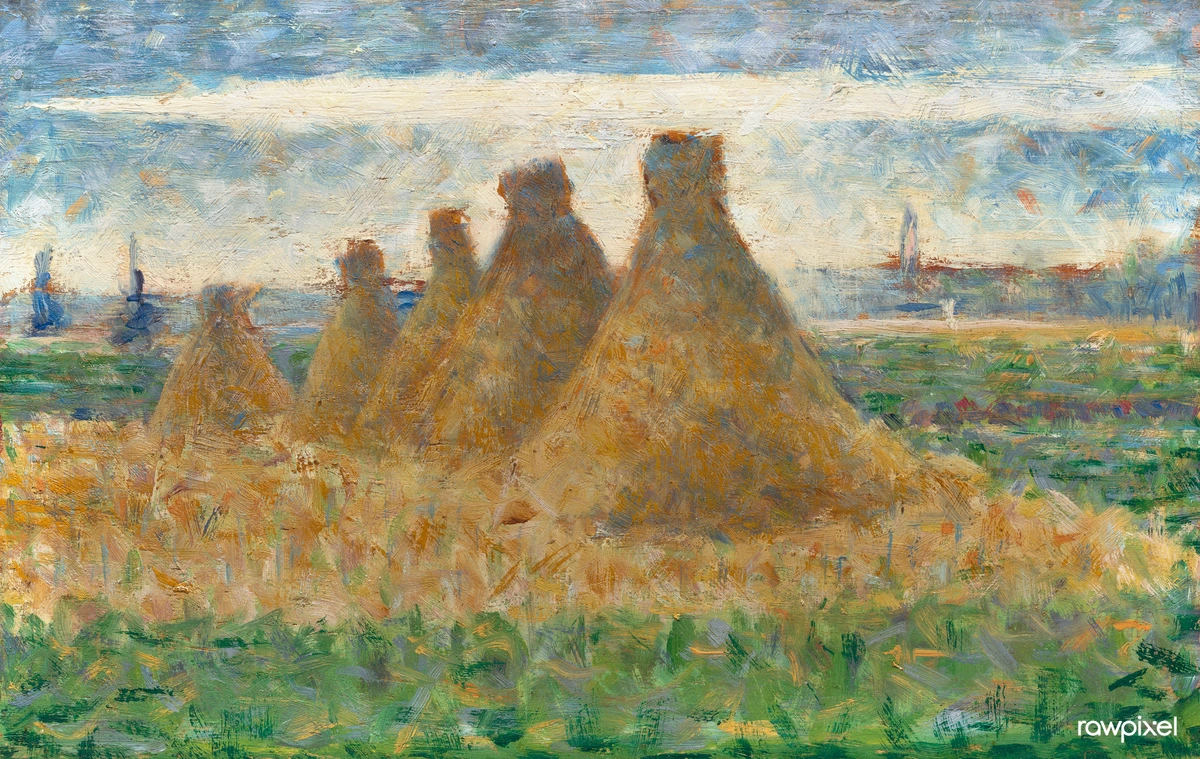
- Claude Monet: The undisputed king of light! He wasn't just painting scenes; he was painting light itself. Monet dedicated entire series to the same subject – haystacks, Rouen Cathedral, his famous water lilies – meticulously exploring how light, season, and time of day fundamentally altered their appearance. I find his dedication to these series truly inspiring; it’s a practice of deep, sustained observation that I try to bring into my own work, returning again and again to a theme until I feel I've truly understood its myriad facets. It was his groundbreaking painting, Impression, Soleil Levant (Impression, Sunrise), which famously gave the movement its name. Its hazy, undefined forms and visible brushstrokes, prioritizing atmospheric effect over detailed rendering, led to critical derision – and inadvertently, a moniker. "I gave my picture the title Impression, Sunrise," he once stated, "because I had painted it at Le Havre from my window, and in a fog, and it's quite unfinished for a proper art critic, but there it is." A truly defiant and humble declaration, wouldn't you say? He practically dared them to dismiss it. Monet truly showed us how light feels. What fleeting moment will you choose to capture today? He captured the soul of light itself.
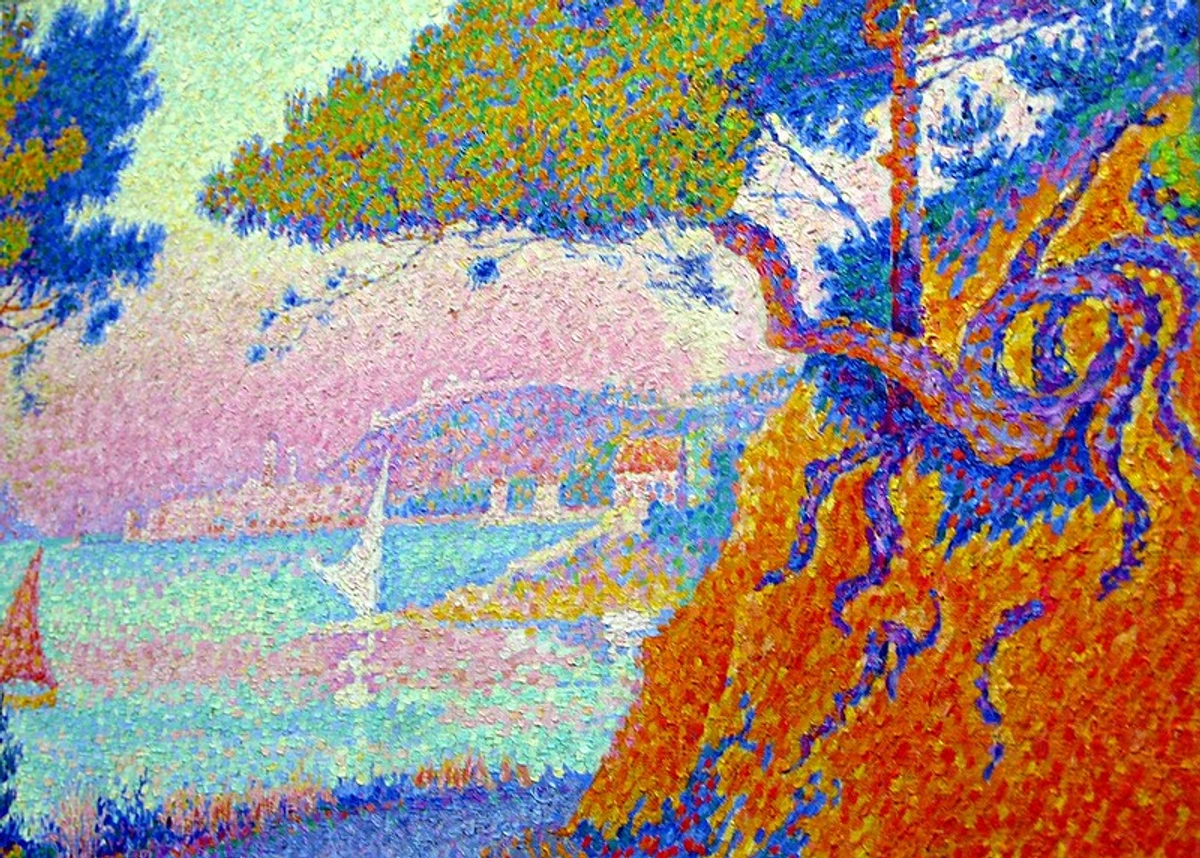
This iconic painting, Woman with a Parasol - Madame Monet and Her Son, perfectly encapsulates Monet's preoccupation with capturing the transient effects of light and atmosphere, showcasing his signature visible brushstrokes and focus on everyday life.
- Édouard Manet: Though he never fully exhibited with the Impressionists, Manet was a pivotal figure, a bridge between realism and Impressionism. His radical approach to brushwork and his choice of controversial, modern subjects – think his scandalous Olympia or the provocative Le Déjeuner sur l'herbe – heavily influenced the younger generation. He wasn't just painting modern life; he was painting it in a way that directly challenged academic conventions, using stark realism and a bold, almost unfinished style that gave the Impressionists permission to explore their own subjective visions without fear of the Salon's judgment. Manet's audacity gave everyone else the courage to break free. How far are you willing to push convention in your own endeavors? He was a fearless provocateur.
- Pierre-Auguste Renoir: Known for his vibrant, joyous depictions of people, social gatherings, and the sheer sensuousness of life. His figures often feel soft, bathed in a gentle, warm light, capturing the fleeting pleasures of Parisian life, like the convivial scene in Bal du moulin de la Galette. If Monet was about light on landscapes, Renoir was about light on skin and silk – a quality I constantly strive for in my own work. That feeling of warmth and intimate glow, especially in my portraits and figurative pieces, is a direct echo of Renoir's joyful approach to capturing human warmth and the fleeting pleasures of life. I often think of his ability to convey warmth through brushstroke when I'm working on a piece where I want the colors to hum with life. Renoir reminds us of the sheer delight of being alive. What brings you the most joy to create or observe? He brought pure joy to the canvas.
- Edgar Degas: While often associated with Impressionism, Degas saw himself more as a realist, focusing on meticulous observation of movement. He famously captured the grace and toil of ballet dancers and the dynamism of racehorses, often using unconventional cropping and innovative perspectives that felt like snapshots – perhaps inspired by the influx of Japanese prints (Japonisme). The influence of Japanese woodblock prints, with their flattened spaces, high vantage points, and dramatic cropping, significantly impacted Impressionist compositions, particularly Degas' bird's-eye views and asymmetrical arrangements, but also subtly influenced Monet's handling of depth in landscapes. Degas brought an almost photographic eye to the candid moments of daily life. Where do you find unexpected beauty in everyday motion? He was the chronicler of movement.
- Camille Pissarro: Often called the "father of Impressionism," Pissarro was a mentor figure, crucial in organizing the Impressionist exhibitions. His work often focused on landscapes and urban scenes, particularly Parisian boulevards like in his series depicting the Boulevard Montmartre, with a keen eye for peasant life and the subtle changes of the seasons. He was a foundational pillar of the movement, always advocating for the new approach, even when others wavered. Pissarro truly anchored the movement with his steadfast vision. Who is the quiet force supporting your creative journey? He was the movement's steadfast anchor.
- Berthe Morisot: One of the few female artists at the heart of the movement, Morisot was known for her delicate yet powerful depictions of domestic life, mothers and children, and elegant portraits. Her fluid brushwork and light palette brought a unique intimacy and feminine perspective to Impressionism, subtly challenging the male-dominated art world. Morisot gave voice to the private moments of life. What unique perspective do you bring to your art? She painted the intimate truths.
- Mary Cassatt: An American expatriate who found her artistic home in Paris, Cassatt was championed by Degas. She masterfully portrayed the private and public lives of women, particularly the bond between mother and child, with bold compositions and a direct, empathetic gaze. Like Degas and other Impressionists, she often employed the flat planes and distinctive cropping seen in Japanese woodblock prints, bringing a fresh, modern eye to her subjects. Cassatt captured the quiet strength of women. What unseen narratives are you compelled to tell? She gave dignity to domesticity.
- Alfred Sisley: Sisley remained perhaps the most consistent landscape painter among the Impressionists. His works are characterized by their delicate observation of atmospheric effects, particularly snow and water, and his ability to evoke the serene beauty of the French countryside. He truly had a knack for capturing the subtle nuances of light and shadow in nature, almost as if the landscape itself was speaking through his brush. Sisley’s quiet landscapes sing with light. How do you find harmony in the subtle shifts of nature? He whispered the landscape's secrets.
These artists, each with their distinct vision, collectively redefined what art could be, pushing boundaries and inviting us to see the world, and ourselves, with fresh eyes. Their individual struggles and triumphs built the foundation for so much that was to come.
The Impressionist Ripple: Reception, Legacy, and My Own Connection
While these artists poured their souls onto canvas, the world wasn't quite ready to receive their vision. It’s easy now, with the benefit of hindsight, to see Impressionism as a celebrated movement. But at the time, this collective defiance was met with outrage and ridicule. Critics famously called their work "unfinished," "sloppy," and even "an insult to art." One reviewer, Louis Leroy, writing for Le Charivari in 1874, derisively titled his review "The Exhibition of the Impressionists," after Monet's Impression, Soleil Levant, forever cementing the label. Honestly, it still baffles me how such vibrant, alive works could be dismissed so readily! It's a funny thing how history recontextualizes our initial reactions. I often feel a similar resistance when pushing boundaries in my own work; it’s a reminder that truly new ideas often face initial skepticism. Yet, these artists persisted, creating their own exhibitions and ultimately winning over the public and critics alike. This shift wasn't overnight; it was a gradual process fueled by repeated exposure, the sheer volume of their captivating works, and a growing societal appreciation for art that reflected modern life rather than distant myths. Their rebellion paved the way for modern art, opening doors that were once firmly shut.
The ripple effect was immense. Impressionism directly led to Post-Impressionism, a movement where artists like Van Gogh, Cézanne, and Gauguin took the Impressionists' focus on light and color but sought to add more emotional expression, structure, or symbolism. They felt that while Impressionism brilliantly captured the fleeting visual experience, it sometimes lacked the emotional depth or solid structural foundation that they craved. Cézanne, for instance, introduced a new rigor to form and composition, dissecting nature into geometric components, building a bridge towards Cubism. Van Gogh, on the other hand, imbued his colors with intense personal emotion, using thick, swirling brushstrokes to convey inner turmoil and spiritual longing. Gauguin used color and line symbolically to evoke deeper, often spiritual, meaning, rejecting naturalistic representation for flattened forms and bold outlines.
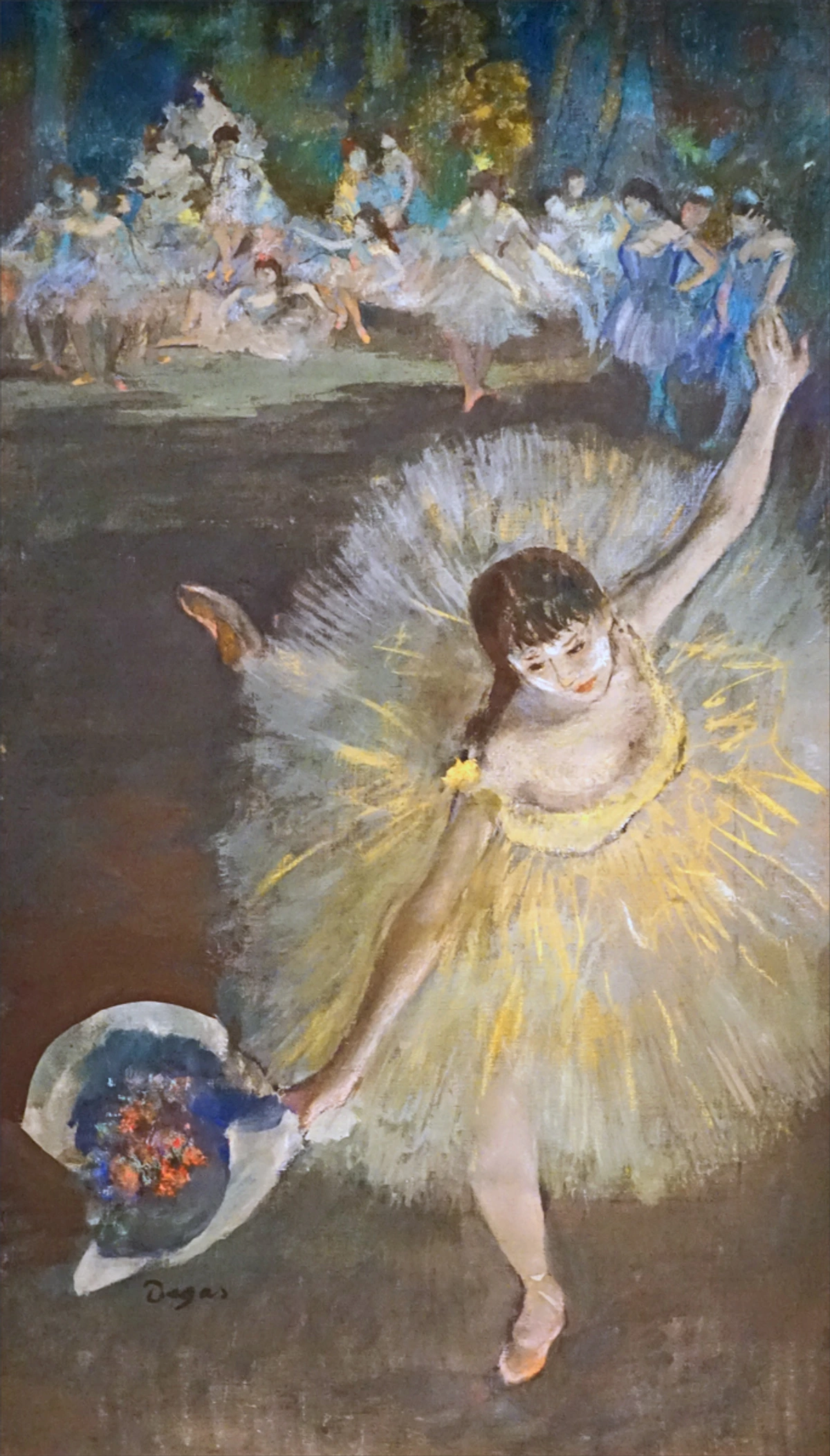
They moved beyond purely optical impressions into deeper, more psychological territories. This quest for deeper meaning and form led to further breakthroughs, influencing movements like Fauvism (with its wild, expressive color, like Henri Matisse's Luxe, calme et volupté), where color was liberated from its descriptive function and used to convey emotion directly, amplifying the Impressionist's bold palette. It also laid crucial groundwork for early forms of Abstract Art (which you can learn more about in our ultimate guide to abstract art movements). By shifting the emphasis from strict representation to subjective experience and the liberation of color, Impressionism made abstraction imaginable. They showed that art could be subjective, personal, and profoundly expressive, focusing on sensation rather than strict representation.
This spirit of subjective interpretation and visible brushwork deeply resonates with my own artistic practice. When I create a piece, whether it's an abstract landscape or a vibrant cityscape, I'm often chasing that same ephemeral quality of light and color, striving to capture an impression rather than a detailed replica. My bold, often pointillist-inspired strokes are my way of capturing that same vibrating surface quality the Impressionists achieved, conveying immediacy and a sense of life. Take, for example, my series inspired by the Dutch canals; much like Monet explored his water lilies, I obsessively return to the interplay of light on water and reflections of historic buildings, trying to distill the vibrant, changing atmosphere of a moment. My work, with its vibrant palette and dynamic textures, carries a little bit of that Impressionist DNA, focusing on how color and light interact to create a feeling, a moment – just as they did. It’s a joy to be part of that continuous conversation, stretching across centuries. In fact, if you trace my artistic journey, you’ll see this evolution of capturing light and emotion, a journey that still seeks those vivid, fleeting impressions.


This abstract mountain landscape, while modern in its expression, directly echoes the Impressionist pursuit of capturing the subjective experience of light and color, translating natural sensations into a vibrant, dynamic visual language. And speaking of capturing local light, my own humble Den Bosch Museum in 's-Hertogenbosch strives to capture the unique, changing light of our local landscape in an Impressionistic spirit, drawing parallels to how the masters viewed their own surroundings!
Beyond the Canvas: The Enduring Impression
So, what began as a personal moment of understanding in a misty garden evolved into a much deeper appreciation for a movement that fundamentally altered how we perceive art and the world around us. Impressionism isn't just a style; it's an invitation to pause, to look closer at the ordinary, and to find the extraordinary in the play of light and shadow, color and form. It reminds us that truth in art isn't always about precise detail, but often about the honest, personal impression it leaves on our senses. Even today, the spirit of Impressionism continues to inspire contemporary artists like myself, encouraging us to seek and express our unique subjective truths about the world. Its legacy extends beyond painting, profoundly influencing how we perceive and capture reality in early photography and even early cinema, where its visual language of fleeting moments and subjective perspectives found a new home, proving its profound and lasting impact.
If you're as fascinated by this revolutionary art movement as I am, I encourage you to delve even deeper. Explore the full story of this captivating era with our ultimate guide to Impressionism, where you'll find in-depth analyses of individual masterpieces, comprehensive artist biographies, and the full timeline of its revolutionary impact. Maybe, just maybe, you'll find your own moment of clarity, your own fleeting impression that changes how you see the world too. And if you do, I'd love to hear about it – because art, at its heart, is a shared journey of discovery.