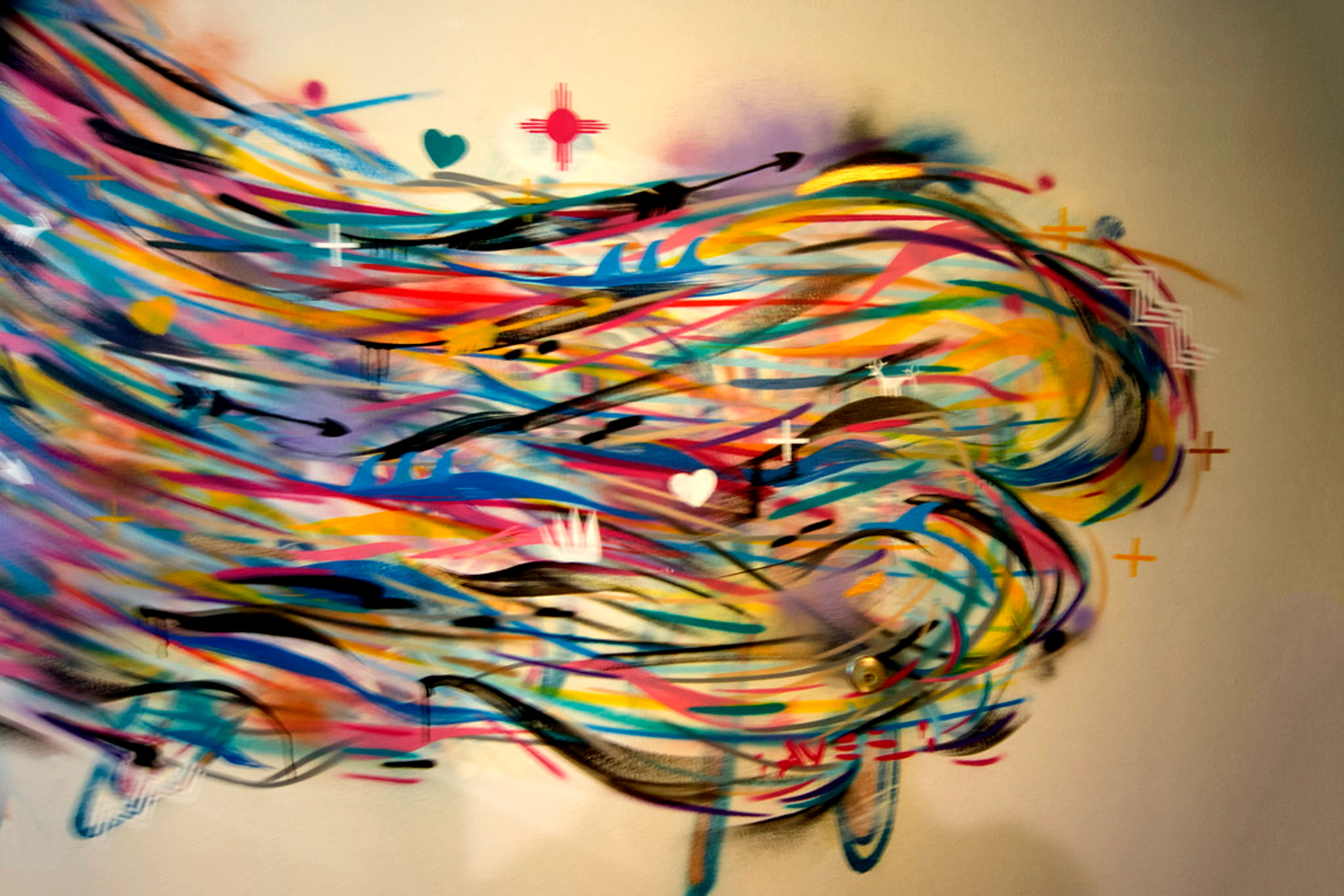
Abstract Art in Small Apartments: Maximizing Impact & Flow
Discover how to transform tiny living spaces with abstract art! My personal journey reveals tips for maximizing impact, creating flow, and making small apartments feel grand.

Decoding Small Spaces: My Personal Journey to Maximizing Impact with Abstract Art
Living in a small apartment often feels like a constant negotiation. Every piece of furniture, every decorative item, every thing you own demands a slice of precious square footage. For years, I approached decorating my modest spaces with a minimalist's caution, fearing that anything too bold would shrink the room or make it feel cluttered. I imagined myself perpetually bumping into things, muttering apologies to inanimate objects. Then, abstract art entered my life, and frankly, it flipped my decorating philosophy on its head. It wasn't just about finding pretty pictures; it was about discovering how vibrant colors and dynamic compositions could expand my world, even within four walls.
Abstract art, with its emphasis on form, color, and emotion over literal representation, offers a unique opportunity to transform small spaces. It invites the viewer to interpret and engage, creating a dynamic interaction that can make a room feel larger and more alive. This article explores how abstract art can be leveraged to maximize the impact of small spaces, offering practical tips, personal insights, and a deeper understanding of the role of art in interior design.
Why Abstract Art?
Abstract art is not just about aesthetics; it's about evoking emotions and sparking conversations. Unlike traditional art forms that depict recognizable scenes or objects, abstract art relies on shapes, colors, and textures to convey meaning. This makes it incredibly versatile and adaptable to various spaces, especially small ones. The beauty of abstract art lies in its ability to transform a room without overwhelming it, making it an ideal choice for those looking to maximize the impact of their decor.
The Myth of "Small Space, Small Art": A Personal Revelation
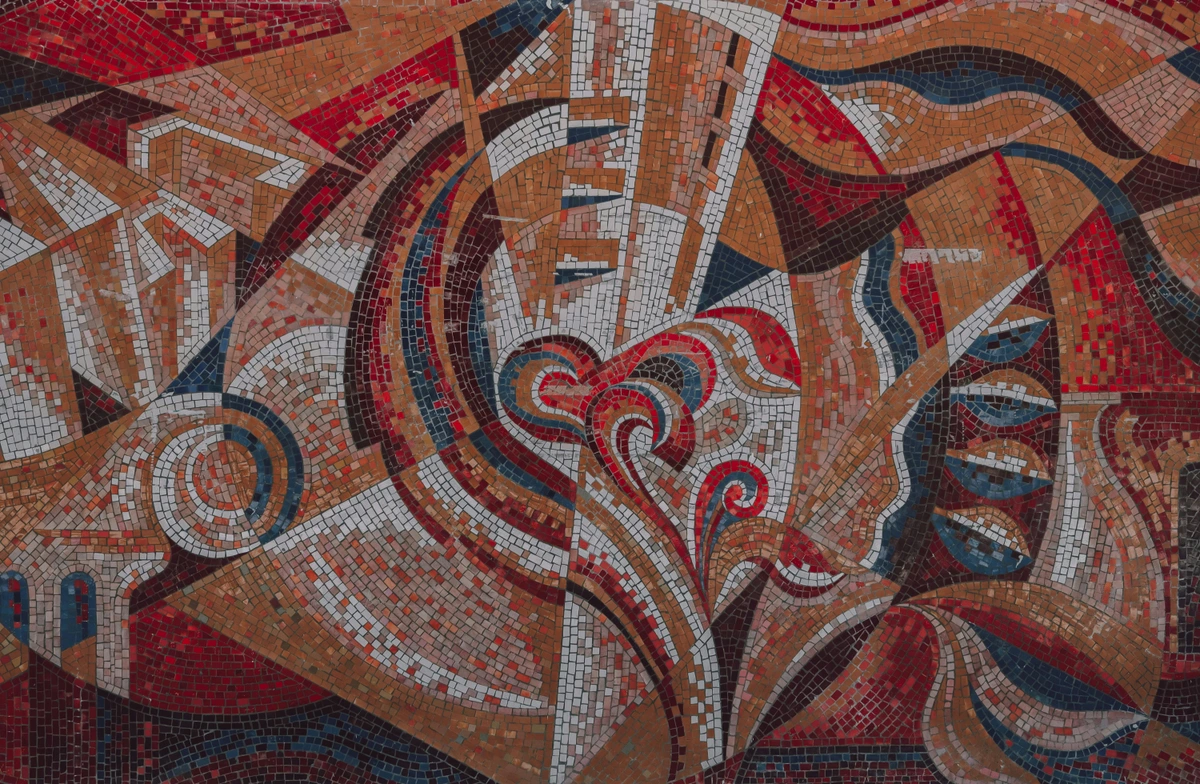
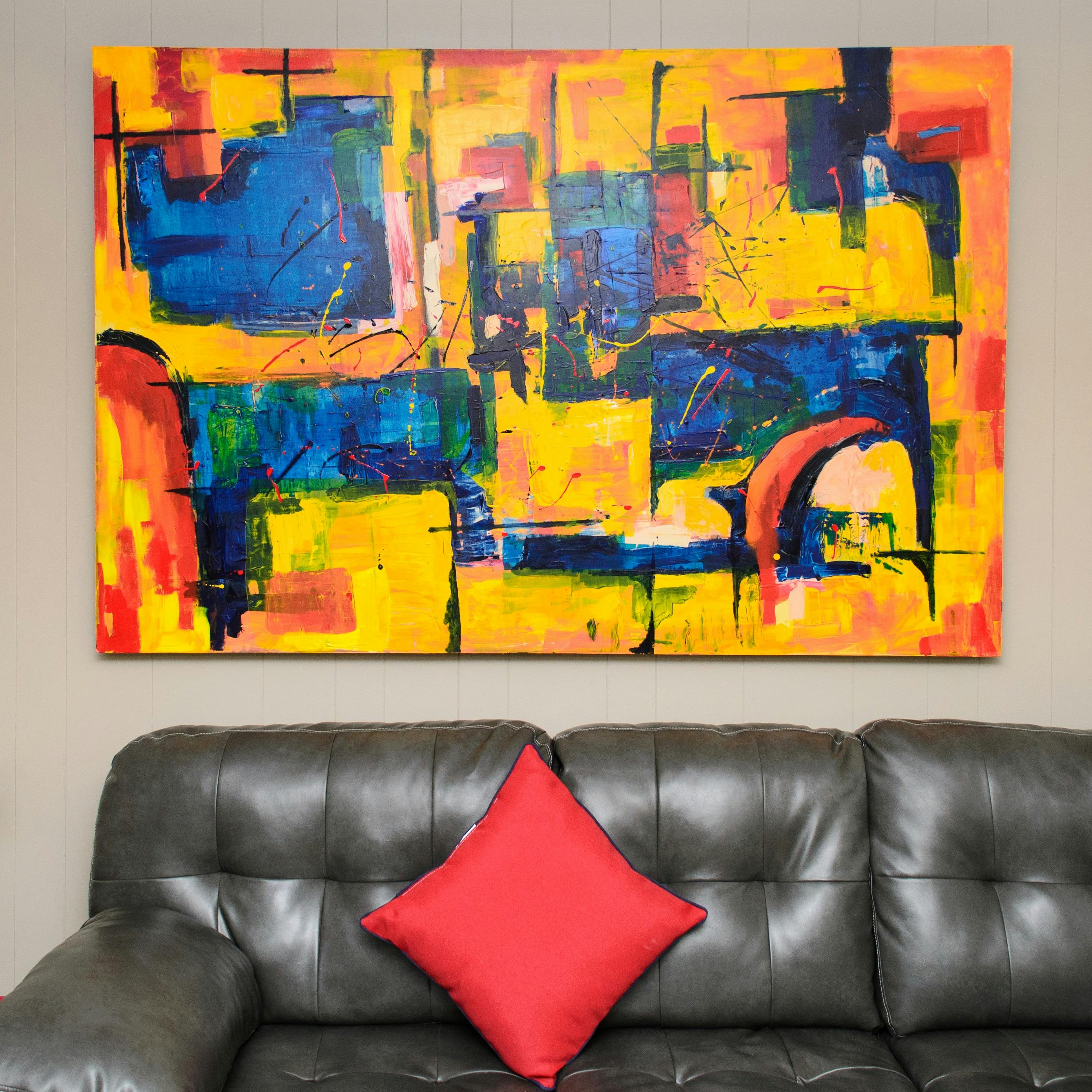
I remember the first time I dared to hang a relatively large abstract piece in my tiny living room. My internal monologue was a cacophony of doubt: "Are you insane? This isn't a gallery, it's a glorified hallway!" But something in me, perhaps the part that secretly loves a bit of rebellion, pushed through. And you know what? It didn't shrink the room; it gave it a focal point, an anchor. It was like the room took a deep breath and expanded.
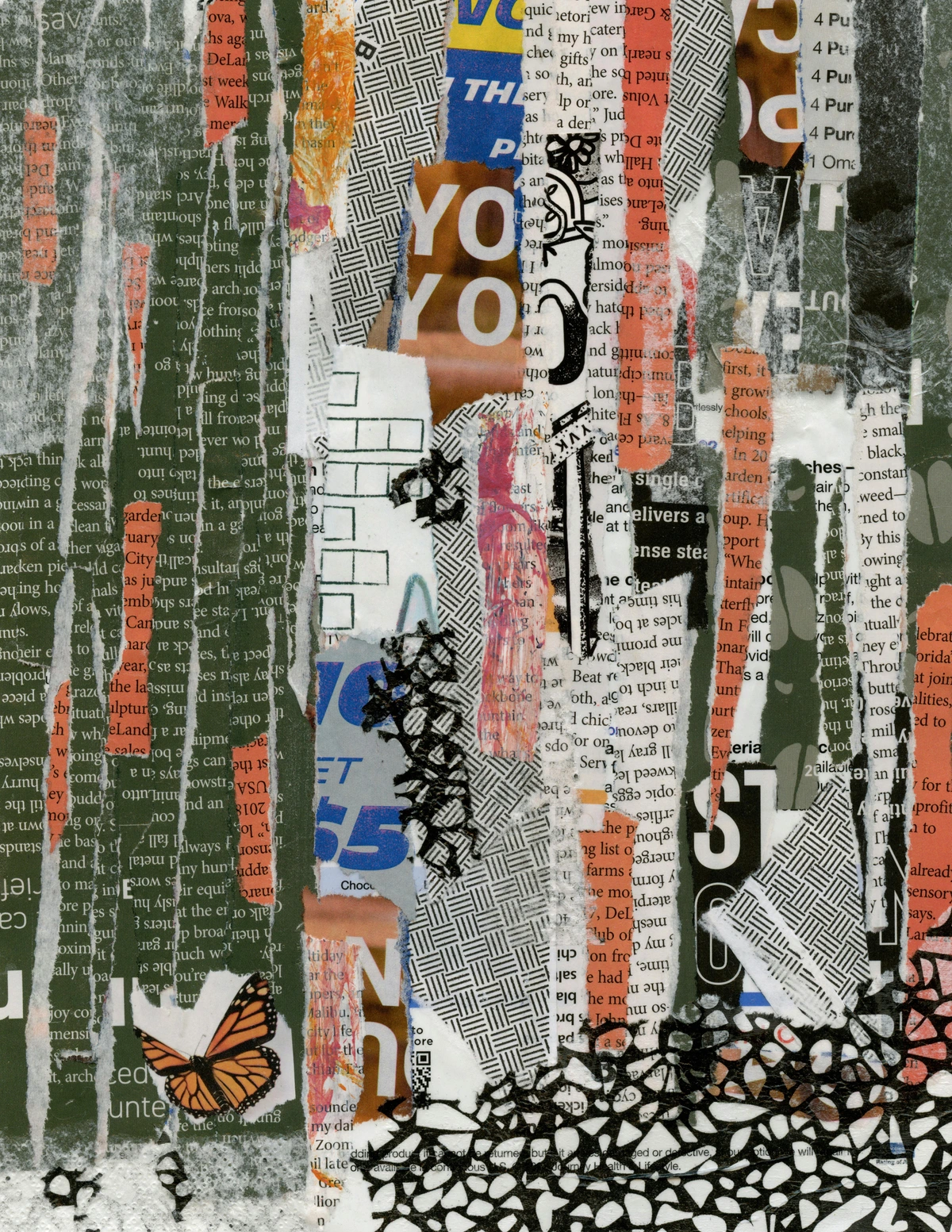
It's a common misconception, isn't it? That small spaces demand small art. But I've found the opposite to be true. A single, commanding abstract piece can actually make a room feel larger, drawing the eye in and creating a sense of depth that multiple small pieces might struggle to achieve. It tells a bolder story, without the visual noise. If you're curious about how art can truly transform perception, I've written more about using art to make a small room feel bigger, and it's quite the revelation!
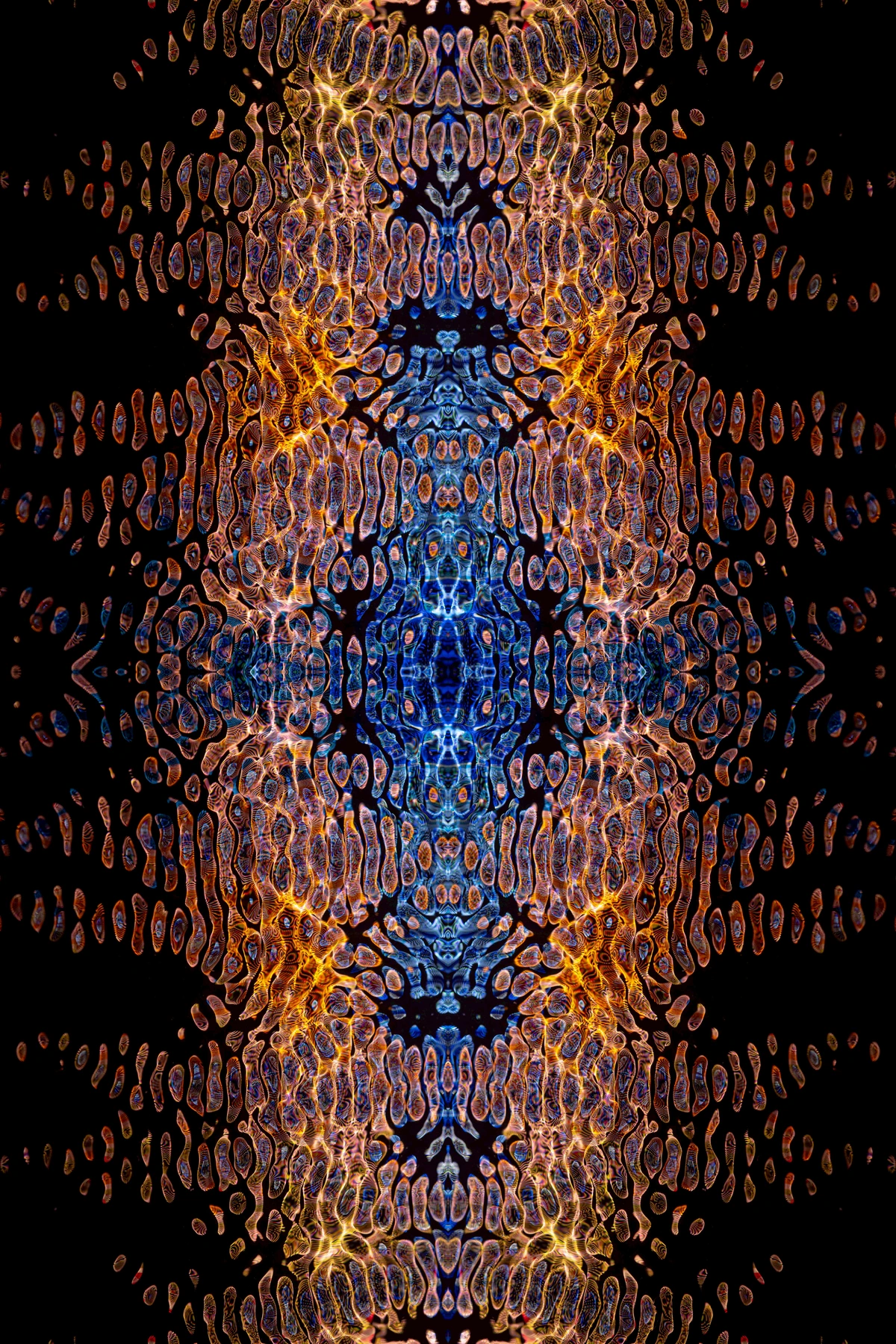
I remember the first time I dared to hang a relatively large abstract piece in my tiny living room. My internal monologue was a cacophony of doubt: "Are you insane? This isn't a gallery, it's a glorified hallway!" But something in me, perhaps the part that secretly loves a bit of rebellion, pushed through. And you know what? It didn't shrink the room; it gave it a focal point, an anchor. It was like the room took a deep breath and expanded.
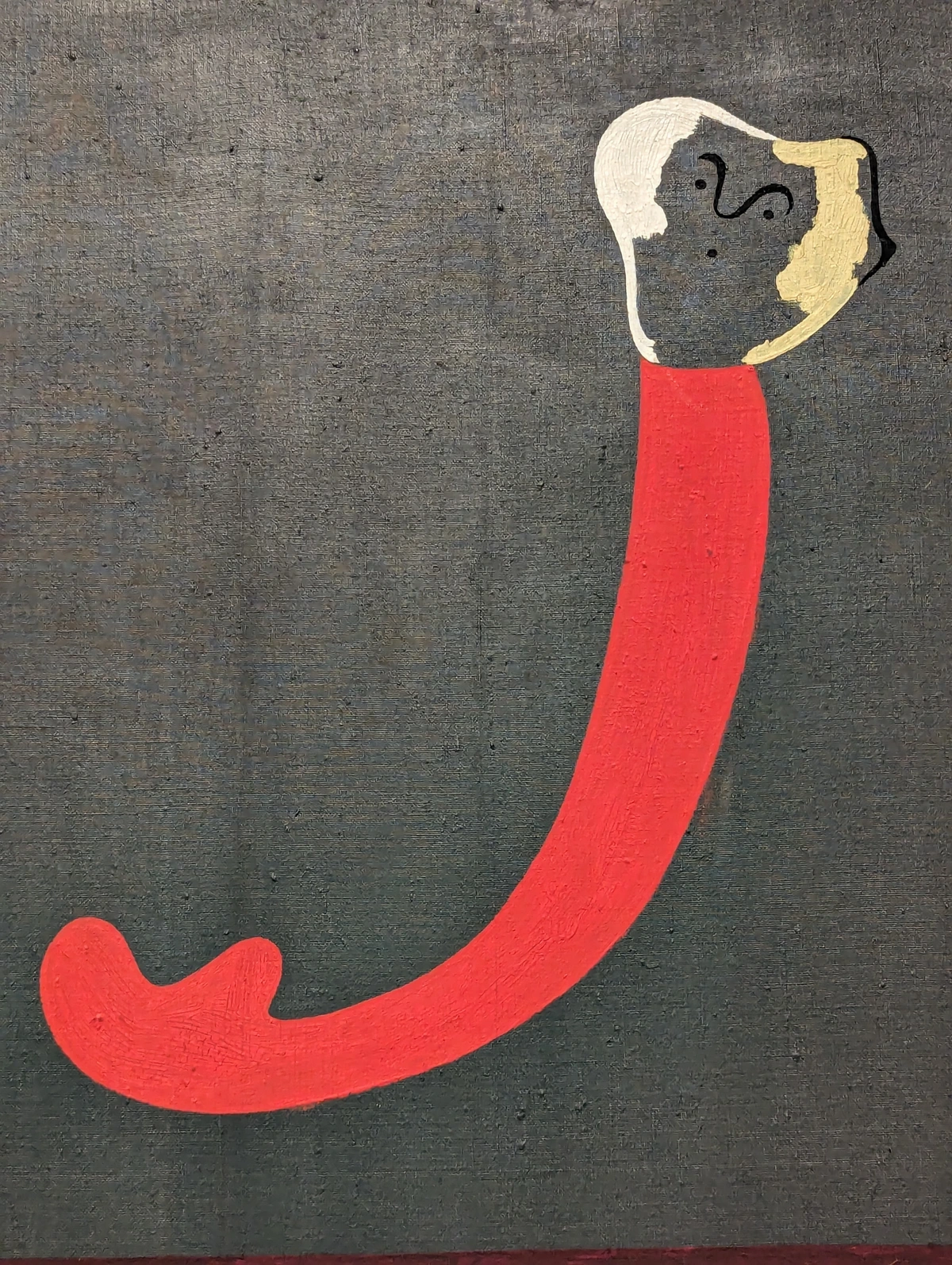
It's a common misconception, isn't it? That small spaces demand small art. But I've found the opposite to be true. A single, commanding abstract piece can actually make a room feel larger, drawing the eye in and creating a sense of depth that multiple small pieces might struggle to achieve. It tells a bolder story, without the visual noise. If you're curious about how art can truly transform perception, I've written more about using art to make a small room feel bigger, and it's quite the revelation!
Zenmuseum, licence
Finding Flow: How Abstract Art Creates Visual Movement
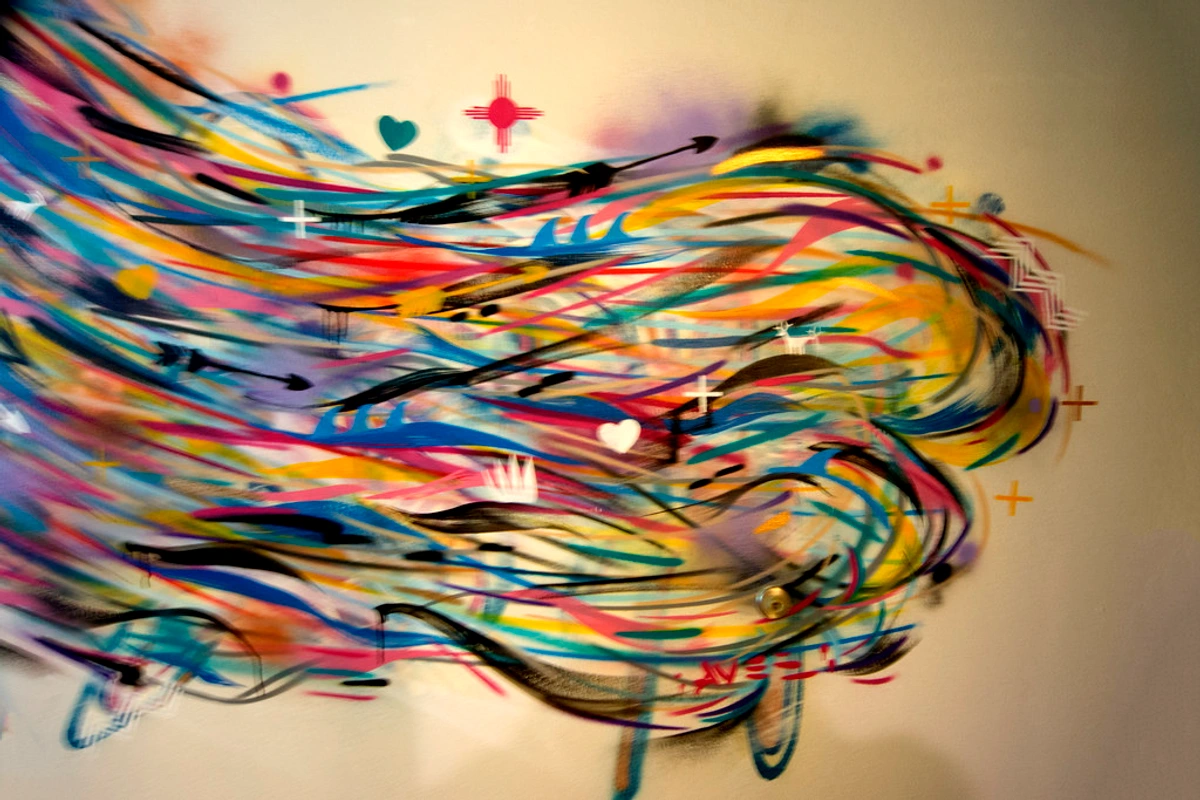
One of my biggest decorating pet peeves (and believe me, I have a few) is a room that feels stagnant. Like everything is just sitting there. Abstract art, with its inherent dynamism, became my secret weapon against this. It's not always about literal motion; it's about the implied movement, the way colors blend, lines intersect, and shapes dance across the canvas. This visual flow guides your eye, preventing it from getting stuck on one spot and instead encouraging it to explore the entire composition, and by extension, the entire room.
Think of it like a good conversation – it moves, it shifts, it never stays on one topic for too long, but always returns to a central theme. That's what abstract art does for a small space. The composition of a piece is paramount here; it's the invisible force that directs your gaze. If you're interested in the nuts and bolts, my article on the definitive guide to composition in abstract art delves deeper. Similarly, the power of color in abstract art plays a huge role in creating an expansive or intimate feel.
The Role of Color in Abstract Art
Color is one of the most powerful tools in an artist's arsenal. It can evoke emotions, set the mood, and even influence the perceived size of a space. In abstract art, color is used to create depth and movement, making it an essential element in transforming small spaces. For example, cool colors like blues and greens can make a room feel more spacious, while warm colors like reds and oranges can add warmth and coziness. Understanding the role of color can help you choose the perfect abstract piece for your space.
One of my biggest decorating pet peeves (and believe me, I have a few) is a room that feels stagnant. Like everything is just sitting there. Abstract art, with its inherent dynamism, became my secret weapon against this. It's not always about literal motion; it's about the implied movement, the way colors blend, lines intersect, and shapes dance across the canvas. This visual flow guides your eye, preventing it from getting stuck on one spot and instead encouraging it to explore the entire composition, and by extension, the entire room.
Think of it like a good conversation – it moves, it shifts, it never stays on one topic for too long, but always returns to a central theme. That's what abstract art does for a small space. The composition of a piece is paramount here; it's the invisible force that directs your gaze. If you're interested in the nuts and bolts, my article on the definitive guide to composition in abstract art delves deeper. Similarly, the power of color in abstract art plays a huge role in creating an expansive or intimate feel.
Zenmuseum, licence
My Playbook for Small Apartment Art: Practical Tips & Personal Touches
After years of trial and error (and a few questionable art purchases I'd rather not discuss), I've developed a few go-to strategies for making abstract art sing in a compact setting.
Choosing the Right Size
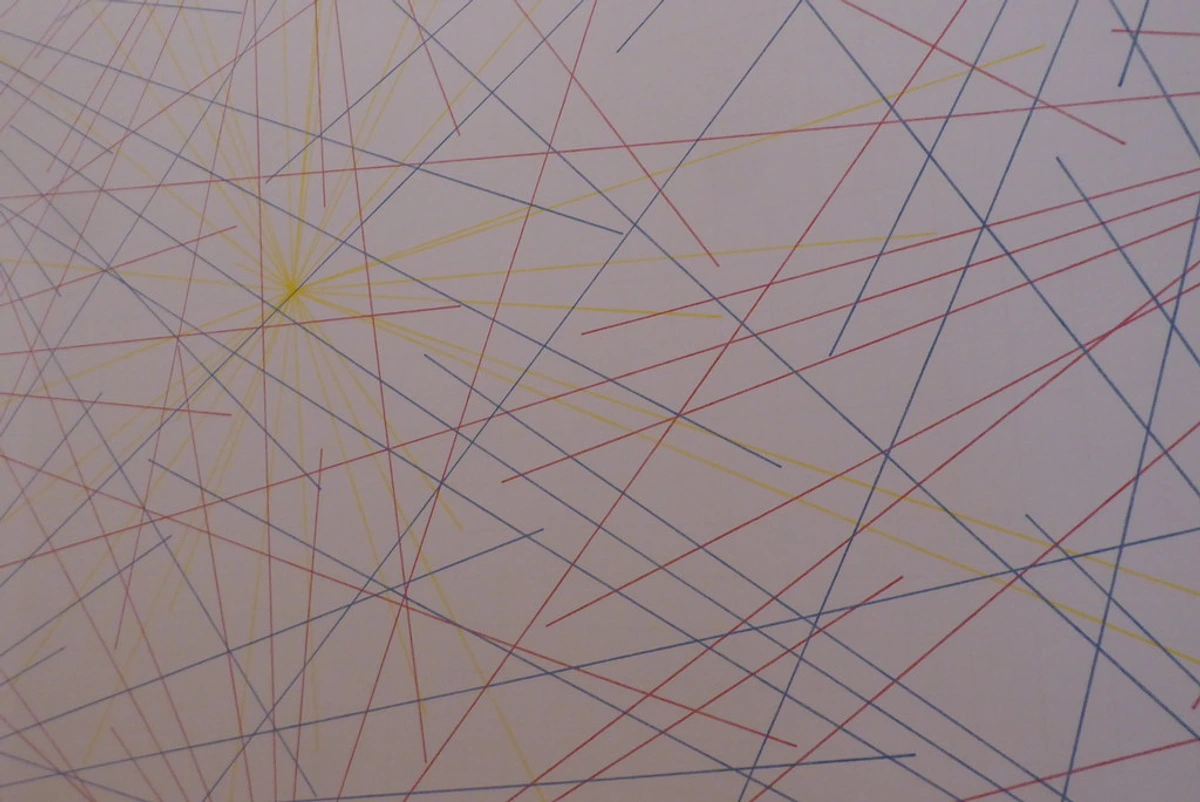
When it comes to abstract art in small spaces, size matters. While large pieces can make a bold statement, it's essential to ensure they don't overwhelm the room. Consider the scale of your furniture and the layout of your space. A well-proportioned piece can enhance the room's aesthetics without making it feel cramped.

Embrace Verticality (and My Fear of Ladders)
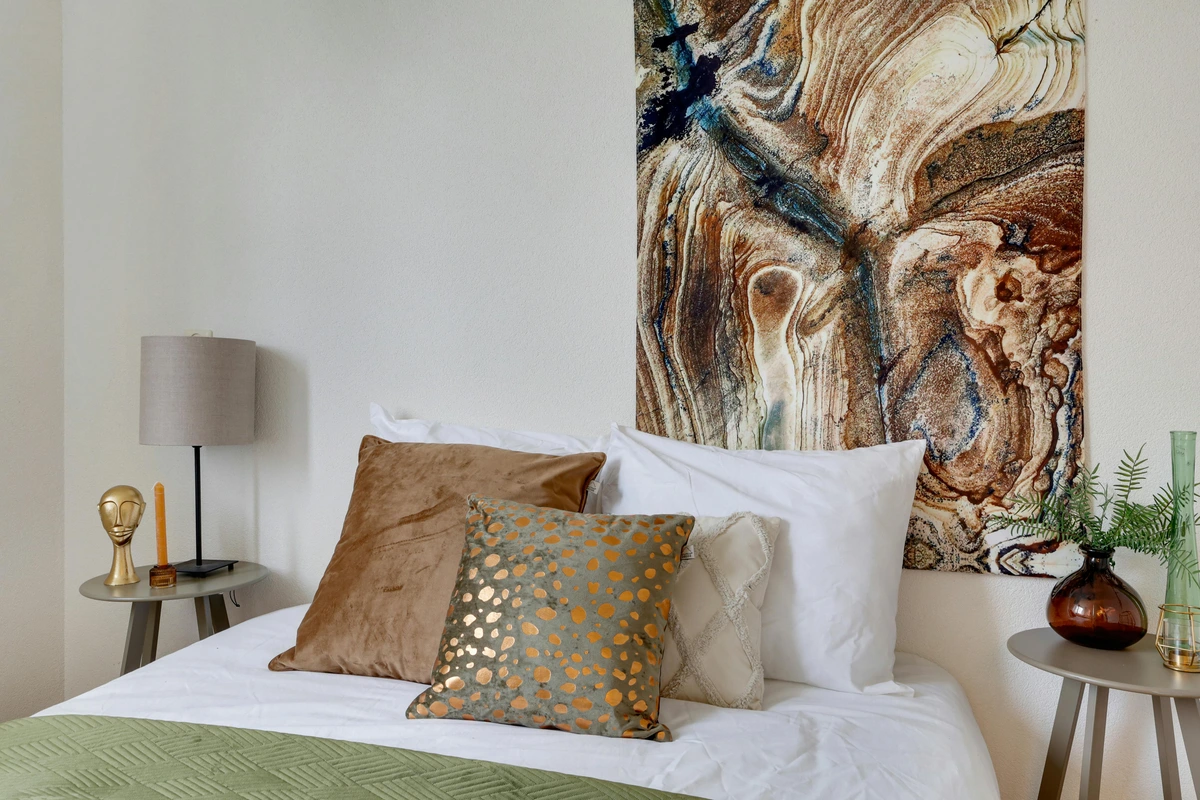
When floor space is scarce, the walls become your canvas. I've experimented with both large statement pieces and carefully curated gallery walls. For small spaces, I often lean towards one or two larger, impactful abstract pieces rather than a cluttered array of tiny frames. This minimizes visual clutter while maximizing impact. However, if a gallery wall calls to you (and they can be delightful!), remember to keep a coherent theme or color palette. It's about intentionality, not just filling space. For more creative ideas, check out 7 creative ways to incorporate abstract art into small living spaces.
Creating a Gallery Wall
If you're drawn to the idea of a gallery wall, there are a few key tips to keep in mind. Start by selecting a theme or color palette to tie the pieces together. This could be a specific color scheme, a particular style of abstract art, or even a mix of different textures. Arrange the pieces in a way that creates a cohesive visual flow, and don't be afraid to mix and match sizes and shapes. A well-curated gallery wall can add personality and depth to your space.
Color as a Conversationalist (or a Quiet Friend)
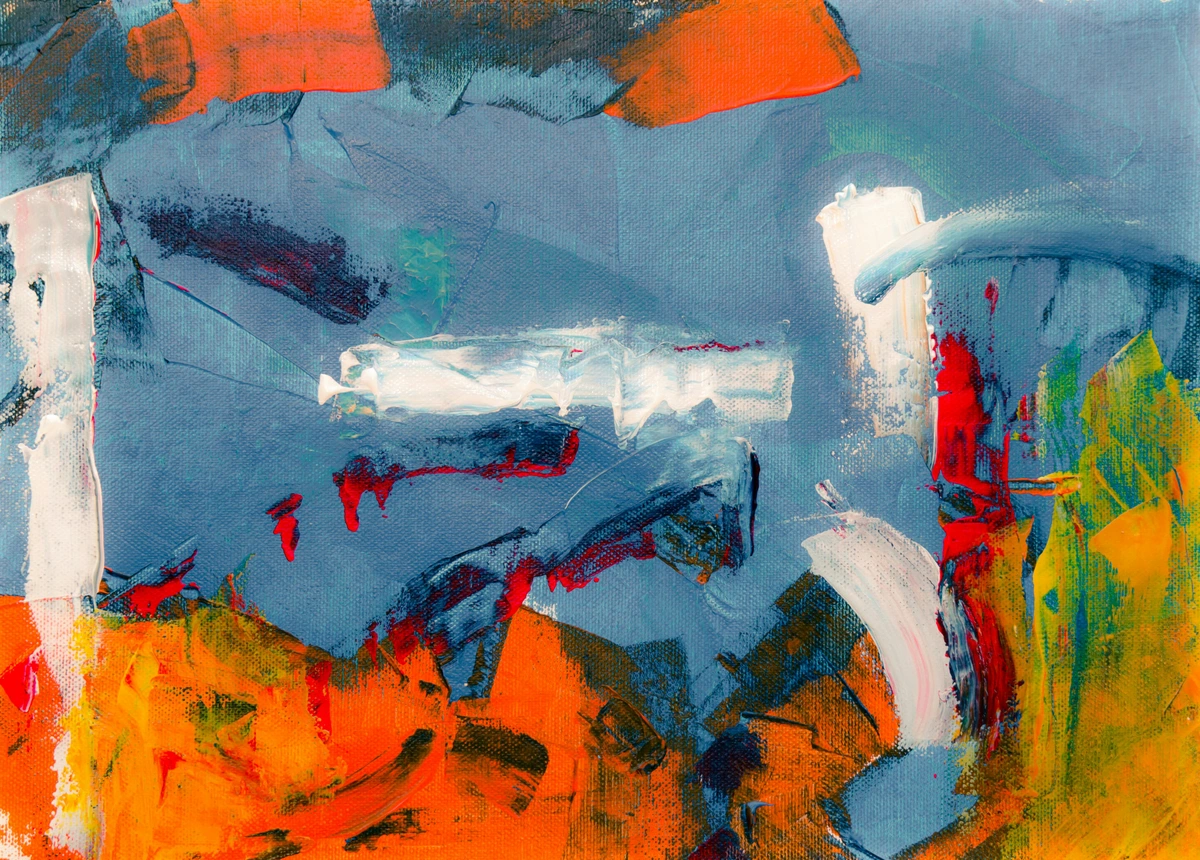
Color is deeply personal, isn't it? Sometimes I crave the vibrant energy of bold reds and blues, other times I long for the soothing whispers of muted greens and grays. In small spaces, color isn't just aesthetic; it's strategic. Lighter, cooler tones can recede, making a room feel airier. But don't shy away from a pop of intense color! A vibrant abstract piece can inject personality and depth without overwhelming. It's all about balance and how the art interacts with your existing decor. I often think about the emotional language of color in abstract art when choosing pieces for my own space.
The Emotional Impact of Color
Color has the power to evoke emotions and set the tone for a room. In abstract art, color is used to create a mood and atmosphere that can transform a space. For example, blues and greens can create a calming and serene environment, while reds and yellows can add energy and vibrancy. Understanding the emotional impact of color can help you choose abstract art that resonates with you and enhances your living space.
Texture: The Unsung Hero of Intimacy
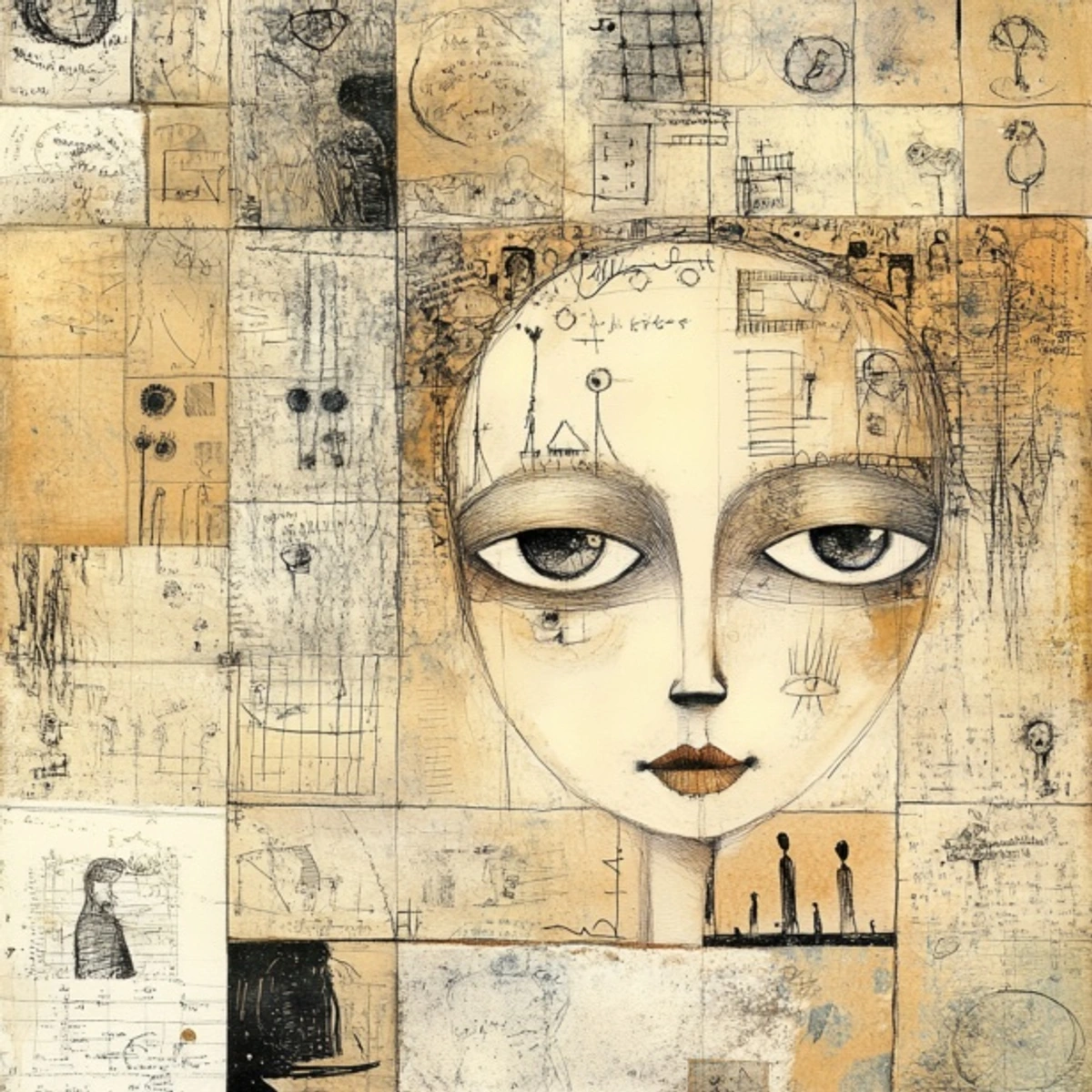
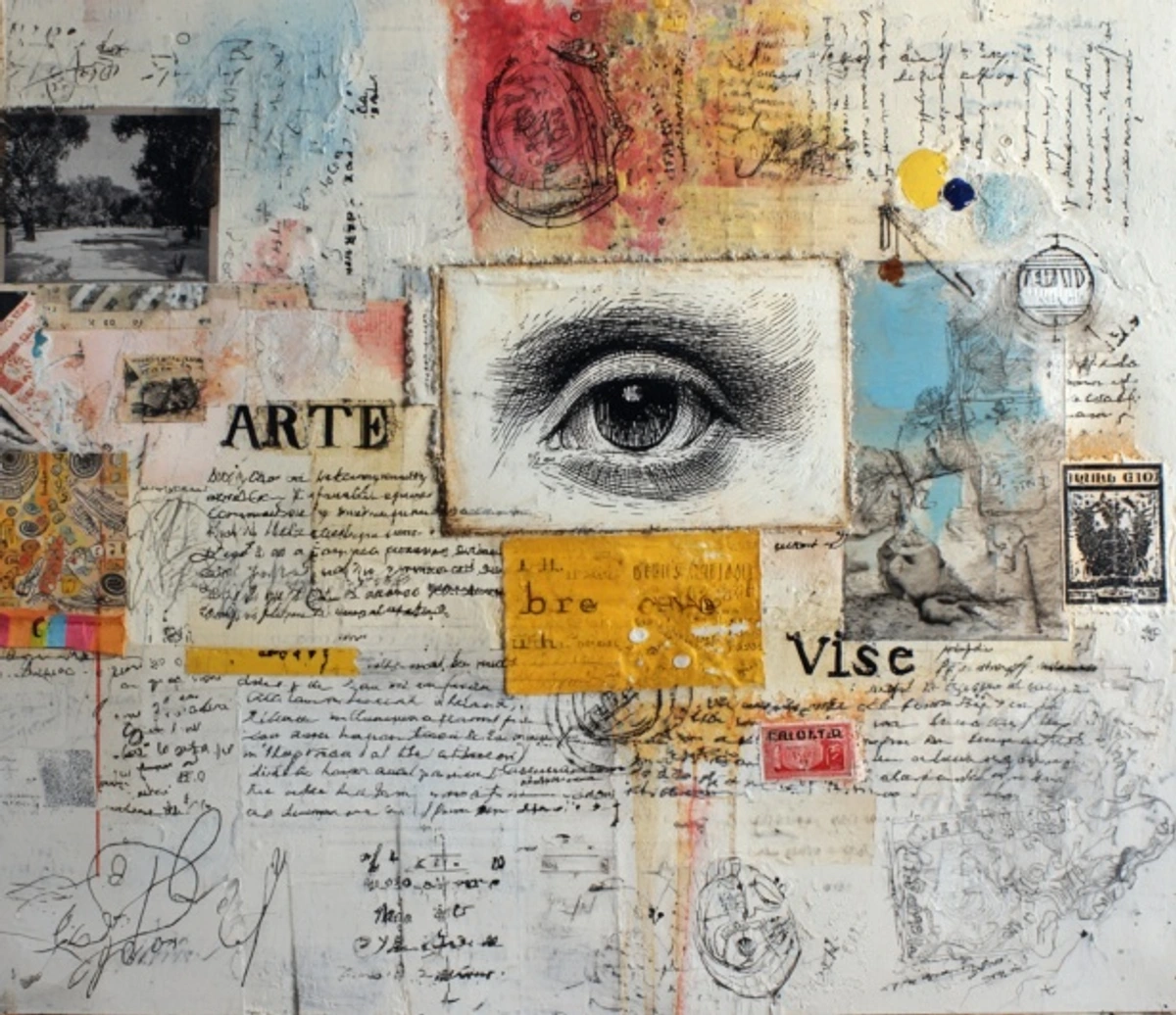
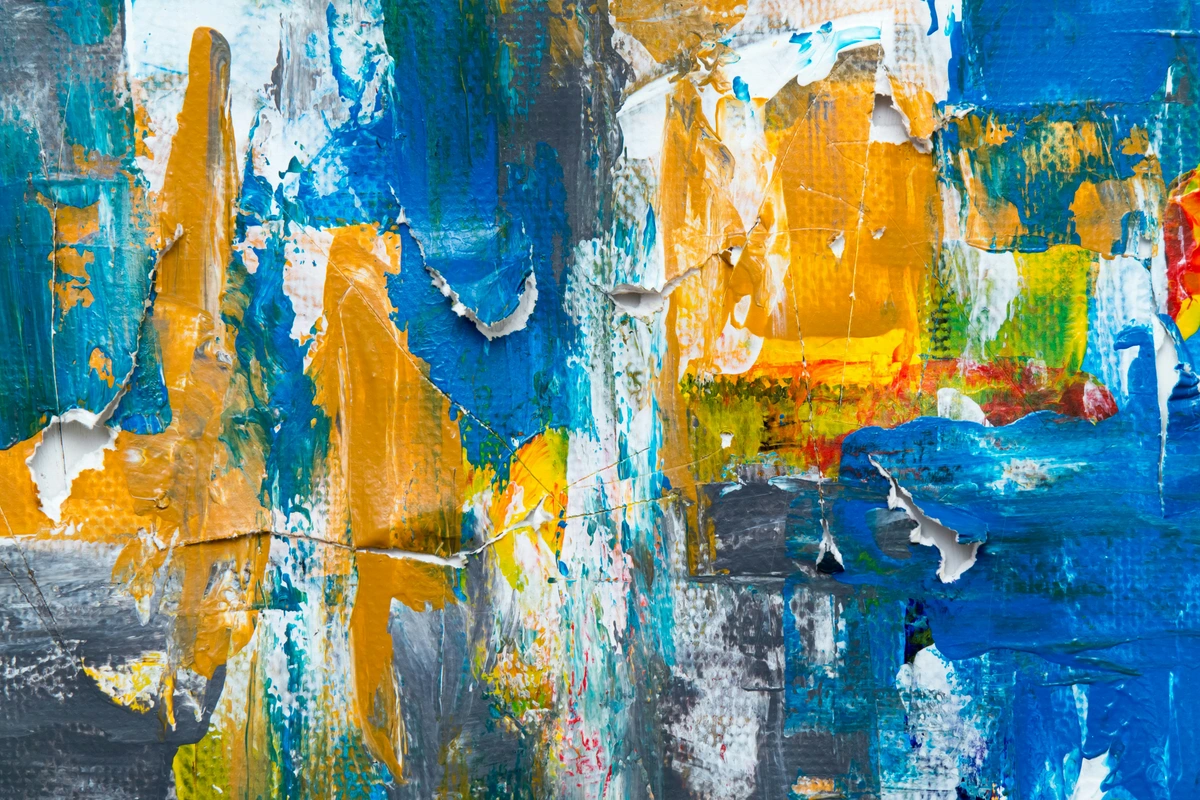
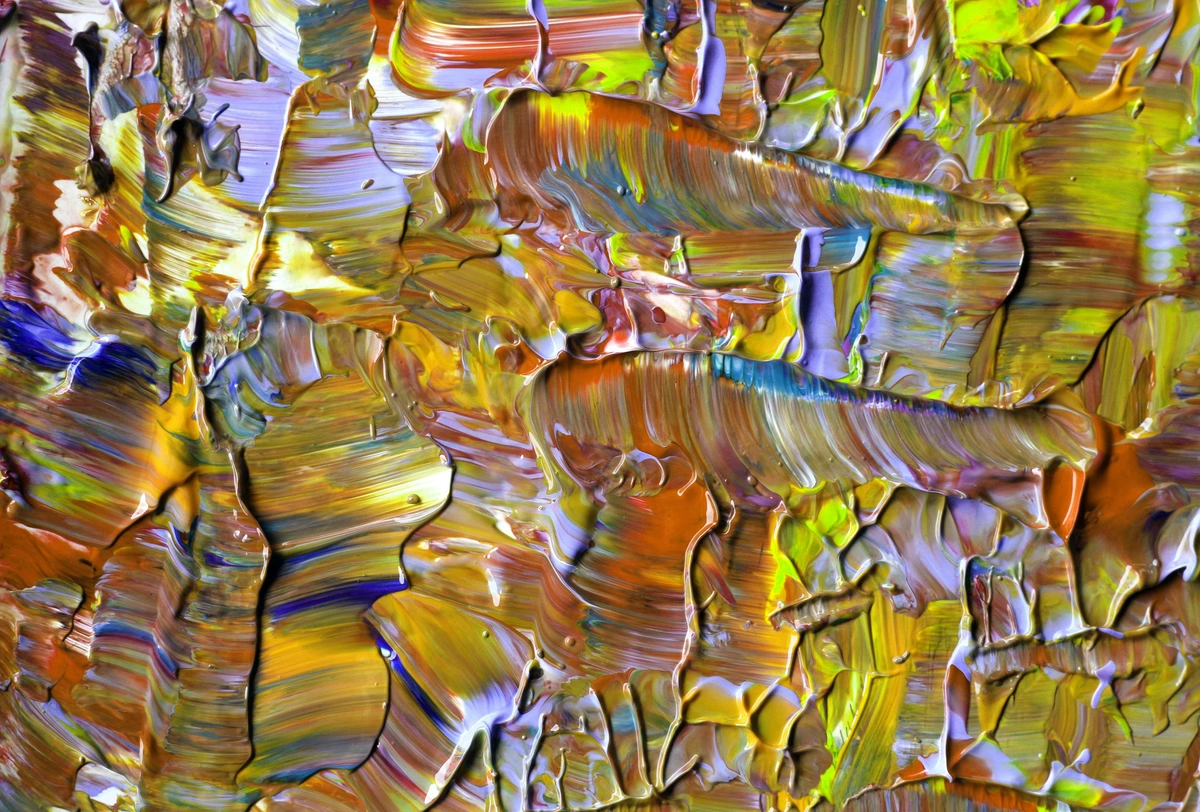
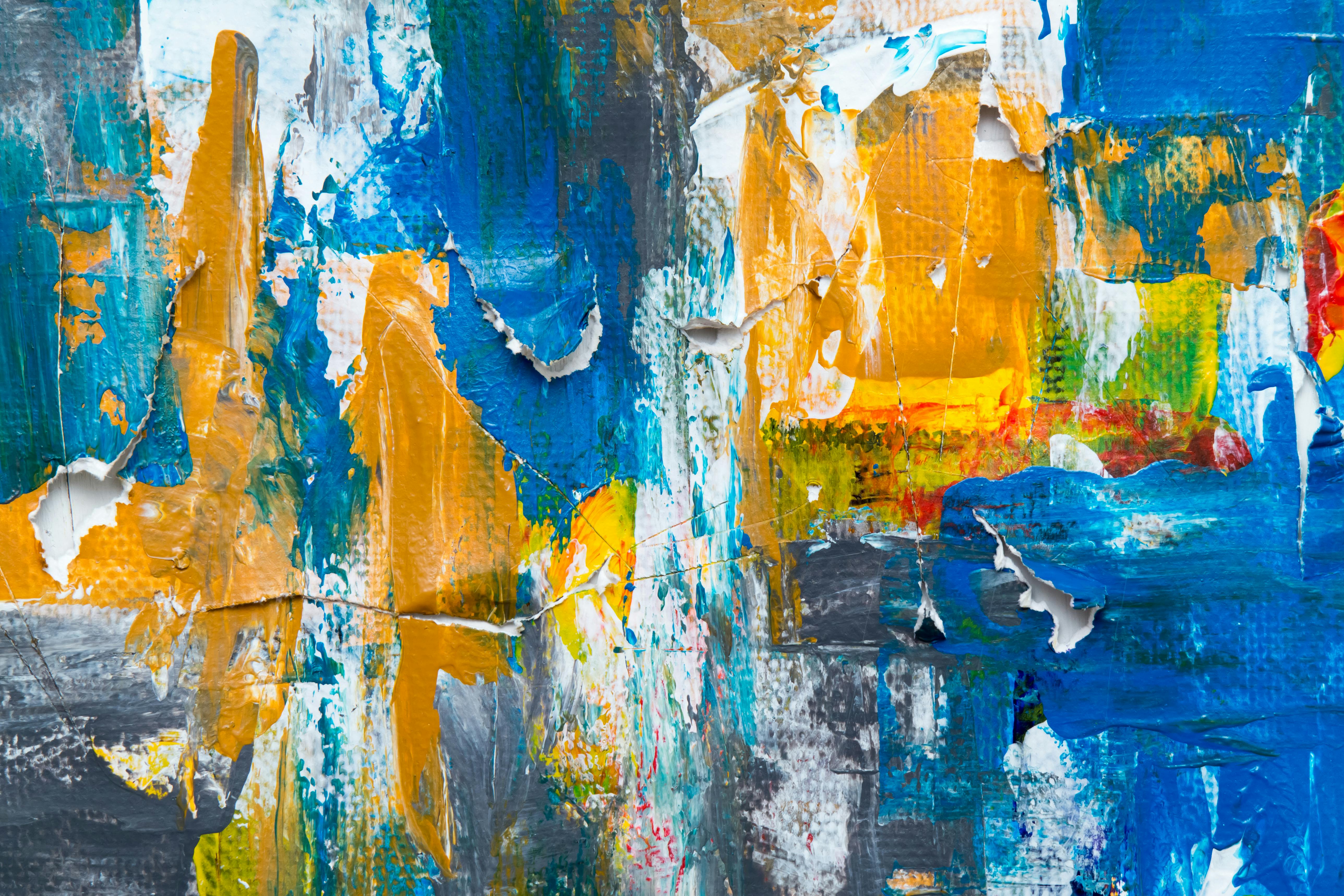
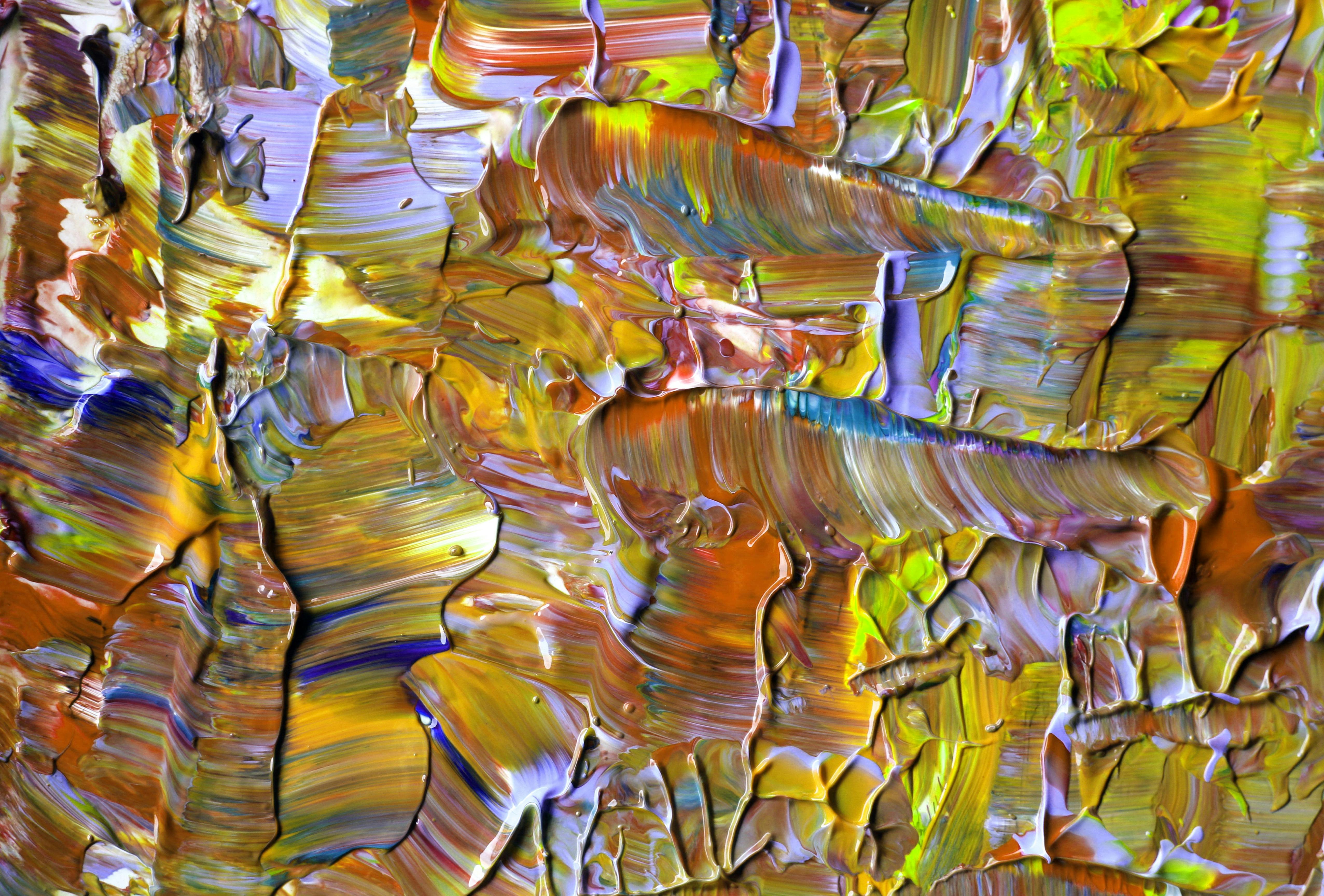
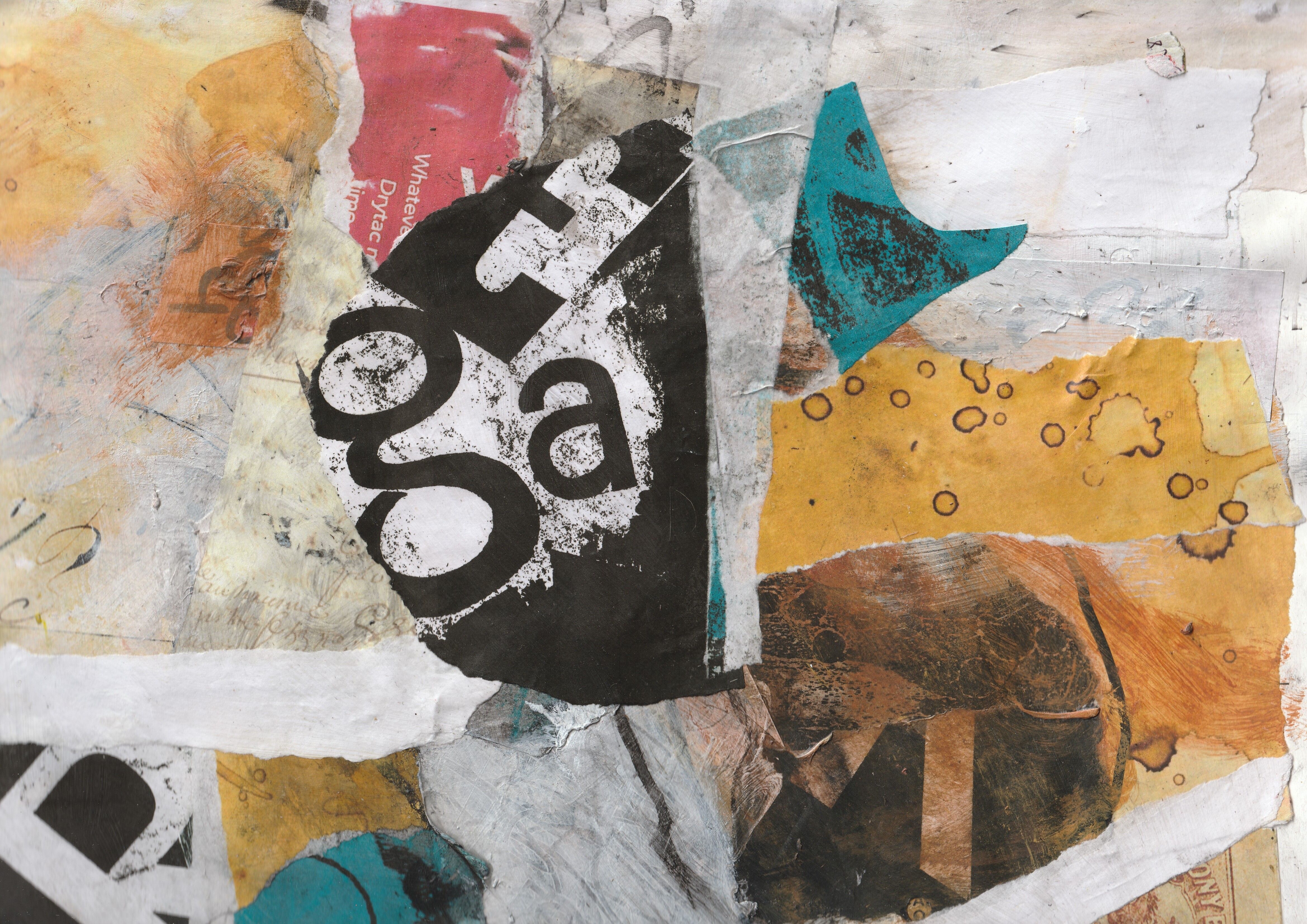
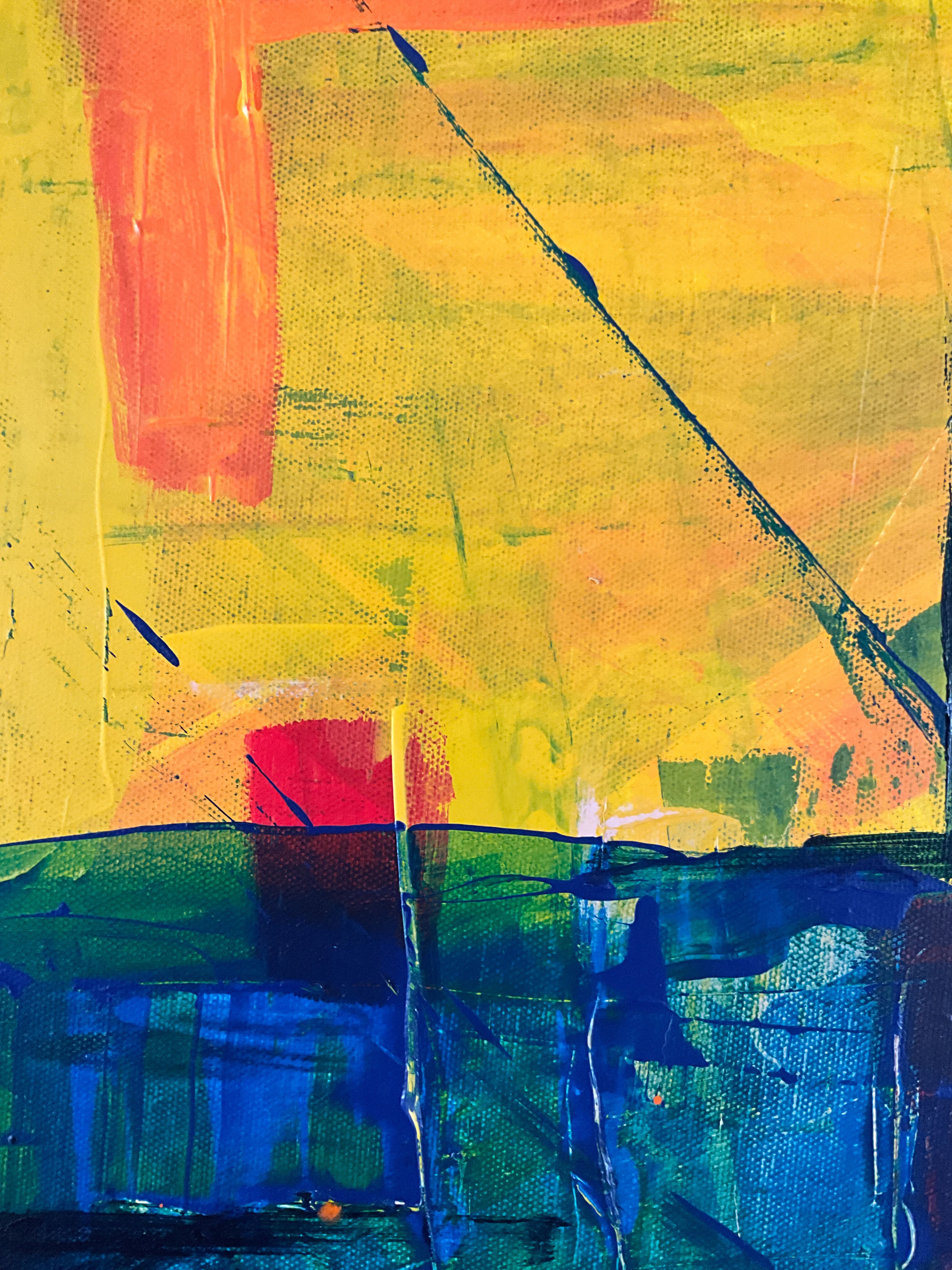
Texture in abstract art, whether it's thick impasto strokes or subtle layering, adds a tactile dimension that can make a small room feel richer and more inviting. It's a feast for the eyes and mind, even if you can't (or shouldn't!) touch it. In a small space, where grand gestures are limited, these subtle details become incredibly important. They add depth without adding physical bulk, transforming a flat wall into something dynamic and interesting. It's a topic I've explored further in the role of texture in abstract art: a sensory exploration.
Exploring Different Textures
Texture in abstract art can take many forms, from rough and tactile to smooth and glossy. Each type of texture can evoke different emotions and create unique visual effects. For example, thick impasto strokes can add a sense of depth and dimension, while smooth, glossy finishes can create a sleek and modern look. Experimenting with different textures can help you find the perfect abstract piece to complement your space.
https://freerangestock.com/photos/159386/modern-dining-area-with-abstract-wall-art.html, licence
Lighting (and Avoiding My Own Shadows)
This one's crucial. Good lighting can literally illuminate your abstract art, enhancing its colors and textures and preventing it from looking flat. In a small apartment, where natural light might be limited, strategic lighting becomes even more important. Think track lighting, picture lights, or even a well-placed floor lamp. It's not just about seeing the art; it's about making it glow. I've had my share of poorly lit corners that made beautiful art look sad, so trust me on this one. My article on the art of display: how to light and position abstract art for maximum impact shares more of my lighting epiphanies.
Types of Lighting for Abstract Art
There are several types of lighting that can enhance the beauty of abstract art. Track lighting is a versatile option that allows you to direct light exactly where you need it. Picture lights are designed specifically for artwork and can provide a focused, even light that highlights the details of the piece. Floor lamps and table lamps can also be used to create a warm and inviting atmosphere. Experimenting with different types of lighting can help you find the perfect balance for your space.
Framing: The Outfit for Your Art (and My Own Fashion Flops)
Just as a good outfit can elevate your mood, the right frame can elevate your art. In small spaces, I tend to gravitate towards simple, clean frames – think thin black, white, or natural wood. Overly ornate or bulky frames can feel heavy and detract from the art itself, adding visual weight where you want lightness. It's about letting the art speak, not shouting over it with a fancy border.
Choosing the Right Frame
Choosing the right frame for your abstract art is essential to enhance its beauty and complement your space. Simple, clean frames in neutral colors can create a modern and minimalist look, while more ornate frames can add a touch of elegance and sophistication. Consider the style of your art and the overall aesthetic of your space when choosing a frame. A well-chosen frame can elevate your art and make it a focal point in your room.
Beyond the Walls: Integrating Art into Daily Life
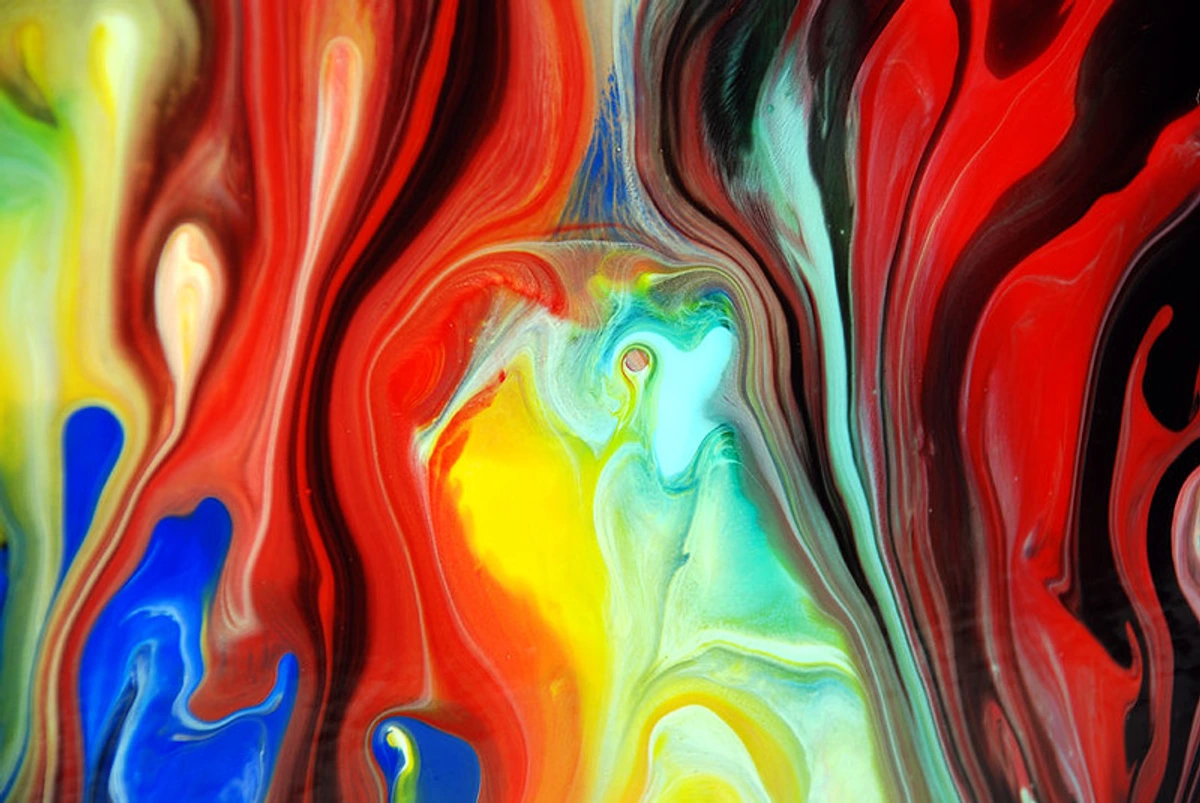
Decorating with abstract art in a small apartment isn't just about making the space look good; it's about how it makes you feel. My art pieces are more than just wall decor; they're silent companions, sources of contemplation, and sometimes, a burst of unexpected joy on a grey morning. They remind me of my artistic journey, much like reflecting on my timeline does. They're a part of the stories my home tells.
The Role of Art in Personal Well-being
Art has the power to influence our emotions and well-being. Abstract art, in particular, can evoke a range of feelings and create a sense of connection and belonging. Whether it's a calming blue piece that reminds you of the ocean or a vibrant red one that energizes you, abstract art can become a powerful emotional anchor in your home. It's not just about aesthetics; it's about creating a space that nurtures your soul and enhances your daily life.
The Emotional Impact of Abstract Art
Abstract art has a unique ability to evoke emotions and memories. Unlike representational art, which often tells a clear story, abstract art invites the viewer to bring their own experiences and interpretations to the piece. This can create a deeply personal connection, making the art feel like a reflection of your own journey. Whether it's a calming blue piece that reminds you of the ocean or a vibrant red one that energizes you, abstract art can become a powerful emotional anchor in your home.
Creating a Personal Connection with Art
Creating a personal connection with abstract art is about finding pieces that resonate with you on a deeper level. It's about choosing art that evokes emotions, memories, and feelings that are unique to you. This personal connection can make your space feel more like home and create a sense of belonging. Whether it's a piece that reminds you of a special place or a color that makes you feel happy, abstract art can become a meaningful part of your life.
Creating a Narrative with Art
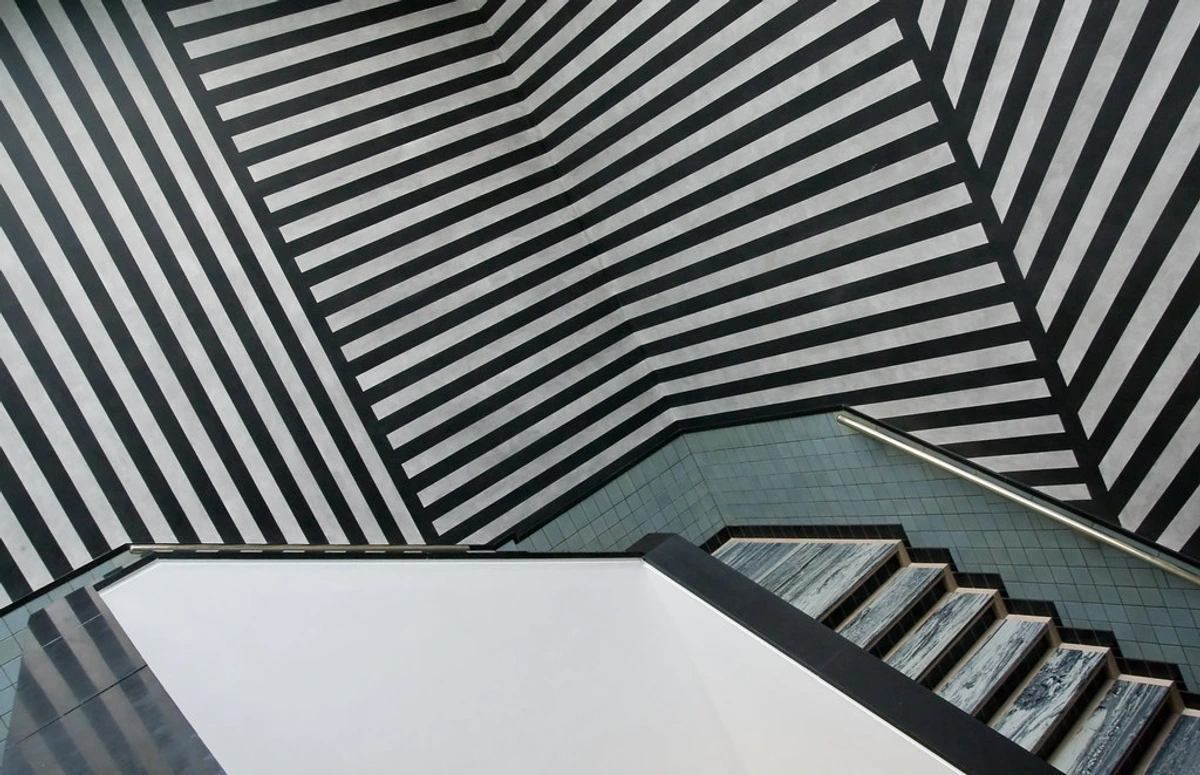
Every piece of art in your home contributes to the narrative of your space. Abstract art, with its open-ended nature, allows you to weave a story that is uniquely yours. Consider how each piece interacts with the others and with the overall aesthetic of your home. Do they create a cohesive theme, or do they offer contrasting perspectives? The way you arrange and curate your art can turn your small apartment into a gallery of your life's journey.
The Art of Storytelling
Abstract art is a powerful tool for storytelling. Each piece can represent a chapter in your life, a memory, or a feeling. By curating your art collection, you can create a narrative that reflects your personality and experiences. Whether it's a series of pieces that tell a story or a single piece that captures a moment, abstract art can help you express yourself and create a space that is uniquely yours.
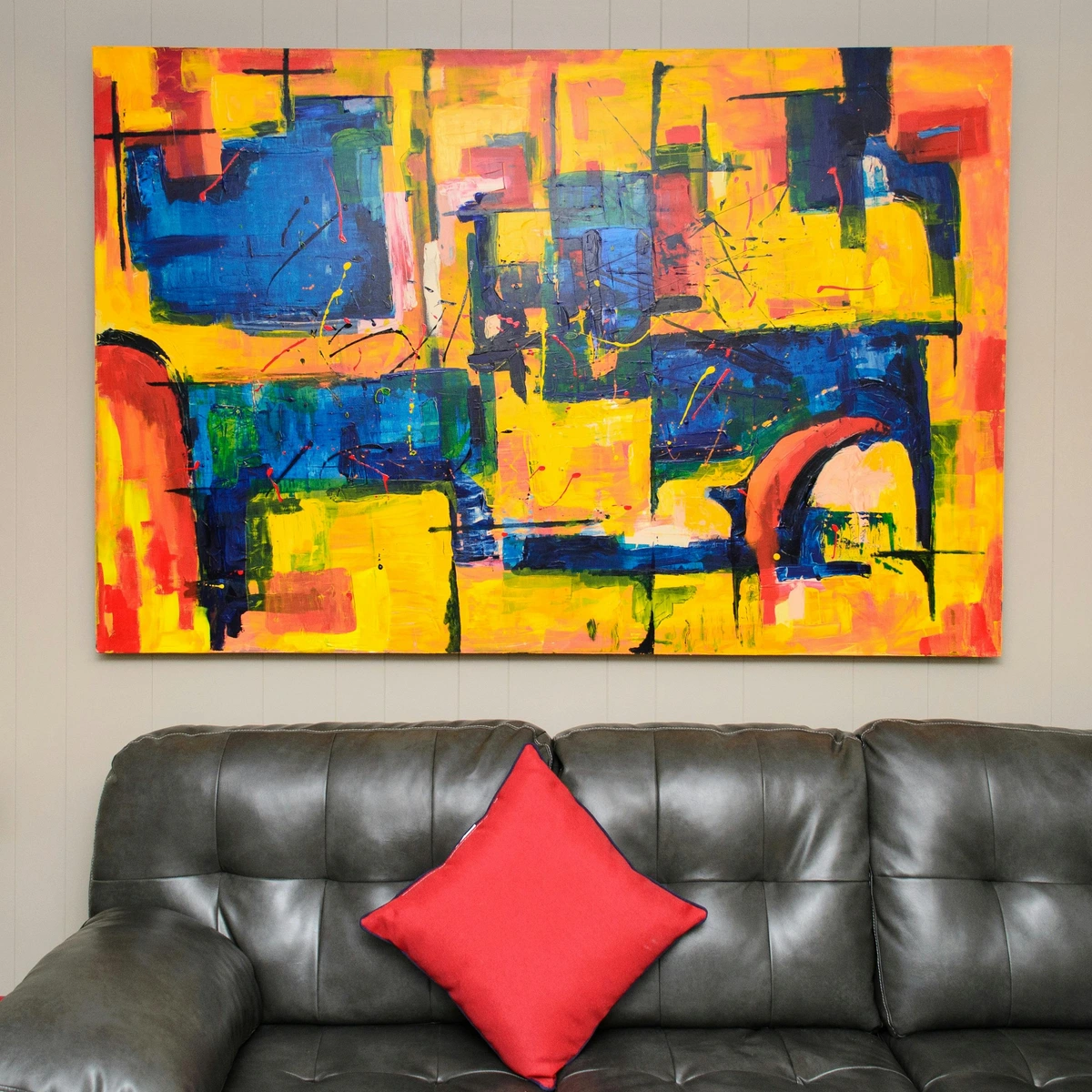
Decorating with abstract art in a small apartment isn't just about making the space look good; it's about how it makes you feel. My art pieces are more than just wall decor; they're silent companions, sources of contemplation, and sometimes, a burst of unexpected joy on a grey morning. They remind me of my artistic journey, much like reflecting on my timeline does. They're a part of the stories my home tells.
https://levyaa.com/tag/contemporary/, licence
FAQs from Fellow Small-Space Enthusiasts (and My Own Queries)
Q: Can I really put a huge piece of abstract art in a tiny studio?
A: Absolutely! In fact, I'd encourage it. A single large piece can create a powerful focal point and give the illusion of more space by drawing the eye across the wall. It reduces visual clutter compared to many smaller pieces. Just ensure it's not so large it impedes movement or takes over every inch of the wall. Think statement, not suffocating.
Q: How do I make sure my abstract art doesn't overwhelm the space?
A: Balance is key. If you have a very bold, colorful piece, consider keeping surrounding furniture and decor more neutral. Conversely, if your space is minimalist, a vibrant abstract can be the perfect jolt of energy. Also, consider pieces with open compositions or lighter backgrounds to maintain an airy feel. It's a delicate dance, but immensely rewarding! For more specific guidance on selecting art for your apartment, take a peek at how to choose art for a small apartment.
Q: What if my small apartment has weird angles or limited wall space?
A: Get creative! Consider hanging art in unexpected places – above a doorway, on a narrow wall strip, or even resting a framed piece on a bookshelf or dresser. Sometimes, the most unconventional spots yield the most interesting displays. Don't be afraid to break traditional "rules."
Q: How do I choose abstract art that truly speaks to me?
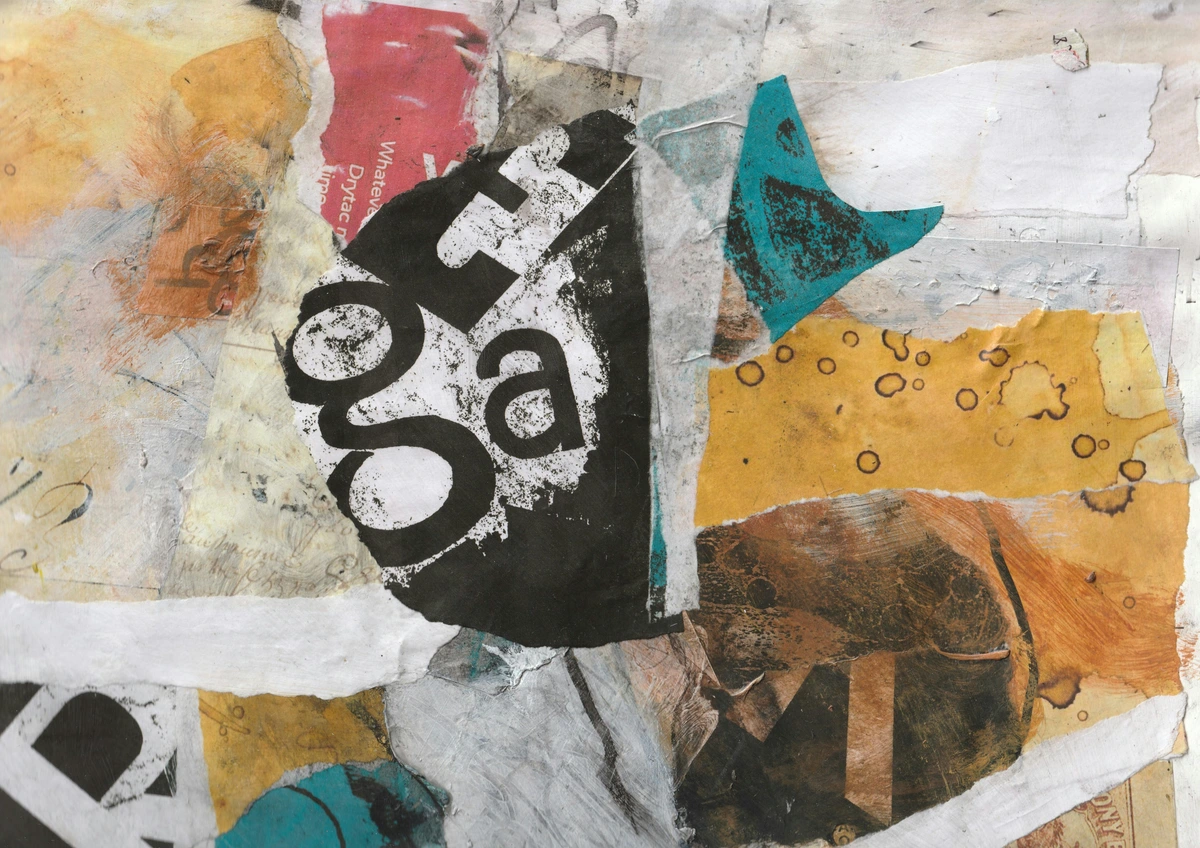
A: This is the most important part! Abstract art is subjective. Look for pieces that evoke an emotion, a memory, or simply a sense of joy. Don't worry about "understanding" it in a literal sense. Trust your gut. Does it make you pause? Does it make you feel something? That's your piece. If you're struggling with finding meaning, my guide to decoding abstract art might help demystify the process.
My Final Thoughts: The Art of Living Large in a Small World
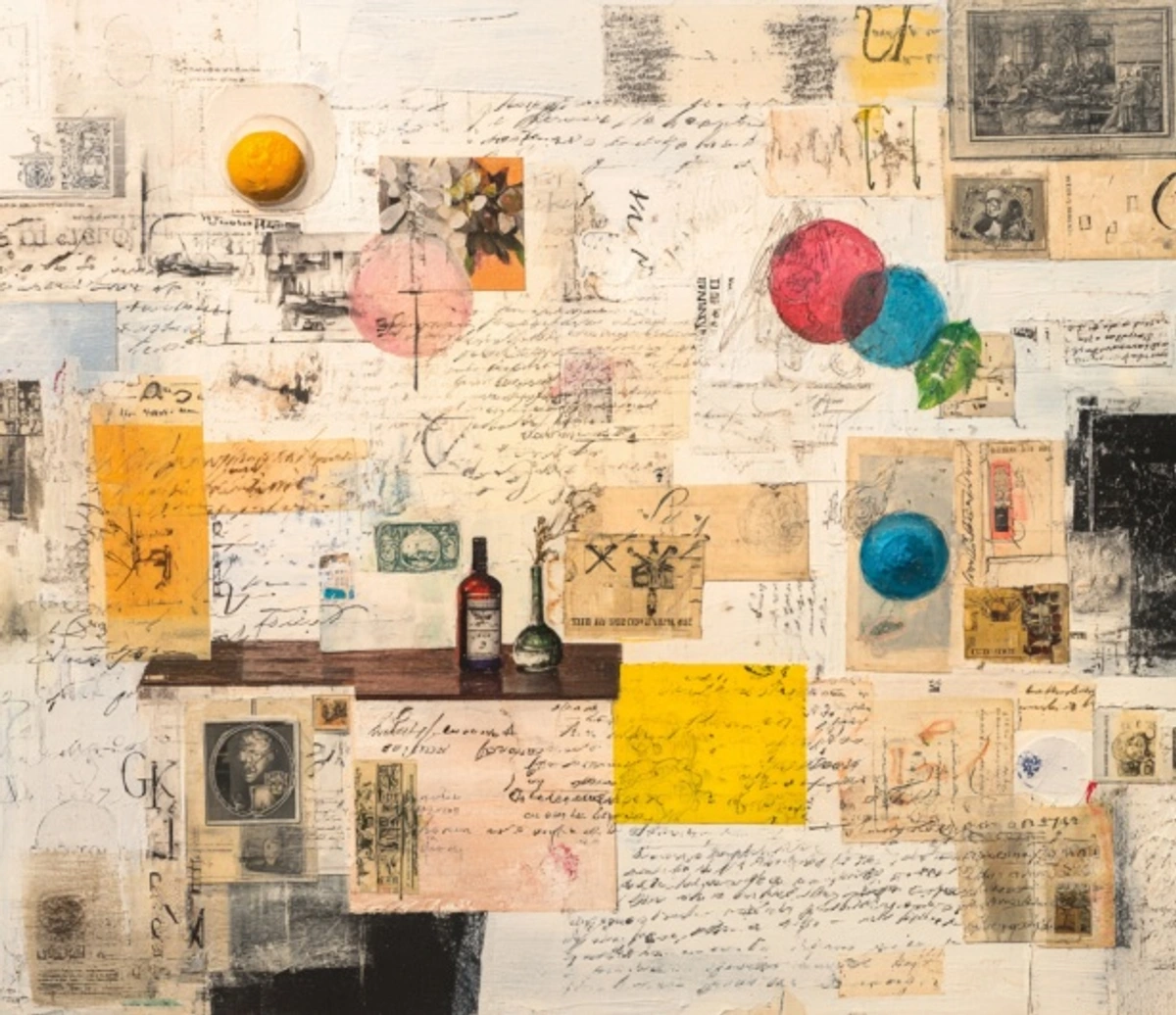
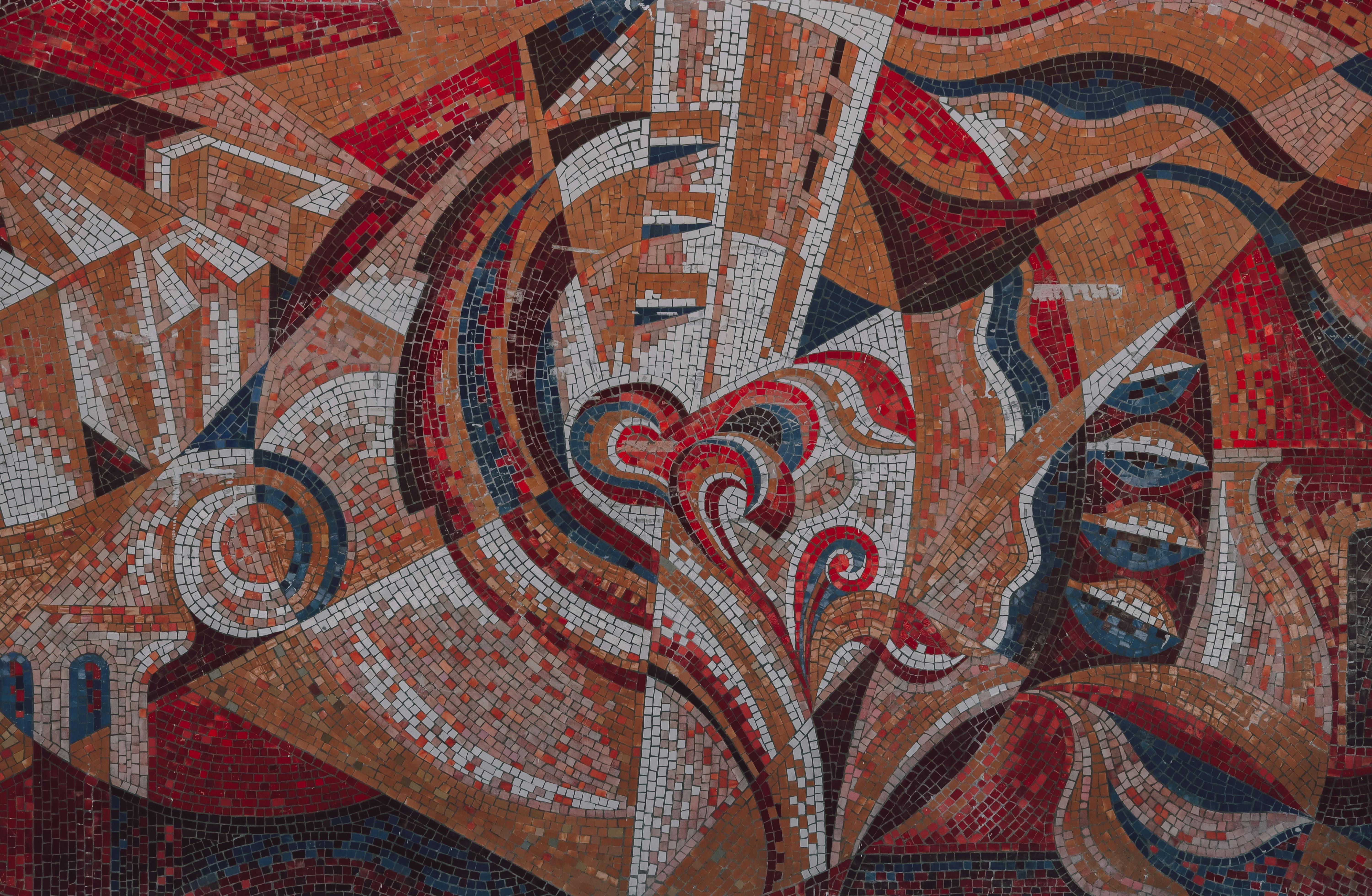
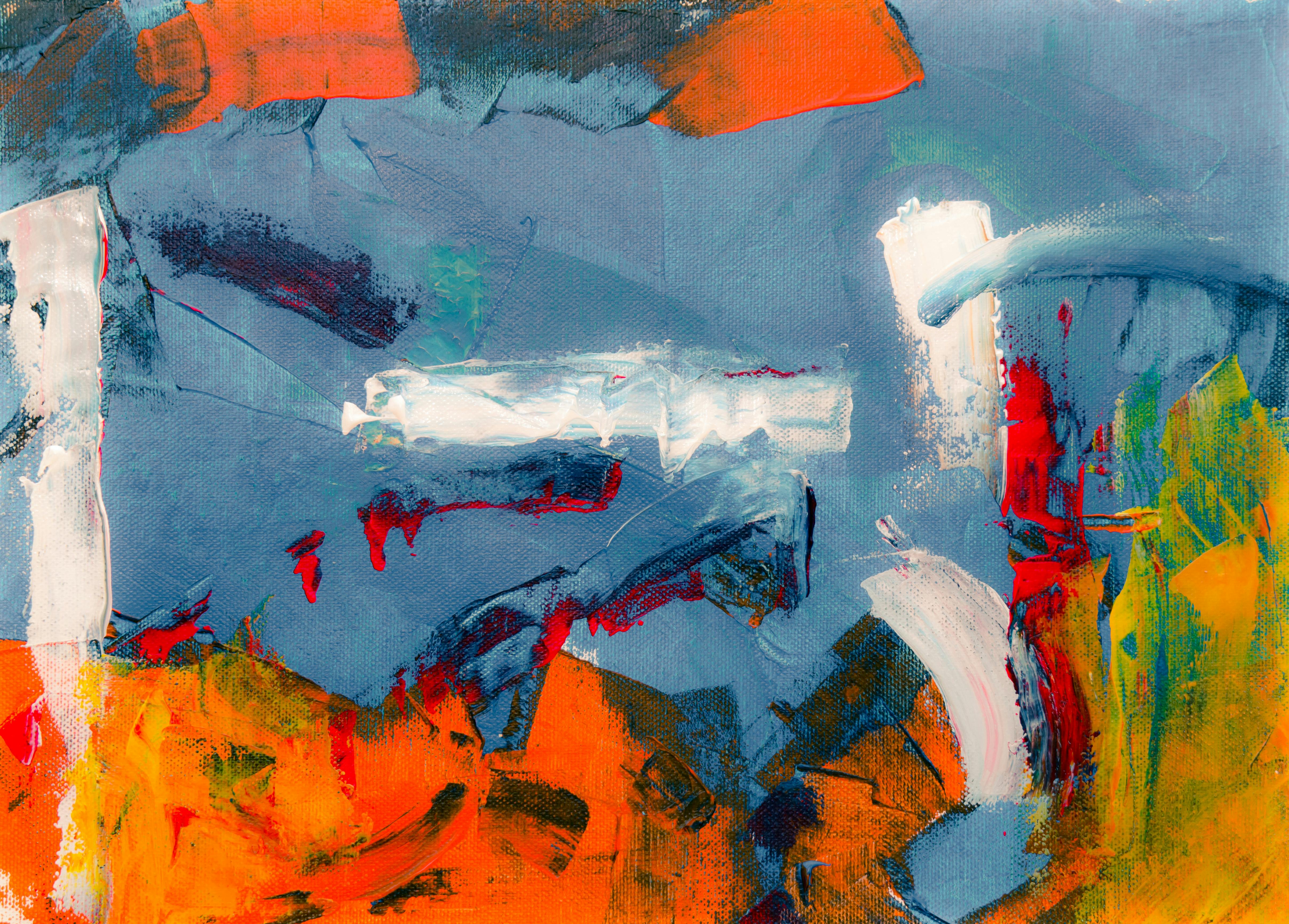
Decorating a small apartment with abstract art is a journey of discovery. It's about challenging assumptions, experimenting with boldness, and ultimately, creating a space that feels uniquely you, regardless of its size. Don't be afraid to take risks, to choose the art that sings to your soul, even if it feels "too big" or "too bold." Your small space is an opportunity to express yourself powerfully. Who knows, maybe you'll find a piece that truly resonates, like the unique prints available in my online store or the works you can explore at my museum in 's-Hertogenbosch. Go on, make your small space magnificent!







The Journey Continues
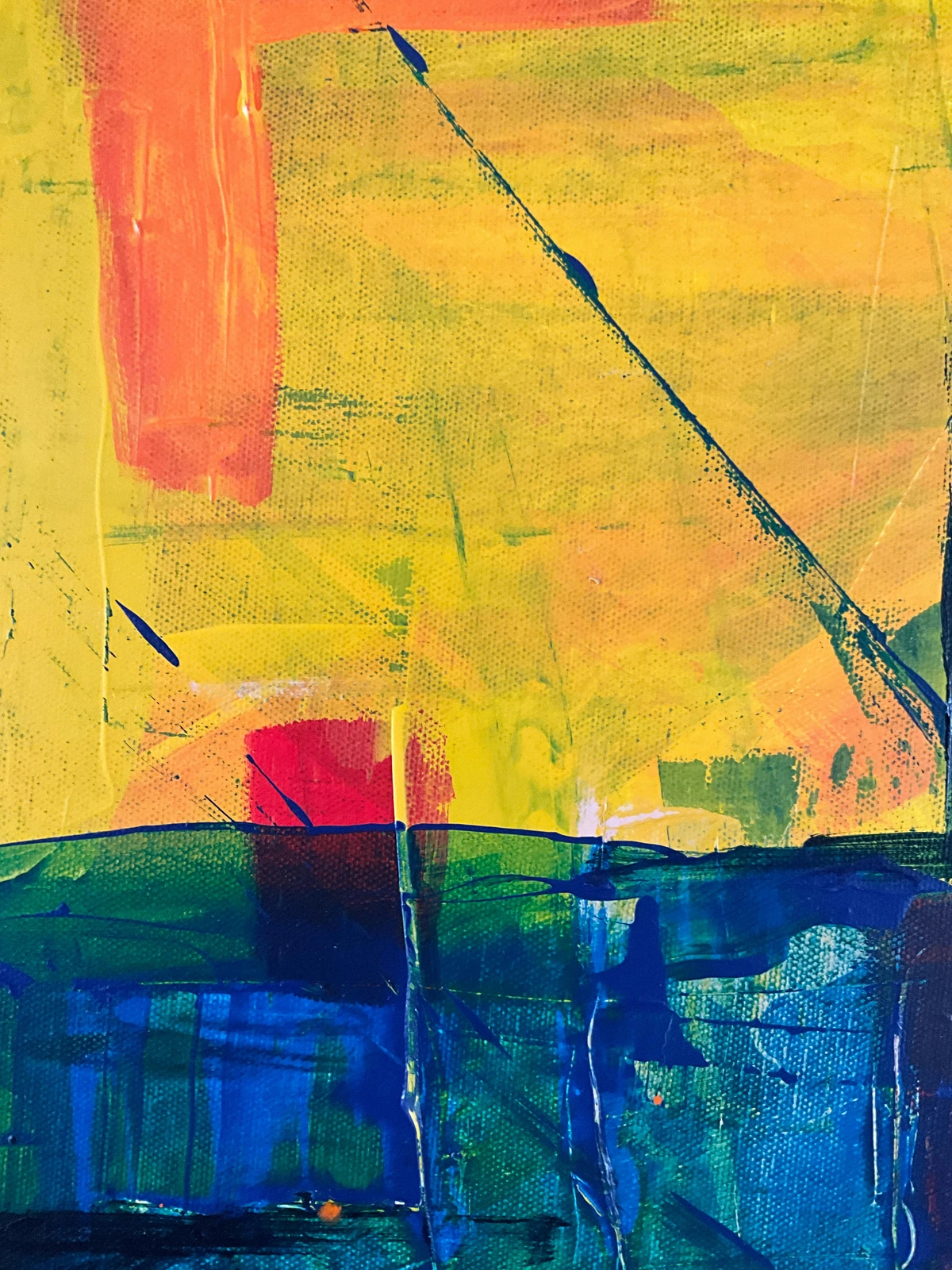

The journey of decorating with abstract art is an ongoing process of discovery and self-expression. It's about finding pieces that resonate with you and creating a space that reflects your personality and style. Whether you're just starting out or you're a seasoned art collector, there's always more to explore and discover. So, keep experimenting, keep taking risks, and most importantly, keep creating a space that feels like home.
Additional Resources
For further reading and inspiration, consider exploring the following resources:
These resources provide deeper insights into the world of abstract art and its role in interior design, helping you make informed decisions and find inspiration for your own space.
Decorating a small apartment with abstract art is a journey of discovery. It's about challenging assumptions, experimenting with boldness, and ultimately, creating a space that feels uniquely you, regardless of its size. Don't be afraid to take risks, to choose the art that sings to your soul, even if it feels "too big" or "too bold." Your small space is an opportunity to express yourself powerfully. Who knows, maybe you'll find a piece that truly resonates, like the unique prints available in my online store or the works you can explore at my museum in 's-Hertogenbosch. Go on, make your small space magnificent!