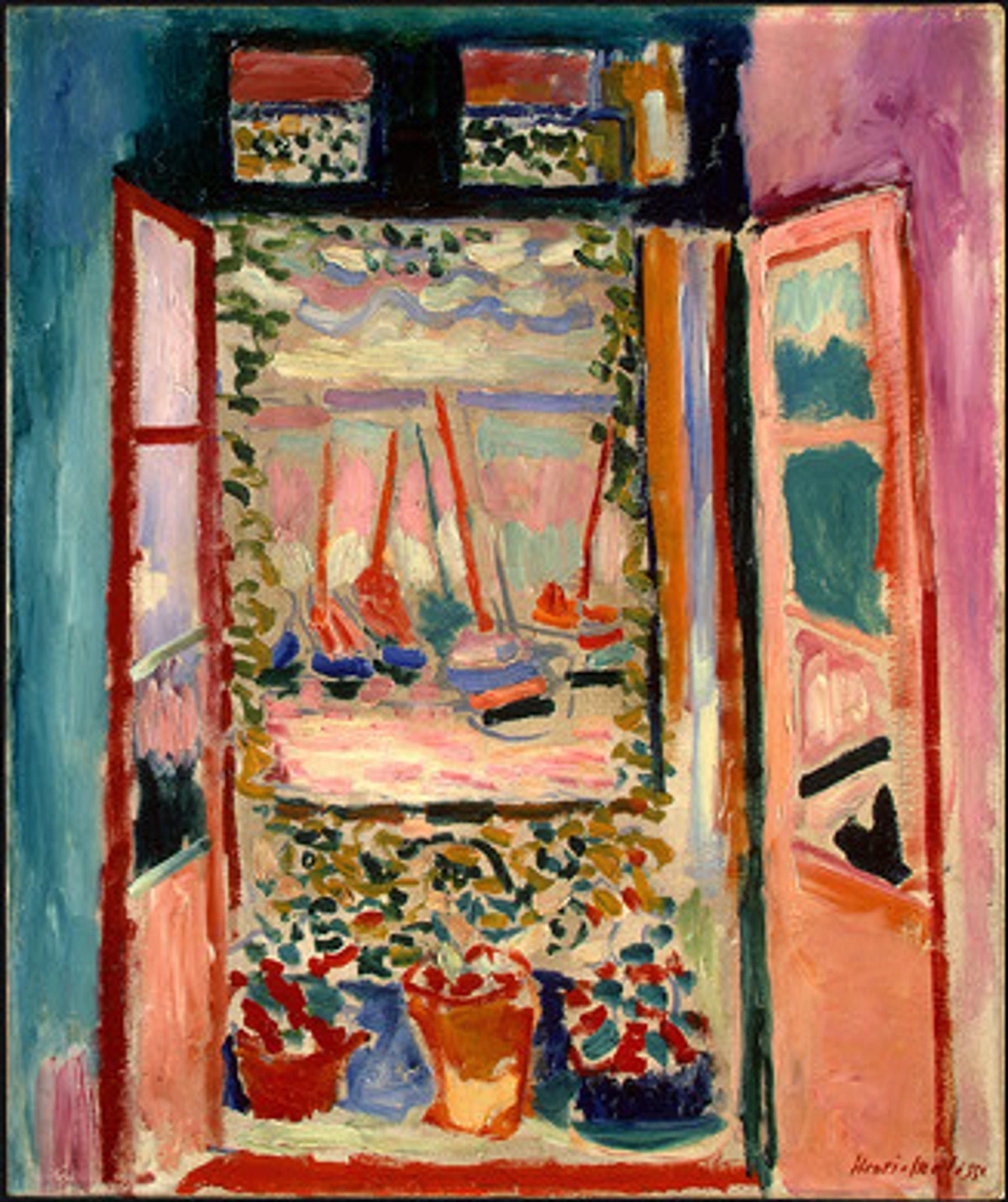
What Is Your Secret Weapon in Art?
Unlock your hidden artistic advantage with this deep dive into identifying and cultivating your unique creative edge – beyond brushes and pigments.

What Is Your Secret Weapon in Art?
You ever stare at a blank canvas after a frustrating day and think, "Seriously? Am I even an artist anymore?" Yeah, me too. It happens. We all chase inspiration, wrestle with doubt, and feel like we’re just going through the motions. But buried somewhere in the mess of our artistic process is something magical. Quiet. Powerful. It’s not another set of brushes or a fancy tablet. It’s your secret weapon. That one thing that makes your work feel like yours, utterly and completely.
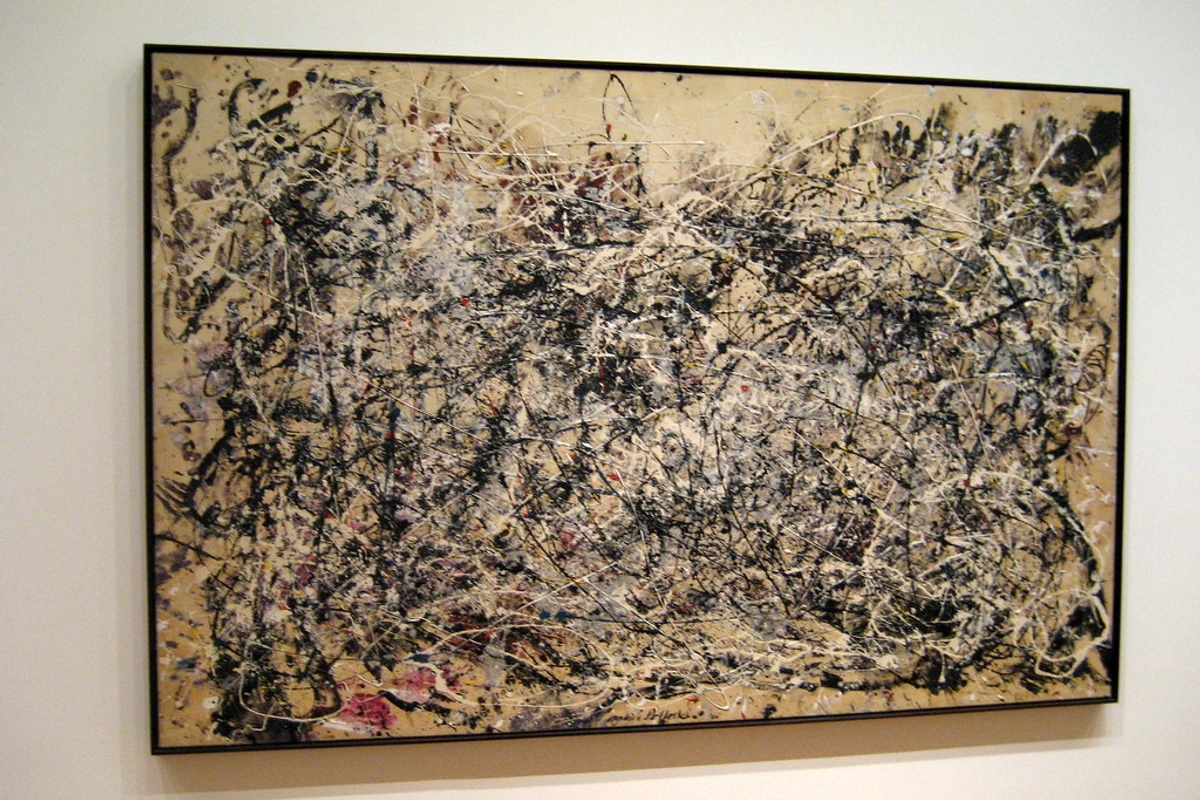
I know what you might be thinking, "Secret weapon? That sounds like action-movie nonsense." Hear me out. It’s not a gadget. It’s an approach. A mindset. A tiny, personal rhythm that bypasses all the technical noise and taps straight into truth. This article is about finding yours—because once you do, everything else gets easier. And better.
What the Heck Is a Secret Weapon?
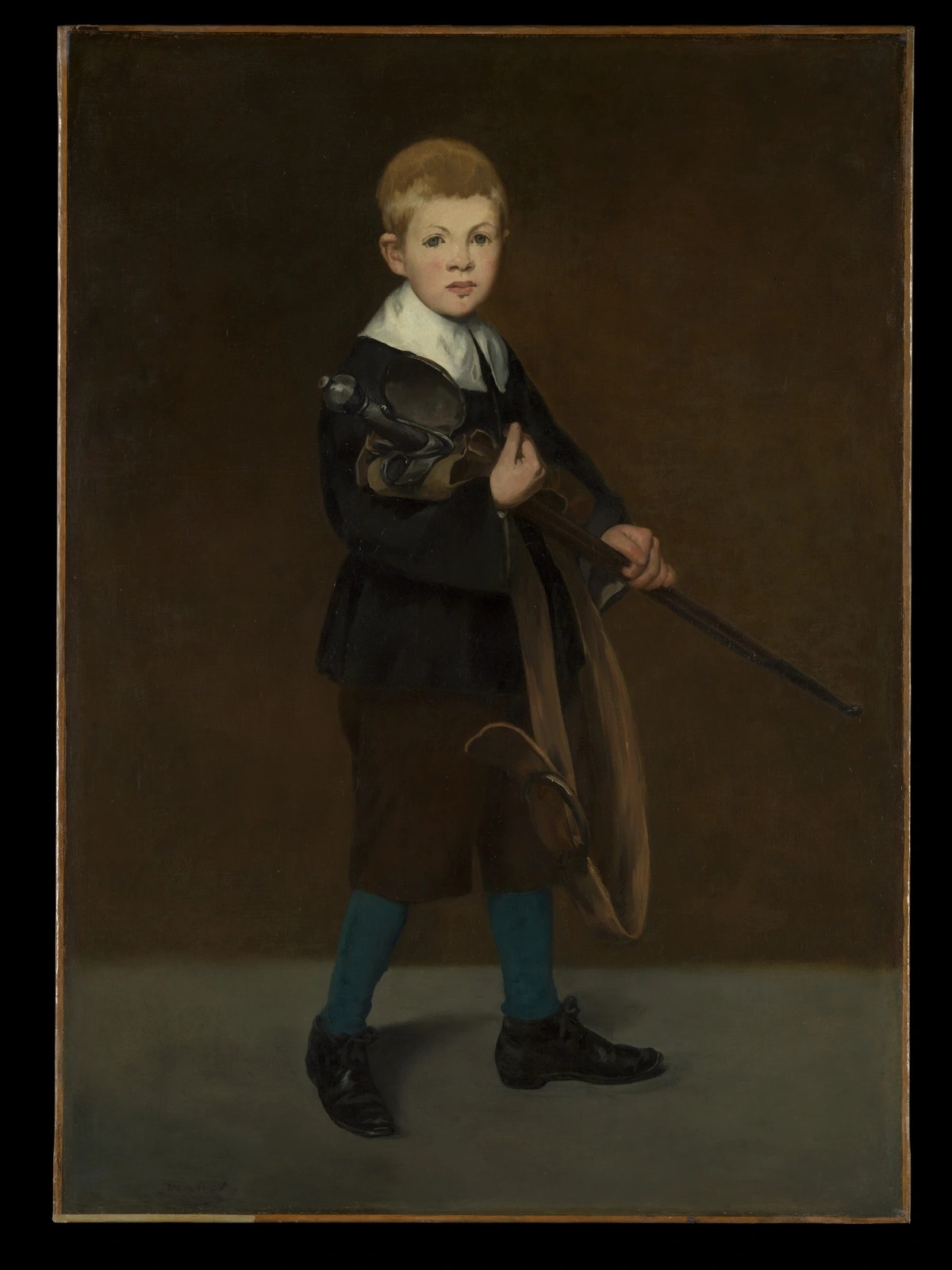
Forget superhero capes and gadgets. An artist’s secret weapon is nothing more than your unique way of seeing or doing that creates instant recognizability and authentic voice. It’s the "why" behind your "how." Why do your colors always have that impossible vibrancy? Why do your figures lean just so? Why does a simple subject feel like an epic adventure?
It’s not about being the best. It’s about being the most you. Think of famous artists: Van Gogh’s swirling skies. Kahlo’s visceral symbols. Basquiat’s raw grafitti energy. Their work doesn’t just look like theirs; it feels unmistakably theirs because they leaned hard into what made them different. That difference is the weapon.
Why Finding Yours Matters (Seriously)
- Consistency Without Cookie-Cutter: It anchors your style. People see your work and go, "Oh, that’s you." Without trying to force it.
- Silences the Inner Critic: When you’re operating from your authentic place, the nasty voice that says "You’re not good enough" gets quieter. You’re too busy creating your thing to compare noise.
- Unlocks Flow: Ever feel "in the zone"? That’s your secret weapon humming. It makes the hard parts feel effortless.
- Attracts Your People: Your art starts speaking directly to the folks who get you. Authenticity is a magnet.
- It’s Your Escape Hatch: When creative block hits, your secret weapon is the key. It’s your reliable path back to the canvas.
Secret Weapons in the Wild: A Spectrum
Secret weapons aren’t one-size-fits-all. They come in glorious, weird packages. Here’s a taste:
Weapon Type  | The "What" It Is | Why It Packs a Punch | Examples I've Seen |
|---|---|---|---|
| The Signature Technique | A defining way of applying paint, mark-making, or texture. | Becomes instantly recognizable. Your "handwriting". | Heavy impasto layers that seem to pop off the wall. Delicate, watery washes creating ethereal depth. Energetic, gestural scratches telling a story. |
| The Obsessive Eye | Hyper-focusing on a single element (light, texture, a weird object). | Shows the world you find profound. Transforms the mundane into the magical. | Spending hours just painting the way light filters through dust motes. Fixation on the decay of old machinery. Capturing the perfect curve of a seashell. |
| The Unfiltered Emotion | Channeling raw, vulnerable feelings directly onto the canvas. | Creates powerful, undeniable connection. Makes your work feel incredibly human. | Painting pure rage into abstract slashes. Using soft blues and greys to translate deep melancholy. Expressing pure joy with chaotic, bright squiggles. |
| The Disciplined Ritual | A non-negotiable process, habit, routine, or environment. | Creates structure and consistency. Turns inspiration into sustainable practice. | Only painting to the sound of specific music. Starting every session with a 5-minute sketch. Working exclusively on plein air sketches before studio work. |
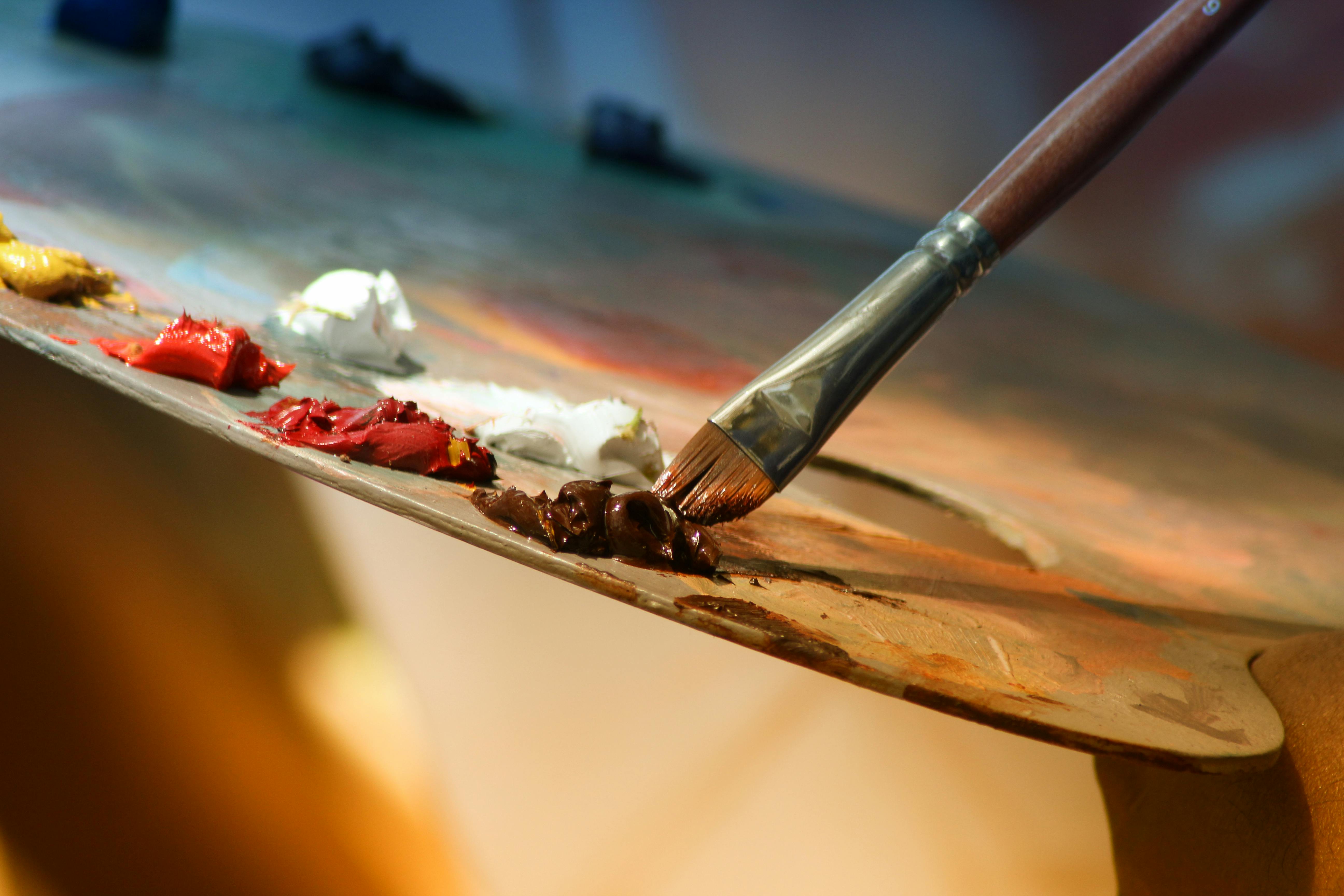
| The Unconventional Tool | Using something unexpected as a primary mark-making device. | Generates unique textures, marks, and perspectives impossible with "proper" tools. | Painting with a credit card, old spatulas, sponges, or even your fingers (hello, Cy Twombolt!). Using found objects to create textures. |
| The Intuitive Leap | Skipping technical planning and trusting gut feeling and instinct. | Leads to surprising, dynamic, and often more original results. Fosters adventure. | Pouring paint and seeing where it leads first. Starting a figure without a clear idea of the pose. Responding randomly to lines or shapes already on the canvas. |
| The Narrative Voice | Developing a consistent story or theme that runs through multiple works | Creates depth and meaning beyond visual appeal. Engages viewers on an intellectual/emotional level. | A series exploring childhood memories through distorted perspectives. Urban landscapes that comment on social issues. Abstract work inspired by personal mythology. |
| The Digital Alchemist | Blending traditional techniques with digital tools, apps, and software | Expands creative possibilities and reaches tech-savvy audiences. Creates hybrid artworks that bridge analog and digital worlds. | Digital painting that mimics traditional oil textures. 3D printing sculptures designed in software. Augmented reality elements integrated with physical paintings. |
| The Environmental Steward | Creating art with sustainable practices, eco-conscious materials, or environmental themes | Demonstrates social responsibility and appeals to environmentally conscious collectors. Creates work with ecological resonance and purpose. | Art made from recycled or upcycled materials. Landscapes that raise awareness about climate change. Installations that comment on human impact on nature. |
| The Cultural Fusion | Blending traditional techniques with modern sensibilities or cultural elements | Creates dialogue between past and present, shows awareness of artistic heritage while pushing forward. | Traditional Japanese ink painting techniques with contemporary abstract concepts. Renaissance portraiture reimagined with modern street art aesthetics. Indigenous patterns in contemporary compositions. |
| The Scientific Approach | Using mathematical principles, scientific observation, or systematic methods | Brings intellectual rigor and visual precision to your work. Appeals to analytically-minded viewers. | Fractal patterns in abstract compositions. Scientific diagrams reimagined as lyrical artworks. Color theory systems applied to emotional expression. |
| The Psychological Exploration | Making your inner world the subject matter, using art as self-discovery | Creates profound vulnerability and authenticity. Viewers connect with the raw human experience. | Abstract work expressing states of anxiety or joy through color and form. Self-portraits exploring identity and transformation. Symbolic compositions representing personal struggles and triumphs. |
| The Environmental Connection | Drawing deep inspiration from nature, landscape, or environmental concerns | Shows awareness of our relationship with the natural world. Creates work with ecological resonance. | Landscapes that capture the essence of a specific place rather than just appearance. Abstract work inspired by natural patterns and ecosystems. Activist art addressing environmental issues through visual means. |
| The Humorous Twist | Incorporating irony, wit, or playfulness into your serious artistic practice | Makes your work memorable and approachable. Breaks down barriers between viewer and artwork. | Traditional subjects treated with absurd or unexpected elements. Visual puns and clever wordplay in compositions. Serious forms juxtaposed with playful, unexpected details. |
| The Minimalist Philosophy | Embracing "less is more" through deliberate reduction and restraint | Shows confidence and clarity. Creates impact through what's NOT there. Work becomes more focused and intentional. | Single powerful elements on vast empty backgrounds. Limited palettes that create maximum emotional impact. Strategic use of negative space to create tension and focus. |
| The Collaborative Spirit | Working with other artists, incorporating audience input, or creating interactive elements | Expands your artistic community and perspective. Creates dynamic, evolving work that engages others. | Art installations that viewer interaction changes over time. Collaborative murals where multiple artists contribute distinct styles. Series inspired by community stories and experiences. |
| The Material Obsession | Deep exploration of specific materials, their properties, and possibilities | Creates technical mastery and unique visual language. Work becomes identified with particular mediums and techniques. | Extensive experimentation with one medium (like papermaking or encaustic). Materials used as both subject and medium. Innovative techniques developed through material exploration. |
| The Historical Dialogue | Engaging directly with art history, referencing specific movements or artists | Shows awareness of artistic tradition while contributing to its evolution. Creates layered meaning for informed viewers. | Contemporary scenes painted in Baroque style. Modern reinterpretations of classical compositions. Abstract work that references specific historical movements while feeling fresh. |
| The Digital Integration | Seamlessly blending traditional art practices with digital tools and techniques | Expands your technical possibilities and reach. Creates work that resonates with contemporary tech-savvy audiences. | Traditional paintings enhanced with digital elements. Hand-drawn elements scanned and digitally manipulated. Physical works created with digital planning and prototyping. |
| The Social Commentary | Using art to address political, social, or cultural issues | Gives your work purpose and relevance beyond aesthetics. Creates dialogue and awareness through visual means. | Landscapes that comment on environmental destruction. Portraits exploring social identity and representation. Abstract work that reflects current cultural tensions and triumphs. |
| The Emotional Translator | Specializing in translating complex emotions into visual form | Creates work that resonates on a deep psychological level. Makes abstract feelings tangible and relatable. | Using color temperature to represent emotional states. Creating visual metaphors for anxiety, joy, or grief. Developing symbolic systems for inner experiences. |
| The Textural Alchemist | Transforming ordinary surfaces into extraordinary tactile experiences | Engages the sense of touch and creates multisensory art. Makes work physically memorable and distinctive. | Creating raised surfaces that beg to be touched. Using unconventional materials for texture (sand, fabric, metal). Developing unique glazing or finishing techniques. |
| The Narrative Constructor | Building complex visual stories that unfold over time or multiple pieces | Creates engagement and encourages repeat viewing. Builds a body of work that tells a larger story. | Creating diptychs or triptychs that tell a complete story. Developing series that explore a theme from multiple angles. Creating interactive installations that reveal narratives gradually. |
| The Color Psychologist | Using color not just aesthetically but to evoke specific psychological responses | Creates mood and atmosphere that transcends subject matter. Makes color the primary emotional vehicle. | Developing signature color palettes for different emotional states. Using unexpected color combinations to create tension or harmony. Creating color relationships that tell stories without forms. |
How to Uncover Your Secret Weapon (No Guessing)
Okay, so how do you find this elusive? It’s not hiding in a textbook. It’s hiding in you. Start here:
- Play Detective (Like, For Real): Go through your own gallery. Seriously. Scroll through old sketches, half-finished paintings, things you love and things you hate. What pops up again and again? Is it a specific color combination? A texture you always gravitate towards? A subject that makes your heart skip? A way of blending or scratching? This pattern is your first clue. Don’t judge it; just notice it.
- Embrace Your "Weird": What makes you different? What do other artists tell you is "a bit strange" about your approach? Do you use colors nobody else dares? Do you draw buildings like they’re alive? Do you obsess over irrelevant details? That "weirdness" is your superpower. Don’t sanitize it. Highlight it. Your secret weapon often lives where you feel most vulnerable about your uniqueness.
- Ask Your People (Carefully): Show your work to someone who truly sees you (a friend, a mentor, a trusted collector). Not for compliments, but for observation: "What’s the first thing that feels unmistakably you?" "What part of this would you never guess I struggled with?" Their outside perspective can spot what you’re too close to see.
- Experiment Without the Goal: Set aside a canvas or sketchbook with zero pressure to make something "good". Just explore. Try that weird technique you’re curious about. Use that color combo that feels "off". Paint that thing nobody else cares about. See what happens when you’re just playing. What feels surprisingly natural? What lights you up? That spark? That’s it.
- Listen to the Resistance: What do you avoid doing? What do you think is "too hard," "too simple," "too amateur," or "too much"? Often, our biggest inhibitors are pointing directly towards our secret weapons. We avoid it because it feels dangerous, too revealing, or like it must be important. Poke that resistance. Try it anyway.
Busting Big Myths About Your Secret Weapon
- Myth: "It Has to be a Complex, Obscure Technique."
- Truth: Nope. For some, it’s simply how they leave an edge unfinished or their undeniable love for a specific shade of green. It’s profound because it’s authentic.
- Myth: "It’s a Static Thing You Find Once."
- Truth: Secret weapons evolve. Your weapon at 20 might be bold experimentation. At 40? It might be refined subtlety or deep emotional resonance. It grows with you. Embrace the change.
- Myth: "It Makes You Predictable."
- Truth: Not at all. Think of a singer’s distinct voice. Can they sing jazz? Ballads? Rock? Yes! The voice remains, but the songs change. Having a weapon gives you a foundation of authenticity, freeing you to explore wildly from that strength.
- Myth: "If I Share It, It Ceases to be Secret and Loses Power."
- Truth: The magic isn’t in hiding it. It’s in living it. You can talk about your love for texture all day, but if a viewer feels the visceral tension in your thick impasto from across the room? That’s the secret working its magic. The process is personal, the impact is universal.
Frequently Asked Questions (FAQ)
Q: I feel like my work is all over the place. I don’t have a secret weapon. Am I a fraud?
A: Absolutely not! Feeling inconsistent is often a sign you’re in the process of discovering it. Secret weapons aren’t static; they emerge through exploration. The fact that you care about finding it shows you’re on the right path. Keep experimenting and playing detective. It’s hiding in your unique mix of influences and habits.
Q: Can my secret weapon be something traditional, like "good composition"?
A: That’s where it gets tricky! "Good composition" is a universal skill. A secret weapon needs that personal, often quirky, twist. Maybe it’s your way of using asymmetrical composition to create unease, or perfectly balanced compositions that feel unsettlingly off-kilter. It’s the signature flavor you add to the universal skill.
Q: What if my secret weapon feels boring to me? Like I just really like blue?
A: Don’t undersell it! Our obsessions aren’t boring; they’re the keys to our subconscious. Why do you love blue so much? Does it represent calm? Depth? The ocean? Your grandmother’s eyes? The depth behind the color choice is where the power lives. It’s not just "blue," it’s your blue, infused with your history and meaning. That resonates.
Q: How do I use my secret weapon when I feel creatively blocked?
A: It’s your lifeline! Go back to basics. Start a tiny sketch focusing only on that weapon. Obsess over that one texture. Paint nothing but variations of that one color combination. Ground yourself in your authentic core. It bypasses the paralysis and reignites the spark of connection to your own creative voice. It’s the familiar path back to yourself.
The Takeaway: Your Weapon is Waiting
Your secret weapon isn’t about adding more skills or buying more gear. It’s about revealing who you already are. It’s courage distilled onto canvas. It's your truth, made visible.
So stop asking, "What should I paint?" and start asking, "What must I express?" Your weapon isn’t a trick to learn; it’s a truth to live. Start looking. Start playing. Start trusting the weird, wonderful, undeniable essence that makes your art yours.
Go find it. The world needs to see it.
Bonus: Secret Weapon Exercises to Try
Here's a comprehensive toolkit of exercises designed to help you uncover and strengthen your secret weapon. Think of these not as assignments, but as playful experiments in self-discovery:
The 100 Painting Challenge: Paint the same subject 100 times, changing only one element each time (lighting, color, angle, emotion). By the end, you'll likely discover what truly matters to you. This exercise works because it eliminates the "what should I paint?" dilemma, allowing you to focus entirely on "how I paint." The repetition forces your authentic tendencies to emerge naturally.
The Opposite Day: Create a piece that's completely opposite to your usual style. If you're precise, be messy. If you're colorful, use monochrome. The contrast often reveals your core preferences. This is particularly powerful because it shows you what you instinctively avoid or resist—often pointing directly toward your secret weapon.
The Memory Exercise: Create a piece based on a strong childhood memory. Don't worry about accuracy—focus on capturing the feeling. The emotions that emerge often point to your authentic voice. Childhood memories are pure because they haven't been filtered by adult self-consciousness.
The Collaboration Challenge: Work with another artist and see how their process differs from yours. The comparison can highlight what makes your approach unique. This is especially effective if you choose someone with a very different style or background.
The Five Senses Painting: Paint something focusing on each of the five senses separately (sight, sound, touch, taste, smell). Which sense translates most powerfully into visual art for you? This helps you understand how you naturally translate sensory experiences into visual form.
The Limited Materials Challenge: Choose only 3-5 materials or tools and create a series. The limitations often force your authentic tendencies to emerge. Constraints breed creativity because they force you to work within boundaries.
The Emotional Temperature Exercise: Create small pieces that represent different emotional states (calm, excited, melancholic, angry). Observe how your unique style emerges when expressing different emotions. This helps you identify your natural emotional vocabulary.
The Time Capsule Method: Create art specifically for your future self. Put it away for 6 months, then look at it. What surprises you about what you created? That disconnect can reveal your authentic tendencies. The distance from creation to viewing removes your conscious editing.
The Constraint Challenge: Give yourself artificial limitations - only use 3 colors, only work with one tool, only paint for 15 minutes at a time. Constraints often force your unique tendencies to the surface. Think of it like jazz improvisation—within the structure, your authentic voice shines.
The Limited Palette Challenge: Choose only 3-5 colors and create an entire series. The constraints force you to explore how your unique style emerges within limitations. This reveals how you work with limited resources.
The Speed Painting Challenge: Set a timer for 5, 10, or 15 minutes and create a complete piece. The time pressure bypasses overthinking and reveals your authentic tendencies. This is excellent for accessing your intuitive, automatic creative voice.
The Material Obsession: Choose one material (coffee, tea, sand, fabric, etc.) and explore every possible way to use it in your art. Your approach to limitations often reveals your secret weapon. This teaches you how you innovate under constraints.
The Emotional Journey: Create a series of small pieces, each representing a different emotion (anger, joy, sadness, peace). Observe how your unique style emerges when expressing different emotions.
The Music Influence Challenge: Create pieces while listening to different genres of music (classical, jazz, rock, electronic). Notice how different musical influences affect your mark-making, color choices, and overall approach. This reveals how external sensory input translates into your visual language.
The Automatic Drawing Practice: Close your eyes and draw without looking at the paper. When you open your eyes, use those lines as the foundation for a complete piece. This bypasses your conscious mind and accesses your authentic mark-making instincts.
The Personal Symbol Dictionary: Create a series of small paintings where each represents a word from your personal emotional vocabulary (words like "yearning," "relief," "anticipation," "resilience"). Observe how your unique visual language emerges for different concepts.
The Mistake Museum: Take your "failed" paintings and create a series where you highlight and celebrate what you consider mistakes. This exercise helps you reframe your relationship with imperfection and discover beauty in unexpected outcomes.
The Science Behind Secret Weapons
Recent research in creativity and neuroscience suggests that our "secret weapons" might be connected to what psychologists call "signature strengths." These are the natural talents that come easily to us and bring us joy when we use them. The interesting thing is that these strengths often feel so natural that we don't even recognize them as special—we think "everyone can do this."
Neuroimaging studies show that when artists work from their authentic strengths, different brain areas light up compared to when they're forcing themselves to use techniques that don't come naturally. Working from your secret weapon doesn't just feel better—it actually uses different neural pathways, suggesting that authenticity might be hardwired into our creative process.
A fascinating 2020 study published in the journal NeuroImage used fMRI to scan the brains of professional artists while they created art both from their authentic style and while trying to imitate another artist's style. The results showed significantly different brain activation patterns—when working authentically, there was increased activity in areas associated with reward, emotional processing, and autobiographical memory, while imitation activated areas related to self-monitoring and cognitive control.

This research suggests that creating from your authentic secret weapon isn't just a matter of preference—it engages your brain in fundamentally different, more rewarding ways. When you're working from your authentic place, you're not just making art—you're accessing deeper parts of yourself that are wired for creativity and expression.
The Neuroscience of Creative Flow
When artists operate from their secret weapons, they often experience what psychologists call "flow states" - those moments of complete immersion where time seems to disappear and creativity feels effortless. Research by Mihaly Csikszentmihalyi shows that flow occurs when there's a perfect balance between challenge and skill, and it's most likely to happen when you're engaged in activities that align with your natural strengths and interests.
Studies using fMRI imaging have revealed that during flow states, there's decreased activity in the prefrontal cortex (the area responsible for self-consciousness and judgment) and increased activity in the parietal lobes (associated with spatial awareness and integration). This neuroscientific explanation helps us understand why creating from our authentic place feels both liberating and effective.

The practical implication is clear: to experience more creative flow, identify and lean into your secret weapon. This isn't just about feeling good - it's about tapping into optimal brain states for creativity and innovation.
Psychological Research on Authenticity and Creativity
Psychological studies have consistently shown that authenticity is strongly correlated with creativity. When people create from their authentic selves, they produce work that is both more original and more satisfying to create. This research supports what many artists have known intuitively: your best work comes from your most authentic self.
One fascinating study by psychologist Adam Grant found that "originals" - people who generate novel ideas and creative solutions - tend to be more authentic in their thinking and behavior. They're less concerned with social approval and more focused on expressing their true ideas. This research helps explain why so many innovative artists throughout history have been somewhat unconventional or even controversial in their time.
The practical implication for artists is clear: the more you allow yourself to be authentically who you are, the more likely you are to produce work that is genuinely original and impactful.
Research by Brené Brown, a leading expert on vulnerability and authenticity, has found that authenticity requires "the courage to be imperfect." Creating from your authentic secret weapon often means being vulnerable—putting your unique perspective out there even when it might not be popular or understood. Brown's research shows that this vulnerability, while scary, is actually the birthplace of creativity and connection.
Another important finding comes from positive psychology research on "self-concordant goals"—goals that align with your authentic values and interests. Studies show that when people pursue self-concordant goals, they experience greater persistence, higher well-being, and better performance outcomes. This helps explain why working from your secret weapon doesn't just make your art better—it makes the entire creative process more rewarding and sustainable.
Cultural and Historical Perspectives
Throughout art history, artists have always had distinctive approaches that set them apart. Think of Rembrandt's dramatic use of light (chiaroscuro), Monet's fascination with light and atmosphere, or Picasso's radical approach to form and perspective. These weren't just techniques; they were deeply personal ways of seeing and interpreting the world.
In many traditional art cultures, the development of a unique "hand" or style wasn't just encouraged—it was expected. In Japanese ink painting (sumi-e), for example, artists spend years mastering traditional techniques before developing their personal interpretation. The secret weapon emerges from deep understanding of the tradition, not rebellion against it.
This historical perspective reveals an important truth: your secret weapon isn't about rejecting tradition—it's about finding your unique place within it. The most innovative artists throughout history have often been those who deeply understood the rules before breaking them in ways that felt authentic to their vision.

Consider the Renaissance masters. They didn't reject classical tradition; they mastered it and then infused it with their own sensibilities. Michelangelo's understanding of anatomy allowed him to create figures that were both technically perfect and emotionally powerful. Da Vinci's scientific curiosity informed his artistic vision in ways that were revolutionary for his time. Their secret weapons weren't about ignoring tradition—they were about bringing something new and authentic to it.
This historical pattern suggests that developing your secret weapon might involve two phases: first, deeply learning the techniques and traditions that came before you, and second, finding how to express your unique perspective through that foundation. Your secret weapon becomes the bridge between mastery and innovation.
Secret Weapons Across Different Art Movements
Different art movements have historically valued different types of secret weapons:
Art Movement | Valued Secret Weapons | Why They Mattered |
|---|---|---|
| Impressionism | Capturing light and atmosphere, visible brushwork | It was about capturing the moment and the experience of seeing, rather than perfect representation. |
| Cubism | Multiple perspectives, geometric fragmentation | It challenged traditional ways of seeing and represented a new way of understanding form and space. |
| Surrealism | Dream logic, automatic drawing, psychological symbolism | It explored the unconscious mind and created imagery that felt both familiar and mysteriously new. |
| Abstract Expressionism | Gesture, emotional intensity, process-based creation | It prioritized the artist's expression over representation, making the process itself part of the meaning. |
| Pop Art | Popular culture imagery, commercial techniques, irony | It blurred the lines between high art and popular culture, questioning what art could be. |
| Minimalism | Reduction, simplicity, industrial materials | It challenged traditional notions of complexity and beauty, finding power in restraint. |
| Contemporary Art | Conceptual depth, interdisciplinary approaches, social engagement | It often prioritizes ideas over traditional aesthetics, making the concept behind the work crucial. |

The Business of Being Authentic
In today's art market, having a clear authentic voice is more important than ever. Galleries, collectors, and art consultants look for artists with distinctive styles that stand out in a crowded field. Your secret weapon becomes your brand identity.
But here's the paradox: the more authentically you express yourself, the more commercial appeal your work may have. People are drawn to genuine expression in an age of mass production and digital manipulation. Your authentic voice is what makes your work feel "real" and valuable.
This creates a fascinating dynamic in the contemporary art world. Collectors are increasingly seeking art that feels authentic and meaningful, not just technically proficient or aesthetically pleasing. They want to connect with the artist's vision and understand the story behind the work. Your secret weapon—your unique way of seeing and creating—becomes the very thing that makes your work commercially viable in a saturated market.
Consider artists like Takashi Murakami or Yayoi Kusama. Their work is instantly recognizable because they've developed such strong, authentic secret weapons that have become their entire artistic identity. These aren't just "styles"—they're complete artistic universes that collectors can invest in understanding and collecting.
Marketing Your Authentic Voice
When it comes to marketing your art, your secret weapon is your greatest asset. Here are some strategies for leveraging your authentic voice in your marketing:

- Tell Your Story: People connect with stories, not just objects. Share the journey behind your artistic development and what makes your approach unique.
- Be Consistent: Your secret weapon should be evident across all your marketing materials - website, social media, gallery presentations, and artist statements.
- Educate Your Audience: Help collectors understand what makes your work distinctive. This builds appreciation and justifies your pricing.
- Show the Process: Document your creative process, especially aspects that demonstrate your secret weapon. This helps collectors connect with your authentic voice.
- Network Authentically: Build relationships with galleries, collectors, and other artists from a place of genuine interest and shared passion, rather than transactional need.
- Stay True to Your Vision: Don't chase market trends at the expense of your authentic voice. Collectors who appreciate your work will be drawn to your distinctive approach.
Practical Business Applications
Here's how to leverage your secret weapon in the business of art:
- Brand Development: Your secret weapon becomes the core of your artistic brand. Use it consistently across your portfolio, website, and social media presence.
- Marketing: When marketing your work, focus on the story behind your secret weapon rather than just technical aspects. Collectors buy into your unique vision.
- Pricing: Works that clearly demonstrate your secret weapon often command higher prices because they represent your most authentic and distinctive expression.
- Gallery Relationships: Galleries are more likely to represent artists with clear, distinctive voices. Your secret weapon makes you an easier sell in competitive markets.
- Collector Relationships: Collectors who connect with your secret weapon often become loyal patrons who continue collecting your work over time.
- Teaching and Workshops: Your secret weapon can become a signature teaching method, allowing you to share your unique approach while building your reputation.
Final Thoughts: The Courage to Be Yourself
Discovering your secret weapon isn't just about making better art—it's about living more authentically. The same courage it takes to embrace your unique artistic voice is the same courage that transforms all areas of your life.
When you allow yourself to be completely and unapologetically who you are as an artist, something magical happens. You stop competing with others and start collaborating with your own potential. You stop chasing external validation and start creating from internal truth.
This journey of self-discovery through art is one of the most profound adventures you can undertake. Every brushstroke is a vote for what matters to you. Every color choice reveals something about your inner world. Every composition decision shows how you see and organize the world around you.
The beautiful thing about your secret weapon is that it's already there. You don't need to invent it or learn it from someone else. It's buried within you, waiting to be uncovered. The process of discovery might be challenging—it requires honesty, vulnerability, and the courage to be seen. But the reward is immeasurable: the ability to create work that is not just technically good, but authentically yours.
Remember, the world doesn't need another perfect painting. It needs your painting. The one that only you can create. The one that comes from that deep, authentic place within you.
Integrating Your Secret Weapon into Your Life
The principles of finding and using your secret weapon extend beyond your art studio into all areas of life. Your authentic creative voice isn't isolated from who you are—it's an expression of your entire being. Here's how to cultivate authenticity across different domains:
- Identify Your Natural Strengths: What comes easily to you in other areas of life? What do people compliment you on? These often point to your natural talents. Notice patterns across different contexts—do you naturally organize things beautifully? Do people come to you for advice? Do you have a way of explaining complex ideas simply? These might be different expressions of the same core authentic strength.
- Embrace Your Uniqueness: What makes you different from others? Instead of trying to fit in, lean into those differences - they're often your greatest strengths. This doesn't mean being contrarian for its own sake, but recognizing that your unique combination of experiences, perspectives, and sensibilities is what makes you valuable.
- Trust Your Intuition: When decisions feel authentic and true to who you are, they're usually the right ones, even if they don't make logical sense to others. Your intuition is like a muscle—the more you use it, the stronger it becomes. Start with small decisions and build up to bigger ones.
- Practice Consistently: Like any skill, authenticity requires practice. The more you operate from your authentic self, the easier it becomes. Create daily rituals that reinforce your authentic voice—whether it's journaling, meditation, or simply taking time to check in with how you're feeling.
- Create Without Fear: Allow yourself to create without worrying about external judgment. Your authentic expression is valuable in itself, regardless of others' opinions. This might mean setting aside dedicated "creation time" where the only audience is yourself.
- Curate Your Environment: Surround yourself with things that inspire and support your authentic self. This includes the people you spend time with, the media you consume, and the physical spaces you inhabit. Your environment powerfully influences your ability to be authentic.
- Practice Self-Compassion: The journey to authenticity isn't always linear. There will be moments when you slip into old patterns or doubt yourself. Treat yourself with the same kindness you'd offer a friend who's on a similar journey.
Secret Weapons and Mental Health
Research increasingly shows a strong connection between authentic self-expression and mental well-being. When people create from their authentic selves, they experience:
- Reduced anxiety and depression symptoms
- Increased self-esteem and self-acceptance
- Greater life satisfaction and purpose
- Improved emotional regulation
- Stronger social connections
For many artists, the practice of discovering and using their secret weapon becomes not just an artistic strategy, but a path to greater mental health and overall well-being. The same courage it takes to be authentic in your art can help you live more authentically in all areas of your life.
This connection between creativity and mental health has been extensively studied. A comprehensive review published in the Journal of Positive Psychology found that engaging in authentic creative expression is associated with increased psychological well-being, reduced symptoms of depression, and enhanced life satisfaction. The researchers noted that creative activities provide a sense of flow, mastery, and self-expression that are crucial for mental health.
For artists struggling with mental health challenges, the discovery and cultivation of a secret weapon can be particularly therapeutic. It provides a structured way to channel emotions, maintain a sense of purpose, and build self-identity through creative work. The process of finding and expressing one's authentic voice can be healing in and of itself, regardless of the technical outcome of the artwork.
Your Secret Weapon Toolkit
As you continue your journey of discovering and cultivating your secret weapon, here are some practical tools and resources:

- The Authenticity Journal: Keep a dedicated journal where you document what feels authentic in your work. Note techniques, themes, and approaches that make you feel alive when creating. This could be a physical notebook, digital document, or even voice memos. The key is consistent reflection on what feels real and energizing in your creative process.
- The Comparison Index: Regularly review your work alongside artists you admire, but focus on what makes YOUR approach unique rather than trying to imitate others. Create a chart comparing your work to theirs, noting differences in technique, subject matter, emotional tone, and visual language. The goal isn't to copy, but to understand what makes your voice distinct.
- The Comfort Zone Map: Identify the techniques, subjects, and approaches that feel most comfortable and natural to you. These are often clues to your secret weapon. Map out your creative comfort zones—what you do automatically, what you enjoy doing, what comes easily. These patterns often reveal your authentic tendencies.
- The Resistance Log: Track what you tend to avoid or resist in your art practice. These resistances often point directly toward your most powerful authentic tendencies. Notice when you think "I shouldn't do that" or "That's not professional enough." These thoughts are often signposts pointing toward your secret weapon.
- The Feedback Filter: Create criteria for what feedback to incorporate vs. what to ignore. Your secret weapon should remain your own, even as you learn and grow. Develop personal guidelines for evaluating feedback—does it resonate with your authentic voice? Does it help you grow without changing who you are?
- The Inspiration Board: Create visual collections of images, colors, textures, and compositions that inspire you. Over time, patterns will emerge that reveal your authentic aesthetic preferences.
- The Process Tracker: Document your creative process from start to finish. Note what energizes you, what drains you, and where you get lost in the flow. This helps you identify the conditions that support your authentic creative expression.
- The Theme Detector: Look across your body of work to identify recurring themes, subjects, or motifs. These often point to what matters most to you and form the core of your secret weapon.
Troubleshooting Common Challenges
Even when you've found your secret weapon, challenges arise:

- Overworking It: When you discover your secret weapon, there's a temptation to overuse it. Remember that authenticity lives in the balance - your weapon should enhance your work, not become a formula.
- External Pressure: Others may try to push you toward more "marketable" approaches. Stay true to your authentic vision, even when it's difficult.
- Evolving Interest: Your interests and passions will change over time. Allow your secret weapon to evolve naturally rather than forcing it to stay the same.
- Creative Plateaus: Even with a secret weapon, you'll experience creative plateaus. Use these times to deepen your understanding of your authentic voice rather than abandoning it.
Your secret weapon is waiting. Not hidden away, but right there in your daily practice, in your most honest moments, in the work that makes your heart sing. It's in the way you see the world that no one else can quite capture.
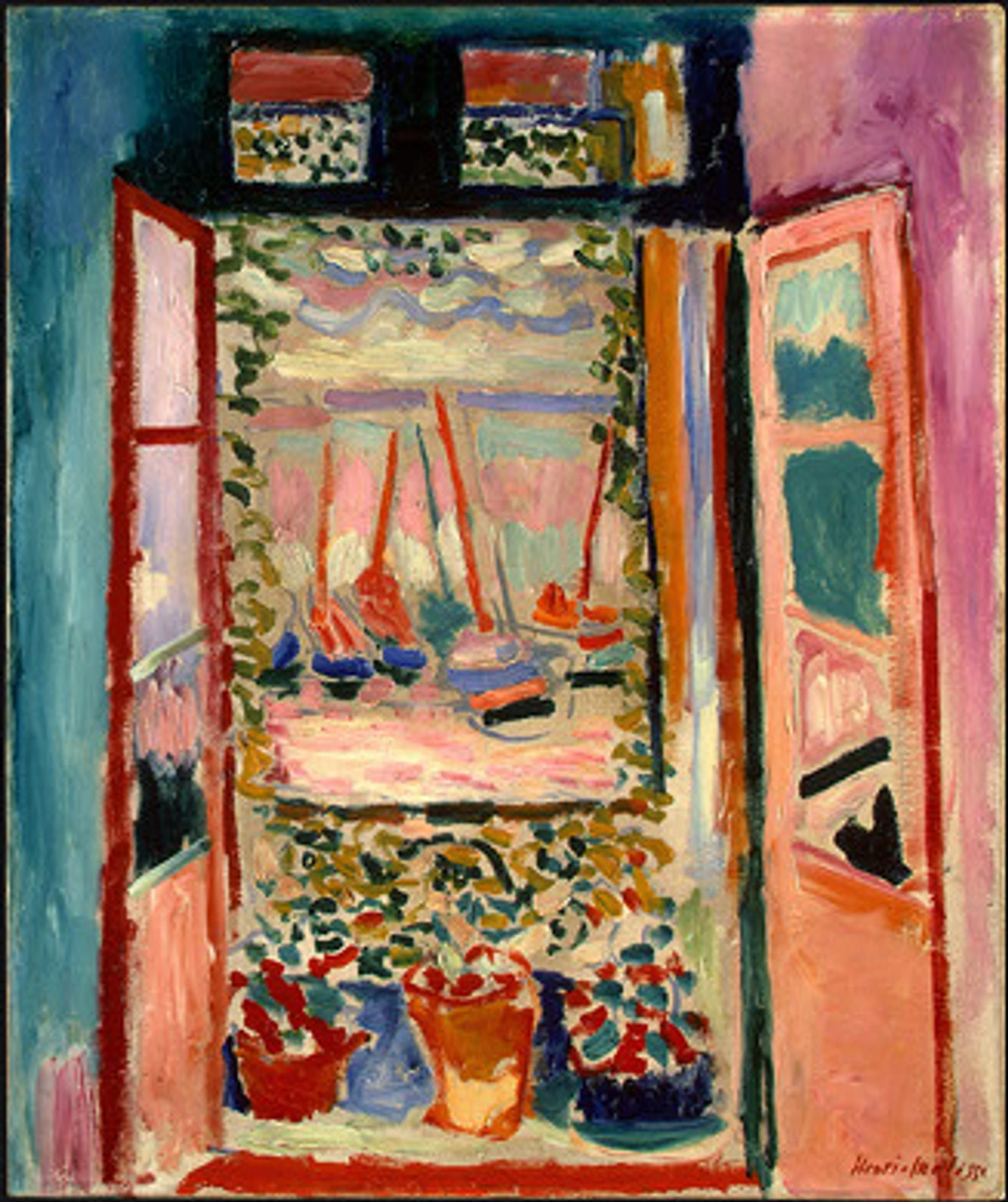
The world doesn't need another perfect painting. It needs your painting. The one that only you can create. The one that comes from that deep, authentic place within you.
Think about it: every artist who has ever made a difference in the world started exactly where you are now—with a blank canvas, a few tools, and a desire to express something real. What made them different wasn't better technique or more natural talent. What made them different was their courage to be authentically themselves.
Your secret weapon isn't something you need to acquire or perfect. It's something you already possess. It's the unique combination of your experiences, your perspectives, your sensibilities, and your courage to express them honestly. It's been with you all along, waiting for you to recognize it and give it voice.
The journey of discovering your secret weapon is also the journey of discovering yourself. Every brushstroke, every color choice, every composition decision is a vote for what matters to you. When you pay attention to these votes, patterns emerge. These patterns are the breadcrumbs leading you to your authentic voice.
So start today. Not with pressure or expectation, but with curiosity and playfulness. Look at your old work. Notice what you love. Embrace what makes you different. Try something new without worrying about the outcome. Listen to the resistance. Ask for honest feedback.
Your secret weapon is waiting. Not hidden away, but right there in your daily practice, in your most honest moments, in the work that makes your heart sing. It's in the way you see the world that no one else can quite capture.
The world needs your painting. It needs your authentic voice. It needs the unique perspective that only you can offer. Start creating from that place today.
Next Steps on Your Journey
Your journey to discover and cultivate your secret weapon is unique to you, but here are some concrete steps to get you started:
Step | Action | Timeline | Expected Outcome |
|---|---|---|---|
| 1. Start Today | Don't wait for the perfect moment or the perfect idea. Begin exploring your authentic tendencies right now with the exercises and methods we've discussed. | This week | You'll begin noticing patterns in your work and what feels most authentic to you. |
| 2. Be Patient | Discovering your secret weapon is a journey, not a destination. Some artists find theirs quickly; others take years. Trust the process. | Ongoing | You'll develop the ability to recognize authentic expression in yourself, even when it's not yet fully formed. |
| 3. Stay Curious | Continue exploring new techniques, subjects, and approaches. Your secret weapon will deepen and evolve as you gain experience. | Continuous | Your authentic voice will become more refined and distinctive over time. |
| 4. Build Community | Connect with other artists who are also exploring their authentic voices. The shared journey can be incredibly supportive and inspiring. | Monthly | You'll gain perspective, feedback, and encouragement from fellow artists on similar paths. |
| 5. Document Progress | Keep records of your artistic evolution. Looking back at your journey can help you recognize patterns and growth in your authentic voice. | Quarterly | You'll be able to trace the development of your authentic voice and see how far you've come. |
| 6. Create Regularly | Make creating from your authentic voice a regular practice, even if it's just small explorations. | Daily/Weekly | You'll build momentum and make authentic expression a natural part of your creative process. |
| 7. Seek Feedback | Share your work with people who understand and support your authentic expression. | Monthly | You'll gain valuable insights into how your authentic voice is perceived by others. |
| 8. Celebrate Progress | Acknowledge and celebrate the moments when you create authentically, regardless of the technical outcome. | Ongoing | You'll reinforce authentic behavior and build confidence in your unique creative voice. |
Resources for Further Exploration
Books to Read:
- "The Artist's Way" by Julia Cameron - A 12-week program to recover your creative self
- "Big Magic" by Elizabeth Gilbert - On living a creative life without fear
- "Steal Like an Artist" by Austin Kleon - How creativity works and how to find your voice
- "Art & Fear" by David Bayles and Ted Orland - Observations on the perils (and rewards) of art making
- "The Creative Habit" by Twyla Tharp - Learn it and use it for life
- "Show Your Work!" by Austin Kleon - Share your creativity and get discovered
- "Creative Quest" by Quincy Jones - A legendary creative on creativity
- "Wabi-Sabi" by Leonard Koren - Finding beauty in imperfection
Online Communities:
Further Reading on Zen Museum:
- Understanding different art movements and styles
- Techniques for contemporary artists
- Building your artistic career
- Marketing and selling your artwork
- The creative process and artistic development
- Art business and professional practices
Tools and Applications:
- Digital art platforms for experimentation
- Color theory and composition tools
- Art business management software
- Online portfolio websites
- Social media scheduling for artists
- Creative project management tools
Educational Resources:
- Online art courses and workshops
- Art history and theory programs
- Business of art seminars
- Artist mentorship programs
- Creative writing for artists
Now go make it. The rest of us are waiting to see what you create when you're truly, completely, unapologetically yourself.
Remember: your secret weapon isn't about being the best. It's about being the most you. And that's exactly what the world needs from you. Start creating from that place today, and watch as your authentic voice becomes clearer and stronger with every brushstroke, every color choice, every composition decision.














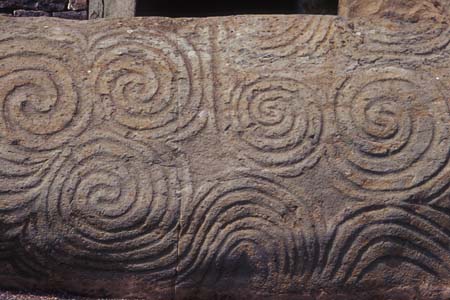
The journey of discovering your secret weapon is also the journey of discovering yourself. And what a beautiful journey it is.