
How to Use Your Secret Weapon in Art
Uncover and harness your hidden creative superpower with actionable strategies. Transform everyday uniqueness into extraordinary art—discover yours today.

How to Use Your Secret Weapon in Art
You know that moment when you’re staring at a blank canvas, feeling utterly stuck? I’ve spent afternoons arguing with myself over why the last attempt fell flat. Spoiler: It’s not the brush’s fault. The real game-changer? My secret weapon—something I almost overlooked until I embraced what made me, well, me. Your art isn’t just about skill; it’s about authenticity. Let’s break down how to unlock your hidden superpower.
What Is a Secret Weapon?
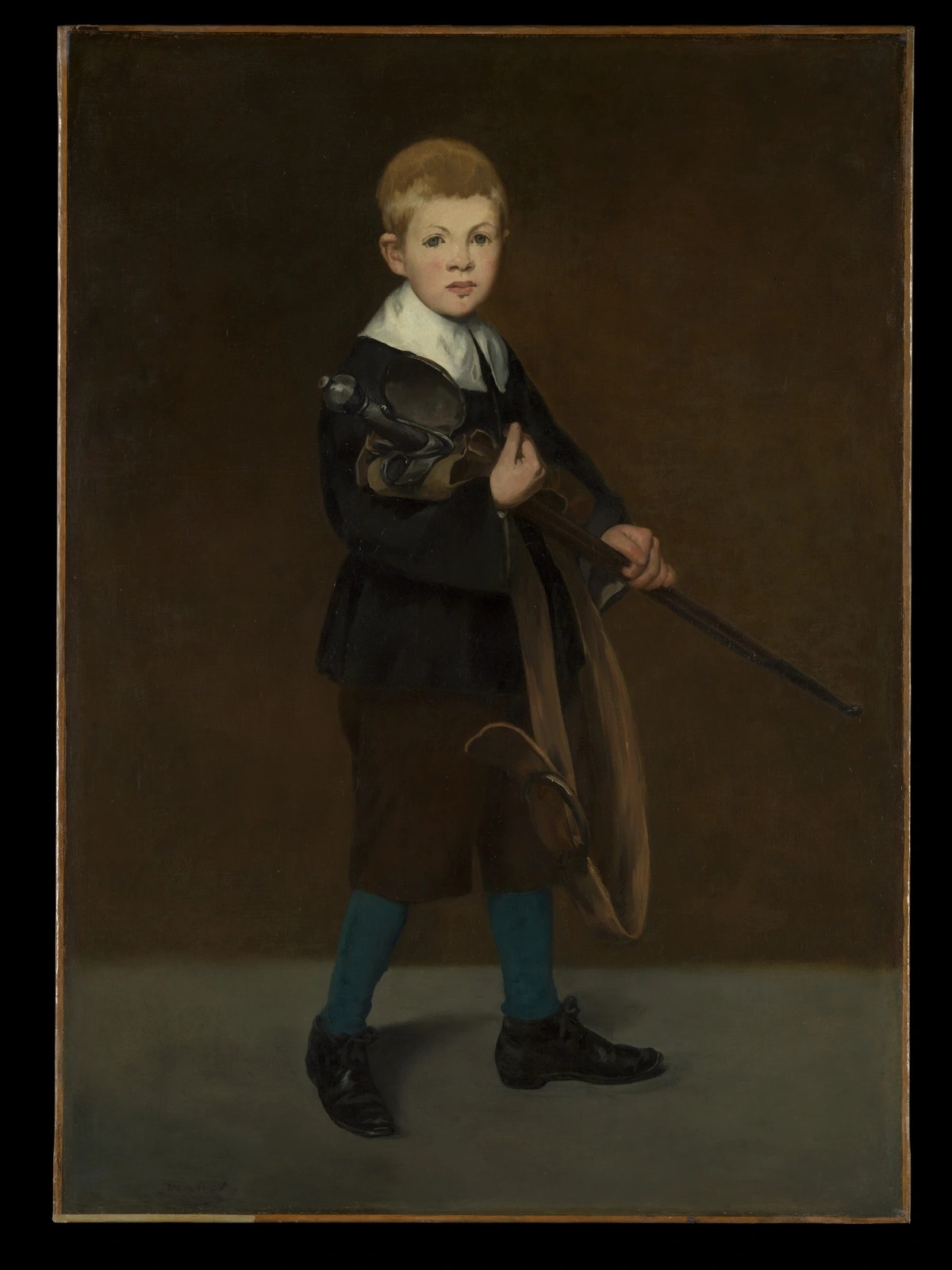
Your secret weapon is the core of your unique perspective. It’s not a fancy tool or technique—it’s your lived experience, quirks, or seemingly irrelevant passions. Think of it as your artistic fingerprint: no one else has yours. Mine? Organizing chaotic patterns (thanks to years of retail inventory). I translate that into symmetrical yet playful compositions. Yours might be birdwatching, coding, or even your obsession with vintage typewriters.
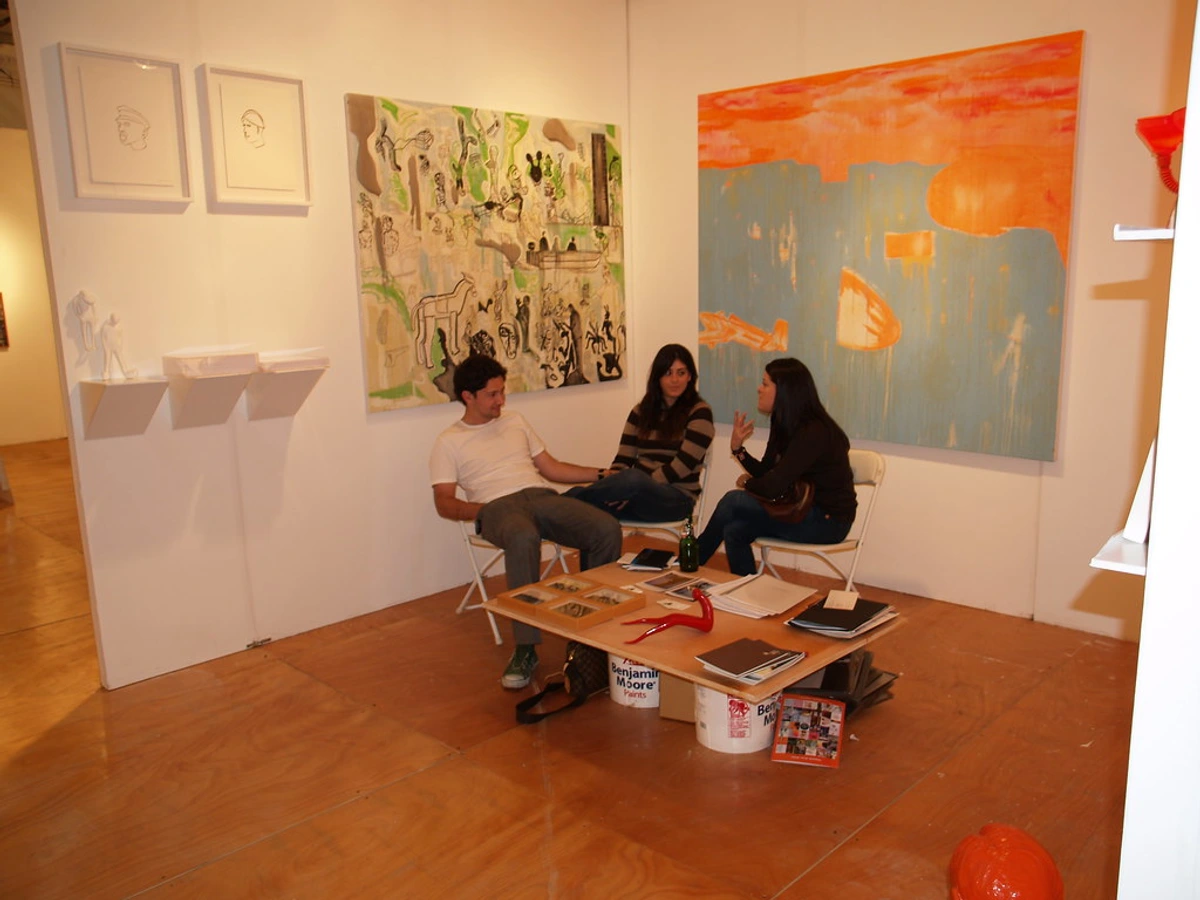
"The secret weapon isn’t in the paintbox—it’s in your history." Every choice you’ve made, every job you’ve hated, every hobby you’ve hoarded—that’s gold.
Why Most Artists Miss Their Secret Weapon
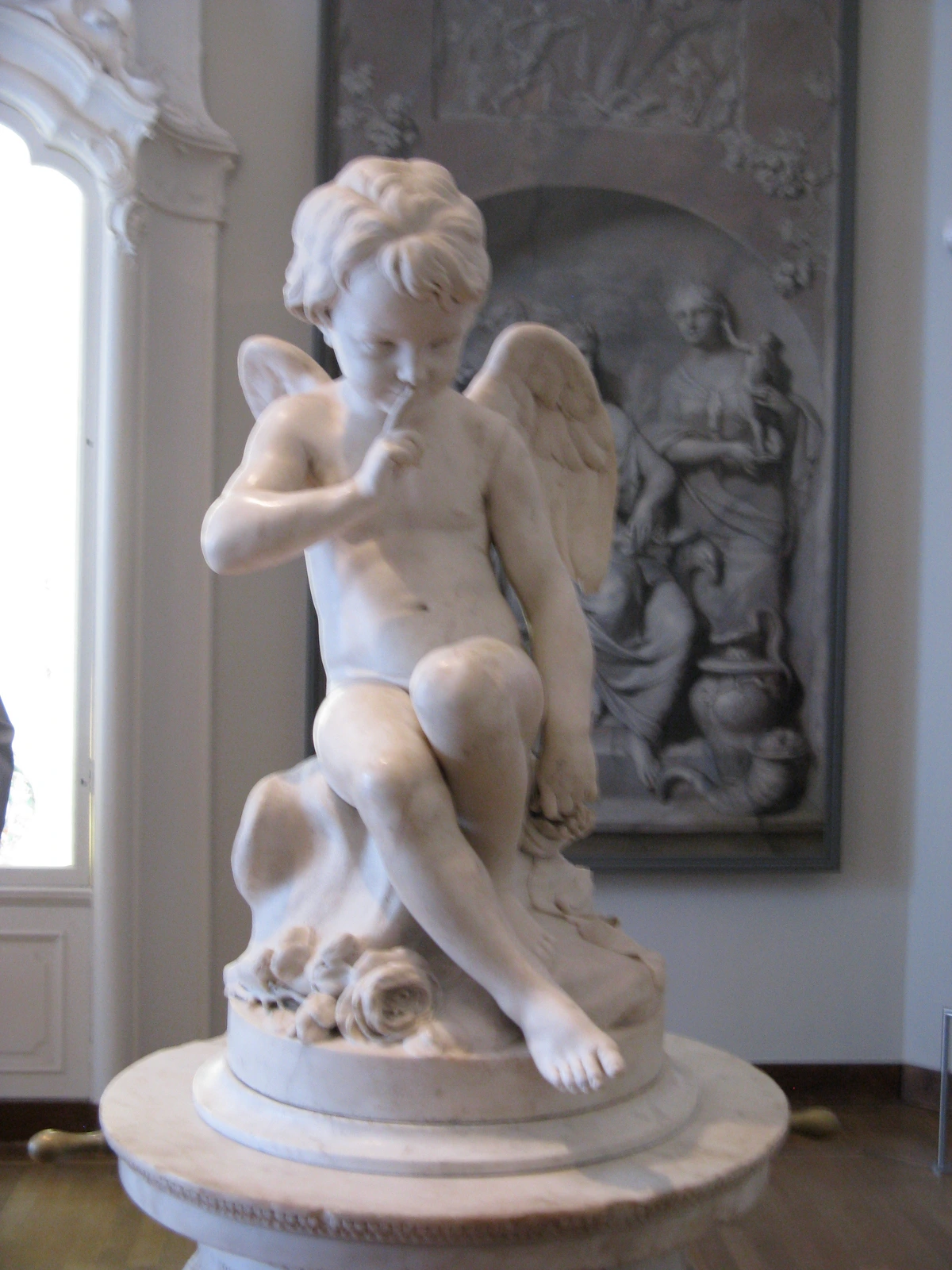
We’re conditioned to polish technique but ignore source. We chase trends instead of truths. I used to copy abstract expressionists until I realized they were mining their own trauma—and I had my own. Your weapon isn’t what’s “selling”; it’s what’s burning inside you. Avoiding it is like singing with a plugged-up microphone.
The Trap of Imitation
| When Imitating Others | Using Your Weapon | |## Case Studies: Artists Who Mastered Their Secret Weapons
Learning from those who came before us is one of the fastest ways to understand the power of authentic artistic vision. Here are some artists who turned their unique perspectives into legendary careers:
Frida Kahlo: Pain as Visual Poetry
Her Weapon: Unflinching exploration of physical and emotional pain
Frida didn't just paint her suffering—she transformed it into visual poetry. Her injuries, surgeries, and relationships became the raw material for work that resonates because it's utterly, painfully real. What we can learn: Don't sanitize your experiences; let them inform your work directly.
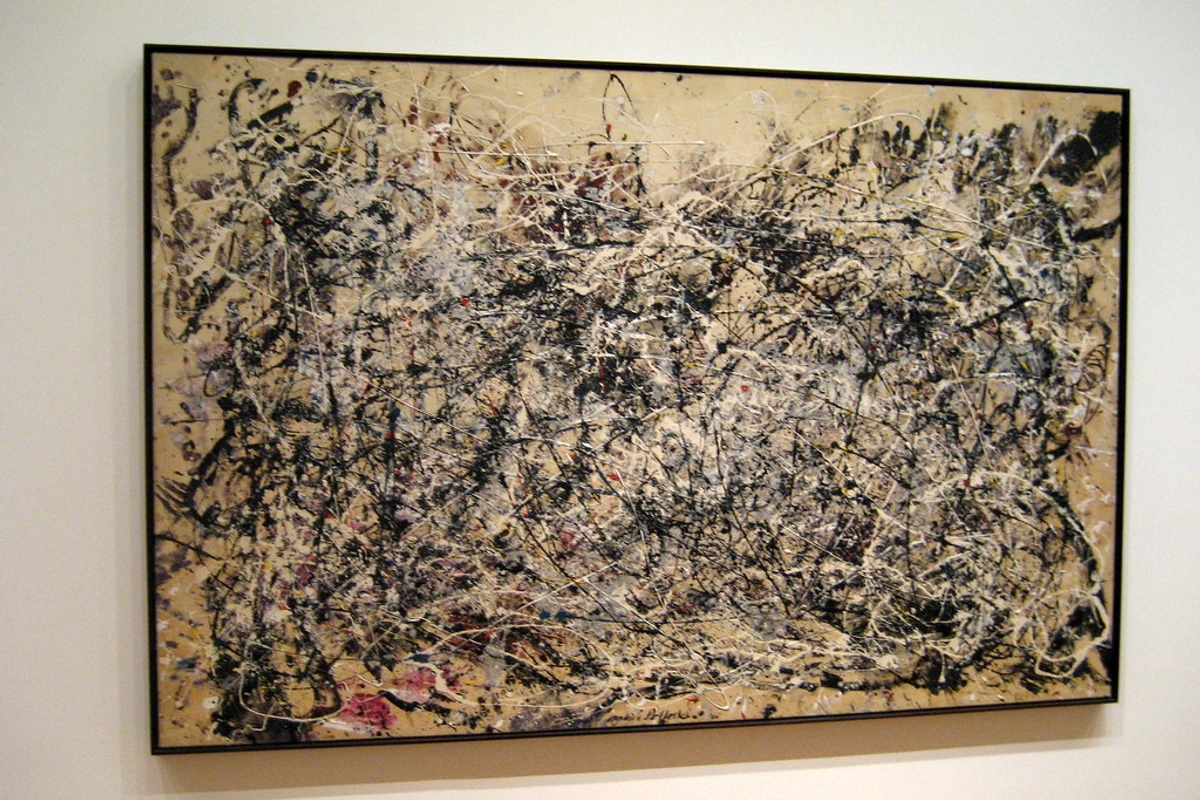
Key Takeaway: Your most difficult experiences can become your most powerful artistic material when approached with honesty.
Andy Warhol: Obsession as Cultural Commentary
His Weapon: Fascination with consumer culture and celebrity
Warhol turned soup cans, Marilyn Monroe, and Brillo boxes into art because he was genuinely obsessed with how mass media shapes our lives. What could have been seen as "commercial" became profound cultural commentary. What we can learn: Your interests, no matter how "ordinary," can reveal deep truths about society.
Key Takeaway: Don't dismiss your obsessions as trivial—they might be exactly what the world needs to see.
Ai Weiwei: Dissent as Visual Statement
His Weapon: Political activism and social commentary
Ai Weiwei turned his experiences with Chinese government oppression into powerful art. His sunflower seeds, demolition photos, and ceramic installations are all extensions of his political voice. What we can learn: Your most challenging life experiences can become your most powerful artistic statements when approached courageously.
Key Takeaway: Authenticity often requires courage—your most difficult experiences might become your most important work.
Georgia O'Keeffe: Passion as Botanical Precision
Her Weapon: Deep, almost scientific observation of natural forms
O'Keeffe could paint a flower so intensely it felt like a landscape. Her weapon wasn't just loving flowers—it was studying them like a scientist, understanding their structure, their growth, their essence. What we can learn: Depth of knowledge about your subject creates unprecedented artistic insight.
Key Takeaway: Your passion becomes powerful when combined with deep study and technical mastery.
Jean-Michel Basquiat: Street Roots as Fine Art Language
His Weapon: The visual language of street culture and social commentary
Basquiat took graffiti symbols, found objects, and raw social commentary and forged them into a sophisticated artistic language that challenged the art world's elitism. What we can learn: Your background, no matter how "unlikely," contains authentic visual vocabulary.
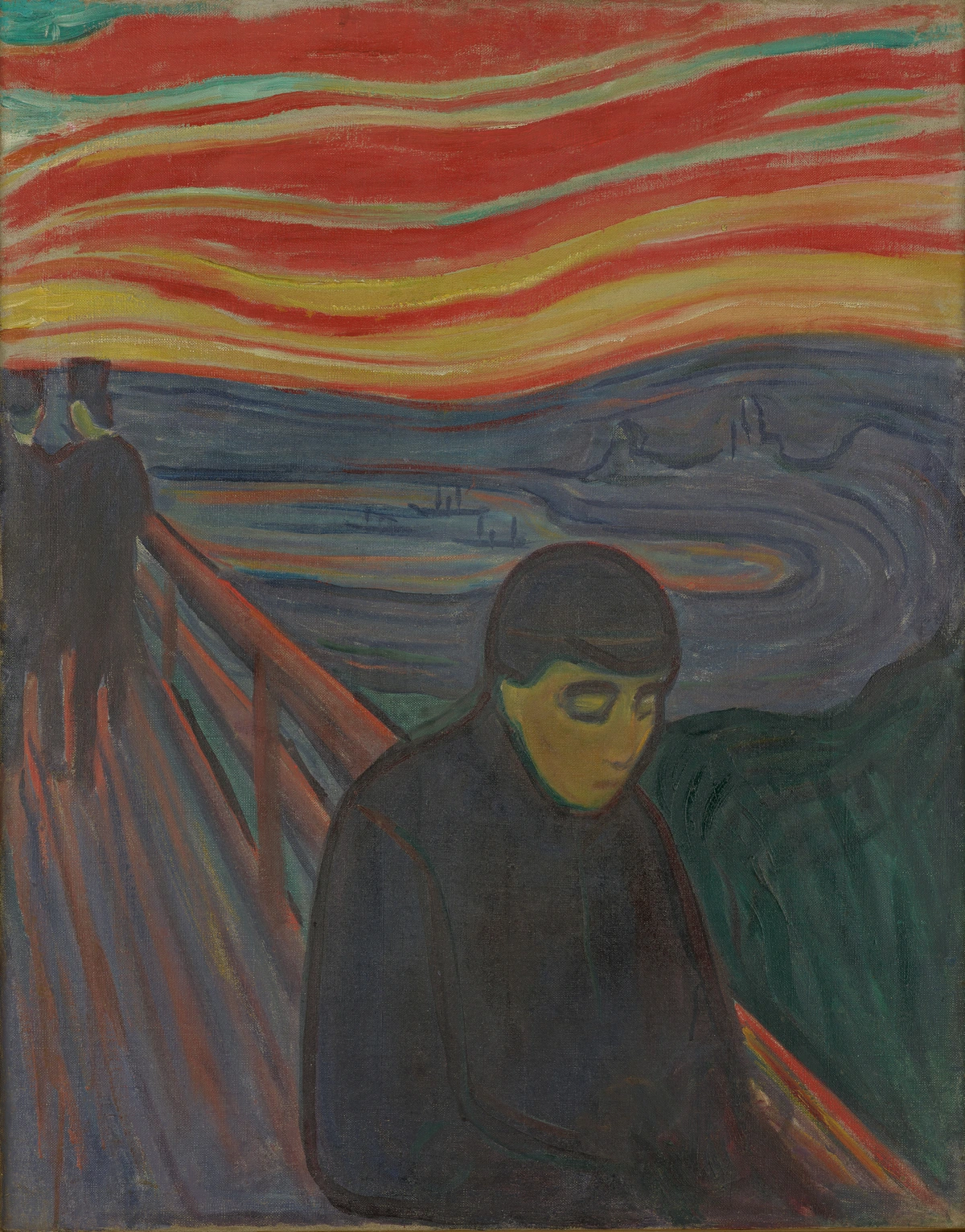
Key Takeaway: Don't leave any part of yourself at the studio door—your entire life is material.
Salvador Dalí: Dreams as Surreal Reality
His Weapon: Unconscious mind exploration and dream imagery
Dalí weaponized his dreams and psychological insights into iconic, bizarre imagery that continues to fascinate viewers. His weapon wasn't just painting strange things—it was translating the unconscious into visual form. What we can learn: Your inner world, no matter how strange, can become universally relatable when properly expressed.
Key Takeaway: The things that seem most personal and weird might actually be the most universally understood when rendered authentically.
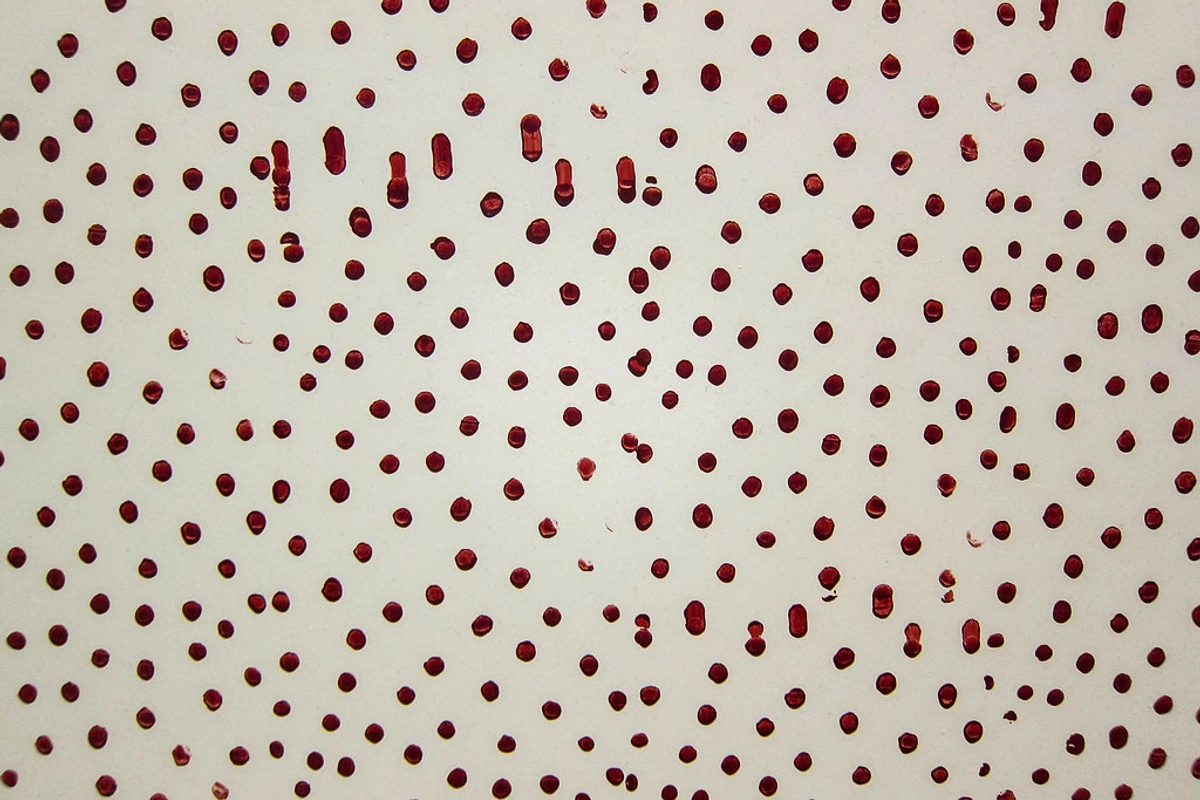
Bridget Riley: Mathematics as Visual Experience
Her Weapon: The intersection of mathematics and perception
Riley saw optical illusions not as tricks, but as fundamental properties of visual experience. Her weapon was understanding how the human eye and brain process information. What we can learn: Seemingly "unartistic" disciplines can become powerful artistic frameworks.
Key Takeaway: Cross-disciplinary thinking often leads to the most innovative art.
Common Mistakes and How to Avoid Them
Even when you understand the concept of the secret weapon, there are common pitfalls that can undermine your progress:
Mistake 1: Forcing Your Weapon
The Problem: You try to make your weapon fit every project, regardless of context. The Solution: Let your weapon emerge naturally. Sometimes the best work happens when you're not actively trying to "use" your weapon—it just comes through because it's who you are.
Mistake 2: Confusing Obsession with Weapon
The Problem: You fixate on surface-level interests rather than deeper perspectives. The Solution: Ask "Why do I care about this?" repeatedly until you get to the core emotional or conceptual connection.
The Five Whys Technique:
- Why do I love painting old buildings? Because they have character.
- Why does character matter? Because it tells stories.
- Why do stories matter? Because they connect us across time.
- Why does connection matter? Because it makes us feel less alone.
- Why does that matter? Because it's fundamentally human.
Your weapon isn't just "old buildings"—it's the human quest for connection through shared history. This deeper understanding can inform all your work, not just architecture.
Mistake 3: Neglecting Technical Development
The Problem: You focus so much on authenticity that your technical skills don't keep up. The Solution: Remember that your weapon is the what and why of your art, but technique is the how. Develop both in tandem.
The Weapon-Technique Balance:
Authenticity Without Technique  | Technique Without Authenticity | The Sweet Spot |
|---|---|---|
| Vision is clear but execution is weak | Execution is perfect but lacks soul | Clear vision matched with skilled execution |
| Work feels amateurish despite good ideas | Work feels cold and impersonal | Technical mastery serves authentic vision |
| Frustration with inability to express ideas | Technical skill feels hollow and meaningless | Every technique choice serves the concept |
Action Plan: Spend 20% of your time developing technical skills, 80% on authentic expression. Or reverse this ratio if you're technically strong but conceptually weak.
Mistake 4: Isolating Yourself
The Problem: You believe your weapon is so unique that no one will understand it. The Solution: Find your tribe. There are people out there who get it—they're just waiting to discover your work.
Finding Your Artistic Tribe:
- Niche Online Communities: Reddit, Facebook groups, Discord servers for your specific interests
- Local Artist Collectives: Small galleries, maker spaces, or co-op studios
- Social Media Hashtags: Use specific hashtags related to your weapon (not just #art)
- Art Fairs and Markets: Where you can meet collectors who appreciate your niche
- Collaboration Projects: Work with artists who complement your weapon
The Loneliness Myth: Many artists think they need to suffer alone, but isolation actually weakens your work. Feedback and community don't compromise authenticity—they strengthen it.
Practical Tools and Resources
Here are concrete tools to help you discover and develop your secret weapon:
The Discovery Toolkit
Before you can weaponize your uniqueness, you need to discover it. Here's a comprehensive toolkit for finding your artistic fingerprint:
1. The Personal History Timeline
Create a visual timeline of your life that goes beyond major events:
[1995] Born in small town → First memory of collecting rocks → Started drawing dinosaurs
[2003] Middle school → Discovered hate for math → Obsessed with doodling in margins
[2010] High school → Failed art class → Won science fair with visual display
[2015] College → Studied psychology → Started documenting emotions through abstract sketches
[2020] First real job → Hated corporate culture → Started making art about workplace absurdity
What to look for: Patterns in what consistently draws your attention, emotions, and energy.
The Inventory Workbook
Create a comprehensive inventory using these categories:
Personal History Timeline
- Mark significant life events with emotional notes
- Include seemingly insignificant moments that still resonate
- Note recurring themes or obsessions throughout your life
- Add "weird" things you've collected or been obsessed with
- Document your "failures" and what you learned from them
Sensory Inventory
- Colors that evoke strong emotions (and why)
- Textures you love or hate (physical and emotional associations)
- Sounds that inspire you (music, nature, urban noises)
- Smells that trigger memories or ideas (nostalgic vs. inspiring)
- Tastes that evoke strong feelings or memories
Cultural Influences Map
- Movies, books, music that shaped you (specific scenes or moments)
- Art movements that speak to you (which specific artists within them)
- Historical periods you're drawn to (what aspects specifically)
- Cultural traditions that influence your perspective (family, geographic, etc.)
- "Uncool" influences you're embarrassed to admit
The "Embarrassment" Inventory
- Things you love that you think are "silly" or "not artistic"
- Hobbies you've hidden from others
- Interests you think are too "ordinary"
- Quirks or idiosyncrasies you've tried to suppress
The Weapon Development Journal Template
Use this structure for daily or weekly reflection:
Daily Reflection Template:
**Today's Date:** [Date]

**Weapon Observation:** What aspect of my uniqueness showed up today?
  - [Specific example from work/day]
  - [Emotional response]
  - [How it felt authentic]

**Successful Integration:** Where did my weapon work well?
  - [Specific example]
  - [Why it succeeded]
  - [What to repeat]

**Resistance Points:** Where did I avoid my weapon?
  - [Specific example]
  - [Why I resisted]
  - [How to overcome next time]

**New Discoveries:** What did I learn about my weapon today?
  - [New insight]
  - [Connection to previous work]
  - [Next experiment idea]

**Connection Question:** How does this relate to my core artistic vision?
Weekly Review Template:
**This Week's Weapon Highlights:**
- Top 3 moments where my weapon shone
- Biggest resistance encountered
- New patterns or insights discovered
- Small experiments that worked
- Experiments that failed (and what was learned)

**Next Week's Focus:**
- Which aspect of my weapon to explore more deeply
- New techniques to try with my weapon
- Community or feedback to seek
- Personal growth goals related to my weapon
Date:
Today's Weapon Insight: (What aspect of my uniqueness came through today?)
Successful Experiments: (What worked in my studio practice?)
Failed Attempts: (What didn't work, and what did I learn?)
New Discoveries: (What did I learn about my perspective today?)
Connections: (How does this connect to previous work or interests?)
Next Steps: (What do I want to explore next?)
Digital Tools for Weapon Discovery
- Pinterest/Mood Boards: Collect images that speak to your authentic aesthetic
- Create specific boards for different aspects of your weapon
- Organize by emotion, technique, or subject matter
- Analyze patterns in what you consistently save
- Notion or Obsidian: Create interconnected databases of your influences and experiments
- Build a "weapon database" with all your inventory information
- Create connections between seemingly unrelated interests
- Track how your weapon evolves over time
- Voice Memos: Record thoughts about your work as they come to you
- Capture unplanned insights about your creative process
- Document emotional responses to your own work
- Save "aha moments" about your weapon
- Sketchbook Apps: Digitally capture ideas anywhere, anytime
- Use Procreate, Concepts, or Adobe Fresco for digital sketching
- Create texture libraries from everyday objects
- Experiment with your weapon digitally before committing to physical media
Advanced Digital Toolkit:
- AI Tools (Use with caution): Use AI to analyze patterns in your existing work and identify recurring themes that might point to your weapon
- Data Visualization Tools: Turn your inventory data into visual patterns that might reveal hidden connections
- 3D Modeling Software: Experiment with your weapon in three dimensions
- Sound Design Apps: Explore how your weapon might translate to audio experiences
Step-by-Step Implementation Templates
Template 1: The 30-Day Weapon Activation
Week 1: Deep Discovery (Days 1-7)
- Days 1-2: Complete your primary inventory workbook
- Set aside 2-3 hours for uninterrupted work
- Be brutally honest—no judgment allowed
- Include everything, no matter how "silly" it seems
- Days 3-4: Conduct your sensory deep dive
- Visit places that stimulate your senses (museums, nature, markets)
- Document specific sensory responses
- Take photos and notes of what triggers strong reactions
- Days 5-6: Analyze patterns and identify potential weapons
- Look for recurring themes across all inventory categories
- Ask "What do I keep coming back to?"
- Select your top 3 potential weapons with specific reasons
- Days 7: Reflection and refinement
- Review your inventory with fresh eyes
- Narrow to your most promising weapon
- Write down why this feels most authentic
Daily Journal Prompts for Week 1:
- "What surprised me most about my inventory?"
- "What patterns emerged that I hadn't noticed before?"
- "Which potential weapon makes me feel most energized?"
- "What am I afraid to admit about my own interests?"
Week 2: Micro-Experiments (Days 8-17)
- Days 8-10: Weapon #1 experiments (30 minutes each)
- Focus: Surface exploration of the concept
- Goal: Understand basic visual language
- Medium: Whatever feels natural
- Days 11-13: Weapon #2 experiments (30 minutes each)
- Focus: Different angle or aspect of the concept
- Goal: Test emotional resonance
- Medium: Try something new
- Days 14-17: Weapon #3 experiments (30 minutes each)
- Focus: Most promising weapon in depth
- Goal: Find natural expression
- Medium: Your preferred artistic medium
Experiment Guidelines:
- No pressure to create "good" art
- Focus on process, not product
- Document everything (photos, notes, sketches)
- Ask "What felt authentic?" after each session
Week 3: Integration and Refinement (Days 18-28)
- Days 18-21: Create your first "serious" piece
- Apply your weapon to a subject you care about
- Set aside dedicated creative time
- Focus on authentic expression over technical perfection
- Days 22-24: Seek feedback and refine
- Share with 2-3 trusted people who "get" your vision
- Ask specific questions: "What feels authentic?" "What feels off?"
- Make targeted improvements based on feedback
- Days 25-28: Plan your series
- Create 3-5 pieces that explore different aspects of your weapon
- Develop a consistent visual language
- Consider how pieces will work together
Week 4: Evolution and Planning (Days 29-30)
- Day 29: Comprehensive review
- Review all work from the month
- Identify what worked and what didn't
- Document insights about your weapon
- Day 30: Future planning
- Create a 90-day development plan
- Set up systems for ongoing weapon practice
- Define specific, measurable goals
Template 2: The Weapon Integration Matrix
Use this to track how your weapon shows up in different aspects of your work:
Artwork Element | How My Weapon Shows Up | Examples | Next Steps |
|---|---|---|---|
| Color Palette | Colors that reflect your weapon's emotional qualities | Weapon: Organizing chaos → Blues and structured neutrals | Experiment with color theory specific to your weapon |
| Composition | How your weapon influences spatial relationships | Weapon: Obsession with patterns → Grid-based layouts | Explore rule-breaking within your compositional framework |
| Subject Matter | What naturally aligns with your weapon | Weapon: Love for decay → Weathered architecture, aging objects | Find new subjects that fit your weapon's essence |
| Technique | Methods that express your weapon's nature | Weapon: Precision → Detail-oriented techniques | Combine precision with spontaneous elements |
| Texture | Physical manifestation of your weapon | Weapon: Nature obsession → Organic, earthy textures | Create contrast between natural and artificial textures |
| Emotional Tone | The feeling your weapon evokes | Weapon: Nostalgia → Warm, contemplative mood | Explore emotional range within your weapon's framework |
| Symbolism | Deeper meaning behind your weapon | Weapon: Collection → Themes of accumulation and value | Develop personal symbolic language |
Template 3: The Weapon Evolution Tracker
Track how your weapon develops over time:
Time Period | Weapon Focus | Key Works | Technical Developments | Audience Response |
|---|---|---|---|---|
| Initial Discovery | ||||
| Early Experiments | ||||
| First Series | ||||
| Mature Phase | ||||
| Current Evolution |
Real-World Success Stories
Story 1: From Hobby to Career
Maria's Journey: Maria loved collecting vintage buttons but thought it was just a hobby. When she started incorporating them into her collages, something clicked. Her work now features intricate button mosaics that have gained international attention.
Key Lesson: What seems like a casual obsession might be your artistic calling.
Story 2: Corporate Background as Advantage
David's Story: David worked in data visualization for 10 years before becoming an artist. Instead of hiding this background, he embraced it, creating stunning abstract pieces that look like beautiful data maps. His corporate experience became his unique selling point.
Key Lesson: So-called "unartistic" backgrounds can become your greatest artistic assets.
Overcoming Creative Blocks with Your Weapon
When you hit a creative block, your secret weapon is your most powerful antidote. Creative blocks aren't failures—they're invitations to reconnect with your authentic voice. Here's how to weaponize your unique perspective to break through any creative barrier:
Understanding Your Block Types
Not all creative blocks are the same. Identifying the type of block you're experiencing helps you choose the right weapon-based solution:
Block Type | Characteristics | Weapon Solution | Example |
|---|---|---|---|
| Empty Canvas Block | Paralysis from too many options, fear of making wrong choices | Return to your weapon's core principles | Use your "organizing chaos" approach to create a structured starting point |
| Technical Block | Frustration with inability to execute your vision | Weapon-focused skill practice | If your weapon is precision, practice detailed drawing techniques |
| Conceptual Block | No clear direction or inspiration | Inventory review and connection exercises | Revisit your inventory to find fresh connections |
| Emotional Block | Anxiety, self-doubt, or burnout | Weapon-based emotional processing | Create work directly about the block using your weapon's language |
| Audience Block | Fear of judgment or rejection | Community connection and authentic sharing | Share your weapon journey with understanding peers |
The Weapon Unblock Method
- Return to Your Inventory: Go back to your original inventory list. What did you miss? What new items have been added?
- Weapon Micro-Experiments: Create tiny pieces (under 30 minutes) focused purely on your weapon
- Reverse Engineering: Take existing work you love and analyze how your weapon shows up in it
- Weapon Journaling: Write about what aspects of your weapon you haven't explored yet
Expanded Weapon Unblock Techniques:
The 5-Minute Weapon Sprint: Set a timer for exactly 5 minutes and create something using only your weapon. No planning, no judgment, just pure execution. This bypasses the perfectionism that causes most blocks.
Weapon Association Exercise: Take your weapon concept and list 10 related words. Then list 10 seemingly unrelated words. Force connections between them. For example, if your weapon is "organizing chaos," you might connect "chaos" with "butterfly" and create a piece about transformation through structure.
The Weapon Swap: Temporarily switch to a completely different medium but apply your weapon concept. If you're a painter, try sculpting. If you work digitally, try traditional methods. The medium change often unlocks new perspectives.
Weapon Memory Dive: Go back to the original moment or experience that inspired your weapon. Revisit it physically (if possible) or through photos, journals, or memory. Reconnect with the authentic feeling that sparked your weapon.
Common Block Scenarios and Solutions
"I'm bored with my weapon"
- Solution: Explore adjacent passions. If your weapon is botanicals, try combining them with architecture or fashion
- Advanced Solution: Create an anti-weapon piece—deliberately work against your natural tendencies. This often reveals new depths to your original weapon.
"My weapon feels too limiting"
- Solution: Remember that constraints breed creativity. Use your weapon as a foundation to depart from
- Advanced Solution: The "Weapon Plus One" technique—add one element that completely contradicts your weapon. For example, if your weapon is precision, add intentional chaos.
"I'm not sure if my weapon is working"
- Solution: Show your work to someone who gets it. Authenticity creates immediate connection with the right audience
- Advanced Solution: The "Authenticity Test”—create two versions of a piece: one using your weapon, one without. See which feels more "you." Often, the difference is immediately obvious.
"My weapon feels too obvious or cliché"
- Solution: Go deeper into your weapon. Move beyond surface-level expression to explore its philosophical or emotional core.
- Example: If your weapon is "nature," don't just paint flowers—explore the relationship between growth and decay, or the mathematics of natural patterns.
"I feel like I'm repeating myself"
- Solution: Create a "Weapon Evolution” piece that builds on previous work but pushes it in a new direction.
- Advanced Solution: The Weapon Timeline—create a series showing how your weapon has evolved over time, from early experiments to current mastery.
Marketing and Branding Your Authentic Art
Having a strong secret weapon makes marketing easier, not harder. When your work comes from authentic place, marketing becomes about sharing your story rather than selling a product. Here's how to leverage your weapon for effective marketing:

The Weapon Marketing Framework
Your secret weapon isn't just for your art—it's for your entire artistic brand. Here's how to structure your marketing around your authenticity:
Marketing Element | How Your Weapon Helps | Practical Application |
|---|---|---|
| Brand Story | You have a unique, authentic narrative | Share your weapon discovery journey |
| Visual Identity | Your weapon creates consistent visual language | Use weapon-related colors, fonts, imagery |
| Content Creation | Your weapon provides endless content ideas | Document your process and inspiration |
| Audience Connection | Authenticity attracts the right people | Share vulnerability and real process |
| Pricing Justification | Your weapon explains your unique value | Frame pricing as investment in authenticity |
Weapon-Driven Marketing Content Ideas:
- Process Videos: Show how your weapon influences your creative decisions
- Behind-the-Weapon: Document the inspiration and research behind your pieces
- Weapon Experiments: Share failed experiments and what you learned
- Weapon Q&A: Answer questions about your artistic approach
- Weapon Evolution: Show how your concept has developed over time
The Authenticity Marketing Framework
1. Be Specific About Your Weapon
- Instead of: "I make abstract art"
- Try: "I create architectural-inspired abstracts using grid structures and watercolor washes"
- Advanced Version: "I translate my experience in retail inventory management into symmetrical yet playful compositions that explore the beauty of controlled chaos"
2. Share Your Process
- Document how your weapon influences your creative decisions
- Show the behind-the-scenes of your authentic approach
- Explain the "why" behind your artistic choices
- Advanced Approach: Create "Weapon Deep Dives”—specific content about how your unique perspective shapes every element of your work
3. Find Your Niche Audience
- People who appreciate authenticity will naturally gravitate to your work
- Focus on building relationships with collectors who get your vision
- Use social media to connect with others who share your interests
- Advanced Strategy: Create a "Weapon Tribe”—community of people who appreciate your specific approach, not just your aesthetic
4. Be Consistent
- Your authentic voice becomes recognizable over time
- Collectors start following your journey, not just individual pieces
- Your weapon becomes your brand identity
- Advanced Consistency: Develop a "Weapon Signature”—a consistent element that appears in all your work, making your pieces instantly recognizable
Pricing Authentic Art
Your weapon gives you concrete reasons to price your work confidently:
- Uniqueness: No one else has your exact perspective
- Depth: Your work comes from deep personal exploration
- Evolution: Each piece shows growth and development
- Authenticity: Collectors pay for genuine connection
- Investment Value: Authentic work often appreciates more than trendy pieces
Weapon-Based Pricing Strategy:
Pricing Approach | How Your Weapon Helps | Implementation |
|---|---|---|
| Value-Based Pricing | Your weapon explains the emotional and intellectual value | Price based on the depth of authentic exploration |
| Tiered Pricing | Your weapon allows for different levels of complexity | Create basic, intermediate, and advanced weapon pieces |
| Collector Pricing | Your weapon creates devoted followings | Offer exclusive pieces to your "weapon tribe" |
| Investment Pricing | Authentic work often appreciates over time | Frame purchases as investments in authentic art |
Example Pricing Language: "This piece embodies my exploration of [your weapon concept], developed through [number] years of authentic exploration. The price reflects the depth of personal investment and the unique perspective it offers."
The Weapon Premium: Don't be afraid to price your authentic work higher than technically similar but less authentic pieces. Collectors who value authenticity will pay for the genuine connection your weapon provides.
Balancing Commercial Success with Authenticity
This is one of the biggest challenges for authentic artists:

Sustainable Authentic Practices
- Create a "commercial" side project that funds your authentic work
- Teach workshops about finding and using your artistic voice
- Licensing authentic designs for products that don't compromise your vision
- Commissions that genuinely interest you and challenge you in good ways
Diversified Income Streams for Authentic Artists:
Income Stream | Authentic Connection | Implementation Example |
|---|---|---|
| Original Art Sales | Core authentic expression | Major pieces that fully embody your weapon |
| Prints & Reproductions | Wider audience reach | High-quality prints of signature works |
| Commissions | Custom authentic expression | Commissions that align with your weapon |
| Teaching & Workshops | Sharing authentic process | Classes on finding and using artistic voice |
| Digital Products | Scalable authentic content | E-books, courses about your weapon |
| Licensing & Merch | Authentic extension | Products that reflect your aesthetic |
| Residencies & Grants | Authentic development time | Applications that emphasize your unique perspective |
| Collaborations | Authentic cross-pollination | Projects with artists who complement your work |
| ** Patreon/Supporters** | Direct audience connection | Tiered offerings based on access to your process |
| Public Art | Community authentic expression | Projects that reflect local culture through your weapon |
The 80/20 Rule for Authentic Sustainability:
- 80% of your time should go toward your authentic core work
- 20% can go toward commercial activities that support this core
- This ratio can shift depending on your financial needs, but never let the core disappear entirely
Long-Term Evolution of Your Artistic Voice
Your secret weapon isn't static—it should grow and evolve:
The Annual Authenticity Review
Set aside time each year to assess your artistic development:
- What aspects of my weapon have deepened?
- What new elements have emerged?
- What parts of my weapon do I want to explore further?
- How has my audience's response changed?
- What new connections can I make?
The Five Stages of Artistic Maturity
Stage 1: Discovery - Finding your weapon and experimenting with it Stage 2: Mastery - Developing technical skill to express your weapon Stage 3: Fusion - Combining your weapon with other influences Stage 4: Expansion - Exploring new applications of your weapon Stage 5: Emancipation - Your weapon becomes invisible but ever-present
Most artists cycle through these stages repeatedly throughout their careers.
Handling Criticism as an Authentic Artist
Criticism of authentic work can be particularly painful because it feels like a critique of who you are:

Constructive Criticism Framework
1. Separate Technique from Authenticity
- "The colors feel muddy" = Technique issue
- "This doesn't feel like you" = Authenticity issue
2. Ask Clarifying Questions
- "What specifically feels inauthentic to you?"
- "What would make this feel more genuine to you?"
3. Consider the Source
- Does this person understand your artistic vision?
- Are they giving feedback from their perspective or yours?
4. Trust Your Gut
- If feedback makes you doubt your core vision, be cautious
- If it offers specific, actionable improvements, consider it
Building Criticism Resilience
- Create a feedback circle of people who understand your work
- Develop clear boundaries about what kind of feedback you accept
- Remember that not everyone will get your vision—and that's okay
- Focus on the collectors who do connect with your authentic voice
Legal and Business Considerations
Protecting your authentic artistic practice involves some practical considerations:
Essential Legal Protections
1. Copyright Registration
- Register your work with the copyright office
- Keep detailed records of your creative process
- Document your inspiration sources and development journey
2. Contract Templates
- Have standard contracts for commissions, gallery relationships, and licensing
- Include clauses that protect your artistic vision and process
- Specify how changes to your authentic approach will be handled
3. Trademark Considerations
- Consider trademarking your artist name or distinctive style elements
- This protects your authentic brand from being copied
Business Structure for Authentic Artists
Choose a business structure that supports your authentic practice:
Structure | Best For | Considerations |
|---|---|---|
| Sole Proprietorship | Individual artists starting out | Simple but offers no liability protection |
| LLC | Artists wanting liability protection | More complex but worth it for established practices |
| S-Corp | Artists with significant income | Tax advantages but requires formal structure |
| Collective | Groups of authentic artists | Shared costs and audience building |
Building a Sustainable Art Practice
Authenticity is only sustainable if you build the right foundation:

Multiple Income Streams
Diversify your income to support authentic creation:
- Original Art Sales (your core authentic work)
- Prints and Reproductions (wider reach of your authentic vision)
- Commissions (that align with your artistic direction)
- Teaching and Workshops (sharing your authentic process)
- Licensing (that doesn't compromise your vision)
- Digital Products (e-books, courses about authenticity)
Community and Support Systems
- Find your tribe of artists who value authenticity
- Join mastermind groups for artistic development
- Work with supportive galleries that understand your vision
- Build relationships with collectors who appreciate your journey
Self-Care for Authentic Artists
- Protect your creative energy from constant demands
- Schedule regular creative time that cannot be interrupted
- Set boundaries around how much you share publicly
- Celebrate small wins in your authentic journey
The Business Side of Authentic Art
Being authentic doesn't mean being ignorant of business—it means being business-savvy about your authenticity:

Authentic Business Principles
1. Transparency
- Be honest about your process and inspiration
- Share your challenges as well as your successes
- Build trust through authenticity in all business dealings
2. Value-Based Pricing
- Price based on the authentic value you provide
- Consider the time, skill, and emotional investment in your work
- Communicate the story and meaning behind your pricing
3. Long-Term Relationships
- Focus on building relationships, not just making sales
- Collectors who connect with your authentic voice become lifelong supporters
- Nurture your community through regular, authentic communication
Authentic Marketing Strategies
1. Content Marketing
- Share your artistic journey and process
- Create content about finding and using your artistic voice
- Document how your weapon develops in your work
2. Community Building
- Create spaces for authentic artistic conversation
- Host events that celebrate unique artistic perspectives
- Support other artists who embrace authenticity
3. Storytelling
- Weave the story of your artistic development into your marketing
- Share how your weapon influences your creative decisions
- Connect with audiences through shared experiences of authenticity
Teaching Others About Their Secret Weapons
Once you've mastered your own artistic voice, you can help others discover theirs:

Workshop Framework for Weapon Discovery
Part 1: The Inventory Process
- Guided exercises to help participants identify their unique perspectives
- Safe space for sharing potentially embarrassing or "weird" interests
- Framework for translating personal experiences into artistic material
Part 2: Weapon Identification
- Exercises to distinguish surface interests from core artistic weapons
- Techniques for testing which weapons feel most authentic
- Methods for integrating weapons into existing artistic practices
Part 3: Practical Application
- Hands-on creation using identified weapons
- Feedback sessions focused on authenticity rather than technical perfection
- Planning for ongoing weapon development
Teaching Philosophy for Authenticity
- Create safe spaces where vulnerability is encouraged
- Focus on process over product in early stages
- Validate each participant's unique perspective
- Share your own journey including struggles and uncertainties
- Emphasize that there's no "right" way to be authentic
Future Trends in Authentic Art
As the art world evolves, authentic artistic voices become increasingly valuable:
Emerging Opportunities for Authentic Artists
1. Digital Authenticity
- NFT platforms that prioritize artistic vision over speculation
- Virtual galleries that showcase unique perspectives
- Digital tools that help artists develop their authentic voice
2. Community-Created Art
- Collaborative projects that combine multiple authentic perspectives
- Artist collectives built around shared values rather than style
- Community-engaged art that addresses real social issues
3. Sustainable Art Practices
- Art that considers environmental impact without compromising vision
- Upcycled materials that tell authentic stories
- Practices that balance artistic expression with ecological responsibility
Staying Authentic in a Changing World
- Regularly revisit your core artistic principles
- Be open to evolution while staying true to your essence
- Embrace new tools that serve your authentic vision
- Build resilience against trends that don't align with your values
Final Thoughts: The Unending Journey
Discovering and using your secret weapon isn't a destination—it's a lifelong journey of artistic and personal growth. The most successful artists are those who understand that authenticity isn't static; it's a dynamic, evolving relationship with yourself and your work.
Remember these key truths:
- Your weapon is already within you—you just need to uncover it
- The most authentic work often comes from embracing what makes you feel "weird"
- Technical skill matters, but authenticity is what makes art truly memorable
- Your artistic voice will evolve, and that's not just okay—it's essential
- The right audience will always find authentic work, even if it takes time
Your action plan for today:
- Return to your inventory with fresh eyes
- Make one small piece that embraces your weapon fully
- Share it with someone who will appreciate your authentic voice
- Trust that your unique perspective is exactly what the world needs
The art world doesn't need another copy of what already exists. It needs your authentic perspective, your weird wonderfulness, your secret weapon unleashed. Go create something that only you could make.
--------------------------|----------------------| | Art feels "off" or hollow | Work feels electric and personal | | Struggles with "artist’s block" | Flow state becomes common | | Audiences sense inauthenticity | Collectors feel a genuine connection | | Burnout is constant | Creation becomes energizing |
A 3-Step Tutorial to Harnessing Your Weapon
Ready to turn quirks into quality? Grab a notebook. We’re going spelunking in your uniqueness.
Step 1: Inventory Your Human Experience
This is the most important step—and the most terrifying. We're trained to hide our "weird" parts, but in art, they're your superpower. Make a messy, unfiltered list. No artistic judgment allowed. Be brutally honest with yourself.

Category 1: Deep Obsessions & Passions
- What could you study/read/do for hours without getting bored?
- What topics do you find yourself constantly researching?
- What do you collect compulsively?
- What "useless" facts do you know about obscure subjects?
Category 2: Annoyances & Pet Peeves
- What drives you absolutely crazy about the world?
- What inefficiencies or injustices do you notice everywhere?
- What "common sense" things do you think are completely wrong?
- What patterns do you see that everyone else misses?
Category 3: Jobs & Experiences
- What jobs have you had (even the terrible ones)?
- What life experiences have shaped your worldview?
- What failures or successes have defined you?
- What cultural backgrounds influence your perspective?
Category 4: "Useless" Skills & Quirks
- What are you weirdly good at that has nothing to do with art?
- What childhood hobbies still influence you?
- What social or intellectual idiosyncrasies do you have?
- What "embarrassing" things do you secretly love?
Example: My inventory list includes: "Dissects gum wrappers as a kid, hates uneven grids more than anything, worked at a pet store for three years, obsessed with organizational systems, terrified of open water." This led to collages using candy wrappers, gridded pet portraits, and series exploring containment and structure. The fear of open water? That's still cooking—maybe it will become a series about boundaries next year.
Step 2: Weaponize Your Weirdest Trait
Now for the fun part: taking one item from your inventory and turning it into artistic fuel. This is where theory becomes practice. Pick one item from your list—preferably something that makes you slightly uncomfortable or embarrassed. Force it into a creative project.
The Weaponization Exercise
Here's your mission: Create a piece that reflects your biggest annoyance or deepest obsession. Don't think about it too much—just react.
- If you despise clutter: Paint chaos restrained by crisp, clean lines
- If you love spreadsheets: Make a data-driven abstract piece using grids and charts
- If you're obsessed with weather: Create series based on atmospheric conditions
- If you hate small talk: Explore the beauty of silence and stillness in your work
- If you love collecting: Incorporate actual collected objects or their visual language
My Weaponization Story
I once did an entire series based solely on my panic attacks—swirling blues and sharp angles that collectors later said made them feel "understood" in a way they couldn't articulate. The irony? I was terrified to share that work at first, thinking it was "too weird" or "too personal." Turns out, that's exactly what made it powerful.
The Risk-Reward Matrix
Here's how different weapon traits typically translate:
Trait Type | Artistic Potential | Common Challenges | Success Stories |
|---|---|---|---|
| Obsessions | Deep, sustained motivation | Can become repetitive | Artists like Georgia O'Keeffe with flowers |
| Annoyances | Powerful emotional content | Can feel angry/negative | Artists like Banksy with social commentary |
| Jobs | Unique technical skills | May seem "unartistic" | Artists with scientific backgrounds in data art |
| Quirks | Unexpected connections | Hard to explain | Outsider artists with distinctive visions |
The key is to start small, experiment without pressure, and let your authentic voice emerge naturally.
Step 3: Evolve, Don’t Abandon
Your weapon isn’t a one-trick pony. Let it grow.
Phase | Focus | Example |
|---|---|---|
| Hone | Master the basics of your concept | Fungi artist studies mycology deeply |
| Fuse | Combine with traditional techniques | Fungi + watercolor textures |
| Expand | Explore adjacent passions | Fungi + astrophysics space themes |
| Emancipate | Weapon becomes invisible but core | Style evolves but authenticity remains |
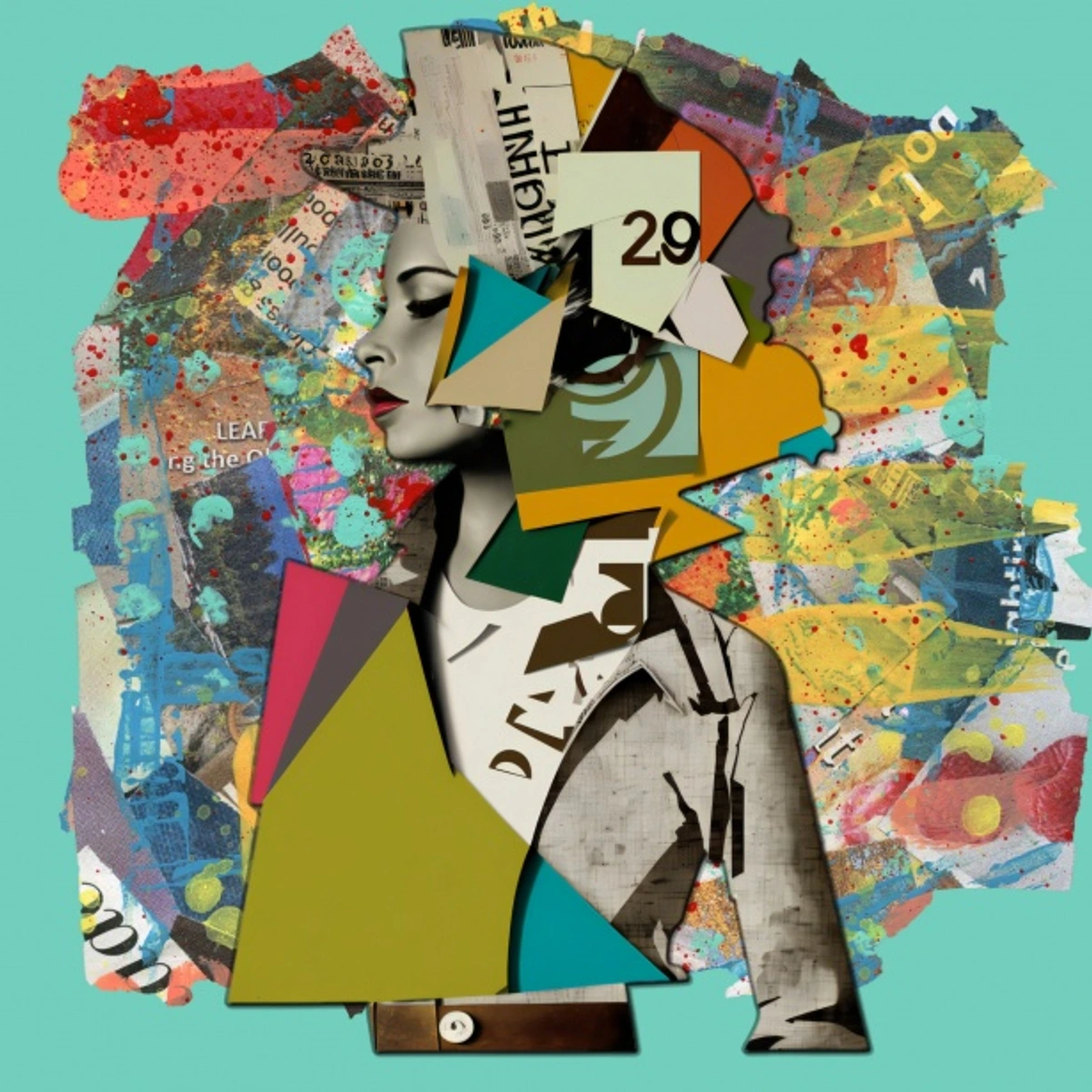
When Your Weapon Feels "Too Weird"
Let's be honest: there will be moments when you look at your inventory list and think, "This is ridiculous. No one will care about my obsession with vintage typewriter keys or my hatred of mismatched socks." I get it. I once thought my fascination with taxidermy was completely disqualified from being "real art." Then I saw Bridget Riley use optical illusions—which to her were just math. Frida Kahlo painted her physical pain and medical procedures. Andy Warhol turned soup cans into high art. Your weird is someone else's inspiration.
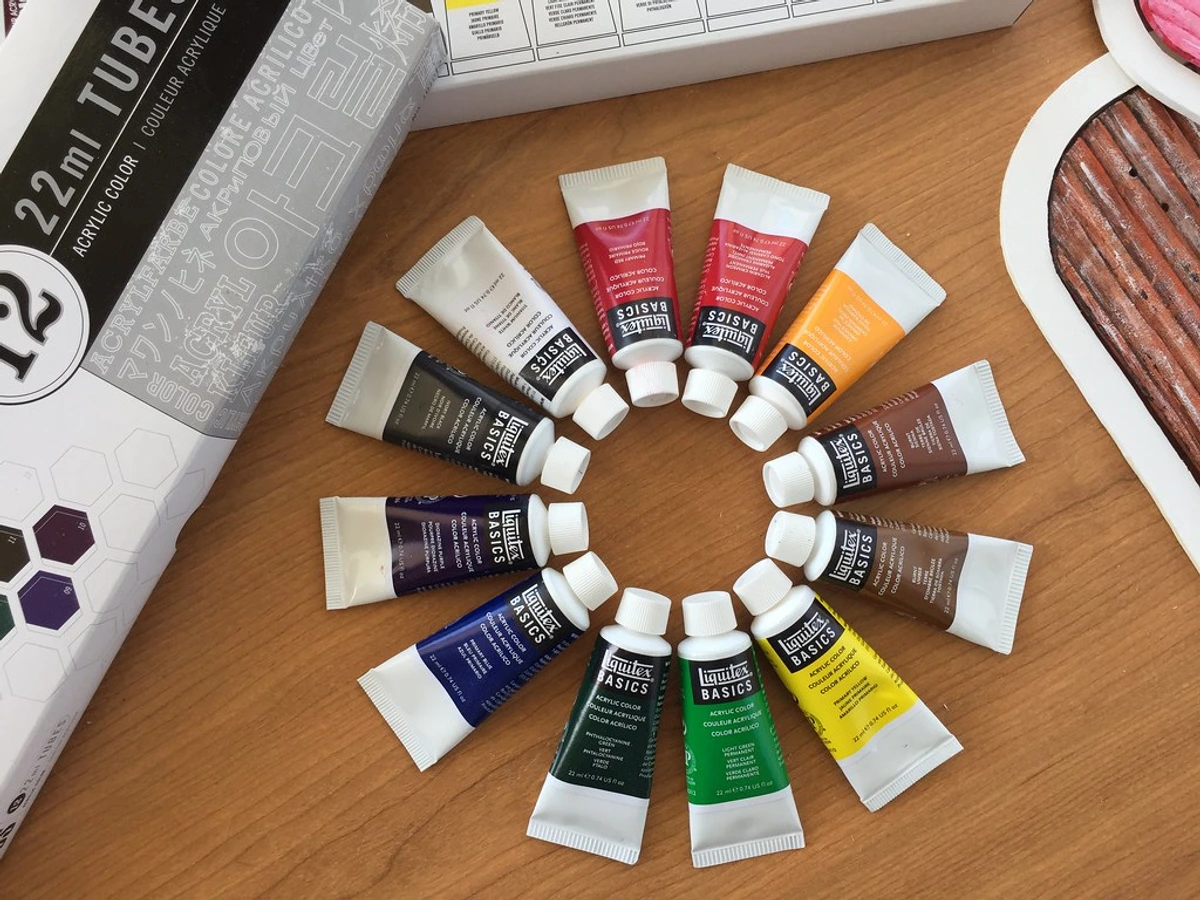
The "Too Weird" Reality Check
Here's the truth about artistic weirdness:
Your Fear | The Reality | Actionable Solution |
|---|---|---|
| "No one will understand my obsession" | Someone out there shares that exact fascination | Join niche online communities, find your tribe |
| "This isn't 'serious' art" | The most groundbreaking art starts with personal fascination | Document your process, explain your connection |
| "People will think I'm strange" | Authenticity attracts the right people and repels the wrong ones | Lean into the weirdness, it's your superpower |
| "I can't make money from this" | Niche markets often have the most dedicated collectors | Find your specific audience, they will pay for authenticity |

Practical Strategies for "Weird" Weapons
1. Deep Research Validation
- Find 3-5 historical or contemporary artists who worked with similar themes
- Study how they handled criticism and found their audience
- Use their stories as evidence that your weirdness is valid
2. The Small Stakes Method
- Start in sketchbooks or digital files where no one else will see them
- Create a "weird weapon" series that you don't plan to sell initially
- Experiment without pressure—this is where real innovation happens
3. Shame Acknowledgment Technique
- Write down "This feels ridiculous" in your journal
- Then add "But what if it's brilliant?"
- List 3 reasons why your obsession might actually be valuable
- Often, the things we're most embarrassed about are our greatest artistic assets
4. The Bridge Method
- Find a way to connect your weird weapon to more familiar artistic concepts
- Example: If you love collecting bottle caps, frame it as "found object art" or "industrial texture studies"
- This helps others understand your work while staying true to your vision
FAQ: Your Secret Weapon
Q: Is my weapon only my trauma or painful experiences? A: Absolutely not! While difficult experiences can certainly fuel powerful art, your weapon encompasses everything that makes you uniquely you. Joy, nostalgia, your favorite junk food, childhood memories, intellectual curiosity—even your most mundane daily routines are fair game. Think of my gum-wrapper collages: that was pure, silly obsession with texture and repetition, not trauma. Your weapon is about authenticity, not suffering.
Q: What if my weapon changes over time? I feel like I'm "betraying" my earlier work. A: Celebrate the evolution! Your artistic voice should grow and change just like you do. I went from retail grids to taxidermy to architectural studies over my career. Each phase built on the last, and my collectors have enjoyed watching the journey. Art isn't static—authenticity means staying true to who you are right now, even if that person is different from who you were last year.
Q: Can I weaponize technique instead of subject matter? A: Yes, but be careful—technique alone often lacks soul. I taught myself pointillism years ago and could execute it perfectly, but my work felt empty. When I added my "organizing chaos" concept to the technique? Suddenly it clicked and had meaning. The sweet spot is when your technical choices serve your unique perspective, not the other way around.
Q: Does using my weapon limit my range or versatility as an artist? A: Actually, the opposite is true. Constraints force creativity. Look at Basquiat—his graffiti roots became his entire visual language, but within that framework he explored countless subjects and styles. Having a strong foundation (your weapon) gives you something solid to depart from and return to, making your explorations more meaningful rather than random.
Q: How do I know if I've found my real secret weapon vs. just a passing interest? A: Your real weapon will have staying power. You'll find yourself returning to it even when you try to ignore it. It will feel like discovery, not invention. You'll notice patterns in your work that you didn't consciously put there. And most importantly: when you try to make art without it, something will feel fundamentally "off" about the result.
Q: What if my weapon is something "normal" like landscapes or portraits? Aren't those already overdone? A: The subject matters less than your unique perspective on it. Every landscape painter has a different relationship to nature. Every portrait artist sees people differently. Your weapon is how you approach these traditional subjects—not that you approach them. What about landscapes makes you obsessed? The geology? The atmospheric effects? The psychological weight of empty spaces? That's your weapon.
Q: How do I explain my weapon to galleries, collectors, or buyers? A: Don't over-explain. Let the work speak for itself. When asked about your process, be honest and specific rather than philosophical. Instead of "I explore the human condition," say "I'm interested in how we organize personal spaces, which comes from my childhood obsession with arranging my toys." Concrete details build credibility better than abstract concepts.
Q: Can I have multiple secret weapons? A: Most artists do! Think of them as different facets of your personality rather than separate entities. You might have one weapon related to your intellectual side (obsession with patterns) and another related to your emotional side (response to melancholy). The key is understanding how they connect and influence each other in your work.
Q: What if my weapon feels "too commercial" or "not artistic enough"? A: That's often where the most interesting art lives! The tension between personal passion and market appeal can create compelling work. If you're obsessed with data visualization or product design, lean into that. The most groundbreaking art often comes from unexpected intersections between "commercial" and "fine" art traditions. Your weapon is valid no matter where it comes from.
Your Weapon, Your Legacy
Art isn’t about perfection. It’s about you on canvas. Your secret weapon isn’t a shortcut; it’s the shortcut to authenticity. Stop painting like someone else and start painting like you.
I remember when I first showed my inventory-themed piece to a gallery owner. She stared at it and said, "This feels honest. Don’t lose that." That’s the key. Your weapon is your truth. And in art? Truth is your rarest, most valuable asset.

[credit: Zen Dageraad Visser] [licence: zenmuseum.com]
About the Author
Zen Dageraad Visser is a contemporary abstract artist known for colorful, structured compositions that explore the intersection of order and chaos. With over 15 years of professional art experience, Zen has developed a unique approach that combines technical precision with emotional authenticity. Their work has been featured in galleries across Europe and collected by art enthusiasts worldwide.
Zen believes that the most powerful art comes from embracing what makes us uniquely human—our weirdness, our obsessions, our authentic perspectives. Through their art and teaching, they help other artists discover and develop their own "secret weapons" to create work that truly matters.















Connect with Zen:
- Website: zenmuseum.com
- Email: info@zenmuseum.com
- Instagram: @zenmuseum
Recommended Resources:
- "The Authentic Artist's Handbook"
- "Finding Your Artistic Voice"
- "Building a Sustainable Art Practice"
- "Contemporary Abstract Art Techniques"