The Ultimate Guide to Joan Miró: Diving into a Universe of Dreams and Colors
Dive into Joan Miró's universe. Explore his life, surrealist dreamscapes, abstract art, and lasting influence in this comprehensive, personal guide.

The Ultimate Guide to Joan Miró: Diving into a Universe of Dreams and Colors
Joan Miró is one of the most influential artists of the 20th century, known for his playful and imaginative approach to art. His work transcends traditional boundaries, blending elements of Surrealism, abstraction, and a deeply personal symbolic language. This guide explores Miró's life, his artistic evolution, and his enduring impact on modern and contemporary art.
Miró's art is not just a visual experience; it is an invitation to explore the depths of the subconscious and the boundless possibilities of the imagination. His unique ability to merge the abstract with the deeply personal has left an indelible mark on the art world, inspiring generations of artists and art enthusiasts alike.
There are artists, and then there are artists who fundamentally shift how you see the world. For me, Joan Miró is undeniably in that latter category. When I first encountered his work, I remember feeling a delightful jolt – a sense of childlike wonder mixed with profound recognition. It wasn't just paint on canvas; it was a peek into another dimension, a playful universe where logic bends and dreams take tangible form. You know, sometimes art can feel a bit... rigid? Miró, however, ripped up the rulebook and drew his own, wonderfully wonky, map. This isn't just about understanding a historical figure; it's about exploring a mindset, a way of seeing that I think we can all learn from. So, come with me, let's wander through the fantastical landscape of one of the 20th century's most enchanting minds.
Miró's work is a testament to the power of imagination and the freedom of expression. His art challenges us to see beyond the ordinary and embrace the extraordinary in our everyday lives.
Miró's art is a celebration of the subconscious, a visual language that speaks to the soul. His ability to blend the abstract with the deeply personal has made his work timeless and universally appealing. As we delve into his life and art, we'll uncover the stories, influences, and techniques that shaped his unique vision.
His journey from the vibrant streets of Barcelona to the avant-garde circles of Paris is a story of artistic evolution and personal discovery. Along the way, we'll explore how his early influences and experiences shaped his artistic voice and set the stage for his groundbreaking contributions to modern art.
Why Miró Matters Today
Miró's influence extends far beyond his time. His work continues to inspire contemporary artists, designers, and even musicians. His ability to blend the abstract with the deeply personal resonates in today's art world, where individuality and emotional expression are highly valued. His legacy is a testament to the power of imagination and the enduring appeal of art that speaks to the soul.

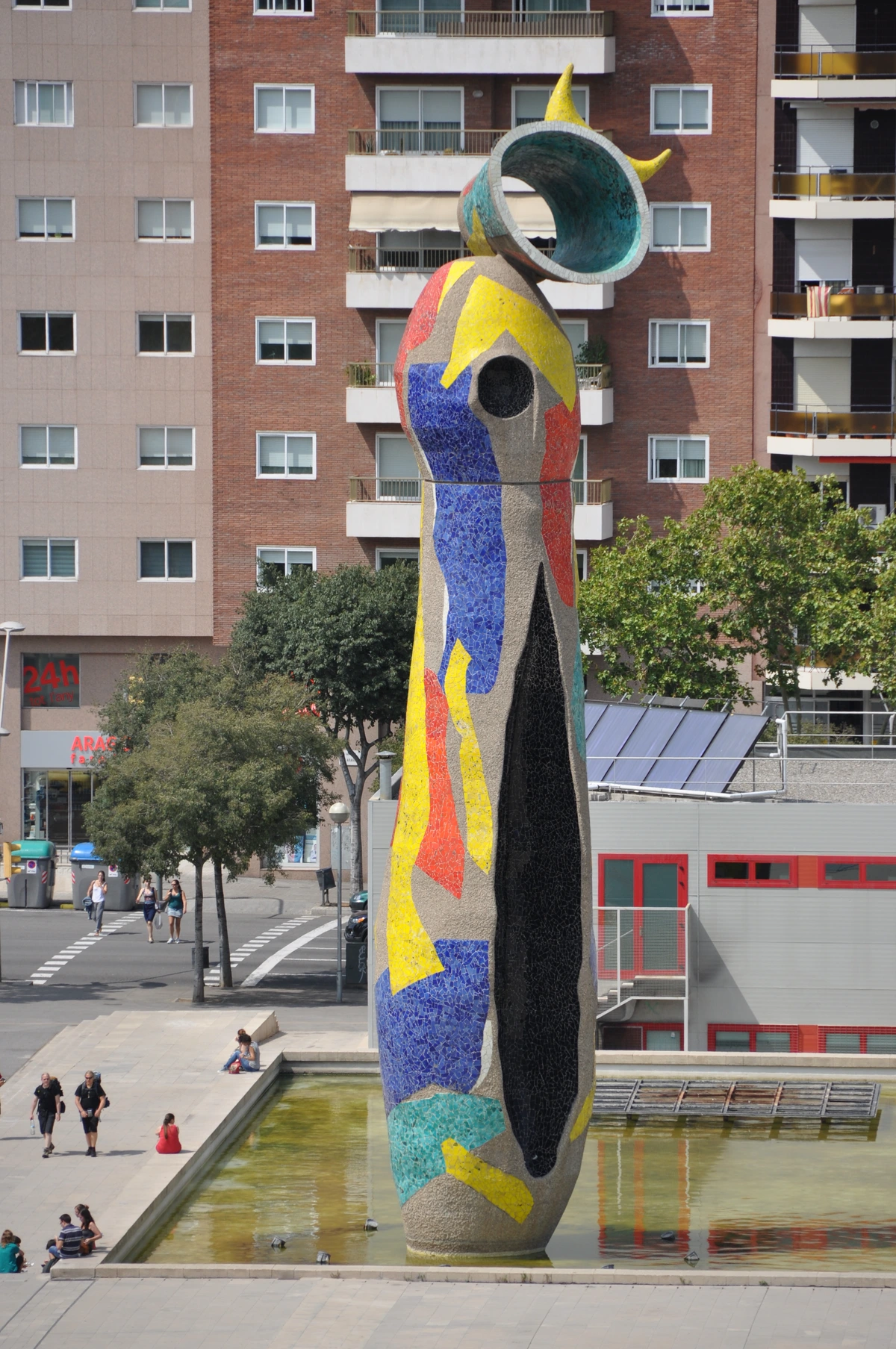
This iconic sculpture is a symbol of Miró's deep connection to his Catalan roots and his ability to transform public spaces into artistic experiences.
Miró's Influence on Contemporary Culture
Miró's impact is not limited to the art world. His playful and imaginative approach has influenced various aspects of contemporary culture, from design and fashion to music and literature. His work serves as a reminder that creativity knows no bounds and that art can be a powerful force for change and inspiration.
Miró's Influence on Modern Art Movements
Miró's impact on modern art movements is immeasurable. His techniques and philosophies have influenced a wide range of artists and movements, from the bold strokes of Abstract Expressionism to the conceptual art of today. His ability to convey deep emotion through simple forms continues to inspire artists to push the boundaries of their own creativity.
Key Movements Influenced by Miró
Movement  | Description |
|---|---|
| Abstract Expressionism | Miró's emphasis on spontaneity and emotional expression resonated with artists like Jackson Pollock and Willem de Kooning. |
| Surrealism | His use of automatism and dreamlike imagery became a cornerstone of the Surrealist movement. |
| Conceptual Art | Miró's focus on the subconscious and symbolic language paved the way for conceptual artists exploring ideas and emotions. |
| Minimalism | His later works, characterized by bold forms and simplified compositions, influenced the Minimalist movement. |
| Pop Art | Miró's playful and vibrant use of color and form also had an impact on the Pop Art movement, inspiring artists to experiment with bold and imaginative visuals. |
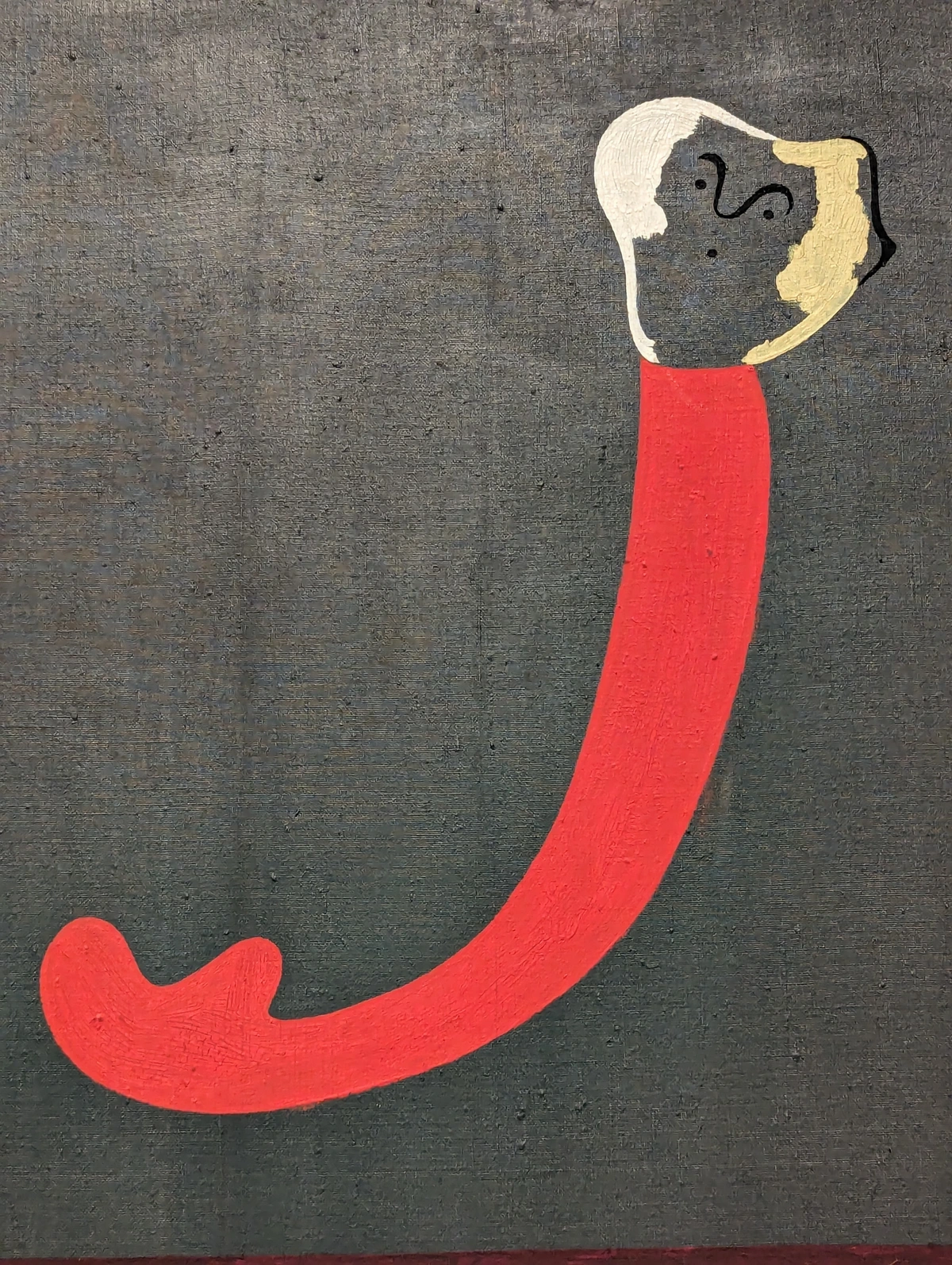
This exhibit showcases Miró's ability to create immersive experiences that draw viewers into his imaginative world, making art accessible and engaging for all.
The Genesis of a Visionary: Catalonian Roots and Parisian Flights
It's easy to look at Miró's mature work and think he sprang fully formed from some surrealist ether, but like all great masters, his journey was a fascinating one. Born in Barcelona in 1893, he actually started with pretty conventional art training. Can you imagine Miró doing still lifes? Well, he did! But thankfully, he quickly found that academic strictures weren't really his jam. He was a seeker, someone who felt the pull of something more authentic, more visceral.
Early Life and Education
Miró's early life in Barcelona was marked by a deep connection to the vibrant culture and landscapes of Catalonia. His formal art education began at the La Llotja school, where he studied under renowned artists like Modest Urgell and Josep Pascó. However, it wasn't long before he began to chafe against the constraints of traditional art education, seeking instead to explore his own unique artistic voice.
His move to Paris in the early 1920s was, I think, his true awakening. Imagine this: the city was a buzzing hive of artistic revolution. He rubbed shoulders with figures like Picasso (who, let's be honest, probably looked at Miró's early stuff and thought 'Whoa, this kid is different'). He encountered the Dadaists and then, critically, the Surrealists. André Breton, the pope of Surrealism, saw in Miró's burgeoning style the very essence of what he was advocating: tapping into the subconscious, the dream state, raw psychic automatism. It was less about depicting reality and more about unleashing inner reality. I sometimes wonder what those conversations were like – probably intense, filled with smoke and philosophical pronouncements!
The Parisian Avant-Garde
Paris in the 1920s was a melting pot of artistic innovation, and Miró found himself at the heart of it. His interactions with the Dadaists and Surrealists were transformative, shaping his artistic philosophy and approach. The city's vibrant art scene provided the perfect backdrop for his creative exploration, allowing him to break free from traditional constraints and embrace a more experimental and expressive style.

This period wasn't about discarding everything he knew; it was about internalizing it and then... well, exploding it into something utterly new. His early influences, even a touch of Cubism in how he broke down forms, melted away into this unique, lyrical abstraction.

The Evolution of Miró's Style
Miró's artistic evolution was marked by a continuous process of experimentation and innovation. His early works, influenced by Cubism and Fauvism, laid the groundwork for his later exploration of Surrealism and abstraction. This period of transformation was crucial in shaping his unique artistic voice, which would go on to influence generations of artists.
Early Influences and Catalonian Culture
Miró's early life in Catalonia played a significant role in shaping his artistic vision. The vibrant colors of the Mediterranean landscape, the rich traditions of Catalan folk art, and the region's unique cultural identity all left their mark on his work. Even as he embraced the avant-garde movements of Paris, he never fully left behind the influences of his homeland. This blend of local tradition and global innovation is what makes his work so uniquely compelling.
Key Catalonian Influences
Influence | Description |
|---|---|
| Mediterranean Landscape | The vibrant colors and natural beauty of Catalonia inspired Miró's use of bold, earthy tones. |
| Catalan Folk Art | Traditional Catalan art forms, with their playful and symbolic elements, influenced Miró's unique visual language. |
| Cultural Identity | The rich cultural heritage of Catalonia provided a deep well of inspiration for Miró's artistic exploration. |
| Political Climate | The political tensions and cultural movements in Catalonia during Miró's early life also influenced his work, adding layers of meaning and context to his art. |
Unlocking Miró's Language: Key Artistic Periods and Stylistic Evolutions
Miró didn't just paint; he evolved, constantly pushing the boundaries of his own artistic language. It's like watching a language develop from simple grunts to complex poetry. While his style is distinctly his own, you can see these fascinating shifts, these moments where he found new ways to express that inner universe.
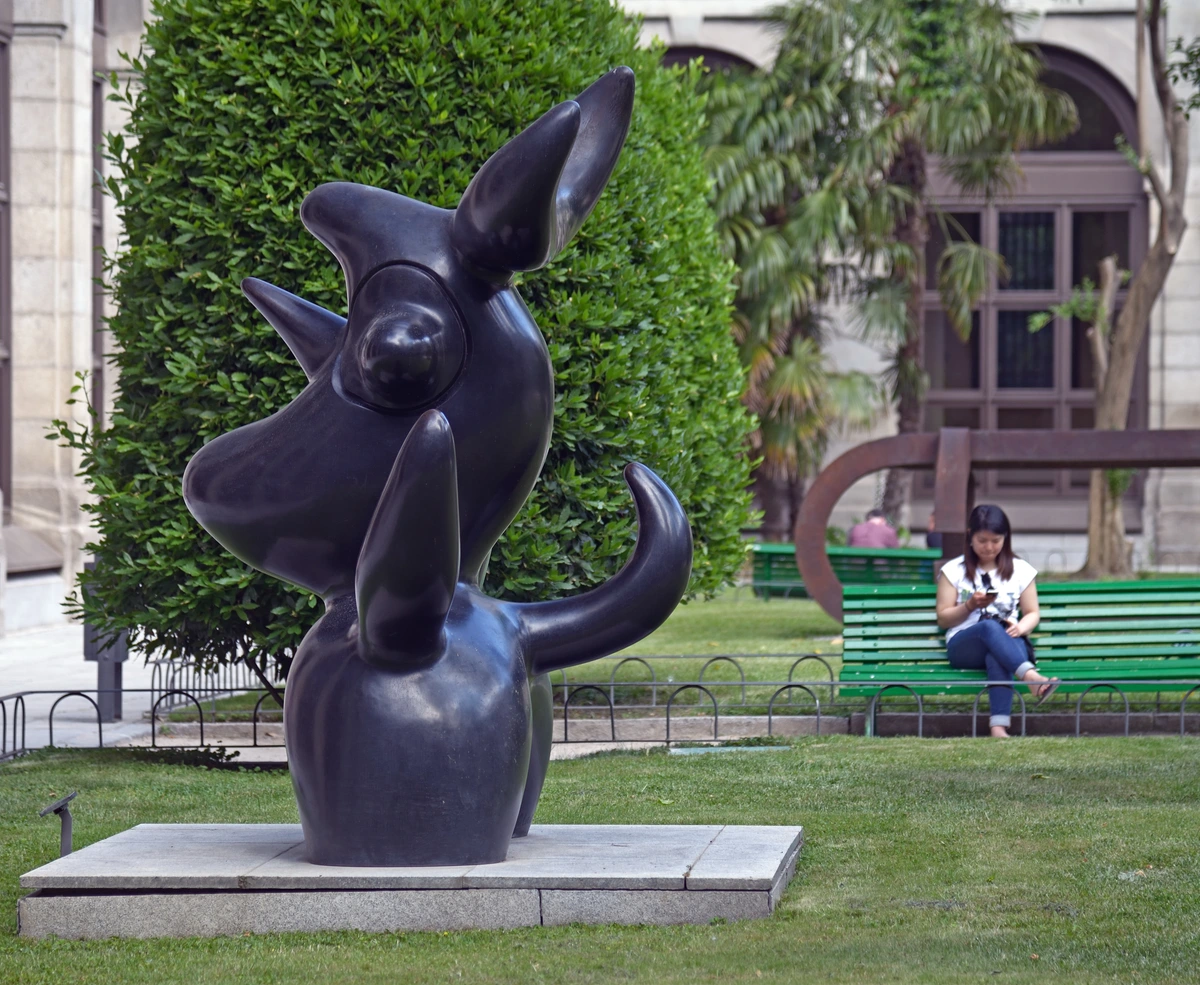
The Evolution of Miró's Artistic Language
Miró's artistic journey is a testament to his relentless pursuit of innovation and self-expression. His work evolved through distinct phases, each marked by a unique exploration of form, color, and symbolism. From his early experiments with realism to his later abstract masterpieces, Miró's artistic language is a reflection of his deep connection to the subconscious and his boundless imagination.
The Early Years: From Realism to Abstraction
Before Miró became the icon of abstraction we know today, he experimented with more traditional forms of art. His early works included landscapes and portraits that, while skillful, lacked the distinctive flair of his later pieces. However, these formative years were crucial in developing his technical skills and understanding of composition. It was during this time that he began to question the constraints of realism and seek out new ways to express his inner world.
Key Early Works
Work | Description |
|---|---|
| The Farm (1921-1922) | A detailed and realistic depiction of his family's farm in Catalonia, showcasing his early technical prowess. |
| Portrait of a Young Girl (1919) | An early portrait that hints at Miró's emerging interest in abstraction and symbolic forms. |
| Still Life with Old Shoe (1937) | A transitional work that blends realism with surrealistic elements, marking a shift in his artistic approach. |
| The Tilled Field (1923-1924) | A pivotal work that showcases Miró's transition from realism to a more abstract and symbolic style, reflecting his growing interest in Surrealism. |
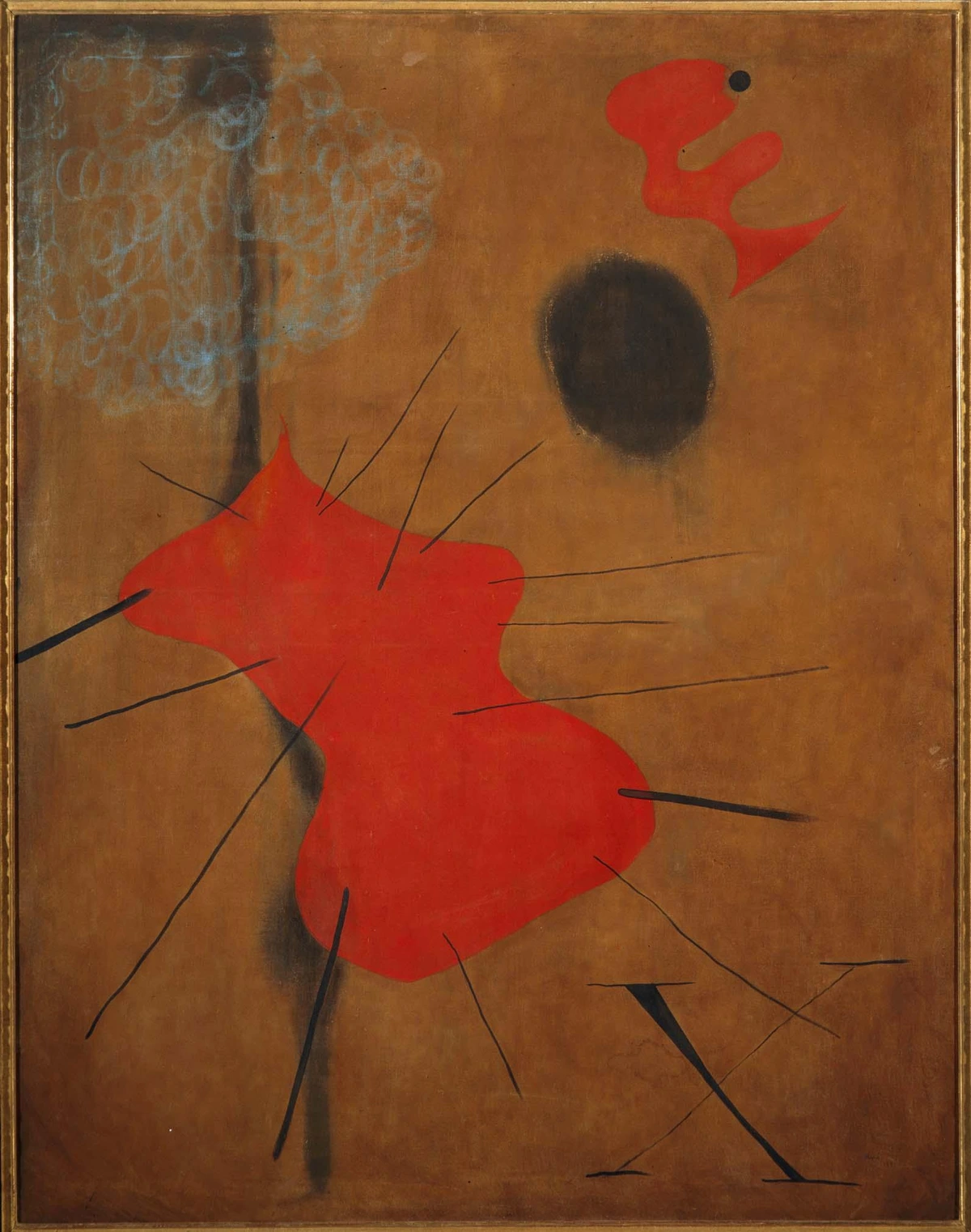
The Surrealist Dreamscape: From Detail to Symbol
This is where, I think, most people first connect with Miró. His 'dream paintings,' as they're often called, emerged in the mid-1920s. He'd spend hours staring at a blank wall, hallucinating images, then rapidly transferring them to canvas. It sounds a bit wild, right? But it was his way of bypassing conscious thought, a direct conduit to the subconscious. Figures would become simplified, almost hieroglyphic – eyes floating, mouths smiling, stars shining with an otherworldly glow. If you've ever seen a Surrealist painting like those by Magritte, you'll recognize that sense of the uncanny, but Miró brings a unique playfulness to it.
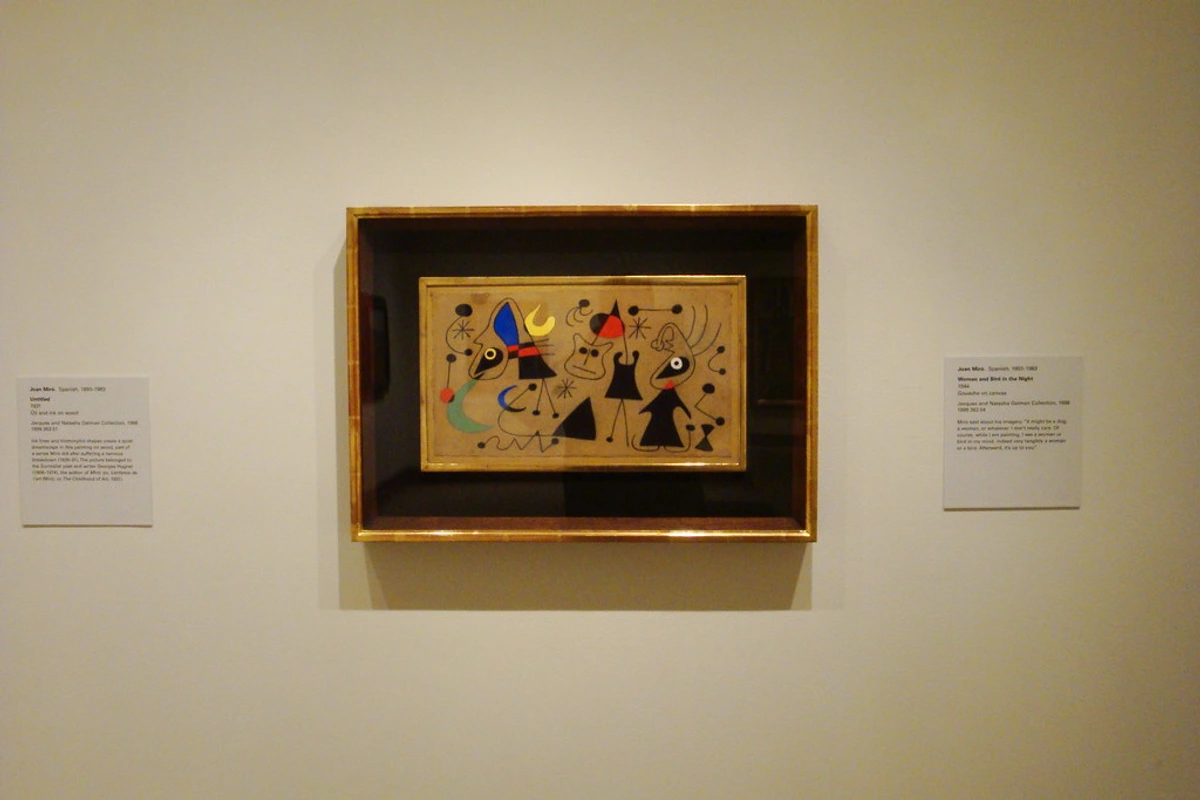
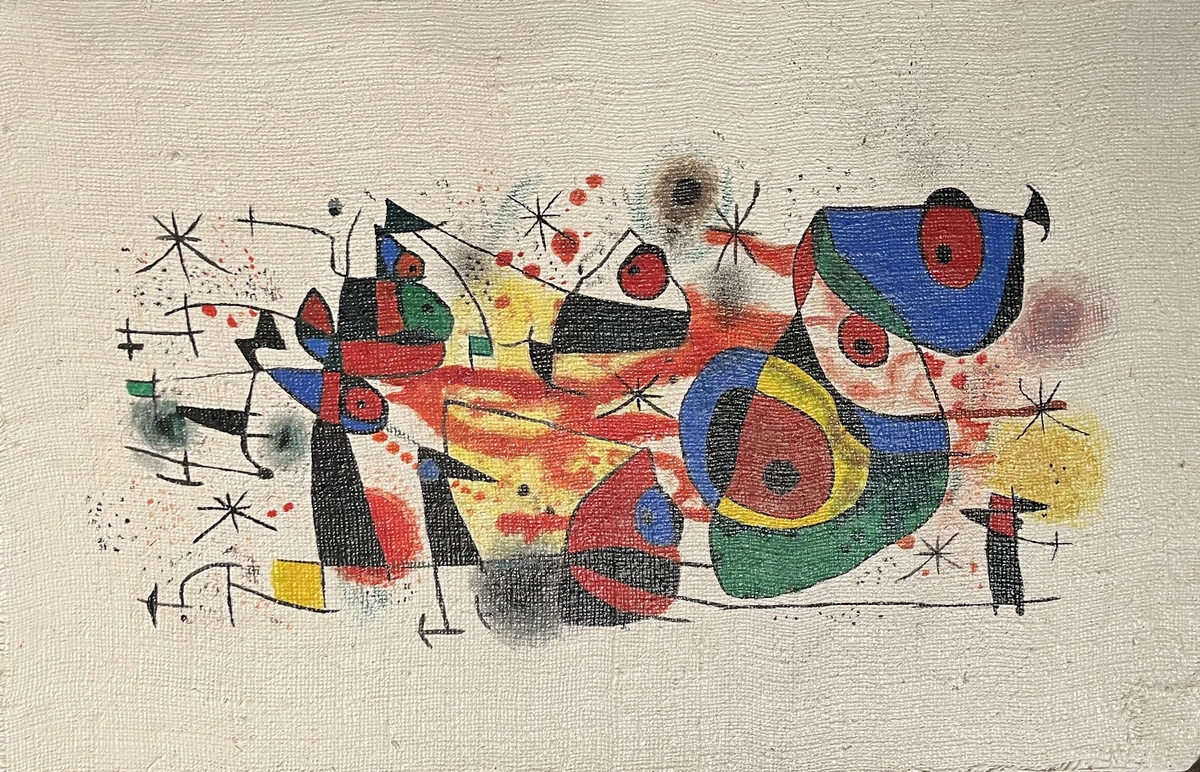
This painting is a prime example of Miró's ability to create dreamlike, surrealistic compositions that draw viewers into his imaginative world.
Notable Surrealist Works
Work | Description |
|---|---|
| The Harlequin's Carnival (1924-1925) | A vibrant and chaotic composition filled with dreamlike figures and symbolic elements. |
| The Birth of the World (1925) | A seminal work that captures the essence of Miró's surrealistic vision, with its abstract forms and playful imagery. |
| Dutch Interior (1928) | A reinterpretation of a classical painting, infused with Miró's unique surrealistic style. |
| The Hunter (Catalan Landscape) (1923-1924) | A work that blends surrealistic elements with a Catalan landscape, showcasing Miró's ability to merge his roots with avant-garde techniques. |
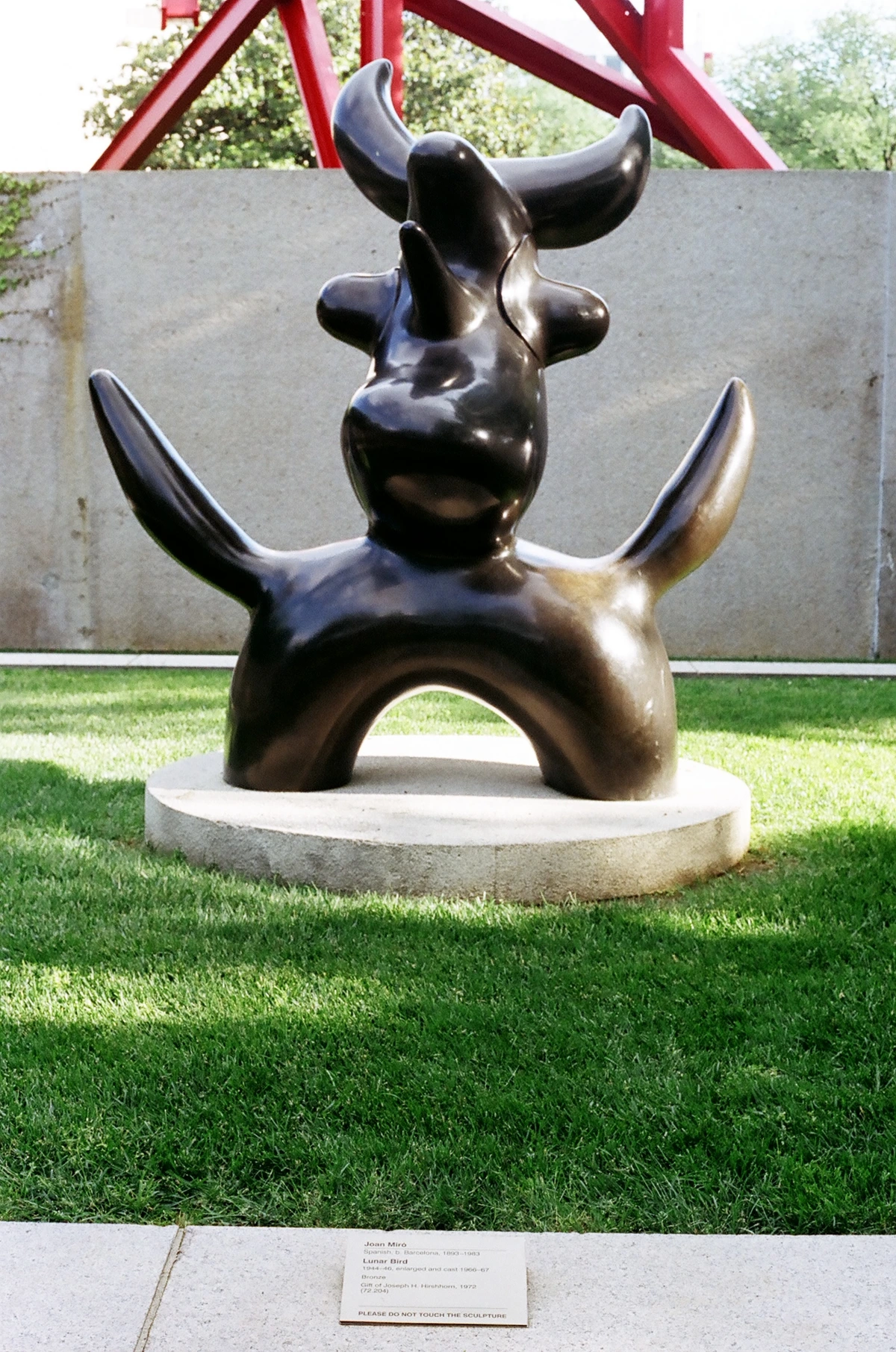
What I love about this phase is how he distilled complex emotions and forms into these deceptively simple elements. It's almost like a child's drawing, but with the profound depth of a philosopher. He called it 'poetic painting,' and I couldn't agree more.
The Role of Automatism in Miró's Work
Automatism, a technique central to Surrealism, played a crucial role in Miró's creative process. By allowing his hand to move freely across the canvas without conscious control, he tapped into the depths of his subconscious mind. This method not only liberated his artistic expression but also became a hallmark of his style. The spontaneity and fluidity of his lines and shapes are a direct result of this practice, making his work feel alive and dynamic.
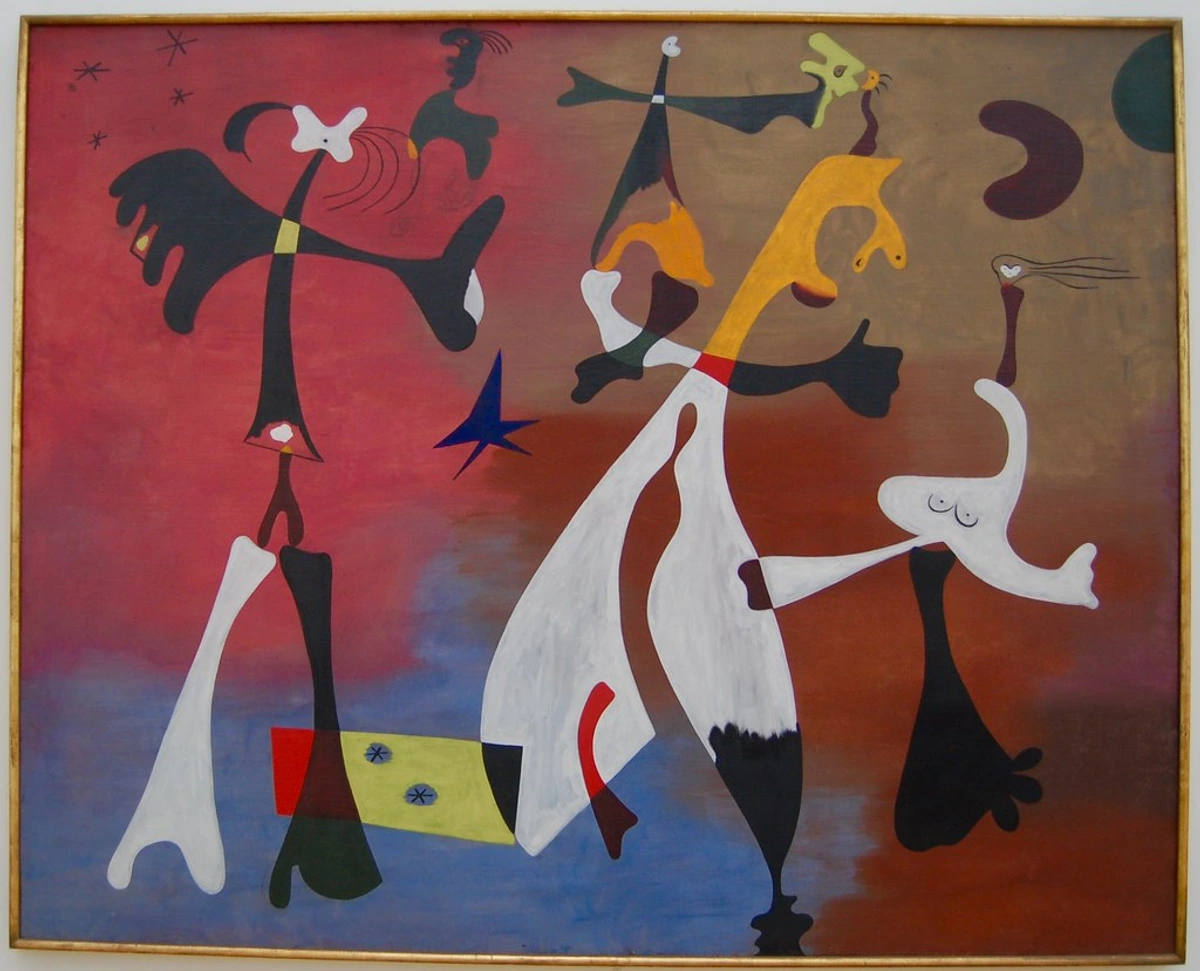
Techniques of Automatism
Technique | Description |
|---|---|
| Free Drawing | Miró would let his hand move freely across the canvas, creating spontaneous and fluid lines. |
| Hallucinatory Imagery | He would stare at blank surfaces, allowing his mind to conjure images that he would then transfer to canvas. |
| Subconscious Exploration | By bypassing conscious thought, Miró tapped into the depths of his subconscious, creating works that felt alive and dynamic. |
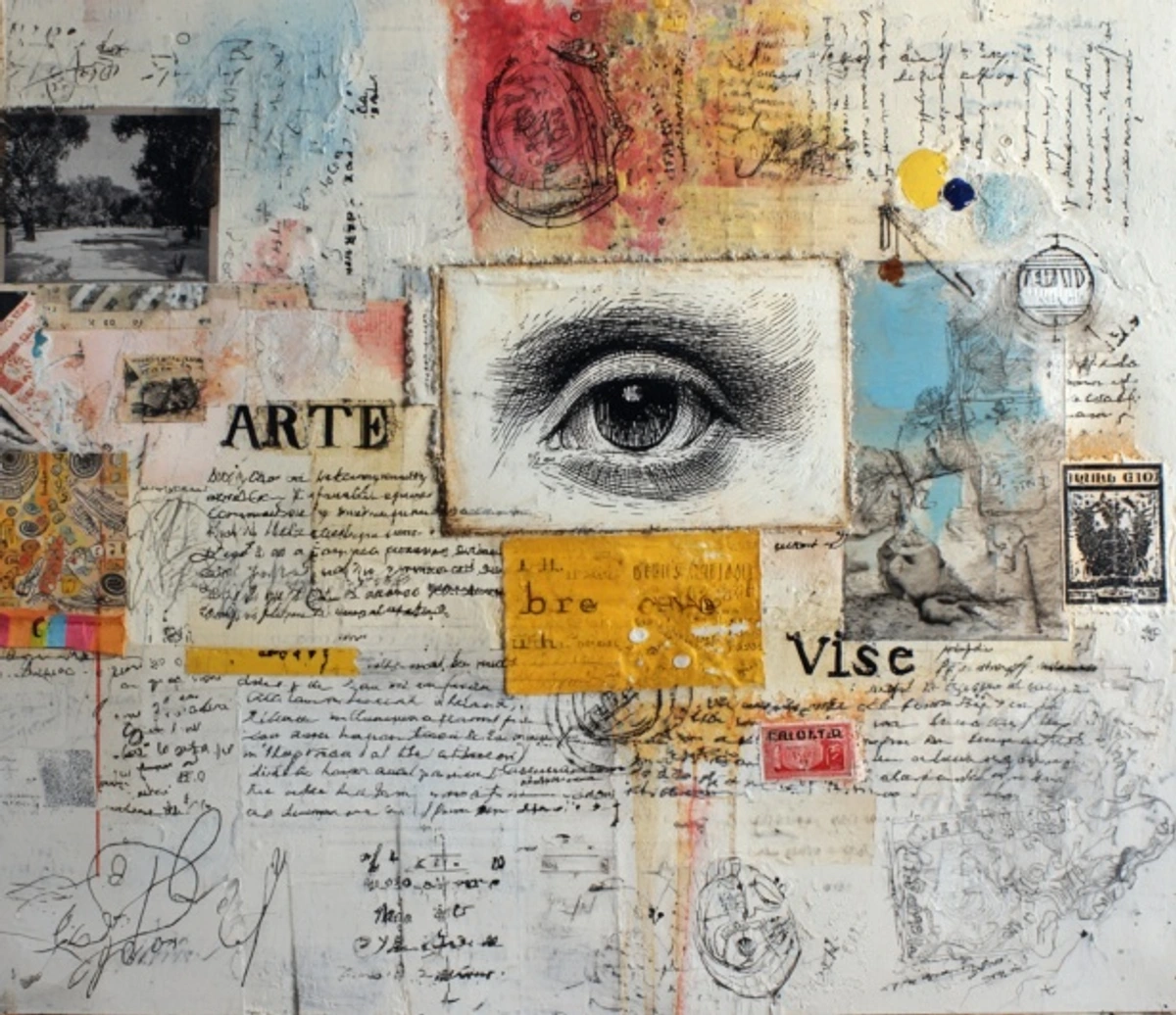
| Collage | Miró also experimented with collage techniques, incorporating various materials and textures into his work to create layered and dynamic compositions. |
The Constellations: A Universal Language of Hope
During the horrors of World War II, when many artists were grappling with darkness, Miró retreated to a quieter place and created his famous Constellations series. Imagine creating something so delicate and hopeful while the world burns around you. It's a testament to the resilience of the human spirit, isn't it? These works are characterized by a myriad of tiny forms – stars, moons, birds, women – all interconnected by delicate lines, often against rich, washed backgrounds. They feel like a secret language, a cosmic map of intimacy and quiet joy. It’s hard not to get completely lost in them, tracing the paths of these tiny, energetic beings.
Key Works in the Constellations Series
Work | Description |
|---|---|
| The Morning Star (1940) | A delicate and hopeful composition featuring stars, moons, and birds interconnected by fine lines. |
| The Nightingale's Song at Midnight and Morning Rain (1940) | A poetic and dreamlike work that captures the essence of Miró's Constellations series. |
| The Escape Ladder (1940) | A symbolic exploration of hope and resilience, featuring interconnected forms and delicate lines. |
| The Beautiful Bird Revealing the Unknown to a Pair of Lovers (1941) | A work that blends surrealistic and symbolic elements, showcasing Miró's ability to create intricate and meaningful compositions. |
The Symbolism of the Constellations
The Constellations series is more than just a visual feast; it's a deeply symbolic exploration of hope and interconnectedness. Each element in these works carries meaning, from the stars representing the infinite possibilities of the universe to the birds symbolizing freedom and transcendence. The delicate lines connecting these forms suggest a universal harmony, a reminder that even in the darkest times, there is beauty and connection to be found.

Symbolic Elements in the Constellations
Element | Symbolism |
|---|---|
| Stars | Represent the infinite possibilities of the universe and the hope for a brighter future. |
| Birds | Symbolize freedom, transcendence, and the resilience of the human spirit. |
| Women | Embody fertility, nurturing, and the life-giving forces of nature. |
| Lines | Suggest interconnectedness, harmony, and the universal bonds that unite all beings. |
| Moons | Symbolize the cyclical nature of life, the passage of time, and the mysteries of the night. |

Later Abstractions: The Grand Gestures
As Miró aged, his work didn't diminish; it became bolder, more expansive. He moved towards larger canvases, more gestural brushstrokes, and a profound simplification of form. His influence on later movements like Abstract Expressionism is undeniable. You see his spirit of freedom and raw emotion in artists like Willem de Kooning, albeit filtered through a different lens. He wasn't afraid to experiment with new materials, even tearing and burning his canvases – a true rebel to the end, always seeking to break free from the conventional understanding of 'art.' I often think about that drive to simplify, to reduce to the essence – it's something I wrestle with in my own work, too.
Key Later Works
Work | Description |
|---|---|
| Blue I, II, III (1961) | A series of large-scale abstract works that showcase Miró's bold use of color and form. |
| The Hope of a Condemned Man (1973) | A powerful and emotive work that reflects Miró's ongoing exploration of the human condition. |
| Fireworks (1974) | A vibrant and dynamic composition that captures the essence of Miró's later abstract style. |
| The Gold of the Azure (1967) | A work that explores the interplay of color and form, showcasing Miró's ability to create dynamic and engaging compositions. |
Miró's Influence on Contemporary Art
Miró's legacy extends far beyond his own time. His innovative techniques and fearless experimentation have inspired generations of artists. From the bold strokes of Abstract Expressionism to the playful abstractions of contemporary art, his influence is everywhere. His ability to convey deep emotion through simple forms continues to resonate with artists today, proving that true artistry is timeless.
Contemporary Artists Influenced by Miró
Artist | Description |
|---|---|
| Jean-Michel Basquiat | Known for his bold and expressive style, Basquiat's work reflects the influence of Miró's playful and symbolic approach. |
| Yayoi Kusama | Kusama's use of repetitive patterns and vibrant colors echoes Miró's exploration of the subconscious and the infinite. |
| Julie Mehretu | Mehretu's large-scale abstract works, with their dynamic lines and forms, show the influence of Miró's gestural brushstrokes. |
| Joan Mitchell | Mitchell's abstract expressionist paintings, characterized by their bold brushstrokes and vibrant colors, reflect the influence of Miró's innovative techniques. |
Miró's Signature Elements: A Visual Vocabulary Decoded
If you want to truly 'read' a Miró, it helps to understand his recurring cast of characters and his unique grammar. It's like learning a new alphabet, but infinitely more fun.
Key Elements in Miró's Art
Element | Description |
|---|---|
| Biomorphic Forms | Organic, amoeba-like shapes, often elongated or round. |
| Stars & Celestial Bodies | Dots, asterisks, crescent moons, suns. |
| Eyes | Often large, singular, or multiple, sometimes detached. |
| Birds | Simplified, often with wings or long necks. |
| Women | Highly stylized, with exaggerated features (e.g., large breasts, tiny heads). |
| Ladders | Leading nowhere, or reaching into space. |
| Colors | Bold primaries (red, blue, yellow), black, white, earthy tones. |
| Line | Energetic, playful, calligraphic, both thick and thin. |
| Animals | Simplified and stylized representations of animals, often blending into abstract forms. |
Description |
|---|
| Organic, amoeba-like shapes, often elongated or round. |
| Dots, asterisks, crescent moons, suns. |
| Often large, singular, or multiple, sometimes detached. |
| Simplified, often with wings or long necks. |
| Highly stylized, with exaggerated features (e.g., large breasts, tiny heads). |
| Leading nowhere, or reaching into space. |
| Bold primaries (red, blue, yellow), black, white, earthy tones. |
| Energetic, playful, calligraphic, both thick and thin. |
Common Interpretation |
|---|
| Life, natural processes, the subconscious, fluid states of being. |
| The cosmos, dreams, the infinite, wonder, spirituality, escape from earthly turmoil. |
| Vision, perception, inner awareness, observation, the artist's gaze, the subconscious 'seeing.' |
| Freedom, flight, poetry, messengers, communication, the spirit. |
| Fertility, earth, motherhood, primal energy, sexual desire, the feminine principle. |
| Ascension, escape, spiritual journey, connection between earthly and celestial, ambition, sometimes a sense of absurdity or futility. |
| Emotion, energy, elemental forces, Catalan landscape, childlike purity, stark contrasts. |
| Movement, connection, drawing in space, defining forms, expressing spontaneity. |
| The natural world, the primal instincts, and the interconnectedness of all living things. |
I mean, look at that list! It's a whole universe. He built a vocabulary that, once you start to recognize it, makes his paintings sing even louder. It's this beautiful paradox of precision and wild abandon.
The Evolution of Miró's Symbols
Miró's symbols were not static; they evolved over time, reflecting his changing perspectives and experiences. For example, his use of biomorphic forms became more abstract and fluid as he matured, while his celestial bodies took on deeper symbolic meanings. Understanding this evolution adds another layer of appreciation for his work, revealing the depth of his artistic journey.
Where to Experience Miró: A Pilgrimage for the Soul
To truly appreciate Miró, you really need to stand before his works. There's a texture, a scale, a vibrancy that digital images just can't quite capture. If you're planning an art pilgrimage (and I highly recommend one, by the way), here are some essential stops:
Essential Museums and Galleries
Location | Highlights | |
|---|---|---|
| Fundació Joan Miró | Barcelona, Spain | A comprehensive collection of Miró's works, spanning his entire career. |
| Museo Reina Sofía | Madrid, Spain | Features significant works, including the famous 'Woman and Bird' sculpture. |
| Museum of Modern Art (MoMA) | New York City, USA | A fantastic collection of 20th-century art, including many Miró pieces. |
| Centre Pompidou | Paris, France | Another excellent institution for modern art with a good selection of his work. |
| Tate Modern | London, UK | Houses a significant collection of Miró's works, showcasing his evolution and influence on modern art. |
- Fundació Joan Miró, Barcelona: This is the absolute must-see. Located on Montjuïc, it was created by Miró himself and offers an unparalleled collection across his career. It's like stepping into his mind.
- Museo Reina Sofía, Madrid: A stunning modern art museum that houses several of his significant works, including his famous 'Woman and Bird' sculpture. If you're in Spain, you simply must visit. It's an incredible experience, and I remember feeling utterly overwhelmed by the sheer scale of the art there.
- Museum of Modern Art (MoMA), New York City: A fantastic collection of 20th-century art, including many Miró pieces.
- Centre Pompidou, Paris: Another excellent institution for modern art with a good selection of his work.
Virtual Tours and Online Collections
If you can't make it to these museums in person, don't worry! Many of them offer virtual tours and online collections. Exploring Miró's work from the comfort of your home can be just as inspiring. Websites like Google Arts & Culture and the official sites of the museums listed above provide high-resolution images and detailed descriptions of his masterpieces.
And hey, while you're exploring the impact of abstract and expressive art, why not check out our museum in Den Bosch? You might just find some contemporary echoes of that same boundless spirit.
Exploring Miró's Legacy
Miró's influence extends beyond the walls of museums and galleries. His work continues to inspire artists and art enthusiasts around the world, encouraging them to explore the boundaries of their own creativity. Whether you're an artist, a collector, or simply an admirer of his work, Miró's legacy is a testament to the enduring power of artistic expression.

Miró's Enduring Legacy: A Playful Rebel's Immortal Mark
Miró didn't just create art; he created a paradigm shift. His influence stretches far and wide, touching everything from Abstract Expressionism to later forms of conceptual art. He showed artists that they didn't have to be slaves to representation, that the subconscious was a rich, fertile ground for creation. He freed color, liberated line, and imbued seemingly simple forms with profound meaning.
He was a playful rebel, a quiet revolutionary who, with his humble demeanor, unleashed a torrent of cosmic energy onto the canvas. His work reminds me that art isn't always serious and solemn; it can be joyful, whimsical, and deeply personal, yet still incredibly profound. It's this blend of the childlike and the cosmic that, I believe, makes his work timeless.

Miró's Influence on Modern Art Movements
Miró's impact on modern art movements is immeasurable. His techniques and philosophies have influenced a wide range of artists and movements, from the bold strokes of Abstract Expressionism to the conceptual art of today. His ability to convey deep emotion through simple forms continues to inspire artists to push the boundaries of their own creativity.
For me, as an artist exploring my own abstract journey, Miró is a constant beacon. He reminds me to trust intuition, to embrace spontaneity, and to find the universal in the deeply personal. If you've been inspired by this dive into his universe, perhaps you'd like to explore my own abstract pieces and see how that spirit continues to manifest in contemporary art.
Miró's legacy is a testament to the power of imagination and the enduring appeal of art that speaks to the soul. His work continues to inspire and challenge artists and art enthusiasts alike, encouraging them to explore the boundaries of their own creativity and to find beauty in the unexpected.
Frequently Asked Questions about Joan Miró
What is Joan Miró known for?
"Ah, good question! Miró is primarily known for his distinctive style of Surrealism and his pioneering contributions to abstract art. He's famous for his biomorphic forms, vibrant colors, and unique symbolic language, often depicting dreamlike landscapes populated by celestial bodies, eyes, birds, and stylized figures. He really created his own universe, didn't he?"
What art movement was Joan Miró a part of?
"While he flirted with Cubism and Fauvism early on, Miró became a key figure in the Surrealist movement. He was particularly admired by André Breton for his 'dream paintings' and his use of psychic automatism, which was a core Surrealist technique for tapping into the subconscious mind. However, his work often transcended strict Surrealist definitions, venturing into unique forms of abstraction."
Where can I see Joan Miró's art?
"The best place to immerse yourself in Miró's world is the Fundació Joan Miró in Barcelona. Other major collections include the Museo Reina Sofía in Madrid, the Museum of Modern Art (MoMA) in New York, and the Centre Pompidou in Paris. Many other prominent museums worldwide also feature his work, so keep an eye out wherever you are!"
What influenced Miró's art?
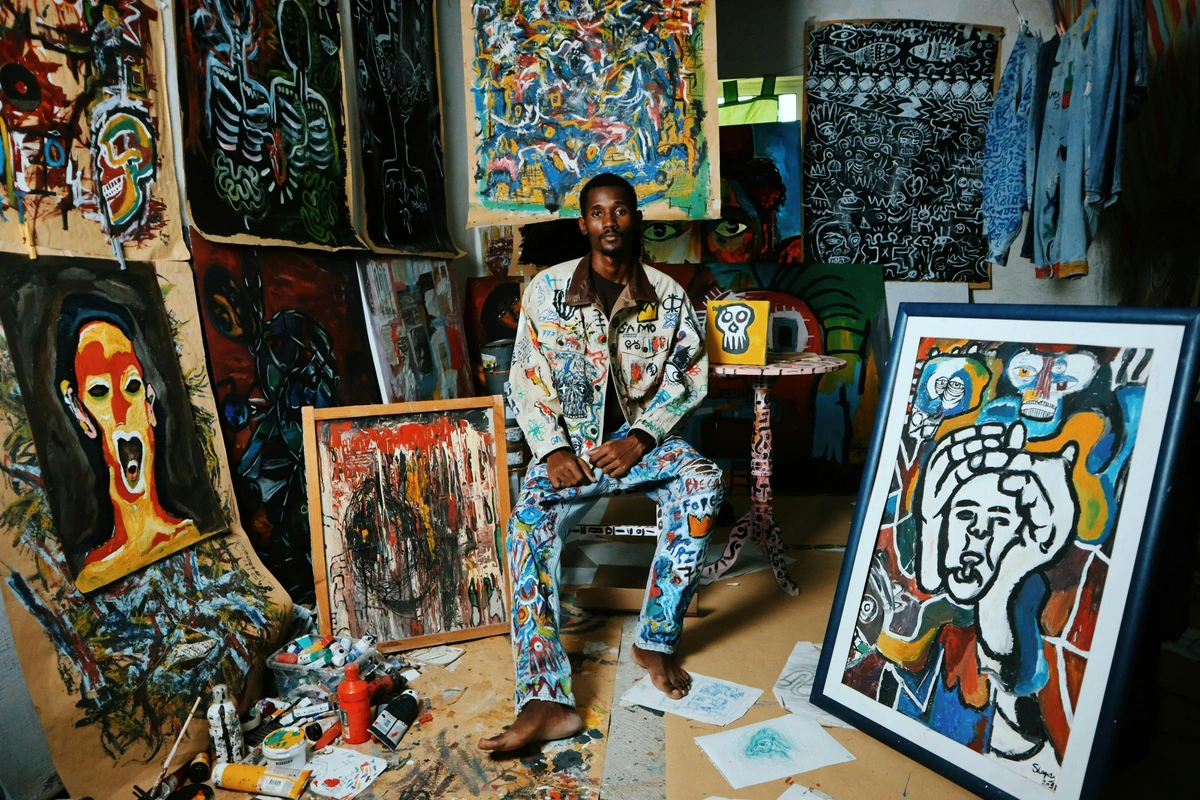
"Miró's art was a rich tapestry of influences! His native Catalonian landscape and folk art traditions played a significant role, providing earthy colors and a connection to primal forms. His time in Paris exposed him to avant-garde movements like Cubism, Fauvism, and Dada, which broadened his horizons. Crucially, the ideas of Surrealism, especially its emphasis on the subconscious, dreams, and automatism, deeply shaped his mature style. He also drew inspiration from primitive art, Japanese prints, and poetry."
How did Miró paint?
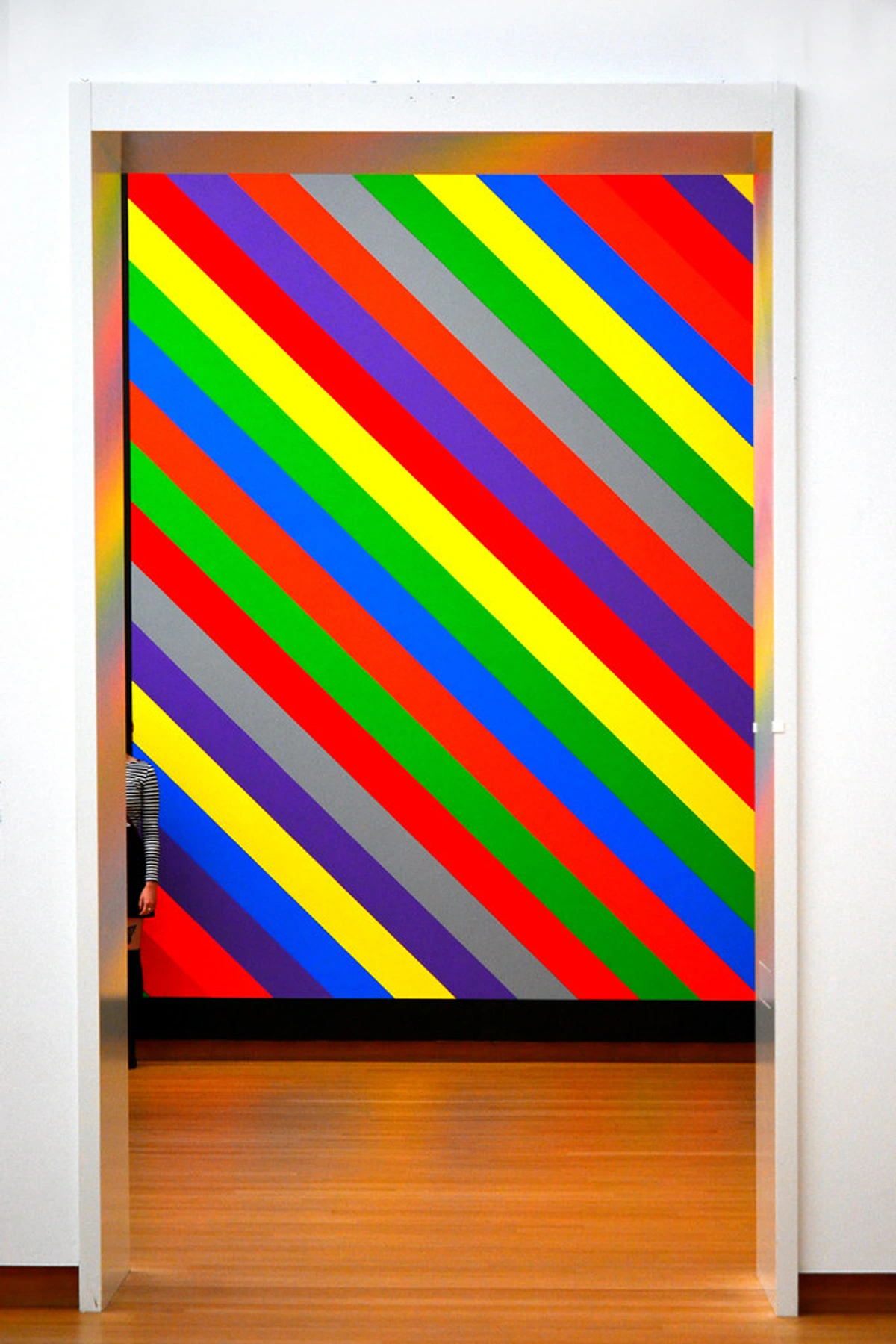
"Miró's painting technique was as unique as his vision! Early on, he experimented with detailed, almost naive realism, but he quickly moved towards a more fluid, experimental approach. He often began with a loose, gestural background, sometimes even allowing paint to drip or spread. Then, he would meticulously add his symbolic forms, outlines, and vibrant patches of color. He used techniques like automatic drawing (drawing without conscious thought) to tap into his subconscious. Later in his career, he explored larger, more minimalist canvases, employing broader brushstrokes and even unconventional methods like tearing and burning to create textural effects. It was all about freedom and spontaneity for him, which I totally get!"

What is the significance of Miró's use of color?
"Miró's use of color is one of the most striking aspects of his work. He often employed bold, primary colors to evoke strong emotions and create a sense of vibrancy. His color choices were not just aesthetic; they carried deep symbolic meanings. For example, his use of red could symbolize passion or energy, while blue might represent tranquility or the infinite. His mastery of color is a key reason why his work continues to captivate audiences worldwide."
How has Miró influenced contemporary art?
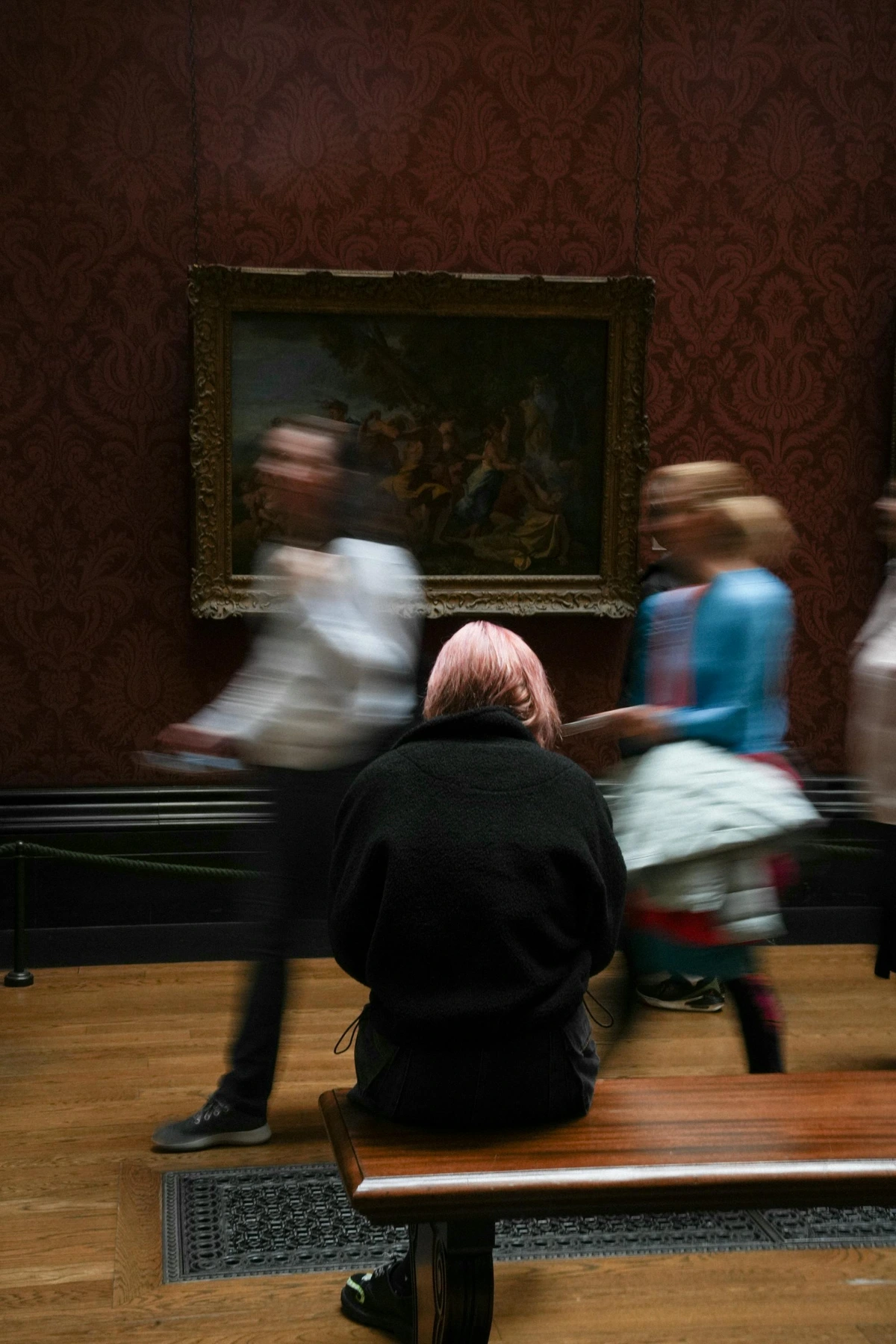
"Miró's influence on contemporary art is profound. His innovative techniques and fearless experimentation have inspired countless artists to push the boundaries of their own creativity. His emphasis on spontaneity, intuition, and the subconscious has resonated with movements like Abstract Expressionism and continues to inspire artists today. His legacy is a testament to the enduring power of artistic innovation."
What are some of Miró's most famous works?
"Miró created a vast body of work, but some of his most famous pieces include 'The Farm,' 'The Harlequin's Carnival,' 'The Birth of the World,' and the 'Constellations' series. These works showcase his unique ability to blend the abstract with the deeply personal, creating a visual language that speaks to the soul."
Conclusion: The Uncontainable Spirit of Miró
"So, there we have it, a journey through the fantastical, poetic, and utterly captivating world of Joan Miró. His art, to me, is a powerful reminder that imagination is boundless, and that the most profound expressions often come from the simplest, most heartfelt gestures. He taught us to look beyond the obvious, to celebrate the whimsical, and to find a universe of meaning in a single dot or a flowing line. His spirit, a blend of rebellious innovation and profound humanity, continues to resonate, inspiring artists and art lovers alike to dream a little bigger, and perhaps, to paint a little wilder. And isn't that just the best legacy any artist could ask for?"












Final Thoughts
Miró's work is a celebration of the human spirit's capacity for creativity and imagination. His ability to blend the abstract with the deeply personal, the playful with the profound, makes his art timeless and universally appealing. As we continue to explore the boundaries of art and expression, Miró's legacy serves as a reminder of the power of individuality and the enduring appeal of art that speaks to the soul.