What is the Meaning of The Birth of Venus by Botticelli?
Explore the profound meaning of Botticelli's 'The Birth of Venus'. Uncover its mythological origins, intricate symbolism, and pivotal role in Renaissance art history.

The Birth of Venus: A Conversation with Botticelli's Masterpiece
I'll be honest, when I first saw Sandro Botticelli's "The Birth of Venus," I was captivated by its sheer beauty. But it wasn't until I started peeling back the layers that I realized just how much there was to unpack. This isn't just a painting; it's a visual poem, a philosophical treatise, and a snapshot of a revolutionary moment in art history. It invites us, almost demands us, to look closer, to question, and to truly feel its enigmatic pull. So, let's dive in together, shall we? I promise, it's a journey worth taking.
A Visual Poem and Philosophical Treatise
For me, "The Birth of Venus" is one of those rare artworks that truly transcends its medium. It's a conversation starter, a piece that has resonated across centuries, and honestly, a work that has always prompted me to think a little deeper about beauty, myth, and human aspiration. It's not just a beautiful image; it's a window into the intellectual and artistic fervor of the Florentine Renaissance, a period I find endlessly fascinating. And as we explore it, I hope you'll feel that same pull to look closer, to question, and to truly feel its enigmatic presence.
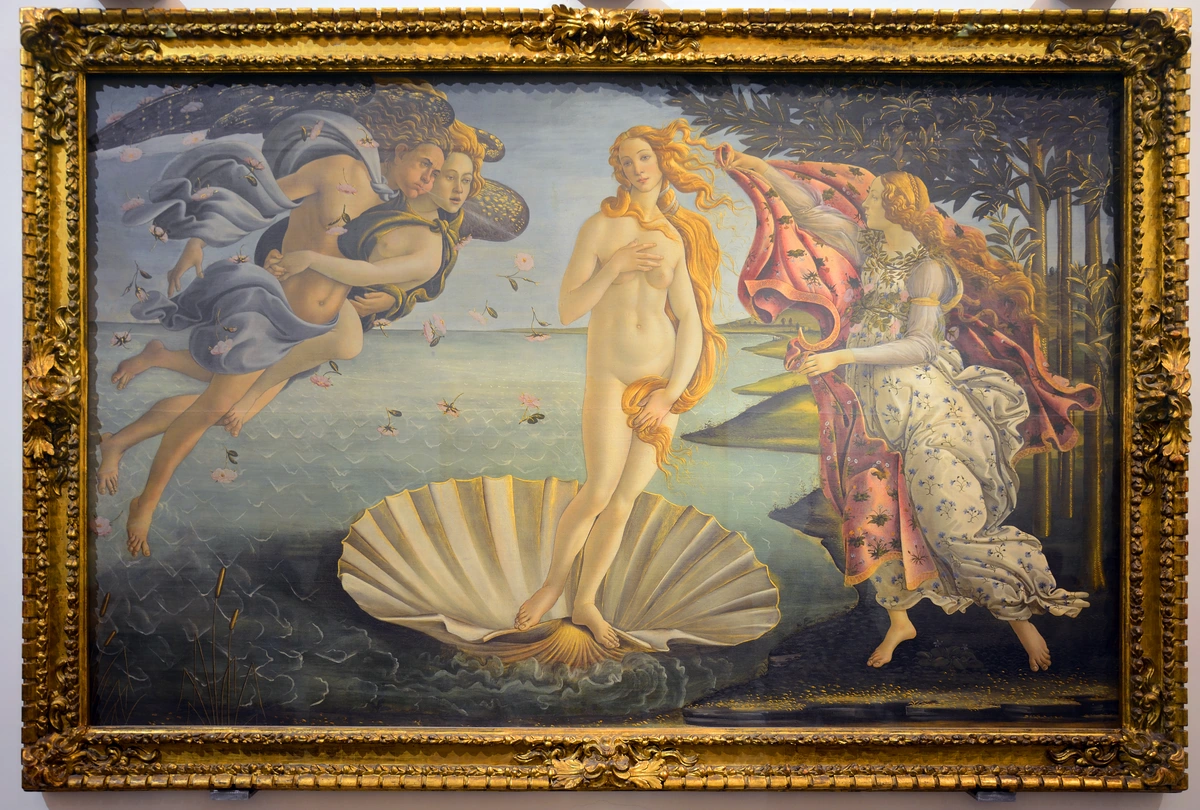
Sandro Botticelli's iconic painting, "The Birth of Venus," stands as a towering achievement of the Italian Renaissance, captivating audiences for centuries with its ethereal beauty and enigmatic symbolism. Beyond its aesthetic appeal, the work is a profound meditation on classical mythology, Neoplatonic philosophy, and the artistic innovations of its time. To truly appreciate this masterpiece, I believe one must delve into the layers of meaning meticulously woven into its canvas – it's like decoding a beautiful, ancient message. And that's what we're going to do. This article aims to be your most comprehensive and engaging guide to understanding this iconic work, unraveling its narrative, its figures, its hidden symbols, and its enduring impact on art and culture.
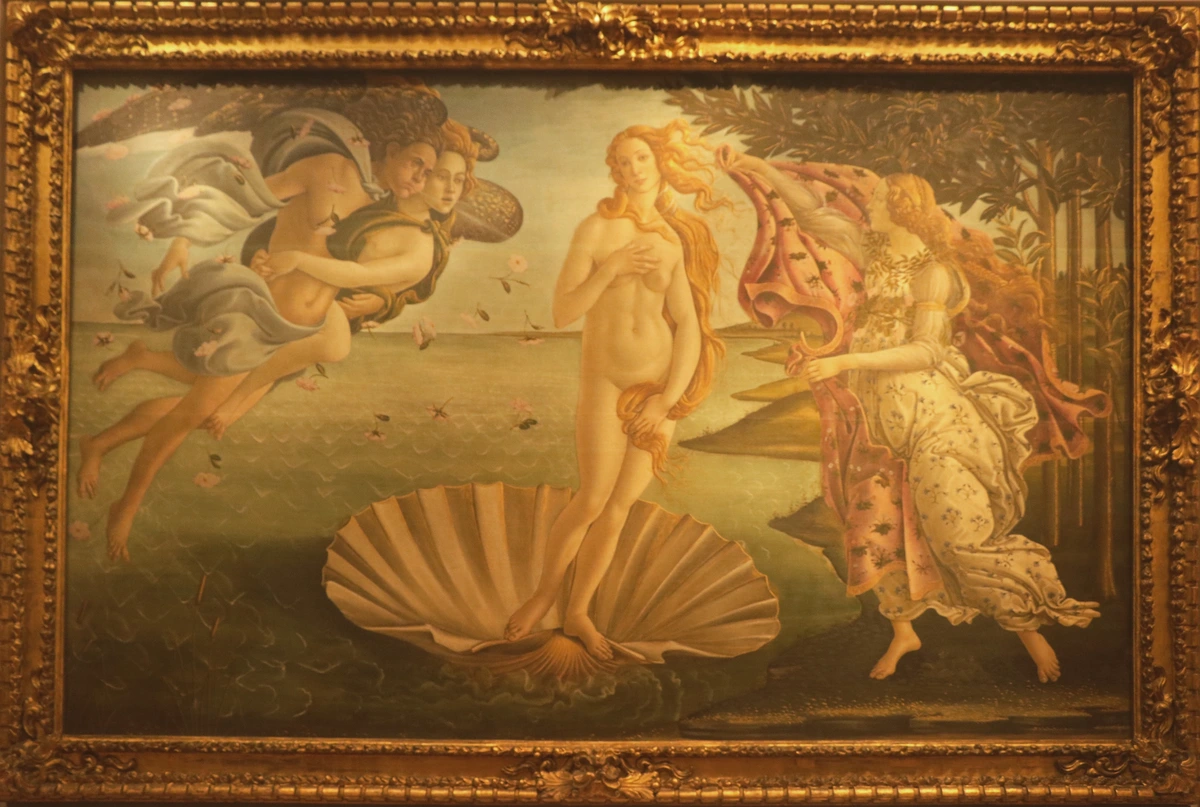
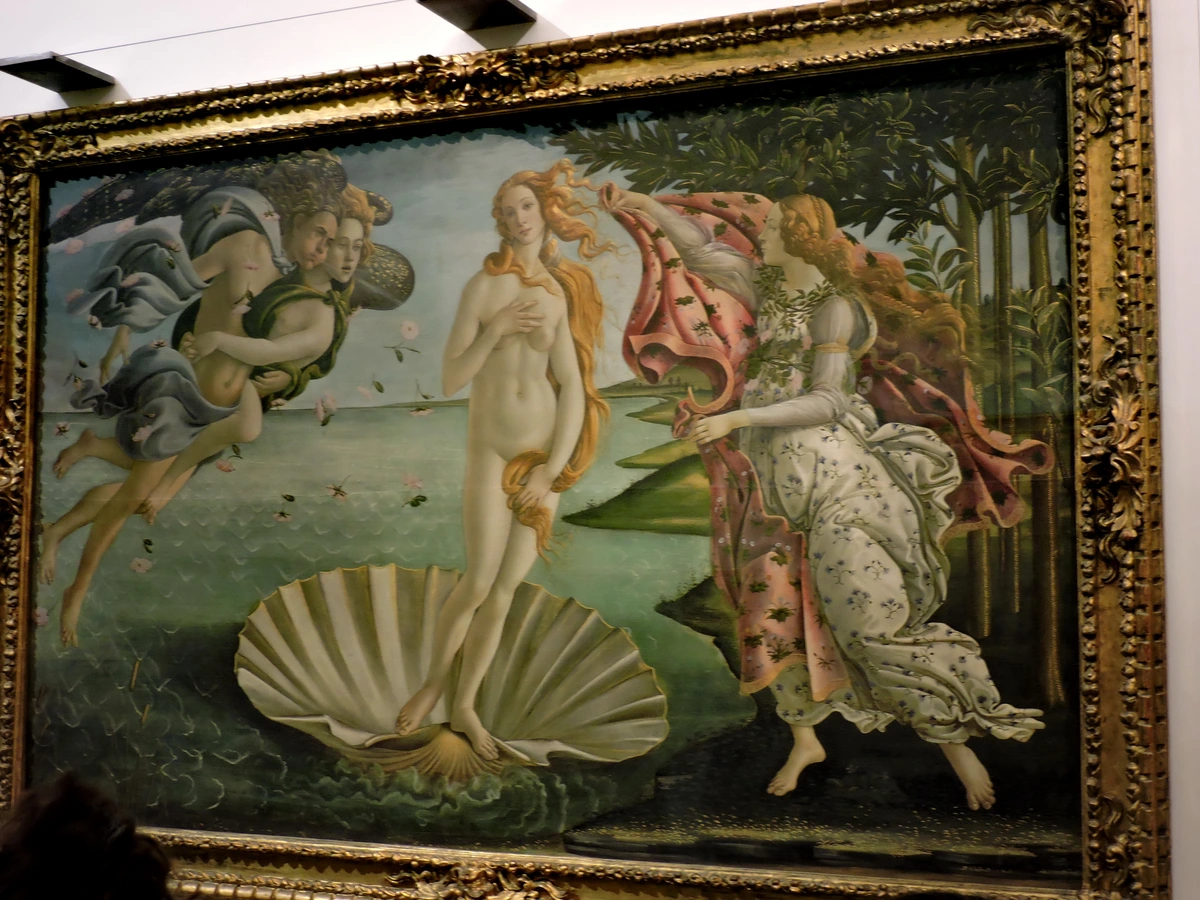
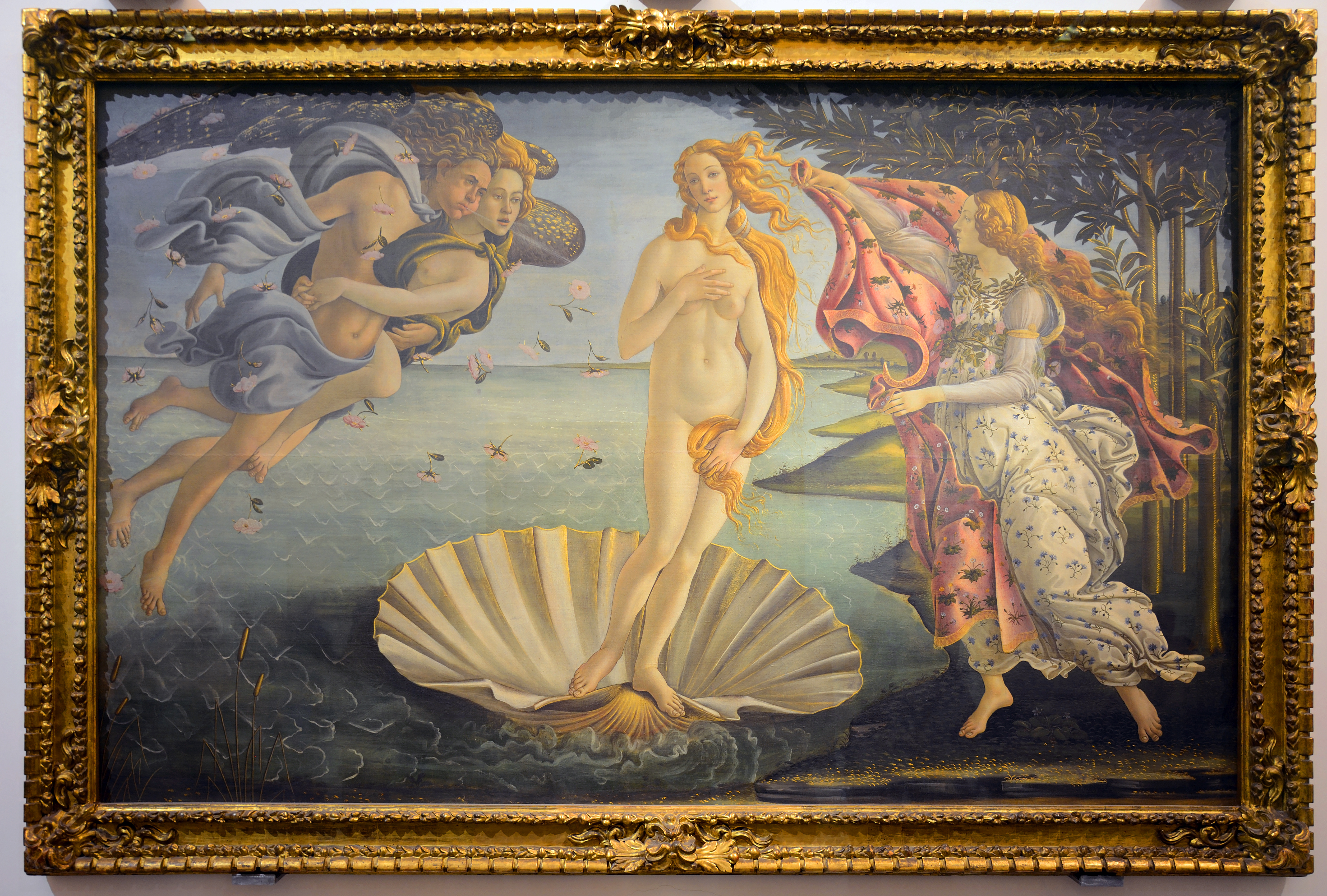
But first, take a moment. Just look at it. The sheer scale, the delicate coloring, the way Venus seems to float rather than stand. It’s breathtaking, isn’t it? I always find myself drawn to the swirling drapery and the expression on Venus’s face – a mix of modesty and divine detachment. It makes you wonder what she’s thinking, doesn’t it?
Historical Context: Setting the Stage in Quattrocento Florence
Before we dive into the painting itself, I think it's crucial to understand the vibrant world in which it was created. "The Birth of Venus" didn't emerge in a vacuum; it sprang from the intellectual and artistic hotbed that was 15th-century Florence, often referred to as the Quattrocento. This was a city pulsating with new ideas, a renewed interest in classical antiquity, and a burgeoning sense of human potential that we now call Humanism. It was a truly revolutionary time, where art wasn't just about religious devotion, but also about exploring philosophical concepts, celebrating human form, and telling stories from ancient myths.
The Florentine Renaissance: A Cradle of Innovation
Florence at this time was a hub of artistic and philosophical innovation, largely thanks to the patronage of powerful families like the Medici. Imagine a city where poets, philosophers, and artists mingled, sharing ideas and inspiring each other to push the boundaries of creativity. This era saw a dramatic shift away from the rigid artistic conventions of the Middle Ages towards a more naturalistic, human-centered approach. Artists began to study anatomy, perspective, and light, striving for a greater sense of realism in their work, even when depicting mythological subjects. It was an exciting time, a true "rebirth" of classical ideals intertwined with a distinctly Christian worldview, creating a unique synthesis that defined the ultimate guide to renaissance art.
The Genesis of a Goddess: Mythological Roots of Venus's Birth
When we talk about "The Birth of Venus," we're immediately stepping into a world of ancient myths. The narrative depicted in Botticelli's masterpiece is drawn from classical antiquity, primarily the works of the ancient Greek poet Hesiod and the Roman poet Ovid. These texts recount the dramatic origin of the goddess Venus (Aphrodite in Greek mythology), born from the sea foam after the castration of the sky god Uranus. But here's where it gets interesting: Botticelli wasn't just illustrating a single story; he was synthesizing ideas, drawing not only from these classical giants but also from contemporary Renaissance poetry, like that of Angelo Poliziano, a prominent humanist in the Medici circle. It's a rich stew of influences, truly.
The Classical Narrative: Hesiod, Ovid, and Poliziano
Hesiod's Theogony describes how Cronus (Saturn in Roman mythology) severed his father Uranus's genitals and cast them into the sea. From the resulting foam, Aphrodite emerged, floating to shore on a scallop shell. Ovid's Metamorphoses also references her birth, contributing to the rich tapestry of classical lore that fascinated Renaissance humanists. It’s a pretty dramatic origin story, wouldn’t you agree? This wasn't just ancient history for Botticelli and his patrons; it was a vibrant, living source of inspiration.
Now, Botticelli's painting isn't a direct illustration of a single text; rather, it’s a poetic synthesis of these ideas, presenting Venus as she arrives at the shore, embodying a fully formed adult rather than an infant. This concept, known as Venus Anadyomene (meaning "Venus Rising from the Sea"), was a popular motif in classical art and literature, and Botticelli's rendition is perhaps its most famous. It's almost as if he took the best bits from various tales and wove them into his own unique visual narrative, creating something truly fresh and resonant for his time. For example, some scholars believe he was also directly influenced by lines from Angelo Poliziano's Stanze per la Giostra, a vibrant contemporary poem that vividly describes Venus's arrival on a seashell, propelled by Zephyr. This blend of ancient and contemporary sources truly showcases the intellectual ferment of the Florentine Renaissance, where classical themes were reinterpreted through a new, humanist lens. This careful synthesis of literary and visual traditions is what, I think, makes the painting so rich and enduring, connecting it deeply to the spirit of ultimate guide to renaissance art.
Source  | Key Narrative Contribution |
|---|---|
| Hesiod | Theogony: Accounts for Aphrodite's birth from Uranus's castration and sea foam. |
| Ovid | Metamorphoses: References Venus's birth, popularizing the narrative in Roman tradition. |
| Poliziano | Stanze per la Giostra: A Renaissance poem vividly describing Venus's arrival, likely inspiring specific visual details. |
Venus, Zephyr, and Horae: The Central Figures and Their Symbolism
Okay, let's talk about the stars of the show. But they're not just characters; they're embodiments of profound ideas, carefully placed to tell a story beyond the literal.
Each figure in "The Birth of Venus" contributes to its complex allegorical framework, inviting viewers to explore themes of beauty, love, fertility, and renewal.
Venus: The Embodiment of Beauty and Divine Love
At the painting's very heart, as she should be, is Venus. She's depicted in a pose reminiscent of classical statues, particularly the Venus Pudica (modest Venus) type, a posture that draws attention to her nudity while simultaneously attempting to conceal it. I find this fascinating, don't you? It's a delicate balance, one that Botticelli masterfully navigates. Her nudity, in this context, isn't merely physical; it symbolizes divine love and spiritual beauty, a concept absolutely central to Florentine Neoplatonism. This philosophy, championed by thinkers like Marsilio Ficino, held that earthly beauty could, surprisingly, lead the soul to a contemplation of the divine. It's a profound idea – that by appreciating something beautiful like Venus, we're actually ascending to something higher, connecting with the divine harmony of the cosmos. She glides gracefully on a large scallop shell, her long, flowing golden hair modestly (or perhaps strategically, depending on how you look at it) covering parts of her body. The shell itself is a traditional symbol of the female vulva and fertility, but it also carries connotations of rebirth and even pilgrimage, further emphasizing her role as a goddess of creation and spiritual renewal.
Zephyr and Chloris: Winds of Desire and Fertility
To Venus's left, in a whirlwind embrace, are the wind god Zephyr and the nymph Chloris. Zephyr, the gentle west wind, breathes life into the scene (quite literally!), propelling Venus towards the shore with his powerful, yet tender, breath. It’s a dynamic touch that contrasts beautifully with Venus’s serene stillness. Chloris, a figure from Ovid's Fasti, is intrinsically associated with flowers and spring, and this is where the transformation comes in. In some interpretations, upon Zephyr's life-giving touch, she is transformed into Flora, the goddess of flowers and eternal spring. You can almost see the delicate flowers, particularly violets and myrtle blossoms, spilling from her mouth as she undergoes this metamorphosis, symbolizing the blossoming of the natural world. Together, they are a powerful duo, representing the invigorating forces of nature, earthly desire, and fertility, bringing forth life and beauty in a vibrant, almost explosive, manner.
Hora of Spring: The Garment of Welcome
On the right, poised and elegant, a Hora (one of the goddesses of the seasons, often identified as Spring) stands ready to clothe Venus with a magnificent, floral-patterned cloak. This isn’t just any garment; it’s a symbol of terrestrial welcome, an offering of the natural world to the newly arrived goddess. Her gown is meticulously adorned with a profusion of flowers, particularly cornflowers, and she herself is festooned with a wreath of myrtle, a plant sacred to Venus. The myrtle's evergreen nature often symbolizes eternal love and immortality, a subtle nod to Venus's divine attributes, and its association with love and marriage adds another layer of meaning to Venus's arrival. This figure represents the earth itself, embracing the arrival of beauty and fertility, ready for the bloom that Venus brings. It's a beautiful moment of transition, isn't it? From the wild winds and sea to the nurturing embrace of land, prepared to receive the goddess of love and beauty.
Character Breakdown: A Table of Roles and Meanings
To help keep track of these fascinating figures, here's a quick summary of their primary roles and symbolism within the painting. It’s like a cast list for a divine play!
Figure | Primary Role | Key Symbolism |
|---|---|---|
| Venus | Central protagonist, goddess emerging from the sea. | Divine love, spiritual beauty, fertility, rebirth, Neoplatonic ideal. |
| Zephyr | West wind god, blows Venus to shore. | Invigorating force of nature, earthly desire, life-giving breath. |
| Chloris | Nymph, transformed into Flora by Zephyr's breath. | Spring, blossoming, earthly fertility, transformation, flora. |
| Hora of Spring | Goddess of seasons, prepares to clothe Venus. | Terrestrial welcome, spring, natural abundance, eternal love (myrtle). |
Nature's Language: Symbolism in Flora and Fauna
I always marvel at how much story he packs into every leaf and petal. It's a testament to the Renaissance fascination with both the natural world and the ancient symbolic lexicon.
Botticelli's meticulous attention to botanical detail extends the painting's symbolic richness, turning the natural elements into eloquent conveyors of meaning.
The Enduring Allure of Roses
Amidst the winds, a shower of roses scatters across the canvas. Roses are universally recognized as symbols of love and beauty, particularly sacred to Venus. According to myth, roses bloomed for the first time upon Venus's birth, or were stained red by her blood. Their presence here reinforces the goddess's association with passion, beauty, and renewal. Botticelli’s meticulous rendering of these flowers is not just decorative; it’s a deliberate choice to amplify the painting’s core themes. I always find myself marveling at the delicate way he paints each petal, making them feel almost alive, caught in the very breath of Zephyr.
The Seashell: A Cradle of Divinity
Venus's conveyance on that grand scallop shell is a direct, unmistakable reference to her mythological birth from the sea foam. It’s her vessel, her throne, her humble yet powerful chariot. But its symbolism runs deeper than just this origin story. The scallop shell, in particular, was also a traditional emblem of pilgrimage, famously associated with St. James. This subtle connection to Christian iconography, alongside its pagan roots, highlights the intellectual syncretism of the Neoplatonic Renaissance, where scholars and artists sought harmony between classical wisdom and Christian theology. The shell, therefore, becomes a powerful, multi-layered symbol of divine creation, purity, rebirth, and even spiritual journey.
The Orange Grove: Medici Patronage and Classical Undercurrents
The orange trees on the shore, bearing both blossoms and ripe fruit, are not merely decorative; they're a deliberate, fascinating detail. Oranges were a significant, almost personal, symbol for the Medici family, who were Botticelli's primary patrons. Their family crest sometimes featured golden balls reminiscent of oranges, making this a subtle yet undeniable acknowledgment of the patronage of Lorenzo de' Medici and his powerful circle. It connects this classical subject directly to contemporary Florentine power structures, a sort of artistic signature by Botticelli. It’s like, 'Oh, you thought this was just a myth? Think again! This is Florence!' The evergreen nature of the orange tree, bearing fruit and blossom simultaneously, can also symbolize eternal spring and renewal, perfectly aligning with the painting's themes of birth and abundance.
Symbol | Medici Association |
|---|---|
| Oranges | Featured in Medici family crests, signifying wealth and influence. |
| Laurel (bay) | Often associated with Lorenzo de' Medici, 'Il Magnifico,' for his poetic prowess. |
| Diamonds/Rings | Another emblem of the Medici, representing their banking and merchant power. |
The Neoplatonic Lens: Philosophy Behind the Painting
Now, if you really want to understand "The Birth of Venus," we have to talk philosophy. This painting is deeply imbued with Neoplatonic thought, a dominant intellectual current in Renaissance Florence. This philosophical movement, championed by brilliant figures like Marsilio Ficino and Pico della Mirandola at the Platonic Academy of Florence, sought to reconcile classical Greek thought (especially Plato's ideas) with Christian theology. It was a radical idea for its time, envisioning a harmonious synthesis of ancient wisdom and Christian belief. For Botticelli and his patrons, this wasn't just abstract academic theory; it was a living, breathing framework through which they understood the world, art, and the divine.

Humanism and Ideal Beauty
Renaissance Humanism, a powerful intellectual movement, celebrated human potential and achievements, looking back to classical antiquity for inspiration. Botticelli's Venus, with her idealized form and serene expression, embodies the Neoplatonic concept of ideal beauty. This wasn't about mere physical attractiveness; this beauty was believed to be a direct reflection of divine perfection, capable of elevating the viewer's soul towards spiritual contemplation. Marsilio Ficino, for instance, spoke of beauty as a divine splendor shining through the harmonious proportions of a body. This emphasis on proportion and harmony as manifestations of divine order is a cornerstone of Neoplatonic thought, and you can see it echoed in Botticelli’s carefully balanced composition. The graceful, almost weightless depiction of Venus, her impossibly long neck and sloping shoulders, underscores this ethereal, almost otherworldly quality. It's a beauty that inspires awe and contemplation, rather than earthly desire – a subtle but crucial distinction. We explore these ideas further in our guide on definitive guide to proportion in art.
Sacred vs. Profane Love
Within Neoplatonism, a profound distinction was made between two types of love, embodied by two Venuses: celestial Venus (Venus Urania) and earthly Venus (Venus Pandemos). Botticelli's Venus is almost universally interpreted as the celestial Venus, a representation of pure, unadulterated beauty that inspires intellectual and spiritual love, rather than mere carnal desire. Her modest pose, delicate gesture, and detached gaze all suggest a transcendent quality, aligning her with the divine. She embodies the ideal that earthly beauty can be a pathway to divine truth. It's a clever way to present nudity in a morally acceptable, even spiritually uplifting, context.
Type of Venus | Representation | Characteristics in Art |
|---|---|---|
| Celestial Venus | Divine, spiritual, intellectual love; beauty as a reflection of God. | Often nude, serene, detached, ethereal, inspiring contemplation. |
| Earthly Venus | Physical, procreative love; beauty as a source of carnal desire. | More sensual, inviting, earthly gaze, often adorned. |
Botticelli's Revolution: Significance in the Renaissance Context
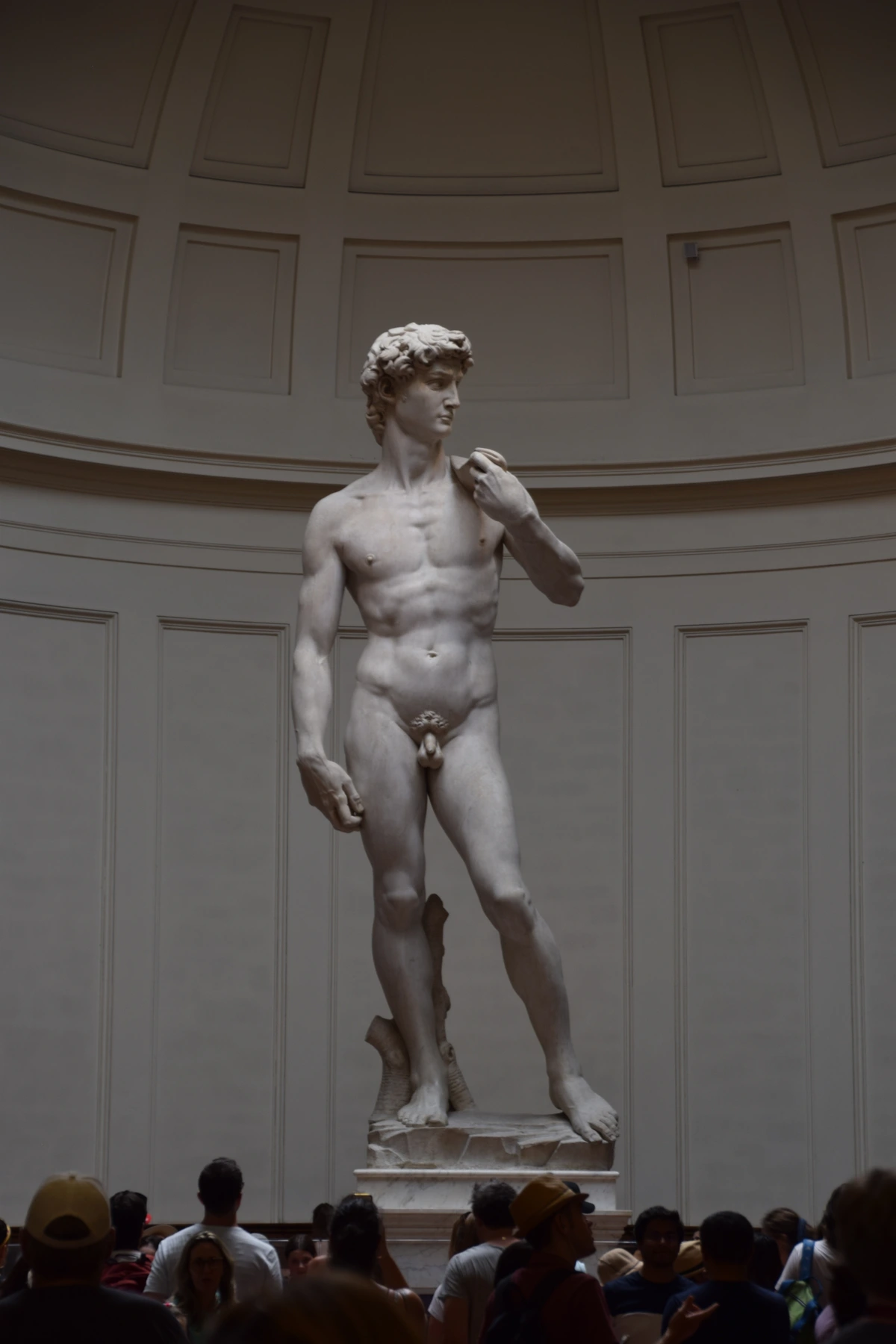
"The Birth of Venus" truly marks a pivotal moment in the ultimate guide to renaissance art, showcasing Botticelli's unique genius and the era's innovative spirit. It’s not just a beautiful painting; it's a statement, a bold step into new artistic territory that challenged the norms of its time. I sometimes think about how shocking this must have been for contemporary viewers accustomed to religious allegories.
A Departure from Medieval Art
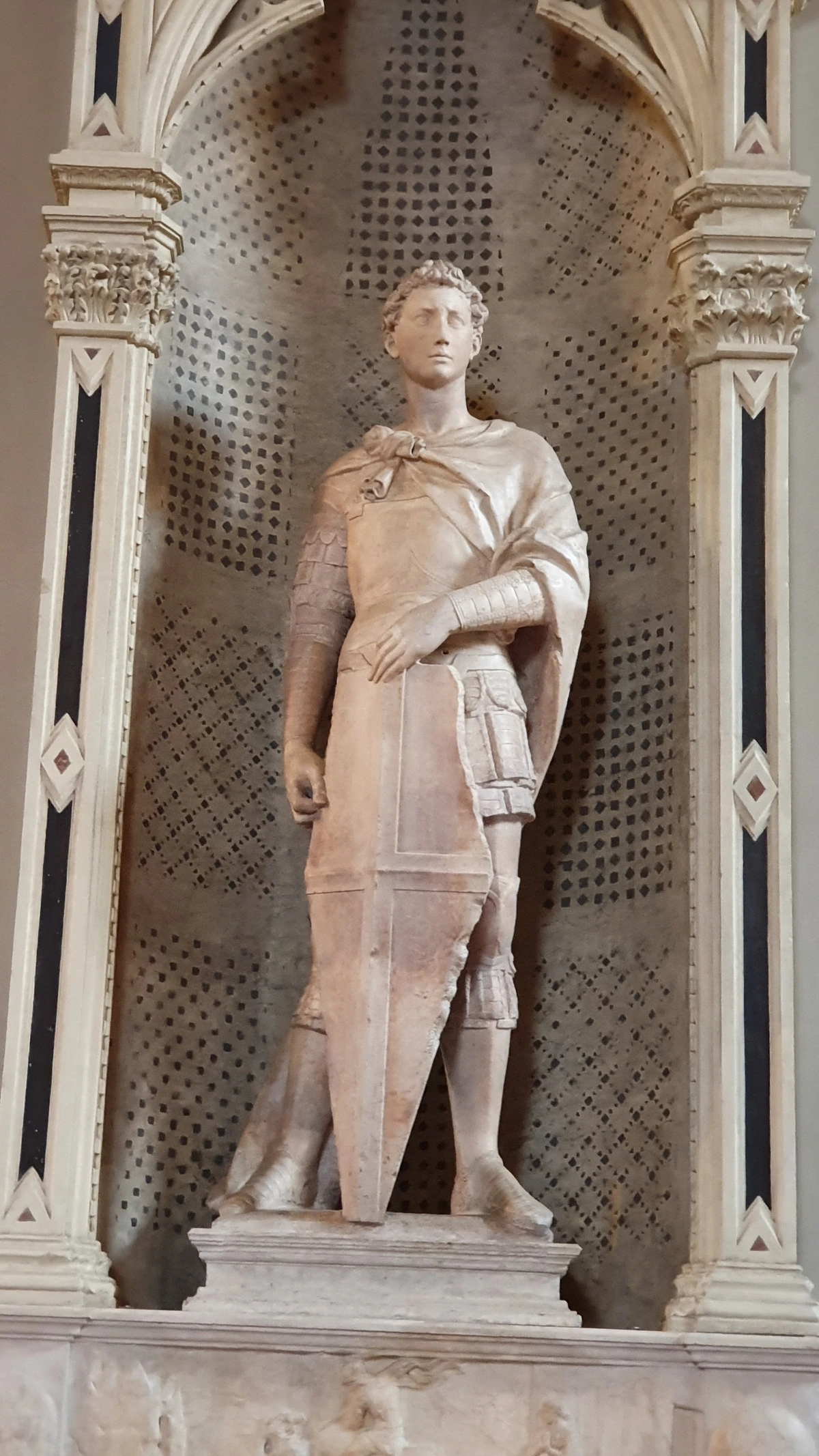
This painting represents a truly significant break from the predominantly religious, often hierarchical, art of the Middle Ages. Imagine walking into a gallery then, expecting a saint, and instead encountering this! Its large scale, mythological subject matter, and overt celebration of classical nudity were incredibly daring for the time, reflecting the burgeoning Humanist interest in pre-Christian antiquity. Medieval art often featured flat, stylized figures in gold-leaf backgrounds, serving primarily didactic religious functions, often emphasizing spiritual messages over realistic depiction. "The Birth of Venus," in contrast, demonstrated a renewed confidence in exploring secular themes and the human form, free from strictly theological constraints, pushing the boundaries of what art could depict and how it could inspire. I think this shift is one of the most exciting aspects of the early Renaissance – a bold step into new territory.

The Medici Influence
The Medici family, those incredibly powerful bankers and patrons of the arts, played a truly crucial role in fostering this artistic and intellectual environment. "The Birth of Venus," likely commissioned by a member of the Medici family – most scholars point to Lorenzo di Pierfrancesco de' Medici, a younger cousin of the famous Lorenzo the Magnificent – demonstrates their deep embrace of classical culture and their desire to project an image of sophistication, intellectual prowess, and good taste. It's thought to have been intended for his Villa di Castello, a private commission to adorn his country estate, making it a piece for intellectual contemplation rather than public display. Their patronage was the engine that allowed artists like Botticelli to flourish and experiment with groundbreaking new subjects and styles, essentially bankrolling the Renaissance as we know it! I mean, seriously, without them, who knows what the art world would look like today? You can learn more about Botticelli, master of the Early Renaissance.

Compositional Brilliance and Narrative Flow
One thing I always appreciate about Botticelli is his compositional mastery. In "The Birth of Venus," the figures are arranged in a shallow, frieze-like space, reminiscent of classical reliefs. This isn't accidental; it creates a sense of elegant flatness that emphasizes line and gesture over deep, illusionistic space, a deliberate choice over the developing techniques of linear perspective. The central placement of Venus, framed by the dynamic winds and the welcoming Hora, creates a clear narrative flow from left to right. The gentle curve of the shoreline, the winds, and even Venus's flowing hair all guide the viewer's eye across the canvas, imparting a sense of graceful movement and unfolding story. It’s a beautifully orchestrated visual ballet, where every element contributes to the overall definitive guide to composition in art.

Artistic Techniques and Innovations
Botticelli's style in "The Birth of Venus" is characterized by its remarkable linear grace, delicate modeling, and vibrant palette. He primarily employed tempera paint (a fast-drying medium made by mixing pigments with egg yolk), which was a common medium during the Early Renaissance. While tempera doesn't allow for the same seamless blending as oil paint (which was gaining popularity at the time), Botticelli's masterful use of line (disegno) to define forms and create a sense of movement was truly innovative. The figures appear weightless, almost floating, contributing to the dreamlike, ethereal quality of the scene. He eschewed the deep chiaroscuro and strict anatomical realism that would become hallmarks of the High Renaissance, opting instead for an artistic approach that prioritized elegance, poetic expression, and a delicate sense of rhythm. This unique blend truly sets Botticelli apart. If you're curious to dive deeper into this fascinating medium, check out the history of tempera painting from ancient egypt to modern revival.
Technical Element | Botticelli's Approach in The Birth of Venus | Significance |
|---|---|---|
| Medium | Tempera on canvas | Achieved vibrant, luminous colors and fine details, though limited blending. |
| Line (Disegno) | Emphasized clear, flowing outlines to define forms and create movement. | Central to Florentine artistic tradition, conveying grace and ideal beauty. |
| Color Palette | Bright, clear, and distinct colors, often applied flatly. | Contributes to the ethereal, decorative quality; less emphasis on atmospheric perspective. |
| Modeling | Delicate shading to suggest form, but avoids heavy chiaroscuro. | Creates a sense of lightness and an almost two-dimensional, dreamlike quality. |
The Birth of Venus and Primavera: Companion Pieces
I can't talk about "The Birth of Venus" without also mentioning its famous companion piece, Primavera (meaning "Spring"). These two monumental works are often discussed together, and for good reason. Both were commissioned by the Medici family for the Villa di Castello, and both share a similar scale, mythological subject matter, and a deep grounding in Neoplatonic allegories. While Primavera depicts a celebration of fertility and the arrival of spring, featuring Venus at its center amidst a vibrant garden, The Birth of Venus focuses on her origin. Together, they form a powerful diptych, exploring different facets of Venus's domain – her birth and her reign over earthly abundance. It’s almost as if Botticelli gave us two sides of the same divine coin.
Feature | The Birth of Venus | Primavera |
|---|---|---|
| Subject | Venus's arrival on land, born from the sea. | Allegory of Spring, celebrating Venus's reign over nature. |
| Central Figure | Nude Venus, embodying spiritual love. | Clothed Venus, representing earthly and celestial love. |
| Tone | Ethereal, contemplative, spiritual. | Vibrant, celebratory, abundant, earthly. |
| Mythological Focus | Origin of Venus; classical antiquity. | Transformation of Chloris into Flora; classical poetry and myth. |
| Setting | Shoreline, sea, winds. | Lush orange grove, flowering meadow. |
The Birth of Venus: Enduring Legacy and Impact
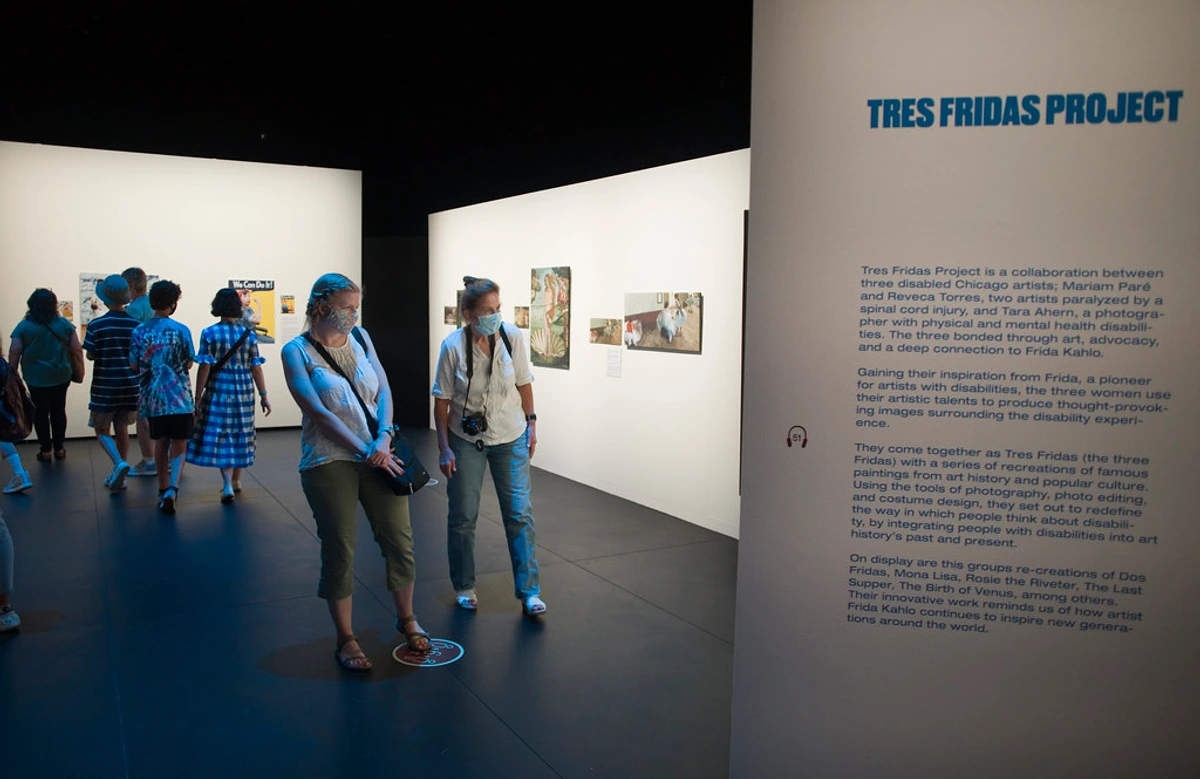
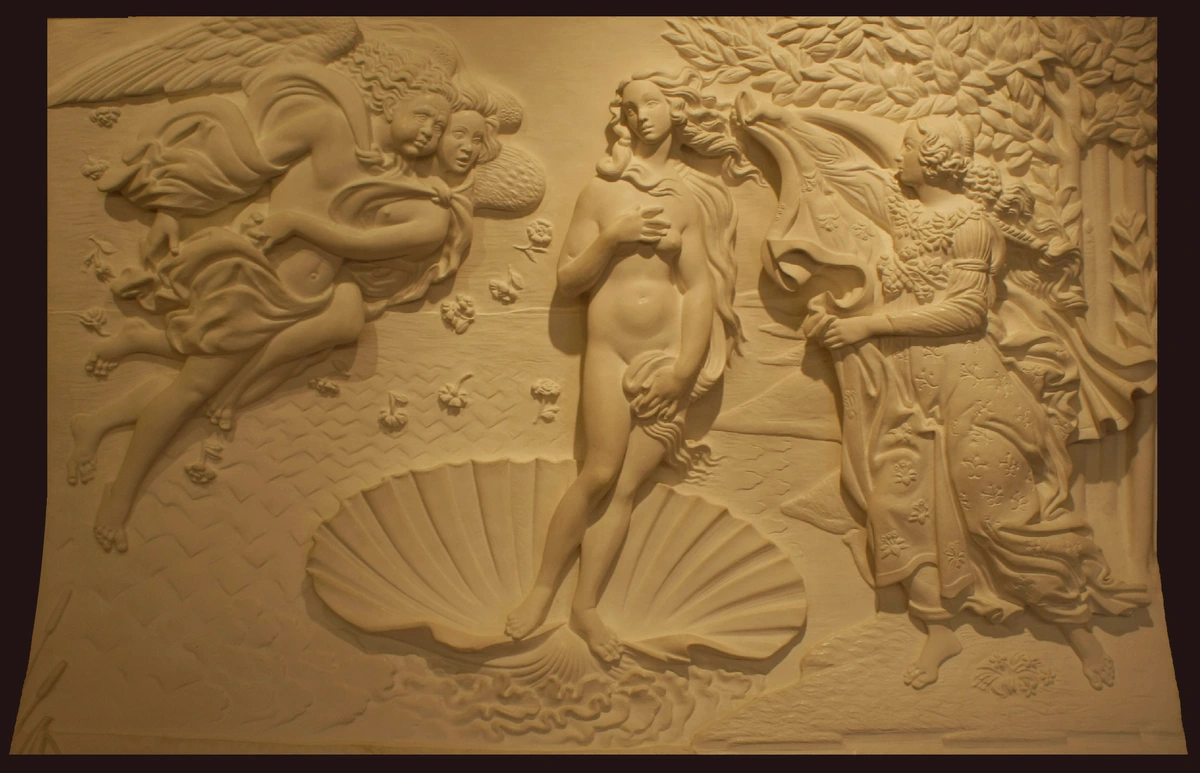
"The Birth of Venus" is not just a painting; it's a cultural touchstone that has influenced art, fashion, and popular culture for centuries. Its image has been endlessly reproduced, reinterpreted, and referenced, cementing its place as one of the most recognizable and beloved artworks in history. Think about it – from high fashion editorials to pop culture parodies and even advertising campaigns, Venus's iconic pose and ethereal beauty continue to inspire and resonate across diverse mediums. This pervasive influence proves that Botticelli tapped into something timeless and universally appealing, and it undeniably paved the way for the celebration of the female nude in art that would flourish in the High Renaissance.
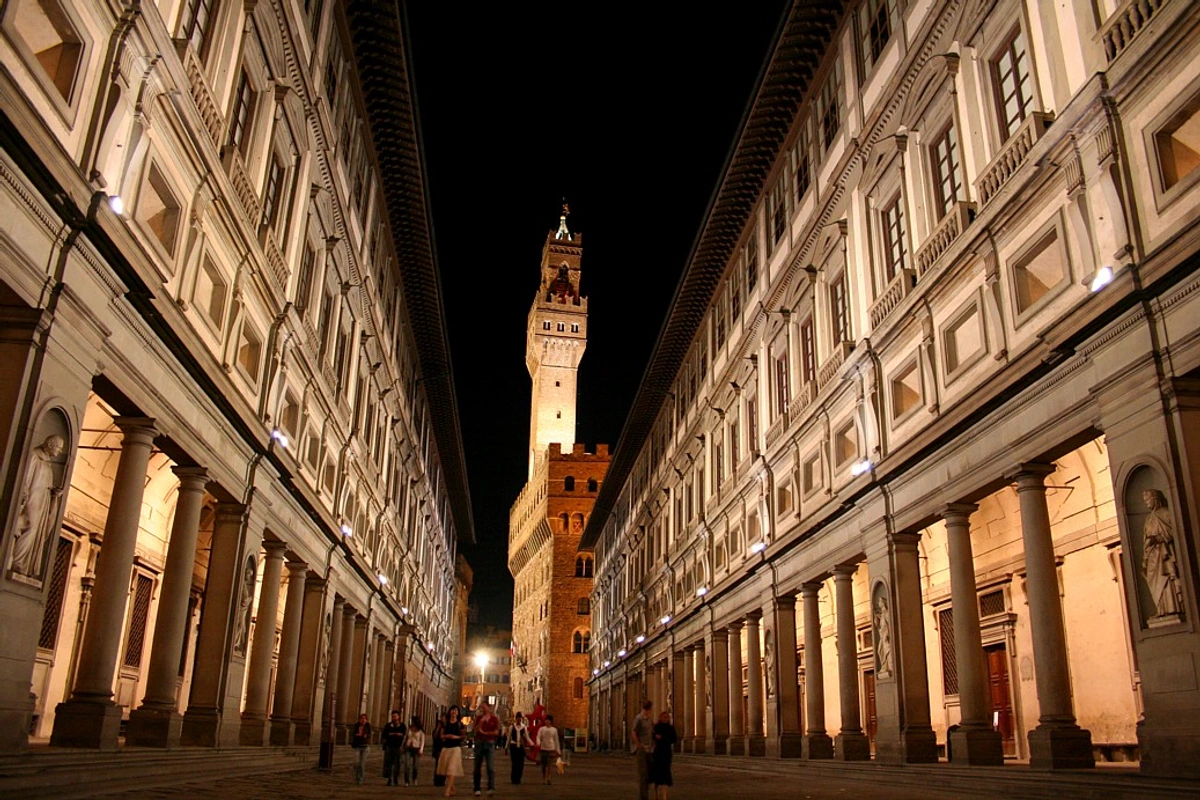
Its enduring presence, even in modern interpretations and parodies, speaks volumes about its foundational role in Western art. It continues to be a cornerstone of the Uffizi Gallery in Florence, drawing millions of visitors each year, each of them finding their own connection to this Renaissance marvel. It truly keeps on giving, and I find that absolutely wonderful.
Beyond the Canvas: Restoration and Preservation
It’s easy to look at a masterpiece like "The Birth of Venus" and assume it’s always looked this way, perfectly preserved since the 15th century. But like all ancient artworks, it has a history of its own, including the vital work of restoration and conservation. Over the centuries, paintings endure the ravages of time, light, and even well-intentioned (but sometimes misguided) past restoration efforts. The Birth of Venus has undergone several conservation treatments, most notably a major restoration in the late 1980s that cleaned away layers of grime and old varnish, revealing Botticelli's original vibrant colors and delicate details. This process involved meticulous scientific analysis, careful removal of old, darkened varnishes and overpaint, and stabilization of the canvas itself. It's a continuous, painstaking process, ensuring that future generations can experience the painting as close to its original glory as possible. It reminds us that art isn't static; it's a living, breathing object that requires constant care and dedication, a constant conversation with the past.
Frequently Asked Questions about The Birth of Venus
To further clarify common inquiries about this Renaissance marvel, here are some frequently asked questions.
What is the symbolism of Venus's nudity?
This is a really insightful question, and the answer is deeply rooted in Neoplatonic philosophy. Botticelli's Venus is interpreted as Celestial Venus (Venus Urania), representing divine, spiritual love and ideal beauty, rather than earthly or carnal desire. Her modest pose, delicate gesture, and detached gaze all work to elevate her nudity beyond mere sensuality. It's a beauty that inspires intellectual and spiritual contemplation, acting as a pathway for the soul to ascend to the divine. So, it's not about being provocative; it's about conveying a higher, more abstract form of beauty.
Who commissioned The Birth of Venus?
From what we understand, "The Birth of Venus" was most likely commissioned by Lorenzo di Pierfrancesco de' Medici, a younger cousin of the famous Lorenzo the Magnificent. It's believed to have been intended for his Villa di Castello, a private country residence, rather than a public space. This makes sense when you consider its mythological, secular subject matter. The Medici family, as we've discussed, were incredibly prominent patrons of Botticelli and many other Renaissance artists, essentially shaping the artistic landscape of Florence.
How does 'The Birth of Venus' reflect Renaissance Humanism?
Oh, it's a perfect example! Renaissance Humanism, with its renewed interest in classical antiquity and celebration of human potential, is central to this painting. Botticelli draws directly from classical myths and literary sources, depicting idealized human forms, and uses the narrative to explore complex philosophical ideas rather than purely religious ones. The focus on beauty, human anatomy (even if idealized), and the synthesis of pagan and Christian thought are all hallmarks of Humanist thought. It's basically a billboard for Renaissance Humanist ideals!
Where is The Birth of Venus located?
The painting is housed in the Uffizi Gallery in Florence, Italy, where it remains one of its most celebrated treasures. For more on the location, see art lovers guide to Florence.
What materials did Botticelli use for The Birth of Venus?
Botticelli primarily used tempera paint on canvas for "The Birth of Venus." Tempera, made by mixing pigments with egg yolk, was a common medium during the Early Renaissance. It's known for its incredibly vibrant colors and capacity for fine, precise detail, which you can clearly see in Venus's flowing hair and the delicate flowers. However, it dries very quickly, making seamless blending quite challenging – a stark contrast to the slow-drying and easily blendable oil paint that would soon dominate the High Renaissance. This meant Botticelli relied heavily on fine brushstrokes and careful layering to achieve his desired effects, a true master of line and form. The use of canvas, rather than the more common wooden panel for such a large work, was also somewhat innovative for the time, suggesting a progressive approach to materials. This choice of canvas for such a large-scale mythological work was quite forward-thinking for the 15th century, and I think it shows Botticelli's innovative spirit. For a deeper dive into this fascinating medium, check out our article on the history of tempera painting from ancient egypt to modern revival.
What makes Botticelli's style unique in this painting?
Botticelli's unique style in "The Birth of Venus" is really a signature of his Early Renaissance approach. He prioritizes linear grace (disegno), creating flowing, elegant outlines for his figures rather than heavy modeling or anatomical realism. The delicate coloring and ethereal quality, almost as if the figures are floating, give the scene a dreamlike feel. He doesn't use deep chiaroscuro (strong contrasts of light and shadow) like later High Renaissance artists, opting instead for a brighter, more decorative palette. It’s a very poetic, almost lyrical style that, for me, makes his work instantly recognizable.
How does The Birth of Venus relate to Botticelli's other works?
"The Birth of Venus" is often considered a companion piece to Botticelli's "Primavera," another large-scale mythological painting created for the Medici family. Both works share a similar Neoplatonic interpretation of classical themes, featuring gracefully elongated figures and rich symbolic flora. Together, they represent the pinnacle of Botticelli's secular output and his unique blend of classical and Christian humanism.
What is the historical context of the painting's creation?
"The Birth of Venus" was painted in 15th-century Florence, a period known as the Quattrocento, during the height of the Early Renaissance. It was a time of immense intellectual and artistic ferment, characterized by a renewed interest in classical antiquity (Humanism) and a flourishing of arts patronage, particularly by the powerful Medici family. This painting is a product of that unique environment, combining classical mythology with contemporary Neoplatonic philosophy and innovative artistic techniques. So, it's not just a painting; it's a snapshot of a revolutionary cultural moment.
Why is The Birth of Venus considered a masterpiece?
Ah, the million-dollar question! It is considered a masterpiece for a confluence of compelling reasons, and honestly, every time I look at it, I find a new one. Firstly, its groundbreaking mythological subject matter was a radical departure from the predominantly religious art of the era, a bold statement about the emerging Humanist spirit. Secondly, its innovative depiction of the nude female form in a large-scale secular work was truly daring and profoundly influential, paving the way for later artistic explorations of the human body. Beyond that, its deep Neoplatonic symbolism elevates it beyond a mere illustration, inviting intellectual and spiritual contemplation. Add to that its exquisite linear beauty, delicate coloring, and the almost dreamlike quality of its figures, and you have an artwork that transcends its time. Finally, its profound influence on the course of Western art history, from the Renaissance onwards, solidifies its status as an undisputed masterpiece. It's a painting that continues to challenge, inspire, and reward careful looking, which, to me, is the hallmark of true genius. It perfectly encapsulates the intellectual and artistic spirit of the Early Renaissance, a true timeless marvel.
How was 'The Birth of Venus' received by contemporary audiences?
That's a tricky one to answer definitively, as records from the time aren't always complete! However, given its private commission for a Medici villa, it wasn't initially displayed in a public space. This likely allowed for a more intellectual, less controversial reception among the learned humanist circles of the Medici. While its classical nudity and pagan subject matter would have been shocking in a public, religious context, within the private, educated sphere of the Medici, it was celebrated for its sophistication and philosophical depth. It was truly a piece meant for discerning eyes, not the masses.
What is the size of "The Birth of Venus"?
"The Birth of Venus" is a substantial work, measuring approximately 172.5 cm x 278.5 cm (about 5 feet 8 inches x 9 feet 1 inch). Its large scale was quite audacious for a secular mythological subject at the time, underscoring its importance and the ambition of its patron, and demanding attention from anyone who encounters it.
What were Botticelli's primary artistic inspirations for "The Birth of Venus"?
Botticelli drew from a rich tapestry of inspirations, weaving together diverse threads into this singular masterpiece. Mythologically, he synthesized narratives from ancient Greek poets like Hesiod and Roman poets such as Ovid, giving life to these timeless tales. Visually, he looked to classical sculptures, particularly the Venus Pudica type, for Venus's iconic pose, and likely drew inspiration from contemporary Renaissance poetry, notably Angelo Poliziano's Stanze per la Giostra, for specific descriptive details. Philosophically, the entire work is steeped in the Neoplatonic ideas of Marsilio Ficino and the Florentine Platonic Academy, which sought to harmonize classical pagan thought with Christian spirituality. It's a remarkable blend of ancient wisdom and Renaissance innovation, a true testament to the intellectual curiosity of the era.

Are there any hidden details or lesser-known symbols?
Oh, absolutely! That's one of the joys of looking at Renaissance art, the layers of meaning. Beyond the prominent symbols, scholars have suggested various subtle elements. For instance, the slightly pinkish hue of Venus's skin might hint at her recent birth, or the specific types of flowers (anemones, daisies, myrtle, violets) scattered by Zephyr or adorning the Hora's dress each carry their own specific meanings of love, innocence, and modesty. The very movement of Venus's hair, caught in the wind, is a symbol of vitality and life itself. Botticelli really packed in a lot for the observant viewer!
Is "The Birth of Venus" unfinished?
This is a fascinating question that sometimes comes up, and I can see why people might ask it. While "The Birth of Venus" possesses a certain ethereal, almost dreamlike quality that might appear 'unfinished' to modern eyes accustomed to highly rendered realism, it is generally considered a completed work. Botticelli's style, with its emphasis on outline, flowing drapery, and delicate (rather than heavy) modeling, was a conscious artistic choice. He wasn't aiming for the robust anatomical accuracy of later High Renaissance masters like Michelangelo or Leonardo, but rather a graceful, poetic beauty. So no, it's not unfinished; it's simply Botticelli's unique and highly refined artistic vision, perfectly executed to achieve its intended effect.
How does 'The Birth of Venus' fit into Botticelli's broader artistic career?
"The Birth of Venus" stands as one of the pinnacles of Botticelli's secular output, alongside its companion piece, Primavera. It showcases his mature style, blending his characteristic linear grace with deep symbolic complexity, all in service of his Medici patrons. While he also produced many profound religious works, these mythological paintings demonstrate his unique ability to reinterpret classical themes through a deeply humanist and Neoplatonic lens, establishing him as one of the most distinctive voices of the Early Renaissance. It's a testament to his versatility and the intellectual environment in which he thrived.
What is the current condition of "The Birth of Venus"?
Thanks to ongoing conservation efforts by the Uffizi Gallery, "The Birth of Venus" is in excellent condition today. As I mentioned earlier, a significant restoration in the late 1980s meticulously cleaned the painting, removing centuries of accumulated dirt and discolored varnish. This revealed Botticelli's original vibrant colors and delicate details, allowing us to appreciate the painting much closer to how it would have appeared to its first viewers. It is continuously monitored and maintained to ensure its preservation for future generations.









Conclusion: A Symphony of Enduring Meaning
"The Birth of Venus" transcends its status as a mere painting; it is a profound synthesis of art, philosophy, and mythology. Botticelli's genius lies in his ability to imbue a classical tale with layers of meaning, inviting us, the viewers, to ponder the nature of beauty, love, and humanity's place in the cosmic order. It remains an essential work for anyone seeking to understand the enduring power of art and the rich tapestry of the Renaissance spirit. Its gentle beauty and philosophical depth continue to inspire, making it a truly timeless masterpiece, one of the most famous paintings in the world. And personally? Every time I look at it, I find something new, a fresh whisper from Botticelli across the centuries, a reminder of the enduring questions about what it means to be human, to seek beauty, and to find meaning in the world. It’s a painting that keeps on giving, inviting us to keep questioning, keep learning, and keep falling in love with art. That, to me, is the ultimate legacy of any great work.