Public Art Unleashed: Murals, Sculptures, Installations & Their Profound Impact
Step beyond the gallery: explore public art's diverse forms, rich history, complex challenges, profound impact, and exciting future. A personal journey into how it shapes communities, fosters connection, and breathes life into our shared spaces, inviting you to engage.

Public Art Unleashed: Beyond the Gallery Walls, A Personal Journey – Why It Truly Matters
Sometimes, I wonder if art truly finds its fullest voice when it steps out of the quiet, hushed confines of a gallery and shouts from the rooftops – or, you know, the side of a building. For me, it's not just a passing thought; it's a conviction that the streets, parks, and even forgotten alleyways are where art breathes most freely, engaging with us on a profoundly human level. This isn't just about aesthetics; it’s about a shared heartbeat, a collective story whispered by the city itself. In this journey, we'll dive into the vibrant world of public art – from murals and sculptures to immersive installations – exploring its rich history, intricate challenges, profound impact, and exciting future. Ready to step beyond the velvet ropes with me?
I'm talking about public art: the murals that tell stories on city walls, the sculptures that stand as silent sentinels in our parks, the installations that transform everyday spaces into fleeting, magical experiences, and even the more unexpected forms like ephemeral performance art, interactive digital projections, or artistic functional elements such as creatively designed benches, sculptural bike racks, artful street lighting, innovative bus shelters, or even intricate manhole covers. It's democratic, sometimes controversial, and always, in some way, reflective of us – our shared joys, our struggles, our aspirations, and even the often-unseen history etched into the very stones of our communities. This shared canvas, this public heartbeat, truly reflects who we are, and for me, it's a constant, gentle reminder of the human story unfolding all around us.
The Whispering Walls: Murals as Urban Storytellers
Murals, to me, are like the city's diary entries, painted large for all to see. They can be fiercely political, joyfully celebratory, or hauntingly melancholic. I remember walking past a particularly vibrant mural once in a historic neighborhood; it depicted a vivid scene of local workers from a bygone era, their faces etched with pride and resilience. It struck me how much richer the street felt. It wasn't just a building anymore; it was a canvas, a history lesson, and a burst of color all at once. This interplay of narrative and visual impact often reminds me of the underlying principles I explore in my own work, finding that balance between the untamed and the deliberate, much like how raw beauty meets bold expression in my paintings, where the surface itself tells a story. Creating these large-scale works involves specific techniques, from meticulous surface preparation with specialized primers, to selecting durable, weather-resistant paints like acrylics or silicates, or even the swift precision of spray paint versus the deliberate strokes of brushwork, all finished with protective sealants. And believe me, battling the elements and the clock while trying to bring a vision to life on a colossal canvas can be quite the humbling (and sometimes frustrating!) experience.
Muralism has a fascinating evolution, from ancient cave paintings and frescoes to the social realist movements of the 20th century, notably the Mexican Muralism of artists like Diego Rivera and David Alfaro Siqueiros, who used public walls to tell powerful stories of national identity and social justice. Its modern resurgence often blurs the lines between graffiti art and commissioned masterpieces, from the raw power of early graffiti legends transforming forgotten spaces to the meticulous detail of contemporary artists commissioned for entire building facades. It’s a medium that has historically given voice to the marginalized and beautified the mundane, truly embodying the spirit of art for the people. Beyond grand commissions, I’m particularly drawn to community-led mural projects, where local residents collaboratively design and paint, fostering immense pride and ownership. I recall a project in a revitalized area of Den Bosch, where schoolchildren and local elders worked side-by-side to depict the history of their neighborhood – they even incorporated old photographs into the design. It transformed a neglected wall into a vibrant symbol of collective identity and empowerment, a living history book everyone could read, and one that truly belonged to them, because they literally put their hands on it, their stories into it. That tangible act of co-creation, seeing their ideas take form on a public canvas, is what truly locks in that sense of ownership.
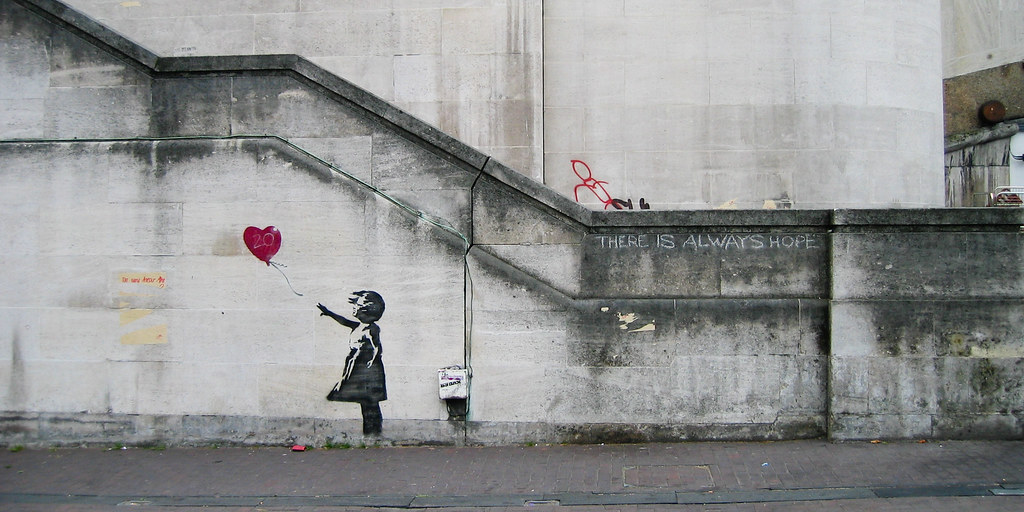
Some of the most impactful pieces are those that challenge us, making us stop and ponder, even if just for a moment, in our busy lives. Take, for instance, the work of an artist like Banksy. His murals, often sharp and witty, pop up unannounced, forcing a dialogue on social issues. They are ephemeral yet leave an indelible mark on the collective consciousness.
https://live.staticflickr.com/3136/2840632113_ba77d1fea3_b.jpg, https://creativecommons.org/licenses/by-nc/2.0/
Murals have this wonderful way of making the mundane extraordinary, injecting personality into otherwise sterile urban landscapes. They invite conversation and, more importantly, they make art accessible to everyone. It's not locked behind a velvet rope; it's right there, part of the fabric of daily life, daring you to engage. What stories do the walls around you whisper?
Sculptures: Silent Sentinels and Bold Statements
While murals paint their stories on flat surfaces, sculptures bring a different kind of gravitas and three-dimensional presence to public spaces. They're physical anchors, often with a sense of permanence that murals might lack, inviting you to move around them and experience them from every angle. I find myself often thinking about form and structure, even in my abstract paintings, so seeing a sculpture command its space in a park or plaza always fascinates me. How does an artist make a piece not just exist in a space, but truly own it? It's about a conversation between mass and void, material and environment – how a solid form interacts with the emptiness around it, defining and redefining the space itself. Behind every soaring sculpture, especially those with complex forms or heavy materials, lies a complex feat of engineering – gravity, material stresses, wind loads, and foundational integrity are paramount to ensure safety and longevity. Think of how the massive, rust-colored steel plates of Richard Serra’s large-scale works create a visceral sense of enclosure or openness depending on your position. His controversial "Tilted Arc" in New York, for instance, was deeply site-specific, designed to interact with and even disrupt the federal plaza it occupied, forcing a new way of navigating and experiencing the space – until public outcry led to its removal, a stark reminder of the delicate balance in public art. It often asks you to complete the dialogue by walking around it, by seeing how your own shadow plays upon its surfaces, or simply by letting its presence ground you in the moment. It’s this very principle – how a piece interacts with and defines its surroundings – that I explore in my own work when I consider space and form, always thinking about how different elements occupy and activate space. The sheer engineering required for monumental works, such as the temporary fabric structures by Christo and Jeanne-Claude that enveloped entire buildings or coastlines, or the intricate steel constructions of Louise Nevelson’s public sculptures, is a testament to how human ingenuity and artistic vision can truly come together.
Beyond the sheer materiality, public sculptures span a vast spectrum of forms and intentions. Some are figurative, offering recognizable depictions of historical figures or symbolic allegories, serving as commemorative monuments that tie us to the past. Others lean into abstract geometries, inviting pure aesthetic contemplation or an exploration of form and space without a fixed narrative. And then there are those wonderful functional sculptures – the artful benches that invite rest and connection, the creatively designed bike racks, innovative bus shelters, or even sculptural play structures for children. These blur the line between art and utility, seamlessly integrating beauty into our daily lives, often without us even consciously realizing we're interacting with art. I mean, who doesn't appreciate a well-designed public bench after a long walk? It’s a subtle nod to the idea that beauty shouldn't just be seen, but used.
From the timeless grandeur of bronze and stone to the modern lines of steel, concrete, and even more unexpected mediums like glass, fabric, or recycled and natural elements, the choice of medium profoundly shapes a sculpture's presence and message. Bronze offers durability and a classic patina; steel allows for towering, ethereal forms; while stone conveys a grounded, ancient power. This variety reminds me of how important it is to consider how a sculpture's lines and forms interact with the surrounding architecture or natural landscape. Many are site-specific sculptures, meaning their design is intrinsically linked to their intended location, created with the unique characteristics of that space in mind.
Dynamic Forms and Earthly Canvas
Beyond static forms, public sculpture can be incredibly dynamic. Think of kinetic sculptures that dance with the wind, or ephemeral sculptural installations made of ice or sand, designed to dissolve back into nature. These challenge our notions of permanence and material, offering a different kind of interaction and memory. And then there’s land art or environmental sculpture, where the earth itself becomes the medium, creating monumental works that integrate directly into natural landscapes – sometimes spanning vast distances, like Robert Smithson's Spiral Jetty – shifting with seasons and light. We also find public art in non-urban settings, such as dedicated sculpture parks like the Storm King Art Center or art integrated into national parks, offering a profound dialogue with raw nature.
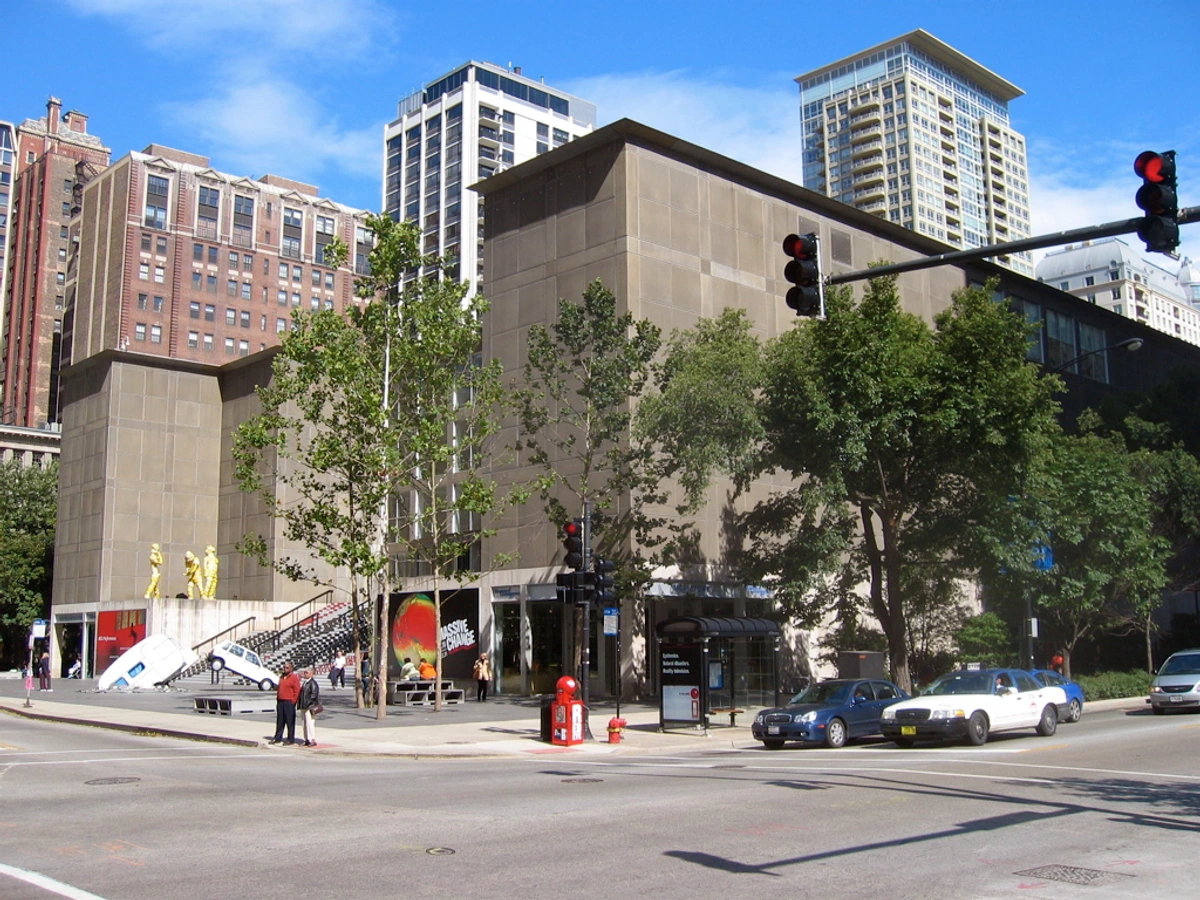
These pieces, whether made of metal, stone, or even recycled materials, invite a physical interaction that paintings on a wall can't always offer. You can walk around them, see them from different angles, and experience their presence in a truly immersive way. It’s this multi-sensory engagement that elevates them beyond mere objects into profound experiences, sometimes even making me want to add layers and depth, much like I explore texture in abstract art myself. What silent sentinels stand watch in your city, challenging your perceptions of space and form?
Installations: Immersive Worlds and Fleeting Moments
Public installations are perhaps the most dynamic and often the most ephemeral form of public art, constantly pushing the boundaries of what art can be. They’re like temporary architectural interventions or grand theatrical sets, designed to be experienced rather than just observed. I find them incredibly exciting because they turn everyday public spaces into something extraordinary. This is where artists really get to play with the idea of mixed media in abstract art on a grand scale, combining light, sound, projection, and physical objects to create a unified, enveloping experience. I often think of monumental light and sound installations that truly transform urban landscapes. For instance, cities worldwide host festivals like Vivid Sydney or Fête des Lumières in Lyon, where entire building facades become dynamic canvases for intricate projections, or public parks host interactive light sculptures that respond to touch or movement. It's like the city itself is breathing and dancing, creating a shared, almost dreamlike experience for everyone present. Beyond light, think of temporary large-scale works like massive ice sculptures that melt over days, sand labyrinths on beaches, or even grand inflatable structures that momentarily transform city squares. These ephemeral works remind us of the beauty of the present moment and the impermanence of all things.
While Yayoi Kusama’s immersive 'Infinity Rooms' beautifully exemplify the immersive spirit and multi-sensory engagement, it's important to remember that true public installations are often grander in scale and more transient, integrated directly into urban infrastructure or natural landscapes. These works engage multiple senses, creating a shared, often interactive, experience for everyone. They’re less about a fixed message and more about a shared moment of collective wonder, inviting you to step into an altered reality, even if just for a few minutes.
The Digital Pulse: Integrating Technology in Public Art
Beyond traditional materials, public art is increasingly embracing technology to create new forms of engagement. We're seeing interactive pieces that respond to touch, movement, or environmental factors, inviting passersby to become part of the artwork's evolution. Imagine a sculpture that changes color with the wind, or a light installation that pulses to the rhythm of city sounds. There's also the growing use of digital technology like QR codes or augmented reality (AR) apps to unlock hidden narratives or additional content. With a simple smartphone scan, a static mural might animate, or an AR overlay could reveal historical context about a sculpture, adding layers of meaning that aren't immediately visible. For true digital accessibility, these apps and interactive elements are increasingly designed with features like voice controls, adjustable text sizes, or haptic feedback, ensuring those with motor, visual, or cognitive impairments can also fully engage. These works bridge the physical and digital realms, creating a dynamic dialogue that feels both contemporary and deeply engaging.
Performance Art: The Ephemeral Pulse
Speaking of transient experiences, performance art in public spaces is a wonderfully defiant form. It's often fleeting, sometimes spontaneous, and directly engages the here and now, challenging our expectations of what art is. Think of artists who stage impromptu, evocative performances in a bustling square, using their bodies, sounds, or simple props to create a moment of reflection or disruption. These aren't meant to be permanent fixtures; their power lies in their immediacy, their ability to create a unique, unrepeatable memory, sparking conversation long after the artist has gone. For instance, a performance artist might suddenly appear in a public square, silently sweeping fallen leaves into intricate patterns for an hour, or engage passersby in a brief, poignant one-on-one interaction, perhaps offering a moment of unexpected connection in an otherwise anonymous urban landscape. Its documentation through photography or video often becomes an artwork in itself, a way to extend the ephemeral.
Artistic Interventions: Unexpected Encounters
Beyond commissioned installations and planned performances, I'm also fascinated by artistic interventions – often unsanctioned or temporary acts that bring art to unexpected places. Think of 'yarn bombing,' where knit or crocheted graffiti adorns public objects, or spontaneous, unannounced installations in forgotten alleyways using found objects. These often playful or subtly subversive acts challenge our perception of urban space, offering delightful, fleeting moments of beauty or reflection without formal approval. They're like little artistic secrets, waiting to be discovered.
https://upload.wikimedia.org/wikipedia/commons/e/e6/Yayoi_Kusama%2C_Dots_Obsession%2C_2013-2016.jpg, https://creativecommons.org/licenses/by-sa/4.0
What I love about installations is their ability to create a sense of collective memory. Even after they’re gone, the experience lingers, becoming part of the city’s story and the personal narratives of those who witnessed it. It’s like a spontaneous, open-air party that everyone's invited to, instantly transforming a mundane commute into an adventure. It proves that not all art needs to be permanent to leave an everlasting impact. What fleeting magic have you witnessed, and how did it change your perspective?
Public Art at a Glance: A Spectrum of Expression
To help paint a clearer picture of the diverse landscape of public art, here's a quick overview of the forms we've been exploring:
Type of Public Art  | Key Characteristics | Examples |
|---|---|---|
| Murals | Large-scale paintings on walls; often narrative, decorative, or socio-political; can be temporary or permanent. | Community murals, political street art, building facade commissions, WPA murals. |
| Sculptures | Three-dimensional forms in public spaces; can be abstract or figurative, static or kinetic, made from diverse materials. | Figurative statues, abstract forms, functional art (benches, bike racks), land art, monumental works. |
| Installations | Temporary or permanent site-specific artworks that transform an environment; often multi-sensory and interactive. | Light festivals, immersive walk-through experiences, digital projections, ice or sand sculptures, large inflatables. |
| Performance Art | Live, often ephemeral acts staged in public; engages the audience directly, relies on immediacy and presence. | Impromptu street performances, conceptual actions, symbolic gestures, flash mobs. |
| Artistic Interventions | Unsanctioned or temporary acts that playfully or subtly alter public spaces, often using everyday objects. | Yarn bombing, found object installations, pop-up art displays, guerilla gardening art. |
| Functional Art | Artworks that also serve a practical purpose in public spaces; seamlessly integrates beauty and utility. | Sculptural benches, decorative bike racks, artful street lighting, creative bus shelters, artistic manhole covers. |
The Necessary Friction: Challenges and Complexities of Public Art
But this grand stage of public art, for all its wonder, isn't without its own drama and hurdles. For all its beauty and impact, public art isn't without its challenges, which often reflect the very communities it aims to serve. It's a testament to its democratic nature that it invites both admiration and debate, often grappling with the realities of the public domain. And speaking from experience as an artist, creating something that truly resonates with everyone is a tricky dance, let alone getting it approved! The bureaucracy alone can be enough to make you want to retreat to your studio and just paint for yourself, but then you remember why you started – to connect, to provoke, to beautify. It's a constant push and pull, a dance on a tightrope where your vision constantly encounters the friction of reality.
One of the most immediate concerns is vandalism and maintenance. A beautiful mural can be defaced overnight, or a sculpture can suffer from weather erosion and pollution. The ongoing costs and efforts for cleaning, repair, and preservation are significant. Who pays for it? Who is responsible for its longevity? These aren't just practical questions; they touch upon the collective ownership and responsibility we feel for our shared urban canvas. I’ve heard countless stories of artists pouring their souls into a piece, only for it to be damaged or removed due to lack of upkeep – a disheartening reality when your studio is the street. This is precisely why I always urge for artists to be involved in a piece's long-term maintenance plan from the outset, ensuring their creations aren't left as vulnerable orphans in the urban jungle.
Public perception also plays a massive role. What one person sees as a masterpiece, another might view as an eyesore. Controversy can arise over themes, abstract forms, or even the cost. Take, for instance, Richard Serra's "Tilted Arc" in New York, a massive steel wall that sparked years of debate, ultimately leading to its removal. This wasn't just an art critique; it was a public battle over taste, function, and the very definition of public space. I find this fascinating; it’s when public art truly sparks a conversation, even if it’s a heated one. It forces us to confront our own biases and assumptions about what art 'should' be, and for whom. Sometimes, even the most contentious pieces can find resolution. For example, some cities have established public art councils that facilitate community dialogues, mediate disputes, and even adapt artworks or their placement to better serve public needs, turning conflict into an opportunity for engagement.
The process of commissioning and approval can be a labyrinthine one, involving art committees, public consultations, and intricate funding battles. It's a delicate dance between artistic vision and civic expectations, often requiring artists to navigate bureaucracy and compromise their initial ideas, all while striving to maintain their artistic integrity. This often involves detailed contracts outlining artist rights, copyright, and liability – complexities that extend far beyond the initial creative spark. Getting selected for artist residencies or public art commissions is a highly competitive process, often requiring artists to develop proposals that balance their vision with community needs and logistical constraints. It’s rarely a solitary act; it’s a community project from inception to installation, often expertly guided by dedicated curators and public art administrators who bridge artistic vision with civic needs. For an artist, the weight of public expectation, the endless meetings, and the constant need to justify your vision can be draining, but the potential for widespread impact often outweighs the personal toll.
https://www.pexels.com/photo/man-making-art-14377465/, https://creativecommons.org/public-domain/
Beyond these practicalities, public art grapples with significant ethical considerations. While often intended to uplift communities, it can sometimes inadvertently contribute to complex issues like gentrification. When art enhances a neighborhood's appeal, it can attract new residents and investment, which may lead to rising property values and the displacement of long-term residents. It also means confronting the uncomfortable truth of artwashing, a term used when public art is employed to superficially 'solve' deeper systemic issues like social inequality or gentrification, masking them rather than genuinely addressing community needs. Imagine a scenario where a luxury condo developer, eager to enhance the 'vibe' of a rapidly gentrifying area, commissions a vibrant, abstract mural by an internationally renowned artist. While visually appealing and drawing positive press, this mural might, perhaps unintentionally, serve as a glossy distraction from the rising rents and the displacement of long-term, low-income residents who can no longer afford to live there. The art becomes a signifier of 'coolness' for newcomers, without actually investing in the social services, affordable housing, or community initiatives that would truly benefit the original inhabitants. It's a tricky tightrope walk, requiring a keen ethical eye and genuine community partnership. There are also concerns about cultural appropriation if art doesn't genuinely reflect the community it's placed in, or if it's used as a superficial solution for deeper social problems. Thoughtful, inclusive community engagement and a deep understanding of the socio-economic context are crucial to creating truly responsible and ethical public art, ensuring it serves, rather than unintentionally harms, the very people it aims to connect with. However, public art, when conceived and executed with true community partnership, can also mitigate these issues by empowering marginalized voices, creating affordable cultural spaces, and directly addressing social inequalities through its message and collaborative process.
Public Art for All: Accessibility and Inclusivity
Public art, by its very nature, aims to be accessible. But true accessibility goes beyond just placing art in a public space; it means designing and integrating art to be truly inclusive of everyone, including people with disabilities. This is something I think about often, wondering how art can reach every heart and mind, ensuring no one is left out of the shared experience.
- Physical Accessibility: Ensuring pathways, viewing areas, and interactive elements are wheelchair-friendly, with clear sightlines and easy navigation. This might involve ramps, tactile paving, or simply placing a sculpture at an appropriate height and distance. Consideration for diverse physical abilities means thinking about how people move through and interact with the space around the artwork.
- Sensory Engagement: Moving beyond purely visual art. Think about sculptures that invite touch and have varied textures, sound installations that create immersive auditory experiences, or even aromatic elements integrated into temporary pieces. Providing audio descriptions for visual works, or incorporating Braille signage, can also open up the experience for those with visual impairments, allowing for a richer, multi-sensory dialogue with the art.
- Intellectual & Cultural Inclusivity: Ensuring the themes and narratives of public art are diverse, representative, and understandable across different cultural backgrounds and levels of artistic knowledge. This might involve multilingual interpretive panels, community workshops where meanings are co-created, or collaborative design processes that reflect a wide array of voices from the community itself. The goal is to make the art's story resonate with, and be understood by, the many rather than just the few.
- Digital Accessibility: For interactive digital installations or augmented reality (AR) apps experiences, ensuring that apps or interfaces are designed with accessibility guidelines in mind, offering alternatives for those with motor, visual, or cognitive impairments. This might include voice controls, adjustable text sizes, haptic feedback, or simplified navigation, ensuring the digital layer of public art is as open as its physical counterpart.
By consciously integrating these considerations from the planning stage, public art can truly embody its democratic spirit, creating a shared experience where everyone feels invited, seen, and able to engage.
More Than Just Decoration: Why Public Art Matters
Yet, despite these hurdles, the profound impact of public art makes every challenge worthwhile. From my perspective, it’s not just about making things pretty. It’s about a complex interplay of human connection and urban transformation, impacting us in profound ways, serving as a powerful catalyst for change and conversation, often guided by dedicated curators and public art administrators who bridge artistic vision with civic needs:
- Community Engagement & Identity: Public art often fosters a sense of shared identity and pride. It creates talking points, draws people together, and encourages interaction with their environment. It can turn a simple plaza into a vibrant community hub, sparking dialogue and shared experiences, much like how abstract art can help create zones and flow in a home, defining spaces for connection.
- Urban Aesthetics & Placemaking: It transforms sterile or neglected spaces into vibrant, meaningful places. It’s a powerful tool for defining neighborhoods, enhancing pedestrian experiences, and combating urban decay. It's like the city's personality blooming outwards, offering unique visual anchors. Here in Den Bosch, I've seen forgotten corners brought to life, transforming mundane routes into inspiring journeys.
- Cultural Expression & Commemoration: Public art is a powerful reflection of a society's values, its triumphs, its struggles, and its aspirations. It's where history truly comes alive, not just in textbooks, but on the very streets we walk. Think of memorials that honor past events, statues that commemorate significant figures, or murals depicting local heritage – they're living testaments to who we are, where we've been, and what we cherish, openly visible for all to see. It’s how communities remember, heal, and learn.
- Economic Development: It acts as a draw for tourism, increasing foot traffic to commercial areas, and creating unique destination points. This, in turn, can support local businesses, foster local entrepreneurship for artists and fabricators, enhance property values, and contribute to a vibrant cultural scene that attracts residents and investment. It adds a distinctive brand to a city, making it more appealing and economically dynamic.
- Accessibility: By removing the barriers of galleries and museums, public art makes art available to everyone, regardless of background or economic status. It's art for the people, by the people (sometimes literally), breaking down elitist perceptions and inviting universal appreciation.
It’s this accessible, impactful nature that I find so inspiring. It reminds me that art isn’t just for connoisseurs; it’s for humanity, a fundamental part of how we understand and interact with the world around us. And sometimes, it's just a wonderful splash of color that brightens an otherwise grey day, a simple joy we all deserve.
A Glimpse into Public Art's Past and Future
The story of public art stretches back further than you might imagine, woven into the very fabric of human civilization. From the monumental Egyptian reliefs that adorned temples to the grand Roman statues celebrating emperors and gods in public squares, art has always served to inform, inspire, and define collective identity. Beyond civic beautification, public art has also been a potent tool for propaganda and protest during wartime or periods of intense social change. For instance, Roman statues of emperors weren't just decorative; they were carefully crafted to convey power, virtue, and divine right, serving as constant visual reminders of imperial authority. Similarly, the Works Progress Administration (WPA) murals in the United States during the Great Depression weren't merely pretty pictures; they depicted idealized American life, national pride, and the dignity of labor, subtly promoting government programs and national unity during a time of hardship. This historical continuity shows that the impulse to create art for public spaces is deeply ingrained in us.
Looking forward, public art is not only embracing technology but also a heightened sense of environmental responsibility. We're seeing an increasing use of sustainable and eco-friendly materials – from recycled plastics and salvaged wood to natural, biodegradable pigments – and practices that minimize environmental impact, ensuring that art enriches our public spaces without depleting our planet. The exciting potential of AI-generated public art is also on the horizon, with algorithms assisting in design, optimizing material use, or even creating dynamic, responsive digital pieces that evolve based on real-time data or public interaction. The real magic, though, will lie in how community input and artistic vision guide these AI tools, ensuring that even algorithmic creations reflect human stories and local identities, rather than just abstract data points, and always with a human curator's discerning eye. Furthermore, the digital age has transformed how public art is documented, shared, and experienced. Social media platforms, online archives, and virtual reality (VR) and augmented reality (AR) tours extend the life and reach of ephemeral works, fostering global conversations and community engagement long after a physical installation has disappeared. This opens up entirely new avenues for remote accessibility, allowing anyone, anywhere, to experience public art. It's a thrilling frontier where the physical and digital converge, promising even more immersive and democratic artistic experiences for all. The future of public art is not just about what we see, but how we interact with it, and what new dialogues it sparks in our ever-evolving cities.
A Shared Canvas, A Collective Heartbeat: My City, My Inspiration
As I reflect on the incredible world of public art, it's clear that it's far more than just adornment. It's a vital, living part of our shared experience, a constant invitation to pause, to question, and to connect – with our history, our communities, and ourselves. Living and working in Den Bosch, I constantly see how art integrates into the daily fabric of life. The city itself, with its blend of history and modernity, feels like a living, breathing canvas. Whenever I'm out sketching or just observing, I'm reminded that every street corner, every building facade, has the potential for art – whether it’s a grand gesture or a subtle, unnoticed detail. This makes me feel connected to a larger creative flow, a pulse that beats through the city's stones and its people. Public art in Den Bosch, whether it's a subtle architectural detail or a bold contemporary sculpture, contributes to the unique character I've come to love. It's a constant reminder that creativity is everywhere, if you just take the time to notice it. It even inspires me to reflect on my own artistic timeline and how my work, with its abstract forms and vibrant colors, fits into this broader dialogue of expression and connection, much like the pieces I've discussed on my artistic journey. It reminds us that beauty and meaning aren't confined to sterile white walls; they're out there, breathing the same air as us, waiting to be discovered. So the next time you step out, I encourage you to see your city not just as a collection of buildings, but as a grand, evolving canvas, full of stories waiting for your gaze. And who knows, maybe seeing a striking piece of public art might even inspire you to bring some of that vibrant energy into your own home, perhaps by exploring the abstract art for sale that speaks to your soul or by simply embracing the creative pulse that beats within your own home. After all, your home is your most personal canvas.




Unknown, Unknown
FAQ: Your Burning Questions About Public Art
Perhaps you have a few questions bubbling up, just as I often do when I ponder these fascinating forms of expression. Let's delve into some common curiosities about public art.
What is considered public art?
Public art broadly refers to art in any medium that has been planned and executed with the intention of being sited in the physical public domain, usually outside of a traditional gallery or museum setting. This includes murals, sculptures, installations, performance art, and even land art or temporary pop-up artistic events. The key is its accessibility to the general public, often engaging with specific sites or communities.
How does public art differ from street art?
While often overlapping, the key distinction lies in legality, intent, and commissioning. Public art is typically commissioned, approved, and integrated into civic planning, often with official funding and long-term maintenance in mind. It's usually permanent or semi-permanent, designed to engage with and enhance a specific public space through a deliberate, often community-involved, process. Street art, on the other hand, often begins as unsanctioned, ephemeral work (like graffiti or stenciling) created on public or private property without permission. Its roots are in a more spontaneous, sometimes defiant, or counter-culture expression that prioritizes individual artistic voice or social commentary over formal civic integration. While much street art has gained mainstream acceptance and even become commissioned public art, the initial distinction often lies in this aspect of formal approval and integration versus subversive self-expression. Public art is an invited guest; street art often arrives unannounced, but both enrich our urban visual landscape in profound ways, sometimes blurring the lines beautifully.
How is public art typically funded?
Funding for public art can come from various sources: government initiatives (local, state, or national), private donations, corporate sponsorships, grants from art foundations, and sometimes through 'Percent for Art' programs, which legally allocate a percentage (often 1% or more) of construction costs for public building projects to fund the creation or acquisition of public art. For instance, a new civic building might have 1% of its budget dedicated to art, ensuring cultural investment alongside infrastructure development. Additionally, private commissions by individuals, businesses, or developers for specific sites also contribute significantly. It’s often a complex mix of public and private investment, reflecting its shared value.
What are the challenges of creating and maintaining public art?
Creating and maintaining public art comes with a unique set of challenges. These include navigating complex permitting and approval processes, securing diverse funding, ensuring structural integrity and safety, and addressing issues of public perception and potential controversy. Long-term maintenance, protection from vandalism, and restoration due to environmental exposure are ongoing concerns that require continuous community and municipal commitment. Legal complexities regarding artist rights and liability also add layers of challenge.
How does public art impact local economies?
Public art can significantly boost local economies. It acts as a draw for tourism, increasing foot traffic to commercial areas, and creating unique destination points. This, in turn, can support local businesses, foster local entrepreneurship, enhance property values, and create a vibrant cultural scene that attracts residents and investment. It adds a distinctive brand to a city, making it more appealing.
What is the role of community in public art projects?
The community's role is often central. From initial ideas and input during the design phase to direct participation in creation (e.g., community murals) and ongoing engagement through events and discussions, community involvement fosters a sense of ownership and pride. It ensures the art reflects local values and needs, strengthening social cohesion and identity. Successful community-led projects often see neighborhoods transforming neglected areas into vibrant, cherished spaces.
Are there ethical considerations in public art, such as gentrification?
Yes, absolutely. Public art, while often intended to uplift communities, can sometimes inadvertently contribute to complex ethical issues like gentrification. When art enhances a neighborhood, it can attract new residents and investment, which may lead to rising property values and displacement of long-term residents. There are also concerns about cultural appropriation if art doesn't genuinely reflect the community it's placed in, or if it's used as a superficial solution for deeper social problems. Thoughtful community engagement and understanding the socio-economic context are crucial to creating truly responsible and ethical public art, ensuring it serves, rather than unintentionally harms, the very people it aims to connect with.
How can public art be made more accessible for everyone?
True accessibility for public art involves considering physical access (ramps, clear pathways), sensory engagement (tactile elements, sound installations, audio descriptions), intellectual and cultural inclusivity (diverse themes, multilingual panels), and digital accessibility (inclusive app design for AR/interactive works, voice controls, haptic feedback). The goal is to ensure all individuals, regardless of ability or background, can engage with and enjoy the artwork.
How can I find public art in my city or when traveling?
Many cities offer dedicated public art maps or walking tour guides, often available through their tourism boards or cultural departments. Online resources, art-focused apps, and local arts council websites are also great sources. Keeping an eye out for local news or simply strolling through urban centers and parks with an observant eye can often lead to delightful, unexpected discoveries. It's amazing what you'll find when you just start looking.