What is Installation Art? A Personal Guide to Immersive Experiences
Forget boring definitions. Dive into what installation art really is—an immersive experience that transforms spaces and includes you. Your ultimate guide.

Beyond the Frame: A Deep Dive Into What Installation Art Really Is
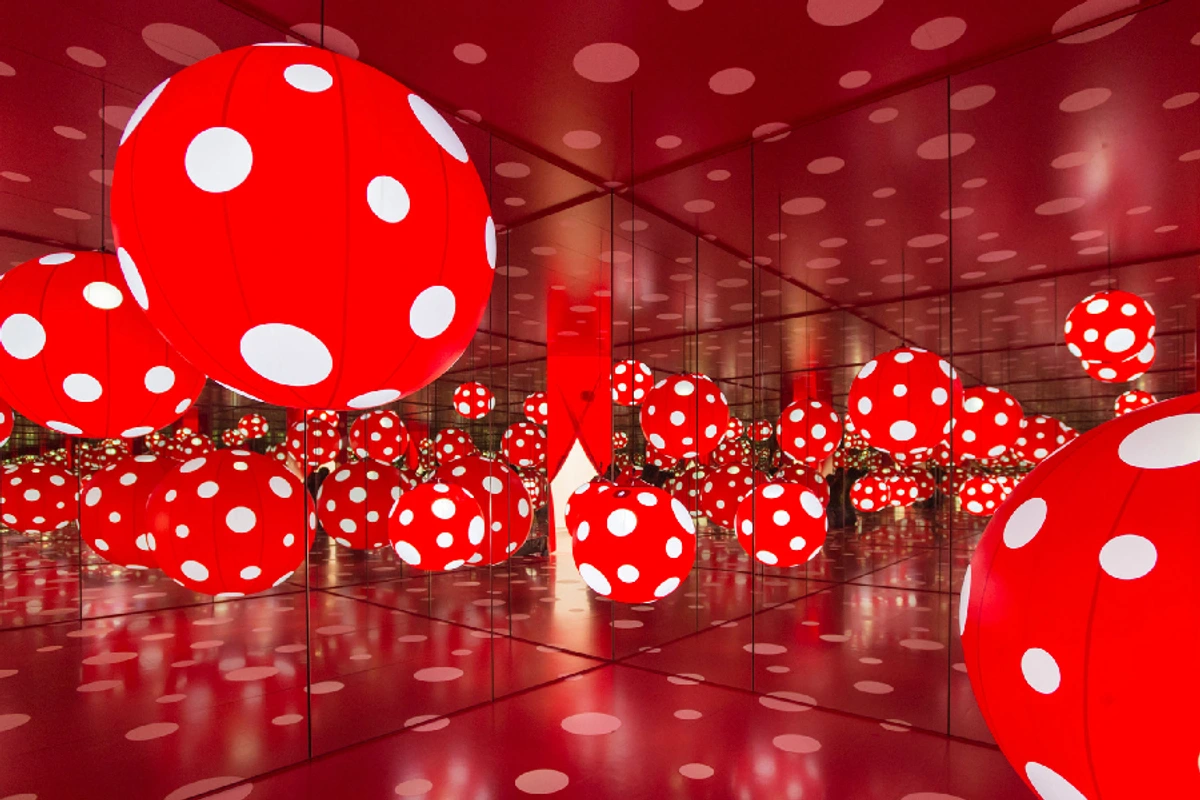
I remember the first time I walked into a piece of installation art. I was confused. It was one of Yayoi Kusama’s Infinity Rooms, and for a second, my brain just... short-circuited. There was no frame, no single object to focus on. I was just in it. Surrounded by lights, mirrors, and a feeling of endlessness. My first thought was, "Okay, where's the art?" And then it hit me: I was standing in it. The art wasn't an object in the room; the art was the room.
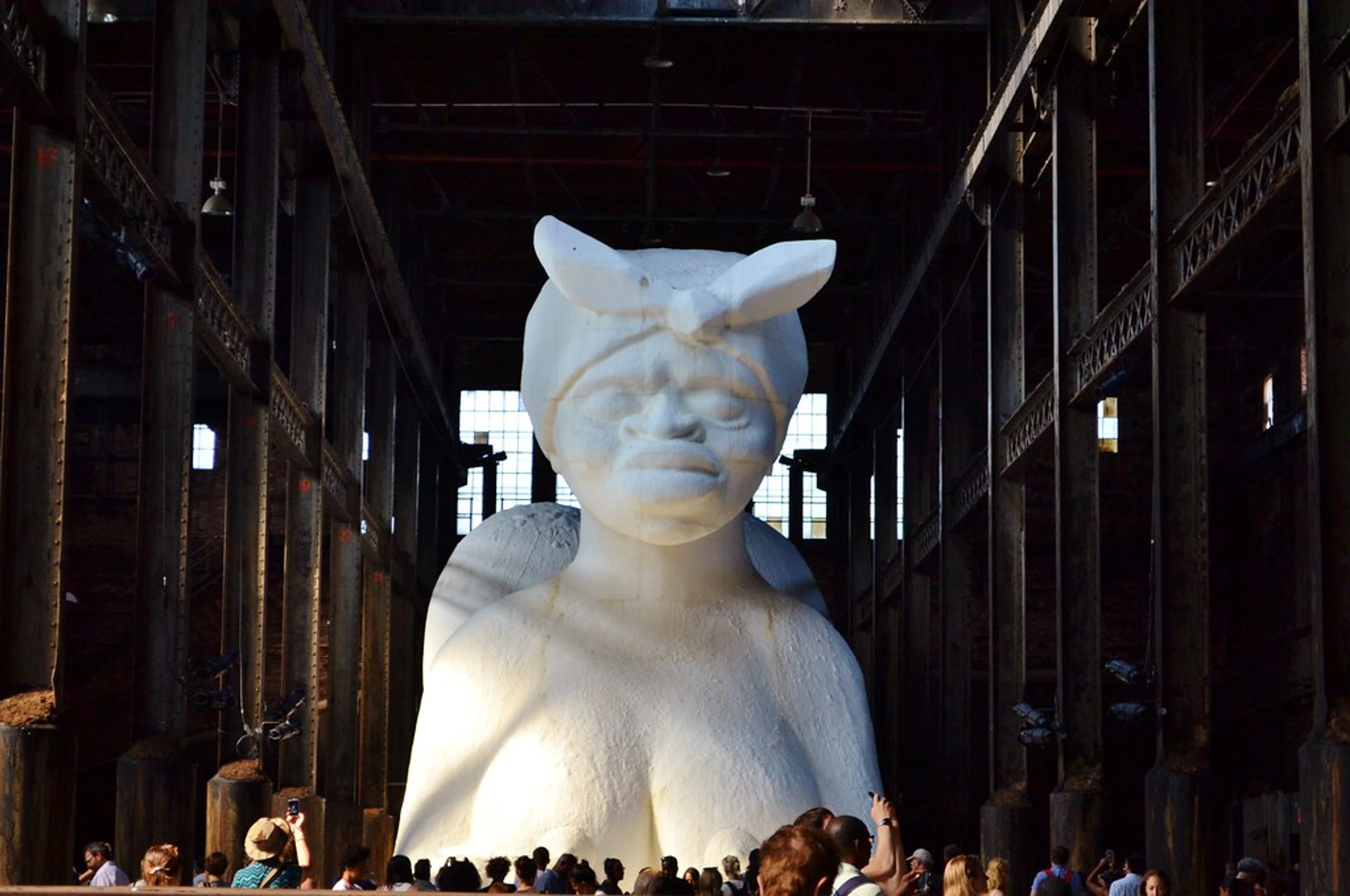
That's the magic trick of installation art. It breaks down the invisible wall between the viewer and the artwork. You're not just looking at something; you're having an experience. If you’ve ever seen photos of rooms filled with giant polka-dotted pumpkins or massive sugar sculptures, you've seen installation art. But pictures never do it justice. It's a genre that demands your presence.
So, let's break down what that really means, beyond the textbook definitions.
Decoding the DNA: The Core Ingredients of Installation Art
I like to think of it less as a strict category and more as a recipe with a few key ingredients. You don't always need all of them, but they're what give installation art its distinct flavor. It's not about following a formula, but understanding that these ingredients offer artists a new, more dynamic toolkit. They can use materials we'd never associate with "fine art," play with the physics of a space, and create something that feels more like an event or a journey than a static object.
1. The Space is the Canvas
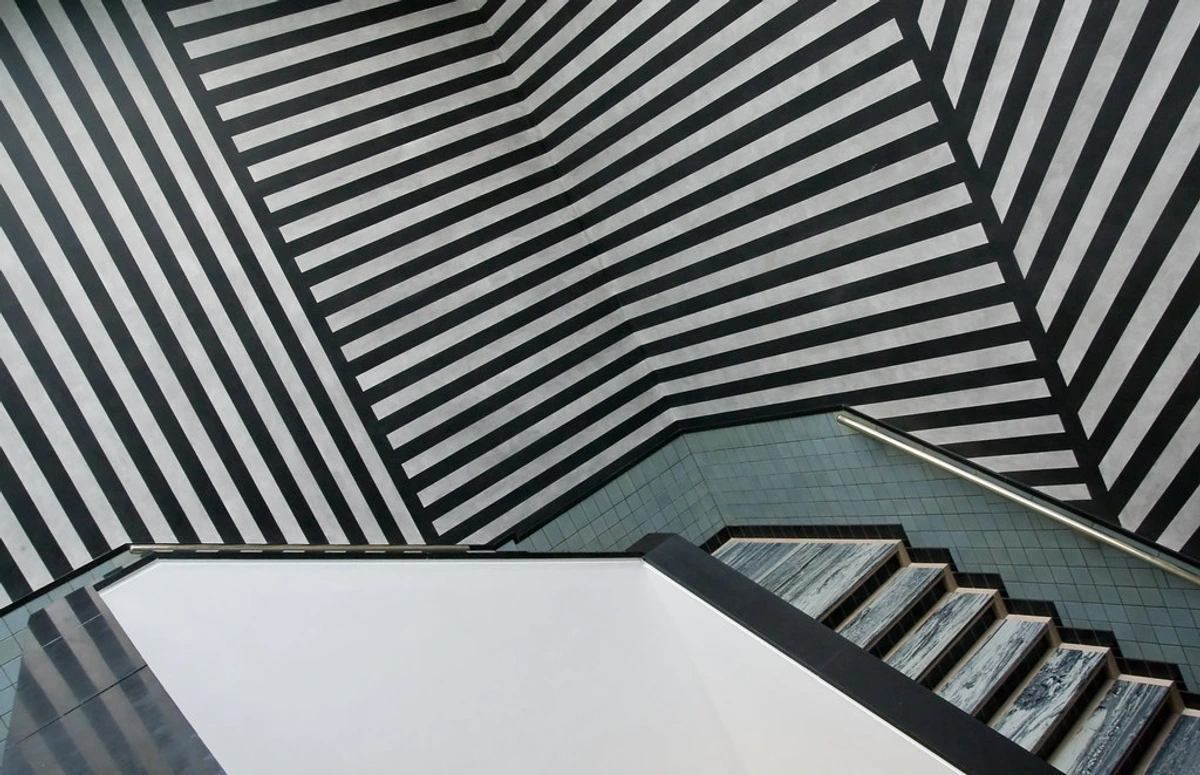
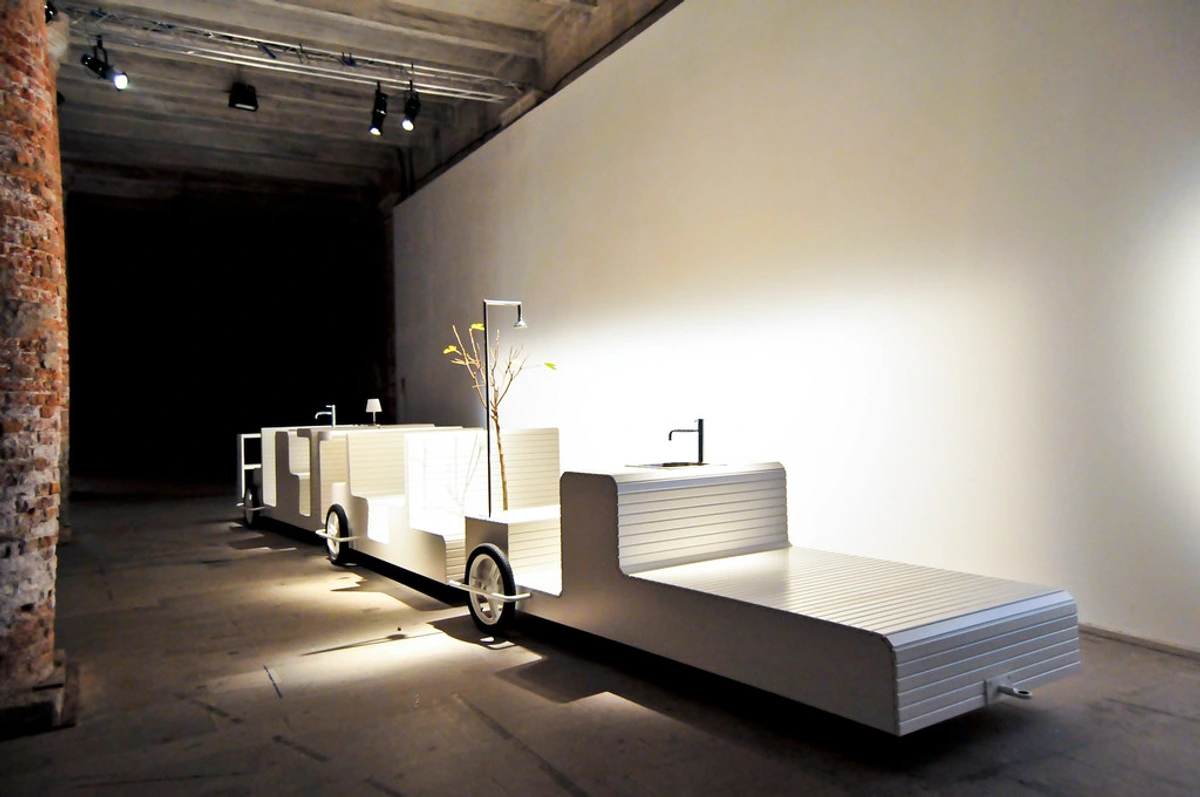
In traditional painting or sculpture, the gallery is just a container. A white box to hold the thing you're supposed to look at. With installation art, that box—the room, the building, the forest, the desert—becomes part of the artwork itself. This is often called site-specific art, meaning the work was designed for that one particular location and would feel incomplete, or make no sense, anywhere else.
Think about it: a giant sculpture in the middle of a pristine white cube feels very different from that same sculpture in the crumbling ruins of an old factory. The space adds layers of meaning, history, and emotion. The artist isn't just placing an object; they're in a dialogue with the environment. I think about this constantly with my own work—how the right lighting and positioning can completely change the feel of a piece, how it can turn a room from a passive container into an active participant. It's a core concept in the art of display.
2. The Viewer Becomes a Participant
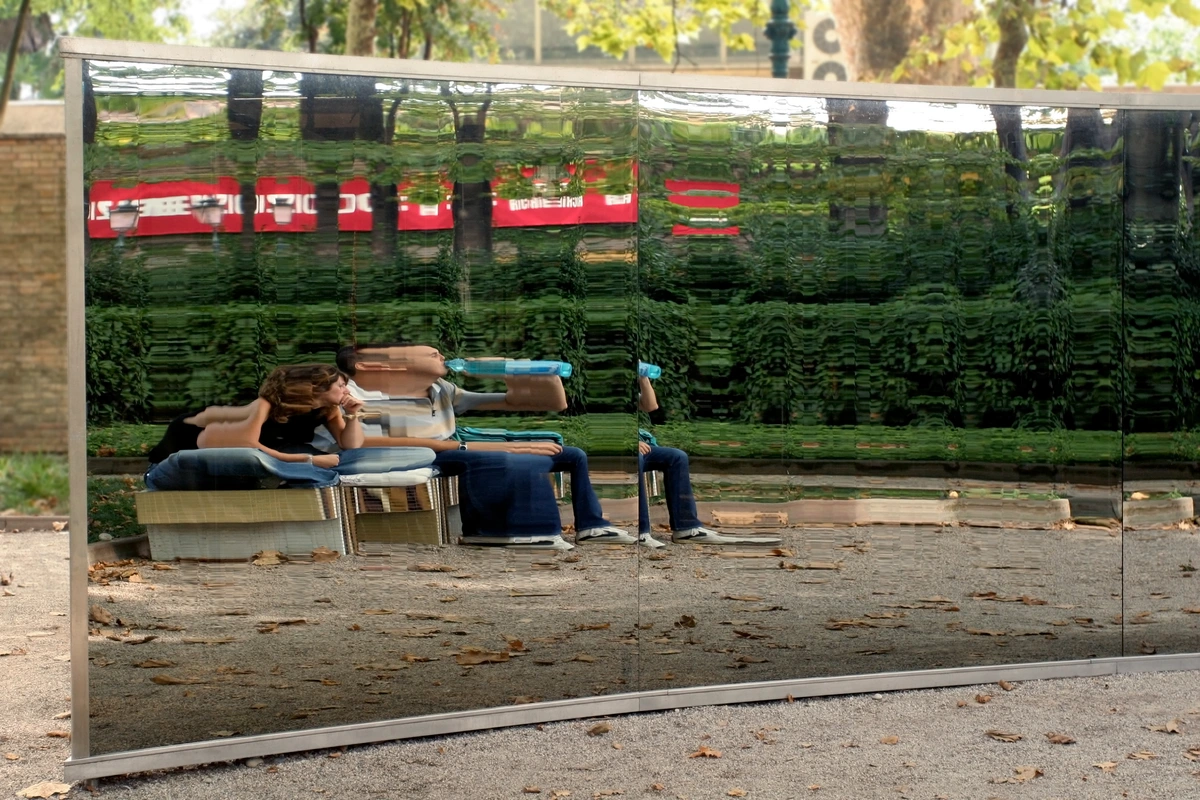
This is the big one, the real mind-bender. Your presence matters. In fact, the work is often incomplete without you. When you walk into an installation, your body, your shadow, your perspective, your movement—it all becomes part of the piece. You are a key ingredient.
Think of Carsten Höller's giant slides in museums or Rafael Lozano-Hemmer's light installations that pulse with a viewer's heartbeat. These artists aren't just making something to be seen; they're building a system that you, the visitor, activate. Are you supposed to walk through it? Touch it? Does it react to your breath, your proximity, your body heat? This flips the entire script on traditional art viewing. You're no longer a passive observer standing safely behind a velvet rope; you're an active participant, a co-creator of the experience as it unfolds in real time.
3. It's Often Temporary (The Beauty of Disappearing Art)
Unlike a bronze sculpture that could outlive us all, many installations are temporary. They're built for an exhibition that lasts a few weeks or a few months, and then they're gone. Demolished, dismantled, or left to decay. They live on only in photos, videos, and the increasingly fuzzy memories of the people who were there.
This ephemeral nature makes the experience more precious. It creates a sense of urgency and a radical form of presence. You can't just say, 'I'll see it later.' You had to be there. It directly challenges the whole idea of art as a permanent, untouchable commodity and leans into art as a fleeting, powerful moment in time—an event, not an object. It values the experience you had over the artifact you could own.
4. It Engages More Than Just Your Eyes
Because installation art is about creating a total environment, artists raid the entire sensory toolbox. It's not just about what you see. Sound, light, temperature, humidity, smell, and texture are all fair game.
I’ve been in installations that were deliberately freezing cold, ones that hummed with a low-frequency sound you felt in your bones, and ones that smelled of damp earth or freshly baked bread. It's a full-body experience designed to bypass your analytical brain and hit you right in the gut. Olafur Eliasson is a master of this, using mist and light to make you physically feel like you're standing in a sun-drenched fog. It's art you don't just observe; you absorb it.
Installation vs. Sculpture: A Quick Breakdown
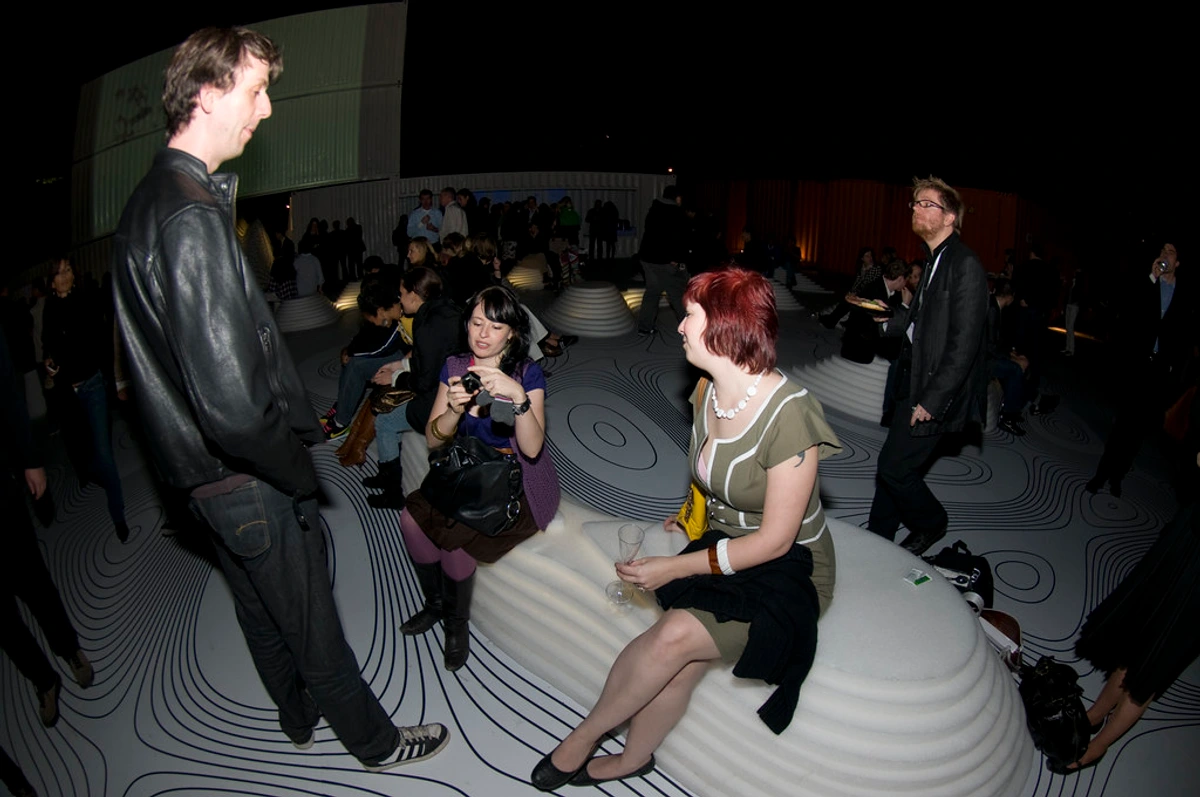
When you're at a museum and see a bronze figure on a pedestal, you walk around it. When you see a room filled with hanging lights, you walk into it. This single difference—around vs. into—is the core distinction. This table clarifies the fundamental mindset shift when viewing installation art compared to traditional sculpture.
Feature  | Traditional Sculpture | Installation Art |
|---|---|---|
| The Artwork | An object, self-contained. | The entire environment, including the viewer. |
| The Space | A neutral container for the art. | An active, essential part of the artwork. |
| The Viewer | An outside observer looking in. | An internal participant, essential to the work. |
| Senses | Primarily visual, sometimes tactile. | Can be multi-sensory (sound, smell, temperature). |
| Permanence | Usually designed to be permanent. | Often temporary or ephemeral. |
## The Language of Installation: Key Terms You Should Know
Before we dive into specific artists, let's quickly define a few terms you'll often hear in conversations about installation art. Knowing this vocabulary helps you understand what an artist is trying to do.
- Immersive Art: A broader term for art that surrounds the viewer, making them feel like they've entered another world. Most installation art is immersive, but not all immersive art is an installation.
- Site-Specific Art: As mentioned, this is art created to exist in one particular location. It's in a dialogue with the architecture, history, or environment of that place. You can't just pick it up and move it to a different gallery.
- Ephemeral Art: Art that is intentionally temporary, meant to exist for a short time and then disappear. This challenges the idea of art as a permanent object you can buy or own, emphasizing the fleeting nature of the experience itself. Land Art is often ephemeral by nature.
- Performance Art & Installation: They often overlap. When a performance happens within a thoughtfully constructed environment, the stage itself becomes an installation. The actions of the performers are one element within the larger, tangible world the artist has built.
- Sensory Art: This refers to work that deliberately engages multiple senses beyond sight. Olafur Eliasson's use of heat and mist in The Weather Project, or a work that uses sound like Janet Cardiff's audio walks, are prime examples of sensory engagement. It’s art you feel with your whole body, not just your eyes.
Understanding these terms gives you a richer vocabulary to appreciate the monumental works that have shaped the genre.
Judy Chicago, The Dinner Party
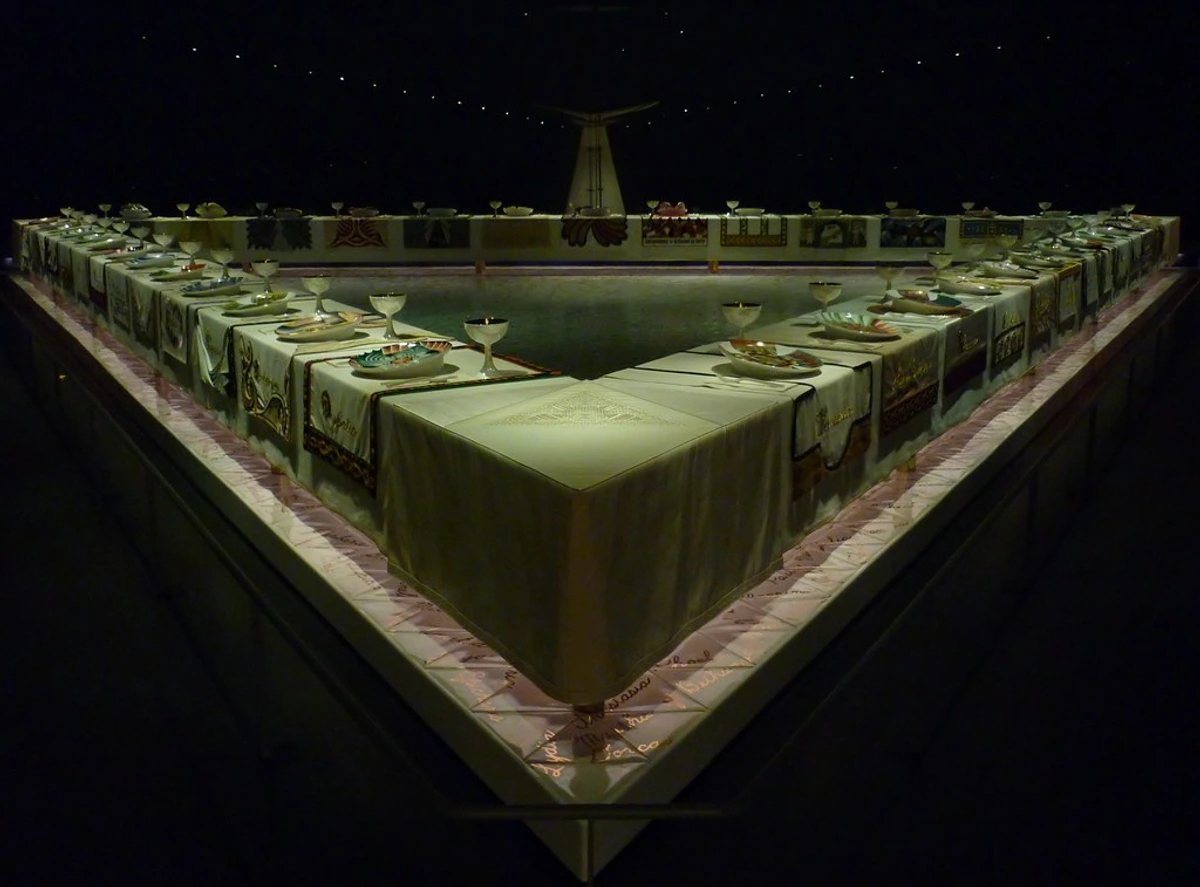
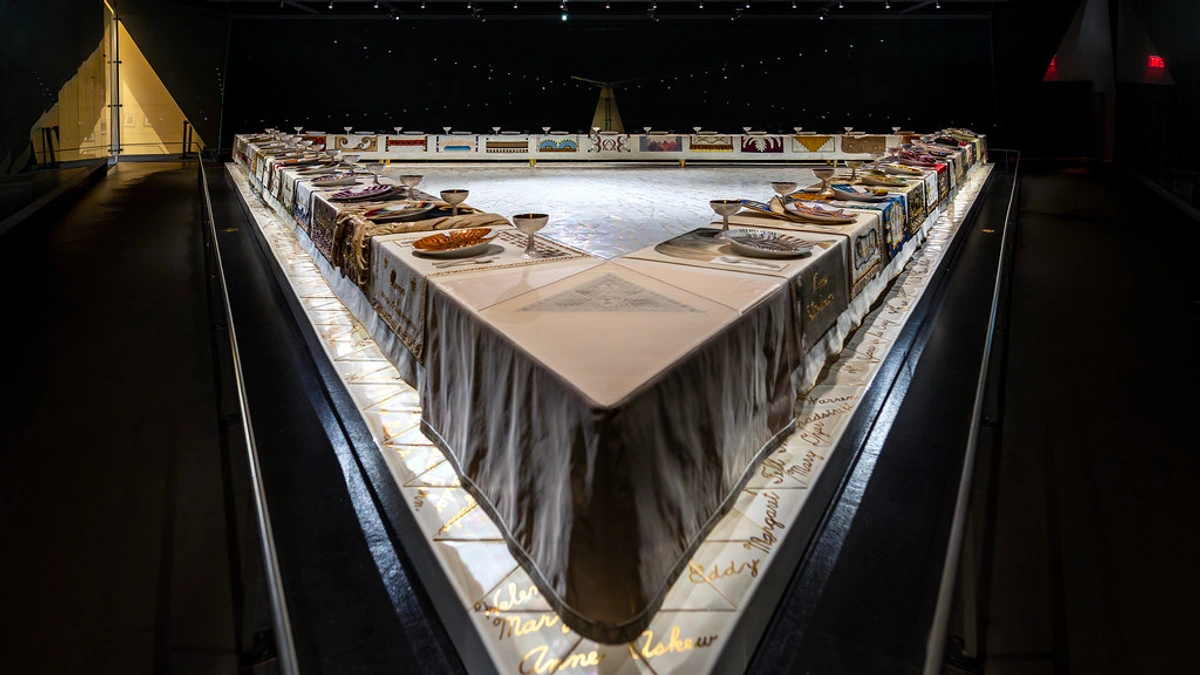
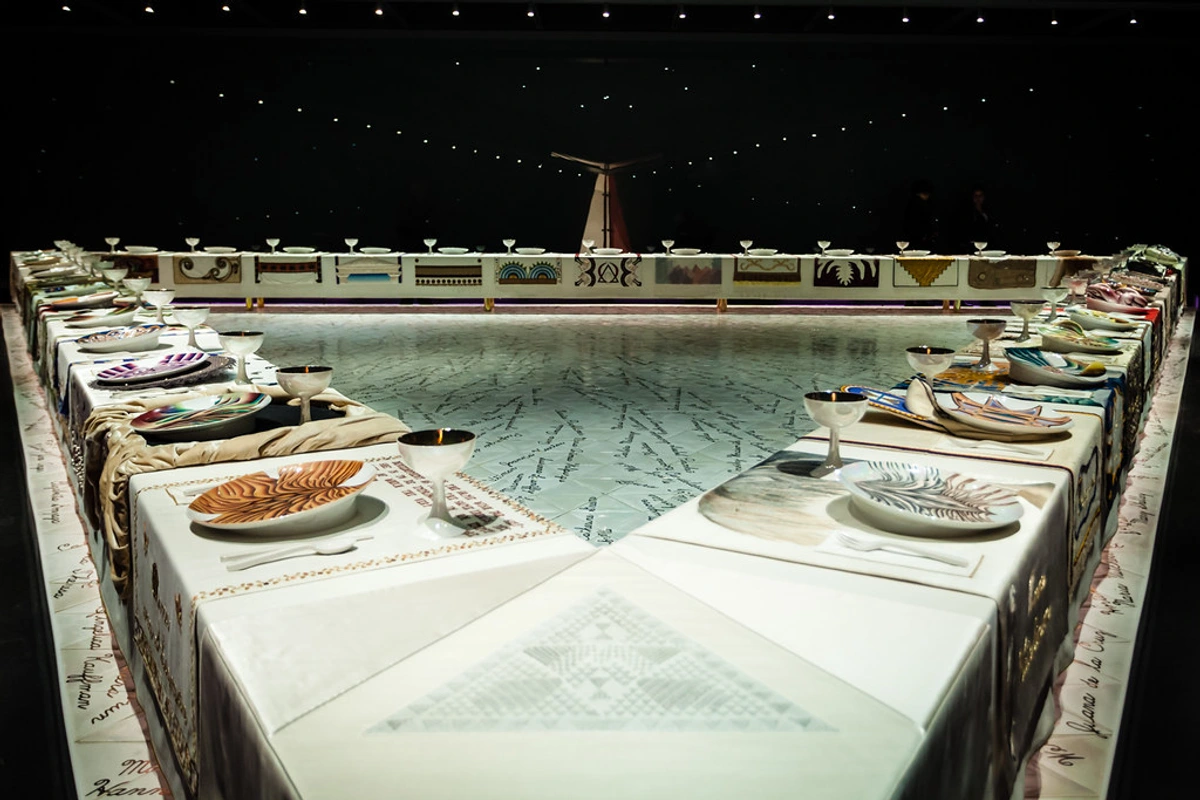
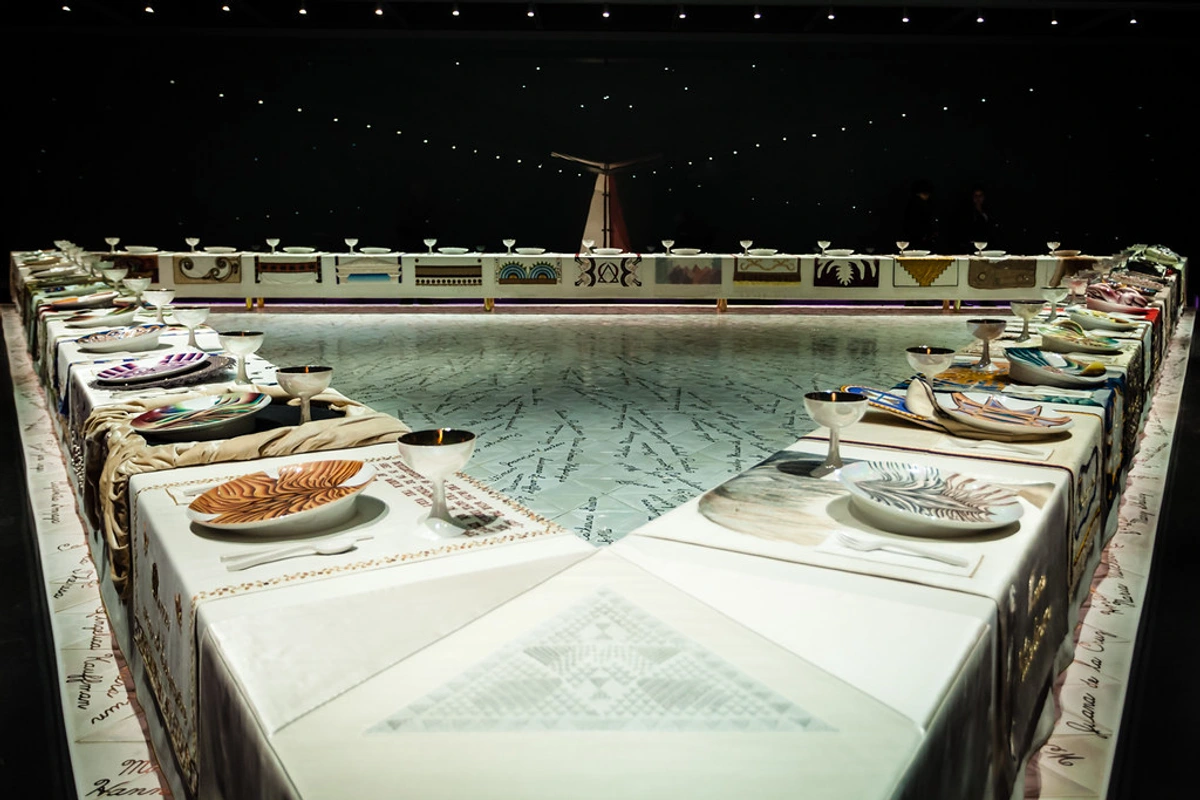
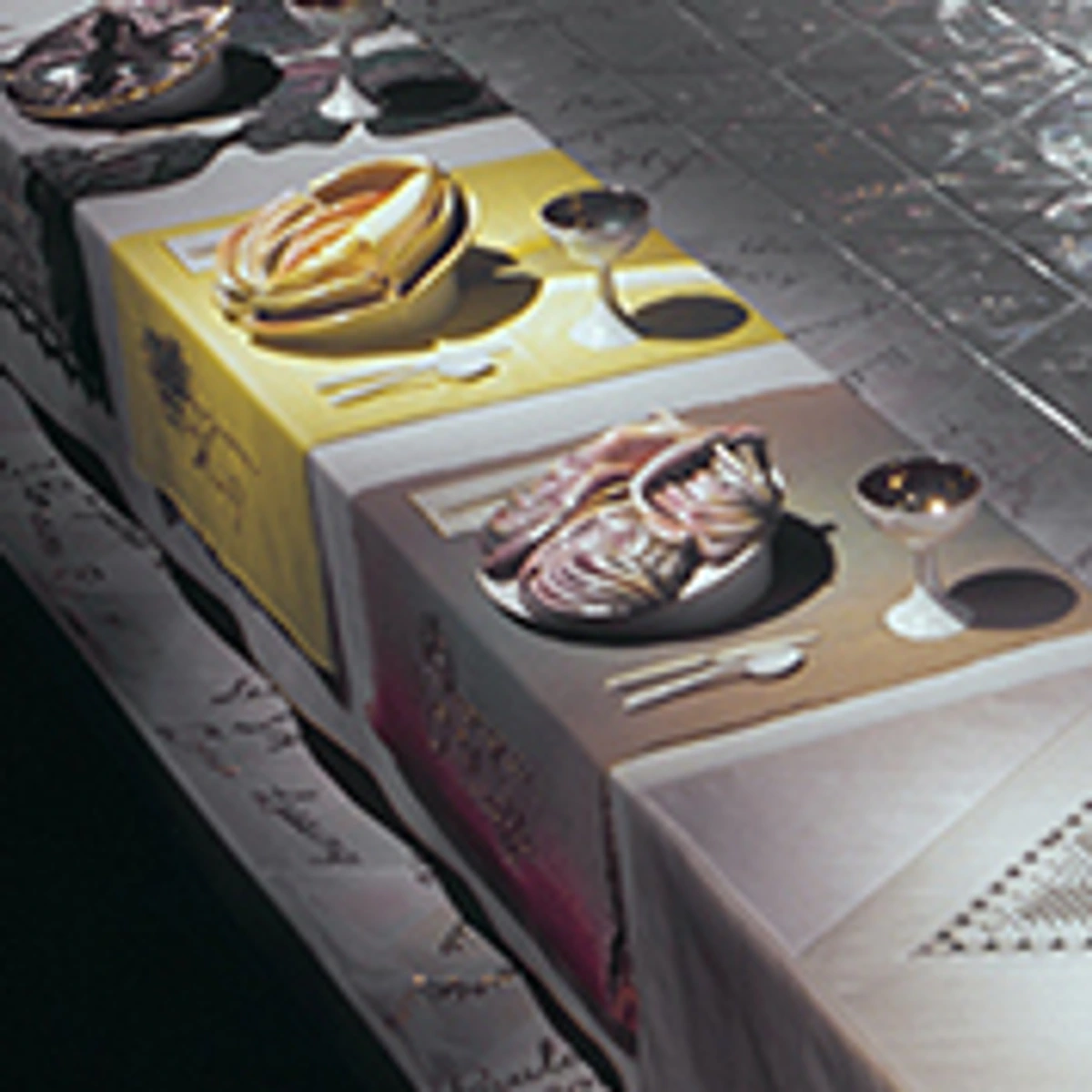
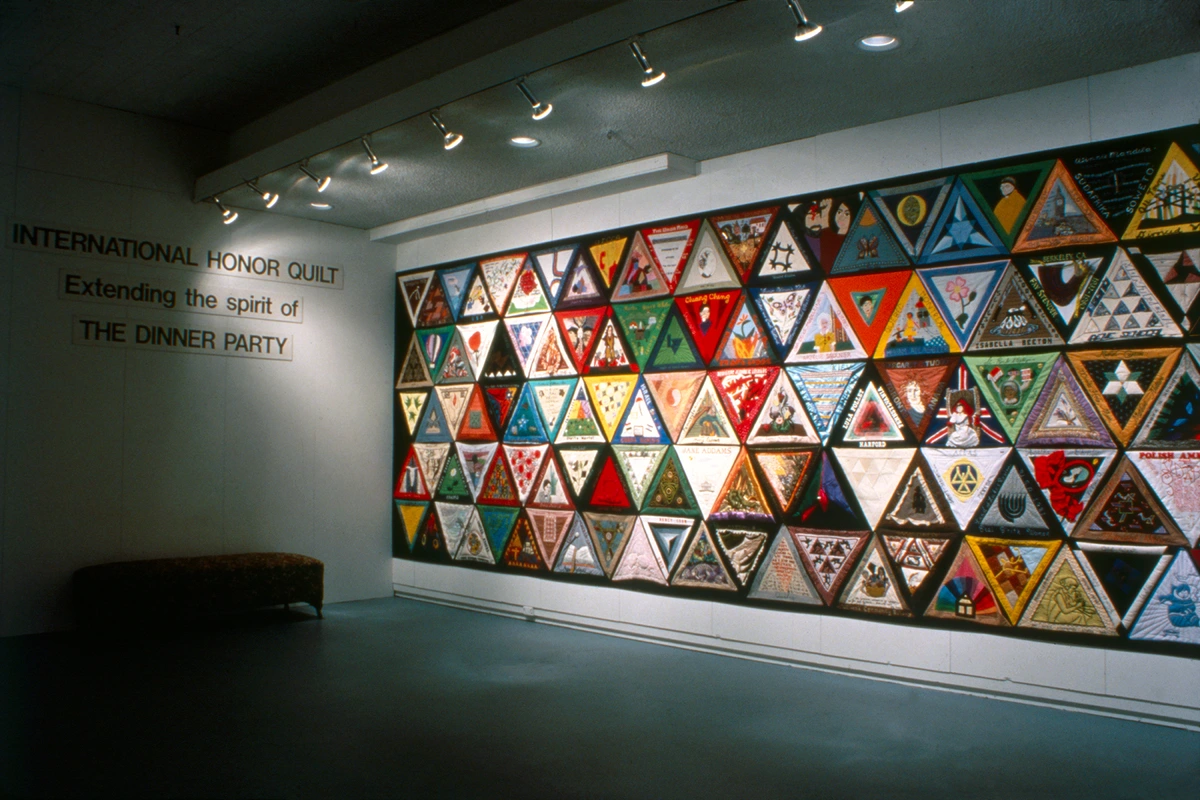
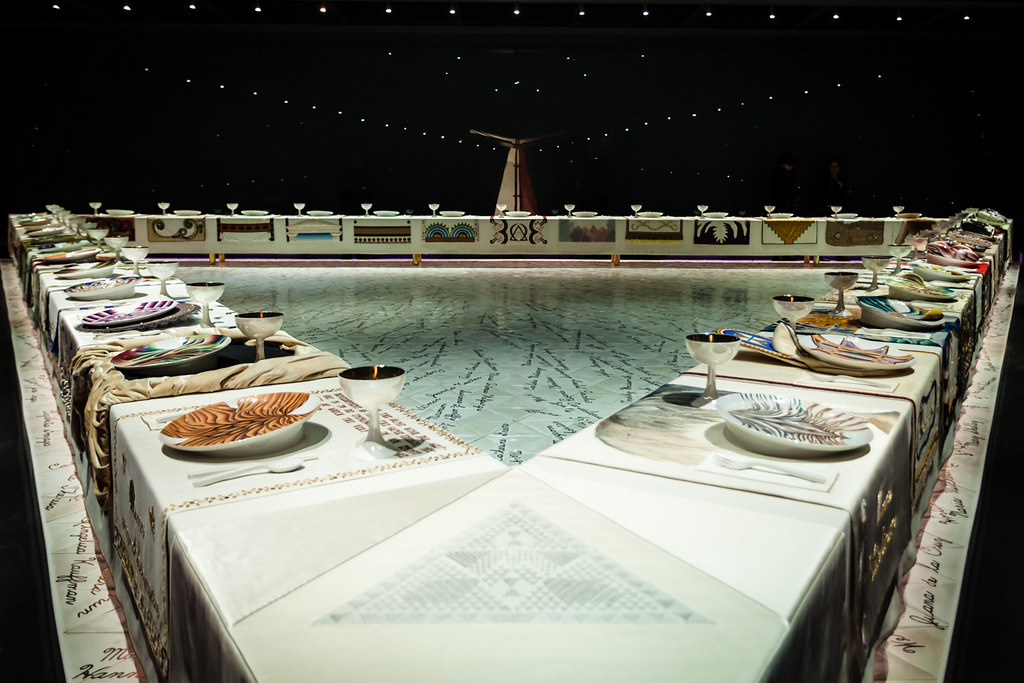
This is an absolute monument of the genre. Created in the 1970s, The Dinner Party is a massive triangular table with 39 elaborate place settings, each honoring a specific woman from history or mythology. It's an overwhelming piece that combines so-called "crafts" like ceramics and embroidery with the grand scale of fine art. It wasn't just an artwork; it was a political statement, a piece of art as catalyst for social change, reclaiming the stories of women who had been written out of history.
Kara Walker, A Subtlety, or the Marvelous Sugar Baby
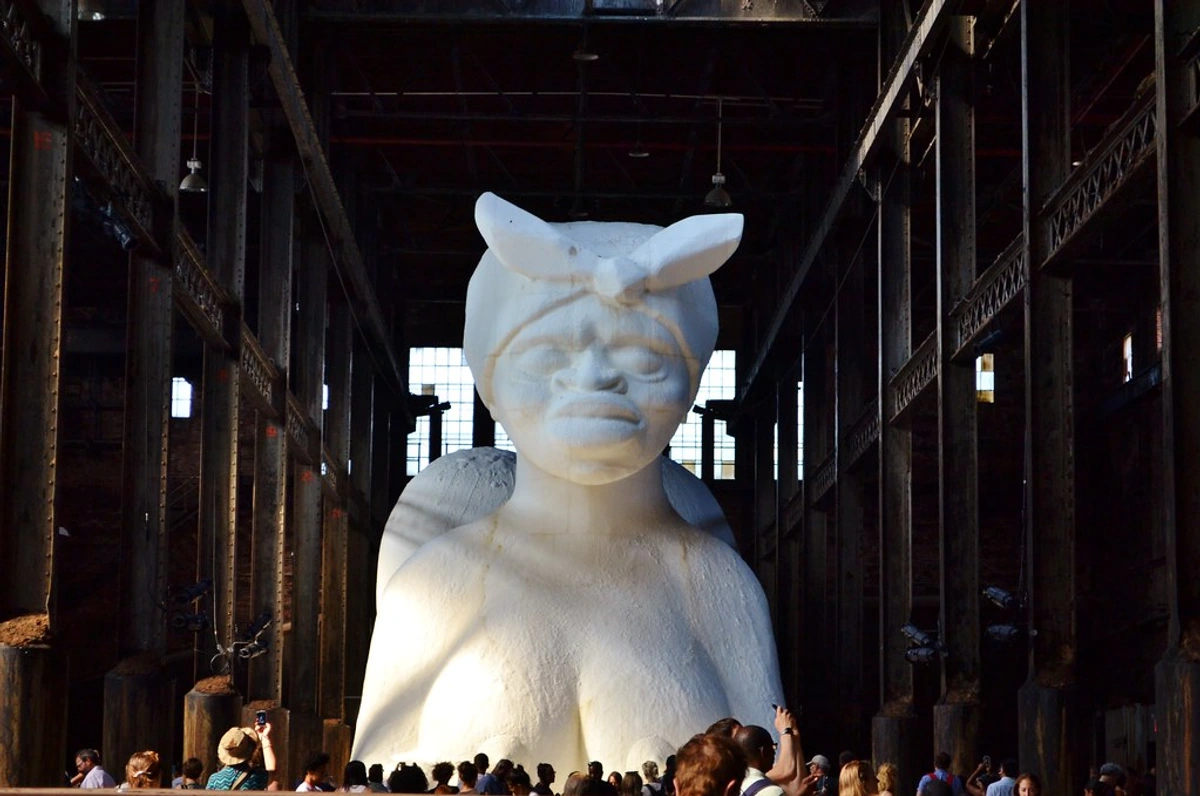
In 2014, Kara Walker built a colossal sphinx-like sculpture of a woman in the abandoned Domino Sugar Factory in Brooklyn. And she made it out of sugar. The piece was a powerful, gut-wrenching commentary on the history of the sugar trade, slavery, and the exploitation of Black bodies. The sheer scale was breathtaking, but the material itself—the sweetness of sugar hiding a brutal history—was the genius. And when the factory was demolished, the art disappeared with it, which only added to its power.
Land Art Pioneers
Some artists took the idea of "site-specific" to the extreme, leaving the gallery altogether and using the earth itself as their medium. This movement, known as Land Art or Earthworks, is a close cousin to installation. Think of Robert Smithson's Spiral Jetty or Walter De Maria's The Lightning Field. These works are so intertwined with their environment that they are subject to weather, erosion, and the changing seasons. For a deeper look, there's a great guide to Land Art and its history.
So... Can You Even Buy Installation Art?
This is the question I get all the time. If the art is a whole room, or it melts, or it gets torn down, how does anyone collect it? It’s a great question because it pokes at the heart of the art market.
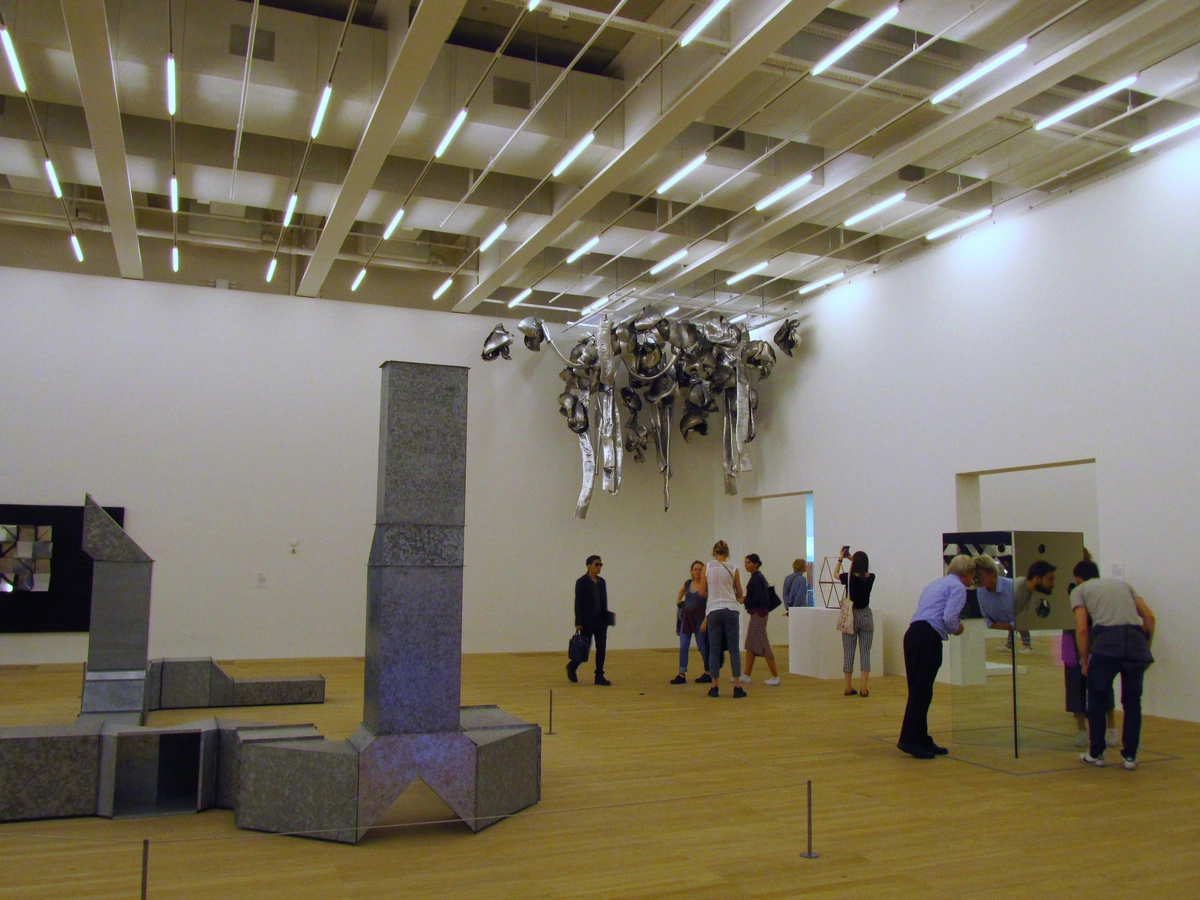
The short answer is: yes, but it's complicated. Collectors might not buy the physical object itself, but rather the rights and instructions to re-create it. Think of it like a musical score; the museum or collector gets the detailed plans to install the work correctly. Sometimes, elements of the installation are sold as individual sculptures or artworks. It forces a conversation about what it means to "own" art, a topic that brings up a lot about the ethics of art collecting.
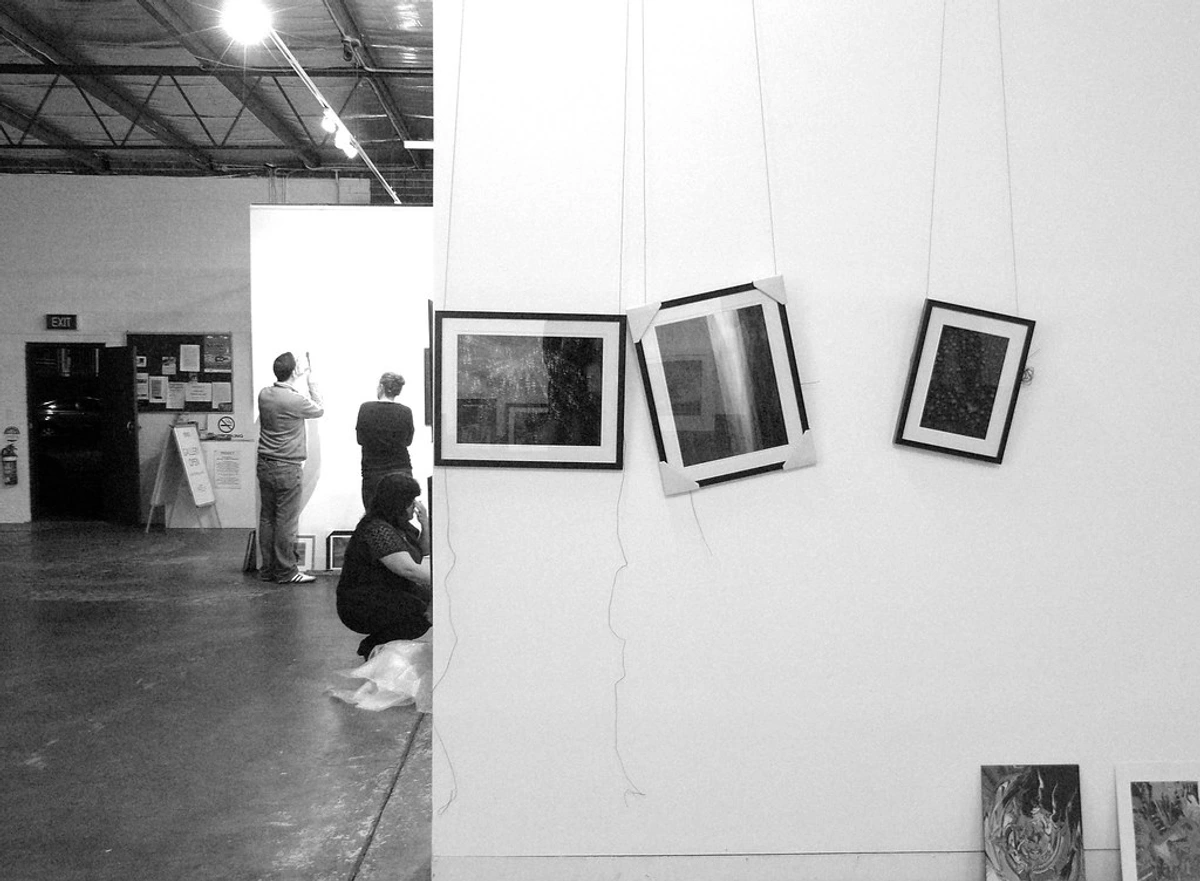
For most of us, though, we "collect" installation art through the experience itself. The memory, the photographs, the way it made us feel. And in a world where we're drowning in things, maybe an experience is the most valuable thing to own. This shift from the object to the event is what makes installation art so powerful and modern.
The Artist's Toolkit: How Installation Art is Made
Materials, scale, and concept are all bound together in installation art. While traditional painting might rely on canvas and oil, an installation artist's toolkit is radically open.
Unconventional Materials: Beyond Paint and Stone
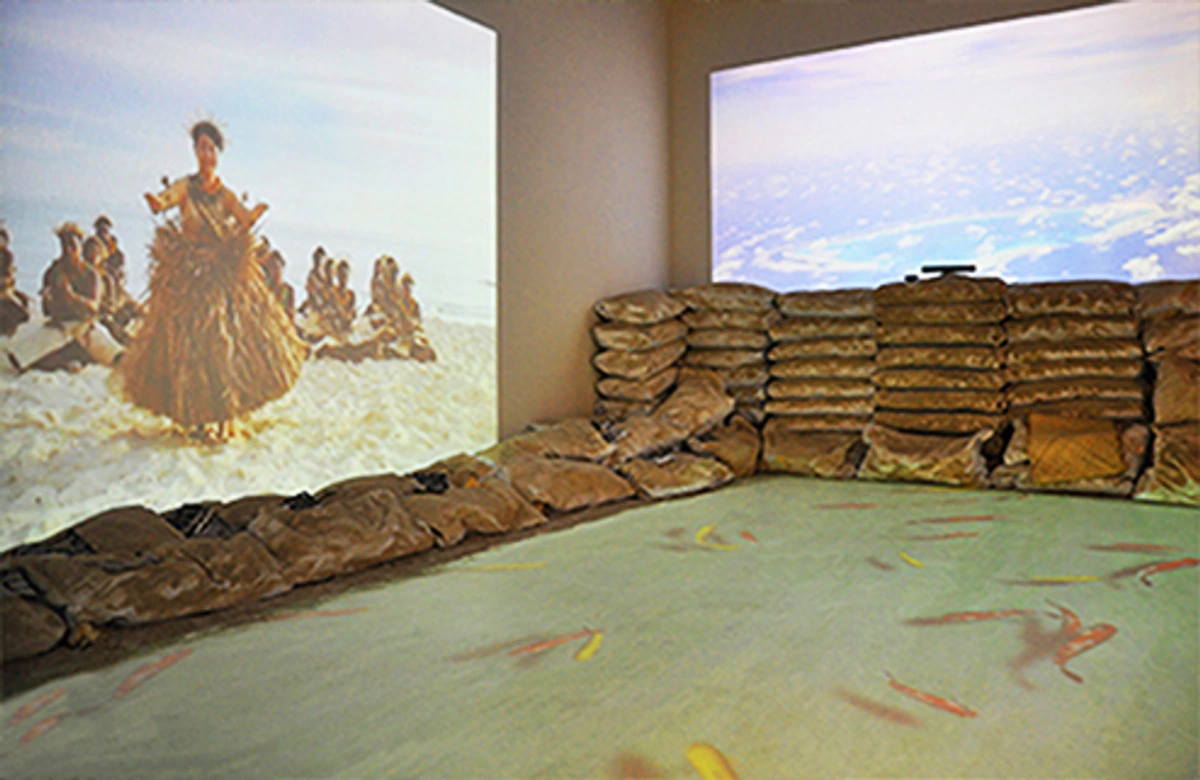
An installation can be made of almost anything. Sarah Sze creates intricate, galaxy-like structures from everyday objects: ladders, string, plastic bottles, and even dust. Ai Weiwei has used millions of porcelain sunflower seeds or thousands of bicycles. Chiharu Shiota weaves vast, web-like universes from red or black yarn. This use of humble, accessible, or even disposable materials can create a powerful sense of connection and impermanence. It suggests that profound experiences can be constructed from the stuff of everyday life.
Light, Sound, and Space as Media
For many installation artists, the primary materials are immaterial. Artists like Tino Sehgal create "constructed situations" where the art is the human interaction itself, with no physical object to take home. Bruce Nauman uses sound, video feedback, and disorienting architecture to create chambers that are more psychological than physical. These works exist in real time and real space, prioritizing the viewer's direct experience over any lasting artifact.
The Role of Technology: The Digital Layer
Today, technology is the new frontier. Artists are using custom-coded software, sensors, and AI to create installations that respond to us in real time. Imagine a swarm of digital particles that parts and reforms around your body as you walk through it, or a sound score that is generated uniquely based on the collective heart rates of everyone in the room. Technology allows art to become a living, responsive entity that learns and evolves, offering a custom experience for every single person who encounters it. This isn't just art you look at; it's art that looks back.
The Enduring Impact and Future of Installation Art
From the radical gestures of the 20th century to the blockbuster experiences of today, installation art has proven it's not a fleeting trend. It's a fundamental shift in how we relate to art. It has democratized the art experience, moving it from the pedestal to the human scale, making it more about our direct, personal encounter than about an object's market value.
Today, technology is pushing its boundaries even further. Artists are creating interactive installations that use sensors, AI, and VR to respond directly to the viewer's presence and movements, creating a unique, personalized experience for each person who enters. The line between the physical and the digital is blurring, and installation art is at the forefront of that exploration. We're seeing "augmented reality" overlays on physical spaces, allowing artists to create phantom architectures that only you, through your device, can see.
Installation Art in Public Spaces
The genre has also moved firmly into the public sphere. Cities around the world now feature ambitious public art projects that are essentially outdoor installations. These works can transform a commute, create a new landmark, or spark a city-wide conversation. They take art out of the privileged space of the museum and embed it directly into the fabric of our daily lives, making it more democratic and accessible than ever before.
Ultimately, installation art is about connection. It connects the artist's vision with the viewer's body. It connects art to its environment. And in a world that can feel increasingly disconnected, it creates a shared space for a genuine, unrepeatable moment of experience. It's not what you see; it's how it makes you feel, and how that feeling lingers long after you've left the room.
Frequently Asked Questions
What's the difference between installation art and sculpture?
This is the most common question, and the best answer is a physical one: you walk around a sculpture, but you walk into an installation. A sculpture is an object within a space; an installation is the space itself. The sculpture asks to be observed; the installation invites you to become part of it. While a sculpture might invite you to contemplate its form, an installation asks you to contemplate your own presence and perception within it.
Is performance art a type of installation art?
They are very closely related and often overlap, like siblings in the art world. Performance art focuses on the actions of the artist's or performers' bodies over time. When a performance happens within a specifically designed environment, it can absolutely be considered a form of installation art. The environment (the installation) becomes the stage for the action (the performance). They are distinct but deeply interconnected disciplines. Think of it as the difference between a play (performance) and the set design (installation) that gives it its world.
Where can I see installation art?
Start at major contemporary art museums. Institutions like the Tate Modern in London, MoMA in New York, and the Centre Pompidou in Paris almost always have large-scale installations. Art biennials, like the one in Venice, are also famous for showcasing ambitious new work. Don't forget to check local artist-run centers and public art projects, which often feature innovative installations.
Is all installation art interactive?
Not necessarily. While many invite you to walk through them, which is a form of interaction, not all are meant to be touched. Some create a powerful experience through pure observation from a specific vantage point. The interaction is often perceptual and psychological—the art changes your state of mind—rather than a physical manipulation of the work itself. A quiet, contemplative room of light and fog is an installation that may not require you to do anything at all.






It's Not What You See, It's How It Makes You Feel
Ultimately, installation art is a shift from art as an object to art as an event. It's messy, ambitious, and sometimes, yeah, a little confusing. But it’s also one of the most powerful forms of expression we have. It has the power to transport you, to make you feel small in the face of something vast, or to see a familiar room in a completely new light.
While you can't exactly hang an entire room on your wall, the feelings and ideas these works evoke can stay with you forever. That same spirit of creating an atmosphere and an emotional response is something I think about with every piece I create. You can see how I explore these ideas in my online shop. The next time you have a chance to experience an installation, just walk in, take a breath, and let it happen to you.