
The Ultimate Guide: How Public Art Transforms Our Cities, Cultures, and Collective Souls
Unlock the profound impact of public art on urban identity, community, and well-being. This comprehensive guide, from an artist's perspective, explores its history, diverse forms, complex challenges, and exciting future, including its role in social justice, smart cities, and sustainable practices.

The Urban Canvas: How Public Art Transforms Our Cities, Cultures, and Collective Souls
I remember one crisp autumn morning, walking along the Binnendieze in 's-Hertogenbosch. My eyes drifted past the familiar gabled houses and then, unexpectedly, landed on a burst of color on an old stone wall. It wasn't just paint; it was a vibrant, abstract mural, its flowing lines and bold colors seeming to echo the water's gentle movement below. In that moment, a mundane pathway transformed into a momentary sanctuary, a quiet conversation between centuries of history and a modern splash of creativity. It's moments like these that make me pause, truly see, and feel a profound connection to the urban tapestry around me. This isn't art sequestered behind velvet ropes; it's simply there, an integral part of the everyday rhythm, demanding nothing, yet offering boundless inspiration. This is the magic of public art – those murals, sculptures, and installations that transform our mundane commutes into unexpected adventures and infuse our cities with character and soul. Honestly, I believe it's one of the most vital forms of artistic expression we have. It makes you feel something in a place you least expect it, a silent dialogue between the artist, the environment, and you. This article will delve into the multifaceted impact of public art, exploring its history, diverse forms, profound community benefits, and the unique challenges and opportunities that define its evolving landscape. Consider this your ultimate guide, drawing from both scholarly insights and the raw, lived experience of an artist navigating this urban canvas.
So, what are we going to uncover in this journey? We'll start by defining what public art truly is, then trace its fascinating evolution through time. We'll explore its diverse forms, from colossal murals to ephemeral installations, and crucially, understand why it matters so much to our communities. We'll also step into the artist's shoes, navigate the complex landscape of challenges and controversies, and peek into the exciting technological future of public art. Finally, we'll answer some frequently asked questions, aiming to leave no stone unturned. Ready to dive in?
What Exactly is Public Art? It's More Than Just Outdoor Decor
For me, public art isn’t merely art that happens to be outside. It’s fundamentally site-specific art – intentionally designed to interact with its physical surroundings, with the people who traverse that space, and with the unique stories and history that particular location holds. To achieve this, artists often undertake deep research into the site's historical context, architectural style, and the demographics of its intended audience, ensuring the artwork becomes an integrated, meaningful part of its environment, not just an ornament. It’s about creating a dialogue, not just placing an object. Think of it as an open invitation, no ticket required. It's an ongoing dialogue, a living conversation. It creates a third space – a shared realm distinct from work or home, accessible to everyone, fostering unexpected interactions, reflections, and a sense of collective ownership. Imagine it as a community living room, or a shared playground for ideas, right there in the city. I remember a particularly dreary underpass in a northern city once, transformed by a series of vibrant, abstract geometric murals. Suddenly, people weren't just rushing through; they paused, talked, even took photos. That's the 'third space' in action, transforming a forgotten thoroughfare into a momentary community hub. This deliberate integration is what truly sets it apart from a painting simply hung outdoors, transforming an ordinary plaza into a spontaneous meeting ground, or a quiet park bench into a catalyst for contemplation. And while street art often shares a similar public presence, it typically arises from unsanctioned, counter-culture movements, prioritizing spontaneous, often subversive expression. Public art, by contrast, is generally commissioned or approved, intended for longer-term display with a specific purpose.
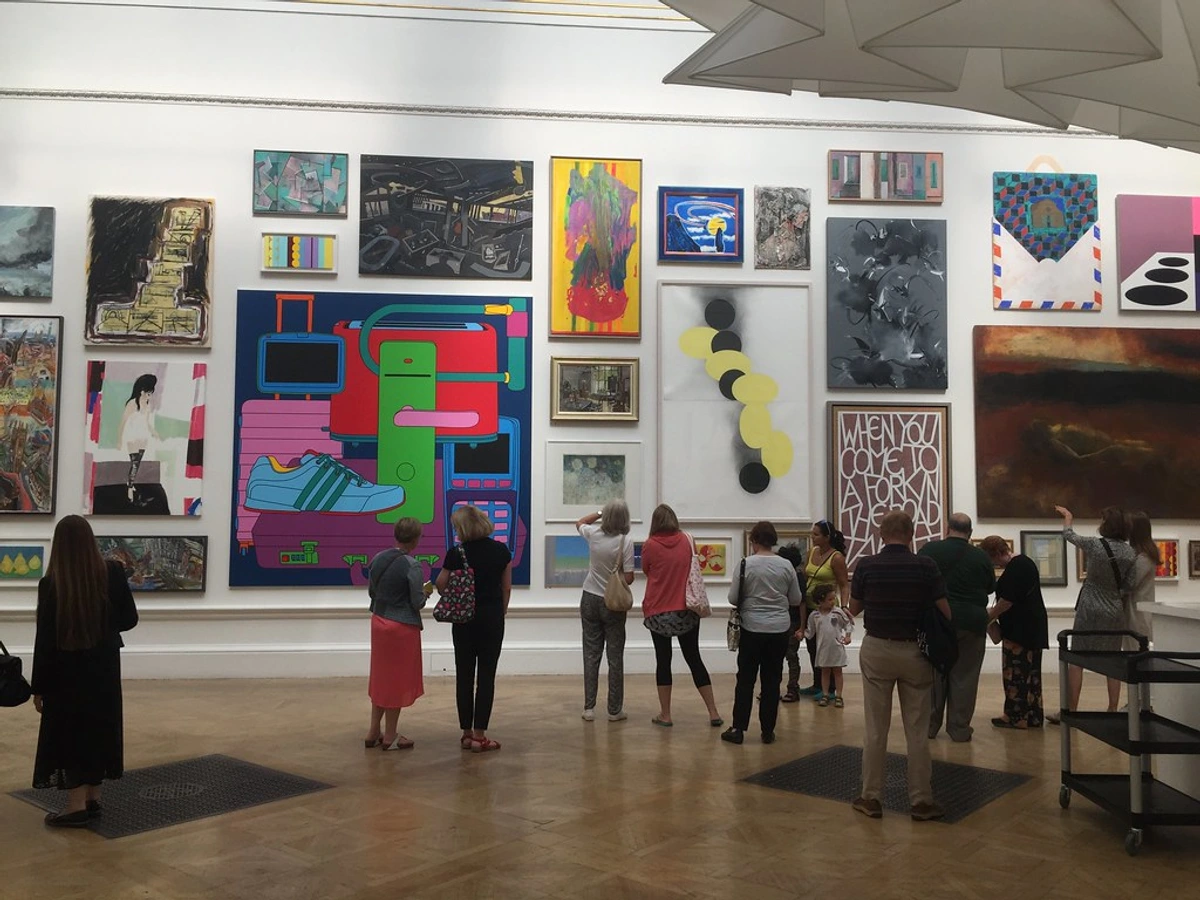
Historically, public art has worn many guises, from ancient commemorative statues celebrating heroes to grand civic monuments proclaiming national identity. While the mediums have evolved dramatically, from chiselled stone to digital projections, the core purpose often remains remarkably consistent: to reflect, inspire, provoke, or educate a community. It’s a fascinating journey, wouldn't you agree, from the monumental to the ephemeral, always adapting, always engaging. It’s a story in itself, how the very definition and acceptable forms of public art have shifted, reflecting our changing societies and values.
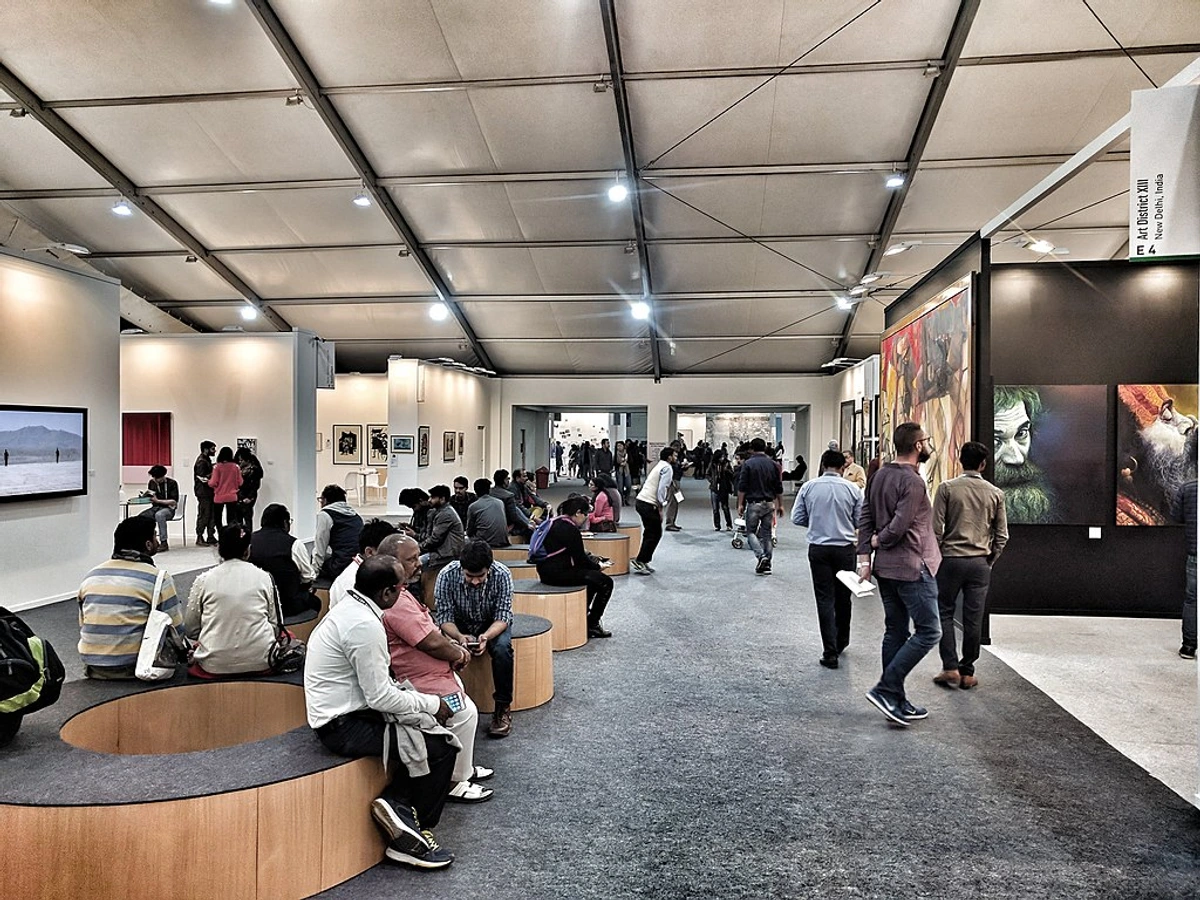
A Glimpse Through Time: The Evolution of Public Art's Purpose
Public art isn't a modern invention; its roots stretch back through millennia, constantly adapting to cultural shifts and technological advancements. Each era has seen communities use art to tell their stories, assert their values, and shape their shared spaces. This historical journey reveals how deeply ingrained the need for public expression is within human societies. Here's how it has evolved:
Era  | Key Characteristics | Primary Purpose | Examples |
|---|---|---|---|
| Ancient Civilizations | Commemorative, religious, monumental scale, symbolic, often depicting gods, rulers, or epic events | Glorify gods/rulers, mark victories, inform populace, spiritual guidance, solidify power, communicate mythologies | Egyptian obelisks, Parthenon frieze, Roman triumphal arches like Arch of Constantine, Colossus of Rhodes, Aztec sun stones |
| Medieval & Renaissance | Religious narratives, civic pride, allegorical figures, educational, often integrated with architecture | Educate, inspire faith, assert civic identity, moral instruction, express communal wealth | Cathedral sculptures and stained glass, Giotto’s frescoes, Renaissance fountains like Fontana di Trevi, civic statues like Donatello's David |
| 18th-19th Century | Patriotic, historical, grand public memorials, nationalistic, often idealized depictions of heroes and events | Instill national pride, commemorate historical events, reinforce social order, unify nation | Washington Monument, Nelson's Column, Statue of Liberty, equestrian statues of military figures |
| 20th Century | Abstract forms, social commentary, urban renewal, anti-establishment, engagement with modernism, scale shifts | Engage with modernism, provoke thought, revitalize spaces, challenge norms, express dissent | Works Progress Administration (WPA) murals in the US, Picasso's Guernica, Christo and Jeanne-Claude's wrapped buildings |
| 21st Century | Interactive, digital, environmental, community-led, ephemeral, often addressing contemporary social and environmental issues | Promote engagement, address social issues, explore new tech, foster dialogue, encourage participation | Augmented Reality (AR) installations, large-scale light projections, community mosaic projects, climate change art interventions |
Looking at this timeline, what really strikes me is how art, in its public form, has always been a mirror of humanity's deepest concerns and aspirations. From the gods of ancient Egypt to the digital projections of today, it's a testament to our continuous need to communicate, to remember, and to dream in shared spaces.
The Diverse Canvas: Forms of Public Art
Public art is incredibly diverse, encompassing a spectrum of forms that often blur into one another. It's this rich variety that allows public art to resonate with so many different communities and contexts, each bringing its own unique energy and message. Let's explore the primary forms:
Type | Key Characteristics | Typical Interaction | Primary Impact |
|---|---|---|---|
| Murals | Large-scale paintings on walls, narrative or abstract, various techniques (spray, mosaic, tile) | Visual focal point, proximity allows interaction, communal viewing, often integrated into urban fabric | Storytelling, community identity, social commentary, urban beautification, historical narrative, revitalization, art as protest |
| Sculptures | Three-dimensional forms, varied materials (bronze, steel, stone, mixed media), static or kinetic | Walk around, touch, occupy space, create new perspectives, act as landmarks, physical presence, civic anchors | Landmark creation, aesthetic enhancement, historical tribute, psychological engagement, focal points, spatial redefinition, memorialization |
| Installations | Site-specific, temporary or permanent, immersive, multi-sensory (light, sound, tactile, digital), ephemeral | Immersive, interactive, experiential, participatory, often collaborative, AR integration | Environmental transformation, sensory engagement, critical reflection, challenging perceptions, temporary reality shifts, dialogue generation |
| Ephemeral Art | Short-lived, temporary, often performative or naturally decaying (e.g., land art, ice sculptures, street performance) | Requires immediate engagement, fosters appreciation for the present moment, creates anticipation | Challenges notions of permanence, highlights environmental cycles, sparks immediate conversations, creates unique memories, encourages critical observation |
| Functional Art | Art integrated into public amenities (benches, bike racks, lampposts, bus shelters, playgrounds), serves a practical purpose | Everyday interaction, utility combined with aesthetic pleasure | Enhances daily life, integrates art subtly, makes civic infrastructure more engaging, promotes playful engagement |
Colossal Storybooks: Murals
Murals, for instance, are like colossal storybooks painted right onto the urban canvas, speaking volumes without a single word. They can tell stories of local history, celebrate cultural heritage, or deliver powerful social commentary. I vividly remember seeing a Banksy mural once – 'Season's Greetings' in Port Talbot. It showed a child looking up, seemingly catching snowflakes, but then, with a gut-punch, you realize it’s ash from a burning skip. A visceral commentary on pollution, right there, out in the open, impossible to ignore. It changed the conversation in that town, made you stop and think, maybe even feel a little uncomfortable. It was definitely not just a pretty picture. You can delve deeper into his impactful work in our guide to Banksy.
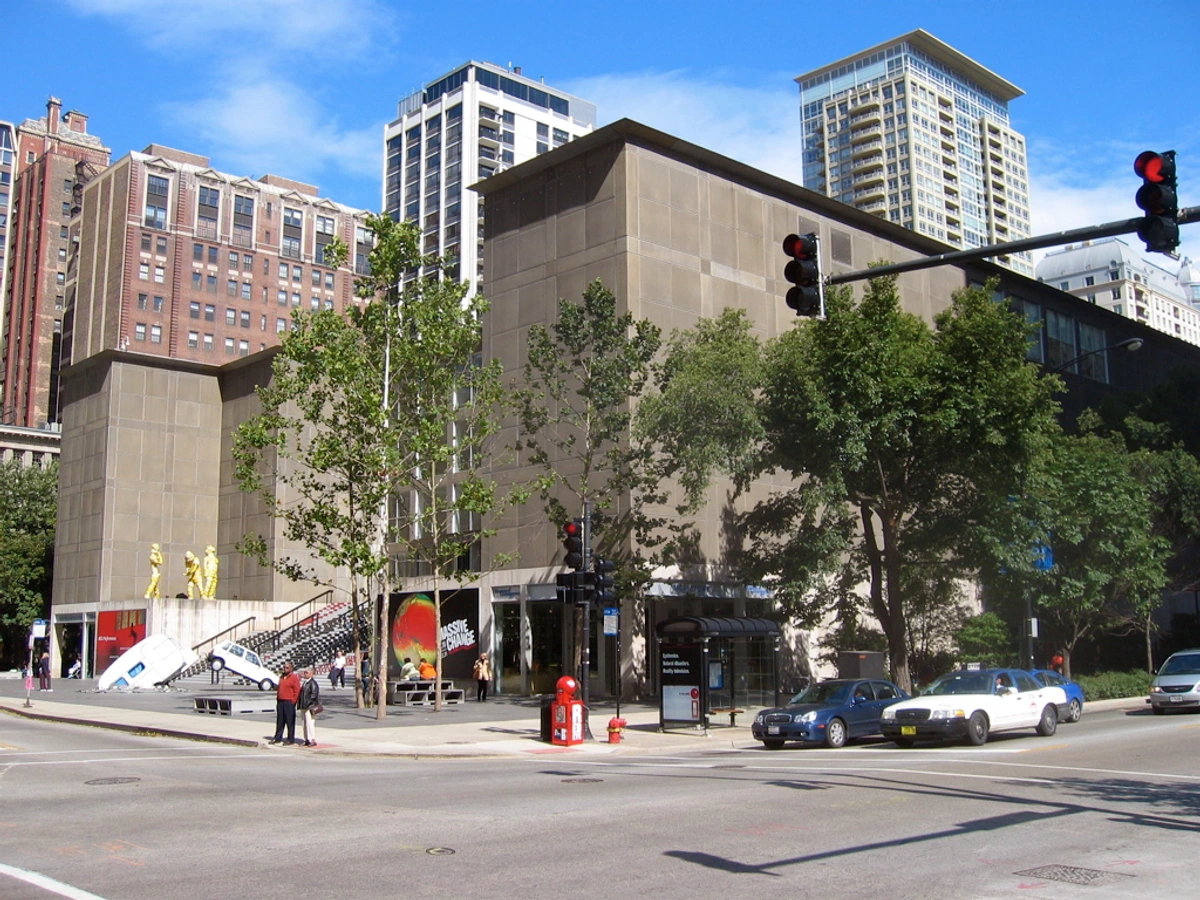
For me, the best murals don't just decorate; they ignite dialogue and can be a powerful art as catalyst for social change. They transform a plain wall into a living testament to a community's spirit or a pressing issue. We see this in the rich tradition of Mexican muralism, for example, where art became a powerful tool for political and social revolution, profoundly influencing the impact of public murals on urban identity. Murals are, in essence, our collective diary, written large for all to see. To learn more about this versatile art form, check out what is a mural: art history and impact.
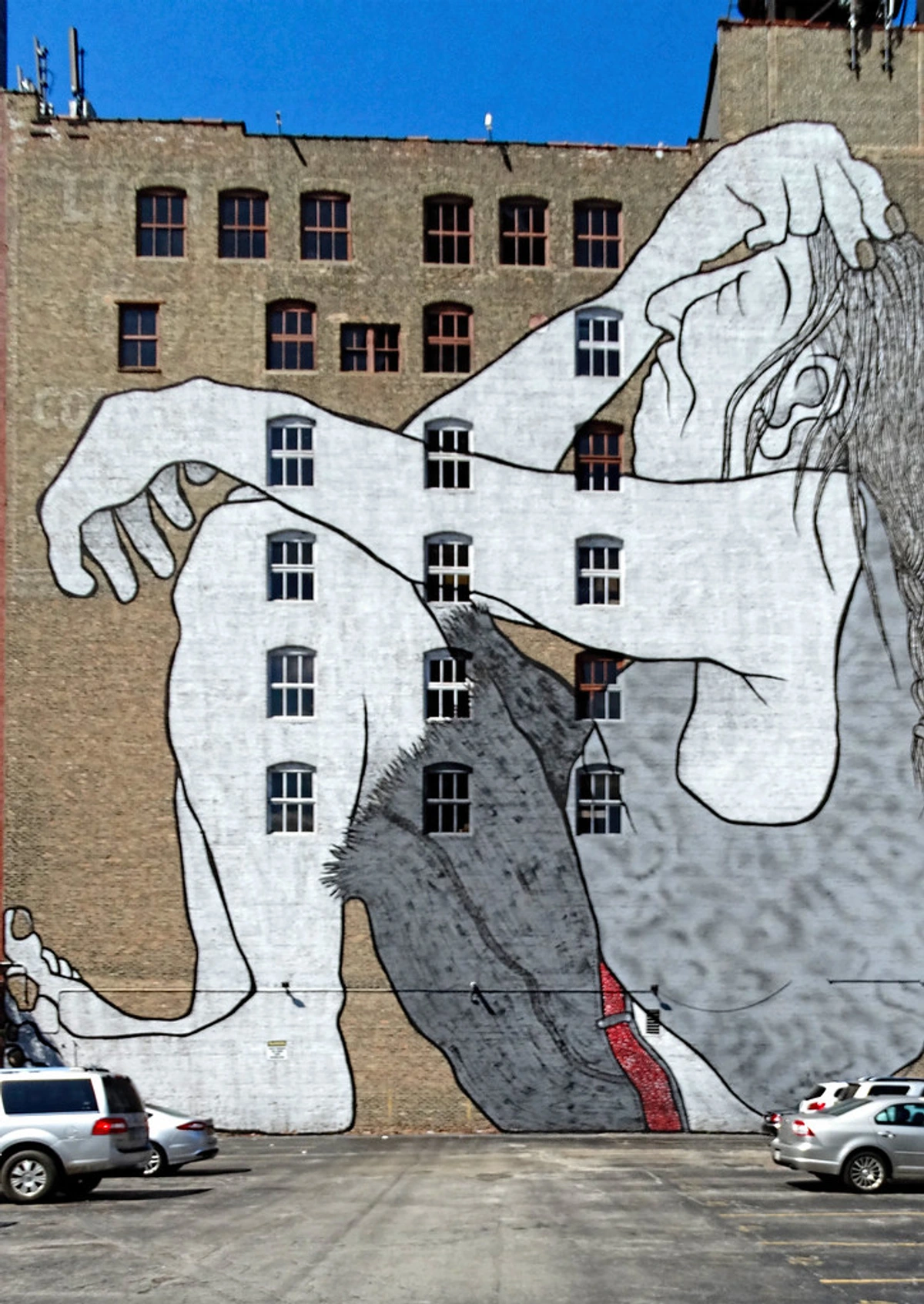
Three-Dimensional Narratives: Sculptures
Then there are sculptures. These aren't just things you passively observe; you walk around them, under them, sometimes even through them. They boldly carve out space, create new perspectives, and often add a sense of history, gravitas, or playfulness to an otherwise ordinary street corner. I’m a big believer that art should spark conversation, and a well-placed sculpture can do just that, acting as a civic anchor or a delightful interlude. They can be purely aesthetic, like a gleaming abstract form, or deeply narrative, telling a story in three dimensions. For example, Cloud Gate (affectionately known as "The Bean") in Chicago doesn't just sit there; its highly reflective surface warps the city skyline and the viewer's reflection, turning passive observation into an interactive experience. Understanding the elements of sculpture helps us appreciate how artists manipulate form, space, and material to achieve these profound effects. For a more comprehensive look at the medium, our definitive guide to sculpture materials, techniques, and history is a great resource.
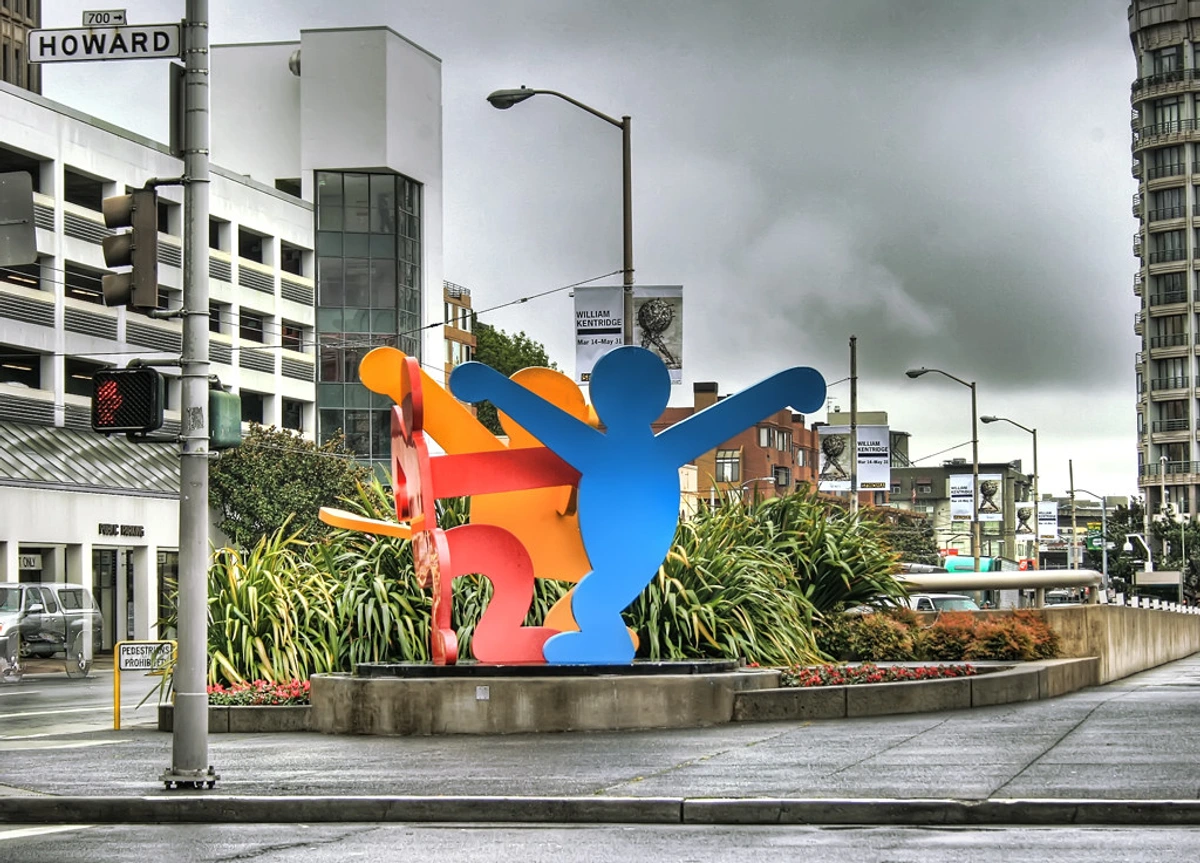
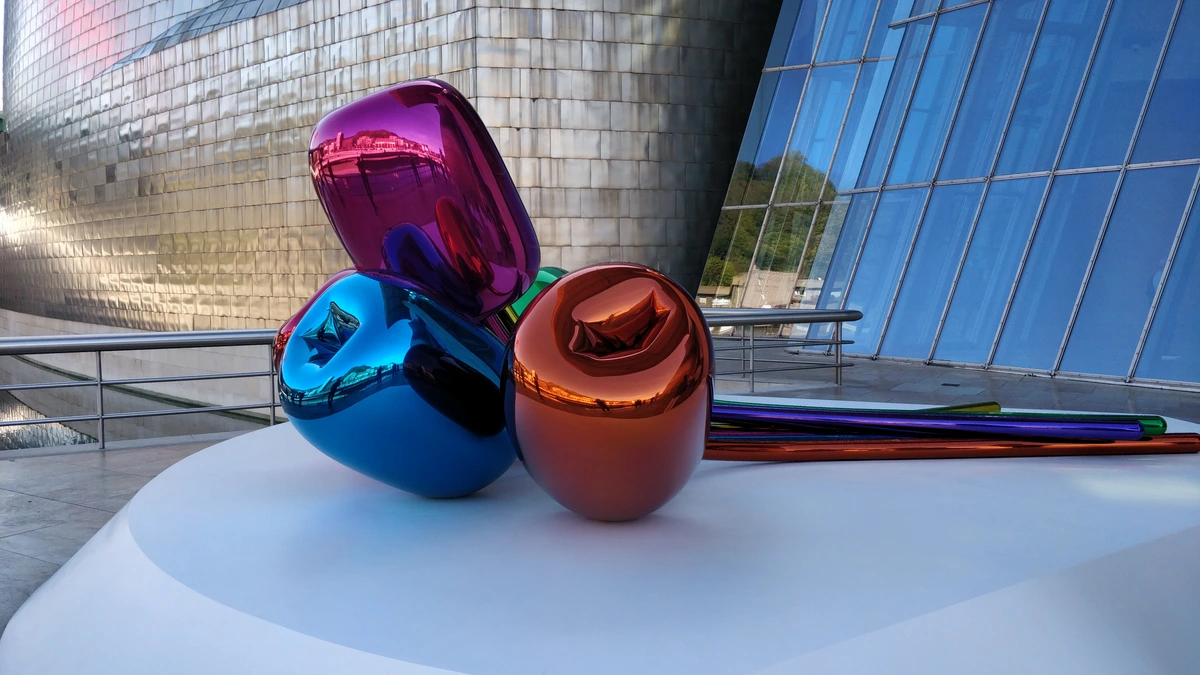
Consider a piece like Anish Kapoor's "Tall Tree & The Eye" at the Guggenheim Museum Bilbao. Its reflective spheres break down and rebuild the familiar cityscape in new ways, much like how any impactful sculpture can transform a public square into something entirely new. It’s a powerful way of saying, "Hey, look closer at this place you thought you knew." Public sculptures, whether static or dynamic like kinetic art (art that moves or has moving parts, constantly re-shaping itself and its environment), are silent storytellers, carving meaning into our shared environment. Want to see some other incredible sculptures? Check out our article on displaying sculptures indoors beyond the pedestal.
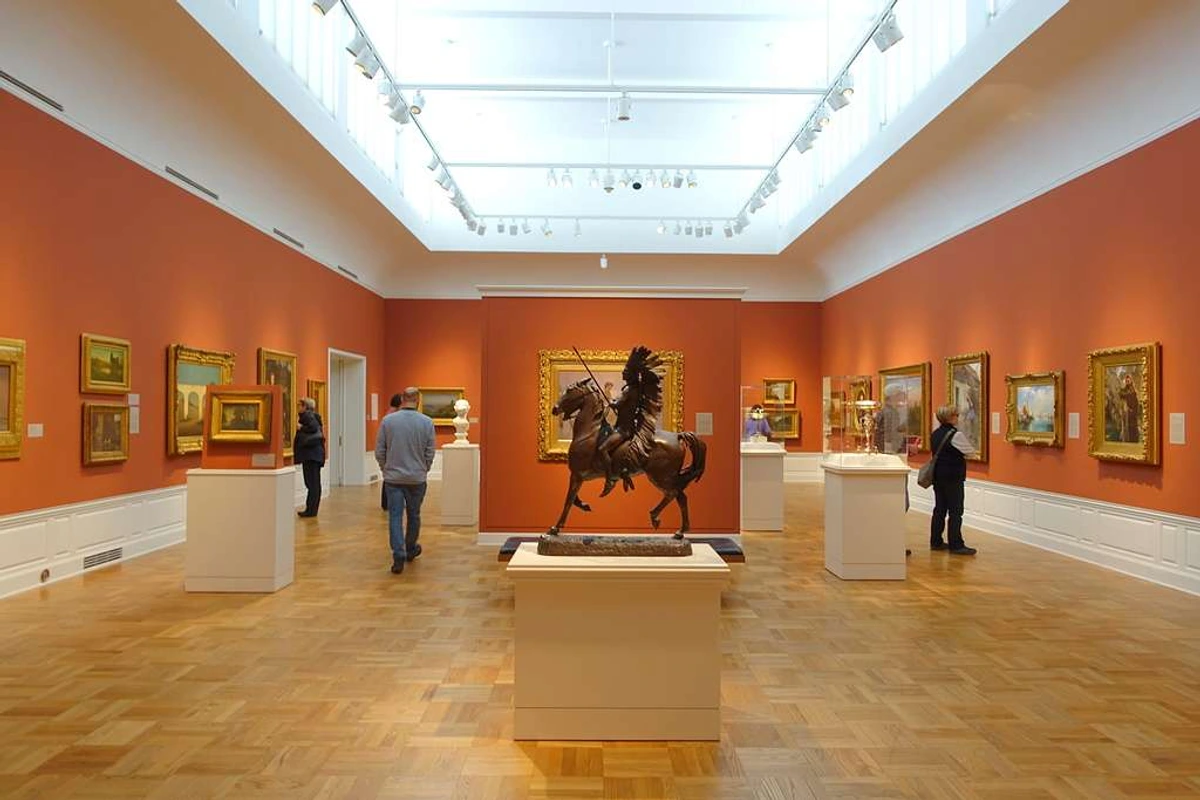
Experiential Worlds: Installations and Ephemeral Art
And finally, installations. These are perhaps the most immersive forms of public art, often inviting direct interaction. They can be temporary or permanent, and the term ephemeral art, in this context, refers to works that might only exist for a limited time – like a beautiful sandcastle on the beach, reminding us to cherish the present moment because it is fleeting. This transience is both a challenge and a strength. Installations can harness light, sound, projection, and even performance, creating truly multi-sensory engagements. They are designed to transform our perception of a space, even if just for a moment.
I remember seeing photos of Yayoi Kusama’s polka dot installations, where entire rooms and even landscapes are enveloped in her signature dots. It’s utterly disorienting and joyful. Disorienting because your sense of depth and form is challenged by the repeating patterns, creating a kind of sensory overload. And joyful because it’s so unexpected and playful, a temporary escape from reality. Public installations grab you by the hand and pull you into a different reality, even if just for a moment. They turn passive viewing into an active, almost performance-like experience. Think of Olafur Eliasson's weather projects or Christo and Jeanne-Claude's massive fabric interventions like "The Gates" in New York's Central Park, which temporarily transformed the familiar landscape, inviting us to see it anew. Even land art, in its grand scale and often site-specific nature, can be seen as a form of immersive installation, asking us to engage with the natural environment in new ways.
Another exciting development is Augmented Reality (AR) art, which overlays digital art onto real-world views via smartphone apps. This offers dynamic, interactive layers to physical spaces without permanent installation, blending the digital and physical realms in innovative ways.
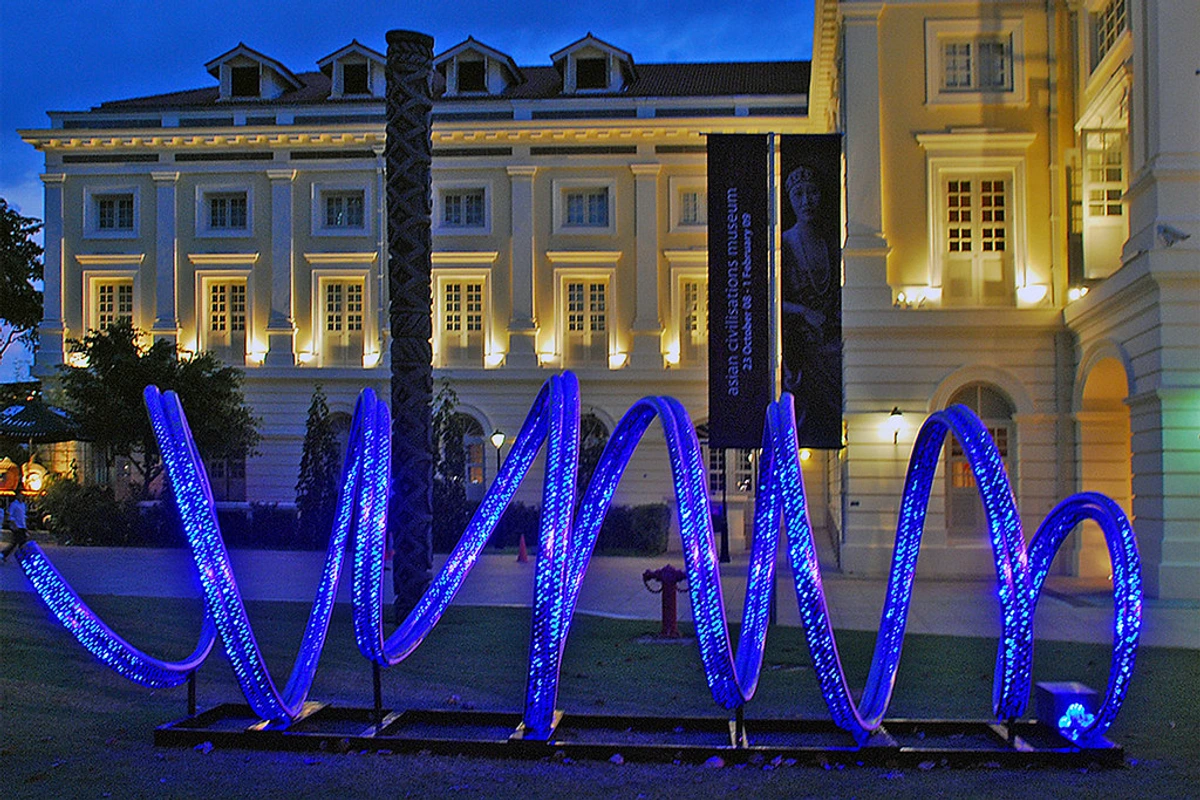
Functional Art: Art You Can Use
Functional art seamlessly integrates aesthetic appeal with practical utility. It's art you can sit on, lean against, or even play with. Think of creatively designed benches that are also sculptural forms, intricate bike racks that double as visual landmarks, or bus shelters transformed into vibrant, interactive canvases. Even playgrounds can become a form of public art, featuring imaginative structures that encourage both play and artistic appreciation. This form subtly enhances our daily lives, making civic infrastructure more engaging and promoting playful engagement without demanding a separate visit to a gallery. It shows us that art isn't just something to observe; it's something to experience and use every single day.
Why Public Art Matters: The Profound Impact on Communities
So, why does any of this matter? Why don’t we just keep art safely tucked away in museums and galleries, where we expect to find it? Well, I think the answer is simple: connection, placemaking, and cultural infrastructure. Public art is a powerful force for social good, impacting communities in multifaceted and often deeply personal ways. It’s not just a nice-to-have; it's a vital component of a thriving, vibrant city that nourishes our spirits and enhances our collective experience.
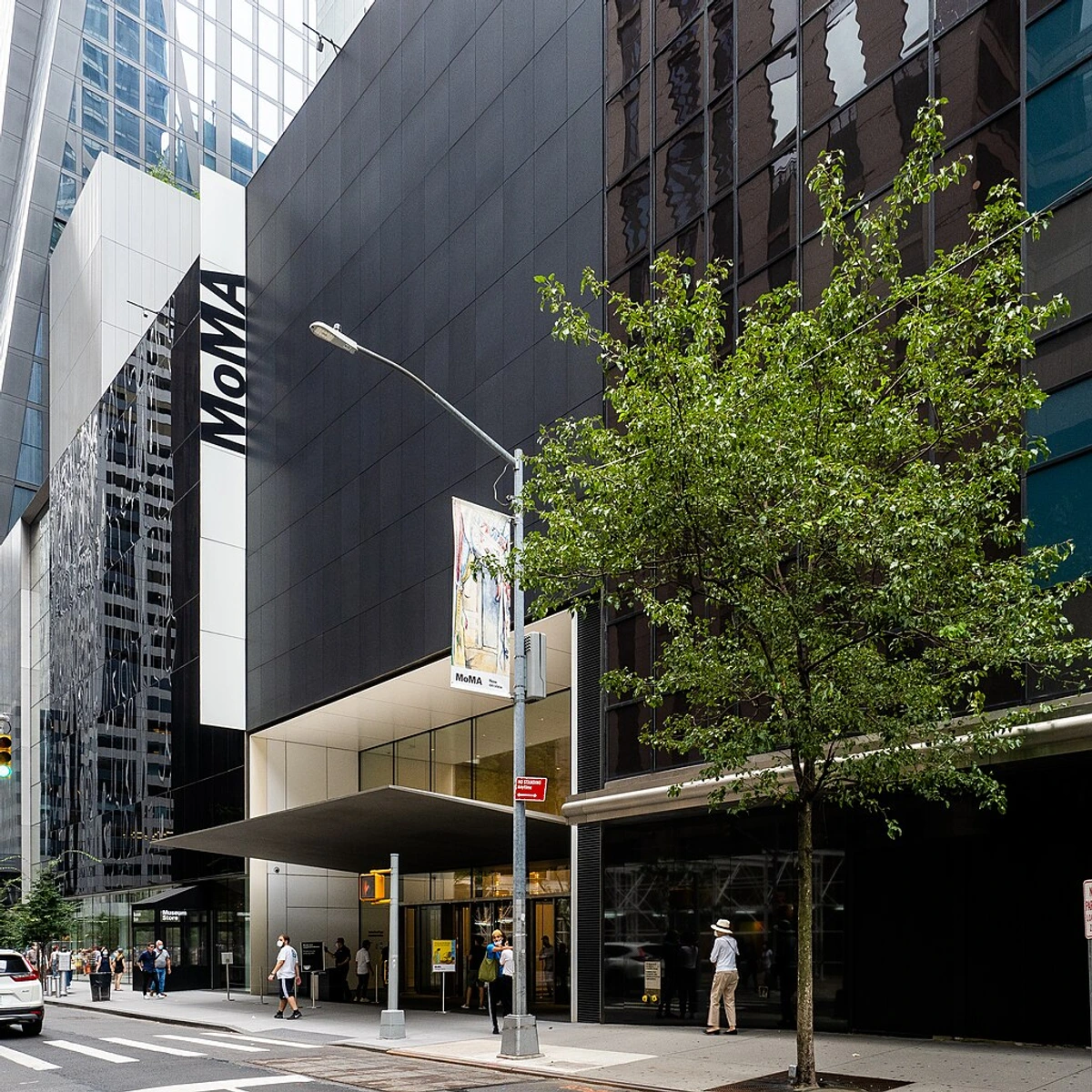
The Multifaceted Benefits of Public Art: A Community Investment
Public art acts like a civic heartbeat. It can foster a profound sense of shared identity and pride in a community. It commemorates history, celebrates local heroes, or highlights important social and environmental issues, sparking much-needed dialogue and collective reflection. Here’s a deeper look at its benefits:
Aspect | Impact | Keywords & Concepts |
|---|---|---|
| Social Cohesion | Fosters shared identity, pride, intergenerational dialogue, empathy, collective memory | Community building, social capital, shared experience, civic pride, cultural exchange, belonging, social inclusion |
| Economic Impact | Drives tourism, revitalizes neighborhoods, increases property values, local business support | Urban regeneration, cultural tourism, economic development, branding, property value, investment, gentrification (complex impact) |
| Education & Awareness | Serves as informal educational tools, raises awareness on social/environmental issues, historical preservation | Public education, civic engagement, historical narrative, environmental awareness, cultural literacy, critical thinking, lifelong learning |
| Mental & Physical Well-being | Enhances aesthetic experience, reduces stress, promotes happiness, fosters contemplation, sparks joy, encourages walking and exploration | Urban well-being, psychological benefits, aesthetic enjoyment, sensory engagement, mindfulness, inspiration, biophilia, active living |
| Placemaking & Identity | Defines spaces, creates unique character, invites gathering and interaction, fosters belonging, shapes urban narrative | Urban design, architectural integration, spatial quality, destination creation, community hub, identity, urban branding, sense of place |
For an artist, watching a piece of their work find a home and resonate with people is an incredible feeling – it's part of the artist's journey that many aspire to. It’s about creating something that becomes part of the collective story, deeply influencing the impact of public murals on urban identity. And for me, as someone who makes art for sale, there's a certain joy in knowing that art can reach people where they are, without them having to seek it out. It’s a democratic act, making beauty and meaning accessible to all.

Public Art as Cultural Infrastructure and Placemaking
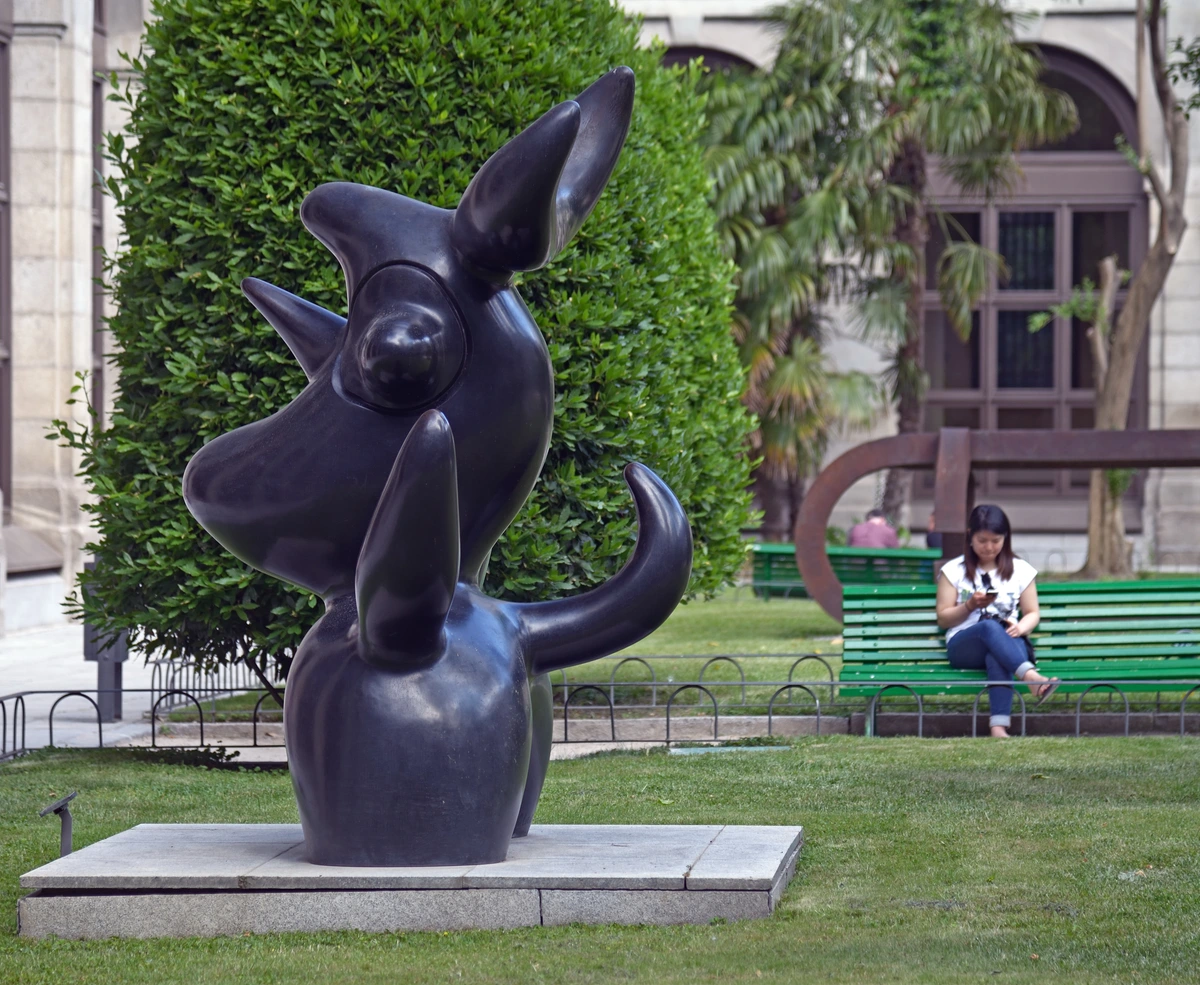
Placemaking, the process of creating quality public spaces that contribute to people's health, happiness, and well-being, is profoundly influenced by public art. Art doesn't just fill a space; it defines it, giving it a unique character and inviting people to gather, reflect, and interact. It transforms mundane areas into vibrant cultural hubs, telling stories that buildings alone cannot. Think of iconic public squares made memorable by a central sculpture, like Joan Miró's "Dona i Ocell" in Barcelona, or a forgotten underpass transformed into an outdoor gallery. Effective urban planning now often integrates art from the outset, seeing it not as an afterthought but as an essential element of spatial quality and community life. Public art, in this sense, functions as crucial cultural infrastructure – as fundamental to a city's identity and social connectivity as its roads and public transport, but nourishing our spirits rather than just facilitating movement. It provides accessible points of cultural engagement, enriching the everyday lives of citizens and fostering a sense of pride and shared identity.

The Artist's Journey: Crafting for the Public Sphere
As an artist, stepping from the solitude of the studio to the public square is a unique challenge and an immense reward. When you commission art for a public space, you're not just creating for a wall or a pedestal; you're creating for an entire community, with countless perspectives and interpretations. This means navigating complex briefs, managing expectations from multiple stakeholders (community groups, city officials, funders), and often ensuring the piece is durable, safe, and accessible. The sheer pressure of knowing your work will be seen and interpreted by thousands, not just a handful of gallery-goers, is unlike anything else. You have to consider the long-term material integrity against the elements, potential vandalism, and changing urban landscapes. It's an interesting tightrope walk between personal artistic vision and collective reception, demanding a flexibility that studio work rarely asks for. Yet, the thrill lies in seeing your vision, honed in isolation, resonate with hundreds or thousands of people daily. It's a different kind of conversation, one that lives and breathes in the open air, constantly evolving with the light, the weather, and the human gaze. It's about letting go of absolute control and embracing the collective interpretation that public art inherently invites. It's a daunting, yet deeply fulfilling, way to share your soul with the world, knowing your work has become part of the very fabric of a place.
The Public Art Landscape: Challenges, Controversy, and the Future
Of course, the journey of public art isn't always smooth. It comes with its own set of fascinating headaches, unique demands, and sometimes, intense public debate. Navigating these complexities is part of what makes public art so vibrant and, at times, so contentious. It reflects, after all, the complex tapestry of public opinion and societal values. It's a constant juggle, isn't it?
Funding the Vision: The Perennial Puzzle and Maintenance Models
This is almost always the biggest puzzle. Public art often relies on a complex mix of government grants (local, regional, national), private donations, corporate sponsorships, and sometimes even crowdfunding. Many cities have "percent for art" programs, dedicating a small percentage of capital construction budgets to public art, which is a clever way to ensure its presence. For example, a major city might mandate 1% of all new public building projects be allocated to art, leading to a consistent stream of impactful works. However, securing these funds often involves stiff competition, detailed proposals, and demonstrating clear community benefit. But here’s the often-overlooked secret: securing the initial funds is only half the battle. Long-term maintenance funding is an even bigger beast. Innovative models are emerging, like endowments, dedicated city funds derived from tourism taxes, or public-private partnerships where corporations or foundations commit to ongoing upkeep. Without these sustainable maintenance strategies, even the most magnificent public artwork can fall into disrepair, becoming a civic embarrassment rather than an asset.

Site-Specificity and Community Buy-in: A Delicate Balance
Finding the right art for a space is paramount. What one person loves, another might loathe – a challenge inherent to the subjective nature of art, and amplified when it's in a shared public space. Engaging the community in the selection and design process is crucial, though not always easy. This often involves public forums, workshops, and advisory committees to ensure true community-led art and a sense of shared ownership. Sometimes, despite best efforts, controversies arise, highlighting the delicate balance between artistic freedom and public sensibility. I remember a sculpture in a city park that, after much debate and community input, finally found its home, only to be met with a mixed public reception for years. Conversely, a grassroots mural project I saw once, developed entirely by local youth, was embraced wholeheartedly, transforming a neglected alley into a vibrant community hub. There's also the phenomenon of "art fatigue" if too much art is imposed without genuine community connection, or if the art simply feels irrelevant or too similar to existing pieces for the local populace – picture a city filled with a dozen generic, abstract metal sculptures, each saying little. Successful public art requires a deep, sensitive understanding of its context and its audience, and often, a willingness to adapt. This is also where the role of curators and commissioning bodies becomes critical, acting as mediators and facilitators to navigate these complex relationships between artists, sites, and communities, ensuring the project aligns with both artistic integrity and public benefit.
Maintenance & Preservation: The Long-Term Commitment
Outdoor pieces are exposed to the elements, vandalism, and the wear and tear of daily life. Ensuring their longevity and integrity requires significant ongoing commitment and resources, a beast of a challenge for many municipalities. This isn't just about cleaning; it involves complex conservation efforts, structural checks, material conservation (addressing corrosion, fading, cracks), security measures to deter vandalism, and sometimes even climate-responsive considerations for extreme weather. Conservators specializing in public art employ sophisticated techniques, often similar to those used in museums, to keep these outdoor treasures alive. For a bronze sculpture, this might involve re-patination to protect against corrosion; for a mural, it could mean applying UV-resistant coatings or even targeted re-pigmentation by skilled conservators. Finding consistent, sustainable funding for long-term maintenance is often harder than securing the initial commissioning budget, yet it's absolutely vital for the art to endure and continue to serve its purpose for future generations. Just think of the ongoing care needed for iconic landmarks like "Cloud Gate" in Chicago or the "Charging Bull" in New York – they require regular cleaning and occasional repairs to maintain their public appeal and structural integrity.
Legal & Ethical Dimensions: Navigating Complex Waters
Issues like copyright in public spaces, particularly with unauthorized street art versus commissioned works, and the ethical considerations of placing art that might be controversial in a specific community are constant dialogues. Public art navigates a delicate balance between artistic freedom and public sensibility, prompting questions about who has the right to determine what is seen in the public realm. When art directly addresses social or political issues, these discussions become even more charged, sometimes touching on cultural appropriation if not handled with sensitivity and genuine community input. For instance, an artwork representing a specific Indigenous narrative, if created by an artist outside that culture without proper consultation and respect, can be deeply problematic. Furthermore, the intellectual property rights of artists in the age of social media, where their work is endlessly photographed and shared, present new legal challenges regarding commercial use and attribution. Public art can also serve as powerful art as protest, directly challenging authority or highlighting injustices, as seen in many iconic works of street art. The ethics of removing controversial public art, a common debate in today's society (think of recent discussions around statues with problematic historical associations), further complicates this landscape. Yet, when handled thoughtfully, public art can also be a tool for gentrification prevention, especially when community-led initiatives celebrate and reinforce existing cultural identities, ensuring development benefits current residents rather than displacing them.
The Rise of Technology: New Frontiers, Digital Permanence, and Sustainability
From augmented reality (AR) overlays that bring digital art into physical spaces to interactive digital installations and dynamic light projections, technology is opening up new frontiers. While incredibly exciting, it also introduces unique challenges. What about digital permanence – what happens when the tech becomes obsolete, or the platform it relies on ceases to exist? I've seen projects that were once cutting-edge become unviewable within a decade because the proprietary software or hardware was no longer supported. How do we ensure maintenance of complex tech infrastructure, and more importantly, how do we archive these ephemeral digital experiences? And, critically, what is the environmental impact of energy-intensive digital art, prompting discussions around sustainable design, solar power integration, and low-energy solutions? AI's role in public art is also nascent but growing. It can act as a creative partner, generating concepts or even elements of the artwork itself, but this prompts crucial ethical debates about human creativity, potential biases embedded in algorithms, and ultimate control in public commissions. While the buzz around NFTs and blockchain for digital art ownership has been significant, their practical application in public art, especially regarding long-term physical integration and environmental impact, remains highly speculative and often viewed with a healthy dose of skepticism. The real challenge, and the true opportunity, lies in harnessing technology to create truly engaging and sustainable public experiences, not just fleeting digital novelties.
Public Art and Accessibility: Art for Everyone
True public art should be accessible to all. This means considering physical access for those with mobility issues (e.g., ramps, clear pathways, tactile paving), providing descriptive elements (like audio guides or tactile models of sculptures for the visually impaired, or sign language interpretation for performances), and ensuring cultural sensitivity in diverse communities to avoid exclusion or offense. Beyond physical access, intellectual and emotional accessibility are vital, inviting people from all backgrounds to engage with and interpret the artwork on their own terms. This can involve clear interpretive panels in multiple languages, community workshops that demystify the art, or simply choosing themes that resonate broadly. The goal is to create an inclusive cultural landscape where everyone feels invited, seen, and represented, removing barriers that might exist in traditional gallery settings and fostering a true sense of belonging. Think of integrated play structures that double as art for children of all abilities, or murals developed through extensive community workshops with diverse residents.
Subjectivity, Controversy, and Criticism: The Nature of Art in the Open
Art, by its very nature, is subjective, and nowhere is this more apparent than in the public sphere. What one person finds beautiful or thought-provoking, another might find ugly or offensive. This inherent subjectivity can lead to intense public debate and even calls for removal. While sometimes challenging, these controversies can also spark crucial conversations within a community, forcing deeper engagement with the artwork and the ideas it represents. This is where criticism of public art often emerges – not just about aesthetics, but about its perceived value, its cost, or its relevance to the community. Art critics and historians play a role here, offering informed perspectives, but public opinion in this realm is uniquely powerful. I've observed how a controversial piece can become a touchstone for community identity, even if divisive, forcing a town to grapple with its own values and aspirations. It's a reminder that public art is not just decoration; it's a living part of civic discourse, often reflecting the deepest tensions and aspirations of a society.
Public Art and Gentrification: A Double-Edged Brushstroke
It's a conversation we can't ignore: the complex relationship between public art and gentrification. While art undeniably beautifies neighborhoods, attracts investment, and fosters cultural vibrancy, it can also inadvertently contribute to rising property values and displacement of long-standing residents and businesses. Think of a vibrant mural popping up in an underserved area, drawing attention and new visitors, which then leads to higher rents and a shift in demographics, potentially pricing out the very community it aimed to engage. However, public art can also be a powerful tool for preventing gentrification when it's genuinely community-led, integrated into broader, equitable urban development plans that prioritize inclusion and affordability, and celebrates existing cultural identities rather than imposing new ones. The challenge lies in ensuring public art initiatives genuinely benefit existing residents, fostering a sense of pride and ownership that builds resilience against external pressures, rather than just serving external interests. It’s a delicate balance, and something artists and urban planners must constantly grapple with, striving for art that empowers rather than displaces.

Public Art and Activism: Art as a Voice for Change
Public art has long been a potent tool for activism and protest, providing a visible, accessible platform for social and political commentary that can reach far beyond gallery walls. From the powerful protest murals of the Civil Rights movement in the US, depicting struggles for equality, to the contemporary street art addressing climate change or political injustices across the globe, artists use public spaces to challenge norms, spark dialogue, and mobilize communities. It's the ultimate democratic medium for dissent and advocacy. A powerful mural can instantaneously convey a message, a sculpture can commemorate a struggle (like the many monuments to freedom fighters), and an ephemeral installation can draw attention to a fleeting injustice. These works often become rallying points, fostering a sense of solidarity and shared purpose among those who encounter them. It's a testament to art's power not just to reflect society, but to actively shape it. Public art makes the invisible visible, giving voice to the voiceless, and creating a collective narrative of resistance and hope. For more on this, explore art as catalyst for social change.
My City, Our Canvas: A Personal Connection in 's-Hertogenbosch
Living in a city like 's-Hertogenbosch, I’ve often thought about how art makes a place feel like home. It’s not just the buildings or the shops; it’s those unexpected flashes of beauty or provocation that resonate deeply. I remember walking along the Binnendieze one autumn morning and being struck by a vibrant, abstract mural on an old stone wall, perhaps echoing the city's historical connection to artists like Jheronimus Bosch in a contemporary voice – a conversation between centuries, really. Its flowing lines and bold colors seemed to echo the water's movement, making a mundane pathway feel like a moment of discovery. This isn't just an anecdote; it's a testament to how public art gives a city character, a unique fingerprint, making it truly distinct, and enhancing the local experience for both residents and visitors. It’s why places like our museum in 's-Hertogenbosch are so special – they not only house incredible collections but also often inspire the art that spills out onto the streets, connecting indoor reverence with outdoor vibrancy. It’s a beautiful, cyclical thing: the city inspires the artist, and the artist gives back to the city, enriching it for all who live and visit. What art in your city makes it feel like your city? What secret murals or hidden sculptures have you discovered that tell your city's story? Share your thoughts and discoveries with others online; it truly helps build community around public art.

Frequently Asked Questions (FAQ) About Public Art: Unpacking Common Curiosities
As we wrap up our journey through the world of public art, it's natural to have some lingering questions. To address these directly, let's dive into some frequently asked questions, aiming to provide the most comprehensive answers you'll find anywhere!
What's the difference between street art and public art?
Ah, the classic! While there's significant overlap, and the lines are beautifully blurring, there's a key distinction. Street art often refers to unsanctioned, ephemeral works (like graffiti, stencils, or paste-ups) that primarily emerge from counter-culture movements, prioritizing artistic freedom and spontaneous, often subversive, expression. Think of its rebellious spirit, often challenging authority. Public art, on the other hand, is generally commissioned or approved, often integrated into urban planning, and intended for longer-term display, often with a specific purpose or message approved by the commissioning body. That said, many renowned street artists (like Banksy or Shepard Fairey) are now commissioned for major public art projects, bringing their unique vision into the mainstream and adding a dynamic edge to official civic spaces. The history of street art is fascinating, moving from subversion to an accepted, if sometimes contentious, form of public expression. Want to learn more about this fascinating evolution? Check out the history of street art and the rise of street art from vandalism to masterpieces.
How is public art funded?
It varies wildly, but it's typically a multi-faceted approach – a testament to the value we place on art! Key sources, as discussed earlier in "Funding the Vision," include:
- Government Grants: Local, regional, and national arts councils and cultural ministries often provide grants, seeing public art as a community asset.
- "Percent for Art" Programs: Many cities legally mandate that a small percentage (e.g., 1-2%) of the budget for new public construction projects must be allocated to public art. This ensures a consistent stream of funding and embeds art into urban development.
- Private Foundations & Donors: Philanthropic organizations and individual art patrons play a crucial role, often supporting ambitious projects that might not fit government mandates.
- Corporate Sponsorships: Businesses sometimes sponsor public art for civic engagement, brand association, or as part of their corporate social responsibility initiatives.
- Crowdfunding: Increasingly, community-led projects gather funds directly from the public, demonstrating popular support and fostering a sense of ownership.
- Private Developers: Often required to include public art in their large-scale developments as part of zoning agreements or public benefit contributions.
It's truly amazing how many different ways communities find to bring art to their streets, recognizing its significant economic return through increased tourism and revitalization, thereby justifying these diverse investments.
Can I commission public art for my community? How does that work?
Absolutely! It's an incredibly rewarding process, though it requires dedication and a structured approach, as explored in "The Artist's Journey." It usually involves a series of well-defined steps:
- Define Your Vision & Site: What kind of art, message, or impact are you aiming for? Where would the art best serve the community? This forms the basis of your Request for Proposals (RFP) or initial artist brief. Site analysis for safety, visibility, environmental factors, and historical context is paramount. Remember, public art is site-specific.
- Secure Funding: This is often the biggest hurdle, requiring grant applications, fundraising events, or seeking sponsorships. Collaborating with local arts councils is invaluable here; they can often offer guidance and connections.
- Assemble an Expert Team: Collaborating with local arts councils, urban planners, architects, or community organizations is vital. They can guide you through legalities, artist selection, installation logistics, and maintenance planning. An artist selection committee is almost always formed to ensure a fair and rigorous process.
- Artist Selection & Design: This often involves an open call for proposals or direct invitations to artists whose work aligns with the project's vision, followed by a rigorous review process of portfolios and proposed designs. Community engagement workshops are often integrated here to ensure local voices shape the final vision.
- Permitting, Fabrication & Installation: This stage involves navigating municipal regulations, engineering reviews, material sourcing, fabrication, and the physical installation, which can be complex for large-scale works.
- Long-Term Maintenance & Programming: Crucially, a plan for ongoing conservation, cleaning, and potential programming (e.g., educational tours, events) must be established from the outset to ensure the artwork's longevity and continued community value.
It’s a big project, no doubt, but the lasting legacy for your community is immeasurable, transforming public spaces into true landmarks and fostering collective memory.
How has technology influenced public art?
Technology is revolutionizing public art by enabling entirely new forms of expression and interaction, pushing the boundaries of what's possible, as detailed in "The Rise of Technology." We're seeing:
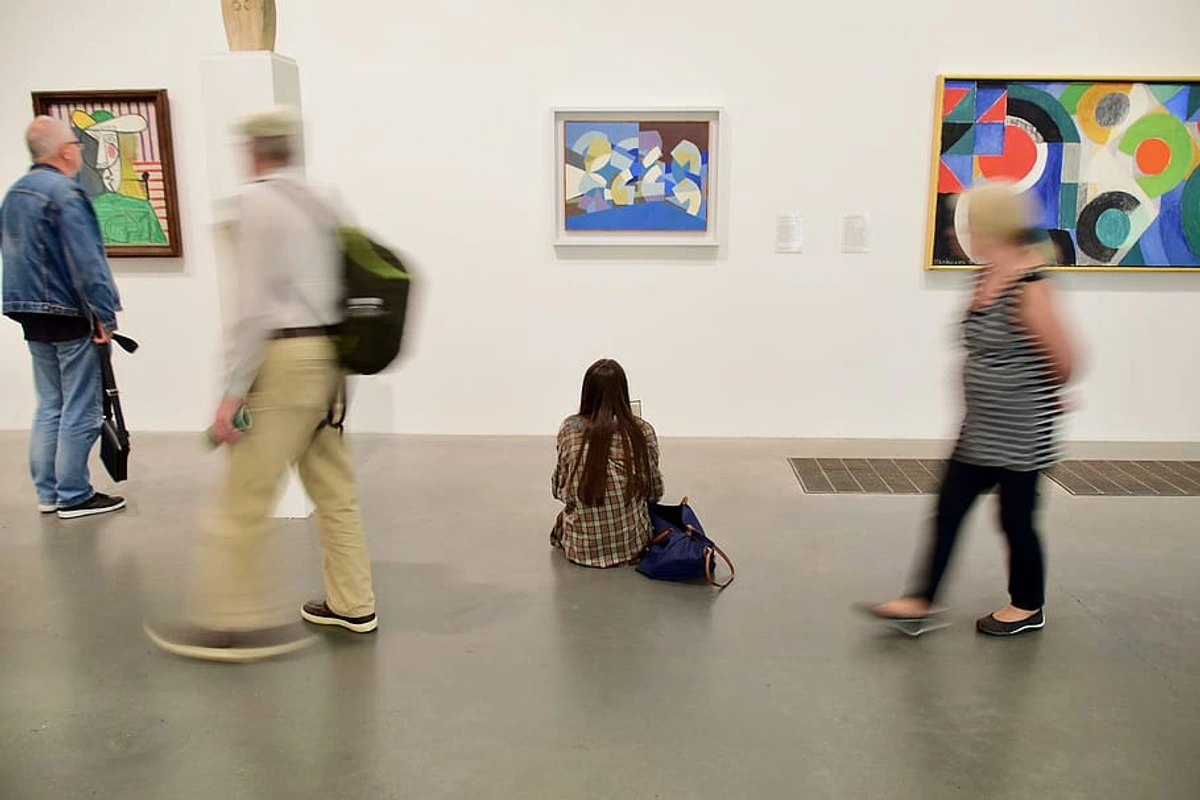
- Augmented Reality (AR) Art: Digital artworks superimposed onto real-world views via smartphone apps, offering interactive, dynamic layers to physical spaces without permanent installation. Imagine pointing your phone at a blank wall and seeing a vibrant digital animation appear!
- Interactive Digital Installations: Pieces that respond to movement, sound, or audience input, creating dynamic and personalized experiences that change with each viewer. These can be truly captivating, fostering a sense of play and direct engagement.
- Light Projections & Video Mapping: Transforming building facades and even natural landscapes into temporary, stunning canvases with visual narratives, often using energy-efficient LED technology. These can radically alter our perception of familiar architecture after dark.
- Soundscapes: Integrating audio elements to create immersive, multi-sensory public experiences, sometimes tied to specific locations or historical events, or designed to enhance an existing visual artwork.
- AI-Generated Art: While still nascent, AI is starting to be used in creating concepts, generative visuals, and even interactive elements for public art, raising intriguing questions about collaboration and authorship.
These innovations challenge traditional notions of permanence and physicality, opening up exciting new avenues for public engagement. However, as we discussed, careful consideration of digital permanence (ensuring these works remain accessible as technology evolves), long-term maintenance of complex systems, and the environmental impact of energy consumption is crucial for responsible integration. It's a fascinating, ever-changing frontier!
What are the criteria for selecting public art?
Selecting public art is a nuanced, multi-faceted process, often involving diverse stakeholders and taking into account the considerations outlined in "The Public Art Landscape" section. Key criteria typically include:
- Artistic Merit & Originality: The quality, originality, and conceptual strength of the artwork – does it push boundaries or offer a fresh perspective? Is it well-crafted and aesthetically compelling?
- Site-Specificity: How well the art responds to and enhances its specific location, history, and environment. This isn't just about fitting in; it's about adding depth and meaning to the existing context.
- Community Relevance & Engagement: Its connection to local culture, history, values, or issues, and its potential to foster engagement, dialogue, and a sense of ownership among the populace. Genuine community input is often a critical factor.
- Durability & Safety: The artwork's ability to withstand environmental factors, public interaction, and potential vandalism, adhering to stringent safety standards. Longevity is key for public investment.
- Maintenance Feasibility: Realistic plans and budgets for long-term care, cleaning, repair, and preservation. An incredible piece is only truly successful if it can endure.
- Budget & Logistics: Alignment with financial resources, installation requirements, and timeline. Practical considerations are always present.
- Accessibility & Inclusivity: Ensuring the artwork is physically, intellectually, and emotionally accessible to a broad public, including those with disabilities, and that it avoids cultural insensitivity or appropriation.
- Artist's Record & Experience: Often, the artist's past work, ability to manage large projects, and collaborative skills are also weighed heavily, especially for complex public commissions.
How does public art contribute to a city's identity?
Public art plays a pivotal, often underestimated, role in shaping a city's unique identity, character, and global brand, as highlighted in the "Placemaking" section. It serves as:
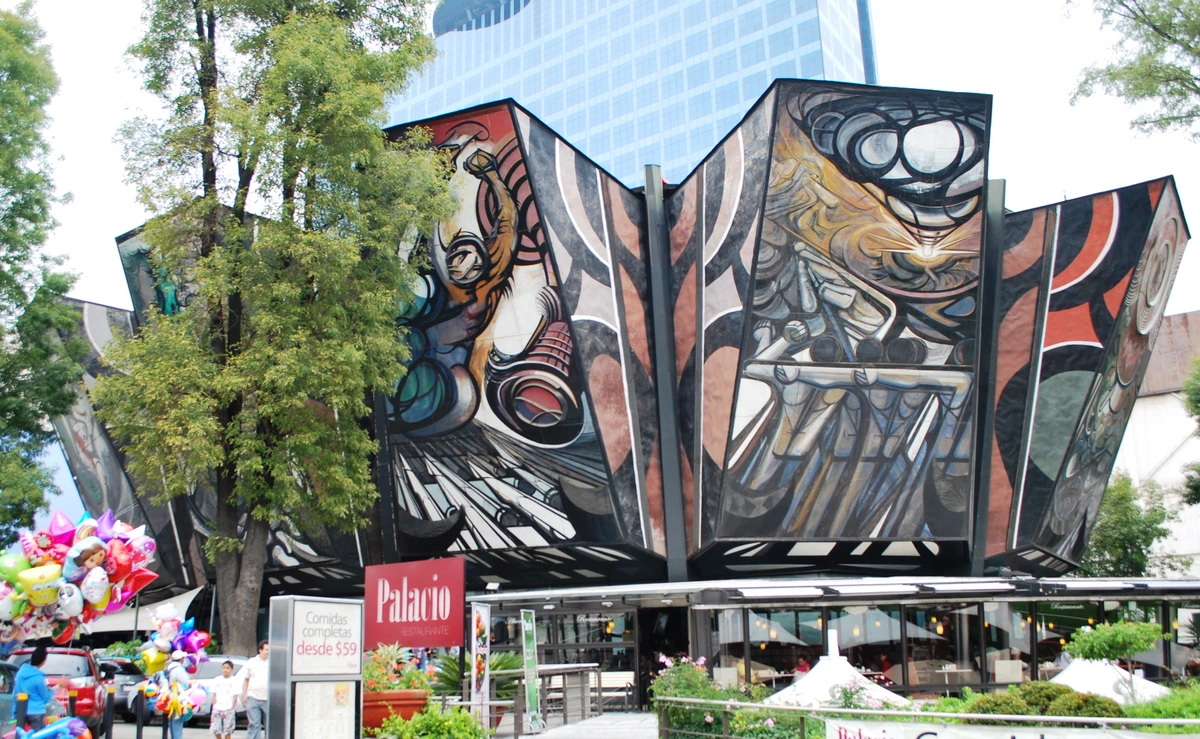
- Cultural Anchors: Iconic pieces become instantly recognizable symbols, deeply associated with the city (e.g., Chicago's "Bean" or New York's "Charging Bull"). They become meeting points, photo ops, and beloved landmarks, drawing tourists and residents alike.
- Historical Narratives: Art can preserve and interpret local history, collective memory, and cultural heritage, making it tangible and accessible to new generations, preventing stories from being forgotten and offering new perspectives on the past.
- Placemaking Elements: It transforms generic urban spaces into distinctive destinations, encouraging pedestrian activity, local pride, and a sense of unique place. It can turn an overlooked corner into a vibrant hub, or a dull plaza into a lively gathering spot.
- Expression of Values: Public art often reflects a community's aspirations, values, or social conscience, broadcasting its collective identity, its challenges, and its hopes to the world. It can be a powerful statement about what a city stands for.
- Urban Storytelling: Beyond individual narratives, public art contributes to the ongoing, evolving story of a city, reflecting its changes, celebrating its diversity, and prompting ongoing dialogue about its future.
Through these myriad contributions, public art doesn't just decorate; it defines a city's soul, etching its personality onto the urban canvas for all to experience.
What is the difference between a monument and public art?
This is a great question, and the lines can certainly blur! Historically, monuments were typically created to commemorate specific individuals (heroes, rulers), events (victories, founding moments), or ideologies, often commissioned by authority figures. They tend to be static, reverential, and aim to instill a singular, often nationalistic, narrative. Think of traditional statues of kings or war memorials. Public art, while it can sometimes be commemorative, generally encompasses a much broader scope. It often seeks to engage a community in dialogue, challenge perceptions, provoke thought, or simply enhance an urban experience without a singular commemorative purpose. It prioritizes interaction, site-specificity, and a diversity of voices, sometimes even being temporary or functional. While a statue of a historical figure is undeniably in public, it often functions differently than a contemporary installation designed to spark conversation about climate change. The key shift is from purely commemorative or authoritative statements to broader cultural, social, and aesthetic engagement.
How is public art conserved and preserved?
Conservation and preservation of public art is a highly specialized field, akin to museum conservation but with added complexities due to outdoor exposure. It involves a multi-pronged approach:
- Regular Inspections & Monitoring: Routine checks by conservators to assess the artwork's condition, detect early signs of deterioration, and identify potential risks from environment or human interaction.
- Cleaning: Removal of dirt, pollutants, graffiti, and biological growth (moss, lichen) using methods appropriate to the material, often involving gentle washes, laser cleaning, or specific chemical treatments.
- Structural Assessments: Ensuring the artwork's physical integrity, especially for large sculptures or installations, by checking foundations, welds, and connections.
- Material-Specific Treatments: Addressing issues like corrosion in metals (e.g., bronze patination, steel rust inhibitors), fading in murals (e.g., UV-resistant coatings, re-pigmentation), and cracks or erosion in stone.
- Documentation: Meticulous recording of the artwork's original state, materials, and any interventions. This includes photographs, chemical analyses, and treatment reports.
- Security & Vandalism Prevention: Implementing strategies like anti-graffiti coatings, lighting, surveillance, or community engagement programs that foster a sense of ownership to deter damage.
- Environmental Controls: While complete control isn't possible outdoors, strategies like protective coatings, strategic planting, or even temporary enclosures can mitigate damage from extreme weather.
This ongoing commitment is crucial; without it, even the most robust public artworks would succumb to the elements and human impact, losing their meaning and integrity over time. It's truly a testament to dedicated professionals that these pieces endure.
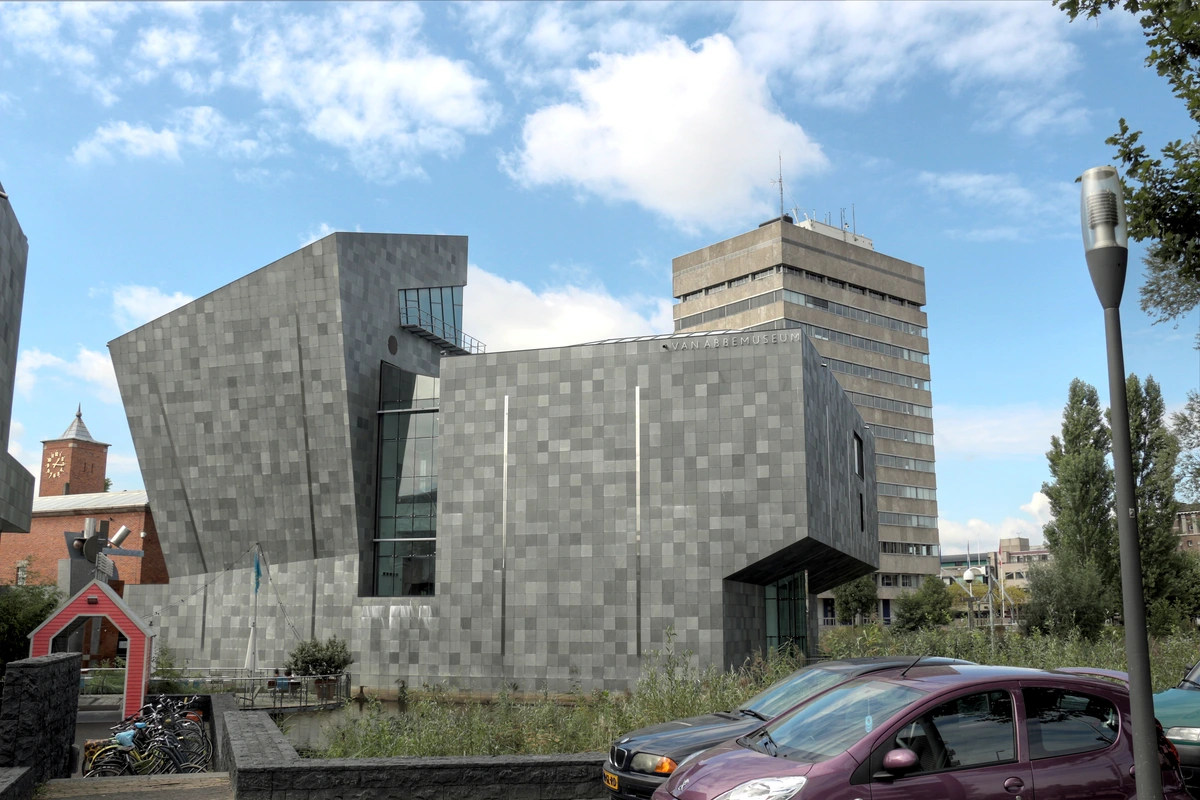


Conclusion: Our Shared Gallery, Always Open, Always Evolving
So, there you have it: my thoughts on the profound, often underestimated, role of art in our public spaces. We've journeyed through its ancient roots, explored its diverse forms from murals to AR installations, and uncovered its immense power to foster social cohesion, drive economic vitality, and shape urban identity. We've also grappled with the unique challenges artists face, the complex funding puzzles, the delicate balance of community buy-in, and the exciting, yet sometimes daunting, future shaped by technology. Public art, I believe, is the ultimate expression of a city's vitality and its residents' shared humanity. It's a mirror and a megaphone for our collective dreams and dilemmas.
Next time you're out and about, take a moment to really see the art around you. Look for the story in a mural, the new perspective a sculpture carves out, or the temporary magic of an installation. Consider not just what you see, but how it makes you feel, what questions it provokes, and how it shapes your sense of place and connection to your community. Even better, discover public art maps of your own city, support local artists who venture into the public sphere, or share your favorite public art pieces online with a personal reflection. You might just find a new favorite, or perhaps, a new perspective on your world and your place within it. And isn't that what art, in all its forms, is ultimately all about? This shared gallery, always open, is a constant, vibrant invitation to connect, to reflect, and to celebrate the rich, ever-changing canvas of our urban lives.