My Street Art Journey: From Rebel Tags to Global Canvas
Join my personal exploration of street art's evolution, from raw graffiti roots and stencil revolution to diverse modern forms, its impact on cities, and its contested journey into galleries. Discover how this democratic art form continues to inspire.

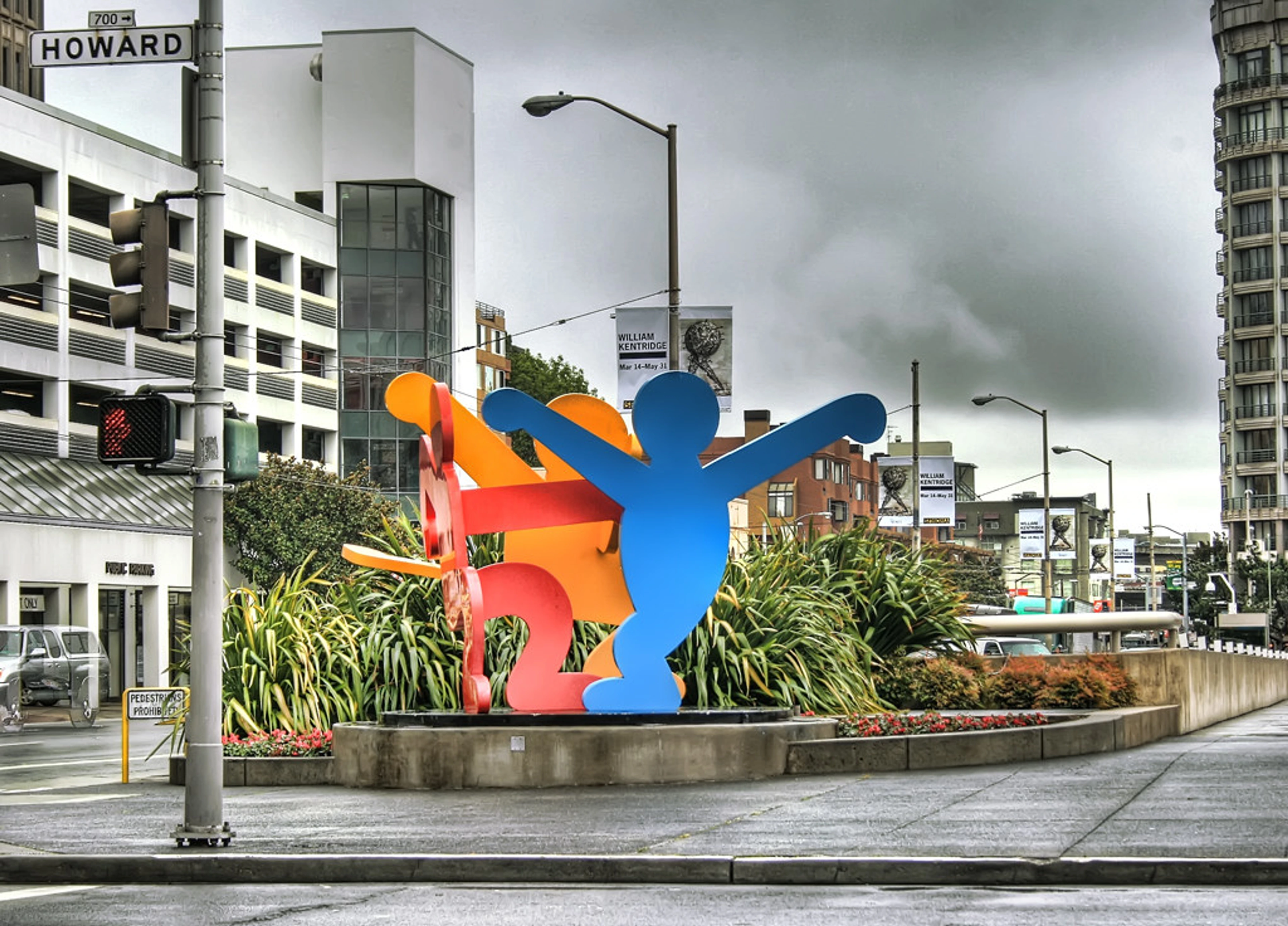
I'll be honest, for the longest time, when someone said 'street art,' my mind immediately conjured images of intricate spray-painted tags, maybe a bubble letter piece on a train car. And look, there's absolutely nothing wrong with that! It's powerful, it's raw, it's where a lot of this story begins. But if you're like me, you might have also realized there's a whole universe beyond those initial strokes – a vibrant, ever-evolving landscape that challenges definitions and pops up in the most unexpected corners of our cities. It's a journey, really, one that constantly makes me rethink what art is, who it's for, and how it finds its voice. Let me tell you how my own understanding has shifted, and maybe, just maybe, yours will too, as we explore this fascinating world together.
The Rebel Roots: A Nod to Graffiti's Legacy
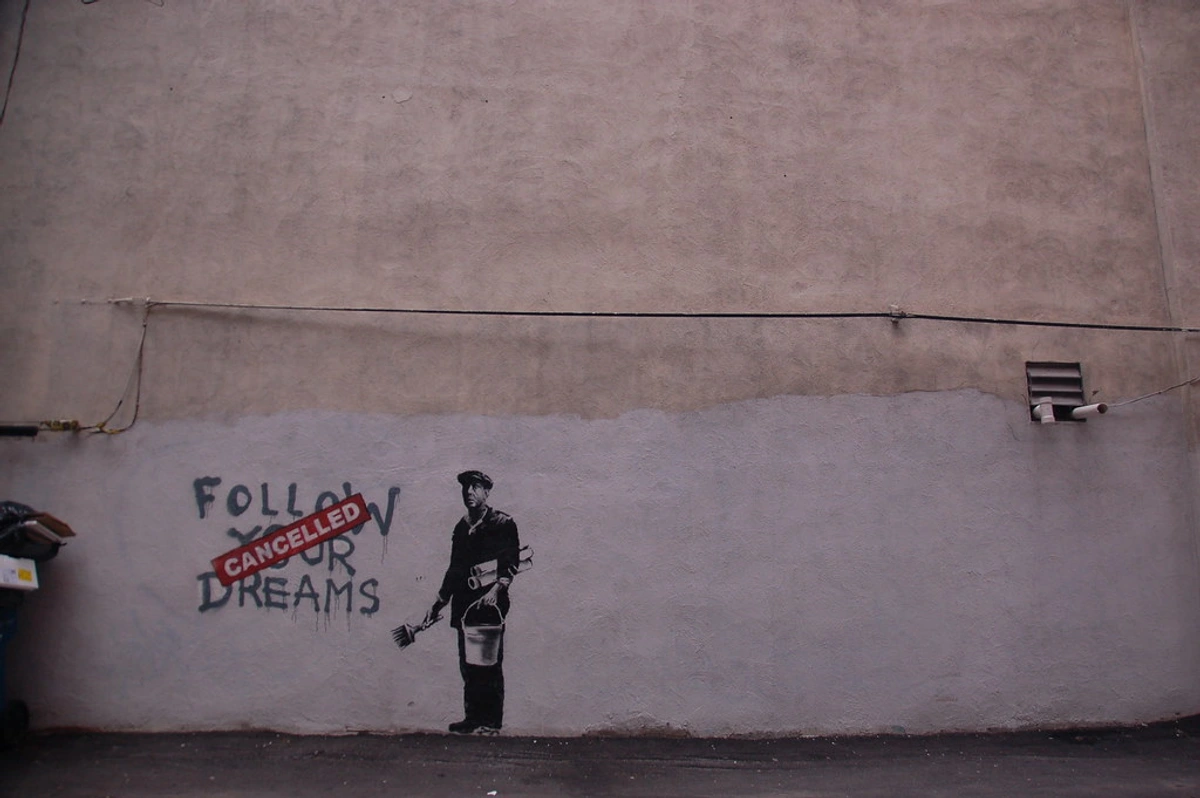
You see, before 'street art' became this broad, sometimes even sanctioned thing, there was graffiti. It's the rebel ancestor, the loudmouth cousin who paved the way – and often, got into a bit of trouble doing it. I mean, let's not pretend we can talk about street art without giving a huge, appreciative nod to graffiti. Its roots are deep in urban youth culture, a defiant act of making a mark, often illicitly, with incredible skill and speed. Think about early pioneers in places like New York and Philadelphia – folks like Taki 183 or Cornbread. This wasn't just about painting; it was about asserting presence, claiming territory, building an identity in concrete jungles where resources were scarce and voices felt unheard. It was a raw, visceral cry for recognition, and it still carries that electrifying energy.
Artists like Jean-Michel Basquiat, for instance, started with SAMO© tags in New York, a collaborative project with Al Diaz, blurring lines between street culture and the gallery world before many even knew what was happening. His journey from the streets to established art spaces perfectly illustrates the potent, undeniable force emanating from this raw art form. It's a testament to graffiti's power that even today, when I'm wrestling with a new abstract piece, I sometimes think about that raw desire to just make a mark, to be seen and heard, no matter what.
The Post-Graffiti Revolution: Stencils, Murals, and Messages
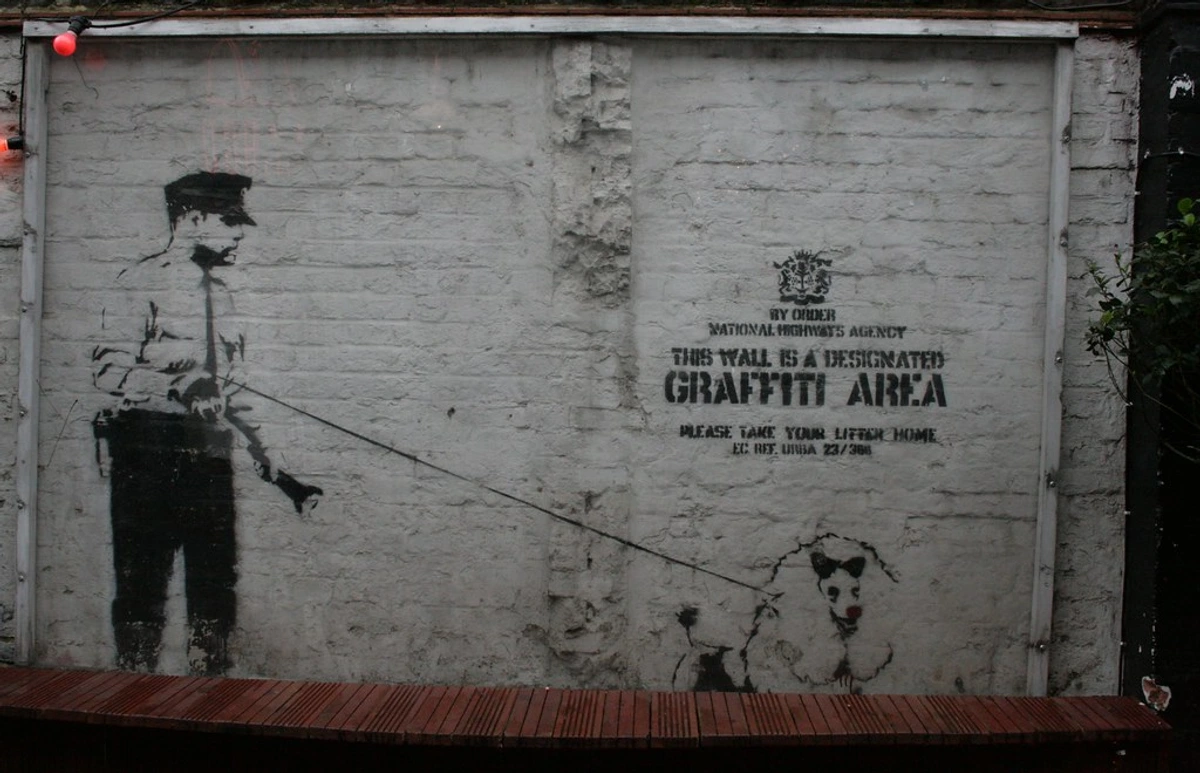
But as powerful as graffiti was, a shift began to occur. It wasn't about abandoning that rebel spirit, but expanding its possibilities. People started seeing the city as a canvas for more than just names or stylistic letters. I remember the first time I saw a stencil piece that wasn't just letters – it told a story, often with a biting social commentary. I remember thinking, 'Oh, okay, this isn't just about marking territory; it's about dialogue, about throwing a thought out into the public square.' This is where post-graffiti really takes hold, moving beyond the traditional spray can aesthetic, though still absolutely woven into the urban fabric.
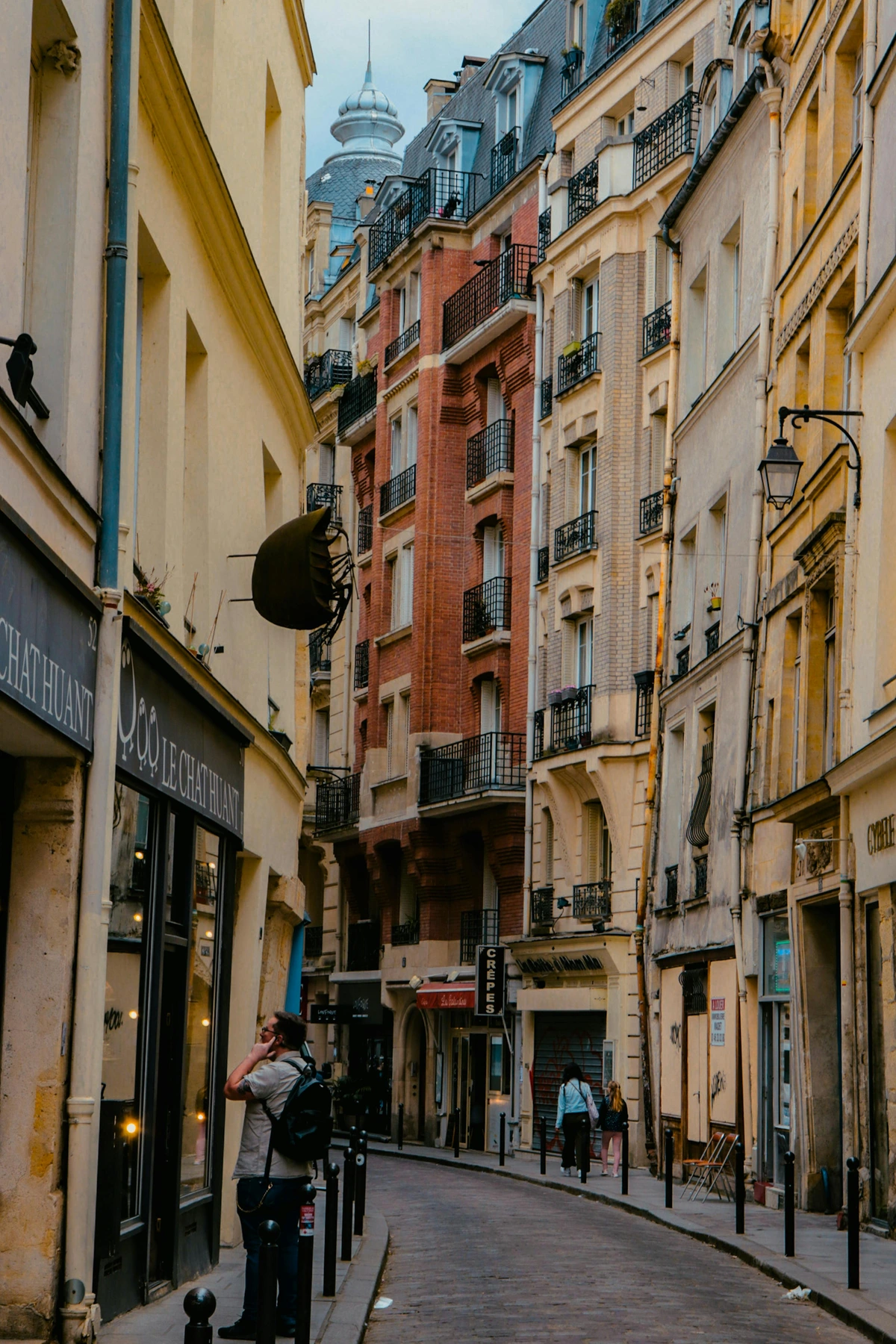
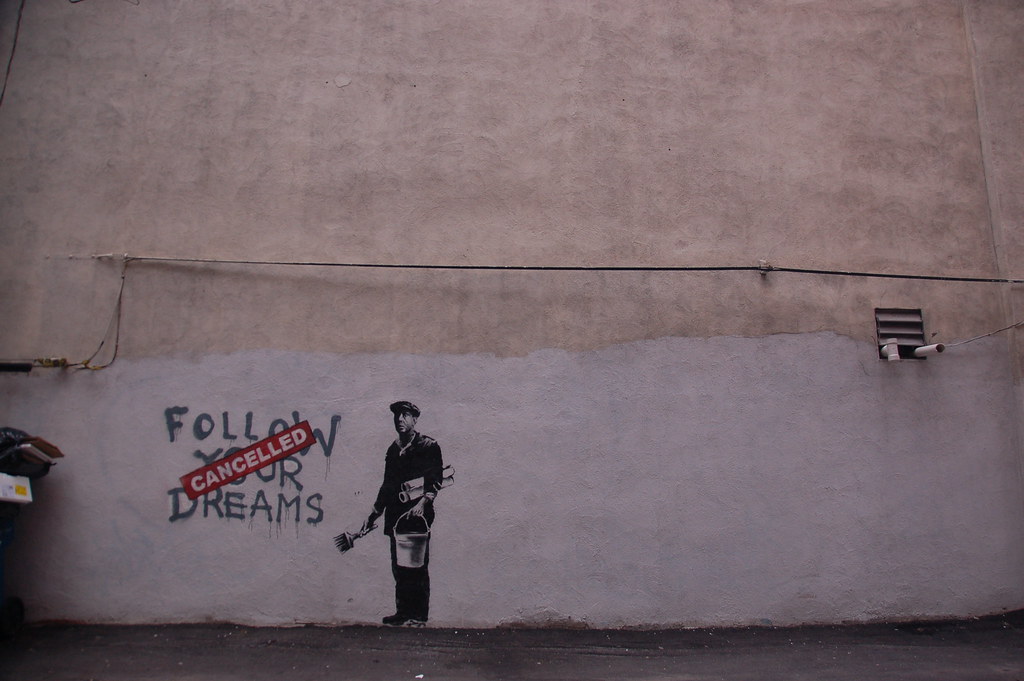
It embraced new methods like sticker art and poster art, where artists could prepare intricate designs off-site and then quickly "paste up" their messages, often in daringly visible locations. Think about the likes of Banksy, whose stenciled works often use humor and stark imagery to critique society. His 'Girl with Balloon' or 'Season's Greetings' mural are perfect examples – instantly recognizable, thought-provoking, and definitely not just a tag. He really showed us how powerful a simple image, strategically placed, could be, sparking conversations and challenging norms with a quiet, yet insistent, voice.
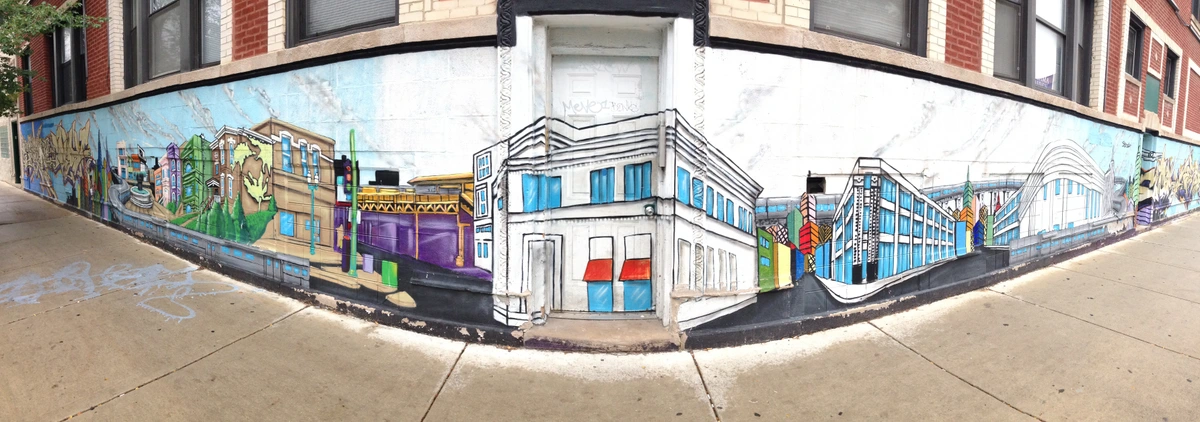
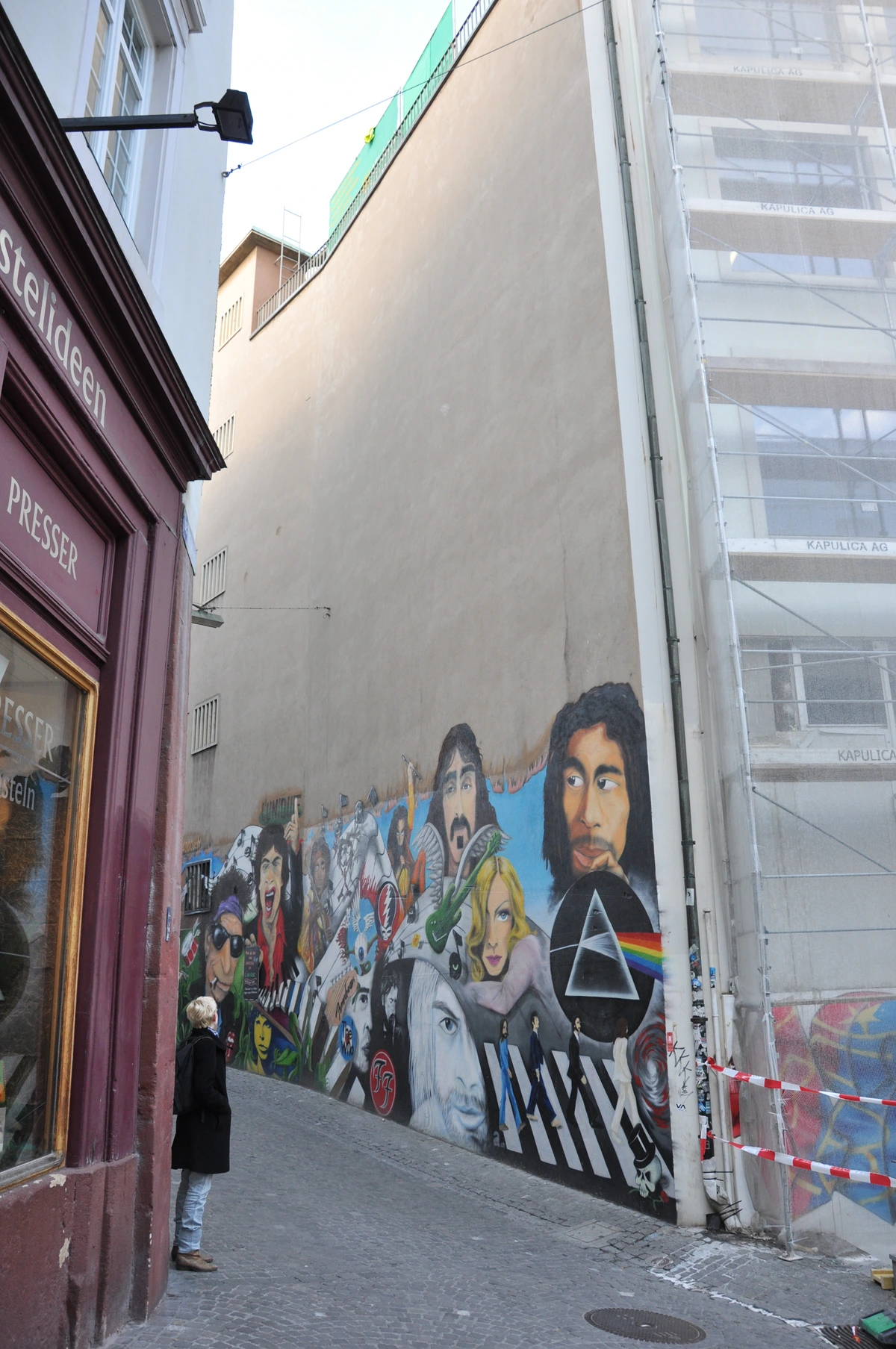
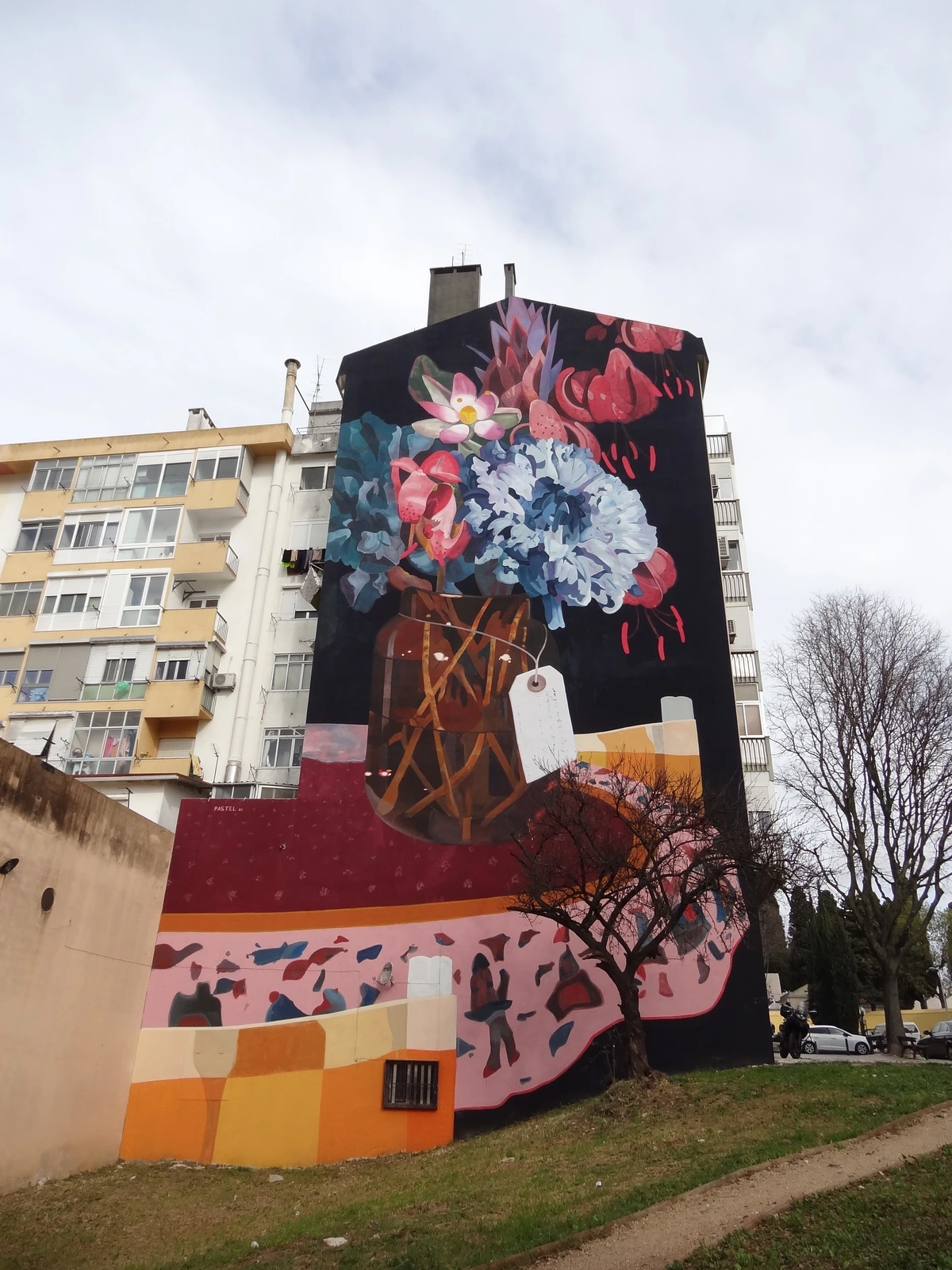
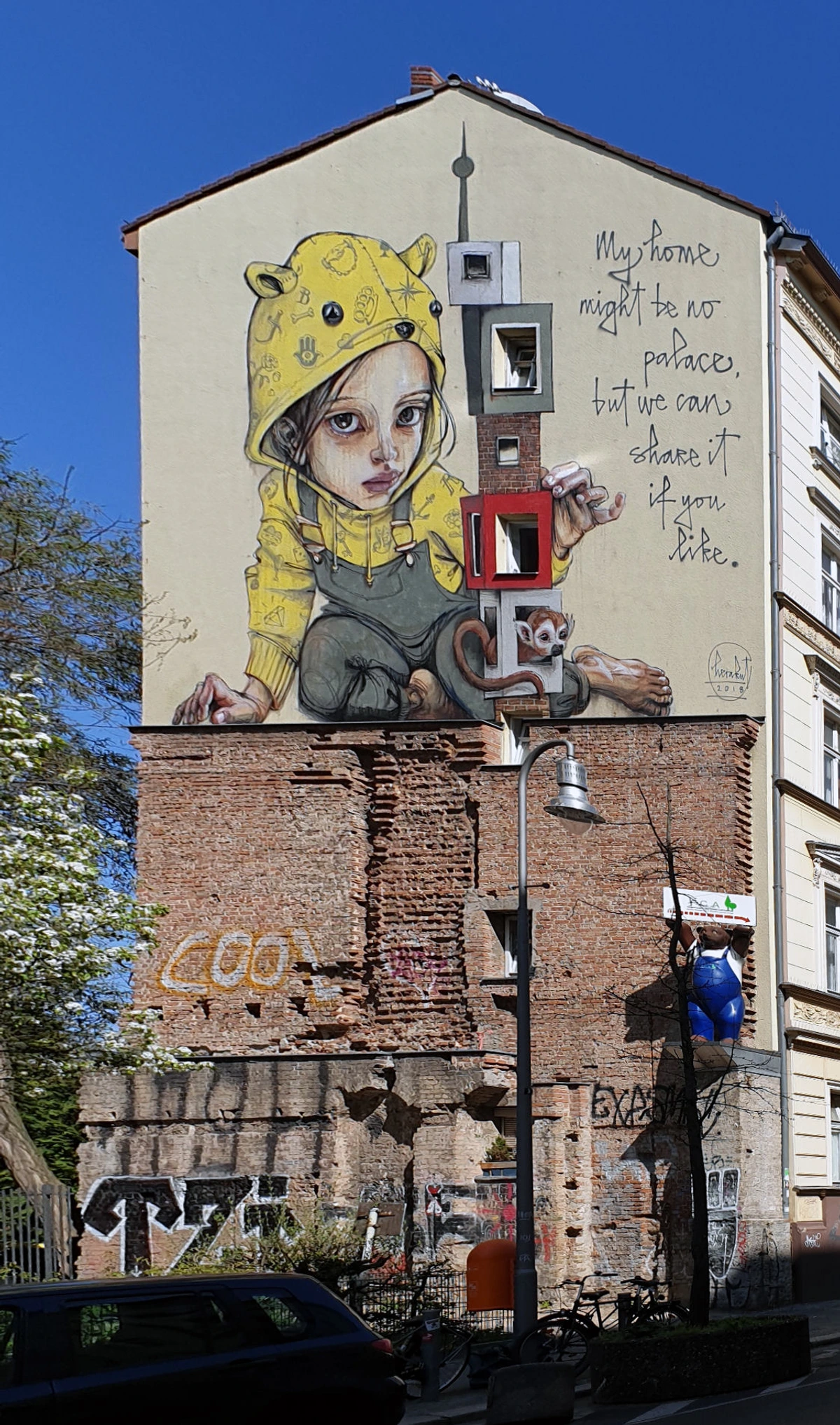
And then there's muralism – often larger, sometimes sanctioned, transforming entire building facades into breathtaking canvases. This isn't just about clandestine operations anymore; it's about community, beauty, and often, reclaiming space. I mean, who doesn't stop to stare at a truly epic mural? It changes the whole vibe of a neighborhood, turning a blank wall into a focal point of pride and expression. It’s like a city saying, 'Look, this is who we are, right here, right now,' which, in its own way, carries the same bold spirit as the earliest tags.
Beyond the Paintbrush: Diverse Mediums and Abstract Explorations
And then, the creativity really started to explode, pushing beyond aerosol cans and stencils. Artists began to look at the urban environment and think, 'What else can I do here? What materials are around me, what textures, what temporary moments can I capture?' We saw the rise of wheatpasting, where large, often intricately designed printed images are glued to walls, allowing for striking detail and rapid deployment. It's like putting up a massive, artistic poster, but with way more intent and, let's be honest, often a bit more permanence than your average concert flyer. I always marvel at how some artists manage such intricate designs in what seems like minutes, sometimes working under the cover of night.
This era also saw a rise in broader intervention art or guerrilla art – temporary installations or performances designed to disrupt public space and provoke thought, often using everyday objects or minimal resources. It’s art as a gentle, or sometimes not-so-gentle, poke in the ribs of the urban routine.
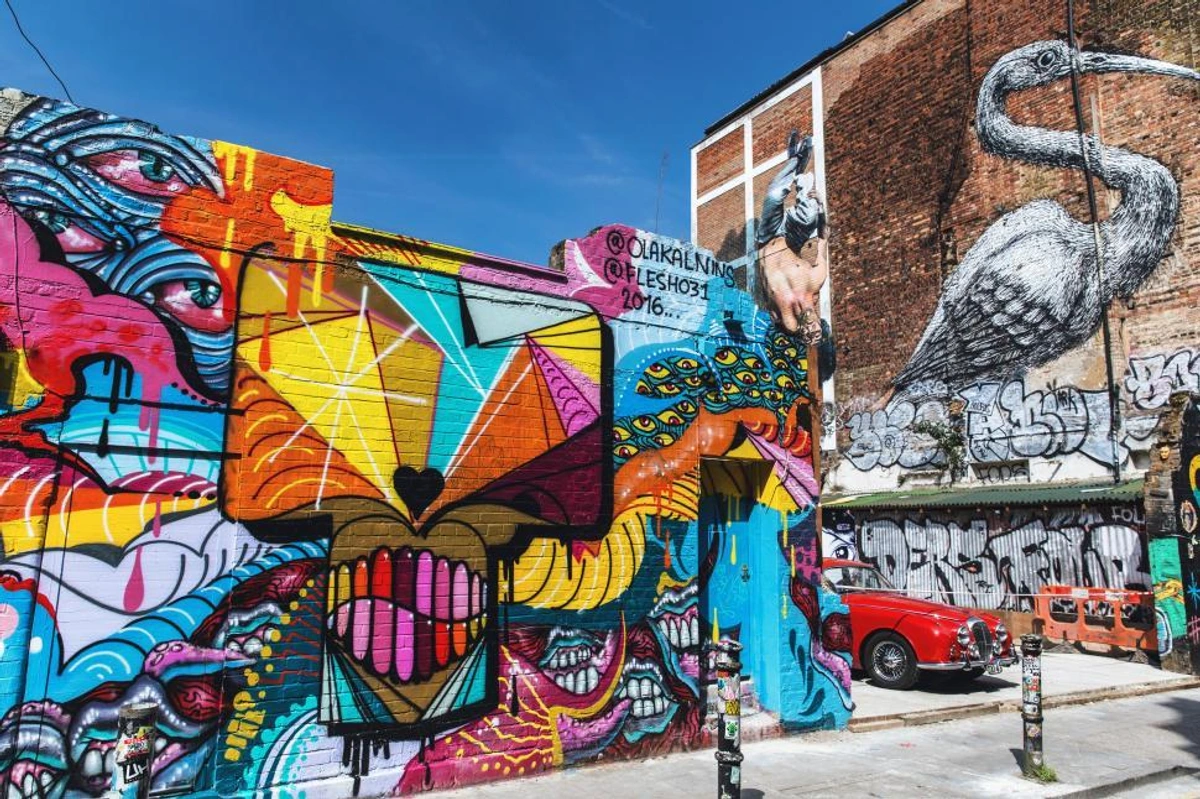
Then came the really quirky, often charming stuff, the things that make you smile and scratch your head. Yarn bombing, for instance, where knit or crocheted fabric is wrapped around lampposts, trees, or statues. It’s gentle, it's temporary, and it’s undeniably charming, often bringing a soft, whimsical touch to harsh urban elements – a quiet protest against cold concrete, you could say. Or mosaic street art, which transforms broken tiles, discarded ceramics, and glass into stunning, durable public works. These aren't just pretty pictures; they're acts of reclamation, turning forgotten fragments into lasting beauty, something I find incredibly inspiring in my own work – finding harmony in disparate elements. And let's not forget the more ephemeral forms, like light projection or digital installations that play with perception and space after dark, turning inert buildings into dynamic canvases, albeit for a few hours.
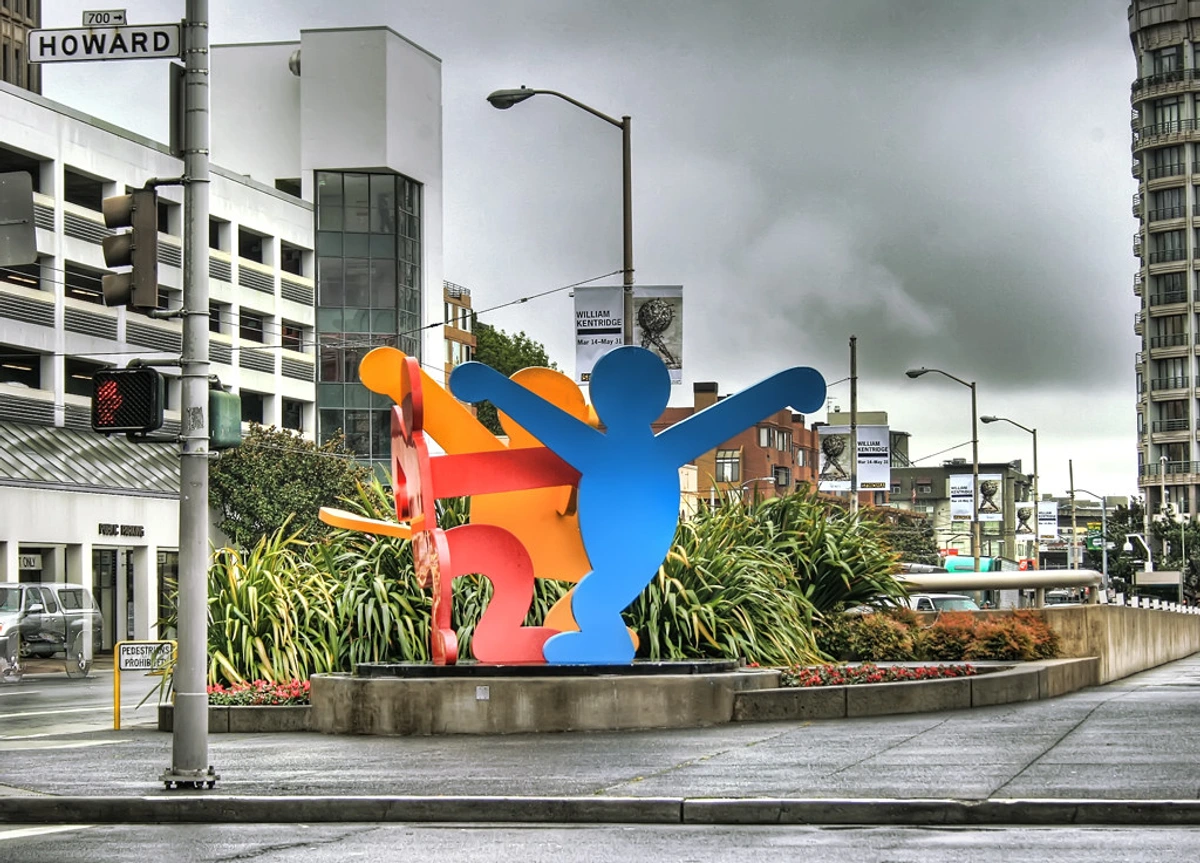
Even abstract art found its way onto the streets, which, as an artist exploring abstraction, really speaks to me. When I'm wrestling with a new abstract piece, delving into how to create abstract art or studying abstract art movements, I often find myself drawing inspiration from how street artists are pushing beyond figurative representations. They use lines, shapes, and bold colors to engage the urban landscape in new ways. Imagine a geometric mural on a brutalist building – the lines and planes of the art could either echo or powerfully contrast the architecture, creating a whole new visual dialogue. It’s less about a direct message sometimes, and more about pure visual impact, much like how a really striking abstract painting can just grab you and refuse to let go. It's about how color transforms a corner, or how a sharp line can redefine a wall, much like a well-placed brushstroke can redefine a canvas.
The Shifting Status: From Alleyways to Art Galleries
This evolution, naturally, led to a fascinating (and sometimes contentious) shift in status. What began as an act of rebellion, often illegal and ephemeral, gradually started knocking on the doors of galleries and museums. I mean, can you imagine the purists clutching their pearls? I almost snort-laughed the first time I heard 'vandalism' being auctioned for millions. This brings up so many questions about authenticity, commercialization, and what it means for art to be 'public' versus 'private'. It's a tricky tightrope, I think, for both the artists and the art itself.
It's a double-edged sword, isn't it? On one hand, the recognition brings resources, allowing artists to create larger, more ambitious projects – transforming entire neighborhoods with their visions. This phenomenon has also contributed to urban regeneration, turning blighted areas into vibrant cultural hubs, attracting tourism, and fostering community pride. Think of places like Miami's Wynwood Walls or the Nuart Festival in Norway, transforming entire districts into open-air museums. Yet, there’s always the flip side: the fear of gentrification, where the very art that revitalizes a neighborhood can inadvertently drive up property values, displacing the original communities and losing that raw, rebellious edge that made street art so compelling in the first place.
For artists, transitioning to galleries presents specific challenges: the loss of the original urban context, where the art's power was inextricably linked to its site; the pressure to produce saleable works, potentially compromising artistic freedom; and the risk of their work being misinterpreted or decontextualized by a new, often more exclusive, audience. For someone like me, who creates art that eventually hangs in people's homes or even makes its way into a museum in Den Bosch, the dynamic between public accessibility and private ownership is something I think about a lot. Is it still 'street' art if it's behind glass? The answer is complex, but I lean towards yes, as long as its spirit of innovation and public engagement remains. It just wears a slightly more formal outfit now.
Technology, particularly the internet and social media, has played a massive role in this shifting status. It's democratized access, allowing street artists to gain global recognition, share their work instantly, and bypass traditional gatekeepers. This exposure has undoubtedly contributed to street art's mainstream acceptance and its journey into the gallery world.
Ultimately, street art's journey from alleyways to art institutions reflects a broader cultural acceptance of art that dares to break traditional boundaries. It’s a testament to its power, even if it sometimes feels like a domesticated beast. But hey, a beast can still roar, right? And maybe, just maybe, it's learning to purr a bit too, finding new ways to charm and challenge us from unexpected corners.
Evolution of Street Art Mediums: A Quick Reference
To quickly grasp the evolution, here's a summary of key eras and their characteristics:
Era/Movement  | Key Characteristics | Typical Mediums | Examples |
|---|---|---|---|
| Early Graffiti (1960s-1970s) | Identity, territorial marking, rebellion, subculture | Spray paint (tags, bubble letters) | Taki 183, Cornbread, early Basquiat (SAMO©) |
| Post-Graffiti / Early Street Art (1980s-1990s) | Social commentary, wider themes, artistic exploration | Stencils, sticker art, poster art, early murals | Banksy, Shepard Fairey |
| Expanded Street Art (2000s-Present) | Diverse techniques, community engagement, large-scale projects, intervention art | Wheatpasting, yarn bombing, mosaics, light projection, digital art, abstract murals | Invader, Olek, JR |
Why It All Matters (To Me, Anyway)
So, why does any of this matter to me, and perhaps to you? I think it's because street art, in all its forms, is inherently democratic. It doesn't ask you to buy a ticket or walk into a hushed gallery. It meets you where you are, on your commute, turning a mundane wall into a moment of wonder or reflection. I remember walking through a rather drab industrial area once, feeling completely uninspired, and then turning a corner to find this explosion of color – a vibrant, almost abstract mural sprawling across an old factory wall. It wasn't profound in a philosophical sense, but in that moment, it just was. It was a gift, a sudden spark that shifted my entire mood.
It tells the story of a city, its people, its struggles, and its dreams, often in ways that traditional art simply can't. It’s a constantly evolving dialogue, a visual heartbeat of urban life. It reminds me that art isn't just for a select few; it's for everyone, everywhere. And that's something I find endlessly inspiring, a philosophy that deeply influences my own desire to create art that is both accessible and impactful.



Frequently Asked Questions
Q: What's the main difference between graffiti and street art? A: While often used interchangeably, graffiti traditionally focuses on stylized lettering, tags, and names, often linked to subcultures and identity. Street art is a broader term encompassing diverse forms like stencils, murals, wheatpastes, installations, and abstract works, often with a wider range of themes and techniques beyond spray paint. You could say graffiti is the rebellious parent, and street art is its wildly diverse offspring, carrying forward much of the same audacious spirit.
Q: Are all street artists anonymous like Banksy? A: Not at all! While anonymity can provide protection for artists creating illicit works and add to the mystique (think Banksy), many street artists are publicly known and work openly, especially on commissioned murals or public art projects. It really depends on the artist's goals, the nature of their work, and, let's be honest, how much trouble they want to get into.
Q: Is street art always illegal? A: Definitely not. While many early forms of street art (and much graffiti) were created without permission, today a significant portion of street art, especially large-scale murals, is commissioned by city councils, businesses, or community groups. It's a complex legal landscape, ranging from outright vandalism to celebrated public art. It’s a bit like the wild west of the art world, with sheriffs and outlaws often working in the same town!
Q: How has street art influenced traditional art forms? A: Immensely! Street art's raw energy, political commentary, and innovative techniques have inspired many gallery and studio artists. It blurred the lines between high art and low art, pushing boundaries and bringing a new dynamism to contemporary art. Elements like bold graphic styles, social critique, and a willingness to experiment with unconventional materials can now be seen across the art world. It essentially dragged the art world, kicking and screaming perhaps, out of its ivory tower and onto the streets.
Q: What are the ethical considerations surrounding street art? A: That's a deep rabbit hole! On one hand, there's the debate around property rights versus public expression – whose wall is it, really? Then there's the complex relationship between street art and gentrification; sometimes, vibrant street art can inadvertently contribute to rising property values and displacement of original communities. It forces us to ask tough questions about who art is ultimately for, and what unintended consequences it might have. It's rarely black and white, more like a beautifully complex, highly debated mural itself.
Q: Is street art a global phenomenon? A: Absolutely! While much of the popular narrative often focuses on Western cities like New York, London, or Berlin, vibrant street art scenes flourish worldwide. From the intricate political murals of Latin America to the dynamic calligraphy of the Middle East, each region brings its unique cultural influences, historical context, and artistic traditions to the urban canvas. It truly is a universal language, spoken in a thousand different accents.
Q: How long does street art last, and how is it preserved? A: The longevity of street art varies wildly. Some pieces, like illicit tags or paste-ups, might be gone in hours or days due removed or painted over. Others, especially sanctioned murals using durable paints and protective coatings, can last for decades. Preservation is a challenge; sometimes, entire walls are saved (or moved!), but often the ephemeral nature is part of its charm and message. It’s a constant battle against time, weather, and city clean-up crews, which adds to its powerful, fleeting impact.
Q: What about the environmental impact of street art? A: It's a valid concern! Traditional spray paints can release volatile organic compounds (VOCs), and large-scale installations can generate waste. However, many contemporary street artists are becoming more eco-conscious. They're experimenting with sustainable materials like eco-friendly paints, natural pigments, recycled materials for installations, and even biodegradable wheatpastes. It’s a growing movement within a movement, pushing for art that's beautiful but also responsible.
So, next time you're walking through a city, keep your eyes open. You might just spot a piece of history, a whispered message, or a burst of color that reminds you how truly alive and inventive art can be. It’s a constant, sprawling exhibition, demanding nothing but your attention. And who knows, maybe it’ll even inspire you to explore more of it, whether on the streets, in a gallery, or by finding a piece to cherish at home that brings that same urban vibrancy into your own space. It's all connected, really, this endless conversation between art, artist, and audience. It's a philosophy that deeply influences my own artistic journey, reminding me that art is not just seen, but felt, everywhere.