The Enduring Appeal of Art Movements
Explore why certain art movements like Impressionism and Abstract Expressionism continue to captivate audiences across generations.

The Enduring Appeal of Art Movements
I remember the first time I stood in front of a Monet. It wasn’t in a grand museum but a small, somewhat dimly lit gallery. The way the light seemed to dance on the canvas, the brushstrokes so vivid they felt alive—it was like the painting was breathing. That moment stuck with me, and it made me wonder: why do some art movements never fade away? Why do they keep pulling us in, decade after decade?
Art movements are more than just styles or techniques; they are cultural phenomena that capture the essence of their time while transcending it. They resonate with us because they reflect universal human experiences—emotions, struggles, and aspirations. Whether it’s the dreamy landscapes of Impressionism or the bold strokes of Abstract Expressionism, these movements continue to inspire and captivate audiences worldwide.
Art movements are more than just styles or techniques; they are cultural phenomena that capture the essence of their time while transcending it. They resonate with us because they reflect universal human experiences—emotions, struggles, and aspirations. Whether it’s the dreamy landscapes of Impressionism or the bold strokes of Abstract Expressionism, these movements continue to inspire and captivate audiences worldwide.
Why Do Some Art Movements Last?
Art movements don’t just survive; they thrive. But why? Let’s break it down.
Art movements endure because they tap into something fundamental about the human experience. They capture the zeitgeist of their era while also speaking to timeless themes that resonate across generations. Whether it’s the rebellion against tradition or the exploration of raw emotion, these movements continue to inspire and provoke thought.
Cultural Significance
Art movements often emerge as responses to the world around them. Impressionism, for example, was a rebellion against the rigid rules of academic painting. Artists like Monet and Renoir wanted to capture fleeting moments—light shifting on water, the hustle of a Parisian street. These themes resonate because they’re universal. We all know what it’s like to watch sunlight flicker or feel the energy of a crowded place.
Similarly, the Renaissance was a revival of classical ideals, reflecting a renewed interest in humanism and the natural world. These movements are not just about aesthetics; they are about the values and beliefs of the societies that produced them.
The Influence of Historical Context
Understanding the historical context of an art movement can deepen our appreciation of its significance. For instance, the Baroque period emerged during a time of religious upheaval and political change. Its dramatic use of light and shadow reflected the tensions and complexities of the era, making it a powerful tool for storytelling and emotional expression.
Societal Reflection
Art movements also serve as a reflection of societal changes. For instance, the bold and rebellious nature of Dadaism mirrored the disillusionment and chaos following World War I. By examining these movements, we gain insight into the historical and cultural contexts that shaped them, and in turn, how they continue to influence contemporary society.
Art as a Mirror of Society
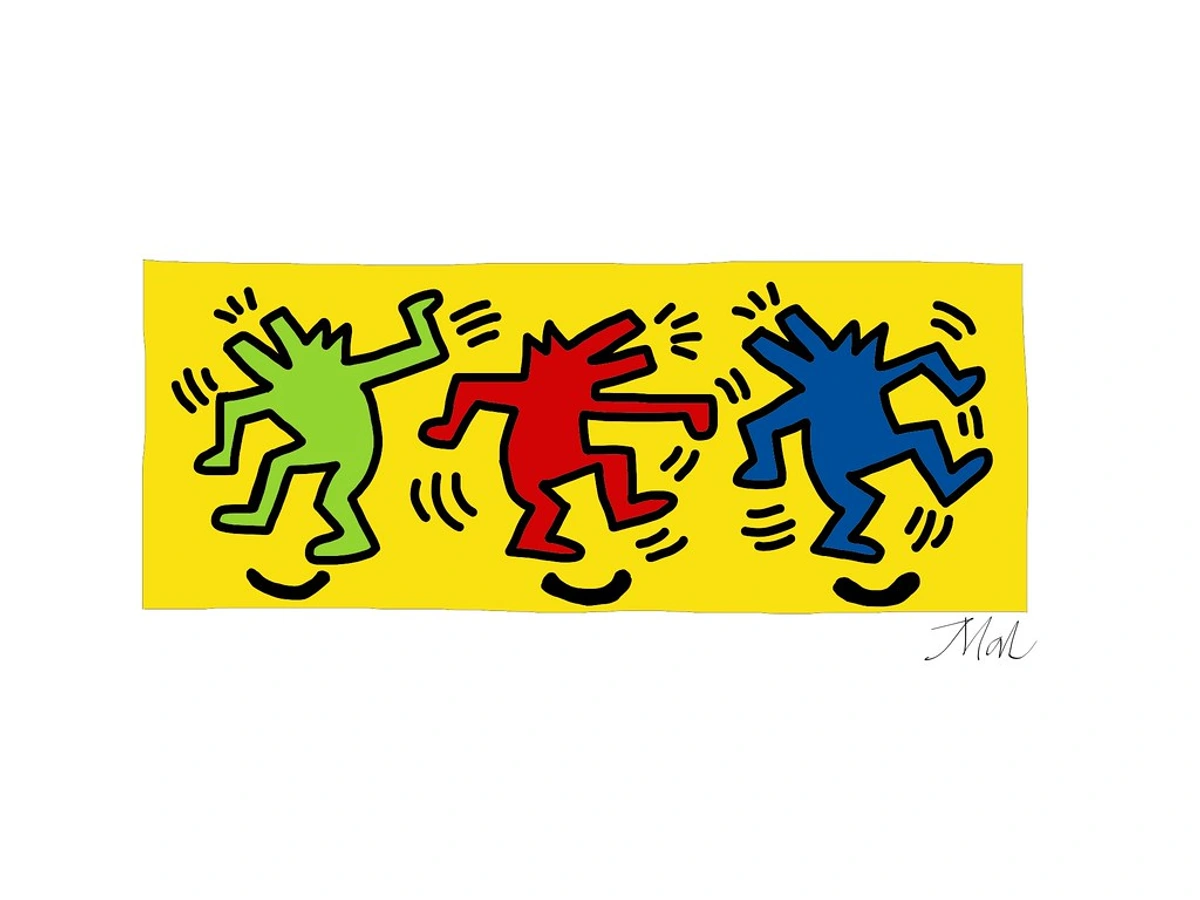
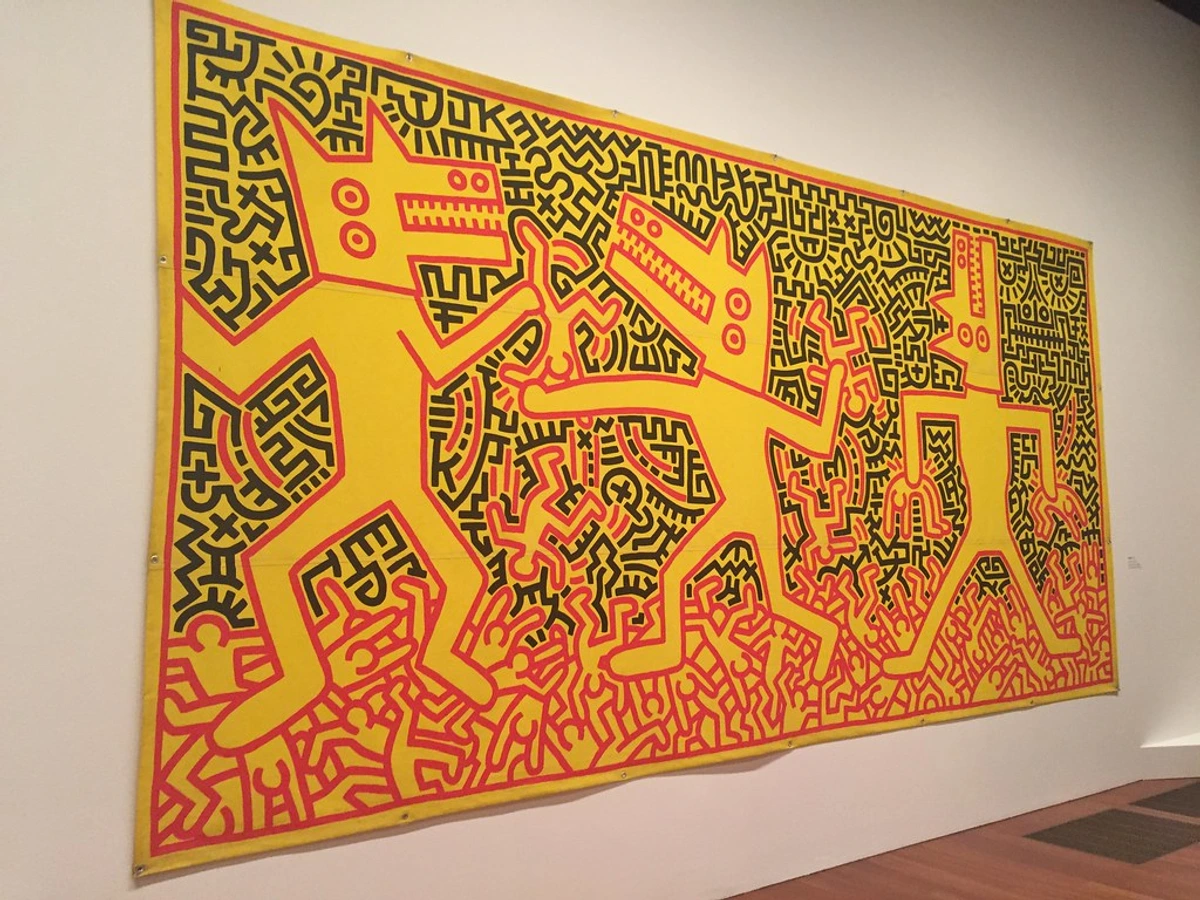
Art movements often act as mirrors, reflecting the societal shifts and cultural dynamics of their time. For example, the Pop Art movement of the 1950s and 60s critiqued consumer culture and mass media, themes that remain relevant in today’s digital age. This ability to reflect and critique society ensures that these movements continue to resonate with audiences.
Timeless Qualities
Some movements tap into something deeper. Abstract Expressionism isn’t just about splashes of paint; it’s about raw emotion. Jackson Pollock’s chaotic drips or Mark Rothko’s glowing rectangles speak to feelings we all have but can’t always name. That’s why they endure—they’re mirrors for our own experiences.
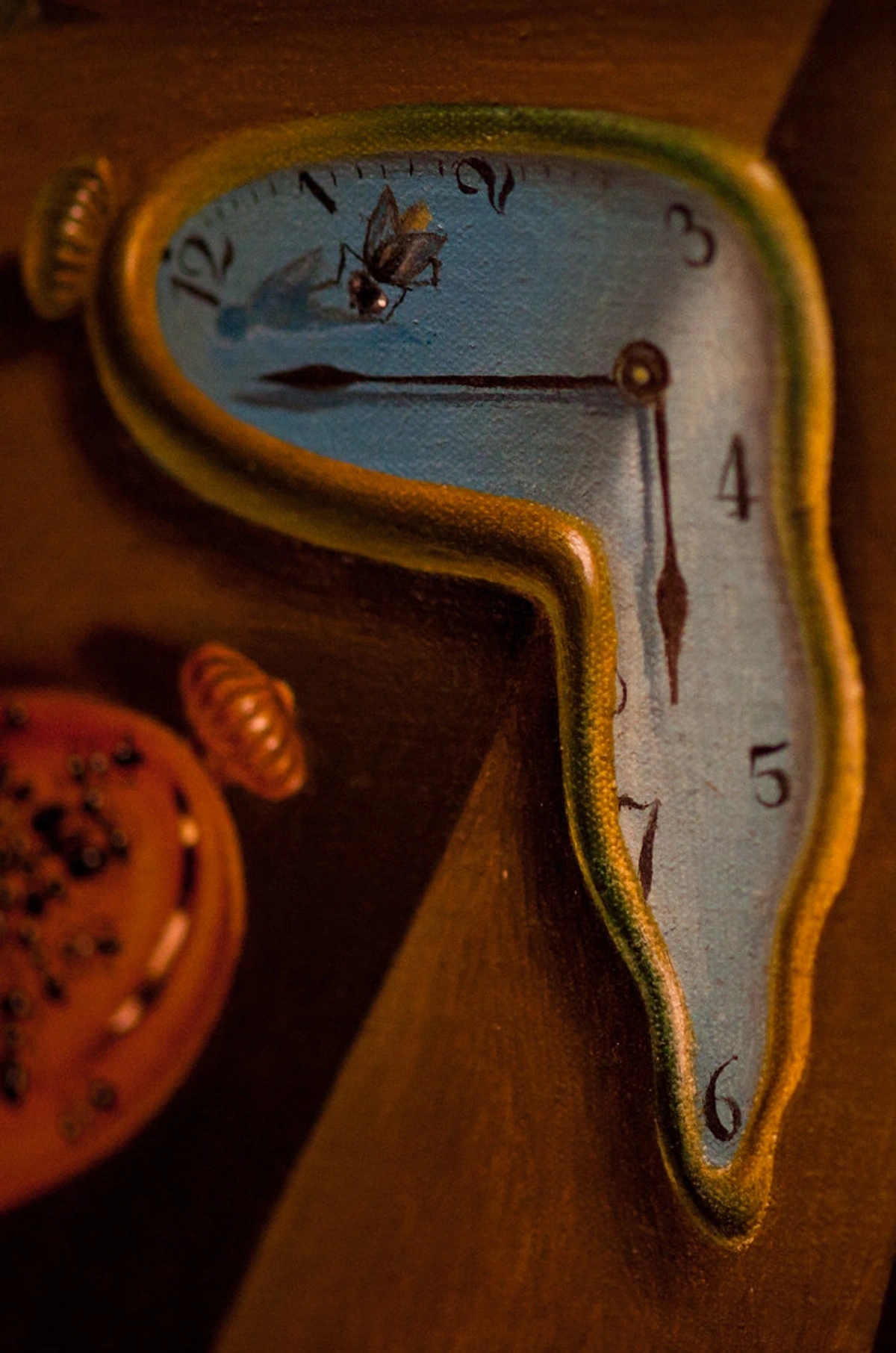
Consider Surrealism, which delves into the subconscious mind, exploring dreams and the irrational. These movements challenge us to see the world differently, to question our perceptions, and to embrace the unknown.
The Power of Symbolism
Symbolism plays a crucial role in the enduring appeal of art movements. For example, the use of symbolic imagery in Symbolism allows artists to convey complex ideas and emotions that transcend language. This universal language of symbols ensures that these movements remain accessible and meaningful to audiences across cultures and generations.
Universal Themes
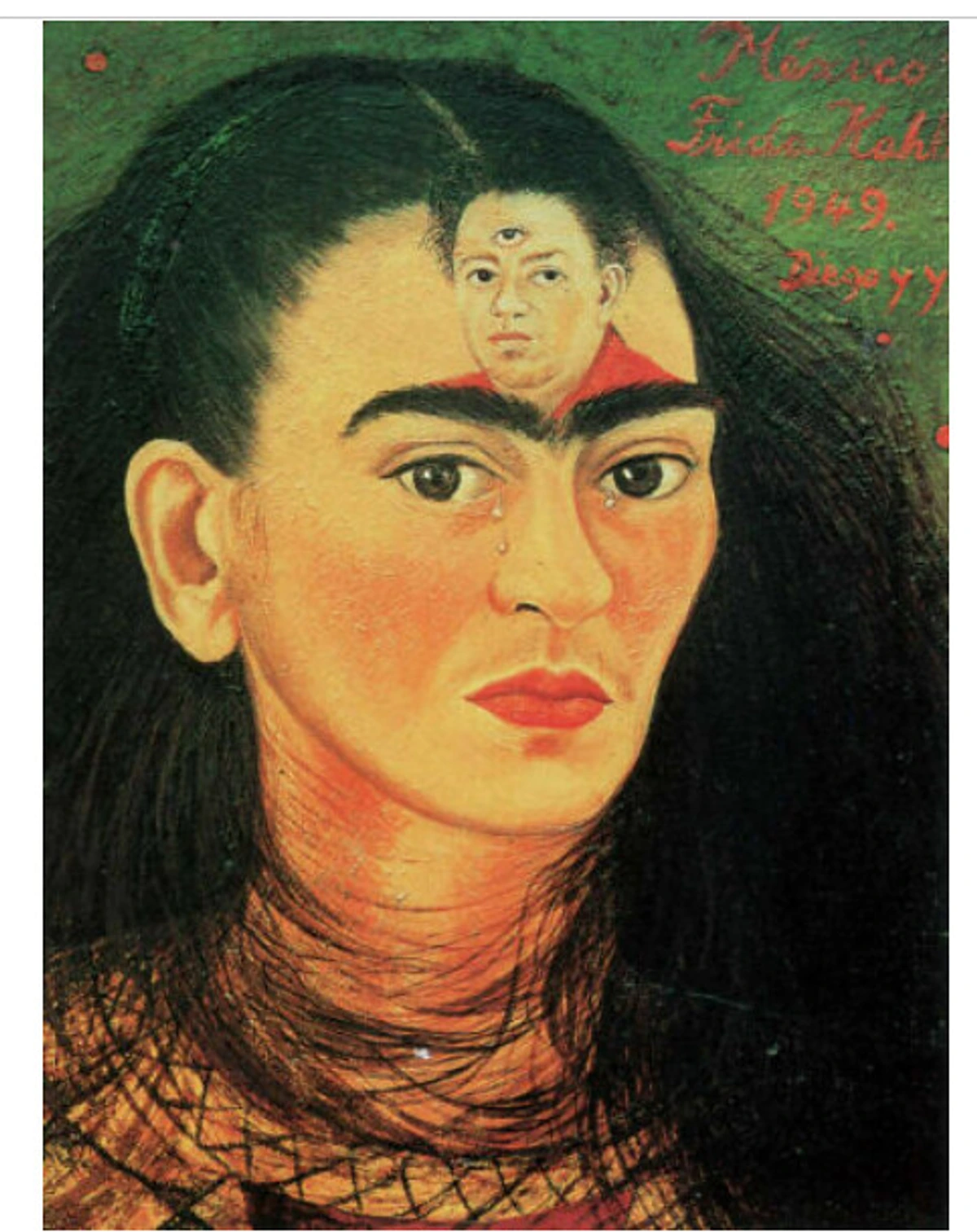
Art movements that endure often explore universal themes such as love, loss, identity, and the human condition. These themes are timeless and resonate with audiences across different cultures and generations. For example, the works of Frida Kahlo explore themes of pain and resilience, making her art relatable to people from all walks of life.
The Role of Narrative
Narrative is another powerful tool that art movements use to connect with audiences. Whether it’s the storytelling in Renaissance paintings or the personal narratives in contemporary art, stories create a sense of continuity and shared experience. This narrative quality ensures that these movements remain relevant and engaging.

Evolution and Reinvention
Great art movements don’t stay static. They evolve. Cubism, pioneered by Picasso and Braque, shattered traditional perspectives. But its influence didn’t stop there. It seeped into architecture, fashion, even graphic design. Movements that adapt find new life in unexpected places.
For example, Pop Art emerged in the 1950s as a commentary on consumer culture, but its influence can still be seen today in advertising, fashion, and digital media. This ability to reinvent and adapt ensures that these movements remain relevant and continue to inspire new generations of artists.

The Impact of Technology
Technology has played a significant role in the evolution of art movements. From the invention of the camera influencing Impressionism to digital tools shaping Digital Art, technology has continuously pushed the boundaries of what is possible in art. This ongoing interaction between art and technology ensures that movements remain dynamic and innovative.
Cross-Disciplinary Influence
Art movements often transcend their original medium and influence other disciplines. For instance, the principles of Bauhaus design have shaped modern architecture, furniture design, and even typography. This cross-disciplinary influence ensures that the legacy of these movements extends far beyond the art world.
The Role of Collaboration
Collaboration has been a driving force behind many art movements. For example, the Surrealist movement thrived on collaborative projects and collective exhibitions. This spirit of collaboration not only fosters innovation but also ensures that these movements remain vibrant and relevant.
How Do These Movements Stay Relevant?
Art movements stay relevant by continuously engaging with audiences through education, media, and personal connections. They evolve and adapt, finding new ways to resonate with contemporary audiences.
The Role of Education
Education plays a crucial role in keeping art movements relevant. Museums, schools, and galleries provide the context and background necessary to appreciate these movements fully. By fostering a deeper understanding of the historical and cultural significance of art, educational institutions ensure that these movements remain accessible and meaningful to future generations.
The Role of Technology
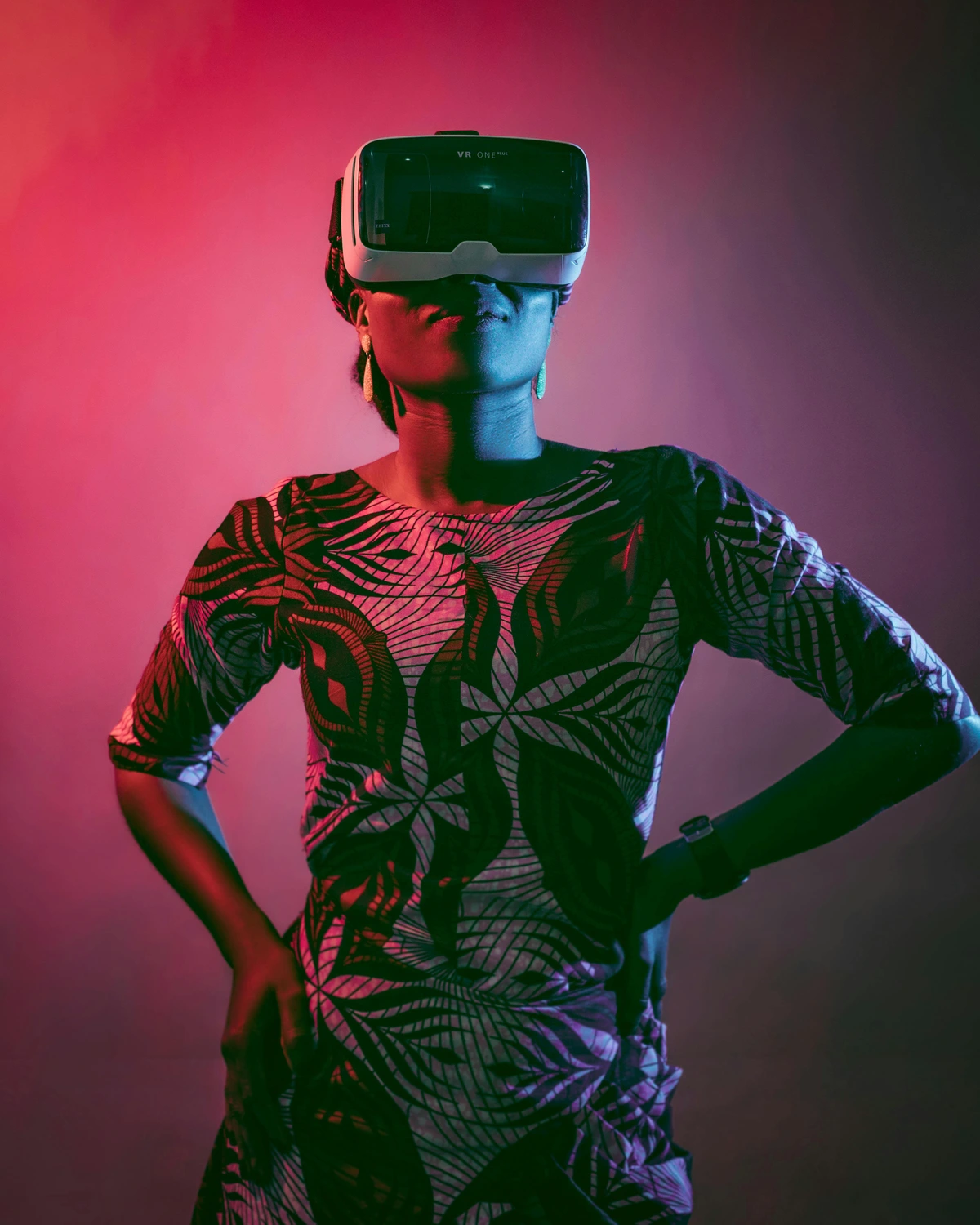
Technology has played a significant role in keeping art movements relevant. Digital platforms have made art more accessible than ever, allowing people from all over the world to explore and engage with different movements. Virtual exhibitions, online galleries, and social media have all contributed to the continued relevance of these movements.
The Impact of Digital Art
The rise of Digital Art has opened new avenues for artistic expression. Digital tools and platforms have democratized art, allowing artists to experiment with new techniques and reach global audiences. This digital revolution ensures that art movements remain dynamic and innovative, continually pushing the boundaries of what is possible.

Education and Exposure
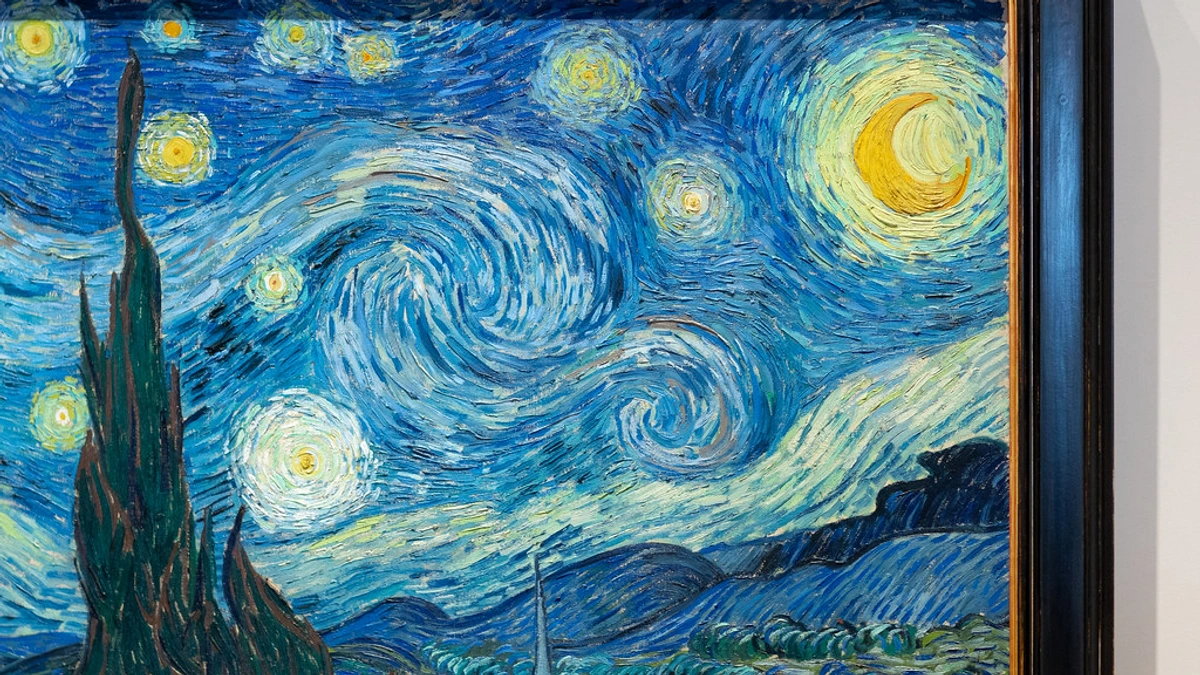
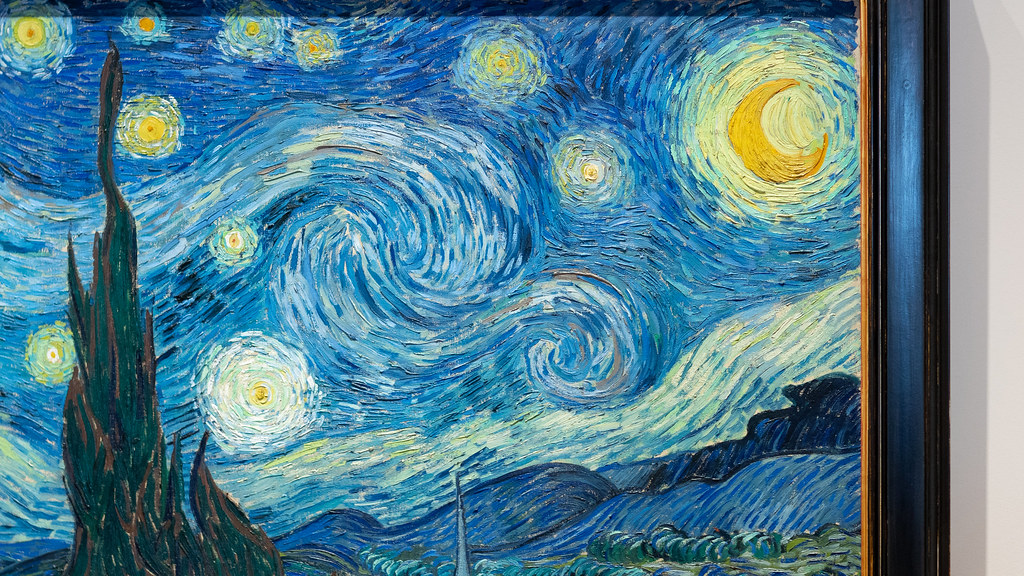
Museums, schools, and galleries play a huge role. When you see a Van Gogh up close, it’s different from a photo in a textbook. The texture, the scale—it’s immersive. Places like the [/den-bosch-museum] make these experiences accessible, keeping the conversation alive.
Educational programs and workshops also help to demystify art, making it more approachable and relatable. By fostering a deeper understanding of the historical and cultural context of these movements, institutions ensure that their legacy endures.
The Role of Art Criticism
Art criticism plays a vital role in shaping our understanding of art movements. Critics provide context, interpretation, and validation, helping audiences appreciate the significance of these movements. This critical dialogue ensures that art movements remain relevant and thought-provoking.

Community Engagement
Art movements also stay relevant through community engagement. Local art fairs, public installations, and collaborative projects bring art into the public sphere, making it a part of everyday life. These initiatives foster a sense of ownership and connection, ensuring that art remains a vibrant and integral part of society.
The Role of Public Art
Public art plays a crucial role in keeping art movements relevant. Murals, sculptures, and installations in public spaces make art accessible to everyone, fostering a sense of community and shared experience. This public engagement ensures that art movements remain a vibrant and integral part of society.
Pop Culture and Media
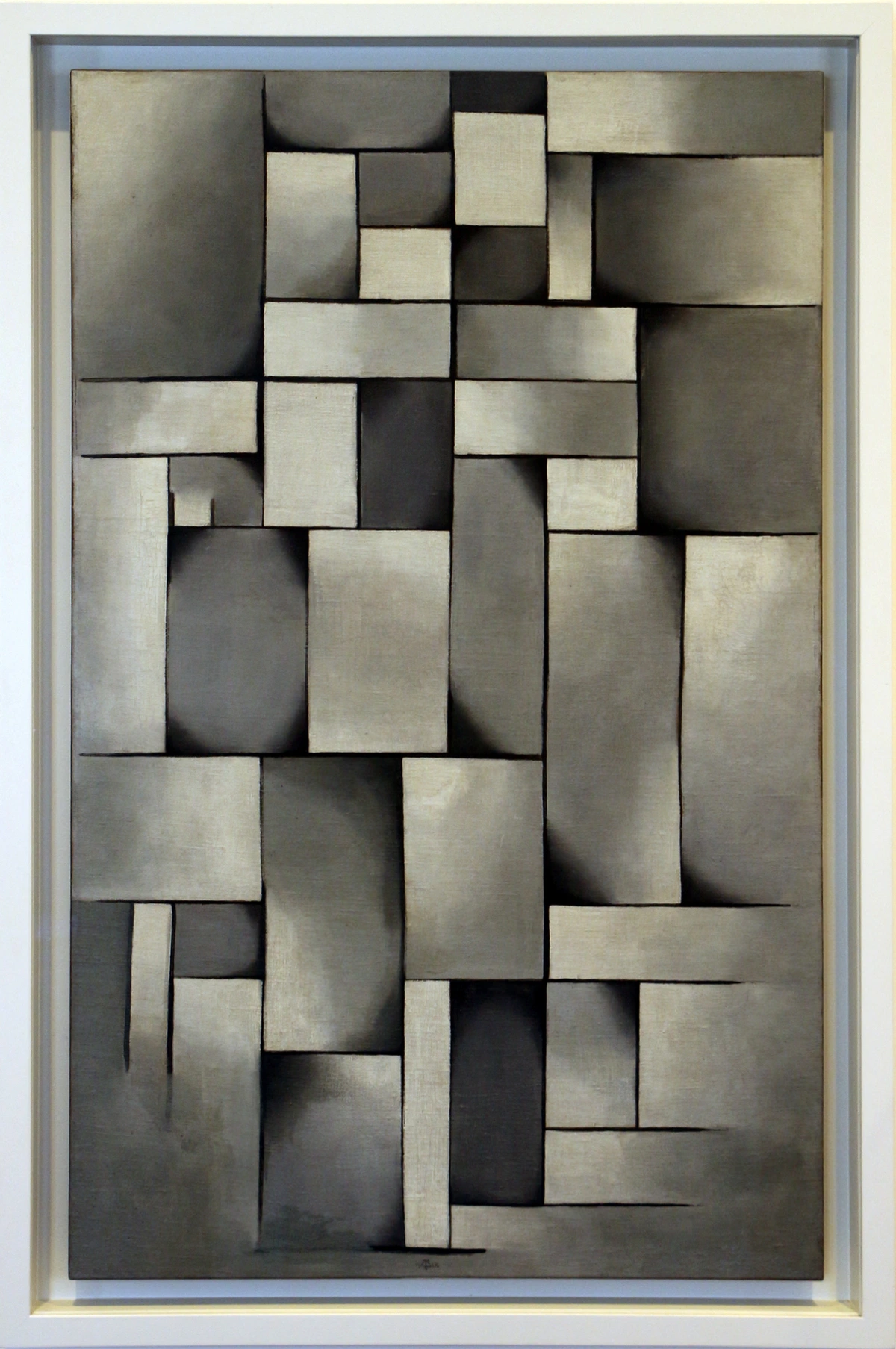
From films to fashion, art movements pop up everywhere. Think of Midnight in Paris—Woody Allen’s love letter to 1920s Paris—and how it reignited interest in Modernism. Or how abstract art inspires album covers and street murals. The more we see these styles, the more they feel like part of our cultural DNA.
Art movements also find new life in digital media, from social media trends to virtual exhibitions. The accessibility of digital platforms allows these movements to reach global audiences, ensuring their continued relevance in an ever-changing world.
The Influence of Fashion
Fashion has always been intertwined with art movements. From the bold patterns of Art Nouveau to the minimalist aesthetics of Minimalism, fashion designers draw inspiration from art movements, bringing their themes and styles into everyday life. This interplay between art and fashion ensures that these movements remain relevant and influential.
The Influence of Film and Literature
Film and literature have also played a crucial role in keeping art movements relevant. Movies like The Agony and the Ecstasy, which explores the life of Michelangelo, bring the Renaissance to life for modern audiences. Similarly, books and documentaries provide in-depth explorations of art movements, making them accessible and engaging for a wider audience.
The Role of Literature
Literature has been a powerful medium for exploring and preserving the themes of art movements. From the poetic descriptions of Romanticism to the experimental narratives of Modernism, literature provides a rich context for understanding the cultural and emotional significance of these movements.
Personal Connection
At the end of the day, art is personal. Maybe you love the bold colors of Fauvism because they remind you of a sunset you once saw. Or perhaps the precision of the Renaissance speaks to your love of detail. These movements endure because they touch something inside us.
Art has the power to evoke memories, emotions, and even inspire action. Whether it’s a painting that reminds you of a childhood memory or a sculpture that challenges your perspective, these personal connections ensure that art movements remain meaningful and relevant.
The Role of Memory
Memory plays a significant role in our connection to art. A piece of art can transport us back to a specific moment in time, evoking emotions and memories that we thought were long forgotten. This ability to trigger memories and emotions is one of the reasons why art movements continue to resonate with audiences across generations.
The Role of Nostalgia
Nostalgia is another powerful force that keeps art movements relevant. Whether it’s the retro aesthetics of Pop Art or the timeless elegance of Art Deco, nostalgia allows us to revisit the past and find comfort in familiar themes and styles. This nostalgic connection ensures that these movements remain meaningful and enduring.
FAQ
Why is Impressionism still popular today?
Impressionism’s focus on light and everyday moments makes it relatable. It’s not about grand narratives but the beauty in the ordinary—something we all crave.
How does Abstract Expressionism connect with modern audiences?
Its emphasis on emotion over form resonates in a world where we’re constantly processing complex feelings. It’s art that doesn’t need explanation; it just feels.
Can new art movements achieve the same longevity?
Absolutely. Movements like Street Art (think Banksy) or Digital Art are already carving their place. The key? Tapping into universal themes while pushing boundaries.
What role do museums play in preserving art movements?
Museums serve as custodians of art history, preserving and showcasing works that define these movements. They provide a space for education and reflection, ensuring that these movements remain accessible to future generations.
How has technology influenced the evolution of art movements?
Technology has democratized art, allowing new movements like Digital Art to emerge and thrive. It has also enabled artists to experiment with new mediums and techniques, pushing the boundaries of traditional art forms.
Why do some art movements fade away while others endure?
Art movements that endure often tap into universal themes and emotions, making them relatable across generations. Those that fade may lack this timeless quality or fail to adapt to changing cultural landscapes.
How do art movements influence contemporary artists?
Contemporary artists often draw inspiration from past movements, reinterpret their themes, and incorporate their techniques into modern contexts. This continuous dialogue between past and present ensures the relevance of historical movements.
What is the significance of color in art movements?
Color plays a pivotal role in conveying emotions and themes. For example, the vibrant hues of Fauvism evoke energy and passion, while the muted tones of the Renaissance reflect a focus on realism and harmony.
How do art movements reflect societal changes?
Art movements often mirror the societal shifts of their time. For instance, the bold and rebellious nature of Dadaism reflected the disillusionment and chaos following World War I.
What is the role of criticism in the longevity of art movements?
Criticism helps to contextualize and validate art movements, ensuring their place in art history. It also fosters dialogue and debate, keeping the movements relevant and thought-provoking.
How do art movements inspire innovation?
Art movements inspire innovation by challenging artists to think outside the box and experiment with new techniques and mediums. This spirit of innovation ensures that art continues to evolve and remain relevant in an ever-changing world.
What is the future of art movements?
The future of art movements lies in their ability to adapt and evolve. As technology continues to advance, we can expect to see new movements emerge that push the boundaries of traditional art forms and explore new mediums and techniques.
How do art movements influence fashion?
Art movements have a profound impact on fashion. For example, the bold patterns of Art Nouveau and the minimalist aesthetics of Minimalism have inspired fashion designers, bringing artistic themes into everyday wear. This interplay ensures that art movements remain relevant and influential in contemporary culture.
What is the role of public art in preserving art movements?
Public art, such as murals and sculptures, plays a crucial role in keeping art movements relevant. By making art accessible to everyone, public art fosters a sense of community and shared experience, ensuring that these movements remain a vibrant part of society.
How do art movements influence film and literature?
Art movements have inspired countless films and literary works. For example, the surreal imagery of Surrealism has influenced films like Un Chien Andalou, while the themes of Romanticism have inspired novels like Frankenstein. This cross-pollination ensures that art movements remain relevant in various forms of media.
What is the role of nostalgia in the enduring appeal of art movements?
Nostalgia allows us to revisit the past and find comfort in familiar themes and styles. Movements like Pop Art and Art Deco evoke a sense of nostalgia, ensuring their continued relevance and appeal across generations.
Conclusion
Art movements endure because they’re more than just styles—they’re stories. They capture moments, emotions, and ideas that transcend time. Whether it’s the dreamy landscapes of Impressionism or the bold strokes of Abstract Expressionism, these movements keep speaking to us. And honestly? I think that’s pretty magical.

As we continue to explore and reinterpret these movements, we ensure that their legacy lives on. They remind us of our shared humanity and the power of creativity to transcend time and space.









If you’re curious to explore more, check out the [/timeline] to see how these movements fit into the bigger picture. Or, if you’re feeling inspired, why not bring a piece of this legacy into your own space? [/buy] has some incredible works that echo these timeless styles.
Art is not just about the past; it’s about the future. It’s about how we see the world and how we choose to express ourselves. So, let’s keep the conversation going and continue to celebrate the enduring appeal of art movements.
Further Exploration
To deepen your understanding, consider visiting local galleries, attending art workshops, or exploring online resources. Engaging with art in various forms can provide new insights and inspire your own creative journey.
Final Thoughts
Art movements are a testament to the enduring power of human expression. They connect us across time and space, reminding us of our shared experiences and the limitless potential of creativity. Let’s continue to explore, appreciate, and celebrate these movements for generations to come.
The Role of Art in Society
Art movements are not just about aesthetics; they are about the values and beliefs of the societies that produced them. They serve as a reflection of societal changes and cultural dynamics, ensuring that they remain relevant and influential in contemporary culture.
The Future of Art Movements
The future of art movements lies in their ability to adapt and evolve. As technology continues to advance, we can expect to see new movements emerge that push the boundaries of traditional art forms and explore new mediums and techniques. This ongoing interaction between art and technology ensures that movements remain dynamic and innovative.