Decoding the Code: How Understanding Cultural Context Brings Art to Life
Unlock deeper connections with art through its cultural context—discover hidden meanings, historical resonance, and why this knowledge transforms your viewing experience.

Decoding the Code: How Understanding Cultural Context Brings Art to Life
Have you ever stared at a painting and felt utterly disconnected? You know it’s ‘important,’ but it just doesn’t land. Maybe it’s a splash of colors that feels random, or a figure staring blankly into space. I’ve been there—staring at abstract art, my brain screaming, What am I missing? Then something clicked. Not the art, suddenly clear. But that maybe I wasn’t seeing it at all. Because art isn’t just paint and canvas. It’s a conversation. And if you don’t speak the language of its cultural context, you’ll feel like an eavesdropper at a party where everyone’s laughing at a private joke.
Let’s change that. Together.
Why Cultural Context Isn’t Just Art School Jargon
Here’s a truth I wish someone’d whispered in my ear earlier: art never exists in a vacuum. Every brushstroke, every chipped sculpture, every pixel explosion exists in dialogue with the world around it—politics, technology, food trends, even the local gossip. Ignore that context, and you’re reading the final page of a book without opening the cover. It’s not wrong to do that, but it’s exhausting. Like trying to understand a film by watching only the last five minutes.
Take Frida Kahlo’s thorny, surreal self-portraits. Without knowing about her near-fatal bus accident, her tumultuous marriage to Diego Rivera, or the political turmoil in Mexico, those self-portraits aren’t just paintings—they’re diaries. With context, they become visceral cries of resilience. See the difference?

What We Mean by "Cultural Context" Anyway?
Let's break this down with real-world examples you might actually encounter:
Aspect  | What It Entails | Examples You'd Recognize | Why It Matters |
|---|---|---|---|
| Time & Place | The historical moment, geographical location, prevailing mood | Renaissance Florence vs. 1920s Berlin DADA Club vs. Post-colonial African art | The same subject (a portrait) means completely different things in different eras and locations |
| Artist's Life | Personal experiences, beliefs, struggles, relationships | Basquiat's rise from graffiti to art stardom, Kahlo's physical pain, Van Gogh's mental health | Art becomes autobiography when you know the artist's story |
| Society | Dominant ideologies, social movements, rituals, power structures | Feminist art redefining the female nude, Civil Rights movement art, LGBTQ+ art expressions | Art reflects and often challenges the society that creates it |
| Symbols | Shared visual codes, myths, colors, objects, gestures | Gold in religious art symbolizing divinity, specific color meanings across cultures | These are the visual "language" that artists and viewers share |
| Materials | Available technology, resources, traditional mediums | Cave paintings vs. digital art, traditional pigments vs. modern synthetics | Materials shape what's possible and carry their own cultural meanings |
Think about it this way: cultural context is like the operating system that runs the art. Without understanding the OS, you can't really run the program.
Let’s break it down simply:
Aspect | What It Entails | Example You’d Recognize |
|---|---|---|
| Time & Place | The historical moment, geographical location | Renaissance Florence vs. 1920s Berlin DADA Club |
| Artist’s Life | Personal experiences, beliefs, struggles | Basquiat’s rise from graffiti to art stardom |
| Society | Dominant ideologies, social movements, rituals | Feminist art redefining the female nude |
| Symbols | Shared visual codes, myths, colors, objects | Gold in religious art symbolizing divinity |
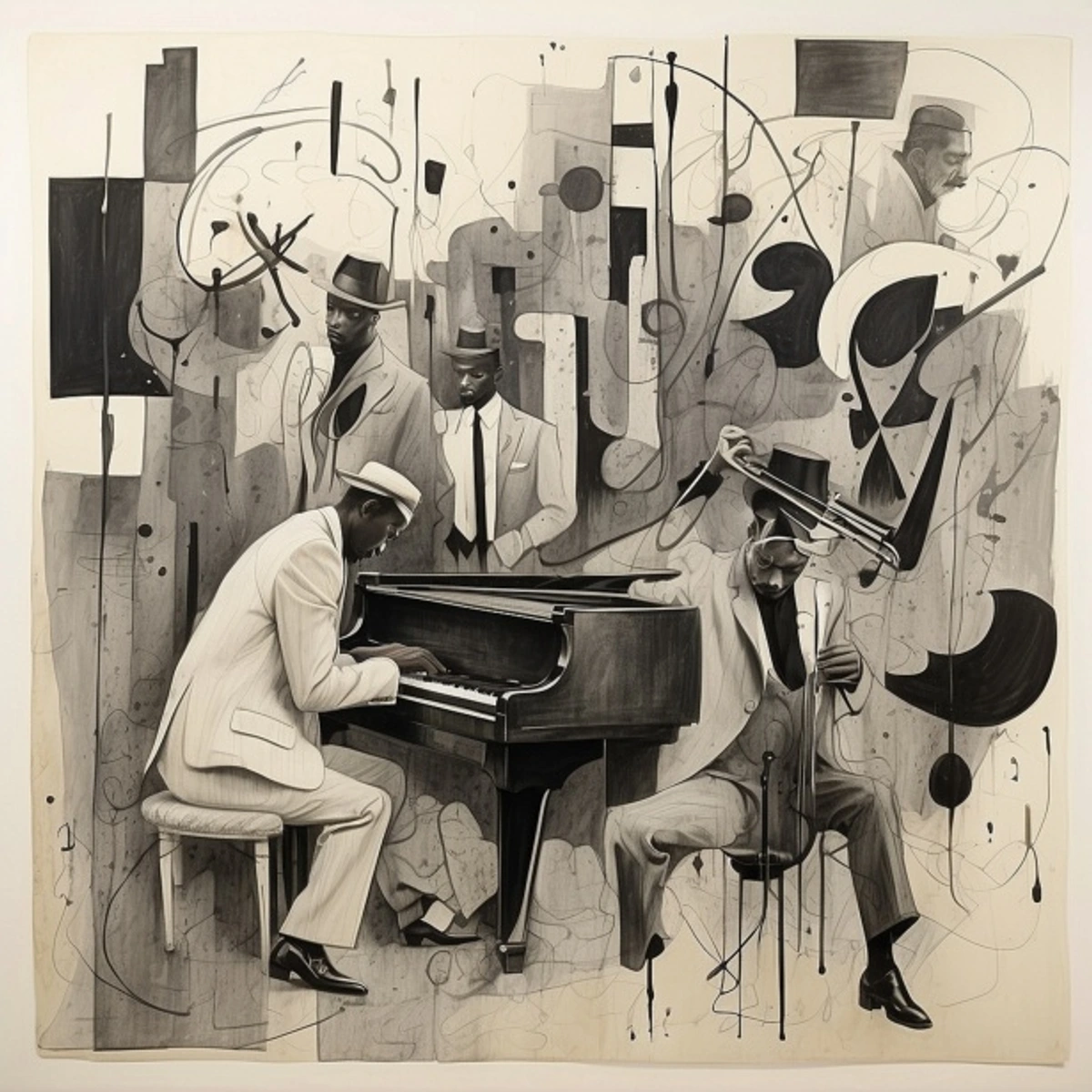
Got it? Cool. Let’s dig deeper.
The Language of Meaning: Symbols, Myths, and Hidden Whispers
Art speaks in riddles. And the key to solving those riddles? Shared symbolism. Ever wondered why a skull suddenly appears in a 17th-century still life? Or why blue robes denote the Virgin Mary in Renaissance paintings? Or why that little dog in a Dutch portrait might mean loyalty or even... death?
These symbols aren't random. They're part of a visual language that artists and viewers shared. Think of it like internet memes—some images or symbols carry specific meanings that everyone in a particular culture "gets." In art history, this visual language evolved over centuries, creating layers of meaning that we can learn to read.
But here's where it gets really interesting: these symbolic meanings aren't static. They evolve, they migrate, and they get completely reinvented across different cultures and time periods. Let's explore some fascinating examples:
Understanding Symbol Systems
Different cultures developed entirely different symbol systems. What means purity in one culture might mean mourning in another. Let's look at some cross-cultural examples:
Symbol | Western Art Meaning | Eastern Art Meaning | Indigenous Art Meaning | Contemporary Meaning |
|---|---|---|---|---|
| Dragon | Evil, chaos to be slain | Wisdom, power, good fortune | Ancestral spirits, rain bringers | Power, transformation (tattoos, logos) |
| Lotus | Rare beauty (sometimes) | Enlightenment, purity, rising from mud | Spiritual awakening | Resilience, overcoming adversity |
| Eagle | Freedom, America | Imperial power, sun | Messenger between worlds | Vision, leadership |
| White | Purity, innocence | Death, mourning | Peace, spiritual light | Minimalism, modernity |
| Snake | Temptation, evil | Healing, rebirth (medical symbol) | Wisdom, transformation | Rebellion, edginess |
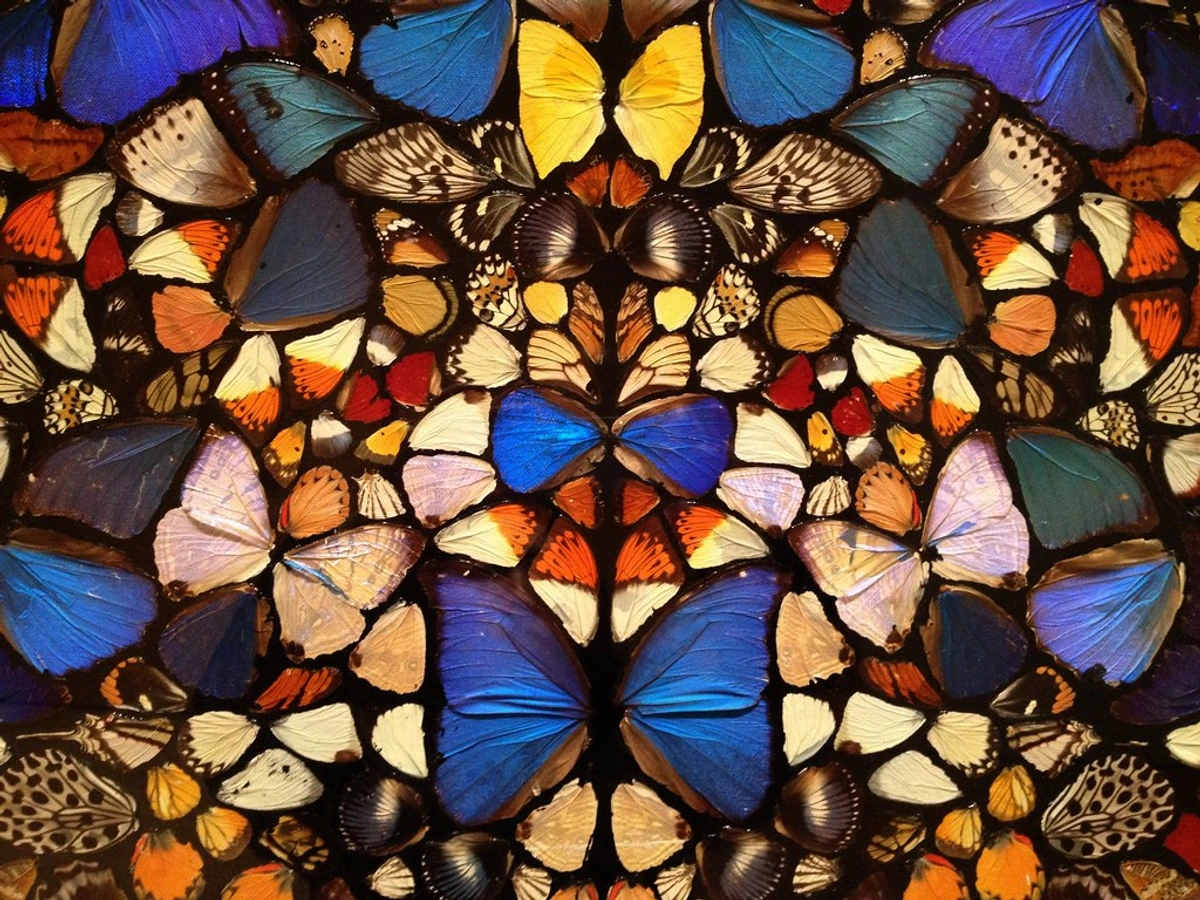
| Butterfly | Transformation, fragility | Joy, young woman's beauty | Soul, change | Freedom, beauty, social media aesthetics |
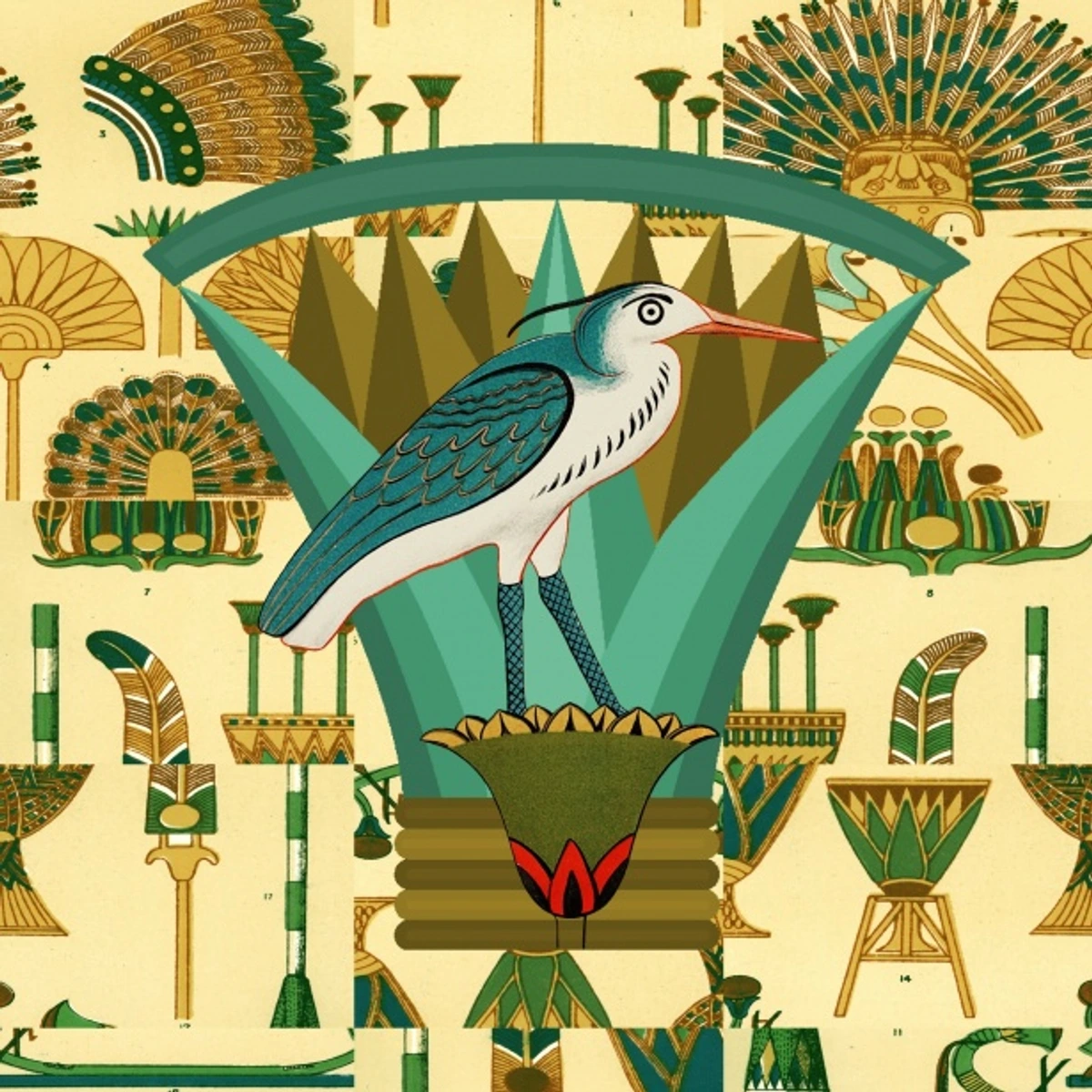
Let me share a personal example: I once visited an exhibition where I saw a painting of a snake in a Christian context (evil) right next to a Native American piece where the same snake represented wisdom and healing. It was literally the same animal, completely opposite meanings. That experience taught me that symbols are like words—they carry different meanings depending on who's speaking and who's listening.
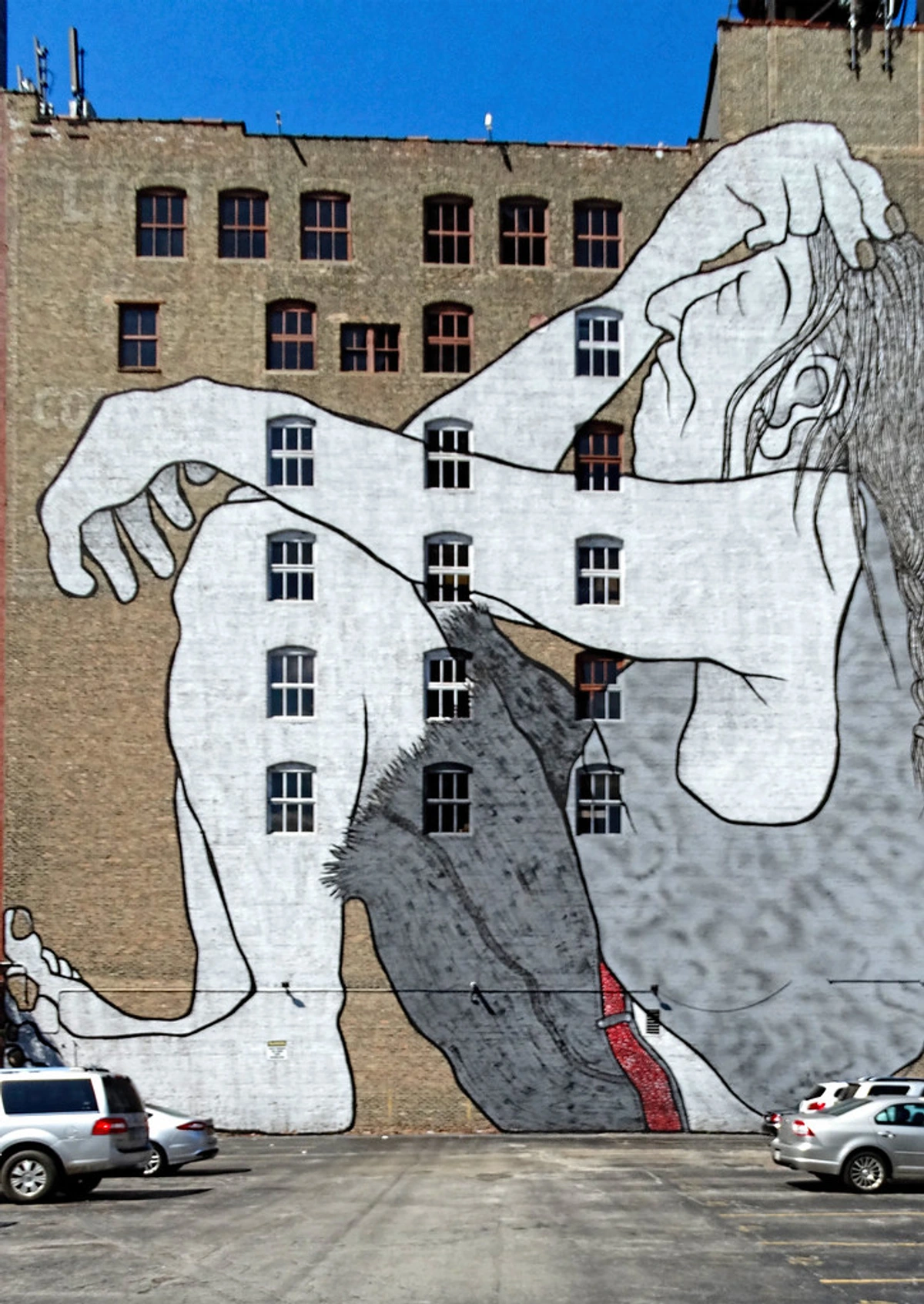
This is why context is so crucial—the same visual element can tell completely different stories depending on who's looking and when.
I remember my first museum tour where a docent pointed out how vanitas paintings used wilting flowers, half-empty hourglasses, and skulls to remind viewers of life’s fragility. Suddenly, all those ‘depressing’ still-life paintings became… comforting. They weren’t morbid. They were gentle nudges to live fully now. That’s the power of decoding context.
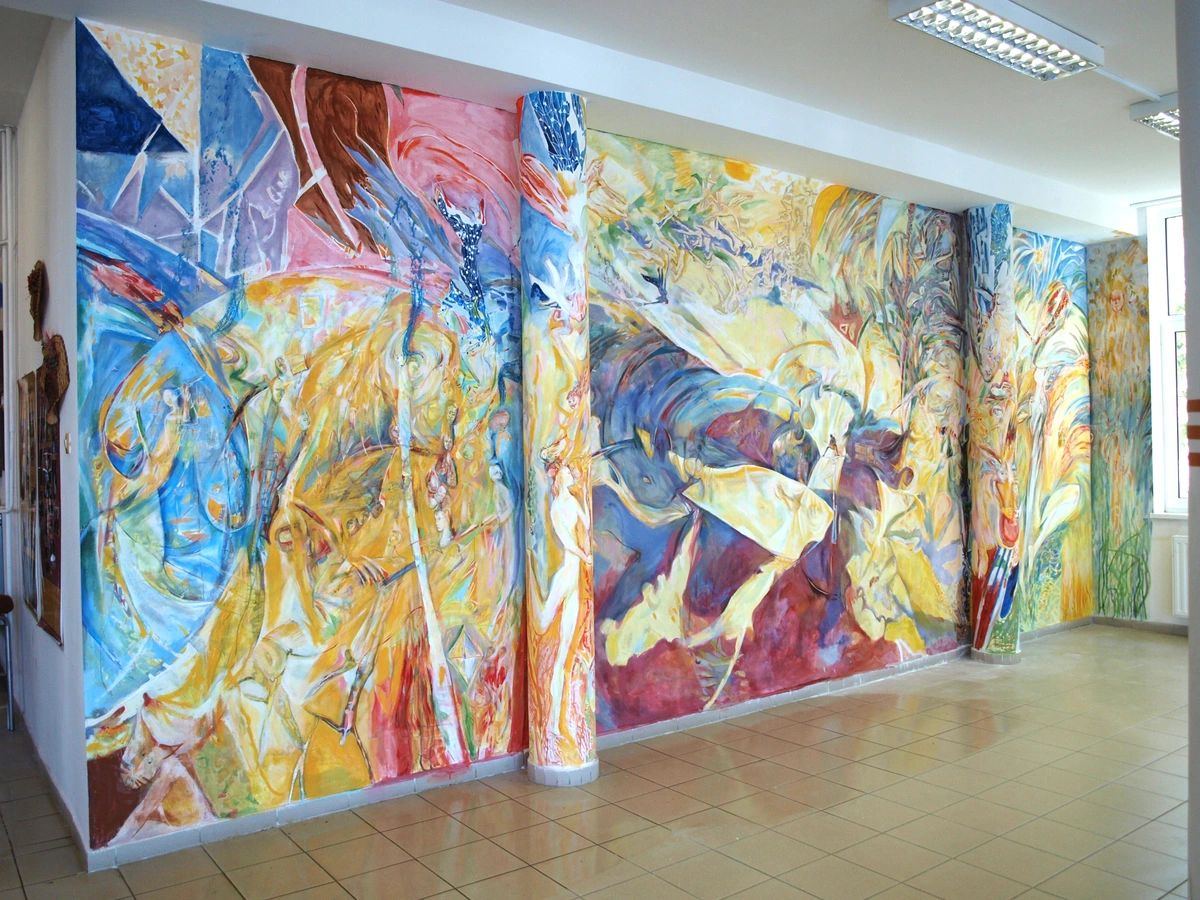
But symbols evolve! That same skull? In modern street art, it might scream "YOLO" or anti-establishment rage. Context flips meaning on its head every time.
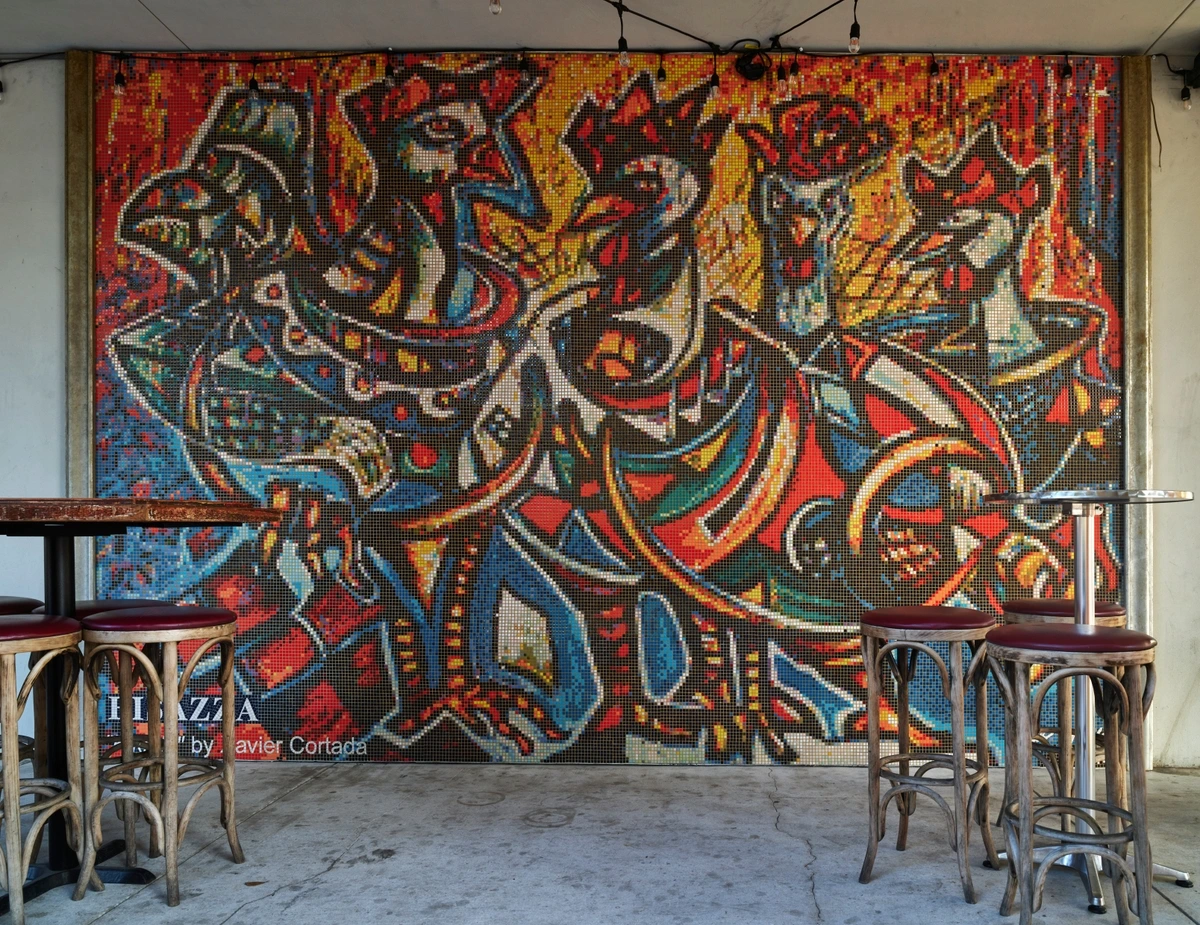
Now, what about abstract art, like the vivid, swirling pieces you might find on our gallery page (/buy)? If the artist painted during wartime, those jagged red streaks aren’t random. They might be screams translated into color. Or if they emerged from a period of joy, they’re explosions of pure, uncut bliss. The canvas is a diary—if you know how to read it.
Practical Toolkit: How to ‘Culture-Check’ Any Artwork
You don’t need PhDs for this. Just curiosity. Here’s my messy, human approach:
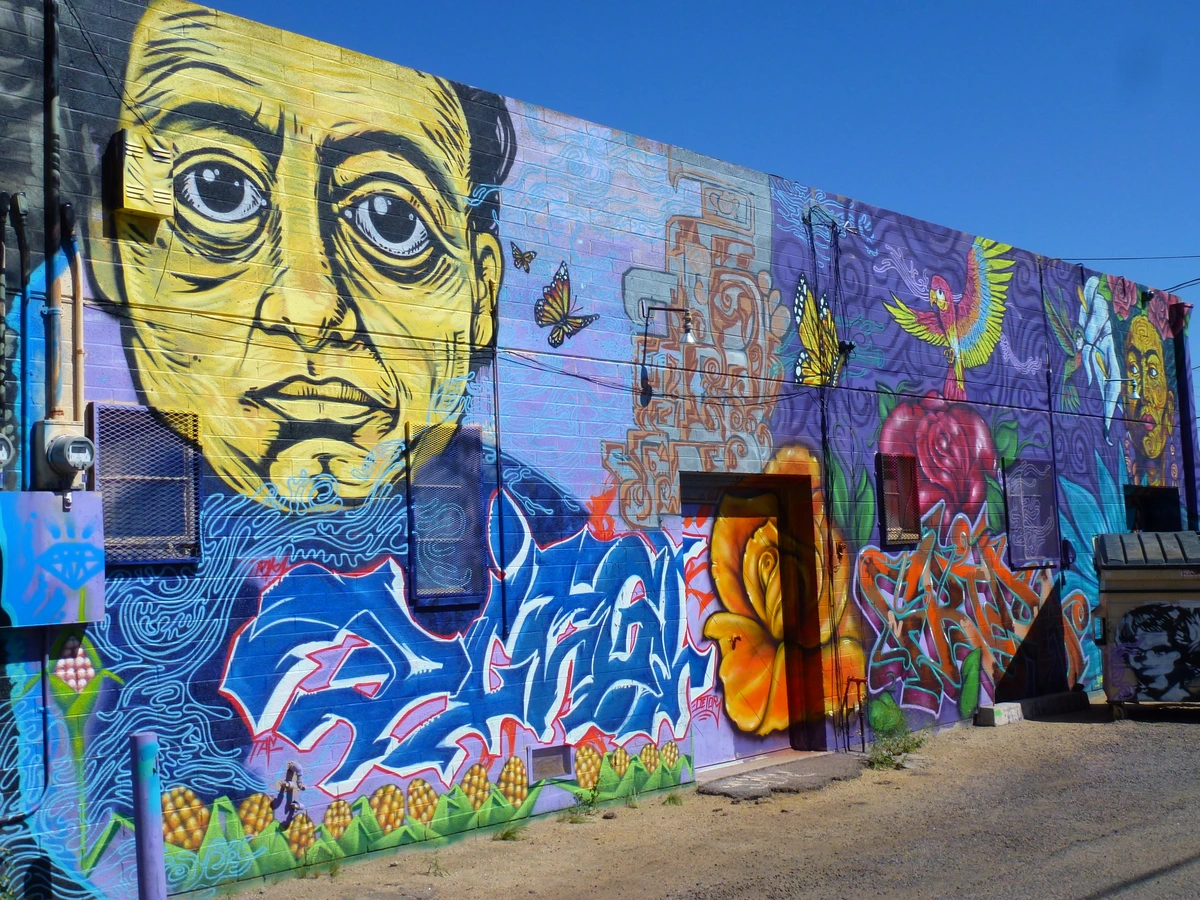
- Ask the Dumb Questions First: Who made this? When? Where? Seriously. That’s your anchor. If an artist painted in apartheid South Africa, every brushstroke carries that weight. If they painted in post-WWII Paris, there’s liberation and trauma in the air.
- Google Like a Detective (But Skim): “Artwork title + historical context” or “Artist’s biography + major events during this period.” You’re not writing a thesis. Just grabbing headlines. What was happening in the world then? Was there a new art movement? A war? A technological invention (like photography shaking painting’s dominance)?
- Notice the Absences: What’s missing? If a painting from 1900 shows no telephones, no cars, that absence is context. It defines life’s pace, society’s priorities.
- Connect It to Your World: Does this art, in any way, mirror or argue with your own time? Are there unexpected parallels? Making those connections is where the magic happens. You’re not just observing. You’re dialoguing.
Where We Get It Wrong (And Why That’s Okay)
Look, I’ve misinterpreted art before. Badly. Once, I saw a dark, brooding sculpture and assumed the artist was depressed. Turns out, it was a commentary on overconsumption. Context fail!
Here are two common traps:
- Anachronistic Judgments: Judging past art through modern eyes. That 18th-century painting of a serene woman? It’s not ‘oppressing women’ by today’s standards. It’s reflecting their limited options then. We must meet the art where it lived.
- Oversimplification: “This artist was angry, so all their art is angry.” People aren’t one-note. Even in struggle, there’s joy, irony, tenderness. Art reflects that fullness.
My best advice? Embrace uncertainty. Let the art puzzle you. The not-knowing is part of the joy.
FAQ: Your Burning Questions, Answered
Q1: Do I need a degree to understand cultural context? Not at all! It’s about curiosity, not credentials. Google is your friend. Start with basic questions and build from there.
Q2: What if I can’t find any context for a piece? Focus on what you do see. Colors, textures, compositions. Trust your gut. Sometimes, the personal response is the most valid one.
Q3: Does this apply to abstract art? Absolutely! Abstract art is often more steeped in context—responding to war, technology, chaos, or hope. The lack of figures just shifts the conversation to emotion and form.
Q4: Where’s a good place to start learning? Museum websites, artist interviews on YouTube, and books exploring movements (like “The Story of Art” by E.H. Gombrich). Start local—what was happening artistically in your city or country during key eras?
Q5: What if I still don’t ‘get’ it? That’s fine! Not every resonates. Art isn’t a test. It’s a buffet. Take what delights you. Leave the rest. There’s no shame in walking past a Klimt to get to a Kandinsky. Preference is valid.
Final Thoughts: Art as Time Machine
Understanding cultural context isn’t about becoming an art historian. It’s about being a better listener. Next time you stand before a piece, imagine it’s a letter from the past. What’s it trying to say? What struggles did it witness? What joys?
Art becomes richer, more human, more alive this way. It becomes a dialogue—not between you and the canvas, but between you centuries of human thought feeling, striving, shouting back at the dark.



So go ahead. Decode that code. The art is waiting for its story to be heard. And who knows—you might just hear your own.
PS. If you’d like to explore modern art rooted in distinct cultural narratives, browse our collection here (/buy). Curated with context in mind.