What is Pastel Painting? An Artist's Dive into a Vibrantly Misunderstood Medium
Ever wondered about pastel painting? Join me as I explore the unique beauty, history, and techniques of this often-misunderstood art form, from soft pastels to oil pastels. Get ready to dive into a world of vibrant color and tactile artistry!

What is Pastel Painting? An Artist's Dive into a Vibrantly Misunderstood Medium
Pastel painting is a medium that often evokes images of soft, delicate hues and gentle strokes. However, it is so much more than that. It is a vibrant, tactile, and incredibly versatile art form that deserves recognition for its depth and expressiveness. In this article, we will explore the rich history, diverse techniques, and practical considerations of pastel painting, as well as address common questions and misconceptions. By the end, you'll understand why pastels are a powerhouse of artistic expression and deserve a place in every artist's toolkit.
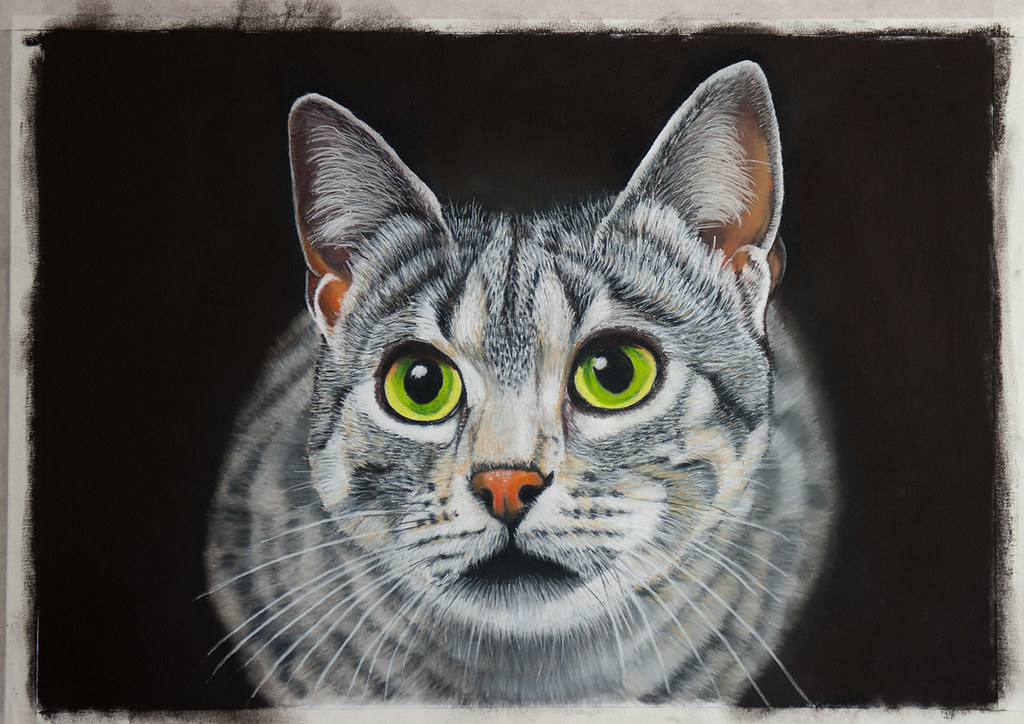
I have to admit, for the longest time, when I heard 'pastel painting,' my mind would immediately drift to soft, delicate hues and maybe a portrait of a fluffy cat (no offense to fluffy cats, they're adorable!). But oh, how my perspective has shifted over the years. Pastel, as a medium, is so much more than its gentle name suggests. It's a vibrant, tactile, and incredibly versatile art form that, in my opinion, often doesn't get the robust credit it deserves. Today, I want to pull back the curtain on this amazing medium and share why I think it's one of the most direct and expressive ways to lay down color.
Pastel painting is often misunderstood as a medium reserved for gentle, muted tones, but it is, in fact, a powerhouse of artistic expression. Whether you're a seasoned artist or a curious beginner, pastels offer a unique blend of immediacy and depth that few other mediums can match. In this article, we'll explore the rich history, diverse techniques, and practical considerations of pastel painting, as well as address common questions and misconceptions. By the end, you'll see why pastels deserve a place in every artist's toolkit.
What Exactly Are Pastels, Anyway?
At its heart, a pastel is essentially pure pigment mixed with a minimal amount of binder. Think of it like this: if oil paints are a smoothie (pigment + oil), and watercolors are a light tea (pigment + gum arabic + water), pastels are like a perfectly pressed, intensely flavored fruit bar (pigment + just enough binder to hold it together). This high pigment concentration is precisely why pastel paintings can boast such incredible luminosity and intense, pure color. They're not 'chalks' in the traditional sense – those are mostly gypsum and much less vibrant. No, pastels are the rockstars of dry media, offering incredible color saturation without the need for brushes, solvents, or drying time. It's all about direct application, which, for someone like me who loves immediacy, is an absolute dream.
Pastels are unique in their ability to deliver vibrant, lightfast colors that remain true over time. Unlike other mediums that may yellow or crack, pastels retain their brilliance, making them a favorite among artists who value longevity and vibrancy in their work. The directness of pastels also means that artists can work spontaneously, layering and blending colors without the constraints of drying time or the need for additional tools like brushes or solvents.
A Whisper of History: From Renaissance to Revolution
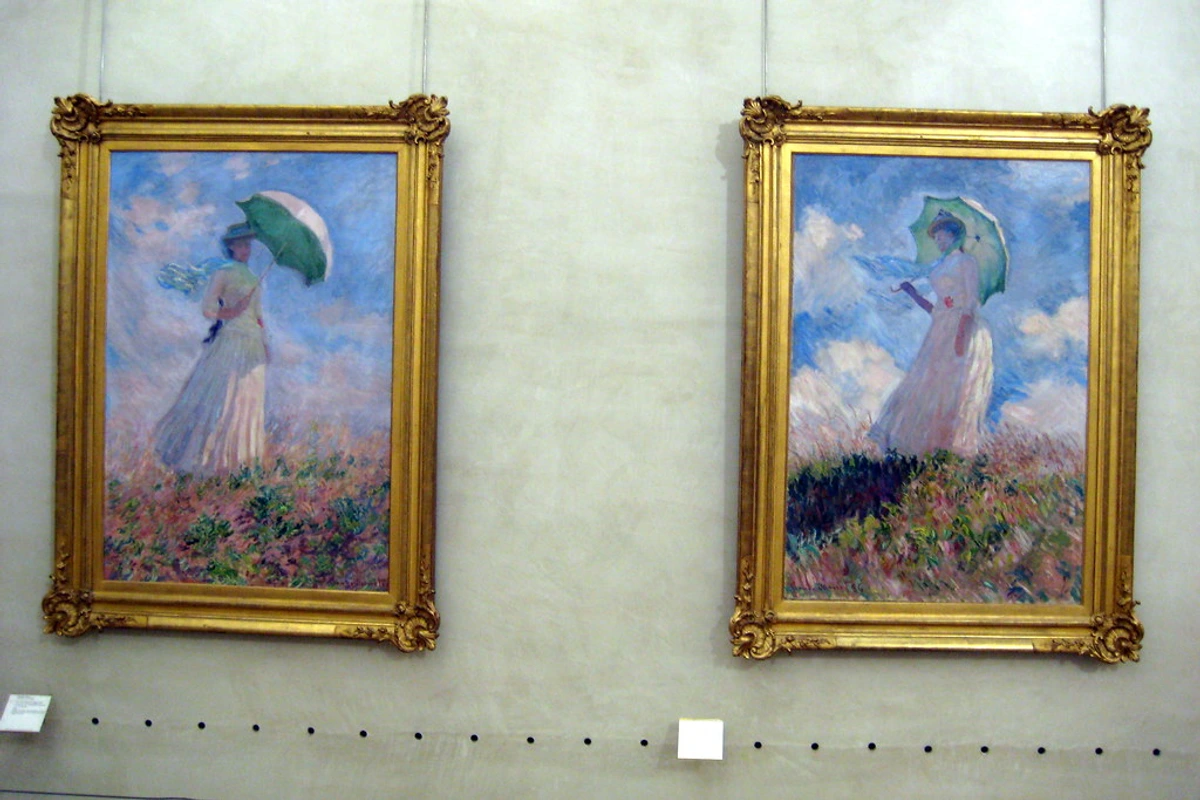
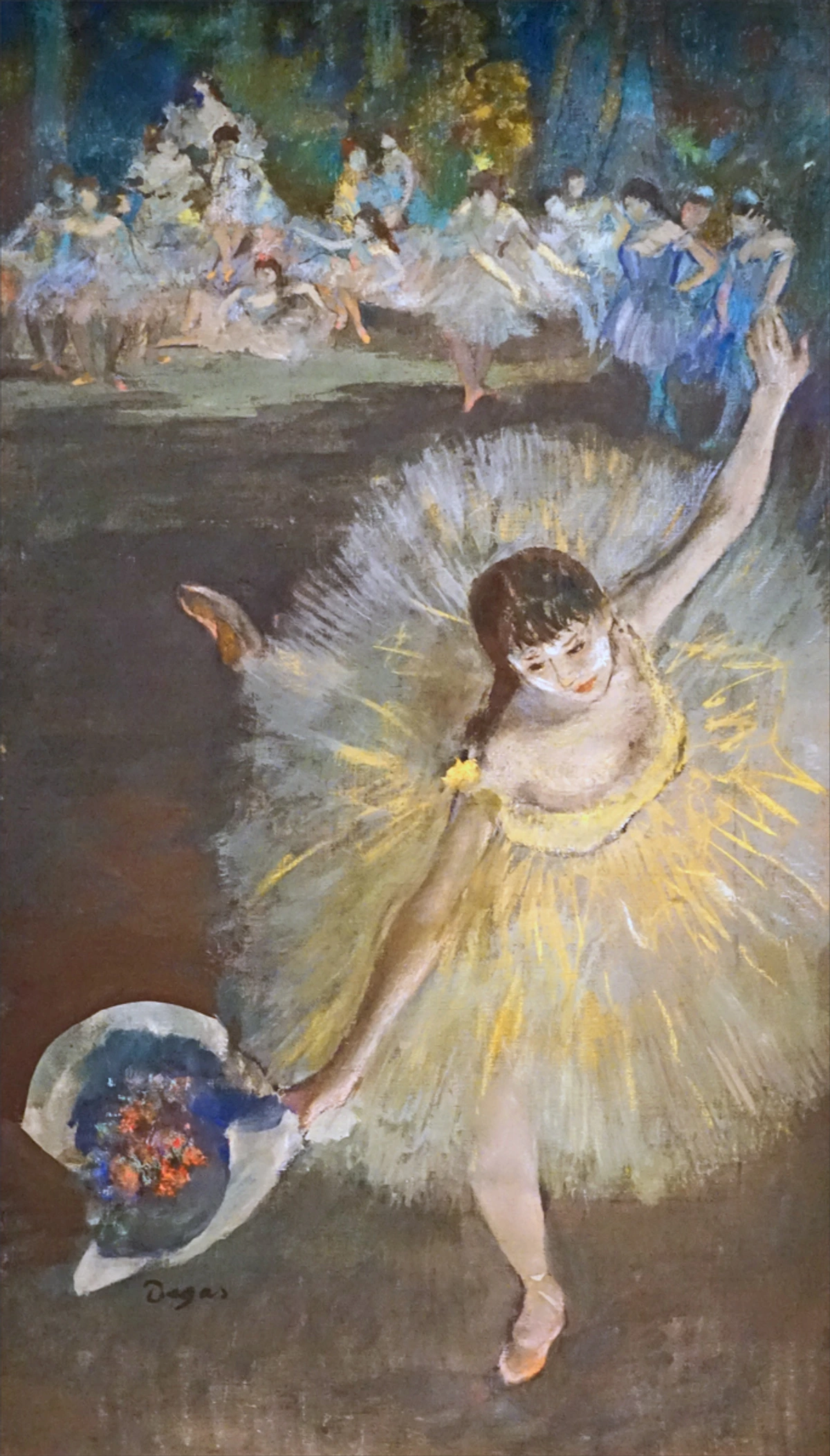
While my own journey is mostly in abstract acrylics, I've always been fascinated by how different mediums found their footing. Pastels, believe it or not, have a rather illustrious past, gracing the hands of masters for centuries. They really started gaining traction in the 16th century, though their heyday was arguably the 18th century, especially in France, where artists like Rosalba Carriera and Maurice Quentin de La Tour used them for stunning, lifelike portraits. The soft, luminous quality was perfect for capturing delicate skin tones and elaborate textures. Later, in the 19th century, the Impressionists, with their fascination for light and fleeting moments, found pastels ideal for their quick, expressive sketches and finished works. Think of Degas and his dancers – those vibrant, dynamic pieces often owe their magic to pastels. It’s a testament to their enduring appeal and adaptability, moving from the refined elegance of the Rococo to the energetic observations of modernism. A definitive guide to paint types can give you a broader understanding of how different mediums have evolved.
The history of pastels is a testament to their versatility and enduring appeal. From the intricate portraits of the Renaissance to the bold, expressive works of the Impressionists, pastels have proven their ability to adapt to the evolving needs and styles of artists. Their unique qualities have made them a staple in the art world, and their legacy continues to inspire contemporary artists today.
The Many Faces of Pastel: A Family Portrait
Just like brushes come in different shapes and sizes, pastels aren't a one-trick pony. There's a whole family, each with its own personality and best use. Understanding these differences is key to choosing the right tool for your artistic vision. I've found that knowing your materials is half the battle, no matter what you're creating.
Pastels come in various forms, each offering unique advantages and creative possibilities. Whether you're aiming for fine details, bold strokes, or intricate textures, there's a type of pastel that can help you achieve your artistic goals. Let's explore the different types of pastels and their best uses.
Type of Pastel  | Characteristics | Best For | My Thoughts |
|---|---|---|---|
| Soft Pastels | Very high pigment, low binder; buttery, vibrant, powdery. | Blending, large areas of color, soft transitions, expressive strokes. | These are the ones that probably come to mind first. Incredible for achieving lush, rich colors and seamless blends. The dust can be a bit much, but the payoff in luminosity? Worth it. |
| Hard Pastels | Higher binder content; firmer, less powdery, sharper edge. | Detailing, outlines, initial sketches, working over soft layers. | My go-to for adding those crisp lines or defining edges after laying down softer layers. They're also less prone to breakage, which is a blessing for clumsy hands (like mine, sometimes!). |
| Pastel Pencils | Pigment in a wood casing; fine point, clean application. | Intricate details, fine lines, highlights, small areas. | Essentially a hard pastel in a pencil form. Essential for precision. If you're used to drawing, these will feel incredibly natural and allow for incredible control. |
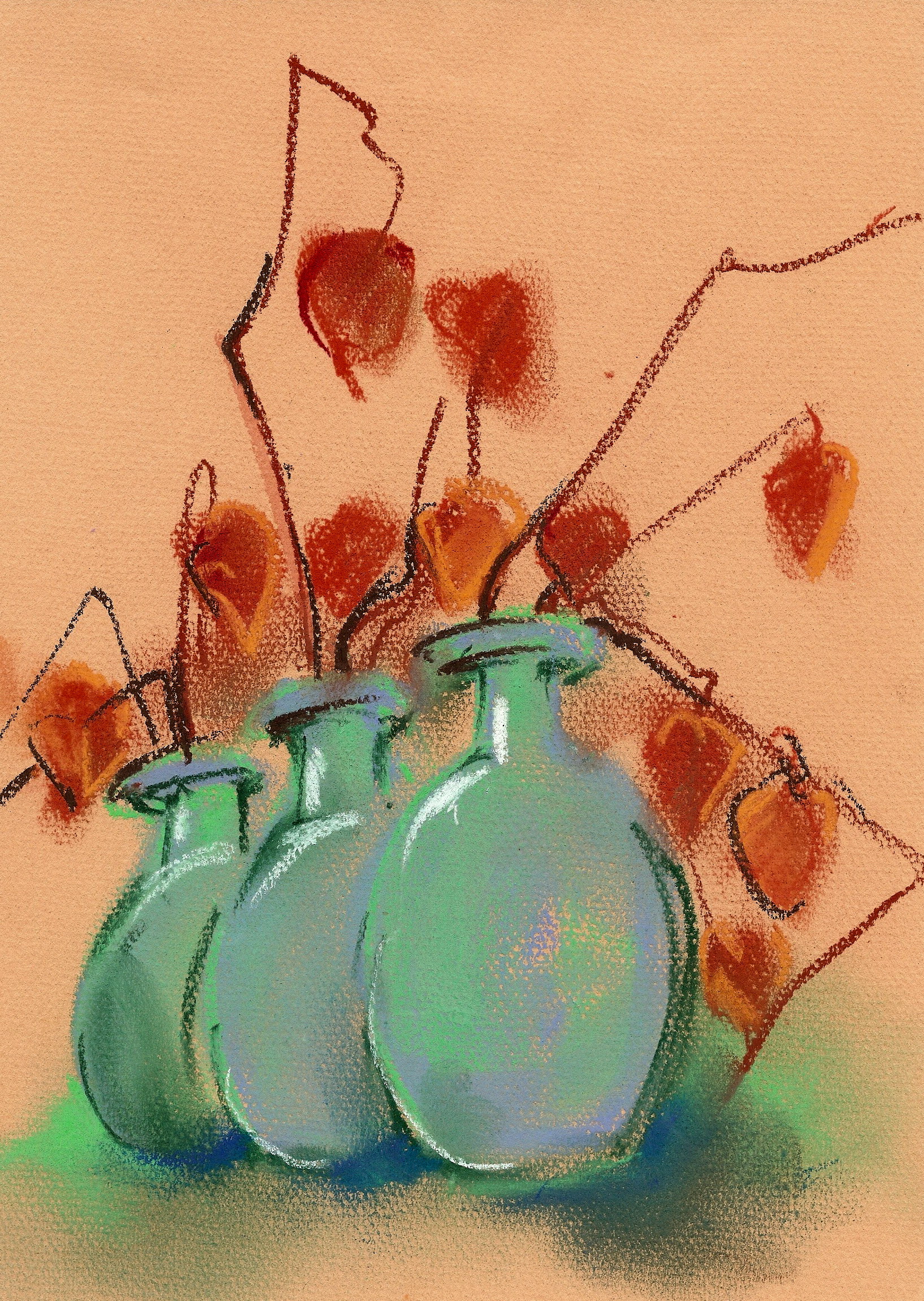
| Oil Pastels | Pigment mixed with a non-drying oil and wax binder; creamy. | Bold lines, impasto effects, layering without smudging, vibrant, permanent. | Now, these are a different beast! They feel more like a crayon but with intense pigment. They don't smudge as easily as soft pastels and offer a permanent, waxy finish. Great for bold, expressive work, and you can even blend them with turpentine for a paint-like effect. They bridge the gap between drawing and painting quite beautifully. |
| Pan Pastels | Pigment in a pan format; applied with sponges or brushes. | Smooth gradients, large areas of color, soft backgrounds. | These are a newer addition to the pastel family and are perfect for creating smooth, even layers of color. They're less messy than soft pastels and can be applied with tools like sponges or brushes, making them ideal for backgrounds and gradients. |

Each type offers a unique avenue for expression. It’s all about experimenting and seeing what sings to you. I've always encouraged artists to get messy and discover what feels right in their hands.
Mastering the Magic: Techniques and Textures
One of the joys of pastel painting is its directness. There's no mixing on a palette like you would with oils; the colors are right there, ready to be applied. This immediacy lends itself to a very intuitive process, but there are definitely techniques that can elevate your work from good to 'wow!'
- Blending: This is probably what most people think of. You can use your fingers (though I'd suggest a barrier like gloves or a paper stump to avoid oils transferring from your skin), sponges, or even cotton swabs. The goal is to smooth out colors and create seamless transitions.
- Layering: Just like with oil painting, layering is key. You build up colors, often starting with a lighter base and adding darker tones on top, or vice-versa, depending on your desired effect. The tooth of your paper (its texture) will determine how many layers it can hold.
- Hatching and Cross-Hatching: Using small, parallel lines (hatching) or overlapping sets of lines (cross-hatching) to create tone, texture, and blend colors optically. It’s a wonderful way to maintain vibrancy without over-blending.
- Scumbling: This involves lightly dragging the pastel over a textured surface, allowing the paper's tooth to show through, creating a broken, shimmering effect. It's fantastic for atmospheric effects or adding a delicate layer of color without obscuring what's beneath.
- Sgraffito: This is where you scratch into a layer of pastel to reveal the color underneath. A palette knife, the edge of a hard pastel, or even a fingernail can work wonders for adding sharp details or creating interesting textures.
- Feathering: This technique involves using a light touch to create soft, feathery strokes. It's perfect for creating delicate textures like fur, clouds, or soft fabrics. The key is to use a gentle, almost whisper-like touch to achieve the desired effect.
- Stippling: This involves applying small dots of color to create texture and depth. It's a time-consuming technique but can produce stunning results, especially for creating intricate patterns or detailed textures.
These techniques are just the beginning. Experimentation is key to discovering what works best for your artistic vision. Don't be afraid to mix and match techniques to create unique effects and textures in your pastel paintings.
Why I'm a Fan (And Why You Might Be Too!)
Despite my love for the bold strokes and sometimes chaotic energy of abstract art, I genuinely appreciate the unique strengths of pastels. There are a few standout reasons why they've earned their place in the art world and in my admiration:
- Pure, Unadulterated Color: Because they're mostly pigment, pastels deliver incredibly rich, vibrant, and lightfast colors. They don't yellow or crack over time like some other mediums. When you lay down a pastel, you're seeing the color in its purest form, which is just breathtaking.
- Immediate Gratification: No drying time! You can work spontaneously, layer, blend, and rework without waiting. This directness makes the creative process incredibly fluid and responsive. For those moments when an idea strikes and you need to capture it now, pastels are your best friend.
- Wonderful Tactile Experience: There's something incredibly satisfying about physically holding the pigment and feeling it glide across the paper. It's a very intimate connection with your medium, a bit like working with clay, but in two dimensions.
- Blending Master: Achieving soft, ethereal blends is remarkably easy with pastels, making them ideal for capturing subtle shifts in light and shadow, or creating dreamy, atmospheric scenes.
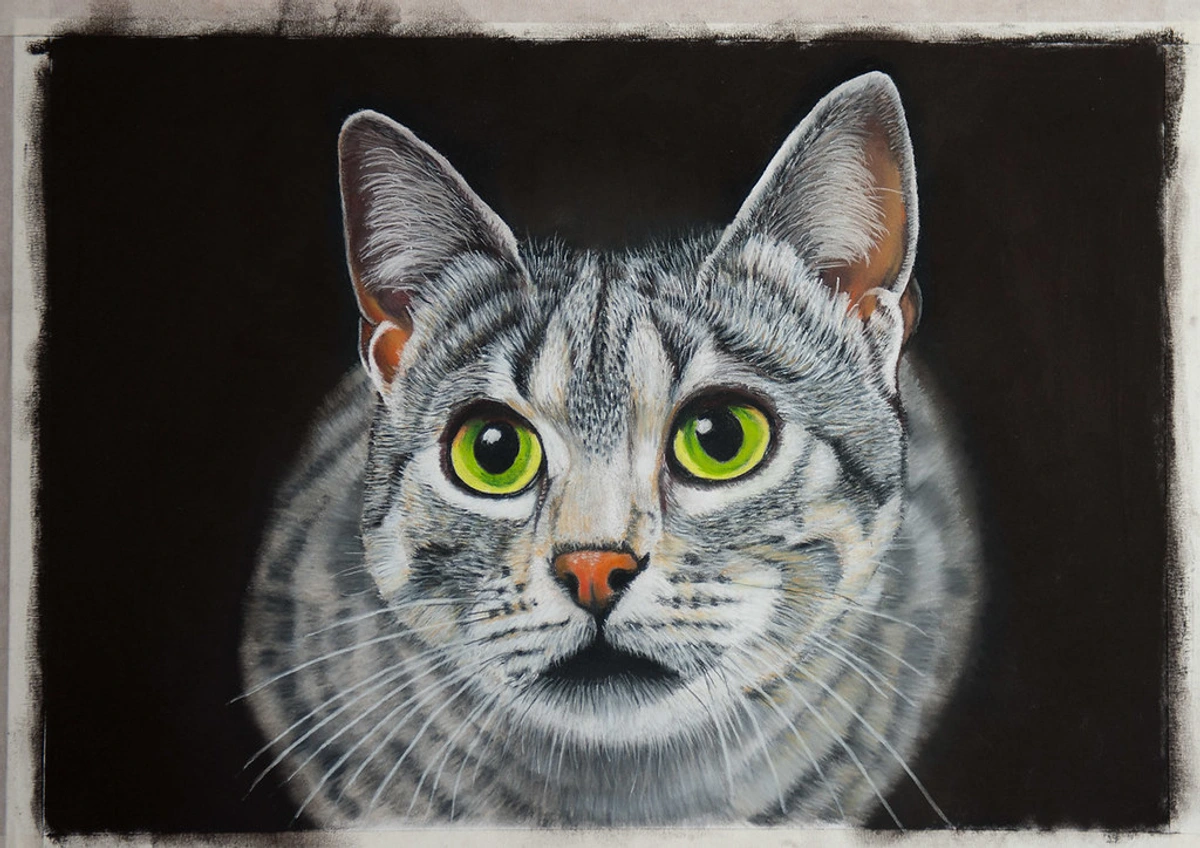
- Versatility: From hyper-realistic portraits (like that gorgeous cat above!) to vibrant landscapes and even abstract expressions, pastels adapt. Their ability to deliver both fine detail and broad, painterly strokes makes them surprisingly adaptable to various artistic styles.
- Accessibility: Pastels are incredibly accessible to artists of all skill levels. Whether you're a beginner or a seasoned professional, pastels offer a forgiving and intuitive medium that encourages experimentation and creativity.
Navigating the Nuances: Challenges and Considerations
Now, no medium is without its quirks, and pastels certainly have a few. But honestly, once you understand them, they become part of the charm, not roadblocks.
- The Dust Factor: Soft pastels can be messy. You'll get dust on your hands, your clothes, and your workspace. This is just part of the deal. I usually keep a damp cloth nearby and consider it part of the 'tactile experience.'
- Fixatives: A Double-Edged Sword: To protect a finished pastel painting from smudging, artists often use a fixative. However, fixatives can sometimes dull the vibrancy of the colors, so it's a delicate balance. I prefer minimal fixative and proper framing.
- Framing is Key: Unlike oil or acrylics that can be varnished and hung directly, pastel paintings need to be framed under glass to protect their delicate surface. This is a non-negotiable step for long-term preservation.
- Archival Surfaces: Because pastels are dry, they need a surface with enough "tooth" (texture) to hold the pigment. Special pastel papers, sanded papers, or even certain textured boards are ideal. Using the right paper ensures your artwork stands the test of time, an important consideration for any artist or collector.
- Storage and Handling: Pastel paintings require careful handling and storage to prevent smudging and damage. Always store them in a dry, cool place and avoid stacking them directly on top of each other. Using acid-free tissue paper between layers can help protect the surface.
Understanding these challenges and considerations is essential for any artist working with pastels. By taking the necessary precautions, you can ensure that your pastel paintings remain vibrant and beautiful for years to come.
FAQ: Your Burning Pastel Questions Answered!
Are pastels considered drawing or painting?
"Ah, the age-old debate! My take? They brilliantly blur the lines. When you're using them for fine details and linear work, it feels a lot like drawing. But when you blend large areas of color, create washes, or build up painterly textures, it's absolutely painting. So, I say, why limit ourselves? They're both! They are their own unique art form."
How do I protect a finished pastel painting?
"This is crucial. The most important step is framing under glass, ideally with a mat to keep the pastel surface from touching the glass directly. You can also use a light application of fixative, but be cautious – too much can dull the colors. I often use a very light misting or skip it entirely if the work is being framed immediately, as I value the pure vibrancy."
Can I mix different types of pastels?
"Absolutely! Many artists, myself included, combine them. You might start with hard pastels for an initial sketch or fine details, then build up layers with soft pastels for broad areas and blending, and finish with pastel pencils for the sharpest accents. Oil pastels, however, are a different animal and generally don't mix well directly with soft or hard pastels due to their oil/wax binder. They can be used on the same surface, but it's more about layering than blending into each other."
Is pastel painting difficult for beginners?
"Not at all! In fact, I think it's one of the most forgiving mediums for beginners. You don't need solvents, and cleanup is minimal. The immediate color payoff is incredibly encouraging. Plus, there's no 'drying time' to worry about. Just start with some good quality soft or hard pastels and a textured paper, and let your creativity flow. Don't be afraid to experiment; that's where the real learning happens!"
What's the difference between pastel and chalk?
"This is a common one! While they look similar, the difference is significant. Pastels are made primarily from pure pigment with a minimal non-greasy binder, resulting in intense, lightfast colors. Chalks (like blackboard chalk) are mostly gypsum or calcium carbonate with a much smaller amount of pigment, making them duller, less permanent, and less vibrant. Pastels are fine art materials; chalks are more for temporary surfaces."
Can pastels be used for abstract art?
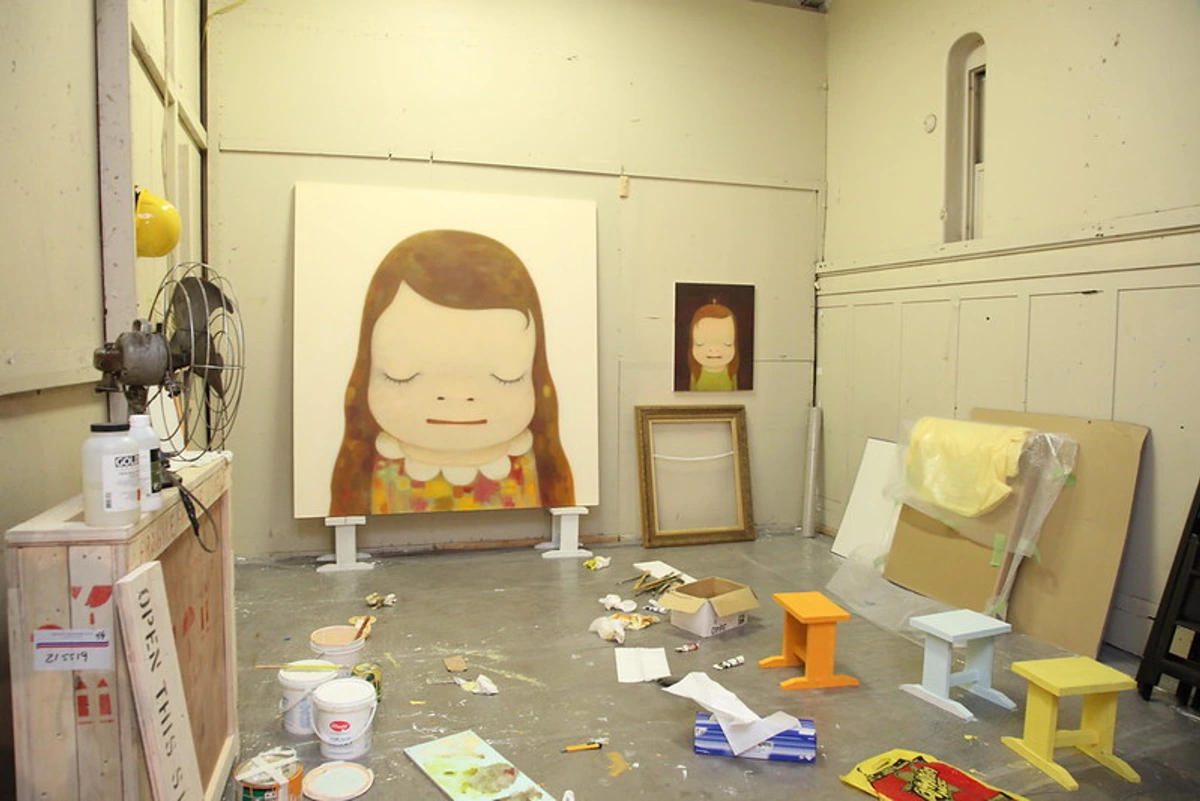
"Absolutely! Pastels are incredibly versatile and can be used for a wide range of artistic styles, including abstract art. Their ability to deliver bold, vibrant colors and textures makes them ideal for creating dynamic, expressive abstract pieces. Whether you're layering colors, blending hues, or creating intricate textures, pastels offer endless possibilities for abstract expression."
What surfaces are best for pastel painting?
"The best surfaces for pastel painting are those with a lot of 'tooth,' or texture, to hold the pigment. Special pastel papers, sanded papers, and textured boards are all excellent choices. These surfaces allow for better adhesion of the pastel particles, resulting in more vibrant and long-lasting artwork. Avoid smooth surfaces, as they won't hold the pigment as well and can lead to smudging and fading over time."
My Final Brushstroke: An Invitation to Explore
So, there you have it: my slightly rambling, deeply appreciative take on pastel painting. It’s a medium that often gets relegated to a 'drawing' category or misunderstood as being too delicate. But in reality, it offers an incredible depth of color, a unique tactile experience, and a directness that I find truly liberating. Whether you're an artist looking to explore a new medium or a collector looking for a unique piece, don't overlook the vibrant world of pastels. They might just surprise you with their raw beauty and expressive power, much like a bold abstract piece surprises you with its emotional depth. Give them a chance; your artistic soul might just thank you.
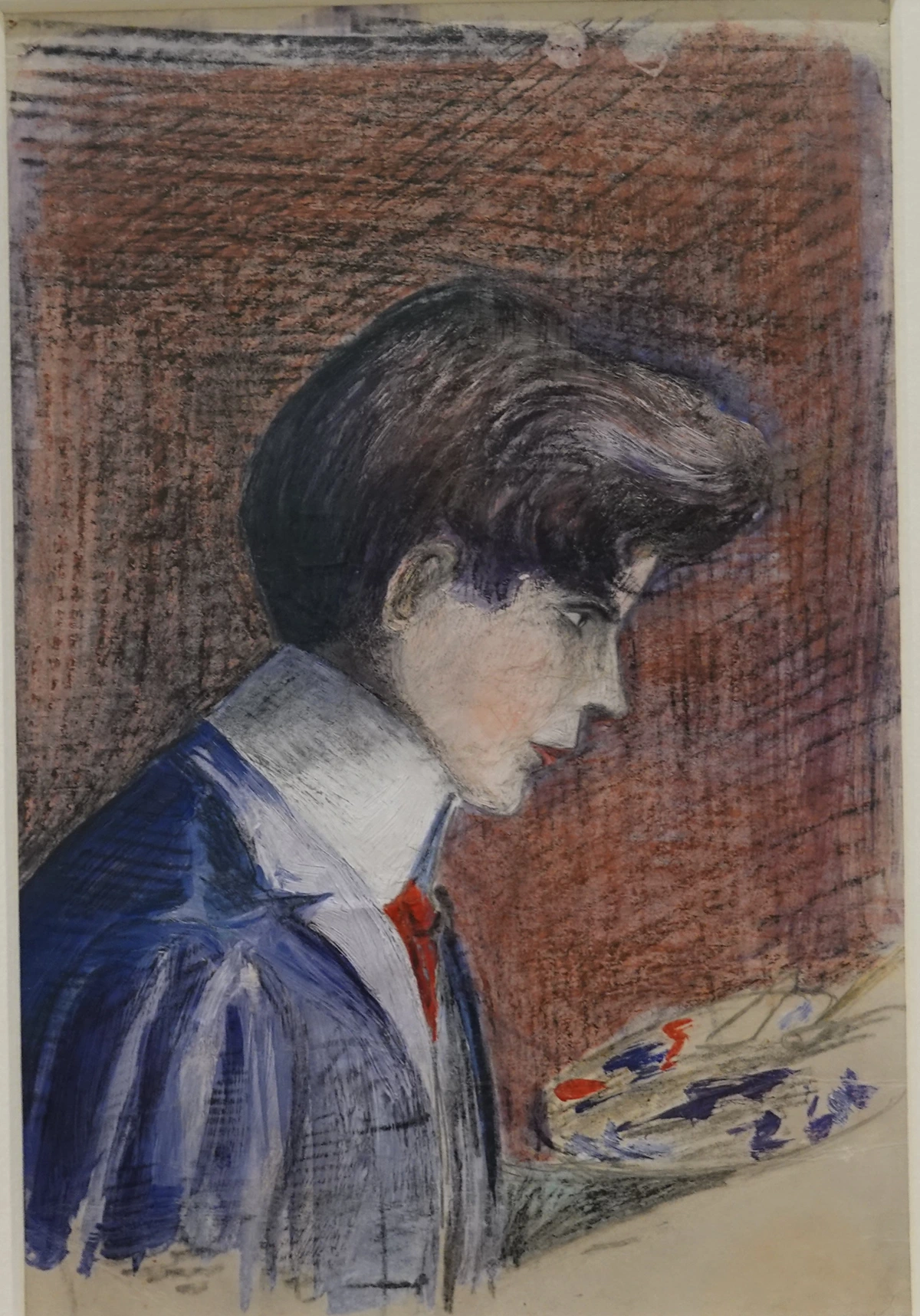






Pastel painting is more than just a medium; it's a journey of discovery and expression. Whether you're drawn to its vibrant colors, its tactile nature, or its versatility, pastels offer something for every artist. So, grab a set of pastels, find a textured surface, and let your creativity flow. You never know where this vibrant medium might take you.