Art as a Mirror, Art as a Hammer: How Artists Defy Societal Norms
A personal deep dive into how art, from street graffiti to museum masterpieces, challenges our beliefs, subverts symbols, and serves as a powerful catalyst for social change.

Art as a Mirror, Art as a Hammer: How Artists Defy Societal Norms
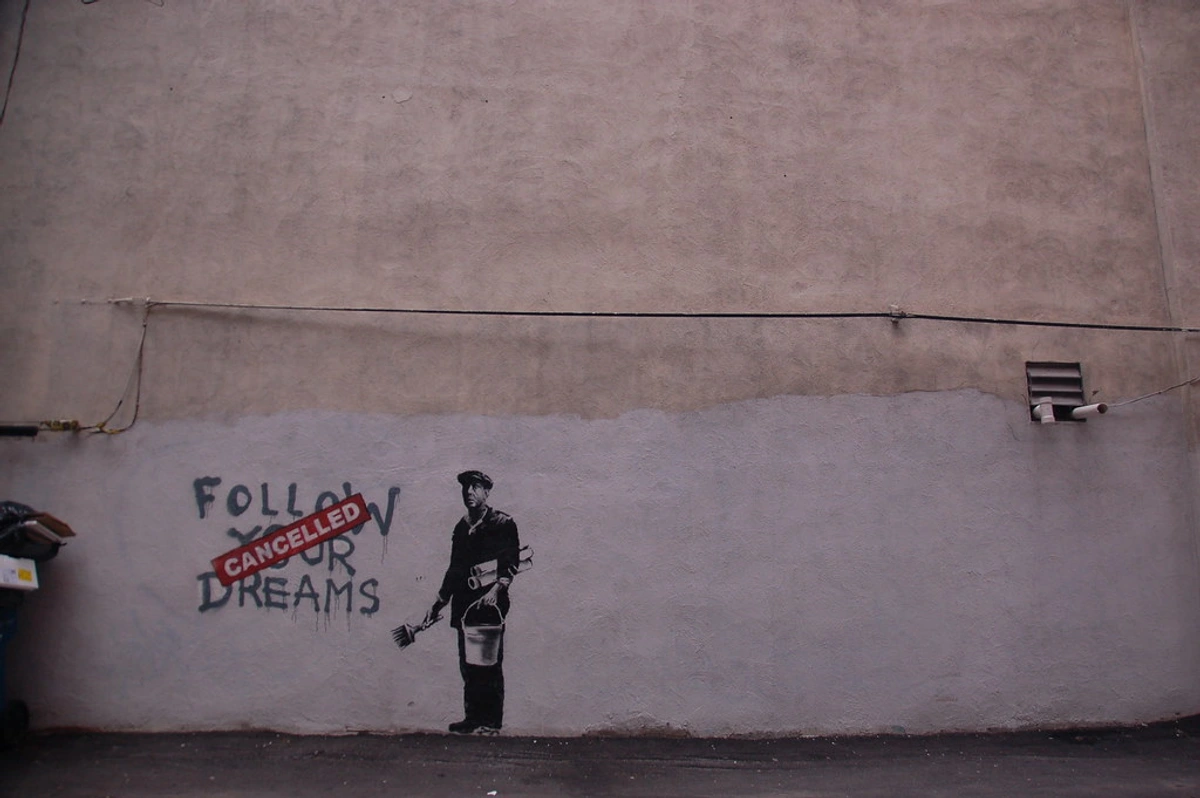
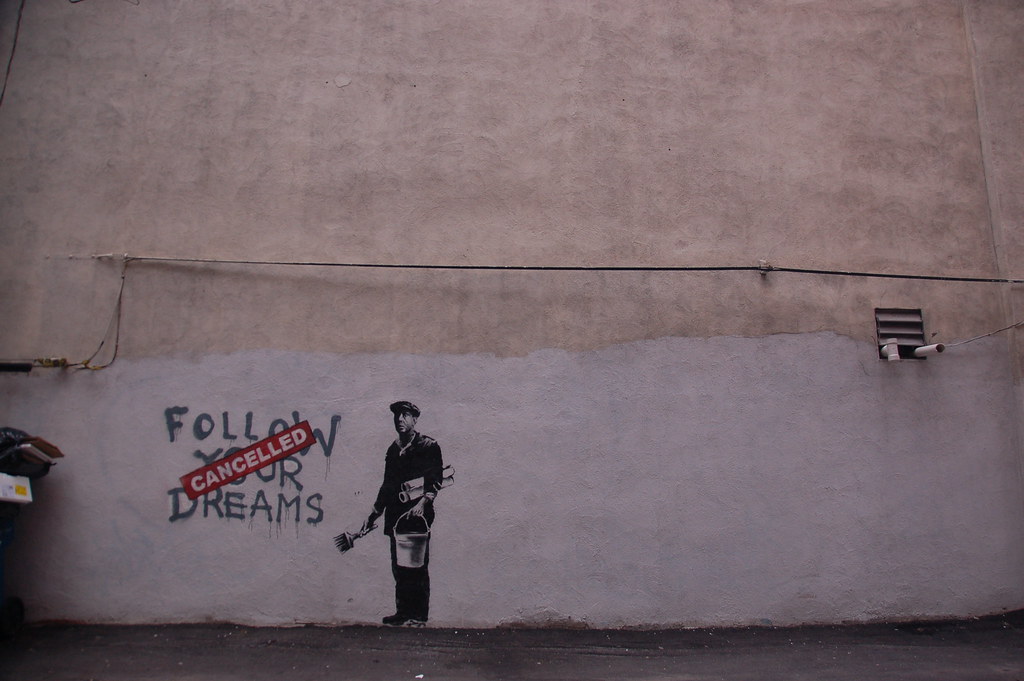
I remember walking through an alley in Boston years ago and seeing it. A stenciled image of a man in overalls, looking defeated, having just painted the words "Follow Your Dreams." Stamped over it in big, blocky, bureaucratic letters was the word: "CANCELLED." It was a gut punch. It wasn't just paint on a wall; it was a conversation, an accusation, and a sad joke all rolled into one. It made me stop, and it made me think.
That experience got me wondering about something fundamental: when did art become more than just decoration? When did it become a weapon, a mirror, a tool for social change? The answer, of course, is that it always has been. From the cave paintings of Lascaux that may have been more about communal storytelling than hunting records, to the Greek vases that mocked politicians, art has always reflected—and sometimes reshaped—the societies that created it.
What we're witnessing today isn't that art has become political; rather, the political has become increasingly visible in art. As society faces unprecedented challenges—climate collapse, digital surveillance, rising inequality—artists are responding with unprecedented urgency and diversity of approaches. This isn't a new phenomenon, but rather an intensification of a timeless human impulse: to question, challenge, and reimagine the world around us through creative expression.
The Evolution of Artistic Rebellion
Throughout human history, art has served as both mirror and hammer—reflecting society back to itself while simultaneously attempting to reshape it. This dual role isn't new; what changes is the context, the tools, and the stakes. In ancient civilizations, artistic rebellion was often coded and subtle, hidden within religious or mythological frameworks. The medieval artist might smuggle social commentary into the margins of a sacred text, while the Renaissance painter could embed political meaning within religious scenes.
But something fundamental shifted with the Enlightenment and the rise of individualism. Art began to emerge from the service of religion and monarchy, becoming a space where individual voices could question established authority. This democratization of artistic expression coincided with the rise of new technologies—lithography, photography, eventually digital media—that gave artists more powerful tools to reach audiences beyond their immediate patrons.

What we're witnessing today isn't that art has become political; rather, the political has become increasingly visible in art. As society faces unprecedented challenges—climate collapse, digital surveillance, rising inequality—artists are responding with unprecedented urgency and diversity of approaches.
Think about it. The earliest human art wasn't made for galleries or collectors. It was made for purposes we might call political, religious, or social. It was communication, propaganda, magic, and rebellion all at once. The very act of creating something permanent on a cave wall was an act of defiance against time itself. These early artists were challenging the norm that their stories would be lost to time, leaving behind a permanent challenge to future generations to understand their world.
Consider the Venus of Willendorf from around 28,000 BCE. This small figurine, with its exaggerated female features, wasn't just decorative—it was likely a fertility object, a religious icon, or perhaps a commentary on the importance of female life force in a harsh world. It challenges our assumptions about prehistoric art being "primitive" or "simple." In its complexity and symbolic power, it speaks to the same human impulse that drives contemporary challenging art: the need to give form to the intangible and to question the boundaries of acceptable expression.

That’s the thing about art, isn't it? When it’s doing its job, it doesn't just decorate a space. It gets under your skin. It holds up a mirror to society, and sometimes, it acts as a hammer, trying to smash the very frame of that mirror. For centuries, artists have been the outliers, the court jesters, the canaries in the coal mine, using their work to question authority, poke fun at our traditions, and challenge the unspoken rules we live by. This isn't just about being rebellious for the sake of it; it's about using a unique language to talk about things that are often too difficult or dangerous to say out loud.
The Artist's Toolkit for Troublemaking
Artists who challenge societal norms have developed an entire arsenal of techniques to make their points. These tools have evolved over time, but the core strategies remain remarkably consistent. Understanding these techniques helps us appreciate the thought and skill that goes into effective challenging art.
So how do they do it? How does a static image or a lump of clay manage to rattle the cages of power? It’s not magic, but it’s close. Artists have a whole toolbox of techniques to mess with our heads and our hearts.
1. Satire and Irony: The Art of the Wink
Satire and irony work because they exploit the gap between what we expect and what we get. They take familiar forms and twist them just enough to create discomfort, humor, or revelation. The best satirical art doesn't just make us laugh—it makes us think about why we're laughing and what that says about our values and assumptions.
Satire and irony are perhaps the most accessible forms of challenging art. They work by showing us something familiar in an unfamiliar way, forcing us to question our assumptions about the world. The best satirical art doesn't just tell us what's wrong—it shows us in a way that's impossible to ignore.
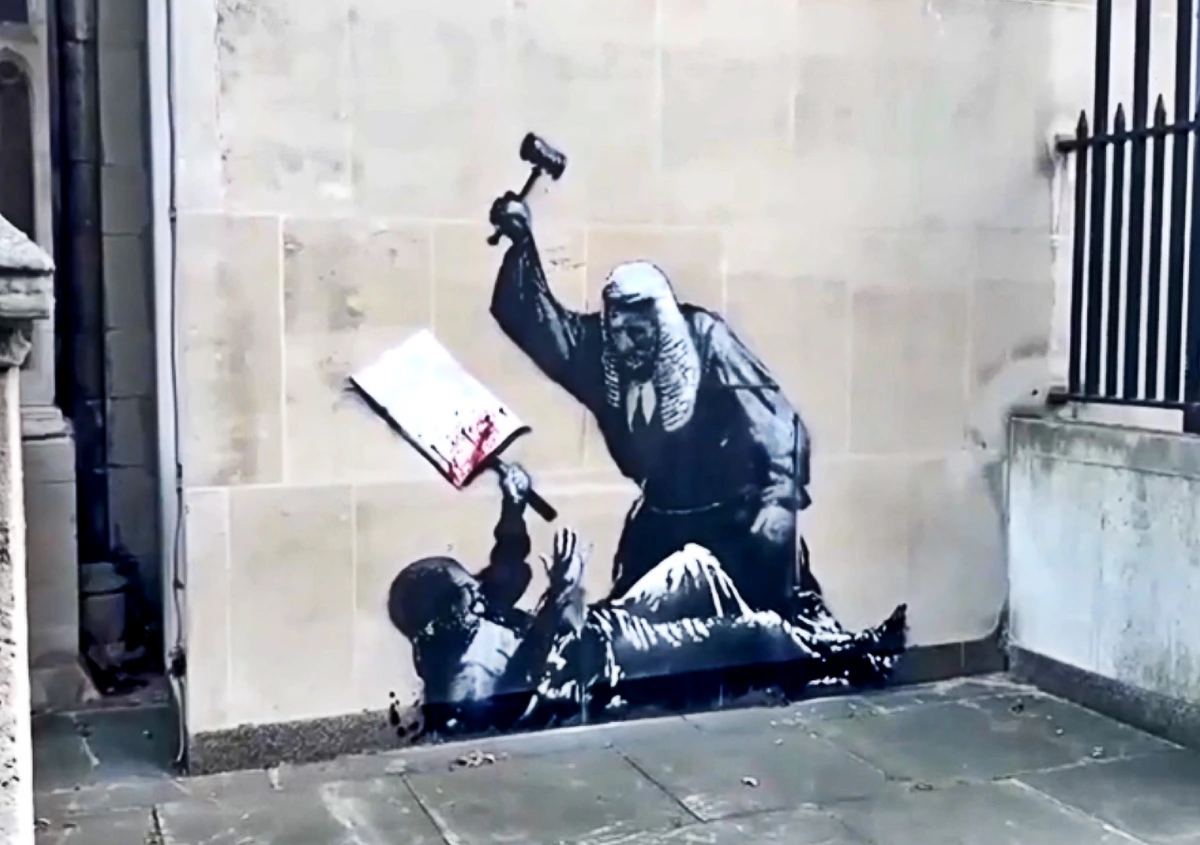
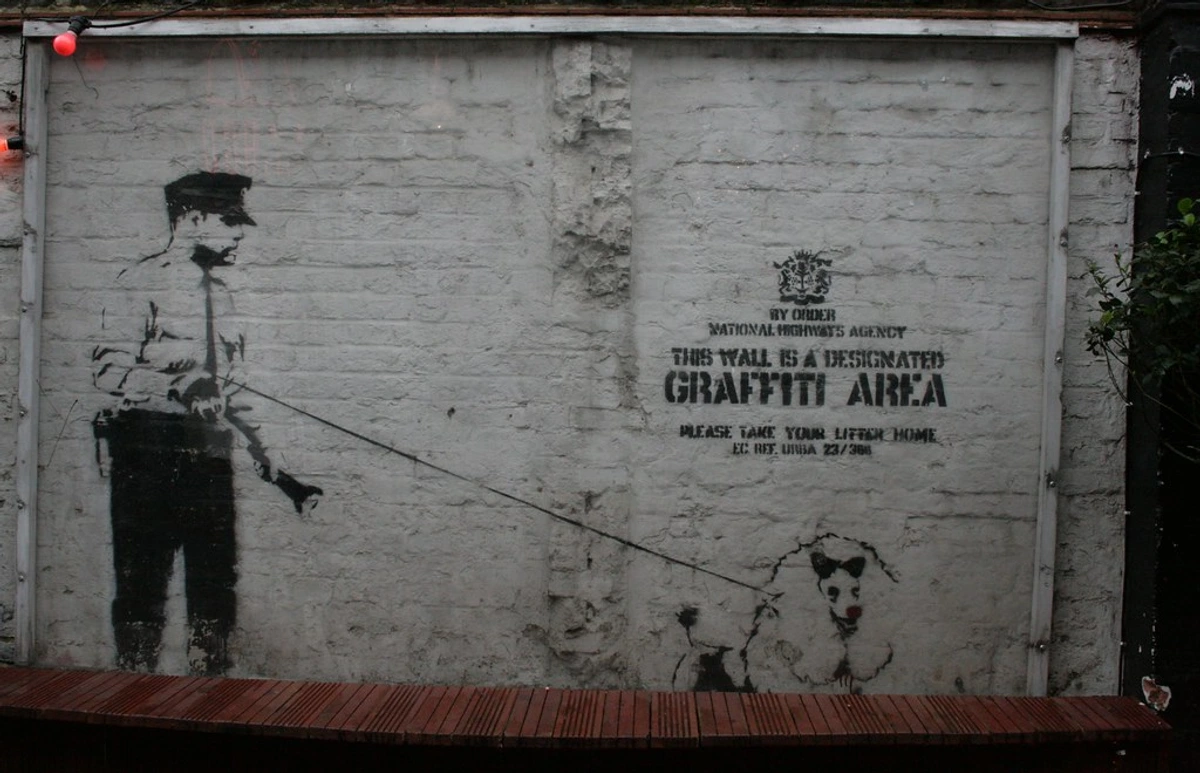
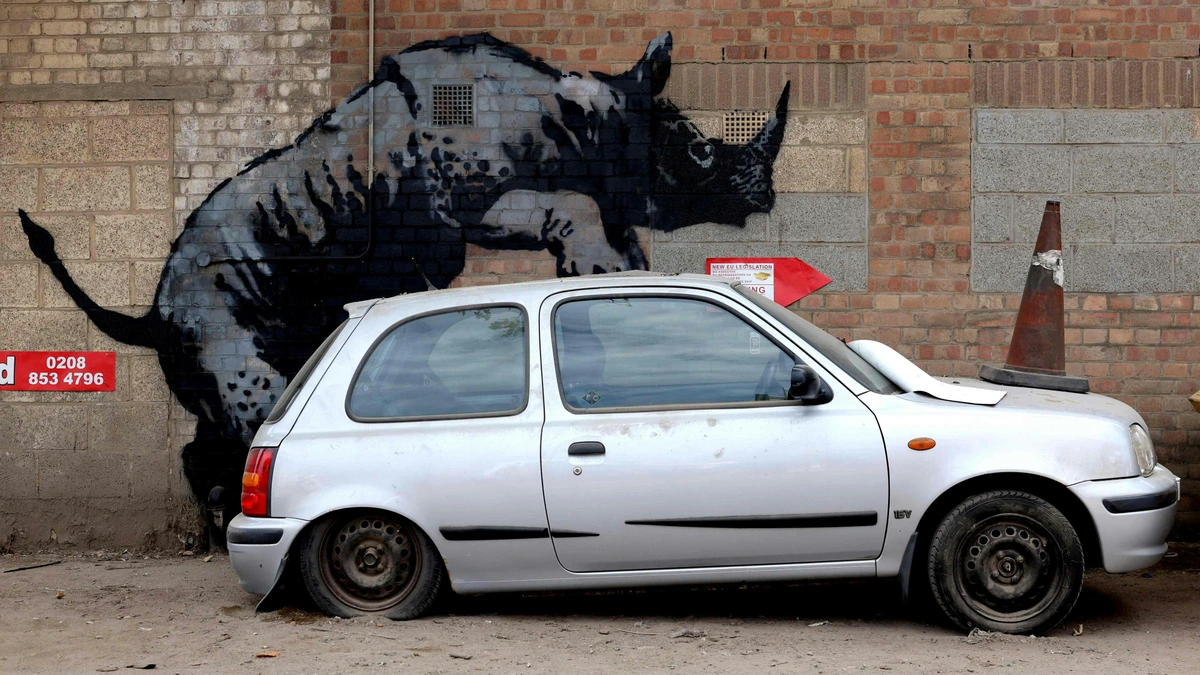
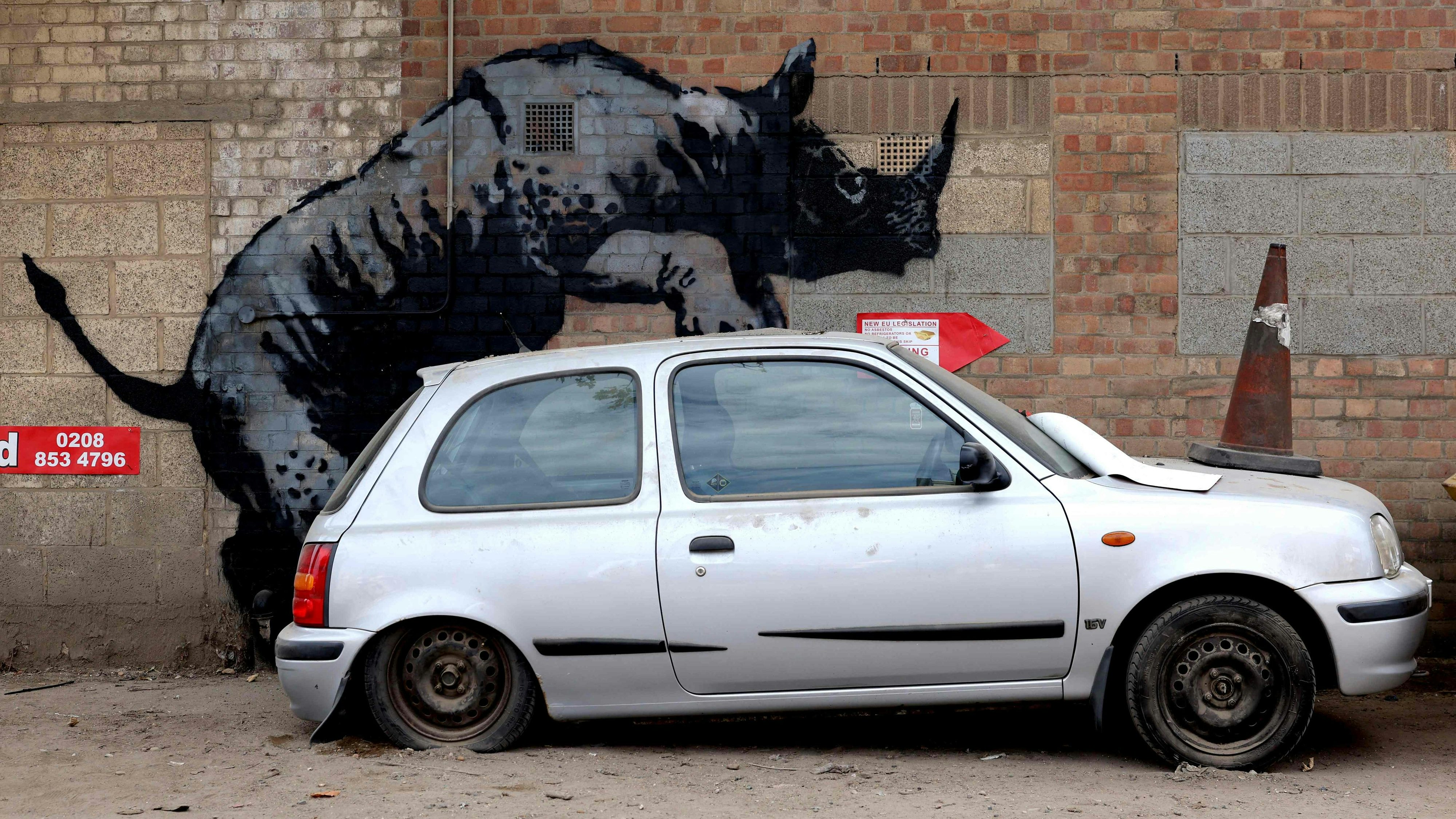
This is the classic move. Using humor and exaggeration to point out the absurdity of a situation. The Banksy piece is a perfect example. It's funny, but it's a dark funny. It speaks volumes about economic despair, the death of ambition, and the feeling that the system is rigged. It's a protest that doesn't need to shout because its irony is deafening.
The Psychology of Satirical Impact
Why does satire work so effectively? It bypasses our intellectual defenses through humor, creating a moment of psychological vulnerability where uncomfortable truths can penetrate our mental barriers. When we're laughing, we're more open to hearing things we might otherwise reject outright. This psychological mechanism makes satire incredibly powerful for social critique.
The effectiveness of satire depends on several factors:
- Shared Understanding: The audience must recognize the cultural references and the norms being challenged
- Timing: The most impactful satire often emerges in moments of social tension or absurdity
- Balance: The best satire walks the line between humor and serious critique, never losing sight of its purpose
- Risk: Great satire often carries real risk—both to the artist and to those who get the joke
Consider how political cartoons have influenced public opinion for centuries. A well-drawn caricature can encapsulate complex political corruption in a single image that sticks in the public consciousness far longer than any written editorial.
Famous Examples of Satirical Art
George Grosz: His post-WWI Germany drawings depicted the corruption and absurdity of Weimar society with savage wit. His "Ecce Homo" series showed Christ observing modern society's horrors, using religious imagery to critique contemporary moral decay.
James Gillray: An 18th-century British cartoonist, Gillray used satire to comment on politics and society. His "Plumb-Pudding in Danger" showed Napoleon and Britain carving up the world between them, a powerful political cartoon that influenced public opinion.
The Guerrilla Girls: These anonymous female artists use gorilla masks and statistical facts to expose sexism and racism in the art world. Their "Do women have to be naked to get into the Met. Museum?" campaign used humor and data to challenge gender bias in major museums.
Ai Weiwei: The Chinese artist uses irony and humor to critique censorship and political oppression. His "Dropping a Han Dynasty Urn" video showed him destroying a valuable antique, commenting on the destruction of cultural heritage in China's rapid modernization.
What makes satire so powerful is that it bypasses our intellectual defenses. When we're laughing, we're more open to hearing uncomfortable truths. The humor creates a moment of vulnerability where the artist can sneak in their critique. Think about political cartoons—they've been doing this for centuries. A well-drawn caricature can say more about a politician's hypocrisy than a thousand words of editorial writing.
But there's a fine line between effective satire and just being mean-spirited. The best satirical art has a core of truth to it. It's not just mocking for the sake of mockery; it's holding up a distorted mirror that somehow reveals more truth than a straight one. The artist has to understand the system well enough to mock it intelligently.
2. Subverting Symbols: Flipping the Script
Symbol subversion is particularly powerful because symbols operate at both conscious and unconscious levels. When we see a flag, a cross, or a corporate logo, our brains process that information almost automatically. By subverting these symbols, artists short-circuit our automatic responses and force us to engage more consciously with their message.
Symbol subversion is one of the most powerful tools in the challenging artist's toolkit. Symbols carry enormous cultural weight because they tap into deep psychological and emotional responses. When an artist manipulates these symbols, they can create immediate and profound effects.
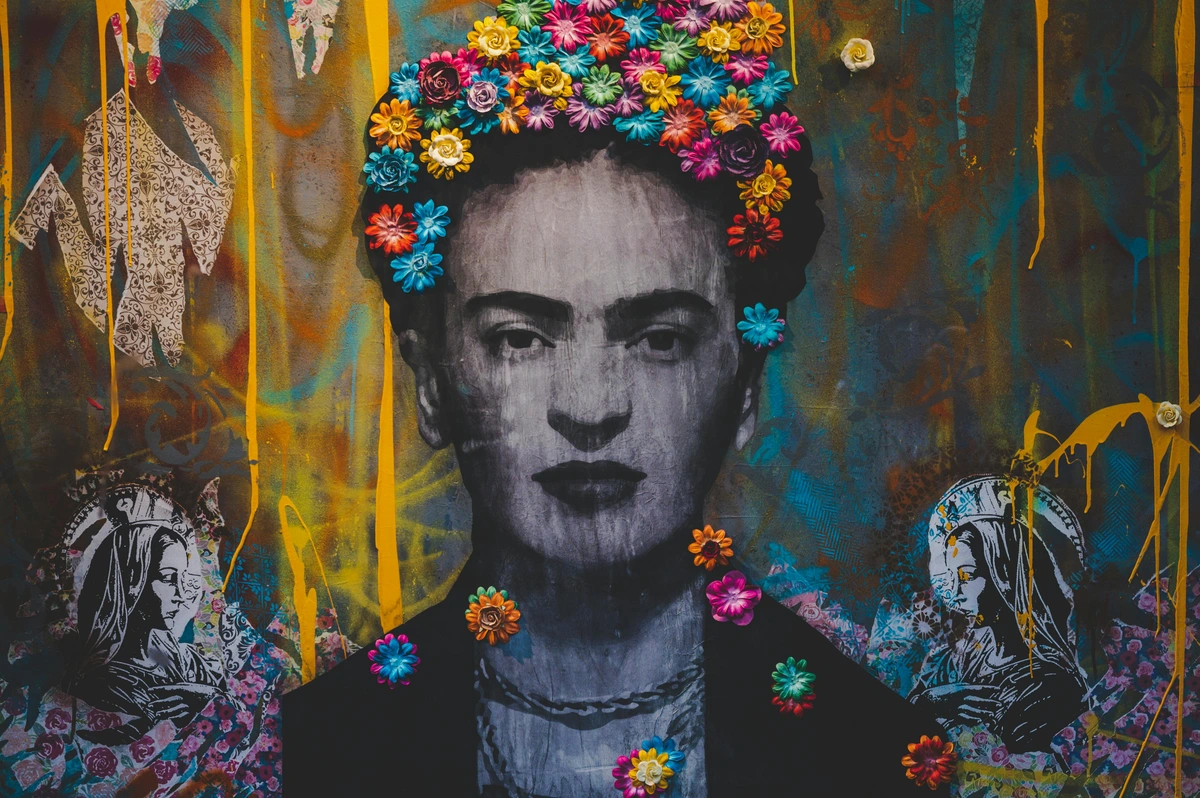
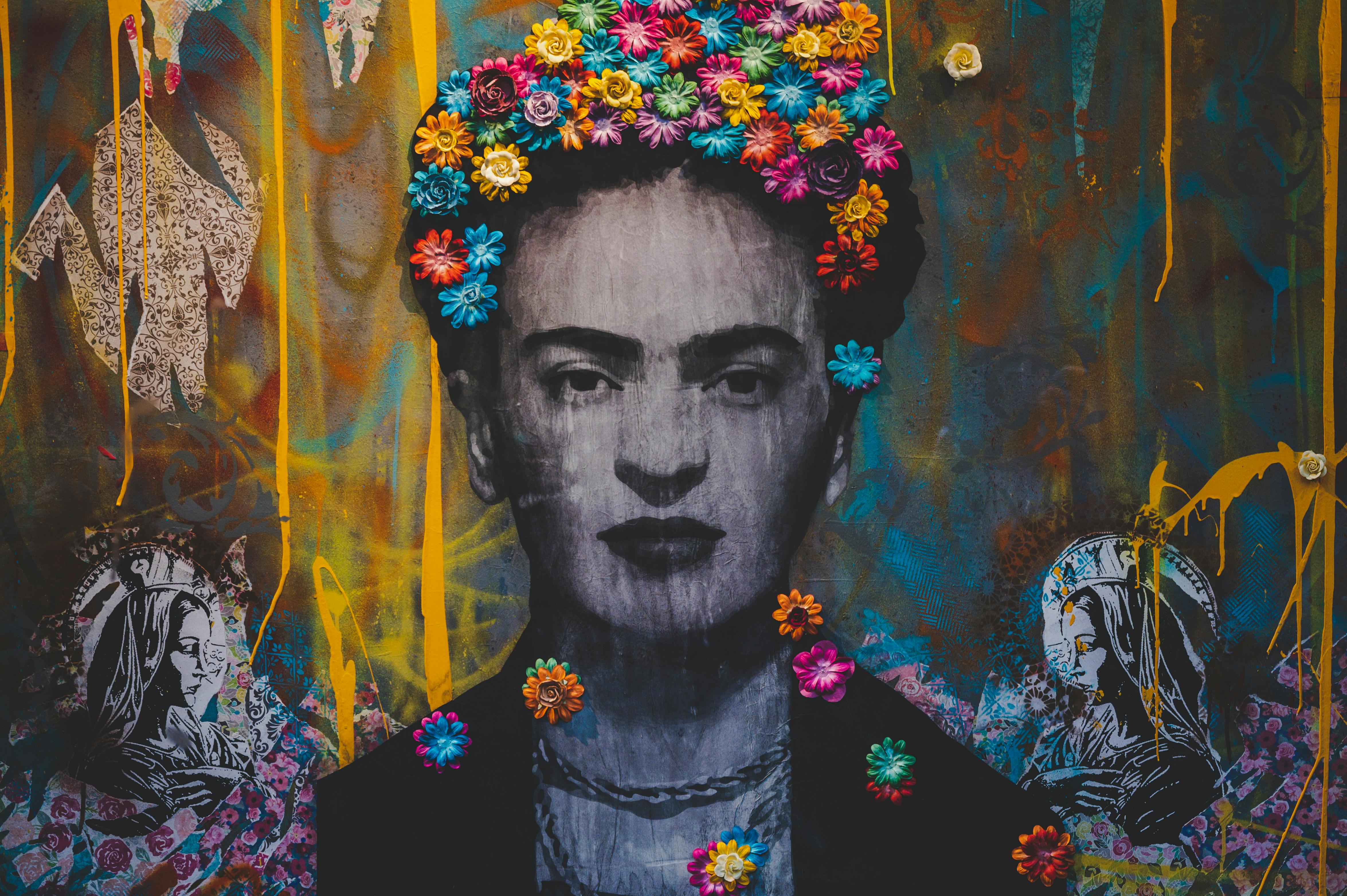
Artists are masters of visual language. They take symbols we all know—a flag, a religious icon, a corporate logo—and twist them to change their meaning entirely. Think of Frida Kahlo. She took the tradition of female portraiture, which was often about making women look delicate and beautiful, and turned it on its head. She painted her unibrow, her mustache, her pain. She challenged the very definition of beauty and femininity, making her own face a symbol of defiance.
The Power of Symbolic Resonance
Symbols carry enormous cultural weight because they tap into deep psychological and emotional responses. We've been conditioned to respond to certain images in certain ways from childhood. When an artist subverts these symbols, they create cognitive dissonance—a state of mental discomfort that forces us to reevaluate our automatic responses.
This technique is particularly powerful because:
- Instant Recognition: Symbols are processed quickly by our brains, making subversion immediately impactful
- Emotional Connection: Symbols carry emotional weight that words alone cannot match
- Cultural Universality: While symbols vary across cultures, the human tendency to respond emotionally to them is universal
- Historical Layering: Symbols accumulate meaning over time, giving artists rich material to work with
Consider how the American flag can represent patriotism, rebellion, irony, oppression, or hope depending on how it's presented. This flexibility makes it an incredibly powerful tool for artists wanting to challenge norms.
Famous Examples of Symbol Subversion
Barbara Kruger: Her work combines found images with bold text that subverts corporate messaging. "Your body is a battleground" transforms the female body from an object of desire into a site of political conflict. "I buy therefore I am" takes Descartes' philosophical statement and turns it into a critique of consumer culture.
Jenny Holzer: Known for her text-based public art, Holzer subverts authoritative language. Her "Truisms" series took statements that could be profound or banal and presented them as public pronouncements, challenging viewers to question the source and meaning of "truths" they encounter daily.
Sherrie Levine: Her "After Walker Evans" series involved photographing photographs by Walker Evans, essentially rephotographing famous Depression-era images. This challenged ideas about originality, authorship, and the ownership of cultural memory.
Kara Walker: Her silhouettes reimagine historical narratives by depicting scenes of slavery and racial violence. By using the genteel medium of silhouette art for such brutal subject matter, she creates a jarring contrast that forces viewers to confront uncomfortable truths about American history.
This technique is particularly powerful because symbols carry so much cultural weight. We've been taught to respond to certain images in certain ways. By subverting those symbols, artists short-circuit our automatic responses and force us to think. The American flag, for example, can be a symbol of patriotism, rebellion, irony, or oppression depending on how it's presented.
Barbara Kruger's work is a masterclass in this. She takes corporate advertising imagery and subverts it with provocative text, turning capitalist messaging on its head. The "I shop therefore I am" pieces take Descartes' philosophical statement and turns it into a critique of consumer culture. She's essentially saying "this is what modern philosophy has become: shopping."
What's interesting about symbol subversion is how it can evolve over time. A symbol that was once radical can become cliché, and then artists have to find new ways to twist it again. It's an ongoing conversation between artists and the symbols that define our culture.
3. The Shock Factor: Making You Look
Shock art is perhaps the most controversial but often the most effective form of challenging art. When done well, shock art isn't about being offensive for offense's sake—it's about creating conditions where audiences can't look away, can't ignore, and are forced to confront uncomfortable truths.
Sometimes, the only way to get people to pay attention is to shock them. To present an image so visceral or unexpected that they can't turn away. This is often the most controversial approach. It forces uncomfortable conversations. Edvard Munch's work, like 'Angst,' wasn't't just a painting of a crowd; it was a raw, visual scream of existential dread that unsettled the polite society of his time.
The Ethics of Shock Art
Shock art walks a dangerous ethical line. While it can be incredibly effective at breaking through apathy and forcing conversations, it also risks causing real harm or trauma. The most effective shock art operates with intentionality and awareness of its potential impact.
Key ethical considerations include:
- Intention vs. Impact: Artists must consider how their work might affect vulnerable audiences
- Context Matters: What's shocking in one context might be normal in another
- Duration: Is the shock meant to be temporary or permanent?
- Purpose: Does the shock serve a larger purpose, or is it merely sensational?
The best shock art often creates a moment of clarity where audiences see something they've been ignoring. It's not about being offensive for the sake of it; it's about creating conditions where meaningful change becomes possible.
Famous Examples of Shock Art
Andres Serrano's "Piss Christ": This 1987 photograph of a small plastic crucifix submerged in the artist's urine caused massive controversy. While some saw it as blasphemous, others argued it was a critique of how society commercializes and trivializes religious imagery.
Chris Ofili's "The Holy Virgin Mary": This 1996 painting featured a collage of elephant dung and pornographic images. It was part of the "Sensation" exhibition at the Brooklyn Museum that sparked intense debate about public funding for controversial art.
Robert Mapplethorpe's photographs: His explicit depictions of同性恋 men and women challenged taboos about sexuality in the 1980s and 90s. The NEA (National Endowment for the Arts) controversy over funding his work became a landmark case about artistic freedom and censorship.
Tracey Emin's "My Bed": This 1999 installation featured the artist's own unmade bed with used underwear, condoms, and other personal items. It challenged traditional notions of what constitutes art and brought deeply personal, female experiences into the male-dominated art world.
Shock art has a long and complicated history. From Hieronymus Bosch's grotesque "The Garden of Earthly Delights" to Andres Serrano's "Piss Christ" to Chris Ofili's elephant dung-covered "The Holy Virgin Mary," artists have always pushed boundaries to make people confront uncomfortable truths. The shock serves a purpose—it breaks through our desensitized modern minds and makes us feel something again.
But shock for shock's sake is rarely effective. The best shock art has an intellectual or emotional core. It's not just about being disgusting or offensive; it's about making a point that can't be made any other way. When shock art works, it creates a moment of clarity where the audience sees something they've been ignoring or denying.
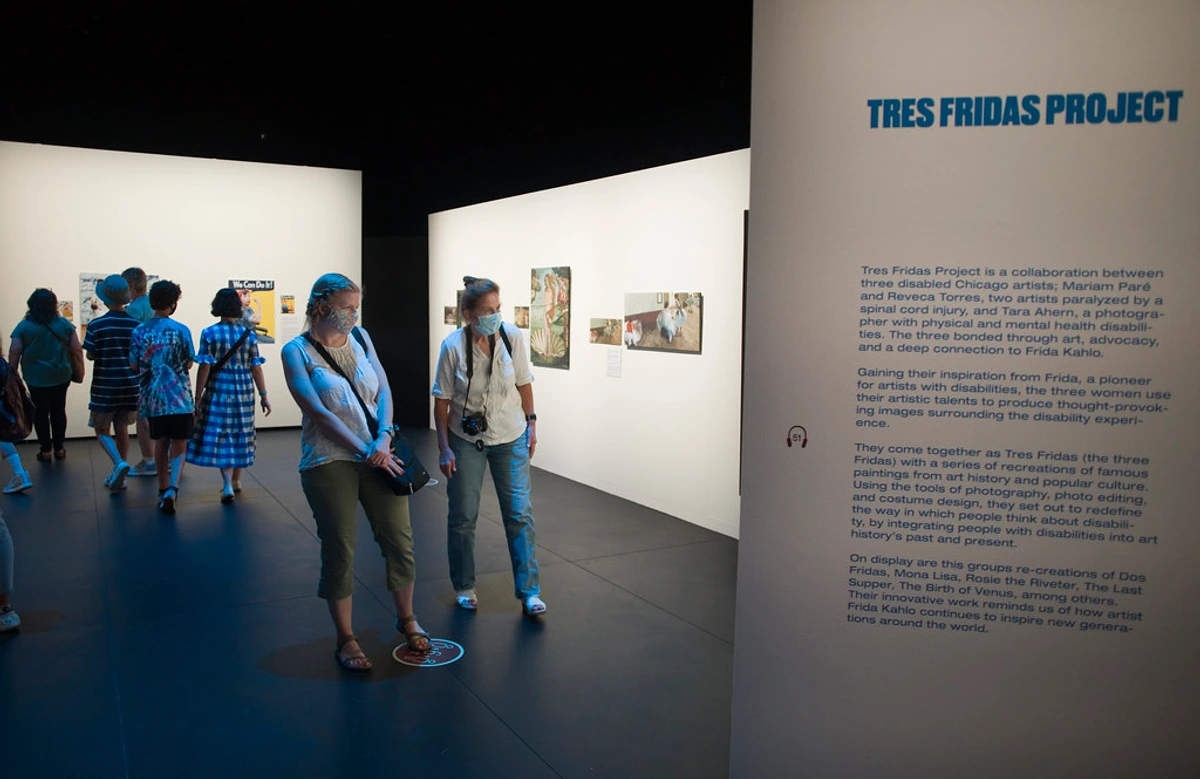
There's also the question of who gets shocked and why. What shocks one generation might bore the next, and cultural context matters enormously. Something that's considered shocking in one society might be completely normal in another. This is part of why challenging art is always a conversation—it's not just about the artist's intentions, but about how the audience receives and interprets the work.
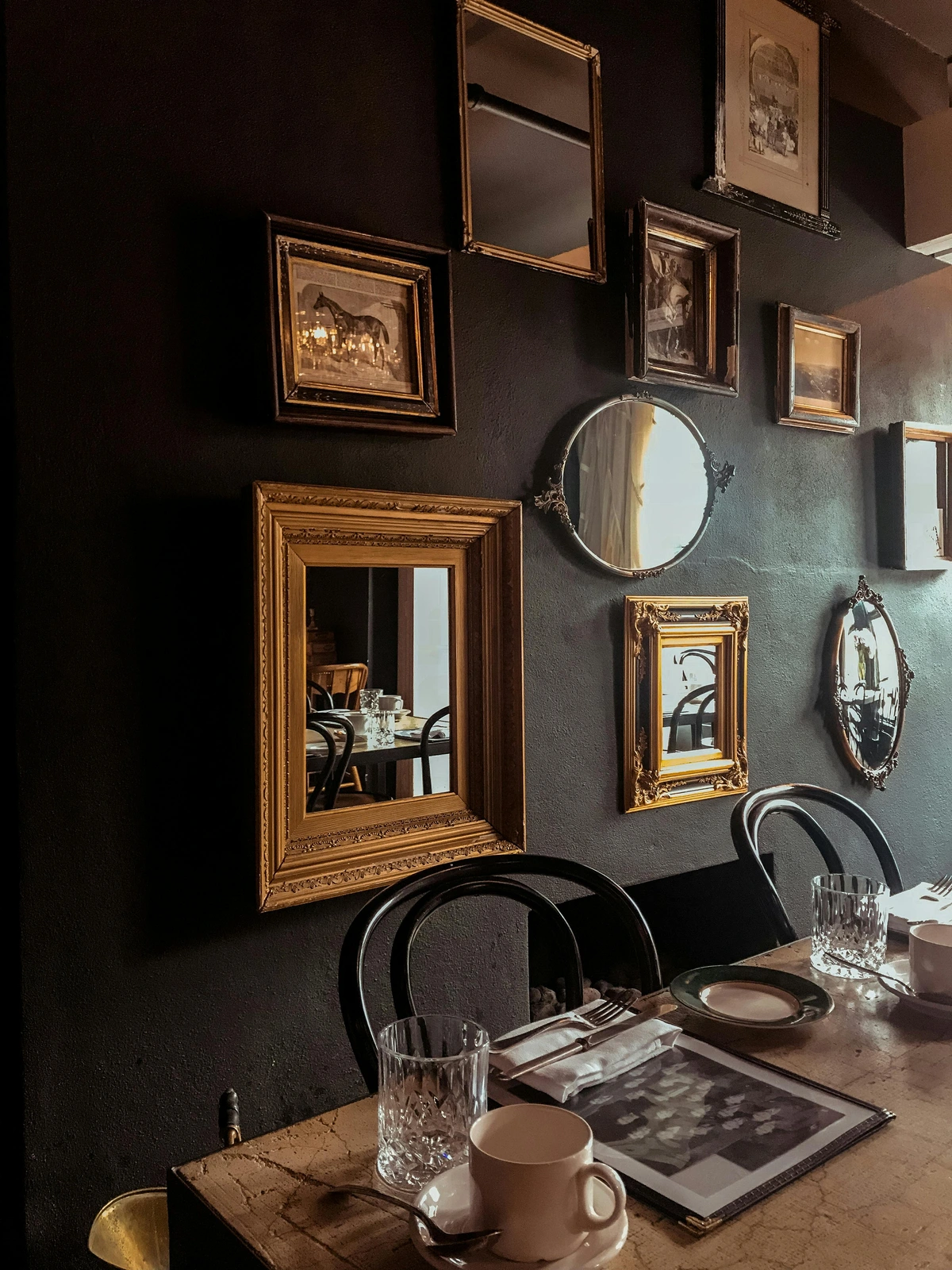
The Street as a Stage: Art for the People
Street art occupies a unique position in the art world because it challenges multiple norms simultaneously:
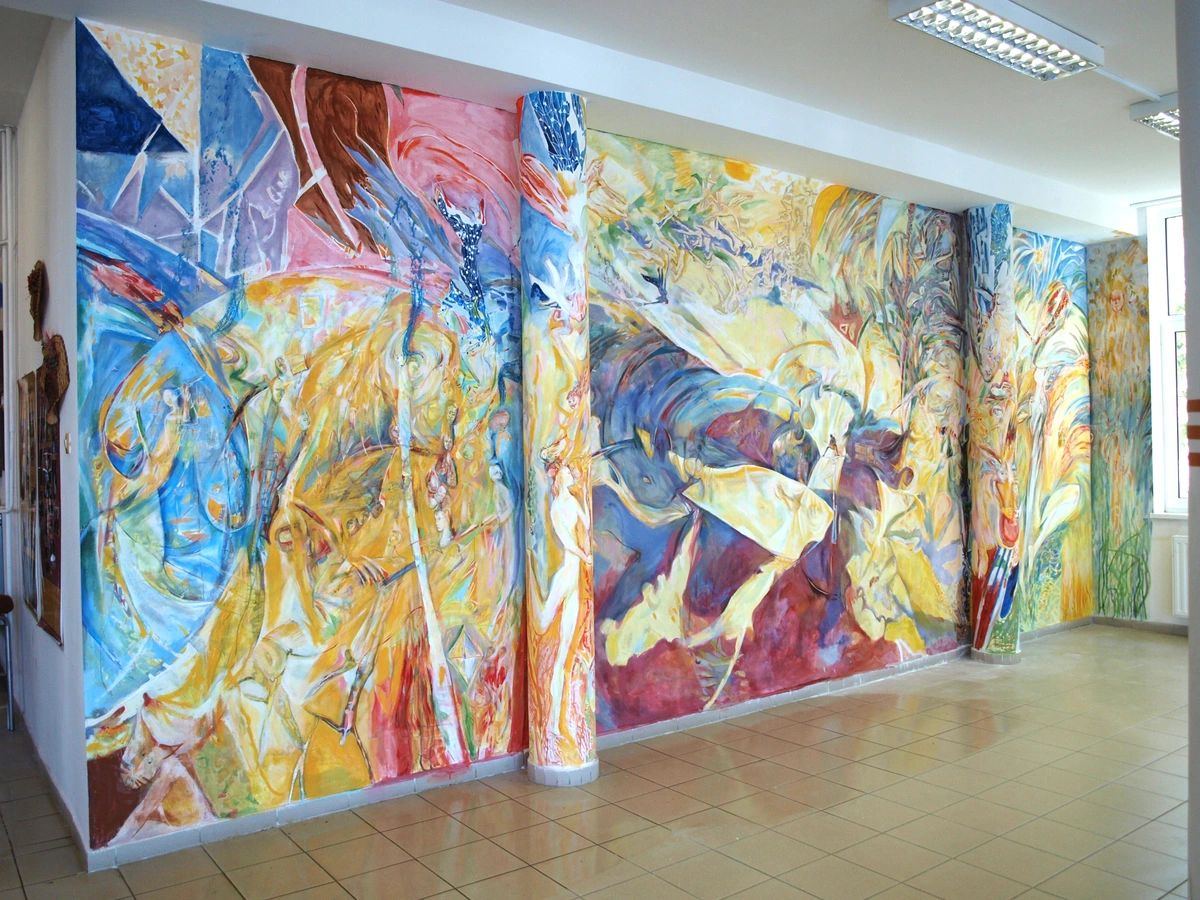
- Property Norms: By creating art on buildings, walls, and public spaces without permission, street artists challenge who has the right to use and control public space
- Artistic Value Norms: Street art often rejects the idea that art must be rare, expensive, or housed in prestigious institutions
- Audience Norms: Street art reaches people who might never set foot in a gallery or museum
- Permanence Norms: Much street art is temporary, challenging the art world's obsession with preservation and collecting
This multi-layered challenge makes street art particularly powerful. It's not just questioning what art can be about—it's questioning where art belongs, who gets to see it, and how long it should last.
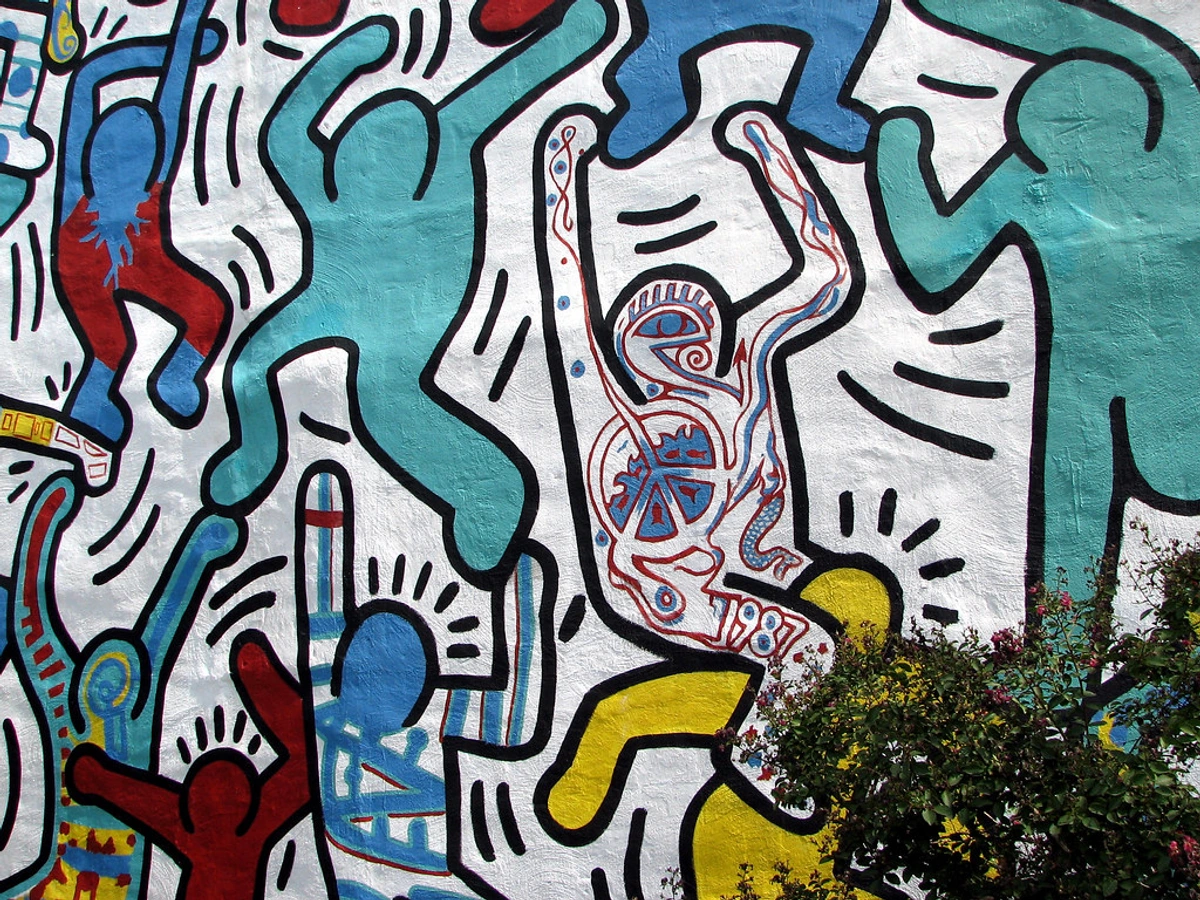
Street art represents a fundamental challenge to the traditional art world hierarchy. By taking art out of galleries and museums and putting it directly in public spaces, street artists are asking who gets to define what art is, where it belongs, and who gets to see it. This democratization of art challenges the elitism that has long characterized the art establishment.
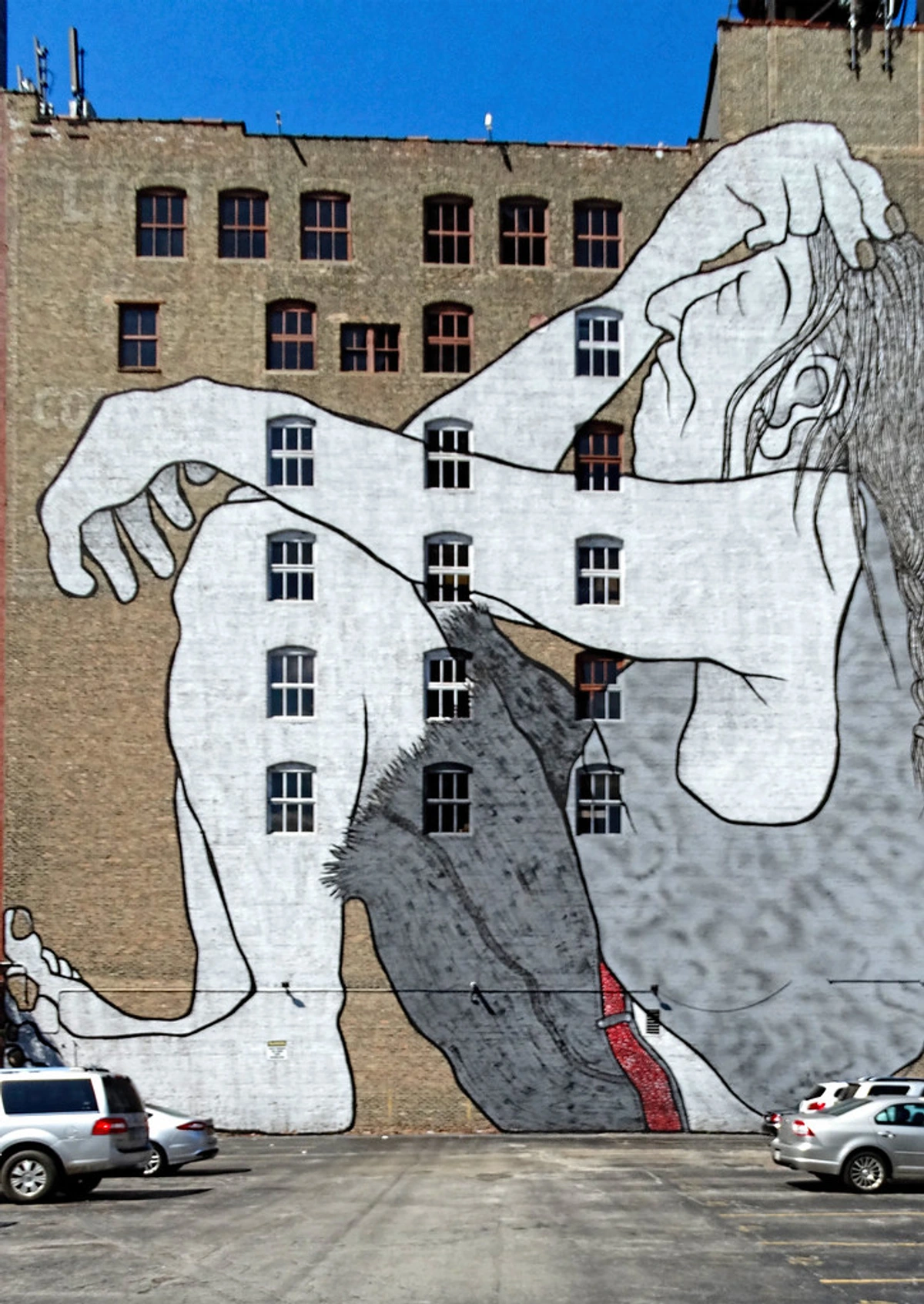
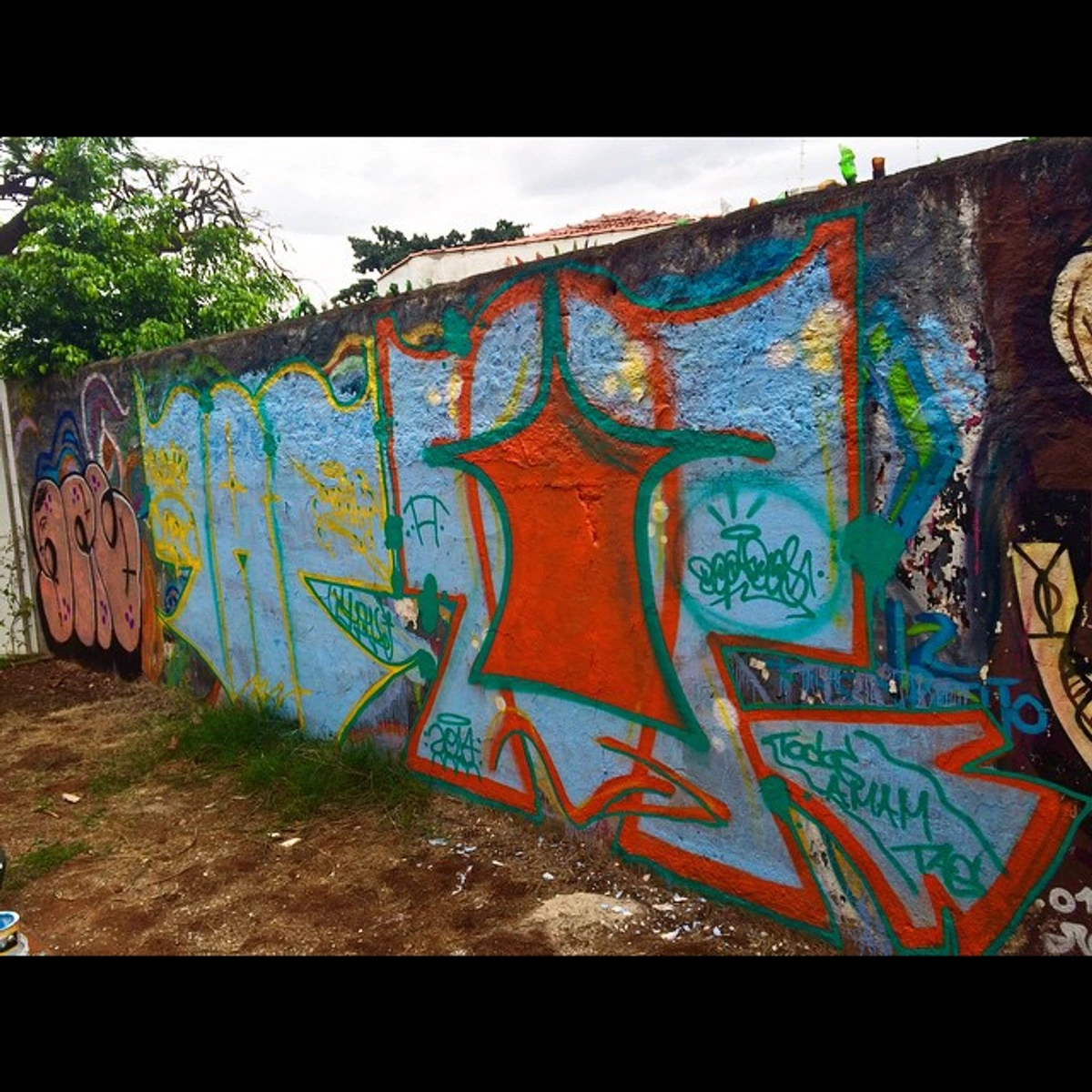
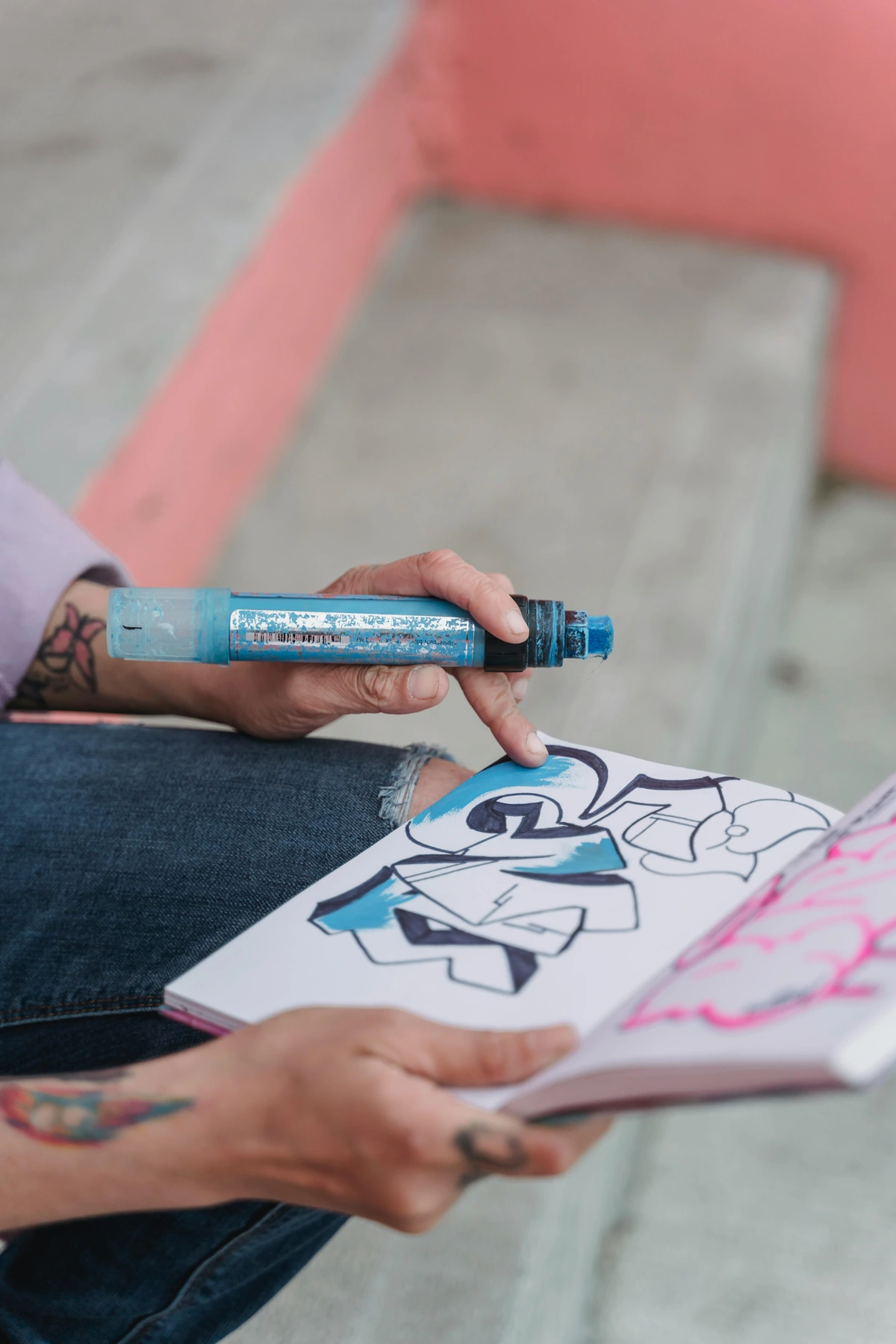
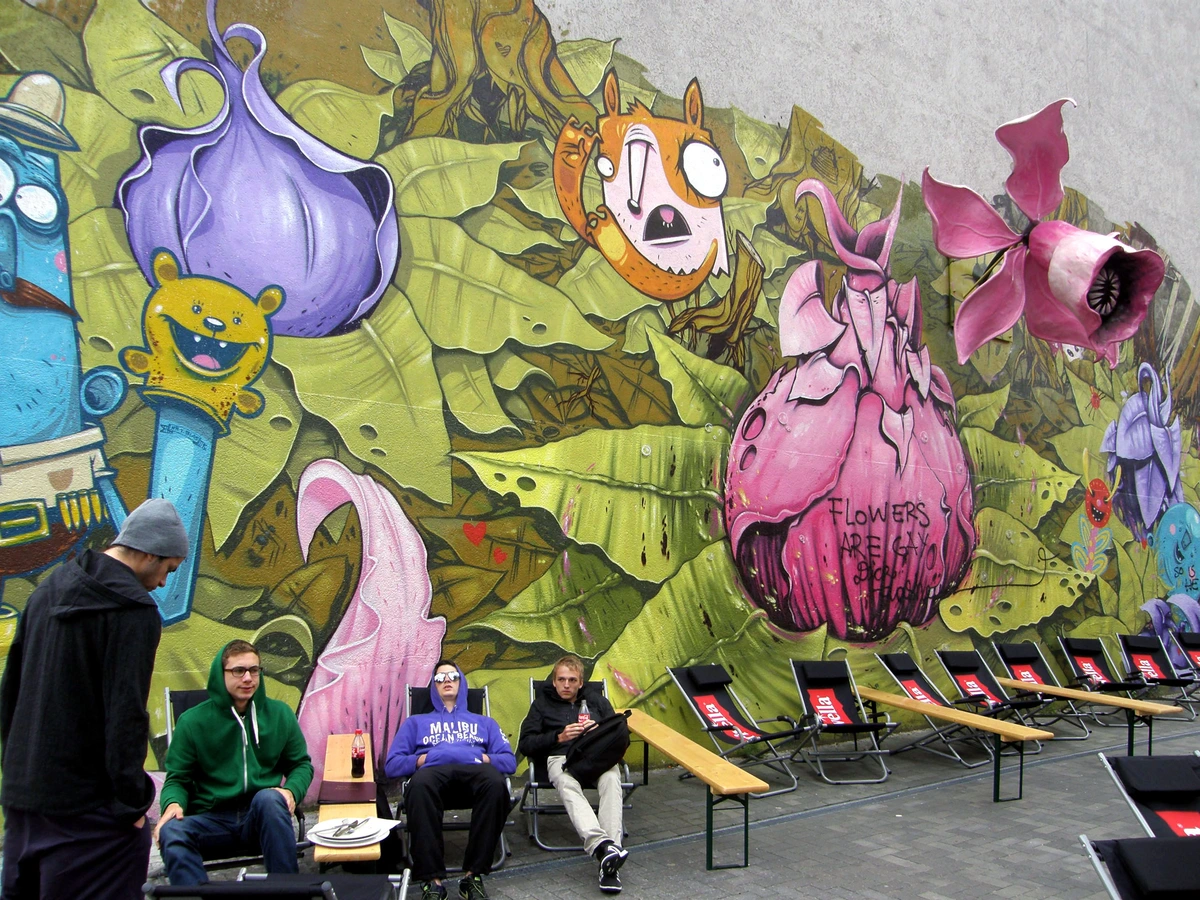
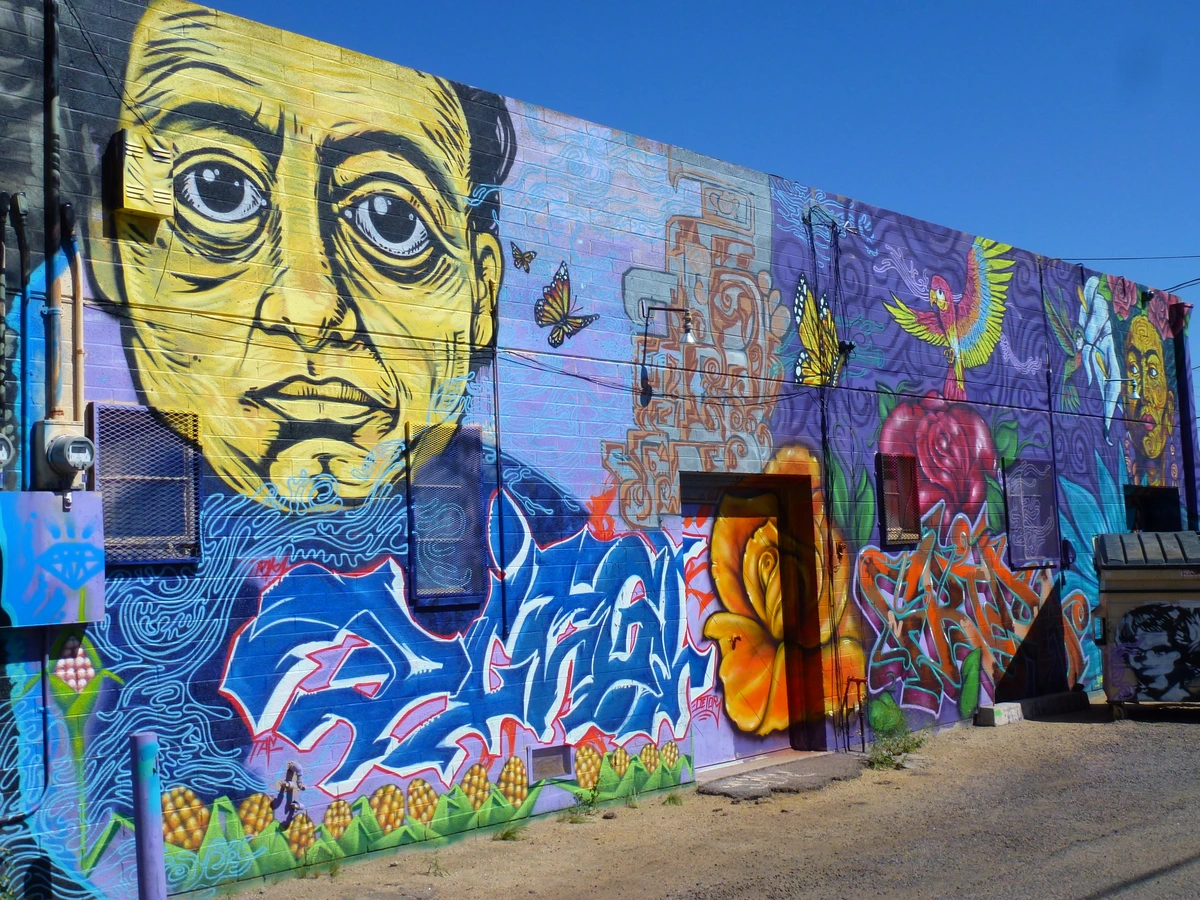
There’s a reason why so much norm-challenging art happens outside of traditional galleries. Street art, by its very nature, is a challenge to the norms of property, ownership, and who gets to decide what is art. It's a democratic, and often illegal, conversation.
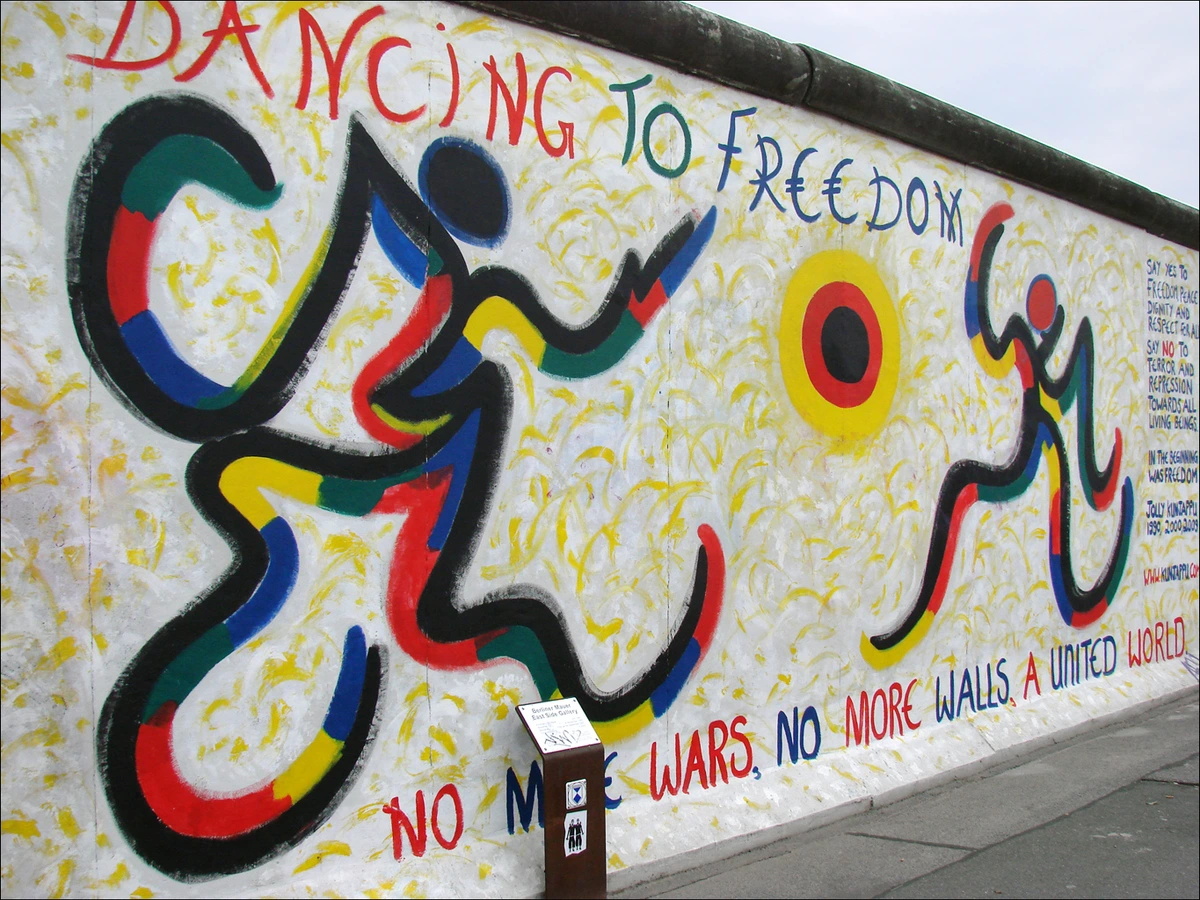
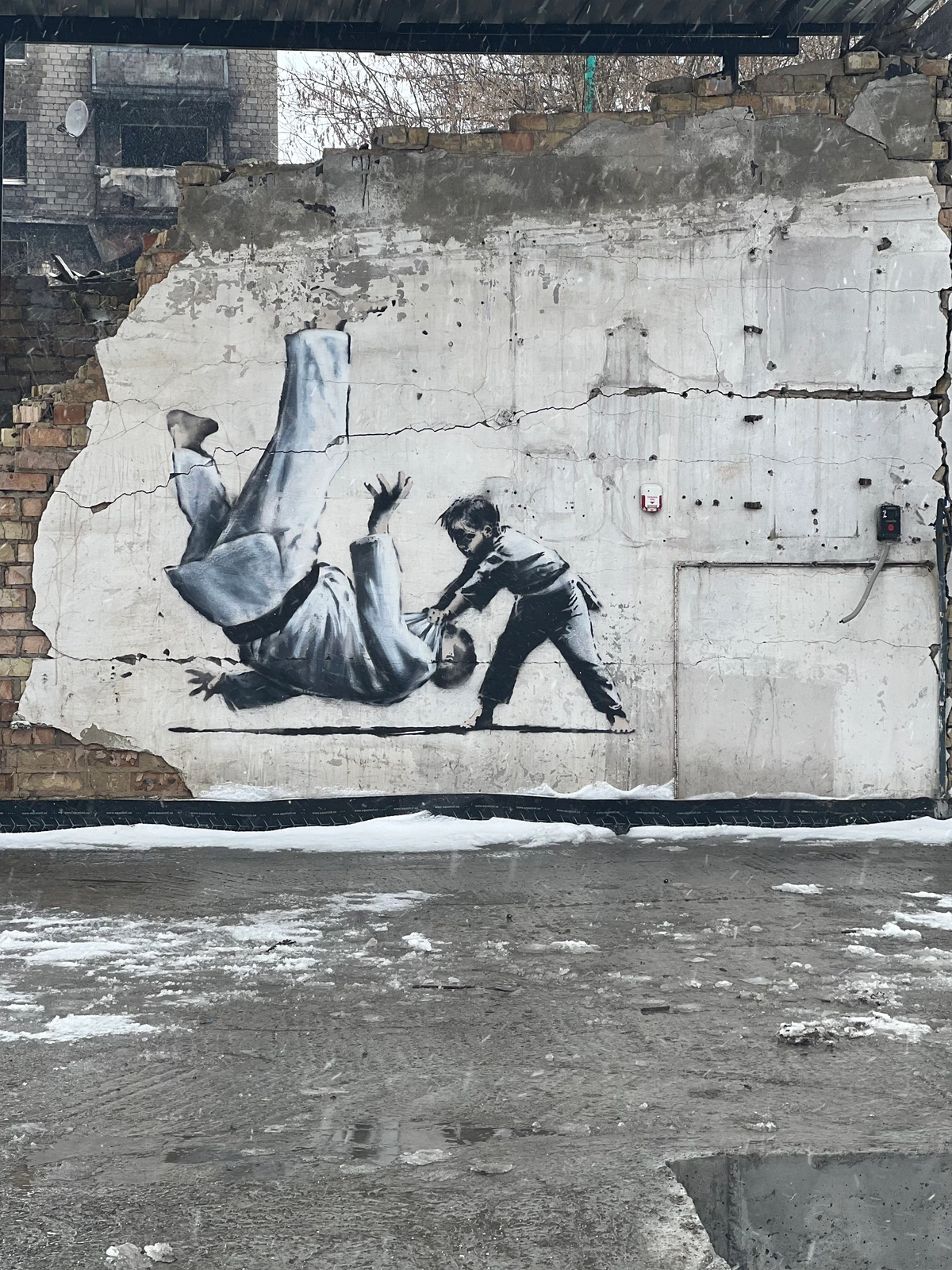
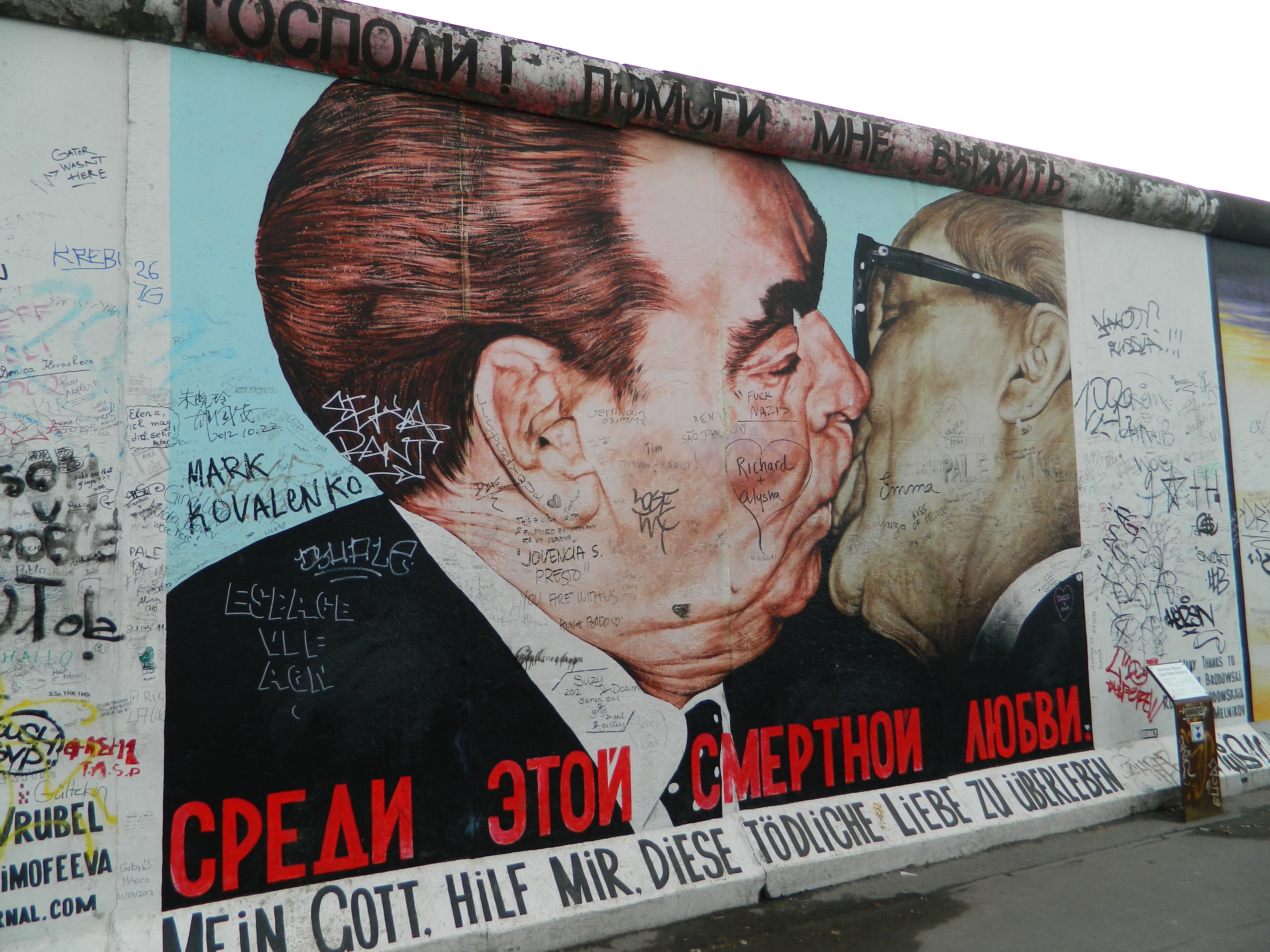
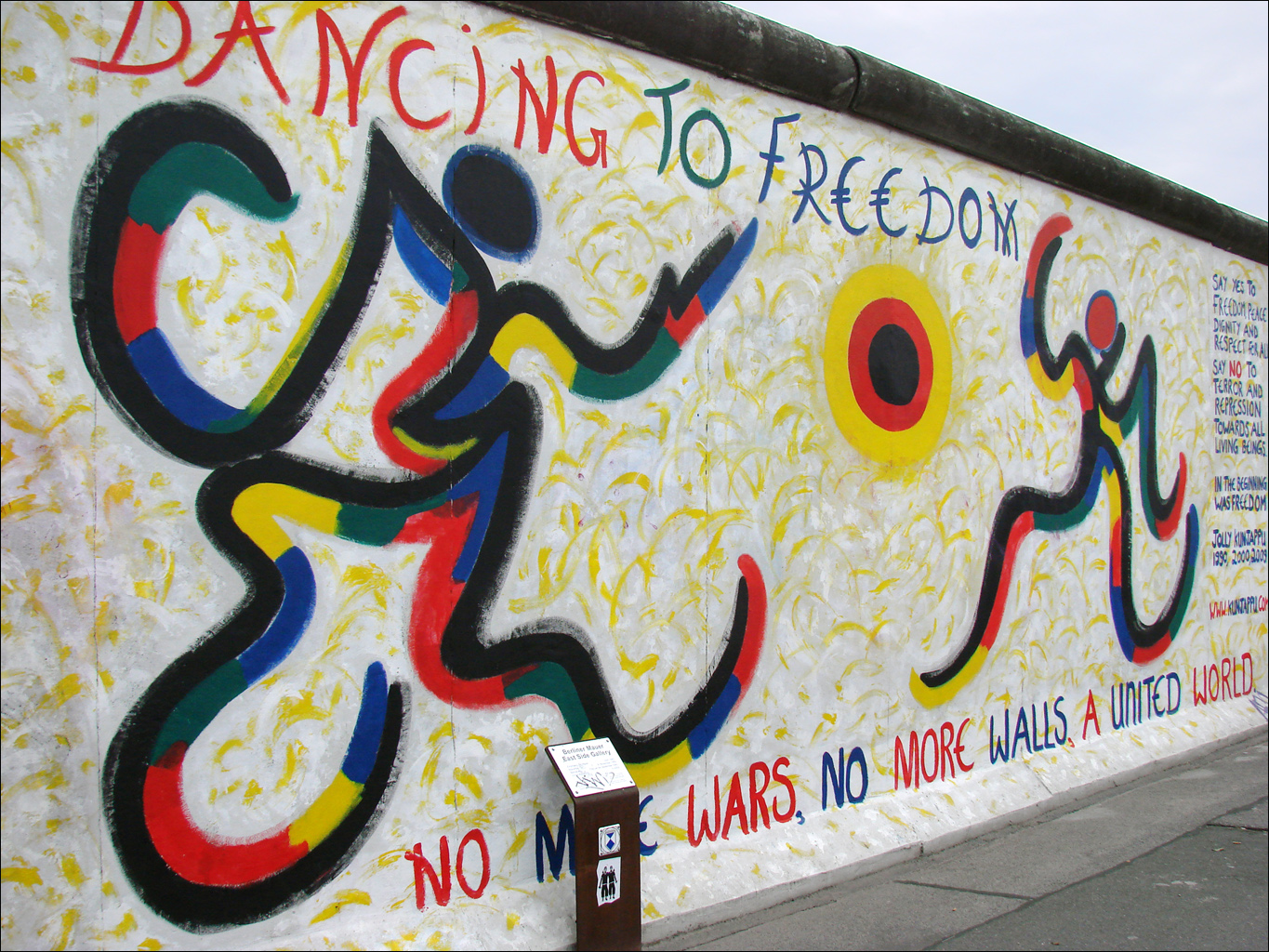
Nowhere is this more potent than on a literal wall of division. The Berlin Wall was a brutal symbol of oppression, and artists turned it into a canvas of hope and defiance. The 'Fraternal Kiss' mural is iconic—it took a symbol of socialist solidarity and, through the lens of history, turned it into a grotesque, almost comical, critique of hollow political gestures.
The Berlin Wall: Art as Political Resistance
The Berlin Wall, constructed in 1961 and standing for 28 years, became one of the largest canvases for challenging art in history. Over a mile long, it offered endless space for artists to express their opposition to the division of Berlin and Germany. The wall wasn't just a physical barrier; it was a psychological one, separating families, communities, and ideologies.
Artists from both sides of the wall used it as a medium for resistance. West Berlin artists could approach the wall from their side, while East German citizens risked imprisonment to create art from theirs. The East Side Gallery, a remaining section of the wall, is now an open-air art museum with over 100 murals that collectively tell the story of the struggle for freedom.
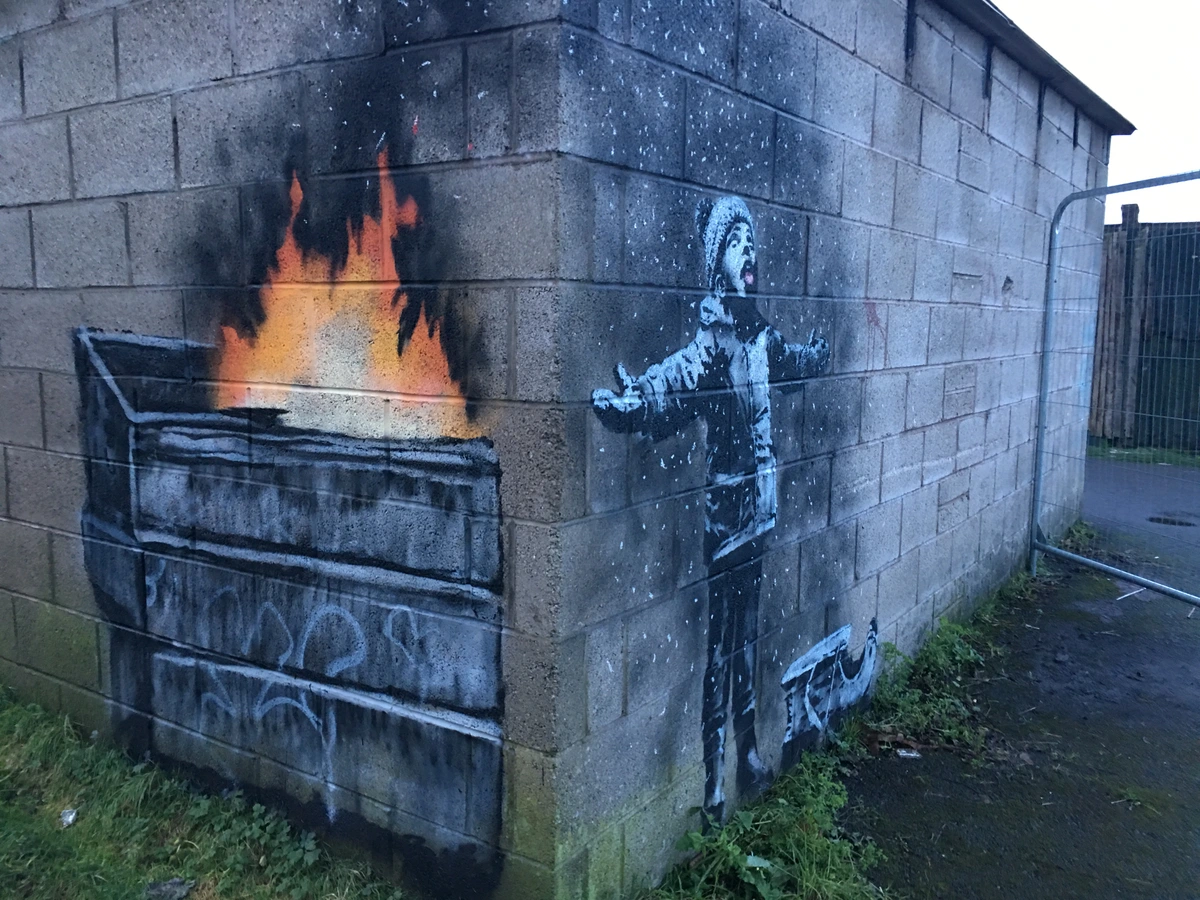
What makes the Berlin Wall art so powerful is its context. These weren't just paintings; they were acts of defiance created in the shadow of oppression. Each brushstroke was a political statement, a refusal to accept the division that the wall represented. The art transformed the wall from a symbol of oppression into a symbol of hope and the human desire for freedom.
credit, licence
It’s the ultimate act of reclaiming public space. The artist is saying, "This wall may have been built to divide us, but its surface belongs to everyone."
When the Powerful Fight Back: The Psychology of Censorship
Institutional responses to challenging art reveal a lot about psychology and power dynamics. When authority figures censor or attack challenging art, they're often acting out of fear—fear of losing control, fear of being exposed, fear of having their assumptions challenged.
The psychological mechanisms behind censorship include:
- Cognitive Dissonance: When art challenges deeply held beliefs, it creates psychological discomfort that can motivate people to suppress the source of that discomfort
- Threat to Identity: Challenging art often threatens people's sense of who they are and what they stand for
- Loss of Control: Art that questions authority makes those in power feel they're losing control of the narrative
- Moral Outrage: People often justify censorship by claiming the art is "offensive" or "immoral," even when the real motivation is protecting their interests
Understanding these psychological mechanisms helps us see why challenging art is so threatening to power structures, and why censorship often backfires by giving the art even more attention and legitimacy.: The Dynamics of Censorship
The relationship between challenging art and power is always tense. When art becomes too effective at questioning authority or exposing uncomfortable truths, those in power often respond with censorship. But this response often backfires, giving the art even more power and attention than it would have received otherwise.
Of course, challenging norms isn't without risk. When art gets too powerful, the establishment often pushes back. Think of Diego Rivera's mural 'Man at the Crossroads,' commissioned for the Rockefeller Center in New York. When Rivera included a portrait of Lenin, the Rockefellers, titans of capitalism, had a fit. They paid him his full fee and then promptly had the mural destroyed. They couldn't stomach a piece of art in their own building that so openly critiqued their entire worldview. It shows you just how potent a few dabs of paint can be.
The fight between challenging art and institutional power is as old as art itself. Throughout history, we see this pattern repeat: artists push boundaries, institutions push back, culture shifts as a result. Censorship rarely works the way censors intend. When a piece of art is banned or destroyed, it often gains more power and attention than it would have otherwise. The destruction itself becomes part of the artwork's message.
Institutional Censorship Through History
The fight between challenging art and institutional power is as old as art itself. Here are some notable examples:
Artist/Work  | Year | Institution | Reason for Censorship | Outcome |
|---|---|---|---|---|
| Diego Rivera - Man at the Crossroads | 1934 | Rockefeller Center | Included portrait of Lenin | Mural destroyed and recreated without Lenin |
| Robert Mapplethorpe - The Perfect Moment | 1989 | Corcoran Gallery | Explicit homoerotic content | Gallery canceled exhibition, sparked NEA funding debate |
| Chris Ofili - The Holy Virgin Mary | 1999 | Brooklyn Museum | Use of elephant dung and pornographic images | Mayor Giuliani attempted to withdraw funding, exhibition went ahead |
| Ai Weiwei - Sunflower Seeds | 2011 | Tate Modern | Political subtext seen as critical of Chinese government | Installation covered with protective layer, artist briefly detained |
| Andres Serrano - Piss Christ | 1987 | Various | Submersion of crucifix in urine | Senator Jesse Helms led campaign against NEA funding |
These cases reveal patterns in how institutions respond to challenging art:
- Financial Pressure: Threats to withdraw funding are common
- Legal Challenges: Using obscenity or defamation laws
- Administrative Intervention: Direct intervention by museum directors or government officials
- Public Shaming: Characterizing the artist as immoral or unpatriotic
The irony is that censorship often gives the art more power than it would have had otherwise. The story of what happened to the artwork becomes part of its meaning, and the controversy generates far more attention than the work might have received otherwise.
This dynamic between artist and establishment creates a fascinating power struggle. The artist has the power to challenge, but the establishment has the power to censor, destroy, or ignore. Throughout history, we see this pattern repeat: artists push boundaries, institutions push back, culture shifts as a result.
Censorship rarely works the way censors intend. When a piece of art is banned or destroyed, it often gains more power and attention than it would have otherwise. The destruction itself becomes part of the artwork's message. The story of what happened to the art becomes as important as the art itself.
There's also the legal dimension. Artists who work in public spaces often face fines, lawsuits, or even jail time. This creates a real dilemma: do you create the art you believe in, knowing you might face consequences, or do you self-censor to avoid trouble? Many artists choose the former, seeing the legal risks as part of the political statement they're making.
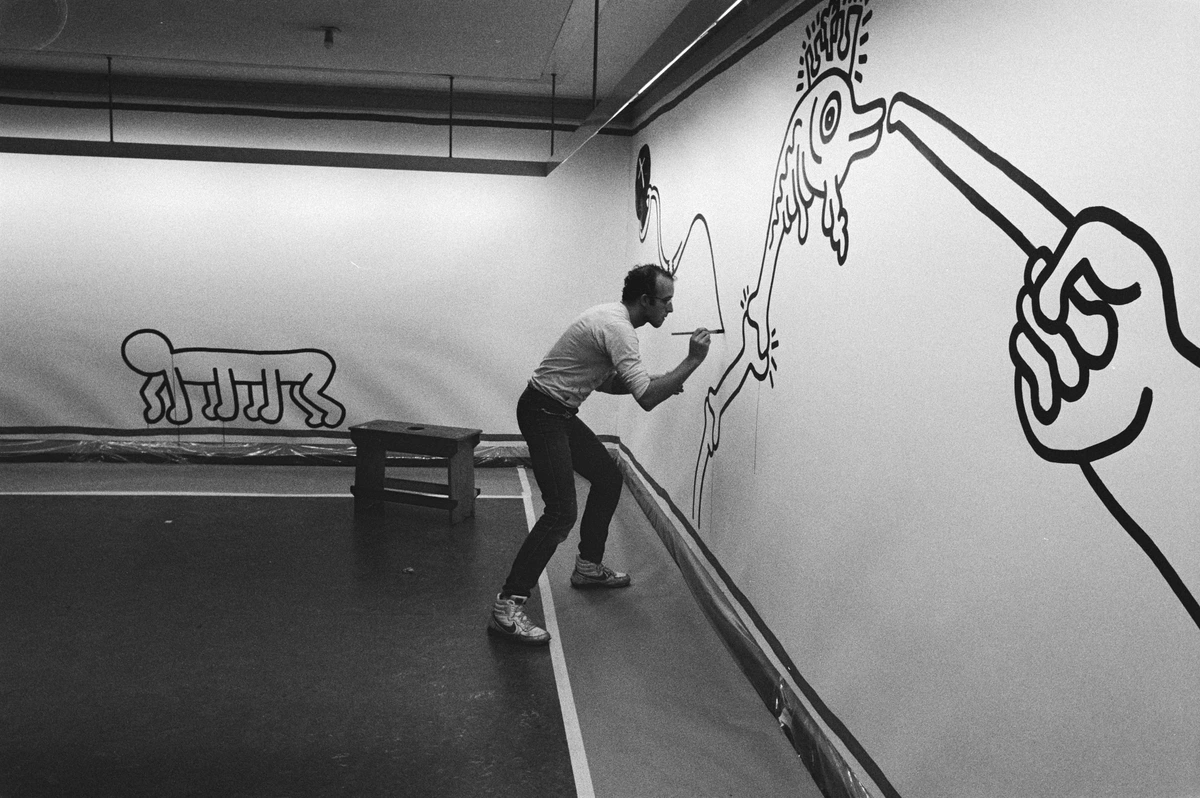
This dynamic is a constant tug-of-war. The artist pushes, society pushes back, and in that friction, culture slowly grinds forward. The art that shocks one generation often becomes the treasured classic of the next.
The Cycle of Acceptance: From Scandal to Celebration
Art history is filled with stories of works that were initially scandalous but later celebrated. This cycle of acceptance tells us something important about how culture evolves and how challenging art eventually gets absorbed into the mainstream.

Consider some famous examples:
- Impressionism: When Monet, Renoir, and others first showed their work, it was ridiculed and rejected by the official art establishment. Today, Impressionism is one of the most beloved and commercially successful art movements.
- Jazz music: Early jazz was considered dangerous and immoral by many in the 1920s. It's now seen as a quintessential American art form.
- Rock and roll: Elvis Presley's hip movements were considered scandalous in the 1950s. Today, he's a cultural icon.
- Abstract Expressionism: Artists like Jackson Pollock were dismissed as frauds in the 1940s. Now their works sell for hundreds of millions of dollars.
What does this pattern tell us? It suggests that challenging art often serves as a cultural vanguard, pushing boundaries that the rest of society eventually follows. The controversy surrounding new art forms often masks the fact that they're tapping into emerging cultural shifts that will soon become mainstream.
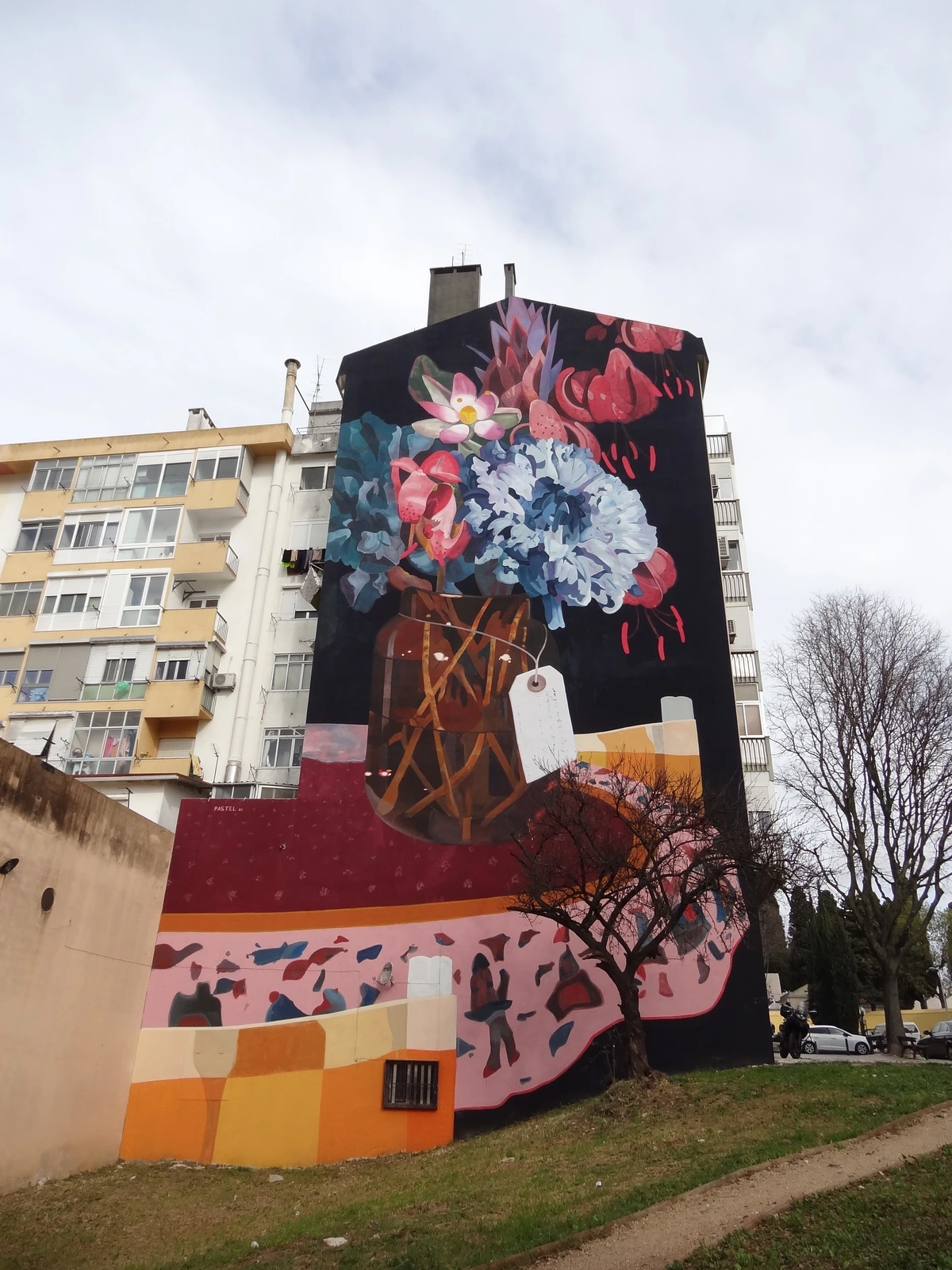
But this cycle also has a dark side. As challenging art gets accepted and commercialized, it loses some of its edge. The next generation of artists then has to find new ways to challenge the newly established norms. It's an endless cycle of rebellion and assimilation.
The Paradox: When Rebellion Becomes a Product
This creates what might be called the "irony cycle" of challenging art:
- Emergence: New challenging art emerges as a reaction to current social and political conditions
- Controversy: The art causes controversy and gains attention
- Co-optation: The art or its aesthetic elements are adopted by mainstream culture, advertising, and corporations
- Commodification: The art becomes a product to be bought and sold
- New Rebellion: New artists emerge to challenge the now-mainstream former rebels
This cycle can be seen in countless art movements. Punk rock started as raw rebellion against mainstream music, but eventually became a commercial genre that spawned even more extreme subgenres. The same pattern can be seen in hip-hop, graffiti art, and countless other forms of challenging expression.
The paradox is that while co-optation dilutes the original message, it also spreads the ideas to new audiences. Someone who might never engage with radical political art might encounter its elements in a fashion advertisement or a movie soundtrack. In this way, challenging art infiltrates the culture in ways that are often invisible but nonetheless powerful.
One of the most fascinating aspects of challenging art is what happens when it becomes successful. When rebellious art gains mainstream acceptance, it often loses some of its edge, but in doing so, it creates space for new forms of rebellion. This cycle—rebellion, co-optation, new rebellion—is fundamental to cultural evolution.
Here’s where it gets complicated for me as an artist. What happens when the art that was meant to challenge the system gets co-opted by it? Banksy's work now sells for millions. The symbolism of Surrealism, once a radical challenge to our perception of reality, is now used to sell cars and perfume. It’s the ultimate irony.
Does this rob the art of its power? I don't think so, not entirely. The original act of creation remains a defiant spark. But it does mean we, the viewers, have to work a little harder. We have to look past the price tag or the gift shop merchandise and reconnect with that initial jolt, that question the artist was trying to ask. It's a reminder that art's role as a catalyst for social change is a living, breathing thing that changes with its context.
Global Perspectives: Artistic Rebellion Across Cultures
Artistic rebellion isn't just a Western phenomenon. Across different cultures and throughout history, artists have found unique ways to challenge societal norms and power structures. These diverse approaches reveal how the impulse to question and provoke is universal, even if the methods vary dramatically.
African Art: Masking and Subversion
In many African cultures, masks have been used for centuries not just as art objects, but as tools of social commentary and power. The Baule people of Côte d'Ivoire, for example, create masks that represent spirits and ancestors, but these masks are also used to critique societal behaviors and power structures. The mask-wearer becomes a voice from the spirit world, able to say things that would be dangerous or impossible for a regular person to say.
During colonial times, African artists found ingenious ways to subvert European expectations. They might incorporate European motifs into traditional forms, or create works that appeared to conform to Western aesthetic expectations while actually containing subtle critiques of colonial power. This dual reading—appealing to European collectors while maintaining deeper cultural meaning—represents a sophisticated form of artistic resistance.
Asian Art: Tradition and Dissent
In China, artists have always walked a fine line between tradition and dissent. During the Cultural Revolution, "decadent" art was suppressed, but artists found ways to create works that contained hidden meanings. The subtle use of brushstrokes, color choices, and compositional elements could carry meanings that were accessible only to those "in the know."
Contemporary Chinese artists like Ai Weiwei continue this tradition of subversion. His work "Dropping a Han Dynasty Urn"—showing him destroying a valuable antique—comments on the destruction of cultural heritage during China's rapid modernization. The piece is both an act of artistic rebellion and a profound meditation on cultural memory and loss.
In Japan, the ukiyo-e woodblock prints of the Edo period often contained subtle social commentary. Artists like Utamaro and Hokusai depicted scenes from everyday life that, while seemingly decorative, often contained observations about class, gender, and social hierarchy. The very name ukiyo-e means "pictures of the floating world"—a reference to the Buddhist concept of the transient nature of life, but also a commentary on the fleeting pleasures and social tensions of urban Edo.
Latin American Art: Revolution and Identity
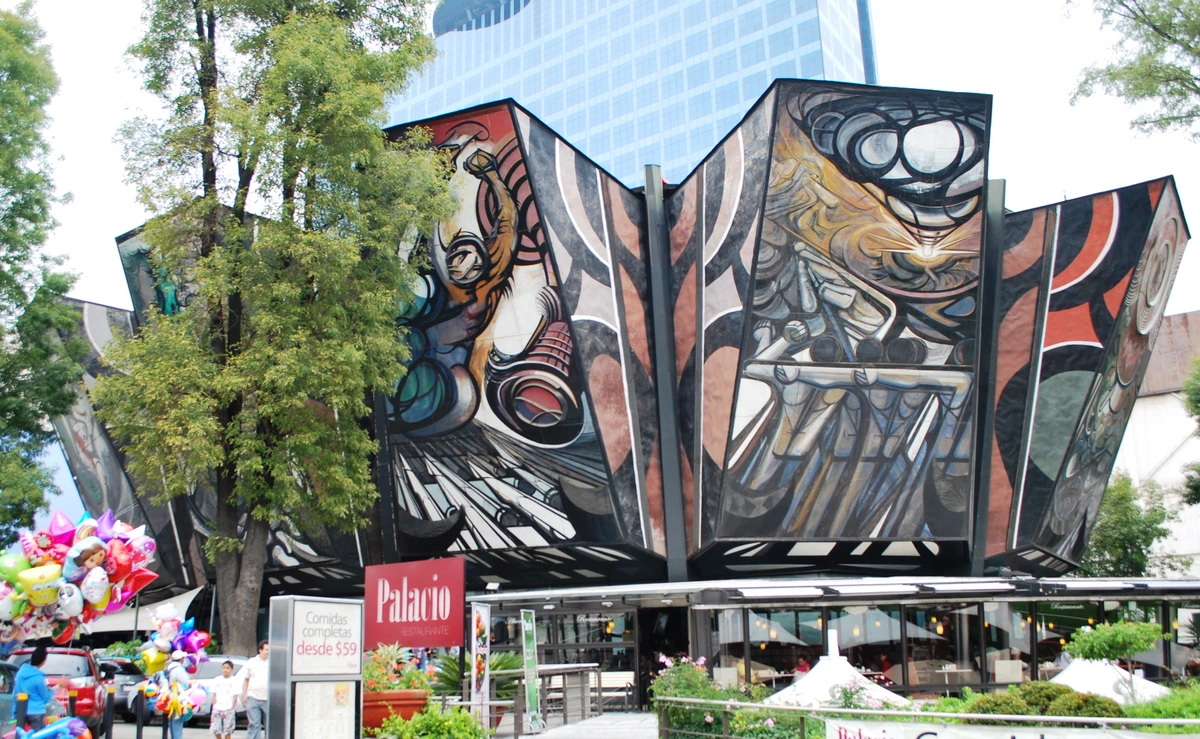
Latin American art has a long history of challenging power structures, particularly in response to colonialism and authoritarian regimes. Mexican muralism, epitomized by Diego Rivera, David Alfaro Siqueiros, and José Clemente Orozco, used large-scale public art to tell the history of Mexico from the perspective of the indigenous people and workers rather than the elite. These murals weren't just art—they were revolutionary tools for education and mobilization.
During the 1960s and 70s, many Latin American artists used conceptual art to challenge military dictatorships. Argentine artist León Ferrari, for example, created a work called "La Civilización Occidental y Cristiana" (Western and Christian Civilization), which featured Christ crucified on a fighter jet—a powerful critique of how religion and militarism intersect in oppressive regimes.
Middle Eastern Art: Expression Under Constraint
In many Middle Eastern countries, artists work under significant constraints. Iranian artist Shirin Neshat, for example, creates photographs and films that explore the complex identity of women in Islamic societies. Her work often features calligraphy alongside images of women, creating a dialogue between text and image, tradition and modernity.
Palestinian artists like Mona Hatoum use their work to comment on occupation and displacement. Her installation "Homebound" features a treadmill with a suitcase attached, symbolizing the endless cycle of displacement faced by many Palestinians. The piece is both intimate and political, personal experience made universal through artistic expression.
Indigenous Art: Resilience and Resistance
Indigenous artists around the world have increasingly used their work to challenge colonial narratives and assert cultural sovereignty. In Australia, Aboriginal artists have developed a unique contemporary art movement that connects traditional Dreaming stories with contemporary political themes. The dots and patterns used in much Aboriginal art carry deep cultural and spiritual meaning, but contemporary artists like Emily Kame Kngwarreye have used these traditional forms to comment on issues like land rights and environmental destruction.
In North America, Native American artists like Jaune Quick-to-See Smith combine traditional techniques with contemporary materials to address issues of environmental justice, cultural appropriation, and sovereignty. Her work often incorporates found objects and text, creating layered pieces that speak to both personal experience and broader political struggles.
These diverse examples show that while the specific techniques and contexts vary, the impulse to use art as a tool for challenging norms is universal. Whether through masks in Africa, murals in Mexico, or conceptual art in Iran, artists have always found ways to question power, expose injustice, and imagine alternative futures.
Historical Examples of Challenging Art: A Timeline of Rebellion
Art history is filled with examples of challenging art that pushed boundaries and changed how we think about the world. Here's a chronological overview of some of the most significant examples:
Ancient Art (Pre-500 CE)
Greek Vases: Athenian pottery from the 5th century BCE often depicted satirical scenes that mocked politicians and social norms. These weren't just decorative objects—they were conversation pieces that brought political discourse into everyday life.
Roman Graffiti: The ruins of Pompeii and Herculaneum contain extensive graffiti that reveals the voices of ordinary people. These writings range from political slogans to personal insults, giving us a glimpse into the lives of people who were usually silent in the historical record.
Medieval and Renaissance (500-1600 CE)
Medieval Marginalia: Illuminated manuscripts often contained tiny drawings in the margins that satirized contemporary society, religion, and politics. These marginal images were a way for artists to express dissent without directly challenging the Church or nobility.
Caravaggio's Religious Scenes: While painting religious subjects, Caravaggio brought working-class people and everyday settings into his work, challenging the idealized conventions of Renaissance art.
18th and 19th Centuries (1700-1900 CE)
Goya's "The Third of May 1808": This painting depicted the horrors of war with raw emotional intensity, challenging the glorification of conflict common in earlier art.
Manet's "Olympia": The direct gaze and realistic depiction of a sex worker in this painting challenged idealized female nude traditions and caused massive controversy when exhibited.
Courbet's "The Stone Breakers": By showing working-class people as subjects worthy of artistic attention, Courbet challenged the academic tradition that focused on historical and mythological subjects.
20th Century (1900-2000 CE)
Dada Movement: Emerging during World War I, Dada art was a direct protest against nationalism and rationality. Marcel Duchamp's "Fountain"—a signed urinal—challenged the very definition of art.
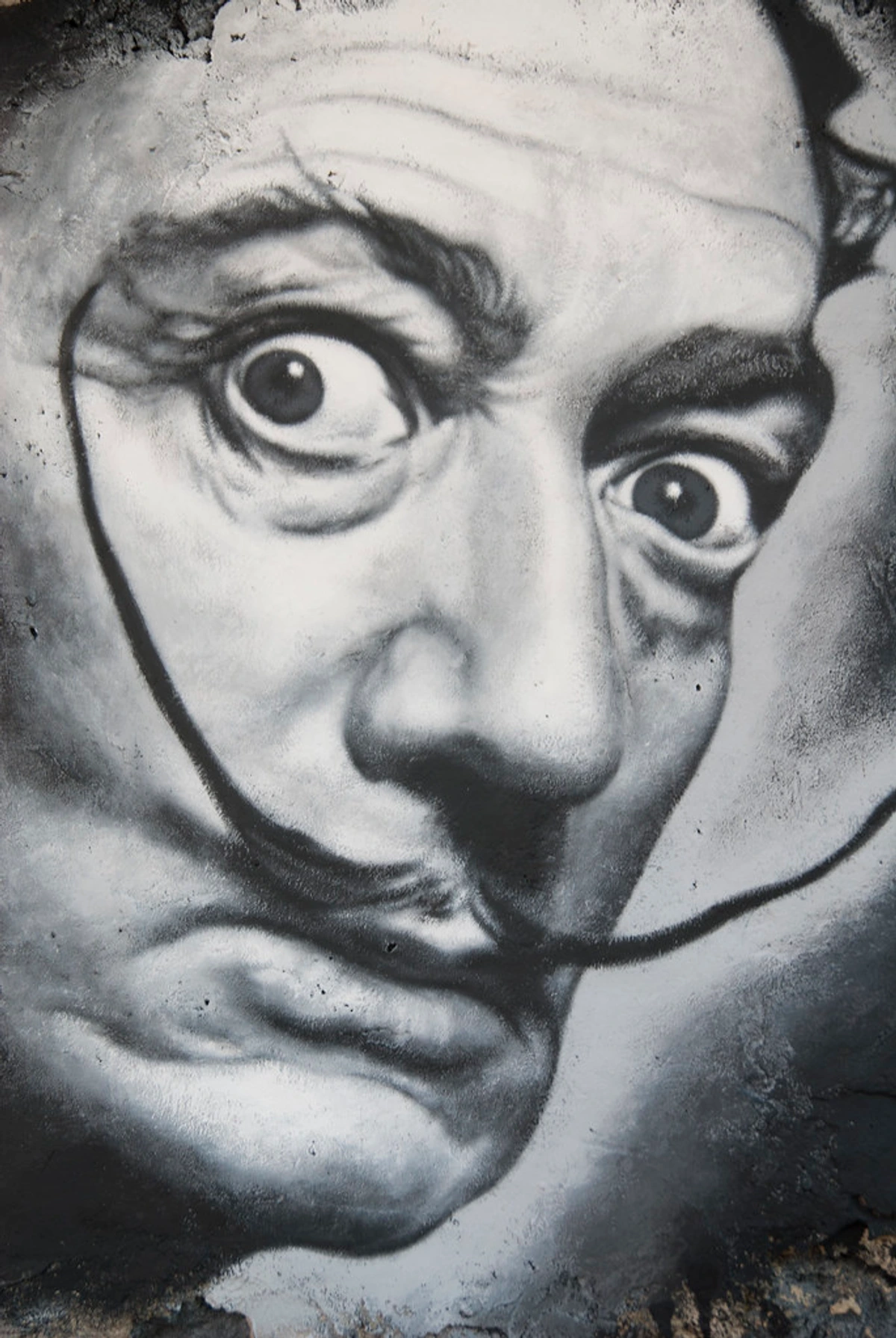
Surrealism: Artists like Salvador Dalí and Max Ernst used dreamlike imagery to challenge our understanding of reality and consciousness.
Abstract Expressionism: Jackson Pollock's drip paintings challenged traditional notions of composition and technical skill, expanding what could be considered "art."
Looking at the history of challenging art reveals several important patterns. Art that was once considered shocking or radical often becomes beloved over time. What's controversial in one generation becomes the classic art of the next. This pattern suggests that challenging art often serves as a cultural vanguard, pushing boundaries that society eventually follows.
Throughout history, artists have always found ways to challenge the norms of their time. Understanding these historical examples helps us see how art's role as a social force has evolved while remaining fundamentally the same.
The Psychology of Artistic Rebellion
What drives artists to challenge societal norms? Research in psychology and behavioral science suggests several key motivations:
Cognitive Dissonance: Artists often experience tension between their perception of the world and the way society presents it. This internal conflict creates a need to express alternative perspectives.
Empathy and Moral Outrage: Many challenging artists are deeply affected by social injustices they witness, creating a moral imperative to speak out through their work.
Creative Expression as Identity: For some artists, challenging norms is an essential part of their artistic identity—they cannot create work that doesn't push boundaries.
Desire for Recognition: While controversial, challenging work often generates more attention and recognition than conventional art, creating a feedback loop.
Social Bonding: Challenging art can create communities of like-minded individuals who find validation and connection through shared perspectives.
Understanding these psychological motivations helps us appreciate why artistic rebellion is not just a choice but often an inevitable expression of the artist's relationship with society.
Classical Antiquity: Subtle Rebellion
Even in ancient Greece and Rome, art carried political and social messages. Greek vases often depicted scenes that mocked politicians or questioned traditional values. The famous "Kylix" (drinking cup) by the Brygos Painter shows a drunk Hercules being served by a woman—subverting the traditional heroic image of the demigod.
Roman art was even more overtly political. Emperors used sculpture and architecture to project power and legitimacy. But artists found ways to subvert this too. Some portraits included subtle imperfections or aging that humanized rulers, pushing back against the deification of authority.
The Medieval Underground
During the Middle Ages, when religious art dominated the visual landscape, artists developed sophisticated methods of social commentary:

Marginalia: Tiny drawings in the margins of manuscripts that contained satirical social commentary, often hidden from censors Cryptic Symbols: Hidden meanings within religious imagery that only initiated viewers would understand Folk Art: Popular art forms that expressed dissent against elite culture and religious authority Processional Drama: Street performances that used religious stories to comment on contemporary social issues
These methods reveal how artists always find ways to express social critique, even under repressive regimes. The creativity required to bypass censorship often becomes part of the art's meaning and power.
Medieval and Renaissance: Hidden Messages
During the Middle Ages, religious art was the dominant form, but even here we find challenges. Some medieval manuscripts included marginalia—tiny drawings in the margins—that contained social commentary, often with a satirical edge.
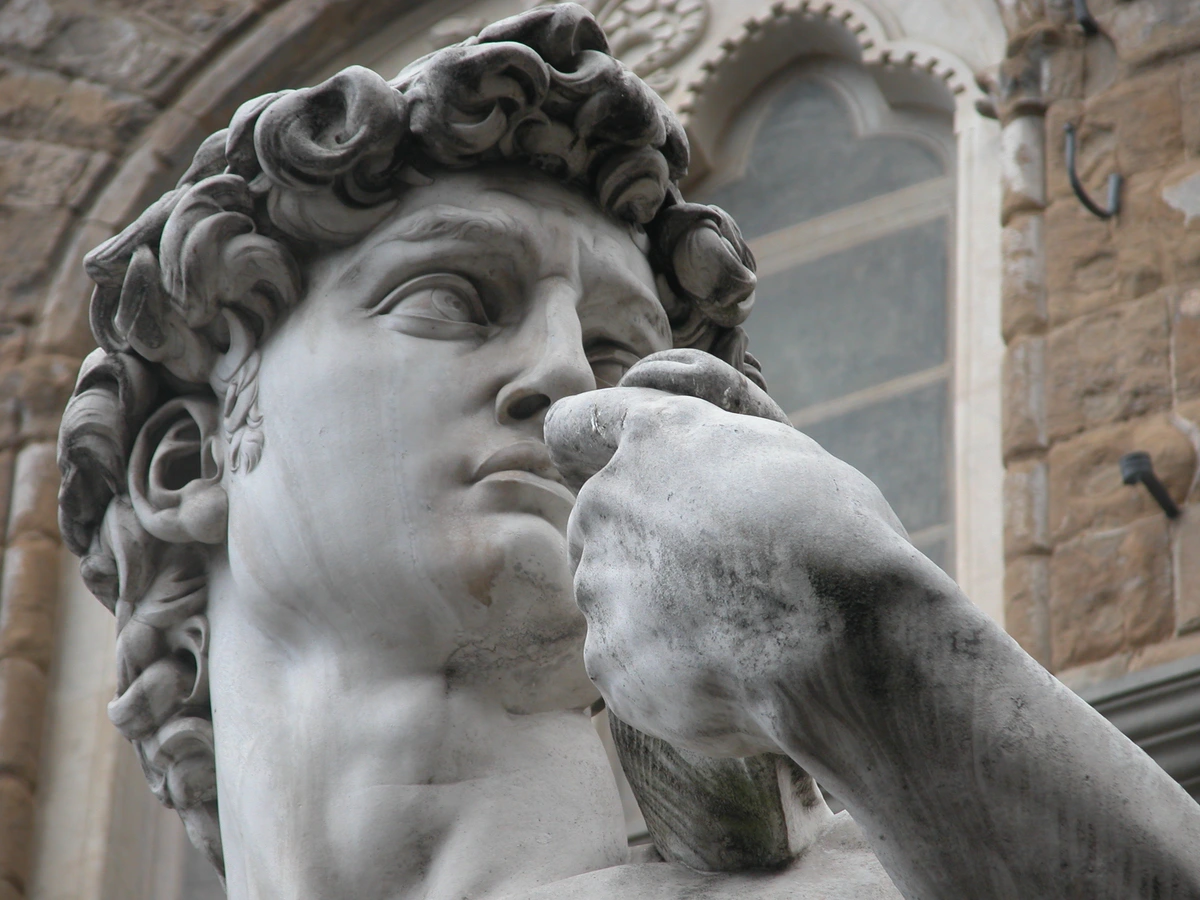
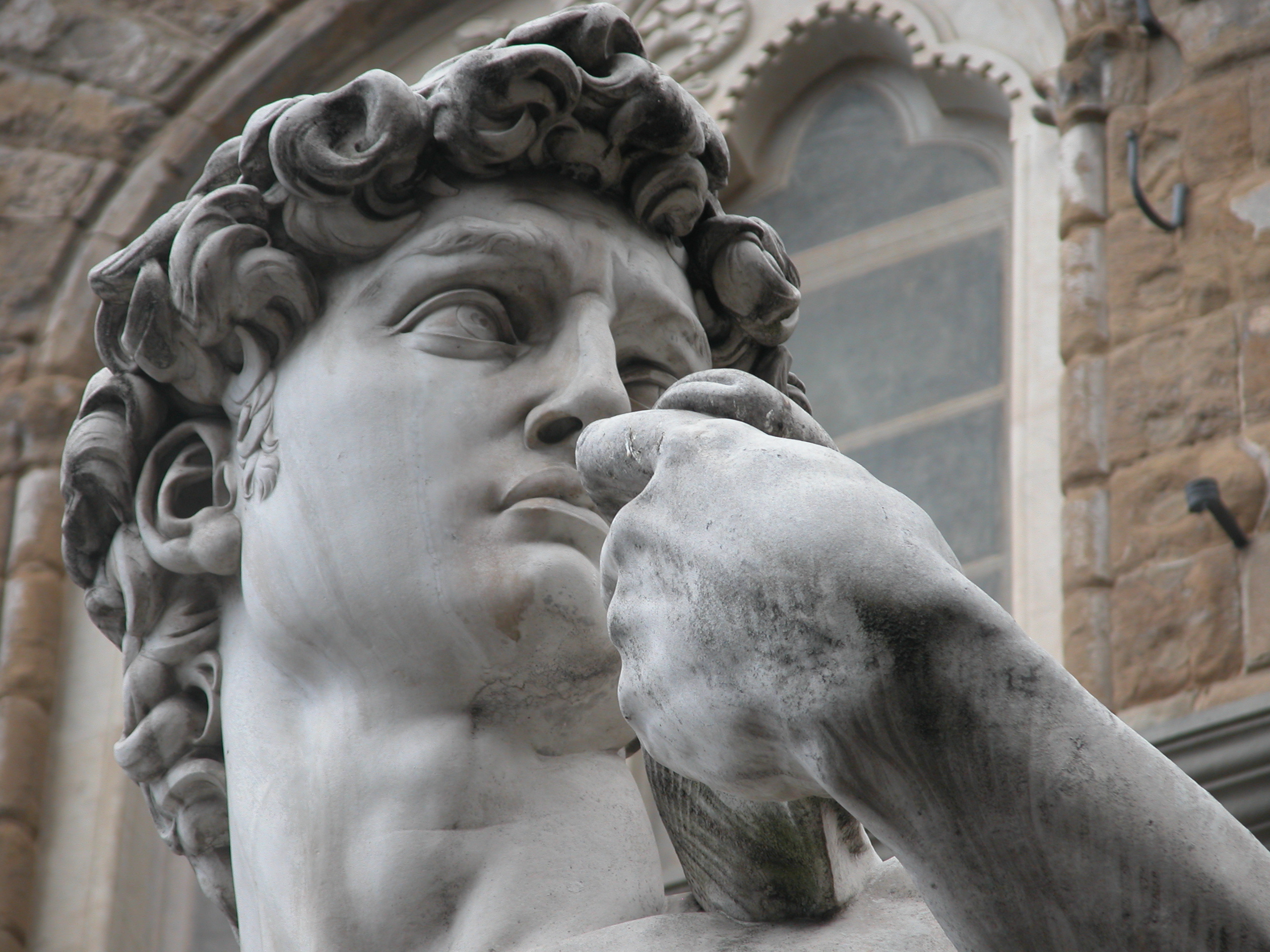
The Renaissance brought new challenges. Michelangelo's "David" wasn't just a technical masterpiece; it was a political symbol of Florentine republicanism during a time of political turmoil. The statue's defiant stance and muscular physique represented the ideal citizen of a free republic.
Caravaggio's dramatic use of light and shadow (chiaroscuro) challenged the refined, idealized style of Renaissance art. His "Calling of St. Matthew" depicted ordinary people in a tavern setting, elevating the common and challenging religious art traditions.
18th and 19th Centuries: Political Awakening
The Enlightenment and political revolutions of the 18th century brought art into the political sphere in new ways. Goya's "The Third of May 1808" depicted the horrors of war with raw emotion, challenging the glorification of conflict common in earlier art.
The 19th century saw art become even more explicitly political. Courbet's "The Stone Breakers" challenged the academic tradition by showing working-class people as subjects worthy of artistic attention, rather than just historical or mythological figures.
Manet's "Olympia" caused scandal with its direct gaze and realistic depiction of a sex worker. It challenged the idealized female nude tradition and forced viewers to confront uncomfortable social realities.
20th Century: Radical Transformation
The 20th century saw art challenge norms more radically than ever before. The Dada movement emerged during World War I as a direct protest against the rationality and nationalism that had led to the war. Marcel Duchamp's "Fountain"—a signed urinal—challenged the very definition of art and what constitutes a valid artistic object.
Surrealism challenged our understanding of reality and consciousness. Salvador Dalí's dreamlike paintings forced viewers to question the boundaries between rational thought and irrational experience.
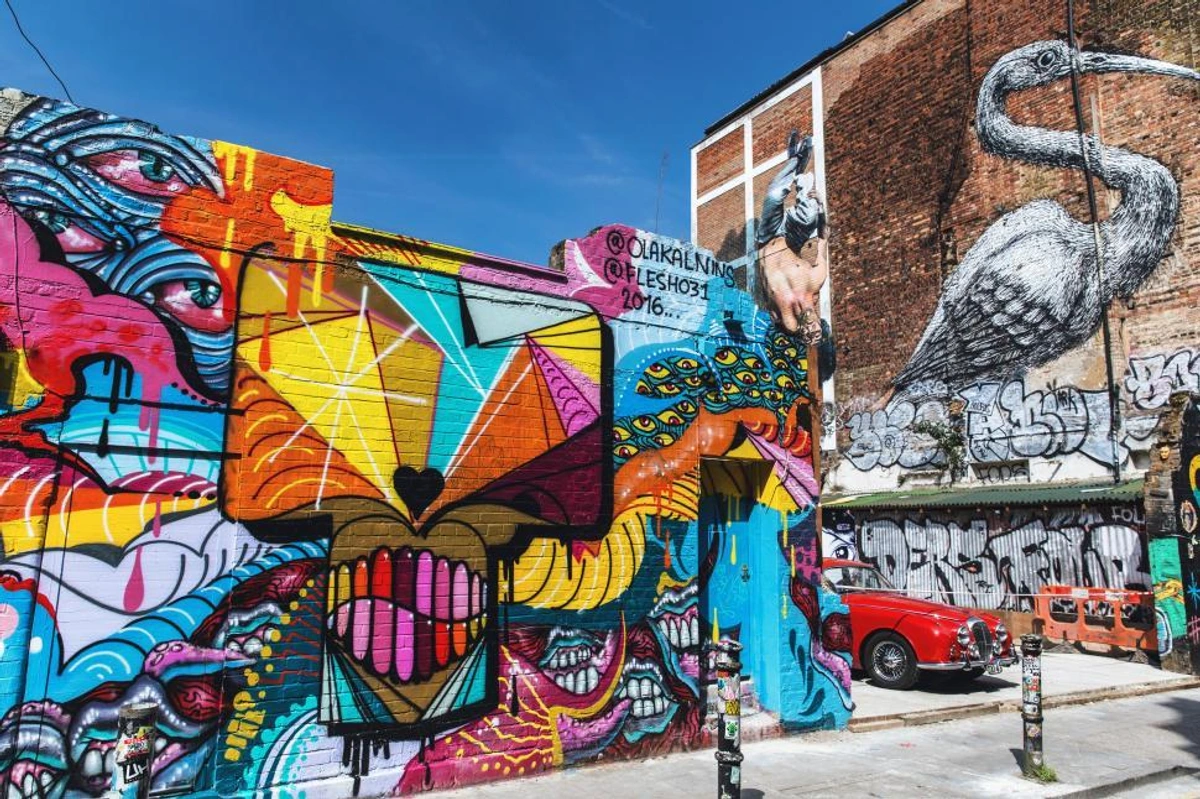
The rise of photography as an art form challenged the primacy of painting and drawing. Artists like Alfred Stieglitz and Walker Evans used photography to document social conditions, bringing art into direct conversation with political reality.
Post-War and Contemporary: Global Challenges
After World War II, art became increasingly global and diverse. The Pop Art movement challenged traditional notions of originality and authorship by incorporating mass media and commercial imagery. Andy Warhol's Campbell's Soup cans elevated everyday consumer objects to the status of high art.
The feminist art movement of the 1970s challenged male-dominated art history and representation. Artists like Judy Chicago and Barbara Kruger created work that addressed women's experiences and challenged patriarchal norms.
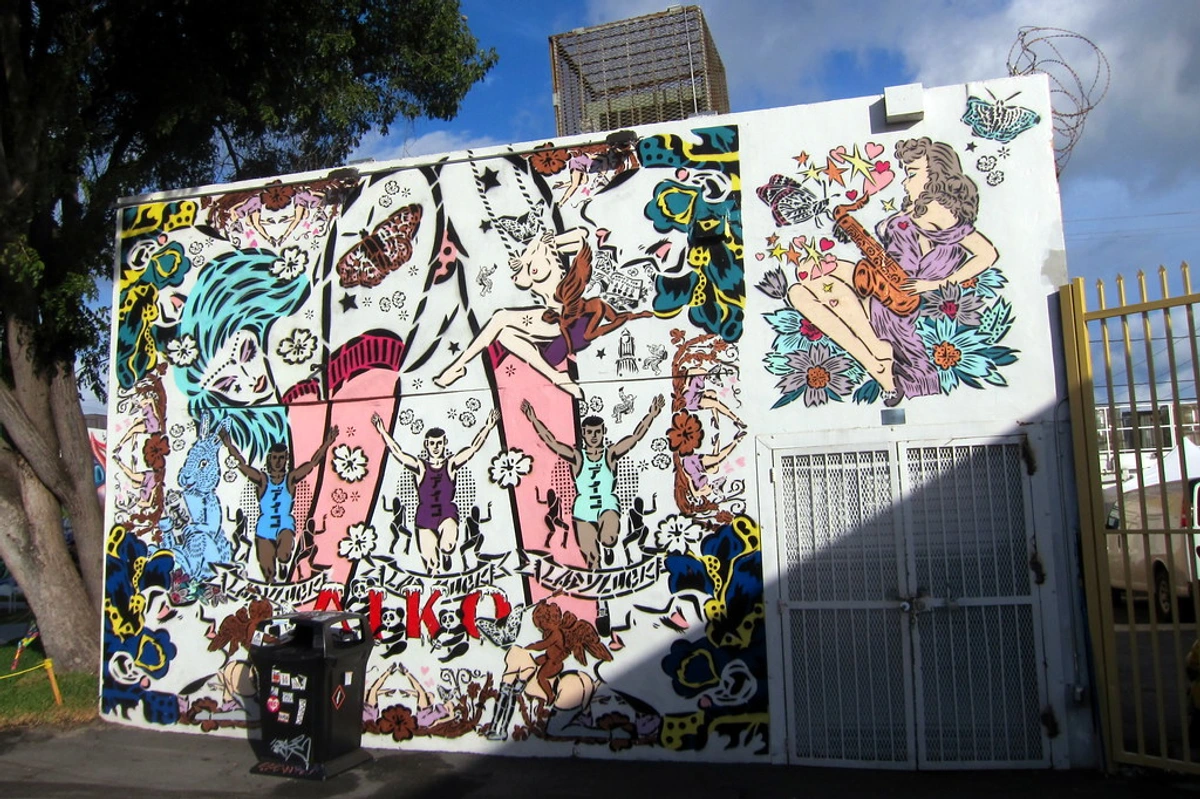
Contemporary artists continue this tradition, addressing issues like climate change, racial justice, digital identity, and globalization. Banksy, Ai Weiwei, and Kara Walker are just a few examples of artists using their work to challenge contemporary norms and spark important conversations.
Digital Art and the New Frontiers of Challenging Norms
The digital revolution has fundamentally changed how challenging art is created, distributed, and experienced. Digital tools have democratized artistic production, but they've also created new challenges and ethical questions.
The Democratization of Artistic Rebellion
Digital tools have dramatically lowered the barriers to entry for challenging art. Anyone with a smartphone can create and distribute provocative content to a global audience. This democratization has led to an explosion of grassroots artistic rebellion that would have been impossible just a few decades ago.
Social media platforms have become virtual galleries for challenging art. Instagram, TikTok, and Twitter have allowed artists to bypass traditional gatekeepers—gallery owners, curators, critics—and connect directly with audiences. This has been particularly empowering for artists from marginalized communities who have historically been excluded from mainstream art world.
New Forms of Digital Challenge
Internet Memes: These have become a powerful form of grassroots political art. Memes spread rapidly, mutate as they're shared, and can challenge norms in ways that traditional art can't match. They're democratic, accessible, and often created anonymously.
Virtual and Augmented Reality: Artists are creating immersive experiences that challenge our perceptions of reality itself. VR allows viewers to "walk in someone else's shoes" in a way that traditional art can't.
AI-Generated Art: As artificial intelligence becomes more sophisticated, artists are using it to challenge ideas about creativity, authorship, and what it means to be human.
Social Media Activism: Platforms like Instagram, Twitter, and TikTok have become galleries for challenging art. Artists can reach massive audiences without traditional gatekeepers, creating viral art that sparks global conversations.
The digital revolution has fundamentally changed how challenging art is created, distributed, and received. Digital tools have democratized artistic production, allowing anyone with a smartphone to create and distribute provocative content. But this new frontier also presents unique challenges and ethical questions.
The digital revolution has created entirely new possibilities for artists to challenge norms. Digital art exists in a different ecosystem—one that's global, interactive, and constantly evolving. This has changed both how challenging art is created and how it's received.
The Digital Disruption
Digital technology has fundamentally altered the landscape of challenging art in several key ways:
Accessibility: Digital tools have democratized art creation, allowing anyone with a smartphone to create and distribute challenging content Global Reach: Digital art can reach international audiences instantly, bypassing geographic and cultural boundaries Interactivity: Many digital artworks respond to viewer input, creating a collaborative relationship between artist and audience Permanence vs. Ephemeral: Digital content can be infinitely reproduced but also easily deleted or altered, creating new questions about authenticity New Forms: Generative art, virtual reality experiences, and interactive installations create entirely new categories of challenging work
The digital age has also created new challenges for artists who want to challenge norms:
- Algorithm Bias: Social media algorithms often prioritize content that generates engagement, which might favor controversial or divisive art
- Attention Economy: In a world of endless content, getting noticed is increasingly difficult
- Digital Divide: Access to digital tools and platforms is still unequal across socioeconomic lines
- Privacy Concerns: Digital art often raises questions about data collection and surveillance
- Authenticity Crisis: The ease of digital reproduction makes it harder to distinguish original work from copies
New Forms of Digital Challenge
Internet memes: These have become a powerful form of grassroots political art. Memes spread rapidly, mutate as they're shared, and can challenge norms in ways that traditional art can't match. They're democratic, accessible, and often created anonymously.
Virtual and augmented reality: Artists are creating immersive experiences that challenge our perceptions of reality itself. Marina Abramović's "Rising" placed 12 figures representing refugees on a floating platform in the sea, creating a powerful VR experience about displacement.
AI-generated art: As artificial intelligence becomes more sophisticated, artists are using it to challenge ideas about creativity, authorship, and what it means to be human. Some argue that AI art can create works that humans couldn't conceive of, while others worry it represents the ultimate commodification of creativity.
Social media activism: Platforms like Instagram, Twitter, and TikTok have become galleries for challenging art. Artists can reach massive audiences without traditional gatekeepers, creating viral art that sparks global conversations.
The Philosophy of Digital Artistic Rebellion
Digital art challenges traditional notions of art in several fundamental ways:
The Death of the Original: In digital art, the "original" becomes a philosophical rather than physical concept. The value shifts from the object to the idea. Collaborative Creation: Digital tools enable new forms of collaboration that were impossible in traditional media. Democratization of Creation: Anyone can become an artist with basic digital tools, challenging elitist notions of artistic talent. Global vs. Local: Digital art can address global issues but loses the local context that gives much street art its power. The Question of Authenticity: Digital reproduction challenges traditional concepts of authenticity and provenance.
These philosophical shifts create both opportunities and challenges for artists who want to challenge norms. The digital realm offers new ways to reach audiences but also raises new questions about the nature of art itself.
Challenges of the Digital Age
While digital art offers new possibilities, it also presents unique challenges:
Attention economy: In a world of endless content, getting noticed is harder than ever. Artists have to compete with cat videos and family photos for attention, which can lead to more extreme tactics to stand out.
Algorithm bias: Social media algorithms often prioritize content that generates engagement, which might favor controversial or divisive art. This creates a dilemma for artists who want to challenge norms without simply being inflammatory.
Digital permanence: Unlike physical art, digital art can be infinitely reproduced and altered. This raises questions about authenticity, ownership, and the value of challenging digital work.
Global vs. local: Digital art can reach global audiences instantly, but it also loses the local context that gives much street art its power. An artwork that's challenging in one cultural context might be completely normal in another. | Can abstract art challenge societal norms? | Absolutely. You might think it's just shapes and colors, but abstract art has a long history of being radical. By rejecting realism, early abstract artists were challenging the very norm of what a painting was supposed to be. It can also evoke emotions and ideas about chaos, freedom, or spirituality that challenge our rigid, structured world. It's a quieter rebellion, but a rebellion nonetheless. | | How do young artists learn to create challenging work? | Through art education, mentorship, studying art history, and engaging with current social movements. Many also learn through trial and error, developing their voice over time. The internet has also democratized access to techniques and ideas from around the world. | | Is all graffiti a form of protest? | Not necessarily. Some graffiti is about personal expression, claiming territory (tagging), or purely aesthetic decoration. However, a lot of street art and graffiti is inherently political because it challenges who has the right to use public space. | | Why do people get so angry about certain artworks? | Because the art is working! When a piece of art challenges a deeply held belief—about religion, patriotism, identity, or morality—it can feel like a personal attack. That strong emotional reaction is a sign that the artist has struck a nerve and forced a confrontation with a societal norm that person holds dear. | | How does challenging art affect communities? | It can bring people together around shared values or create division. Some challenging art strengthens community bonds by articulating shared experiences or concerns. Other challenging art can fracture communities by forcing difficult conversations that some members aren't ready to have. | | Has art always been used this way? | Yes, though the methods have changed. From Greek pottery critiquing myths to Renaissance paintings with hidden political meanings (Michelangelo's David was a potent symbol of Florentine freedom), artists have always found ways to embed commentary in their work. The overt, in-your-face challenge is more of a modern phenomenon. | | Can art change people's minds? | Research suggests that art can influence attitudes and beliefs, especially when it combines emotional impact with intellectual content. Challenging art often works by making people feel something first, then think about why they feel that way. | | What's the difference between censorship and criticism? | Censorship involves suppressing or forbidding speech, art, or other expression. Criticism involves analyzing and evaluating art, sometimes negatively. The line can be blurry, but generally, if someone is calling for art to be removed or destroyed, that's censorship. If they're analyzing why an artwork is problematic, that's criticism. | | Do artists have a responsibility to be socially conscious? | No, not necessarily. Artists can create art for many reasons: personal expression, aesthetic exploration, technical mastery, etc. However, when art does engage with social or political issues, it has the power to influence society in significant ways. | | How does digital art change the landscape of challenging art? | Digital art makes it easier to create and distribute challenging work globally. Artists can reach massive audiences without gatekeepers. It also creates new forms of art (memes, viral videos, digital installations) and new challenges (copyright issues, digital permanence, internet culture). | | Can challenging art ever be harmful? | Yes, absolutely. Art can reinforce stereotypes, spread misinformation, or traumatize viewers. The line between challenging and harmful is subjective and context-dependent. | | What makes challenging art effective vs. just offensive? | Effective challenging art usually has a clear purpose and communicates its message skillfully. It often invites dialogue rather than shutting it down. Art that's just offensive often lacks intentionality and might rely on shock value without deeper meaning. | | How do artists deal with backlash against their work? | Artists develop various strategies: some engage in dialogue, others stand firm on their artistic vision, some apologize and remove the work, and others use the controversy as part of their artistic practice. | | What role do museums play in challenging art? | Museums can both support and challenge art. They give challenging work legitimacy and visibility, but they can also water down controversial aspects to please donors or avoid scandal. | | Is it better for challenging art to be illegal or legal? | Both have different effects. Illegal art (like much street art) has raw energy and authenticity but faces constant destruction. Legal art has longevity and visibility but may be co-opted by the system. | | How do young artists learn to create challenging work? | Through art education, mentorship, studying art history, and engaging with current social movements. Many also learn through trial and error, developing their voice over time. | | What's the relationship between challenging art and free speech? | They're deeply connected. Challenging art often pushes the boundaries of what's considered acceptable speech, making it a vital part of free expression. However, not all challenging art is protected speech (like incitement to violence). | | Can art from privileged artists effectively challenge norms? | It's complicated. Privileged artists may have more resources and platforms, but they might lack lived experience of the issues they're addressing. The most effective challenging art often comes from artists with direct experience of the issues they're addressing. | | How has social media changed challenging art? | Social media has democratized art distribution, allowing challenging work to go viral quickly. It's created new forms of art (memes, digital activism) and new challenges (algorithm bias, cancel culture, misinformation). | | What's the future of challenging art? | It will likely continue evolving with technology, addressing new social issues, and finding new ways to bypass traditional gatekeepers. The tools change, but the impulse to question and provoke remains constant. | | Can art created by AI truly challenge societal norms? | This is an emerging question. AI art can challenge our ideas about creativity and authorship, but whether it can provide meaningful social commentary depends on how it's trained and used. The human element remains crucial for authentic challenging art. | | How do you know if challenging art is 'working'? | If it's making people think, feel, talk, or act differently—that's a good sign. Effective challenging art often generates strong reactions, positive or negative. The silence it breaks or the conversations it starts are key indicators. | | Is there a difference between challenging art and good art? | Not necessarily. Some of the most important and enduring art in history has been challenging. However, not all challenging art is great art, and not all great art is challenging. The best challenging art often combines powerful social commentary with exceptional artistic skill. | | What are the legal risks of creating street art? | Street artists face various legal risks including vandalism charges, fines, community service, and even jail time in some jurisdictions. However, many cities have now established legal walls or mural programs that allow artists to create work without fear of prosecution. The legal landscape varies dramatically from city to city and country to country. | | How do museums decide what challenging art to exhibit? | Museums use various criteria: artistic merit, cultural significance, educational value, community relevance, and sometimes donor preferences. There's often tension between artistic freedom and institutional responsibility. Museum directors must balance the mission of promoting challenging art with the practical realities of fundraising and public relations. | | Can challenging art actually make society better? | Evidence suggests that challenging art can contribute to social change by raising awareness, fostering empathy, and providing alternative perspectives. However, the impact is often indirect and long-term. Challenging art creates the conditions for change more than it creates change directly. It can shift cultural conversations in ways that eventually lead to policy changes or social shifts. | | What's the difference between challenging art and propaganda? | The key difference is intent and complexity. Propaganda aims to persuade and usually presents a simplistic, one-sided message. Challenging art aims to provoke thought and often presents multiple perspectives or asks questions rather than providing answers. Challenging art values ambiguity and complexity, while propaganda typically seeks clarity and certainty. | | How do artists balance personal expression with social commentary? | This is a constant balancing act. Some artists prioritize personal expression and let social commentary emerge naturally from their lived experience. Others start with social issues and find personal ways to express them. The most effective challenging art often comes from the intersection of personal experience and broader social concerns—when an artist's unique perspective speaks to universal human experiences. | | What happens when challenging art becomes mainstream? | This creates a fascinating paradox. As challenging art gains mainstream acceptance, it often loses some of its edge and power. This then creates space for new generations of artists to challenge the newly established norms. It's an endless cycle of rebellion and assimilation that drives artistic evolution. The mainstreaming of punk rock or hip-hop illustrates this process perfectly. | | Can you challenge norms without being controversial? | Yes, but it's more difficult. Challenging norms inherently creates discomfort for those who benefit from the status quo. The most effective challenges often push against deep-seated beliefs, which naturally creates controversy. However, some challenging work uses subtle irony, gentle questioning, or beautiful aesthetics to make its points without obvious confrontation. | | What role does the audience play in challenging art? | The audience is an essential co-creator of challenging art. The meaning and impact of challenging work often emerges through the interaction between artist and viewer. A piece might be intended as gentle irony, but if the audience experiences it as aggressive critique, that becomes part of the work's meaning. The audience's interpretation completes the artistic process. | | How do funding agencies view challenging art? | Public funding agencies (like the National Endowment for the Arts) often have complex relationships with challenging art. They want to support artistic freedom but face political pressure to avoid controversy. Private foundations vary widely—some specifically fund challenging work, while others prefer safer, more conventional projects. The funding landscape constantly shifts with political and cultural changes. | | What skills do artists need to create effective challenging work? | Beyond technical skills, effective challenging artists need deep cultural awareness, emotional intelligence, and communication abilities. They must understand the norms they're challenging, anticipate audience reactions, and communicate complex ideas clearly. Critical thinking, research skills, and the ability to empathize with diverse audiences are also crucial for creating work that challenges rather than merely offends. |
The Future of Challenging Art: Trends and Possibilities
As we look to the future, several trends are emerging in the world of challenging art. Environmental art is becoming increasingly prominent as artists respond to climate change. Virtual and augmented reality are creating new immersive experiences that challenge our perceptions of reality itself. And artificial intelligence is forcing us to reconsider fundamental questions about creativity, authorship, and what it means to be human.
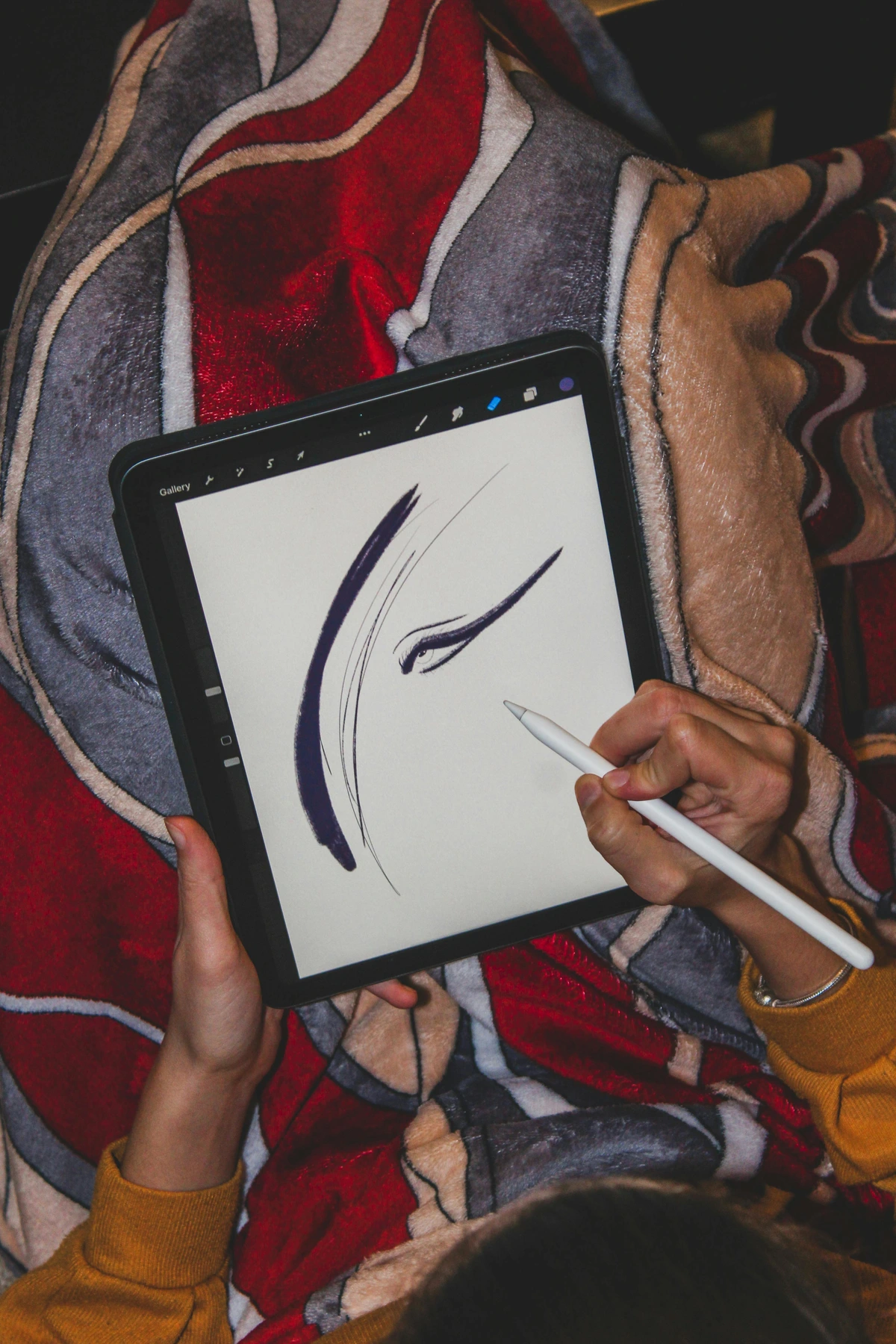
Lean Into the Discomfort
Art that challenges us isn't always comfortable. It's not supposed to be. It's meant to be the grain of sand in the oyster, the nagging question at the back of your mind. The next time you see a piece of art—whether in a grand museum or spray-painted on a crumbling wall—that makes you feel something other than simple admiration, lean in.
Art that challenges us isn't always comfortable. It's not supposed to be. It’s meant to be the grain of sand in the oyster, the nagging question at the back of your mind. The next time you see a piece of art—whether in a grand museum or spray-painted on a crumbling wall—that makes you feel something other than simple admiration, lean in.




















Ask yourself: What rule is this breaking? What assumption is it questioning? What conversation is it trying to start? That discomfort, that moment of questioning, is where the real power of art lies. It’s the space where norms are not just challenged, but changed. And if you feel inspired by that, you can always explore a timeline of how these ideas have evolved or even find a piece that speaks to your own rebellious spirit to take home.