Mona Lisa's Mystery: Fame, Sfumato, Heist & Unrivaled Legacy
Unpack the Mona Lisa's fame: Leonardo's sfumato, enigmatic smile, 1911 theft, pop culture impact, and why this resilient masterpiece remains a timeless human riddle.

The Mona Lisa's Enduring Mystery: Unpacking Her Unrivaled Fame and Enduring Legacy
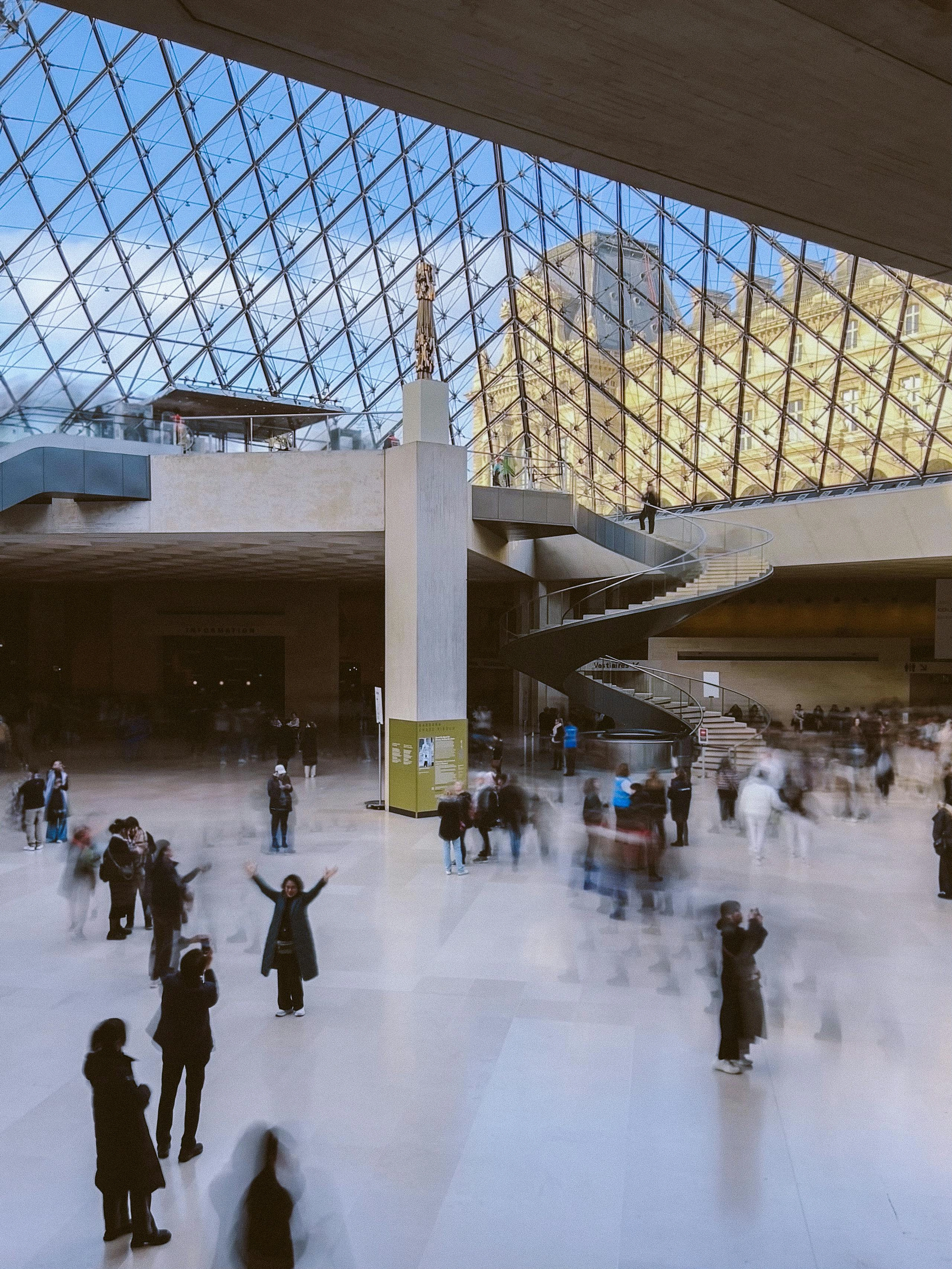
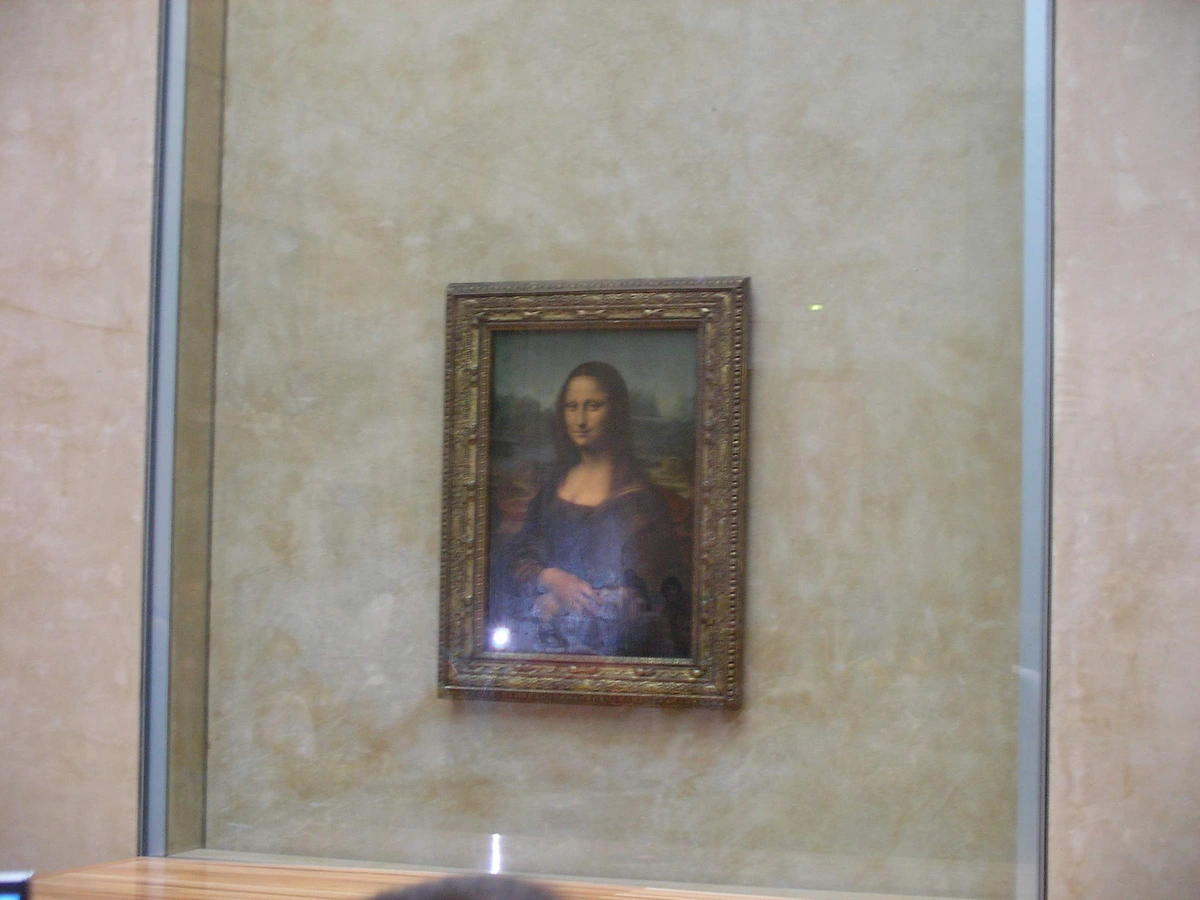
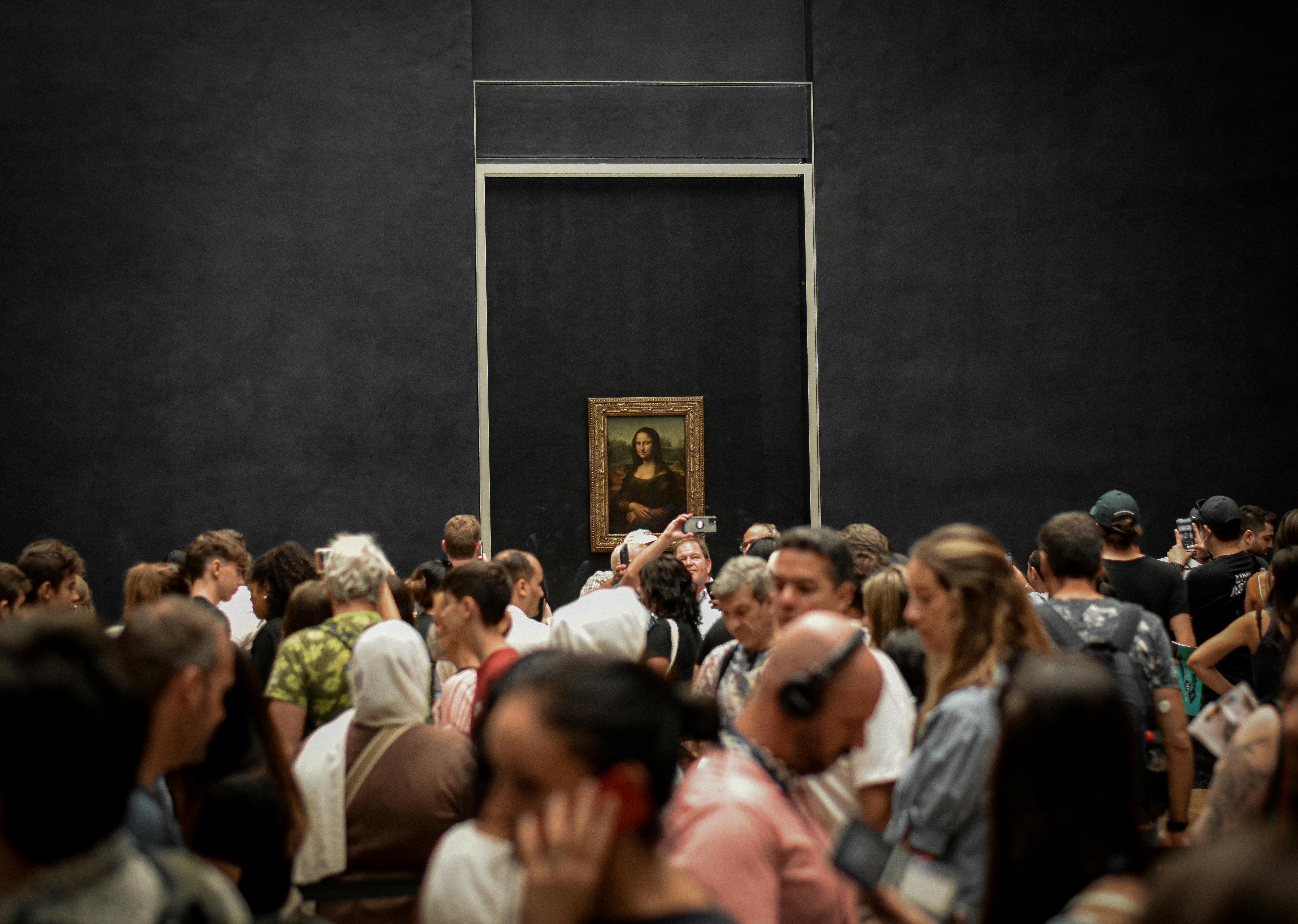
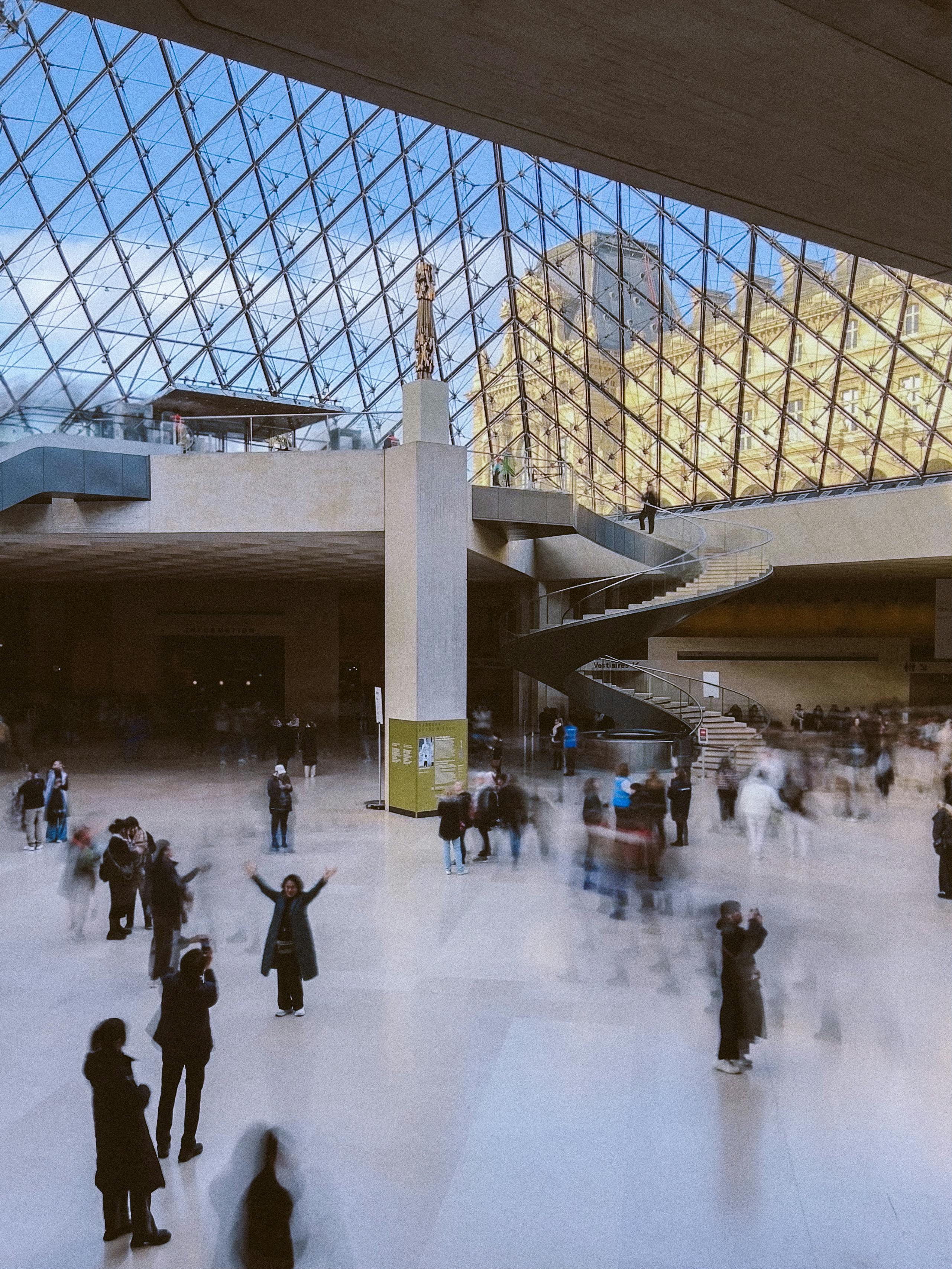
I remember the sheer bewilderment, the jostle of the crowd, the almost deafening hum of hushed reverence and camera clicks, when I first stood before the Mona Lisa at the Louvre. The scent of old stone and a thousand whispered secrets seemed to hang in the air, a sensory overload before I even reached her. After years of seeing her face plastered on everything from t-shirts to phone cases, I was expecting… well, something else entirely. Instead, I found myself craning my neck over a sea of heads, peering at a surprisingly small, rather dark painting behind thick, intimidating glass. 'Is this it?' I thought, a wave of something akin to disappointment washing over me, a mild exasperation at how thoroughly pop culture had misled my expectations. 'This is the most famous painting in the world?' That initial feeling of anticlimax, of a global icon feeling almost underwhelming in its physical presence, is where the true enigma begins. It's a bizarre, almost ritualistic performance, this collective pilgrimage to witness a sliver of painted wood. The throngs, the collective gasp, the shared moment of quiet awe that somehow, miraculously, permeates even the most boisterous crowd. How does this particular piece of art, a relatively modest portrait on a poplar panel, hold such an unrivaled grip on the global imagination? What alchemy of unparalleled artistic genius, historical drama, and sheer cultural momentum has elevated her to a status no other artwork can touch? This isn't just about paint on wood; it's about a global phenomenon, a dramatic heist that made headlines for years, an accidental pop culture explosion, and a painting that has become a mirror for humanity itself. We're going to unpack every layer of her enduring fame, ensuring that by the end of this, you’ll not only understand why she remains the world’s most captivating riddle, but perhaps even feel a deeper connection yourself. And trust me, once you really look, there's a lot to meet the eye.
Leonardo's Unparalleled Genius: The Technical Innovations Behind the Mona Lisa's Allure
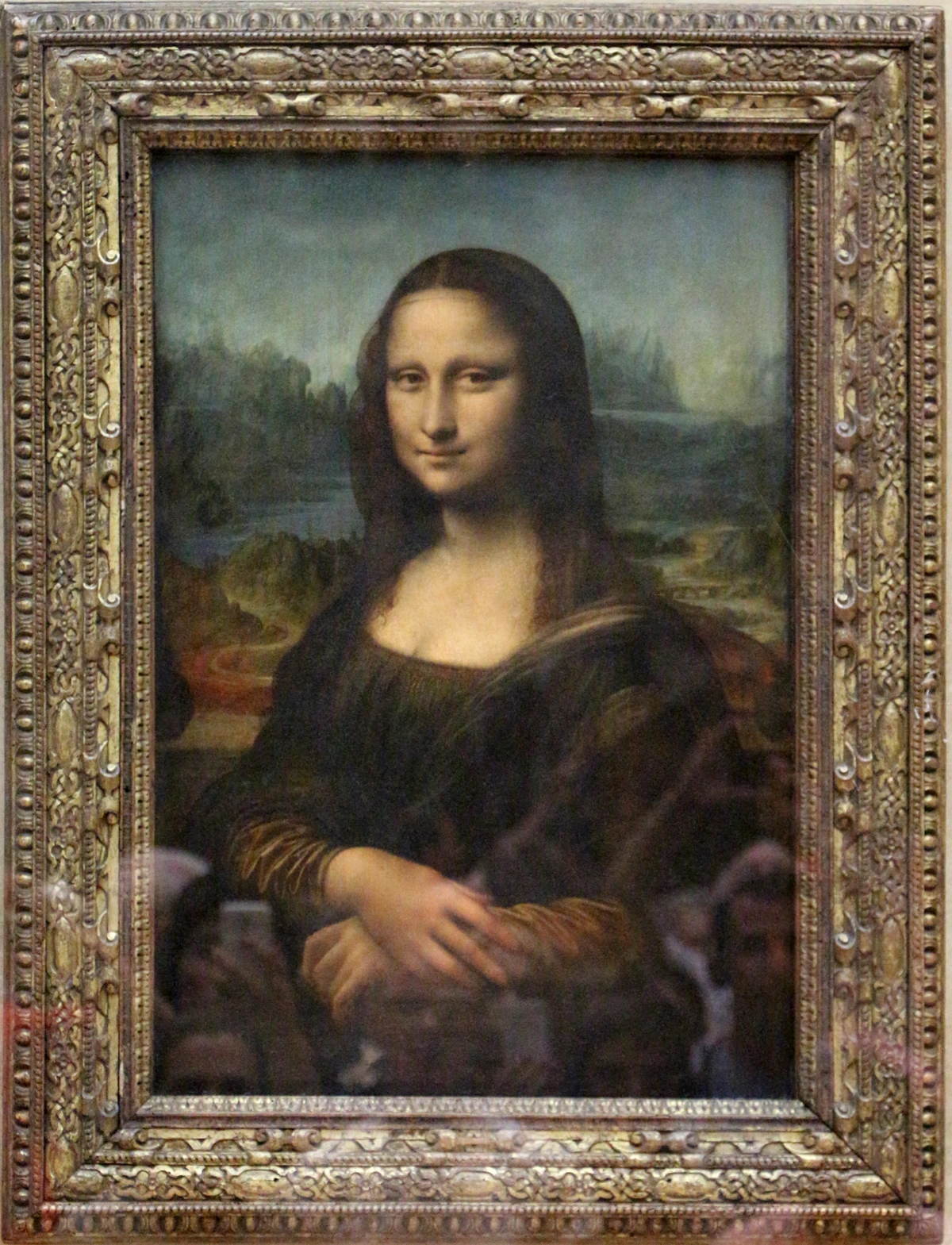
When we talk about the Mona Lisa, we are, without question, talking about Leonardo da Vinci. This wasn't just a painter; he was a true polymath – a term for someone who excelled in many different fields – a scientist, an anatomist, an engineer, a philosopher. A quintessential Renaissance man, his boundless curiosity and genius are woven into every brushstroke of this portrait, making it a technical marvel then and now. It’s staggering to think how his approach felt decades ahead of his contemporaries. His deep, almost obsessive, study of human anatomy, light, and shadow directly informed his artistic innovations. He wasn’t just observing; he was dissecting bodies, understanding musculature, bone structure, and how light interacted with contours. This brought an unprecedented, almost breathing, realism to his canvas. Imagine trying to capture the subtle tension in a facial muscle or the soft glow of skin with such precision! Even the distant landscape, with its ethereal blue-green haze, employs atmospheric perspective, making it appear dreamlike and distant, a testament to his keen understanding of optics and geology.
To truly appreciate what Leonardo achieved, consider the artistic landscape of the High Renaissance. Many of his contemporaries, such as Botticelli or Donatello, were undoubtedly masters, but their portraiture often featured clearer, more defined lines and starker forms, sometimes making figures appear flatter or less dynamically engaged. Think of the crisp outlines and symbolic forms in a Botticelli painting, where figures might feel almost etched onto the canvas, or the stark realism of earlier Florentine portraiture that aimed for directness. While beautiful, they often lacked the profound psychological depth Leonardo was able to imbue. Leonardo, however, pushed the boundaries further. While the Italian Renaissance blossomed, artists in the Northern Renaissance like Jan van Eyck were also achieving incredible realism, yet Leonardo's scientific rigor applied to art carved a distinctly different, more psychologically profound path. He didn't just capture a likeness; he captured a soul, a living presence. Leonardo pushed the boundaries, transforming portraiture into a profound psychological study that redefined what a painting could be, setting a new standard for realism and emotional depth that would influence generations of artists within the Renaissance and far beyond. This painting, executed on a delicate poplar wood panel – a common, stable support for paintings in Italy at the time, offering a smooth surface ideal for fine detail – was so significant that Leonardo famously kept it with him for years, refining it meticulously, perhaps even until his death in 1519. His extensive notebooks, filled with anatomical drawings, optical studies, and observations on light, directly informed the unparalleled artistry you see in the Mona Lisa, as well as in other masterpieces like The Last Supper and Vitruvian Man.
The Sfumato Secret: Breathing Life into Canvas
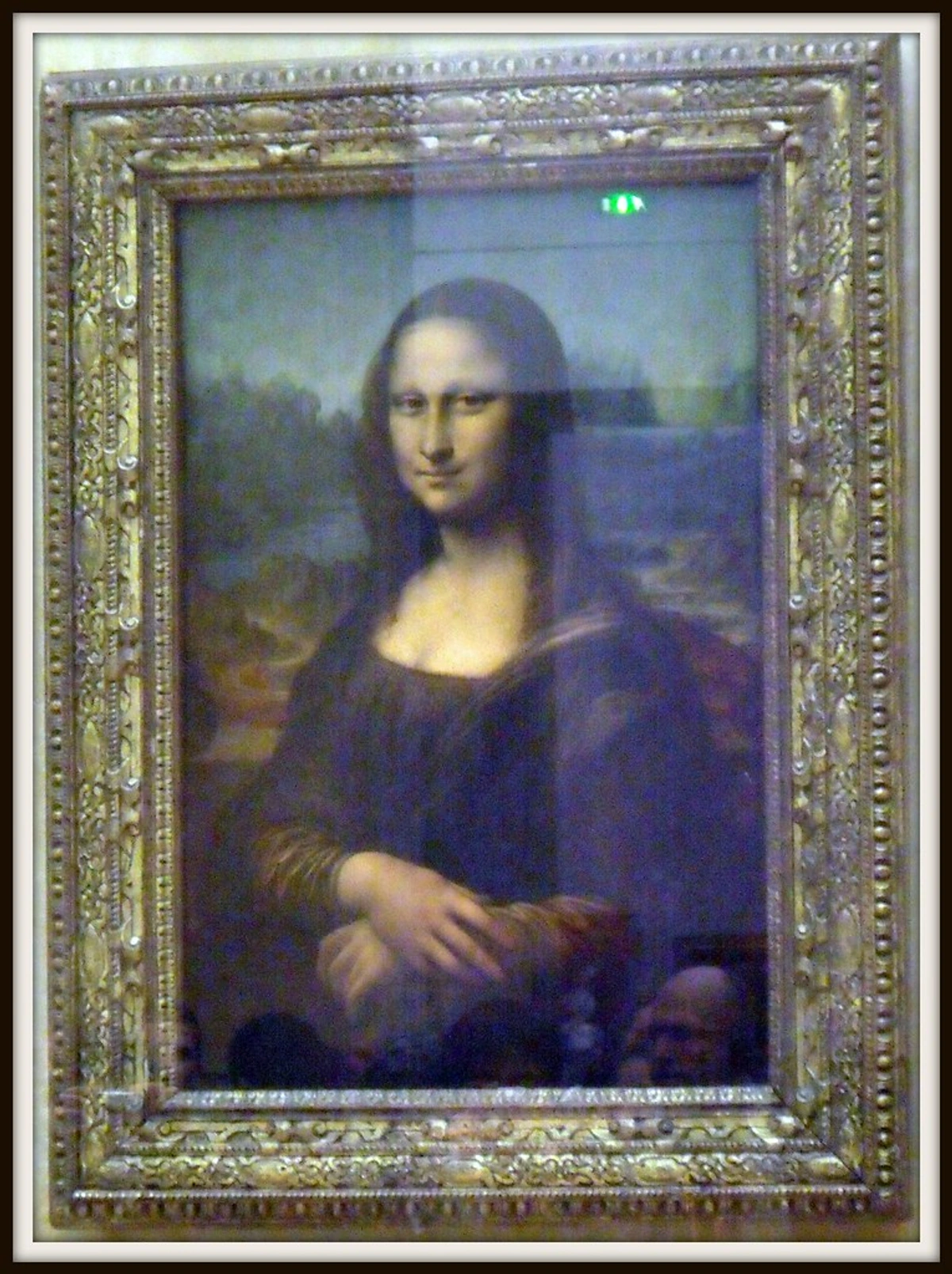
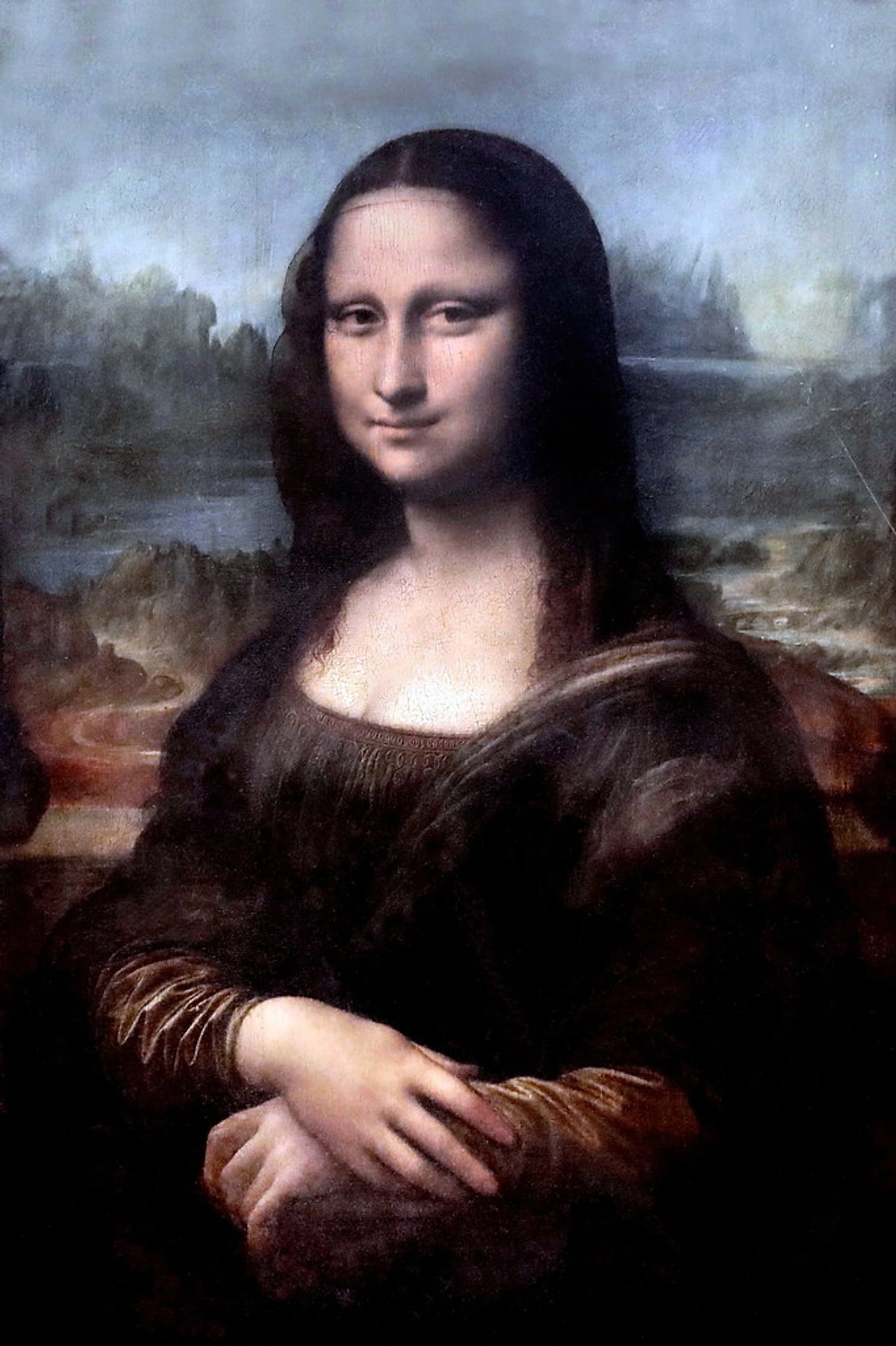
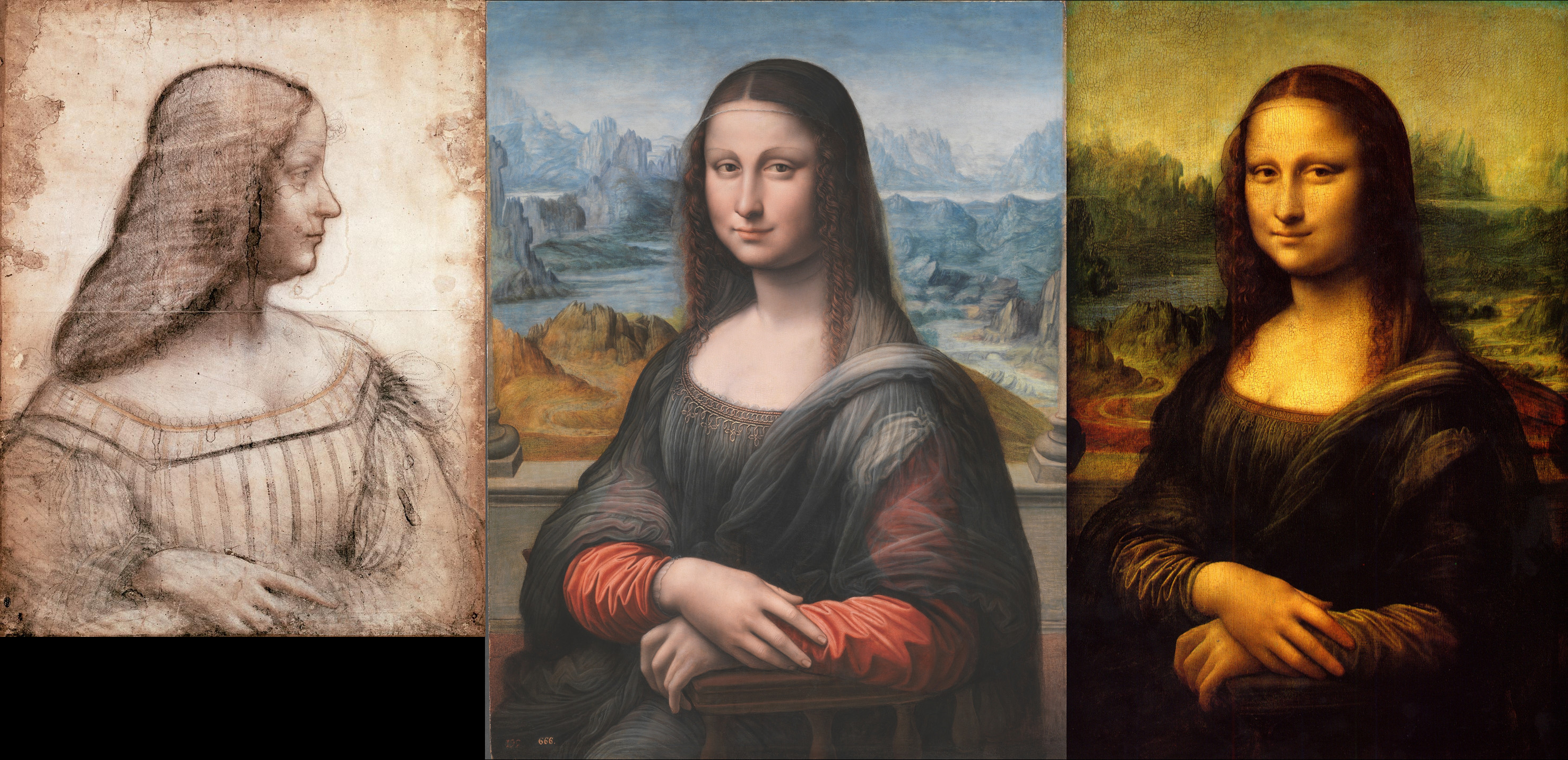
One of the biggest reasons for the Mona Lisa's captivating, almost living, quality lies in Leonardo's revolutionary use of sfumato. This technique, which literally means "soft, vanished, or blurred" in Italian, involves blending colors or tones so subtly that they melt into one another without perceptible transitions. Think of it like smoke dissipating in the air, or the softest whisper of a gradient, centuries before digital tools. Leonardo painstakingly applied layer upon layer of translucent glazes – thin, transparent layers of oil paint mixed with slow-drying mediums – sometimes as many as thirty or even more, each barely visible on its own. Imagine the precision, the sheer patience needed. Each microscopic layer had to dry, sometimes for days, before the next could be applied, lest the colors smudge or mix unevenly. It was a slow, meditative dance of pigment and medium, creating an imperceptible gradient that even modern digital tools struggle to replicate with such organic finesse. This time-intensive process created an incredibly soft, almost smoky effect that softens every edge and blurs the transitions between colors and tones. Look closely at the soft transition from her cheek to the shadow of her jaw, or the way her hair blends into the background – you won't find sharp lines there, just a seamless, smoky gradation that mimics how light naturally plays across human skin and forms. As an artist myself, the sheer patience and meticulousness required to achieve such nuanced subtlety with oil paint, long before digital tools, is truly awe-inspiring. (My own creative process for abstract work, I'll admit, feels like a sprint by comparison!) It's why her eyes seem to follow you, and why her smile dances on the edge of perception. If you want to dive deeper into this fascinating technique, I actually wrote a whole piece on what sfumato in art is.
Indeed, this mastery of sfumato is what gives rise to the famous "Mona Lisa Effect" – the optical illusion where her smile seems to appear and disappear depending on where your gaze falls. More on that in a moment!
The Enigmatic Smile: A Perpetual Riddle
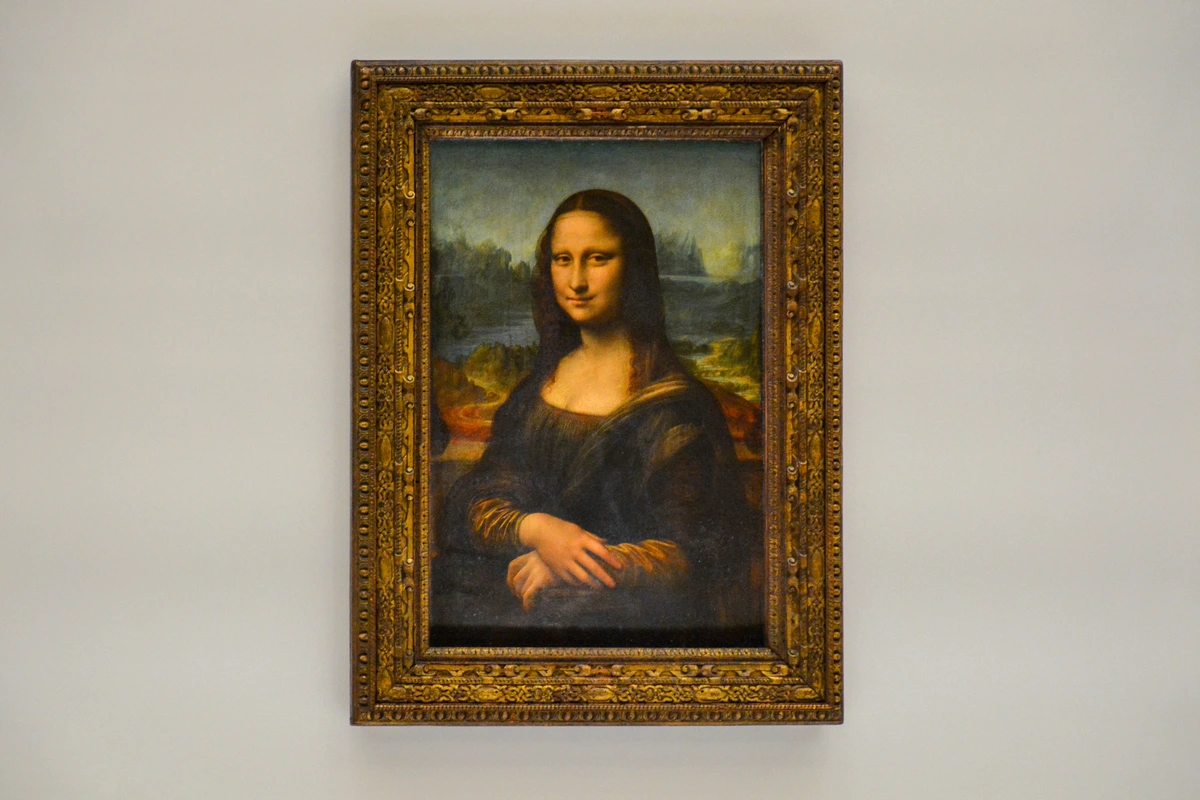
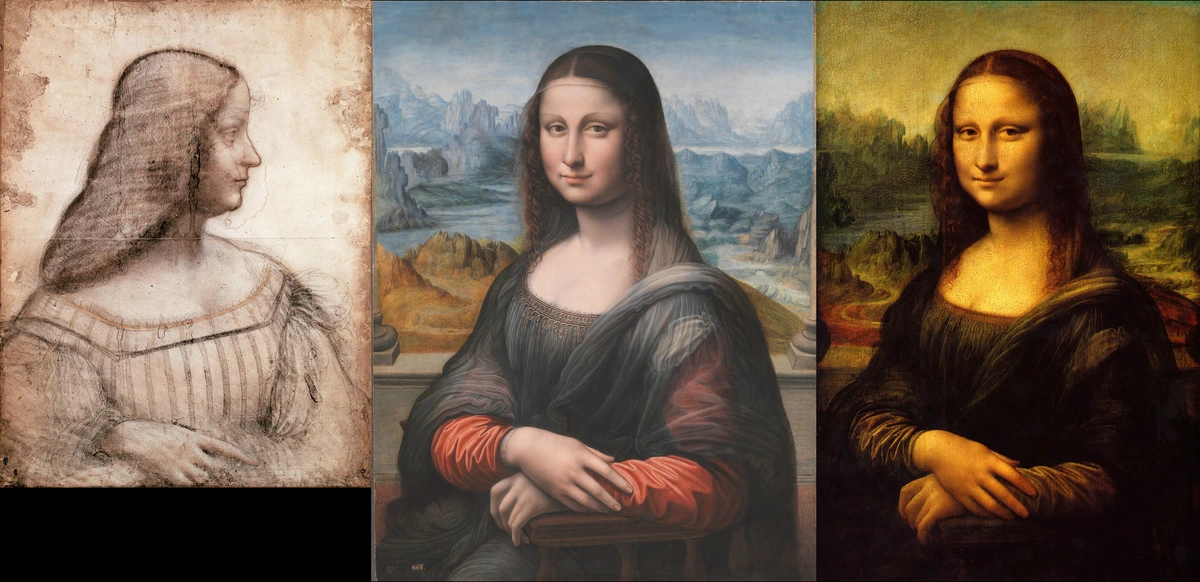
Ah, the smile. The question that has launched a thousand academic papers and countless conspiracy theories, forever captivating minds. Is she smiling? Is she not? What is she thinking? It’s a riddle that has haunted art lovers for centuries, myself included. The widely accepted identity of the sitter is Lisa Gherardini, the wife of Florentine merchant Francesco del Giocondo. She was a woman of respectable standing within Florentine society, likely from a family that had recently moved from rural Tuscany to the city, and the commission likely represented a common practice among Florence's rising merchant class. For a Florentine merchant's wife, a portrait like this wasn't just a vanity piece; it was a quiet declaration of status, a mark of prosperity, a way to visually cement one's place within a burgeoning merchant class in a city rich with art. Yet, in Leonardo's hands, it transcended mere documentation. (The name "Mona" is a contraction of "Madonna," meaning "My Lady," a polite form of address.) Her relative ordinariness, however, only amplifies the extraordinary mystique Leonardo imbued her with. This was no royal portrait; yet, it transcends them all, precisely because of its subtly ambiguous, almost living, quality.
Leonardo famously kept the painting with him, traveling with it even to France, working on it for years, meticulously refining it. Indeed, some art historians propose that Leonardo never truly considered the painting 'finished,' continuously returning to it over the years, perhaps seeing it as an evolving psychological study rather than a fixed commission. This lifelong engagement speaks volumes about his pursuit of perfection and perhaps the evolving psychological study he saw within the sitter. This long, personal engagement by the artist only deepens the mystery, suggesting it was more than just a job; it was a profound artistic and psychological exploration. This is one of the aspects that differentiates it from many other portraits, where the artist's engagement might have been more constrained by a patron's expectations or a fixed deadline.
When it comes to the smile, popular theories abound: some propose her smile is due to a secret pregnancy, a mild illness, or even that Leonardo hired musicians and jesters to keep her amused during sittings. While intriguing, and certainly adding to the painting's mythology, most of these theories lack definitive historical evidence, remaining speculative. For me, the more profound explanation lies in Leonardo's sheer technical skill and deep psychological insight, creating a universal archetype of human emotion. Each theory, however captivating, only adds another layer to the enigma, allowing us to project our own interpretations onto her. It's like a timeless mirror, reflecting whatever we bring to it, inviting us into a continuous, unresolved dialogue. Beyond the famous smile, her eyes also seem to hold a similar, subtle ambiguity, sometimes meeting yours directly, sometimes drifting into the background. And the strange, almost alien landscape behind her, with its subtly mismatched horizons, adds another layer of unease and intrigue, preventing a single, definitive reading. It challenges our understanding of how to interpret body language in portrait art, and perhaps even touches on the 'uncanny valley' effect – that slight unease and fascination when something is almost, but not quite, perfectly human.
Part of its profound allure, what we call the "Mona Lisa Effect," is indeed a deliberate optical illusion created by Leonardo's mastery of sfumato and his deep understanding of human perception. When you look at her eyes, your peripheral vision – which, fascinatingly, is more sensitive to subtle shadows due to a higher concentration of rod cells – picks up the delicate shading around her mouth, making it appear to turn upwards, suggesting a fleeting, gentle smile. But shift your gaze directly to her mouth, and your direct, focused (foveal) vision, less attuned to these faint nuances, registers the less curved lines more accurately, and the smile seems to flatten, almost vanishing like a whisper. It's pure genius, really – a deliberate artistic strategy that keeps us perpetually guessing, forcing us to actively engage with the painting on a deeper, more personal, and dynamically shifting level. It’s as if she’s having a private joke, and we’re all trying to figure out the punchline, constantly interpreting her gaze, which is direct, yet subtly averted, creating a powerful sense of connection and mystery.
The Grand Heist That Changed Everything: From Artwork to Global Icon
Here's where the story takes a dramatic turn, transforming a respected masterpiece into a global superstar. While the Mona Lisa was certainly admired by art connoisseurs and royalty before the 20th century (King Francis I of France acquired it directly from Leonardo, bringing it to France where it eventually entered the royal collection), it wasn't the household name it is today until... it was stolen. Yes, you read that right. In 1911, an Italian handyman named Vincenzo Peruggia, who had previously worked at the Louvre, walked out of the museum with the painting hidden under his coat. Can you imagine the sheer audacity, the brazenness of it? It’s almost unbelievable. The theft wasn't just a crime; it was a global cultural explosion that fundamentally changed how the public interacted with art, creating a cultural shockwave that reverberated across continents.
The world went into a frenzy. Newspapers plastered headlines across continents, running daily updates and often sensationalized theories. Police forces in multiple countries were involved in the frantic search. People flocked to the empty spot where the painting once hung, not just in curiosity, but in genuine mourning for the lost masterpiece, creating a new kind of pilgrimage to a void. Parisians were distraught, and the international art world was in an uproar. For two agonizing years, the Mona Lisa was missing, becoming a symbol of longing and a constant topic of global conversation. When it was finally recovered in Italy in 1913, following Peruggia's attempt to sell it to an art dealer, it was a global sensation. Peruggia, it turned out, was driven by a misguided nationalistic sentiment, believing he was returning Italian art to its homeland, turning him into a peculiar folk hero for a brief moment in Italy. The recovery itself was a spectacle. This theft didn't just transform it from a respected artwork into an international celebrity; it created a gripping narrative, a legendary tale of disappearance and return, cementing her status beyond mere artistic appreciation. It’s a bit like how a scandalous news story can catapult someone into unexpected fame, isn't it? Suddenly, everyone knew her name, her face, her story. This audacious incident also spurred significant changes in museum security worldwide, making such bold thefts far more difficult today and ushering in a new era of public art appreciation. It reminds us of how vulnerable even the greatest works of art can be, and how a singular event can redefine an artwork’s place in history, turning a masterpiece into a truly global cultural touchstone, arguably the most important art of its kind.
A Survivor: The Mona Lisa's Resilience Through Time
Beyond the dramatic 1911 theft, the Mona Lisa has proven herself to be a remarkable survivor, weathering a surprising number of threats that underscore both her immense value and the fragility of historical artworks. Throughout her centuries-long journey, she has faced the ravages of time, attempts at vandalism, and the inherent vulnerability of a delicate painting on a thin poplar wood panel. In the 1950s alone, she endured an acid attack that damaged a small area and a rock thrown at her, necessitating further strengthening of her protective measures. Each incident, though regrettable, only cemented her status as an enduring icon, a symbol of artistic genius that humanity feels compelled to protect at all costs. The bulletproof, climate-controlled glass enclosure she resides in today is a direct testament to this resilience and the unwavering commitment to her preservation, ensuring that this enigmatic portrait continues to captivate generations to come.
A Pop Culture Phenomenon: The Mona Lisa Everywhere
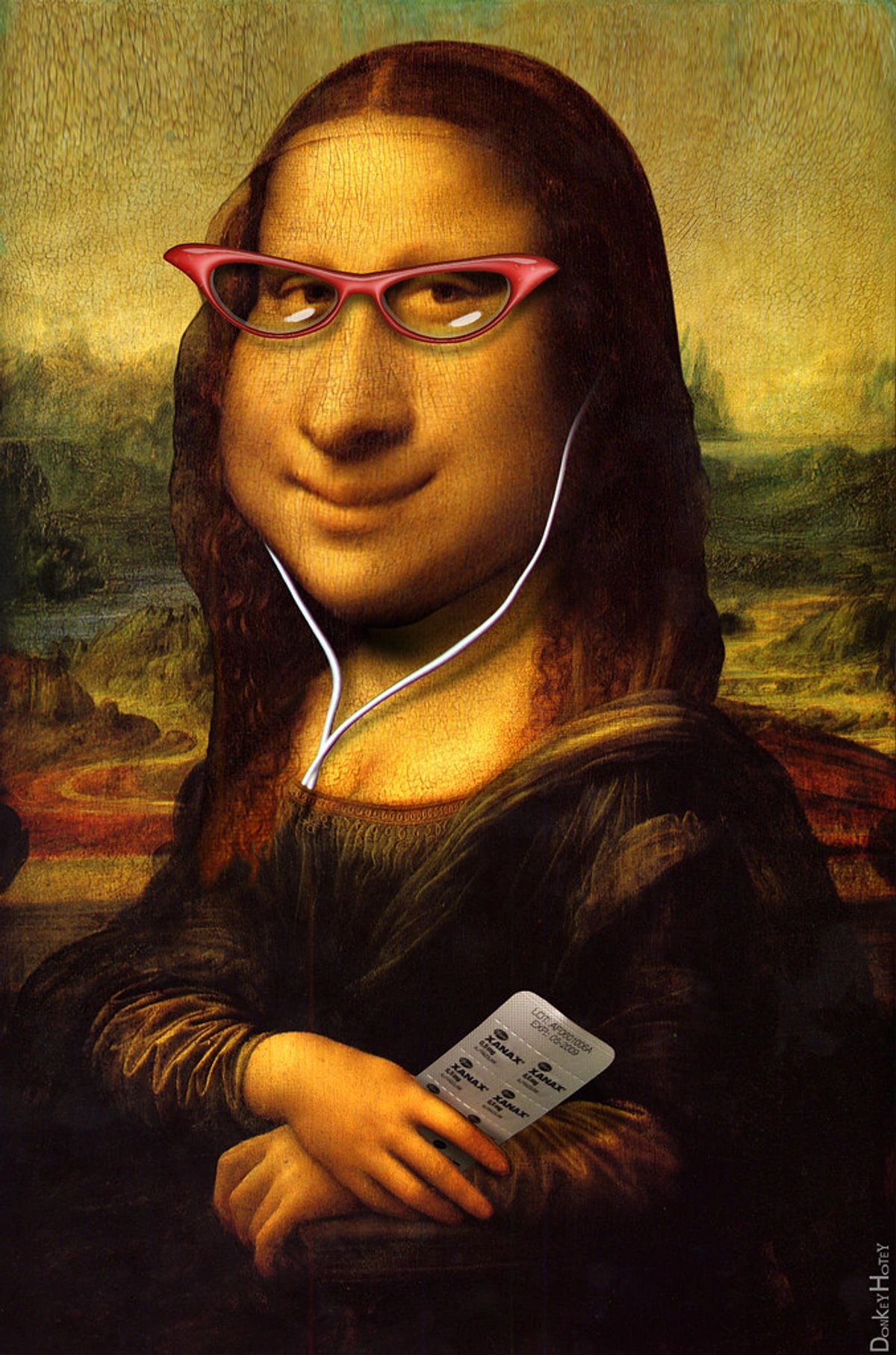
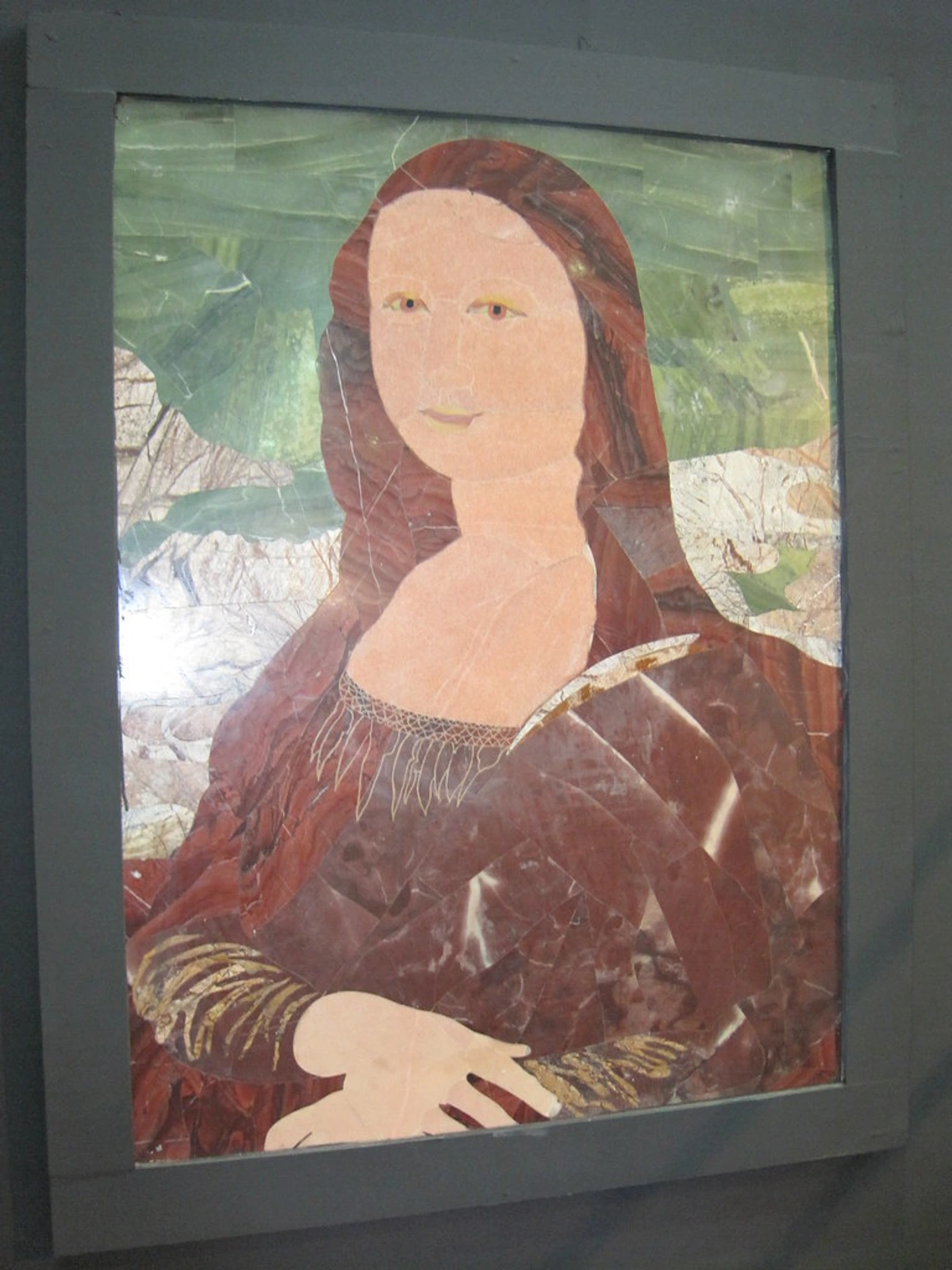
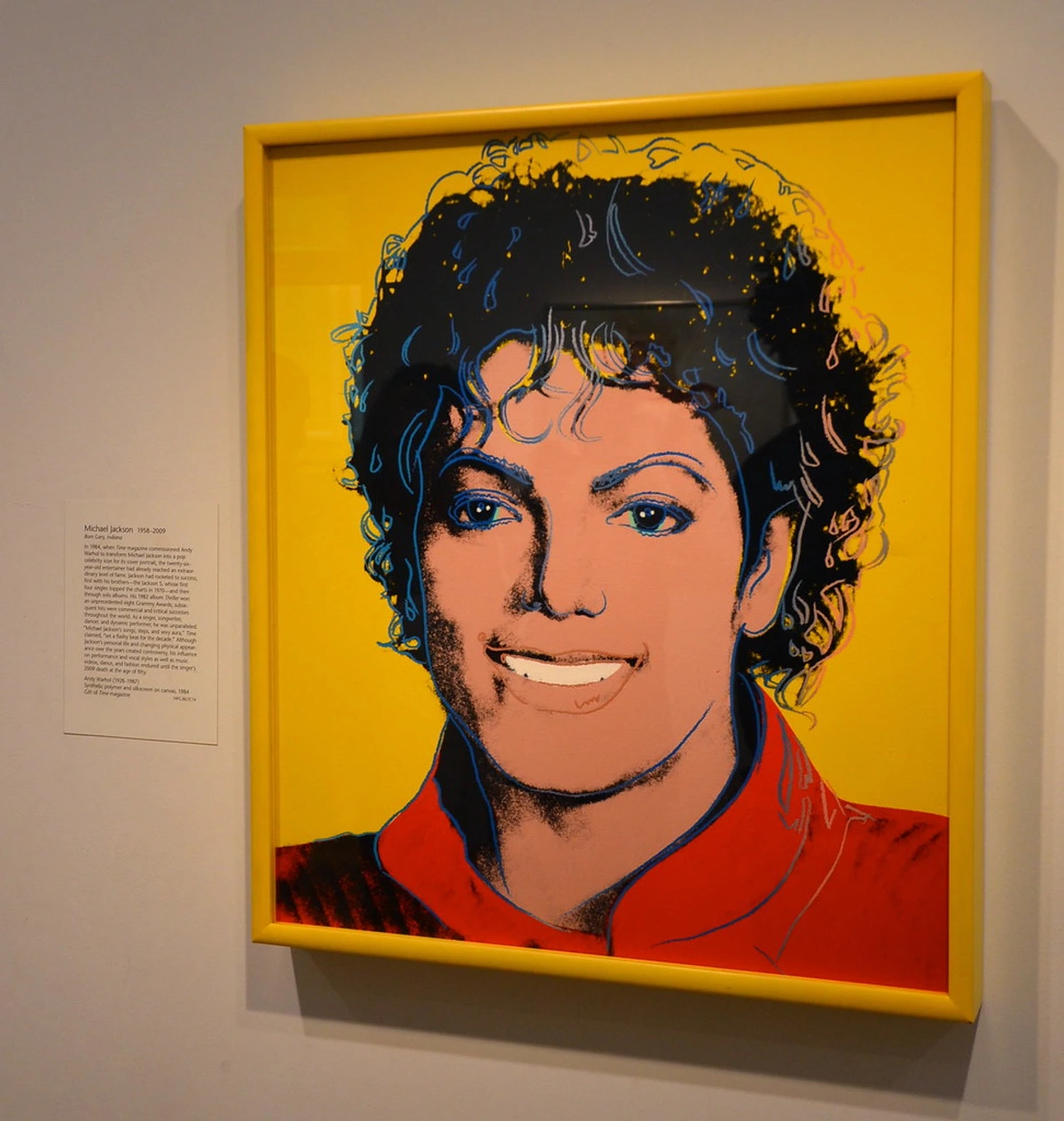
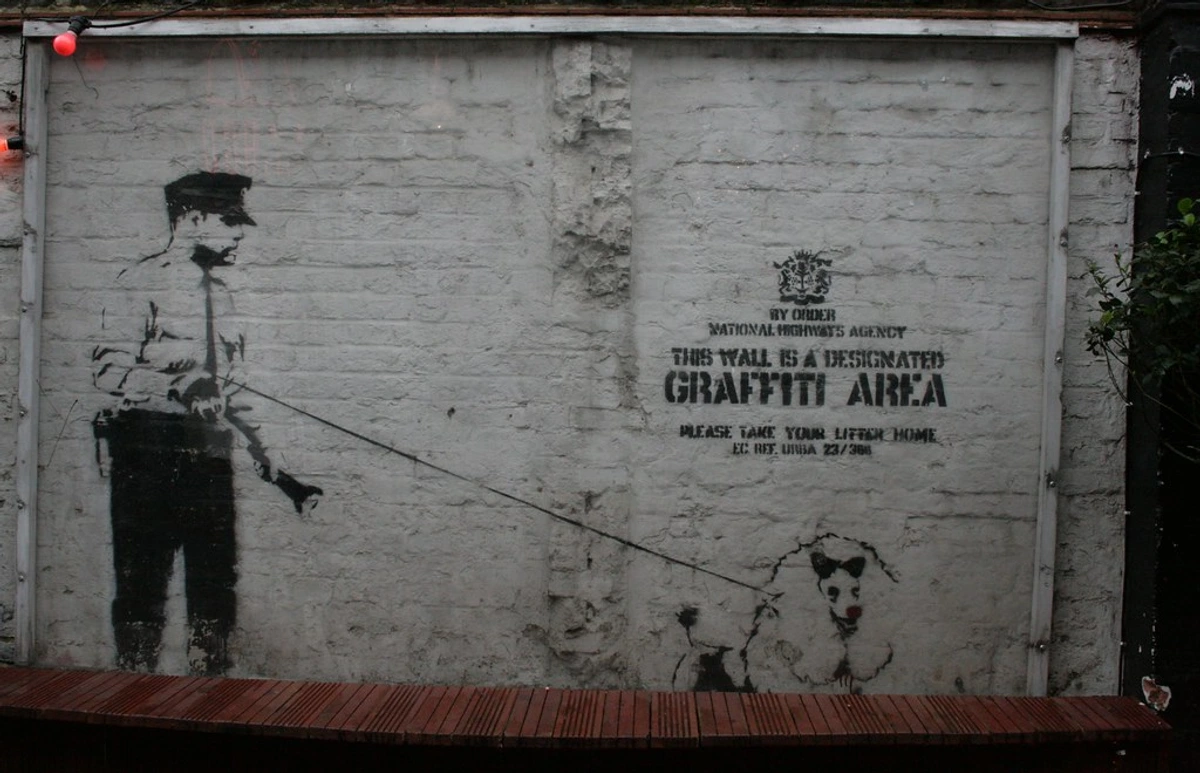
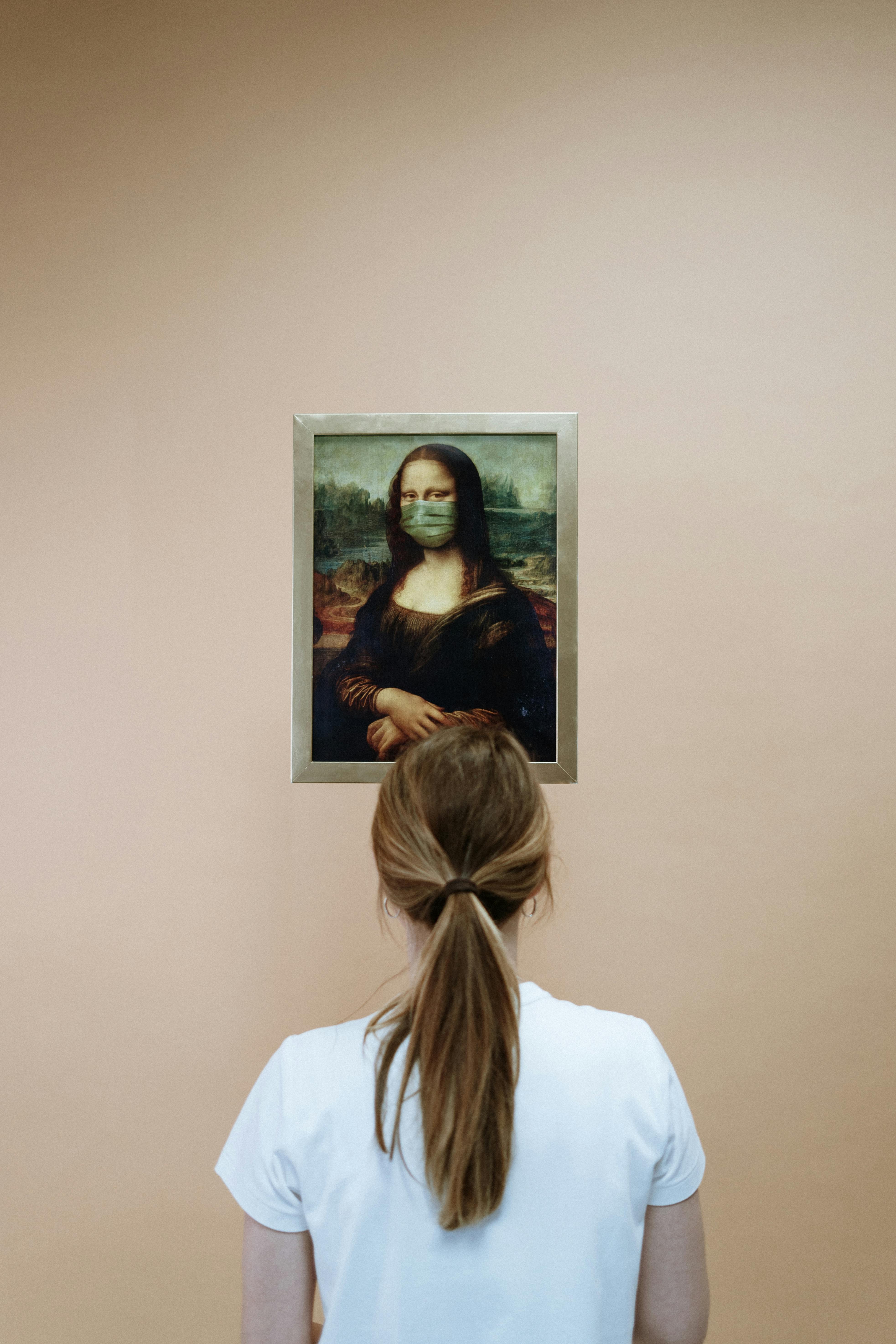

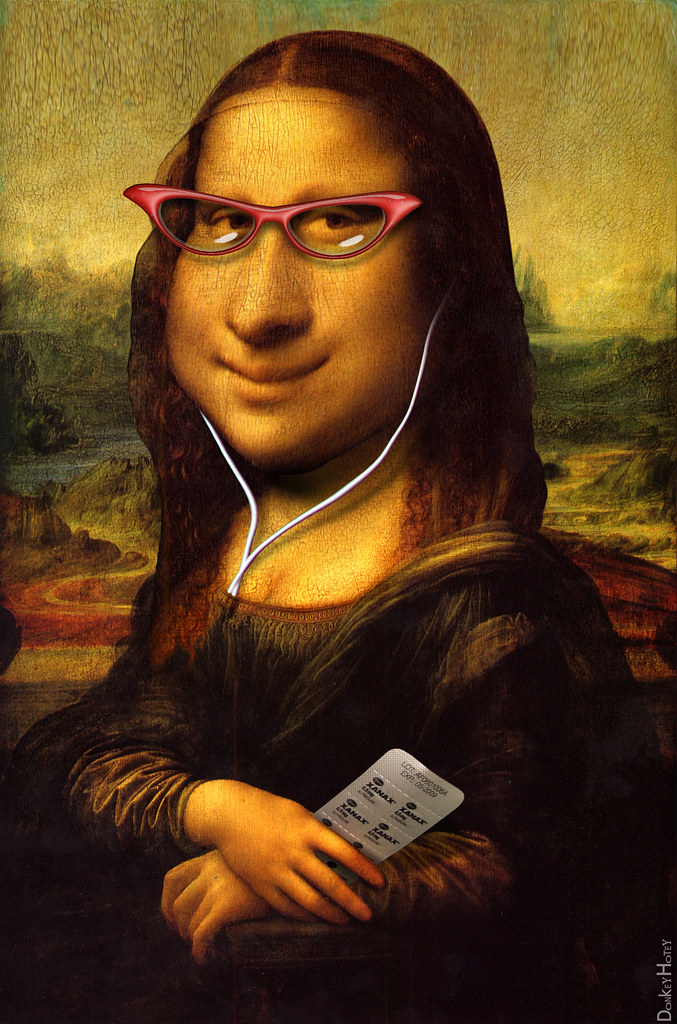
Since its dramatic return, the Mona Lisa has become more than just a painting; she's a cultural chameleon, effortlessly adapting to every era and medium. She's been parodied by everyone from Marcel Duchamp (his L.H.O.O.Q., a readymade where he added a mustache and goatee to a cheap reproduction, was a provocative Dadaist gesture designed to challenge the very notion of art, authorship, and reverence for traditional masterpieces) to Beyoncé (who famously filmed the APESH*T music video with Jay-Z in front of her at the Louvre, transforming her into a powerful symbol of modern Black excellence and reclaiming spaces historically dominated by European narratives). Her image appeared in early cinema and photography, demonstrating its swift adoption into mass media. She has appeared in countless movies (The Da Vinci Code, Ferris Bueller's Day Off, even a cameo in National Treasure), animated shows (from classic cartoons to contemporary anime), advertising campaigns for everything from luxury cars to everyday household items, and, of course, a deluge of internet memes (I’ve seen her with everything from a face mask during the pandemic to holding a loaf of bread during a food shortage, or even just side-eyeing the latest viral trend!). She has truly become a living canvas for our times, an instantly recognizable shorthand for any cultural moment or societal concern. From Andy Warhol's iconic pop art prints to Salvador Dalí's surrealist self-portrait as Mona Lisa with a flamboyant mustache, artists continue to reinterpret her, cementing her enduring influence on the art world itself. She is, quite simply, ubiquitous, arguably the original modern art icon.

This constant reinterpretation keeps her relevant and relatable across generations and cultures. Long before the internet, widespread mass reproductions – postcards, posters, and calendars – further cemented her image globally, making her face familiar even to those who had never seen the original. While other masterpieces like Johannes Vermeer's Girl with a Pearl Earring are incredibly famous and beloved, none have quite matched the Mona Lisa's omnipresence in popular culture or her ability to transcend the art world and become a truly global icon. The theft, in particular, created a narrative of resilience and mystery that resonated deeply, transforming her from an admired artwork into an international celebrity. It's a fascinating study in how fame works, crossing the line from artistic admiration to widespread, almost mythic, recognition, sometimes even overshadowing the artistic merit of other equally significant works. She truly has a unique artistic legacy.
The Mona Lisa vs. The Girl with a Pearl Earring: A Tale of Two Icons
To truly grasp the unique combination of factors elevating the Mona Lisa to global superstardom, it's illuminating to compare her journey with another universally beloved, yet differently renowned, iconic portrait: Johannes Vermeer's enigmatic Girl with a Pearl Earring. Before we dive into the table, a quick note: in the context of Dutch Golden Age art, a tronie is a type of painting depicting an exaggerated facial expression or character type rather than a specific individual, often used for studies or commercial sale, though the Girl is considered a masterpiece beyond a simple tronie. This distinction is crucial because while Mona Lisa was a specific commission, the Girl might not have been, adding to its different kind of mystery. Also, while Leonardo masterfully used sfumato for soft transitions, Vermeer's brilliance often lay in chiaroscuro, a more dramatic contrast of light and shadow, creating strong, often intimate, illumination.
Feature  | Mona Lisa (Leonardo da Vinci) | Girl with a Pearl Earring (Johannes Vermeer) |
|---|---|---|
| Artist | Leonardo da Vinci (Renaissance polymath, scientist, anatomist) | Johannes Vermeer (Dutch Golden Age master of light) |
| Era | High Renaissance (c. 1503-1519) | Dutch Golden Age (c. 1665) |
| Location | Louvre Museum, Paris | Mauritshuis, The Hague |
| Key Technique | Sfumato (soft, blurred transitions, subtle glazes), innovative realism, depth from anatomical study | Chiaroscuro (strong contrasts of light and shadow, dramatic illumination), masterful use of natural light, intimate realism |
| Mystery | Enigmatic smile, sitter's identity debated, Leonardo's personal, lifelong attachment and long development process, suggesting a profound artistic and psychological exploration. The subject's shifting emotion and implied narrative. | Identity of the "girl" unknown (likely a tronie or model, not a specific commission), intense gaze, profound simplicity, specific meaning of pearl. The sense of an intimate, frozen moment and mysterious direct address to the viewer. |
| Early Ownership/Journey | Leonardo kept it for years, sold to King Francis I of France, entered royal collection. | Likely commissioned locally or a tronie (character study), less documented early journey. |
| Creation Duration | Leonardo worked on it for many years (16+), likely keeping it until his death, refining it extensively, possibly never truly considering it "finished." | Likely a specific, perhaps quicker, commission or tronie, completed in a shorter period. |
| Stolen? | Yes, in 1911 (major global publicity, transformed status from artwork to celebrity, new era of art appreciation, cultural shock) | No |
| Public Interaction/Security | Extreme security (bulletproof, climate-controlled glass), viewing queues, limited close-up access, a true pilgrimage destination. | High security, but often viewed with more immediate proximity and less crowded conditions, especially pre-20th-century mass tourism. |
| Pop Culture Ubiquity | Highly parodied, referenced in films, music, advertising, memes; a truly global, living icon with vast reproduction and reinterpretation, its presence is pervasive and often satirical. | Popularized by novel/film ("Mona Lisa of the North"), recognized, but less broadly parodied or globally ubiquitous; more appreciated as an aesthetic masterpiece, its iconic status largely driven by external media. |
| Public Perception/Legacy | Symbol of artistic genius, human enigma, resilience; object of pilgrimage and a canvas for modern reinterpretation, sparking universal conversation. Often sparks debate on mass tourism vs. art appreciation. | Symbol of quiet beauty, masterful light, and a glimpse into everyday Dutch life; appreciated for its aesthetic perfection and technical brilliance. |
| Emotional Resonance / Viewer Interaction | Encourages profound psychological projection due to ambiguity; active interpretation of the smile creates a dynamic, personal dialogue. Her gaze is both direct and elusive, inviting constant re-evaluation. | Evokes quiet contemplation and admiration for its aesthetic purity and intense, direct gaze; a more singular, defined emotional experience, yet still deeply moving. |
| Artistic Merit vs. Cultural Significance | High artistic innovation combined with unparalleled historical drama and broad cultural adaptation fuels enduring fame. Its story and ubiquitous imagery often transcend its technical artistic merits for the wider public. | Exceptional artistic merit (light, texture) drives admiration, but its global iconic status is more recent, largely popularized by external media, allowing its artistic quality to remain the primary focus. |
The Louvre Experience: A Modern Pilgrimage
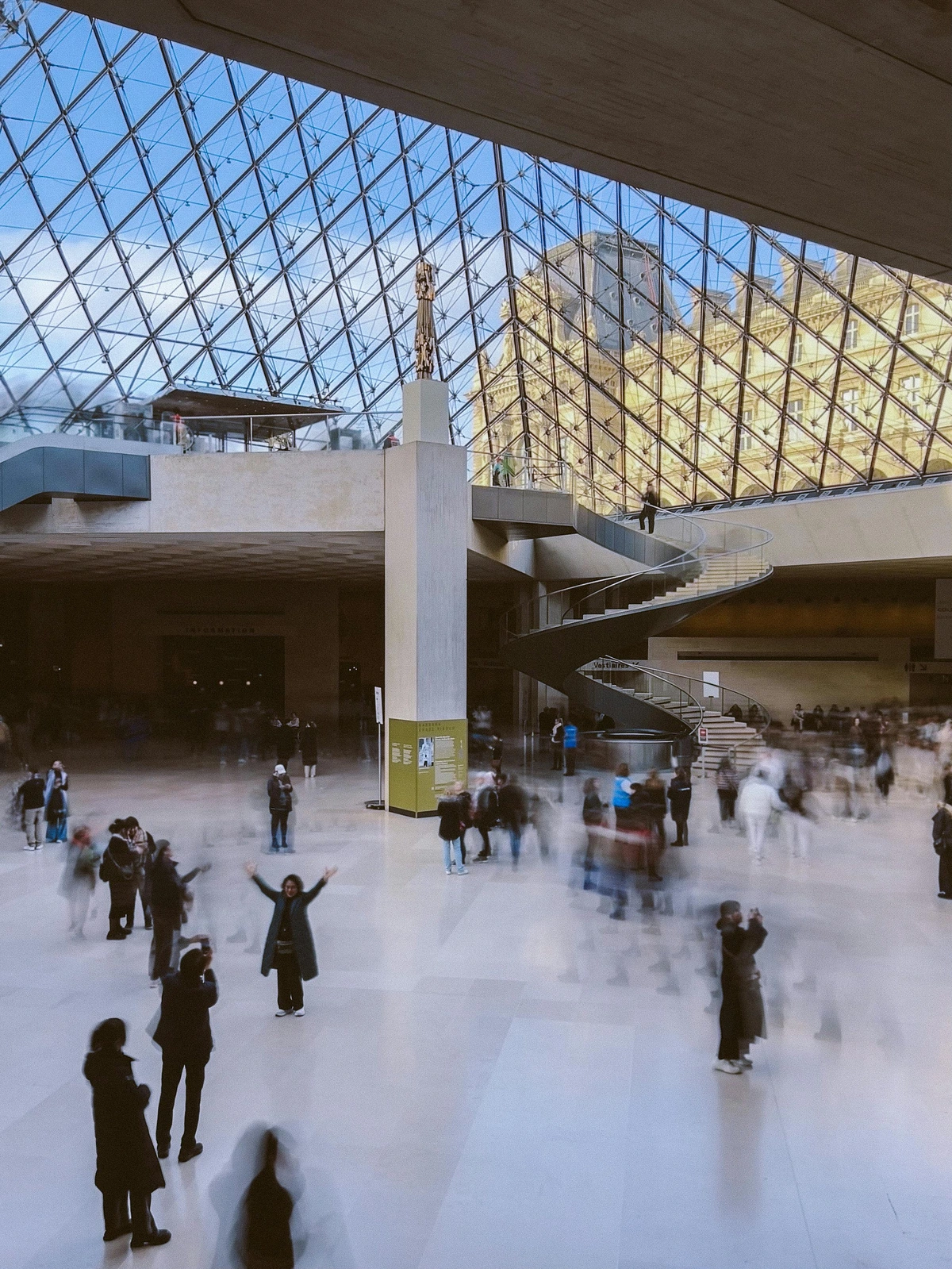
Today, the Mona Lisa is the undisputed star of the Louvre Museum, drawing millions of visitors each year. People travel from all corners of the globe, myself included, on a pilgrimage just to stand before her. Like many, I'd heard the whispers – 'It's smaller than you think!' And honestly, after battling the crowds, I had to remind myself of those exact dimensions: a modest 77 cm × 53 cm (30 in × 21 in). But here's the fascinating paradox: that intimate scale, once you cut through the spectacle, might just be the key to its profound impact, drawing you closer to its delicate details once you manage to filter out the noise. It's almost a secret, whispered only among those who have actually been there: the true magic isn't in the size, but in the almost magnetic pull that draws you into her painted world, despite the chaotic surroundings.
The sheer act of going to see her has become part of her fame, a shared cultural experience. We queue, we push, we jostle for a fleeting glimpse through bulletproof glass. This robust protection, which became particularly strict after past incidents including an acid attack in the 1950s that damaged a small area, and a rock thrown at it in 1956, underscores her priceless value and the ongoing efforts to preserve this fragile masterpiece for future generations. Not only does the glass protect from vandalism, but it also helps maintain a stable microclimate, shielding the ancient poplar wood panel from humidity and temperature fluctuations that could cause irreparable damage. This is further bolstered by constant surveillance, discreet guards, and restricted access, ensuring that this global treasure remains safe for generations to come. It’s a delicate balance of accessibility and preservation, a challenge for any major museum with such a popular piece, requiring constant attention from museum roles like conservators and security experts.
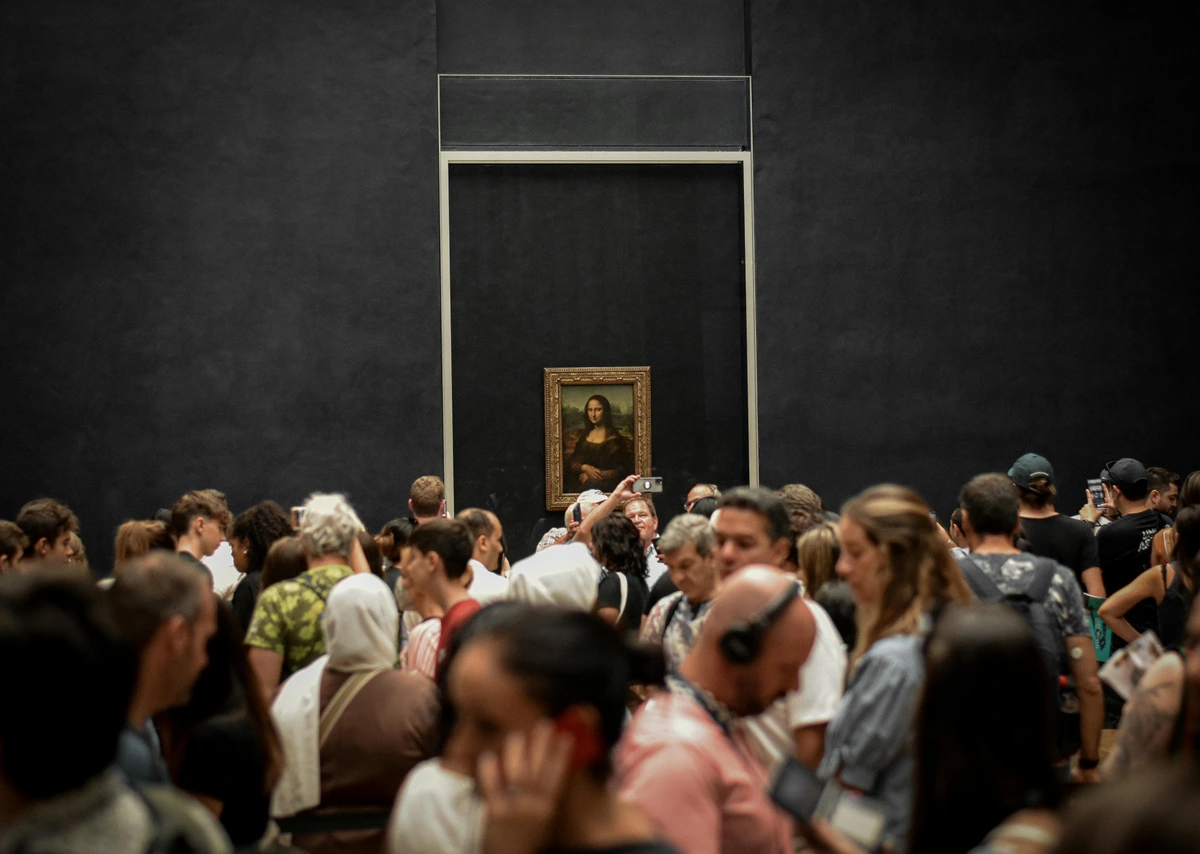
My personal advice for approaching the Mona Lisa:
- Timing is everything: Try to visit during off-peak hours (very early morning or late afternoon can be magical, though still busy), as the quality of light can be softer, and the sheer volume of voices slightly less overwhelming.
- Resist the reflex: When you finally get close, resist the urge to immediately raise your phone. Take a moment to just see her.
- Look deeper: Focus on the details – the texture of the fabric, the subtle play of light on her hands, the enigmatic landscape, and the delicate rendering of her face.
Amidst the chaos of the crowd, if you can find just a split second of quiet observation, you begin to see the subtle genius that transcends the spectacle. And in that moment, when you finally connect with her, it feels monumental, even if you can't quite articulate why. It's a dialogue across centuries, a whisper of human ingenuity, and a shared moment with millions of strangers, a collective performance of awe. It’s a pilgrimage to witness an icon, and that act itself deepens the legend. If you're pondering your own artistic journey, perhaps that moment of quiet observation can even inspire a new piece for your own collection.
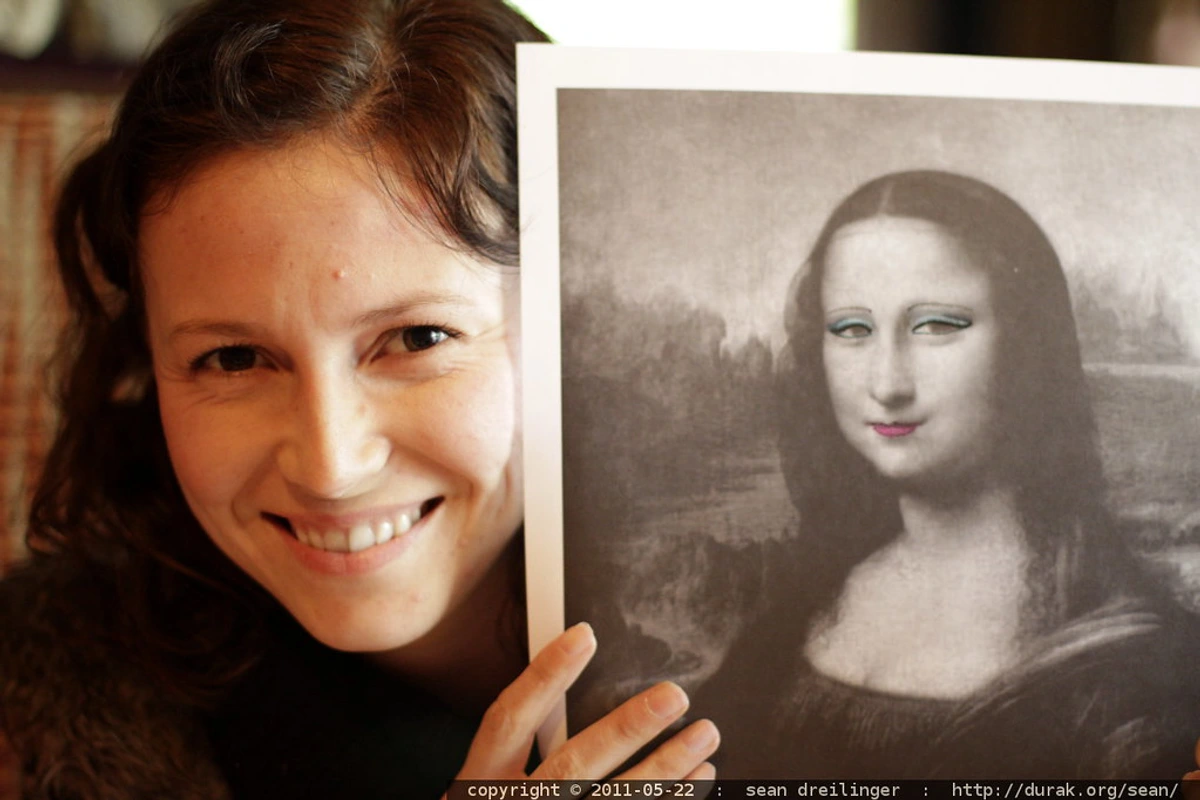
Beyond the Canvas: Conservation, Journey, and Economic Impact
The ongoing preservation of the Mona Lisa is a monumental task, a testament to the deep reverence humanity holds for this artwork. This isn't just about security; it's about cutting-edge art science, making her a "test case" for museum conservation. The painting is housed in a climate-controlled vitrine, ensuring optimal temperature and humidity levels to prevent the delicate poplar wood panel from warping or cracking, and to protect the oil paints from degradation. The fragile poplar wood panel itself is susceptible to warping, cracking, and insect damage. The oil paints can flake, craze, or discolor over time. And centuries of varnish layers have often darkened, muting Leonardo's original vibrant palette, presenting a constant dilemma for conservators who must weigh the risks and benefits of cleaning. Experts continually monitor its condition, employing advanced imaging techniques such as infrared reflectography and X-ray fluorescence to understand its layers, detect hidden underdrawings, and analyze pigment composition (like the lead white or earth pigments Leonardo used) without any direct contact. These non-invasive tools allow conservators to peer beneath the surface, almost like an artistic MRI, revealing hidden underdrawings Leonardo might have sketched first, or identifying specific pigments he meticulously layered, or even seeing where he changed his mind about a composition. It’s a dance between ancient art and cutting-edge science. These methods allow conservators to map the artist's process, identify any potential areas of weakness or deterioration, and understand past restorations, which, in older artworks, can sometimes cause more harm than good over time. It's a silent, constant battle against time and the elements, a testament to our collective commitment to safeguarding this irreplaceable cultural heritage.
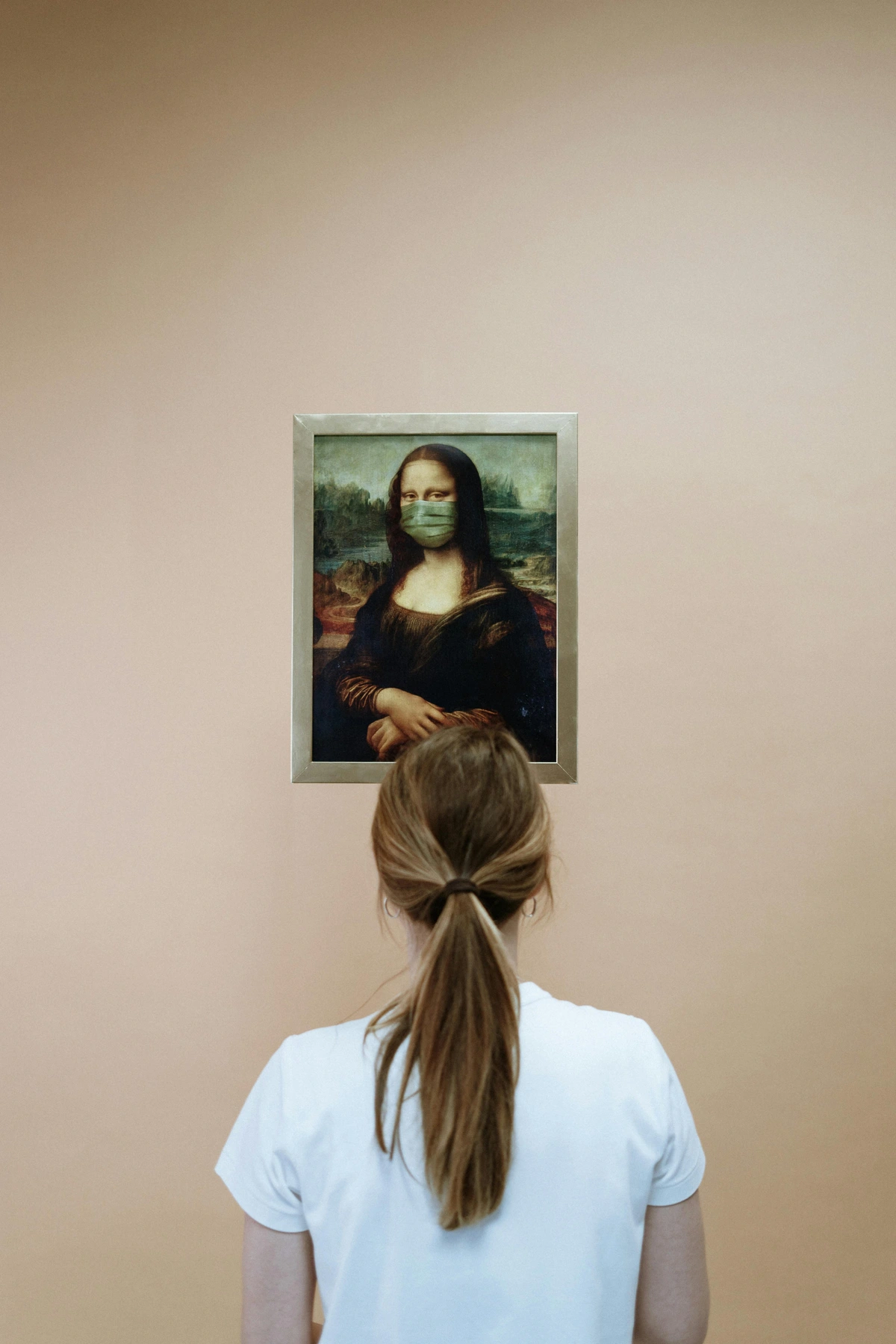
Interestingly, the Mona Lisa's journey to France is also part of its mystique. Leonardo da Vinci himself brought the painting with him when he moved to France in 1516 at the invitation of King Francis I, who later acquired it. It remained in royal collections for centuries before entering the Louvre, making it a French national treasure. As a French national treasure, the Mona Lisa is deemed inalienable – meaning it cannot be bought, sold, or privately owned. This legal status underscores its identity as a shared global heritage, protected by the state for all humanity. And frankly, considering the bids it would fetch, if it could be sold, it would make any discussion about art appraisals utterly ludicrous.
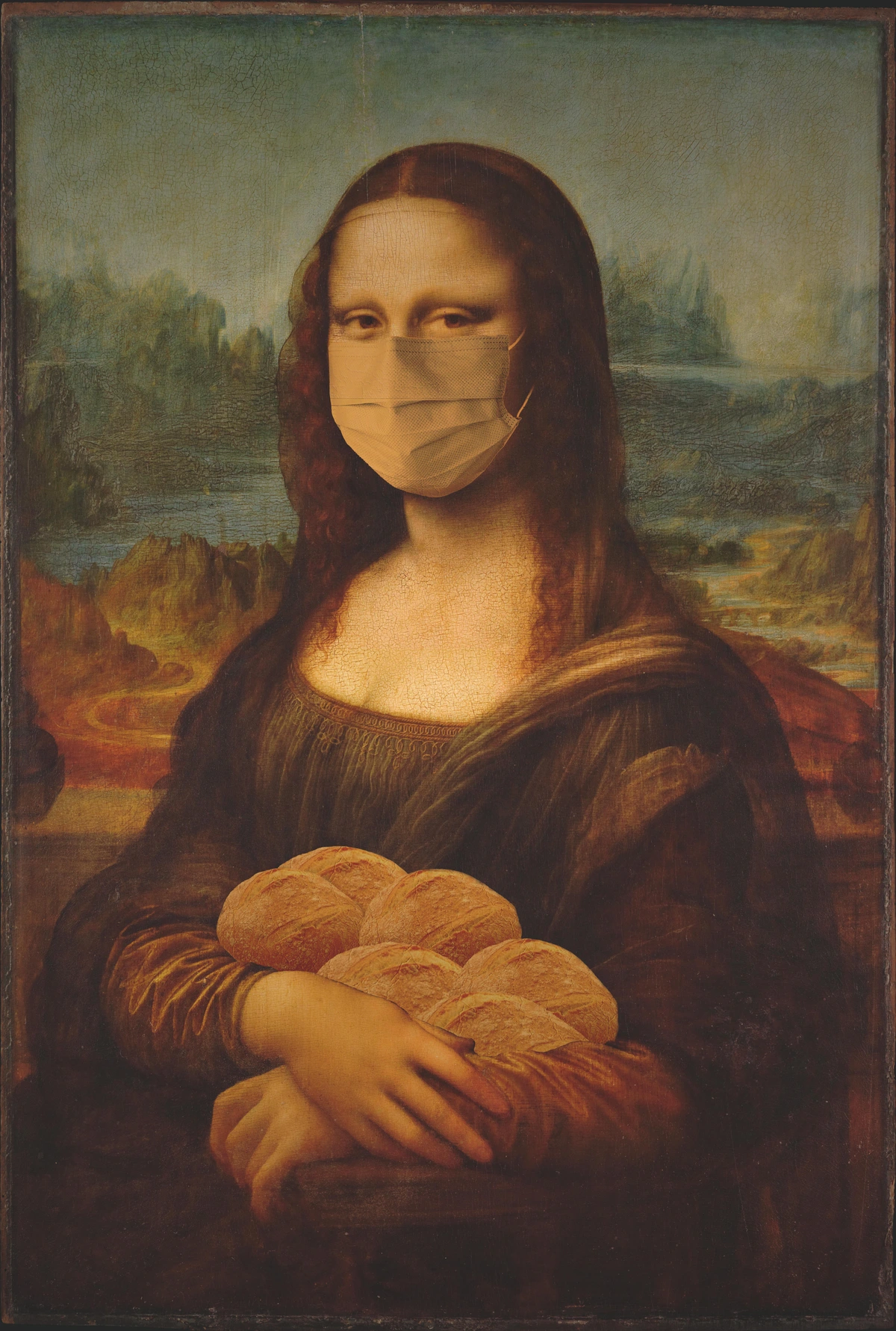
Furthermore, the Mona Lisa's presence at the Louvre has an immense economic impact. It's not just a painting; it's a magnet for tourism, effectively acting as a national economic engine. Surveys consistently show that a significant percentage of the Louvre's staggering 10 million annual visitors cite the Mona Lisa as their primary motivation. This 'Mona Lisa Effect' on tourism translates into billions of euros for the Parisian economy, funding everything from local businesses to national infrastructure. These visitors spend money on flights, hotels, restaurants, shopping, and other attractions, generating an estimated 2-3 billion euros annually. This solidifies her status not just as an artistic masterpiece, but as a significant economic driver and a powerful symbol of French culture on the global stage. Her fame contributes significantly to the livelihoods of countless individuals and businesses, from street vendors to five-star hotels – a testament to the enduring power of art beyond the canvas itself.
The Human Connection: Why We Keep Staring
Perhaps the most profound reason for the Mona Lisa's enduring fame is simply this: she reminds us of ourselves. Or rather, she allows us to project ourselves onto her. Her expression is so subtly ambiguous that we can see whatever we want in her gaze. Joy, sadness, wisdom, mischief – it's all there, or none of it, depending on who's looking. This universal, timeless quality speaks to the human condition itself. We are compelled to project onto her because, in her, we see the complexities of human emotion, reflected in a face painted five centuries ago. Psychologists have even studied her effect on perception, examining how ambiguous stimuli like her smile trigger our innate desire to find meaning and resolve uncertainty. It taps into our inherent need to connect with something larger than ourselves, and to unravel a mystery that promises no easy answer. It’s a bit like looking into a deep well; you see your own reflection, but also an endless depth beneath. This act of psychological projection creates a uniquely personal bond, making her feel both distant and intimately familiar all at once, an archetypal image of human complexity, perhaps even touching on the 'uncanny valley' effect that subtly fascinates us. She is, in essence, a living artwork, continuously reinterpreted by each generation, with each viewer becoming a co-creator of her meaning. Her overwhelming fame also serves as a point of discussion, prompting conversations about the ethics of mass tourism around a single artwork, and whether her ubiquitous presence sometimes overshadows other equally significant masterpieces within the Louvre's vast collection.
Debunking the Myths: What the Mona Lisa Isn't
Amidst all the genuine wonder and scholarly debate, the Mona Lisa has also attracted her fair share of myths and misconceptions. For instance, despite persistent rumors, there's no credible evidence that the Mona Lisa is actually a self-portrait of Leonardo da Vinci in drag, nor is there any hidden code or secret message embedded within the painting that only a chosen few can decipher (sorry, Da Vinci Code fans, but it's pure fiction!). And while her eyes might seem to follow you, that's a clever optical illusion, not a supernatural phenomenon. The real magic isn't in secret societies or fantastical claims, but in Leonardo's unparalleled mastery of paint, light, and human psychology – the subtle brushstrokes, the scientific precision, and the profound ambiguity that allows us all to find a piece of ourselves in her gaze.
She's an icon, a survivor, a testament to artistic genius, and a canvas for our collective imagination. After all this, standing before her feels less about seeing a famous painting and more about being part of a shared, ongoing conversation about what makes us human. Maybe that’s why my initial disappointment at her size quickly dissolved into awe; maybe I was just beginning to scratch the surface of her endless, fascinating story. And perhaps that's the greatest genius of the Mona Lisa: she isn't just a painting. She's an ongoing, living conversation, a silent challenge to look deeper, feel more, and ultimately, to understand a little bit more about the enduring, beautiful riddle that is the human experience itself.
Key Takeaways: Unpacking Her Enduring Legacy
The Mona Lisa's unparalleled fame isn't due to a single factor, but stems from a perfect storm of elements, a unique confluence that no other artwork has matched. It is the singular combination of:
- Leonardo da Vinci's revolutionary technical genius, particularly his masterful sfumato technique and deep understanding of human anatomy and optics, which brought unprecedented realism and psychological depth to the portrait.
- The captivating and enigmatic nature of her smile and gaze, which invites endless psychological interpretation and creates the famous "Mona Lisa Effect" through subtle optical illusion.
- The dramatic and globally publicized 1911 theft, which catapulted her from an admired masterpiece into an international celebrity and cultural icon, cementing her narrative beyond mere artistic appreciation.
- Her subsequent transformation into a ubiquitous pop culture icon, adapted and parodied across all media, making her an instantly recognizable symbol worldwide.
- The profound psychological connection we, as viewers, forge with her ambiguous expression, allowing us to project our own emotions and interpretations onto a timeless mirror of the human condition.
This intricate tapestry of artistic innovation, historical drama, and enduring psychological resonance is what we've aimed to unpack comprehensively here. While the Mona Lisa may always retain some of her mystery, this exploration provides a profound understanding of why she holds her unparalleled place in our world, remaining a living, breathing enigma, and perhaps even inspires you to look deeper into the art that moves you and the stories it tells.
Frequently Asked Questions (FAQ)
Who painted the Mona Lisa? [Artist's identity and legacy]
The Mona Lisa was painted by the legendary Italian artist, inventor, and polymath (meaning someone with vast knowledge in many fields) Leonardo da Vinci. He is widely considered one of the greatest artists of all time, and his genius is evident in every detail of this iconic portrait. Leonardo spent many years meticulously refining the painting, possibly until his death in 1519, making it a deeply personal project that showcases his extensive anatomical and optical studies, alongside his groundbreaking engineering designs and philosophical inquiries. He also created other masterpieces such as The Last Supper and Vitruvian Man.

What is the Mona Lisa famous for? [Summary of her multi-faceted fame]
The Mona Lisa's fame stems from a unique confluence of factors: Leonardo da Vinci's revolutionary sfumato technique and lifelike realism, her captivating and enigmatic smile that sparks endless interpretation, the dramatic and globally publicized 1911 theft that catapulted her into international celebrity, her subsequent omnipresence as a pop culture icon through countless reproductions and adaptations, and the profound psychological connection viewers feel due to her ambiguous expression. It's a blend of artistic mastery, historical drama, and universal human intrigue that has no equal.
Who is the Mona Lisa? What is her real name? [Identity of the sitter]
The sitter for the Mona Lisa is widely believed to be Lisa Gherardini, the wife of Florentine merchant Francesco del Giocondo. She was a woman of respectable standing in Florentine society. "Mona" is a contraction of "Madonna," a polite form of address meaning "My Lady." Hence, the painting's Italian name, La Gioconda, and its French name, La Joconde, both refer to the surname of her husband. While Lisa Gherardini is the widely accepted identity, absolute certainty remains elusive due to limited historical documentation, only adding to the painting's enduring mystique and allowing us to project more onto her enigmatic presence. This ambiguity is part of her lasting appeal.
Where is the Mona Lisa located? [Museum and city]
The Mona Lisa is permanently displayed at the Louvre Museum in Paris, France. Millions of visitors make the pilgrimage to the Louvre specifically to see this iconic painting each year. If you're planning a visit to see the Mona Lisa in Paris, consider checking out our first-timer's guide to the Louvre for tips on navigating this immense museum.
How big is the Mona Lisa? [Dimensions and viewer perception]
The painting itself is relatively small, measuring approximately 77 cm × 53 cm (30 in × 21 in). Much smaller than many people expect, which often adds to the surprise (or initial mild disappointment, if you’re like me!) of first-time viewers! This intimate size, however, often contributes to the personal connection many feel despite the crowds, drawing you closer to its delicate details. It’s truly a masterpiece of definitive portraiture on a modest scale.
What are the Mona Lisa's artistic techniques? What is sfumato? [Leonardo's innovations explained]
The Mona Lisa showcases Leonardo da Vinci's masterful use of several innovative artistic techniques, most notably sfumato. Sfumato is an oil painting technique that involves blending colors or tones so subtly that they melt into one another without perceptible transitions, creating a soft, almost smoky effect. This lack of harsh lines is crucial; it gives the painting its lifelike, ethereal quality and is what contributes so powerfully to the enigmatic nature of her smile and the impression of a living presence that seems to shift before your eyes. Leonardo also employed chiaroscuro (strong contrasts between light and dark) and a deep understanding of human anatomy and optics to give the portrait its unparalleled realism and psychological depth, even using atmospheric perspective for the background. While chiaroscuro is prominent in the work of other masters like Rembrandt or Caravaggio, Leonardo's subtle integration sets his work apart. He used numerous translucent glazes (thin layers of oil paint) to achieve these effects, painstakingly layering them over years. You can learn more about this in the history of oil painting.
When was the Mona Lisa stolen? What happened during the theft? [The dramatic 1911 incident]
The Mona Lisa was famously stolen on August 21, 1911, by Vincenzo Peruggia, an Italian handyman who had previously worked at the Louvre. Peruggia hid inside the museum overnight, then, in broad daylight, took the painting from its frame and walked out with it hidden under his coat. This audacity caused a global sensation and immense cultural shock, highlighting the vulnerability of even the most cherished artworks. Newspapers plastered headlines worldwide, and police forces across multiple countries joined the frantic search. The painting was missing for over two years, sparking immense speculation and boosting its fame exponentially. It was recovered in December 1913 when Peruggia, driven by a misguided nationalistic desire to return Italian art to Italy, attempted to sell it to an art dealer in Florence, leading to a new wave of international headlines.
Why is the Mona Lisa protected by glass? [Conservation and security reasons]
The Mona Lisa is protected by bulletproof, climate-controlled glass to shield it from environmental damage (like humidity and temperature fluctuations that could warp its ancient poplar wood panel), vandalism, and theft. This robust protection became particularly strict after past incidents, including an acid attack in the 1950s that damaged a small area, and a rock thrown at it in 1956, underscoring its immense value and fragility. The multi-layered, low-reflection glass enclosure also helps maintain a precisely stable microclimate essential for preserving the delicate wood panel and the integrity of the oil paints, a crucial aspect of its long-term conservation as a "test case" for modern museum practices. It’s a painstaking process of preservation and art insurance that aims to safeguard it for centuries to come.







Is the Mona Lisa priceless? [Its immense value and status]
While the Mona Lisa technically has no insured value because it's a national treasure owned by the French state, it's universally considered priceless. Its cultural, historical, and artistic significance far transcends any monetary valuation. As a French national treasure, it is deemed inalienable, meaning it cannot be bought, sold, or privately owned, underscoring its identity as a shared global heritage. If it were to be valued for insurance purposes today, some estimates put it in the billions of dollars, making it by far the most valuable piece of art in the world. The idea of placing a monetary value on such a work is almost absurd; its worth lies in its story and its impact on humanity, far beyond any price tag, making it an irreplaceable cornerstone of human artistic achievement.
How long did it take Leonardo to paint the Mona Lisa? [Duration of creation and artistic process]
Leonardo da Vinci is believed to have started painting the Mona Lisa around 1503 and continued working on it intermittently for many years, possibly until 1519, shortly before his death. This incredibly long period of creation, spanning over 16 years, allowed for his extensive refinements, particularly with the sfumato technique and the intricate psychological depth. This prolonged engagement underscores the painting's importance to him, suggesting it was more than just a commissioned portrait but a deeply personal, evolving artistic journey, one he meticulously refined over almost two decades. Some art historians even speculate that he never truly considered it "finished," continuously returning to it to capture the evolving nuances of human perception.
How does the Mona Lisa inspire artists today? [Artistic inspiration and legacy]
The Mona Lisa's enduring legacy continues to inspire artists today in numerous ways. Her unparalleled blend of technical mastery (like sfumato), psychological depth, and universal ambiguity challenges contemporary artists to explore similar themes of human emotion and perception. Her journey from masterpiece to global icon also serves as a powerful case study in the dynamics of fame, cultural impact, and the potential for art to transcend its original context and become a canvas for new interpretations. For many, she embodies the aspiration to create art that truly connects with and moves people across centuries and cultures, proving that deep thought, meticulous craft, and profound human insight can create something truly timeless and endlessly fascinating. It inspires me to infuse my own abstract creations with a similar emotional resonance, striving for that enduring connection with the viewer, a core goal of my art."