aa good Title that attracts clicks but is very clear about the content
use all my instructions

# How to Handle Art Criticism: A Practical Guide for Artists (Without Losing Your Soul)
There’s a moment every artist knows, but no one talks about enough. It’s that split second after a critic—be it a curator, a [fellow artist](/finder/page/how-to-network-as-an-artist), or a stranger on the internet—lobs their opinion in your direction. Your stomach tightens, your peripheral vision narrows, and a defense attorney you never knew existed takes the podium in your brain, ready to argue for your artistic life. What you do in that moment, and the hours that follow, can be the difference between feeling crushed and finding a nugget of genuine gold.
I remember once, years ago, I spent months on a large, chaotic [abstract piece](/finder/page/case-study-transforming-a-small-dark-hallway-with-a-vibrant-abstract-piece). It felt like I’d finally captured a specific kind of friction I see in the world. Then, a visiting artist I deeply respected came to the studio. He stood in front of it for a full five minutes—which felt like five hours—then turned and said, flatly, “It’s unresolved. The energy is there, but it’s not going anywhere.” I spent the rest of the day cycling between rage (“He just doesn’t get my process!”) and a profound, hollow despair. It took me a week to realize he’d handed me the single most valuable piece of advice I’d gotten all year. The problem wasn't with the energy or the concept, but with the composition. The eye had nowhere to land, no place to rest. I had been so focused on the feeling, I'd neglected the visual structure that makes a feeling legible to an audience. Learning to hear that is what this is all about.
Let’s be clear from the start: the goal isn’t to become so tough that criticism bounces off you like rain off a stone. That sounds impressive, but it usually just makes you brittle. The real goal is to become permeable—to let the useful stuff seep in and the toxic stuff run right through you, leaving you cleaner, clearer, and more sure of yourself than before. It’s about learning to separate the note from the noise, which is a skill you can build, like drawing or mixing a perfect shade of crimson.
Think about that perfect crimson. You don’t just squeeze it from the tube. You mix a little alizarin, a hint of cadmium red, maybe a touch of black to deepen it. The process of handling criticism is similar. You’re taking the raw material of someone’s feedback—their words, their tone, their context—and blending it with your own self-awareness, technical knowledge, and artistic intent to create a new understanding. A badly mixed crimson looks flat and lifeless. A well-integrated critique can bring a new depth and vitality to your entire practice. It’s not just about weathering the comment, but actively transforming it into something that serves your vision. This is what it means to be a productive artist—you become an alchemist, turning base feedback into creative gold. If you’re struggling, you might find that exploring new art techniques can help you better express your intentions.
This isn't just about surviving criticism; it's about learning to use it. Because the truth is, if you're putting your work out there, you are inviting a conversation. The problem is, most of that conversation feels like a monologue directed at you by a heckler in the back row. My goal here is to give you the tools to take back control of that dialogue, to sift the signal from the noise, and to ensure that your artistic integrity isn't just preserved, but actively strengthened by the feedback you receive. You’ll learn to ask the right questions of your critics and, more importantly, of yourself. We’ll unpack the psychological weight of a negative comment, develop a framework for processing it without spiraling, and equip you with practical tactics for everything from formal in-person critiques to the chaotic world of [social media](/finder/page/impact-of-social-media-on-emerging-artists-careers) feedback.
We’ll also explore practical scripts for responding to different types of feedback, and dive deep into the neurological reasons a sharp comment can feel like a physical blow, so you can stop blaming yourself for that gut-punch reaction and start focusing on what to do after the dust settles. We'll look at how [imposter syndrome](/finder/page/art-about-imposter-syndrome) can amplify these feelings and what to do about it.
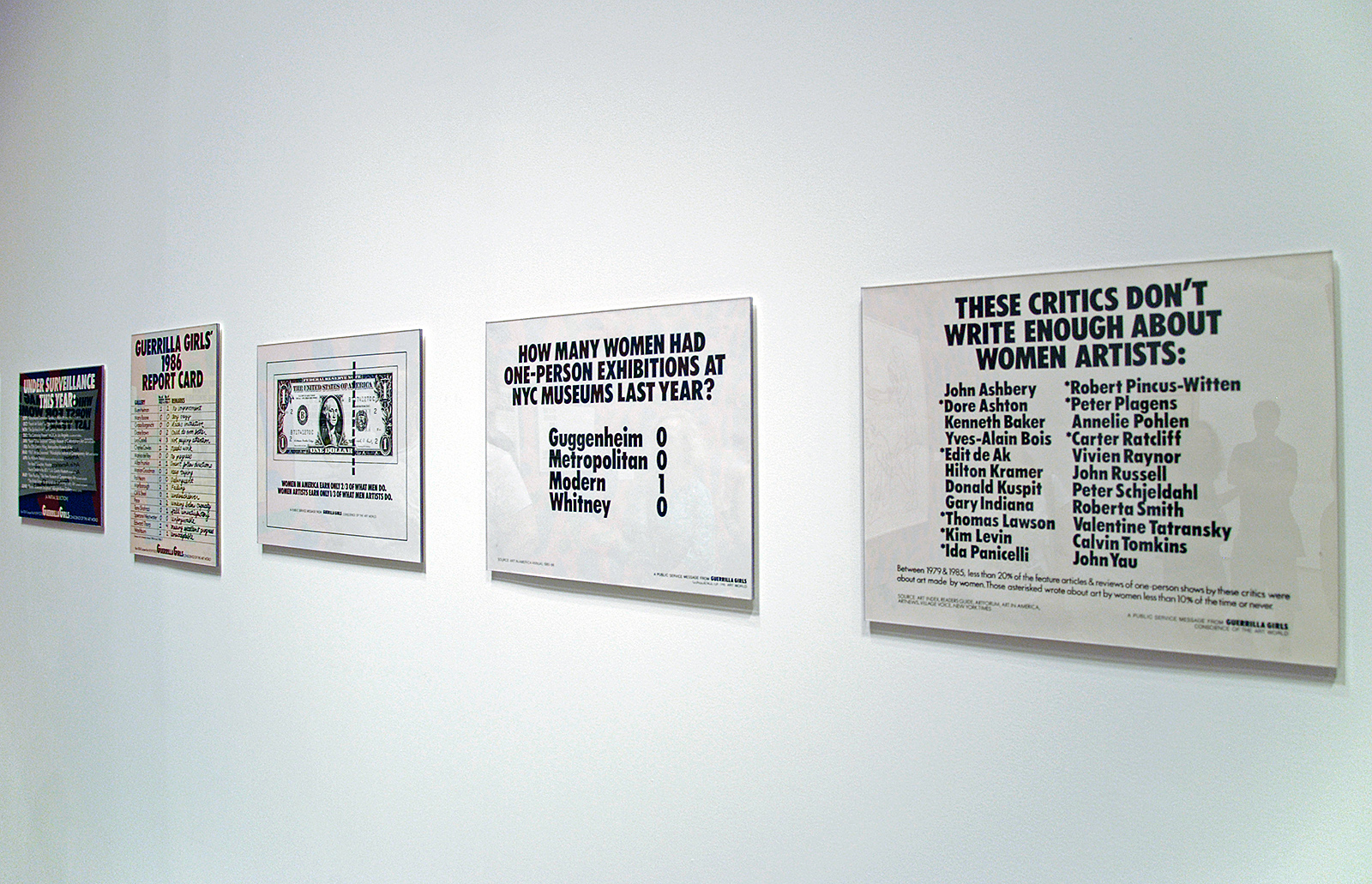
[credit](https://upload.wikimedia.org/wikipedia/commons/0/00/Guerrilla_girls_MOMA.jpg),
[licence](http://creativecommons.org/publicdomain/zero/1.0/deed.en)
## What Kind of Criticism Are You Facing?
Before you can even think about processing feedback, you need to know what kind of mail has landed in your inbox. Not all of it requires—or deserves—your immediate attention. Some of it is a bill that needs to be paid, some is an invitation to a conversation, and a whole lot of it is just junk mail with a particularly aggressive font. Sorting it, mentally, is your first act of self-preservation.
I have a folder in my email called “For Later.” It’s not for ignoring things, but for deferring them. When a piece of criticism arrives, I mentally sort it into a similar set of folders. This [simple act](/finder/page/art-therapy-at-home-simple-exercises-for-stress-relief) gives me a sense of control. It moves me from a state of reaction to a state of assessment. Let’s build those folders together.
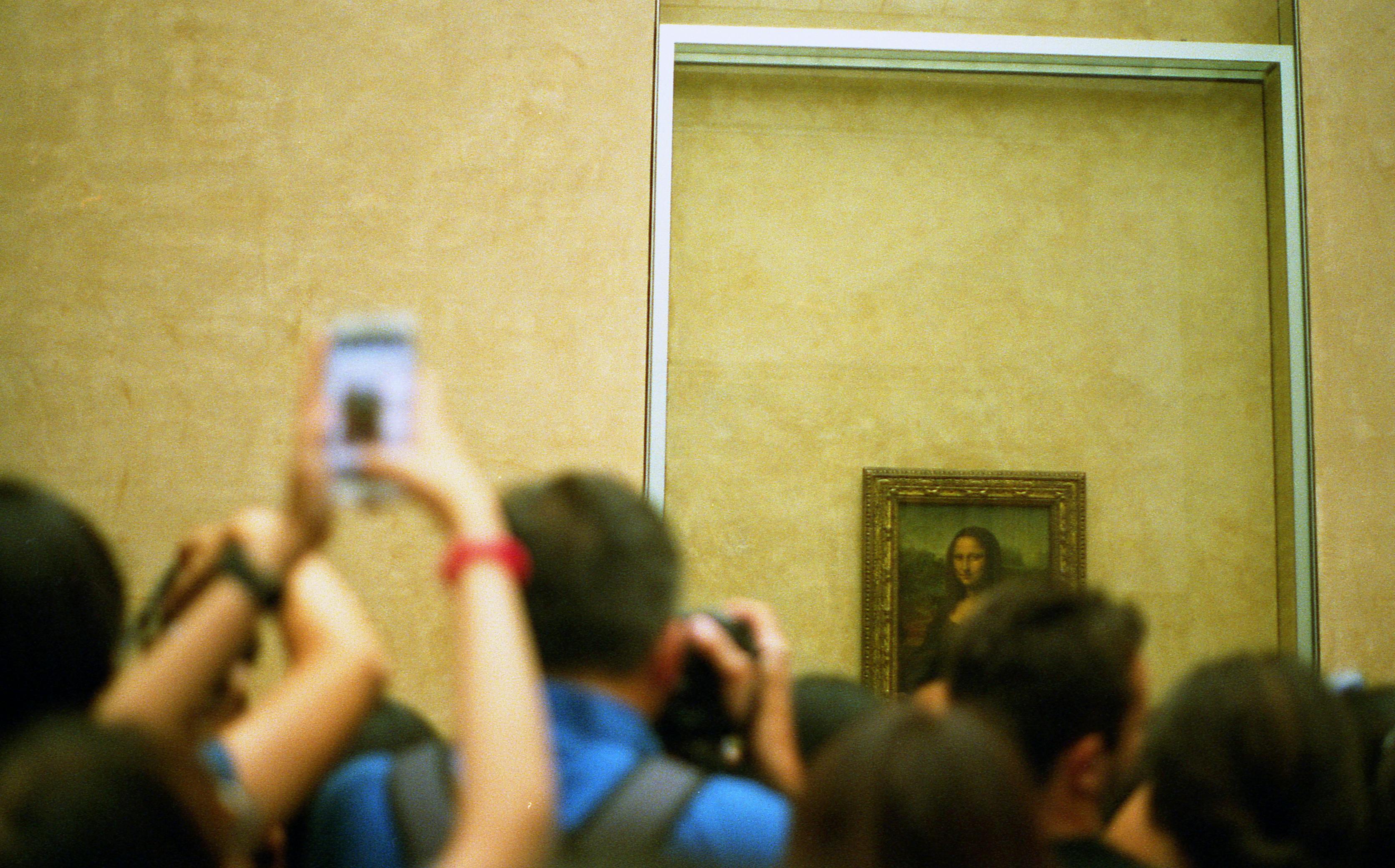
Before we dive into the *how*, it's crucial to identify the *what*. Not all feedback is created equal. Think of it as sorting mail: there are letters, bills, junk mail, and the occasional package that requires a signature. Treating a piece of junk mail with the same urgency as a bill is a recipe for unnecessary stress. So, let's categorize the incoming mail for an artist.
[credit](https://images.pexels.com/photos/2043385/pexels-photo-2043385.jpeg),
[licence](https://creativecommons.org/public-domain/)
One of the most disorienting things about criticism is how it all arrives in the same mental inbox. A tweet from a stranger saying “this sucks” lands with the same jarring notification as a thoughtful email from a mentor. Learning to instantly recognize the postmark—to know what kind of mail you’re holding before you even open it—is your first and most powerful act of defense-and-growth. It lets you allocate your emotional energy where it can actually do some good.
| Type of Criticism | Source | Purpose | Typical Nature | Action Required | Quick Sorting Tip |
|---|---|---|---|---|---|
| **Formal Review** | Newspaper, Magazine, Art Blog | To inform the public and critique the art for a broader audience. Professional critics operate within a historical and contemporary art context. | Often contextual, analytical, comparative, and opinionated by a professional writer. Can be scathing, glowing, or dismissive, but is meant for a public record. | High. Read for context, extract any valid points about craft or concept, but don't let it define your entire self-worth. Useful for understanding public perception. | Am I being reviewed, or is my work being analyzed? The focus is on the public, not me. |
| **Peer Feedback (Critique)** | Fellow Artists, Mentors, Art Community, Studio Visits | To provide constructive analysis aimed at artistic growth, technical improvement, and conceptual development. | Ideally specific, technical, and focused on the work's strengths and weaknesses. Grounded in shared understanding of materials and process. | High. This is often the most valuable. Engage with it openly, ask clarifying questions, and be prepared to reciprocate in kind. | Is this person trying to help me grow? Does the feedback feel collaborative? |
| **Unsolicited Commentary** | [Social Media](/finder/page/impact-of-social-media-on-emerging-artists-careers), Online Galleries, Comments Sections, Forums | The commenter's own expression (venting, projecting, trying to connect, or simply performative). Often a reflection of their mood, not your art. | Wildly unpredictable. Can range from insightful to unhelpful, cruel, and ad hominem. Usually lacks context and is driven by impulse rather than analysis. | Low. Apply the **Signal vs. Noise** filter (we'll get to this later). Most of this can and should be ignored to preserve creative energy. | Does this feel like a drive-by comment or a genuine observation? Is it specific or just a mood? |
| **Client/Patron Feedback** | Buyers, Collectors, Gallery Directors, Potential Buyers | To express personal taste, aesthetic preference, and the desire for a specific outcome (e.g., to match a room, to fit a collection's theme, to sell). | Highly subjective and personal. Not a critique of your skill per se, but of your style's alignment with their taste or commercial objectives. | Medium. Useful for understanding your market and audience, but not a directive for your core artistic practice unless you consciously choose it to be. | Is this feedback about the art, or about how the art fits into their world? It’s about their needs. |
| **Mentor/Instructor Feedback** | Teachers, Professors, Established Artists | To guide, challenge, and accelerate your learning process, pushing your technical ability and conceptual framework. | Often directive, challenging, and focused on pushing boundaries. Can be blunt because the relationship is based on growth. | Very High. This feedback is a gift. The goal is to stretch you beyond your current capabilities, even if it feels uncomfortable in the moment. | Is this designed to push me out of my comfort zone, even if it's hard to hear? |

[credit](https://images.pexels.com/photos/375882/pexels-photo-375882.jpeg),
[licence](https://creativecommons.org/public-domain/)
Recognizing which box a piece of criticism fits into is your first act of taking back power. It lets you calibrate your emotional and intellectual response from the start. A formal review is a data point about your place in the cultural conversation; a peer critique is a direct line to your next breakthrough. Once you know the difference, you can stop wasting energy trying to find deep meaning in a [social media](/finder/page/impact-of-social-media-on-emerging-artists-careers) troll’s rant and start focusing on the critique that can actually move you forward. It’s the difference between reading every piece of mail and only opening the ones that matter. This sorting process is a form of [art therapy at home](/finder/page/art-therapy-at-home-simple-exercises-for-stress-relief), allowing you to manage the emotional labor of your creative practice.
## The Sting: Why Criticism Hurts (and Why That's Not a Failure)
Let’s be honest. Knowing how to *categorize* criticism doesn't stop it from stinging. That's because making art is an act of profound vulnerability. You're not just putting pixels on a screen or pigment on a canvas; you're putting a piece of your internal world on display for external judgment. The critic isn't just talking about your use of chiaroscuro—in that raw moment, it can feel like they're talking about you.
Why does it feel so personal? The answer lies in a fascinating and, frankly, annoying quirk of our neurobiology. Researchers like Dr. Matthew Lieberman at UCLA found that social pain—the sting of rejection or negative judgment—activates the same neural pathways as physical pain. Your anterior cingulate cortex basically lights up the same way whether you've stubbed your toe or read a harsh comment about your work. Your brain can't always tell the difference between a physical threat and a social one. So, that tightness in your chest, the heat in your cheeks, the sudden desire to either fight or flee? It's not just in your head. It's a real, physiological response happening throughout your entire body.
This is where the concept of **ego** gets tangled up. I don't mean ego in the sense of arrogance. I mean ego as your sense of self, the fragile "I" that you've stitched into the canvas. When someone attacks the work, it feels like an attack on that very self.
Think about it: you spend hours, days, weeks in a private conversation with your materials, your ideas, your mistakes. You make a mark, you look at it, you decide to keep it or change it. This process builds a profound identification with the object. The painting *is* the struggle, the doubt, the breakthrough. It holds your time and your thoughts. So when someone dismisses it, it can feel like they're dismissing all of that—the effort, the thought, the very part of you that showed up to do the work. This is completely natural. You have, in a very real sense, fused your identity with the object. The first step in detangling this is simply acknowledging that the fusion exists.

[credit](https://live.staticflickr.com/65535/53064827119_1b7c27cd96_b.jpg),
[licence](https://creativecommons.org/licenses/by-nc-nd/2.0/)
The most potent realization for me was understanding that my first, emotional reaction is not the ultimate truth. It's a physiological and psychological response to a perceived threat. Your brain is protecting you. The problem is, it's protecting you from a threat that isn't actually there. No one is coming to take away your brushes. A bad review is not a physical attack.
So what do you do with this ancient, mis-calibrated alarm system? You let it sound. You don't try to smash the alarm. You just let it ring for a while, and you remind yourself, "This is just my body doing its job. It's trying to protect me." Allowing yourself a moment to *feel* that initial sting without judgment—without immediately spiraling into a story about how you're a terrible artist or how the critic is a hack—is the first step toward becoming a more resilient creator. You’re not weak for feeling it; you’re human. The key is not to let the initial shock make the [final decision](/finder/page/analyzing-the-final-thought-in-art).
## The Strategic Artist's Guide: A Framework for Processing Feedback
Okay, you’ve been hit with some feedback. Your stomach has settled, and you’re ready to move from reaction to strategy. This is where we move from understanding the theory to building a practice. It’s no longer just about “why” it hurts, but “what do I do about it now?”
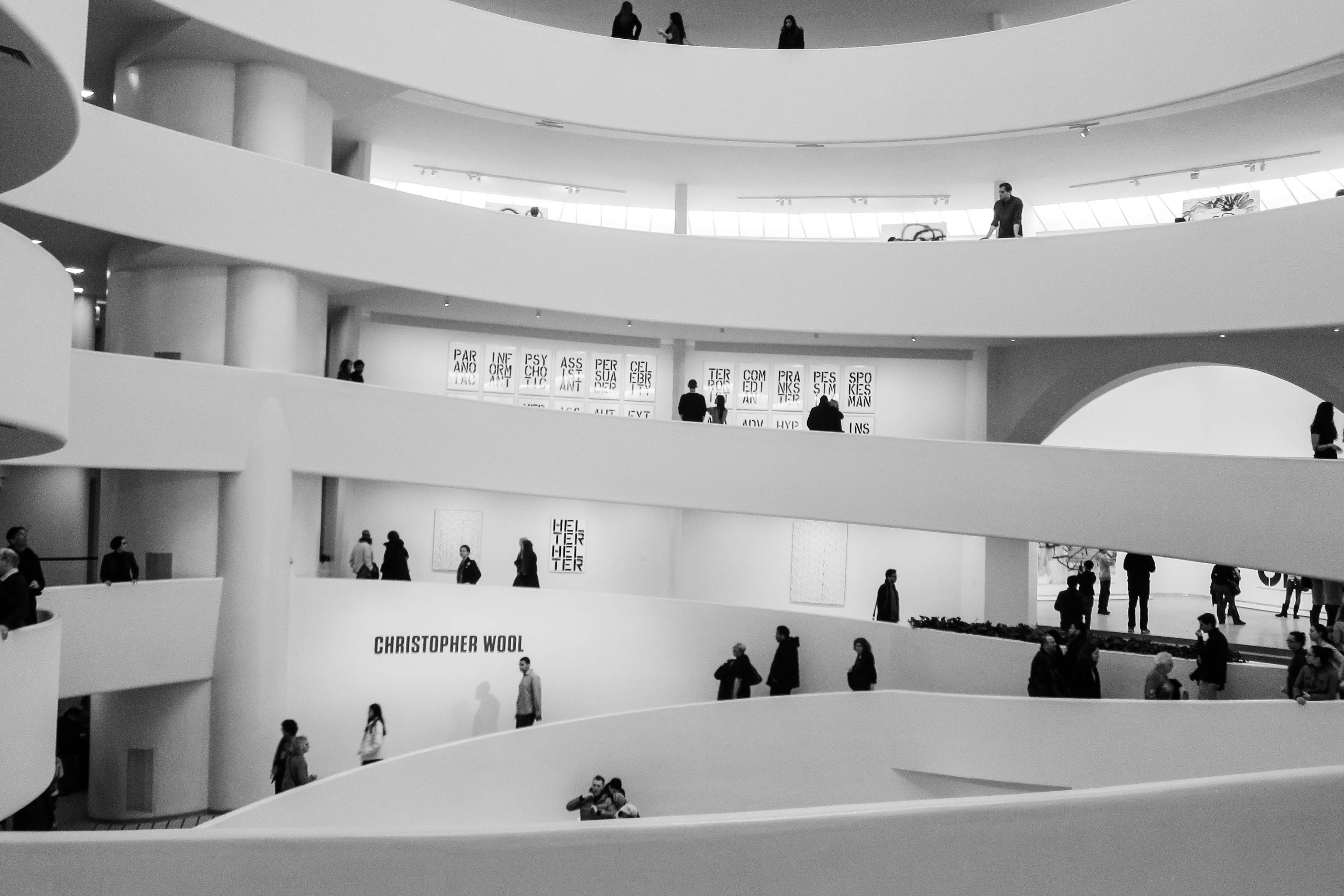
This is my personal framework, a step-by-step process for turning criticism from an emotional event into a productive tool. Don't rush this. Sometimes the space between receiving feedback and acting on it can be hours, or even days. I call this the “processing window,” and it’s sacred. Rushing to respond or immediately change your work is like trying to repair a watch while it's still ticking—you're likely to make a mess. The goal of this framework is not to make criticism feel good, but to make it *useful*. It’s a systematic way to translate external feedback into internal insight.
[credit](https://upload.wikimedia.org/wikipedia/commons/8/81/Christopher_Wool_Exhibit%2C_Guggenheim_Museum.jpg),
[licence](https://creativecommons.org/licenses/by/2.0)
1. **Identify and Acknowledge the Sting.** Don’t pretend it doesn’t hurt. Say it out loud, or write it down: "Ouch, that negative comment on my Instagram post really bothered me." Or, "That curator’s comment about my composition being 'unresolved' is frustrating." Naming the emotion is like shining a light on it in a [dark room](/finder/page/how-to-decorate-with-art-in-a-room-with-no-natural-light). It becomes something you are *observing* and can now interact with, rather than something that is controlling you from the shadows.
2. **Detach Work from Identity (The 'Object' Game).** This is the most critical skill, and it takes practice. It's also the most uncomfortable. For a moment, try to see your own art as an object in the world, separate from you. Imagine it’s a chair you found on the street. Someone says, "This chair is uncomfortable." Do you feel personally attacked, or do you think, "Interesting. They find it uncomfortable. Is it the material? The angle? Is it because one leg is shorter than the others?"
You can apply the same logic to your art. "This piece is too chaotic." Is it the color palette? The line work? The composition? This mental separation allows you to analyze the critique without defending your soul. I find a physical ritual helps. Sometimes I'll print a photo of the work, lay it on a table, and literally walk around it. I change my physical relationship to it. I'm no longer *in* it; I'm observing it, just like the critic did. It turns the work into a project you're both looking at, rather than a part of you that's being attacked. Some artists find it helpful to write the critique on a sticky note and place it on the printout, creating that physical and psychological distance.
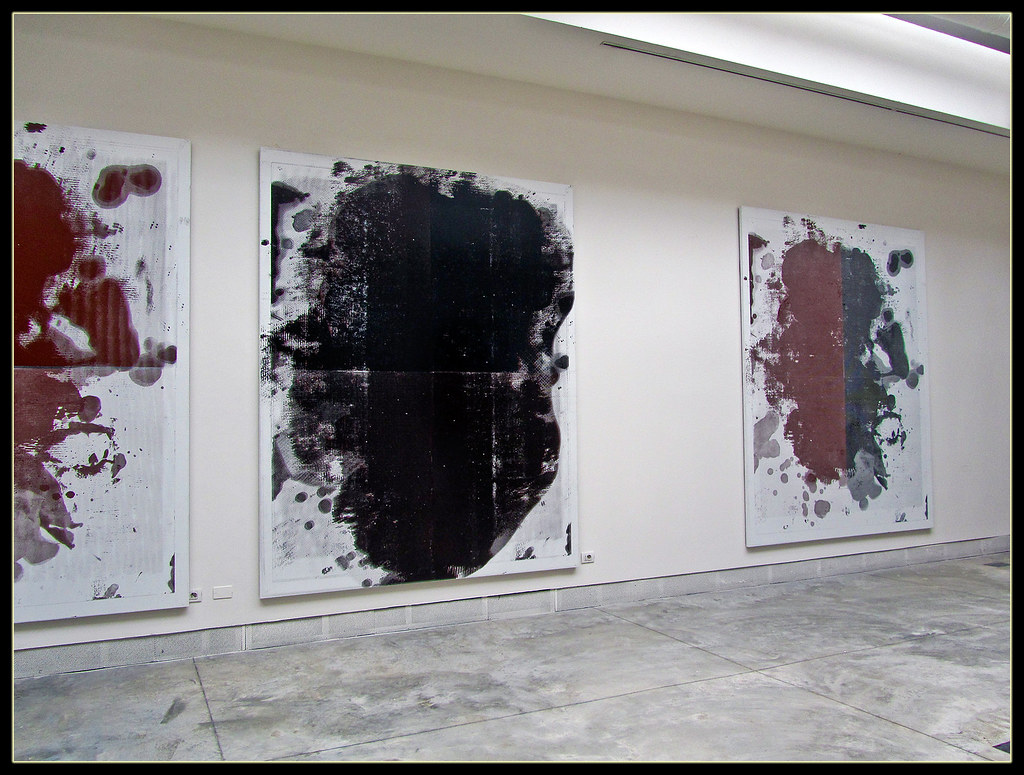
3. **Apply the Signal vs. Noise Filter.** Now, with a slightly clearer head, analyze the content of the feedback itself. This simple filter helps you decide what is worth your energy. This is where you put on your detective hat and start investigating the *content* of the comment, rather than just reacting to its *tone*. Not all criticism is created equal. A well-known critic's comments, for instance, carry a different weight than anonymous online chatter.
- **Is it specific?** Feedback that says "I don't like it" is noise. Feedback that says "The use of green in the foreground seems to fight with the red in the background, creating a visual vibration I find jarring" is a signal. It’s giving you something tangible to consider.
- **Is it actionable?** Can you *do* anything with this information? "This painting is boring" is not actionable. "The focal point feels lost because all the elements have the same visual weight and my eye doesn't know where to rest" *is* actionable. It points toward a potential imbalance in contrast, size, or detail that you could explore in future work. Perhaps you could learn more about color theory to resolve the issue.
- **Is it coming from a credible source?** A thoughtful critique from a peer whose work you respect, a seasoned art writer, or a curator in your field carries more weight than a drive-by anonymous comment on Reddit. This isn't about elitism; it's about data quality. You wouldn't ask a plumber for advice on fixing your car. Consider the source's expertise and intent.
**Your Rule of Thumb:** The more specific and actionable the feedback, the more likely it is a **Signal**. The more vague, personal, and emotionally unmoored the feedback is, the more likely it is **Noise**. Your job is to act on the signal, and let the noise wash over you without a second thought.
Here’s a quick table to help you sort it:
| Feature | Signal | Noise |
| :--- | :--- | :--- |
| **Specificity** | Points to a specific color, line, shape, or composition. | Vague statements: "It's bad," "I hate it," "Meh." |
| **Actionability** | Suggests a potential path forward: "Have you tried...?" | A dead end: "This is boring," "It doesn't work." |
| **Tone** | Professional, curious, or constructive (even if critical). | Aggressive, insulting, or dismissive. |
[credit](https://live.staticflickr.com/6195/6087778411_164f0d9a2f_b.jpg),
[licence](https://creativecommons.org/licenses/by-nc-nd/2.0/)
4. **Decide to Act, File, or Ignore.** After filtering, you have three choices for how to proceed. This is the final, decisive step where you move from analysis to action (or inaction). This is where you reclaim your agency. Don't let the critique just live in your head rent-free; give it a job or evict it.
- **Act:** You've found a signal. The critique has revealed a genuine blind spot or an opportunity for growth. You can choose to act on it, perhaps by experimenting with a [new technique](/finder/page/adopting-new-art-techniques-guide) or considering color relationships more carefully in your next piece. This doesn't mean you have to agree with the critic's conclusion, only that their observation has given you a productive new path to explore.
- **File:** The feedback is interesting but doesn't fit your current direction. I literally have a folder on my computer called “Feedback to Consider Later.” When I get a thoughtful but not-immediately-applicable critique, I'll write it down and drop it in there. You don't need to act on it now, but you can file it away. Maybe in six months, you'll look back and realize it was incredibly prescient. Think of this as your artistic compost pile—it might not be useful now, but it could provide rich material for growth later.
- **Ignore:** You've identified it as noise. It’s unhelpful, unkind, or simply irrelevant to your artistic goals. Give yourself full, guilt-free permission to delete it from your mind. This is an act of self-preservation. Do not spend another second thinking about it. Your time and energy are far too valuable. This isn't being defensive; it's being efficient.
## Handling Negative Reviews and Harsh Feedback
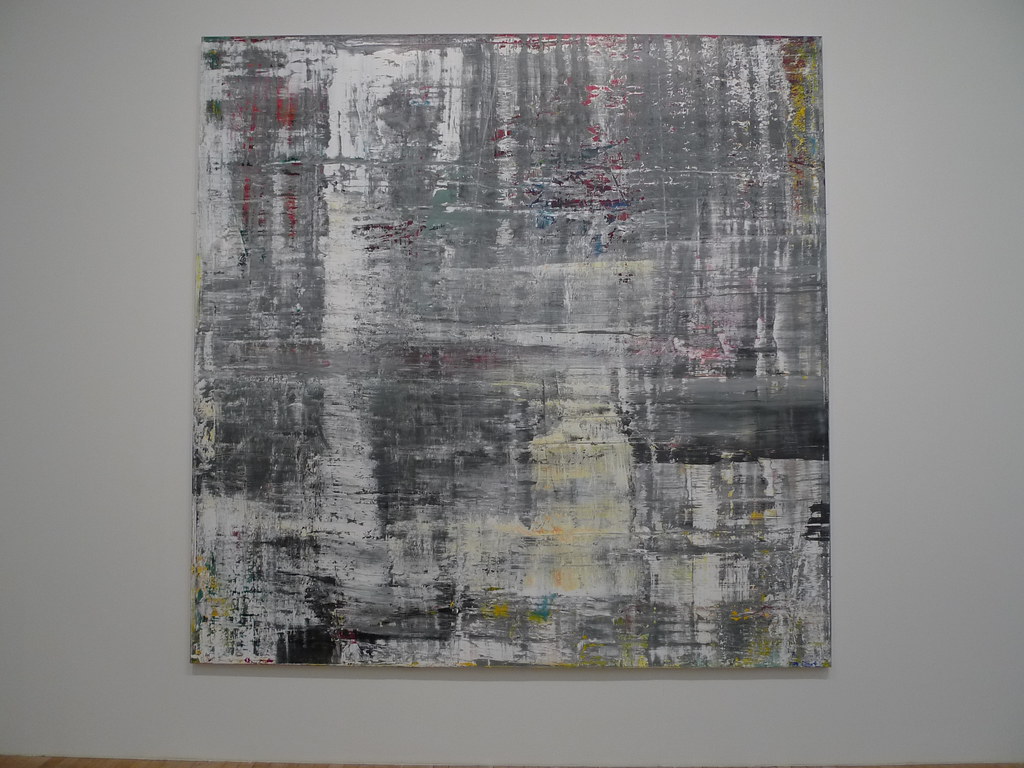
Unconstructive, nasty, or just plain mean feedback is a special category. It’s designed to wound, not to help. It’s the junk mail of the [art world](/finder/page/guerrilla-girls-art-activism-and-the-art-world), and it has a tendency to stick to you like gum on a shoe. Here’s how to scrape it off and keep walking. The key distinction here is between feedback that is *negative* and feedback that is *destructive*. Negative feedback can be sharp but constructive (“The perspective here is poorly executed, it undermines the intended dynamism”). Destructive feedback is just an emotional outburst disguised as an opinion (“This is absolute garbage, the artist clearly has no talent”). One is about the work; the other is about the critic’s need to lash out. Your job is to spot the difference instantly.
[credit](https://live.staticflickr.com/4113/5179172659_124ba51627_b.jpg),
[licence](https://creativecommons.org/licenses/by-nc/2.0/)
- **Deconstruct the Comment, Not Yourself:** Instead of spiraling into self-doubt, become a forensic analyst of the comment itself. Is it specific? No. Is it actionable? No. Is it from a credible source? Probably not. Once you realize the comment itself is hollow and fails every test of a useful critique, it becomes an interesting specimen of human behavior rather than a verdict on your talent. This simple act of analysis shifts your brain from "threat mode" to "observation mode," which is a much calmer and more rational place to be. It's like receiving a piece of junk mail that says “You’ve Won!” You don't interrogate your life choices; you just recognize the format and throw it away.
- **Remember the "Why":** People who leave cruel comments are often projecting their own frustrations, insecurities, or a desire to tear down others to feel taller. It’s not about you. It’s about them. Reframing the comment this way robs it of its power. I once heard a brilliant piece of advice: when you receive an overly aggressive critique, imagine the person who wrote it is holding a sign that says, "I am in pain." It instantly reframes the attack as a cry for help, which is almost universally true.
- **Look for the "Grain of Truth" (If It Exists):** Sometimes, a harsh comment is wrapped in an ugly package. A comment saying, "Your work is derivative and uninspired," might be mean-spirited. But if you can quiet the emotional part of your brain, you can ask yourself: "Is there a kernel of truth here? Am I playing it safe? Have I been stuck in a particular style without pushing myself?" If you can find that tiny grain, you can use it. If you can't, then it’s just an empty insult. Don’t torture yourself trying to find a lesson where there isn’t one. Sometimes a mean comment is just a mean comment.
- **Establish Digital Boundaries:** You are under no obligation to be a punching bag. On platforms like Instagram or X (formerly Twitter), you can block, mute, limit who can comment, or turn off replies on a post that's attracting negativity. Think of your [social media](/finder/page/impact-of-social-media-on-emerging-artists-careers) feed as your virtual studio—you have every right to decide who gets to be there and under what terms. Curating your online space is a non-negotiable form of self-care for the modern artist. It's not about building an echo chamber; it's about protecting your focus and energy.
- **Develop an "Armor-Piercing" Mantra:** Have a go-to phrase that you can repeat to yourself when you encounter this stuff. It sounds silly, but it works. Something like, *"That's one person's opinion, and it's not my reality,"* or *"This says more about them than it does about my art."* It’s a mental shield. My personal favorite is: *"Thank you for your opinion."* It’s polite, dismissive, and reclaims the power in the interaction without engaging in a fight. For a while, mine was the even simpler phrase, "Noted." It acknowledged the comment without accepting its premise, and gave me the final word in my own head.
Ultimately, your energy is your most valuable resource. Don't waste it trying to argue with people who aren't interested in a real conversation. It's a battle you can't win. Every minute you spend fuming over a troll's comment or drafting a defensive reply is a minute you could have spent in the studio. Protect your energy with the same ferocity you protect your best brushes. I have a friend who visualizes negative comments as spam emails. He mentally moves his cursor, clicks the 'Mark as Spam' button, and then forgets it. The message is gone, never to be seen again. Find the metaphor that works for you.

[credit](https://images.pexels.com/photos/12309059/pexels-photo-12309059.jpeg),
[licence](https://creativecommons.org/public-domain/)
## How to Grow from Critique Without Losing Your Artistic Integrity
This is the central tension, isn't it? How do you remain open to feedback that could genuinely make you a better artist, without becoming a puppet who changes their work based on every passerby's opinion? How do you avoid diluting your unique vision? It’s the single most frequent question artists ask, because it cuts to the core of why we create in the first place.
The answer lies in seeing your [artistic voice](/finder/page/finding-artistic-voice-unexpected-places) as a stable core, with a flexible, adaptable outer layer. Your core is your worldview, your obsessions, the questions you can't stop asking. It's the thing that makes someone look at a piece in a crowded room and think, "That's a so-and-so." That part should be stubborn.
The outer layer is your technique, your color choices, your composition—the "how" of your work. This part should be relentlessly open to evolution. An insightful critique might make you realize your "how" isn't fully serving your "why." That's a powerful discovery, not a threat.
Imagine your artistic vision is a lighthouse. The light itself—your core message, your unique perspective, your fundamental *why*—is solid, unwavering, and bright. But the lantern room around it is made of glass. It has to be. It needs to be transparent to let the light out, and it needs to be cleaned, repaired, or even have its panes replaced to better focus the beam. Critique is the process of helping you see which panes are dirty, cracked, or perhaps obscuring the light altogether.
A critique of your color theory isn't an attack on your lighthouse. It's a suggestion that one of the panes could be clearer. A comment on your composition isn't an order to dismantle the entire structure. It's an observation that the light might be focused more effectively. The goal is not to change the source of the light, but to ensure it's as bright and clear as it can possibly be.
If a piece of feedback ever tries to tell you to turn off the light, you know you can safely file it under "noise." But if it helps you see a pane you didn't even know was there, that's a signal worth chasing. This is the core of [finding your artistic voice](/finder/page/finding-artistic-voice-unexpected-places) and protecting it.

[credit](https://images.pexels.com/photos/16842473/pexels-photo-16842473/free-photo-of-people-looking-at-painting-in-art-gallery.jpeg)
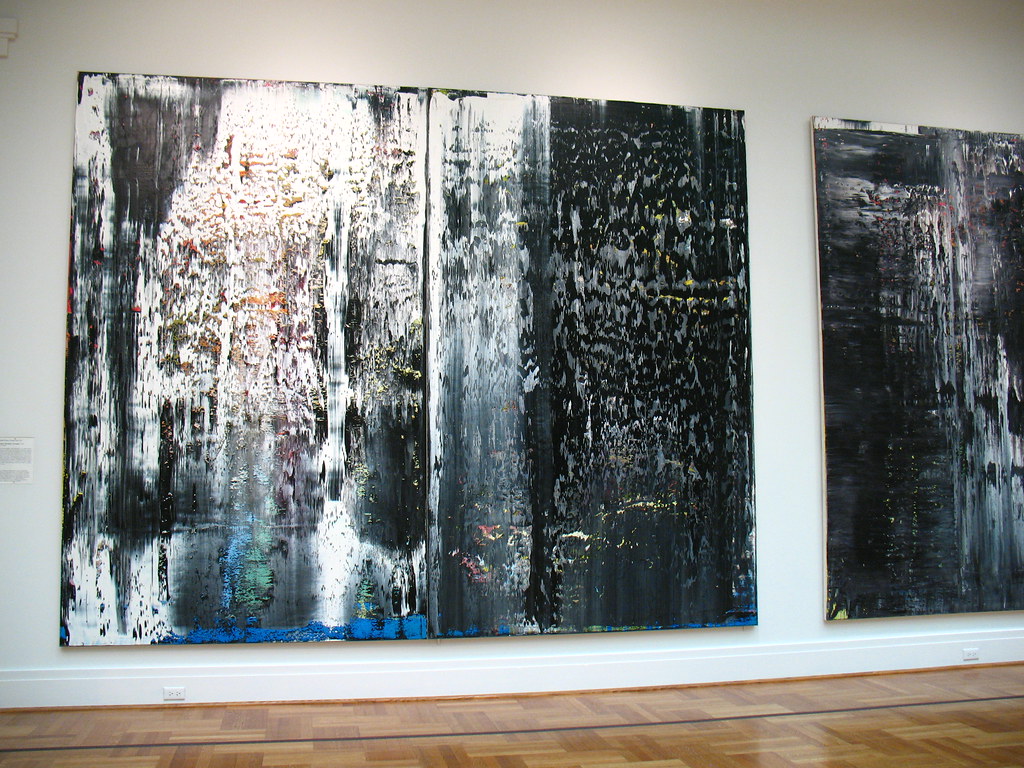
Use this self-reflection table after receiving meaningful feedback to decide what to do with it:
[credit](https://live.staticflickr.com/6205/6062532173_4f26a55128_b.jpg),
[licence](https://creativecommons.org/licenses/by-nc-sa/2.0/)
| The Critique | How It Challenges My Work | Does It Align with My Intent? | Possible Action | Will This Strengthen My Core Vision or Shift It? |
|---|---|---|---|---|---|
| "Color palette feels unbalanced" | Questions my understanding of color relationships. | I *intended* for it to feel jarring to create tension. | **Conflict!** Re-evaluate if the "jarring" effect was successful, or just read as "unbalanced." | Could strengthen it by forcing me to be more intentional. |
| "The subject matter is cliché" | Questions the originality of my concept. | My intent was to explore a common theme in a new way. | Ask myself: Did I succeed in my "new way" approach, or did the execution fall flat? | Could strengthen it by prompting deeper, more unique conceptualization. |
| "The brushwork is too tight and controlled" | Challenges my technical comfort zone and confidence with the medium. | My intent was to create a sense of precision and order. | Consider introducing deliberate moments of chaos or "happy accidents" in the next piece. | Could shift my technique to better serve my overall vision of order vs. chaos. |

[credit](https://live.staticflickr.com/3075/2630612508_9e0b80443d_b.jpg),
[licence](https://creativecommons.org/licenses/by-nc-nd/2.0/)
If a piece of feedback consistently challenges a fundamental aspect of your vision *and* that vision is something you feel deeply connected to, you can acknowledge the feedback and confidently choose to **file** or **ignore** it. That's not being stubborn; that's having a clear direction. However, if you hear the same fundamental critique from multiple trusted sources over time, it's a signal worth paying deep attention to. That doesn't mean you have to abandon your vision, but it might mean you need to find a more effective way to communicate it.
## Macro and Micro Strategies for Artists
Beyond the internal framework, there are practical, real-world tactics you can employ to make encountering criticism a less daunting, more productive part of your career.
[credit](https://live.staticflickr.com/3236/2977858484_cfbb1c6823_z.jpg),
[licence](https://creativecommons.org/licenses/by-nc-sa/2.0/)
### How to Ask for Feedback (and Actually Get It)
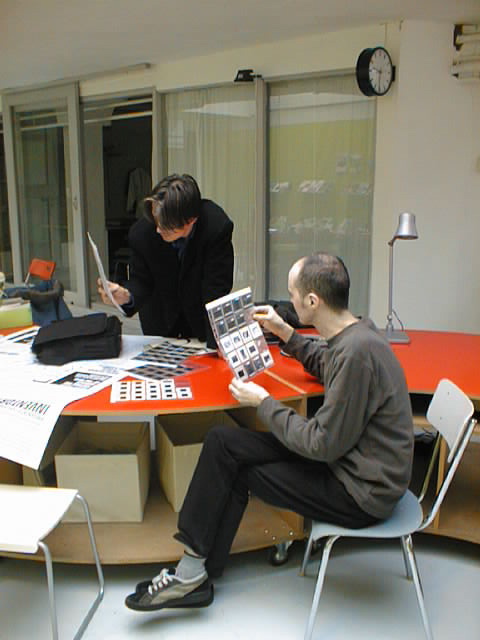
Don't just hold up a painting and ask, "What do you think?" This is the quickest way to get a generic, unhelpful response like "It's nice." Be specific in your request. The quality of the feedback you receive is directly proportional to the quality of the question you ask. A vague question gets you a vague answer. A pointed question, however, can unlock insights you didn't even know you were looking for.
Think of yourself as a director, not just a passive recipient. You are directing their attention to the specific scene you want them to watch. The more precise your direction, the better their performance will be.

[credit](https://images.pexels.com/photos/14638946/pexels-photo-14638946.jpeg),
[licence](https://creativecommons.org/public-domain/)
- **Bad question:** "Do you like this?" (This invites a subjective, binary yes/no based on personal taste).
- **Bad question:** "What's wrong with this?" (This is self-deprecating and frames the work negatively, putting the critic in a harsh position).
- **Good question:** "I'm struggling with the balance between the foreground and background. Does one feel heavier to you?" (This is technical, specific, and focuses on a compositional challenge).
- **Great question:** "What emotions or ideas does this piece evoke for you when you first see it? Where does your eye go first, and where does it end up?" (This invites interpretation and reveals how effectively your composition is guiding the viewer).
- **Advanced question:** "I was trying to create a sense of quiet tension here. Do you feel that comes across, or does it read as static instead?" (This opens a conversation about your *intent* versus the *result*, which is the most valuable feedback of all).
You're directing their attention to the specific area you're working on, prompting a more technical and less emotional response.

[credit](https://live.staticflickr.com/3731/13402193294_7e67ffc22a_b.jpg),
[licence](https://creativecommons.org/licenses/by/2.0/)
### How to Handle an In-Person Critique
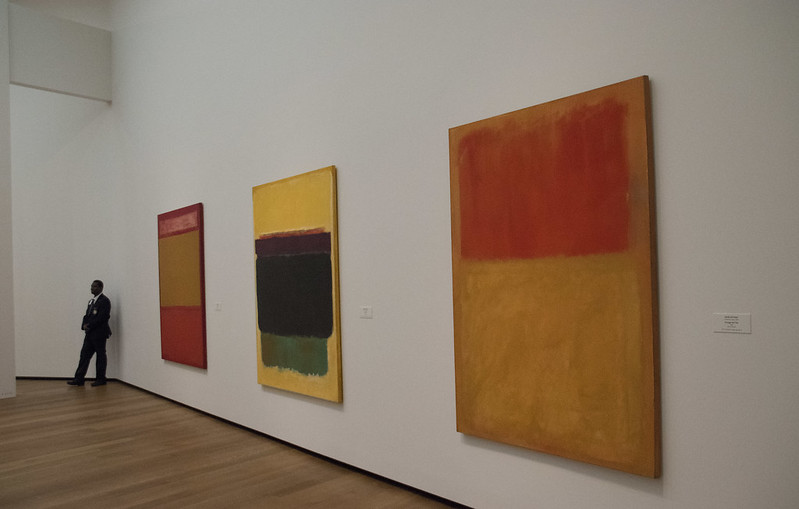
Standing in front of your work while others discuss it can feel like being undressed in public. Your heart pounds, your palms get sweaty, and the urge to defend your choices can be overwhelming. The single most important thing you can do is to shift your role from a defendant on trial to a scientist collecting data. This reframe is the difference between suffering through an interrogation and leading a fascinating experiment. Here’s how to survive and even thrive in that situation without letting your ego take the wheel.
[credit](https://www.flickr.com/photos/22711505@N05/29787955214),
[licence](https://creativecommons.org/licenses/by/2.0/)
1. **Adopt a "Listen and Record" Mantra.** Your only job here is to be a sponge. Bring a notebook and physically write down what people say. The act of writing does three things: it forces you to listen actively, it gives your nervous hands something to do other than fidget, and it creates a permanent record you can process later when the adrenaline has worn off. Don't defend your work, don't explain your intent. The moment you start explaining, you shut down the critique and shift the dynamic from open exploration to defensive debate. Your intent is not on trial here; its effectiveness is what's being explored.
2. **Become a Detective with Clarifying Questions.** After they've finished their initial thoughts, you can ask questions to get at the heart of their critique. This shows you're engaged and helps you understand the *why* behind their reaction. Frame your questions with curiosity, not defensiveness.
- "When you said the composition felt 'unresolved,' could you point to a specific area or element that gave you that feeling?"
- "What feeling or memory did the piece evoke for you when you first saw it?" (This tells you if the emotional message you intended is the one being received).
- "If you were to offer one suggestion to change a single thing, what would it be and why?"
- "Is there a particular area where your eye gets stuck or keeps returning to?" (This is a gift of a question; it tells you about the flow and focal points of your work).
3. **Thank Them, and Mean It.** Regardless of whether you agree with their assessment, they took the time to look deeply at your work and share their thoughts. Thanking them is a class act, and importantly, it psychologically closes the loop for you. It signals the end of the critique and your control over the interaction, turning a potentially jarring experience into a productive one. This also builds a reputation for being someone who can handle feedback, which encourages more honest and valuable critiques in the future.
And here's the secret: Sincerity comes from remembering that they just gave you a gift. Whether it was a good gift or a confusing one, they spent their most valuable asset—their time and attention—on you and your work. That alone is worthy of gratitude.

[credit](https://www.flickr.com/photos/malisia/5482110937),
[licence](https://creativecommons.org/licenses/by-nc-nd/2.0/deed.en)
### Building Your "Brain Trust"
Identify a small, trusted group of people—maybe one or two other artists, a former professor, a gallerist you respect—who are your go-to sources for honest, high-signal feedback. These are people who understand your work, respect your vision, and are willing to tell you the hard truths. Having this inner circle saves you from living and dying by every public comment. Your Brain Trust is your sanctuary. They are the ones you can turn to with a half-finished piece and ask, "Is this working, or am I completely lost?" and trust that their answer, even if painful, is meant to guide you.
1. **Why have a Brain Trust?** It acts as a pressure valve. It gives you a safe place to be vulnerable about your work, which paradoxically frees you up to be braver in public. When you know you have a trusted channel for genuine feedback, you become less reactive to the random noise of the internet.
2. **Rules of Engagement for your Trust:**
- **Reciprocity:** You must be just as willing to give thoughtful, honest feedback as you are to receive it. This creates a relationship, not a service.
- **Ask, Don't Tell:** I have a rule with my own brain trust: we are allowed to ask "What if you tried...?" questions, but we are forbidden from giving direct commands like "You should..." This small distinction keeps the feedback collaborative and exploratory, ensuring that your vision remains yours.
- **Boundaries:** You can tell them, "I'm feeling really raw about this piece, so please be gentle," or "I think this is 90% done, but I need a final gut check." Setting the context helps them calibrate their feedback perfectly.

[credit](https://www.rawpixel.com/image/6297359/andy-warhol-the-jewish-museum-bernard-gotfryd-1924-2016),
[licence](https://creativecommons.org/publicdomain/zero/1.0/)
### When to Ignore Criticism Entirely
You should actively ignore feedback under these circumstances. This isn't about being defensive; it's about being efficient. Your creative energy is finite, and not all opinions deserve a piece of it. Learning when to hit the "delete" key is a crucial professional skill.
[credit](https://live.staticflickr.com/8206/8270380391_403b3d0796_b.jpg),
[licence](https://creativecommons.org/licenses/by-nc-nd/2.0/)
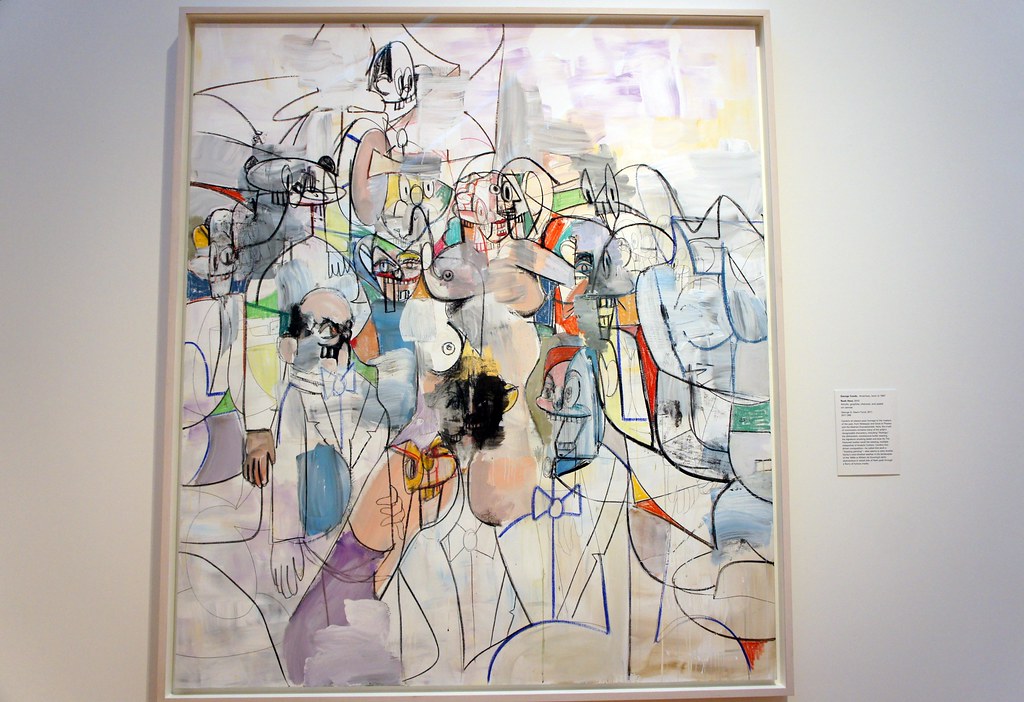
- **When it's purely an ad hominem attack:** ("This artist is a hack," "Only pretentious people would like this"). This is not criticism of the work; it's an attack on your character. It contains zero information and is designed only to hurt.
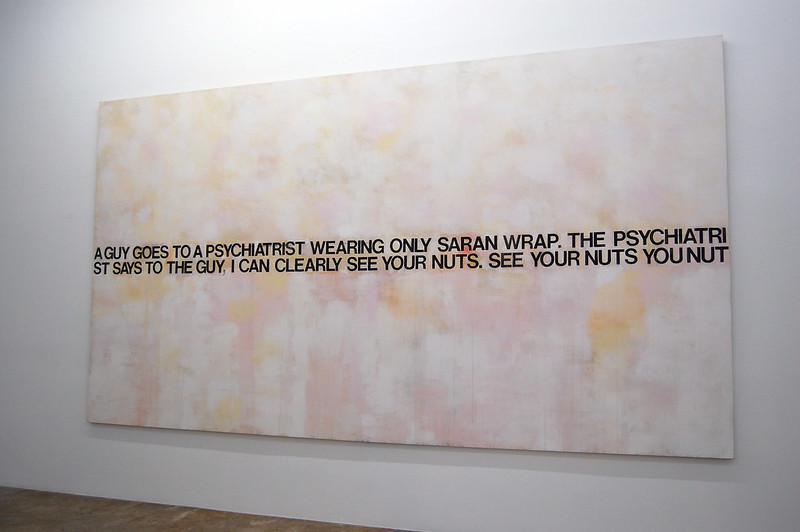
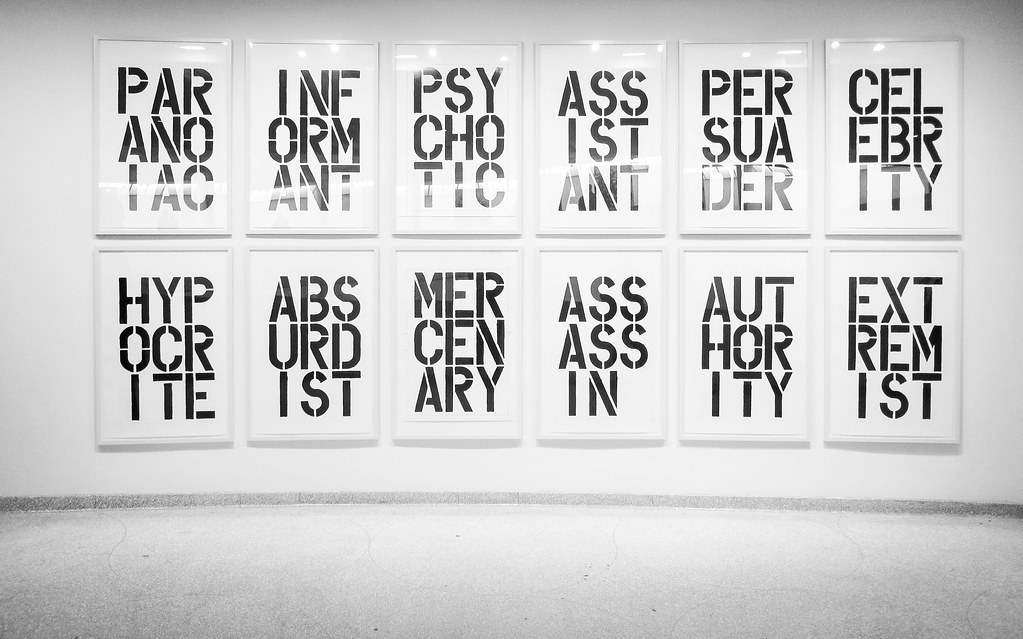
- **When it's vague and unactionable:** ("It's just bad," "I don't get it," "This isn't real art"). If a critique doesn't give you a single, concrete thing to consider, it's intellectual junk mail.
- **When it's a clear case of taste mismatch:** ("I don't like [abstract art](/finder/page/how-to-abstract-art)," "Photorealism is boring"). This is a statement about the critic, not about your work. You can't please everyone, and it's not your job to try.
- **When you're in the final stages of a piece:** At a certain point, you have to trust your own judgment and declare it finished. Seeking feedback on a 99% completed piece will only lead to confusion and the dreaded "critique-by-committee" look, which drains art of its unique signature. Decide when a work is done, and then protect its final form.
- **When the source is not credible:** A critique from someone who has no understanding of your medium, your intent, or the context of your work holds no value. A random person telling a classical pianist they should "play more rock and roll" is not offering useful advice.
**And don't forget the big one: When it serves no purpose other than to make you feel bad.** If the feedback has been identified as noise, offers no actionable takeaway, and the only thing it does is lower your energy and confidence, you have a moral obligation to your art to ignore it. It's not helping anyone. It's just taking up space.
## FAQ: Your Most Common Questions About Art Criticism
Artists often have very specific questions when it comes to feedback. It's one thing to talk about frameworks and strategies, but another to face a specific, gut-wrenching situation. Here are some of the most common ones, answered with actionable steps you can take right now.
[credit](https://www.flickr.com/photos/goincase/4176344969),
[licence](https://creativecommons.org/licenses/by/2.0/)
**Q: How do I deal with [imposter syndrome](/finder/page/art-about-imposter-syndrome) when someone criticizes my work?**
A: [Imposter syndrome](/finder/page/art-about-imposter-syndrome) is the feeling that you're a fraud and don't belong. Criticism can be a massive trigger for this. First, acknowledge that almost every creative person experiences it. It's the quiet terror that your [artistic voice](/finder/page/finding-artistic-voice-unexpected-places) is unoriginal or that your success is a fluke. Second, try a cognitive reframe: instead of thinking, "They found me out, I'm not a real artist," try thinking, "I am a real artist *because* I am here, putting my work out and engaging with the difficult parts of the process." Receiving criticism isn't proof you're a fraud; it's proof you're in the arena. One of my favorite techniques is to keep a "Success Journal." Every time you receive a compliment, finish a difficult piece, or sell work, write it down. When imposter syndrome whispers, "You're a hack," you can open that journal and find concrete evidence that you're not. It's your personal case file against that nagging doubt.

[credit](https://commons.wikimedia.org/wiki/File:Roy_Lichtenstein_%281967%29.jpg),
[licence](https://support.google.com/websearch/?p=image_info)
**Q: Should I respond to negative comments on social media?**
A: As a general rule, no. Engaging with a troll or a negative commenter is like trying to wrestle with a pig in the mud—you both get dirty, but the pig enjoys it. The only time to respond is if the comment is a **legitimate critique** (it's specific and actionable) and you want to have a genuine public conversation. If you choose to do this, be gracious, not defensive. A simple "Thanks for the thoughtful feedback, I appreciate you taking the time to look so closely" can go a long way, even if you disagree.

[credit](https://images.pexels.com/photos/16160115/pexels-photo-16160115/free-photo-of-woman-looking-at-paintings-in-an-art-gallery.jpeg),
[licence](https://creativecommons.org/public-domain/)
**Q: A well-known critic wrote a scathing review of my work. Will this ruin my career?**
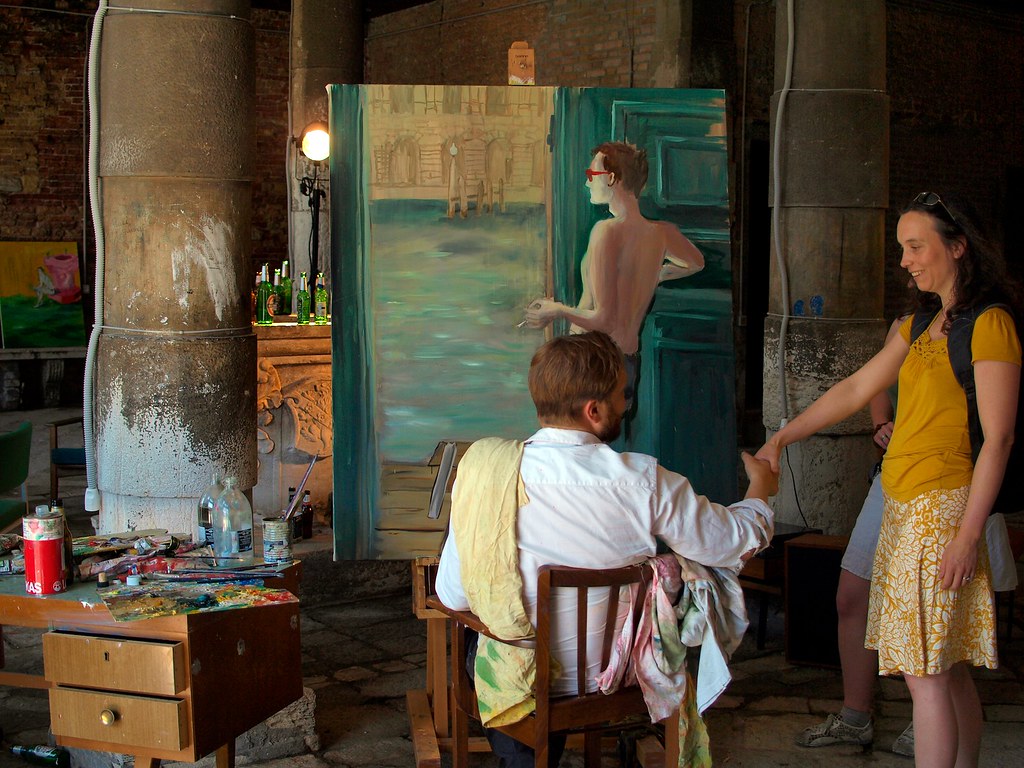
A: It feels like it will, I know. The short answer is: a single review, no matter how prominent, is incredibly unlikely to ruin your career. Think of reviews as data points, not verdicts. They are one person's perspective on one body of work at one moment in time. A negative review from a powerful critic might sting, but historically, many iconic artists received brutal reviews in their time. The art world has a short memory for reviews but a long memory for a persistent and evolving body of work. What matters more is your resilience and the quality of your work over the long term. Use the review as a source of [art analysis](/finder/page/the-definitive-guide-to-art-criticism-how-to-analyze-and-appreciate-art) of your own, looking for any grains of truth you can use. Keep making art.
[credit](https://live.staticflickr.com/2484/3659932109_dd9677ff13_b.jpg),
[licence](https://creativecommons.org/licenses/by-nc-sa/2.0/)
**Q: How do I know if a piece of criticism is valid or if the person just "doesn't get it"?**
A: This is the million-dollar question, and it comes back to our **Signal vs. Noise** filter. Ask yourself: Is their feedback based on a genuine engagement with the work? Is it specific? Is it something you've heard from others (a pattern is a strong signal)? If someone says "I don't get it," it could mean your idea isn't being communicated effectively. But if they say "*I* don't get it, and therefore it's bad," that's a statement about their expectations, not a critique of your work. When in doubt, run it by your Brain Trust.
**Q: I received feedback that I should make my work "more commercial" or "more like another artist." What do I do?**
A: File this under "Client/Patron Feedback." This is feedback about marketability, not artistry. There is absolutely nothing wrong with making art that sells—some of the greatest artists in history were also savvy businesspeople—but conflating a market trend with a creative imperative is a dangerous path. Your job as an artist is to develop your unique voice. A gallery's job might be to sell work. Sometimes those align, sometimes they don't. You can listen to this feedback as business intelligence, but you are never obligated to follow it if it means sacrificing the core of what makes your work yours. If you find this happening a lot, it might be worth exploring new sales channels or finding collectors whose vision aligns more closely with your own, rather than changing your work to fit a market that isn't yours.
[credit](https://live.staticflickr.com/2851/13401949523_202a6aac63_b.jpg),
[licence](https://creativecommons.org/licenses/by/2.0/)
## Conclusion: Criticism as a Tool for Self-Definition
In the end, navigating [art criticism](/finder/page/the-definitive-guide-to-art-criticism-how-to-analyze-and-appreciate-art) isn't about developing a thick skin. It's about developing a clear center. The thick skin approach implies building a wall between you and the world, making you impervious but also isolated. A clear center means you know who you are as an artist, so the opinions of others, whether glowing or damning, simply orbit around you rather than knocking you off your axis. You become the sun in your own creative solar system, and criticism becomes just another celestial body, valuable for its data but not capable of changing your fundamental nature.
[credit](https://live.staticflickr.com/7296/27312880052_47b638bbb6_b.jpg),
[licence](https://creativecommons.org/licenses/by-nc/2.0/)
Embrace the critique that makes you think, that reveals a blind spot, that pushes you to become a more intentional and skilled creator. And gracefully, confidently, learn to release the noise that serves no purpose other than to sow doubt. The goal is not to create art that is immune to criticism, but to become an artist who is empowered by it. After all, the only thing worse than being talked about is not being talked about at all.