Appropriation Art: History, Ethics, & Your Role in the Remix
Dive into appropriation art's complex world: its history from Dada to AI, debates on copyright & cultural impact, and how it challenges originality. Discover your place in art's ongoing dialogue.

Appropriation Art: More Than Just Borrowing – It's a Conversation with History and Culture
I often find myself staring at a blank canvas or a fresh digital file, and for a split second, there's this delicious, terrifying freedom. Anything is possible. But then, almost immediately, a thought creeps in: is anything truly original anymore? I distinctly remember my art history professor projecting an image of Marcel Duchamp’s Fountain, a simple urinal, and my immediate reaction was a mix of bewilderment and a smirk. "That's just... a urinal," I thought, half-amused, half-confused. Yet, that seemingly simple act of recontextualization sparked a wildfire of questions in my mind, challenging everything I thought I knew about art and authorship. This very conundrum is what makes appropriation art such a fascinating, and sometimes infuriating, topic for me. It touches on something deeply human about creativity itself, forcing us to reconsider the very nature of creation, authorship, and even ownership in a world teeming with images. So, let's peel back the layers and embark on a comprehensive exploration of this compelling practice together, discovering how it continues to reshape our understanding of art.
What Even Is Appropriation Art? (And No, It's Not Stealing!)
Alright, let's get down to brass tacks. In its simplest form, appropriation art is when an artist takes a pre-existing image, object, or even an entire concept, and incorporates it into their own work. The artist's intent isn't to hide the original, but to recontextualize it—to put it into a new conversation, or to make a comment on the original work, society, or art itself. It’s a deliberate act of borrowing, but with a transformative twist. Think of a digital artist creating new commentary by combining iconic pop culture imagery with classical paintings, or a graphic designer meticulously repurposing vintage advertising motifs to highlight modern consumer critiques. It's about giving an old story a new voice, making you see the familiar through a fresh, often critical, lens.
I know what you’re probably thinking: "Isn't that just... stealing?" And that's where the nuance, the brilliant messy heart of it all, comes in. It's absolutely not plagiarism. Let me lay out the key differences for you, because this is crucial: the intent behind the act truly sets them apart.
Feature  | Appropriation Art | Plagiarism |
|---|---|---|
| Intent | To create new meaning, critique, or comment openly. | To deceive, claiming someone else's work as your own. |
| Source | Often acknowledged or deliberately made obvious. | Hidden or misrepresented. |
| Transformation | Typically transformative; new context/message. | Typically a direct copy; no new meaning added. |
| Ethical Stance | Debated, but often culturally engaged/challenging. | Unethical; theft of intellectual property. |
Tools & Techniques: How Artists Do It
But how do artists actually do this? Let's look at the practical methods they employ to bring appropriated elements into new life. These aren't just technical steps; they're integral to the act of recontextualization.
- Ready-mades: Perhaps the most radical form, popularized by Dadaist Marcel Duchamp, a ready-made is an ordinary manufactured object designated by the artist as a work of art. The act of choosing and presenting it, rather than creating it, is the artistic statement. It shifts focus from manual skill to intellectual concept.
- Collage & Photomontage: Artists cut, tear, and paste existing images (from newspapers, magazines, photos) onto a new surface, creating new narratives or unsettling juxtapositions. Dadaists and Surrealists were masters of this, and it continues today in digital form.
- Sampling: Common in music, but visually applies to taking snippets, textures, or even color palettes from existing works and incorporating them into a new piece. Think of a street artist subtly mimicking a historical graffiti tag in a new mural, giving it a contemporary echo, or a contemporary digital artist creating new soundscapes by visually sampling textures from urban decay and classical architectural details, then layering them into a dynamic visual collage.
- Digital Manipulation: With modern software, artists can transform, combine, and alter existing digital images with unprecedented ease, leading to entirely new visual dialogues and critiques, often seen in internet art and memes. Contemporary artists even use AI tools to blend disparate sources, creating hybrid images that challenge photographic truth.
- Pastiche: This involves combining elements from different styles or artists, often with a celebratory or ironic tone. It's like a chef taking influences from French, Japanese, and Mexican cuisine to create a completely unique dish. Take Jeff Koons, for example, who famously re-imagines everyday objects and pop culture icons in monumental, polished sculptures. His
Balloon Dogseries playfully appropriates the visual language of inflatable toys, creating a whimsical yet profound commentary on consumerism and celebrity. He synthesizes these popular forms with high-art aesthetics, acknowledging but transforming each source into something both familiar and startlingly new.
A Whirlwind Tour Through Its (Not So New) History
You might imagine appropriation art as a very modern phenomenon, a product of our super-connected, image-saturated world. And sure, it thrives there. But honestly, artists have been "borrowing" and remixing for centuries. I remember learning about medieval artists repurposing Roman sculptures, or Renaissance masters like Raphael incorporating classical architectural motifs and figures into works like The School of Athens. It’s a spectrum, really. For me, that realization was an 'aha!' moment: originality has always been a conversation, not a solitary invention. But when we talk about appropriation art as a distinct movement—where artists consciously and explicitly challenged notions of originality and authorship—my mind immediately jumps to the early 20th century.
The Early Provocateurs: Cubism and Dada (Early 20th Century)
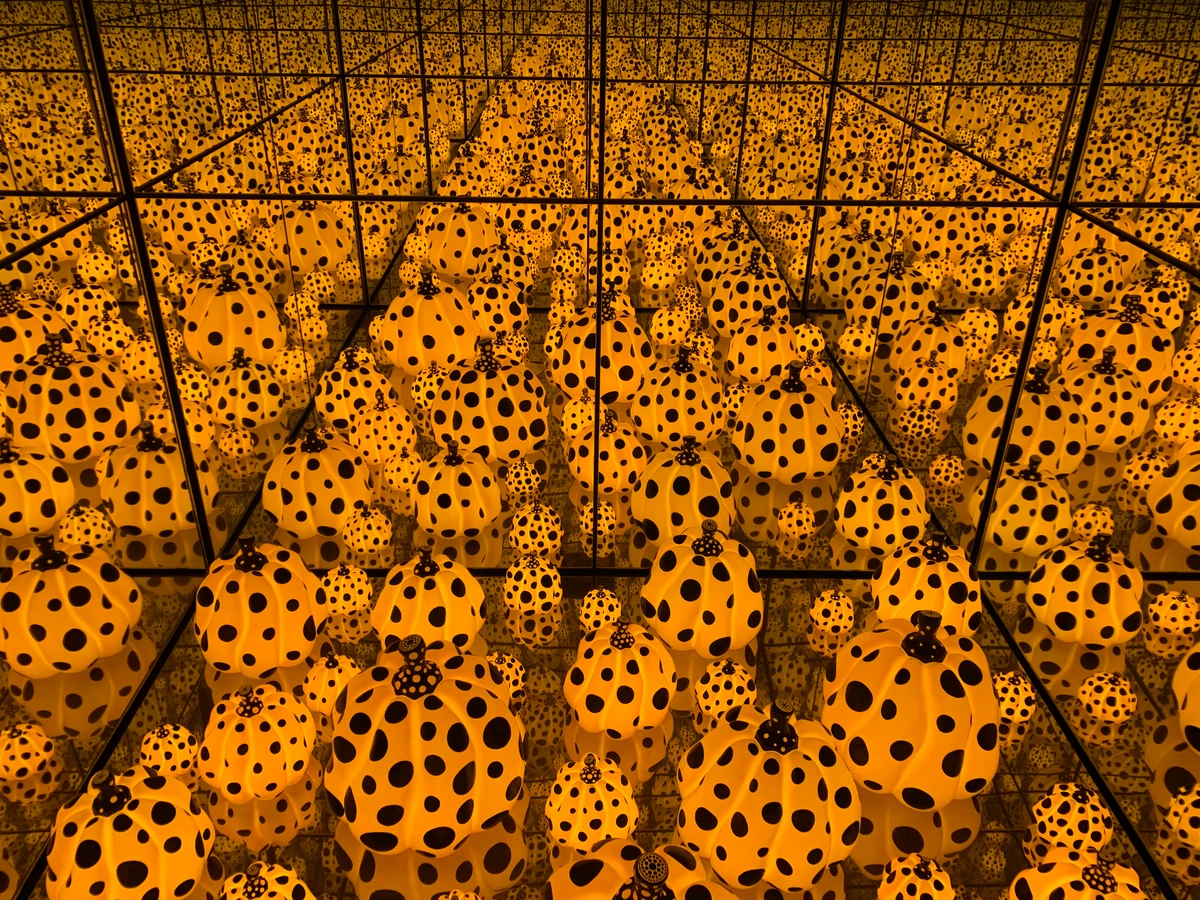
Think about Cubism. Picasso and Braque weren't just painting pretty pictures; they were taking traditional subjects, breaking them apart, and reassembling them in radical new ways. They were appropriating the very way we see and depict reality, forcing us to reconsider perspective by showing multiple viewpoints of an object simultaneously within a single plane. You can explore more about this pivotal movement in an ultimate guide to Cubism.
Then, after World War I, you had the Dadaists. Oh, those beautiful provocateurs! Marcel Duchamp’s Fountain – a urinal signed "R. Mutt" – is probably the most famous example of early appropriation. He took an everyday object, plopped it in an art gallery, and declared it art. He wasn't trying to hide that it was a urinal; he was forcing us to question what art is, who gets to decide, and the very function of artistic institutions. It was submitted to the Society of Independent Artists in 1917, where Duchamp was a board member, and yet it was controversially rejected, sparking furious debate about the very definition of art itself. Beyond Duchamp's singular act, the Dadaists as a movement were born from the disillusionment of World War I, fiercely rejecting the artistic, social, and political conventions they saw as leading to such global catastrophe. Their art was intentionally absurd, provocative, and anti-establishment, using ready-mades, collage, and performance to challenge traditional notions of beauty, logic, and the very purpose of art. They weaponized appropriation, not just to recontextualize, but to actively dismantle and ridicule the norms of their society. Pure genius, if you ask me, even if it might look like pure cheek at first glance. It's almost as if he was daring the art world to take itself less seriously, and to this day, it makes me smile just thinking about it. How does this kind of blatant provocation change our understanding of artistic intent? For more on the enduring legacy of this provocative movement, explore the enduring influence of Dadaism on contemporary art.
Pop Art's Commercial Takeover (1960s)
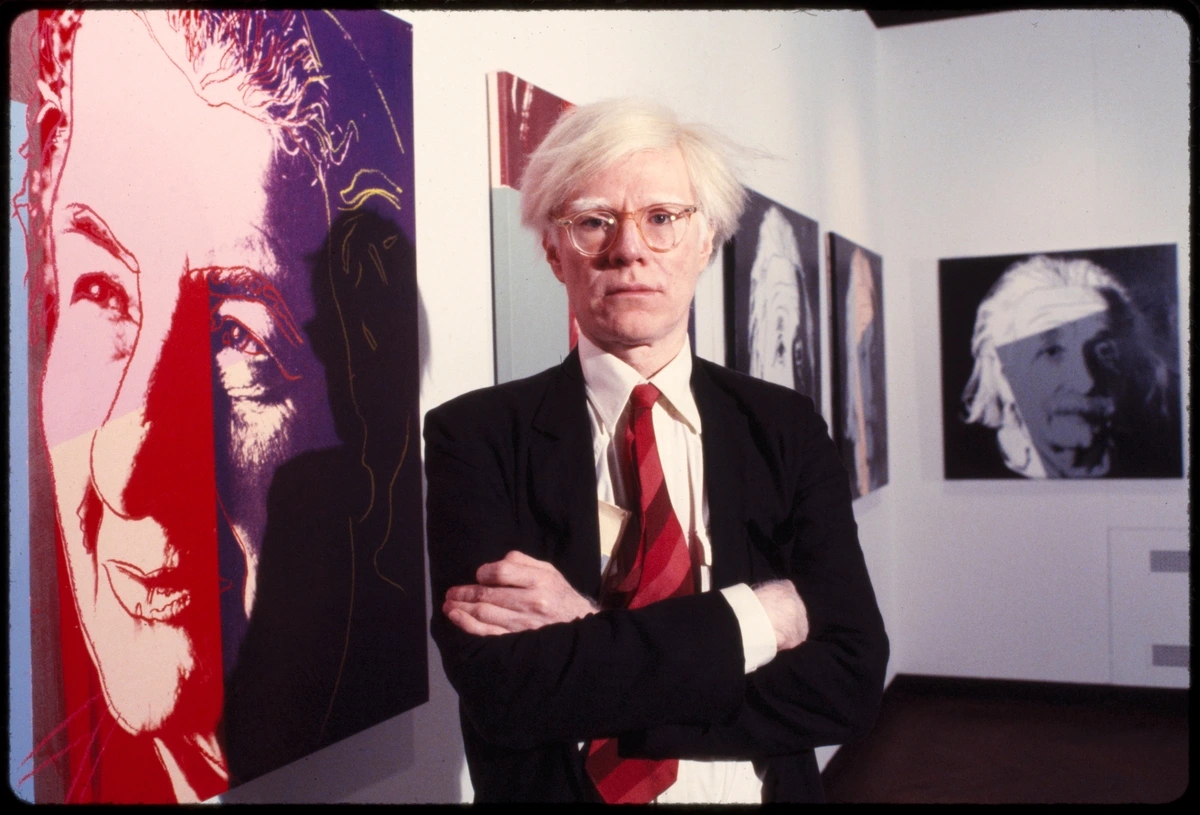
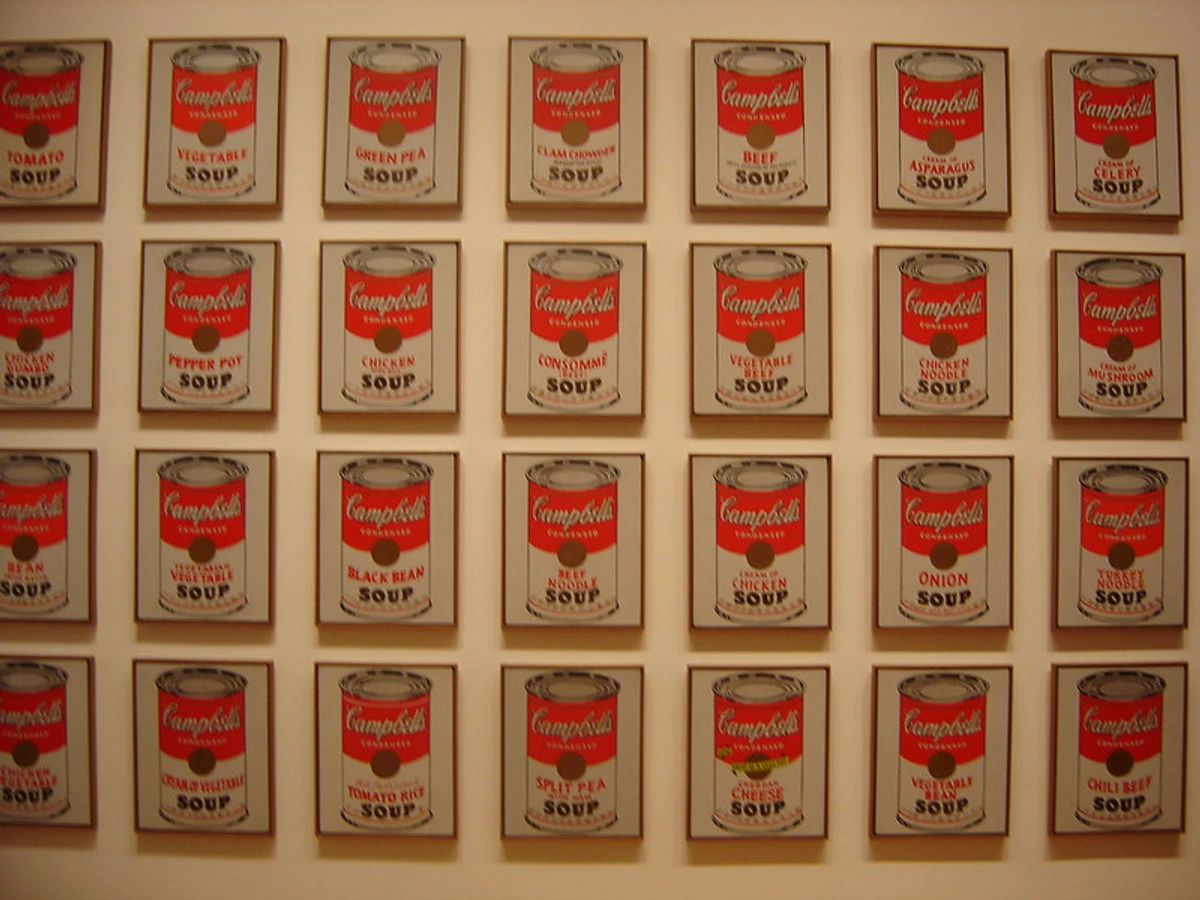
Moving from the intellectual provocations of Dada to the vibrant, often cynical, embrace of consumer culture, we arrive in the 1960s, and Pop Art explodes onto the scene. Andy Warhol and Roy Lichtenstein, those guys were the undisputed kings of appropriation. Warhol's Campbell's Soup Cans? Directly appropriated from supermarket shelves, yes, but his iconic Marilyn Monroe silkscreens took a widely circulated publicity photo and transformed it into high art. This wasn't just about changing an image; it was a profound commentary on the commodification of celebrity, the ubiquity of mass media, and the blurring lines between advertisement and art. Lichtenstein's comic book panels? Lifted straight from popular culture, often using the distinctive Ben-Day dots, but rendered in his distinct, painterly style, elevating the mundane to fine art. They were holding a mirror up to consumerism, media, and the lines between "high" and "low" art, transforming the mundane into the profoundly thought-provoking. How does this embrace of the commercial change our perception of what art can be? For a deeper dive, check out the history of Pop Art.
Post-Modern Pastiche and Beyond
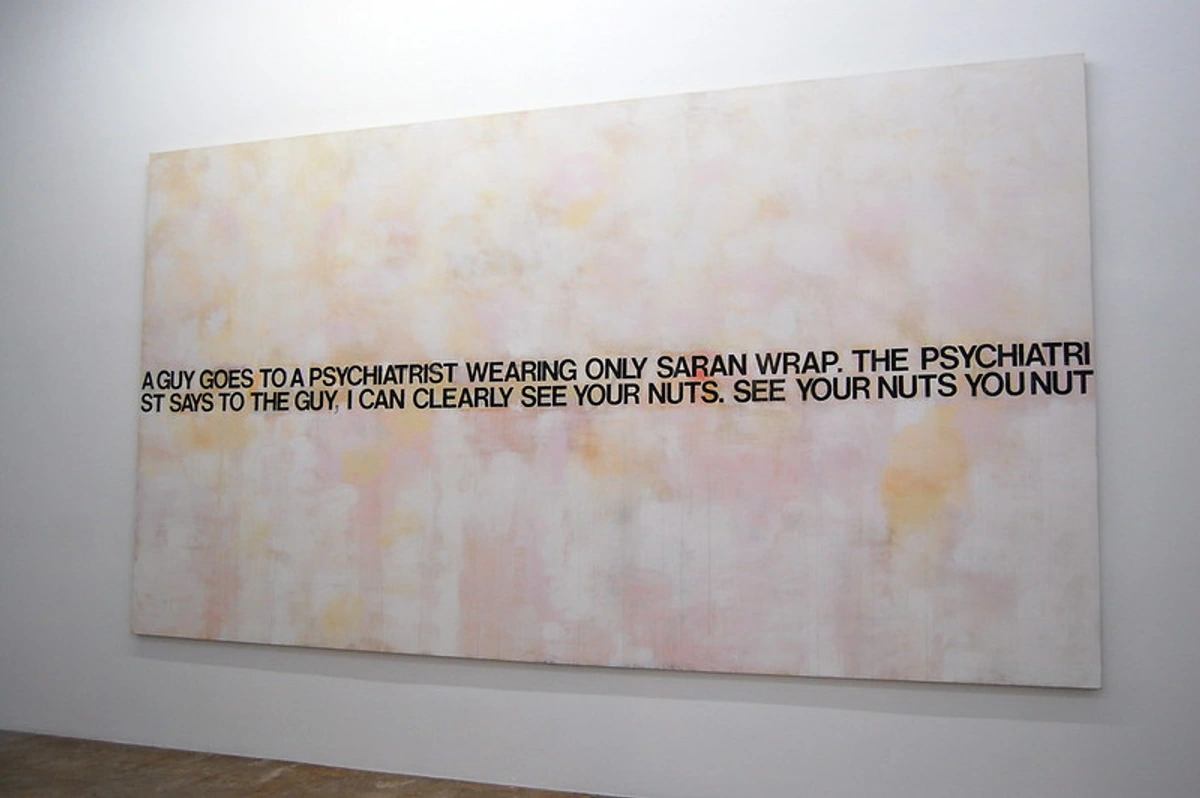
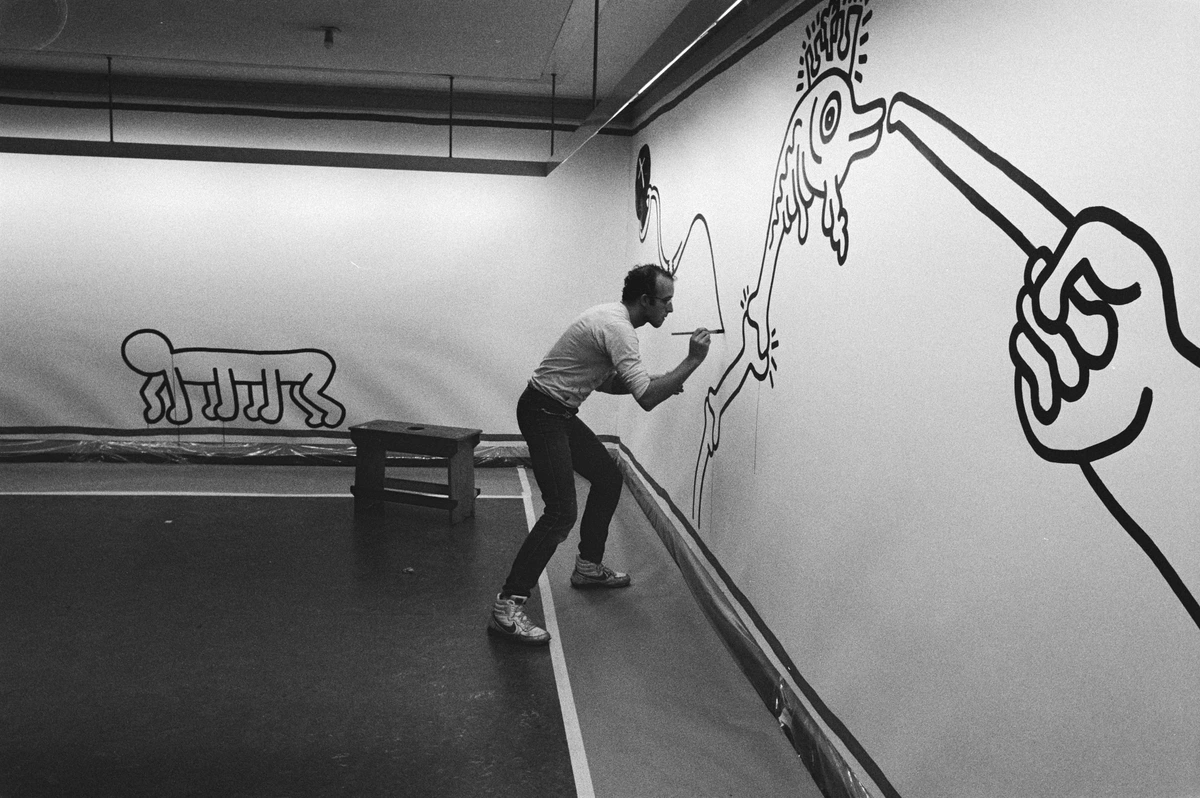
Appropriation became a cornerstone of Post-Modernism, an artistic and philosophical movement that embraced pastiche (the combining of different styles or elements) and deconstruction (taking something apart to expose its underlying assumptions). Artists like Sherrie Levine, for instance, famously re-photographed iconic works by celebrated male photographers like Walker Evans and Edward Weston, presenting them as her own. By titling her series 'After Walker Evans' (1981), she explicitly drew attention to the original source, but her act wasn't about forgery. It was a potent feminist critique, specifically questioning the male gaze and the patriarchal authorship of iconic images in art history, exposing biases in art history, and challenging the very notion of 'originality' and 'genius' in a male-dominated canon. It forced a reckoning with whose perspectives were validated and who was credited in the telling of art history. Contemporary artists continue this tradition, reinterpreting everything from classical masterpieces to internet memes, blurring the lines between creation and commentary. Think of artists who sample social media aesthetics to critique online identity, or those who create digital collages from corporate logos to comment on global capitalism. It's a never-ending well of inspiration and critique. What new stories can emerge when familiar images are placed in unexpected conversations?

Why Bother? The Artist's Intent Behind the Borrow
So, why do artists play this game of re-using and re-contextualizing? It’s rarely out of a lack of ideas (though on some lazy Tuesdays, I definitely wish I could just stick a coffee cup on a pedestal and call it a day, but I digress). Usually, it's driven by deeper motivations. These aren't just creative whims; they're often potent artistic statements:
- Critique and Commentary: Sometimes an artist appropriates an image to critique the original, the society that produced it, or a broader cultural phenomenon. They might expose hidden biases – imagine an artist taking a vintage advertisement glorifying outdated gender roles and placing it in a new, critical context, perhaps overlaying it with statistics on household labor disparity, to highlight historical sexism. It forces you to think twice about something you take for granted, shaking up our preconceived notions.
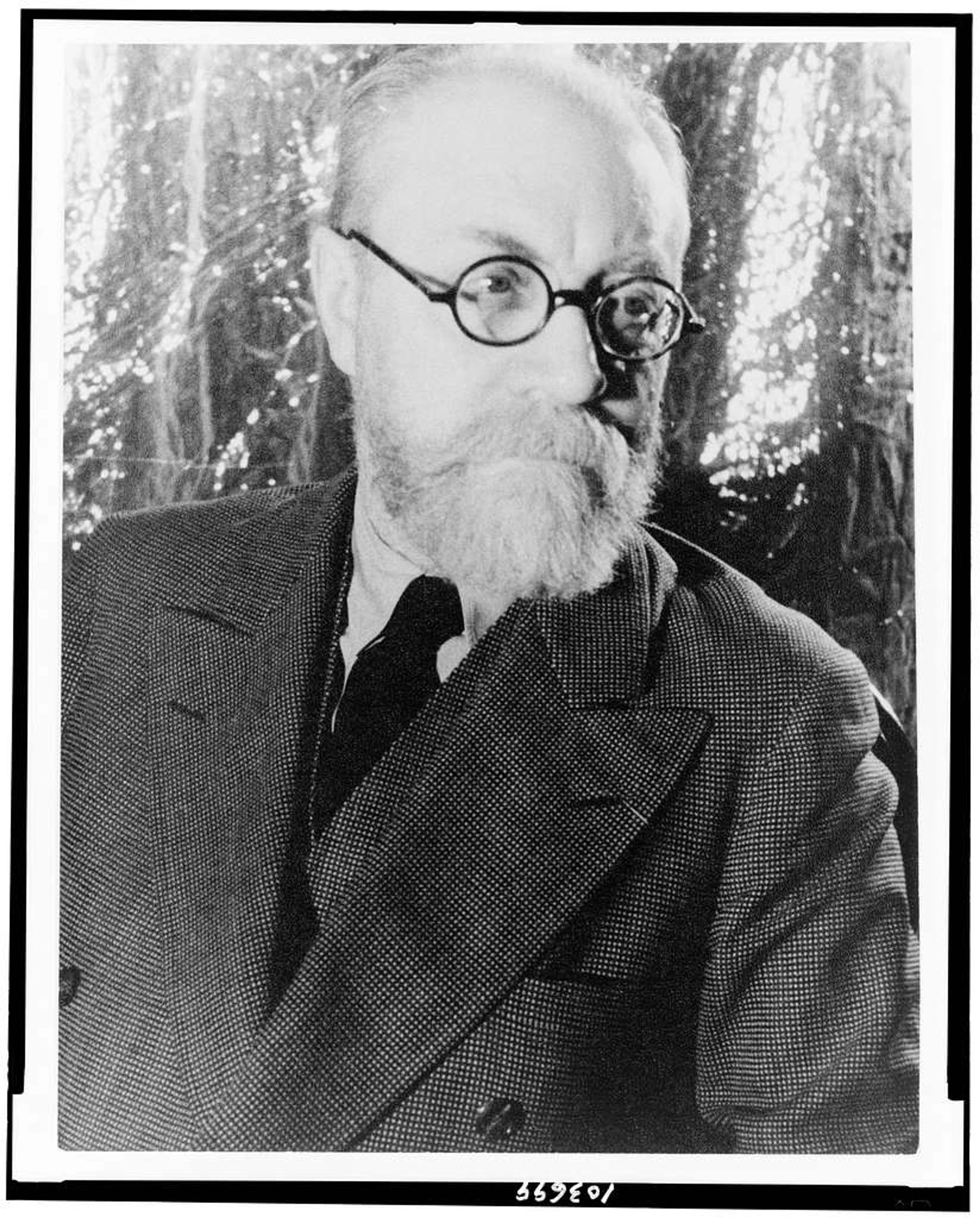
- Homage or Dialogue: Other times, it's a way of paying respect to an earlier artist or engaging in a conversation across time. It's like saying, "Hey, I see what you did there, and I want to add my voice to it." For me, in my own abstract work, sometimes a specific color palette from a historical master, even Henri Matisse, will spark an entirely new emotional direction. It’s not about copying his "Red Room," for example, but rather an emotional resonance from its bold, immersive hues that makes me think, "What if I stripped that feeling down to its pure chromatic essence – the way red dominates and embraces – and built something entirely new around it?"—a subtle form of dialogue rather than direct copying. It can also be a way to shed light on lesser-known historical artists by bringing their motifs into contemporary work, enriching our understanding of art history.

- Challenging Originality and Authorship: It often directly questions the very notion of artistic originality and authorship. In a world saturated with images, where does "new" really begin? This practice argues that meaning can be found in remixing and reinterpreting, suggesting that true innovation lies in new perspectives, not necessarily entirely new forms. It’s like admitting that all writing is just rearranging the same 26 letters, but the meaning is entirely new. Yet, a truly innovative writer might not just rearrange letters, but invent a new sentence structure or even an entirely new language to convey a unique thought, expanding the very boundaries of communication. Appropriation acts similarly, pushing us to define what "new" means in a visual landscape.
- Recontextualization for New Meaning: Taking something familiar and putting it in an unfamiliar setting changes its meaning entirely. A corporate logo in a painting, a newspaper clipping in a collage – it shifts how we perceive it, forcing a fresh look at the mundane. It’s like discovering a secret message in plain sight.
- Evoking Emotional & Intellectual Responses: Beyond overt messages, appropriation art can trigger powerful emotional and intellectual responses in viewers. The recognition of a familiar image can evoke nostalgia, discomfort, or a sudden burst of insight. It’s art that demands active engagement, asking you to bring your own context and memories to the viewing experience, creating a dialogue between the artwork, the original source, and your own psyche. How does recognizing a familiar element in a new context evoke a specific emotion or memory for you?
- Democratization and Accessibility: Appropriation can make art more accessible and relatable by using familiar imagery. By drawing from popular culture, historical archives, or everyday objects, artists can bridge gaps between "high art" and "low art," inviting a broader audience into a dialogue. It can demystify art, showing that profound ideas can arise from the ordinary.
The Sticky Wicket: Copyright, Ethics, and the Digital Age
Now, let's navigate the trickier waters – the questions that can make even experienced artists pause. This is where things get really interesting, and often, really heated. The discussions around appropriation art often swirl around:
"Is it even art?": The Age-Old Debate
Before we even get to the thorny legal bits, there’s that perennial question that haunts many artists and viewers alike: "Is it even art?" My gut reaction, often delivered with a shrug and a smile, is usually, "If it makes you stop, think, feel, or question, then yes, absolutely." For me, the medium or method isn't the point; the impact is. Art philosopher Arthur Danto famously explored how seemingly ordinary objects become art when placed within the "artworld" and imbued with meaning by an artist. The idea behind it is often more important than the physical object itself, making the intellectual spark the true art, which I find incredibly liberating. It’s a bit like wondering if a perfectly timed sarcastic comment is "literature" – maybe not in the traditional sense, but it certainly carries meaning and impact!
Copyright Infringement: The Legal Minefield
Can an artist use someone else's copyrighted work without permission? Legally, it's a minefield. The concept of "fair use" or "transformative use" often comes into play, particularly in U.S. law. Transformative use means the new work sufficiently changes the original's meaning, message, or aesthetic, adding new expression or insight. A court will typically consider four factors:
- Purpose and character of the use: Is it commercial or non-profit educational? Is it transformative? Example: A parody of a famous advertisement is more likely to be transformative than a simple reproduction used to sell a similar product, which lacks new expression.
- Nature of the copyrighted work: Is it factual or creative? Example: Using a snippet from a news report (factual) is often viewed differently than using a significant portion of a highly creative song or poem, where the creative effort is paramount.
- Amount and substantiality of the portion used: How much of the original was taken? Example: Using a small, unidentifiable part of a photograph might be fine, but using the entire recognizable image, even if slightly altered, is less likely to be considered fair use.
- Effect of the use upon the potential market for or value of the copyrighted work: Does the new work harm the market for the original? Example: If your appropriated artwork directly competes with and devalues the original by fulfilling the same market need, it's less likely to be deemed fair use. This is particularly relevant when considering commercial art versus fine art contexts.
For example, a satirical collage using snippets of a copyrighted photograph might be deemed transformative, whereas simply repainting that photograph exactly wouldn't. A landmark case often cited is Rogers v. Koons, where artist Jeff Koons was found to have infringed copyright by creating a sculpture directly based on a copyrighted photograph. This case, among others, highlights that while transformative use can protect artists, lawsuits are common, and the outcomes vary wildly depending on the specific facts and jurisdiction. My heart sinks a little thinking about lawyers and courtrooms, which is why I always recommend artists understand the basics of intellectual property and consider legal advice when in doubt. It’s a tightrope walk, for sure, and my lawyer (if I had one for every time I’ve been inspired by something online) would probably be having kittens. It's truly a dance between creativity and commerce.
Cultural Appropriation: The Ethical Crossroads
This is a particularly sensitive area, and it's not just about images. It refers to the adoption or use of elements of a minority culture by members of the dominant culture without understanding, acknowledgment, or respect for the original context. Imagine a sacred symbol from a marginalized community used purely for decorative, aesthetic appeal by someone outside that culture, completely stripped of its spiritual significance. Or consider how traditional indigenous patterns might be lifted by a fashion designer without credit or benefit to the original creators, ultimately turning sacred or significant cultural elements into mere trends or products, stripping them of their original meaning. The issue becomes even more complex when the original creators are systemically denied platforms or economic opportunities, while the appropriator gains fame and profit. This isn't just a legal issue; it's a deeply ethical one, causing real harm by trivializing profound cultural meanings and perpetuating stereotypes about a culture's artistic expression. It reduces rich heritage to a trend.
The line between respectful inspiration and harmful appropriation can be blurry, but intent and impact are key. Ethical engagement, in my opinion, involves genuine collaboration, deep research, meaningful credit, and a commitment to uplifting the original creators and culture, rather than simply consuming their aesthetics. It’s about building bridges, not just taking souvenirs. If you're drawing from another culture, ask yourself: Am I educating my audience about the source? Am I benefiting the original community? Have I sought permission or collaboration? Am I inadvertently reinforcing harmful stereotypes? Sometimes, even with good intentions, the impact can be negative, and being open to that feedback is crucial.
Appropriating Living Artists vs. The Deceased
There's a distinct ethical and legal difference between appropriating a work by a historical figure whose copyright has expired (most works typically enter the public domain 70 years after the artist's death in many jurisdictions) and a contemporary, living artist. When you appropriate a living artist's work without permission, you can directly impact their livelihood and intellectual property rights. It's not just a philosophical debate; it's about income and recognition. This is why cases like Rogers v. Koons (Jeff Koons, who is very much alive, infringing on a living photographer's work) are so potent. There’s a general understanding that art history is a wellspring of inspiration, but directly lifting from a peer without significant transformation or consent can be a very different, and often contentious, matter.
Appropriation in the Digital Age: Memes, Remixes, and AI
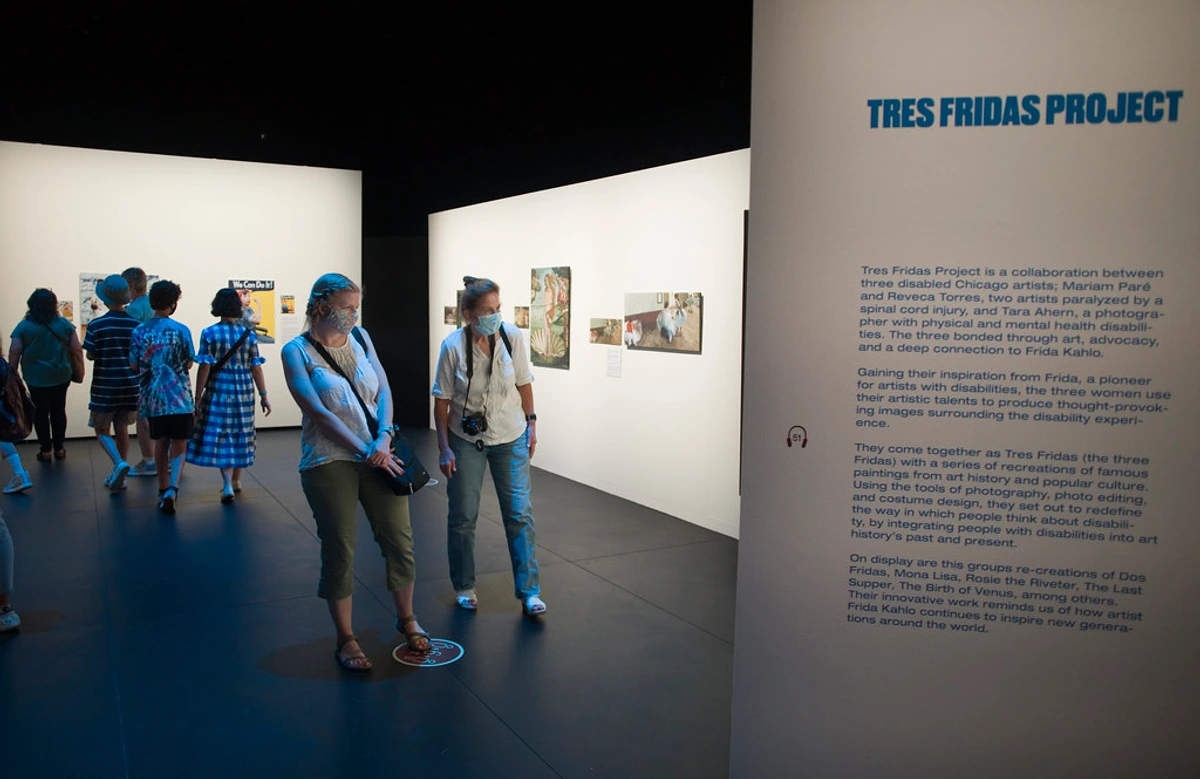
With the rise of the internet, appropriation has exploded. Memes are perhaps the most ubiquitous form of modern appropriation, taking images and recontextualizing them for humor or commentary. We live in a remix culture where digital tools make it effortless to sample, cut, and paste, creating entirely new narratives from existing fragments. TikTok trends, YouTube mashups, Instagram collages – these are all daily acts of appropriation.
Even AI art, trained on vast datasets of existing images, raises complex questions about originality, authorship, and appropriation. The critical ethical question arises: who truly owns the art generated by AI, especially when it's trained on countless existing works without explicit consent or fair compensation to the original artists? Moreover, what about AI generating art in the distinctive style of living artists without their permission? This raises serious concerns about artistic identity and economic viability for human creators. Is an AI a tool, an artist, or something else entirely? Many artists whose work has been scraped for AI training data are voicing serious concerns about copyright and fair compensation, sparking new legal battles and pushing for regulations that protect creators' rights. These are truly fascinating, evolving questions for artists today, pushing the boundaries of what 'creation' even means. For a deeper look into this new frontier, consider AI as Co-Creator: Exploring Collaborative Art Projects with Artificial Intelligence.
The Viewer's Role: Engaging with Borrowed Realities
So, how do we, as viewers, navigate this intricate landscape of borrowed realities? Instead of simply asking 'Is this original?' I encourage you to dig a little deeper. Try asking: 'What is the artist saying by choosing this specific image or object?' 'What new context have they created?' 'What assumptions about art, society, or even history is this challenging?' 'When looking at a Pop Art piece, for instance, how does its origin in mass consumer culture influence my perception of it now?' Or, 'What societal critique is subtly woven into this digitally manipulated image?' How does recognizing a familiar element in a new context evoke a specific emotion or memory for you? It’s an invitation to critical thinking, to dig deeper than surface appearances, and to participate in the ongoing dialogue that art provides. It might spark recognition, challenge your assumptions, or even provoke discomfort, but it will certainly make you think and engage.
Personally, I walk a fine line in my own work. While I create abstract art, the shapes and colors I use are undoubtedly inspired by the world around me – fragments of architecture, natural patterns, snippets of memories. Is that a subtle form of appropriation? Perhaps. It’s about taking existing elements and reinterpreting them through my own lens, giving them a new voice and meaning. Abstraction, in a way, is a constant process of appropriating reality and distilling it into its emotional or formal essence. For instance, a jagged line might not directly copy a mountain range, but it appropriates the feeling of raw, untamed nature, distilled to its visual core. If you're curious about my journey, you can always check out my artistic timeline or see some of the pieces I've poured my heart into at my art for sale. I even opened a museum in 's-Hertogenbosch to share this evolving perspective on art.




My Final Thought on the Matter...
Appropriation art, for all its controversy and complexity, is a powerful reminder that art doesn't exist in a vacuum. It's a continuous conversation, a never-ending remix of ideas, images, and interpretations. It forces us to look closer, to question authorship, to dig into what makes something "art," and to consider the profound implications of borrowed imagery. And honestly, making people stop and think, to engage deeply with an idea? That's probably one of the highest compliments any piece of art can receive. It challenges us all to be more discerning consumers and more thoughtful creators. So, next time you see something that looks familiar in an unexpected place, take a moment to ask yourself: what new story is being told here? And perhaps, like me, you'll find that the terrifying freedom of that blank canvas isn't so terrifying after all, but rather an invitation to join an age-old conversation with your own unique voice, fully aware that even in 'originality,' we're always echoing what came before – consciously or not, reinterpreting and transforming the visual symphony of our shared world.