
What Is Der Blaue Reiter? The Rebel Movement That Ignited Modern Art
Discover the vibrant chaos of Der Blaue Reiter – the artists who ditched rules to birth abstraction. Your deep dive into colors, chaos, and cosmic dreams.

What Is Der Blaue Reiter? The Rebel Movement That Ignited Modern Art
Have you ever stared at a painting and felt an emotion you couldn’t name? That gut-punch of color or whisper of line that bypasses your brain straight into your soul? That’s Der Blaue Reiter. Not just a German art group, but a seismic shift in how we experience art itself. Forget rigid rules and stuffy galleries—this was a manifesto painted in wild strokes and raw emotion. Let’s untangle this messy, brilliant movement together. You might just see the world through new eyes by the end.
The Spark: When Art Decided to Burn Rulebooks
Imagine Munich, 1911. Europe’s humming with industrial clatter and military uniforms tightening. But in a cramped studio, a quiet war is brewing. Wassily Kandinsky, a Russian ex-lawyer pushing 45, stares at one of his abstract canvases. Someone visits and scoffs, "That’s child’s play!"
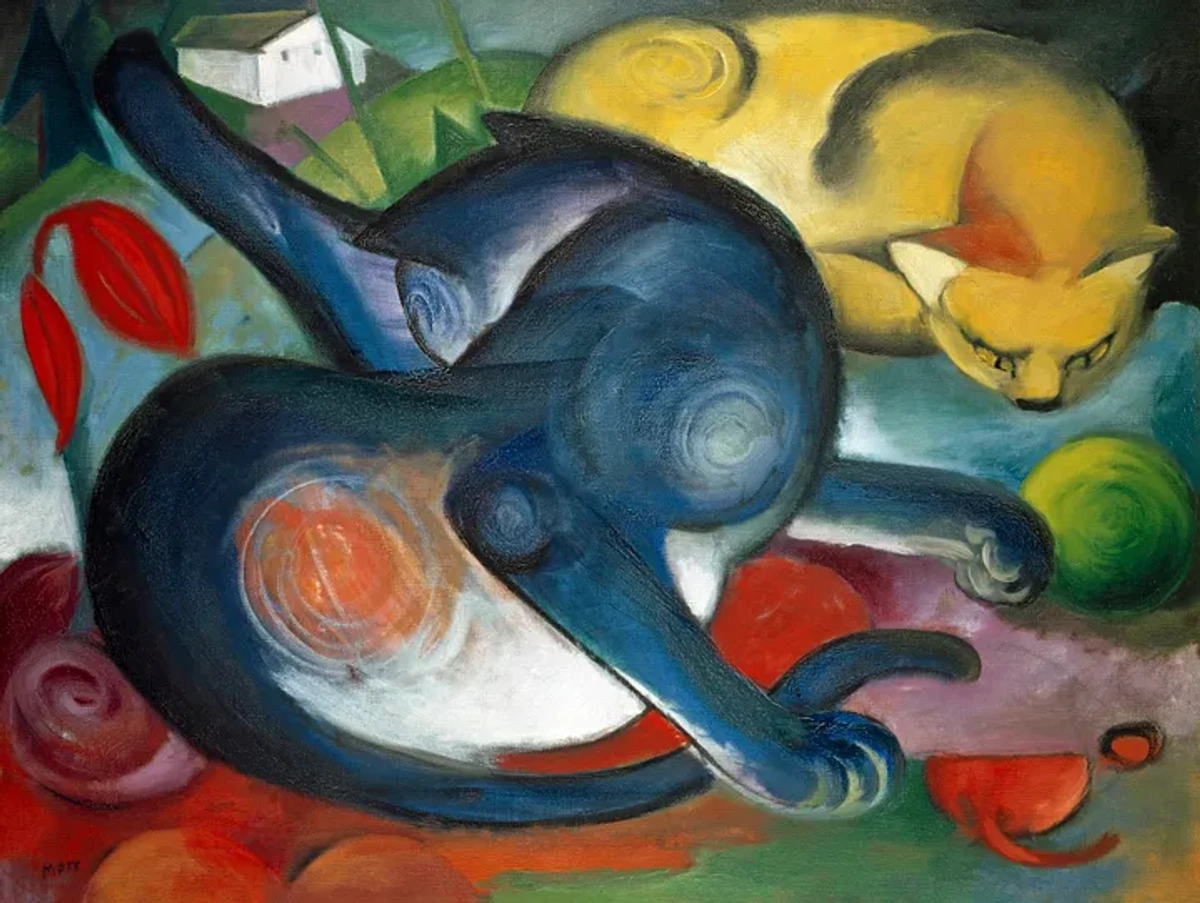
Instead of backing down, Kandinsky leans in. You call this chaos? This is how the soul dances. He teams up with Franz Marc, a painter obsessed with animals as spiritual beings. Together, they form Der Blaue Reiter (The Blue Rider). Not named after a place, but after one of Marc’s sketches—and Kandinsky’s enduring love for blue’s mystical pull. Their goal? To liberate art from its cage.
credit licence
These rebels rejected the idea that art had to be realistic. They ditched perspective, blended styles like jazz improvisations, and hunted for the “spiritual” hidden in everyday chaos. Sound familiar? It should—the echoes are everywhere, from abstract expressionism to the color explosions in contemporary art galleries.
Who Were the Riders? Key Artists Driving the Movement
Der Blaue Reiter wasn’t just Kandinsky and Marc (tragically, Marc died in WWI just three years later). It was a chaotic, brilliant tribe of iconoclasts:
Artist  | Contribution to Der Blaue Reiter | Spiritual Signature Theme |
|---|---|---|
| Wassily Kandinsky | Pioneered pure abstraction. Saw art as a path to cosmic consciousness. | Music made visible |
| Franz Marc | Painted animals as pure souls—especially blue horses. Merged spiritualism with radical color. | Nature as divine revelation |
| Gabriele Münter | Kandinsky’s partner, fearless in her use of prismatic colors. | Everyday life transcendence |
| August Macke | Blended fauvesm, futurism, and folk art. Created scenes of vibrant, lyrical humanity. | Joy as spiritual resistance |
| Paul Klee | Dreamlike hybrids of childlike naivety and geometric complexity. | Microcosms of the universe |
| Alexej von Jawlensky | Distorted faces as windows to inner worlds. | Emotion distilled into form |
I remember visiting a gallery with a friend once. We stood before a Marc painting—three blue horses gallozing toward a sun that bled orange and purple. "They’re not even real," she said, frustrated. I laughed. Exactly. They felt more real than any photograph I’d ever seen. This movement taught us that truth doesn’t always look like reality.
The Bible of Rebellion: The Der Blaue Reiter Almanac
In 1912, they unleashed their secret weapon: a self-published miscellany called the Almanac. Think of it as the group’s manifesto, manifesto, and scrapbook all in one. It wasn’t just about paintings—it was about:
- Folk art from Siberian shamans to Bavarian carvings
- Children’s drawings, valued for their unfiltered expression
- Essays on theosophy and primitive cultures
- Sketches alongside art philosophy
Their radical belief? Art, religion, and folklore all speak the same language: soul. The Almanac became their bible—a chaotic, beautiful testament to finding the sacred in the overlooked. It’s still studied today as one of the most important art documents ever. Imagine printing your own movement’s bible when galleries said you were mad. That’s audacity. That’s Der Blaue Reiter.
The Colors and Chaos: What Did Their Art Actually Look Like?
Der Blaue Reiter defied easy labeling. Their work shared vibes, not rigid styles. Think:
- Fauvism on espresso: Saturated colors applied with jagged intensity. Marc’s horses glowing like stained glass. Münter’s landscapes bleeding jewel-toned emotion.
- Expressionism soul: Distorted faces and twisted forms channeling inner turmoil—not fear, but passion. Jawlensky’s heads feel like prayers sculpted in paint.
- Pure abstraction: Kandinsky’s compositions floating in space, like musical notes given birth. Shapes vibrate with energy. Klee’s tiny universes.
- Spiritual syncretism: Byzantine icons dancing with Bavian woodcuts. Cubist geometry melting into folk art whimsy.
credit licence
I’ve spent hours staring at Klee’s works. His Twittering Machine? It’s not just a painting of birds. It’s the sound of joy, the chaos of life—all captured with a few simple lines and a wash of watercolor. That’s what they did: they made the invisible visible. It’s why this movement still feels revolutionary. We’re still chasing that feeling of seeing something beyond the literal.
The Aftermath: Why Does This Still Matter?
Der Blaue Reiter dissolved when WWI shattered its members. But its soul kept soaring:
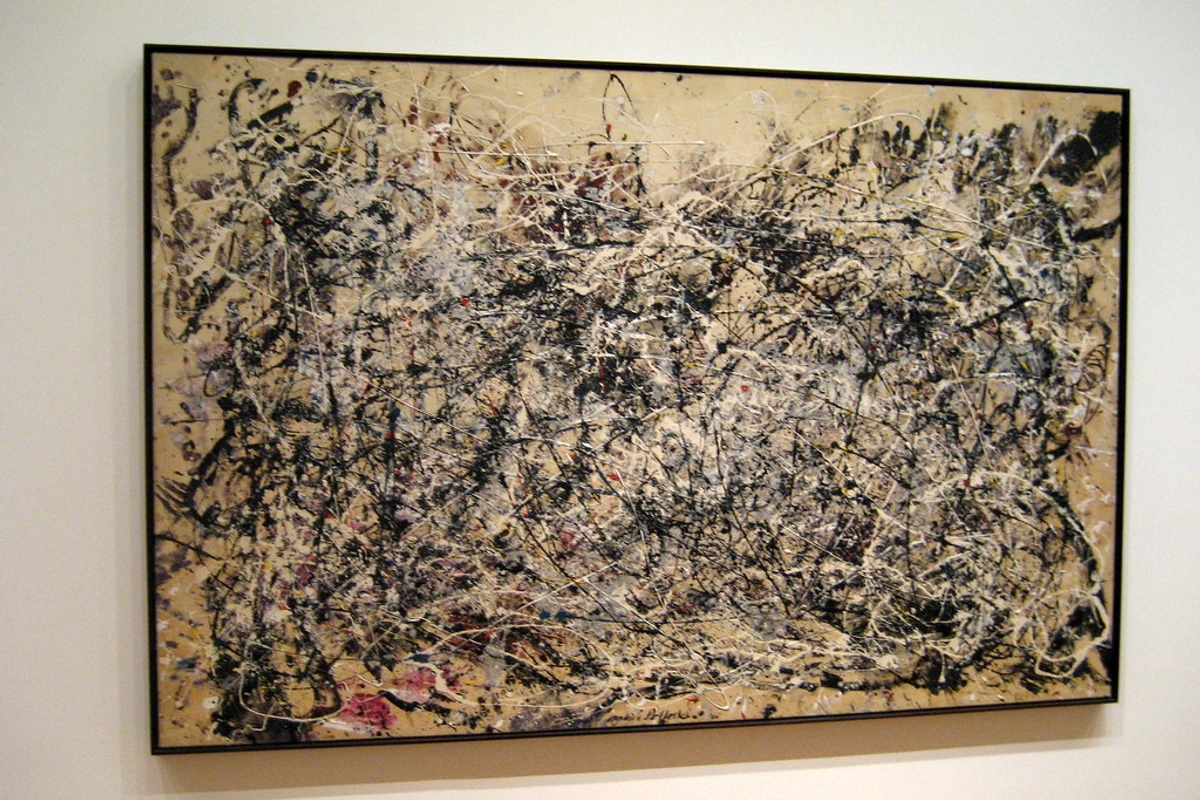
- Abstract Expressionism: Jackson Pollock’s drips? Think Kandinsky’s cosmic chaos. Mark Rothko’s color fields? Marc’s emotional devotion.
- Art Brut & Outsider Art: The Reiter’s reverence for "unedited" expression (folk art, children’s drawings) laid groundwork for art beyond the academy.
- Spiritual Art Today: The quest for transcendence in art never died. See it in everything from Zen Dageraad Visser’s works to immersive light installations.
- Color Theory Powerhouses: Their fearless use of color as emotion itself continues to dominate abstract painting.
FAQ: Your Burning Questions About Der Blaue Reiter
Q1: Was Der Blaue Reiter an official "school" of art?
A: Nope! They hated that term. No rigid rules, no shared technique. More like a gang of artists who said, "We vibe similarly. Let’s make noise together."
Q2: Why "Blue Rider"? Is it a secret code?
A: Ha! Less code, more poetry. Kandinsky loved blue’s spiritual weight (it felt infinite to him). Marc drew a rider astride a blue horse. It stuck. Simple as that. Mystique minus the rigidity.
Q3: Are they connected to the "Blaue Reiter" gallery in Munich?
A: The group’s name inspired the gallery later (opened in 1917 by art dealer Gurlitt). But the collective itself was short-lived (1911-1914). Galleries came later; the collective was pure spirit.
Q4: Did women play a role? The list seems mostly male.
A: Great catch! Women were crucial. Gabriele Münter, Marie Schnür, Sophie Täuber-Arp—their work was instrumental. But like with most art history, their names got buried. The Reiter embraced their input; time forgot them.
Q5: Can I see their art today?
A: Absolutely! Major holdings live at:
- Lenbachhaus, Munich: The group’s spiritual home. Hundreds of works, archives, and even Kandinsky’s studio!
- The Blue Rider Room: Dedicated galleries at museums worldwide (Guggenheim, Tate etc.).
- Online: Dive into their digital archives—color explosions await.
Your Turn: See the World Through Their Eyes
Der Blaue Reiter wasn’t a style—it was a revolution of perception. They didn’t just paint pictures; they opened doors for emotions to wander freely. Next time you’re in a gallery, let color be your compass, not your cage. Ask yourself: What feeling does this shape whisper? That question is their legacy.

You carry it now too—seeing beyond the surface, feeling deeper than form. That’s their gift. Always has been. Always will be.



Explore more art movements that shook the world on our art timeline or find your own emotional resonance in our collection.
Further Reading and Resources
For those who want to dive deeper into the world of Der Blaue Reiter, here are some excellent resources:
Essential Books:
- The Blaue Reiter Almanac (edited by Kandinsky and Marc) - The original manifesto of the movement
- Wassily Kandinsky: Concerning the Spiritual in Art - Kandinsky's foundational text on art and spirituality
- Franz Marc: Theory and Painting - Marc's writings on animal symbolism and spiritual art
- Paul Klee: Notebooks - Klee's thoughts on art, creativity, and the relationship between form and meaning
Documentaries and Films:
- The Blue Rider: Revolution of the Spirit - A comprehensive documentary on the movement
- Kandinsky: The Path to Abstraction - Explores Kandinsky's journey from representation to abstraction
- Marc: Horses of the Soul - Focuses on Marc's animal paintings and their spiritual significance
Museum Websites and Digital Collections:
- Lenbachhaus, Munich: Home to the world's finest collection of Der Blaue Reiter art
- Guggenheim Museum: Extensive online collection of German Expressionist and Blue Rider works
- Tate Modern: Excellent resources on early 20th-century German art
- Google Arts & Culture: High-resolution images and virtual exhibitions
The Enduring Relevance of Der Blaue Reiter
As we navigate an increasingly digital and disconnected world, the spiritual dimension of Der Blaue Reiter feels more relevant than ever. In an age where we're bombarded with images but starved for meaning, their reminder that art can be a pathway to the spiritual and the transcendent is profoundly needed.
Their embrace of folk art, children's drawings, and non-Western traditions also speaks to our contemporary moment, as we increasingly recognize the value of diverse cultural perspectives and "outsider" voices. They understood that spiritual authenticity wasn't the exclusive property of any particular culture or class.
Perhaps most importantly, Der Blaue Reiter reminds us that art doesn't need permission. It doesn't need approval from critics or institutions. It just needs authenticity and courage. In a world that often values polish over passion, conformity over creativity, their message remains revolutionary: trust your vision, follow your inner necessity, and let your art be a bridge between your soul and the world.