Franz Marc: The Definitive Guide to the Blue Rider's Visionary Quest into the Soul of Animals and Color
Uncover Franz Marc's profound artistic journey: co-founder of Der Blaue Reiter, master of symbolic color theory, his unique animal symbolism, and lasting impact on German Expressionism and abstract art.

Franz Marc: The Definitive Guide to the Blue Rider's Visionary Quest into the Soul of Animals and Color
Sometimes, I look at art and I don't just see shapes and colors; I feel a shift, a profound understanding of a worldview beyond my own. That's exactly how I feel when I encounter a painting by Franz Marc. He wasn't simply painting subjects; he was on an earnest, spiritual quest, striving to capture the untainted wisdom and spiritual essence of animals, believing they held keys to deeper cosmic truths. This article, then, isn't just about an artist's biography; it's an invitation to journey into a profound philosophy, a quest where paint and canvas become a divining rod for universal connections.
Marc was, without a doubt, a pivotal figure in one of the most intellectually vibrant and emotionally charged periods in modern art: German Expressionism. More than just another talented painter, he was a relentless seeker, a profound thinker, and a co-founder of Der Blaue Reiter (The Blue Rider) – a name that still rings with such poetic resonance, don't you think? To truly grasp Marc's genius, we have to understand that his artistic practice was, at its core, a spiritual endeavor, with his brush and palette not merely tools for creation, but instruments for wrestling with profound questions about humanity's fractured relationship with nature, the interconnectedness of all living things, and the urgent possibility of artistic and spiritual renewal in a world increasingly consumed by materialism. He was, in a sense, an artist-prophet, channeling unseen truths.
The Genesis of a Vision: From Academic Rigor to Spiritual Awakening
Born in Munich in 1880, Franz Marc's early artistic journey might surprise you with its conventionality. He came from an artistic family – his father a landscape painter, his mother a devout Calvinist. I often wonder how much that combination, artistic sensibility tempered by strict spiritual discipline, shaped his early inclination towards profound inquiry. He diligently enrolled in the Academy of Fine Arts in Munich, immersing himself in the traditional techniques of academic realism: mastering anatomy, perspective, and precise representation. This was, as you can imagine, a world of exactitude and convention, where art aimed to mirror the visible world with meticulous detail. While it provided an impeccable technical foundation – a craftsman's skill, if you will – the prevailing artistic atmosphere, often clinging to stale academic conventions or the decorative whims of Jugendstil, could only hold an artist destined for electric-blue horses for so long. You can almost feel the inherent tension, a vibrant spirit yearning for something far beyond mere faithful representation.
The real ignition, the spark that irrevocably altered his trajectory, came during a series of transformative trips to Paris, particularly in 1907. Imagine being a young, earnest German artist, steeped in the rather sombre traditions of his homeland, and then suddenly being confronted with the explosive, subjective palettes of Vincent van Gogh and the primal symbolism of Paul Gauguin. It must have been like stepping from a monochrome existence into a symphony of technicolor! Van Gogh’s audacious brushwork and raw emotional intensity—think of the swirling, impastoed skies in his later works—didn't just show Marc that color could describe things; it revealed that color was a potent force for feeling things, for communicating inner states. Gauguin, on the other hand, with his search for untouched cultures and spiritual purity, his use of bold outlines and flattened forms (a technique known as Synthetism, where artists synthesize external appearances with subjective feelings rather than just depicting reality), resonated deeply with Marc's nascent longing for a world uncorrupted by modernity. Synthetism, in particular, offered Marc a profound revelation: a way to transcend optical realism and distill forms to their spiritual essence, rather than simply rendering their physical appearance. This was the moment the fuse was lit, igniting a fervent desire to break free from academic constraints and unearth a more profound, spiritual truth through art.
He returned to Germany ablaze with a new mission: to forge an artistic language capable of expressing the spiritual longing and existential anxieties that defined early 20th-century Europe. This was a period of immense anxiety, rapid industrialization, and burgeoning nationalism, certainly, but also one of profound intellectual ferment. Think of Nietzsche challenging conventional morality with his concept of the Übermensch (the 'Overman' or 'Superman', representing an ideal of human potential beyond conventional morality), or Bergson exploring the nature of time and intuition as a direct spiritual experience, often emphasizing the élan vital – the vital impulse driving all life. Even the scientific revolutions of Einstein and Planck, shattering Newtonian certainties about a predictable universe, contributed to a shifting perception of reality. This intellectual climate pushed many artists towards introspection and radical forms of expression, seeking new ways to articulate the unseen and the subjective. I can clearly see how Nietzsche's vitalism, his celebration of raw life force and instinct, would resonate with Marc's almost primal connection to animals. Similarly, Bergson's emphasis on intuition and the 'élan vital' mirrored Marc's quest to capture the inherent life force and spiritual energy of his animal subjects, moving beyond mere intellectual observation. You can sense a similar undercurrent in the searing intensity of predecessors like Edvard Munch, whose psychologically charged art often feels like a raw scream against the modern condition.
The Blue Rider's Rebellion: Forging a Spiritual Path to Abstraction
Back in the vibrant, if sometimes stifling, artistic ferment of Munich, Marc found his intellectual and artistic soulmate in the Russian artist Wassily Kandinsky. Kandinsky, too, was on an audacious journey toward abstract art, convinced that art, much like music, possessed the power to communicate pure emotion and spiritual realities without needing to represent the physical world at all. This shared conviction — that art could be a direct conduit to the divine, a balm for the soul in an increasingly materialistic age — formed the bedrock of their revolutionary collaboration. They exchanged letters, ideas, and even published theoretical writings that would shape the course of modern art, with Kandinsky's Concerning the Spiritual in Art serving as a foundational text for their shared philosophy.
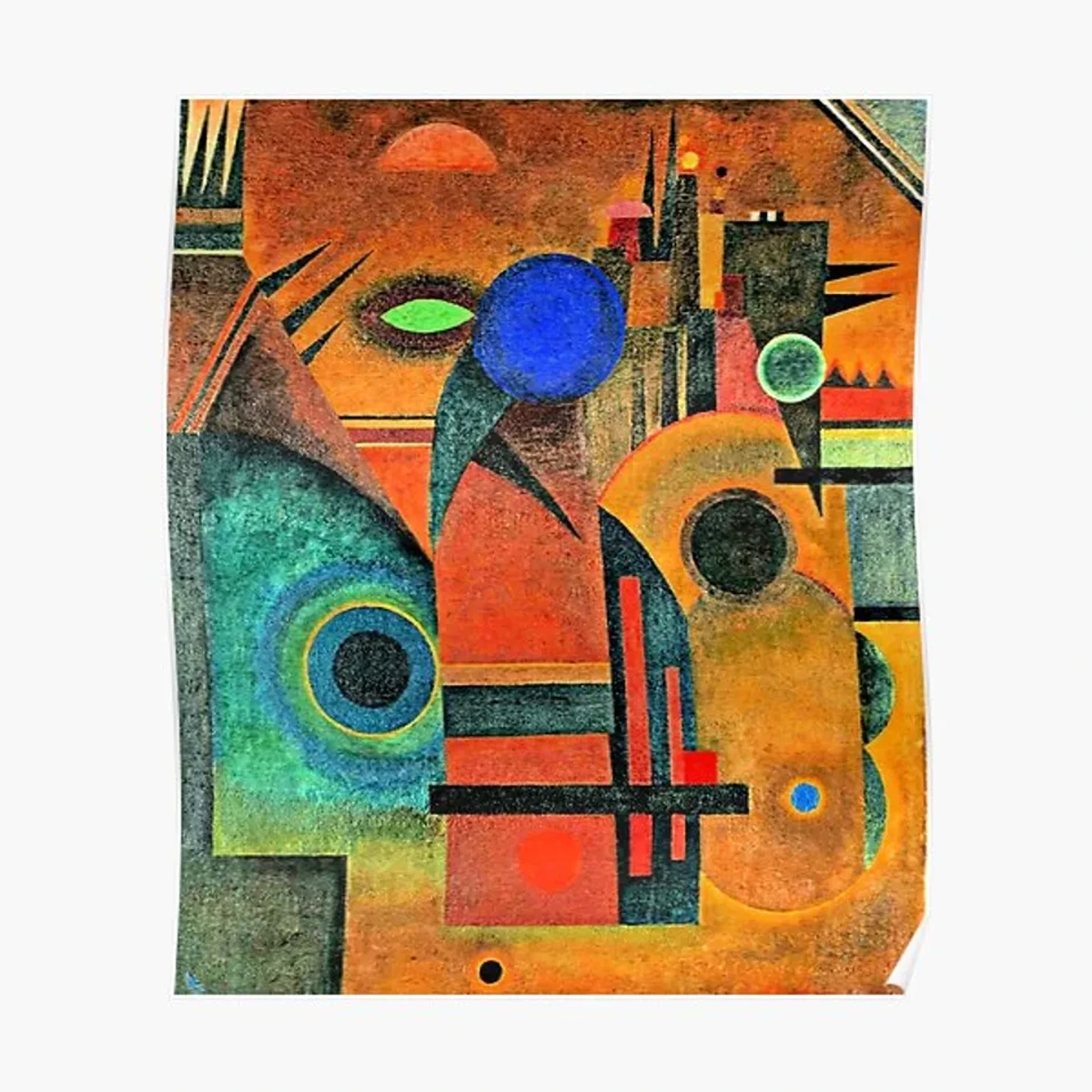
They both initially belonged to established artist associations, but their patience for conservative juries and traditional aesthetics quickly wore thin. In a moment that always makes me smile with a kind of defiant admiration, after a painting by Kandinsky was controversially rejected from a major Munich exhibition in 1911 due to its perceived radicalism, they'd simply had enough. Rather than lamenting, they stormed out and, with characteristic Expressionist zeal, decided to host their own counter-exhibition. This bold act of artistic insubordination became the very first Blaue Reiter exhibition, a beacon for kindred spirits and a clear declaration of their break from the artistic establishment.
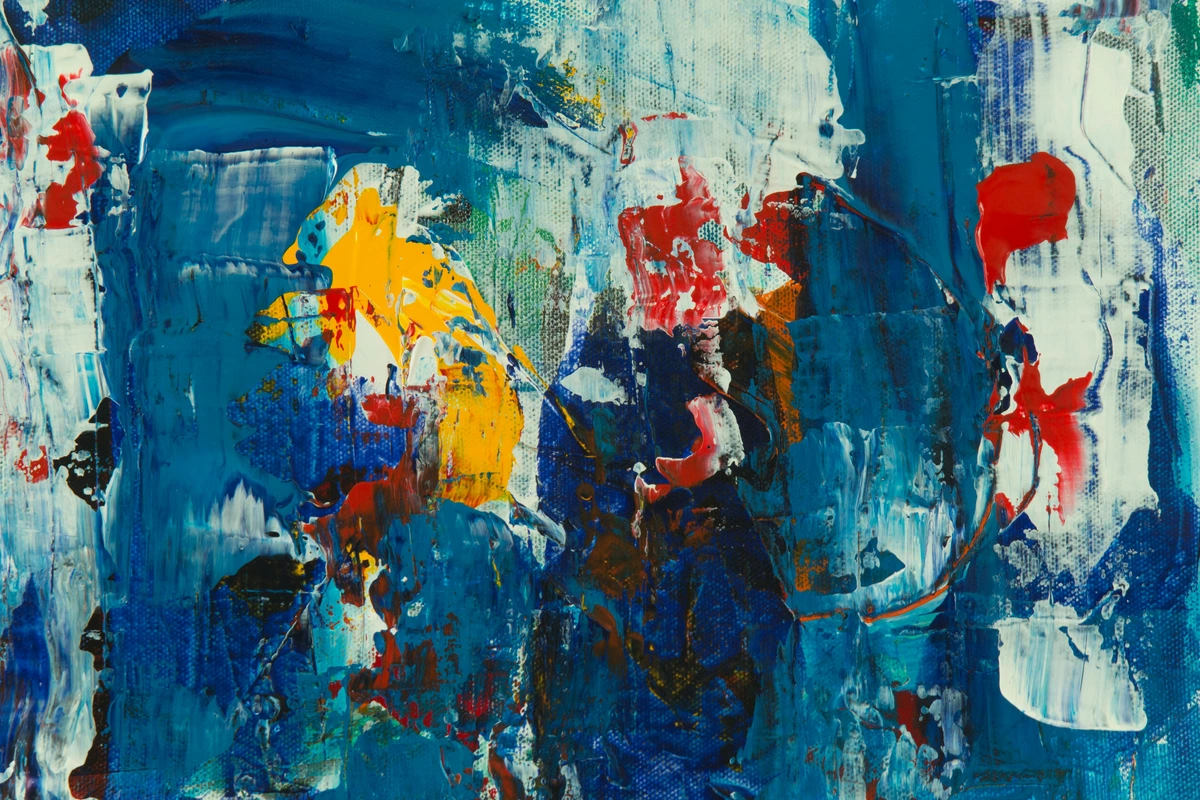
The name itself, Der Blaue Reiter, tells you a good deal about their ethos. It wasn't some ponderous, academic declaration. It sprang from a seemingly casual conversation between Kandinsky and Marc, where Kandinsky mentioned his deep love of riders and Marc his profound connection to horses. Both shared an affection for the color blue, which held significant spiritual connotations for them – for Marc, blue often represented the spiritual and intellectual, while for Kandinsky, it evoked a deep, celestial longing. This origin, almost childlike in its simplicity and directness, belied the profound impact of a movement that would fundamentally shift the course of art history. Other prominent artists who shared their vision and contributed significantly included Gabriele Münter, known for her bold, direct Expressionist landscapes and portraits often influenced by Bavarian folk art, and August Macke, who brought a lyrical, almost Fauvist sensibility to his vibrant scenes of urban life and figures, often capturing a joyous, harmonious relationship with nature. Their diverse styles enriched the movement, proving that a shared spiritual impulse could manifest in varied visual languages. What a beautiful idea, that a shared vision can blossom in so many different ways!
Der Blaue Reiter was never a monolithic movement with a rigid manifesto, like the focused theories of the Cubists or the aggressive declarations of the Futurists. Instead, it was more of an almanac, a loose collective, a spiritual gathering for artists who shared common sensibilities. Their shared core beliefs, which I find incredibly resonant even today, included:
- The primacy of inner truths and subjective experience over a mere depiction of external reality. For them, true reality lay beyond what the eyes could see, residing in the spirit.
- The profound spiritual power of art to transcend the materialistic tendencies of modern society and offer healing and renewal. They genuinely believed art could elevate the human spirit, a radical notion in a rapidly industrializing world.
- A fervent belief in the interconnectedness of all arts, particularly painting and music, seeing them as different manifestations of a universal creative spirit. Kandinsky, for example, often spoke of 'color music' and sought to evoke symphonic sensations in his abstract compositions, a concept I find truly mesmerizing.
- A deep appreciation for so-called “primitive” art, folk art, and even children's drawings, which they felt possessed a raw authenticity and spiritual purity that had been lost in Western academic traditions. They admired the directness and lack of pretension, a quality they sought to recapture in their own sophisticated works. For them, it was a return to essential forms and genuine feeling, unburdened by academic rules. Specific examples that inspired them included African masks, with their bold, abstracted forms and spiritual charge; Oceanic sculptures, which conveyed powerful ancestral energies through simplified, emotionally resonant shapes; and Bavarian folk paintings, which demonstrated an unpretentious, direct connection to local spiritual narratives. They saw these as pure expressions of the soul, uncorrupted by academic dogma.
Der Blaue Reiter vs. Die Brücke: Two Distinct Echoes of German Expressionism
To fully appreciate Der Blaue Reiter, it helps to understand its context within the broader landscape of German Expressionism. While both movements shared a common rejection of academic art and a fervent desire to express inner feelings, another prominent group, Die Brücke (The Bridge), approached these goals with a distinctly different temperament. I've always found this contrast fascinating, like two different emotional responses to the same tumultuous era: one introspective and mystical, the other confrontational and raw. Der Blaue Reiter sought a spiritual escape and renewal through art, aiming for abstraction and cosmic harmony, while Die Brücke confronted the anxieties of urban life head-on, often with a raw, primal energy and pointed social critique. It's a fundamental difference in how artists chose to engage with the world – an internal or external focus.
Feature  | Der Blaue Reiter (The Blue Rider) | Die Brücke (The Bridge) |
|---|---|---|
| Location | Munich | Dresden & Berlin |
| Tone | Spiritual, lyrical, mystical, focused on introspection and harmony with nature; a search for purity and cosmic unity. | Urban, raw, confrontational, focused on psychological angst, social criticism, and primitive vitality; a yearning for revolution and the shattering of societal norms. Artists like Ernst Ludwig Kirchner, with his jarring street scenes, and Emil Nolde, with his raw masks, exemplified this visceral approach. |
| Goal | To find a new spiritual reality through art, moving towards abstraction and cosmic unity, embracing the unseen. | To form a 'bridge' to a new, more authentic future by shattering existing conventions and challenging societal norms, embracing direct, often unsettling realities. |
| Artistic Focus/Subject Matter | Animals, nature, abstraction, spiritual symbols, cosmic unity, inner harmony. | City life, nudes, psychological portraits, street scenes, alienation, human condition, sometimes raw and grotesque. |
| Key Artists | Wassily Kandinsky, Franz Marc, Gabriele Münter, August Macke. | Ernst Ludwig Kirchner, Karl Schmidt-Rottluff, Erich Heckel, Emil Nolde. |
The Untamed Language: Animals as Spiritual Guides and the Symphony of Color
This is where Franz Marc truly carved out his unique artistic universe. He developed a profound disillusionment with humanity, viewing modern urban life and its values as increasingly ugly, materialistic, and spiritually bankrupt. While others turned to depicting the harsh realities of city life, Marc saw solace and purity elsewhere. Animals, in his eyes, were diametrically opposed to this human failing – they were innocent, pure, and held an unblemished, intuitive connection to God and the natural world. He famously articulated this belief, asking, "How does a horse see the world, or an eagle, a doe, or a dog?" It's a question that, when I first read it, really made me pause and rethink my own perception of consciousness beyond the human, urging me to look past surface appearances and imagine an entirely different way of being.
He wasn't interested in anatomical correctness or realistic representation. His goal was far more ambitious: to paint the world from the animal's perspective, to capture its intrinsic inner life force, its very soul – that untamed, innocent spirit. To achieve this, he developed a deeply personal and symbolic system for how artists use color, treating each hue not just as a visual element, but as a carrier of profound spiritual meaning. It was, in essence, his spiritual grammar, a coded language to unlock the cosmic order, deeply influenced by thinkers like Rudolf Steiner and his Anthroposophy. Steiner's complex spiritual philosophy, which explored humanity's spiritual evolution and the hidden forces of nature, provided a robust framework for Marc to imbue colors with moral and metaphysical properties, making them living characters in his artistic narratives. Steiner's concepts of colors as carriers of spiritual vibrations, and his exploration of the etheric (life force) and astral (emotional/soul) bodies of animals, allowed Marc to believe he was depicting the true essence of a creature, not just its physical form, thereby reconnecting with elemental, cosmic forces that he felt humanity had lost. It's an incredible ambition, isn't it? To try and paint the soul itself.
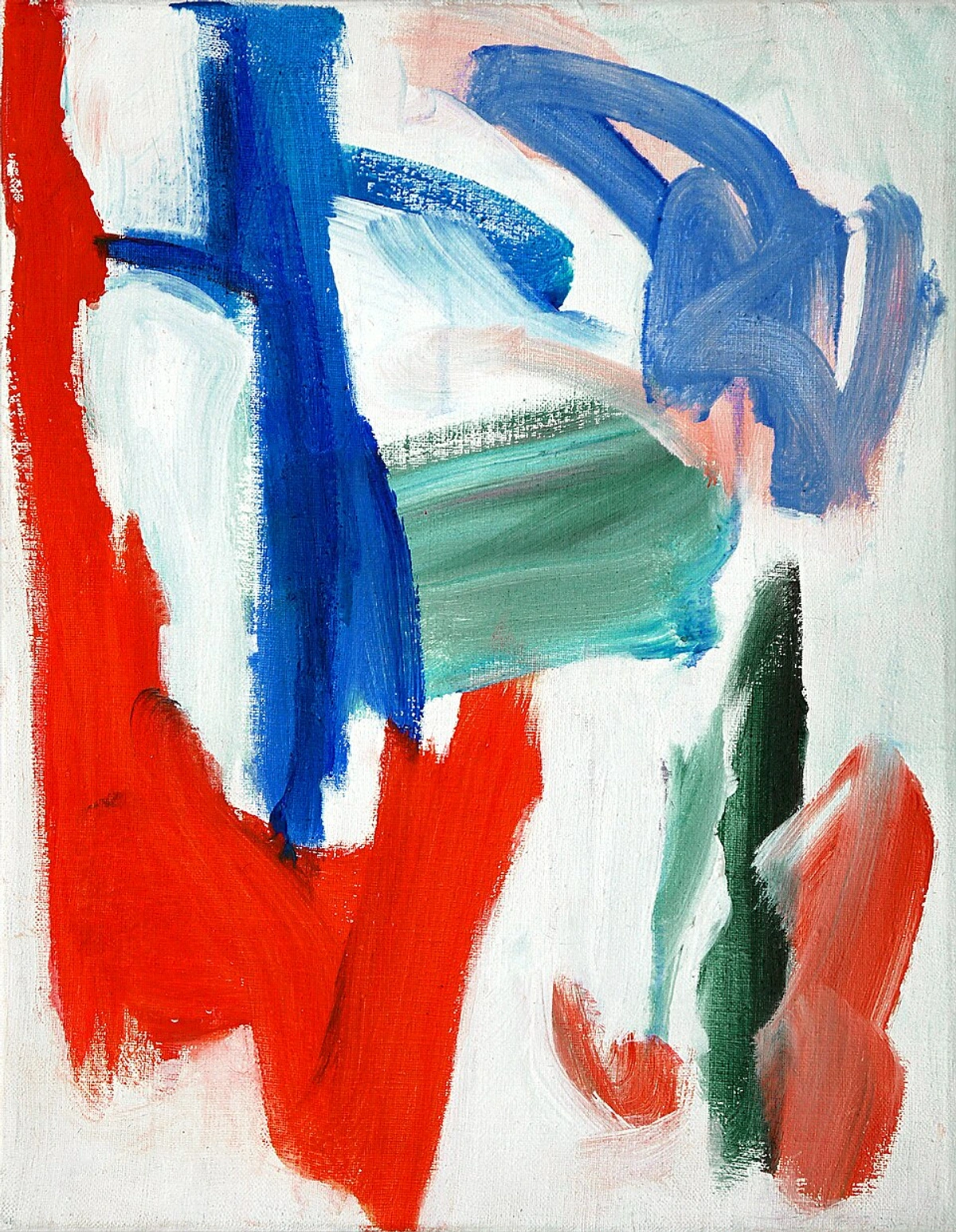
Marc's Symbolic Color Theory: A Spiritual Palette
For Marc, colors were not mere decoration; they were living characters in a grand play, each imbued with its own personality, symbolic meaning, and spiritual resonance. This wasn't some arbitrary choice; it was rooted in a blend of personal intuition, contemporary spiritual philosophies (like Anthroposophy), and a deep understanding of universal energies. He wasn't just assigning colors; he was tapping into their inherent forces, their very 'being', to communicate the unseen, the spiritual vibrations of the universe.
Color | Marc's Symbolic Meaning | My Interpretation & Broader Association |
|---|---|---|
| Blue | The masculine principle, severe, spiritual, and intellectual. For Marc, it signified strength and depth, connecting to the divine and the eternal. It was the color of spirit and cosmic unity. | For me, it evokes the profound depth of deep thought, the vast, encompassing sky, and the endless, mysterious ocean. Historically, blue has often been associated with the divine, loyalty, and transcendence. It feels like a quiet, internal, yet incredibly powerful force, a silent strength. |
| Yellow | The feminine principle, gentle, serene, sensual, and joyful. It represented earthly happiness, warmth, and the nurturing aspects of existence. | I see it as the feeling of pure sunlight on your face, an embrace of warmth, optimism, and life-giving energy. It's often linked to warmth, optimism, growth, and spontaneous joy. It feels like a welcoming, open embrace, a vibrant celebration of life unfolding. |
| Red | Matter, brutal, heavy, and the color that must be overcome. It symbolized violence, raw passion, and the material world's harshness, often representing earthly conflict and suffering. | This is undeniably the color of raw passion, visceral blood, and blaring alarm bells – a stark representation of earthly conflict and struggle, something to be transcended or, as Marc's later work shows, something that tragically consumes itself. It feels like a warning, a force that can overwhelm and destroy, a fire that can burn out of control. |
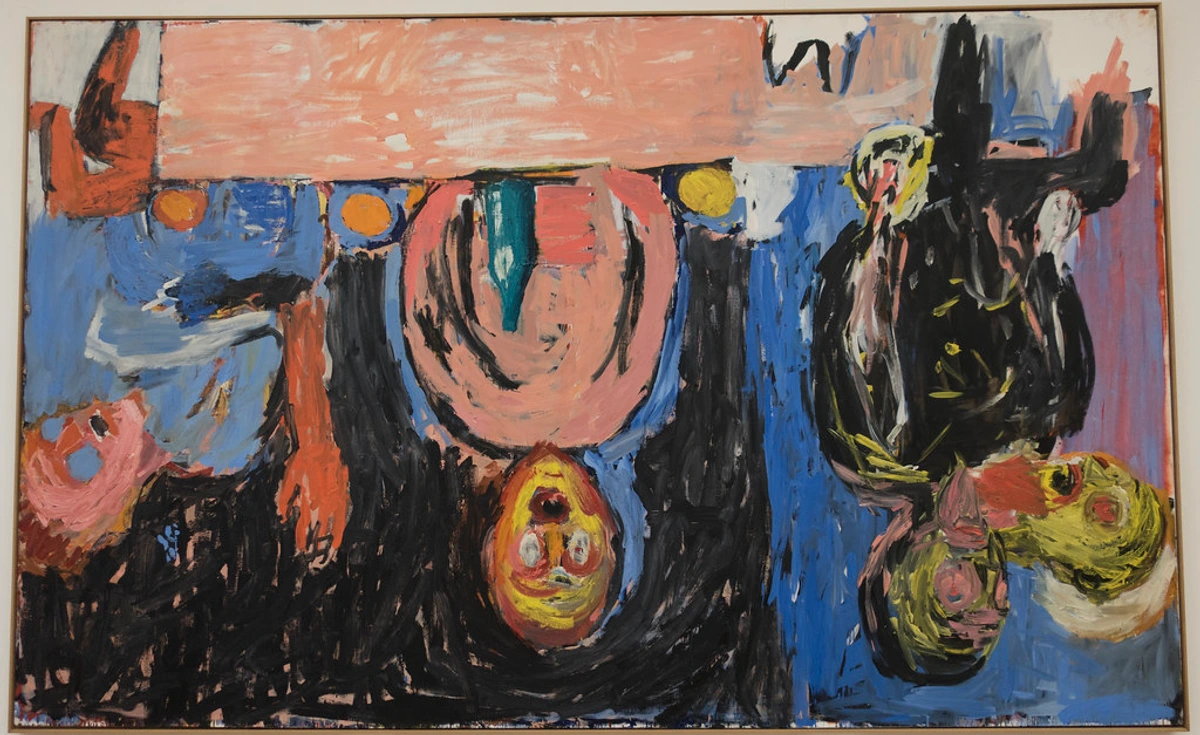
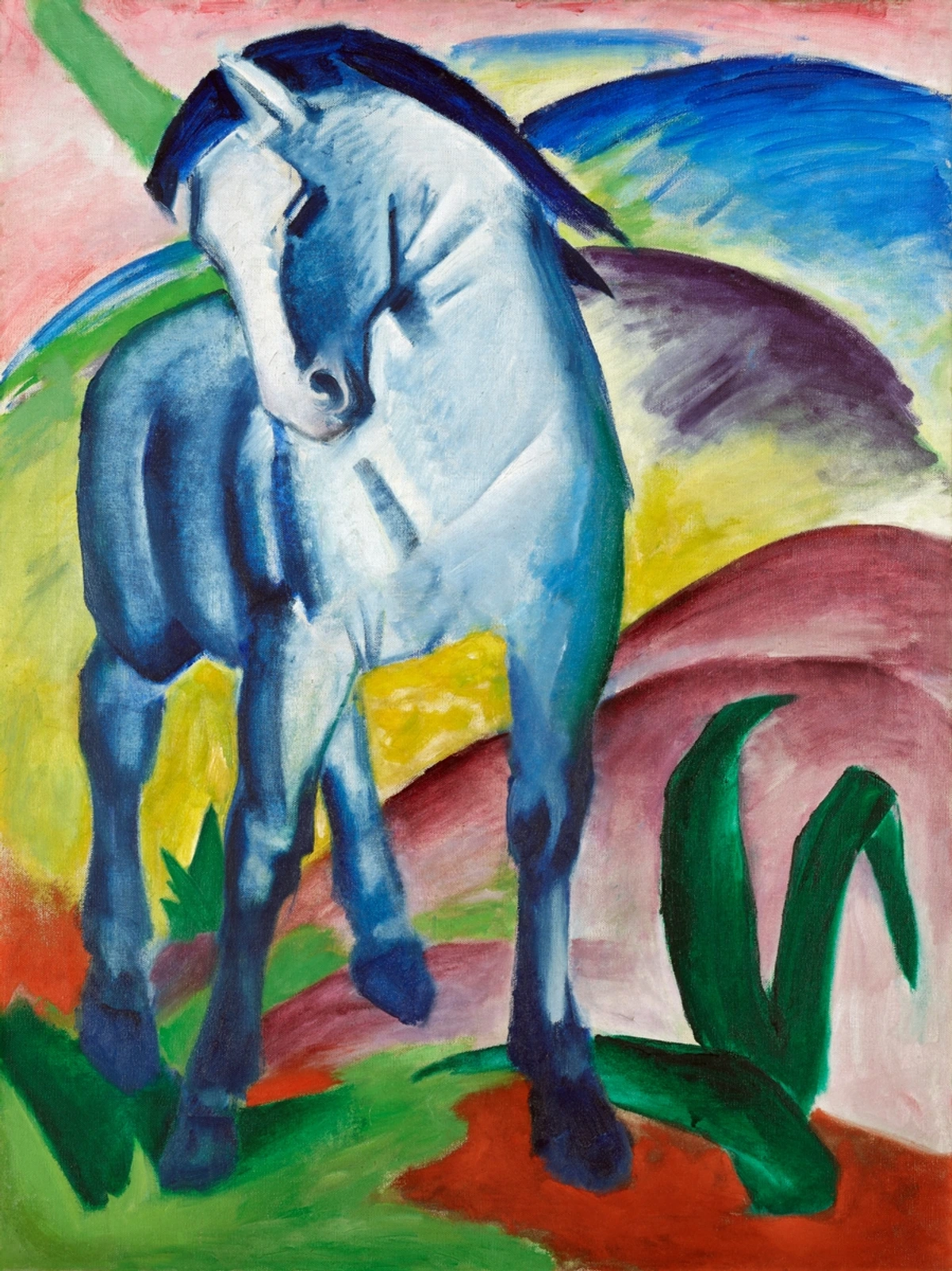
So, when you encounter his iconic Blue Horse I or the magnificent, almost mythical The Tower of Blue Horses, you’re not meant to recoil, thinking, "That's a weird color for a horse." Instead, you are invited to feel the profound spiritual, masculine energy of the creature, its noble, untamed essence, its connection to a deeper, more profound realm. The vibrant yellow in his landscapes, such as Deer in the Forest II (1912), evokes a gentle, feminine harmony and the life-affirming warmth of the natural world, a kind of serene joy that feels almost palpable. And the powerful red? That’s the color of conflict, of the heavy, brutal materiality of earthly existence – a force that, in Marc's evolving worldview, needed to be overcome or, perhaps, was tragically destined to consume itself. You can see this destructive force in works like Red Horses (1911), where the intense, clashing reds hint at an internal struggle or an impending external threat, a premonition of chaos.
A World Fragmented: The Shadow of War and Artistic Premonition
As the world outside Marc’s studio edged inexorably closer to the abyss of World War I, his once lyrical and harmonious paintings of peaceful animals began to transform dramatically. His visual language grew more fractured, more violent, starkly reflecting the growing unease and impending catastrophe he perceived in the human world. He was profoundly influenced by the revolutionary stylistic innovations of Cubism – particularly its fracturing of forms and multiple perspectives, much like Picasso's analytical approach to breaking down objects – and the dynamic energy of Futurism, with its emphasis on speed, machinery, and the violent upheaval of modern life. Marc didn't merely imitate these styles; he absorbed these influences and bent them to his own expressive will. He used Cubism's shattered planes not just to represent multiple viewpoints, but to convey a psychological fragmentation, a world literally tearing itself apart. From Futurism, he drew the sense of explosive movement and destructive force, employing sharp angles, splintered forms, and a more agitated, clashing palette to depict the encroaching chaos. You can vividly sense this tension, this gut-wrenching sense of impending doom, as he struggled to maintain his spiritual idealism against the encroaching chaos.
His 1913 masterpiece, The Fate of the Animals (Tierschicksale), stands as a terrifyingly prescient vision of the coming global catastrophe. It’s a chaotic, almost apocalyptic canvas where the forest is not just on fire, but seems to explode into jagged shards of light and color. Animals scream in primal terror, their forms fragmented and distorted, symbolizing an entire natural world collapsing under an unimaginable, destructive force unleashed by humanity. The gentle, spiritual harmony that defined his earlier works is utterly obliterated, replaced by a visceral depiction of violence and destruction. It's an artwork that always gives me chills, knowing the horrors that came next. It's a stark, powerful premonition that resonates deeply with the anxieties of our own time.
Tragically, and in a deeply complex twist of fate, Marc initially welcomed the war. Like many intellectuals of his time, caught in a wave of fervent nationalism and a profound disillusionment with modernity, he saw it not as a tragedy, but as a necessary, violent cleansing for a Europe he believed had become spiritually sick and materialistic. In letters to his wife Maria and to Kandinsky, he wrote of his hope that the war would purge the world of its perceived decadence and lead to a spiritual rebirth. He volunteered for the German army, a patriot driven by a profound idealism that, in hindsight, seems agonizingly misplaced. He was sent to the front lines and, in 1916, at the tender age of 36, he was killed during the Battle of Verdun, struck by a shell fragment. A brilliant, searching artistic voice, silenced far too soon, a poignant end to a life dedicated to finding purity in a world that would soon descend into unprecedented devastation. What a heart-wrenching irony for an artist who sought peace in the animal soul.
Franz Marc's Enduring Legacy: A Deeper Way of Seeing
Marc's life was a brilliant, intense flash across the canvas of art history. He had less than a decade of mature artistic production, yet his impact was immense and continues to resonate today. He didn't just paint pictures; he pushed painting itself away from mere representation and towards a profound spiritual and emotional abstraction. This paved the way for countless artists who, in the wake of the World Wars, sought solace and meaning in non-objective art.
Think of artists like Barnett Newman, Mark Rothko, and Jackson Pollock in the Abstract Expressionist and Color Field movements. Their use of vast, immersive color fields to evoke sublime, spiritual, and emotional experiences directly continues Marc's legacy of using color as a conduit to the unseen and transcendental. He demonstrated unequivocally that color could be the main subject of a painting, an expressive entity in its own right, rather than simply a tool to describe a physical subject. I mean, look at a Rothko, and then look at Marc's use of blue – the lineage is undeniable, isn't it?
His unwavering search for a spiritual home in nature and his belief in the profound, untainted wisdom of animals feel more relevant than ever in our increasingly chaotic and disconnected world. His work serves as a powerful, almost urgent reminder to pause, to look deeper, and to seek the soul in the world around us – both in the wild and within ourselves. His entire career can be viewed in the grander artistic [/timeline] of the 20th century as a pivotal shift towards inner worlds, a testament to the artist as prophet, as someone who sees beyond the immediate and material. It's a vision I find deeply inspiring, a call to quiet contemplation in a noisy world.

Today, Marc's anthropomorphic approach and romanticization of animals invite nuanced reflection. While his spiritual idealism can feel poignant in our often cynical age, his call to connect with the purity of the natural world resonates deeply with contemporary ecological awareness. His work, in a way, challenges us to reconsider our place in the ecosystem, urging a spiritual empathy towards other living beings that feels profoundly modern and necessary. It makes you think, doesn't it?



And if Marc’s vision moves you as much as it moves me, I encourage you to explore his work further, perhaps even considering how such a profound connection to nature and color could manifest in your own space. You can buy art inspired by similar principles, or visit institutions like the Lenbachhaus in Munich, the Kroller-Müller Museum in Otterlo, or the Franz Marc Museum in Kochel am See to experience his originals firsthand. It's an experience that truly connects you to the soul of his vision, and I can promise you, it's worth the journey.
Frequently Asked Questions (FAQ)
What is Franz Marc most famous for?
Franz Marc is most famous for his vibrant, emotionally charged, and deeply symbolic paintings of animals, especially his iconic blue horses. He was a central figure in German Expressionism and a visionary co-founder of the influential Der Blaue Reiter (The Blue Rider) movement, which sought to express profound spiritual truths through art and move towards abstraction.
What were the main themes in Franz Marc's art?
The main themes in Franz Marc's art revolve around the purity and spiritual essence of animals, humanity's alienation from nature, and the search for cosmic harmony. He often depicted animals as symbols of innocence and a deeper connection to the divine, using his unique symbolic color theory to convey profound emotional and spiritual states. His later work also explored themes of fragmentation, chaos, and impending doom, reflecting the anxieties leading up to World War I.
Why did Franz Marc paint blue horses and what do his colors symbolize?
Marc painted blue horses because, in his deeply personal and spiritually influenced symbolic color theory, blue represented the masculine principle, associated with severity, intellect, and spirituality. He saw it as the color of spirit and cosmic unity. By rendering a horse in blue, he was not aiming for realism, but rather trying to convey the animal's noble soul, its untamed essence, and its deep inner life force. His color theory also assigned yellow to the feminine principle (gentle, serene, sensual, joyful, representing earthly happiness and warmth) and red to matter, brutality, and earthly struggle (something he believed needed to be transcended). He viewed colors not merely as visual elements, but as carriers of deep metaphysical meaning, a true 'spiritual grammar' informed by philosophies like Anthroposophy.
When did Der Blaue Reiter exist?
Der Blaue Reiter (The Blue Rider) was an influential German Expressionist group that formed in Munich in late 1911 and was active until the outbreak of World War I in 1914. Although short-lived, the movement held two major exhibitions and published an almanac, significantly impacting the development of modern art, particularly the move towards abstraction and spiritual expression. It was more of a loose collective of like-minded artists than a rigid movement with a strict manifesto.
What is the significance of the animal motifs in Franz Marc's work?
For Franz Marc, animals were far more than mere subjects; they were profound symbols of purity, innocence, and an unblemished connection to the divine that he believed humanity had lost. He saw them as having an intrinsic spiritual connection to the natural world and often painted them from their perceived inner perspective, rather than an external human one. His animal motifs were central to his spiritual quest to uncover deeper truths about existence and to offer a vision of harmony and renewal in a materialistic world, essentially using them as mirrors to humanity's lost soul.
How did Rudolf Steiner influence Franz Marc's art?
Rudolf Steiner, the founder of Anthroposophy, had a significant influence on Franz Marc's artistic philosophy, particularly his symbolic color theory. Steiner's ideas explored humanity's spiritual evolution and the hidden, moral forces of nature. Marc absorbed these concepts, using them to imbue colors with metaphysical properties. For Marc, colors were not arbitrary but possessed inherent spiritual energies, allowing him to create a 'spiritual grammar' in his paintings that aimed to reveal the cosmic order and inner essence of his subjects, especially animals, and to communicate abstract spiritual truths. He found in Anthroposophy a framework to express the unseen spiritual dimensions he perceived in the world.
What was Franz Marc's relationship with Wassily Kandinsky?
Franz Marc and Wassily Kandinsky shared a deep intellectual and artistic kinship, forming the core of the Der Blaue Reiter movement. They were artistic soulmates who shared a profound conviction that art could be a direct conduit to spiritual realities and a counterbalance to materialism. Their collaboration was marked by mutual respect, shared ideals, and a common goal of moving art towards abstraction and inner expression, evident in their joint publications and exhibitions, such as Kandinsky's influential Concerning the Spiritual in Art. Their friendship and artistic dialogue were tragically cut short by Marc's death in World War I.