
Pierre-Auguste Renoir: A Comprehensive Biography
Explore the life and artistic journey of Pierre-Auguste Renoir, from his early years to his lasting legacy in art history.

Pierre-Auguste Renoir: A Comprehensive Biography

Credit, Licence
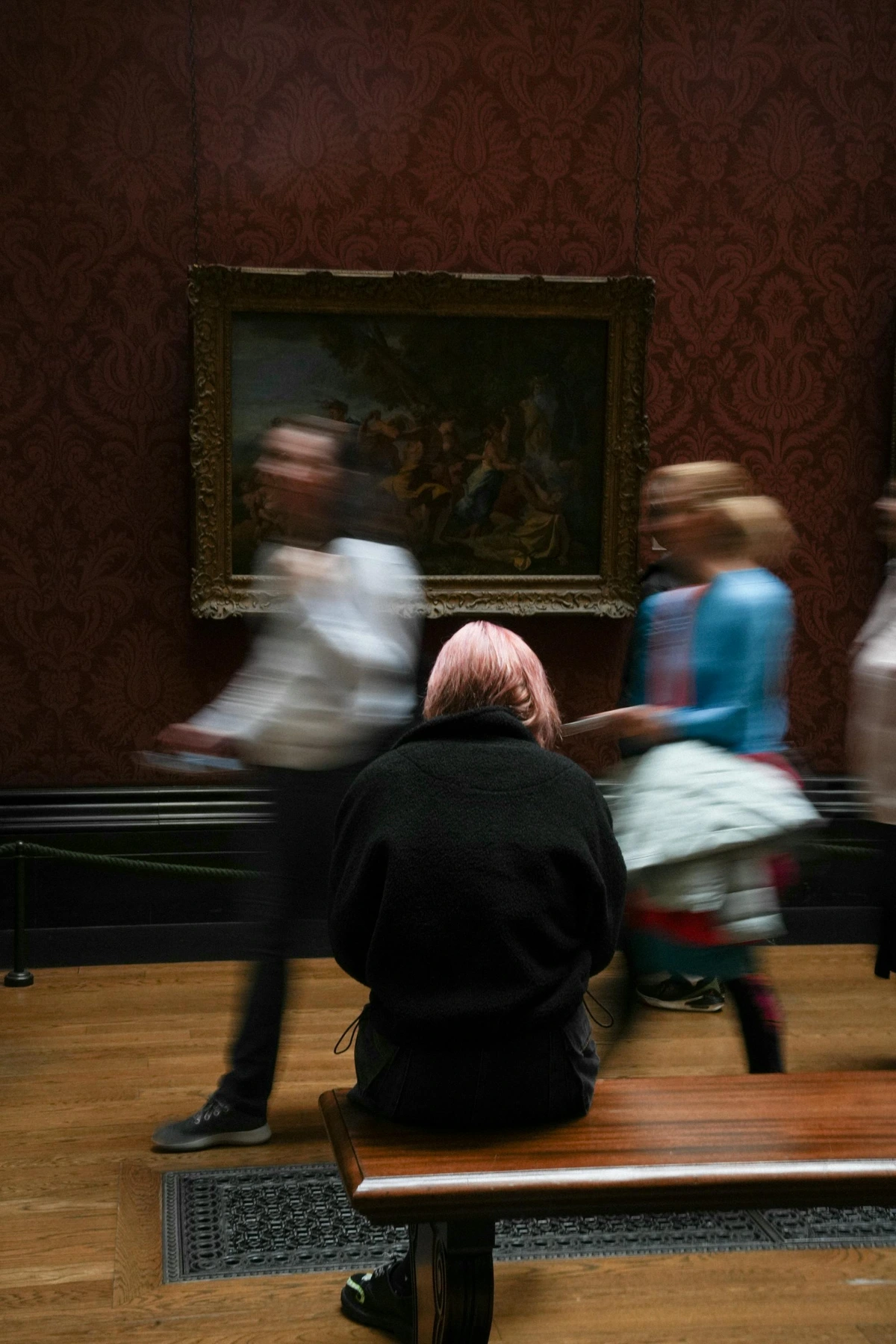
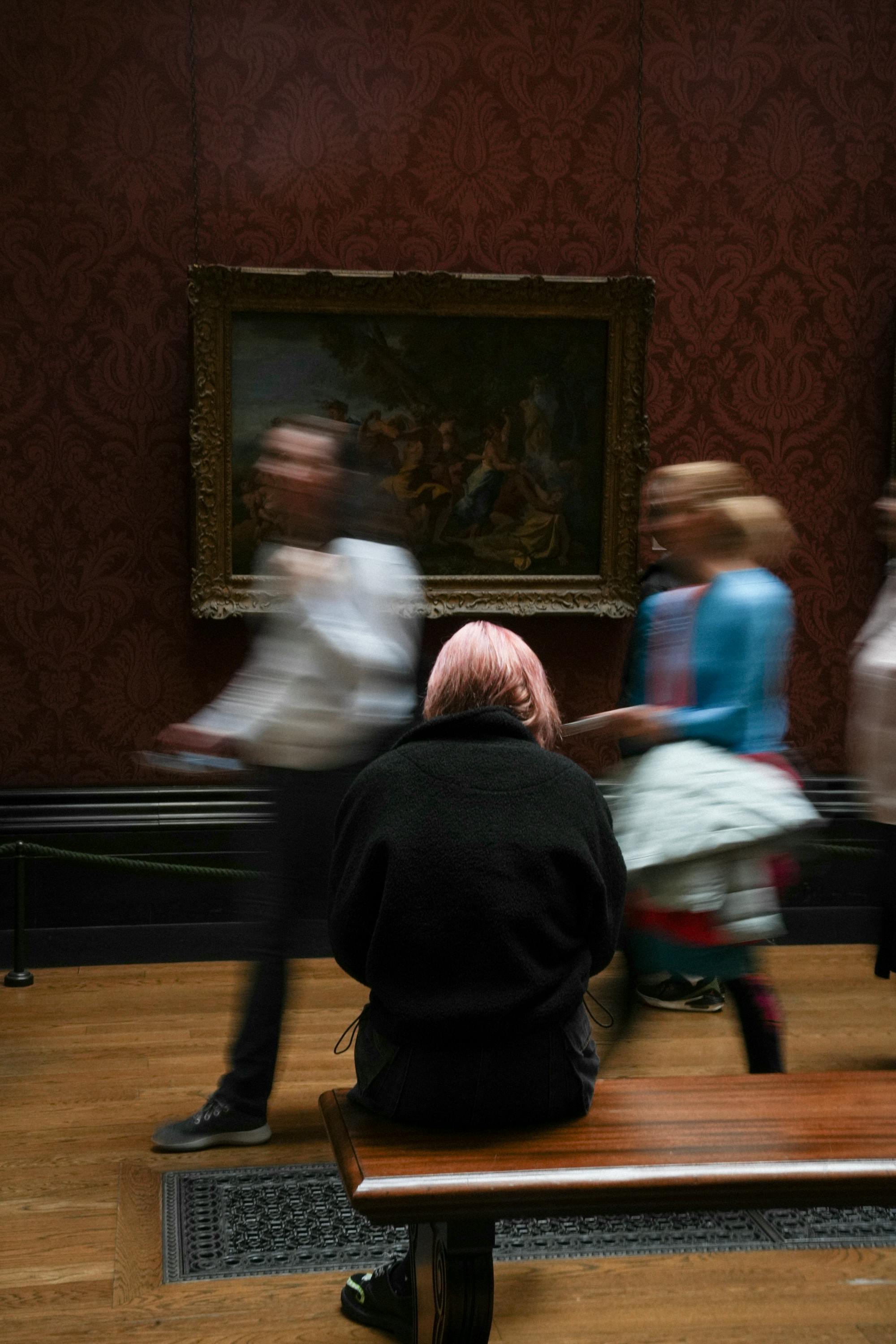
I remember the first time I saw a Renoir painting. It was in a small, dimly lit gallery, and the colors seemed to leap off the canvas. That moment sparked a curiosity in me about the man behind the brushstrokes. Who was Pierre-Auguste Renoir, and what made his work so captivating?
Early Life and Background
Pierre-Auguste Renoir was born on February 25, 1841, in Limoges, France. His family moved to Paris when he was just a child, and it was there that his artistic journey began. Renoir's early life was marked by financial struggles, but his talent for drawing was evident from a young age.
Renoir's early years were shaped by the challenges of his family's modest income. Despite these hardships, his passion for art was nurtured by his surroundings and the support of his family. His journey from a small town to the bustling art scene of Paris laid the foundation for his future success.
Early Influences
Renoir's early exposure to art came from his work as an apprentice to a porcelain painter. This experience not only honed his technical skills but also introduced him to the world of decorative arts, which would later influence his approach to color and composition. The intricate designs and vibrant colors of porcelain painting left a lasting impression on Renoir, shaping his artistic sensibilities.
Early Influences
Renoir's early exposure to art came from his work as an apprentice to a porcelain painter. This experience not only honed his technical skills but also introduced him to the world of decorative arts, which would later influence his approach to color and composition. The intricate designs and vibrant colors of porcelain painting left a lasting impression on Renoir, shaping his artistic sensibilities.
Early Influences
Renoir's early exposure to art came from his work as an apprentice to a porcelain painter. This experience not only honed his technical skills but also introduced him to the world of decorative arts, which would later influence his approach to color and composition. The intricate designs and vibrant colors of porcelain painting left a lasting impression on Renoir, shaping his artistic sensibilities.
This period of his life was crucial in developing his understanding of color theory and composition. The delicate nature of porcelain painting required precision and patience, qualities that would later define his artistic style.
Early Influences
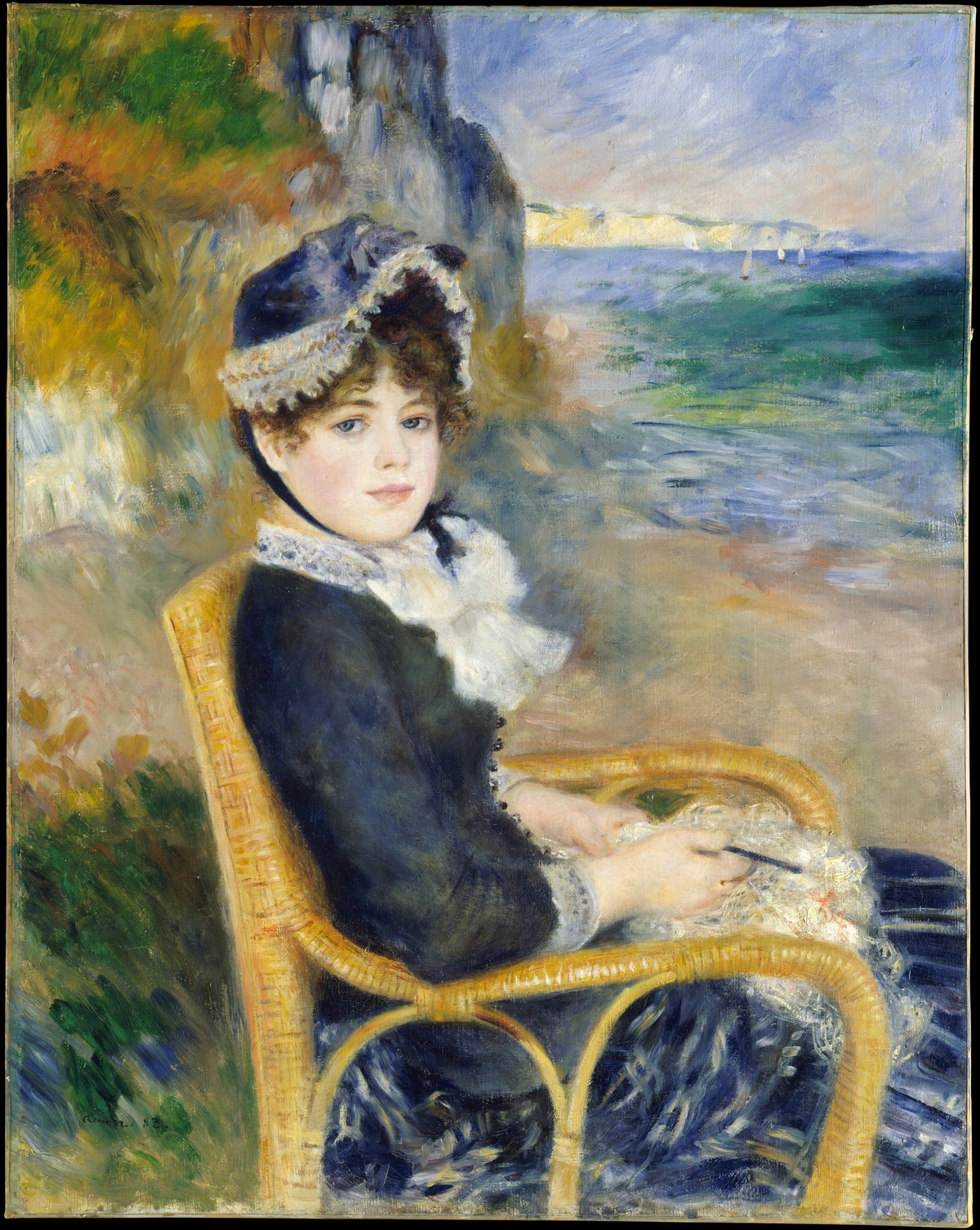
Renoir's early exposure to art came from his work as an apprentice to a porcelain painter. This experience not only honed his technical skills but also introduced him to the world of decorative arts, which would later influence his approach to color and composition.
Childhood and Family
Renoir was the sixth of seven children. His father, Léonard Renoir, was a tailor, and his mother, Marguerite Merlet, was a dressmaker. The family's modest income meant that Renoir had to start working at a young age. He began as an apprentice to a porcelain painter, which is where he first honed his skills.
Growing up in a large family, Renoir learned the value of hard work and perseverance. His parents' professions in the textile industry exposed him to the intricacies of fabric and design, which later influenced his artistic style.
The close-knit environment of his family provided a supportive backdrop for his artistic pursuits. The lessons he learned during this time would later manifest in his ability to capture warmth and intimacy in his paintings.
Early Artistic Training
At the age of 21, Renoir enrolled in the École des Beaux-Arts in Paris. He studied under Charles Gleyre, where he met other aspiring artists who would later become key figures in the Impressionist movement, including Claude Monet, Alfred Sisley, and Frédéric Bazille. This period was crucial for Renoir, as it allowed him to refine his skills and develop his unique artistic voice.
The friendships he formed during this time were instrumental in shaping his artistic vision. Collaborating with like-minded artists, Renoir explored new techniques and ideas that would define his future work.

Early Artistic Training
At the age of 21, Renoir enrolled in the École des Beaux-Arts in Paris. He studied under Charles Gleyre, where he met other aspiring artists who would later become key figures in the Impressionist movement, including Claude Monet, Alfred Sisley, and Frédéric Bazille.
The Birth of Impressionism
The friendships Renoir formed during his time at the École des Beaux-Arts were pivotal. These artists shared a common vision of breaking away from traditional artistic conventions and capturing the fleeting moments of modern life. Their collaborative efforts laid the foundation for the Impressionist movement, which would revolutionize the art world.
The Impressionist movement was characterized by its focus on capturing the effects of light and color in everyday scenes. Renoir and his contemporaries sought to depict life as it was lived, rather than adhering to the rigid standards of academic art.
Artistic Career
Renoir's artistic career can be divided into several distinct periods, each marked by unique styles and influences. His journey as an artist reflects his continuous evolution and adaptation to new ideas and techniques.
From his early Realist influences to his later focus on warmth and intimacy, Renoir's work showcases a dynamic range of artistic expression. His ability to adapt and innovate is evident in the distinct phases of his career.
Evolution of Style
Renoir's ability to adapt and innovate is evident in the distinct phases of his career. From his early Realist influences to his later focus on warmth and intimacy, his work showcases a dynamic range of artistic expression.

Each phase of Renoir's career reflects his willingness to experiment with new techniques and ideas. His evolution as an artist is a testament to his dedication to capturing the beauty of the world around him.
Early Works
In his early works, Renoir was heavily influenced by the Realist movement. His paintings from this period often depicted everyday life and scenes of modern Paris. One of his notable early works is "La Promenade" (1870), which showcases his ability to capture the essence of a moment.
Renoir's early works are characterized by their attention to detail and the depiction of urban life. His keen observation of human interactions and the play of light and shadow set the stage for his later Impressionist masterpieces.
Key Themes in Early Works
Renoir's early works often explored themes of urban life, leisure, and the beauty of ordinary moments. His keen observation of human interactions and the play of light and shadow set the stage for his later Impressionist masterpieces. These themes reflected his deep appreciation for the simplicity and elegance of everyday experiences.
His early works also highlighted his ability to capture the essence of human emotion. Whether depicting a bustling Parisian street or a quiet moment of reflection, Renoir's paintings conveyed a sense of warmth and intimacy.

Key Themes in Early Works
Renoir's early works often explored themes of urban life, leisure, and the beauty of ordinary moments. His keen observation of human interactions and the play of light and shadow set the stage for his later Impressionist masterpieces.
Credit, Licence
Impressionist Period
Renoir is perhaps best known for his role in the Impressionist movement. Alongside Monet and others, he sought to capture the fleeting effects of light and color in his paintings. Some of his most famous works from this period include "Bal du moulin de la Galette" (1876) and "Luncheon of the Boating Party" (1881).
The Impressionist period marked a significant shift in Renoir's artistic style. His use of loose brushstrokes and vibrant colors allowed him to convey the transient nature of life and the beauty of everyday scenes.
Techniques and Innovations
During the Impressionist period, Renoir experimented with loose brushstrokes, vibrant colors, and the interplay of light and shadow. His innovative techniques allowed him to convey the transient nature of life and the beauty of everyday scenes. Renoir's use of color was particularly groundbreaking, as he often employed a palette of bright, luminous hues to create a sense of vibrancy and movement in his paintings.
His techniques were not just about capturing the visual aspects of a scene but also about evoking the emotions and atmosphere of the moment. This approach set him apart from his contemporaries and established him as a leading figure in the Impressionist movement.
Techniques and Innovations
During the Impressionist period, Renoir experimented with loose brushstrokes, vibrant colors, and the interplay of light and shadow. His innovative techniques allowed him to convey the transient nature of life and the beauty of everyday scenes.

Credit, Licence
Later Works
In his later years, Renoir's style evolved. He began to focus more on portraits and figures, often using softer, more muted colors. His later works are characterized by a sense of warmth and intimacy. One of his notable later works is "The Bathers" (1918-1919), which showcases his continued mastery of form and color.
Renoir's later works reflect his deep connection to his family and his appreciation for the beauty of human relationships. His use of softer colors and gentle brushstrokes conveyed a sense of tranquility and emotional depth.
Themes of Warmth and Intimacy
Renoir's later works often depicted intimate scenes of family life, portraits of loved ones, and serene landscapes. His use of softer colors and gentle brushstrokes conveyed a sense of tranquility and emotional depth. These works reflected his deep connection to his family and his appreciation for the beauty of human relationships.
The themes of warmth and intimacy in Renoir's later works are a testament to his ability to capture the essence of human emotion. His paintings from this period continue to resonate with audiences for their emotional resonance and timeless beauty.
Themes of Warmth and Intimacy
Renoir's later works often depicted intimate scenes of family life, portraits of loved ones, and serene landscapes. His use of softer colors and gentle brushstrokes conveyed a sense of tranquility and emotional depth.
Credit, Licence
Personal Life
Renoir's personal life was as colorful as his paintings. He had a tumultuous relationship with his wife, Aline Charigot, and had three sons, one of whom, Jean Renoir, became a renowned film director.
Renoir's personal life was marked by both joy and struggle. His relationships with his family and friends provided inspiration for his art, and his experiences shaped his unique perspective on the world.
The Role of Family in Renoir's Life
Family played a central role in Renoir's life and work. His wife, Aline Charigot, and their children often served as models for his paintings, adding a personal touch to his artistic creations. The dynamics of his family life provided inspiration and emotional depth to his art.
Renoir's family was a constant source of support and inspiration. Their presence in his life and art brought a sense of warmth and intimacy to his paintings, making them deeply personal and emotionally resonant.
Relationships and Family
Renoir met Aline Charigot in the early 1880s, and they married in 1890. Their relationship was marked by both passion and conflict. Despite their struggles, Aline was a significant influence on Renoir's work, often serving as a model for his paintings.
Aline's presence in Renoir's life brought a sense of stability and inspiration. Her influence can be seen in many of his paintings, which often depict intimate scenes of family life and love.
Aline Charigot: Muse and Partner
Aline Charigot was not just Renoir's wife but also his muse. Her presence in his life and art brought a sense of warmth and intimacy to his paintings. Their relationship, though complex, was a driving force behind some of his most iconic works.
Aline's influence on Renoir's art extended beyond her role as a model. She was a constant source of inspiration and support, helping to shape his artistic vision and bring his paintings to life.
Health Struggles
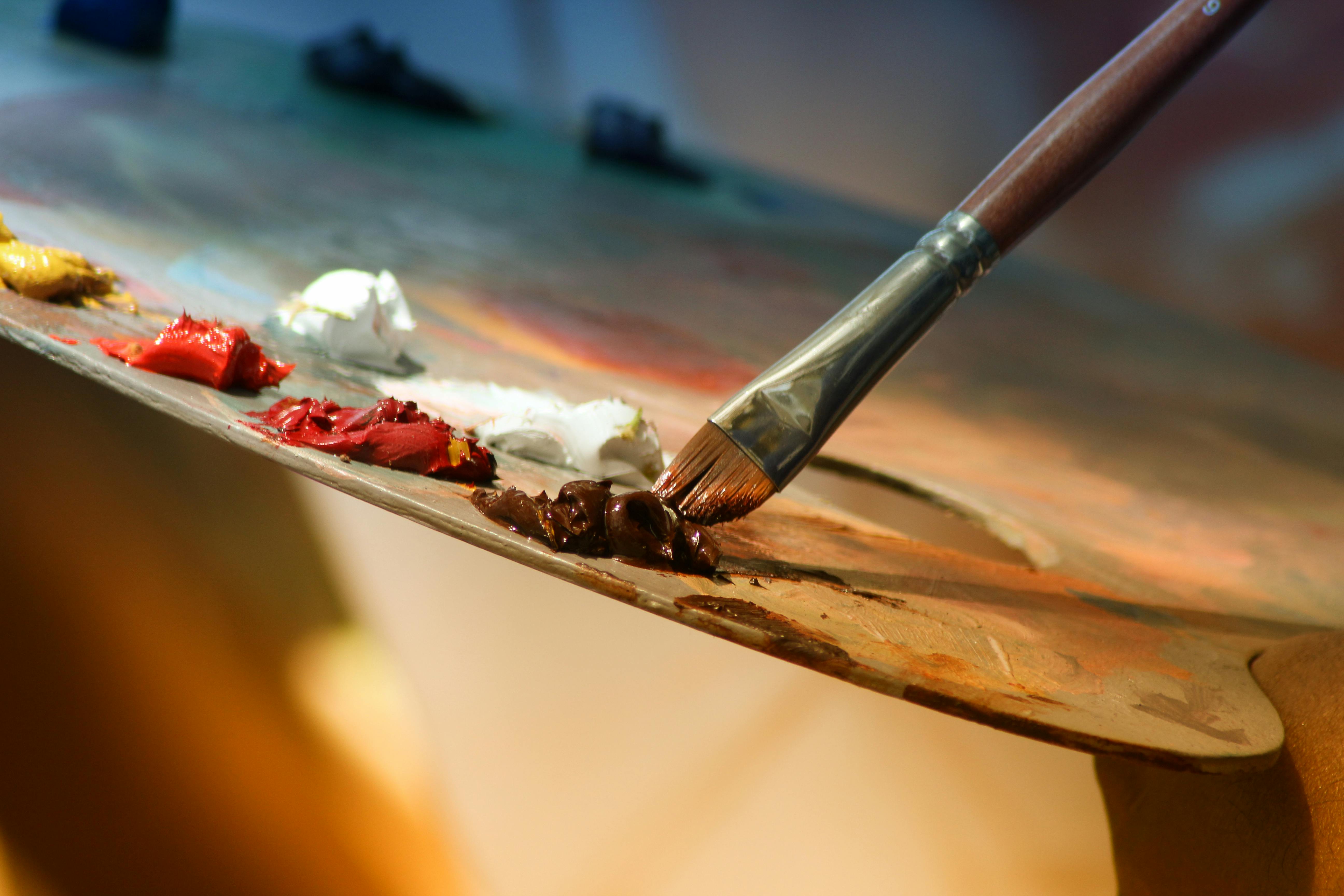
In his later years, Renoir suffered from severe rheumatoid arthritis, which made painting increasingly difficult. Despite his physical limitations, he continued to create art, often with the help of assistants who would place the brush in his hand.
Overcoming Adversity
Renoir's determination to continue painting despite his health struggles is a testament to his passion and dedication. His ability to adapt and find new ways to express his artistic vision, even in the face of adversity, is an inspiration to artists and art lovers alike. Renoir's resilience and creativity in overcoming his physical challenges highlight his unwavering commitment to his craft.
His story serves as a reminder of the power of perseverance and the importance of pursuing one's passions, no matter the obstacles. Renoir's legacy continues to inspire artists to push the boundaries of their creativity and overcome challenges.
Overcoming Adversity
Renoir's determination to continue painting despite his health struggles is a testament to his passion and dedication. His ability to adapt and find new ways to express his artistic vision, even in the face of adversity, is an inspiration to artists and art lovers alike.

Legacy and Influence
Renoir's impact on the art world is immeasurable. His work has influenced countless artists and continues to be celebrated for its beauty and emotional depth. His paintings are housed in some of the world's most prestigious museums, including the Musée d'Orsay in Paris and the Metropolitan Museum of Art in New York.
Renoir's contributions to the art world extend beyond his paintings. His innovative techniques and unique artistic vision have inspired generations of artists, making him one of the most influential figures in art history.
Renoir's Enduring Legacy
Renoir's contributions to the art world extend beyond his paintings. His innovative techniques and unique artistic vision have inspired generations of artists. His ability to capture the essence of human emotion and the beauty of everyday life has cemented his place as one of the most influential artists in history.
His legacy is a testament to the power of art to transcend time and connect with audiences across generations. Renoir's paintings continue to captivate and inspire, making him a timeless figure in the world of art.

Influence on Modern Art
Renoir's innovative use of color and light has had a lasting impact on modern art. His work has inspired artists across various movements, from Post-Impressionism to contemporary art. His ability to capture the essence of a moment has made his paintings timeless.
His influence can be seen in the works of artists who followed in his footsteps, as well as in the broader trends of modern art. Renoir's techniques and ideas continue to shape the way artists approach their craft, making him a pivotal figure in the evolution of art.
Renoir's Impact on Art Movements
Renoir's influence can be seen in various art movements that followed Impressionism. His emphasis on capturing light and emotion has resonated with artists from diverse backgrounds, making his work a cornerstone of modern artistic expression.

His contributions to the art world have helped to shape the trajectory of modern art. Renoir's ideas and techniques continue to inspire artists to explore new ways of expressing themselves and capturing the world around them.
Exhibitions and Collections
Renoir's works are featured in numerous exhibitions and collections around the world. Some of the most notable include:
- Musée d'Orsay, Paris: Home to many of Renoir's masterpieces, including "Bal du moulin de la Galette."
- Metropolitan Museum of Art, New York: Features several of Renoir's notable works, including "Luncheon of the Boating Party."
- The National Gallery, London: Houses a significant collection of Renoir's paintings.
Notable Exhibitions
Renoir's works have been showcased in numerous exhibitions, attracting art enthusiasts from around the world. These exhibitions highlight the breadth and depth of his artistic contributions, offering a glimpse into his evolving style and techniques. Some notable exhibitions include retrospectives at the Musée d'Orsay and the Metropolitan Museum of Art, which have drawn large crowds and critical acclaim.
These exhibitions provide an opportunity to explore Renoir's work in depth, offering insights into his artistic process and the themes that defined his career.
Renoir's Influence on Art Education
Renoir's techniques and artistic vision have also influenced art education. His emphasis on capturing light, color, and emotion has become a cornerstone of art curricula worldwide. Many art schools and programs study Renoir's methods to teach students the importance of observation, experimentation, and emotional expression in their work.
Notable Exhibitions
Renoir's works have been showcased in numerous exhibitions, attracting art enthusiasts from around the world. These exhibitions highlight the breadth and depth of his artistic contributions, offering a glimpse into his evolving style and techniques.
FAQ
What is Pierre-Auguste Renoir best known for?
Pierre-Auguste Renoir is best known for his role in the Impressionist movement and his ability to capture the fleeting effects of light and color in his paintings. Some of his most famous works include "Bal du moulin de la Galette" and "Luncheon of the Boating Party."
Renoir's work is celebrated for its vibrant colors, intimate scenes, and the ability to capture the essence of human emotion. His contributions to the Impressionist movement have left an indelible mark on the art world.
Where can I see Renoir's paintings?
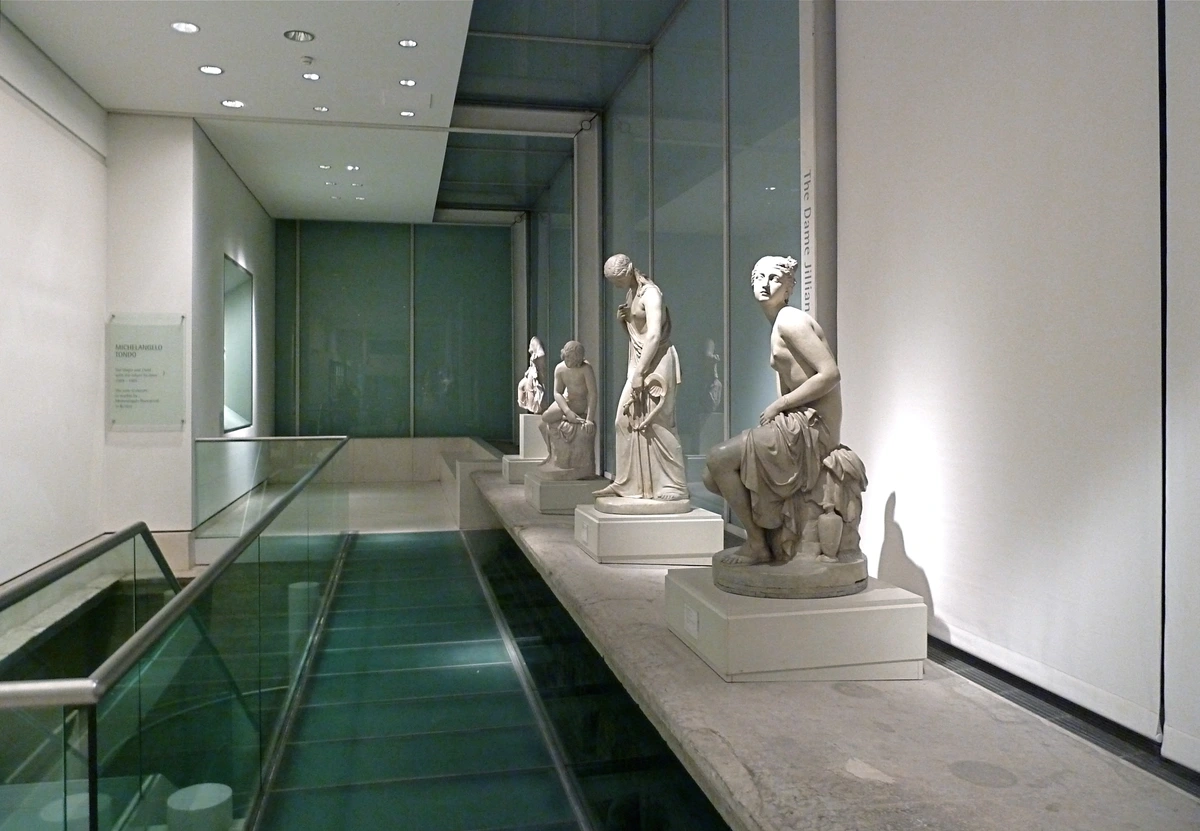
Renoir's paintings are housed in some of the world's most prestigious museums, including the Musée d'Orsay in Paris, the Metropolitan Museum of Art in New York, and The National Gallery in London.
These museums offer a comprehensive look at Renoir's artistic journey, showcasing his evolution from his early Realist influences to his later focus on warmth and intimacy.
How did Renoir's health affect his work?
In his later years, Renoir suffered from severe rheumatoid arthritis, which made painting increasingly difficult. Despite his physical limitations, he continued to create art, often with the help of assistants. His determination to continue painting despite his health struggles is a testament to his passion and dedication.
How did Renoir's health affect his work?
In his later years, Renoir suffered from severe rheumatoid arthritis, which made painting increasingly difficult. Despite his physical limitations, he continued to create art, often with the help of assistants.
Who were Renoir's contemporaries?
Renoir was part of a group of artists who would later become key figures in the Impressionist movement, including Claude Monet, Alfred Sisley, and Frédéric Bazille.
These artists shared a common vision of breaking away from traditional artistic conventions and capturing the fleeting moments of modern life. Their collaborative efforts laid the foundation for the Impressionist movement, which would revolutionize the art world.

What is the significance of Renoir's later works?
Renoir's later works are characterized by a sense of warmth and intimacy. They showcase his continued mastery of form and color, despite his physical limitations.
These works reflect his deep connection to his family and his appreciation for the beauty of human relationships. His use of softer colors and gentle brushstrokes conveyed a sense of tranquility and emotional depth.
How did Renoir's early life influence his art?
Renoir's early life, marked by financial struggles and exposure to the decorative arts, played a significant role in shaping his artistic style. His experiences as a porcelain painter and his family's background in textiles influenced his approach to color and composition.
The lessons he learned during this time would later manifest in his ability to capture warmth and intimacy in his paintings. His early experiences provided a foundation for his unique artistic vision.

What techniques did Renoir use in his Impressionist paintings?
Renoir's Impressionist paintings are known for their loose brushstrokes, vibrant colors, and the interplay of light and shadow. These techniques allowed him to capture the transient nature of life and the beauty of everyday scenes.
His innovative use of color and light set him apart from his contemporaries and established him as a leading figure in the Impressionist movement. His techniques continue to inspire artists to this day.

How did Renoir's personal life influence his art?
Renoir's personal life, including his relationships with family and friends, had a profound impact on his art. His wife, Aline Charigot, and their children often served as models for his paintings, adding a personal touch to his artistic creations.
His personal experiences provided inspiration and emotional depth to his work. The dynamics of his family life and relationships shaped his unique perspective on the world, which is reflected in his paintings.
What is the significance of Renoir's contributions to the art world?
Renoir's contributions to the art world are immeasurable. His innovative techniques and unique artistic vision have inspired generations of artists, making him one of the most influential figures in art history.
His ability to capture the essence of human emotion and the beauty of everyday life has cemented his place as a timeless figure in the world of art. Renoir's legacy continues to inspire and captivate audiences around the world.















Conclusion
Pierre-Auguste Renoir's life and work are a testament to the power of art to capture the beauty and complexity of the human experience. His paintings continue to inspire and captivate audiences around the world, making him one of the most celebrated artists in history.
Renoir's journey, from his humble beginnings to his enduring legacy, is a story of passion, perseverance, and artistic innovation. His ability to convey emotion and beauty through his art has left an indelible mark on the world of art.
If you're interested in exploring more about art and artists, consider visiting our timeline or checking out our collection of contemporary art at buy.
Further Exploration
For those who wish to delve deeper into the world of art, there are countless resources available. From books and documentaries to online courses and museum visits, the opportunities to learn and appreciate art are endless. Renoir's life and work serve as a reminder of the transformative power of creativity and the enduring impact of artistic expression.