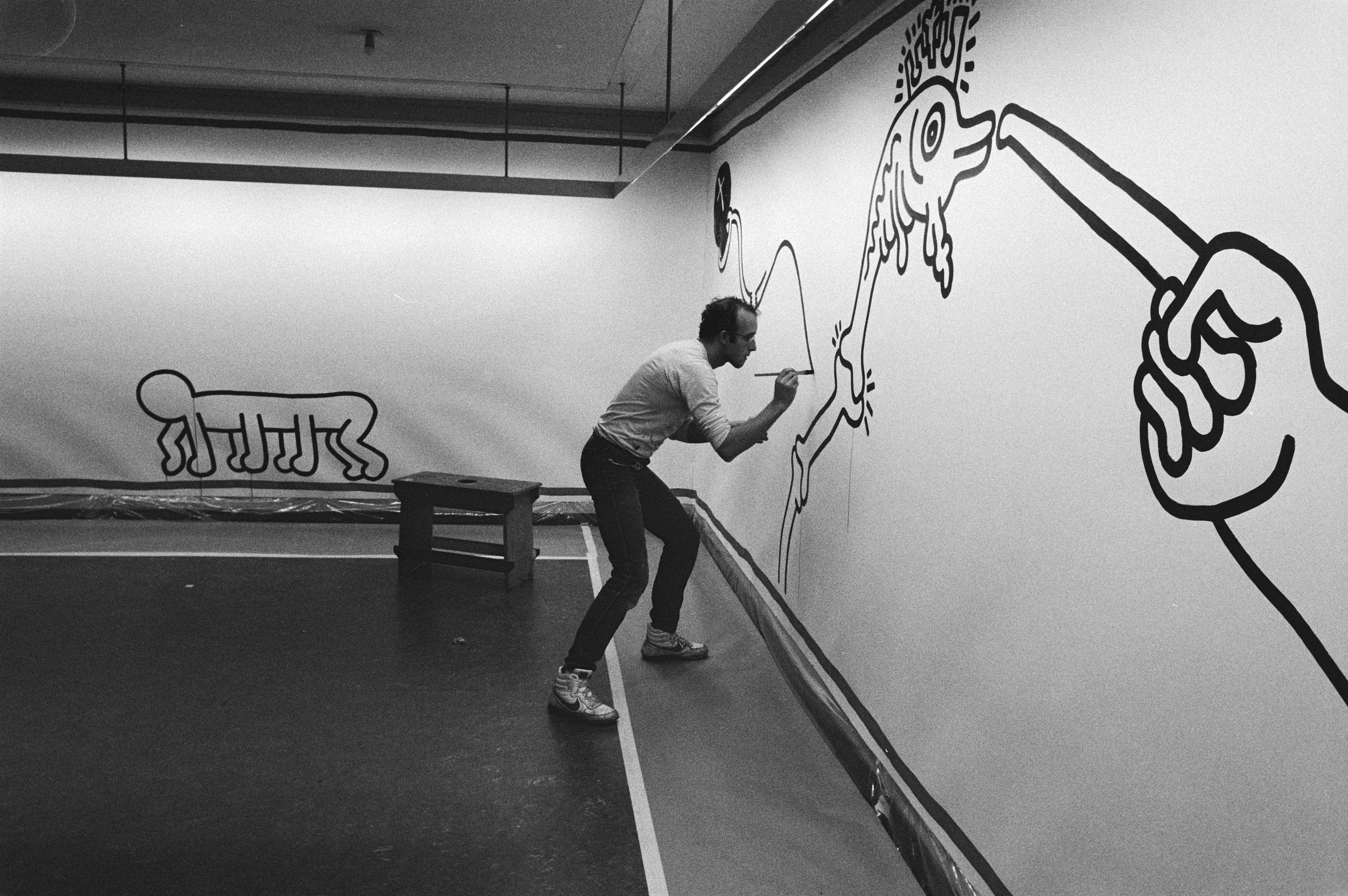
The Unspoken Power of Bold Strokes in Abstract Art
An in-depth, personal exploration of what makes a bold stroke so powerful in abstract art. We dive into the psychology, history, and meaning behind these impactful marks.

More Than Just a Mark: The Unspoken Power of Bold Strokes in Abstract Art
I remember standing in a gallery, years ago, in front of a massive Franz Kline painting. It was just black and white, but it felt more vibrant and alive than anything else in the room. The sheer force of the brushstrokes—huge, unapologetic, and seemingly slashed onto the canvas—hit me like a physical force. It wasn't just paint; it was a captured event. A decision. A moment of pure, unadulterated energy made visible.
That's the thing about a bold stroke. It’s easy to see it as just a big line of paint, but it's so much more. It's a declaration. In a world of tiny details and painstaking precision, the bold stroke is a confident shout. It's the difference between a mumbled apology and a clear statement. And in abstract art, where a single mark can define an entire composition, that statement is everything.
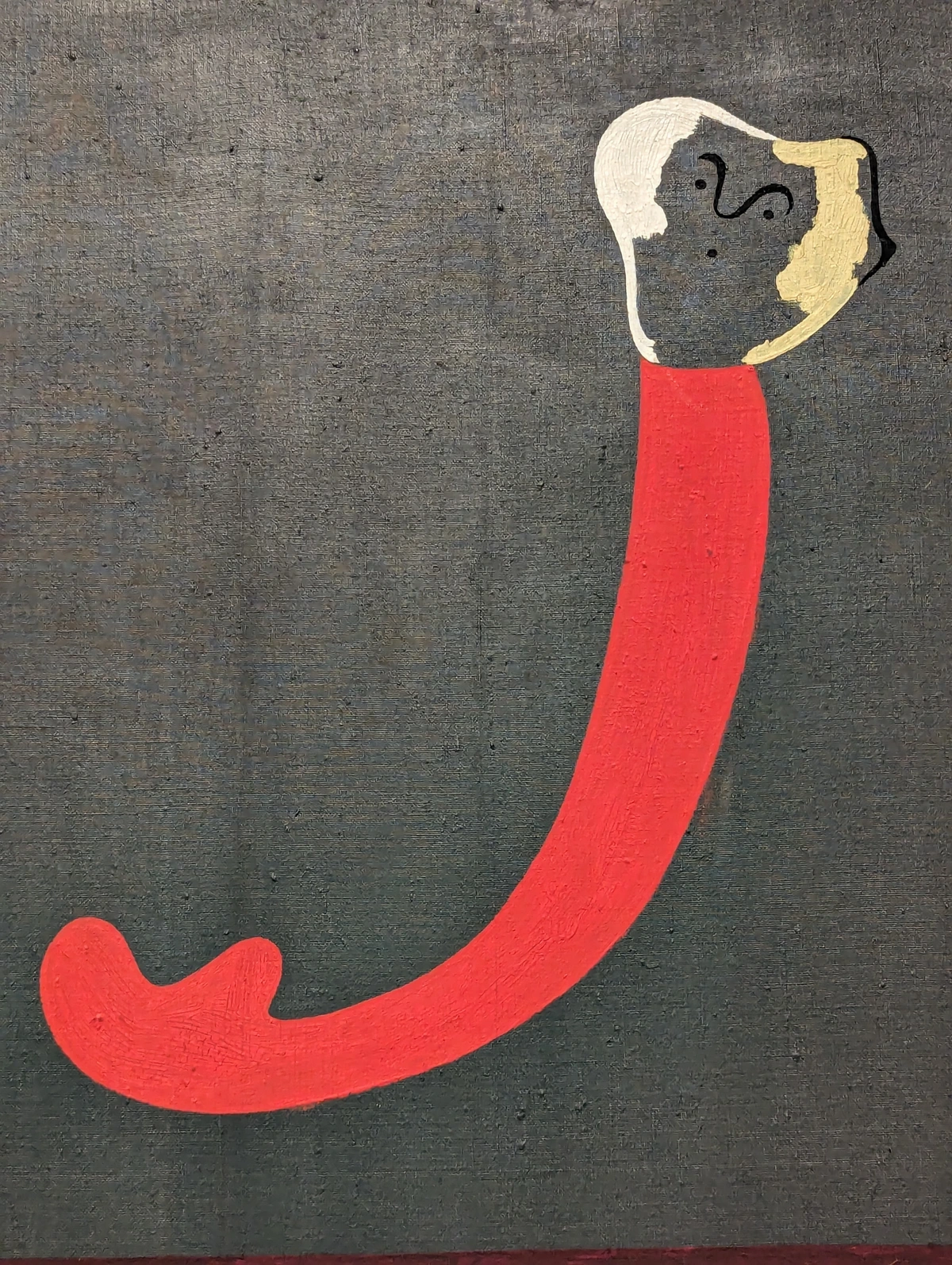
The Evolution of Bold Strokes Through Art History
To truly understand the power of bold strokes, we need to trace their journey through art history. This evolution tells us so much about how artists' relationship with mark-making has changed over time.
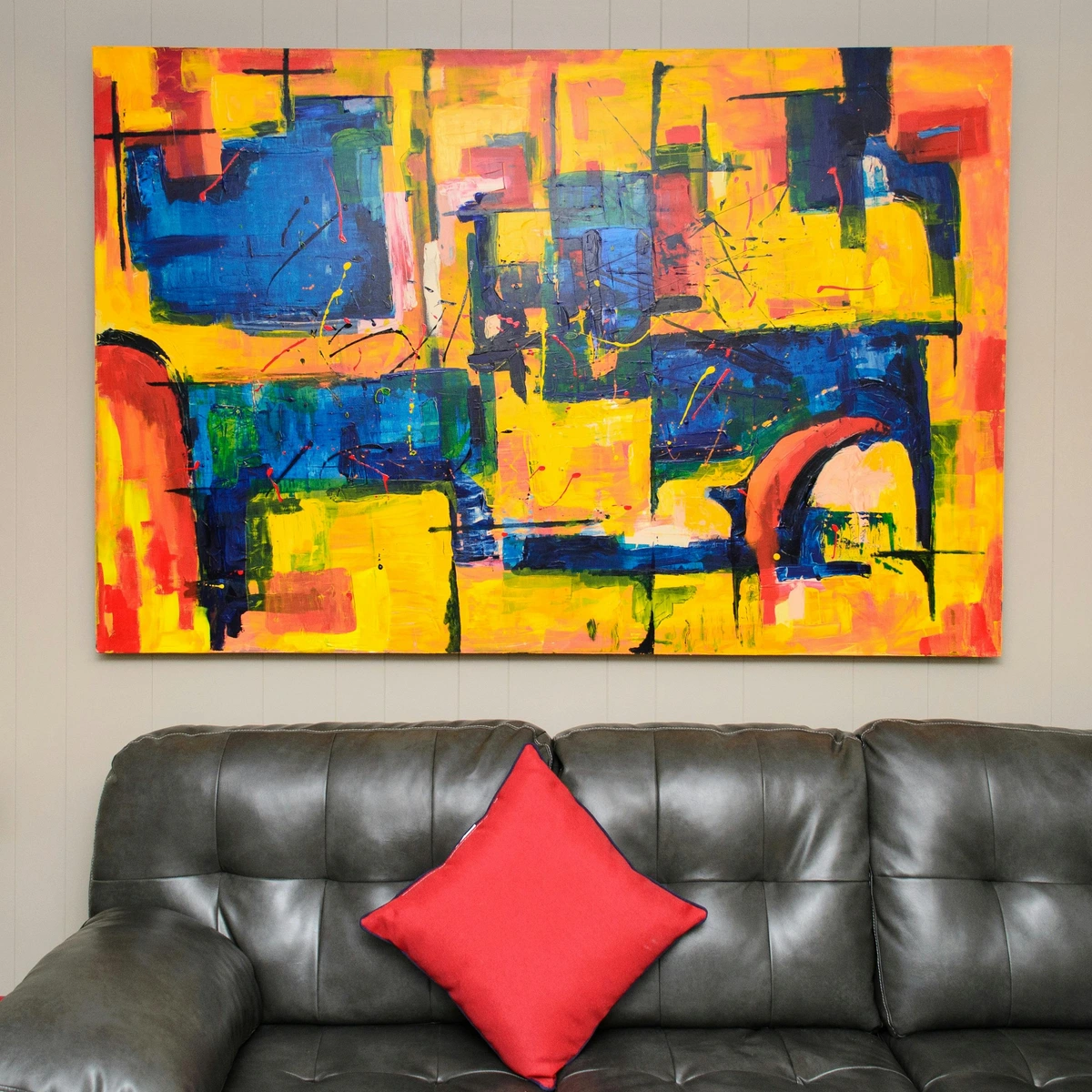
From Renaissance to Impressionism
For centuries, Western art valued the invisible brushstroke. Think of the Renaissance masters like Leonardo da Vinci and Raphael—they worked incredibly hard to make their brushstrokes disappear, creating smooth, flawless surfaces that looked like windows into another world. The brushstroke was something to be hidden, not celebrated.
Then came the Impressionists in the late 1800s. Artists like Claude Monet and Pierre-Auguste Renoir began working outdoors, capturing light and atmosphere with visible, broken brushstrokes. These weren't "bold" by our standards today, but they were revolutionary because they made the act of painting visible for the first time in centuries.
Post-Impressionism and Expressionism
The Post-Impressionists took this further. Vincent van Gogh's swirling, energetic strokes and Paul Cézanne's structured, geometric marks showed how brushwork could convey emotion and structure. This was the beginning of the brushstroke as something more than just a technique—it became a language.
By the early 20th century, Expressionists like Ernst Ludwig Kirchner and Emil Nolde were using aggressive, angular strokes to convey inner turmoil and social commentary. The bold stroke was no longer just about technique; it was about emotional truth.
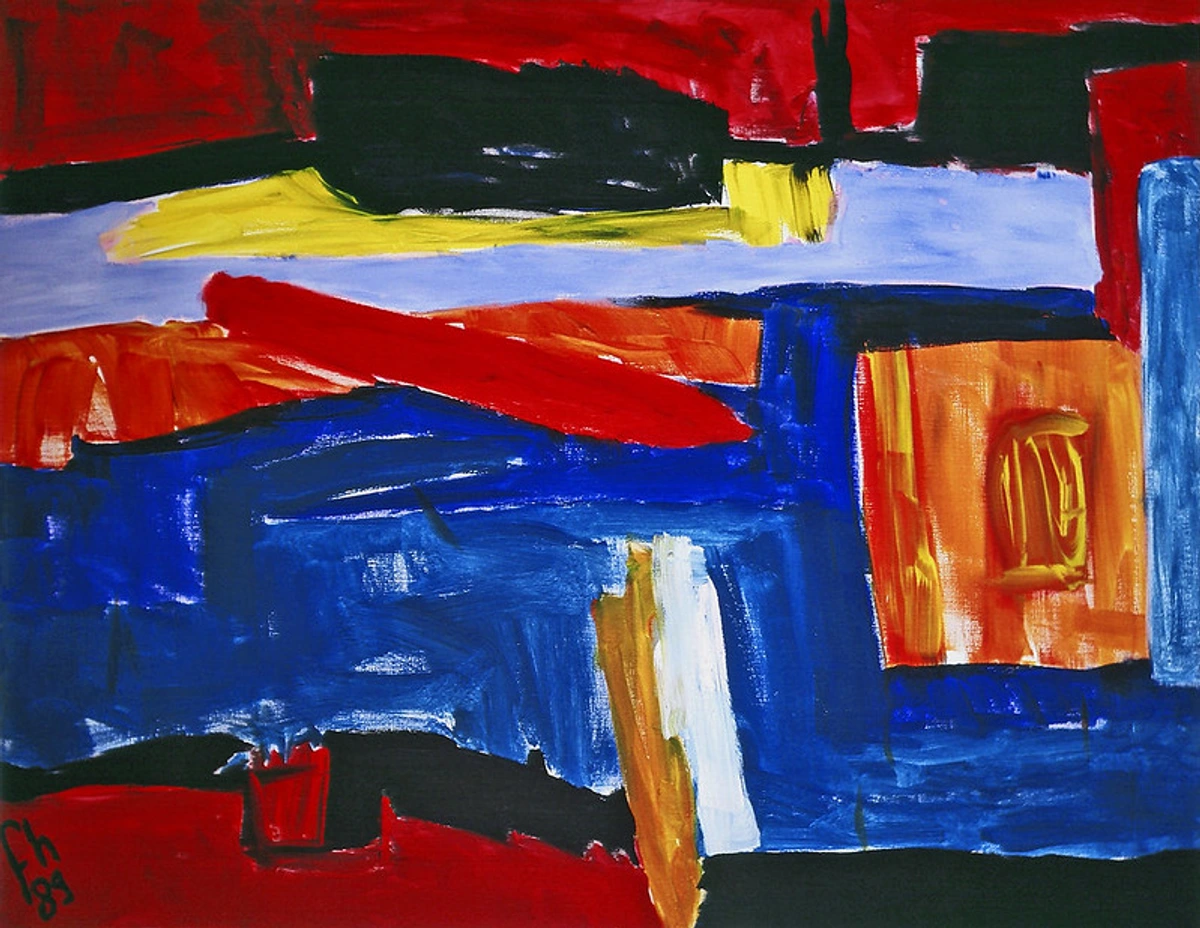
The Psychology of a Single, Powerful Mark
Why are we so drawn to these powerful marks? I think it’s because they speak a language older than words. A bold stroke is a direct line from the artist's nervous system to the canvas. There’s no hiding, no second-guessing. It's an act of commitment.
Confidence and Raw Energy
A timid, hesitant line looks and feels different from a swift, confident one. When an artist loads a brush and makes a huge, sweeping gesture, they are capturing kinetic energy. It's a performance frozen in time. You can almost feel the artist's presence, the turn of their shoulder, the speed of their hand. This is the heart of movements like Abstract Expressionism, where the act of painting itself became the subject. It’s less about painting a thing and more about painting the act of creation.
The Emotional Spectrum
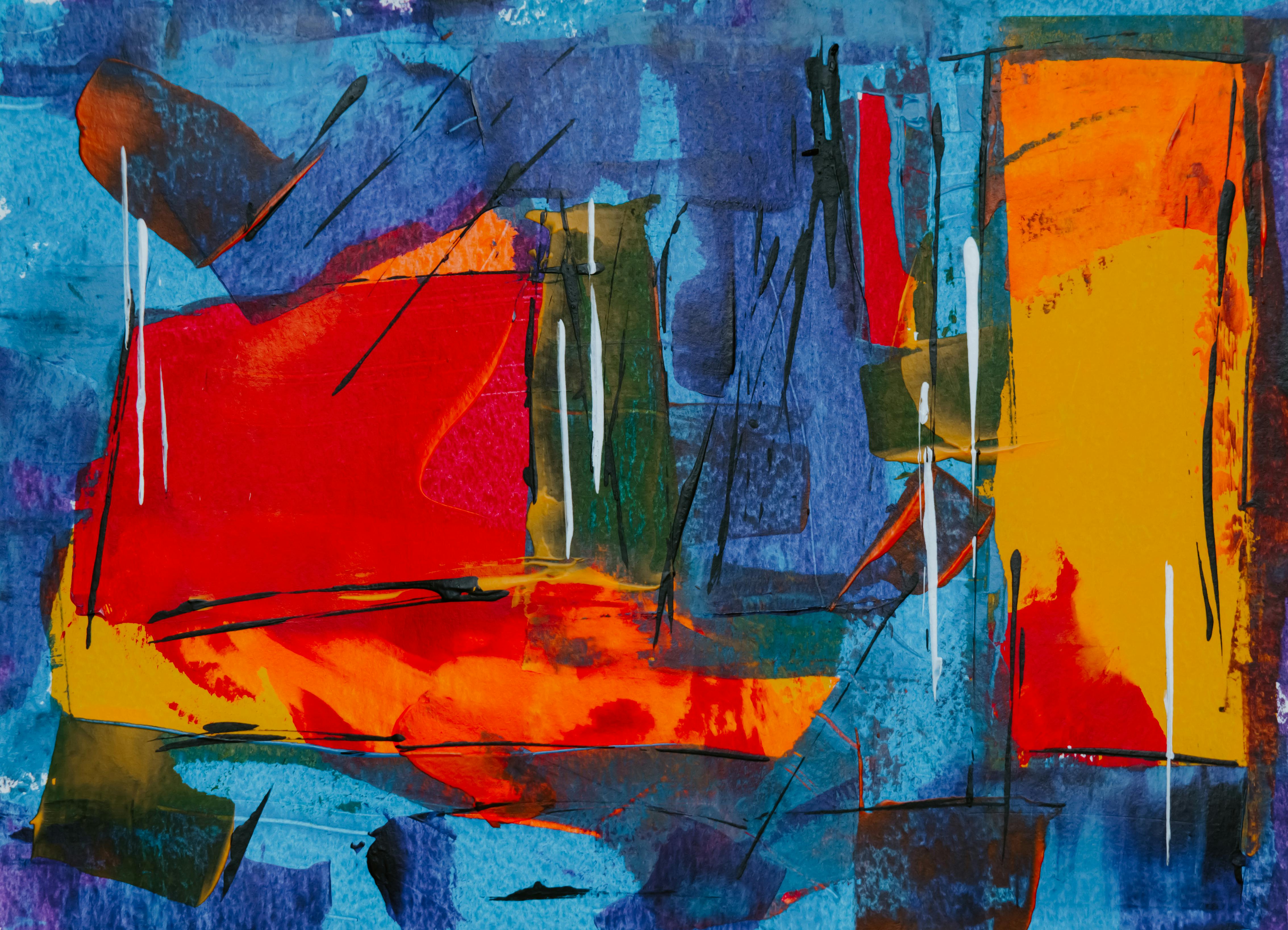
A bold stroke is pure emotion. It can be aggressive and angry, a slash of black paint tearing through a calm surface. It can be joyful and exuberant, a thick, looping arc of bright yellow. Or it can be heavy and somber, a dense block of blue that seems to absorb all the light in the room. This raw emotional transfer is what makes abstract art so powerful; it bypasses the logical brain and hits you right in the gut. The meaning isn't explained; it's felt. This is deeply connected to the psychology of color in abstract art, where a hue combined with a powerful gesture can create an incredibly specific mood.
A Comprehensive History of the Bold Stroke: From Hidden Marks to Center Stage
For centuries, the goal in Western painting was to hide the brushstroke. A smooth, flawless surface was the mark of a master. Then, artists started to loosen up, and eventually, the stroke itself became a star. It was a revolution in what a painting could be.
The Academic Tradition and the Rise of Visible Brushwork
The academic art tradition that dominated European art from the Renaissance through the 19th century placed enormous value on technical perfection. Artists spent years mastering techniques like glazing, sfumato, and smooth blending to create the illusion of reality. The brushstroke was seen as a technical limitation to be overcome, not an expressive tool.
This began to change in the mid-19th century with the rise of plein air painting. When artists started working outdoors, they had to work quickly to capture changing light and weather conditions. This led to more visible, expressive brushwork. The Barbizon School and early Impressionists were pioneers in this approach, but it was really the Post-Impressionists who began to see brushwork as a legitimate expressive element.
The Radical Break of the 20th Century
The 20th century was when bold strokes truly came into their own. The collapse of traditional academic values, coupled with the trauma of World War I, created an environment where artists felt free to break all the rules.
The Expressionists, Fauves, and later the Abstract Expressionists embraced bold strokes as a way to express raw emotion and spiritual truth. For artists like Willem de Kooning and Jackson Pollock, the brushstroke wasn't just a technique—it was a way of life, a philosophy, and a form of existential exploration.
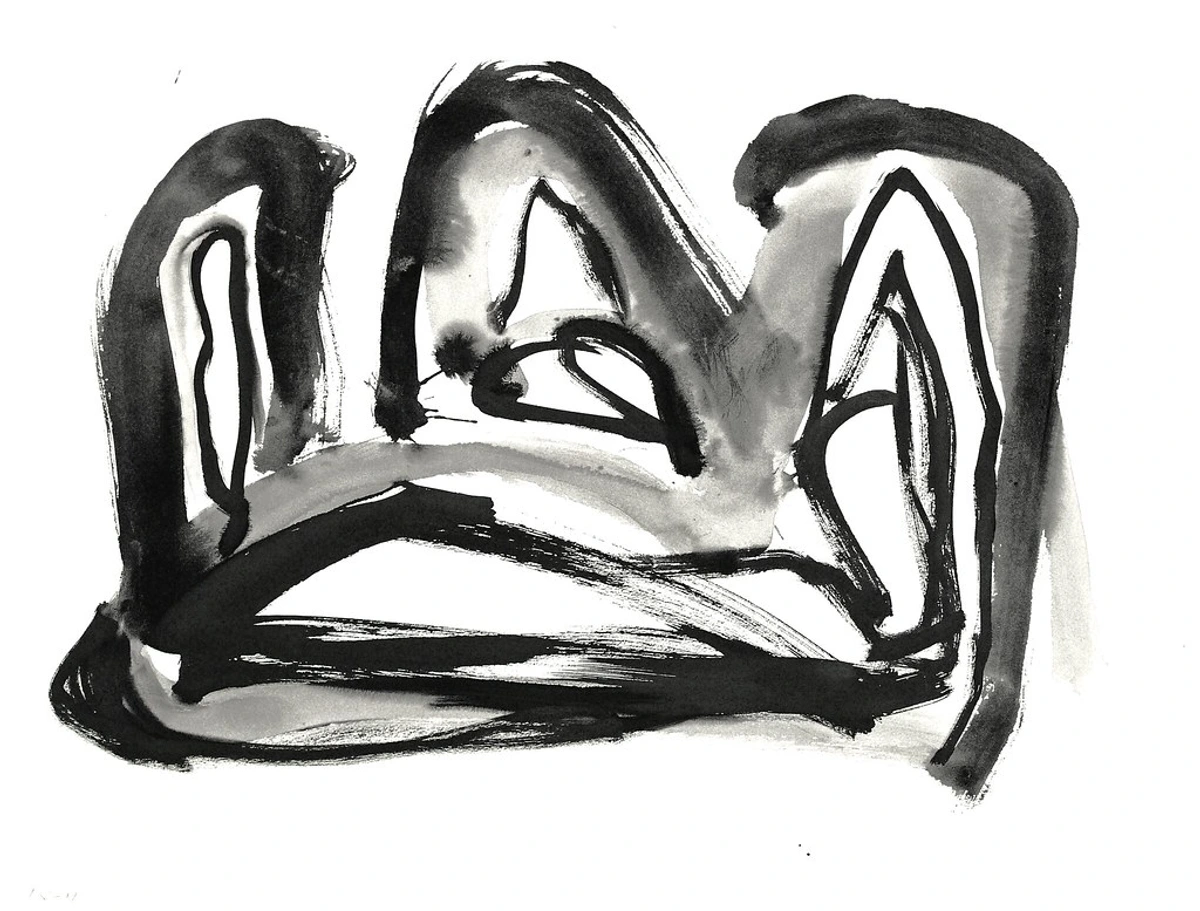
The Abstract Expressionists of the mid-20th century are, for me, the undisputed champions of the bold stroke. They weren't just painting; they were wrestling with the canvas. The history of this period is fascinating, a real turning point in art. For a deeper dive, the definitive guide to the history of abstract art is a great place to start.
Understanding the Abstract Expressionist Revolution
The Abstract Expressionist movement emerged in New York in the 1940s and 1950s, largely as a reaction to the trauma of World War II and the rise of psychoanalysis. Artists were searching for new ways to express universal human experiences—fear, hope, anxiety, transcendence—that couldn't be captured by traditional representational methods.
What made this movement so revolutionary was its embrace of process over product. For many Abstract Expressionists, the act of painting itself was what mattered most. The bold stroke became a record of the artist's physical and emotional journey, a trace of their presence on the canvas.
The Two Branches of Abstract Expressionism
Abstract Expressionism can be broadly divided into two approaches:
- Action Painting: Artists like Jackson Pollock, Willem de Kooning, and Franz Kline focused on the physical act of painting. Their bold, energetic strokes often dripped, splattered, or slashed across the canvas, creating a dynamic, all-over composition.
- Color Field Painting: Artists like Mark Rothko, Barnett Newman, and Clyfford Still used large, flat areas of color with bold canvas edges or subtle brushwork. Their approach was more meditative and spiritual, focusing on the emotional impact of pure color.
Both approaches valued the bold stroke, but for different reasons. Action painters saw it as a record of energy and movement, while Color Field painters saw it as a way to create spatial depth and emotional resonance.
A Few Key Players
Artist  | Their Approach to the Bold Stroke | The Feeling It Evokes | Notable Works |
|---|---|---|---|
| Franz Kline | Monumental, architectural strokes in black and white. Often used house-painting brushes. | Industrial, powerful, stark, dramatic tension. | Mahoning, Painting Number 2 |
| Willem de Kooning | Chaotic, aggressive, wet-on-wet strokes that built up and scraped away layers. | Frenetic energy, conflict, raw human emotion. | Woman I, Excavation |
| Lee Krasner | Rhythmic, looping, calligraphic strokes that feel both controlled and liberated. | Elegant, dynamic movement, a sense of dance. | Milkweed, Proposition: Piece |
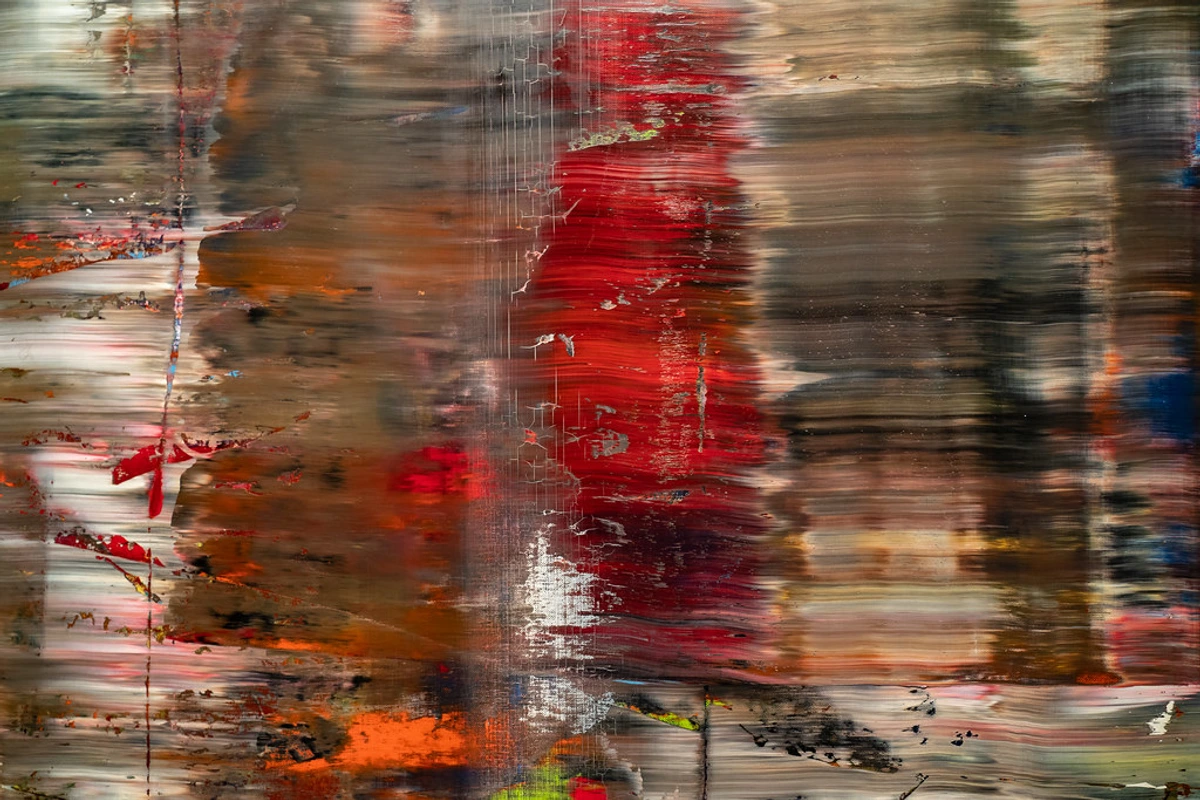
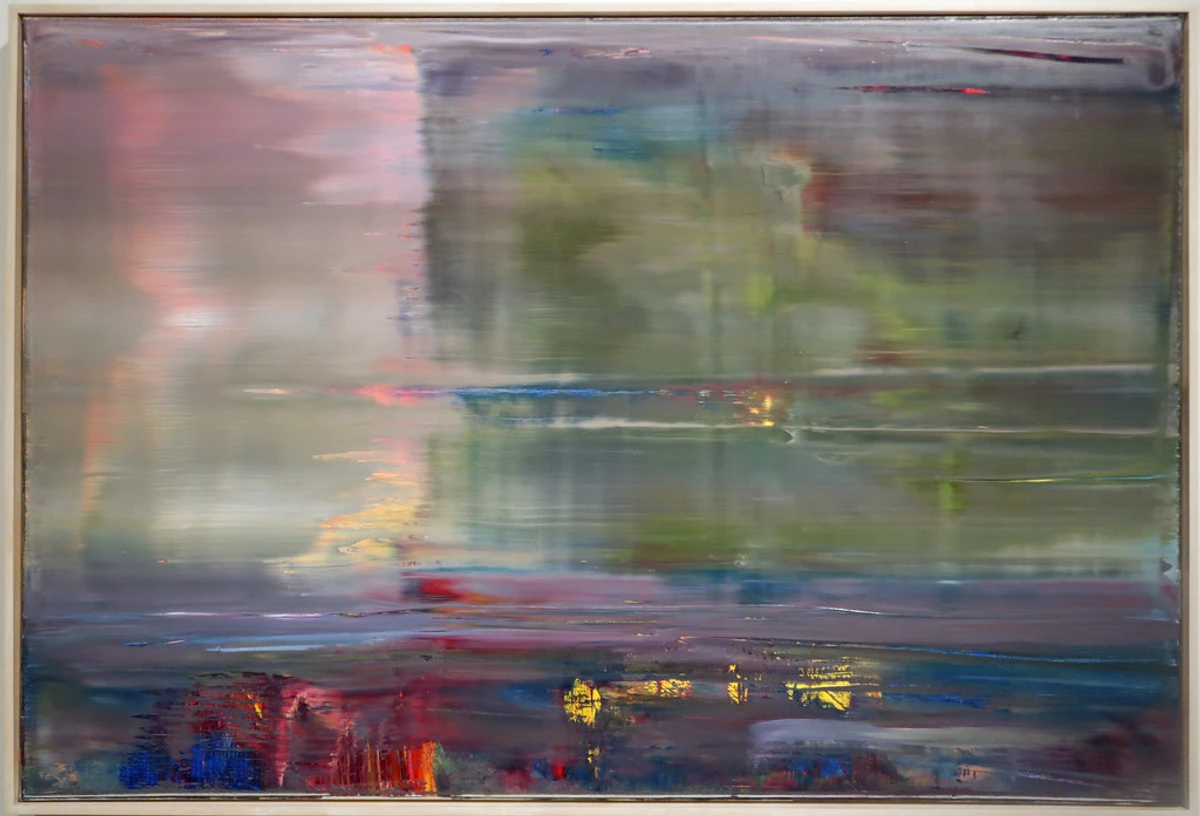
| Gerhard Richter | The squeegee. A massive, controlled drag of paint across the canvas. | A blend of chaos and control, revealing and obscuring. | Candle, Abstract Painting |
| Joan Mitchell | Lush, gestural strokes with vibrant colors, often inspired by landscapes. | Emotional intensity, lyrical beauty, movement. | Hemlock, South |
| Clyfford Still | Massive, vertical bands of color with bold, physical application. | Spiritual transcendence, elemental power, awe. | 1957-D-No. 1, PH-966 |
| Mark Rothko | Soft-edged, floating rectangles of color with subtle brushwork. | Meditative, spiritual, emotional depth. | No. 14 (Black on Gray), Orange, Red, Yellow |
| Pierre Soulages | Thick, black textures scraped and dragged across the canvas. | Primordial, mysterious, monumental. | Peinture 195x195cm, 29 décembre 1959 |
| Zao Wou-Ki | Calligraphic, flowing lines in vibrant colors, blending Eastern and Western traditions. | Lyrical, spiritual, cosmic. | 28.12.59, 14.03.61 |
These artists, and many others, understood that the way paint is applied is just as important as the colors being used. Lee Krasner, in particular, is an incredible pioneer of abstract expressionism whose bold marks redefined her career.
Beyond the Canvas: Bold Strokes in Other Mediums
The bold stroke isn't limited to traditional painting. Artists have found ways to apply this powerful mark-making approach to many different mediums:
- Sculpture: Artists like Louise Bourgeois and Richard Serra use bold, gestural marks in their sculptural work, whether through welding, carving, or casting.
- Printmaking: Printmakers like Helen Frankenthaler and Robert Rauschenberg created bold effects through innovative printing techniques.
- Ceramics: Potters and ceramic artists use bold brushwork and glazing techniques to create dynamic surfaces.
- Textile Arts: Fiber artists use bold stitching, dyeing, and weaving techniques to create powerful visual statements.
- Digital Art: Contemporary digital artists use pressure-sensitive tablets and software to create digital "bold strokes" that capture the energy of traditional mark-making.
The Anatomy of a Stroke: Breaking Down the Elements
Let's get nerdy for a second. A bold stroke isn't just a line. It’s a complex little ecosystem. It has:
- Edges: Are they sharp and clean, or soft and feathered? This tells you about the speed of the mark and the wetness of the paint.
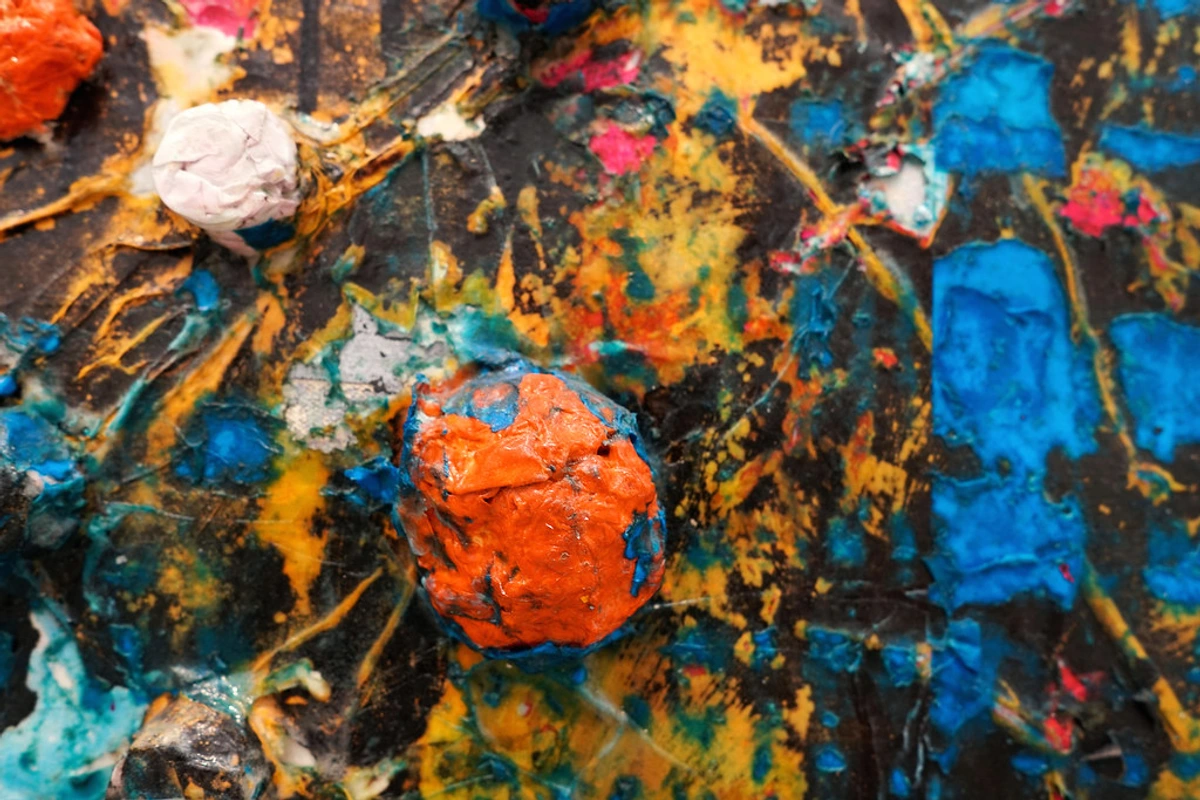
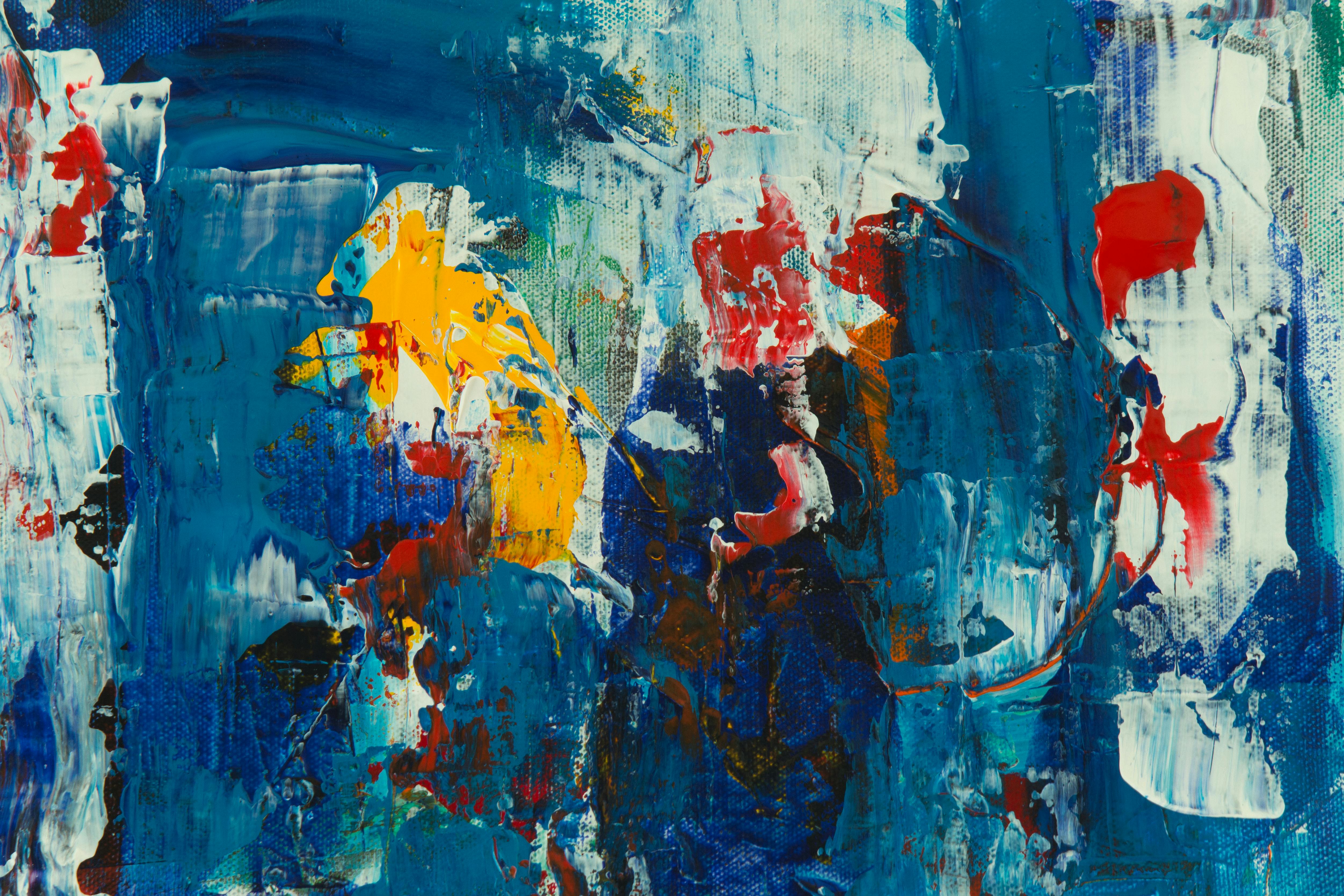
- Texture (Impasto): A thick stroke creates a physical landscape on the canvas. It catches light and creates shadows. It has a physical presence.
- Direction: A horizontal stroke can feel calm, like a horizon. A vertical one can feel strong and aspiring. A diagonal one is all about dynamism and instability.
- Transparency: Does it sit opaquely on top of the other layers, or does it allow colors from underneath to peek through?
Thinking about these elements reveals the depth and complexity behind what seems like a simple gesture. It’s all part of the language of the art of mark making.
Beyond the Brush: Modern Boldness
The idea of a bold mark isn't confined to a horsehair brush. Contemporary artists have expanded the definition in incredible ways.
Christopher Wool’s stenciled word paintings, for example, use the graphic finality of text as a type of bold stroke. Each letter is a deliberate, powerful mark that dominates the canvas. It’s not a gesture of the hand, but a gesture of the mind, made brutally visible.
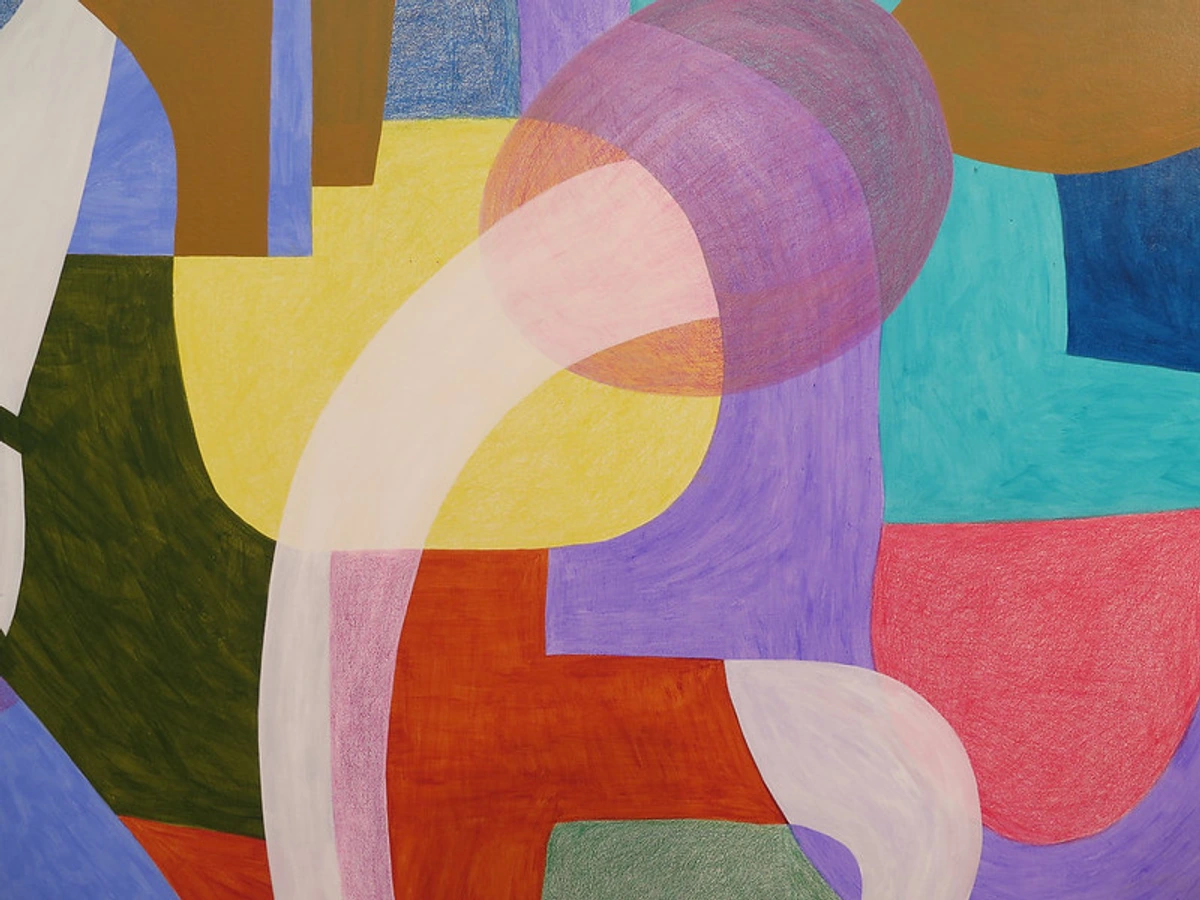
And what about digital art? A powerful stroke on a tablet, using an app like Procreate, is about pressure, speed, and the digital 'brush' settings. The gesture is still there, translated through sensors and pixels, but the intent remains the same: to make a mark that matters.
Frequently Asked Questions (FAQ)
What's the difference between a brushstroke and a bold stroke?
Every mark made with a brush is a brushstroke, but a bold stroke is defined by its character: its confidence, scale, and impact on the composition. It's a brushstroke that refuses to be just a small part of the whole and instead becomes a major event in the painting.
Are bold strokes always abstract?
Not necessarily! While bold strokes are most commonly associated with abstract art, they can appear in representational work as well. Artists like Vincent van Gogh and Francis Bacon used bold, expressive strokes in figurative work to convey emotion and energy. The key difference is that in representational art, the bold strokes serve the subject, while in abstract art, the strokes often become the subject themselves.
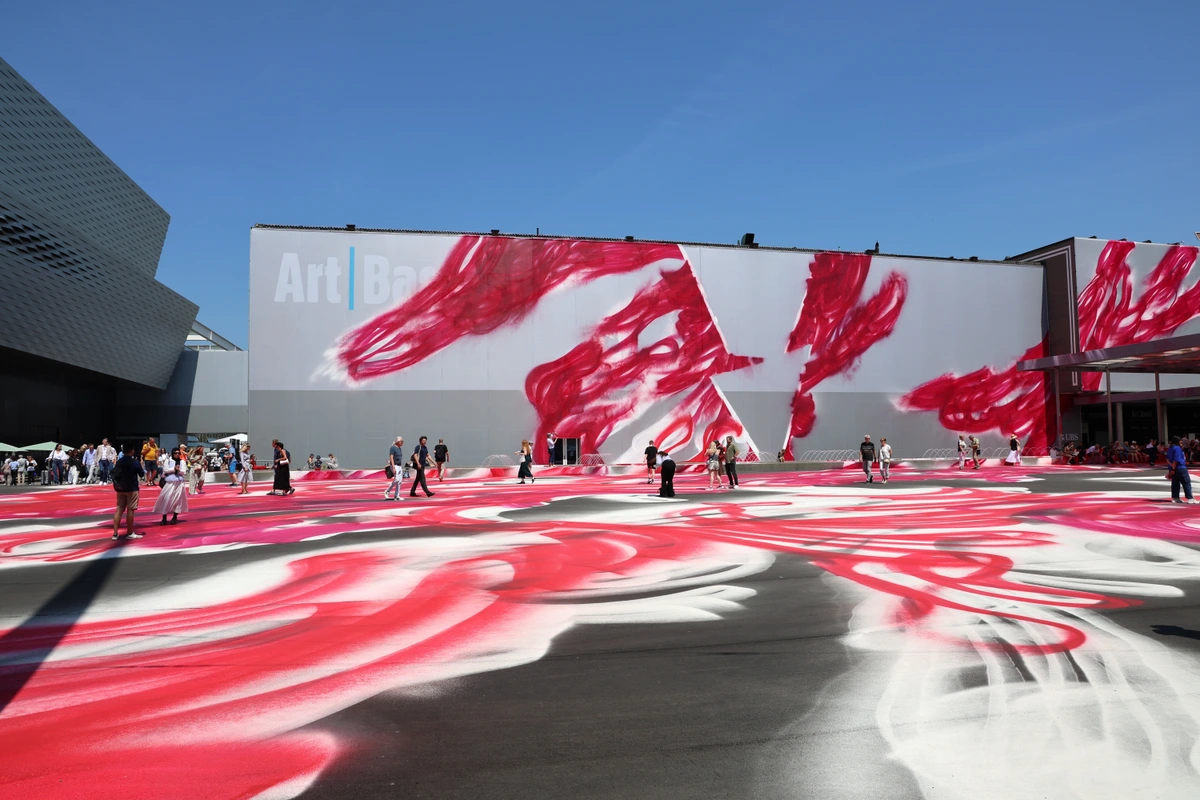
Which artists are most famous for their bold strokes?
Beyond the ones mentioned above, look into the work of Joan Mitchell, Clyfford Still, Pierre Soulages, and Kazuo Shiraga. Each had a unique and powerful way of making their mark.
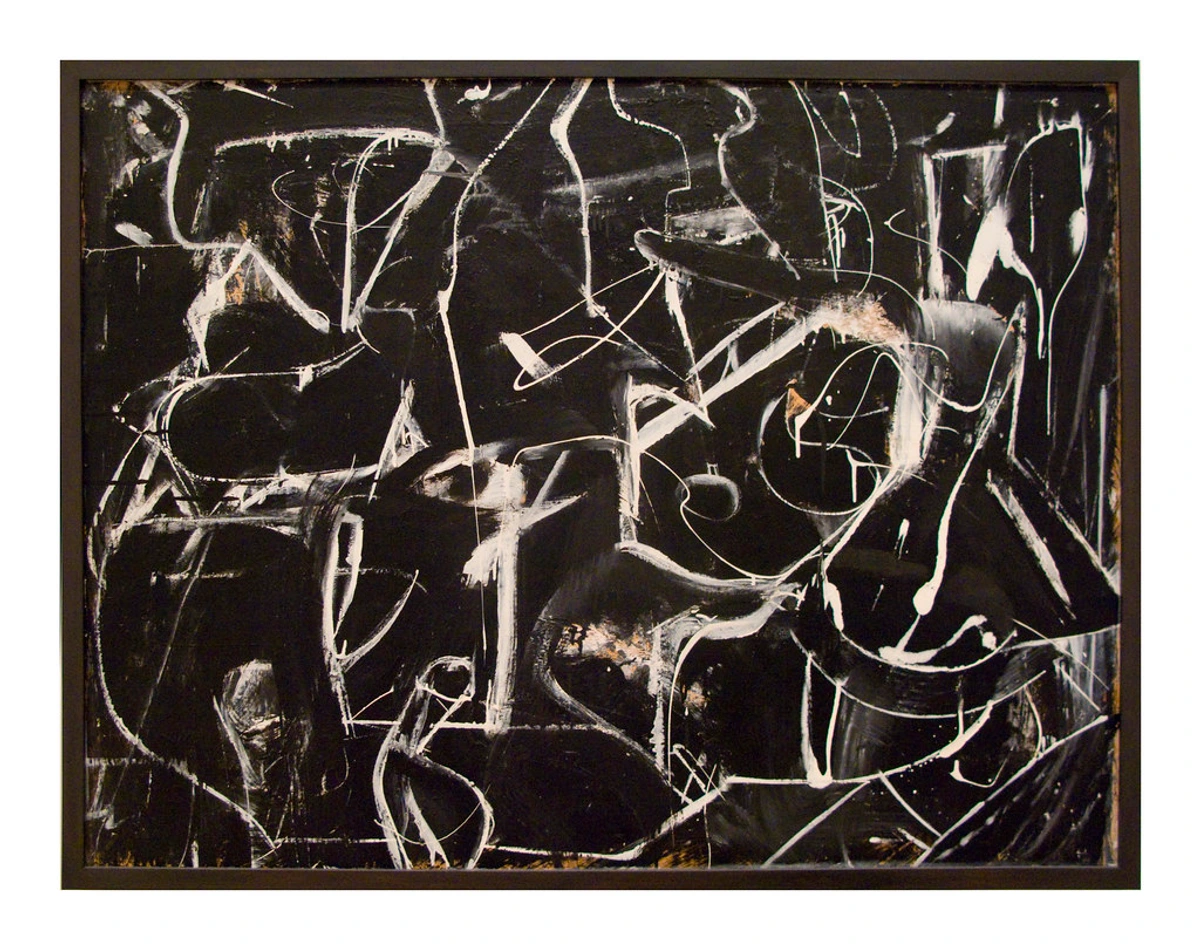
Can a minimalist painting have bold strokes?
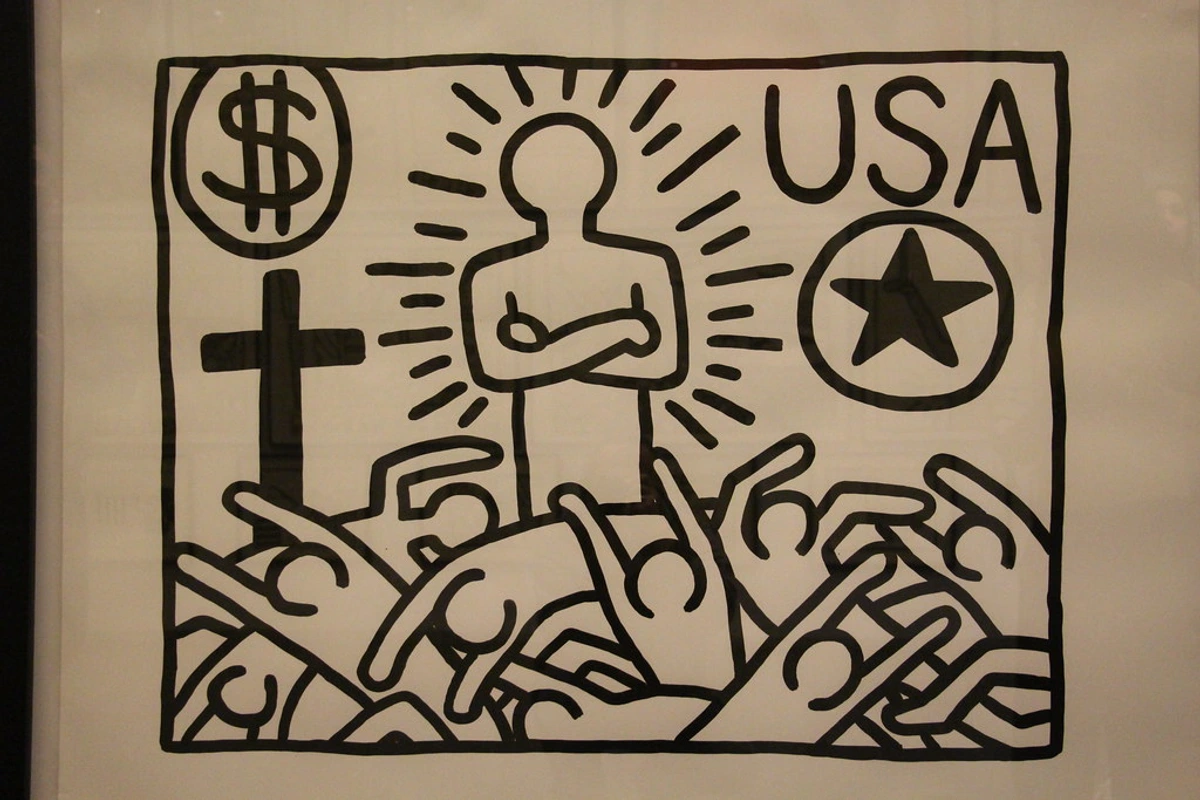
Absolutely. Imagine a vast, empty white canvas with a single, perfect black line running across it. That line is a bold stroke. In minimalism, its power is amplified by the surrounding emptiness. You can learn more about this philosophy in this guide on what is minimalism in art.
Are bold strokes always made quickly?
Not necessarily. While many are associated with speed (action painting), a bold mark can also be made slowly and deliberately. Gerhard Richter's squeegee technique is a perfect example—it's a massive, bold gesture, but it requires immense control and a steady, consistent speed.
Can anyone learn to make effective bold strokes?
Absolutely! The beauty of bold strokes is that they don't require perfect technique—they require intention and confidence. Many people think they need years of training to make bold marks, but the truth is that authenticity often matters more than technical perfection. The key is to be decisive and committed to your mark, whether you're a beginner or a seasoned artist.
What's the difference between bold strokes and graffiti?
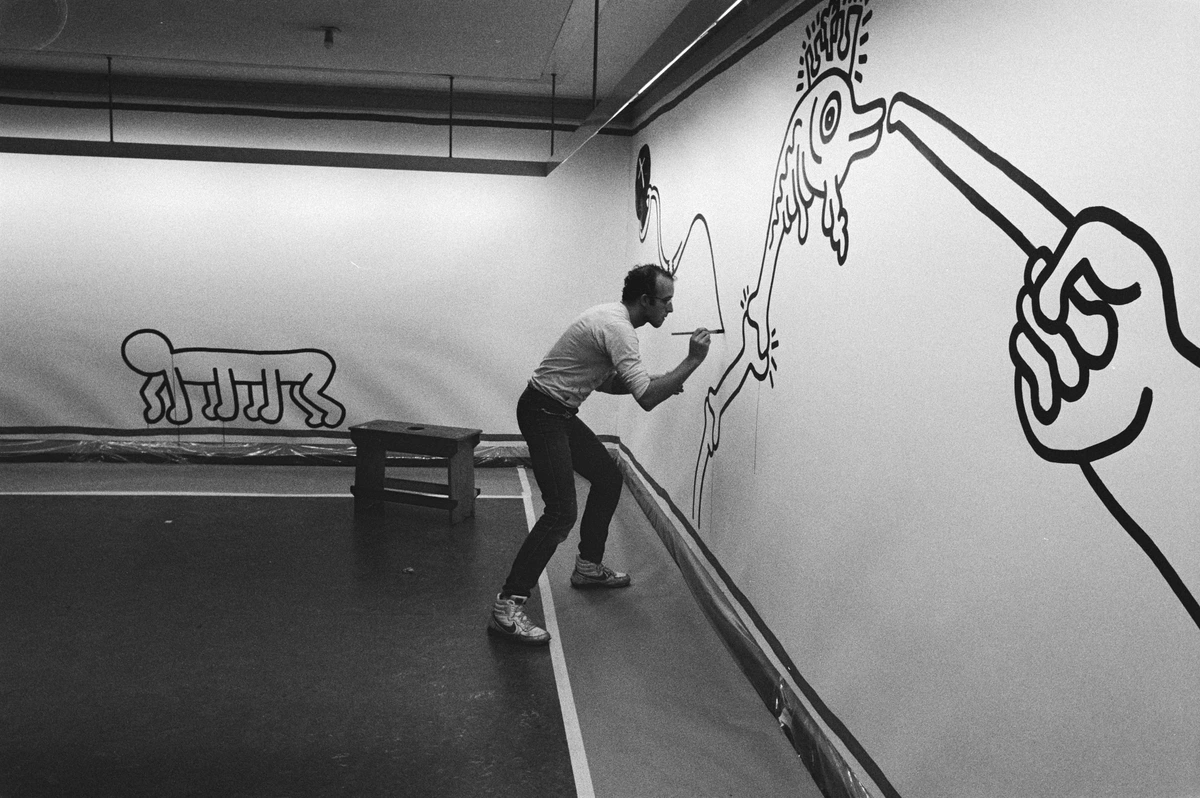
While they can look similar, bold strokes and graffiti serve different purposes and contexts. Bold strokes in fine art are typically made on canvas or prepared surfaces with artistic intent and often for exhibition in galleries or museums. Graffiti, while it can be incredibly bold and artistic, is typically made in public spaces and often carries social, political, or territorial significance. The line can blur, especially with artists like Basquiat who bridged both worlds.
A Final Thought
A bold stroke is an act of artistic courage. It's a commitment, a point of no return on the canvas. It's the artist planting a flag and declaring, "I am here. This is what I feel. This matters."
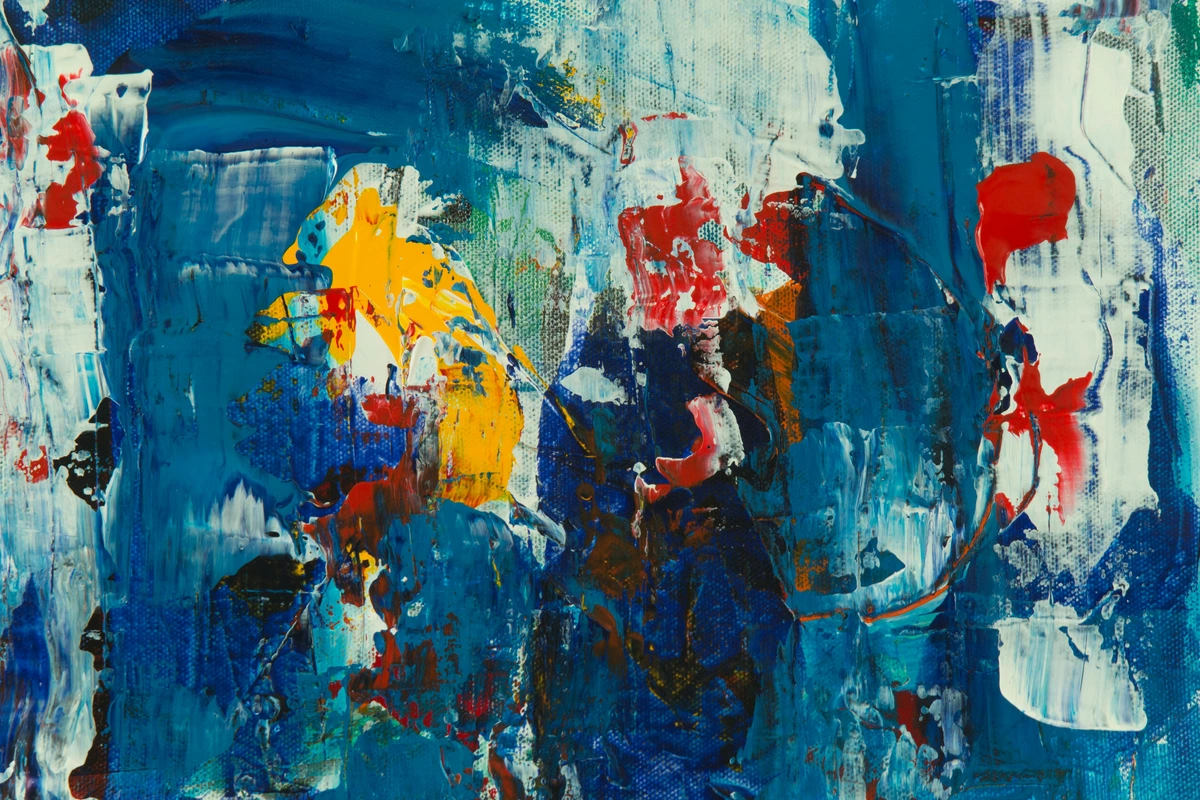

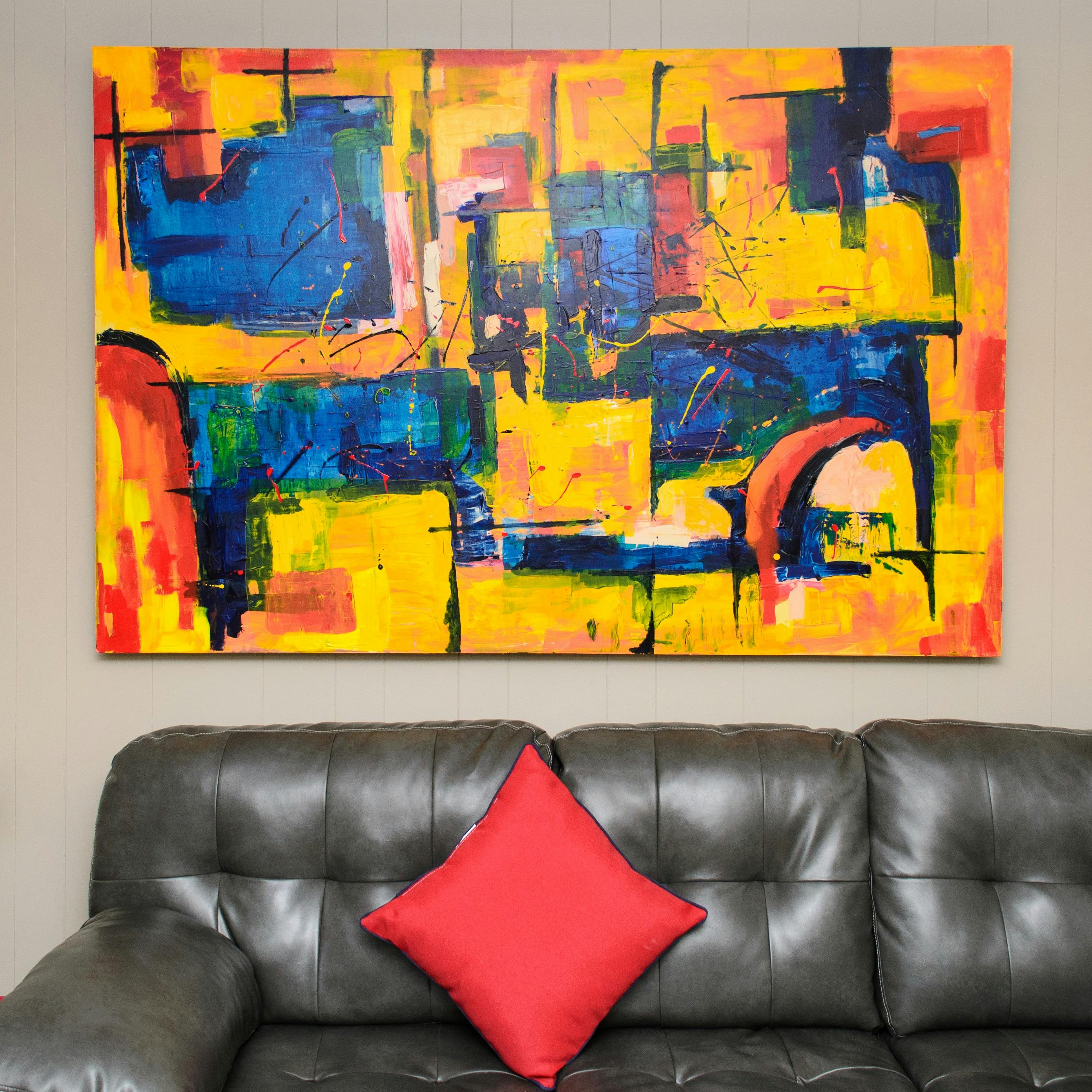






In a single, powerful mark, we can find a universe of emotion, history, and intention. It’s a reminder that sometimes, the most profound statements are also the most direct. It's not just paint on a surface; it's a heartbeat made visible.