How to Use Bold Brush Strokes in Painting: An Artist's Guide
Ditch the timid dabbing. Learn how to paint with confident, bold brush strokes. An artist shares personal tips, techniques, and exercises to unleash your painting's energy.

Unleash the Beast: My Personal Guide to Bold Brush Strokes
I used to paint with the tiniest brushes I could find, practically holding my breath. I'd hunch over my canvas, attempting delicate, perfect little marks, terrified of any 'mistake' – a big, clumsy splotch that couldn't be undone. My early work was… well, let's just say it was incredibly careful. And frankly, incredibly boring. For years, I was trapped in this notion that 'good' art demanded painstaking precision, an almost invisible hand. But honestly, it felt less like creation and more like a tightrope walk across a canvas of anxiety. Have you ever felt that? That paralysis of perfection?
The real game-changer, the seismic shift in my artistic journey, occurred out of sheer frustration one day. I grabbed a cheap, two-inch house-painting brush, loaded it with an almost defiant amount of vibrant blue paint, and just dragged it across the canvas. It wasn't neat. It certainly wasn't planned. But that single, unrefined stroke burst with more energy and life than anything I had meticulously crafted in the previous month. It was a revelation – a raw explosion of feeling that, for the very first time, felt like me truly speaking through the paint. That was the day I stopped whispering and started shouting on canvas.
That, my friends, is the undeniable magic of the bold brush stroke. It's so much more than a technique; it's a profound declaration. It's confidence made visible, raw emotion unfurled, and unbridled energy captured on your canvas. It’s a testament to your undeniable presence as an artist, a direct, unfiltered conversation between your heart, your hand, and the material. This exhilarating journey from timidity to artistic liberation is something I’m profoundly passionate about sharing. So, if you're truly ready to embrace the power of your own unique mark, to stop tiptoeing around your canvas and start making art that feels alive, vibrant, and undeniably yours, then you've absolutely come to the right place. Let’s dive deep into how you can unleash your inner beast with bold strokes, turning every mark into a powerful statement.
Why Bother with Bold Strokes? It's All About Energy
A bold brush stroke is more than just applying paint; it's a dynamic fingerprint of a specific moment. It captures the raw speed of your hand, the subtle weight of your arm, and the unfiltered feeling you’re trying to get across. I often think of it less as 'coloring in' a predetermined shape and more as a physical performance, a dance between your intention and the canvas. Each stroke becomes a visceral record of an action, a raw, unedited glimpse into the artist's mind and body. It’s about consciously letting go of overthinking and allowing pure intuition to guide your hand. This isn't just about rendering pretty pictures; it's about making art that feels truly alive, vibrating with an undeniable presence.
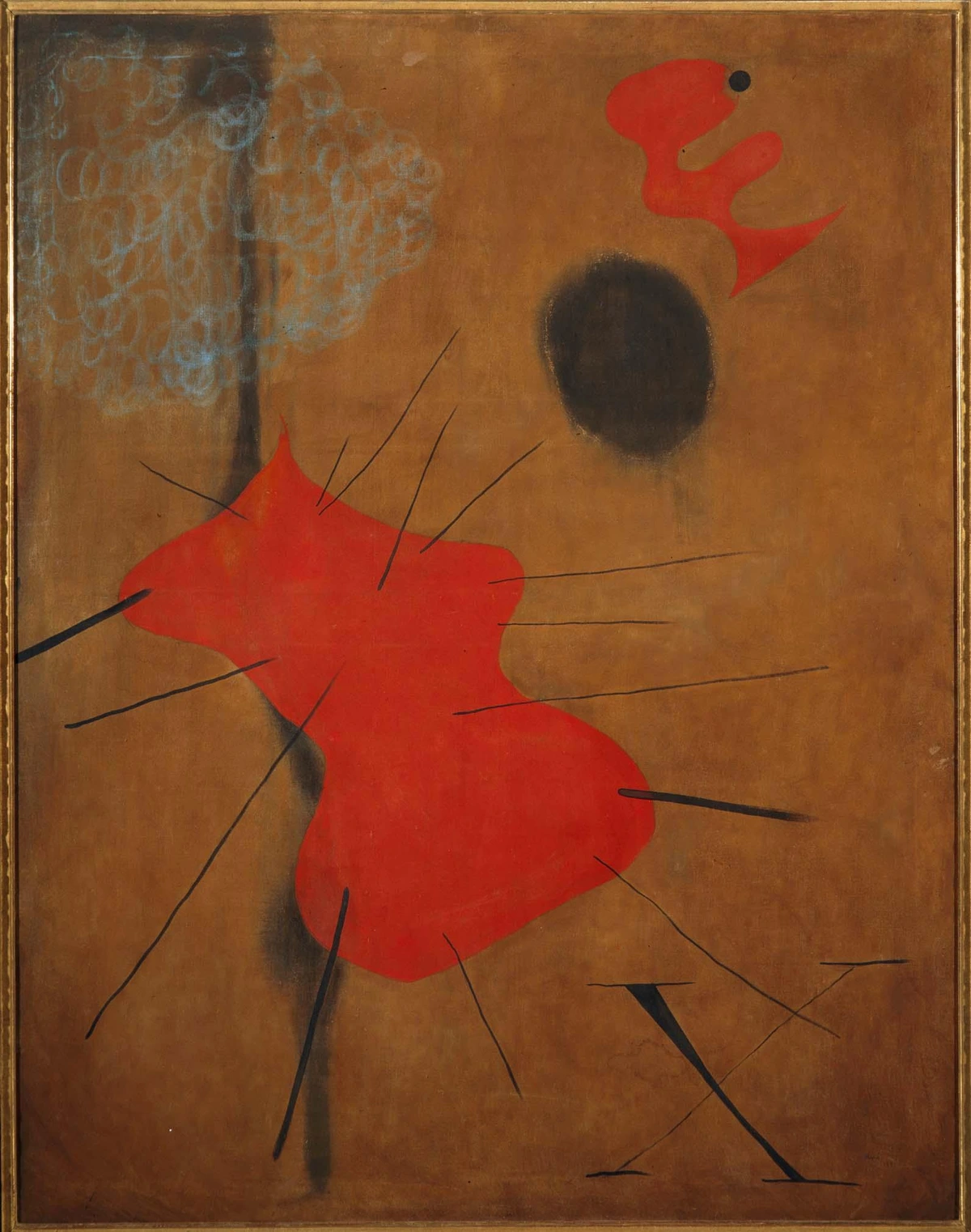
Here are a few compelling reasons why embracing bold strokes can revolutionize your practice and your final pieces:
- It Creates Instant Energy & Movement: Quick, decisive strokes inject a palpable sense of movement and vitality into a painting that's virtually impossible to achieve with tiny, timid dabs. Imagine how a sudden, powerful gust of wind animates a field of tall grass – that’s the kind of spontaneous energy a bold stroke can capture, a snapshot of motion that practically vibrates off the canvas. It pulls the viewer in, inviting their eye to follow the journey of your hand.
- It Builds Delicious, Tangible Texture: A thick, confident stroke inherently leaves behind distinct ridges and valleys of paint, what’s famously known as impasto. This isn't just visual trickery; it adds genuine physical depth to your work, creating a tactile surface that catches and plays with the light in incredibly interesting ways. For me, it’s a huge part of my favorite techniques for adding depth and making a painting truly sculptural. Each raised peak and shadowed trough tells a story.
- It's Emotionally Expressive & Immediate: Are you feeling angry, joyful, serene, or chaotic? A bold stroke possesses the remarkable ability to communicate that emotional state instantly, long before the viewer even consciously registers the subject matter. It’s a direct, unmediated line from your heart to the canvas, a core part of how I approach translating emotion into abstract art. It’s about letting the emotion drive the gesture.
- It Cultivates Confidence: There's an undeniable psychological benefit to making bold marks. Each decisive stroke is an act of courage, pushing past hesitation and self-doubt. This isn't just about improving your art; it's about building a bolder you in the process. Over time, that confidence spills over into all aspects of your creative life.
- It Encourages Intuition & Spontaneity: Bold strokes often demand a certain level of improvisation. You can plan, of course, but the act itself requires letting go and trusting your gut. This fosters a more intuitive way of working, where accidents become opportunities and the unexpected becomes celebrated. It's truly a dance with the unknown.
A Whirlwind Tour: Bold Strokes Through Art History
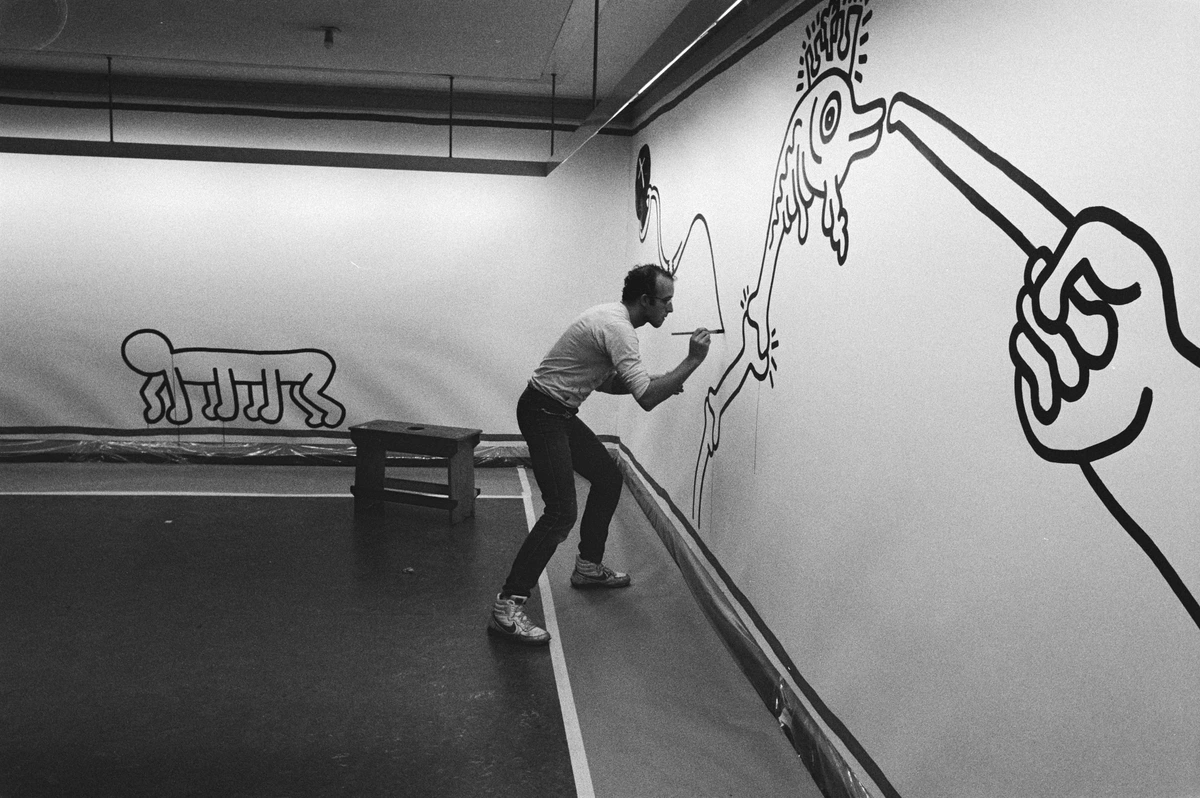
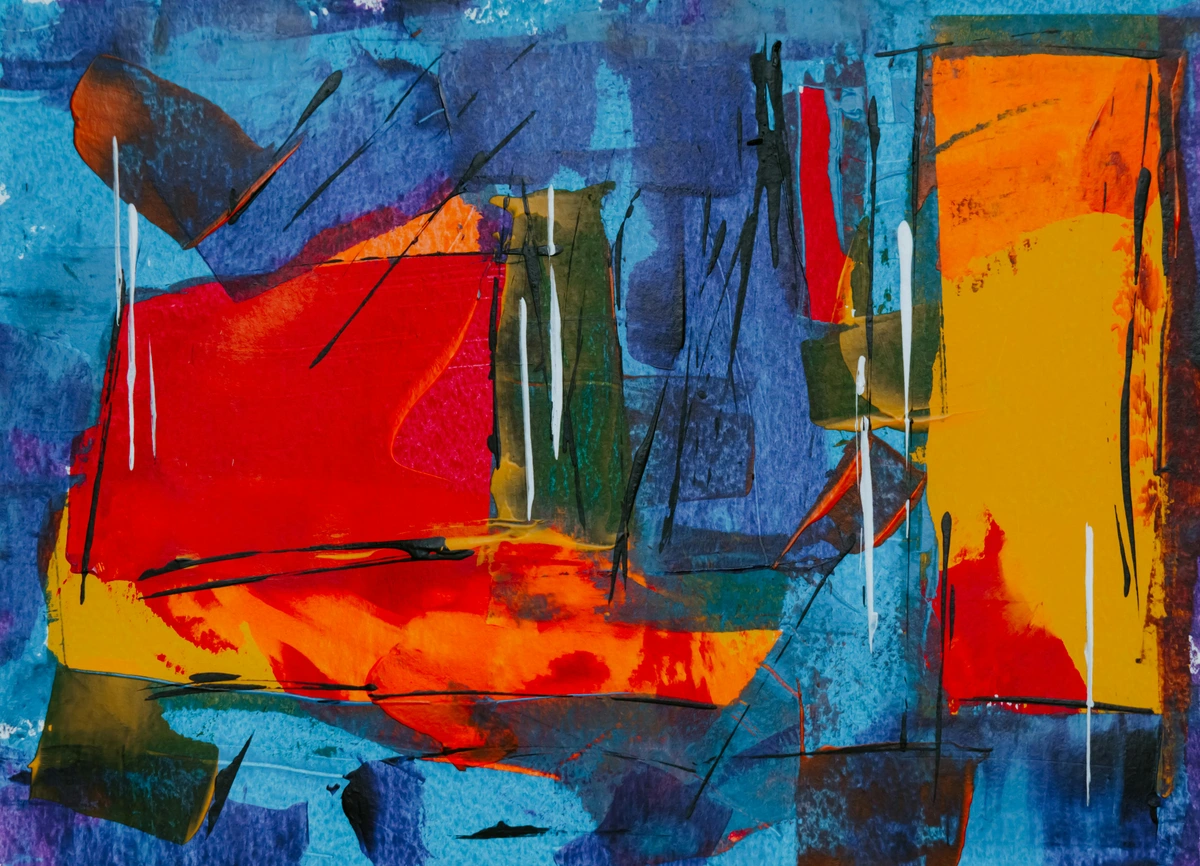
I know, I know, you're probably itching to get your hands gloriously dirty. But before we charge headfirst into the practical 'how-to,' let's take a quick, exhilarating stroll through art history. Trust me, it’s not as dry as it sounds! Seeing how countless masters have wrestled with paint, how they’ve allowed their gestures to speak volumes, can be incredibly inspiring. It grounds our contemporary exploration in a rich, millennia-spanning tradition. Bold strokes aren't some fleeting, new invention; they've been shouting from canvases, walls, and even ancient caves for centuries, constantly morphing and evolving with each artistic movement and cultural shift. It’s a universal language of dynamism and expression.
The Pioneers: From Baroque Drama to Impressionist Energy
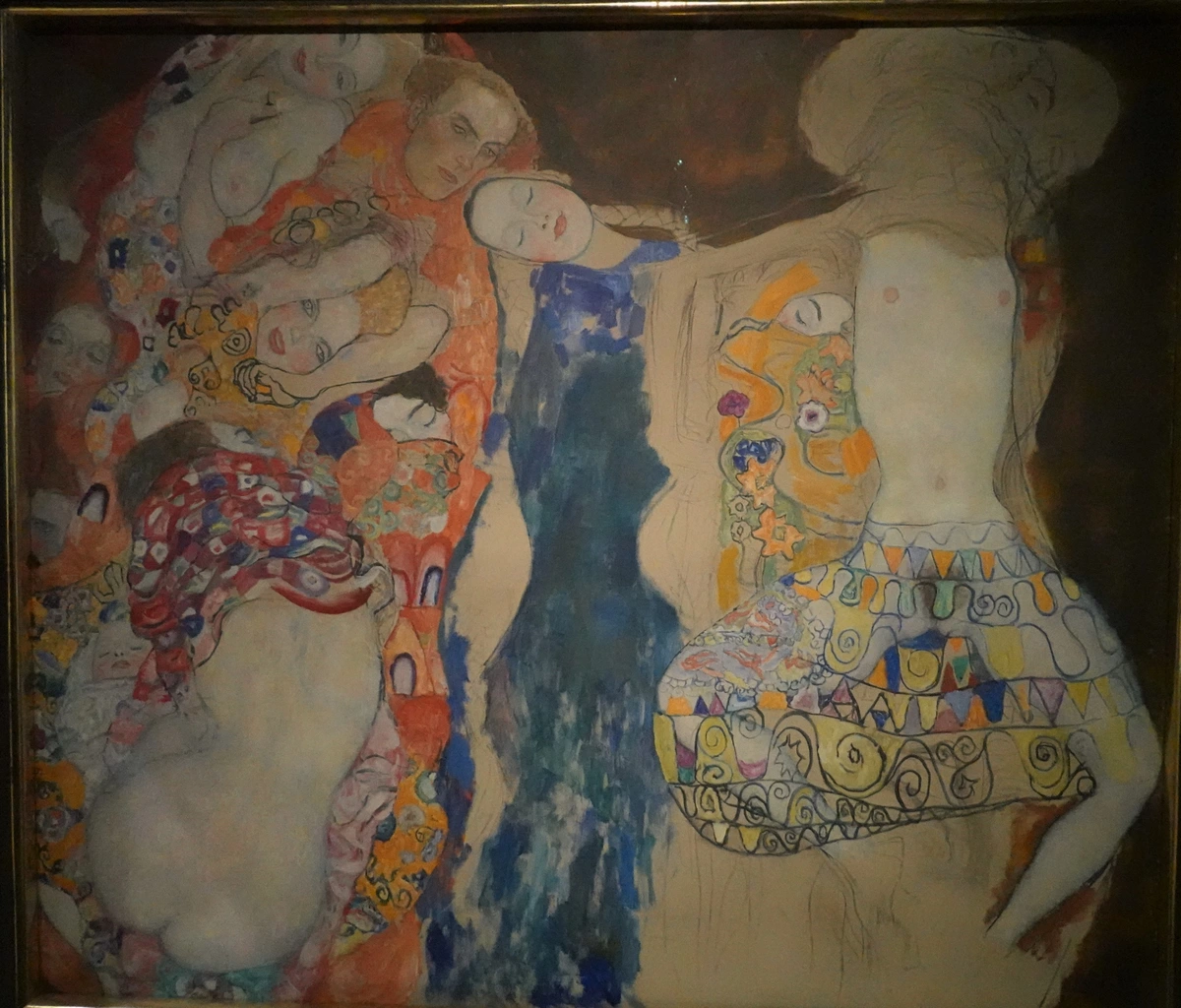
When I reflect on the deep roots of bold brushwork, my mind often journeys back to the dramatic flourishes of Baroque masters like Rubens, whose vibrant compositions pulsated with life and movement, or the raw emotional intensity found in a Goya painting, where broad strokes conveyed visceral human experience. While perhaps not 'bold' in the sense of thick, textured impasto that we often associate with modern art, their brushwork was undeniably assertive, serving to drive powerful narratives and capture intense feeling with undeniable authority. Even earlier, if you look closely at the underpaintings and sketches of Renaissance masters, you'll find incredible examples of energetic, preparatory strokes that, while meant to be covered, reveal an inherent boldness in their creative process.
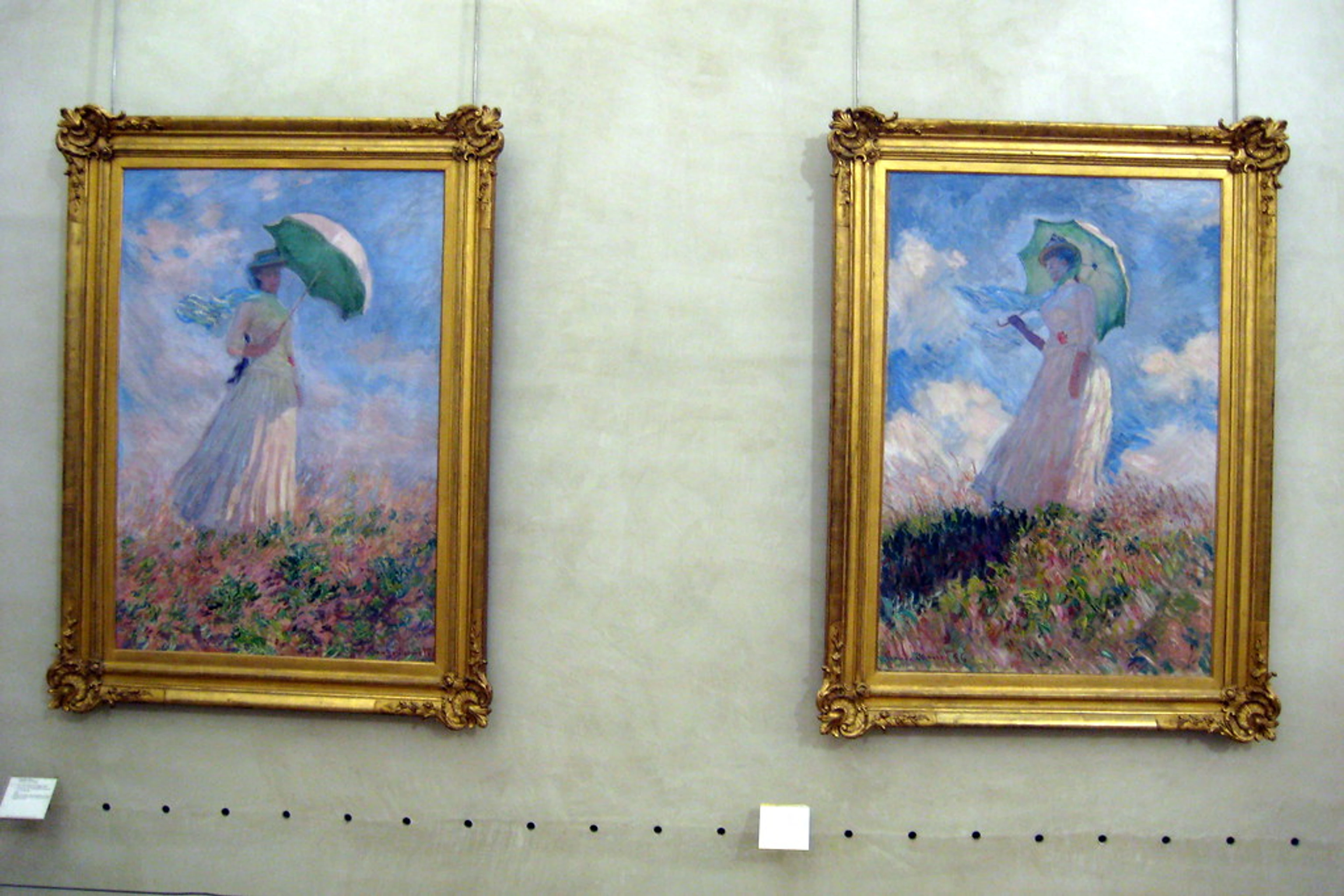
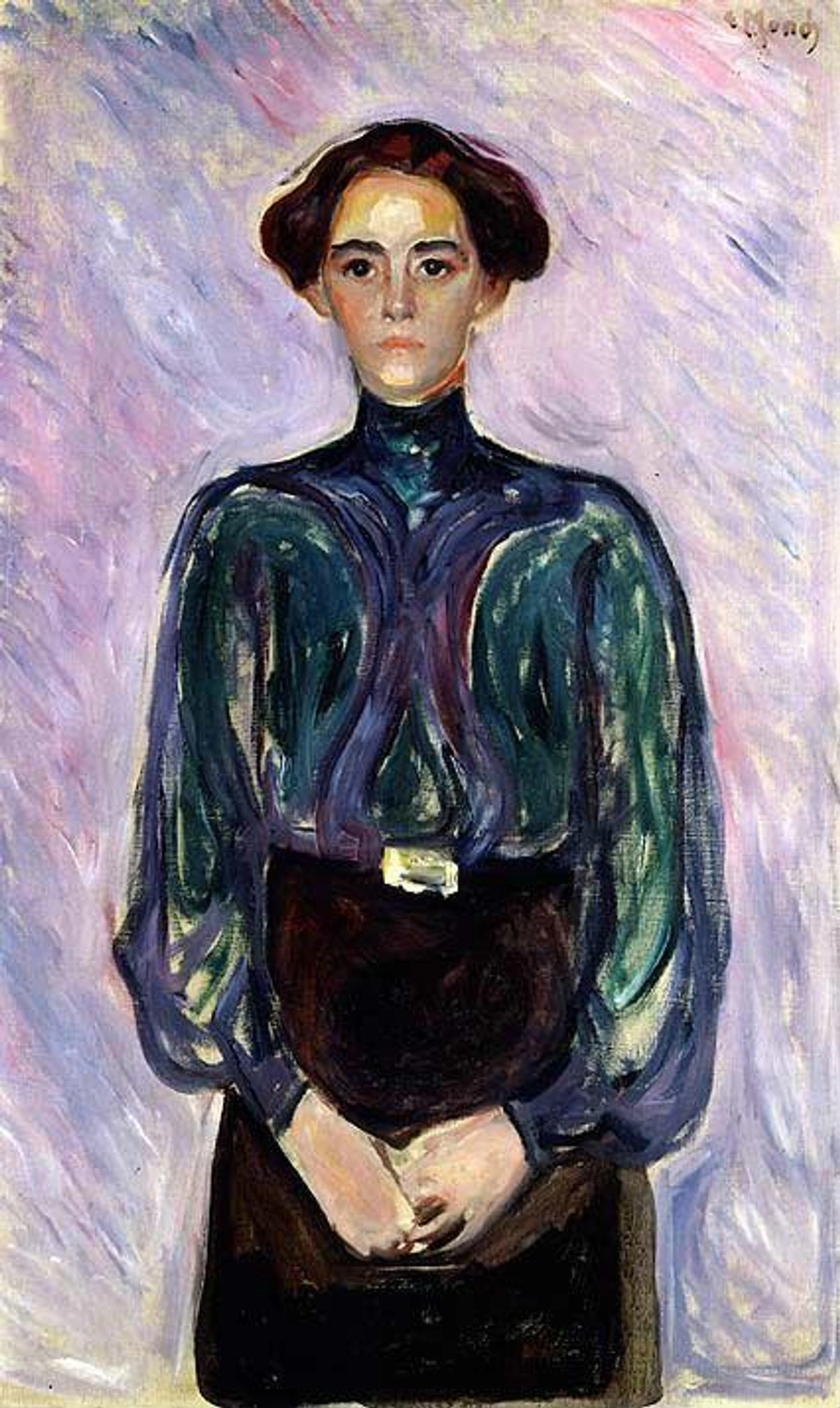
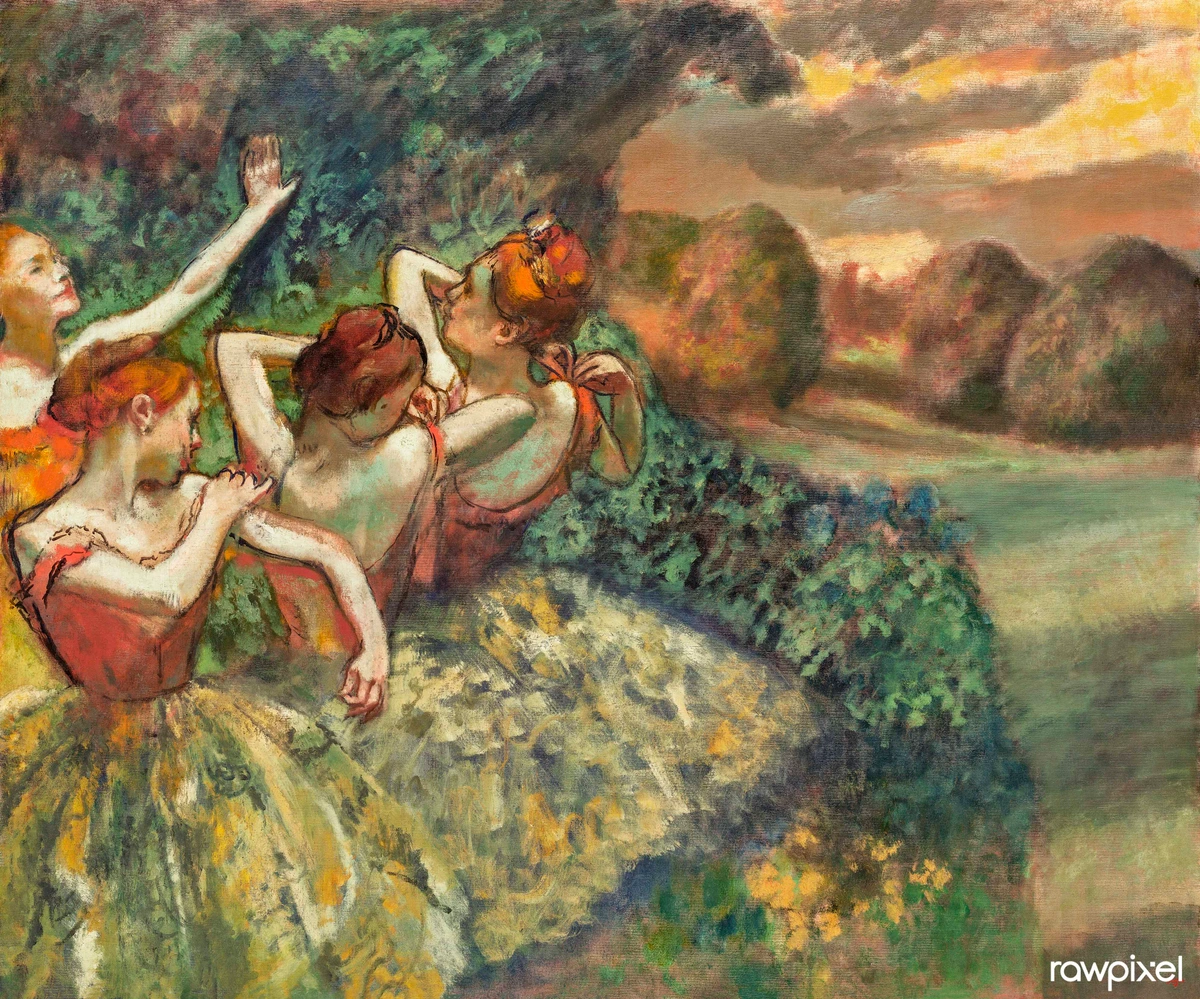
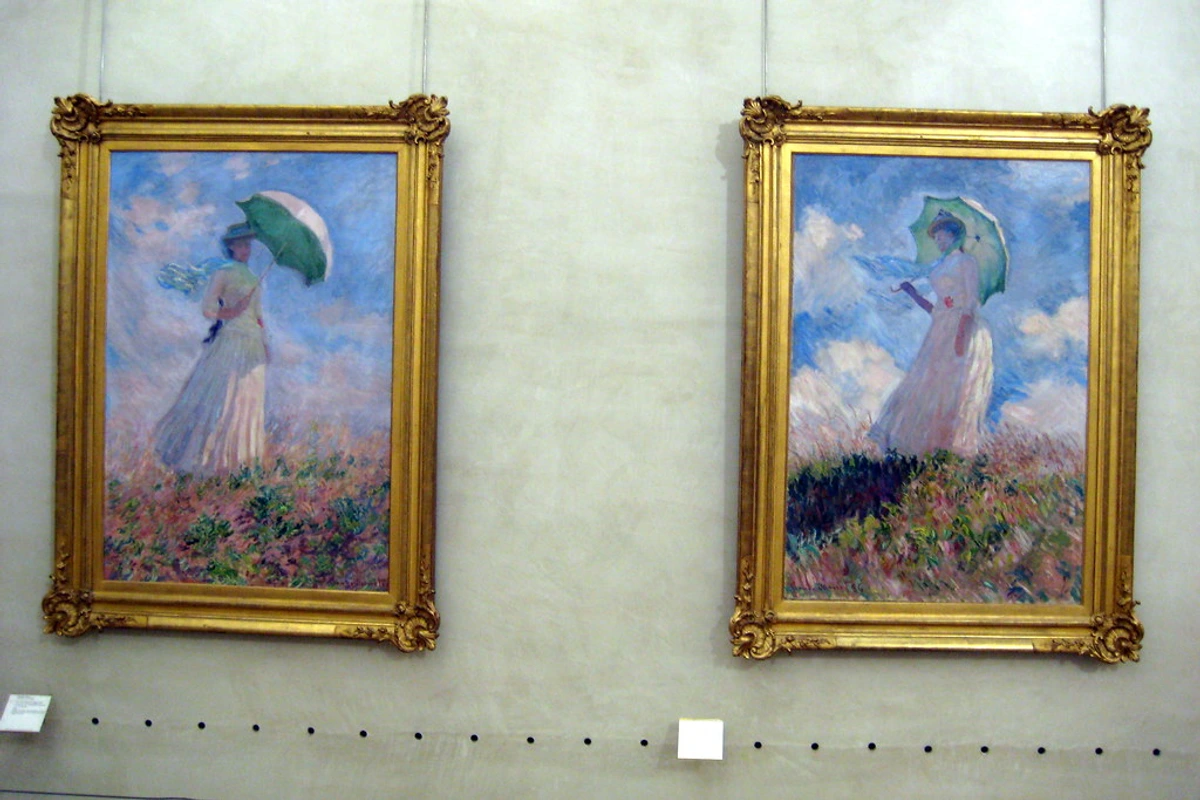
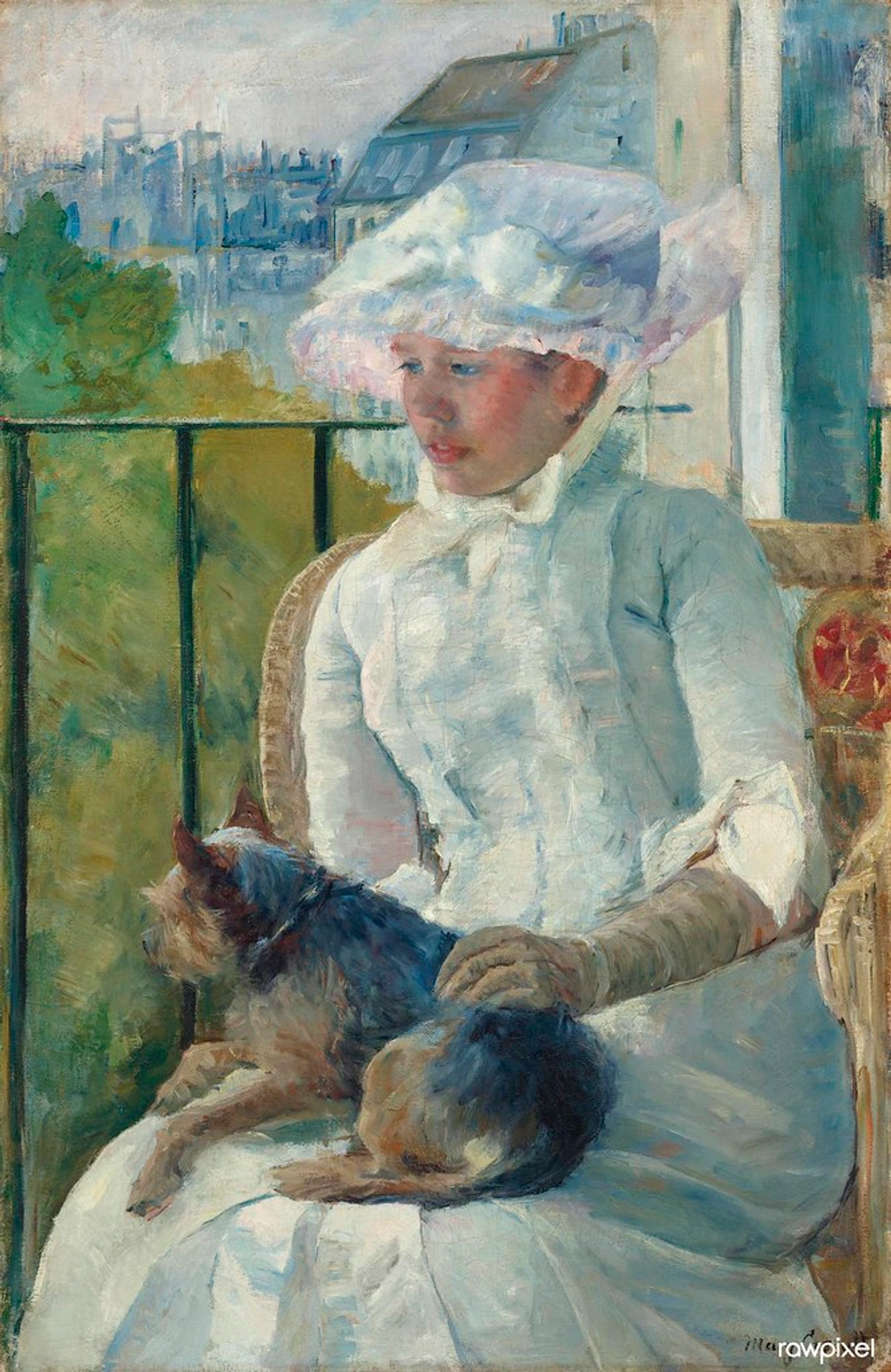
But it's truly with the Impressionists that we witness the brush stroke itself stepping boldly into the spotlight, becoming an undeniable, celebrated subject of the painting. Think of Monet's fleeting dabs of color, each a distinct mark capturing a momentary shift in light and atmosphere, or Renoir's lively, confident touches that brought figures and scenes vibrantly to life. They weren't trying to hide the paint or create an illusion of photographic reality; quite the opposite. They were celebrating its very presence, striving to capture the ephemeral quality of light and atmosphere in a revolutionary, direct way. It was a radical departure from the meticulously smooth finishes of academic art, a clear statement that the visible process was as important, if not more so, than the polished, illusionistic result.
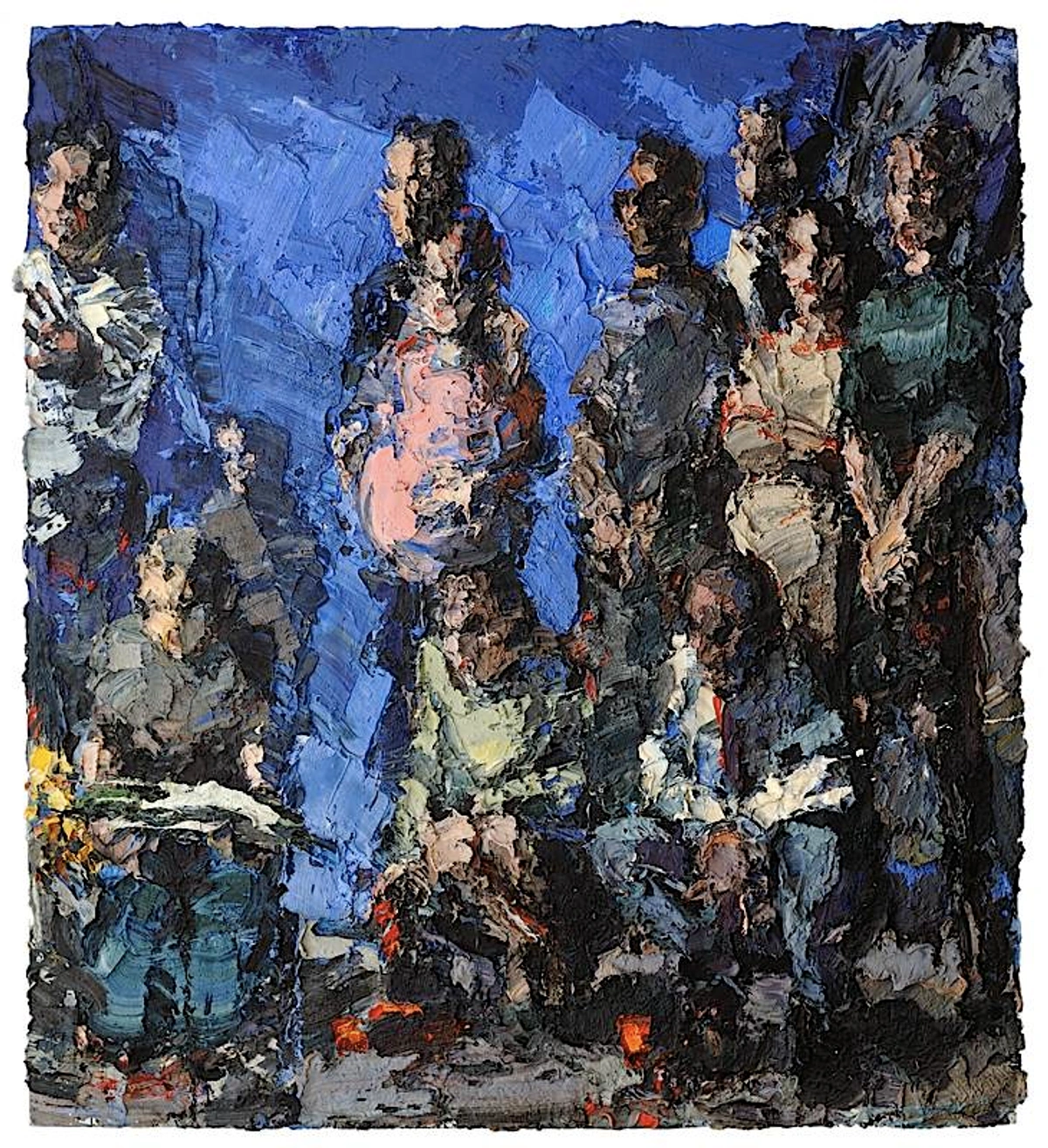
The Emotion Unleashed: Expressionism and Fauvism
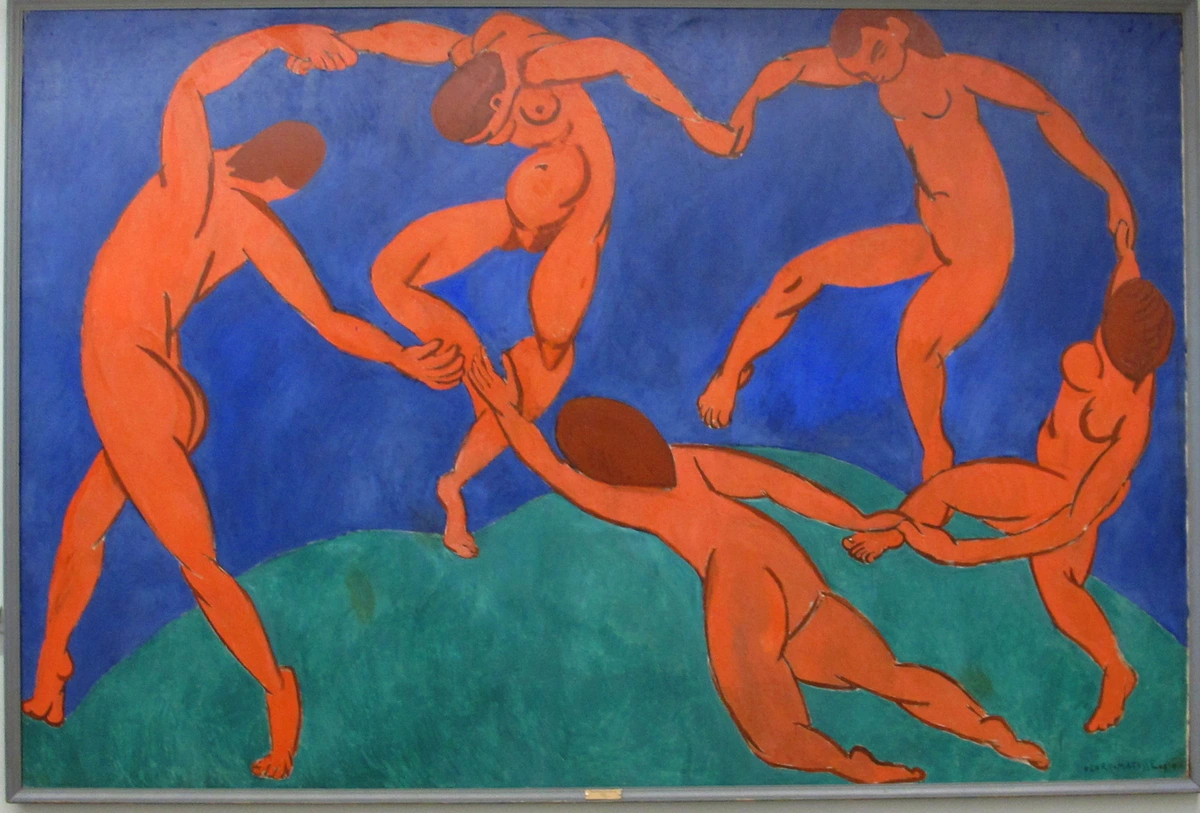
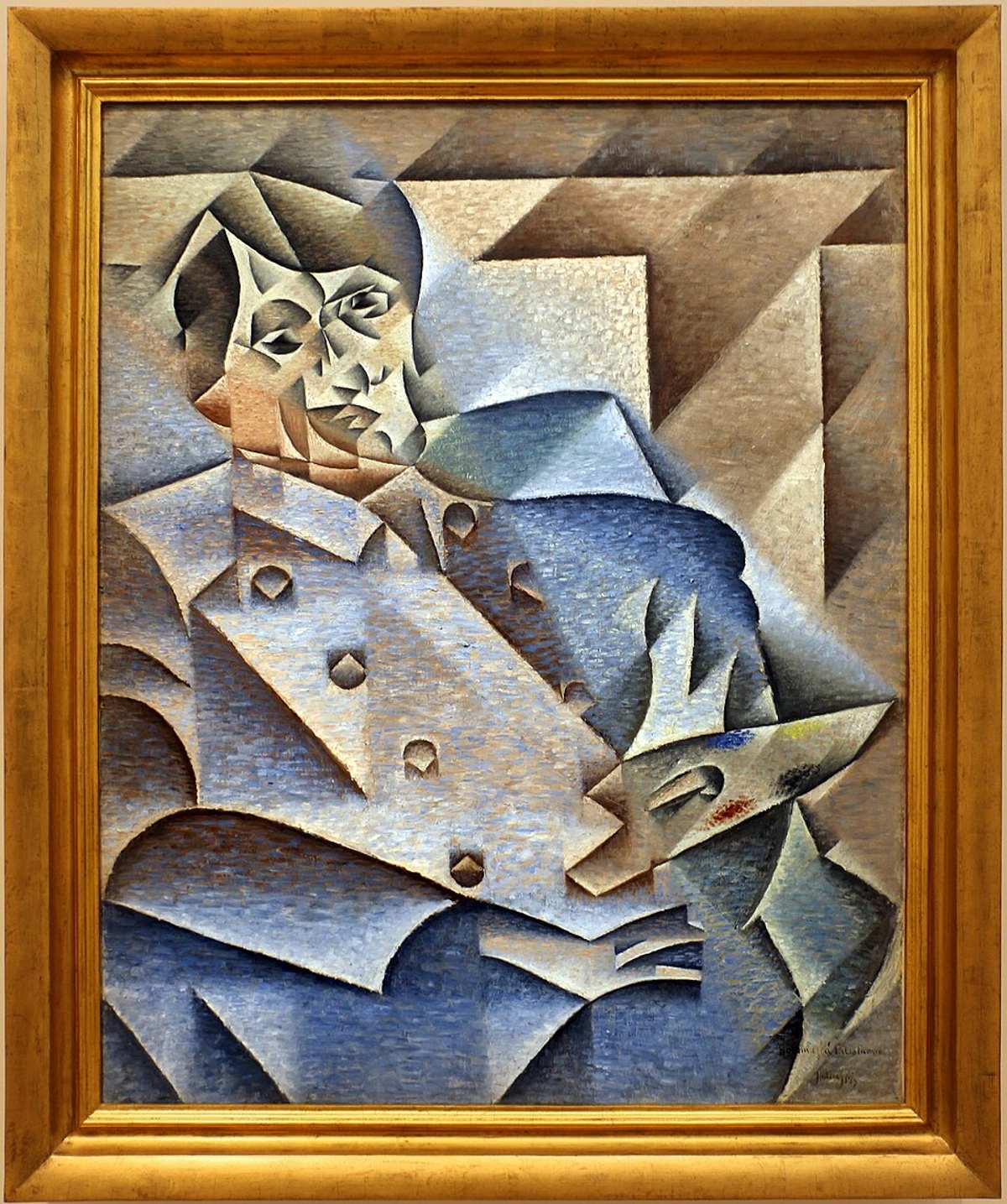
Then came the seismic shifts of the early 20th century, a period when artists declared that painting was not merely about objective observation; it was profoundly about internal feeling, subjective experience, and raw emotion. The Post-Impressionists, particularly a titan like Van Gogh (who, though he technically predates the official movement, so powerfully embodies its spirit), used brushstrokes like a seismograph of their very soul—jagged, thick, restless, and deeply emotive, as if the canvas itself was a conduit for their inner turmoil and joy. Think also of Cézanne's deliberate, constructive strokes building form, or Gauguin's flattened, expressive patches of color. Later, the Expressionists like Ernst Ludwig Kirchner and Franz Marc embraced this raw intensity, making every stroke a direct, unmediated outpouring of psychological states, often distorted and vibrant. Simultaneously, the Fauvists, with Henri Matisse often at the helm, took color and line on a joyous, often wild ride, liberating them from their descriptive functions. Their brushwork was less about capturing external reality and more about expressing a vibrant, subjective experience, an almost primal scream of color and form that vibrated with newfound freedom.
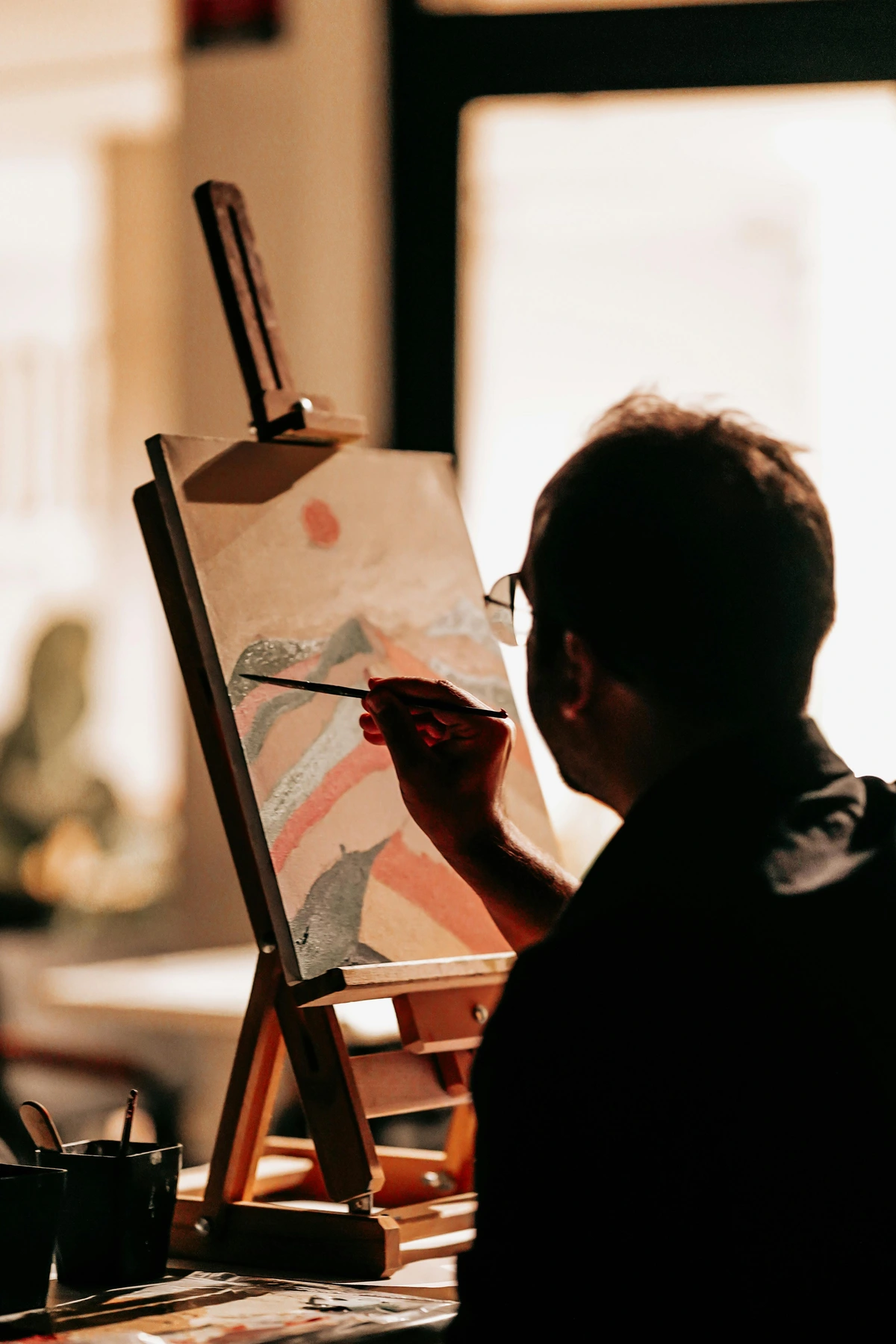
The Big Bang: Abstract Expressionism
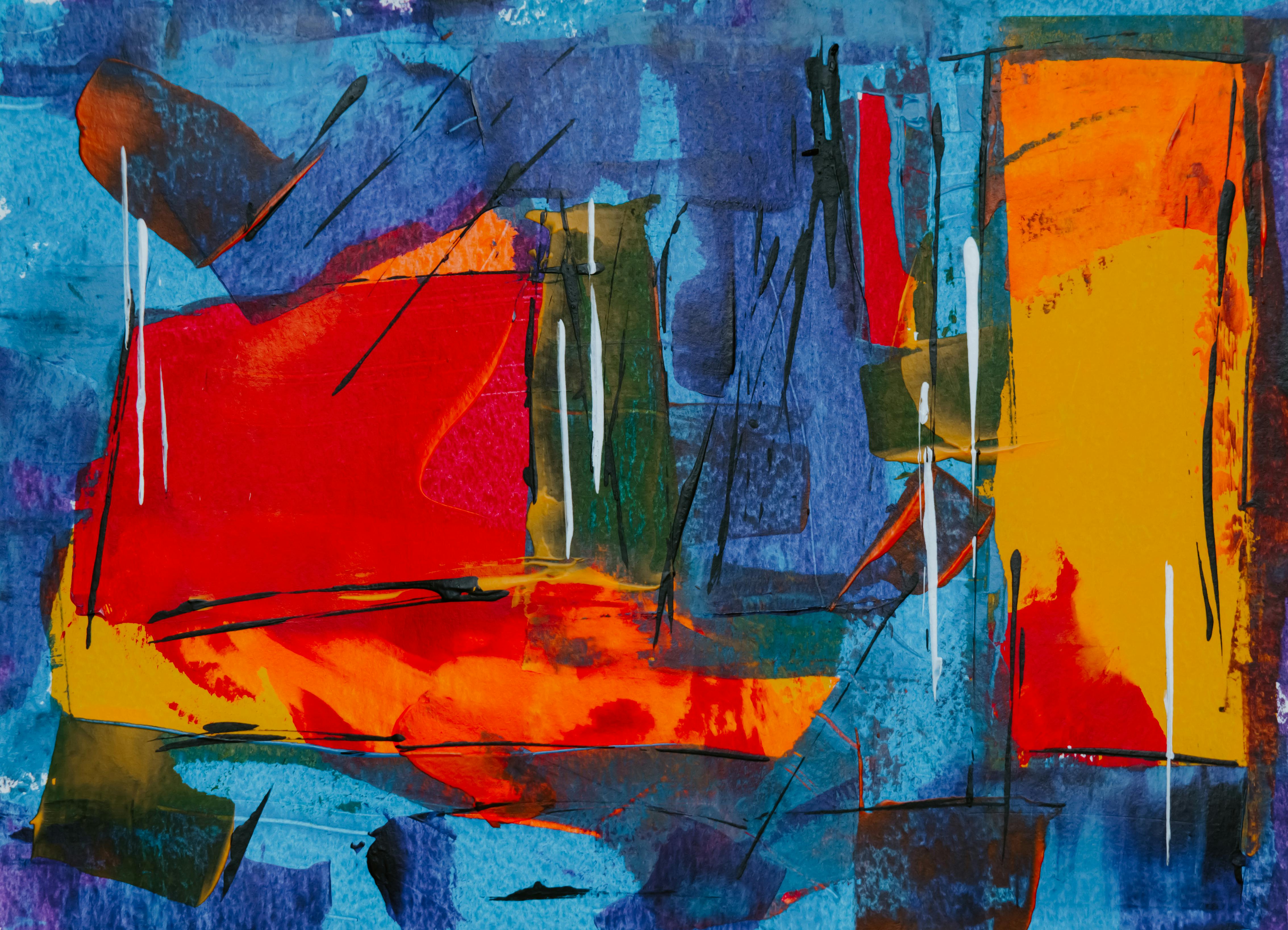
But if we're truly talking about the apotheosis of bold strokes, we have to talk about Abstract Expressionism. This was the movement where the canvas transformed into an arena for pure action, a battleground for the artist's inner world. Artists like Jackson Pollock didn't just apply paint; they dripped, flung, and poured it, turning the very act of painting into a visceral performance, a choreographed dance of chaos and control. Willem de Kooning's ferocious, sweeping strokes embodied raw energy, struggle, and profound emotion. This era firmly cemented the radical idea that the mark itself could carry profound meaning and emotion, acting as a direct, unedited record of the artist's physical and psychological engagement. It was, in many ways, the ultimate liberation of the brushstroke.
Understanding this rich lineage helps me, and hopefully you, see that your journey with bold strokes isn't just a personal technical exploration—it's a continuation of a powerful, evolving artistic conversation that spans centuries and cultures. It truly makes me think about how much of my own work, even when it feels completely new and contemporary, builds upon and converses with this incredible history. It's a reminder that we stand on the shoulders of giants, even when we're trying to reach for something entirely our own. You can explore this fascinating era further in our definitive guide to the history of abstract art.
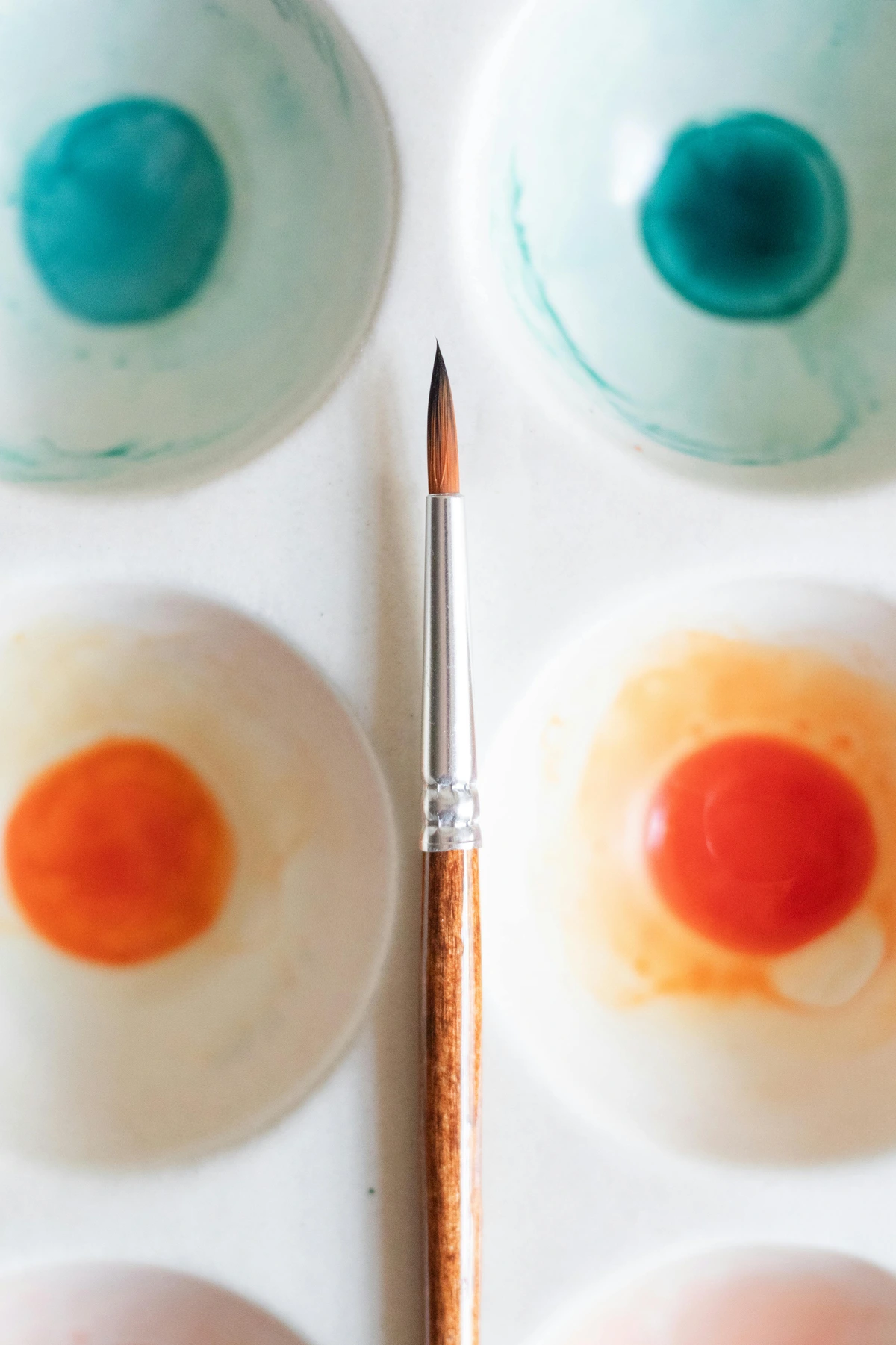
Contemporary Masters of the Bold Stroke
The conversation around bold strokes didn't end with Abstract Expressionism. Many contemporary artists continue to wield bold marks with profound impact, though often with new intentions and in diverse contexts. Think of the intense emotionality in the large-scale portraits of Jenny Saville, or the raw, visceral energy in the layered paintings of Cecily Brown. Even artists like Anselm Kiefer use monumental, heavy applications of material to convey deep historical and philosophical narratives. These artists demonstrate that the power of the assertive mark continues to evolve, adapting to new ideas and pushing the boundaries of what paint can express in our modern world.
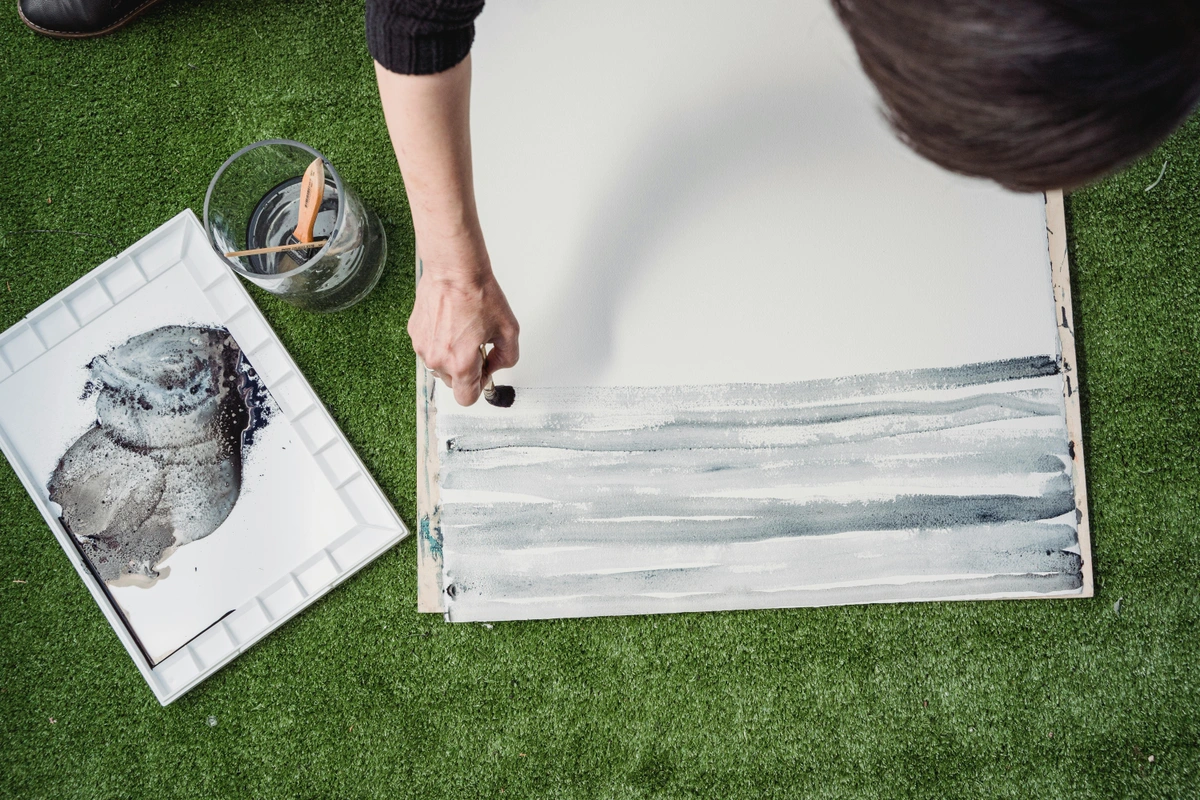
Gearing Up: The Tools for the Job
You don't need a massive, expensive arsenal, but having the right tools (and knowing how to wield them) makes a world of difference. It's not about quantity, but quality of connection between you and your medium. The wrong brush or surface will fight you every step of the way, sapping your confidence before you've even started.
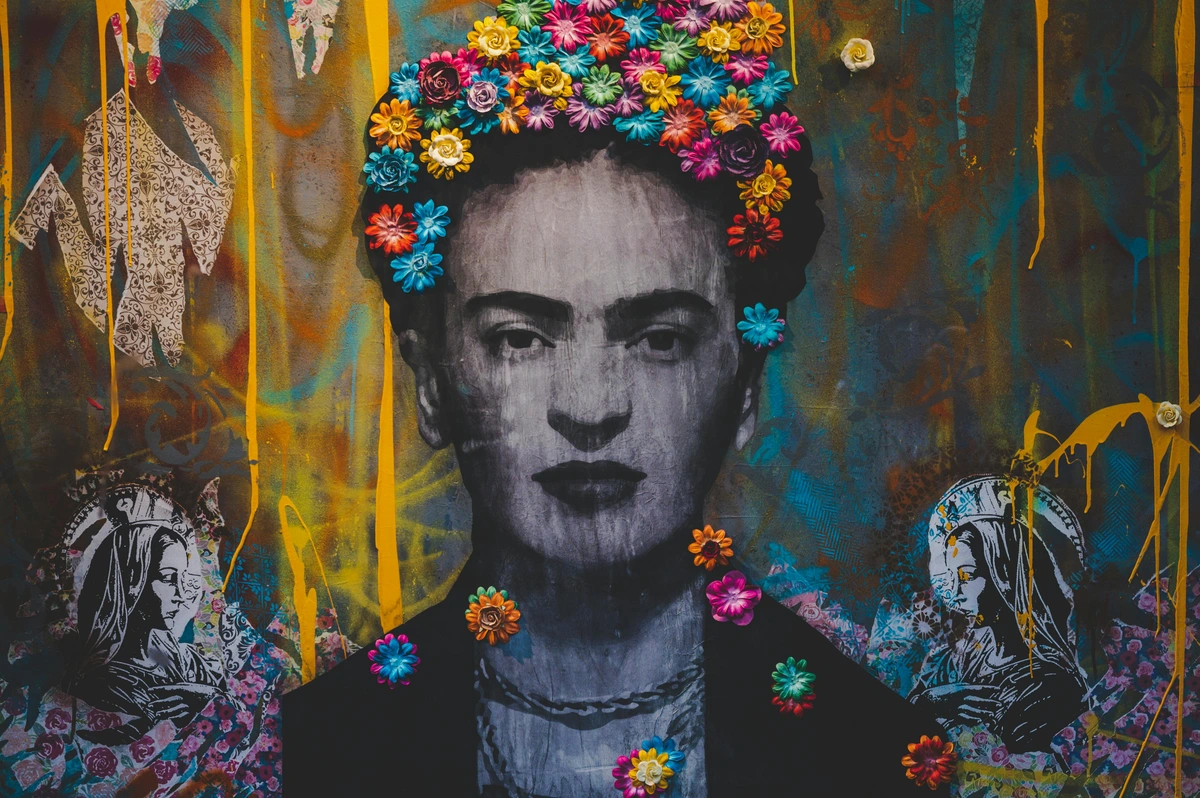
Brushes, Paint, and Surfaces
Equipping yourself with the right tools is like a chef selecting the perfect knives – it truly makes a world of difference. You don't need a massive, expensive arsenal, but having the right tools (and knowing how to wield them) creates an essential connection between you and your medium. The wrong brush or an inadequate surface can fight you every step of the way, subtly sapping your confidence before you've even truly started.
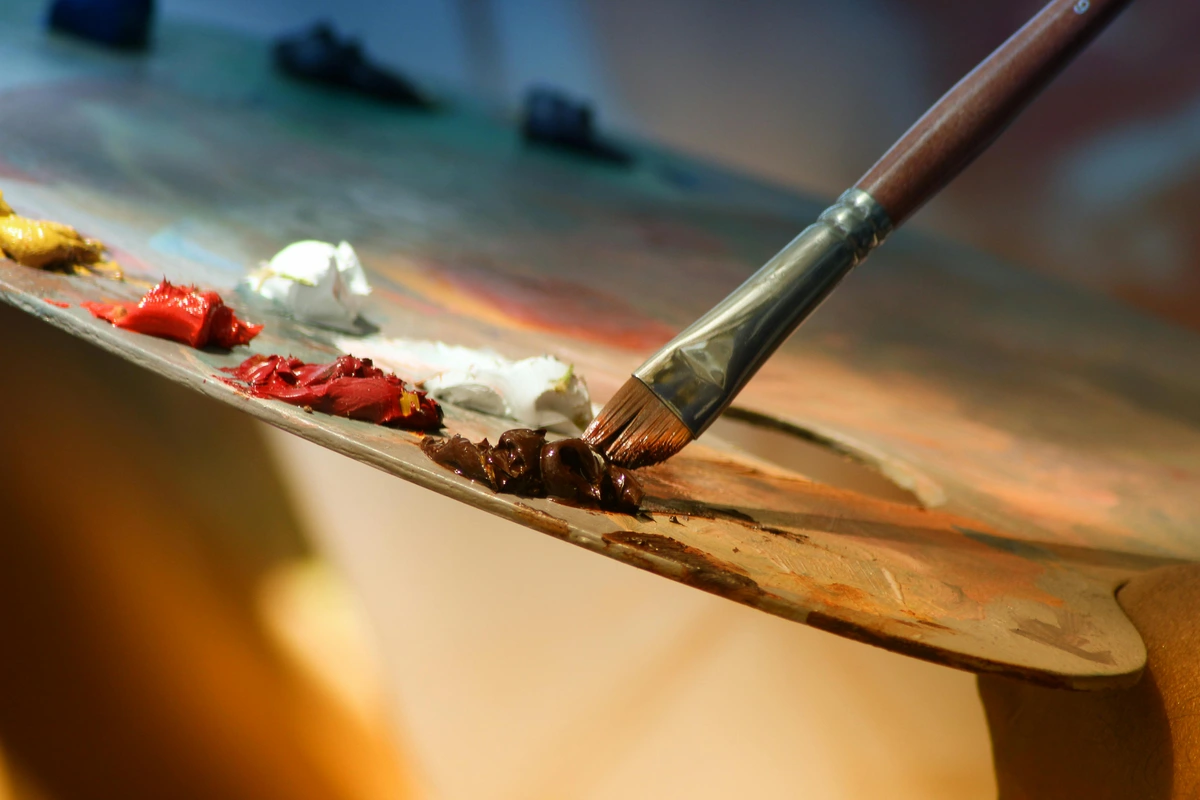
Brushes: For bold strokes, you need to momentarily forget those tiny detail brushes. Instead, you're looking for something with a bit of satisfying heft and, crucially, a good "spring" – that feeling of firm resistance when you press it, allowing it to snap back and maintain its shape. Large flats, robust filberts, and brights are fantastic starting points. And honestly, some of my absolute favorite brushes, the ones I truly abuse in the best possible way, come straight from the hardware store. They're stiff, hold a ton of paint, and I never have to worry about 'ruining' them. That freedom is priceless.
Let's break down a few key types, and how each contributes to that magnificent 'shouting' effect you're after:
- Hog Bristle Brushes: These are the heavyweights of the brush world – often stiff, rugged, and absolutely perfect for pushing thick, luscious paint around, creating those noticeable, dramatic textures. They excel at holding their shape, even when loaded with a generous amount of impasto, making them the ideal choice for aggressive mark-making and building robust, tactile surfaces. If you crave chunky, satisfying strokes that practically stand off the canvas, these are your go-to.
- Synthetic Brushes (Firm/Stiff): While natural bristles possess their unique charm, modern synthetic brushes offer an incredible balance of stiffness and flexibility. They often mimic natural bristles but boast superior durability, easier cleaning, and consistent performance, particularly shining with acrylics as they resist paint build-up. Always look for synthetics specifically labeled 'firm' or 'stiff' for your bold work; the softer ones are for different conversations entirely. They come in a vast array of shapes and sizes, so experiment!
- Flat Brushes (or 'Brights'): These rectangular powerhouses are fantastic for broad, sweeping strokes that cover significant ground, creating sharp, decisive edges, and blocking in large areas of color with undeniable authority. Their sheer versatility makes them an indispensable workhorse for everything from foundational impasto layers to expressive glazing.
- Filbert Brushes: With their flat ferrule and elegantly oval tip, filberts are a brilliant hybrid. They offer the broad coverage of a flat but gracefully create softer, more rounded edges, making them exceptionally useful for blending, creating more organic, expressive forms, or even laying down thick, painterly passages with a slightly softer touch.
- Angled Shader Brushes: These are essentially flat brushes with a chiseled, angled edge. They're fantastic for creating sharp, crisp lines, but also allow for fluid, varied strokes depending on how you hold them. Great for dynamic edges and filling corners with precision and boldness.
- Round Brushes (Large): While typically associated with fine detail, don't underestimate the power of large round brushes for bold work. They can hold a tremendous amount of paint and create beautiful, fluid, tapering strokes. They’re exceptional for gestural lines that vary dynamically in thickness, giving your marks a calligraphic energy.
- Fan Brushes: These splayed brushes, often seen as blending tools, have a secret life when it comes to bold work. Used with thick paint or in a dry-brush technique, they can create unique, feathery, streaky, or dappled textures. They’re fantastic for adding abstract foliage, wispy atmospheric elements, or breaking up a solid field of color with unexpected texture.
- Palette Knives: Ah, the glorious palette knife! Yes, I know, not strictly a "brush," but utterly indispensable for truly bold marks. They are fantastic for spreading paint like rich butter, creating sharp, impactful edges, or building up thick, sculptural layers of impasto that almost become three-dimensional. Never relegate them solely to mixing paint; they are potent, dynamic mark-making tools in their own right. Learn more about what is a palette knife and how to use it.
- Foam Brushes: Surprisingly versatile and often overlooked, foam brushes are useful for broad, flat areas of color or creating unique, slightly textured swaths. They absorb a lot of paint and can deliver very consistent, bold fields of color, especially for underpaintings or monochromatic studies.
Brush Care and Maintenance for Longevity
Your brushes are an extension of your hand, and treating them well ensures they’ll be ready for your most ferocious strokes for years to come. I recommend cleaning your brushes immediately after each painting session. For acrylics, warm water and a bit of mild soap will do the trick. For oils, use an appropriate solvent (mineral spirits or a low-odor alternative), followed by soap and water. Always reshape the bristles while wet and store them flat or bristle-side up to prevent bending or damage. A well-maintained brush maintains its spring and integrity, ready for your next burst of creativity.
If you want to dive even deeper into the wonderful world of brushes and discover which ones resonate most with your unique style, I've poured my knowledge into articles like my favorite acrylic paint brushes for artists and a comprehensive guide to basic brushstrokes for acrylic painting.
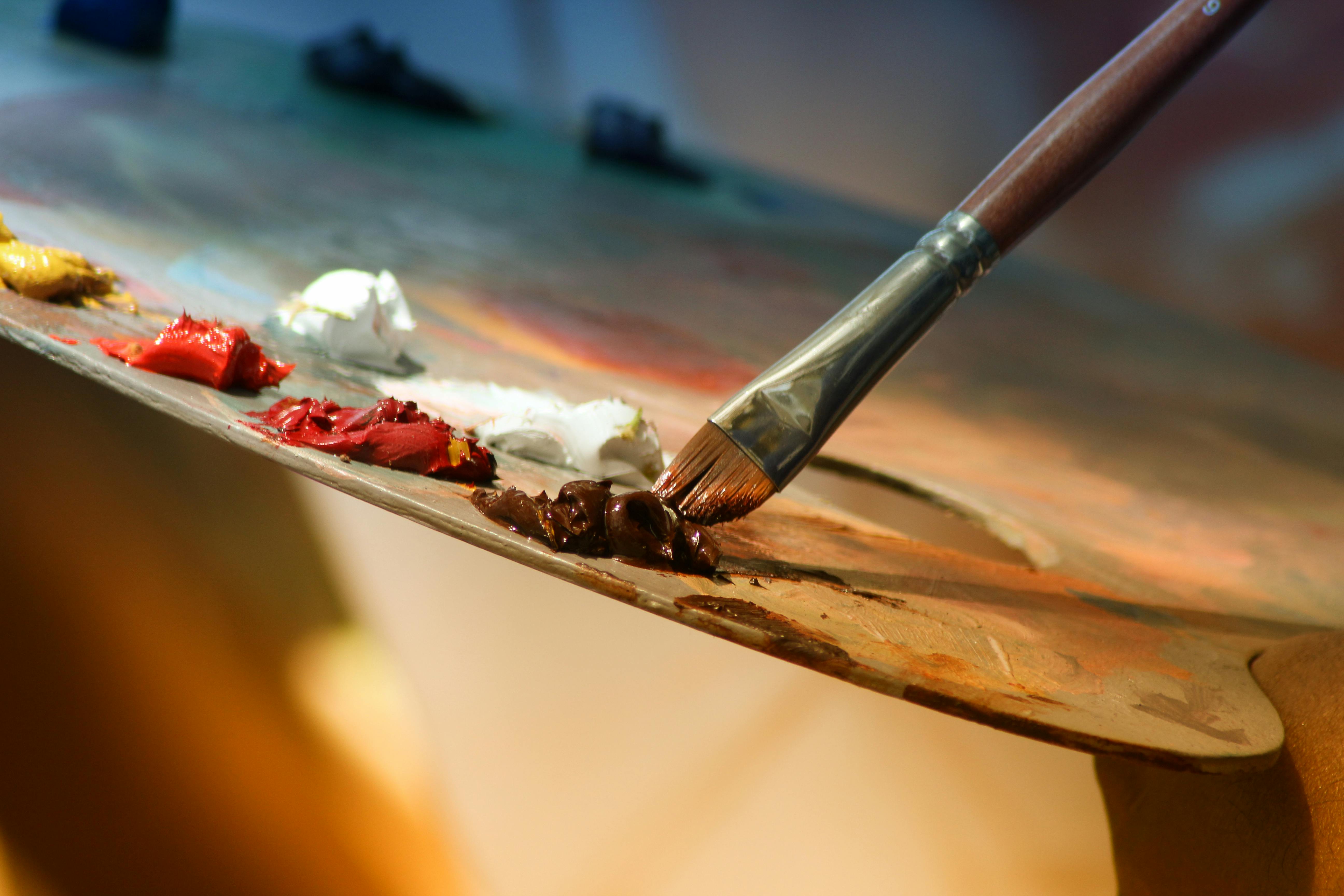
Paint: The type of paint you choose is utterly crucial for achieving that impactful, bold effect. You absolutely need paint with significant body, what we often call 'viscosity.' A fluid, watery paint will just run everywhere, which is fantastic for washes and atmospheric effects but truly terrible for impactful, defined strokes. For the kind of work we're discussing here, I wholeheartedly recommend heavy body acrylics or oils.
- Heavy Body Acrylics: These paints dry relatively quickly, which is a huge advantage for rapid layering and building up multiple textures without waiting forever. They maintain crisp brushstrokes and can be built into significant impasto, making them incredibly versatile. Their quick drying time means you can build dynamic layers with energy and speed, which is why they're a personal favorite for energetic work.
- Oils: If you crave more blending time, a luxurious, buttery texture, and a truly seamless flow, oils are absolutely incredible. They offer a much longer 'open time,' perfect for blending, reworking, and seamlessly integrating colors over extended periods. This allows for a richness and depth that’s hard to replicate. Both heavy body acrylics and oils will beautifully hold the shape of your brushstroke, allowing your mark to truly sing with presence.
Don't be shy about squeezing a generous amount of paint onto your palette! In fact, I'd actively encourage you to be downright extravagant. You simply need a truly generous dollop to properly load your brush for a bold stroke; skimping here is a common, confidence-sapping pitfall. And here's a pro tip I swear by: try mixing a little bit of impasto medium, gel medium, or even heavy gel medium with your acrylics for even more pronounced, sculptural texture. This incredible stuff thickens the paint without diluting its vibrant color, allowing your strokes to literally stand off the canvas and create incredible physical depth. It also extends the drying time slightly, giving you a bit more working time to manipulate the paint before it sets. If you're curious about the vast and sometimes overwhelming world of paints, I've got a definitive guide to paint types for artists that covers everything you need to know, and for more on thickening agents, check out best acrylic mediums for abstract artists.
Surfaces: The surface you choose to paint on is as critical as your brush and your paint. A flimsy, cheap canvas can bounce and wobble under a powerful, energetic stroke, making it incredibly difficult to get that satisfying "thwack" of paint or a clean, deliberate mark. A good, sturdy surface is like a strong foundation for a house – it supports and grounds everything else, granting you the confidence to truly attack it with uninhibited expression.
- Wood Panels: These are often my go-to for truly aggressive mark-making. Rigid and inherently stable, they offer virtually no give, making them perfect for heavy impasto and energetic gestures. They don't warp (especially if properly prepared) and provide an unyielding foundation, allowing the paint to truly sit on the surface, creating crisp textures and sharp edges. It almost feels like you're carving into the surface, in the best possible way.
- Stretched Canvas: When choosing canvas, prioritize medium to heavy-weight options that are well-primed and, crucially, tightly stretched. A loose canvas will absorb too much impact, making your strokes less defined, less vibrant, and frankly, less satisfying. Cotton duck canvas is common and reliable, but linen offers superior strength, a finer weave, and incredible archival qualities for more serious work. If you're feeling ambitious and desire ultimate control over tension and priming, learning how to stretch a canvas on stretcher bars is an invaluable skill that will elevate your work.
- Heavyweight Paper: For studies, loosening up exercises, and fearless experimentation, a heavy watercolor or acrylic paper (300lb / 640gsm or more) can surprisingly withstand quite a bit of paint without buckling or tearing. Mounting it to a rigid board can further enhance its stability, giving you a cost-effective surface for robust practice. Never underestimate the power of working on paper for freeing up your hand and experimenting without the pressure of a "finished piece" on a more expensive, permanent surface.
A solid, reliable foundation truly gives you the psychological freedom to attack the surface with uninhibited confidence, knowing it can handle your most energetic and expressive gestures. Speaking of foundations, if you're new to priming your own surfaces, here's a simple, essential guide on how to apply gesso to ensure your canvas is perfectly prepared for your boldest intentions.
Beyond the Brush: Expanding Your Mark-Making Toolkit
Seriously, don't limit yourself! A bold mark absolutely does not have to originate from a traditional brush. The world, in many ways, is your studio, and a surprising number of everyday items can create incredibly expressive, impactful marks.
Of course, palette knives are brilliant for this, allowing you to smear paint on like rich butter, creating sharp, clean edges, or building up thick, sculptural textures that demand attention. But think even further afield! The world truly is your studio, and countless unconventional tools can contribute to your expressive vocabulary. Credit cards, old room keys, sturdy pieces of cardboard, natural or synthetic sponges, crumpled paper, various fabric scraps, even your fingers (with proper caution for toxicity and gloves, of course!) can all be pressed into service. Each of these will leave its own unique signature, adding unexpected texture, character, and a raw sense of experimentation to your work. This playful exploration is a huge part of the joy of exploring mark-making tools and their emotional impact in my abstract work. So, please, don't ever be afraid to experiment! Your next favorite tool might be hiding in your junk drawer.
Tool  | Best For | My Personal Take |
|---|---|---|
| Large Flat Brush | Broad, sweeping strokes, sharp edges, blocking in color. | The undisputed workhorse for bold art. Great for covering significant ground with energy. |
| Palette Knife | Thick, textured slabs of color, scraping, creating impasto. | Unpredictable and wildly fun! Perfect for breaking up areas that feel too 'brushy' or for adding sculptural elements. Learn more about what is a palette knife and how to use it. |
| Hardware Store Brush | Raw, gritty textures, expressive lines, dry brushing, washes. | Cheap, effective, and you won't cry if you ruin it. The stiff bristles are fantastic for pushing thick paint around. |
| Silicone Spatula (or old credit card) | Smooth, clean swipes of paint, layering transparent colors, sharp lines. | A bit more controlled than a palette knife, but with the same satisfying feel. Excellent for creating crisp, modern edges or for broad, flat areas of color. |
| Sponge (natural or synthetic) | Soft, dappled textures, creating atmosphere, layering subtle colors. | Great for breaking up solid areas or adding a hazy, organic feel. You can dab, drag, or blot, creating incredibly nuanced effects. |
| Crumpled Paper/Fabric | Unique, organic textures; stamping, lifting, impressionistic effects. | Don't underestimate the power of everyday items! Pressing crumpled paper or fabric into wet paint can create surprising and spontaneous textures. |
| Rollers (Brayers) | Smooth, even layers; applying thin glazes, creating distinct patterns. | Fantastic for covering large areas quickly and evenly, or for picking up texture from a prepared surface. |
| Squeegees | Broad, clean swipes; blending colors, creating distressed textures. | Similar to a credit card but often larger, great for pushing paint across the canvas to create intriguing abstract patterns. |
| Fingers (with gloves!) | Direct, visceral connection, blending, smudging, raw texture. | Nothing truly beats the direct connection of your hands. Just be mindful of paint toxicity and wash up well, and always wear gloves for safety! |
The How-To: From Hesitation to Declaration
Alright, you've gathered your tools, you're standing in front of your canvas, perhaps a mix of excitement and trepidation bubbling up. Now what? The biggest hurdle, I’ve found, isn't physical at all; it's almost entirely mental. It’s about silencing that inner critic, letting go of control, and giving yourself permission to simply make. This section is your practical guide to transitioning from that hesitant whisper to a confident roar on the canvas.
Setting the Stage: Your Body and Space
Before you even touch paint to canvas, a little preparation in your physical space and your body can make a huge difference.
- Stand Up: If possible, paint standing up. It allows for a greater range of motion and lets you use your entire body, not just your wrist.
- Distance Yourself: Work at arm's length, or even further back, to allow for sweeping gestures. Step back frequently to assess your work from a distance.
- Loosen Up: Do a few stretches. Shake out your arms. Seriously. You want your body to be relaxed and ready for fluid, energetic movement. Tension translates directly to timid strokes.
1. The Mindset: Embrace the 'Mistake' as a Breakthrough
This is perhaps the most crucial mental shift you can make: you must give yourself explicit permission to mess up. Seriously. The insidious fear of making a 'wrong' move is the single greatest killer of bold, uninhibited painting. That hesitation leads directly to timid, uninspired marks. I truly, deeply believe in the power of imperfection. Every perceived 'wrong' stroke isn't a failure; it's just a new layer, a new problem to solve, an unexpected twist that nudges the painting in a new, often more interesting, direction. Think of it as a plot twist, not a catastrophe. It’s all part of the glorious, unpredictable dance of creation.
2. The Body: Paint with Your Shoulder (Not Just Your Wrist)
This is, arguably, the single most transformative piece of practical advice I can offer for achieving truly bold strokes. Stop painting exclusively from your wrist. Your wrist is for details, for those delicate whispers of paint, for nuanced refinements. But for power, for energy, for genuine freedom and expression? That comes from your entire arm, your shoulder, and even your core. This is where the true force and expansive sweep originate.
Stand up, if you are able. Position yourself so you can step forward, lean in, and literally sweep your arm across the canvas in broad, confident gestures. Think of your entire body as a conduit for the energy you want to infuse into the painting. Engage your core, breathe deeply, and allow the stroke to be a full-body physical gesture, not just a tiny, cramped hand movement. Try some large, airy arm circles before you start. Feel how your shoulder joint moves. This connection to your entire physicality is the very essence of expressive mark making, and I promise you, it's exhilarating once you truly get the hang of it.

3. The Action: A (Sort of) Step-by-Step Guide to the Uninhibited Stroke
Okay, so you're mentally prepared, your body is loose, and you're ready to make your mark. Now for the actual physical act of laying down that bold stroke. Remember, these aren't rigid rules to be followed robotically, but more like a launch sequence, a set of guidelines to ignite your creative momentum and build muscle memory for spontaneity.
- Load the Brush (Generously, and I mean generously!): This is where many hesitate, but don't just dip the tip. You’re not painting miniatures here; you're making a statement. Load it up! You want a truly copious amount of paint coating the bristles, ideally on both sides for flats and brights, ensuring a rich, consistent deposit. Don't 'clean' it off too much on the side of the palette; let it be a little messy and gloriously overloaded. This is the secret to achieving those rich, unbroken swaths of color and delicious, tangible texture.
- The Approach (With Clear Intention): Hold the brush confidently, not like it's a fragile twig about to snap. Approach the canvas with a clear, even if fleeting, intention for the direction, speed, and general shape of your mark. Are you moving left to right? Top to bottom? A diagonal slash of pure energy? Even if your final result is abstract, your intention behind the movement will profoundly infuse the stroke with purpose, making it resonate more deeply.
- Commit (The Crucial, Unhesitating Part): This is the make-or-break moment, the heart of the bold stroke. Execute your stroke in one, single, confident, unhesitating motion. Do not falter or stop halfway through. Resist the urge to go back and 'fix' it while the paint is still wet—that, my friend, is how you create mud and lose all freshness. Experiment with varying pressure and angle mid-stroke; this can create incredibly beautiful, dynamic shifts in your mark’s width and intensity. Put it down, and then, crucially, leave it. Speed, decisiveness, and conviction are your most powerful allies here.
- The Lift-Off (A Subtle Art, Yet Profoundly Impactful): How you lift the brush from the canvas is almost as important as how you put it down, adding a final punctuation mark to your gesture. A quick, sharp lift can leave an abrupt, distinct, and powerful end to your stroke. Conversely, a slow, controlled drag as you lift can create a beautifully tapered tail or a feathered, ethereal edge. Experiment relentlessly with this nuance! It adds a surprising amount of sophistication and emotional depth to your bold marks.
Remember, practice isn't about achieving instant perfection; it's about diligently building muscle memory, honing your intuition, and fostering a fearless approach. Just keep showing up, keep making marks, and learn from every single one, whether you love it or hate it in the moment.
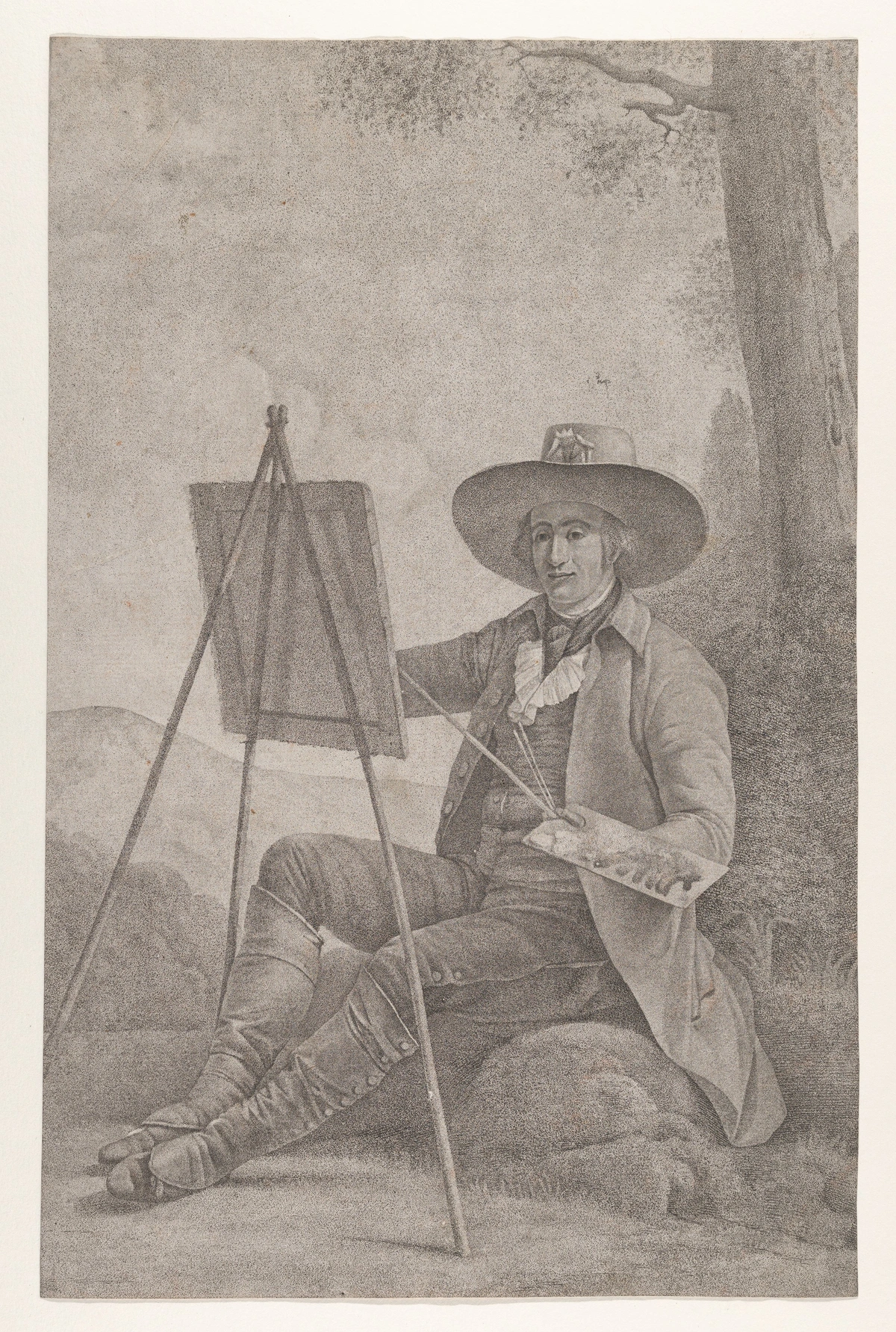
Harnessing the Elements: Line, Texture, and Color
Bold strokes aren't merely about physical action and raw energy; they are profoundly about understanding how those actions consciously interact with the fundamental elements of art itself. Once you grasp this interplay, that exhilarating 'mess' you're creating starts to look a lot more intentional, a lot more sophisticated, and infinitely more impactful. It's about translating visceral feeling into a coherent, compelling visual language.
The Power of Line: Your Visual Signature
Every bold stroke, at its heart, creates a line—or at the very least, an implied line. But it’s not just any line; it's a line that actively speaks to the viewer, conveying energy, direction, and profound emotion. It's a fundamental, primal aspect of how we experience and interpret art, a direct extension of your expressive intent.
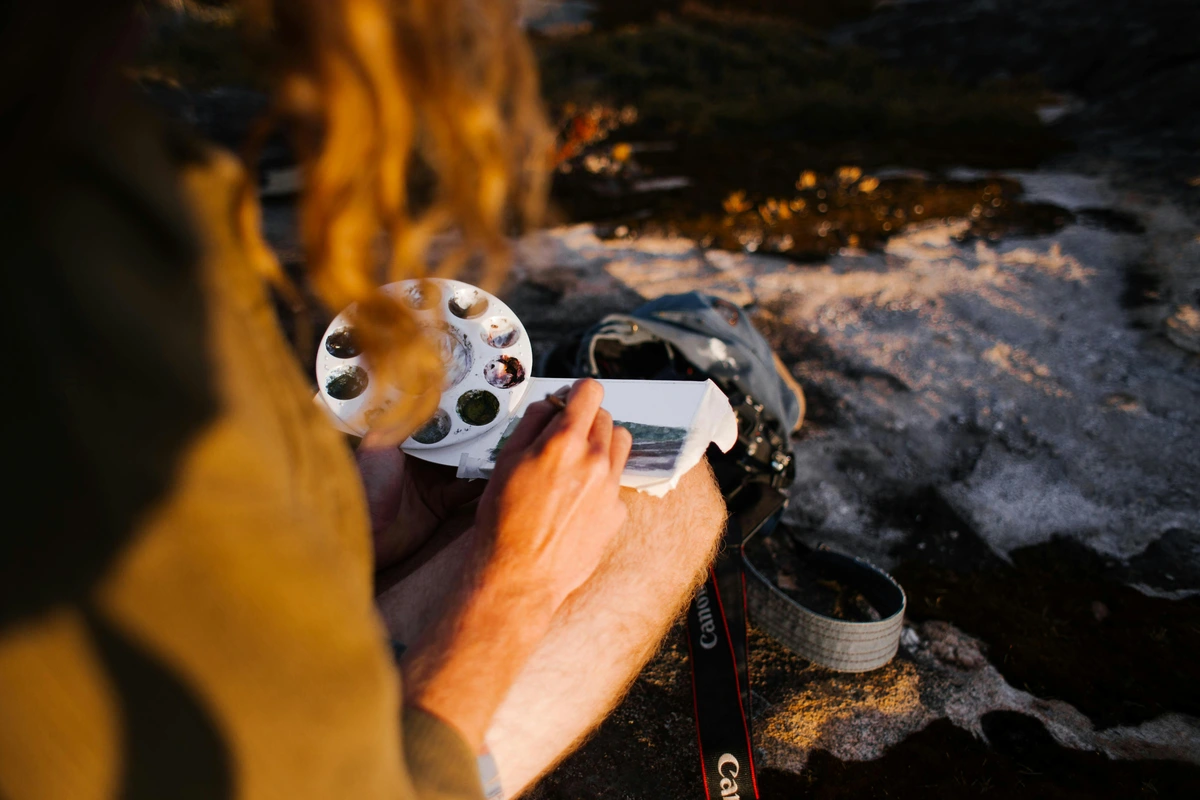
- Direction: The direction of your bold strokes dramatically alters the mood and psychological impact of your painting. Horizontal strokes often evoke a sense of calm, stability, and expansive serenity. Vertical strokes can feel grand, strong, powerful, or even spiritual and uplifting. Diagonal strokes, my personal favorite for injecting dynamism, immediately create incredible energy, tension, and a thrilling sense of movement and instability that can be incredibly engaging and unsettling. You can really tell a story with direction.
- Weight: This refers to the thickness and intensity of your line, directly reflecting how much pressure you apply and how much paint you lay down. A heavy, forceful stroke creates a thick, dominant line that demands immediate attention and feels grounded. A lighter, quicker stroke, while still bold in its inherent energy, might create a thinner, more ethereal, or even agitated line. Varying the weight within a single stroke adds a rhythmic, almost musical quality to your work, creating a vibrant visual pulse.
- Quality: Beyond direction and weight, consider the inherent quality of your line. Is it jagged, creating a sense of brokenness or aggression? Is it smooth and fluid, suggesting grace and continuity? Is it broken or stuttered, implying hesitation or a fleeting presence? These nuances add immense emotional depth. Experiment with them!
- Gestural Quality: A bold line is almost always a gestural line—it's less about meticulously outlining a form and more about capturing and expressing movement, raw feeling, or an uninhibited direction of energy. It’s the direct, visceral visual record of your body’s dance with the canvas, a testament to the action itself. This is a core part of truly understanding the elements of art: line and exploring its deeper implications in our definitive guide to understanding line in abstract art.
Building with Texture: A Tactile Experience
We've already touched on impasto, but let's dive even deeper into how texture is consciously built and cleverly manipulated to add rich, inviting complexity to your work. Texture is the tangible, tactile dimension of your painting, the physical landscape that not only invites the viewer's eye to linger and explore but almost compels them to imagine reaching out and touching the surface. It adds a whole new dimension to your narrative.
- Layering (The Archaeology of Your Art): Bold strokes lend themselves beautifully to layering, which is a fundamental cornerstone of building both physical depth and narrative in any painting. Learn to let one layer dry completely (especially with fast-drying acrylics!) before enthusiastically adding another on top. This strategic layering allows underlying textures and colors to peek through, creating unexpected optical blends or entirely new ridges and valleys. This isn't just a visual trick; it builds genuine physical depth, creating a visual history within the painting itself. Think of it as revealing the geological strata of your art, a silent narrative of its creation. For me, these unseen layers are where the real story lives, as I explore in the unseen layers: my process of building depth and narrative in abstract mixed media.
- Varying Tools (The Orchestra of Marks): As we discussed earlier, different tools create wildly, wonderfully different textures. A palette knife typically leaves a flatter, smoother slab than a hog bristle brush, which tends to create more agitated, defined marks. Experiment relentlessly with combining them—perhaps a smooth base laid with a silicone spatula, followed by rough, energetic strokes with a bristle brush, and finally delicate scraping with a palette knife to reveal what lies beneath. The interplay of these diverse textures creates an incredibly dynamic and engaging surface, offering the viewer a rich feast for the eyes. This is the heart of exploring texture in abstract art.
- Subtraction (The Art of Taking Away): Don't ever forget that you can, and often should, remove paint too! This is a powerful, often overlooked, textural technique. Scraping into a wet, thick layer with a palette knife, the back of a brush, a credit card, or even a simple piece of cardboard can create fascinating grooves, reveal underlying colors, or carve out unexpected pathways and negative spaces. This act of subtraction can create a powerful sense of raw energy, like revealing the bone beneath the skin, or uncovering an ancient artifact. It's a crucial technique I delve into further in exploring texture: my favorite techniques for adding depth to abstract paintings.
- Adding Foreign Materials (Mixed Media Textures): Don't restrict yourself to just paint! You can incorporate various materials directly into your wet paint or onto your surface to build unique textures. Think sand, sawdust, coffee grounds, small fabric scraps, or even thin paper. Just ensure your chosen materials are archival if you intend for the piece to last. This opens up an entirely new realm of tactile possibilities, blurring the lines between painting and sculpture.
Color and Impact: The Amplifier of Your Marks
Color is not merely an addition to your bold strokes; it is the ultimate amplification system, the powerful voice that gives them resonance, psychological weight, and undeniable impact. The right colors, thoughtfully applied, can make your bold marks sing, or even scream, with a profound, unshakeable intention.
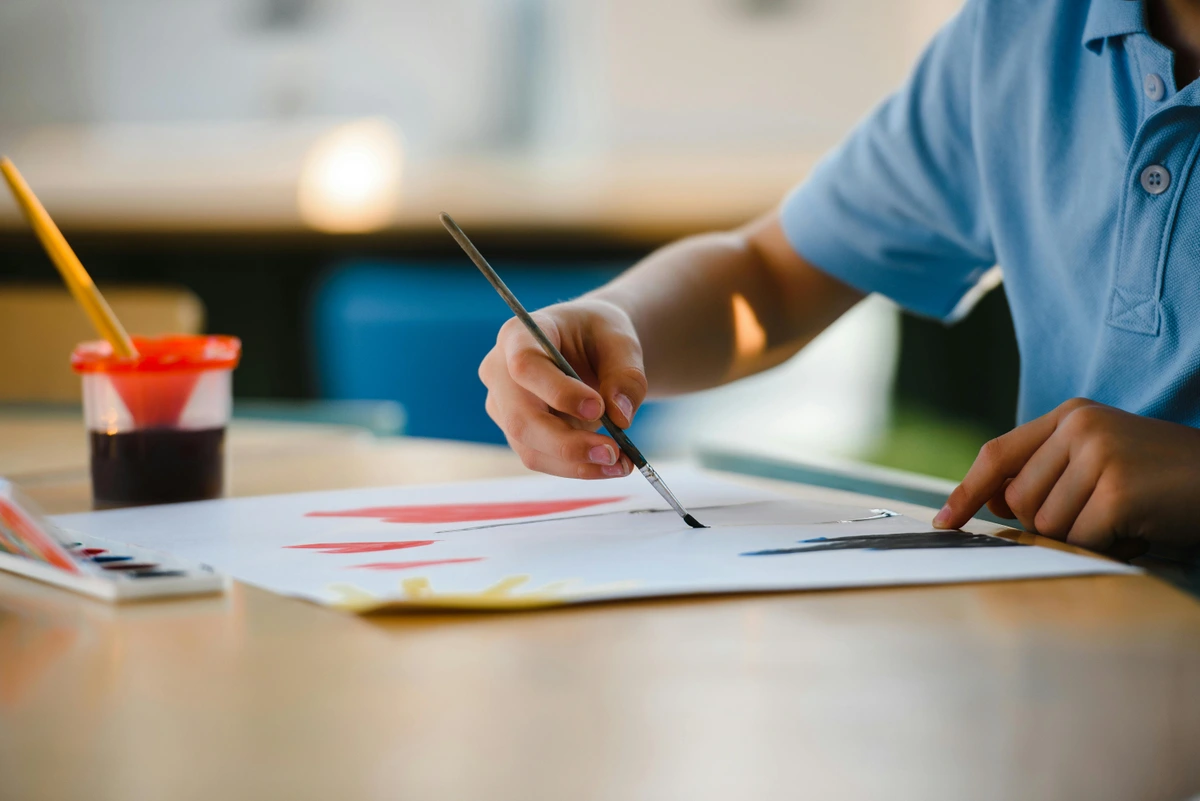
- Saturation (Pure Intensity): Highly saturated (pure, intense) colors will make your bold strokes pop with far greater intensity and immediate visual presence than muted ones. Think of a vivid primary red or a brilliant cobalt blue; they demand attention, project forward energetically, and give your mark an unshakeable, vibrant presence.
- Contrast (The Dynamic Duo): Placing a bold stroke of a vibrant, high-chroma color against a neutral, subdued, or complementary background dramatically increases its visual impact. Imagine a fiery red slash against a cool, calm blue field, or a bright yellow against deep violet. This dynamic contrast isn't just visually appealing; it makes each stroke feel more deliberate, more powerful, and vibrates with an internal tension.
- Color Temperature (Warmth and Coolness): Understanding color temperature can add another sophisticated layer to your bold marks. Warm colors (reds, oranges, yellows) tend to advance and feel energetic, passionate, or even aggressive, while cool colors (blues, greens, violets) tend to recede and feel more calming, mysterious, or introspective. Use this to your advantage: a bold warm stroke over a cool background creates immediate tension and depth, pulling the viewer into a dynamic push-and-pull.
- Limited Palette (Strategic Restraint for Maximum Impact): Sometimes, paradoxically, restricting your palette to just 2-3 strong, carefully chosen colors can make each bold stroke feel even more deliberate, more resonant, and more powerful. This strategic restraint prevents the dreaded 'muddy mess' (which we'll definitely talk about later!) and forces you to make every single color choice count, elevating its significance. It’s a powerful approach I’ve explored extensively in mastering limited palette abstract art.
- Monochromatic Exploration (Focusing on Form): Don't overlook the power of working with a single color, but exploring all its possible values – from darkest dark to lightest light. This helps you understand how different bold strokes create contrast and form without the distraction of multiple hues. It allows you to build confidence in the inherent shape and weight of your marks, enhancing your understanding of composition and impact.
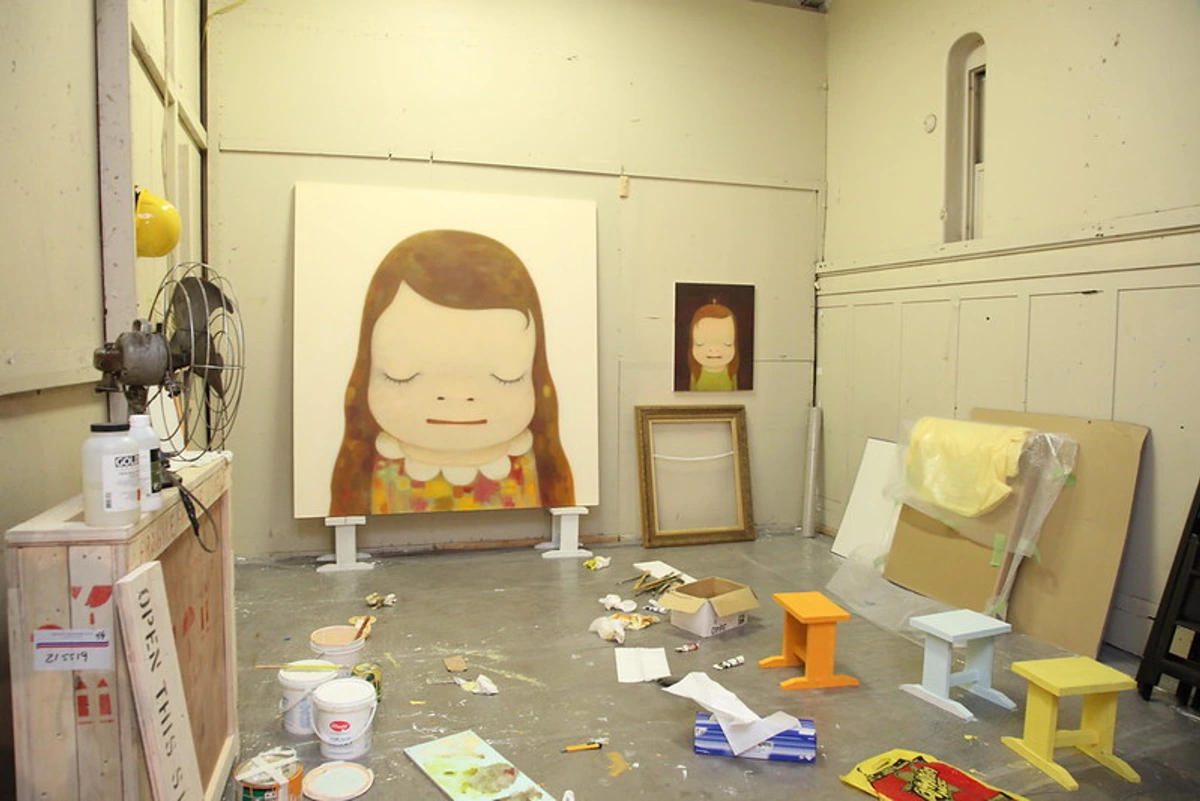
Consider how different color combinations can evoke specific emotions. Bright, high-contrast colors can feel energetic and joyful, while more subdued or analogous palettes might create a sense of calm or mystery. The choice of color is never accidental when you're making a truly bold statement; it's a deliberate amplifier of your artistic voice.
Exercises to Build Your Boldness Muscle: Practical Pathways to Liberation
Okay, theory is absolutely fascinating, but truly, practice is where the real, messy, exhilarating magic happens. These exercises aren't just about mindless repetition; they're thoughtfully designed to yank you out of your analytical head and deeply into your intuitive body, making bolder marks feel like a natural, second-nature extension of your artistic self. I genuinely encourage you to approach these with an open mind, a sense of adventure, and a willingness to simply play without judgment.
- Timed Paintings (The Creative Sprint): Set a timer for a short, intense burst – say, 5 to 10 minutes – and challenge yourself to complete a small abstract painting. The explicit goal here is not a masterpiece, but rather a burst of pure, uninhibited creation. Instead, it’s designed to force quick, instinctive decisions, to actively prevent overthinking, and to fully embrace the immediacy and raw energy of each stroke. Try doing ten of these in a row! You'll be genuinely amazed at the surge of energy and uninhibited expression that emerges when you're racing the clock. It’s an exceptional way to train your intuition and silence your inner critic.
- Paint to Music (The Intuitive Dance): Put on something with a strong, compelling rhythm – be it pulsating techno, soaring classical, gritty rock, or even ambient soundscapes – and consciously let the music guide your hand and your body. Allow the tempo, the emotional cadence, and the very mood of the music to dictate the speed, pressure, and direction of your strokes. Close your eyes for a moment before you begin and truly feel the music resonating within your body. This exercise is pure, unadulterated liberation, allowing your deepest emotions and impulses to translate directly into visual rhythms and marks. It’s a profound way to connect with the emotional resonance of my abstract art.
- Use Your 'Wrong' Hand (The Radical Surrender): This one is delightfully frustrating and utterly brilliant for breaking old habits. Try painting exclusively with your non-dominant hand. It immediately forces you to let go of any ingrained need for meticulous control and instead embrace a far more intuitive, gestural, and often surprisingly expressive approach. You simply cannot be precious or overthink when your brain isn't perfectly coordinated with your hand, and that, my friend, is precisely the point! This exercise is about trusting your primal artistic instincts and joyfully accepting imperfection. The results will consistently surprise and often delight you.
- Large-Scale Gestural Drawing (The Full-Body Warm-up): Before you even touch paint, grab some chunky charcoal, a large crayon, or a fat marker and a really big sheet of paper (or even some cheap butcher paper taped to a wall). Stand far back from your surface and make sweeping, full-arm and full-body gestures, focusing entirely on movement, energy, and rhythm rather than accuracy or representation. Fill the entire paper with expressive lines, curves, and scribbles. This isn't about making a 'drawing'; it's about physically freeing your arm and deeply connecting with the physical act of mark-making. It's an unparalleled warm-up for the art of mark making.
- One-Color, One-Tool Study (The Deep Dive): Pick a single, vibrant color and a single, interesting tool (e.g., a large flat brush, a palette knife, or even a credit card). For 15-20 minutes, dedicate yourself to exploring absolutely all the different types of marks, textures, and effects you can create with just that one color and that one tool: thick, thin, dragged, scraped, dry-brushed, wet-on-wet, dabbed, lifted. This focused approach builds an incredible, granular understanding of your materials' capabilities and helps you discover the myriad nuances of a single tool. It's a minimalist approach to truly mastering your craft, much like exploring the depths of mastering limited palette abstract art.
- Blind Contour Painting (Seeing Differently): This is an old art school trick that is incredibly effective for profoundly loosening up your hand-eye coordination and perception. Without looking at your canvas at all, draw or paint the outline of an object (or even your own hand), keeping your eyes fixed intently on the subject and your hand moving continuously, never lifting from the surface. The resulting lines are wild, wonderfully inaccurate, but they are absolutely bursting with raw energy, honest observation, and a profound sense of feeling the form. It forces you to truly see in a new, uninhibited way.
- Minimalist Stroke Study (Intentional Impact): On a small canvas or piece of paper, challenge yourself to make only 3-5 bold, intentional strokes. The core challenge is to make each single stroke carry maximum visual impact and contribute to a compelling composition with very few elements. This exercise ruthlessly teaches intentionality, the power of restraint within boldness, and the profound truth that sometimes, less is infinitely more. It’s all about making every single mark count, about finding the eloquence in simplicity and impact.
- Monochromatic Exploration (Focusing on Form): Choose a single color, but utilize all its possible values – from darkest dark to lightest light – and explore how different bold strokes create contrast and form without the distraction of multiple hues. This helps you understand the structural impact and compositional power of your marks, building confidence in their inherent shape and weight.
- Gesture Painting from Life (Capturing Essence): Find a quick-moving subject (a person shifting poses, a pet playing, even clouds moving across the sky) and, for short bursts (30 seconds to 2 minutes), try to capture its essence with just a few bold, energetic strokes. Don't focus on detail, but on the overall movement and feeling. This sharpens your observational skills and teaches you to prioritize immediate impact over precise rendering.
Remember, the ultimate goal of these exercises isn't to produce finished masterpieces; it's to dismantle your inhibitions, build new muscle memory, and cultivate a deeper, more intuitive, and fearless relationship with your materials and your own unique creative process. Just keep showing up, keep making marks, and watch your boldness muscle grow, becoming a powerful force in your artistic expression.
Common Pitfalls (And How I Navigate Them): Avoiding the 'Chaotic Mess'
Making bold strokes is undeniably exhilarating, liberating, and wildly fun. But let me be entirely honest with you: it's incredibly easy to push past expressive freedom and land squarely in the territory of a chaotic, unintelligible mess. I’ve certainly been there more times than I care to admit, staring at a canvas wondering what in the world happened. The key isn't to avoid these 'mistakes' altogether (they're often part of the learning process!); it's to develop strategies for understanding, identifying, and navigating them when they inevitably arise. Here are some common traps I've fallen into over the years, and my tried-and-true solutions for getting out of them and back to creating impactful art:
Problem | My Go-To Solution and Deeper Dive |
|---|---|
| The Dreaded Muddy Mess | This is perhaps the most common frustration. Colors over-mixing on the canvas, especially with wet-on-wet techniques, can quickly turn vibrant hues into dull, lifeless browns or or grays. My primary solution is to be incredibly deliberate with my palette choices, often sticking to a limited palette (3-4 colors max) for a specific session. Crucially, I also prioritize letting layers dry completely before adding another, especially with acrylics. This creates distinct, clean layers that retain their individual vibrancy and allows the painting to breathe. Sometimes, less truly is more, and patience is a profound virtue. |
| One-Note Painting / Losing the Plot | These often go hand-in-hand. If the canvas ends up being just a jumble of the same size, shape, and energy of big, bold strokes with no clear focal point or variation, it quickly becomes visually boring and exhausting for the viewer. My solution is to consciously introduce dramatic variety and contrast. I'll pair a thick, expressive stroke with a delicate, sharp line. I'll place a rough, heavily impastoed texture next to a smooth, calm area of color. I make myself step back frequently, squint my eyes to blur details, and actively search for a focal point – maybe a quiet space for the viewer's eye to rest, or a dominant mark that truly draws attention. It’s all about creating a strong composition and a dynamic visual rhythm. |
| Lack of Depth or Visual Interest | Sometimes the strokes feel bold and energetic, but the overall painting feels surprisingly flat and lacks true engagement. This is a common one, and it often means you're missing complexity and subtlety beneath the surface. I push for more layering, consciously allowing previous marks and colors to show through, creating a rich history on the canvas. I also consider introducing different qualities of marks: some opaque, some translucent; some thick, some thin; some fast, some slow. This builds a genuine visual history and complexity, giving the viewer far more to explore and discover upon closer inspection. This often ties into my philosophy of the unseen layers: my process of building depth and narrative in abstract mixed media. |
| Fear of 'Ruining' the Painting | This isn't a stylistic pitfall, but a profound psychological one that plagues many artists, especially when working boldly. The fear itself immobilizes you, leading to hesitant, tentative, and ultimately uninspired marks. My solution is radical acceptance: I remind myself that no painting is truly 'ruined' until I stop working on it completely. Every stroke, even an 'unsuccessful' one, is valuable information. It tells me what not to do, or it becomes a new challenge to integrate and overcome. I wholeheartedly embrace the idea of the power of imperfection and treat each painting as an ongoing experiment. Sometimes, covering a 'failed' section with a bold, new stroke is exactly what was needed to push it forward! |
| Overworking the Canvas | This is the insidious cousin of the muddy mess, where you keep adding, blending, and adjusting until all freshness, spontaneity, and energy are completely sapped from the painting. You lose that immediate, raw quality. My solution is to cultivate a habit of stepping away. When I feel myself getting lost in endless adjustments, I literally walk away from the canvas for an hour, a day, or even a week. Fresh eyes are incredibly powerful. I also try to embrace the 'first pass' energy and consciously tell myself: done, not perfect. Sometimes, that raw, unfinished energy is far more compelling and authentic than a perfectly resolved but overworked surface. |
| Lack of Cohesive Composition | This happens when individual bold strokes are powerful but don't seem to relate to each other, resulting in a fractured or messy overall image. My solution is to frequently step back and view the piece as a whole. I squint my eyes to simplify the forms and colors, looking for underlying rhythms, dominant shapes, and areas of tension or rest. I consider elements like repetition, balance, and unity. Sometimes, I’ll even take a photo and flip it horizontally to see it with fresh eyes. This is where understanding the unseen structure: how composition guides my abstract art becomes invaluable. |
These are just some of the hurdles I’ve encountered. The key, I've found, is not to avoid these pitfalls entirely (they're often part of the learning process!) but to develop strategies for identifying and navigating them when they inevitably arise. It's all part of the glorious, messy dance of creation.
FAQ: Your Questions Answered
FAQ: Your Burning Questions Answered
I get a lot of questions about bold strokes, and I love them! It means people are really digging into the practice and thinking deeply about it. Here are some of the most common ones I hear, along with my honest thoughts and insights.
What's the difference between a bold brush stroke and impasto?
They're intimately related, almost like cause and effect! A bold brush stroke is fundamentally about the action and energy of the mark you make—the confident gesture, the speed, the decisiveness of its application. Impasto, on the other hand, is the tangible result—the thick, raised texture of the paint that visibly stands up from the surface, creating literal shadows and catching the light in fascinating ways. While you frequently create impasto with bold brush strokes, a bold stroke isn't always impasto (think of a sweeping, energetic wash of thin, saturated color). However, for me, they are often inseparable artistic partners, two sides of the same expressive coin. You can dive deeper into this luscious technique with our comprehensive guide to impasto painting.
Can I use bold strokes with watercolors or fluid acrylics?
Yes, absolutely you can, but you're spot on—the effect and the nature of the 'boldness' will be distinctly different! With thinner paints like watercolors or fluid acrylics, 'boldness' is less about physical texture (true impasto isn't really possible) and far more about the sheer gesture, the expansive width of the mark, the speed of application, and the intense saturation of the color. It's about confident, deliberate application that makes a statement even without physical dimension.
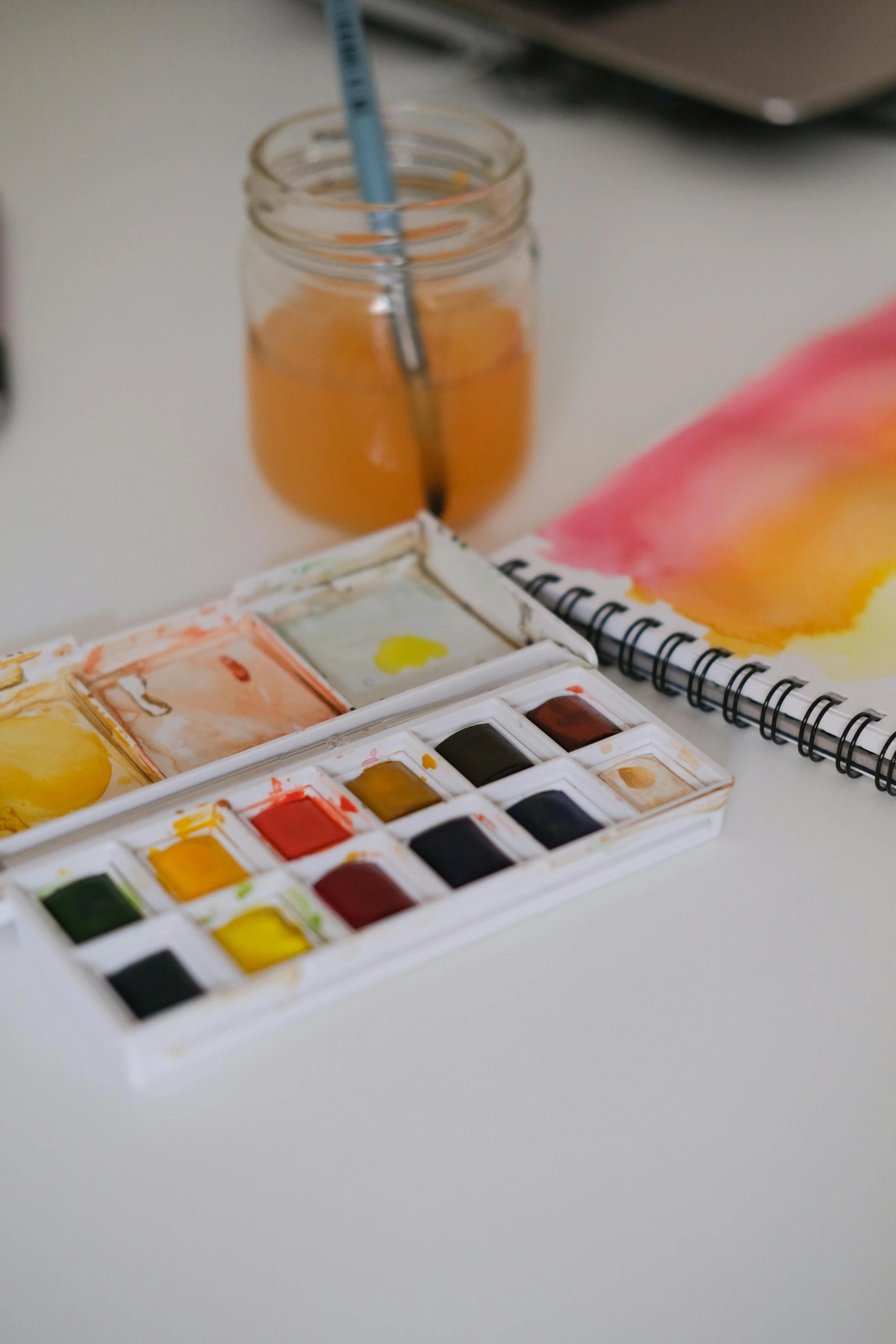
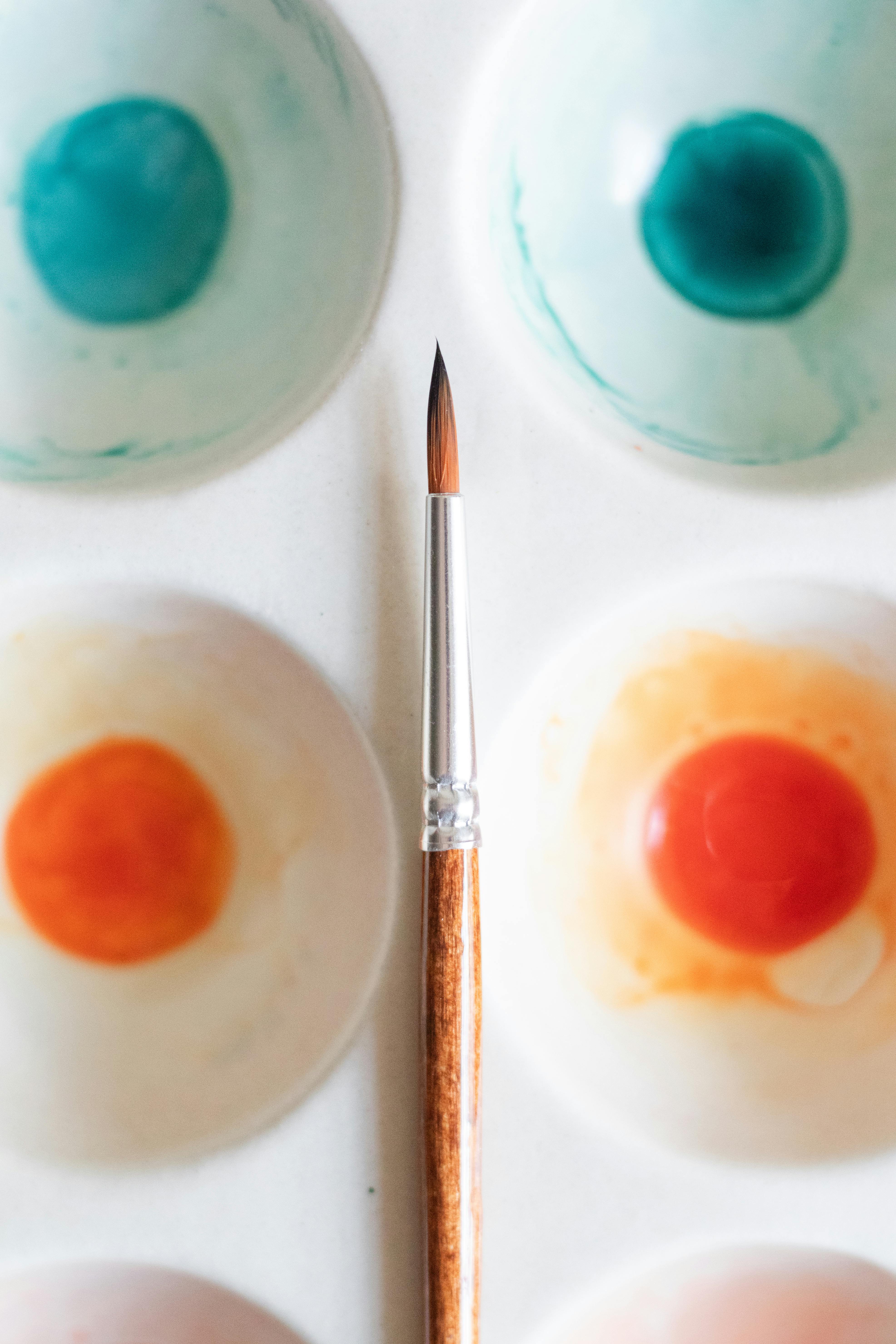
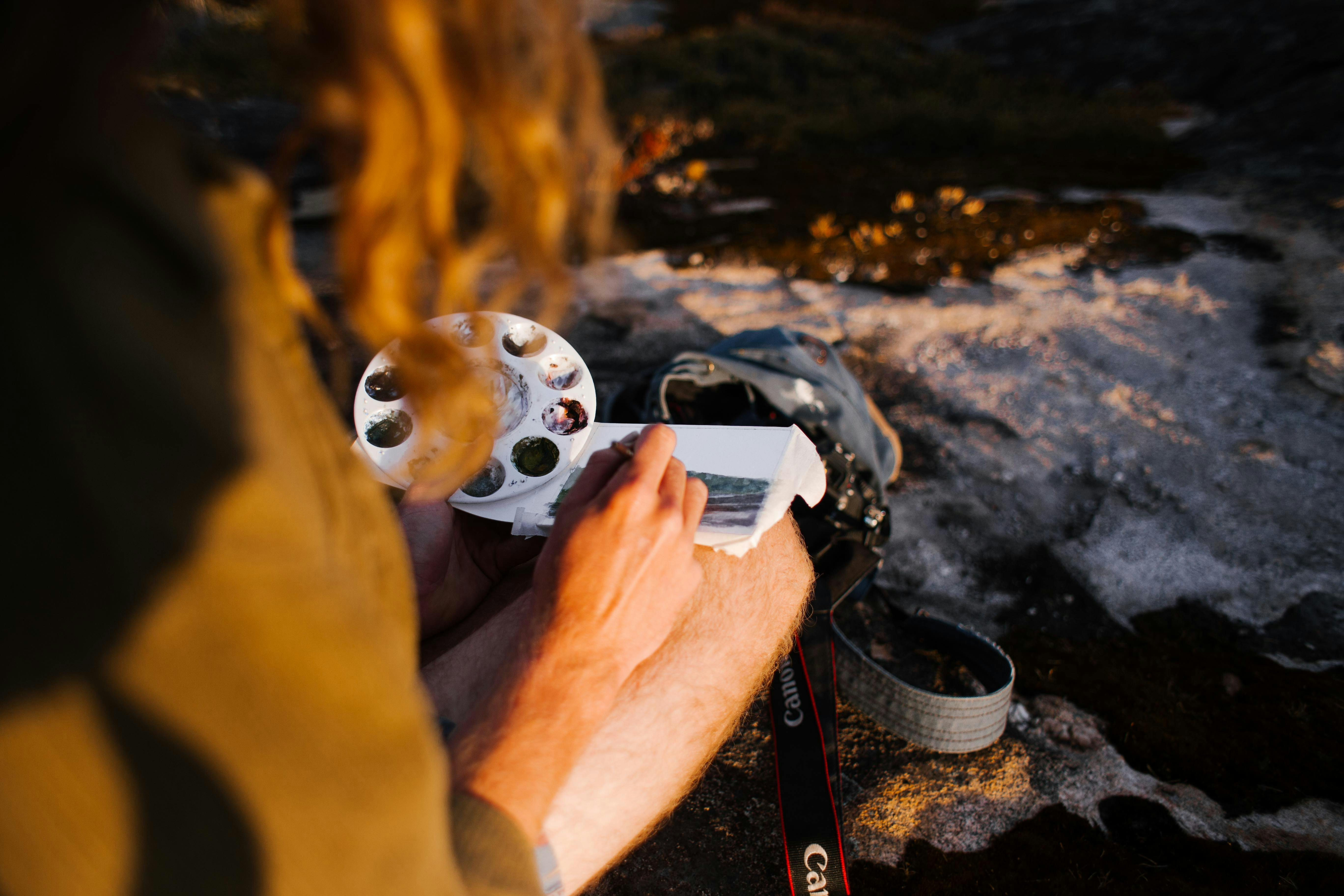
- Watercolors: Here, 'bold' means embracing expansive, wet-on-wet washes that bloom across the paper with vibrant, unpredictable edges. It means decisive, unhesitating brushstrokes that leave strong, saturated lines without much blending or fuss. It’s about confidence in the flow, in allowing the water and pigment to create their own expressive magic.
- Fluid Acrylics: With fluid acrylics, 'bold' translates into expressive pours, dynamic drips, energetic splatters, or sweeping applications that leave transparent or semi-transparent layers. The boldness comes from the visible action, the uninhibited gesture, and the pure intensity of the color, rather than the paint's physical height off the surface.
It’s all about adapting your concept of 'bold' to the inherent properties and possibilities of your chosen medium. Every medium has its own unique voice; your job is to help it shout.
How do bold strokes relate to Abstract Expressionism and Action Painting?
Oh, they're not just related; they're practically siblings, born from the same rebellious spirit! Bold strokes are not merely a characteristic but a fundamental cornerstone of Abstract Expressionism, particularly within the dynamic style famously known as Action Painting. Artists like the legendary Jackson Pollock and the incredibly visceral Willem de Kooning quite literally turned the act of painting into a performance, a physical, visceral engagement. The canvas became an arena where the artist's physical gestures—flinging, dripping, sweeping, pouring—were directly recorded as bold, energetic, and unapologetic marks. These strokes were never about representing objective reality; they were about expressing raw emotion, profound psychological states, and the artist's deepest internal world. So, when you're making bold marks with uninhibited energy, you are absolutely tapping into a very direct and powerful lineage of this monumental art movement! It's an incredible historical conversation you're joining.










How do I know when a bold stroke is 'too much'?
Ah, the million-dollar question, the eternal tightrope walk of the artist! For me, it almost always comes down to composition and the overall balance of the piece. A stroke feels 'too much' if it completely overpowers every other element, if it throws the entire painting off balance, or if it creates such an overwhelming visual noise that the viewer's eye has nowhere to rest. But here's the kicker: sometimes, one massive, seemingly 'too much' stroke is precisely what a painting desperately needs to come alive, to push it past the mundane. The only way, truly, to learn this delicate dance is by doing it, by pushing past what feels comfortable, observing the results, and developing your own internal sense of what feels right for that particular painting. It's a journey of intuition, not a rulebook. For more on this delicate balance, check out the unseen structure: how composition guides my abstract art.
What role does preparation play in making confident strokes?
More than you might ever think! While the actual act of making a bold stroke needs to feel spontaneous, immediate, and full of raw energy, the unshakeable confidence behind that stroke almost always comes from thoughtful preparation. Knowing your materials intimately (your paints, your brushes, your surfaces), having a general idea of your color palette, and even just physically warming up your body can dramatically reduce hesitation and self-doubt. It’s remarkably similar to a dancer preparing for a performance; the magic might look effortless and improvised, but it’s built on hours of practice, physical conditioning, and a profound understanding of their instrument (their body). So, while you're embracing accidents and spontaneity, you're also diligently building a robust foundation for intentional chaos. It's about being prepared to be unprepared, if that makes sense.

Do I really need expensive brushes for this?
Absolutely, unequivocally not. Let me repeat: you do not need expensive brushes for this! As I emphasized earlier, some of my absolute favorite, most impactful tools are often humble, sturdy brushes liberated from the hardware store. The true key isn't the price tag or the brand name; it's about finding a tool that genuinely feels good and responsive in your hand, one that consistently gives you the type of mark you're striving for. Don't ever let a perceived 'lack' of fancy supplies stop you from fearlessly making bold art. Creativity is far more about ingenuity and spirit than it is about cost. Use what you have, experiment, and you'll often discover magic in the most unexpected places.
Are there any ethical considerations when choosing materials for bold painting?
That's a really thoughtful and increasingly important question, and one I find myself pondering more and more deeply. While making a bold stroke is, at its core, about personal expression and liberation, the materials we choose and how we use them undeniably have an impact on the wider world. I genuinely try to be mindful of a few key things in my own practice:
- Toxicity: Some older oil paints or certain traditional solvents can be quite toxic, both to the artist and the environment. I personally lean heavily towards modern acrylics, which are generally much safer and water-soluble, or I make sure to use non-toxic mediums and odorless solvents when working with oils. And always, always ensure you have excellent ventilation in your studio space, regardless of the medium.
- Sourcing: I try to choose brands that are transparent about their pigment sourcing and manufacturing processes, actively looking for sustainable, ethically produced, or vegan options where possible. It's not always easy, but making conscious choices, even small ones, adds up.
- Waste: Making bold art often means using a lot of paint, which can, unfortunately, lead to a fair bit of waste. I try to minimize this by carefully planning my palette before I start, only squeezing out what I think I'll truly use, cleaning brushes efficiently, and even sometimes reclaiming dried paint from my palette for textural elements in other mixed-media works. It's an ongoing journey of awareness and improvement, not a destination, but I believe it's profoundly important to be conscious of our footprint as artists.

One Final Thought: Embrace the Unpredictable Journey
Ultimately, learning to paint with bold strokes isn't just about acquiring a technical skill; it's a profound journey in learning to trust yourself, to quiet that relentless inner critic, and to wholeheartedly embrace the unpredictable, messy nature of creation. It’s about accepting, with grace and even a touch of wry humor, that not every single mark will be 'perfect' by some external, often unrealistic, standard. And that, my friend, is more than okay—it’s absolutely essential. The raw energy, the visible history, and even the beautiful 'flaws' in each stroke are precisely what give a painting its unique soul, its undeniable character, and its lasting, resonant power. They are the authentic fingerprints of your journey, a visual autobiography.
So go on, I urge you. Load up that brush (or palette knife, or credit card!). Make a glorious, uninhibited mess. Embrace the imperfections, celebrate the unexpected twists and turns, and revel in the raw, unbridled energy that comes from truly letting go of control and surrendering to the creative flow. The absolute worst that can happen? You paint over it tomorrow, or turn it into a fantastic abstract collage—and honestly, sometimes, that's exactly what a painting needs to evolve, to find its true, surprising direction. The best that can happen? Well, the best is that you might just be on your way to finding (or perhaps joyfully rediscovering) your most authentic artistic voice, a voice that shouts rather than whispers, a voice that speaks volumes without needing a single literal word. This journey isn't merely about mastering a technique; it's about cultivating courage, embarking on a deep path of self-discovery, and experiencing the exhilarating freedom of expressing your truest, most unadulterated self.
If you're curious to see how I integrate these bold ideas and philosophies into my own creative journey, translating raw emotion and energetic marks into finished pieces, you can see some of my work for sale right here. Or, if you want to explore my wider artistic process, influences, and the evolution of my style over time, I invite you to visit my artist timeline. Let your art be your loudest, most honest declaration—a vibrant echo of your inner beast unleashed.