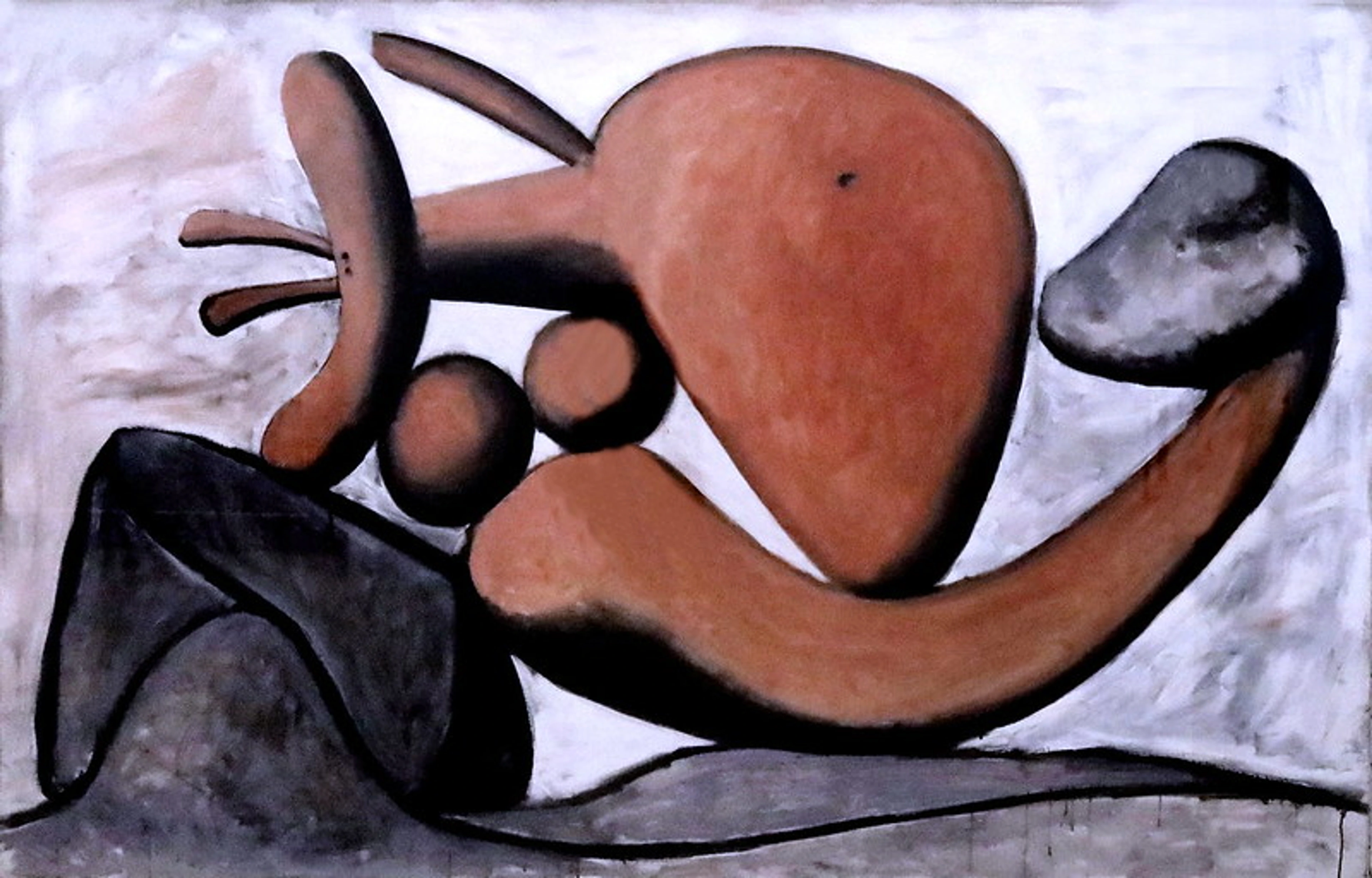
What is Dynamic Tension in Art? The Unseen Force That Makes Art Breathe
Discover how dynamic tension transforms static art into energetic experiences. Explore techniques, historical examples, and why this invisible force matters more than you think.

What is Dynamic Tension in Art? The Unseen Force That Makes Art Breathe
You know that feeling? When you stand before a painting and your eyes can't settle? Like the work is vibrating with energy even though it’s frozen in time? That my friend, is dynamic tension. It’s this electric current running beneath the surface of great art that makes your pulse quicken without any visible movement. I’ve spent countless hours in galleries wondering why certain works grab my soul while others leave me cold—and it almost always comes down to this invisible dance of opposing forces. Today we’re peeling back the canvas to reveal this magic.
Dynamic tension is not just a technique; it’s the heartbeat of art. It’s the reason why some pieces feel alive, while others remain static. It’s the silent conversation between elements that makes art breathe.
The Origins of Dynamic Tension
The concept of dynamic tension has roots in both art and physics. In physics, tension is the force transmitted through a rope, string, or wire when it is pulled tight by forces acting from opposite ends. Similarly, in art, tension is created when opposing elements—such as light and dark, smooth and rough, or warm and cool colors—are balanced in a way that creates visual energy. This balance is not static; it’s dynamic, constantly shifting and engaging the viewer’s perception.
The Essence of Dynamic Tension
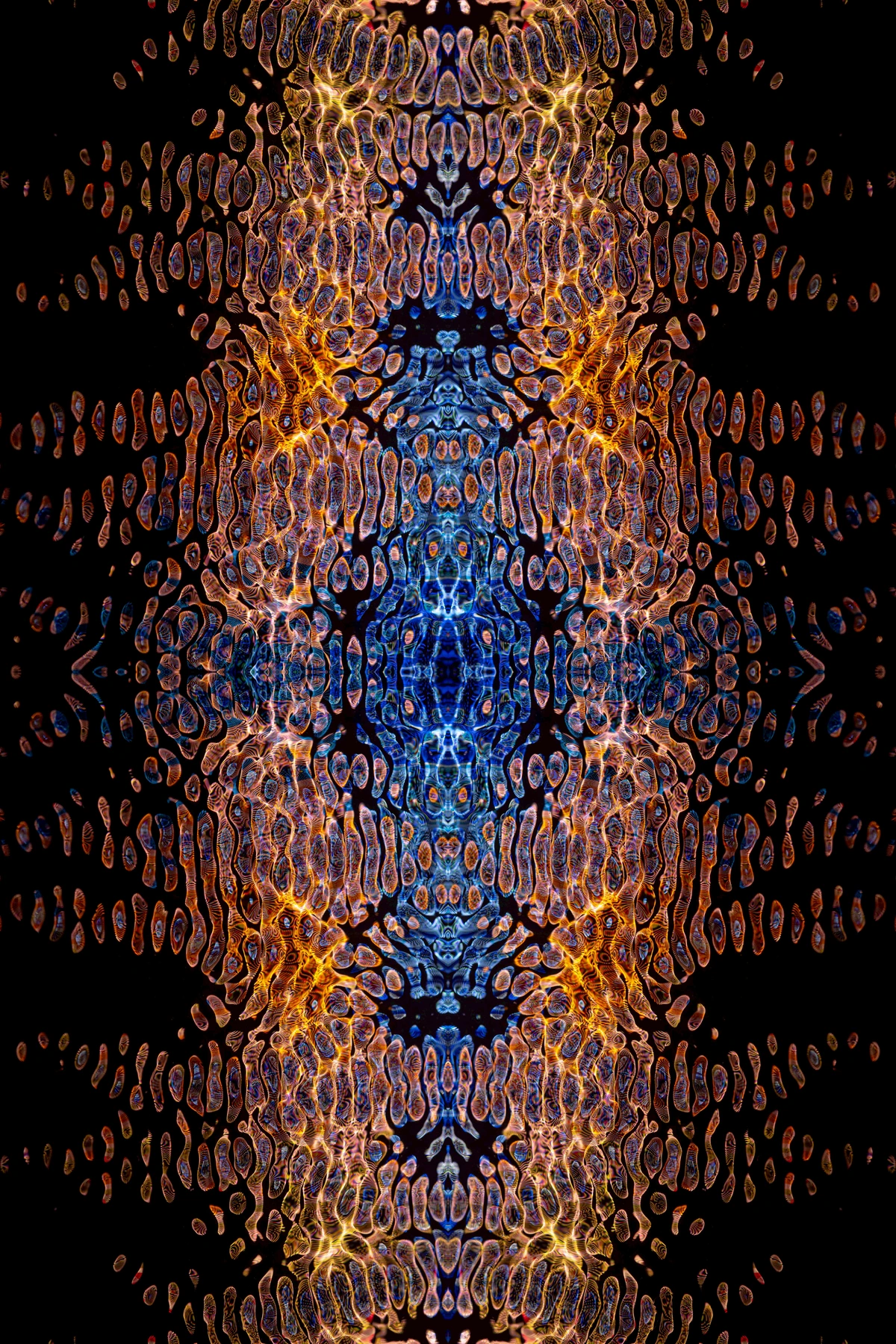
Dynamic tension is the invisible force that transforms a static image into a living, breathing entity. It’s the interplay of opposing elements—light and shadow, color and texture, movement and stillness—that creates a sense of energy and life. This tension is what keeps the viewer engaged, their eyes moving, their mind questioning. Without it, art can feel flat, lifeless, and forgettable. With it, art becomes a conversation, a challenge, and a journey.
The Role of Contrast
Contrast is a fundamental tool for creating dynamic tension. Whether it’s the contrast between light and shadow, rough and smooth textures, or complementary colors, these opposing forces create visual interest and energy. Artists use contrast to guide the viewer’s eye and evoke emotional responses.
Why Does Dynamic Tension Matter?
Dynamic tension is what transforms a piece of art from a mere visual object into an emotional experience. It’s the difference between looking at a painting and feeling it. This tension is what keeps the viewer engaged, their eyes moving, their mind questioning. Without it, art can feel flat, lifeless, and forgettable. With it, art becomes a conversation, a challenge, and a journey.
The Psychological Impact
Dynamic tension taps into the viewer’s psychology by creating a sense of unresolved conflict. This unresolved conflict keeps the viewer engaged, as their brain seeks to resolve the tension. It’s why some artworks evoke strong emotions, while others leave us indifferent. This tension creates a dialogue between the artwork and the viewer, inviting them to explore, interpret, and connect with the piece on a deeper level.
The Emotional Impact
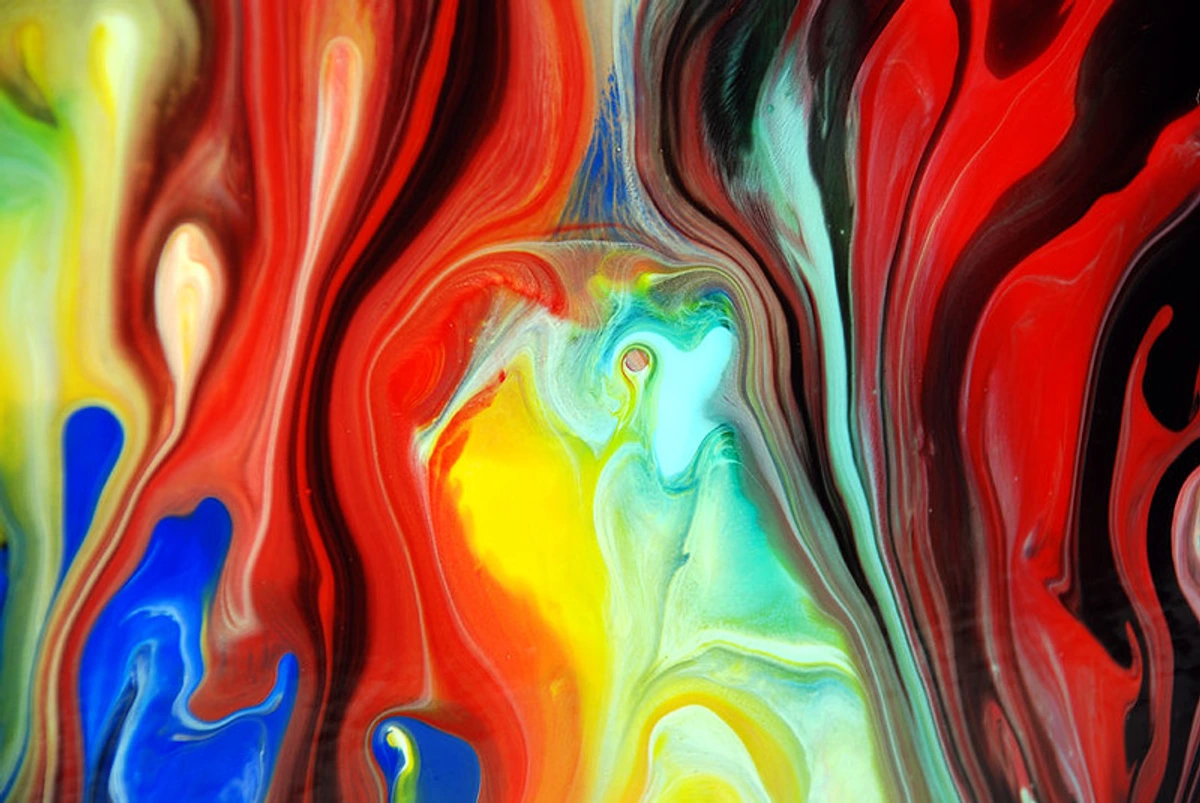
Dynamic tension is not just about visual engagement; it’s about emotional resonance. It’s the reason why some artworks evoke strong emotions, while others leave us indifferent. This tension creates a dialogue between the artwork and the viewer, inviting them to explore, interpret, and connect with the piece on a deeper level.
The Role of Movement
Even in static art, dynamic tension can create the illusion of movement. This is achieved through the use of implied lines, directional forces, and the interplay of shapes and colors. The viewer’s eye is guided through the artwork, creating a sense of movement and energy.
The Secret Handshake Between Art and Physics
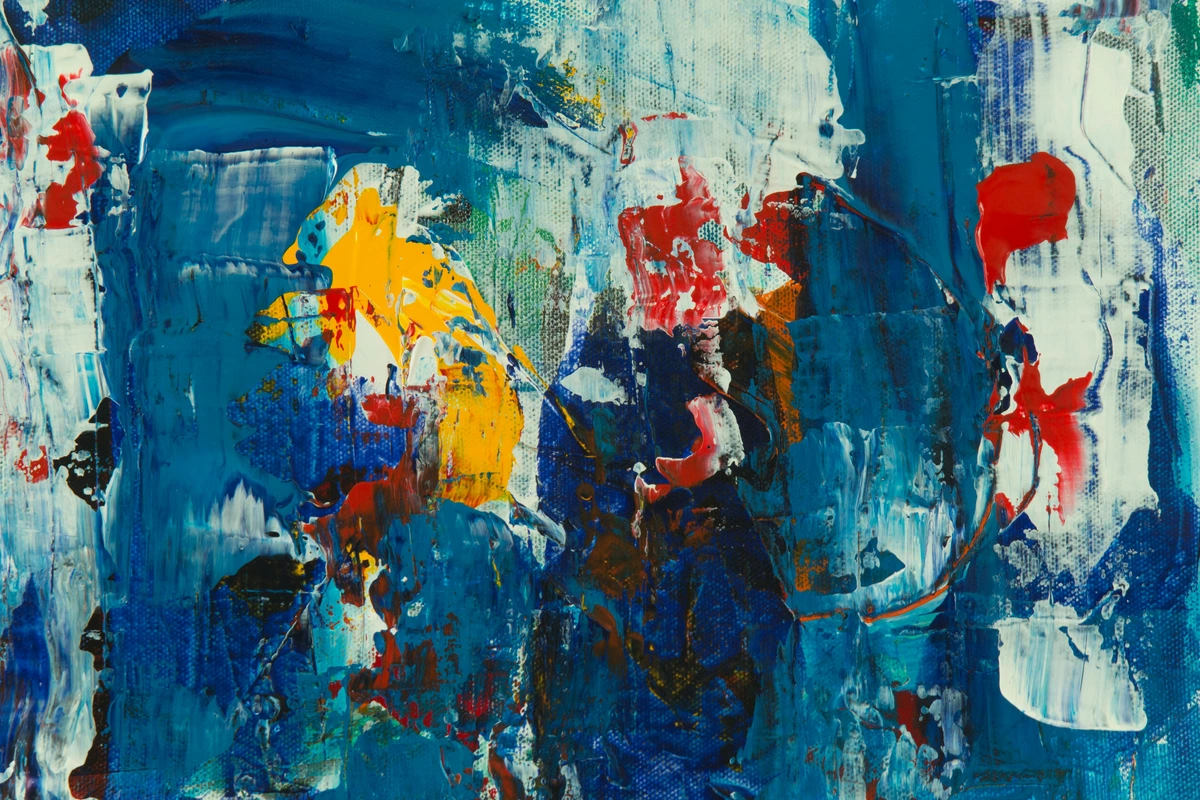
At its core, dynamic tension is about controlled opposition. It’s that push-and-pull relationship between elements that creates visual energy. Think of it like two wrestlers locked in a silent embrace—neither is moving, but you feel the potential energy humming between them. In art, these "wrestlers" can be colors, shapes, lines, or even ideas battling for dominance within the frame.
This concept isn’t just limited to visual art. It’s deeply rooted in physics, where opposing forces create equilibrium and movement. In art, this equilibrium is what keeps the viewer engaged, as their eyes move from one element to another, trying to resolve the tension.
The Science of Balance
Balance in art is not about symmetry but about equilibrium. Dynamic tension creates a sense of balance through the interplay of opposing forces. This balance is not static; it’s dynamic, constantly shifting and engaging the viewer’s perception. It’s what makes art feel alive and vibrant.
The Science Behind the Art
The principles of dynamic tension are not just artistic; they are scientific. In physics, tension is the force transmitted through a rope, string, or wire when it is pulled tight by forces acting from opposite ends. Similarly, in art, tension is created when opposing elements—such as light and dark, smooth and rough, or warm and cool colors—are balanced in a way that creates visual energy. This balance is not static; it’s dynamic, constantly shifting and engaging the viewer’s perception.
The Role of Perception
Perception plays a crucial role in how we experience dynamic tension. Our brains are wired to seek patterns and resolve conflicts. When we encounter opposing forces in art, our brains work to resolve the tension, creating a sense of engagement and interest. This is why dynamic tension is so effective in capturing and holding the viewer’s attention.
I remember staring at a Mark Rothko piece once—just floating rectangles. My rational brain screamed "simple geometry," but my gut clenched with emotion. That’s dynamic tension doing heavy lifting. Those color blocks weren’t just sitting there; they were arguing, pushing each other around the canvas. Rothco wasn’t just painting rectangles; he was choreographing silent confrontations.
Rothko’s work is a perfect example of how minimalism can still be charged with tension. The simplicity of his compositions belies the complexity of the emotional and visual interplay. It’s a reminder that tension isn’t about complexity; it’s about balance and contrast.
The Toolkit: How Artists Engineer Visual Arguments
Creating dynamic tension isn’t about chaos. It’s strategic engineering. Here’s your toolkit:
Technique  | Description | Example Effect |
|---|---|---|
| Asymmetry | Unequal distribution of elements | Creates visual imbalance that demands attention |
| Implied Lines | Eye movement paths created by shapes | Directs viewer’s journey through the composition |
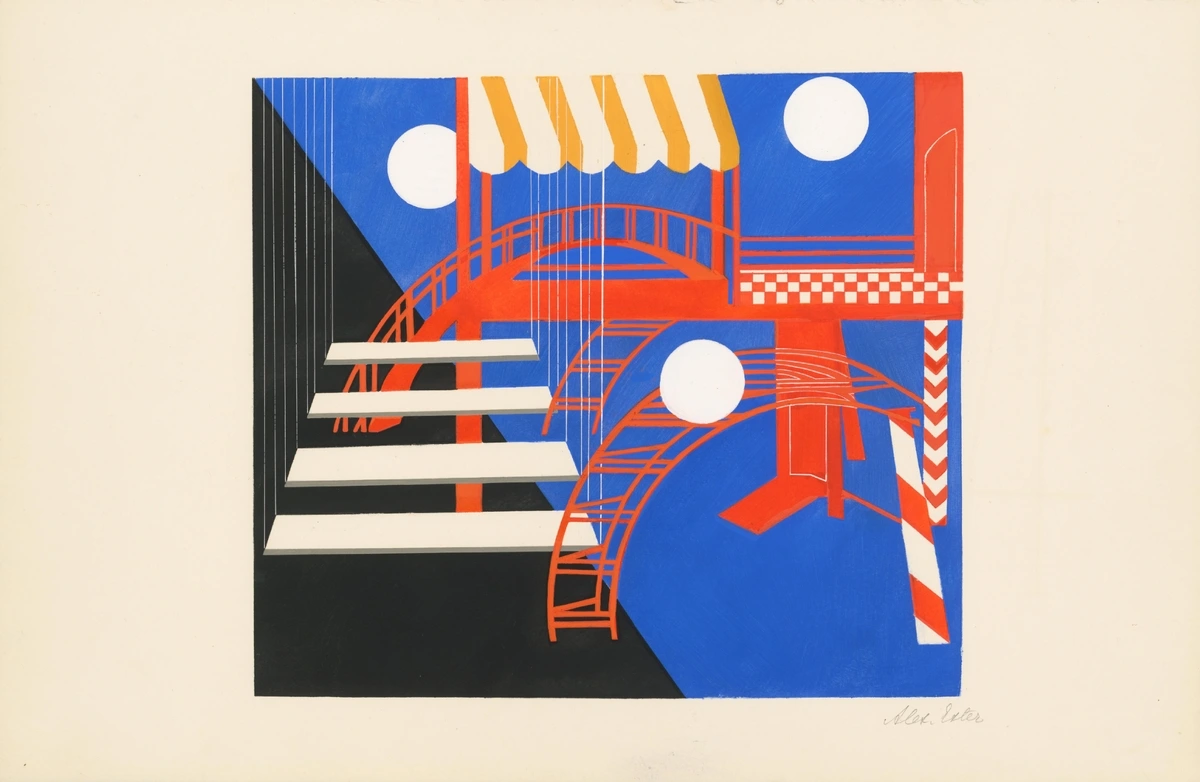
| Color Contrasts | Complementary or clashing tones | Generates visual vibration and emotional punch |
| Scale Juxtaposition | Varying sizes in close proximity | Establishes visual hierarchy and surprise |
| Directional Forces | Angles and shapes pushing the eye | Creates movement within static boundaries |
| Texture Contrast | Combining smooth and rough surfaces | Adds tactile tension and depth |
| Negative Space | Empty space around and between elements | Creates balance and emphasizes focal points |
The Role of Composition
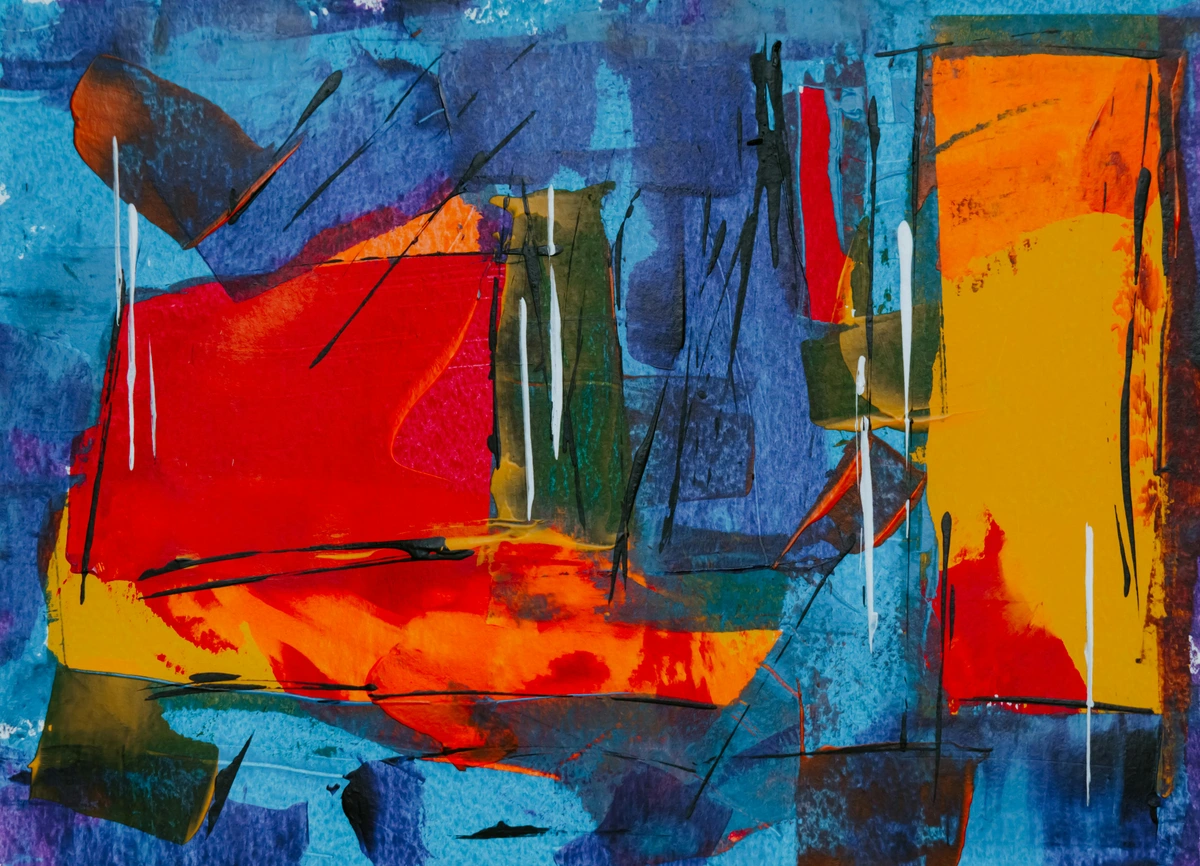
Composition is the foundation of dynamic tension. It’s about arranging elements in a way that creates visual interest and energy. A well-composed artwork guides the viewer’s eye and creates a sense of movement and balance. It’s what makes art feel alive and vibrant.
Advanced Techniques
Beyond the basics, artists can explore more advanced techniques to create tension:
- Layering: Building up layers of paint or digital elements to create depth and complexity.
- Transparency: Using translucent elements to create a sense of mystery and intrigue.
- Motion Blur: Introducing blur to imply movement and energy.
- Pattern Disruption: Breaking repetitive patterns to create visual surprises.
The Role of Experimentation
Experimentation is key to discovering new ways to create dynamic tension. Artists should not be afraid to try new techniques and push the boundaries of their creativity. It’s through experimentation that artists can discover new ways to engage the viewer and create meaningful art.
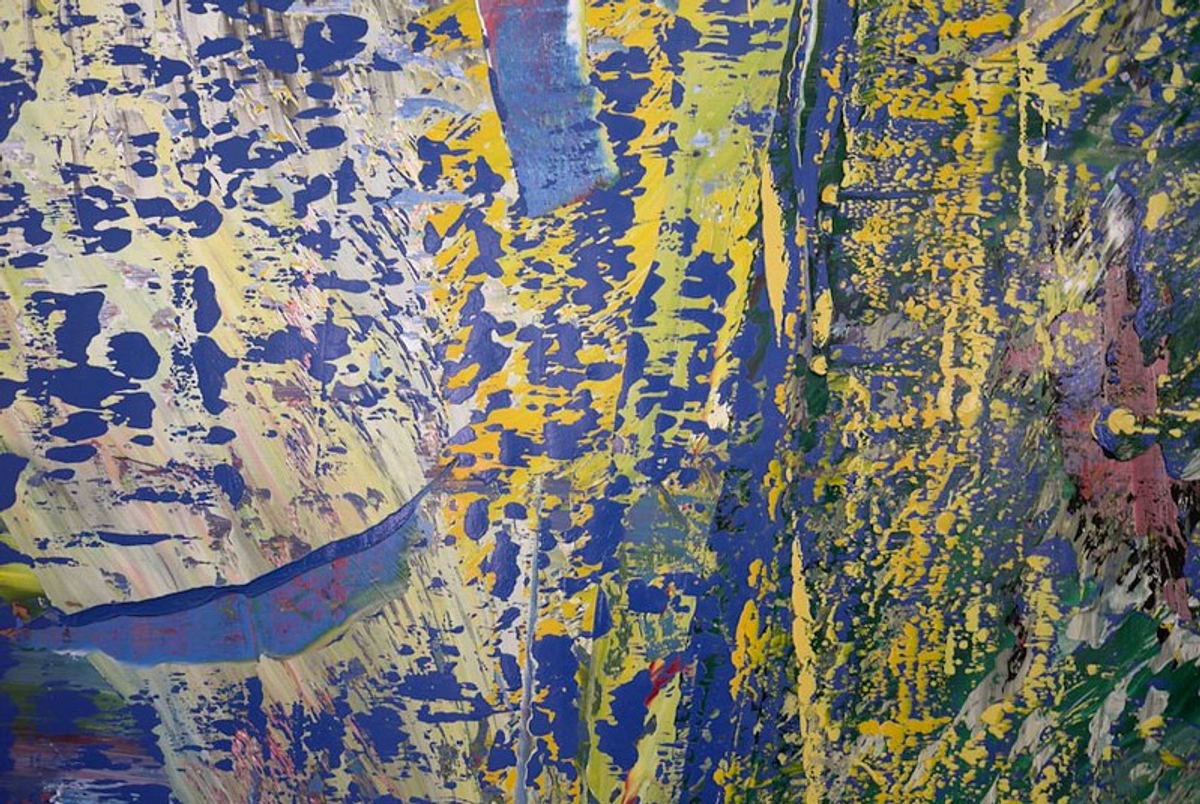
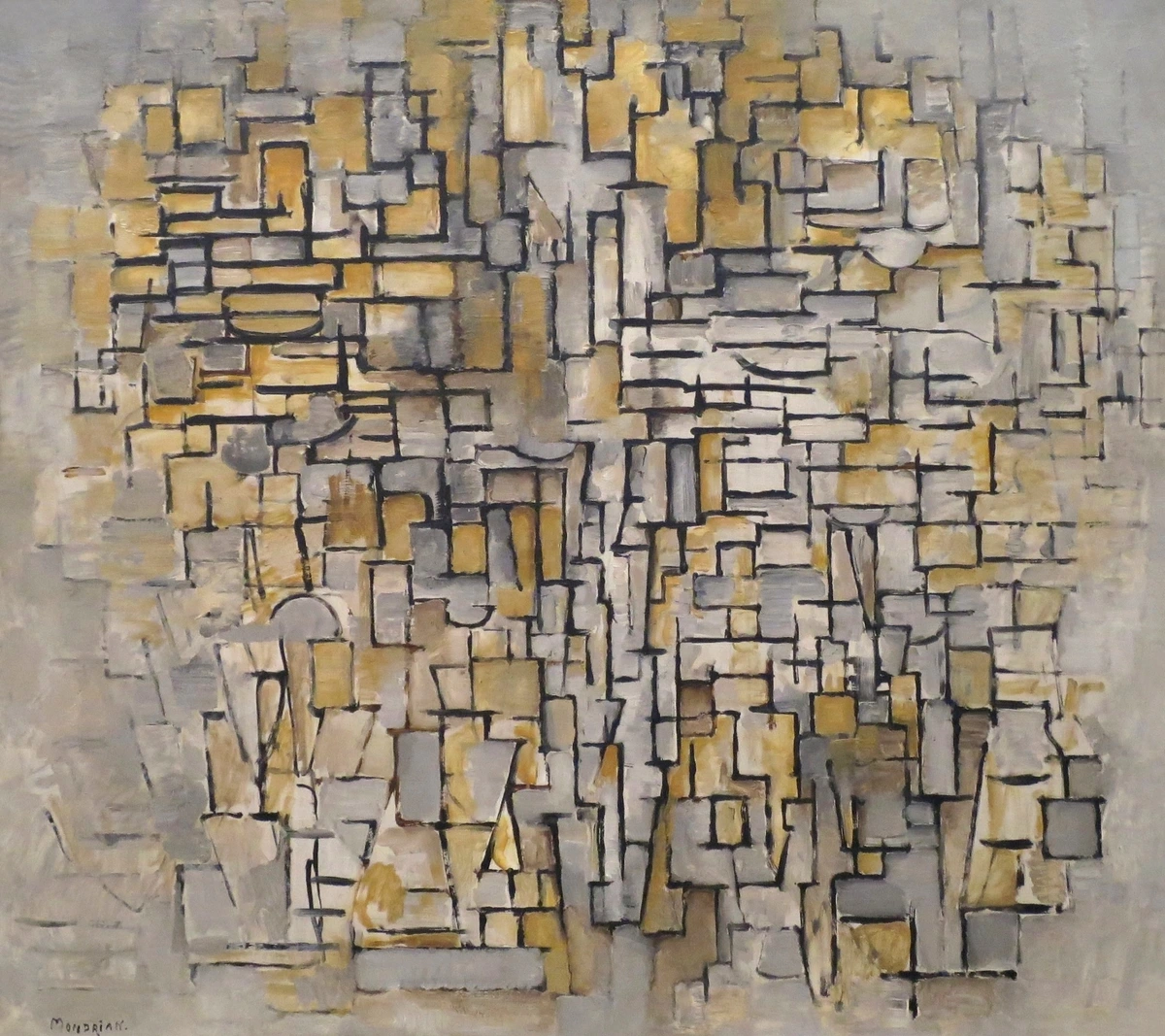
Pro tip: The best tension often lives in subtlety Consider that deceptively calm Mondrian grid. Those thick black lines? They’re not borders—they’re barriers pushing against the rectangles, keeping everything in delicious unrest. It’s a tectonic plate shift happening on paper.
Subtlety is key. The most powerful tension isn’t always the most obvious. It’s the quiet push and pull that keeps the viewer engaged, searching for meaning and balance.
A Quick History of Visual Standoffs
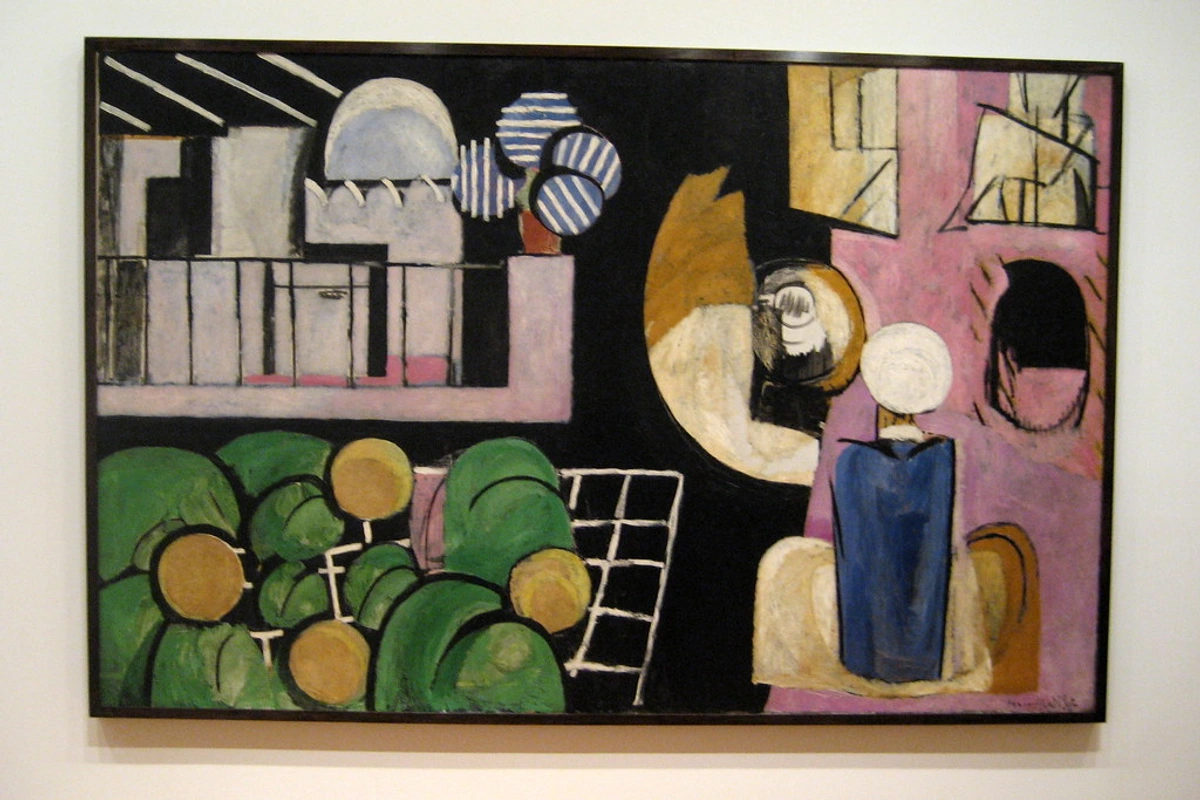
Let’s time travel through how different eras weaponized tension:
Prehistoric and Ancient Art
Even in prehistoric and ancient art, we see the use of dynamic tension. From the cave paintings of Lascaux to the sculptures of ancient Greece, artists have used opposing forces to create visual interest and energy. These early examples show that dynamic tension is a fundamental aspect of human creativity.
Renaissance Tug-of-War
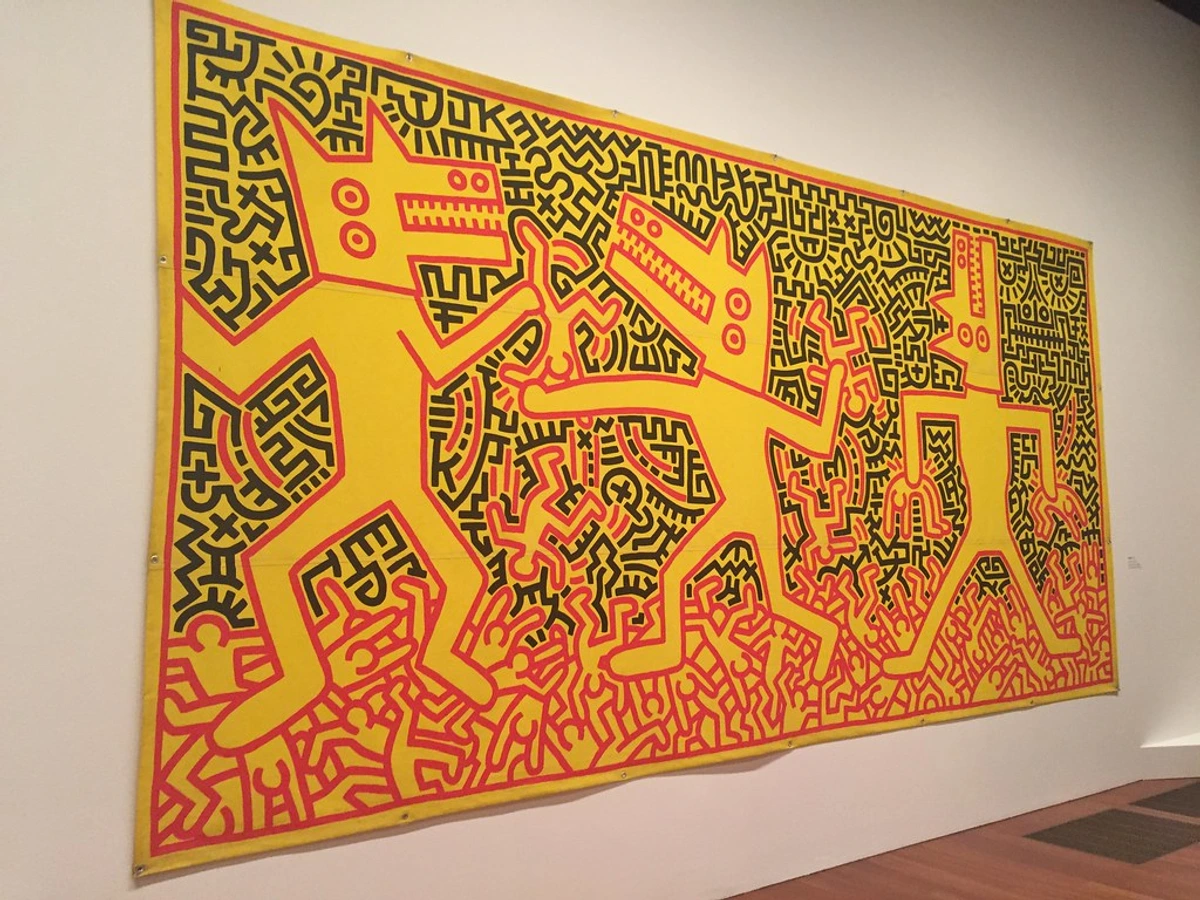
Leonardo wasn’t just lighting faces dramatically (chiaroscuro); he was pitting light against shadow. Notice The Last Supper: Christ’s central stability versus the disciples’ chaotic disarray. It’s a theological battle staged in brushstrokes.
The Role of Perspective
The Renaissance also saw the development of linear perspective, which added a new dimension to dynamic tension. By creating the illusion of depth, artists could guide the viewer’s eye and create a sense of movement and energy. This was a revolutionary development in the history of art.
Baroque Drama on Canvas
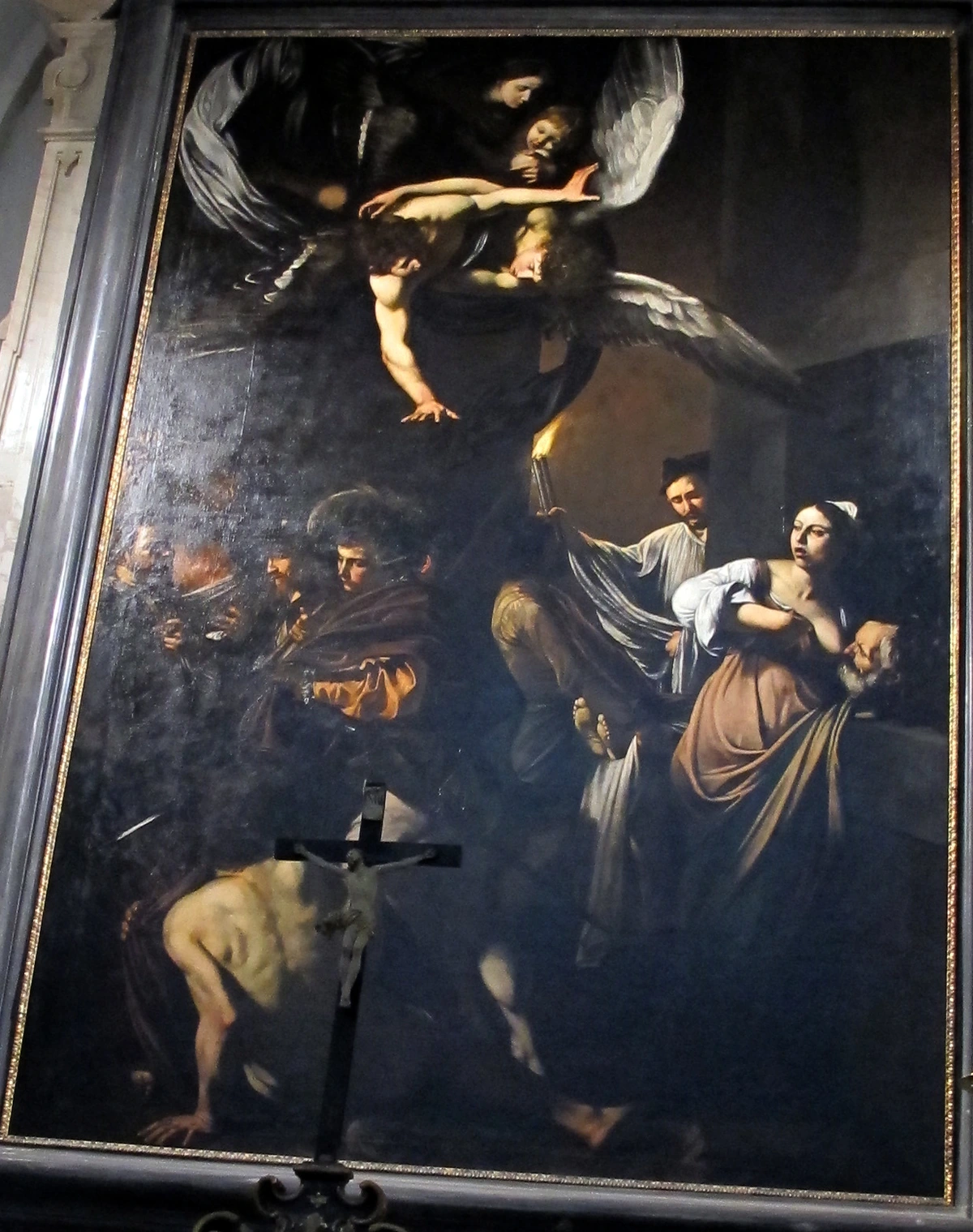
Caravaggio took this to extremes. His paintings feel like snapshots from arguments—half-lit figures pressing into the darkness. Those hands reaching out? Weapons in silent confrontations. The tension isn’t just visual; it’s existential.
The Role of Light and Shadow
The Baroque period is known for its dramatic use of light and shadow, a technique known as chiaroscuro. This technique creates a sense of depth and three-dimensionality, adding to the dynamic tension of the artwork. It’s a powerful tool for creating emotional impact and engaging the viewer.
Romanticism and Emotional Turmoil
The Romantic era embraced tension as a means of expressing deep emotion. Artists like Caspar David Friedrich used vast landscapes and tiny human figures to create a sense of awe and insignificance. The tension here is between the grandeur of nature and the fragility of human existence.
The Role of Nature
Nature played a central role in Romantic art. Artists used the natural world to explore themes of emotion, spirituality, and the sublime. The tension between the power of nature and the vulnerability of humanity is a recurring theme in Romantic art.
Abstract Expressionist Spontaneity
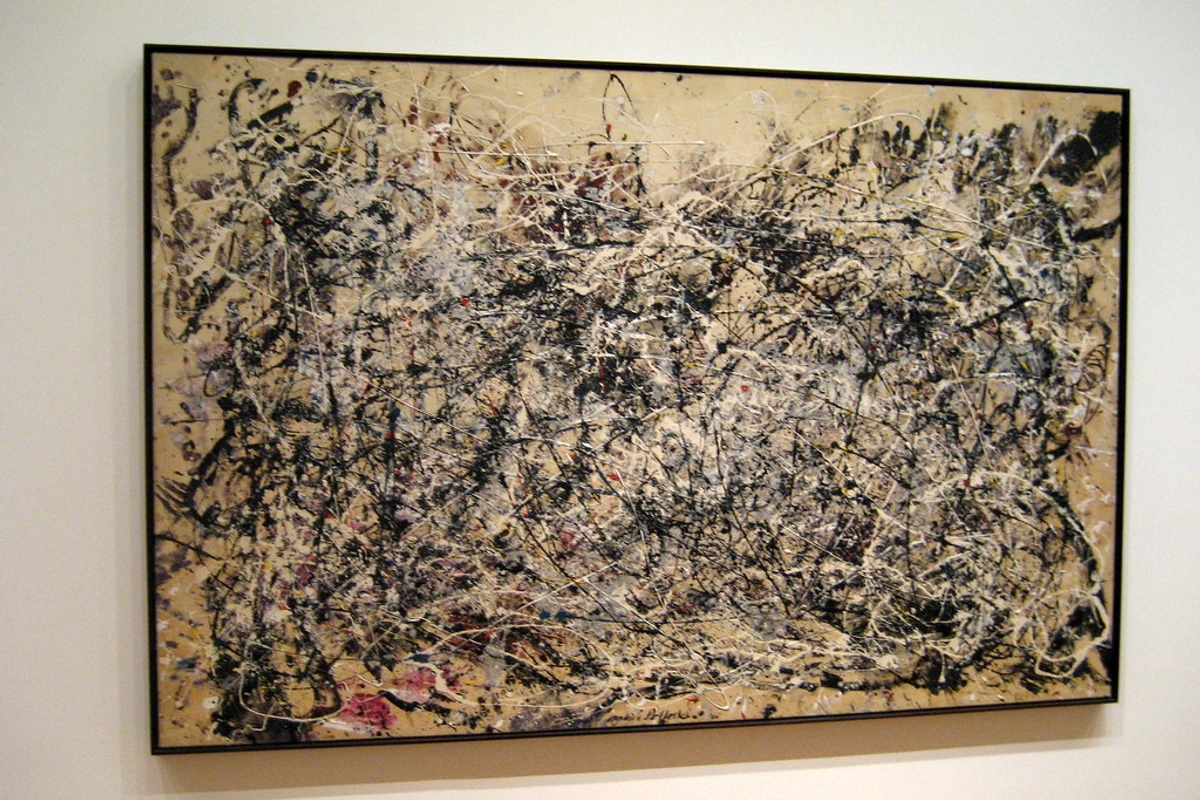
Pollock’s drip paintings? Perfect tension playgrounds. Those skeins of paint aren’t random. They’re frozen mid-fall, forever entangled in mid-air. De Kooning’s violent brushstrokes? Compressed rage held still. They bottled screaming.
The Role of Spontaneity
Abstract Expressionism embraced spontaneity and improvisation. Artists like Pollock and de Kooning used dynamic tension to create a sense of energy and movement. Their work is a testament to the power of spontaneity in art.
Contemporary Color Warriors
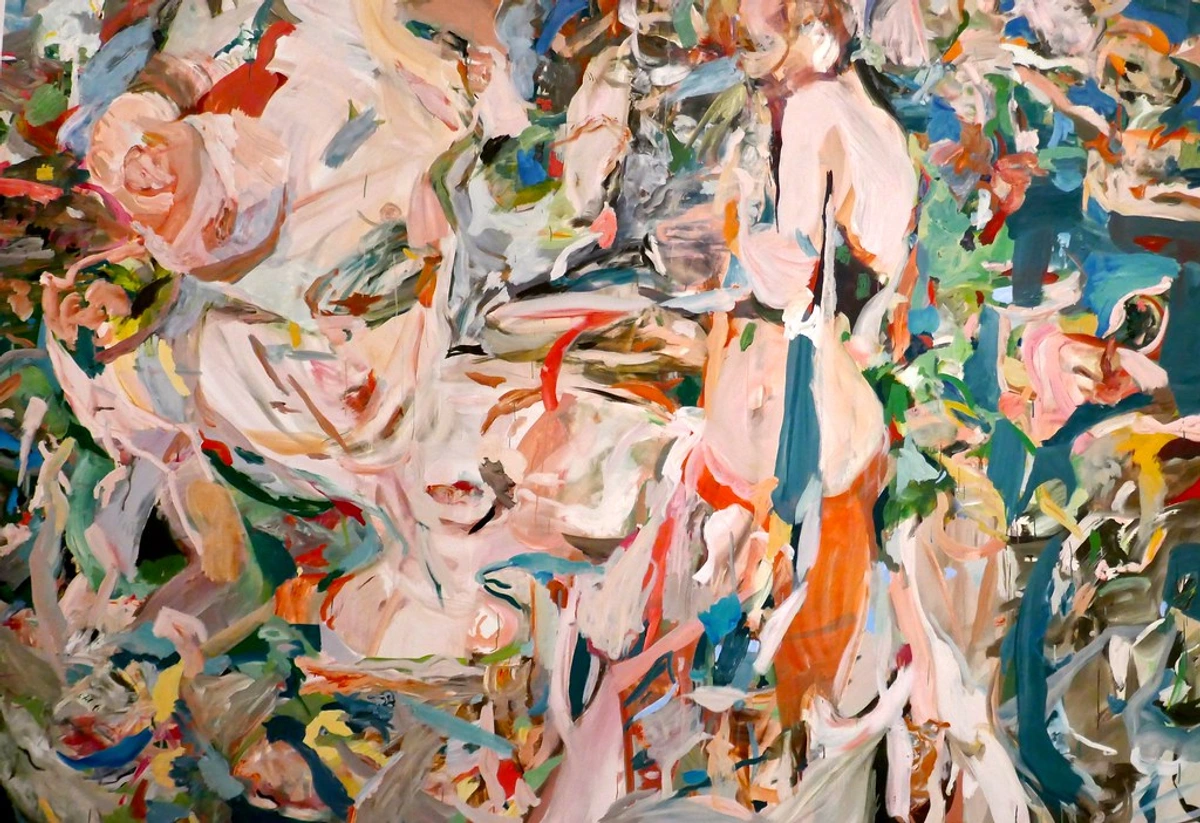
Today’s artists continue this tradition. Think of Julie Mehretu’s layered architectural palimpsests—buildings collapsing into one another. Or Julie Curtiss’s characters locking in uncomfortable eye contact. This tension isn’t archaic; it’s a living language.
The Role of Technology
Technology has opened up new possibilities for creating dynamic tension. Digital tools allow artists to experiment with new techniques and push the boundaries of their creativity. It’s an exciting time for art, as artists continue to explore the possibilities of dynamic tension in the digital age.
Modern Digital Tensions
Digital art introduces new forms of tension. The contrast between perfection and imperfection, virtual and physical, and accessibility and exclusivity creates a unique dynamic. Artists now fight their tools to reclaim the friction that defines tension.
The Role of Digital Tools
Digital tools have revolutionized the way artists create and manipulate images. These tools allow for infinite experimentation and the creation of new forms of dynamic tension. However, they also present challenges, as artists must navigate the tension between the digital and the physical.
Street Art and Urban Tension
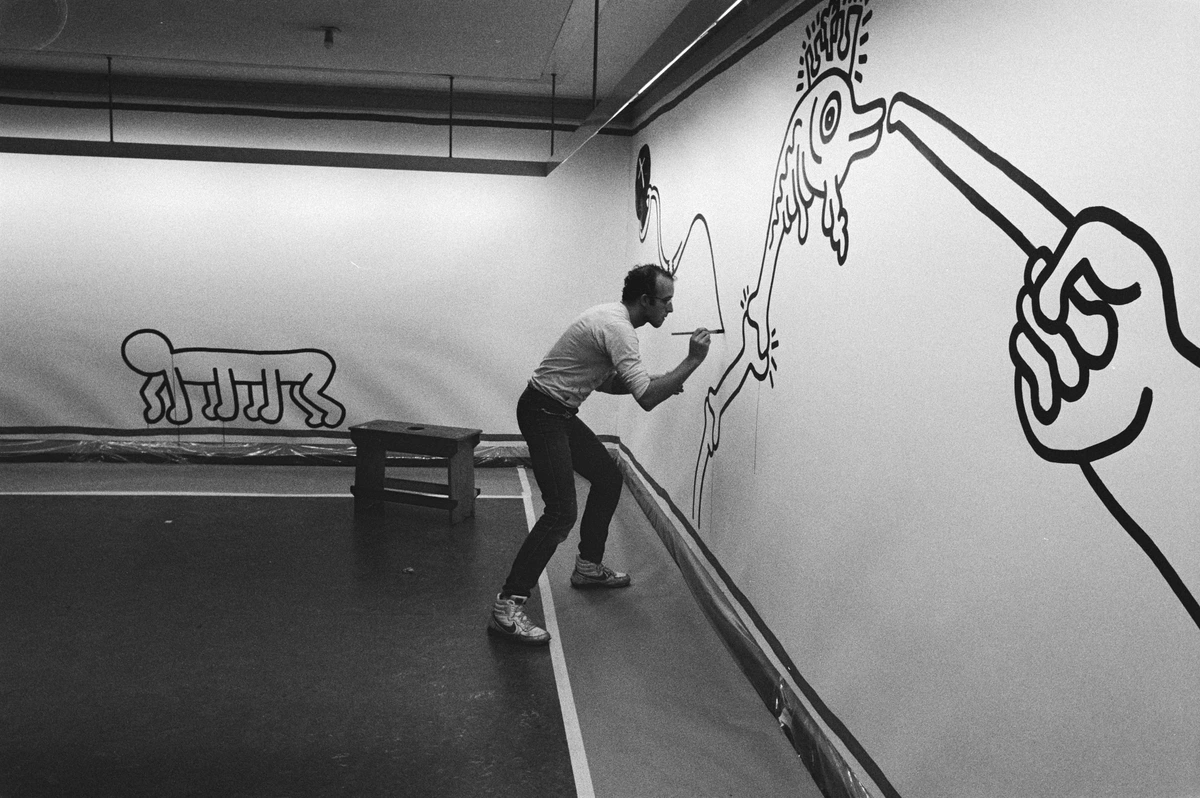
Street art thrives on tension. The contrast between the urban environment and the artwork, the legality of the medium, and the ephemeral nature of street art all contribute to its dynamic tension. Artists like Banksy use this tension to challenge societal norms and provoke thought.
The Role of Public Space
Street art exists in the public realm, creating a unique dynamic between the artwork and its environment. This tension is heightened by the ephemeral nature of street art, as it is often temporary and subject to change or removal. It’s a powerful form of artistic expression that engages with the urban landscape.
How To Spot This Silent Battle
You don’t need an art history degree to sense dynamic tension. Try these exercises:
The Role of Observation
Observation is key to understanding dynamic tension. By carefully observing the interplay of elements in an artwork, you can begin to see the underlying forces at work. This is a skill that can be developed with practice and patience.
- Stand very close to the artwork. Squint your eyes. Where does your eye want to go first? That’s your tension’s landing point.
- Trace invisible lines. Imagine shapes as magnets. Which are repelling each other? Which are pulling?
- Embrace the awkwardness. If the piece makes you slightly uncomfortable, that’s tension working its magic. Great art should unsettle you just a bit.
The Artist’s Dilemma: Too Much or Not Enough?
Finding tension’s sweet spot is terrifying. Too little and your work feels flat—like lukewarm tea. Too much and it becomes visual noise. I’ve thrown out countless canvases where "tension" just became a shouting match. The key is controlled imbalance—it should feel like a tightrope walk, not a freefall.
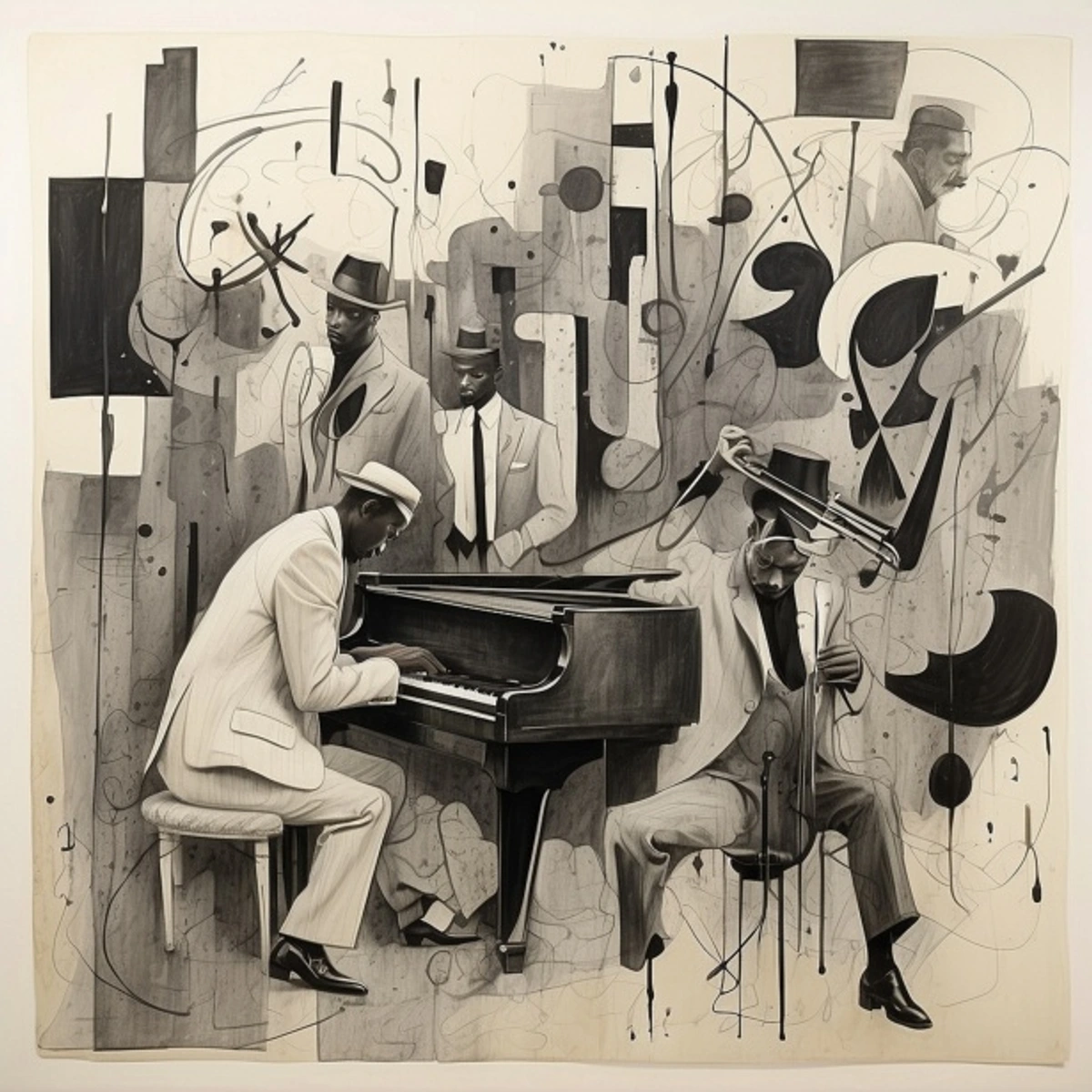
My rule of thumb? If you can sum up a composition with "calm" or "chaos," you’ve failed. The best pieces make you debate both simultaneously. Think of it like jazz—individual notes clashing within harmonic structures. Beauty lives in the dissonance.
The Role of Feedback
Feedback is essential for finding the right balance of dynamic tension. Artists should seek feedback from peers, mentors, and viewers to gain insights into how their work is perceived. This feedback can help artists refine their approach and create more engaging art.
Finding the Balance
- Start with simplicity. Begin with a minimal composition and gradually introduce tension.
- Experiment with contrast. Play with opposing elements to see what resonates.
- Seek feedback. Sometimes, an outside perspective can help identify the right balance.
- Trust your instincts. If something feels off, it probably is. Don’t be afraid to make changes.
The Role of Iteration
Iteration is a crucial part of the creative process. Artists should not be afraid to revisit and revise their work. Each iteration provides an opportunity to refine the balance of dynamic tension and create a more engaging artwork.
FAQ: Your Burning Questions Answered
Q: Is dynamic tension only in abstract art?
Not at all! Even hyper-realistic paintings use it. Think about Rembrandt's chiaroscuro battles, or Vermeer's light pressing against textures. Realism needs invisible scaffolding as much as abstraction does.
Q: Can color alone create tension?
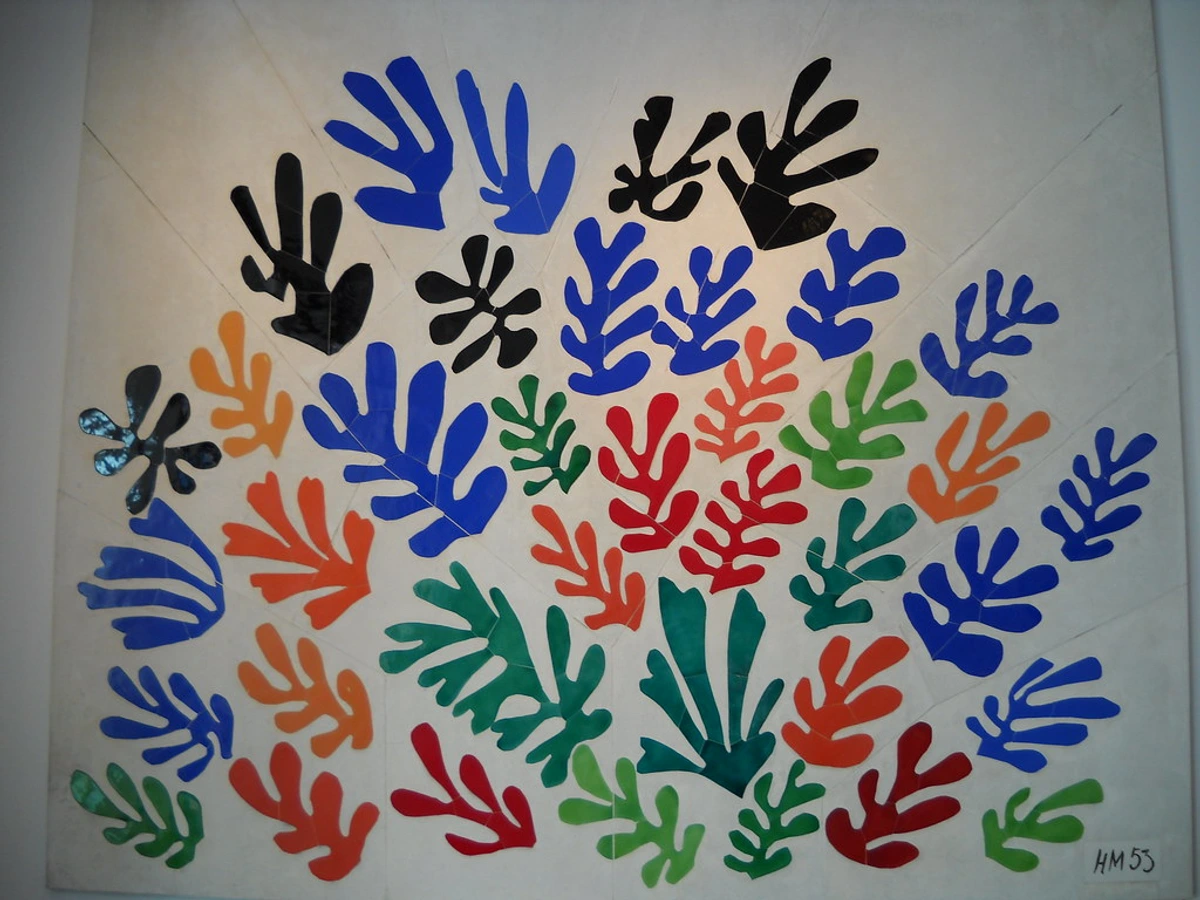
Absolutely. Complementary colors (red/green, blue/orange) naturally vibrate against each other. It's why they call them "dynamic"duos. But more interesting? Non-traditional clashing—like mustard yellow against dusty rose. That's when tension becomes personality.
Q: How does this relate to Zen philosophy?
Ah, the sweet spot. Buddhism teaches that reality arises from the interplay of opposites (yinyang). Dynamic tension is this principle visualized. Every peaceful composition masks a storm of competing forces—to see this is to see art as meditation on existence itself. Want to explore this further? Check how these ideas evolved in the artist's timeline.
Q: Can beginners intentionally try to create tension?
Yes—and no. Don’t force it. Start by breaking rules intentionally. Put a tiny bright element in a corner of a dark painting. Use jagged lines next to smooth ones. Then ask: "Does this make the work more interesting?" If yes, you’ve found tension. Then refine.
Q: Why is digital art changing how we tension?
Interesting question! Digital tools allow infinite symmetry (hello, snap-to-grid), which kills tension naturally. But the undo button? Let’s artists explore messiness they’d avoid traditionally. The best digital artists now fight their own tools to reclaim that friction. Healthy skepticism of NFT/blockchain hype is warranted—tech hasn’t reinvented fundamental principles like tension, just replicated them imperfectly.
Q: How can I practice creating tension in my own art?
Start by experimenting with the techniques mentioned in this article. Play with asymmetry, color contrasts, and scale juxtaposition. Don’t be afraid to make mistakes—tension is often found in the unexpected.
Q: Can tension exist in sculpture and 3D art?
Absolutely! Tension in sculpture can be created through the interplay of forms, textures, and negative space. Think of the way light and shadow interact with three-dimensional surfaces to create visual energy.
Q: How does tension relate to composition?
Tension is a fundamental aspect of composition. It guides the viewer’s eye and creates a sense of movement and balance. A well-composed piece will use tension to keep the viewer engaged and interested.
Q: What role does tension play in photography?
Tension in photography can be created through the interplay of light and shadow, the positioning of subjects, and the use of negative space. It’s about creating a visual dialogue that draws the viewer in and keeps them engaged.
Q: How does tension differ in Eastern and Western art?
Eastern art often emphasizes harmony and balance, while Western art tends to focus on dramatic tension and individual expression. Both approaches use tension, but in different ways to achieve their artistic goals.
Q: Can tension be created through sound in multimedia art?
Yes! In multimedia art, sound can be used to create tension through dissonance, rhythm, and volume. The interplay between visual and auditory elements can create a multi-sensory experience that engages the viewer on multiple levels.
Q: How does tension work in performance art?
Performance art thrives on tension. The interaction between the performer and the audience, the unpredictability of live performance, and the use of space and time all contribute to a dynamic and engaging experience.
Q: What role does tension play in architecture?
In architecture, tension can be created through the interplay of forms, materials, and spaces. The contrast between solid and void, light and shadow, and different textures can create a sense of movement and energy in built environments.
Q: How does tension relate to storytelling in art?
Tension is a powerful tool for storytelling. It can create suspense, evoke emotions, and guide the viewer through a narrative. Whether it's the tension between characters in a painting or the tension between elements in a composition, it adds depth and meaning to the story being told.
Q: Can tension be created through the use of symbols?
Yes! Symbols can create tension by representing opposing ideas or concepts. For example, a symbol of life and a symbol of death in the same artwork can create a powerful tension that invites the viewer to explore the deeper meaning behind the piece.
Q: How does tension work in digital art?
In digital art, tension can be created through the interplay of digital and analog elements, the use of glitches and distortions, and the contrast between perfection and imperfection. It’s a unique form of tension that is specific to the digital medium.
Q: Can tension be created through the use of light?
Yes! Light is a powerful tool for creating tension. The interplay of light and shadow can create a sense of depth and three-dimensionality, adding to the dynamic tension of the artwork. It’s a fundamental aspect of visual art.
The Final Word
Dynamic tension isn’t a technique. It’s art’s heartbeat. It’s what separates decorative objects from soul-shaking experiences. It’s why you remember that one painting in a crowded museum—not because of subject matter, but because it held a silent argument that resonated with yours. Next time you face art don’t just look. Feel the push. Notice the pull. The best works aren’t painted; they’re negotiated. And you my friend, are now part of the conversation.
For those moments when silence speaks louder than words, explore how these principles manifest in contemporary works. Art is dialogue—and tension is how we learn to listen.
The Role of Art in Society
Art plays a crucial role in society by challenging our perceptions and provoking thought. Dynamic tension is a powerful tool for achieving this. By creating art that engages and challenges the viewer, artists can contribute to a deeper understanding of the world and our place in it.
Continuing the Journey
Art is a lifelong exploration. Keep experimenting, keep learning, and keep pushing the boundaries of what you know. The more you engage with art, the more you’ll understand the subtle nuances of tension and how it shapes our perception of the world.
The Role of Education
Education is key to developing a deeper appreciation for art. By learning about the principles of dynamic tension and other artistic techniques, you can gain a greater understanding of the creative process and the role of art in society. It’s a journey that is both rewarding and enriching.
Originally published for art enthusiasts at Zen Museum Den Bosch. Updated monthly based on visitor questions and discoveries.
Practical Exercises for Artists
Exercise 1: The Tension Scale Create five small studies, each using the same basic composition but with increasing levels of tension. Start with perfect symmetry, then gradually introduce asymmetry, color contrast, scale variation, and directional forces. Observe how the mood changes with each level.
Exercise 2: Emotional Translation Choose three emotions: calm, excitement, and unease. For each emotion, create a composition that embodies that feeling through tension. How can you use visual elements to translate abstract emotions into concrete visual experiences?
Exercise 3: The Uncomfortable Pairing Forced pairings create interesting tension. Combine elements that don't naturally belong together: geometric shapes with organic forms, warm colors with cool textures, smooth surfaces with rough elements. See what new meanings emerge from these visual conflicts.
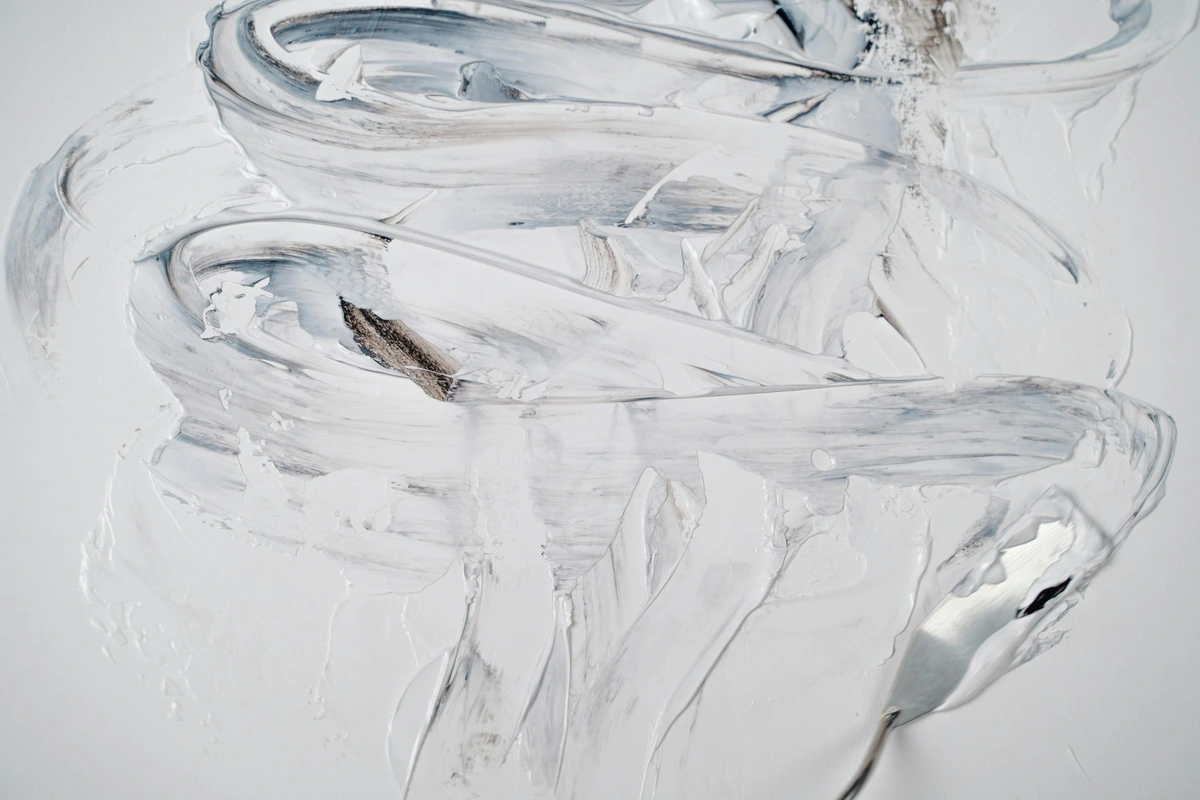
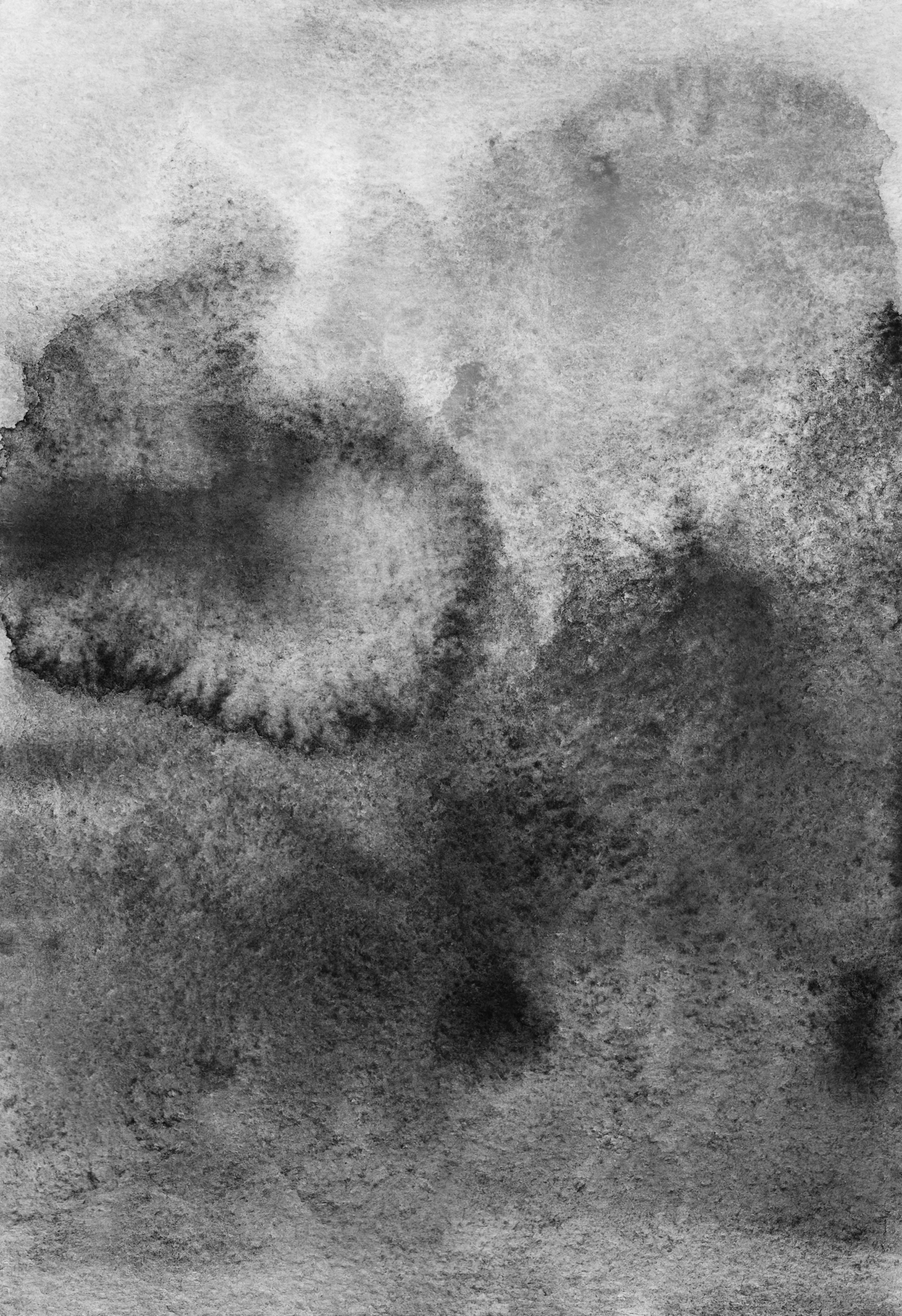
Exercise 4: The Monochrome Challenge Create a composition using only one color. Use varying shades and textures to create tension. This exercise will help you understand the power of contrast and balance in a limited palette.
Exercise 5: The Storytelling Composition Create a piece that tells a story through tension. Use visual elements to guide the viewer’s eye and create a narrative. Think about how you can use tension to evoke emotions and convey meaning.
Exercise 6: The Role of Feedback Seek feedback on your compositions from peers, mentors, and viewers. Use this feedback to refine your approach and create more engaging art. It’s a valuable tool for developing your artistic skills and understanding the impact of your work.
Understanding Cultural Tensions
Different cultures have different approaches to tension and balance. Western art often emphasizes dramatic tension and individual expression, while many Asian traditions prefer harmonious balance and subtle tensions that work within larger cosmic order. African art frequently uses dynamic tension between pattern and form, while Indigenous traditions often create tension between spiritual and representational elements. Understanding these different tension traditions can enrich your own artistic vocabulary and help you create work that bridges cultural perspectives.
The Role of Cultural Exchange
Cultural exchange plays a crucial role in the development of artistic techniques and styles. By engaging with different cultural traditions, artists can gain new insights and perspectives that can inform their own work. This exchange is a powerful tool for creating art that is both innovative and meaningful.
Case Study: Analyzing Famous Artworks
Let's break down some masterpieces to see tension in action:
Artwork | Artist | Tension Techniques | |
|---|---|---|---|
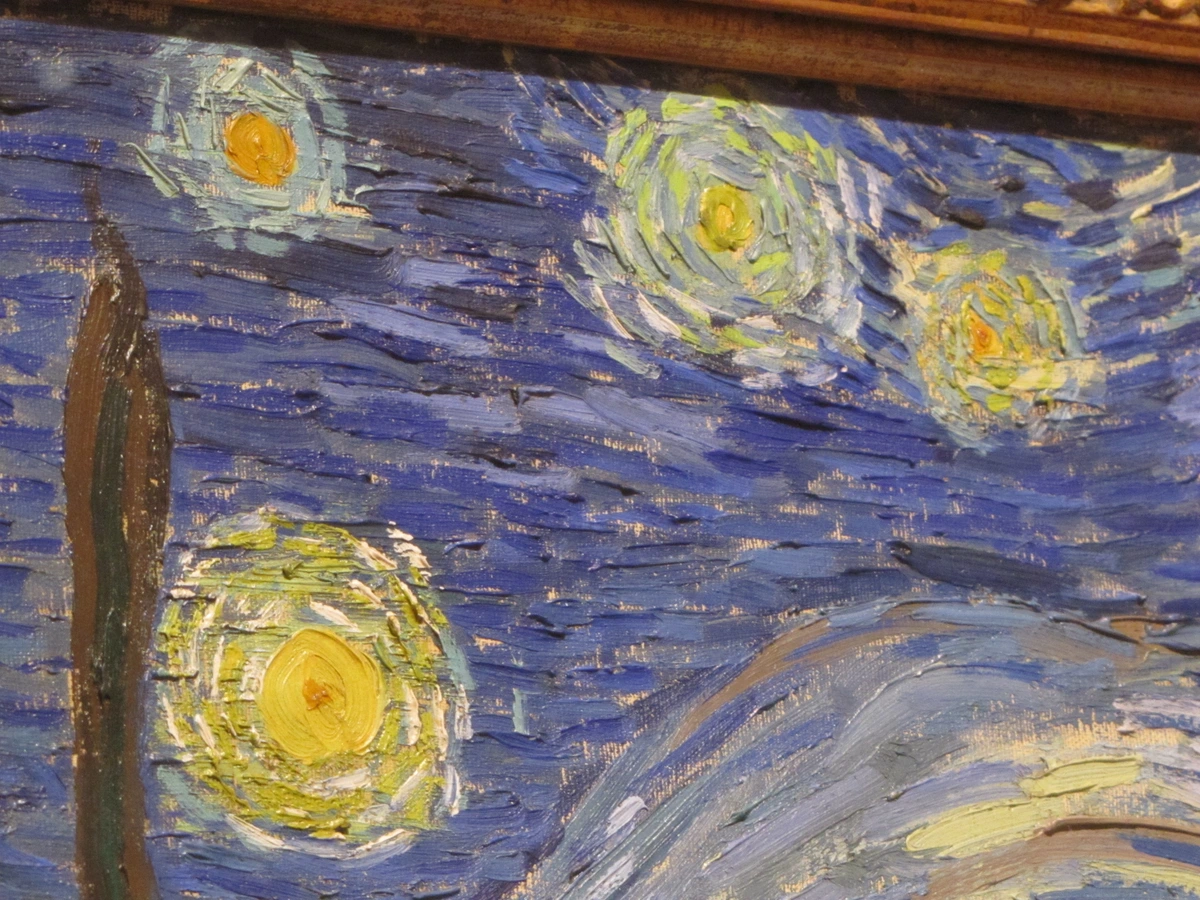
| The Starry Night | Van Gogh | Swirling vs. linear elements, warm vs. cool colors | Dreamlike energy mixed with underlying anxiety |
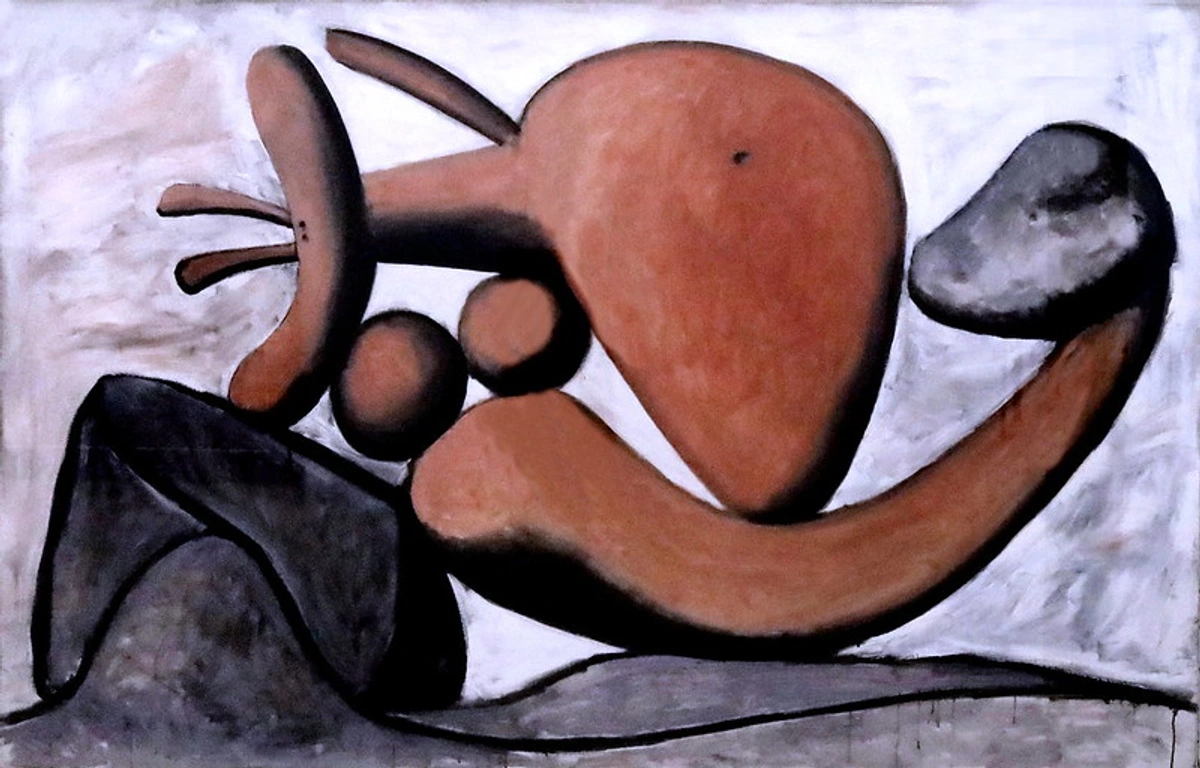
| Guernica | Picasso | Geometric chaos vs. representational forms, monochromatic intensity | Profound horror and political outrage |
| Water Lilies | Monet | Reflection vs. reality, loose vs. defined forms | Calm meditation with underlying complexity |
| Campbell's Soup Cans | Warhol | Repetition vs. individuality, commercial vs. artistic | Questions authenticity and mass production |
The Role of Analysis
Analyzing famous artworks is a valuable tool for understanding the principles of dynamic tension. By studying the techniques and emotional impact of these masterpieces, you can gain insights into how to create your own engaging and meaningful art.
Digital Age Tensions
The digital revolution has created new forms of tension:
- Perfection vs. Imperfection: Digital tools allow flawless execution, but artists now intentionally introduce "flaws"
- Virtual vs. Physical: Digital art exists in an intangible realm but competes with physical artwork
- Accessibility vs. Exclusivity: Digital art can be replicated infinitely, challenging traditional notions of scarcity
- Algorithm vs. Intuition: AI-generated art creates tension between human creativity and machine logic
The Role of Innovation
Innovation is a driving force in the development of new forms of dynamic tension. By embracing new technologies and techniques, artists can push the boundaries of their creativity and create art that is both innovative and meaningful. It’s an exciting time for art, as artists continue to explore the possibilities of dynamic tension in the digital age.
Beyond Visual: Multi-Sensory Tension
Great art engages multiple senses:
- Textural Tension: The contrast between smooth and rough surfaces invites touch
- Temporal Tension: Art that changes over time creates tension between past, present, and future
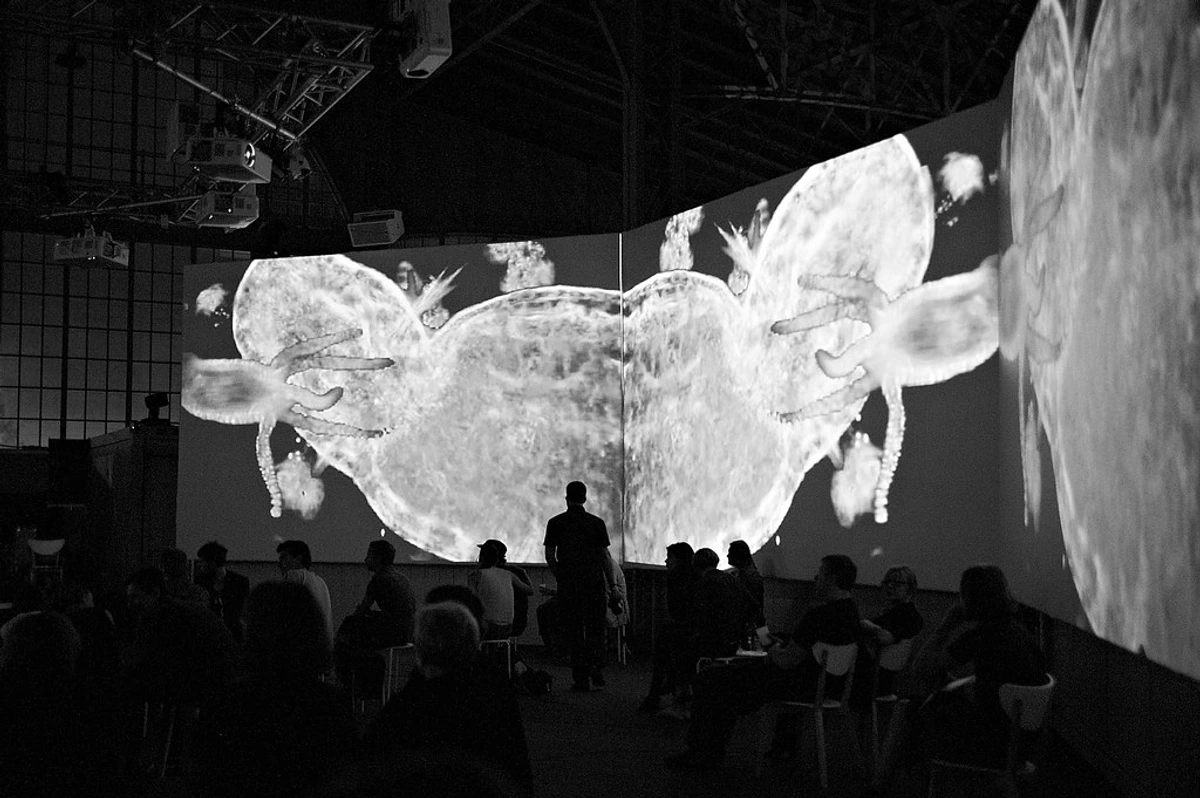
- Spatial Tension: Installations that occupy real space create tension between the artwork and its environment
- Conceptual Tension: Art that challenges expectations creates mental tension between what we see and what we understand
The Role of Multi-Sensory Experience
Multi-sensory experiences are a powerful tool for creating dynamic tension. By engaging multiple senses, artists can create a more immersive and engaging experience for the viewer. This is a powerful way to create art that is both innovative and meaningful.







The Psychology of Tension Response
Why do we respond to tension so powerfully?
- Cognitive Engagement: Tension creates curiosity—we want to resolve visual conflicts
- Emotional Resonance: Visual tension mirrors emotional states we experience in life
- Survival Instincts: Our brains are wired to notice patterns and disruptions
- Cultural Conditioning: Different cultures have been trained to respond to different types of tension
- Personal Experience: Our individual histories shape how we perceive and respond to visual tension
Understanding these psychological mechanisms can help artists create more impactful work and viewers appreciate art on deeper levels.
The Role of Empathy
Empathy plays a crucial role in how we respond to dynamic tension. By understanding the emotional and psychological impact of tension, artists can create work that resonates with the viewer on a deeper level. This is a powerful tool for creating art that is both engaging and meaningful.