Beginner Art Questions Solved: Your Journey Starts Here
Demystifying art fundamentals with warmth & no jargon. From value to collecting, get honest answers that resonate with your curiosity.

The Complete Beginner's Guide to Understanding and Collecting Art: Your Questions Answered
You know that feeling when you walk into a gallery and everyone else seems to speak a language you weren't taught? That moment when someone nods thoughtfully at a canvas that looks, to you, like random splatters? I spent years in exactly that position—convinced that art was a members-only club and I'd lost the invitation.
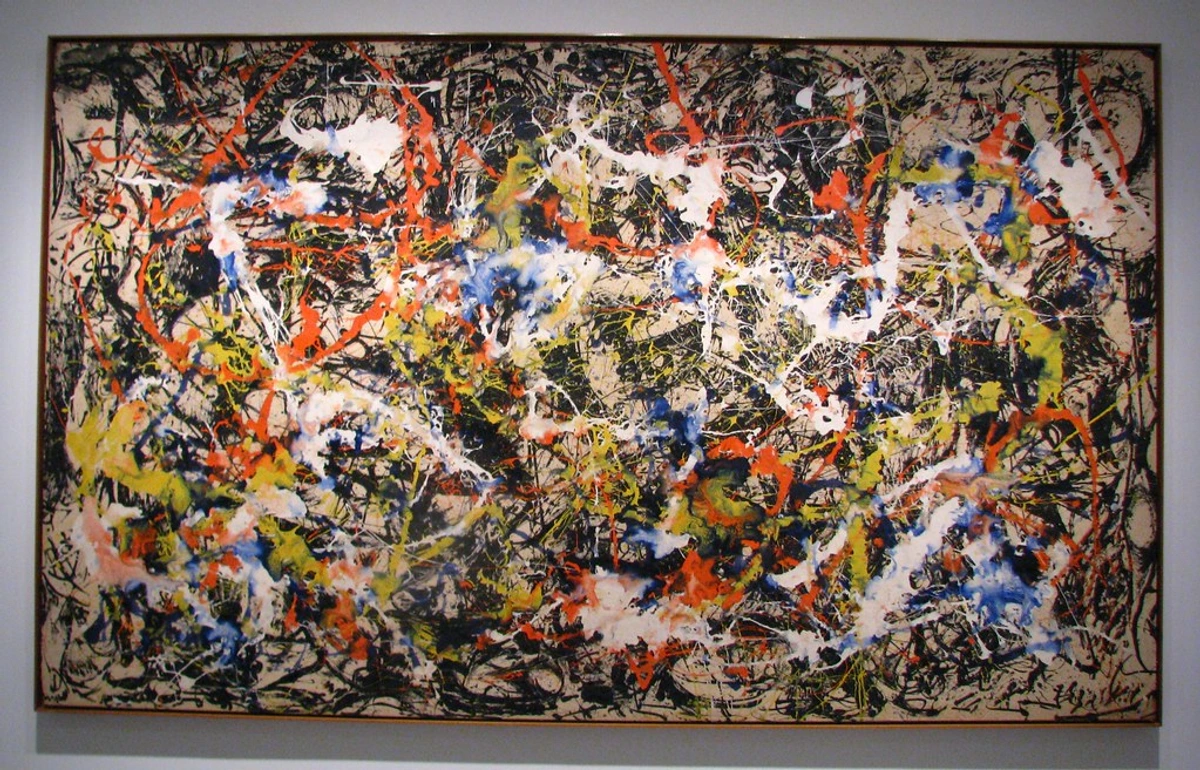
It wasn't until I stood in front of a Jackson Pollock painting on a particularly difficult day that something shifted. Those chaotic splatters that I'd dismissed as "something a kid could do" suddenly felt like exactly how my brain felt—overwhelmed, energetic, messy, and alive. In that moment, I realized: art wasn't a test I was failing. It was a conversation I'd been too intimidated to join.
This guide is for everyone who's ever felt like an outsider in the art world. Whether you're wondering where to even begin, what makes art "good," how to start collecting on any budget, or simply how to understand what you're looking at—we're going to answer those questions together. No jargon, no pretension, just honest talk about why art matters and how you can build a meaningful relationship with it.
The truth is, you don't need an art history degree to appreciate a beautiful painting any more than you need to be a chef to enjoy a good meal. But just like cooking, understanding a few basics can transform your experience from confusing to captivating.
Art isn't about having the right credentials or knowing the secret handshake. It's about letting yourself feel something—anything—when you stand in front of a piece. That flutter in your chest when you see a particular shade of blue, that confusion that makes you tilt your head, that sudden memory that surfaces from nowhere—these are all valid responses. You don't need an art history degree to understand beauty or emotion. You just need to give yourself permission to experience it.
But here's what I've learned after years of talking to people about their art journeys: everyone's starting point looks different. Some people come to art through a single moment—standing in front of a painting that makes their breath catch. Others arrive slowly, through curiosity about a particular artist or movement. Many people arrive here after decades of believing they 'don't get art,' not realizing that getting it isn't a test you pass. It's a door you walk through, and it's never locked.
Why Art Questions Feel So Big (At First)
Remember being seven and mixing every color together until you got that murky brown? Art questions often hit us the same way—a jumble of 'I don’t know where to start.' But here's the truth: every art lover from Picasso to that neighbor collecting cat portraits began right where you are now. The gap between 'What even is art?' and owning a piece that makes your heart skip? It’s smaller than you think.
Let’s Shrink That Gap
Beginner Hurdle  | Why It Feels Impossible | The Real Truth |
|---|---|---|
| 'I don’t know what I like' | Fear of picking 'wrong' | Taste evolves—start anywhere |
| 'Art is too expensive' | Price tags feel gatekeeping | Work exists at every budget point |
| 'Abstract is just scribbles' | Seems disconnected from effort | It’s emotion in physical form |
| 'How do I even start?' | Overwhelmed by options | Begin with one question: 'What moves me?' |
But here's what nobody tells you: those hurdles aren't just obstacles—they're the whole point. That murky brown from mixing all your childhood paints? That's not a mistake—it's your first lesson in color theory, even if you didn't know it at the time. That feeling of not knowing what you like? That's your taste before it's been shaped by other people's opinions, and honestly, it's the most honest relationship you'll ever have with art.
I think about my own journey constantly. I started with zero confidence, convinced that my taste was "wrong" because it didn't match what I saw in fancy galleries. It took me years to realize: the art world isn't a monolith. There isn't one taste that's "correct." There are thousands of different conversations happening simultaneously, and you get to decide which ones you want to join.
These messy, uncertain beginnings? They're your greatest asset because they're authentically yours. The person who can say "I don't know what I'm looking at, but I know I like this" is being more honest than someone who nods knowingly at a painting they secretly hate.
I think we get intimidated because we believe there's a 'correct' way to appreciate art. We walk into galleries seeing other people nodding thoughtfully and assume they know something we don't. Here's the uncomfortable truth I've learned from actually talking to those people: a significant number of them are faking it too.
Don't get me wrong—there are genuine experts whose knowledge runs deep. But I've lost count of how many "serious" gallery patrons have whispered to me, "Honestly? I just like the colors" after spending five minutes pretending to analyze brushstrokes. The performative aspect of art appreciation does more harm than good because it makes everyone else feel like they're missing something.
The real difference between those people and you isn't knowledge—it's confidence. They've accepted that feeling uncertain is part of the experience, not a sign that they don't belong. They've given themselves permission to like what they like, even if they can't explain why in art-speak.
Let me tell you something I wish someone had told me twenty years ago: the most interesting people in any gallery are the ones asking genuine questions, not the ones trying to impress everyone with their knowledge.
I think about the first artists who ever picked up charcoal from a fire and drew on a cave wall. They probably had no idea they were "creating art"—they were just responding to something inside them that needed to get out. That impulse hasn't changed in tens of thousands of years. We're still just people trying to make sense of the world through mark-making, and every beginner question comes from that same deep, human need.
What Makes Art Valuable? (Hint: It’s Not Just Money)
This question ties my stomach in knots every time I see auction madness. Let's unpack it without the art-world fluff.
I'll never forget the first time I watched a contemporary art auction on television. A painting that looked, to my untrained eye, like three brushstrokes on a white canvas sold for more money than I could comprehend. My immediate thought was the same one so many people have: "My nephew could make that."
But here's what changed everything for me: I decided to learn about that artist. I read about his life, the context in which he was working, the ideas he was exploring. I looked at more of his work, watched interviews with him, and slowly—very slowly—I began to understand what made that painting significant. Not just financially, but culturally and emotionally.
I'm not saying I would pay millions for it if I had the money. But I finally understood why someone else might. Value in art isn't something you measure with a calculator. It's something you feel in your bones, something that changes how you see the world—even if just for a moment. It's the difference between looking at something and truly seeing it.

And yet, this piece—like all of Pollock's work—continues to spark debate, fascination, and yes, that question: "My kid could do that." Maybe. But your kid didn't. Pollock did, at that moment, in that cultural context, with that particular vision.
Beyond Dollar Signs
Value dances on three legs: Authenticity (is the artist’s vision truly here?), Resonance (does it spark something you?), and Context (what moment does this piece carry?). Remember that brown painting from childhood? It’s invaluable to you because it’s authentic to your past. A museum’s Rembrandt gets value from its resonance across centuries and the context of its creation.
A Practical Value Table
Value Type | How it Works | Real-World Example |
|---|---|---|
| Emotional | Personal connection | A wedding photo in a hand-carved frame |
| Cultural | Reflects a time/place | Post-WWII photography capturing resilience |
| Material | Quality of craftsmanship | Hand-poured ceramic tiles with unique glazes |
| Market | Scarcity + demand | Limited-edition prints sold through galleries |
| Historical | Documents a moment in time | Street photography from the 1960s civil rights movement |
| Educational | Teaches techniques or history | Anatomical drawings that influenced modern illustration |
| Therapeutic | Provides emotional release | Abstract expressionist pieces created during personal healing |
| Investment | Potential for future financial return | Emerging artists whose work is gaining recognition |
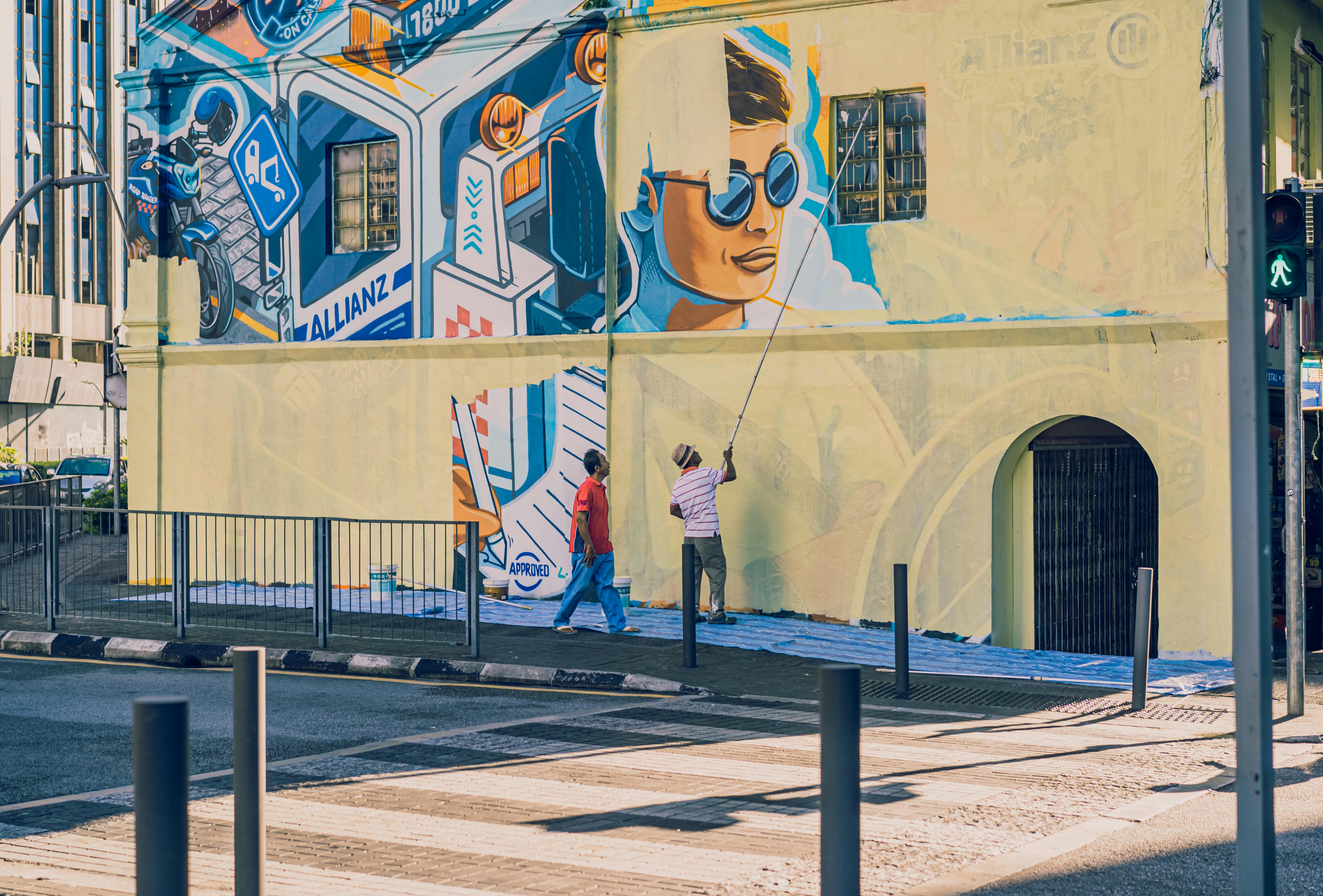
| Community | Connects people through shared appreciation | Public murals that become neighborhood landmarks |
| Aesthetic | Pure visual pleasure | A contemporary abstract piece that transforms a room's energy |
| Intellectual | Sparks curiosity or debate | Conceptual art that questions perception or society |
| Spiritual | Connects to deeper meaning | Sacred art from any tradition that transcends the everyday |
| Nostalgic | Links to personal or collective memory | Vintage travel posters that evoke a specific time period |
| Status | Signals sophistication or belonging | High-visibility works purchased for office or home prestige |
Navigating the Value Conversation
Here's what I always tell new collectors: market value is the least interesting kind of value unless you're a serious investor. Yes, it matters if you're treating art as an asset class. But the art that will mean the most to you over time—the pieces you'll save in a fire, the ones your grandchildren will fight over—is the art that connects with you emotionally, intellectually, or culturally.
I've watched too many people buy art they don't love because they think it's "important" or "will appreciate." The problem is, you have to live with this stuff. You have to wake up to it every morning, walk past it in your hallway, see it in your peripheral vision while you're drinking coffee. If it doesn't speak to you, what's the point?
The best collections I've ever seen weren't the most expensive. They were the most personal. They told a story about their owner—their curiosity, their travels, their obsessions, their contradictions. That's the kind of collecting that actually enriches your life.
My advice? Ignore the noise. The art with true value? It’s the piece that makes you exhale when you see it. The one you’d rescue in a fire. That’s currency that never devalues.
The Different Ways to Collect: From Digital to Physical
When most people think about "collecting art," they picture grand galleries and expensive paintings hung in minimalist mansions. But that's only one tiny corner of the collecting world—and honestly, it's the least interesting corner. The truth is, there are so many ways to build a meaningful collection, regardless of your budget or space.
Let me be clear: you don't need a trust fund to be a serious art collector. You don't even need a lot of wall space. What you need is curiosity, patience, and the willingness to trust your own taste even when it doesn't match what you see in design magazines.
Collecting art is really about three things: paying attention to what moves you, being intentional about bringing those things into your life, and allowing your collection to tell a story about who you are and who you're becoming. Sometimes that story costs thousands of dollars. Sometimes it costs twenty. The price tag is the least interesting part of the conversation.
My First Chapter: That $20 Print
What I didn't realize back then was that collecting art is like building a library of your soul. Each piece you choose tells a story about who you are, what you love, and what you're becoming. My first art purchase was a $20 Dali print of melting clocks printed on recycled paper. Nothing fancy—just something I saw in a bookstore that made me pause.
That print lived above my desk for five years before I understood what it was really about. See, for the first couple of years, I just thought it was "weird" in an interesting way. But the more time I spent with it, the more I began to understand: it wasn't about the clocks. It was about time itself—how it warps when you're in love, how it stretches when you're bored, how it collapses when you're grieving. It was about how humans experience time differently than clocks measure it.
That $20 print was the first chapter in my art story. Now, looking back at my collection, I can trace a clear path: how that print taught me to appreciate surrealism, which led me to explore abstract expressionism, which eventually brought me to the vibrant, colorful art that fills my home today. Your collection isn't just objects on walls; it's a visual autobiography of your taste and journey.
Here's the beautiful thing about building an art collection: it's not about having the most expensive or prestigious pieces. It's about surrounding yourself with work that makes you feel more alive, more curious, more yourself. Some of the most meaningful collections I've seen weren't in fancy galleries—they were in modest homes where every piece had a story, where the owner could tell you exactly why they fell in love with each work.
I once thought collecting meant hiring a consultant and owning a yacht. Turns out, the best collections start small. My first purchase? A tiny $20 print of melting clocks printed on recycled paper. It lived above my desk for five years before I understood it wasn't just ‘weird—it was about time bending. Humble beginnings build meaningful journeys.
I think people get intimidated by the word 'collection' because it sounds formal and expensive—like something that requires a trust fund and a museum studies degree. Call it something else if that helps: your gallery, your visual diary, your wall of things that make you happy, your curiosity cabinet. The name doesn't matter.
What matters is that you start surrounding yourself with things that make you pause, things that make you think, things that make you feel. That could be a postcard from a museum, a print from an artist you discovered online, a piece of driftwood that caught your eye, or an original painting that took you months to save for.
The size of your collection doesn't matter either. Some people have one piece that means everything to them. Others have walls covered floor to ceiling. Neither approach is "right" or "wrong." The only wrong way to collect is to not collect at all because you're worried about doing it wrong.
Let me tell you something I've learned from twenty years of collecting: the people with the most interesting collections aren't the ones with the most money. They're the ones with the most curiosity. They're the ones who follow their weird obsessions, who aren't afraid to like things that aren't "important," who understand that art is about connection, not status.
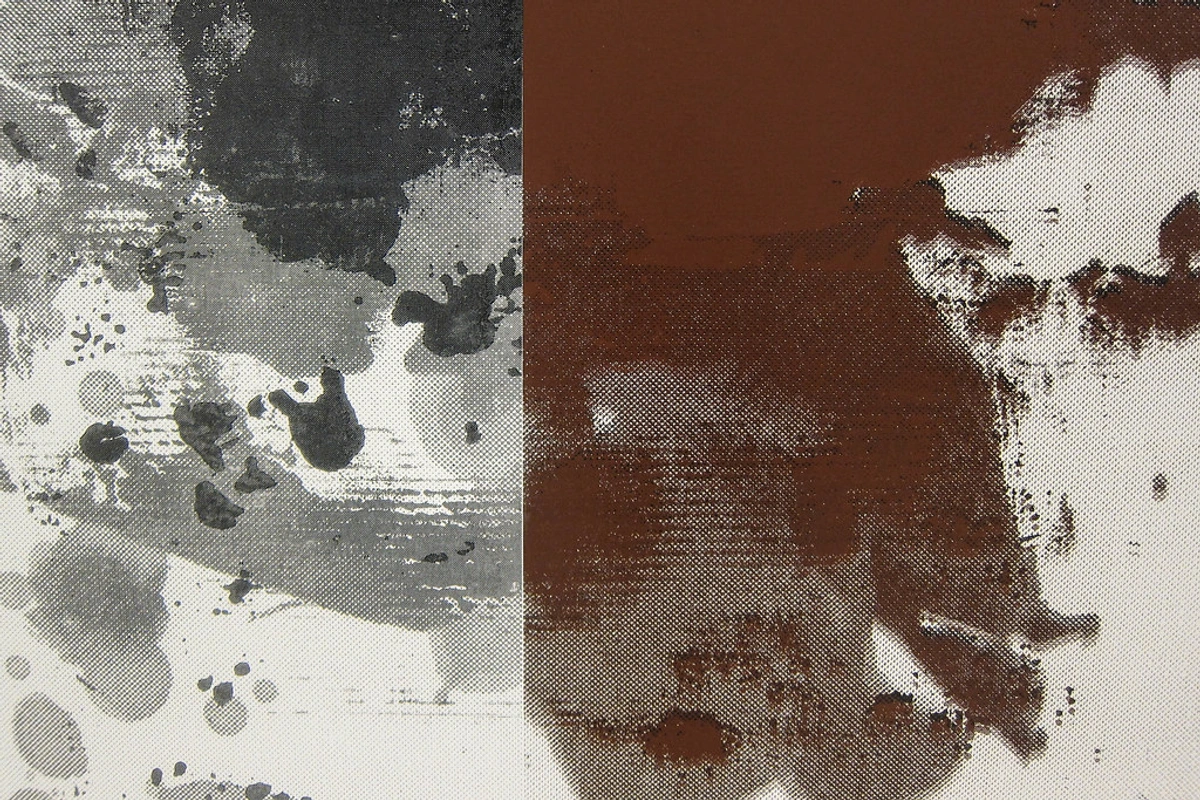
I once thought collecting meant hiring a consultant and owning a yacht. Turns out, the best collections start small. My first purchase? A tiny $20 print of melting clocks printed on recycled paper. It lived above my desk for five years before I understood it wasn’t just ‘weird—it was about time bending. Humble beginnings build meaningful journeys.
Your 5-Step First-Timer’s Path
- Curiosity Walks: Spend 10 minutes daily looking at art online (Instagram, museum databases, artist websites). Don’t analyze—just note what makes you pause.
- Visit Physical Spaces: Galleries, local artist co-ops, even cafes with walls. Being near art changes your nervous system in ways screens can’t replicate.
- Live With It: Pin images to your wall. See what you glance at repeatedly after a week. That’s your taste speaking.
- Talk to Humans: Ask gallerists, artists, or friends: 'What do you wish someone told you when starting?' Answers are gold.
- Set Micro-Budgets: $25 for a digital download? Done. $80 for the perfect small print? Go for it. Frequency > size always.
Understanding Mediums Without Feeling Silly
'What's giclée? Is acrylic paint real paint? Canvas vs paper—WHY DOES IT MATTER?'—I've whispered these questions in fancy framing shops too, trying to sound like I knew what I was talking about while secretly feeling like I'd missed a crucial orientation session.
Let me simplify: art materials can feel like a secret language at first, but they're really just tools for expression. Think of it like cooking—you don't need to know the chemistry of why baking soda makes cakes rise to enjoy a good cake. You just need to know what happens when you use it. Art materials work the same way.
What changed everything for me was understanding that medium isn't just a technical detail—it's part of the story the artwork tells. Different materials create different kinds of marks, different textures, different feelings. Understanding these differences is like learning to distinguish between varieties of wine or types of coffee: it enhances your appreciation, but you can still enjoy it without knowing the vocabulary.
I'll never forget the first time I held a real oil painting. It had weight, a physical presence that a print just can't match. The paint had thickness—you could see where the artist had built it up, where they'd scraped it back, where they'd let it drip. That's when I realized: the material isn't just a surface. It's part of the conversation.
Art materials can feel like a secret language at first, but they're really just tools for expression. Think of it like cooking: you don't need to know the chemistry of why baking soda makes cakes rise to enjoy a good cake. You just need to know what happens when you use it. Art materials work the same way.
I'll never forget the first time I held a real oil painting. It had weight, a physical presence that a print just can't match. That's when I realized mediums aren't just technical details—they're part of the story the artwork tells.
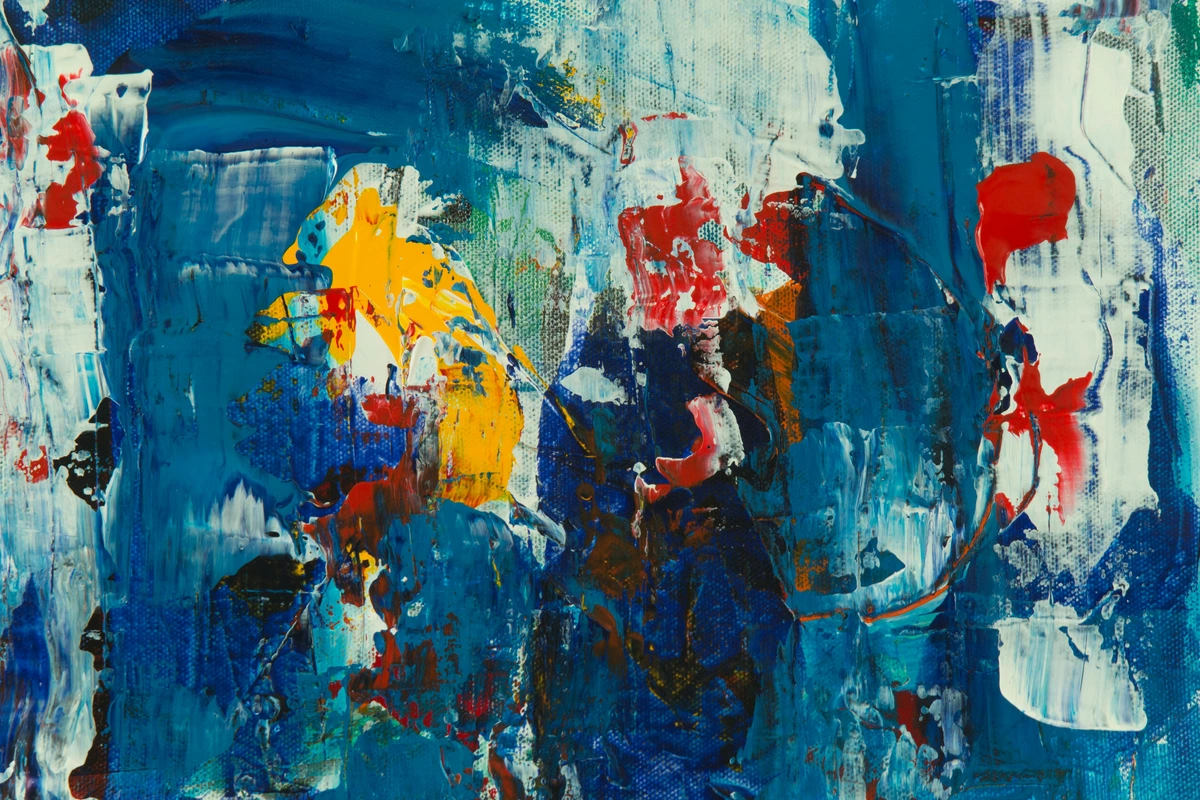
Okay, let's get practical about the materials. When you're starting out, the sheer number of options can feel overwhelming. Canvas, paper, wood, metal, acrylic, oil, watercolor, digital—the list goes on. But here's the good news: you don't need to understand everything at once. You just need to understand enough to start making informed choices about what you want to collect or create. 'What’s giclée? Is acrylic paint real paint? Canvas vs paper—WHY DOES IT MATTER?'—I’ve whispered these questions in fancy framing shops too. Let’s simplify.
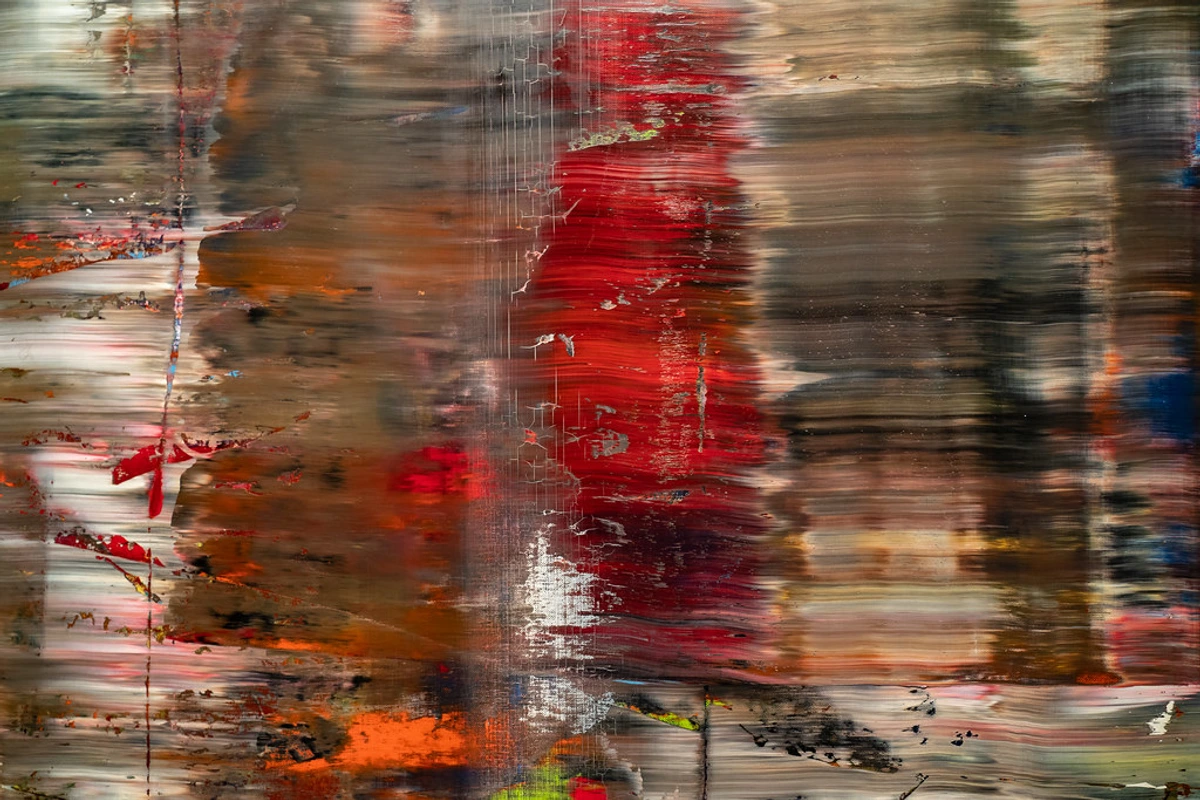
The Artist's Toolkit: Understanding Materials and Methods
Let's break down the most common art mediums in practical terms, so you can speak the language confidently and know what to look for when collecting. I've organized this by what these materials actually do and why they matter to someone looking at art.
Remember: no medium is inherently "better" than another. Each has its own personality, its own strengths, its own voice. Understanding these differences helps you understand what you're responding to when you look at a piece of art.
Medium | What It Is | Why It Matters | Best For |
|---|---|---|---|
| Giclée Print | High-resolution inkjet printing (hello, digital!) | Lasts decades without fading | Collectors wanting museum-quality reproductions |
| Acrylic | Plastic-based pigment suspended in water | Fast-drying, vibrant, waterproof | Bold colors, durability, beginners! |
| Oil | Pigments mixed with drying oils | Slow-drying, rich blends, value over time | Depth, heirloom pieces, patient artists |
| Screen Print | Ink pressed through mesh stencil | Layered textures, editions | Graphic styles, tactile finishes |
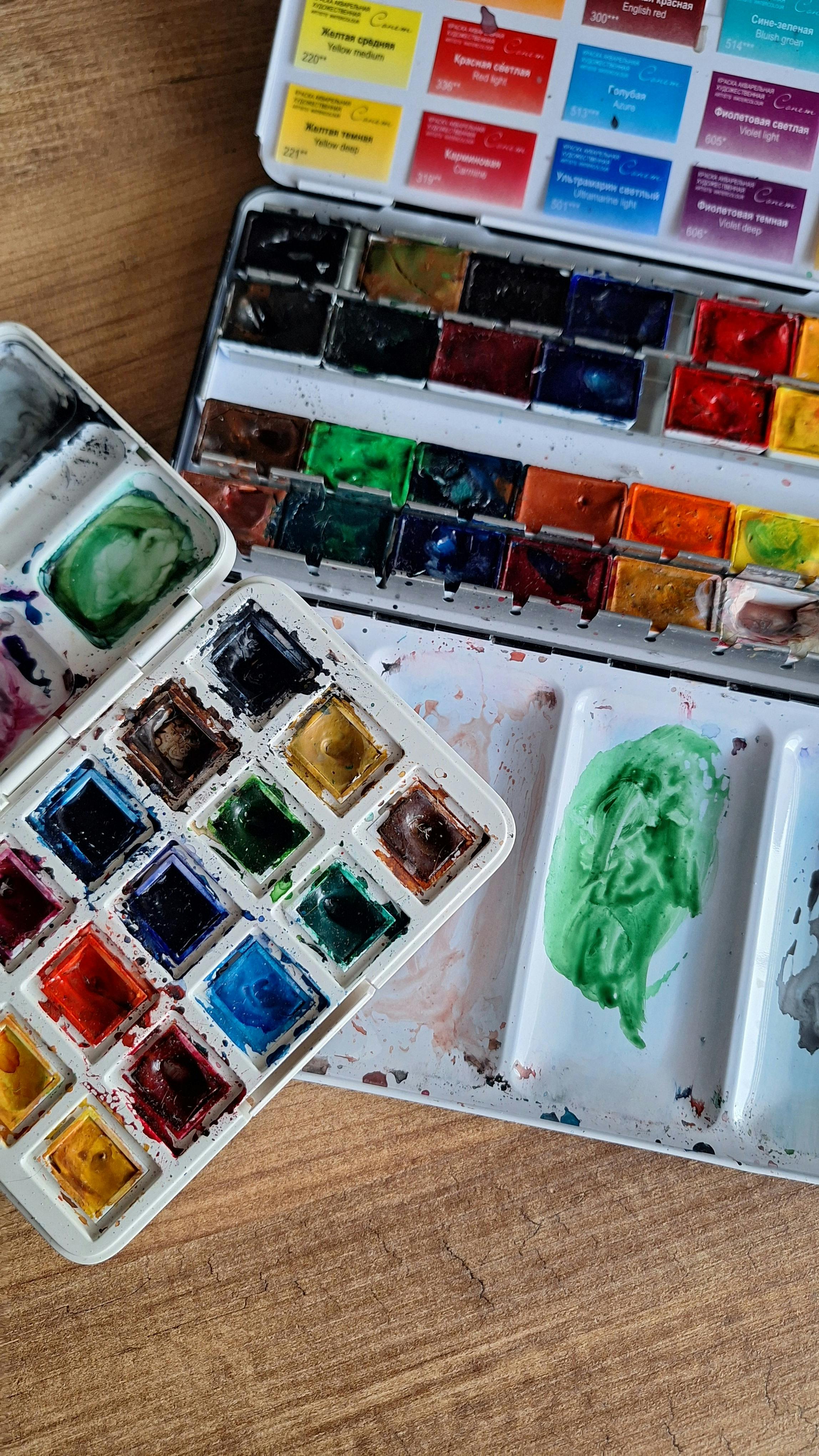
| Watercolor | Pigments suspended in water-soluble binder | Transparent layers, requires patience | Delicate effects, luminous qualities |
| Charcoal | Burned wood or vine material | Deep blacks, expressive marks | Dramatic contrast, immediate impact |
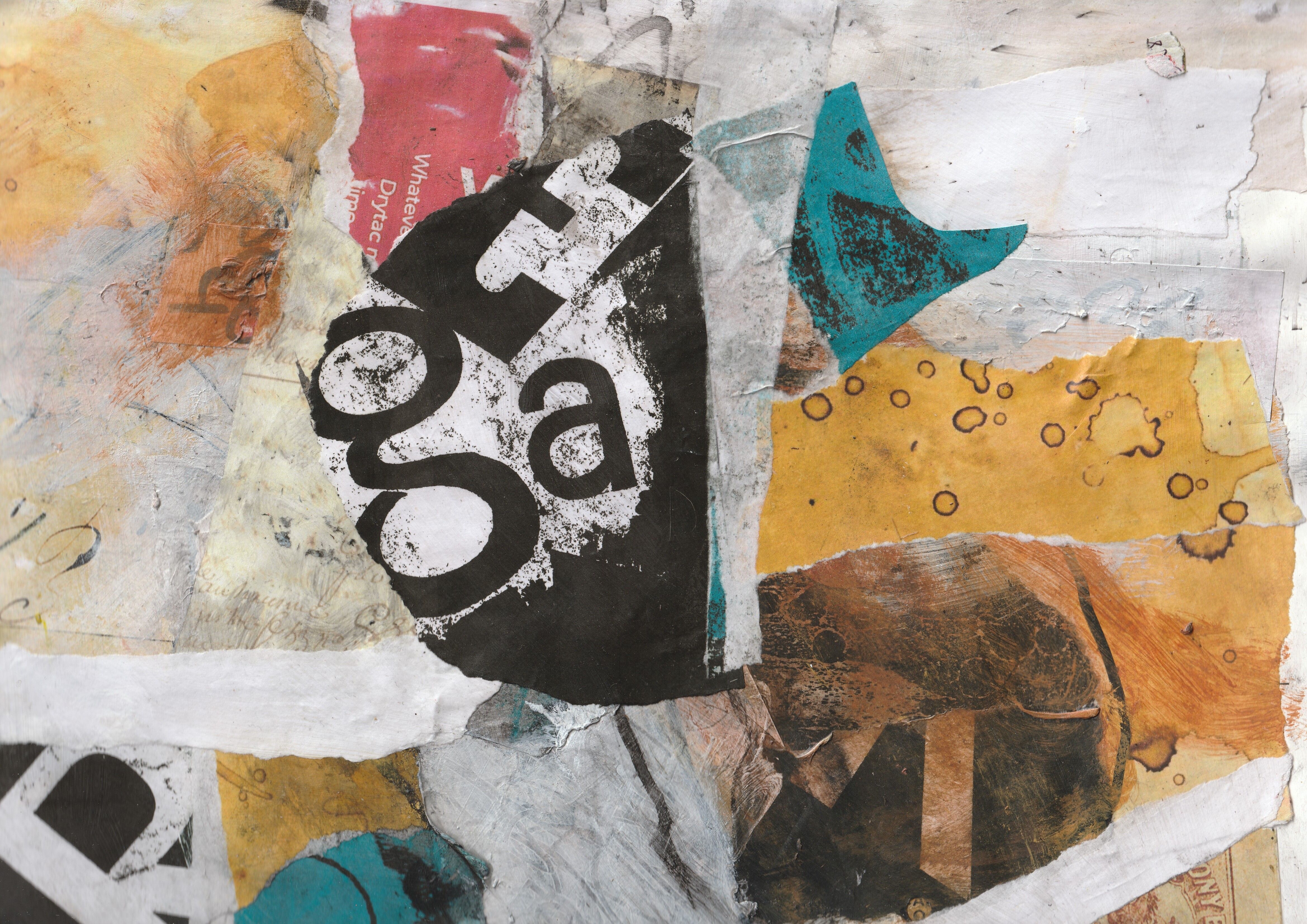
| Mixed Media | Combination of various materials | Textural richness, experimental | Unique layered effects, personal expression |
| Digital Art | Created using digital tools | Endless possibilities, easy reproduction | Contemporary styles, accessibility |
| Photography | Captured light on light-sensitive material | Documentary power, emotional storytelling | Capturing reality, abstract interpretations |
| Sculpture | Three-dimensional artwork | Physical presence, spatial awareness | Making art you can walk around and touch |
| Ink | Liquid pigment, various formulations | Precise lines, bold graphic quality | Illustration, calligraphy, detailed work |
| Pastel | Pigment held together with binder | Soft, blendable, immediate color | Atmospheric effects, impressionistic style |
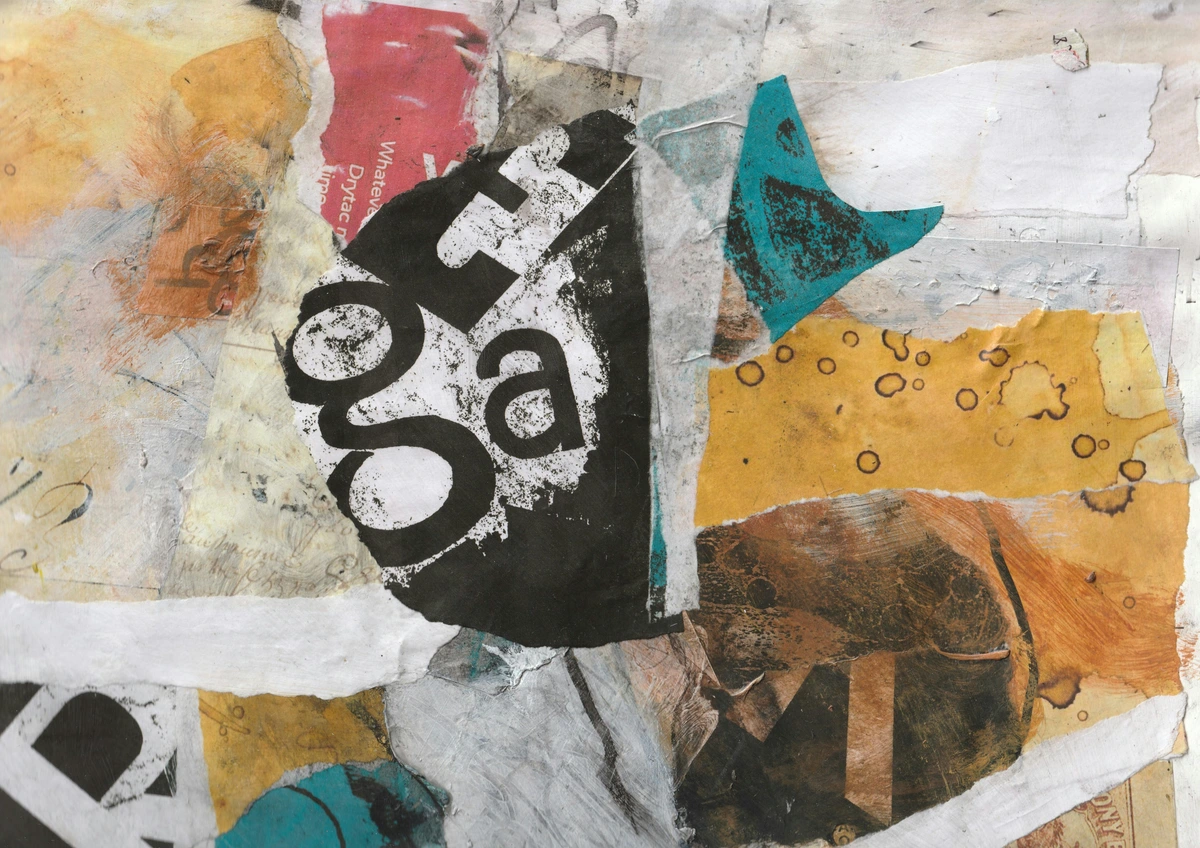
| Collage | Assembled various materials | Narrative possibilities, texture | Storytelling, political or social commentary |
| Encaustic | Pigment suspended in hot wax | Luminous, layered, ancient technique | Texture, depth, translucent effects |
| Fresco | Paint applied to wet plaster | Historical technique, matte finish | Mural work, classical aesthetic |
| Tempera | Pigment mixed with egg yolk | Historical, precise, luminous | Icon painting, detailed work |
| Spray Paint | Aerosol pigment | Urban aesthetic, smooth gradients | Street art styles, large-scale work |
| Fiber Art | Textiles, thread, fabric | Tactile, historical, domestic | Textural wall pieces, soft sculpture |
| Clay/Ceramic | Fired earth materials | Functional or sculptural | Pots, sculpture, decorative objects |
| Metal | Various metals, welded or cast | Industrial aesthetic, permanence | Sculpture, architectural elements |
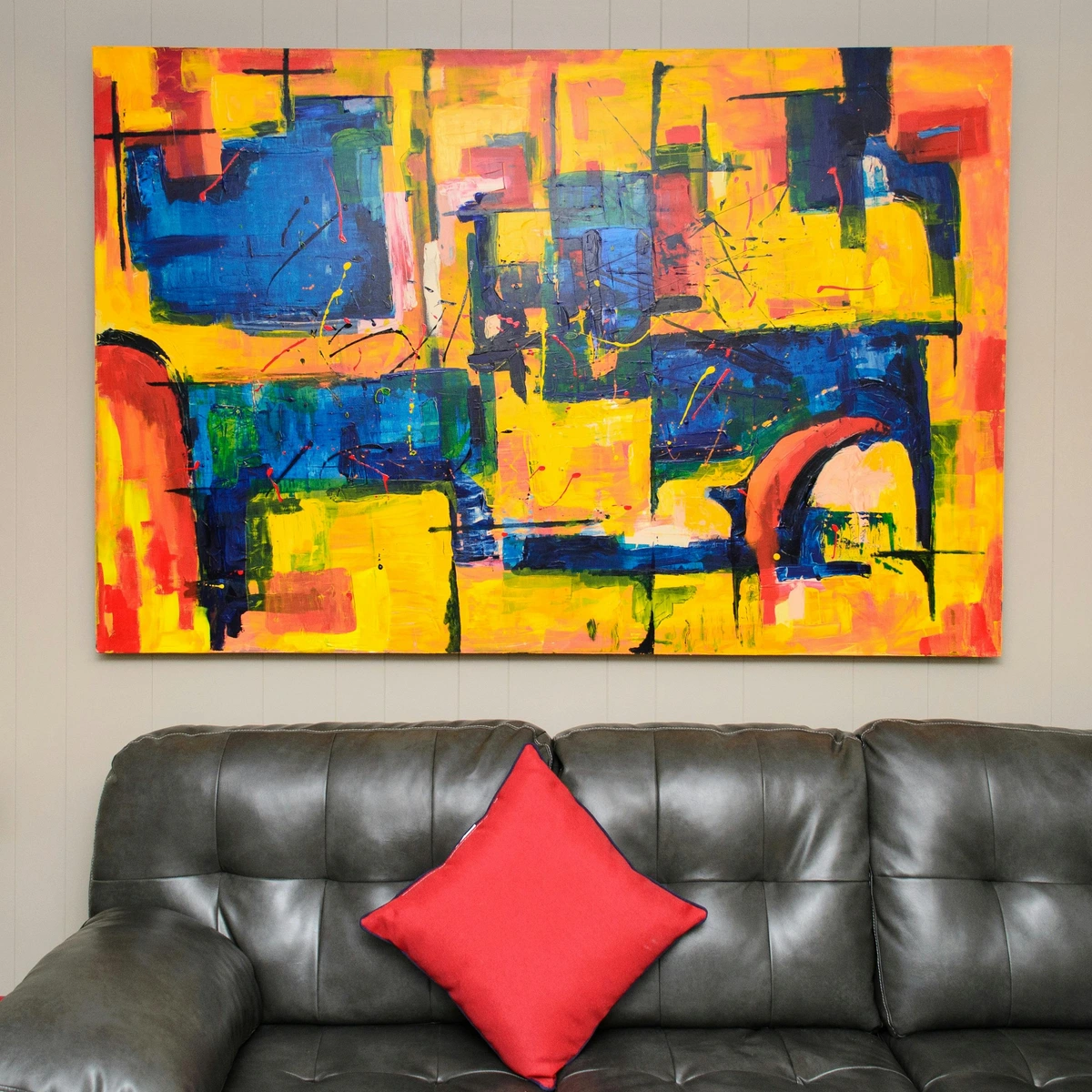
Here’s my non-expert take: Acrylics are like rebellious teenagers—expressive, quick, and vivid. Oils are wise elders—deep, patient, and quietly powerful. Neither is better. Each sings a different song. You just decide which song you want to hear today.
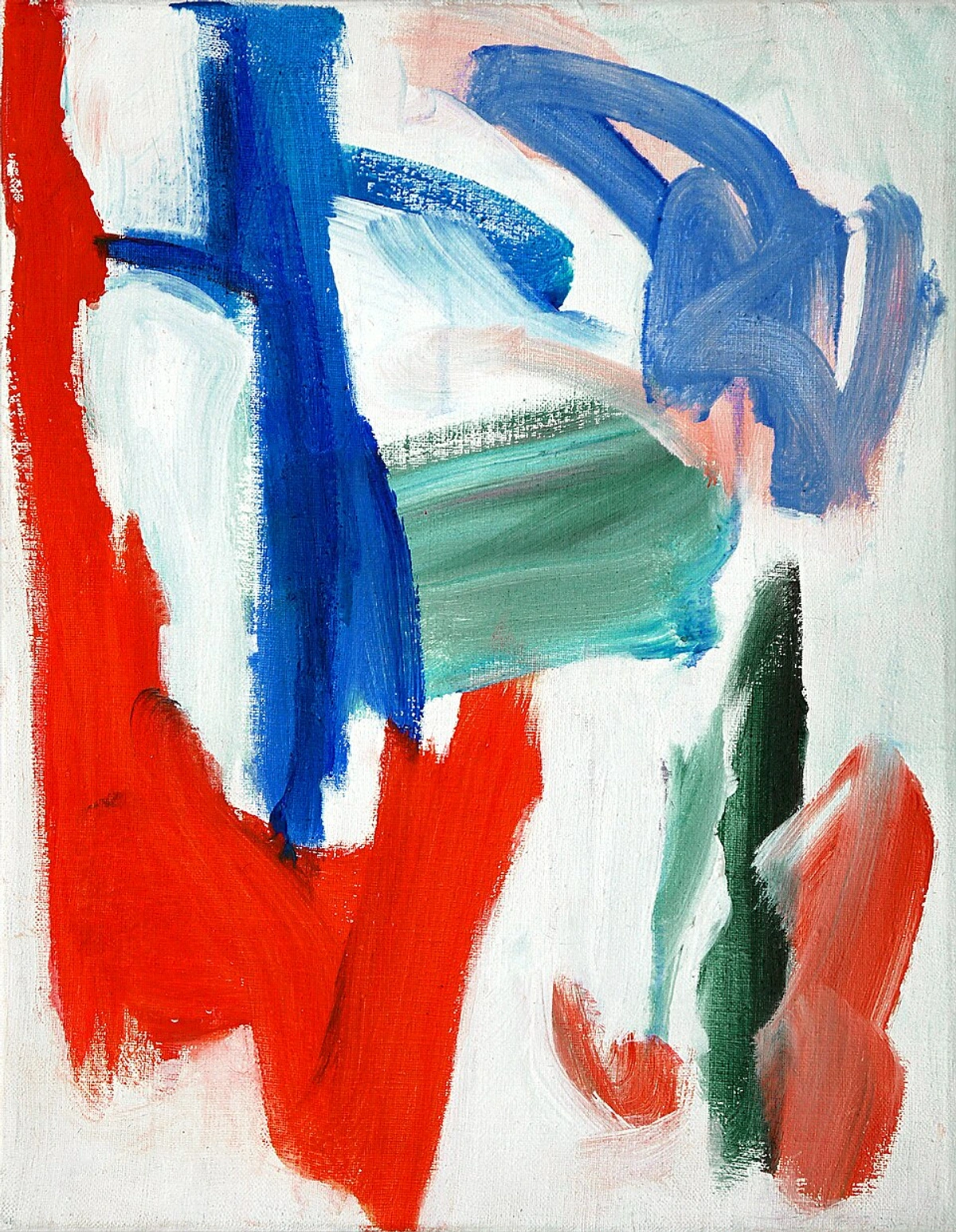
Understanding the Spectrum: From Realistic to Pure Abstraction
Art isn't just abstract OR representational—it's a huge spectrum with infinite shades in between. Most art lives somewhere in the middle, blending both approaches. This spectrum isn't a hierarchy with abstract at the "advanced" end and realistic at the "beginner" end. It's more like a color wheel: different approaches for different purposes, different artists, different moments in time.
Think of it like this: when you're learning to write, you start by copying letters, then words, then sentences. Eventually, you can write a straightforward news report (representational), a poem that uses metaphor and symbolism (semi-abstract), or experimental poetry that plays with the visual arrangement of words on a page (abstract). Each mode communicates differently. None is inherently more sophisticated—they just do different jobs.
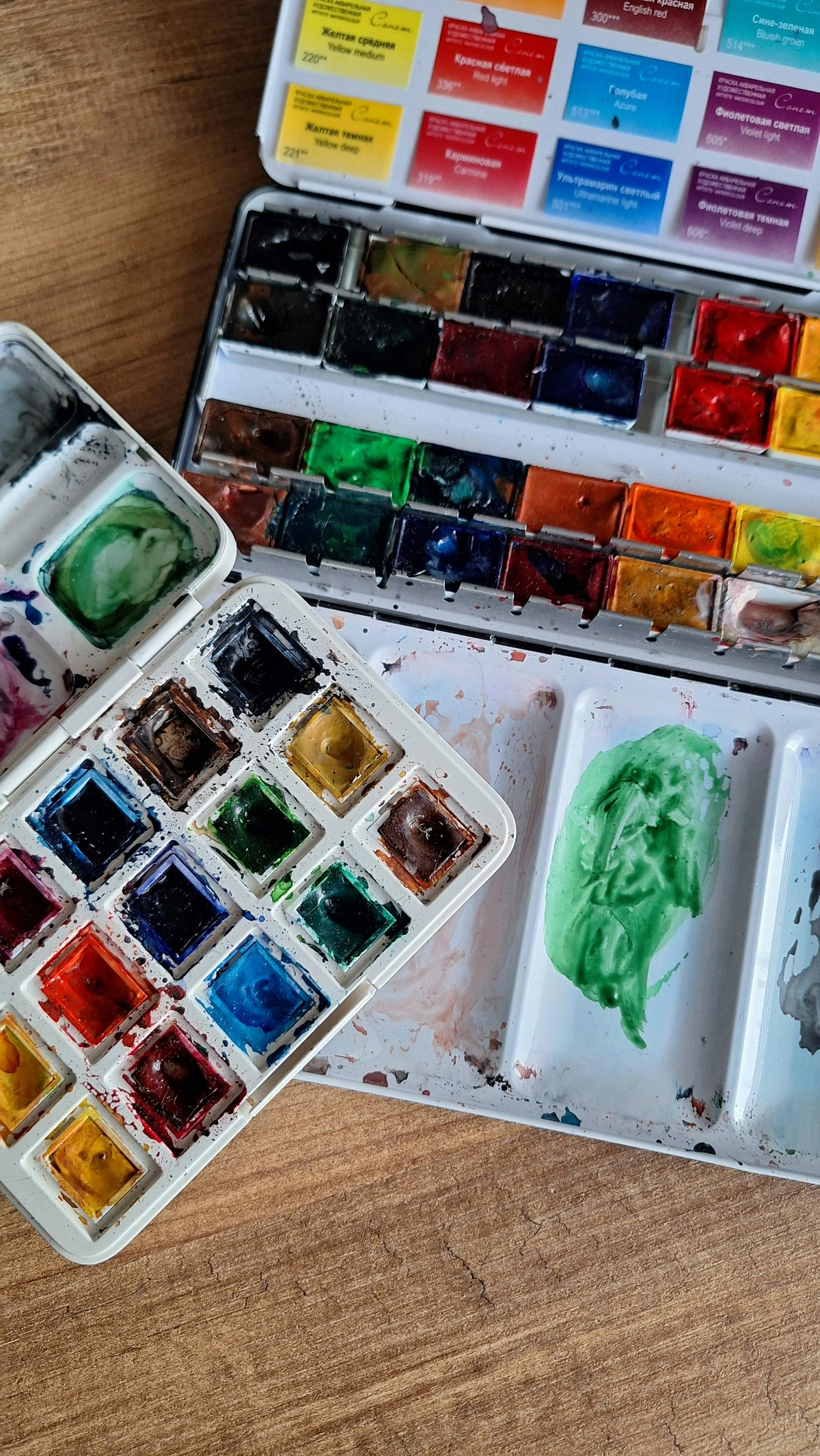
I wish someone had explained this to me when I was starting out because I mistakenly believed that "real" art collectors only bought abstract work, and representational art was somehow less serious. What a load of nonsense. Some of the most innovative contemporary artists work representationally, and some of the most traditional work happening today is abstract. The style doesn't determine the quality—the execution, the vision, the emotional truth do.
Understanding where an artwork falls on this spectrum can completely change how you approach it. I used to only look for recognizable things in paintings—a face, a landscape, a bowl of fruit. If I couldn't identify something, I felt like I was failing at "understanding" the art. It took me years to realize: not all art is meant to be understood in that literal way. Some art is meant to be felt, experienced, inhabited—not decoded like a puzzle.
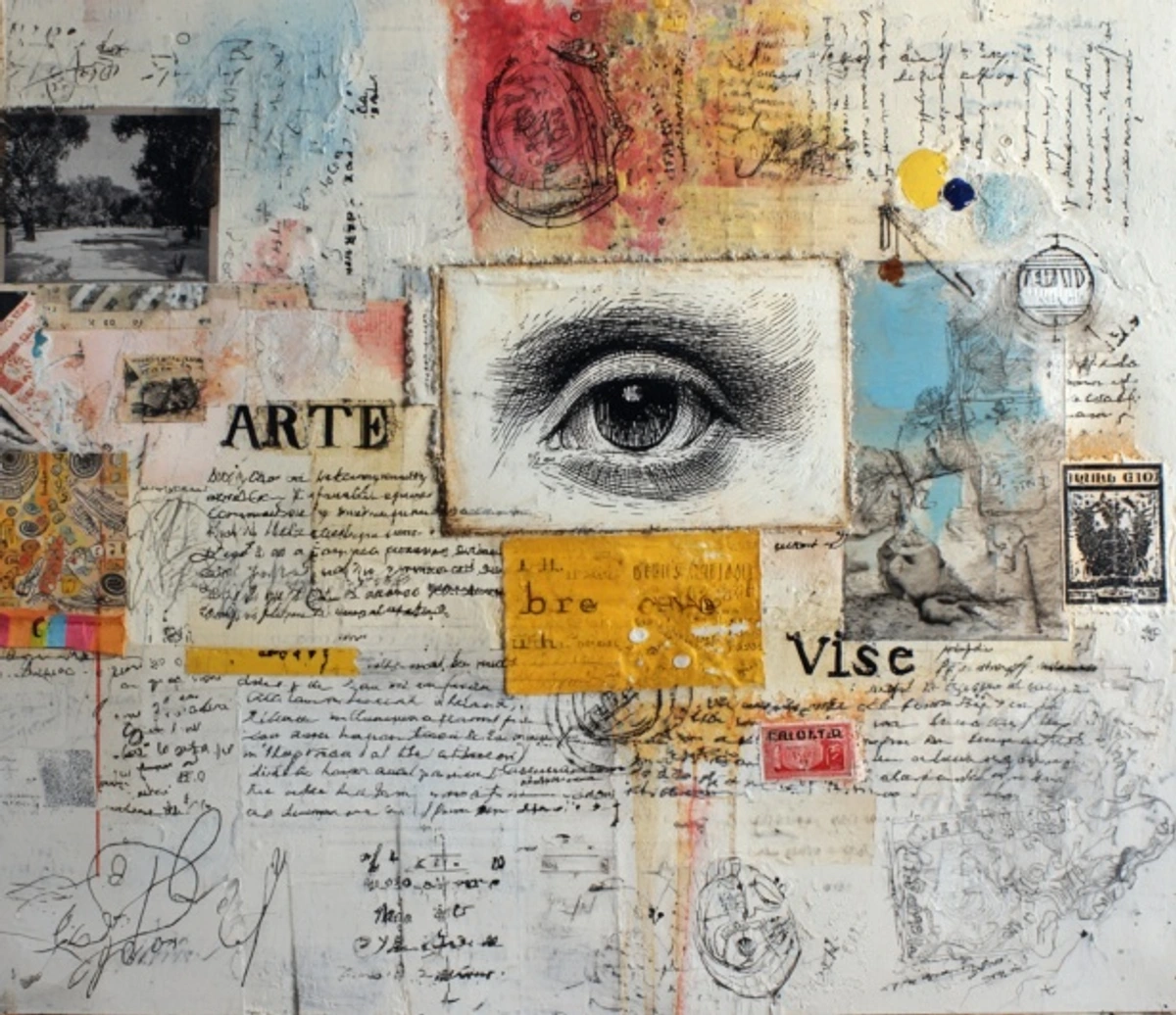
- Pure Abstract: No recognizable objects, just color, shape, and emotion
- Abstract with Elements: Some recognizable forms, but stylized or distorted
- Semi-Abstract: Clear subjects, but with abstract elements in color or composition
- Representational with Style: Realistic subjects, but with strong artistic voice
- Pure Representational: Photorealistic or traditional figurative art
Understanding where an artwork falls on this spectrum can completely change how you approach it. I used to only look for recognizable things in paintings—a face, a landscape, a bowl of fruit. It took me years to realize I was missing the point of so much work.
I love watching people's tastes evolve because it's really watching them discover new parts of themselves. Someone might start with landscape photography because it feels safe and familiar, then gradually find themselves drawn to bold geometric abstractions as they become more comfortable with ambiguity and interpretation. It's not that they were 'wrong' before—they were just at a different point in their journey.
Your Personal Aesthetic Journey
Here's something I wish someone had told me when I started: your taste in art isn't fixed. It's a living, breathing thing that grows and changes as you do. I used to think I had to "figure out" what kind of art I liked so I could be consistent. What a ridiculous idea that was.
The art that spoke to me at twenty—bold, graphic, unsubtle—isn't the same art that moves me today. Now I find myself drawn to quiet, contemplative pieces that reveal themselves slowly. It's not that my younger self was wrong; it's that I was in a different chapter of my life, needing different things from art.
This is why I always tell beginners: don't worry about having "good taste." Just follow what genuinely interests you, even if it seems random or contradictory. That surrealist print you love might sit perfectly next to a minimalist abstract painting. A classical portrait might feel right beside a piece of street art. The connections don't have to make sense to anyone but you.
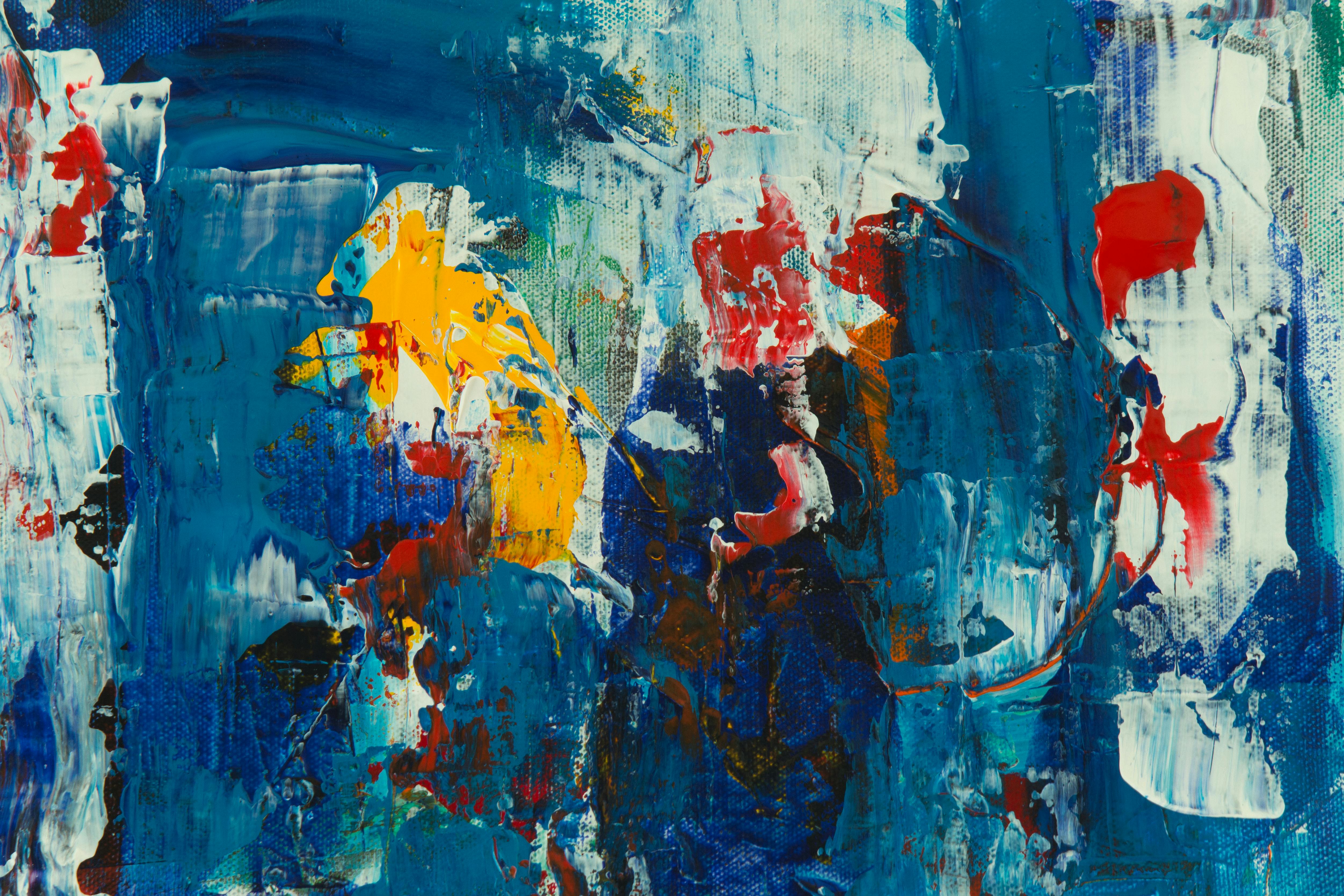
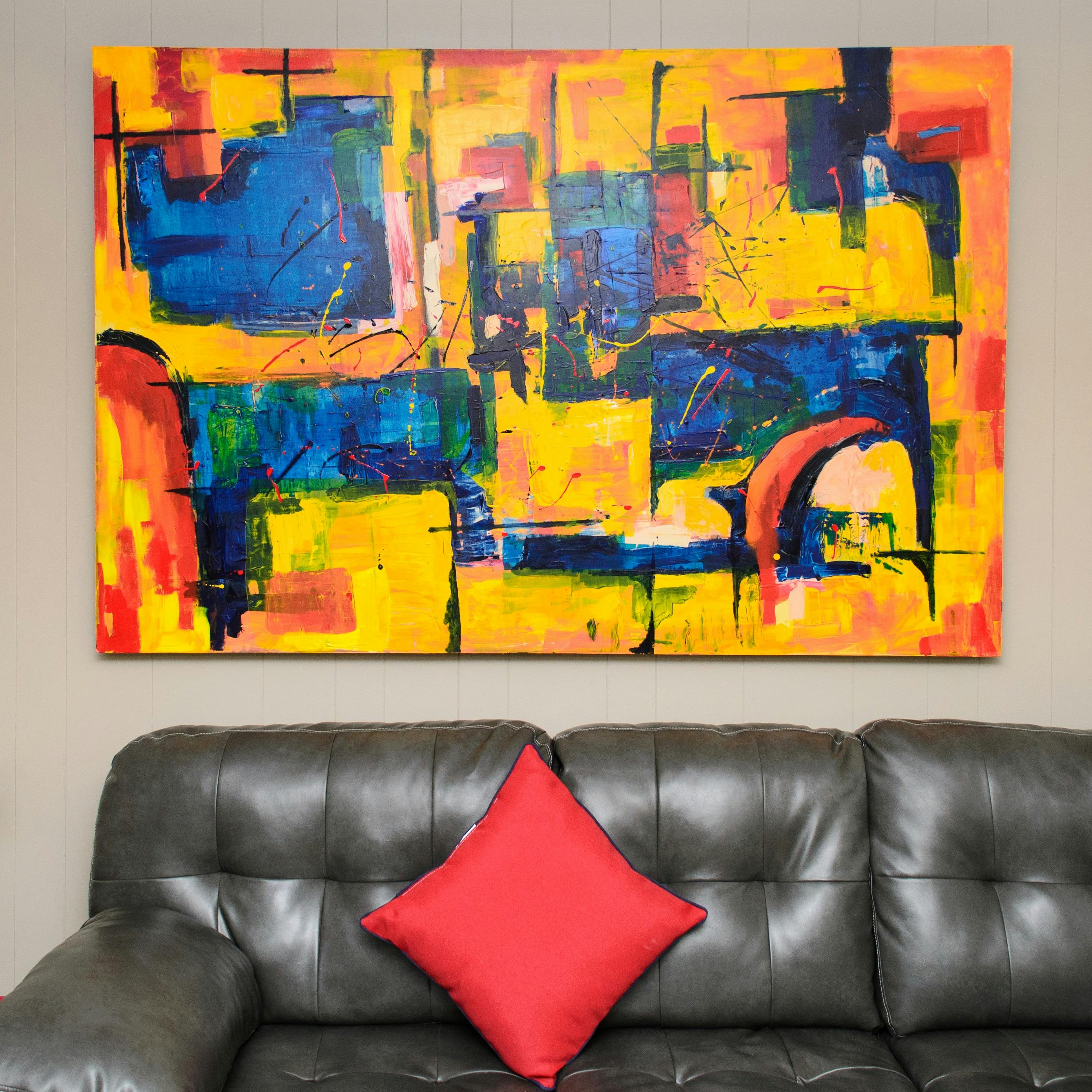
The most interesting collections I've ever seen are the ones that clearly reflect a person's genuine journey, not someone trying to match a decor magazine spread. Your collection should look like you, not like you hired an interior designer. 'But how do you know what it’s supposed to be?' This is the question that haunted me in front of those drippy canvases. Let me share what a wise artist told me while staring at a vortex of yellow and blue:












'Don’t ask