What is a Physical Act in Art? More Than Just Brushstrokes
Uncover how artists transform bodily movement, gestures, and presence into powerful creative expressions. A deep dive into tangible artistry.

What is a Physical Act in Art? More Than Just Brushstrokes
Imagine standing in a gallery, eyes tracing a canvas alive with splattered paint and textured ridges. You instinctively lean forward, as if sensing the artist’s energy still vibrating in the room. That’s my moment of wonder: When did the act of creating become part of the art itself? The physicality behind creation—the dancer’s leap, the sculptor’s torque, the painter’s swipe—isn’t just invisible labor. It’s a visible force, leaving DNA-like traces on the final work. Let’s unravel this fascinating alchemy where human movement meets material, transforming sweat and gesture into permanent form.
A Quick Definition
A physical act in art is any intentional, bodily movement, process, or gesture by an artist that is integral to the creation, meaning, or form of the artwork. It's the evidence of the body's labor and presence, often visible in the final piece through texture, form, or the very nature of the medium. It's the difference between a perfectly smooth, machine-made object and one where you can still sense the tremor of a human hand, the force of a blow, or the rhythm of a breath. Think of it as fossilized energy, a way of making the invisible act of making permanently visible.
Beyond the Toolbox: Body as Instrument
We’re taught to separate tools and maker, but physical act in art shatters that illusion. Here, the body isn’t just holding tools—it becomes the primary medium. Remember those videos of Jackson Pollock flinging paint? Every drip records his posture, his momentum, his very pulse. That’s what I mean: The artist’s physical existence—balance, breath, rhythm—isn’t backstory; it’s the artwork’s hidden architecture. The tool becomes an extension of the body, and the body's motion becomes the primary mark-making instrument.
Think of ancient cave dwellers pressing their palms onto wet earth, or Yves Klein dragging nude models across canvases soaked in blue pigment. Both weren’t making art—they were art. Their actions left echoes, turning ephemeral moments into tangible permanence. This idea resonates deeply with the philosophy behind Dutch art collectives, where collaboration is a physical act in itself. You can explore this further at institutions like the Den Bosch Museum.
The Anatomy of Physical Act
Not all physical gestures have equal weight. I’ve noticed they cluster into three core types:
Act Type  | Description | Example |
|---|---|---|
| Gesture | Intentional movements transferring emotion or energy | Cy Twombly’s frantic scribbles as emotional maps |
| Process | Labor-intensive methods embedded in work’s physicality | Anselm Kiefer’s lead-casting performances |
| Immediacy | Direct contact where body substitutes for tool | Chris Burden’s bullet-shooting self-portraits |
Within these categories, the intensity can vary wildly. There's a vast difference between the careful, deliberate gesture of a calligrapher—where breath control and fine motor skills are paramount—and the explosive, full-body commitment of a painter like Kazuo Shiraga, who famously used his feet to paint while suspended from the ceiling.
The Origins of Physicality in Art
The body's role in art isn't a modern invention. It stretches back to the very origins of human expression.
- Prehistoric Beginnings: The Lascaux cave paintings weren't just illustrations; they were physical events. I like to imagine the artist pressing a hand against the wall, blowing pigment over it, leaving a silhouette of their very being frozen in time. The earliest art was a physical imprint before it was a symbolic one.
- Renaissance Performance: While the era is known for studied technique, think of the physical virtuosity. Michelangelo, stretched across scaffolding, arm aching as he painted the Sistine Chapel—the monumental scale is a direct result of immense physical exertion.
- Modernist Liberation: This is where the idea truly crystallized. With the advent of photography capturing "reality," painters were freed. They started to explore what paint did, not just what it showed. The physical application of paint became the subject.
Why It Matters: When Body Becomes Message
Physical acts in art do something remarkable: they teleport us to the creation moment. I’ll never forget feeling breathless while watching Antony Gormley’s Event Horizon installation—those statues weren’t just objects; they captured the collective human stance, frozen forever. The act is meaning.
Look at the Abstract Expressionists—think Willem de Kooning. That muscular energy in his brushstrokes? It’s not technique. It’s a battle scar. His body’s fight with the canvas mirrors his emotional turbulence. The paint isn’t just colored pigment; it’s his physical residue. This is why a good art guide doesn't just talk about color theory; it teaches you how to see the history of a stroke, the weight of a movement.
Case Study: Jackson Pollock's Unconscious Choreography
To truly understand this, let's zoom in on Pollock. His drip paintings weren't just messy. They were the result of an almost trance-like physical ritual. He'd lay the canvas on the floor, moving around and across it, letting paint fly from sticks, brushes, and even basting syringes. He called this his "unconscious choreography." The painting became a record of his movements—a map of his physical presence in space and time. When you stand before one, you're not just looking at paint; you're sensing the ghost of his dance.
What people often miss is that his method was a deliberate rebellion against the easel. By putting the canvas on the floor, he was in the painting, not just above it. It's a fundamental shift from depiction to enactment. Pollock didn't paint a dance; his painting was the dance, and the canvas is the floor where his performance was recorded.
Even today’s street artists carry this legacy. Banksy’s stencils demand speed and stealth—their placement isn’t random; it’s traceable to specific bodily risks turning political acts into physical poetry. The very illegality of the act injects a layer of physical tension and adrenaline into the work, a context that can't be replicated in the sterile safety of a studio.
Experiencing Physical Art: You’re Not Just Looking; You’re Dancing
How do we engage with works born from movement? Here’s my approach:
- Move with it. Stand before a Mark di Suvero sculpture. Let your body mirror its arcs and weights. Feel how spatial relationships echo physical laws.
- Listen for sounds. Notice the scrape of clay on a potter’s wheel or the hiss of spray paint—audio traces add layers to visual experience.
- Question time. Did the artist’s speed matter here? Would Pollock’s drip paintings change if created slowly? Timing is part of the physicality.
- Seek presence in absence. Sometimes the act’s absence speaks louder. Imagine Robert Rauschenberg erasing a de Kooning sketch—those eraser marks become ghostly imprints of a physical struggle that once was.
When Artists Use Their Own Bodies
Some artists take this a step further, making their own bodies the canvas or the primary medium.
- Marina Abramović: Her performances are endurance tests. In The Artist is Present, she sat in silence for over 700 hours, inviting visitors to sit across from her. The work wasn't the chair or the table; it was the fatigue in her posture, the subtle trembling of her hands, the meeting of gazes. In earlier works like Rhythm 0, she placed her body at the mercy of the audience, turning her physical vulnerability into a terrifying and powerful social experiment.
- Yves Klein: His "Anthropometries" saw him direct naked models covered in his signature "International Klein Blue" pigment to press themselves onto canvases. He called himself the "painter of space," orchestrating the human body to leave its mark, not with a brush, but with a living, breathing form.
- Ana Mendieta: She used her body in nature, pressing herself into mud or lying on the grass for her "Silueta" series, creating silhouettes of her form that existed somewhere between presence and erasure. Her work was a profound dialogue between the female body and the earth, where her physical absence left a haunting trace.
- Stelarc: An artist who pushes the body to its technological limits. He has used robotic prosthetics and even had a cell-cultivated ear surgically implanted on his arm. For him, the body is not just a tool, but an obsolete piece of hardware in need of upgrades, and his art is the sometimes-painful process of exploring those potential futures.
- Carolee Schneemann: In works like Interior Scroll, she used her own body to challenge taboos and critique the objectification of women in art, creating a deeply personal and visceral form of feminist performance art where the act of revealing was also an act of claiming power.
The Fragile Power: When Moments Vanish
Physical art lives in tension. A live dance performance exists only in memories captured by shaky phone recordings. I find this ephemerality strangely powerful. It makes you cherish the fleeting—like witnessing a sand sculptor’s creation vanish with high tide.
But when does this become problematic? When the act overshadows the work. I’ve seen artists prioritize sensational stunts over artistic depth. True physical art balances the act and its outcome. It shouldn’t be a gimmick. It’s a fine line to walk, one that often separates unforgettable, visceral experiences from forgettable spectacles. It's about a genuine search for something, not just a performance for attention.
Capturing the Unrepeatable: The Role of Documentation
So what happens when the primary act is gone, as with performance or ephemeral art? The documentation takes on immense weight. A photograph of a fleeting act isn't just a picture; it becomes the primary artifact, a relic of an event.
This comes with a danger. I've always been skeptical of how a single photograph can flatten a rich, temporal experience into a static image. The documentation can start to overshadow the memory of the live event itself. It makes you wonder: is the art the act, or the photo of the act? This is a central problem for much performance art. Some artists, like Tino Sehgal, combat this by explicitly forbidding any photographic or video documentation of his live 'situations,' forcing the work to exist solely in the memory of its participants.
Controversies: Pain, Permission, and Pixels
- Body as Canvas: Where do we draw the line between art and self-destruction? Artists like Chris Burden used real peril—getting shot, getting crucified on a car—sparking debates about artistic responsibility. It forces a critical question: at what point does an act of creation become an act of self-harm?
- Cultural Appropriation: When Indigenous ceremonial dances are commodified as performance art, we walk shaky ethical ground. It’s the difference between a sacred act within a specific cultural context and its extraction for external consumption, often stripping away all of its original meaning in the process.
- Digital Detachment: NFTs and digital art promise "digital presence," but let’s be real—a recorded livestream is ghosts of ghosts. It lacks physicality’s messy, unrepeatable truth. Skepticism suits this tech well. The physical aura of an object, its literal weight and texture, continues to be a powerful counterpoint to the perfectly replicable, but oddly weightless, digital file.
FAQ: Cracking the Code of Bodily Art
Got questions? You're not alone. Here are some of the most common ones I get.
Q: Is "process art" the same as physical act art?
Not quite. Process art focuses on the creation journey itself—the materials, the time, the steps taken. Physical act art specifically emphasizes the body's role in that journey. Think of it this way: process art is the recipe and the meal from start to finish; physical act art is the specific, visible technique of the chef's hands. While process art documents the system, physical act art celebrates the unique human signature within that system.
Q: Can viewer participation replace the artist's physical presence?
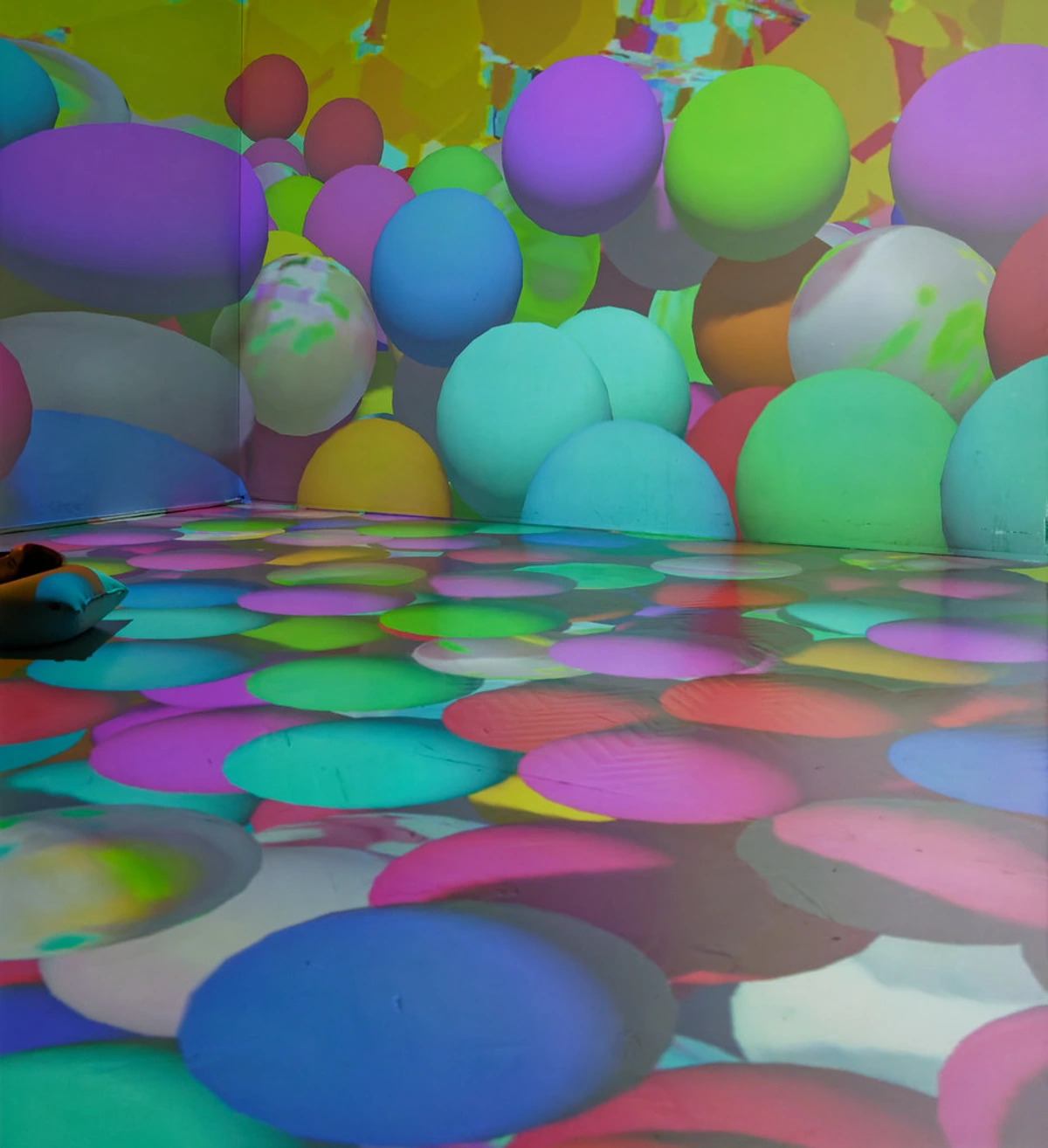
Sometimes, but it changes the whole equation. Interactive installations like those by teamLab are incredible experiences, turning the viewer's body into a brush that paints with light and shadow. Yet they often replace the unique, trained physicality of the artist with a collective, unpredictable interaction. The DNA is different. The artist moves from performer to game-master, setting rules within which the audience then performs. It's no longer just about the artist's act, but about the collective, emergent act of everyone present.
Q: Do all physical acts leave visible traces?
Fascinatingly, no. And that's where things get interesting. Marina Abramović's performances often leave no physical object behind. In Rhythm 0, she placed 72 objects on a table and allowed the audience to use them on her as they wished. The "artwork" wasn't the objects; it was her stillness, their actions, and the emotional scars left on everyone present. In these cases, the lack of a physical trace becomes the most powerful trace of all. It forces us to redefine what we mean by 'the artwork,' shifting it from a static object to a shared, psychological event.
Q: Why is kinetic art relevant here?
It's the most literal embodiment of the concept! Kinetic art, like Alexander Calder's mobiles, literally makes movement its subject. The artwork isn't a static painting of a storm; it is the storm, or at least a delicate, silent representation of it, powered by air currents and human ingenuity. The physical act is ongoing and perpetual, transforming the artwork from a fixed object into a time-based event that is never the same twice.
Q: Can physical act art exist without an audience?
This is a philosophical debate. A tree falling in the woods, and all that. In the digital age, an artist can certainly perform an act alone and document it. But for much of its history, performance art has relied on witnesses. The audience's gaze—their discomfort, their empathy, their presence—completes the circuit and gives the act its final, undeniable context.
Final Thought: The Imprint That Moves You
Art doesn’t just hang on walls—it lives in muscles. It remembers the curve of a spine leaning into clay, the controlled fury splattering paint, the quiet surrender in a dancer’s stillness. The physical act in art is when we stop making objects and become conduits.
Next time you stand before a piece, ask yourself: "Can I feel the artist’s breath here?" That’s when the art stops being decorative and starts being alive. This desire to connect with the artist's physical presence is a deep-seated part of our fascination with buying art. When you own a piece, you’re not just owning an image; in a way, you’re becoming the guardian of the energy and the moment of its creation.
It's about understanding that the creation wasn't a neat, tidy affair. It was an event. A moment of human existence pushed into a material form. The splatters, the dents, the erasures—they are not mistakes; they are the record of a life being lived through making, the truest signature an artist can ever leave. It shows us that art isn’t just about what we see, but how it came to be—filled with struggle, energy, and an intensely human presence.




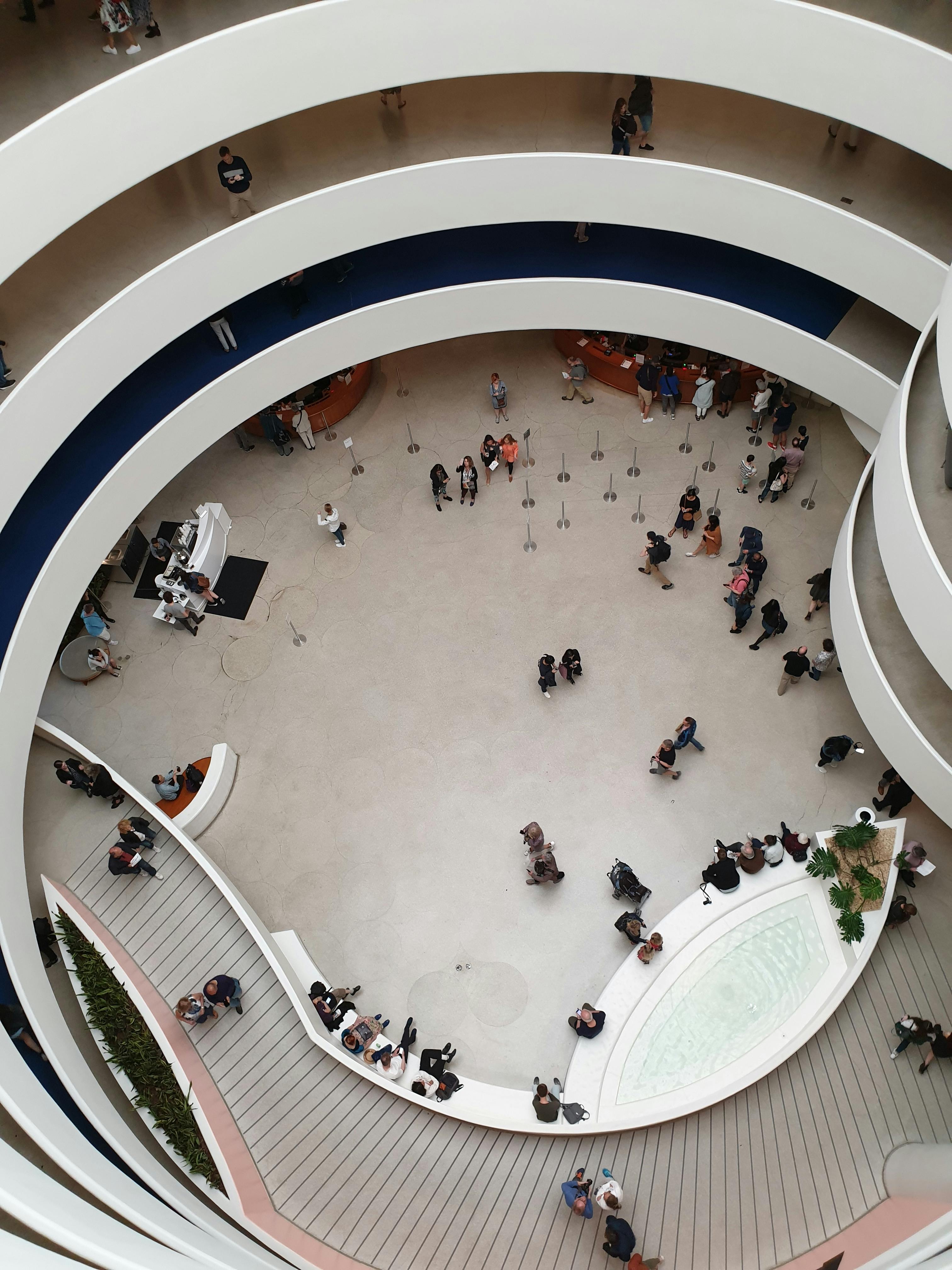


I hope this exploration has changed how you see art, making you more aware of the life behind the work. If you want to see more manifestations of this, explore the Den Bosch Museum’s installations or dive into my creative timeline. If you're looking for original works that capture this energy, you know where to look.
Note on Scepticism: While digital technologies like NFTs claim to capture presence, the tangible, unrepeatable energy of human physicality remains irreplaceable. Blockchain may record transactions, but it can’t bottle a gasp, the tremor of fatigue, or the sweat mixed into pigment. Let’s not mistake pixels for flesh.