Is Street Art Real Art? A Critical & Personal Discussion
Dive into the debate: Is street art legitimate art? I explore its history, impact, and my own take as an artist. An engaging, comprehensive guide to urban art's place in the art world.

Is Street Art Real Art? A Critical & Personal Discussion
The debate surrounding whether street art qualifies as 'real art' has been a topic of contention for decades. As someone deeply immersed in the world of art, I find myself constantly reflecting on this question. Street art, with its raw energy and unfiltered expression, challenges traditional notions of what art should be. It's a conversation that invites us to explore the boundaries of creativity, legality, and cultural impact.
The debate surrounding whether street art qualifies as 'real art' has been a topic of contention for decades. As someone deeply immersed in the world of art, I find myself constantly reflecting on this question. Street art, with its raw energy and unfiltered expression, challenges traditional notions of what art should be. It's a conversation that invites us to explore the boundaries of creativity, legality, and cultural impact.
But what exactly defines 'real art'? Is it the medium, the message, or the intent behind the creation? These are questions that have fueled discussions in galleries, on street corners, and in academic circles alike. Street art, in its many forms, forces us to reconsider what we value in artistic expression and how we perceive the spaces around us.
I've been thinking a lot lately about what truly constitutes 'art'. As someone who spends their days wrestling with colors and forms, trying to coax meaning onto a canvas, the question of whether street art – that raw, vibrant, often ephemeral expression plastered on our urban landscapes – deserves the label of 'real art' is something I can't shake. It's not just about aesthetics; it's about the intention, the message, and the impact of the work. Street art forces us to confront our preconceived notions of what art should be and where it should exist. You know, I've had countless conversations where people casually dismiss it as mere graffiti or vandalism. But then I walk through a city and see a mural that stops me dead in my tracks, and I wonder: how can something so powerful, so skillfully executed, not be art?
This tension between perception and reality is what makes street art so fascinating. It's not just about the visual appeal; it's about the dialogue it creates. Whether it's a political statement, a social commentary, or simply an aesthetic experience, street art has the power to evoke emotions and provoke thought in ways that traditional art forms often struggle to achieve.
The debate surrounding whether street art qualifies as 'real art' has been a topic of contention for decades. As someone deeply immersed in the world of art, I find myself constantly reflecting on this question. Street art, with its raw energy and unfiltered expression, challenges traditional notions of what art should be. It's a conversation that invites us to explore the boundaries of creativity, legality, and cultural impact.
I've been thinking a lot lately about what truly constitutes 'art'. As someone who spends their days wrestling with colors and forms, trying to coax meaning onto a canvas, the question of whether street art – that raw, vibrant, often ephemeral expression plastered on our urban landscapes – deserves the label of 'real art' is something I can't shake. It's not just about aesthetics; it's about the intention, the message, and the impact of the work. Street art forces us to confront our preconceived notions of what art should be and where it should exist. You know, I've had countless conversations where people casually dismiss it as mere graffiti or vandalism. But then I walk through a city and see a mural that stops me dead in my tracks, and I wonder: how can something so powerful, so skillfully executed, not be art?
This isn't just about legality; it's about legitimacy. It's about whether the intentions, the skill, the message, and the impact of a piece created with spray paint on a brick wall are any less valid than those of a painting hanging in a hushed gallery. Let's really dig into this, shall we? To understand street art, we need to explore its history, its cultural significance, and the ways it challenges and expands our understanding of art.
Street art is not just a visual experience; it's a movement that challenges our perceptions and invites us to see the world differently. It's a reminder that art is not static but dynamic, evolving, and deeply connected to the human experience. As we continue to explore and celebrate street art, we also celebrate the boundless creativity and resilience of the human spirit.
The Philosophy of Art: A Brief Overview
Before we dive into the specifics of street art, it's essential to understand the broader philosophy of art. Art has always been a reflection of human creativity, emotion, and expression. From the cave paintings of prehistoric times to the avant-garde movements of the 20th century, art has evolved in countless forms and mediums. The definition of art is fluid, shaped by cultural, historical, and societal contexts. This fluidity is what makes the debate about street art so compelling.
The Evolution of Artistic Expression
Artistic expression has always been a dynamic process, evolving alongside human civilization. From the intricate carvings of ancient civilizations to the bold strokes of modern abstract art, each era has contributed to the ever-expanding definition of art. Street art, in this context, represents a continuation of this evolution, pushing the boundaries of what is considered acceptable and valuable in the art world.
Before diving into the specifics of street art, it's essential to understand the broader philosophy of art. Art has always been a reflection of human creativity, emotion, and expression. From the cave paintings of prehistoric times to the avant-garde movements of the 20th century, art has evolved in countless forms and mediums. The definition of art is fluid, shaped by cultural, historical, and societal contexts. This fluidity is what makes the debate about street art so compelling.
The Evolution of Street Art: From Graffiti to Global Recognition
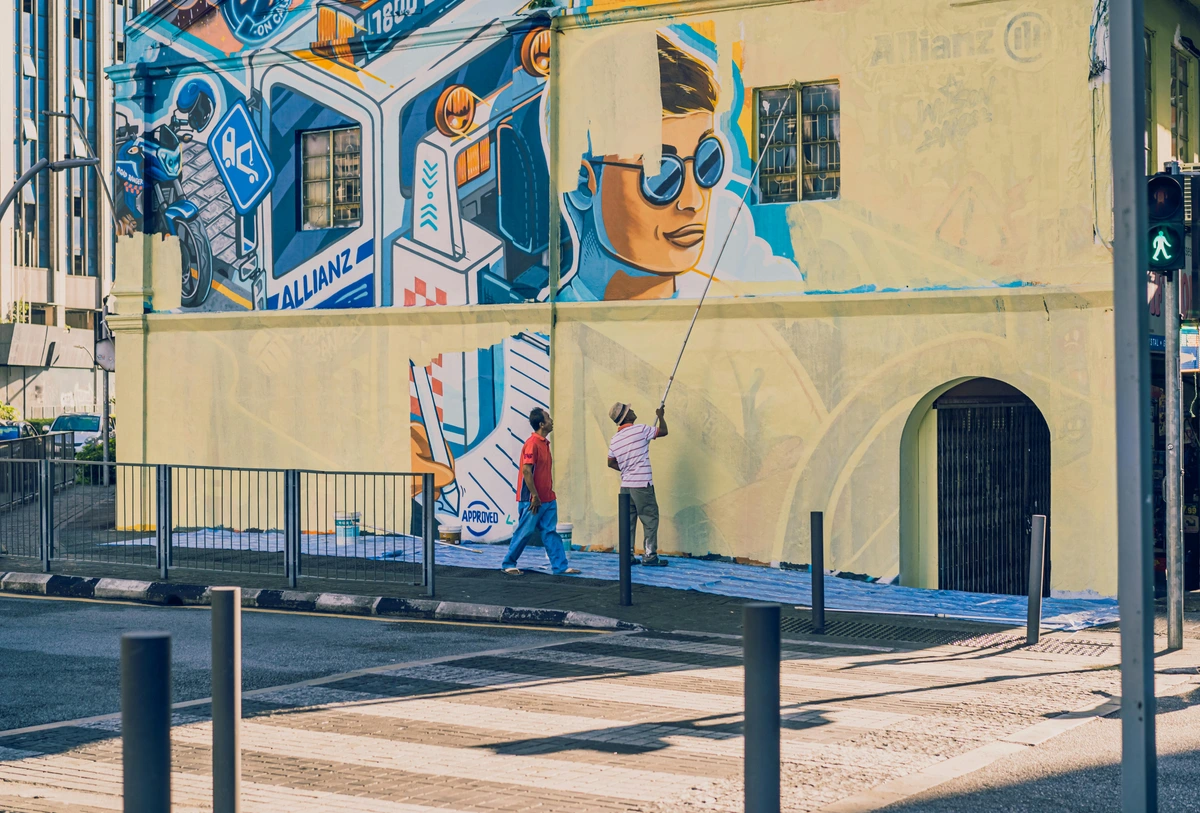
Street art has undergone a remarkable transformation over the decades. What began as an underground movement rooted in rebellion and self-expression has evolved into a globally recognized art form. This evolution is not just a testament to the resilience of the artists but also to the changing perceptions of society. From the subway trains of New York to the galleries of Paris, street art has carved its niche in the art world, challenging traditional norms and redefining what it means to be an artist.
The Role of Technology in Street Art
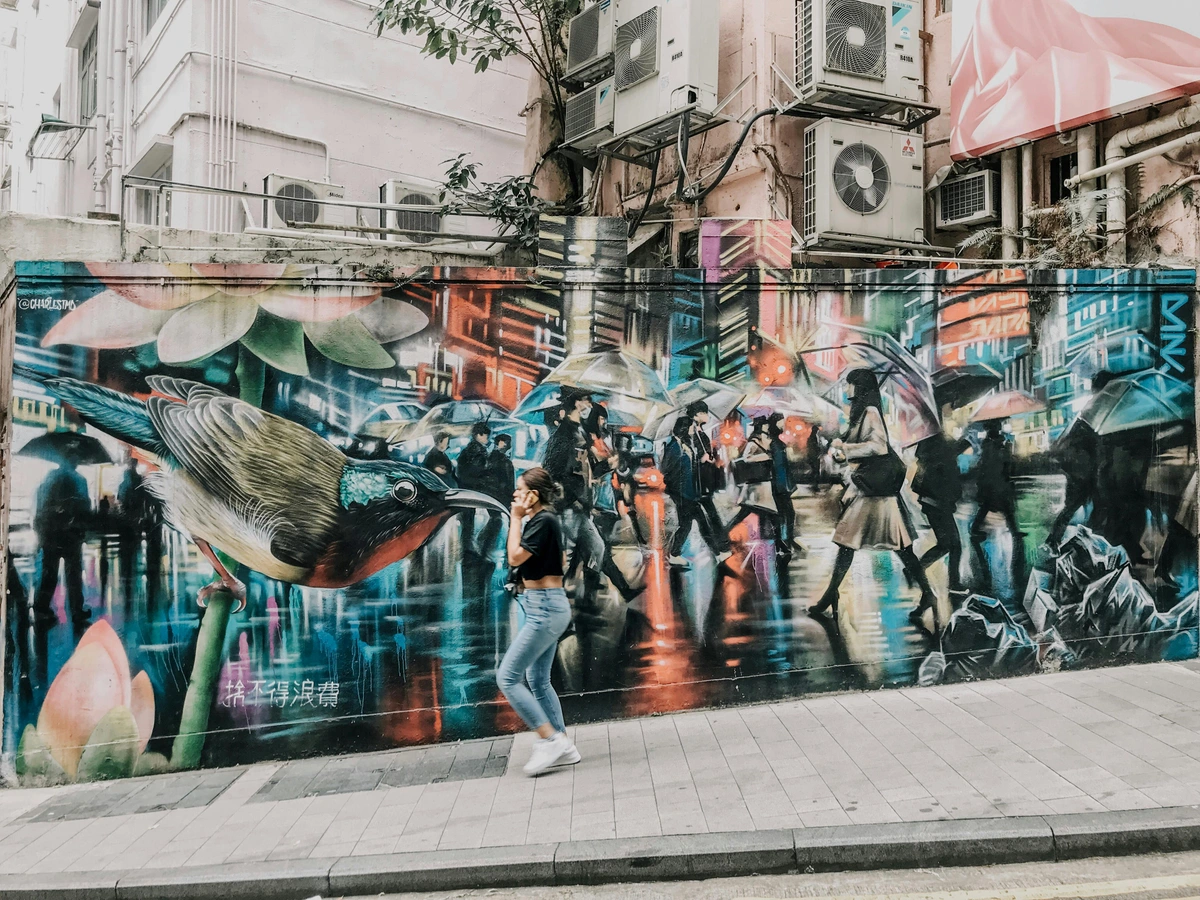
Technology has played a significant role in the evolution of street art. From the use of stencils and spray paint to the incorporation of digital tools and augmented reality, technology has expanded the possibilities for street artists. Digital platforms have also provided a global stage for street artists to showcase their work, connect with audiences, and collaborate with other artists. This digital revolution has further blurred the lines between street art and other forms of contemporary art.
Street art has undergone a remarkable transformation over the decades. What began as an underground movement rooted in rebellion and self-expression has evolved into a globally recognized art form. This evolution is not just a testament to the resilience of the artists but also to the changing perceptions of society. From the subway trains of New York to the galleries of Paris, street art has carved its niche in the art world, challenging traditional norms and redefining what it means to be an artist.
The Role of Technology in Street Art
Technology has played a significant role in the evolution of street art. From the use of stencils and spray paint to the incorporation of digital tools and augmented reality, technology has expanded the possibilities for street artists. Digital platforms have also provided a global stage for street artists to showcase their work, connect with audiences, and collaborate with other artists. This digital revolution has further blurred the lines between street art and other forms of contemporary art.
The integration of technology into street art has not only expanded its reach but also its impact. Artists can now create interactive installations and augmented reality experiences that engage viewers in new and innovative ways. This fusion of technology and street art is pushing the boundaries of what is possible, creating a dynamic and ever-evolving art form.
What is Art, Anyway?
The definition of art has always been wonderfully, frustratingly elusive. For centuries, it was tied to craft, skill, beauty, and often, religious or aristocratic patronage. Then came the avant-garde, and everything changed. Duchamp put a urinal in a museum, and the art world collectively gasped, then debated, and eventually, expanded its understanding. So, if a manufactured urinal can be art, where does that leave a meticulously painted mural?
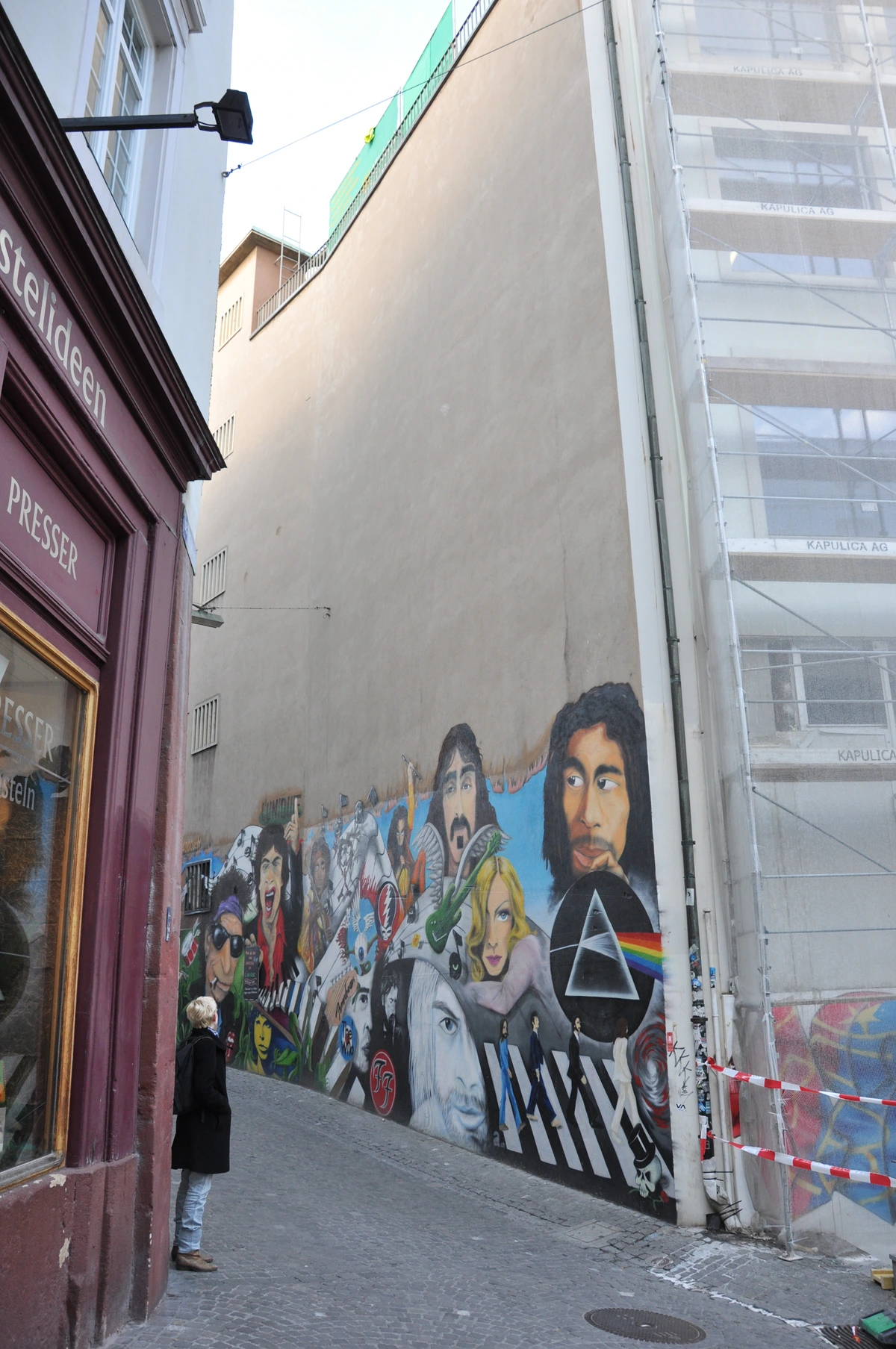
For me, art is about communication. It's about an artist expressing an idea, an emotion, a critique, or a beauty in a way that resonates with an audience. It requires intention, skill (though skill can be interpreted broadly), and usually, a certain degree of innovation or vision. Street art, in its myriad forms, ticks so many of these boxes.
The Role of Intention and Perception
Art is not just about the final product but the intention behind it. Street art, like any other form of art, is driven by the artist's desire to communicate something meaningful. Whether it's a political statement, a personal story, or simply an aesthetic experience, the intention is what elevates it beyond mere decoration or vandalism. Perception plays a crucial role as well. What one person sees as a nuisance, another might see as a masterpiece. This duality is what makes the discussion around street art so fascinating and complex.
From Vandalism to Valorization: A Brief History of Street Art
To truly understand the debate, we need a quick trip down memory lane. Street art didn't just appear out of nowhere; it has deep roots in graffiti. Originally, particularly in cities like Philadelphia and New York in the 1960s and 70s, it was about tagging, marking territory, and gaining recognition within specific subcultures. It was often illegal, rebellious, and raw.
The Influence of Hip-Hop Culture
The rise of hip-hop culture in the 1980s played a pivotal role in the evolution of street art. Hip-hop provided a platform for street artists to showcase their work alongside other elements of the culture, such as music, dance, and fashion. This synergy helped street art gain wider recognition and acceptance, further cementing its place in the art world.
Key Movements and Influential Artists
Several movements and artists have played pivotal roles in shaping street art into what it is today. The graffiti boom of the 1980s, fueled by hip-hop culture, brought artists like Jean-Michel Basquiat and Keith Haring into the spotlight. Their work transcended the streets and entered galleries, blurring the lines between street art and fine art. In the 2000s, artists like Banksy and Shepard Fairey further pushed the boundaries, using street art as a platform for political and social commentary. Their influence has been profound, inspiring a new generation of artists to use public spaces as their canvas.

To truly understand the debate, we need a quick trip down memory lane. Street art didn't just appear out of nowhere; it has deep roots in graffiti. Originally, particularly in cities like Philadelphia and New York in the 1960s and 70s, it was about tagging, marking territory, and gaining recognition within specific subcultures. It was often illegal, rebellious, and raw.
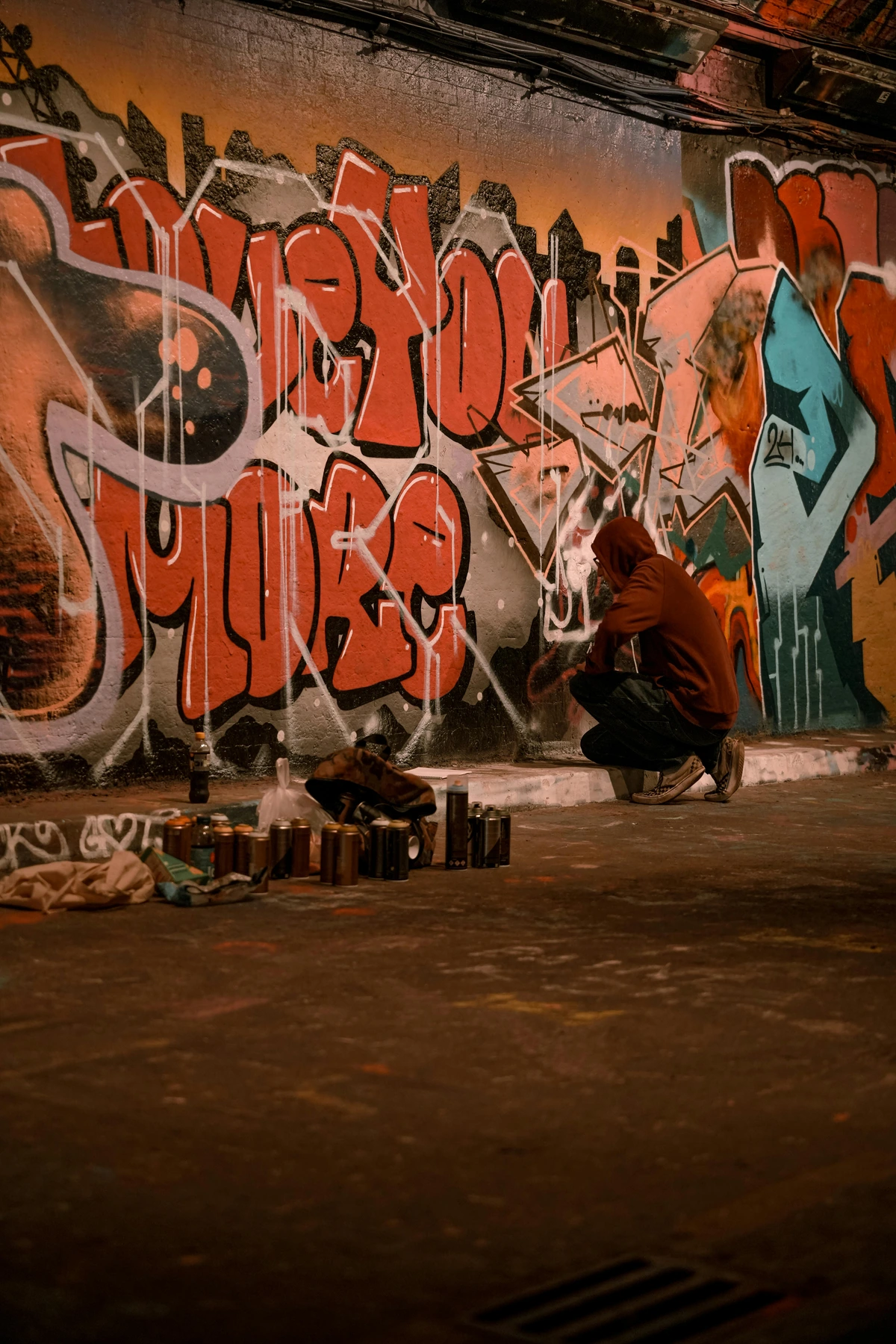
Think of the trains, those moving canvases that carried artists' tags across the city. It was a potent form of self-expression, a way for marginalized voices to be seen and heard. This early graffiti was driven by a powerful urge to communicate, even if that communication was sometimes cryptic or confrontational.
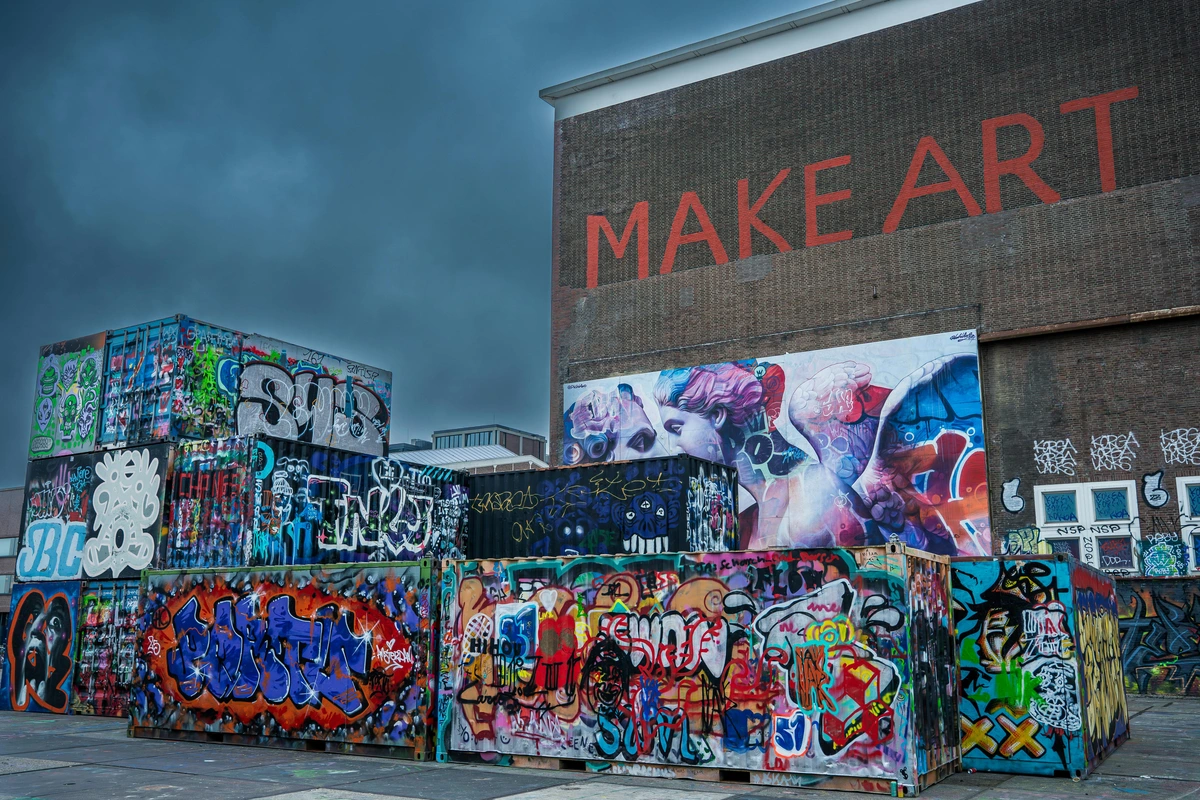
Over time, something shifted. Artists started to develop incredible technical skills. The simple tags evolved into elaborate wildstyle lettering, then into characters, scenes, and eventually, massive, intricate murals. The tools evolved too, from basic spray cans to a sophisticated array of nozzles, stencils, and techniques that rival traditional painting. This evolution from pure rebellion to something more intentionally aesthetic and socially conscious is crucial to its perceived legitimacy today.
The Influence of Hip-Hop Culture
The rise of hip-hop culture in the 1980s played a pivotal role in the evolution of street art. Hip-hop provided a platform for street artists to showcase their work alongside other elements of the culture, such as music, dance, and fashion. This synergy helped street art gain wider recognition and acceptance, further cementing its place in the art world.
Key Movements and Influential Artists
Several movements and artists have played pivotal roles in shaping street art into what it is today. The graffiti boom of the 1980s, fueled by hip-hop culture, brought artists like Jean-Michel Basquiat and Keith Haring into the spotlight. Their work transcended the streets and entered galleries, blurring the lines between street art and fine art. In the 2000s, artists like Banksy and Shepard Fairey further pushed the boundaries, using street art as a platform for political and social commentary. Their influence has been profound, inspiring a new generation of artists to use public spaces as their canvas.
The Arguments For: Why It Absolutely Is Art
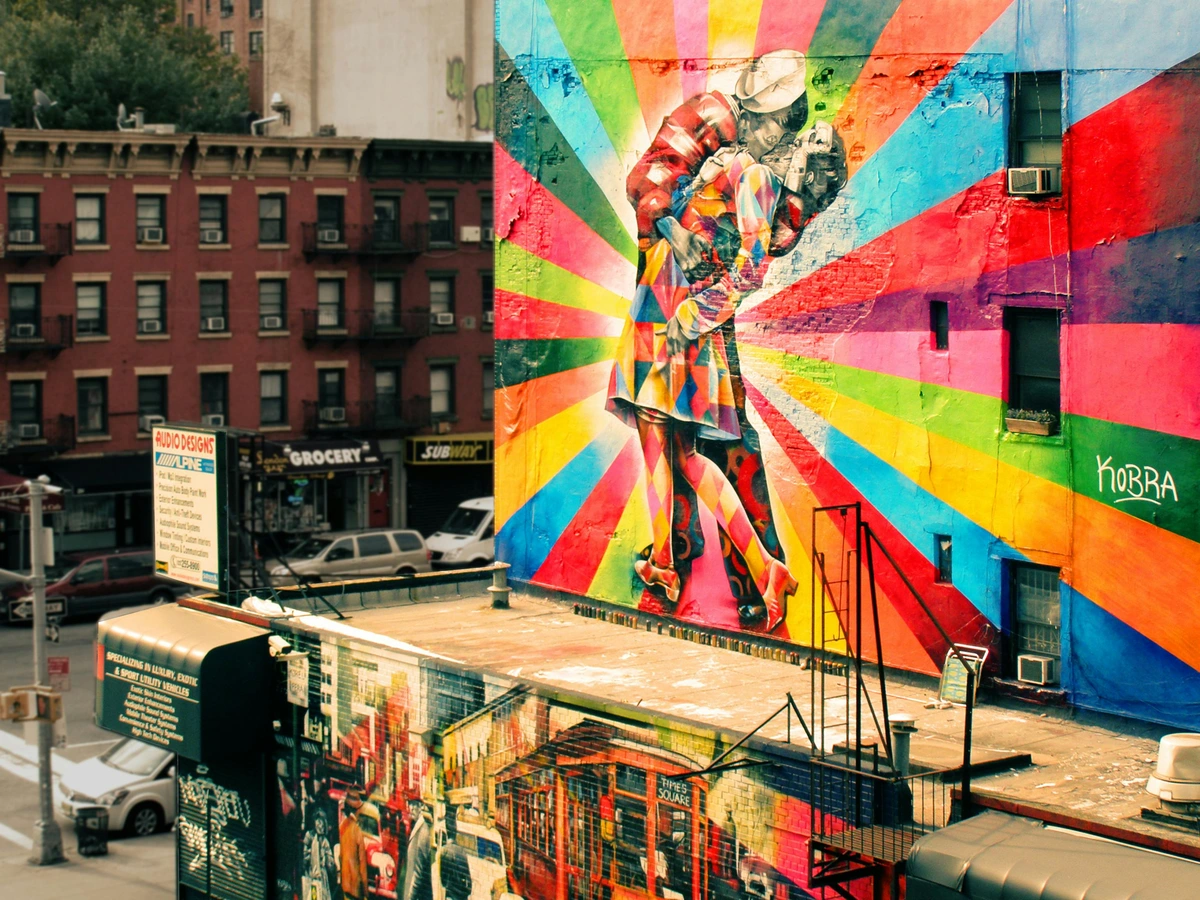
Let’s be honest, the moment you see a truly breathtaking piece of street art, that gut feeling, that emotional punch, it's undeniable. For me, that's a strong indicator. But beyond gut feelings, there are solid reasons why street art stands tall in the art world.
The Emotional Impact of Street Art
Street art has a unique ability to evoke strong emotions and provoke thought. Whether it's a powerful political statement or a beautiful aesthetic experience, street art can leave a lasting impression on viewers. This emotional impact is a testament to the power of street art as a form of artistic expression.
Skill, Technique, and Dedication
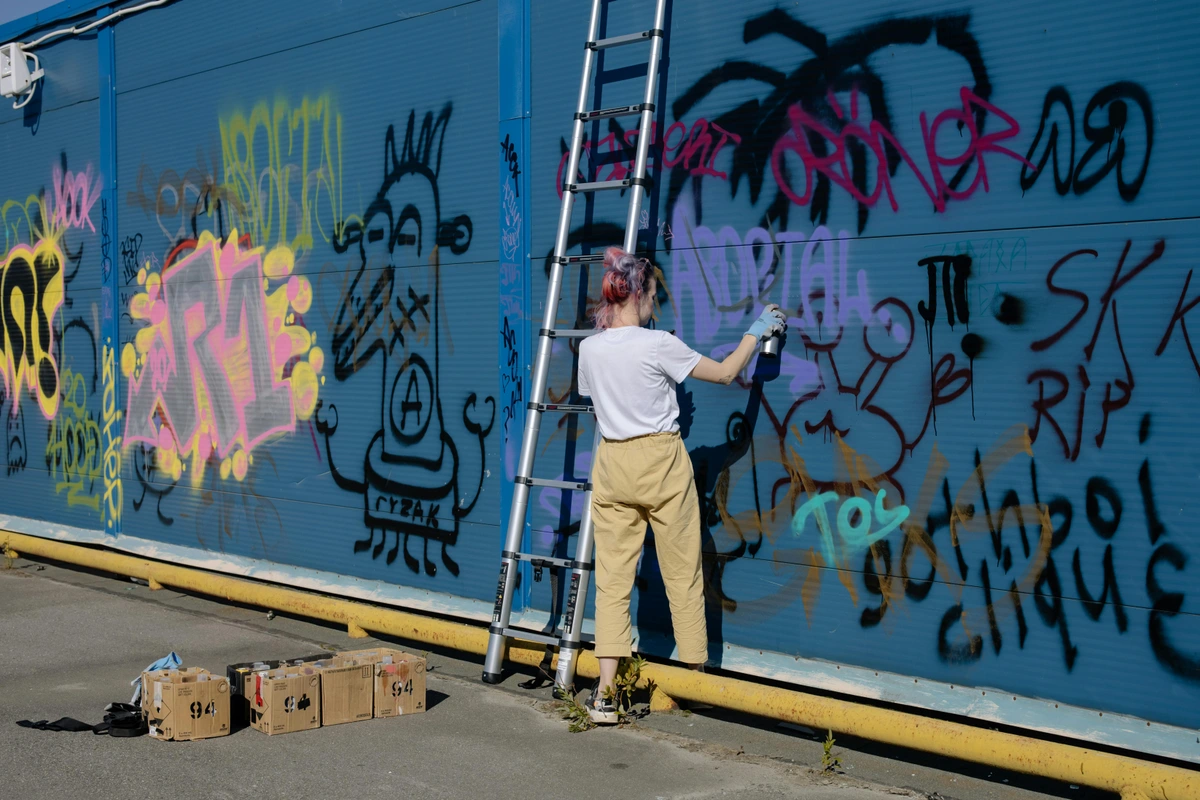
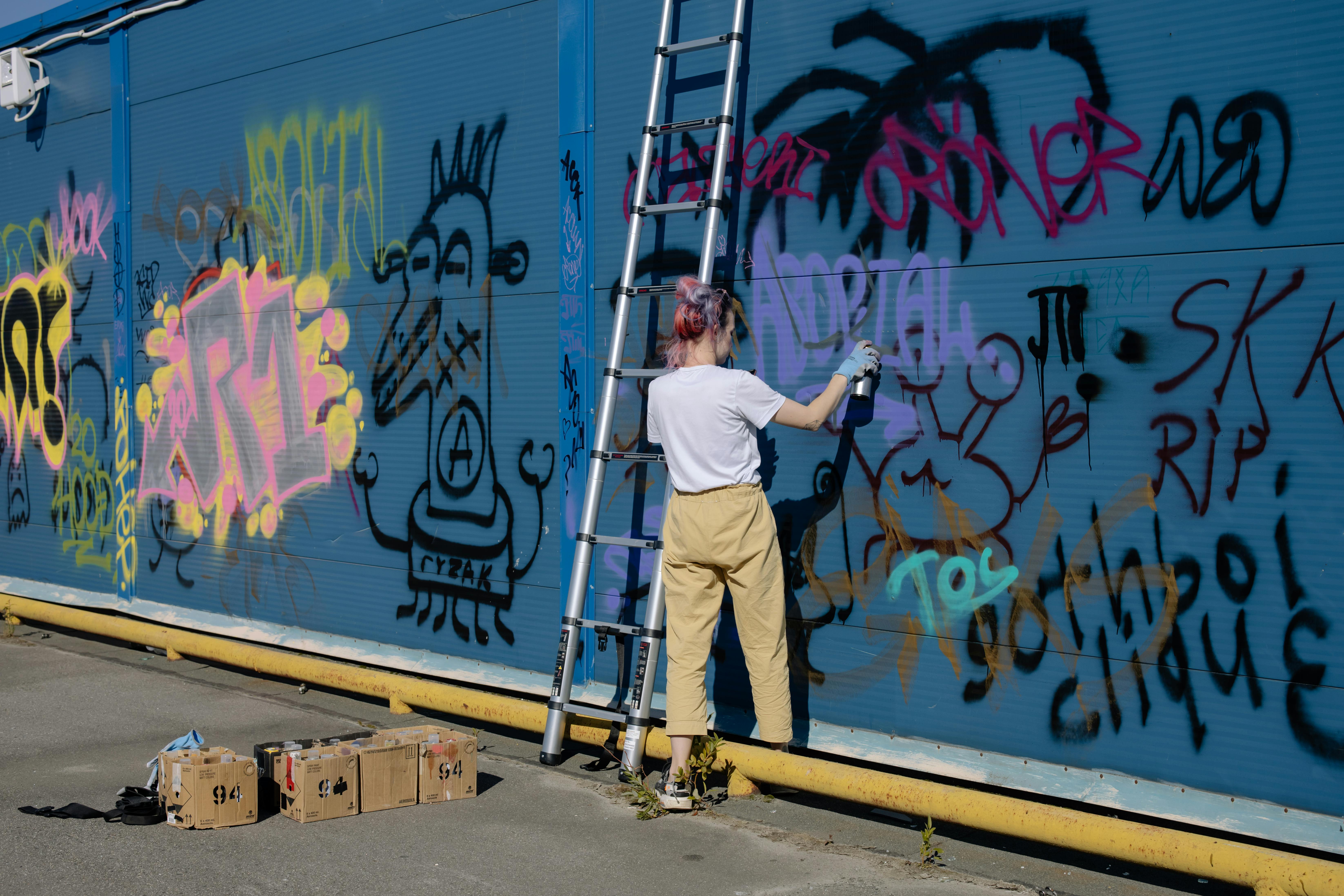
I've seen street artists work, often at breakneck speed, under challenging conditions. The precision required for stencil art, the fluidity needed for spray paint gradients, the compositional understanding for a massive wall – these are not trivial skills. They demand immense practice, control, and an understanding of color and form. It's not just splashing paint; it's a deliberate, complex process.
The Role of Innovation in Street Art
Innovation is a key driver in the world of street art. Artists are constantly pushing the boundaries of what is possible, experimenting with new techniques, materials, and technologies. This spirit of innovation keeps street art fresh and relevant, ensuring its continued evolution and impact on the art world.
The Role of Street Art in Social Movements
Street art has played a significant role in various social movements, serving as a powerful tool for activism and advocacy. From the civil rights movement to contemporary protests, street art has been used to amplify voices, raise awareness, and inspire change. This connection to social movements underscores the importance of street art as a form of artistic expression with real-world impact.
Let’s be honest, the moment you see a truly breathtaking piece of street art, that gut feeling, that emotional punch, it's undeniable. For me, that's a strong indicator. But beyond gut feelings, there are solid reasons why street art stands tall in the art world.

The Emotional Impact of Street Art
Street art has a unique ability to evoke strong emotions and provoke thought. Whether it's a powerful political statement or a beautiful aesthetic experience, street art can leave a lasting impression on viewers. This emotional impact is a testament to the power of street art as a form of artistic expression.
Skill, Technique, and Dedication
I've seen street artists work, often at breakneck speed, under challenging conditions. The precision required for stencil art, the fluidity needed for spray paint gradients, the compositional understanding for a massive wall – these are not trivial skills. They demand immense practice, control, and an understanding of color and form. It's not just splashing paint; it's a deliberate, complex process.
The Role of Innovation in Street Art
Innovation is a key driver in the world of street art. Artists are constantly pushing the boundaries of what is possible, experimenting with new techniques, materials, and technologies. This spirit of innovation keeps street art fresh and relevant, ensuring its continued evolution and impact on the art world.
The Role of Street Art in Social Movements
Street art has played a significant role in various social movements, serving as a powerful tool for activism and advocacy. From the civil rights movement to contemporary protests, street art has been used to amplify voices, raise awareness, and inspire change. This connection to social movements underscores the importance of street art as a form of artistic expression with real-world impact.
Message, Social Commentary, and Public Dialogue
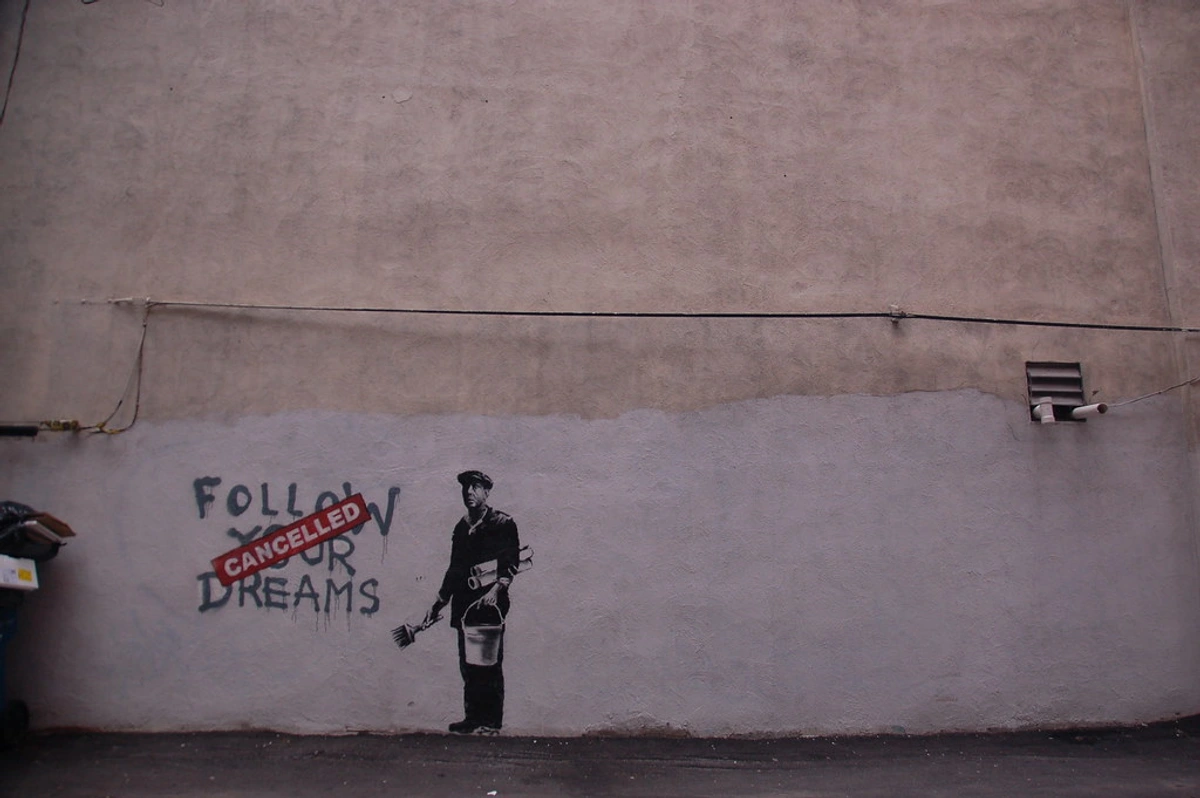
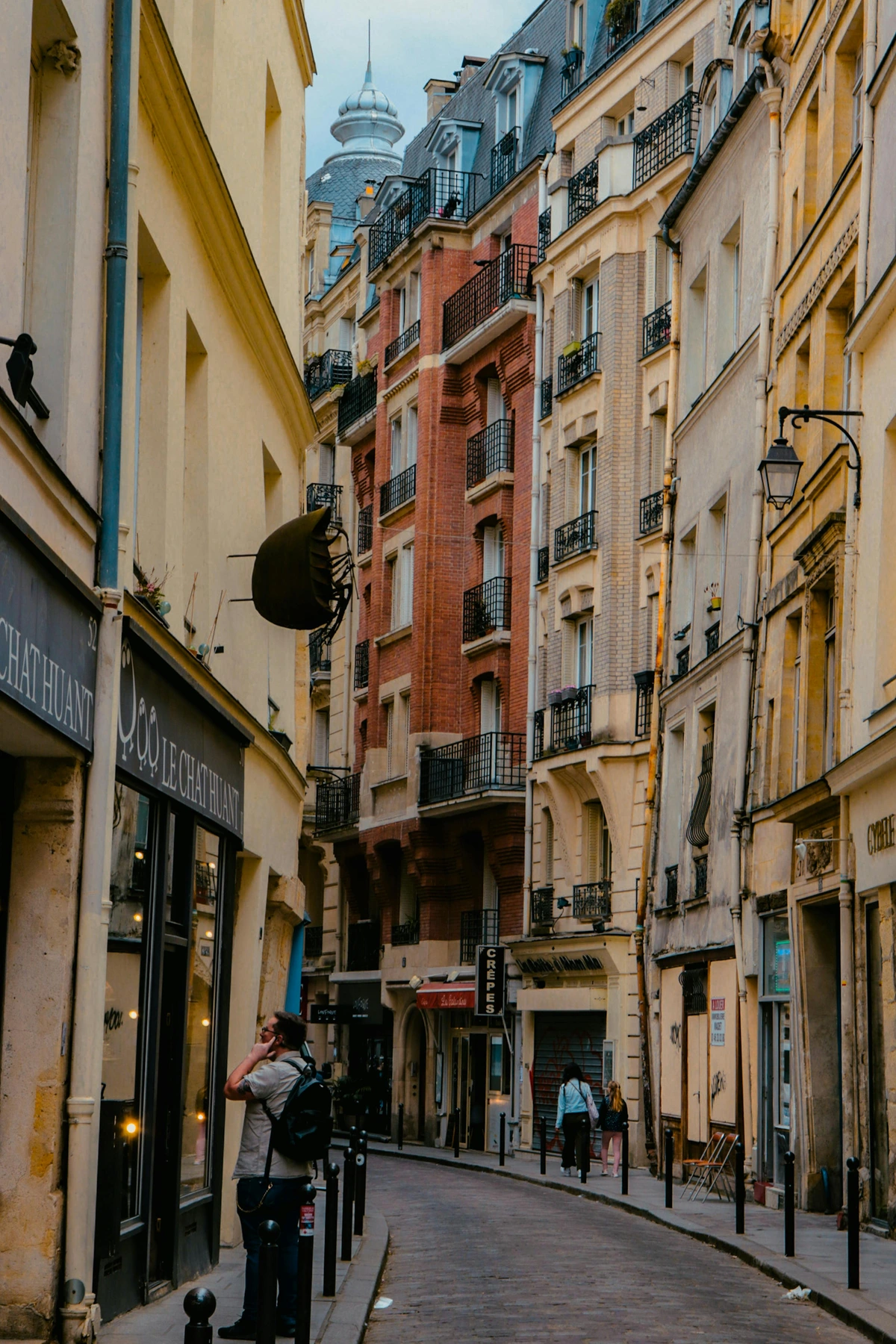
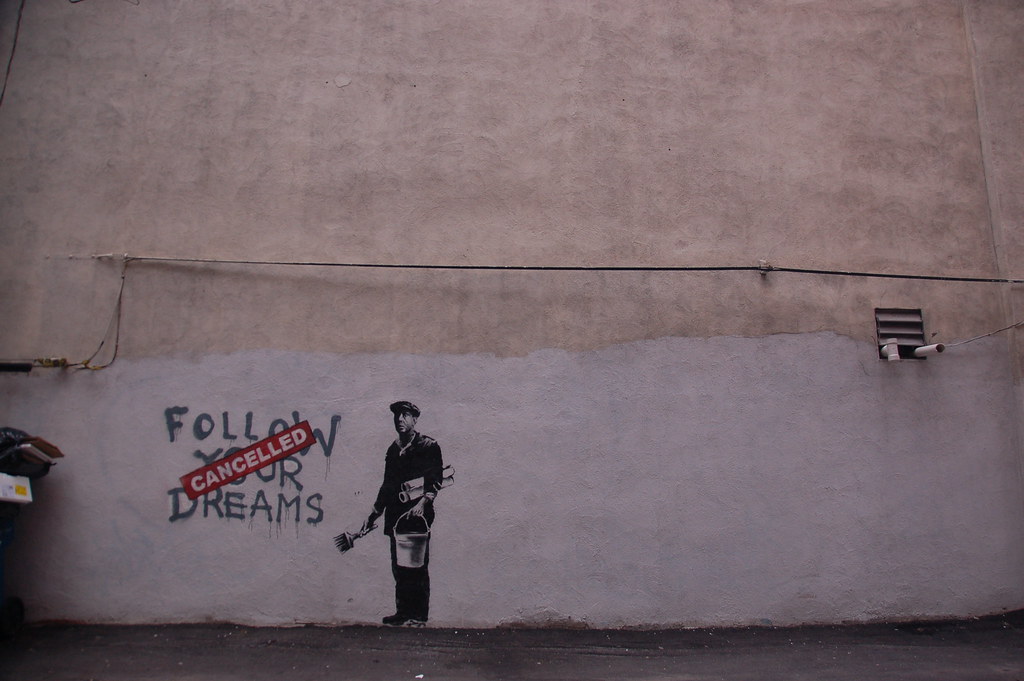
Unlike much gallery art, which requires a deliberate journey to a specific space, street art comes to you. It forces a conversation in public spaces. Many of the most iconic pieces are imbued with potent social or political messages, addressing issues of poverty, war, consumerism, and human rights. Take a look at the work of Banksy, for instance. His pieces are universally recognized for their sharp wit and incisive commentary, often sparking global conversations.
The Role of Street Art in Social Movements
Street art has played a significant role in various social movements, serving as a powerful tool for activism and advocacy. From the civil rights movement to contemporary protests, street art has been used to amplify voices, raise awareness, and inspire change. This connection to social movements underscores the importance of street art as a form of artistic expression with real-world impact.
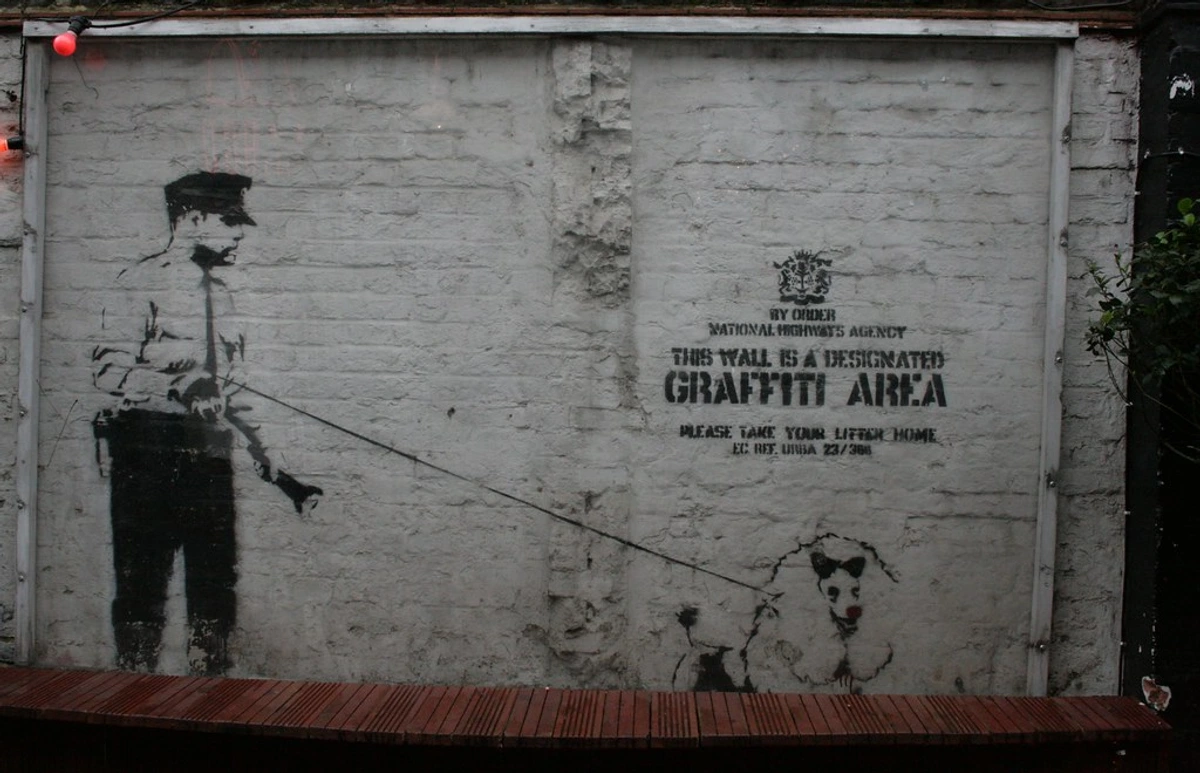
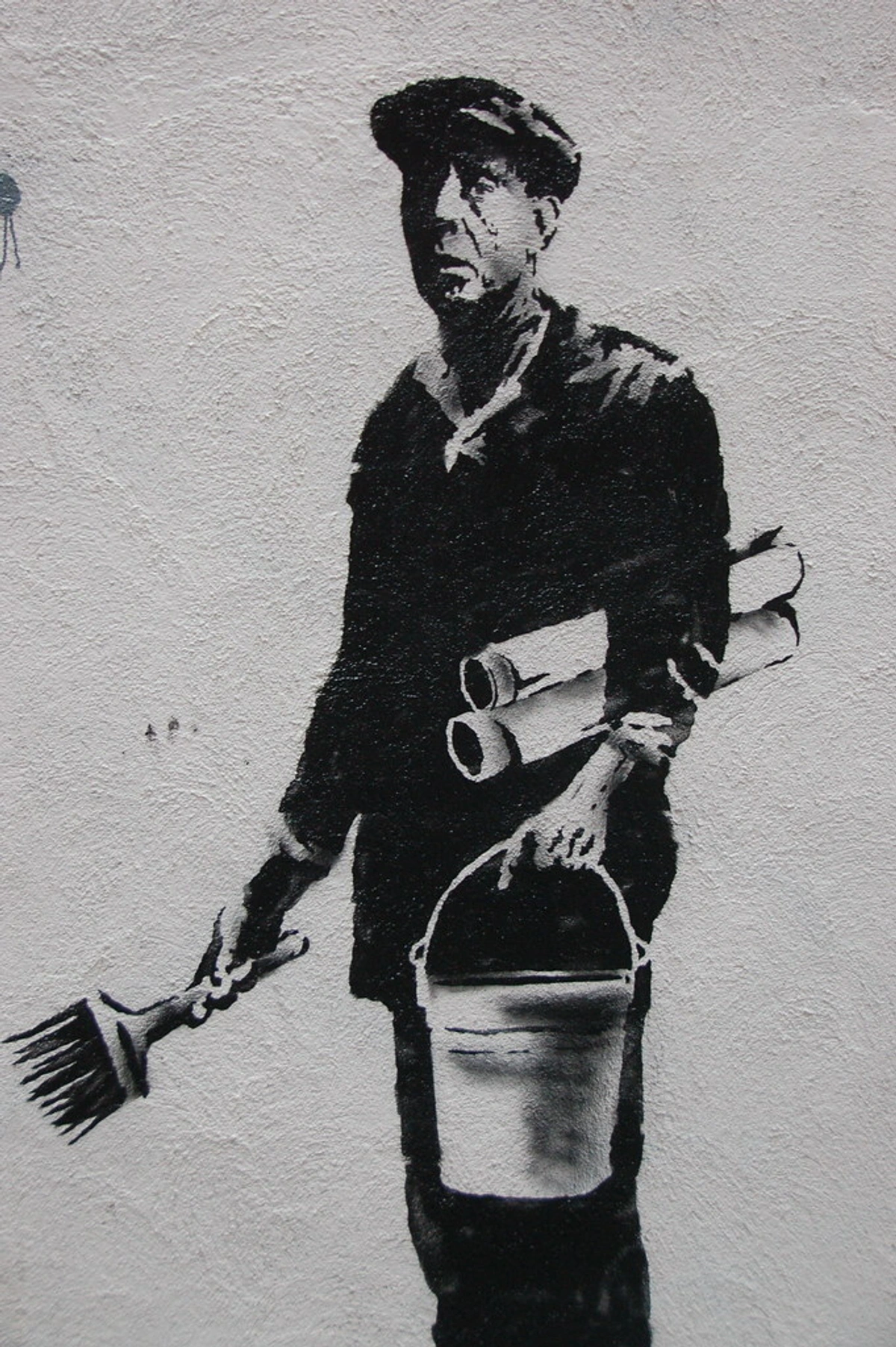
This piece by Banksy is a perfect example of how street art can directly engage with social commentary, forcing us to confront difficult realities in unexpected places.

credit (https://upload.wikimedia.org/wikipedia/commons/6/63/Season%27s_Greetings%2C_Banksy_%283%29.jpg), licence (https://creativecommons.org/licenses/by-sa/4.0)

Accessibility and Democracy
One of my favorite aspects is its sheer accessibility. Art becomes a part of daily life, integrated into the urban fabric. It doesn't discriminate; it's free for everyone to experience, regardless of economic status or art education. This democratic nature challenges the often elitist perception of the traditional art world. It's art for the people, by the people (sometimes).
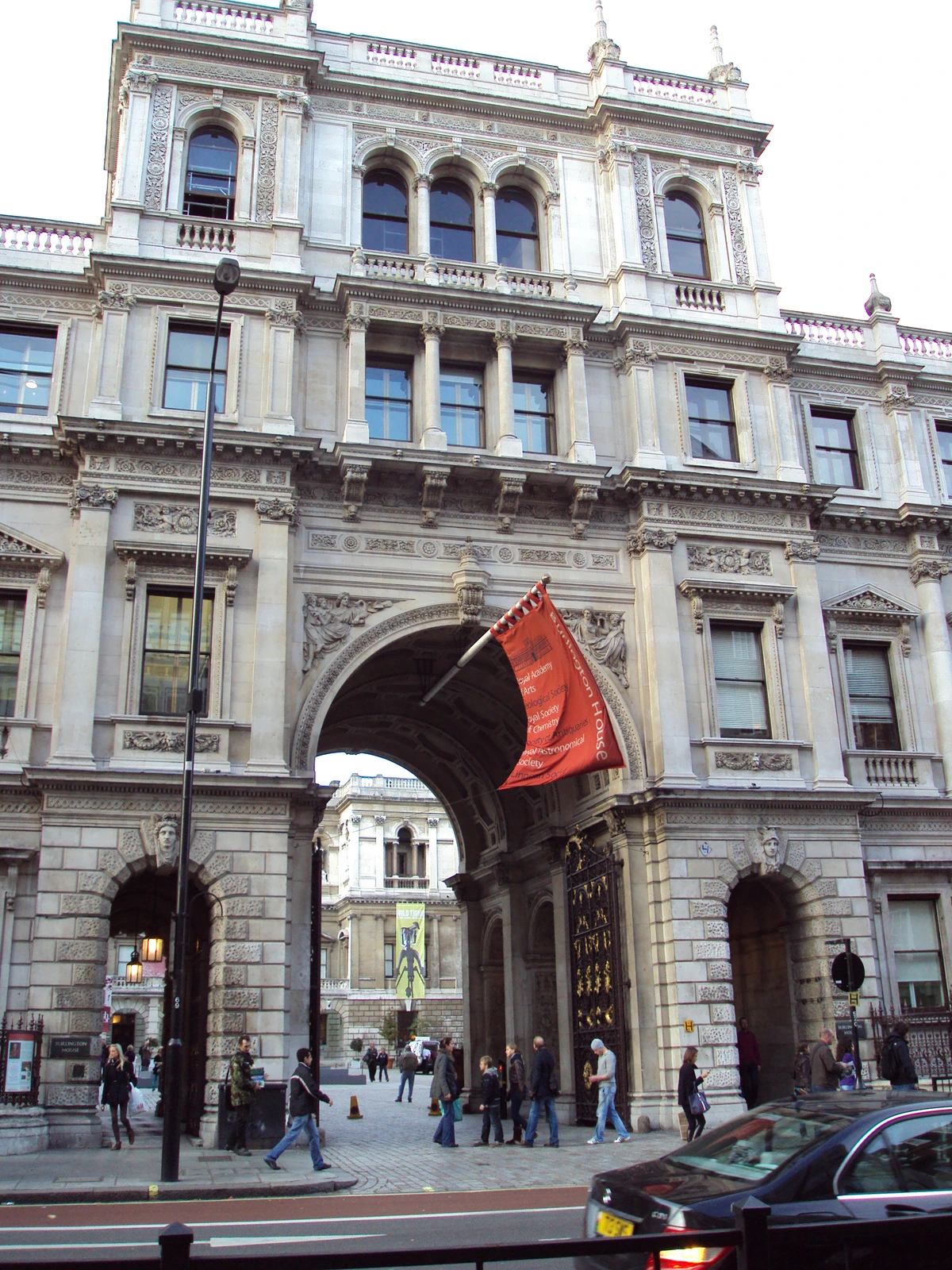
The Role of Community in Street Art
Community plays a vital role in the creation and appreciation of street art. Street art often reflects the values, struggles, and aspirations of the communities in which it is created. This connection to community gives street art a unique authenticity and relevance, making it a powerful tool for fostering dialogue and understanding.

Ephemeral Beauty and Constant Evolution
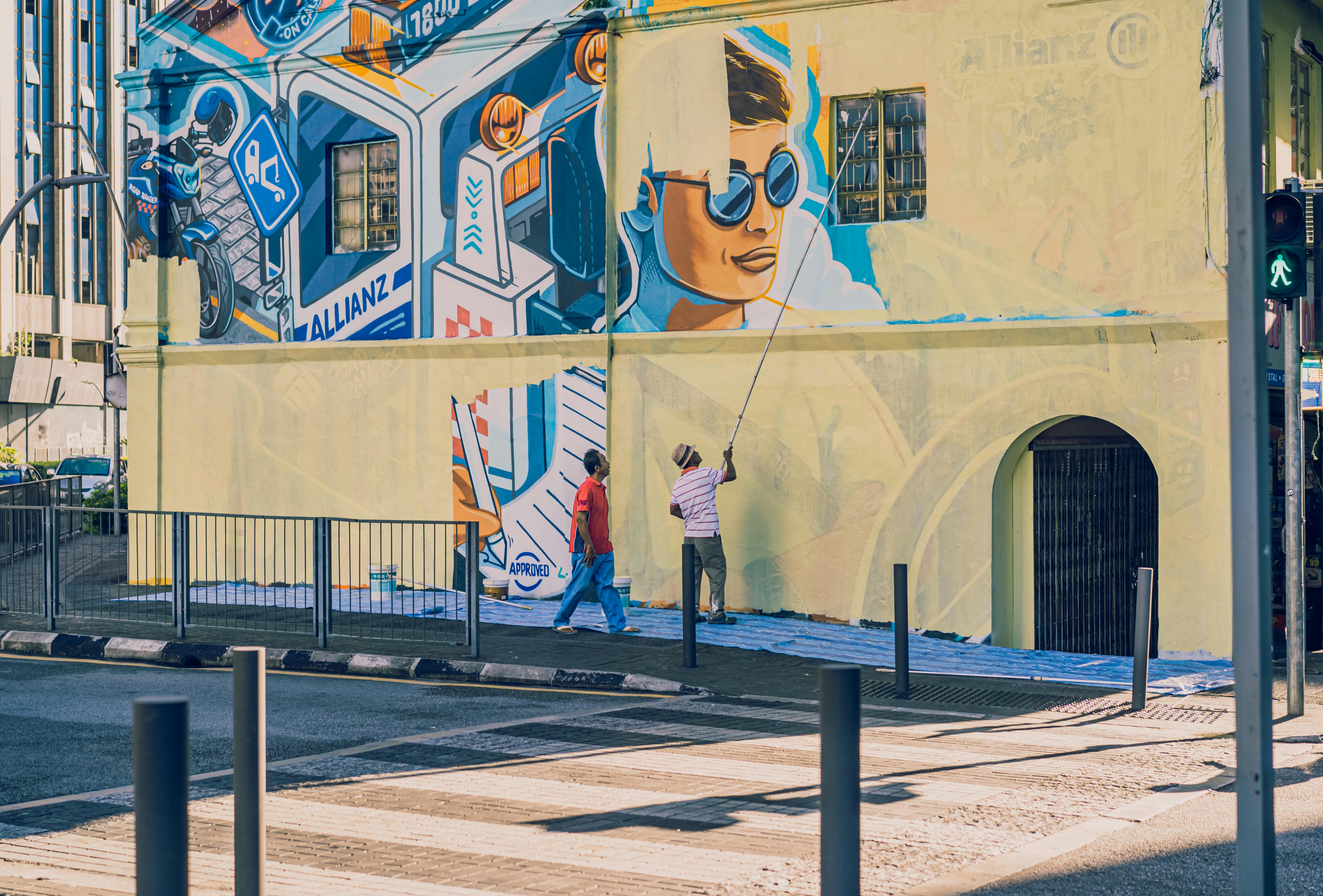
Many street art pieces are temporary. They might be painted over, weather away, or be removed. This ephemeral quality, while frustrating for preservationists, lends a unique poignancy and urgency. It reminds us that art can be a fleeting moment, a gift given to the public, existing purely in the present. It’s also constantly evolving, reflecting the pulse of the city and its changing narratives.
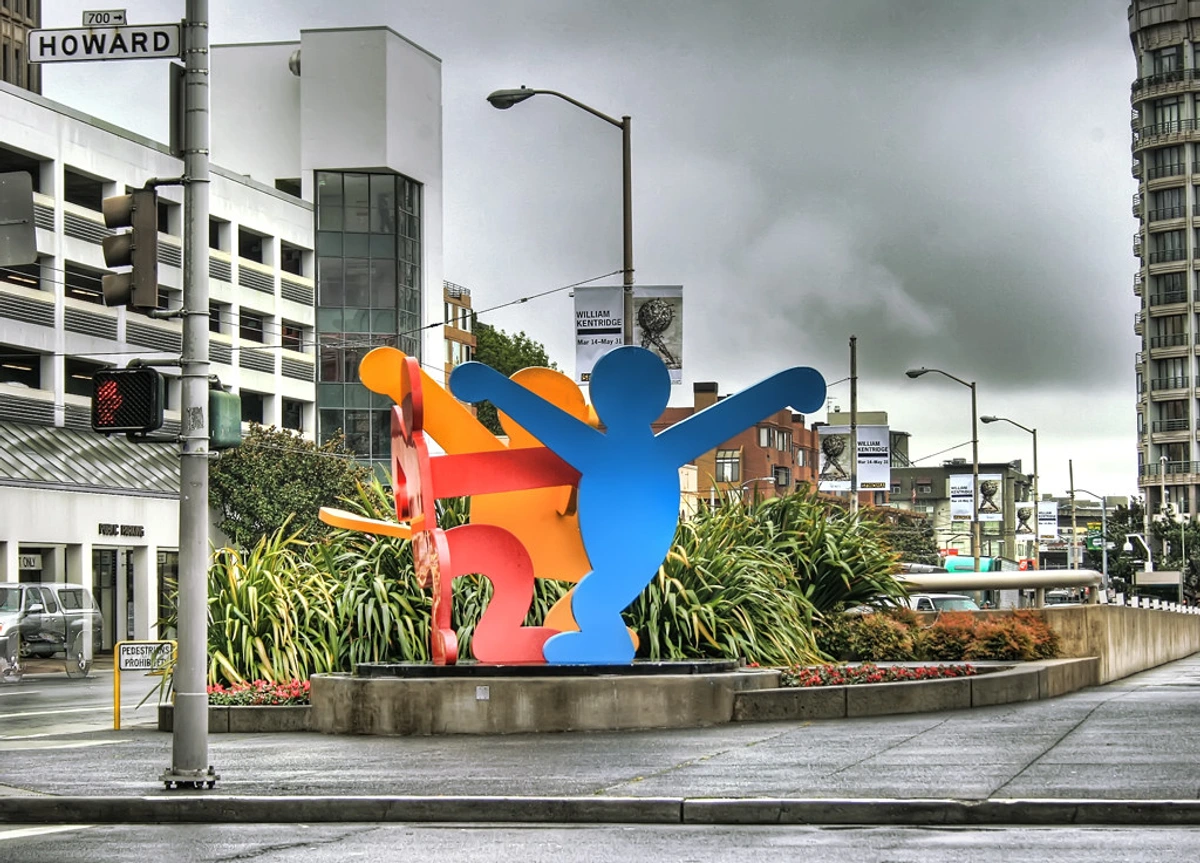
The Role of Documentation in Preserving Street Art
Documentation plays a crucial role in preserving the legacy of street art. Photographs, videos, and digital archives help capture the ephemeral nature of street art, ensuring that its impact and significance are not lost to time. This documentation also provides a valuable resource for researchers, historians, and art enthusiasts, offering insights into the evolution and diversity of street art.
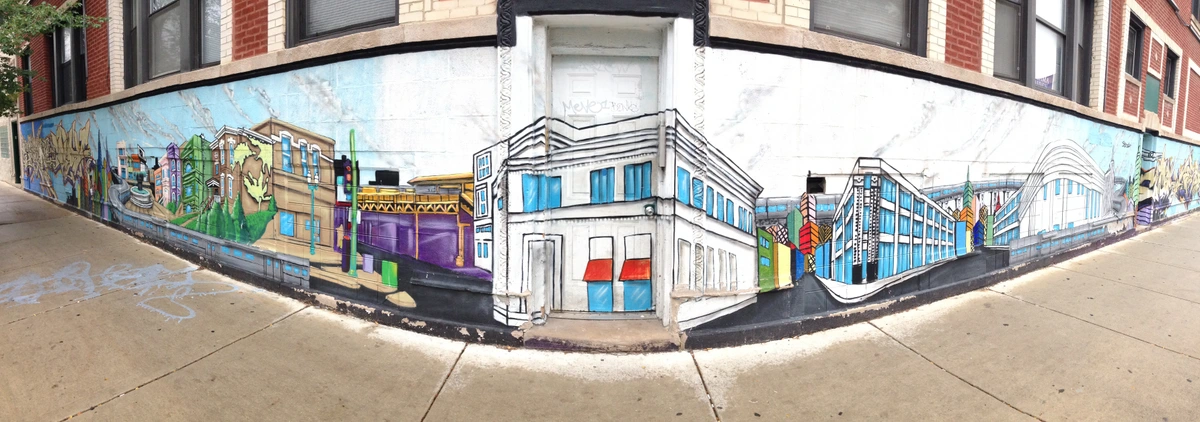
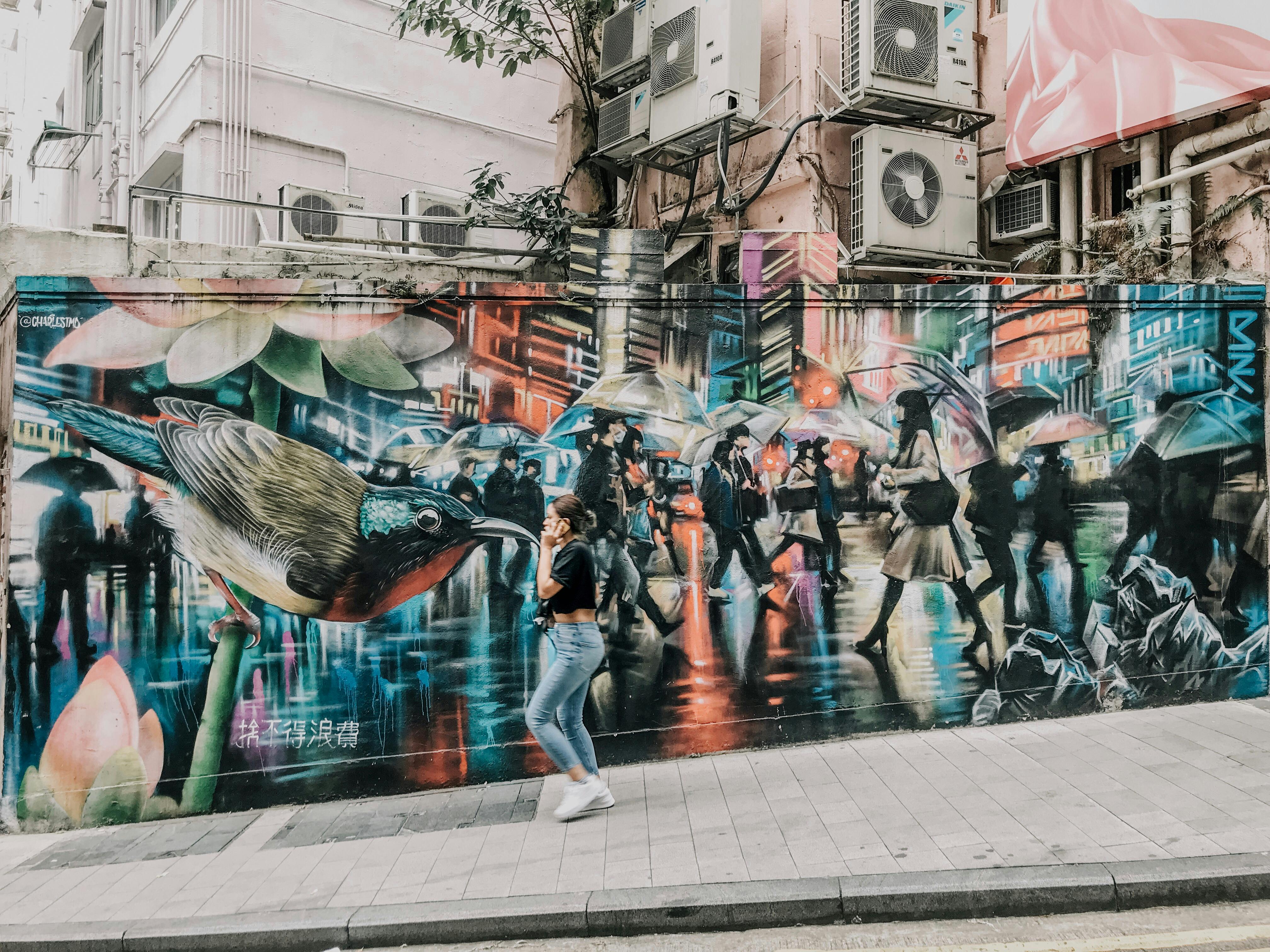
credit (https://freerangestock.com/photos/152787/a-colorful-graffiti-on-a-building.html), licence (https://creativecommons.org/publicdomain/zero/1.0/)
Cultural Impact and Community Engagement
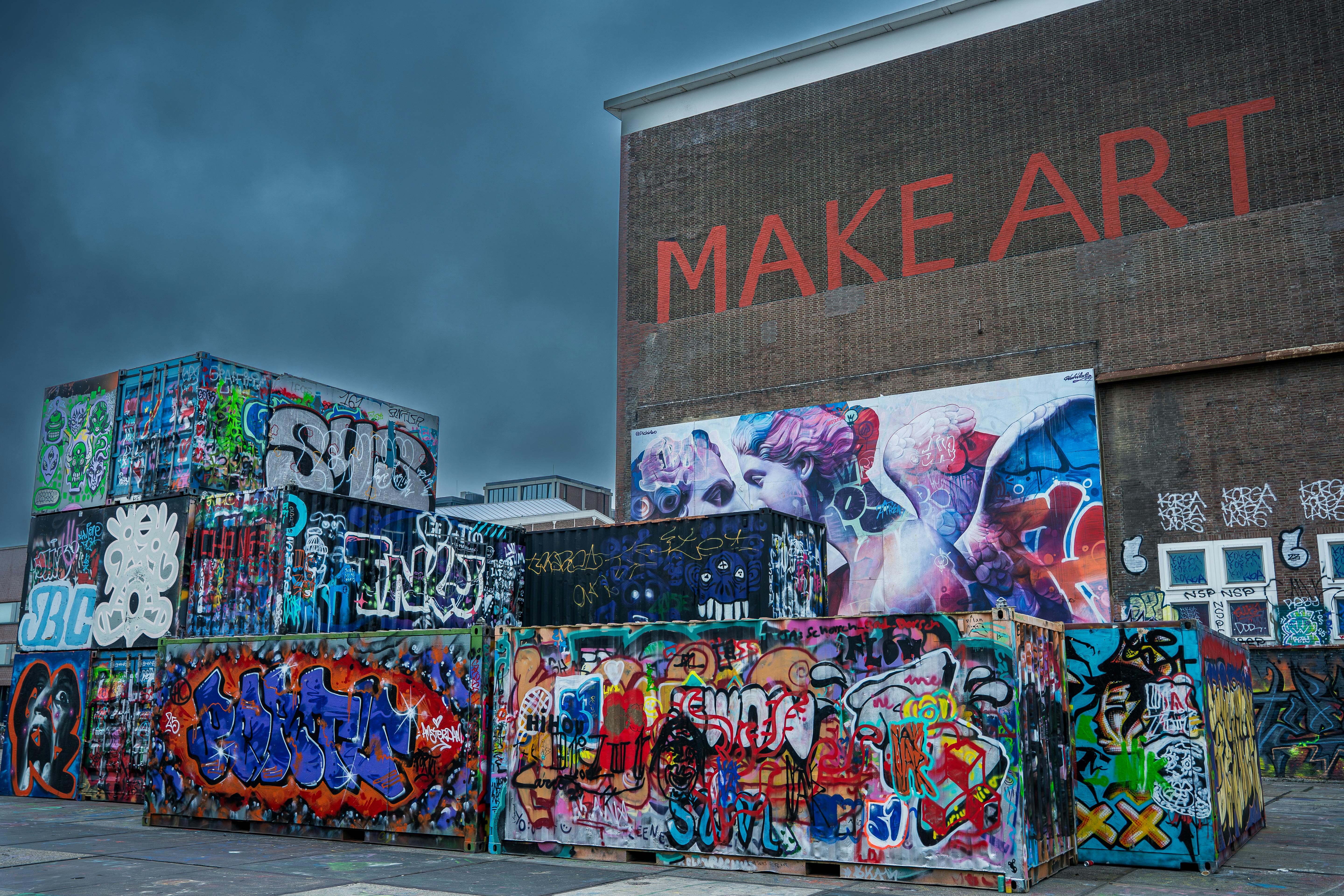
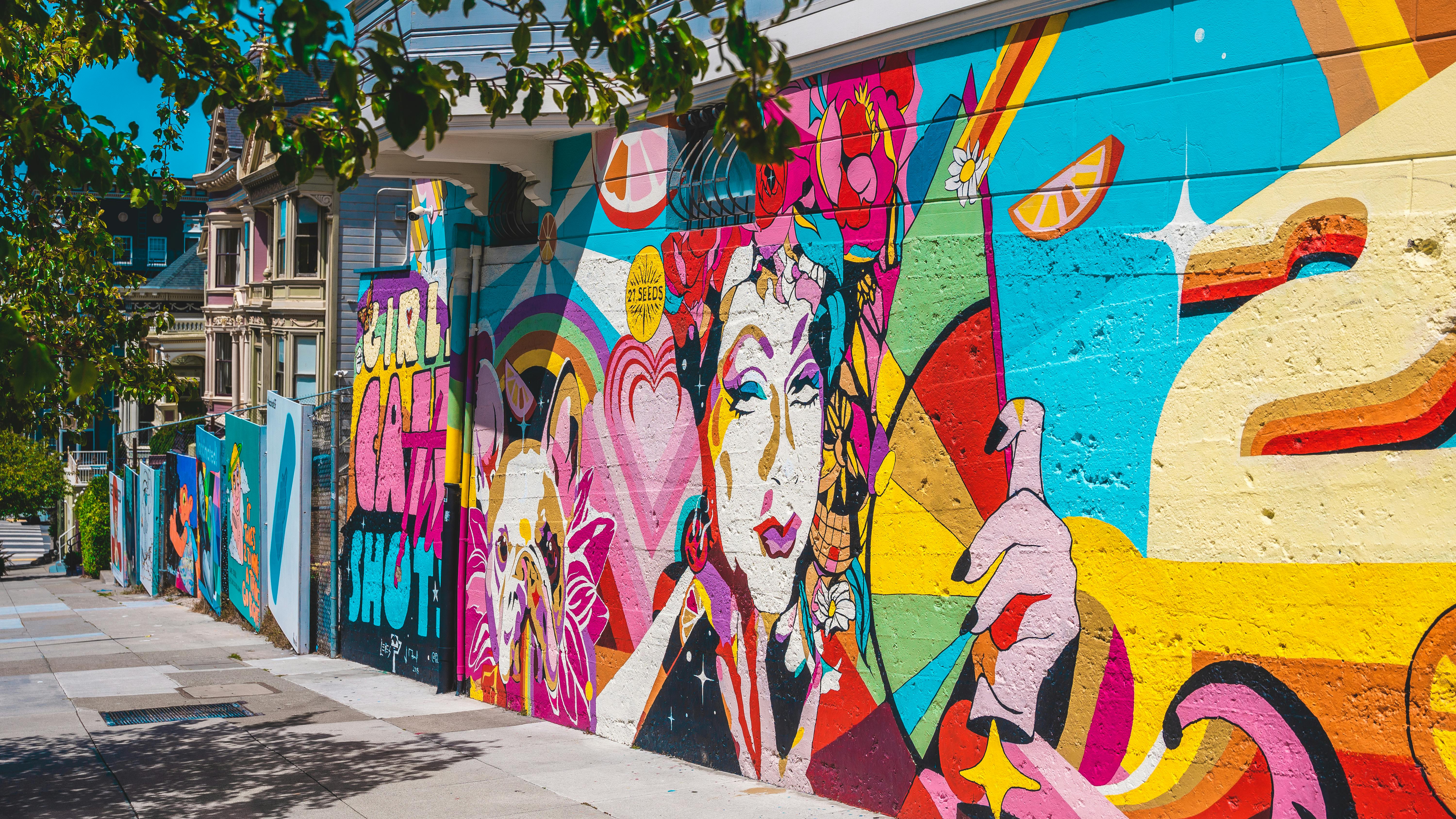
Street art has the power to transform neighborhoods and foster a sense of community. It can turn a dull, forgotten alley into a vibrant cultural hub, attracting tourists and locals alike. This transformation not only beautifies urban spaces but also encourages community engagement and dialogue. Street art festivals and mural projects often involve local residents, creating a shared sense of ownership and pride in their environment.
The Role of Street Art in Urban Revitalization
Street art has become a key tool in urban revitalization efforts. By transforming neglected spaces into vibrant cultural hubs, street art can attract investment, boost local economies, and improve the quality of life for residents. This role in urban revitalization underscores the importance of street art as a catalyst for positive change in communities.
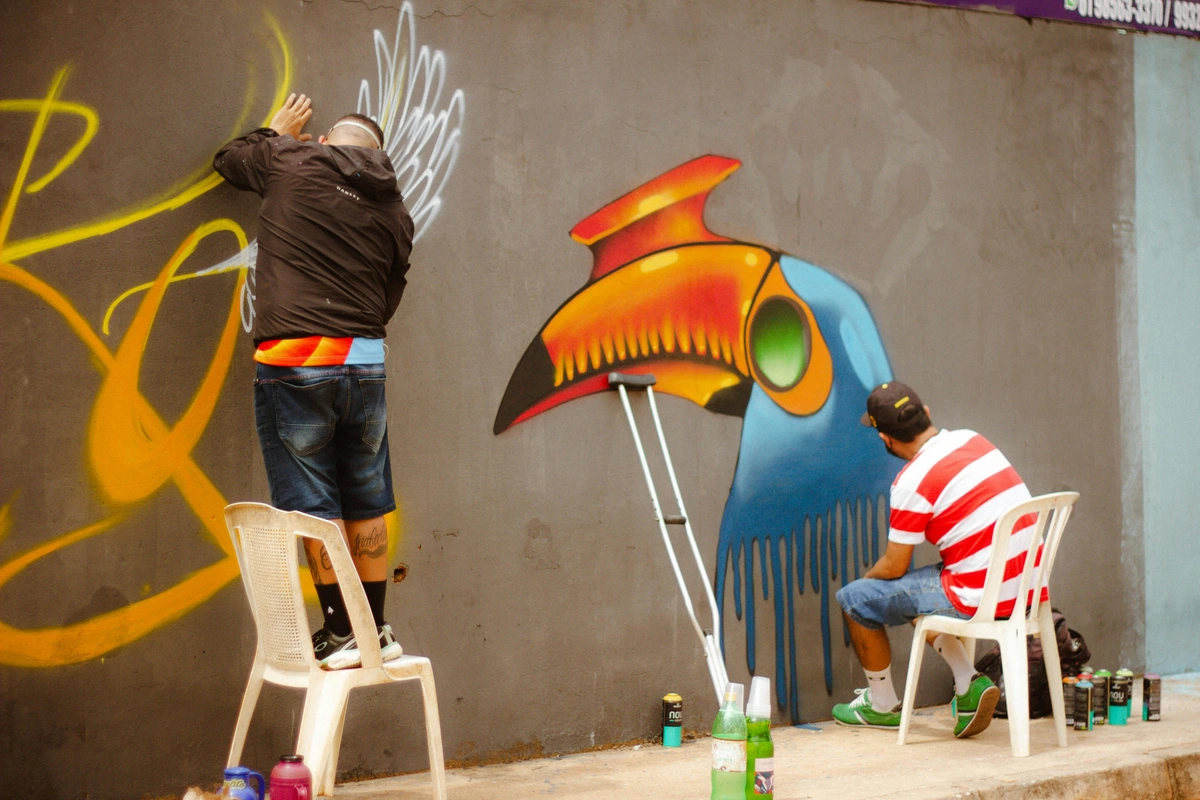
The Arguments Against (or the Naysayers' Corner): Why Some Doubt It
I'd be remiss if I didn't acknowledge the counter-arguments. There are valid concerns that fuel the debate, and it's important to address them head-on.
The Role of Public Opinion in the Debate
Public opinion plays a significant role in the debate about street art. While some communities embrace street art as a form of cultural expression, others view it as a nuisance or a form of vandalism. This divide highlights the subjective nature of art and the importance of context in shaping public perception.
Legality and Vandalism
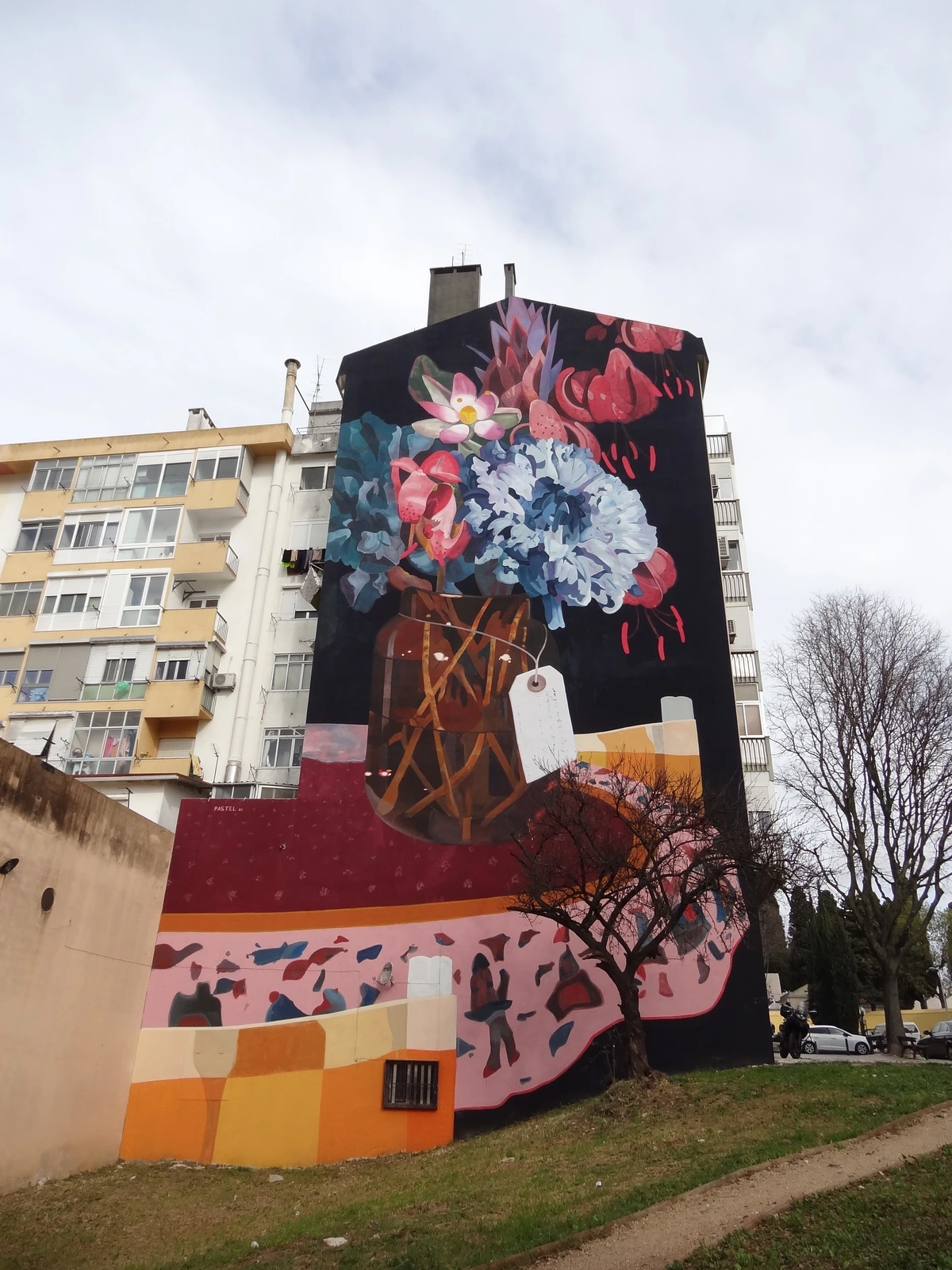
This is the big one. Much of street art began as, and still is, illegal. Painting on private or public property without permission is indeed vandalism. This criminal aspect often overshadows the artistic merit in the eyes of many, including property owners and city officials. It creates a tension: can something illegal still be considered valuable art? My personal take is that legality and artistic value are separate considerations, though the legal aspect certainly impacts its public perception and permanence.
The Role of Legal Frameworks in Street Art
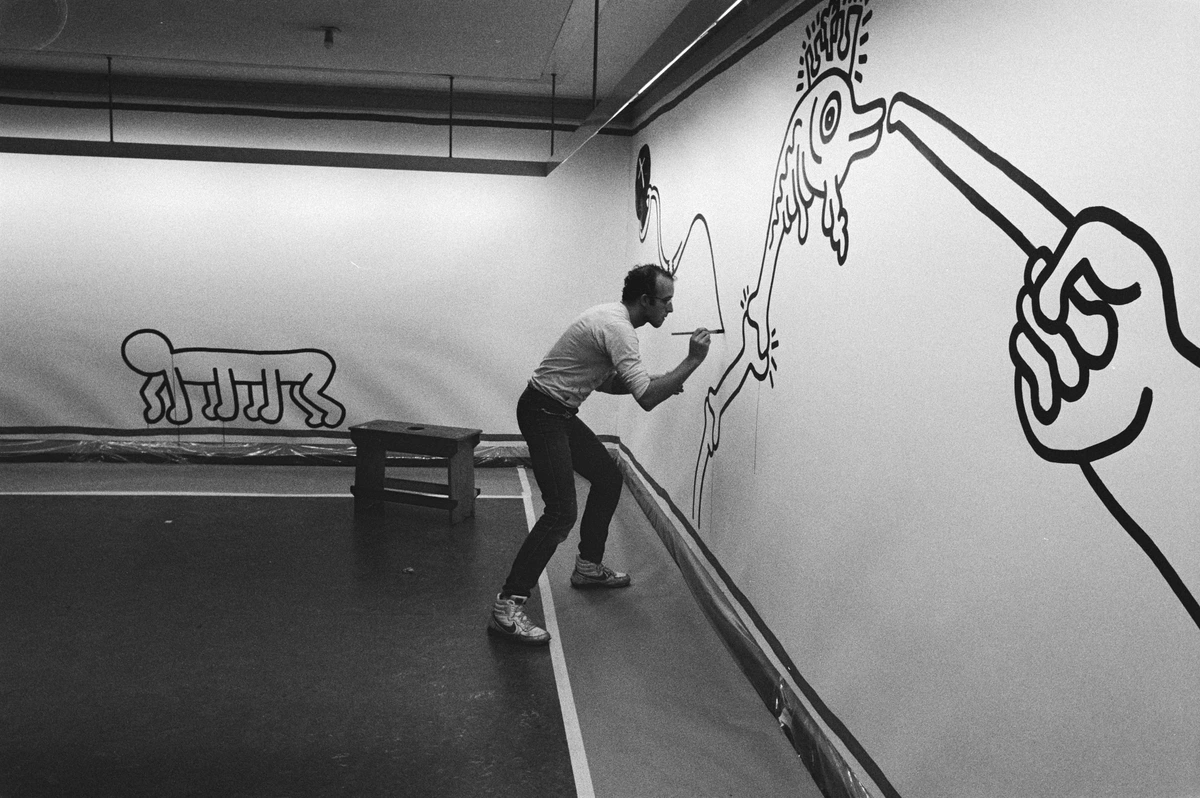
Legal frameworks play a crucial role in shaping the practice and perception of street art. While some cities have embraced street art through designated areas and commissioned projects, others continue to enforce strict laws against unauthorized street art. This legal landscape adds another layer of complexity to the debate about street art and its place in society.
Lack of Formal Training and Institutional Recognition
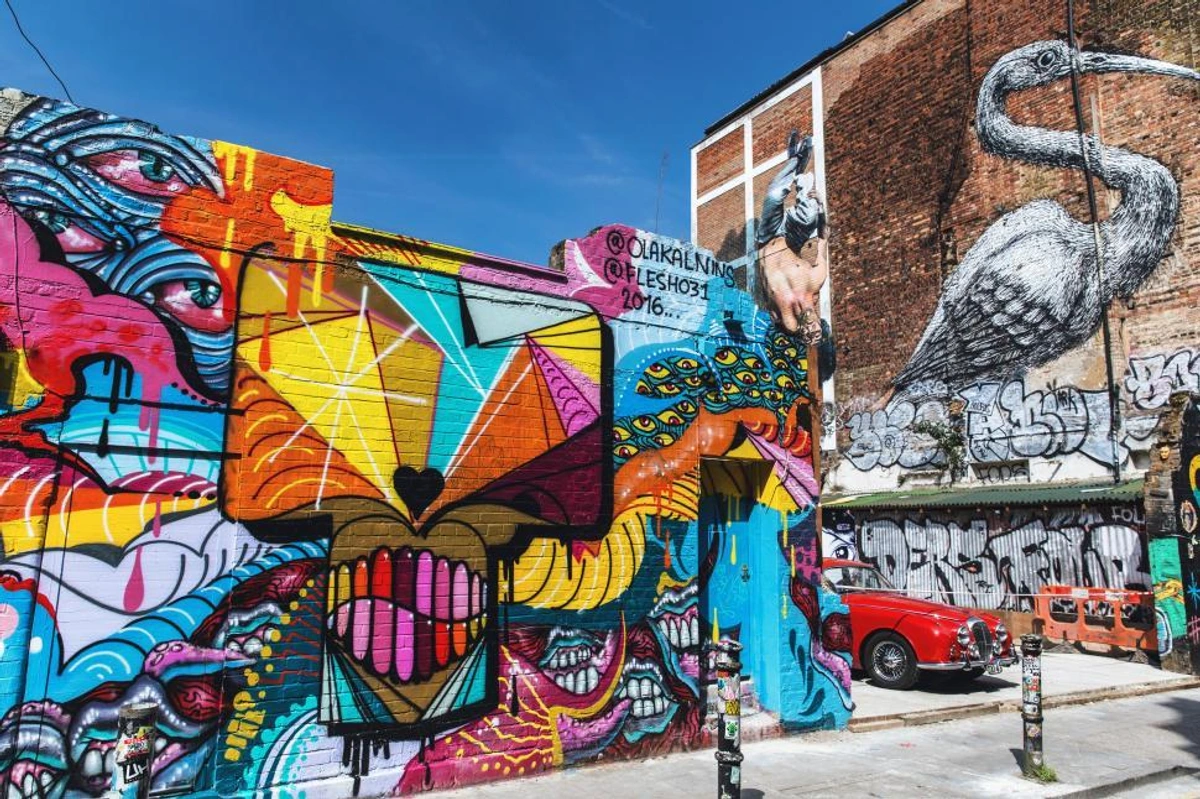
Traditionally, 'fine art' often implied formal training, mastery of classical techniques, and recognition by established institutions like galleries and museums. Many street artists are self-taught, honing their craft on the streets. While this speaks to their raw talent and determination, some argue it lacks the academic rigor often associated with 'real' art. However, this argument feels increasingly outdated in a world where art schools often encourage experimentation beyond traditional bounds.
The Role of Education in Street Art
Education plays a vital role in the development and recognition of street art. While many street artists are self-taught, there is a growing recognition of the value of formal education in street art. Workshops, mentorship programs, and academic courses are providing street artists with the skills and knowledge they need to succeed in the art world. This education also helps to bridge the gap between street art and traditional art forms.
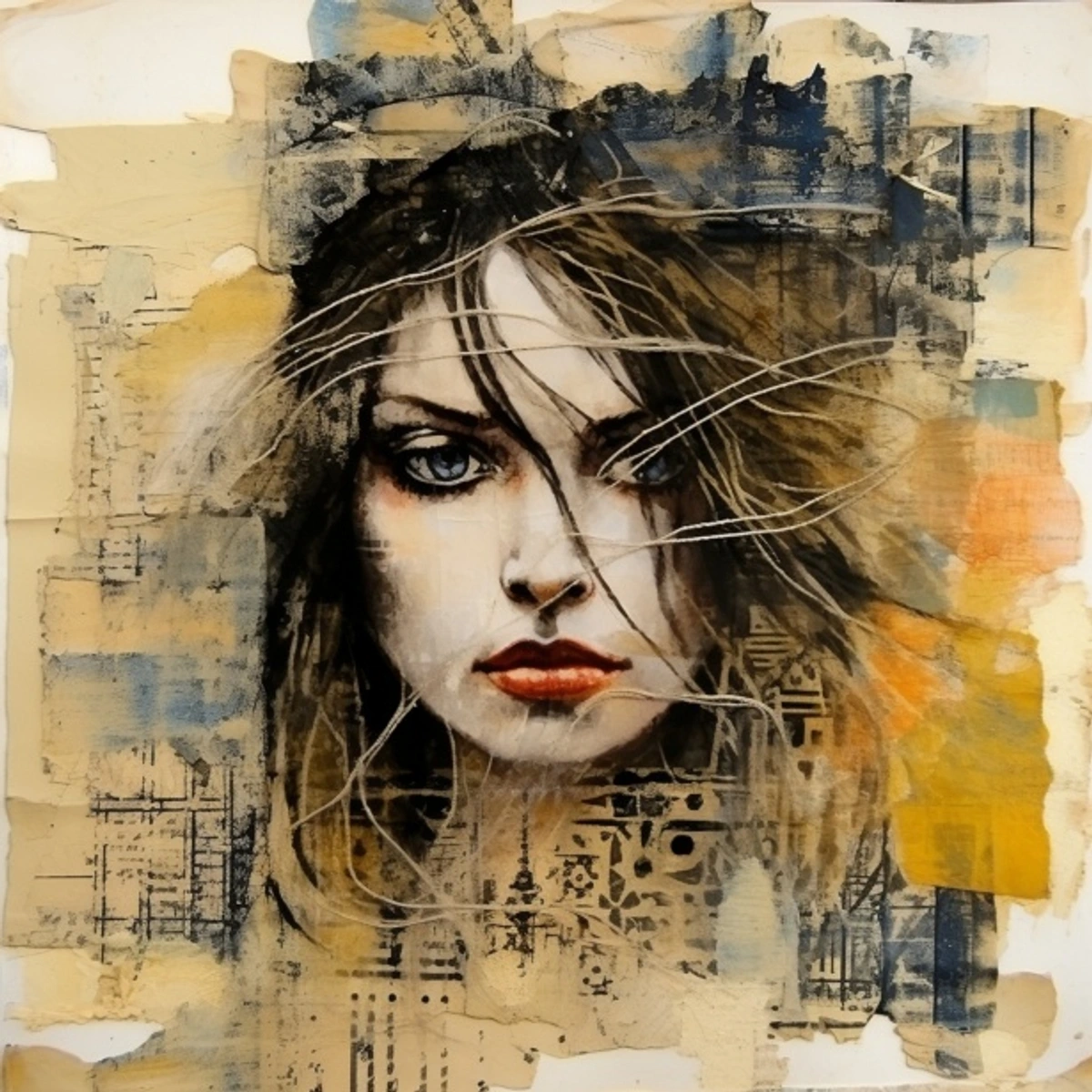
Commercialization and Authenticity
Paradoxically, as street art gains recognition, it faces new challenges. When pieces are removed from walls and sold for millions, or when artists are commissioned for commercial projects, some purists argue it loses its rebellious, authentic edge. The very act of it becoming a commodity can, for some, diminish its 'street' credibility. But then, is it not the natural evolution of any powerful art form to eventually find its way into the market? Artists need to eat too, right?
The Role of the Market in Street Art
The market plays a significant role in the evolution and recognition of street art. As street art gains popularity, it has become a valuable commodity in the art market. This commercialization has provided street artists with new opportunities for financial success and recognition. However, it also raises questions about the authenticity and integrity of street art as it becomes increasingly integrated into the mainstream art world.
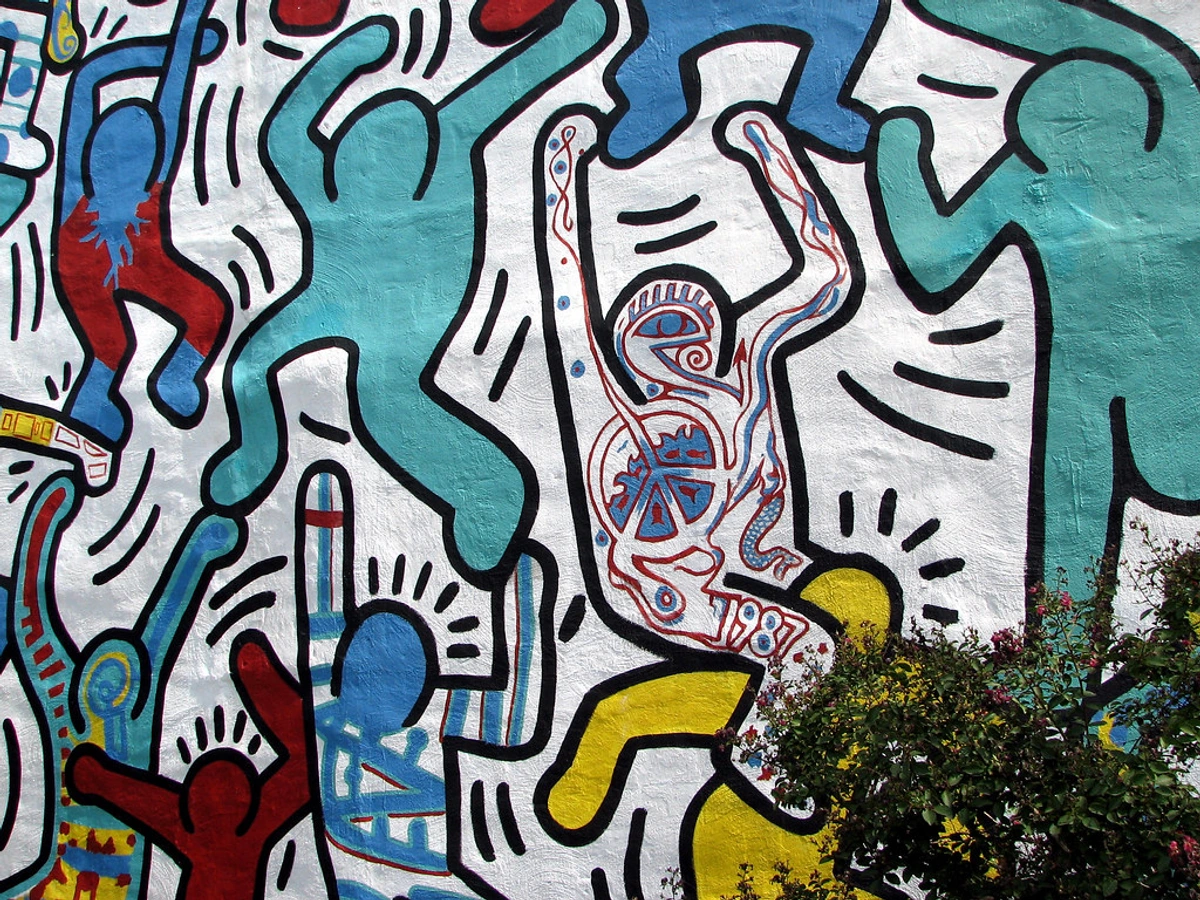
Ephemeral Nature as a Flaw
While I see its impermanence as a strength, others view it as a weakness. How can something be 'real art' if it's not designed to last? This links back to historical ideas of art preservation and the creation of lasting cultural heritage. But does a sand mandala, intentionally created to be washed away, cease to be art? I think not. Here's a table summarizing some of these points:
Aspect  | Pro-Art Argument | Anti-Art Argument |
|---|---|---|
| Legality | Can be socially critical and impactful even if illegal | Often illegal and seen as vandalism, causing property damage |
| Skill | Demonstrates high levels of technical skill, vision | Lacks formal training/academic rigor, can be crude |
| Accessibility | Democratizes art, brings it to public, fosters dialogue | Unsanctioned, can be intrusive or unwelcome |
| Permanence | Ephemeral nature adds poignancy, reflects urban flux | Lack of permanence diminishes its value as lasting art |
| Commercialization | Natural evolution for artists to gain livelihood | Loses 'street' authenticity when commodified |
| Cultural Impact | Fosters community engagement and urban revitalization | Can be seen as disruptive or out of place in certain contexts |
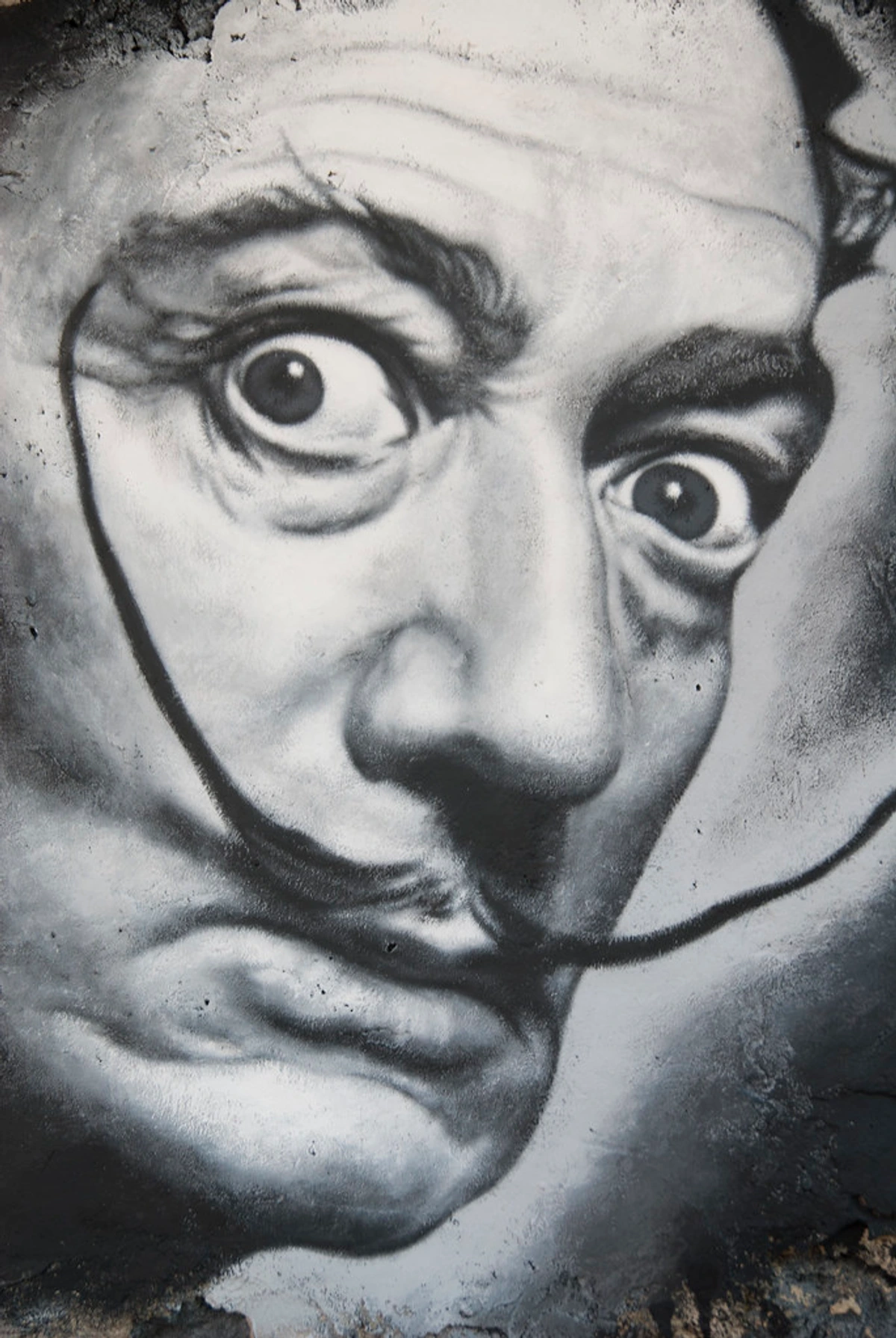
The Role of Public Perception
Public perception plays a significant role in the acceptance of street art as a legitimate art form. While some communities embrace street art as a way to revitalize their neighborhoods, others see it as an unwelcome intrusion. This divide highlights the subjective nature of art and the importance of context. What might be celebrated in one city could be condemned in another, underscoring the complex relationship between art, society, and public spaces.
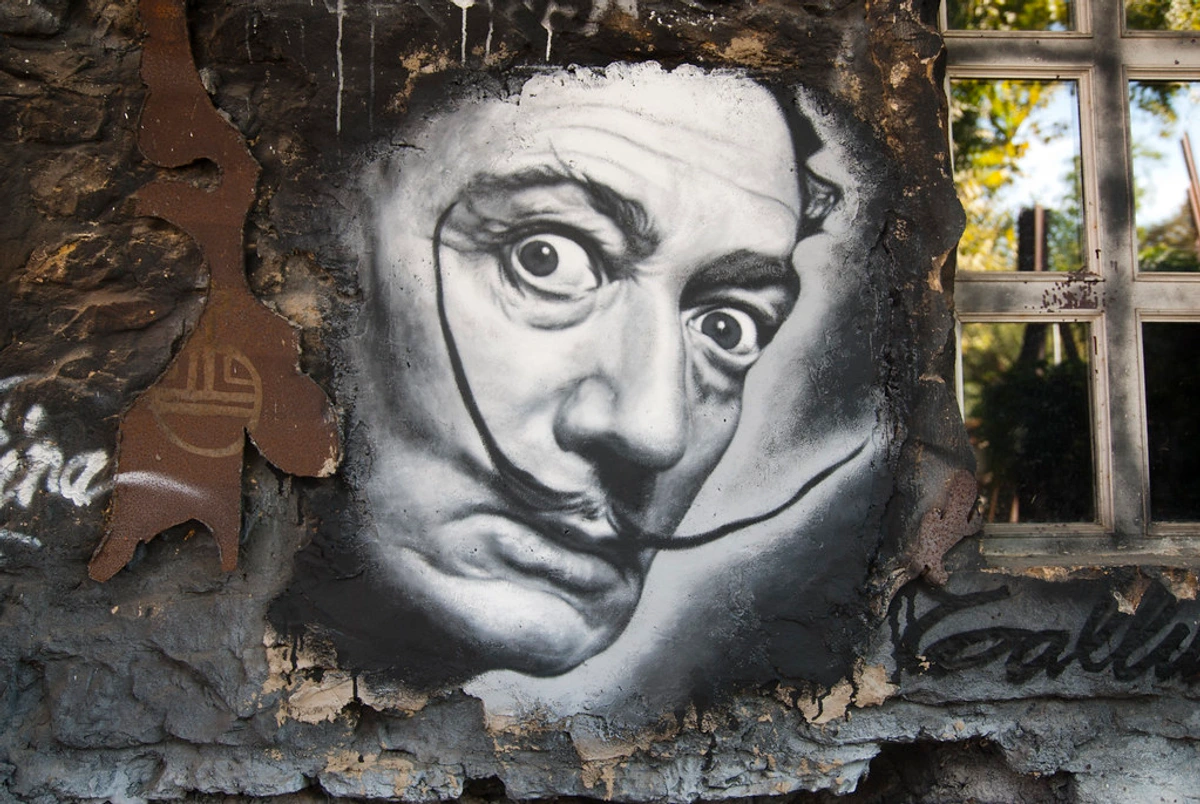
The Role of Media in Shaping Public Perception
Media plays a crucial role in shaping public perception of street art. From news coverage to social media, the way street art is portrayed can influence how it is perceived by the public. Positive media coverage can help to legitimize street art and highlight its cultural and artistic value, while negative coverage can reinforce stereotypes and misconceptions.

My Own Take: A Personal Reflection
As an artist who primarily works in abstract forms, I find myself deeply influenced by the raw energy and directness of street art. While my own pieces are often found in galleries or private collections (and yes, you can buy them there!), I respect the democratic spirit of urban art. It reminds me that art isn't confined to white cubes; it's alive, breathing, and present in the everyday world.
It pushes boundaries, challenges conventions, and speaks truths that polite society sometimes ignores. It's a testament to human creativity and the unstoppable urge to communicate. To me, it's absolutely, unequivocally, real art. It's art that has had to fight for its place, art that thrives on the fringes, and art that continues to redefine our understanding of what art can be. It's a vibrant, ever-changing timeline of human expression, much like the broader timeline of art itself.
If you want to dive deeper into other forms of art that challenge perceptions, you might enjoy exploring articles like Ultimate Guide to Neo-Expressionism or even the foundational ideas behind what is design in art, as street art often involves both strong design principles and expressive force.
The Role of Street Art in My Own Work
Street art has had a profound influence on my own artistic journey. The bold colors, dynamic compositions, and raw energy of street art have inspired me to experiment with new techniques and push the boundaries of my own work. This influence is a testament to the power of street art to inspire and challenge artists across all mediums and styles.
The Future of Street Art
Looking ahead, the future of street art seems bright and full of possibilities. As technology advances, we're seeing new forms of street art emerge, such as augmented reality murals and interactive installations. These innovations are pushing the boundaries of what street art can be, blending the physical and digital worlds in exciting ways. Additionally, the growing acceptance of street art in mainstream culture suggests that its influence will only continue to grow, inspiring future generations of artists to take to the streets and make their mark.
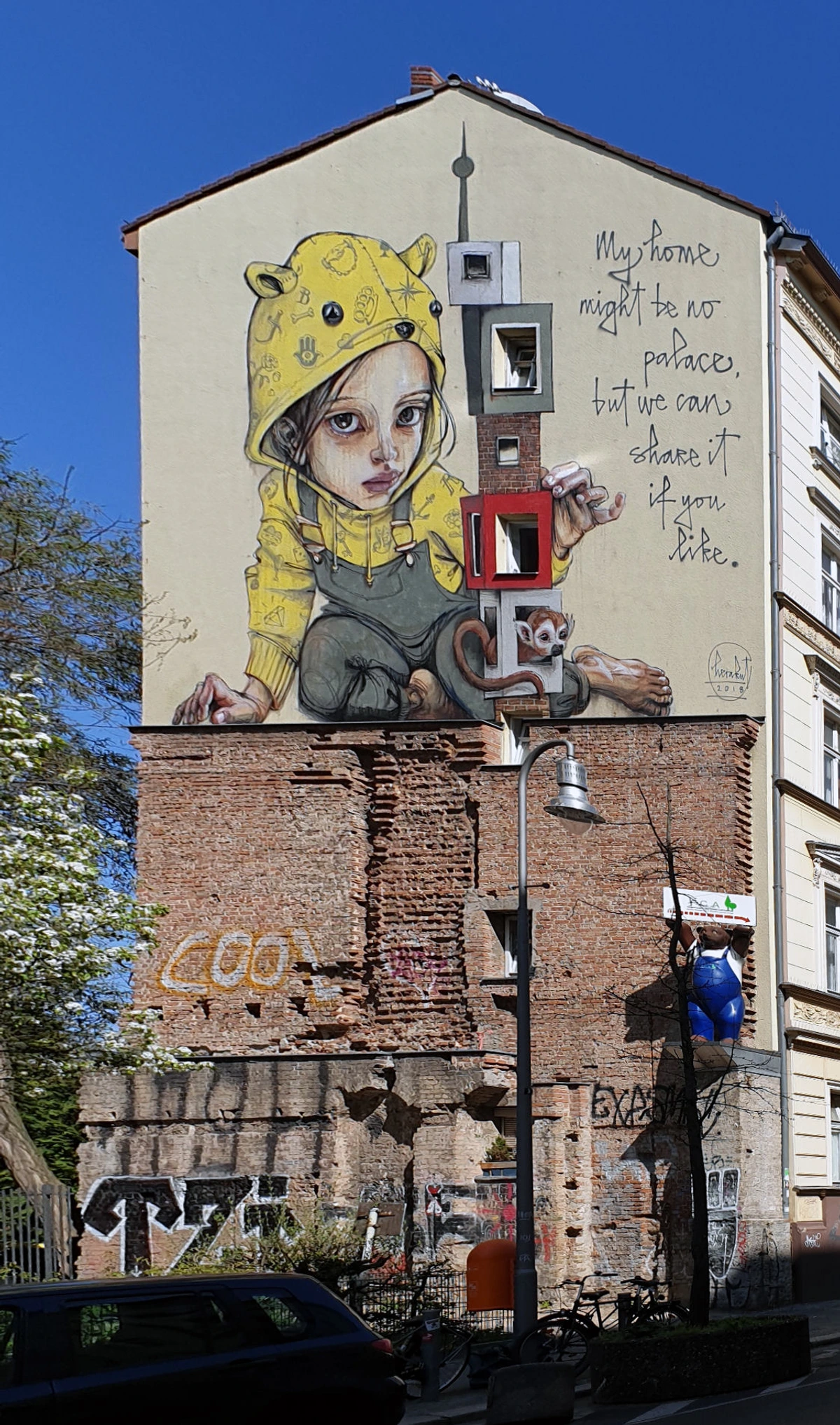
Frequently Asked Questions
Q: Is all graffiti considered street art?
A: Not necessarily. While graffiti is the root, street art generally refers to pieces with clear artistic intent, often involving imagery, characters, or complex designs, rather than just basic tags or vandalism-focused markings. The distinction can be blurry and subjective, though!
Q: Is street art legal?
A: Most street art created without permission on private or public property is illegal and considered vandalism. However, many cities now have designated areas for street art, or commission artists for large-scale murals, making those specific works legal. It's a spectrum!
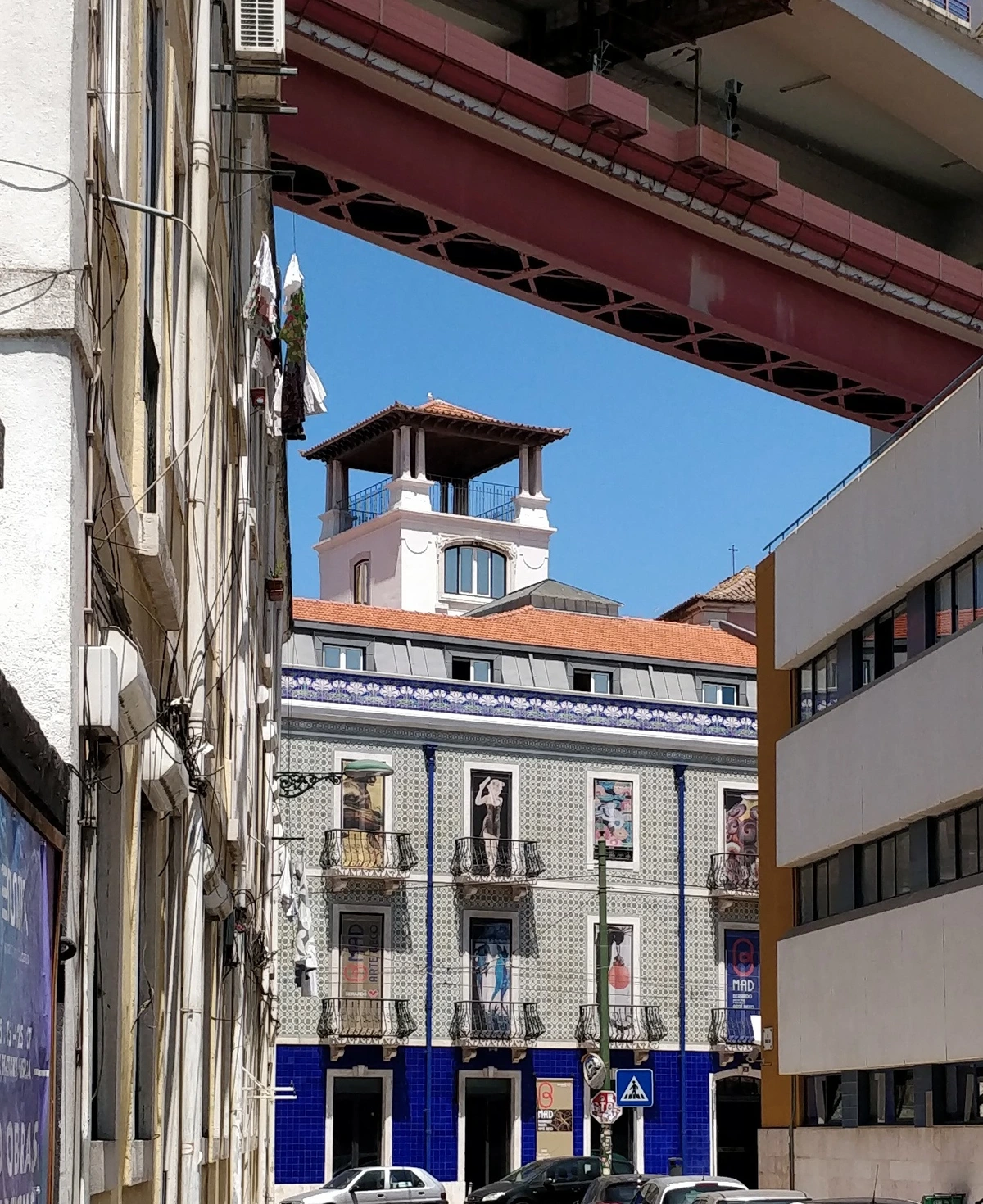
Q: Who are some famous street artists?
A: The most globally recognized street artist is arguably Banksy, known for his politically charged stencil art. Others include Shepard Fairey (famous for the 'Hope' poster), JR, Os Gemeos, and Vhils. Their styles and messages are incredibly diverse.
Q: How long does street art last?
A: It varies wildly. Some pieces are intentionally temporary, lasting only days or weeks. Others, especially commissioned murals, can be treated with protective coatings and last for many years. Its impermanence is often part of its charm.
Q: Can street art be collected or exhibited in galleries?
A: Absolutely. While much of it is site-specific, many street artists also create studio pieces, prints, or smaller works that are collected by individuals and exhibited in galleries and museums. Sometimes, entire wall sections with iconic pieces are even removed and preserved for exhibition. The market for street art has grown significantly.
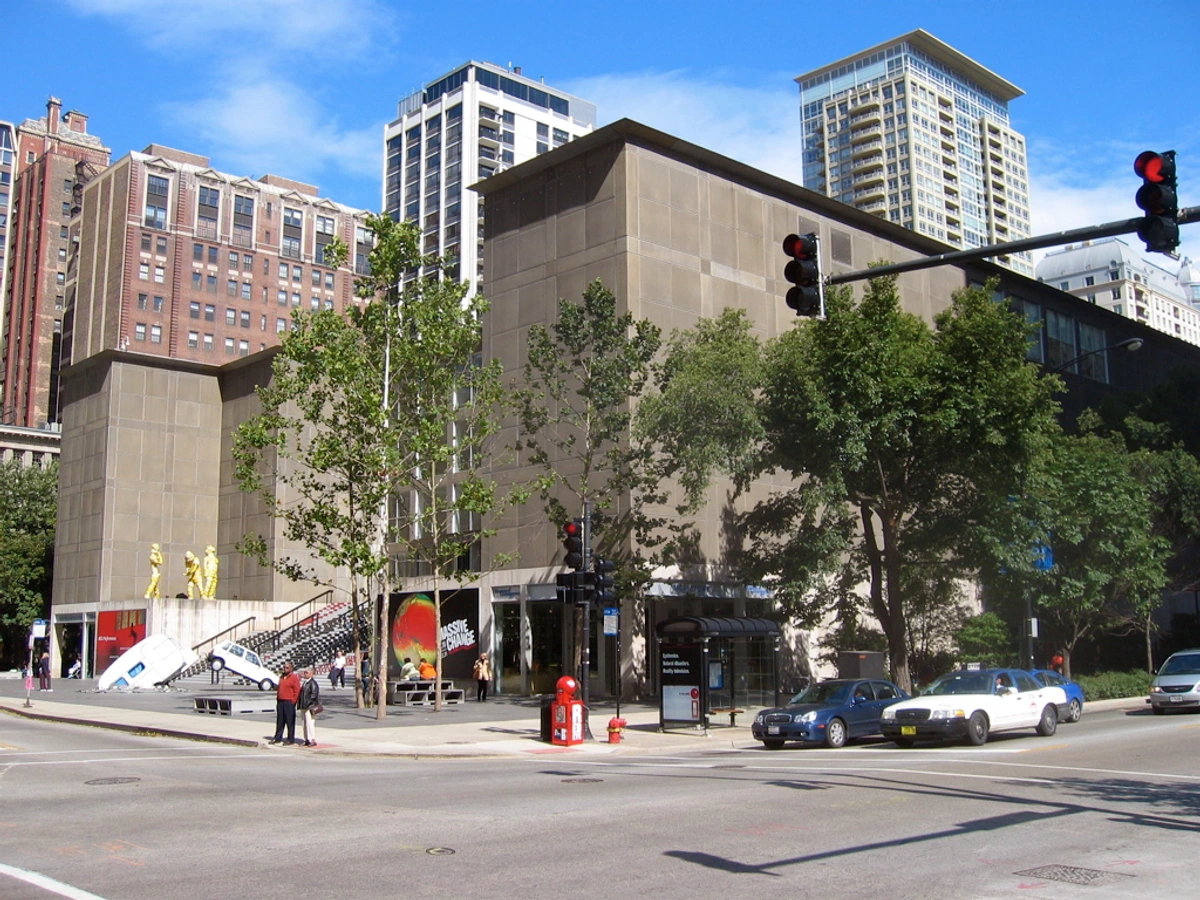
Q: How has street art influenced other art forms?
A: Street art has had a profound influence on various art forms, from graphic design to contemporary painting. Its bold, expressive style and use of public spaces have inspired artists across disciplines to experiment with new techniques and mediums. Additionally, street art's emphasis on social and political commentary has encouraged artists to engage more deeply with the issues of their time.
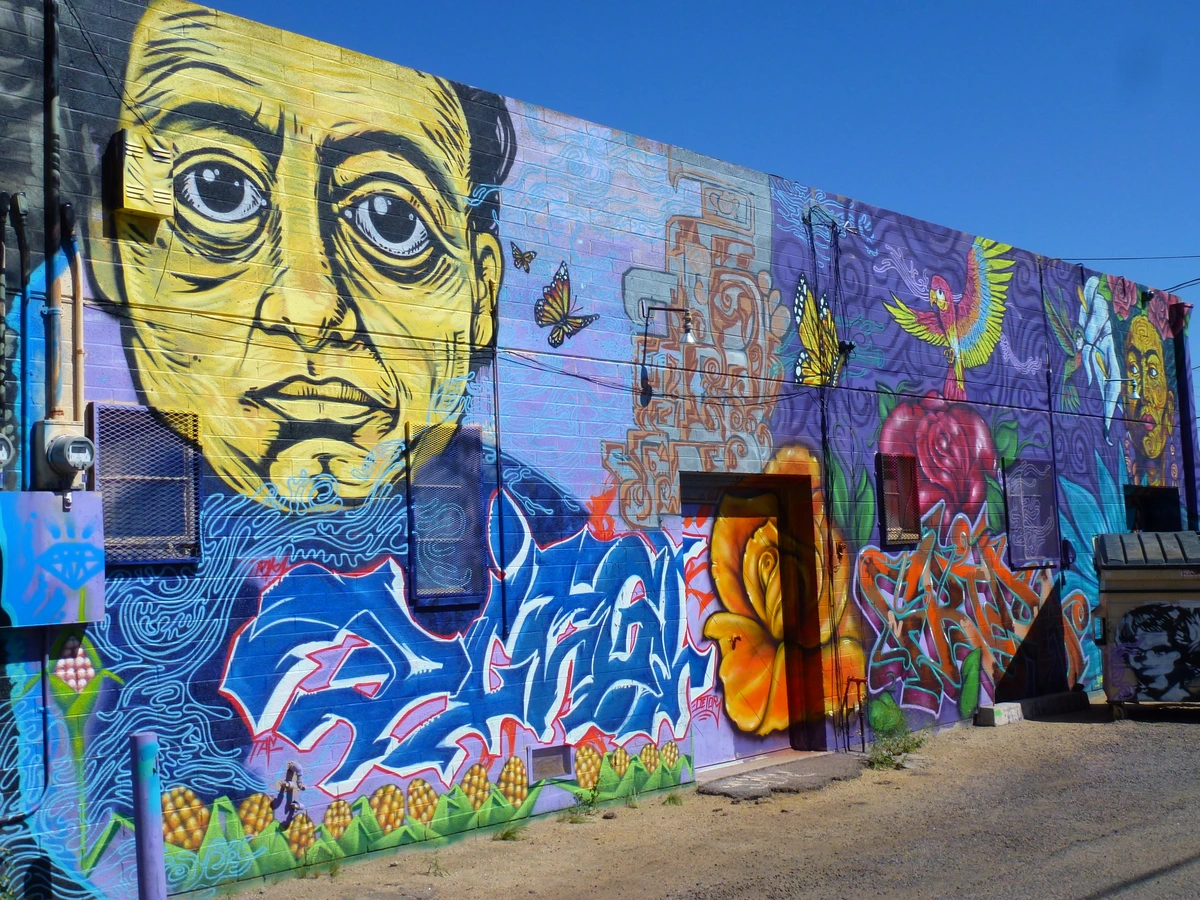
Q: What role does street art play in urban renewal?
A: Street art plays a significant role in urban renewal by transforming neglected spaces into vibrant cultural hubs. It can attract tourists, boost local economies, and foster a sense of community pride. Many cities have embraced street art as a tool for revitalization, commissioning large-scale murals and hosting street art festivals to enhance their urban landscapes.
Conclusion
The debate around whether street art is 'real art' isn't really about definitions anymore, at least not for me. It's about opening our eyes to the incredible breadth of human creativity and recognizing that art can flourish anywhere, even in the most unexpected corners of our cities. It's about acknowledging the skill, the message, the cultural impact, and the sheer democratic power of an art form that refuses to be confined to traditional spaces.
So, next time you walk past a vibrant mural or a striking stencil, I hope you pause. I hope you really look. Because what you're seeing isn't just paint on a wall; it's a vital, living conversation, a testament to unbridled expression, and in my book, that's as real as art gets. And perhaps, it might even inspire your own creative journey, much like the work you can see at the Den Bosch Museum. It certainly inspires mine.











Final Thoughts
Street art is more than just a visual experience; it's a movement that challenges our perceptions and invites us to see the world differently. It's a reminder that art is not static but dynamic, evolving, and deeply connected to the human experience. As we continue to explore and celebrate street art, we also celebrate the boundless creativity and resilience of the human spirit. Whether you're an artist, a collector, or simply an admirer, street art has something to offer everyone. It's a testament to the power of art to transform, inspire, and unite us all.