
The Ultimate Curator's Guide to Art Preservation at Home
Protect your cherished art from light, humidity, and pollutants with a curator's expert advice. Learn to identify damage, apply practical preservation steps, and safeguard your collection for the future.

The Ultimate Curator's Guide to Art Preservation at Home: Protect Your Art from Light, Humidity & Pollutants
I’ve always been struck by the paradox of art. We create it to last, to capture a moment, an emotion, a vision. Yet, every single piece, from the grandest oil painting to the humblest sketch, begins its life in a state of quiet vulnerability. As someone who lives and breathes art – both as an artist making my own vibrant worlds (you can even /buy some if you’re curious!) and as a curator deeply invested in their longevity – I’ve learned that truly loving a piece means understanding this fragility. It’s not about being overly precious or turning your living room into a sterile museum (though if you want to visit a truly inspiring one, you can explore my experience at the /den-bosch-museum). It’s about being a mindful custodian, equipped with the knowledge to fight the unseen forces that conspire against beauty. This understanding forms the bedrock of art conservation science.
Look, I know what you’re probably thinking: "Art conservation science? Sounds complicated." And yes, at its core, it's a fascinating, interdisciplinary field drawing on chemistry, physics, material science, and art history to understand how artworks are made, how they degrade, and how best to preserve them. But for us at home, it boils down to something simpler: prevention. When we talk about art conservation and art preservation at home, we're primarily focused on stopping damage before it starts – rather than art restoration, which is the complex process of repairing existing damage. This article is your guide to mastering the first, and most important, step. After all, when you learn about /the-evolution-of-abstract-art:-key-movements-and-their-collectible-value, you see just how much has been lost to time and neglect.
Art isn't merely an image; it’s paper, canvas, ink, pigment, wood, metal, fibers. And these materials are in a constant, slow-motion chemical conversation with their surroundings. Your home—the light, the air, the heat, the very dust motes dancing in sunbeams—is that environment. These materials, particularly organic polymers like cellulose in paper and cotton in canvas, are inherently unstable. Their long molecular chains, designed by nature to break down over time, return to simpler forms. Pigments, too, especially traditional organic ones, rely on delicate molecular bonds and structures called chromophores (the parts of a molecule responsible for its color) that are easily disrupted by light energy, leading to irreversible fading. Thinking about this isn't about being overly precious or turning your living room into a sterile vault; it's about being a good custodian for something you love, something that holds meaning, and something you want to last. As an artist and a curator, my goal is to help you understand these invisible forces, to recognize the subtle red flags, and to equip you with simple, practical steps so your art can live a long and happy life on your walls.
Recognizing the Red Flags: Signs Your Art Is in Distress
This silent battle isn't just theoretical; it manifests in visible, often heartbreaking ways. Understanding these signs is your first line of defense, like learning the specific language your art uses to whisper for help. Recognizing the early signs of environmental damage can be the difference between minor intervention and irreversible loss. Here are some common indicators I've learned to look for, and how to visually identify them:
- Fading or color shifts: The most obvious sign of light damage. Imagine a once-vibrant deep crimson subtly shifting to a pale rose, or a rich cobalt blue appearing duller and less saturated, often with a chalky appearance or a loss of fine detail. This subtle loss of intensity is often irreversible. I once fell completely in love with a small, intensely vibrant print at an art fair. The reds were so deep, you felt you could fall into them. I bought it, took it home, and, in a moment of youthful enthusiasm mixed with naive oversight, hung it on the wall opposite my sunniest window. Fast forward a year, and those luscious reds had faded to a sad, dusty pink. My beautiful, sunny spot had quite literally bleached the life out of it. It was a hard lesson, a seemingly benign presence causing hidden damage, but a necessary one. This is why learning /how-artists-use-color is only half the battle; preserving it is the other.
- Yellowing or browning: Particularly common on paper, mat boards, and textiles. Often caused by light, heat, or acidic pollutants. This can also be caused by lignin (a natural polymer in wood pulp) breaking down in non-archival paper over time, releasing acids that discolor the artwork. Visually, it can look like old parchment or a yellowish-brown halo around previously white areas, the kind of discoloration that makes you question if the artwork has been stored in an attic for decades. Beyond lignin, oxidation (reaction with oxygen) of paper fibers and acidic sizing agents or residual processing chemicals from manufacturing can contribute to yellowing and brittleness. I often see this on antique prints that haven't been properly framed, or even on old newspaper clippings that were used as backing for framed art.
- Buckling, warping, or cockling: Paper or canvas appearing wavy, rippled, or uneven. A clear indicator of fluctuating humidity. The material is literally struggling to hold its shape, creating an uneven surface, sometimes with noticeable tension lines. I remember a collector once brought me a prized photograph that looked like a gentle wave, convinced it was part of the artist's intention. It wasn't; it was moisture damage.
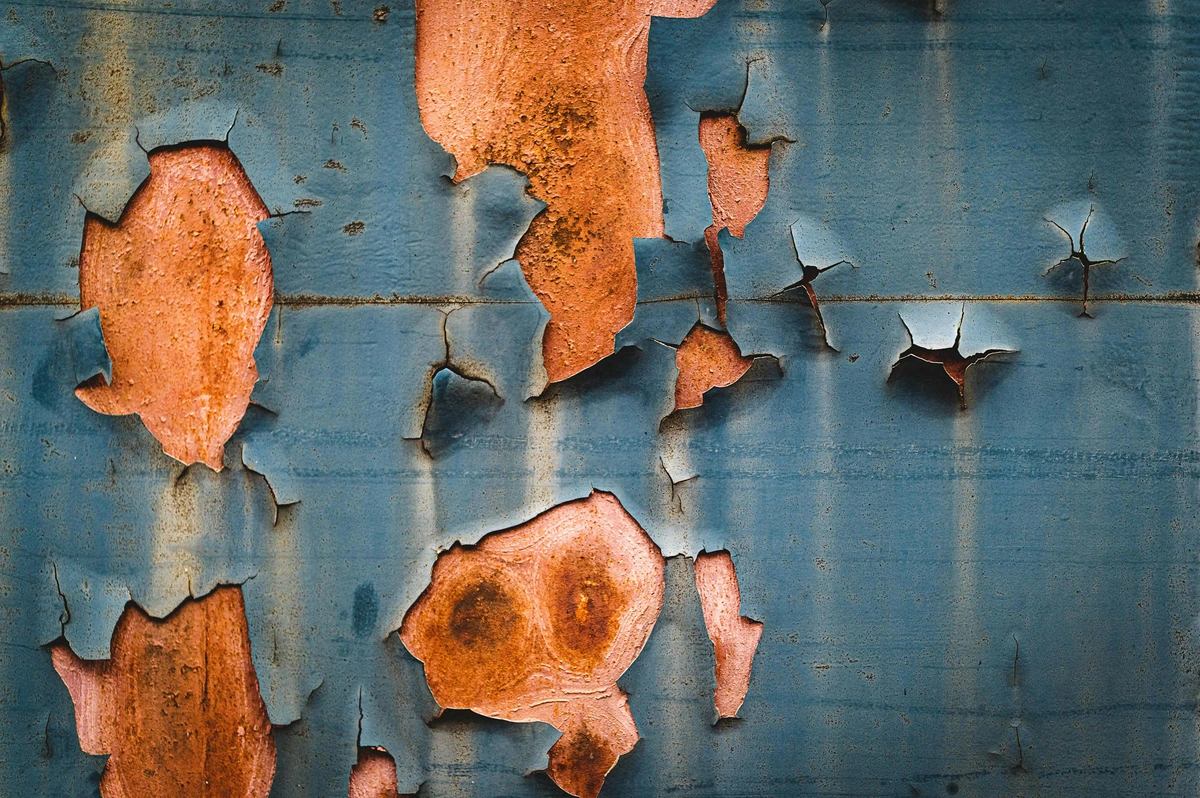
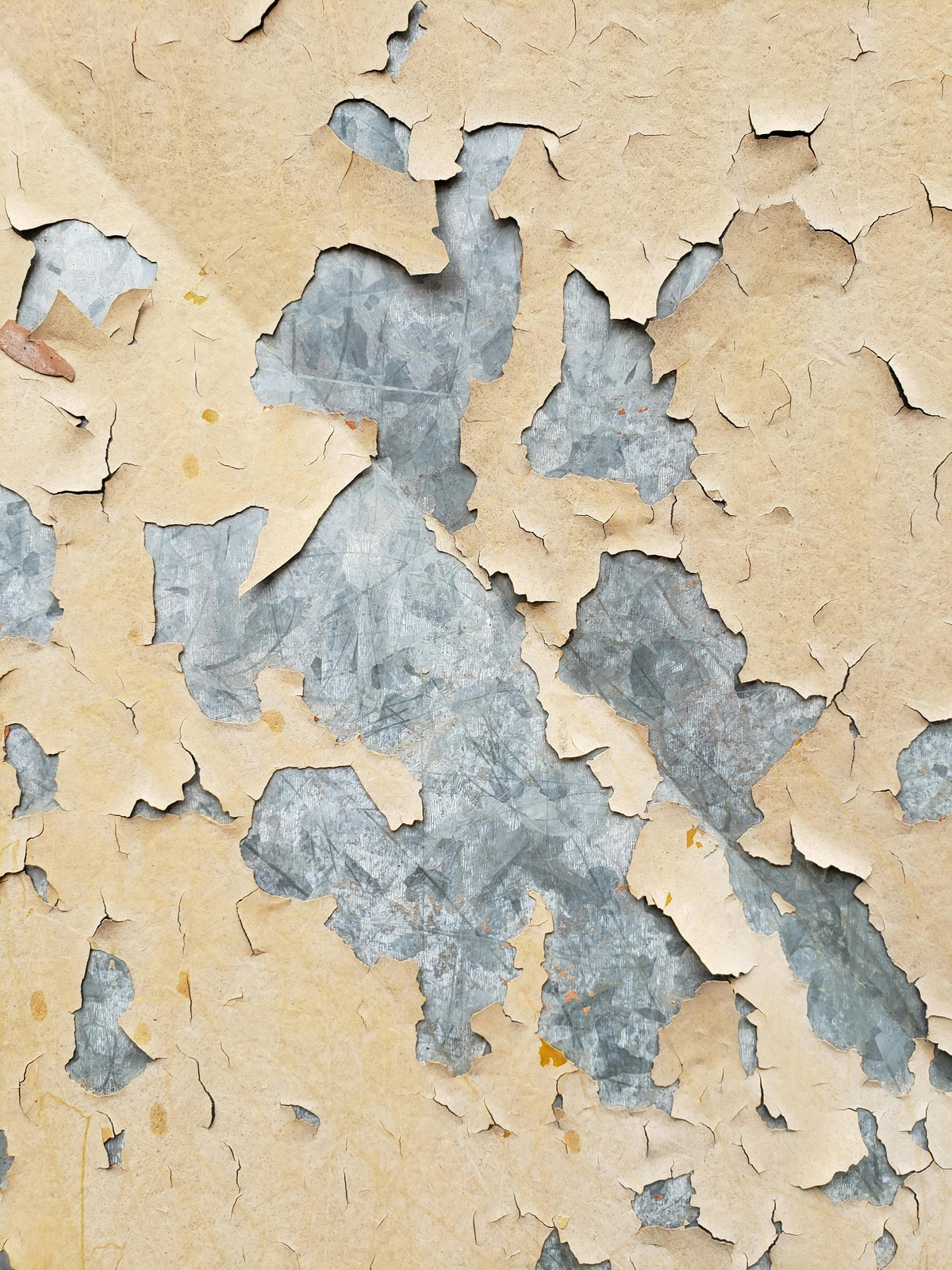
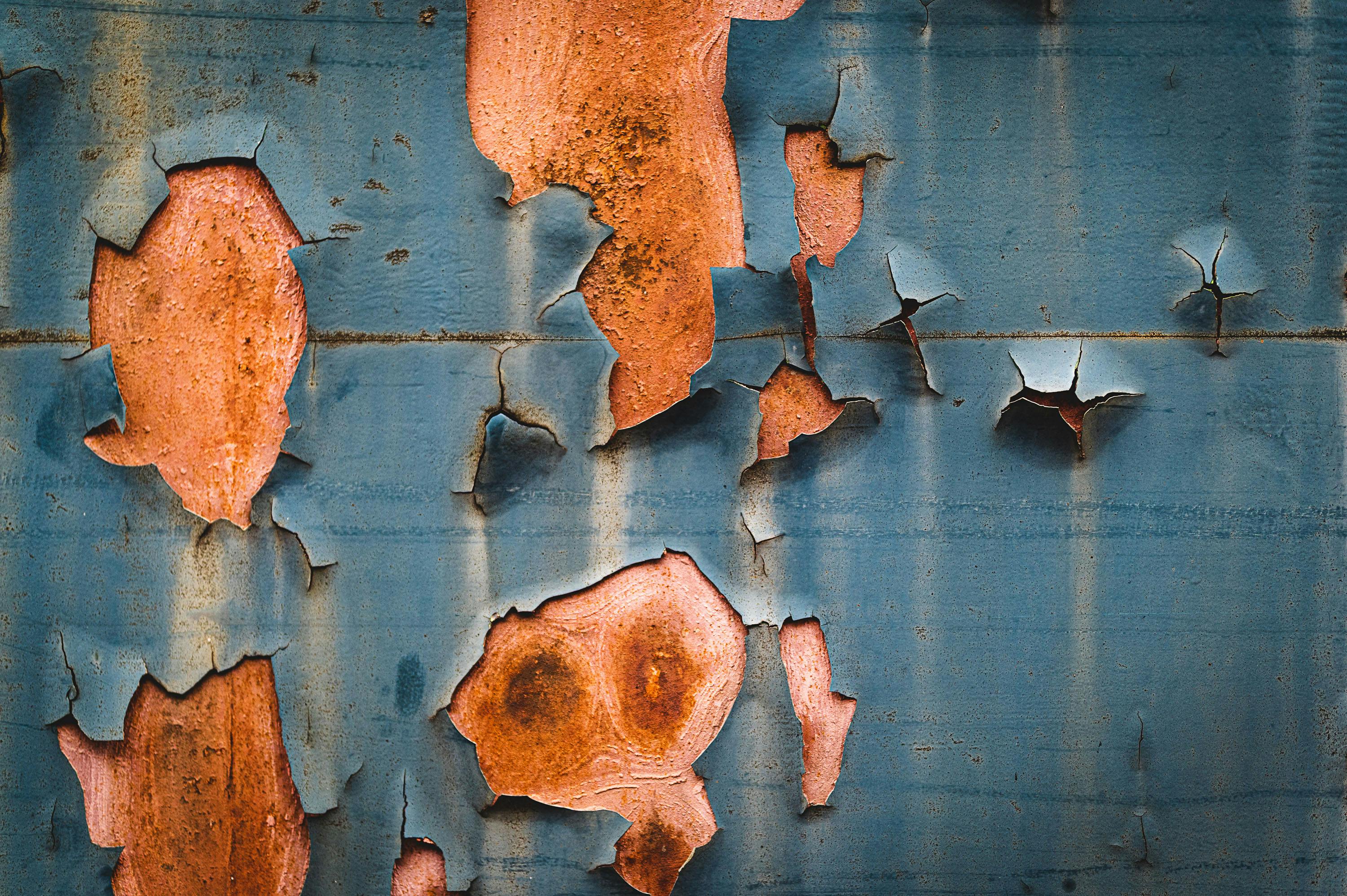
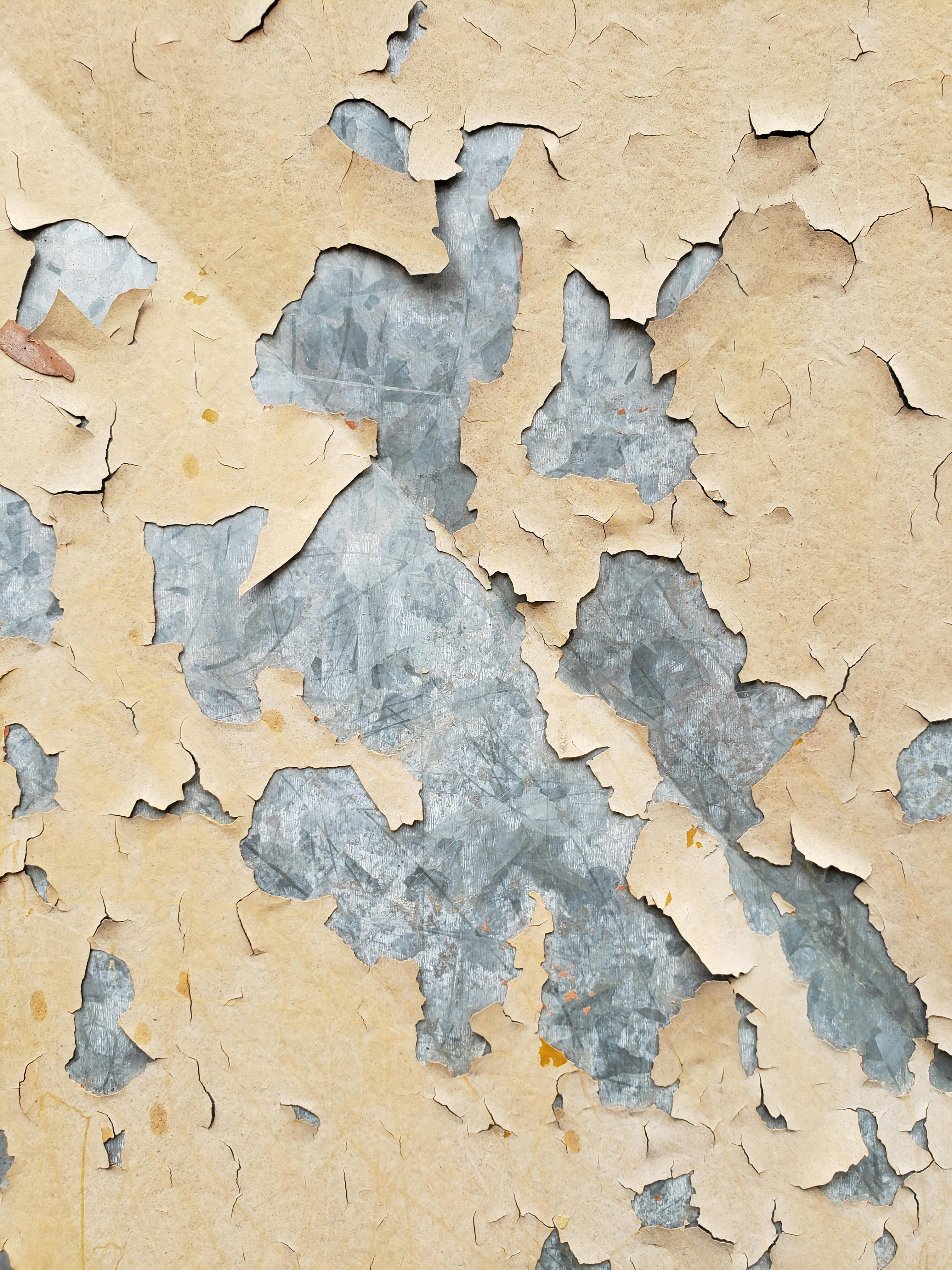
- Cracking or flaking paint: Especially on oil or acrylic paintings, this is often due to canvas tension changes from humidity/temperature swings. The canvas expands and contracts, but the paint layers, less flexible, can't keep up. This leads to those heartbreaking hairline cracks (often called craquelure) or actual detached flakes of paint. Craquelure isn't always bad; some types are natural to aging paint layers (e.g., drying craquelure from paint drying at different rates, or age craquelure that forms slowly over centuries, typically fine and spiderweb-like, often called 'alligatoring' if wide and irregular). But rapid or widespread cracking (often characterized by a sharper, more irregular, and sometimes wide-gap pattern) is usually a warning sign, indicating structural stress or a problem with the paint application, like what's been seen on some of Pollock's early works on raw canvas, leading to severe paint loss. Works in media like tempera or fresco have their own unique cracking patterns, too, which a conservator learns to distinguish.
- Foxing or mold spots: Small brown, red, or black spots, sometimes fuzzy, indicating high humidity and potential fungal growth. (A true nightmare, believe me.) True mold often appears as fuzzy, raised spots, frequently accompanied by a distinct musty smell, and it can literally eat away at the paper fibers. Foxing, on the other hand, typically appears as distinct, reddish-brown spots that are often flatter, more like rust stains. It can be caused by iron impurities within paper reacting to moisture and air, creating rust-like blemishes – similar to how metal rusts, but on paper fibers. Sometimes, though, foxing is simply the breakdown products of paper itself, or even microscopic dust motes reacting with local moisture. Acidic sizing agents or residual processing chemicals in the paper from manufacturing can also contribute to these blemishes. I once discovered a small patch of fuzzy white mold on a valuable drawing after a particularly damp summer; the smell was undeniable, and the feeling of dread, immediate.
- Surface grime or dullness: A general dulling or darkening of colors, or a visible film on the surface, from accumulated dust, smoke, or pollutants. This is the art's way of telling you it needs a very gentle clean (by a professional, of course). The colors lose their vibrancy, appearing veiled, as if looking through a dirty window, obscuring the artist's original intent for /what-is-design-in-art.
- Unusual odors: A musty smell can indicate mold or mildew, while a strong chemical smell could point to off-gassing pollutants from new furniture or cleaning products. Trust your nose! If you suspect damage, gently observe the texture – sometimes a magnifying glass can reveal subtle changes in the material's surface or brittleness that isn't immediately visible to the naked eye. Avoid touching the artwork unless absolutely necessary. These subtle cues are your art's silent pleas for help, and learning to listen can make all the difference.
The Silent Assassins: What Really Harms Your Art
Okay, so you know what to look for. Now, let's be real, you don't need a hermetically sealed vault (unless, you know, you're housing a national treasure—in which case, congrats!). But it helps to know the main culprits behind art degradation. Think of them as the three big bullies on the playground, always looking to pick on your precious pieces, or perhaps more accurately, the hidden saboteurs a curator learns to detect: Light, Climate, and Pollutants. It’s a constant battle, and understanding your enemy is half the fight.
Villain #1: Light - The Fading Fiend
Light, particularly Ultraviolet (UV) radiation, is arguably the most common and insidiously destructive force. Think of UV rays as tiny, invisible bullets constantly firing at the intricate chemical bonds that create color within the pigments of your artwork. Many traditional organic pigments (like certain carmine reds, indigo blues, and gamboge yellows) are particularly susceptible, their molecular structure simply breaking down under the relentless bombardment, leading to irreversible fading, discoloration, and embrittlement (where materials like paper and fabric become fragile and prone to cracking) of materials. These are often referred to as fugitive pigments, meaning they are prone to fading quickly. I learned this the hard way with my little red print! It's not just sunlight—the biggest and most obvious source—but also fluorescent lights, which are surprisingly high in UV output, and even visible light itself, though at a slower rate. I've seen historic documents and early color photographs that have utterly lost their vibrancy due to prolonged light exposure, becoming mere ghosts of their former selves. The original /the-psychology-of-color-in-abstract-art-beyond-basic-hues is lost. It's truly heartbreaking, especially knowing the artist's original intent and the care that went into it. Protecting your artwork from sun damage is perhaps the most critical step in art preservation.
All light causes damage, but some types are worse than others. Here’s a quick breakdown from a curator's perspective:
Light Source  | UV Output | Heat Output | Curator's Verdict (Why) |
|---|---|---|---|
| Direct Sunlight | Very High | High | Public Enemy #1. Contains intense UV and heat. The fastest way to destroy your art by breaking down pigments and materials. Avoid at all costs if you want to prevent artwork from fading. |
| Fluorescent | Moderate-High | Low | The sneaky one. Often overlooked but emits significant UV over time, contributing significantly to long-term fading. Its cool, seemingly benign glow hides a hidden threat to art preservation. |
| Incandescent | Low | High | Less UV damage, but the heat can make materials brittle and accelerate all chemical reactions, including degradation. It's like a slow-cooker for art damage, subtly aging your pieces faster than necessary. |
| LED | Very Low | Very Low | The undisputed hero. Emits virtually no UV or heat, making it the safest option for lighting art without inadvertently destroying it. For /the-definitive-guide-to-understanding-line-in-abstract-art-from-gestural-marks-to-geometric-forms, or any visual element, it's the best light source. |
Villain #2: Humidity & Temperature - The Warping Duo
After light, the very air itself is your art's next adversary. Most organic art materials—especially paper, canvas, wood panels, textiles, and even some adhesives and varnishes—are hygroscopic. This is a fancy but crucial term meaning they naturally absorb and release moisture from the air, much like a thirsty sponge left in a damp room, or a wooden door swelling in summer. They're constantly trying to reach equilibrium with their environment. When humidity is high (think damp summer days), these materials swell. When it's low (dry winter air with heating on), they shrink. This constant push and pull, this rhythmic expansion and contraction, creates immense physical stress on the artwork. Paper will buckle, warp, and become brittle, making it crucial for art storage humidity to be stable. Canvas will slacken and tighten, and because the paint layers (especially oil or acrylic) expand and contract differently from the canvas weave, this tension can eventually crack the paint on top of it – a conservator's nightmare! I've seen priceless oil paintings, like some of Pollock's early works on raw canvas, suffer significantly from these tensions over the decades, leading to severe craquelure and even paint loss. The thickness of paint layers, the flexibility of the medium, and even the artist's drying process can all influence how readily these cracks appear. It’s a complex dance of materials and environment.
Extreme humidity (above 60-65%) is also an open invitation for mold and mildew, appearing as those dreaded brown or black spots called foxing. Once it starts, it's incredibly difficult, often impossible, to reverse completely. As mentioned, foxing can also stem from iron impurities within the paper, which react with moisture and oxygen to form rust-like stains—a double whammy! Beyond these, some paper manufacturing processes can leave residues (like acidic sizing agents or residual processing chemicals) that react to humidity, creating discoloration. This is why you need to know how to prevent mold on art before it's too late.
Temperature swings are the other half of this destructive duo. Heat accelerates all chemical decay, making paper and canvas brittle, and pigments more susceptible to fading. Drastic changes, like hanging art above a radiator that clicks on and off, or near an exterior wall with poor insulation, cause rapid expansion and contraction. It's the physical equivalent of bending a paperclip back and forth until it snaps. For works on paper, photographs, and even wooden sculptures and textiles, consistent climate is paramount. The key word here is stability. Wild fluctuations are far more damaging than a consistently slightly higher or lower (but stable) temperature. I've heard too many stories of wooden panels splitting or old fabric tapestries becoming brittle because of unstable temperatures. Think of it: your art is constantly performing a tiny, stressful gymnastics routine every time the heating kicks in or a storm rolls through.
Villain #3: Pollutants & Physical Damage - The Grimy Ghosts and Careless Touch
This category encompasses the stuff you often don’t see until it’s too late, alongside the more immediate, accidental harm. Dust, soot from candles or fireplaces, kitchen grease, cigarette smoke, even microscopic particles from cleaning products or off-gassing from new furniture (releasing chemicals like formaldehyde and VOCs - Volatile Organic Compounds, which are essentially chemical compounds that become gaseous at room temperature), or even new carpets, particleboard furniture, and paints, can settle on an artwork's surface. These aren't just inert dirt; they can be acidic, abrasive, or chemically reactive, slowly eating away at materials and altering surfaces over decades. We also need to consider volatile acidity – invisible acids that can off-gas from non-archival materials (like cheap wood frames or paper) or even be present as airborne pollutants, and migrate to affect adjacent, more valuable artworks. Imagine your pristine white mat board slowly yellowing from airborne acids—that's pollution at work. For metal sculptures, these pollutants can accelerate tarnishing and corrosion, turning a gleaming bronze into a dull, green mess. It’s a silent, chemical siege on your art, eroding its beauty one molecule at a time. The preservation of frames themselves is also important, as an old, untreated wooden frame can off-gas damaging acids.
And then there are the less-talked-about, but equally devastating, tiny terrors: pests. Silverfish, booklice, moths, and even certain beetles can feast on paper, textiles, and organic adhesives, leaving behind irreparable holes and channels. Silverfish, for instance, love starches and cellulose, creating irregular holes and sometimes shiny trails on paper. Booklice prefer damp, dark conditions and feast on mold spores and organic detritus, leaving tiny pinprick holes or surface abrasion. Moths can destroy wool and silk textiles, leaving tunnels and unevenly chewed fibers. Early detection of insect droppings (frass), tiny tunnels, or actual insects is crucial, but prevention is always best. For example, ensuring good air circulation and keeping an eye on humidity levels can deter many common pests. It’s like a tiny, insidious biological attack, happening under your nose.
While not strictly environmental, careless handling (oils from fingers on unframed prints, accidental bumps, improper lifting) also falls under this umbrella of physical degradation that we, as custodians, must guard against. This is why museums use white gloves, not to be fussy, but to prevent invisible, permanent damage. I've always told my students: every touch is a potential impact, so make it count, or better yet, avoid it.
Your Curator's First-Aid Kit: Practical Steps for Art Preservation
Okay, so that sounds like a lot to worry about, and maybe a bit overwhelming. But don't despair! Protecting your art is mostly about making a few smart, simple, and surprisingly low-effort choices. You don't need to turn your home into a museum (though if you want to explore the real deal, you can check out my experience at the /den-bosch-museum). Here’s your practical to-do list, mirroring our villains, and designed to cover both art on display and art in storage:
Getting Started: Your First Two Steps
Before diving into everything, if you do nothing else this week, do these two things:
- Get a hygrometer: A small digital one is inexpensive and will give you immediate insight into your home's microclimates.
- Assess your most vulnerable artwork's location: Is your favorite print baking in direct sunlight? Is that old painting above a constantly cycling radiator? Move them to a safer spot if needed.
Taming the Light
- Placement is everything. The number one rule, the absolute bedrock of light protection: Never, ever hang important art in direct sunlight. Period. I cannot stress this enough – direct sun delivers intense UV radiation and heat, accelerating degradation far more rapidly than any other factor. A wall that doesn't receive direct sun, even for a short period, is always the best choice. For works on paper and photographs, even indirect, bright ambient light can cause gradual damage over decades. My little red print taught me this the hard way. This is the simplest, most effective way to prevent artwork from fading.
- Invest in UV-filtering glazing. When you get something framed, always, always ask for UV-filtering glass or acrylic. This is your art's invisible shield. It can block up to 99% of harmful UV rays, significantly slowing down the fading process. Yes, it costs more, but it's the single best investment for a piece you truly love and want to preserve. Think of it as sunscreen for your art, especially vital for valuable pieces. This is part of what we call museum glass or conservation-grade glazing. Beyond just UV protection, there's also anti-reflective glass which minimizes glare, and acrylic (Plexiglas/Acrylite) which is lighter and shatter-resistant, making it ideal for large pieces or in homes with children, though it can scratch more easily. Understanding these options gives you power over your art's destiny. This helps protect artwork from sun damage.
- Choose your bulbs wisely. Switch any lights that directly illuminate your art to LEDs. They emit virtually no UV and very little heat, making them the safest option for showcasing your collection without inadvertently destroying it. It's an easy win, and your eyes will appreciate the consistent light too.
- Consider window treatments. If a room has very bright light, even if not direct, consider sheer blinds, curtains, or UV-filtering window film to reduce overall light intensity. It's about moderation, not darkness. Remember, every little bit of light control adds up.
Controlling the Climate
- Aim for stability, not perfection. The ideal is around 40-55% relative humidity (RH) and a stable temperature (around 18-21°C or 65-70°F). More important than hitting a specific number is avoiding wild, rapid swings. Think slow and steady. If your home feels like a sauna in summer and an icebox in winter, your art is probably having a similar, uncomfortable experience. Proactive environmental monitoring tools, beyond a simple hygrometer, can include data loggers that track changes over time, giving you a clearer picture of your art's environment. This data can be invaluable for diagnosing persistent issues, especially for art storage humidity. You're aiming to prevent mold on art and avoid cracking paint.
- Get a hygrometer. You can buy a small digital hygrometer for cheap online or at hardware stores. It’s a tiny device that tells you the humidity and temperature level in a room. This is a game-changer for truly understanding what’s going on in your art's environment and taking informed action. I've got one in every room where I keep art; it's a simple investment that pays dividends.
- Avoid danger zones. Never hang art in bathrooms (the steam is a mold magnet!) or directly above a kitchen stove (grease and steam!). Also, be very wary of placing pieces above active fireplaces or radiators, on damp exterior walls, near frequently opening windows or doors that create drafts and temperature shocks, or in uninsulated attics or basements. My personal rule of thumb: if it feels prone to extreme temperature or humidity fluctuations, it’s probably not an art-friendly spot. You might love a dramatic painting in your bathroom, but your painting will quickly start to hate it.
- Consider environmental controls. For more valuable pieces or persistently problematic rooms, a small, quiet dehumidifier in summer or a humidifier in winter can make a world of difference in stabilizing humidity levels. Avoid placing them too close to artwork, though! You want gentle, even air flow, not a direct blast. For very sensitive collections, even a small, dedicated HVAC zone could be considered, especially if you're looking into comprehensive /art-storage-solutions-for-collectors.
Fighting the Filth and Careless Touch
- Frame it right (and archivally!). A good frame isn't just aesthetic; it's a critical protective barrier. It should include a dust cover or backing board on the back, sealing the artwork in. More importantly, always insist on acid-free matting and backing boards. These are often called conservation-grade materials. Regular paper products contain lignin (a component of wood that breaks down into acids) and other acids that will slowly degrade your artwork over time, causing irreversible yellowing and brittleness. This is non-negotiable for any artwork you value. For works on paper, remember that even acid-free materials require acid-free hinges and tapes to attach the art to the mat or backing, and spacers (small risers) to prevent the artwork from touching the glazing. For paintings on canvas, ensure the canvas is properly stretched and mounted, and that the frame allows for good air circulation around the back of the piece, preventing it from pressing against the wall and trapping moisture. It's worth every penny, and often the best way to frame prints. The choice of frame wood is also important; avoid cheap, unfinished wood that can off-gas damaging acids. For metal sculptures, ensure bases are stable and non-reactive. Many paintings also benefit from a protective layer of varnish, which can shield the paint from UV and pollutants, though varnishes can also degrade over time (becoming yellow, brittle, or sticky) and may need professional re-application or removal by a conservator.
- Keep the room clean, not the art. I’m talking about your living space, not the delicate surface of your artworks. Regular dusting and vacuuming in the room significantly reduces the amount of airborne dust, soot, and other pollutants that can settle on your pieces. This is passive preservation at its best, and it helps you too! I've even seen cases where dust bunnies, left undisturbed, can become a feast for tiny pests, turning a nuisance into a full-blown infestation. Cleanliness is a key strategy for art preservation at home.
- Consider air purifiers. If you live in a polluted city, have pets, use a fireplace often, or have smokers in the house, a HEPA filter air purifier can significantly improve air quality for both you and your art. Just ensure it's not blowing directly onto artwork. A gentle hum is far better than airborne chemicals.
- Handle with care (best practices). Always wash your hands thoroughly before handling unframed artwork or prints. The natural oils and acids on your skin can leave invisible but permanent marks over time. Use white cotton gloves if you have them, not to be precious, but to create a barrier. When moving unframed pieces, always support them from below with both hands or with an archival board; never pick them up by their edges or corners, which can cause creasing or tears. For framed works, lift from the bottom edges, keeping the frame perpendicular to the ground to avoid putting stress on the hanging wire. For larger or more valuable works, consider consulting professional art handlers. They have specialized equipment and techniques to ensure safe transit, something I've seen prevent countless disasters. Think of every touch as a potential moment of impact.
Specialized Care for Different Media
While the general principles apply, different art media have unique vulnerabilities:
- Prints and Works on Paper: Beyond general yellowing and warping, these are highly susceptible to acidic materials (matting, backing), light-induced fading (especially digital prints with fugitive inks), and physical damage like creasing or tearing. Always use conservation-grade matting, backing, hinges, and UV-filtering glazing. Store unframed prints in archival folders or boxes, interleaved with acid-free tissue paper.
- Photography: Especially susceptible to light (fading of dyes and pigments, particularly early color photographs), and chemical degradation from residual processing chemicals or acidic mounts. Store in archival sleeves and boxes, use UV-filtering glazing, and maintain stable conditions.
- Textiles: Fabrics like tapestries and embroideries are vulnerable to light (fading), dust, pests (moths, carpet beetles), and excessive humidity (mold). Display away from direct light, ideally under controlled conditions, and handle sparingly with clean gloves. For storage, roll on archival tubes or interleave with acid-free tissue.
- Sculptures (Metal/Wood): Metal sculptures can corrode or tarnish due to pollutants, high humidity, and fingerprints. Wood can crack, warp, or suffer from insect infestation with humidity fluctuations. Keep dry, dust regularly, and avoid direct contact. For outdoor pieces, regular professional assessment and treatment are vital. /what-is-design-in-art should be considered during the initial artwork creation.
Document Your Art
For serious collectors, proper documentation of your art's condition is a huge part of its preservation journey. A comprehensive condition report, including detailed descriptions and photographs taken at various points, can significantly impact a piece's art valuation, making a well-maintained and documented artwork more desirable and valuable in the market. A robust paper trail is as important as physical care. And, of course, if you have valuable works, having good /understanding-art-insurance-protecting-your-valuable-collection provides peace of mind when the unexpected happens.
Protecting Artist Signatures
Artist signatures, often delicate, can be vulnerable to light, abrasion, and improper cleaning. Avoid direct light exposure on signed areas, and never attempt to clean a signature yourself. Ensure framing includes spacers to prevent signatures from touching the glazing. A damaged or faded signature can impact provenance and value, underscoring the importance of knowing /a-beginners-guide-to-art-authentication-what-every-collector-needs-to-know.
Art Restoration: When Prevention Isn't Enough
Sometimes, despite our best efforts, damage occurs. This is where art conservators and restorers come in, a specialized field dedicated to safeguarding cultural heritage. It's important to understand the distinction: conservation focuses on preventing deterioration (everything we've discussed so far), while restoration aims to repair existing damage and return an artwork closer to its original state. However, I must emphasize that prevention is always, always the preferred and more cost-effective approach. Restoration can be incredibly complex, expensive, and sometimes, even the most skilled conservator cannot fully reverse irreversible damage like severe fading or extensive foxing. So, consider these steps your first, best line of defense. My advice? Don't let it get to the point of needing a miracle. Understanding the authentic /the-definitive-guide-to-understanding-abstract-art-from-cubism-to-contemporary-expression is also important to consider when assessing if an artwork is truly damaged.
When to Consult a Professional Conservator:
If you observe any of the following, it's time to seek expert advice. Professional conservation treatments can range from surface cleaning (removing grime and old varnish), consolidation (stabilizing flaking paint), tear mending for canvas or paper, or even intricate in-painting to visually reintegrate losses, always aiming for minimal intervention and reversibility.
- Active Mold Growth: Fuzzy spots, strong musty odor. This requires immediate intervention to prevent further spread.
- Flaking or Loss of Paint: Any detached or lifting paint fragments. This is a structural emergency that requires stabilization.
- Significant Tears or Punctures: Especially in canvas or paper. These need careful, professional mending.
- Severe Warping or Buckling: Beyond minor undulations, indicating major structural stress that could lead to cracking or splitting.
- Water Damage: Stains, tidelines, or distortion from moisture. This can be complex to treat and can also encourage mold.
- Insect Infestation: Tiny holes, tunnels, or frass (insect waste). Immediate pest control and treatment are necessary.
- A sudden, noticeable change in the artwork's appearance that you can't identify. When in doubt, call an expert. These professionals also play a crucial role in artwork authentication, as the condition of a piece can often provide vital clues to its provenance and originality. A well-preserved piece is much easier to authenticate.
Beyond direct damage, consider that proper documentation of your art's condition is a huge part of its preservation journey, especially for serious collectors. A comprehensive condition report can significantly impact a piece's art valuation, making a well-maintained and documented artwork more desirable and valuable in the market. A robust paper trail is as important as physical care. And, of course, if you have valuable works, having good art insurance provides peace of mind when the unexpected happens.
Curator's Cheat Sheet: Quick Reference Table for Art Preservation
Here it is in a nutshell. If you're ever worried about a piece, just glance at this table. It's designed to be your quick diagnostic and action guide. Keep this handy, I know I do! It's an indispensable tool for anyone serious about art preservation at home.
Threat | What it Looks Like | The Culprit | How to Fight Back | Actionable Takeaway |
|---|---|---|---|---|
| Fading Colors | Vibrant hues turn pale, dull, or shift color (e.g., reds to pink); often with a chalky appearance or loss of fine detail; especially for fugitive pigments (like carmine, gamboge, indigo). | UV Rays (Sunlight, Fluorescent, even visible light over time); inherent instability of some organic pigments due to easily disrupted chromophores. | Use UV-filtering glass/acrylic, avoid direct sun, switch to LED lights, consider window treatments. | UV Protection is Paramount (Prevent artwork from fading) |
| Yellowing/Brittle Paper | Paper looks aged, brown, fragile, or edges crumble; discoloration around matting; sometimes with distinct halos. | Light exposure, high heat, acidic framing materials (lignin, volatile acidity), airborne pollutants (from new furnishings, paints, etc.), oxidation, acidic sizing agents, or residual processing chemicals. | Ensure archival framing (acid-free matting/backing/hinges/tapes, spacers), stable temperature, avoid direct sun/radiators. | Choose Archival Materials |
| Warping/Buckling | Canvas or paper is wavy, rippled, or uneven; wood panels cup and split; noticeable tension lines. | Fluctuating Humidity & Temperature (hygroscopic materials), uneven tension on canvas. | Keep away from bathrooms/kitchens/attics/basements, use a hygrometer, aim for stable RH/temp, consider dehumidifier/humidifier. | Maintain Climate Stability (Crucial for art storage humidity) |
| Cracking/Flaking Paint | Paint separates from canvas, forms spiderweb patterns (craquelure), or chips off; particularly rapid or widespread cracking with sharp, irregular patterns (distinct from natural age craquelure). | Rapid temperature/humidity changes, canvas tension issues, inherent paint layer properties, old varnish degradation, unsuitable adhesives. | Stabilize climate, proper stretching/mounting for canvas, consider professional varnishing or re-varnishing. | Prevent Extreme Fluctuations (Avoid cracking paint) |
| Foxing/Mold | Small brown, red, or black spots (foxing); fuzzy patches or widespread discoloration (true mold); musty odor. | High Humidity (>60-65%), poor air circulation, iron impurities in paper, paper manufacturing residues (acidic sizing agents, residual processing chemicals), general dampness. | Improve air circulation, check for leaks, use a dehumidifier, maintain stable RH, monitor closely. | Control Humidity Strictly (How to prevent mold on art) |
| Surface Grime & Pests | A dull, dirty, or sticky film; discolored varnish; tarnished metals; tiny holes, tunnels, or insect waste (frass); specific signs of silverfish, booklice, moths, beetles. | Dust, Smoke, Kitchen Grease, Airborne Pollutants (VOCs, formaldehyde from new furniture/paints), Fingerprints, Pests (silverfish making holes/trails, booklice leaving pinpricks, moths chewing fibers). | Use sealed frames with archival backing, clean the room regularly, use air purifiers, handle art with gloves/clean hands, monitor for pest activity. | Keep Environment Clean & Handle Carefully |
FAQ - Your Questions Answered by a Curator
What's the single most important thing I can do to protect my art? Keep it out of direct sunlight. If you do nothing else, do this. Direct sun is the fastest, most destructive force because it bombards your art with intense UV radiation, high heat, and sheer light energy, all of which rapidly break down pigments and materials, leading to irreversible fading and structural damage. Think of it as a guaranteed shortcut to an art disaster, something no conservator can fully reverse. This is the first rule for how to protect artwork from sun.
What causes art to fade, and can it be reversed? Art fades primarily due to exposure to UV radiation and visible light, which break down the chemical bonds (specifically the chromophores) in pigments. Some pigments, especially older organic ones (like certain cochineal dyes or gamboge yellow), are more fugitive (prone to fading) than modern synthetic pigments. Unfortunately, fading is largely irreversible—once the pigments are chemically altered or destroyed, they're gone. Prevention, particularly through UV-filtering glazing and careful placement, is the only true remedy. Once the color is bleached out, it's a permanent loss. This is why you need to prevent artwork from fading, as repair is rarely an option.
How can I tell if my art is already damaged? Look for the red flags we discussed: fading colors (with a chalky look or loss of detail), yellowing paper, buckling canvas, cracking paint (especially rapid or irregular craquelure), or any suspicious spots (foxing, fuzzy mold). Beyond visual cues, you can sometimes gently touch the frame or backing to check for unusual give or brittleness (never the artwork itself!). A magnifying glass can also reveal subtle changes in texture or fine craquelure. You might even detect an unusual smell. If you suspect damage, carefully observe, photograph it, and consider consulting a professional conservator. Early detection helps mitigate further harm; a delay can turn a small issue into a catastrophe.
How can I stop artwork from warping? The key to preventing warping, buckling, or cockling is to maintain stable relative humidity and temperature. Avoid sudden, drastic swings. Use a hygrometer to monitor your room's climate, keep art away from moisture sources (like bathrooms or exterior walls) and heat sources (radiators, fireplaces), and consider a dehumidifier or humidifier if your environment is consistently problematic. Stable is always better than extreme, as hygroscopic materials need a consistent environment to maintain their shape. Remember, it's the fluctuation that does the most harm, impacting your art storage humidity and overall stability.
Is it really that bad to hang art in a bathroom? Honestly, yes. The constant, extreme fluctuations in humidity from showers are a recipe for disaster—mold, warping, buckling, and eventually, irreversible structural damage, especially for works on paper or unvarnished canvas. Even sealed frames can eventually be compromised by prolonged exposure to such high humidity levels. If you absolutely must have art in a bathroom, choose something that's not valuable, like a cheap print in a completely sealed, moisture-proof frame (plastic is often better than wood here), or even better, ceramic art or glass art (which are much more resilient to moisture). But truly, a bathroom is one of the worst places for almost any artwork. I wouldn't even hang my own prints in there.
Does this apply to my affordable prints as well as original paintings? Absolutely, perhaps even more so! In fact, many prints on paper can be even more susceptible to environmental damage than an oil painting on sealed canvas. Paper yellows, fades, and warps very easily. Digital prints, with their often fugitive inks, are also highly vulnerable to light. If you want to /buy a piece that lasts, regardless of its price tag, you have to care for it. Every piece deserves respect and proper preservation. The emotional value often far outweighs the monetary cost, and that's worth protecting.
What's the difference between art conservation and art restoration, and when should I seek each? Art conservation focuses on preventing deterioration and stabilizing an artwork's condition to prolong its life. This includes environmental controls, proper framing, and careful handling – all the preventative measures we've discussed. You should practice conservation daily. Art restoration, on the other hand, involves repairing existing damage and returning an artwork closer to its original aesthetic or functional state. This could mean mending tears, filling losses, or cleaning discolored surfaces. You should seek restoration only when damage has already occurred (e.g., active mold, flaking paint, significant tears) and only from a qualified professional. Conservation is proactive, restoration is reactive; always prioritize conservation to avoid the need for costly and sometimes imperfect restoration.
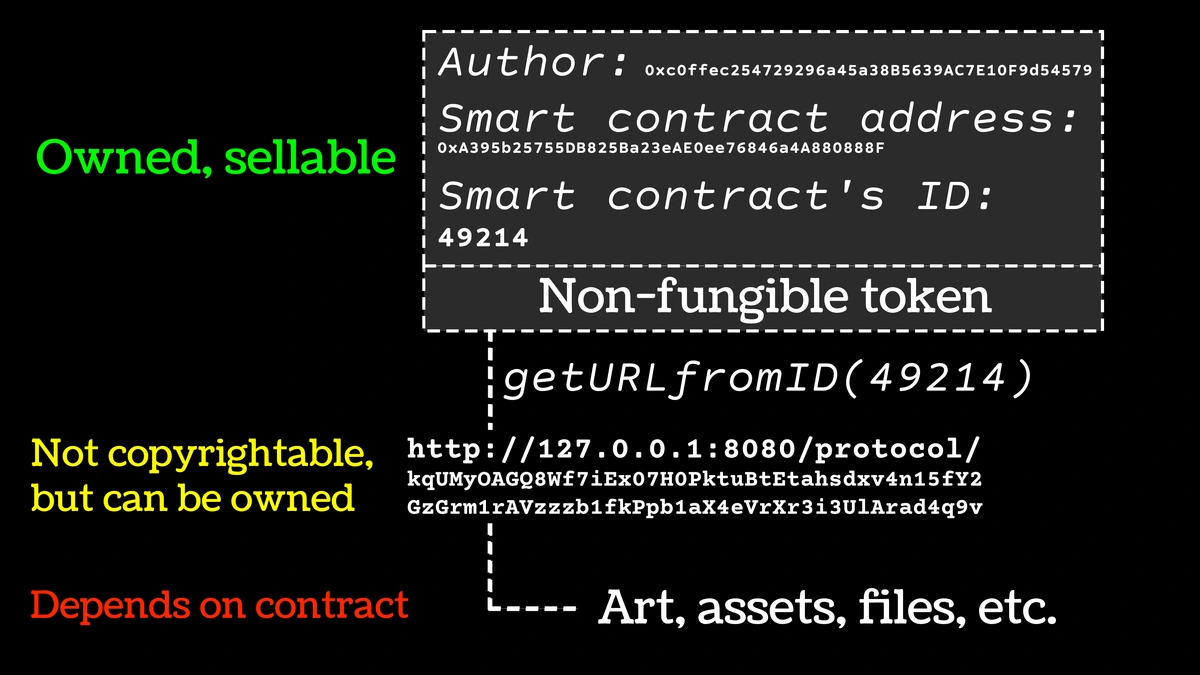
What about digital art and NFTs? Are they safe from environmental damage? Digital art files themselves, being data, aren't directly affected by light or humidity in the same way physical art is. However, the physical devices used to display digital art (screens, projectors) are very vulnerable to environmental factors, and their longevity and performance can be degraded by heat or moisture. This is a common oversight! But here's the bigger catch: digital files are susceptible to data corruption, file format obsolescence (where a file format becomes unreadable by modern software), and the failure of storage media (hard drives, cloud servers). Imagine creating a stunning piece in a cutting-edge software from 2005 – can you easily open and render it perfectly today? Probably not without significant effort. New formats emerge, old ones fade, and hardware inevitably fails. The process of data migration – regularly moving digital assets to new, current formats and storage media – is crucial for their long-term survival. NFTs (Non-Fungible Tokens) are digital certificates of ownership recorded on a blockchain. While the NFT itself exists on a secure, distributed ledger, the digital artwork it points to still exists as a file and needs proper digital preservation. This involves multiple backups across diverse storage solutions, migration to new formats over time, and active monitoring for data integrity to remain viewable. So, while not the same type of environmental damage as a sun-bleached painting, the fragility of the digital realm requires its own rigorous preservation strategy. An NFT alone doesn't guarantee the artwork's eternal accessibility or integrity, especially with the risk of link rot (where the linked digital file becomes unavailable or corrupted) and the reliance on external hosting for the actual digital asset. It's a fascinating and complex new frontier, but one where the principles of careful stewardship are just as vital, perhaps even more so due to its intangible nature and evolving technological landscape.






The Joy of Preserved Art: A Concluding Thought
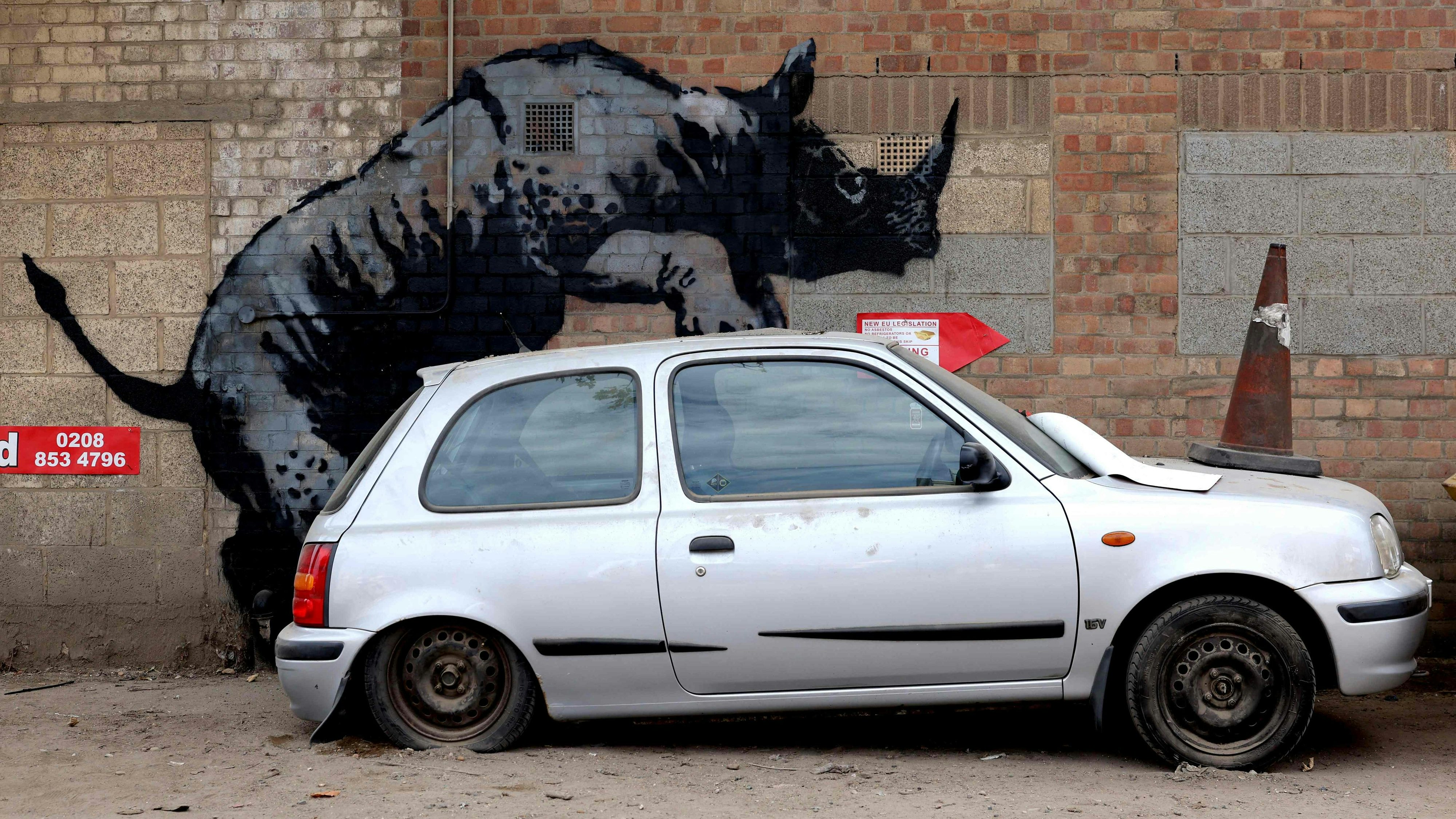
Ultimately, caring for your art is an act of love. It’s a commitment to the stories, emotions, and aesthetics that drew you to each piece in the first place. By taking these simple, proactive steps, you're not just preventing damage; you're actively ensuring that the art you cherish continues to enrich your life and potentially the lives of future generations. There's a profound satisfaction in knowing that a piece, once vulnerable, is thriving under your mindful guardianship. It allows the art to continue its quiet conversation, unfaded and unblemished, for years to come. Your walls, after all, are home to more than just decorations – they're home to enduring beauty. It's a legacy you're building, one carefully preserved brushstroke at a time. Start by checking the humidity in your living room with a simple hygrometer this week. Be the guardian your art deserves.