The Collector's Compass: Your Definitive Guide to Long-Term Art Preservation
Protect your cherished art from fading, damage, and time. This definitive guide offers actionable strategies for long-term art preservation, covering light, climate, handling, medium-specific care, and ethical considerations for every collector.

The Collector's Compass: Your Definitive Guide to Long-Term Art Preservation
I used to think art preservation was for museums, a dry, sterile topic for institutions with endless budgets and climate-controlled vaults. My perspective, however, shifted with a simple, almost cliché incident. I had this recurring nightmare, you see, not about monsters or falling, but about a single, unforgiving sunbeam creeping across my living room floor, inching its way towards a painting I loved. And one sunny afternoon, it wasn't a dream. A sliver of light, just a sliver, had crept around the edge of the curtain, bathing one corner of a vibrant print I owned in direct, unfiltered sun. My heart did a little lurch, a genuine panic. No damage done, thankfully, but it was a visceral reminder of just how fleeting the beauty we cherish can be, and how utterly unprepared I felt. That incident sparked a realization: protecting art isn't just for the experts; it's a fundamental responsibility for every collector. This guide will equip you with the knowledge to protect your cherished pieces, no matter their medium or value, and it’s a journey that benefits from understanding where we've come from. This is your Collector's Compass for navigating the intricate world of long-term art preservation.
Art isn't just decoration; it's a piece of history, a slice of an artist's soul, and an investment of your own emotion and capital. As an artist myself, I know the dedication that goes into every stroke, every decision of color and composition. As a collector, I understand the joy of living with these pieces, how they become silent companions. Protecting this shared legacy isn't about locking it away in a dark vault (unless, as I said, you're into that sort of thing for ultra-precious items). It's about understanding its enemies and creating a safe, stable home where it can thrive, where it can be lived with. So, let's talk about how to keep your art from fading, ensuring it remains a source of beauty for decades. This is your comprehensive guide to long-term art preservation, born from a little bit of fear and a lot of learning.
The Journey of Preservation: A Brief History
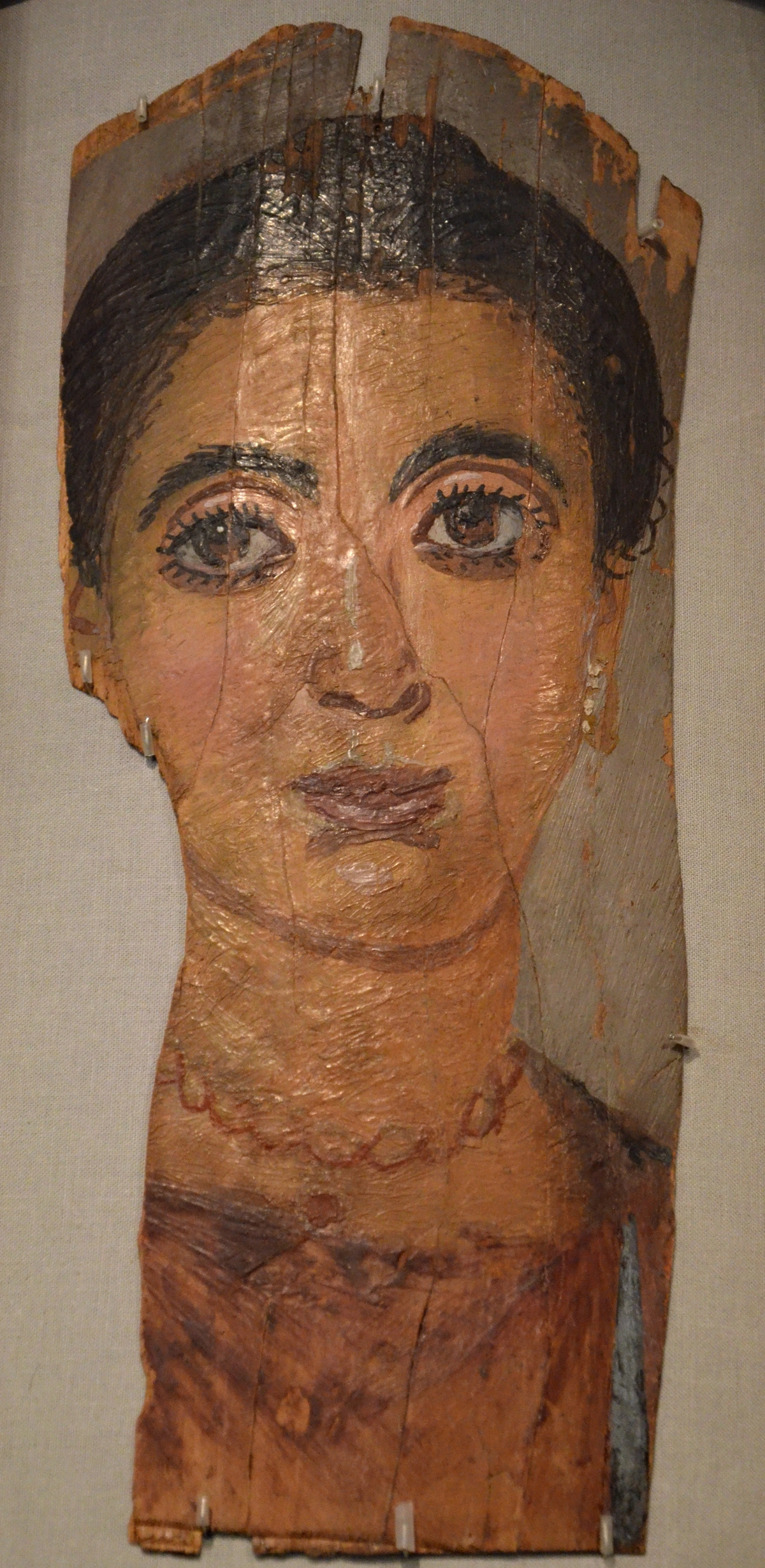
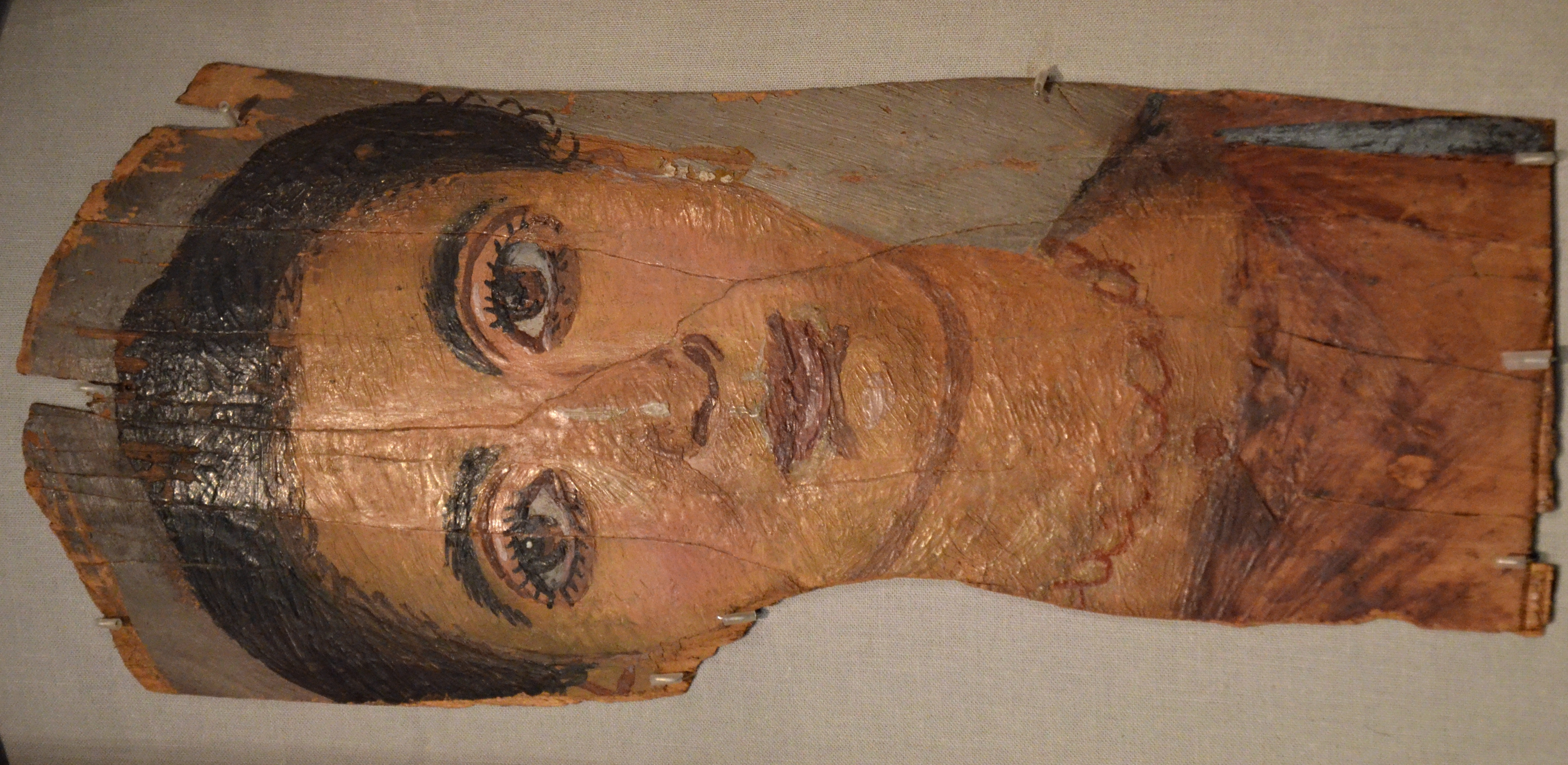
Believe it or not, the concept of systematically 'preserving' art as we know it is relatively modern. For centuries, art was often treated as disposable, subject to the whims of fashion or the ravages of time and neglect. Think of how many ancient Greek sculptures were painted in vibrant colors, only for those pigments to disappear, leaving us with what we now mistakenly perceive as pristine white marble. Or consider the countless medieval frescoes that have faded or flaked due to damp church walls. Even earlier, the Romans had their methods, using encaustic painting (pigments mixed with wax) that has proven incredibly durable, like the stunning mummy portraits from the 2nd century AD that look vibrant today. The Egyptians, too, were masters of preservation, with many tomb paintings and artifacts surviving millennia due to dry desert climates and elaborate sealing techniques. Monasteries, too, dedicated immense effort to preserving illuminated manuscripts, understanding the value of knowledge and beauty, even if their methods were more about careful storage than scientific conservation. I’ve always found it fascinating how some of these early, seemingly rudimentary methods, like the wax-based encaustic technique, have outlasted far more sophisticated approaches simply because of the inherent stability of their materials.
Early restoration efforts, often by artists themselves, sometimes did more harm than good, repainting entire sections or using incompatible materials that caused further decay. It wasn't until the Renaissance, with artists like Giorgio Vasari documenting techniques, that a more conscious effort began. But modern art conservation as a scientific discipline, understanding the chemistry of materials and environments, really only took hold in the 19th and 20th centuries. This shift was driven by institutions like the British Museum and the development of specialized chemistry, incorporating tools like X-ray imaging and infrared reflectography for deeper analysis. The post-WWII era, witnessing immense cultural heritage destruction, further spurred global efforts for systematic preservation. This transformed preservation from an art to a science. They taught us to identify the real threats, the silent destroyers lurking in plain sight, and to approach the artwork not just as an aesthetic object, but as a complex material system with a unique history and an uncertain future. This means understanding all the combined elements – pigment, binder, support, varnish, frame – and how they interact. It's a fascinating evolution, moving from simple care to a deep, scientific understanding of an artwork's physical life, often spurred by the devastating loss of cultural heritage from wars or natural disasters.
The Three Great Enemies of Art
Honestly, when I boil it down, it comes to three main culprits that cause 99% of the damage. If you can get a handle on these, you're most of the way there. Think of them as the supervillains in your collection's story, always lurking: Light, Climate, and Physical Interaction & Contaminants (yes, us).
Enemy #1: The Silent Fader - Light
Light, oh light. It's the sneakiest of the bunch. The damage is cumulative and often irreversible. It’s like a sunburn, but for your art, and unlike your skin, it doesn’t heal. The main component we worry about is Ultraviolet (UV) radiation, which is present in all sunlight and even in some indoor lighting. UV radiation, sometimes called actinic light or actinic rays, is the chemically active part of the electromagnetic spectrum that initiates photochemical degradation. At a molecular level, UV radiation breaks down the chemical bonds within pigments and paper fibers, causing them to degrade. Visible light, too, contributes to degradation, but UV is the most aggressive. Colors fade, paper yellows and becomes brittle, and the very integrity of the artwork is compromised. This is crucial for protecting artwork from sunlight. I once saw a vibrant, limited-edition print, supposedly made with 'fade-resistant' inks, lose a noticeable amount of its deep blues after just a few years in a moderately lit room without UV-filtering glass. It was a sobering lesson that even modern materials have their limits – some pigments are just divas when it comes to light exposure!
Historically, many vibrant pigments, especially organic ones derived from plants and insects (think carmine, indigo, gamboge, or Indian yellow), were far less lightfast than modern alternatives. Lapis lazuli, a prized blue pigment, can even degrade to a greenish-grey in the presence of sulfur and humidity. These organic pigments are often less stable because their molecular structures are more easily broken down by light energy compared to the more robust inorganic mineral pigments. This meant they faded incredibly quickly even under moderate exposure. That's why early tapestries, medieval illuminated manuscripts, or watercolors from a few centuries ago might look muted today if they weren't kept in near-darkness; their original brilliance lost to time and exposure. Modern pigments often come with lightfastness ratings (like the ASTM standards) indicating their resistance to fading. The ASTM (American Society for Testing and Materials) standards, for instance, categorize pigments from I (Excellent) to V (Poor) based on their resistance to fading under controlled light exposure. Even contemporary colors, particularly highly saturated organic dyes found in some prints and textiles (especially certain dye-based inkjet inks), can be susceptible. Pigment-based inkjet inks, for example, generally offer superior lightfastness compared to their dye-based counterparts, which are notorious for rapid fading. A fascinating side-effect of light degradation is metamerism, where a color that matched another perfectly under one light source no longer does under another, subtly changing the entire aesthetic balance of a piece. Imagine trying to match paint for your wall in a hardware store, only to find it looks completely different once you get it home under your natural lighting – that’s metamerism, or a metameric shift, at play. It really drives home the idea that light isn't just about brightness, but about how we perceive color.
Your Battle Plan:
- Location, Location, Location: This is my absolute golden rule. Never, ever, hang important artwork in direct sunlight. Period. A wall that gets intense morning or afternoon sun is a no-go zone. If options are limited, rotate art periodically, allowing pieces a 'rest' in darker areas. Your Light Challenge: Take a picture of your art and see if any direct sun hits it during the day. It's an eye-opener!
- Filter Everything: Use UV-filtering glass or acrylic for framing. It’s more expensive than regular glass, yes, but it’s the single best investment you can make for preventing art fading. Think of it as sunscreen for your artwork; you wouldn't go out without it, why would your art? UV filtering is most effective when integrated into the glazing itself. Here’s a quick rundown of framing glass options, crucial for the best way to frame art:
Glazing Type  | UV Protection | Glare Reduction | Scratch Resistance | Cost |
|---|---|---|---|---|
| Regular Glass | ~45% | Low | Moderate | $ |
| UV-Filtering Glass | 99% | Low | Moderate | $$ |
| Museum Glass | 99% | High (anti-reflective coatings) | Moderate | $$$$ |
| Regular Acrylic | ~70% | Low | Low (scratches easily) | $$ |
| UV-Filtering Acrylic | 99% | Low-High | Low (scratches easily) | $$$ |
- Watch Your Bulbs: Modern LEDs are generally much safer than older incandescent or fluorescent bulbs, as they emit negligible UV and significantly less heat. Heat, even without UV, can accelerate chemical decay, creating its own set of problems. While UV is the primary concern, consider the color temperature of your lighting too. This is measured in Kelvin (K). Warmer lights (~2700K-3000K, like candlelight) tend to enhance reds and yellows, creating a cozier feel, but can subtly mute cooler tones. Cooler lights (~4000K-5000K, like daylight) can make blues and greens pop but might make warmer colors appear harsher. It’s a balancing act to make the art look its best without compromising its integrity, much like choosing the right filter for a photograph. For truly critical preservation, museums often use professional light meters to keep lux levels (a measure of illuminance, with 1 lux being approximately the light of a single candle from one meter away) below specific thresholds for sensitive materials. For highly sensitive materials like textiles, watercolors, and photographs, aiming for 50 lux (a dimly lit room) is ideal. For less sensitive works like oil and acrylic paintings, 150-200 lux (a well-lit living room) is generally acceptable. Did you know there are even smartphone apps that can give you a rough lux reading? It's a simple way to start monitoring your light exposure and can reveal surprising insights.
Enemy #2: The Moody Environment - Climate
Does your art 'breathe'? Not really, but it sure reacts to the air it's in. Art likes to be comfortable and, more importantly, stable. Wild swings in temperature and humidity are its worst nightmare, especially critical for art preservation for humidity. Think about what happens to a wooden door in your house—it sticks in the humid summer and shrinks in the dry winter. Now imagine that constant expansion and contraction, that subtle 'groaning,' happening on a micro-level to a canvas, a wood panel, a piece of paper, or even within the layers of paint itself. This is known as hygroscopic expansion, the process by which hygroscopic materials (materials that readily absorb moisture from the air, like a sponge) such as wood, paper, natural fibers, vellum, and natural glues, absorb and release moisture from the air, causing them to swell and shrink. Crucially, different materials expand and contract at different rates, putting immense stress on composite artworks and leading to cracks in paint, warping of supports, embrittlement of paper, and delamination of layers. I recall one particularly humid summer where the paint on an older, unprimed wood panel began to show fine cracks almost overnight – the wood and paint were moving at different rates, a silent, slow battle that the paint was losing.
- Humidity: Too high, and you risk mold, bacteria, foxing (those little reddish-brown spots on paper indicating fungal growth or metallic impurities, which thrive in damp conditions), and canvas slackening. Excess moisture encourages biological growth and chemical reactions. Too low, and materials like wood, canvas, and paper can become brittle, crack, or even delaminate. Paper, for instance, can expand by up to 2-3% in high humidity and contract similarly in low, leading to devastating internal stress if these changes are rapid or extreme. For oil paintings, rapid changes can cause different layers of paint and varnish to expand and contract at different rates, leading to unsightly craquelure (fine networks of cracks in the paint layers themselves) or even outright flaking. Imagine an old, dried-out riverbed and you're not far off. High humidity can also accelerate corrosion in metal sculptures. Your Humidity Challenge: Think about the dampest or driest spot in your home. Is there art there? My gut says, probably not a good idea.
- Temperature: High temperatures can speed up chemical decay and make materials softer and more prone to physical damage. Fluctuations, again, cause materials to expand and contract at different rates, leading to cracks in paint layers or warping of supports. A sudden drop or rise in temperature can be particularly damaging to rigid materials like wood panels or even glass that might be part of a composite artwork. Higher temperatures accelerate chemical reactions, meaning even stable materials degrade faster over time. It's like Mother Nature throwing a temper tantrum, and your art bears the brunt of it.
Your Battle Plan:
- Aim for Stability: The ideal is a consistent temperature around 18-21°C (65-70°F) and relative humidity between 40-50%. I know, I know, it sounds like a perfect world that most of us don't live in. More important than the exact numbers, however, is keeping them stable. Seasonal adjustments, where you allow for slight, gradual shifts rather than abrupt ones, are often more realistic and less damaging than trying to maintain a perfect, rigid environment without the right equipment. Gradual change is always preferable to a sudden shock. My personal rule is to avoid any changes that feel abrupt – if I feel it, my art definitely will too. Ensure your home is well-sealed; good insulation and sealed windows/doors help maintain a stable interior climate.
- Avoid Danger Zones: Basements, attics, garages, and walls above fireplaces are notorious for extreme environmental swings, and frankly, terrible places for art. Also, avoid hanging art near exterior doors, drafty windows (which can cause sudden localized temperature drops and condensation), or directly above HVAC vents and radiators, as these spots create microclimates of rapid temperature and humidity fluctuations and direct airflow can quickly dry out delicate materials. Even dense shelving can create stagnant air pockets and microclimates. My rule of thumb: if you're not comfortable in a spot for an extended period, your art probably isn't either. Environmental pollutants like sulfur dioxide and nitrogen oxides from industry and traffic can also silently contribute to material decay, especially for artworks near urban centers or busy roads. Here’s a quick overview:
Environmental Zone | Risk Level | Reason |
|---|---|---|
| Basements | High | High humidity, potential for flooding, mold, pests |
| Attics | High | Extreme temperature swings (hot/cold), dust, pests |
| Garages | High | Extreme temperature & humidity swings, vehicle fumes, dust, pests |
| Walls above Fireplaces | High | Rapid temperature fluctuations, soot, direct heat |
| Exterior Walls/Drafty Windows | Medium-High | Temperature & humidity changes, drafts, potential condensation |
| Near HVAC Vents/Radiators | Medium-High | Localized rapid temperature & humidity changes, direct airflow |
| Interior Rooms (climate-controlled) | Low | Stable conditions, away from direct elements |
| Professional Storage Facilities | Very Low | Specialized climate control, security, monitoring |
- Use Tools: A simple digital hygrometer (which also typically measures temperature) can tell you the humidity in a room. You can buy one for less than the cost of a good cup of coffee. Knowing the pH level of materials (a scale measuring acidity or alkalinity) can be crucial too – anything below 7 is acidic, above 7 is alkaline. If your home is consistently too damp or too dry, a whole-house humidifier or dehumidifier can be a worthwhile investment. For targeted control in display cases or closed cabinets, small silica gel packets (which absorb moisture from the air) or humidity control cards can be surprisingly effective. You can get indicating silica gel (which changes color when saturated) or non-indicating. Just be sure to monitor and recondition them periodically by gently heating them in a low oven to release the trapped moisture. I once got a cheap hygrometer, and it instantly revealed my living room was far more humid than I thought – a quick, eye-opening wake-up call that prompted me to take action. Investing in an air purifier with a HEPA filter can also significantly reduce airborne pollutants and dust.
Enemy #3: The Clumsy Giant - Physical Handling & Contaminants
This is us. We mean well, we really do, but we are often the direct cause of damage. This section covers handling valuable prints and other artworks carefully, because sometimes the biggest threat is our own well-intentioned clumsiness.
Physical Handling
Fingerprints leave oils and acids that can stain paper, etch glass, and corrode metal over time. A moment of carelessness can lead to a puncture, a scratch, or a dropped frame. Even simple gravity can slowly pull at poorly supported elements. This is why careful handling and proper framing are non-negotiable.
Your Battle Plan (Physical Handling):
- Hands Off (or Gloved): When handling unframed art, especially photographs and works on paper, always wear clean cotton or nitrile gloves. Cotton gloves are breathable and provide a good grip, while nitrile gloves offer a barrier against oils and chemicals. For paintings, handle them by the sides of the frame or stretcher bars. Even simple touch can transfer oils and acids from your skin – what conservators call 'acid migration.' This is when tiny amounts of acidic compounds, like those found in skin oils, old, acidic paper, newsprint, or even some glues, slowly seep into adjacent materials, causing irreversible yellowing, discoloration, and embrittlement over time, like a tiny, invisible chemical burn that just keeps spreading. Imagine a drop of lemon juice on paper slowly spreading and weakening the fibers – it's a similar, insidious process. I've learned this the hard way with a few accidental smudges that became permanent ghosts on the edges of old prints, a mistake that still makes me wince.

- Frame for Protection: A good frame is more than decorative; it's armor. Ensure your framer uses archival, acid-free materials (mat board, backing board). An archival material is one that is acid-free, lignin-free, and chemically stable, designed not to degrade or harm artwork over time. For works on paper, the mat creates a crucial air gap between the art and the glass. When it comes to mat boards, opt for conservation board (acid-free, lignin-free alpha cellulose) or, for truly precious works, museum board (100% cotton rag, the purest form of paper). Ensure backing boards are also acid-free and, ideally, buffered with an alkaline reserve (like calcium carbonate) to absorb any migrating acids from the environment. Think of buffering as creating a tiny chemical safety net for your paper art, ready to neutralize any stray acids. However, for some very specific photographic materials, such as albumen prints or cyanotypes, unbuffered boards are safer as the alkaline buffer can react negatively with the photographic emulsion. Always know your print type. Be aware that even some sealed wood frames, particularly those made of oak or pine, can off-gas harmful acids over time. Spacers can also be used to create a deeper air gap between the artwork and the glazing, which is especially important for textured pieces (like impasto paintings) to prevent direct contact that could damage the surface or trap moisture, fostering mold. For mounting, only use reversible, archival adhesives like Japanese tissue and wheat starch paste, never permanent glues or tape which will cause irreversible damage over time. The framing process itself is one of the most critical stages for an artwork's long-term preservation; a poor framing job can damage an artwork more quickly than almost anything else. Original, old frames can be beautiful and historically significant, but they pose risks: they can be acidic, harbor pests, or have compromised structural integrity. Always have an old frame professionally assessed and conserved, and ensure it's properly prepared with archival barriers if used for new art. Want to know more? Check out our Q&A with an expert art framer.
- Check Hanging Hardware: Give your hanging wires, hooks, and D-rings a quick visual inspection. Are they rusty? Frayed? Are the wall hooks robust enough for the artwork's weight, especially for larger pieces? A fall is one of the most common and devastating types of damage, and frankly, completely avoidable with a few minutes of attention. Pay extra attention after any major temperature or humidity shifts, as materials can expand or contract, loosening hardware.
- Give it Space: Don't hang art too close to high-traffic areas where it can be bumped. If you have children or pets, consider hanging more valuable or delicate pieces higher, or in less accessible rooms. For very valuable items, consider basic security measures like appropriate hanging hardware that deters casual theft, or even a home security system for peace of mind. Decluttering around your artwork is a simple, effective 'quick win' to prevent accidental knocks. I remember clearing a small stack of books from under a framed print and feeling a ridiculous but real sense of accomplishment – one less potential disaster, averted!
Contaminants & Pests
Then there are the unseen enemies: dust, smoke, kitchen grease, pet dander, and even residues from aerosol sprays (like hairspray or air fresheners) create a sticky film on surfaces that can be difficult and dangerous to remove. This film can also attract pests. Even more insidious are Volatile Organic Compounds (VOCs). VOCs are harmful airborne chemicals released from materials like new furniture, cheap paints, certain glues, furniture polish, new carpets, cleaning products, laser printers, and even some building materials (like certain types of plywood or particleboard). These can silently react with and degrade art materials over time, causing discoloration, embrittlement, or surface changes. This is known as off-gassing: materials releasing chemicals into the air that can be harmful. Environmental pollutants like sulfur dioxide and nitrogen oxides from industry and traffic can also silently contribute to material decay, especially in urban environments.
Pests like silverfish (which feast on paper, glue, and starches, leaving irregular feeding marks or tiny jagged holes, and thrive in dark, humid environments), booklice (tiny insects that feed on mold, paper, and adhesives, leaving behind faint trails or frass – dust-like droppings, often found in damp conditions), dermestid beetles (which consume protein-rich materials like silk, wool, and animal glues, often leaving behind cast skins, and can be found near food sources), and clothes moths (whose larvae feed on natural fibers like wool, silk, and felt, creating holes and tunnels – adult moths might be seen flying in dimly lit areas) are also quiet destroyers. I've heard horror stories from conservators about entire textile collections decimated by an unnoticed moth infestation. Vigilance here is key.
Your Battle Plan (Contaminants & Pests):
- Clean with Caution: A light dusting with a soft, clean brush (like a sable brush or a dedicated goat hair brush) is usually all that’s needed. Never use water, cleaning sprays, or solvents (like ammonia or alcohol-based cleaners) on a painting's surface, its frame, or especially on works on paper. The risks are too high; you can easily lift paint, disturb the canvas weave, or permanently stain paper. For example, Windex contains ammonia which can etch certain varnishes, and furniture polish leaves sticky residues that attract dust and make future cleaning harder. I once saw a well-meaning relative try to 'clean' an old frame with furniture polish; the result was a gummy, discolored mess that required significant intervention. If a piece needs serious cleaning, consult a professional art conservator – this is not a DIY job.
- Avoid Danger Zones (Again): Beyond climate, kitchen areas with cooking grease, bathrooms with high humidity and aerosol use, and smoking areas are clear no-go zones for valuable art. Also, avoid placing plants (they attract moisture and pests) or food/drink directly beneath or beside artwork. A spilled glass of wine is a collector's worst nightmare (and a conservator's regular Tuesday, unfortunately).
- Pest Vigilance: Regularly inspect your art and storage areas for signs of pests: small holes, powdery 'frass' (insect droppings), webbing, cocoons, or actual insects. Keep storage areas clean and decluttered. Proper sealing of archival boxes can create a barrier. Using pheromone or sticky traps can help monitor for activity. For textiles, specifically, clothes moths prefer natural fibers like wool and silk, while carpet beetles target animal hair and protein-based materials. If an infestation is suspected, professional intervention (fumigation, specific treatments) is immediately required. Here’s a quick guide to common art pests:
Pest Type | Primary Food Source | Signs of Infestation | Ideal Environment | Prevention | Professional Action (if found) |
|---|---|---|---|---|---|
| Silverfish | Paper, glue, starches | Irregular feeding marks, jagged holes, silvery scales, yellowish stains | Dark, humid, undisturbed | Good hygiene, reduce humidity, seal cracks | Isolation, fumigation, environmental control |
| Booklice | Mold, paper, adhesives | Faint trails, frass (dust-like droppings), minor surface damage | Damp, moldy conditions | Reduce humidity, improve ventilation | Isolation, environmental control, conservator assessment |
| Dermestid Beetles | Protein-rich materials (silk, wool, glues, leather) | Cast skins, frass, holes in fabric/materials | General household, near food sources | Vacuum regularly, inspect textiles/animal products | Isolation, specific chemical/freezing treatment |
| Clothes Moths | Natural fibers (wool, silk, felt), animal hair | Holes in textiles, silken tubes/casings, frass, adult moths flying | Undisturbed areas with textiles | Regular cleaning, cedar/lavender sachets (away from art) | Isolation, freezing, anoxic treatment, professional cleaning |
All require immediate action by a conservator if found. Your home is not a museum, but a museum's vigilance against these silent destroyers is a good standard to emulate.
Preservation by Medium: Tailoring Your Approach
While the general principles of light, climate, and handling control apply across the board, different art mediums have unique vulnerabilities. Understanding these nuances is key to preserving canvas paintings and all other types of art. What's good for an oil painting might be disastrous for a photograph, and for mixed media, remember: the weakest link determines the overall preservation strategy. This section is your compass for navigating the specific needs of your diverse collection.
Acrylic Paintings
Acrylics, often vibrant and textural, are generally quite stable once fully cured. They are less prone to cracking than oils and typically more resistant to temperature and humidity fluctuations. However, their plastic-like nature and tendency to attract static electricity can make them magnets for dust and airborne pollutants. They are susceptible to:
- Dust and Surface Grime: The plastic-like nature of acrylic paint can attract and hold dust and airborne pollutants quite readily due to static electricity. Gentle, dry dusting with a soft, anti-static brush is usually sufficient, but always avoid harsh chemicals. This stickiness also means they can bond to glazing if there's no air gap, so proper framing with spacers is essential.
- Scratching: The surface of an acrylic painting, especially if unvarnished, can be easily scratched or abraded. Handle with extreme care. While many modern acrylic varnishes are non-yellowing, some can still alter over very long periods, and improper application can cause issues. Professional varnishing for long-term protection creates a sacrificial, reversible layer over the paint, meaning it's designed to take the damage or yellowing instead of the artwork itself, and can be removed without harming the original. Acrylic varnishes have their own preservation needs, too, sometimes requiring specialized cleaning.
- UV Sensitivity: While generally more resilient than some other mediums, prolonged UV exposure can still cause certain pigments (especially some modern fluorescents or highly saturated organic colors) to dull or shift over time. UV-filtering glazing is always a good idea, particularly for highly saturated original works or prints.

Oil Paintings
Oil paintings, with their rich history and depth, present their own set of preservation challenges, often stemming from the organic nature of their materials and the complex drying process:
- Cracking and Flaking: As oil paint dries and ages, it becomes less flexible. Changes in temperature and humidity cause the canvas or wood panel support to expand and contract. This puts immense stress on the paint layers, which, if brittle, can result in fine cracks. This is commonly known as craquelure, a network of cracks in the actual paint layers, often appearing in a predictable pattern related to the paint application, canvas weave, or aging of the paint medium itself. It can also be a desirable indicator of age and authenticity in older paintings. This is distinct from crazing, which usually refers to a fine network of cracks primarily in the varnish layer, often caused by rapid environmental changes or incompatibility between paint and varnish. Rapid fluctuations in temperature can cause even well-cured varnish layers to develop crazing, almost like a heat shock to the surface. Early artists often learned this the hard way, with many masterpieces showing these issues today due to improper preparation or rapid environmental shifts. Ensuring adequate drying time for oil paint (which can take months or even a year for thick impasto) before framing or exhibition is also critical, as incompletely cured paint can remain vulnerable to movement. The gesso or ground layer, foundational to oil paintings, can also crack if not properly prepared or if the support moves too much. Over time, linseed oil oxidation can also cause the oil binder itself to become brittle and prone to cracking.
- Varnish Yellowing: Traditional natural resin varnishes (like dammar or mastic) used to protect and enhance oil paintings tend to yellow and darken over time, obscuring the original color palette and dulling the artwork. This yellowing not only changes the aesthetic but also makes the varnish less clear, obscuring the subtle tonal relationships the artist intended. UV light also accelerates the breakdown of varnish components, making them brittle and yellow faster. Modern synthetic varnishes are much more stable, non-yellowing, and often more easily reversible. Professional cleaning and revarnishing by a conservator can address this, but it's a delicate process. I've heard conservators speak of the moment an old, yellowed varnish is removed, revealing the vibrant blues and subtle greens the artist intended – it's like peeling back centuries of obscured history. Sometimes, however, an artist's original varnish might have been deliberately colored for an aesthetic effect, adding complexity to conservation decisions.
- Light Sensitivity: Like acrylics, certain oil pigments (especially some organic reds, blues, and yellows used historically, or even some contemporary organic dyes) can fade or shift with prolonged UV exposure. Always consider UV-filtering glazing, even if the work is varnished, as varnish offers limited UV protection.
Works on Paper: Watercolors, Gouache, Pastels, and Inks
These mediums, often cherished for their delicacy and immediacy, are among the most vulnerable, primarily due to the inherent fragility and absorbency of paper:

- Extreme Light Sensitivity: Watercolors, gouache, pastels, and many inks are highly susceptible to fading when exposed to light, even indirect light. The pigments are often more thinly applied and less protected than in oil or acrylic. UV light doesn't just fade pigments; it also degrades the cellulose fibers of the paper itself, making it brittle and weak over time. They truly need UV-filtering glass (museum quality is best) and minimal display time, ideally in low-light environments. I've seen too many beautiful, antique watercolors lose their vibrancy entirely, turning pale ghosts of their former selves, a truly heartbreaking transformation that makes me fiercely protective of my own paper works.
- Humidity & Acidity: Paper is highly absorbent. High humidity encourages mold and foxing, while fluctuating humidity can cause warping, buckling, and cockling (undulations in the paper surface). The real silent killer here, though, is acidity. Acidic materials (from cheap frames, non-archival backing, or even the paper itself if not archival, especially papers containing lignin from wood pulp) will cause yellowing, embrittlement, and discoloration over time – a process called 'paper burn' or acid migration. Papers made from 100% cotton rag (like museum board) are inherently stable, while those with wood pulp are far more acidic. Always, always use acid-free framing materials and store in stable conditions. Buffered acid-free boards are your best friend here, as they contain an alkaline reserve (usually calcium carbonate) to neutralize ambient acids. Think of buffering as creating a tiny chemical safety net for your paper art, ready to neutralize any stray acids that might come your way. However, for some very specific photographic materials, such as albumen prints or cyanotypes, unbuffered boards are safer as the alkaline buffer can react negatively with the photographic emulsion. Always know your print type. You can even buy pH testing pens to quickly check the acidity of paper materials yourself.
- Handling: The fibers of paper are easily creased, torn, or stained by oils from hands. Always handle with clean, gloved hands at the edges, and support the entire piece to prevent creasing. Even a slight bend can leave a permanent mark. Also, be aware of the risks of offsetting, where an image or ink from one piece of paper can transfer onto another when stacked without proper interleaving.
Prints
While falling under the umbrella of 'Works on Paper,' prints deserve special mention due to their diverse techniques and specific vulnerabilities, particularly relevant for a collector of contemporary works:
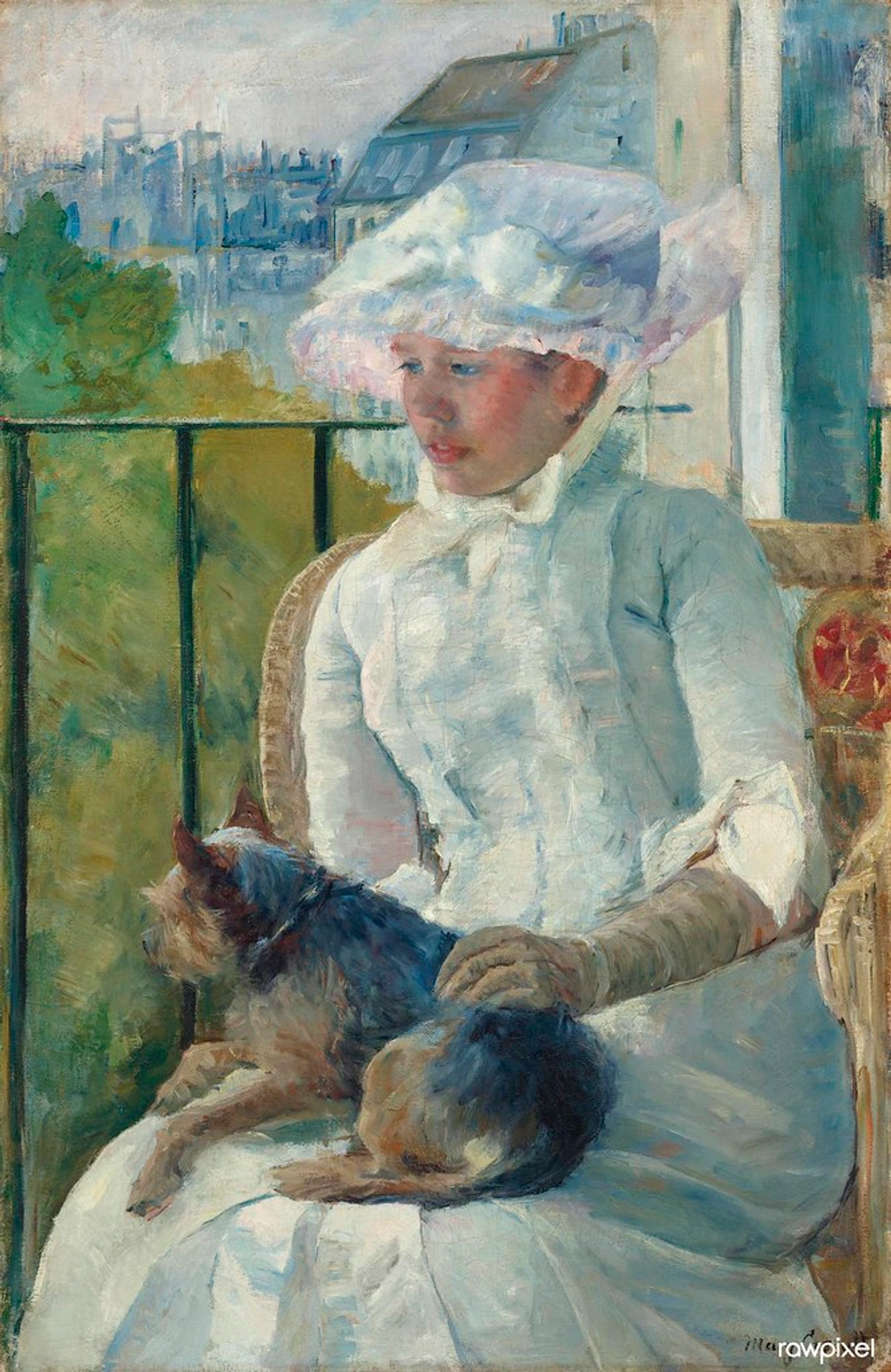
- Ink Stability: Different printmaking inks (e.g., traditional lithographic, etching, silkscreen, or modern inkjet) have varying lightfastness and chemical stability. As mentioned, dye-based inkjet inks are often highly susceptible to fading and color shifts, especially when exposed to UV light, sometimes visibly degrading within a few years. They can also be prone to bleed resistance issues if exposed to moisture. Pigment-based inks, on the other hand, are generally much more stable and long-lasting due to their larger, more light-resistant pigment particles, but still benefit from protection. Historically, aniline dyes and certain organic lakes were notoriously fugitive. Knowing the type of ink used in a print is crucial for its care.
- Paper Type & Process: The paper chosen for a print is critical. Historically, some papers contained acidic wood pulp or impurities that lead to degradation. Even modern 'archival' papers can vary. Understanding if your print is on rag paper, acid-free cellulose, or another substrate helps inform its care. For instance, foxing (those reddish-brown spots) is common in older prints and often indicates fungal growth triggered by humidity or metallic impurities in the paper itself. It's a clear signal that the environment needs urgent attention. For watercolors, the gum arabic binder can also react to humidity, causing stickiness or instability.
- Surface Vulnerability: Many print surfaces are delicate. Etchings can have raised ink that's easily abraded, while screenprints might have thick, susceptible layers of ink prone to cracking or offsetting (ink transferring to another surface). Digital prints can be very susceptible to scratching. Always frame prints behind UV-filtering glass and avoid direct contact with the glass using mats or spacers.
Photography
Photographs, whether digital prints or historical processes, have their own unique preservation concerns, often relating to the chemical stability of their emulsions and substrates. This is a complex area, as each photographic process is a miniature chemical reaction frozen in time, and any instability can unravel it:
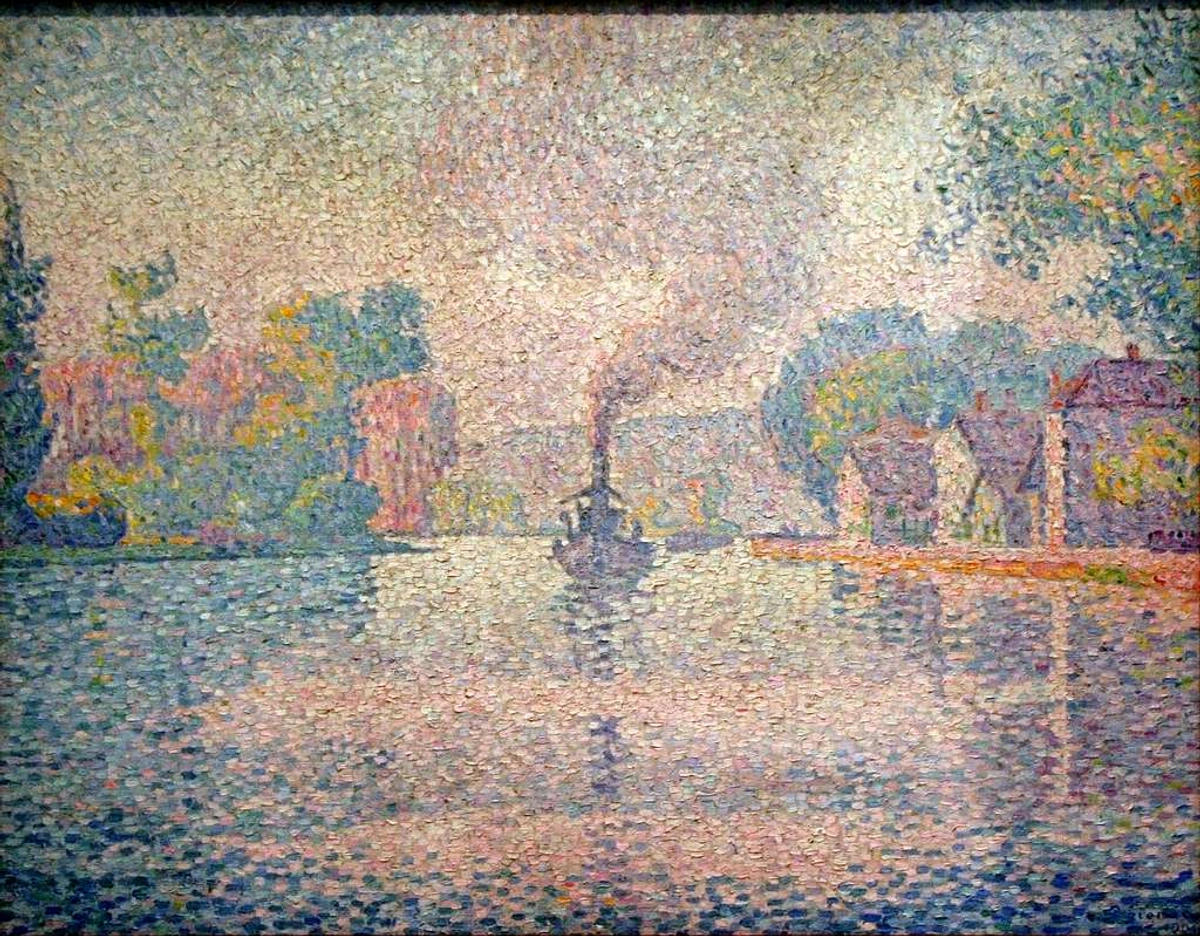
- Light Sensitivity: All photographic prints are susceptible to fading and discoloration from light, especially UV. Chromogenic prints (common color prints from the 20th century) can shift in color balance, often turning yellow or magenta due to dye fading or dye destruction. Albumen prints (popular in the 19th century) often yellow or lose contrast and can silver-out (a metallic sheen in dark areas caused by degradation of silver particles), while cyanotypes (distinctive blue prints) are particularly light-sensitive. Gelatin silver prints (common black-and-white prints) can suffer from silver mirroring and fading. Storing and displaying behind UV-filtering glazing is critical, and for extremely sensitive historical processes, limited display time in low light is essential. Even some plastics used in framing or storage can degrade under UV light, becoming brittle and discolored.
- Chemical Degradation: Residual processing chemicals (especially residual fixer in silver-based prints), acidity in mounting materials, and even the original paper or plastic base can cause prints to degrade over time. Silver halide prints (black and white) can tone or silver-out, and color dyes can fade. This is why archival processing, which carefully washes out residual chemicals, and acid-free mounting materials are paramount. Even the plastic sleeves used for storage matter; ensure they are made from inert materials like polyester (Mylar), polypropylene, or polyethylene, avoiding PVC which can off-gas harmful plasticizers (chemicals that make plastics flexible) and chlorine gas that damage prints and negatives. Off-gassing from non-archival album pages or mount boards is a common culprit. I've learned that a print's lifespan is often determined more by the quality of its processing and storage than by the initial image itself.
- Physical Vulnerability: Prints are prone to creasing, tearing, scratching, and fingerprints. For mounting, use reversible methods like photo corners or archival tapes designed for photographic use. Negatives and transparencies are even more delicate and should be handled minimally, ideally with white cotton gloves, and stored individually in archival sleeves (again, polyester, polypropylene, or polyethylene) within acid-free boxes. They need consistent temperature (ideally 18-20°C) and controlled humidity (30-50%) to prevent emulsion cracking, fading, or fungal growth. Acetate negatives are particularly vulnerable to acetate degradation, also known as 'vinegar syndrome,' where the plastic base shrinks, warps, and emits a strong vinegar odor. Consistent humidity also helps prevent color shifts in color negatives. Avoid storing near magnetic fields, which can damage magnetic media. Think of them as the original source, even more precious than the print.
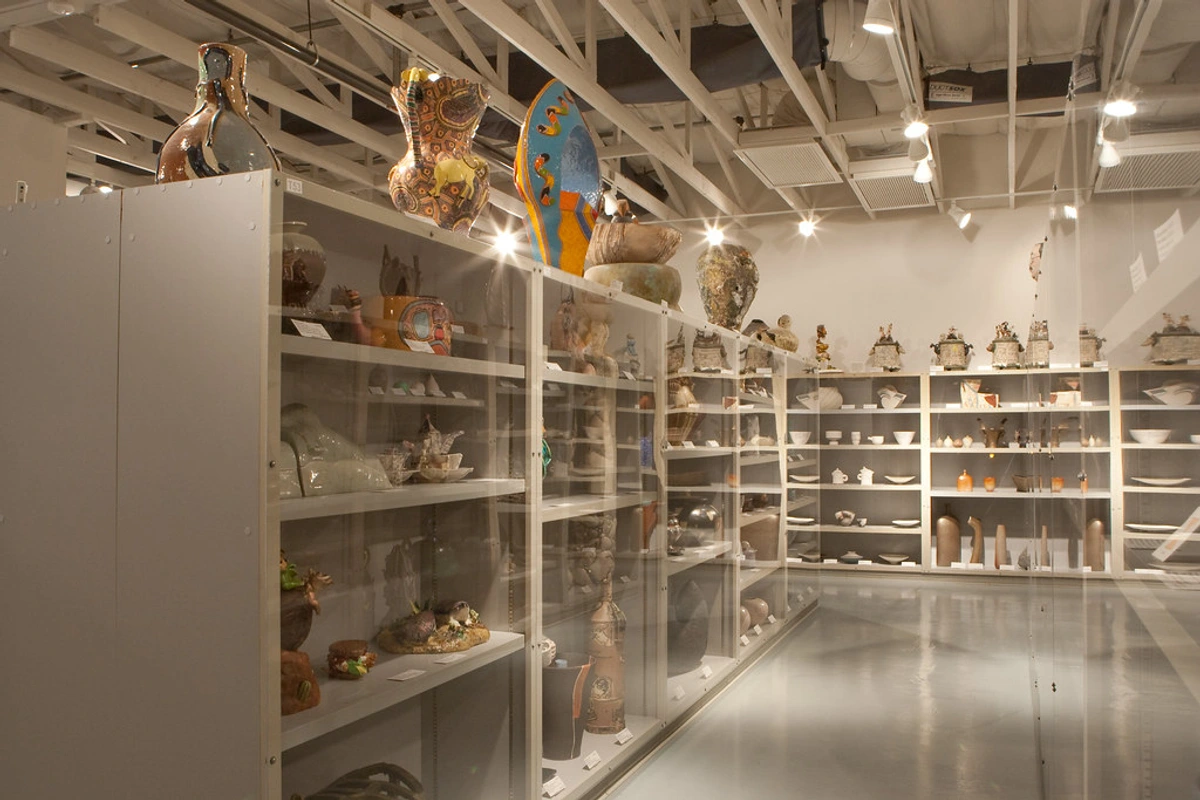
Mixed Media & Other Materials
Artworks combining various materials (collage, assemblage, or even paintings with textural elements) present unique challenges because you need to consider the needs of all components. The weakest link determines the overall preservation strategy. For instance, if a collage uses fragile newspaper clippings (highly acidic) adhered with strong, inflexible glue, the inherent fragility and acidity of the newspaper will dictate how gently it must be handled and the narrow environmental range it needs, despite the glue's strength, because the newspaper will embrittle and crumble first. It's like building a chain: it's only as strong as its weakest link.
- Incompatible Materials: This is huge. Ensure that all components of the artwork itself, as well as framing and mounting materials, are chemically stable and won't react negatively with each other over time. For example, acids off-gassing from certain woods (like oak or pine) used in frames can damage surrounding paper or delicate pigments. Mixing different metals can lead to galvanic corrosion. Plasticizers from cheap plastics can migrate and damage adjacent materials, turning them sticky or causing discoloration. Certain adhesives, especially rubber-based ones, can become brittle, yellow, or stain the artwork over time, making them irreversibly damaging. Different inks might react with specific adhesives or paper types. Always research material compatibility, or better yet, consult a conservator. This is where a knowledgeable framer or conservator truly shines, identifying potential chemical time bombs. Framing mixed media often requires specialized solutions like deep shadow boxes or hinged display cases to protect delicate elements.
- Structural Integrity: Elements that are glued, sewn, or attached need to be secure but also allow for natural expansion and contraction of the underlying support without causing stress. Gravity can be an enemy here, so proper support is paramount, especially for heavier or protruding elements. Don't underestimate the slow, persistent pull of gravity on poorly supported pieces – a delicate attachment could slowly tear over years. Custom mounts and internal supports are often required to bear the weight evenly and prevent distortion.
- Dust and Pests: Three-dimensional elements or varied textures can create nooks and crannies where dust accumulates and pests (like silverfish, booklice, dermestid beetles, clothes moths) can hide, feed, and cause damage. Regular, gentle inspection and cleaning are vital.
Textiles & Tapestries
Fabric-based artworks require a specialized approach, as they are particularly vulnerable to environmental factors and biological agents:
- Light Fading: Textile dyes, especially natural ones (like alizarin crimson or indigo), are notoriously light-sensitive. Prolonged exposure to light, even indirect, will cause irreversible fading. Display in low-light conditions, rotate regularly, and consider UV-filtering blinds or films on windows. This is why magnificent tapestries like the Bayeux Tapestry are often displayed in low-light, climate-controlled environments for limited viewing periods. You can almost feel the historical loss of color when comparing old illustrations to the muted tones we see today. Be especially cautious of dye transfer or dye sublimation, where colors from one textile can bleed or vaporize onto another, especially when stacked or stored in humid conditions or under pressure.
- Dust & Pests: Textiles act as excellent dust traps, which can abrade fibers and provide food for pests like carpet beetles, clothes moths (which specifically target wool and silk), and silverfish. Regular, gentle cleaning, such as vacuuming through a fine screen (to prevent pulling fibers and accidentally ingesting pests) or using a soft, lint-free cloth, is recommended. Always avoid any moisture or harsh chemicals for cleaning, as these can set stains, cause dyes to bleed, or weaken fibers irreversibly. Heavily soiled or fragile textiles should always be handled by a professional textile conservator. Pests can cause catastrophic damage, so vigilant monitoring (looking for frass, cocoons, or actual insects) is crucial. Some textiles containing metal threads can also develop verdigris (a greenish-blue corrosion) if exposed to high humidity.
- Structural Stress: Hanging heavy textiles or tapestries from a single point can cause immense stress and distortion over time, leading to tears or distortion. They require even support across their entire width, often using a fabric-covered rod or a system of Velcro sewn onto an archival backing. Also, consider the impact of handling loops or other attachment points; ensure they are robust and distribute weight effectively, using conservation-grade threads and needles for any mending. Avoid folding for long-term storage, as this creates permanent creases and fiber damage; instead, roll larger pieces around a wide-diameter archival tube, interleafed with acid-free tissue, or store flat if possible. Never hang textiles in direct contact with walls; use a breathable, archival backing material.
Sculptures & Three-Dimensional Art
While often robust, sculptures and 3D objects face unique preservation concerns, distinct from their 2D counterparts, largely due to their physical form and diverse materials:
- Physical Vulnerability: They are inherently more susceptible to physical damage from bumps, falls, or careless handling due to their three-dimensional form and often irregular shapes. Think about a delicate ceramic or a towering marble statue – a slight misstep can be disastrous. Always ensure adequate space around them and use vibration control for sensitive pieces, especially in high-traffic areas. Even a perfectly stable piece can be damaged by persistent, subtle vibrations, which can cause micro-fractures over time. For artworks with precious stones or gold leaf, direct handling can cause abrasion or loss.
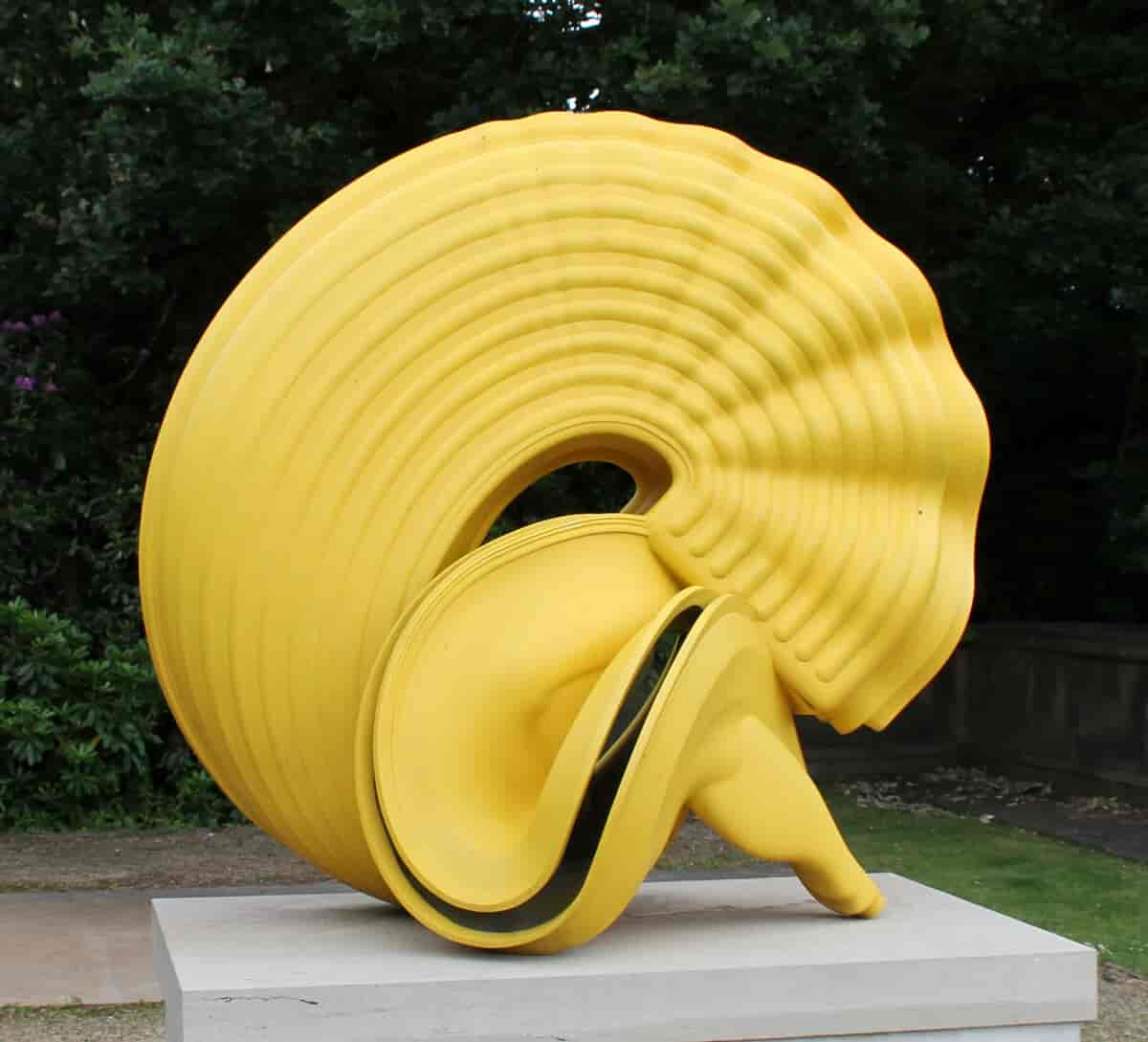
- Material Specifics: Each material has its own nemesis. Metal sculptures can corrode (e.g., rust on iron, verdigris on copper and bronze). The particularly insidious 'bronze disease' is an active chloride corrosion that forms powdery, light-green, often sticky or waxy spots and can quickly spread and eat through the metal, causing pitting. It's crucial to distinguish between harmful corrosion and desirable patination (a stable, often protective surface layer that forms naturally over time and contributes to the aesthetic character of the artwork, like the rich greenish-brown surface on an old bronze sculpture). Patinas can be unstable and require consolidation by a conservator, and polishing can remove desirable patination. For metals, protective waxes or lacquers can act as a barrier. Wood can crack, warp, or suffer insect damage from woodworm (look for tiny boreholes) or termites, especially if untreated. Stone (like porous limestone versus durable granite) can be abraded, stained, or suffer from efflorescence (salt deposits pushed to the surface by moisture) or erosion from moisture and pollutants (like acid rain). For outdoor sculptures, freeze-thaw cycles are particularly damaging, as absorbed water expands when frozen, causing the stone to crack and spall. Ceramics are prone to chipping and breakage, and glazes can craze (develop fine cracks in the glaze surface, often due to differing rates of expansion between the glaze and the ceramic body) or 'shiver' (flake off) due to material incompatibility or environmental stress. It's a constant battle against the elements, and outdoor sculptures face accelerated decay from pollutants, acid rain, and freeze-thaw cycles. Different wood finishes (varnishes, waxes) also impact preservation.
- Dust and Support: Dust accumulation can be significant on textured or intricate surfaces and can be challenging to remove without damage. Ensuring stable, appropriate supports (pedestals, plinths) that distribute weight evenly and prevent tipping is crucial. Consider the impact of airflow on dust accumulation, and how to gently clean without abrasion.
Ethical Considerations in Art Preservation: A Collector's Responsibility
Beyond the practicalities of keeping your art safe, there's a deeper, more philosophical layer to art preservation: ethics. As collectors, we become custodians of cultural heritage, and with that comes a unique set of responsibilities. It's a conversation that conservators grapple with constantly, and I think it's one we should all engage with. If you're buying cultural art, these considerations become even more critical, and you can delve into that more with our guide on ethical considerations when buying cultural art.
One of the central debates is the balance between preservation and accessibility. Should a fragile artwork, like a rare medieval manuscript, be locked away in a dark, climate-controlled vault to ensure its absolute longevity, even if it means fewer people can experience its beauty firsthand? Or is there a moral imperative to display it, allowing for public engagement, even if it introduces a slight, calculable risk of degradation? The answer often lies in careful risk assessment and mitigation, but it highlights the tension between ideal preservation and the very purpose of art: to be seen, to provoke, to inspire. This is also where concepts like in situ preservation come into play, where an artwork (like a fresco or outdoor sculpture) is best preserved in its original location, raising questions about environmental factors at a larger scale. Similarly, the ethics of deaccessioning (the formal removal of an artwork from a museum's collection, often for sale) are hotly debated, as it impacts public access and the artwork's long-term fate. Then there's the complex and vital discussion around cultural repatriation, the return of cultural artifacts to their country of origin, which is fundamentally about preserving cultural context and identity alongside the physical object.
Then there's the distinction between conservation and restoration. As I see it, true conservation focuses on stabilizing an artwork to prevent further decay, using non-invasive or reversible methods where possible. The primary goal is to preserve its original state and materials for future generations, much like a doctor preventing a disease from progressing. Restoration, on the other hand, involves bringing an artwork back to an aesthetically pleasing state, often by repairing damage, filling losses, or inpainting missing areas to make it look 'whole' again. While conservation aims for minimal intervention and reversibility (treatments that can be undone without harming the artwork), restoration might involve more extensive changes to the appearance, raising questions about historical accuracy and artistic intent. For instance, should a centuries-old, yellowed varnish be removed to reveal an artist's original vibrant colors (say, on a Renaissance painting), or does that varnish, with its patina of age (the surface changes that occur over time, often considered part of an object's history and character), represent a layer of the artwork's history that should be respected? Should a lost section of a fresco be repainted, or merely stabilized? These are complex decisions, often requiring extensive discussion, careful documentation, and always aiming for the least invasive and most reversible approach. I find myself constantly pondering these questions as I consider the pieces in my own collection – what's the true essence of the artwork, and how do I honor both its original creation and its journey through time? It's a journey of continuous learning for me, and I hope sharing these thoughts helps you on yours. The artist's original intent is a vital guiding principle in these discussions.
Ultimately, a collector's responsibility extends beyond mere ownership. It involves a commitment to understanding the artwork's inherent vulnerabilities, conducting provenance research (tracing an artwork's ownership history to verify its authenticity and ethical acquisition, and to deter art crime), making informed decisions about its care, and meticulously documenting its condition and any treatments. This documentation is vital not just for insurance and valuation, but as a record for future custodians. It's about recognizing its place within a broader cultural narrative and ensuring that the pieces we cherish today can continue to tell their stories, and the artist's story, for those who come after us. It's a privilege to be a guardian of these visual narratives.
Quick Wins for Immediate Protection
Feeling a bit overwhelmed? I get it. The world of art preservation can seem daunting, but here are a few immediate, high-impact steps you can take today to kickstart your long-term art care efforts and give yourself some peace of mind. By taking these small steps, you're actively investing in your art's future!
- Relocate Sun-Exposed Art: Your absolute #1 priority. Move any artwork hanging in direct sunlight to a shadier wall, even temporarily. No direct sun, ever. I remember moving a favorite print from a sun-drenched wall, and the immediate sense of relief was profound – a potential disaster averted.
- Check Your Windows: Ensure curtains or blinds are drawn during peak sunlight hours in rooms with vulnerable art. It's such a simple thing, but it makes a huge difference. Consider UV-filtering films for windows that get intense, unavoidable sun.
- Install a Hygrometer: A simple digital humidity and temperature gauge can be bought for under $20. Start monitoring your art's environment. Ignorance is definitely not bliss when it comes to humidity.
- Gloves for Handling: Keep a pair of clean cotton or nitrile gloves near your storage or display area for when you absolutely must handle unframed pieces. Those skin oils and acids are sneaky.
- Dust with Care: Grab a soft, clean brush (like a cosmetic brush or a dedicated art brush) and gently dust your framed art. Just avoid spraying anything near it! No Pledge, no Windex, please. This is for surface dust only, not deep cleaning.
- Declutter Around Art: Ensure there’s clear space around your artworks, reducing the chance of accidental bumps or knocks. A little elbow room goes a long way, especially for sculptures.
- Avoid Plants/Food/Drink: Don't place potted plants (sources of moisture, pests) or food/drinks near valuable art. A spilled glass of wine is a collector's worst nightmare (and a conservator's regular Tuesday, unfortunately).
- Check Hanging Hardware: Give your hanging wires, hooks, and D-rings a quick visual inspection. Are they rusty? Frayed? Are the wall hooks robust enough for the weight? A fall is one of the most common and devastating types of damage, and frankly, completely avoidable with a few minutes of attention.
Long-Term Storage: The Art of Hibernation
Sometimes a piece needs to be stored rather than displayed. Doing this correctly is crucial, and the needs for storage can be subtly different from display, often prioritizing absolute darkness and minimal handling. These are essential art storage tips for collectors, directly combating the enemies of light, climate, and handling by creating a highly controlled environment for what I like to call 'artistic hibernation' – like a bear preparing for winter, your art needs ultimate protection and stability.
- Choose the Right Spot: Find a cool, dark, and dry place with a stable climate. An interior closet in a climate-controlled part of your house is a good bet. Again, no attics or basements due to their inherent environmental instability. For extensive collections or particularly sensitive works, professionally managed, climate-controlled storage units are an option, but do your homework—ensure they specialize in art, have verifiable climate control (with data logging), robust security, and specialized art handling personnel. Avoid overcrowding storage spaces, as this can lead to accidental damage and hinder air circulation.
- Wrap it Right: Use archival, acid-free materials. Glassine paper is great as a first layer for paintings or prints, as it's smooth, non-abrasive, and allows the artwork to 'breathe' slightly. For works on paper, create a mat and backer sandwich using archival board before wrapping. Bubble wrap is okay for cushioning but shouldn't be in direct contact with the art's surface for long periods, as it can trap moisture, off-gas plasticizers, and imprint textures. Instead, wrap with Tyvek (a durable, breathable, and water-resistant synthetic material often used for archival wrapping, which is also pH neutral) or unbuffered acid-free tissue (like Eflorin paper) first, then add bubble wrap. For highly sensitive pieces, Mylar (polyester) sleeves offer excellent protection against environmental contaminants while allowing visual inspection. Always inspect frames for any existing damage or instability before wrapping and storing; a loose corner can become a major issue over time. When choosing archival boxes or folders:
- Buffered archival boxes (like clamshell boxes for large works or portfolios) are generally preferred for most paper-based art as they help neutralize ambient acids with an alkaline reserve. Make sure the box is a good fit – not so large that the art slides around, nor so small that it's cramped. These boxes should also be of sufficient depth to accommodate matting and framing without pressure.
- However, for some photographic materials, especially albumen prints or cyanotypes, unbuffered archival boxes are safer as the alkaline buffer can react negatively with the photographic emulsion. Always consult a photo conservator for specifics on your print types. Good ventilation in archival enclosures means a slight, controlled air exchange to prevent stagnant air and moisture build-up, not open exposure to the elements. Inspect any incoming storage materials for pests before use.
- Store Vertically: Store paintings and framed works vertically (standing up), not stacked flat on top of each other. This prevents pressure and distortion. Use dunnage or archival foam blocks or specialized art storage racks to prevent sliding and provide support. Avoid leaning paintings directly against exterior walls, as this can expose them to significant temperature changes and condensation. Works on paper are best stored flat in archival boxes or portfolios (which offer less rigid support than flat files, so artworks can buckle if not full or stored on their side). Flat files, with their individual drawers, offer superior flat support and light/dust protection. Always use acid-free and lignin-free interleaving paper between works in both portfolios and flat files to prevent abrasion and acid migration.
- Label Everything: You'll thank yourself later, trust me. Clearly label each piece with artist, title, date, and any special handling or storage instructions. It saves so much heartache and guesswork down the line. Keep a separate, accessible inventory of your collection, including photographs and detailed condition reports. This is invaluable for insurance claims or emergency recovery.
This kind of care is standard practice at institutions like the ones you'll find at the /den-bosch-museum, where preservation is paramount. For more detailed insights, you might also find our guide on art storage solutions for collectors helpful.
Emergency Preparedness: Hoping for the Best, Preparing for the Worst
It's a topic no one likes to think about, but having a plan for emergencies – fire, flood, or theft – is a crucial part of long-term preservation. You hope you never need it, but you'll be endlessly grateful if you do. Preventative disaster planning, like securing shelves against earthquakes or identifying primary escape routes for your most valuable art, is a proactive step that can make all the difference.









- Comprehensive Inventory: Maintain an up-to-date, off-site inventory of your collection. This should include photographs of each piece (front and back), dimensions, artist, title, date, acquisition information, and detailed condition reports, including any pre-existing damage. Digital copies stored in the cloud are ideal. For critical pieces, consider creating a small, waterproof emergency kit with basic archival supplies to secure them in a pinch, such as archival film, acid-free tissue, and protective sleeves.
- Art Insurance: Ensure your art collection is adequately insured. Standard homeowner's insurance often has limited coverage for valuable artworks. Consult with specialists in fine art insurance. Remember to update your appraisals and policy values as your art's market value changes. Our guide on understanding art insurance can provide more details.
- Emergency Contact List: Keep a readily accessible list of your conservator, insurance agent, trusted specialized art movers (who have climate-controlled vehicles and trained personnel), and local emergency services (fire department, police). Have this list both physically in your home and digitally accessible off-site.
- Identify Safest Spots: Know which pieces are most vulnerable and where the safest (and least safe) spots in your home are during an emergency. For example, higher shelves are better in a flood, interior rooms are safer during storms. If you live in a flood-prone area, consider keeping flood barriers or sandbags readily available. For fire, consider fire-retardant storage boxes for smaller, highly valuable items.
- Know Your Artwork's Value: While not strictly preservation, knowing your art's market value helps with insurance and recovery efforts. Our guide on understanding art appraisals: what every collector needs to know is a good starting point.
Frequently Asked Questions (FAQ)
Q: How often should I check my art for signs of damage or deterioration? A: A quick visual check once or twice a year is a good idea. Make it part of your spring cleaning or a regular seasonal routine. Look for any changes in color, new cracks, slackness in the canvas, or signs of mold or pest activity (small holes, insect frass). Do it when you're dusting. Catching issues early is often the key to minimizing damage. Pay extra attention after significant environmental shifts like heatwaves, prolonged cold spells, or heavy rainfall, as these can put stress on materials. My general rule is: if something looks 'off,' it probably is.
Q: What should I do if I discover mold or foxing on a piece? A: Do not try to clean it yourself. Mold can spread rapidly, and foxing (those reddish-brown spots) indicates a fungal presence or metallic impurities in the paper. Both require immediate professional intervention from an art conservator. Isolating the piece to prevent spread (e.g., in a sealed, breathable archival box) and contacting an expert is your best course of action. Seriously, this isn't a DIY job; you'll likely do more harm than good. Conservators may use specialized fungicides or environmental controls for treatment.
Q: Is it ever okay to clean a painting myself, beyond dusting? A: Beyond a very gentle, dry dusting with a soft, clean brush, I would say no. The risks are simply too high. I've heard horror stories of people using potato slices, bread, and all sorts of household cleaners (like Windex, furniture polish, alcohol-based cleaners, or abrasive cloths), which permanently damage the varnish and paint layers – leading to irreversible yellowing, lifting, or even chemical reactions. For instance, Windex contains ammonia which can etch certain varnishes, and furniture polishes leave a sticky residue that attracts more dirt and makes professional cleaning harder. Honestly, for most of us, stepping away from the cleaning supplies and calling a pro is the safest bet for your precious artwork. Your goal is preserving canvas paintings or other mediums, not damaging them. A good conservator will assess the materials and propose reversible, non-damaging methods. Dusting is about surface maintenance; conservation cleaning is about deeper intervention.
Q: How can I find a good art conservator? What are the signs, and what should I ask? A: This is a crucial question! Look for conservators who are members of recognized professional organizations (e.g., AIC in the US, Icon in the UK). They should have academic training in conservation science and art history. A good conservator will:
- Conduct a thorough examination and provide a detailed report before any work.
- Discuss treatment options and costs with you transparently.
- Prioritize minimal intervention and reversibility of treatments (meaning they can be undone without harming the artwork).
- Have specialized studios and equipment.
- Provide clear documentation of all work performed.
- Offer references or examples of past work.
When interviewing a potential conservator, don't hesitate to ask:
- "Do you specialize in my specific medium (e.g., oil paintings, works on paper, textiles)?"
- "Can you provide a portfolio of similar projects you've worked on, including before-and-after documentation?"
- "What is your approach to documentation, both before, during, and after treatment?"
- "What kind of insurance do you carry for the artwork in your care?" (This is critical!)
- "What are the estimated timelines and milestones for this project?"
Trust your gut feeling too; you're entrusting them with something deeply personal.
Q: Does the type of art matter for preservation? A: Absolutely, yes! As we've discussed, works on paper are highly susceptible to light and humidity changes. Oil paintings on canvas are robust but can crack or flake. Sculptures have their own issues, from rust on metal to chipping on ceramic. Photographs have chemical stability concerns. Each medium has its own specific needs, but the core principles of stable climate, UV protection, and careful handling apply to almost everything. It’s about understanding those unique vulnerabilities.
Q: How can I tell if my artwork is valuable enough to warrant professional conservation? A: This is a common dilemma. While monetary value can be a factor, it shouldn't be the only one. Consider the piece's sentimental value, historical significance, rarity, or your personal connection to it. If you're unsure of its market value, consider getting an art appraisal. However, even if a piece isn't worth a fortune, if its preservation is important to you, then professional conservation is warranted. A conservator can always advise on the cost-benefit analysis before committing to any treatment. Don't underestimate the importance of environmental control for even 'less valuable' pieces, as all art deserves care.
Q: What's the single biggest mistake new collectors make? A: I'd say it's often improper framing. People spend a lot on the art and then skimp on the frame, using cheap, acidic materials that slowly burn the paper or canvas over time. A good, archival frame is a non-negotiable part of the art's cost; it's an investment in its longevity, not just an aesthetic choice. Improper DIY framing can cause irreversible damage through incorrect mounting, incompatible materials, or insufficient air gaps. Also, neglecting art insurance is a common oversight. Don't forget to protect your financial investment – our guide on understanding art insurance can help.
Q: Can I store artwork rolled up? A: Generally, no. While some newly created, unvarnished canvas or paper works might be temporarily rolled for transport (always paint-side out, around a wide-diameter archival tube), it's not recommended for long-term storage, especially for older or delicate pieces. Rolling can cause permanent creases, cracking, and distortion in paint layers or paper fibers. Flat storage in archival boxes is always preferred for works on paper, and vertical storage for paintings. When rolling is unavoidable for large, unframed canvases, ensure it's paint-side out to minimize paint cracking, and around a tube of substantial diameter to prevent tight bends. When in doubt, always err on the side of flat or vertical.
Q: What about digitizing art for NFTs or online portfolios? Does that affect physical preservation? A: Digitizing your art (through high-resolution scanning or photography) doesn't directly impact the physical preservation of the original piece itself, as long as the process is done carefully. However, it's a good reminder that the digital copy is just that – a copy. The physical original still needs all the protection we've discussed. If you're creating NFTs, the blockchain provides a record of ownership, but it does absolutely nothing to protect the physical integrity of the original artwork. The digital value does not replace the intrinsic or monetary value of the tangible object. Always prioritize the care of the tangible piece.


Q: Are there specific risks associated with storing art in portfolios versus flat files? A: Yes, absolutely. Portfolios, while portable and seemingly convenient, often provide less rigid support than flat files, meaning artworks inside can buckle or bend if the portfolio is not completely full or stored properly. They are also more susceptible to fluctuations in humidity if not kept in a stable environment. Critically, if works aren't carefully separated, they can suffer abrasion from shifting within the portfolio, or even acid migration from adjacent pieces. Flat files, on the other hand, offer excellent flat support, protecting works from creasing and buckling, and usually come with drawers that shield contents from light and dust. The main risk with flat files is overcrowding, which can lead to abrasion or tearing when pulling pieces out. Always use archival interleaving paper (acid-free and lignin-free tissue) between works in both portfolios and flat files to prevent damage and acid migration.
Q: What's the difference between craquelure and crazing? A: Both refer to networks of fine cracks, but they typically occur in different layers of a painting. Craquelure refers to cracks in the actual paint layers, often developing over time as the paint ages and becomes less flexible, or due to differential movement between paint layers and the support (like canvas or wood). It can often be a desirable sign of age and authenticity, and the pattern itself can offer clues about the painting's history. Crazing, on the other hand, usually describes cracks that appear primarily in the varnish layer, often caused by rapid changes in temperature or humidity, or an incompatibility between the varnish and the paint below it. Crazing in varnish is almost always a sign of instability or environmental stress, whereas craquelure in the paint layer can be a natural and accepted part of an artwork's aging. Understanding the distinction helps diagnose the cause and plan appropriate conservation.
Q: What are the signs of 'bronze disease' and what should I do? A: Bronze disease is an active and destructive form of corrosion specific to copper alloys (like bronze). It appears as powdery, light-green, often slightly sticky or waxy spots that can quickly spread and eat into the metal, causing pitting and weakening the object. If you suspect bronze disease, it's critical to isolate the object immediately (to prevent spread to other metal pieces) and contact a professional conservator specializing in metals. This is not a DIY issue; it requires specialized treatment (like chemical stabilization or passivation) to halt the corrosion.
Q: What are the risks of using original, old frames? A: Original frames can be beautiful and historically significant, but they pose several risks. They can be highly acidic, leading to 'frame burn' or acid migration on adjacent artwork. They might contain lead paint or other hazardous materials. Their structural integrity can be compromised, leading to instability. Furthermore, old frames can harbor pests, dust, and grime that can transfer to the artwork. Always have an old frame professionally assessed and conserved, and ensure it's properly prepared with archival barriers if used for new art. The conservation of the frame itself might be as important as the artwork it houses.
Q: How do I protect my art from humidity-related issues like mold and foxing on walls? A: If you're concerned about humidity on your walls, especially exterior ones which can be colder and prone to condensation, ensure good air circulation around your art. Don't hang pieces directly against cold, damp walls. Using spacers behind framed works can help create an air gap. A dehumidifier in the room can control overall humidity levels, and regularly checking for any signs of dampness on the wall or the back of the frame is important. A hygrometer will be your best friend here. Sealing any cracks in walls or around windows can also help prevent moisture ingress.
Q: Is it safe to display art outdoors? A: Displaying art outdoors presents extreme preservation challenges, and generally, I advise against it for anything valuable or delicate. Outdoor environments expose art to uncontrolled light (intense UV), extreme and rapid temperature/humidity fluctuations, pollutants (acid rain), biological growth (algae, moss), and pests. Materials need to be specifically designed and treated for outdoor exposure (e.g., certain bronze alloys with stable patinas, marine-grade stainless steel, some treated stone). Even then, accelerated degradation is inevitable. If you must display art outdoors, choose pieces designed for it, be prepared for increased maintenance and potential restoration, and ensure proper drainage and physical security. For porous stone, freeze-thaw cycles are particularly damaging. Always consult with a conservator specializing in outdoor sculpture if you have questions about a specific piece.
It's a Marathon, Not a Sprint
Thinking about art preservation can feel overwhelming, but it's really about forming good habits and making thoughtful choices. You don't need a museum-grade climate control system to be a responsible collector. You just need to be mindful, consistent, and proactive. Start small, pick a few of those 'quick wins,' and build from there. Remember, these principles – controlling light, stabilizing climate, and careful handling – are all interconnected, working together to safeguard your cherished pieces. It's about cultivating a preservation mindset, a proactive ethos of care.
By controlling the big three—light, climate, and handling—and understanding the specific needs of your mediums, you're doing more than just protecting an asset. You're acting as a custodian for a piece of culture, a testament to human creativity. You're honoring the artist's vision and ensuring that the thrill and beauty you get from it today can be experienced by others for decades, or even centuries, to come. It’s a privilege to be part of an artwork's long journey, allowing its story to continue. So, take a moment this week to conduct a mini-preservation audit of one piece in your collection and give it the attention it deserves. And hopefully, with this compass in hand, it will help you avoid any sunbeam-related nightmares of your own. Now go enjoy your art, knowing you're doing your part to keep it alive. Perhaps you'll even consider adding another piece to your thoughtfully preserved collection? You can always explore my work here.