The Treachery of Images: Magritte's Pipe, Reality, Language & Our Digital World
René Magritte's 'Ceci n'est pas une pipe' is a foundational philosophical artwork. Unravel its profound semiotic, psychological, and existential questions, challenging how we perceive art, language, and reality in an age of AI, deepfakes, and hyperreal media.

The Treachery of Images: How Magritte's Pipe Still Unravels Reality, Language, and Our Digital World
I’ll be honest, the first time I saw René Magritte’s painting—a perfectly rendered, ordinary-looking pipe floating above the words “Ceci n’est pas une pipe”—I felt a little bit smug. “Of course it’s not a pipe,” I thought. “It’s a painting.” I figured I’d cracked the code in about five seconds and was ready to move on with my day. I was so wrong. And frankly, even after years of wrestling with it, I still find new layers. It’s a journey, really, through art, philosophy, and the very structure of our perception.
Few artworks have so consistently baffled, delighted, and challenged viewers as René Magritte's seemingly simple painting of a pipe. But the thing is, I didn't move on. The image stuck with me, a tiny philosophical splinter under my skin, like a persistent thought you can’t quite shake. It’s deceptively simple, this little painting from 1929, but it’s one of those ideas that, once it gets in your head, starts to unravel the way you look at everything. It’s not just about art; it’s about language, reality, and the silent agreements we all make with our brains to navigate the world without having an existential crisis every five minutes. This painting, which I often think of as one of the most important pieces in art history, is a constant, subtle reminder to question the obvious. It's a profound, playful interrogation of how we perceive, how we name, and how we believe, inviting us into a lifelong practice of skepticism and deeper observation. To truly grasp its enduring impact, we'll delve into its visual and linguistic puzzle, its semiotic underpinnings, its profound philosophical impact, and its enduring relevance in our modern digital world.
So, let’s unpack this beautiful, frustrating, and brilliant piece of work. Why did René Magritte, a master of philosophical Surrealism, paint a pipe only to tell you it isn't one? Because he wasn't lying. As he famously quipped, with that characteristic dry wit:
"The famous pipe. How people reproached me for it! And yet, could you stuff my pipe? No, it's just a representation, is it not? So if I had written on my picture 'This is a pipe', I'd have been lying!"-- René Magritte
Magritte, deeply influenced by the 'metaphysical painting' of Giorgio de Chirico, was fascinated by the mystery inherent in ordinary objects and the arbitrary relationship between things and their names. De Chirico’s work often featured deserted cityscapes, uncanny juxtapositions of classical statues and everyday objects, and an overall sense of enigmatic silence. This 'metaphysical' quality—a search for hidden truths beyond the visible—resonated deeply with Magritte, inspiring his own approach to revealing the strangeness embedded in the familiar. He wasn't trying to create a whimsical image; he was laying down an artistic manifesto against the literal interpretation of art, insisting that a painted image, no matter how realistic, can never be the object itself. He was inviting us into a deeper intellectual game, one that challenged the very ontology of art—the philosophical study of the nature of art's being. It forced viewers to ponder not just what art depicts, but what art itself is and how it exists. This isn't just a clever visual trick; it's a gateway into profound philosophical questions that have occupied thinkers for centuries. The original painting, an oil on canvas, measures 60 x 80 cm (23.6 x 31.5 in), a deceptively modest size for such a monumental idea.
The Deceptively Simple Canvas: A Visual and Linguistic Puzzle
At first glance, The Treachery of Images looks like something you’d find in a children’s flashcard set. An object, and its name written underneath. The style is straightforward, almost like an advertisement or a diagram in a dictionary. It’s clean, precise, and utterly unambiguous, which is precisely its genius.
And that’s the trap. That’s the treachery.
Magritte isn't trying to trick you with visual flair. He’s laying the pieces out in plain sight. You have two things on the canvas:
- An image of a pipe.
- A sentence that says “This is not a pipe.”
The conflict between these two elements is where the magic, or the “treachery,” happens. Your brain sees the image and immediately says, “Pipe.” Then it reads the text and another part of your brain says, “Wait, what?” It’s a moment of cognitive friction that once experienced, you can't un-experience. It’s like being told the sky is green when every fiber of your being insists it’s blue; the disruption is jarring and unforgettable. I still feel that little jolt every time I see it, a tiny, necessary recalibration of my everyday assumptions. This initial confusion, however, is precisely where the painting's profound message lies, a message deeply rooted in how we understand signs and symbols.
Magritte masterfully exposed a psychological convenience, an 'efficient error' in our brains: perceptual constancy. This is our mind's tendency to perceive familiar objects as having consistent properties (like shape, size, color) even when the sensory input changes. For instance, you still recognize a car as a car whether it's near or far, or viewed from different angles. Our minds are wired to interpret familiar objects consistently, even when presented with contradictory information. The painting forces a rupture in this seamless processing, making the familiar feel strangely unsettling, almost uncanny (das Unheimliche, as Freud might say). It's a subtle form of psychological discomfort that pushes us beyond automatic recognition into active questioning.
The First Layer of Illusion: Why the Image Isn't the Pipe (Representation vs. Reality)
Let’s tackle the most obvious point first, the one my smug younger self landed on. The statement “Ceci n’est pas une pipe” is, factually, 100% correct. You cannot pick that pipe up. You can't stuff it with tobacco. You can't light it. You can't hold it in your hand. Why? Because it’s not a pipe. It is an image of a pipe. It's oil paint carefully applied to a canvas to create the representation of a pipe.
This seems like a simple, almost pedantic point, but it's profound. We are so used to images standing in for real things that we rarely stop to think about the enormous gap between the two. Think about it: a photo of your best friend isn't your best friend. How often do we truly stop to consider the chasm between the digital image and the living, breathing person? The word “water” won't quench your thirst. A map is not the territory it represents. Or, consider your avatar in a video game or a meticulously crafted miniature model in a diorama—they represent you or a scene, but they certainly aren't you or the real scene in any physical sense. I still find myself stumbling into this gap daily, despite knowing better, a testament to how deeply ingrained these "agreements with our brains" truly are. Our brains are wired to create shortcuts, to readily accept a sign for the thing it signifies, even when a sliver of critical thought would tell us otherwise. It's a fascinating psychological convenience, an 'efficient error' that Magritte masterfully chose to expose. The core idea, remember, is that a representation is never the object itself.
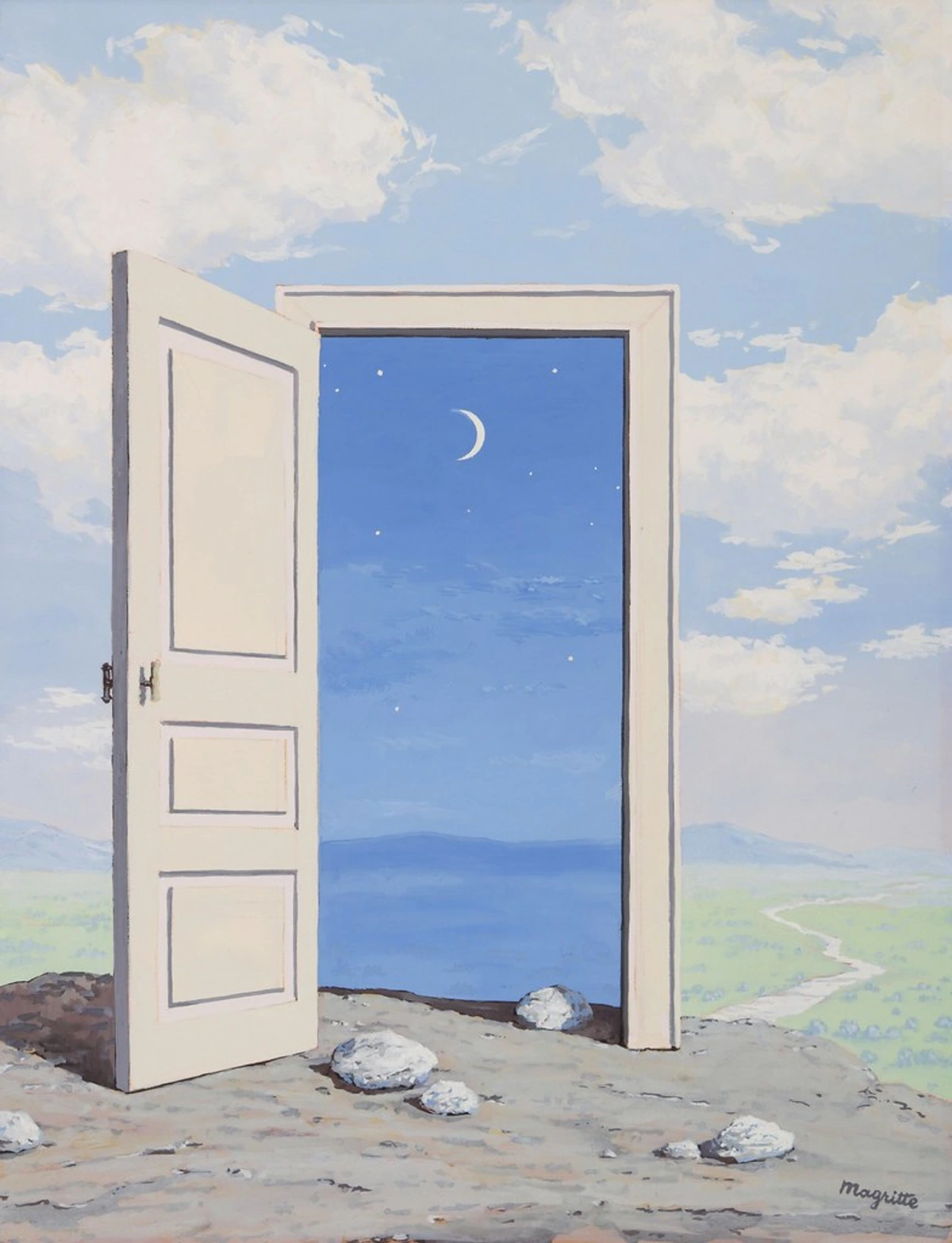
Magritte is forcing us to confront this gap. He’s reminding us that we live in a world saturated with symbols, images, and words that we constantly mistake for the real thing, a subtle form of philosophical iconoclasm—the deliberate destruction of images or symbols, or, in this context, the dismantling of conventional beliefs regarding established representations.
Beyond the Pipe: Magritte's Other Treacherous Images
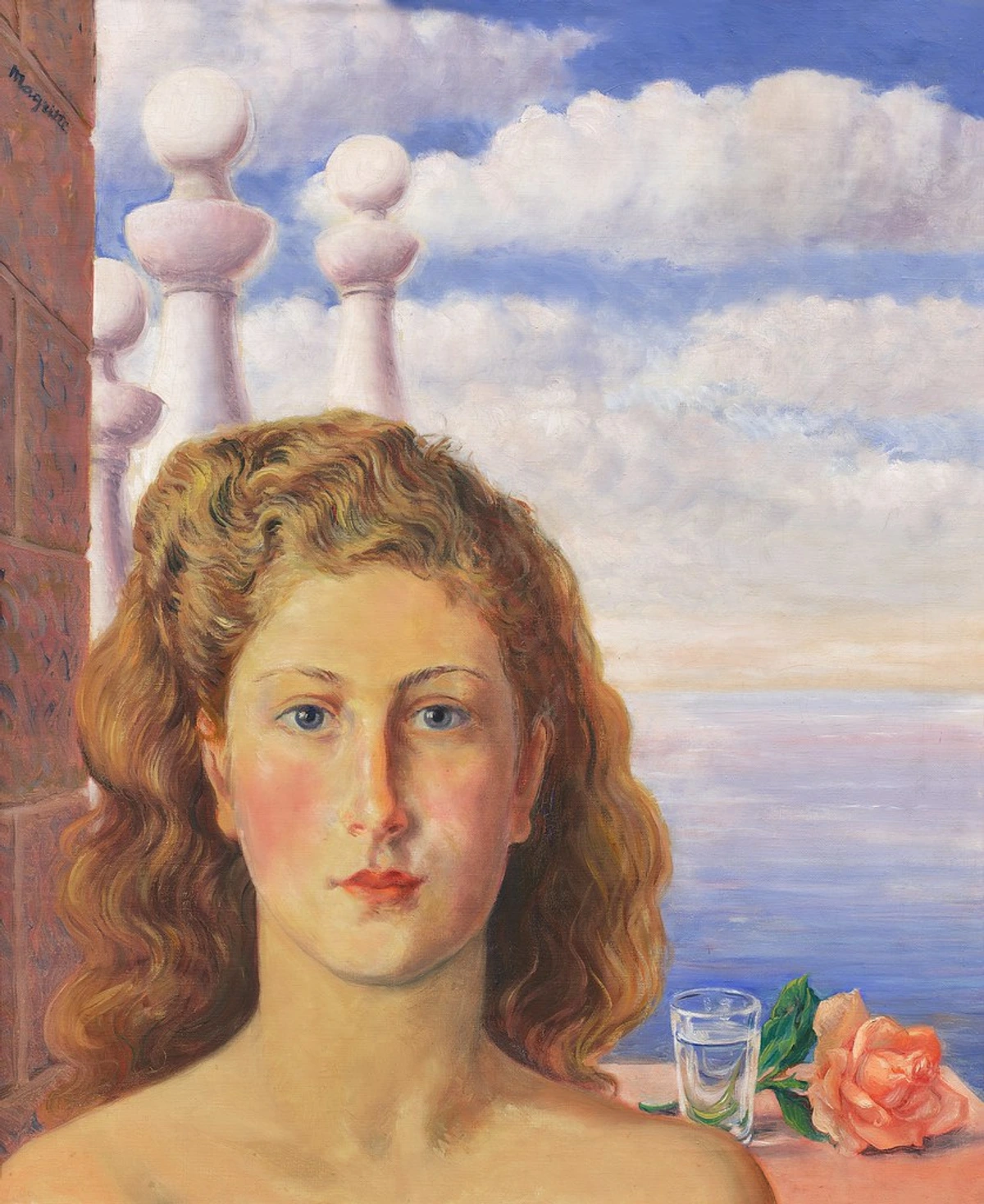
The Treachery of Images wasn't a one-off. Magritte spent his career exploring these themes, constantly playing with our perceptions and the nature of representation. Each work, in its own way, echoes the core paradox of the pipe, inviting us to question what we see. And often, his enigmatic titles, which rarely explain but rather add another layer of mystery, are integral to this process.
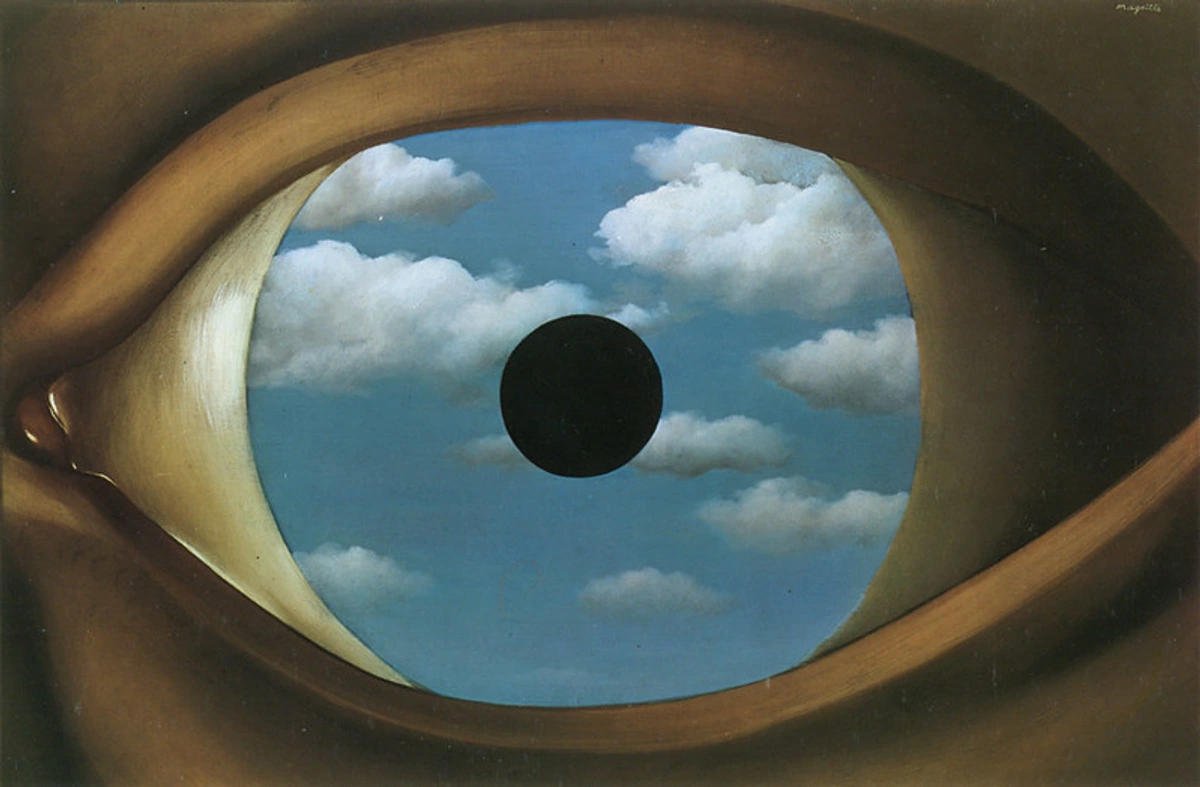
- The False Mirror: This painting, featuring a giant eye with its iris filled with a cloudy sky, makes you question what constitutes vision—is it inner perception or outer reality? Like the pipe, the eye here is a representation that reflects a different representation (the sky), rather than offering a direct, objective window to the world. It’s an unsettling image that asks us to look deeper, suggesting that even our most direct sensory input is filtered through our internal world, a 'false mirror' reflecting back our own interpretations rather than objective truth. It speaks volumes about the subjectivity of what we perceive. This work, alongside The Treachery of Images, is a powerful example of Magritte's iconoclasm, dismantling our automatic assumptions about visual signs.

- The Human Condition: A painting of a landscape sits on an easel in front of a window, perfectly obscuring the actual landscape outside. This work brilliantly blurs the line between what is seen, what is depicted, and what is physically present. The painted landscape on the easel replaces the actual view, forcing us to consider which 'reality' holds more sway: the one rendered by the artist, or the one physically present but hidden. Just as the painted pipe isn't a real pipe, this piece highlights the power of art to both reveal and conceal, and how our engagement with a representation can overshadow the referent.
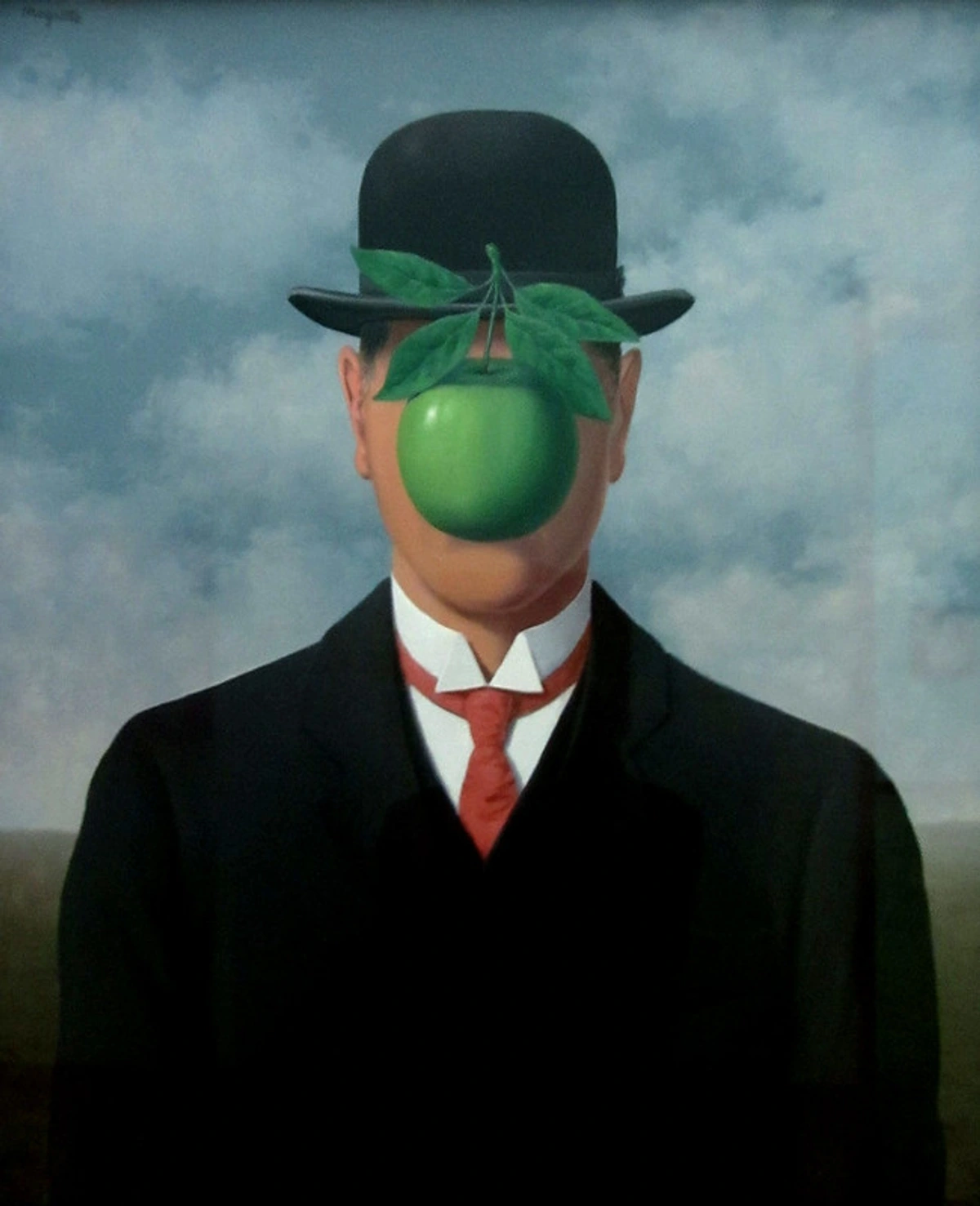
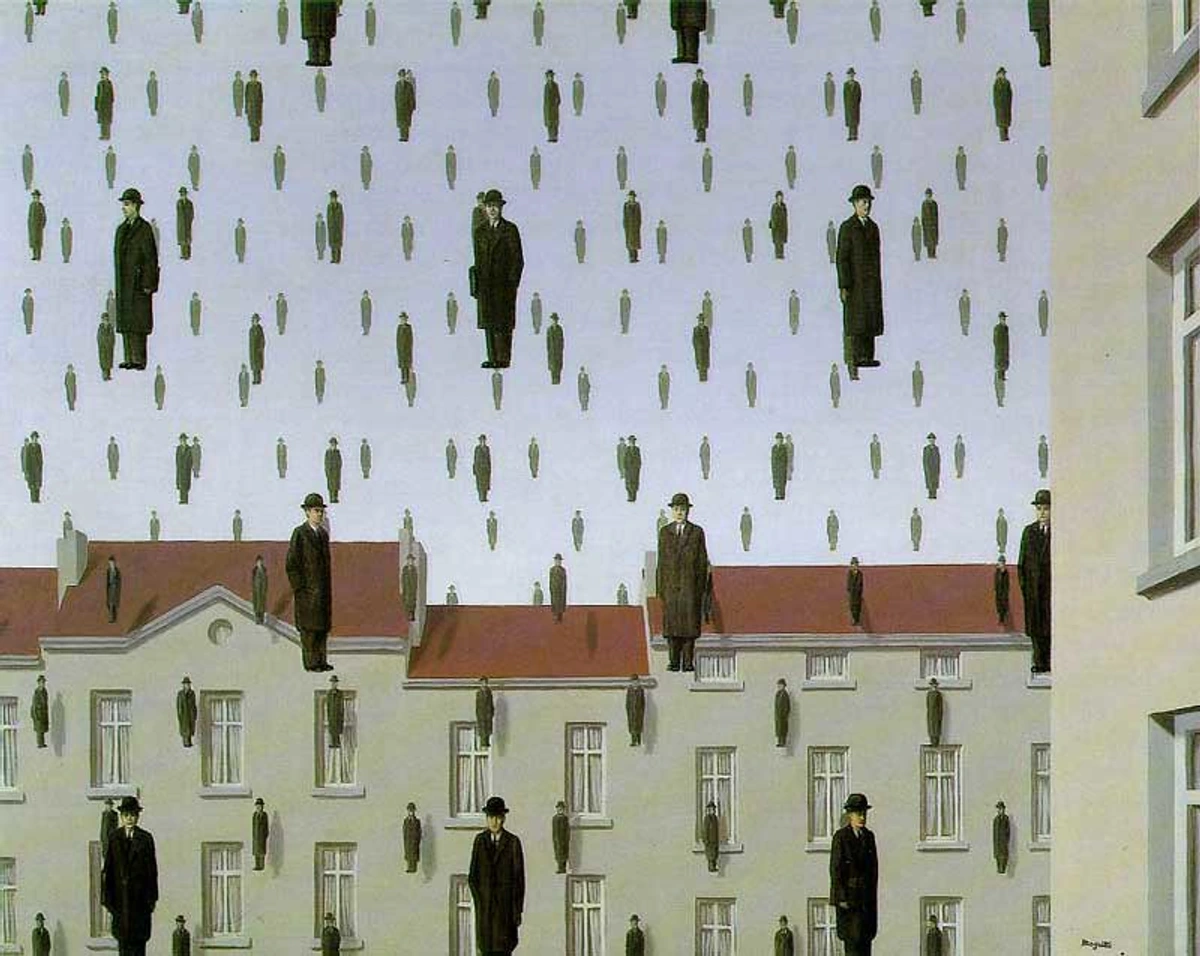
- Golconda: Men in bowler hats appear to rain from the sky over a suburban landscape, rendering the mundane utterly surreal and challenging our sense of order and predictability. Here, Magritte takes ordinary figures (another representation) and places them in an impossible context, much like placing an image of a pipe under a contradictory label. It's a whimsical yet profound disruption of everyday expectations, questioning the very fabric of social norms and physical laws.
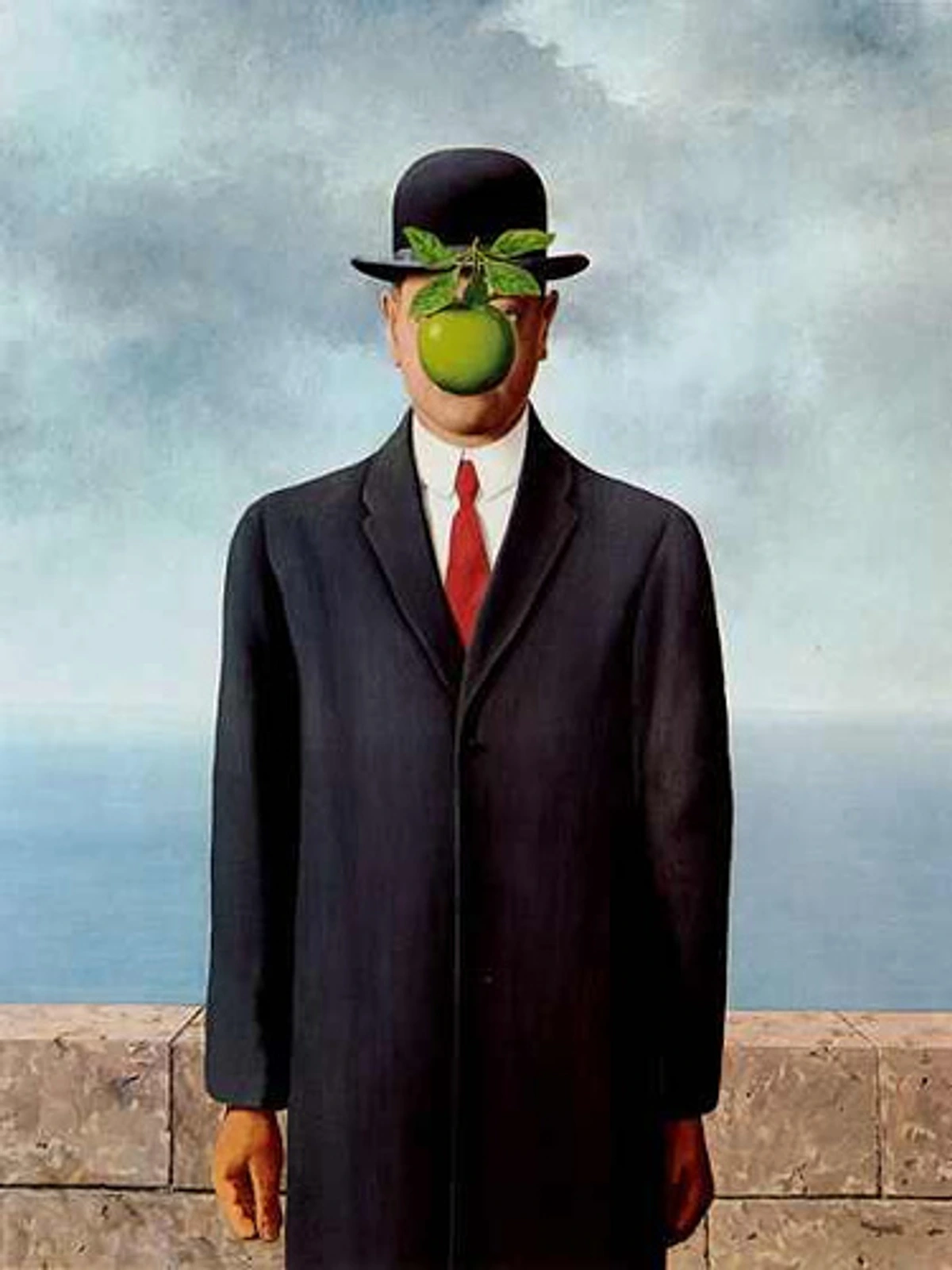
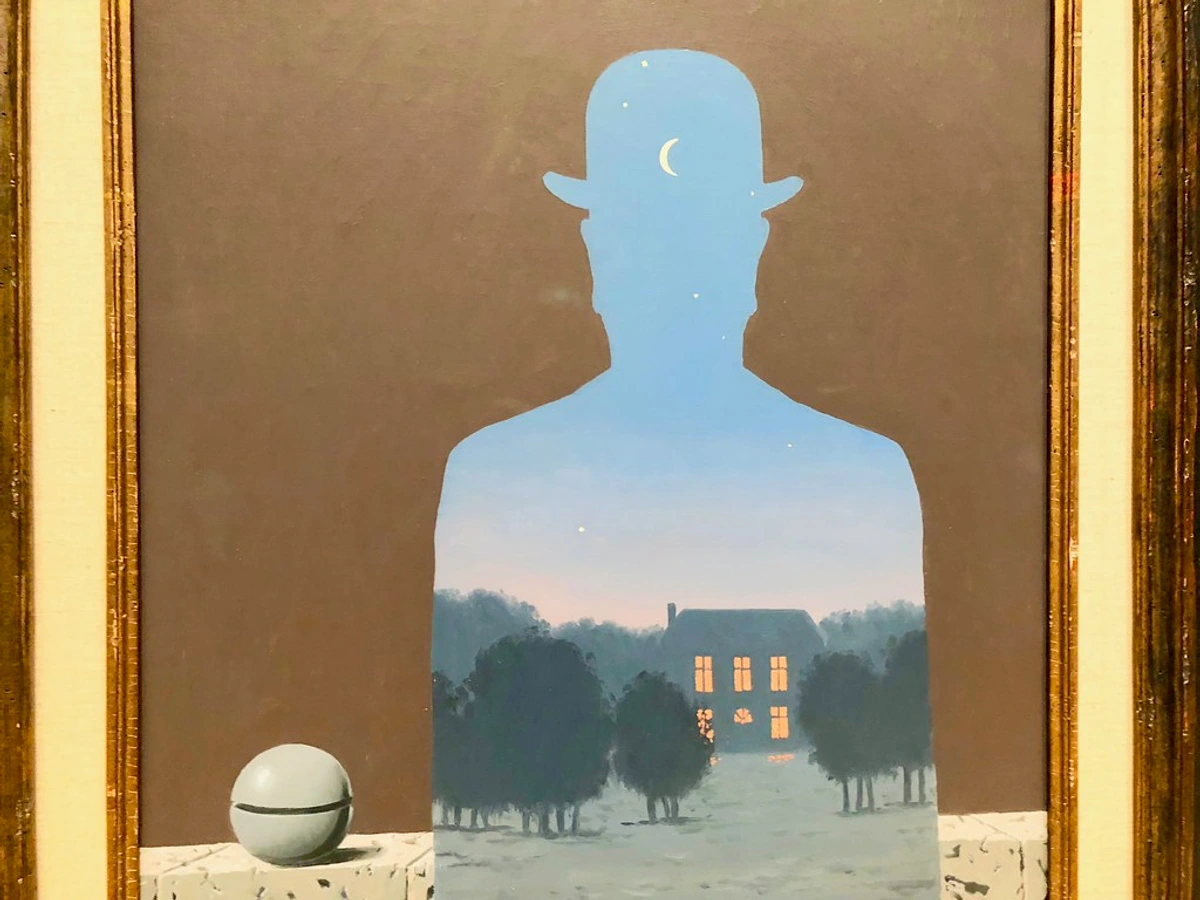
- The Fifth Season: A man in a bowler hat has his silhouette filled with a night landscape, a clever inversion that makes us ponder inner worlds and external realities. This work, like the pipe, plays with the container and the contained, where a human form (a representation of a person) becomes a window to an entirely different, internal reality. Is the man containing the night, or is the night consuming him? It playfully suggests the porous boundaries between our internal consciousness and the vast external world, inviting us to question the stability of identity itself.
These are just a few examples of how Magritte consistently explored the illusion of reality, often through the simplest, most direct means. He wasn't interested in confusing us, but in shaking us awake to the habitual ways we perceive the world. His art is, in a profound sense, an act of philosophical iconoclasm, dismantling our reliance on conventional signs.
Language: The Second Layer of Illusion – A Semiotic Deep Dive
But the image is only one layer of the treachery; language introduces another, equally crucial one. The phrase itself, written in a clean, almost school-like script, is crucial. By using language, Magritte introduces a second layer of symbolism. Both the image of the pipe and the word “pipe” are representations—they are symbols that point to the actual physical object. Neither one is the object.
This is where the concept of semiotics comes into play. Semiotics is the study of signs and symbols and their interpretation, a field that helps us understand how meaning is created and communicated. Building on the foundational work of linguists Ferdinand de Saussure and philosopher Charles Sanders Peirce, semiotics posits that signs operate in different ways:
- The Signifier (Form): The physical form a sign takes (e.g., the visual depiction of the pipe, the written word "pipe").
- The Signified (Concept): The concept or mental image it represents (e.g., the mental idea of a pipe, its function, its characteristics).
- The Referent (Object): The actual, real-world object the sign points to (e.g., a physical pipe you can hold and use).
Saussure also emphasized the arbitrary nature of the sign. This means there’s no inherent, logical reason why the specific sound-image (the word "pipe") or visual-image (the painting of a pipe) should represent the actual smoking device. It's a convention, a societal agreement, a bit like how we all just decided that a red light means "stop" or that a thumbs-up means "good." The visual symbol for 'no smoking' (a cigarette with a line through it) is another good example – it's understood through shared cultural learning. Magritte brilliantly exposes this arbitrary link, asking us to consider the sheer power of these agreements. This is crucial because it highlights how our understanding of reality itself is, in many ways, socially constructed through these agreed-upon signs. Think about it: how often do you rely on the word 'danger' to avoid an actual threat, rather than directly assessing the threat itself? Even I, after all this, sometimes catch myself just accepting a sign for what it is without a second thought – it's that powerful!
Extending this, Peirce introduced three types of signs, helping us understand the nature of the link between signifier and signified:
- Icon: A sign that resembles its referent (e.g., a photograph of a pipe, or in this case, Magritte's painting of a pipe). It looks like the thing.
- Index: A sign that has a direct, causal connection to its referent (e.g., smoke is an index of fire; footprints are an index of someone walking).
- Symbol: A sign whose relationship to its referent is purely arbitrary and conventional (e.g., the word "pipe," traffic lights, national flags). It's understood through learned association.
Magritte’s painting brilliantly pits the visual signifier (an iconic representation of a pipe) against the linguistic signifier (a symbolic representation of a pipe) and makes us realize that both are just pointers to a reality that isn't actually present on the canvas. Neither is the real object, or as we call it in semiotics, the actual referent—the real, physical object in the world that a sign points to. This isn't just a technical distinction; it's a profound commentary on the nature of reality itself, and how our access to it is always mediated through these layers of representation. It's a core idea in semiotics, and Magritte laid it out more clearly than any textbook ever could:
Semiotic Term  | Magritte's Pipe Painting | Sign Type (Peirce) | Description | Everyday Example |
|---|---|---|---|---|
| Actual Referent | (A real, physical pipe you can hold and use) | N/A | The real-world object a sign refers to. Not present on the canvas. | A real, burning campfire |
| Visual Signifier | The painting on the canvas (a realistic depiction of a pipe) | Icon | Resembles its referent; it looks like the thing it represents. | A photograph of a campfire |
| Linguistic Signifier | The written sequence of letters "Ceci n'est pas une pipe" | Symbol | Arbitrary relationship to its referent, based on convention. | The word "fire" |
| Signified Concept | The mental idea of a pipe (its function, characteristics) | N/A | The mental concept evoked by the signifier. | The mental concept of fire (warmth, danger) |
This semiotic framework helps us understand not just Magritte's pipe, but the very essence of how we process symbols in art, language, and the world around us. It's a reminder that what we perceive as "truth" is often a carefully constructed system of signs. It also implicitly asks us to consider the limits of language itself, suggesting that words, like images, are ultimately inadequate to fully capture the essence of an object or experience. They are pointers, not the thing itself.
A Philosophical Earthquake: Magritte, Surrealism, and the Challenge to Reality
Okay, so it’s a clever philosophical puzzle. But why has this painting had such an outsized impact? Because it cracked open the door for so much of what would come next in art and thought, and continues to resonate deeply with enduring philosophical questions.
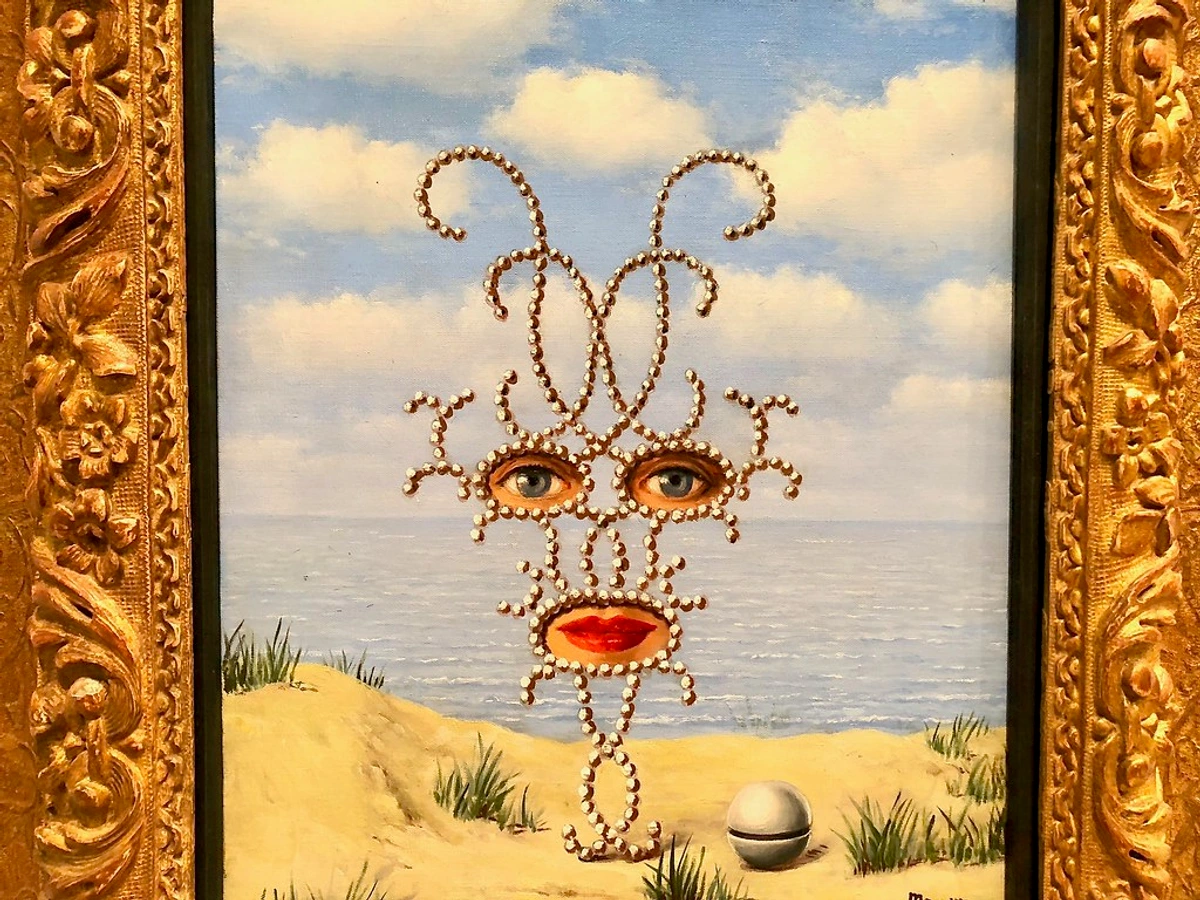
Historical Context: The Interwar Period, Psychoanalysis, and Questioning Norms
It’s important to remember that The Treachery of Images was painted in 1929, an era between two World Wars, rife with existential uncertainty and a profound questioning of established norms. Old certainties—social, political, and cultural—were crumbling. The devastation of World War I had shattered faith in reason and progress, leading to widespread disillusionment. This was compounded by the rise of totalitarian ideologies like fascism, looming economic instability (just before the Great Depression hit fully), and a general sense that the old ways of thinking and seeing the world were utterly inadequate.
This atmosphere also provided fertile ground for the burgeoning field of psychoanalysis, with Freud's theories on the unconscious mind gaining traction. This intellectual shift fostered a deep interest in dreams, irrationality, and the hidden mechanisms that drive human behavior, directly influencing movements like Dadaism, which violently rejected logic, reason, and traditional art forms in protest against the madness of war. Surrealism, emerging from Dada, extended this challenge to the unconscious mind and the arbitrary nature of language and reality itself. Magritte’s painting, with its quiet intellectual subversion, was perfectly timed to contribute to this broader cultural shift, using a deceptively simple image to deliver an intellectual rather than purely visual shock.
Echoes of Cartesian Doubt, Phenomenology & Existentialism: Challenging What We "Know"
Magritte was certainly aware of the philosophical debates of his time, and even earlier. Thinkers like René Descartes, centuries before, explored the distinctions between mind and body, and how our senses can deceive us. Descartes famously employed radical doubt, even conceiving of an "evil demon hypothesis" — an omnipotent, malevolent deceiver designed to trick us about the reality of the world and the reliability of our senses. His famous conclusion, "Cogito, ergo sum" ("I think, therefore I am"), sought certainty in the act of thinking itself, precisely because sensory experience could be treacherous. Magritte’s pipe echoes this Cartesian skepticism with a visual punchline, challenging the viewer to doubt what their eyes tell them and instead rely on a more intellectual understanding of what is truly present. It’s a playful yet profound engagement with the very nature of perception and knowledge, forcing us to question the perceived reliability of our senses.
Beyond Descartes, one could even connect Magritte's work to phenomenology, particularly the ideas of Maurice Merleau-Ponty, who emphasized the primacy of embodied perception. Merleau-Ponty argued that we don't just 'think' reality; we live it through our bodies, our senses, and our interaction with the world. He believed that our perception isn't a passive reception of data, but an active, embodied engagement. Magritte's pipe forces a sudden disjuncture in that embodied experience—your eyes and ingrained habits perceive a pipe, but your intellect, prompted by the text, insists otherwise. This rupture in the seamless flow of perception, where the visual experience is contradicted by the linguistic, is deeply phenomenological. It makes you acutely aware of the 'gap' not just intellectually, but almost physically, unsettling your usual way of being in the world.
Moreover, The Treachery of Images resonates with Existentialism, a philosophy deeply concerned with individual freedom, responsibility, and the search for meaning in an absurd world. The painting visually presents an existential void—a sign without a direct, present referent, pushing the viewer into a space of uncertainty. It forces us to confront the arbitrary nature of the world we've constructed through language and representation, highlighting a form of existential alienation where even familiar objects lose their foundational truth. It’s a subtle yet powerful reminder of our burden of choice in interpreting a reality that isn't as fixed as we might assume.
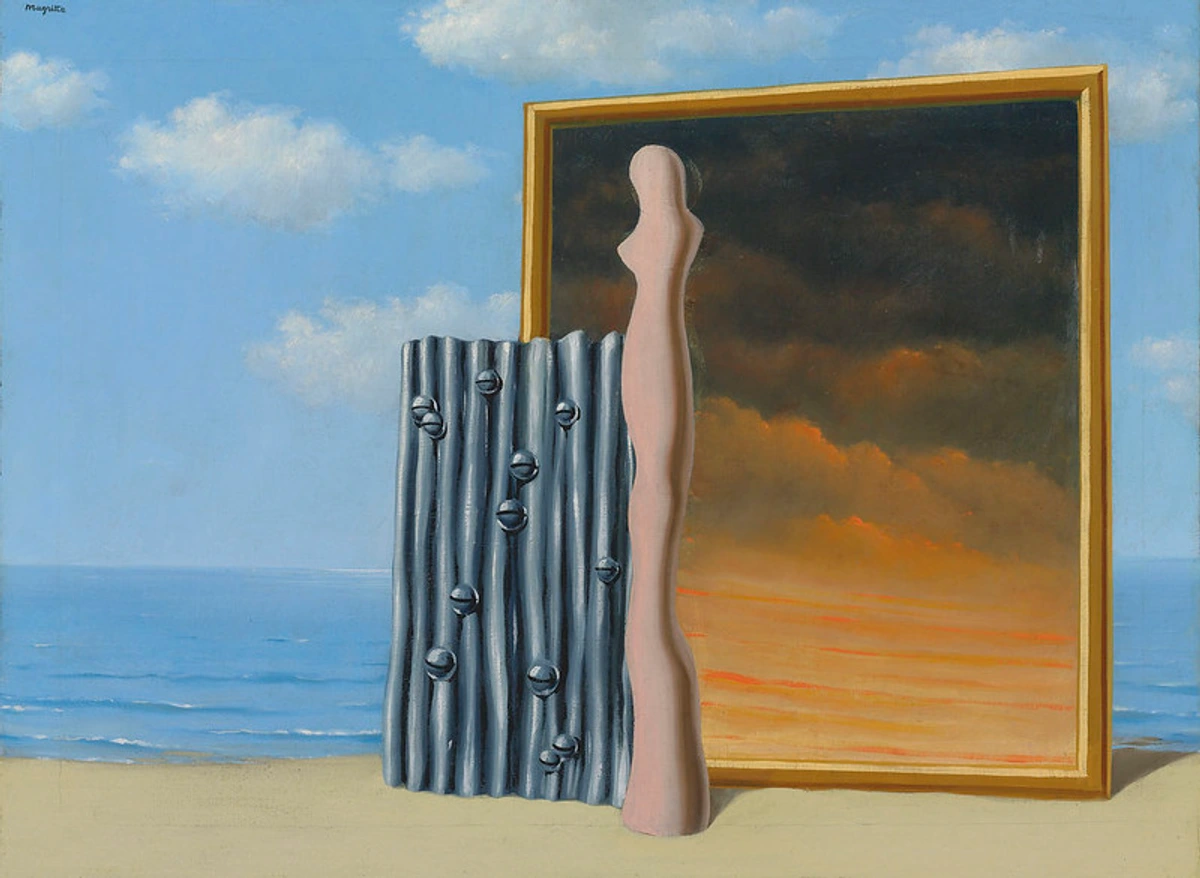
Magritte's Unique Brand of Surrealism: Ordinary Objects, Extraordinary Disruption
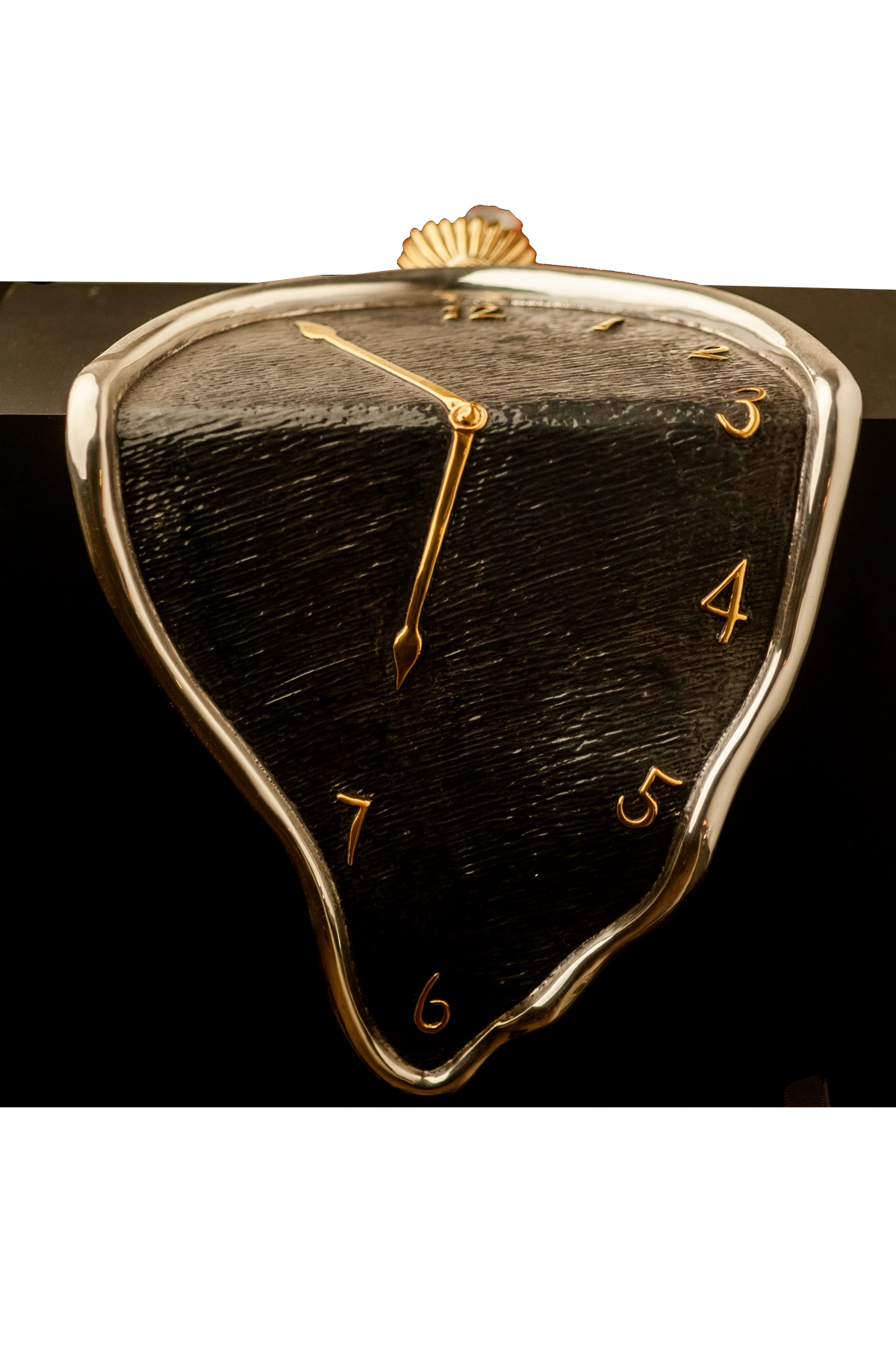
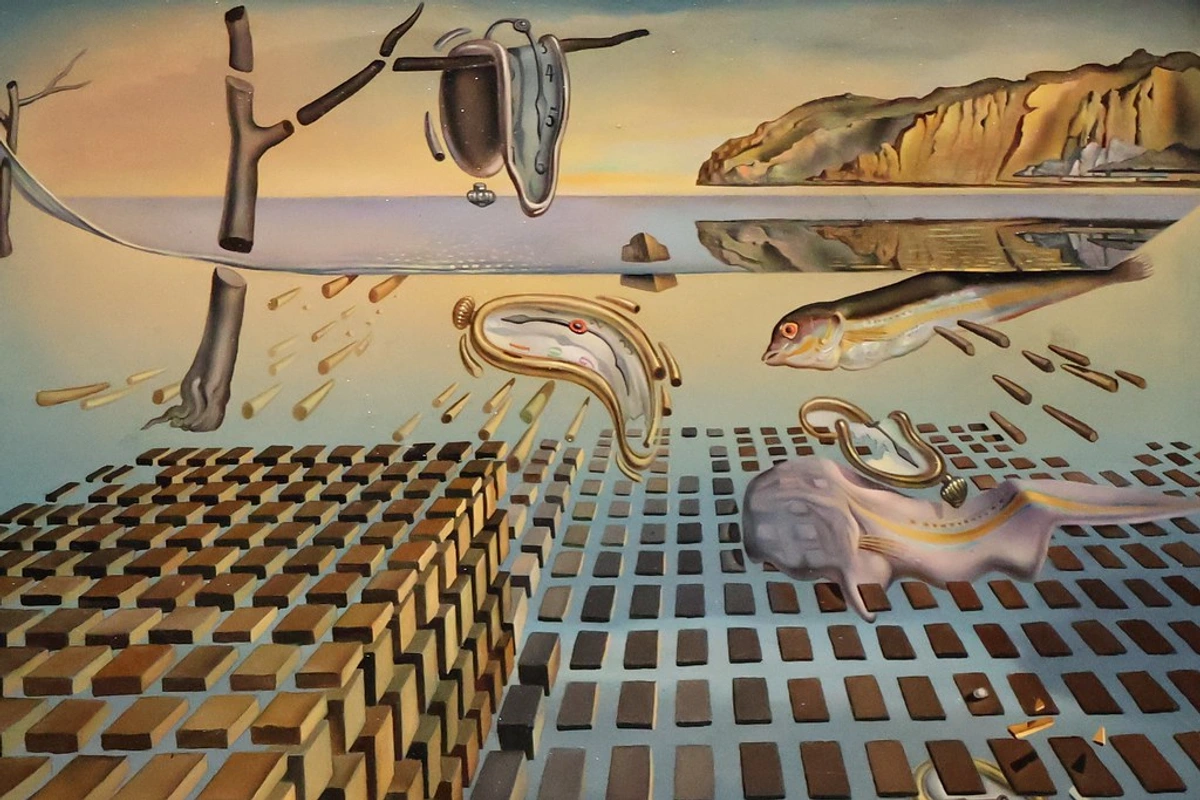
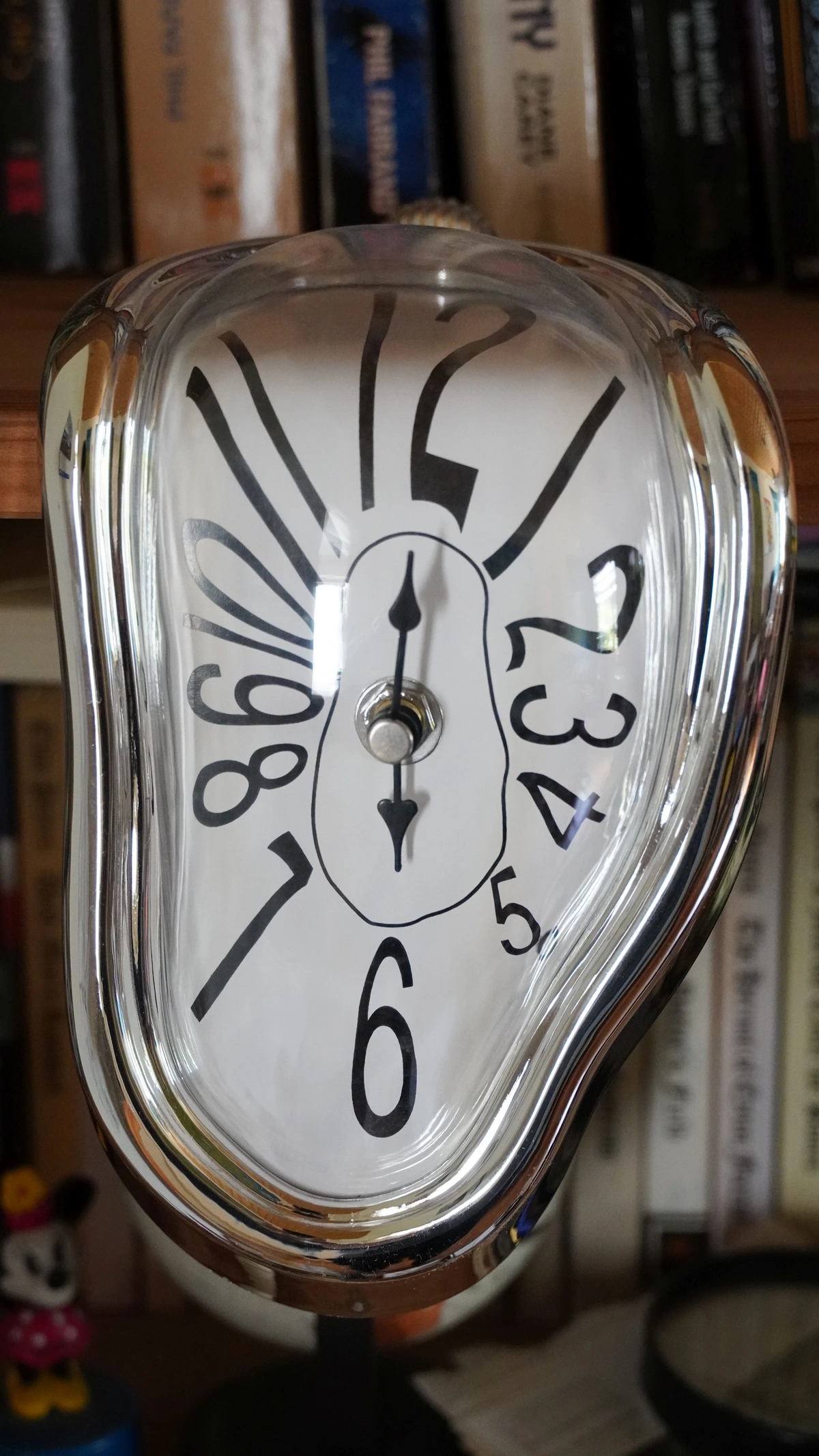
While The Treachery of Images doesn't feature the bizarre dreamscapes or melting clocks you might associate with other Surrealists like Salvador Dalí, it's profoundly Surrealist in its intellectual and philosophical challenge. Magritte, alongside artists like Giorgio de Chirico, was a key figure in the broader Surrealism movement, though his relationship with André Breton, the movement's founder, was sometimes complex due to Magritte's independent spirit and focus. Dalí's genius lay in depicting the subconscious as a fantastical, distorted landscape, often pulling from Freudian psychology.
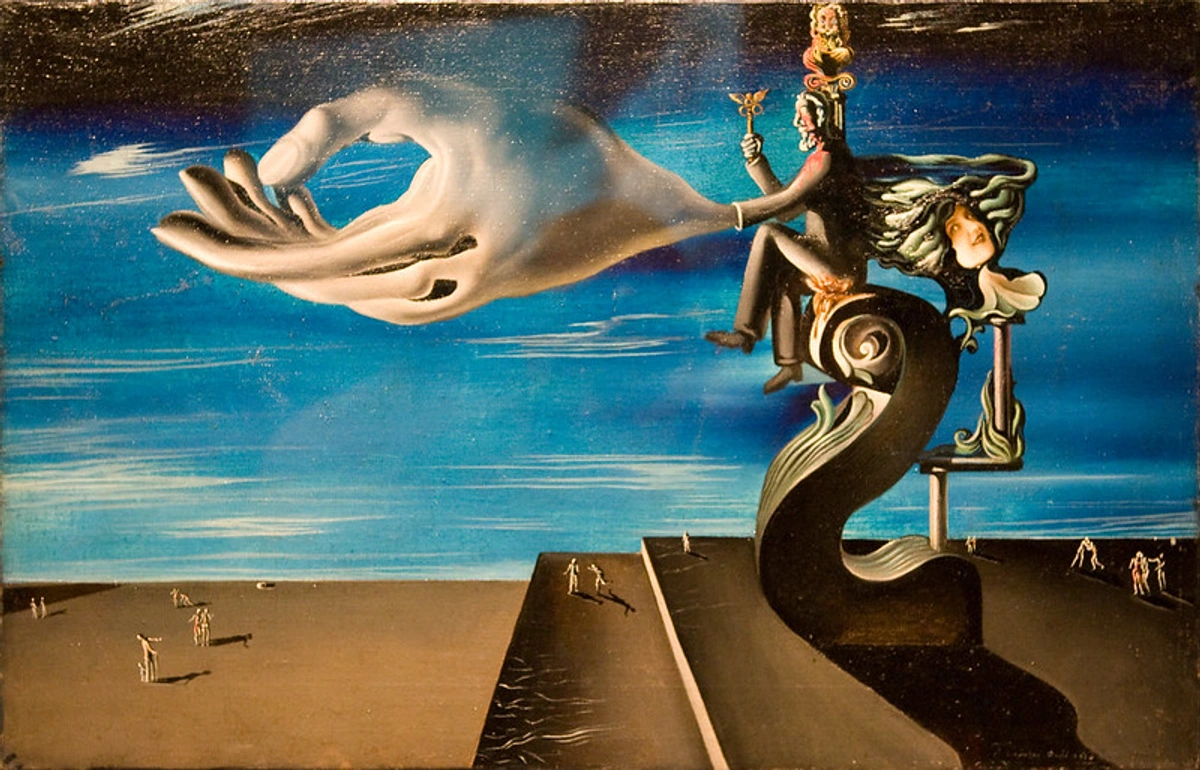
Magritte, on the other hand, was interested in the treachery of the everyday. He deployed ordinary objects and familiar language to disrupt our rational understanding of reality. This was a crucial aspect of Surrealism's broader aim: to subvert bourgeois complacency, expose the arbitrary nature of language, and explore the fluid boundaries of perception. Magritte’s genius was to achieve this philosophical depth with a deceptively simple image, an intellectual rather than purely visual shock. It’s a subtle yet powerful form of resistance to conventional thought, embodying a distinct approach within Surrealism.
To highlight the fascinating differences in their Surrealist strategies, consider this:
Characteristic | René Magritte | Salvador Dalí |
|---|---|---|
| Key Approach | Intellectual paradox, linguistic subversion | Dreamscapes, psychological symbolism, visual distortion |
| Objects Used | Ordinary, recognizable objects in illogical contexts | Fantastical, often melting or grotesque forms |
| Visual Style | Realistic, precise, almost illustrative | Hyper-realistic, highly detailed, often theatrical |
| Goal of Disruption | Challenge reason, language, and perception | Access the subconscious, explore Freudian themes |
| Emotional Impact | Thought-provoking, unsettling, cerebral | Shocking, dreamlike, often unsettlingly vivid |
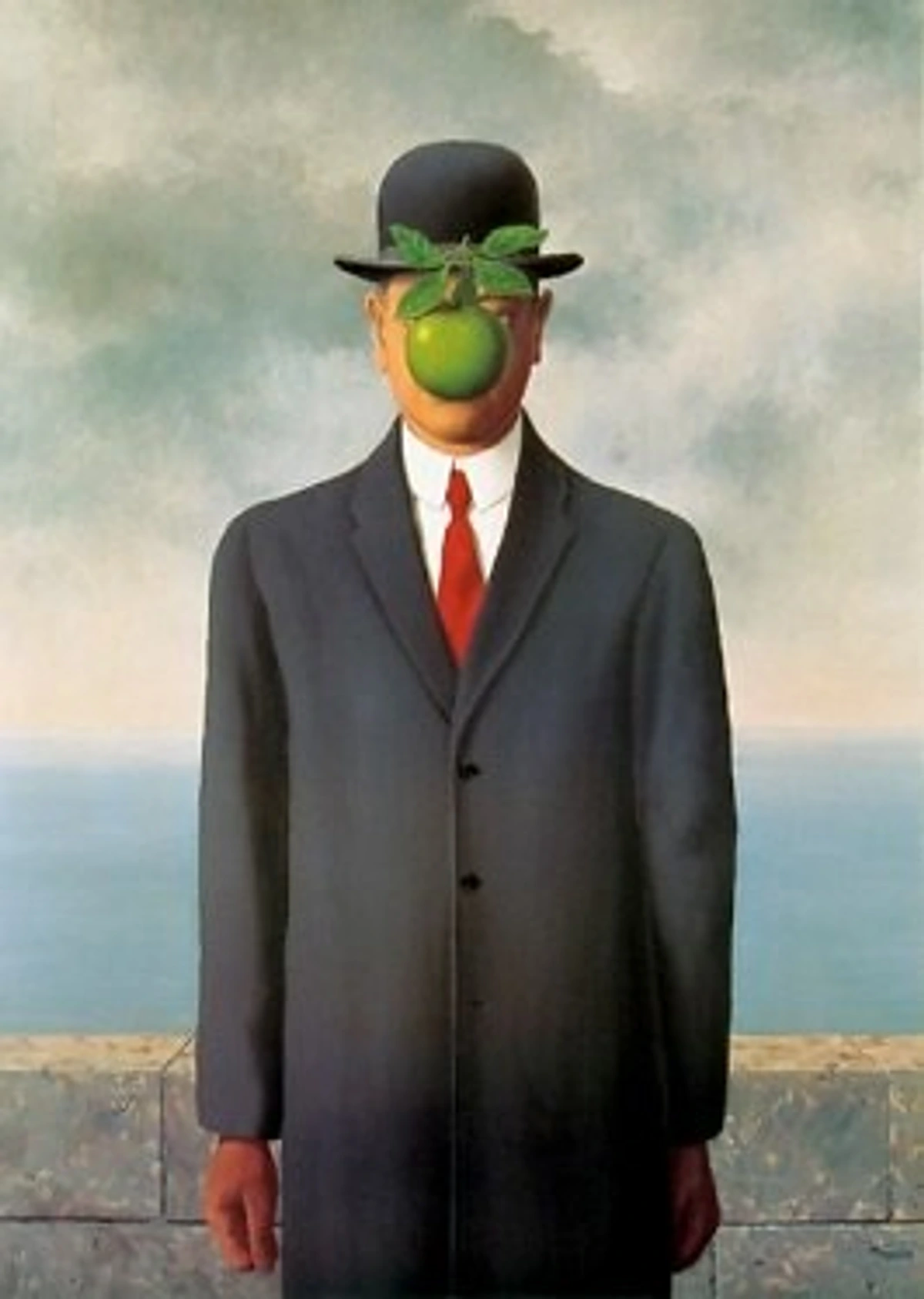
| Example Work | The Treachery of Images, The Son of Man | The Persistence of Memory, The Elephants |
Magritte's Broader Philosophical Underpinnings: The Mystery of the World
Beyond the specific semiotic and perceptual challenges, Magritte's work, including The Treachery of Images, stems from a deeper philosophical belief: his profound fascination with the inherent "mystery" of the world. He often stated that the visible conceals the invisible, and that the world's most ordinary objects hold a hidden magic, a quality that defies simple explanation. He wasn't trying to demystify or resolve paradoxes; he was trying to reveal them, to make us conscious of the strangeness embedded in the familiar. This is why his works often present logical impossibilities with startling realism—it's his way of showing us the extraordinary that lies just beneath the surface of the ordinary, without ever fully explaining it. It's a call to embrace ambiguity and wonder, rather than demand absolute clarity.
The Role of the Viewer: An Active Interpretation
Magritte’s painting isn't a passive spectacle; it's an active invitation for the viewer to participate in the creation of meaning. Unlike artworks that aim for a single, prescribed interpretation, The Treachery of Images intentionally disrupts. It doesn't dictate; it provokes. The cognitive friction you feel when encountering the pipe isn't a failure to understand, but the beginning of understanding. This places the burden of interpretation squarely on the observer, transforming them from a mere spectator into a crucial component of the artwork's ongoing dialogue with reality. It reminds us that our own experiences, biases, and intellectual frameworks are constantly at play when we engage with any form of representation.
The Ripple Effect: From Art to Media and Modern Culture
Magritte's pipe cracked open the door for so much of what would come next in art and thought, its message reverberating far beyond the gallery walls to influence various aspects of visual culture, graphic design, and even our understanding of media literacy today.
A Precursor to Conceptual Art: The Idea as the Artwork
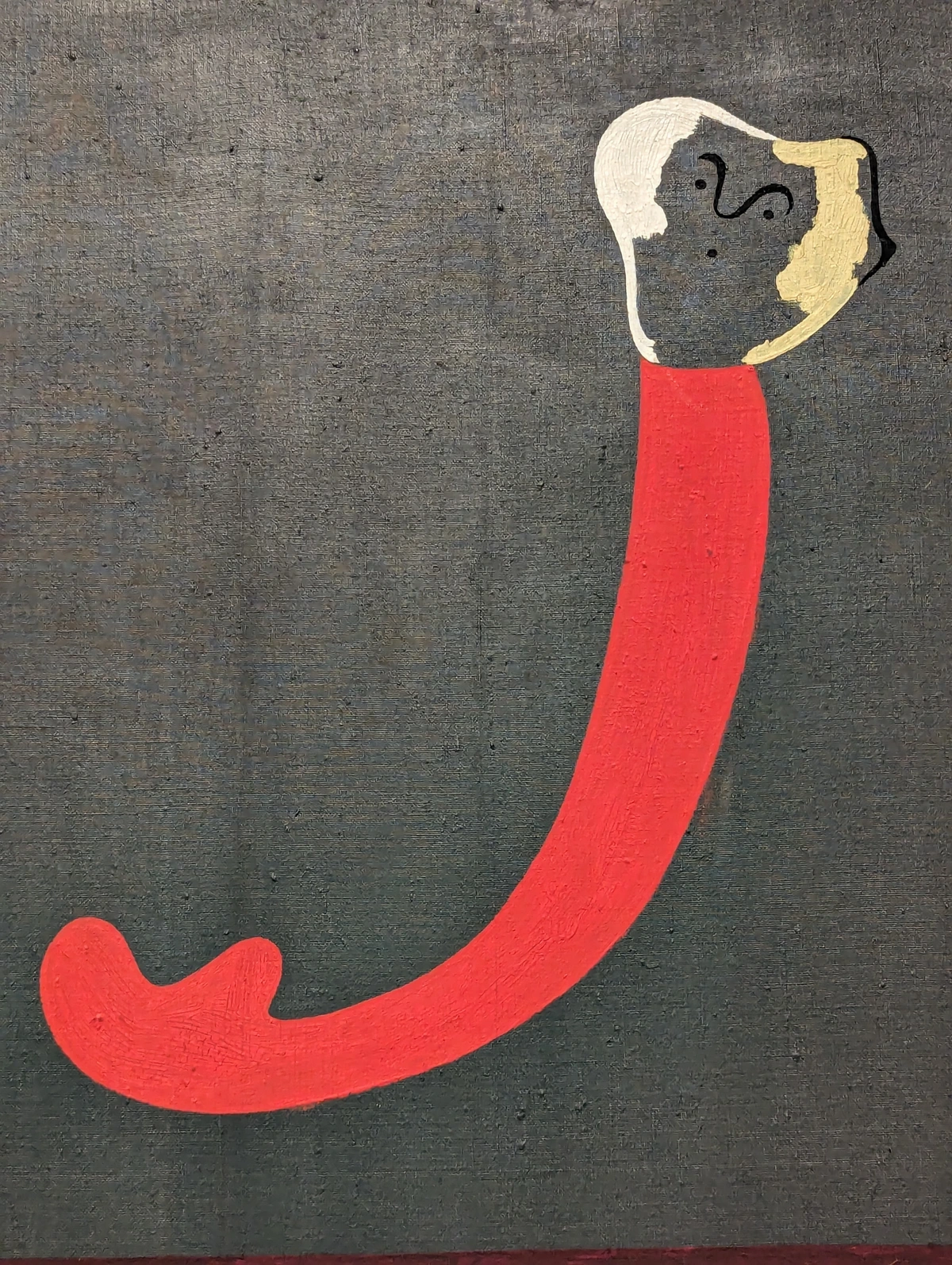
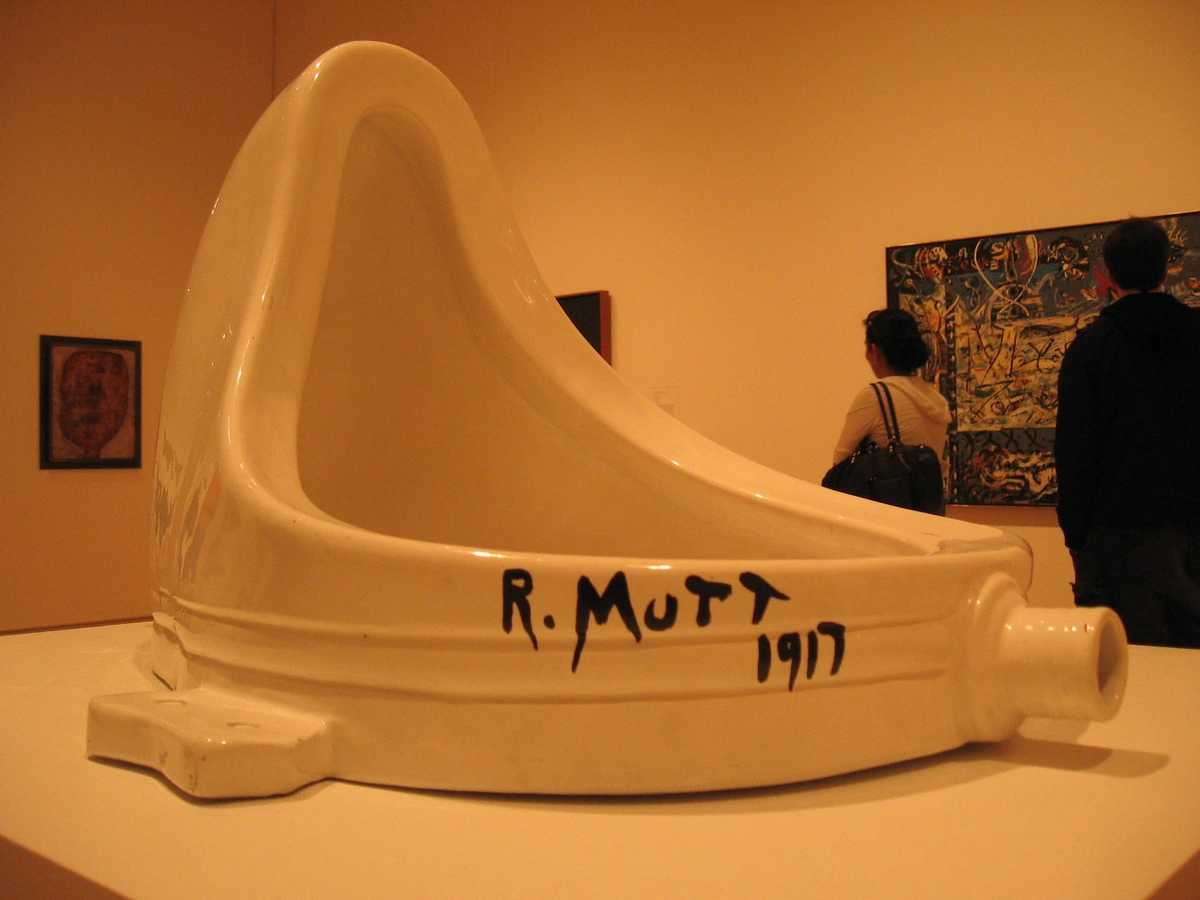
Its influence on Conceptual Art is undeniable; it laid the groundwork for a movement where the idea behind the artwork became paramount. Before Magritte, the physical object, its craftsmanship, or its aesthetic beauty were often the primary focus. But by making the idea of representation the subject, by prompting us to think about the nature of signs rather than just admire the painting, he shifted the focus, proving that art could be primarily intellectual. Conceptual artists, rather than creating objects to be admired, often present concepts, instructions, or documentation, following Magritte's lead in prioritizing the mental over the material. It's a profound move from what you see to what you think about what you see.
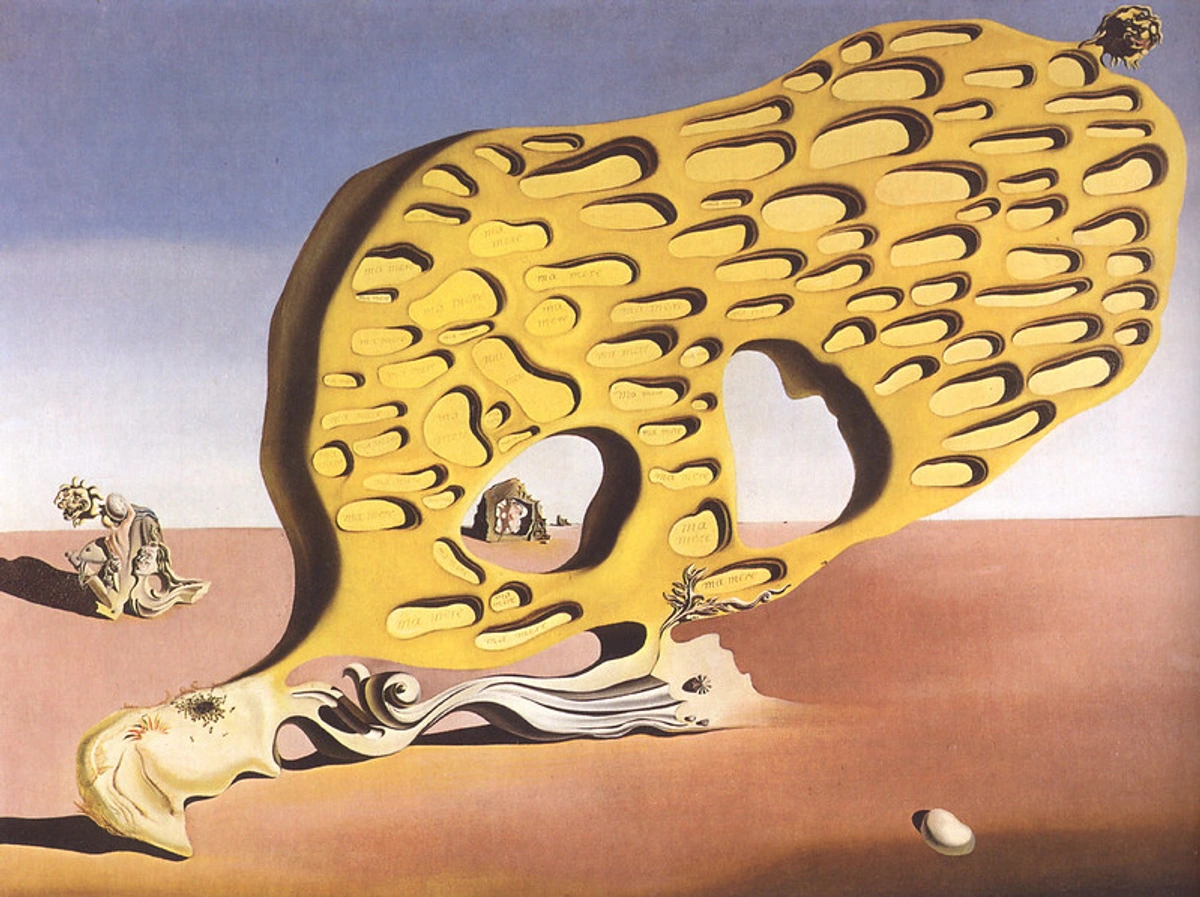
This principle extended into later movements. Think of artists working with language-based art, like Lawrence Weiner or Jenny Holzer, whose works are often just text on a wall, directly challenging the material object. Or consider artists engaged in Neo-Conceptualism in the late 20th century, like Barbara Kruger, who uses text and found images to critique consumerism and power structures. Many implicitly or explicitly draw from Magritte’s interrogation of signs, pushing the boundaries of what constitutes art by focusing on the underlying conceptual framework rather than purely visual aesthetics. They continue to ask: is what is art truly found in the object, or in the intellectual provocation it embodies?
Warhol and the Pop Art Legacy: Questioning Ubiquitous Images
Artists like Andy Warhol certainly owe a debt to Magritte. When Warhol famously painted his Campbell's Soup Cans, he was also playing with the line between an object, its commercial image, and its status as art. He wasn't just depicting a soup can; he was interrogating how mass-produced objects and their ubiquitous images function in consumer culture. He asked us to reconsider what we take for granted as "art" and "reality" in an age of endless replication, much like Magritte asked us to question the pipe.
Magritte was doing something similar, but on a more philosophical, elemental level. He was exploring how representation works at its most fundamental, while Warhol applied that lens to the specific context of American consumerism. Both, in their own ways, challenged the "agreements with our brains" about what constitutes reality and value.
Magritte's Legacy in Graphic Design and Advertising
Magritte’s insights into the subtle manipulations of signs and symbols are nowhere more evident than in the fields of graphic design and advertising. Brands constantly leverage the disconnect between a representation and the actual referent. Think about a luxury car advertisement: it rarely shows the car itself in a mundane context. Instead, it presents an image of freedom, status, and adventure—a powerful signified concept that is arbitrarily linked to the vehicle. Designers use clever visual juxtapositions, enigmatic taglines, and evocative imagery to create a desired perception that often transcends the literal product. Magritte's playful treachery has become a cornerstone of persuasive communication, teaching us how to evoke emotions and associations that go far beyond simple depiction.
Ethical Implications in the Digital Age: The Viewer's Responsibility
This painting teaches us to be critical viewers. It encourages a healthy skepticism about the images we’re bombarded with every day in advertising, media, and politics. Remember those "silent agreements we make with our brains"? Magritte is the ultimate disruptor of those agreements.
When you see a perfectly crafted ad for a burger, you know it’s not the real burger you’re going to get. That’s The Treachery of Images at work in the wild. You’re seeing a representation designed to evoke the idea of a perfect burger, not the thing itself. The same goes for filtered photos on social media, political campaign ads designed to evoke a feeling rather than present a factual truth, or even the latest advancements in AI-generated content. Beyond these, consider how news imagery can be framed, edited, or cropped to elicit specific emotional responses, or how documentary filmmaking constructs narratives that, while based on reality, are still mediated representations. And let's not forget the insidious nature of political propaganda, which thrives on manipulating symbols and imagery to shape public perception, often by creating a powerful signified concept that bears little resemblance to the actual referent.
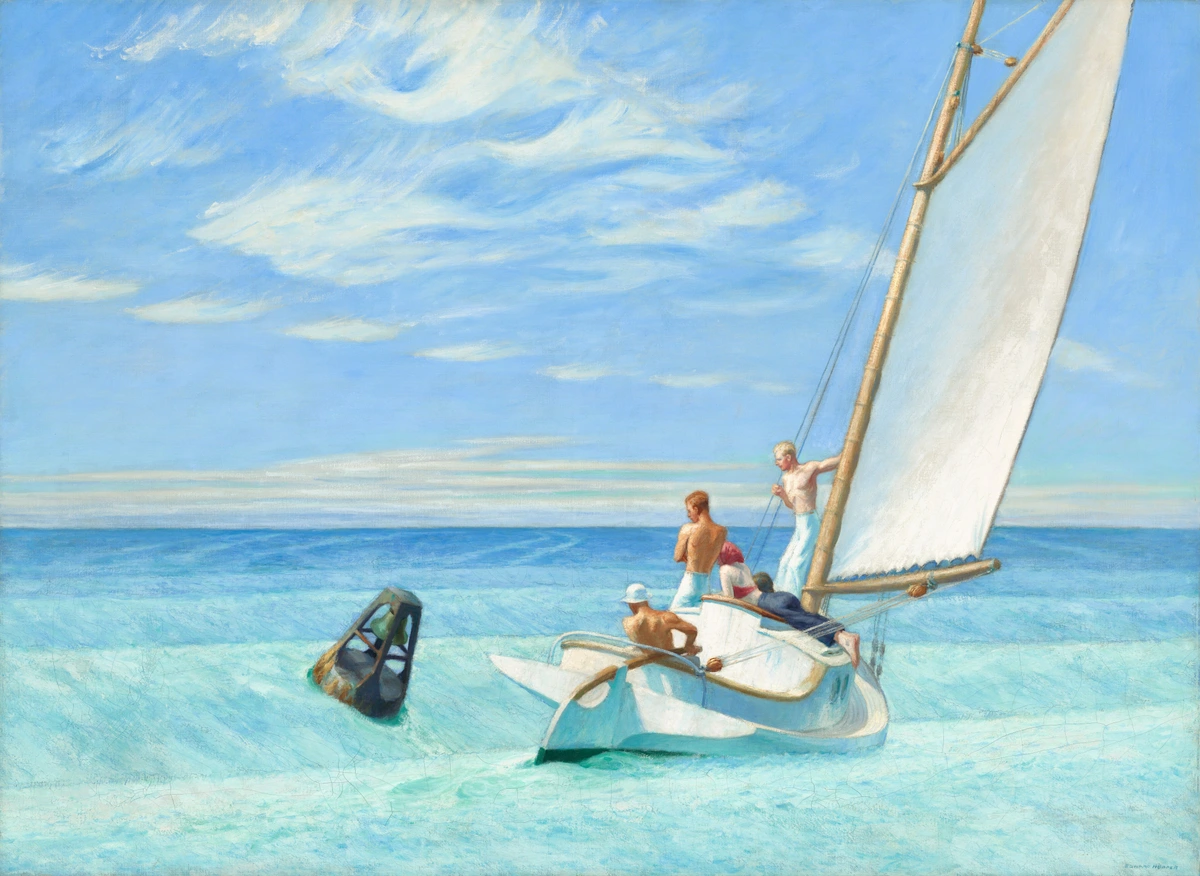
With deepfakes, realistic CGI, and AI-generated content creating convincing, yet entirely fabricated, images and narratives, Magritte’s lesson on the treacherous gap between representation and reality is more urgent than ever. Deepfakes, for instance, don't just represent a person; they convincingly simulate their appearance and voice, leveraging our perceptual constancy to trick us into believing in a non-existent referent. AI-generated imagery further blurs these lines, creating hyperreal visuals that exist only as digital constructs, without an original actual referent in the physical world. Each is a carefully constructed image, a signifier aiming to generate a specific signified, often far removed from the actual referent.
This brings us to the concept of Simulacra and Simulation, coined by French philosopher Jean Baudrillard. He argued that in postmodern societies, we are increasingly surrounded by simulacra—copies without originals—where the distinction between reality and representation collapses. Magritte's painting, by highlighting the inherent disconnect, can be seen as a prescient artistic exploration of this phenomenon, anticipating a world saturated with representations that often replace, rather than merely reflect, reality.
Even the realm of NFTs (Non-Fungible Tokens), which represent digital ownership, echoes this treachery, raising further questions about what 'ownership' truly means in a digital space. An NFT for a digital artwork is not the artwork itself, but a unique token on a blockchain that represents ownership of that artwork. The underlying digital asset (the image file) can often be freely copied, viewed, or downloaded by anyone. This creates a disconnect between the representation of ownership (the NFT) and the actual control or exclusivity over the referent (the digital image), often leading to speculative bubbles and debates about true artistic value versus perceived digital scarcity. It’s yet another layer of symbolic representation, where the true referent—the actual utility or exclusive access—can be elusive, and often carries significant environmental concerns associated with blockchain technology.
This isn't just about art history anymore; it's about civic responsibility. In an age of widespread digital manipulation, Magritte's painting serves as a foundational lesson in media literacy. It compels us to constantly ask: Is this image real? What is it trying to make me believe? What is the actual referent here, and does it even exist? Understanding this distinction is not just a philosophical exercise; it's essential for navigating our information-saturated world.
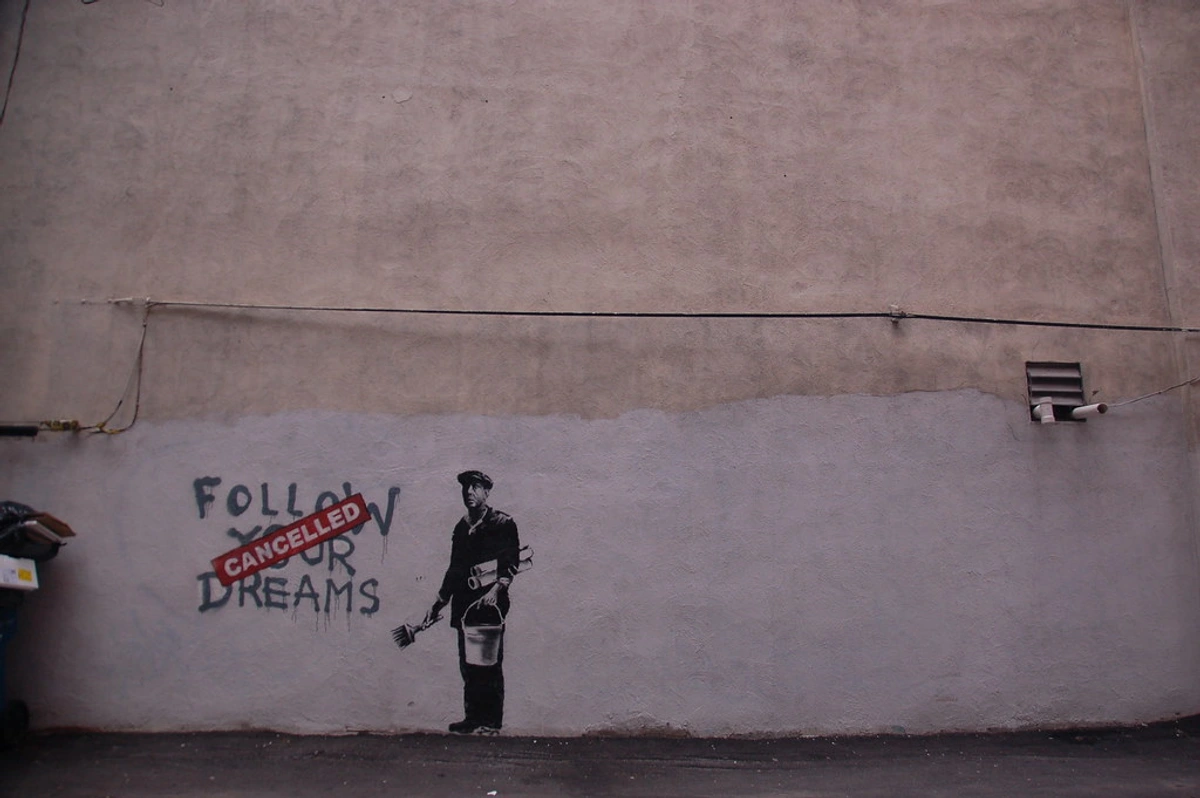
As a creator myself, I often consider this treachery, trying to ensure my own artworks, while abstract and colorful, invite you to consider layers of meaning without deceiving your core perception. For me, abstract art, in its very nature, pushes past simple representation, asking you to engage directly with feeling and form, sidestepping the pipe's paradox by embracing the non-literal. This is a path I often explore in my own work, where vibrant colors and forms invite direct emotional and intellectual engagement, sidestepping the pipe's paradox by embracing the non-literal. You can explore my vibrant creations and perhaps even find a piece for your collection at /buy.
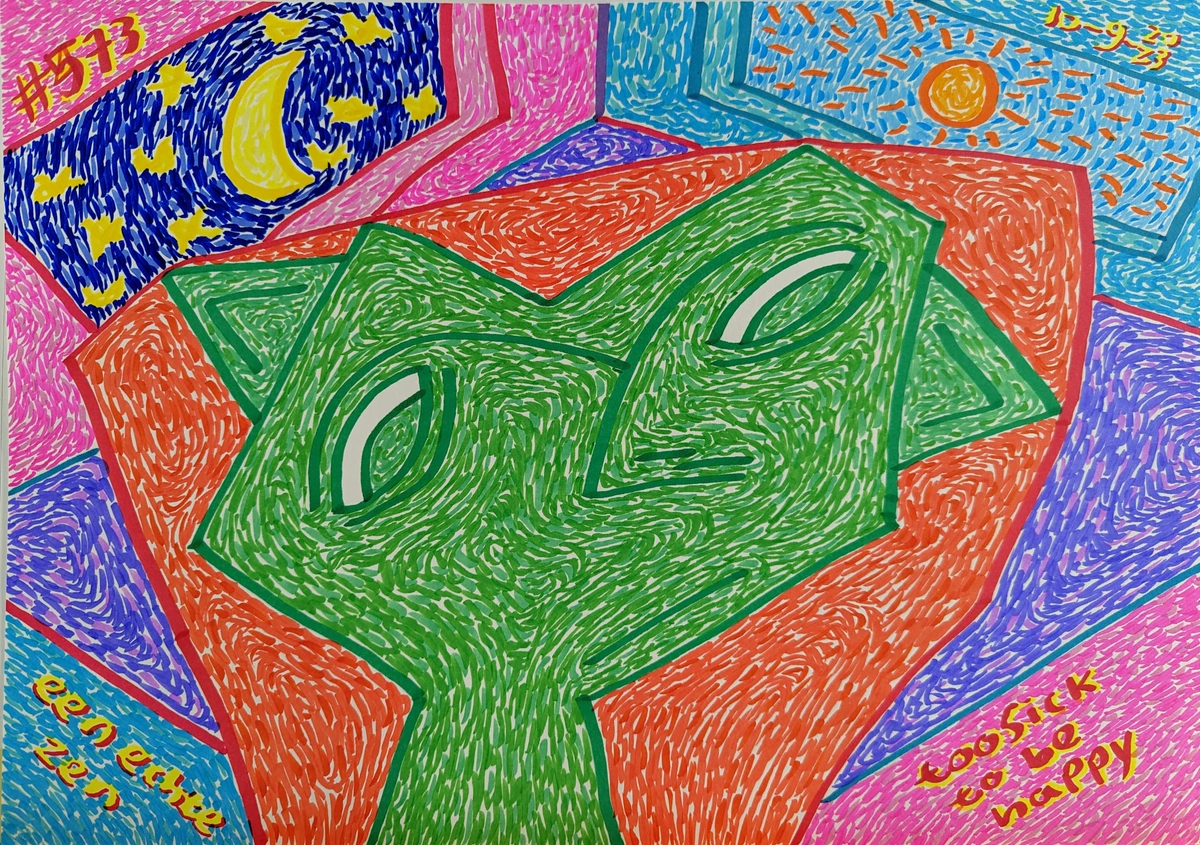
Common Misinterpretations of The Treachery of Images
Despite its fame, Magritte's pipe is often misunderstood. Many viewers initially dismiss it as a simple joke or a purely linguistic trick, believing Magritte was merely being contrary for the sake of it. However, reducing the painting to just a "gotcha" moment misses its profound philosophical depth. These misinterpretations highlight just how deeply ingrained our assumptions about representation are. It’s an easy trap to fall into, believing what our eyes immediately tell us, even when our intellect knows better. Magritte, with a playful smirk, forces us to confront this cognitive dissonance head-on.
- "It's just a linguistic puzzle." While language is central, the painting isn't solely about the word "pipe." It's about the broader, inherent gap between any form of representation (visual, linguistic) and the actual object. Magritte critiques our tendency to conflate the map with the territory, the image with the reality.
- "Magritte was lying." Some assume Magritte was being deceitful by claiming it wasn't a pipe. On the contrary, he was being meticulously honest. As he stated himself, you can't use the painted object. It's a statement of fact, not deception.
- "It's just Surrealist nonsense." While undeniably Surrealist, the painting is far from nonsense. It's a highly logical and deeply intellectual inquiry into epistemology (the study of knowledge) and semiotics, presented in a disarmingly straightforward manner. It encourages rigorous critical thinking, not irrationality.
- "It's a critique of art criticism." While not its primary aim, the painting can certainly be interpreted as a subtle jab at the sometimes over-intellectualized or literal interpretations of art critics. By forcing such a fundamental re-evaluation of what is presented, Magritte implicitly challenges the very language used to describe art, inviting a deeper, less superficial engagement.
Frequently Asked Questions (FAQ)
What does "Ceci n'est pas une pipe" mean in English?
It translates to "This is not a pipe."
Why did René Magritte paint The Treachery of Images?
Magritte was deeply fascinated with the relationship between objects, words, and images. He painted it to challenge the viewer's ingrained assumptions about representation and reality, forcing them to question the fundamental nature of what they see and read. He aimed to make us conscious of the difference between an object and its depiction. It's an exploration of what is art and how we interpret the world, demonstrating that our reliance on signs often blinds us to the actual referent, prompting a deeper level of critical thought.
How does Magritte's approach differ from other Surrealists like Dalí?
While both were Surrealists, Dalí often explored the subconscious through dreamlike, fantastical, and distorted imagery (like melting clocks), often drawing on Freudian psychology. Magritte, however, used ordinary objects and familiar language in a highly precise, almost mundane style to create intellectual puzzles. His "treachery of the everyday" aimed to disrupt rational understanding, making his work feel more like a philosophical commentary on perception and semiotics rather than a direct depiction of a dream state. (See the comparison table above for more details).
What is the semiotic significance of the painting, particularly regarding Peirce's ideas?
Magritte's painting is a prime example of visual semiotics. The image of the pipe acts as an icon (it resembles a pipe), while the word "pipe" (implied in the text) is a symbol (its meaning is arbitrary and learned). The painting's "treachery" arises from Magritte's insistence that even an iconic representation is not the actual referent (the real pipe). He highlights the fundamental difference between a signifier (the image or word) and the signified (the concept or mental idea of the pipe), and how neither is the object itself.
Where is the original painting located?
The original painting (oil on canvas, 60 x 80 cm, or 23.6 x 31.5 in) is housed at the Los Angeles County Museum of Art (LACMA) in California. There is also another version titled Les Deux Mystères (The Two Mysteries) which features The Treachery of Images within a larger composition, located at the Royal Museums of Fine Arts of Belgium in Brussels.
Is this painting considered part of Surrealism?
Yes, absolutely. While it might not have the overt dreamlike imagery of some other artists, it's a prime example of philosophical Surrealism. It systematically subverts logic and reality to explore the workings of the mind, challenging our rational thought processes in a profound way, and pushing the boundaries of what is art itself.
What is the main message of The Treachery of Images?
The central message is that a representation of an object is never the object itself. It vividly highlights the fundamental difference between reality and our perception of it, which is constantly shaped by language and images. It compels us to think critically about how we interpret the world around us, inviting a lifelong practice of skepticism and deeper observation. It's a call to look beyond the surface and question the deep-seated assumptions we hold about how signs relate to the world they supposedly describe.
What is the significance of Magritte's choice of oil on canvas for this painting?
Magritte's choice of oil on canvas is crucial. By rendering the pipe with such meticulous realism using traditional painting techniques, he amplifies the deceptive quality of the image. The very act of painting, an age-old method of representation, underscores his point: no matter how skillfully executed, the painted pipe remains an illusion, a flat surface of pigment, distinct from the three-dimensional, functional object it depicts. This choice highlights the materiality of art versus the immateriality of the idea it conveys.
How does The Treachery of Images relate to Postmodernism?
The Treachery of Images can be seen as a precursor to Postmodernism, particularly in its skepticism towards grand narratives and its focus on the deconstruction of signs. Postmodern thought often questions the stability of meaning and truth, suggesting that reality is a construct of language and representation. Magritte's painting, by exposing the arbitrary link between word, image, and object, effectively deconstructs this relationship, laying the groundwork for a critical examination of how meaning is produced and consumed in a media-saturated world, anticipating many postmodern concerns about simulacra and hyperreality.
The Enduring Punchline: A Call to Perpetual Curiosity
So, I was wrong all those years ago. Getting the “joke” in five seconds wasn’t the point. The point is that the joke never really ends. It's a fundamental question that keeps unfolding, becoming more complex and vital with every new image and word we encounter. It asks us, with a sly wink, to perpetually question the silent agreements we make with our brains. Even now, when I sit down to create my own abstract art, I'm reminded of Magritte's subtle brilliance—how challenging fundamental perceptions can open up entirely new ways of seeing and feeling, moving beyond the literal to a deeper, more personal truth.


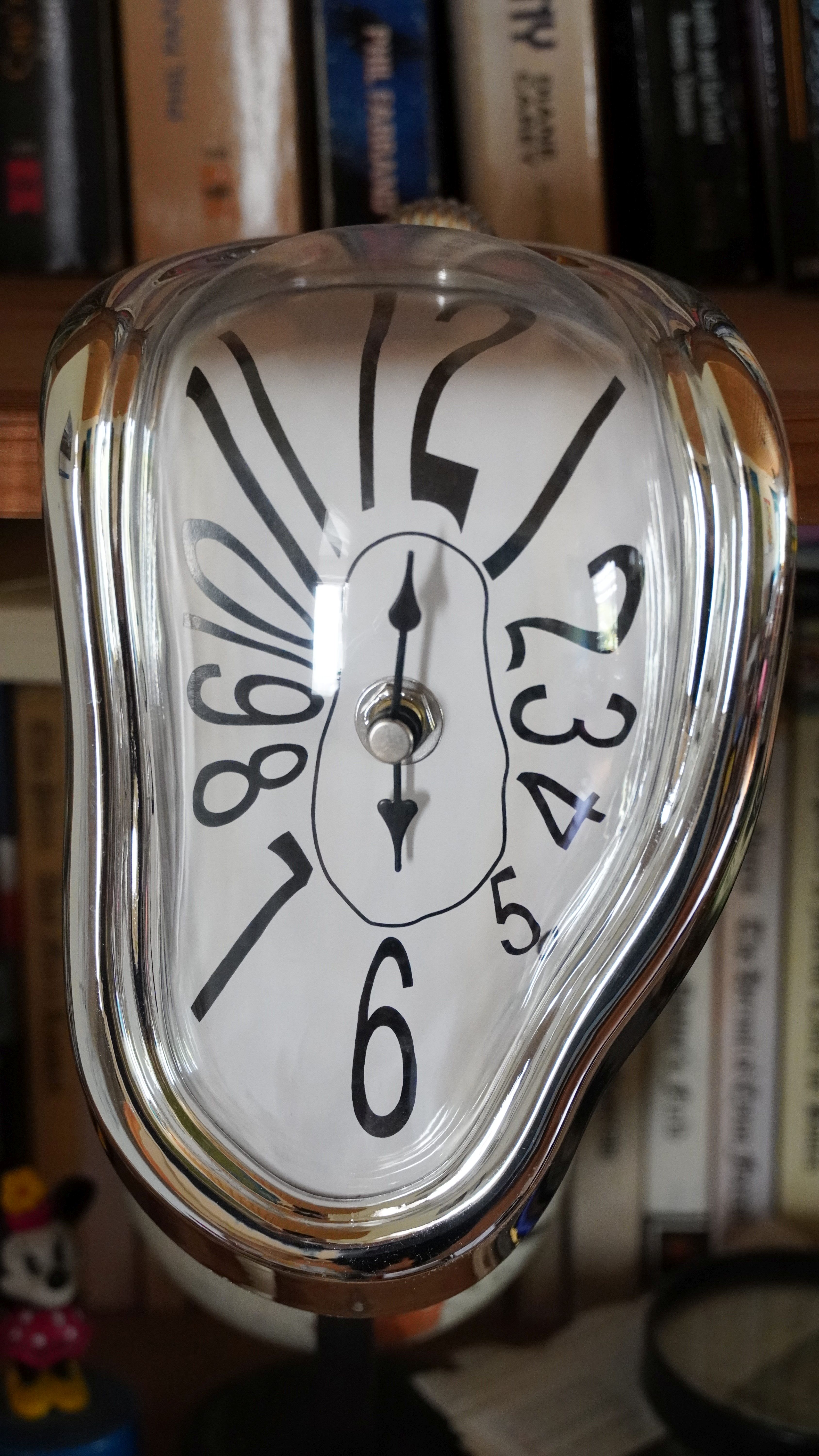



The Treachery of Images is a small painting with a massive idea. It’s a permanent reminder to question what we see, what we’re told, and the very structure of how we communicate. It reveals that the world isn’t as straightforward as it seems and that the relationship between a thing and its name, between a reality and its representation, is a slippery, treacherous, and beautiful dance. And that, I think, is a far more satisfying punchline—an invitation to perpetual curiosity and deeper artistic engagement.