Tristan Tzara & His Dada Influence on Modern Art
Dive into Tristan Tzara's profound influence on modern art. This authoritative guide explores his role in Dada and Surrealism, answering your questions with engaging, personal insights.

Tristan Tzara: The Dadaist Who Armed a Generation of Artists with Creative Anarchy
I need to confess something: I used to think art movements were tidy things, like chapters in a history book. You'd read about Cubism, and then you'd neatly move on to the next one. Then I really started to understand the chaos that was Tristan Tzara, and my whole perspective on modern art's DNA changed completely. This man wasn't writing a chapter; he was setting the whole library on fire just to see what the ashes looked like. And what beautiful, strange ashes they were.
Here's what most people miss—and what took me months of digging through manifestos and letters to fully grasp: Tzara wasn't just rebellious for rebellion's sake. He was conducting a radical experiment in what happens when you strip away every assumption about what art should be. He was testing whether creativity could survive—no, thrive—in complete chaos. The results literally reshaped the entire landscape of 20th-century art.
If you've ever wondered where modern art's rebellious streak truly began, or why a urinal in a museum or a random collection of words can be considered art, you're about to get a ringside seat to the revolution.
But here's what most people miss about Tzara—and it's something I didn't fully grasp until I spent months digging through old manifestos and letters: this wasn't just rebellion for rebellion's sake. Tzara was conducting a radical experiment in what happens when you strip away every assumption about what art should be. He was testing whether creativity could survive—no, thrive—in complete chaos. And the results, as you're about to discover, literally reshaped the entire landscape of 20th-century art.
This isn't just a dry biography. It's an exploration of how one man's radical ideas about chance, nonsense, and rebellion didn't just define a movement—they continue to echo in every piece of art that dares to break the rules. Let's dive into the wonderfully messy world of the man who gave us Dada.
The Birth of a Revolutionary: From Samuel Rosenstock to Tristan Tzara
Before we dive into the philosophy, let me paint you a picture of the man behind the chaos. Born Samuel Rosenstock in 1896 in Moinești, Romania, the future Tristan Tzara grew up in a world that was already showing its cracks. His birthplace in the Carpathian region, a cultural crossroads where East met West, exposed him early to linguistic diversity—he grew up speaking Romanian, German, Yiddish, and later French. This multilingual foundation would prove crucial for his later experiments with language.
What fascinates me most about his early life is how his multilingualism wasn't just practical—it was philosophical training. Moving between languages meant moving between different ways of structuring reality. When you grow up speaking languages that organize the world differently, you develop an instinctive understanding that all systems of meaning are arbitrary constructions. This linguistic fluidity became the foundation for his attack on fixed meanings in art.
By the time he arrived in Zurich in 1915—barely 19 years old—Europe had plunged into the catastrophic insanity of World War I. This wasn't just historical background; it was the crucible that forged his entire philosophy. The war wasn't an abstraction for Tzara—it was happening while he was coming of age as an artist, and it fundamentally shaped his understanding of what European civilization had become.
Tzara chose his pseudonym carefully. "Tristan" likely referenced the tragic Wagnerian hero, while "Tzara" means "land" or "country" in Romanian—though I've always found it fascinating how this creates a kind of multilingual pun when you consider the French très tzara (very tzara/very land). Some scholars argue it was also a play on "sorrow" (trist in French). But the most compelling interpretation I've found? He was creating a persona that was simultaneously rooted in art, geography, and melancholy—a fitting foundation for someone who would build an entire movement on the ruins of rational civilization.
What most biographies miss is that his Romanian-Jewish heritage in a rapidly changing Eastern Europe gave him a unique perspective on the fragility of cultural identity—a theme that would run through all his work. He understood from personal experience that nations, languages, and identities are fluid constructions—exactly what his art would later demonstrate.
This multilingual upbringing didn't just give him languages; it gave him different systems of thought. Romanian, with its Latin roots and Slavic influences, German with its precise compound words, French with its emphasis on clarity and logic—each language structured reality differently. This early experience taught him that there was no single "correct" way to organize experience, no universal grammar of meaning. It's a lesson that would become central to his attack on all fixed systems, not just linguistic ones.
The Manifesto of Nonsense: How Tzara Built the Dada Engine
I've always had a complicated relationship with manifestos. Most of them—whether political or artistic—feel like exercises in self-importance, attempts to create a theoretical framework so solid that the work itself becomes secondary. Tzara's manifesto was something entirely different. It was a manifesto against manifestos, a statement that refused to state anything clearly, a philosophy that refused to be philosophical. In other words, it was beautifully, perfectly Dada.
Before we can talk about influence, we have to understand the source. And the source was, by design, a beautiful mess. Tzara's response to the war wasn't to create more reason, but to weaponize its opposite.
In 1918, while Europe was still tearing itself apart, Tzara penned the Dada Manifesto—a document that reads less like an artistic statement and more like a verbal hand grenade. Written during the final months of World War I, when the European continent was literally and metaphorically bleeding to death, this manifesto was less an aesthetic program and more a primal scream against rational civilization.
I've spent countless hours studying the original 1918 manifesto, and what continues to amaze me is how it functions simultaneously as philosophy, poetry, and performance. Tzara understood something that most political manifestos miss: that the form of your argument can be more radical than its content. By writing a manifesto against manifestos, he created a perfect logical paradox that mirrored the absurdity of a civilization that claimed to value reason while engaging in mechanized slaughter.
This brings me to something I didn't fully appreciate until I saw the original documents: Tzara wasn't just writing words on paper. He was creating scripts for performance. The manifesto was meant to be shouted, chanted, interrupted by noise, and performed in front of hostile audiences. Reading it silently on a page misses half its revolutionary power—it was designed as an assault on the very notion of civilized discourse.
Let me share a few lines that perfectly capture its spirit:

"Dada means nothing. We want to shit in different colors to decorate the zoo of the arts with all the flags of all the consulates." "I am writing a manifesto and there's nothing I want, and yet I'm saying certain things, and in principle I'm against manifestos, as I'm against principles."
"I am against action; for continuous contradiction, for affirmation too, I am neither for nor against and I do not explain because I hate common sense."
This last line is particularly crucial—Tzara wasn't just being contrary. He was articulating a new relationship to contradiction itself.
This wasn't just provocation—it was a deliberate philosophical stance. Tzara was arguing that any system that had led to the carnage of WWI was fundamentally bankrupt. The manifesto was his way of saying that if the language of reason and logic leads to industrialized murder, then perhaps nonsense and irrationality are the only honest responses. It was the ultimate critique of what he called "cerebral syphilis"—the disease of over-intellectualization that had paralyzed European culture. The manifesto became the operating system for a new kind of creative thinking that rejected logic, embraced absurdity, and found liberation in meaninglessness. What most historians miss is how these early performances were essentially laboratory experiments in real-time audience reaction. Tzara and his collaborators were testing the boundaries of what an audience could tolerate, what constituted "art" at its most fundamental level, and how far they could push the social contract between performer and spectator before it broke completely.

Key Works That Defined the Early Dada Years
Let's talk about what Tzara actually made—because this is where theory becomes practice, where manifestos become material. The early Dada years in Zurich produced some of the most radical experiments in 20th-century art, and Tzara was at the center of it all.
Sound Poems (1916-1920) - Tzara's sound poems deserve special attention because they represent his most radical break from conventional language. Pieces like "BILBABAQOBILOBILOBABABAMBAM" and "L'amiral cherche une maison à louer" weren't meant to be read silently—they were scripts for ecstatic, often chaotic, live performances. I've listened to recordings of these pieces, and what strikes me most is how they bypass semantic meaning entirely and work directly on the listener's nervous system.
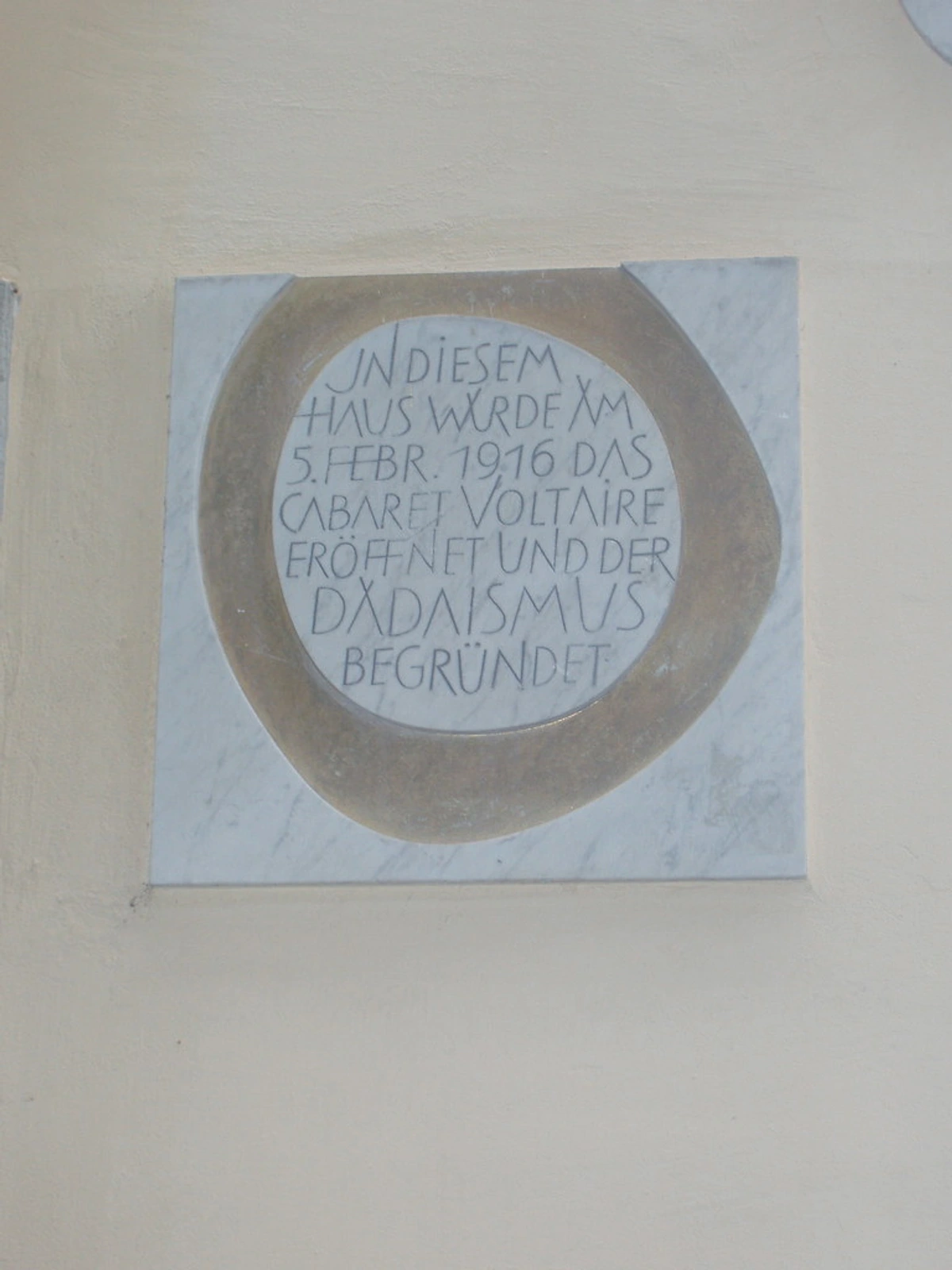
When Tzara performed these poems at the Cabaret Voltaire, he often did so in dramatic costumes—sometimes wearing a paper suit that he would gradually tear apart during the performance, leaving himself literally exposed by the end. The costume, the performance, the bizarre sounds—it was all part of creating an experience that couldn't be analyzed or categorized through normal critical frameworks.
The sound poems also reflected Tzara's interest in what we now call "glitch" or "noise." He understood that the failures of communication—the static, the misheard words, the moments when language breaks down—were often more revealing than successful communication. In an era before electronic music, he was essentially creating noise music using only his voice and found objects as instruments.
Tzara wasn't just theorizing—he was creating. His early works embodied his radical ideas and became templates for countless artists who followed. Let me walk you through a few that I find particularly fascinating:
"The Gas Heart" (1921) - This bizarre play featured characters representing body parts (Eye, Mouth, Nose, Ear, Neck, Eyebrow) speaking in disjointed, nonsensical dialogue. When it premiered in Paris, the audience rioted—exactly the reaction Tzara wanted. I see this piece as his ultimate statement about the fragmentation of modern consciousness. The play works on multiple levels: it's a literal dismemberment of conventional theatrical unity, a metaphor for how modern experience fractures perception across different sensory modalities, and a practical demonstration of how semantic meaning collapses when divorced from coherent syntax.
The premiere itself was pure Dada theater. When the audience grew restless and began shouting, Tzara and his collaborators shouted back, creating a cacophony that blurred the line between performance and riot. The ensuing chaos wasn't a failure of the performance—it was the performance's ultimate success. Tzara had turned the theater into a space where social contracts could be broken, where the polite fiction of civilized audience behavior could be exposed as just that—a fiction.
"To Make a Dadaist Poem" (1920) - This wasn't a poem but a recipe for creating one. I've actually tried this method myself, and the results are genuinely surprising. What starts as a parlor game quickly becomes something much stranger—you find yourself noticing connections between randomly juxtaposed words that feel both arbitrary and deeply meaningful. It's as if your brain, desperate to find patterns, creates new meanings out of pure chaos.
Here's why this matters more than most people realize: Tzara was essentially describing a computational approach to art-making decades before the invention of the digital computer. He was suggesting that creativity could be procedural—that you could separate the framework (the instructions) from the content (the words selected by chance). This anticipates everything from John Cage's use of the I Ching to Brian Eno's Oblique Strategies cards to the procedural generation algorithms that create infinite worlds in contemporary video games.
The implications of this simple recipe are staggering when you trace them through art history. It proved that art-making could be democratized—that you didn't need special talent or technical skill to create poetry. Anyone could follow these instructions. The resulting poem wasn't "by" Tzara—it was a collaboration between the newspaper, chance, and the person following the recipe. It essentially proposed that the creative act could be separated into two distinct phases: the establishment of a procedural framework (the instructions) and the execution governed by chance (the random selection). This anticipates everything from John Cage's use of the I Ching to determine musical parameters to the procedural generation algorithms that create infinite worlds in contemporary video games. Tzara was essentially describing a computational approach to art-making decades before the invention of the digital computer.
Tzara's genius here was democratizing art-making. Anyone could follow these instructions. The poem that emerged wasn't "by" Tzara—it was a collaboration between the newspaper, chance, and the person following the instructions. This fundamentally challenged the Romantic notion of the artist as unique genius.
Take a newspaper. Take a pair of scissors. Choose an article as long as you are planning to make your poem. Cut out the article. Then cut out each of the words that make up this article and put them in a bag. Shake it gently. Then take out the scraps one after the other in the order in which they left the bag. Copy conscientiously. The poem will be like you.
This simple set of instructions became one of the most influential creative methodologies of the 20th century, influencing everything from William S. Burroughs' cut-up technique to modern generative art algorithms.
What fascinates me most about this recipe is its psychological insight. When I've tried it myself, something strange happens in the third or fourth line of the "poem"—your brain can't help but start imposing narrative logic on the random words. You find yourself creating connections that weren't there, seeing implications in pure chance. It's as if randomness is a catalyst for the pattern-making machinery of human consciousness. Tzara had discovered a way to force your mind to work differently, to bypass its usual habits and create something genuinely unexpected.
- Chance as a Creative Partner: For Tzara, logic and planning were part of the old, broken world. He famously proposed creating a poem by pulling words randomly from a hat. This wasn't a gimmick; it was a core belief that chance could unlock truths that reason was too blinded by convention to see. This obsession with randomness would become a cornerstone of 20th-century art.
- Art as an Act of Protest: Dada wasn't just weird for weird's sake. It was a furious, nihilistic howl against a civilization that had devoured itself. Their performances, or "soirées," were designed to provoke, confuse, and enrage their bourgeois audiences, holding up a distorted mirror to a world gone mad.
- The Readymade and Conceptual Art: While Marcel Duchamp is the name most famously tied to the idea of the "readymade," the philosophy behind it was pure Dada. It was the idea that the artist's mind was more important than their technical skill, that a urinal could be art simply because the artist declared it so. Tzara's writings and performances provided the theoretical gasoline for this incendiary idea.
| Tzara's Core Idea | How It Translated into Art | Legacy in Modern Art |
| :--- | :--- | :--- |
| **Chance Operations** | Cutting up words for poems, spontaneous performance | John Cage's music, William S. Burroughs's "cut-up" technique, Brian Eno's Oblique Strategies |
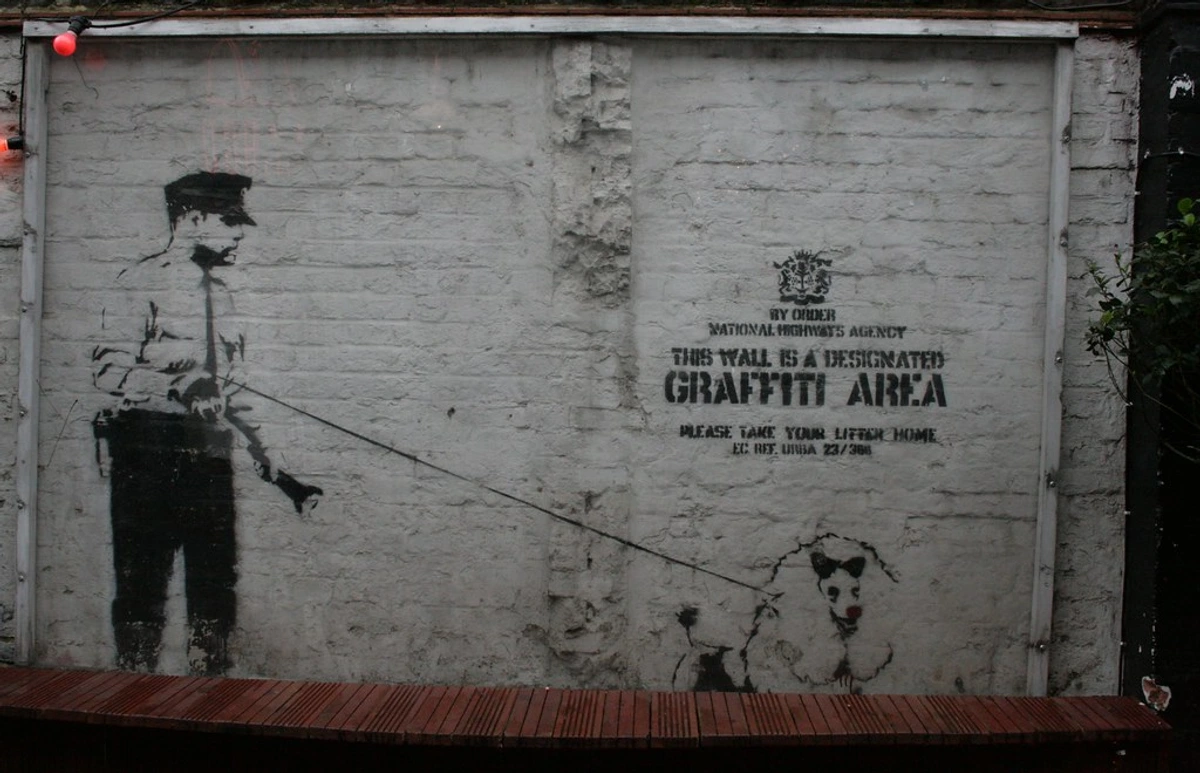
| **Anti-Art Stance** | Art that mocked art itself, using garbage and debris | The conceptual art of Damien Hirst, much of Pop Art's irony, Banksy's subversive street art |
| **Provocation as a Tool** | Bizarre performances designed to shock audiences | Performance art (Marina Abramović), Punk aesthetics, Yoko Ono's conceptual pieces |
| **Nihilism & Nonsense** | Purposelessness as the ultimate purpose | The Theatre of the Absurd (Beckett, Ionesco), David Lynch's surrealism, Monty Python's absurdist humor |
### The Philosophical Underpinnings: Why Nonsense Makes Sense
Here's what took me years to understand about Tzara's approach to nonsense: he wasn't just being difficult. He was making a serious philosophical argument. By creating art that refused to make "sense" in traditional terms, he was exposing the arbitrary nature of all meaning-making systems.
Think about it this way: if the rational, logical systems of European civilization had produced the mechanized slaughter of WWI, then perhaps irrationality and nonsense were actually *more* trustworthy guides to truth. The French philosopher Georges Bataille later called this "sovereign art"—art that serves no purpose, refuses to be useful, and thereby achieves a kind of ultimate freedom.
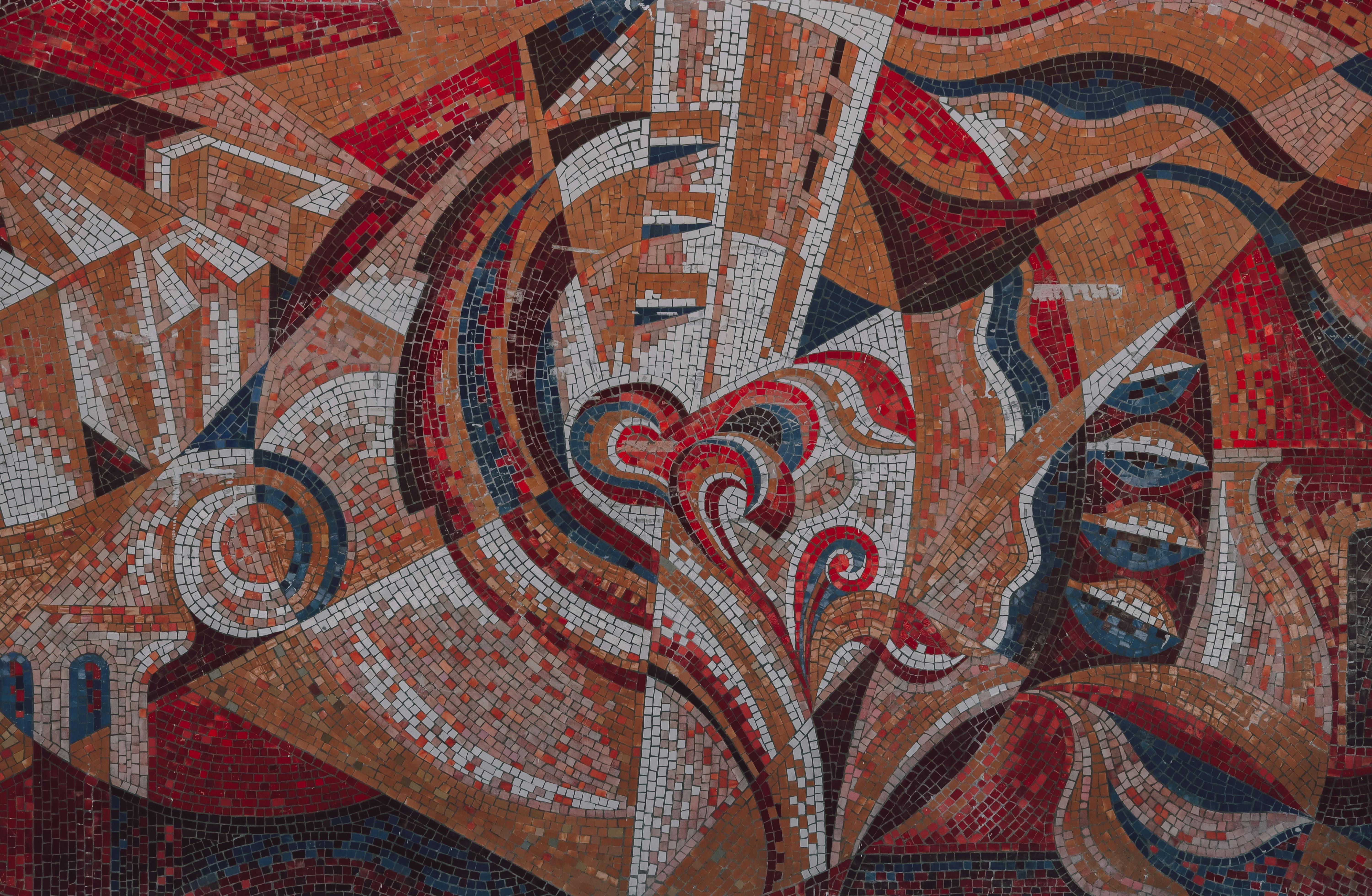
[credit](https://live.staticflickr.com/4321/35815189011_b72db7c36e_b.jpg),
[licence](https://creativecommons.org/licenses/by-nc-sa/2.0/)
This is why Tzara's experiments with random word selection weren't just parlor tricks. They were attempts to bypass the conscious mind—that part of us that had been corrupted by logic—and tap into something more primal and authentic. He was seeking what the Surrealists would later call "automatic writing," but without the mystical baggage—pure emergence of language from the unconscious.
What continues to fascinate me about this approach is how it anticipated discoveries in neuroscience and cognitive psychology. We now know that much of our thinking happens below the threshold of conscious awareness, and that creativity often involves making novel connections between previously unrelated concepts. Tzara's cut-up method was essentially a technology for forcing these novel connections—a form of cognitive time travel that bypassed his own trained habits of thought.The table above barely scratches the surface, but it gives you an idea of the toolkit Tzara helped invent. He wasn't just making art; he was creating a space where art could question its own existence.
From Cabaret Voltaire to Global Insurgency
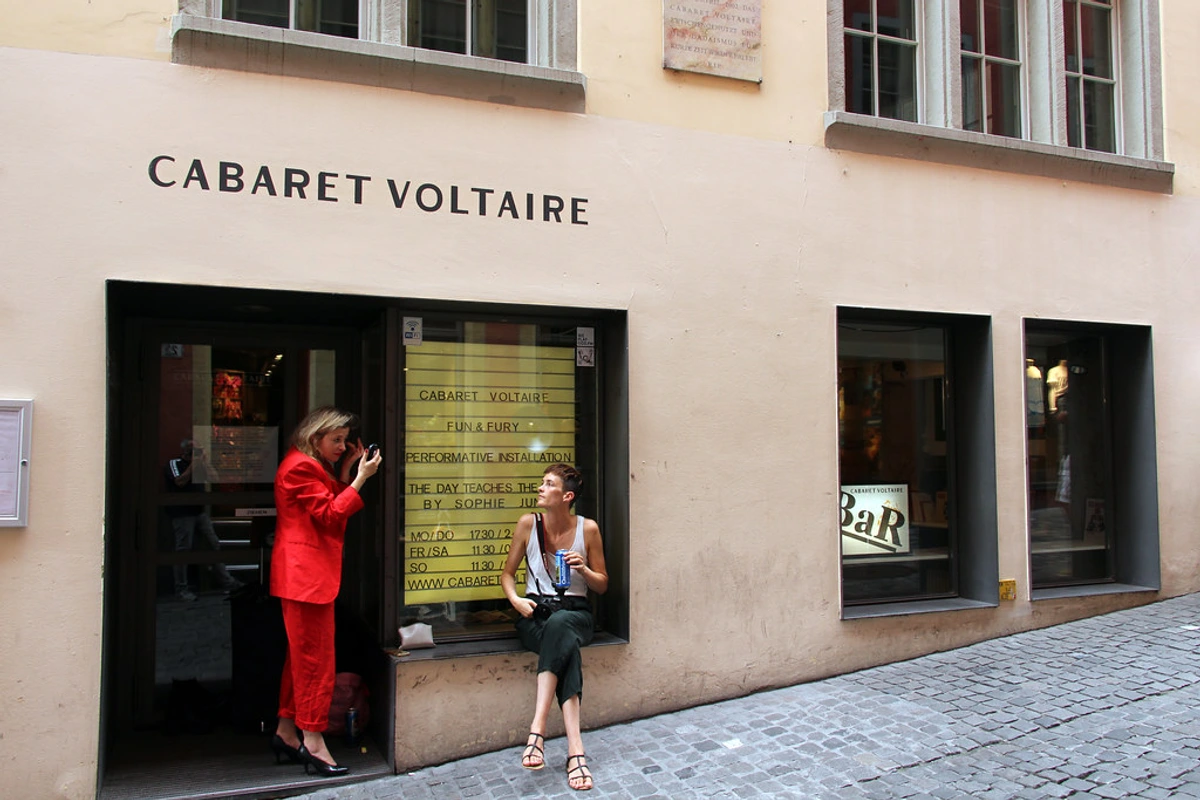
The revolution started in a small, smoky cabaret in Zurich. But Tzara, a master propagandist and networker, was determined to make Dada a global phenomenon. He was like the early engine of a viral meme, sending letters, manifestos, and journals to artists all over Europe—Berlin, Paris, Cologne, Hanover, New York.
Dada Goes Global: Tzara's Network Effect
What made Tzara particularly brilliant was his understanding of what we'd now call "network effects." He didn't just create art—he created a communications network. Through journals like Dada and Bulletin Dada, he connected artists across Europe, creating a sense of shared purpose that transcended geographical boundaries. The speed at which Dada spread across continents still amazes me. In an era before the internet, Tzara managed to create an international art movement that felt simultaneous everywhere it appeared.
I recently tracked down some of these original journals in archives, and what struck me most was their design. The typography was deliberately anarchic—different fonts colliding on the same page, text running in multiple directions, images breaking through text blocks. The publications themselves were manifestos in visual form. Tzara understood that the medium was as important as the message, decades before Marshall McLuhan made this observation famous.
Berlin Dada - Artists like George Grosz, John Heartfield, and Hannah Höch took Tzara's ideas and gave them a sharp political edge, using photomontage to attack German militarism and capitalism. Their work showed how Dada's techniques could be weaponized for specific political critique. Where Tzara's Dada was primarily philosophical and aesthetic rebellion, Berlin Dada became explicitly revolutionary.
Hannah Höch's photomontages deserve special mention here. In works like Cut with the Kitchen Knife Dada Through the Last Weimar Beer-Belly Cultural Epoch of Germany (1919), she literally cut up images from mass media and reassembled them into devastating critiques of German society. The technique was pure Tzara, but the political urgency was distinctly Berlin. It's no accident that when you look at her work, you see the direct ancestors of contemporary culture-jamming and political meme warfare.
Cologne Dada - Max Ernst took Tzara's interest in chance and pushed it into new territory with his collages and frottage techniques, creating dreamlike images that directly anticipated Surrealism. His "fatagaga" collages—made from fragments of technical manuals, catalog illustrations, and popular magazines—created bizarre images that seemed to have emerged from dreams or hallucinations.
What I find most fascinating about Ernst's Cologne period is how he discovered that chance operations could reveal hidden imagery. By placing paper over textured surfaces and rubbing with pencil (frottage), or by dropping pieces of paper onto a canvas and seeing what images emerged, he was essentially using Tzara's methods to bypass conscious control and access what the Surrealists would later call "the marvelous." The technique was a kind of divination—using randomness to discover what was already latent in the world.
New York Dada - Though it developed somewhat independently (Marcel Duchamp, Francis Picabia, and Man Ray were already experimenting with similar ideas), Tzara's manifestos provided the theoretical backbone that helped New York artists understand their work as part of a larger movement.
The speed at which Dada spread across continents still amazes me. In an era before the internet, Tzara managed to create an international art movement that felt simultaneous everywhere it appeared.
His move to Paris in 1920 was crucial. There, he brought the fire of Dada to a group of young writers and artists that included André Breton, the future pope of Surrealism. This meeting of minds—and subsequent collision—created one of the most important intellectual dramas in modern art history.

The Great Dada Schism: Tzara vs. Breton
The conflict between Tzara and Breton wasn't just a personality clash (though personalities certainly played their part). It was a fundamental disagreement about what Dada should become—a conflict that would ultimately fracture the movement and give birth to Surrealism. The split represented two possible futures for anti-rational art: one that remained perpetually in revolt, and one that sought to systematically explore what lay beyond reason. As someone who's studied their letters and manifestos extensively, I see this split as inevitable—even necessary—for the evolution of avant-garde thought.
When Tzara arrived in Paris in 1920, he brought with him the pure, anarchic energy of Zurich Dada. The young writers and artists who gathered around him—including the future pope of Surrealism, André Breton—were initially intoxicated by this energy. But cracks began to appear almost immediately.

Breton's Vision - He wanted to channel Dada's energy toward systematic exploration of the subconscious, dreams, and automatic writing. For Breton, unreason should be studied, cataloged, and ultimately used to achieve higher states of consciousness—what he would later call "sur-reality."
Tzara's Vision - He believed Dada must remain pure, anarchic rejection. Any attempt to organize, systematize, or give Dada a purpose was a betrayal of its essential nihilism. For Tzara, Dada wasn't a means to an end—it was an end in itself.
The famous confrontation at the "Congress of Paris" in 1922 perfectly illustrates this divide. Breton had organized what he intended as a serious debate about the direction of modern art. He rented a prestigious hall, invited critics and intellectuals, and planned a structured discussion about modern art's future.
Tzara saw this as the ultimate betrayal. For him, organizing Dada was like trying to bottle lightning—the moment you tried to contain it, you killed it. He deliberately sabotaged the event with absurdist interventions, including having a dancer performing a mock African ritual while he read Breton's manifesto in a cartoonish voice. The event ended in a brawl—physical proof of their incompatible visions.

What strikes me as particularly brilliant about Tzara's sabotage is that it wasn't just provocation—it was a practical demonstration of his philosophy. While Breton was trying to make Dada respectable, Tzara was proving that respectability was the enemy. The brawl that ensued wasn't a failure of the event; it was the event's most honest moment.
I've always found the psychology of this confrontation fascinating. Tzara understood something fundamental about protest and provocation: that the most effective way to expose the violence underlying civilized discourse is to refuse to play by its rules. When he disrupted Breton's carefully planned intellectual event with absurdity, he revealed that "rational debate" was just another form of ritual, no more inherently valid than any other performance. The brawl simply made visible what was already present: the aggression that lurks beneath polite intellectual exchange.
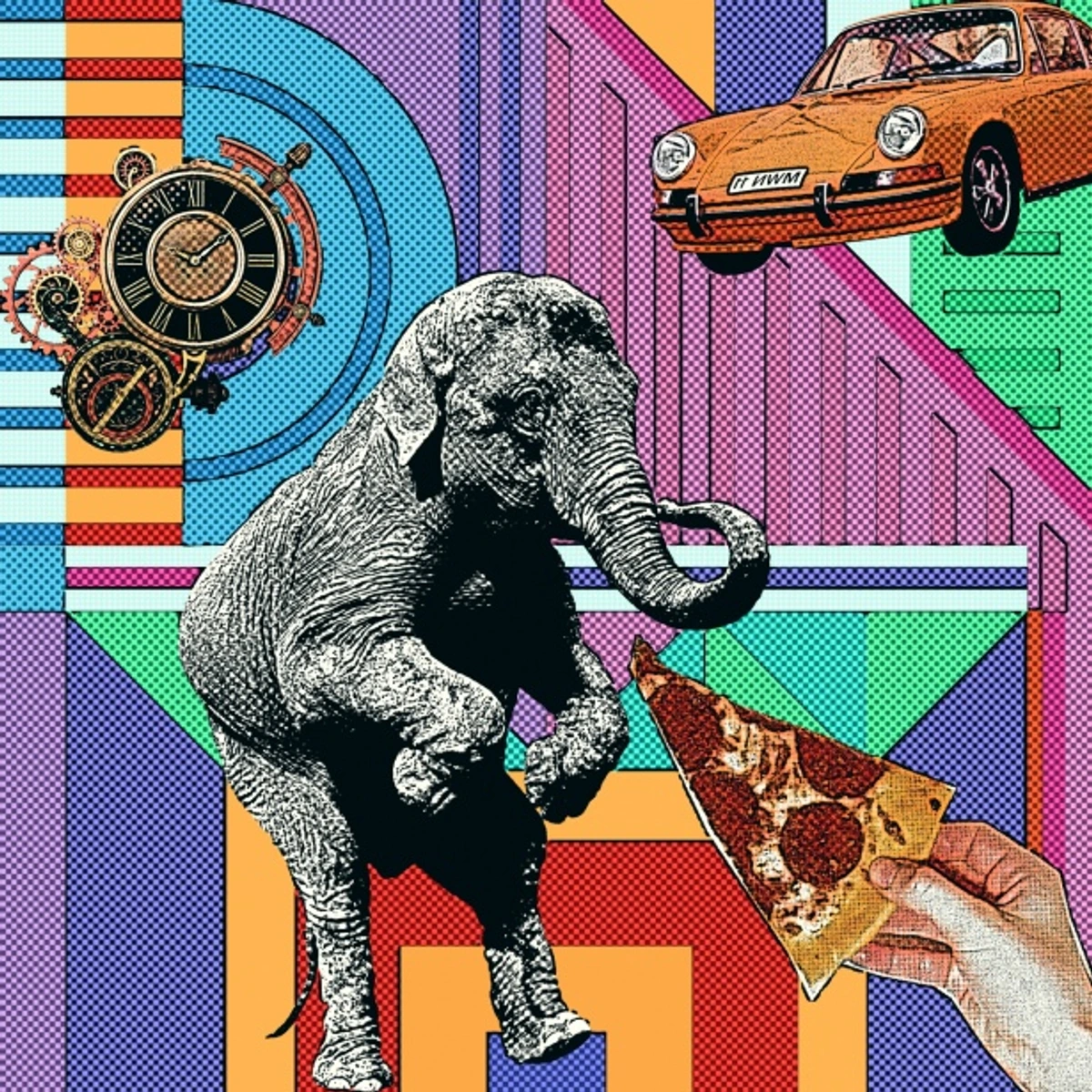
This split, while dramatic, was actually incredibly productive. It allowed Breton to develop Surrealism as a distinct movement while preserving Dada's most radical propositions: that art doesn't need to be rational, beautiful, or even comprehensible to be meaningful.
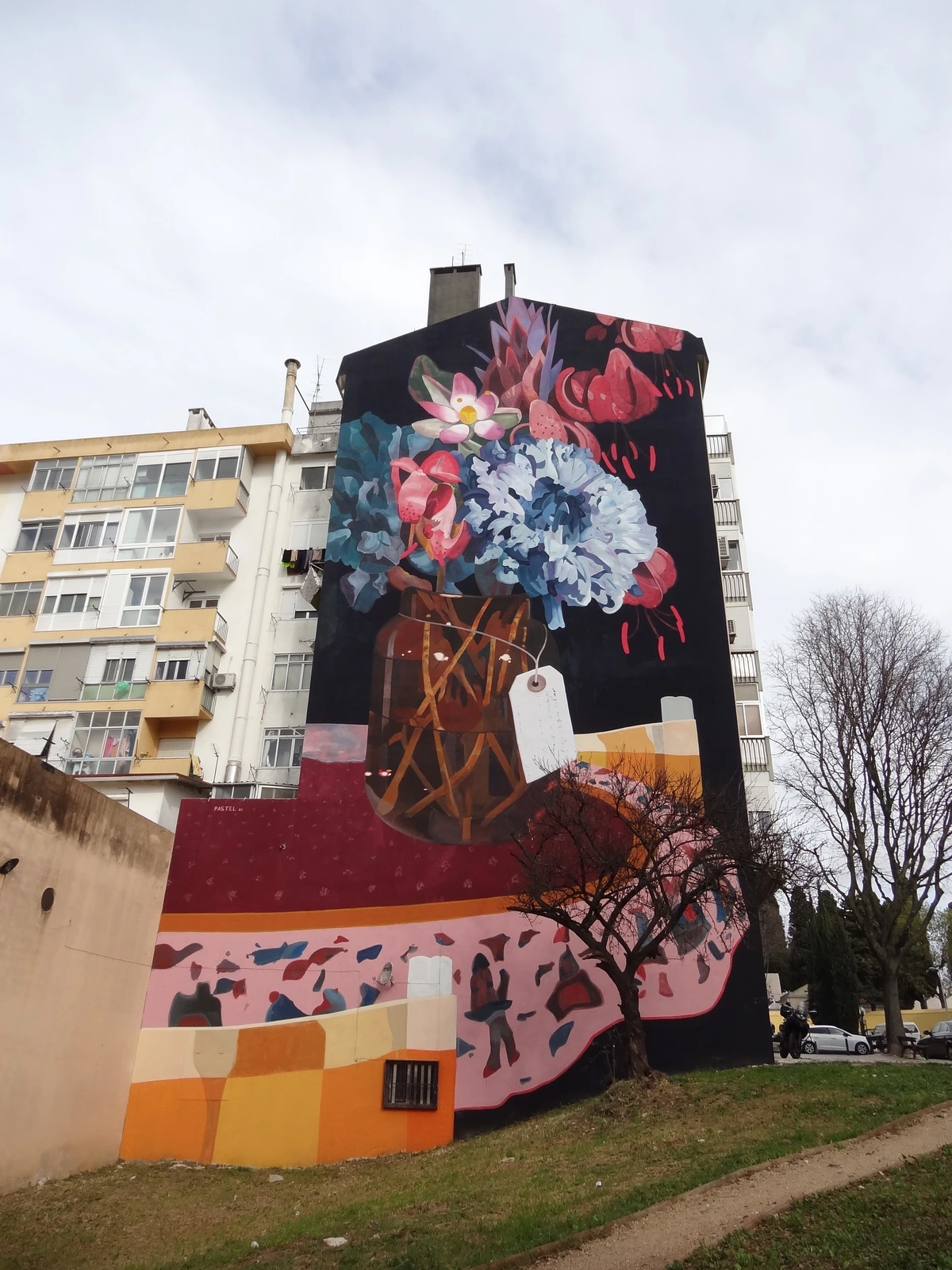
Breton and the Surrealists took Tzara's ideas and gave them a new direction. Tzara's chance operations morphed into the Surrealist automatism—the practice of writing or drawing without conscious thought to channel the subconscious. Tzara's nihilistic howl became the Surrealists' passionate search for a "sur-reality," a higher plane of existence found in dreams and the irrational.
The irony, of course, is that in trying to systematize the irrational, Breton ended up creating exactly the kind of orthodoxy that Tzara had fought against. The Surrealist manifestos, with their increasingly rigid definitions of what constituted authentic Surrealism, felt like a step backward to Tzara. He had worked to free art from all systems—even systems of unreason. Yet without Tzara's initial radical break, Breton would never have had the conceptual space to develop his theories of the unconscious as artistic terrain.
Think of it like this: if Tzara's Dada was about destroying the prison of reason, Breton's Surrealism was about exploring the beautiful, bizarre, and terrifying landscape that existed outside its walls.

The Echo of the Shout: Where We See Tzara Today
It's one thing to talk about history, but it's another to see it staring you in the face today. The reason I find Tzara so endlessly fascinating is that his fingerprints are everywhere—and I mean everywhere. Once you learn to recognize the distinctive marks of his rebellion, you start seeing them in places you'd never expect.
Over the years, I've become something of a Tzara spotter. I'll be walking through a gallery or scrolling through social media, and suddenly I'll think, "Ah, there's that Tzara move again." Let me share some of the most surprising places his influence shows up:
Dada's Digital Afterlife: Memes, Remix Culture, and Generative AI
What would Tzara make of our digital age? I think he'd feel right at home. The internet, it turns out, is the ultimate Dada machine. Every meme that goes viral, every remix that decontextualizes source material, every generative AI that creates surreal juxtapositions—they're all playing out variations on themes Tzara pioneered a century ago.
But here's what I think would both delight and horrify him: the acceleration. Tzara worked with scissors and newspapers, physically cutting and pasting. The process was slow, deliberate, materially grounded. Today, we can perform the digital equivalent of his cut-up technique in milliseconds, with algorithms processing billions of texts and images simultaneously. The tools have changed, but the fundamental creative act—collision, juxtaposition, and recontextualization—remains essentially the same.
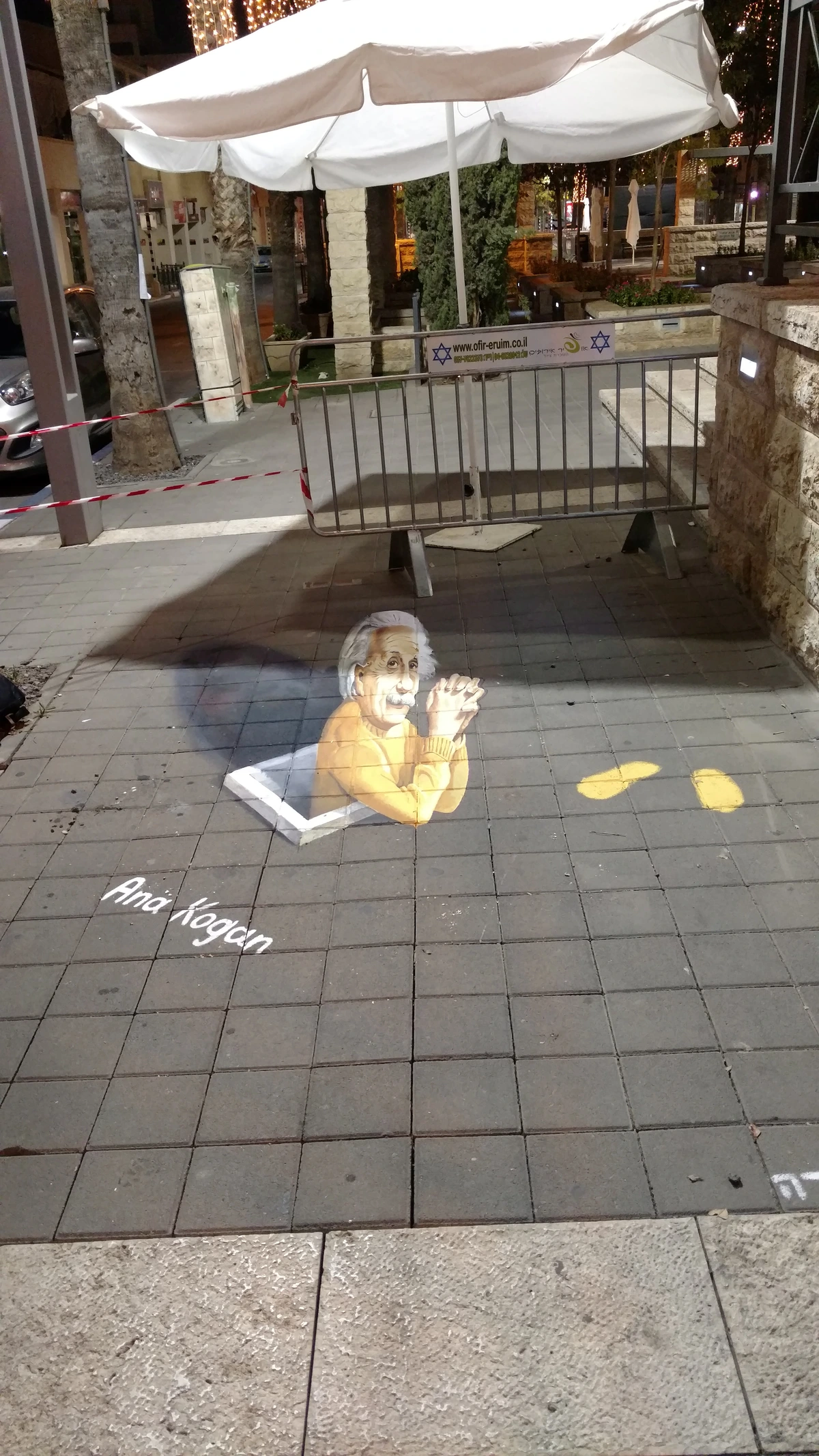
I often wonder whether he would see our digital culture as Dada's ultimate triumph or its final corruption. On one hand, his techniques have been democratized beyond anything he could have imagined. On the other hand, this democratization has happened within systems of commercial surveillance and algorithmic control that would have horrified him. It's a paradox he would have appreciated.
Consider the humble meme format. When someone takes the "Distracted Boyfriend" stock photo and applies it to countless unrelated situations, they're doing exactly what Tzara did with his cut-up poems—taking a standardized template and injecting it with new, often absurd, context. The humor comes from the collision of familiar form with unexpected content. Sound familiar? It should. It's pure Dada methodology, democratized and accelerated to internet speed.
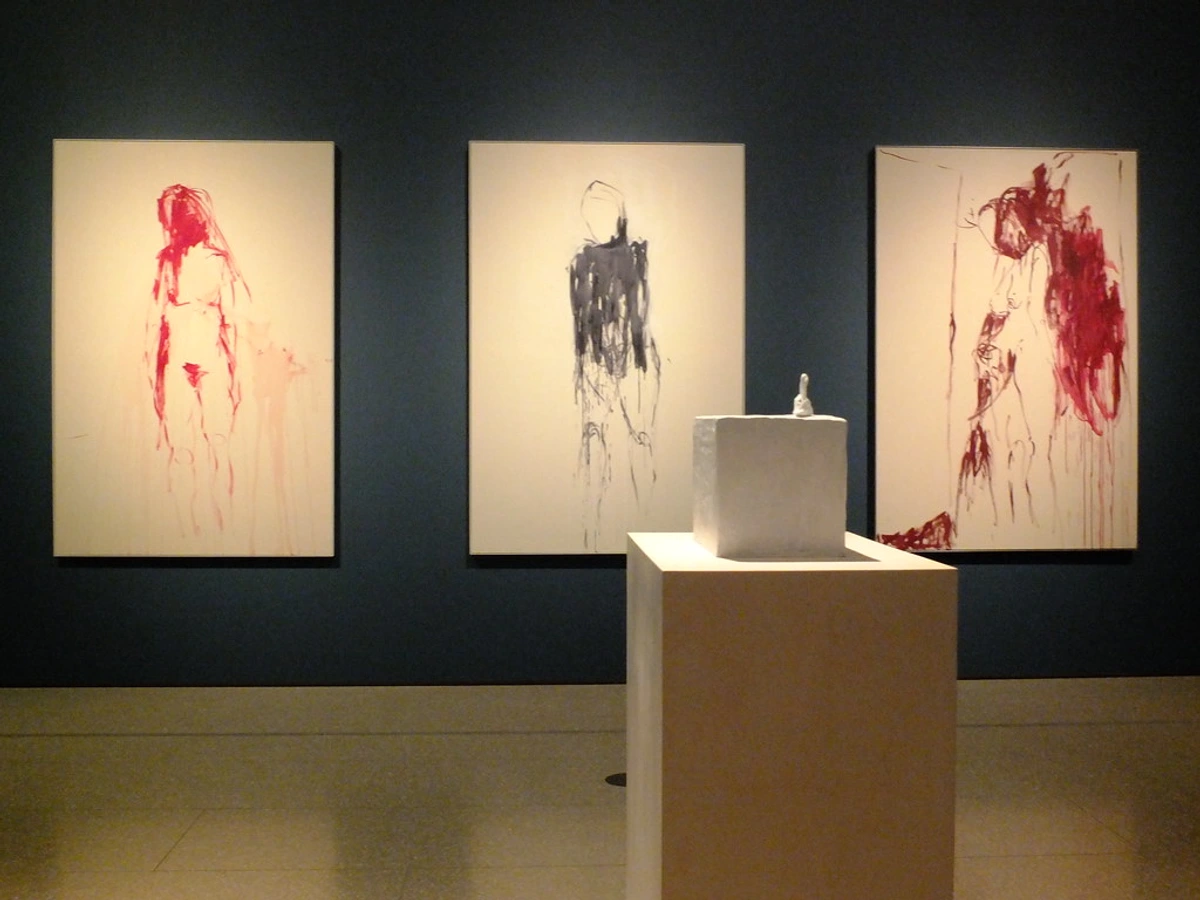
Generative AI takes this even further. When you prompt an AI to create "a Renaissance painting of a cat eating pizza in space," you're engaging in a kind of automated surrealism that would have delighted Tzara. The AI's "hallucinations"—those bizarre, unexpected outputs that seem to make no rational sense—are the modern equivalent of automatic writing. They bypass conscious control and tap into something stranger, more chaotic.

This isn't just a coincidence. Many of the architects of our digital age were directly or indirectly influenced by Dada thinking. The concept of hypertext, the logic of databases, even the way we navigate information online—all of it carries traces of Tzara's assault on linear, rational thought.
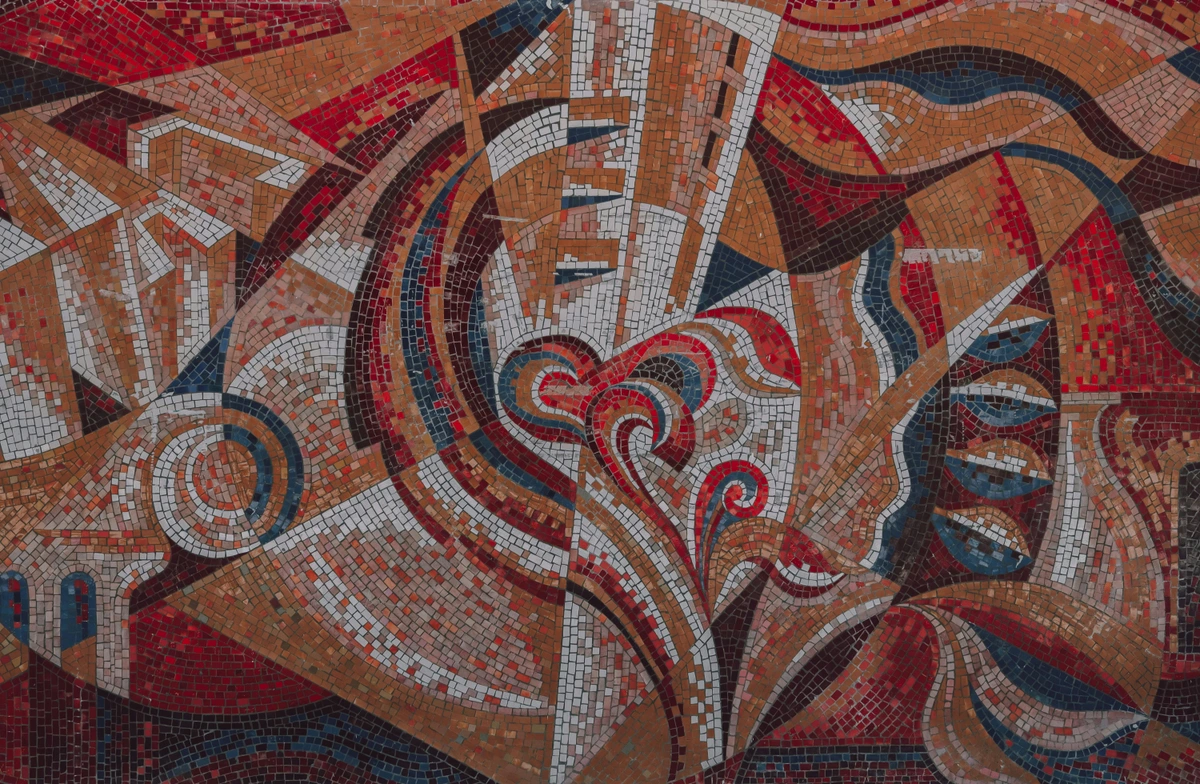
Hip-Hop's Dada DNA - Ever seen a rap battle? The spontaneous, freestyled, boast-filled aggression is a direct descendant of the Dada soirée, where artists would shout competing manifestos over a cacophony of noise. But dig deeper and you'll find something even more fascinating: the practice of sampling in hip-hop production mirrors Tzara's cut-up technique. When Kanye West chopped up Ray Charles vocals or J Dilla recontextualized obscure soul records, they were engaging in the same creative act that Tzara pioneered—taking existing cultural material and reassembling it to create new meaning through collision and juxtaposition.
I've lost count of how many times I've heard a particularly brilliant sample flip and thought, "Tzara would have loved this." It's the same philosophy, just with different tools. The laptop replaced the scissors, but the radical act of deconstruction and recontextualization remains fundamentally unchanged.

The Collage Revolution Goes Digital - What about a collage? You know, the kind you might make on your phone, cutting out people from one photo and pasting them into another. That technique was pioneered by the Dadaists, who saw it as a perfect way to fracture and reassemble a broken reality. But what absolutely blows my mind is how this technique has become the default visual language of the internet age.
Think about it: memes are essentially Dada collages. When someone takes a Renaissance painting and adds a modern caption, or combines a politician's photo with a cartoon character, they're using exactly the same logic Tzara and Hannah Höch used a century ago. The surreal Instagram accounts that juxtapose weird stock photos? Dada. The absurdist TikTok videos that splice together unrelated clips? Pure Tzara methodology.

The difference is that while Tzara had to physically cut up newspapers with scissors, we can do it with a few swipes on our phones. The democratization of collage tools has made everyone into a potential Dada artist—whether they know it or not.

The Readymade Revolution Continues - And the legacy of the readymade? It's the entire foundation of conceptual art. While Marcel Duchamp gets most of the credit for his urinal (and he deserves it), Tzara's theoretical framework made the readymade philosophically defensible. The idea that art is less about technical skill and more about the artist's intention and conceptual framework—that's pure Tzara.
This single idea has spawned entire movements since:
- Andy Warhol's Brillo Boxes (1964) - What's the difference between art and commerce when both look identical?
- Tracy Emin's My Bed (1998) - How do we distinguish between private life and public art when the artist's actual bed becomes an artwork?
- Ai Weiwei's Dropping a Han Dynasty Urn (1995) - What happens when destroying a cultural artifact becomes a creative act?
- Banksy's shredded painting Love is in the Bin (2018) - How does an artwork's meaning change when the artist destroys it mid-auction?
- Duchamp's L.H.O.O.Q. (1919) - When does modifying a reproduction become an original artistic statement?
These aren't just isolated provocations. They're all playing out variations on that fundamental question Tzara helped formulate: "What makes something art?" It's a question that continues to generate new answers—and new questions—in the contemporary art world.
Even in my own creative process, I see his shadow. That moment of frustration when nothing is working, and you just tear up a draft, throw the pieces down, and try to find a new pattern in the chaos. I used to call it a creative block. Now I see it as a tiny, personal Dadaist rebellion.
Unlikely Tzara Disciples: Artists Who Channeled His Spirit
What continues to amaze me about Tzara's legacy is how it shows up in artists most people wouldn't associate with Dada. These creators might never have read his manifestos, but they've absorbed his methodology through the cultural ether. It's like Dada created a new set of creative instincts that continue to replicate themselves across generations, whether the artists know their origin or not.
David Bowie's cut-up lyrics for songs like "Blackout" and "Sense of Doubt" were directly inspired by reading about Tzara and William S. Burroughs. When Bowie created lyrics by randomly cutting up his notebooks and rearranging the fragments, he was using the exact same technique Tzara had pioneered fifty years earlier—and achieving the same results: phrases that felt strangely prophetic and poetic precisely because they bypassed conventional logic. It's one thing to describe this technique theoretically, but hearing it applied—"Sense of doubt, pushing through the market square"—the words somehow communicate an emotional truth that rational composition can't capture.

Fluxus (1960s) - Artists like Yoko Ono, George Maciunas, and Nam June Paik took Tzara's ideas about chance, humor, and anti-art to their logical conclusions. Their "event scores"—simple instructions for unconventional actions—could have been written by Tzara himself. When Yoko Ono created Cut Piece (1964), inviting the audience to cut off her clothing, she was staging the same kind of controlled chaos Tzara pioneered at the Cabaret Voltaire. George Brecht's Drip Music (1962), which consisted simply of dripping water into a container, reduced music to its most elemental, non-instrumental form.
Punk Rock (1970s) - The DIY ethos, the aggressive performance style, the use of collage in album art and flyers, the deliberate rejection of technical skill in favor of raw energy—this was Dada reborn for a new generation. The Sex Pistols weren't just making music; they were staging Dada events in three-chord form.
What fascinates me most about the Dada-punk connection isn't just the aesthetic parallels, but the shared psychological insight. Both movements understood that technical virtuosity often serves to mask a lack of authentic emotional content. By rejecting conventional ideas of "good" playing or "good" art, both Dada and punk forced attention back onto the most fundamental question: what are you trying to communicate, and does your chosen method serve that communication?
There's also a direct lineage in terms of provocation. When Johnny Rotten sang "God Save the Queen" on a boat outside the Houses of Parliament, deliberately timing it to get arrested for breach of the peace, he was doing exactly what Tzara had done at the Congress of Paris—using performance to create real political consequences. Both understood that art could be a form of symbolic action, a way of testing the boundaries of social tolerance. Jamie Reid's ransom-note collage style for their album artwork directly echoed the physical cut-and-paste aesthetic of Berlin Dada photomontage. Punk's sneering rejection of musical virtuosity—"here's three chords, now form a band"—was pure anti-art sentiment.
But here's the deeper connection I've always found fascinating: just as Tzara used seemingly random words to bypass conscious control and access something more primal, punk musicians discovered that limiting themselves to basic chord progressions had a similar effect. The Ramones' "1-2-3-4" count-offs weren't just functional timing; they were a ritual shedding of complexity that allowed raw energy to emerge. Malcolm McLaren, the Sex Pistols' manager, had actually spent time with the Situationists in Paris—he knew exactly what he was doing when he packaged punk as cultural sabotage.
Social Media Art - Contemporary artists like Amalia Ulman (Excellences & Perfections, 2014) and Aleksandra Domanović (video essays on technology and culture) are using platforms like Instagram and YouTube to create work that questions authenticity, identity, and authorship in ways Tzara would immediately recognize. When an artist creates a fake persona online to explore how identity is constructed and performed, they're working in territory Tzara mapped a century ago. Artists like Dries Depoorter create works that algorithmically generate content from surveillance cameras or social media feeds, creating a kind of automated Dada that even Tzara couldn't have imagined.
The Situationists (1950s-60s) - Guy Debord and the Situationist International took Tzara's critique of bourgeois society and gave it revolutionary teeth. Their concept of détournement—hijacking existing cultural material and subverting its meaning—was essentially Dada collage applied to political theory. When they took comic strips and replaced speech bubbles with revolutionary slogans, they were updating Tzara's cut-up technique for the age of mass media.
The Situationists provide the crucial missing link between Dada and contemporary meme culture. They understood that in a culture saturated with images, the most radical act might be to manipulate those images rather than create new ones. Their work directly influenced the culture jamming of groups like Adbusters in the 1990s, which in turn provided the visual language for much of what we now recognize as internet meme culture. Tzara's scissors had evolved into Photoshop, but the underlying principle remained the same.
Mail Art Movement - Artists like Ray Johnson took Tzara's idea of art as communication and ran with it, creating elaborate networks of correspondence art that bypassed galleries and museums entirely. The act of sending altered postcards, collaged letters, and conceptual instructions through the mail became a form of decentralized, anti-institutional art practice that would have delighted Tzara.
Johnson's New York Correspondence School was essentially Dada networking made physical. By creating art that only existed through exchange—you couldn't "see" a mail art piece without sending or receiving it—he extended Tzara's critique of the art object into new territory. What fascinates me about this movement is how it transformed everyday communication into art without requiring special materials or institutional approval. Anyone with paper, scissors, and a stamp could participate.
The postcards and letters were simultaneously art objects, acts of communication, and documentation of a network. In our age of digital communication, this seems almost prophetic—foreshadowing how social networks would become primary sites for creative production and distribution. I can't help but see echoes of Johnson's mail art in everything from chain emails to social media challenges to NFT airdrops—all forms of art that exist primarily through networked distribution rather than through traditional exhibition.
These examples reveal something crucial about Tzara's legacy: it's not just in the obvious avant-garde artists. It's in every creative act that questions its own terms, that embraces absurdity as a tool for truth, that finds liberation in not making sense.
A Dadaist Toolkit: Practical Techniques Anyone Can Try
One of the most surprising discoveries in my research was realizing how many of Tzara's techniques are still applicable today—not just for artists, but for anyone looking to break out of creative ruts or think differently about problems. These aren't just historical curiosities; they're practical tools for creative liberation.
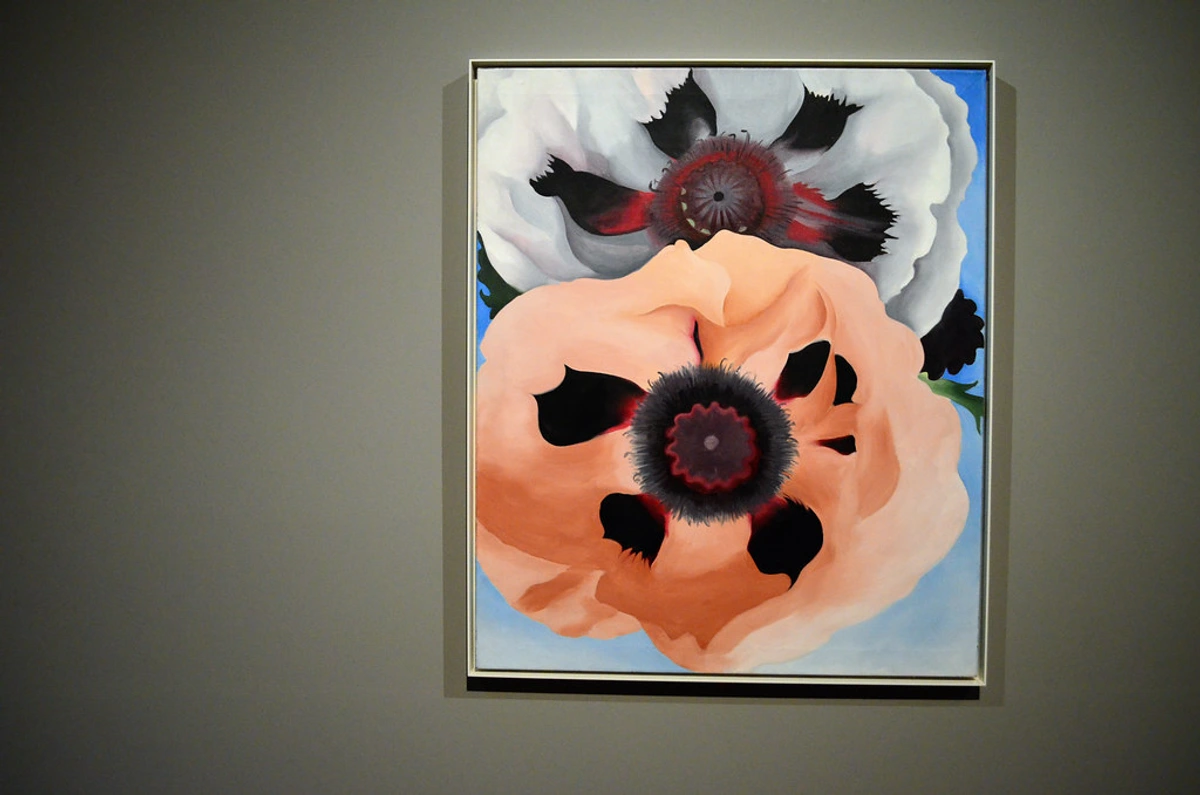
The Cut-Up Technique (Modern Version)
Instead of scissors and newspapers, try this: Open a few random websites or social media feeds. Copy sections of text that catch your attention—not because they're meaningful, but because they're interesting. Paste them into a document without thinking too hard. Rearrange them randomly. Read the result out loud. You'll be surprised how often genuinely new ideas emerge from this artificial juxtaposition. It's like your brain tries so hard to find patterns that it creates meaning where none existed.

The Random Constraint Generator
Tzara understood that constraints can be liberating. Try this exercise: Write down 10 random words on slips of paper, then pick three at random. Those three words become your creative constraints—they must all appear in whatever you create next. This forces you to make connections you never would have made otherwise. I've used variations of this technique to solve everything from creative blocks to business strategy problems.
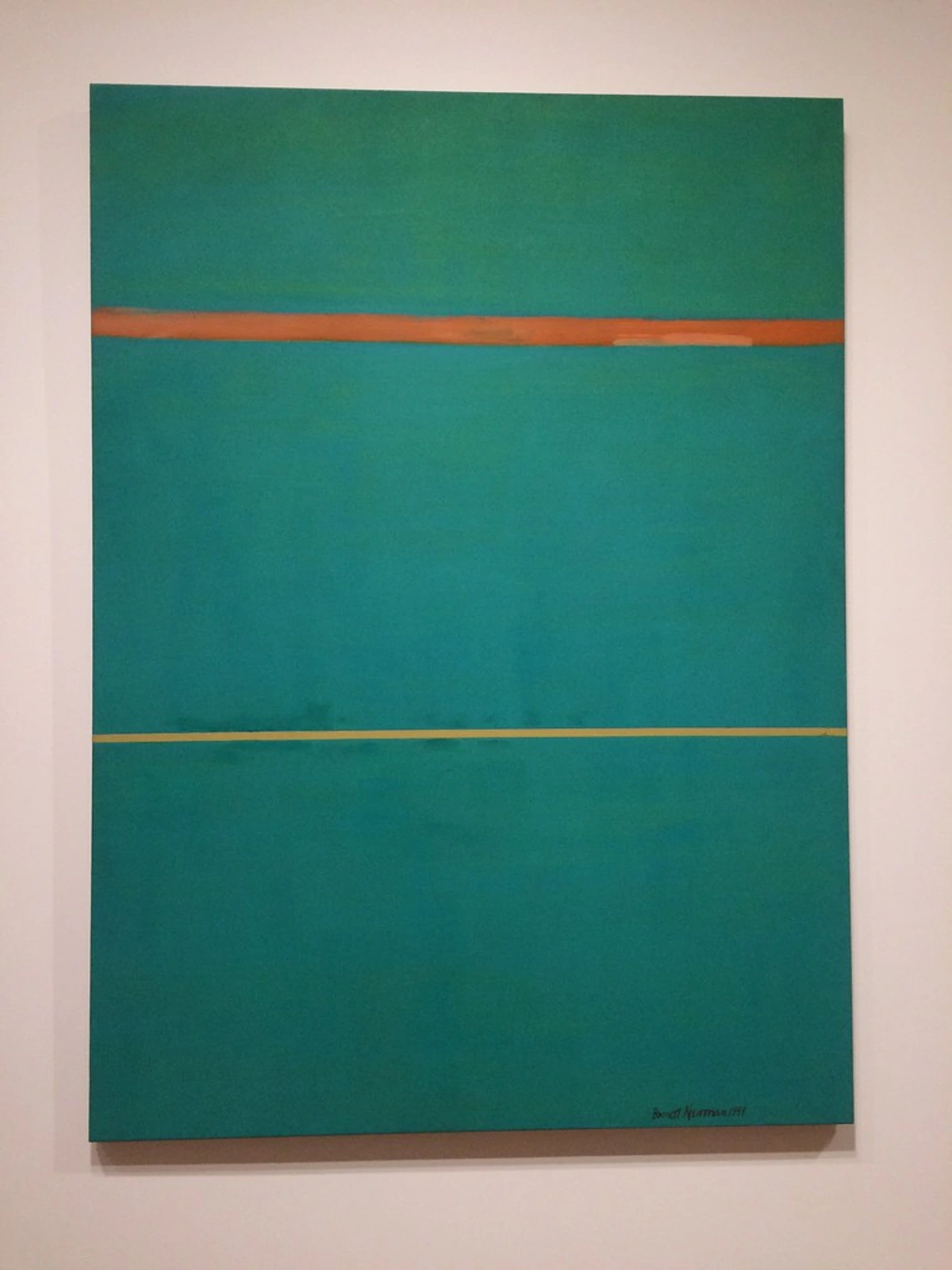
The Dada Meeting Protocol
Feeling stuck in predictable discussions? Try Tzara's approach to conversation: Everyone has to speak in non-sequiturs for five minutes. Or set a rule that no one can use verbs. Or have people read their contributions backward. Sounds silly, but it forces participants out of established thought patterns. When people can't rely on their usual ways of speaking, they often discover new ways of thinking.
Why These Techniques Work
The psychological mechanism behind Tzara's methods is surprisingly simple: they force your brain to work differently. When you follow a cut-up recipe or work within random constraints, you're essentially short-circuiting your habitual thinking patterns. Your conscious mind—with all its trained preferences, logical assumptions, and creative ruts—gets bypassed.
What emerges instead is something stranger and often more authentic. I've noticed in my own work that when I'm stuck on a problem or creative block, applying a random constraint (like 'you can only use blue and yellow' or 'every sentence must contain a number') forces me to find solutions I never would have considered through deliberate thought alone.
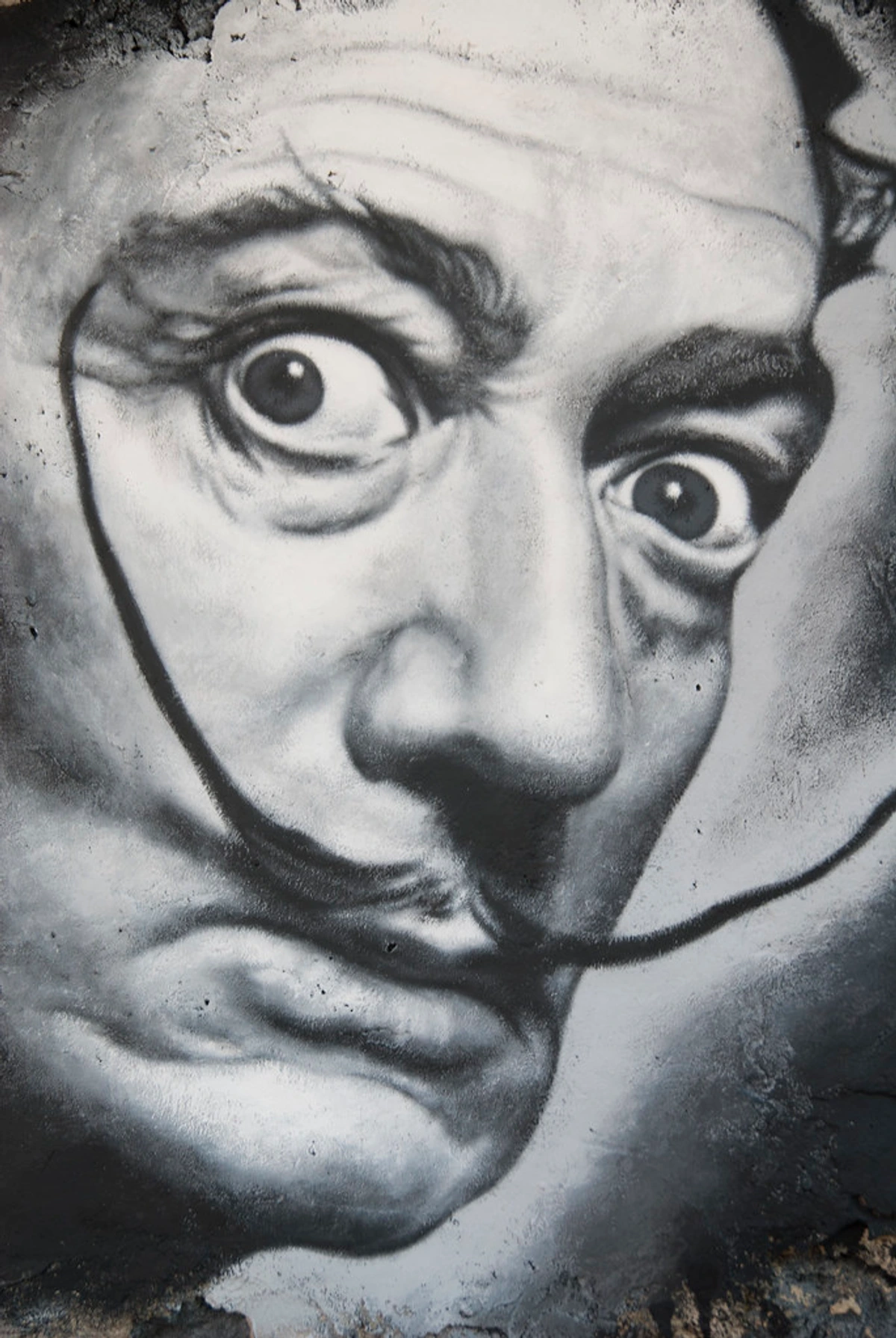
Tzara understood this intuitively: that chaos isn't the enemy of creativity—it's a catalyst. By introducing controlled randomness into the creative process, you open up possibilities that conscious planning would never discover. It's like taking a different route home and discovering a whole neighborhood you never knew existed.
The Algorithmic Cut-Up: Digital Tools for Dada
While Tzara used scissors and newspapers, we have far more powerful tools at our disposal. Here are some digital methods that carry on his legacy. What fascinates me most about these digital applications is how they reveal that Tzara was essentially describing computational processes long before the invention of the digital computer. His cut-up technique was a manual form of what we now call procedural generation.
Language Models as Dada Engines - I've spent hours feeding GPT and other language models contradictory prompts, asking them to write in the voice of inanimate objects, or forcing them to mix unrelated genres. The results often feel like sophisticated Dada poetry. When an AI writes a haiku about blockchain in the style of a medieval monk, you're witnessing Tzara's cut-up technique operating at computational speed.
The philosophical implications here are profound. These AI systems essentially take all of human text as their "newspaper" and perform infinitely complex cut-up operations across the entire dataset. The "hallucinations" that sometimes emerge—bizarre, surreal combinations that make no logical sense but feel strangely poetic—are the digital equivalent of Tzara's sound poems. Both represent language operating at the edge of meaning, pointing toward possibilities beyond conventional communication.
Generative Adversarial Networks (GANs) - These AI systems that pit two neural networks against each other—one creating, one critiquing—feel like the ultimate Dada collaboration. The bizarre, dreamlike images they produce often have the same surreal quality as Max Ernst's frottage or Hans Arp's chance collages.
There's something particularly Dada about the GAN's creative process itself. Each network is essentially trying to outwit the other—the generator creating increasingly convincing fakes, the discriminator becoming increasingly sophisticated at detecting them. This arms race produces images that exist in a kind of quantum superposition between real and fake, familiar and alien. It's pure readymade aesthetics operating at machine speed, creating a whole new category of objects that are simultaneously art and something else entirely.
Code Poetry - Some programmers have taken to writing code that's simultaneously functional and poetic, or that deliberately breaks programming conventions to create unexpected results. This echoes Tzara's love for using systems against themselves—writing manifestos that denounced manifestos, creating art that mocked art. But the modern version goes even further—consider "obfuscated code contests" where programmers compete to write the most deliberately unreadable code that still works perfectly. This is Dada logic applied to the most rational system humans have ever created.
And then there's the world of digital glitch art—intentionally breaking digital systems to create visual artifacts that reveal the hidden structure of the technology itself. When an artist deliberately corrupts a JPEG file or runs footage through damaged equipment, they're practicing a form of technological Dada that Tzara would have recognized immediately: using the system's failures against itself, revealing what's normally hidden within its "correct" operation.
I've encountered code poems that, when executed, generate poems as output, while the code itself reads like verse. Other pieces use programming bugs as creative material, or create programs that are intentionally difficult for humans to read but execute perfectly. There's something deeply satisfying about using the most logical, rational system ever invented—computer programming—to create pure poetry or absurdity.
This is Dada operating at the most fundamental level of digital culture—using the language of logic to create illogical beauty, demonstrating that even in the most rational of systems, poetry can emerge through constraint and subversion. It's like Tzara's manifesto against manifestos, but updated for the age of Silicon Valley: writing code against code, using the master's tools to dismantle the master's logic.
Was Tristan Tzara political?
This is a more complex question than it appears. Unlike his Berlin Dada counterparts like George Grosz and John Heartfield, who were explicitly political and aligned themselves with communist movements, Tzara's relationship with politics was more subtle and philosophical.
His core political stance was a radical critique of the entire structure of Western civilization that had produced World War I. This wasn't about choosing between existing political ideologies (communism, capitalism, etc.); it was about rejecting the very modes of thought that made such ideologies possible. In this sense, his politics were anarchistic in the truest meaning of the word—not violent revolution, but a fundamental questioning of all authority, all systems, all claims to truth.
That said, he did write political poetry and engage with political themes, particularly later in his life. His 1935 poem "Where the Wolves Drink" is a powerful anti-fascist work, and during the Spanish Civil War, he was firmly on the side of the Republican forces. But even here, his political engagement was filtered through his fundamental philosophical stance: that any system claiming absolute truth—whether political, religious, or artistic—was inherently suspect.
I think this is why his influence has been so lasting. By refusing to align with any specific political program while maintaining a radical critical stance, he created a template for cultural resistance that's more flexible and more fundamental than traditional political art. We see this legacy in contemporary artists like Ai Weiwei or Banksy, who maintain critical distance from specific political movements while engaging with political themes.
Did Tzara's approach change over time?
Absolutely. While he never abandoned his fundamental skepticism about systems and authority, his methods and interests evolved significantly over his career. The wild provocateur of the Zurich years was quite different from the more reflective, politically engaged poet of his later Paris years.
Early Zurich Years (1915-1919): Pure provocation and philosophical nihilism. This was Tzara at his most anarchic, when his primary goal was to shock bourgeois sensibilities and expose the bankruptcy of rational European culture.
Paris Dada Years (1920-1922): Network building and theoretical development. During this period, Tzara became more strategic about spreading Dada's influence, creating journals and connecting with artists across Europe. He also had to defend his vision of Dada against Breton's attempts to systematize it.
Transition to Surrealism (1923-1929): After the formal break with Breton and the official "death" of Dada, Tzara went through a period of transition. He never became a card-carrying Surrealist, but he was influenced by their interest in dreams and the unconscious.
Political Awakening (1930s): The rise of fascism across Europe had a profound impact on Tzara. He became more explicitly political in his work, writing anti-fascist poetry and taking public stands against authoritarianism. This was also when he joined the Communist Party, though he remained critical of party orthodoxy.
Later Years (1945-1963): In his final decades, Tzara focused more on poetry than manifestos, but he never lost his fundamental critical stance. He became interested in African art and culture, seeing parallels between the European avant-garde's interest in "primitivism" and his own heritage.
The fascinating thing about these changes is that they weren't contradictions or betrayals of his earlier self—they were extensions. He remained fundamentally committed to questioning authority and challenging fixed systems; he just found new territories in which to wage that struggle.
What's the connection between Dada and comedy?
This is something that took me years to fully understand: Dada wasn't just absurd—it was often genuinely, intentionally funny. But the kind of humor Tzara and his collaborators practiced is very different from what most people think of as comedy.
Traditional comedy typically works through setup and punchline—creating expectations and then subverting them in specific, controlled ways. The audience laughs because they recognize the cleverness of the reversal. Dada humor was different. It was humor that worked by refusing to provide punchlines, by avoiding setups, by maintaining absurdity as an end in itself.
The closest contemporary parallel I can think of is anti-humor—jokes that deliberately fail to deliver what a traditional joke promises. Think of the absurdist comedy of Monty Python, or the deadpan anti-comedy of Andy Kaufman, or the surreal humor in shows like Tim and Eric.
Tzara's performances often included what we would now call "anti-jokes" or "anti-comedy." He would create elaborate setups that led nowhere, or deliver punchlines that made no sense, or perform routines that deliberately violated every rule of traditional performance. This wasn't just random silliness—it was a philosophical statement about the arbitrariness of humor itself.
I think this connection to comedy is crucial for understanding why Dada still feels so contemporary. We live in an age of surreal memes and anti-humor, where comedy often works by deliberately breaking the rules of comedy. When you see a TikTok video that's deliberately boring or awkward, or a Twitter thread that refuses to pay off its premise, you're seeing Dada's humor operating in the wild, a century later.
Let's get to some of the questions you're probably asking. These are the things I've wondered myself, and the answers that helped me connect the dots.
Who started Dadaism, Tzara or Hugo Ball?
This is a classic chicken-and-egg problem. Hugo Ball is credited with founding the Cabaret Voltaire in 1916, the birthplace of Dada. He was the one who created the space. But Tristan Tzara was arguably the one who gave it a name, a voice, and a global strategy. Ball was the builder of the church; Tzara was the preacher who turned it into a religion. While Ball became disillusioned and left the movement, Tzara stayed, fighting for its chaotic soul.
What's crucial to understand is that Ball and Tzara represented two different impulses. Ball was more mystical and philosophical—he saw Dada as a spiritual response to the war, a way to access primordial truths through ecstatic performance. Tzara was more aggressive and systematic in his anti-systematic approach—he saw Dada as a weapon to be used against bourgeois culture. Ball provided the spiritual foundation; Tzara provided the tactical aggression.
So, while Ball started the fire, Tzara was the one who fanned the flames and told the whole world to come and watch it burn. Without Ball's initial radical space, Dada might never have been born. Without Tzara's relentless promotion and theoretical framework, it would have remained a local Zurich phenomenon instead of becoming an international movement.
Think of it as the difference between building a stage and performing the play that changes theater forever. Both were essential, but only Tzara was willing to burn the theater down when the play was over.

There's a deeper lesson here about how creative movements actually work. The person who builds the container and the person who fills it with explosive content are rarely the same person—they require different temperaments, different skills, different kinds of courage. Ball had the courage to create a space where anything could happen. Tzara had the courage to make sure that "anything" was actually revolutionary rather than just pleasantly experimental.
How did Dada influence Surrealism?
This is one of the most important questions in modern art history, because the answer reveals how radical ideas evolve. Think of Dada as the explosion and Surrealism as the mushroom cloud. One caused the other, but they're fundamentally different phenomena.
When Tzara arrived in Paris and met André Breton, there was an initial period of collaboration. The young Surrealists-to-be were intoxicated by Dada's energy—its rejection of logic, its embrace of the absurd, its willingness to shock bourgeois sensibilities. But the alliance was always volatile, because their goals were fundamentally incompatible.
Here's the crucial difference that I think most art history texts gloss over: Dada's rejection of reason was political and philosophical—it came from looking at the wreckage of European civilization and saying 'Your reason led to this, so your reason is bankrupt.' Surrealism's embrace of unreason was psychological—it came from looking at the wreckage and saying 'Your reason led to this, so perhaps there are other ways of knowing that are more true.'
Tzara wanted to stay in the wreckage and celebrate it. Breton wanted to search the wreckage for clues to a better way of being.
The tension between these two approaches created some of the most fertile creative energy in modern art history. Without Dada's total demolition of rational art, Surrealism couldn't have built what it built. But without Surrealism's systematic exploration of the unconscious, Dada's demolition would have remained just that—demolition without reconstruction.
Here's the crucial difference: Tzara believed Dada should remain pure negation. It shouldn't have a program, a purpose, or a destination. Its power came from its refusal to become anything other than what it was in the moment. Breton, however, wanted to channel that destructive energy toward systematic exploration. He didn't just want to destroy rationality—he wanted to explore what lay beyond it.
I've come to think of this difference as 'destructive negation' versus 'constructive negation.' Tzara's negation was an end in itself—the act of saying 'no' was the complete political and aesthetic statement. Breton's negation was a means to an end—it was the necessary demolition before you could build something new. Neither approach was wrong, but they were fundamentally incompatible.
This tension between destruction-as-end and destruction-as-means continues to play out in contemporary art and culture. You see it in the difference between purely deconstructive art that refuses any positive statement and art that deconstructs in order to propose alternatives. Tzara and Breton's conflict was the first and perhaps clearest articulation of this fundamental divide.
The break came when Breton tried to organize Dada, to give it political direction and intellectual coherence. For Tzara, this was the ultimate betrayal. Organization was the enemy. Purpose was the enemy. Breton saw this as maturation; Tzara saw it as capitulation.
The legacy, though, is clear: without Dada's radical break from reason, Surrealism could never have existed. Tzara cleared the ground; Breton built on it. Tzara proved you didn't need logic; Breton showed what you could find in its absence.

Why did Tristan Tzara and André Breton fight so much?
Ah, the great breakup. Tzara and Breton's feud is one of the juiciest stories in art history. On the surface, it was about a disagreement over the direction of a Parisian literary event, but it went much deeper. Imagine it like this:
Their conflict reached its peak at the "Congress of Paris" in 1922—an event that perfectly encapsulates their different approaches. Breton had organized what he intended as a serious intellectual debate about the future of modern art. He wanted to establish Dada as a coherent movement with clear principles. Tzara, characteristically, saw this as a betrayal of everything Dada stood for. He deliberately sabotaged the event with absurdist interventions, including having a dancer perform mock African rituals while he read Breton's manifesto in a cartoonish voice.

The physical fight that followed wasn't just about hurt feelings—it was a philosophical disagreement made manifest. It was the ultimate Dada act: turning intellectual debate into physical confrontation, proving that words lead to violence and reason leads to conflict.
- Tzara was the ultimate anarchist. He believed Dada should be a state of permanent revolution, a constant No. He saw any attempt to organize it, to give it a political ideology, as a betrayal of its core nihilistic spirit.
- Breton was the evangelist. He wanted to take the energy of Dada and channel it toward a specific goal: exploring the subconscious and, later, advancing the cause of Communism. He wanted a systematic exploration of unreason.
They were two sides of the same irrational coin. Their clash was inevitable—the pure anarchist versus the would-be pope—and it effectively ended Dada in Paris, paving the way for the more structured (but still mind-bending) movement of Surrealism. You can see their timeline on my website.
What does the name 'Dada' mean?
This is my favorite part, because the answer perfectly captures the spirit of the movement. The name means... nothing. Absolutely nothing. The story goes that Hugo Ball and Tzara found it by stabbing a knife into a French-German dictionary. 'Dada' is the French word for a child's hobby-horse. It's simple, nonsensical, and infantile.
But here's what makes this even more perfect: the very uncertainty about the name's origin is the point. There are at least three competing stories about how the name was chosen, and they're all equally plausible—and equally meaningless. Some claim it was inspired by a Romanian artist's repeated use of "da, da" (meaning "yes, yes" in Romanian). Others say it was chosen for its similarity to the babbling sounds babies make.
This multiplicity of origin stories isn't a flaw in the historical record—it's the ultimate Dada statement. Even the name's creation is shrouded in absurdity, uncertainty, and contradictory narratives. It refuses to be pinned down, explained, or rationalized. In choosing a meaningless word with multiple possible origin stories, the Dadaists created something that could mean anything and nothing simultaneously. Pure genius, frankly.
Choosing a meaningless word was the whole point. It was a rejection of the grand, pompous, and ultimately destructive ideologies that had fancy names. They chose a name that was as absurd as the world they were living in. It was the perfect brand for their anti-art.
Did Tristan Tzara write poetry?
Yes, but not in any way you'd recognize from a traditional English class. Tzara's poetry was an assault on language itself. He would use random snippets of newspaper text, mix languages, and create sounds that were more important than their meaning. His performances were legendary—he'd appear on stage in bizarre costumes, sometimes just reciting numbers or chanting nonsense while bells rang and drums pounded. The goal wasn't to create a beautiful verse; it was to use language as a raw material, like paint or clay, to evoke a feeling of chaos and strangeness.
I want to share one of my favorite Tzara poems to give you a sense of what his work actually feels like. This is from his 1918 collection:
I build a great church made of faience biscuits stones are false coins that dance lightly inv- incible faithful
See what he's doing here? Grammar breaking down. Words used for their sound as much as their sense. Imagery that's deliberately absurd. The meaning is there, but you have to work for it—or better yet, stop trying to "understand" it and just let the words wash over you. That's precisely what he wanted: poetry that short-circuited rational analysis and hit you at a more primal level.
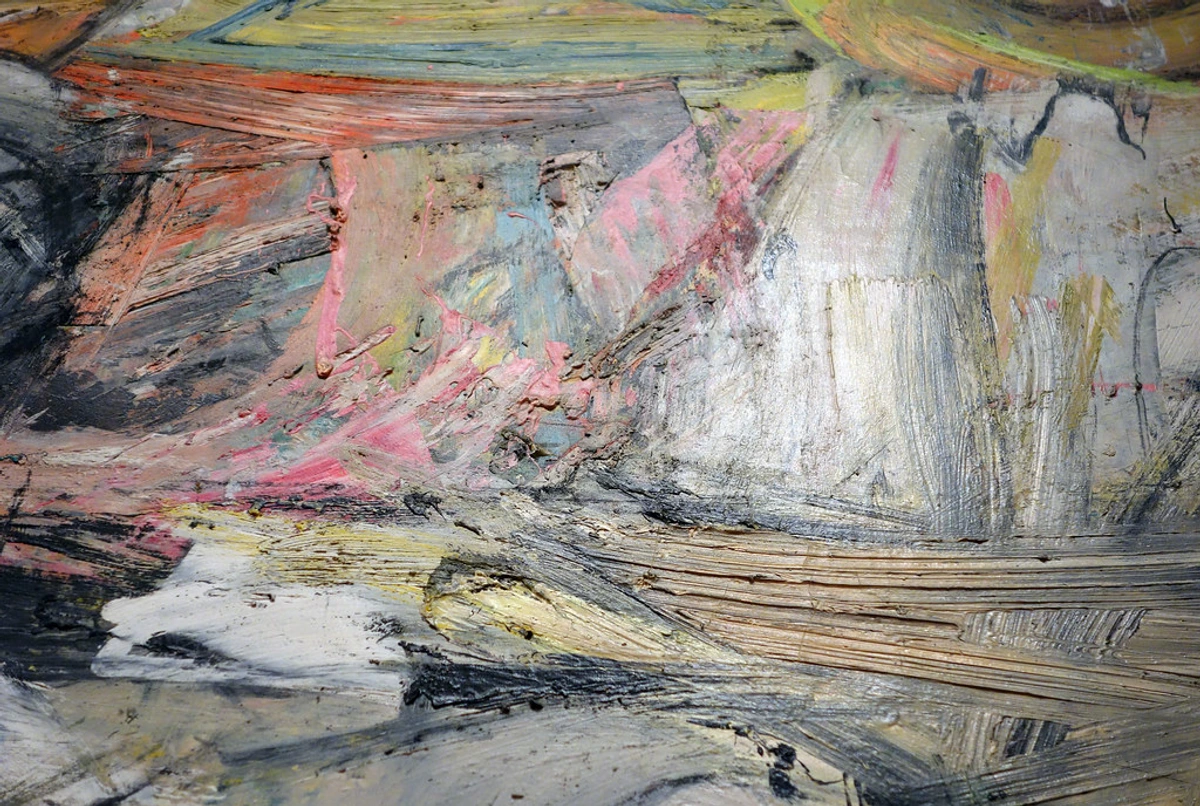
His sound poems were even more radical. Pieces like "Le Géant blanc lépreux du paysage" consist almost entirely of invented words, pure sound that bypasses meaning entirely. When you hear these performed (there are recordings online), they sound like incantations in a language that doesn't exist—and that's exactly the point. Tzara was trying to access a kind of communication that existed before, or beyond, conventional language.
I've been fascinated by the cognitive science behind this—how meaningless sounds can provoke such powerful emotional responses. Contemporary research suggests that when we can't parse language for semantic meaning, our brains treat it as pure musical information. Rhythms, tones, and phonetic textures become the primary communicative channel. Tzara was essentially turning this cognitive "failure" into an aesthetic principle—making music out of language's failure to mean.
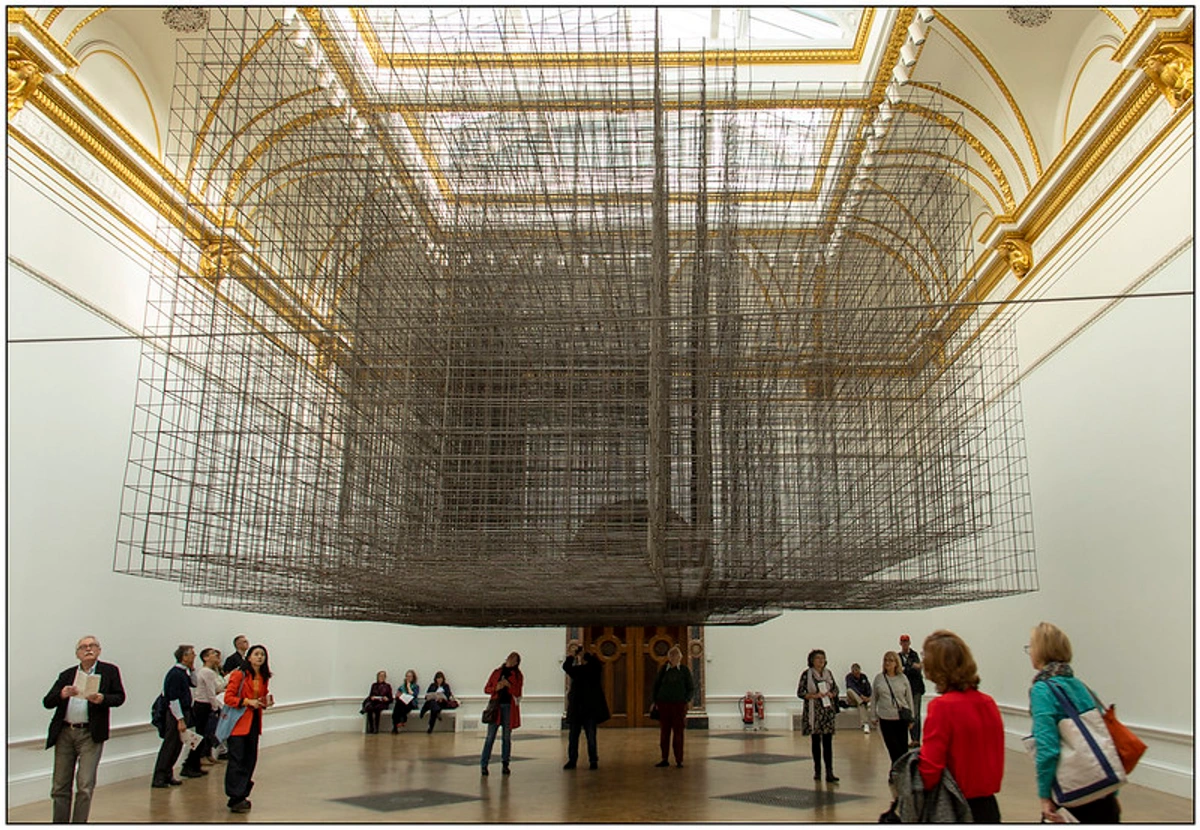
Conclusion: The Enduring Anarchy of Creation
What's the single most important lesson I've taken from studying Tristan Tzara's life and work? It's that the biggest creative breakthroughs often start with a single, radical act of destruction. They start with the courage to look at the rules you've been given—whether they're about art, society, or yourself—and simply say, 'No. I'm going to play a different game.'
He proved that anarchy isn't just about tearing things down. In the right hands, it's about clearing space for something new and unexpected to grow. He armed artists with the permission to be weird, to be random, to be nonsensical, and to find profound meaning in meaninglessness. And that, perhaps, is his most enduring and influential gift to our world.
But perhaps even more importantly, Tzara showed us that the tools of creative revolution don't require special talent or institutional approval. A pair of scissors, a newspaper, a willingness to embrace chance—these were his weapons. In our hyper-professionalized art world, where MFA degrees and gallery connections often seem like prerequisites for taking art seriously, Tzara's radical amateurism feels more relevant than ever.
He proved that art belongs to everyone who dares to make it, that creativity isn't a special talent bestowed on a chosen few but a fundamental human capacity that can be awakened through the right provocations. The techniques he pioneered—cut-ups, chance operations, conceptual subversion—remain as accessible today as they were a century ago. Anyone with a smartphone and an internet connection can practice digital Dada.
The ultimate irony of Tzara's legacy is that the movement that declared 'Dada means nothing' has come to mean everything to contemporary culture. Its spirit lives on in every meme that subverts expectations, every remix that creates new meaning through collision, every generative artwork that embraces chance as a creative partner.
If you walk away with anything, let it be his restless, questioning spirit. It's the secret ingredient in almost every great piece of art you've ever loved. But perhaps more importantly—and this is something I didn't fully appreciate until much later—Tzara reveals something profound about creativity itself: that it's fundamentally a relationship with uncertainty. He didn't teach us that art should be meaningless; he taught us that meaning itself is more complex, more mysterious, and more malleable than we typically assume.
Every time you encounter something that doesn't immediately make sense—a bizarre meme, a challenging piece of contemporary art, a joke that seems to have no punchline—you're encountering Tzara's legacy. He taught us that not understanding can be a creative act rather than a failure of comprehension.
If you're looking for art that captures this spirit, you can explore my collection at the /buy page, or visit my local museum at the Den Bosch Museum.
Further Reading & Resources
If you've made it this far, you're probably as fascinated by Tzara and Dada as I am. Here are some resources that have deepened my understanding of this endlessly surprising movement:
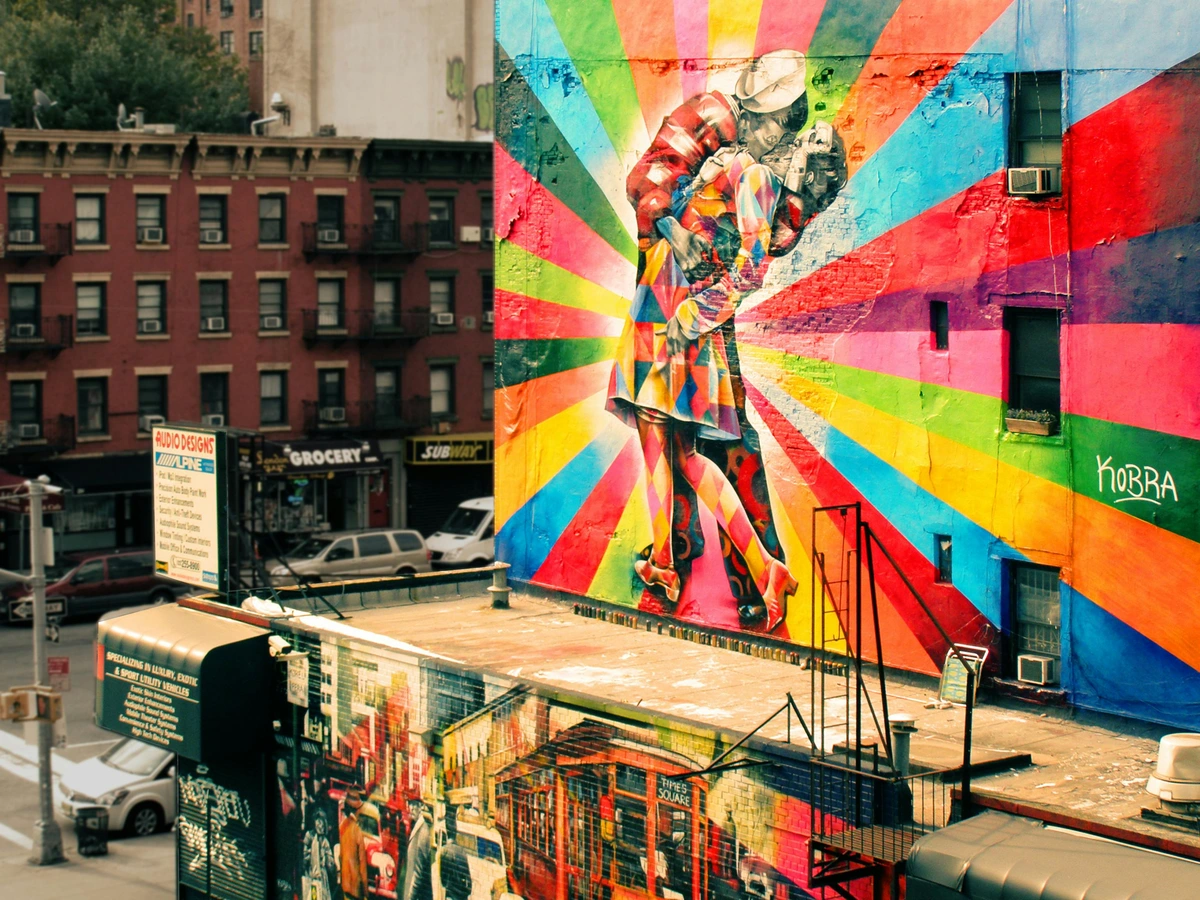
Essential Books
- The Dada Painters and Poets edited by Robert Motherwell - The definitive anthology of primary Dada texts, including Tzara's manifestos, poems, and theoretical writings. Reading this is like getting a front-row seat to the revolution.
- Dada: Zurich, Berlin, Hannover, Cologne, New York, Paris by Leah Dickerman - A comprehensive catalog from a major exhibition that does an incredible job of showing how Dada manifested differently in each city.
- Memoirs of a Dada Drummer by Richard Huelsenbeck - A firsthand account from one of the original Dadaists that captures the energy and chaos of those early years.
Museums with Strong Dada Collections
- Museum of Modern Art (MoMA), New York - Their Dada collection is unparalleled, including major works by all the key figures.
- Centre Pompidou, Paris - Excellent collection of Dada and Surrealist works, with a strong focus on the Paris years.
- Kunsthaus Zurich - Located in the birthplace of Dada, their collection provides essential context for understanding the movement's origins.
Online Resources
- The International Dada Archive at the University of Iowa - An incredible digital repository of primary documents, images, and scholarly resources. It's the closest thing we have to a Dada museum on the internet.
- UbuWeb's Dada section - A treasure trove of historical recordings, manifestos, and visual materials. I've lost countless hours exploring their archives.
My Own Dada-Inspired Works
I've never been able to resist the pull of Tzara's approach. If you're curious about how these ideas translate into contemporary art, here are a few pieces from my collection that show his influence:
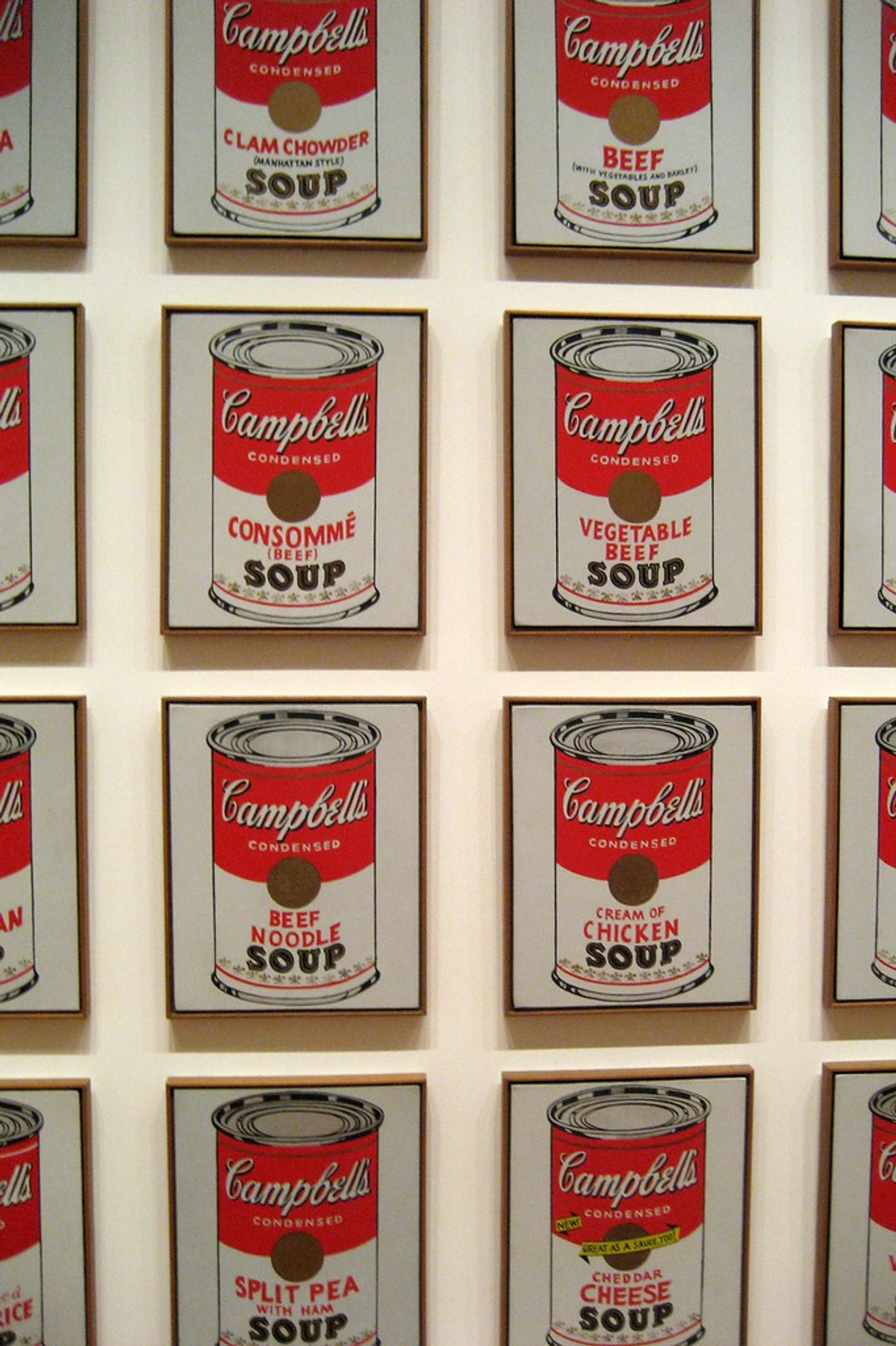

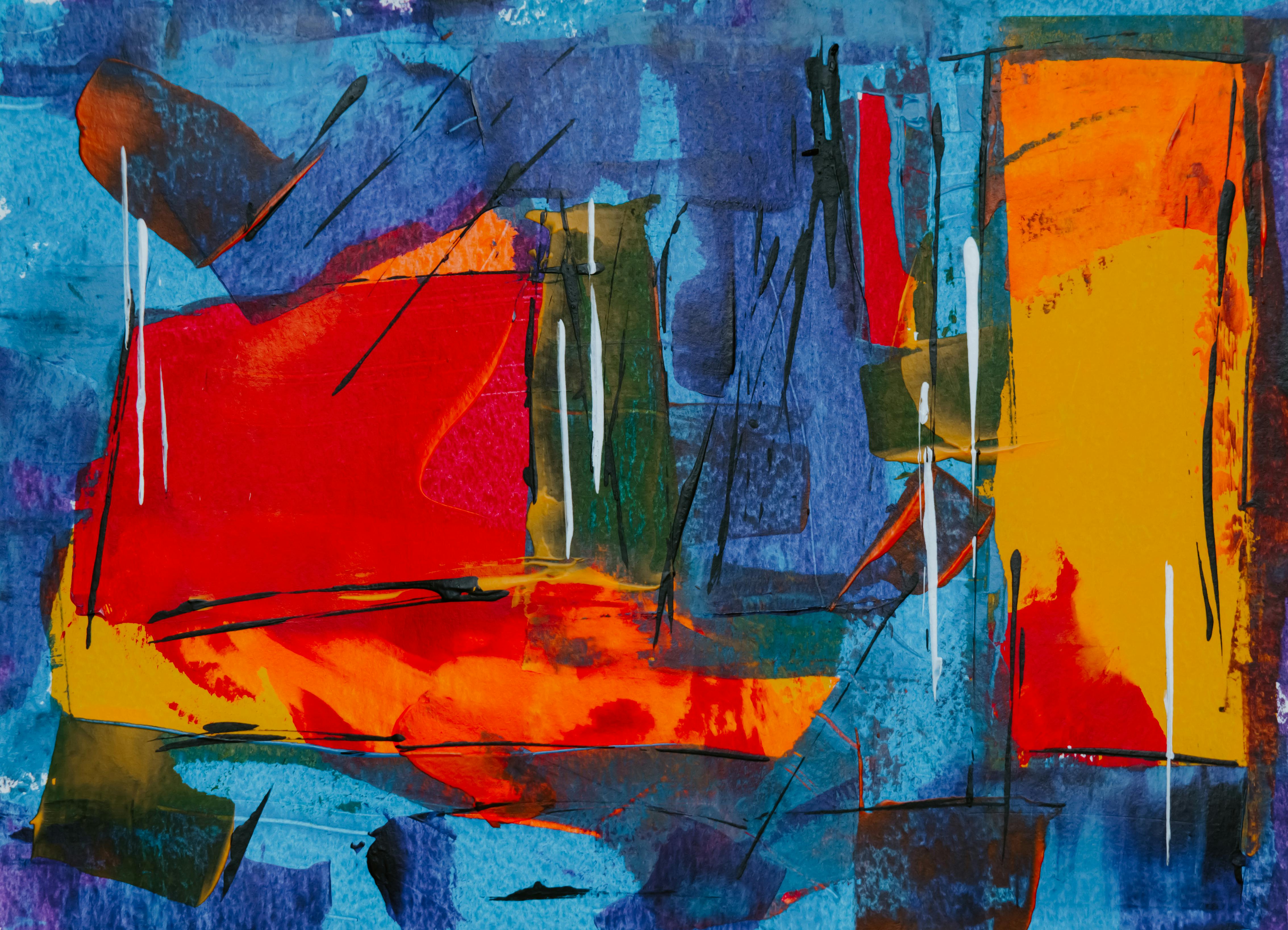






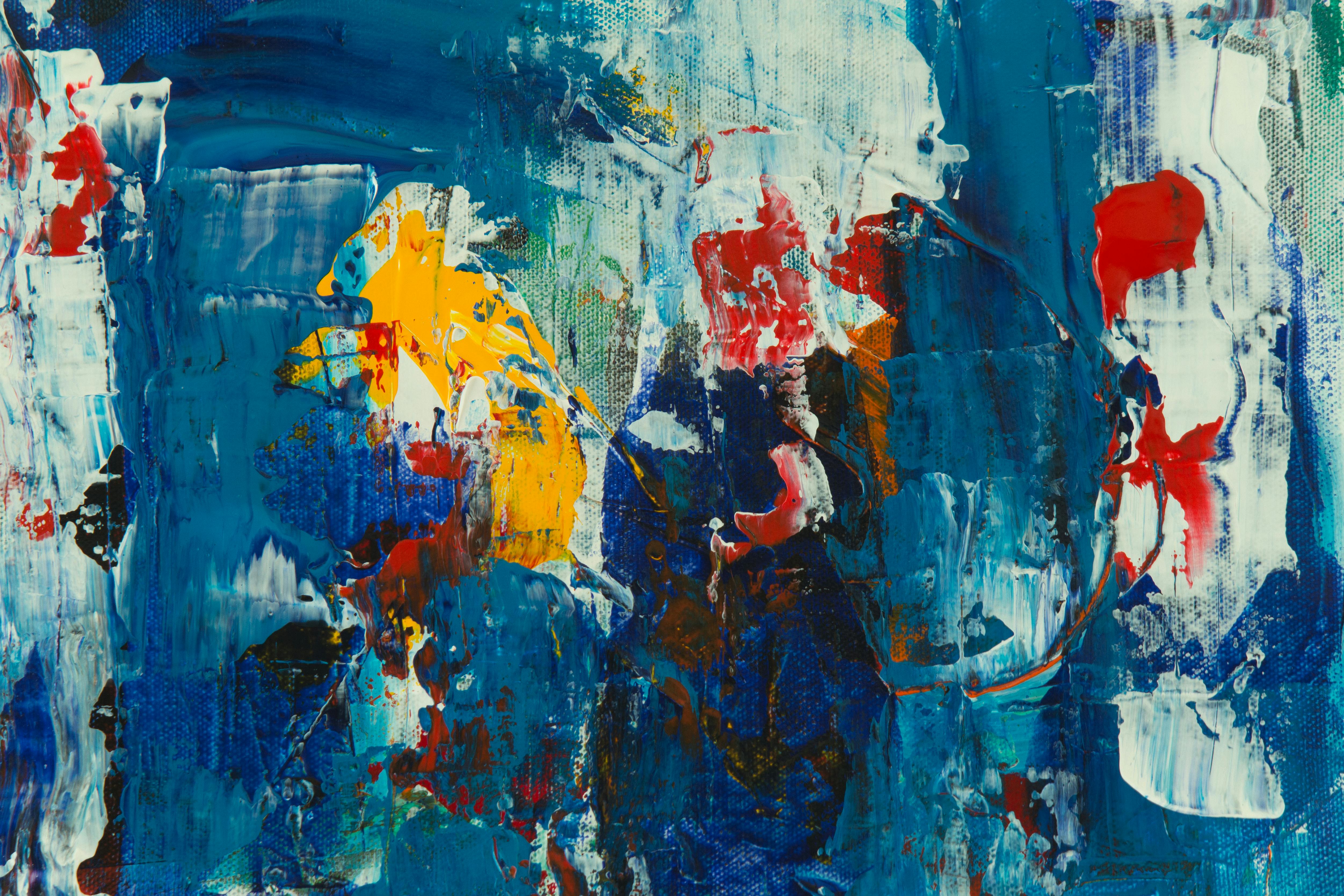
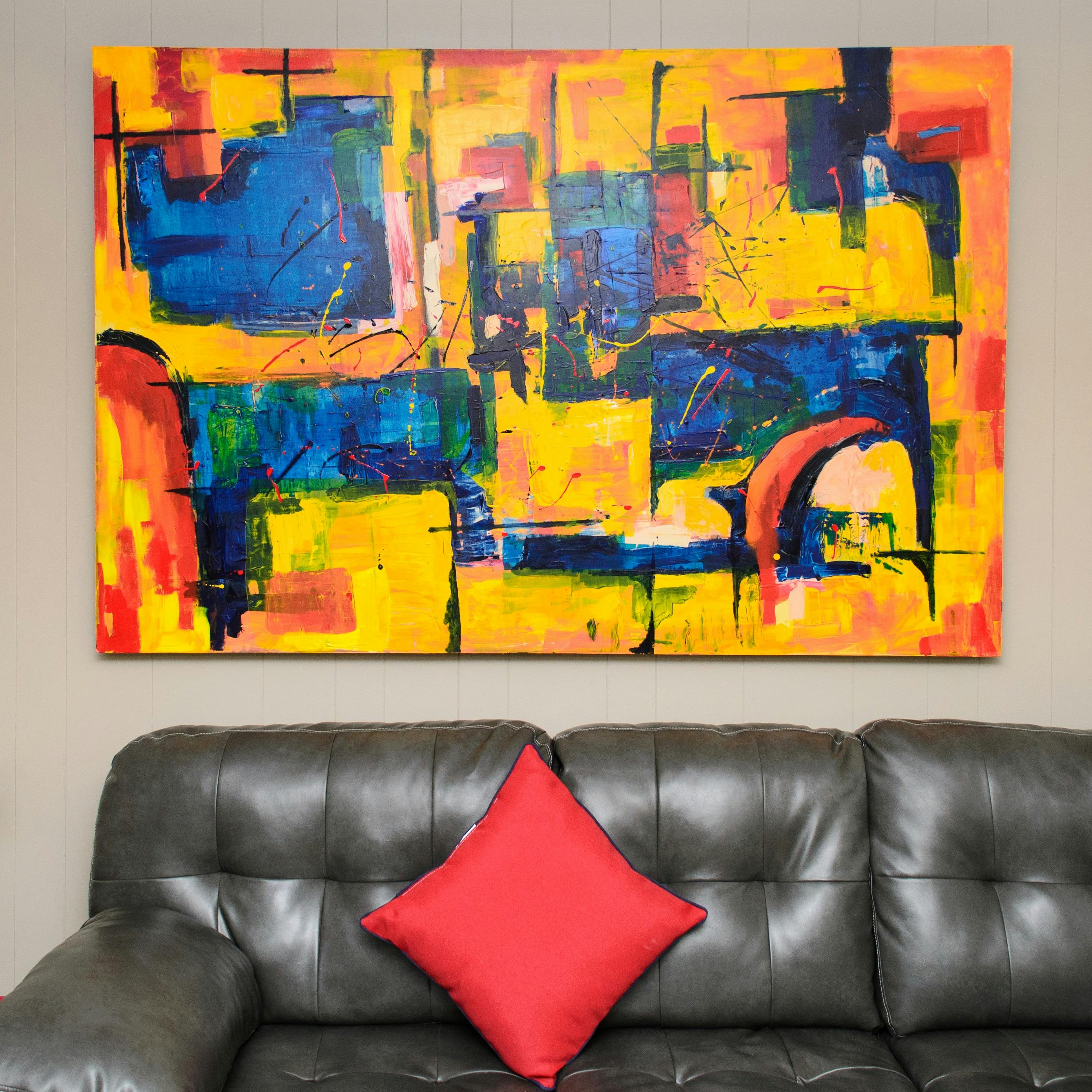















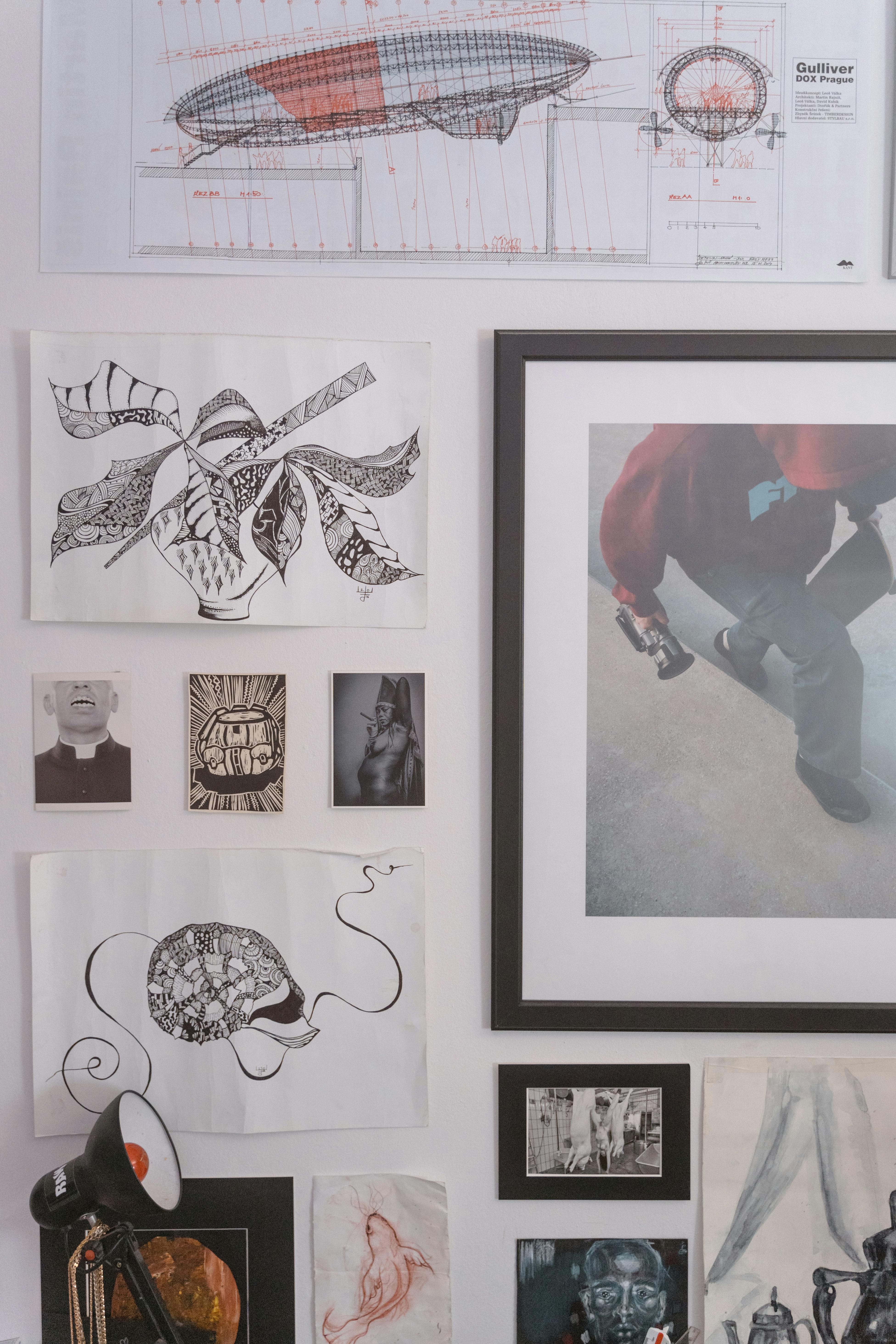


- Chance Operations Series (2022) - A series of abstract works created using randomized color choices and compositional decisions, directly inspired by Tzara's cut-up method. Each piece begins with a set of arbitrary rules (only use three colors, only horizontal lines, only circular forms) and then lets chance determine the specific arrangements.
- The Manifesto Project (2024) - An ongoing series where I create visual manifestos that question their own premises, playing with the same self-contradictory energy that animated Tzara's writings. Each manifesto is simultaneously a statement of principles and a critique of the very act of making such statements.
- Remix Culture (2023) - Digital collages that layer historical art images with contemporary digital artifacts, exploring how meaning shifts when contexts collide. The series takes famous works and 'infects' them with contemporary visual language—advertisements, screenshots, memes, interface elements.
- Dada Engine Variations (2023) - A series of generative digital works that use algorithmic cut-ups of art historical texts to create new visual compositions. The computer randomly selects fragments of critical writing about art and renders them as visual patterns, creating a kind of translation between textual and visual.
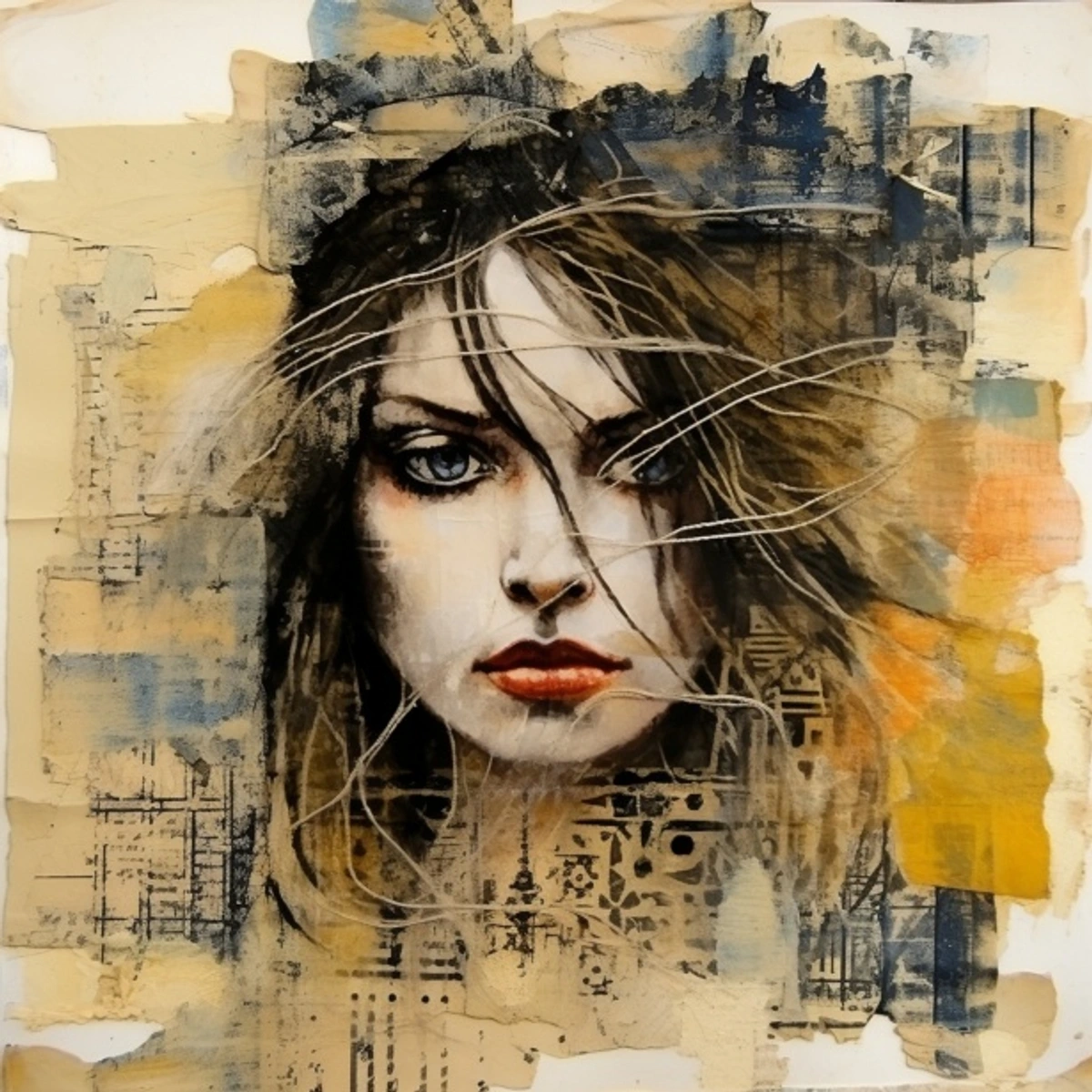
- The Anti-Portrait Series (2021) - Works that deliberately sabotage traditional portraiture by using chance operations to determine facial features, resulting in images that are recognizably human but defy conventional standards of representation.
You can explore these and other works at my collection page, or if you're ever in the Netherlands, visit me at the Den Bosch Museum—I'd love to discuss Tzara's legacy with you in person.