The Hidden Meaning of Tristan Tzara’s Dada Manifesto
An authoritative & personal dive into Tristan Tzara's Dada Manifesto. Explore its meaning, impact on art, and why its anti-art message still resonates today in movements like abstract art.

What is the real meaning behind Tristan Tzara's Dada Manifesto? I think it's not what you expect.
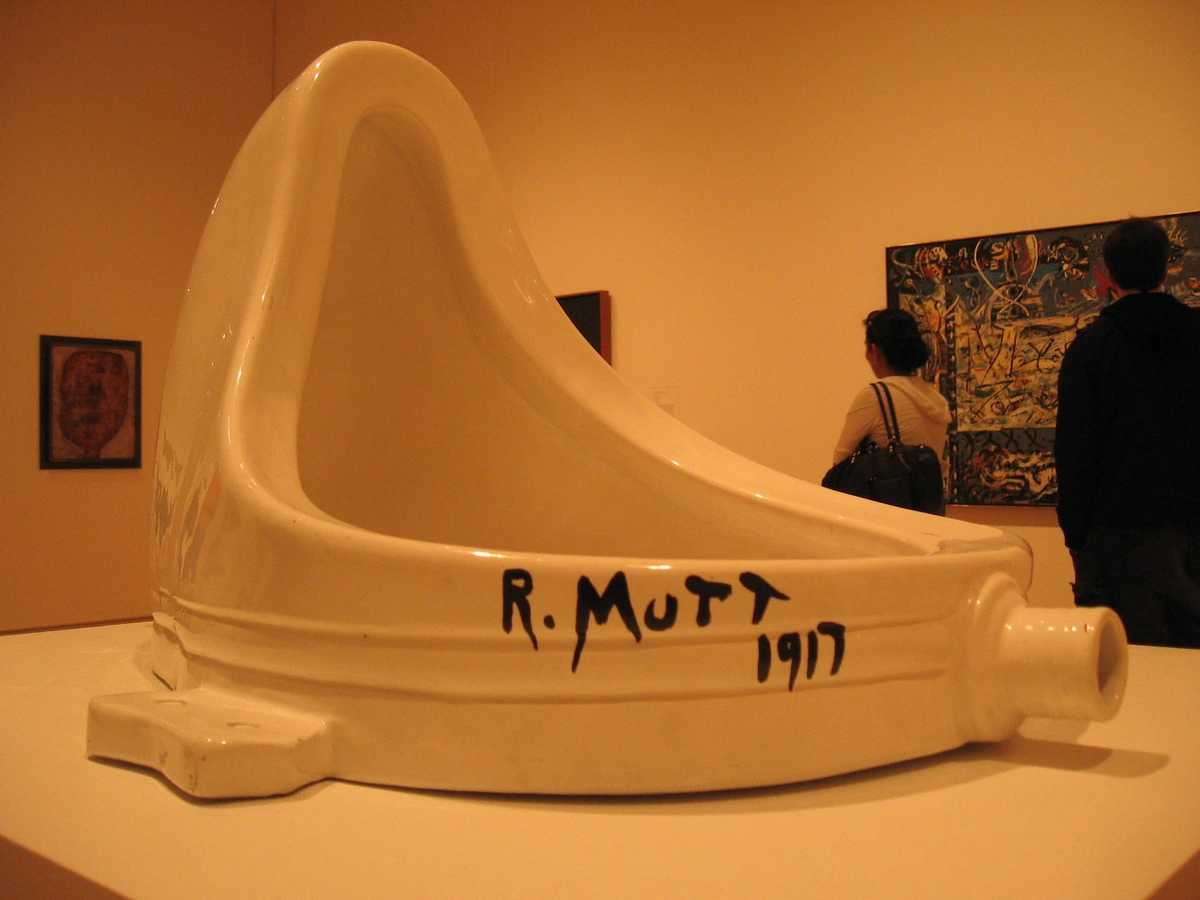
You've probably heard of Dada. A bunch of artists in the early 20th century tearing up the rulebook, right? Nonsense, chaos, a urinal signed 'R. Mutt'. Most people think it was just art's angriest, most confusing phase, a historical footnote defined by its deliberate absurdity. That dismissive view, it turns out, is a symptom of the very disease Dada was trying to cure: a culture running on autopilot, mistaking its own broken assumptions for reality.
I remember the first time I encountered Dada in an art history class—a grainy black-and-white photo of Marcel Duchamp's Fountain, accompanied by my professor's knowing smile. "This changed everything," he said, as if that explained anything at all. At the time, I nodded along, pretending to grasp the significance of a urinal turned art. But here's the thing: I didn't get it. Not really. It took me years of circling back to Tzara's words, reading them in different moods and contexts, to realize that the problem wasn't my understanding—it was that I was asking the wrong questions entirely.
The real story of the Dada Manifesto isn't one of destruction for its own sake. It’s about radical honesty. It’s the sound of a generation realizing that the language of reason and culture had been used to commit the most unreasonable, uncivilized act in human history. World War I wasn't just a war; it was a systems failure of the entire Western project. What do you do when you realize the instruction manual for civilization is written in poison ink? You throw it out and start again, from zero. That zero was Dada. It was the philosophical equivalent of a system reboot after a catastrophic crash.
There's a classic trap we all fall into when we first encounter Dada—I know I did. We see the wild performances, the nonsensical poems, the chaos, and we think, "Oh, it's just the art world having a tantrum." But when I actually sat down and wrestled with Tristan Tzara's Dada Manifesto, the whole thing flipped on its head. I realized I had it all wrong. We all do. It wasn't about making art that made no sense.
It was about the desperate, furious attempt to make sense in a world that had definitively, catastrophically, made no sense. Let's pull that thread, because it's a doozy. To do that, we need to step back from the chaotic result—the wild performances, the cryptic poems, the "readymades"—and look at the cause. What was the target? What, precisely, was Tzara trying to dismantle? It wasn't art. It was a system of thought, a collective hallucination that had led millions into the mud.
The Manifesto Was Not a Blueprint; It Was a Virus
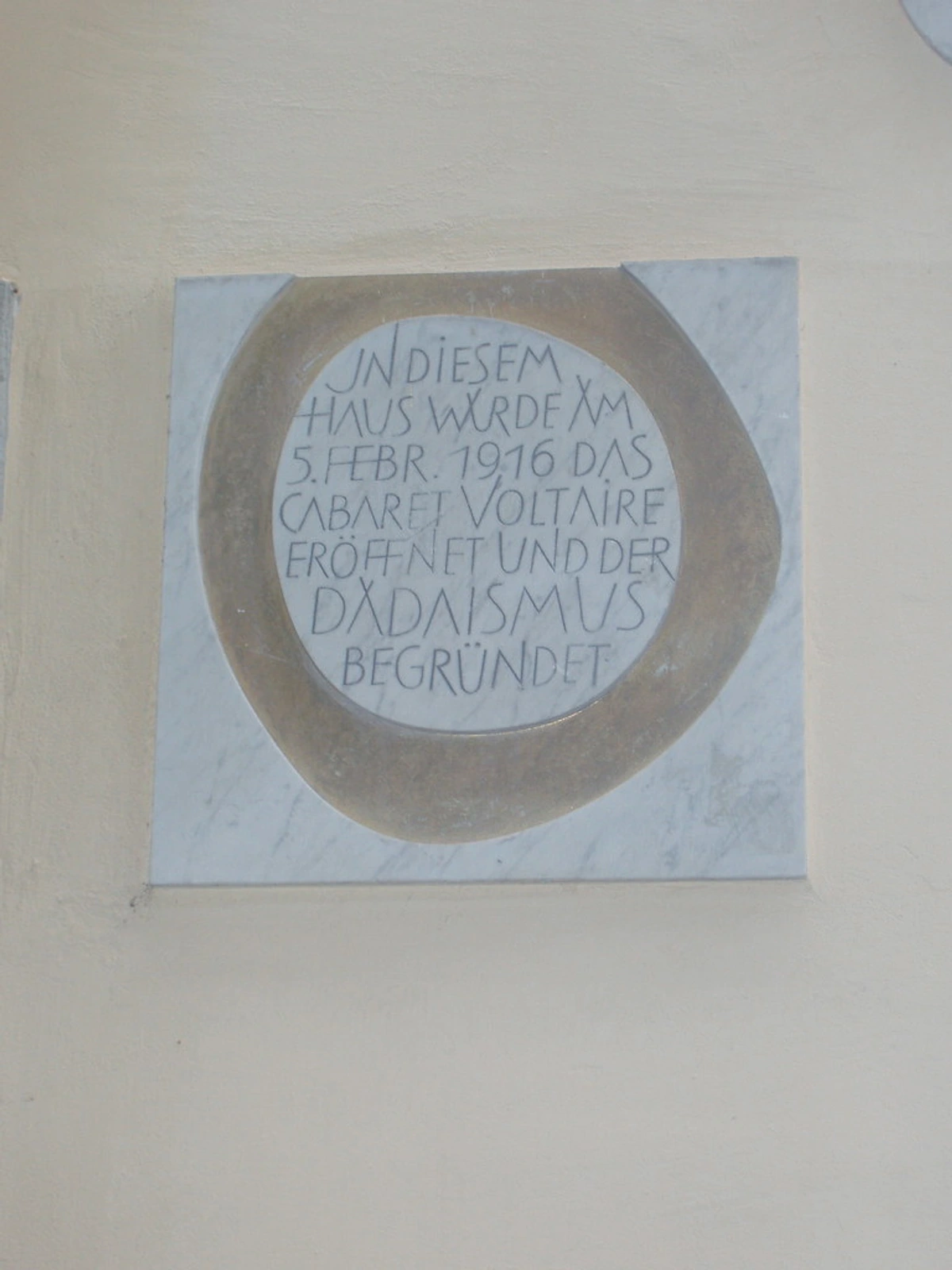
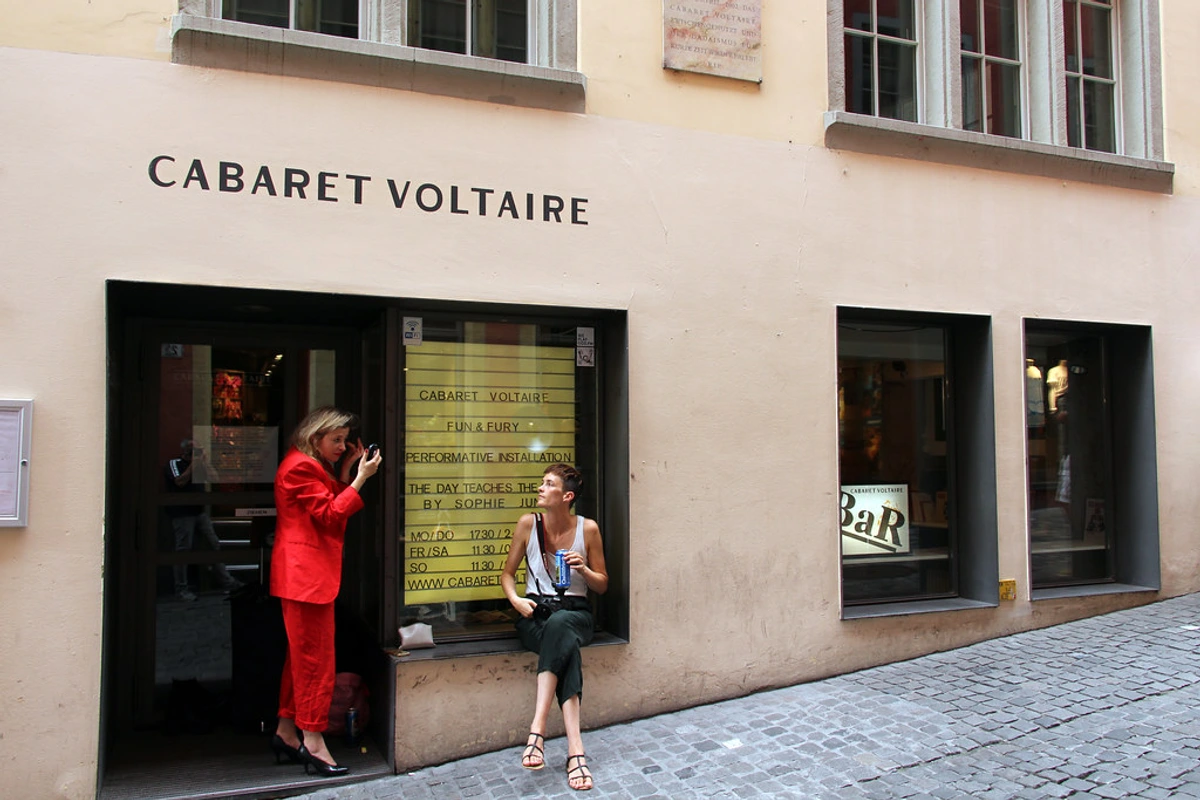
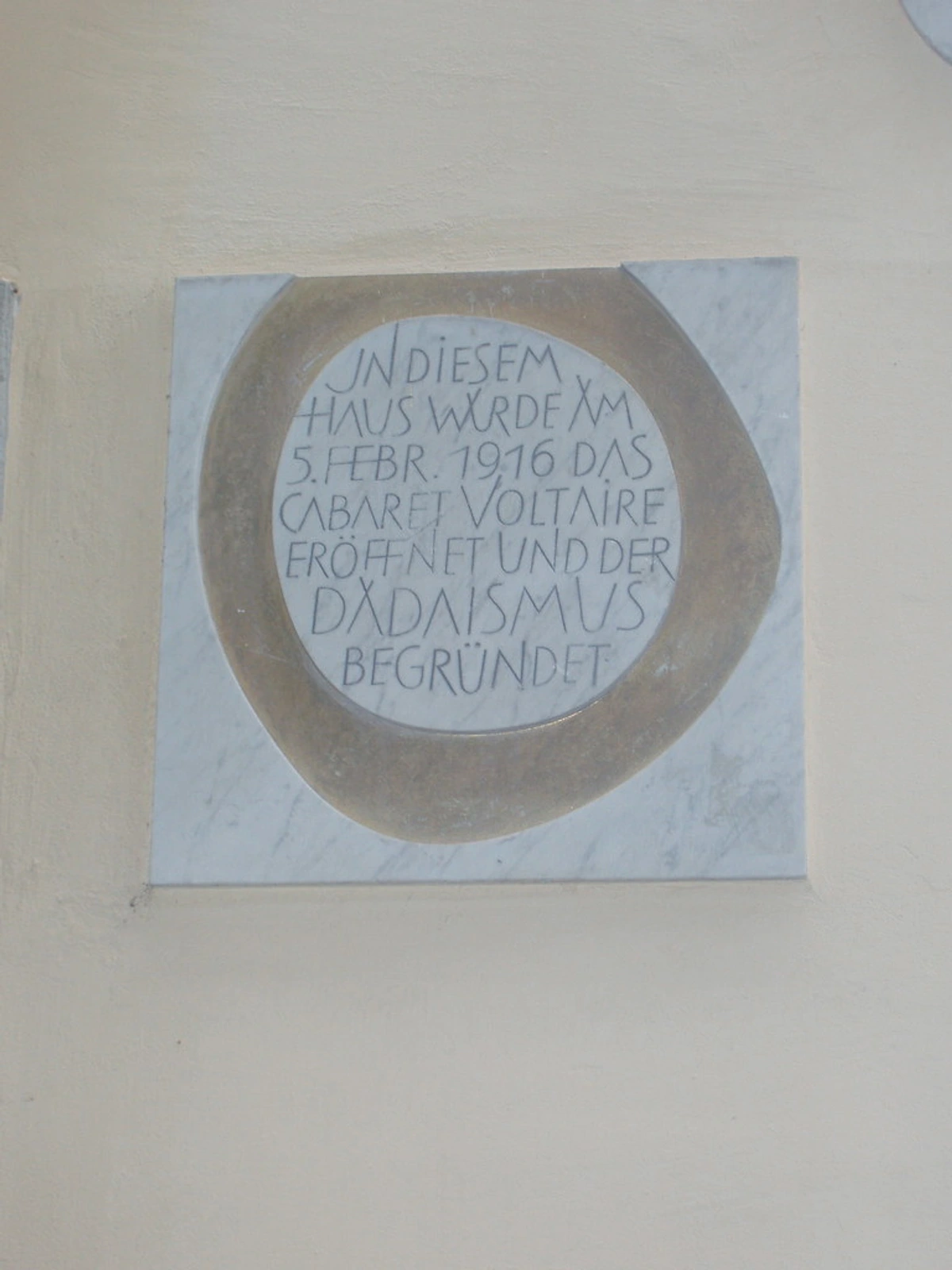
Think of every political or artistic manifesto you've ever heard of. They're usually blueprints. They say, "Here is what we will build. Here is our glorious future." The Dada Manifesto of 1918? It was more like a virus. It wasn't about constructing a new art movement; it was about targeting the diseased logic of a world that had just torn itself apart in World War I. This context isn't just helpful; it's the entire point. You cannot separate Dada from the stench of mustard gas and the sound of ceaseless artillery. For the Dadaists in Zurich, this war wasn't a distant abstraction. They were often émigrés, draft-dodgers, and deserters—people who had, by choice or by necessity, said "no" to the great patriotic machine. They were a small group of international exiles watching Europe immolate itself from the safety of neutral Switzerland, all while the newspapers were draped in the language of glory and national honor. The manifesto was their antivirus software, programmed to find and delete the corrupted files of that very civilization, a logic bomb designed to detonate in the minds of its readers.
"Dada means nothing," Tzara famously declared. He wasn't bragging. It was a weapon. In a society that used grand, noble words like "honor," "glory," and "civilization" to justify mass slaughter, what use were words at all? Dada was the reset button. It was the philosophical equivalent of grabbing a fire alarm when the building is already on fire, just to make a point about how broken the alarm system really is. Think about it. If a word like "progress" can lead to industrialized slaughter, and "duty" can mean marching obediently into machine-gun fire for a few yards of mud, then the dictionary itself has become a poisonous thing. Refusing to play this deadly language game was an act of profound moral hygiene. It was a way to stop the infection from spreading further, a linguistic quarantine.
Reading it feels less like reading a document and more like being trapped inside a man's brain as it tries to short-circuit itself. It's a chaotic stream of consciousness, full of deliberate contradictions, abrupt shifts, and dizzying pronouncements. It refuses to let you get comfortable. The moment you think you've found a foothold, a central argument, it changes the rules of the game.

- "I am against systems, the most acceptable system is on principle to have none." (A direct shot at the rigid ideologies that fueled the war.)
- "Dada is a state of mind." (It's not a style you can copy; it's a way of seeing the world.)
- "Logic is always false." (The most shocking and profound statement of them all, a rejection of the very tool that built the modern world, because that tool had failed catastrophically.)
He wasn't trying to build a better system. He was trying to prove that the very act of systematic thinking, the obsessive need to categorize and control everything, was part of the disease. That's a profoundly difficult idea to grasp. We're trained to solve puzzles by finding the hidden pattern. We want there to be a code. Tzara's manifesto fights you on this, tooth and nail. The moment you think you've found the "point," he throws in a line that contradicts it completely. This isn't a lack of rigor—it's the point itself. He's forcing your brain to short-circuit its own logical pathways, to experience what it's like when reason itself fails. It's a philosophical pressure test, and it's designed to make the reader, not just the art world, break.
The Real Target: What Tzara's Virus Was Programmed to Kill
So, if Dada wasn't anti-art, what was it anti-? I believe it was anti-bullshit. Specifically, the kind of refined, high-minded, academic bullshit that had, in the Dadaists' eyes, failed humanity so catastrophically. They saw the same patrons of opera and collectors of fine art cheering on the slaughter in the newspapers. The culture was a mask for barbarism, and Dada was determined to rip it off, to expose the hollow core beneath the polished surface. It was a targeted strike against the lazy thinking and unearned confidence of an intellectual class that had led the world to ruin.
Here's where we need to pause and challenge our own assumptions. The prevailing story is that Dada was an apolitical, nihilistic art movement, a kind of aesthetic terrorism. I've found this to be a profoundly lazy and incorrect reading. The Dadaists weren't nihilists; they were furious moralists. They weren't against meaning; they were against the false meaning—the hollowed-out, weaponized language of a civilization that had gone catastrophically insane. This is the crucial nuance that reframes everything. If you read the manifestos through this lens, their contradictions and provocations start to look less like a lack of rigor and more like a meticulously planned intellectual ambush. It’s a refusal to play the game of reason when the house is so obviously rigged.
Tzara wanted to force a confrontation with thought itself. He believed that logic itself had failed, because it could be used to justify anything, even industrialized slaughter. So, the only way out was to reject the tools of rationality and embrace a kind of deliberate, strategic nonsense. This wasn't an avoidance of truth, but a search for a truth that existed outside the poisoned system of Western rationalism.
But this wasn't just an emotional lashing-out. It was a targeted, surgical critique of the foundational pillars of Western thought. It was an intellectual autopsy of a dead civilization. Let's look at the specific intellectual viruses Tzara was trying to expose and quarantine.
1. The Cult of Reason: If pure reason led to the perfectly rationalized horror of trench warfare, poison gas, and machine guns, then reason itself was the enemy. This was their core philosophical challenge. The Enlightenment had promised for centuries that logic and science would liberate humanity. Instead, it produced the most efficiently illogical bloodbath imaginable. Dada's embrace of nonsense was a direct assault on this bankrupt promise. It was a rejection of the idea that the universe is a logical, knowable machine that can be perfected by rational thought. They saw that reason without wisdom was just a weapon, and they decided to drop the weapon. I think about this every time I encounter a beautifully designed, perfectly rational system that produces inhuman results—an algorithm that maximizes engagement by fostering outrage, or a bureaucratic process that follows all the rules while grinding real people into dust. Tzara would have recognized these as the contemporary face of the same disease: reason as a closed loop, divorced from any deeper sense of meaning or human value.
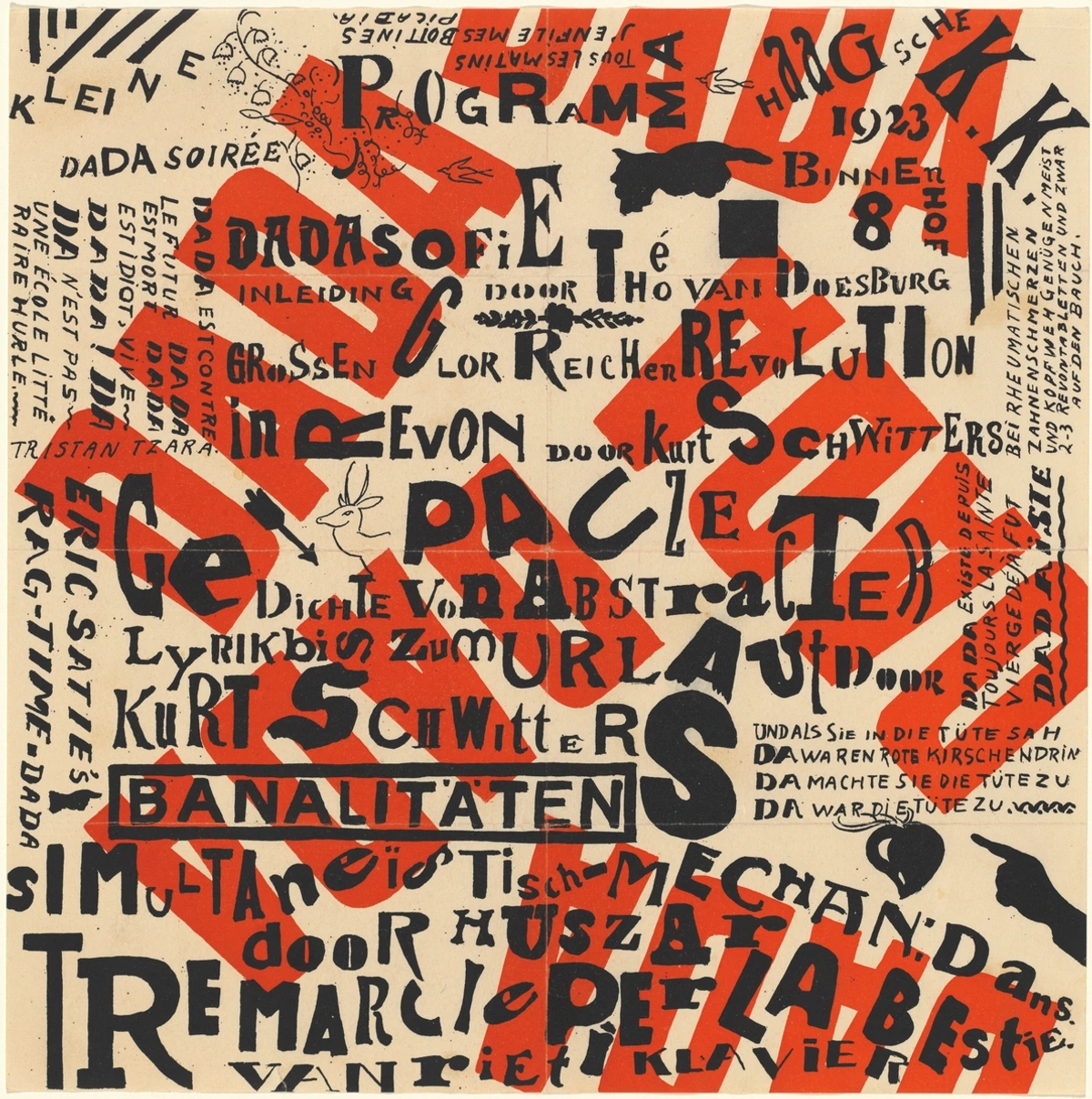
2. The Sanctity of Language: Words like 'progress,' 'duty,' and 'honor' had become hollow, ugly shells, propaganda tools to grease the wheels of the war machine. They were the marketing slogans of a death cult. Dada responded by gleefully defiling language. Tzara's poetry, created by pulling words from a hat, was a statement: if your language is meaningless propaganda, here is a more honest meaninglessness. It was a refusal to speak the language of the oppressors, a linguistic strike against a system that used words as weapons. The cut-up technique—literally slicing newspaper articles into individual words and randomly reassembling them—wasn't just an artistic method; it was a form of linguistic exorcism, revealing the hidden absurdity trapped within the official discourse. I once tried this myself with a particularly dense political speech, and what emerged wasn't just random noise; it was a kind of accidental poetry that seemed to understand the original text better than the speechwriter ever could. It revealed the unconscious anxieties hiding just beneath the polished surface of political rhetoric.
3. The Bourgeois Art Machine: The same polite society that valued fine art and culture was the one sending its young men to die in the mud. Tzara saw the art world—with its galleries, its critics, its auctions—as a symptom of the disease. It was a market for luxury goods, a display case for the very hypocrisy that allowed a cultured society to engage in barbarism.
Dada aimed to shock this complacency. The gallery, the academy, the critic—these were seen as cogs in the machine of a rotten culture. By presenting a urinal as art, Marcel Duchamp wasn't just thumbing his nose at the art world; he was using its own logic against it. If art is defined by the artist's choice and the context of the gallery, then Fountain was the perfect test. It exposed the hypocrisy of a system that valued 'good taste' over moral courage, revealing the emptiness of its highest values. I often wonder what Dada would make of today's art world, with its global mega-galleries, its celebrity artists, its astronomical prices. I suspect they'd see it as confirmation of everything they feared: that art had become the ultimate luxury commodity, a hollow signifier of wealth and status, completely disconnected from any authentic human impulse or social critique. The readymade has been thoroughly domesticated, transformed from a weapon into a style—exactly the fate Tzara would have most dreaded.
4. The Myth of the Artist-Genius: The idea of the artist as a solitary, heroic figure wrestling with profound truths to craft a unique masterpiece? Tzara mercilessly shredded it. He used chance, found objects, and pure spontaneity to humble the artist's ego and mock the very idea of individual genius. In a world gone mad, what good was the 'vision' of a single person? It was just another form of control, another grand, fragile illusion. Embracing chance was an act of faith in the chaos they felt was the only true reality. It was a radical de-centering of the artist's hand and a re-centering of the uncontrollable moment itself, a way of letting go of the illusion of control that had led Europe to disaster. In my own studio practice, I sometimes find myself paralyzed by the weight of intention—the pressure to create something meaningful, original, profound. On those days, I turn to Tzara's methods. I'll close my eyes and grab colors at random, or use a random number generator to determine brushstrokes, or collage together fragments of failed paintings. It's not about avoiding skill or thought, but about finding a different path into the work—a path that leads away from ego and toward something more honest, more surprising, more alive.

Manifesto 101 vs. Manifesto 102: Tzara Evolves (Or Does He?)
Get this: Tzara didn't just write one manifesto and call it a day. He wrote several, and they evolved over time. If you read them in order, it's like watching a virus mutate. There's a clear progression—or maybe just a rephrasing—of his core ideas. It's a bit like hearing a friend's story a second time; some details change, but the raw feeling, the furious energy, remains the same. Tracking this evolution reveals that Tzara wasn't just a provocateur; he was a persistent critical theorist, honing his arguments against a world he saw as fundamentally, irredeemably broken.
His three key texts—Dada Manifesto (1918), Manifesto of Mr. Antipyrine (1916), and Lecture on Dada (1922)—are best understood not as three separate ideas, but as three distinct chapters of a single, furious argument. One critic described them as three different tones of the same scream. The first is the immediate, brutal shock of a bomb going off. The second is the complex philosophical argument for why the building needed to be demolished in the first place. And the third is a sort of post-mortem, a quieter reflection delivered over the rubble, trying to make sense of the explosion for those who weren't there.
Let's look at the key differences.
Aspect  | Manifesto of Mr. Antipyrine (1916) | Dada Manifesto (1918) | Lecture on Dada (1922) |
|---|---|---|---|
| Tone | Angry, provocative, youthful scream. | Philosophical, bombastic, more literary. | Reflective, explanatory, almost nostalgic. |
| Focus | A direct attack on art critics and the public. | A broader assault on logic, language, and systems. | An attempt to define and explain a movement that resists definition. |
| Key Statement | "DADA, this is the word that leads the fight." | "DADA MEANS NOTHING." | "Dada is not modern... Dada is immobility and does not comprehend the passions." |
| The "Why" | To shock and disrupt. | To dismantle the foundations of a failed reality. | To explain the joke without explaining it away. |
The 1916 manifesto sets the stage. It's the initial broadside, loud and energetic. The 1918 manifesto is the main event. It builds on the energy of the first but transforms it from a rebellious yell into a sophisticated, if chaotic, intellectual critique. It's here that Tzara dives deep into philosophy, taking aim not just at bad art but at the very structure of thought that produces it. By 1922, the movement had spread to Paris, Berlin, Cologne, and New York, mutating in each city. The Zurich fire had become a global inferno. This lecture feels like an attempt to summarize the project for posterity, to explain the unexplainable from the vantage point of its own history. It's less of an attack and more of a definition, even if that definition is, by necessity, paradoxical. He was trying to capture the energy of a riot after it had already been turned into a legend.

The first manifesto is the Molotov cocktail, the second is the anarchist's cookbook, and the third is a thinker looking back at the rubble. The table gives us the skeleton of the argument, but the most profound shift is in Tzara's intended audience. In 1916, he's screaming at the establishment, trying to get their attention by any means necessary. In 1918, he's speaking past them, addressing a more fundamental, philosophical truth about the nature of reason itself. By 1922, the fight had moved on, and he's speaking about the concept, almost as an outsider looking in, a historian of a riot he helped start. This evolution mirrors the trajectory of so many radical movements—the firebrand of the initial uprising gives way to the more measured voice of the chronicler. It's the difference between lighting the fuse and writing the history of the explosion. But what strikes me most is this: even in 1922, Tzara never provides a neat summary or a final definition. He refuses to let Dada become just another '-ism' in the art history textbooks. The tension, the paradox, the fundamental refusal to make sense—these remain at the heart of his project, even as he tries to reflect upon it.
Dada's Living Legacy: From Chaos to Abstract Expressionism
I know what you're probably thinking, sitting there. "That's a nice history lesson, but what does a chaotic art movement from 1918 have to do with me, here, today?"
More than you might think, actually. Dada never really died; it just went dormant, like a virus waiting for the right conditions. It didn't burn out; it went viral. The infection spread, mutating and taking on new forms, sometimes in movements that seemed, at first glance, to be its complete opposite. The most direct line of descent is from Dada to Surrealism. André Breton, the eventual "Pope of Surrealism," started out as a Dadaist. He recognized the power of Dada's attack on reason, but he wasn't content with just nihilistic destruction. So he took Dada's core engine—the rejection of logic—and gave it a new, more positive target: the human subconscious. He swapped out Tzara's random chance for Freudian psychoanalysis, using techniques like automatic writing to bypass the rational mind and dive into a deeper, more disquieting reality. If Dada was the demolition crew that cleared the lot, Surrealism was the new tenant that moved in and started building something strange and wonderful in the empty space.
Flowers in the Ruins: Dada's Influence on Other Avant-Garde Movements
This brings me to another, more subtle point. We tend to think of art history as a clean progression of movements—Cubism, then Dada, then Surrealism, and so on. But reality is much messier. Dada didn't just inspire its successor; it often overlapped with and interacted with parallel movements, creating a vibrant, chaotic ecosystem of dissent and reinvention.
Take Constructivism in Russia. On the surface, it seems like Dada's opposite: ordered, rational, and committed to building a new society. But look closer, and you'll see a shared DNA. Both movements rejected "art for art's sake" and sought to break down the barrier between art and life. While Dada did it with a sledgehammer, Constructivism did it with a blueprint, turning art towards design, propaganda, and social purpose. Both were saying that the old ways of making and thinking about art were finished.
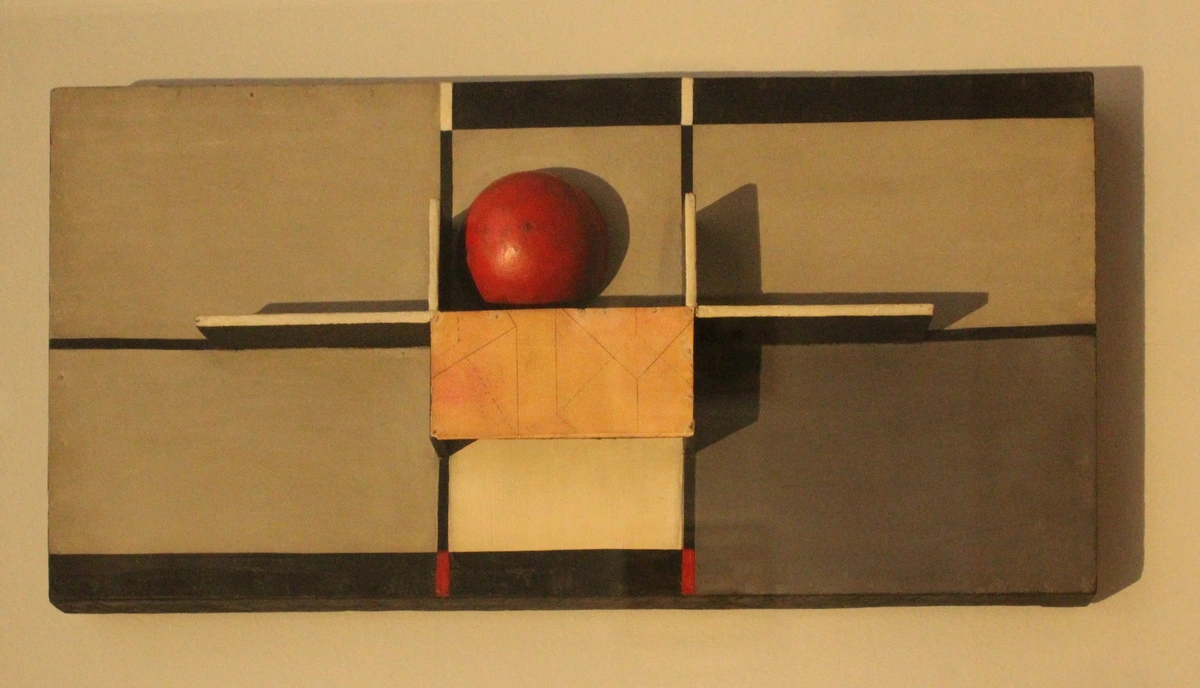
Then there's De Stijl in the Netherlands, with its rigid grids and primary colors. It seems like the epitome of the logical order Dada fought against. Yet, both movements started from a similar place: a desire for a new, post-war absolute. For De Stijl, this absolute was a universal harmony of geometry. For Dada, the absolute was the void. They represent two poles of the same desperate search for a new foundation, one through pure order and the other through pure chaos. They were both, in their own ways, complete rejections of the past.
This is the absolute key to understanding Dada's seismic importance. It wasn't a style; it was a permission slip. A get-out-of-jail-free card for the creative spirit. It tore down the high wall that separated "art" from "life," granting anyone the freedom to use any object, any idea, any process. Tzara changed the definition of 'art supplies' to include newspapers pulled from a hat, old bus tickets, and industrial plumbing. Once that line is crossed, it can never be uncrossed. The entire landscape of what art could be shifted permanently.
I often think about this when I encounter someone who says "I'm not creative" or "I can't make art." That sentiment, more than any specific artwork, is what Dada fought against. By declaring that anything could be art—a urinal, a chance operation, a spontaneous shout—Tzara wasn't just changing the definition of art; he was democratizing it. He was saying: You don't need special training or expensive materials. You don't need permission. You just need to pay attention to the world around you and be willing to see it differently. That's an incredibly powerful, liberating idea—and one that's still unfolding today in digital art, street art, and interdisciplinary practices that continue to ignore traditional boundaries.
This democratizing impulse is also what connects Dada to the ethos of the modern maker movement, the punk aesthetic of 'do-it-yourself,' and the hacker culture of open-source software. It's an insistence that the means of creation should not be in the hands of a select few, but should be a right and a capacity for everyone.
Now, fast-forward a few decades to the Abstract Expressionists of the 1950s. Artists like Jackson Pollock were down on the floor, dripping and throwing paint. They weren't Dadaists, but they were channeling that same deep distrust of pre-planning, that same profound embrace of spontaneous, unpremeditated action. They called it "action painting," and it shares a direct philosophical bloodline with Tzara's chance operations. Both were acts of faith in the creative power of a moment unburdened by conscious thought or premeditation. It was about letting go. Pollock's paint-splattered studio floor was his personal Cabaret Voltaire; his chaotic drip technique was his version of Tzara's cut-up poem.
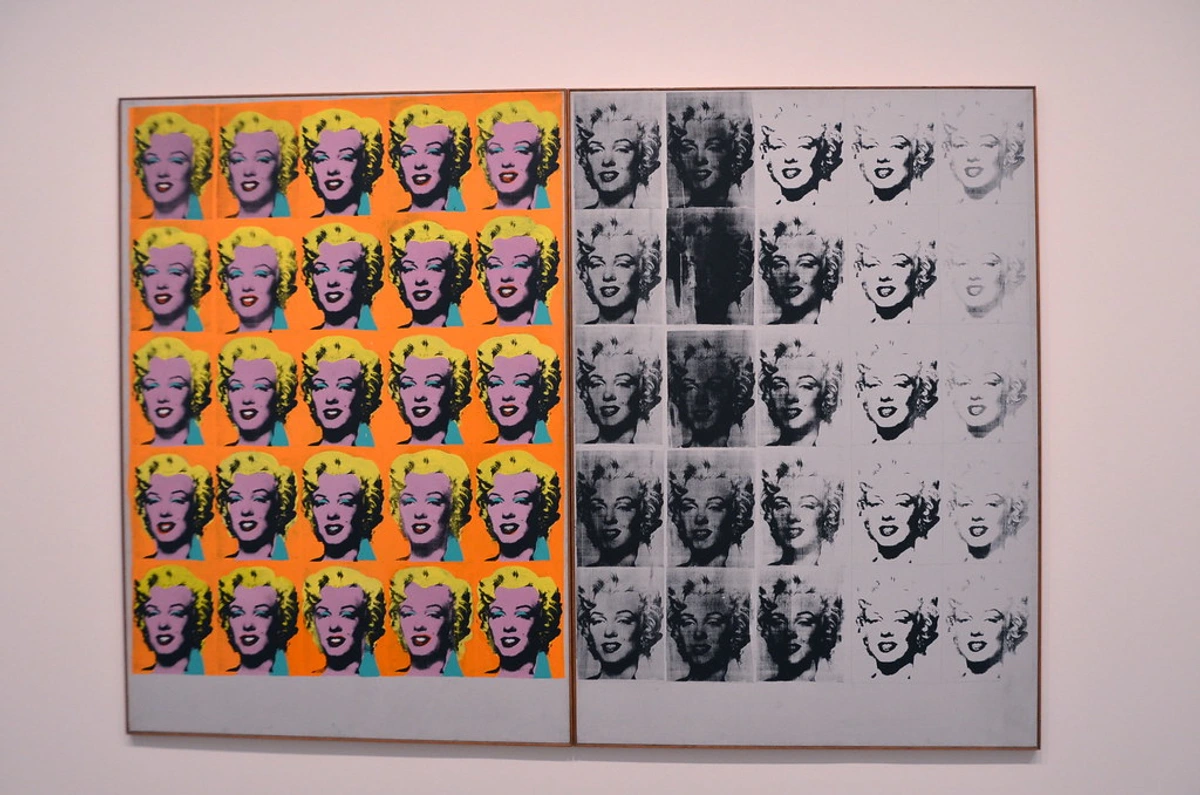
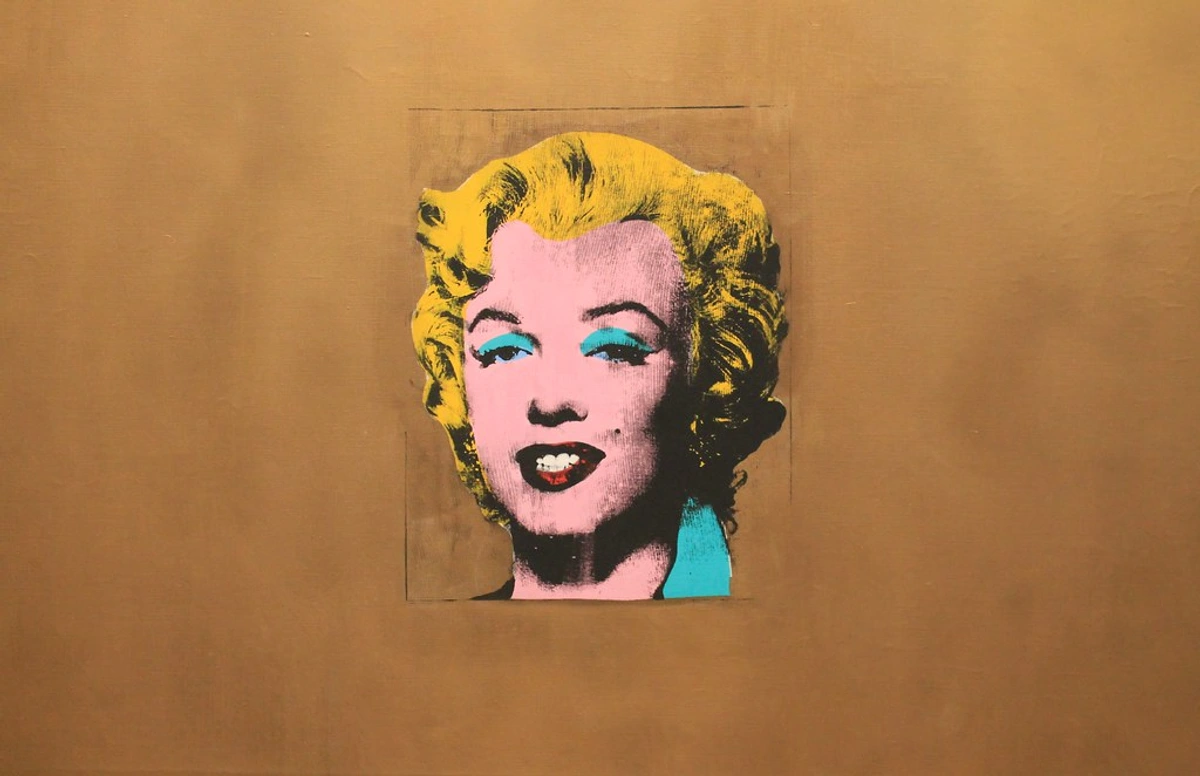
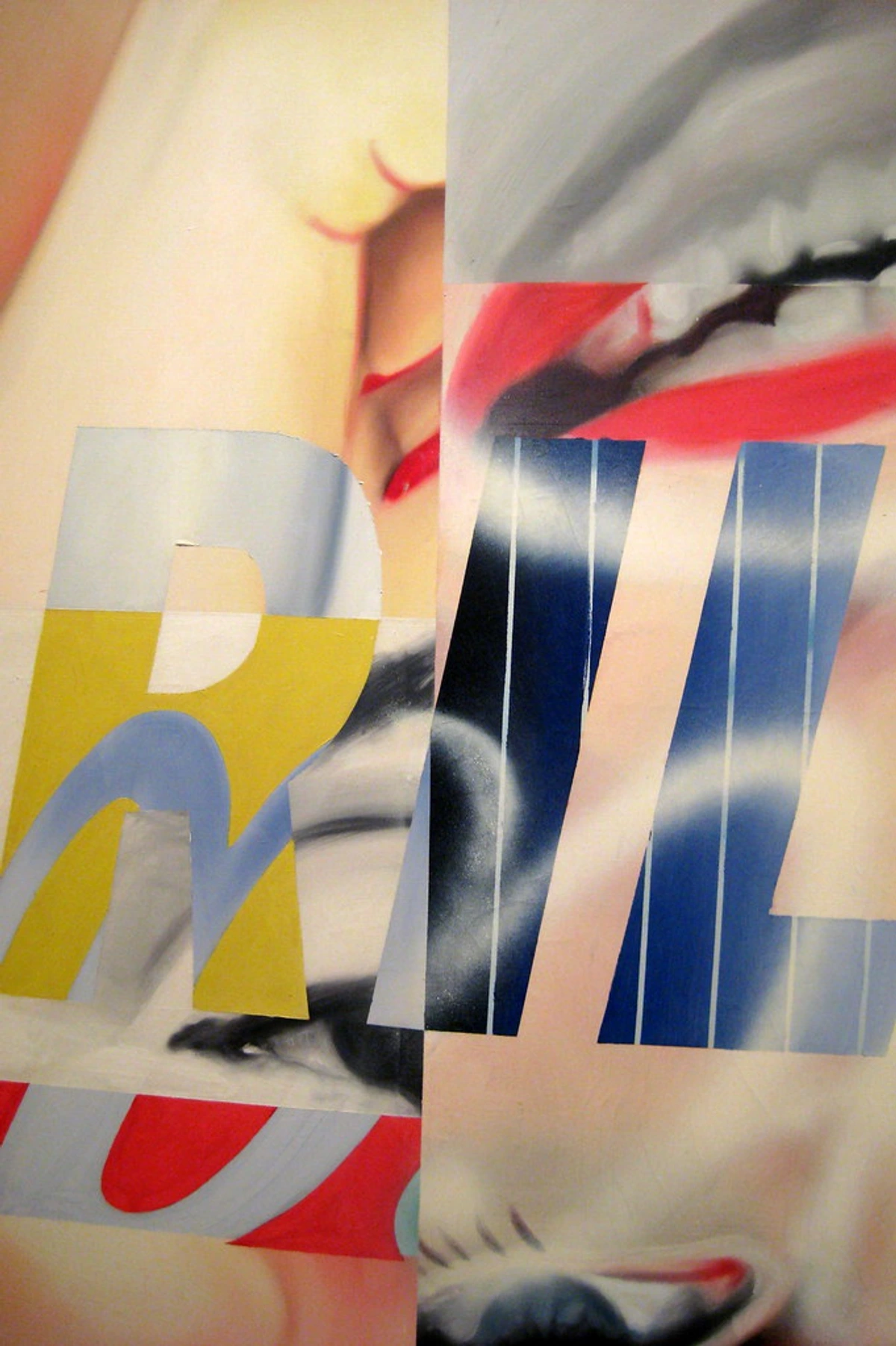
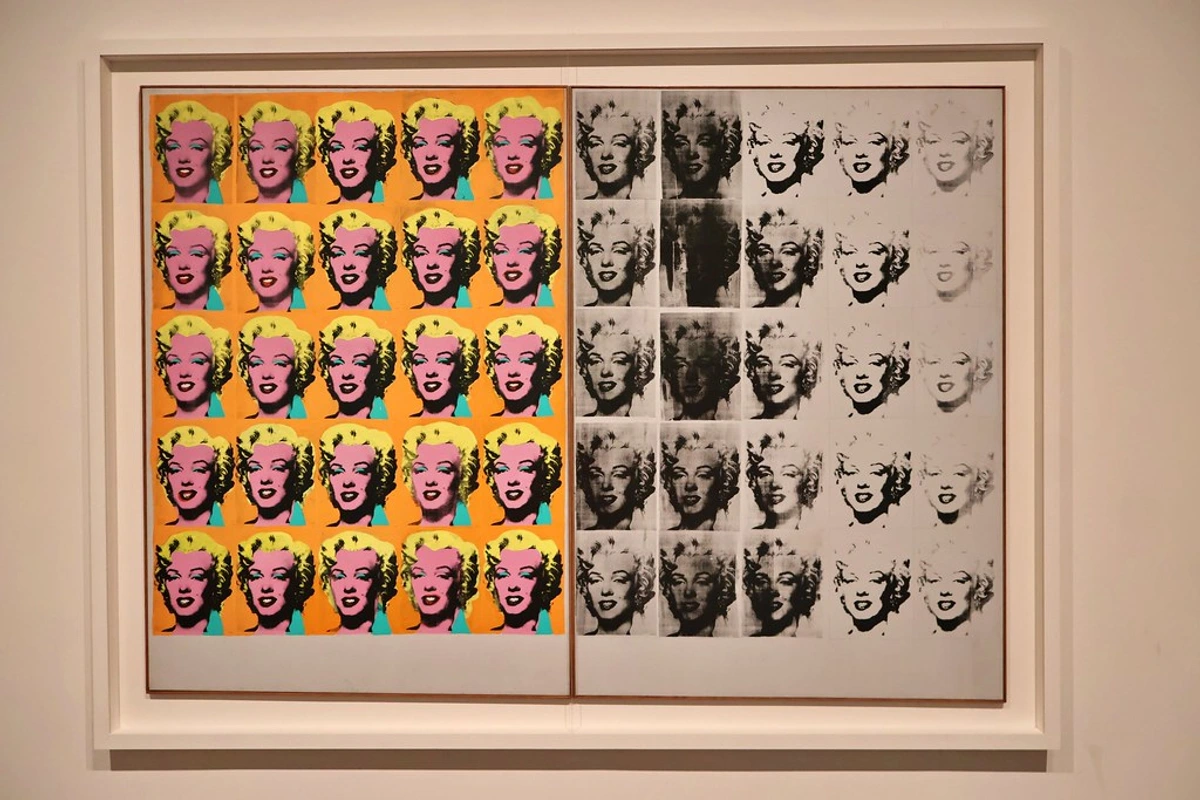
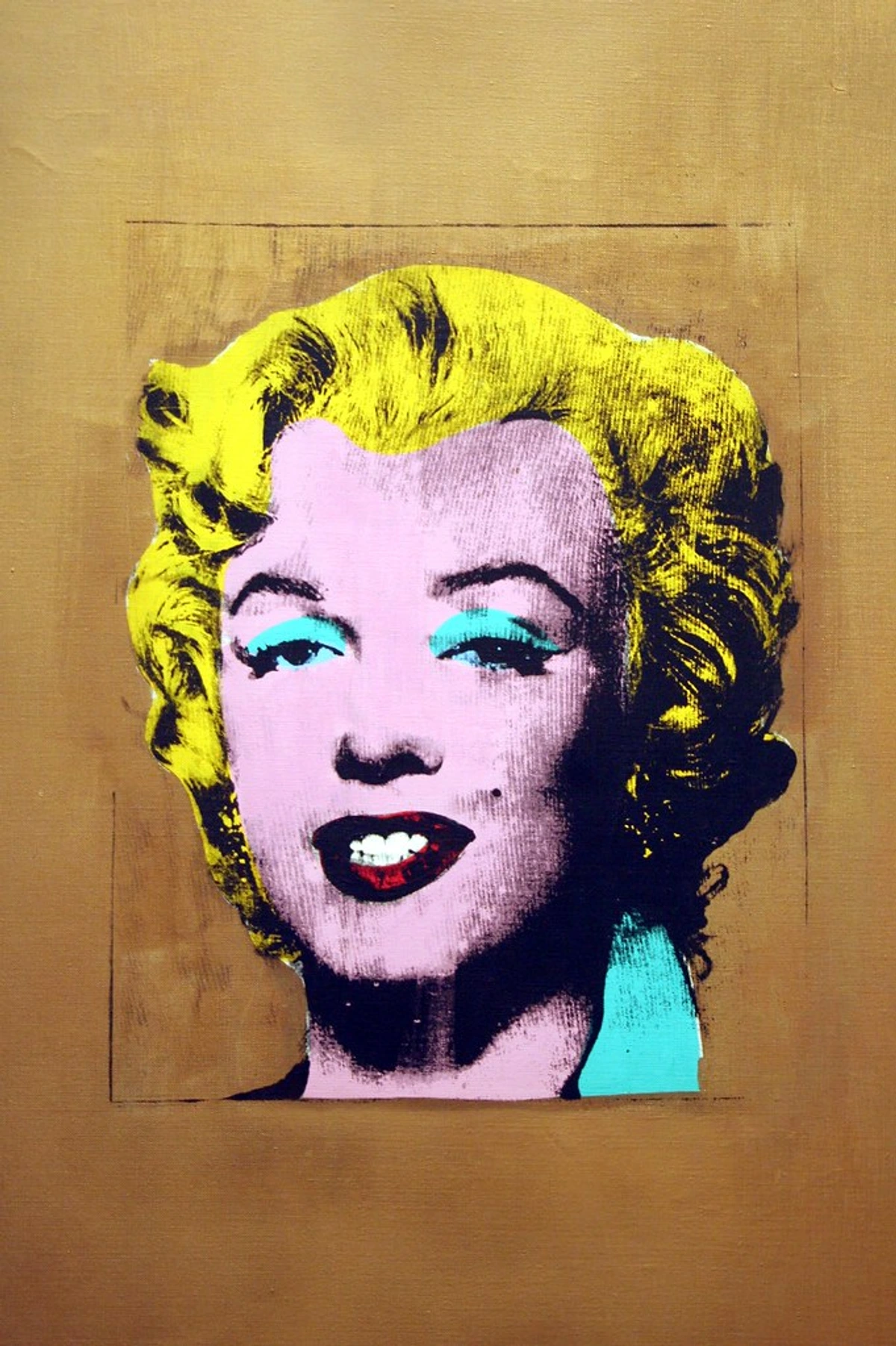
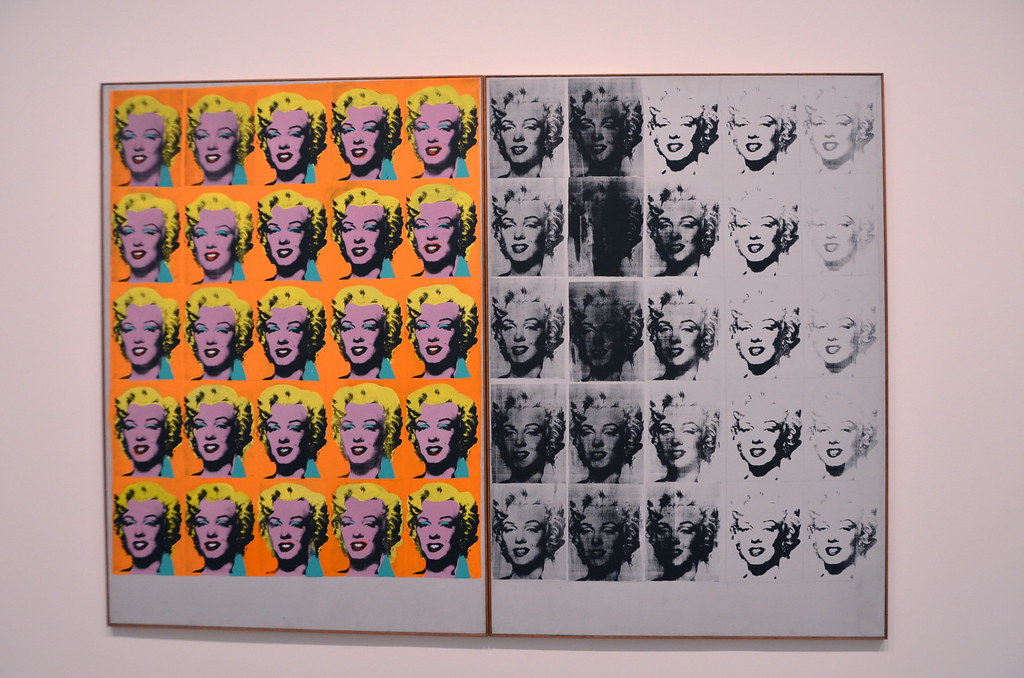
And then came Pop Art. Look at Andy Warhol's Brillo Boxes or his Campbell's Soup Cans. The connection is obvious and perfect. Where Duchamp took a mass-produced urinal and called it art, Warhol took everyday, mass-produced consumer goods and turned them back into high art. Warhol's genius wasn't just in choosing the subject, but in deliberately removing all traces of his own 'hand.' He used silkscreens, a mechanical, almost factory-like process. It was the ultimate evolution of the readymade, asking us the same question Duchamp did, but on a mass scale: What's the actual difference between an object in a gallery and one on a supermarket shelf? Yet there's a crucial difference in tone. Where Dada was furious, Pop Art was cool. Where Dada screamed 'No,' Warhol smirked 'Whatever.' This shift from rage to irony marks a profound change in the culture—the internal critique of capitalism had already become an external embrace of it. Tzara would have recognized this as the ultimate fate of any truly radical gesture: to be absorbed, repackaged, and sold back to us as entertainment. And yet, that question—What makes art art?—remains potent, unresolved, and profoundly Dadaist in spirit.
Or jump to Punk Rock in the 1970s. It was three chords, a safety pin, and a sneer. It was a direct, aggressive attack on a bloated and self-important rock music establishment that had lost touch with reality. It was pure Dada, but with a guitar instead of a urinal. The ethos was identical: a rejection of technical virtuosity, a deep disdain for the commercial machine, and a glorification of raw, untutored, untamable energy. When the Sex Pistols screamed 'No Future,' it was the 1970s British version of 'Dada means nothing.' They were holding up a cracked mirror to a society they felt had failed them, using noise, anger, and provocation as their tools, just as Tzara had used chaos and absurdity.
But Dada's legacy isn't just locked away in the grand movements of art history. It's in the very air we breathe as creative people today. It's in the practice of an artist who starts a piece without a rigid plan, just an emotion or a feeling. That act of letting go, of trusting the process, owes a quiet but profound debt to the Dadaists' radical rejection of control. It's the foundation of modern performance art, where the line between the artist and the art is deliberately blurred, making the moment itself the masterpiece. It's in the digital age's viral memes, which combine image and text in absurd ways to critique the status quo, functioning as a form of 21st-century political Dada.

The spirit that lives on in Conceptual Art, where the idea is paramount and the physical object is secondary, or even unnecessary, is the purest evolution of Dada's anti-materialist stance. Dada taught us that the concept—the idea itself—could be the masterpiece. It's also in every street artist who repurposes urban detritus, and in every digital artist who challenges the notion of originality through remix and adaptation. Dada isn't a period in art history; it's a permanent tool in the creator's psychological toolkit.
Why This Still Matters: Dada in the Age of Algorithms
Ultimately, the meaning of Tzara's manifesto isn't locked in a history book. It's a tool, a mental crowbar for prying open our own assumptions. It's a question we can ask ourselves whenever we feel crushed by the system, whatever that system might be.
Do the rules make sense anymore? Are we just playing a game whose logic died long ago? Sometimes, the most sensible thing you can do is to declare that the game is over, to embrace a little creative nonsense. Dada's spirit is the ultimate intellectual reset button. In an era of information overload, political polarization, and algorithmic echo chambers, the Dadaist impulse to question the very language and logic we use is more vital than ever. It's a reminder to stop, think, and ask if we're just following a program. Think about our digital lives: We navigate by algorithms designed to capture our attention, our language is shaped by hashtags and SEO, our 'connections' are measured in likes and shares. The very notion of authenticity—of saying what you really think, without mediation or marketing—has become a strange, almost nostalgic idea. This is where Tzara's 'Dada means nothing' takes on new urgency. It's not a call to silence, but a call to find a different kind of speech—one that isn't already captured, commodified, and fed back to us as content. It's the idea that sometimes, the most honest response to a world of manufactured meaning is a deliberate, strategic, and even joyful embrace of meaninglessness.
Consider the tools of Dada—how they apply today.
- The Readymade: Marcel Duchamp's urinal was a radical critique of value and authorship. Today, we live in a world of digital readymades. Every remix, every meme, every repurposed video clip functions on a similar logic. It strips an existing cultural object of its original context and gives it a new, often subversive, meaning. It's a way for anyone to talk back to the culture, to become an artist of the everyday, armed with nothing but a smartphone and a sense of irony.
- The Cut-Up: Tzara's method of creating a poem by pulling words from a hat has become a standard feature of the digital landscape. The surreal, often hilarious, combinations generated by bots on social media function as a kind of automated Dada. It shows us the absurdity latent in our own language, reminding us that meaning is always just a few random clicks away from collapse.
- Performance and Provocation: The Dadaists' chaotic performances at the Cabaret Voltaire were designed to blur the line between audience and performer, to create a moment of collective, cathartic confusion. This DNA is visible in the work of contemporary artists and activists who use performance and public interventions to disrupt the status quo and force a conversation we didn't know we needed to have.
Dada wasn't about answers. It was about learning how to ask the right questions, and understanding that sometimes the most profound statement is to refuse to play by the established rules altogether. Tzara's work is a timeless reminder that when the prevailing logic of a system becomes oppressive or nonsensical, the most rational act might be to step outside of it completely. It proves that this act of refusal, this deliberate act of saying "no" to a broken game, can itself be a powerful and necessary form of creation. And this, ultimately, is why Tzara's legacy feels more necessary than ever. We live in systems that demand our consent, our participation, our belief. They promise meaning, purpose, and identity—and they deliver precarity, anxiety, and endless, empty consumption. To step outside this, even for a moment, even just to ask "But what if none of this makes sense?" is to perform a profoundly Dadaist act. It's not about having a better system to offer. It's about the freedom that comes from recognizing that the current one is optional, arbitrary, and ultimately, absurd. That recognition is the beginning of everything else.

To be clear, and this is a crucial point, Tzara wasn't advocating for pure nihilism or destruction for its own sake. That's a shallow misreading. He wasn't trying to leave the world in ashes. He was clearing the table.
He was making space for something new, something more honest. He just never told us what that 'new' thing should be. He left that up to us, and to the future movements that would grow in the soil he'd so thoroughly tilled. Tzara wasn't a prophet with a blueprint for the future; he was a demolition expert who knew the old building was structurally unsound. His job was to bring it down safely, to clear the ground of rubble. What got built in its place was a task for the next generation. This radical act of clearing the table was perhaps his greatest contribution. It allowed for a century of artistic experimentation that followed, from the profoundly psychological to the purely conceptual, all sprouting from the fertile, chaotic ground of Dada.

Your Questions, Answered: A Dada FAQ
To round things off, here are answers to the most common questions people have when they first encounter the chaotic world of Dada.
What is a Dada Manifesto analysis?
A great question. A Dada Manifesto analysis isn't like analyzing a typical political or artistic text. It's more like being a detective at the scene of a very strange crime. It involves dissecting Tristan Tzara's writings not to find a single, coherent message, but to understand his philosophical and artistic agenda. It means going beyond the surface-level chaos to examine his core arguments: the strategic rejection of logic, the deconstruction of language, the critique of the art market, and the embrace of nonsense as a form of profound truth. Analyzing the manifestos reveals Tzara not as a mere provocateur, but as a serious critical thinker who used contradiction and absurdity as surgical tools to dismantle a failed intellectual system. It also involves comparing his different manifestos—from the screaming punk of 1916 to the reflective theorist of 1922—to trace a movement's evolution from a youthful scream into a complex, world-changing theoretical stance.
Did Dada artists produce any actual art?
Yes, absolutely, but they'd probably be furious that we're calling it 'art.' That word was too tainted for them. 'Art,' in the traditional sense, was part of the very system they were attacking. Instead, they produced artifacts of their philosophy, physical embodiments of a mental state. The most famous example is Marcel Duchamp's Fountain (1917), which was just a standard urinal he signed 'R. Mutt.' It was a readymade, an ordinary object selected by an artist and placed in a context that forced you to look at it differently. The point was to ask a simple, devastating question: What makes art, 'art'? Is it the skill, the materials, the beauty, or simply the artist's intention?
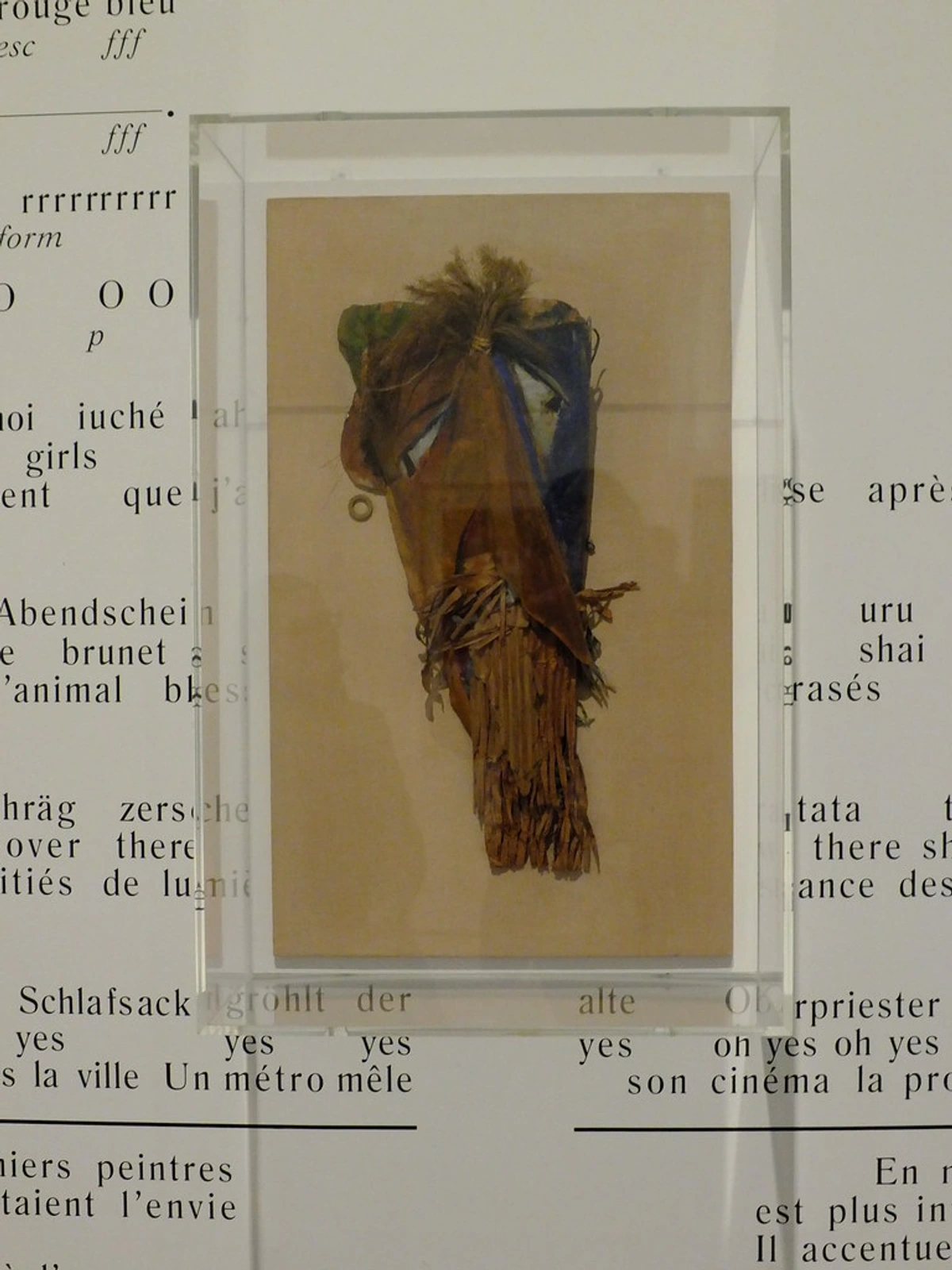
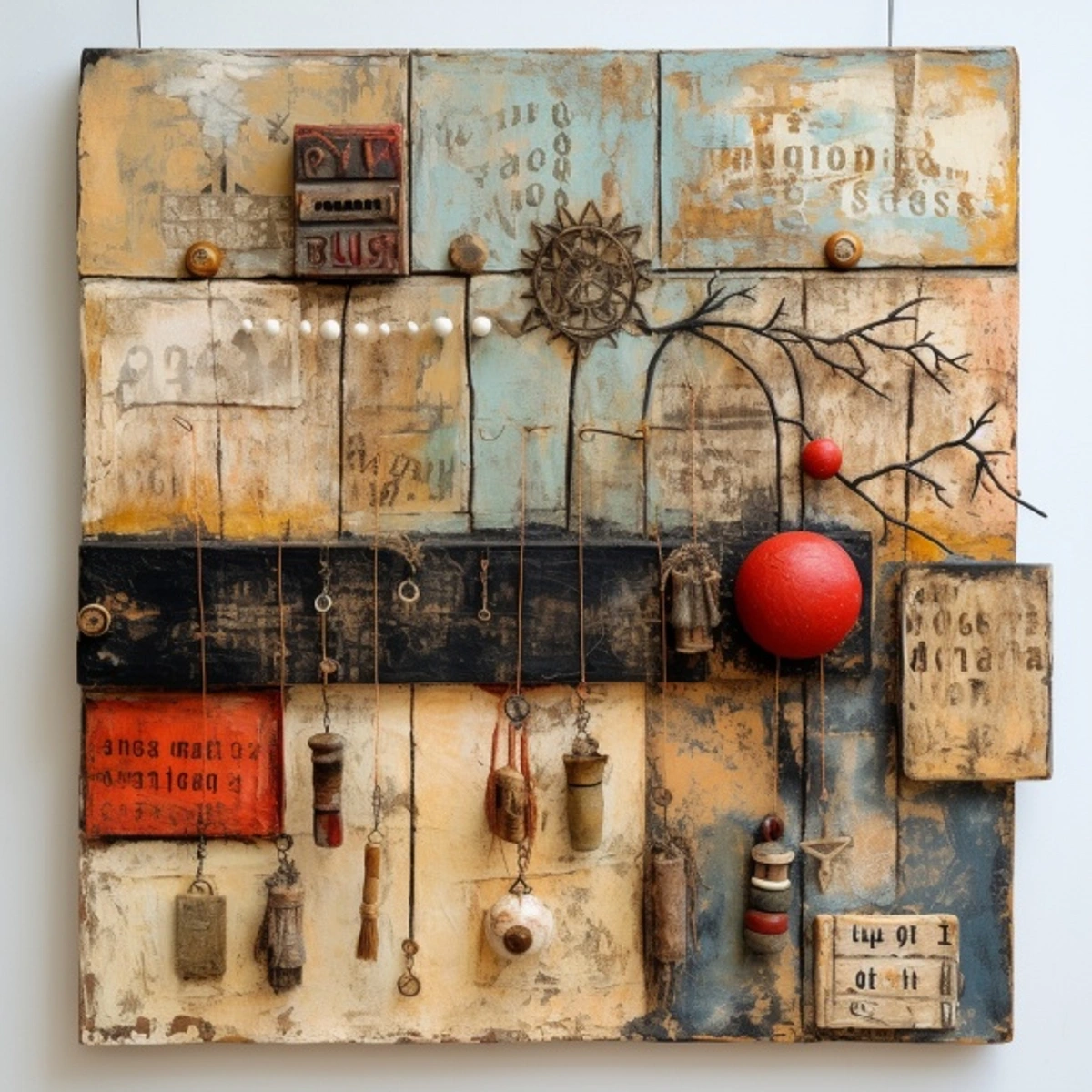
Beyond readymades, they produced an incredible variety of work. Hannah Höch created stunning photomontages that sliced up images from magazines to critique gender and society. Kurt Schwitters, who was eventually exiled by the Nazis, created his Merz works—intricate assemblages of found objects, ticket stubs, and garbage that he called a "Cathedral of Erotic Misery." These weren't just random messes; they were carefully composed meditations on a world in fragments. They also produced wild performances, where poets would recite nonsense syllables while wearing cardboard tubes, and collages that deliberately subverted every traditional artistic skill they could think of. It was all designed to be an 'anti-art' that was more real, more honest, than the official version.
Why was it called 'Dada'?
The origin of the name is famously disputed, which is perfectly on-brand for a movement built on nonsense. It's an unsolvable puzzle, and that's the whole point. The most popular story, the one that feels most true to their spirit, is that Tristan Tzara and a group of artists in Zurich in 1916 were searching for a name. They opened a French-German dictionary at random and stabbed a penknife into the page. The blade landed on 'dada,' the French word for a child's hobbyhorse. It was meaningless, infantile, and absolutely perfect for a movement that rejected all adult logic and reason. Other competing—and equally plausible—stories claim it comes from the Romanian artists' frequent use of 'da, da,' meaning 'yes, yes,' or that it was just a nonsense phrase they liked the sound of. The very fact that its origin is a mystery is the point. Tzara embraced this ambiguity, stating that Dada is 'a word which for many had a symbolic import, but one which we did not understand.' They chose a word that signified nothing and could mean anything, a perfect, empty vessel for their insurrection against meaning itself.
How did Dada influence modern and contemporary art?
Dada's influence is a straight, unbroken line running through the heart of modern and contemporary art. You can trace its fingerprints everywhere, like a cultural Cain's mark. It broke the barrier between art and life, paving the way for Surrealism, which traded Dada's wild nihilism for a deep, Freudian dive into the subconscious. It directly seeded Pop Art, which replaced Dada's cynical readymades with a celebration-slash-critique of consumer culture. Later movements like Fluxus, Happenings, and Conceptual Art are literally unthinkable without Dada's foundational principle: the idea is king. It taught us that the idea behind the work could be more important than the object itself. It gave artists permission to use any material, any process, and to make the viewer an active participant in the creation of meaning. Without Dada, you simply don't get Yoko Ono, or Damien Hirst, or Banksy. Their work exists because Tzara and his friends decided to tear down the temple first.
But the influence extends far beyond just these names. Consider Fluxus in the 1960s, which took Dada's anti-art stance and ran with it, creating event scores and happenings that were often deliberately unspectacular, blurring the line between art and everyday life even further. Or consider the postmodern theorists of the 1970s and 80s, who found in Dada a precursor to their own critiques of grand narratives and essential truths. The idea that meaning is unstable, that language is a game, that 'reality' is constructed—all of these postmodern insights were already present in embryo in Tzara's work, waiting for later thinkers to give them a more academic vocabulary.

Even in the digital age, Dada's spirit is everywhere. Memes, with their absurd juxtapositions and ironic detachment, function as a kind of folk Dadaism. Remix culture, mashups, fan fiction—all of these practices are grounded in the Dadaist principle that culture is not a sacred text to be revered, but a set of materials to be taken apart, recombined, and repurposed for new meanings. Every time someone creates something new by cutting up and reassembling existing cultural artifacts, they're walking a path first cleared by Tzara and his scissors.
The Ongoing Conversation: From Punk to Memes
Or jump to Punk Rock in the 1970s. It was three chords, a safety pin, and a sneer. It was a direct, aggressive attack on a bloated and self-important rock music establishment that had lost touch with reality. It was pure Dada, but with a guitar instead of a urinal. The ethos was identical: a rejection of technical virtuosity, a deep disdain for the commercial machine, and a glorification of raw, untutored, untamable energy. When the Sex Pistols screamed 'No Future,' it was the 1970s British version of 'Dada means nothing.' They were holding up a cracked mirror to a society they felt had failed them, using noise, anger, and provocation as their tools, just as Tzara had used chaos and absurdity. And this DNA has continued to evolve, through Hip Hop's sampling culture, which re-appropriates music like a readymade, all the way to the absurd, often politically sharp humor of today's internet memes. Every time an image is remixed for a joke or a political point, the spirit of Tzara's cut-ups lives on.
What does "Dada means nothing" really mean?
This is the million-dollar question, the heart of the whole maddening affair. "Dada means nothing" wasn't a statement of nihilism or a celebration of the void. It was a strategic refusal, an act of profound, philosophical resistance. Think of the world they lived in. Grand, meaningful words like "glory," "honor," and "civilization" had been co-opted by politicians and generals to justify the utterly meaningless slaughter of World War I. Language itself had become a weapon of mass destruction. So, the most honest and powerful response was to embrace meaninglessness. By making "nothing" their subject, the Dadaists were protesting a world that had lost its mind. It was a philosophical strike—a refusal to provide meaning for a system that had destroyed it. They weren't saying life has no meaning; they were saying that the old definitions of meaning were bankrupt, poisoned, and needed to be thrown out. Dada was the empty space, the zero, from which a more honest search for meaning could, perhaps, one day begin.







Why is Dada considered 'anti-art'?
Dada is often called 'anti-art,' and on the surface, it's easy to see why. It gleefully attacked the sacred cows of the art establishment—things like beauty, skill, originality, and the preciousness of the art object. But to say they were simply 'against art' is to miss the point completely. They weren't truly against art itself. They were against what art had become: a sterile commodity for the rich, a hollow symbol of a corrupt and hypocritical culture. They were against a bankrupt system of making and appreciating art. For them, the 'art world' was just a symptom of the same disease that produced the war. Therefore, to attack one was to attack the other. The chaos, the nonsense, the urinals—they were all surgical tools, designed to wound a sick patient in the desperate hope that it might trigger a healing crisis.