Finding Magic in Art Appreciation
Experience-based guide on discovering magic in art appreciation - how to connect deeply with artwork, understand its emotional impact, and find personal meaning in the creative process.

Finding Magic in Art Appreciation
I remember the first time I stood in front of a painting and felt something shift inside me. It wasn’t just about the colors or the technique—it was about the way the artwork seemed to reach out and touch something deep within my soul. That’s the magic of art appreciation, and it’s something I want to share with you.
Art appreciation is a journey that invites you to explore, feel, and connect with the world around you through the lens of creativity. It’s about allowing yourself to be open to the experience, to let the artwork speak to you in its own language. Whether you're a seasoned art lover or a curious beginner, there’s always something new to discover in the world of art.
Art has the power to transcend language and culture, offering a universal means of expression and connection. It allows us to see the world through the eyes of others, to experience their emotions, and to gain insights into their perspectives. This is why art appreciation is not just a hobby or a pastime—it’s a way of life.
The Historical Context of Art Appreciation
Art appreciation has evolved over centuries, shaped by cultural shifts, technological advancements, and societal changes. From the Renaissance to modern digital art, the way we perceive and value art has transformed. Understanding this historical context can enrich your appreciation of art and its role in society.
Why Art Appreciation Matters
Art appreciation is not just about admiring beauty; it’s about understanding the world and ourselves. It fosters empathy, encourages critical thinking, and nurtures creativity. By engaging with art, we learn to see beyond the surface and appreciate the complexities of human expression.
The Psychological Benefits of Art Appreciation
Engaging with art has been shown to reduce stress, enhance cognitive abilities, and improve emotional well-being. Studies suggest that viewing art can activate the brain's reward system, releasing dopamine and creating a sense of pleasure and satisfaction. This psychological impact underscores the importance of integrating art into our daily lives.
The Art of Seeing
Art appreciation isn’t just about looking; it’s about seeing. It’s about allowing yourself to be open to the experience, to let the artwork speak to you in its own language. I know what you’re probably thinking: "But I don’t know anything about art!" Trust me, you don’t need a degree in art history to connect with a piece of artwork. All you need is an open mind and a willingness to feel.
The Role of Mindfulness in Art Appreciation
Mindfulness plays a significant role in how we experience art. By being fully present and attentive, we can absorb the nuances of a piece, from its textures to its emotional resonance. Practicing mindfulness while viewing art can deepen your connection and enhance your overall experience.
The Importance of Observation
Observation is the first step in truly seeing a piece of art. It’s about taking the time to notice the details—the brushstrokes, the colors, the textures, and the composition. These elements come together to create a visual language that the artist uses to communicate their ideas and emotions. By paying attention to these details, you can begin to understand the artwork on a deeper level.
Techniques for Enhancing Observation
To improve your observational skills, try the following techniques:
- Focus on One Element: Spend a few minutes examining just one aspect of the artwork, such as its use of color or texture.
- Sketch the Artwork: Drawing what you see can help you notice details you might otherwise overlook.
- Compare and Contrast: Look at multiple pieces side by side to identify differences and similarities in technique and style.
The Role of Perception
Perception plays a crucial role in how we experience art. Our individual experiences, memories, and emotions shape the way we interpret and connect with a piece. This is why two people can look at the same artwork and have completely different reactions. It’s not about right or wrong; it’s about how the artwork resonates with you personally.
The Influence of Cultural Background
Our cultural background significantly influences how we perceive and interpret art. Artworks that resonate deeply with one culture may not have the same impact on another. Understanding the cultural context of a piece can provide valuable insights into its meaning and significance.
Why Seeing Matters
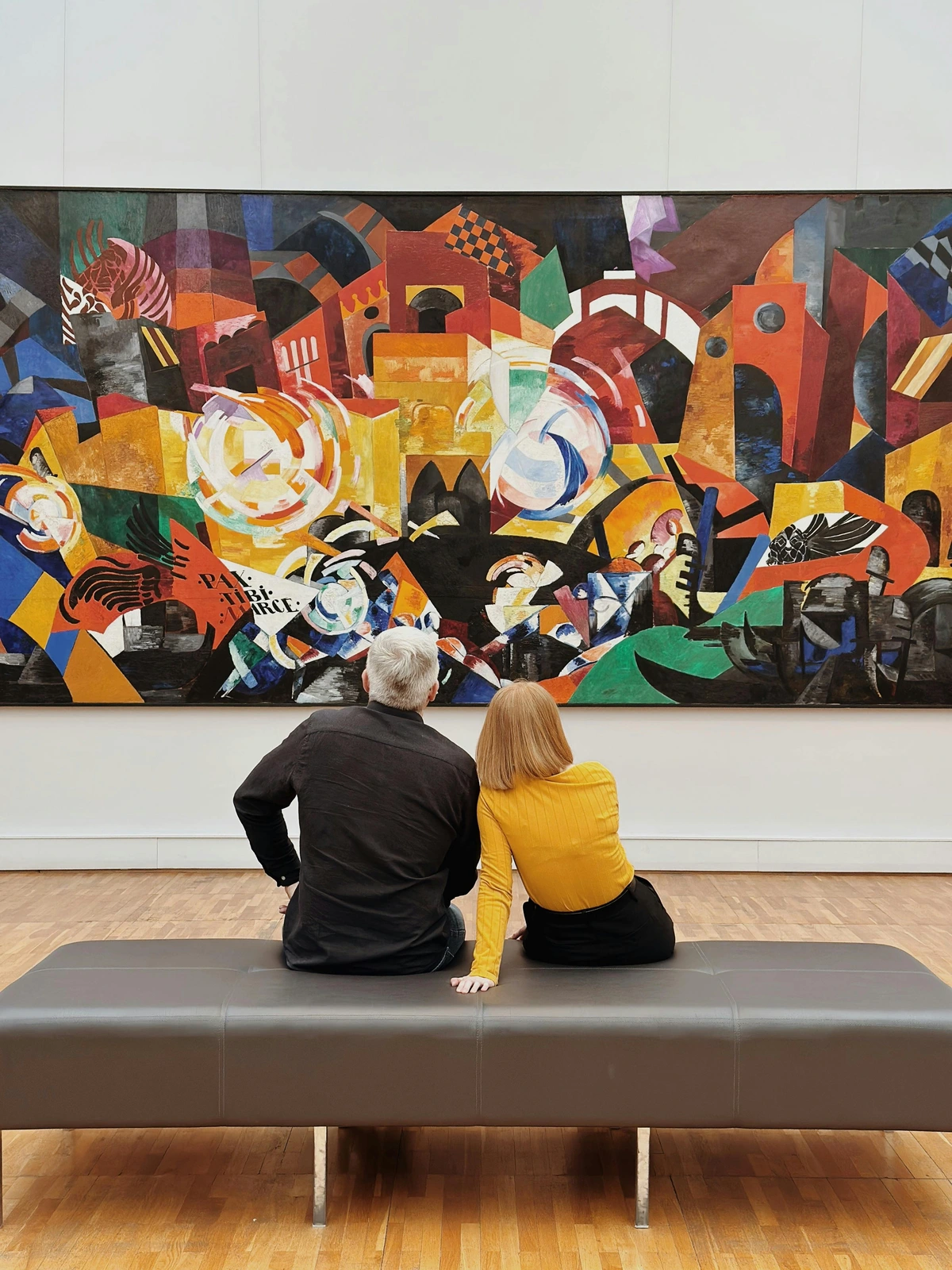
When we truly see a piece of art, we engage with it on a deeper level. It’s not about analyzing every brushstroke or understanding the historical context (though those can add layers of meaning). It’s about letting the artwork evoke emotions, memories, and thoughts within you. This process is deeply personal and unique to each individual.
The Role of Personal Experience
Personal experiences shape our emotional responses to art. A painting of a landscape might evoke memories of a childhood home, while a portrait could remind you of a loved one. These personal connections make art a powerful tool for self-reflection and emotional expression.
The Emotional Connection
Art has the power to evoke a wide range of emotions, from joy and wonder to sadness and contemplation. These emotional responses are what make art so powerful and transformative. By allowing yourself to feel these emotions, you can connect with the artwork on a profound level and gain a deeper understanding of yourself and the world around you.
The Science of Emotional Responses to Art
Research in neuroscience has shown that viewing art can activate the brain's emotional centers, leading to profound emotional experiences. This scientific understanding highlights the universal power of art to evoke feelings and create meaningful connections.
Key Concepts
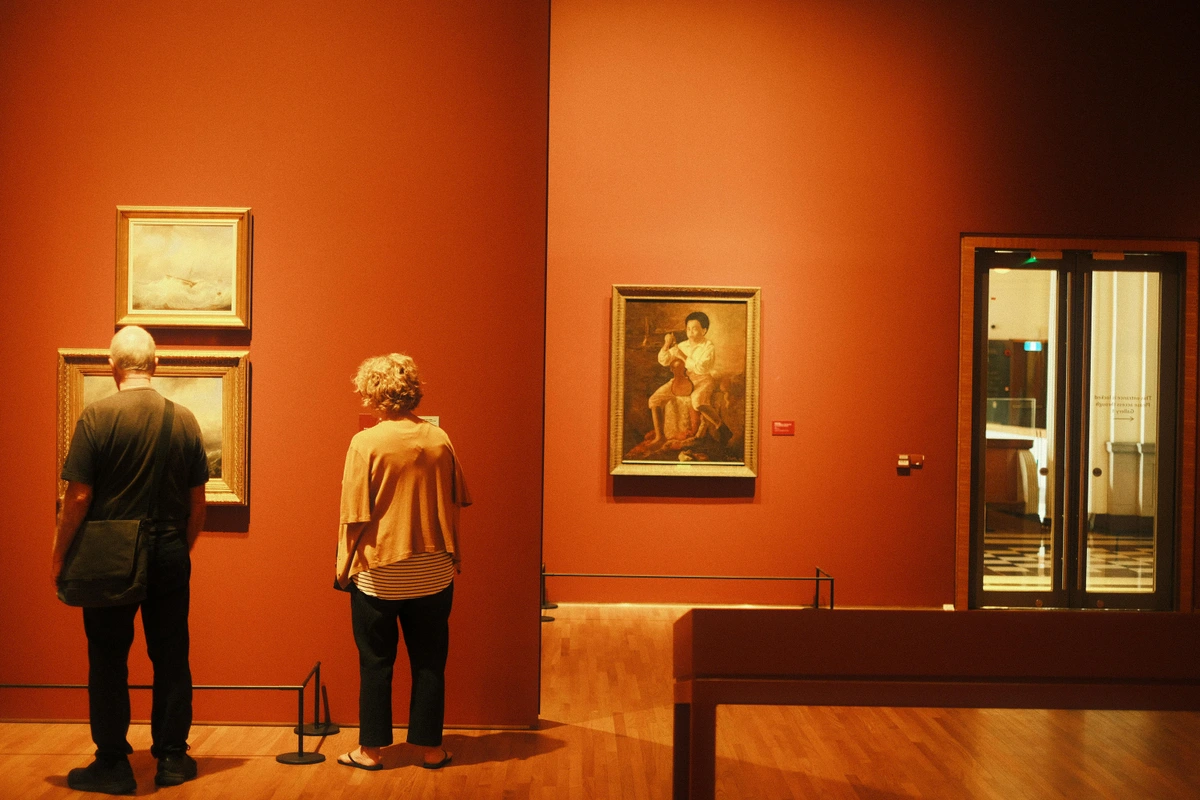
- Emotional Impact: Art has the power to evoke emotions. It can make you feel joy, sadness, anger, or even confusion. The key is to let yourself feel whatever comes up without judgment.
- Personal Meaning: Every piece of artwork can have a different meaning for each person. It’s not about what the artist intended; it’s about what the artwork means to you.
- Creative Process: Understanding the creative process can deepen your appreciation. Knowing the techniques, the materials, and the effort that went into creating a piece can make you see it in a new light.
- Cultural Context: Art is often a reflection of the culture and time in which it was created. Understanding this context can provide deeper insights into the artwork’s significance.
- Aesthetic Appreciation: Beyond emotions and meaning, art can be appreciated purely for its beauty and craftsmanship. The skill and creativity of the artist can be awe-inspiring in itself.
- Symbolism: Many artworks contain symbols that represent deeper meanings or ideas. Understanding these symbols can add layers of interpretation to the artwork.
- Technique: The techniques used by the artist, such as brushwork, color theory, and composition, can greatly influence the impact of the artwork. Learning about these techniques can enhance your appreciation of the artist’s skill and creativity.
- Historical Significance: Art often carries historical weight, reflecting the societal norms, struggles, and triumphs of its time. Recognizing this can add depth to your appreciation.
- Interpretation: Art is open to interpretation. It invites viewers to bring their own experiences and perspectives, making each interaction unique.
- Inspiration: Art can inspire creativity and new ideas. It encourages viewers to think differently and explore their own creative potential.
- Art as Therapy: Art therapy is a growing field that uses art to improve mental health and emotional well-being. Engaging with art can be a therapeutic process, helping individuals express emotions and process experiences.
How to Connect Deeply with Artwork
Connecting deeply with artwork is a process that requires time, patience, and an open mind. It’s about allowing yourself to be fully present in the moment and to engage with the artwork on a personal level.
The Role of Patience in Art Appreciation
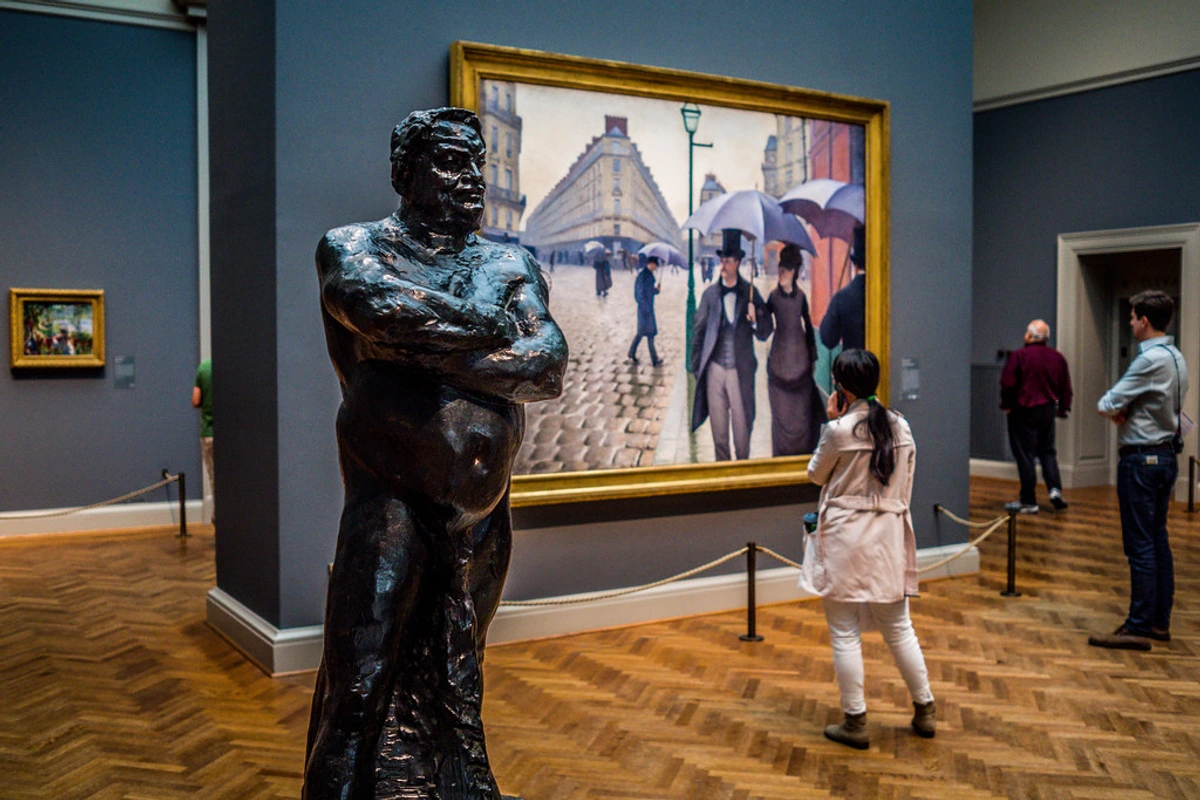
Patience is key when connecting with art. Rushing through a gallery or quickly glancing at a piece can prevent you from fully experiencing its depth. Take your time to absorb the details and let the artwork unfold its story.
Step 1: Slow Down
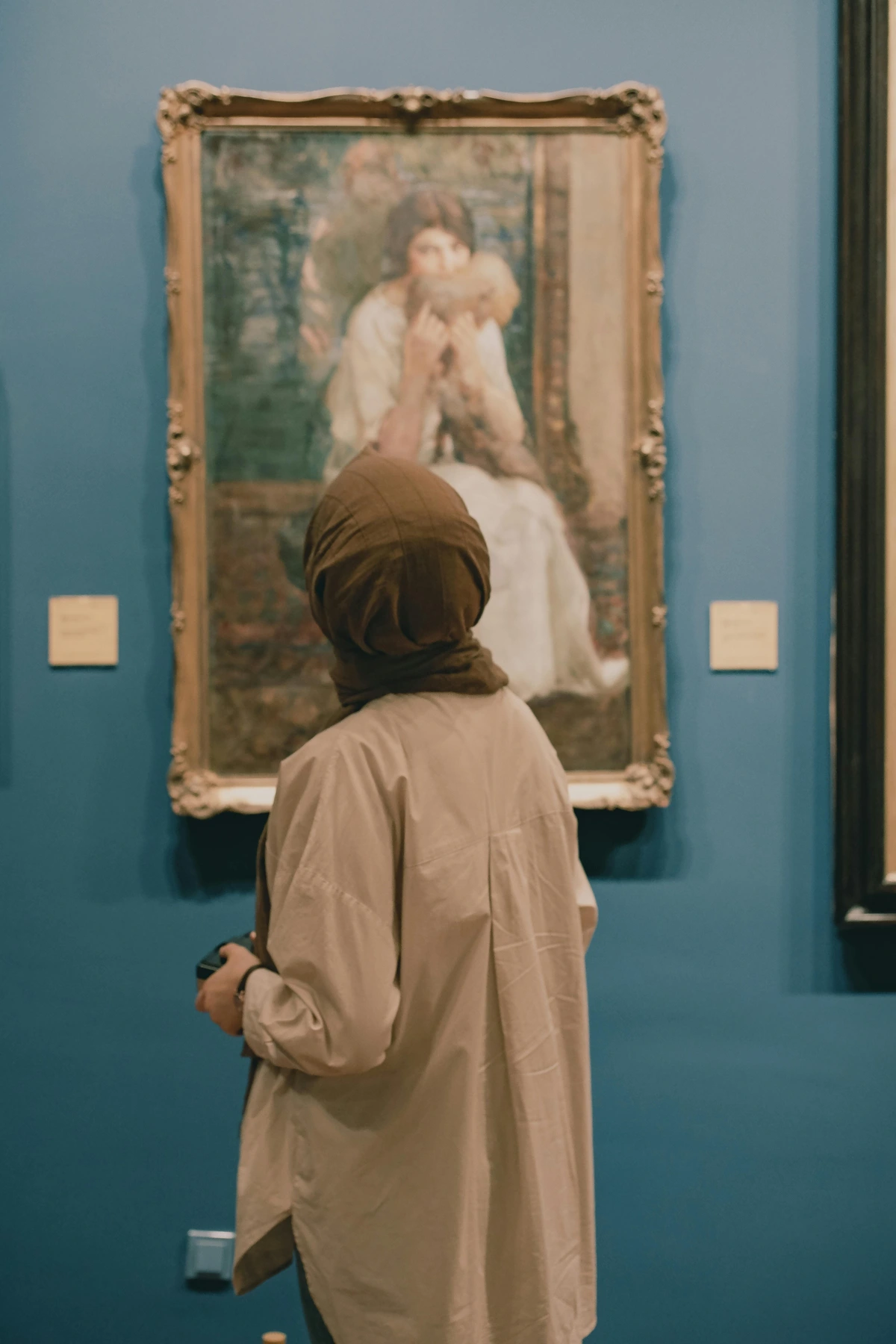
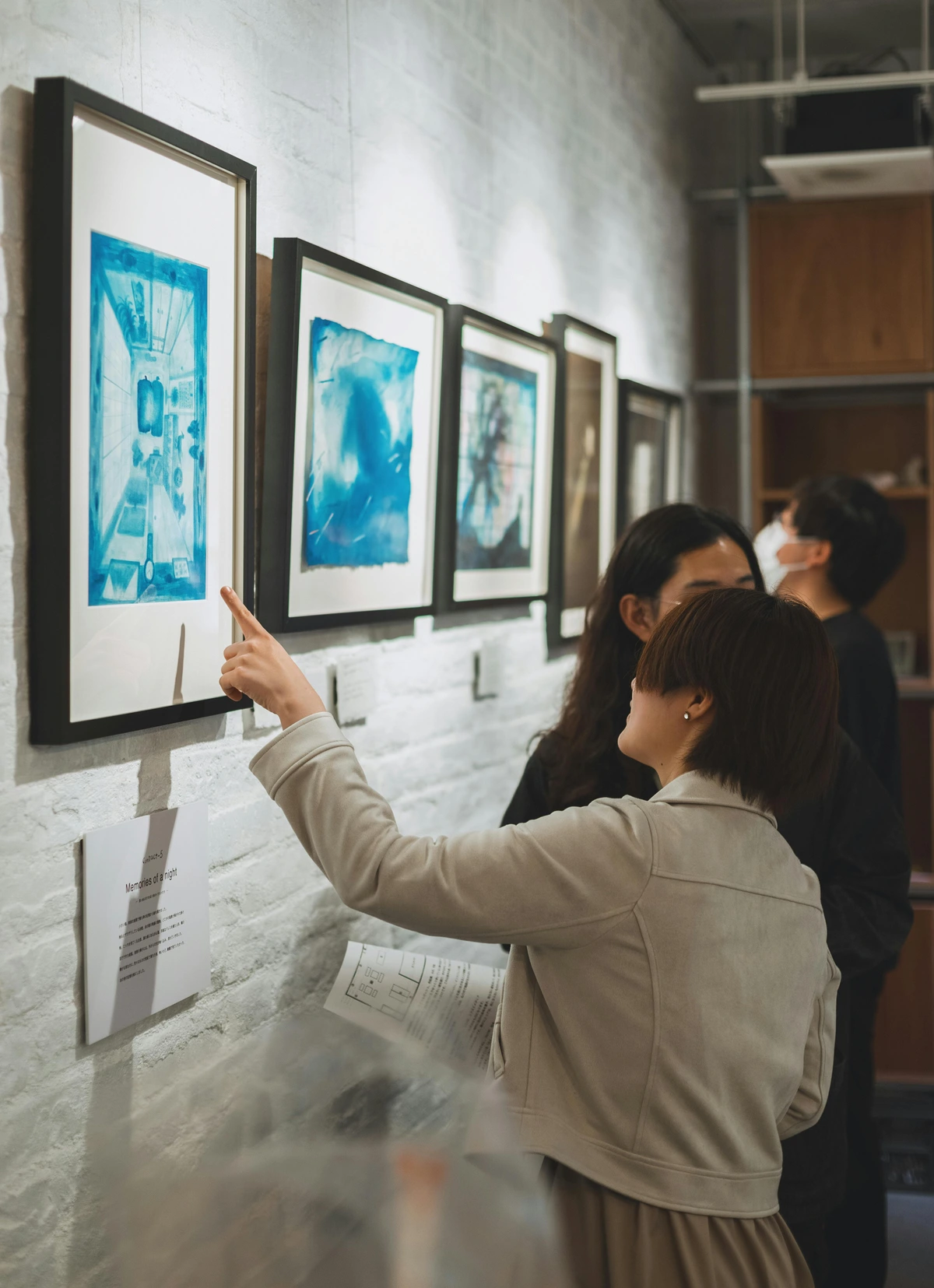
In our fast-paced world, we often rush through experiences without really taking the time to absorb them. When you’re looking at artwork, slow down. Take a moment to really look at the piece. Notice the details, the colors, the textures. Allow yourself to be fully present and to take in the artwork without distractions.
Step 2: Create a Ritual
Developing a ritual around art appreciation can enhance your experience. This could be as simple as setting aside a specific time each week to visit a gallery or spending a few minutes each day reflecting on a piece of art. Rituals help create a sense of anticipation and mindfulness.

Step 2: Let Go of Expectations
Don’t worry about whether you "get" the artwork or not. There’s no right or wrong way to feel about a piece. Just let the artwork speak to you in its own way. Release any preconceived notions or judgments and allow yourself to experience the artwork without expectations.
Step 3: Ask Questions
Ask yourself questions like:
- What emotions does this artwork evoke in me?
- What memories or experiences does it bring to mind?
- What do I think the artist was trying to convey?
- How does this artwork relate to my own life and experiences?
By asking these questions, you can begin to explore the deeper meanings and connections that the artwork holds for you.
Step 4: Reflect
After you’ve spent some time with the artwork, take a moment to reflect on your experience. What did you feel? What did you learn about yourself? How has the artwork impacted your thoughts and emotions?
Reflection is a powerful tool for deepening your connection with the artwork and gaining insights into your own inner world.
Step 5: Explore Further
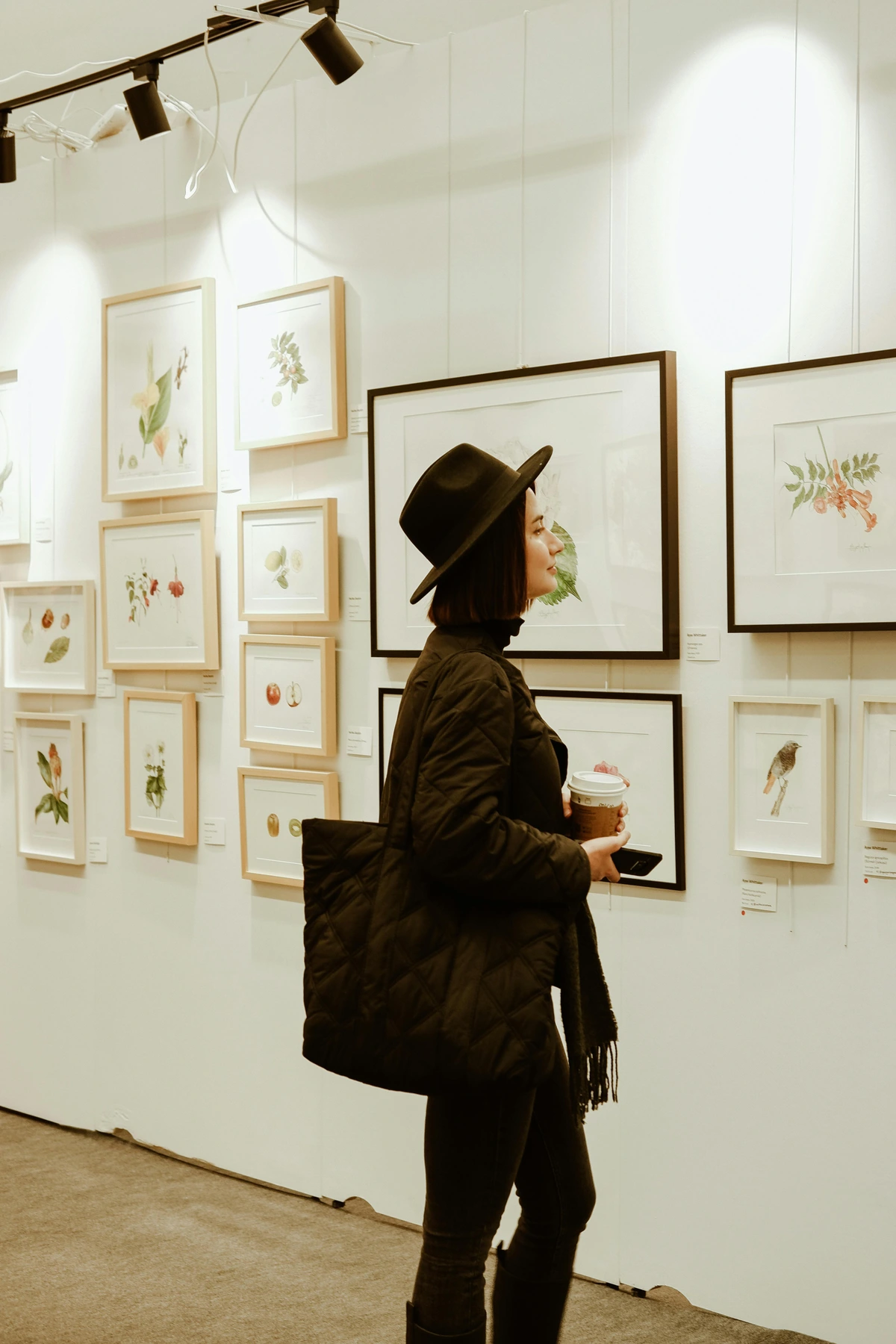
If a piece resonates with you, delve deeper. Research the artist, the historical context, or the techniques used. This can enrich your understanding and appreciation of the artwork. Visit museums, read books, or take online courses to learn more about the artist and their work. The more you know, the deeper your connection with the artwork can become.
Step 6: Share Your Experience
Sharing your thoughts and feelings about art with others can deepen your appreciation. Discussing a piece with friends, joining an art club, or writing about your experience can provide new perspectives and insights.
Examples of Artwork That Evoke Emotions
Art has the power to evoke a wide range of emotions, from joy and wonder to sadness and contemplation. Here are a few examples of artwork that have a strong emotional impact:
Artwork  | Artist | Emotion Evoked |
|---|---|---|
| The Starry Night | Vincent van Gogh | Wonder, Awe |
| The Scream | Edvard Munch | Anxiety, Fear |
| The Persistence of Memory | Salvador Dali | Confusion, Intrigue |
| Guernica | Pablo Picasso | Horror, Despair |
| The Birth of Venus | Sandro Botticelli | Beauty, Serenity |
| The Kiss | Gustav Klimt | Love, Passion |
| Girl with a Pearl Earring | Johannes Vermeer | Curiosity, Mystery |
| The Last Supper | Leonardo da Vinci | Reverence, Contemplation |
The Role of Color in Emotional Impact
Color plays a significant role in how art evokes emotions. Warm colors like red and orange can create feelings of warmth and passion, while cool colors like blue and green can evoke calmness and tranquility. Understanding the emotional impact of color can enhance your appreciation of art.

How Art Evokes Emotions
Art evokes emotions through a combination of visual elements, symbolism, and the viewer's personal experiences. The use of color, light, and composition can create a mood that resonates with the viewer. For example, warm colors like red and orange can evoke feelings of warmth and passion, while cool colors like blue and green can create a sense of calm and tranquility.
The Role of Light and Shadow
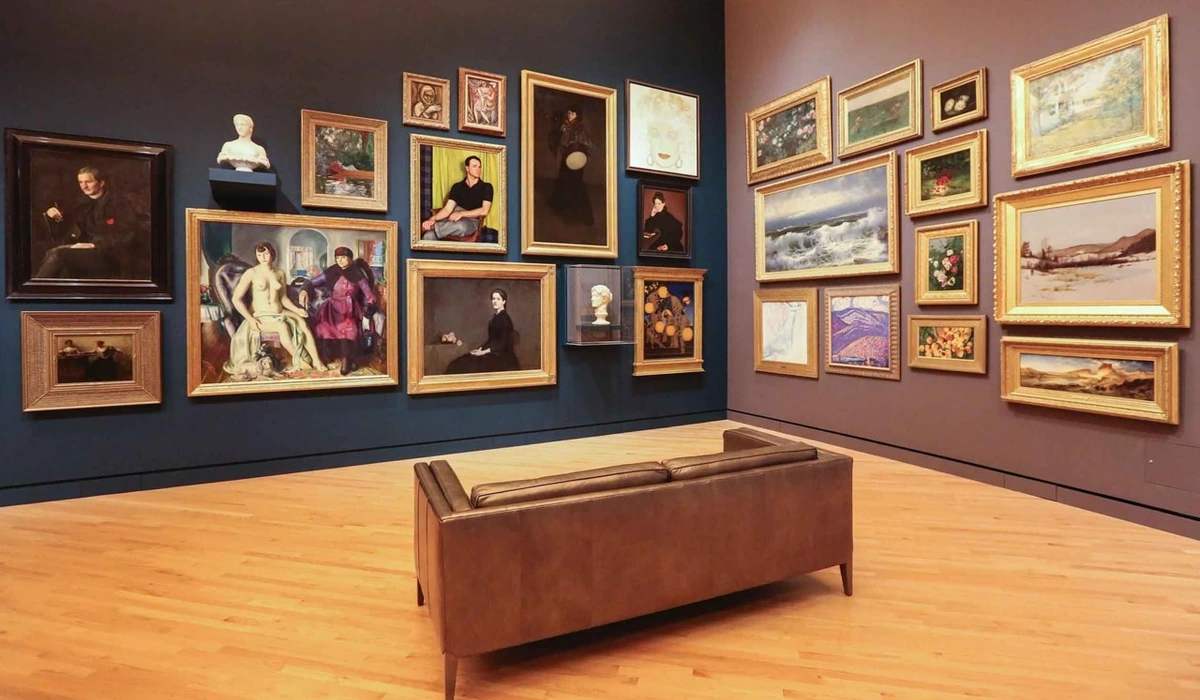
Light and shadow are essential elements in art that can evoke emotions and create depth. The interplay of light and shadow can highlight certain aspects of a piece, creating a sense of drama or tranquility. Understanding how artists use light and shadow can deepen your appreciation of their work.
The Role of Symbolism
Symbolism in art adds layers of meaning and can evoke emotions by tapping into universal themes and archetypes. For instance, a dove often symbolizes peace, while a stormy sea might represent turmoil or chaos. Understanding these symbols can deepen your emotional connection to the artwork.
Common Symbols in Art
Here are some common symbols found in art and their meanings:
Symbol | Meaning |
|---|---|
| Dove | Peace, Purity |
| Snake | Transformation, Healing |
| Heart | Love, Emotion |
| Tree | Life, Growth |
| Sun | Energy, Vitality |
| Moon | Mystery, Intuition |
| Water | Emotion, Fluidity |
| Fire | Passion, Destruction |
Understanding these symbols can provide deeper insights into the artwork and its intended message.
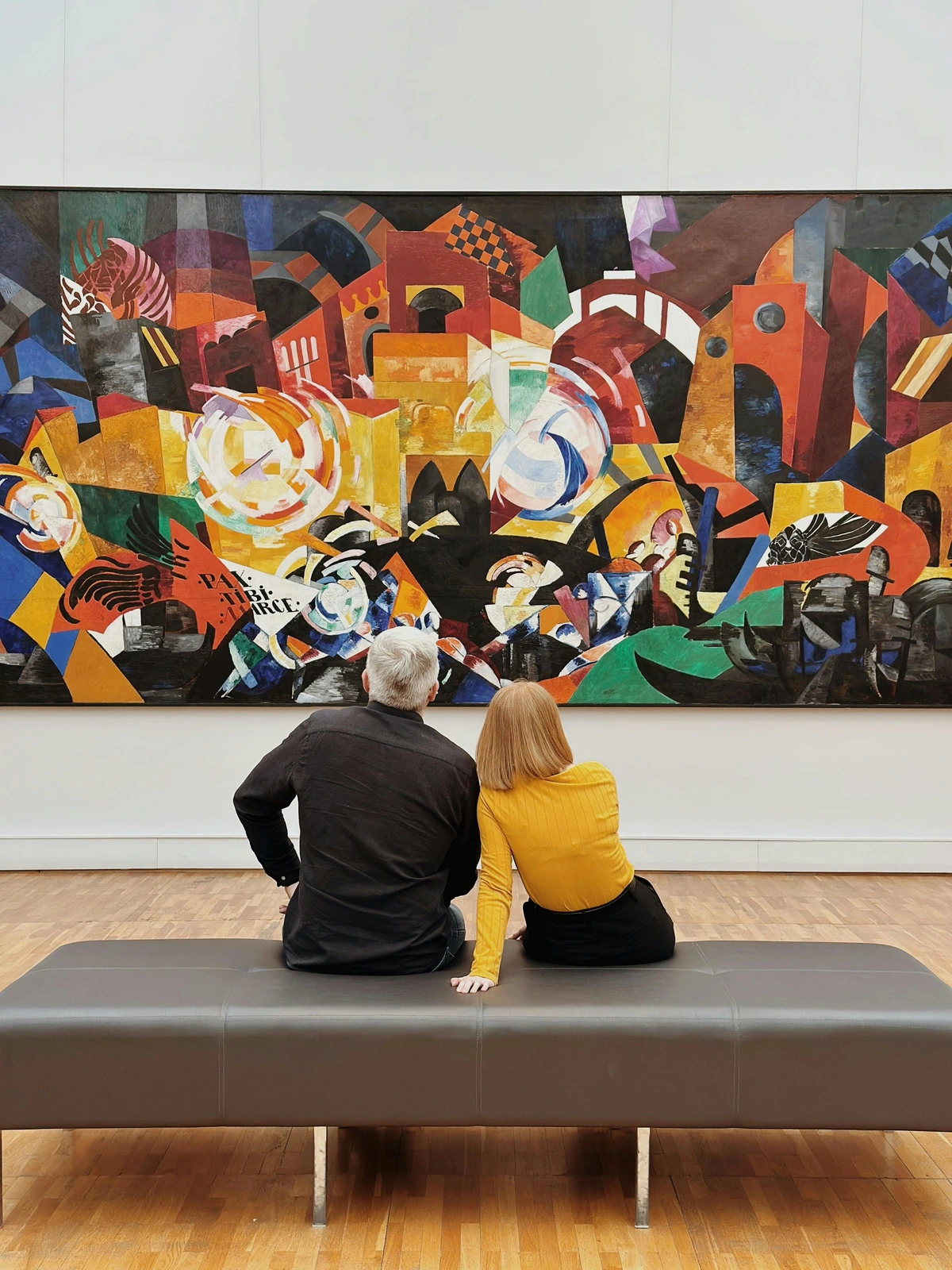
These artworks are just a few examples of the emotional power of art. Each piece has the ability to evoke a unique response, depending on the viewer’s personal experiences and perspectives.
Considerations
Authenticity
One thing to keep in mind is the authenticity of the artwork. With the rise of digital art and NFTs, it’s important to consider the originality and the medium of the piece. While I’m skeptical about the hype around NFTs, I can’t deny that digital art has its own unique magic.
The Role of Technology in Art
Technology has revolutionized the way we create and experience art. From digital painting to virtual reality exhibitions, technology offers new avenues for artistic expression and appreciation. However, it also raises questions about authenticity and the role of traditional art forms.
The Role of Originality
Originality is a key aspect of art appreciation. It’s about recognizing the unique vision and creativity of the artist. Whether it’s a traditional painting or a digital creation, the originality of the artwork is what makes it special and meaningful.
The Challenge of Originality in the Digital Age
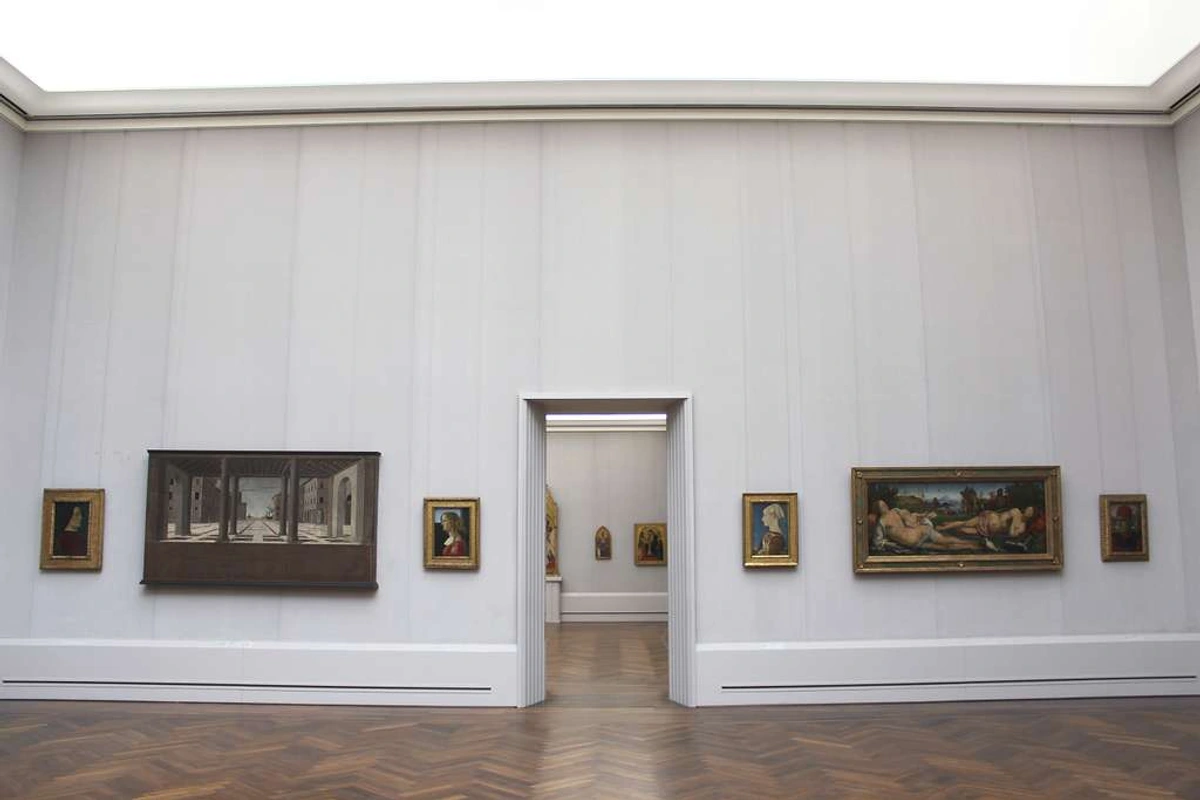
In the digital age, the concept of originality is constantly evolving. With the ease of copying and sharing digital art, artists face new challenges in maintaining the uniqueness of their work. This has led to debates about copyright, ownership, and the value of digital art.
Personal Taste
Art is subjective, and what speaks to one person might not speak to another. It’s okay to not like a piece of artwork. The important thing is to be open to the experience and to find what resonates with you.
The Evolution of Personal Taste
Personal taste in art can evolve over time. As you gain more experience and knowledge, your preferences may change. Embracing this evolution can lead to a deeper and more nuanced appreciation of art.
Exploring Different Styles
There are countless styles and genres of art, from abstract and contemporary to classical and surreal. Exploring different styles can help you discover what you like and what resonates with you on a personal level. Don’t be afraid to step out of your comfort zone and try something new.
The Benefits of Exploring Different Styles
Exploring different styles of art can broaden your perspective and deepen your appreciation. It can also inspire your own creativity and help you develop a more nuanced understanding of art.
Ethical Considerations
When appreciating art, it’s also important to consider the ethical implications. This includes understanding the provenance of the artwork, ensuring it was created and acquired ethically, and respecting the cultural significance of the piece.
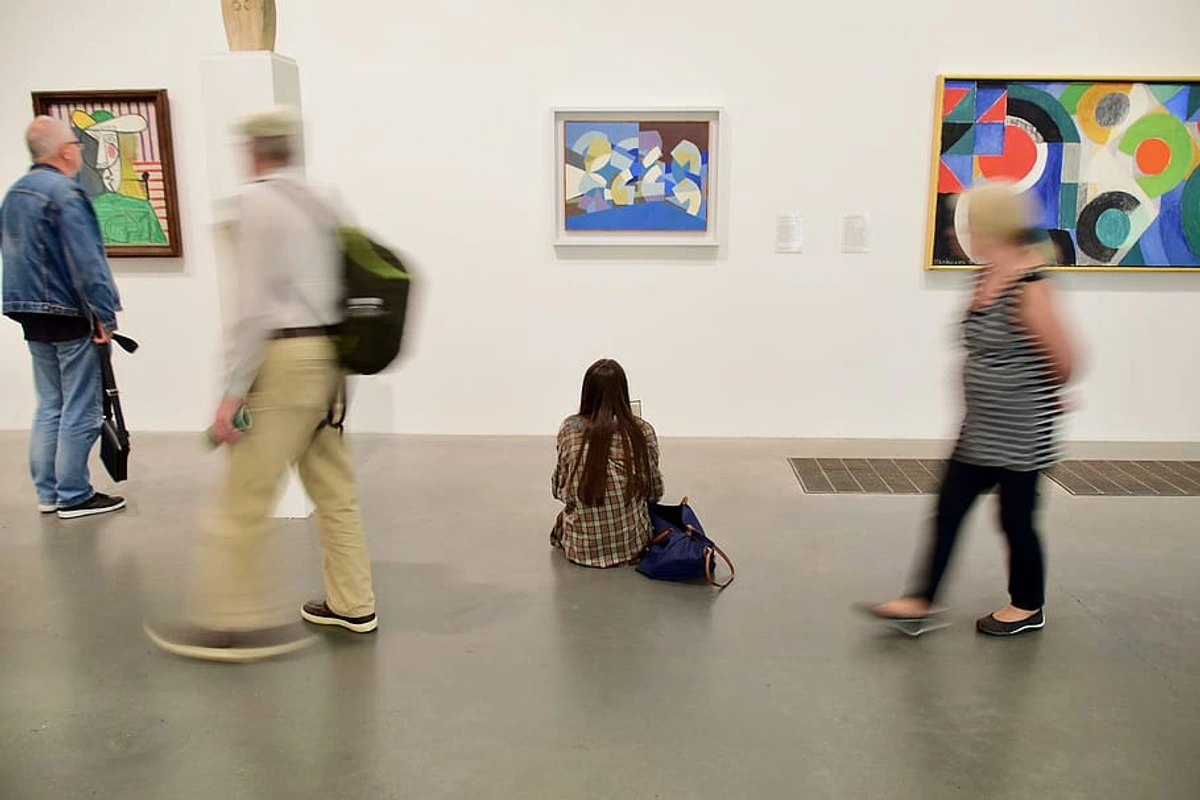
The Importance of Ethical Art Practices
Ethical considerations in art extend beyond provenance. They include fair compensation for artists, respect for cultural heritage, and the responsible use of materials. Supporting ethical art practices ensures that the art world remains vibrant and sustainable.
The Importance of Provenance
Provenance refers to the history of ownership of a piece of artwork. Understanding the provenance can provide insights into the artwork’s journey and ensure that it was acquired ethically. This is especially important for cultural artifacts and historical pieces.
How to Research Provenance
Researching the provenance of an artwork involves tracing its ownership history, examining documentation, and consulting experts. This process can uncover fascinating stories and ensure the ethical integrity of the piece.

FAQ
What if I don’t understand the artwork?
That’s okay! Art isn’t always about understanding. It’s about feeling and experiencing. If a piece doesn’t speak to you, that’s fine. Move on to something else that does.
How can I learn more about art appreciation?
There are many resources available, from books to online courses. You can also visit museums and galleries to experience artwork firsthand. Check out our timeline for a journey through art history.

Can I appreciate art without knowing the techniques?
Absolutely! While knowing the techniques can deepen your appreciation, it’s not necessary. The most important thing is to connect with the artwork on an emotional level.
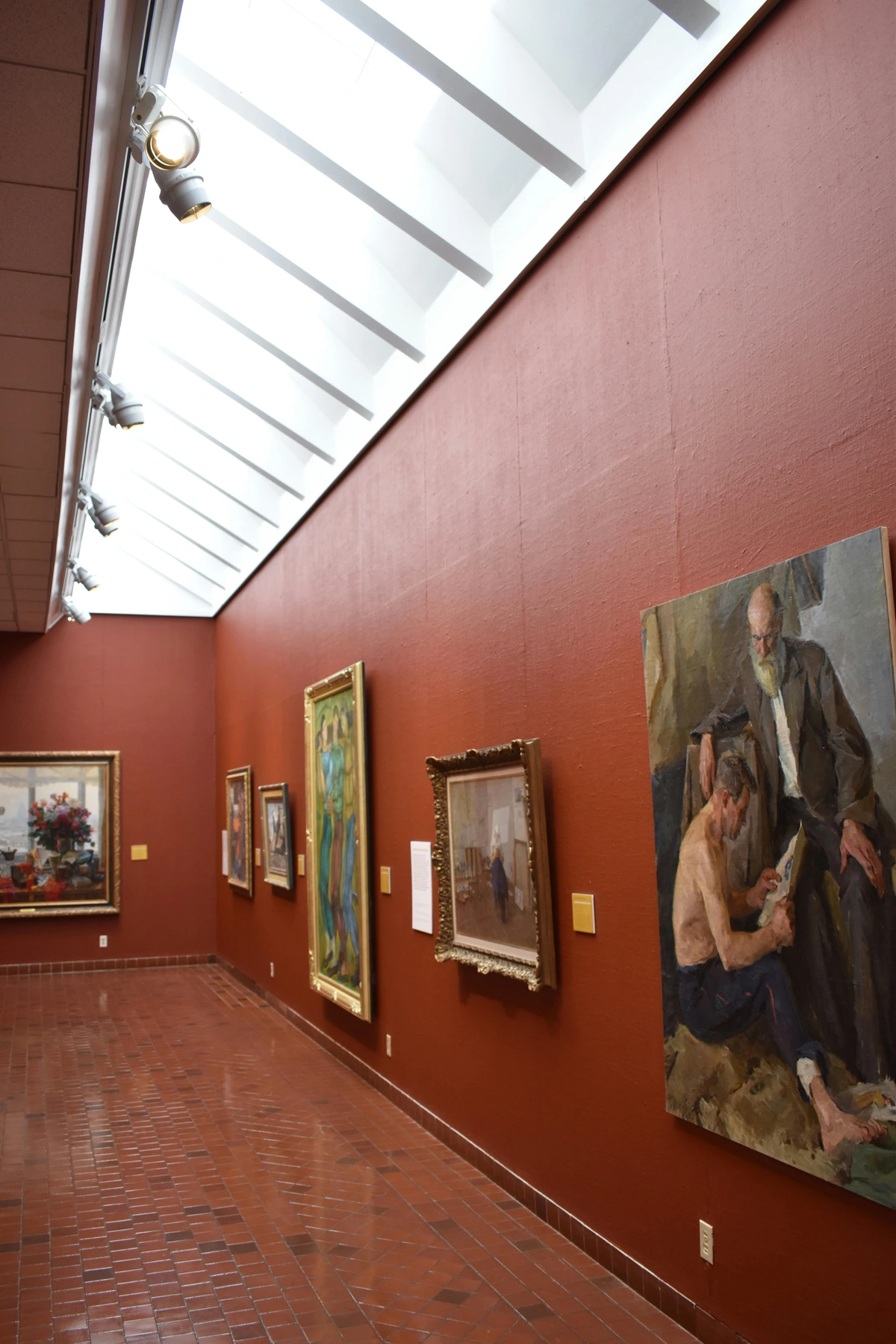
How do I know if a piece of art is "good"?
The concept of "good" art is subjective. What matters most is how the artwork makes you feel and whether it resonates with you personally. However, understanding the context, technique, and intent behind the artwork can provide additional layers of appreciation.
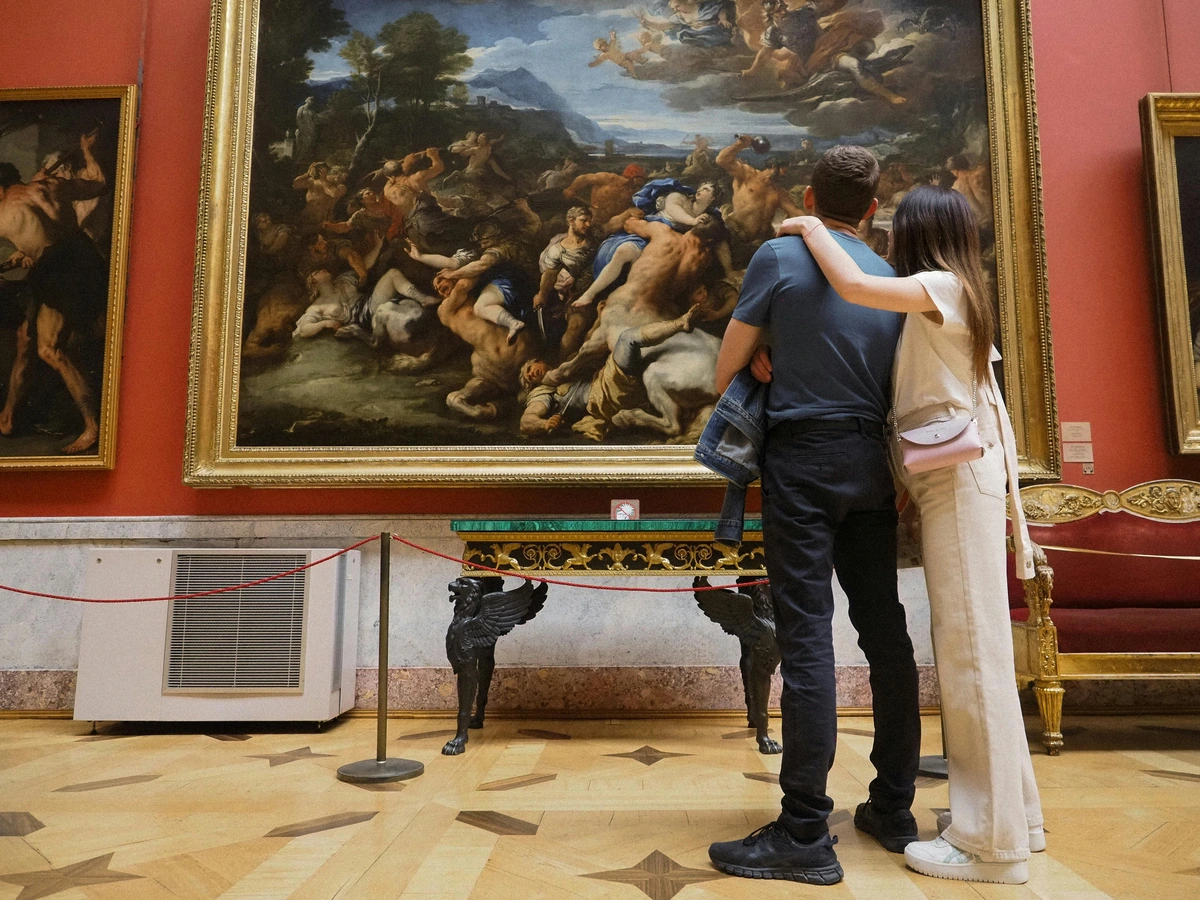
What should I do if I feel overwhelmed in a museum?
Museums can be overwhelming due to the sheer volume of artwork. Take your time, focus on a few pieces that catch your eye, and don’t feel pressured to see everything. It’s okay to take breaks and return another day.
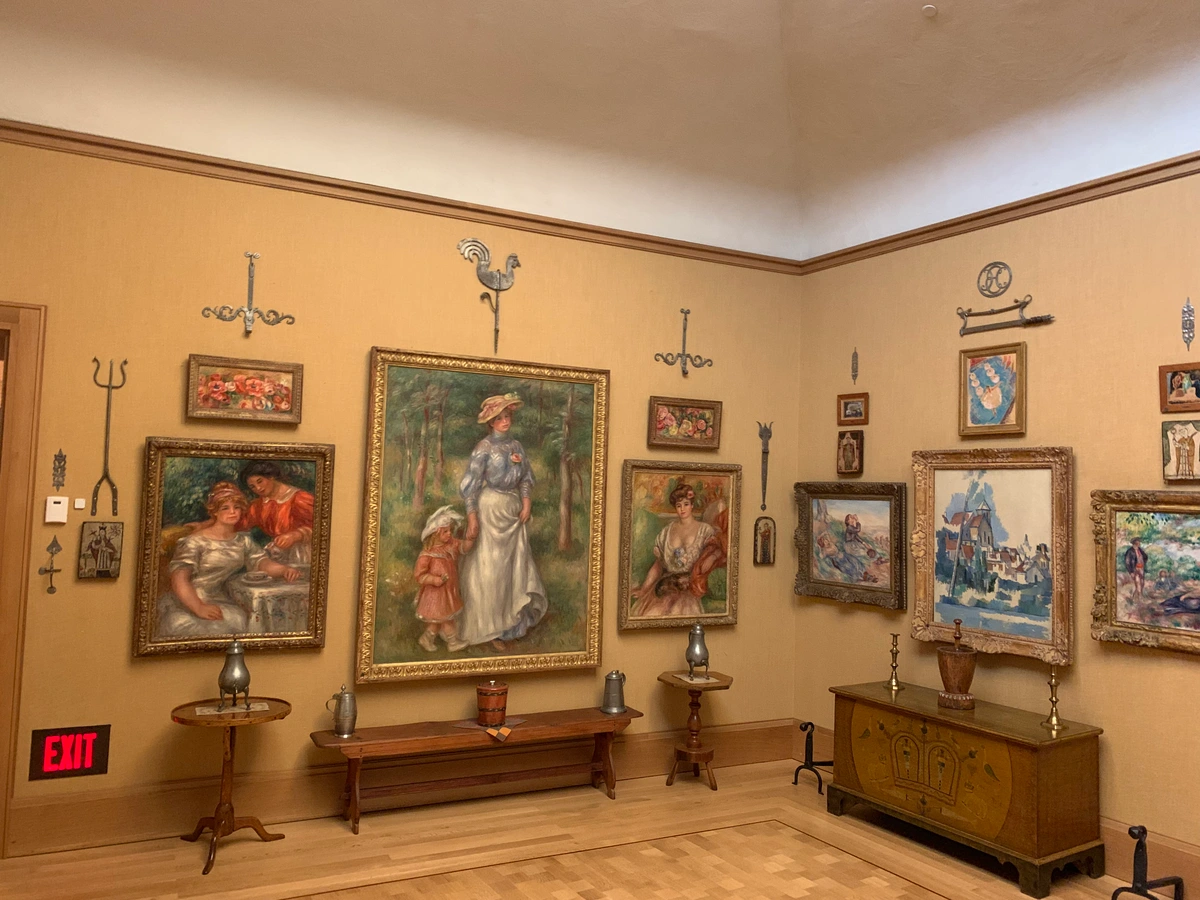
How can I start my own art collection?
Starting an art collection can be a rewarding experience. Begin by exploring different styles and mediums to understand what you like. Visit galleries, art fairs, and online platforms to discover emerging artists. Set a budget and start small, focusing on pieces that truly resonate with you.
Conclusion
Finding magic in art appreciation is about opening yourself up to the experience. It’s about letting go of expectations and allowing the artwork to speak to you in its own way. Whether you’re a seasoned art lover or a complete beginner, there’s always something new to discover in the world of art.
So next time you find yourself in front of a piece of artwork, take a moment to slow down, to feel, and to connect. You might just find a little bit of magic.
Final Thoughts
Art appreciation is a journey, not a destination. It’s about exploring, feeling, and connecting with the world around you through the lens of creativity. Embrace the process, and let the magic of art enrich your life in ways you never imagined.











Credit, License